
Recombinant DNA flow
This page has four parts, in the order you use them. Part 1 is what you need to know. Part 2 says what to do, in plain English. Part 3 shows the work done once on a case that is not yours. Part 4 is your own work and where to turn it in.
Open your materials, follow the steps, then turn in your work.
Trace how recombinant DNA lets cells manufacture a useful human protein.
Optional: listen or watch a unit review▸
Part 1 of 4 · Background and definitions▸
💡 Big idea: Because the genetic code is shared, inserting a human gene on a turns a host cell into a manufacturer of the human .
- • A is a small circular molecule used as a vector to carry a gene into a host cell.
- • Restriction enzymes cut at specific sequences; seals the inserted gene in place.
- • Bacteria read the same codon table we do, which is why a human gene can be expressed in them at all. They cannot splice introns and they need their own ribosome binding site, which is why the human gene goes in as intron-free cDNA placed behind a bacterial promoter.
Scarcity forces a choice between competing fairness claims, so the allocation rule a board picks determines who is harmed by it.
Because the genetic code is shared, inserting a human gene on a turns a host cell into a manufacturer of the human .
Driving question: for diabetes used to be taken from pig and cattle pancreases. How does a vat of E. coli make human insulin instead?
What you already know: Scarcity forces a choice between competing fairness claims, so the allocation rule a board picks determines who is harmed by it.
New idea: Because the genetic code is shared, inserting a human gene on a turns a host cell into a manufacturer of the human .
Visual or model: No figure is attached to this lesson. The readings, the worked example and E1 to E3 carry the evidence.
- Observe or measure the relevant feature in recombinant flow.
- Organize the observation with a stable evidence ID.
- Apply this rule: Stored information can be copied, read, and converted into a functional product.
- Choose the option the evidence supports and state the limit of the conclusion.
Real biomedical example: for diabetes used to be taken from pig and cattle pancreases. How does a vat of E. coli make human insulin instead?
What the evidence supports: E1 to E3 support the daily take-home when the response meets the stated success criteria.
What it cannot prove: The package does not support claims beyond this lesson's or any real patient diagnosis.
- • : A small, circular piece of that lives apart from a bacterium's main and is used in the lab to carry a chosen gene into a cell.
- • : The process of separating a target molecule, such as a or , away from everything else in a mixture to get a clean sample.
- • : A process that filters waste and excess fluid from blood across a semipermeable membrane, used clinically when the kidneys cannot do this job.
- • : Human antigens, proteins on cell surfaces that mark cells as self, helping the immune system spot foreign cells and guiding transplant matching.
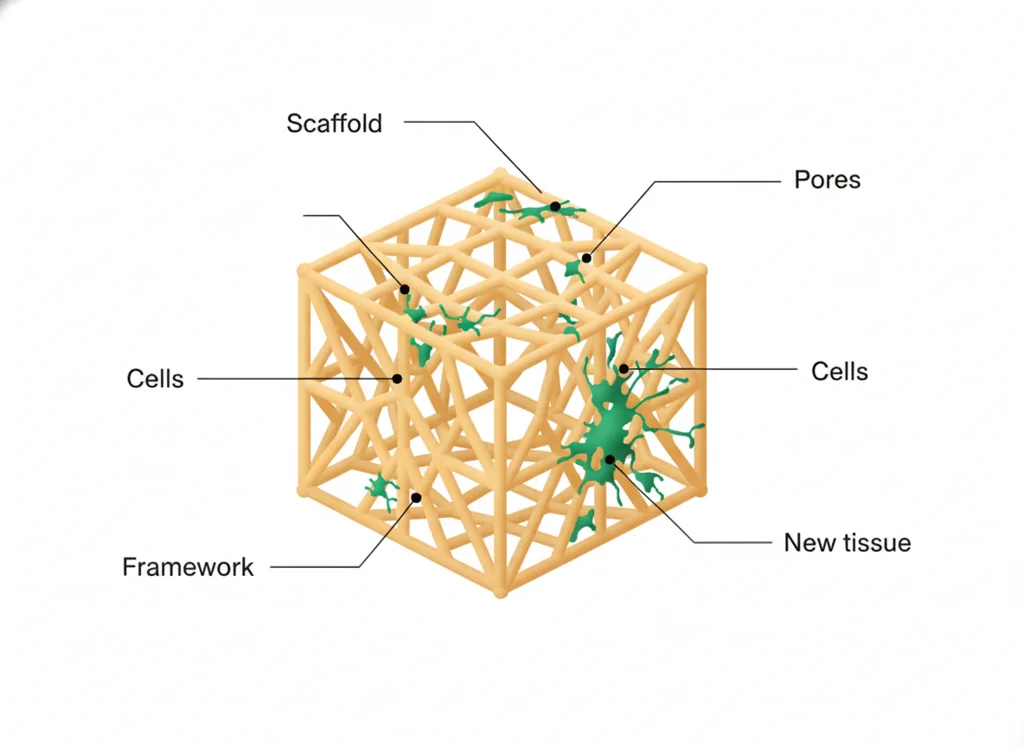
- • scaffold: A supportive framework, such as an engineered structure in repair or a base molecule in chemistry, that other parts build onto or grow within.
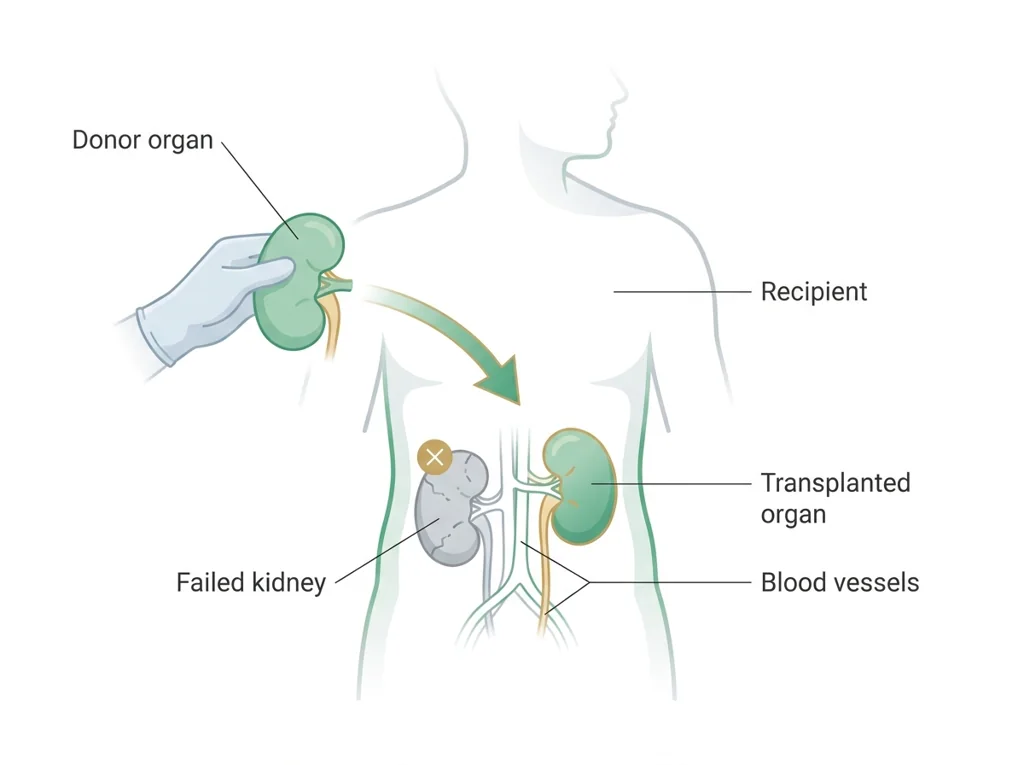
- • transplant: The transfer of a healthy organ, , or cells from a donor into a patient to replace a part that has failed.
Use it now: Choose one decision option. Cite E1 and E3, then explain how the rule connects the evidence to your choice. This is thinking practice for the one turn-in named under Turn in, not a second submission.
Go further, optional: The source links below are optional enrichment. Every fact required for today's local evidence decision appears in this lesson package.
Molecular workflows use controls and complementary separation or detection steps to evaluate a target, while each band, , or remains limited by method resolution and sample quality.
Limit: A band, selected , or fluorescent alone does not prove identity, , correct sequence, biological activity, or clinical suitability.
Stored information can be copied, read, and converted into a functional product.
Limit: Genes are regulated biological sequences, not conscious instructions, and one gene rarely determines a whole trait alone.
You can sequence the steps of making recombinant .
Limit: E3 defines the classroom product or success criterion. It is not independent scientific evidence and cannot justify a clinical or causal claim.
Today's decision · Simulated classroom evidence scenario
Your role: medical interventions team member
Decision: Your team must decide what the evidence from recombinant flow supports before submitting the notebook record named on today's page.
- • Explain the host cell as unchanged in its reading machinery, because the is what gets engineered, not the interpretation.
- • Argue that the bacterium had to be rewritten to understand human , since a human gene is foreign to it.
- • Stop short of saying the host actually made the , because a flow diagram shows the planned steps and not a result.
Response: State one choice, cite at least two evidence IDs, explain the rule that connects them, and add one limitation. Use it inside the one turn-in named under Turn in; it is not a separate submission.
Claim ceiling: Today's evidence supports a classroom claim about recombinant flow. It cannot prove causation, diagnose a real patient, or justify action outside this room.
Students often think the bacterium must be modified to understand human . The trap: Nothing about the bacterium's reading machinery is changed. The genetic code is effectively universal, so the same codon means the same amino acid in both. What is engineered is the delivery, the , not the interpretation.
- CER:
- Claim, Evidence, Reasoning: make a claim, back it with evidence, explain your reasoning.
- SOP:
- Standard Operating Procedure, the exact steps to follow (especially in a lab).
- Tracker:
- Your PLTW progress log where you record completed evidence.
- myPLTW:
- The PLTW course site where you do the online activities. Find it in Clever with your Microsoft sign-in, right next to Schoology.
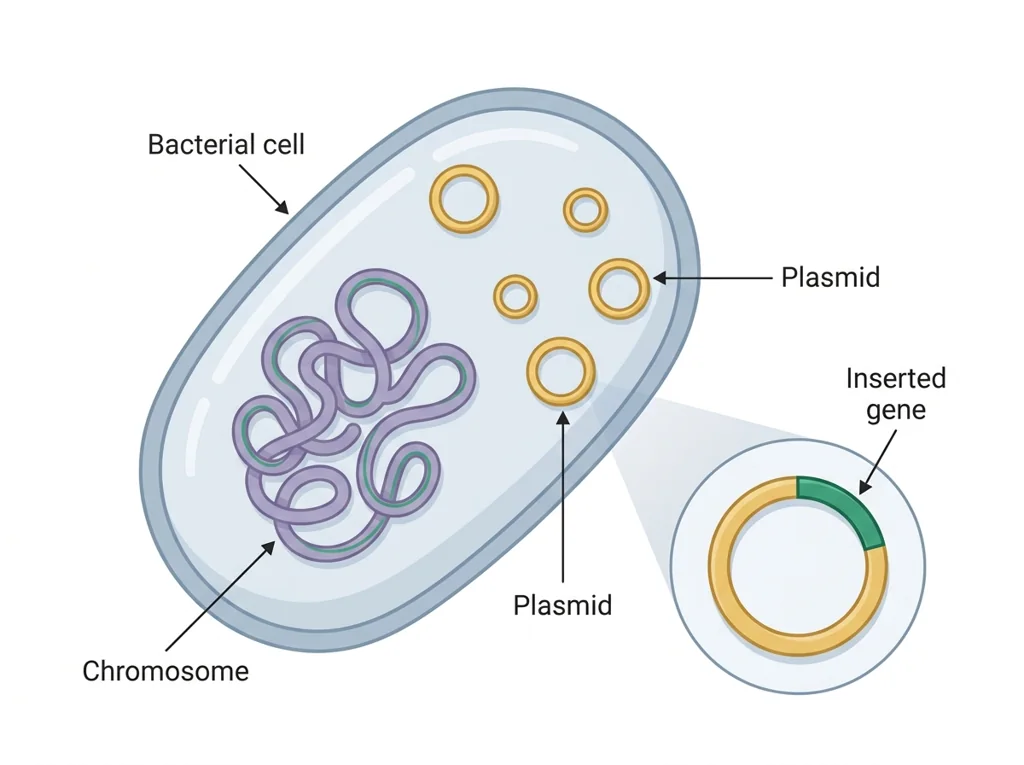
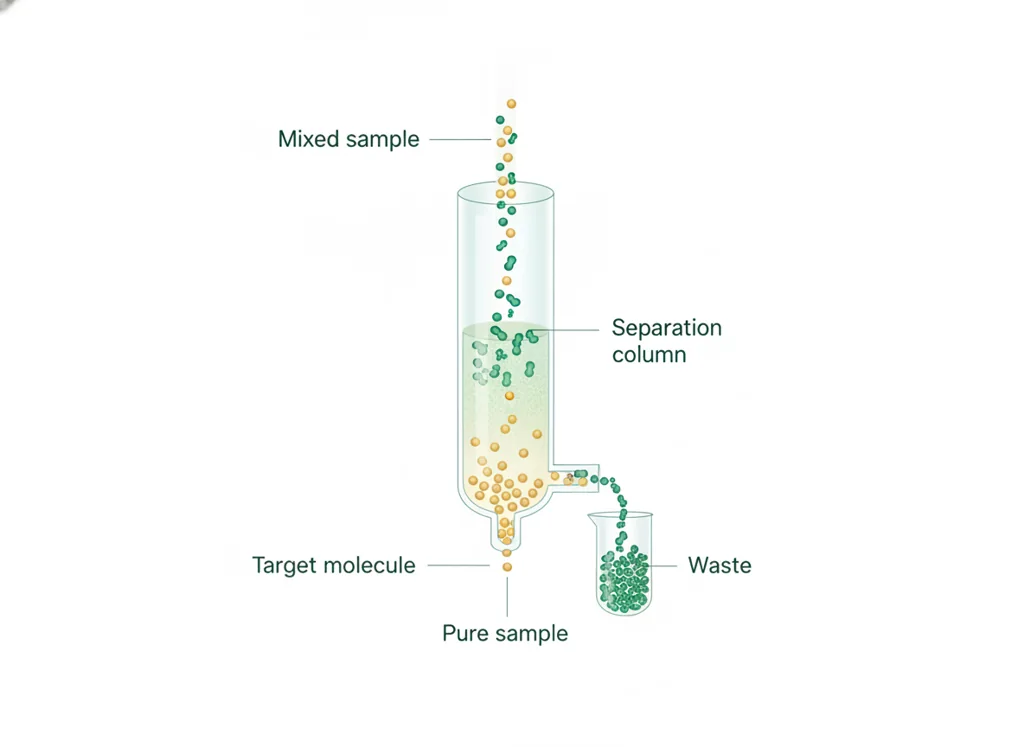
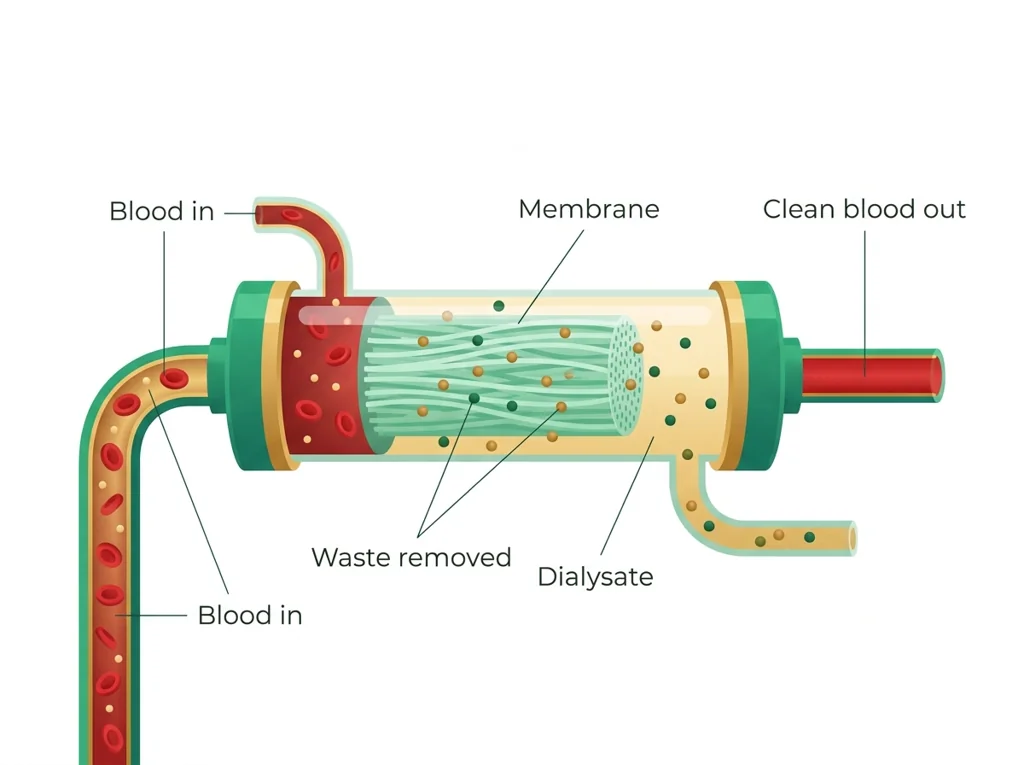
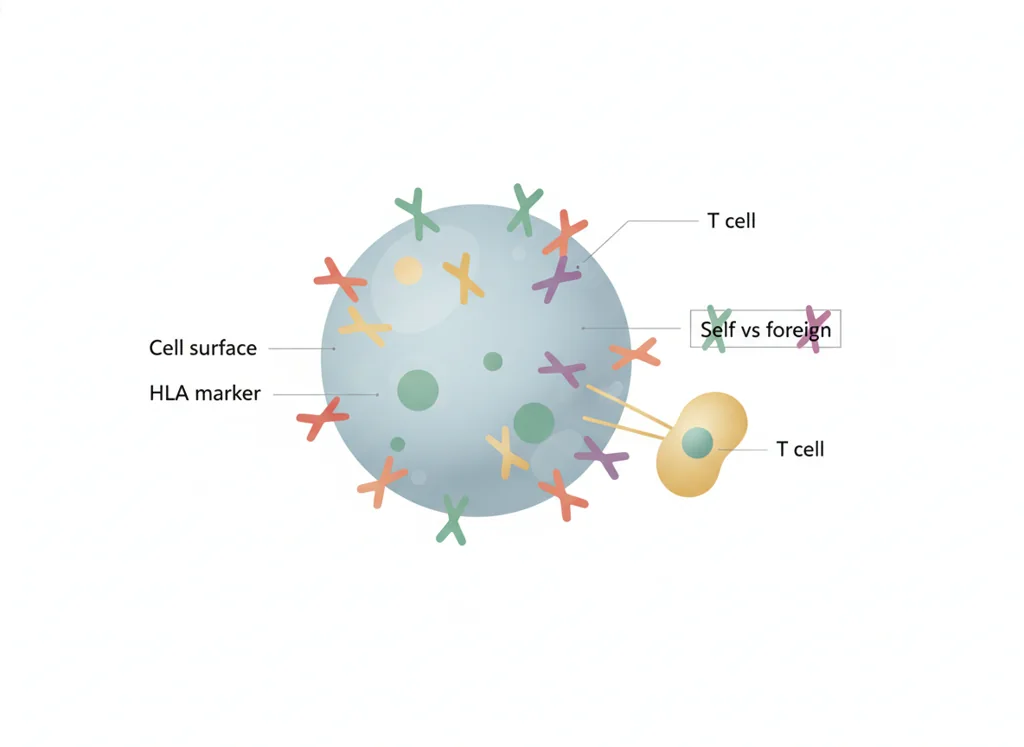
Tap the speaker to hear a term. Add two of these to your notebook glossary with a definition and an example in your own words.
Pick just 2 or 3 words from today and make them yours: write what each one means in your own words, name the context clue or evidence that helped, then give one example from what you actually did in Recombinant DNA flow. Try your own words first; the glossary is there if you get stuck. This is voluntary and counts as extra credit, so keep it short.
Saved on this device. Show Mr. Mendoza or add these to your notebook glossary to claim the extra credit.
Part 2 of 4 · Directions in plain English▸
2.1 Open your materials
Use the materials named in the first step below. Open lesson resources.
2.2 Start the work
Opener: reopen your saved DNA repair simulation run from Tuesday, Nov 24, check that both percent-coverage tables are filled, and finish the Project 3.2.2 data table before anything else.
Show all 6 required steps
- Opener: reopen your saved DNA repair simulation run from Tuesday, Nov 24, check that both percent-coverage tables are filled, and finish the Project 3.2.2 data table before anything else.
- Read the recombinant-DNA notes in the PLTW course shell and define plasmid and recombinant DNA.
- Order the steps of inserting a human gene into a plasmid and into a host cell.
- Explain why a bacterial cell can read a human gene and make the protein.
- Name one medicine, such as insulin, made this way.
- Submit a labeled recombinant-DNA flow diagram as PLTW tracker evidence.
Lost your place? Reopen your saved DNA repair simulation run and finish the Project 3.2.2 data table first. Then order the steps of getting a human gene into a plasmid and into a host cell.
- 0-12Simulation check: reopen Tuesday's saved repair run, confirm both percent-coverage tables are filled, and complete the Project 3.2.2
- 12-20Read notes; define and recombinant in own words
- 20-35Order the gene- steps; compare sequence with a partner
- 35-50Explain shared genetic code; annotate why bacteria can read human genes
- 50-60Name a real medicine produced this way; add to diagram
- 60-72Finalize and label flow diagram
- 72-80Submit diagram to tracker; async post if remote
- • Before a medicine can be purified, it has to be made inside a living cell.
- • Recombinant is the blueprint that tells the cell what to build.
- • Today you will diagram the full flow from human gene to medicine.
- • This process sits squarely in the Molecular and Genetic Technology domain of the WebXam.
PLTW connection and today's work
Open Activity 4.1.2 Protein Factories in myPLTW for Lesson 4.1 Manufacturing Human Proteins and diagram the full recombinant DNA flow from human gene to protein medicine.
Today's stopping point: The debate should be complete; recombinant DNA flow diagram due today.
PLTW activity titles identify the course connection. If your account will not open, use the posted materials for today and tell Mr. Mendoza. Do not mark an online activity complete unless you completed it.
Use the turn-in directions in Part 4 of this page. Do not create a second submission unless your teacher asks for one.
Show another explanation or a smaller first step
Need help? Choose a starting point
Part 3 of 4 · Worked example▸
This is a parallel case, not your own. Read it for the order of the work, then do your own in Part 4.
Parallel case, not your own diagram: the same flow for chymosin, the cheese-making enzyme, so the gene and the product are different from yours.
- Step 1, Get a gene the microbe can read: the chymosin gene comes from calf stomach cells, and a gene cut straight out of a cow chromosome carries introns a bacterium cannot remove. So the gene is copied as cDNA from the calf's chymosin mRNA, which has no introns, and it is given ends that match the enzyme used in Step 2.
- Step 2, Cut the plasmid: a restriction enzyme opens the bacterial plasmid and leaves sticky ends that match the ends on the gene.
- Step 3, Insert the gene: DNA ligase seals the gene into the plasmid, behind a bacterial promoter. The result is recombinant DNA, meaning DNA combined from two sources.
- Step 4, Transform the host: E. coli takes up the recombinant plasmid, and an antibiotic-resistance gene on the plasmid lets only transformed cells grow on the selection plate.
- Step 5, Make the protein: the bacterium transcribes the calf gene into mRNA and translates it into prochymosin, which is purified and activated into chymosin. Grow the culture and the bacteria make it in bulk.
Named product: chymosin, used to curdle milk for cheese. Before recombinant chymosin was approved in 1990, cheese makers took it from the stomach lining of calves.
Why a bacterium can read a calf gene: the genetic code is nearly universal, so the codons mean the same amino acids inside the bacterial cell. What a bacterium cannot do is splice out introns, which is why the gene goes in without them.
(Tip: draw the gene and the opened plasmid with matching sticky ends, since matching ends are the part graders look for.)
This model shows the level of evidence and organization needed to complete: Models the recombinant-DNA flow diagram on a parallel case: a labeled sequence showing a plasmid cut open, a gene from another organism inserted, a host cell transformed, and the named product made.
- Date and label the entry.
- Record the procedure, observation, or design decision clearly.
- End with what the evidence means and the next step.
Keep the structure. Replace the question, facts, measurements, and evidence. Then recheck units, vocabulary, and whether the conclusion goes beyond the evidence.
Also due today: Attach the diagram to your PLTW tracker, and turn it in in Schoology under the Unit 4 Recombinant DNA Flow assignment.
A library keeps a master plan protected while working copies guide production at different stations.
- Why protect the master copy?
- What information moves?
- Where can an error change the final product?
Stored information can be copied, read, and converted into a functional product.
Genes are regulated biological sequences, not conscious instructions, and one gene rarely determines a whole trait alone.
- • Master plan maps to .
- • Working copy maps to RNA.
- • Production output maps to or a regulated cell function.
Part 4 of 4 · Your work▸
Check your work before submitting
- You'll be able to sequence the steps of making recombinant DNA.
- You'll be able to explain how a host cell manufactures a human protein.
4.1 Turn in your work
DueCheck the Schoology assignment for this day- Hand in
- Labeled recombinant-DNA flow diagram showing plasmid cutting, gene insertion, host-cell transformation, and a named protein product.
How to submit and name your file
Submit as one PDF in Schoology.
In Schoology, open your course and the assignment for this lesson. Attach your file, select Submit, and check that it appears in the submission.
PDF upload helpYou get two school days for every day you were absent, so this deadline moves with you.
Today's lesson is in Schoology
Each school day has one lesson page in Schoology that holds everything for the day: the goal, the story so far, every table and data value, the numbered steps, and what to turn in. Open it first and work from it. The other rows for this day, if any, are the score line for a paper quiz or test and the John Carroll debate item; they do not add work. Check Schoology for each deadline.
- Today's Lesson · Tue 12/1 · Wk15 · Compare eight kinds of cancer treatment, then plan Mike's treatment and write his journal(today's lesson page: the goal, the data, the steps, and what to turn in are all on it)
Link will not open? Open Schoology, choose your course and section, and find the title shown above.
- CompleteEvery required part of the artifact is present, nothing left blank.
- AccurateThe science and the data are correct and match the evidence.
- Scientific reasoningYou explain your claim with evidence and reasoning (CER), not just an answer.
- Professional communicationClear, organized, labeled, and written the way a clinician or scientist would.
- SubmittedGo to Schoology to turn this in. Submit one PDF. Schoology attaches your name to your upload; on the page itself, write your period and code. Name the file: FirstName LastName - Assignment Title - YYYY-MM-DD.pdf. If you cannot get in, see Mr. Mendoza. Do not skip the work.
How this lesson connects
Keep using what you learned last class: Scarcity forces a choice between competing fairness claims, so the allocation rule a board picks determines who is harmed by it. Today: Because the genetic code is shared, inserting a human gene on a plasmid turns a host cell into a manufacturer of the human protein.
Practice: try a question, then check your answer▸
Claim ceiling for this check: Today's evidence supports a classroom claim about recombinant flow. It cannot prove causation, diagnose a real patient, or justify action outside this room.
Restriction enzymes cut both the plasmid and the human gene. Why does that matter for joining them?
Write an answer and pick a confidence to unlock the key.
Fast retrieval with instant answers, not the commit-then-reveal check above. Try each from memory first: write what you remember about the earlier units, then check yourself here.
Missed class or ready for more?▸
Optional practice for this unit's lab skills. Nothing in it is due today. This lesson has more than one, and they cover different skills.
What today's skills lead to. These are real health-science careers this course builds toward. Tap one to see, on the US Department of Labor's O*NET site, what the job actually involves, what it pays, and how fast it is growing.
Today is individual work you can do from home: complete the same target above, then submit your Notebook check.
Go to Schoology to turn this in. Submit one PDF. Schoology attaches your name to your upload; on the page itself, write your period and code. Name the file: FirstName LastName - Assignment Title - YYYY-MM-DD.pdf. If you cannot get in, see Mr. Mendoza. Do not skip the work.
Class still runs. Complete today's work as this page describes (it is self-guided). Need the concept taught without a teacher? Use this authoritative explainer:
MedlinePlus: Organ TransplantationThe optional extra-credit track is open. Complete reserved-unit work from home, including virtual labs, for extra credit. Each item shows its correct submission route.
Open the extra-credit trackSources: slides, readings, and resources▸
The deck carries the prior idea forward, lets you inspect an analogy, maps the rule to biology, and ends with the same evidence decision and exit ticket used on this page.
Play the cold open at the start of the unit to set the scene. Each recording is AI-generated and simulated (fictional callers, no real people or student data).
Classroom documents for this lesson are posted in Schoology. Open Clever, then Schoology, and find each one by the name shown on its card.
Use this for optional reserve or extra-credit work after the required class lesson is complete.
Use this for optional reserve or extra-credit work after the required class lesson is complete.
Use this for optional reserve or extra-credit work after the required class lesson is complete.
Sign in to Clever with your district Microsoft account to open Schoology or myPLTW. Follow today's posted steps. If myPLTW will not open, use the posted alternative and tell Mr. Mendoza. Turn in your completed work through the Schoology assignment.
This week
My Progress dashboard