
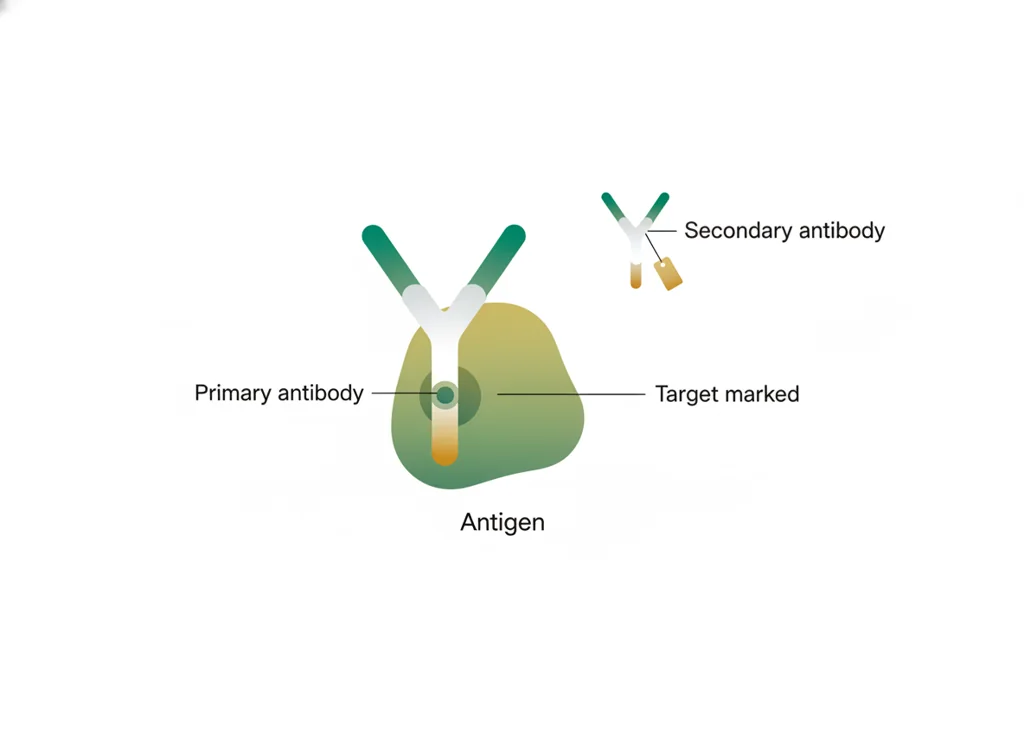
primary antibody
The first antibody added in a test that binds directly to the target molecule, marking it so it can be detected later.
MI
Every vocabulary word across Principles of Biomedical Science, Human Body Systems, Medical Interventions, and Biomedical Innovation. Tap a word on any lesson page to see its pop-box, or search the whole list here. Looking for the craniofacial research terms? See the research glossary.
970 terms, 961 with a labeled illustration. Plus 125 medical and science word parts.
Showing 970 terms.
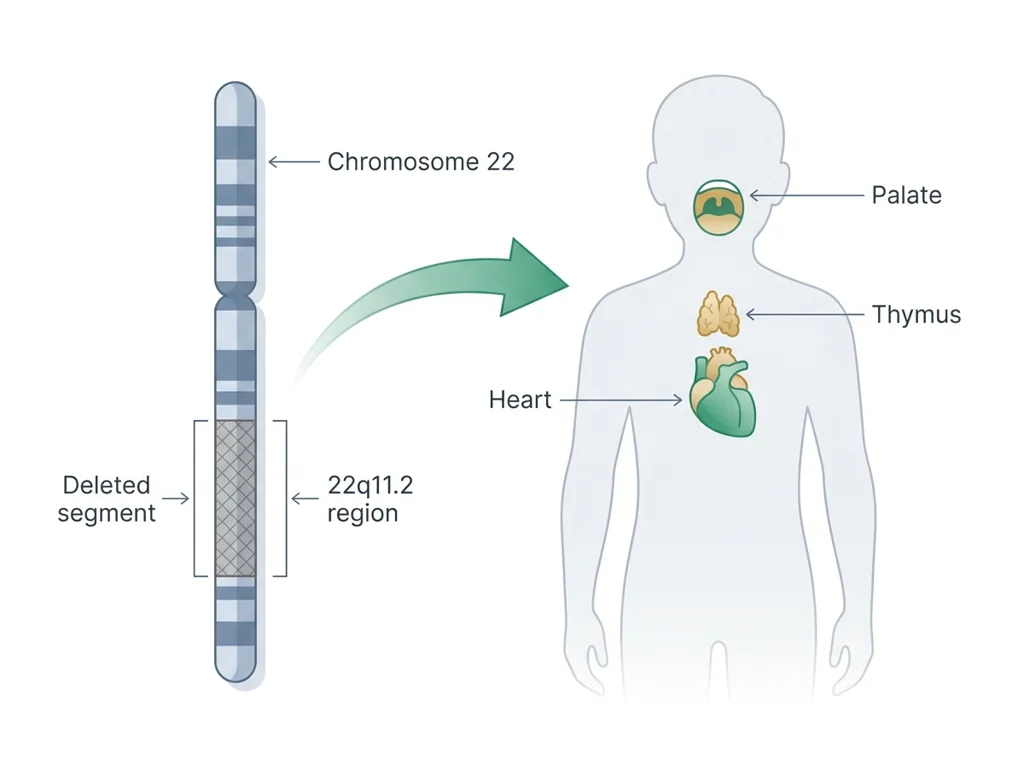
A condition caused by missing a small piece of chromosome 22, leading to heart defects, immune problems, and often cleft palate.
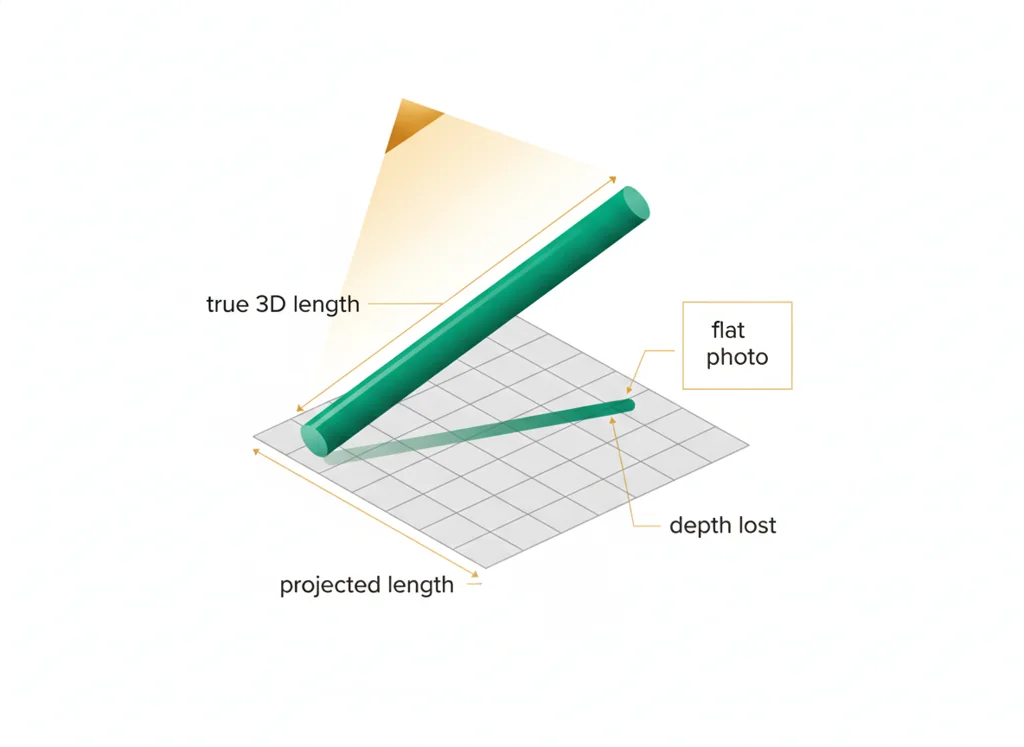
A length measured on a flat photo, which only shows a shadow of the true three-dimensional distance and can read shorter than the real one.
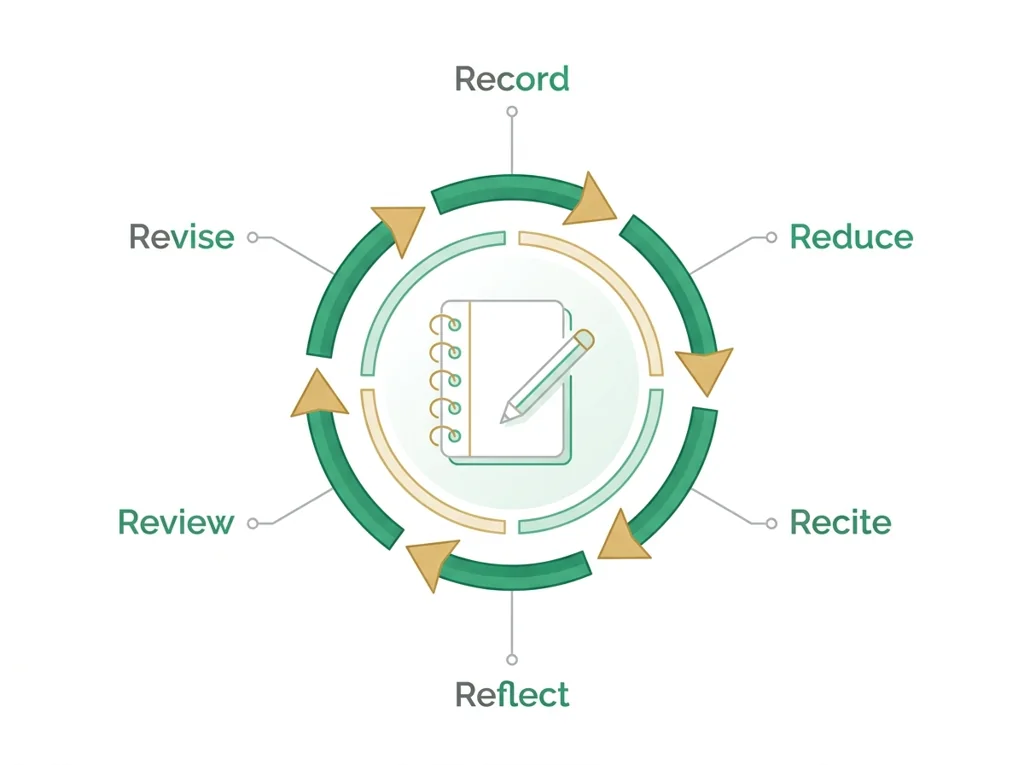
A six-step learning cycle (Record, Reduce, Review, Reflect, Recite, Revise) used to turn class notes into deep, lasting understanding.
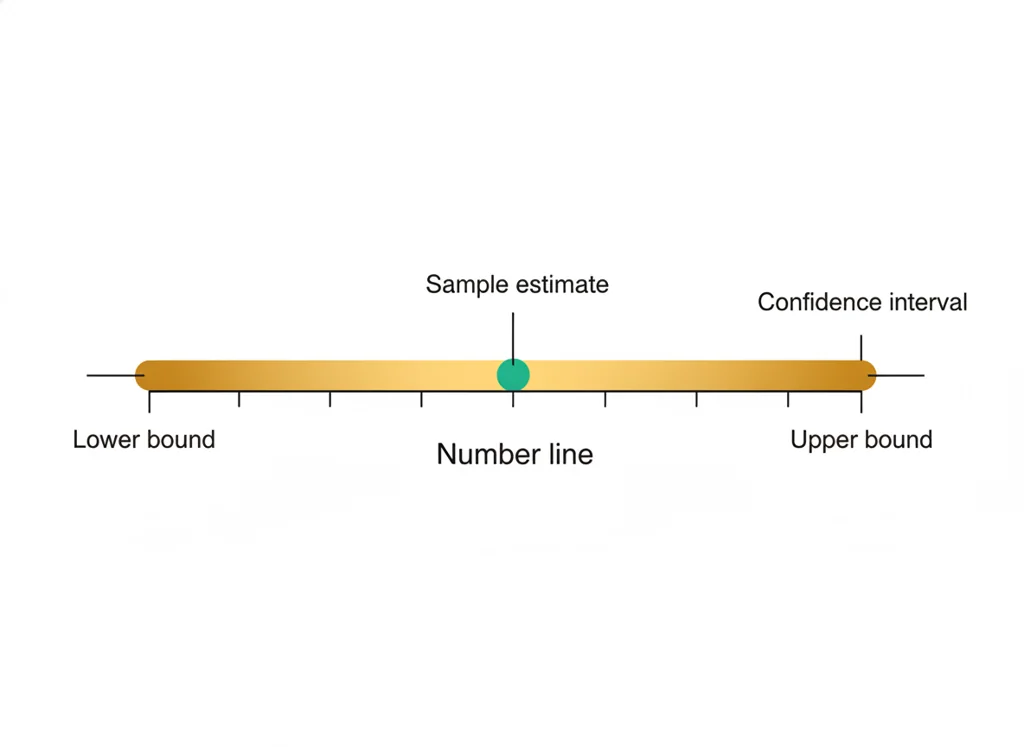
A range of values, built from sample data, that would capture the true value about 95 times out of 100 if the study were repeated.
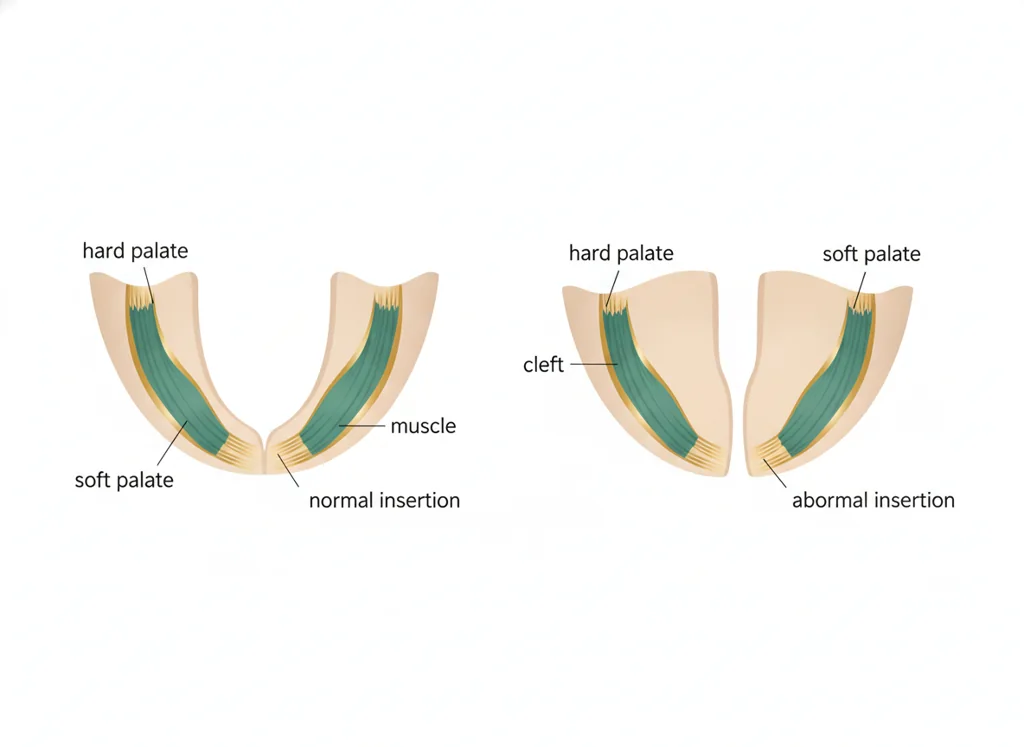
When a muscle attaches in the wrong place, as in cleft palate where palate muscles anchor to the back of the hard palate instead of meeting in the midline.
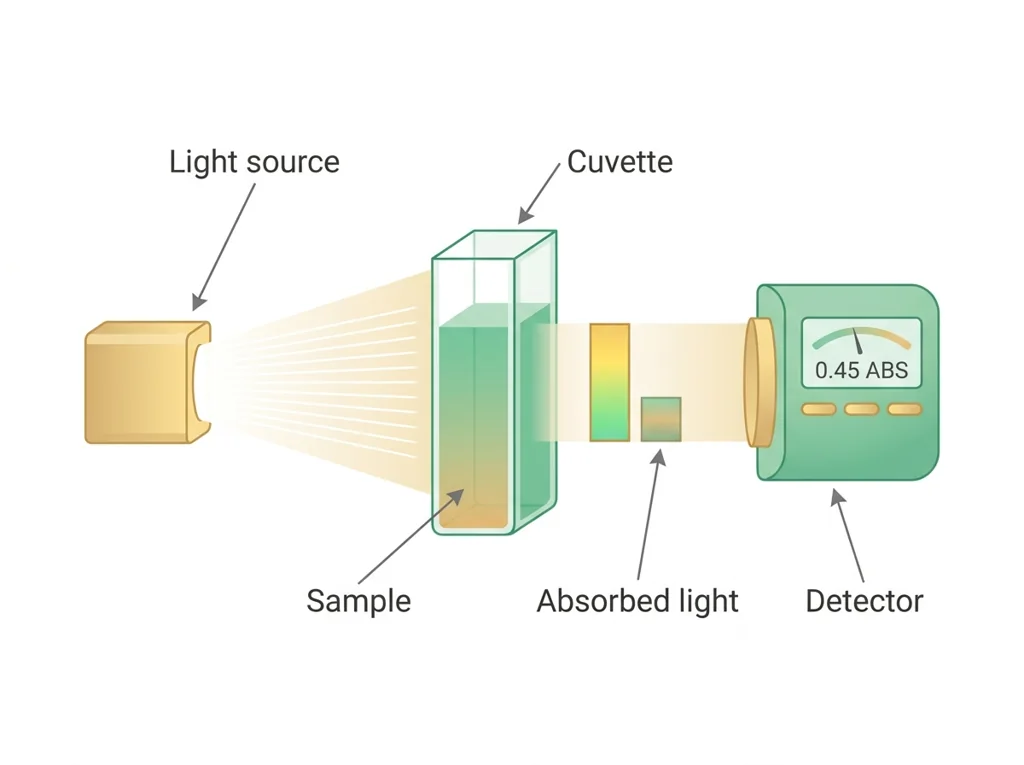
A measure of how much light a sample blocks at a given wavelength, used to estimate how concentrated a substance is in a solution.
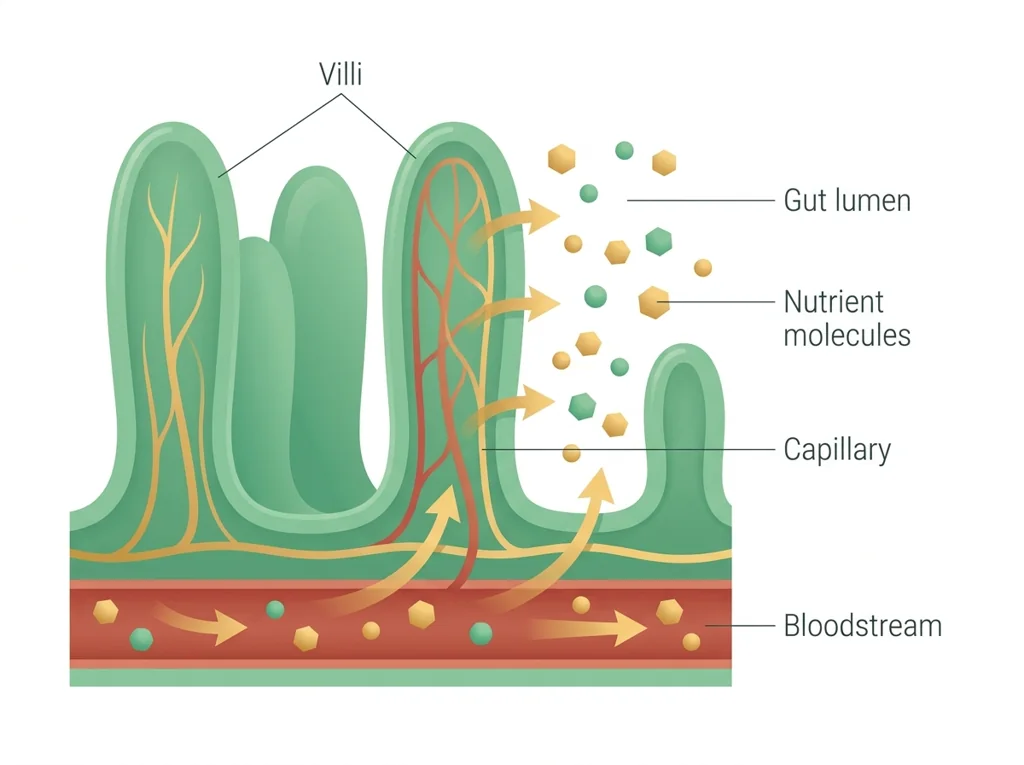
The movement of digested nutrients, water, drugs, or other substances from the gut or another surface into the bloodstream so the body can use them.
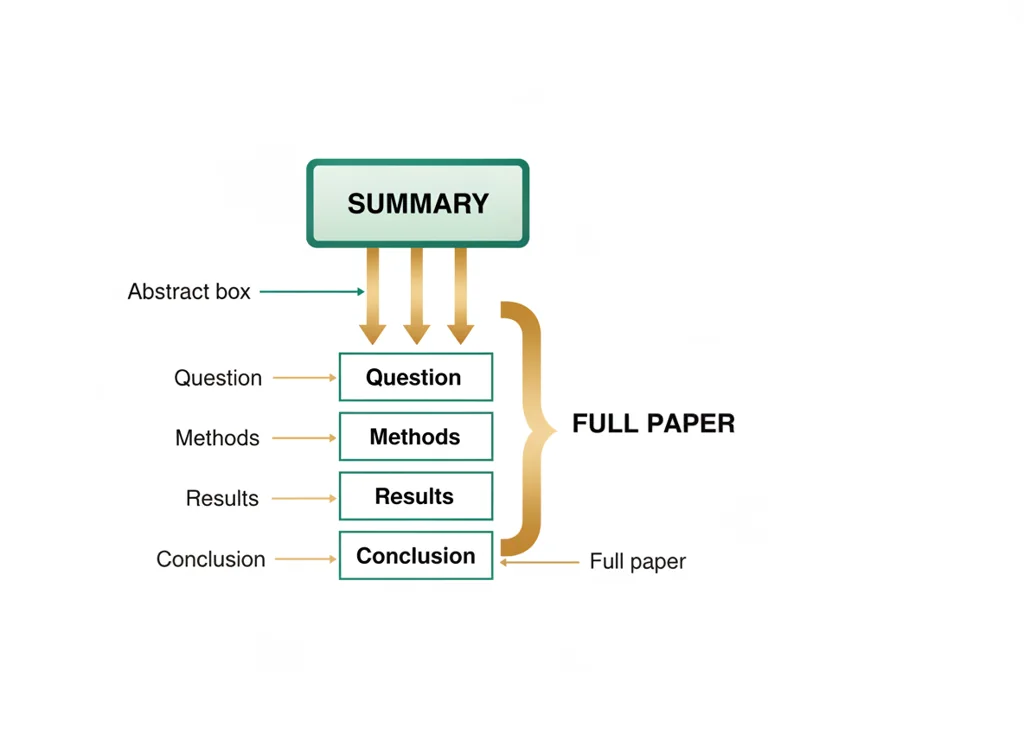
A short summary at the start of a research paper that states the question, methods, key results, and conclusion so readers can grasp the study quickly.
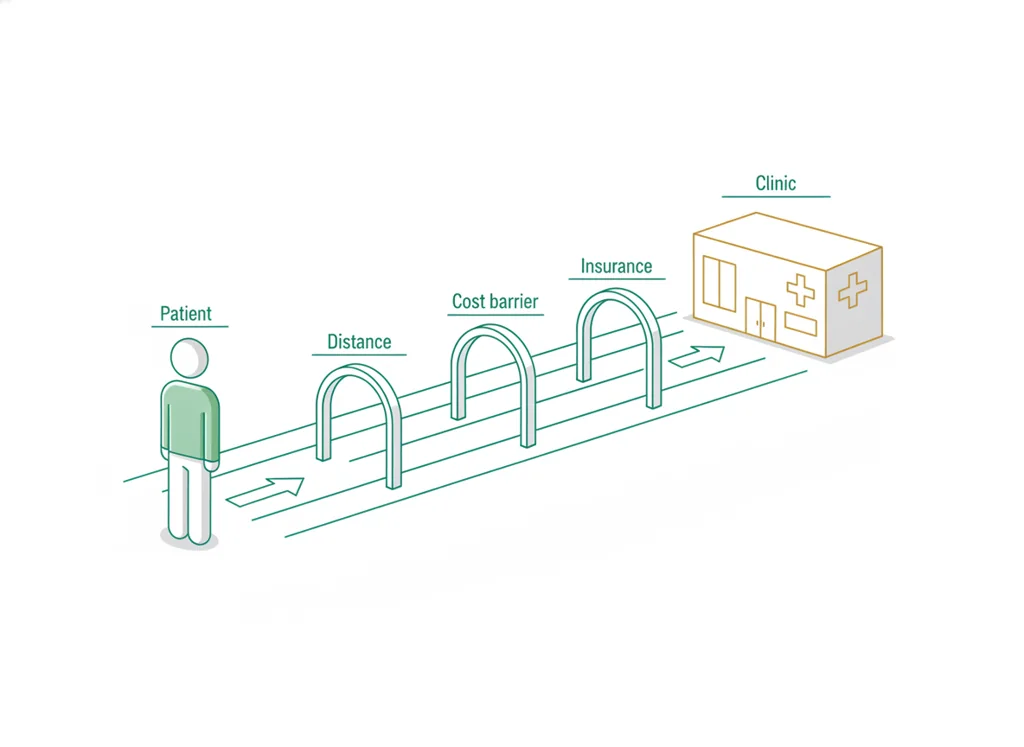
The ability of people, especially those with low income or in rural areas, to actually reach and receive the medical care they need.
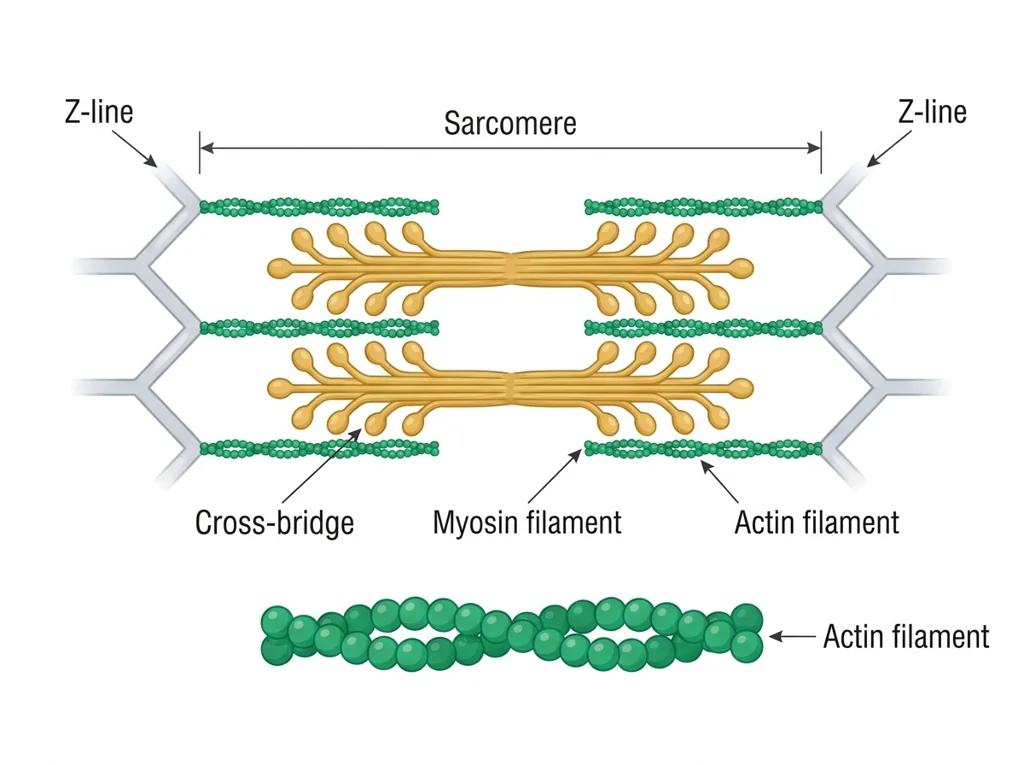
A protein that forms thin filaments inside cells and slides past myosin to produce muscle contraction and cell movement.
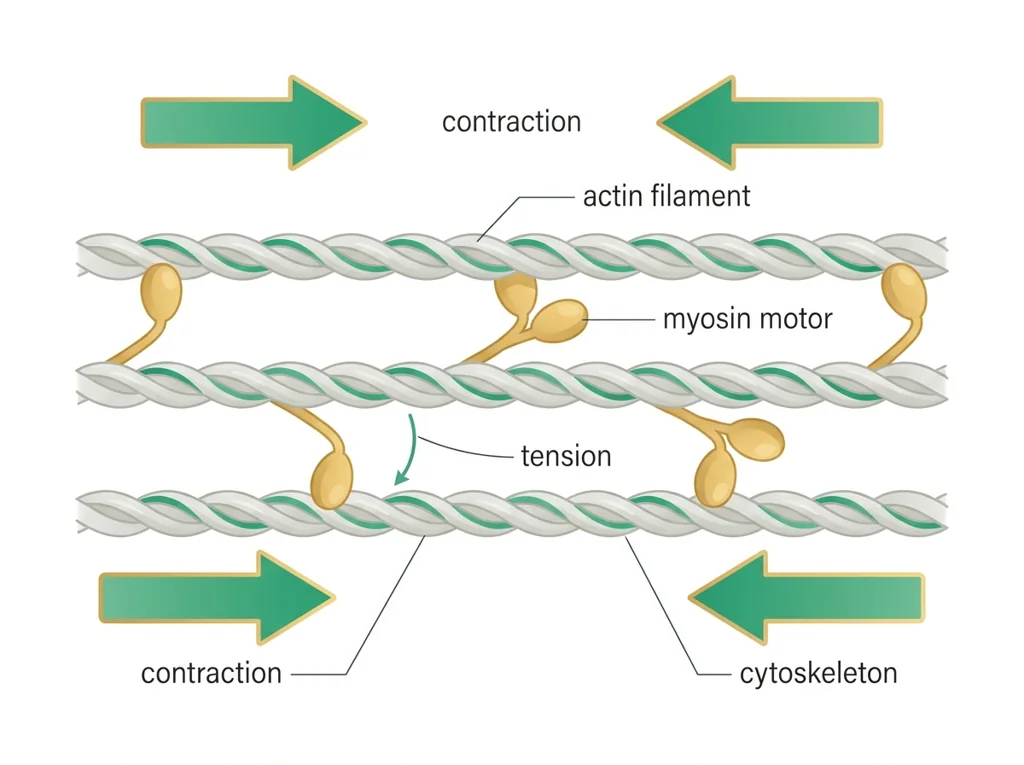
The cell's muscle-like partnership of actin filaments and myosin motors that contracts to generate pulling force and tension.
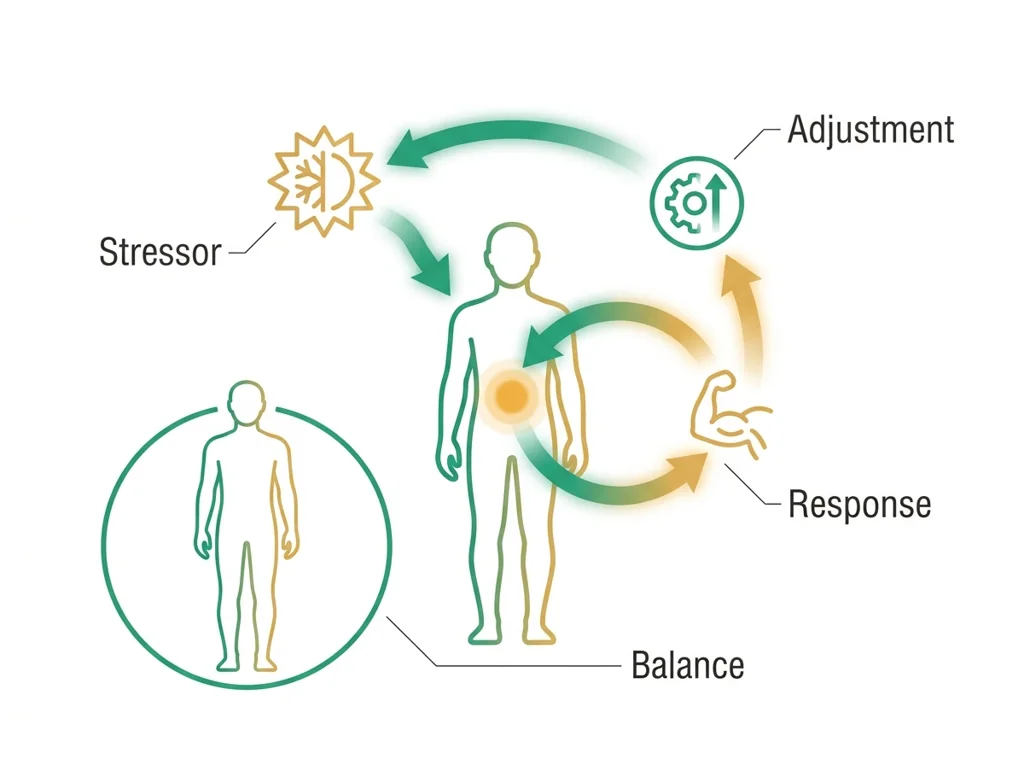
Able to adjust to changing conditions, like the body shifting blood flow during exercise or the immune system tailoring a defense to a specific germ.
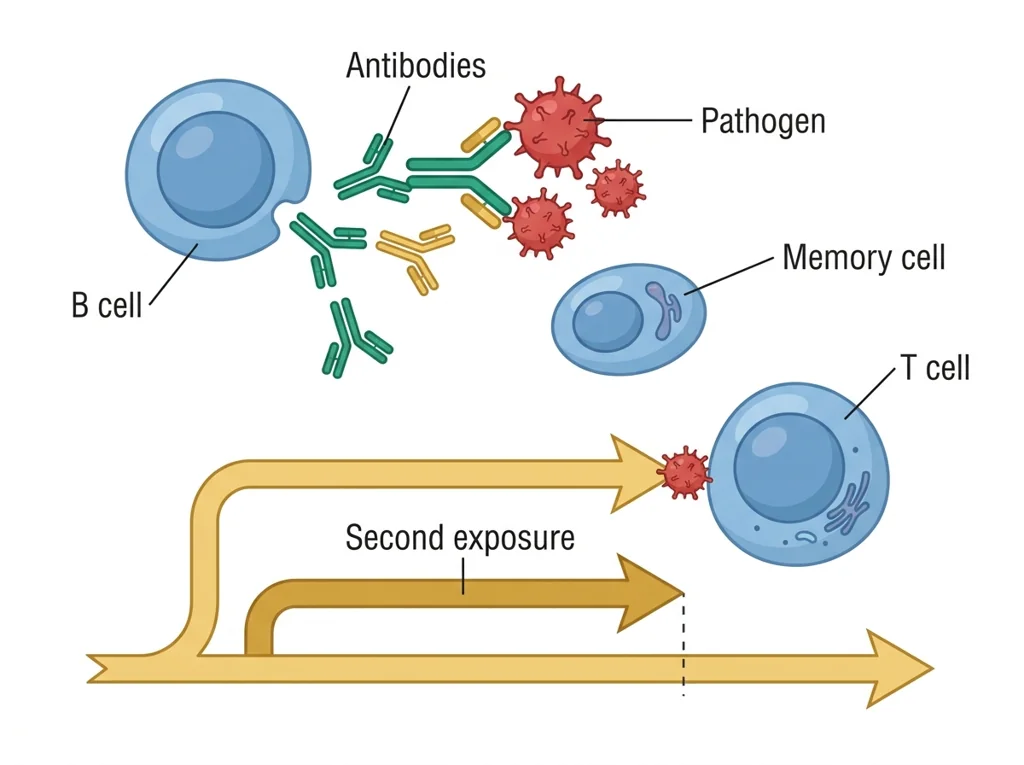
The part of the immune system that learns a specific pathogen, builds targeted antibodies and memory cells, and responds faster the next time it appears.
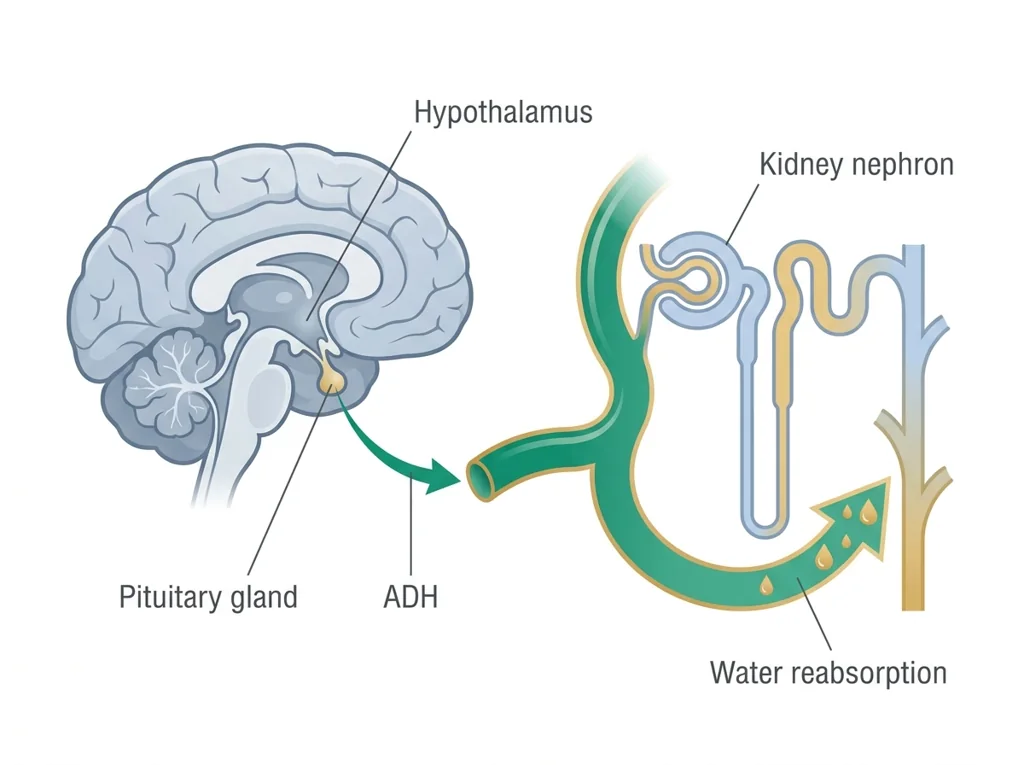
Antidiuretic hormone, made in the hypothalamus and released by the pituitary, tells the kidneys to reabsorb more water so urine becomes concentrated.
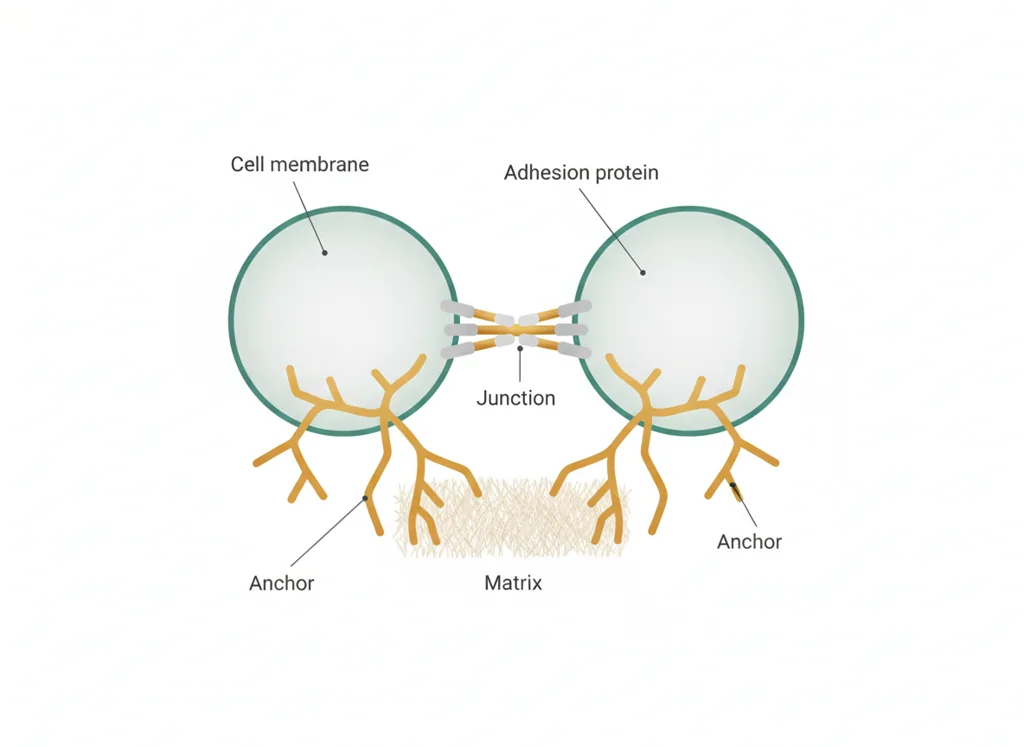
The way cells stick to each other and to the matrix around them using surface proteins, holding tissues together and guiding how they move.
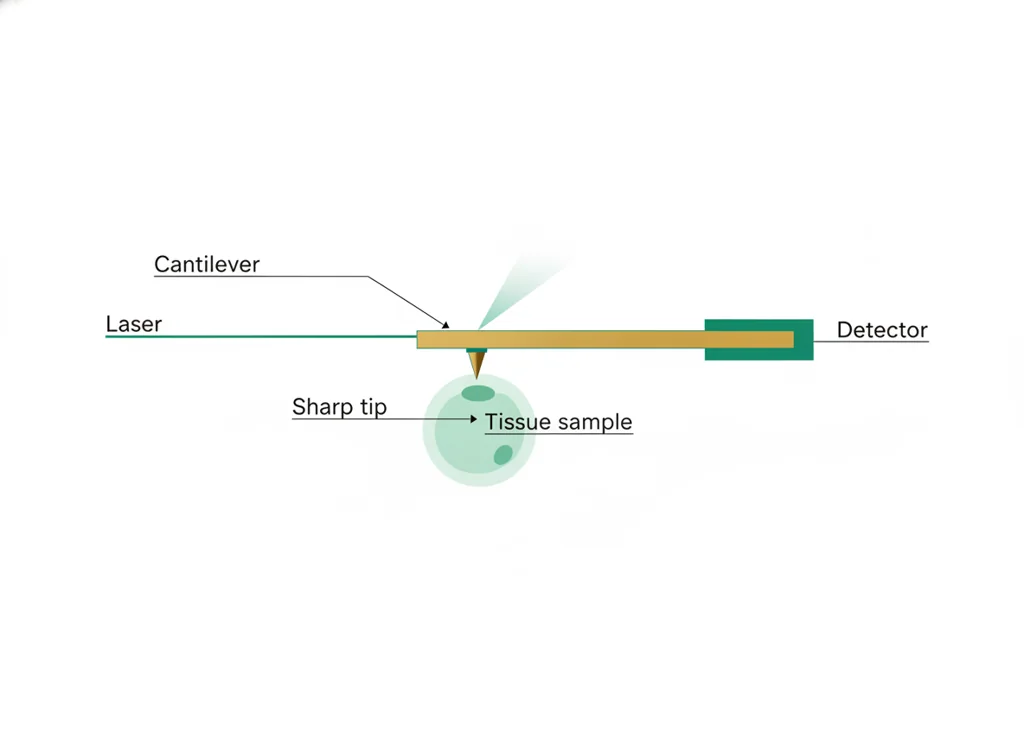
Atomic force microscopy, a method that presses a tiny probe tip onto a sample to map its surface and measure how stiff the tissue is.
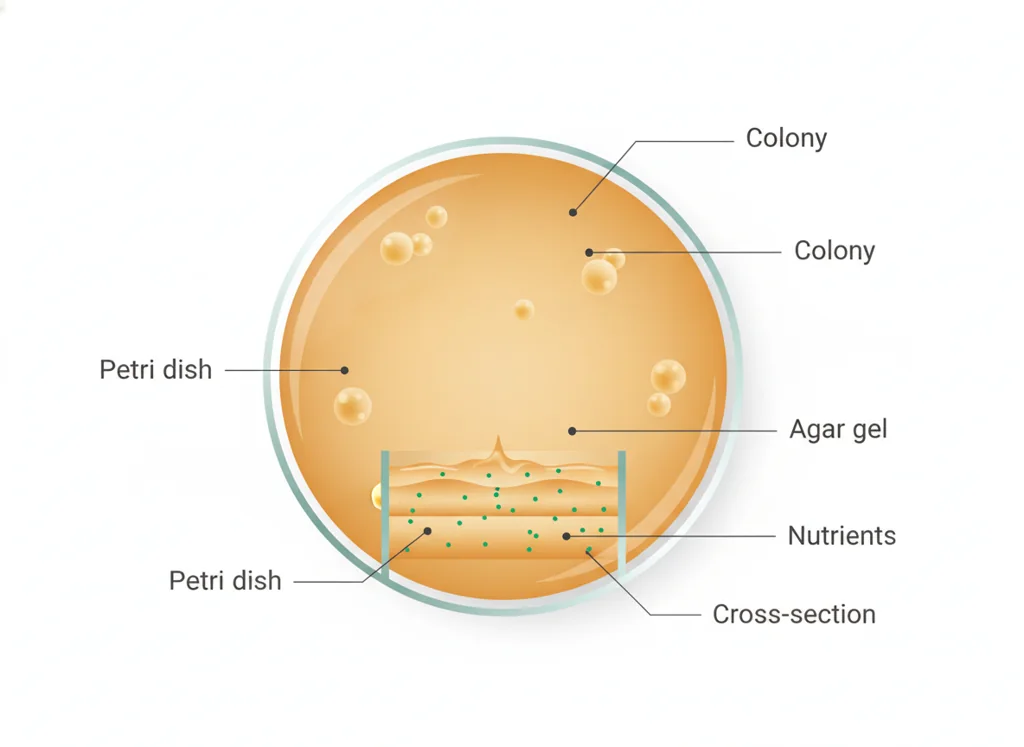
A jelly-like substance from seaweed used as a solid surface in petri dishes so microbes have nutrients and a place to grow into visible colonies.
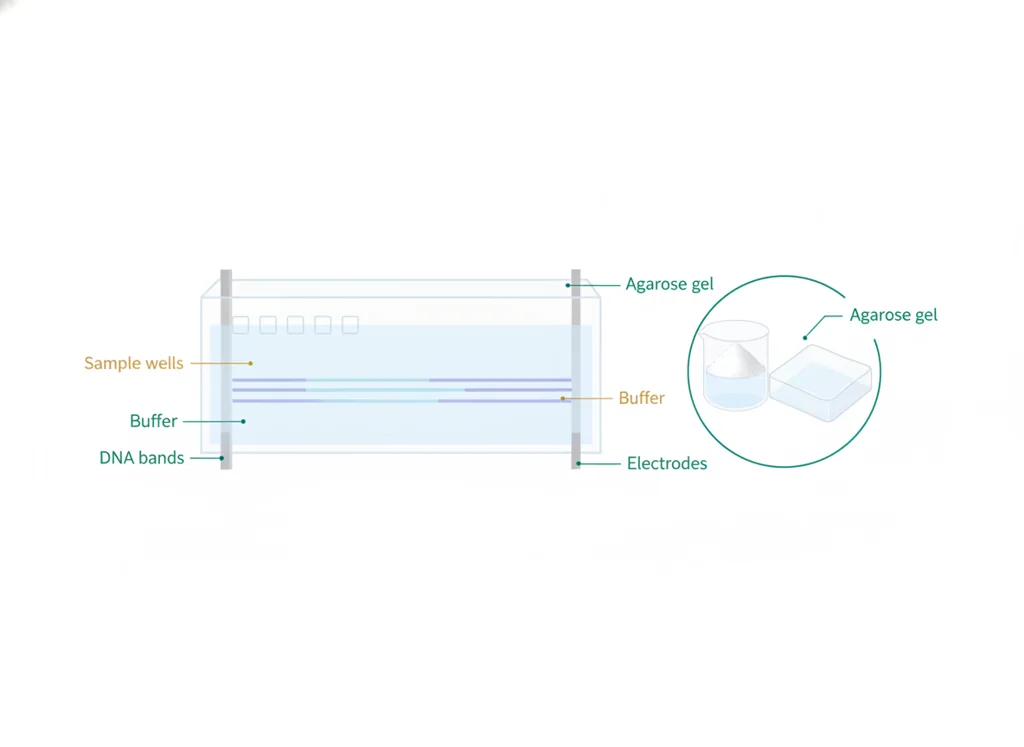
A jelly-like polysaccharide from seaweed that, when melted and cooled, forms the porous gel used to separate DNA fragments by size during electrophoresis.
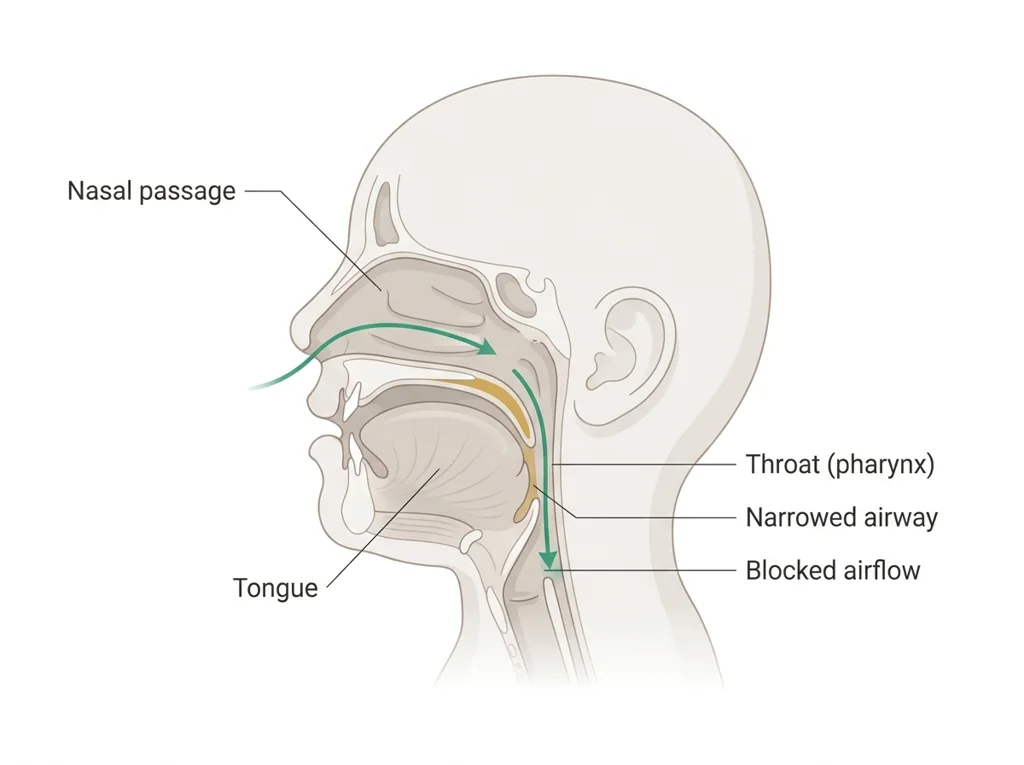
A partial or complete blockage of the passages that carry air to the lungs, making breathing difficult.
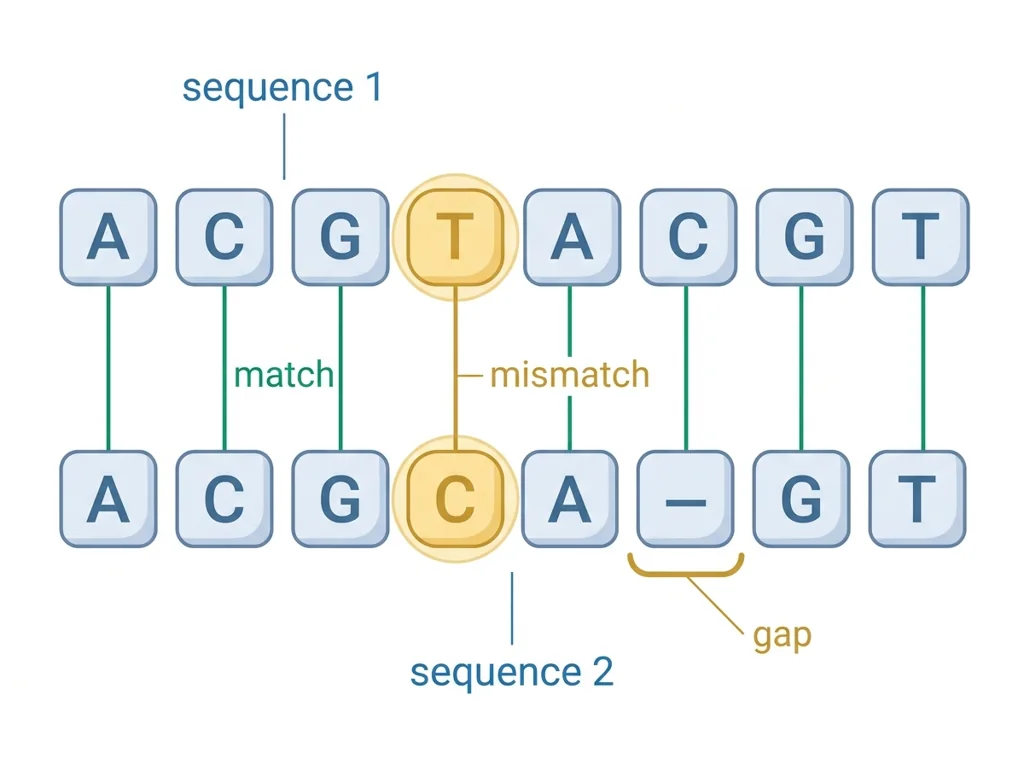
Lining up two or more DNA, RNA, or protein sequences so matching letters stack together, revealing where they are the same and where they differ.
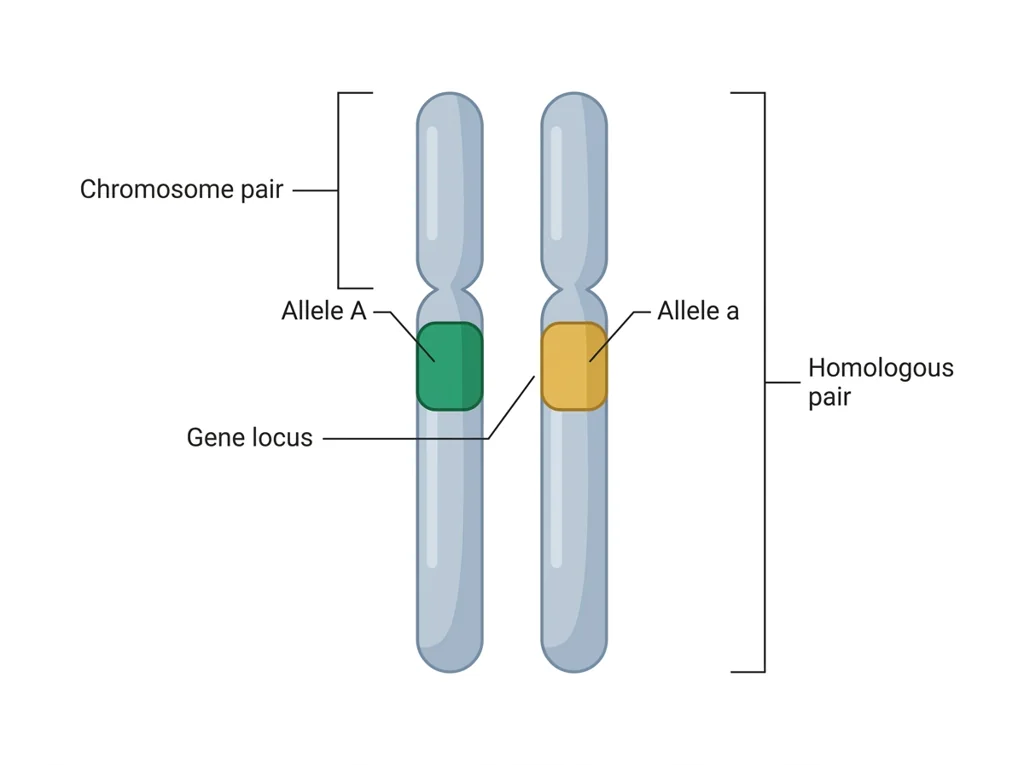
One of the alternative versions of a gene found at the same spot on a chromosome, like the A, B, and O versions of the blood-group gene.
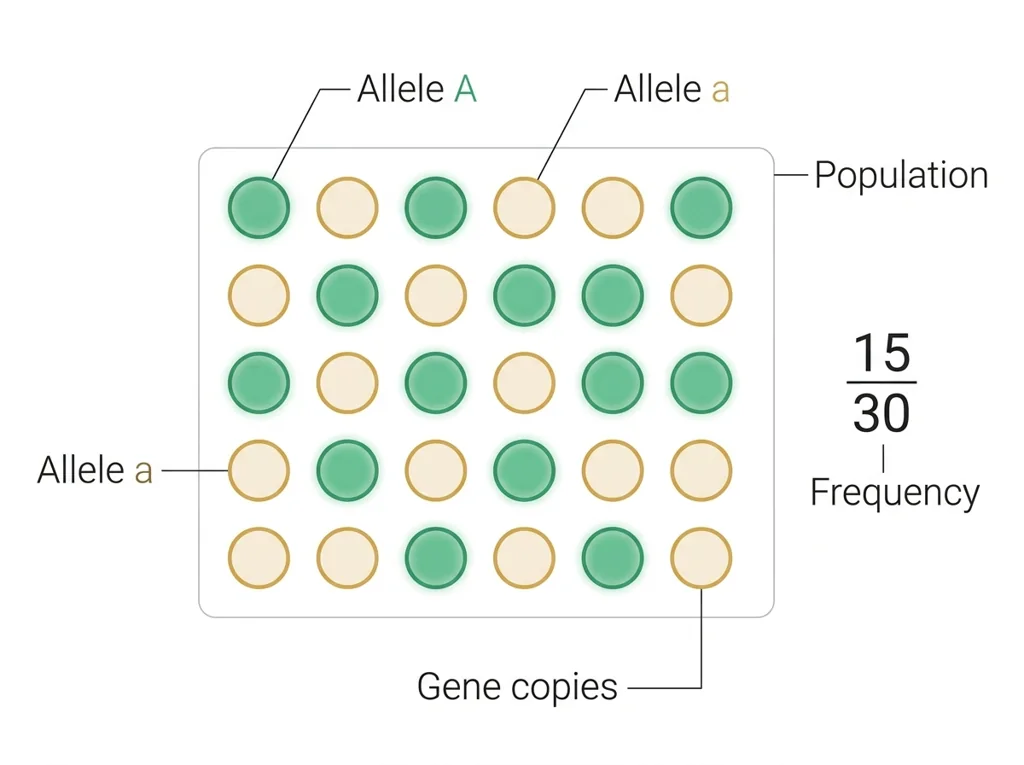
How common a particular version of a gene is in a population, written as the share of all copies that are that version.
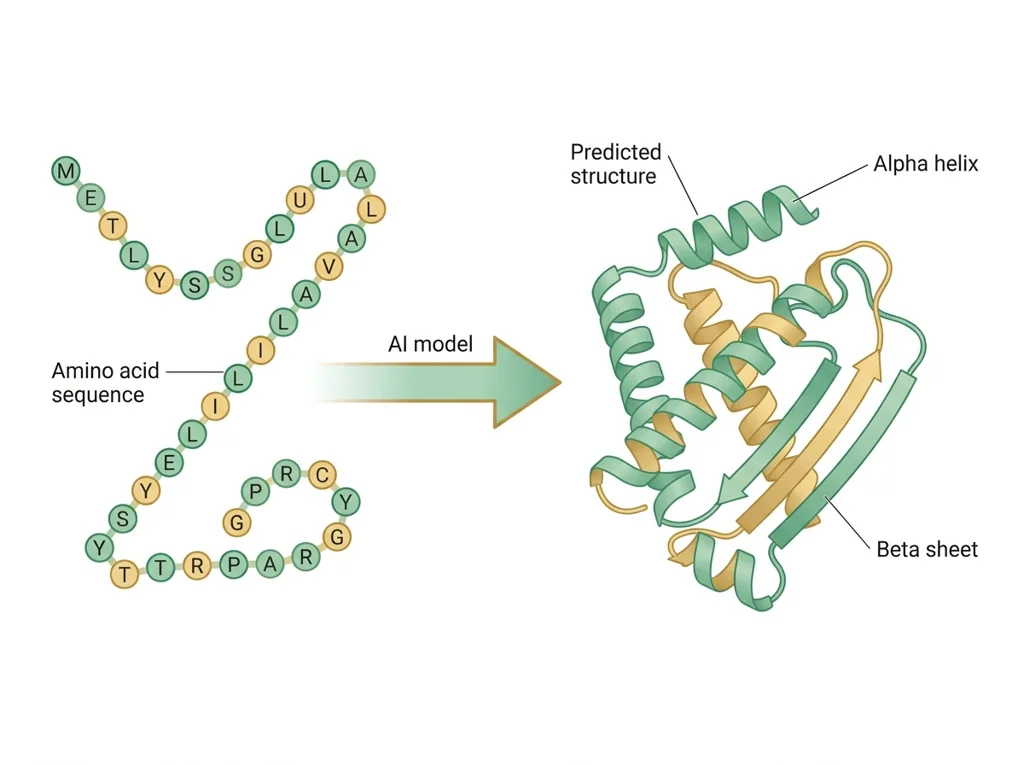
An artificial intelligence system from DeepMind that predicts a protein's three-dimensional folded shape directly from its amino acid sequence.
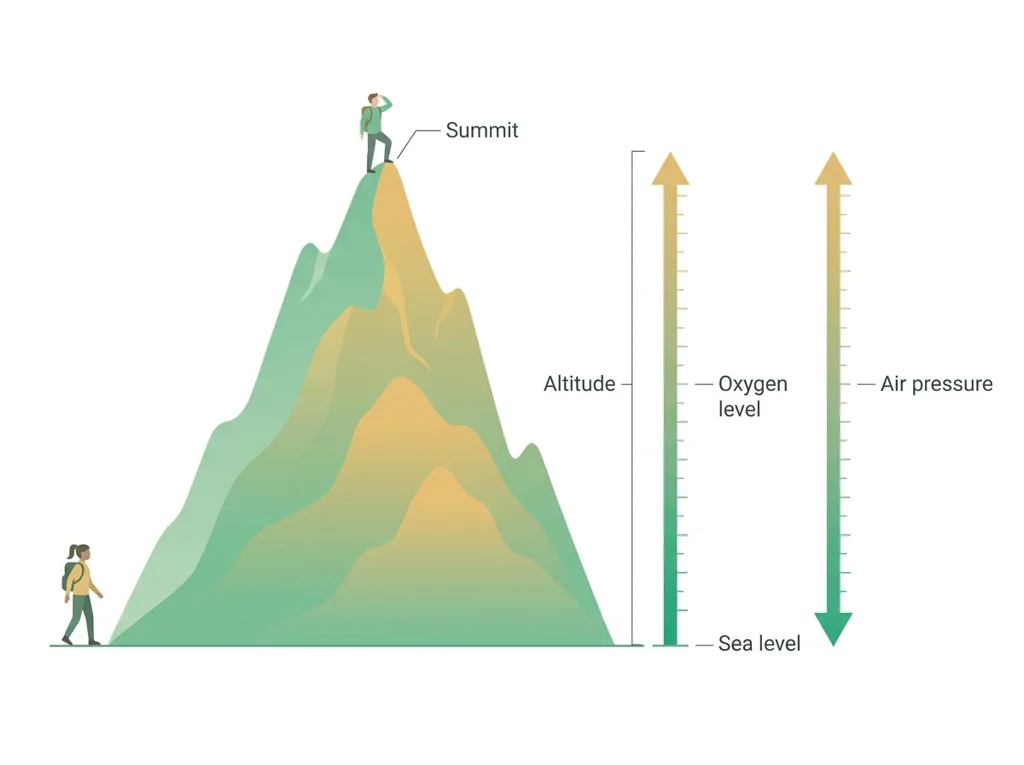
Height above sea level, which matters in biology because rising altitude lowers air pressure and the amount of oxygen available with each breath.
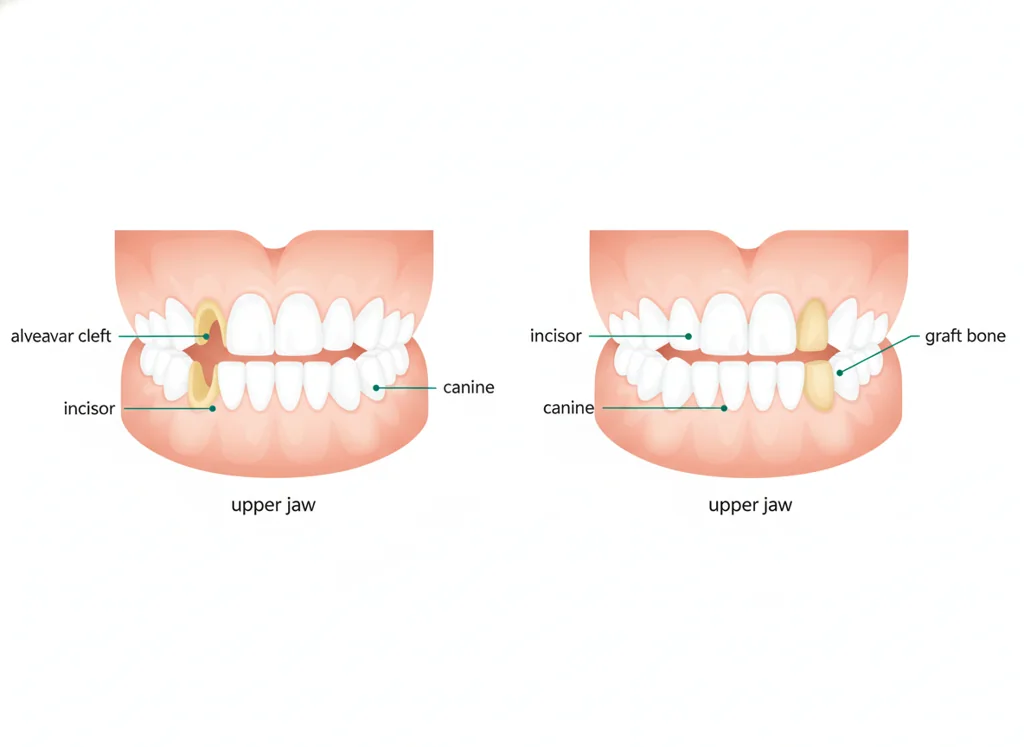
A surgery that fills the bony gap in the upper gum of a cleft patient with transplanted bone, usually before the adult canine teeth erupt.
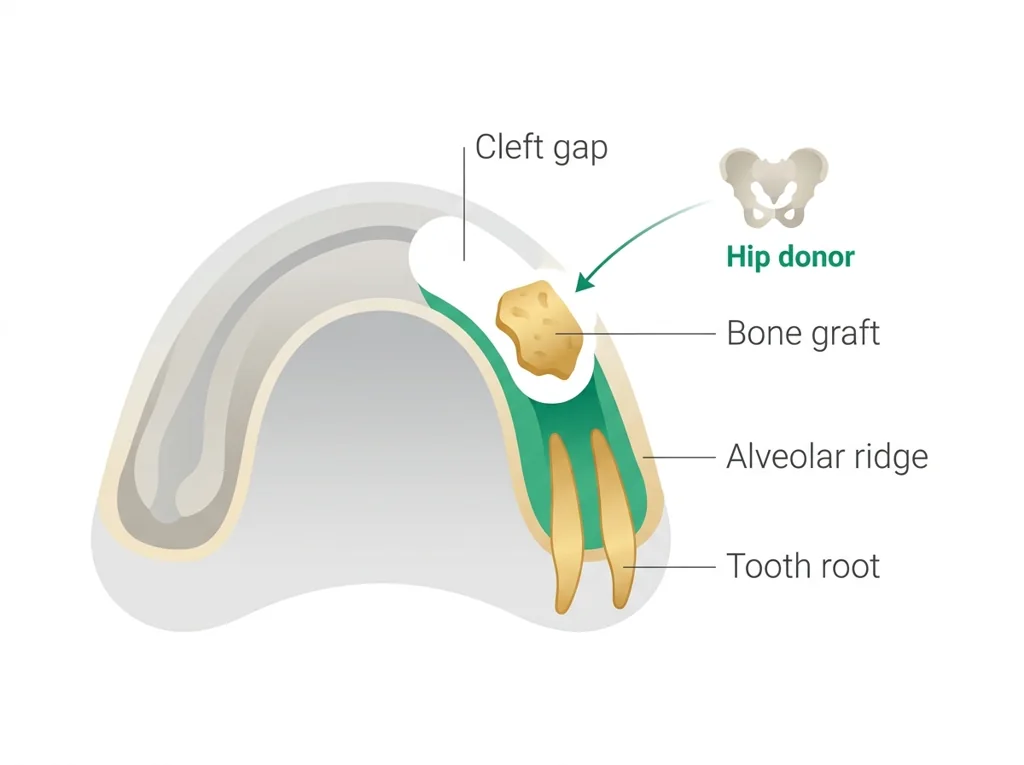
A surgery that fills the bony gap in the upper gum of a cleft patient with bone, usually taken from the hip, so adult teeth can grow in.
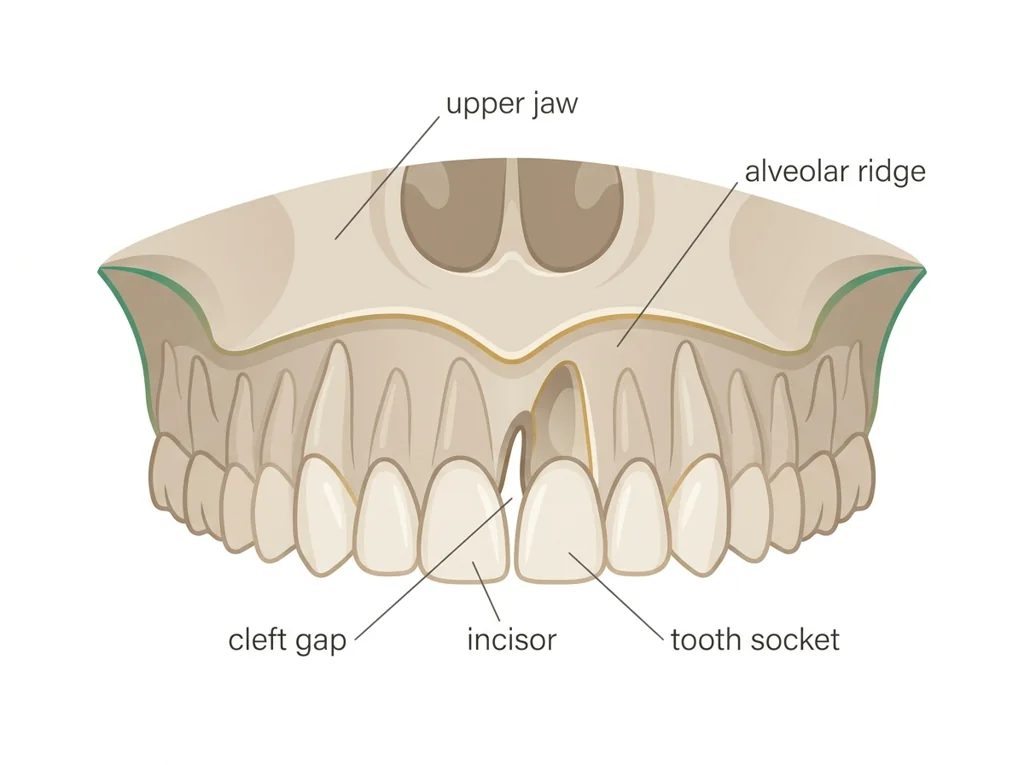
A gap in the bony tooth-bearing ridge of the upper jaw, where the bone failed to join during development.
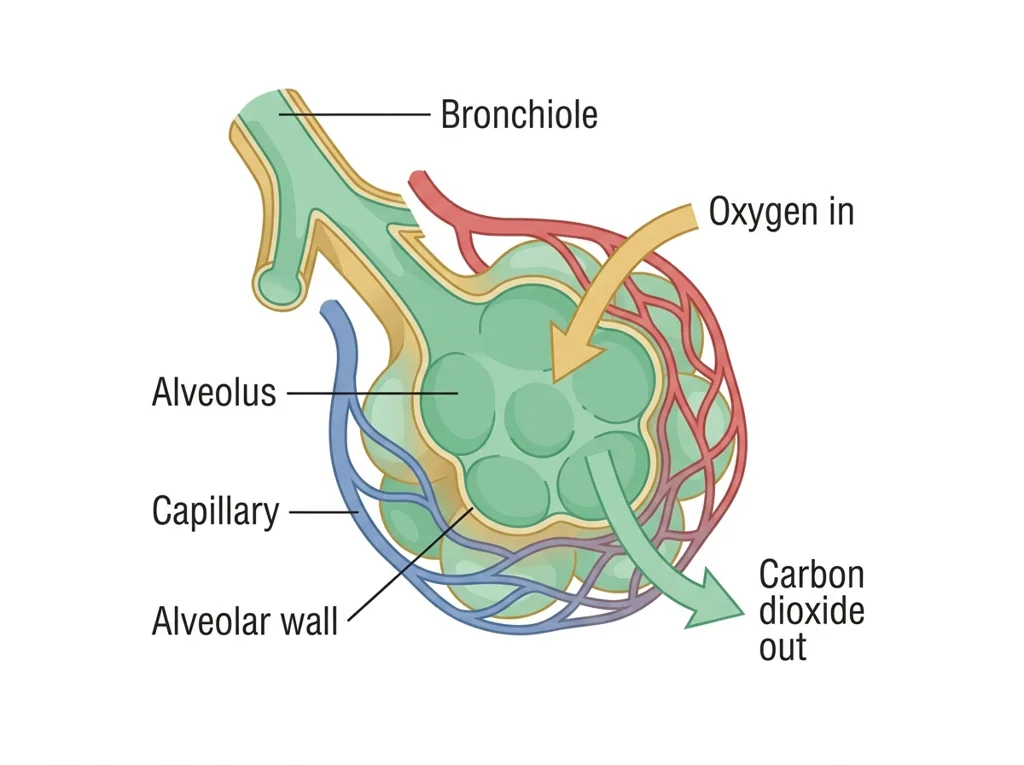
A tiny air sac at the end of an airway in the lung where oxygen enters the blood and carbon dioxide leaves it across a thin wall.
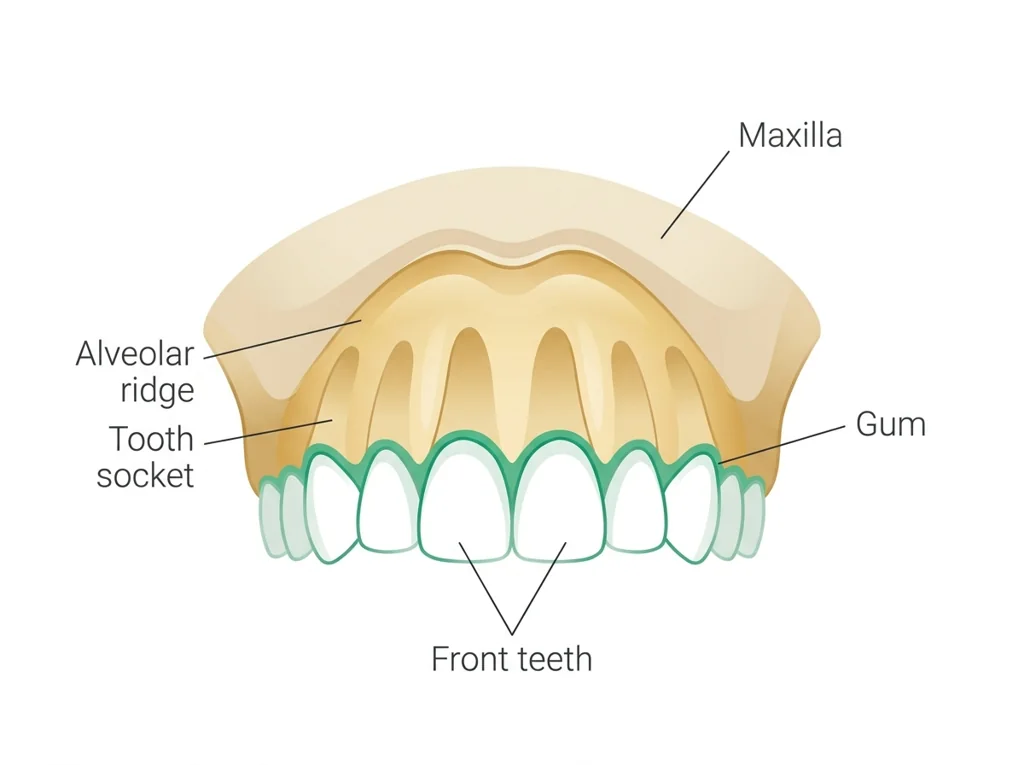
The bony ridge of the upper or lower jaw that holds the tooth sockets; a cleft can break this ridge near the front teeth.
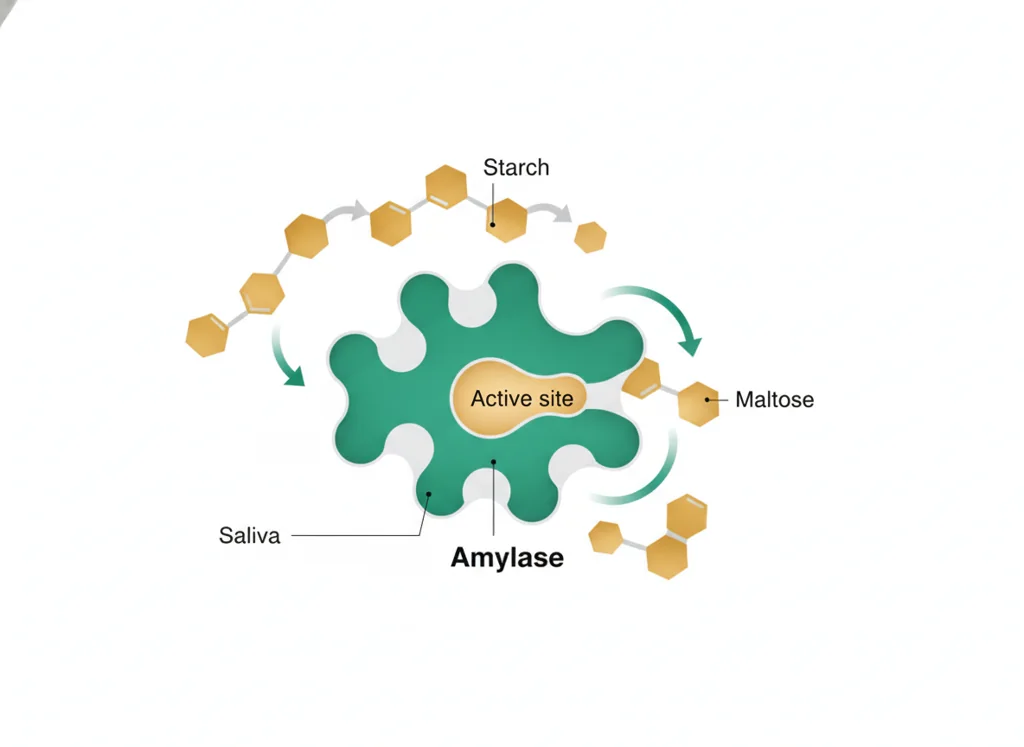
A digestive enzyme found in saliva and the pancreas that breaks down starch into smaller sugars the body can absorb.
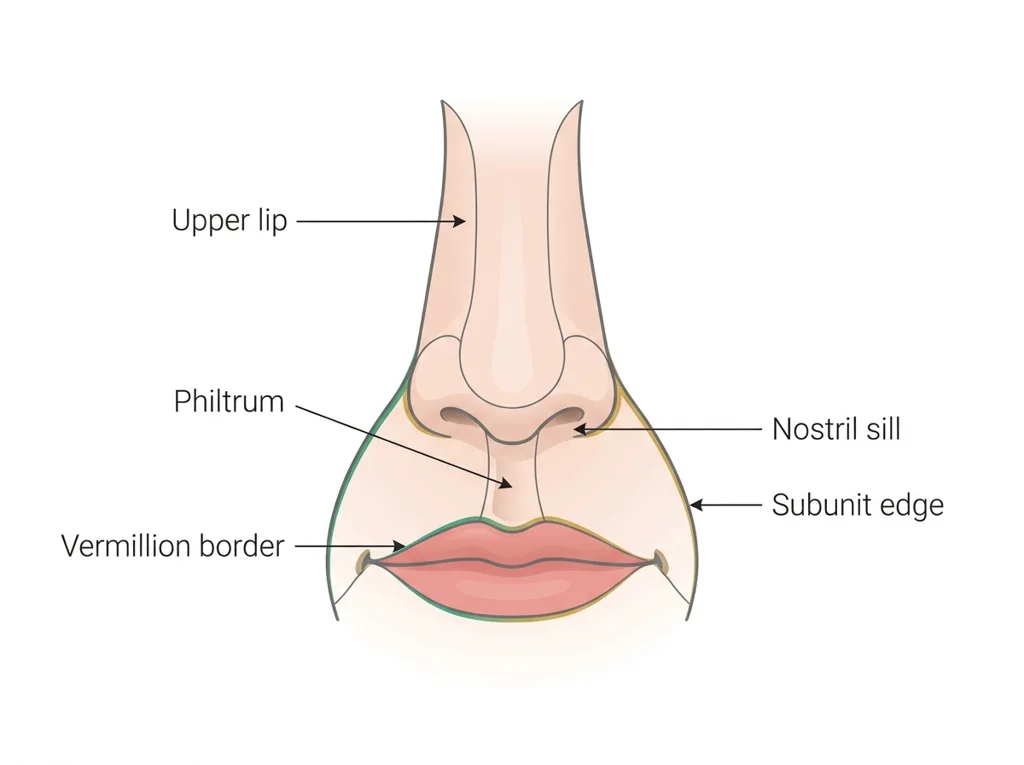
A natural region of a body part with its own borders, used by surgeons to plan repairs so scars hide along the edges between regions.
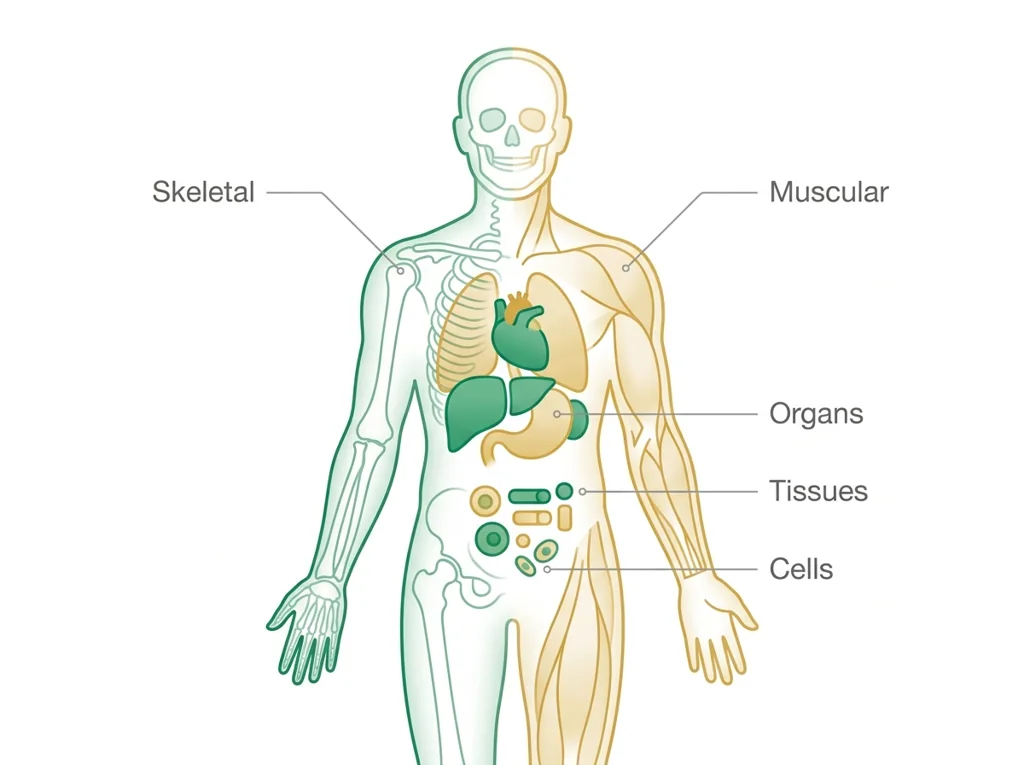
The study of the body's structure and how its parts are arranged, from whole organs down to individual tissues and cells.
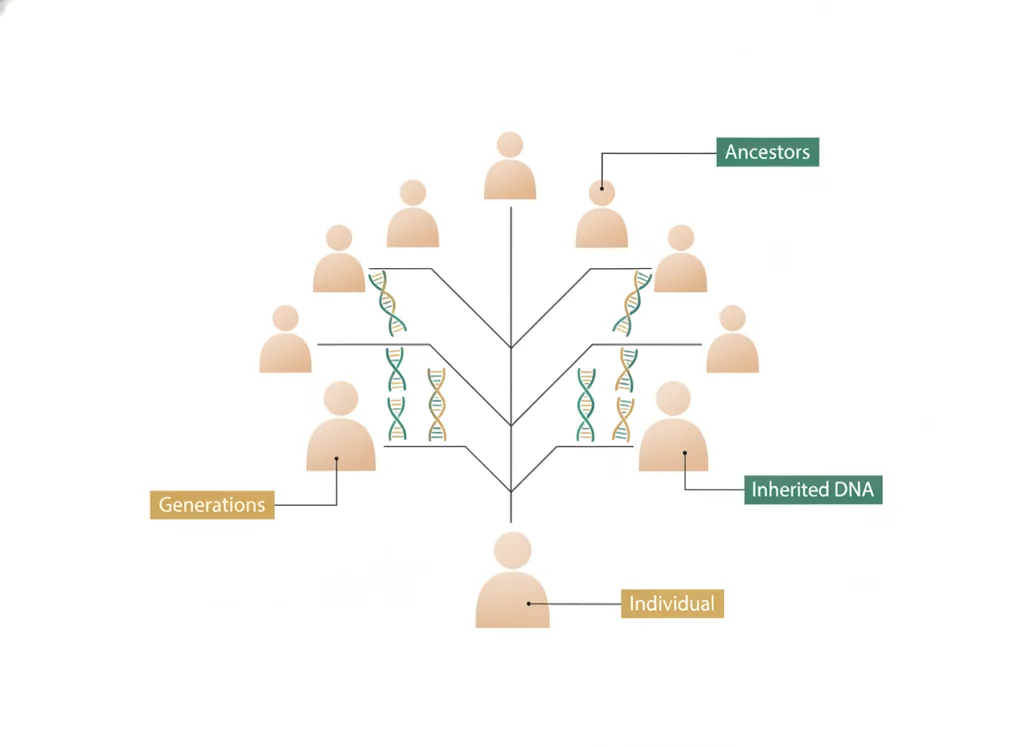
A person's population background inherited from earlier generations, which can affect how common certain DNA variants are.
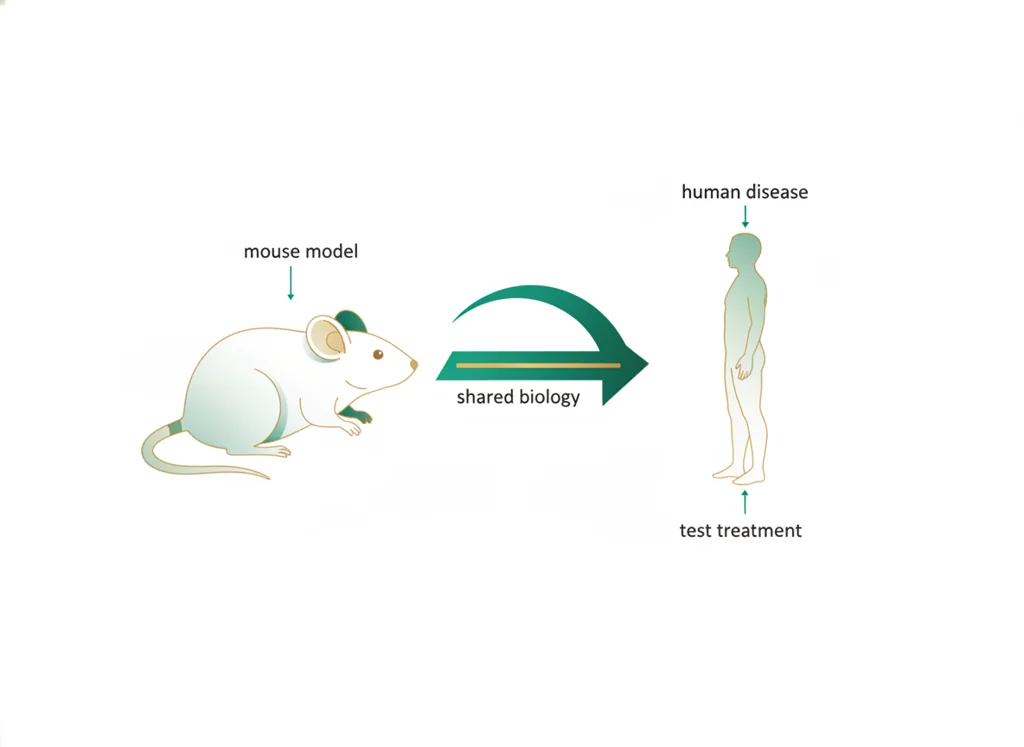
A lab animal, such as a mouse, used to study a human disease because its biology is similar enough to test causes and treatments safely.
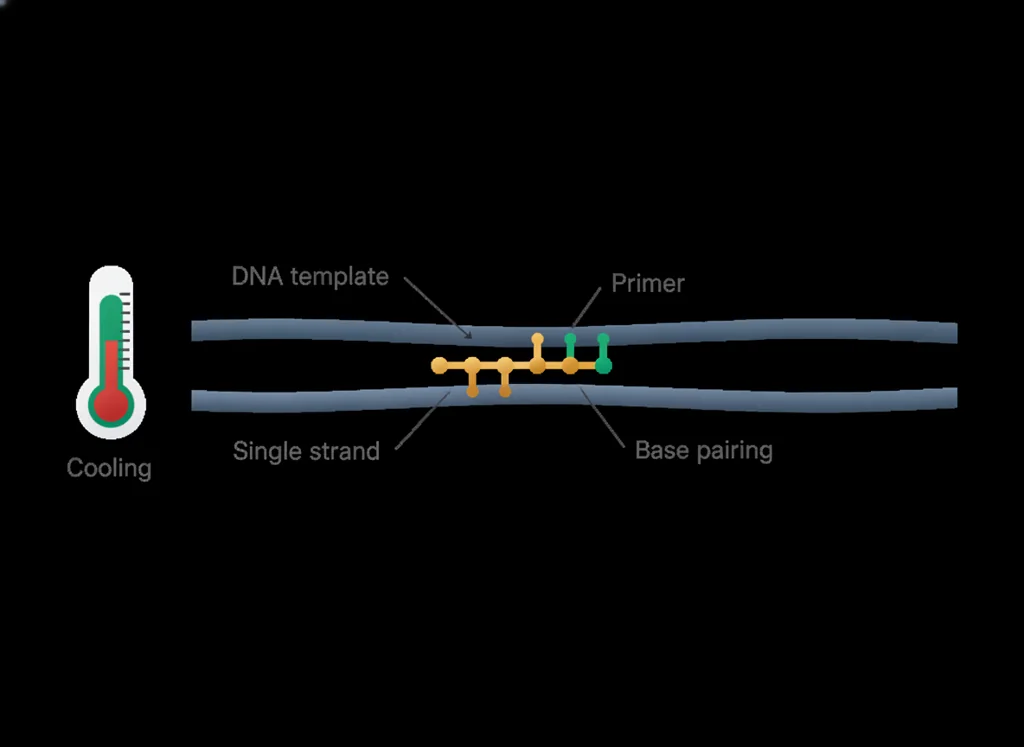
The step where short primers bind to their matching single-stranded DNA template as the mixture cools, setting up the strand for copying.
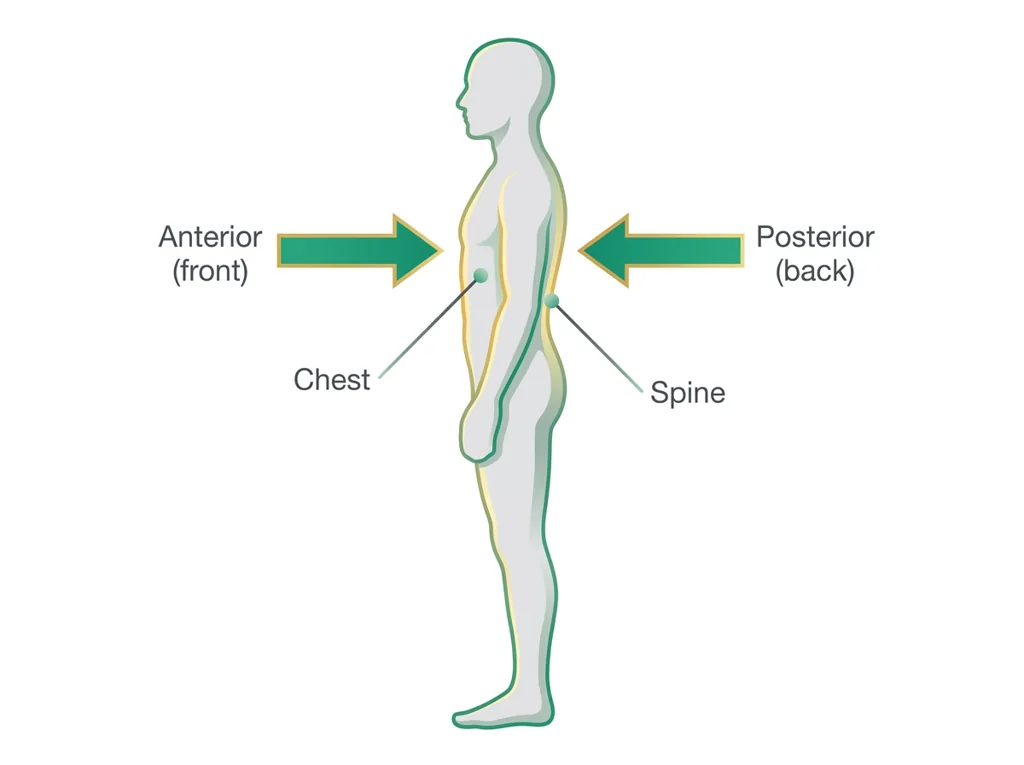
A direction term meaning toward the front of the body, such as the chest being anterior to the spine.
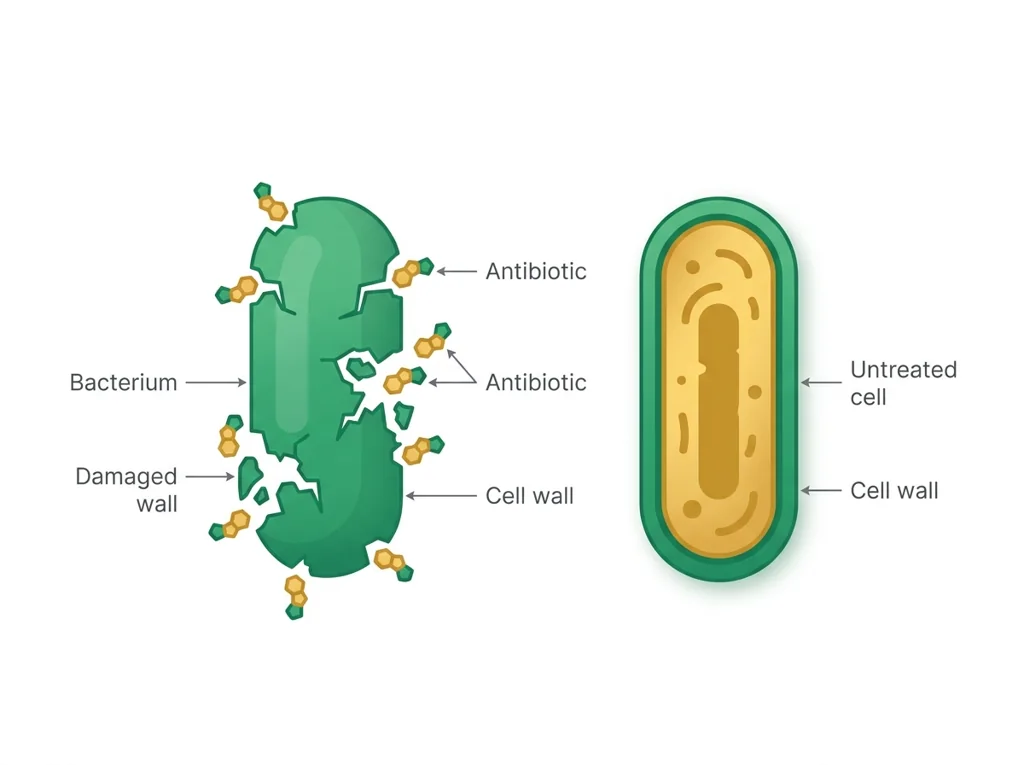
A drug that kills bacteria by attacking structures like the bacterial cell wall, which makes it useless against viruses because viruses are not cells and lack those targets.
When bacteria survive a drug that used to kill them, because a mutation or a gene picked up from other bacteria protects them, and the survivors pass that protection to the next generation. The bacterial population changes, not the patient.
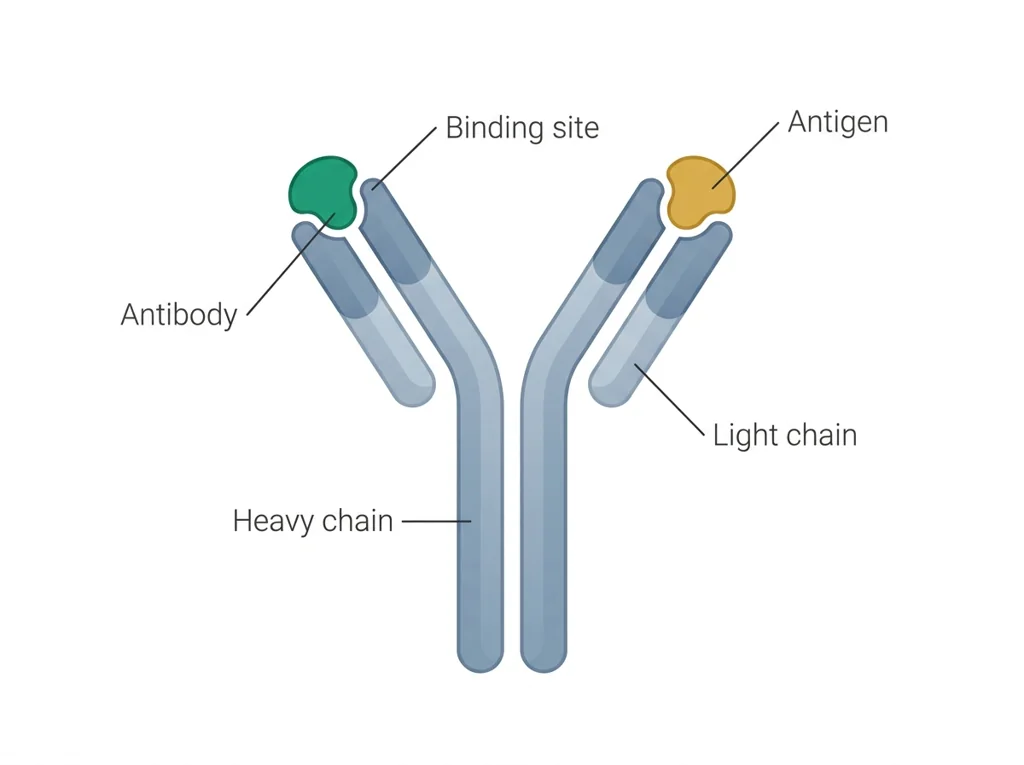
A Y-shaped immune protein with two antigen-binding tips that marks a specific foreign target for destruction or neutralization.
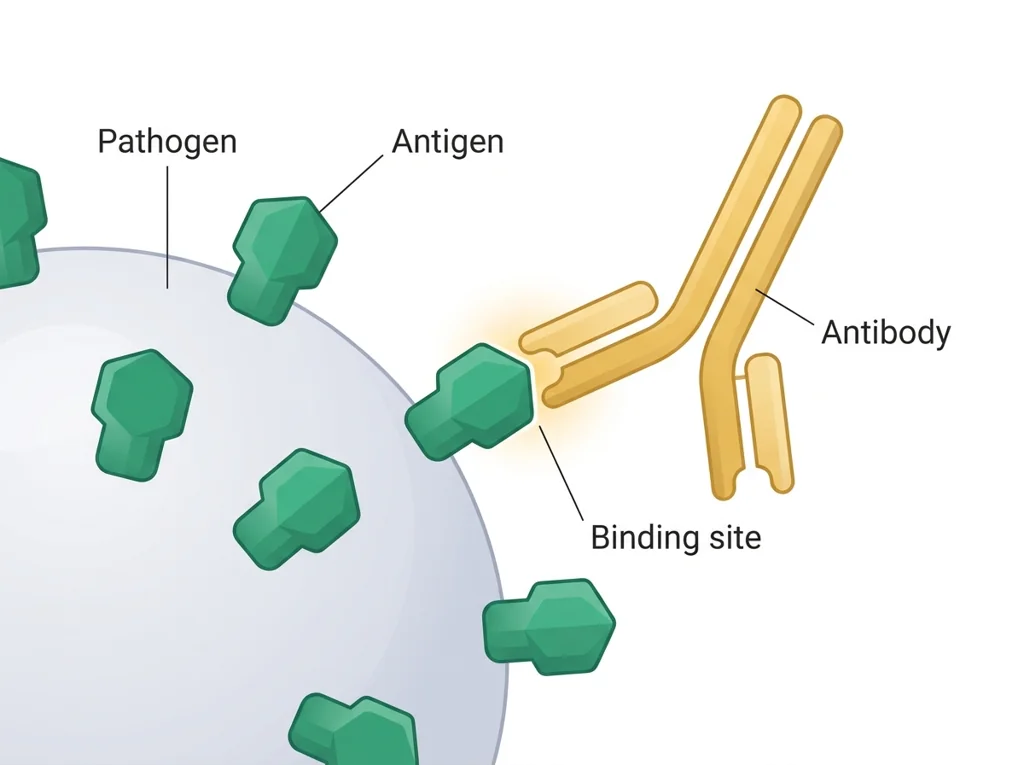
A molecule, often on a germ's surface, that the immune system recognizes as foreign and responds to by making matching antibodies.
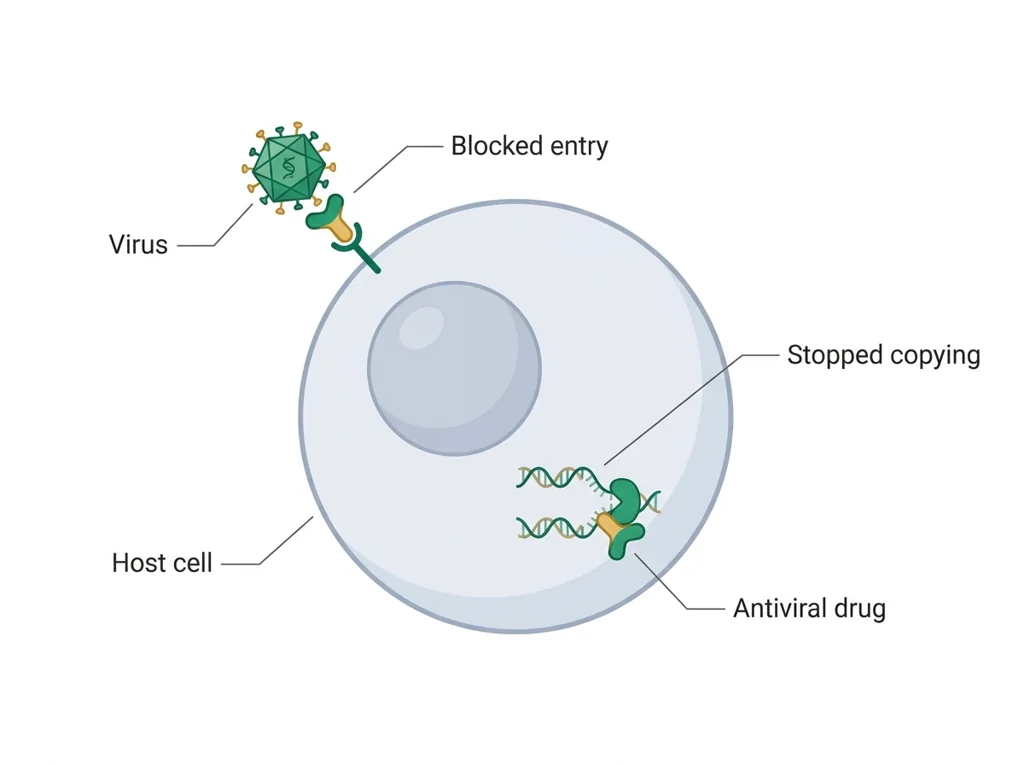
A type of medicine that fights viral infections by blocking a virus from entering cells or copying itself, rather than killing the virus outright.
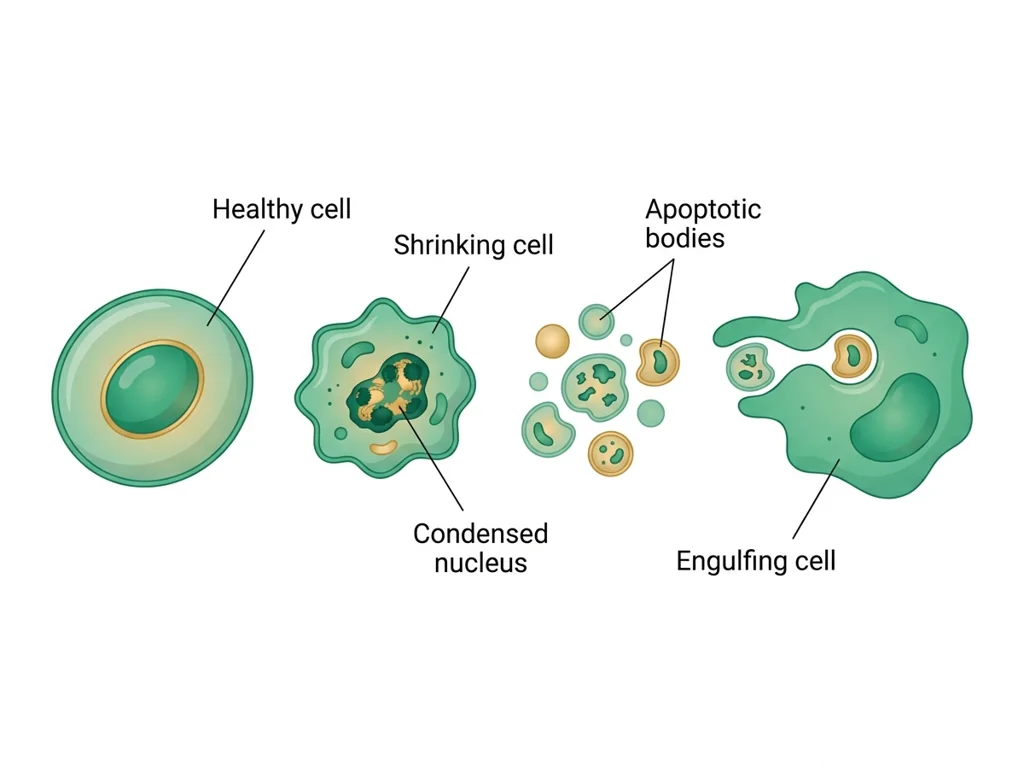
Programmed, controlled cell death that the body uses on purpose, including to clear the seam between two tissues during palate fusion.
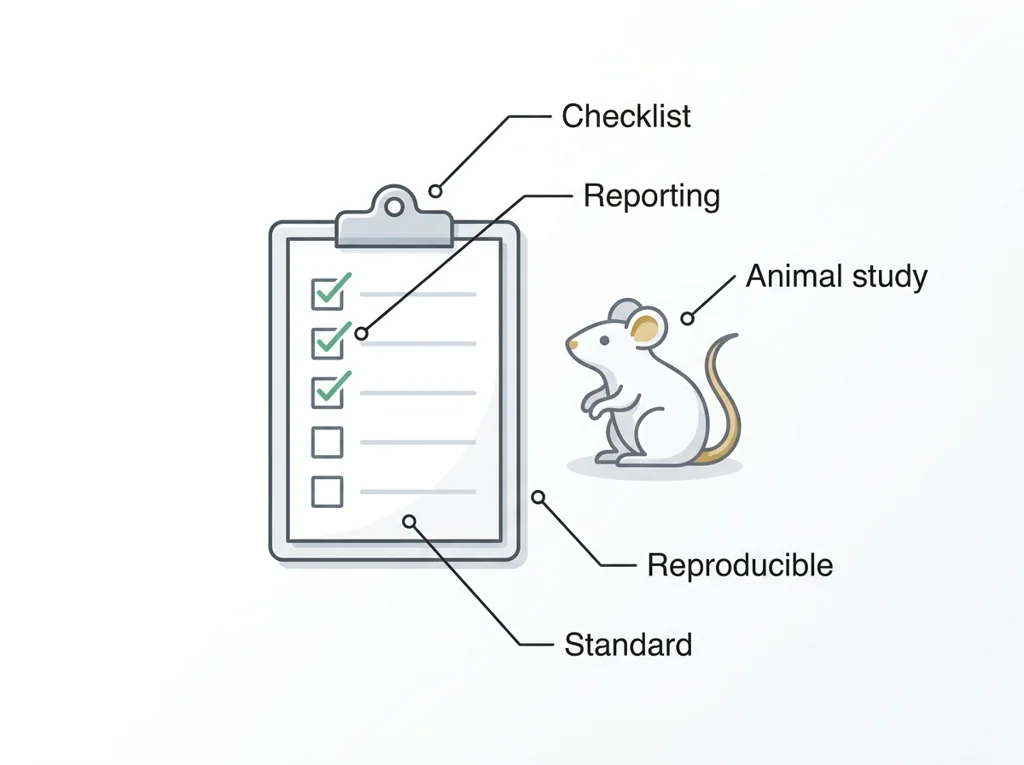
A standard checklist for reporting animal research clearly and completely, so other scientists can judge the study and repeat it.
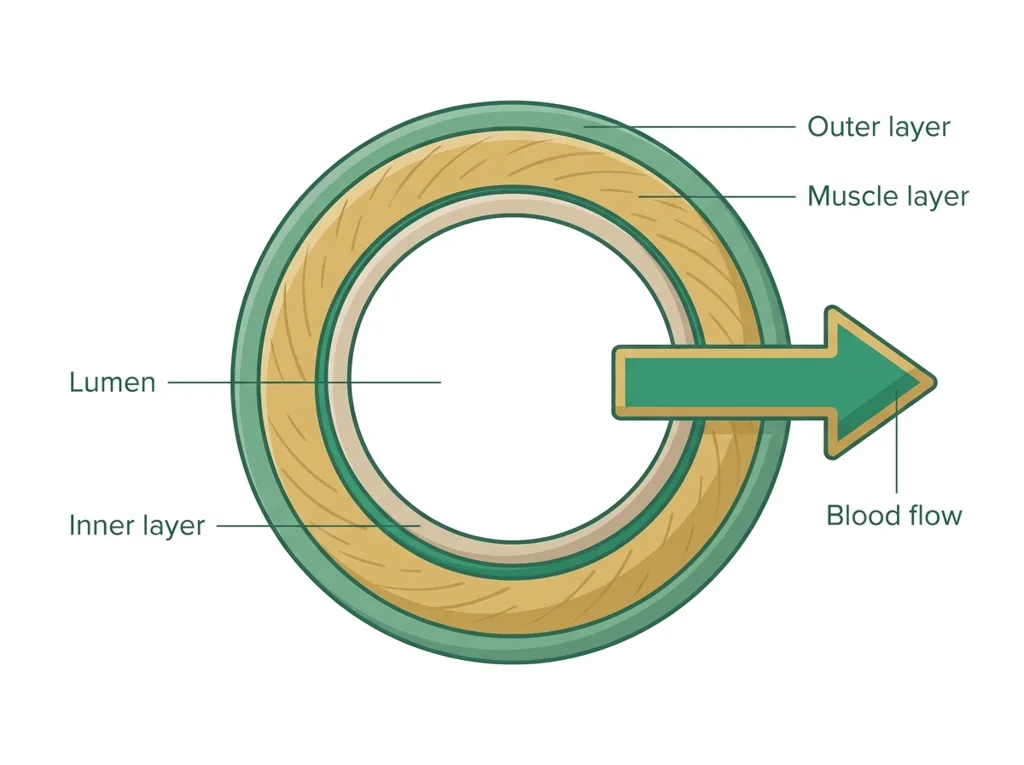
A thick, muscular blood vessel that carries blood away from the heart to the body, handling the high pressure of each heartbeat.
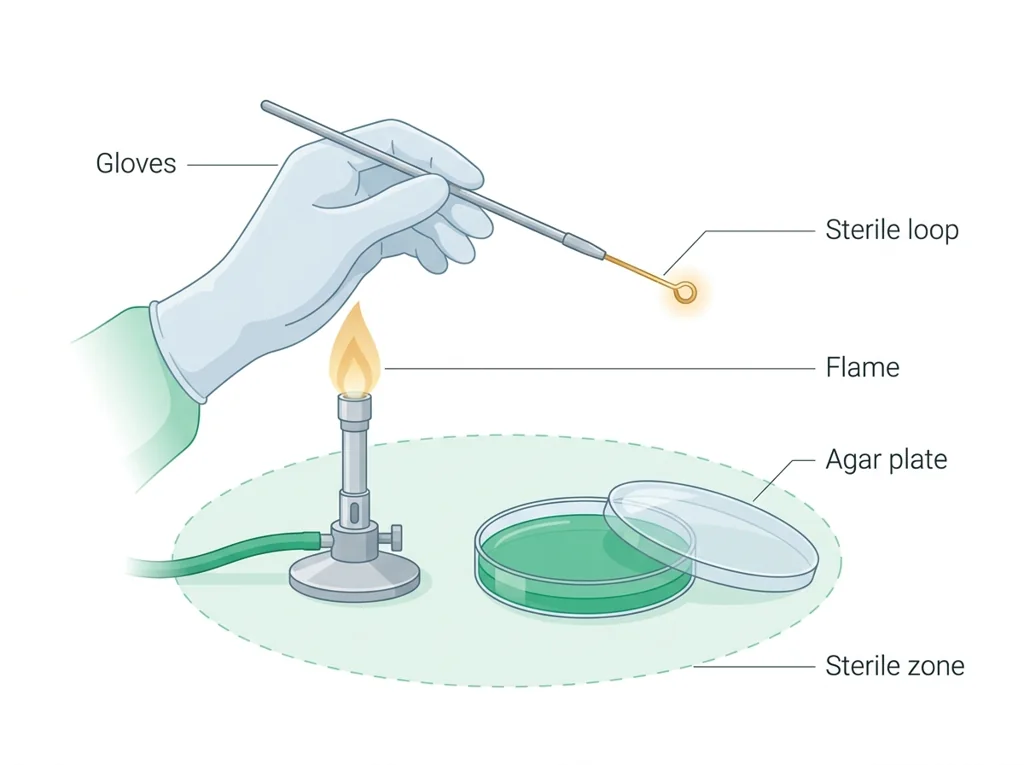
Describing techniques that keep an area free of harmful microbes so cultures and patients are not contaminated.
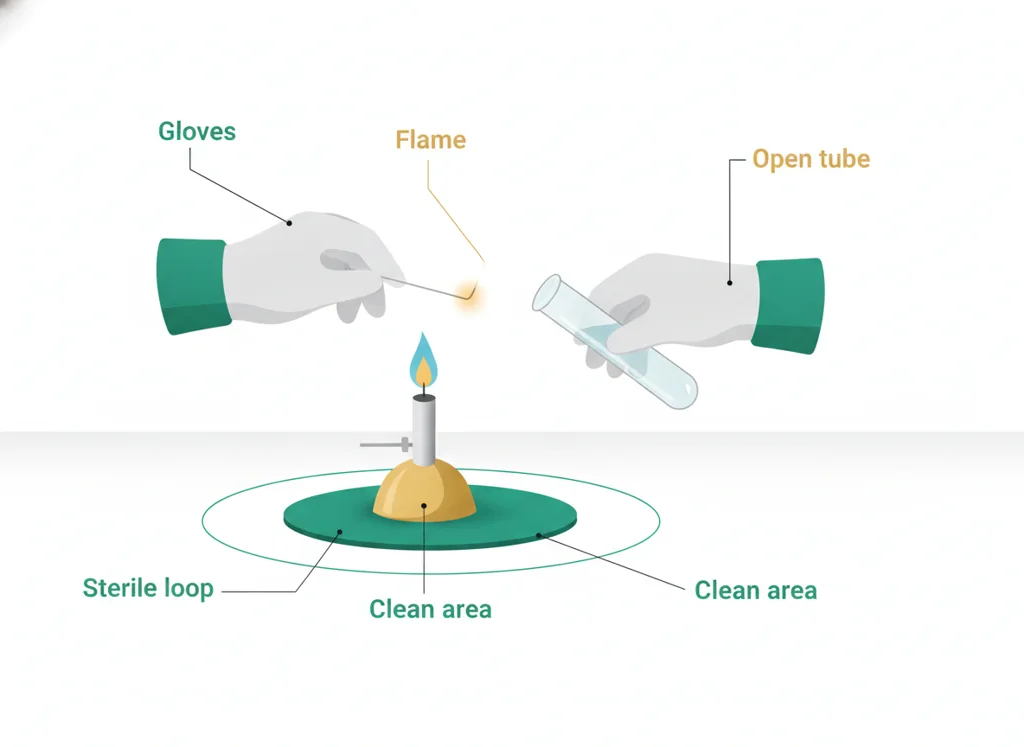
A set of careful practices used to keep microbes out of a sterile area, protecting samples, cultures, and patients from contamination.
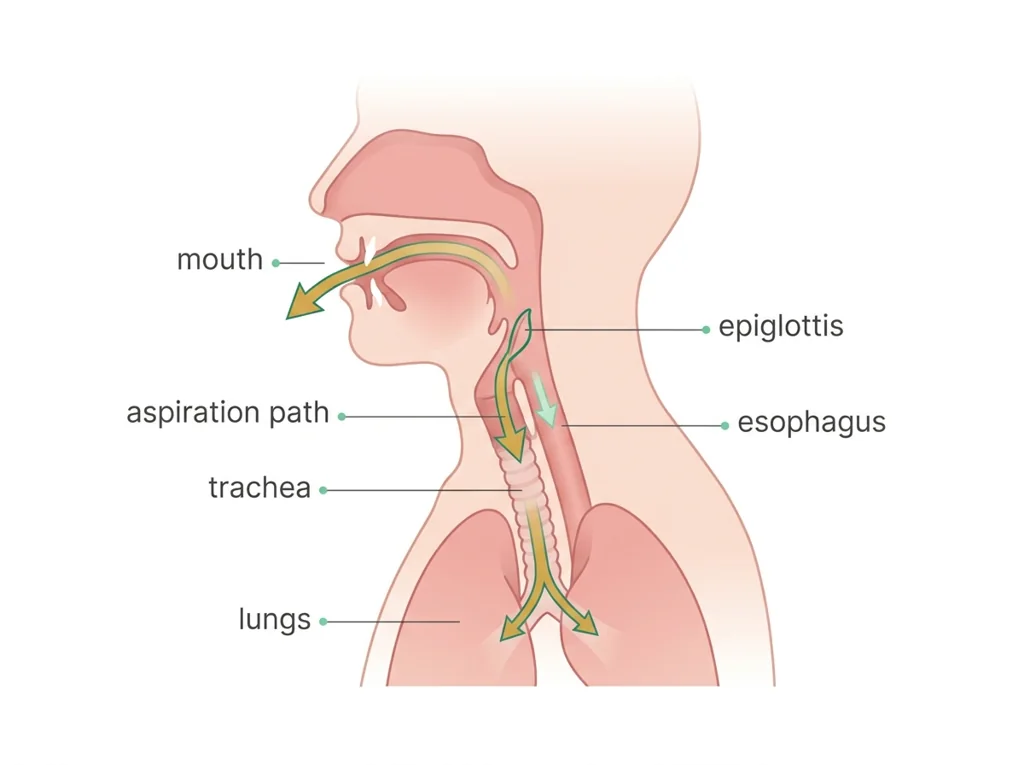
When food, liquid, or saliva slips into the airway and lungs instead of the stomach, a risk for infants who have trouble feeding or swallowing.
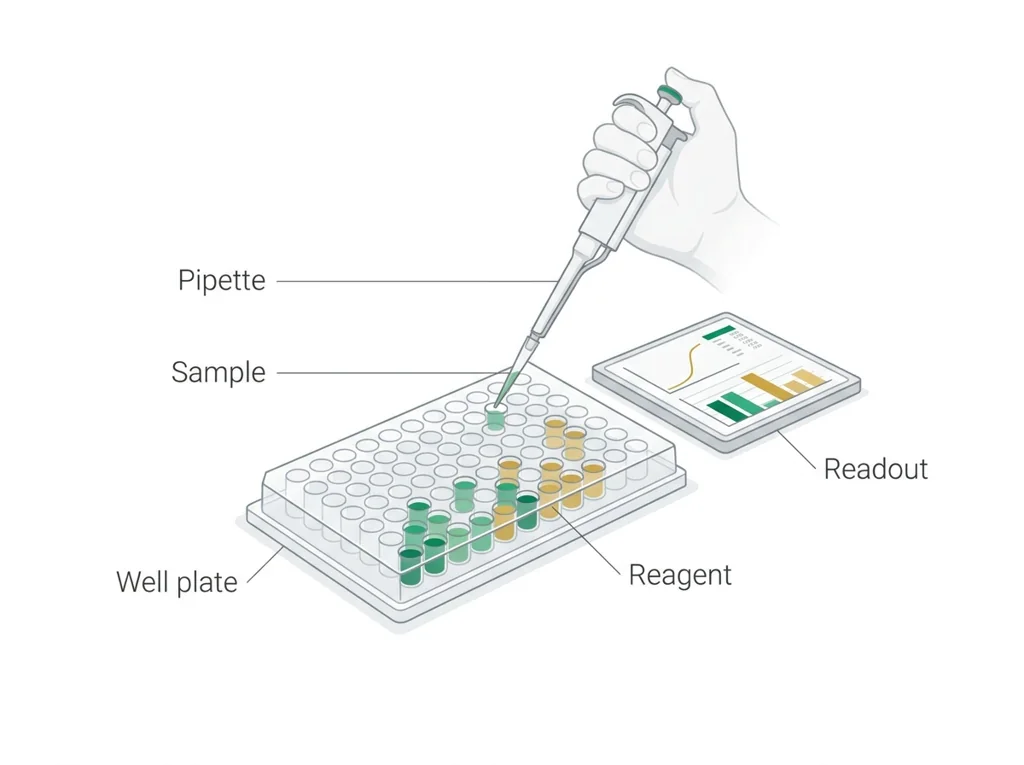
A laboratory test that measures the presence, amount, or activity of a target substance such as a protein, antibody, or chemical in a sample.
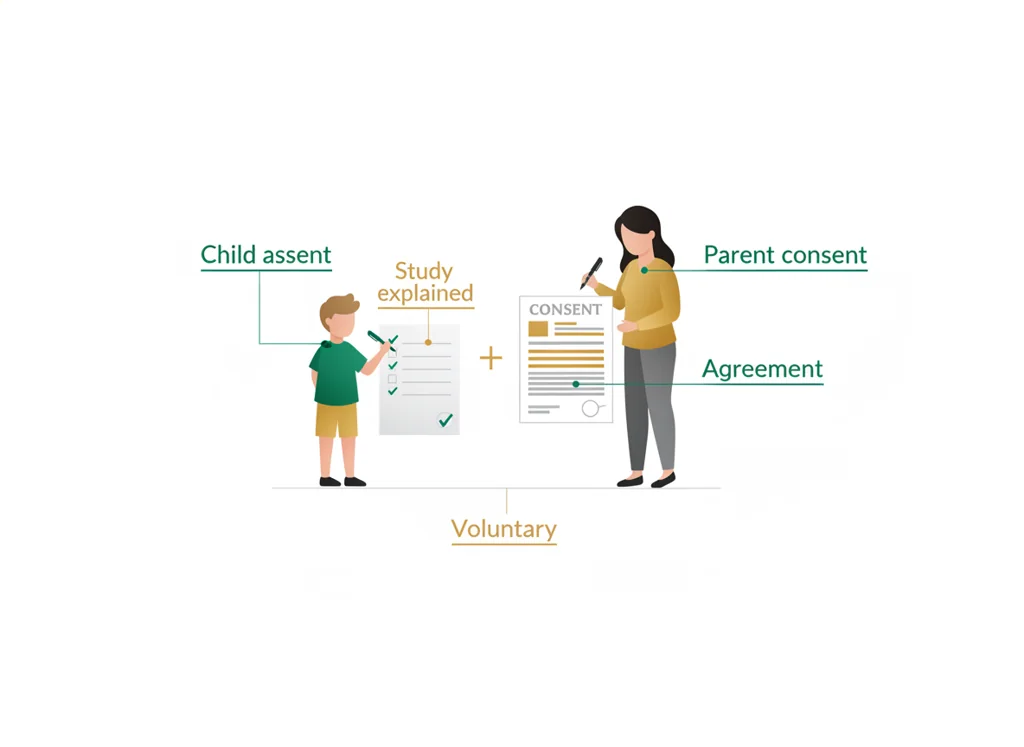
A child or teen's own agreement to take part in a study, given alongside a parent's legal permission, after the study is explained at their level.
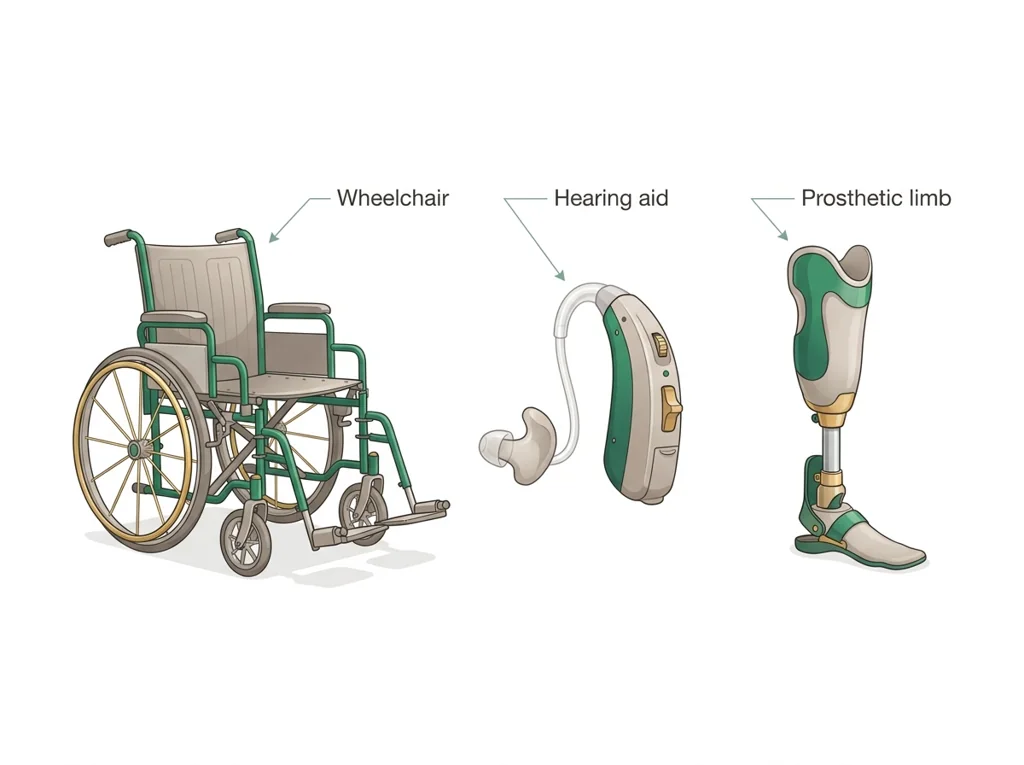
Any tool or equipment that helps a person with a disability or injury perform daily tasks, such as a wheelchair, hearing aid, or prosthetic limb.
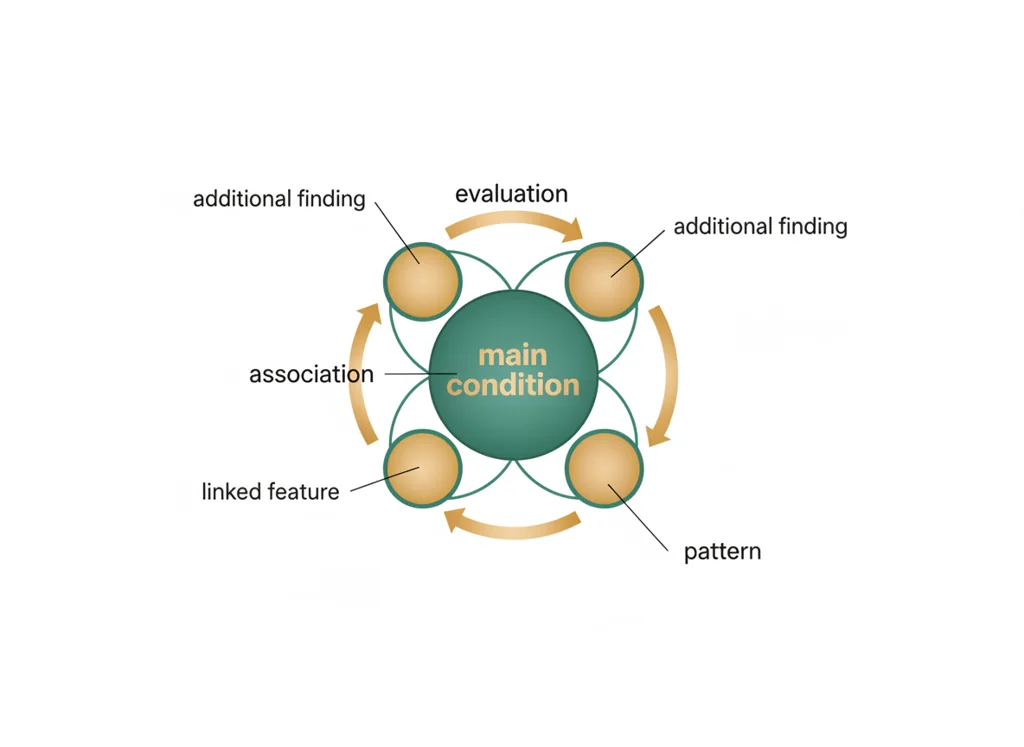
An additional birth difference found alongside the main condition, signaling that a broader syndrome or developmental problem may be present.
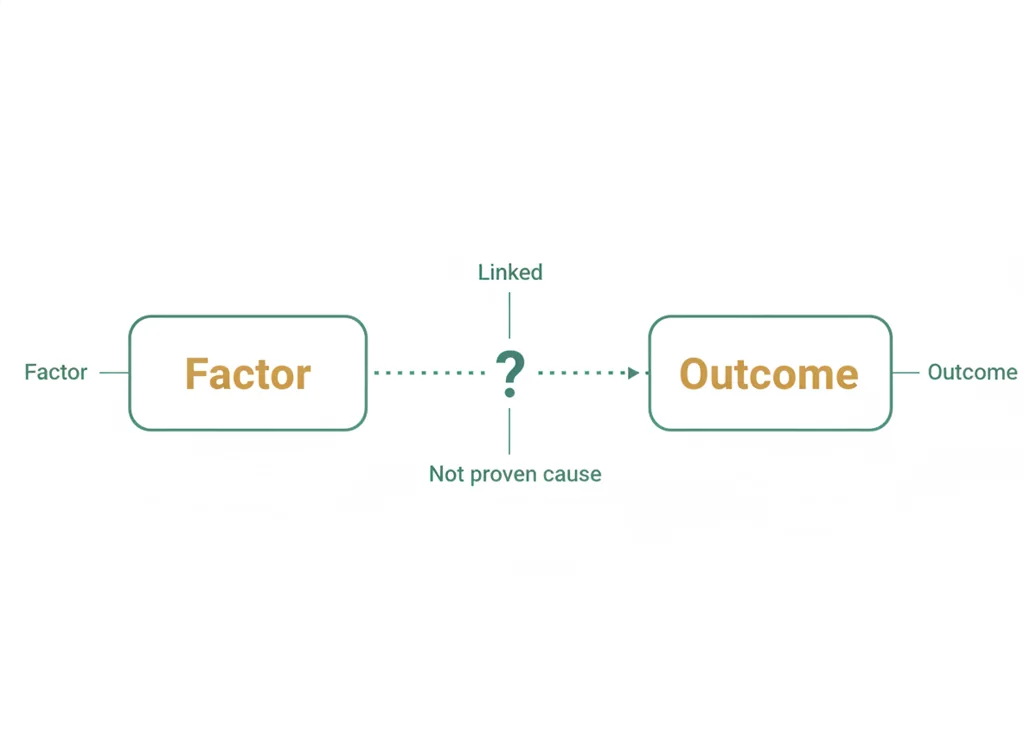
A variable that tends to appear alongside an outcome in data, signaling a possible link without proving that it causes the outcome.
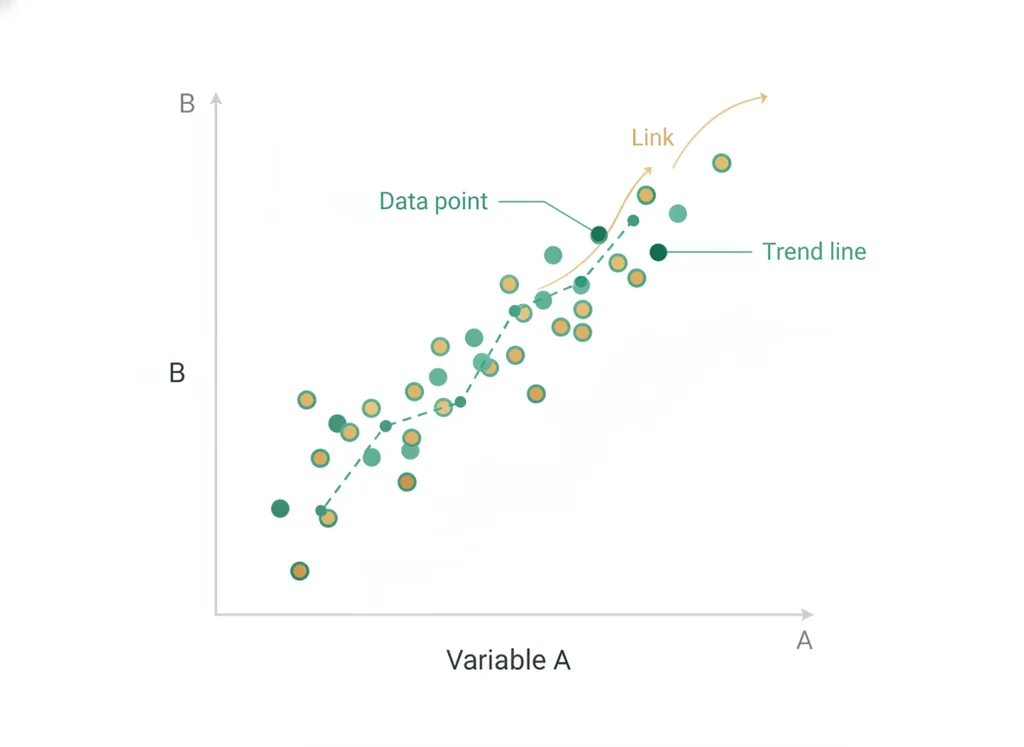
A statistical link where two things tend to occur together, which suggests a relationship but does not by itself prove one causes the other.
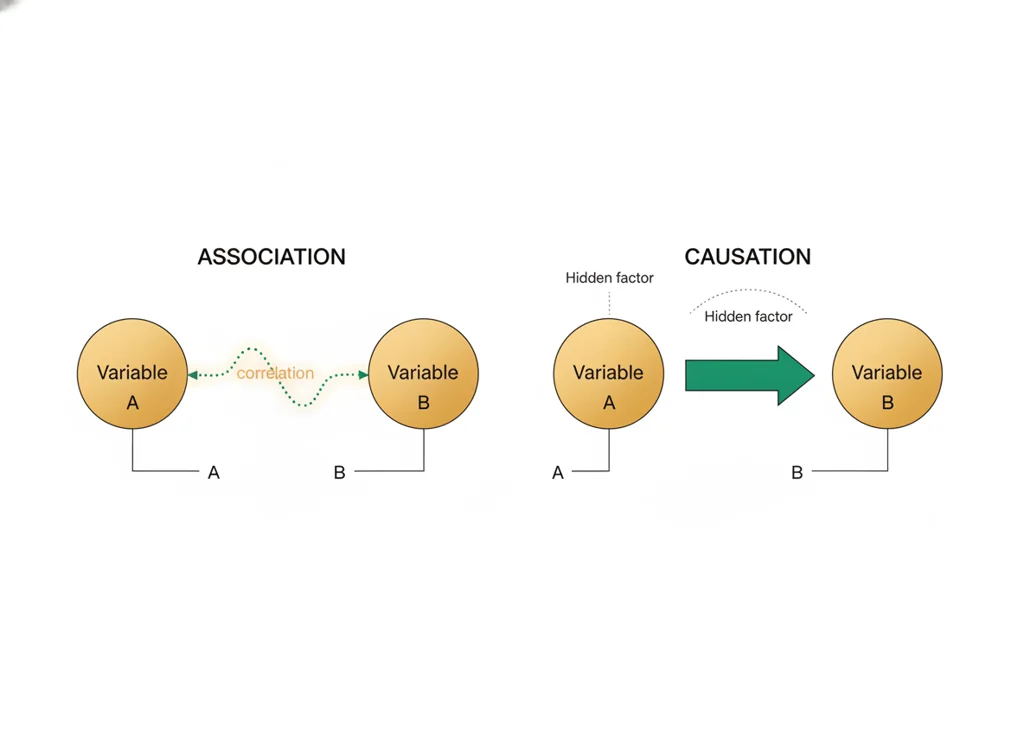
The difference between two things that simply tend to occur together and one thing actually producing the other, which only controlled experiments can confirm.
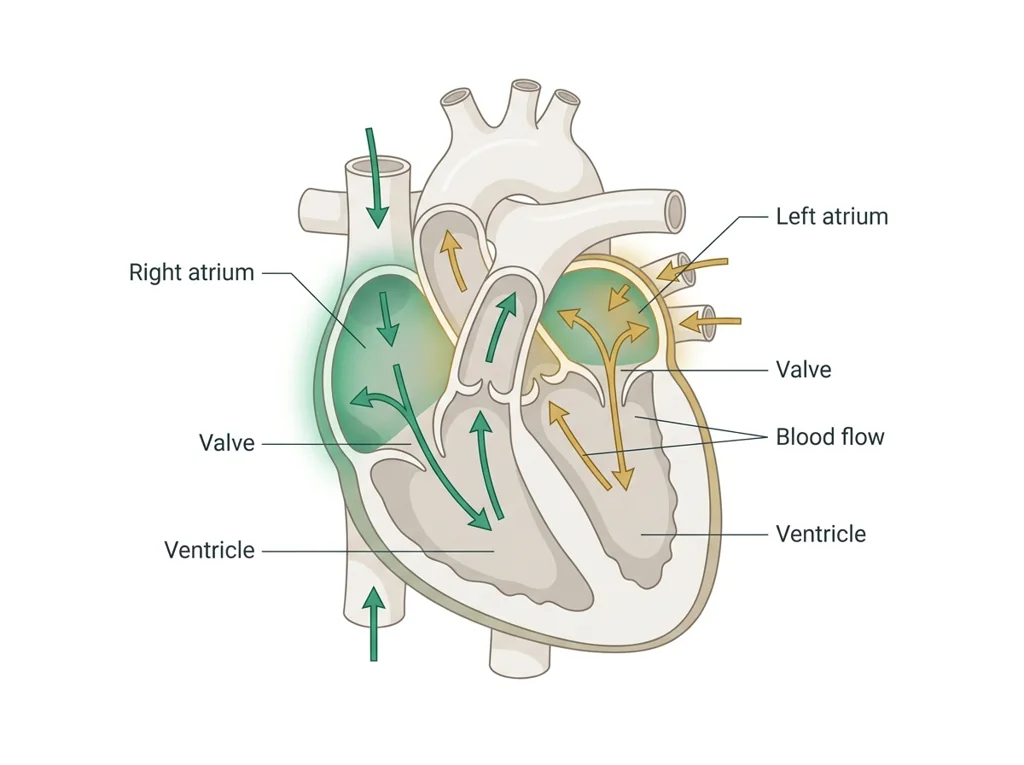
One of the two upper chambers of the heart that receives incoming blood and pushes it down into the ventricle below.
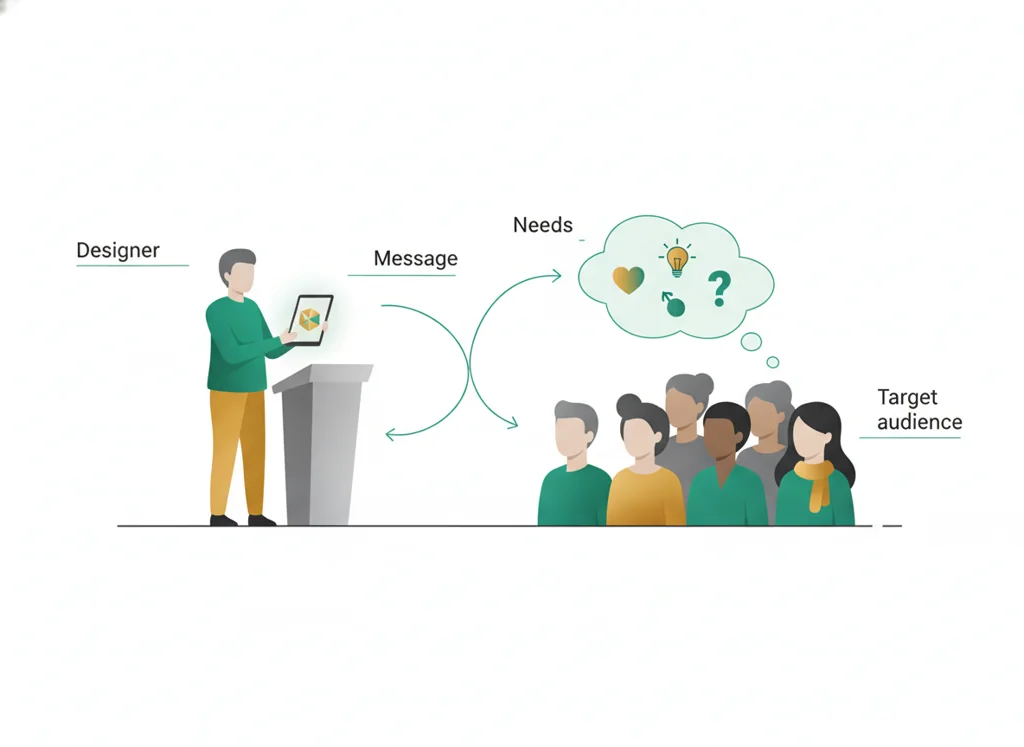
The specific group of people a product, message, or design is created for, whose needs and abilities shape every design choice.
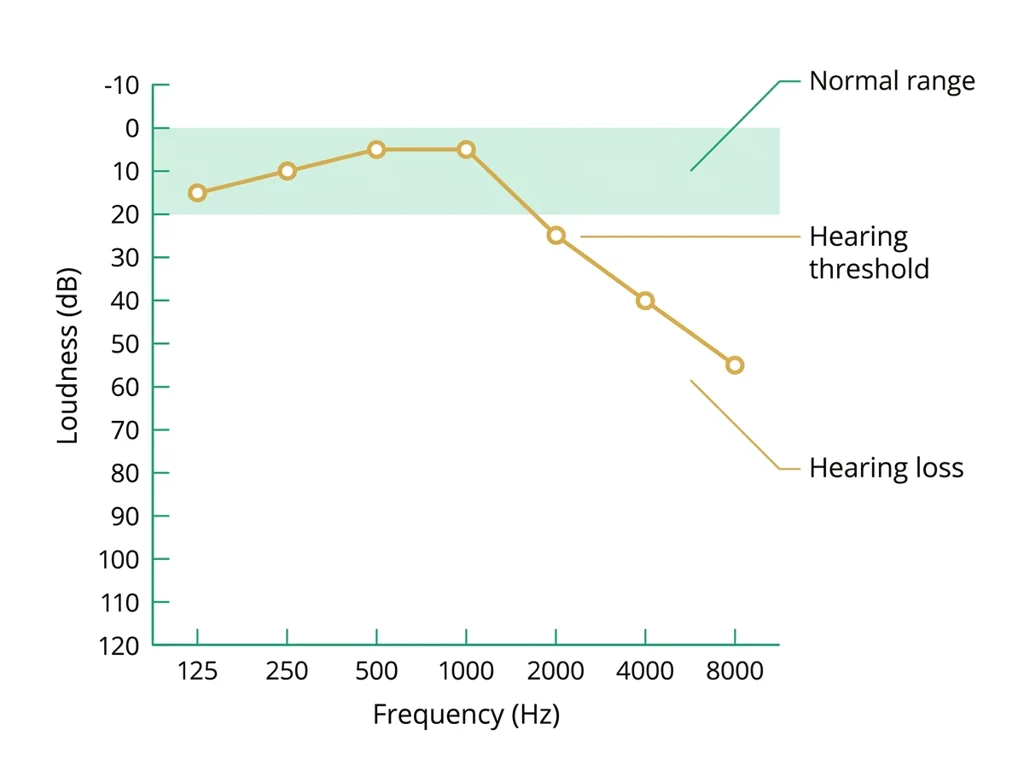
A graph from a hearing test that plots the softest sounds a person can hear at different pitches, showing the type and degree of any hearing loss.
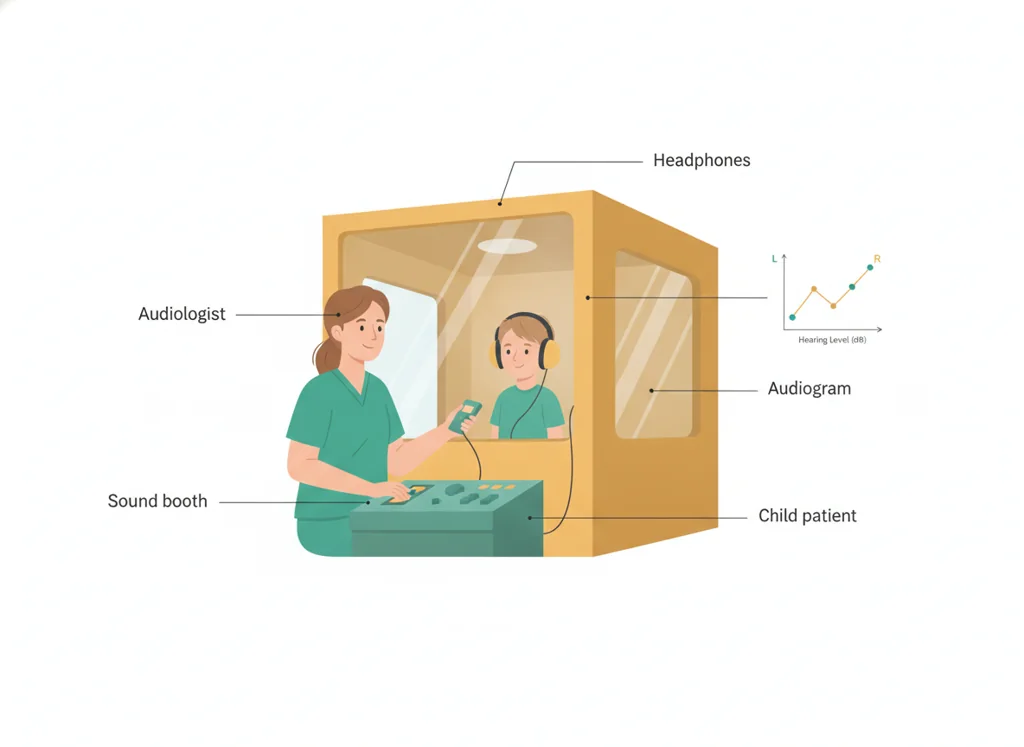
A health professional who tests hearing and balance and manages hearing loss, an important team member for children with cleft palate.
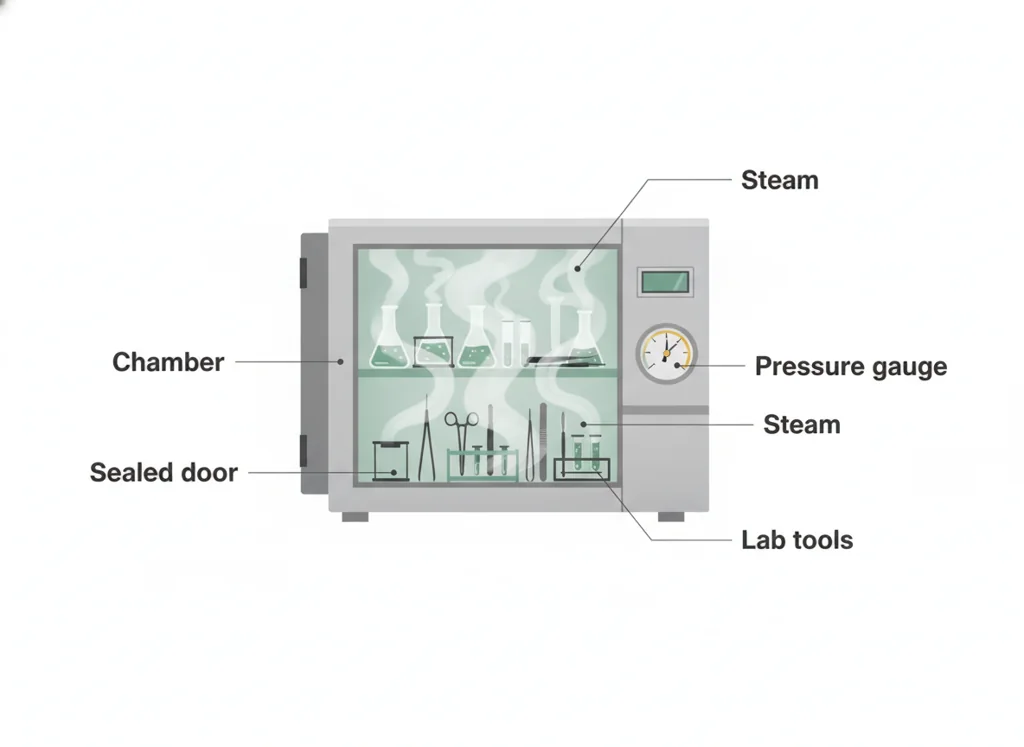
A sealed machine that uses pressurized steam, usually near 121 degrees Celsius, to sterilize lab tools and media by killing all microbes, including tough spores.
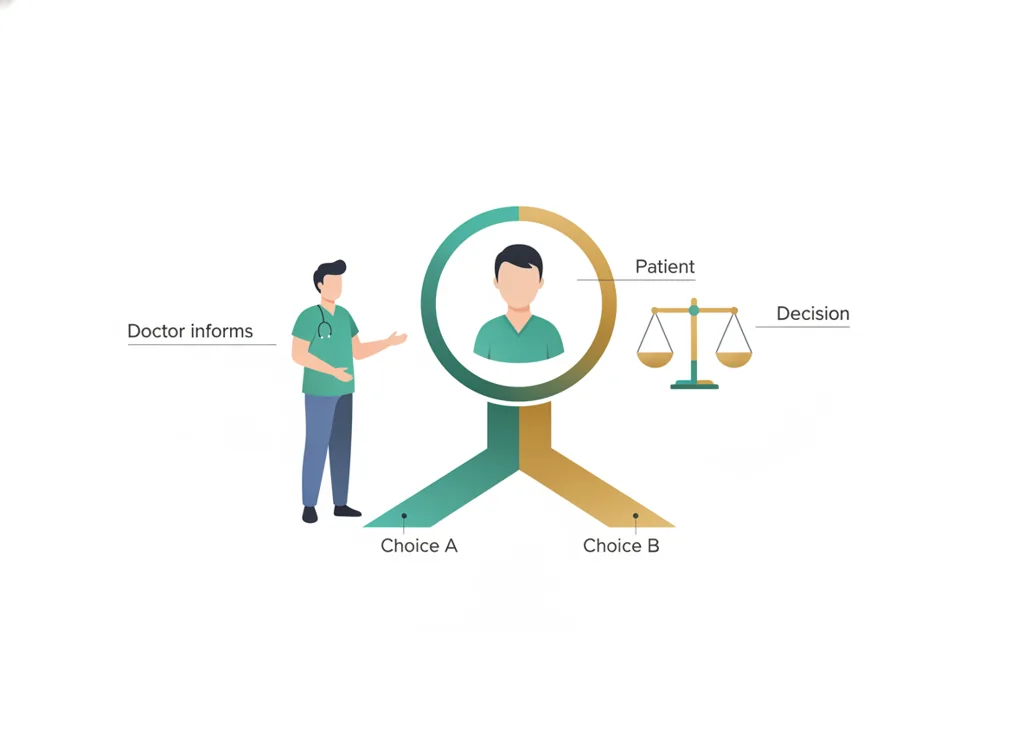
A patient's right to make their own informed decisions about their care, a core principle of bioethics and one of the hardest to honor.
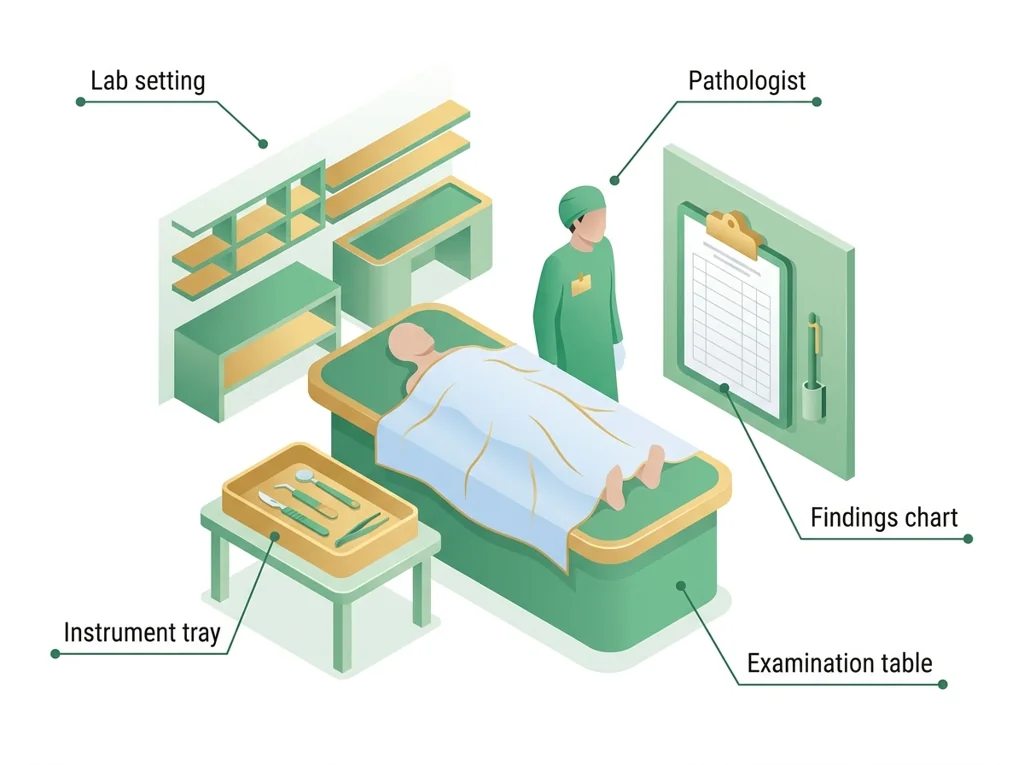
A careful medical examination of a body after death to find the cause of death, study disease, and gather evidence.
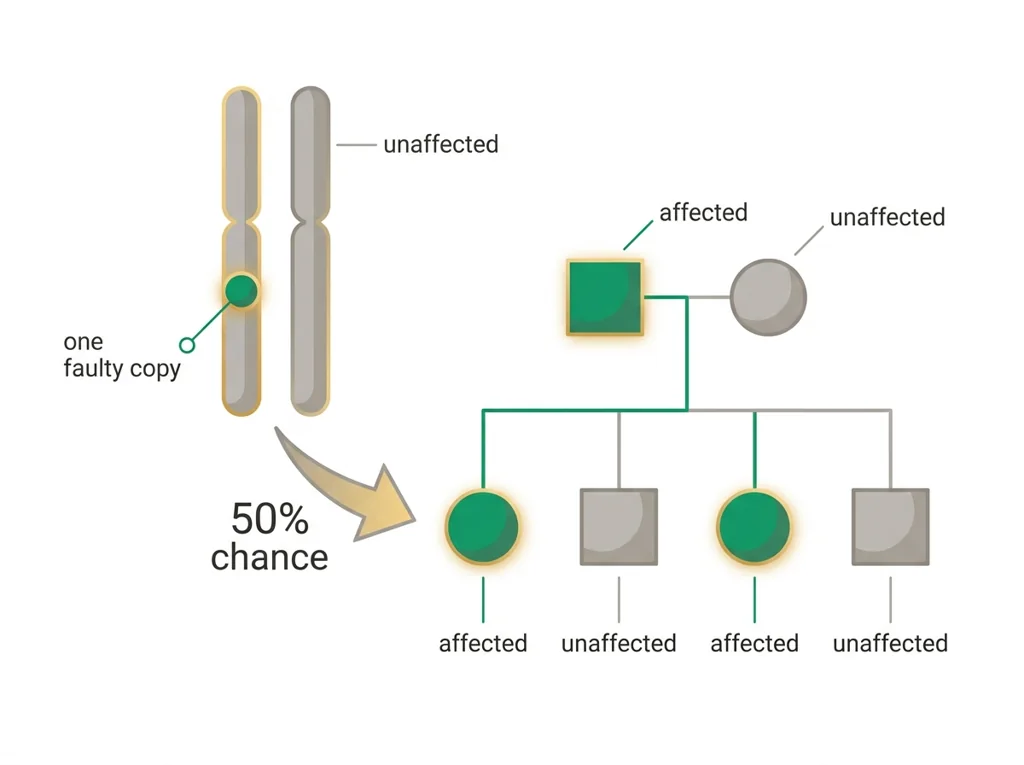
An inheritance pattern where a single faulty copy of a gene on a non-sex chromosome is enough to cause the trait or disorder.
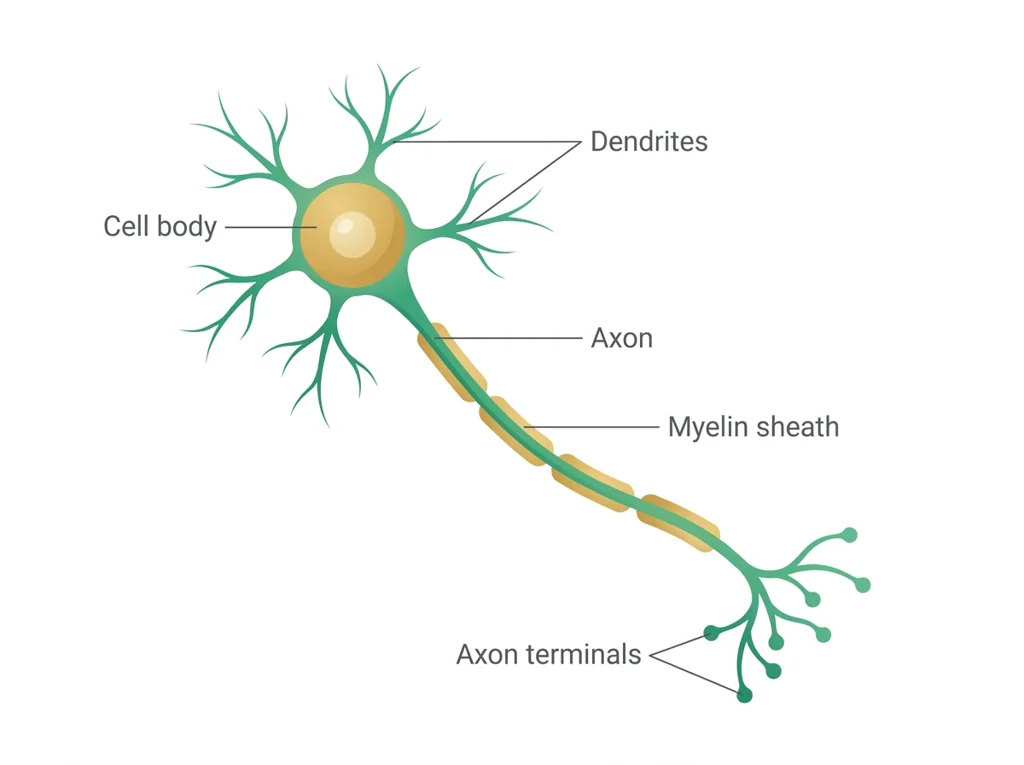
The long, slender fiber of a neuron that carries electrical signals away from the cell body toward other cells.

A lab method that introduces a foreign plasmid into bacterial cells using a brief heat shock, so they take up and express new DNA.
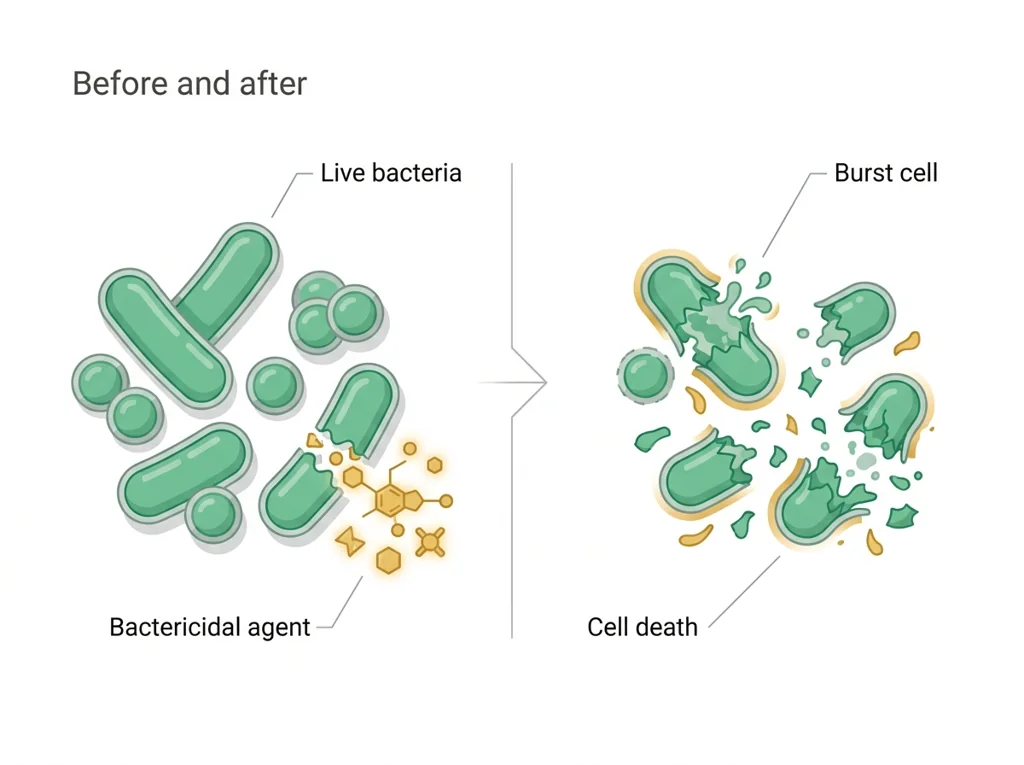
Describes an agent that kills bacteria outright, rather than only stopping them from multiplying.
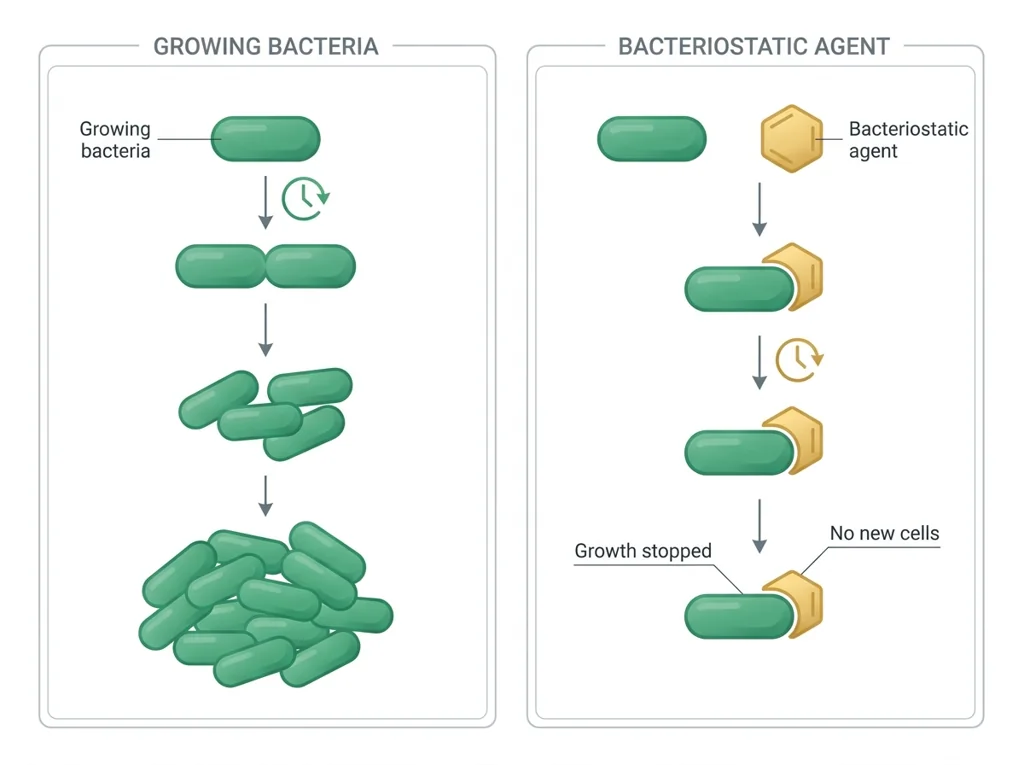
Describing an agent that stops bacteria from growing and multiplying without directly killing them, so the immune system can then clear the infection.
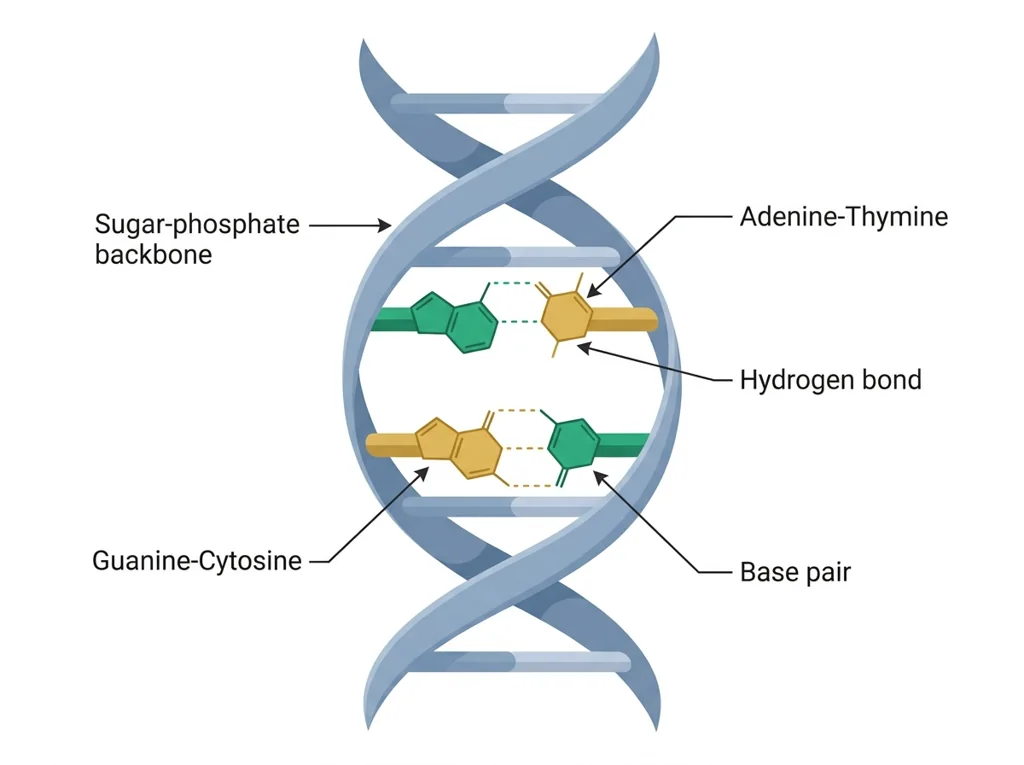
The matched rungs of the DNA ladder where adenine joins thymine and guanine joins cytosine, holding the two strands together and storing the code.
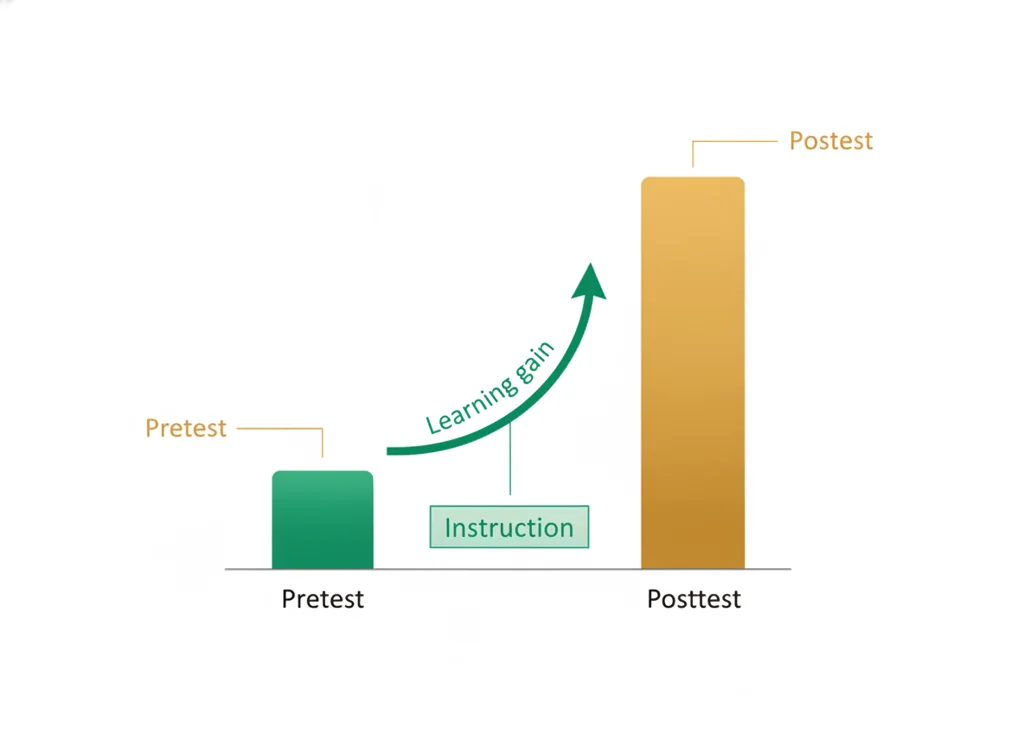
An assessment given before instruction begins so you can measure how much was learned by comparing it to a later test on the same material.
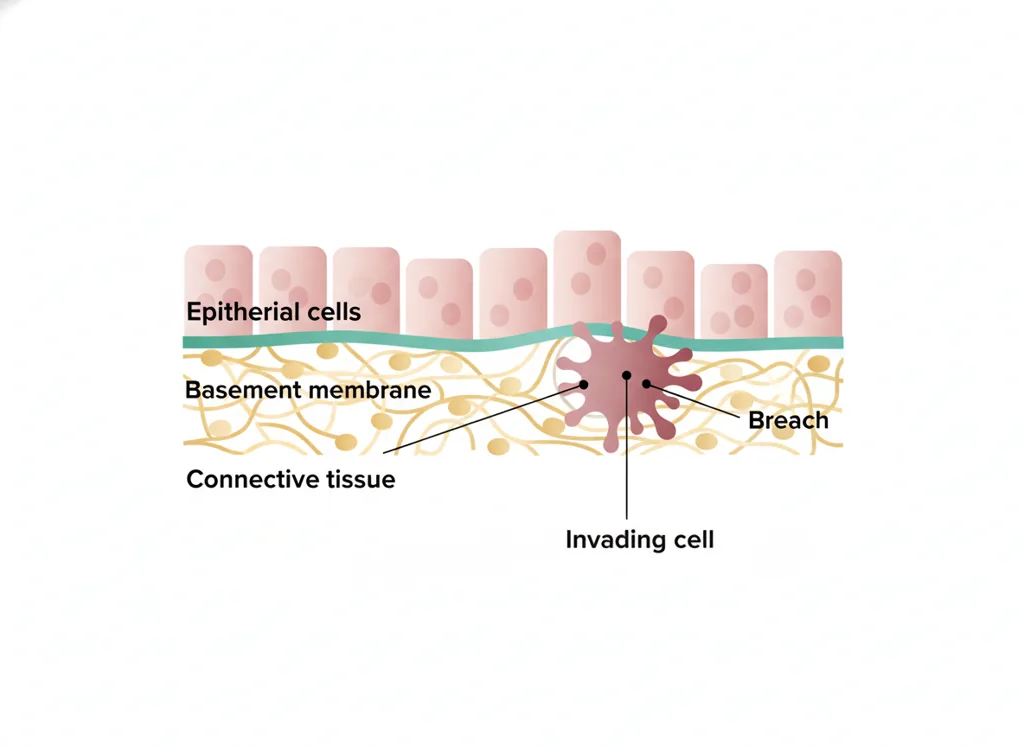
A thin, dense sheet that normally walls off a tissue; cancer cells must break through it during local invasion.
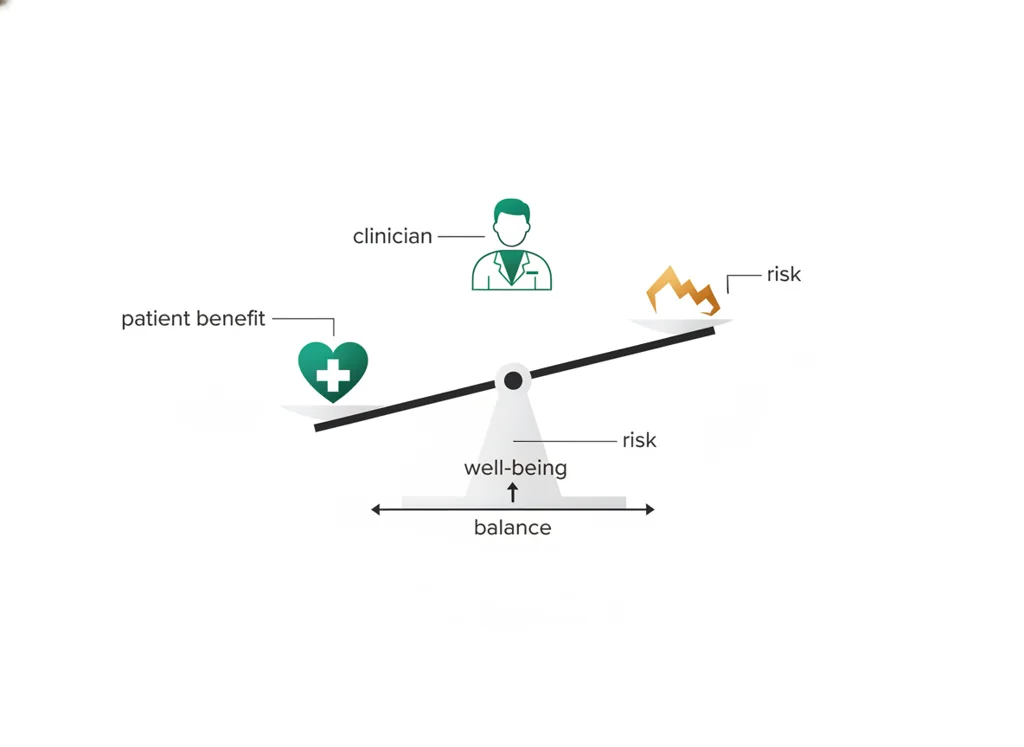
The bioethics principle of acting to benefit the patient and promote their well-being, weighing likely good against possible harm.
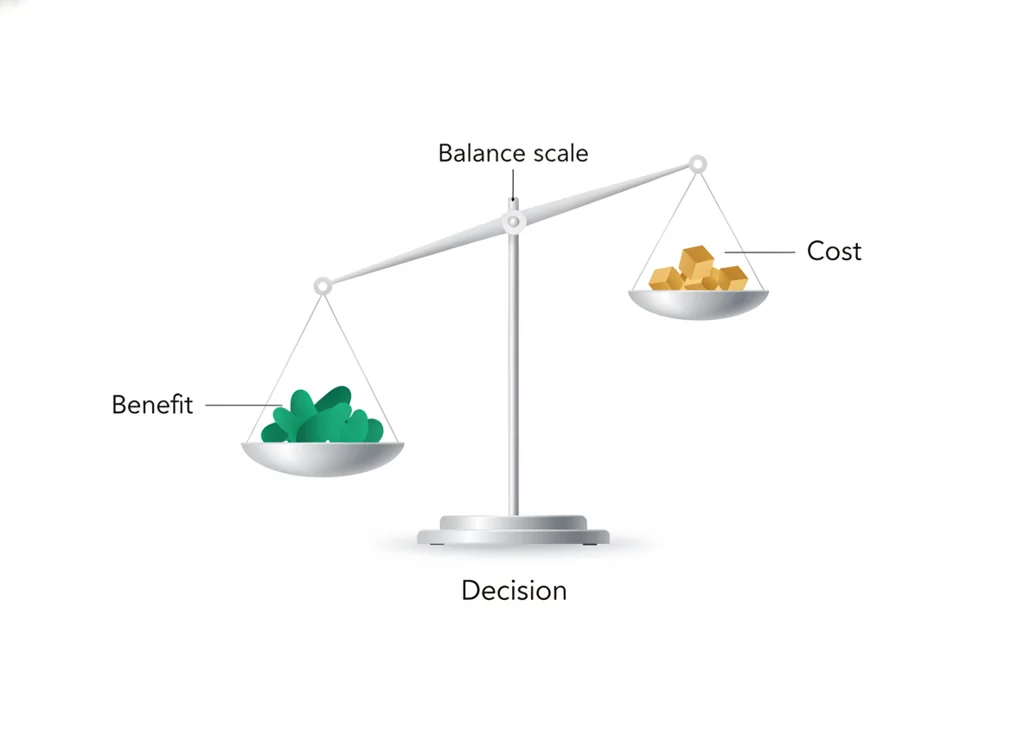
A positive outcome or advantage gained from a choice, treatment, or action, weighed against its costs and risks.
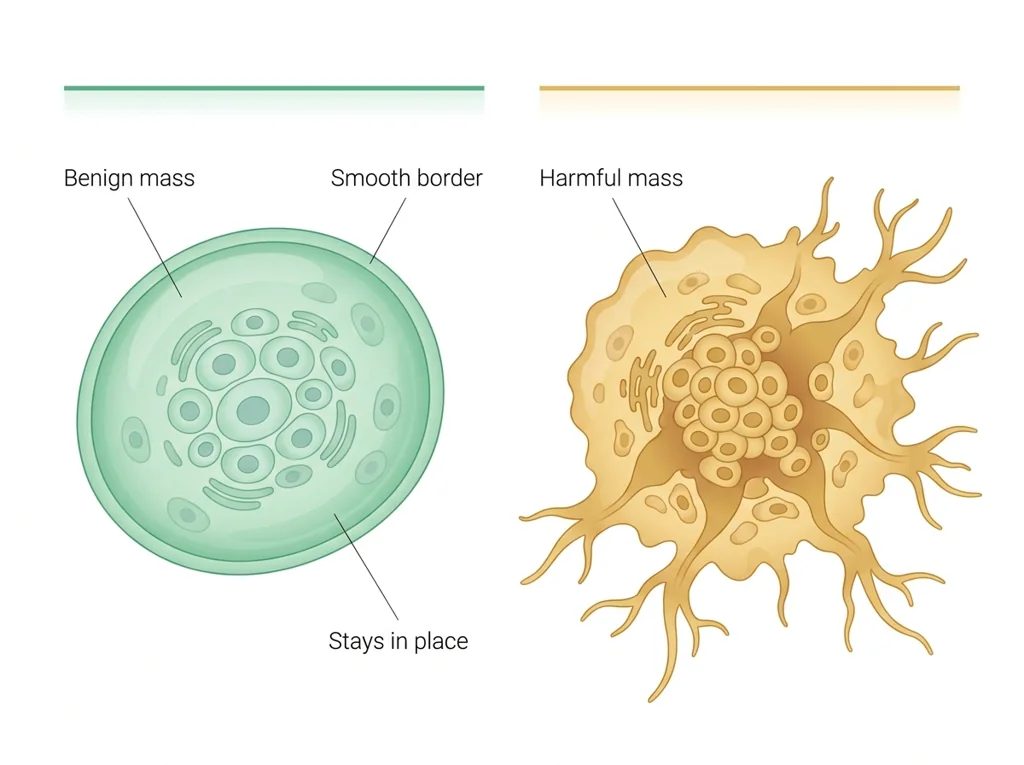
Not harmful or not cancerous; a benign tumor stays in one place and does not spread, and a benign gene variant does not cause disease.
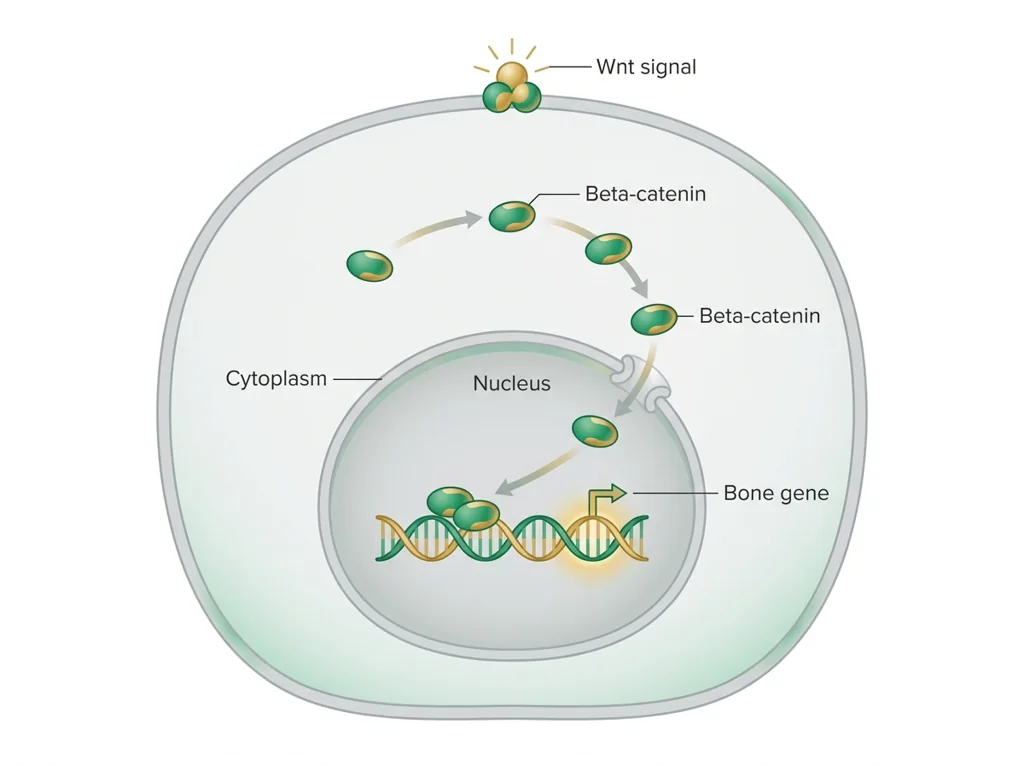
An inside-the-cell messenger that carries the Wnt signal into the nucleus, where it helps switch on the genes that build bone.
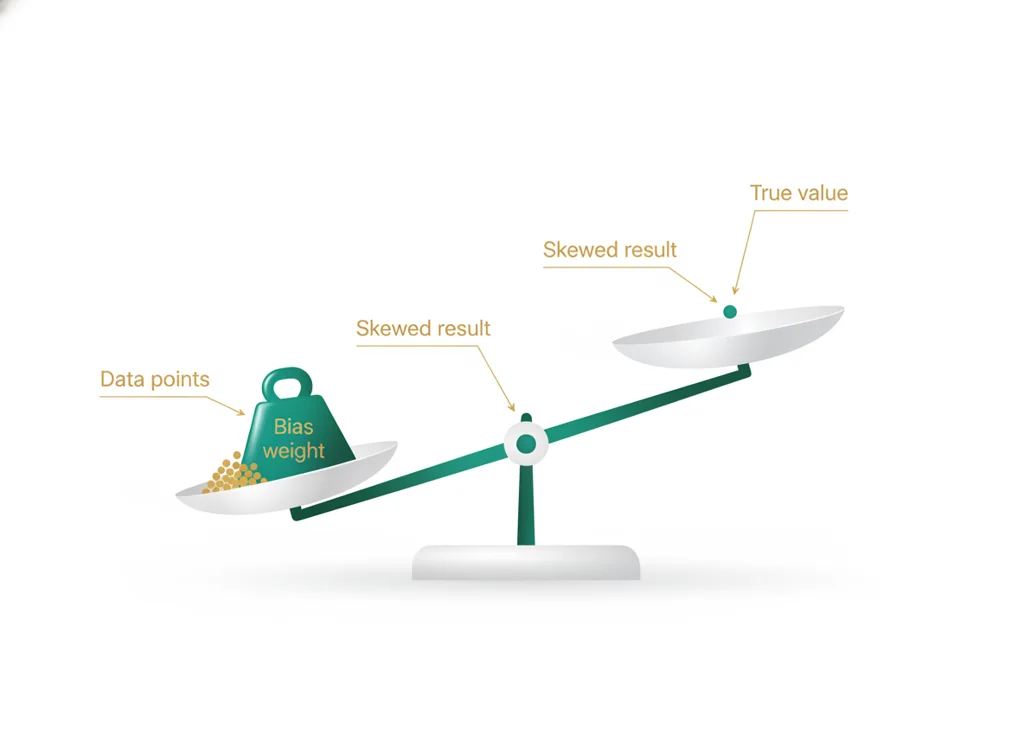
A systematic error in how data is collected or interpreted that tilts results in one direction, making conclusions less accurate or unfair.
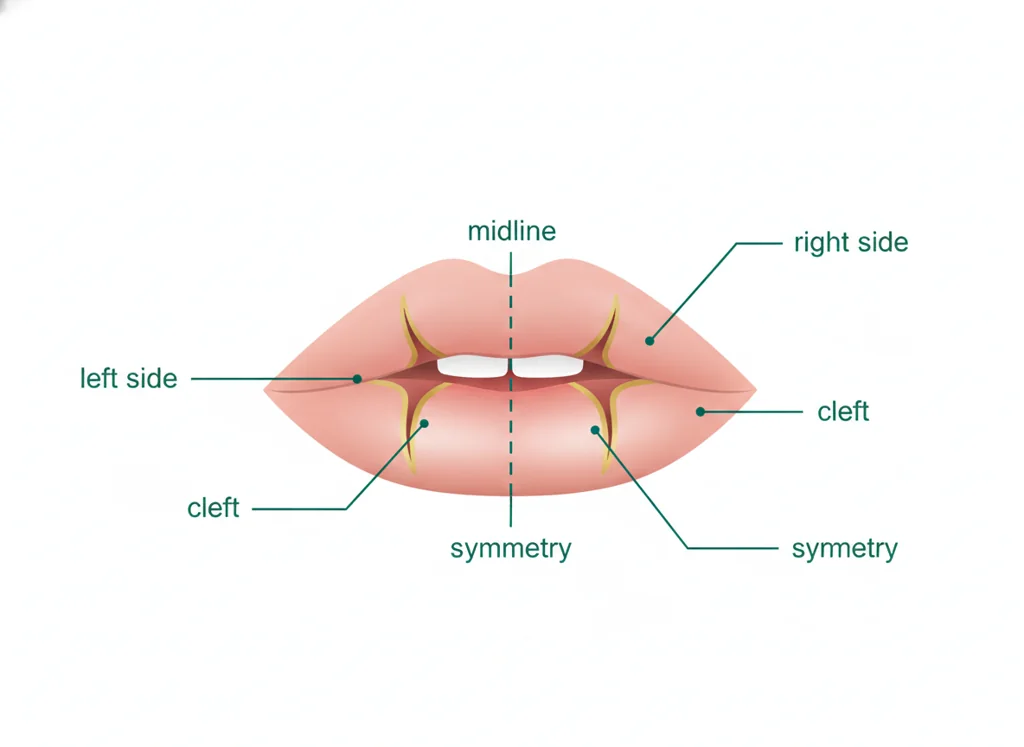
Affecting both the left and right sides of the body, such as a cleft that appears on both sides of the lip.
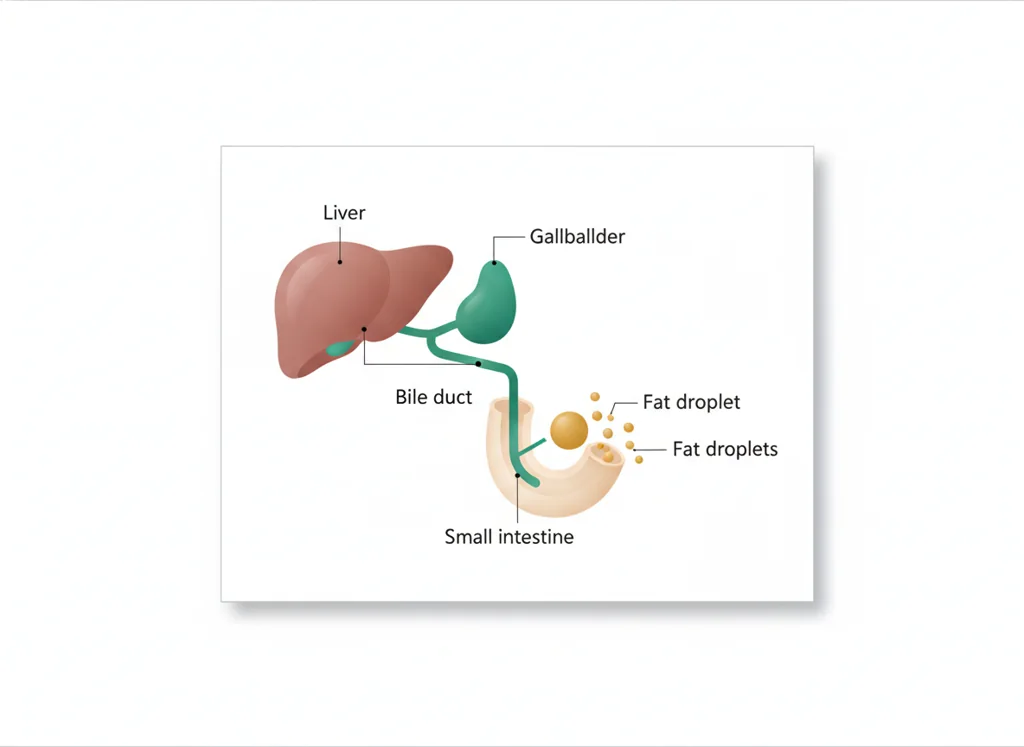
A greenish fluid made by the liver and stored in the gallbladder that breaks large fat droplets into smaller ones so enzymes can digest them.
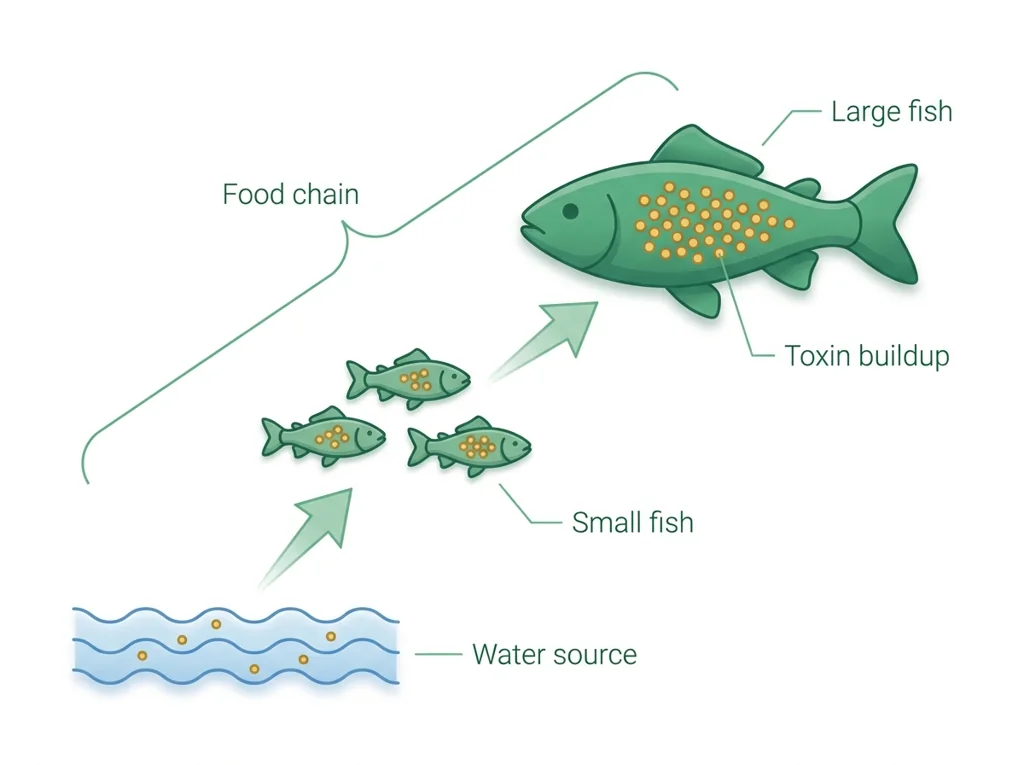
The gradual buildup of a substance, such as a toxin, inside an organism faster than the body can break it down or remove it.
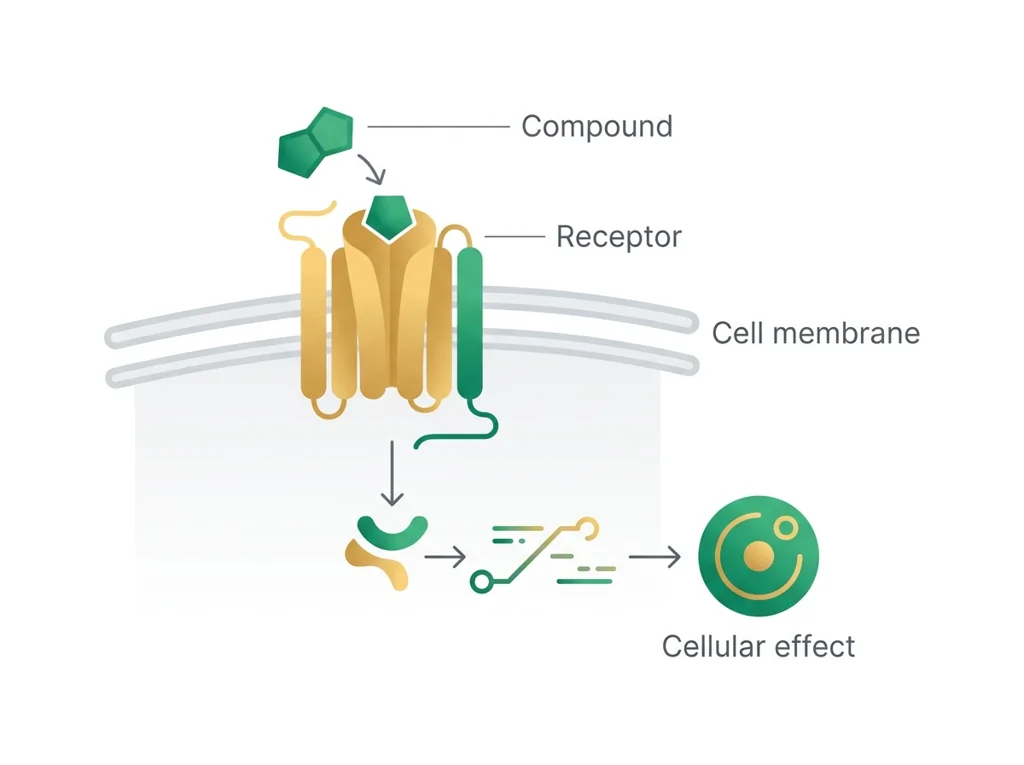
A molecule that produces an effect on living tissue, such as a vitamin, hormone, or drug that changes how cells behave.
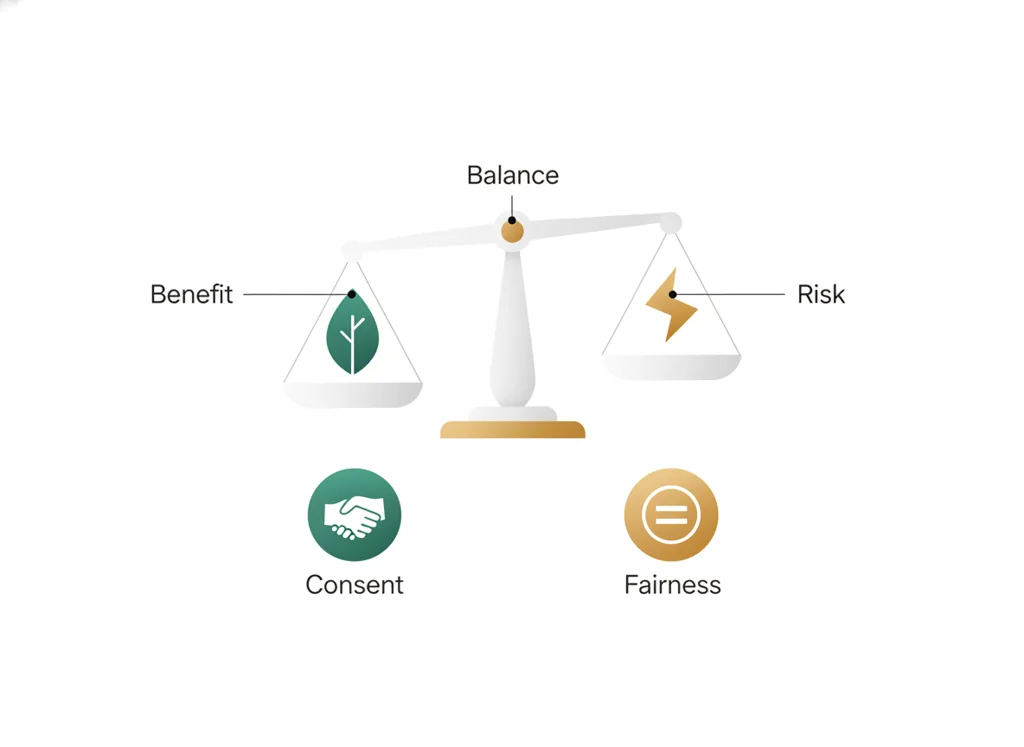
The study of what we should and should not do in medicine and research, weighing benefit, risk, consent, and fairness.

A moment in a case where a patient or family weighs a genetic test against its personal, family, and social consequences.
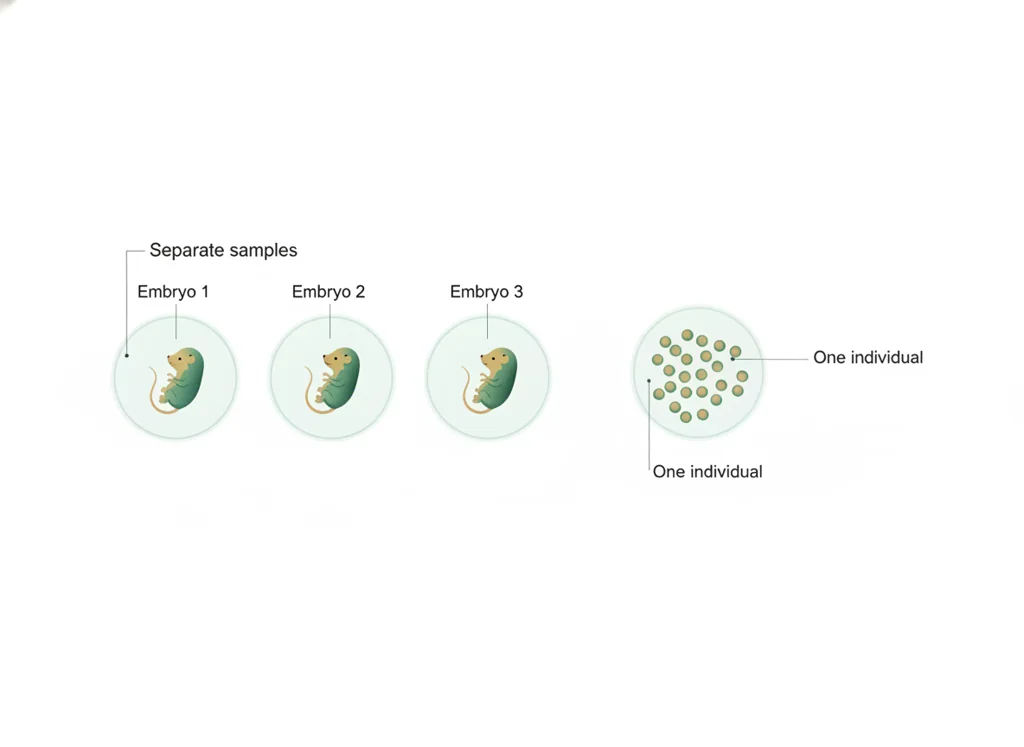
A separate biological sample, such as a different embryo or animal, used to confirm a result is not unique to one individual.
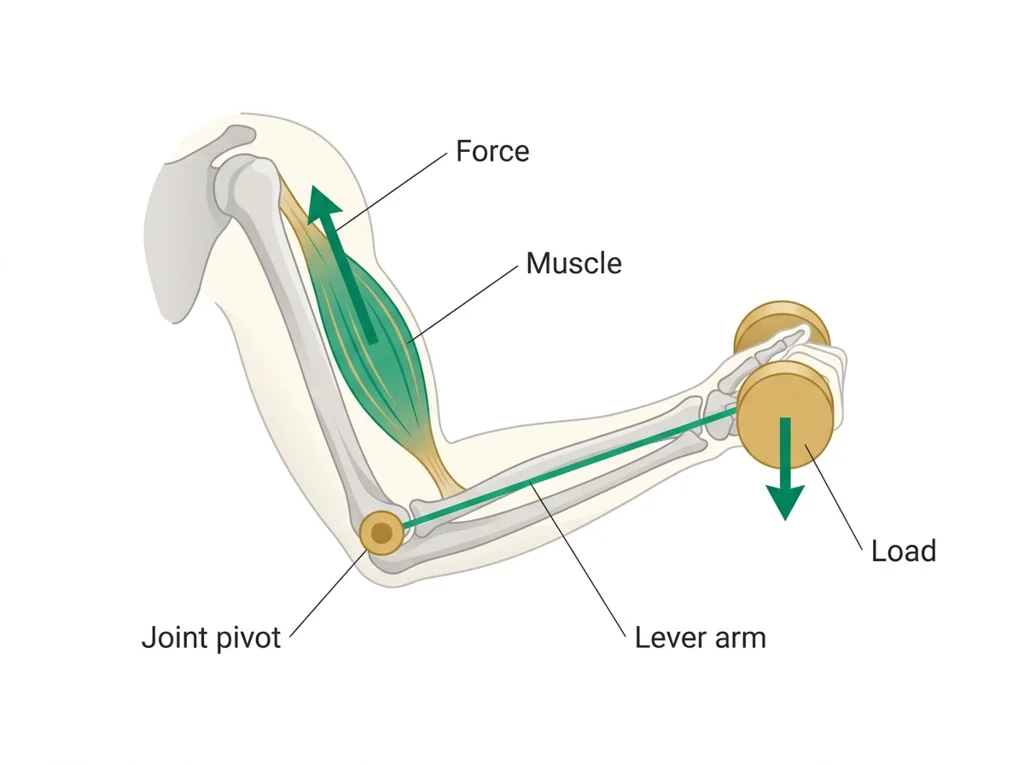
The study of how forces, motion, and structure act on living bodies, applying physics to muscles, bones, and joints.
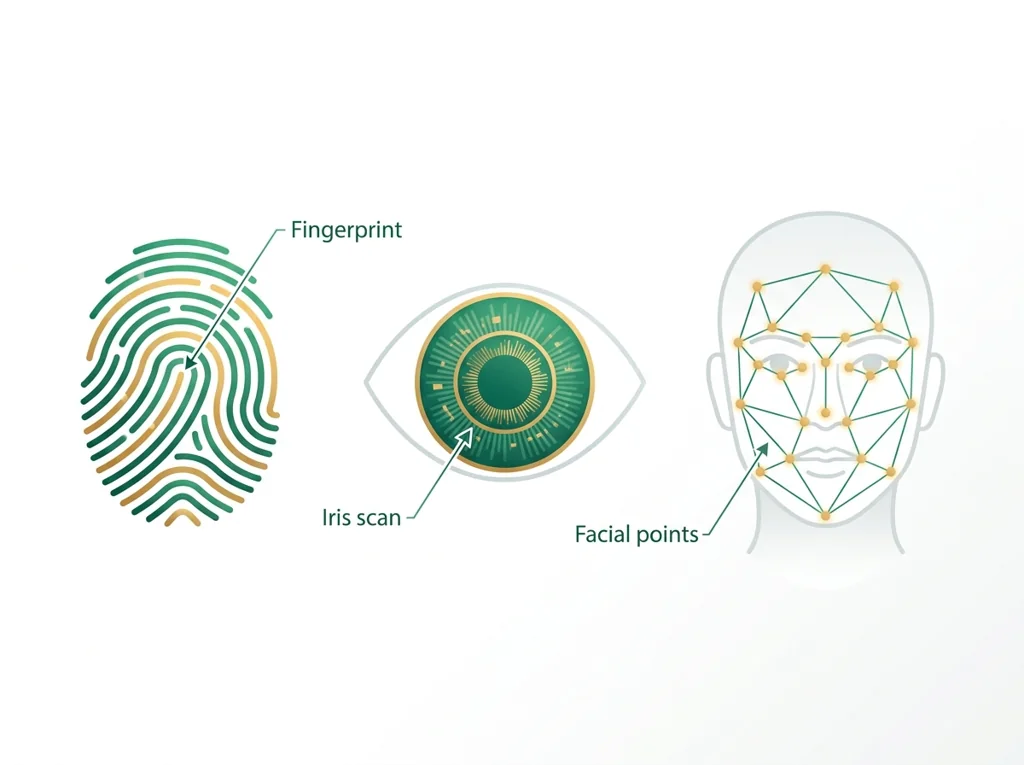
A measurable physical or behavioral trait, such as a fingerprint, iris pattern, or heart rate, used to identify a person or track health.
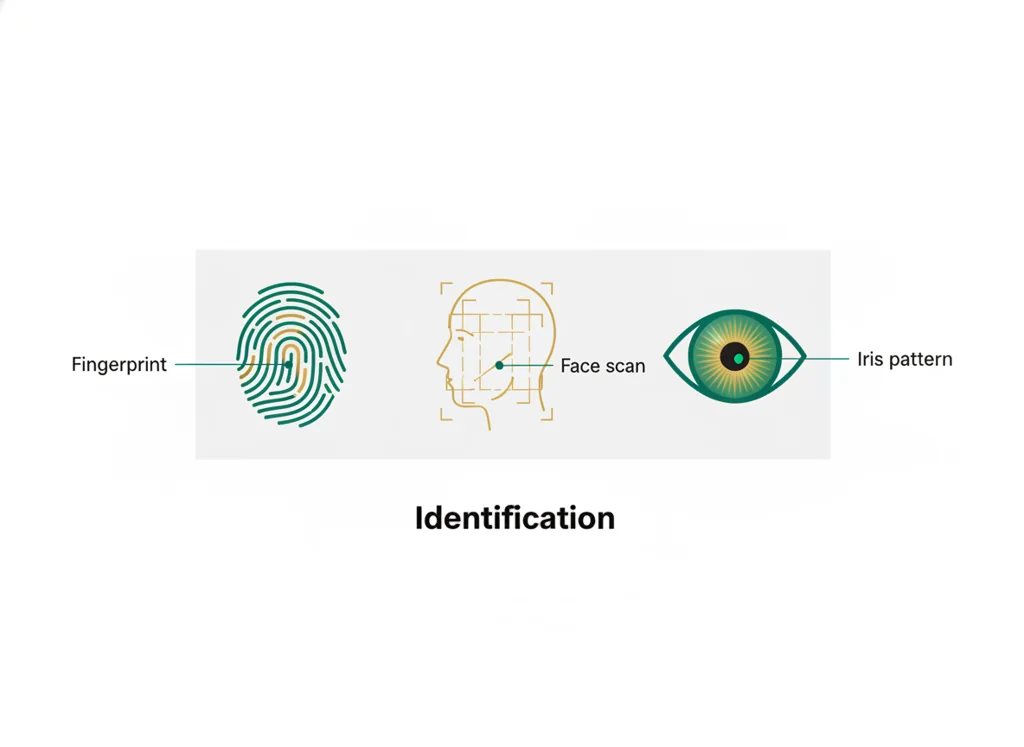
Measurements of unique body features, such as fingerprints, faces, or eye patterns, used to identify a specific person.
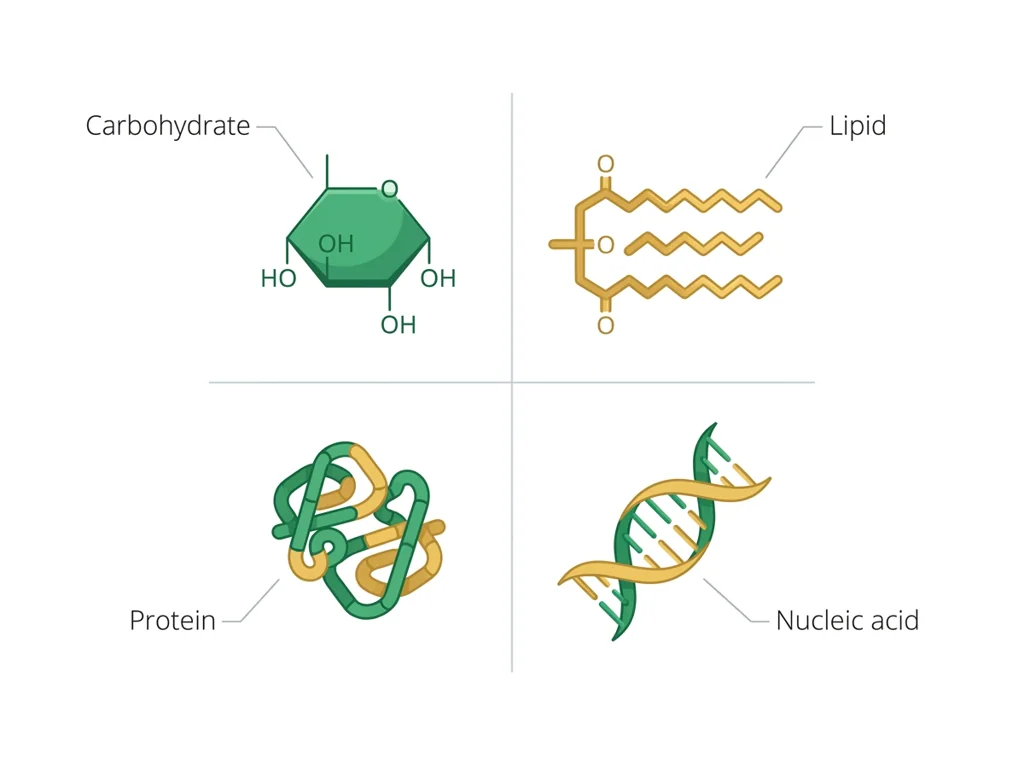
A molecule produced by living things that carries out life's functions, including carbohydrates, lipids, proteins, and nucleic acids.
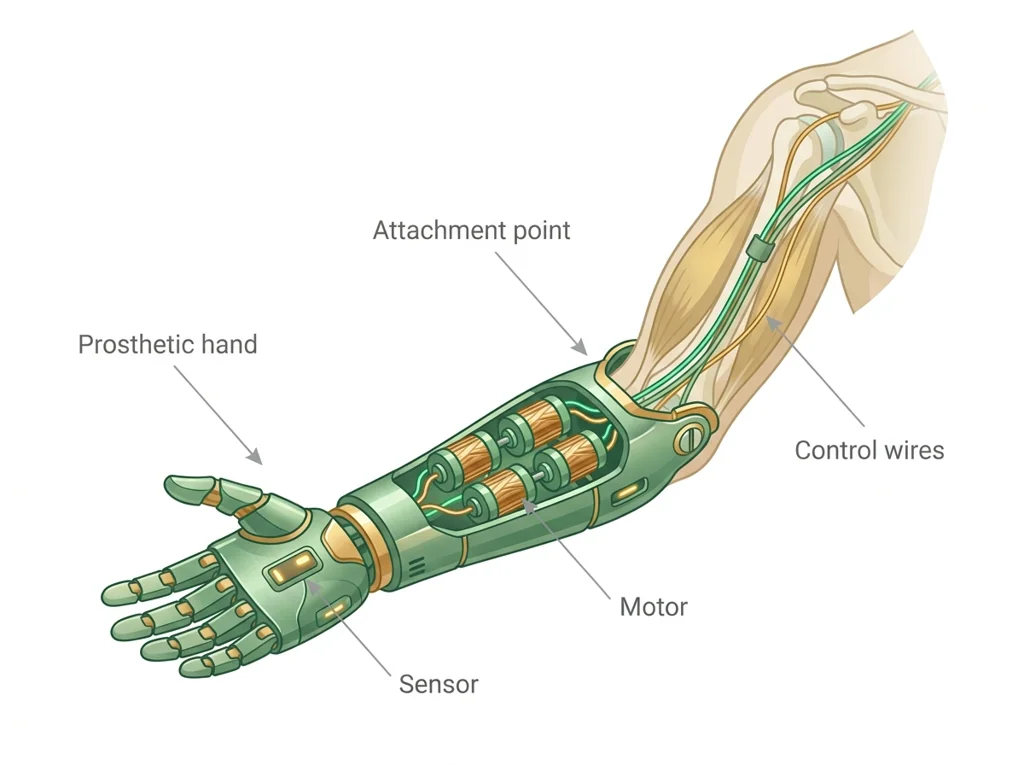
The engineering of artificial parts, such as a powered limb or cochlear implant, that replace or assist functions of the human body.
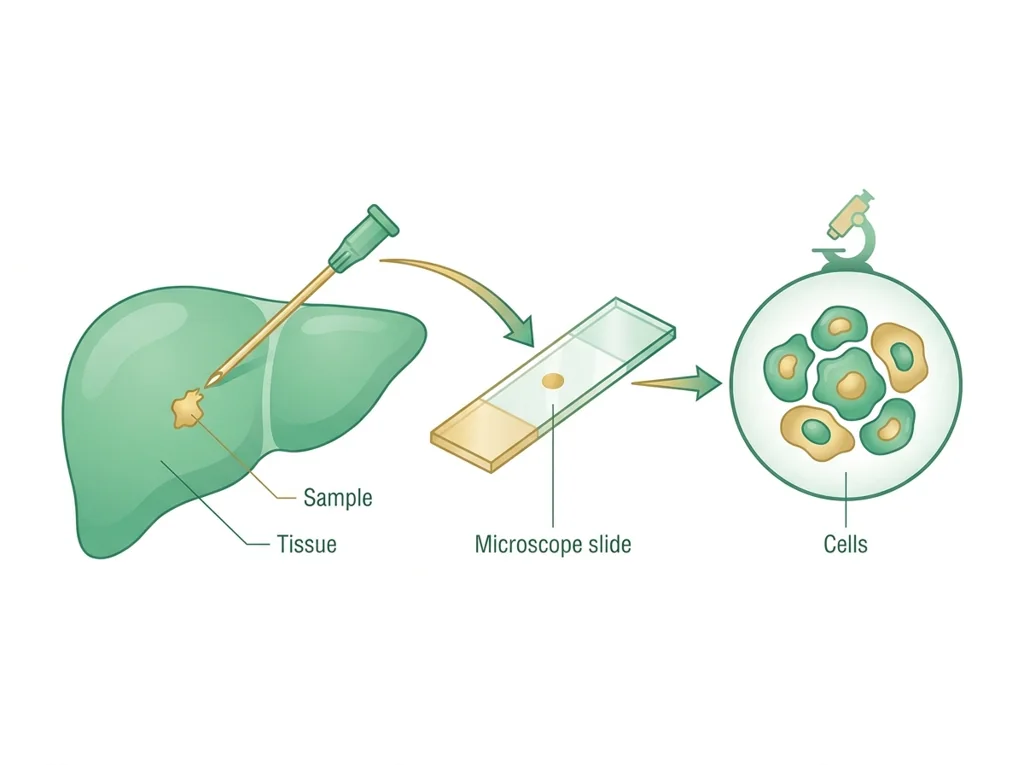
A medical procedure that removes a small sample of tissue from the body so it can be examined under a microscope for disease such as cancer.

A rating from 1 to 4 that sets the containment, equipment and practices required for working with a given organism. School labs work at level 1.
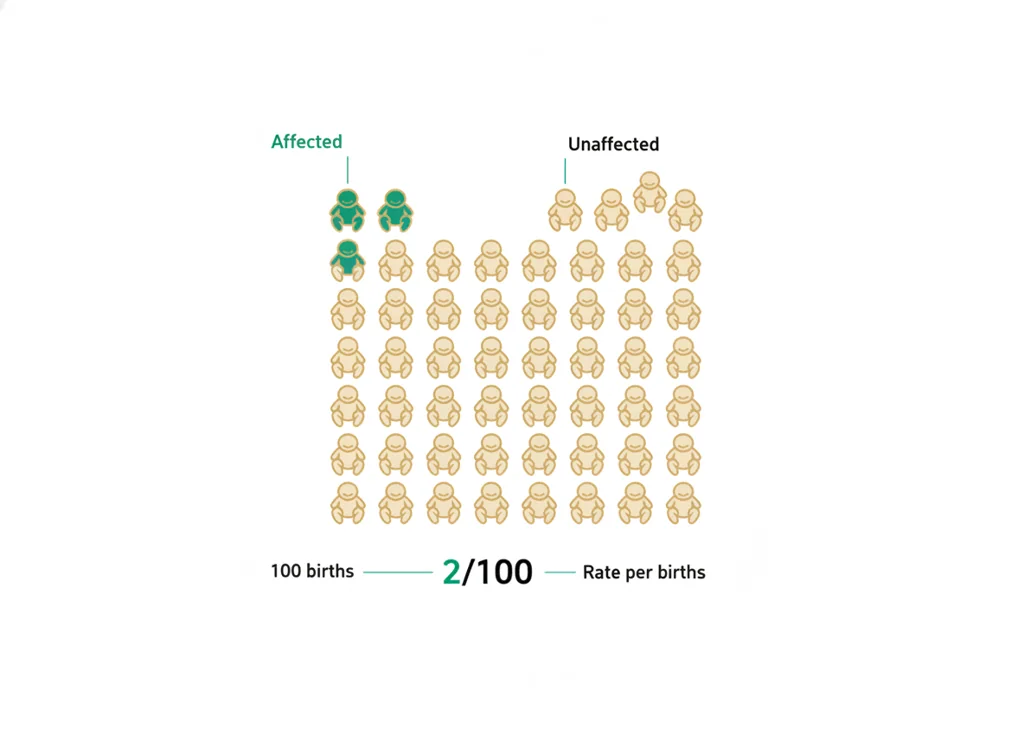
How often a condition is present at birth, usually given as the number of affected babies per a fixed number of births.
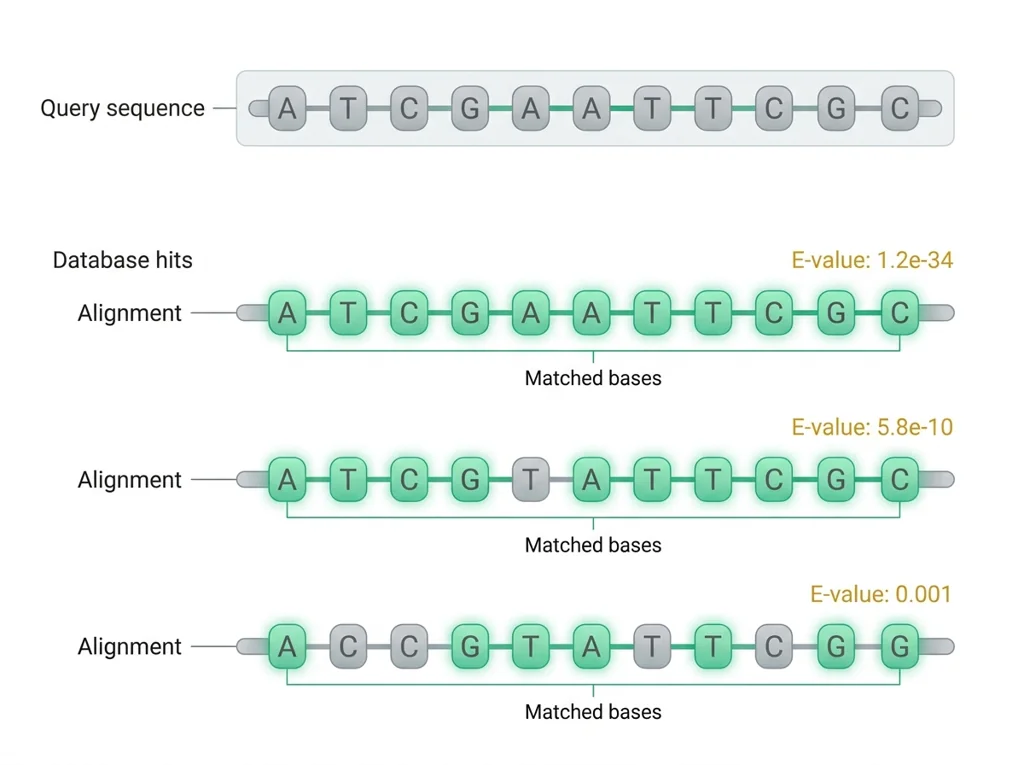
A search tool (Basic Local Alignment Search Tool) that compares a DNA or protein sequence against a database to find regions of local similarity, not necessarily evolutionary relatives or a definitive identity.
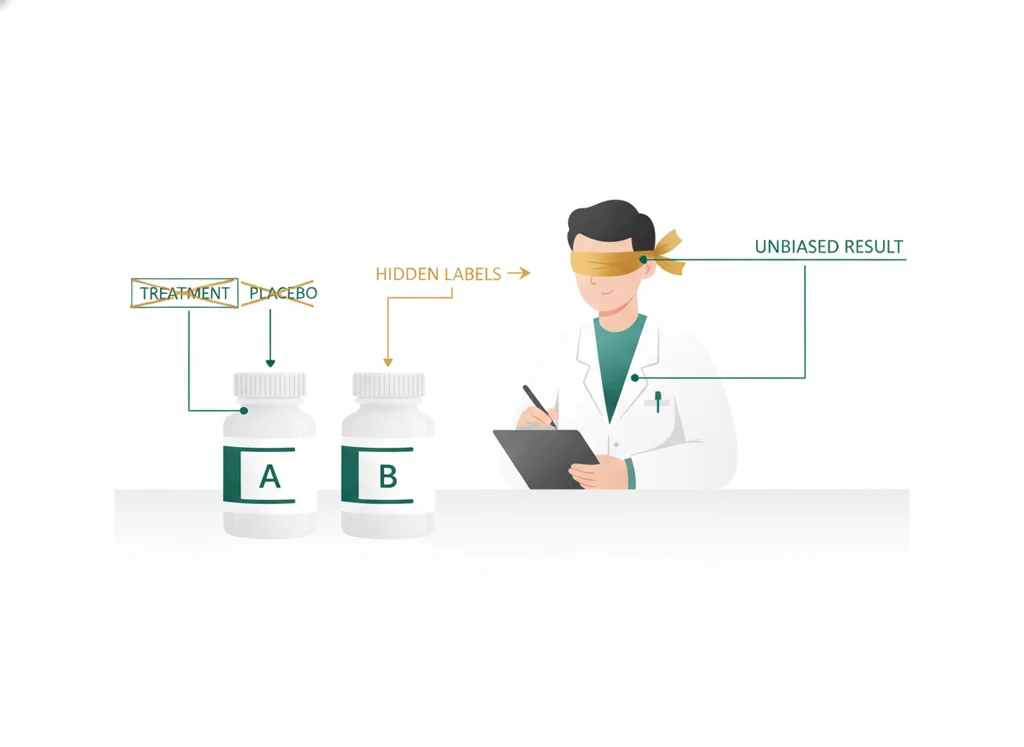
Keeping participants, researchers, or both unaware of who got which treatment so expectations cannot bias the results.

A blood culture that grows an organism picked up from the skin during the draw rather than from the patient's bloodstream. It reads as a positive result that is not real.
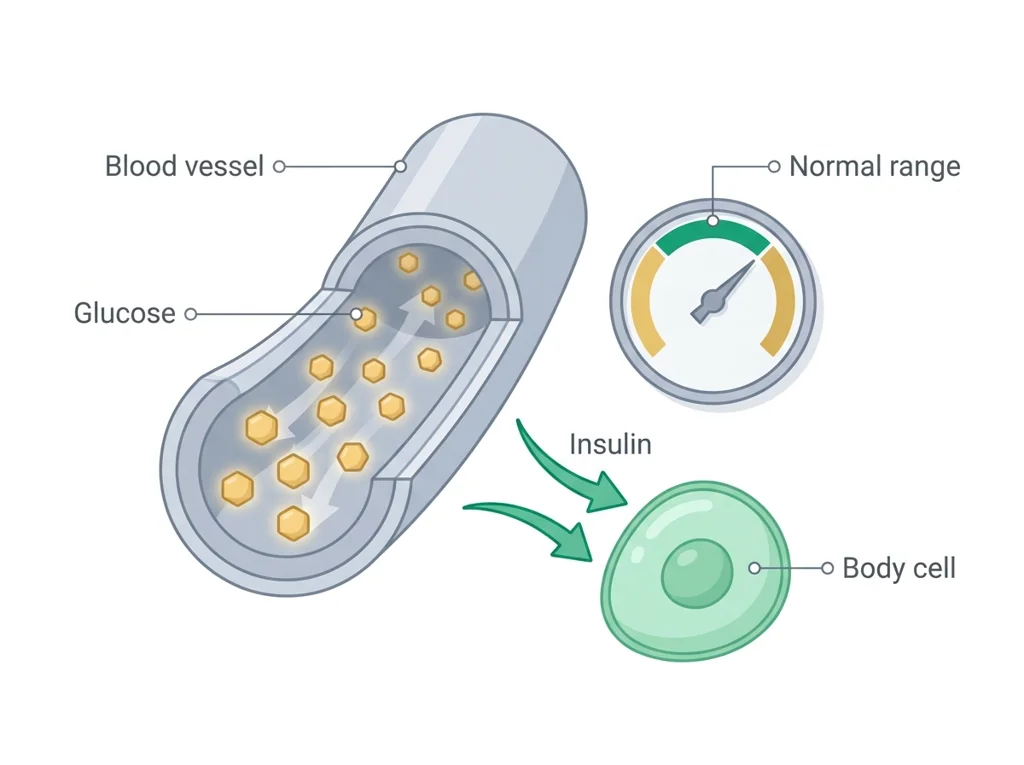
The amount of sugar dissolved in the blood, the body's main fuel, normally about 70 to 99 mg/dL when fasting and tightly controlled by insulin.
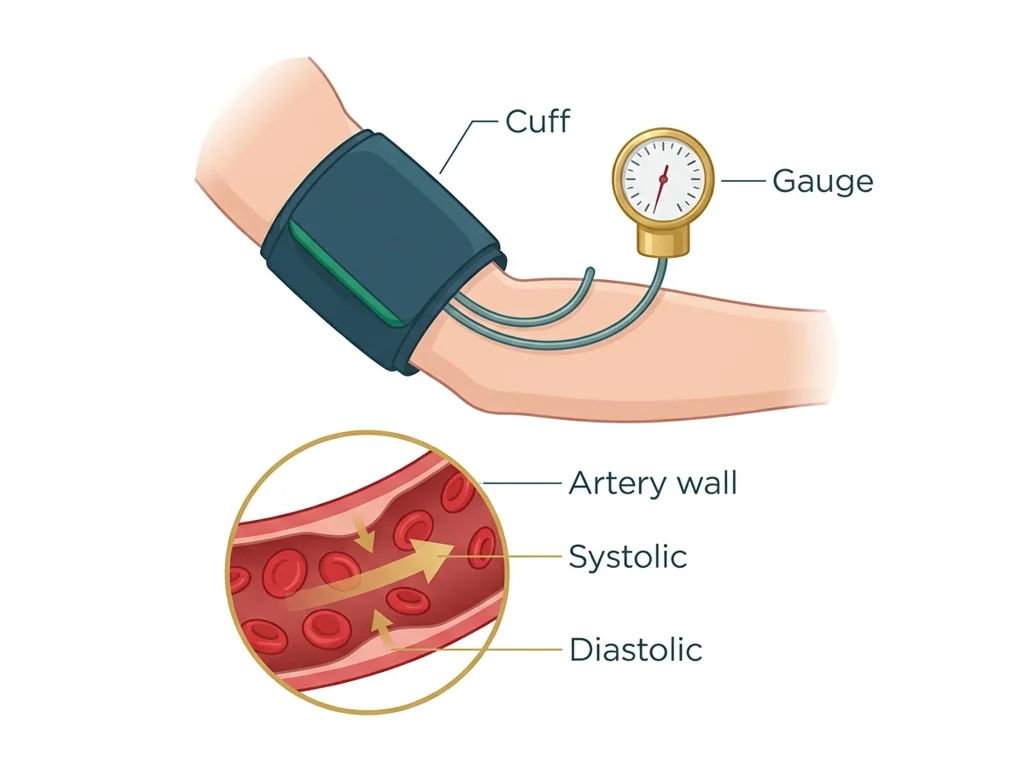
The force of blood pushing against artery walls, written as systolic over diastolic, with a normal adult reading below 120 over 80 mmHg.
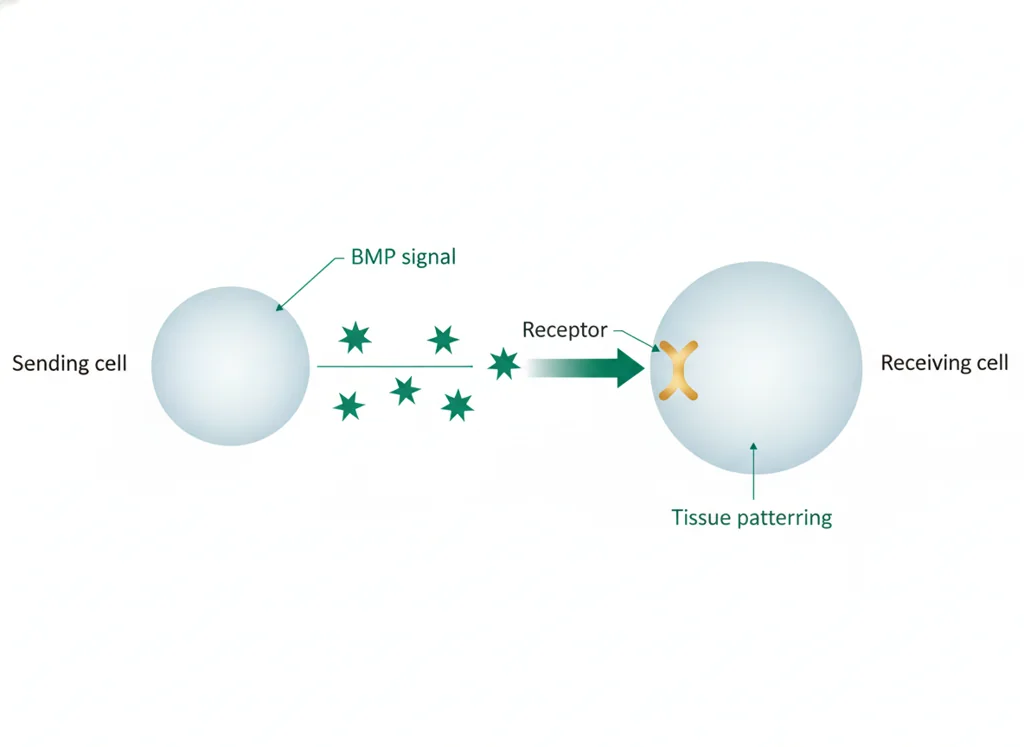
Bone morphogenetic protein, a signaling molecule that tells cells where to form bone, cartilage, and other tissues during development.
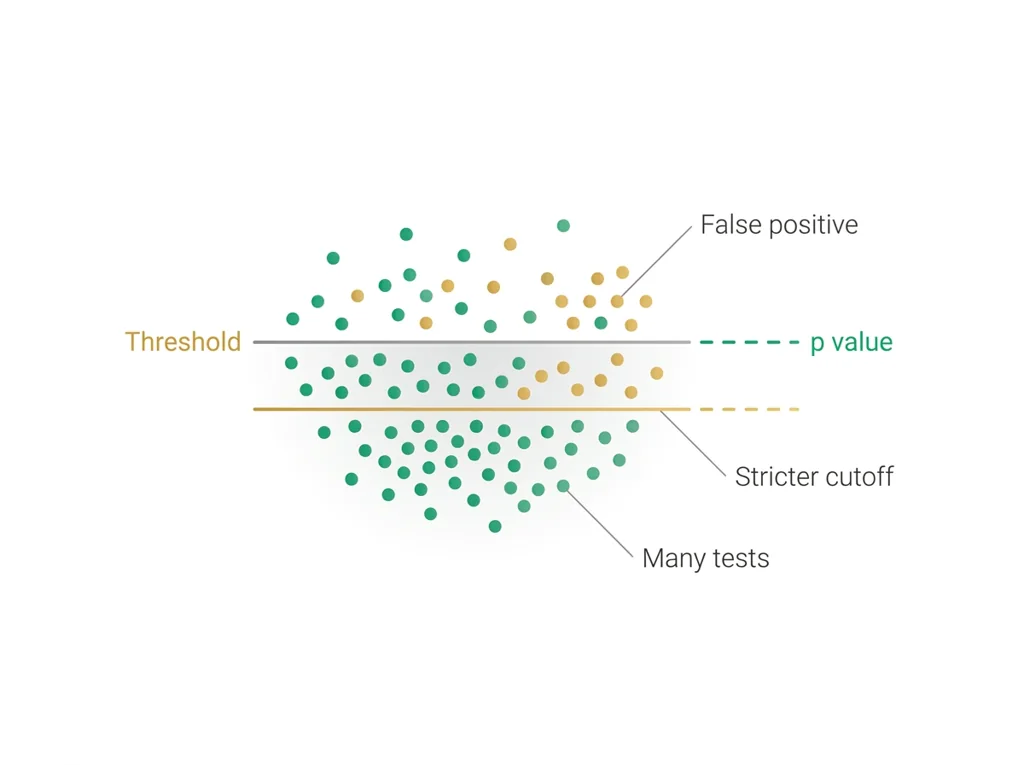
A math adjustment that makes the cutoff for significance stricter when you run many tests, so chance results are not mistaken for real ones.

The major lobes and structures of the brain, including the cerebrum, cerebellum, brain stem, and the frontal and occipital lobes.
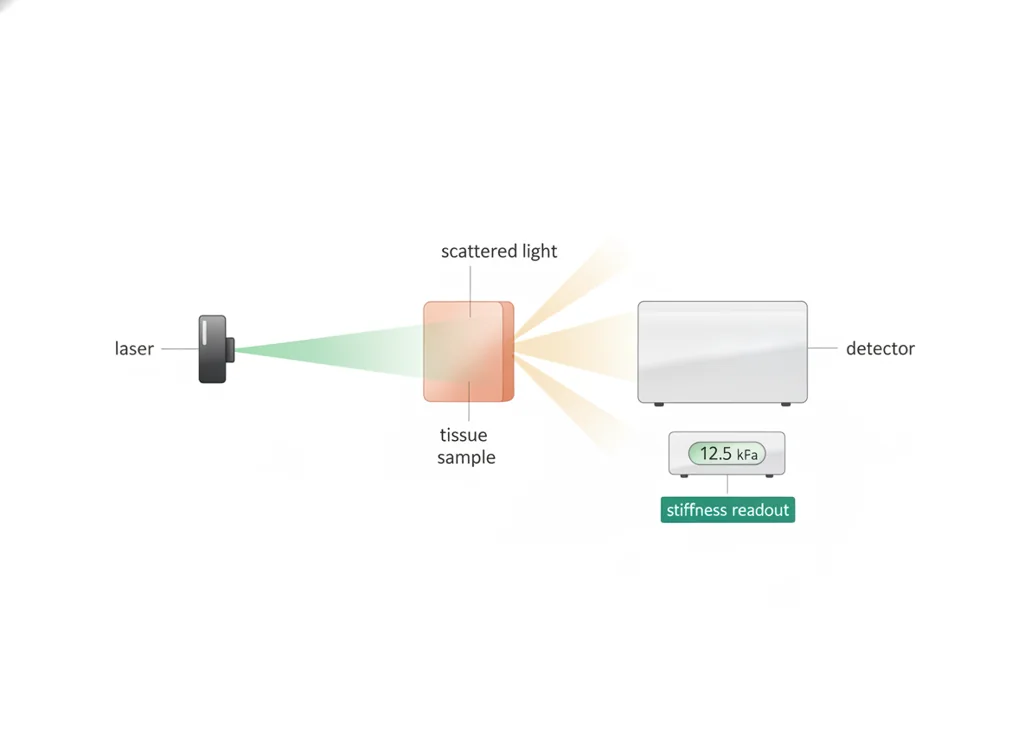
A light-based method that measures how stiff a tissue or cell is by reading tiny shifts in scattered laser light.

Organisms grown in a liquid nutrient medium instead of on a solid surface, so the cells spread through the whole volume.
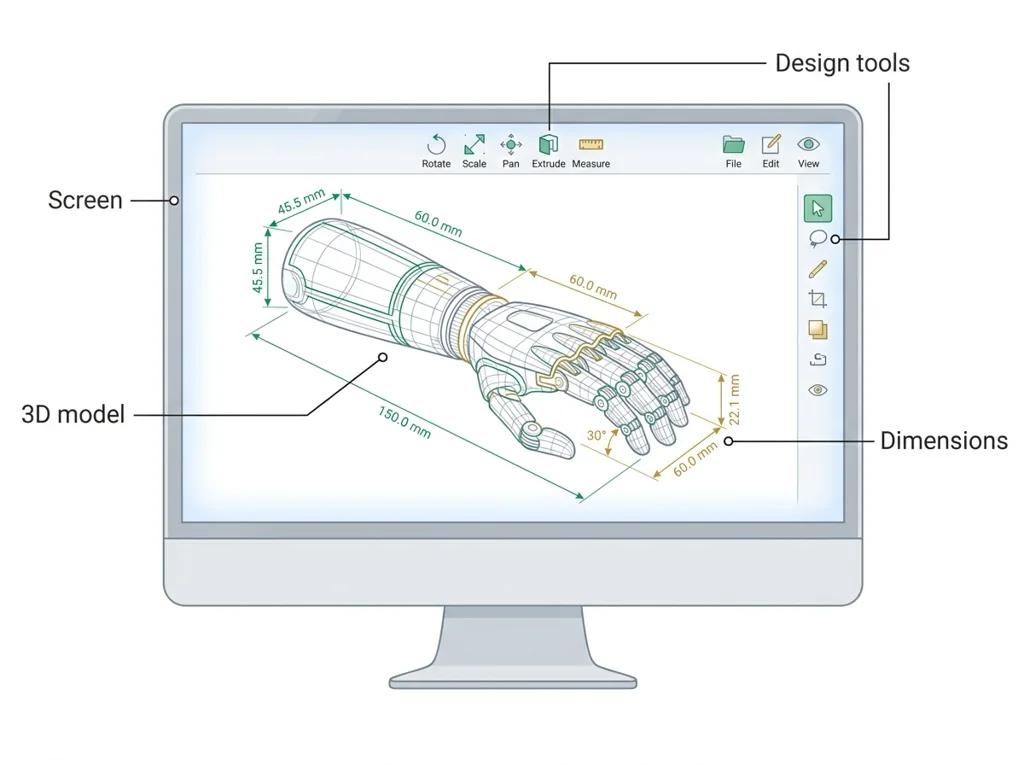
Computer-aided design: software used to create precise digital models of objects, such as prosthetics or medical devices, before building them.
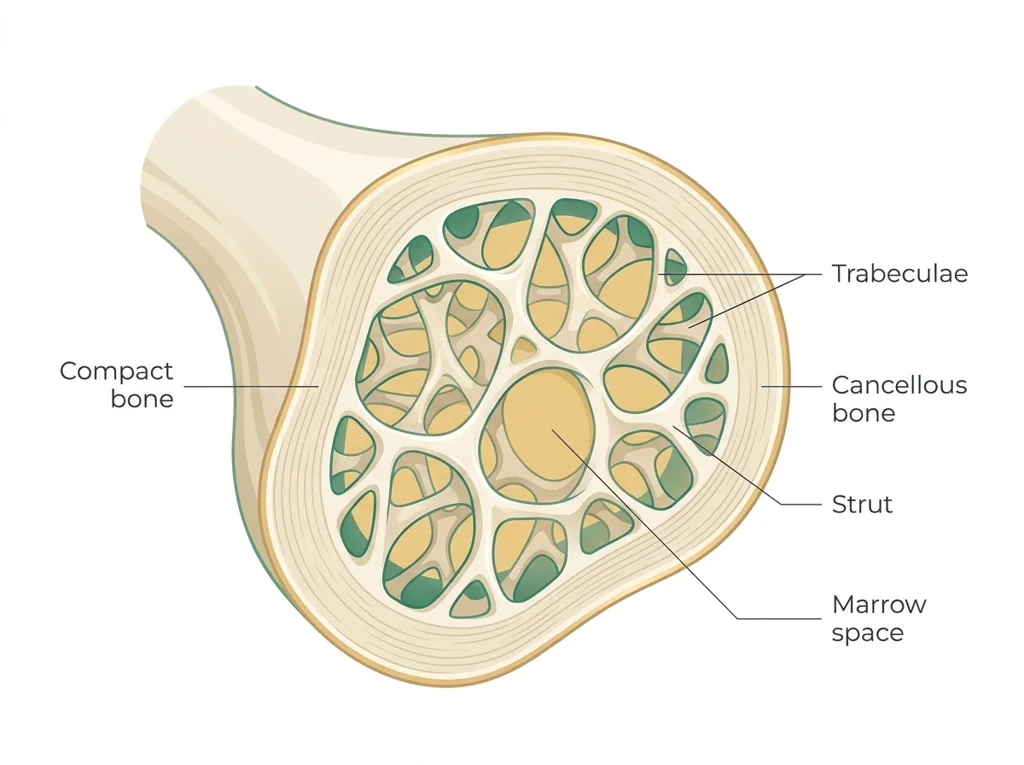
The light, spongy inner bone made of a honeycomb mesh of struts that holds marrow and gives strength without heavy weight.
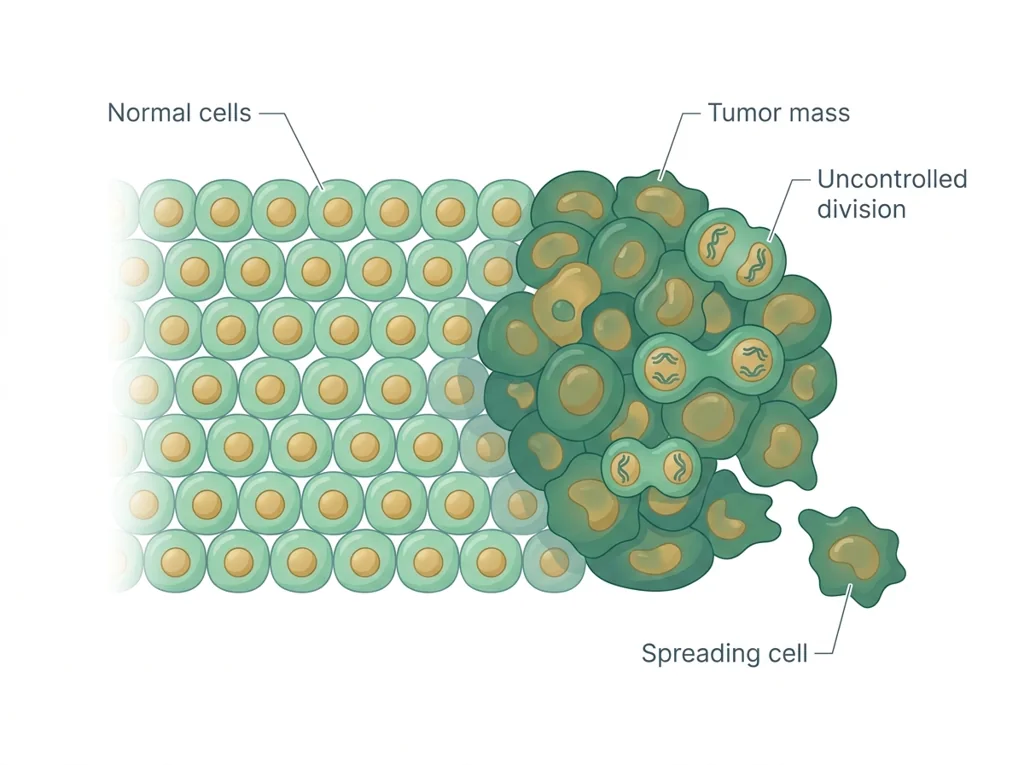
A group of diseases in which abnormal cells grow and divide uncontrollably, ignoring normal signals and sometimes spreading to other parts of the body.
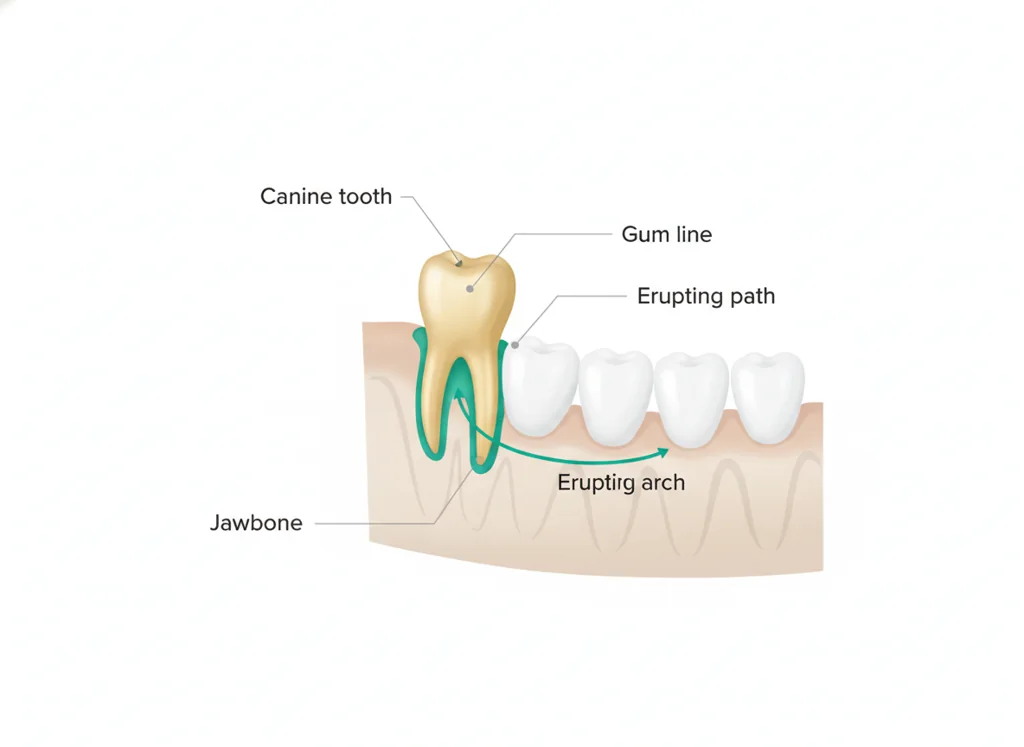
The moment a permanent canine tooth breaks through the gum into the mouth, a milestone surgeons time bone grafts around in cleft care.
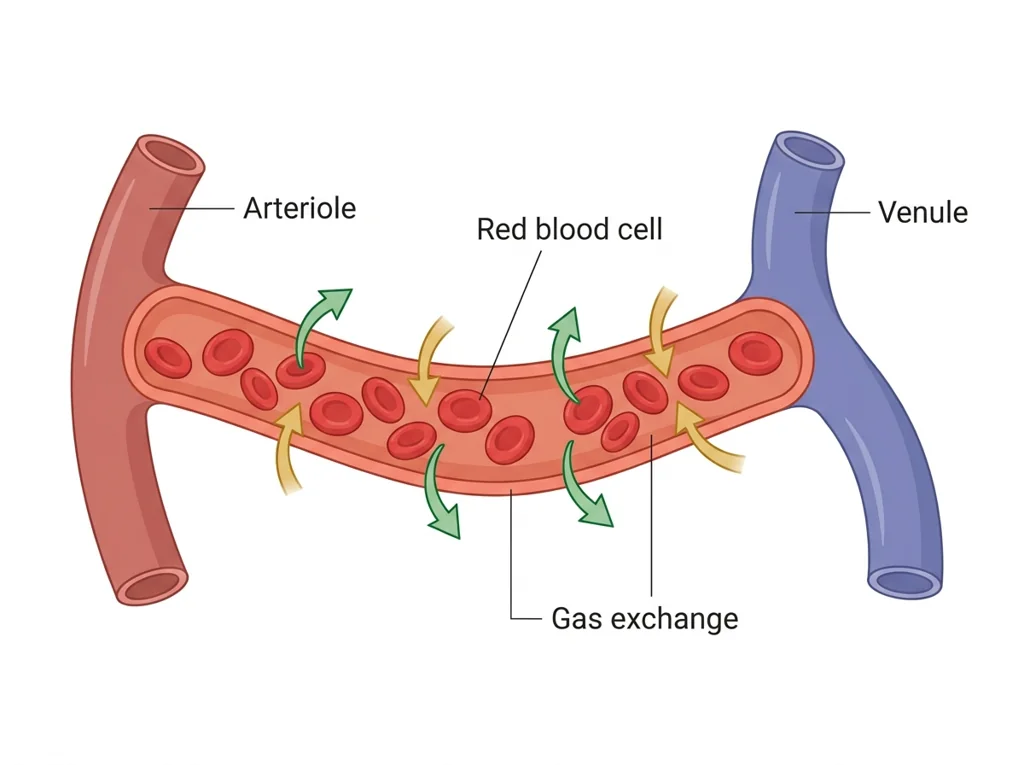
The smallest blood vessel, with walls one cell thick, where oxygen, nutrients, and wastes are exchanged between blood and body tissues.
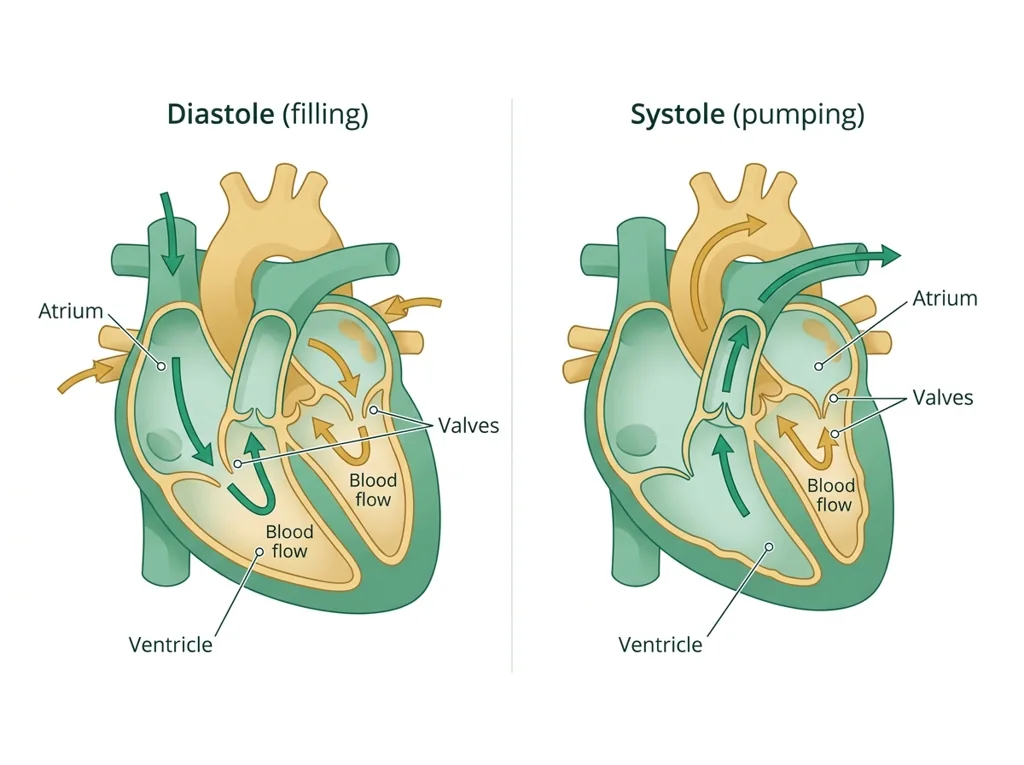
One complete heartbeat in which the chambers relax and fill with blood, then contract to pump it out to the lungs and body.
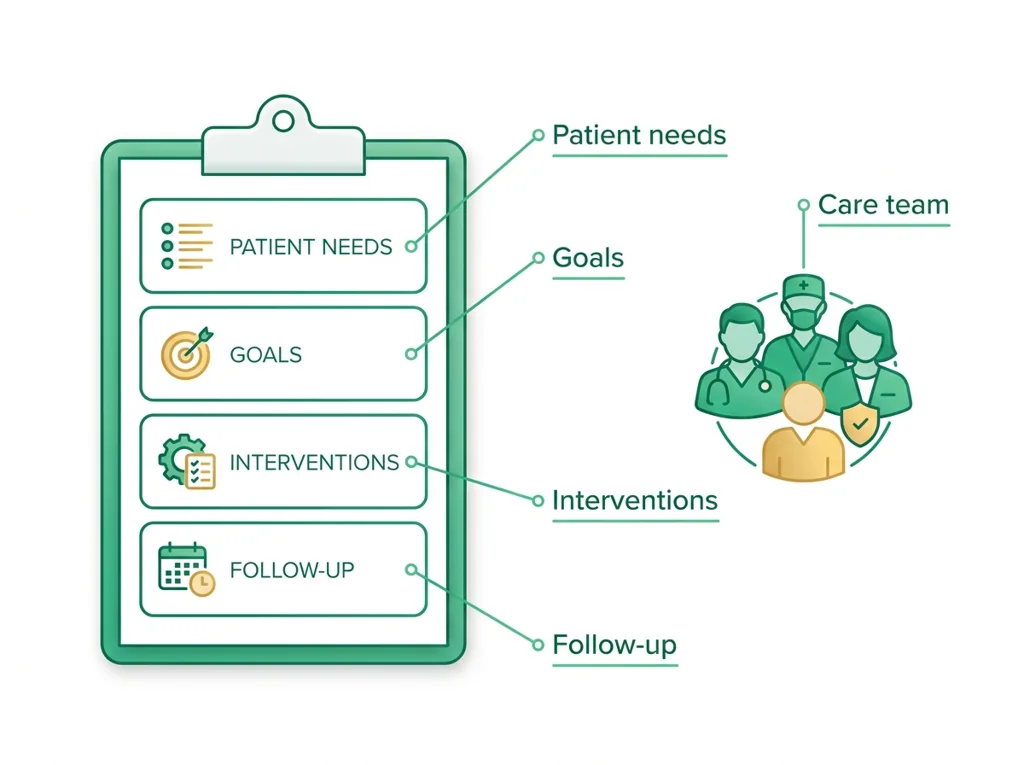
A written, organized strategy describing a patient's health needs, goals, and the specific treatments and steps the care team will follow.
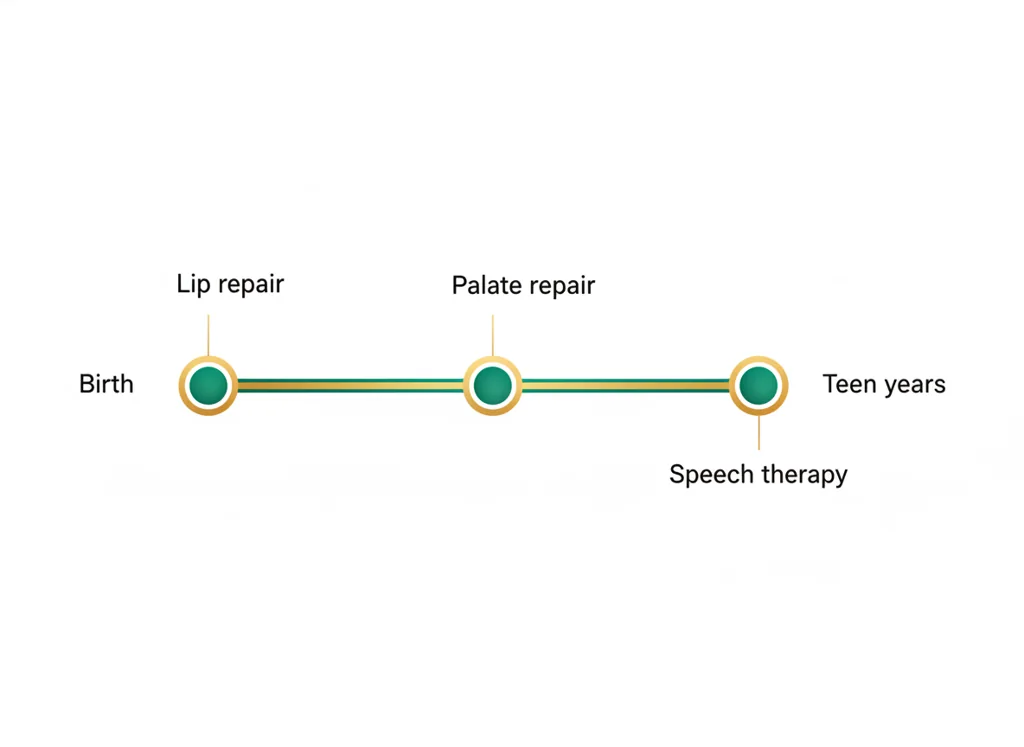
The planned sequence of treatments and check-ups a patient receives over months and years, with each step scheduled at the right age.
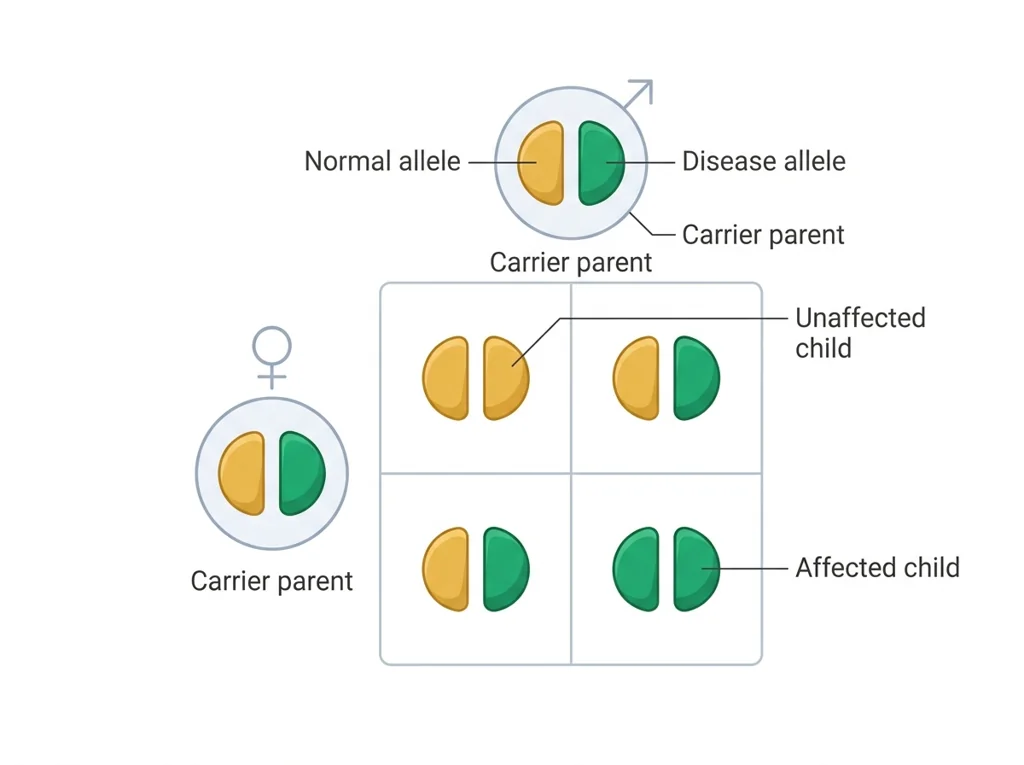
A person who carries one copy of a disease allele without showing symptoms but can pass it to their children.
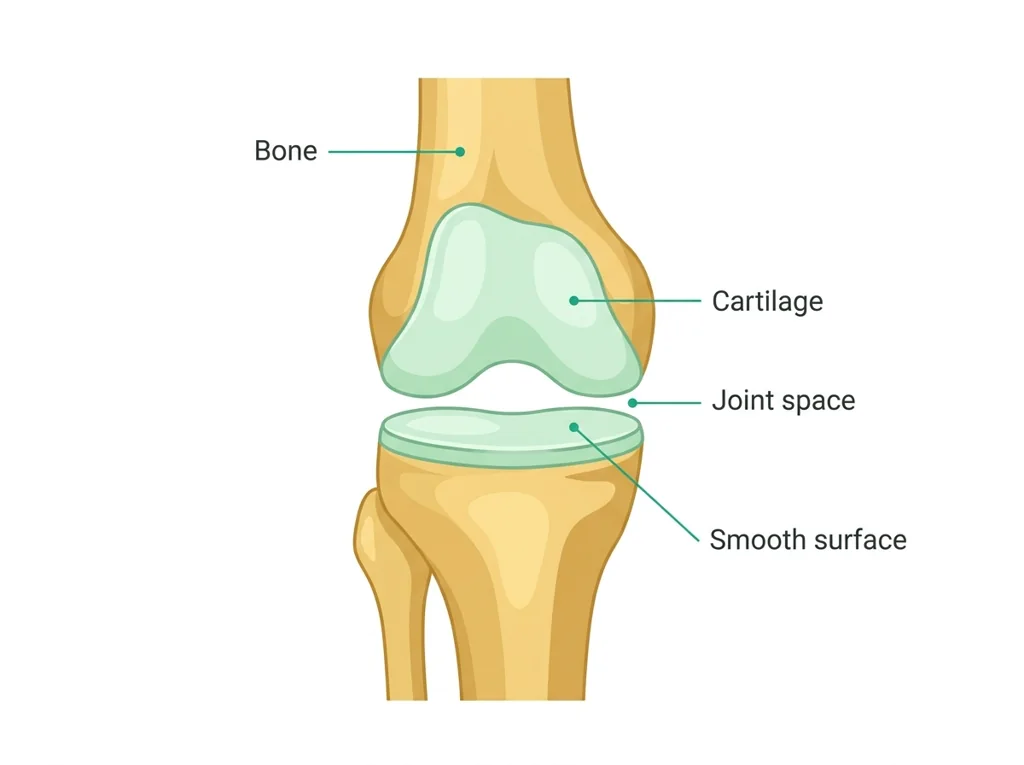
A firm but flexible connective tissue that cushions joints, shapes the nose and ears, and acts as a smooth surface where bones meet.
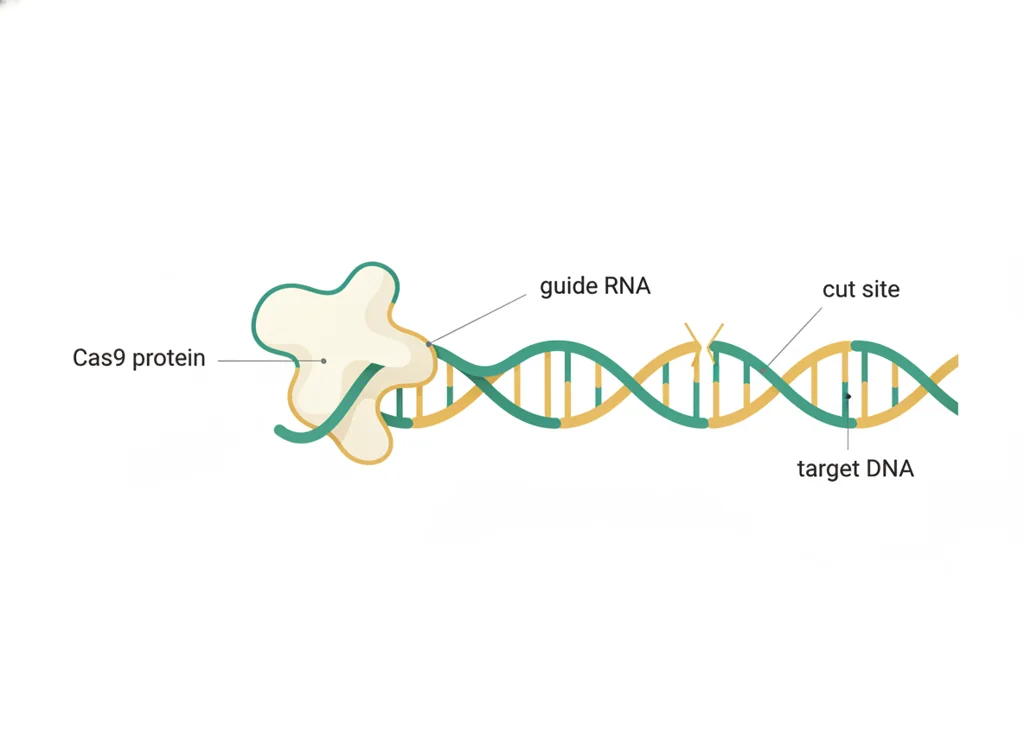
The protein that acts as the molecular scissors in CRISPR, cutting DNA at the exact spot the guide RNA directs it to.
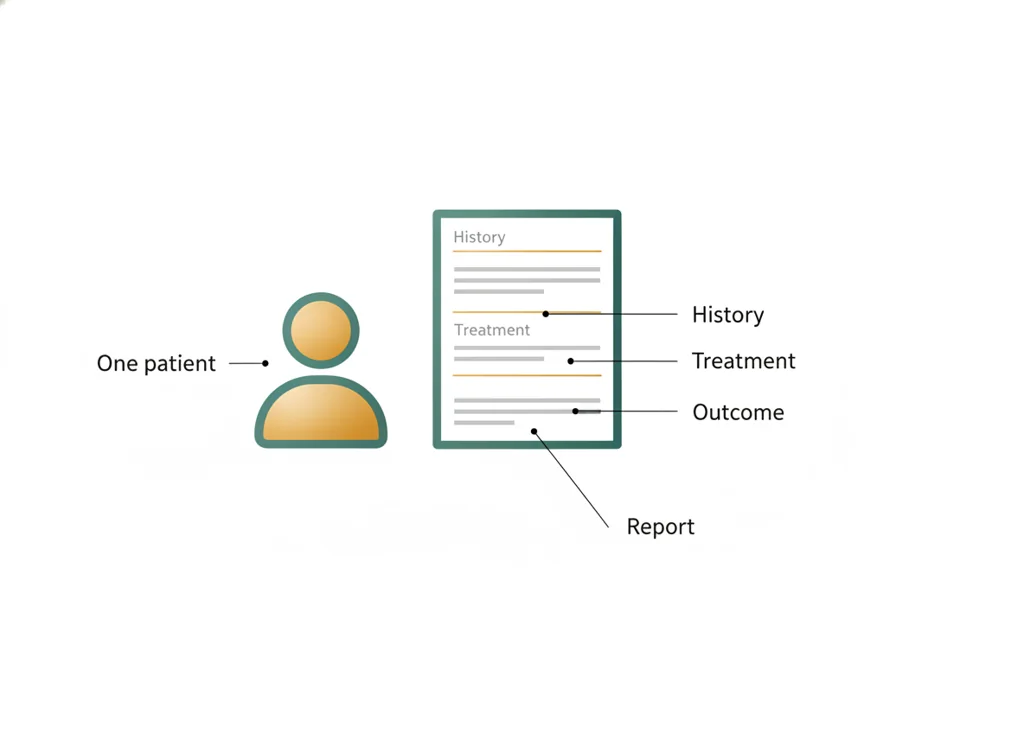
A detailed written account of one patient's diagnosis, treatment, and outcome, useful for sharing rare or unusual findings.
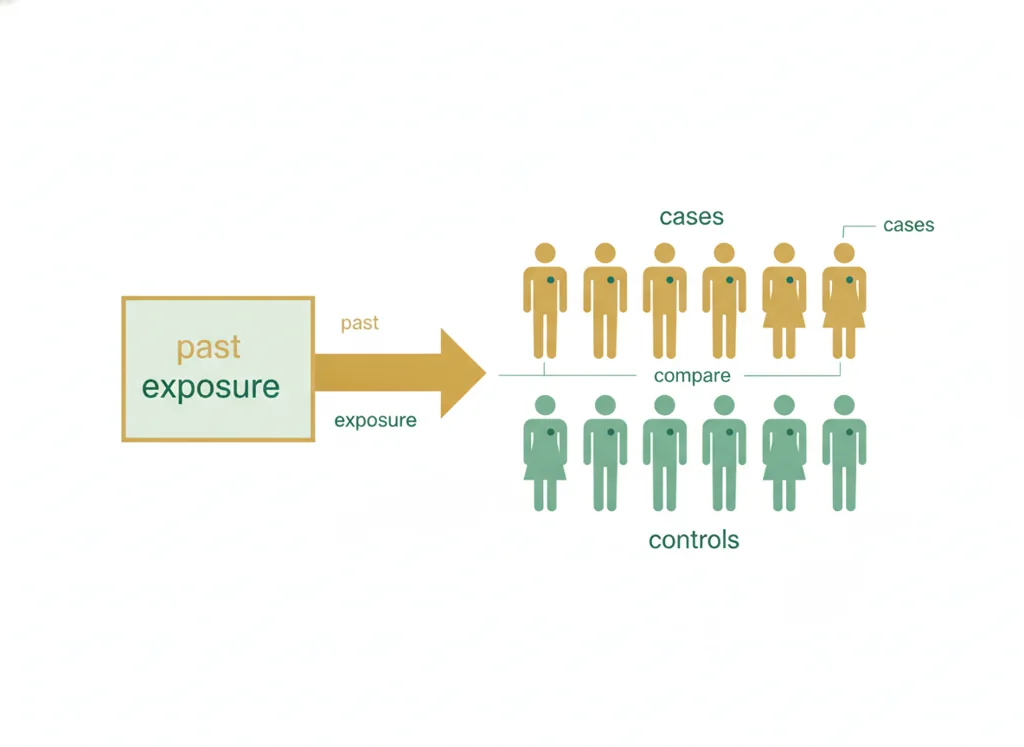
A study that starts with people who have a condition (cases) and people who do not (controls), then looks back to compare past exposures.
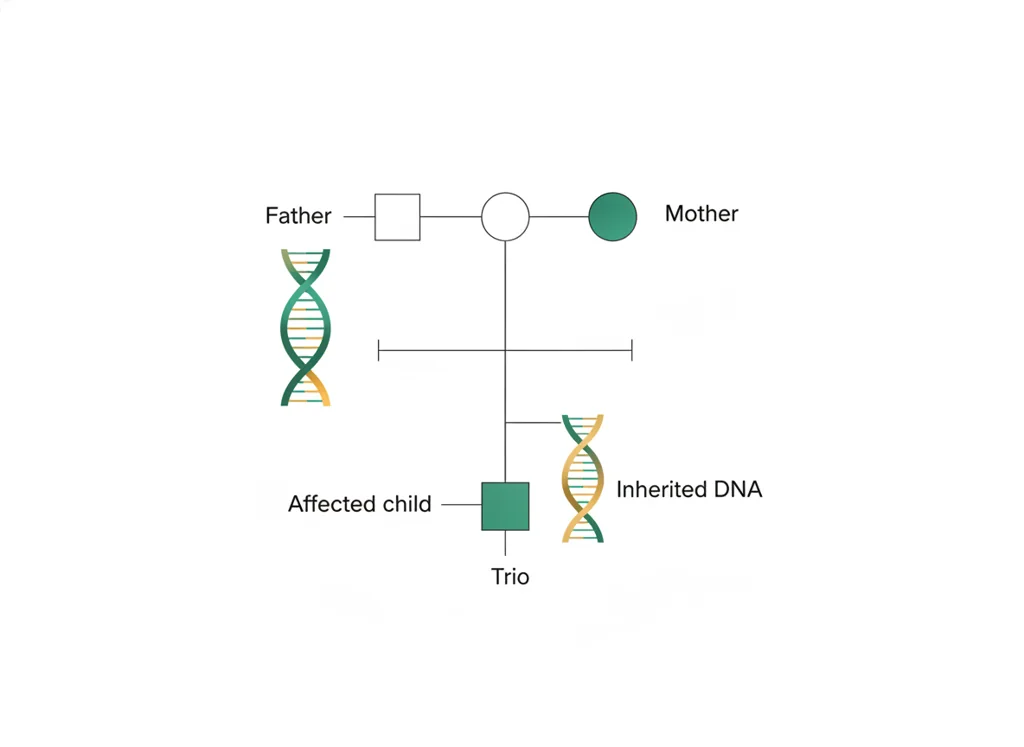
A study design that compares the DNA of an affected child with that of both parents to find gene variants passed down more often than expected.
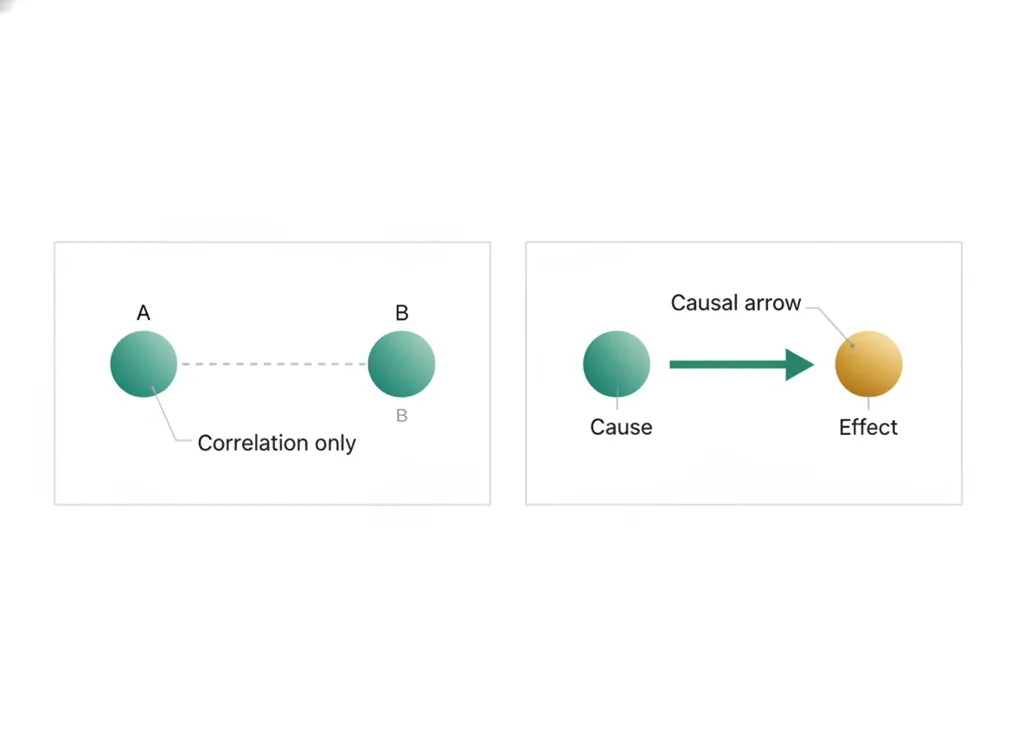
When one factor actually brings about another, shown by controlled evidence rather than by the two simply appearing together.
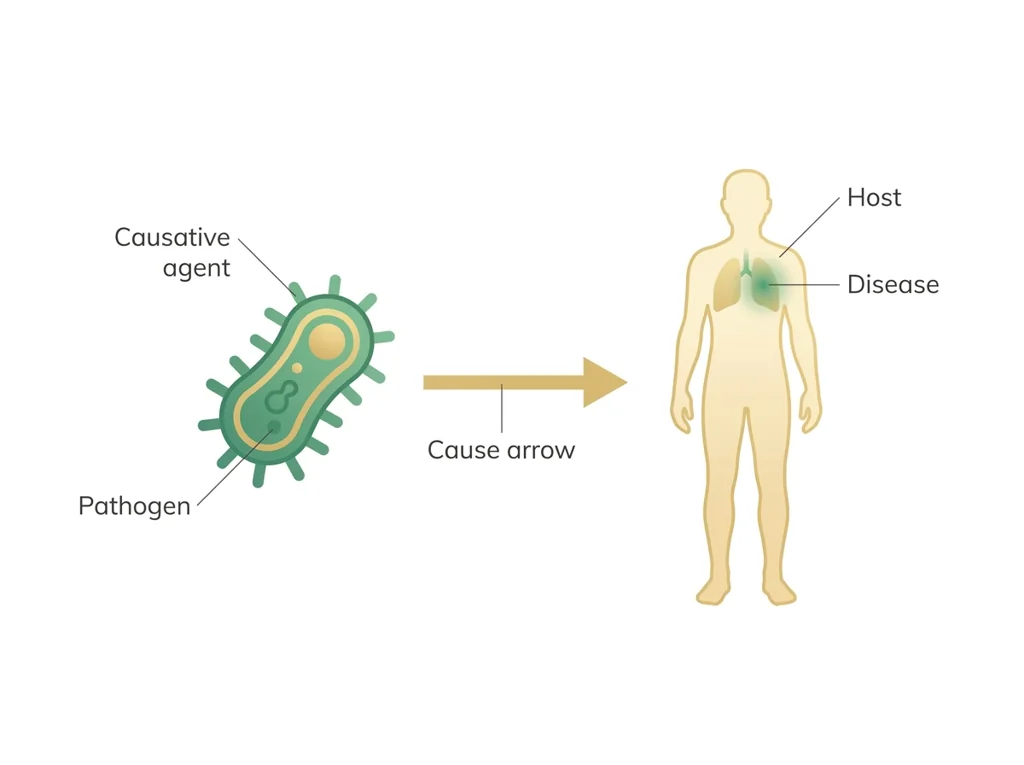
The specific organism or factor, such as a bacterium, virus, or toxin, that directly produces a particular disease.
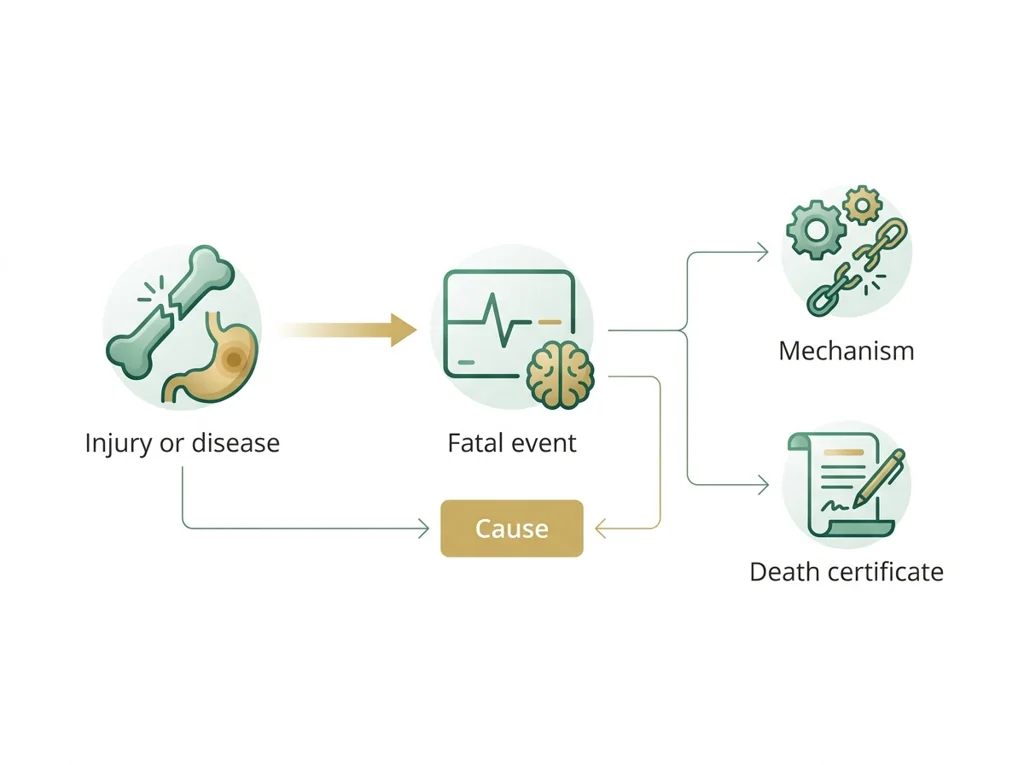
The specific injury or disease that directly led to a person dying, such as a heart attack or massive blood loss.
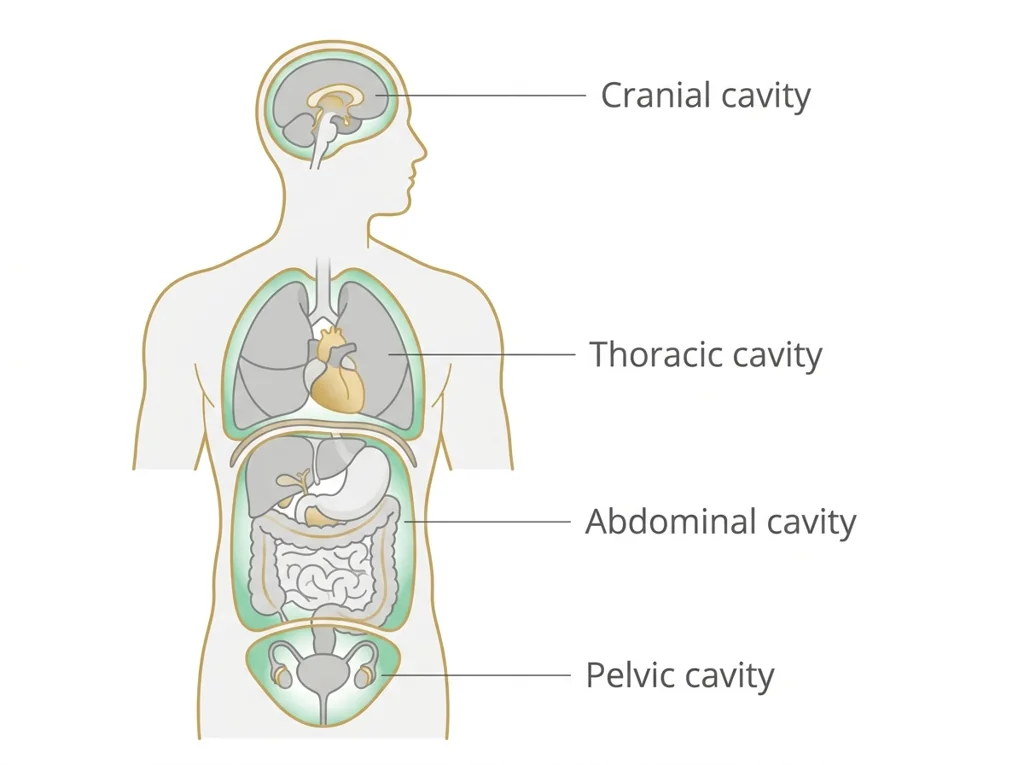
A hollow space inside the body that holds and protects organs, such as the chest cavity around the heart and lungs.
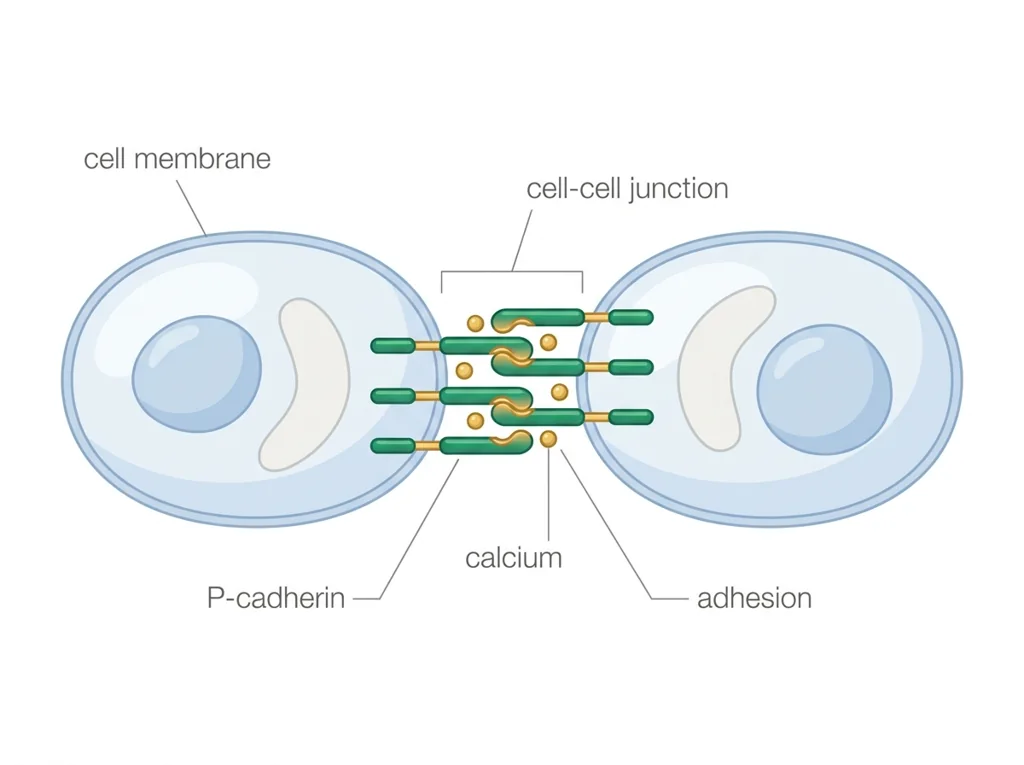
A gene for P-cadherin, a protein that helps cells stick to each other; faulty versions can weaken the tissue links needed for fusion.
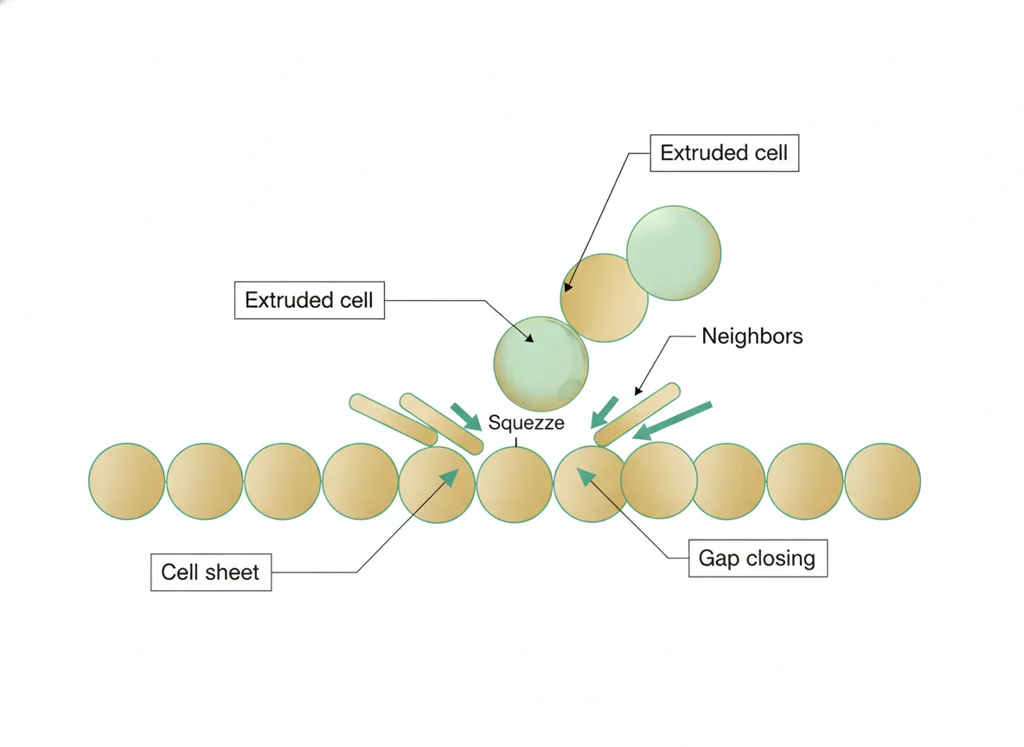
A process where a sheet of cells squeezes out and removes one of its own cells, sealing the gap to keep the layer intact.
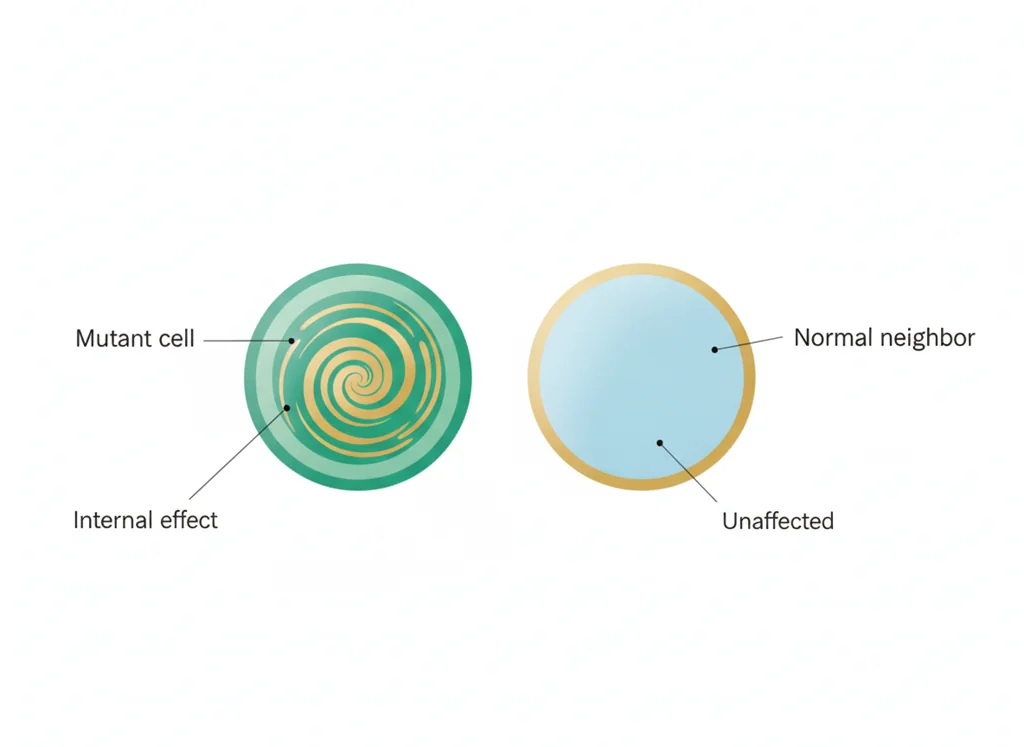
Describing an effect that plays out inside the very cell carrying the change, rather than in its neighbors.
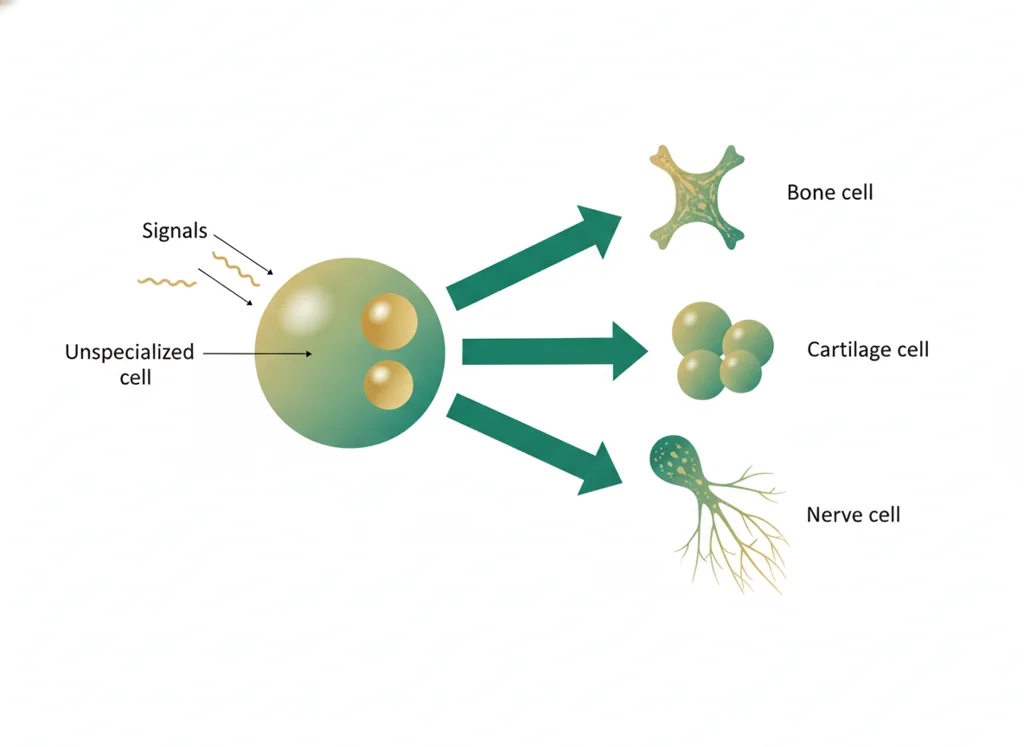
The final cell type that an unspecialized cell is set to become, decided by the signals it receives during development.
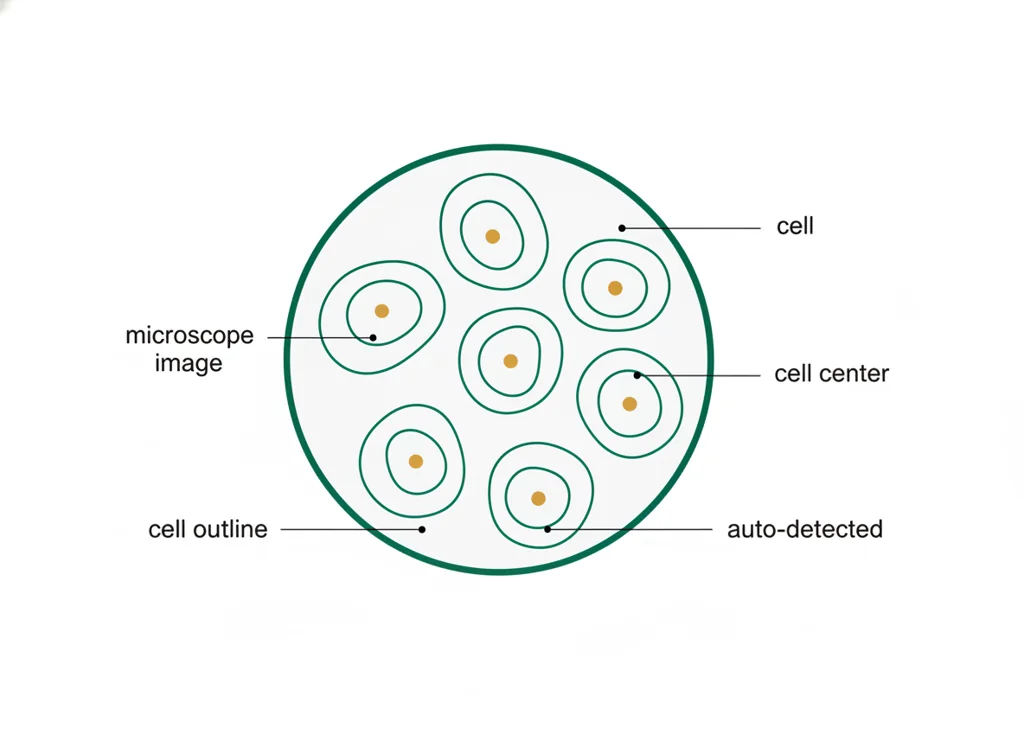
A computer tool that automatically finds the outline and center of each cell in a microscope image so cells can be counted and measured.

A machine that spins samples at high speed so denser parts sink to the bottom, separating components of a mixture by density.
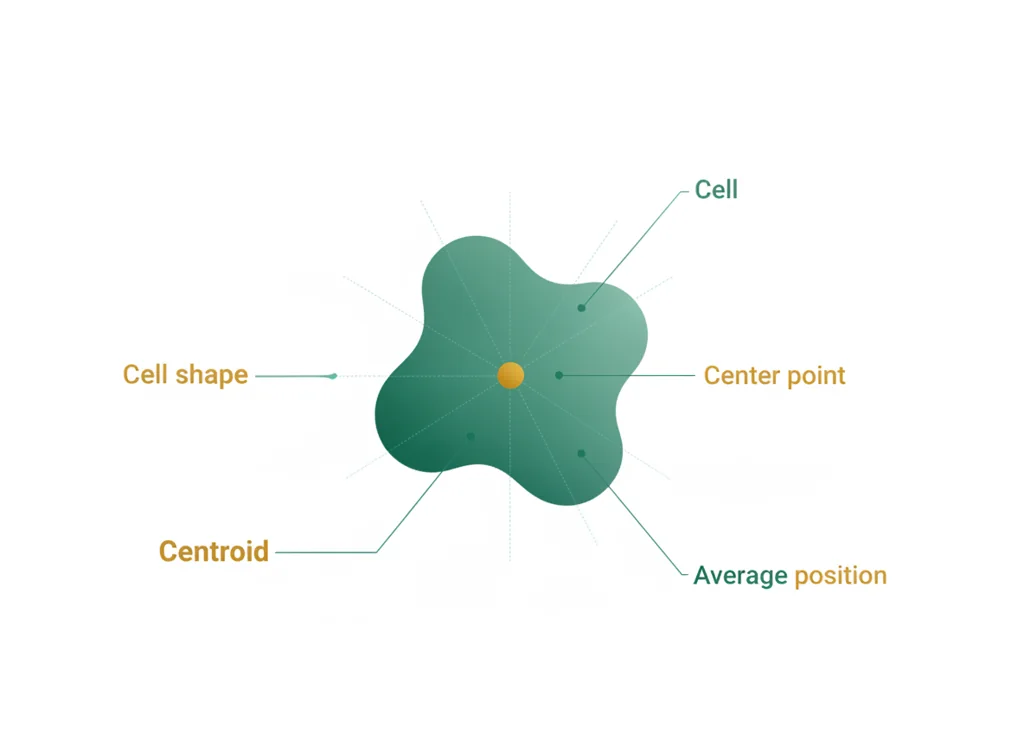
The balance point or exact center of a shape, found by averaging the positions of all the points inside it.
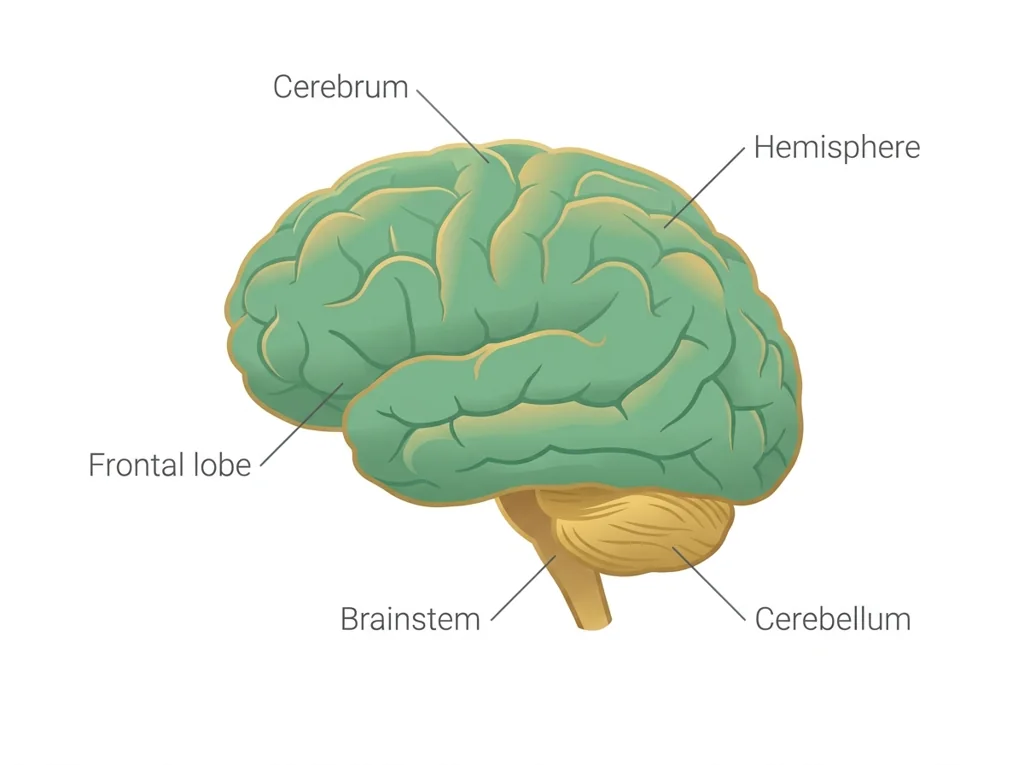
The largest part of the brain, split into two hemispheres, that handles thinking, voluntary movement, sensation, language, and memory.
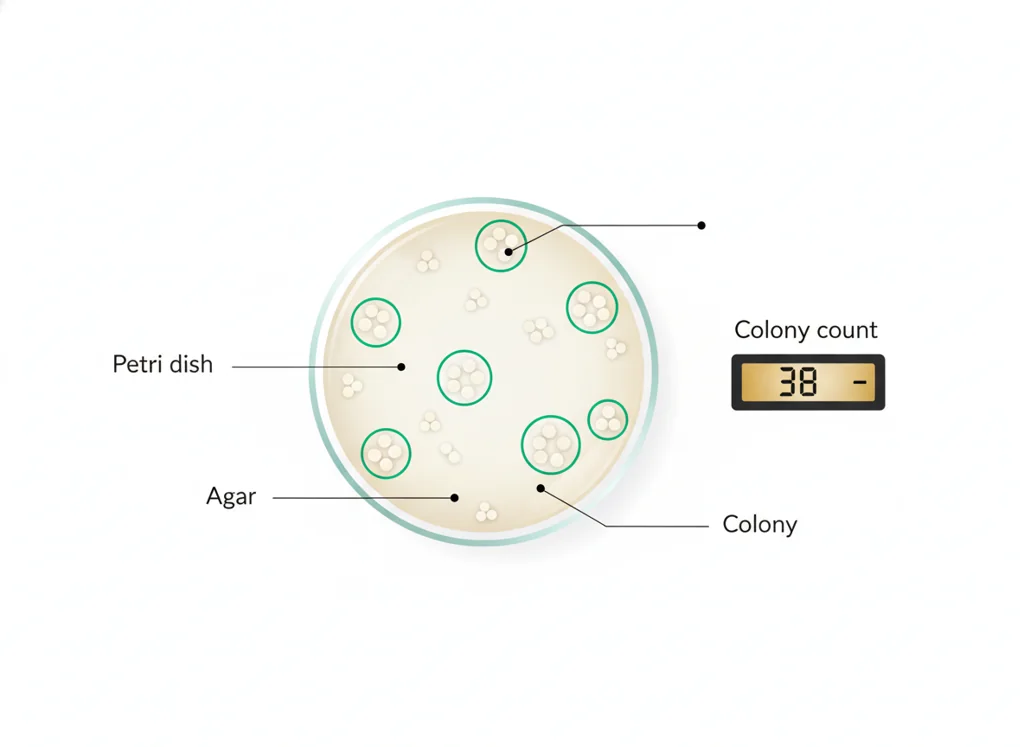
Colony-forming unit, a count of viable bacteria or fungi based on how many visible colonies grow on a culture plate, with each colony from one living cell.
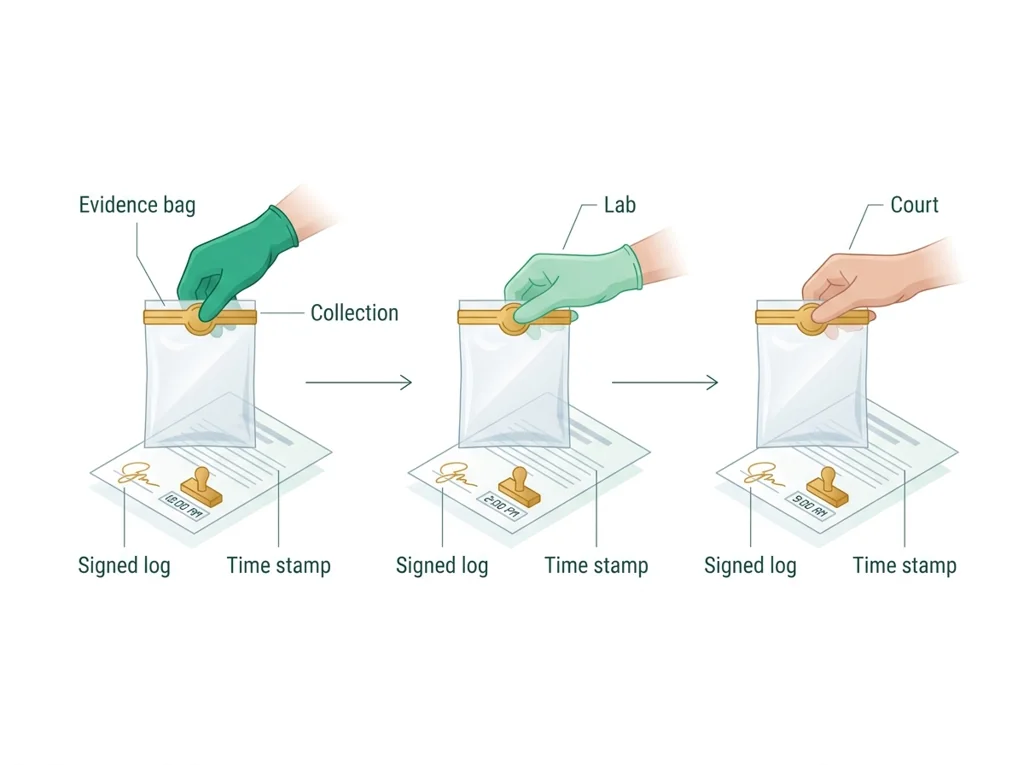
The documented record of who handled a piece of evidence, when, and where, proving it was never lost, swapped, or tampered with.
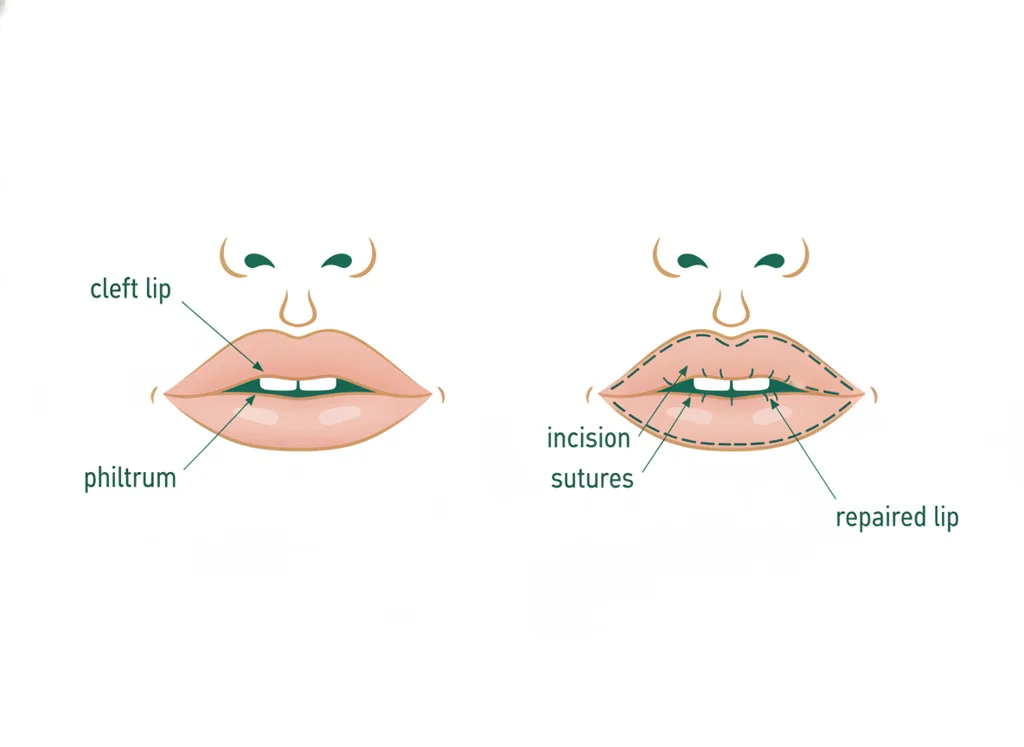
The surgical repair of a cleft lip, rejoining the separated lip tissue to restore a continuous lip and a more typical appearance.
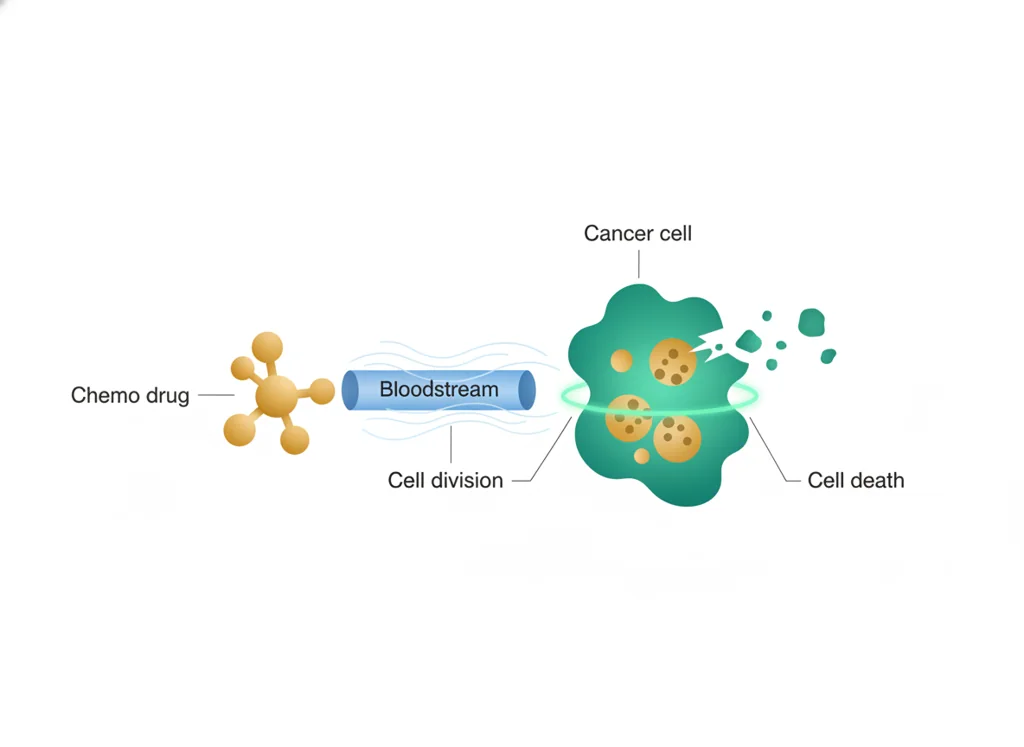
Treatment that uses powerful drugs to kill rapidly dividing cancer cells throughout the body, though it can also harm some fast-growing healthy cells.
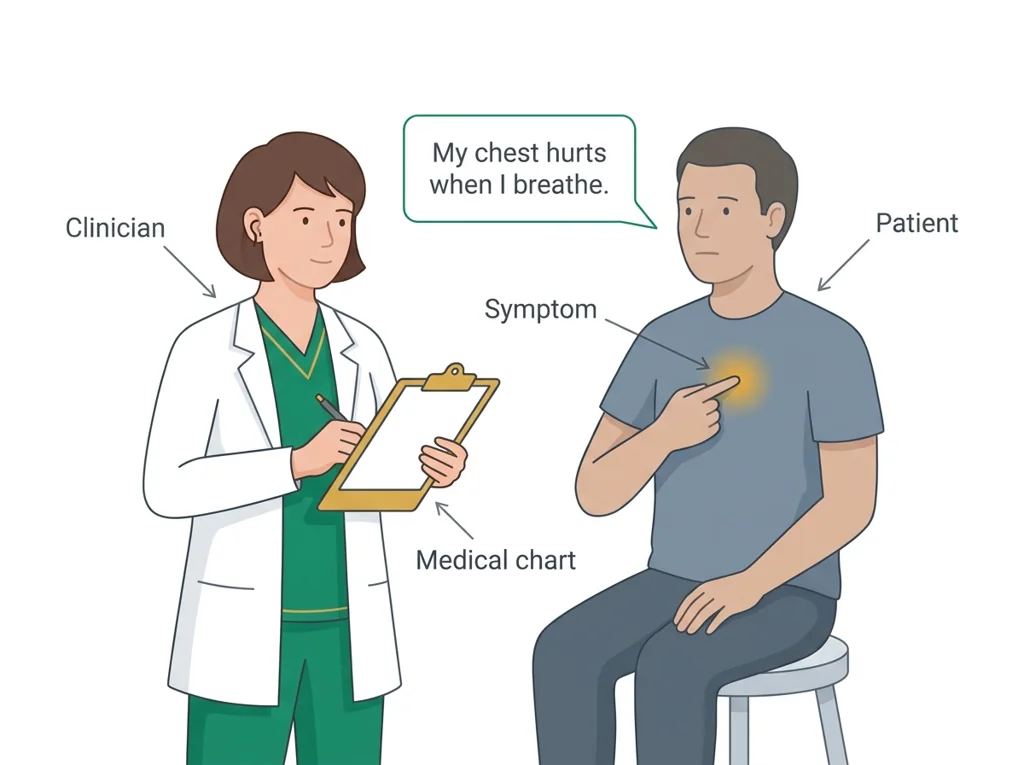
The main symptom or reason, stated in the patient's own words, that brings a person to seek medical care.
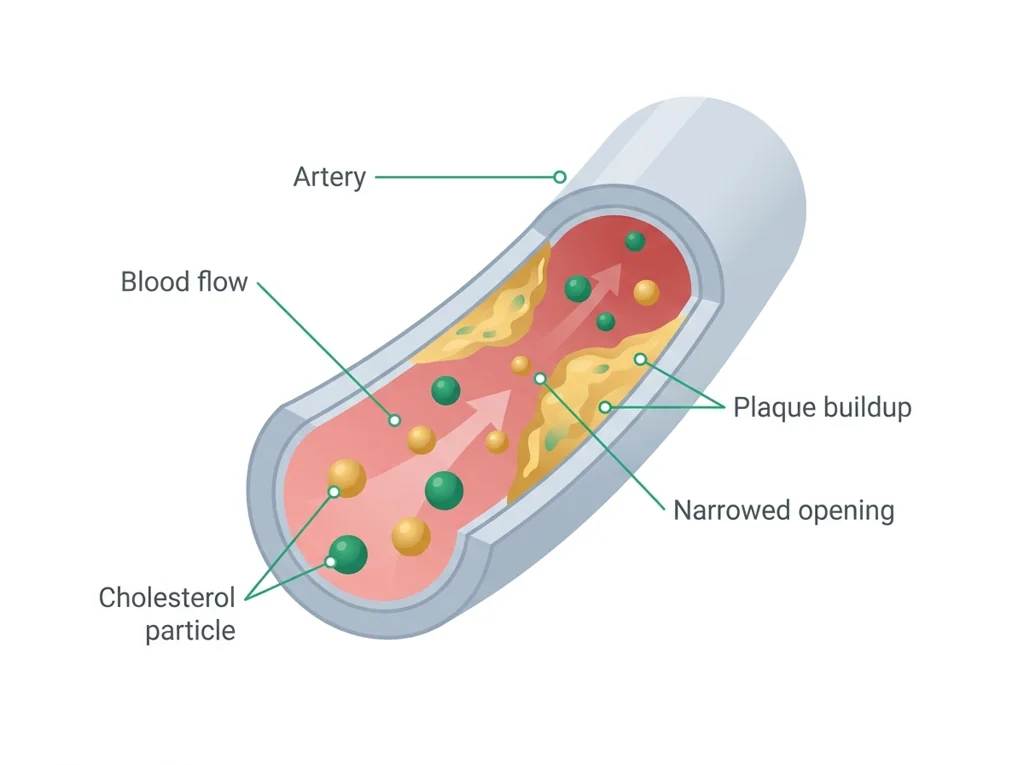
A waxy, fat-like substance that the body uses to build cell membranes and make hormones, but too much in the blood can clog arteries.
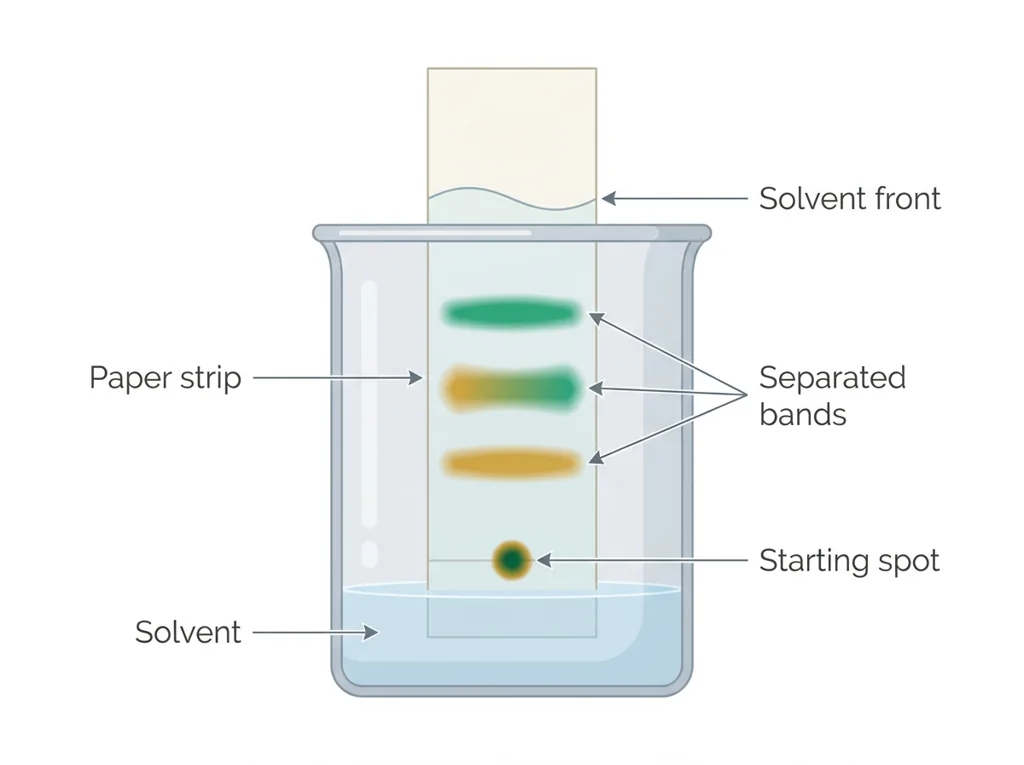
A lab technique that separates a mixture into its parts based on how fast each component travels through a material like paper or a gel.
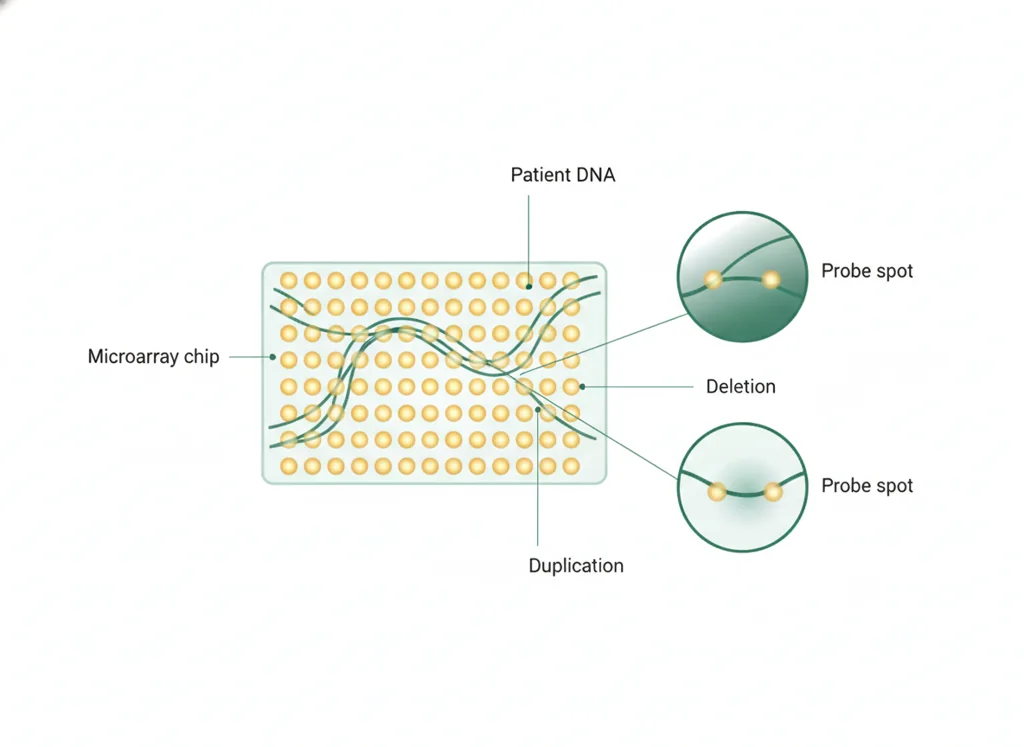
A genetic test that scans the whole genome for missing or extra chunks of DNA too small to see under a microscope.
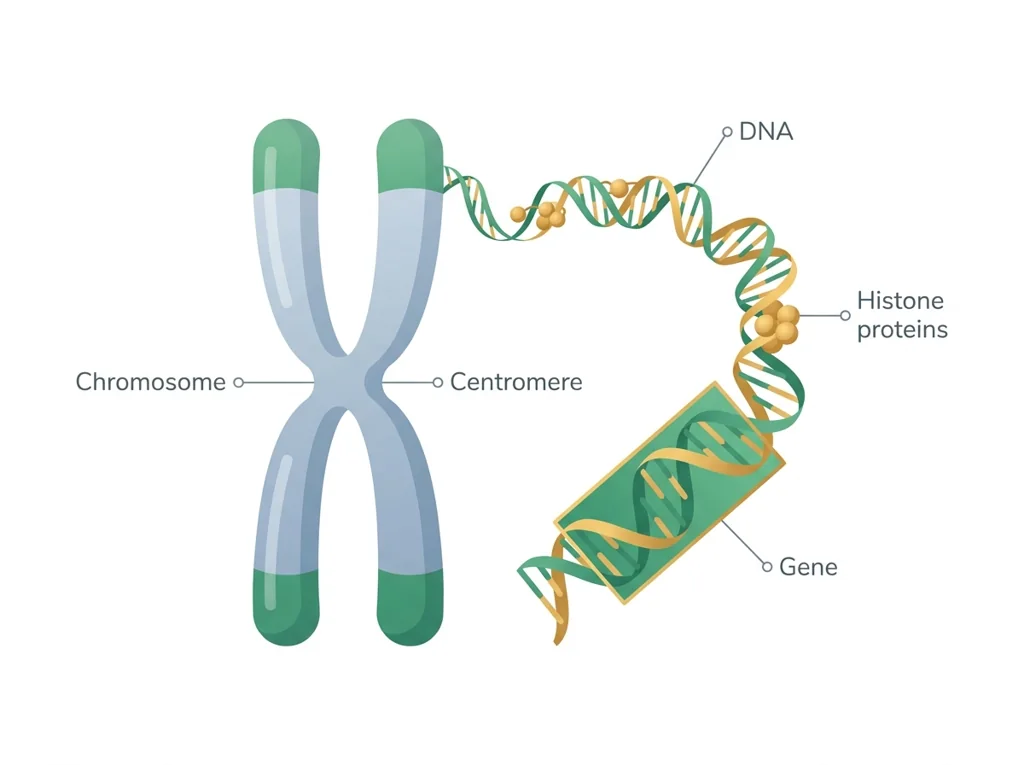
A tightly coiled package of DNA wrapped around proteins that carries genes; humans normally have 46 of them, arranged in 23 pairs.
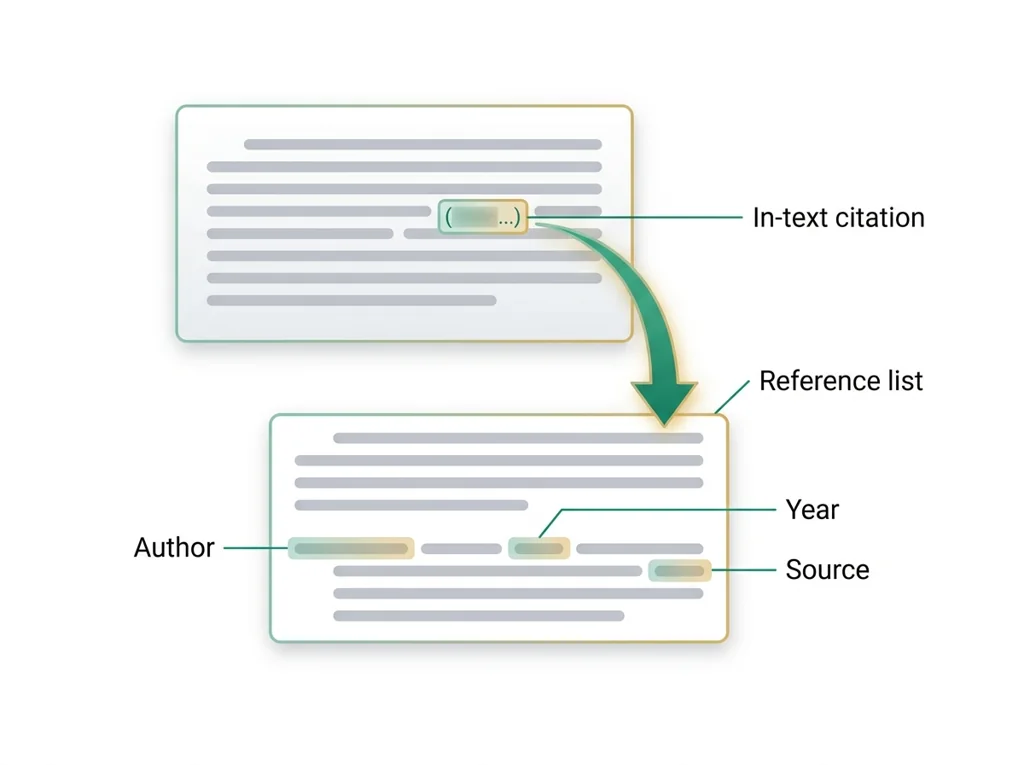
A reference that credits the source of an idea, fact, or quotation so others can find and verify the original work.
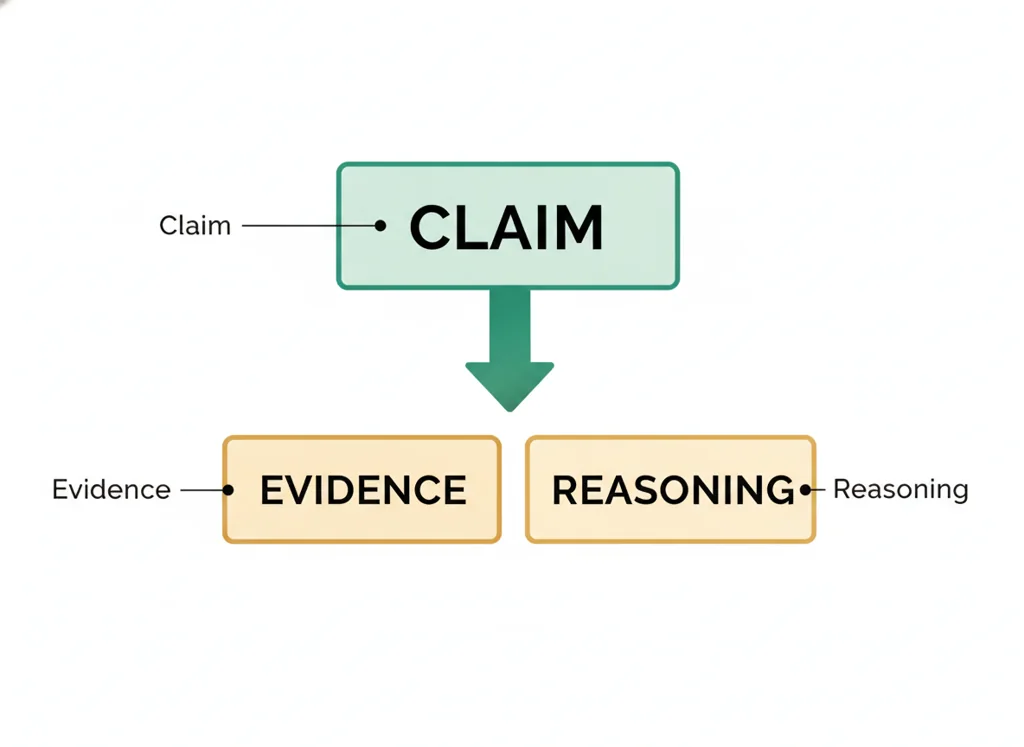
The position you are defending, stated in one clean sentence; if you cannot say it simply, you do not have it yet.
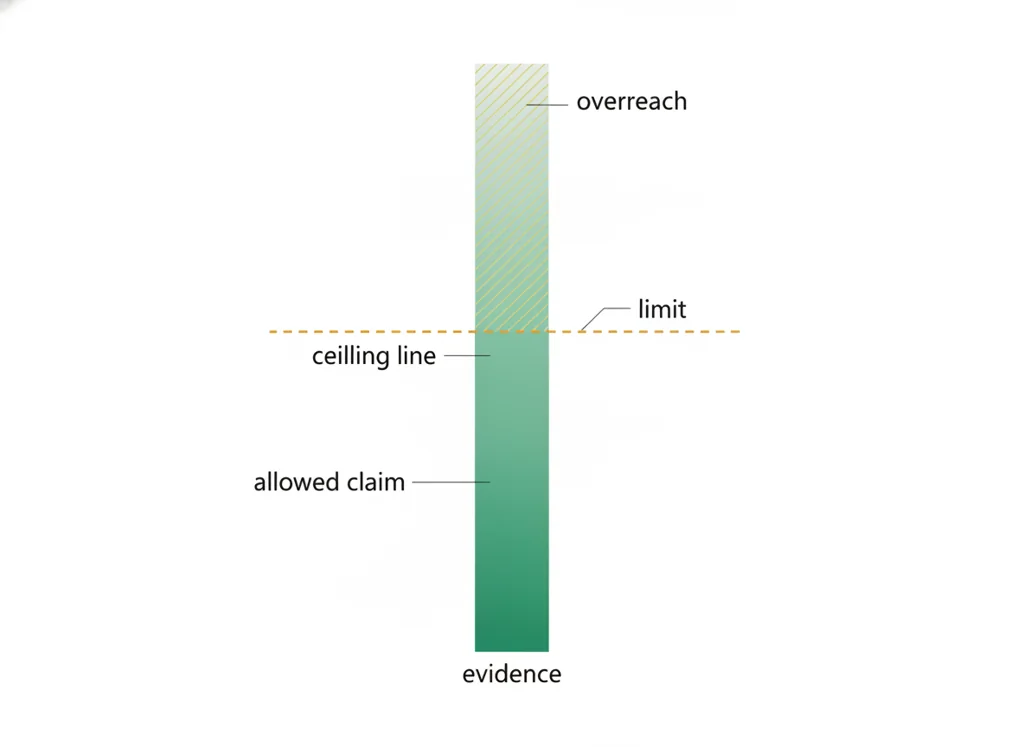
The strongest conclusion your evidence honestly supports; you cannot claim more than your best data and methods allow.
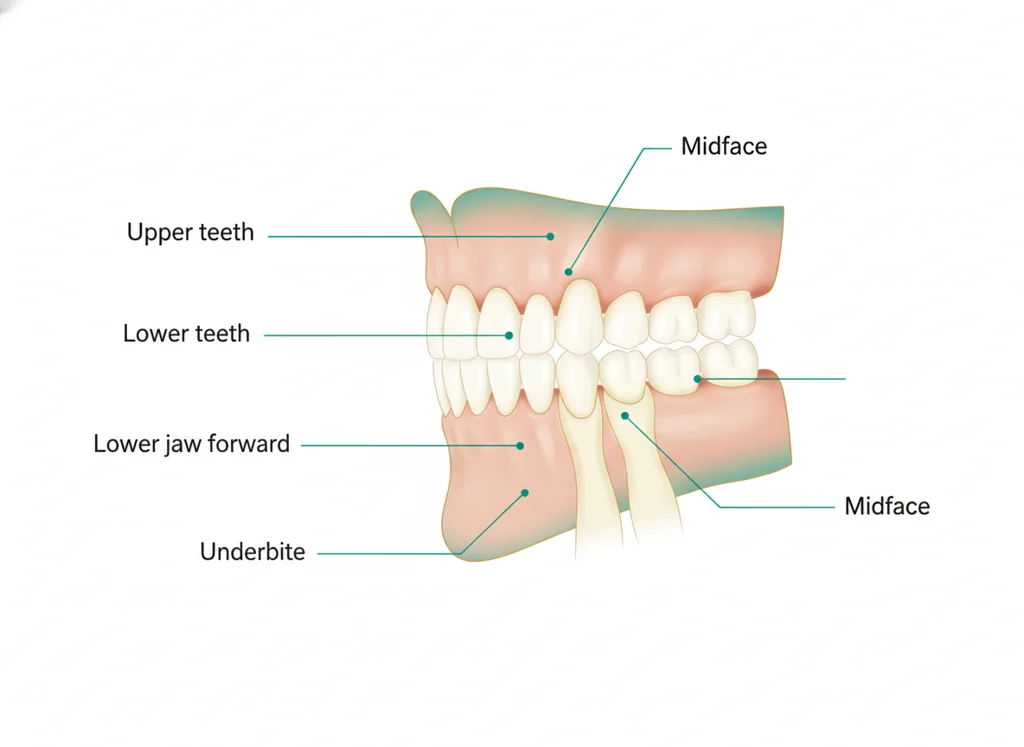
A bite where the lower teeth and jaw sit too far forward of the upper teeth, often seen when the midface is underdeveloped.
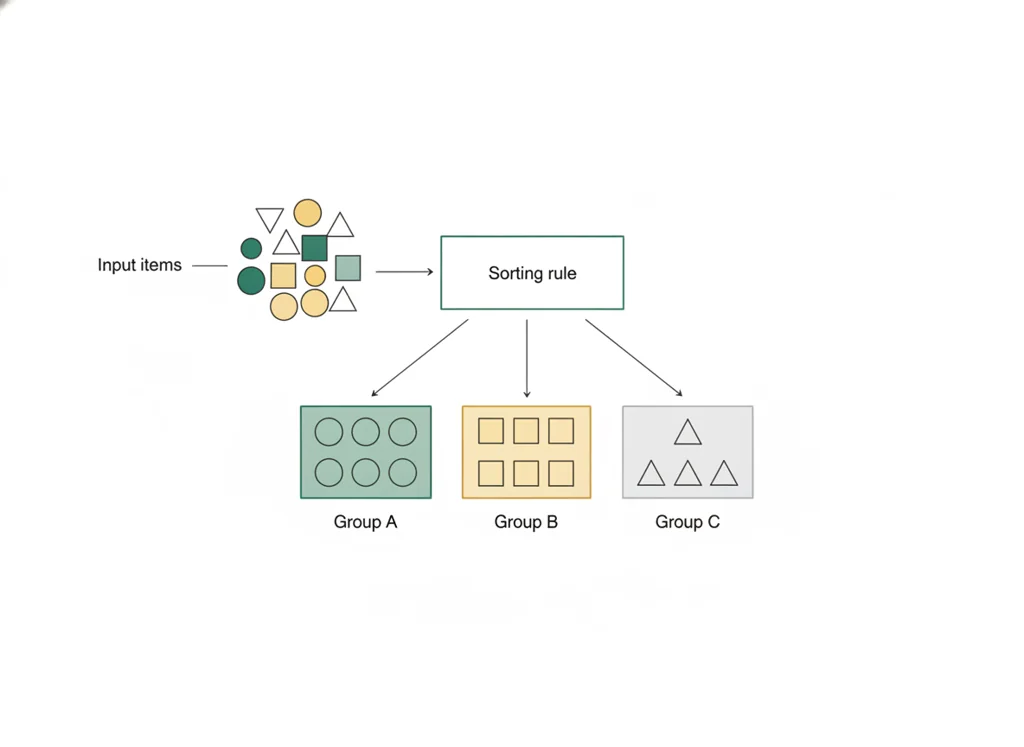
Sorting items into named groups based on shared features, so data, organisms, or results can be organized and compared.
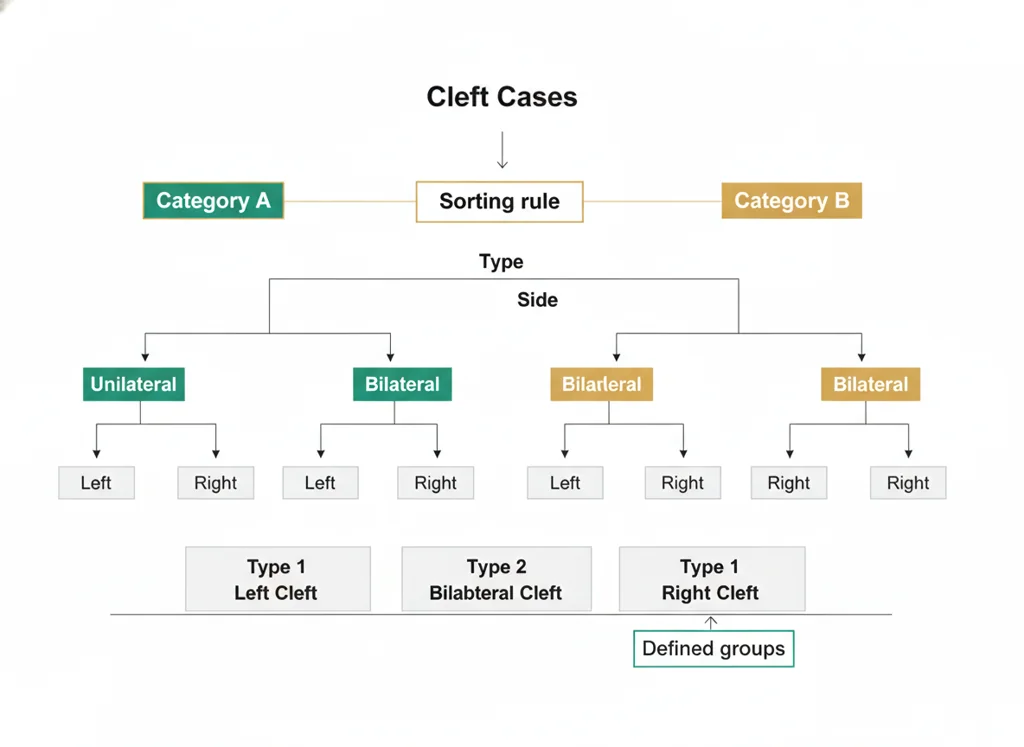
An organized scheme that sorts cases into defined categories, such as grouping clefts by type and location for consistent diagnosis.
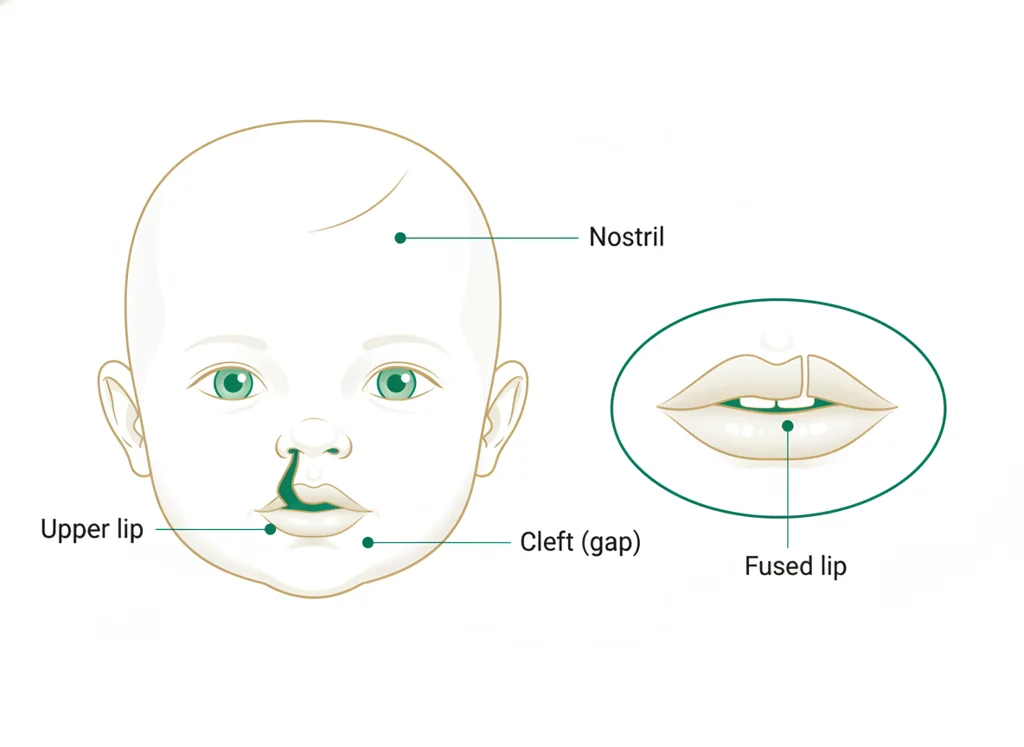
A split or gap left when two parts of the face grow toward each other but do not fully join before birth.
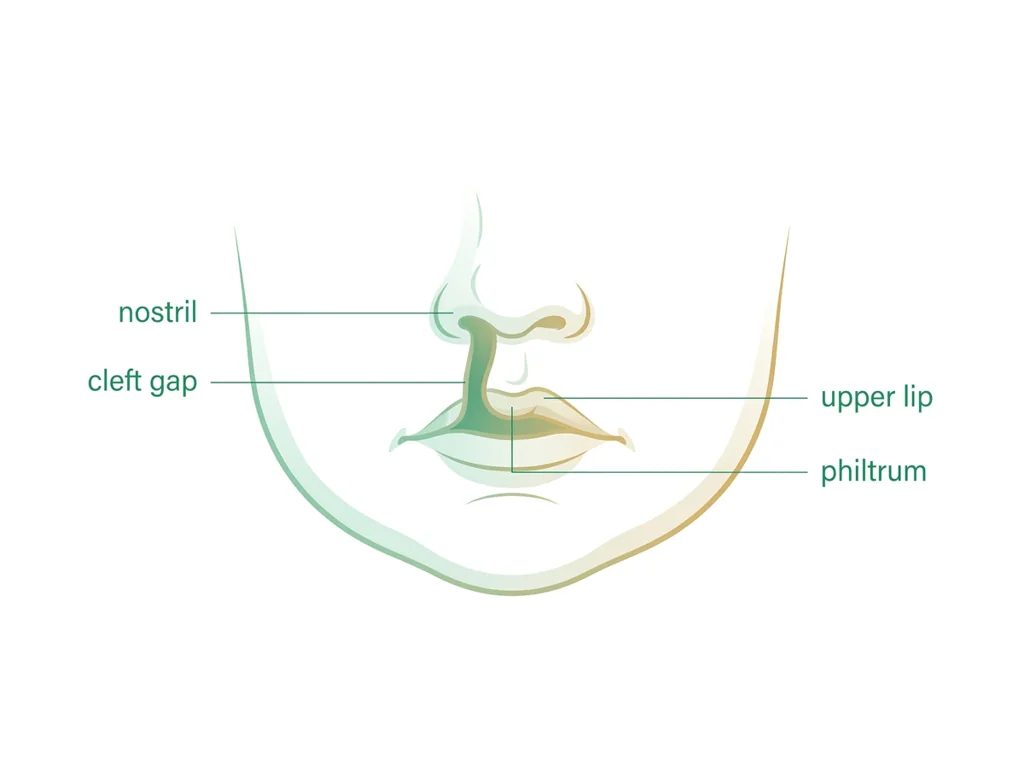
A birth difference where the upper lip does not fully fuse before birth, leaving a gap or split that can reach toward the nose.
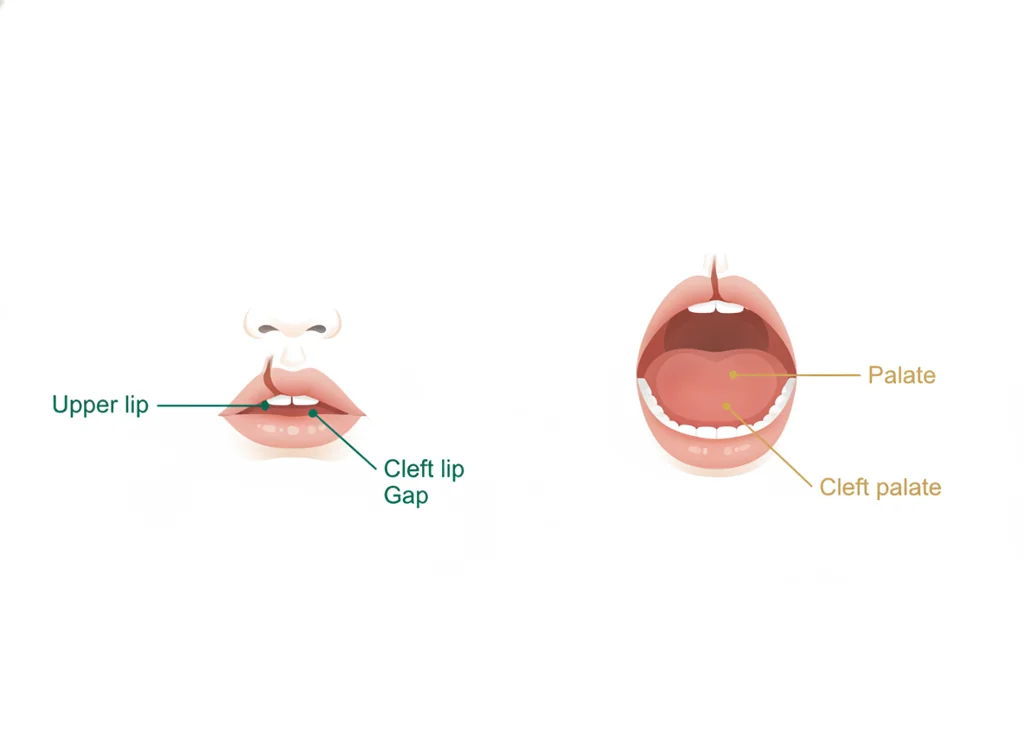
A birth difference in which the lip, the roof of the mouth, or both fail to fully join before birth, leaving a gap.
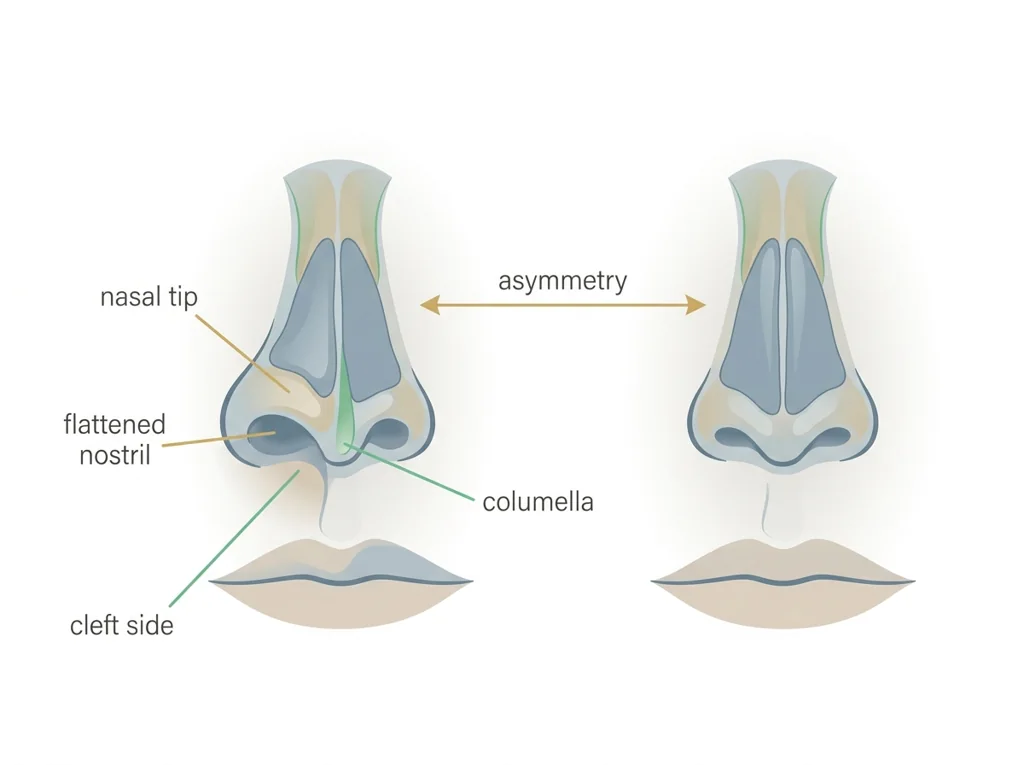
The change in nose shape that comes with a cleft lip, including a flattened, widened nostril and a leaning nasal tip on the cleft side.
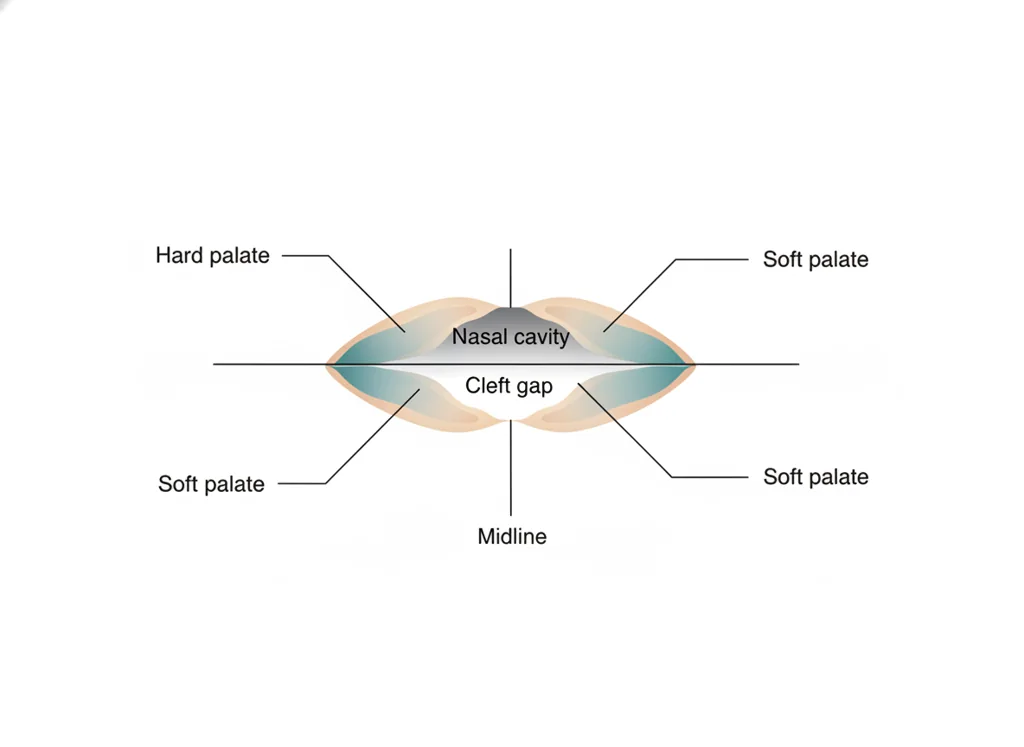
A birth difference in which the roof of the mouth does not fully join before birth, leaving an opening between the mouth and nasal cavity.
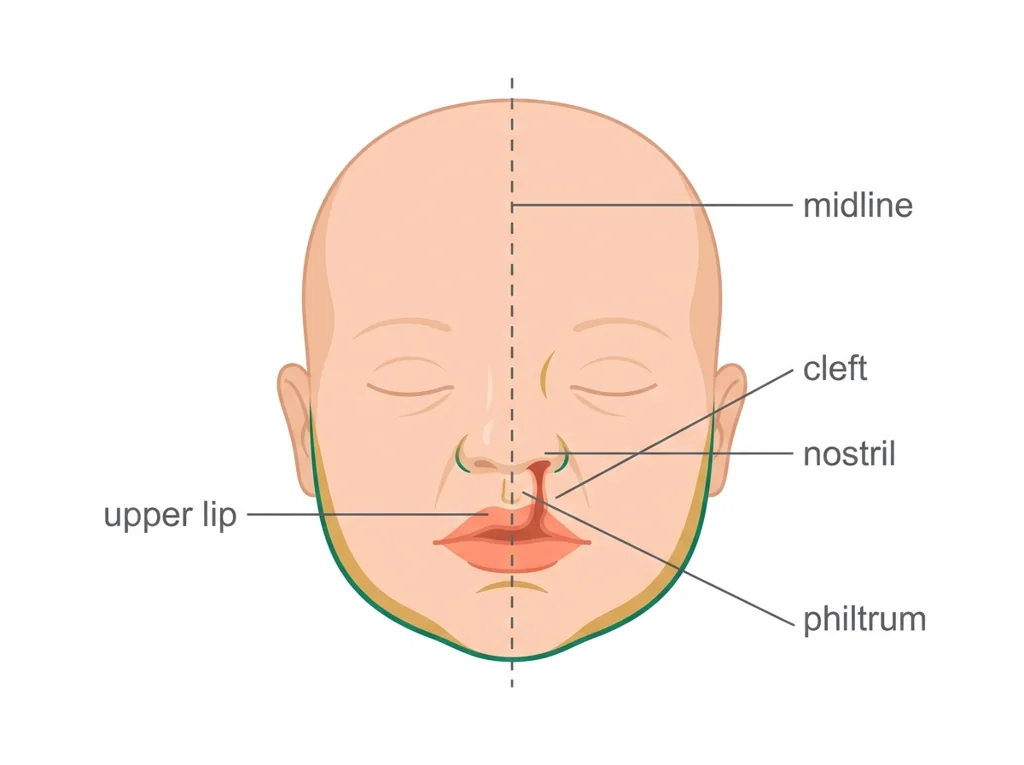
A split in the upper lip that forms when the lip tissues fail to join during early development in the womb.
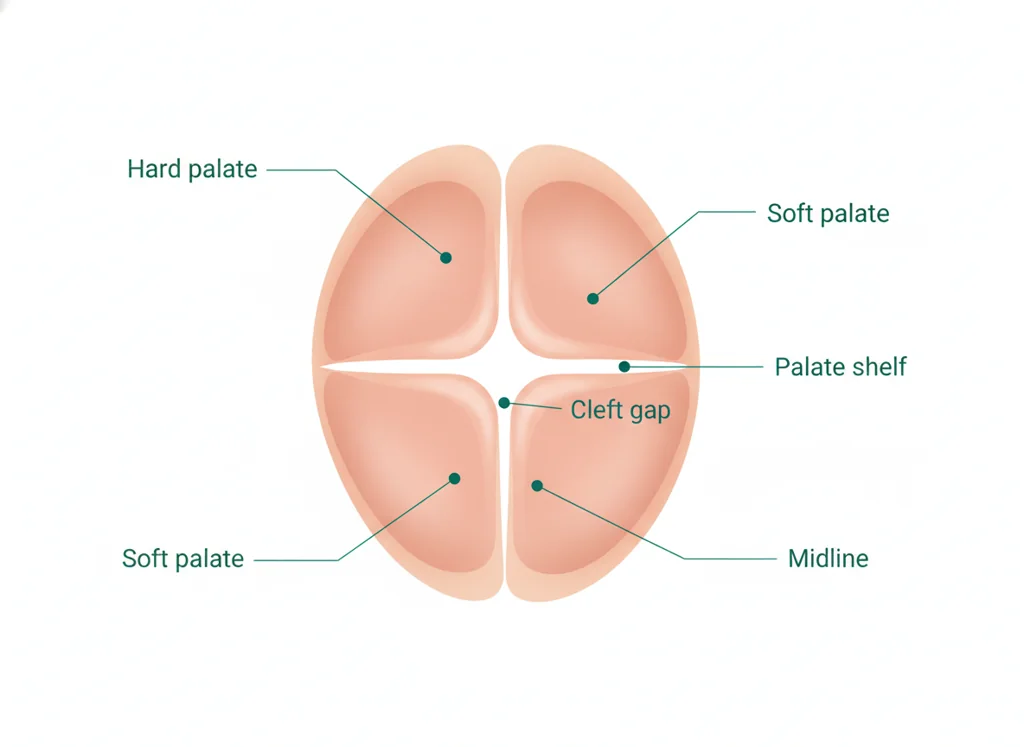
An opening in the roof of the mouth that forms before birth when the two palate shelves fail to meet and join.
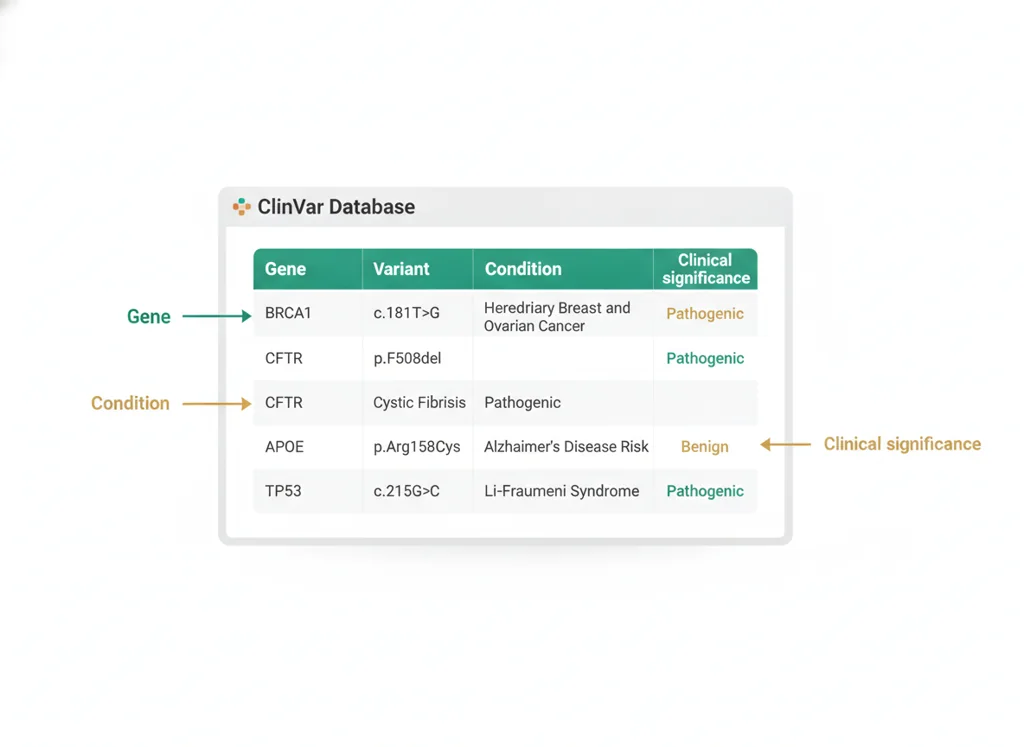
An NIH database of reported DNA variants, the conditions they are linked to, and a clinical-significance call for each.
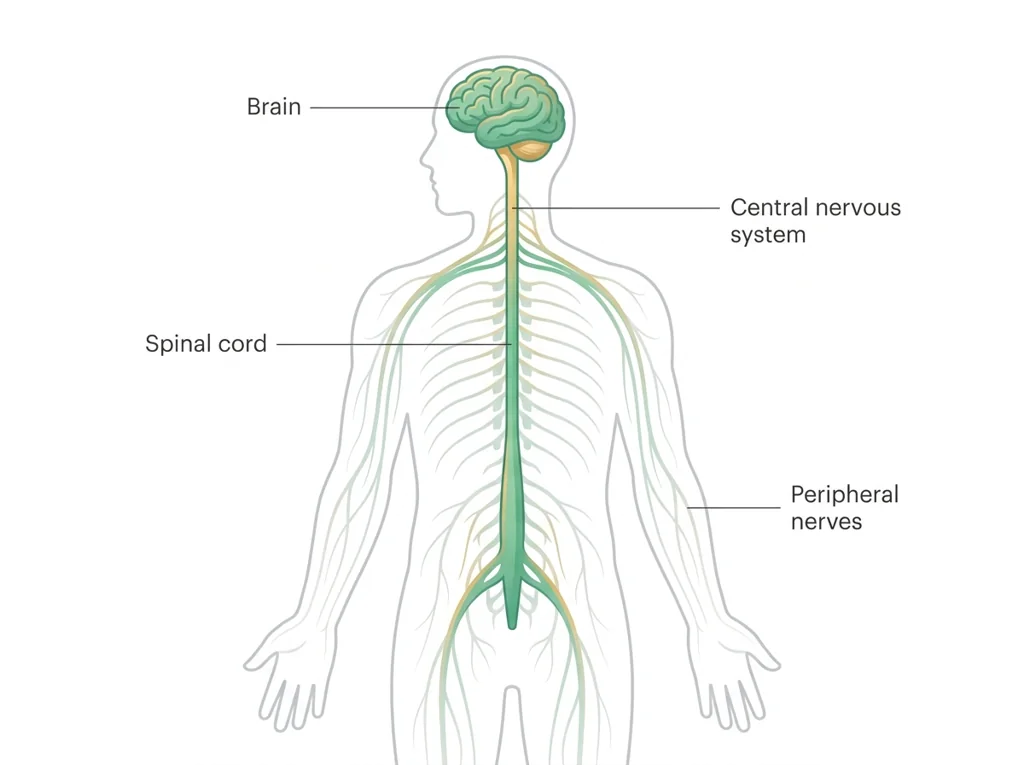
The central nervous system, made of the brain and spinal cord, which processes information and directs the body's responses.
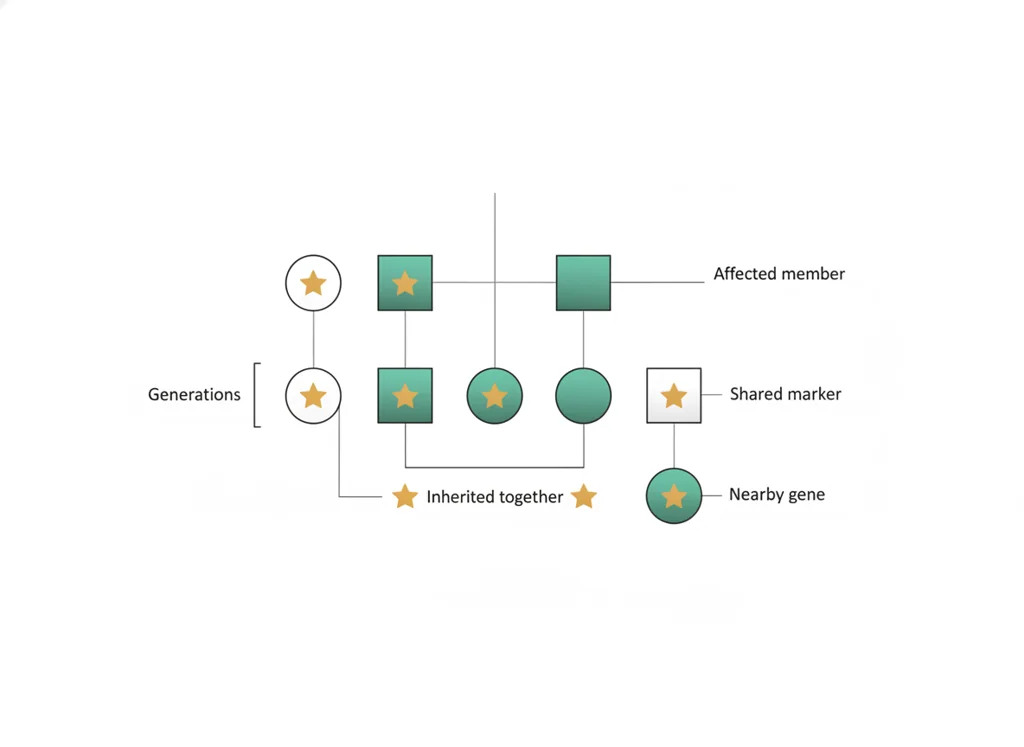
When a marker version and a disease are inherited together in every affected family member, evidence that the responsible gene sits nearby.

A group of skin-living Staphylococcus species that do not clot plasma. They are the single most common contaminant found in blood cultures.
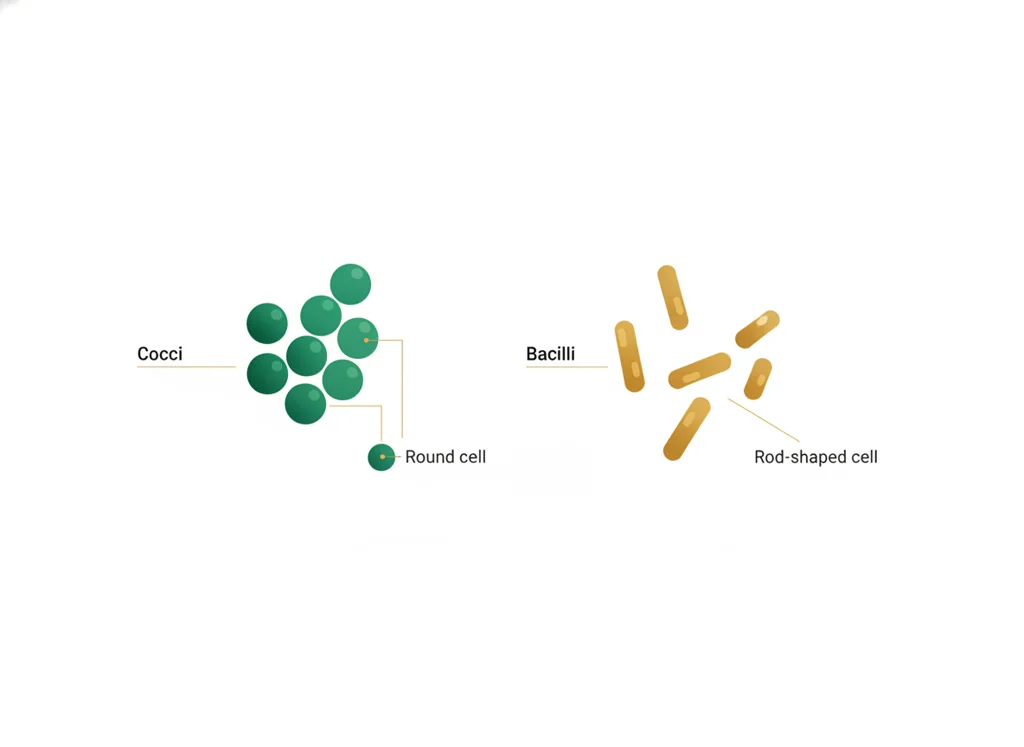
Two basic bacterial shapes seen under the microscope: cocci are round or spherical cells and bacilli are rod-shaped cells.
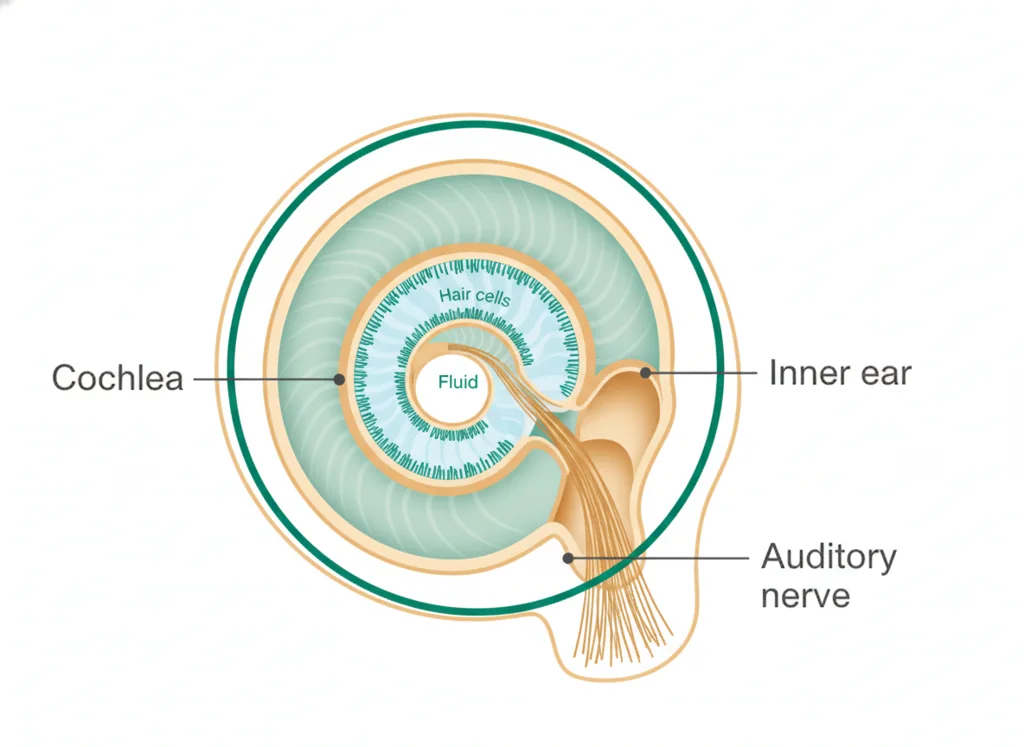
The spiral, snail-shaped part of the inner ear that turns sound vibrations into nerve signals the brain reads as hearing.
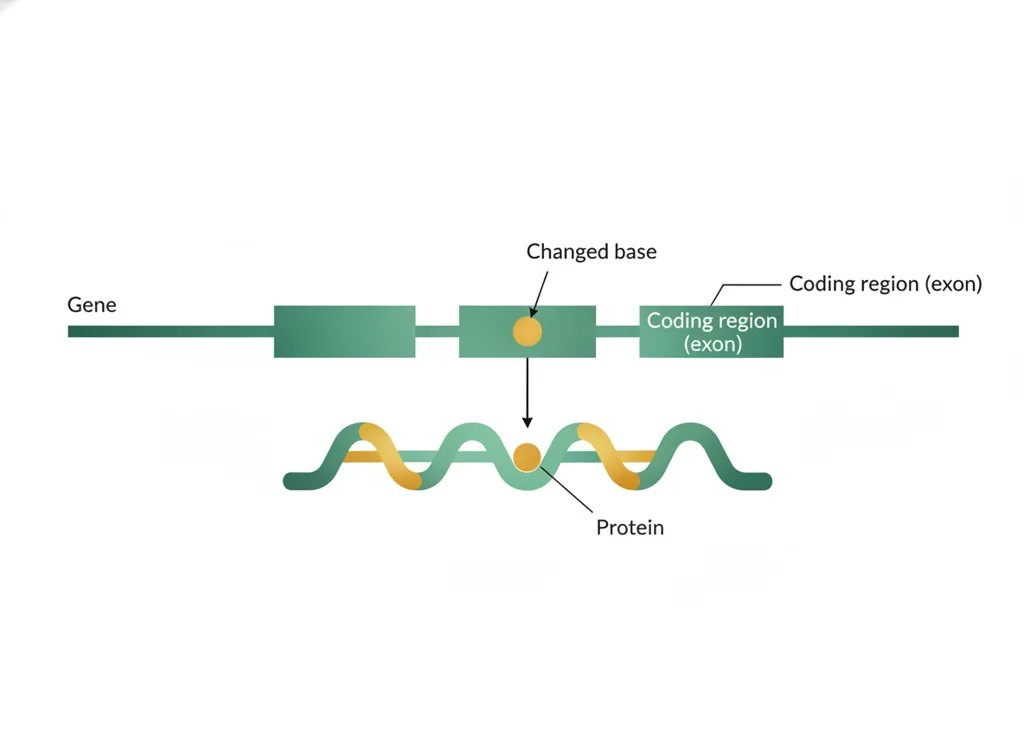
A DNA change located inside the protein-coding part of a gene, which can alter the protein the gene builds.
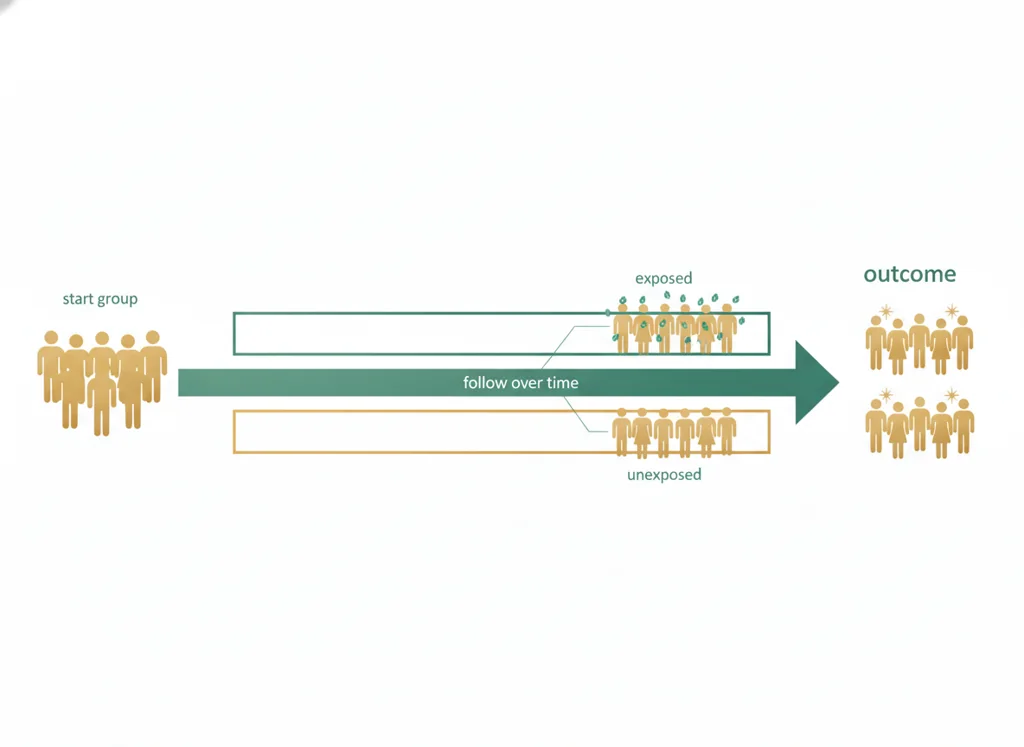
A study that follows a group of people over time, comparing those with and without an exposure to see who develops an outcome.
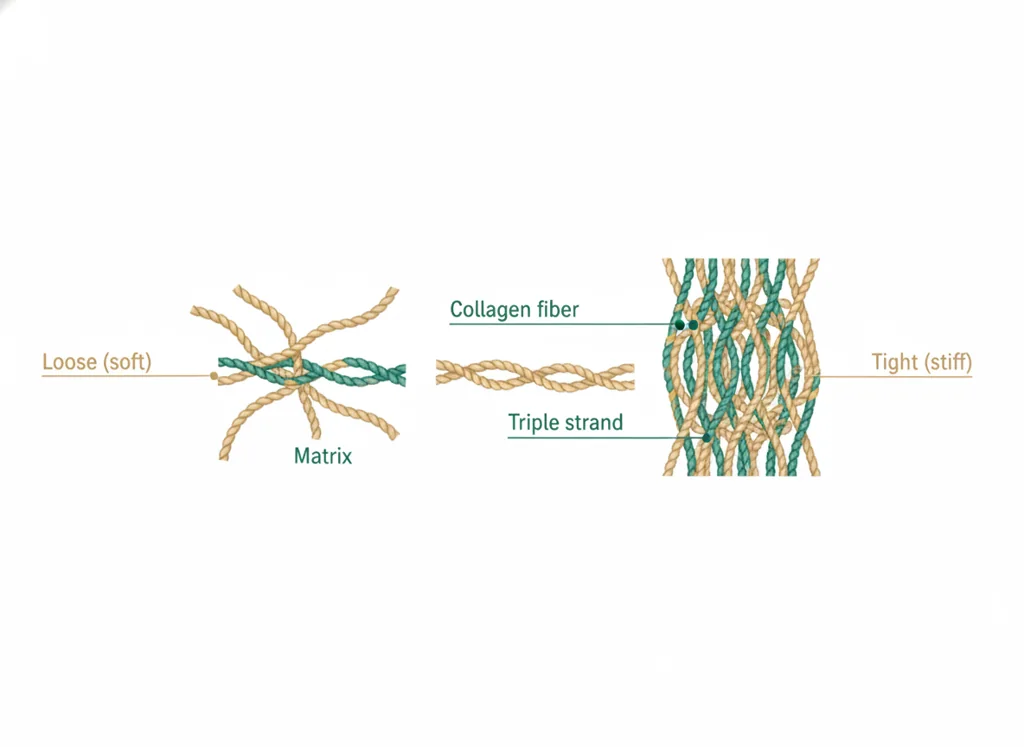
The most common rope-like protein in the matrix outside cells; how tightly its fibers are bundled sets how stiff a tissue feels.
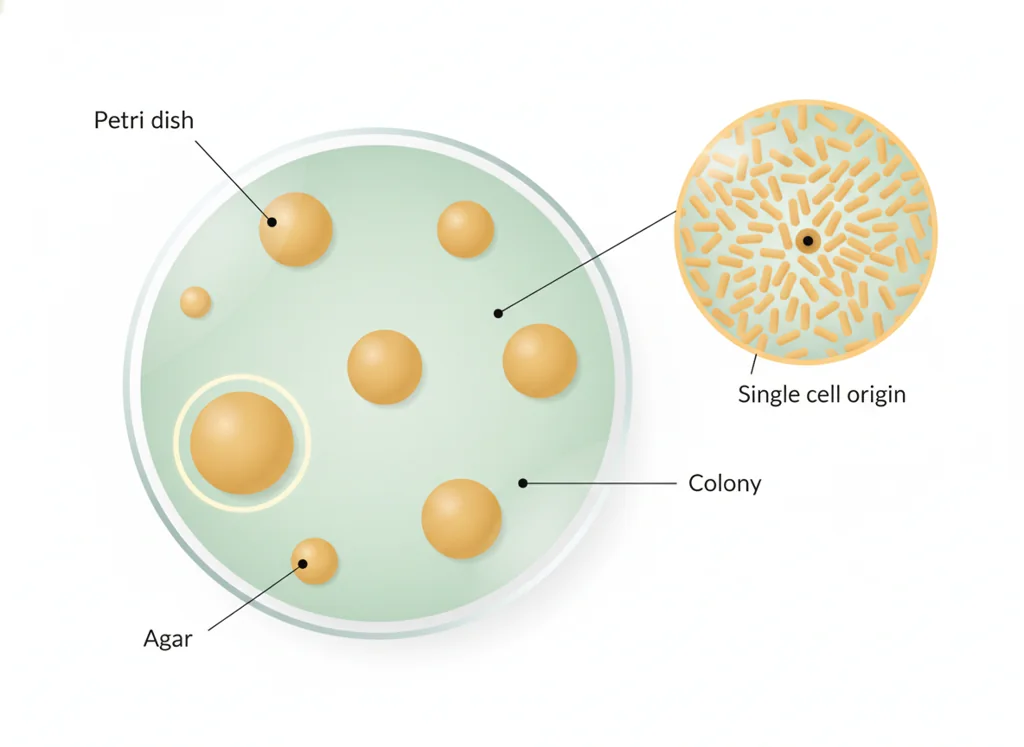
A visible cluster of identical microorganisms growing on a culture plate, all descended from a single original cell.

One cell, or one clump of cells, that grows into a single visible colony on a plate. Counts are reported as CFU because you cannot tell a single cell from a clump by looking.
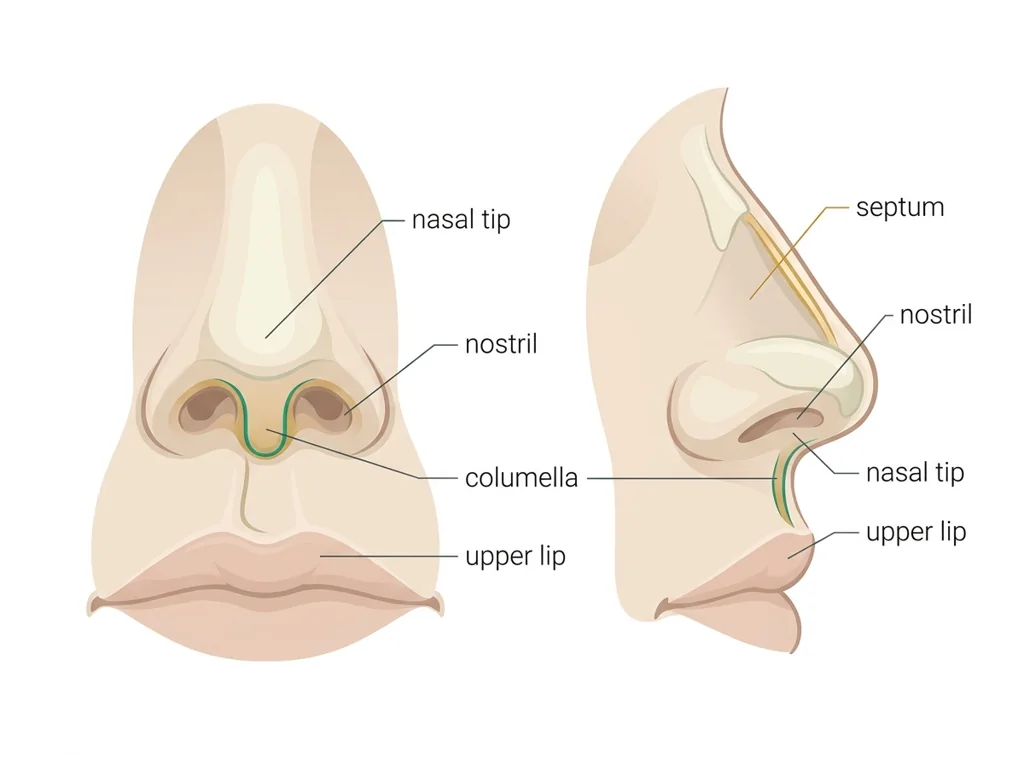
The thin strip of tissue between the two nostrils that connects the nasal tip to the upper lip and helps hold the nose's shape.

An organism that normally lives on or in a person without causing harm. Most skin bacteria are commensals, which is why they turn up as contaminants.
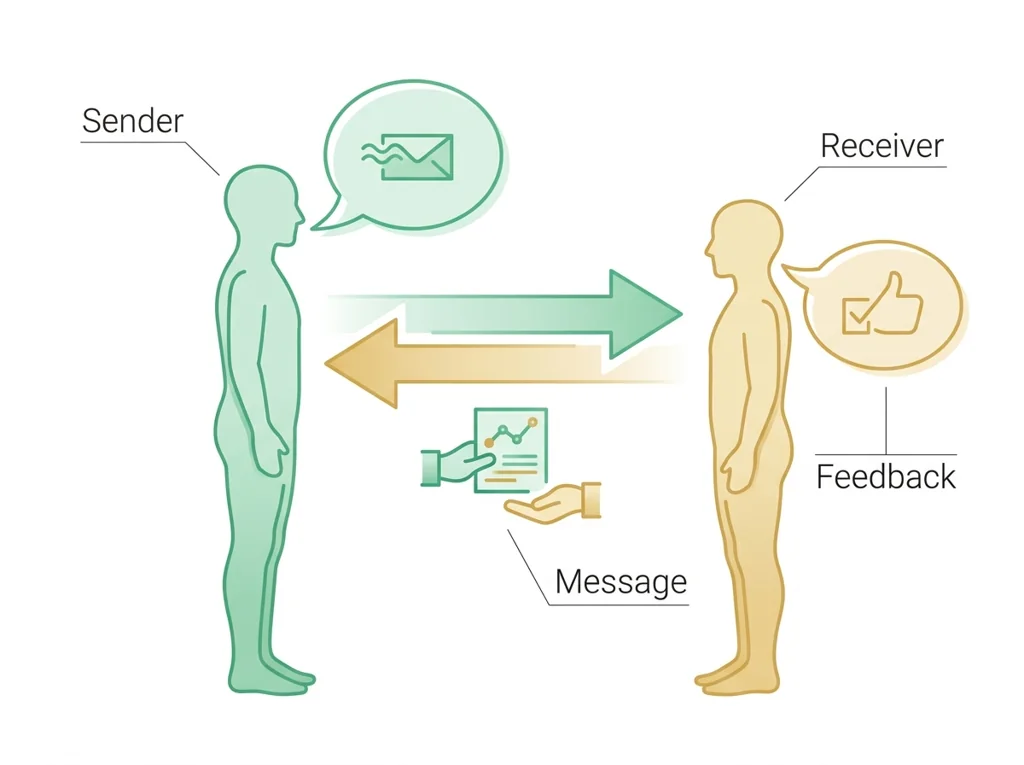
Sharing information clearly and accurately between people, which in healthcare keeps patients safe and helps teams coordinate care.
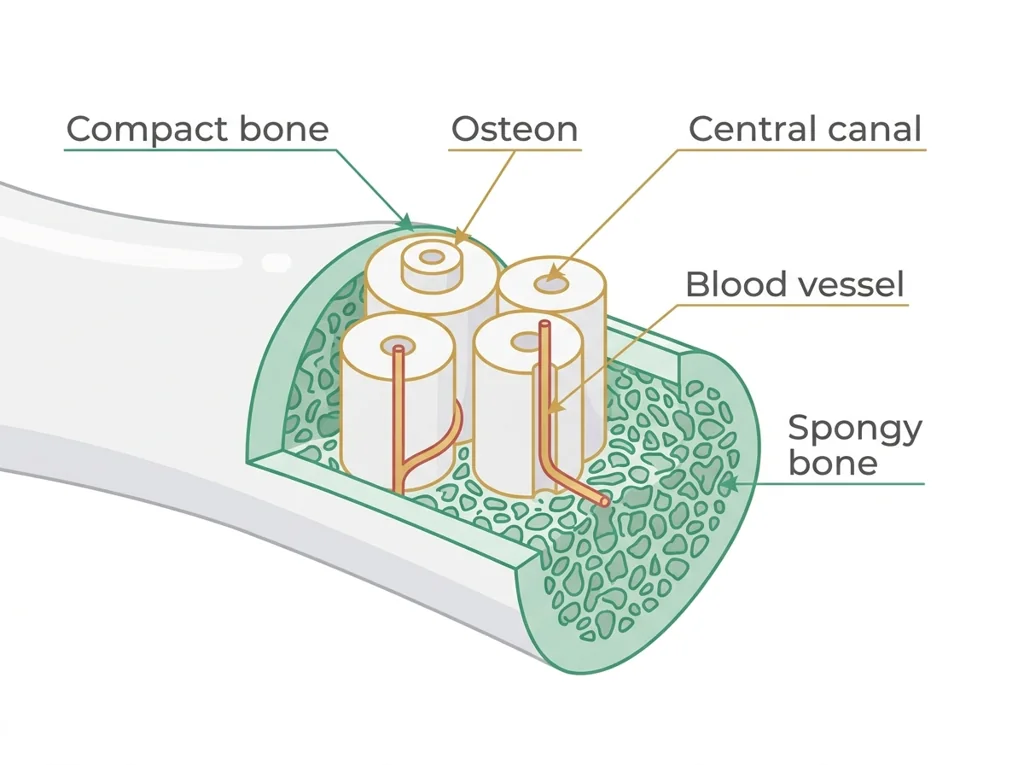
The dense, hard outer layer of bone, built from tightly packed cylindrical units, that gives the skeleton most of its strength and protection.
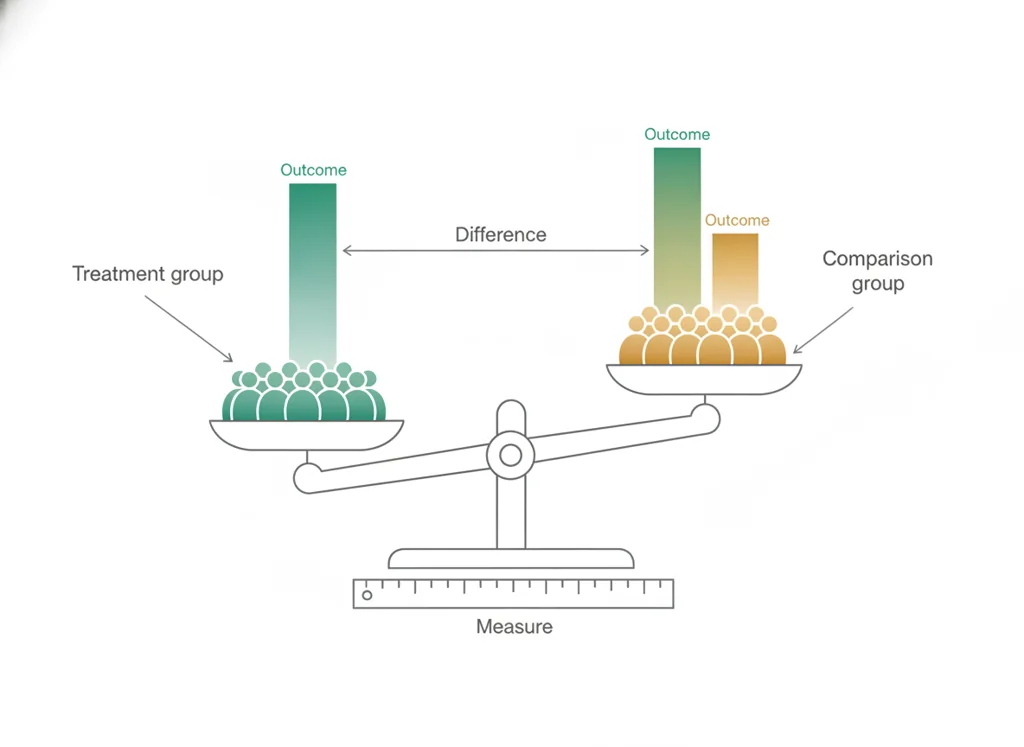
The other group or condition you measure your treatment against, so you can judge whether the treatment made a real difference.
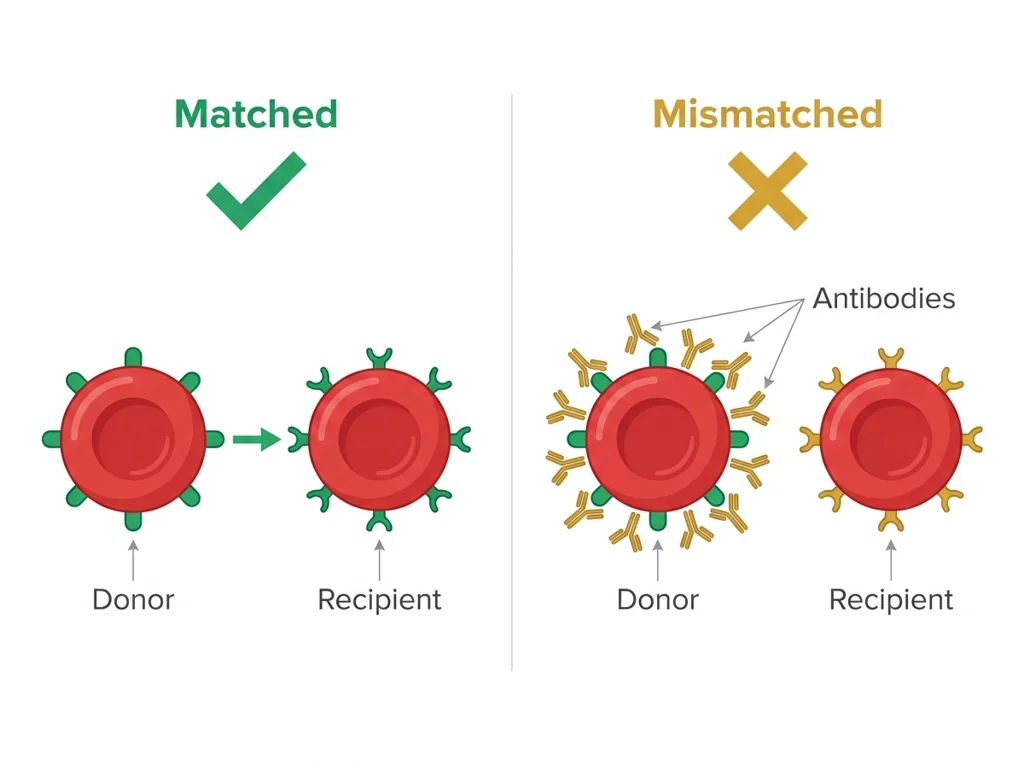
How well a donor's blood or tissue matches a recipient's so the recipient's immune system does not attack it.
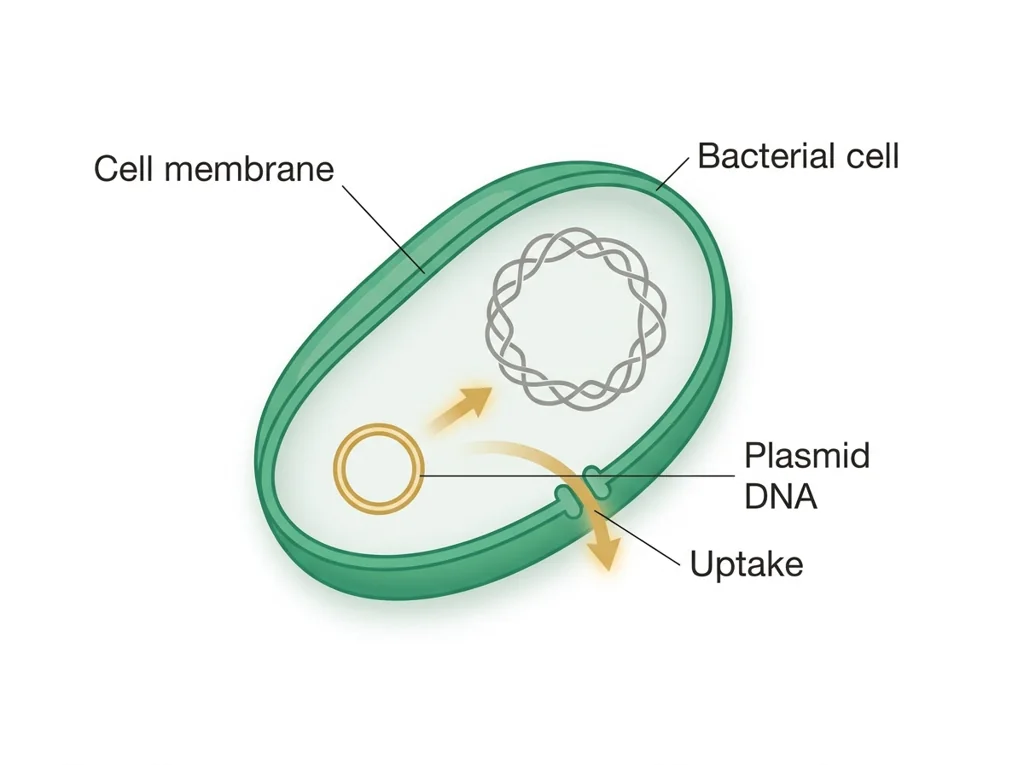
A bacterial cell treated so its membrane can take up foreign DNA from its surroundings, a key step in genetic engineering.
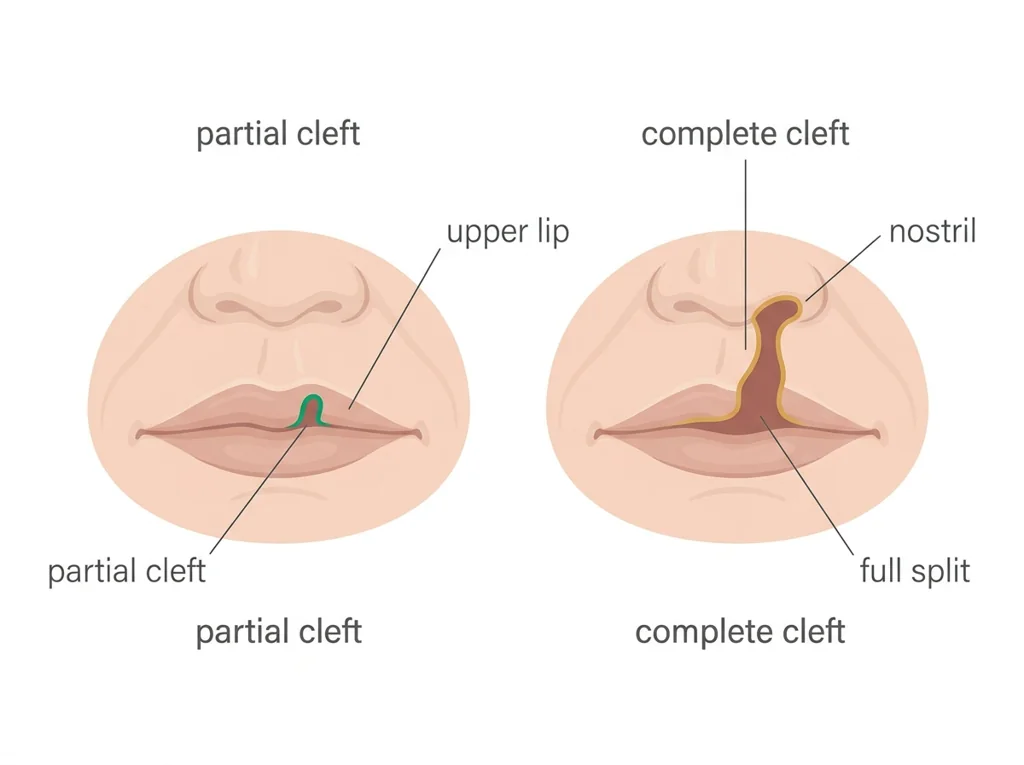
Describing a cleft that extends through the entire structure, such as a lip cleft reaching all the way up into the nostril.
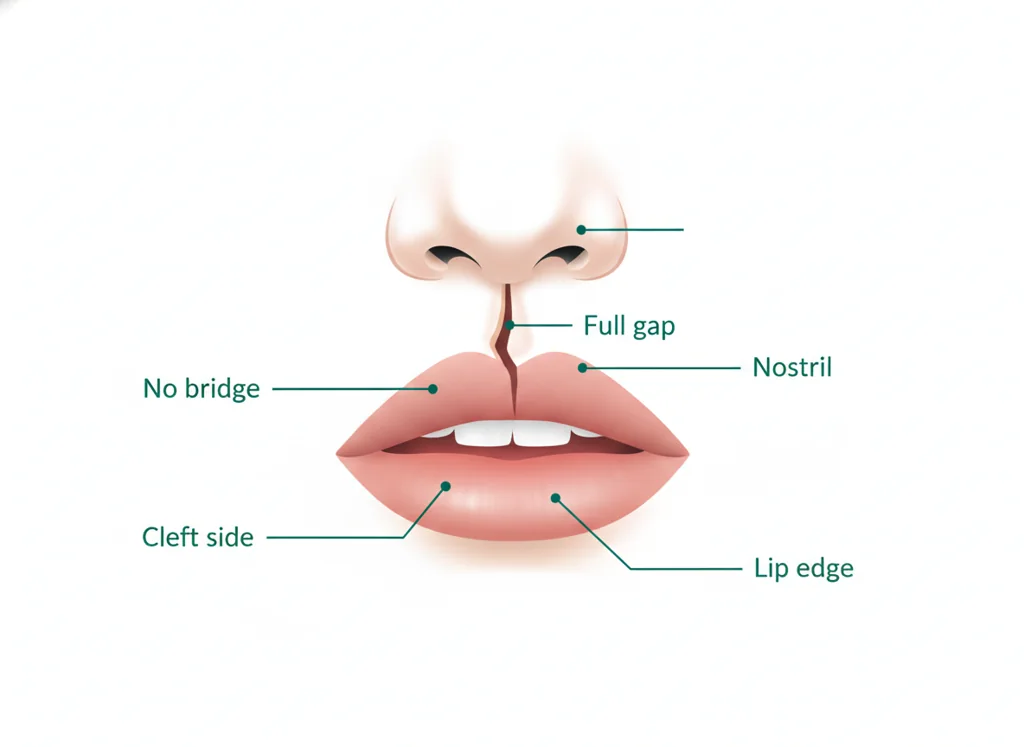
A cleft that extends fully through the structure, such as a lip cleft reaching all the way up into the nostril with no tissue bridge.
The point at which a task, process, or assignment has met all its required steps and criteria and is fully finished.
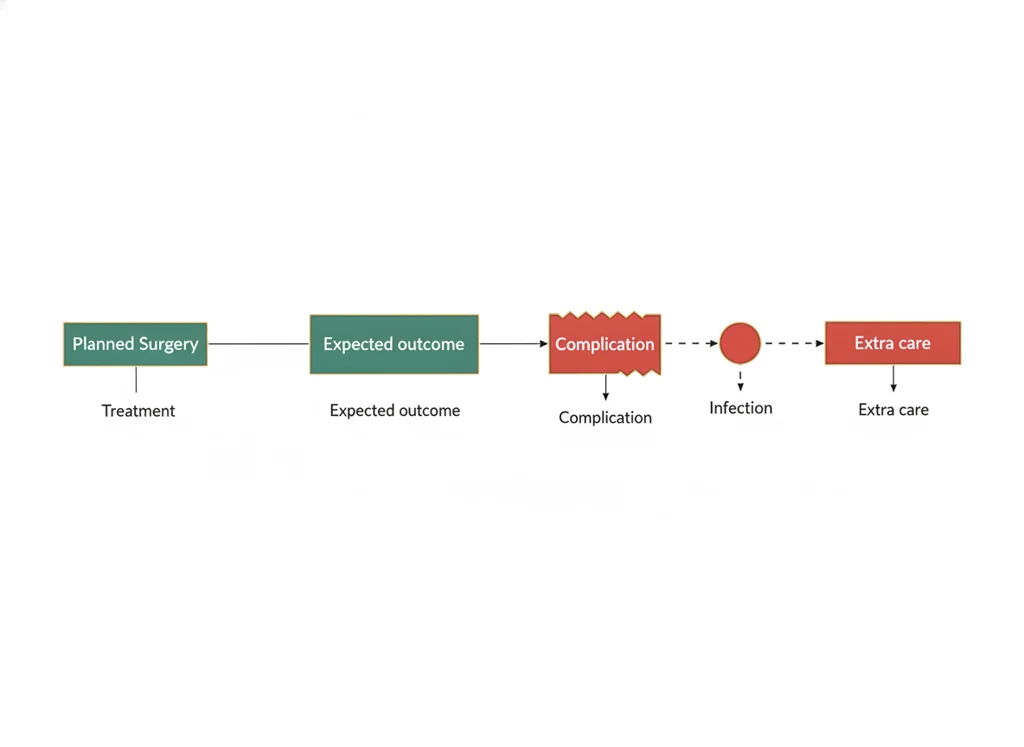
An unwanted problem that develops during or after treatment, such as infection or a wound that breaks open after surgery.

A composite illustration of a working molecular biology researcher, the kind of scientist who runs the techniques the course teaches.
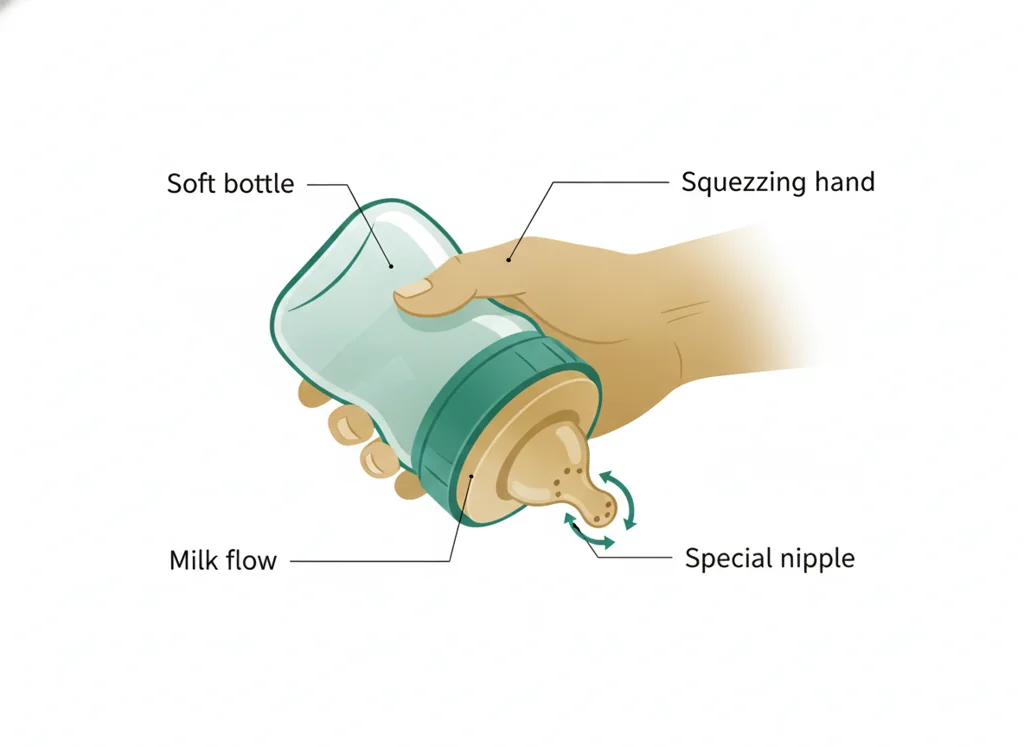
A soft squeezable feeding bottle that lets a caregiver push milk into the mouth of a baby who cannot create strong suction, such as one with a cleft.
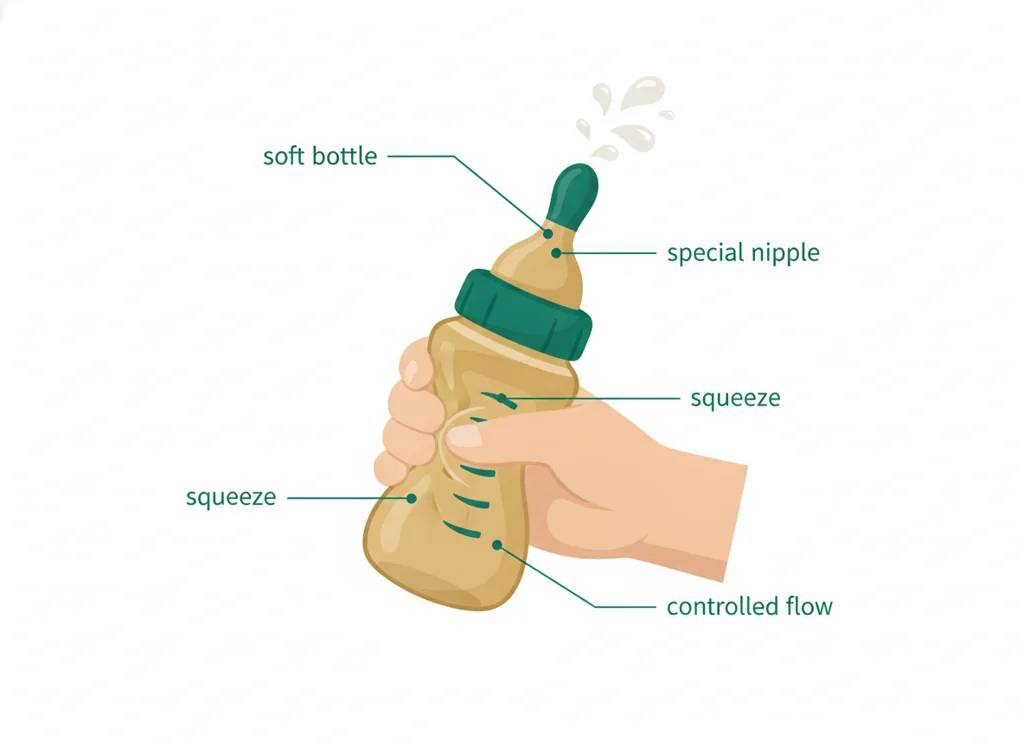
A soft squeeze bottle used to feed an infant with a cleft, letting a caregiver gently push milk so the baby does not have to create suction.
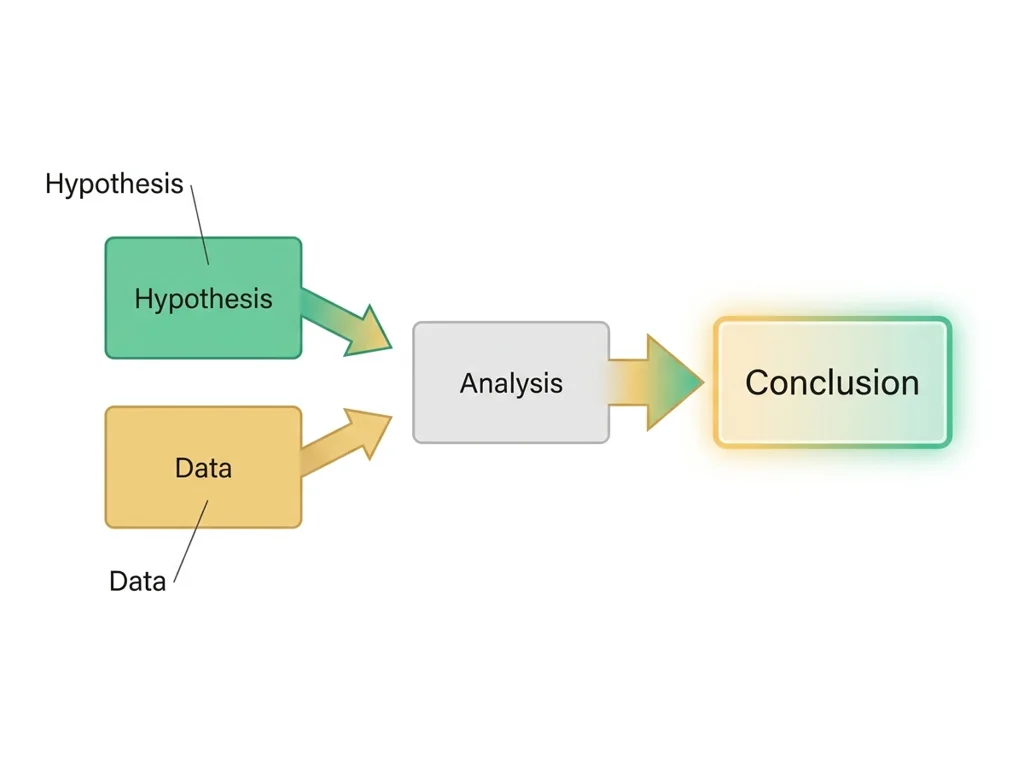
The closing part of an investigation where you state whether the evidence supported your hypothesis and explain what the results mean.
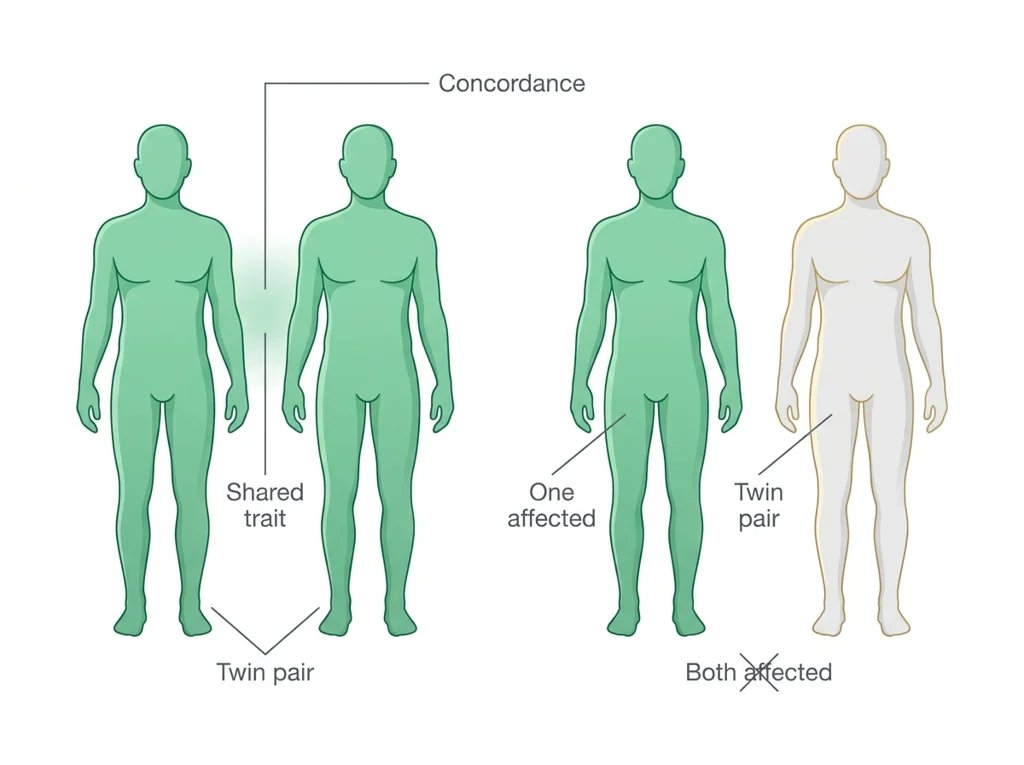
How often both members of a pair, such as twins, share the same trait or condition.
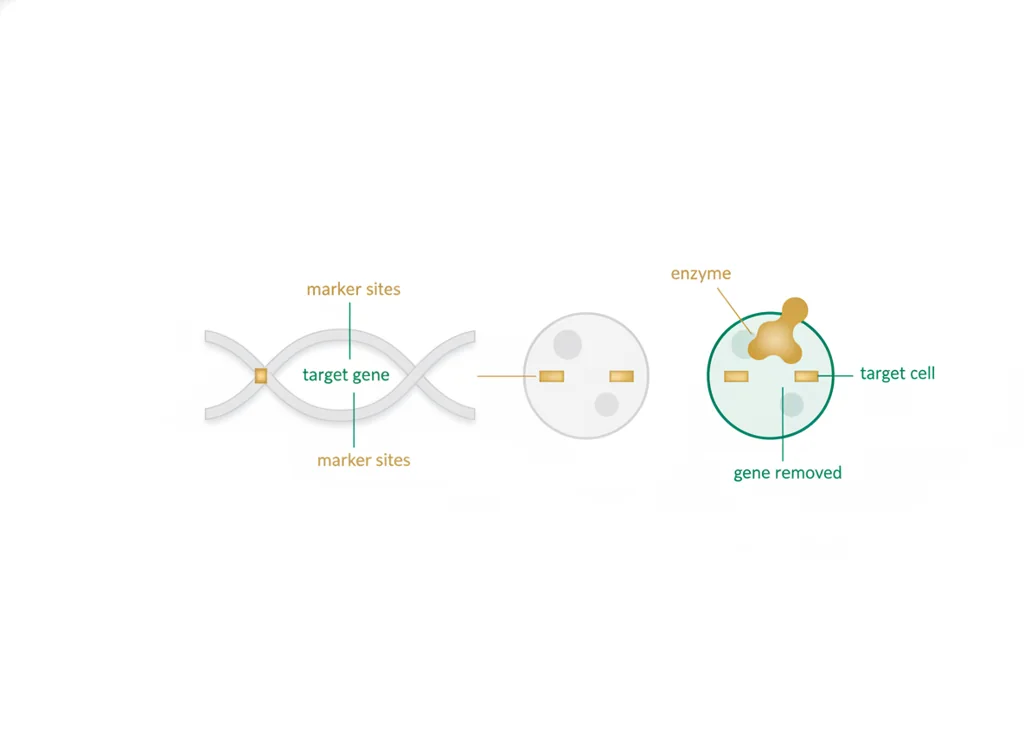
A genetic tool that switches a gene off only in certain cells or at a chosen time, so researchers can study its role without affecting the whole animal.
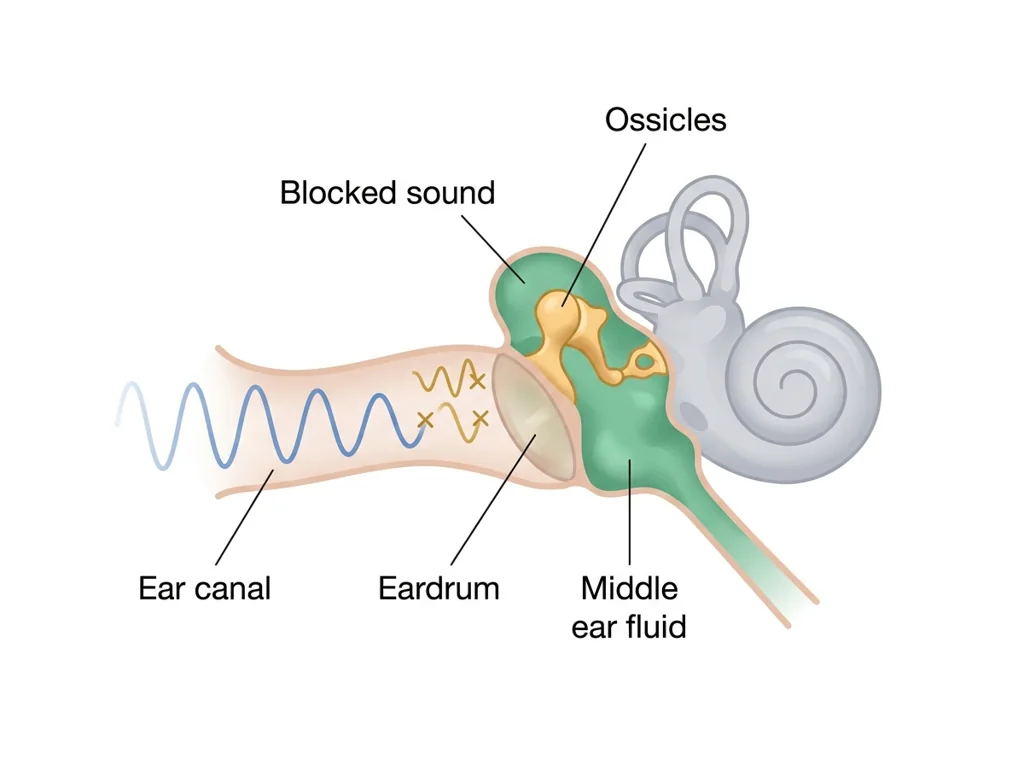
Hearing difficulty caused when sound cannot travel well through the outer or middle ear, often from fluid build-up behind the eardrum.
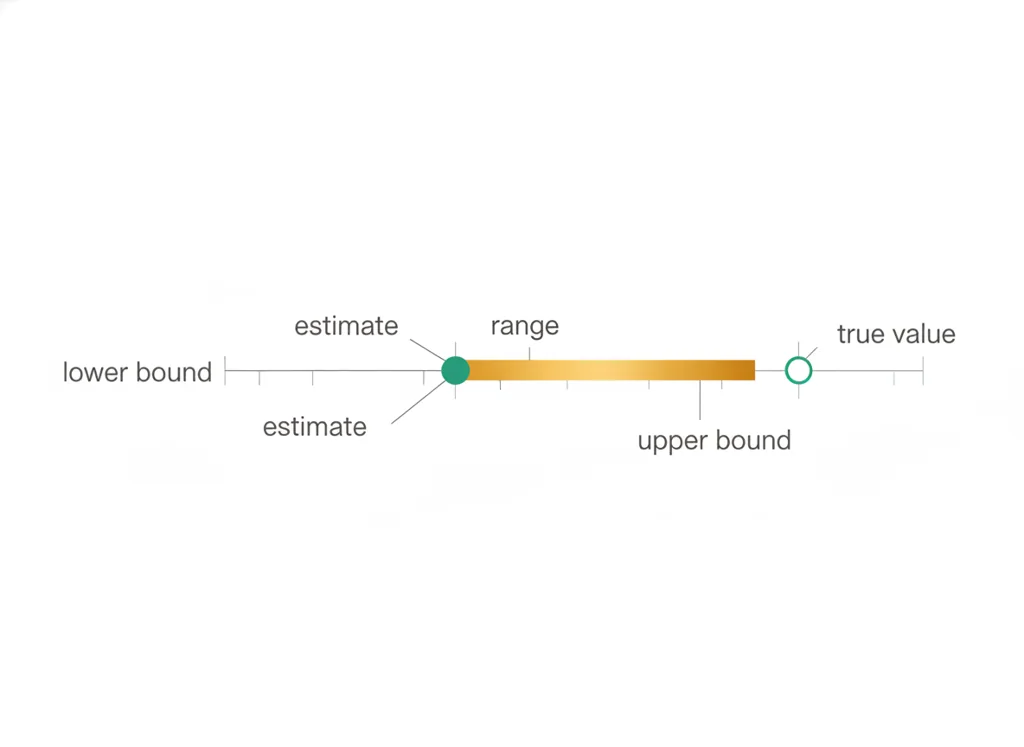
A range of values that likely contains the true result, showing how precise an estimate is; a narrow range means more certainty.
The duty to keep what a patient tells you, and what their record holds, private. It is shared only with the people treating them, or with anyone the patient names.

Growth so heavy that colonies run together into a continuous sheet, leaving no separate colonies to count or pick.
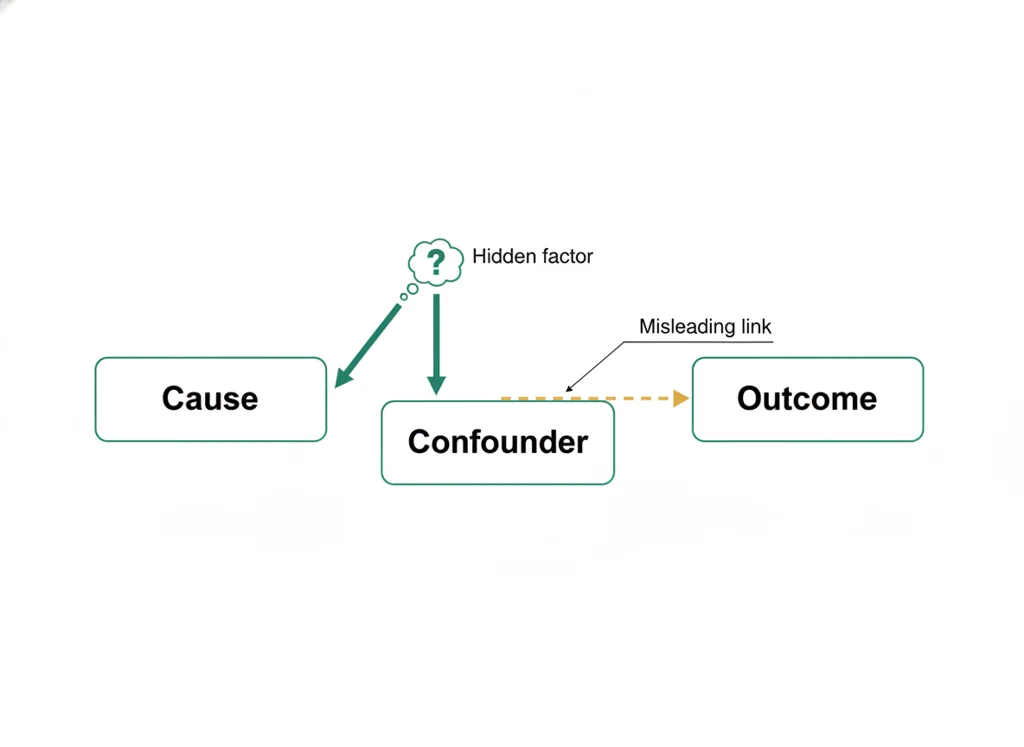
When a hidden third factor influences both the suspected cause and the outcome, making a link look real when it may be misleading.
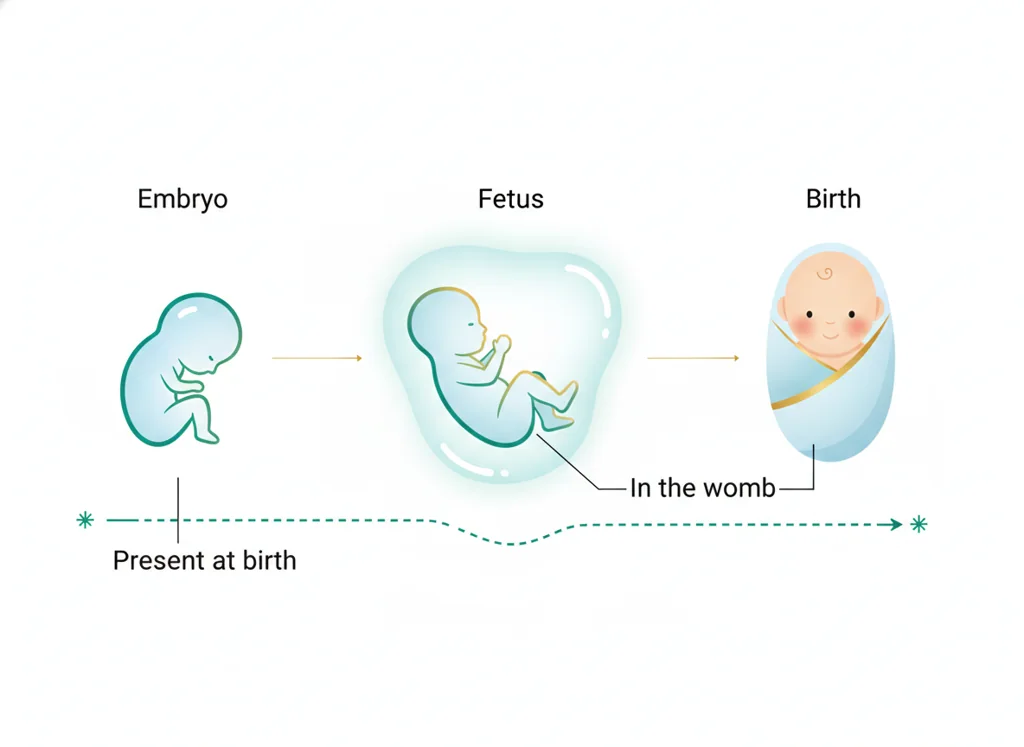
Present at birth, describing a condition that forms during development in the womb rather than appearing later in life.
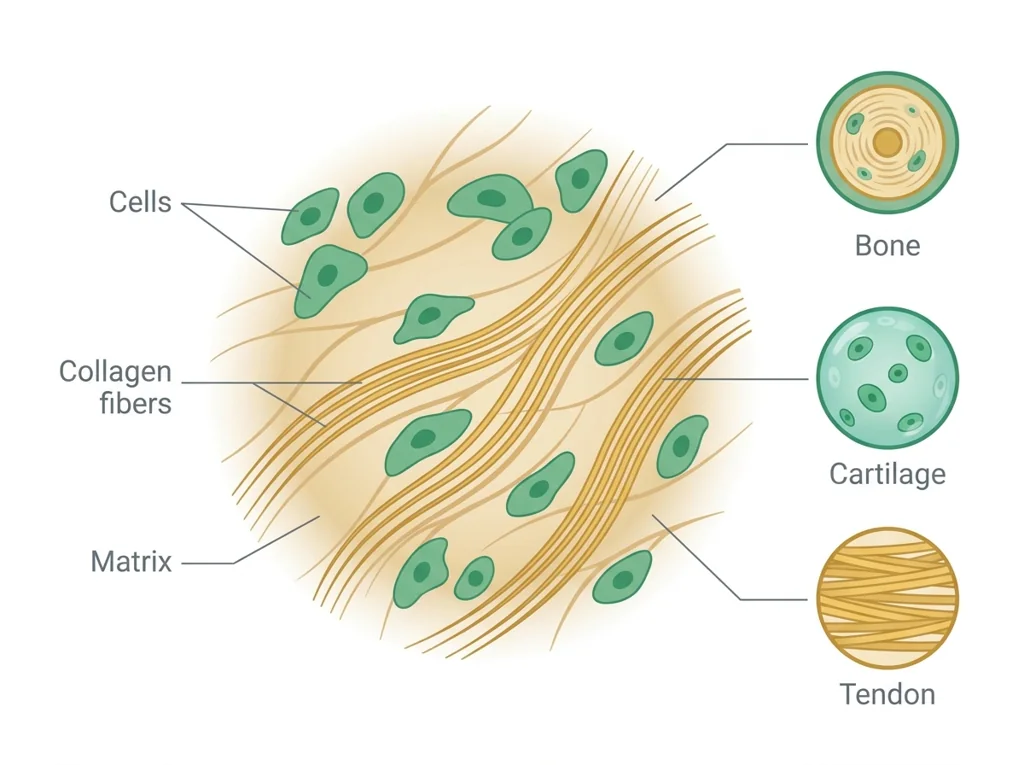
A tissue type that supports, binds, and protects other tissues and organs, including bone, cartilage, tendon, fat, and blood.
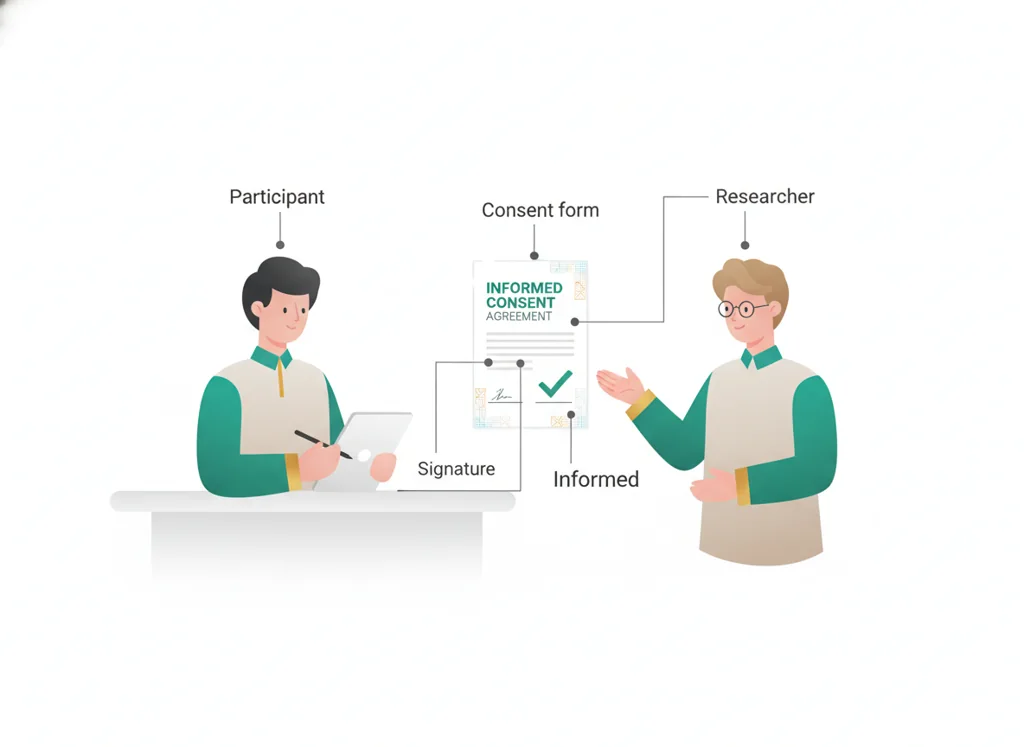
A person's voluntary, informed agreement to take part in a study or procedure after understanding its purpose, risks, and benefits.
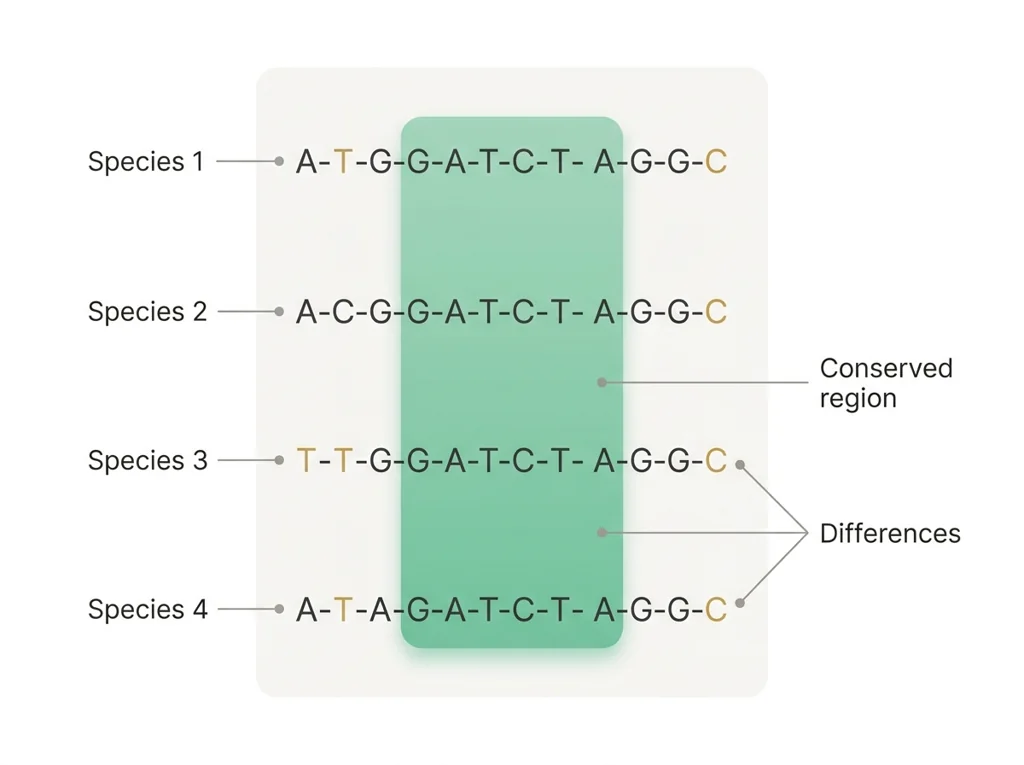
When a DNA or protein sequence stays similar across many species, a strong sign that it does an essential biological job.
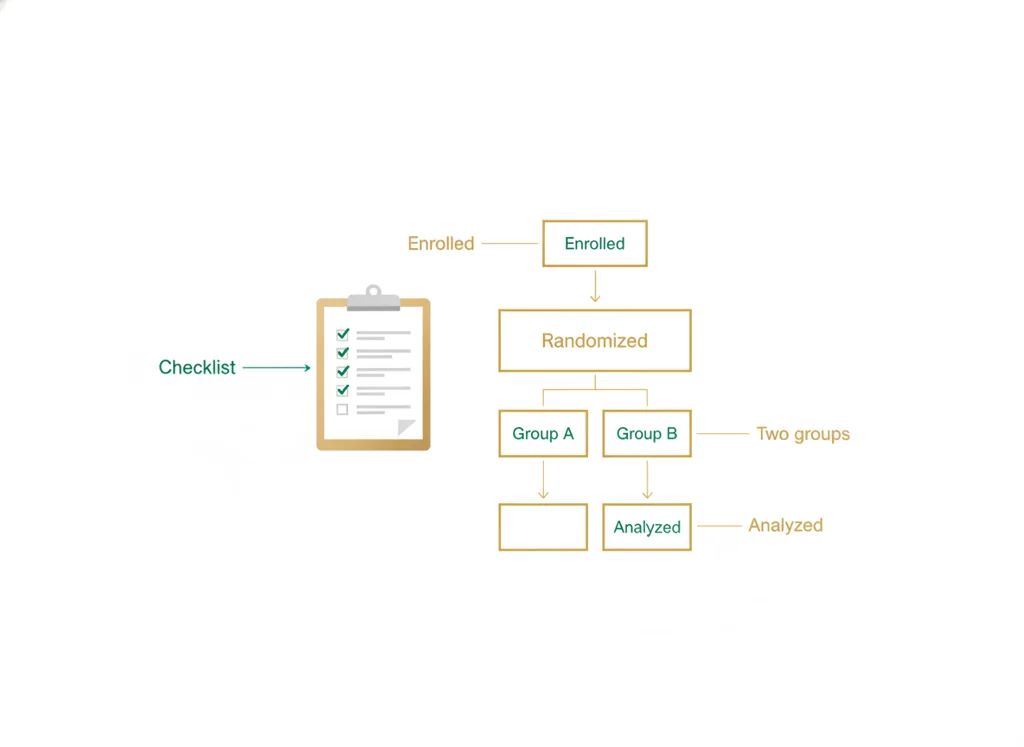
A standard checklist and flow diagram that researchers use to report every key detail of a randomized controlled trial clearly and honestly.
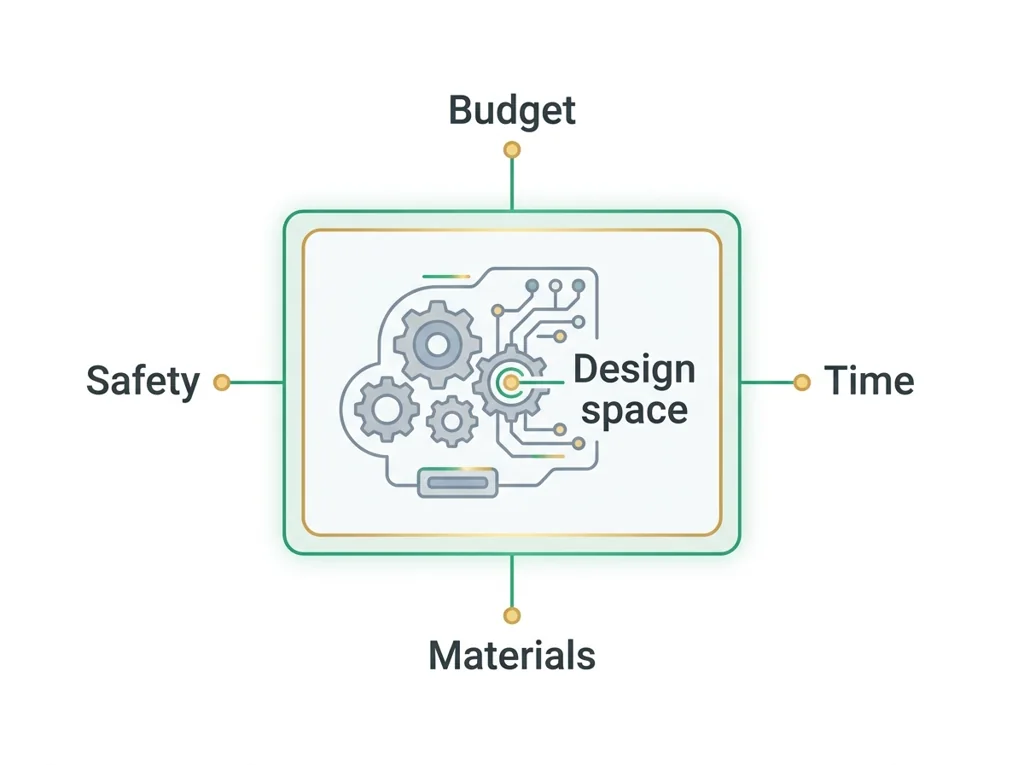
A limit or requirement that a design must work within, such as a budget, available time, materials, or safety rules.
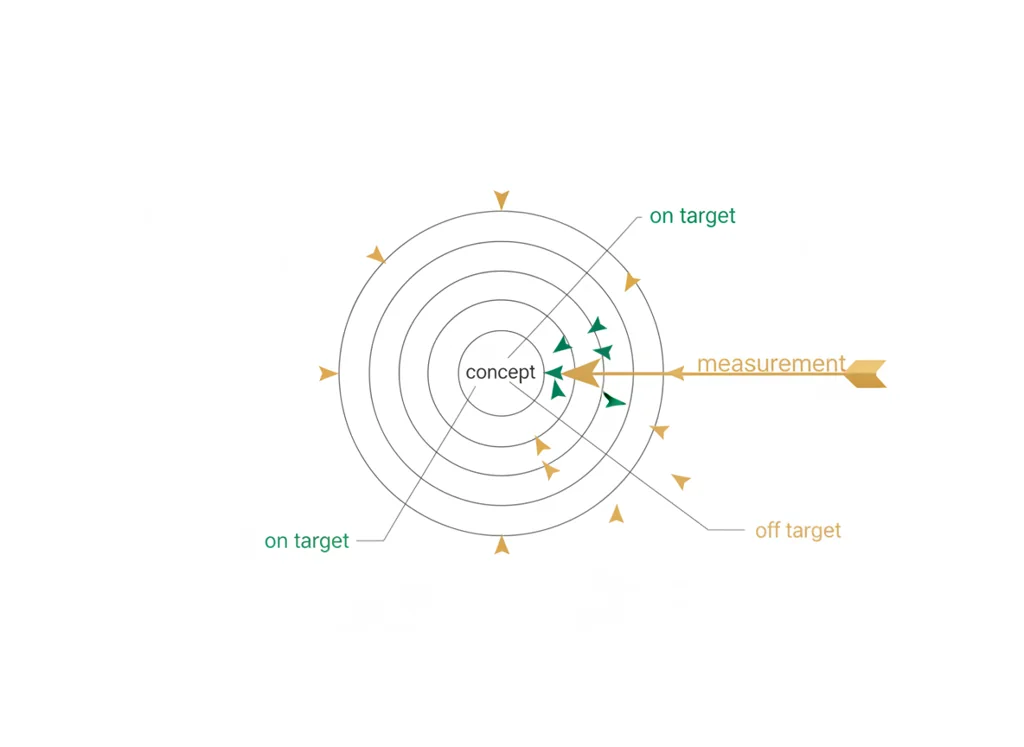
How well a test or measurement actually captures the abstract idea it claims to measure, rather than something else.
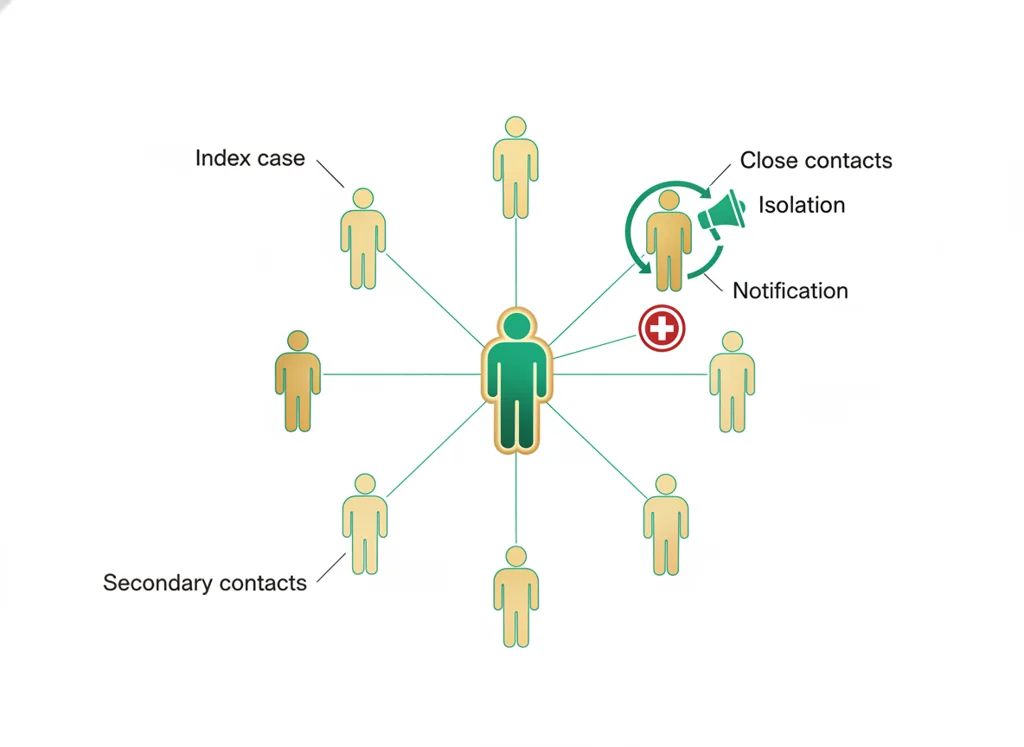
Finding and notifying people who were near someone with an infectious disease so they can be tested, watched, or isolated to slow spread.
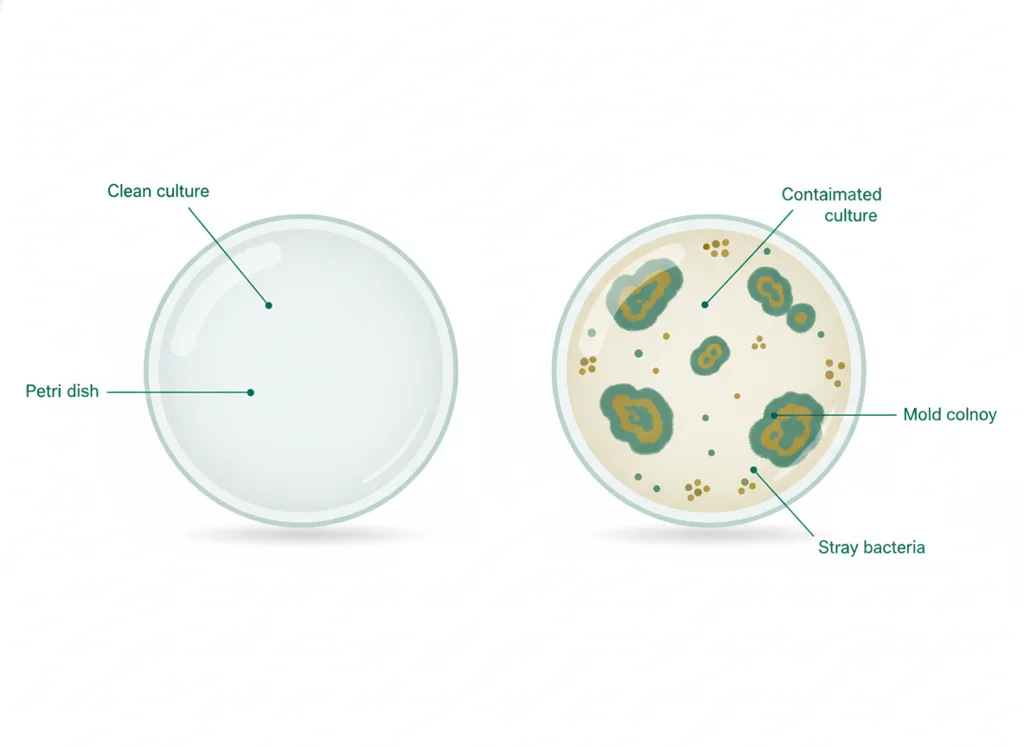
The unwanted presence of microbes or other foreign material in a sample or culture that can ruin results or make a product unsafe.
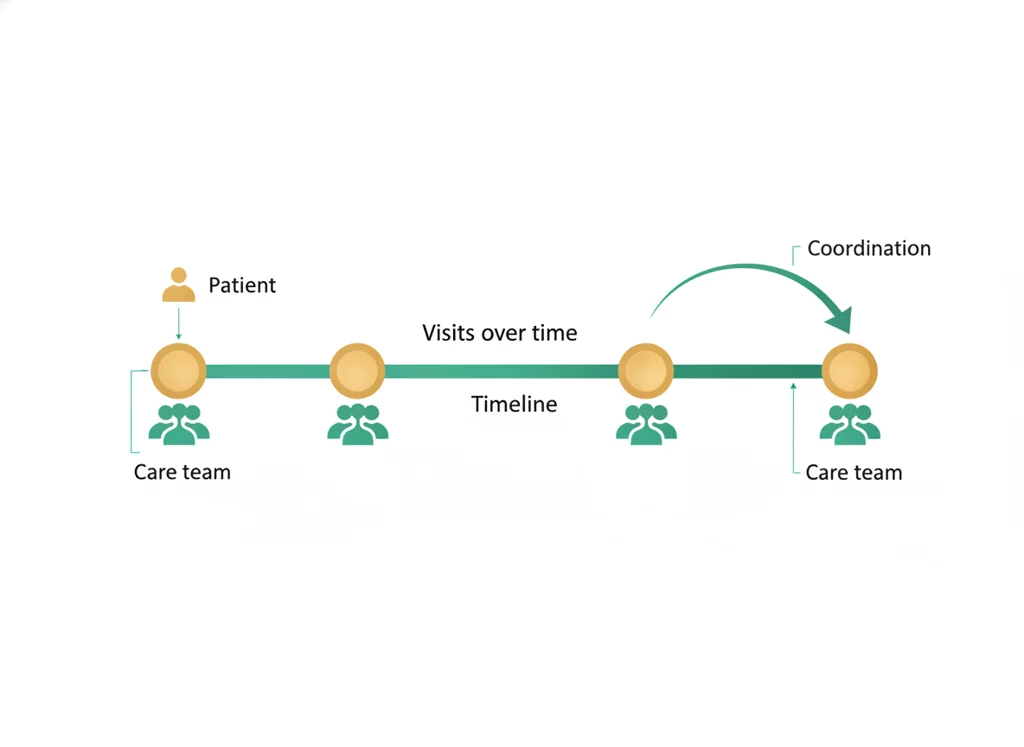
Keeping a patient connected to the same coordinated care team over time, so treatment stays consistent across many visits and years.
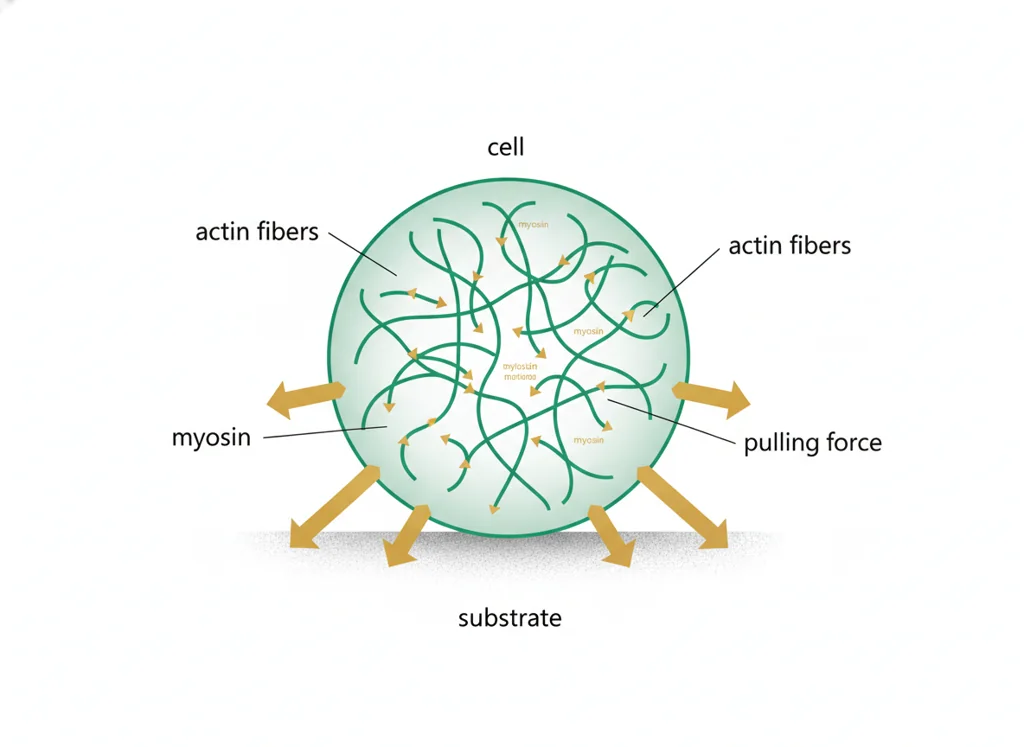
A cell's ability to generate pulling force on itself and its surroundings using its actin and myosin filaments.
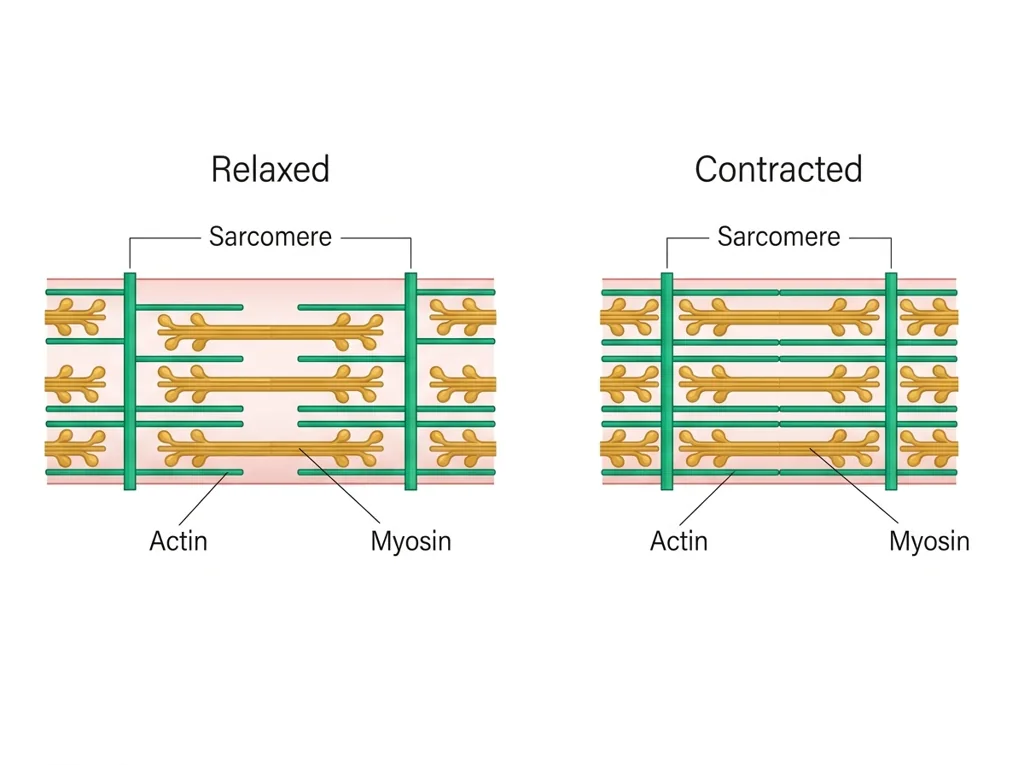
The shortening of a muscle as its fibers pull together, generating force to move bones, pump blood, or squeeze organs.
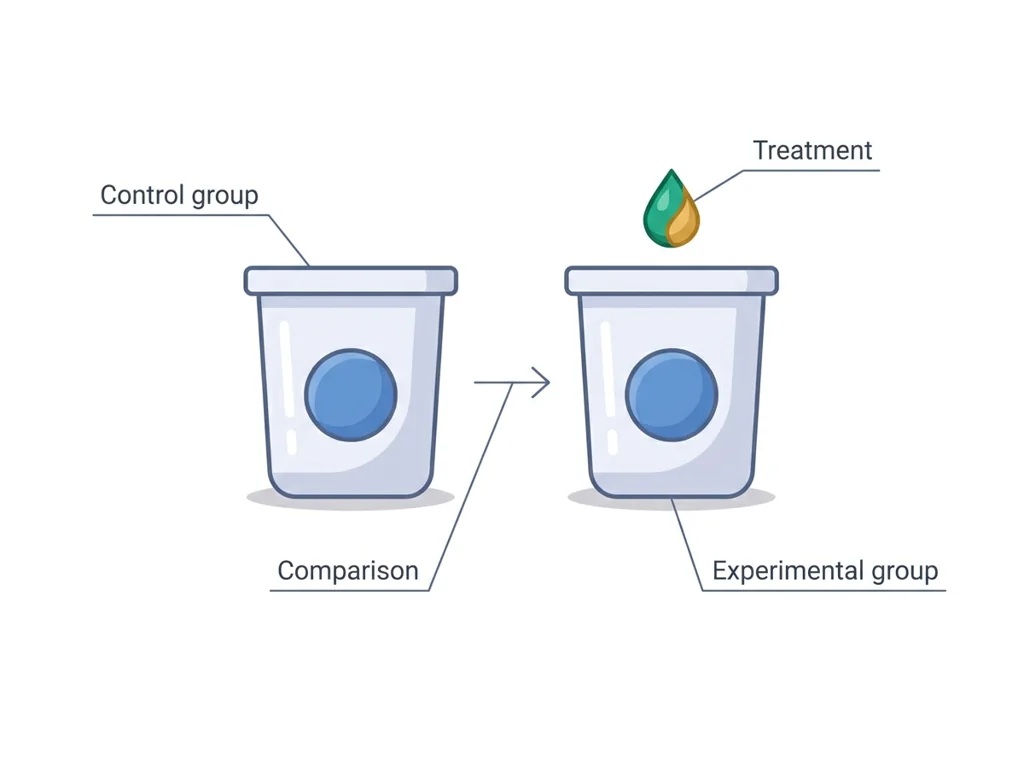
The comparison condition that isolates the effect of the variable being tested by keeping everything else the same.
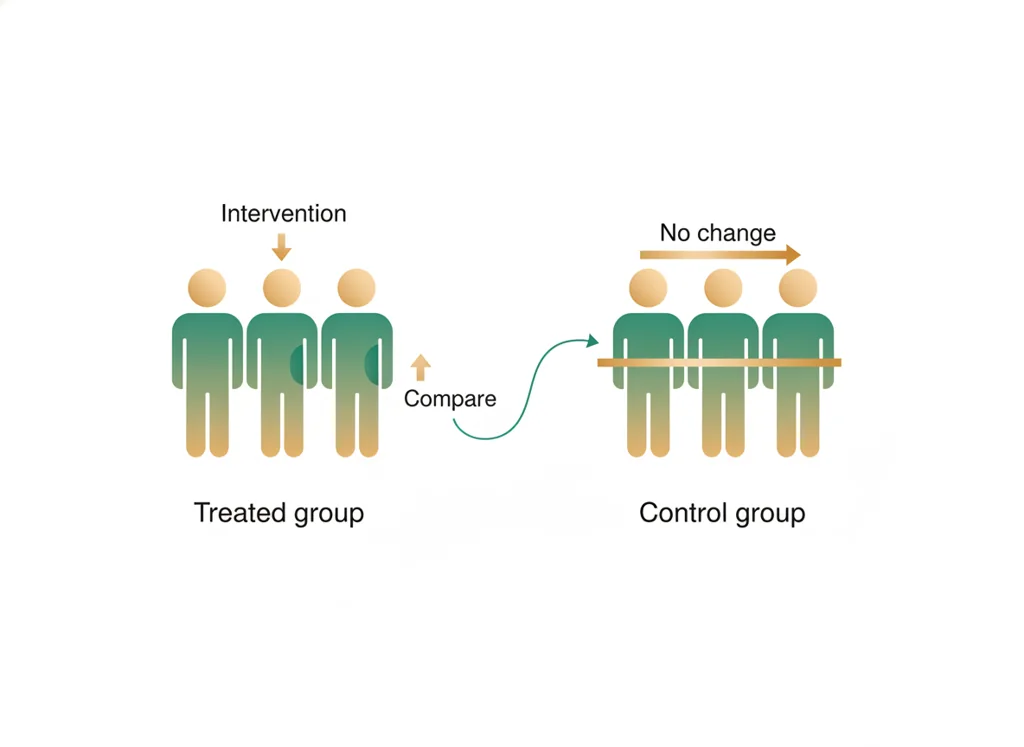
A comparison group set up to be like the treated group except for the one change being tested, so you can tell if that change did anything.
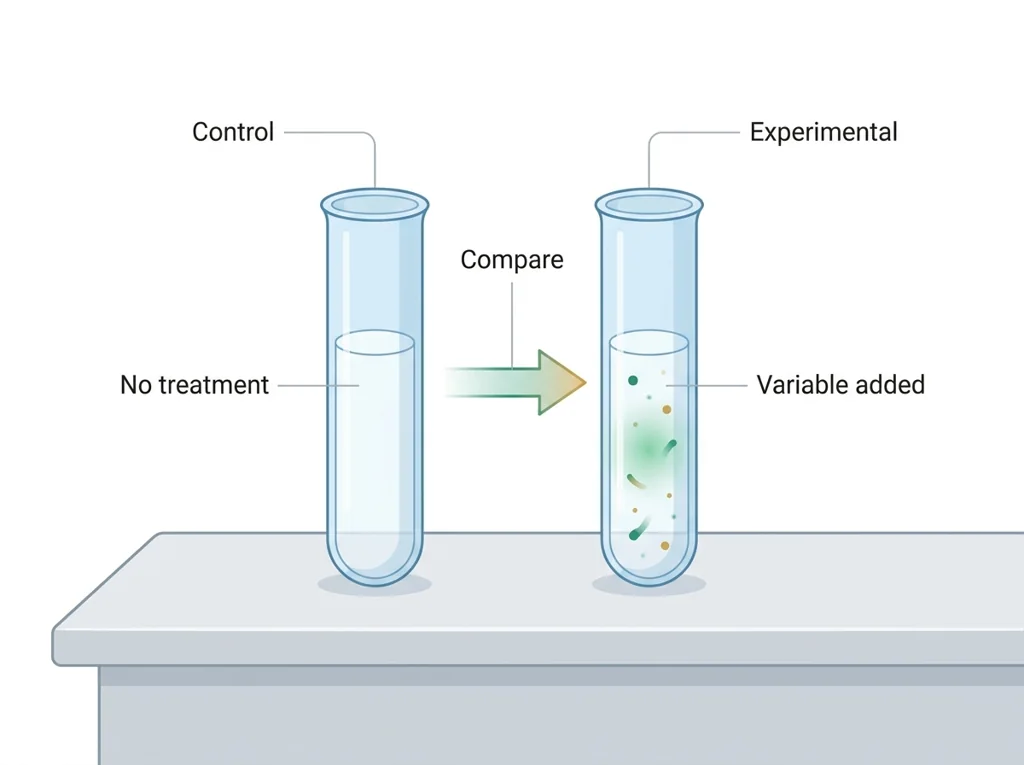
A reference sample treated like the others but without the variable being tested, giving a baseline to compare experimental results against.
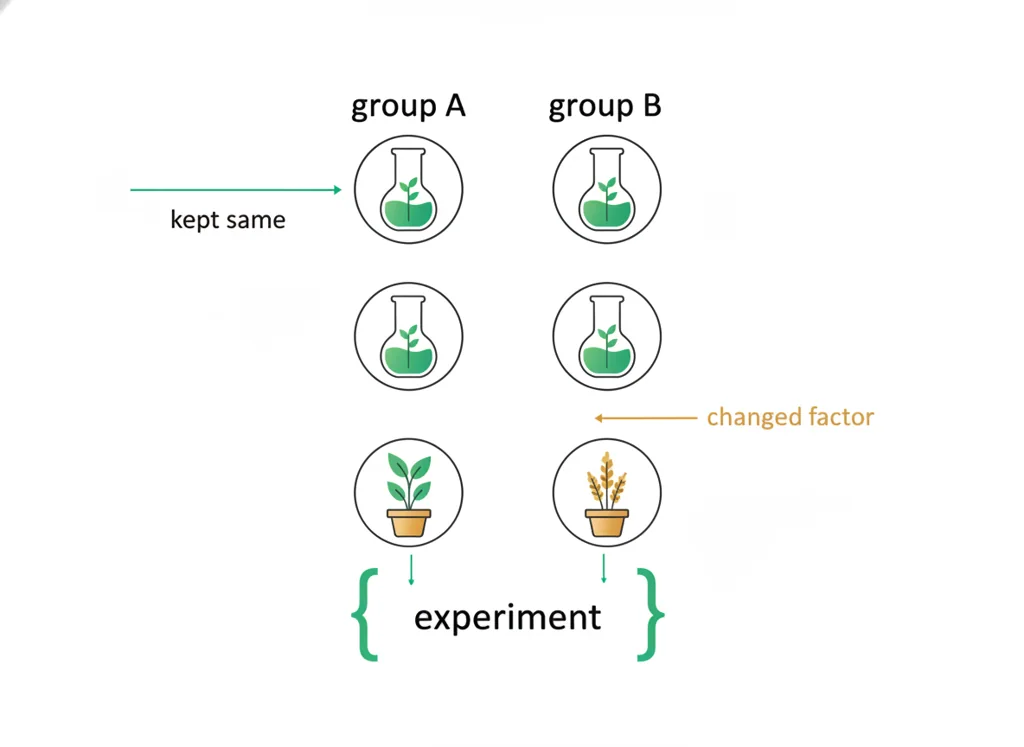
A factor kept the same across every group in an experiment so it cannot secretly affect the results.
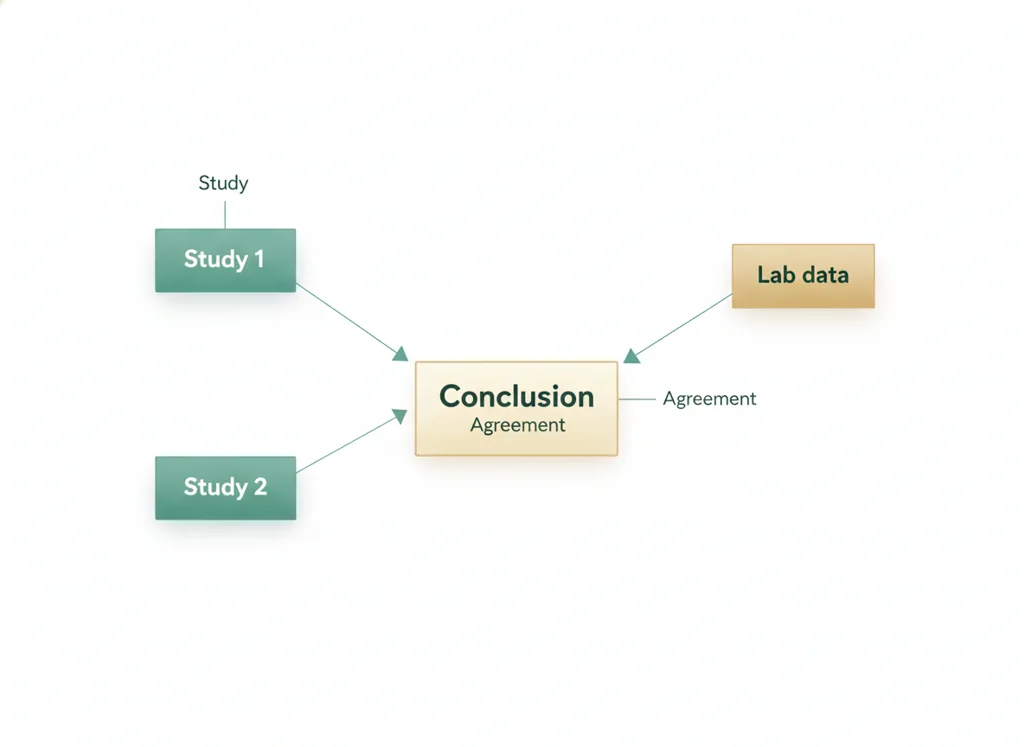
Support for a conclusion that comes from several independent methods or studies pointing to the same answer, which makes it more trustworthy.
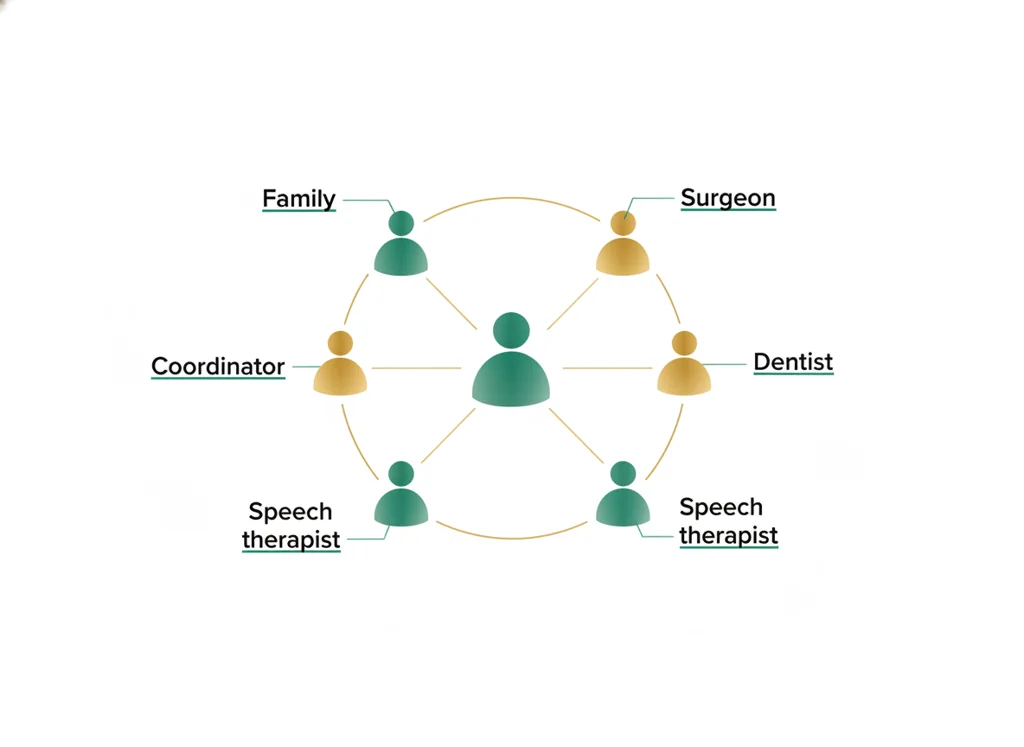
A team member who organizes a patient's many appointments and specialists, keeping multidisciplinary cleft care running smoothly.
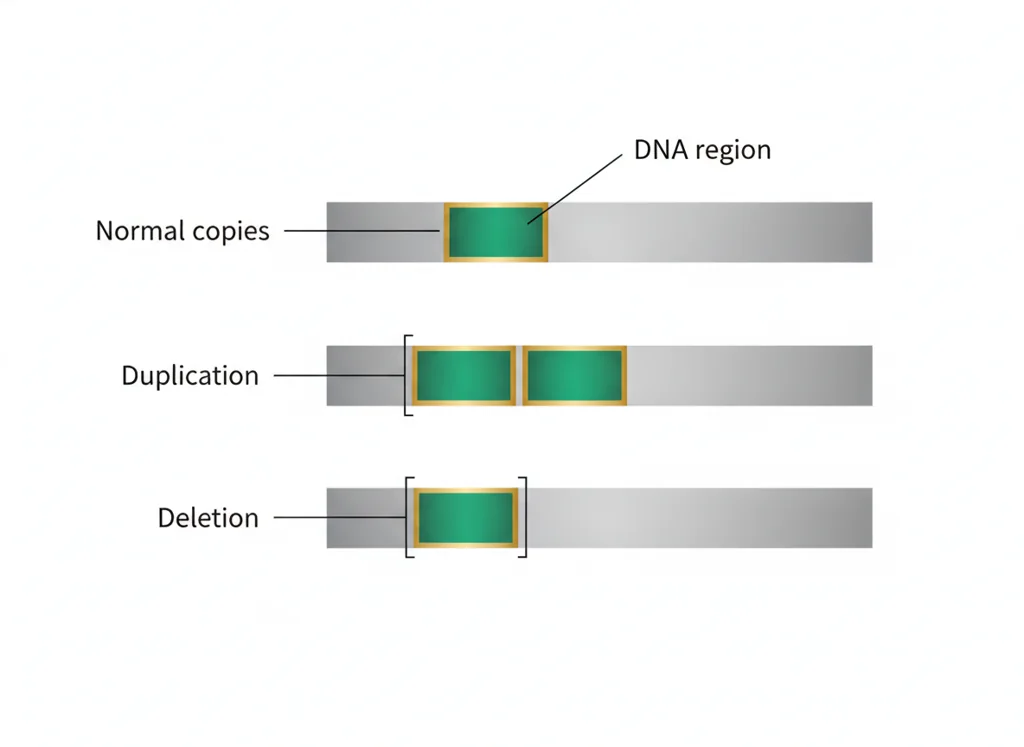
A change in which a large stretch of DNA is duplicated or deleted, so a person carries extra or missing copies of a region.
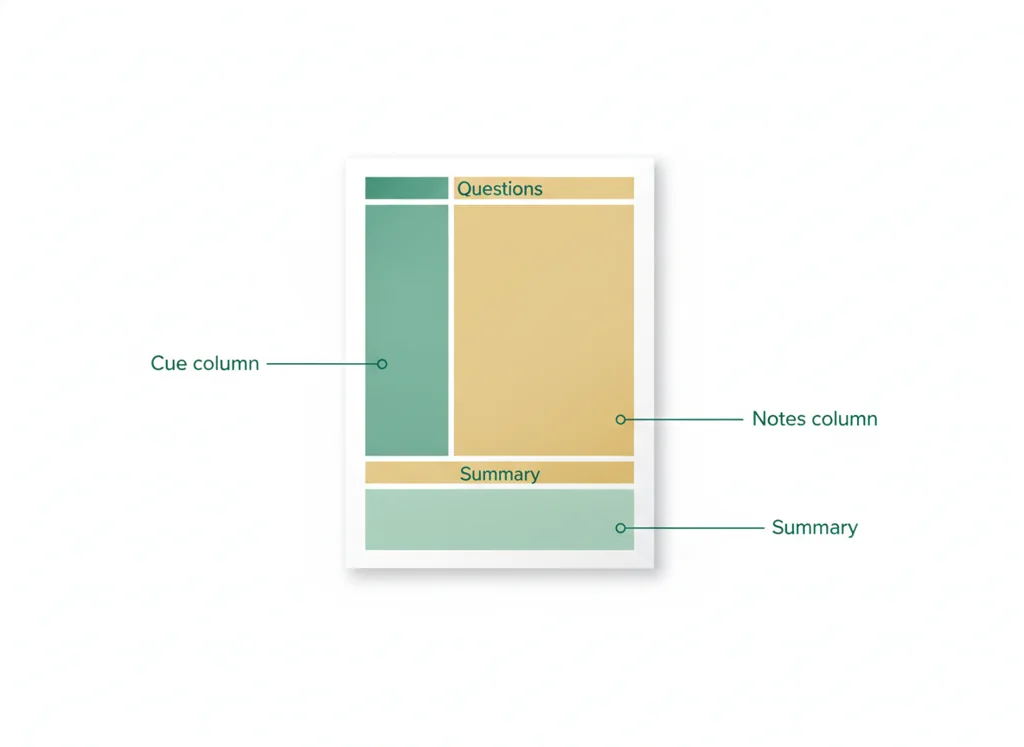
A note-taking layout that splits a page into a wide notes column, a narrow cue column for questions, and a summary strip at the bottom.
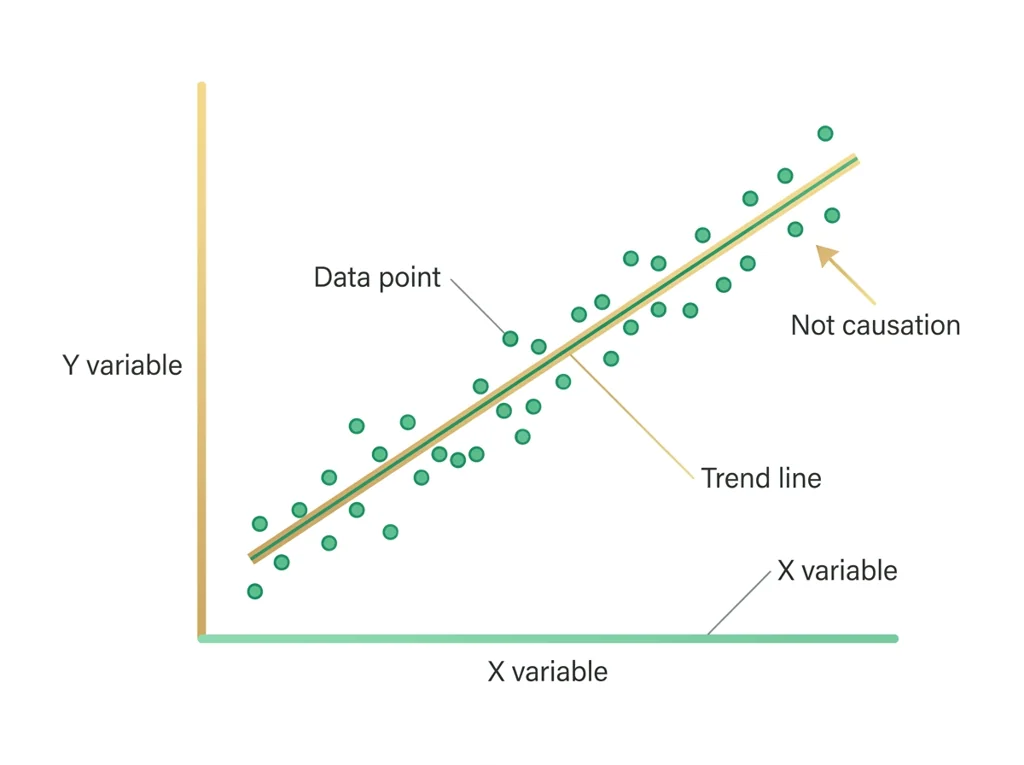
Two things tending to occur together, which does not by itself prove that one causes the other.

The band of colony counts a plate has to fall inside for the number to be trusted, usually about 30 to 300. Fewer is too random, more run together.
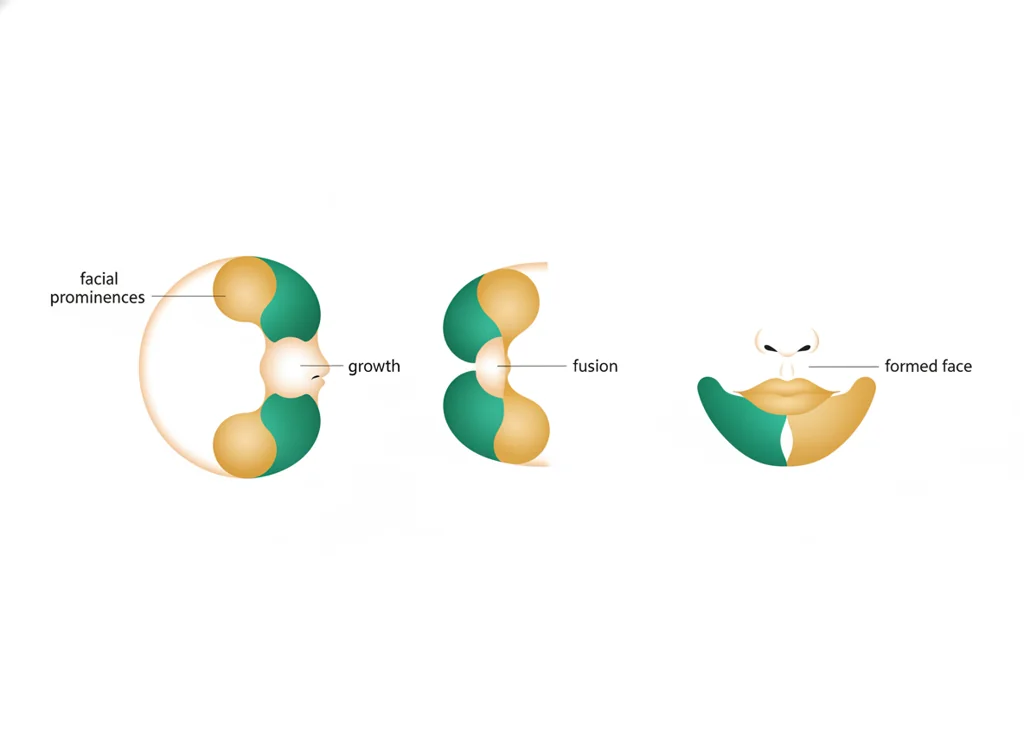
The set of steps in the embryo that shape the skull and face, including how facial swellings grow and fuse into lips, palate, and jaw.
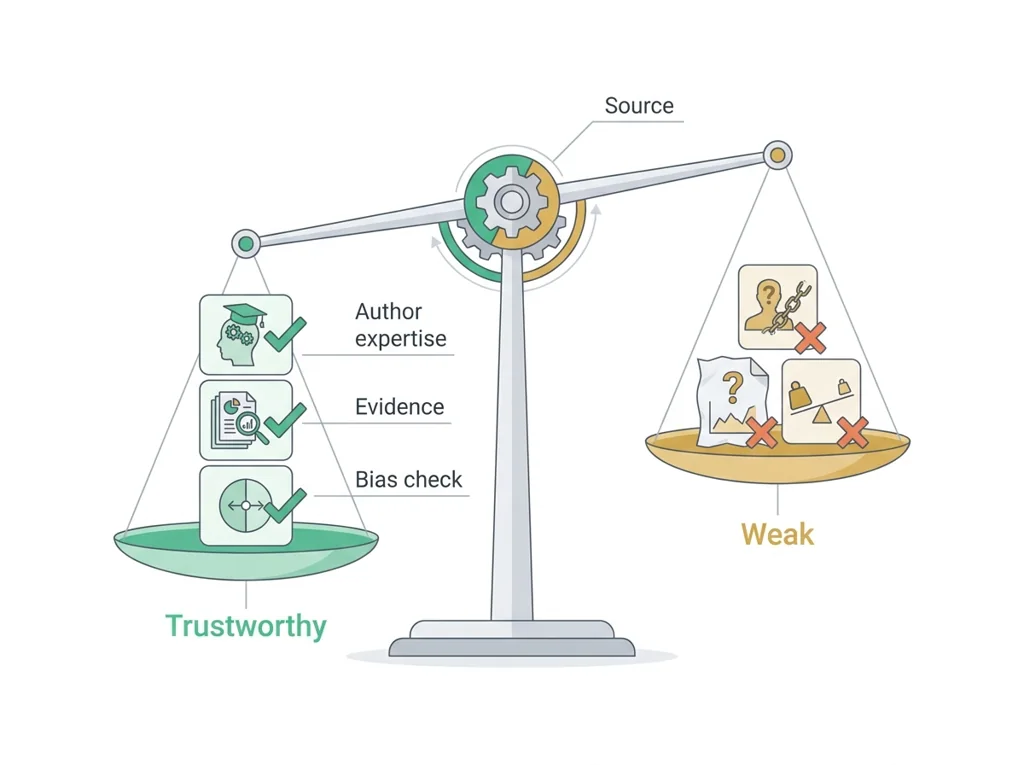
The degree to which a source can be trusted, judged by the author's expertise, the evidence given, and whether claims are accurate and unbiased.
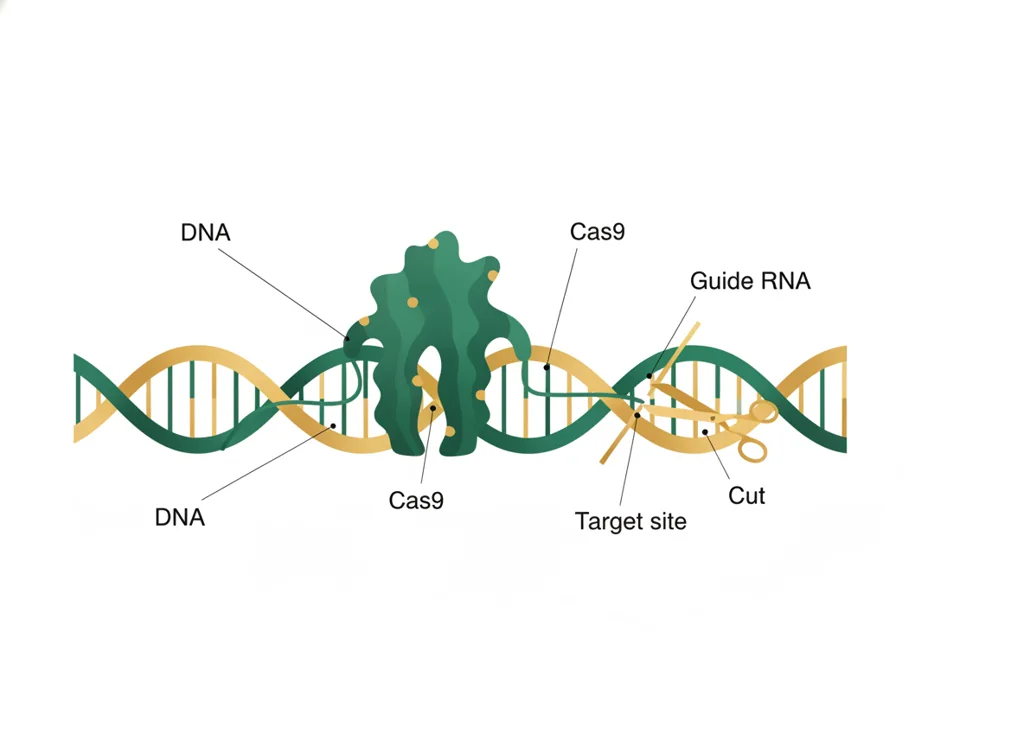
A gene-editing tool that uses a guide RNA to bring the Cas9 protein to a chosen DNA site and cut it so the sequence can be changed.
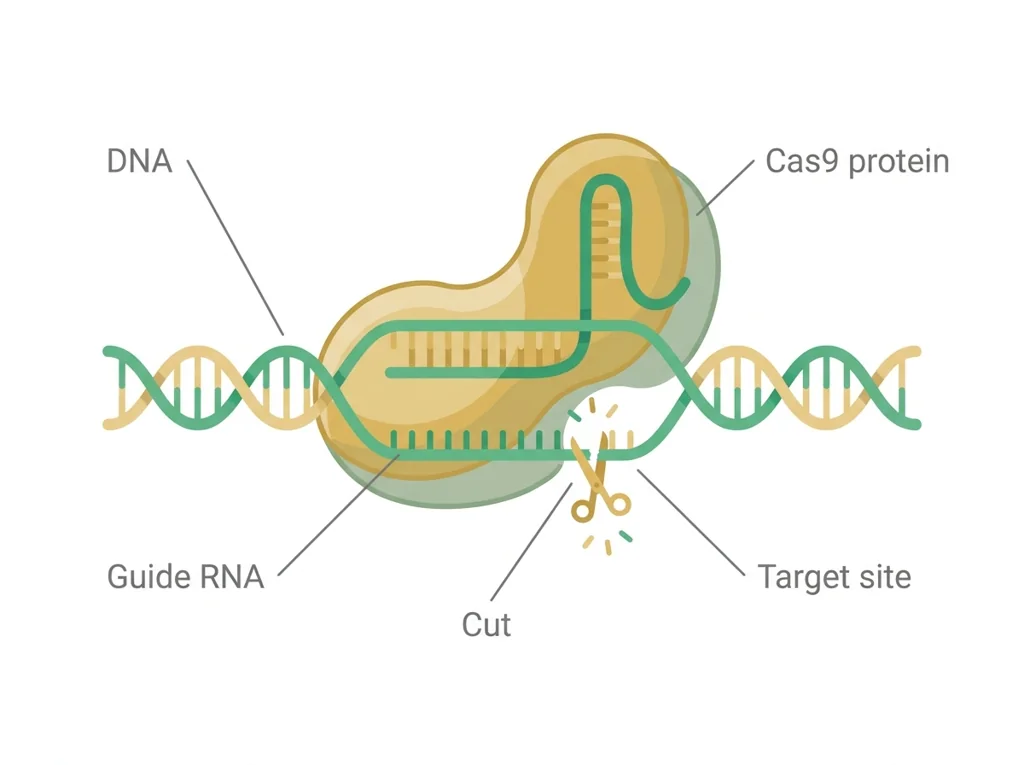
A gene-editing tool that uses a guide RNA to steer the Cas9 protein to a chosen DNA site and cut it, so a sequence can be changed.
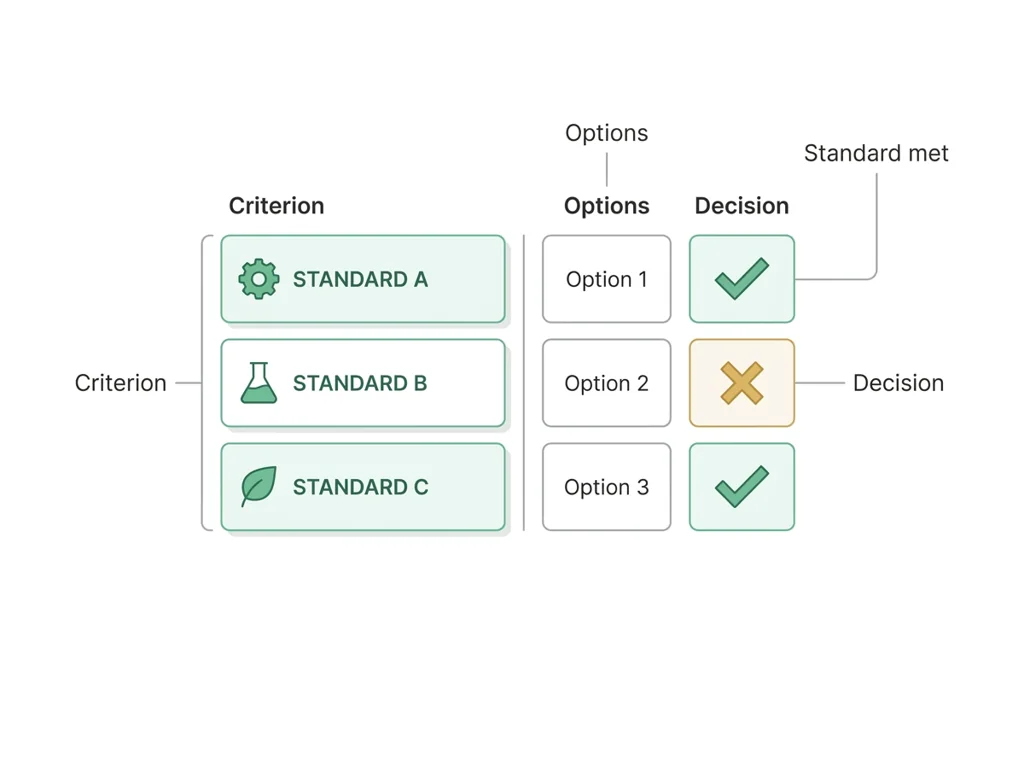
A clear, agreed-upon standard or rule used to judge, compare, or decide between options.
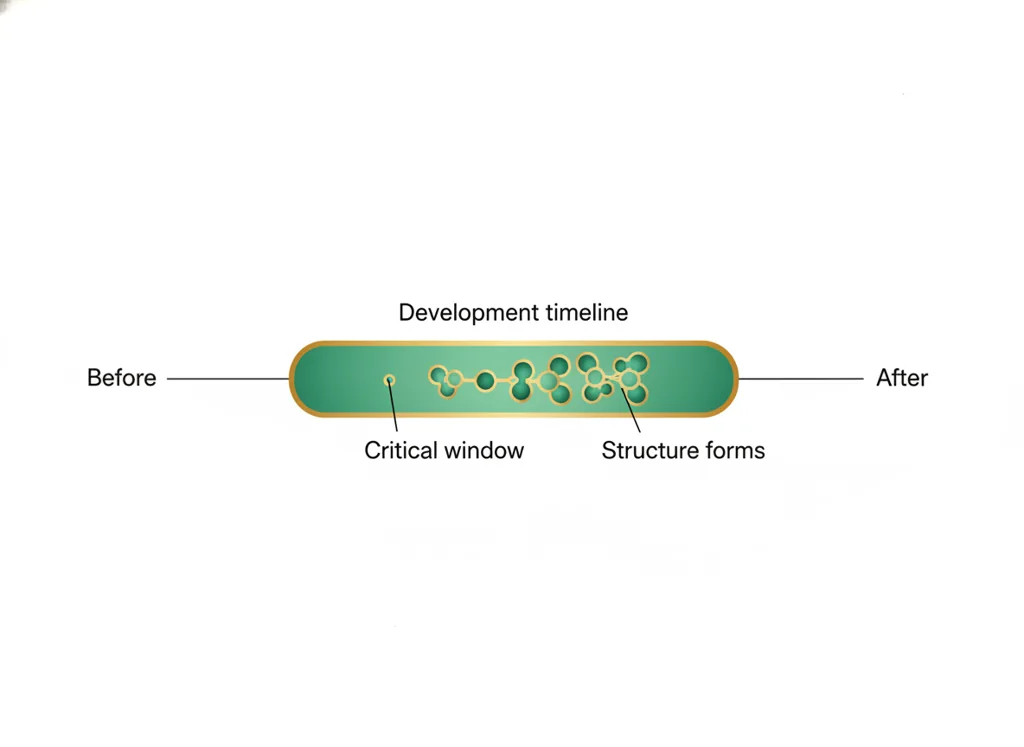
A short, specific stretch of development when a process must happen correctly, because the chance to form a structure does not return later.
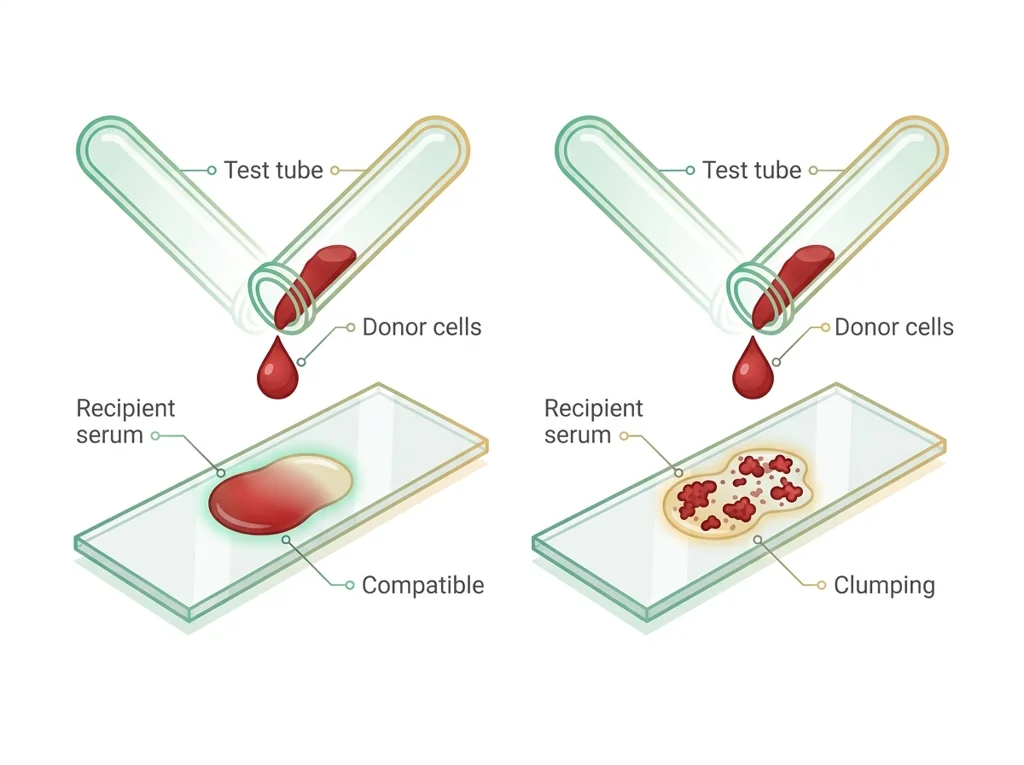
A lab test that checks whether a recipient's immune system will attack a donated organ by mixing recipient serum with donor cells.
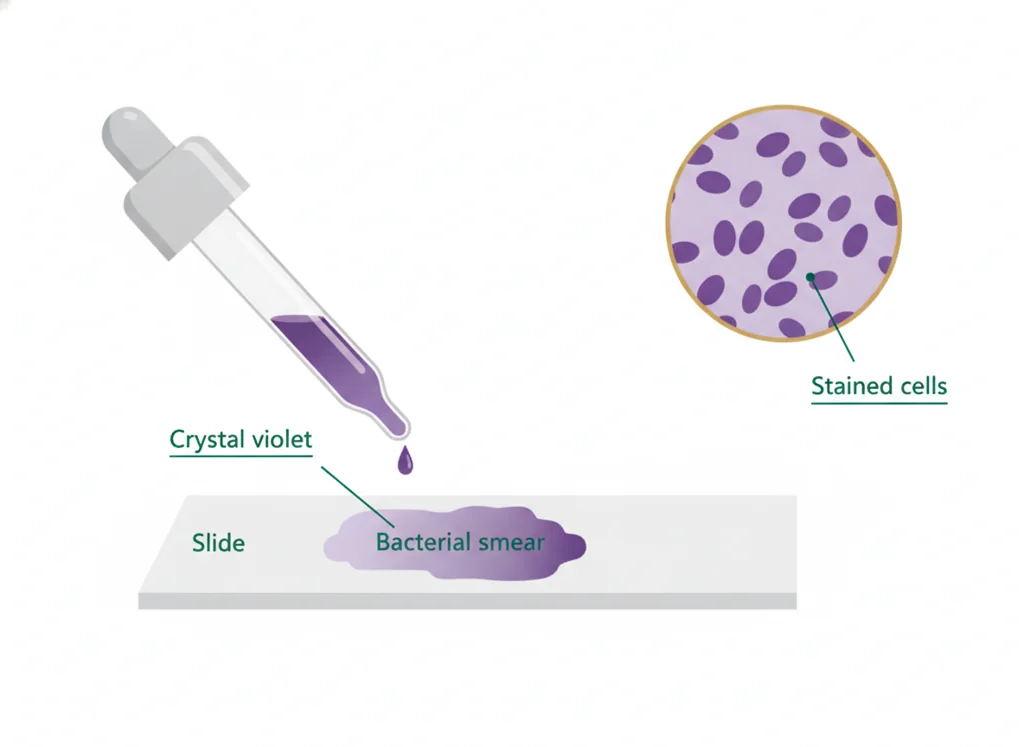
A purple dye used in the lab to stain cells and structures, including the first step of the Gram stain for bacteria.
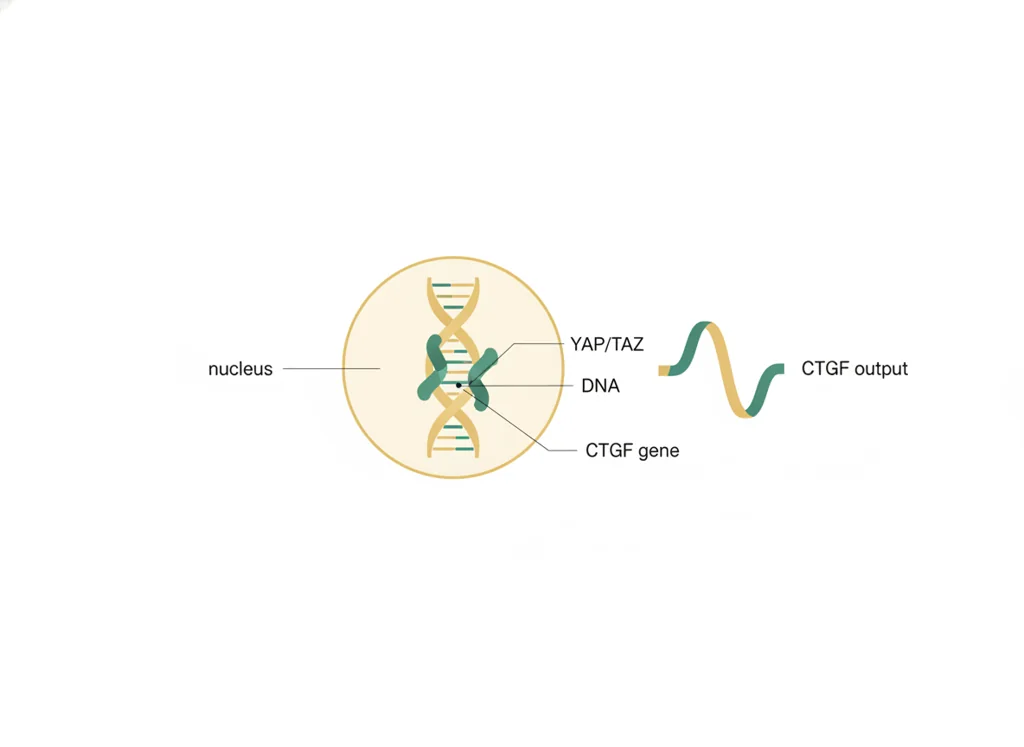
A gene that active YAP and TAZ switch on in the nucleus, so its levels are used as a readout that the YAP/TAZ mechanical switch is on.
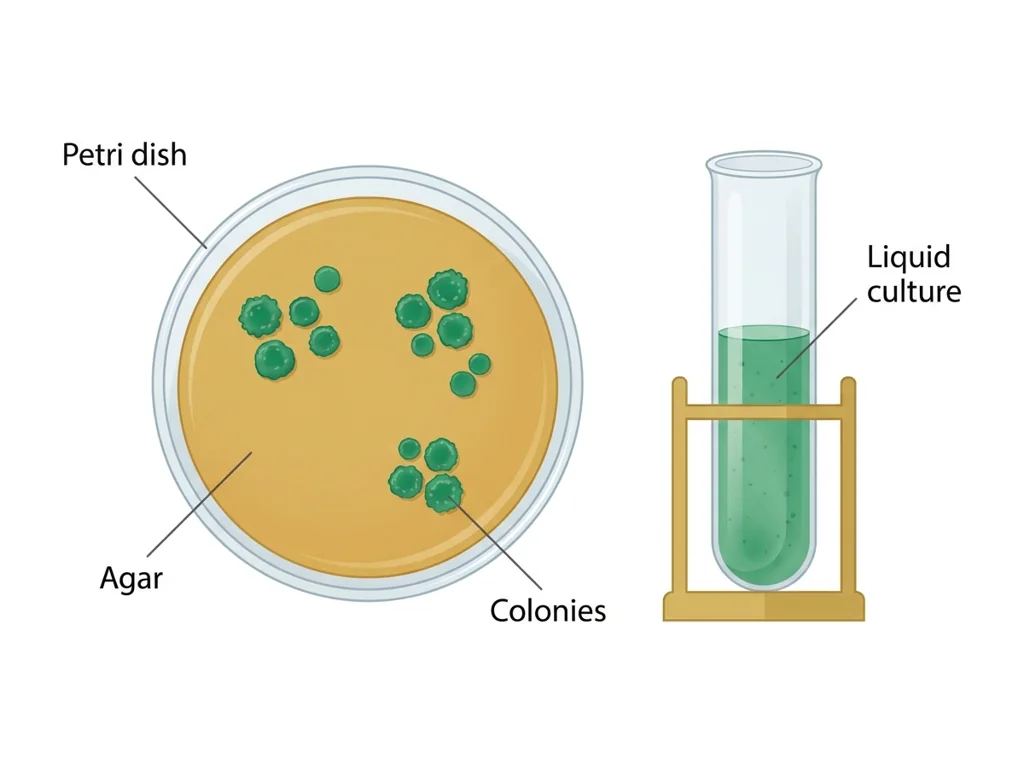
A population of microbes or cells grown on purpose in a nutrient medium so they can be studied, identified, or tested.
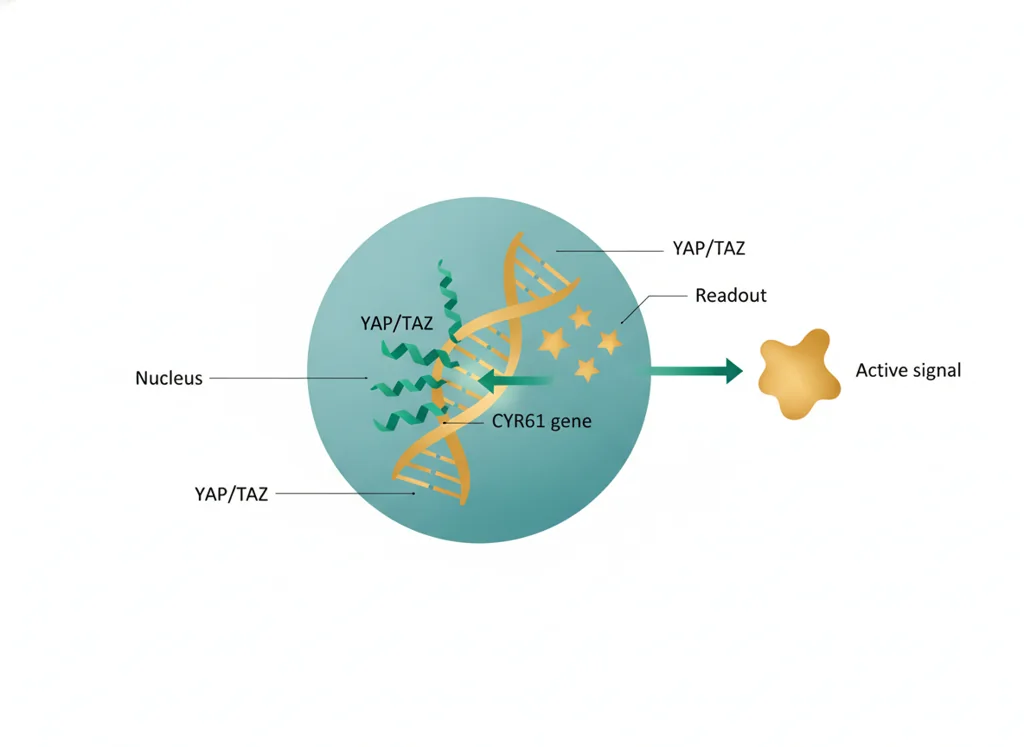
A gene that YAP and TAZ switch on when they are active, so its product serves as a readout that the mechanical signal is turned on.
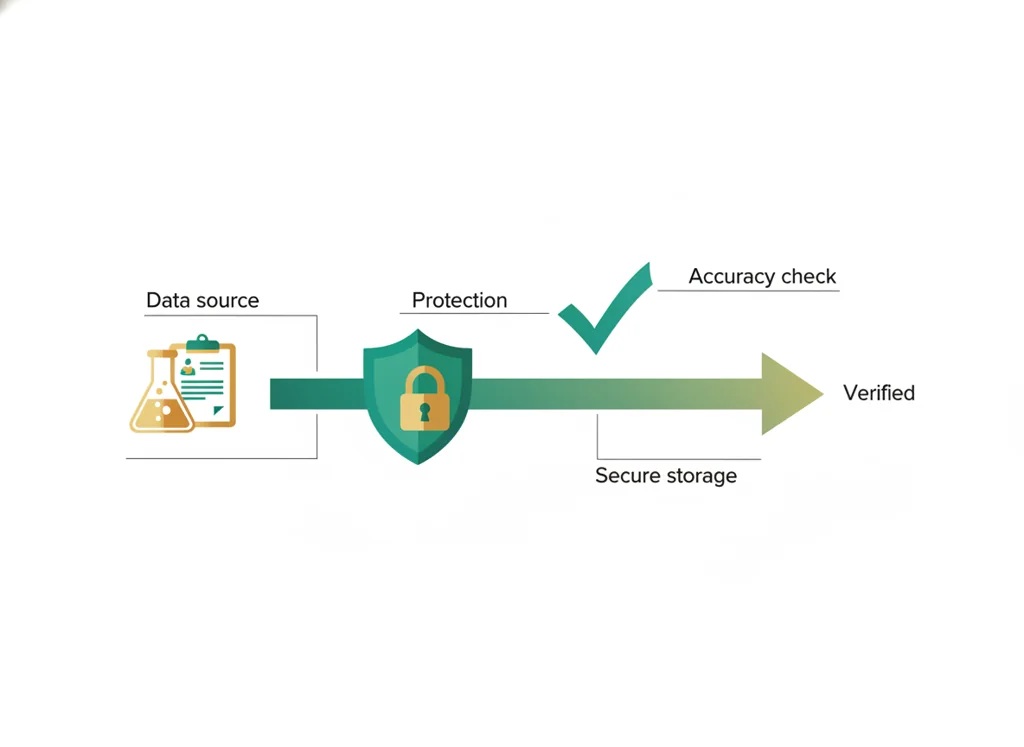
Keeping data accurate, complete, and unchanged from collection through storage, so results can be trusted and reproduced.
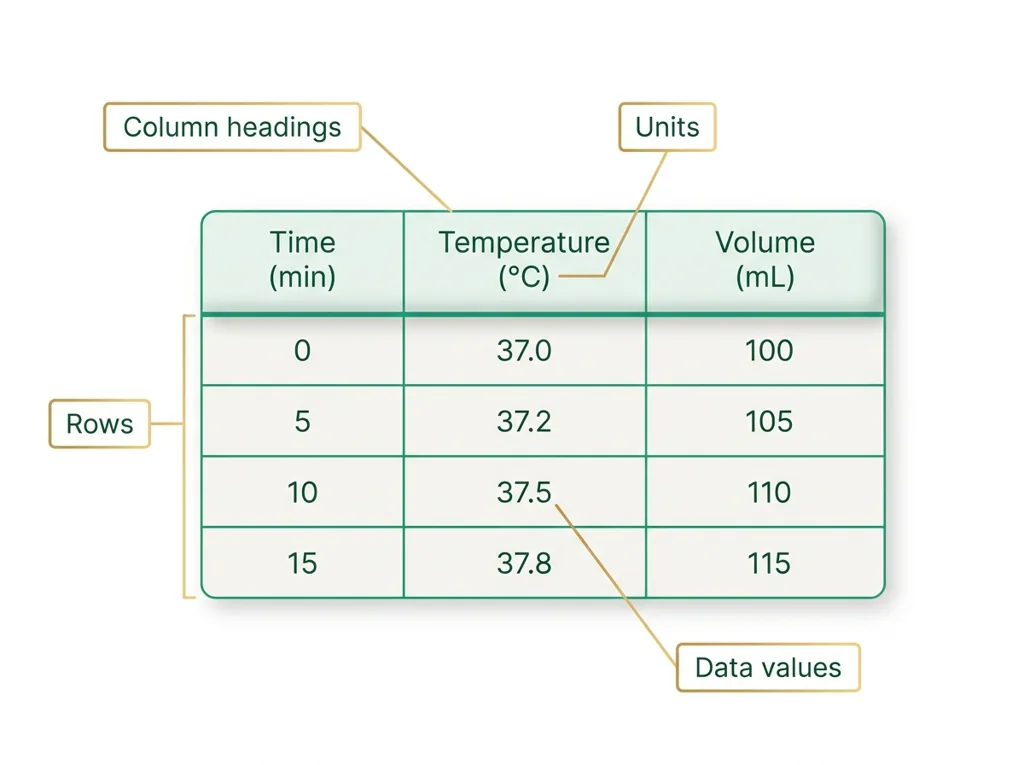
An organized grid of rows and columns used to record measurements and observations clearly so they can be compared and analyzed.
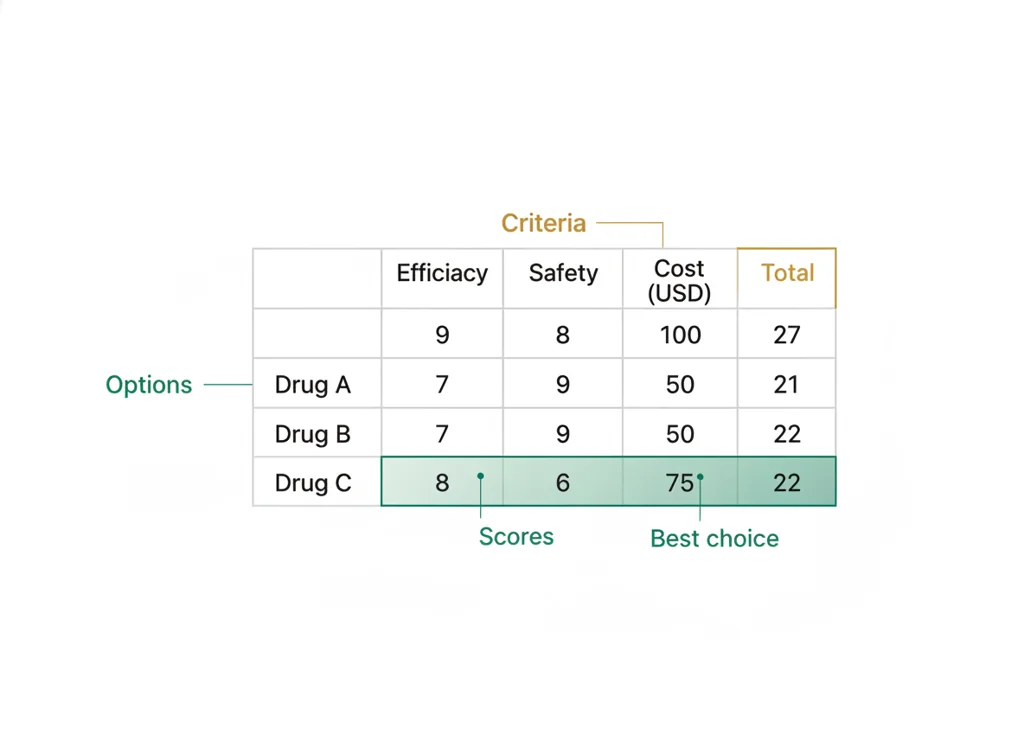
A scoring table that rates each option against the same set of criteria so the best choice can be picked with evidence rather than guesswork.
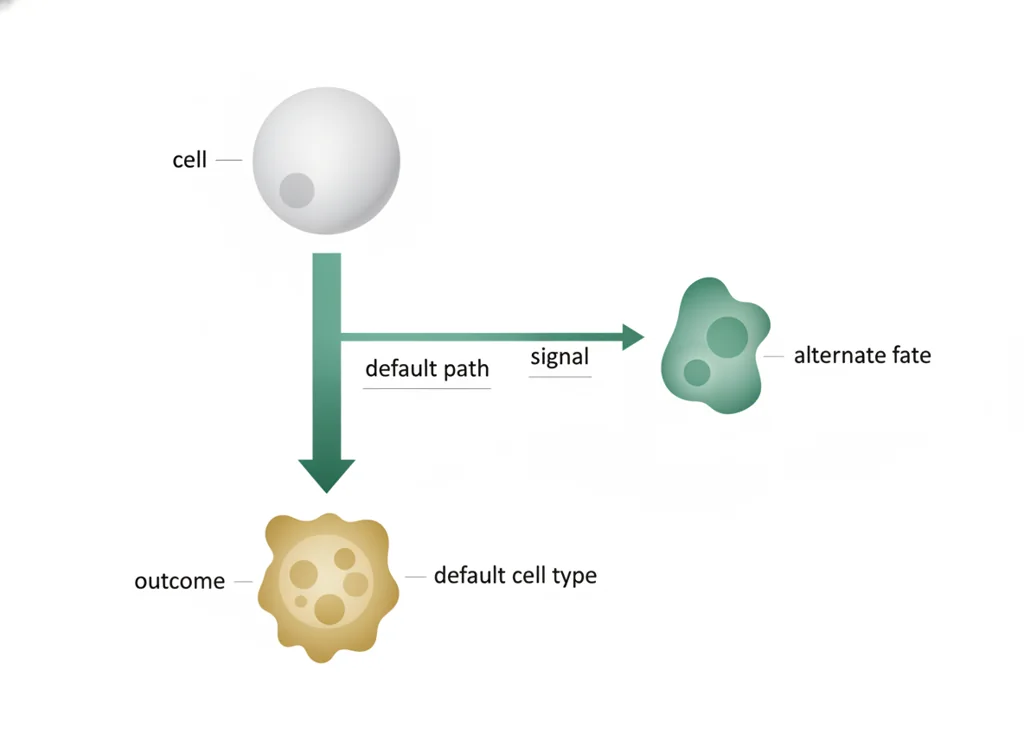
The cell type or outcome a cell becomes automatically unless a specific signal redirects it onto a different path.
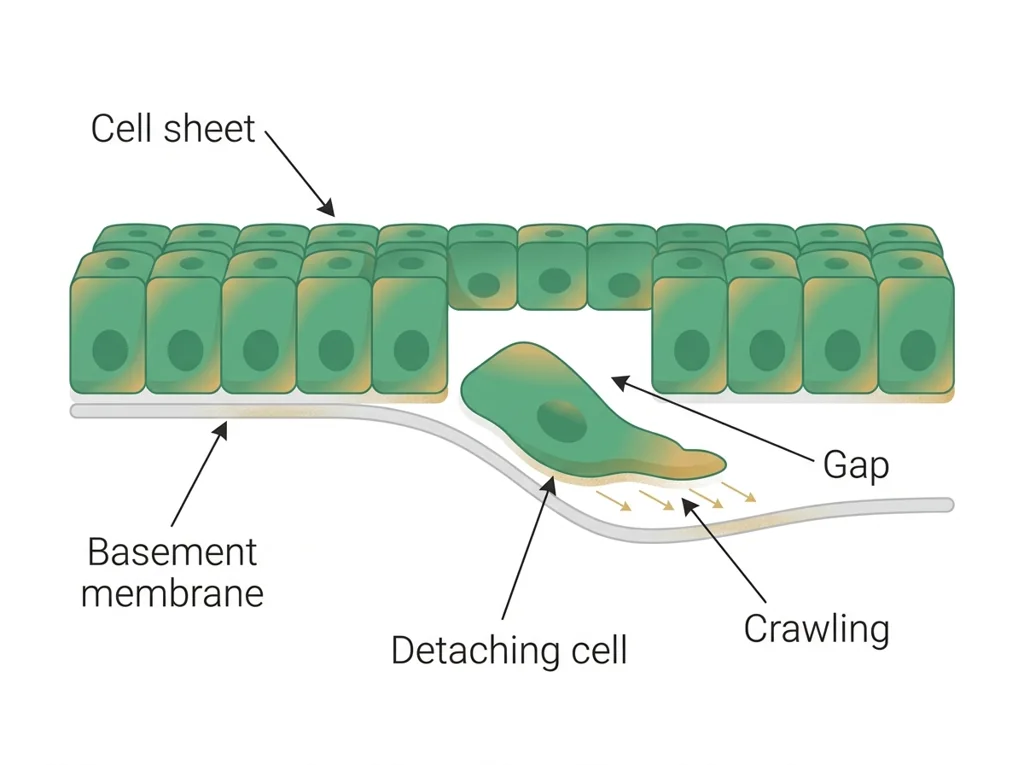
When a cell loosens from a sheet of connected cells and leaves to crawl on its own.
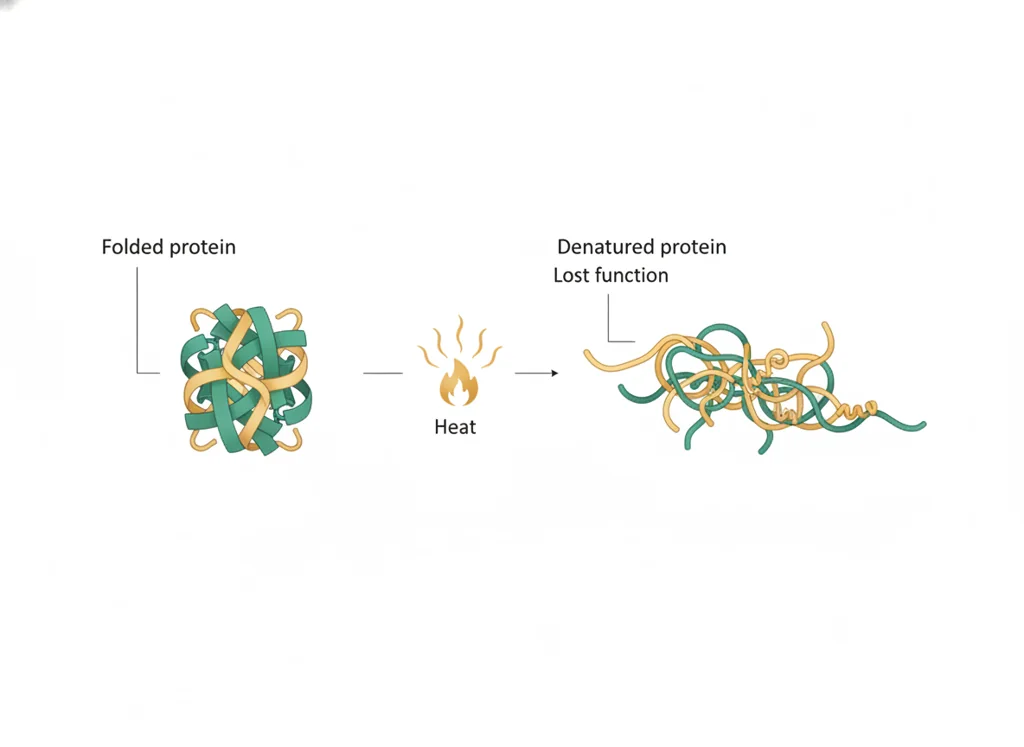
The loss of a protein's or nucleic acid's normal folded shape, caused by heat, pH, or chemicals, which usually destroys its function.
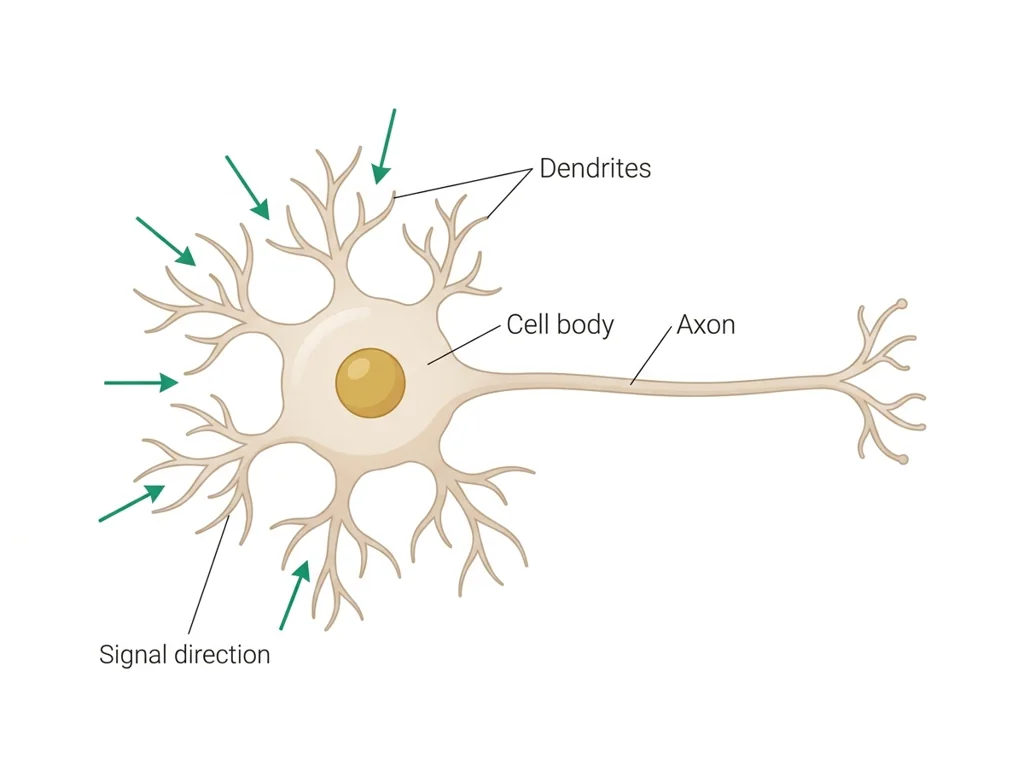
A branching extension of a neuron that receives incoming signals from other nerve cells and carries them toward the cell body.
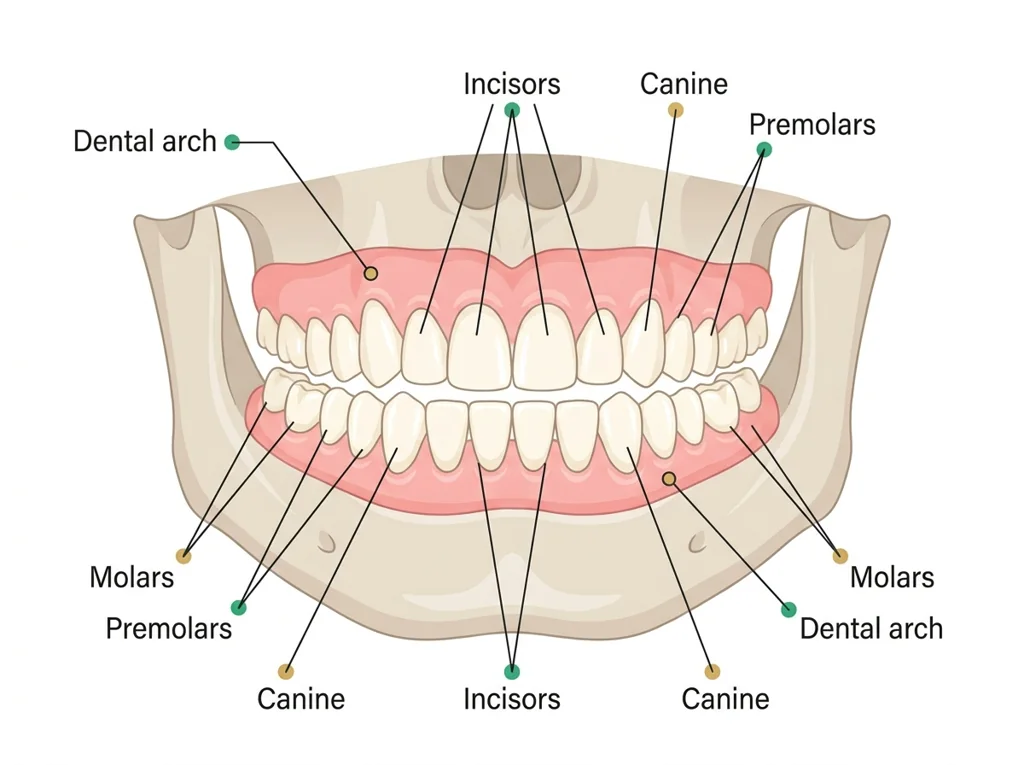
The arrangement and condition of all the teeth in the mouth, including their number, type, and position in the jaws.
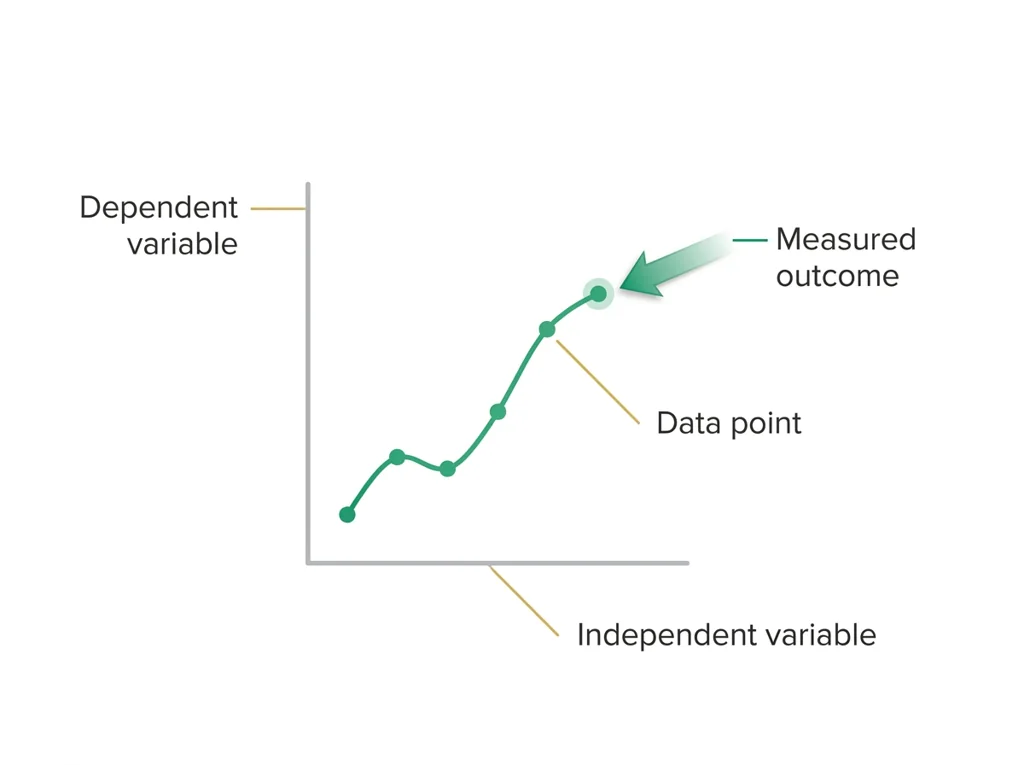
The outcome a researcher measures in an experiment, which may change in response to the variable being tested.
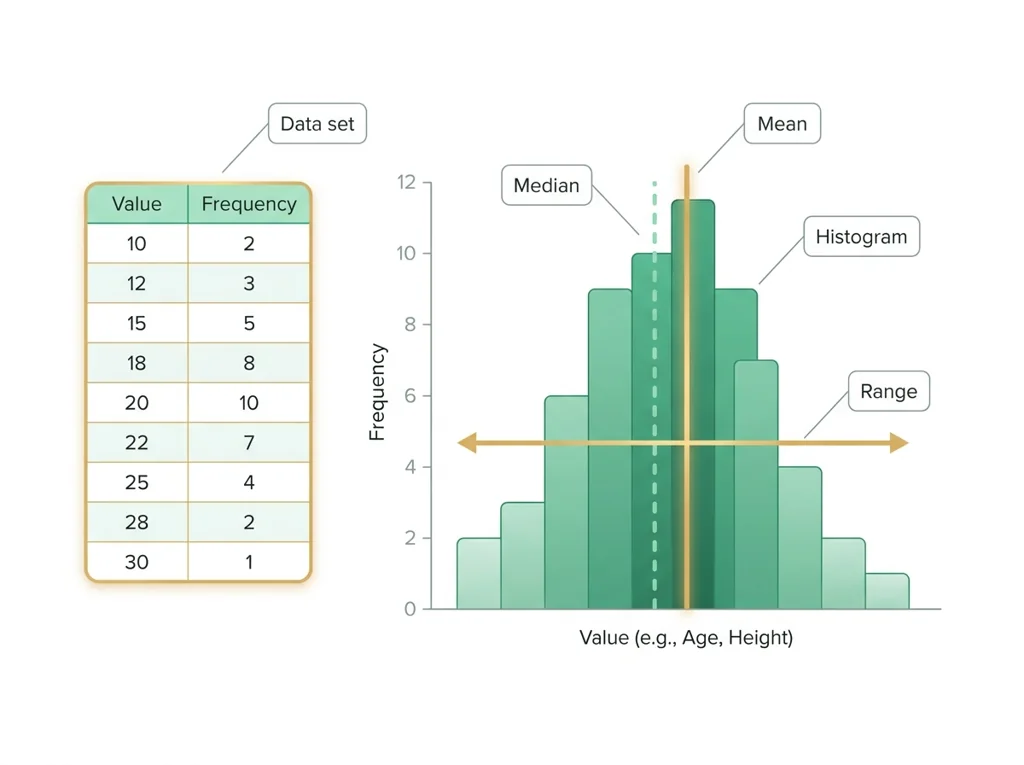
Numbers and graphs, such as the mean, median, and range, that summarize and describe a set of data without drawing wider conclusions.
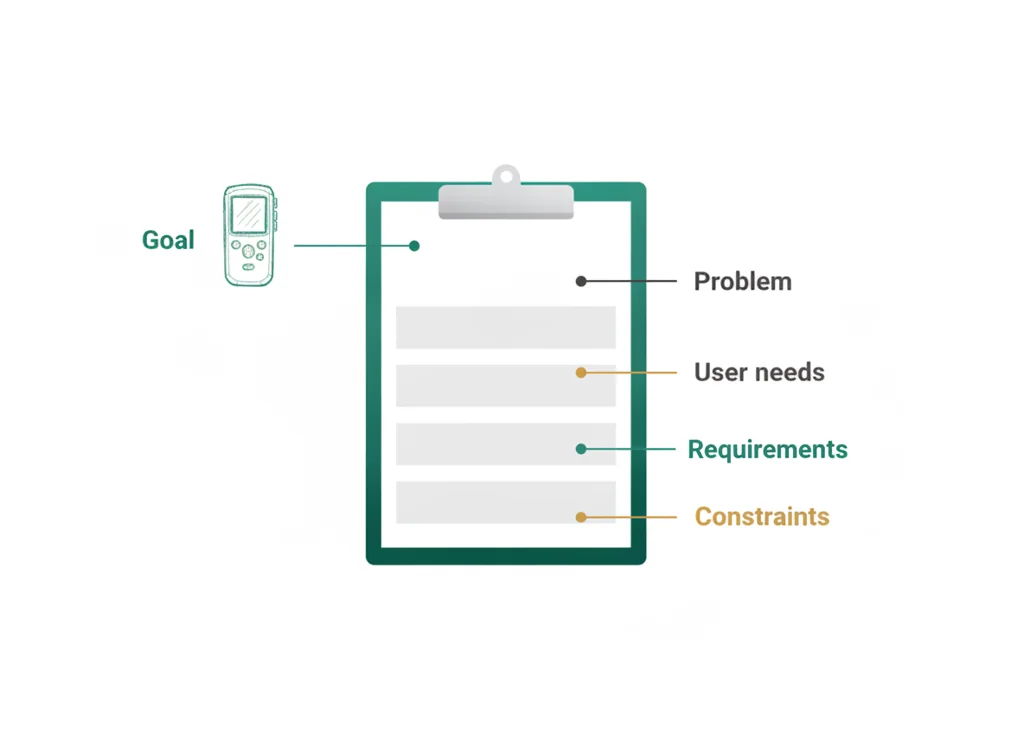
A short written plan that states the problem, the user's needs, the requirements, and the limits a design must meet before building begins.
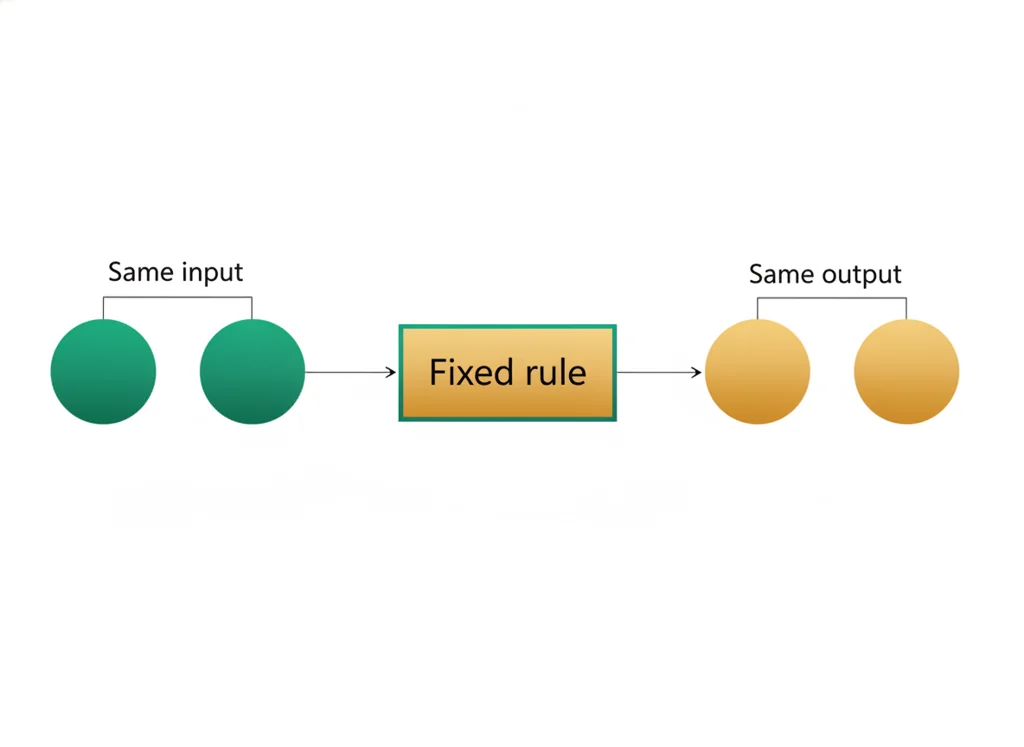
Following a fixed rule so that the same inputs always produce exactly the same result, with no randomness.
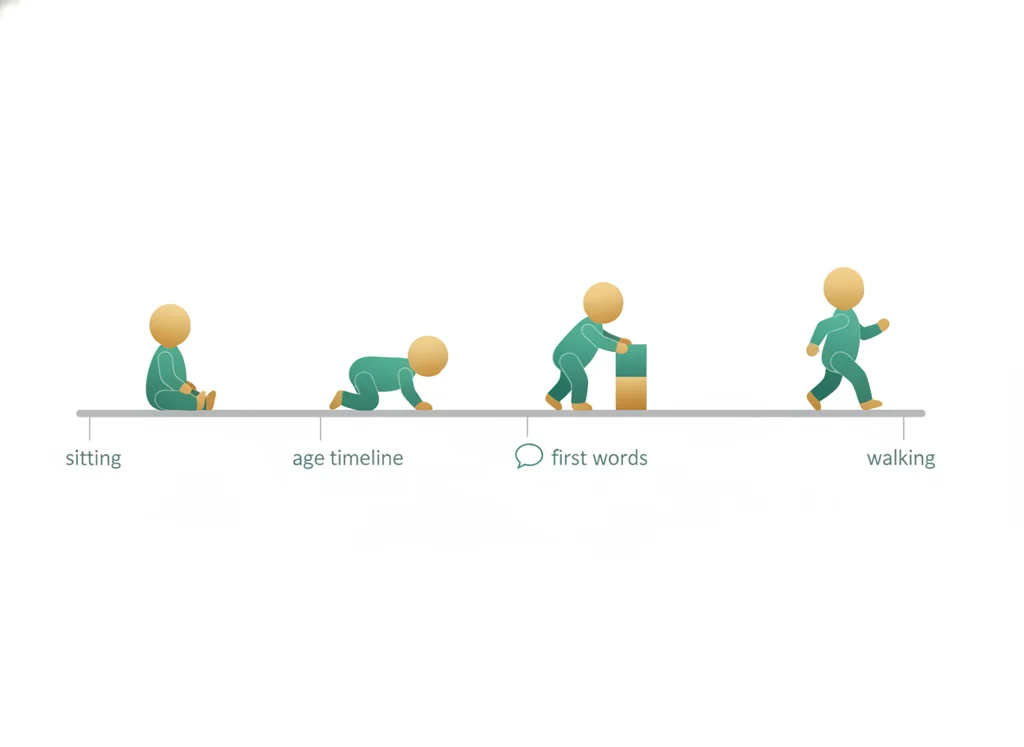
A skill most children reach by a certain age, such as sitting, speaking words, or walking, used to track healthy growth.
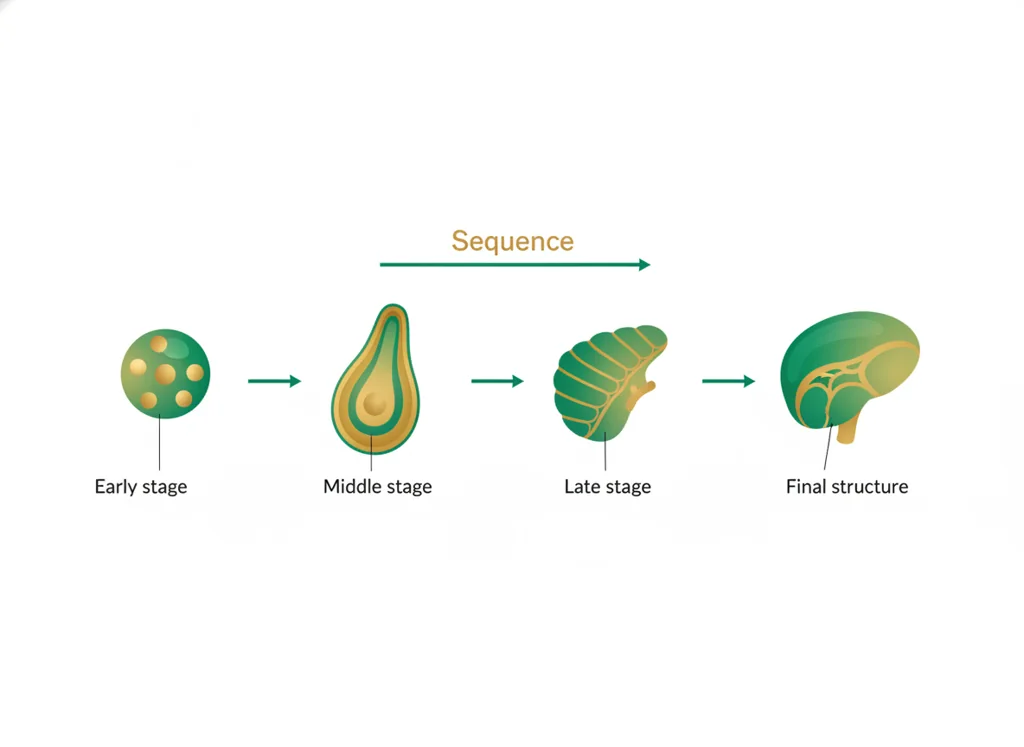
The step-by-step account of how a structure forms over time, linking each early event to the final feature it produces.
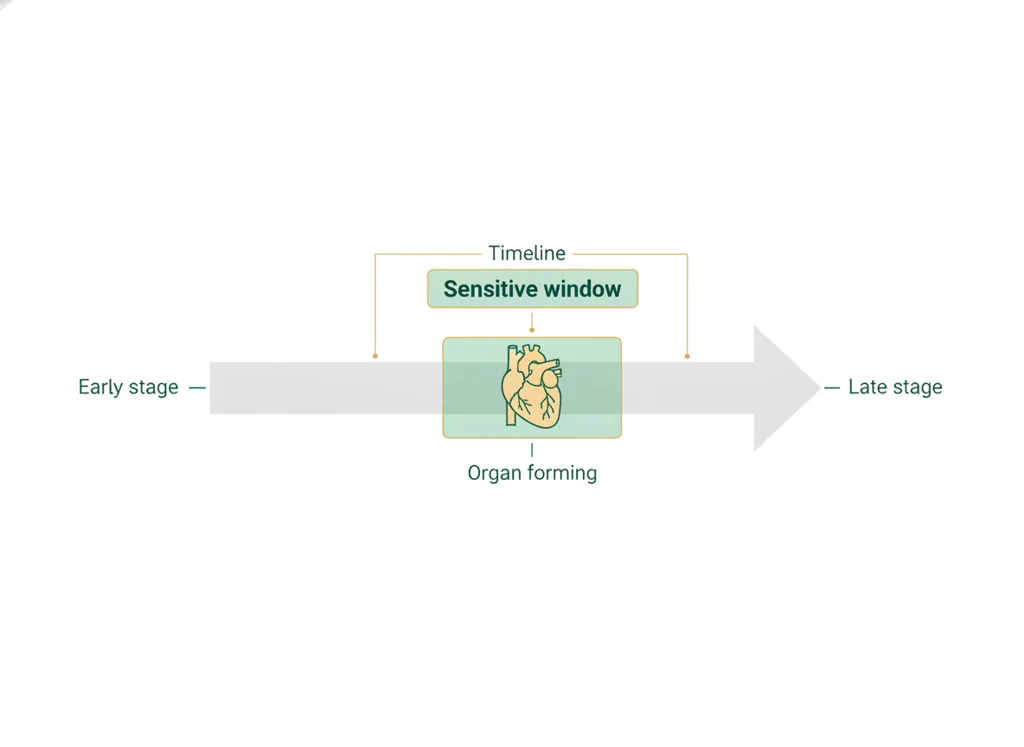
A limited period during growth when a tissue or organ is forming and is most sensitive to genes, signals, or disruptions.
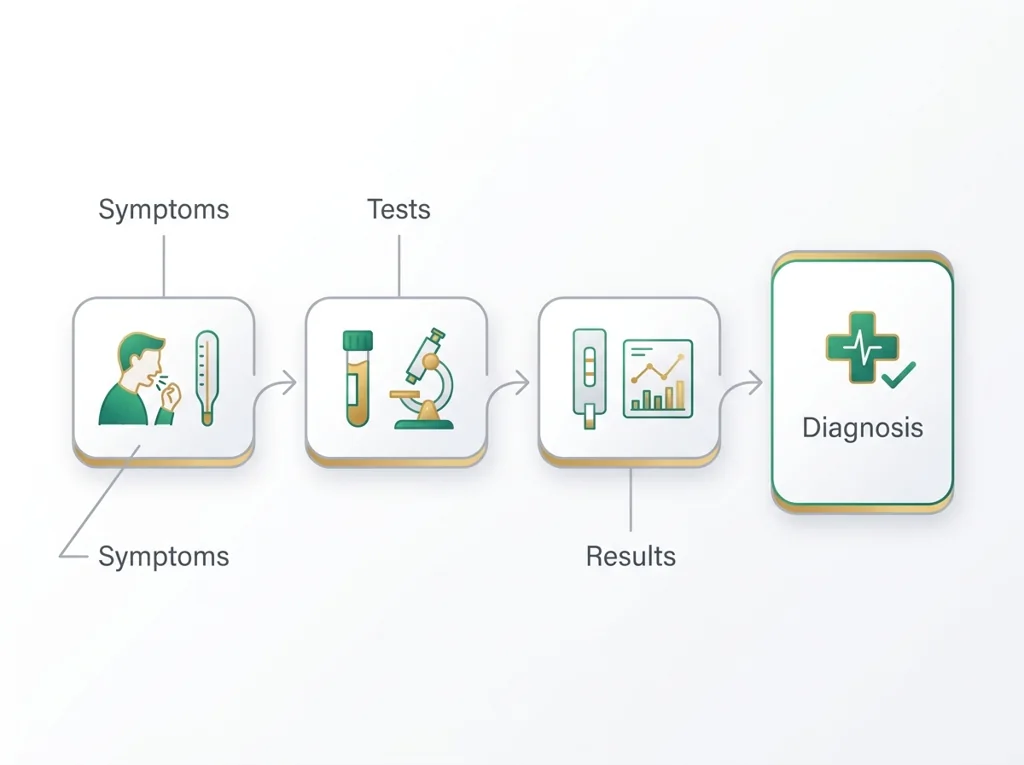
The process of identifying a disease or condition by examining symptoms, history, and test results to explain what is wrong.
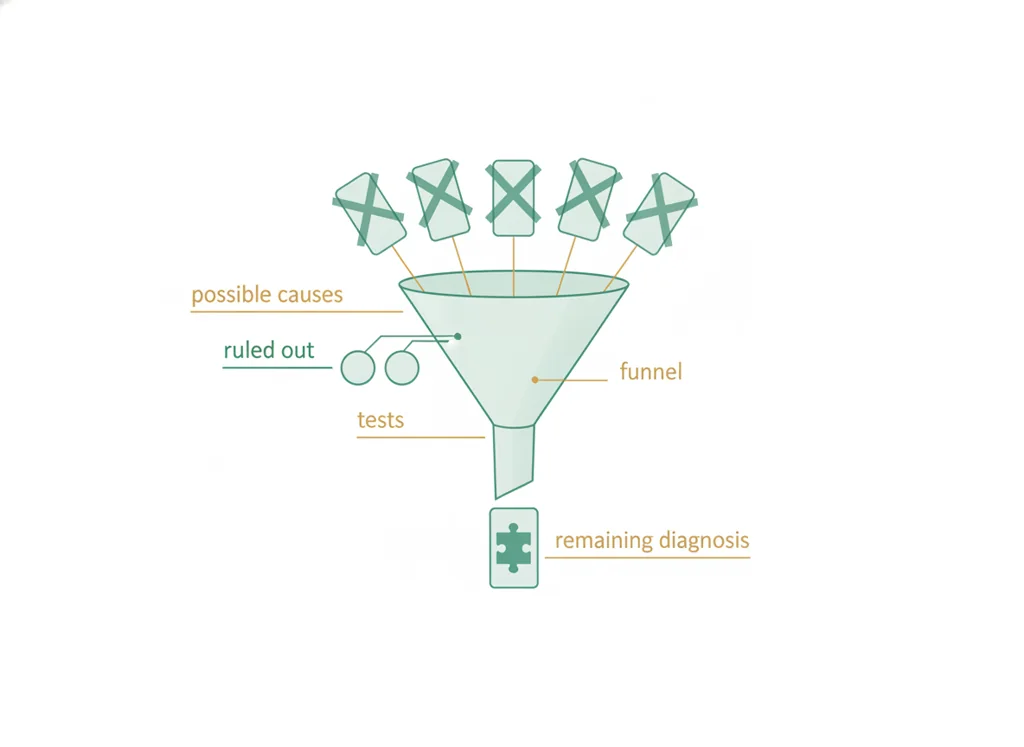
A diagnosis reached only after ruling out every other likely cause, since no single test can confirm the condition directly.
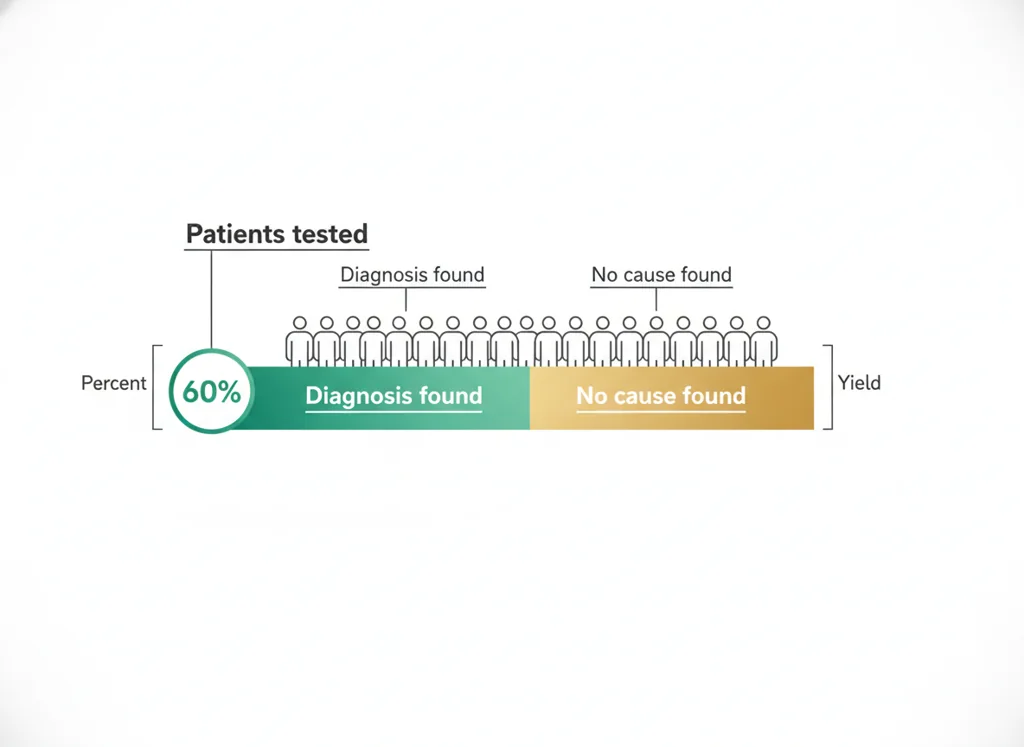
The fraction of patients in whom a given test actually finds the genetic or medical cause of their condition.
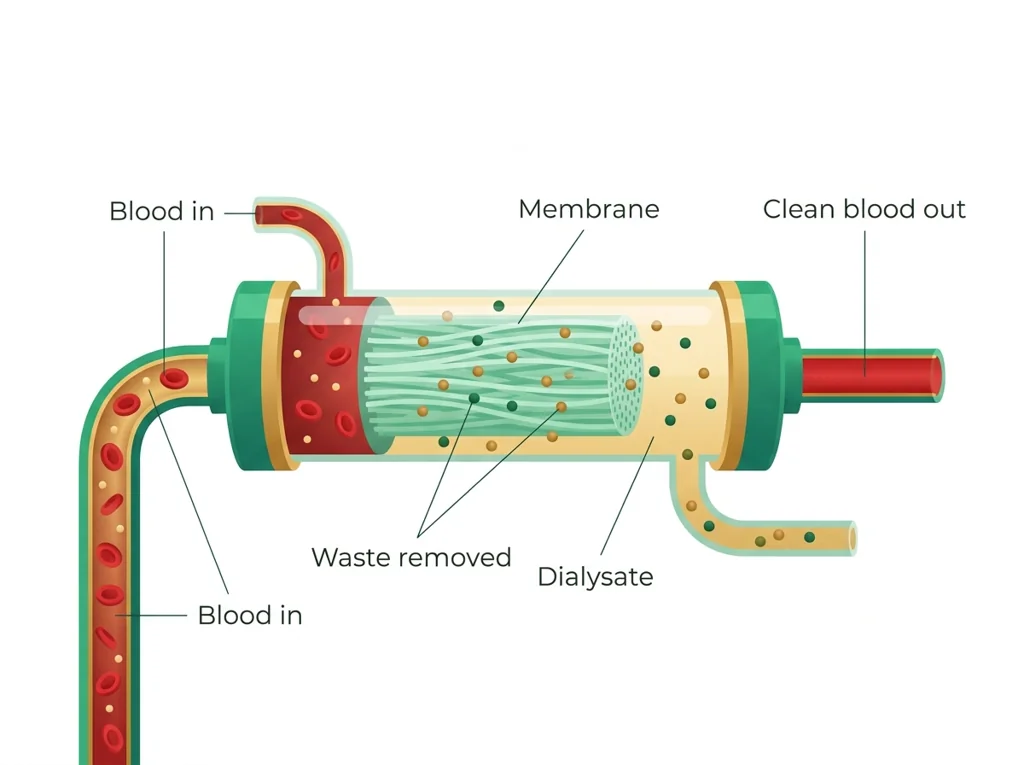
A process that filters waste and excess fluid from blood across a semipermeable membrane, used clinically when the kidneys cannot do this job.
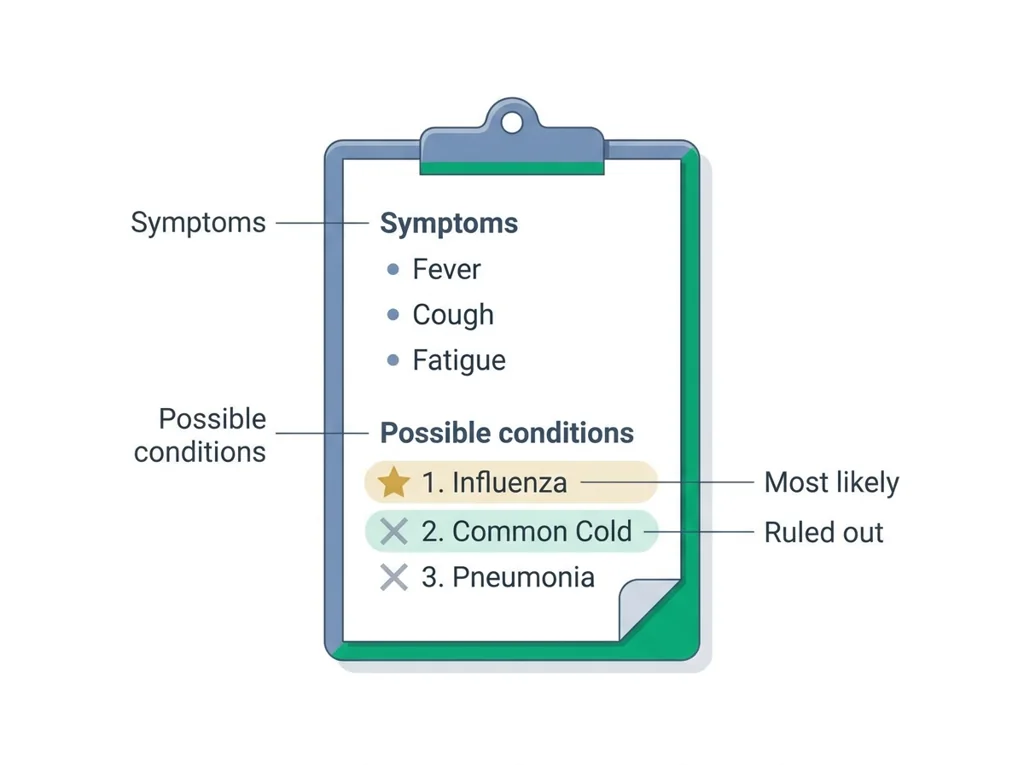
The ranked list of conditions that could explain a patient's story. The whole game is narrowing it honestly.

A medium that lets several organisms grow but makes them look different, usually by a colour change, so you can tell them apart on one plate.
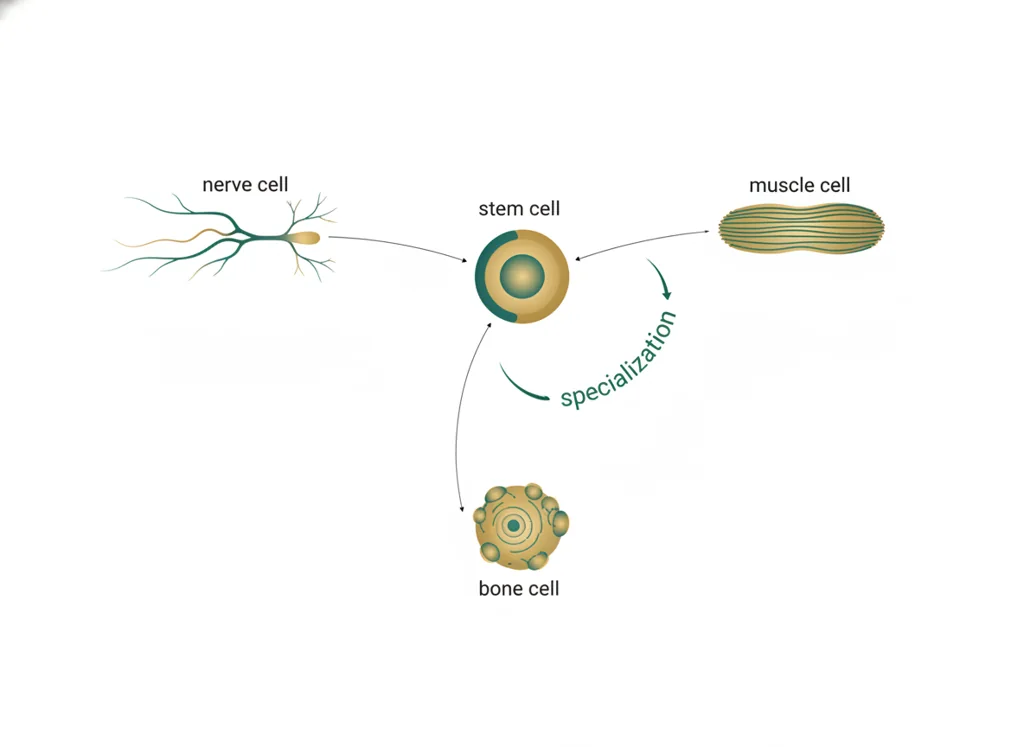
The process by which an unspecialized cell turns on specific genes and becomes a specialized cell type with a defined job.
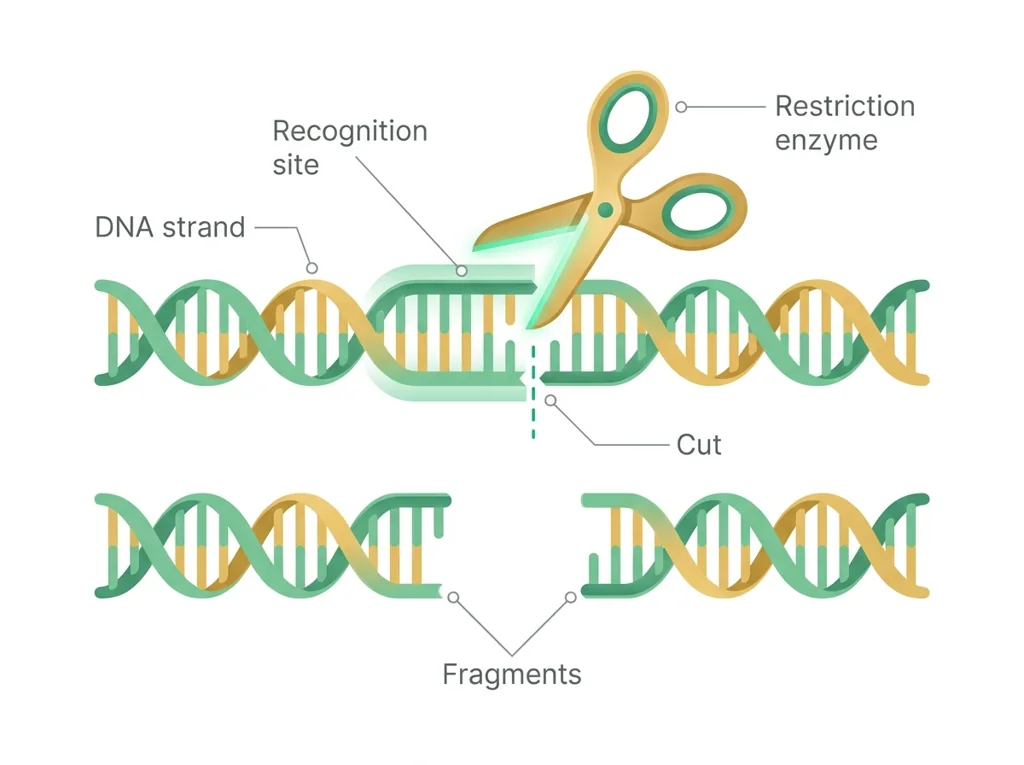
To cut DNA at specific sequences using restriction enzymes, producing defined fragments that scientists can sort, study, or join together.
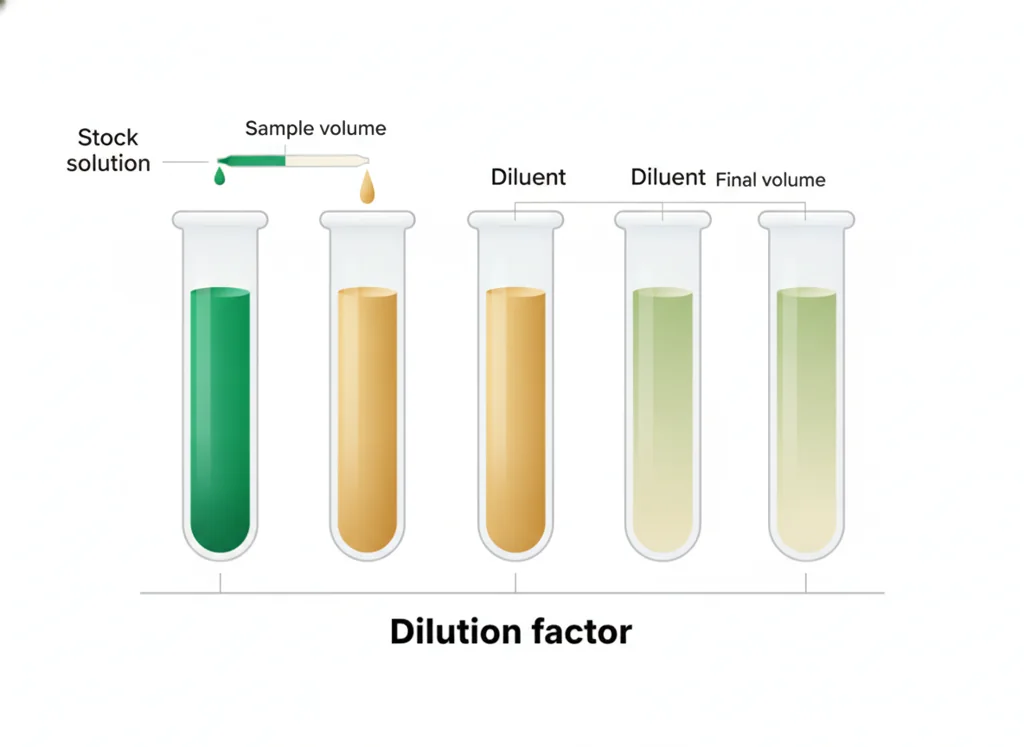
The number telling how many times a solution was made weaker, calculated as the final total volume divided by the original sample volume.
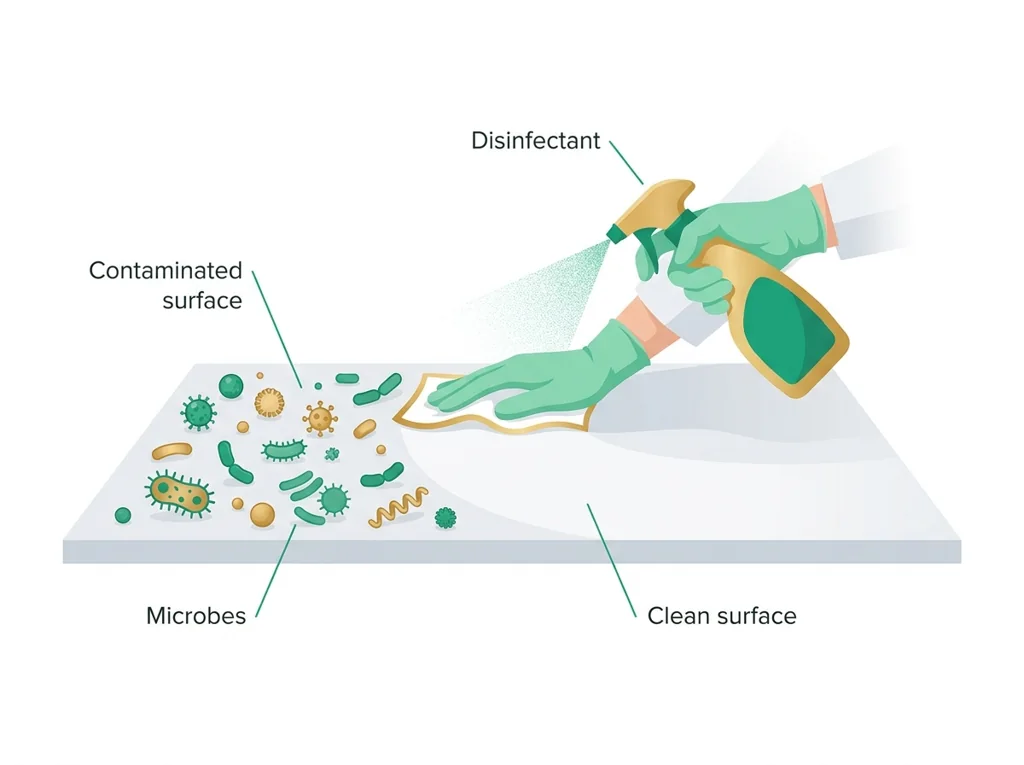
To use a chemical agent on a surface or object to kill or inactivate most harmful microbes, though not always bacterial spores.
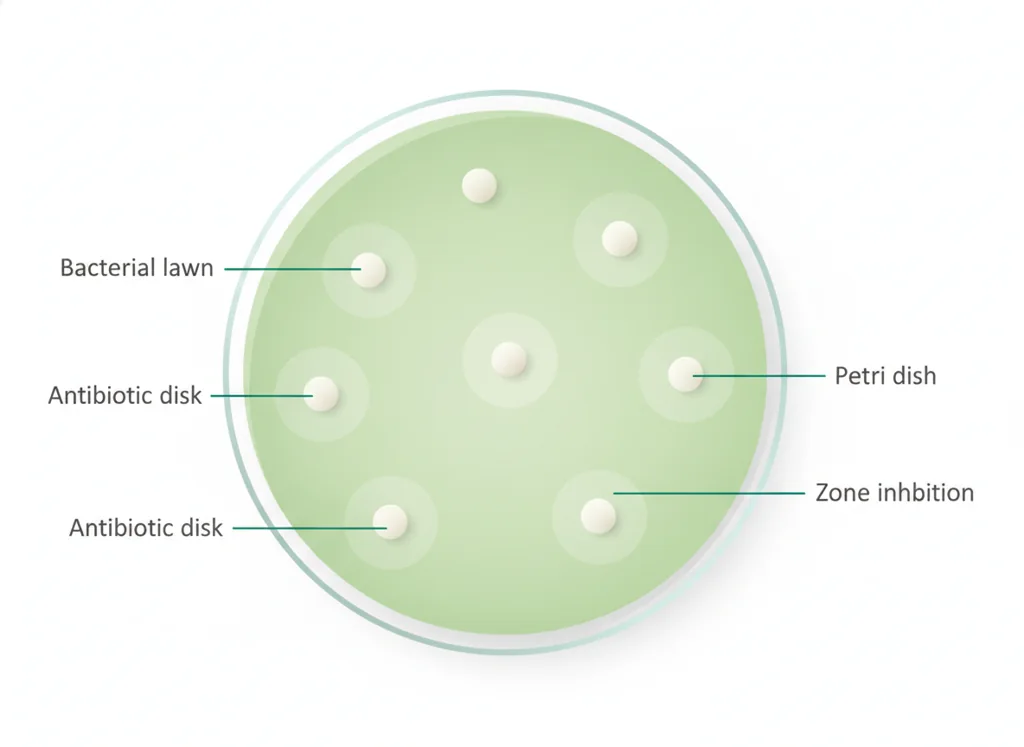
A lab test where small paper disks soaked with antibiotics are placed on a bacteria-coated plate, and clear rings show which drugs stop growth.
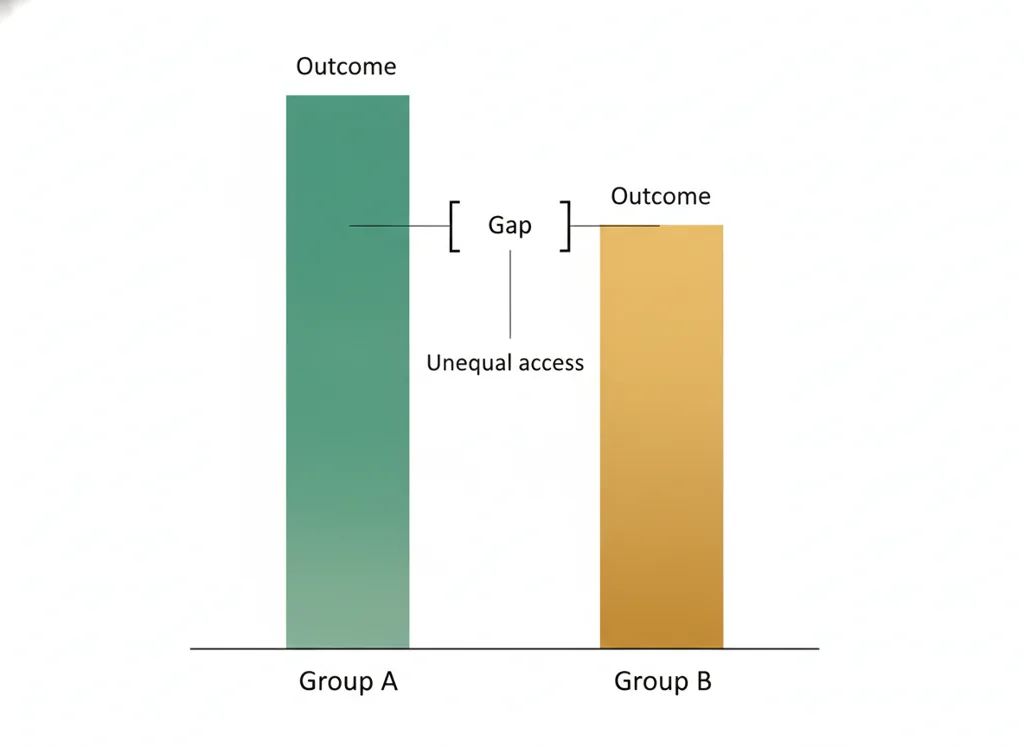
An unfair, avoidable difference in health or care between groups, often tied to income, geography, race, or access to treatment.
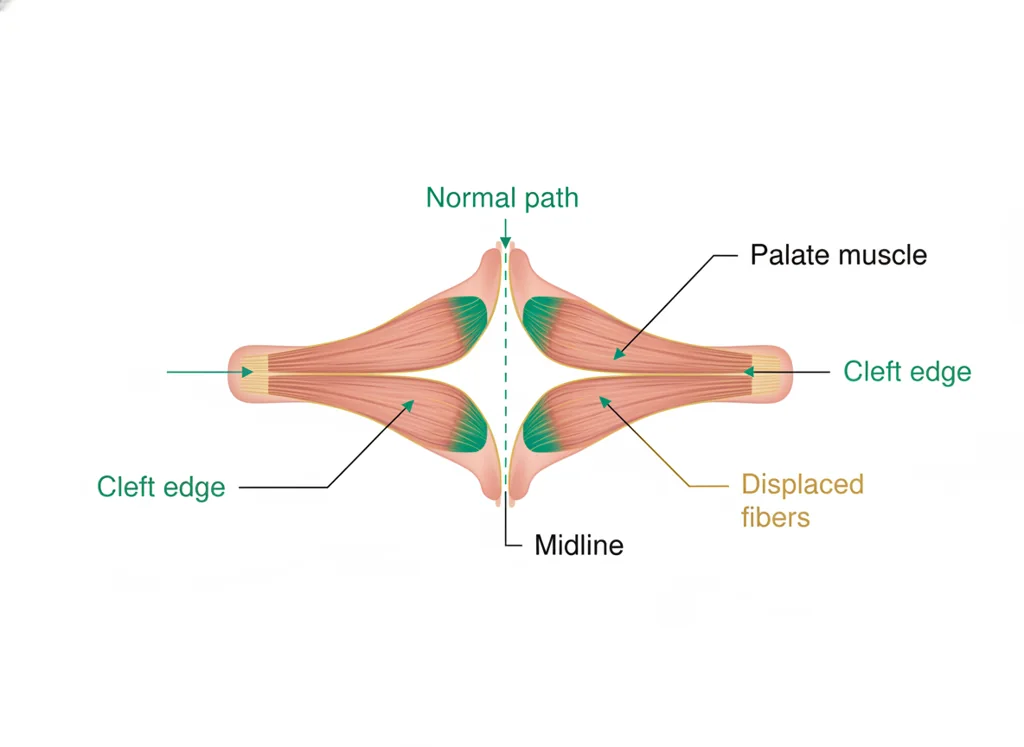
A muscle pulled out of its normal position, such as palate muscles that fail to meet in the midline in a cleft palate.
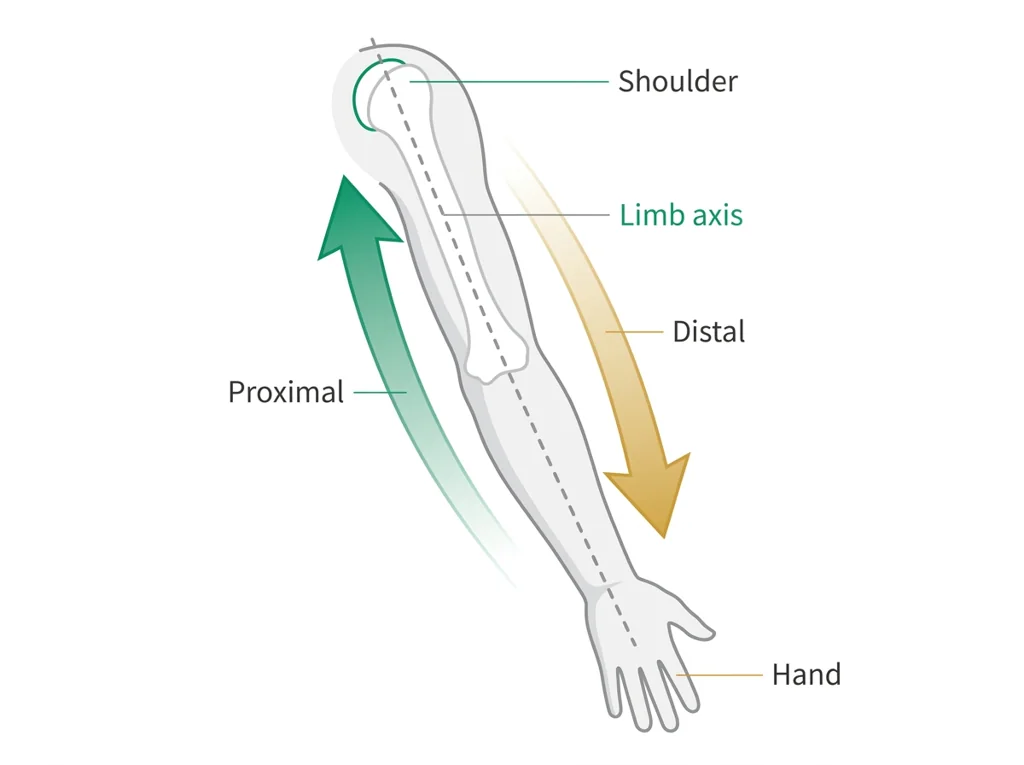
An anatomical direction meaning farther from the point where a limb attaches to the body or from the origin of a structure.
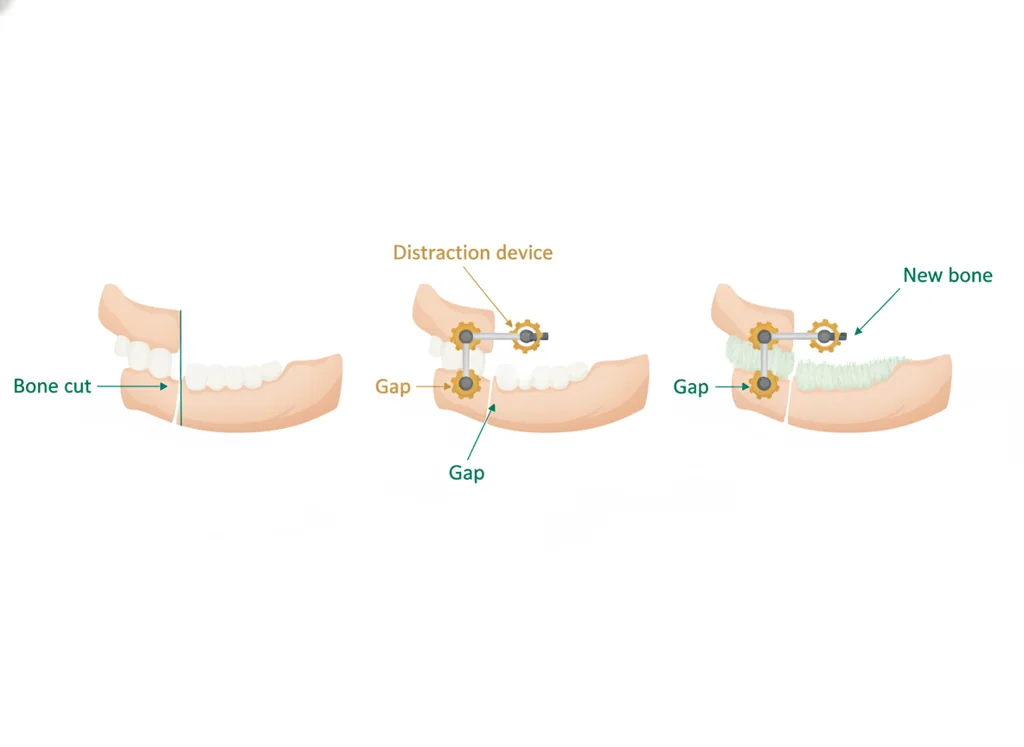
A surgical technique that slowly pulls two cut bone ends apart a little each day so new bone grows to fill the widening gap.
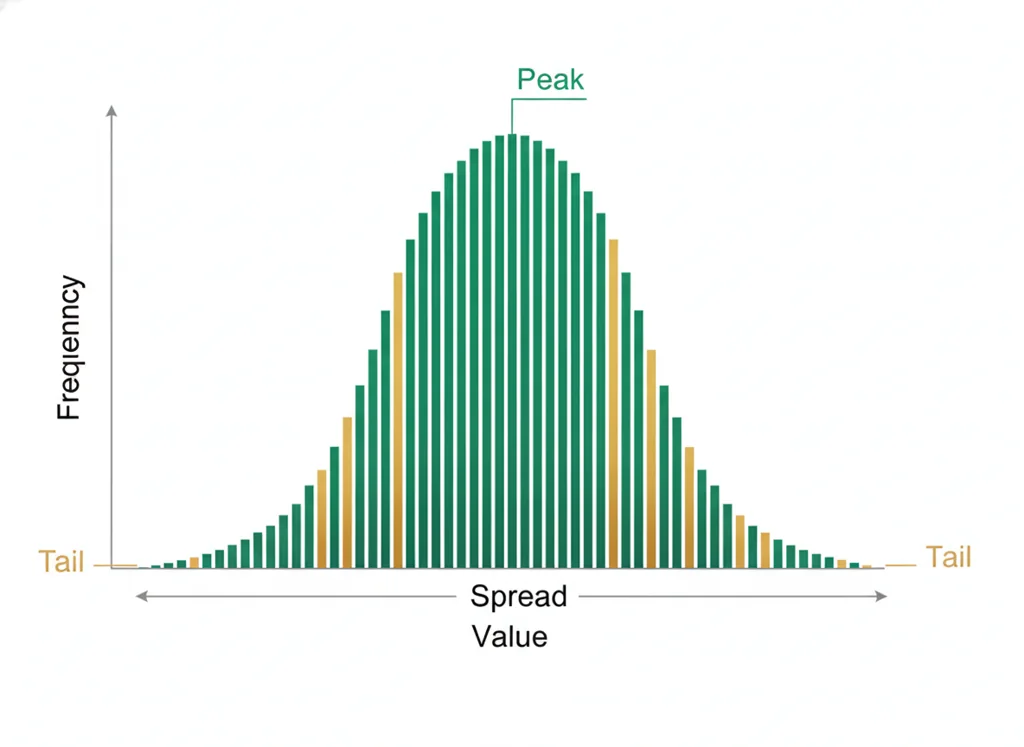
The pattern showing how often each value occurs in a data set, revealing where measurements cluster and how widely they spread.
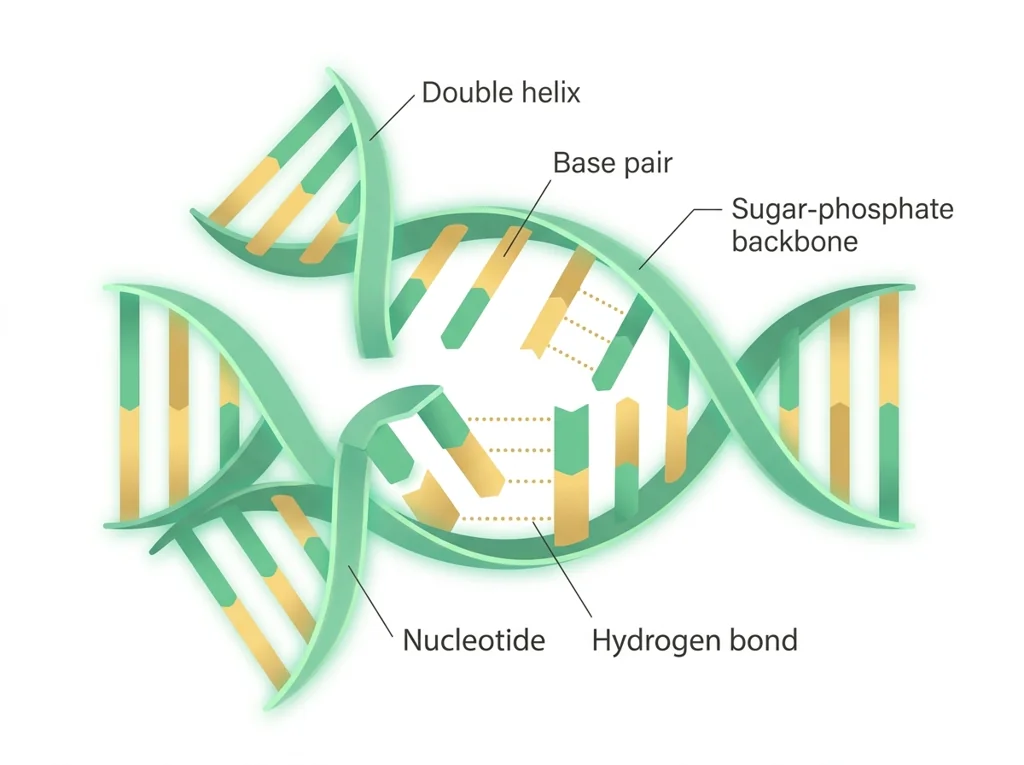
The molecule that stores genetic instructions in a twisted double helix, with paired bases that spell out the code for building an organism.

The lab workflow that breaks open cells, captures the DNA on a column, washes away contaminants, and elutes pure DNA for downstream use.
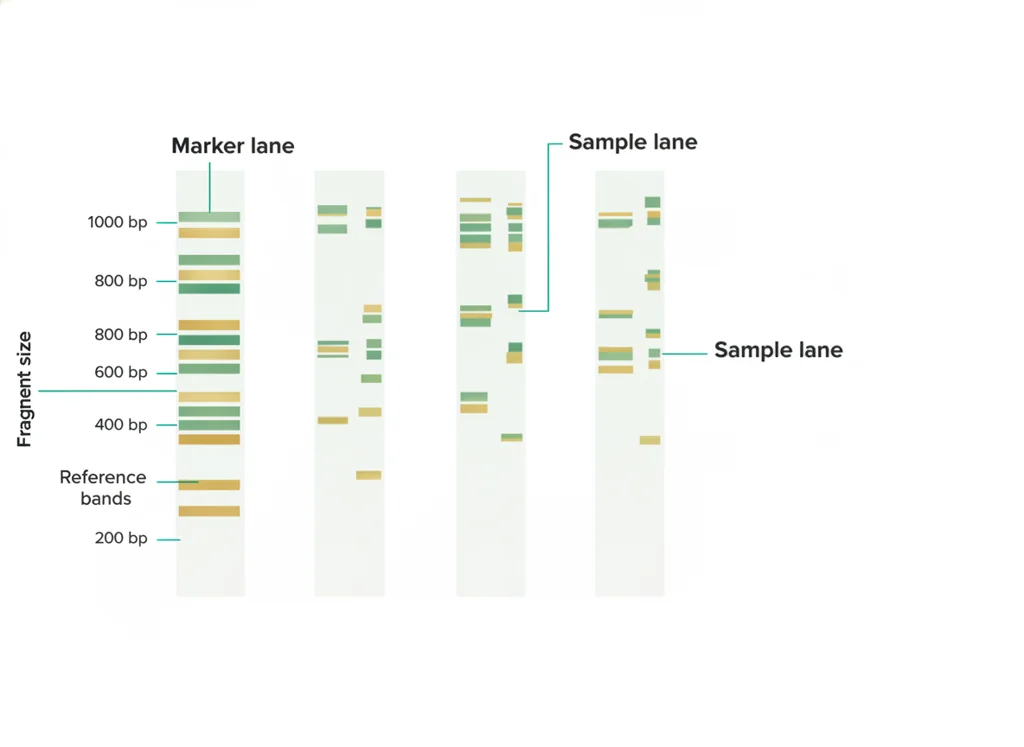
A set of DNA fragments of known sizes run alongside samples in gel electrophoresis to measure the length of unknown bands.
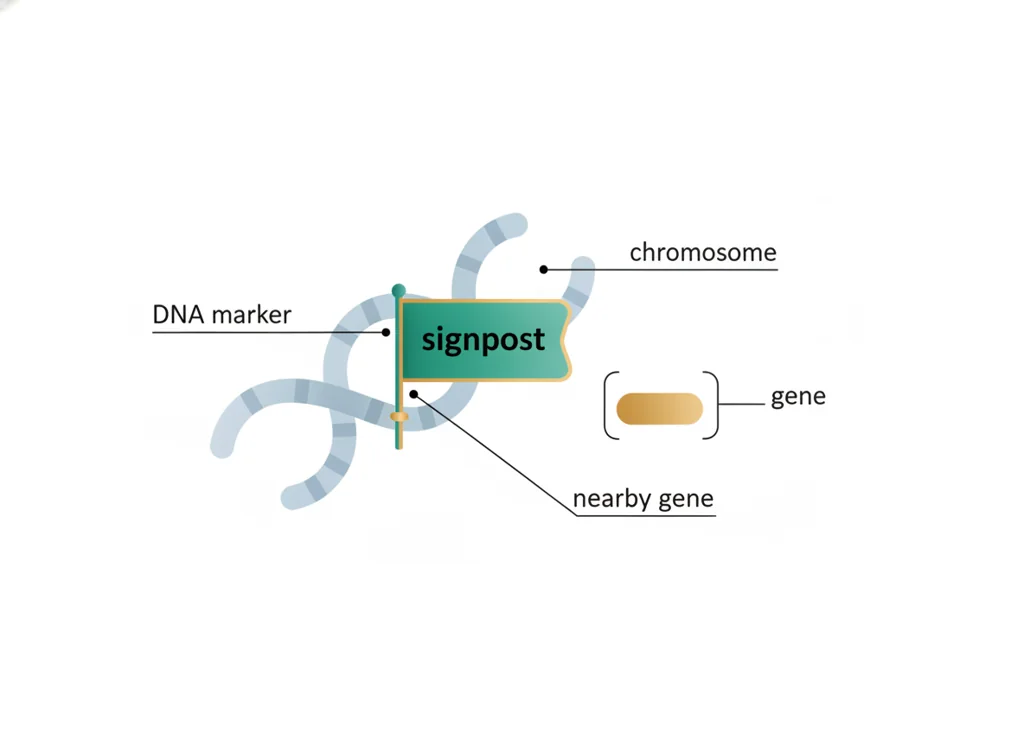
A known, variable spot in the genome used as a trackable signpost near a gene, even though the marker itself is not the disease gene.
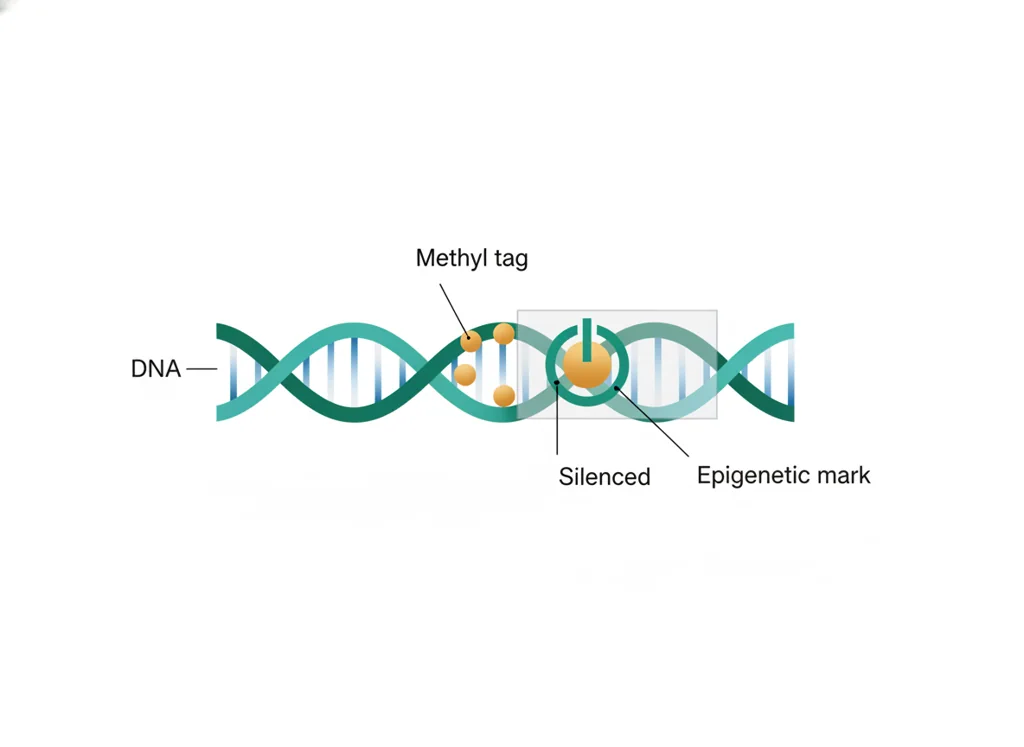
A chemical tag added to DNA that can quiet a gene without changing its underlying sequence.
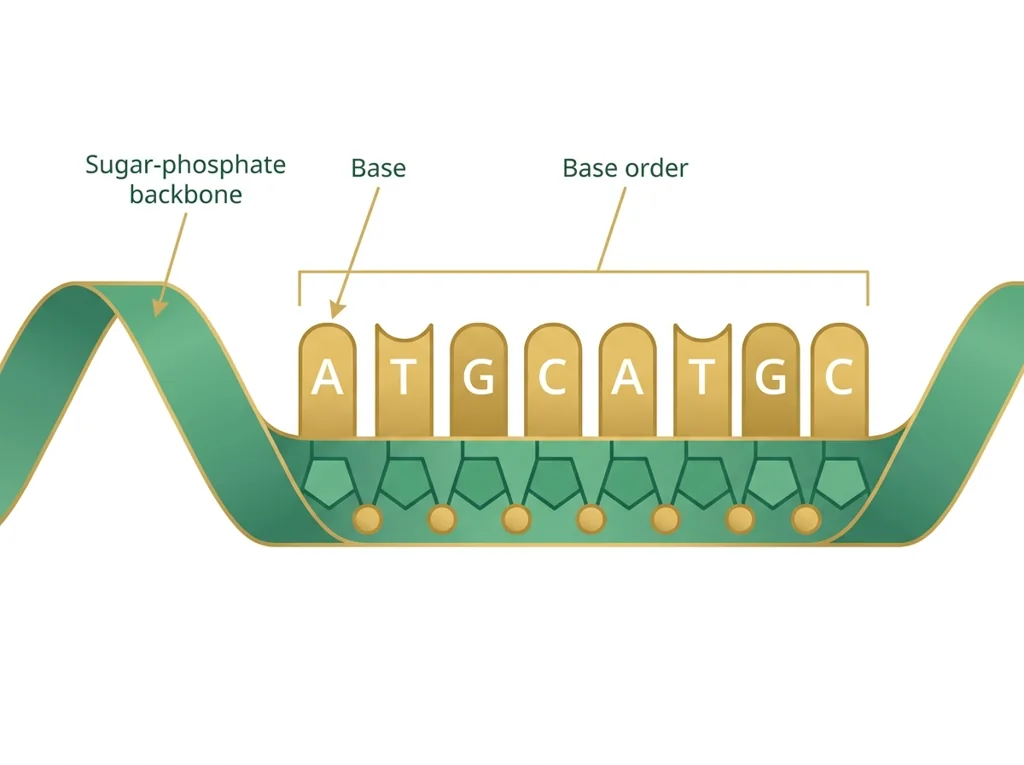
The exact order of the four bases (adenine, thymine, guanine, cytosine) along a strand of DNA, which spells out genetic instructions.
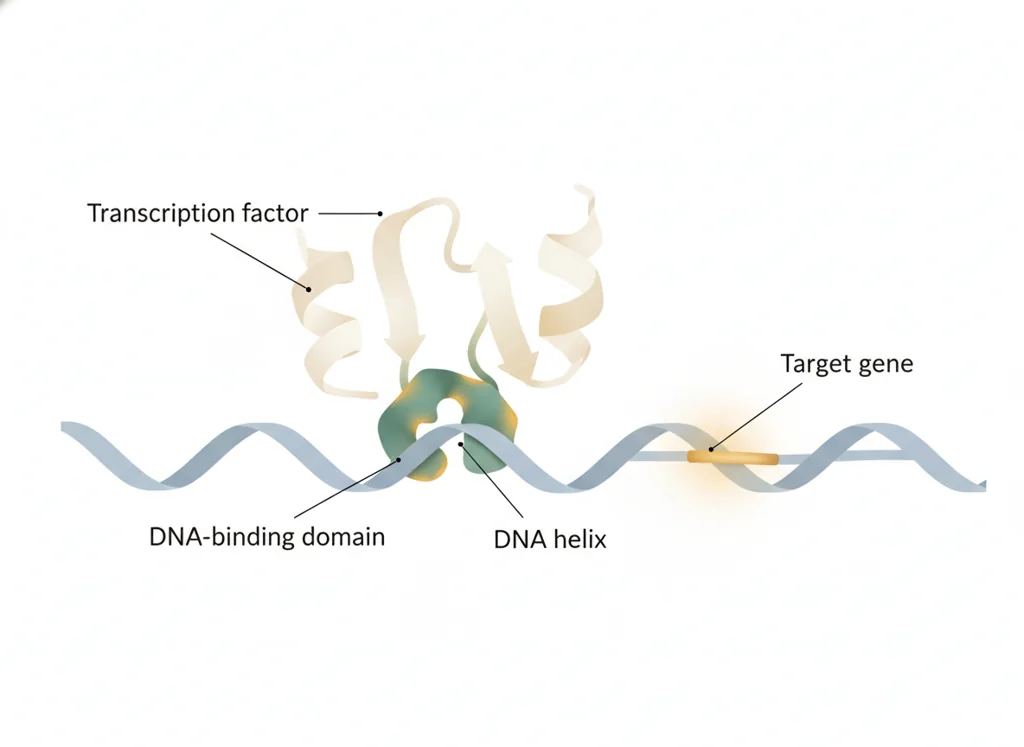
The part of a transcription factor that grips DNA so it can switch target genes on or off.
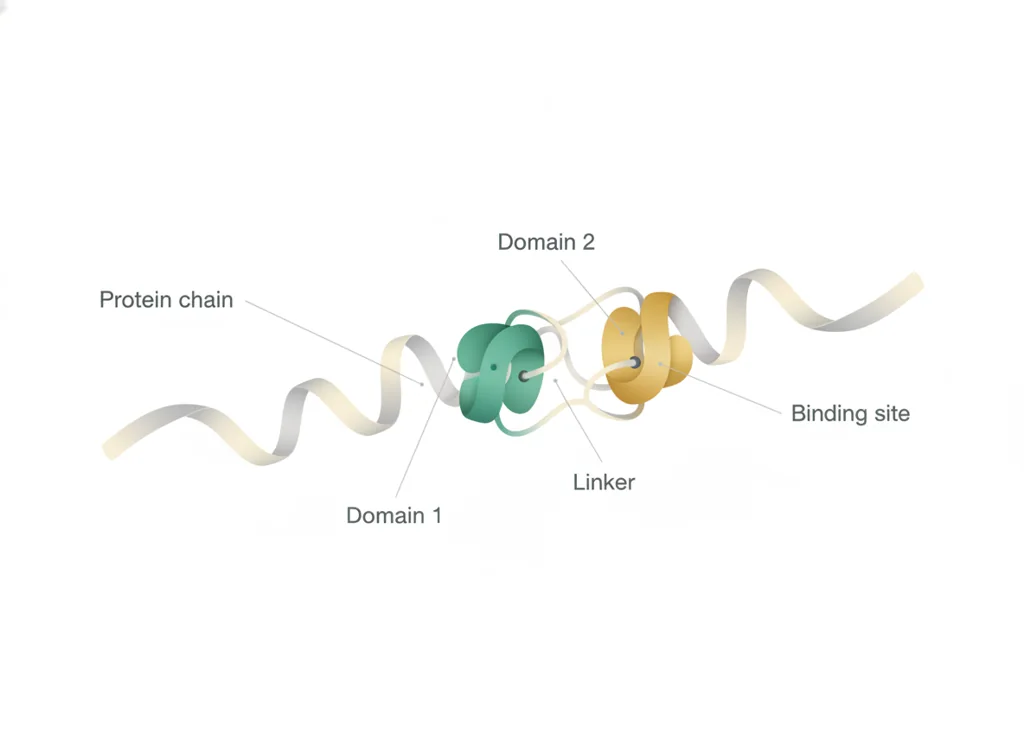
A distinct functional region of a protein that folds on its own and carries out a specific job, such as binding or signaling.
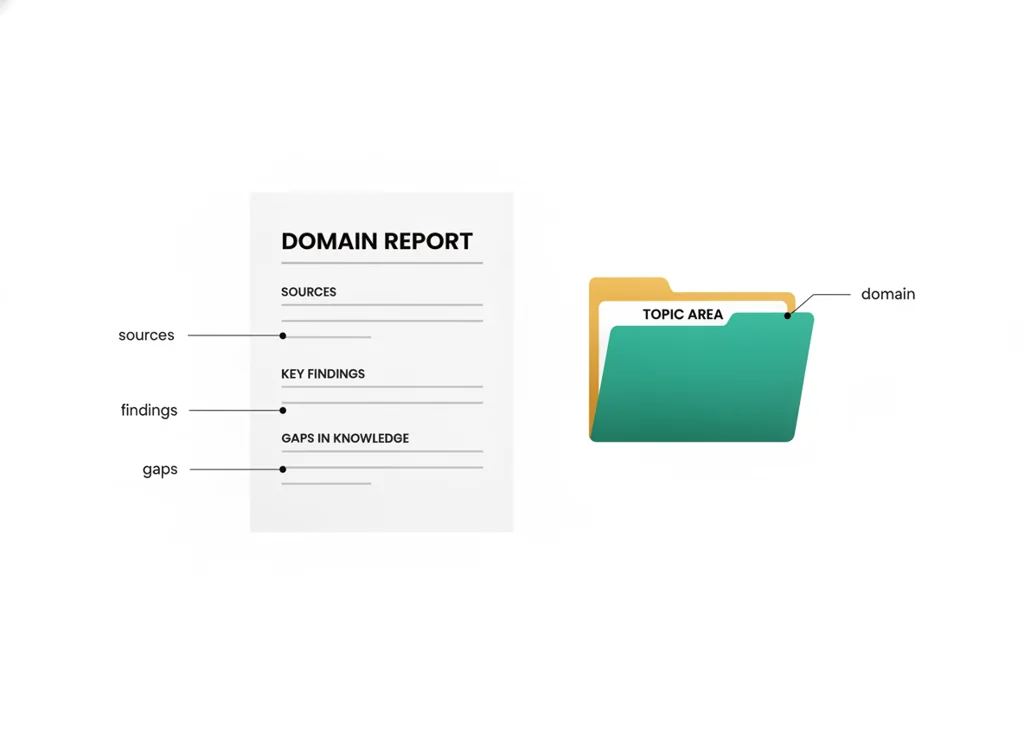
A focused summary of the current research and evidence within one specific topic area, used to organize knowledge before drawing conclusions.
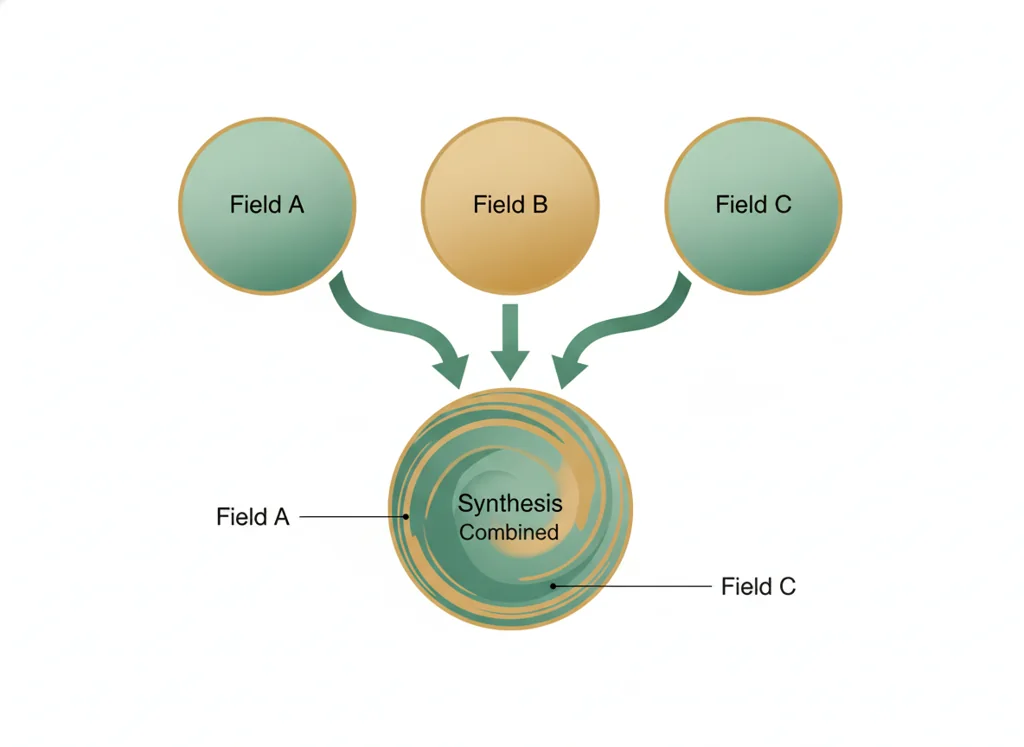
Pulling findings from many separate areas of knowledge together into one coherent picture or argument.
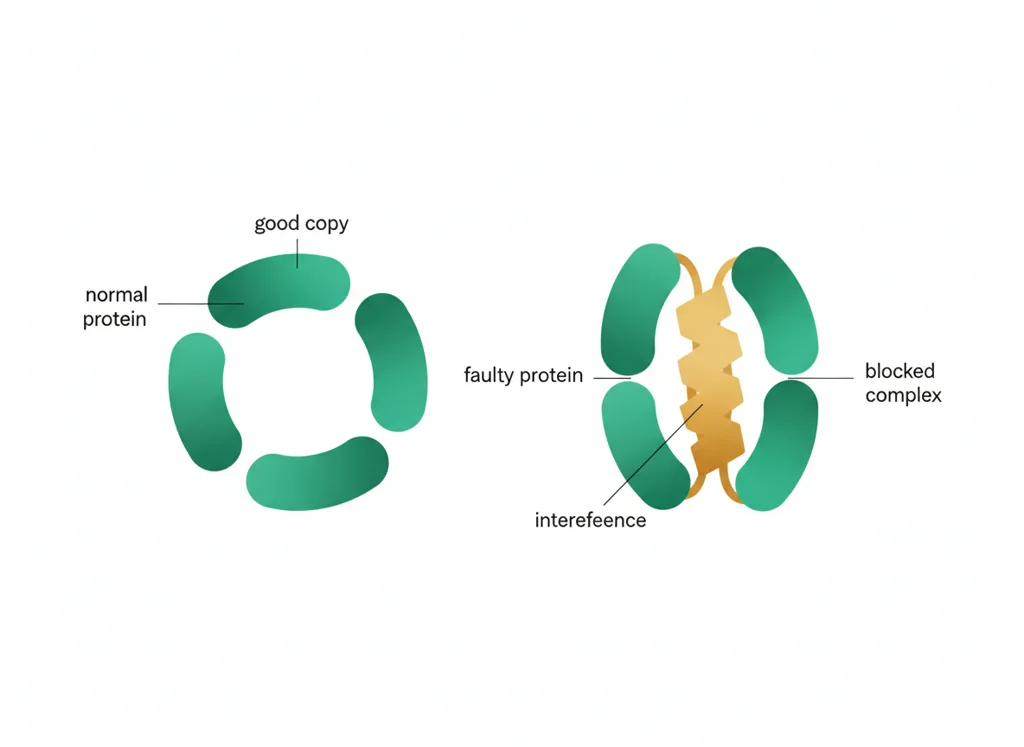
A faulty protein that not only fails at its own job but also blocks the working protein made from the normal gene copy.
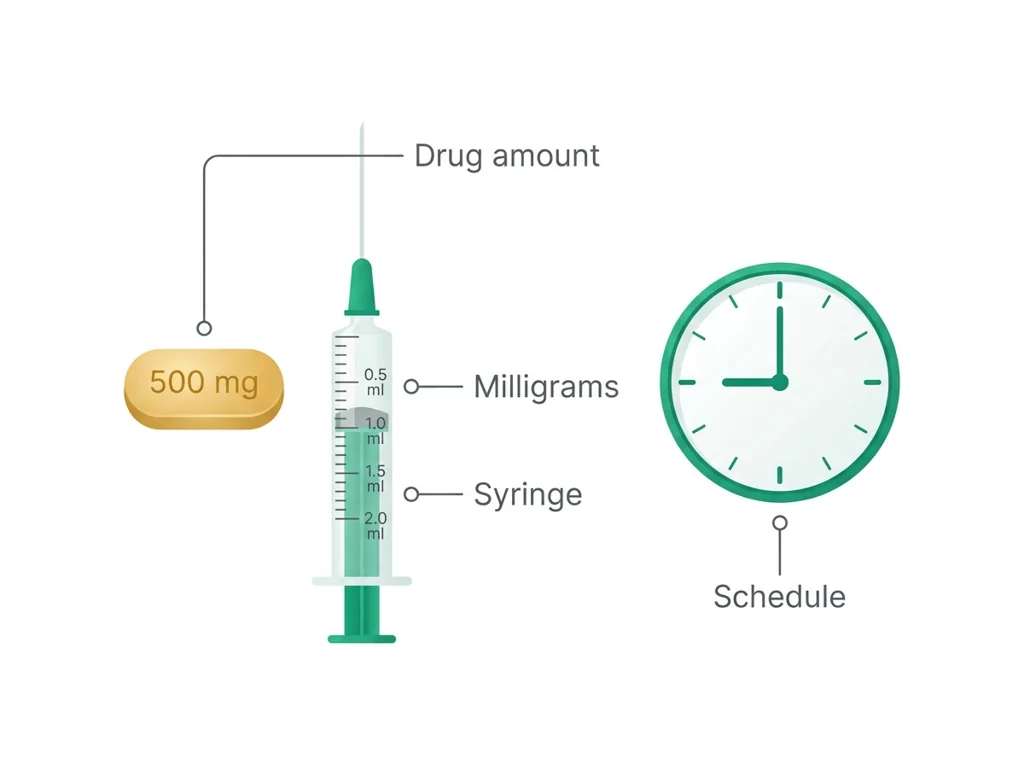
The measured amount of a drug or substance given at one time, chosen to be effective while staying safe for the patient.
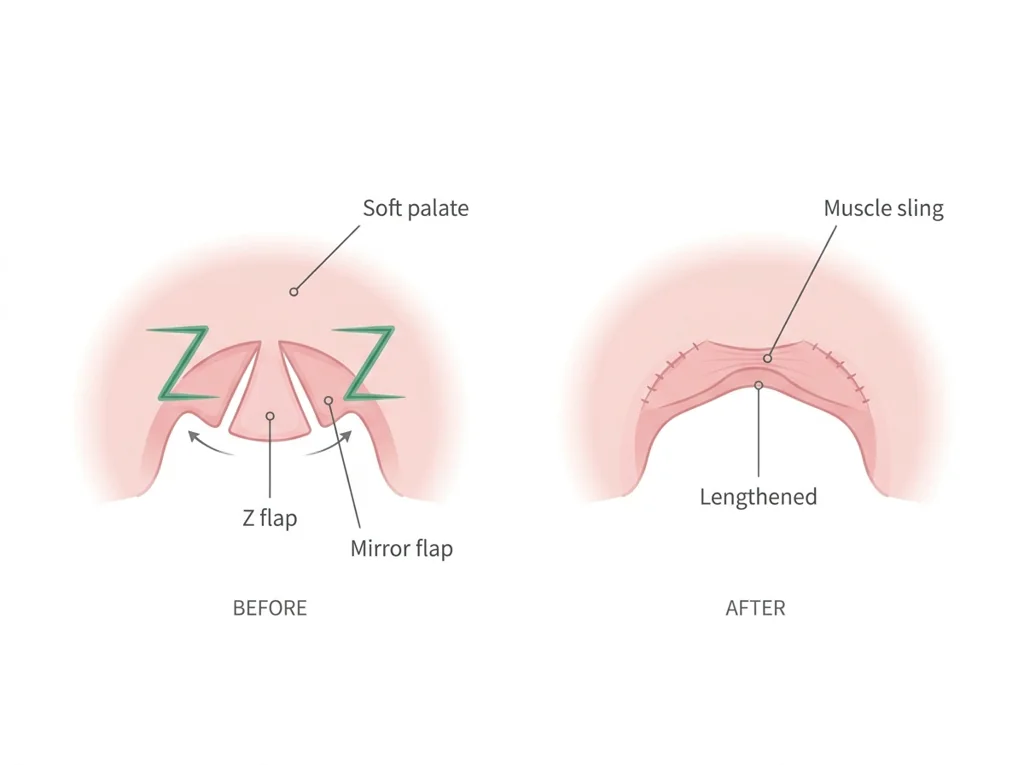
A cleft palate surgery (the Furlow technique) that uses mirror-image Z-shaped flaps to lengthen the soft palate and rebuild its muscle sling.
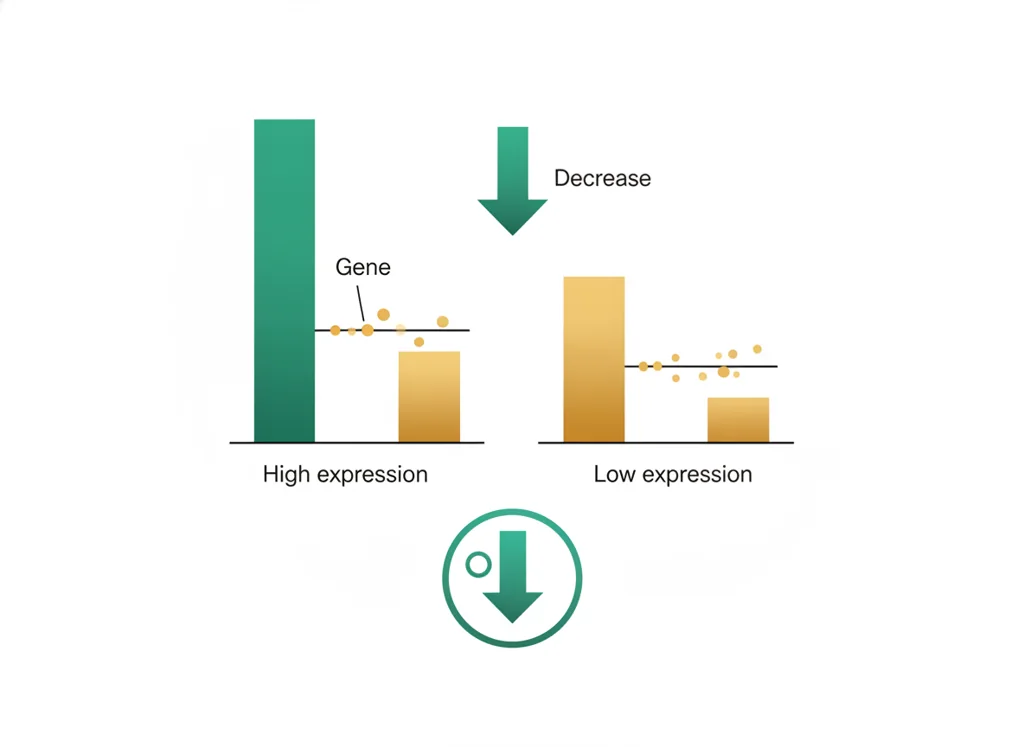
Describes a gene or protein whose activity or amount has been turned down, so the cell makes less of its product.
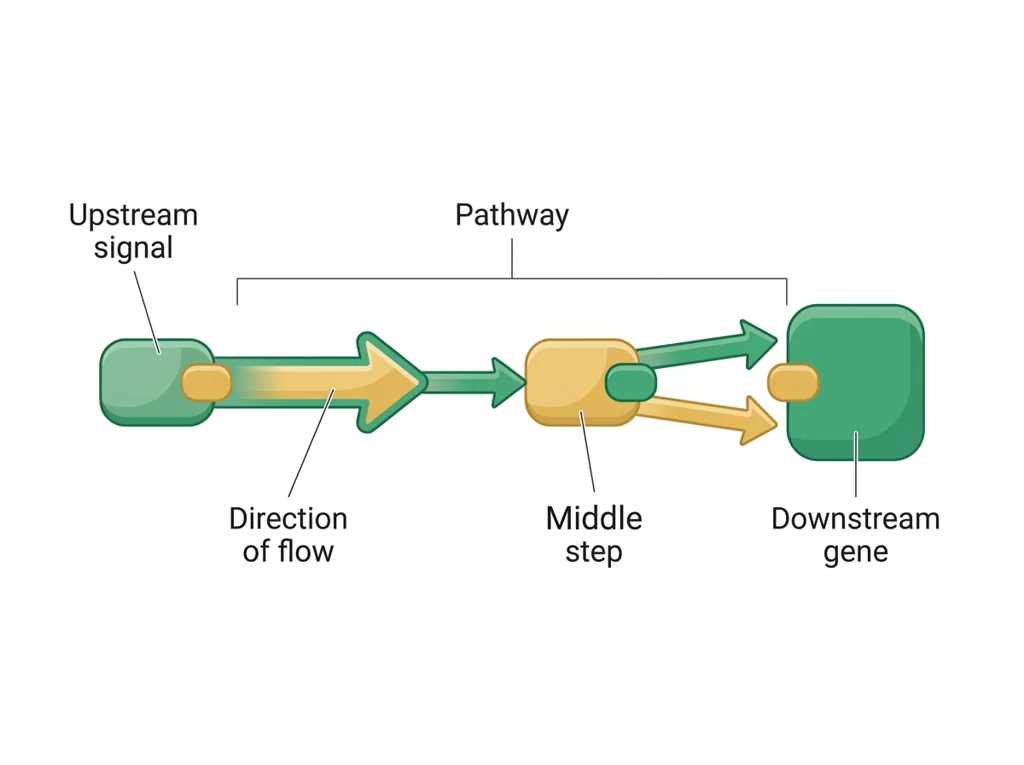
Describing genes or events that come later in a pathway, controlled by something acting earlier, or upstream, of them.
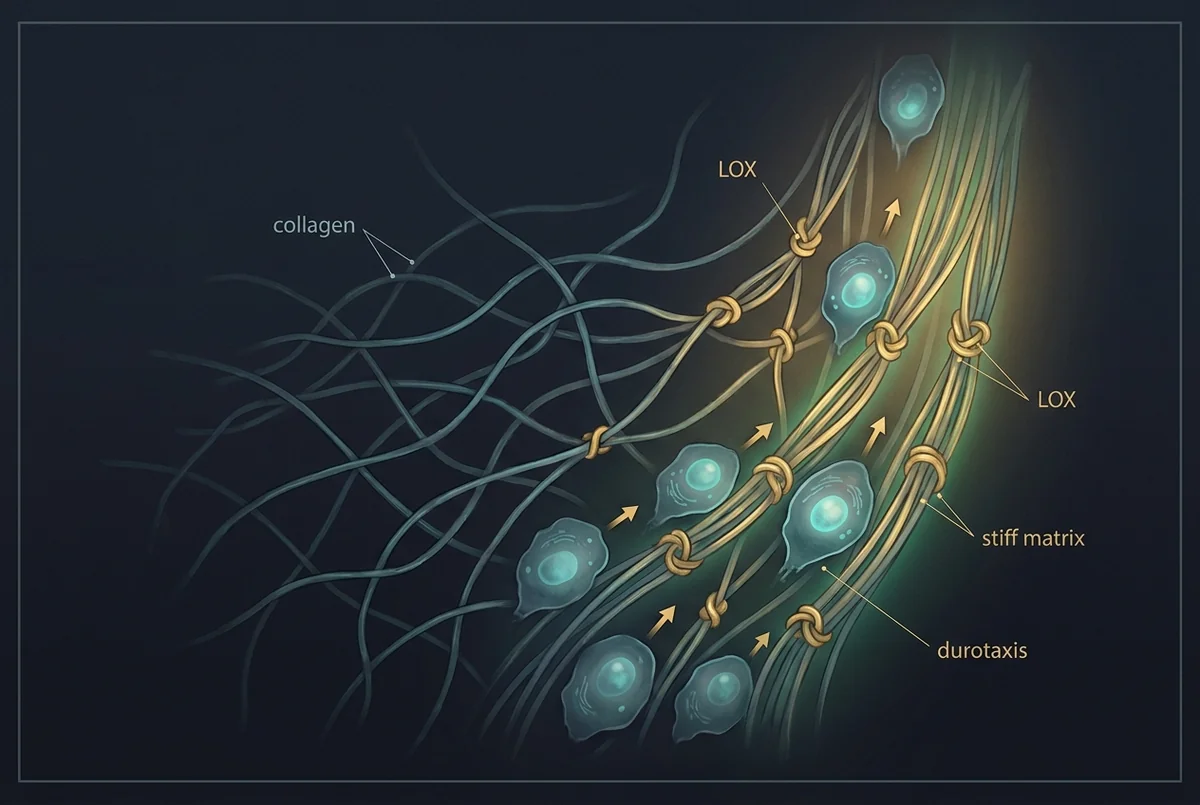
Cell movement guided by the stiffness of the surrounding tissue, where cells typically crawl from softer toward stiffer regions.
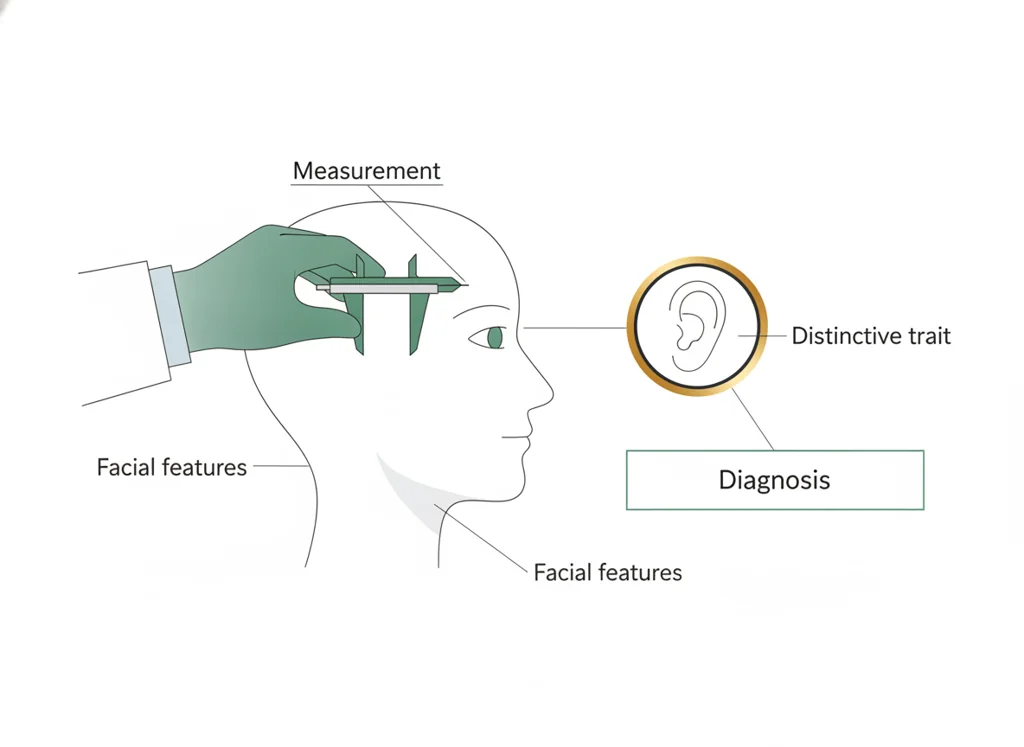
The medical study of unusual body and facial features present from birth, used to recognize and diagnose genetic syndromes.
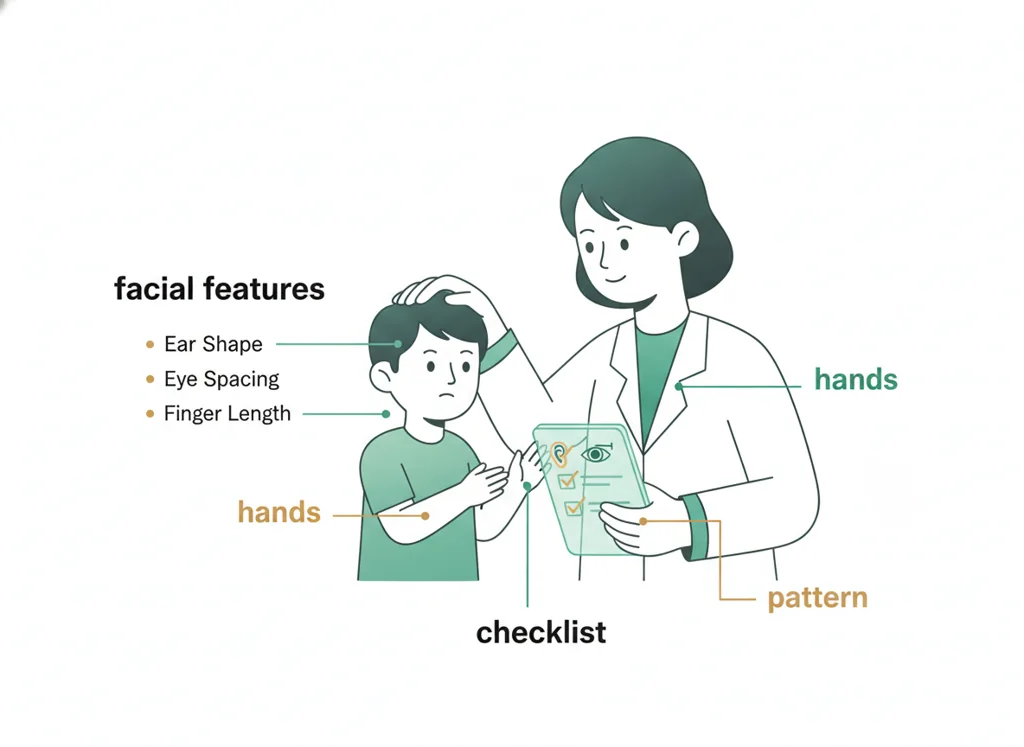
A careful physical exam where a specialist looks for unusual body and facial features that, together, can point to a genetic syndrome.
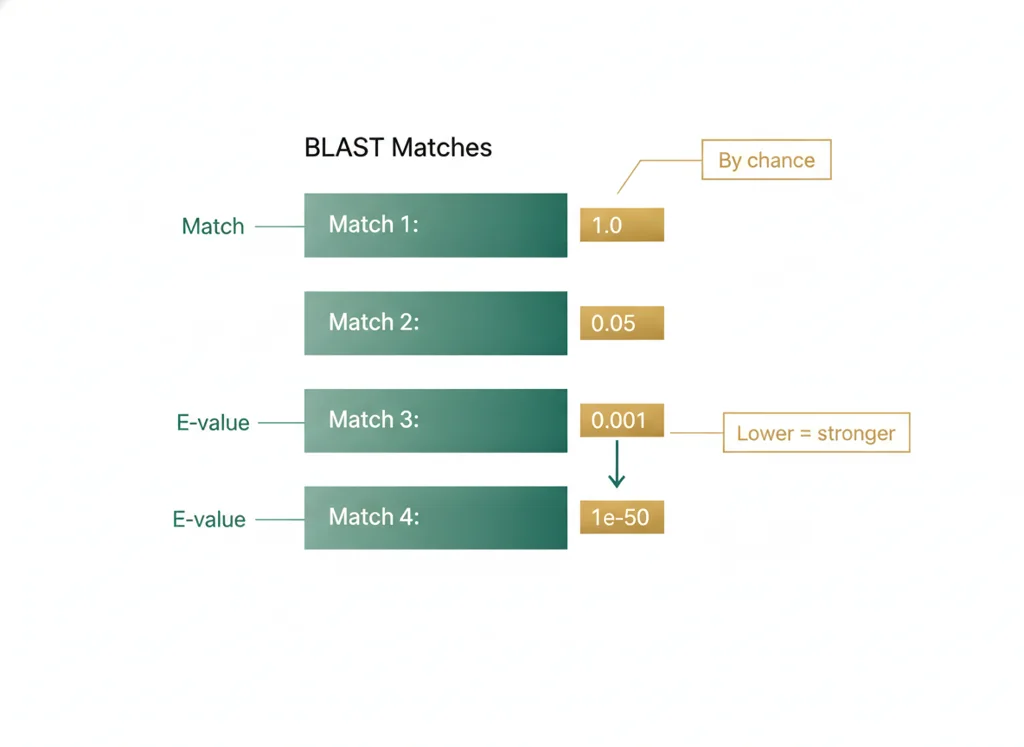
In a BLAST search, a number estimating how many matches that strong you would expect by chance alone, so a smaller E-value means a more meaningful hit.
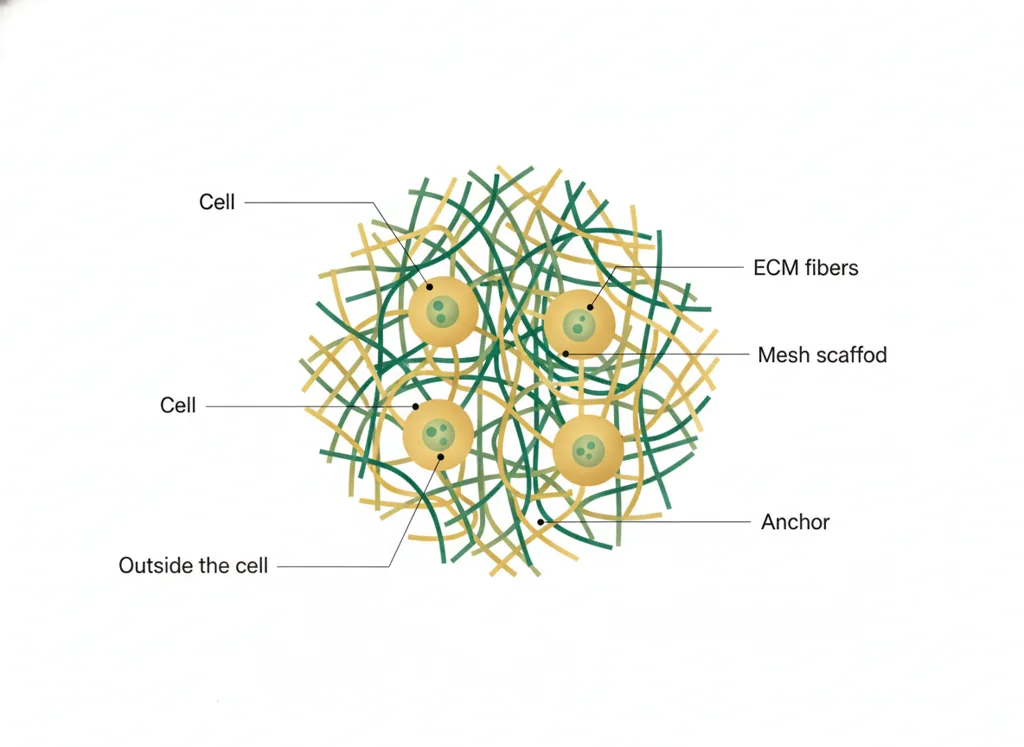
The extracellular matrix, the scaffold of fibers and material outside cells that they sit on, crawl through, and sense.
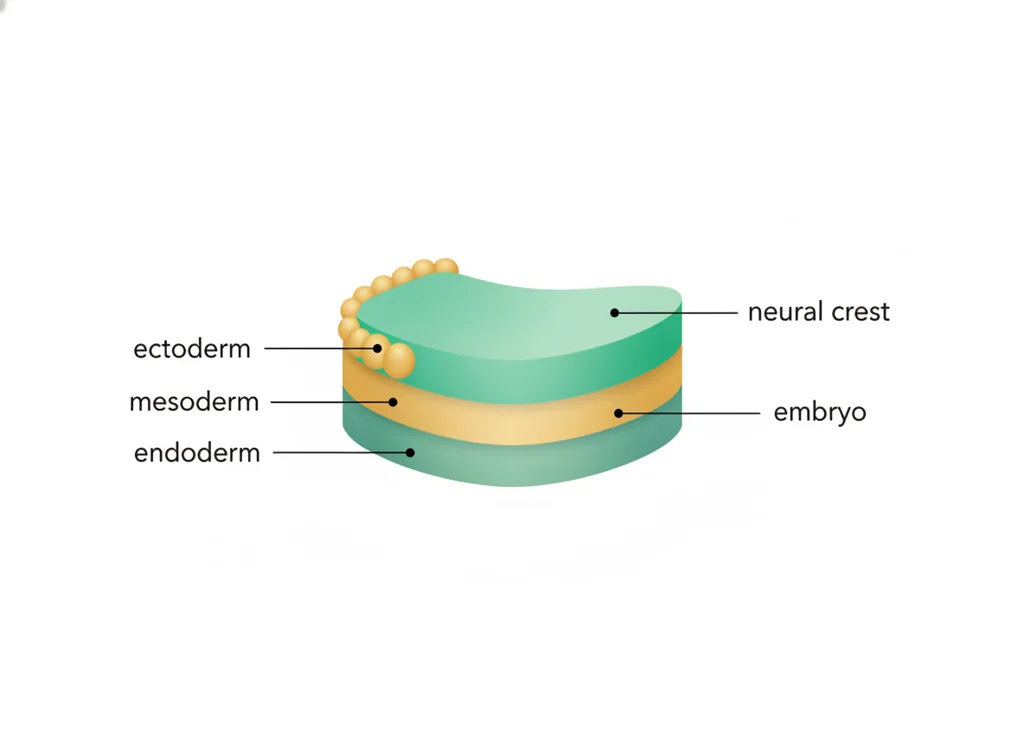
The outer layer of the early embryo that forms skin and nervous tissue, and whose edge gives rise to the neural crest.
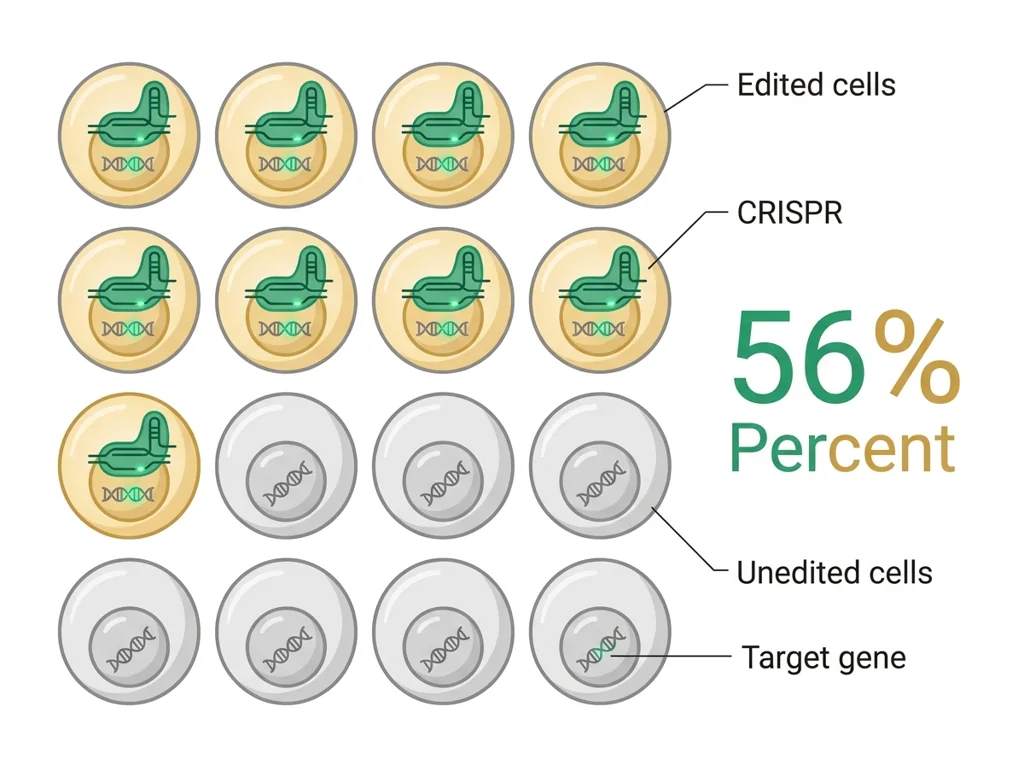
The percentage of treated cells in which a gene-editing tool such as CRISPR actually made the intended change to the DNA.
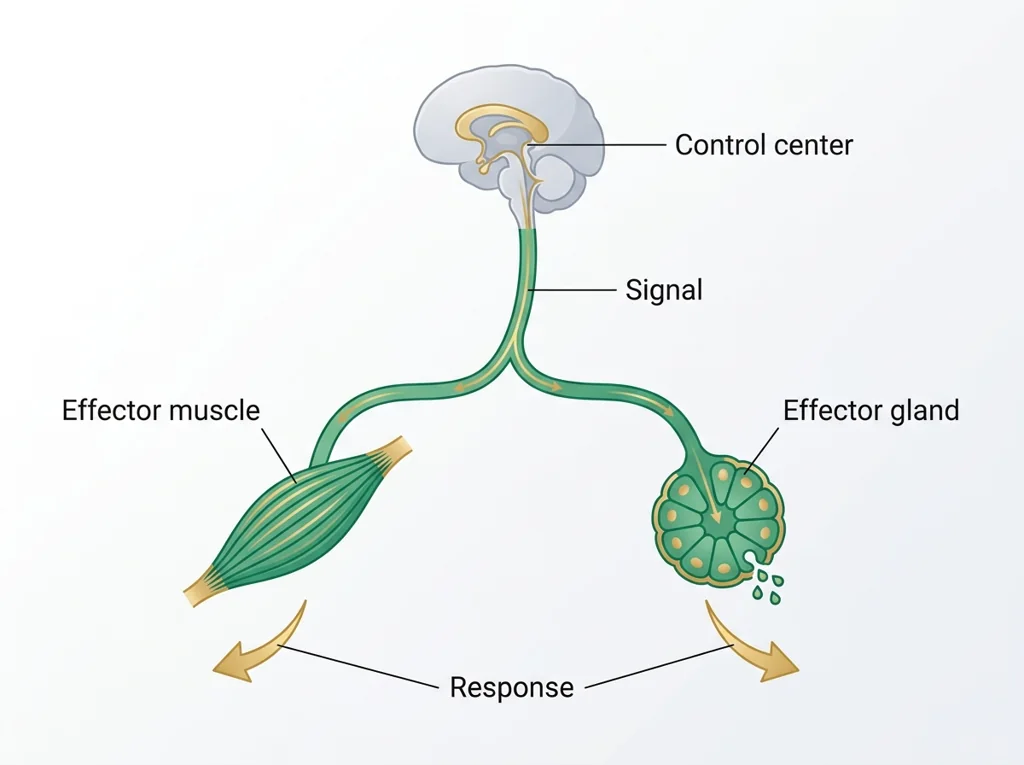
The muscle, gland, or other part that carries out the body's response to a signal, acting on the command sent from a control center.
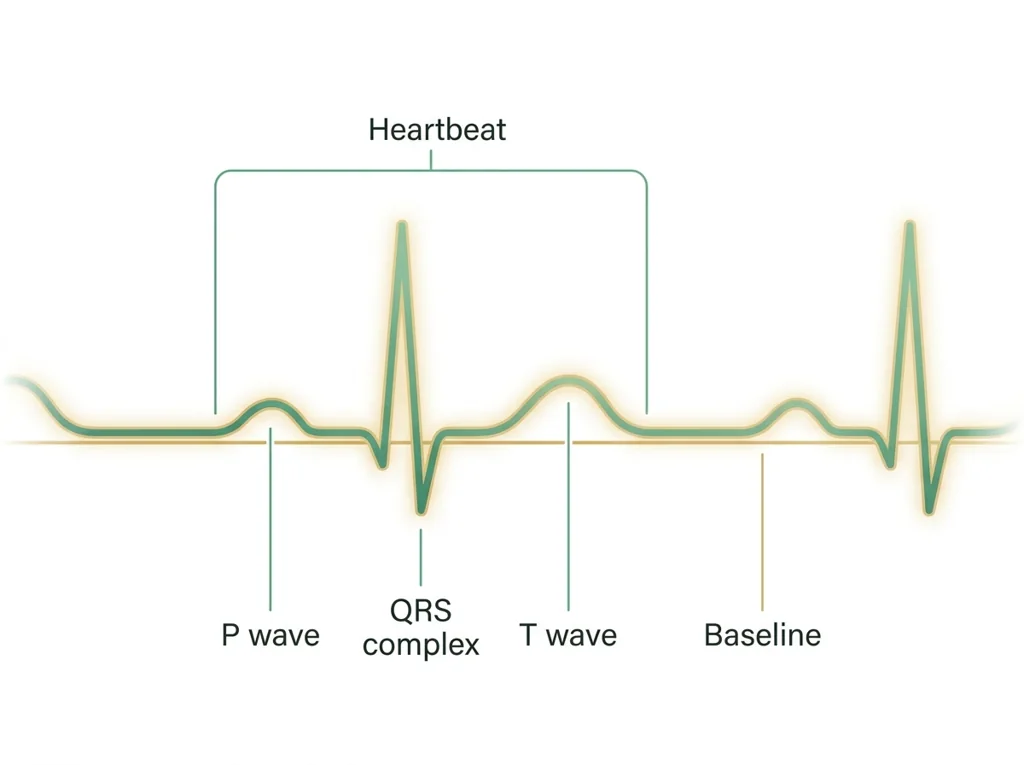
A recording of the heart's electrical activity over time, used to check rhythm and detect problems with how the heart beats.
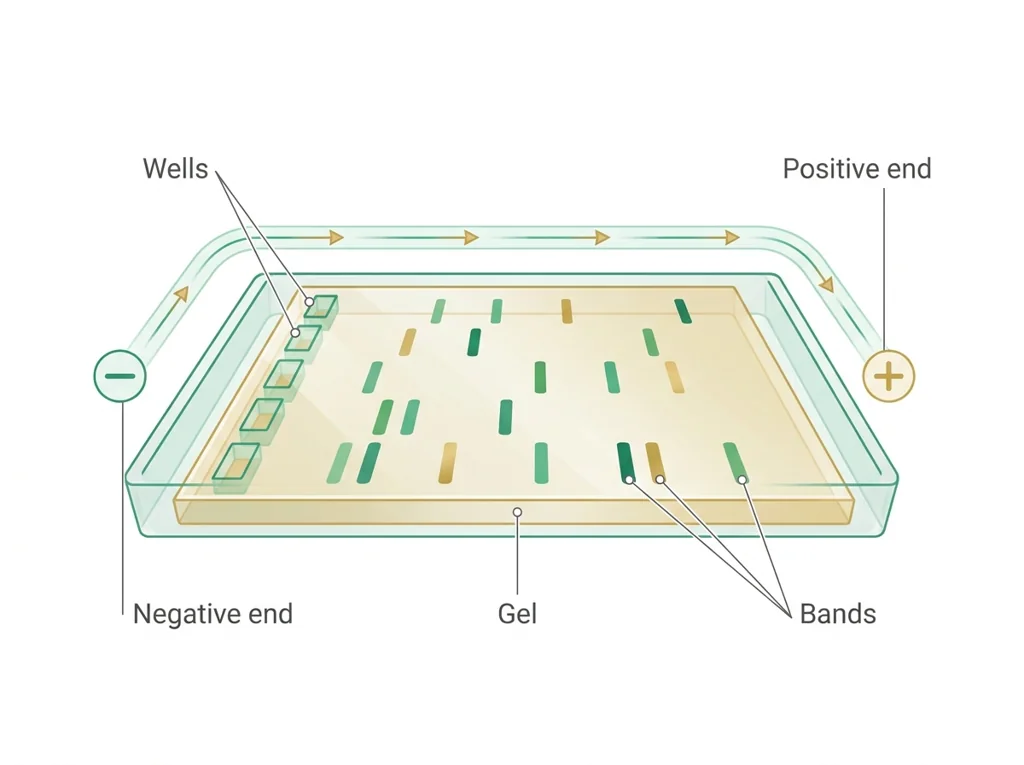
A lab technique that uses an electric field to pull DNA, RNA, or proteins through a gel, sorting them by size.
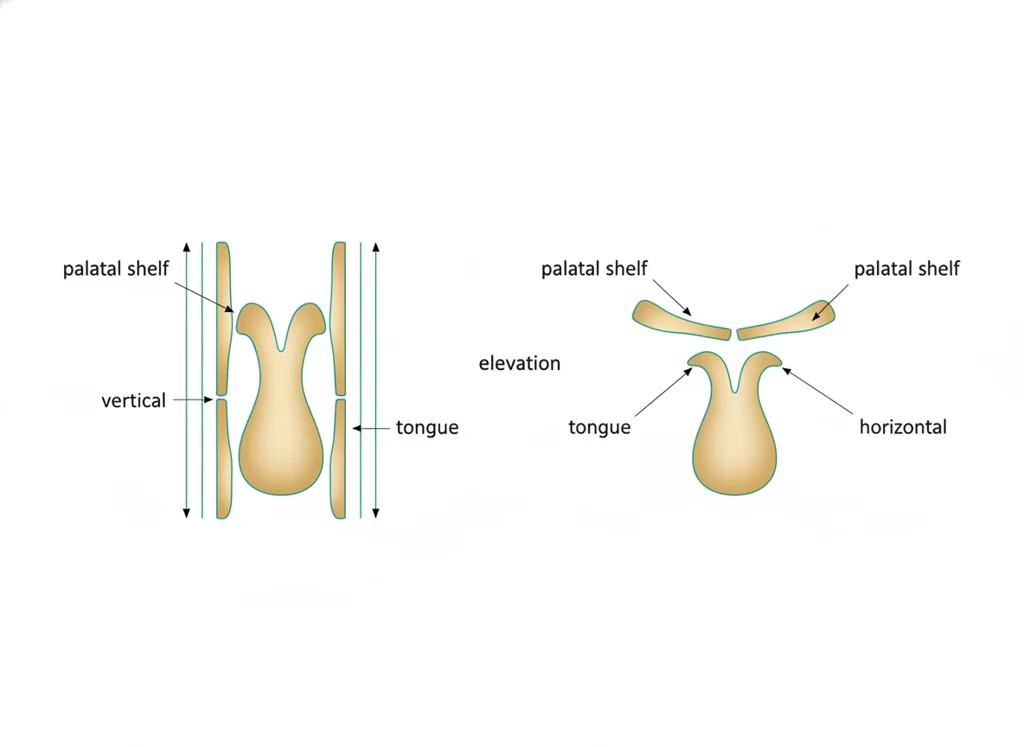
The developmental step where the palatal shelves lift from a downward position up to horizontal so they can meet above the tongue.
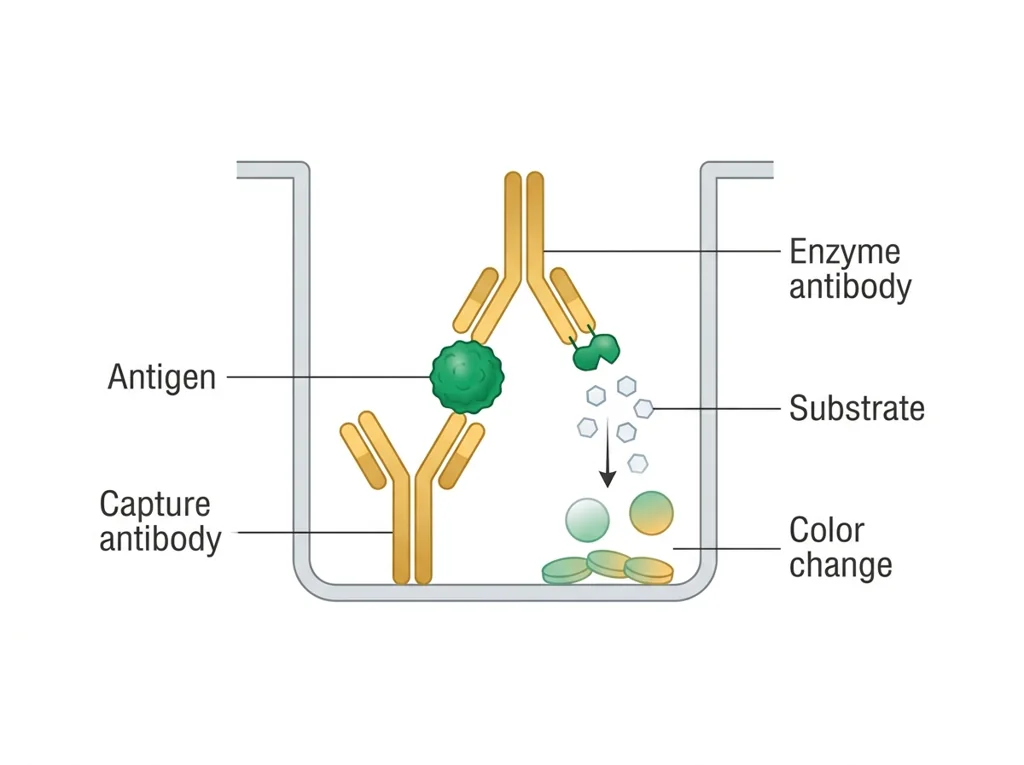
A lab test that uses antibodies linked to a color-producing enzyme to detect and measure a specific protein in a sample.
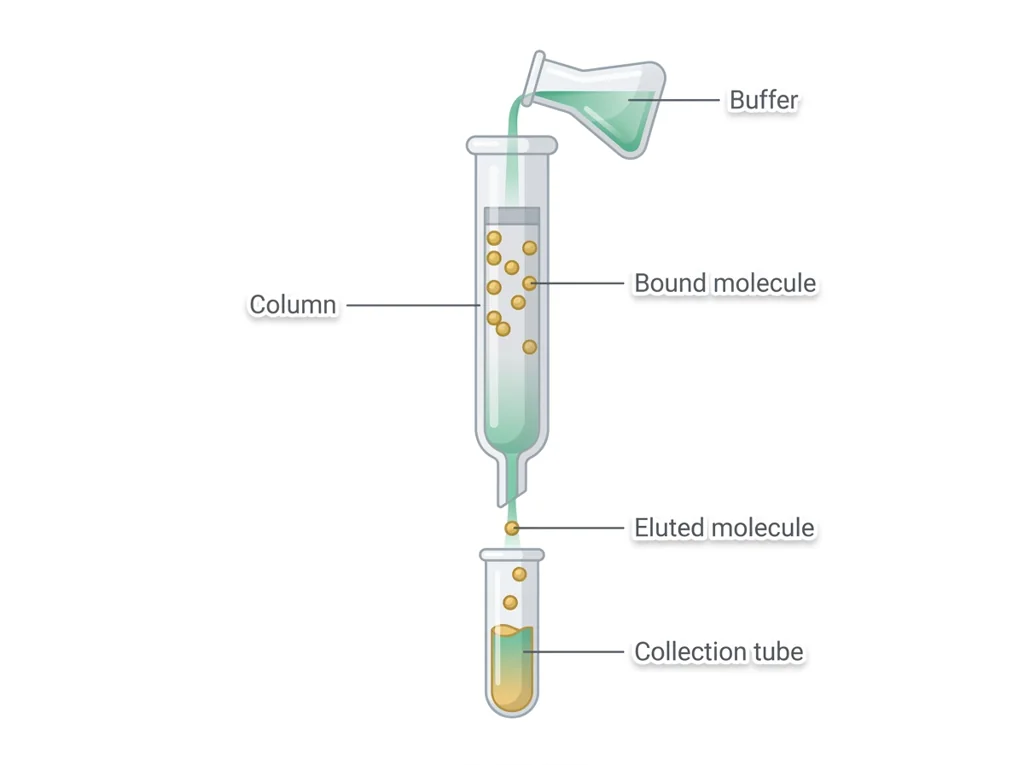
The step in a separation method where a solvent washes the target molecule off a column or material so it can be collected in pure form.
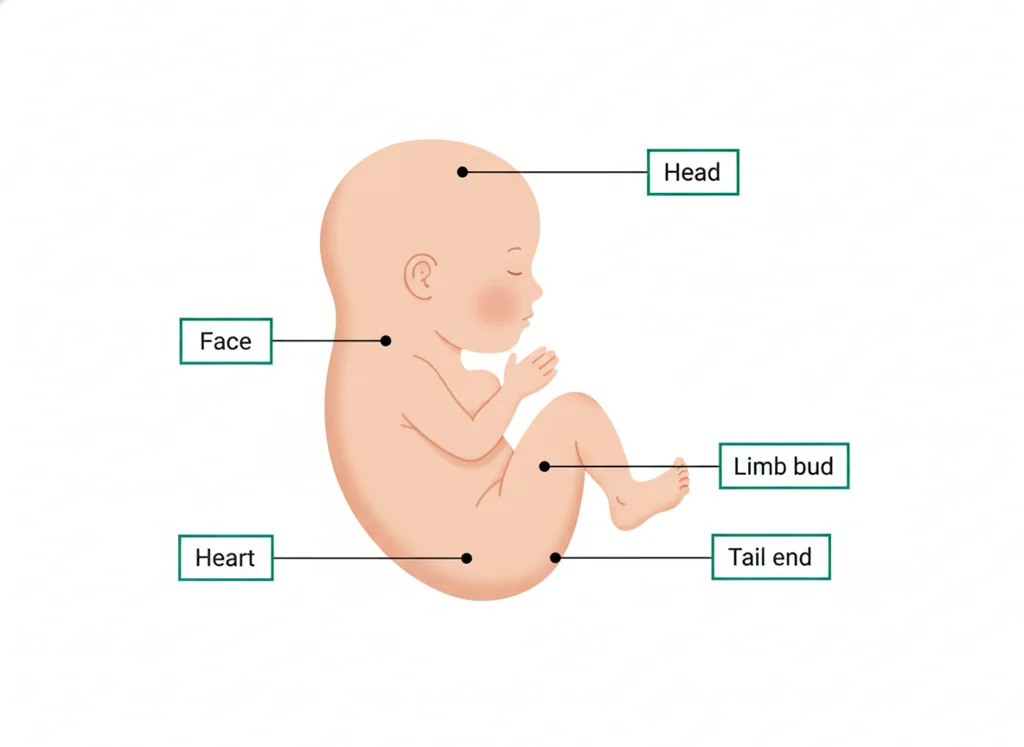
The developing human from about week 3 to week 8, when most organs and the face first take shape.
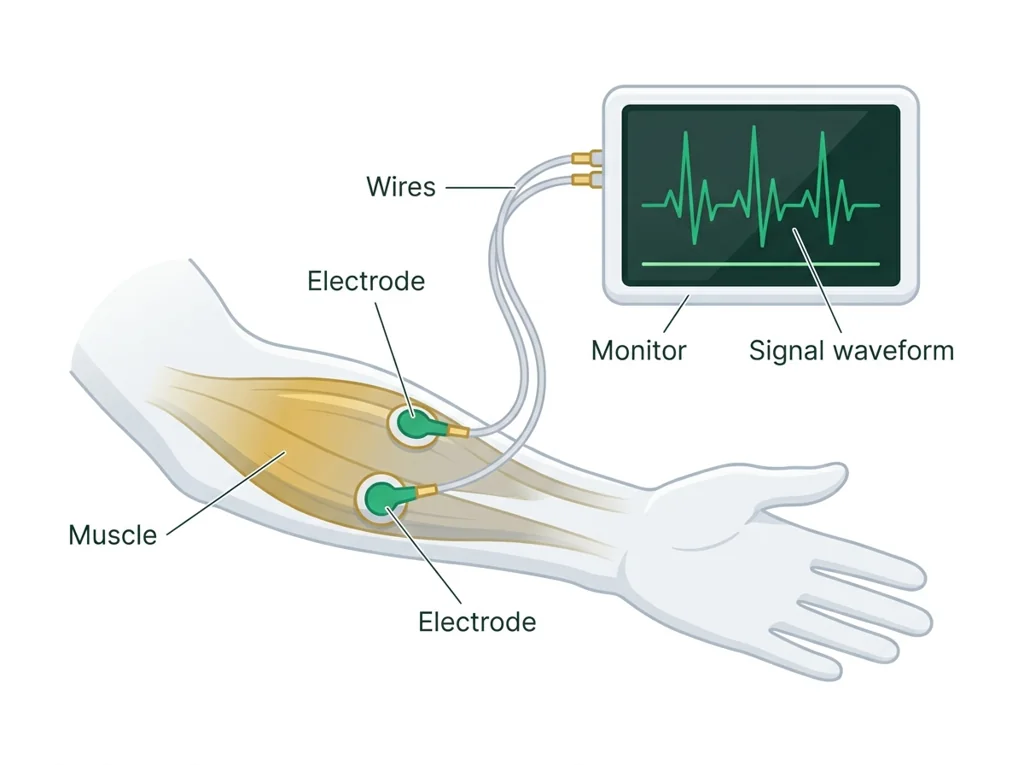
Electromyography, a test that records the electrical signals muscles produce when they contract, used to study muscle and nerve function.
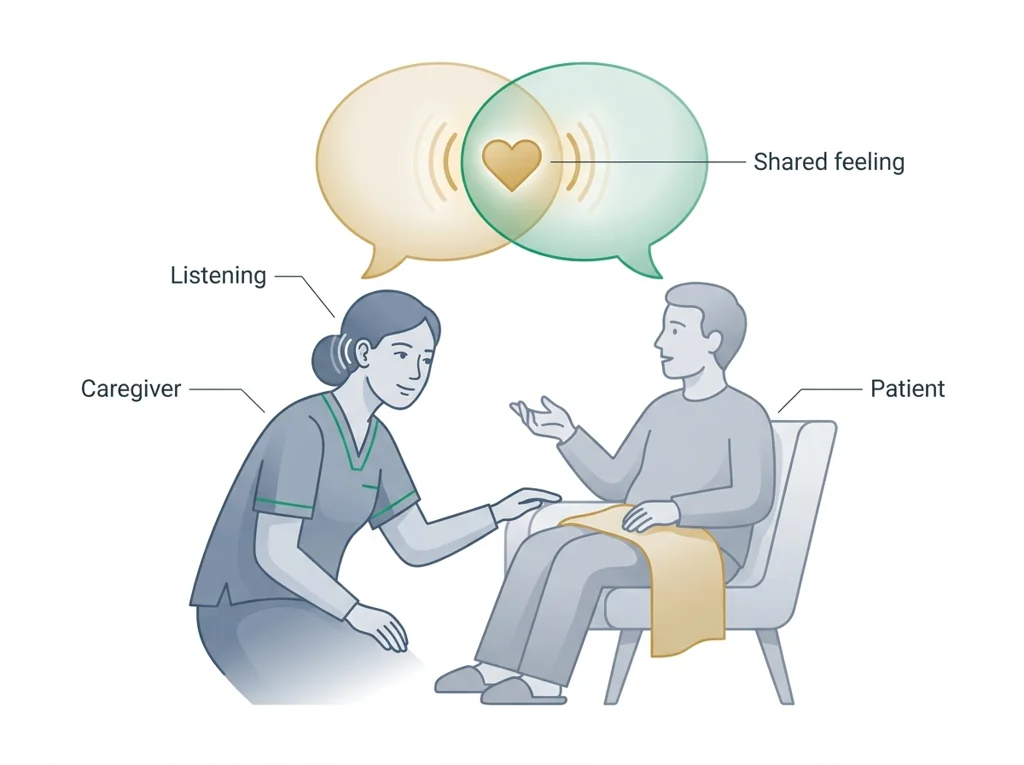
The ability to understand and share another person's feelings, which helps health professionals connect with and support their patients.
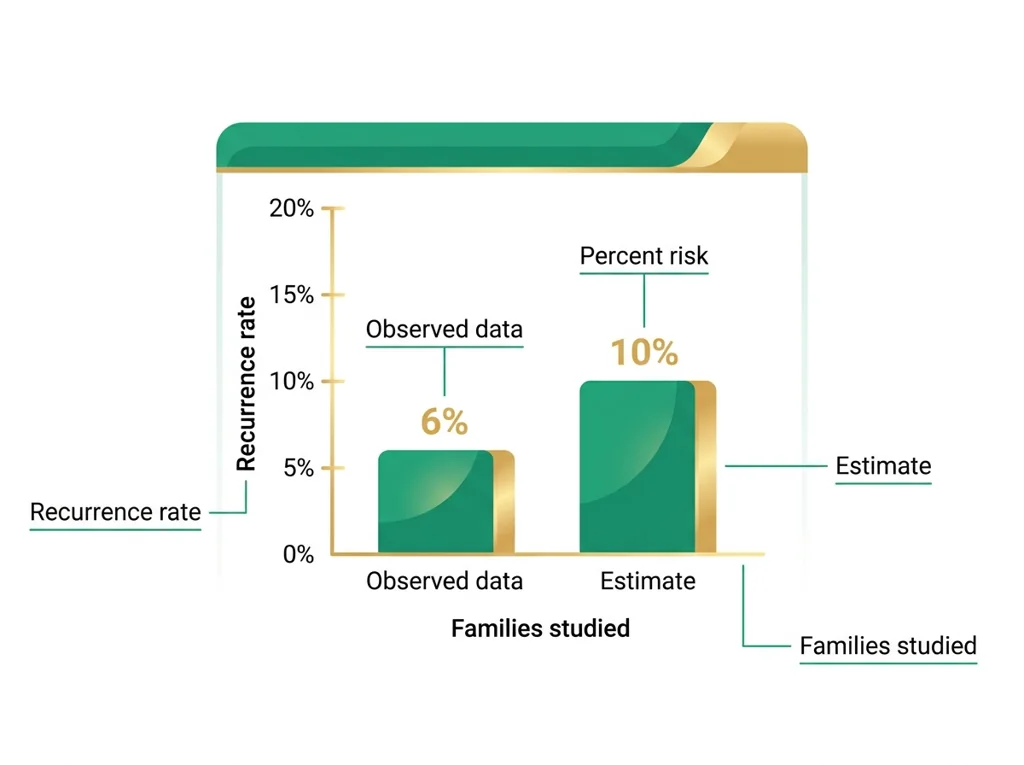
A recurrence risk estimated from observed family and population data rather than from a single-gene inheritance calculation.
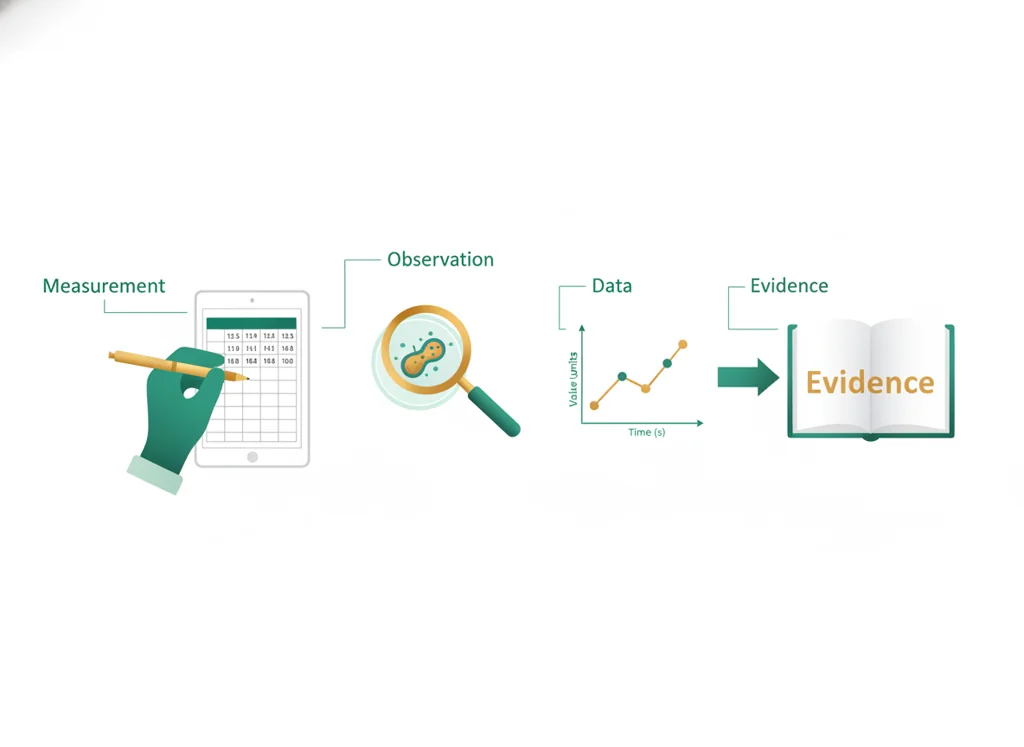
Based on direct observation, measurement, or experiment rather than on theory or opinion alone.
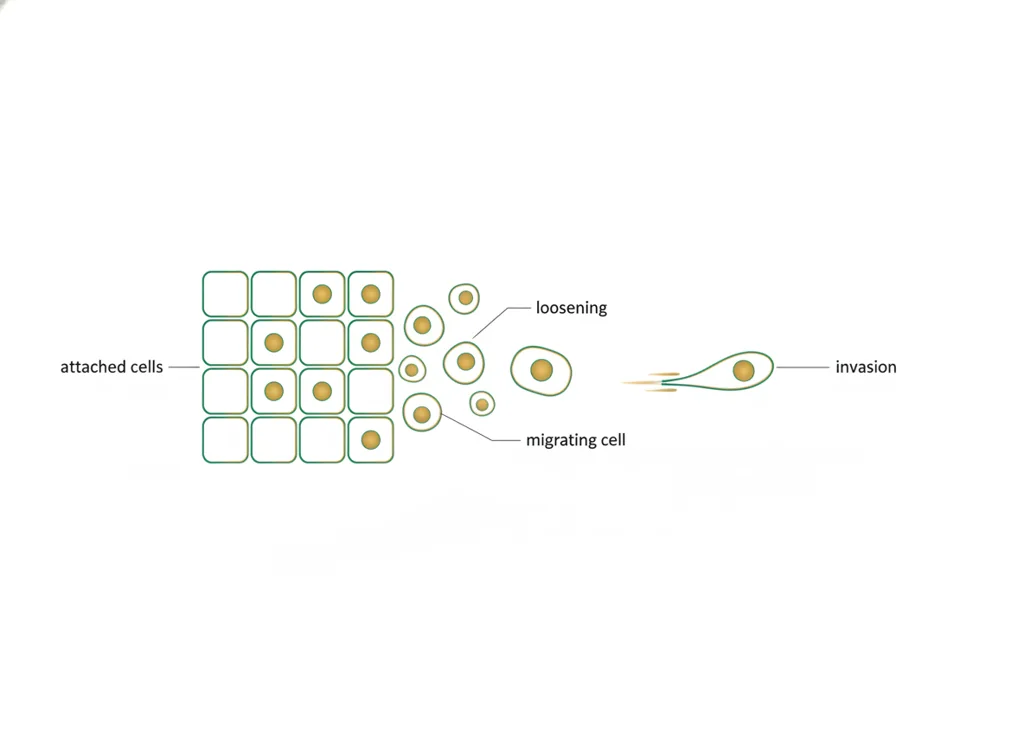
A change in which a settled, attached cell becomes looser and more mobile, helping it move or invade, which is not the same as spreading to distant organs.
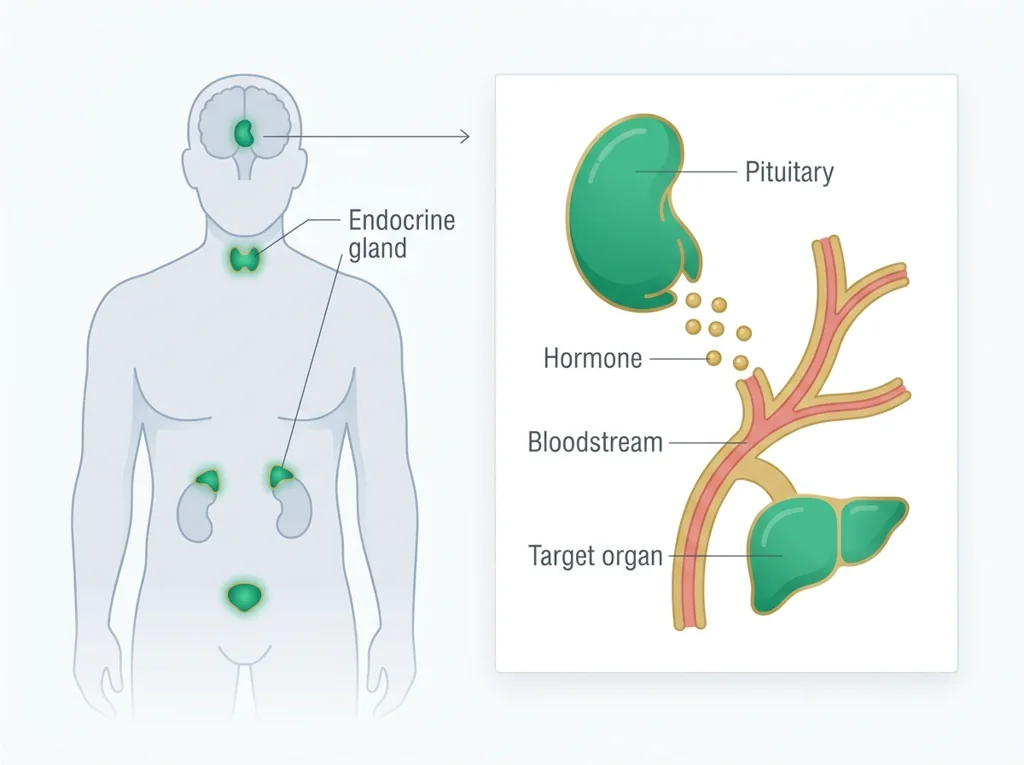
An organ that releases hormones directly into the bloodstream to control distant body processes such as growth and metabolism.
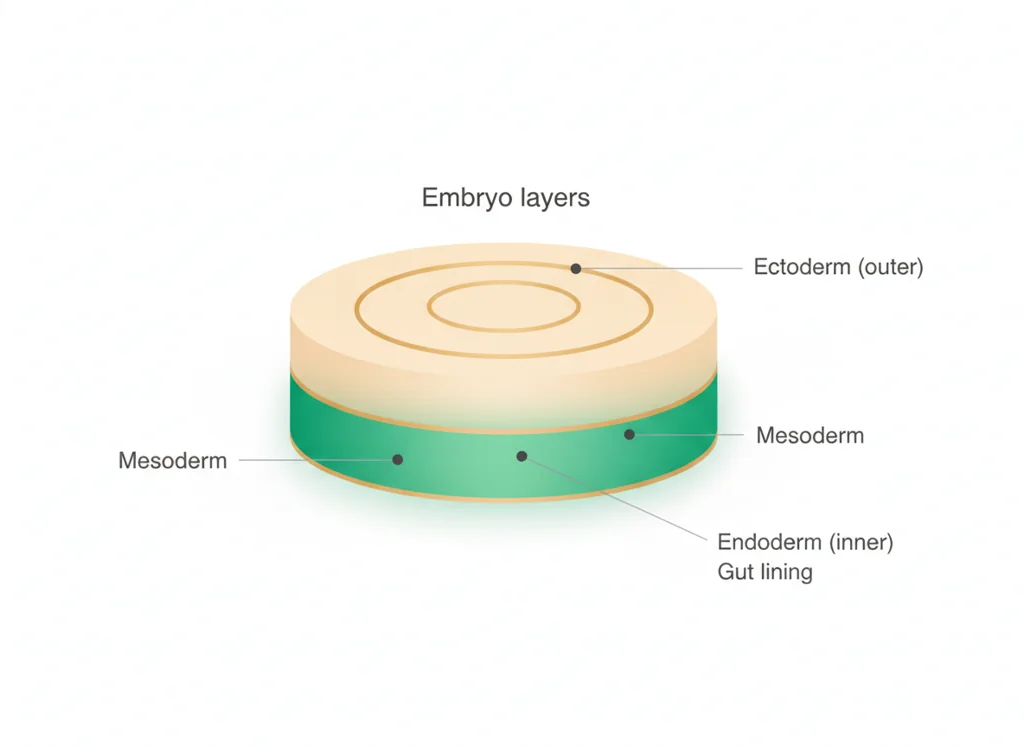
The innermost layer of the early embryo, which forms the lining of the gut, lungs, and related organs.
The repeating cycle engineers work in: define the problem, set criteria and constraints, generate options, choose one on evidence, build it, test it, and improve it. It is a loop, so a failed test sends you back a stage rather than ending the project.
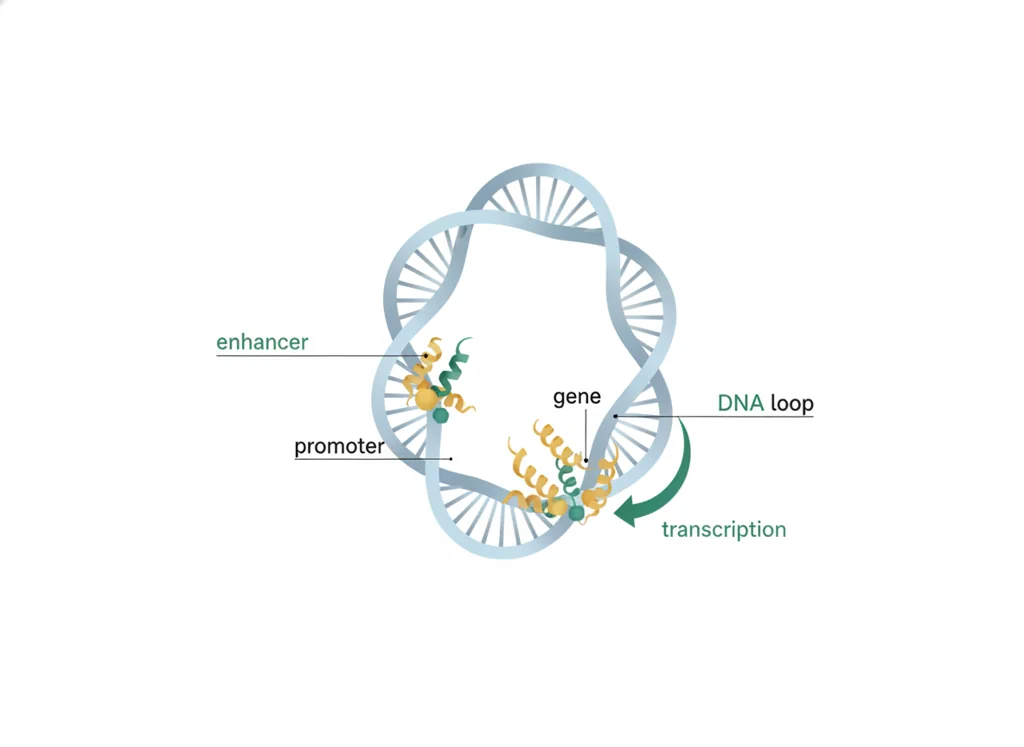
A stretch of regulatory DNA that boosts how strongly a nearby gene is transcribed, even from some distance away.
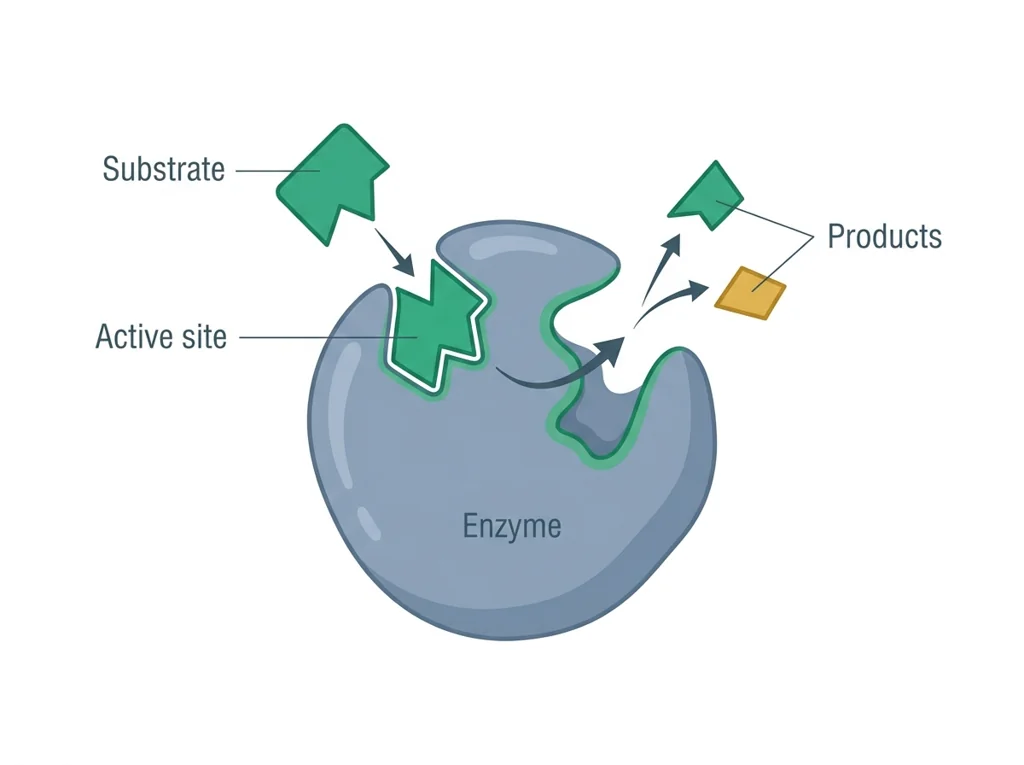
A protein that speeds up a specific chemical reaction in the body by lowering the energy needed, without being used up itself.
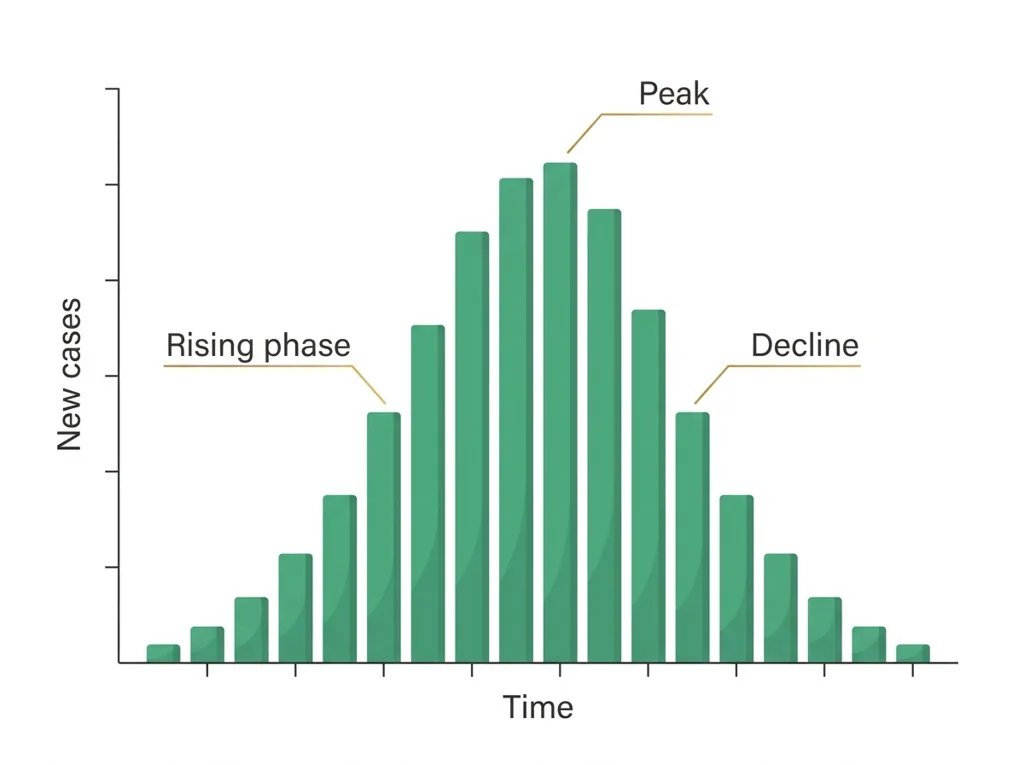
A bar graph showing the number of new disease cases over time, used to track how fast an outbreak is growing or shrinking.
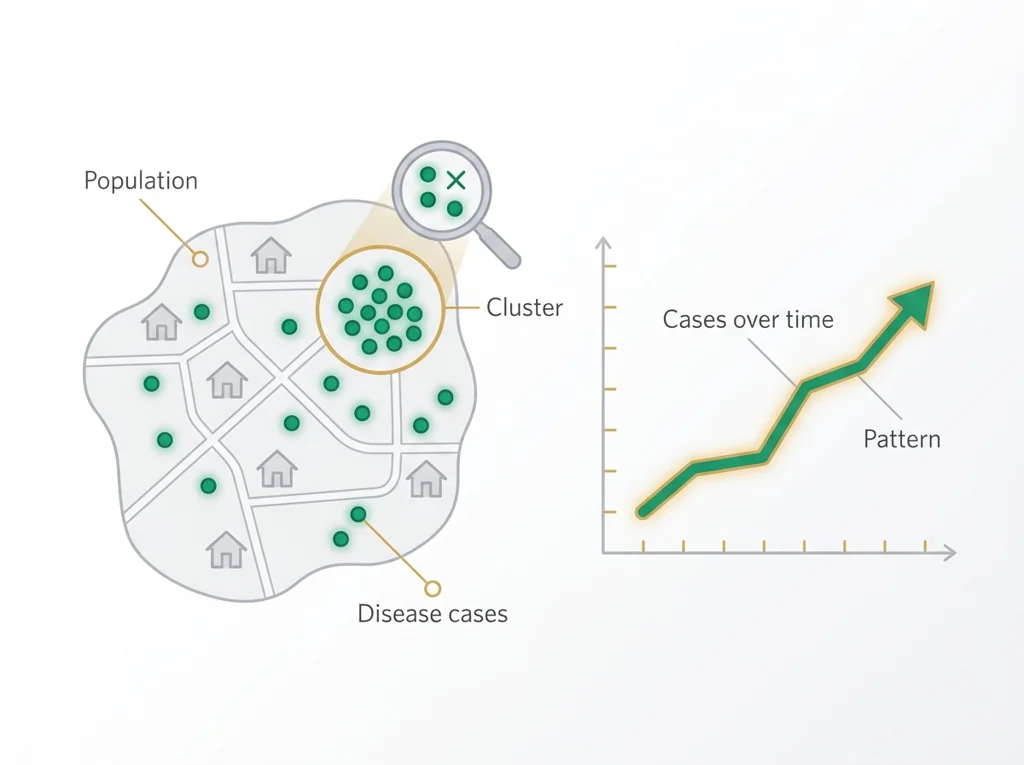
The study of how diseases spread, who they affect, and what causes them across populations, used to find patterns and guide prevention.
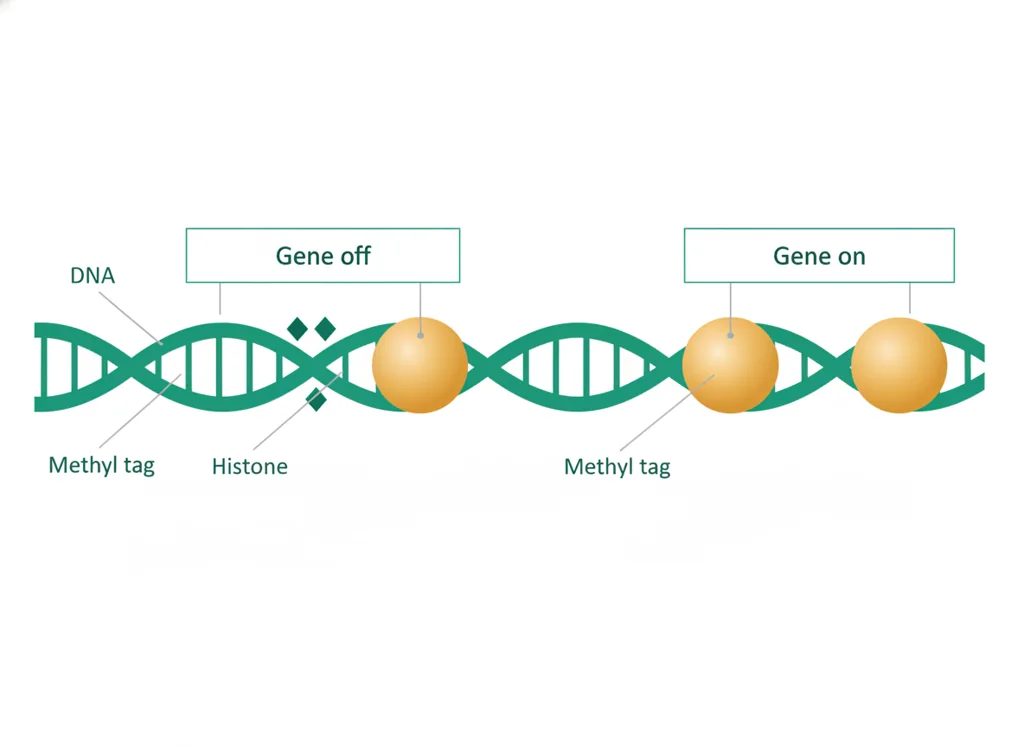
The study of chemical tags on DNA and its packaging that switch genes on or off without changing the underlying DNA sequence itself.
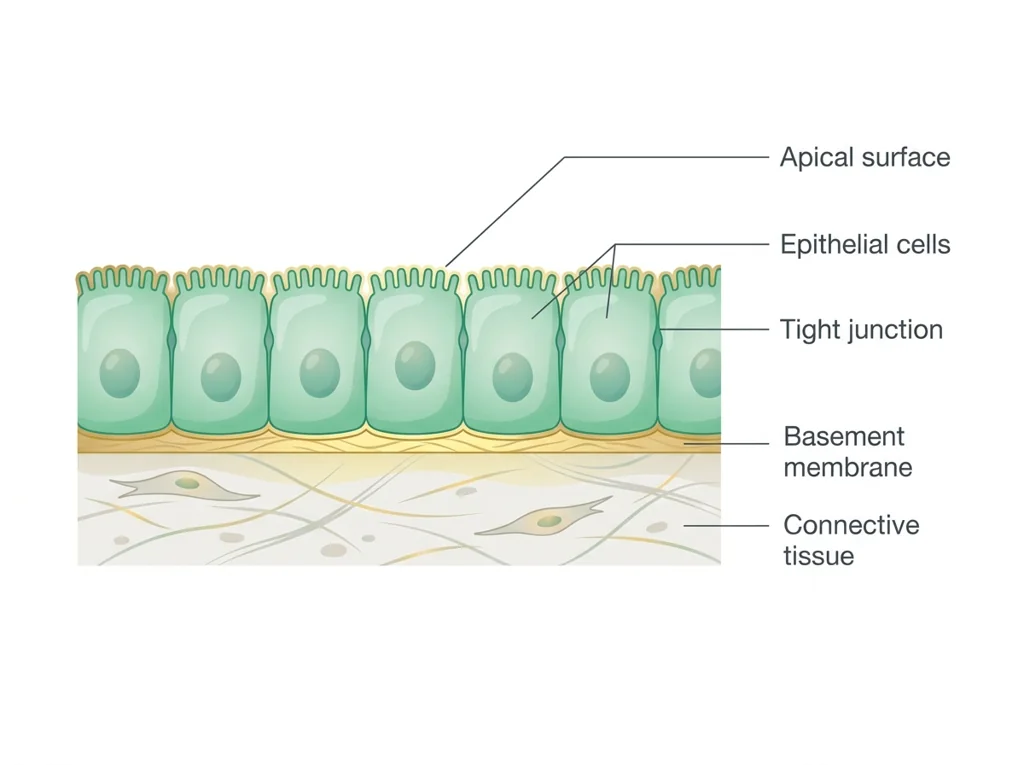
Relating to the sheets of tightly packed cells that line and cover body surfaces, organs, and cavities and form protective barriers.
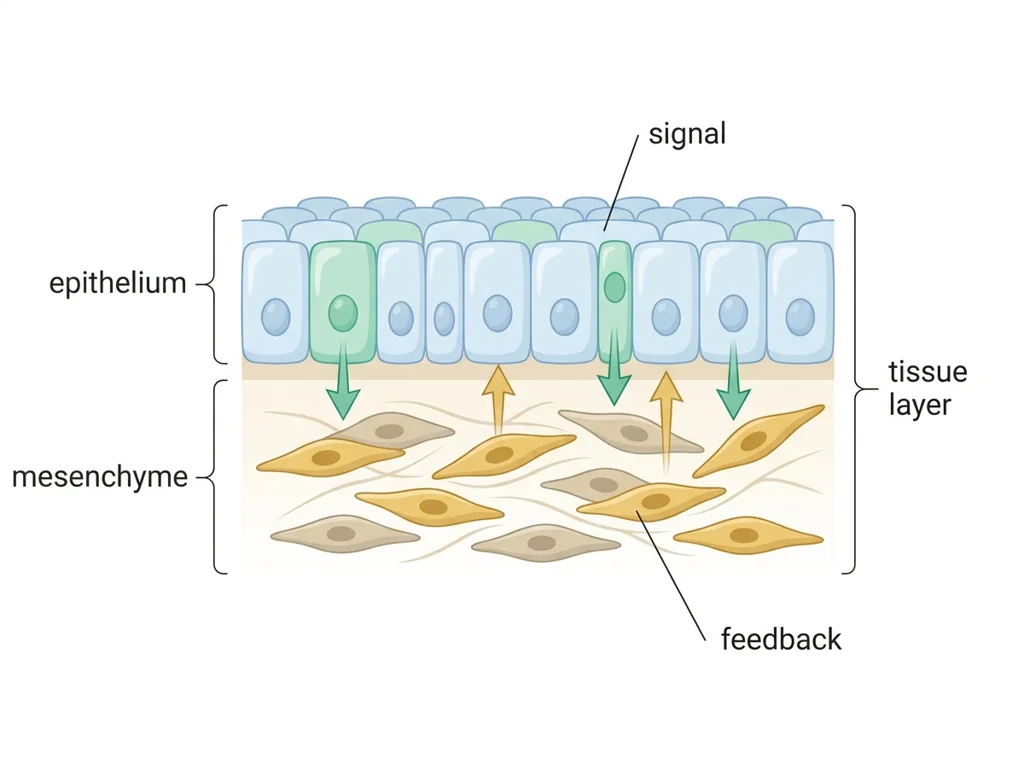
Back-and-forth chemical signaling between surface epithelial cells and underlying mesenchyme cells that guides how tissues grow and form.
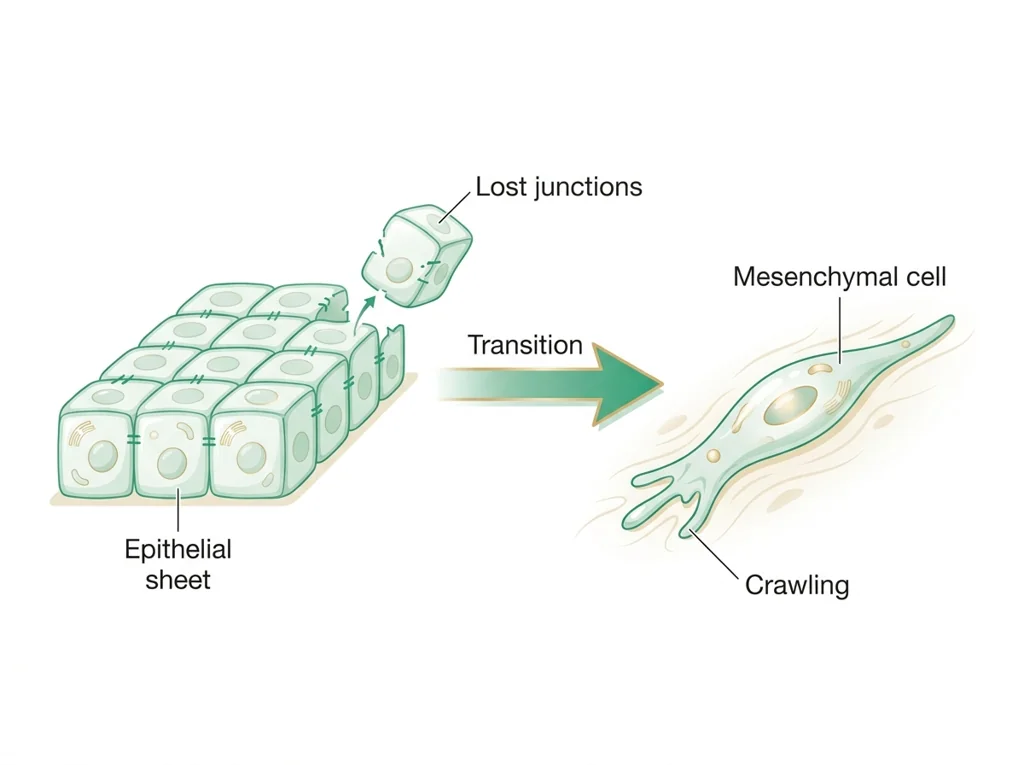
A change where a settled, sheet-bound epithelial cell loosens its bonds and becomes a mobile, crawling mesenchymal cell.
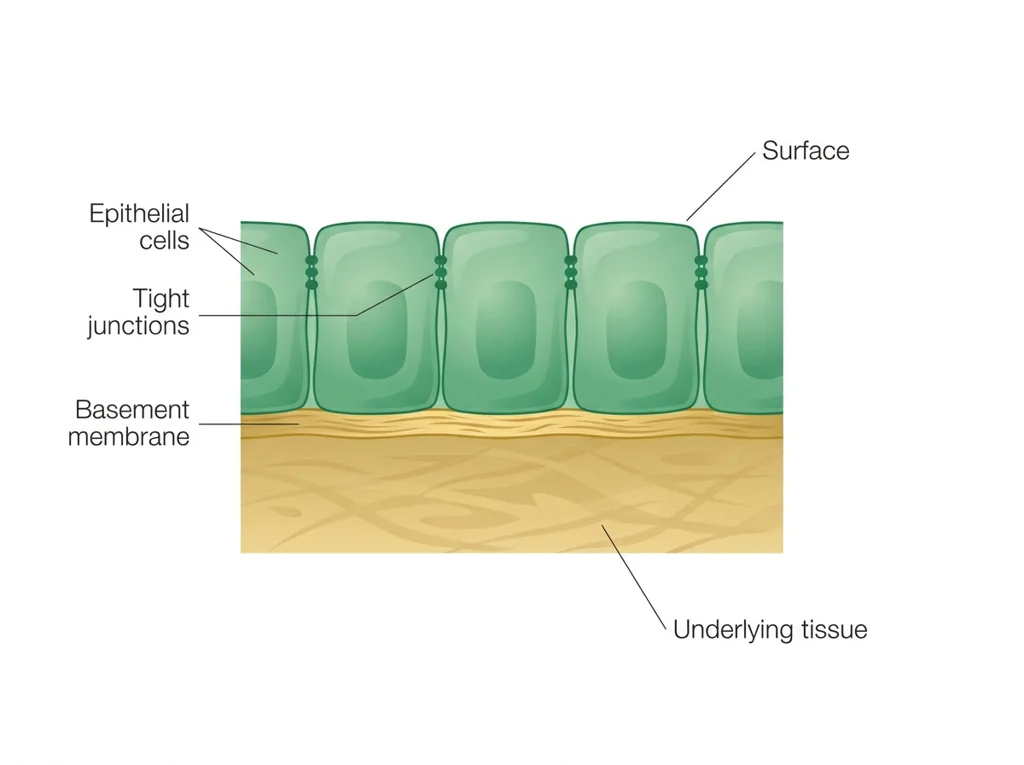
A sheet of tightly joined surface cells, such as the lining whose edges must clear away for the palatal shelves to fuse.
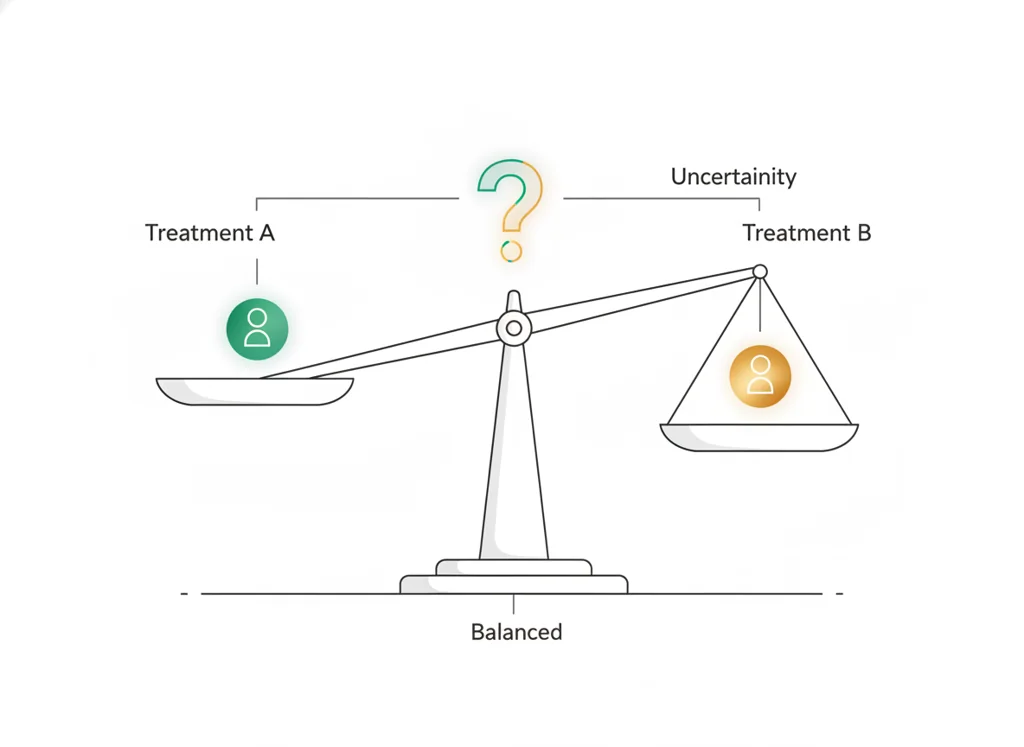
Genuine uncertainty in the expert community about which treatment is better, which is what makes randomly assigning patients in a trial ethical.
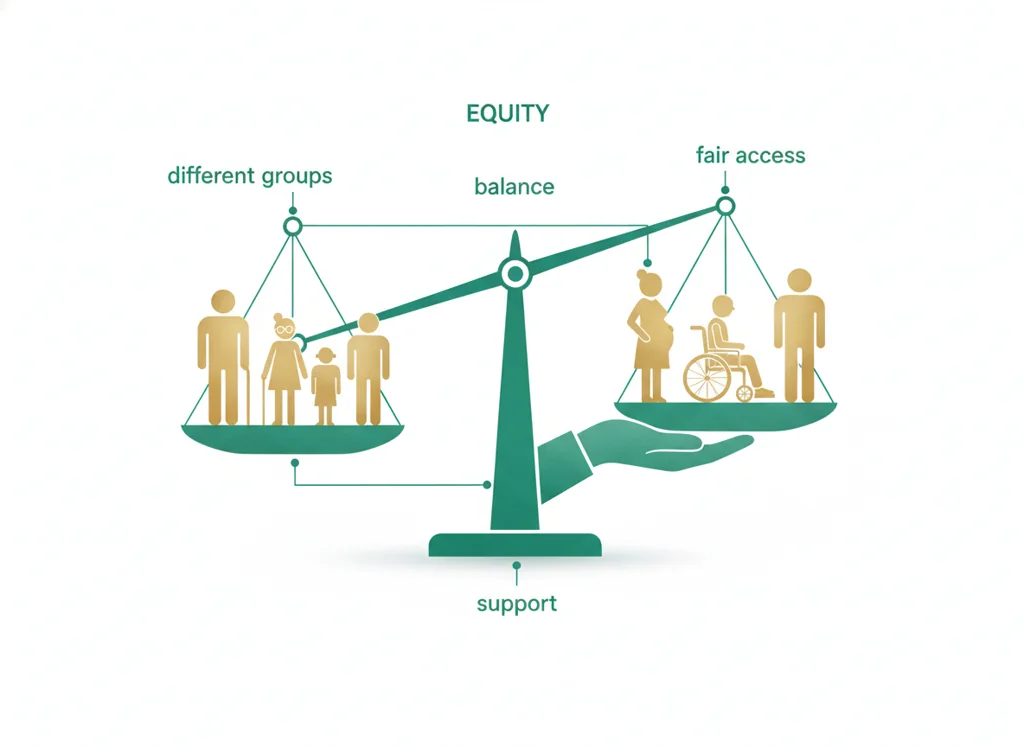
The bioethics principle that the benefits, risks, and access of research and care should be shared fairly across all groups of people.
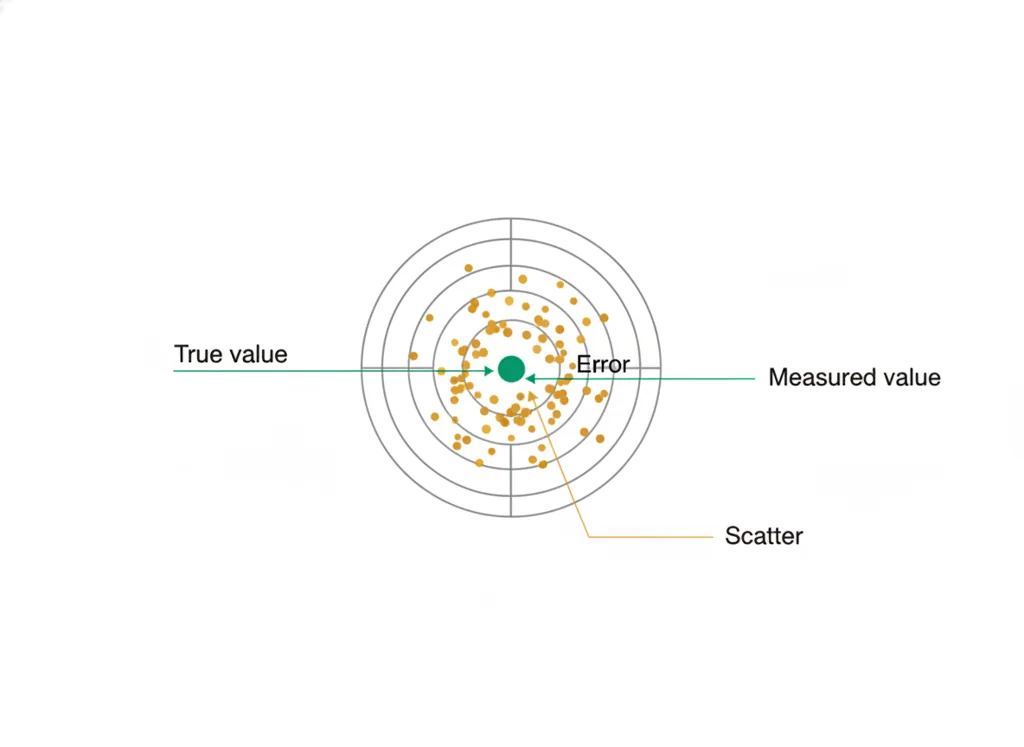
The difference between a measured value and the true value, caused by limits of instruments, method, or the person measuring.
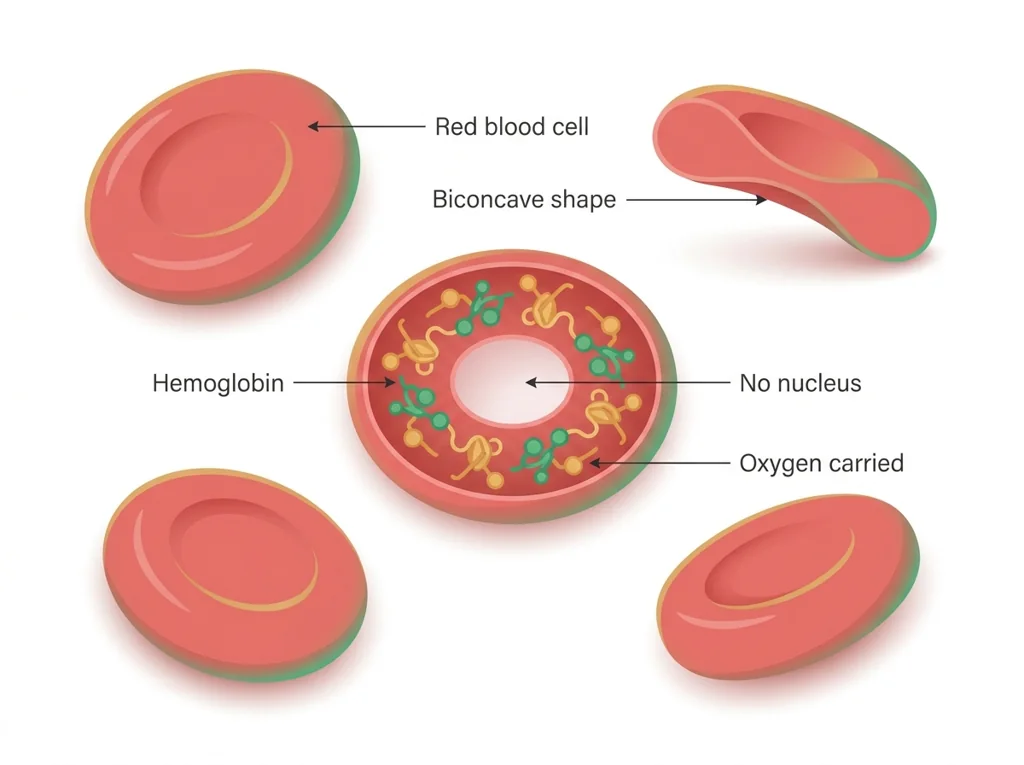
A red blood cell, the biconcave disc packed with hemoglobin that carries oxygen from the lungs to the body's tissues.
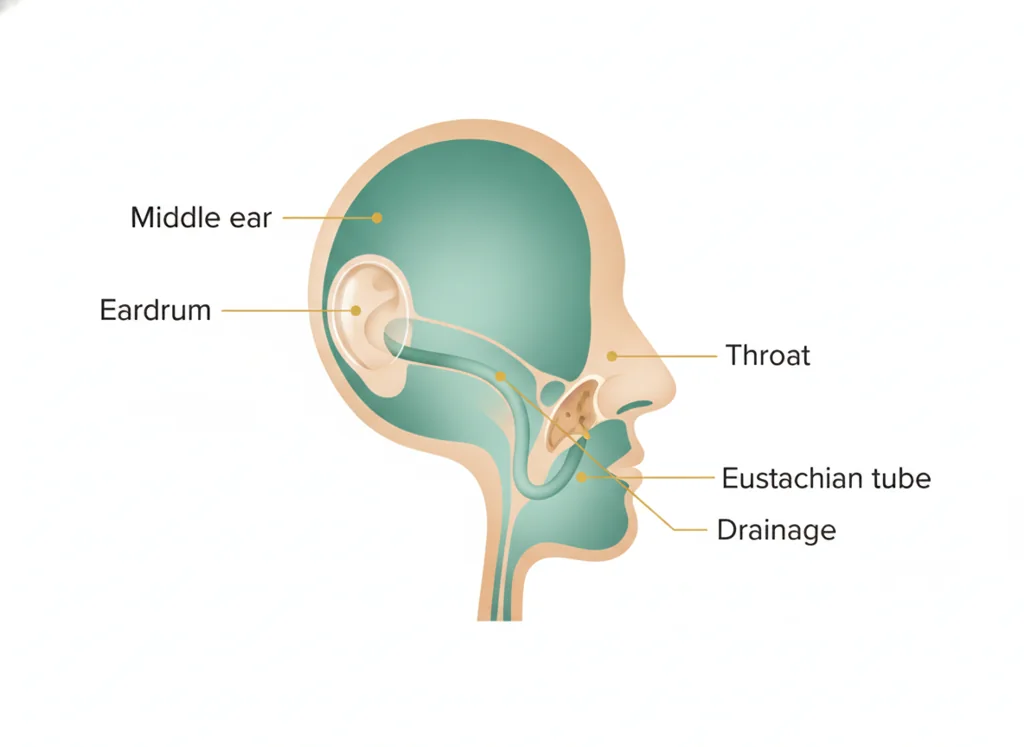
A narrow tube linking the middle ear to the back of the throat that equalizes ear pressure and drains fluid; cleft palate often disrupts it.
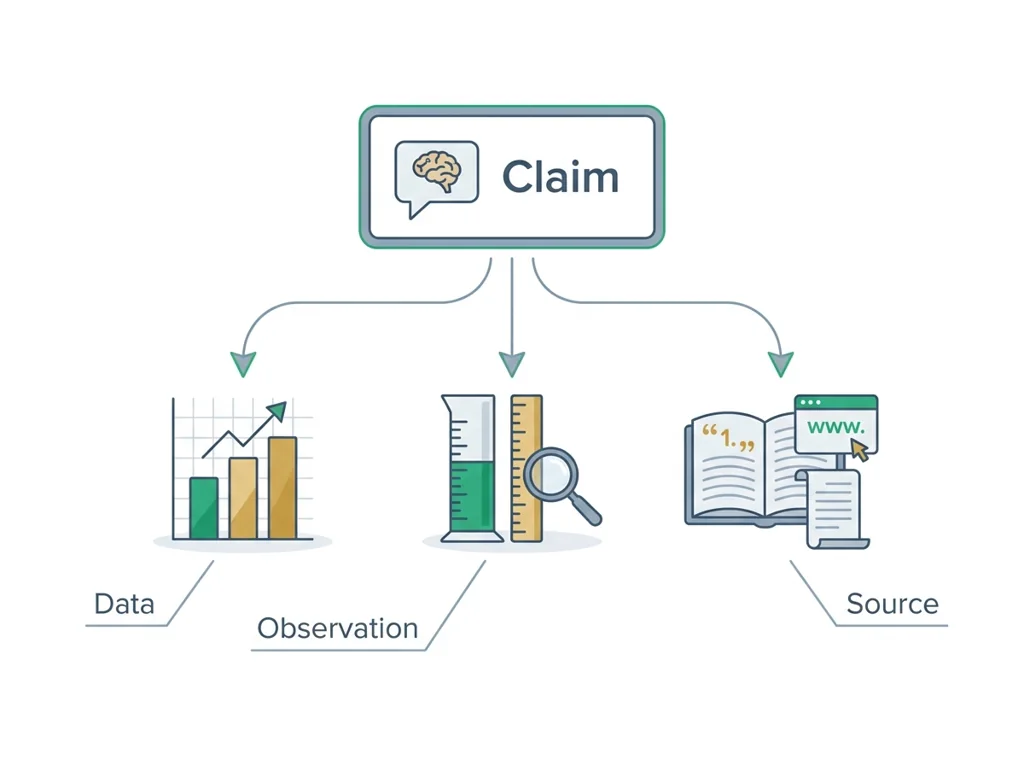
The facts, data, and cases that carry your claim. Opinions are free; evidence costs homework.
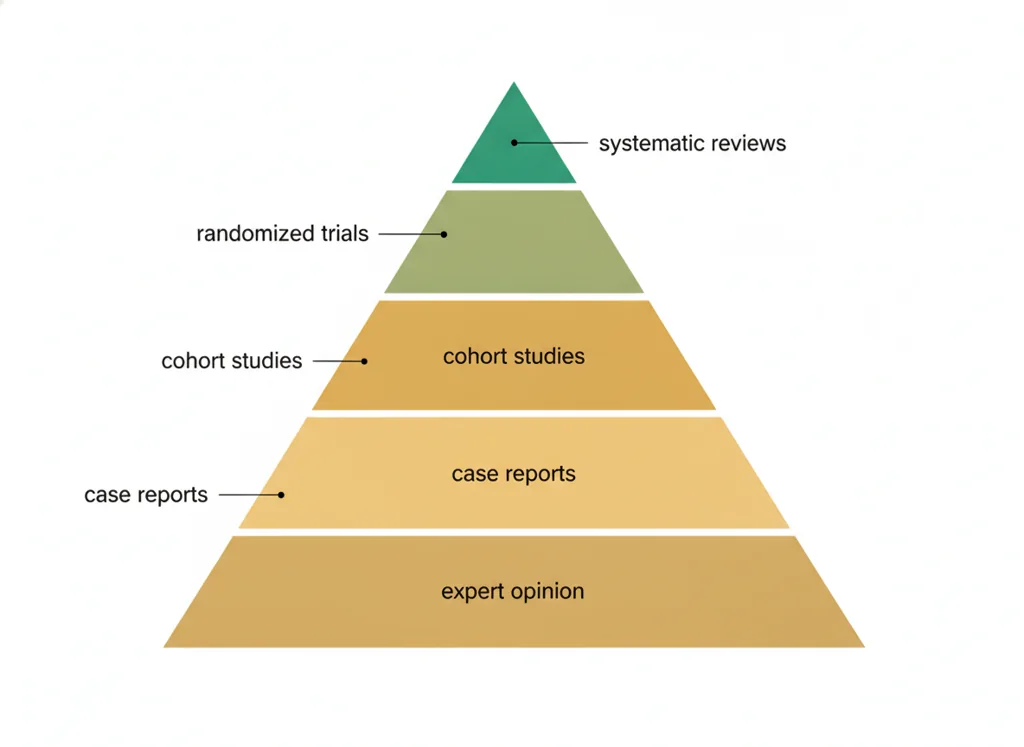
A ranking of research designs by how trustworthy their evidence is, placing systematic reviews and trials above observational studies and expert opinion.
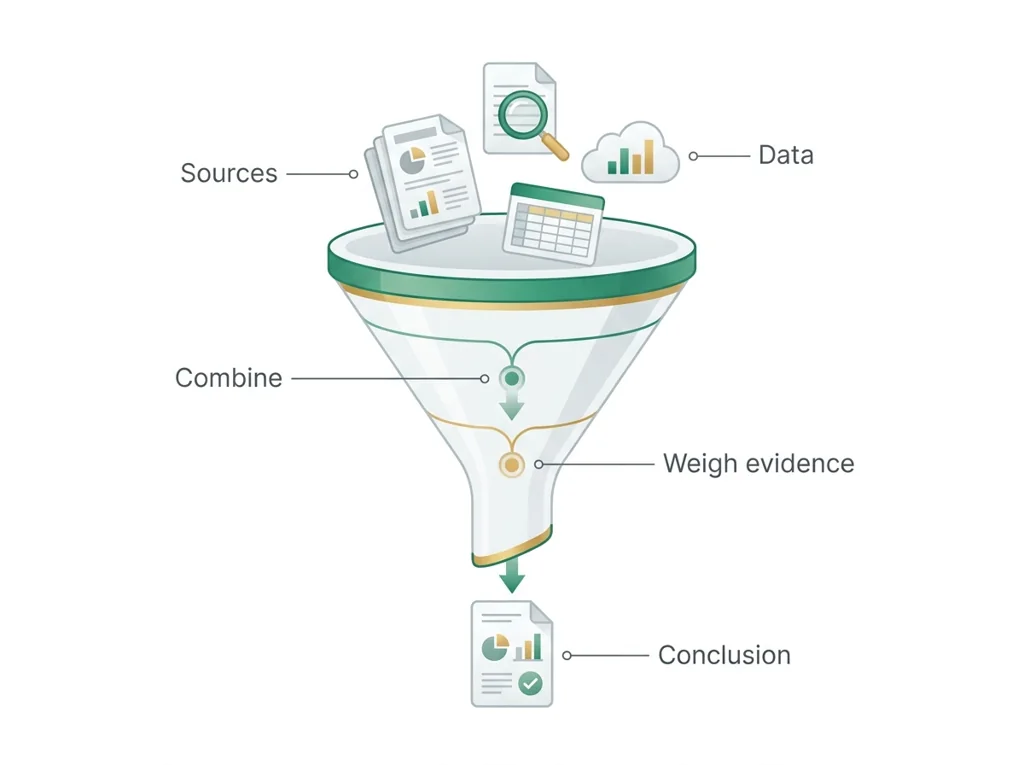
Combining findings from many separate sources into one organized conclusion, weighing how strong and consistent the evidence is overall.
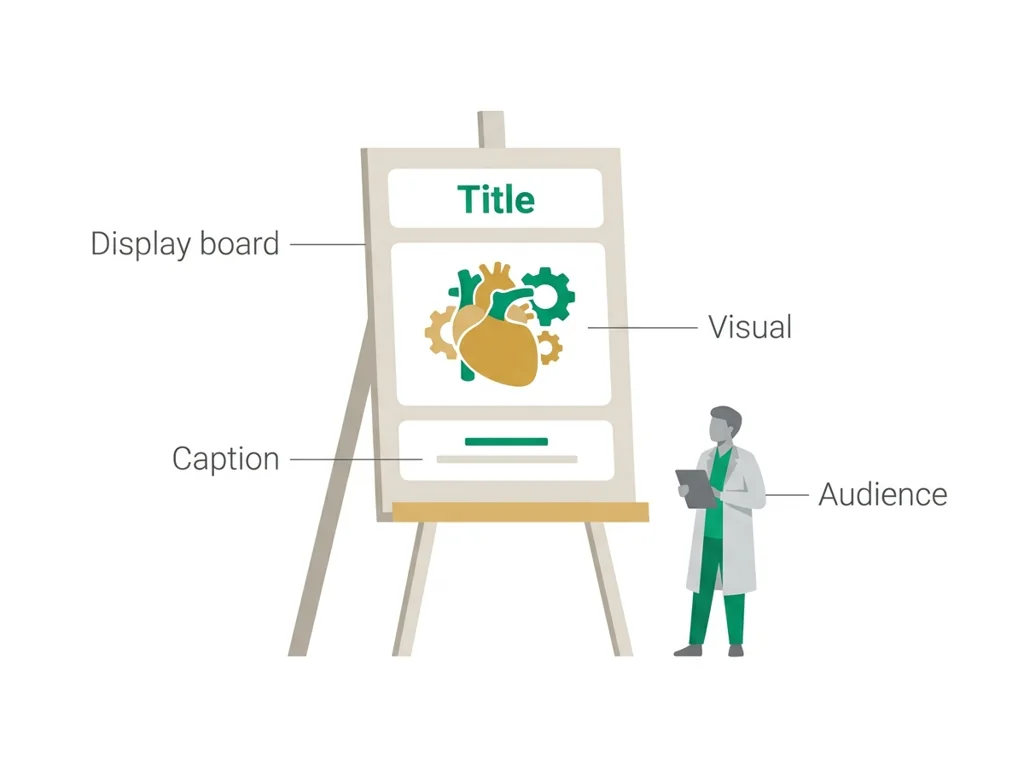
A clearly displayed item, image, or panel created to explain a topic to an audience, often used in projects, museums, or health fairs.
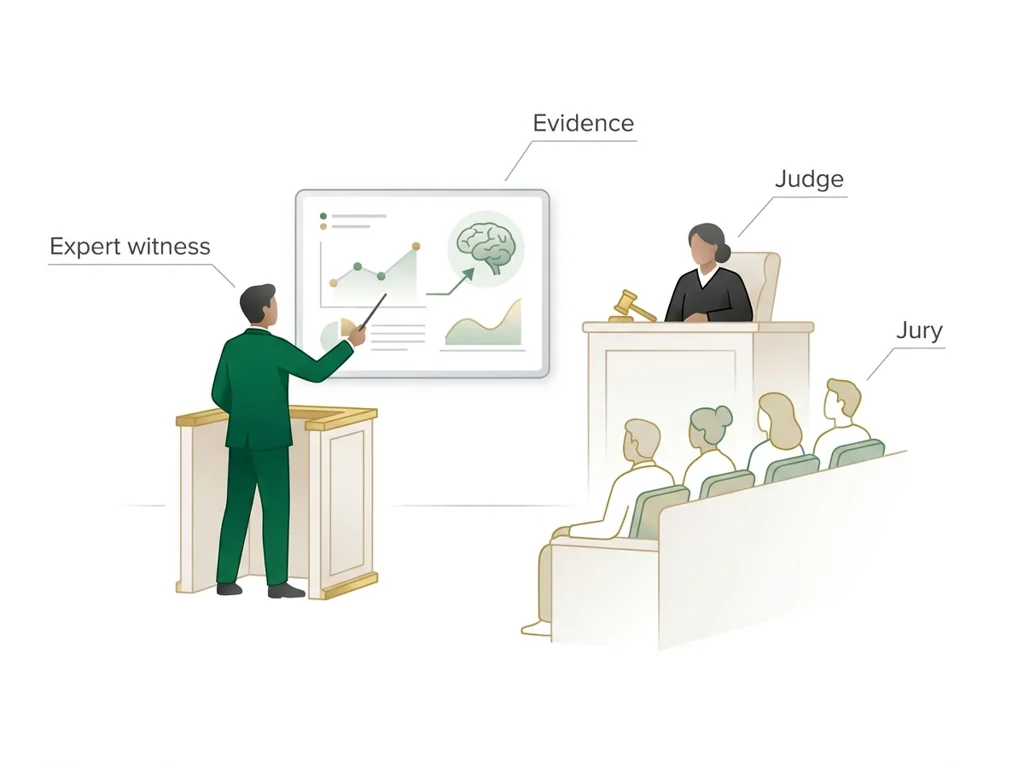
Evidence given in court by a qualified specialist who explains technical findings, such as DNA or autopsy results, to help the jury understand.
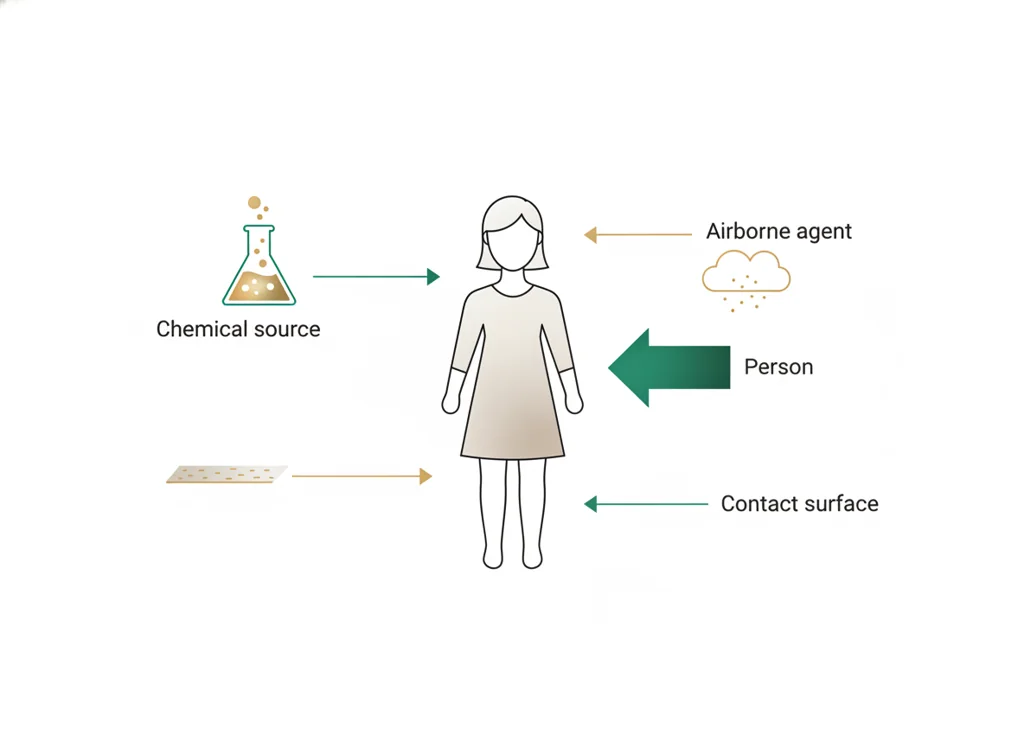
Contact with a substance, agent, or condition that could affect health, such as a chemical, pathogen, or environmental factor.
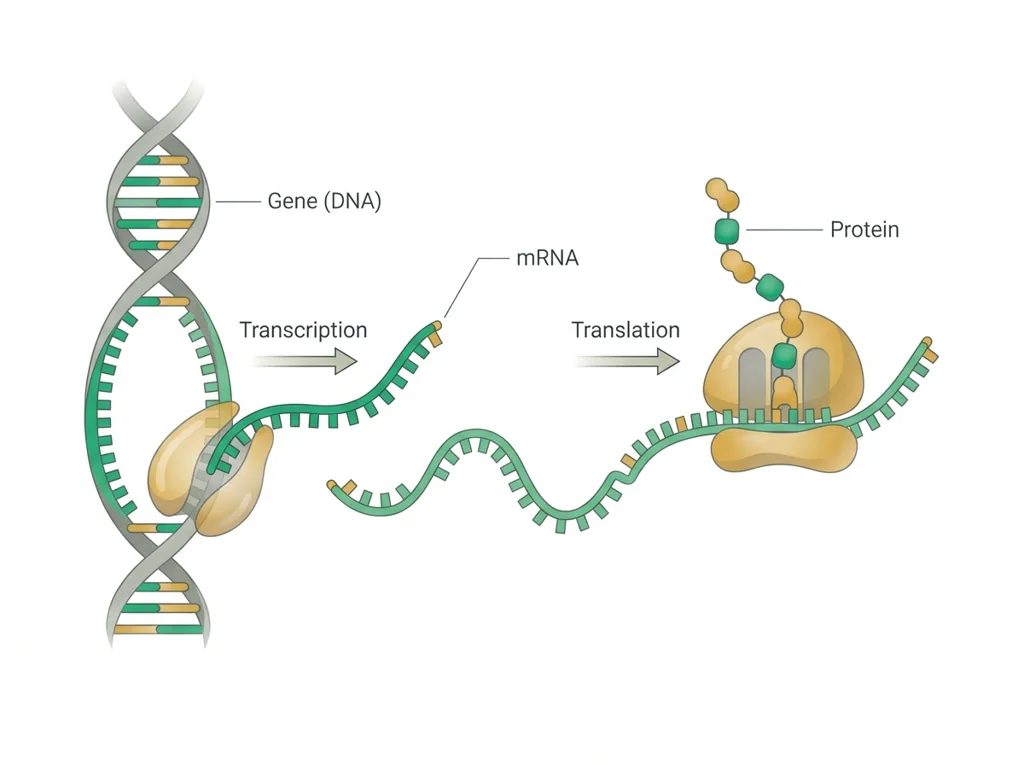
The process of turning a gene on so its DNA instructions are used to make RNA and protein, deciding when and where a gene is active.
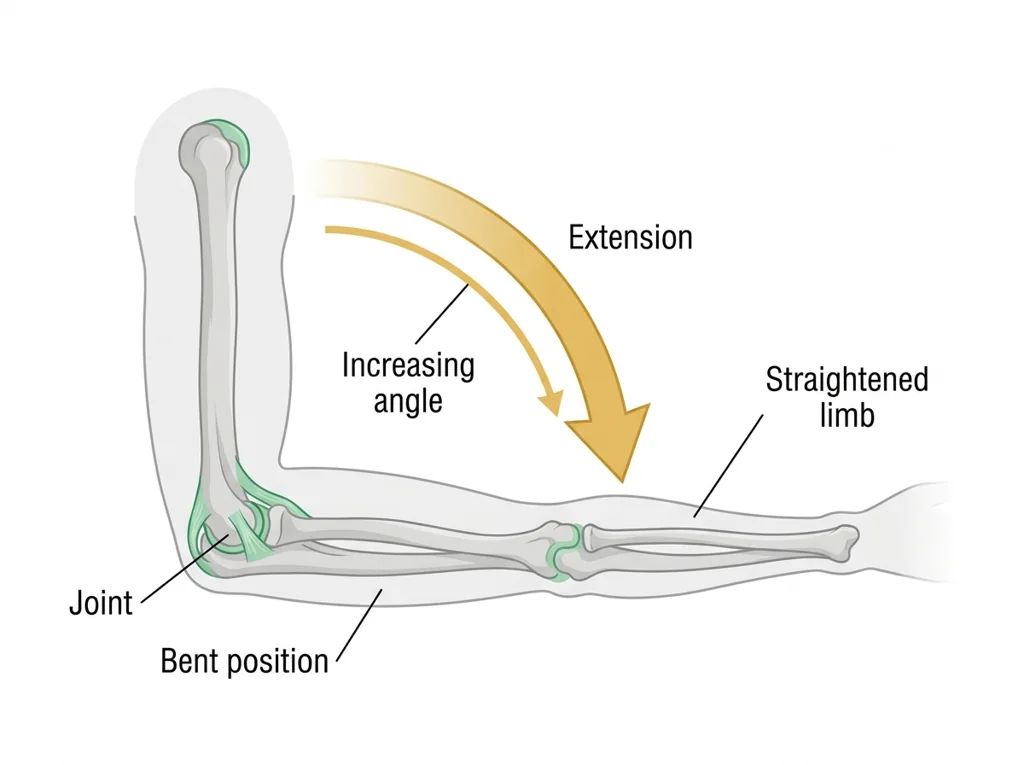
A movement that increases the angle of a joint and straightens a body part, such as opening the arm to straighten the elbow.
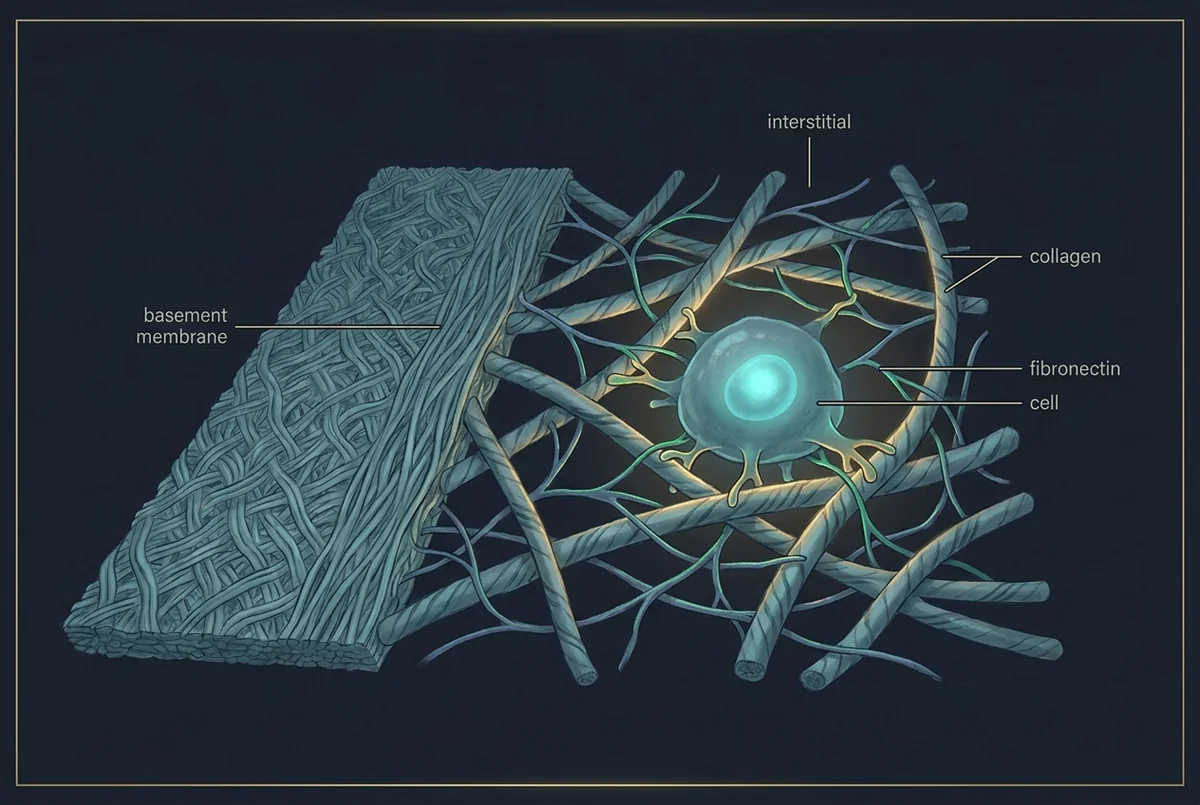
The mesh of proteins and other molecules outside cells that supports tissue, holds cells in place, and guides their behavior.
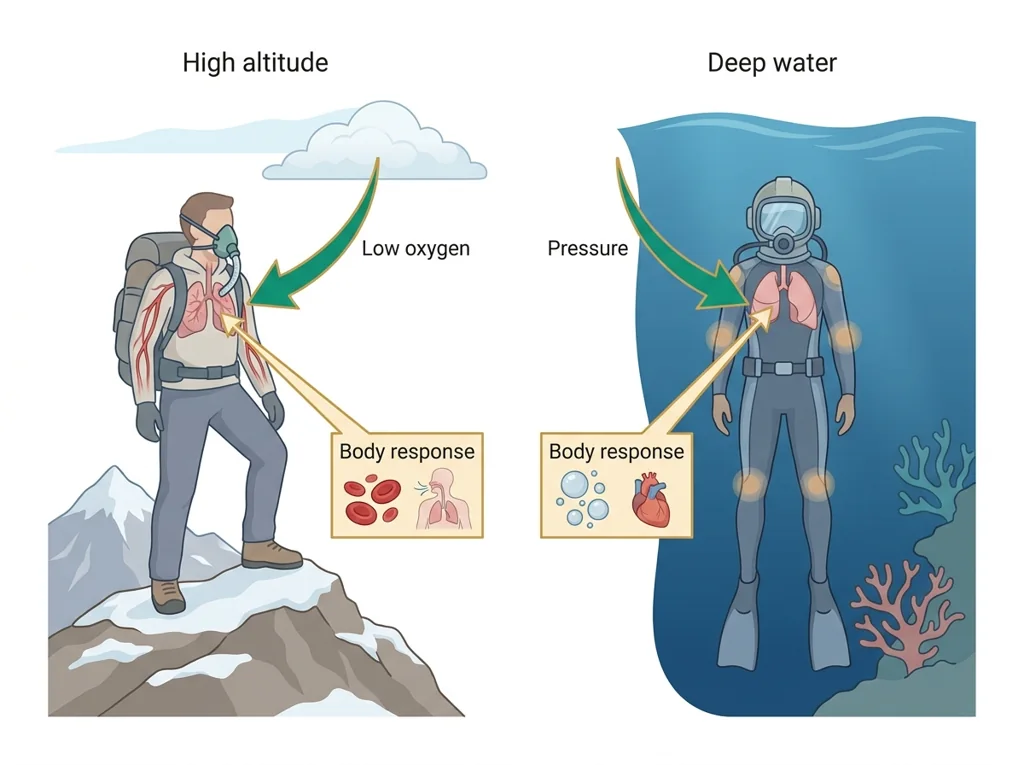
A setting with harsh conditions, such as high altitude, deep water, or intense heat, that pushes the body's systems to adapt.
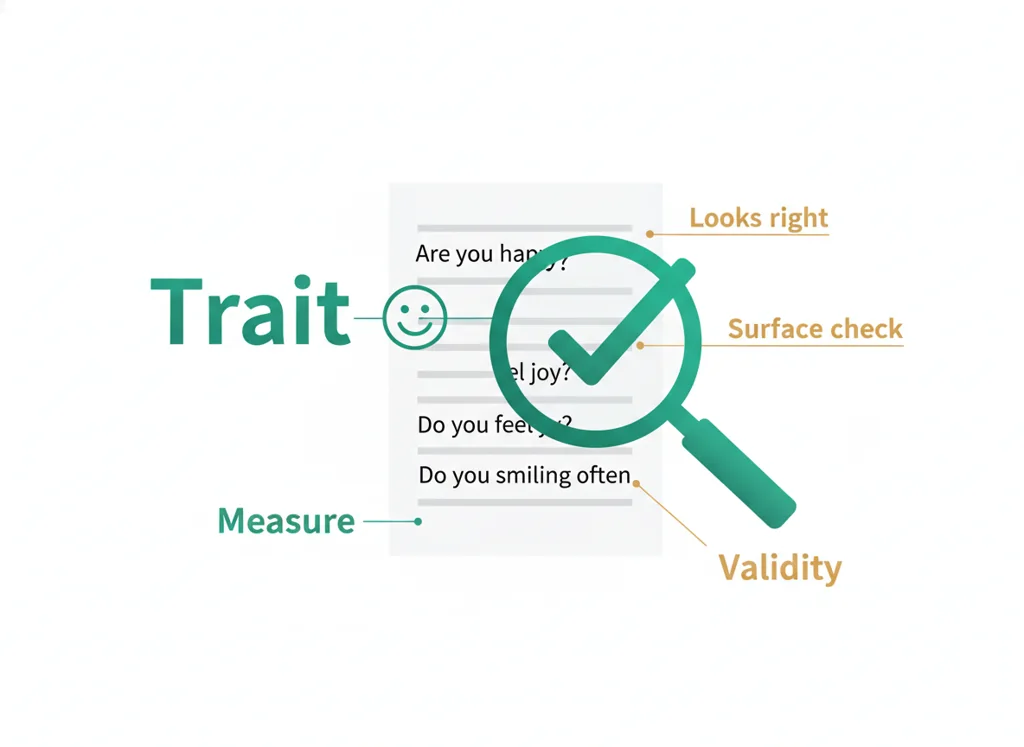
Whether a test or measure looks, on the surface, like it really assesses what it claims to assess.
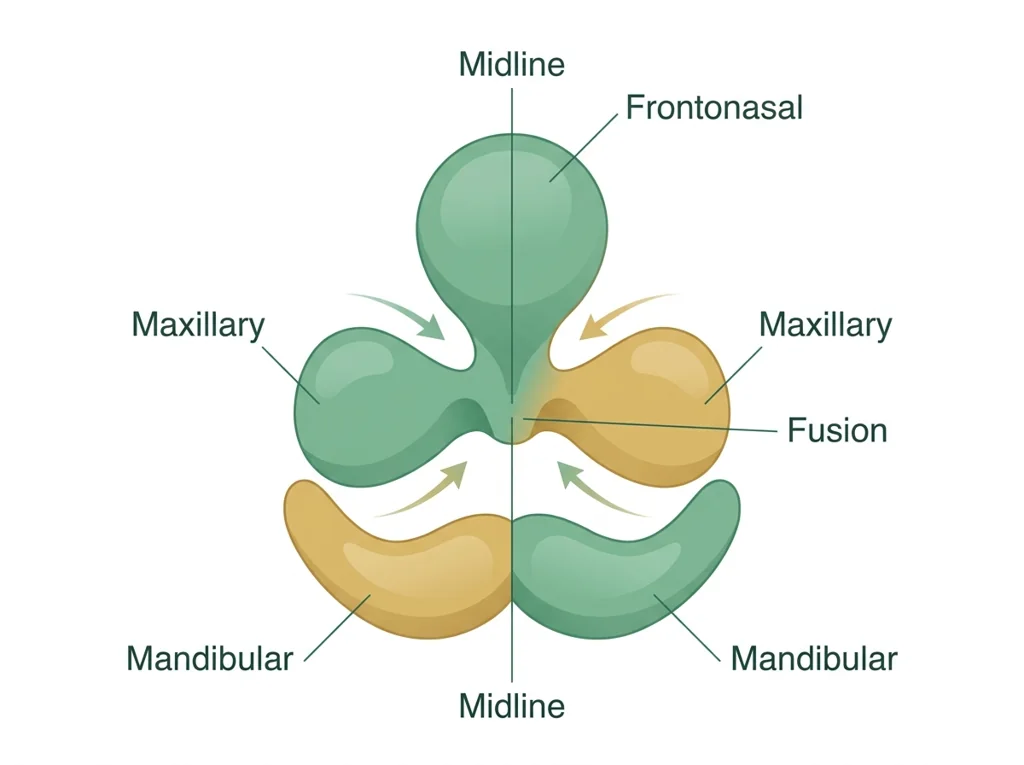
One of the five swellings of tissue (one frontonasal, two maxillary, two mandibular) that grow toward the midline and fuse to build the face.
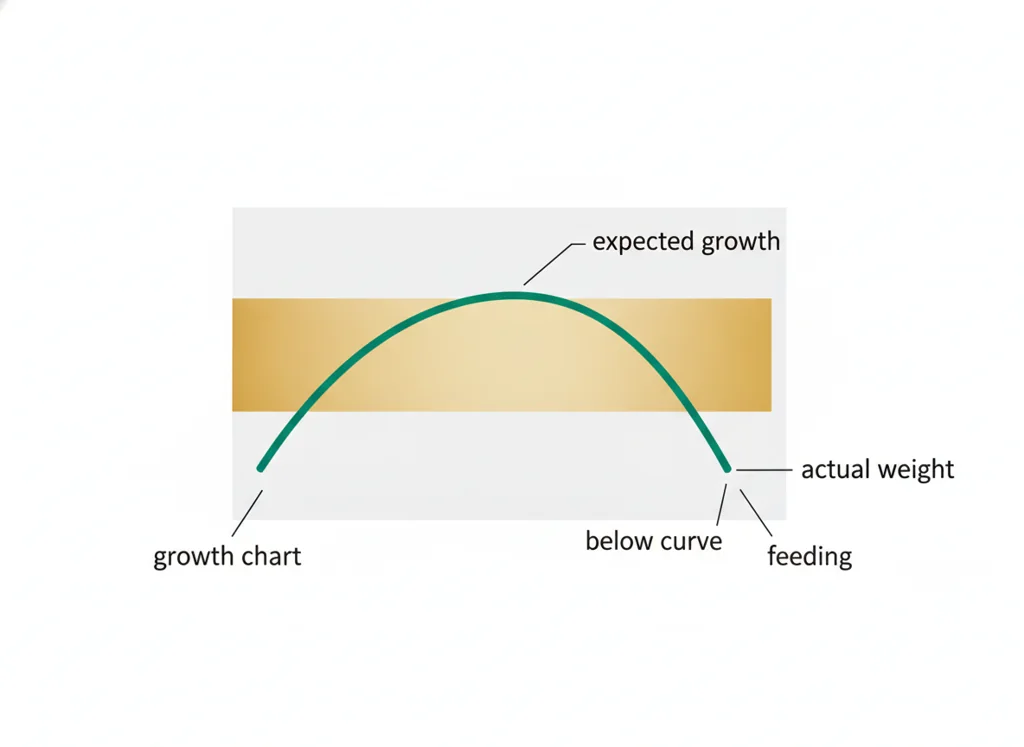
Poor weight gain and growth in an infant or child, often because feeding is difficult or nutrition is not absorbed well.
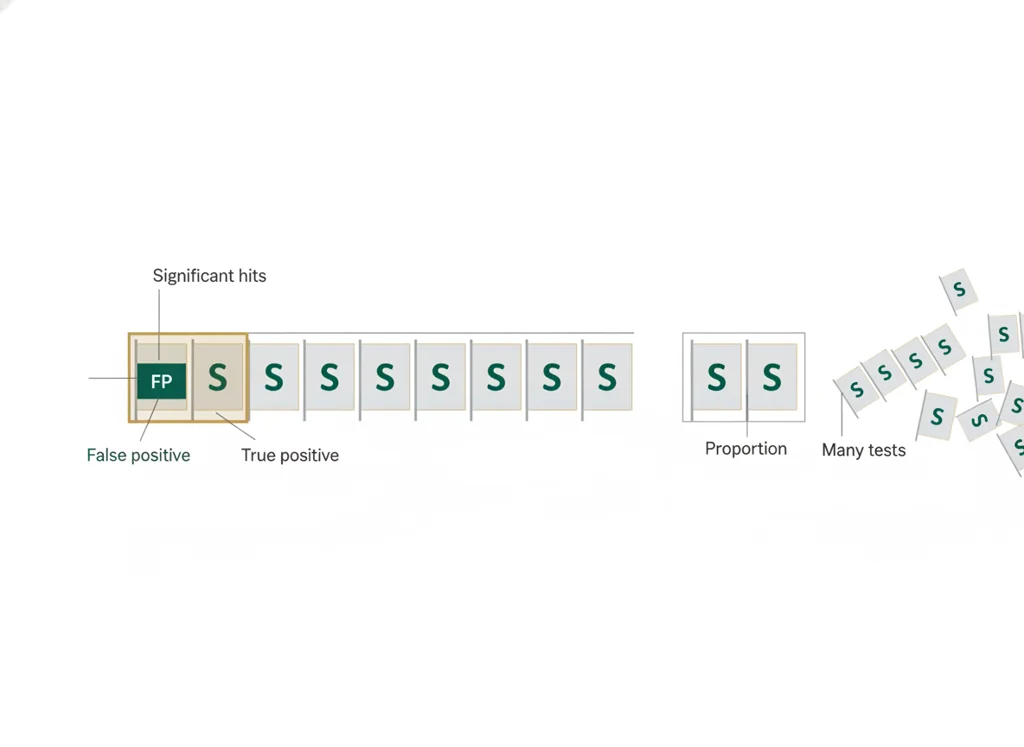
The expected share of results called significant that are actually false alarms, a key check when many tests are run at once.
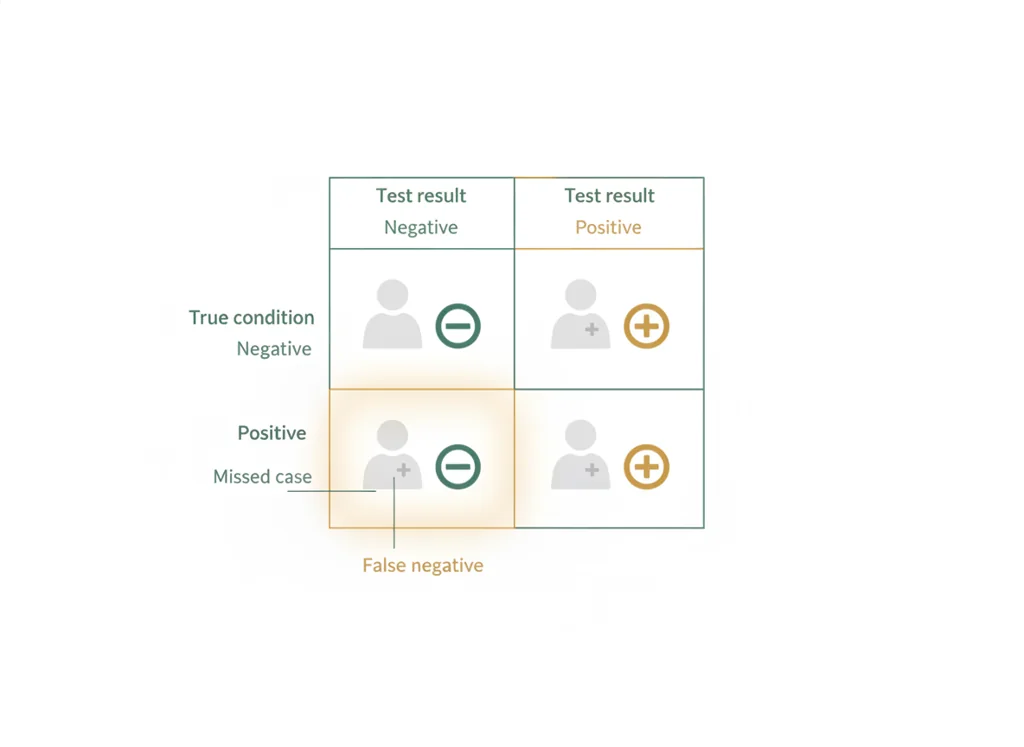
A test result that says a condition is absent when it is actually present, missing a true case.
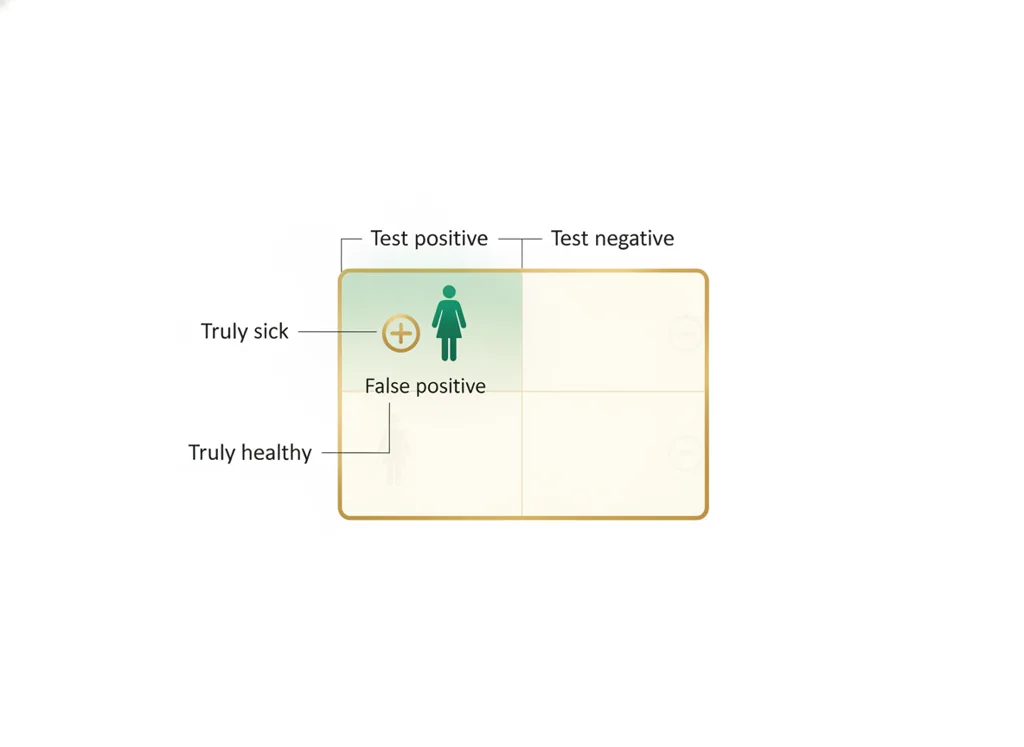
A test result that signals a condition is present when it actually is not, a kind of error that can lead to needless worry or treatment.
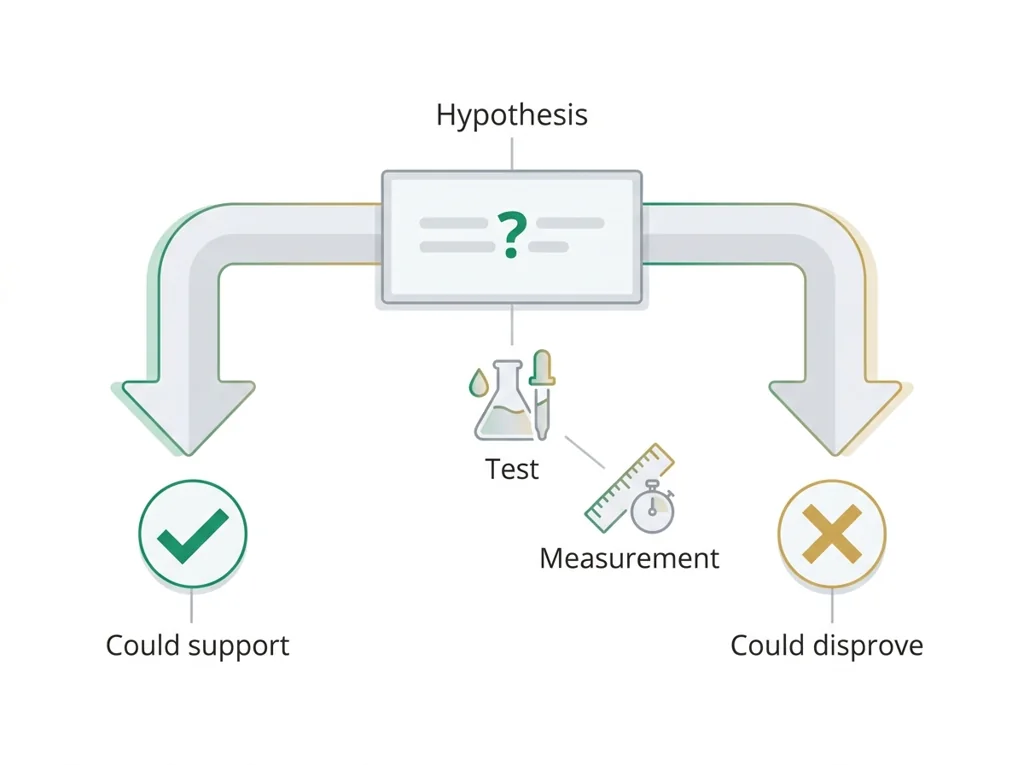
Able to be proven wrong by a real measurement, a key feature of a good scientific question or hypothesis.
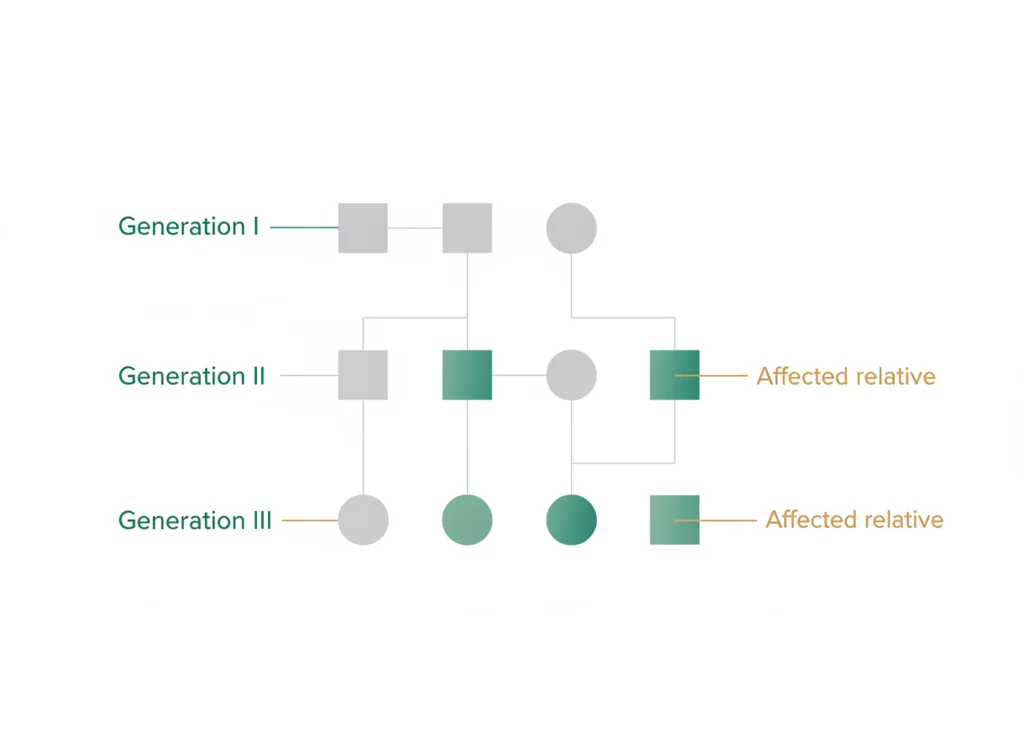
An instance of a trait or condition that appears in more than one relative, often across several generations of a family.
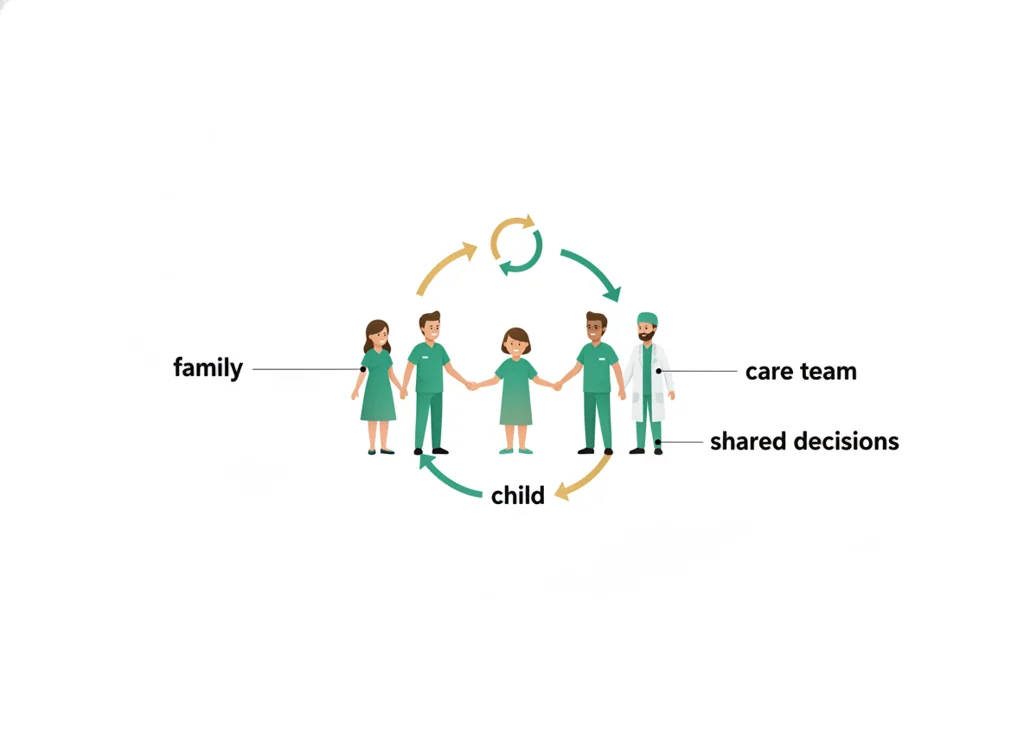
A care approach that treats the family as partners in decisions, respecting their values, needs, and role alongside the medical team.
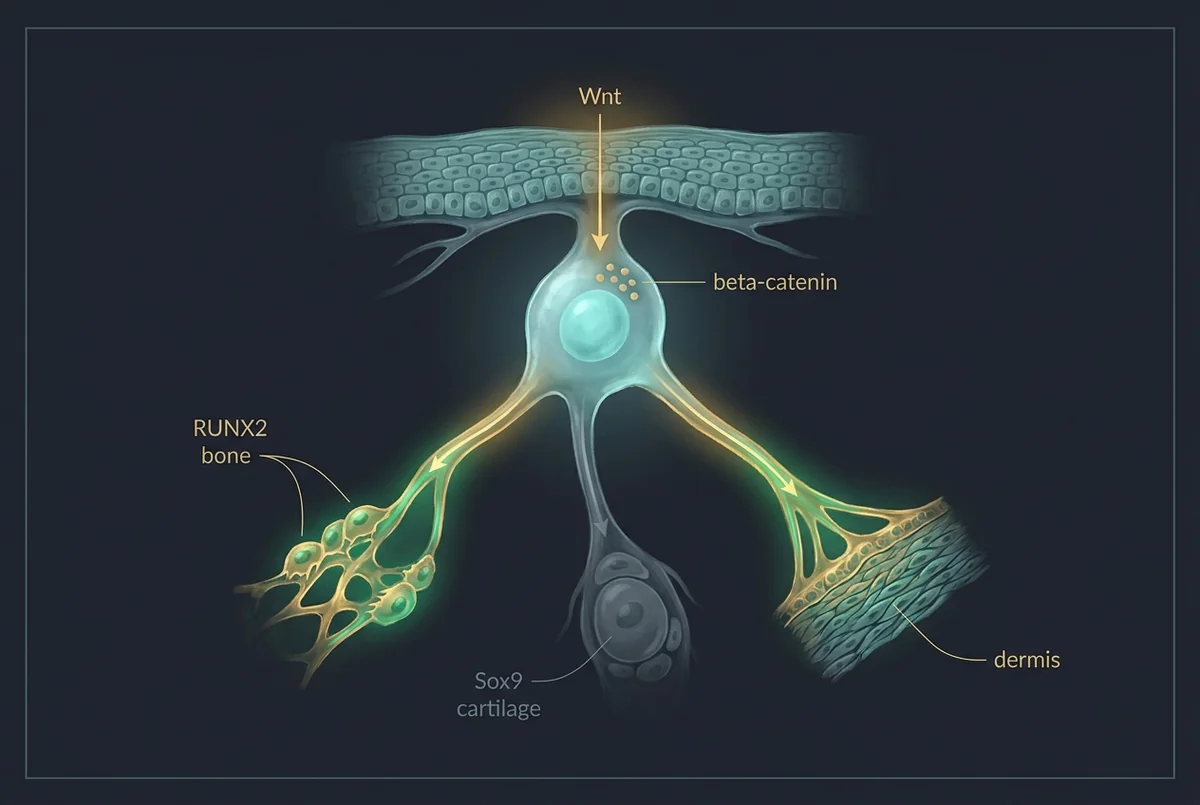
A change in the genes a cell turns on that redirects it toward becoming a different cell type than it was originally headed to become.
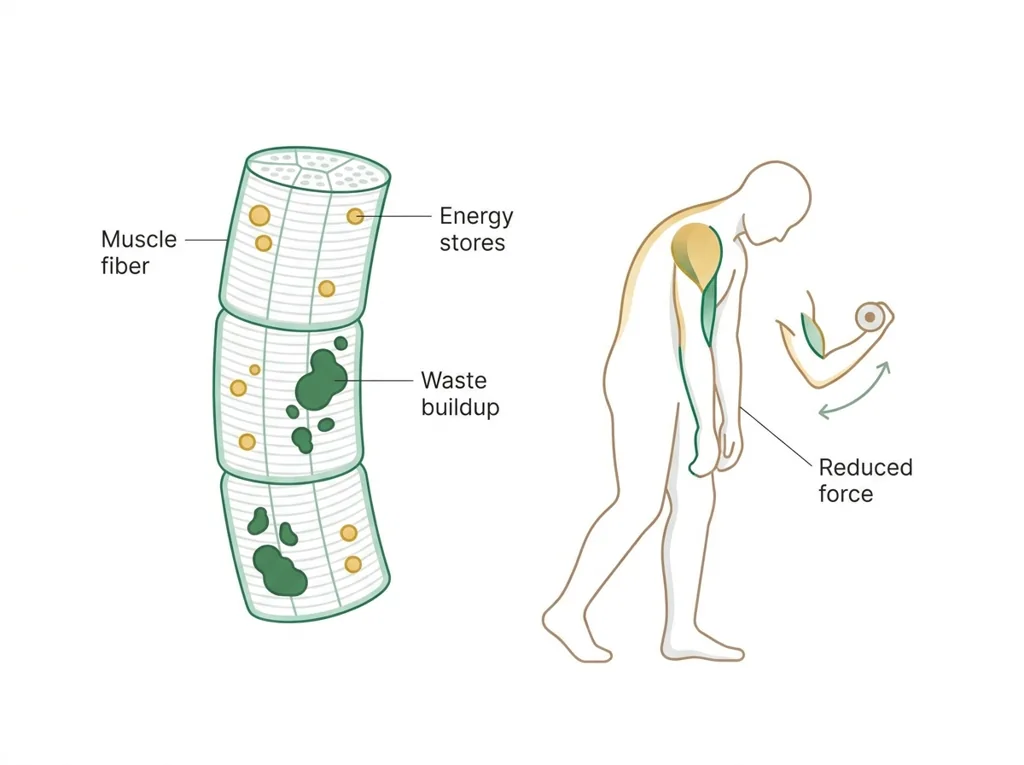
A state of physical or mental tiredness in which muscles or the body produce less force or focus and need rest to recover.
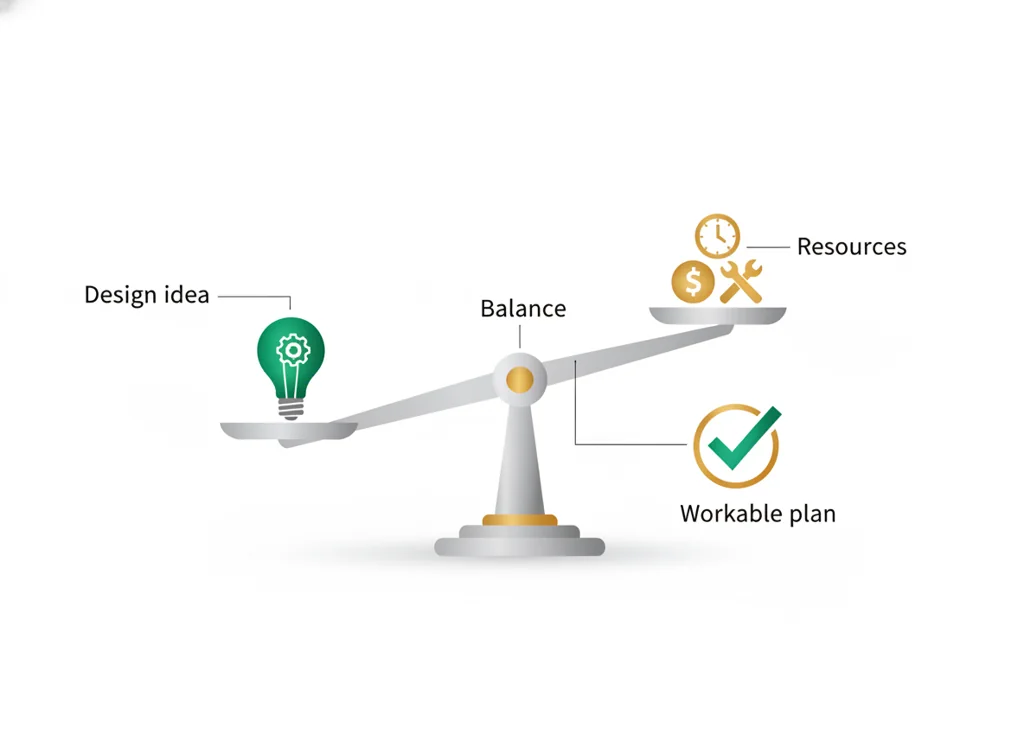
How realistic and practical a solution is to build given the available resources, time, technology, and constraints.
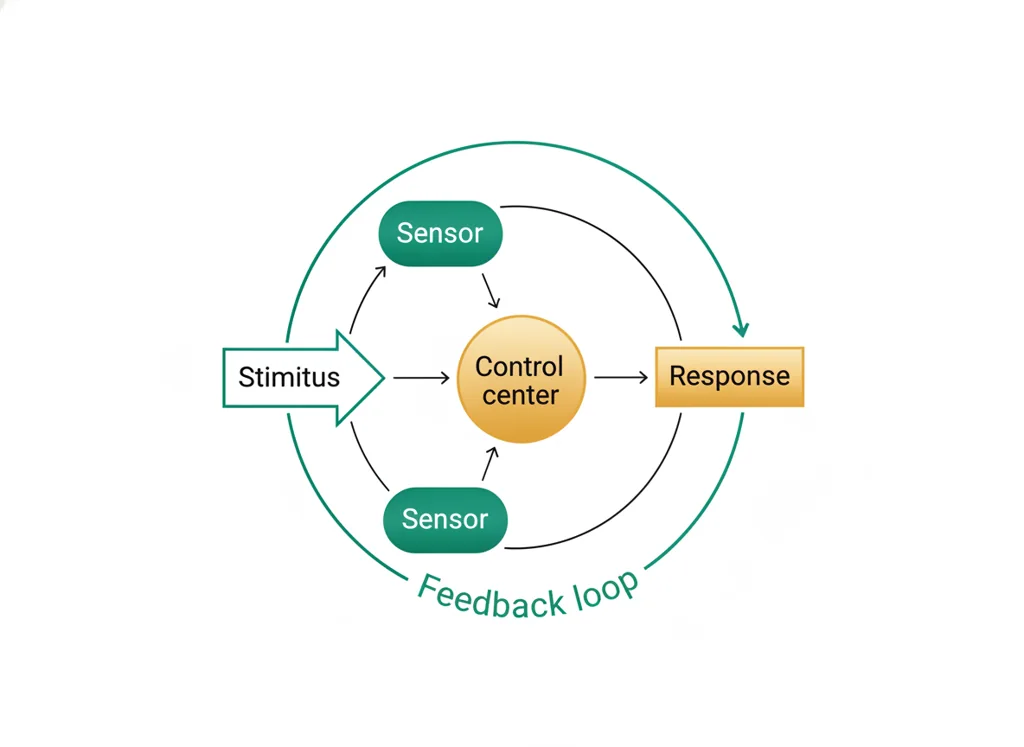
A loop in which the output of a process feeds back to adjust the process itself, either damping change (negative) or amplifying it (positive).
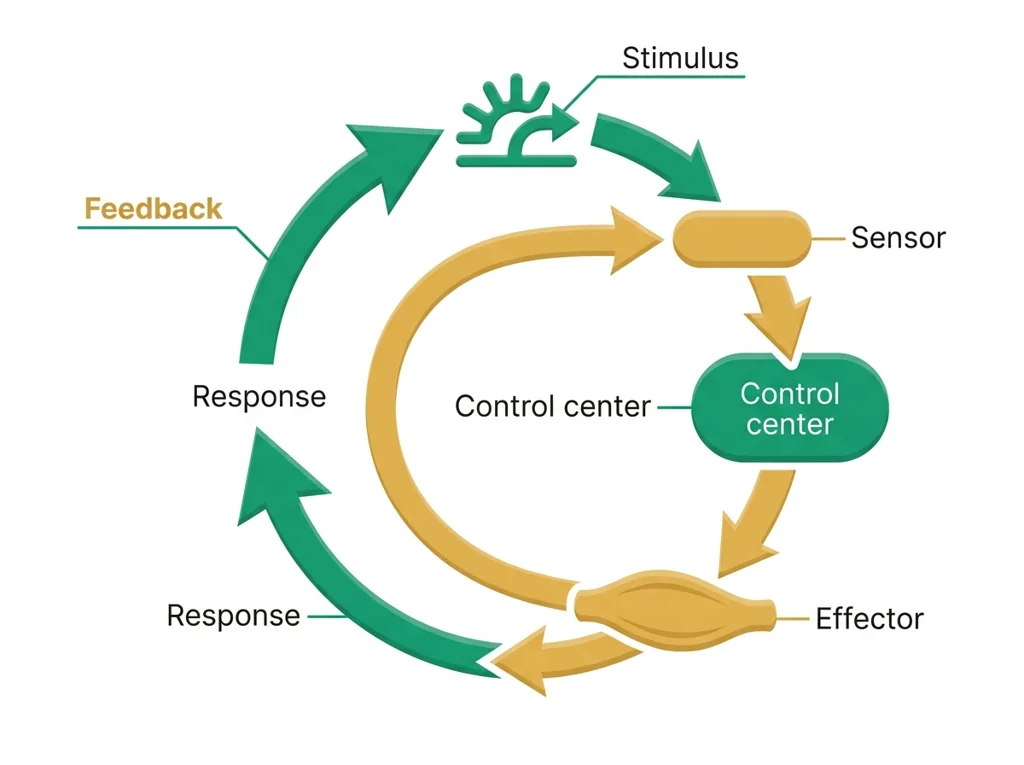
A control cycle in which the output of a process feeds back to adjust that same process, helping the body keep conditions stable.
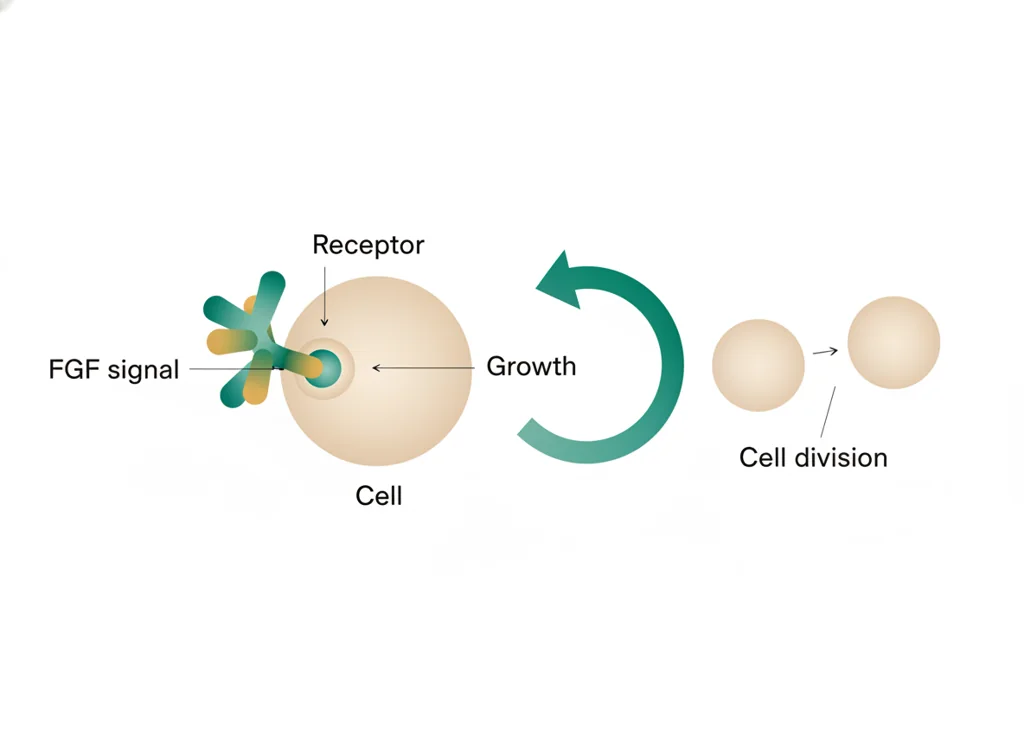
Fibroblast growth factor, a signaling molecule that drives cells to grow and divide while shaping developing tissues.
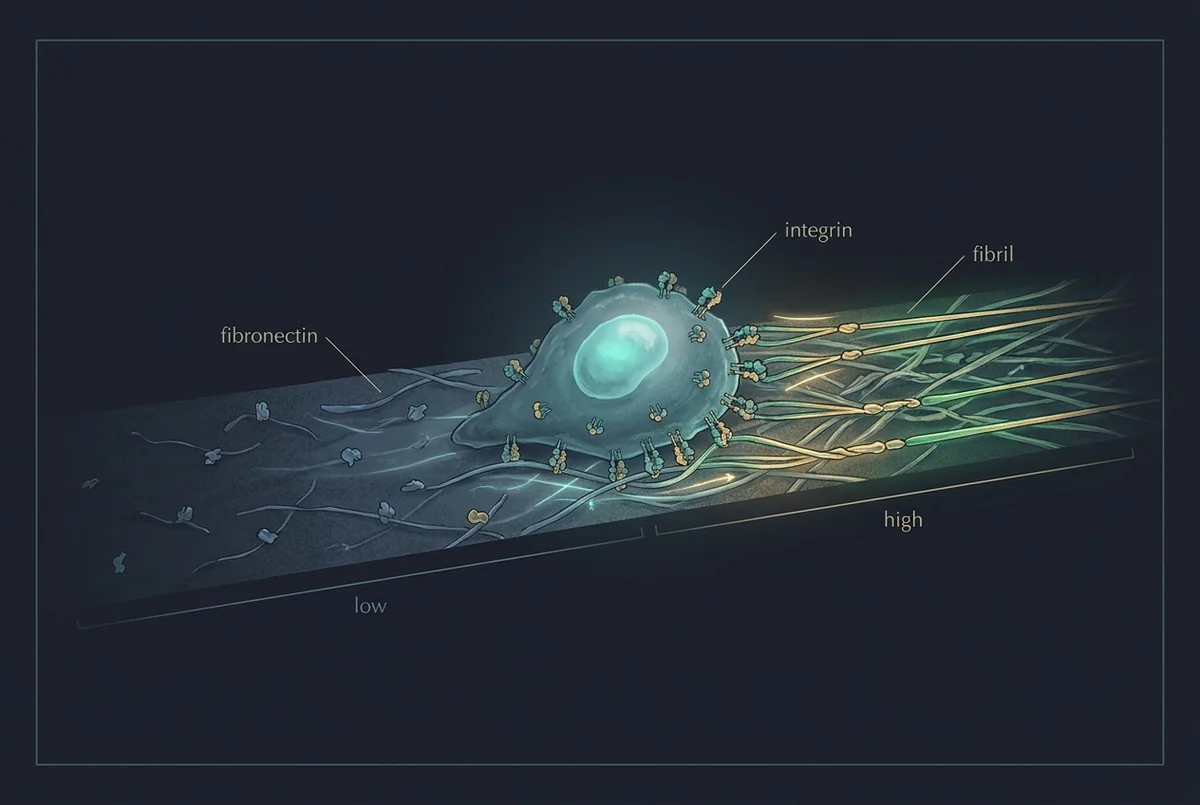
A protein in the extracellular matrix that helps cells stick to their surroundings and supports cell movement, wound healing, and tissue structure.
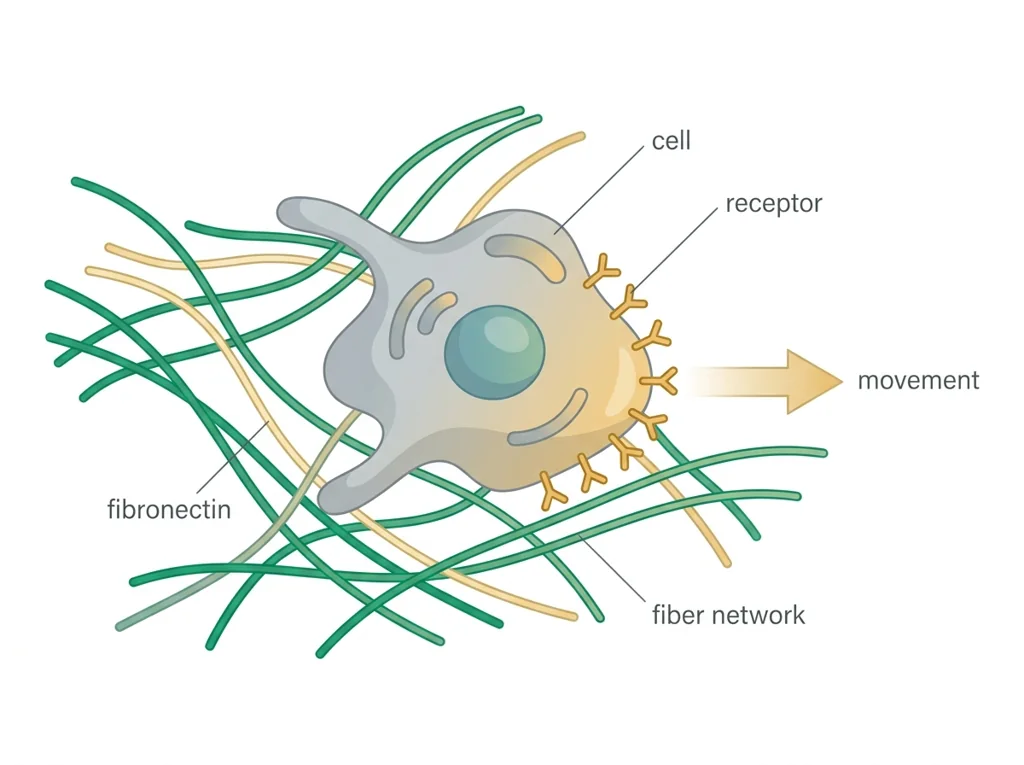
A matrix protein that cells grip and crawl along like a roadway when they move and organize tissue.
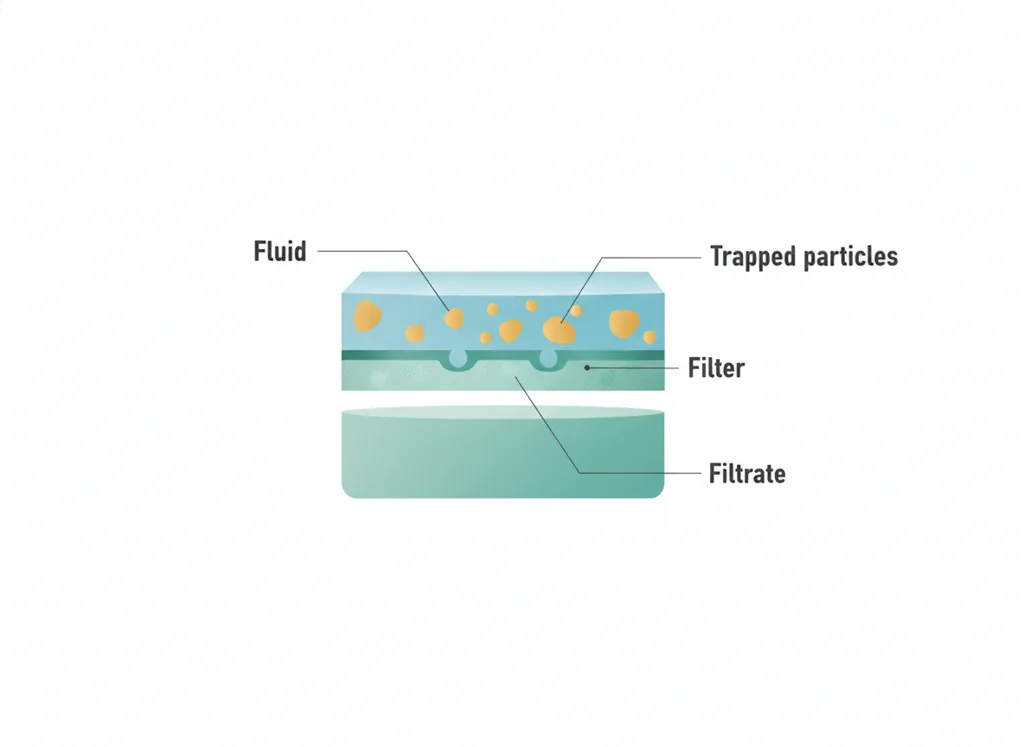
The process of separating particles from a fluid by passing it through a barrier that traps the larger pieces.

Passing a loop or a tube mouth through a burner flame to kill microbes on it, either before picking up a sample or after putting one down.
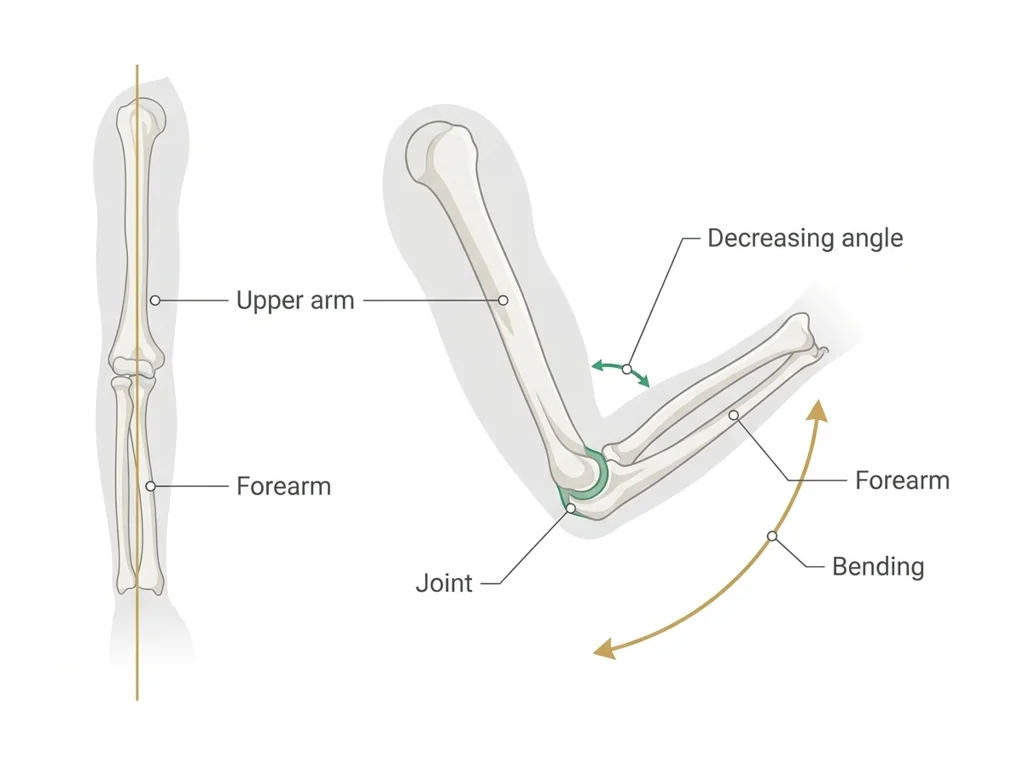
Bending a joint so the angle between two body parts decreases, such as curling the forearm toward the shoulder.
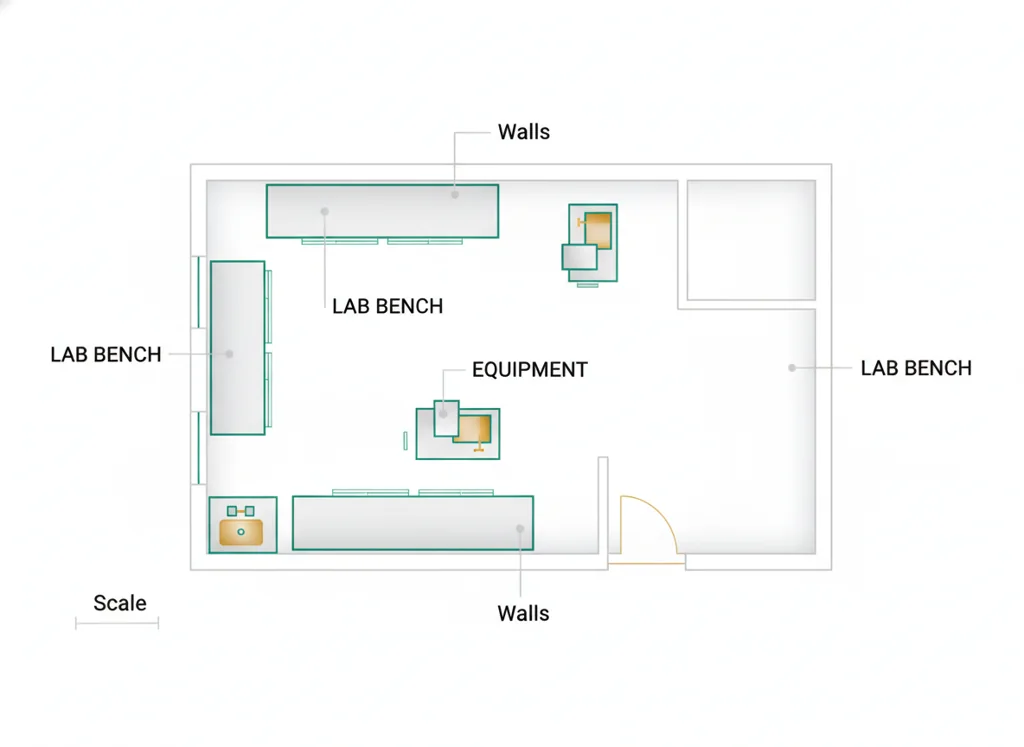
A scaled drawing of a room or building seen from above, showing the layout of walls, equipment, and workspaces.
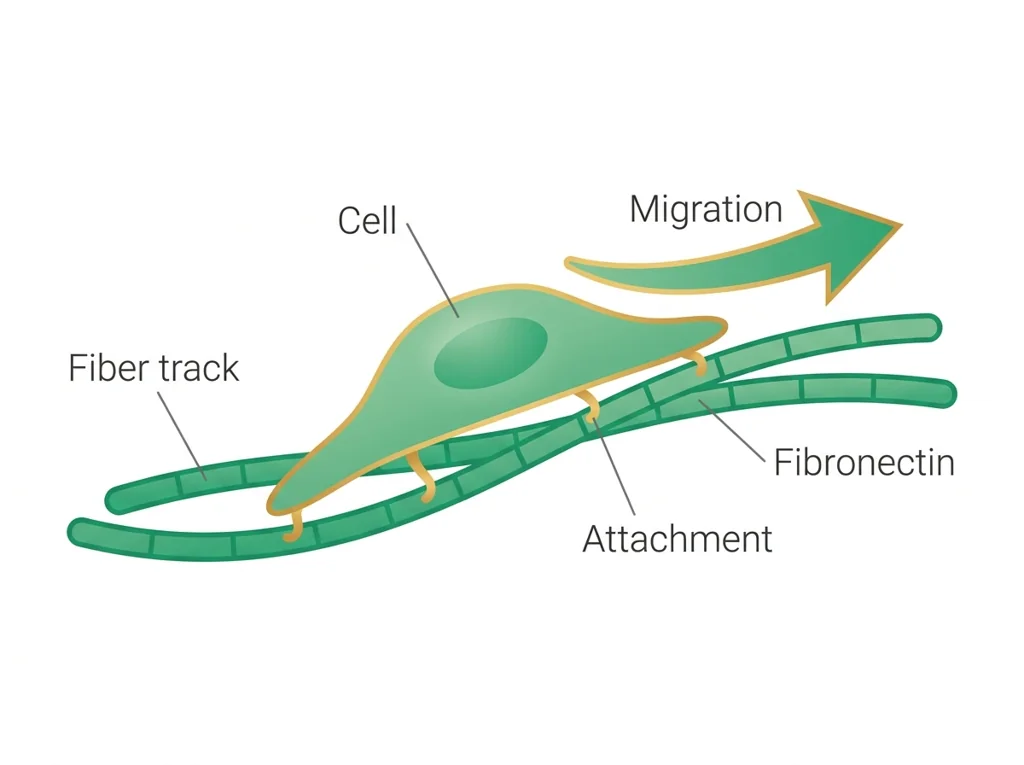
The gene for fibronectin, a stringy protein that cells crawl along like a road as they migrate through tissue.
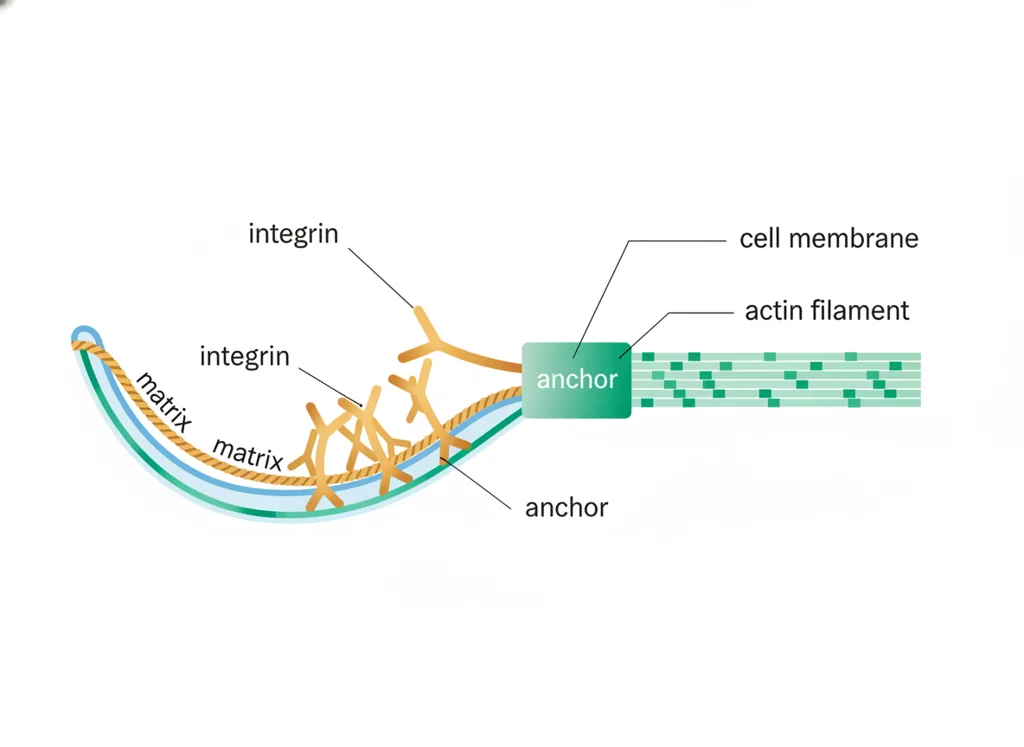
A cluster of integrin proteins forming a strong anchor that links the matrix outside the cell to the skeleton inside it.
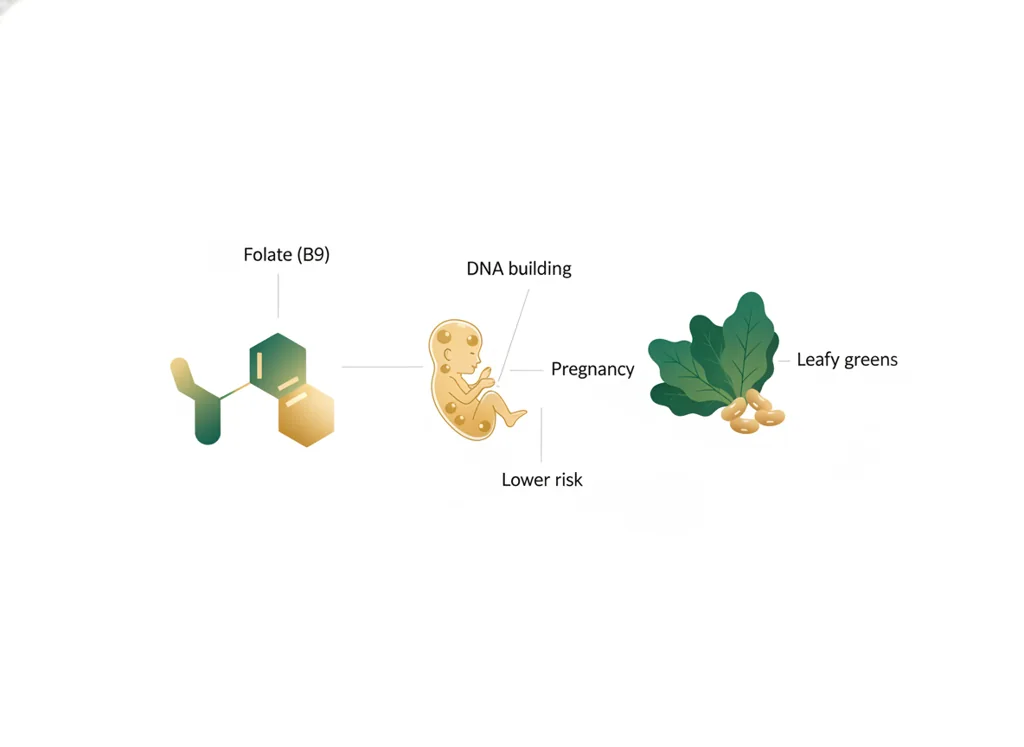
A B vitamin the body needs to build DNA and new cells; taking enough before and in early pregnancy lowers the risk of cleft and neural tube defects.
How many times larger or smaller a measurement is than its reference. A fold change of 3 means three times as much as the control. A fold change of 0.5 means half as much. A fold change of 1 means no change at all.
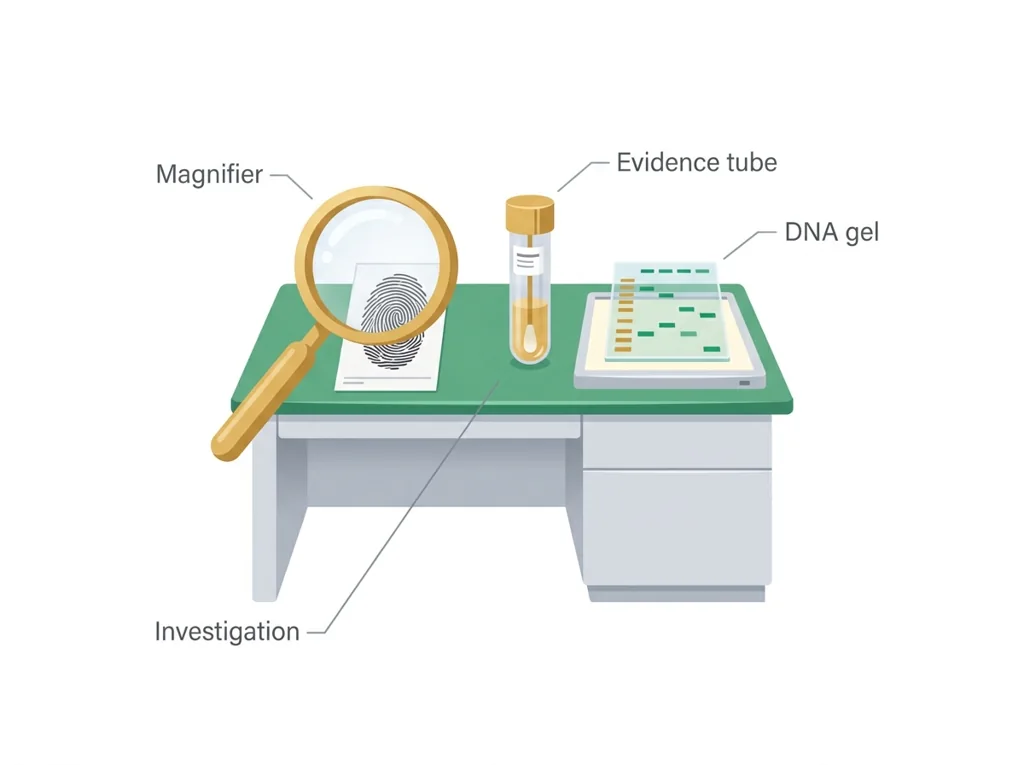
Relating to the use of science to examine evidence and answer questions in legal investigations, such as identifying a person or cause of harm.
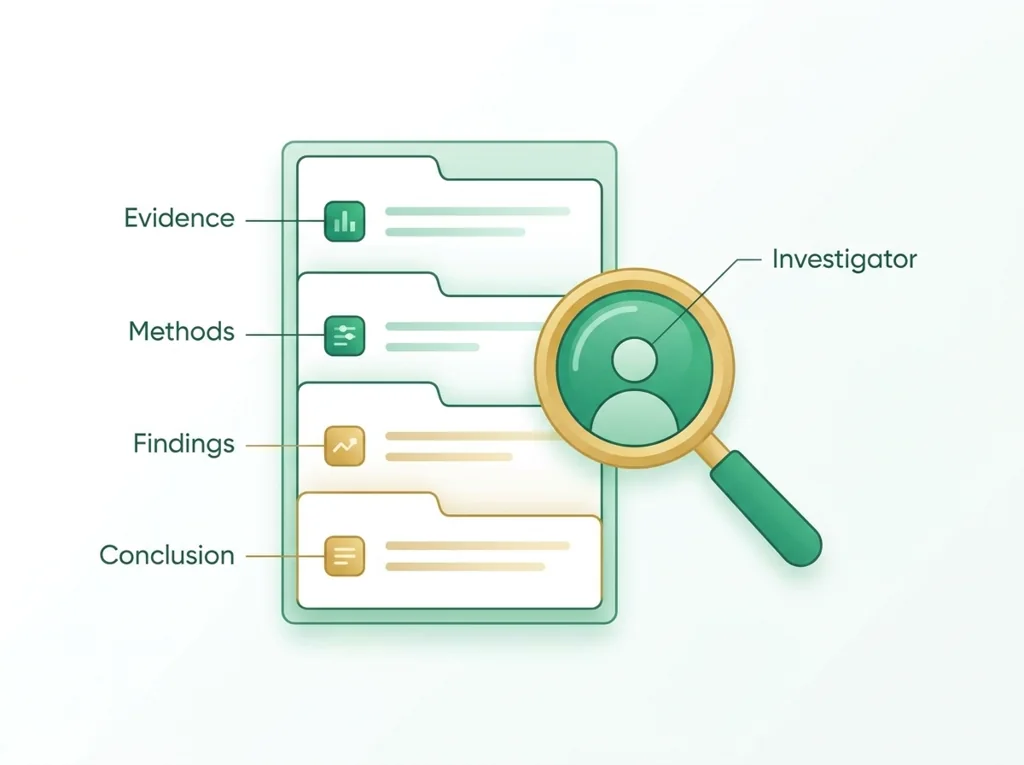
A formal written document presenting the evidence, methods, and conclusions of a scientific investigation, often used to support legal cases.
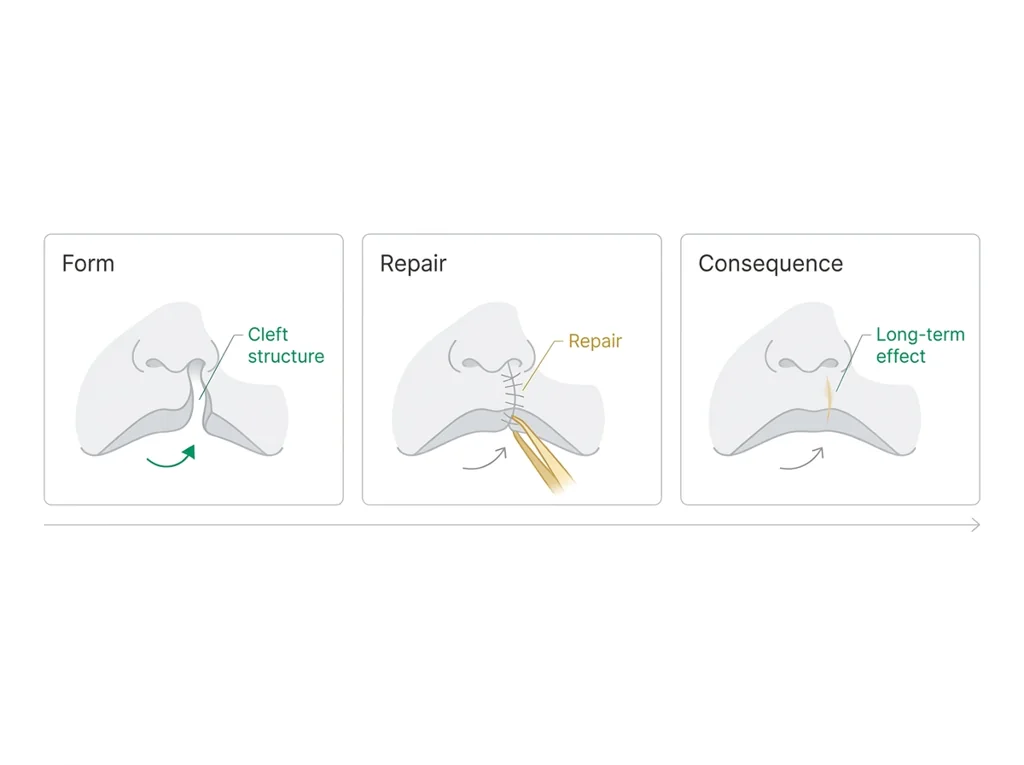
A way of thinking through cleft cases by asking how the structure formed, how it is repaired, and what long-term effects follow.
In a separation, one of the numbered portions of liquid collected one after another as it runs off a column. Each tube holds whatever came out at that moment, so the target ends up in some tubes and not others.
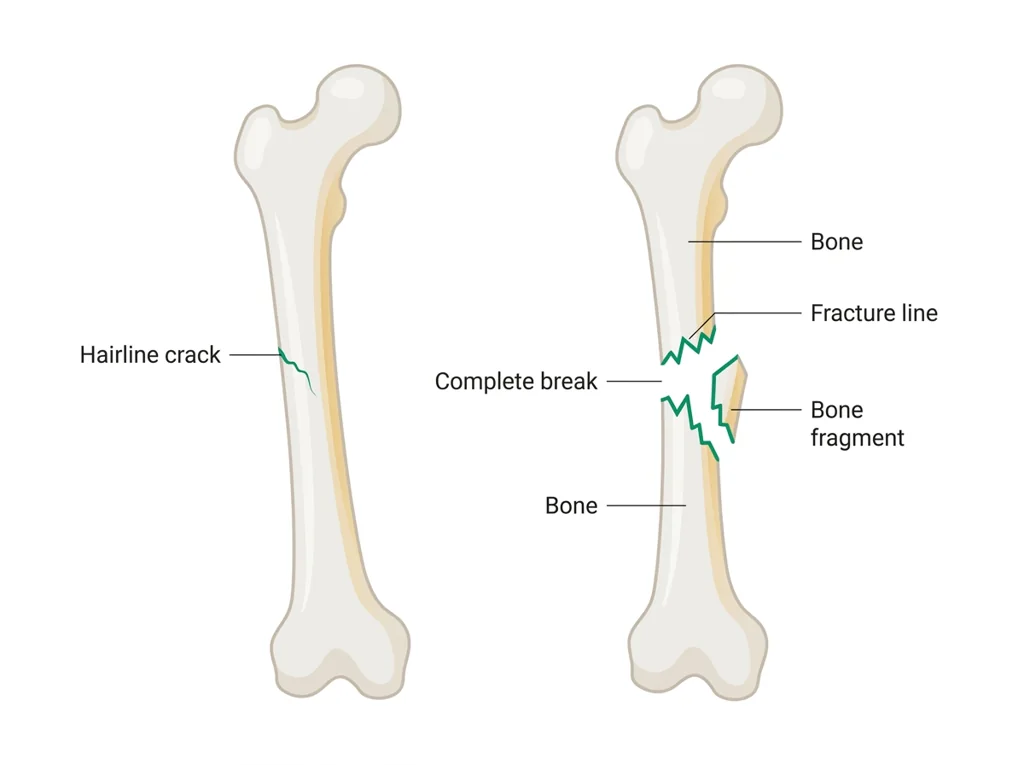
A break or crack in a bone, ranging from a thin hairline crack to a complete break into separate pieces.
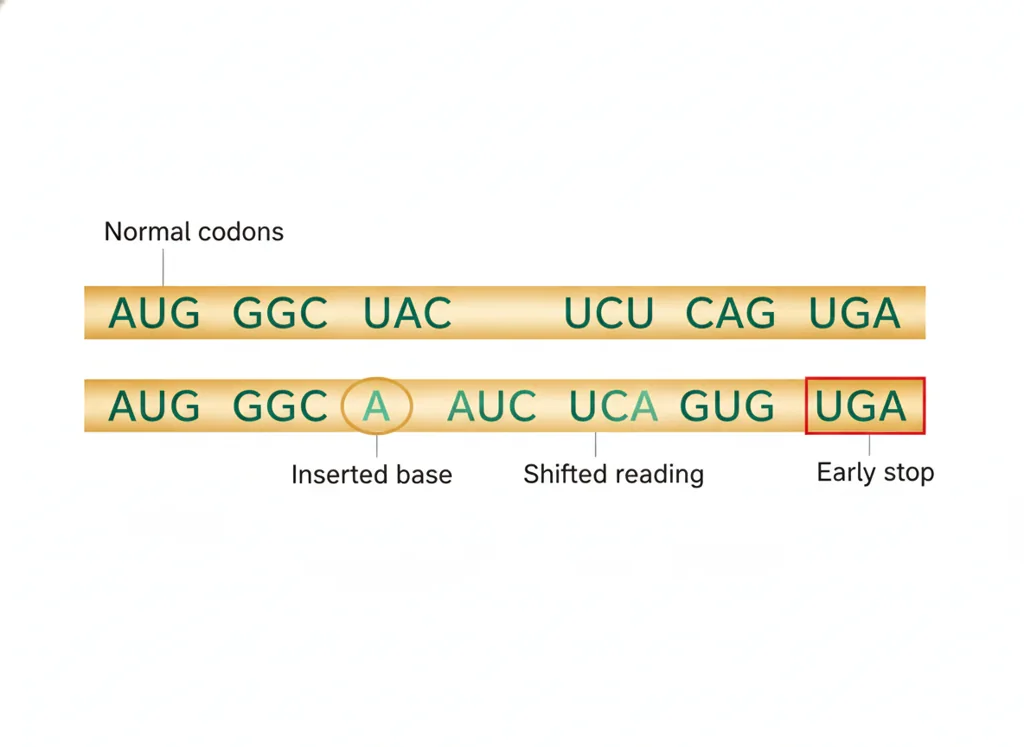
An insertion or deletion not a multiple of three that re-groups every codon after it, scrambling the rest of the protein.
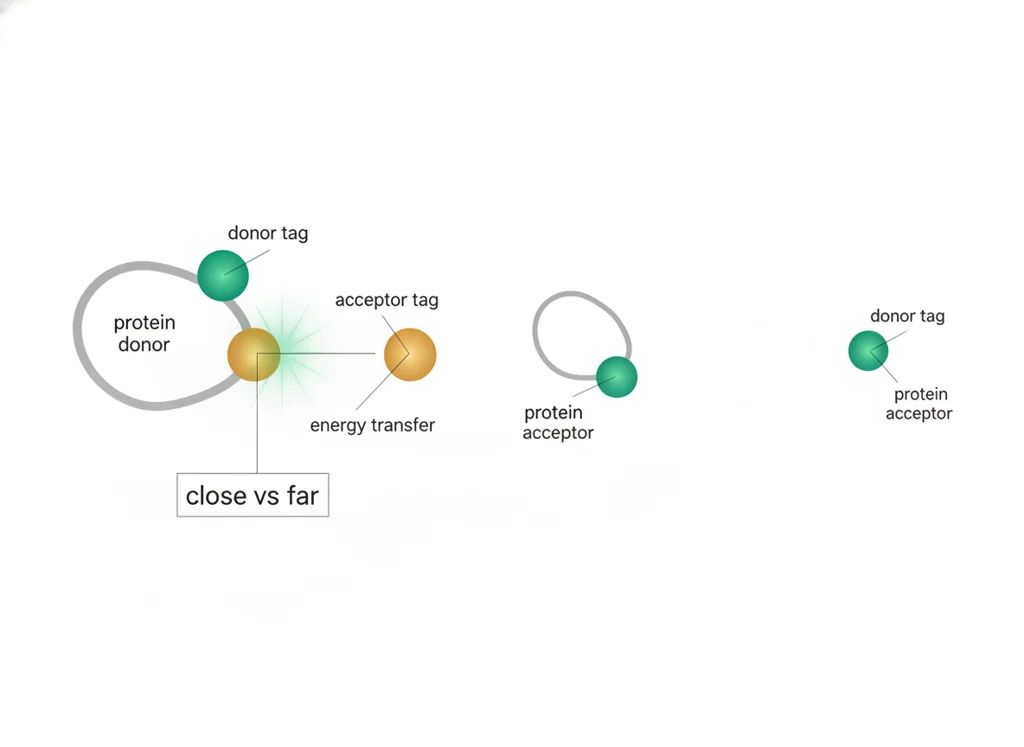
A method using two glowing tags that pass energy only when very close, used to sense binding or pulling force between molecules.
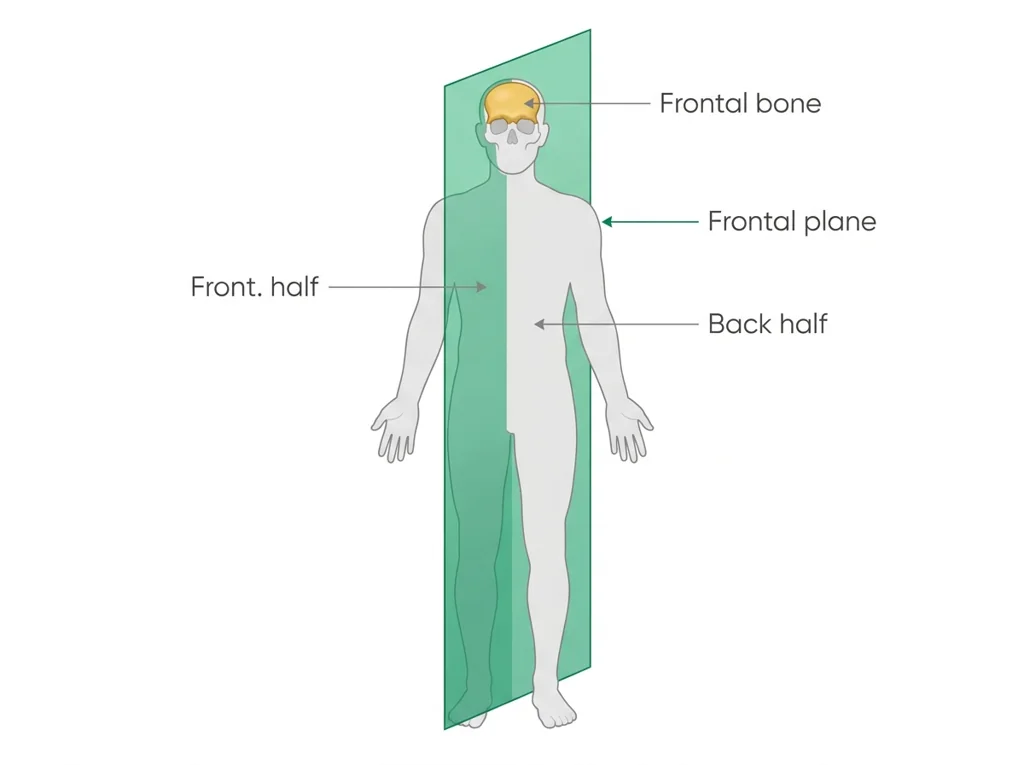
An anatomical plane that divides the body into front (anterior) and back (posterior) sections.
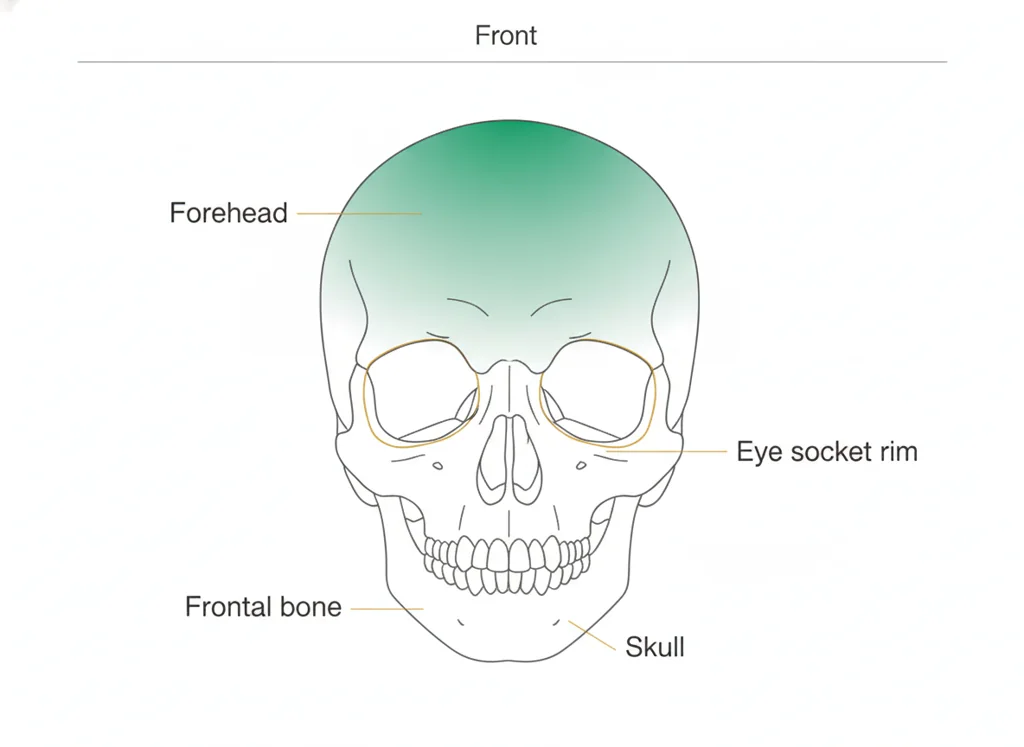
The single skull bone of the forehead, forming the front of the cranium and the upper rims of the eye sockets.
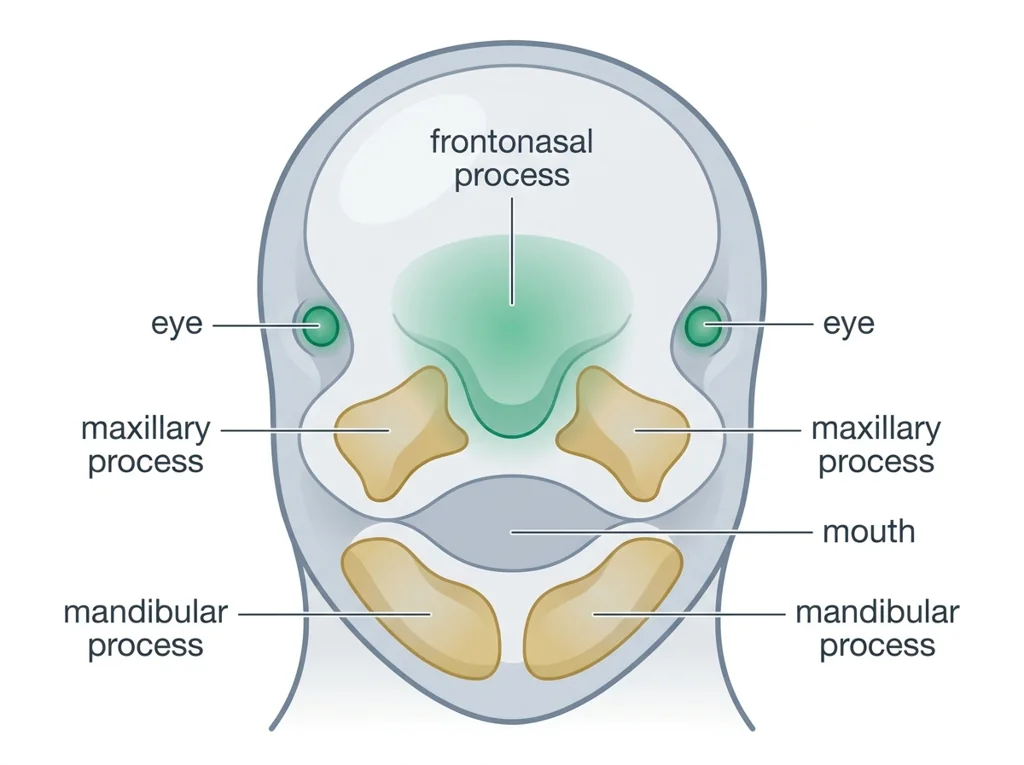
An early facial swelling above the mouth that grows into the forehead, the bridge and tip of the nose, and the middle of the upper lip.
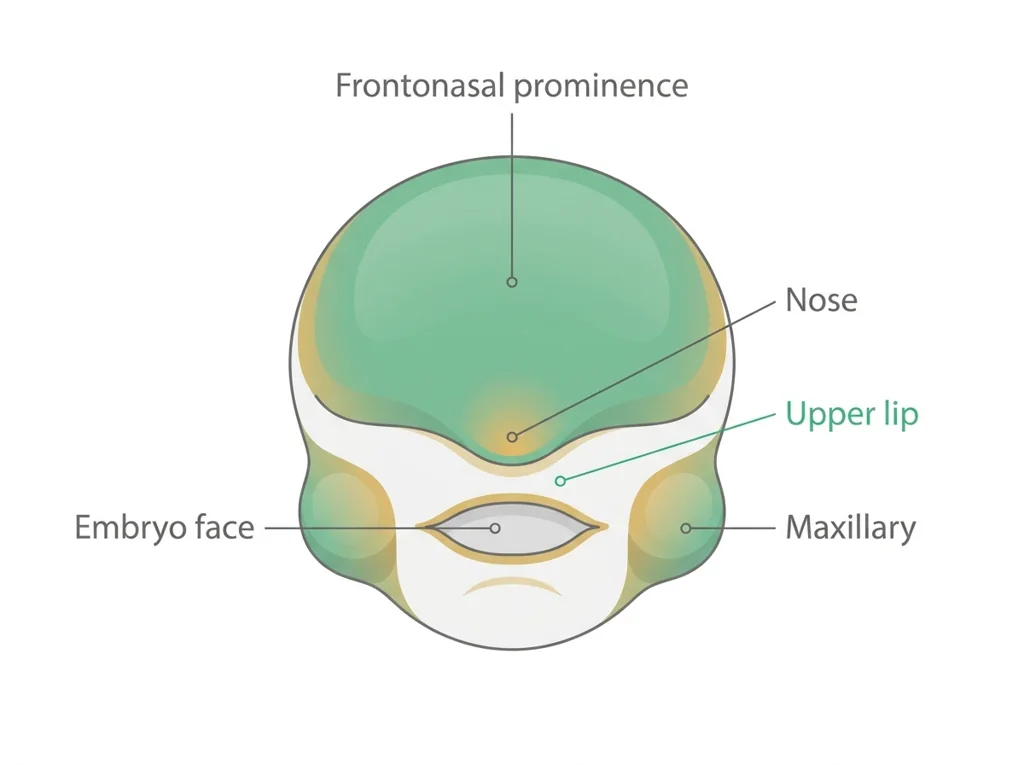
A bulge of tissue in the early embryo's face that gives rise to the forehead, bridge of the nose, and middle of the upper lip.
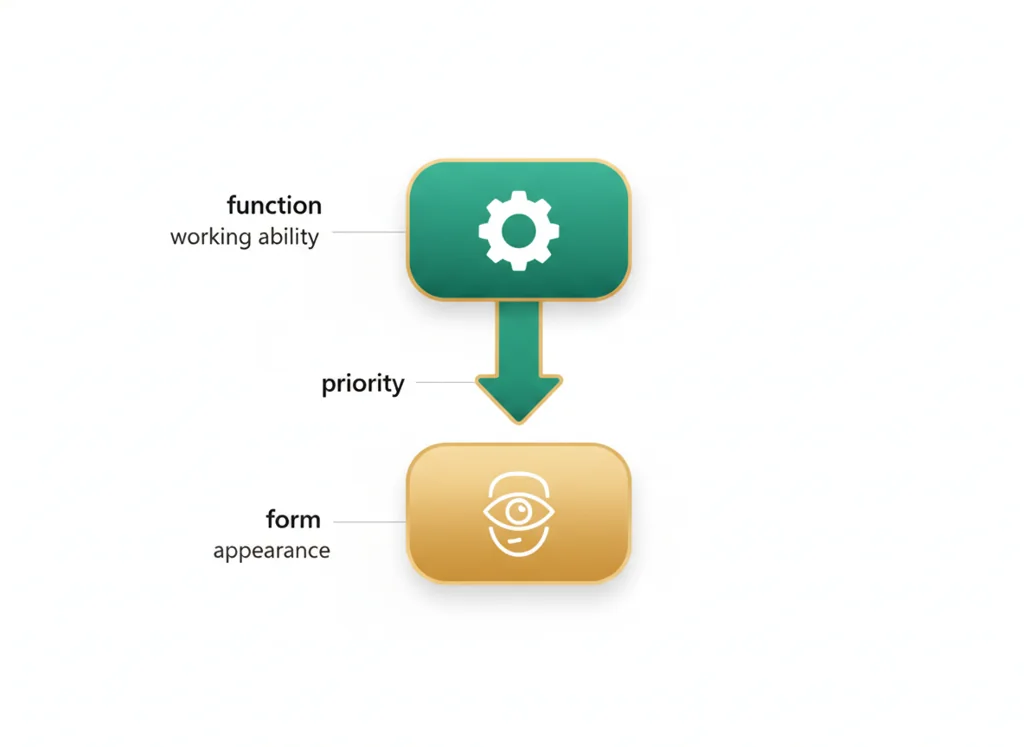
A care principle that fixing how a structure works, like feeding or speech, takes priority over how it looks.
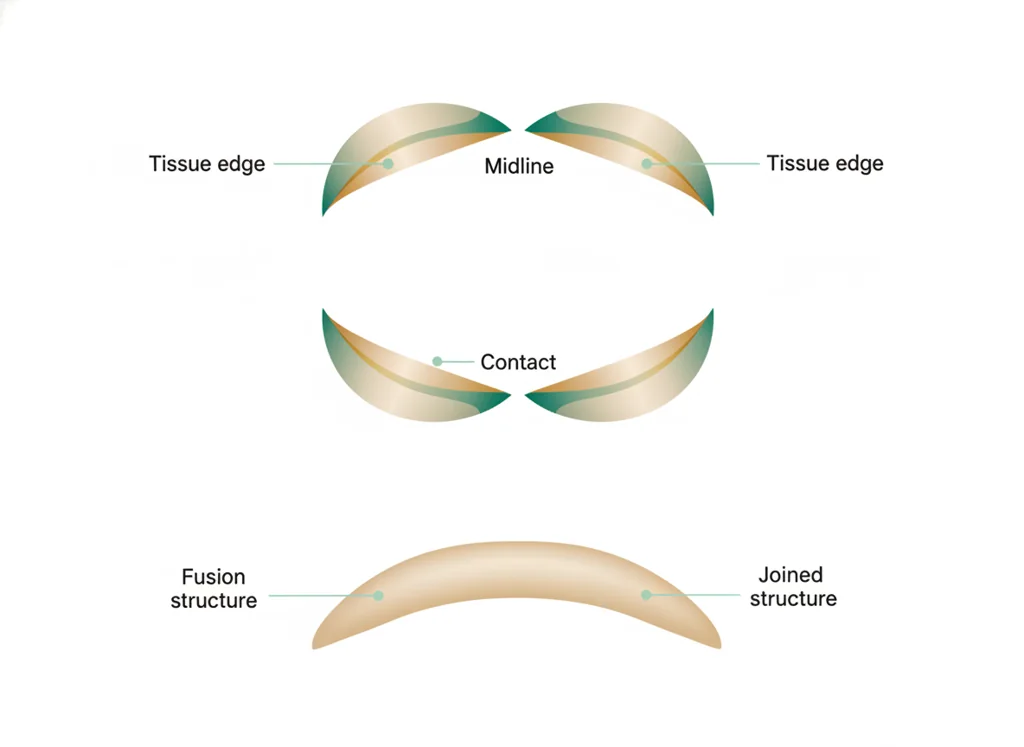
When two growing tissue edges meet at the midline and join into one continuous structure, as the lip and palate do during development.
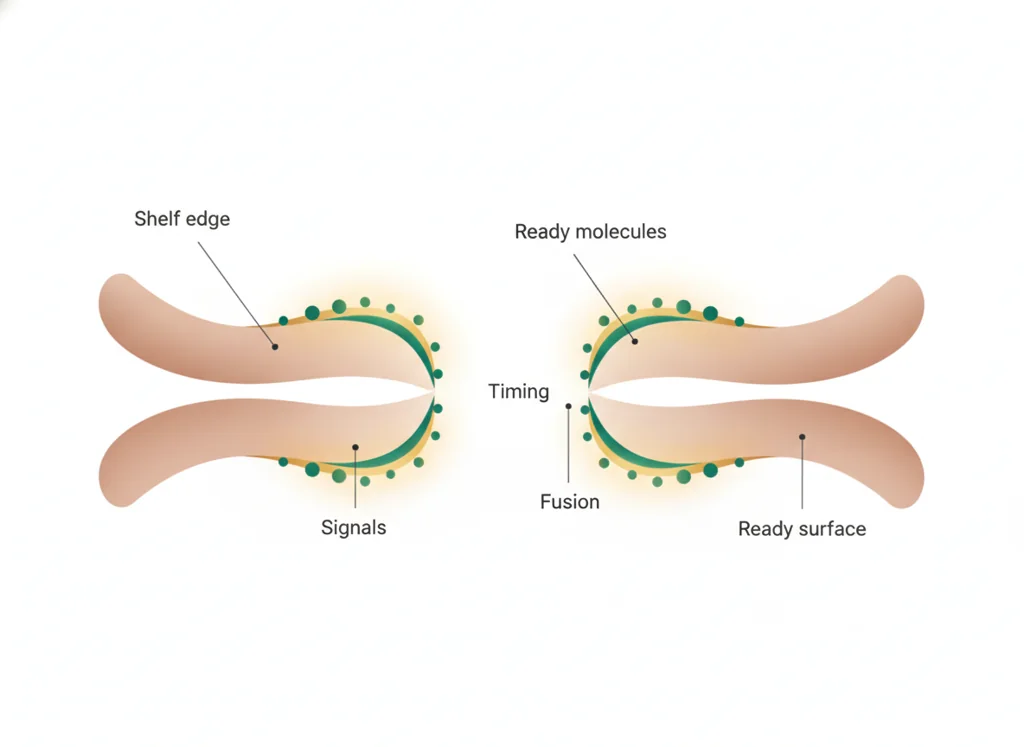
The readiness of two developing facial parts to join properly, including the right timing, signals, and surface cells, so they can merge into one.
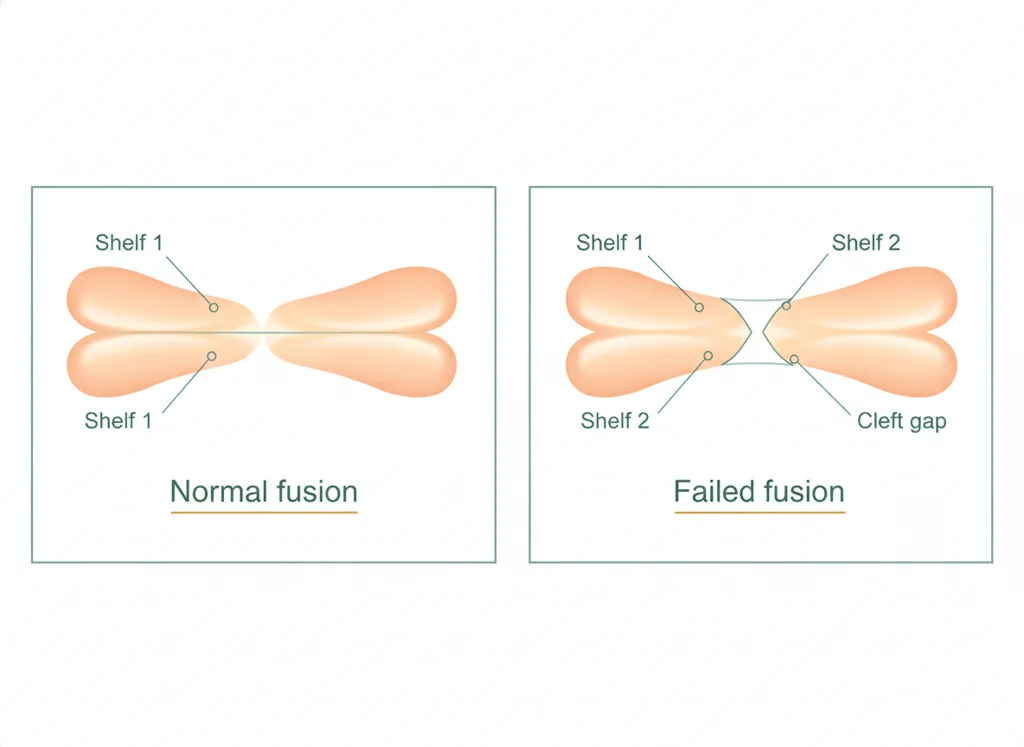
When tissue layers that should join during development do not merge, leaving a gap such as a cleft lip or palate.
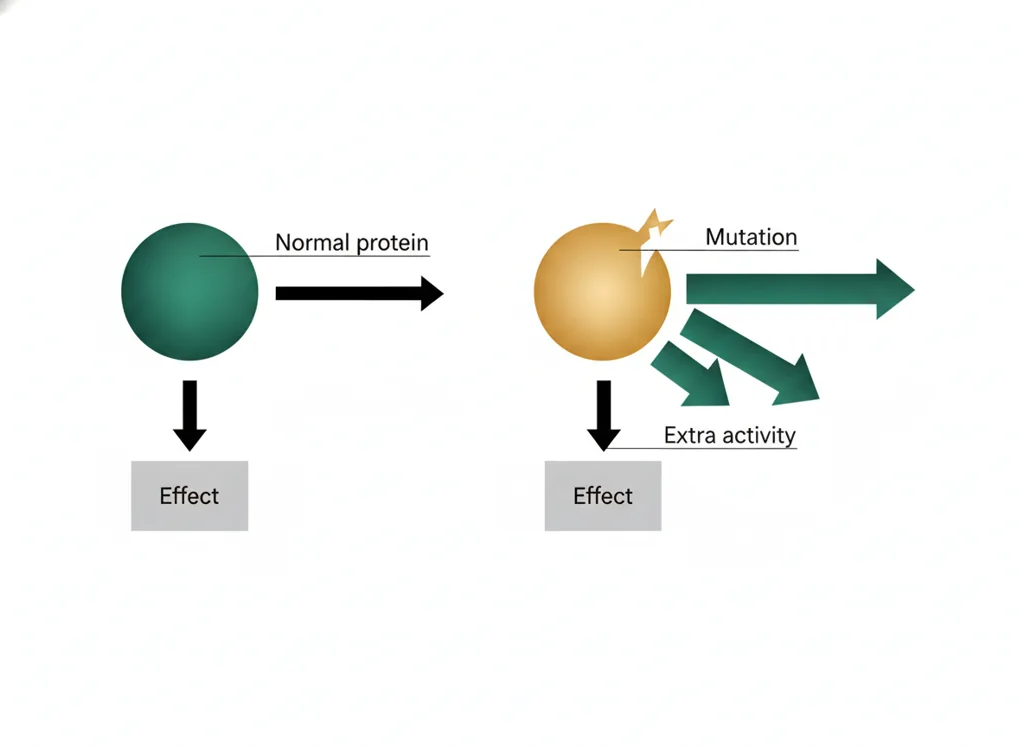
A mutation that gives a protein a new or stronger activity rather than weakening it, sometimes causing harm.
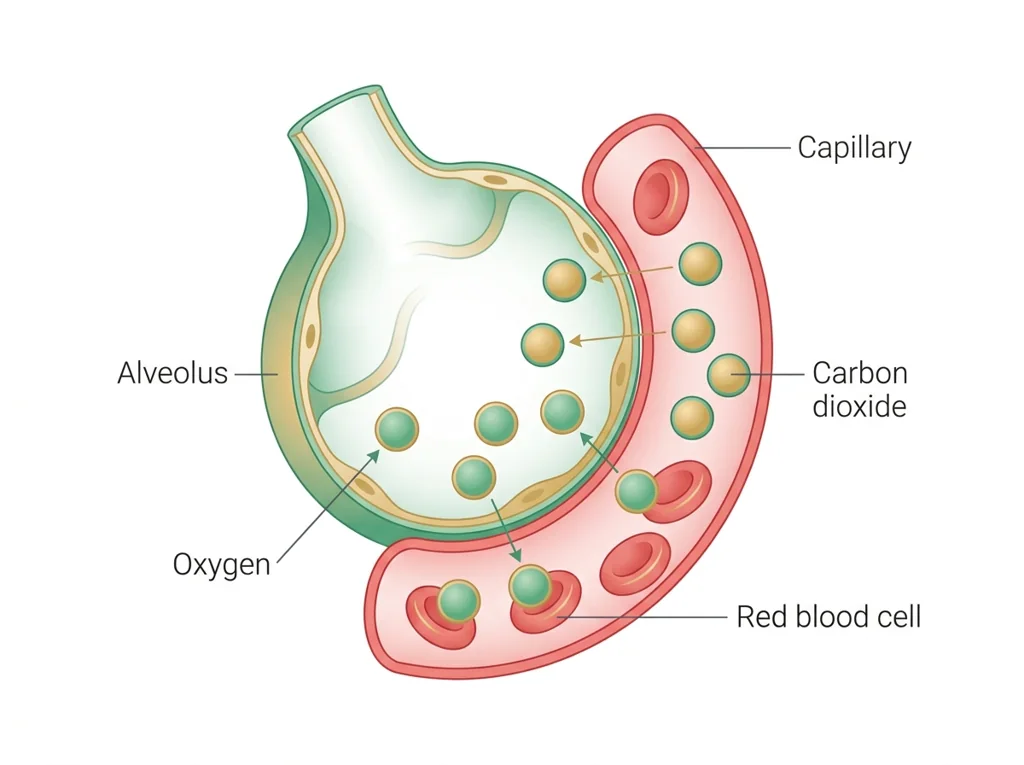
The swapping of oxygen and carbon dioxide between air in the lungs and blood in the capillaries, driven by differences in gas concentration.
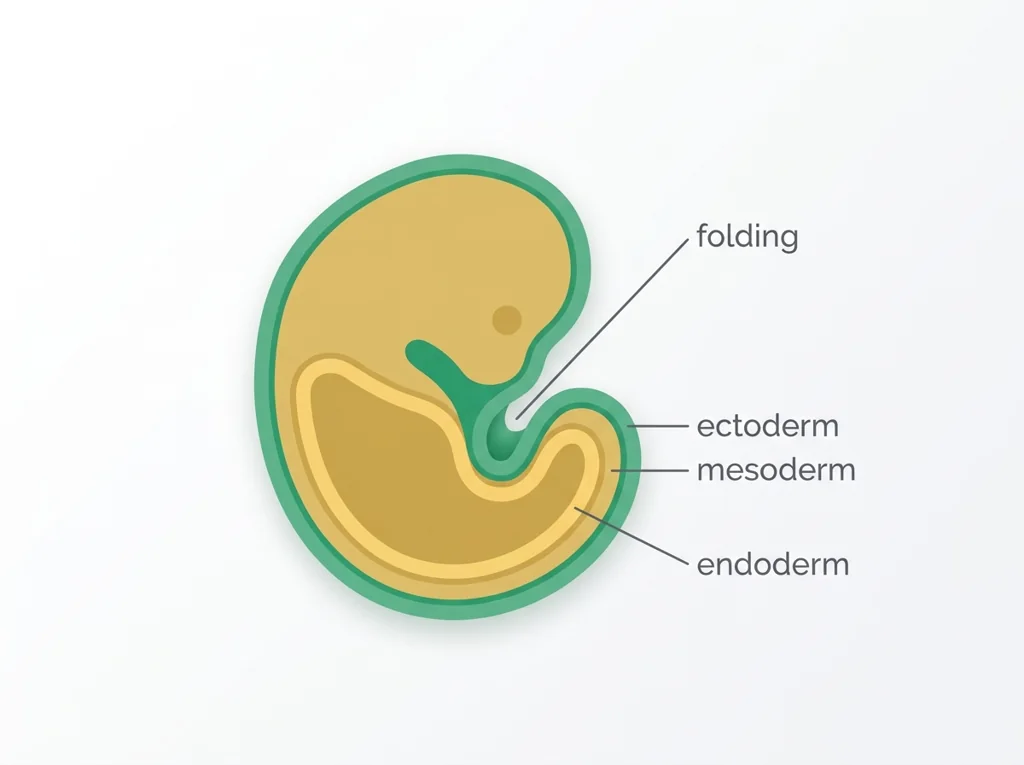
The early embryo step where a ball of cells folds and sorts itself into three layers that will build every tissue and organ.

A lab method that uses an electric field to pull DNA fragments through a gel so they separate by size and show up as bands.

The seven-step gel electrophoresis workflow from preparing a gel through staining, destaining, and reading the bands.

The three-step workflow of pipetting DNA samples into a gel, running an electric current, and reading the resulting band pattern.
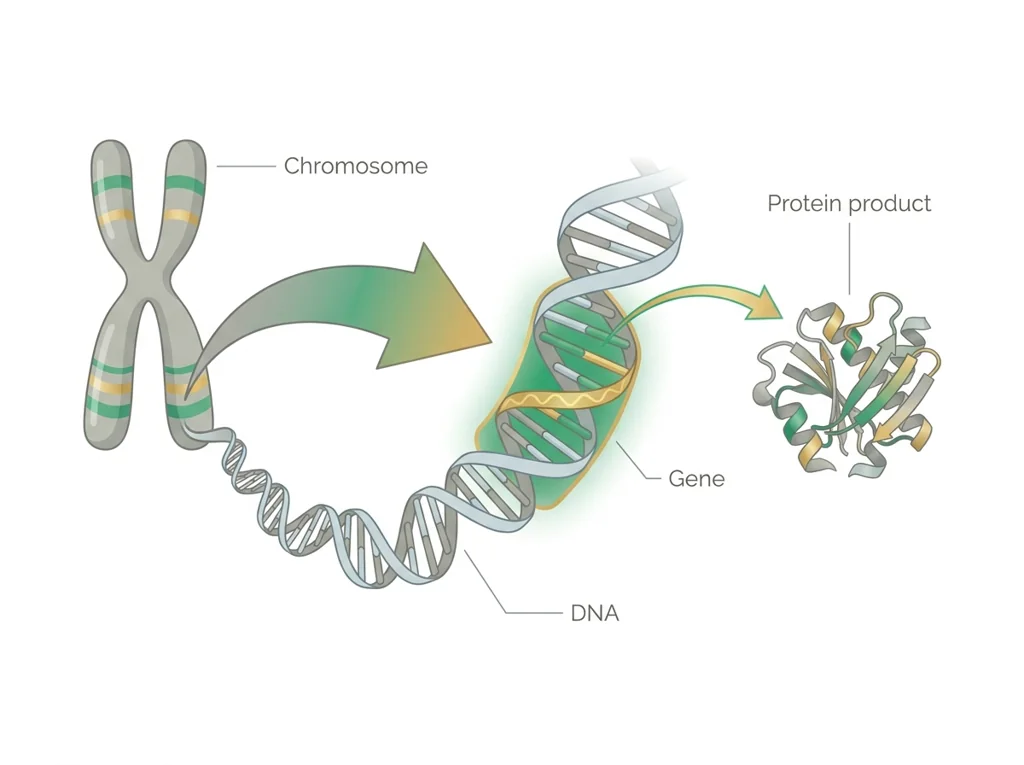
A stretch of DNA that codes for a product (usually a protein) and carries an instruction for the cell.
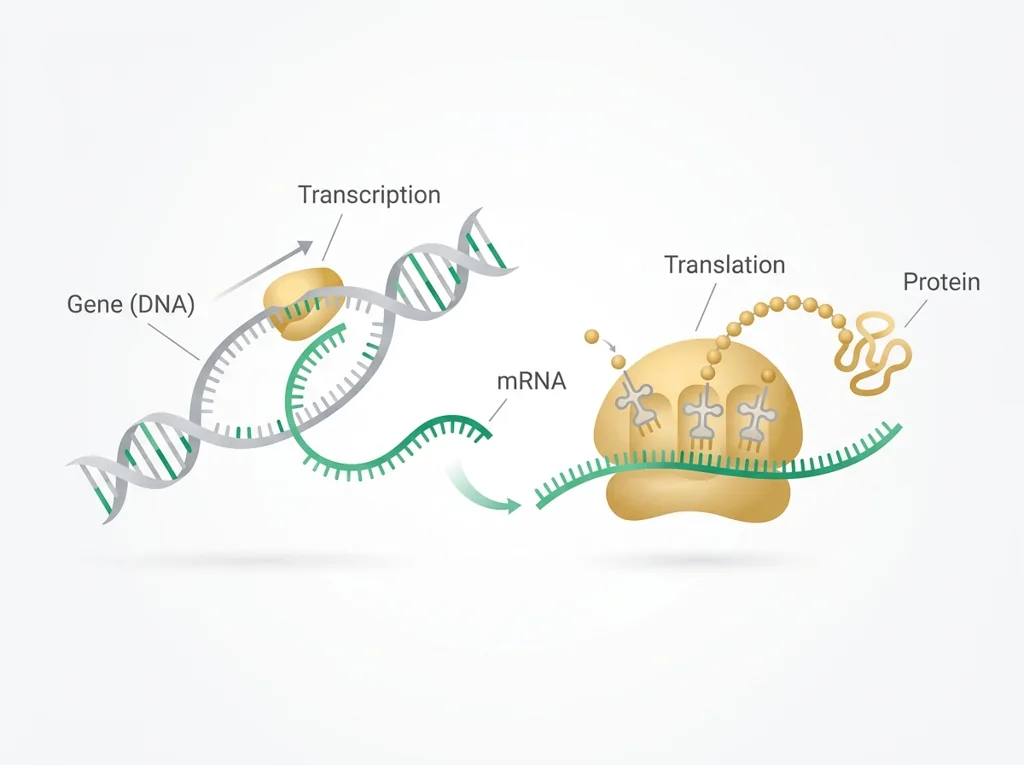
The process by which the information in a gene is used to build a working product, usually a protein, through transcription and translation.
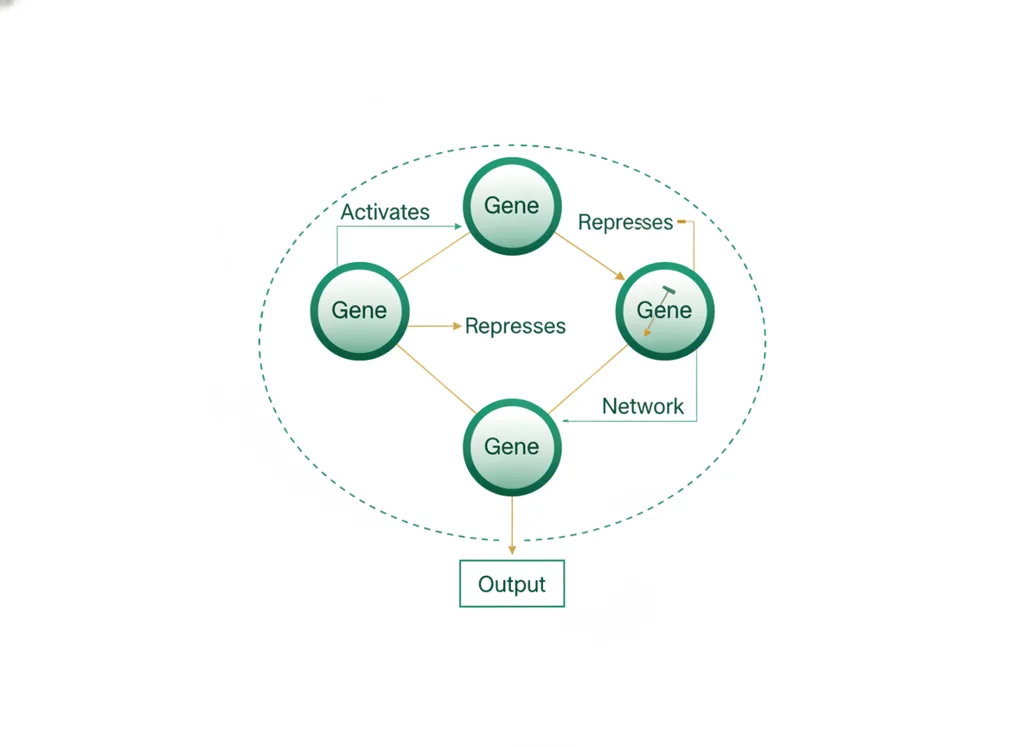
The web of genes that turn each other on and off to control a process such as palate fusion.
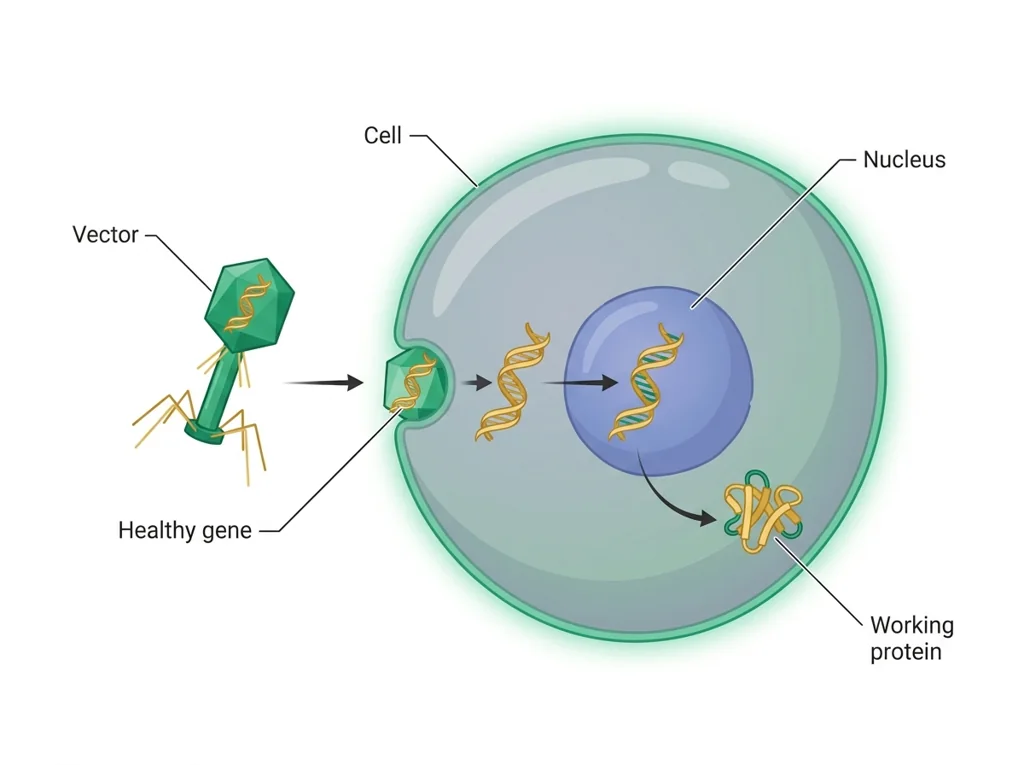
Treating disease by adding, silencing, or correcting a gene in a patient's cells.
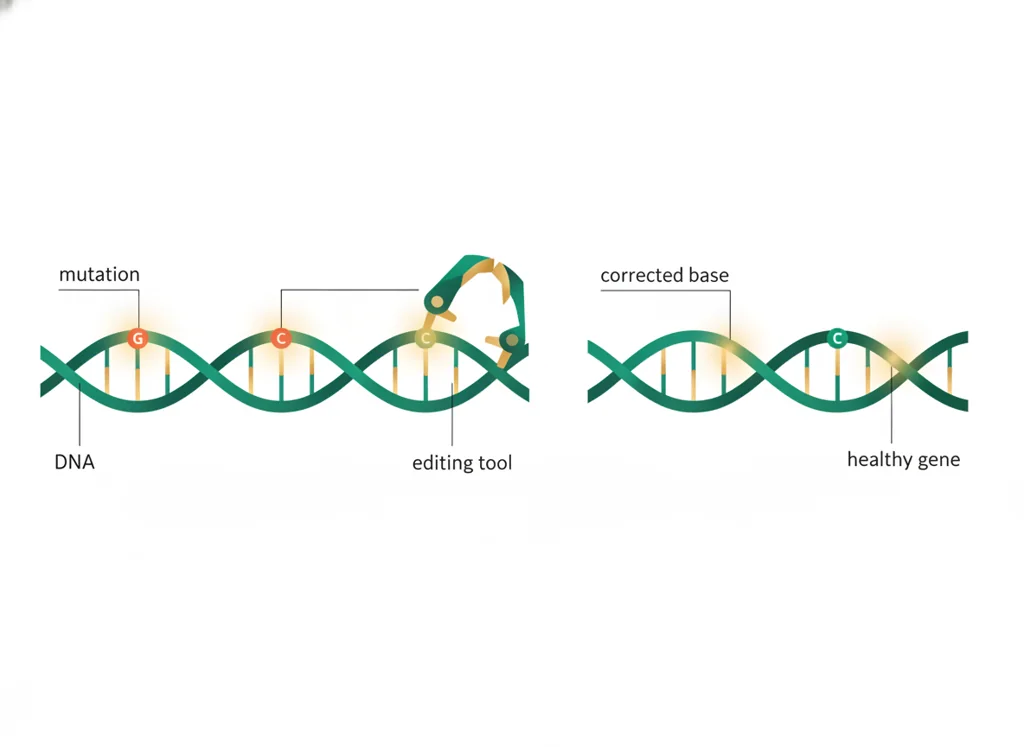
Using gene-editing tools to repair a harmful DNA mutation back to its healthy sequence rather than just adding or removing a gene.
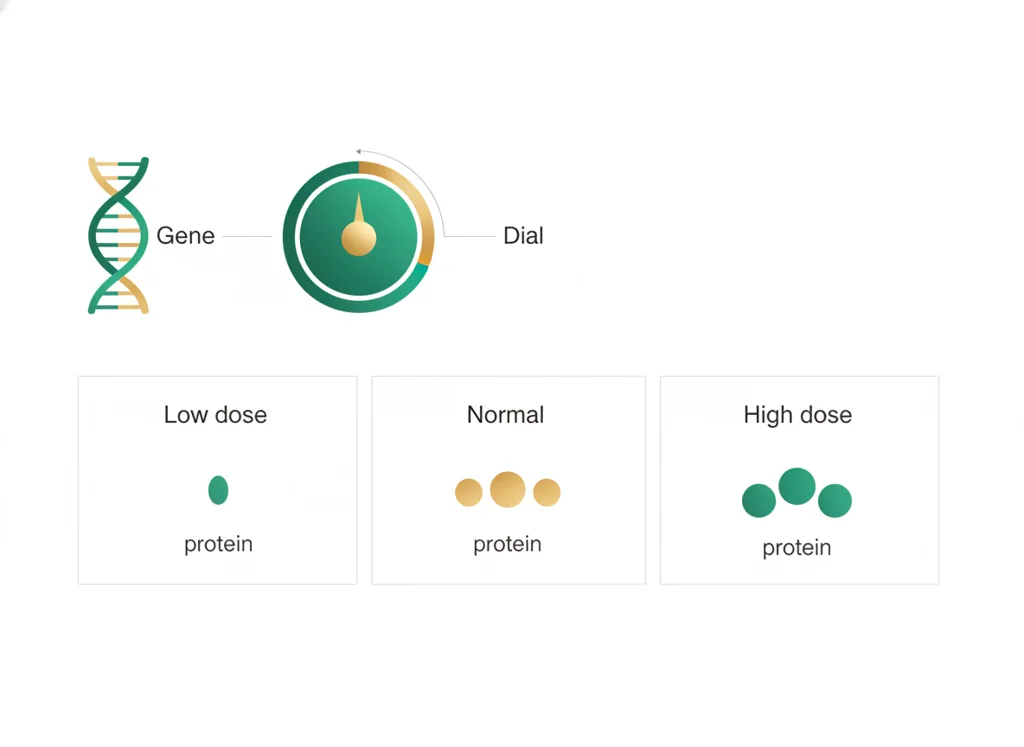
Tuning how much product a gene makes, raising or lowering it, as a possible way to treat or prevent a condition.
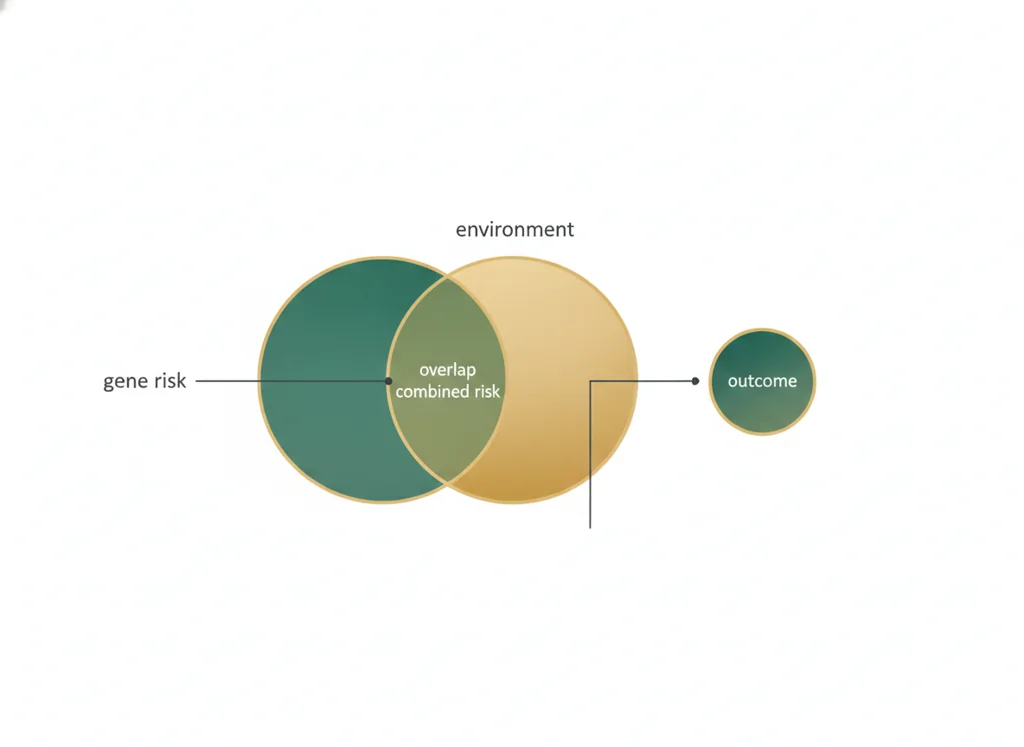
When a genetic risk and an environmental factor such as smoking or low folate combine to raise risk more than either alone.
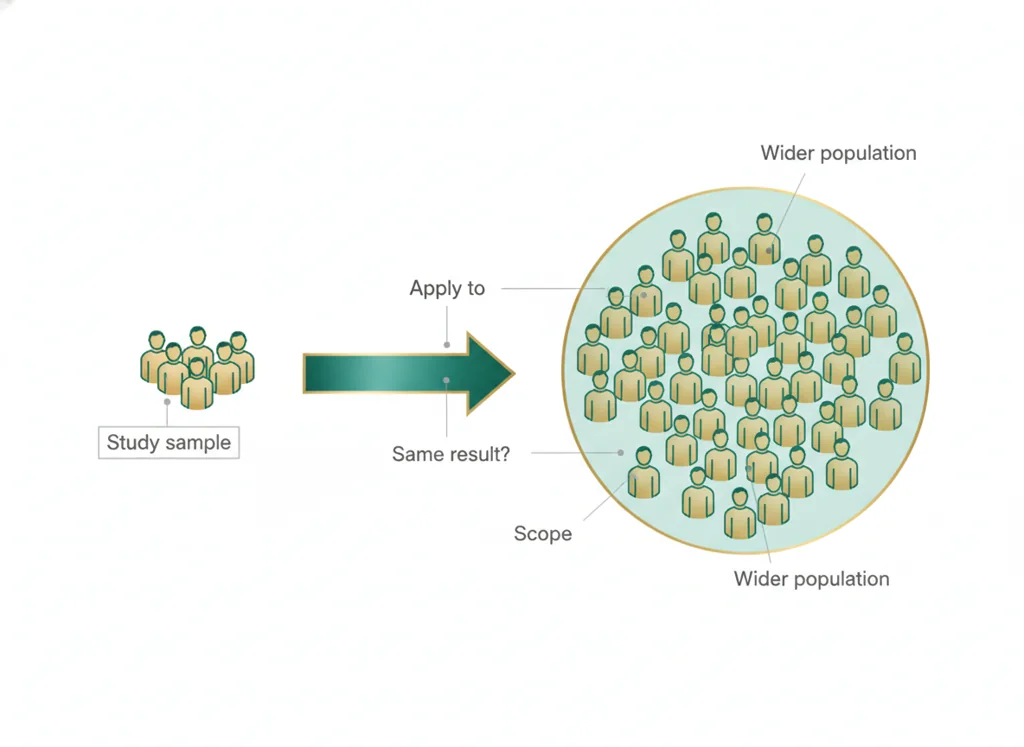
How well a study's findings hold true for people or settings beyond the specific group that was studied.
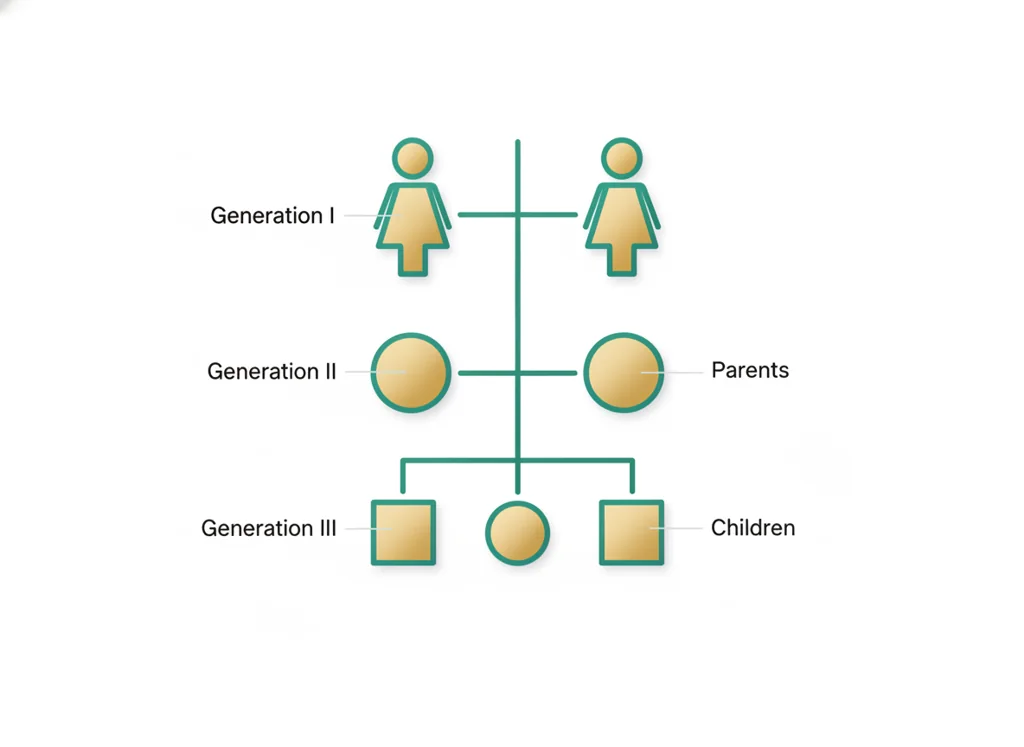
One layer of a family tree, such as grandparents, then parents, then children, shown as a row on a pedigree.
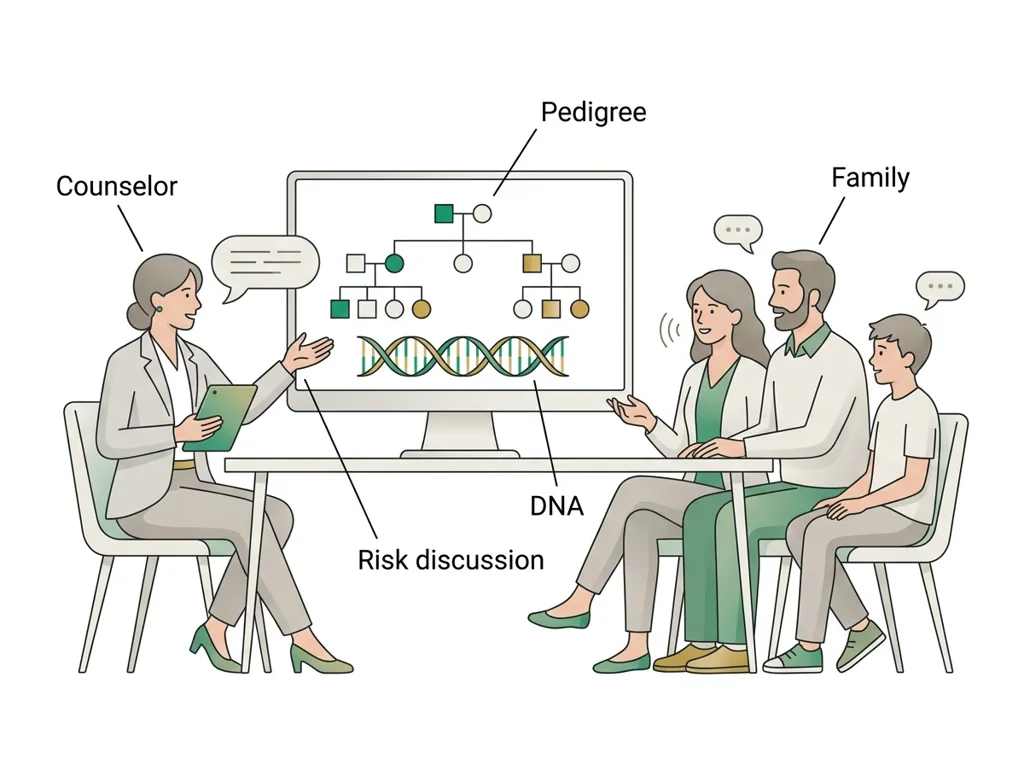
A guided conversation with a trained specialist who explains inherited disease risks, test options, and choices to help a family make informed decisions.
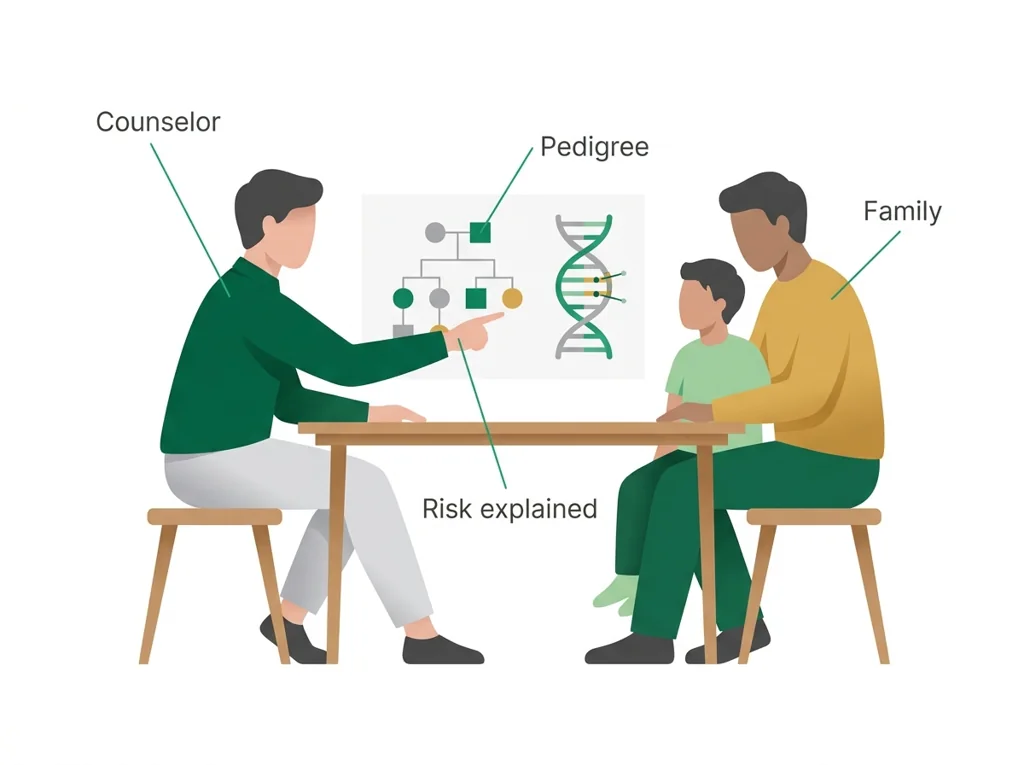
A specialist who explains genetic test results and recurrence risk to families and supports them in making their own decisions.
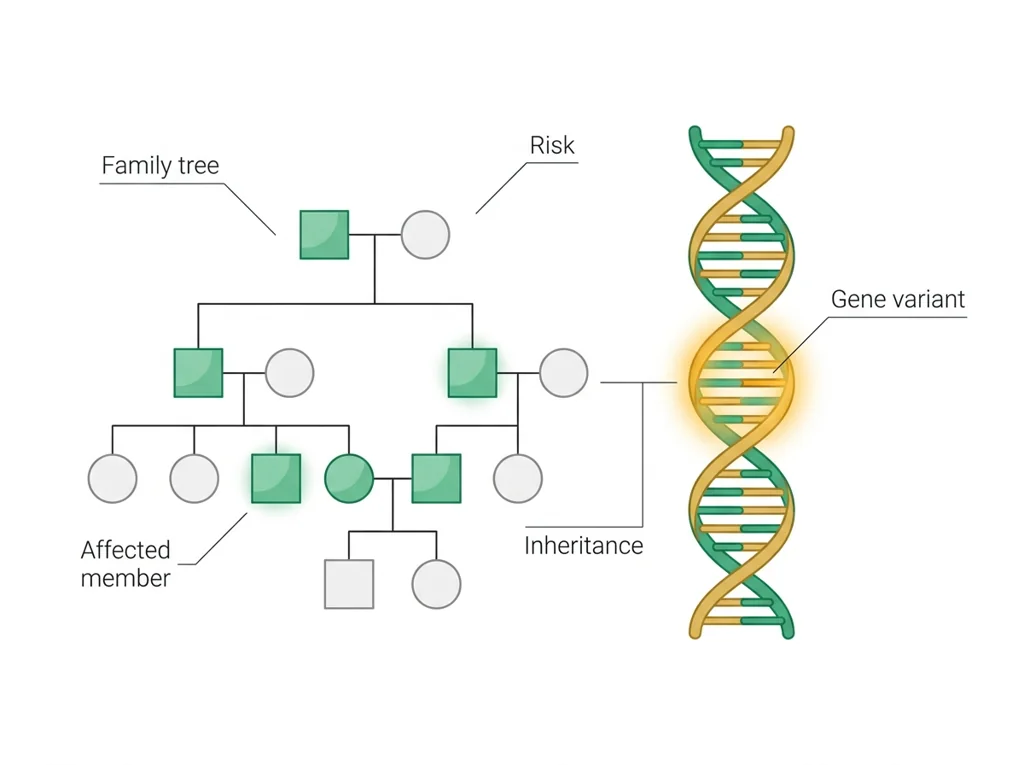
The increased chance of developing a disease that a person inherits because of specific gene variants passed down in their family.
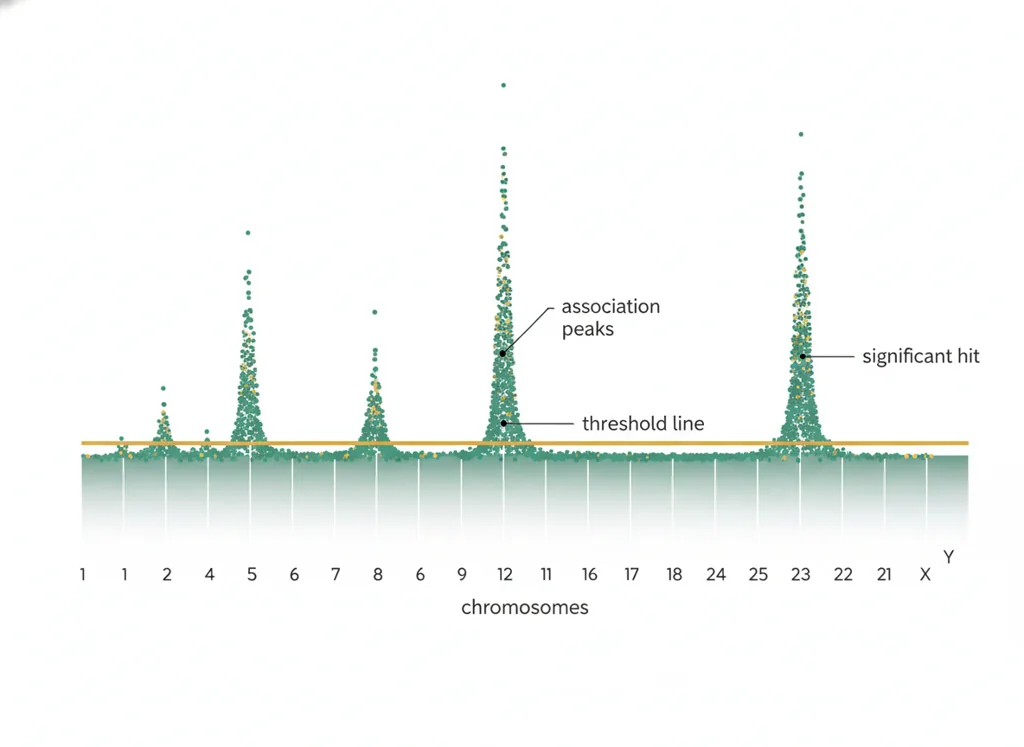
A very strict p-value cutoff (about 5 in 100 million) used in genome-wide studies so that testing millions of spots does not produce false hits.
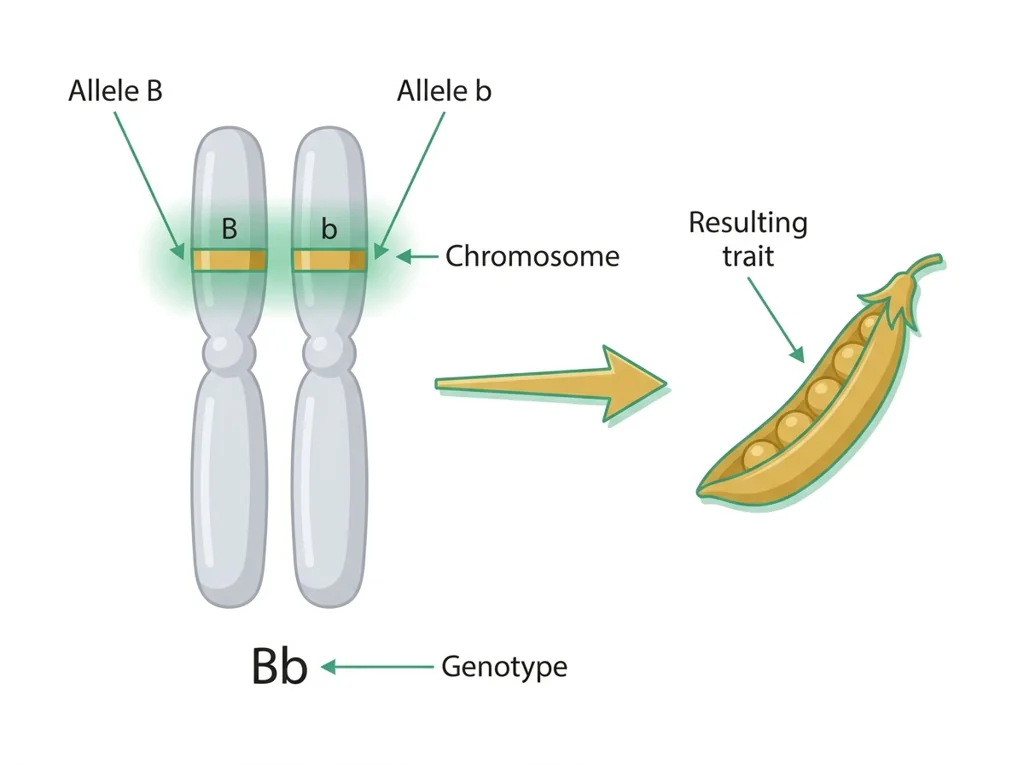
The specific set of gene versions an individual carries, which works with the environment to shape observable traits.
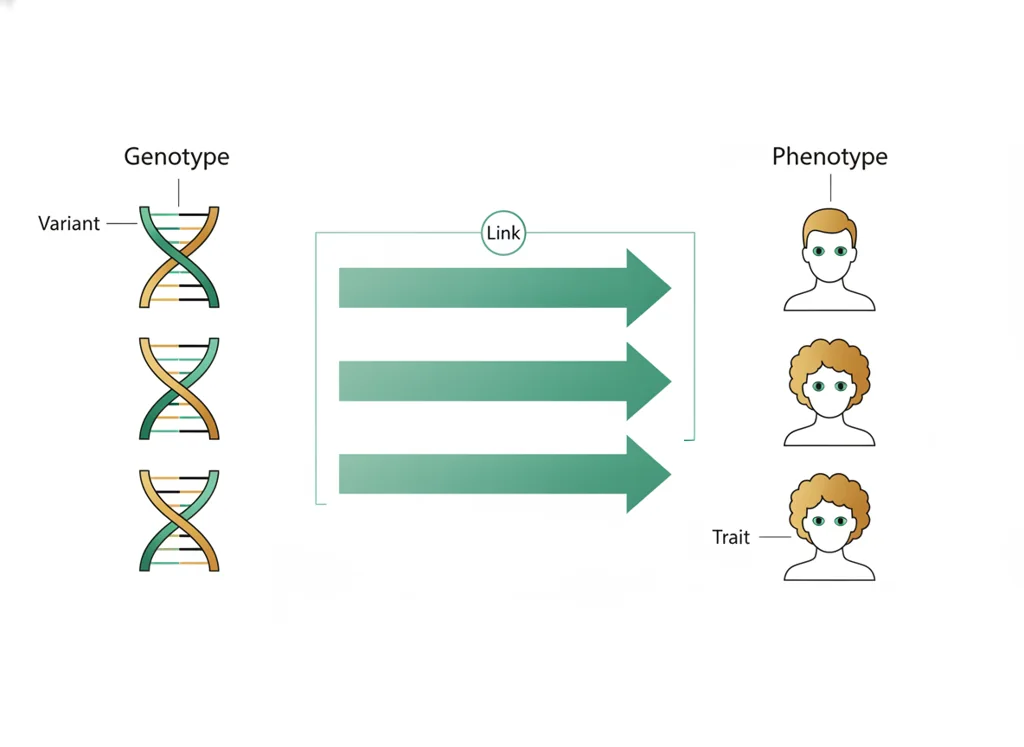
A link between which gene variant a person carries and which features or how severe a condition they show.
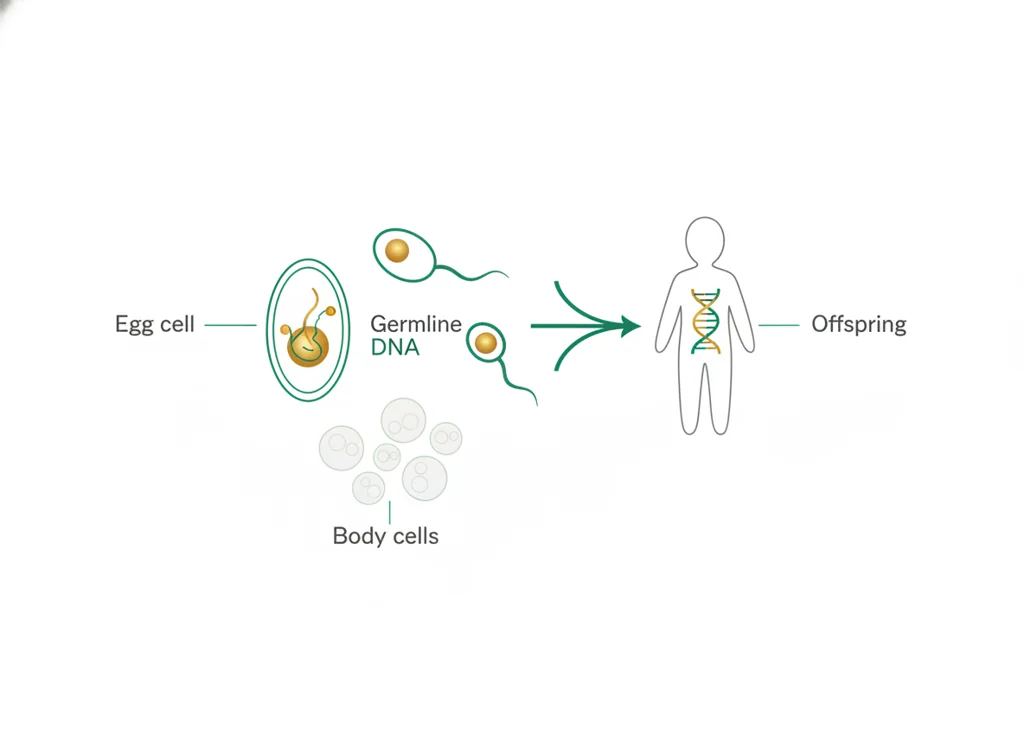
The egg, sperm, and the cells that make them; changes in these cells can be passed to a person's children.
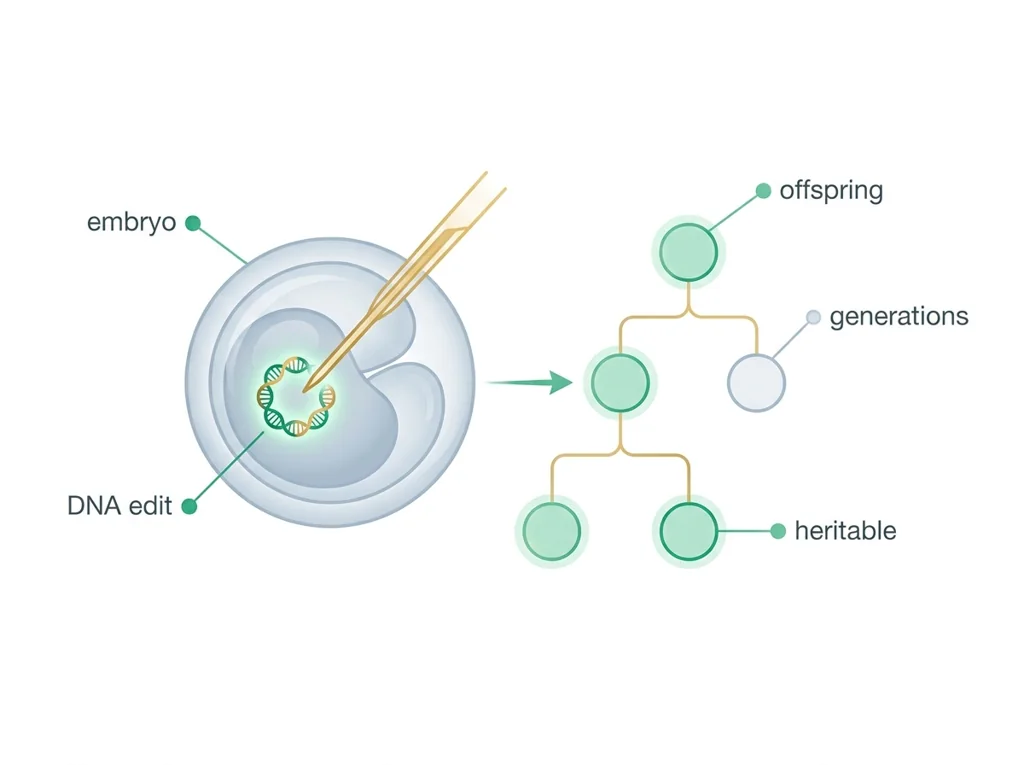
Changing the DNA of eggs, sperm, or embryos so the edit can be inherited by future generations, which is ethically restricted.
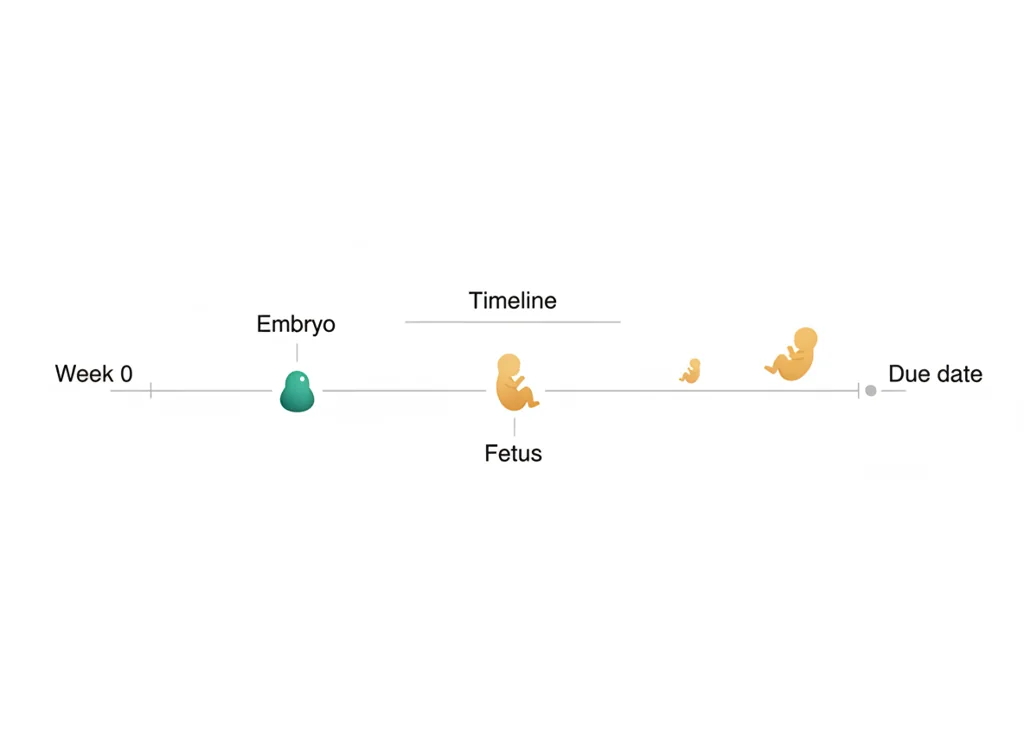
A way of counting how far along a pregnancy is, measured in weeks from the start of the mother's last menstrual period.
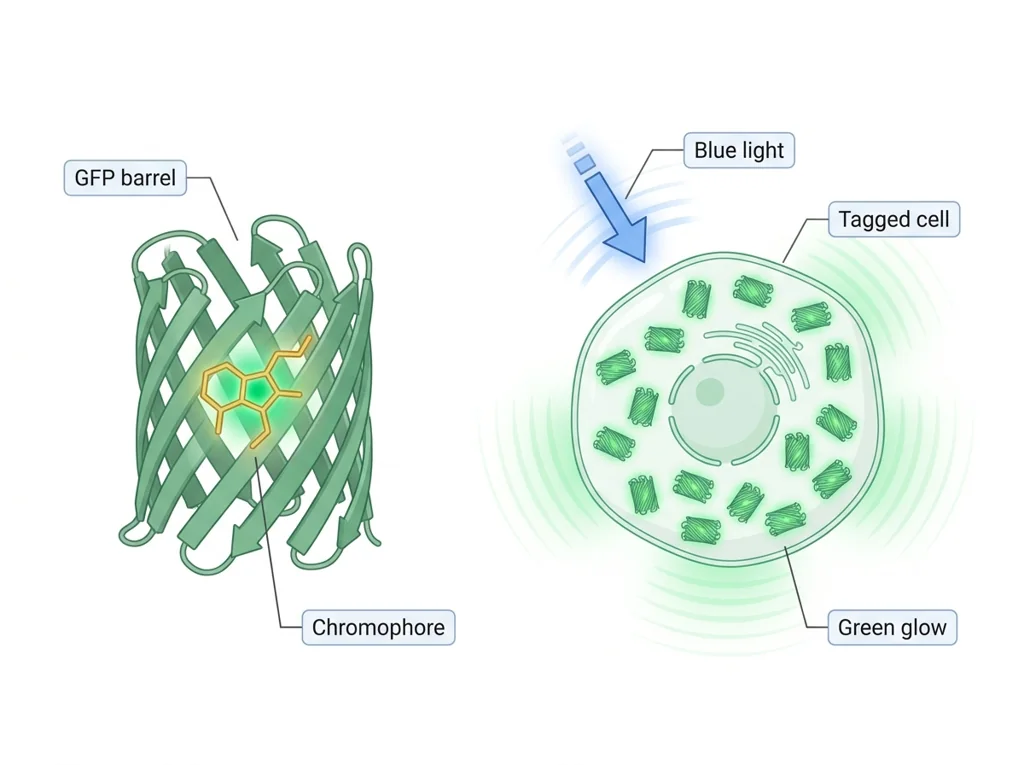
Green fluorescent protein, taken from a jellyfish, that glows green under blue or ultraviolet light and is used to tag and watch cells or genes.
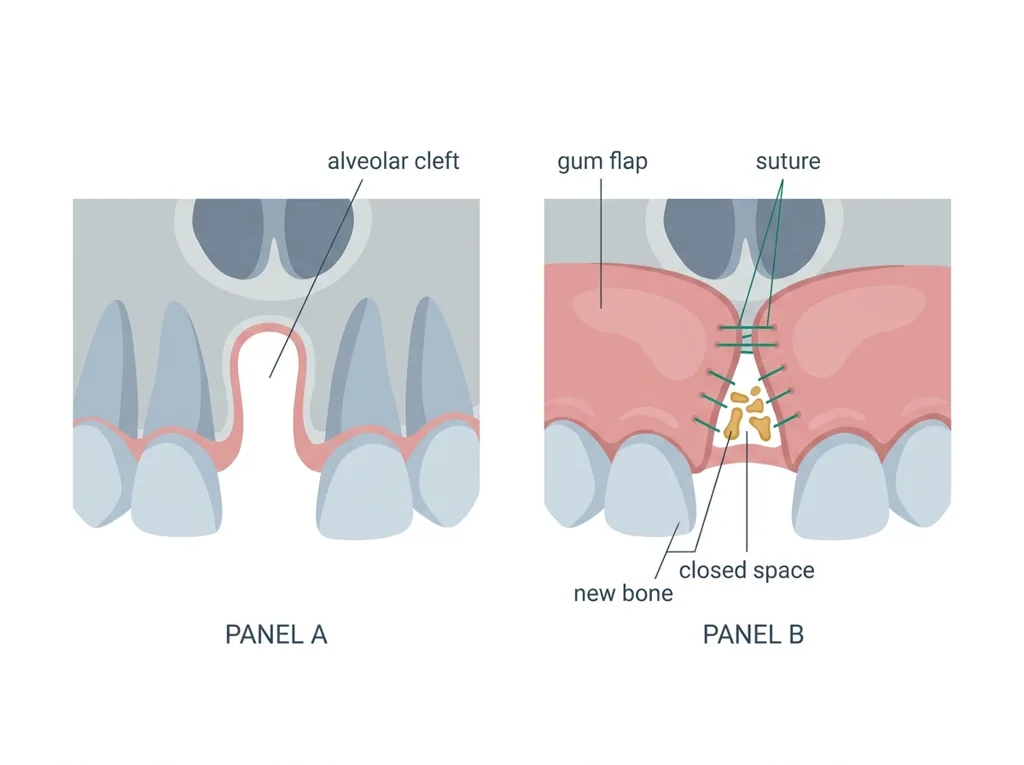
A surgery that closes the alveolar cleft with gum and lining tissue flaps to encourage new bone to bridge the gap, without a bone graft.
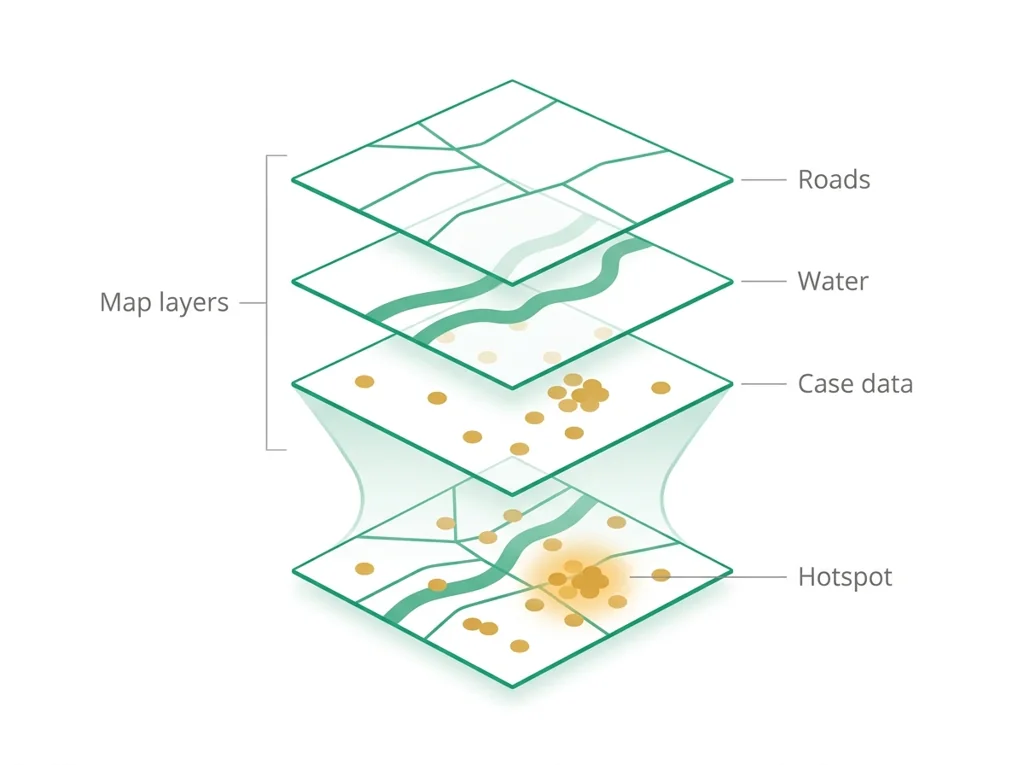
A geographic information system, a computer tool that maps and analyzes data by location, used to track disease spread and find risk hotspots.
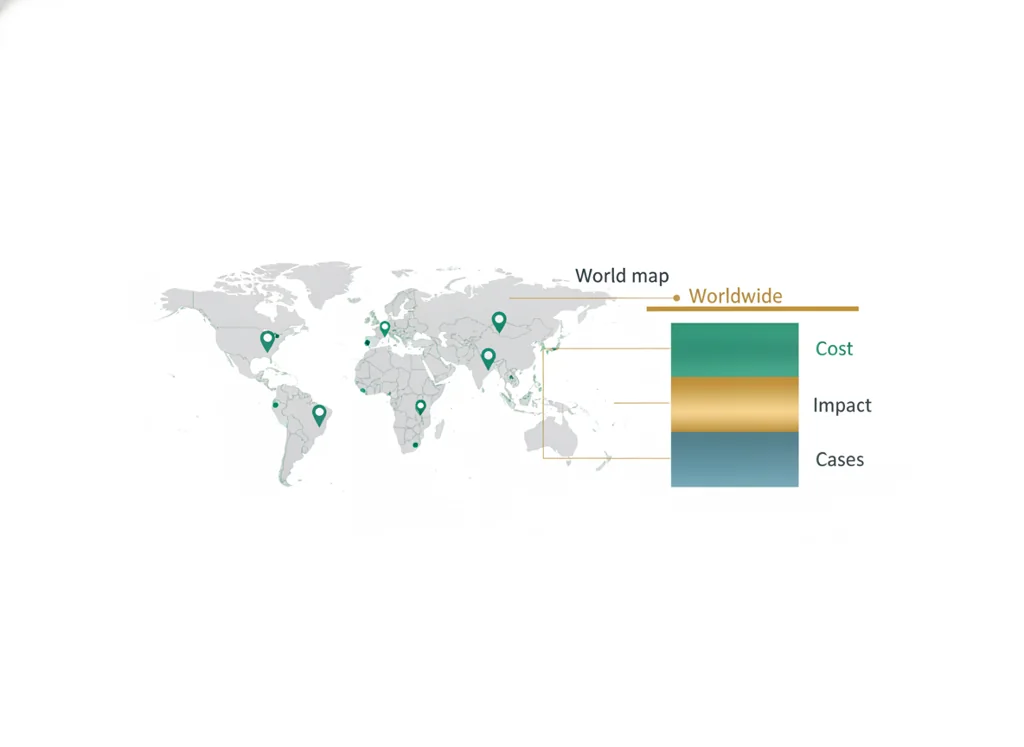
The total impact of a disease worldwide, counting how many people it affects and the illness, disability, and cost it causes.
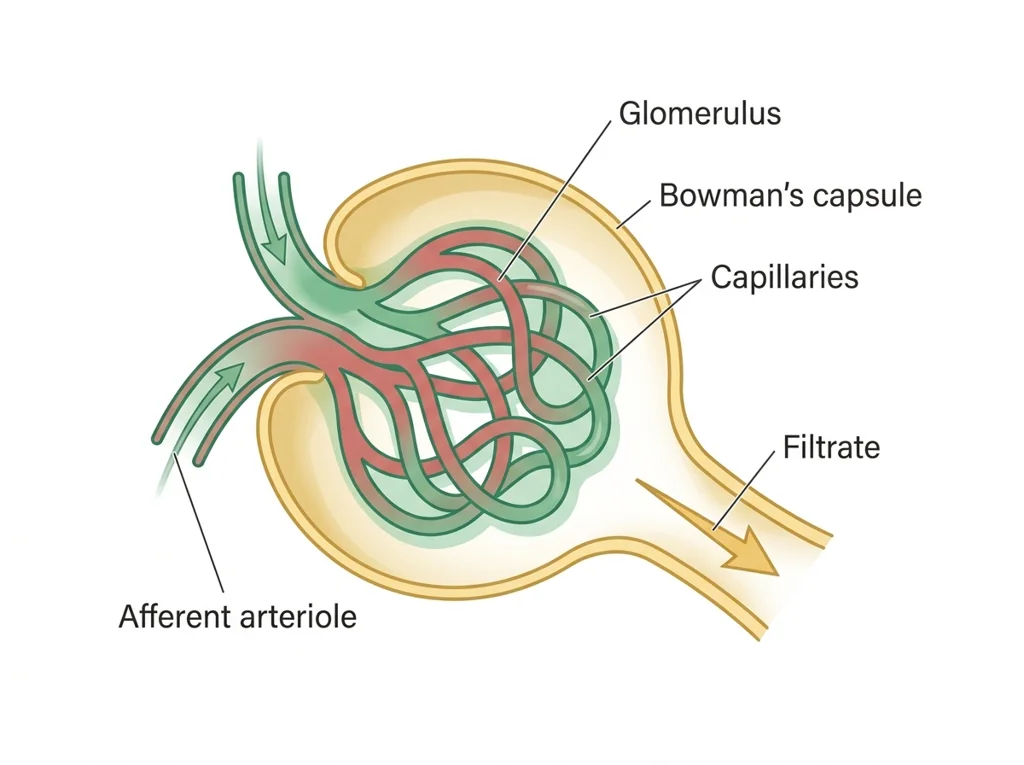
A tiny ball of blood capillaries in the kidney's nephron where waste and fluid are filtered out of the blood to begin making urine.
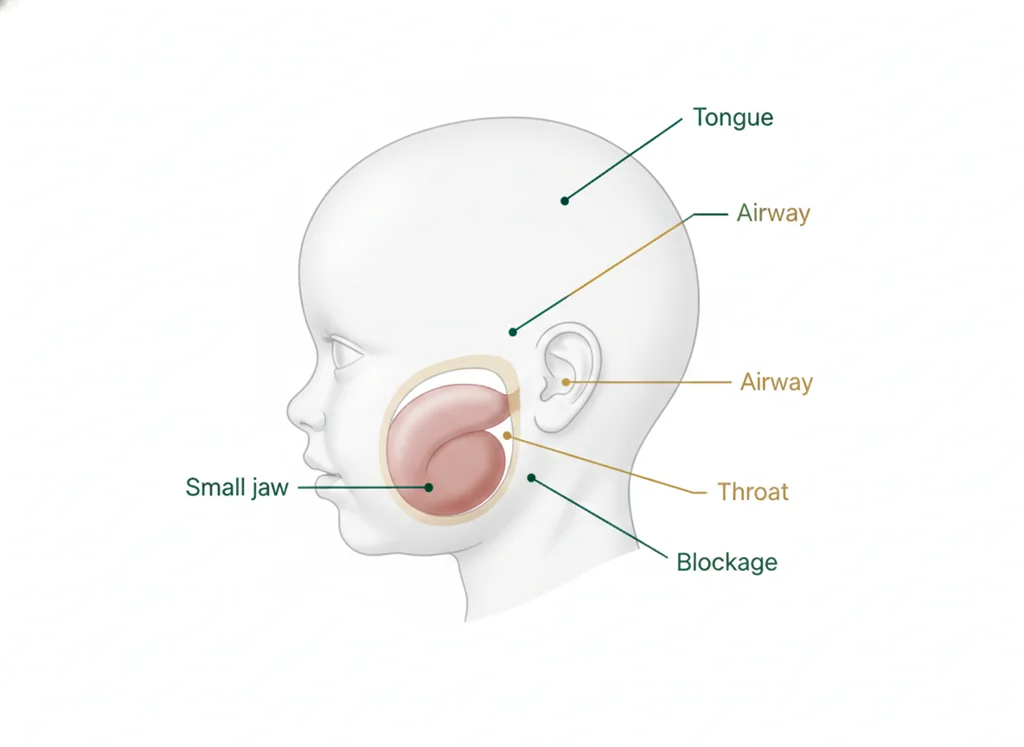
Backward and downward displacement of the tongue, which can block the airway and is a key feature of Pierre Robin sequence.
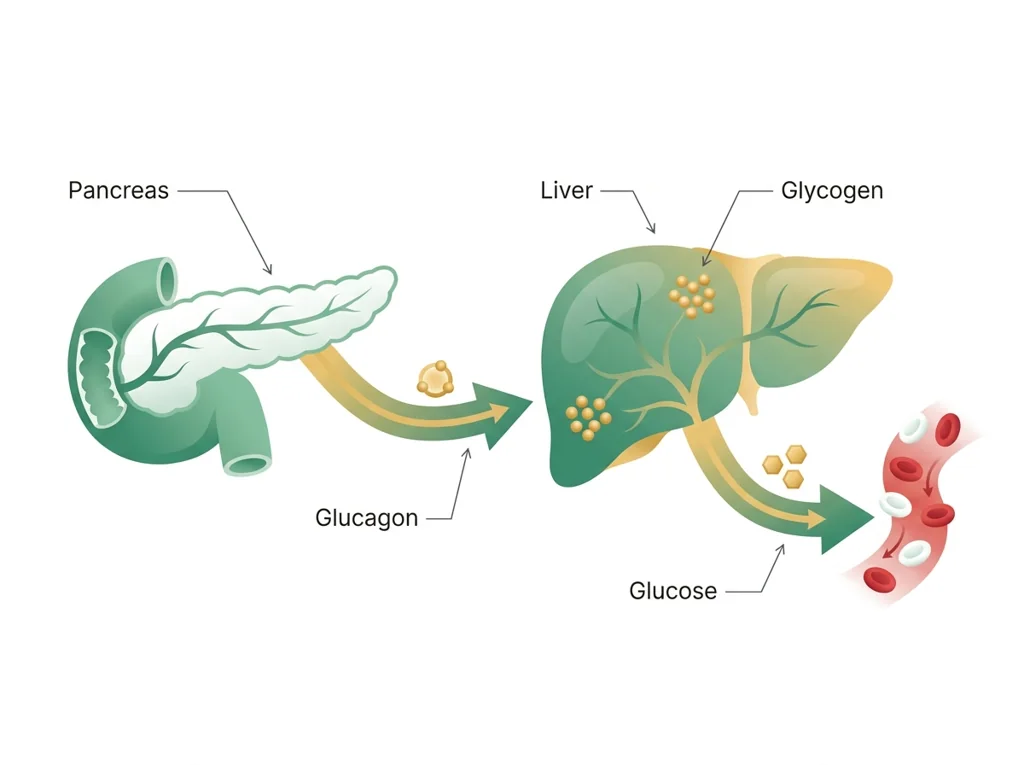
A hormone made by the pancreas that raises blood sugar by signaling the liver to release stored glucose when levels drop.
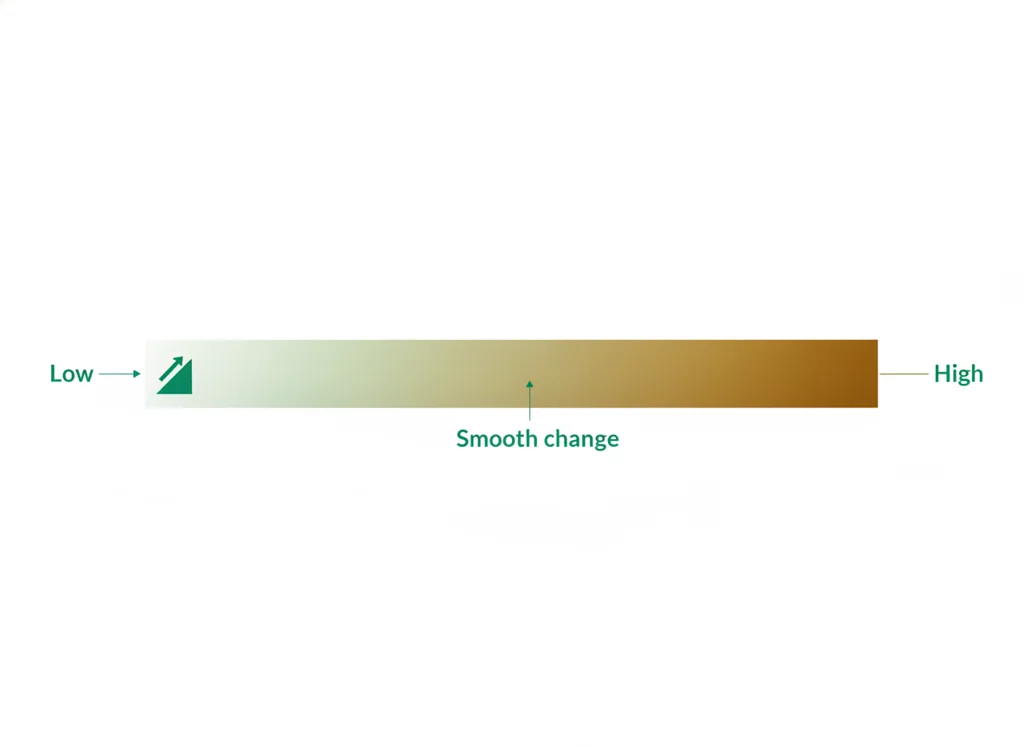
Changing smoothly from low on one side to high on the other, like a ramp rather than a sudden step.
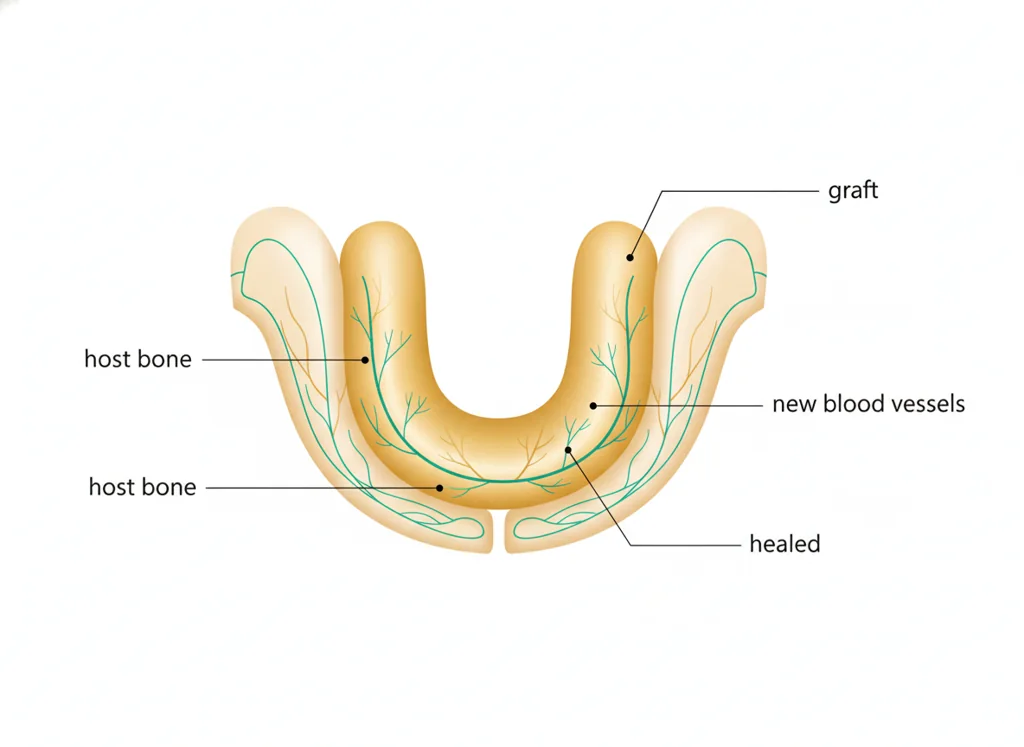
When transplanted tissue, such as a bone graft into a cleft, takes hold, gets blood supply, and heals into the surrounding tissue.
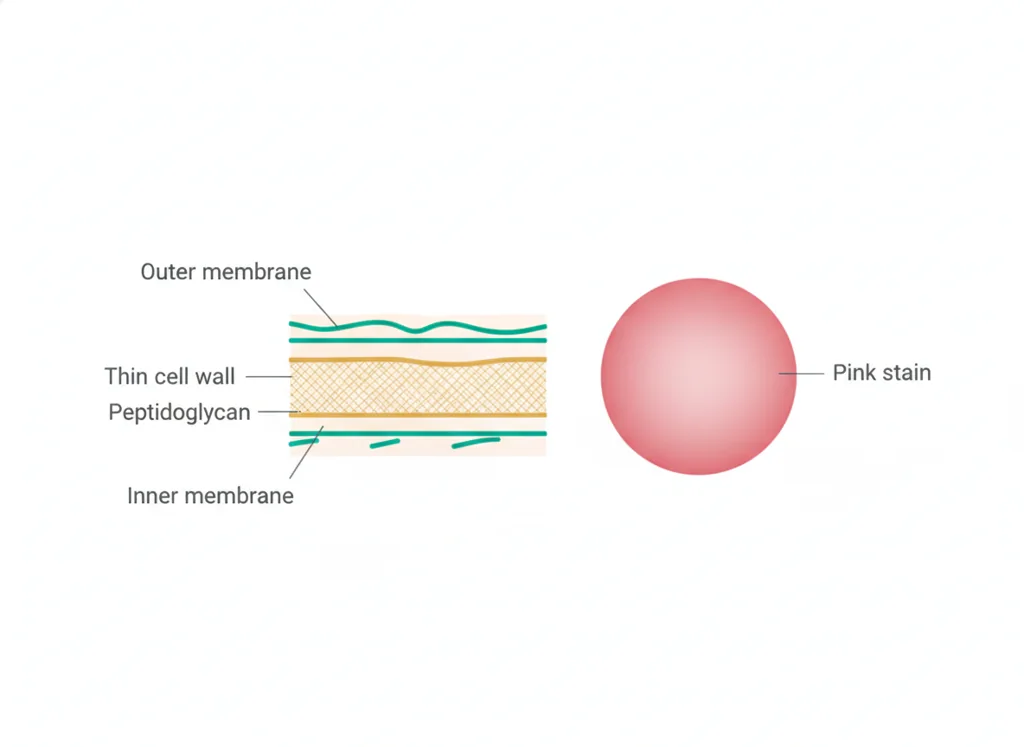
Bacteria with a thin cell wall and an extra outer membrane that stain pink in the Gram test, often making them harder to treat with some antibiotics.
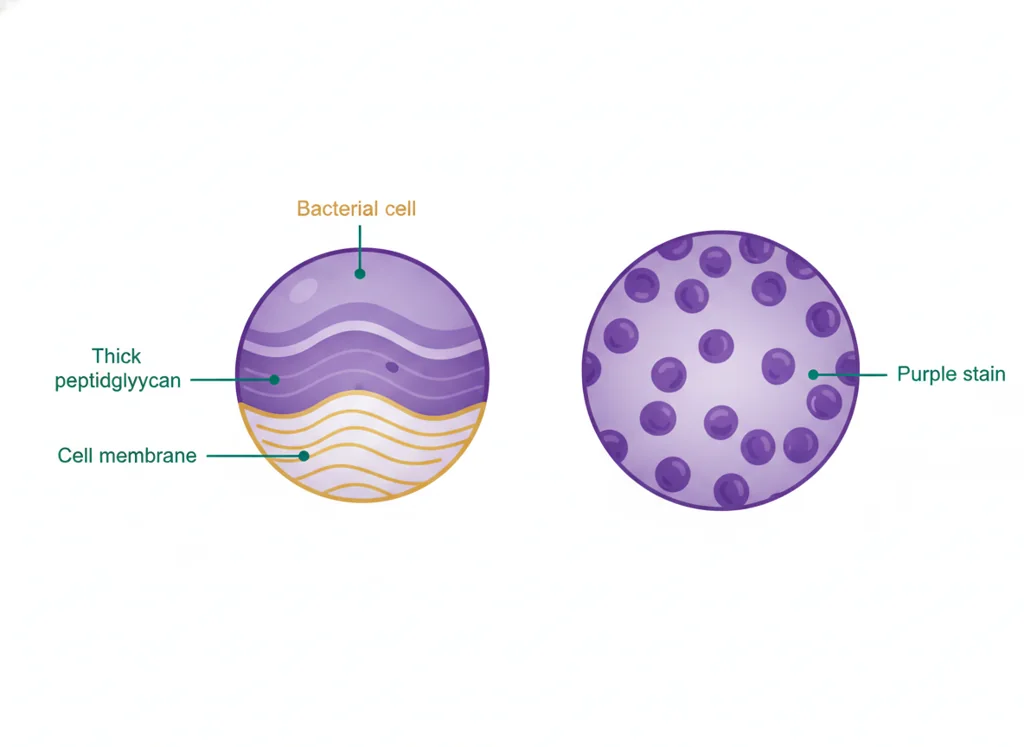
Bacteria with a thick outer peptidoglycan wall that holds the purple crystal violet stain, appearing deep purple under the microscope.
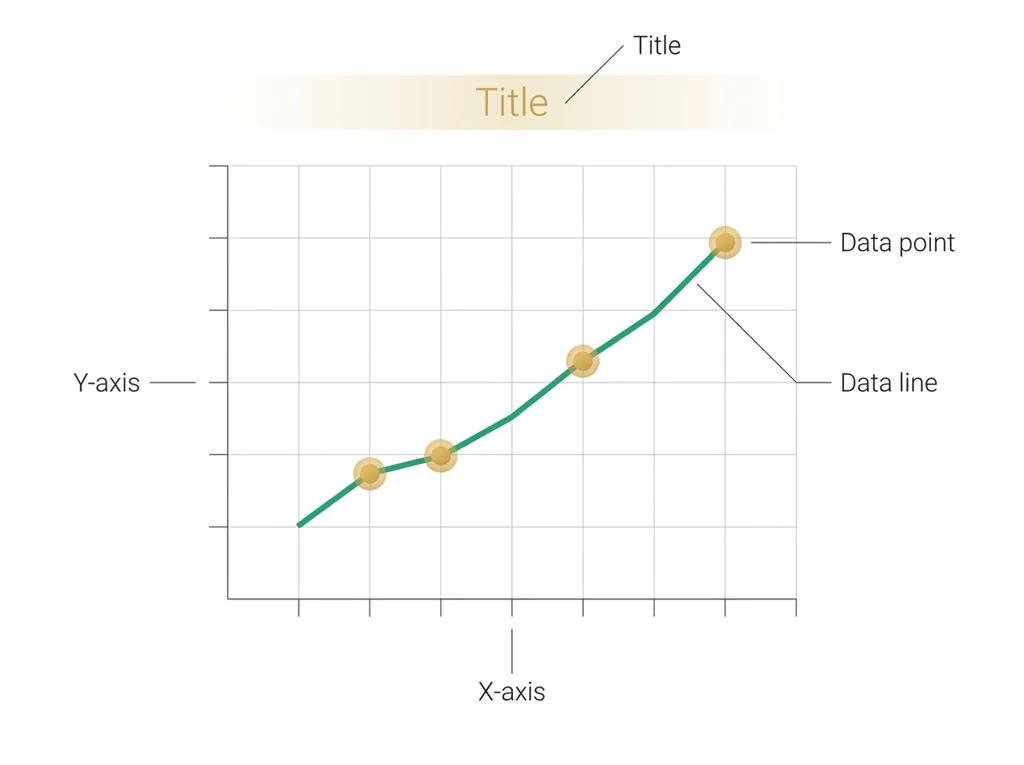
A visual display of data, such as a bar, line, or scatter plot, that makes patterns and relationships easier to see than a table of numbers.
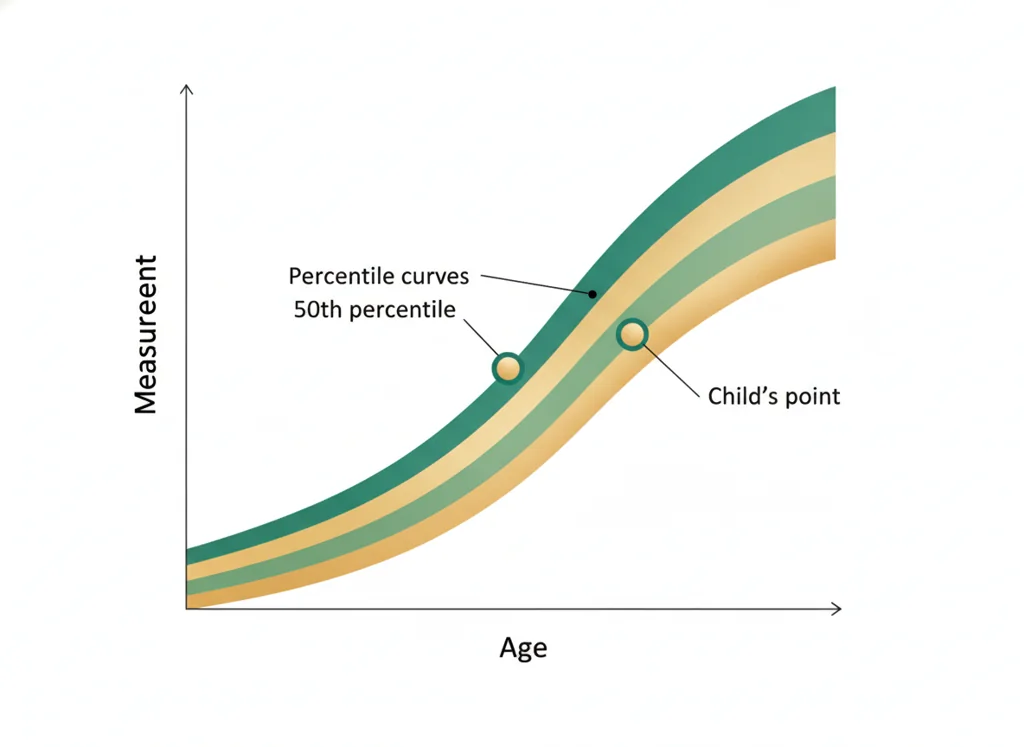
A standard chart that compares a child's height, weight, or head size to other children of the same age and sex using percentiles.
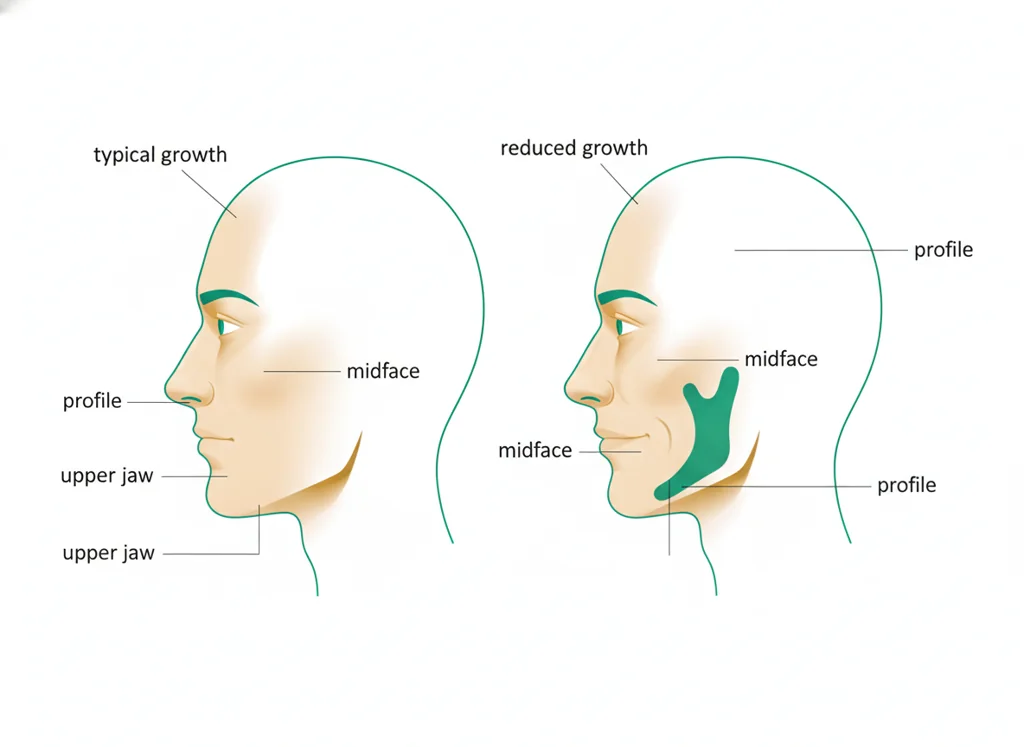
Slowed or uneven growth of a body part, such as the midface after cleft surgery, leading to a smaller or asymmetric structure.
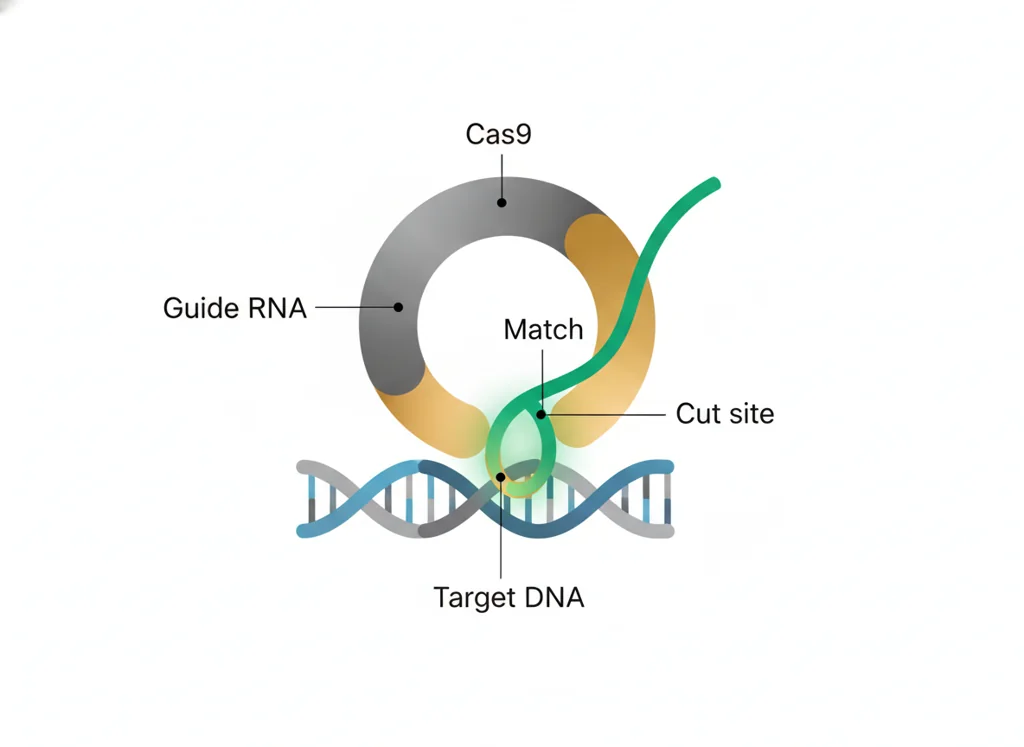
A short RNA molecule that steers the CRISPR cutting protein to the exact matching spot in the DNA to be edited.
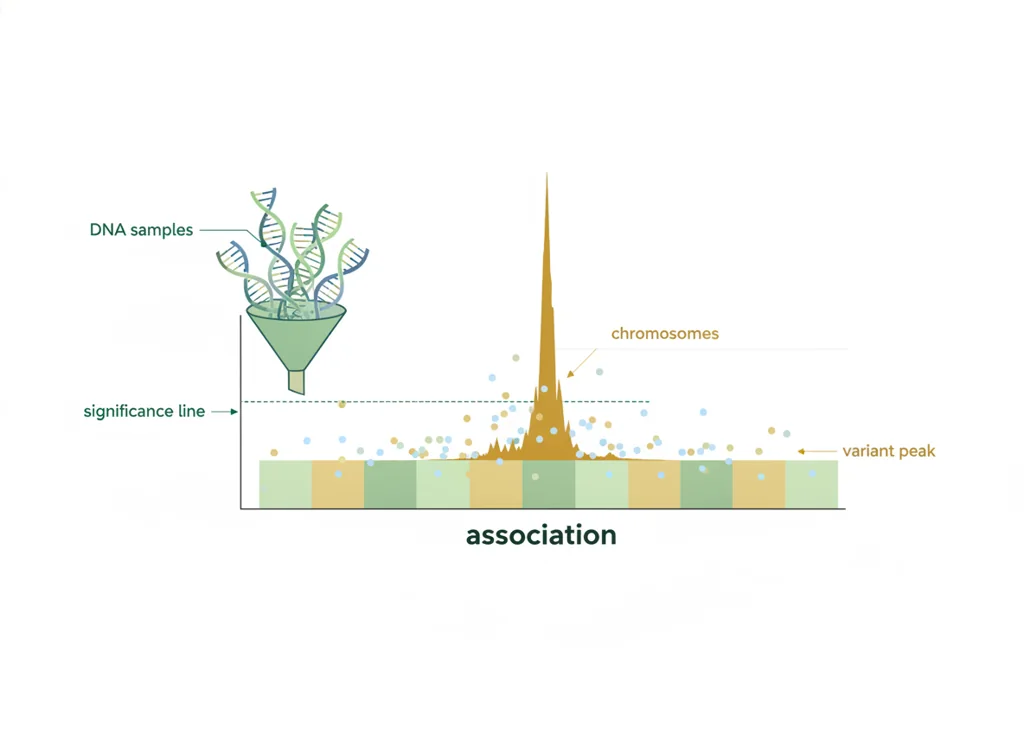
A genome-wide association study, which scans DNA from many people to find genetic variants linked to a trait or disease.
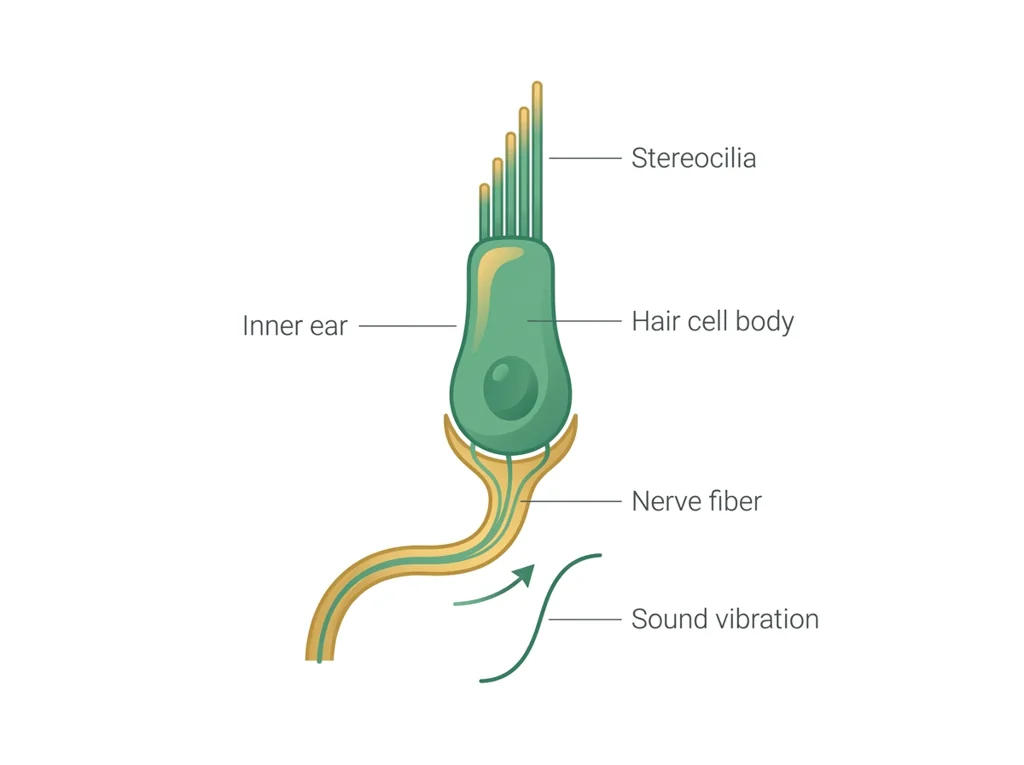
A sensory cell in the inner ear with tiny hair-like bundles that convert sound vibrations or movement into nerve signals the brain can read.
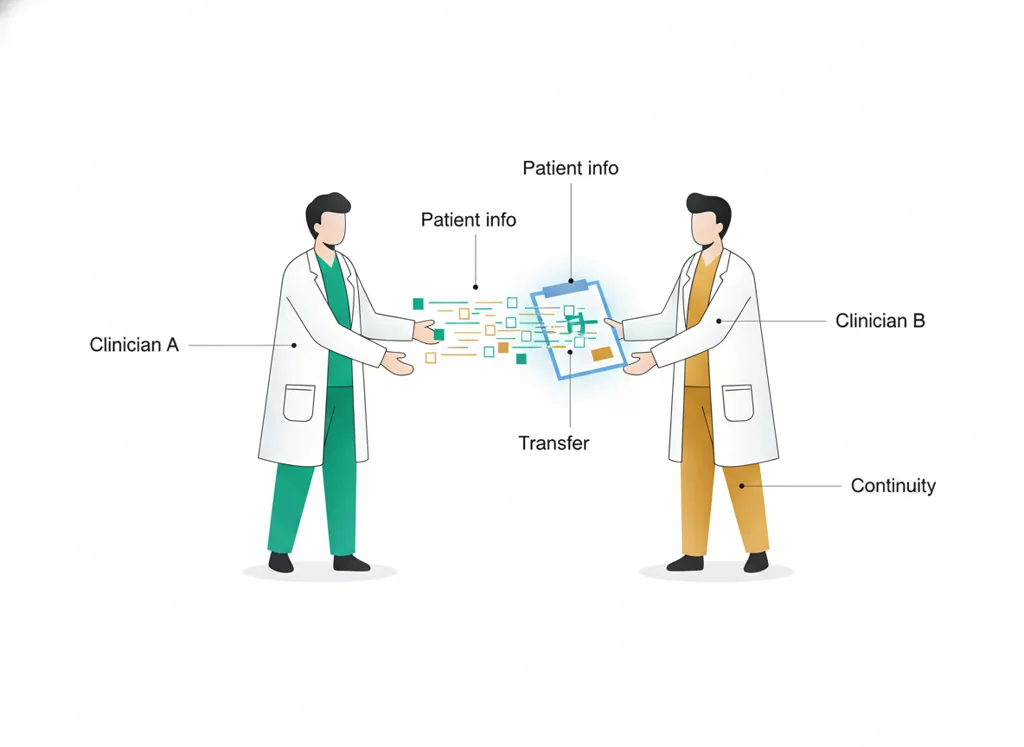
The careful transfer of a patient's care and information from one clinician or team to the next so nothing important is missed.
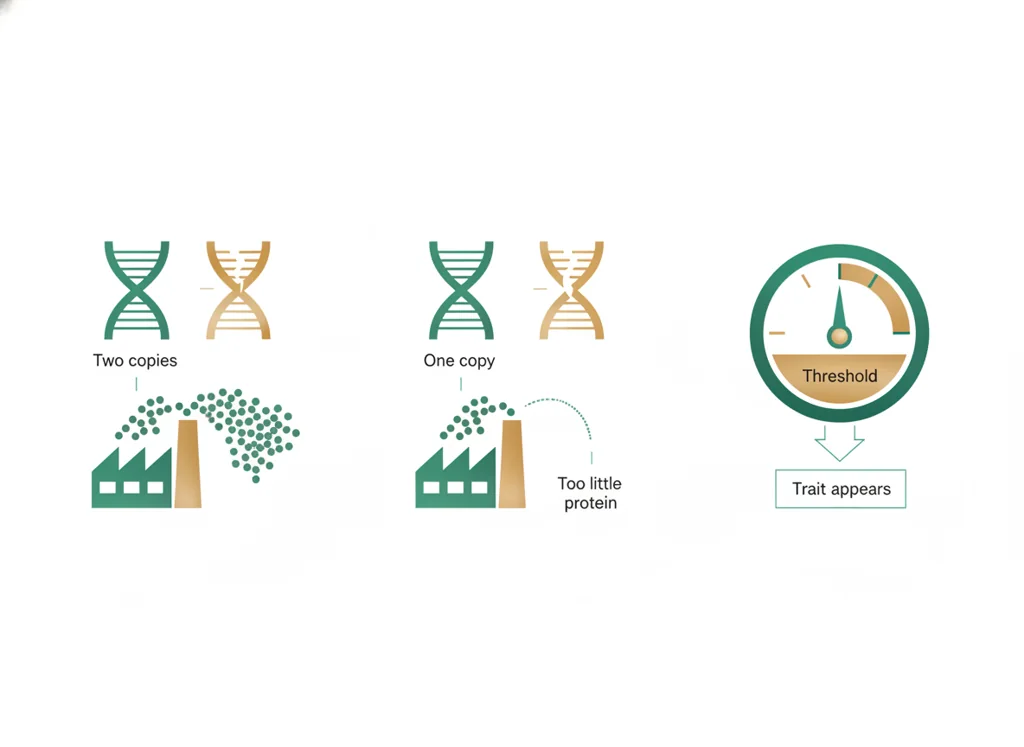
When one working copy of a gene cannot make enough product on its own, so losing the second copy causes the trait.
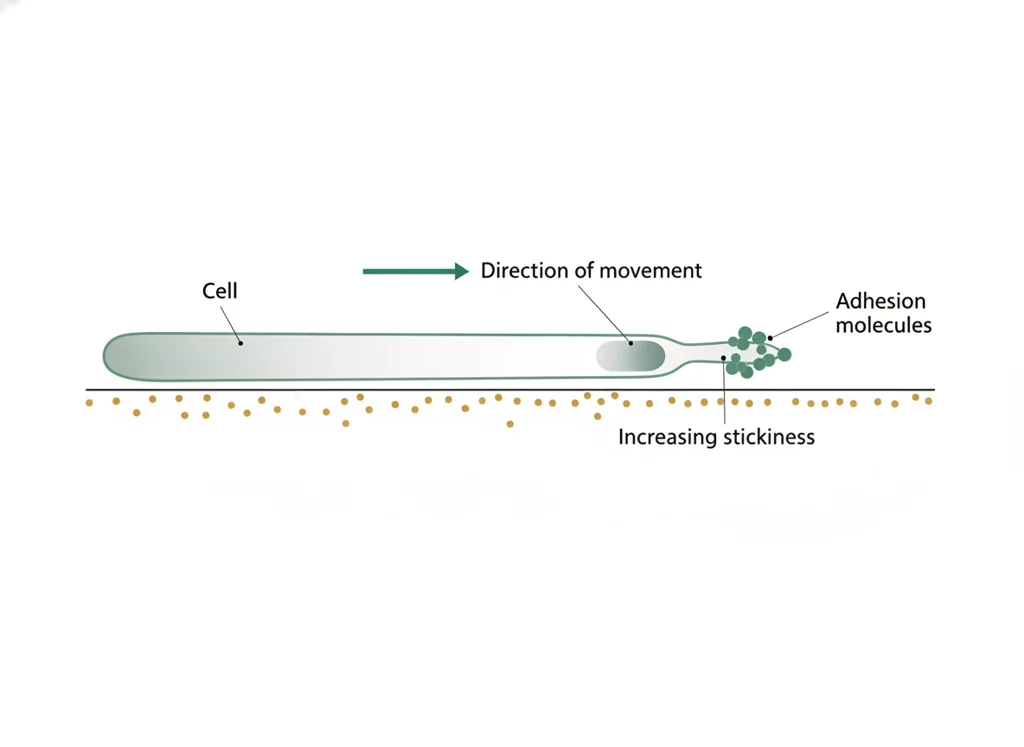
Cell movement guided by following a trail of increasing stickiness in the surrounding matrix, crawling toward where it grips best.
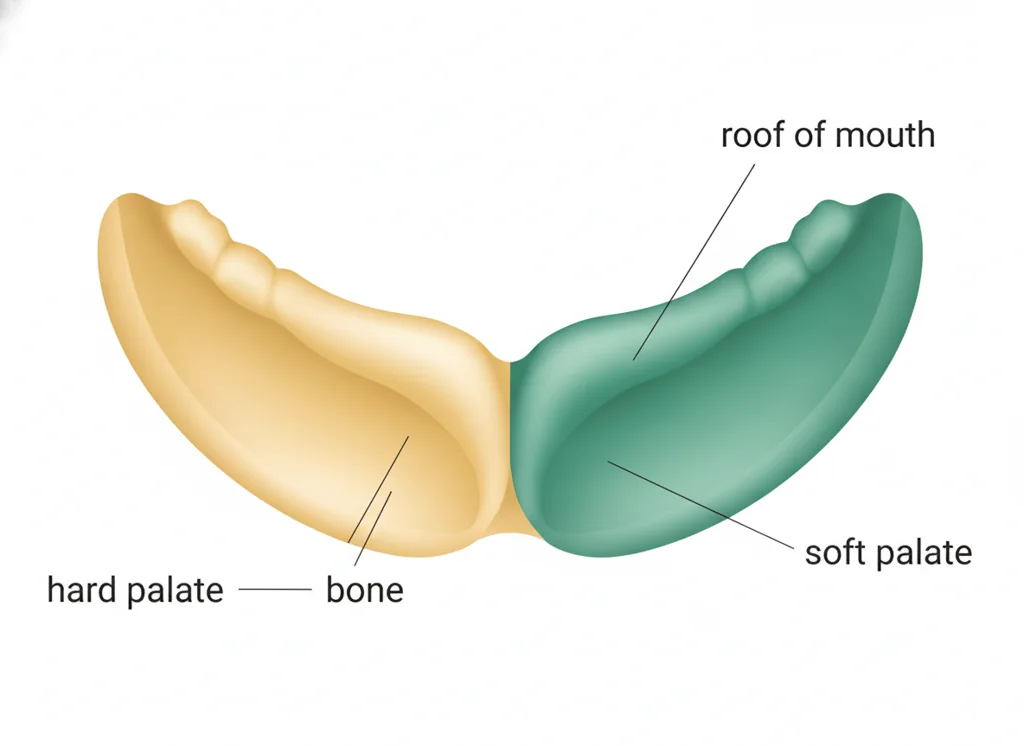
The bony front part of the roof of the mouth that separates the mouth from the nasal cavity and supports chewing and speech.
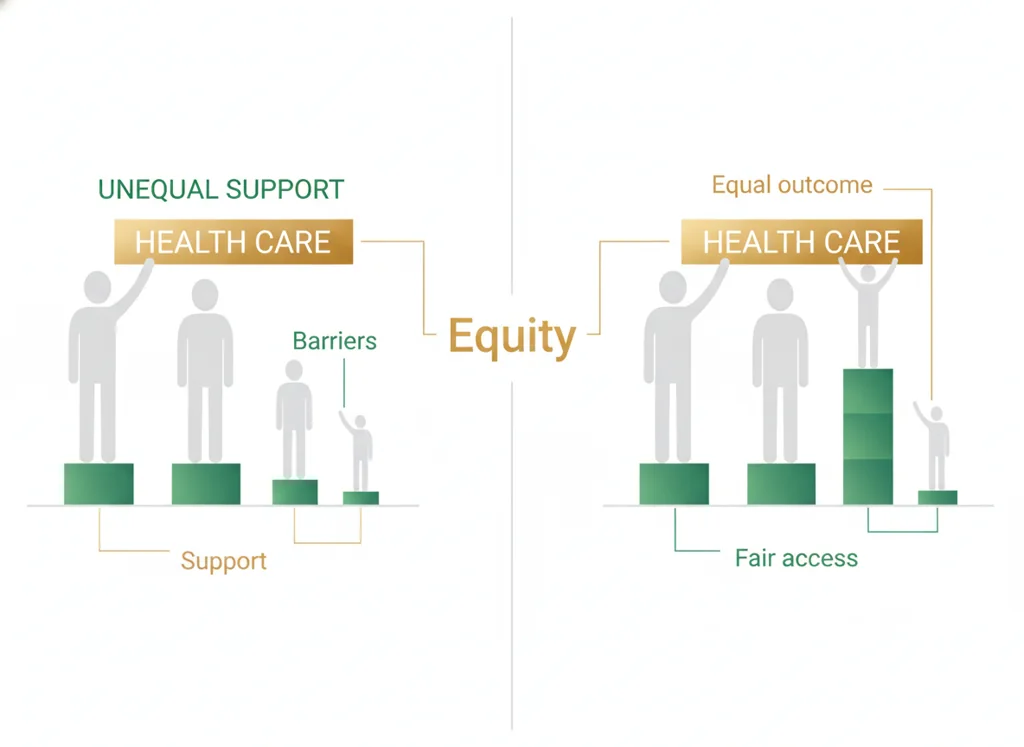
The goal that everyone has a fair chance to be healthy, by removing avoidable barriers tied to income, race, or where people live.

A four-chambered muscle that pumps blood to the lungs and the body, with atria receiving and ventricles sending blood onward.
A grid where each square is coloured according to its value, so a table too large to read as numbers can be read as a pattern. On a gene expression heat map each row is a gene, each column is a sample, and the colour shows how much of that gene the sample is making.
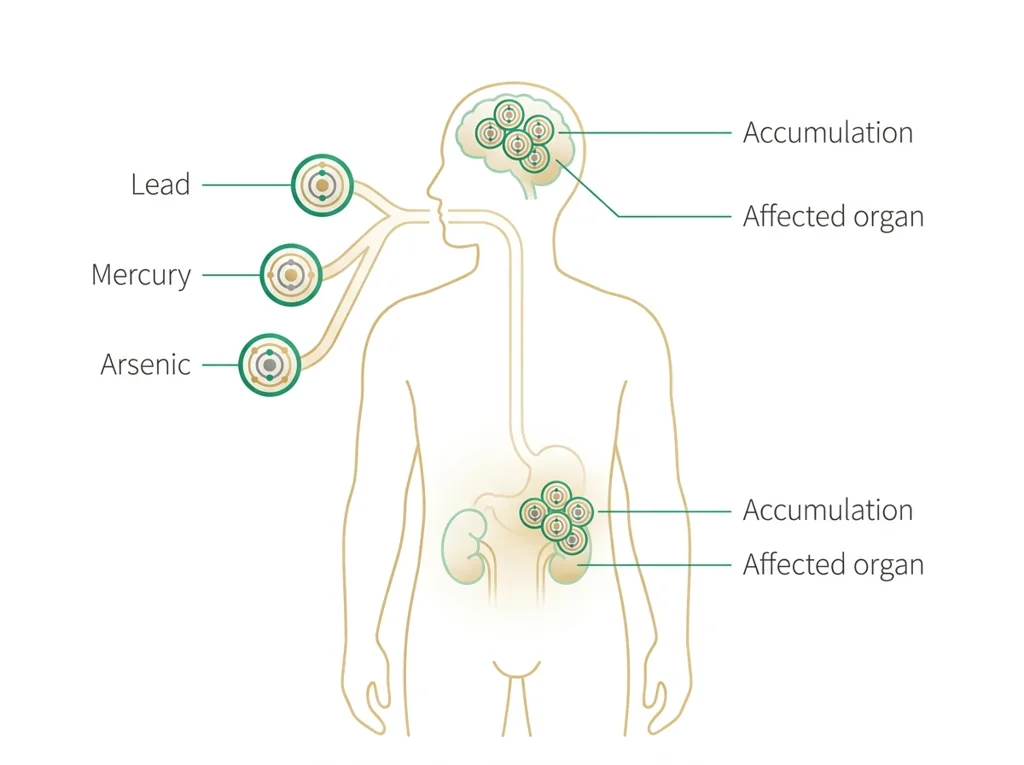
A dense metallic element such as lead, mercury, or arsenic that is toxic to the body even at low amounts and can build up over time.
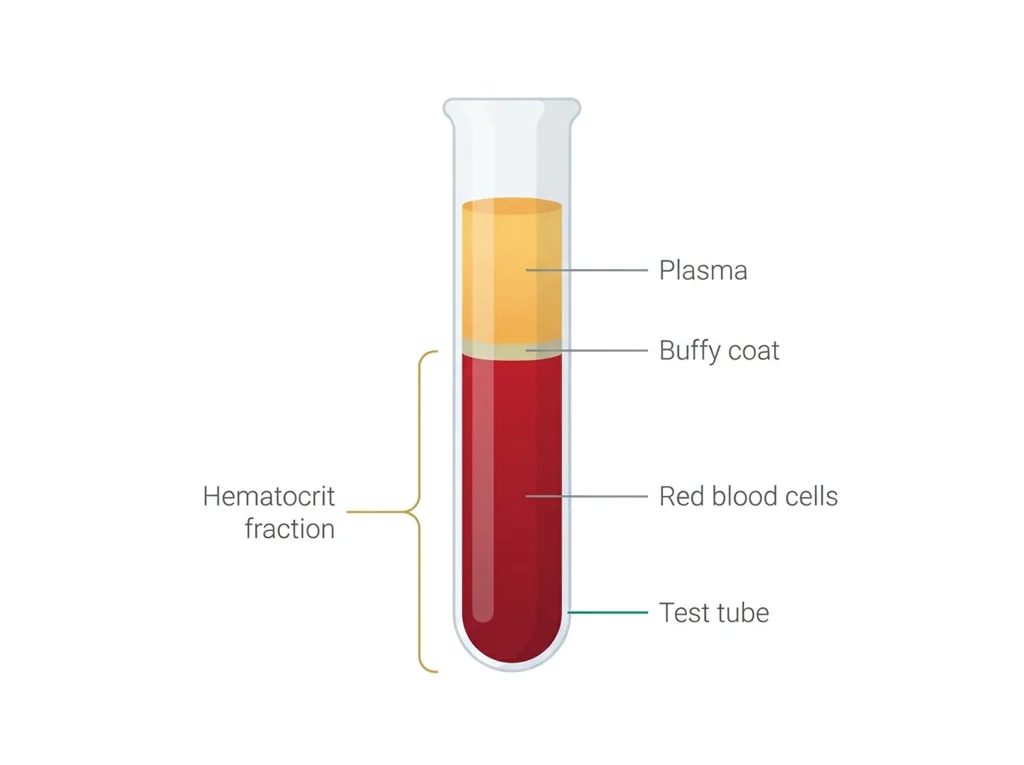
The percentage of blood volume made up of red blood cells, used to check for conditions like anemia or dehydration.
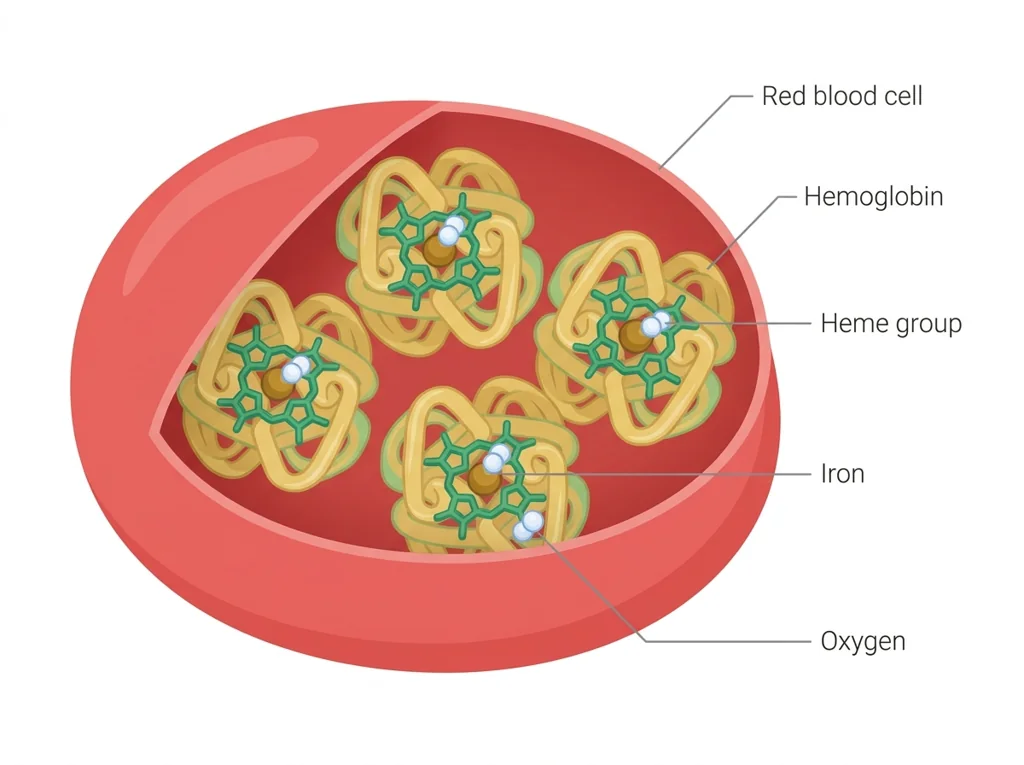
The iron-containing protein inside red blood cells that binds oxygen in the lungs and carries it to tissues throughout the body.
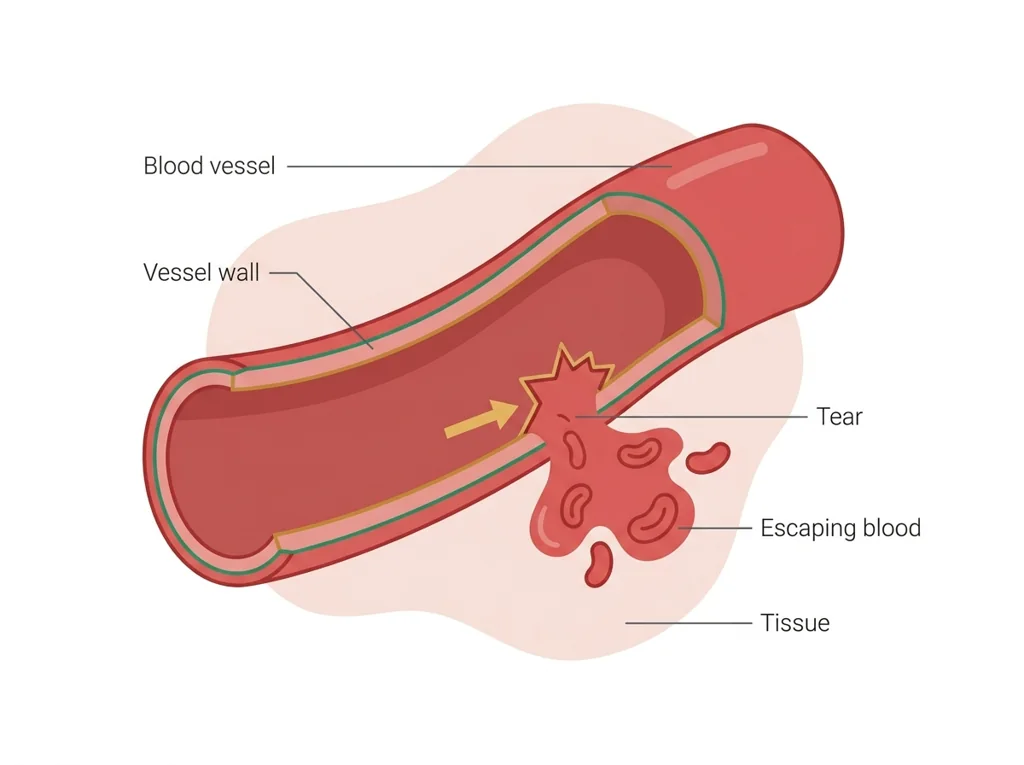
Heavy or uncontrolled bleeding from a damaged blood vessel, either outside the body or internally into tissues, that can become life-threatening.
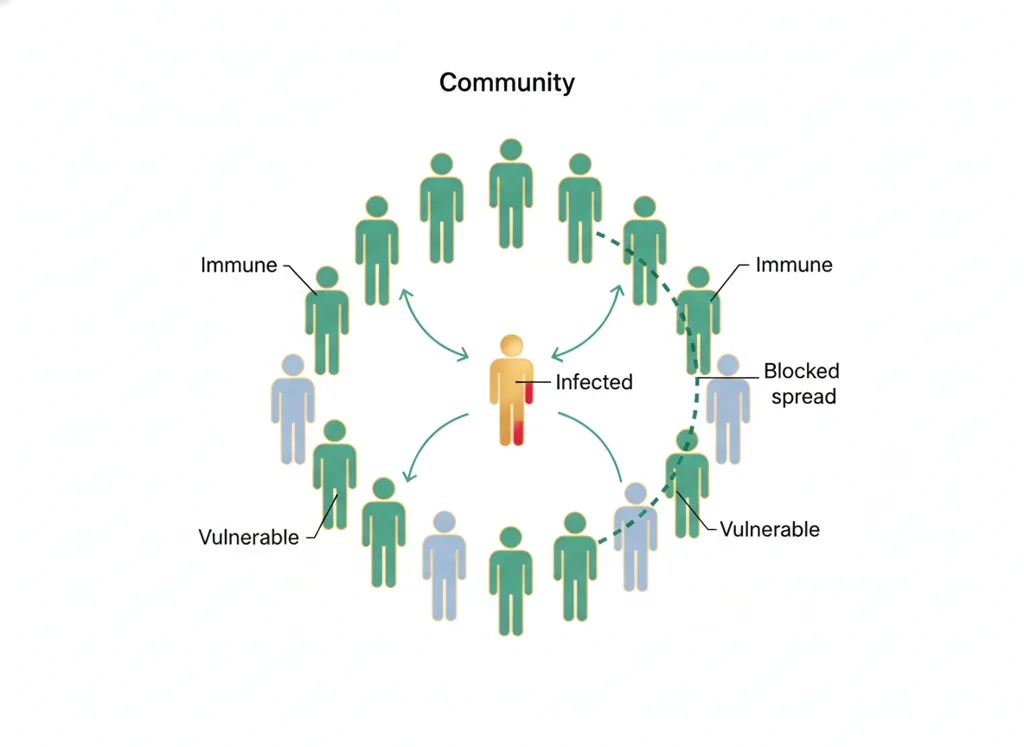
Protection that arises when enough people in a community are immune to a disease that its spread slows and shields those who are not immune.
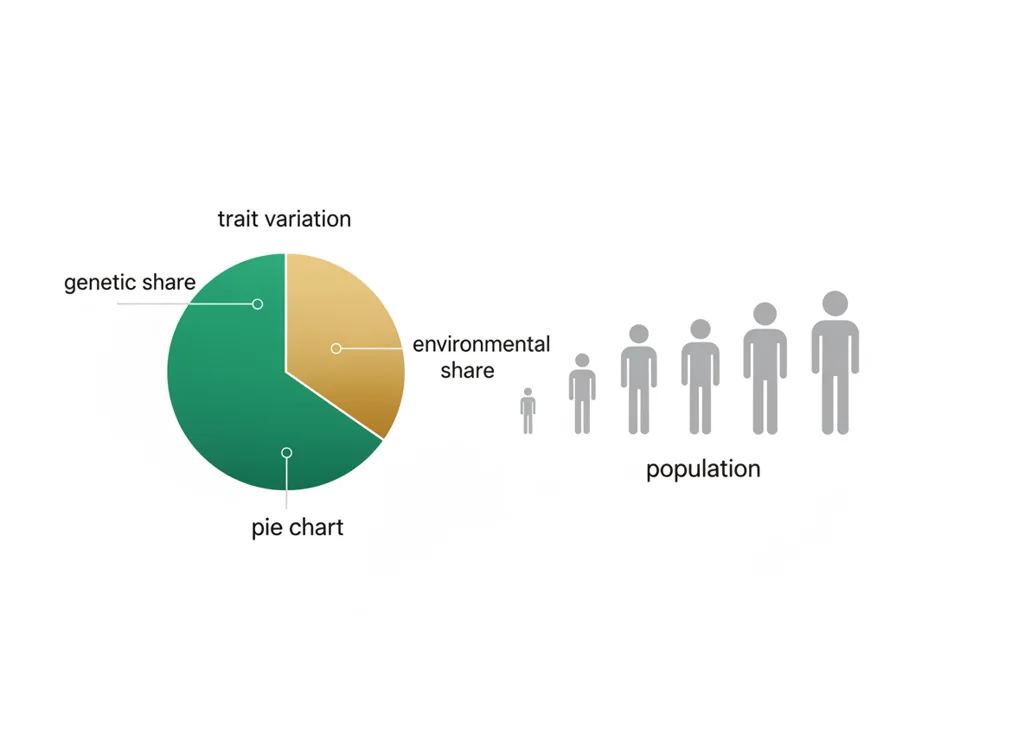
A measure of how much of the variation in a trait across a population is due to genetic differences rather than environment.
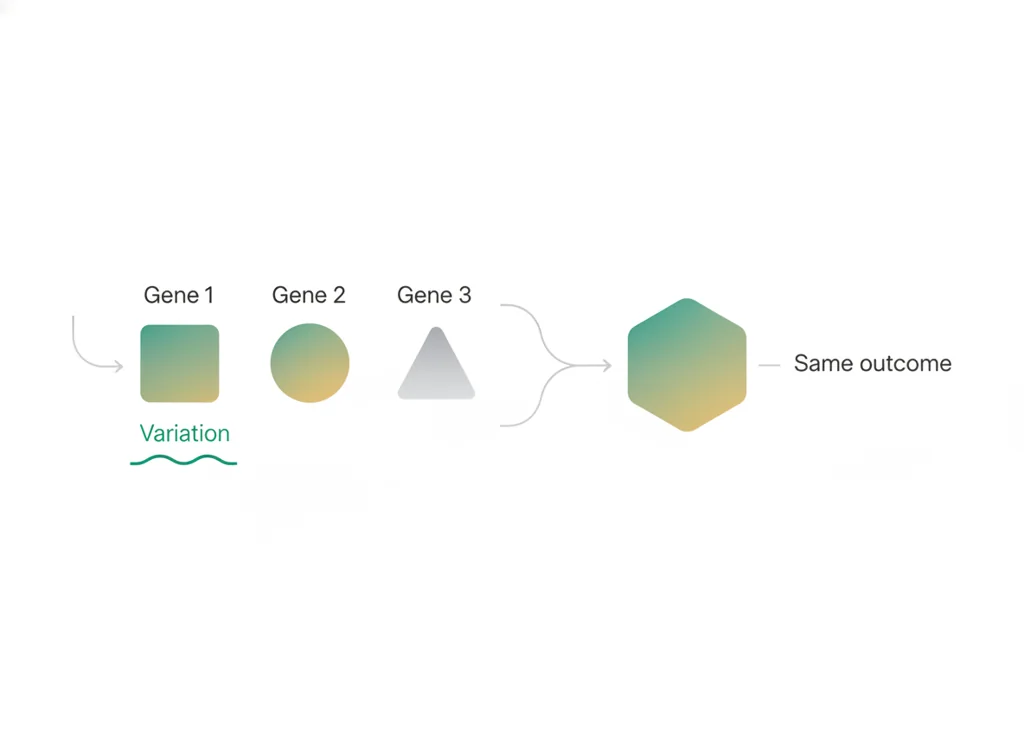
Wide variation within a group, such as many different genetic causes leading to the same outward condition.

A high-school lab scene with three students at a multi-well plate, the kind of collaborative setup the course asks you to run.
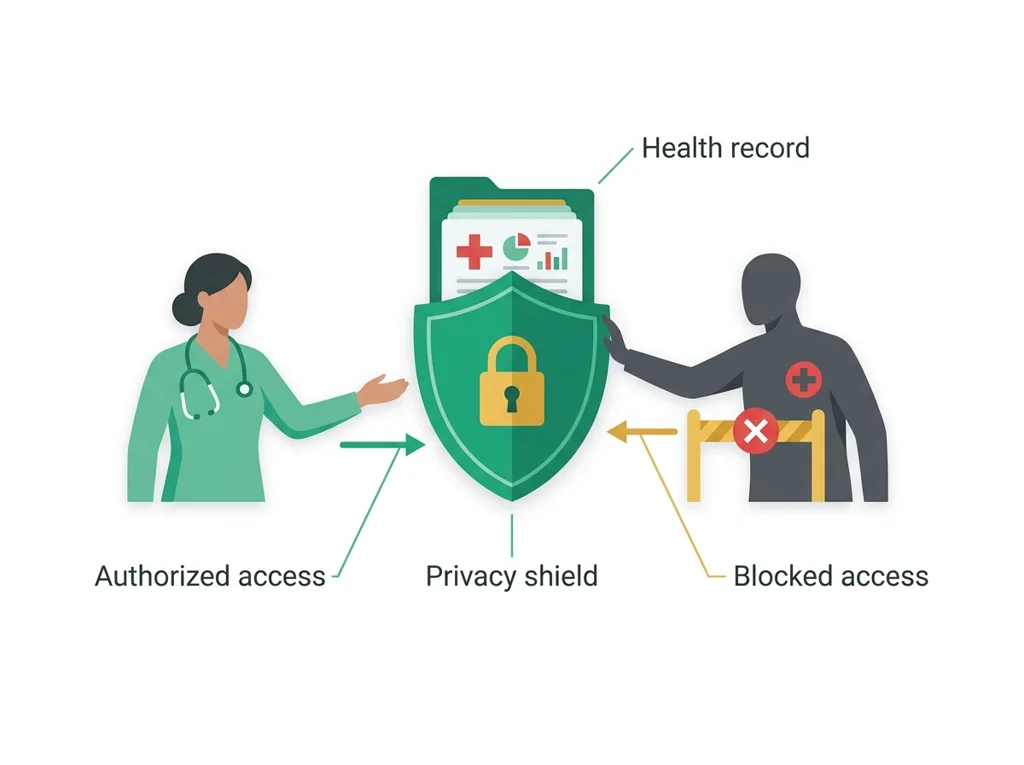
A U.S. law that protects the privacy and security of patients' health information and limits who may see or share it.
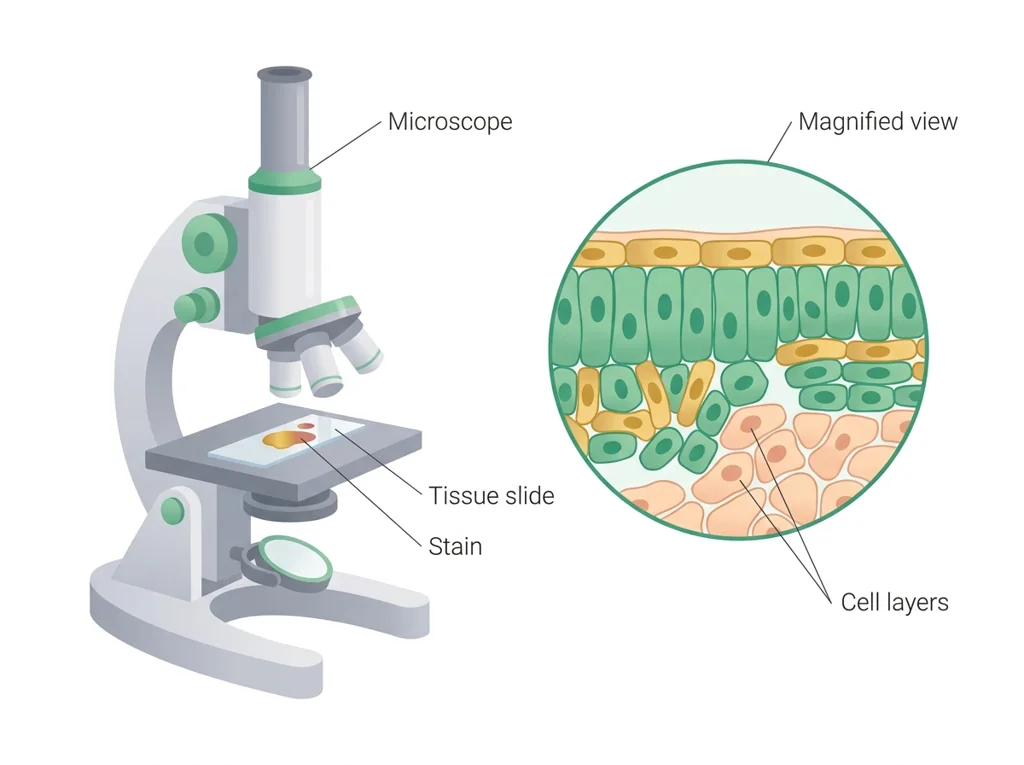
The study of the microscopic structure of tissues, examining thin stained slices under a microscope to see how cells are arranged.
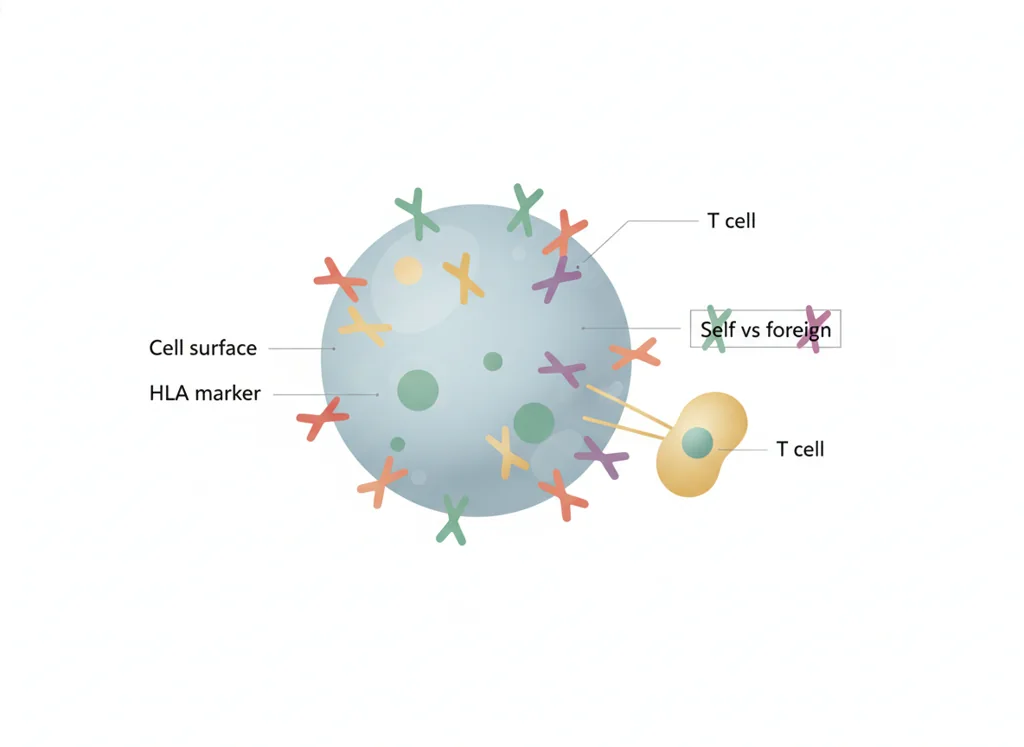
Human leukocyte antigens, proteins on cell surfaces that mark cells as self, helping the immune system spot foreign cells and guiding transplant matching.
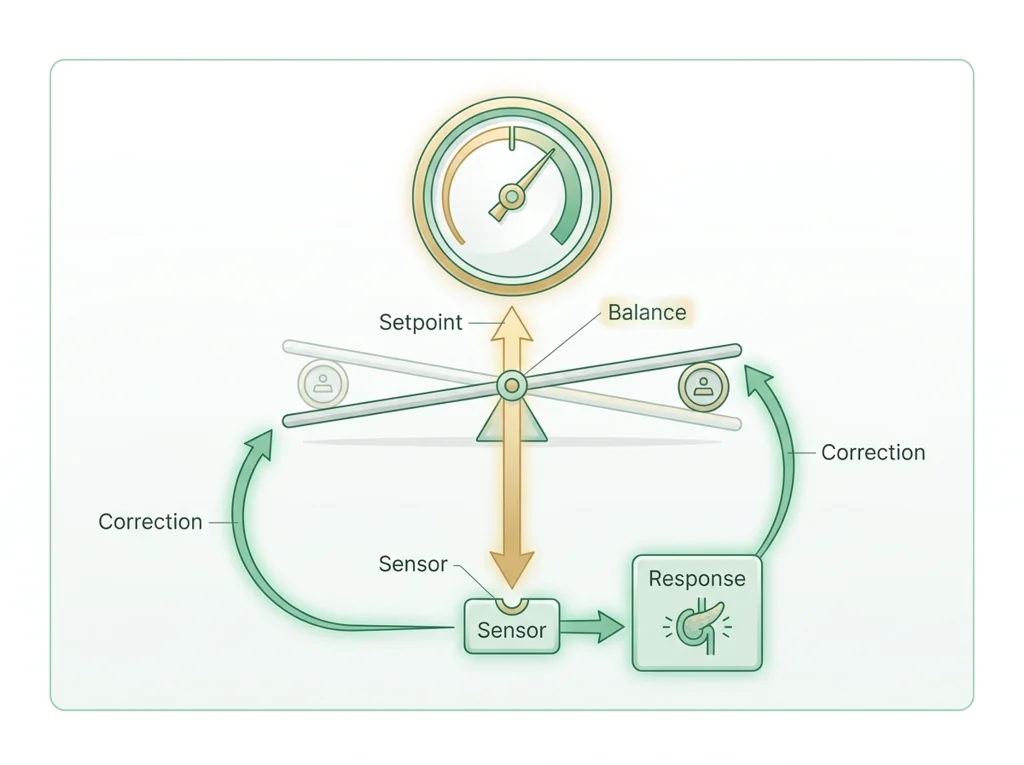
The body's ongoing process of keeping internal conditions like temperature, blood sugar, and pH steady despite changes in the outside environment.
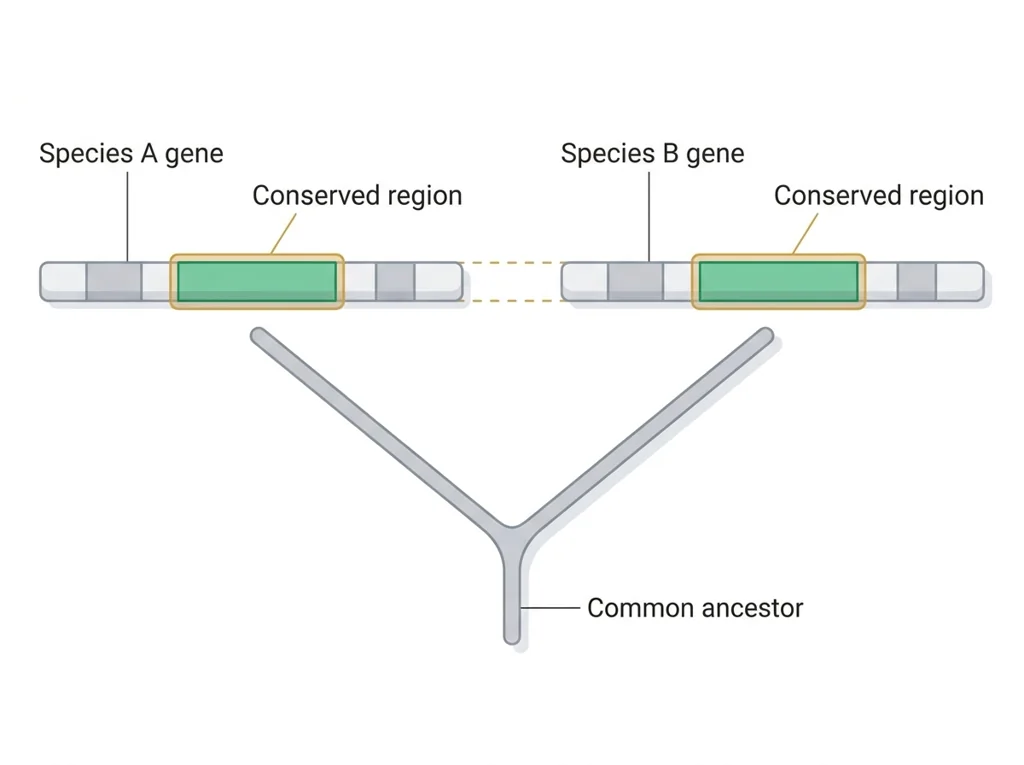
A gene or protein in another species that descends from a shared ancestor; being conserved across species hints that it does something important.
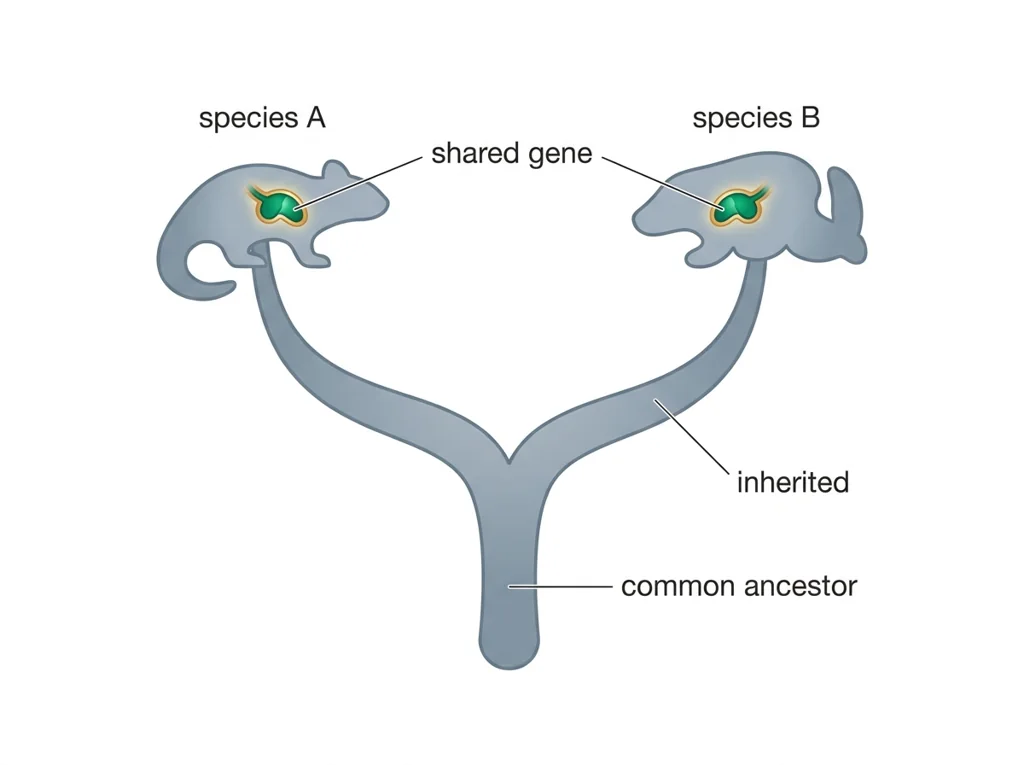
Similarity between genes or structures in different species because they were inherited from a shared common ancestor.
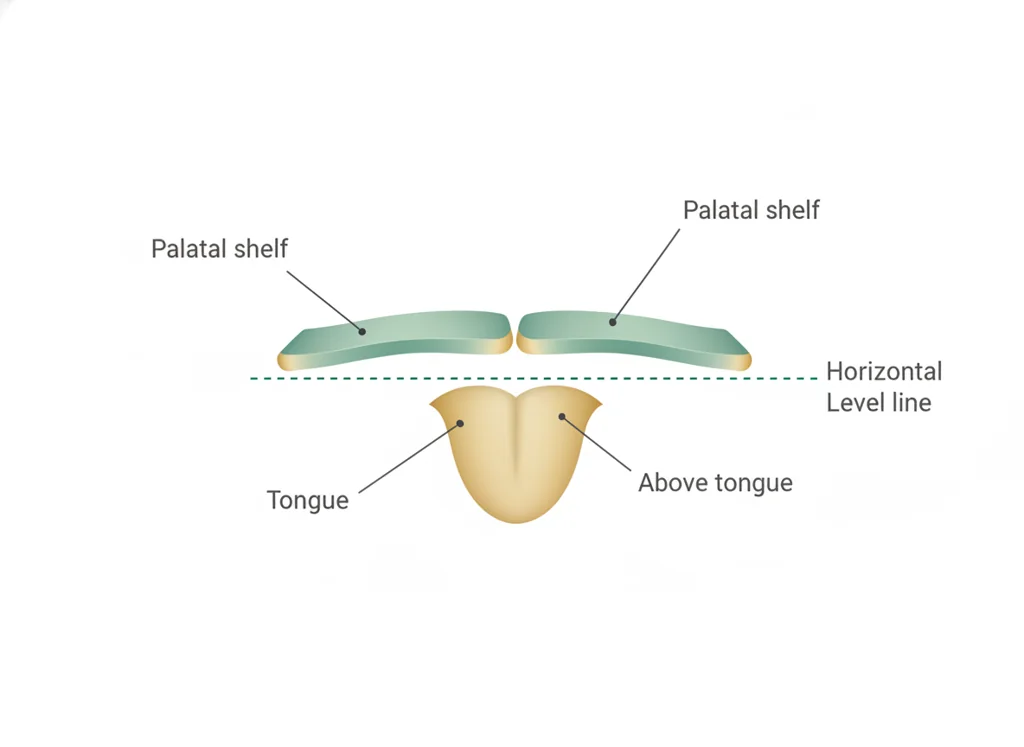
Lying flat and level, side to side; the palatal shelves must swing into a horizontal position above the tongue before they can fuse.
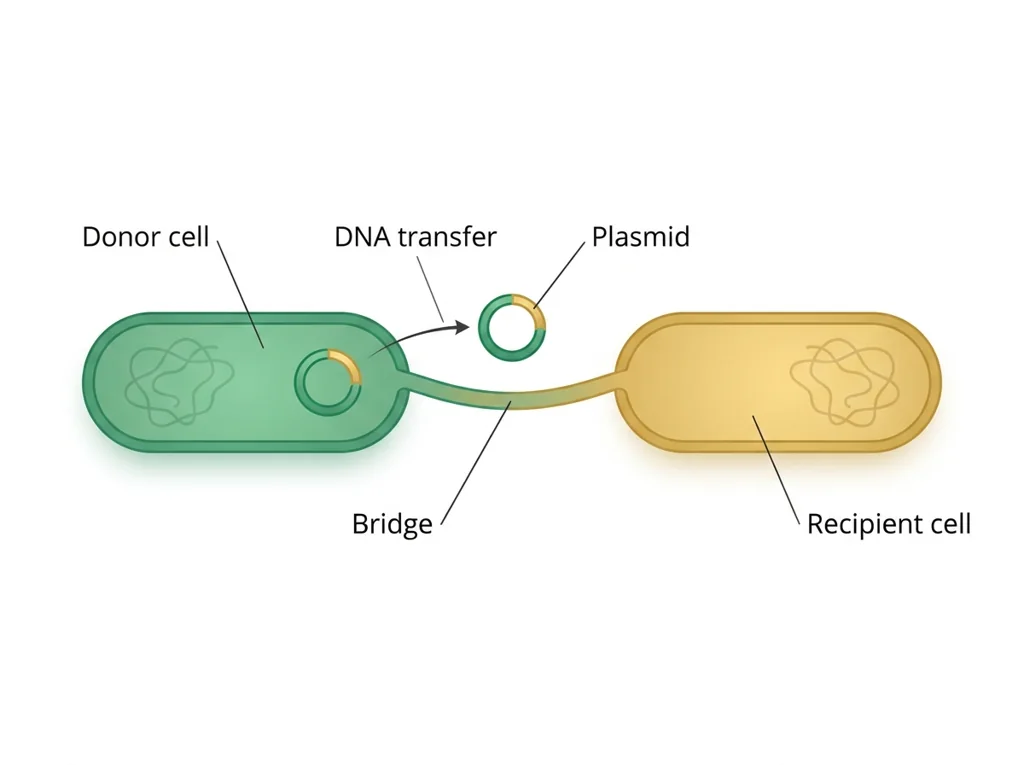
The passing of genes between organisms, often bacteria, without reproduction, a major way antibiotic resistance spreads.
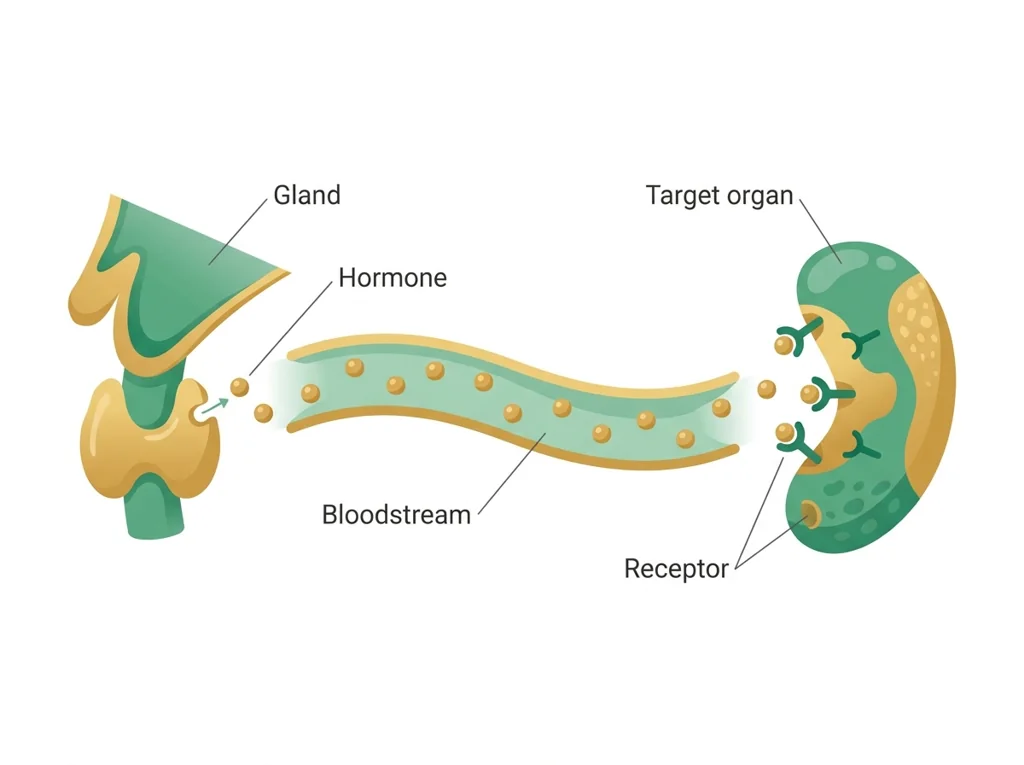
A chemical messenger made by glands and carried in the blood to distant organs, where it controls processes like growth, metabolism, and mood.
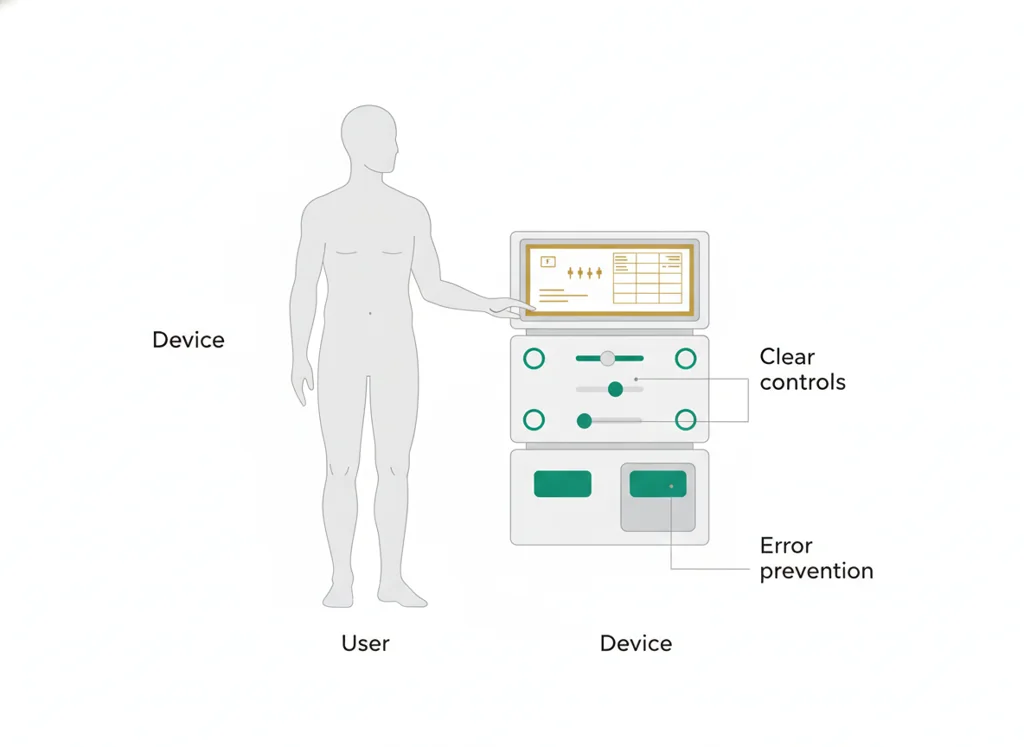
The study of how people interact with tools, devices, and systems, used to design healthcare equipment and workflows that reduce human error.
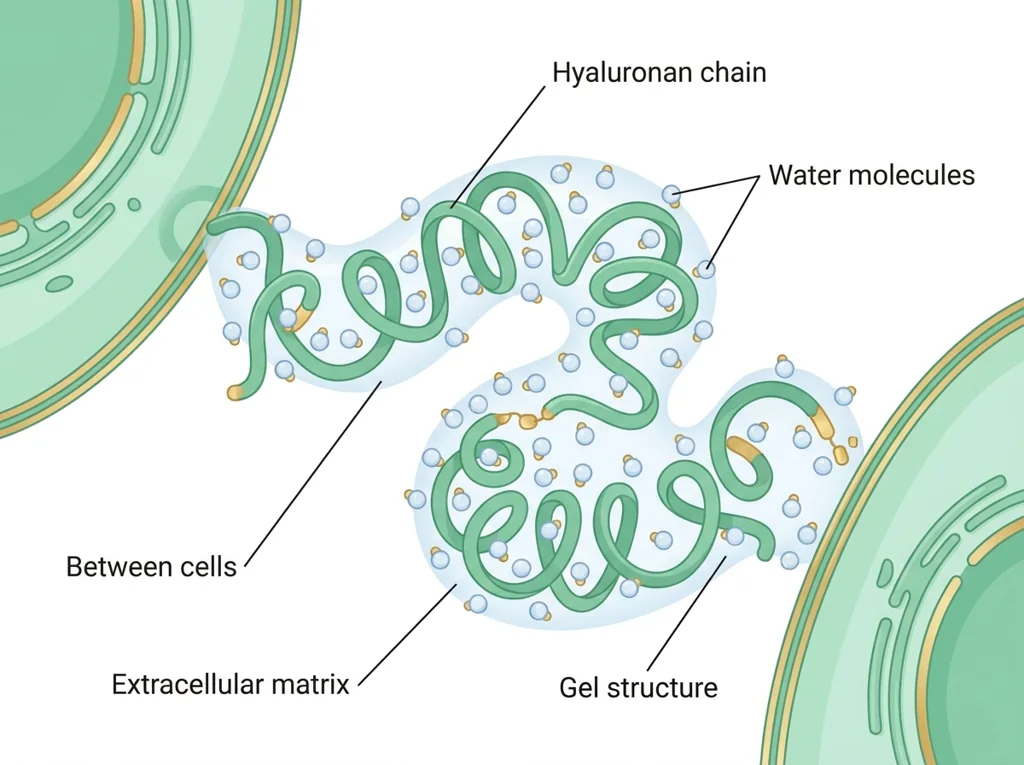
A large sugar molecule of the extracellular matrix that holds water and gives tissues like the developing palate their springy, hydrated structure.
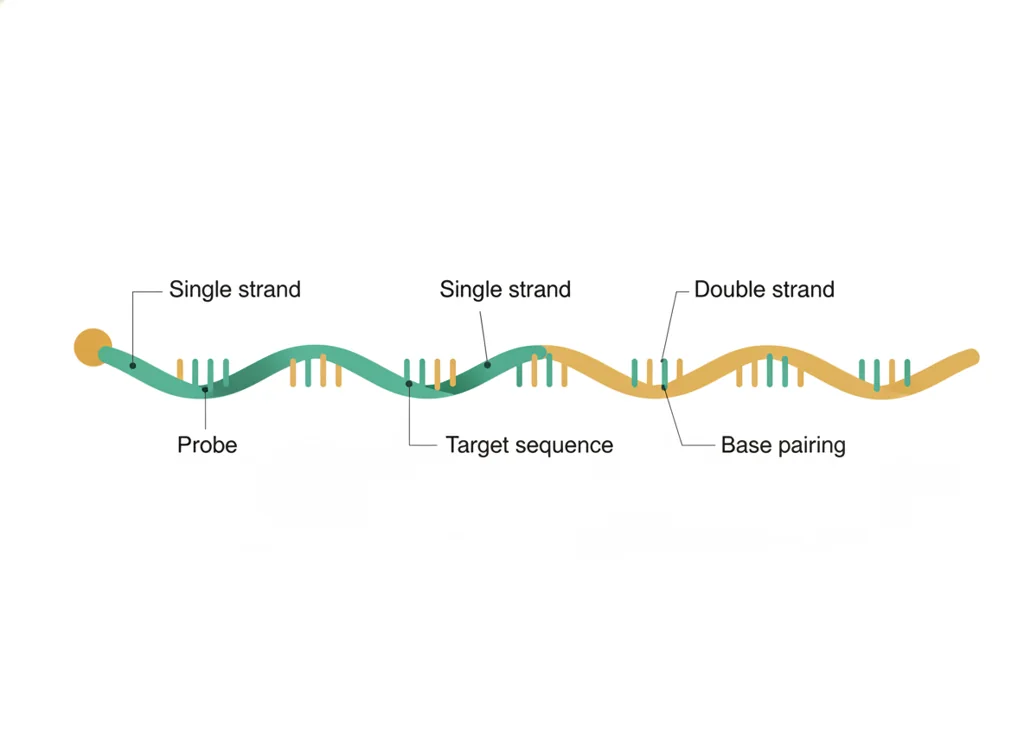
The pairing of two single DNA or RNA strands with matching base sequences into a double strand, used in tests to detect a specific gene.
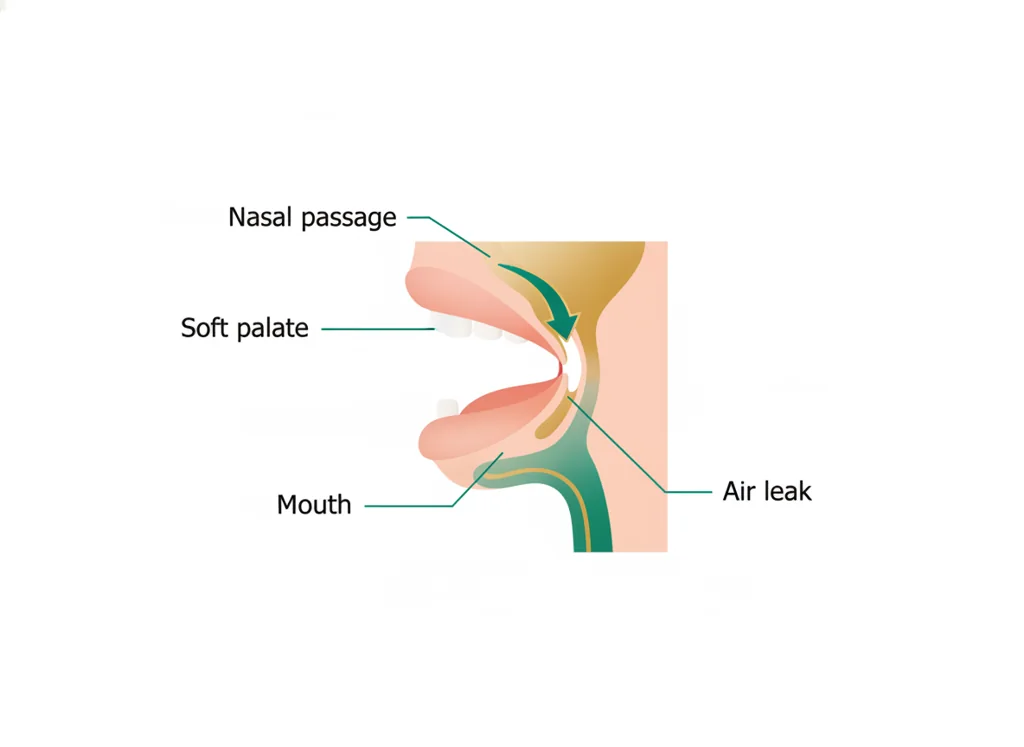
Speech that sounds overly nasal because air leaks into the nose when the soft palate cannot fully close off the mouth from the nasal passage.
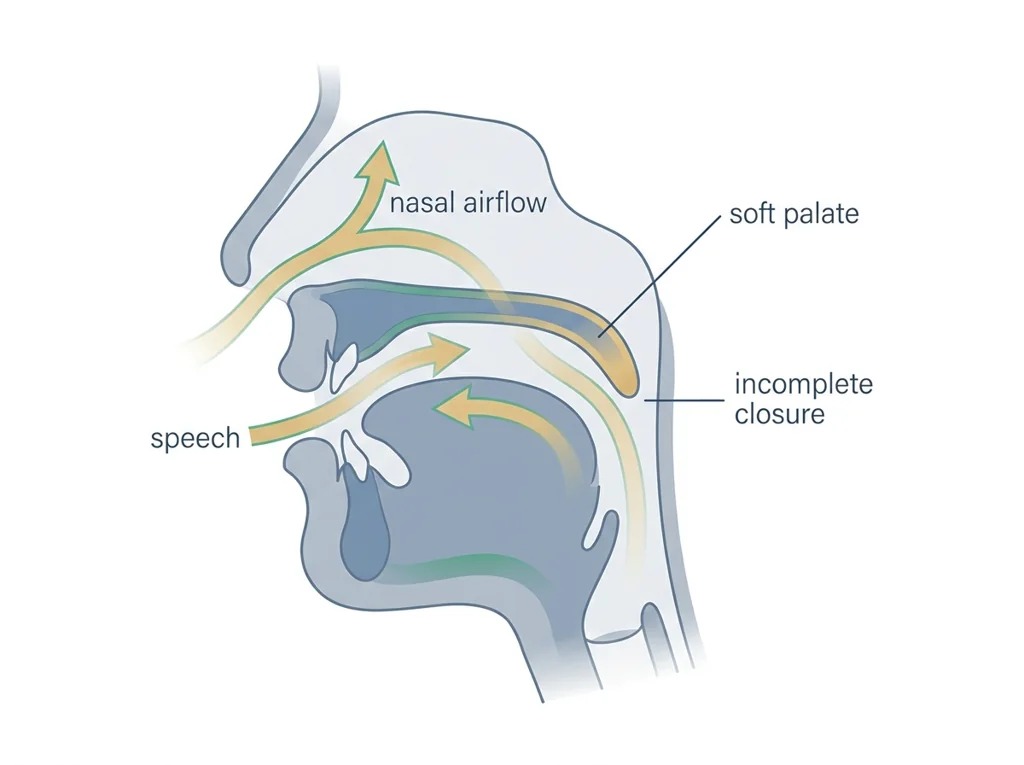
A speech quality where too much air escapes through the nose, often when the soft palate cannot fully close off the nasal passage.
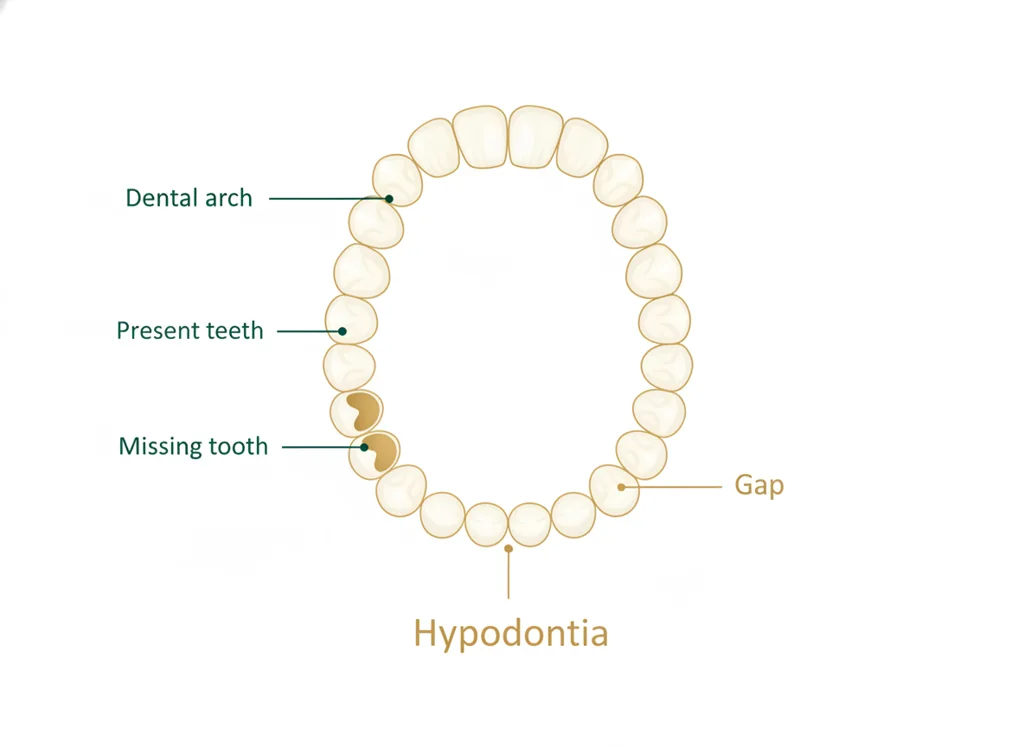
A developmental condition in which one or a few teeth never form, leaving permanent gaps in the dental arch.
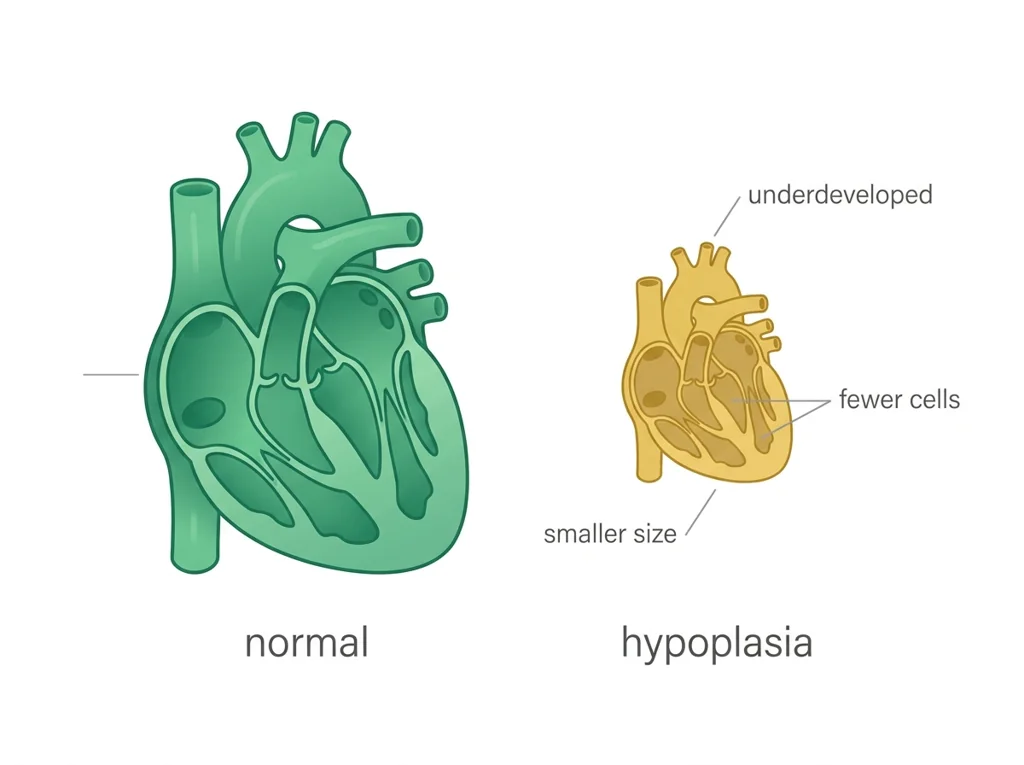
Underdevelopment of a tissue or organ from too few cells, leaving it smaller or less complete than normal.
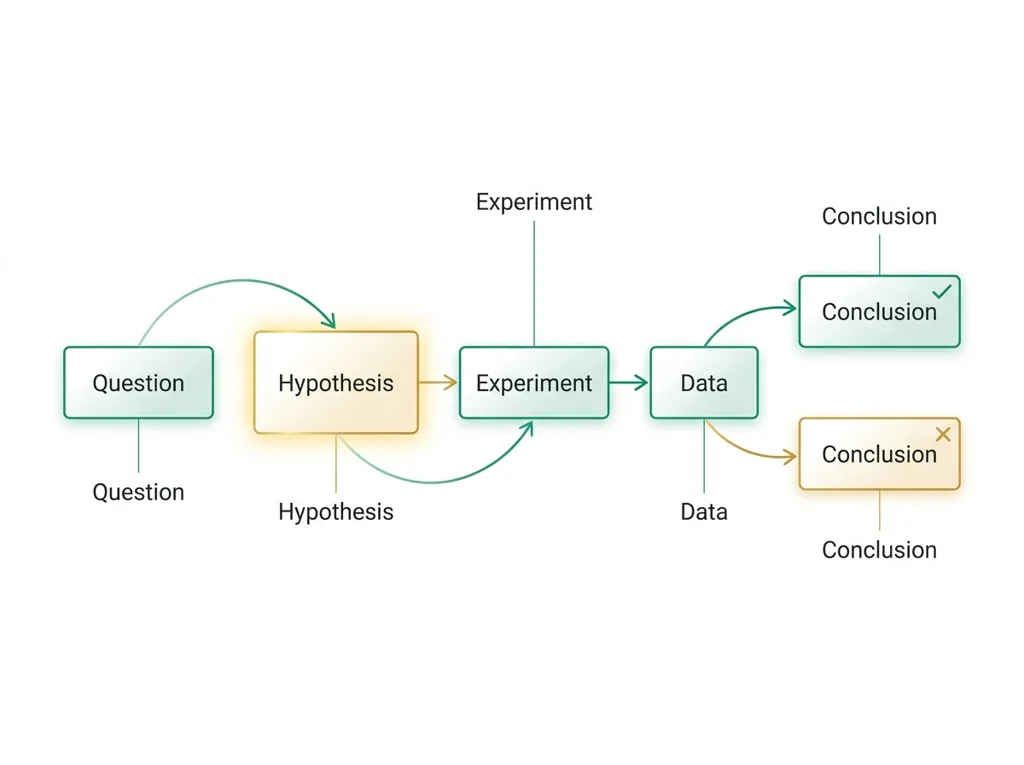
A testable, falsifiable prediction about how variables relate, written so an experiment can support it or prove it wrong.
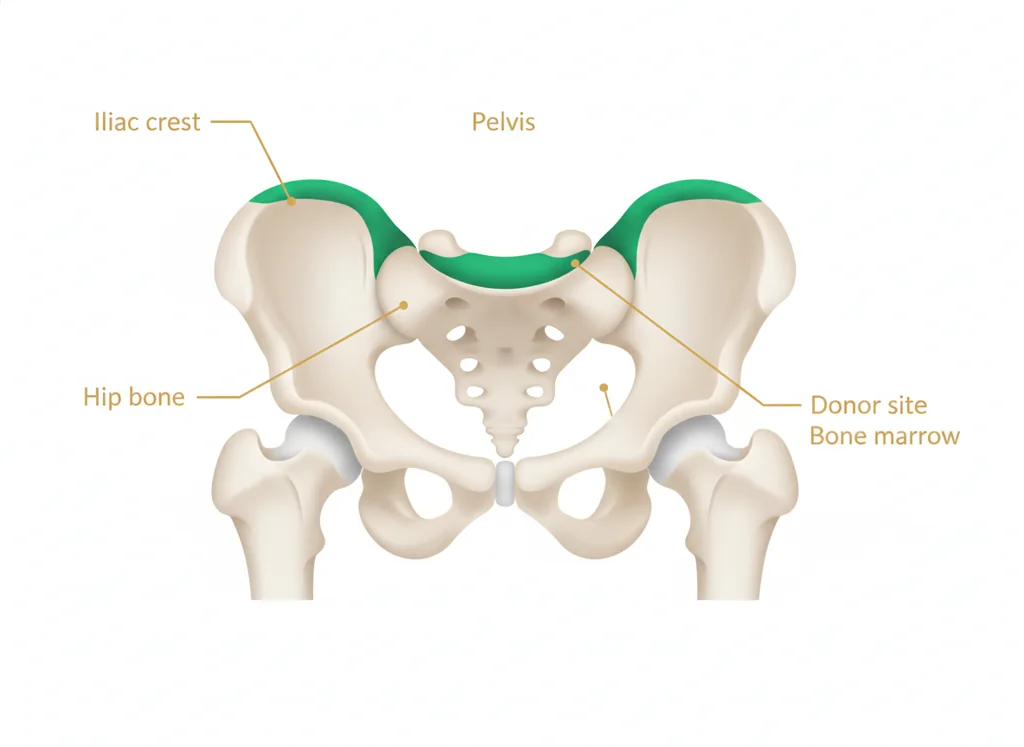
The curved upper rim of the hip bone, a common spot for surgeons to harvest bone for grafts such as alveolar repair.
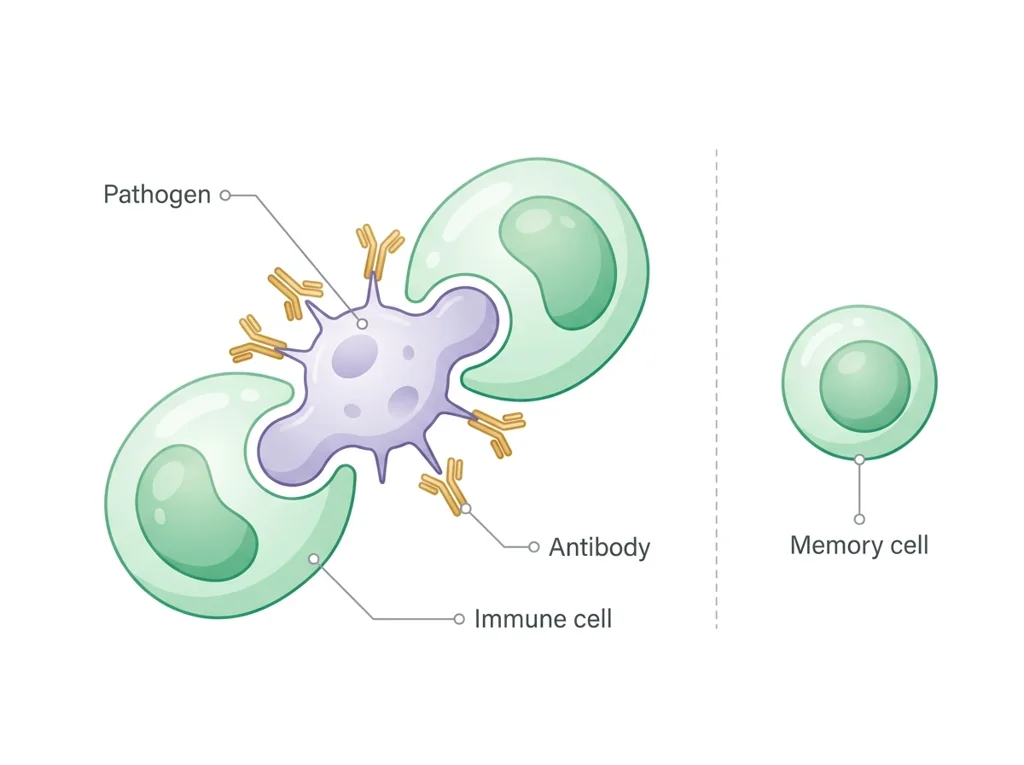
The body's coordinated defense against a harmful invader, in which immune cells recognize, attack, and remember the threat.
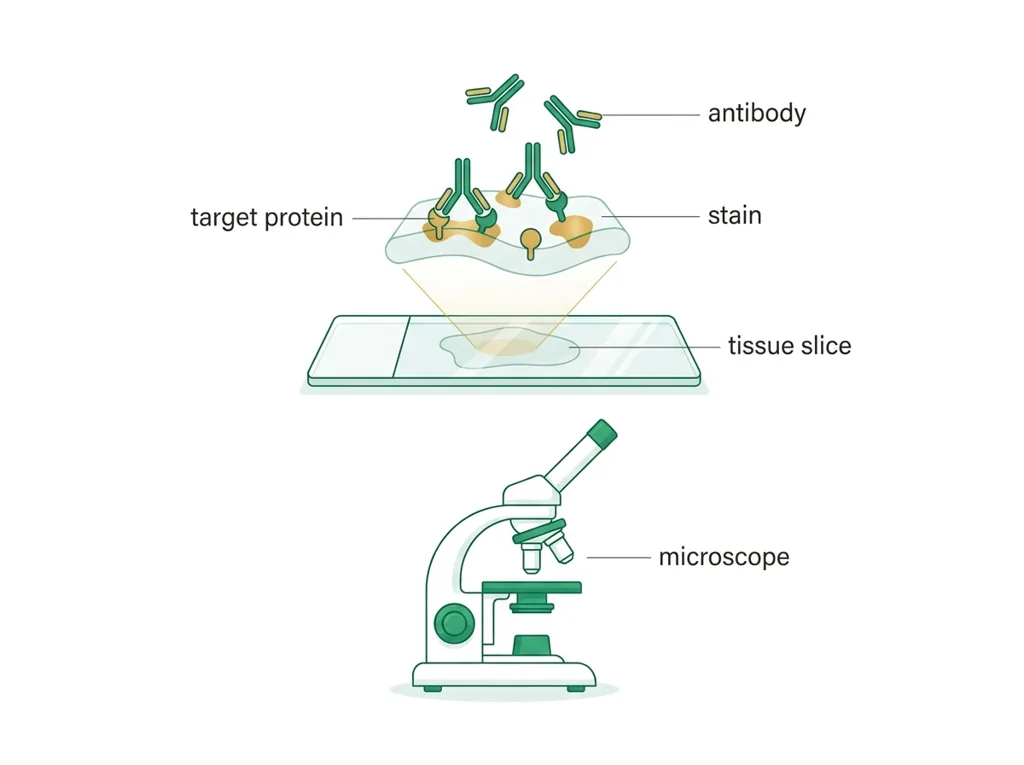
A lab technique that uses antibodies tagged with stain to show exactly where a specific protein sits within a tissue slice.
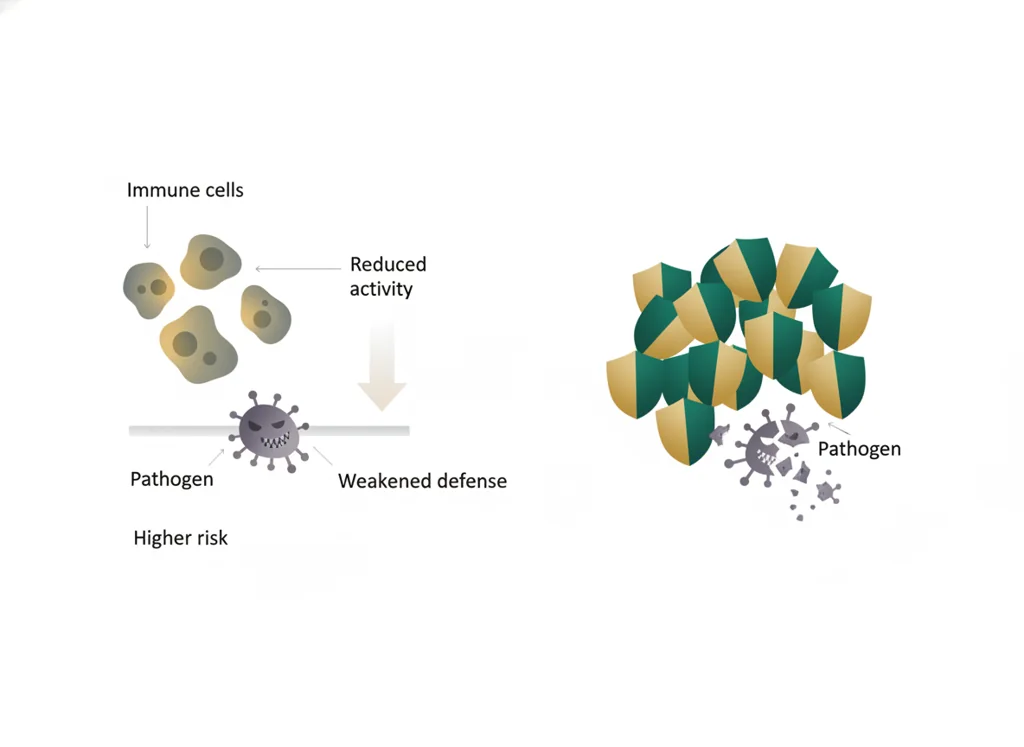
A reduced ability of the immune system to fight infection, caused by disease, medication, or treatment such as after an organ transplant.
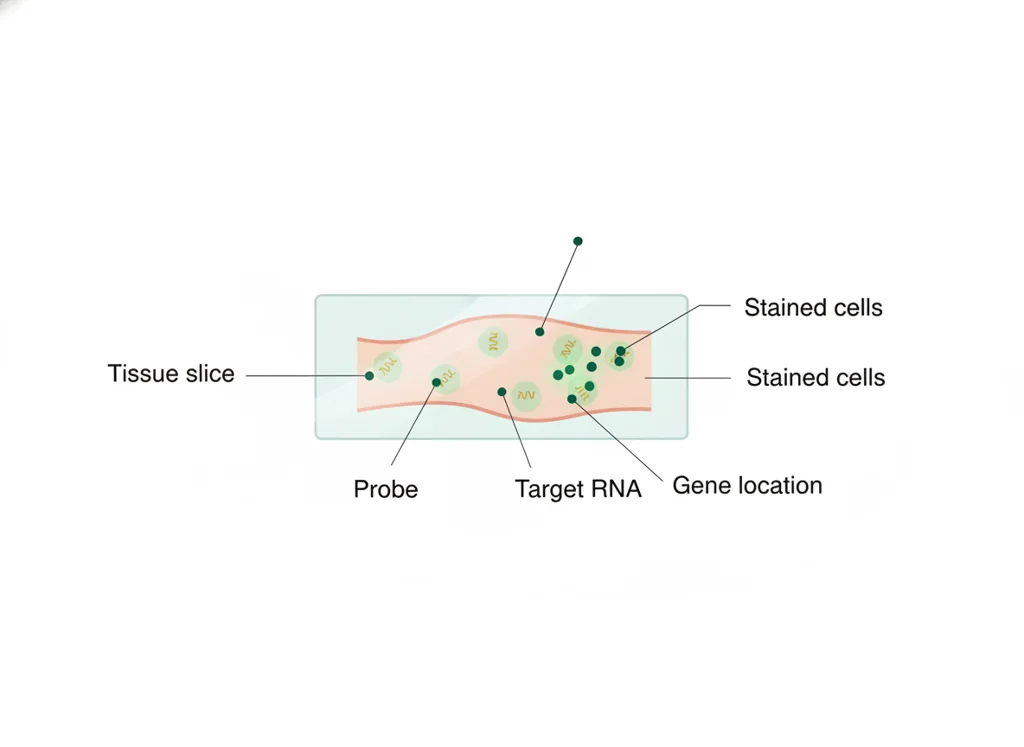
A lab method that uses a labeled probe to show exactly where a specific gene's RNA or DNA sits inside a tissue or cell.
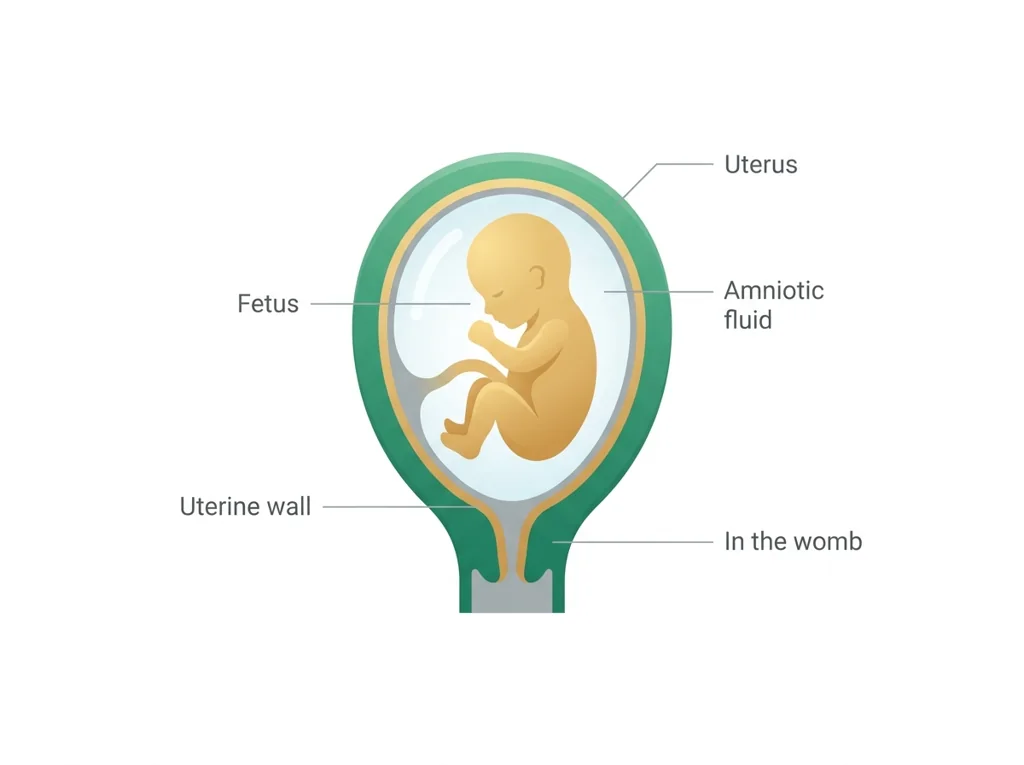
Inside the uterus, describing events or treatments that take place while the baby is still developing in the womb.
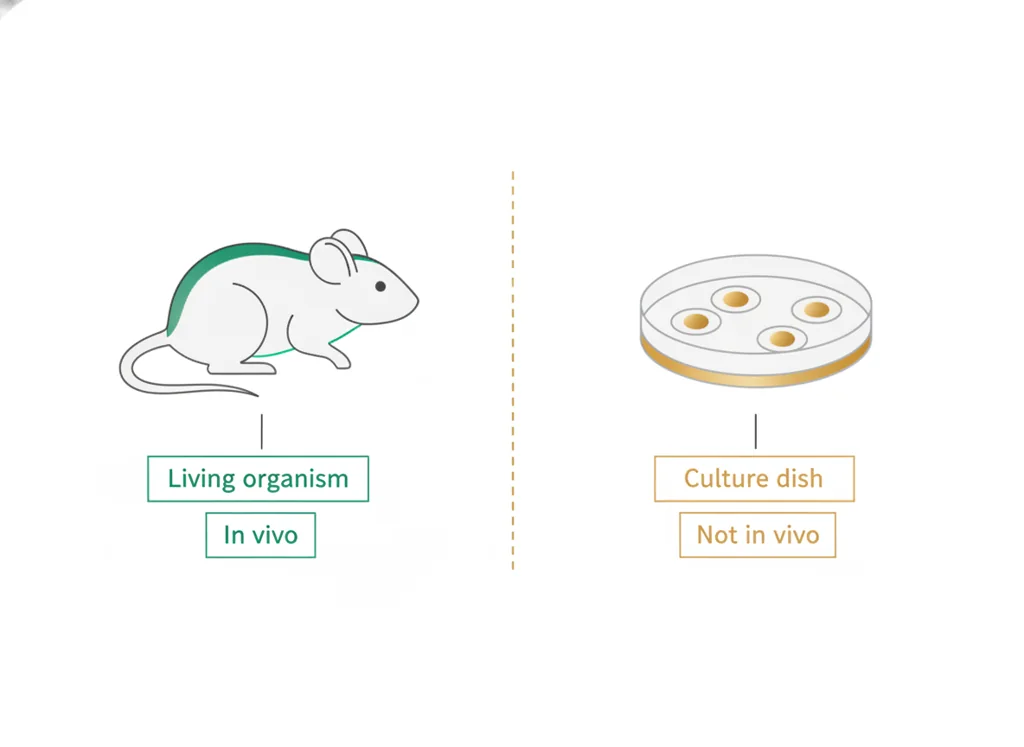
Taking place inside a living organism, as opposed to in a dish, a test tube, or a computer model.
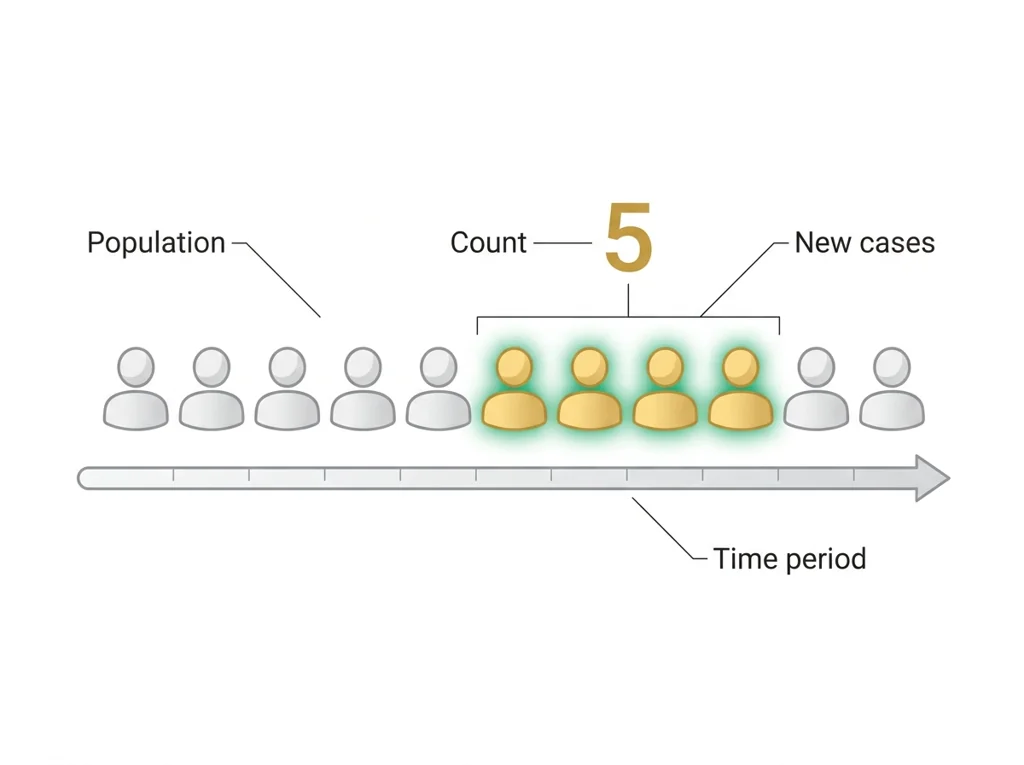
The number of new cases of a disease that appear in a population during a set period of time.
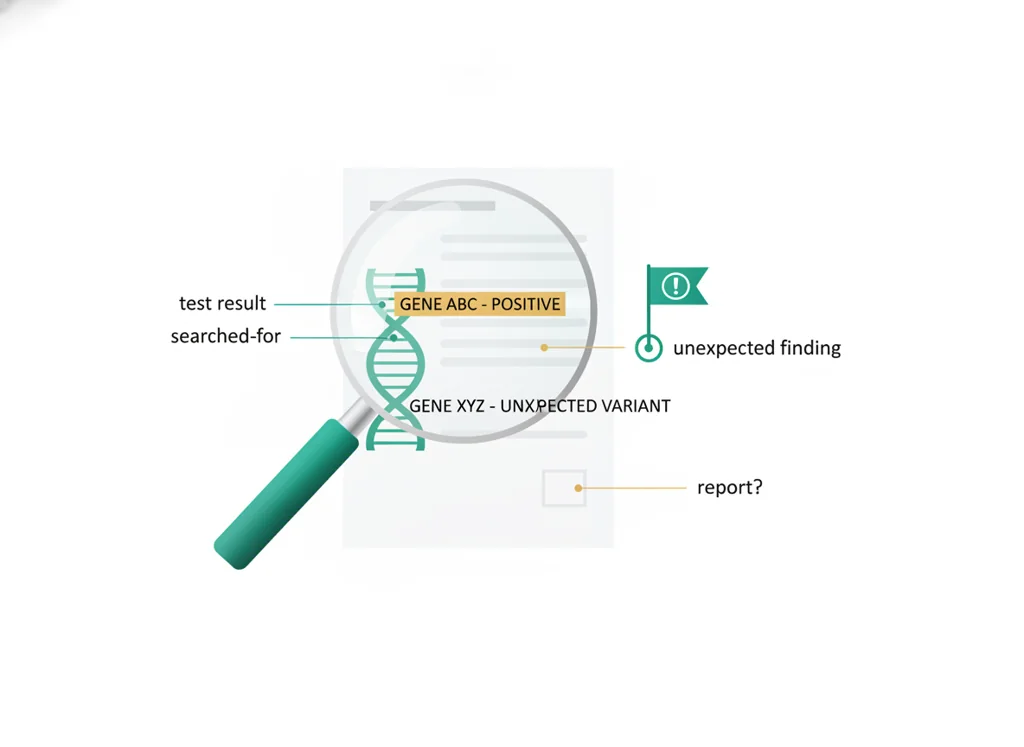
Unexpected health results discovered by a test that was looking for something else, raising questions about whether to report them.
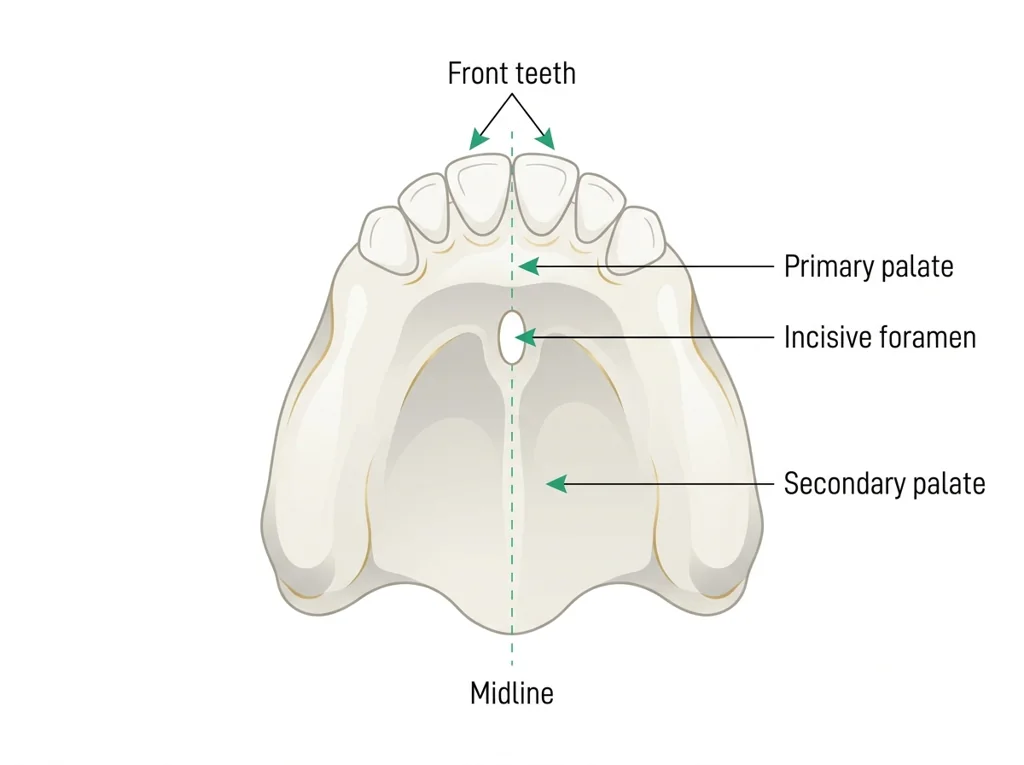
A small opening in the roof of the mouth just behind the front teeth that marks the boundary between the primary and secondary palate.
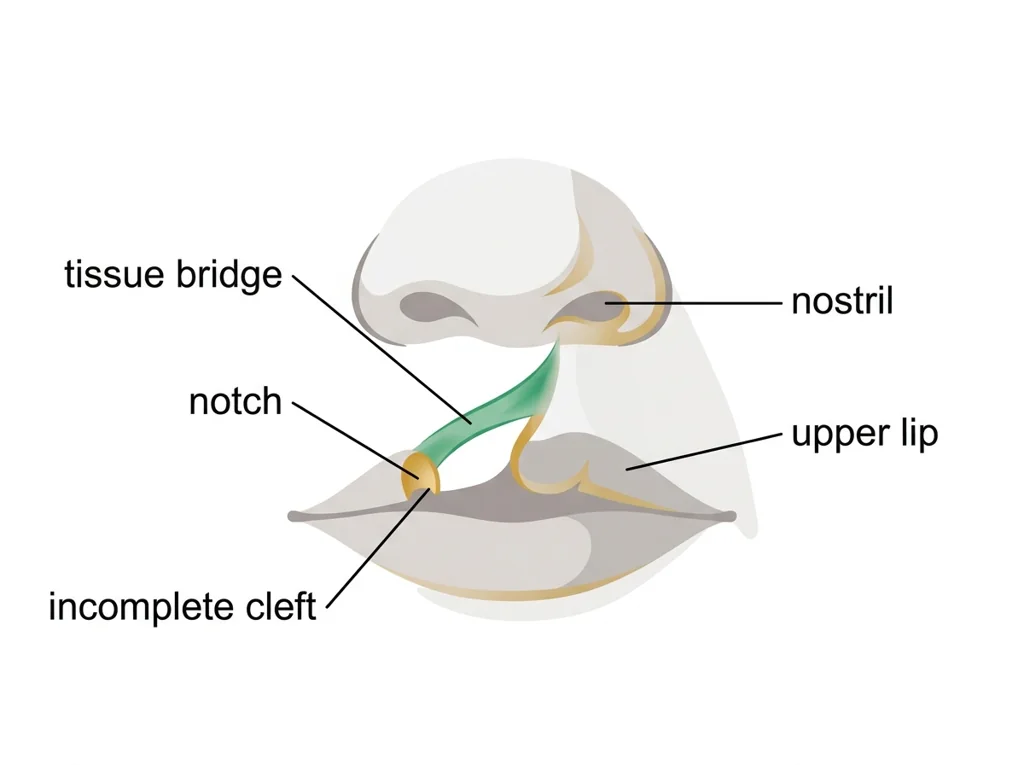
Describing a cleft that does not extend through the full structure, so a bridge of tissue still connects the two sides.
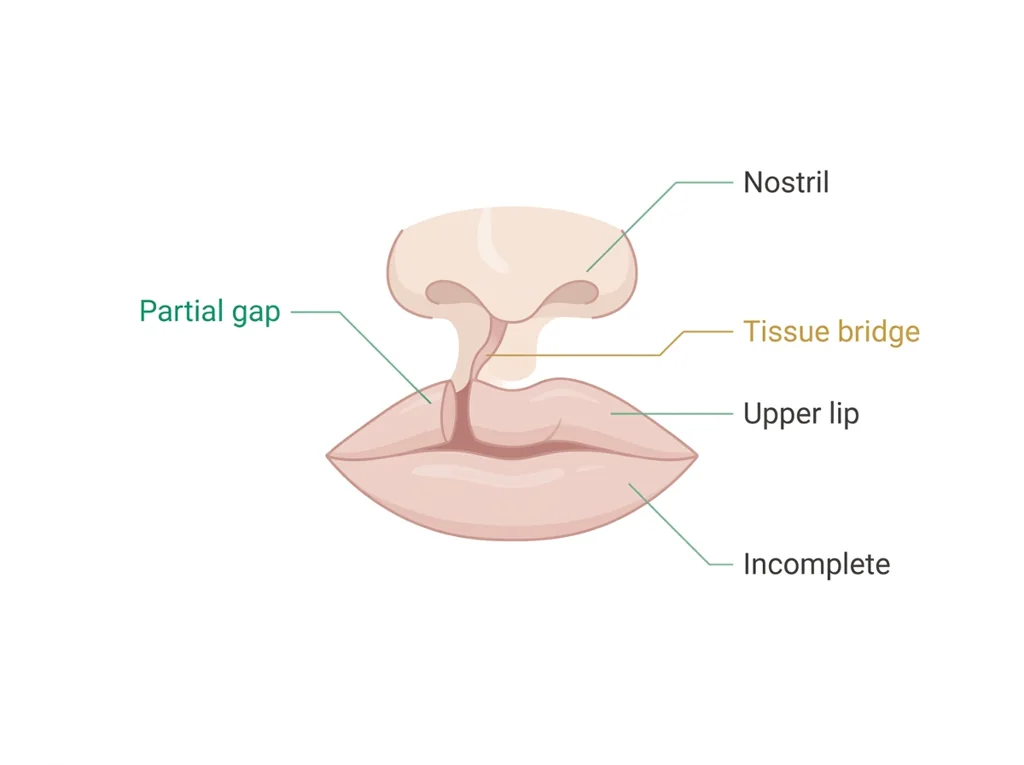
A cleft that does not extend through the full structure, leaving a band of intact tissue bridging part of the gap.
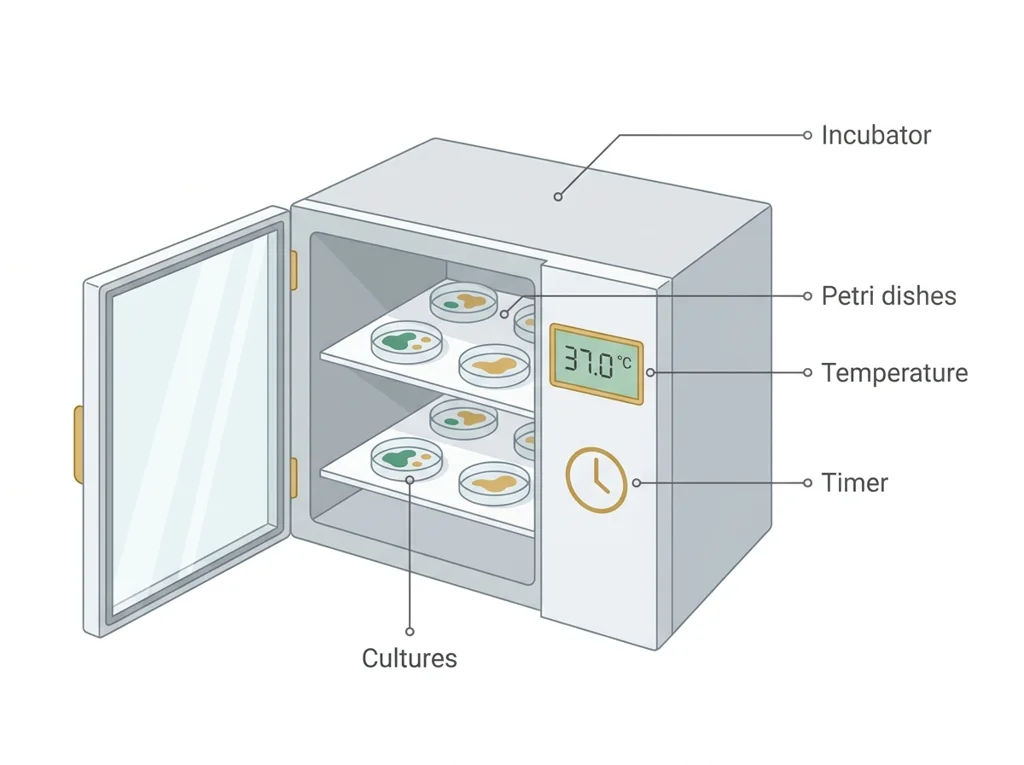
Keeping samples or cultures at a controlled warm temperature for a set time so cells, microbes, or reactions can grow or proceed.
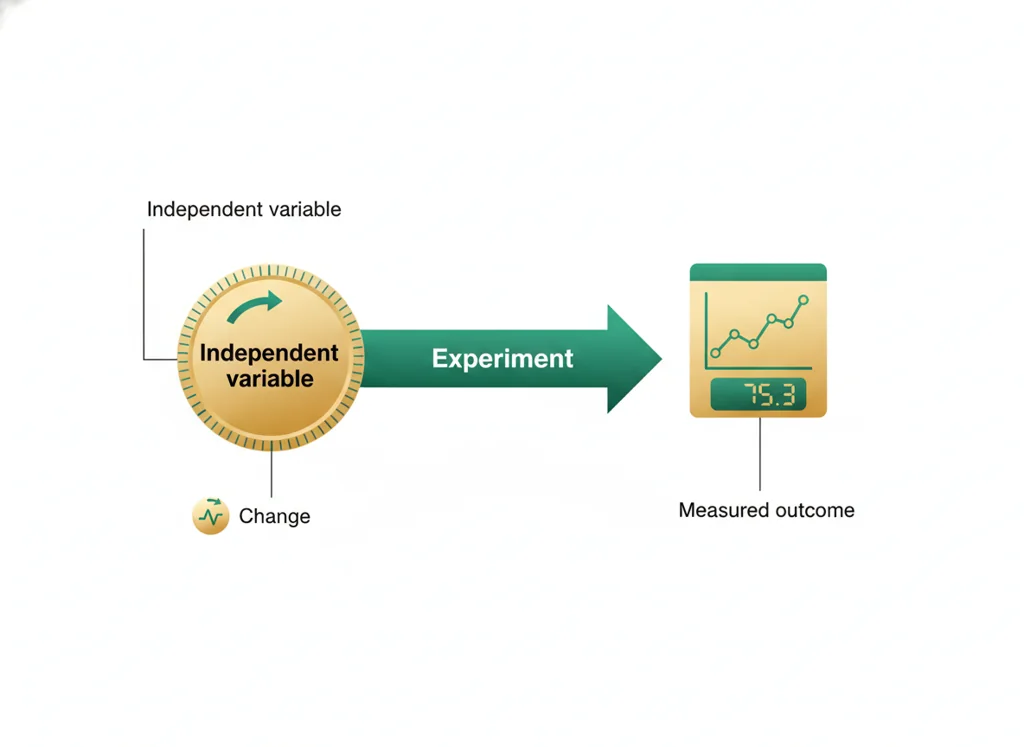
The one factor a researcher deliberately changes in an experiment to test its effect on the measured outcome.
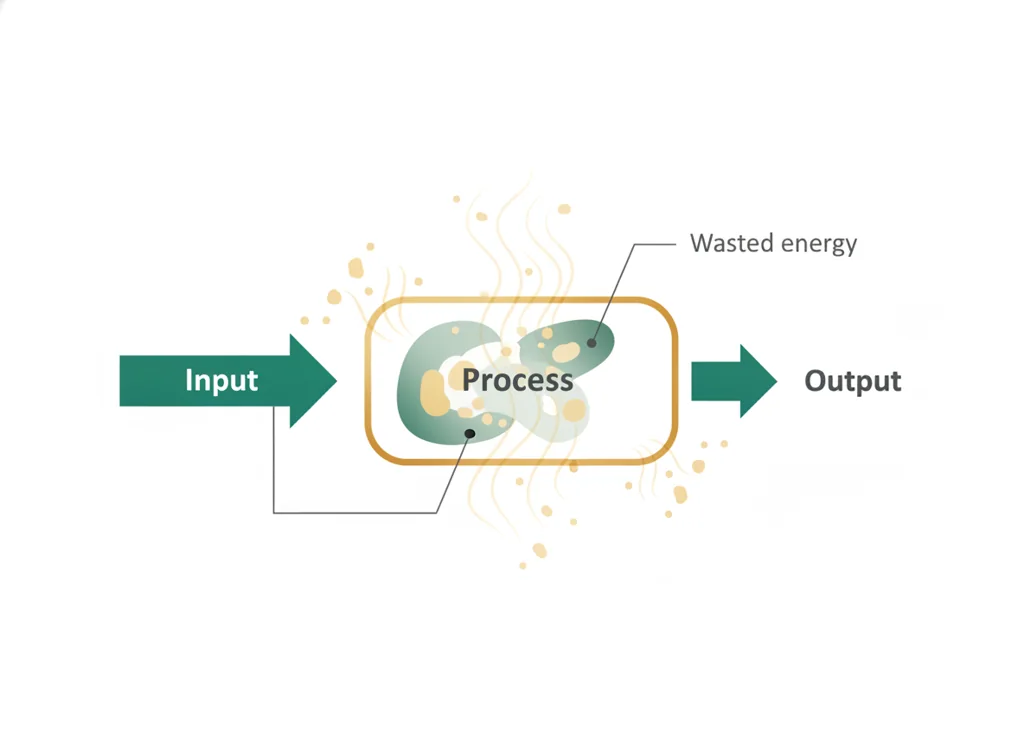
A situation where a process wastes time, energy, or resources, producing less useful output than the input should allow.
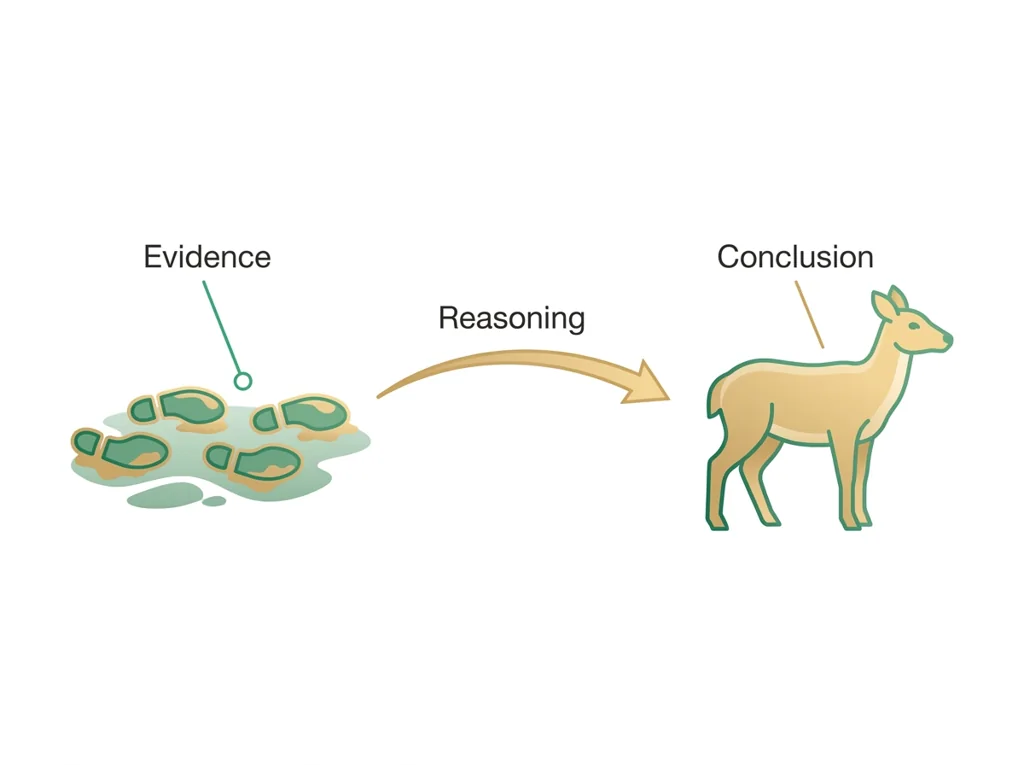
A conclusion drawn by reasoning from evidence and observations rather than from direct, firsthand measurement.
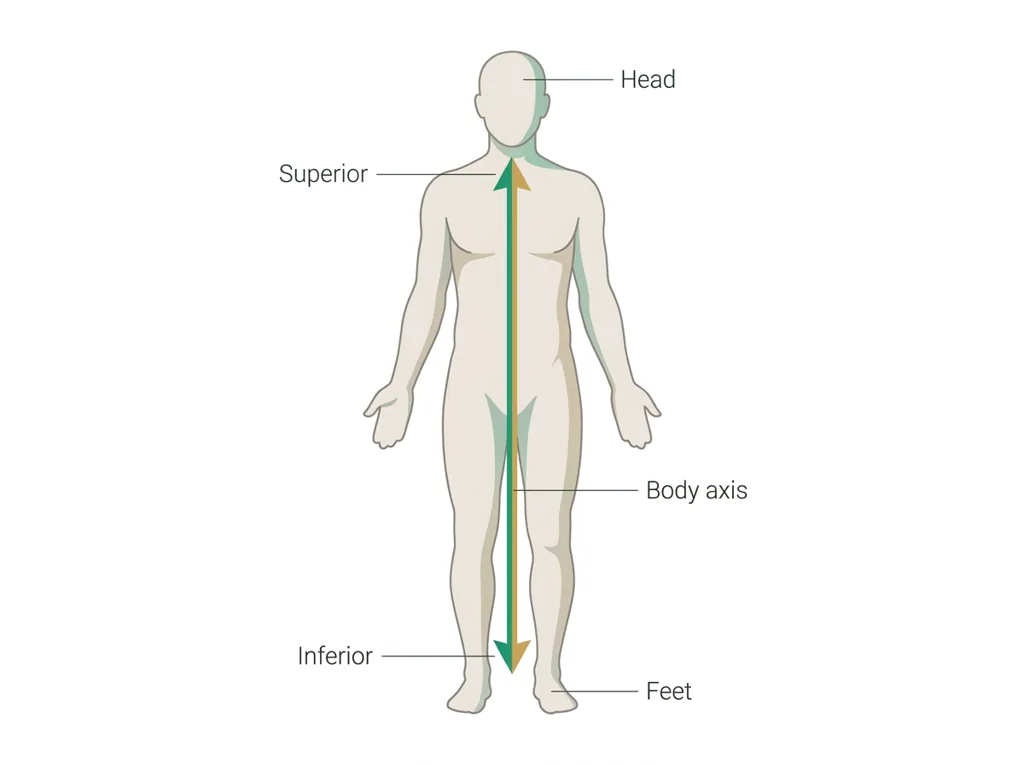
An anatomical direction meaning toward the lower part of the body or below another structure when standing upright.

The body's four-step response to tissue injury: damage, mast cell signaling, vasodilation and cell migration, then tissue repair.
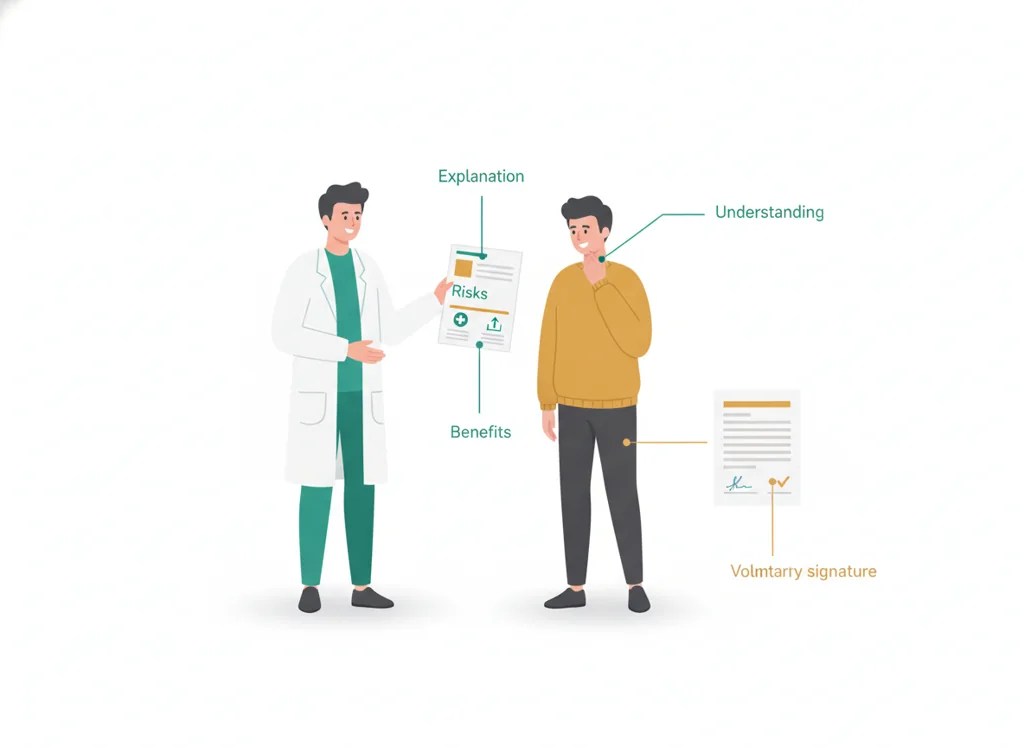
Agreeing to a treatment or study only after truly understanding its purpose, risks, benefits, and alternatives; the understanding, not the signature, is the ethics.
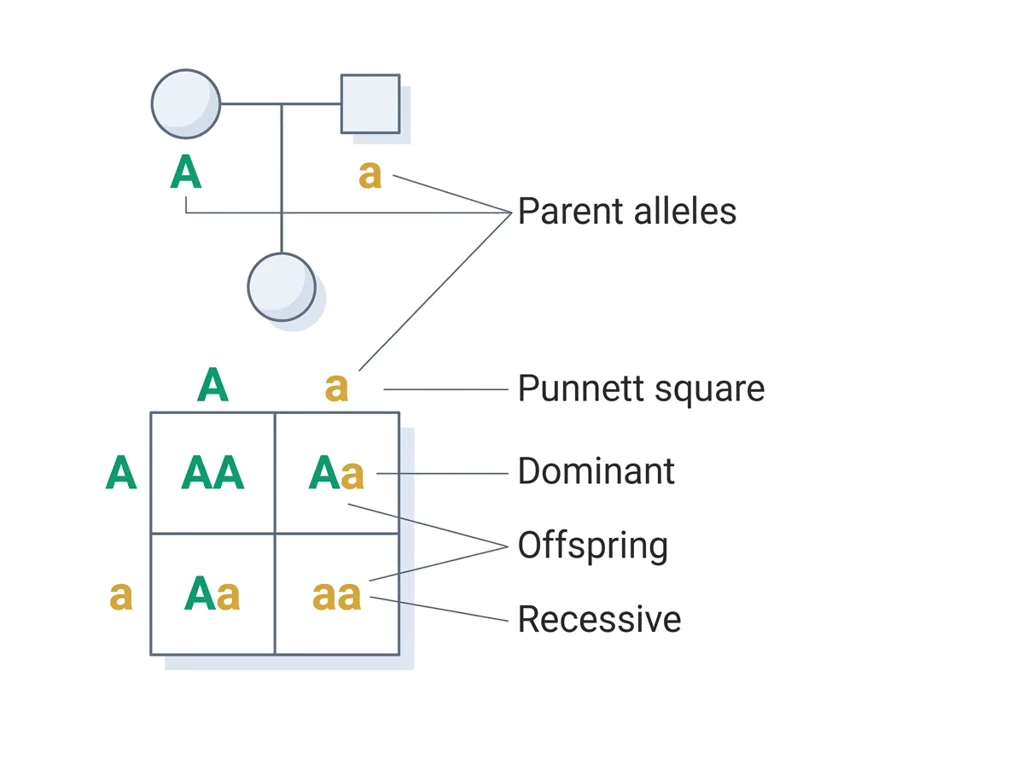
The passing of genetic traits from parents to offspring through genes carried on chromosomes during reproduction.
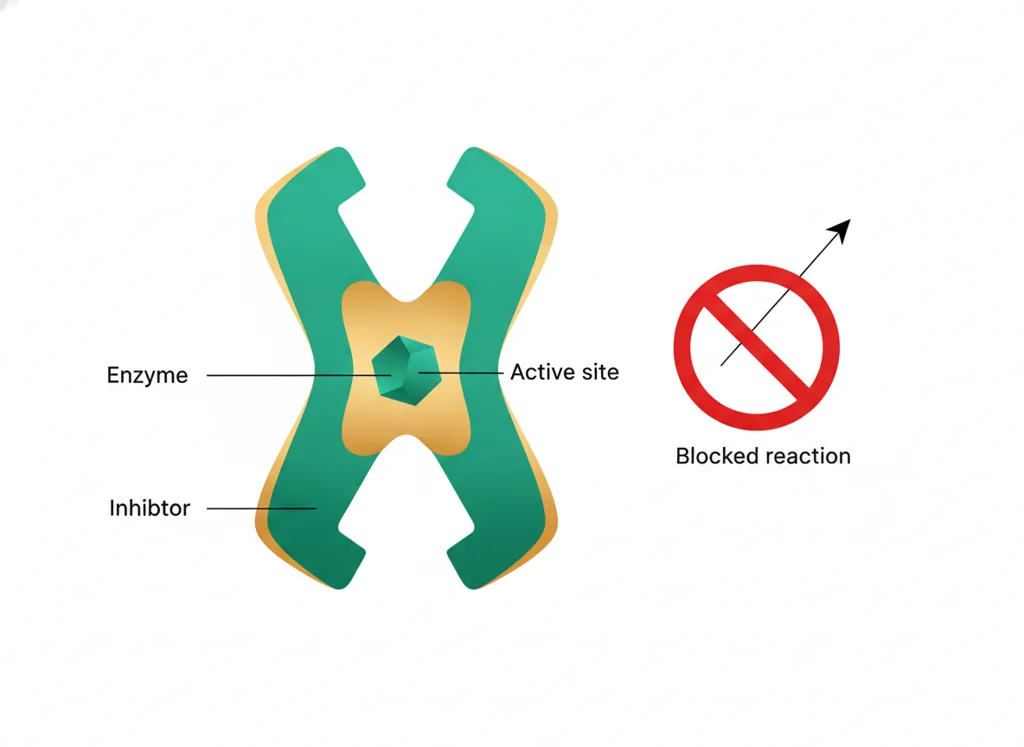
The slowing or blocking of a process, such as an antibiotic stopping bacteria from growing or a molecule shutting down an enzyme.
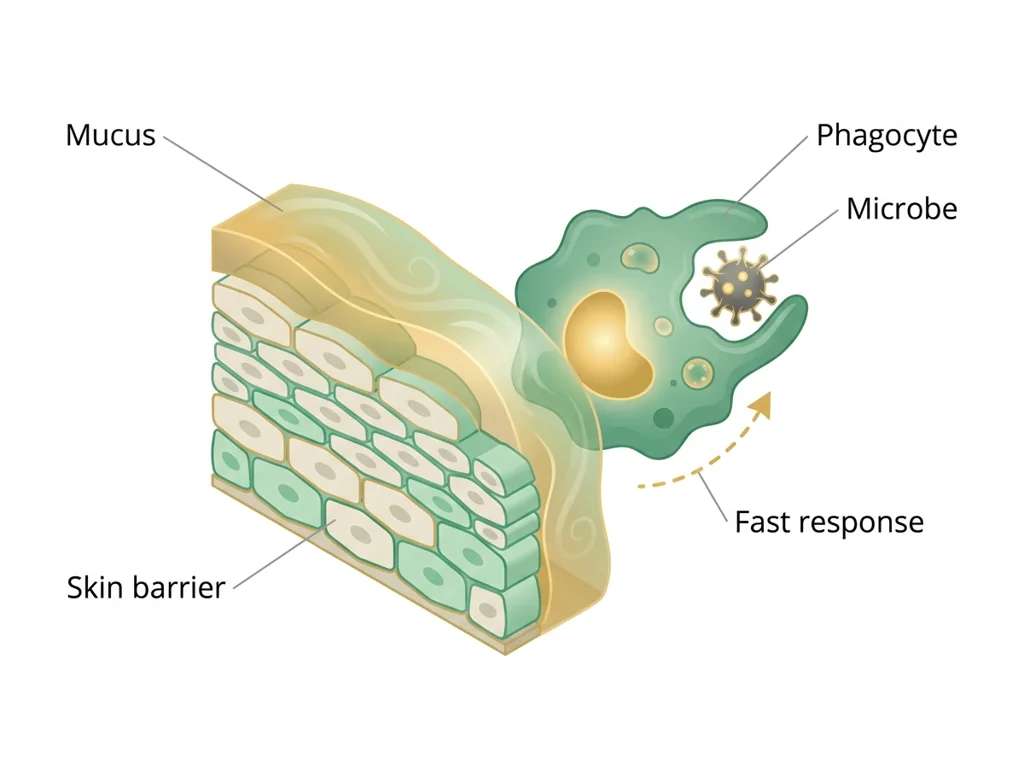
The body's first, fast, general line of defense present from birth, including skin, mucus, and cells that attack any invader without prior exposure.
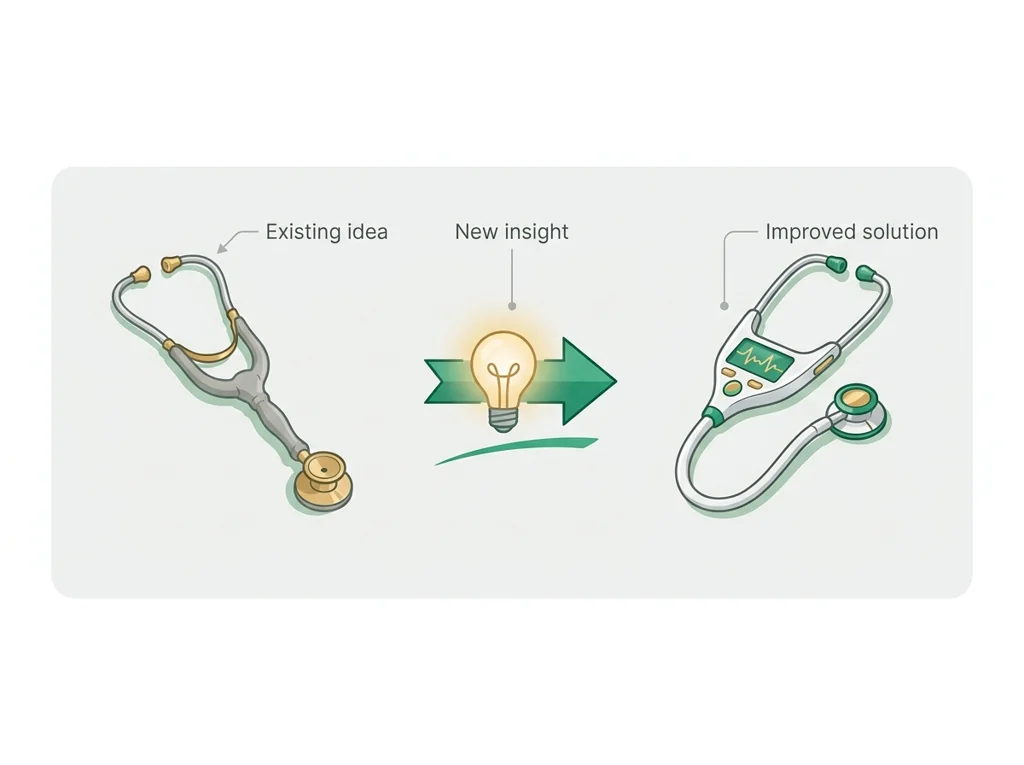
A new idea, method, or product that improves on what came before and creates real value for people.
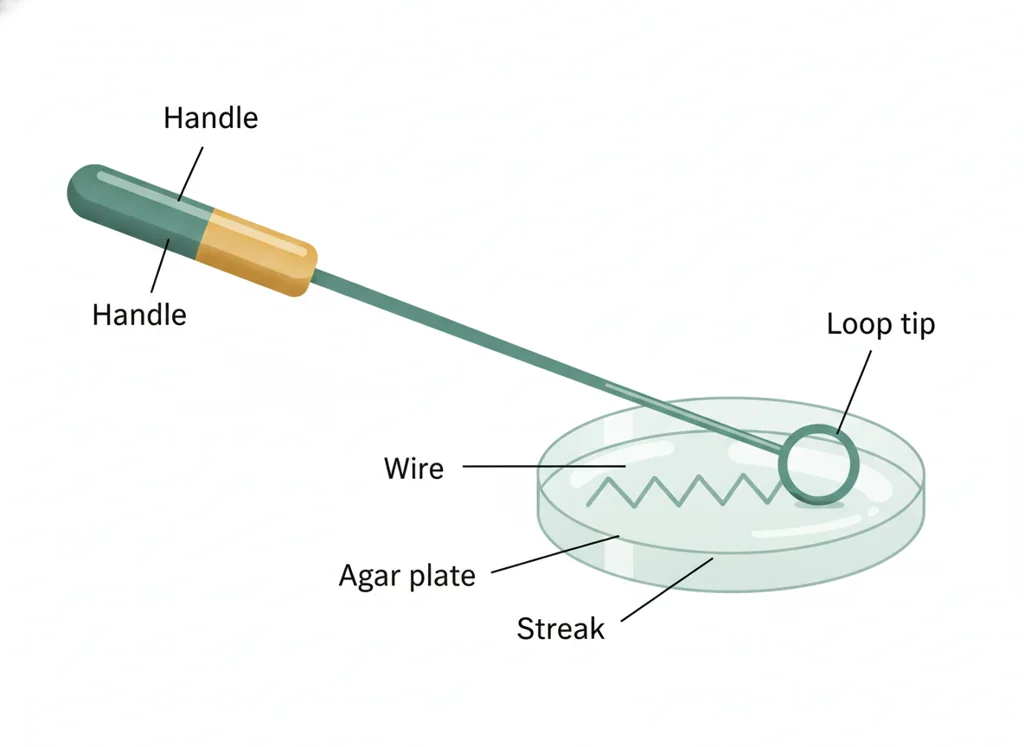
A small wire tool with a tiny loop at the tip used to pick up and transfer microbes onto a growth surface without contaminating the sample.
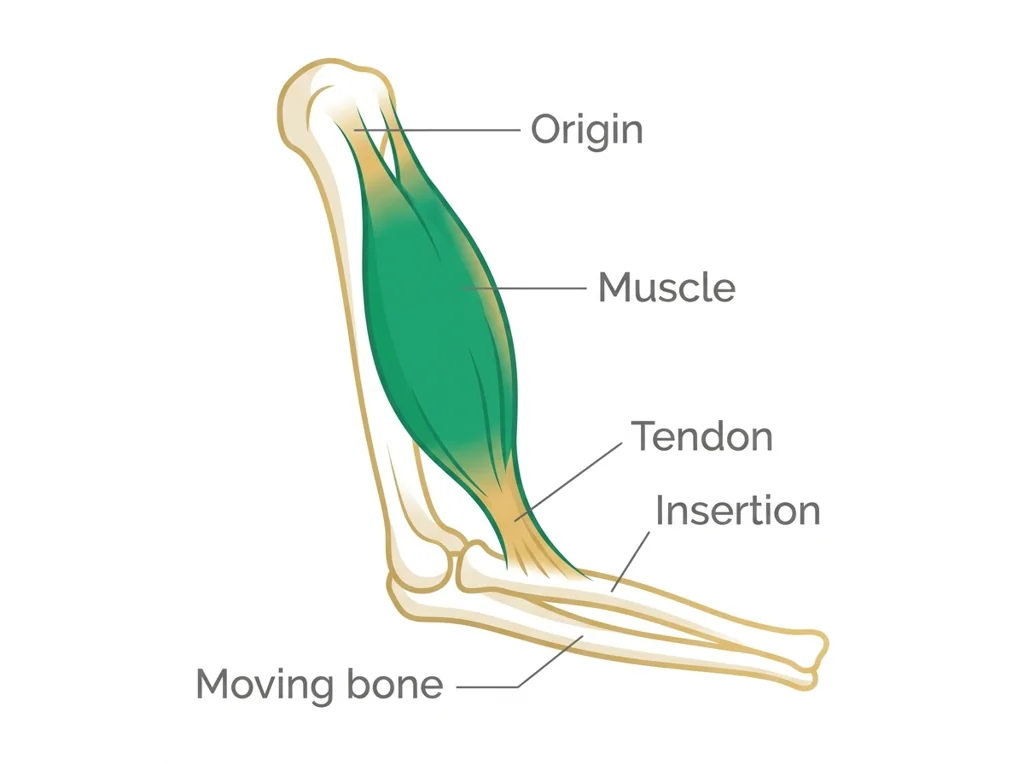
The end of a skeletal muscle attached to the bone that moves when the muscle contracts, as opposed to the more fixed origin end.
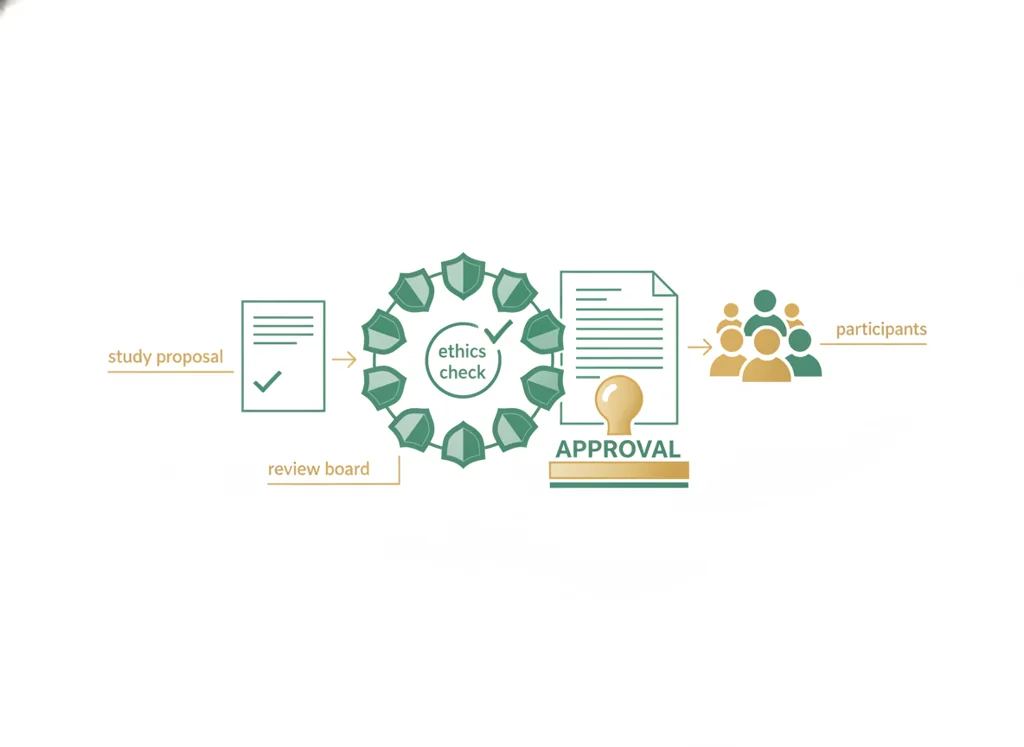
A committee that reviews research involving people to make sure it is ethical and that participants are protected from harm.
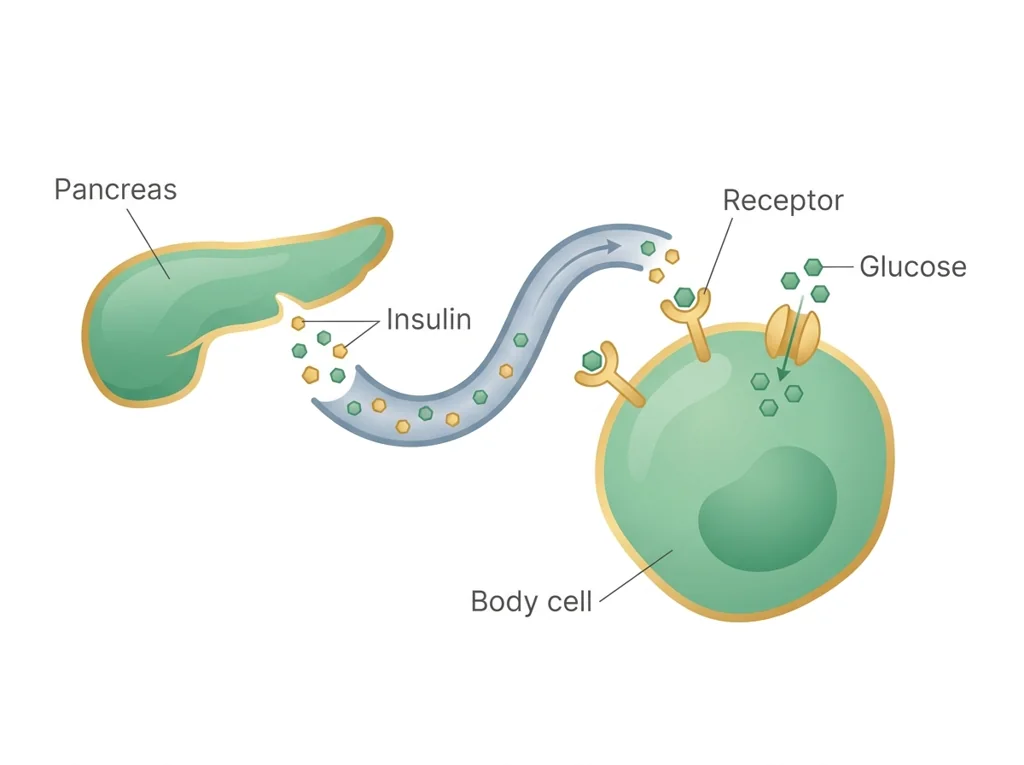
A hormone made by the pancreas that lowers blood sugar by signaling cells to take in glucose from the blood.
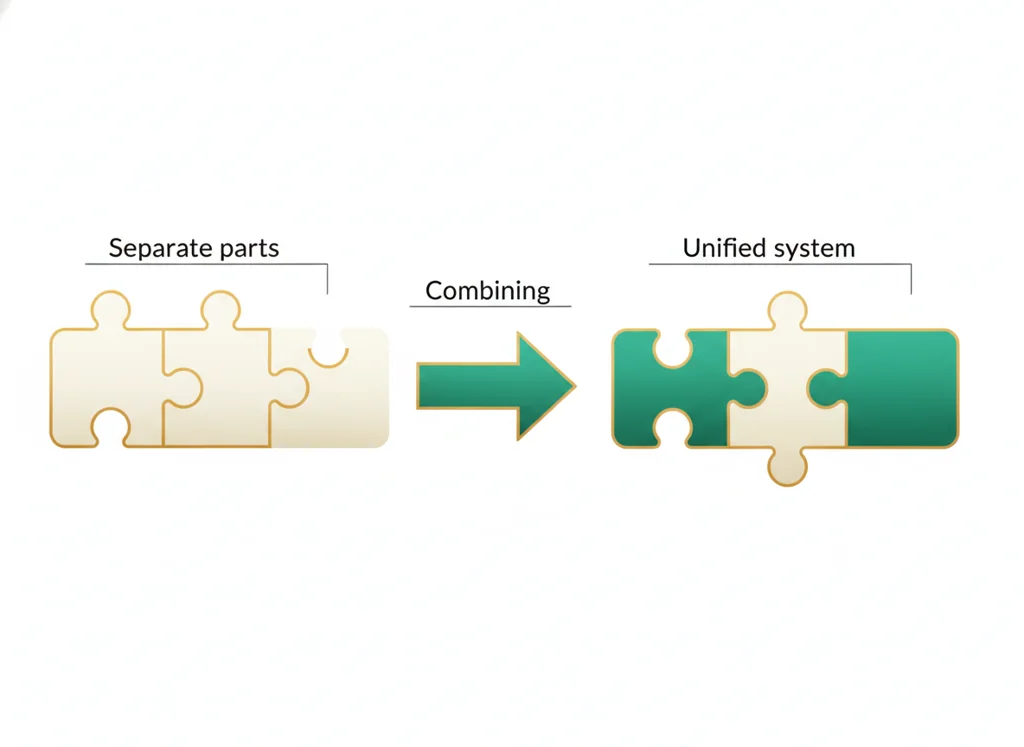
Combining separate parts, systems, or sets of data so they work together smoothly as one unified whole.
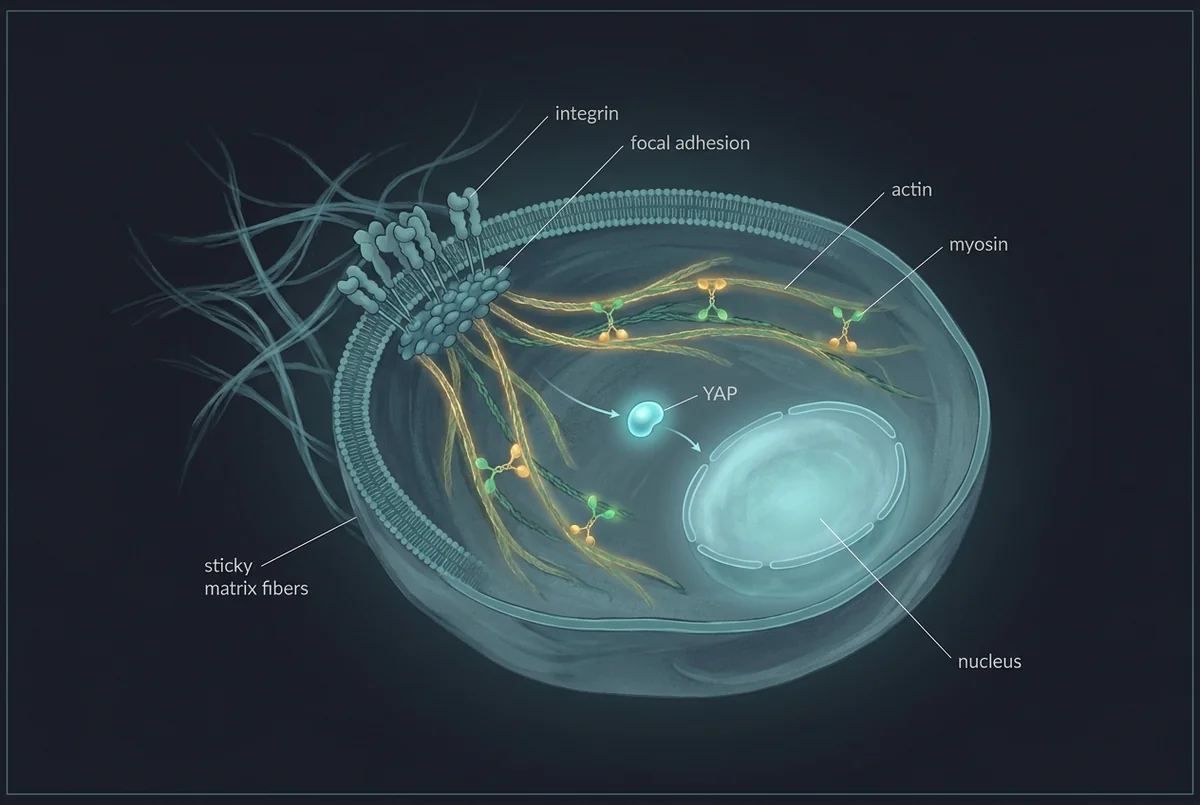
A cell-surface receptor that anchors a cell to the surrounding extracellular matrix and relays signals about that attachment into the cell.
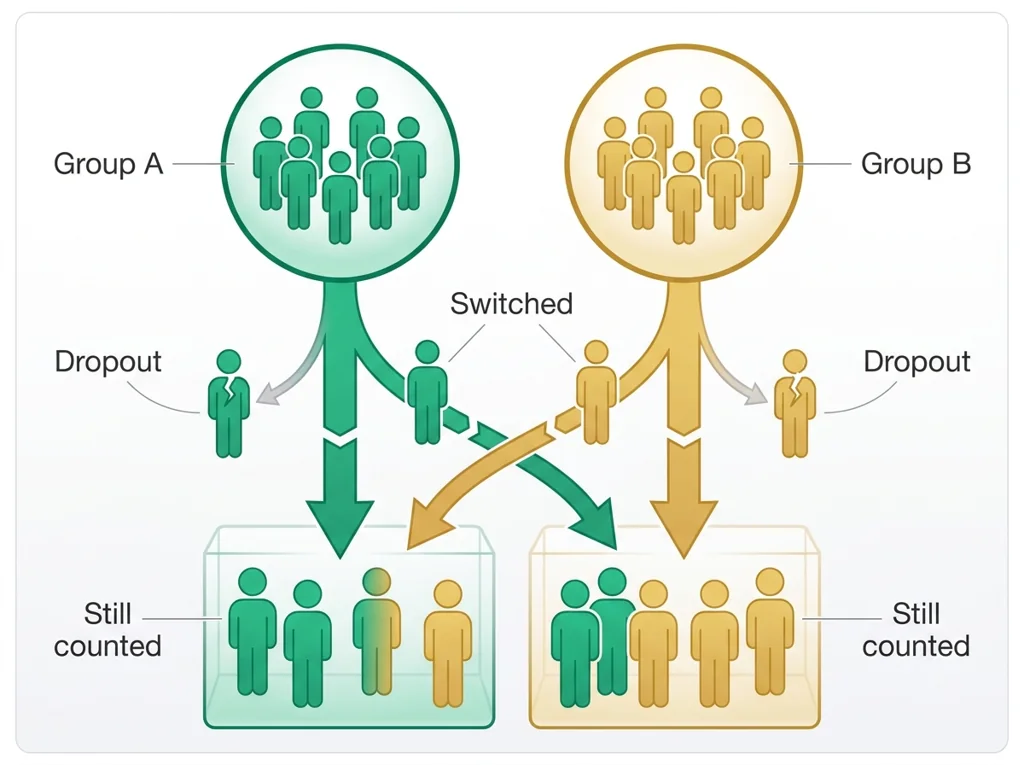
A way to analyze a trial that keeps every patient in their first-assigned group, even if they switched or quit, to give an honest result.
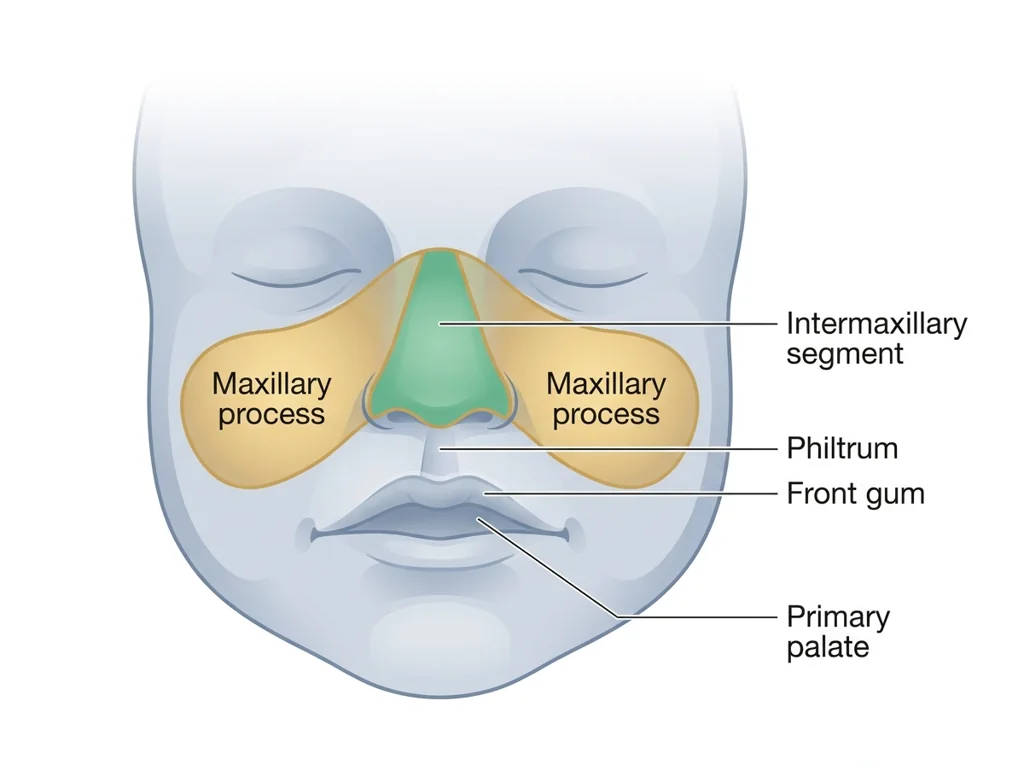
The central facial block formed in the embryo that gives rise to the philtrum of the lip, the front gum, and the primary palate.
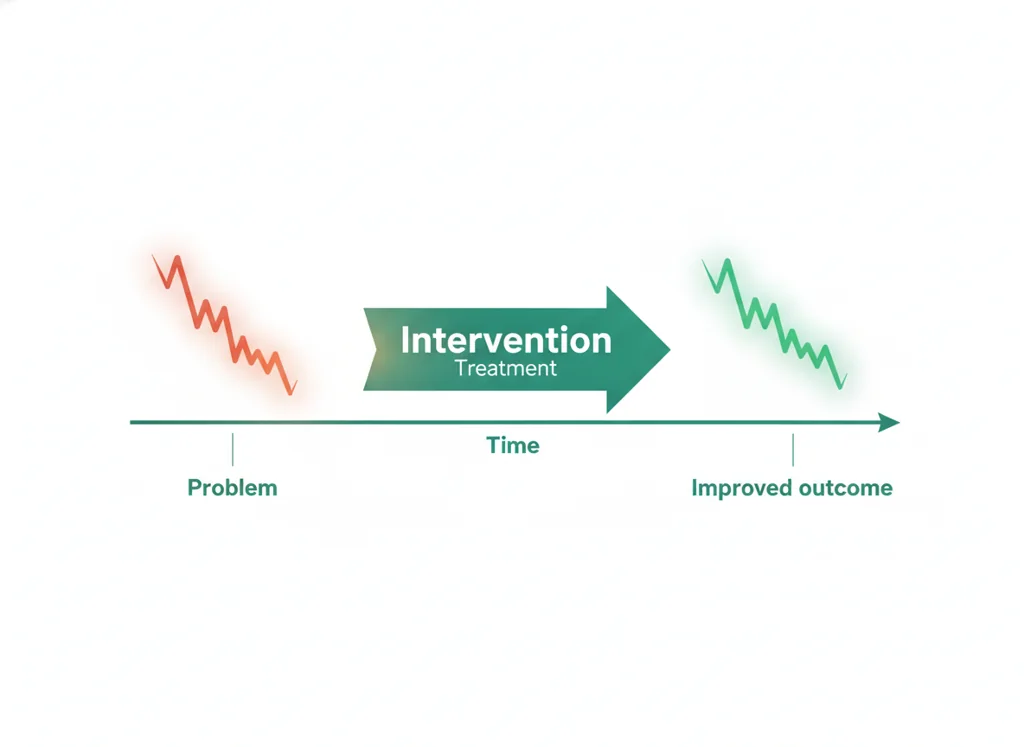
A planned action taken to treat, prevent, or change a health outcome, such as a medicine, procedure, or change in behavior.
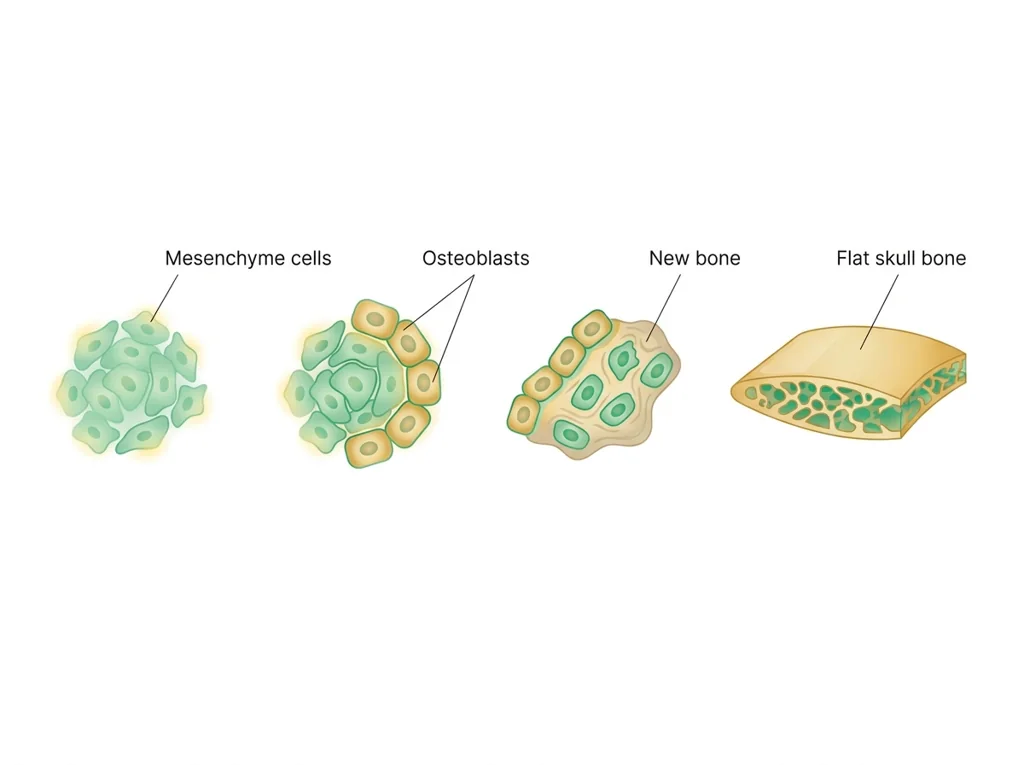
Building bone directly from mesenchyme cells without a cartilage model first, which is how the flat skull bones form.
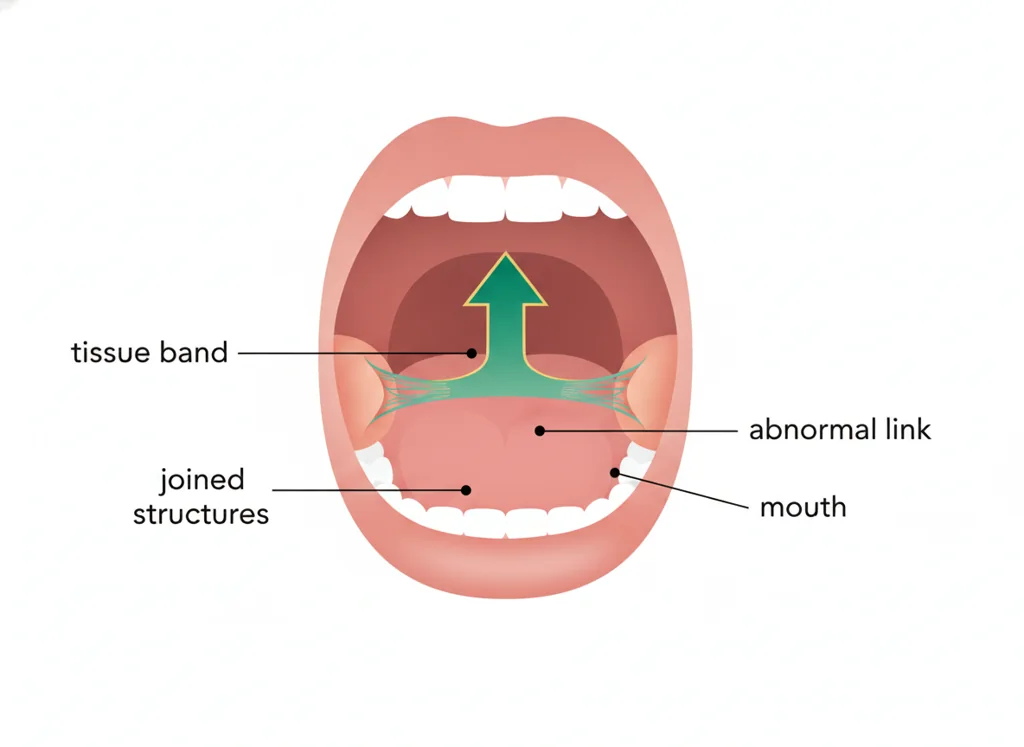
An abnormal band of tissue that connects structures inside the mouth that should be separate, sometimes seen with cleft conditions.
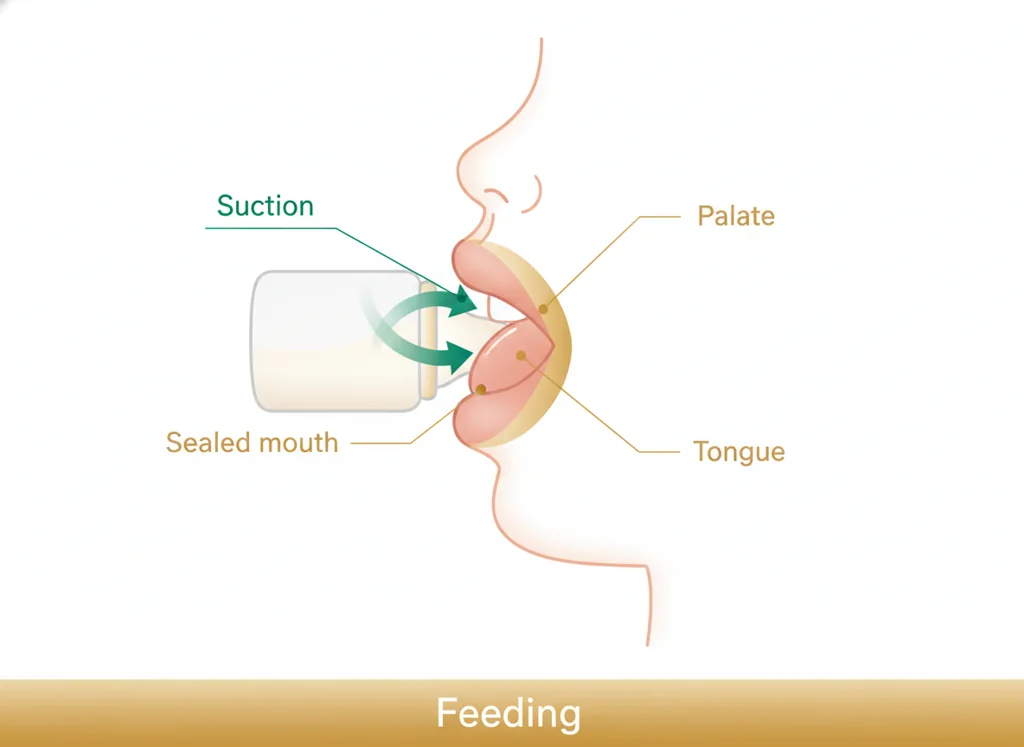
The suction created inside the mouth that lets a baby latch and draw milk; a cleft palate can prevent this seal from forming.
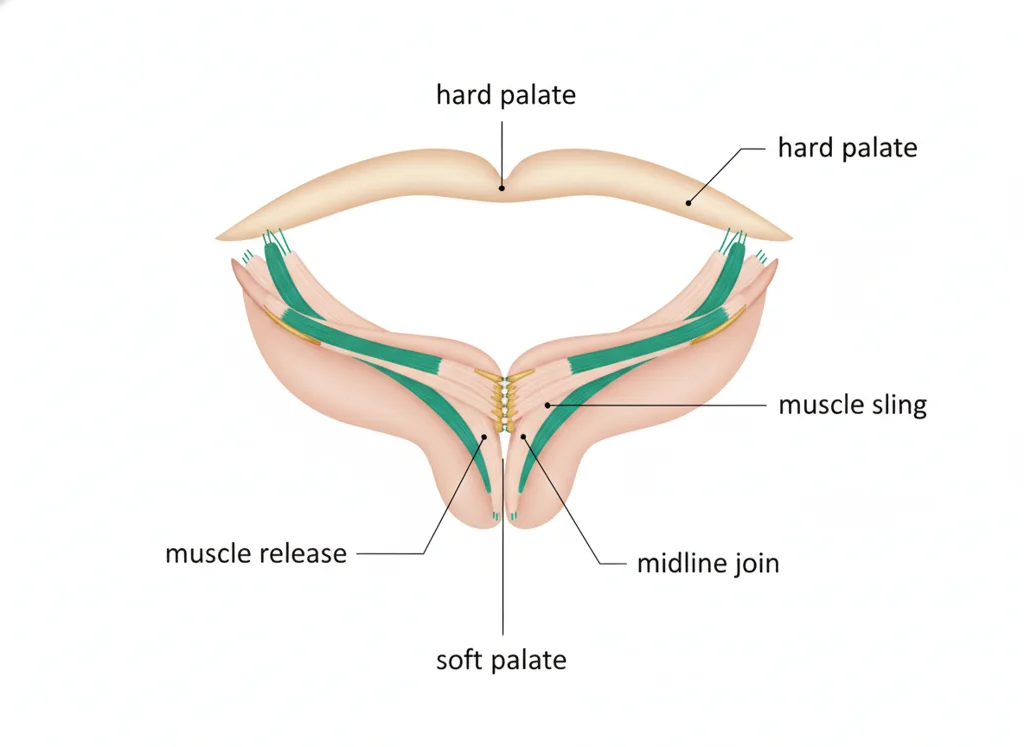
A cleft palate surgery that frees the soft palate muscles from their wrong attachments and reconnects them across the midline to rebuild the muscle sling.
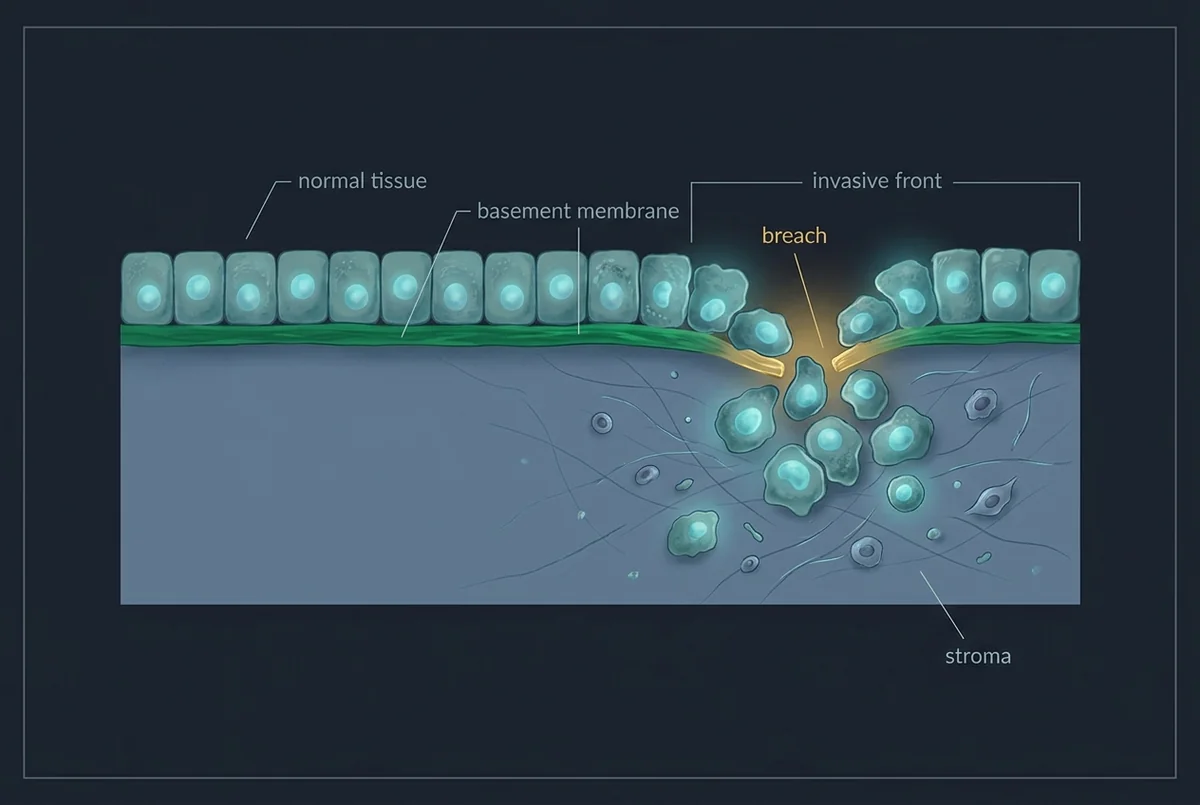
The leading edge of a tumor where cancer cells push into and invade the surrounding healthy tissue.
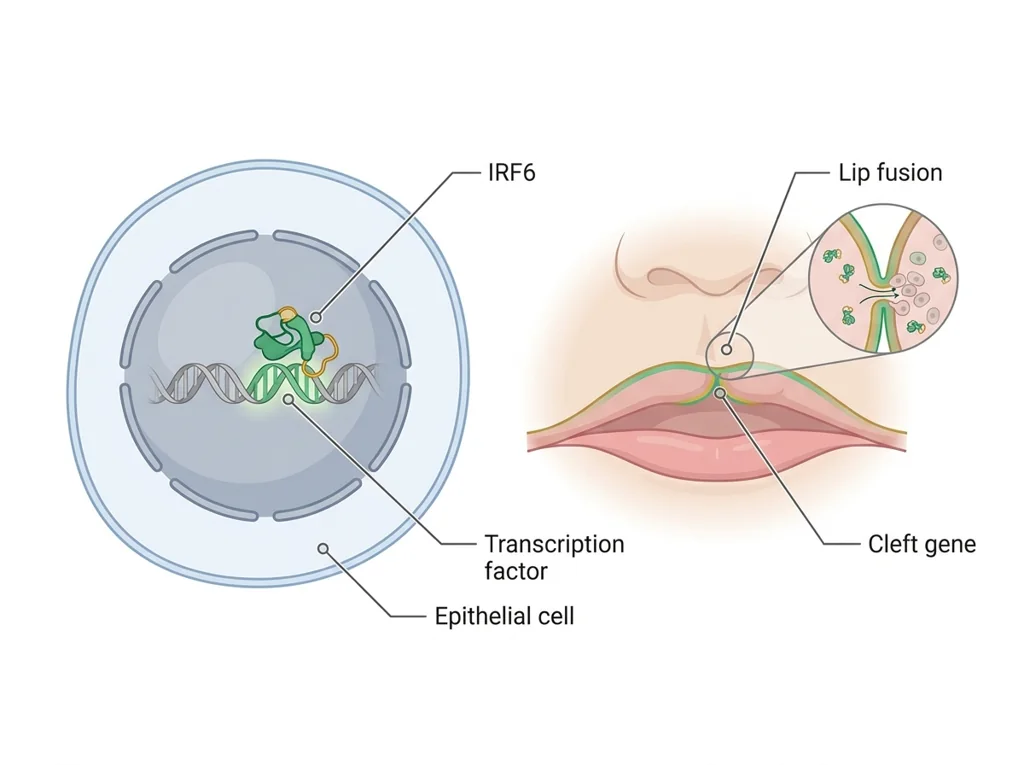
Interferon Regulatory Factor 6, a transcription factor needed by the skin-like cells that let the lip and palate fuse; a leading cleft gene.
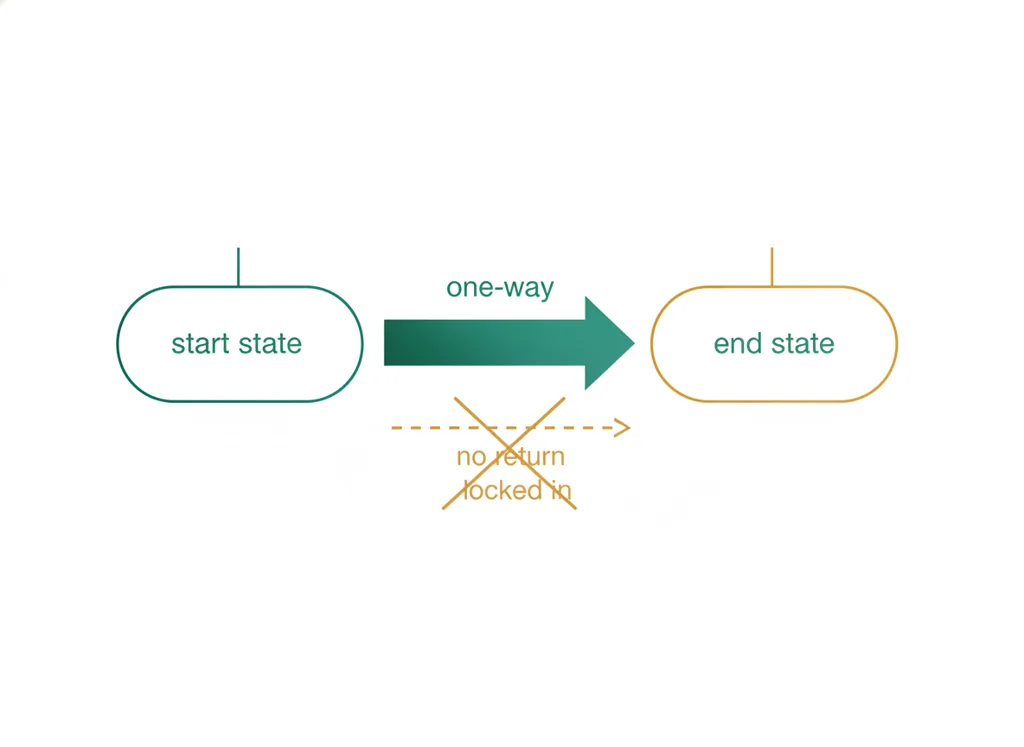
Describing a change or step that cannot be undone once it has happened, locking the outcome in place.
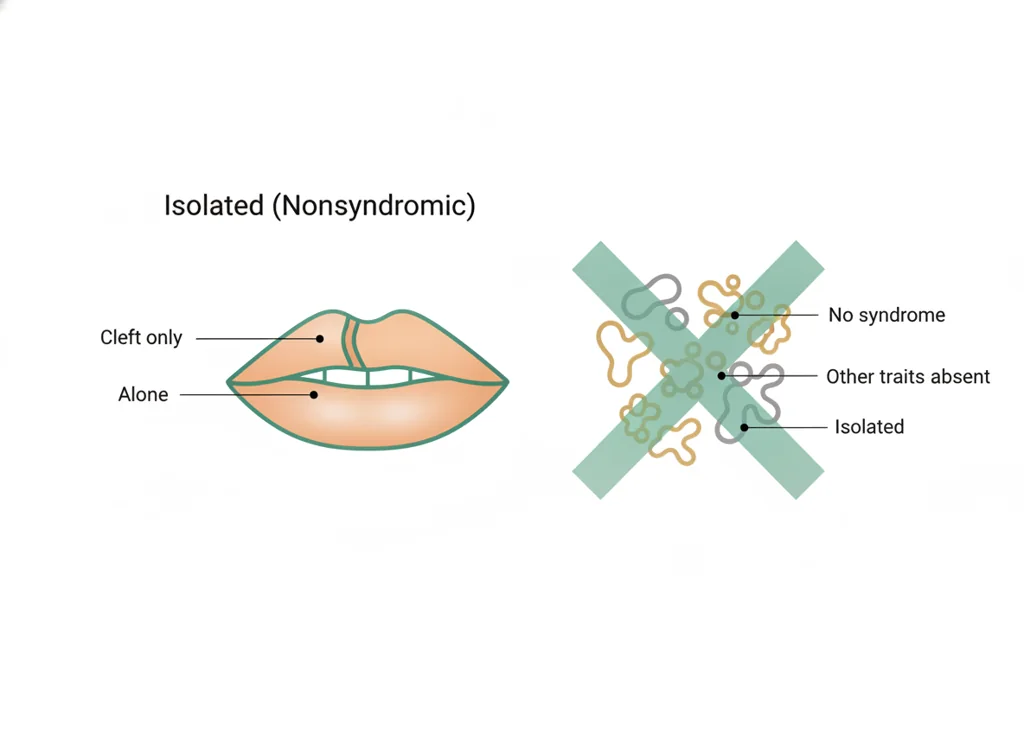
A cleft that occurs on its own, without other birth differences or a named syndrome accompanying it.
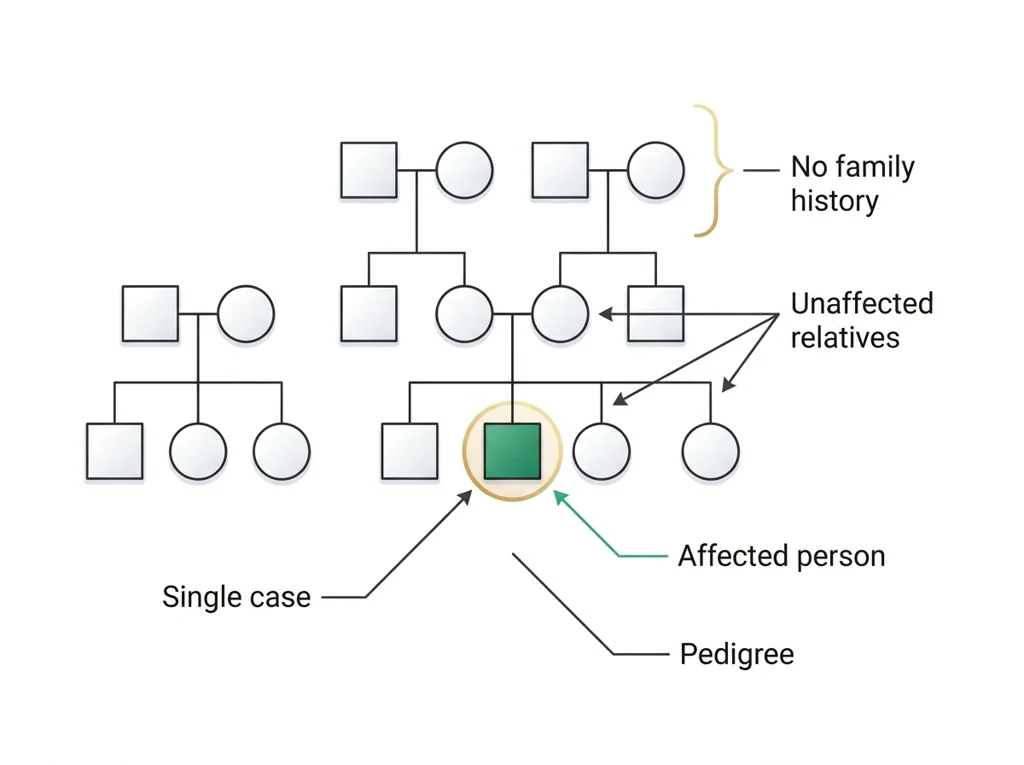
A trait that appears in just one person in a family, with no other clearly affected relatives.
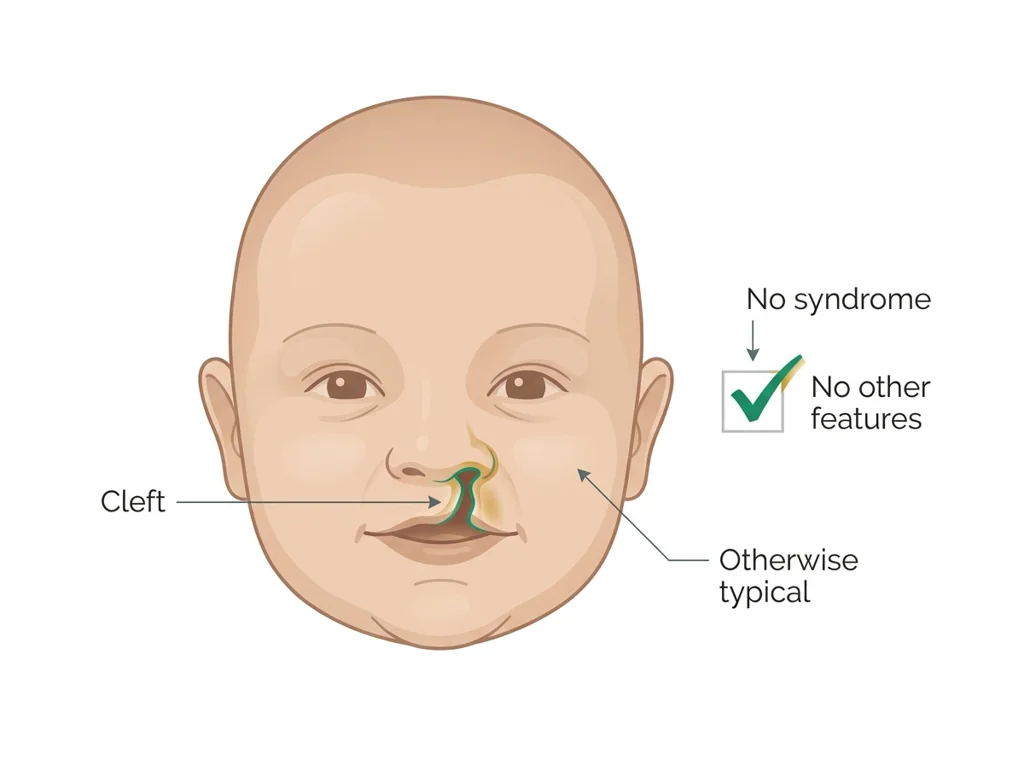
A cleft of the lip or palate that occurs on its own, without other birth differences or a recognized syndrome.
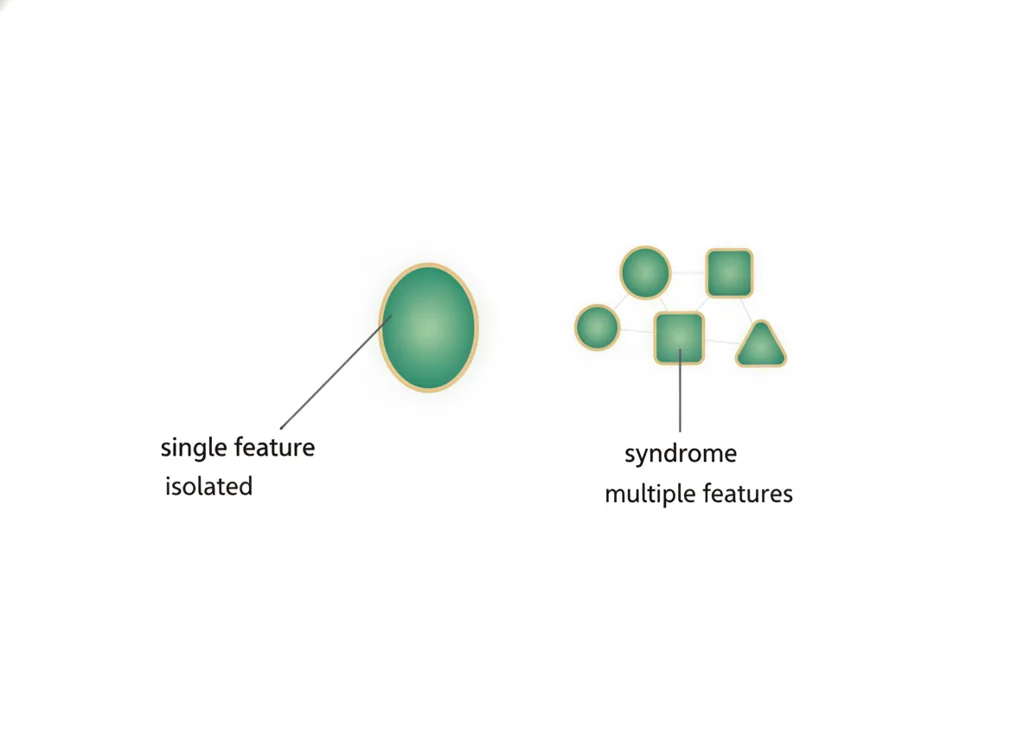
A birth difference that occurs on its own, without other linked malformations or a broader syndrome accompanying it.
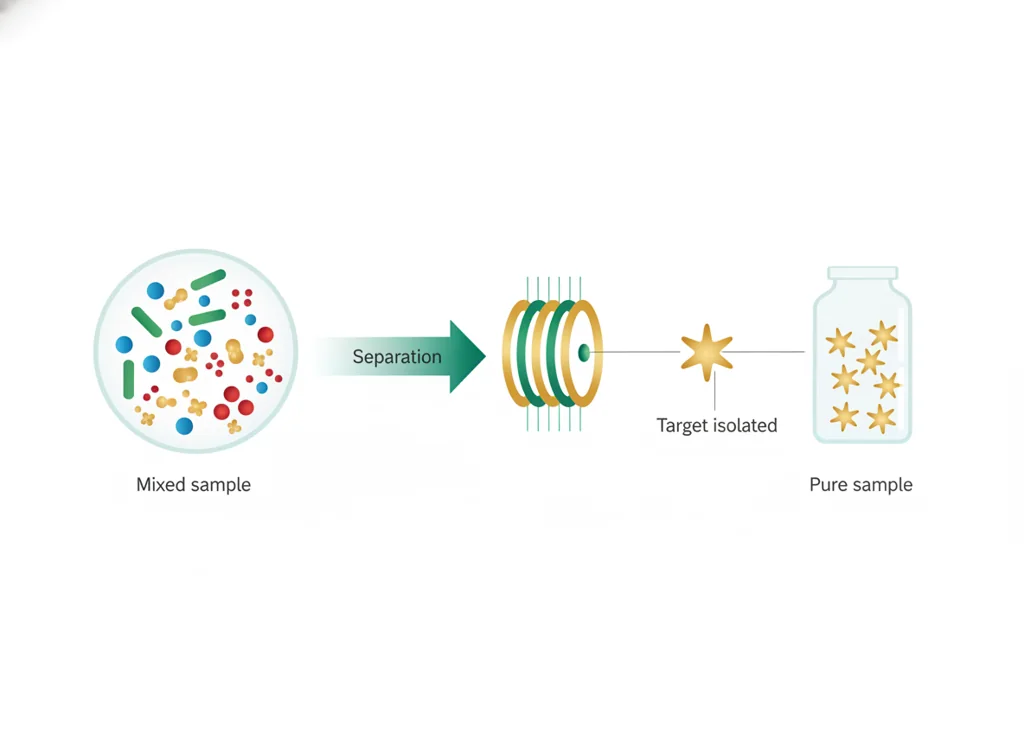
The process of separating one substance, organism, or cell type from a mixture so it can be studied or used on its own.
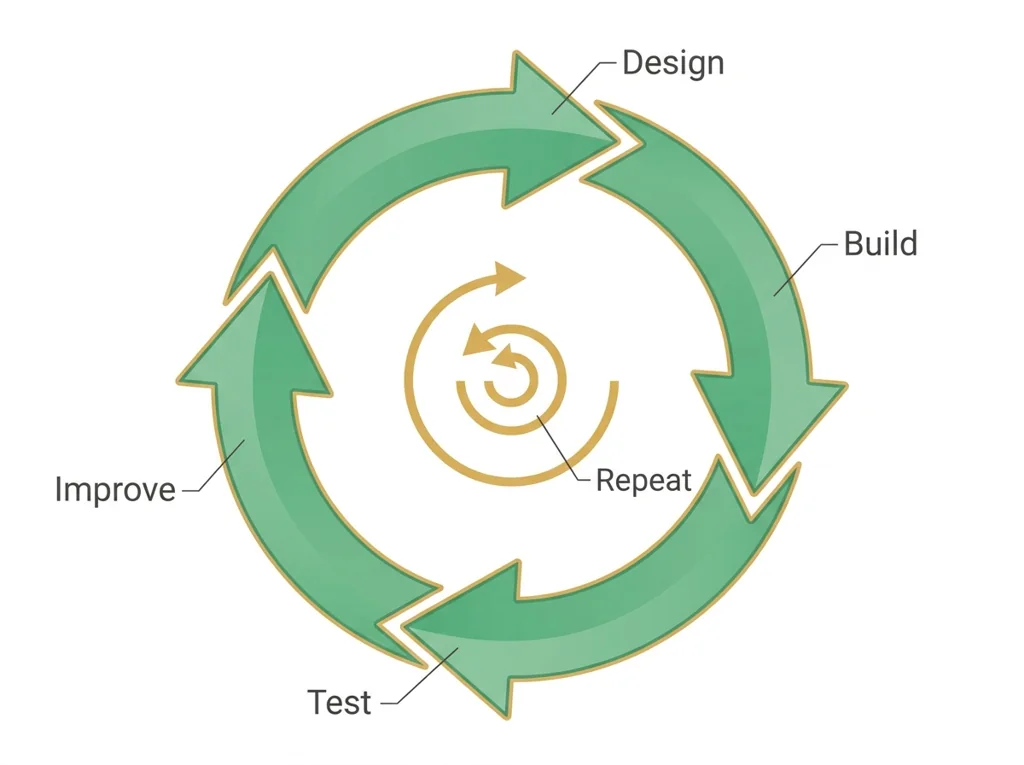
One repeated cycle of building, testing, and improving, where each pass refines the design or result based on what the last pass revealed.
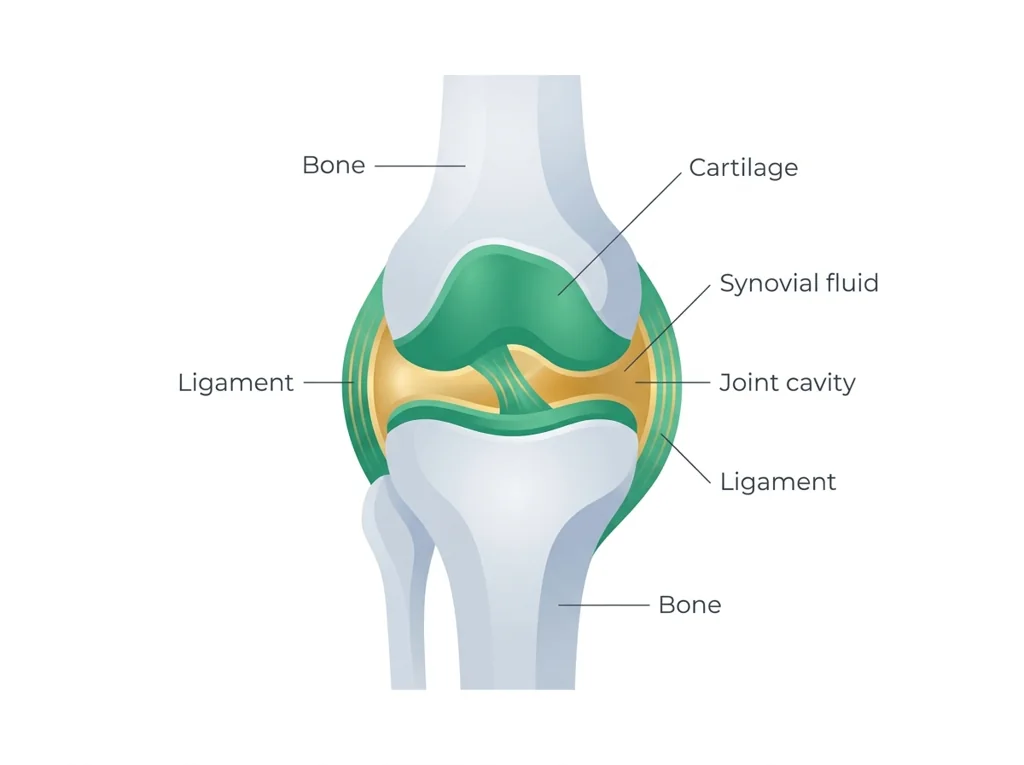
The place where two or more bones meet, often allowing movement, with cartilage and ligaments holding the bones together.
In bioethics, the principle that benefits, risks and costs are shared fairly, so that who a patient is does not decide the care they are offered. It is about who gets what, and why.
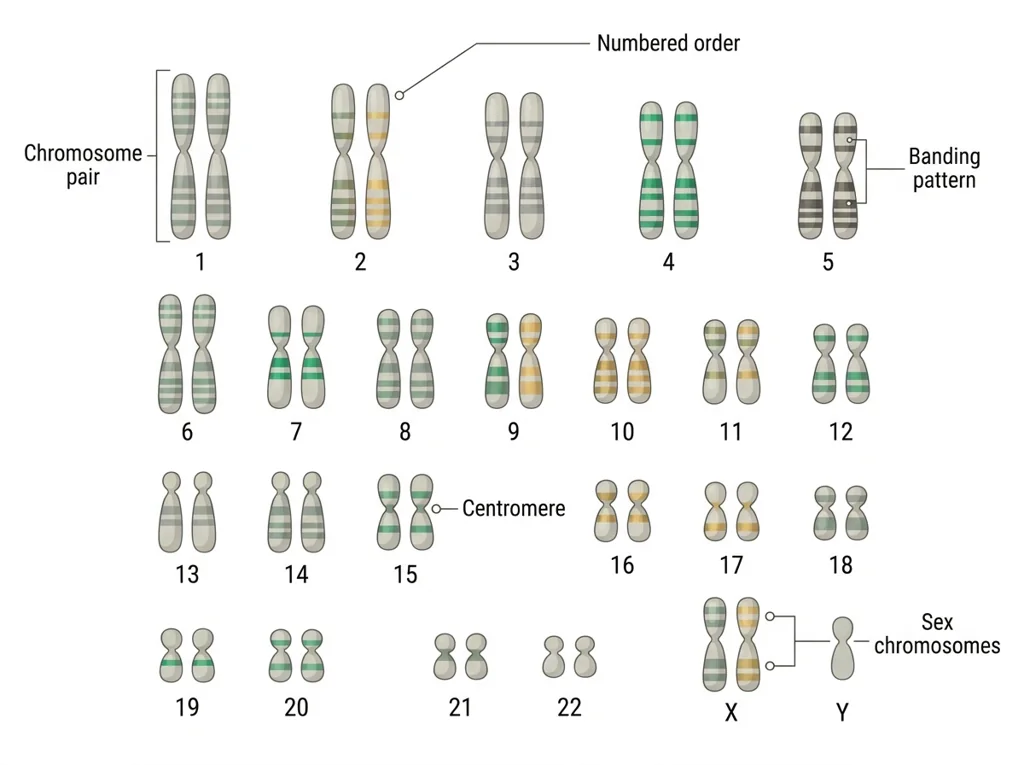
A photograph of a person's chromosomes arranged in pairs by size, used to spot missing, extra, or rearranged chromosomes.
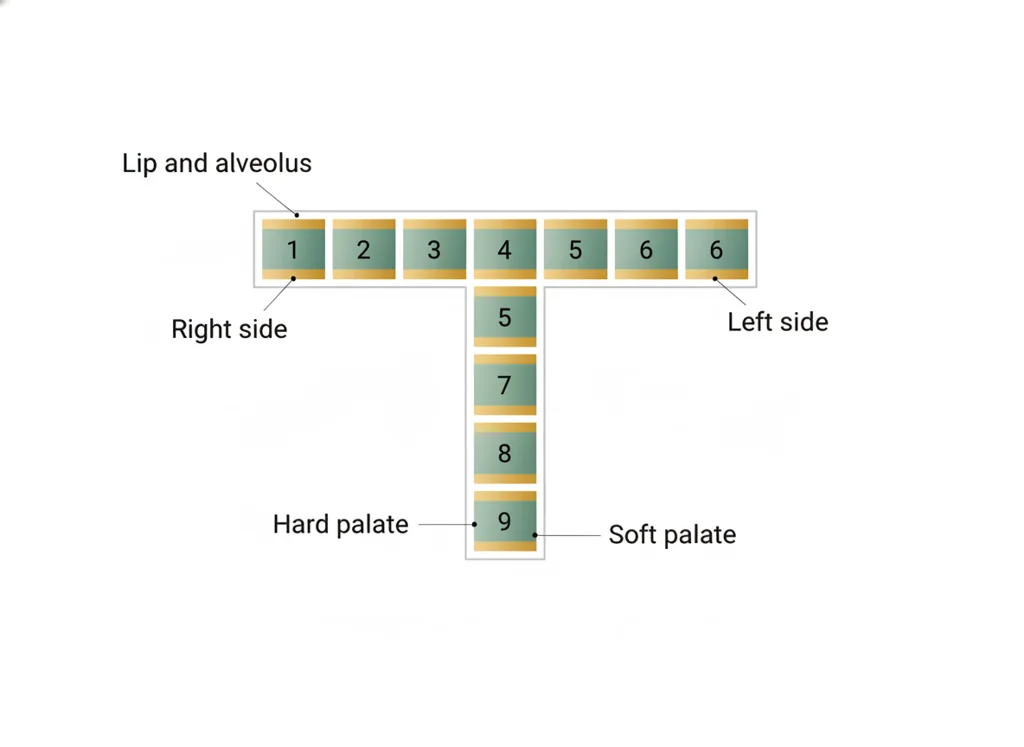
A Y-shaped diagram that maps cleft lip and palate by shading numbered boxes for each affected part of the lip and palate.
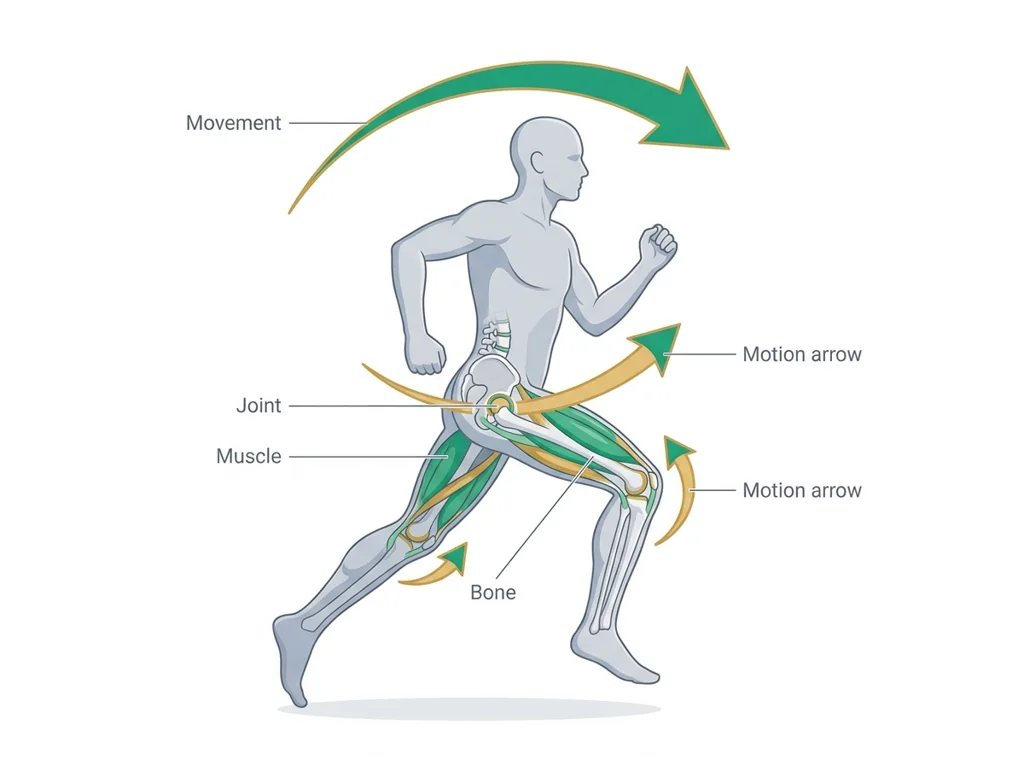
The scientific study of human movement, including how muscles, bones, and the nervous system work together to produce motion.
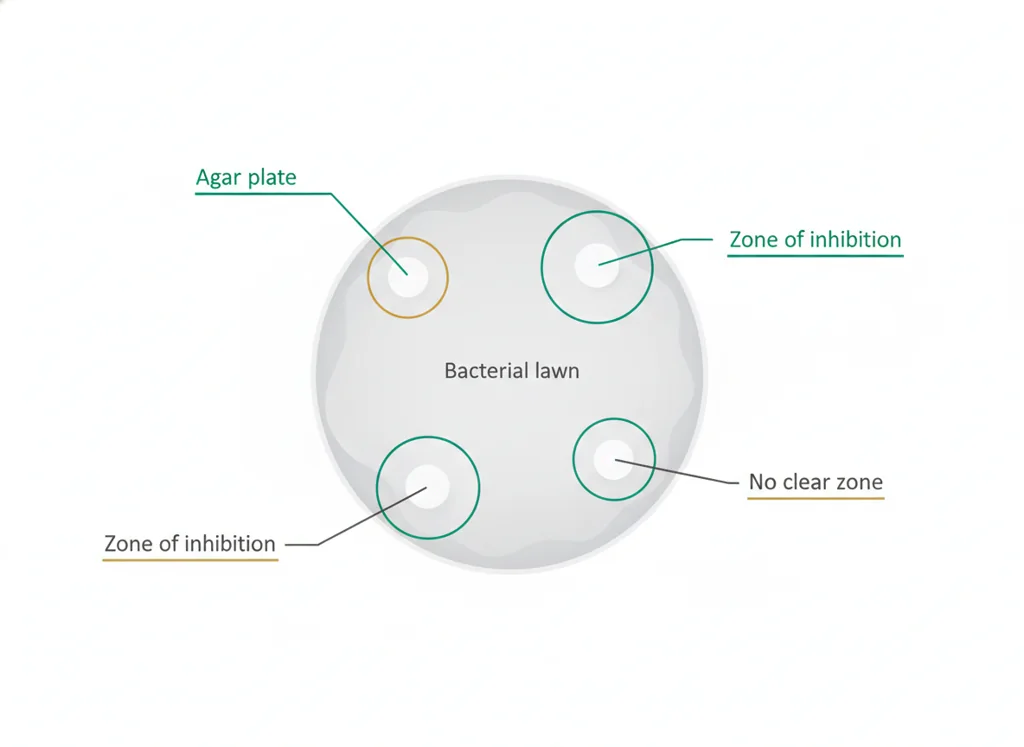
A lab test that places antibiotic disks on a bacteria-coated plate; a clear ring around a disk shows the bacteria are sensitive to that drug.
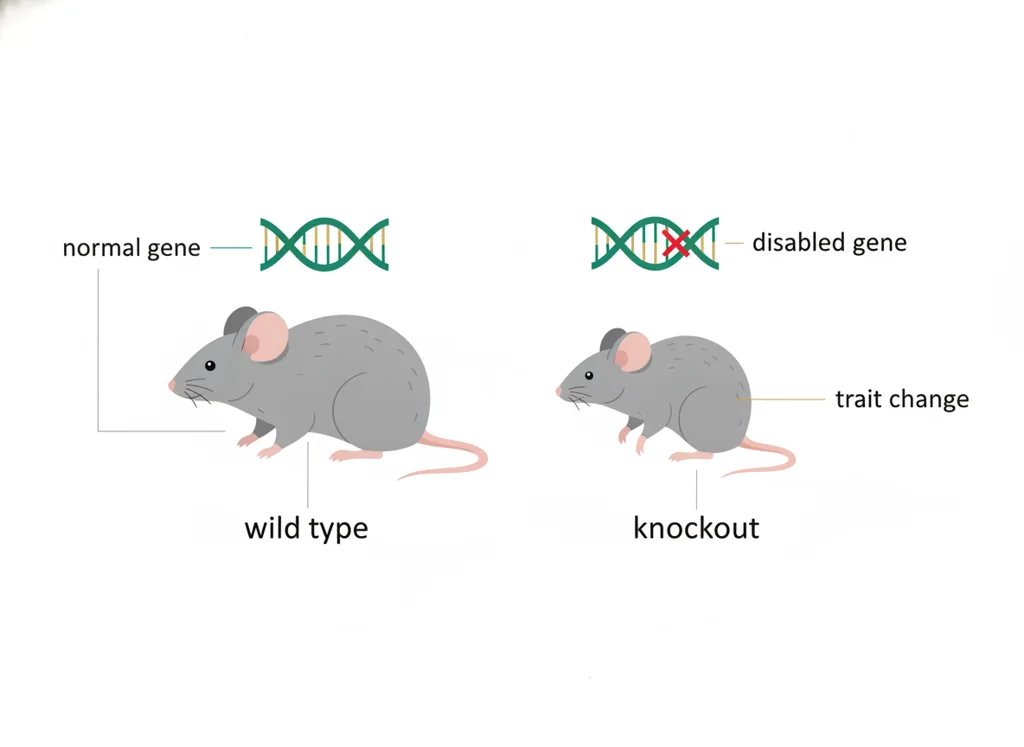
An organism or cell engineered to have a specific gene switched off, used to reveal what that gene normally does.
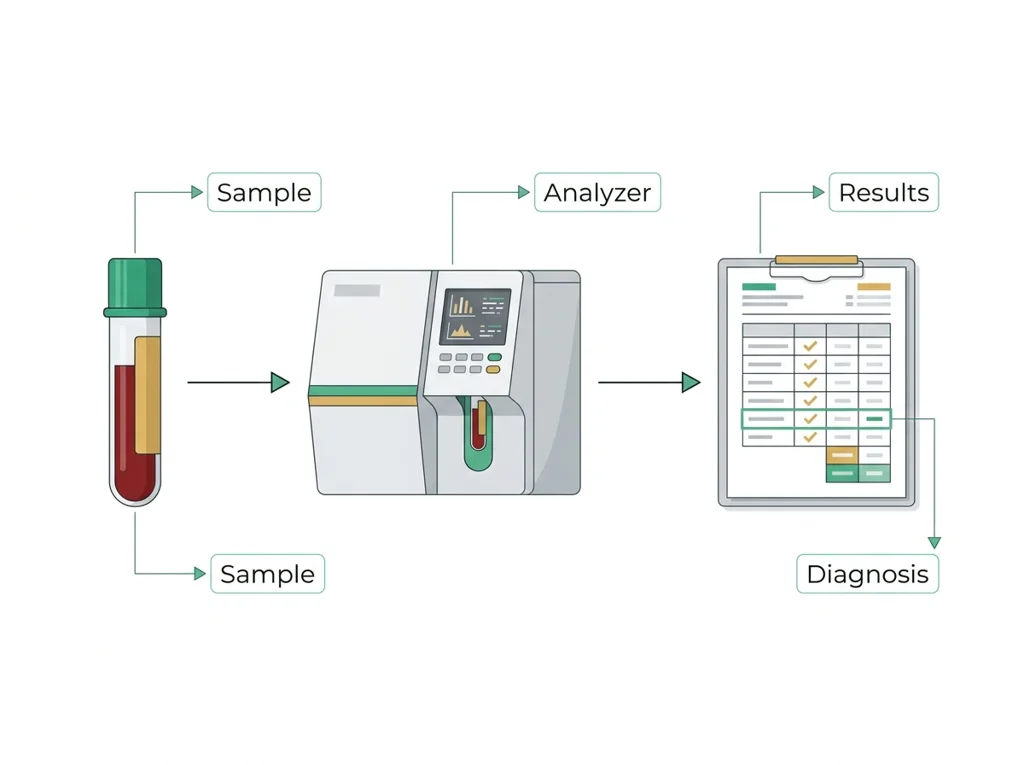
A procedure that analyzes a sample of blood, urine, or tissue to provide measurable information that helps diagnose or monitor a condition.
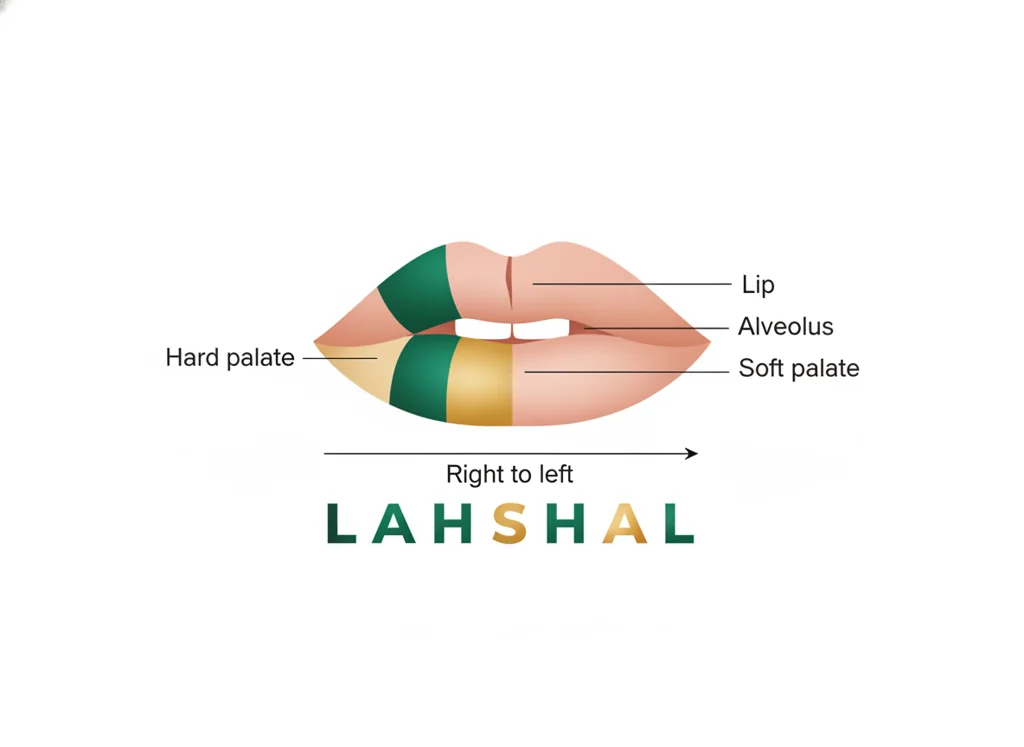
A shorthand code for recording clefts site by site (Lip, Alveolus, Hard palate, Soft palate) from the patient's right to left, capitals marking complete clefts.
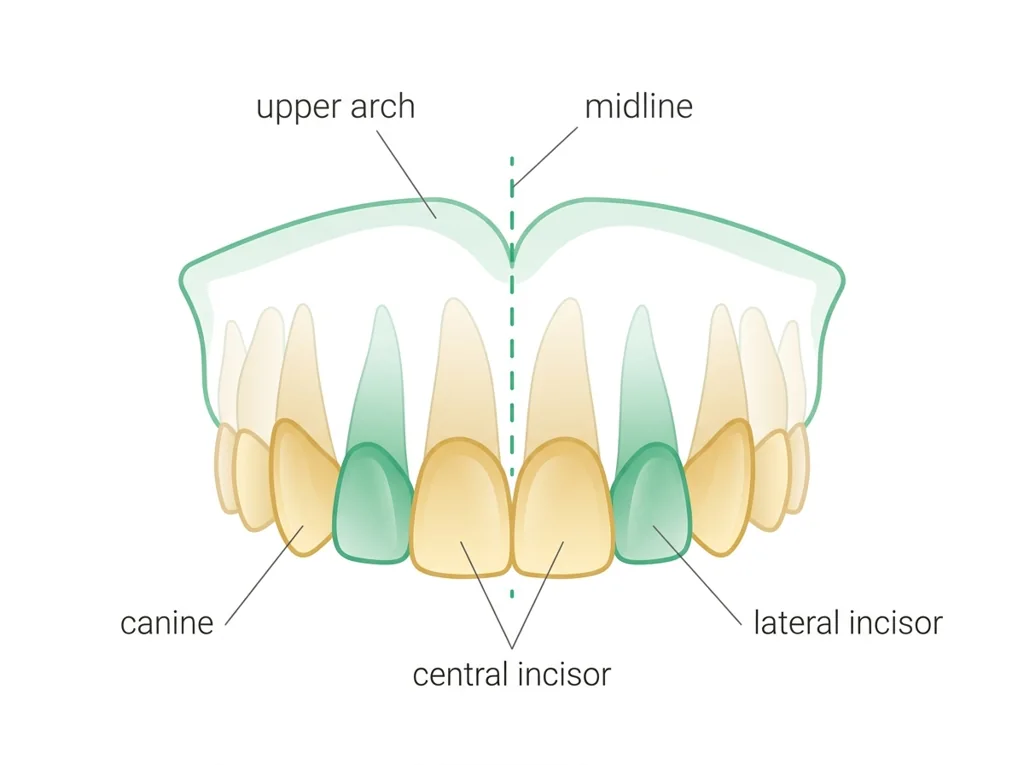
The second tooth from the midline on each side of the upper jaw, often missing or malformed near an alveolar cleft.
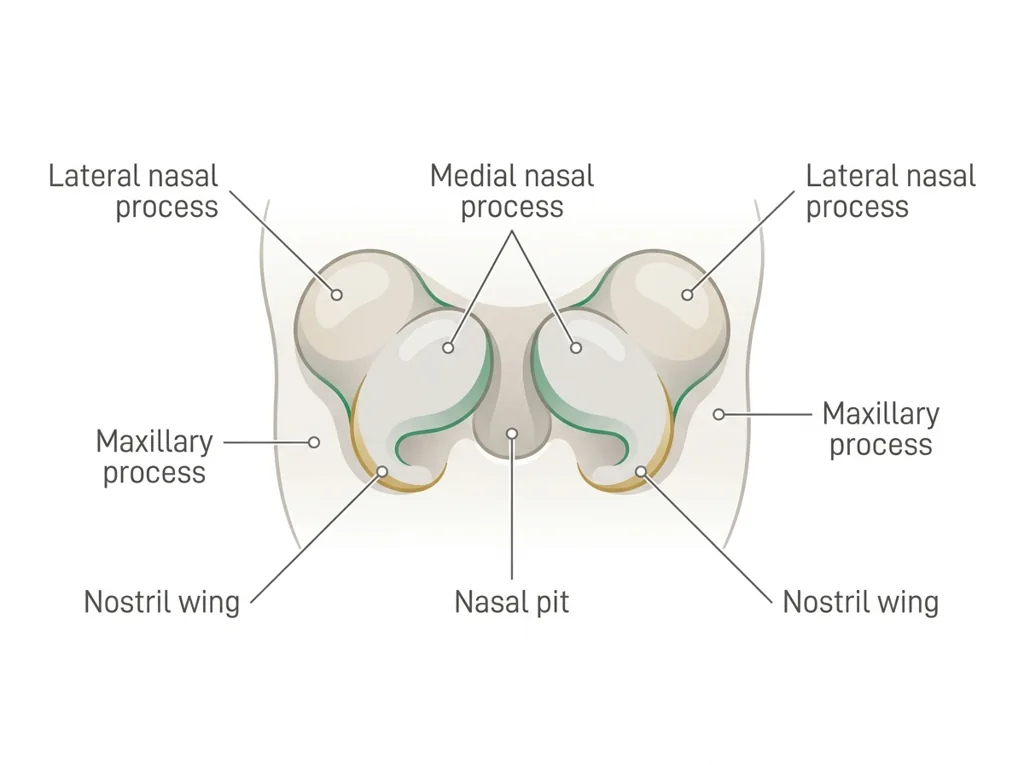
A swelling on each side of the developing face that forms the outer wing of the nostril during early facial growth.
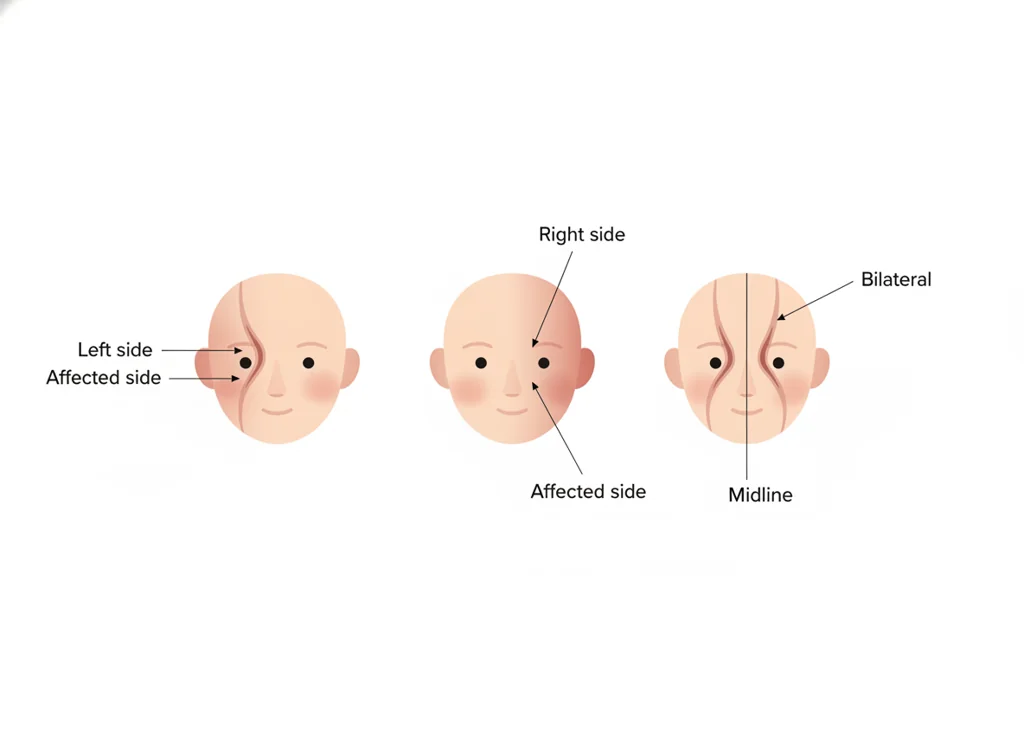
Which side of the body a feature affects, such as whether a cleft is on the left, the right, or both sides.
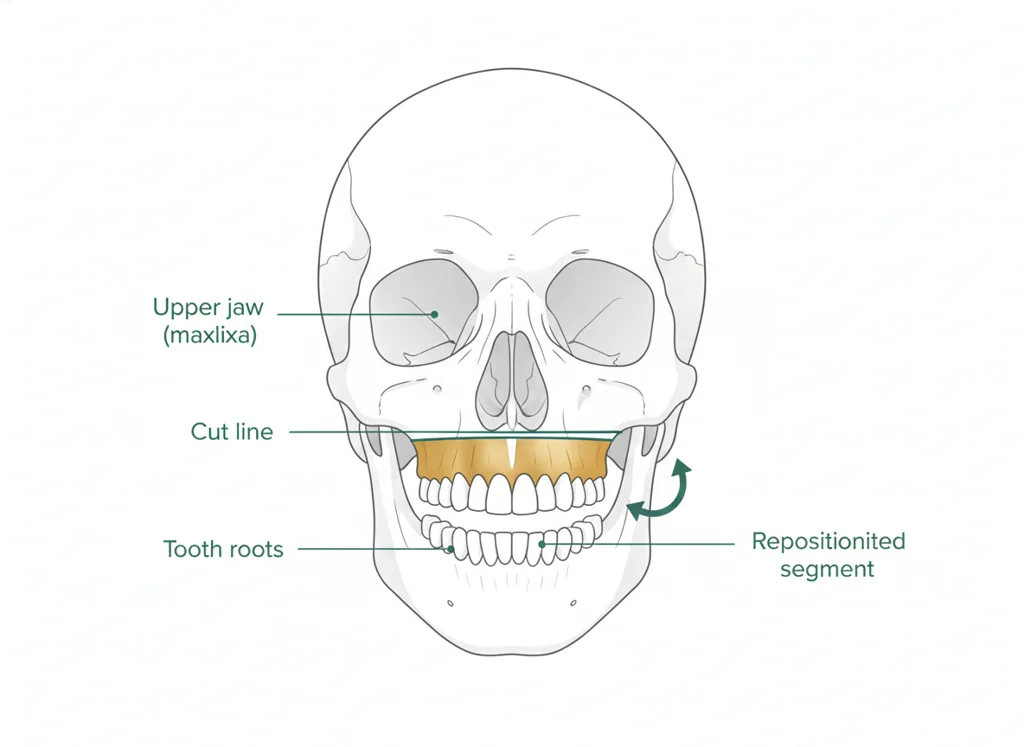
A surgery that cuts the upper jaw horizontally above the teeth so it can be moved into a better position and fixed in place.
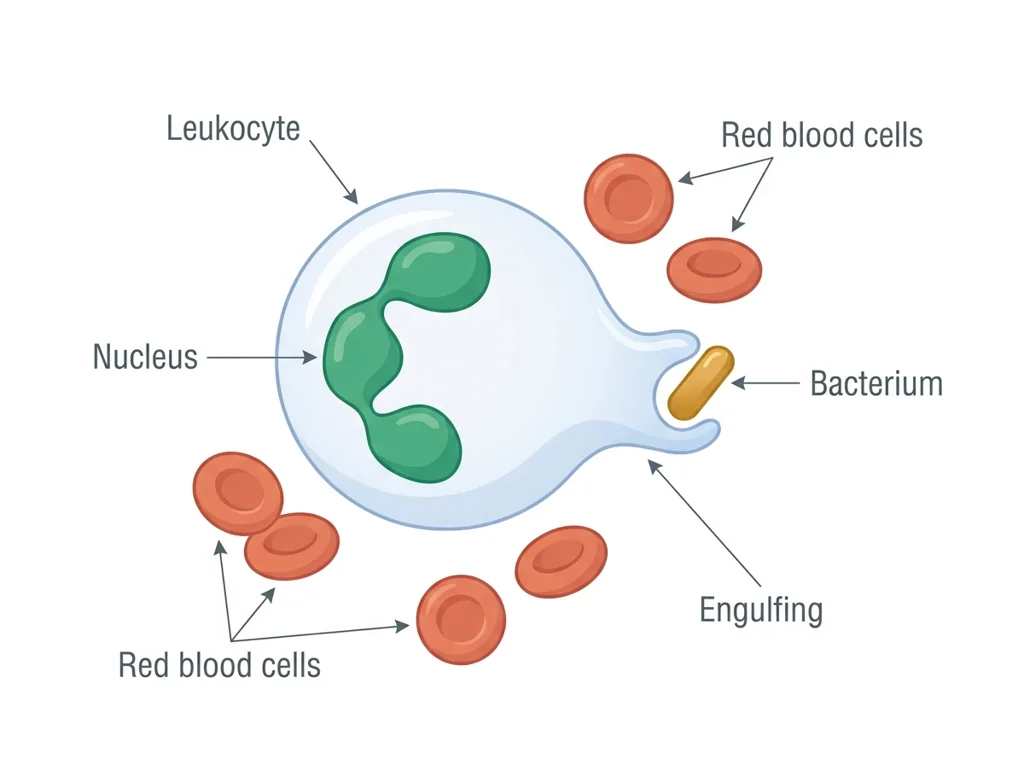
A white blood cell that defends the body against infection and foreign material as part of the immune system.
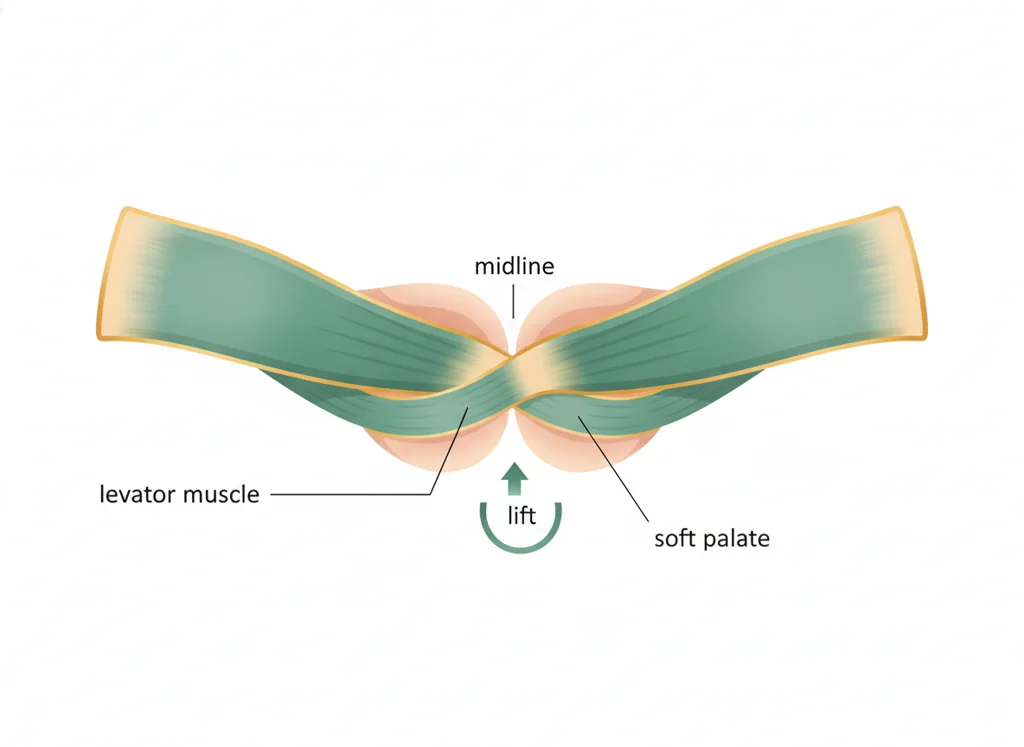
The main muscle that lifts the soft palate to close off the nose during speech and swallowing; it is often disrupted in cleft palate.
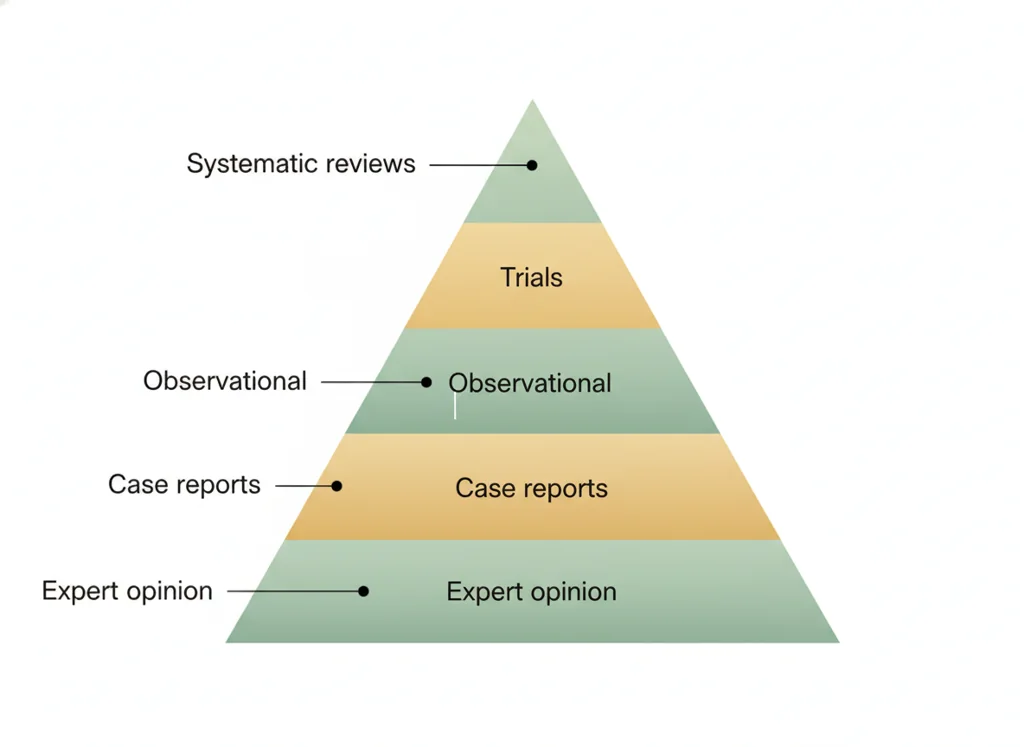
A ranking of how trustworthy a study's findings are, with reviews of many strong trials at the top and single expert opinions near the bottom.
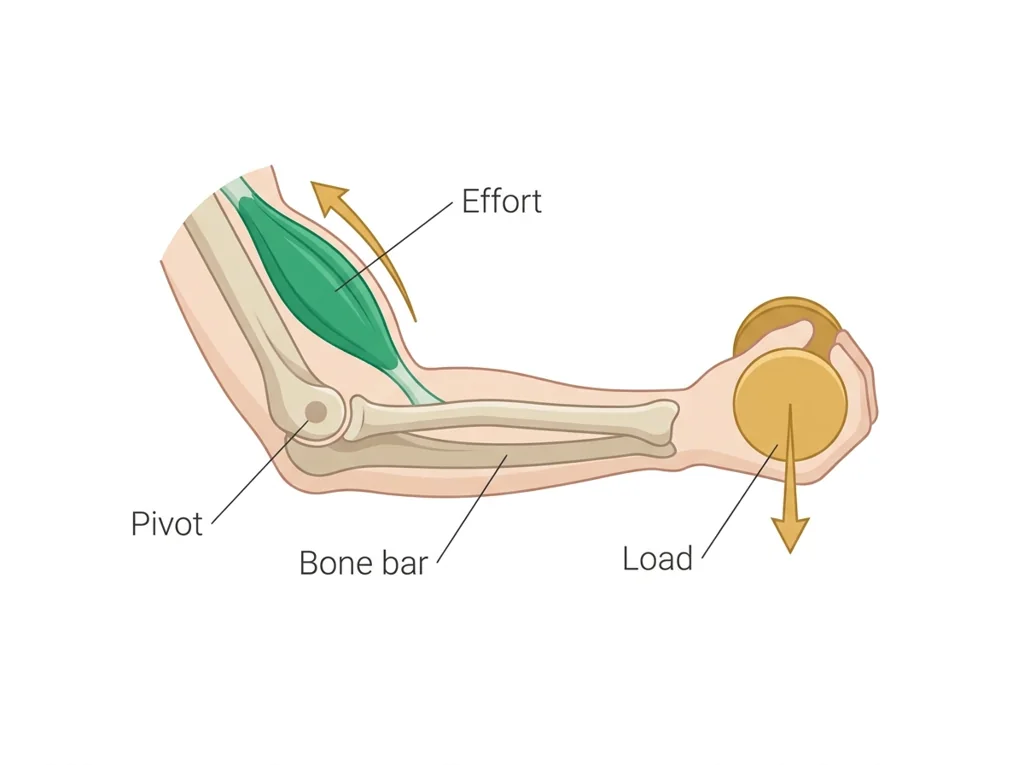
A rigid bar that pivots at a fixed point to move a load, the simple machine that bones, joints, and muscles form to create movement.
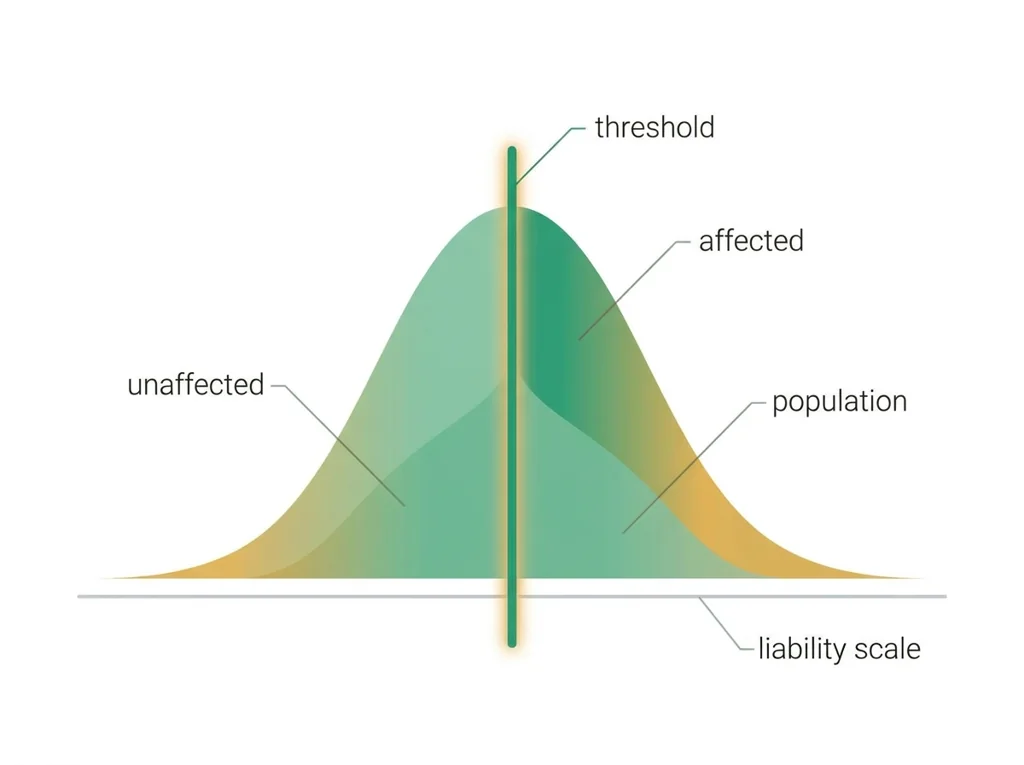
A person's total built-up risk for a trait from all their genetic and environmental factors combined, often pictured on a continuous scale.
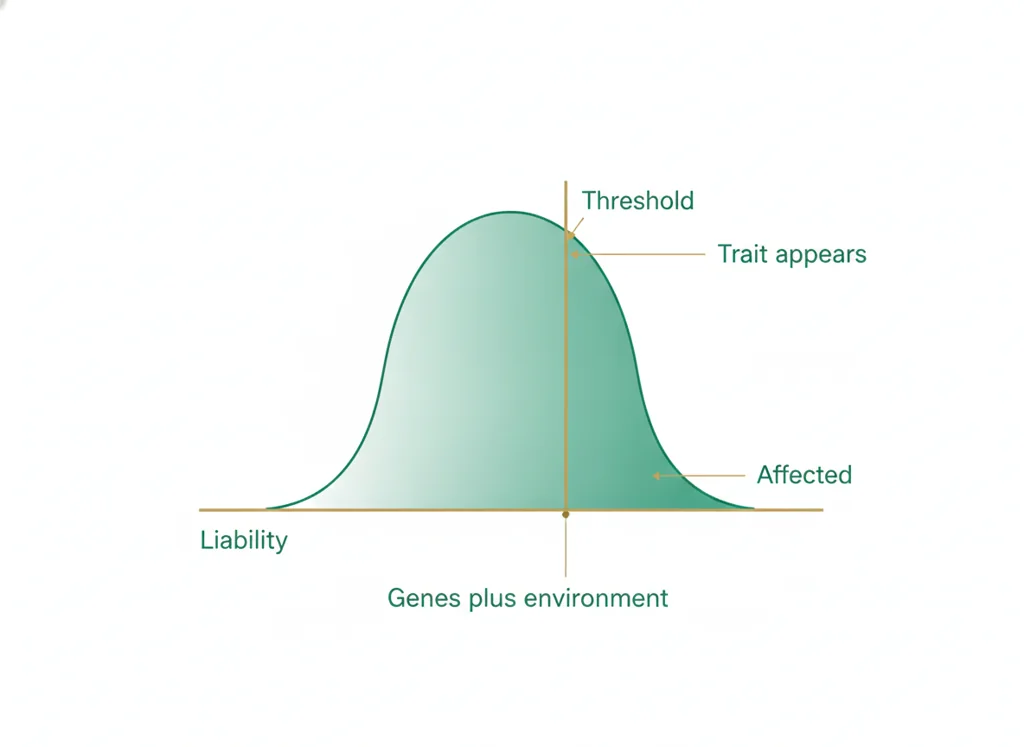
The point on a scale of combined genetic and environmental risk above which a trait such as a cleft actually appears.
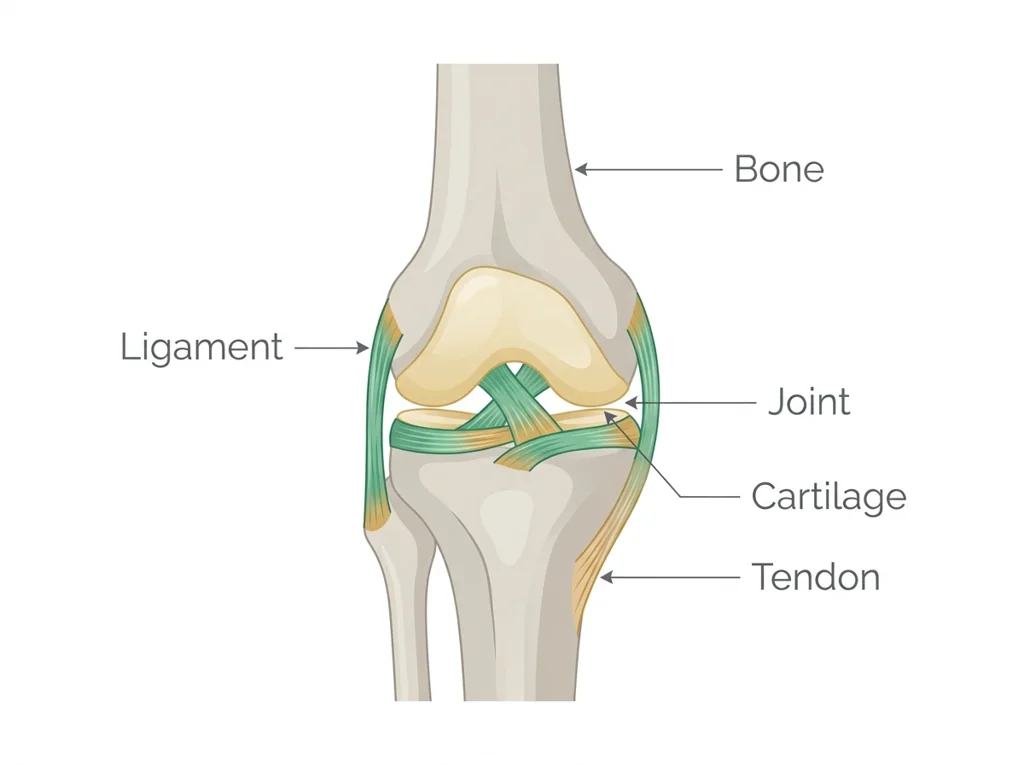
A tough band of connective tissue that connects bone to bone, holding joints together and keeping them stable.
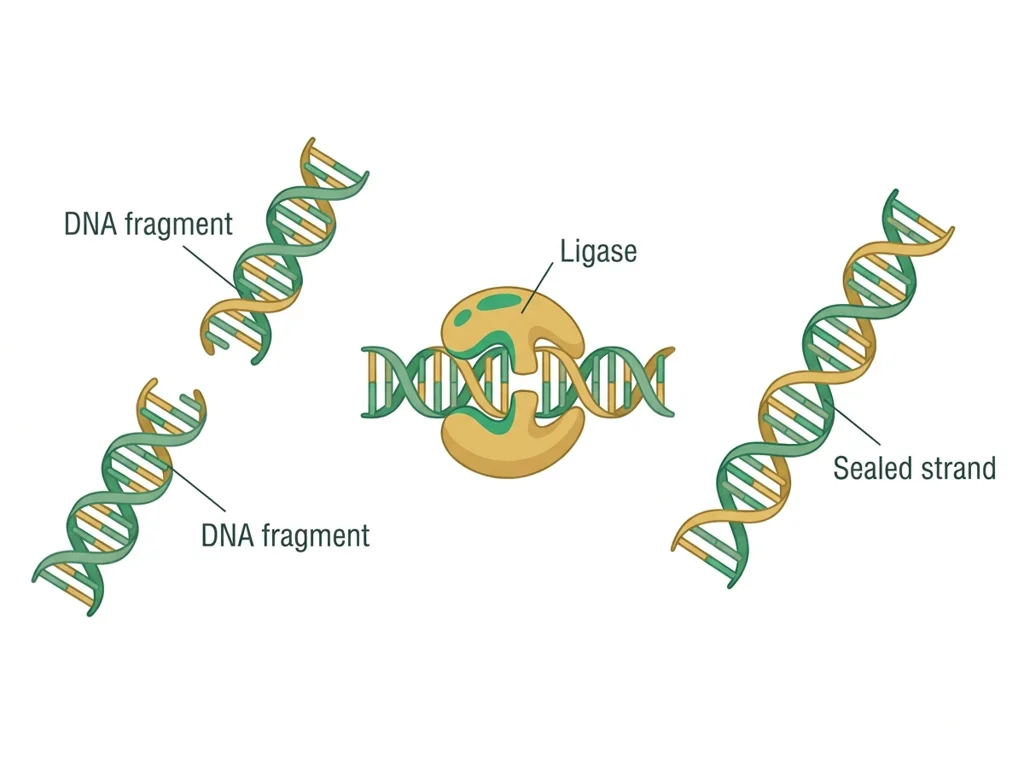
An enzyme that joins two pieces of DNA together by sealing the gap in their backbone, vital in genetic engineering.
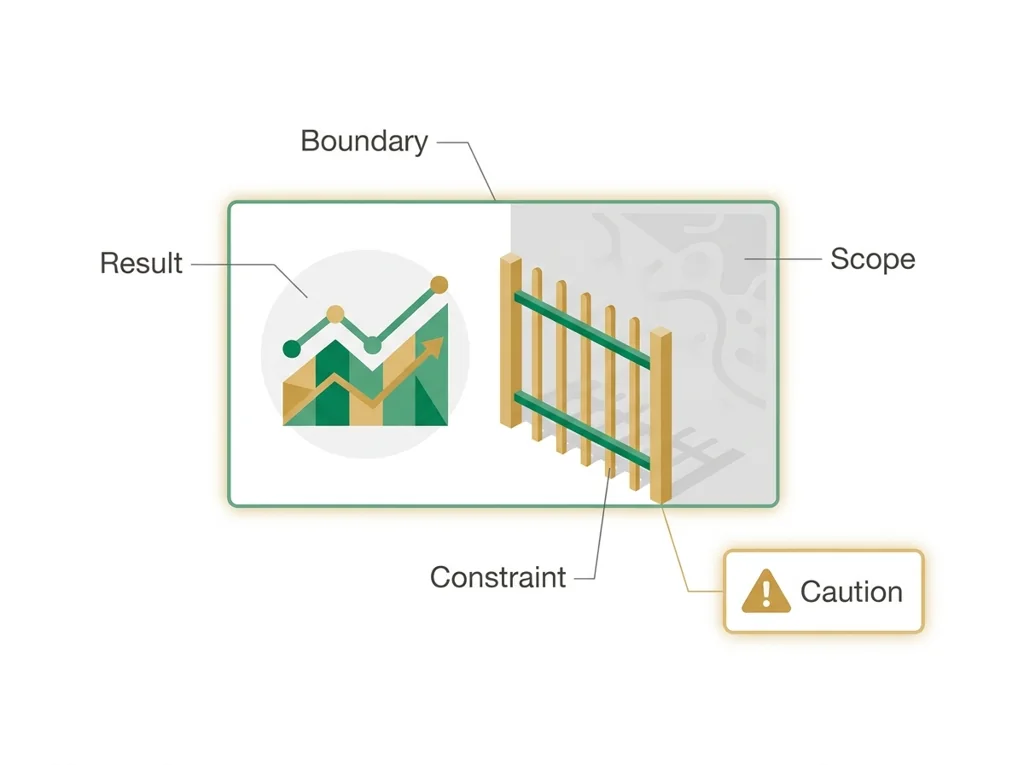
A weakness or boundary of a study, design, or method that restricts how far its results can be trusted or applied.
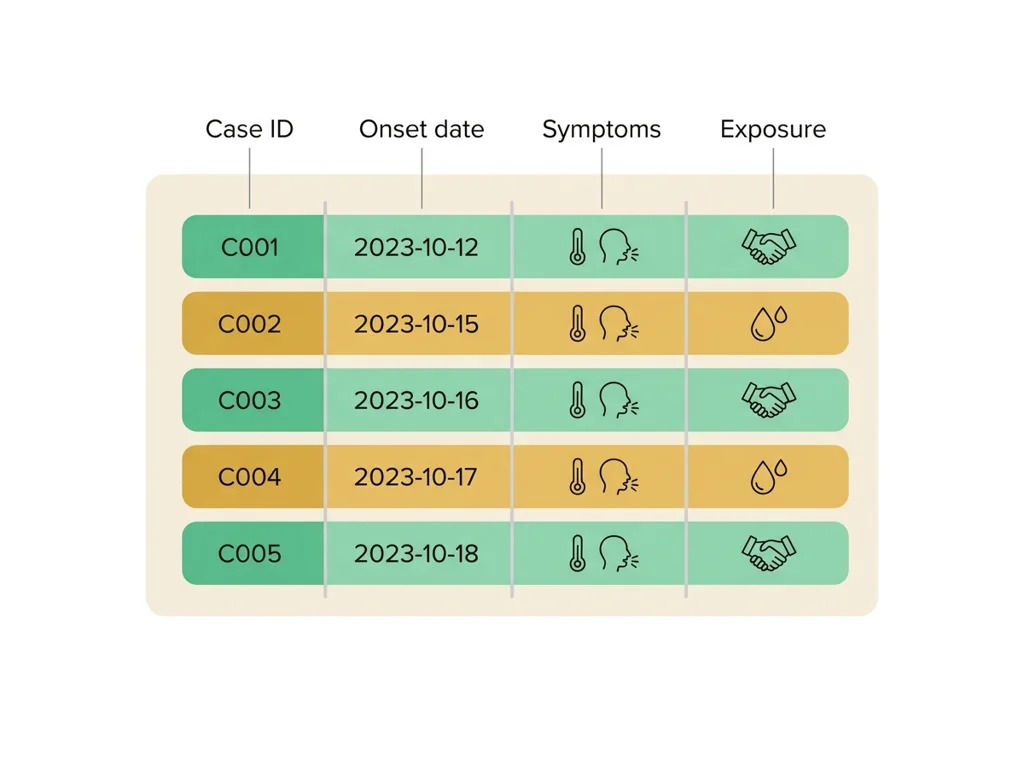
A table used in outbreak investigations where each row records one patient's key details, such as symptoms, dates, and exposures.
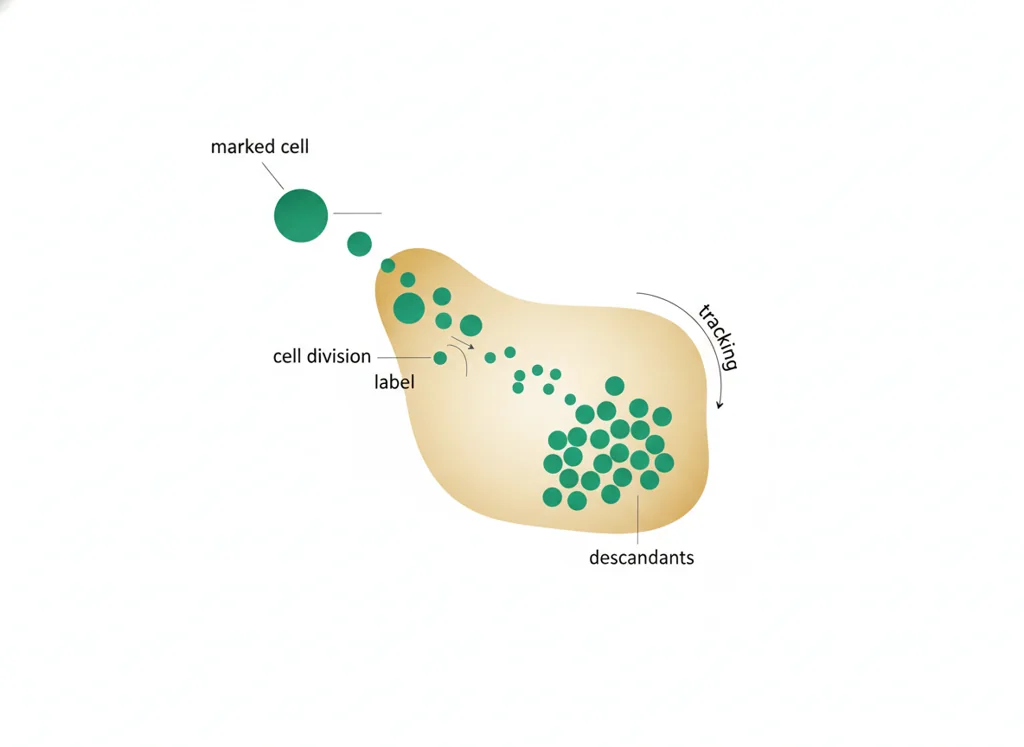
A method that tags a starting cell with a permanent marker so all of its descendant cells can be tracked over time.
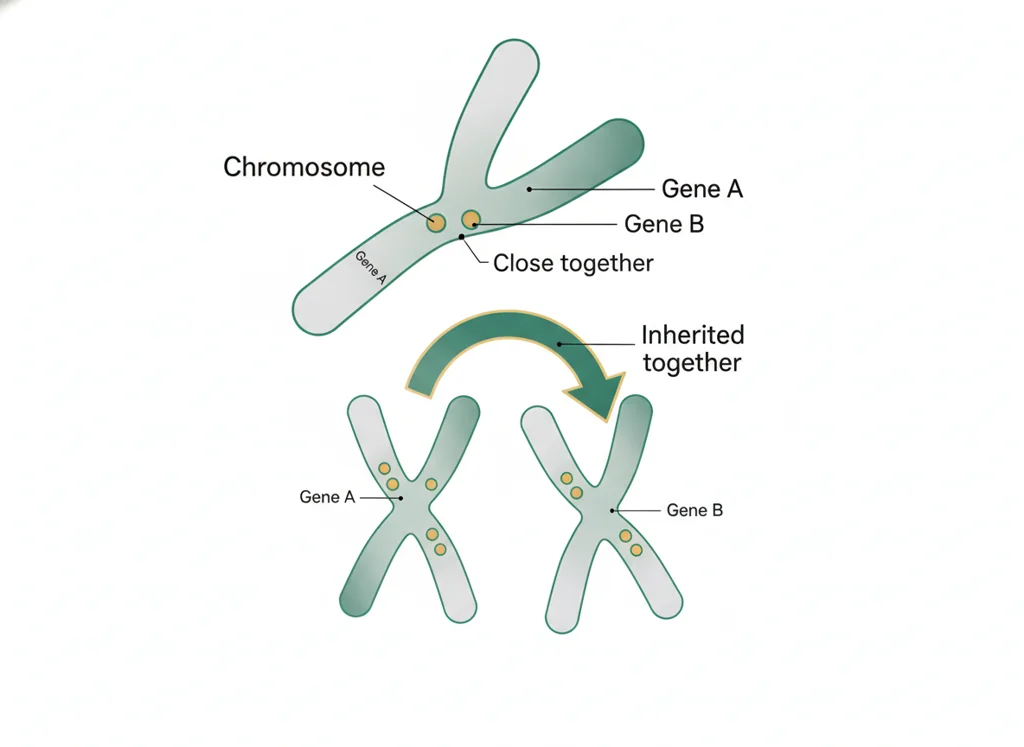
The tendency of two spots close together on a chromosome to be inherited together.
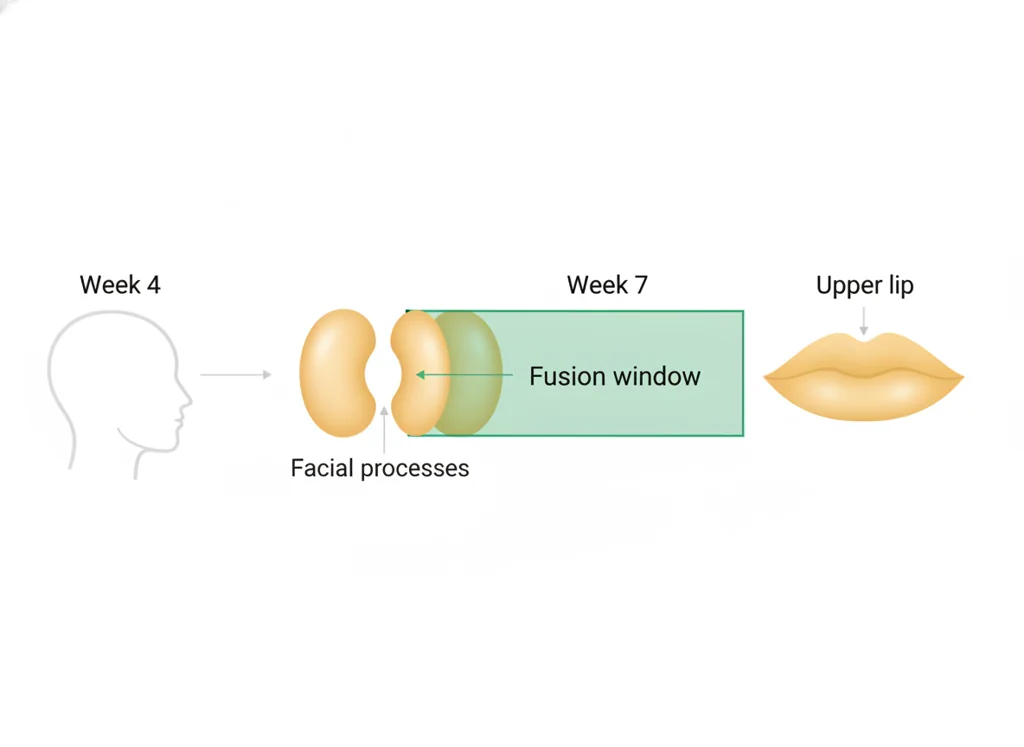
The brief stretch of early development when the facial processes must join to form the upper lip, around weeks four to seven.
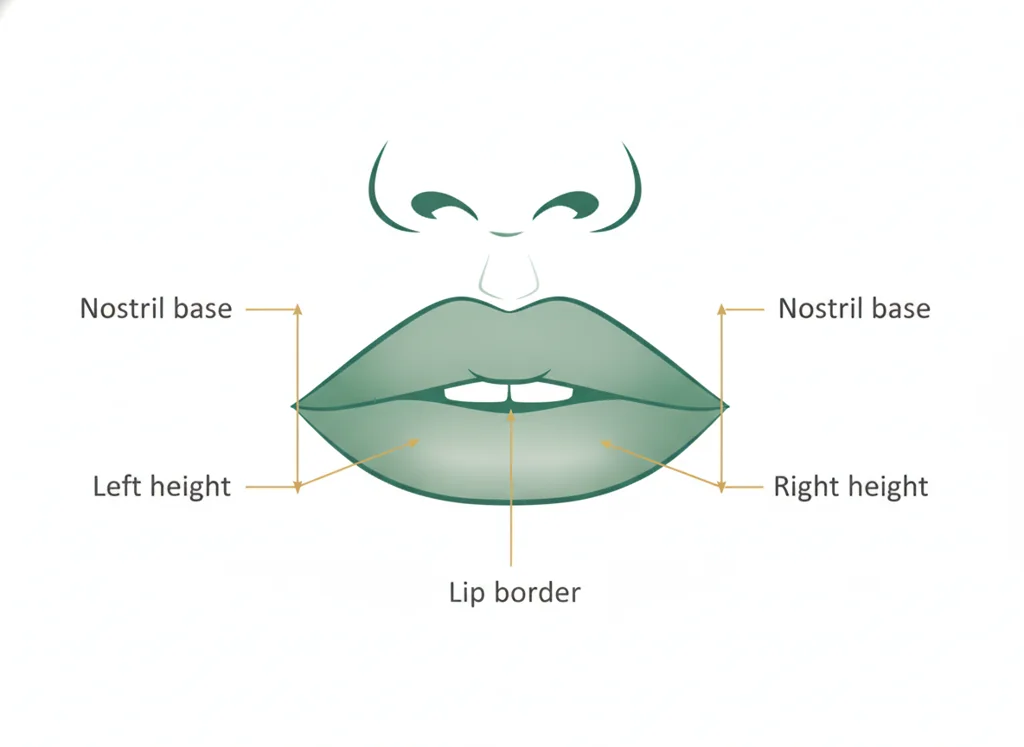
The vertical distance of the upper lip from its base to its edge, measured to judge symmetry and surgical repair results.
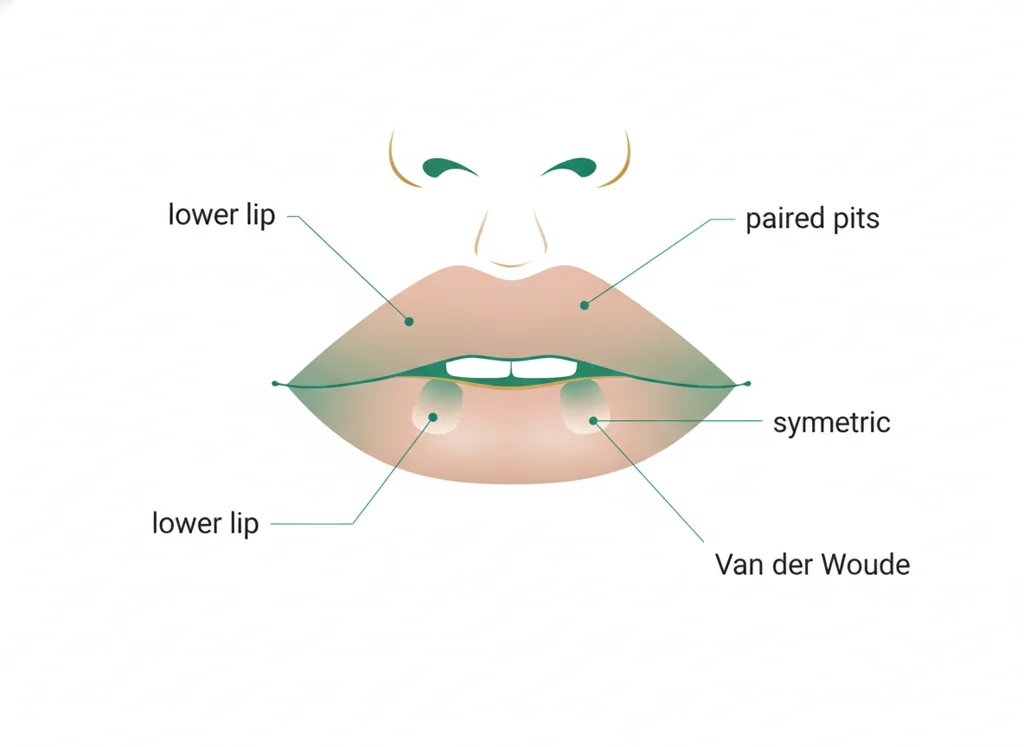
Small paired depressions on the lower lip that serve as the hallmark sign flagging Van der Woude syndrome, a cleft-related disorder.
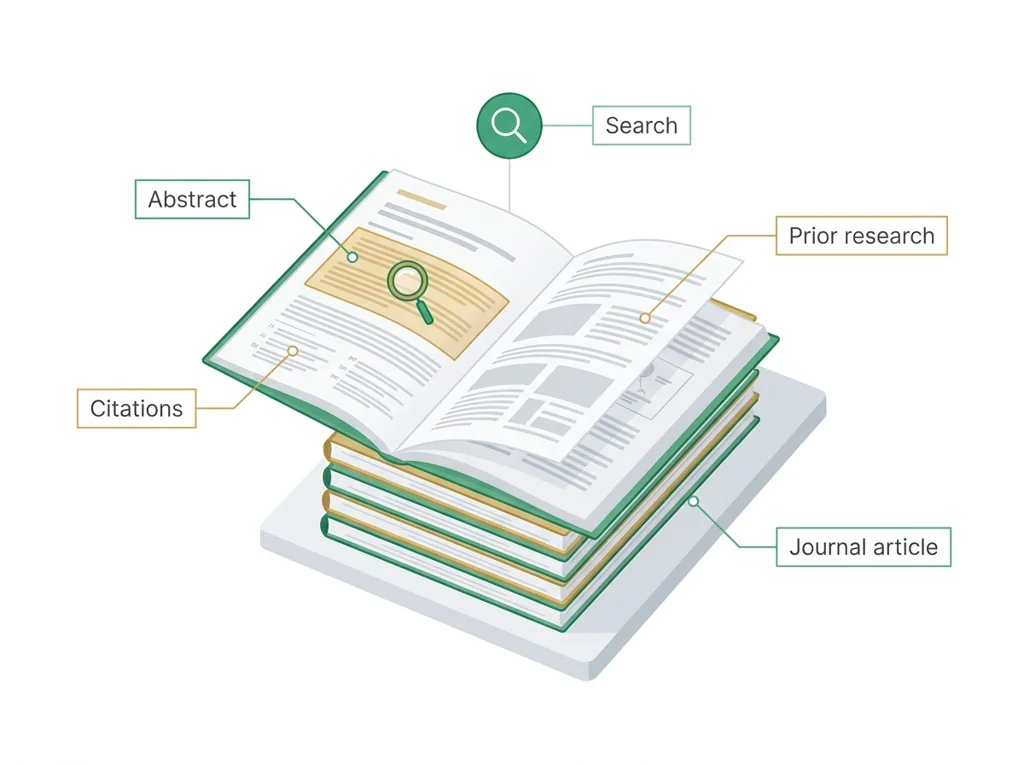
The body of published research articles and reports on a topic that scientists read to learn what is already known before doing new work.
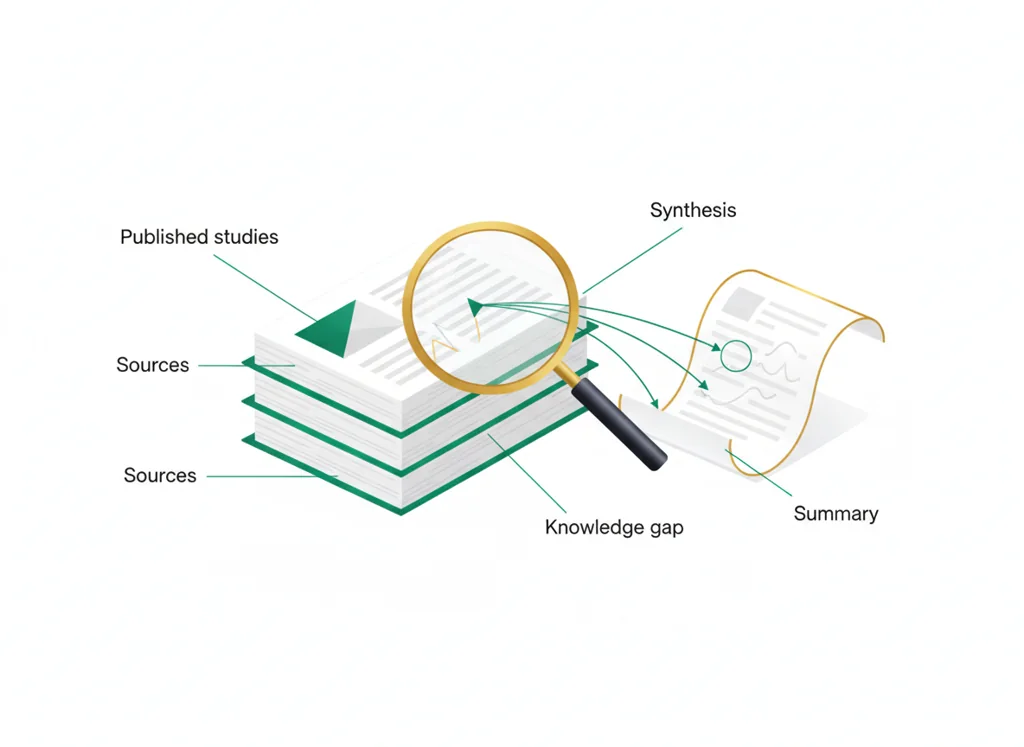
A careful summary and analysis of existing published research on a topic, used to find what is known and where gaps remain.
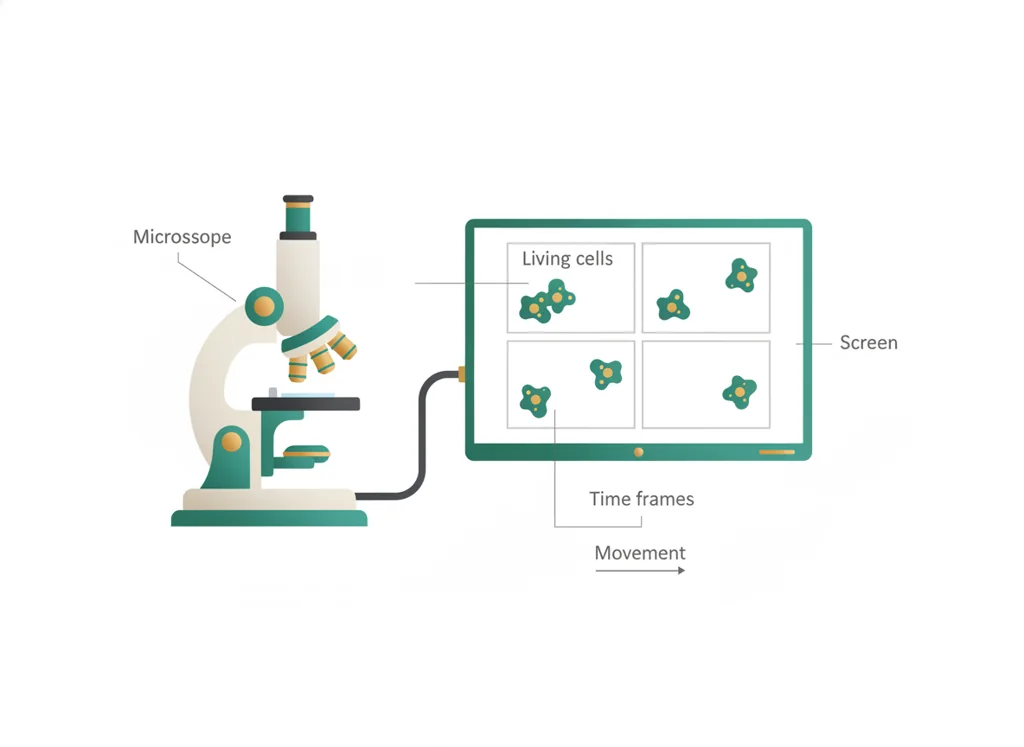
Watching cells or tissues under a microscope as they move and change over time, instead of viewing a single fixed snapshot.
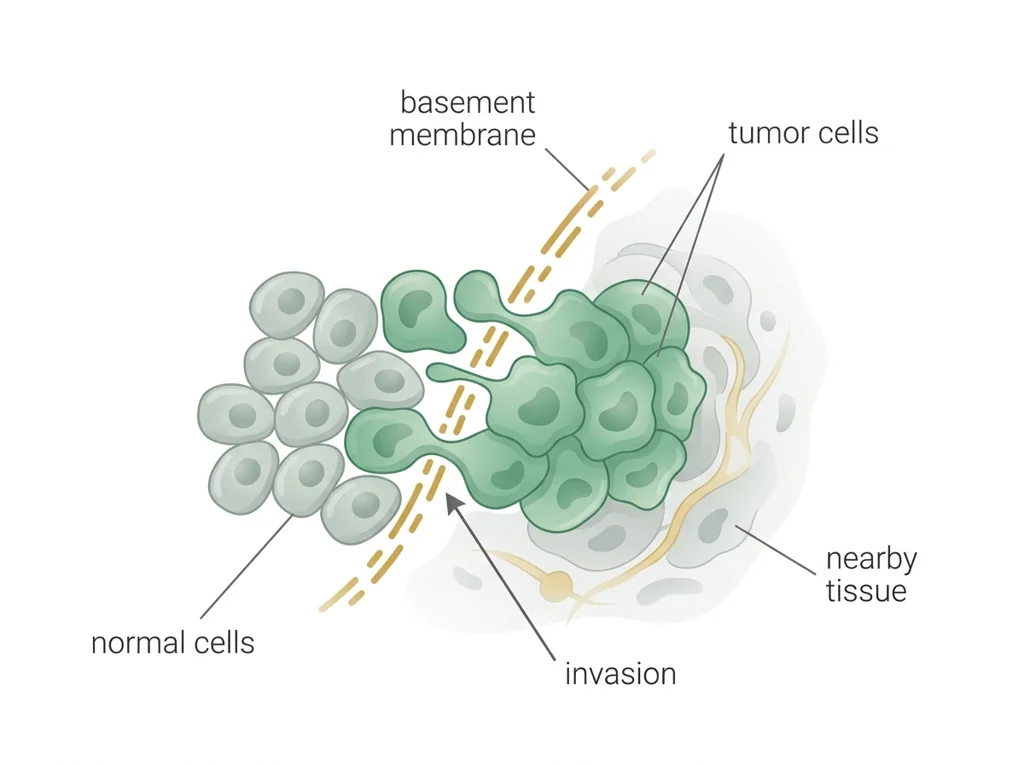
When cancer cells cross the basement membrane into nearby tissue, which differs from spreading to distant organs.
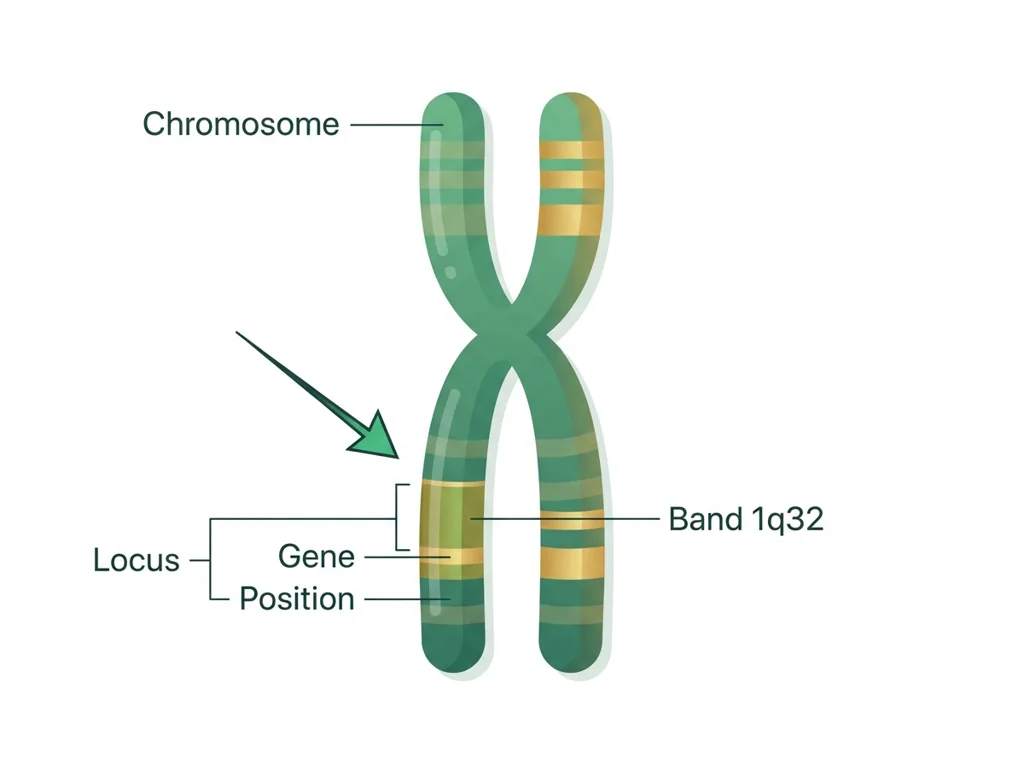
The specific address of a gene or marker on a chromosome, such as the band 1q32.
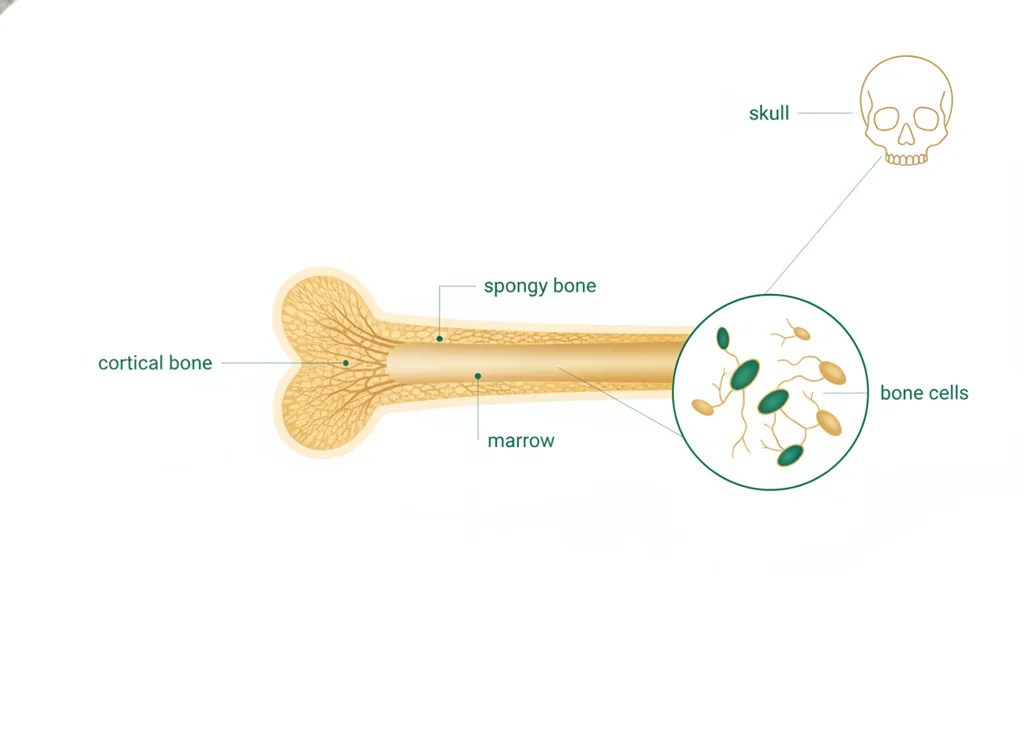
A cross-section of a femur showing the hard outer compact bone, the spongy bone inside, and the marrow that makes blood cells.
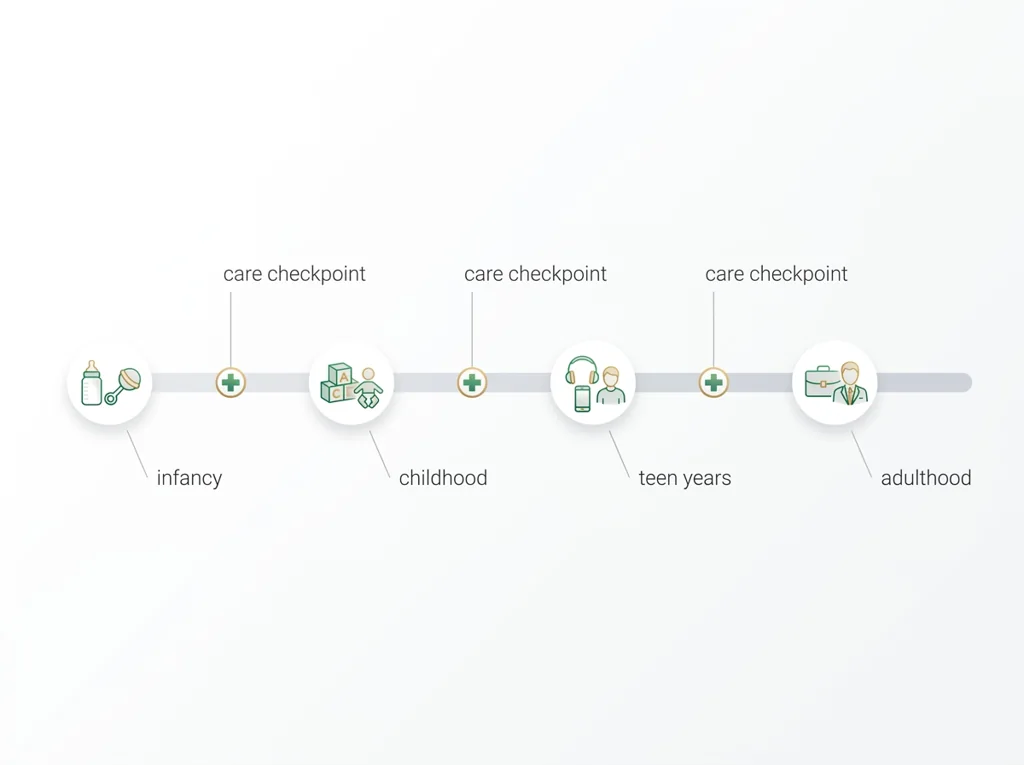
Ongoing medical care that follows a patient over many years through changing needs, rather than a single one-time treatment.
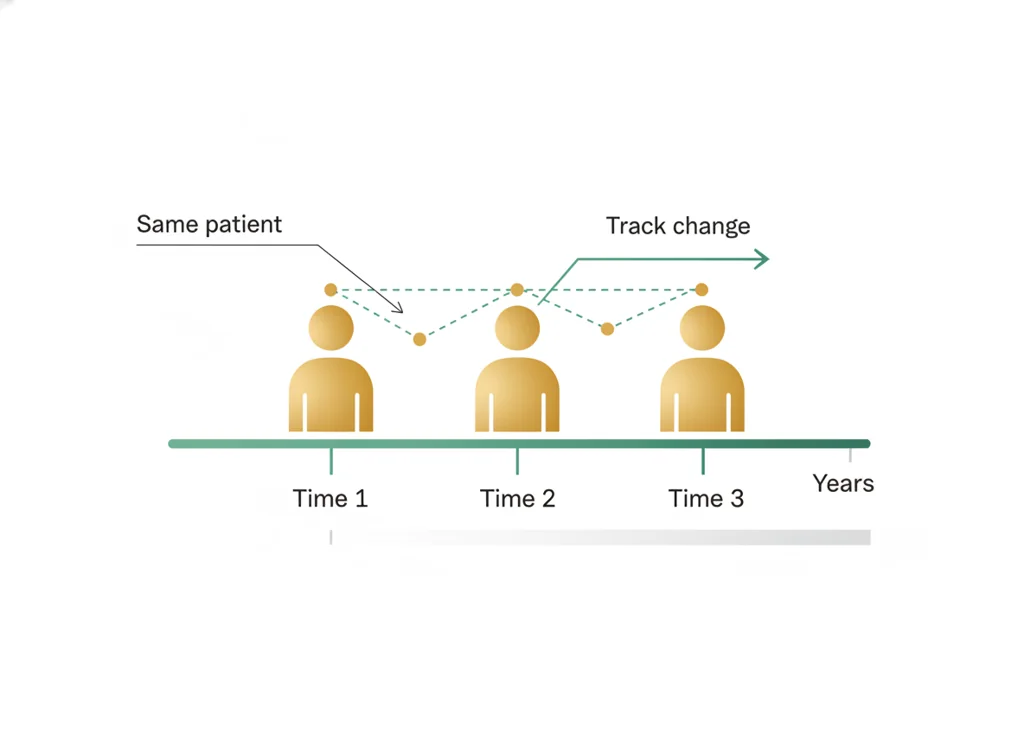
Following the same patients with repeated check-ups over months or years to track how their condition or treatment changes over time.
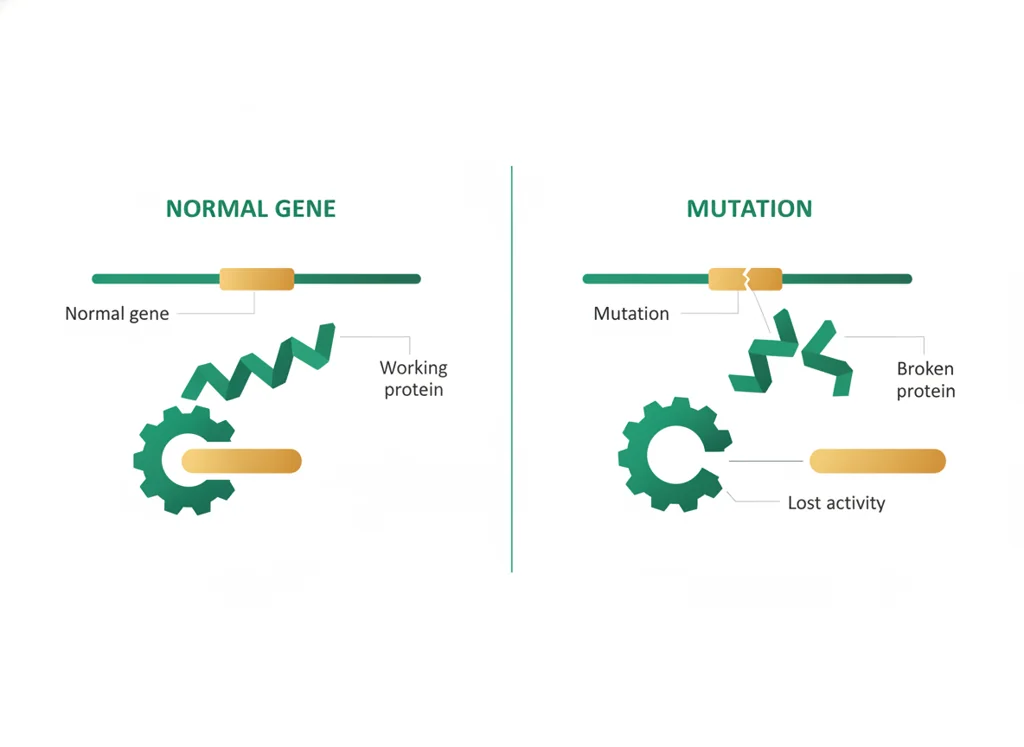
A genetic change that reduces or removes a protein's normal activity, so the cell loses what that protein usually does.
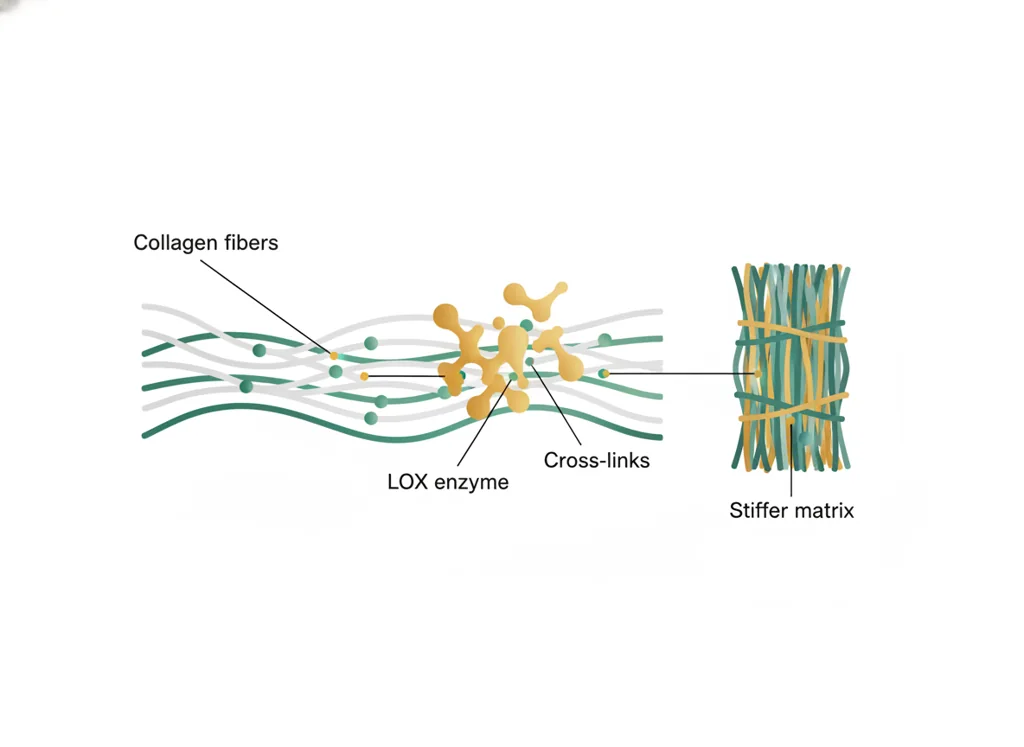
An enzyme (lysyl oxidase) that ties collagen fibers together, making the surrounding matrix denser and stiffer.
The hardening of the extracellular matrix caused by lysyl oxidase (LOX) crosslinking collagen fibers, a change that can drive tumor growth and spread.
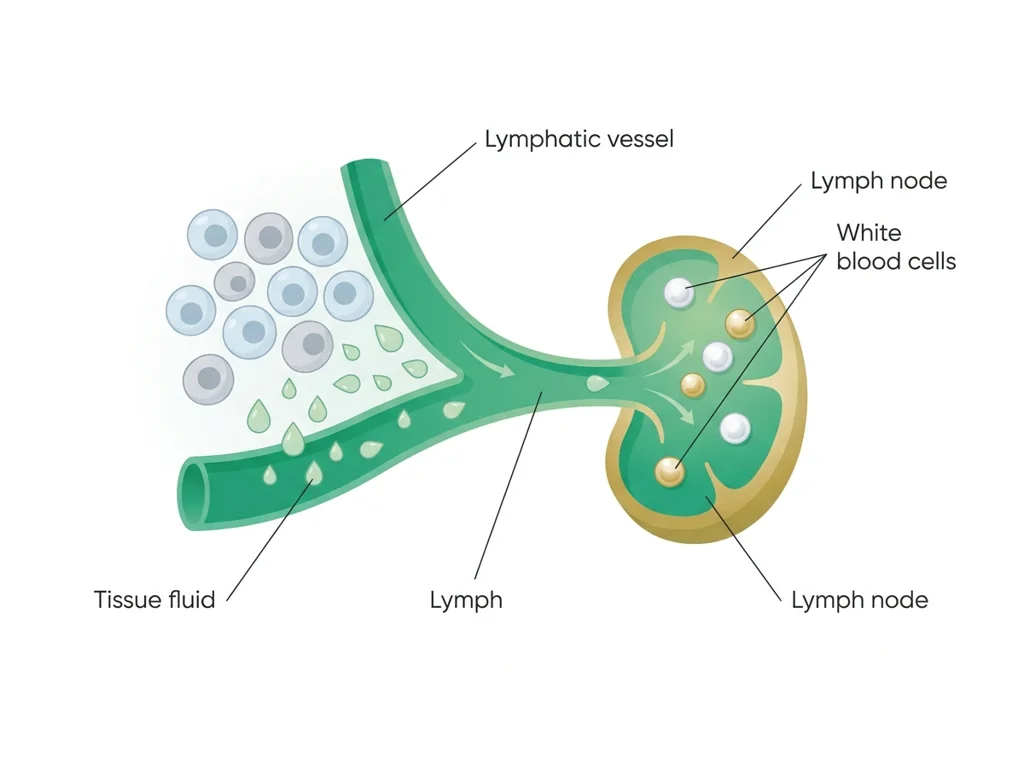
A clear fluid that drains from body tissues into lymphatic vessels, carrying white blood cells and helping the body fight infection.
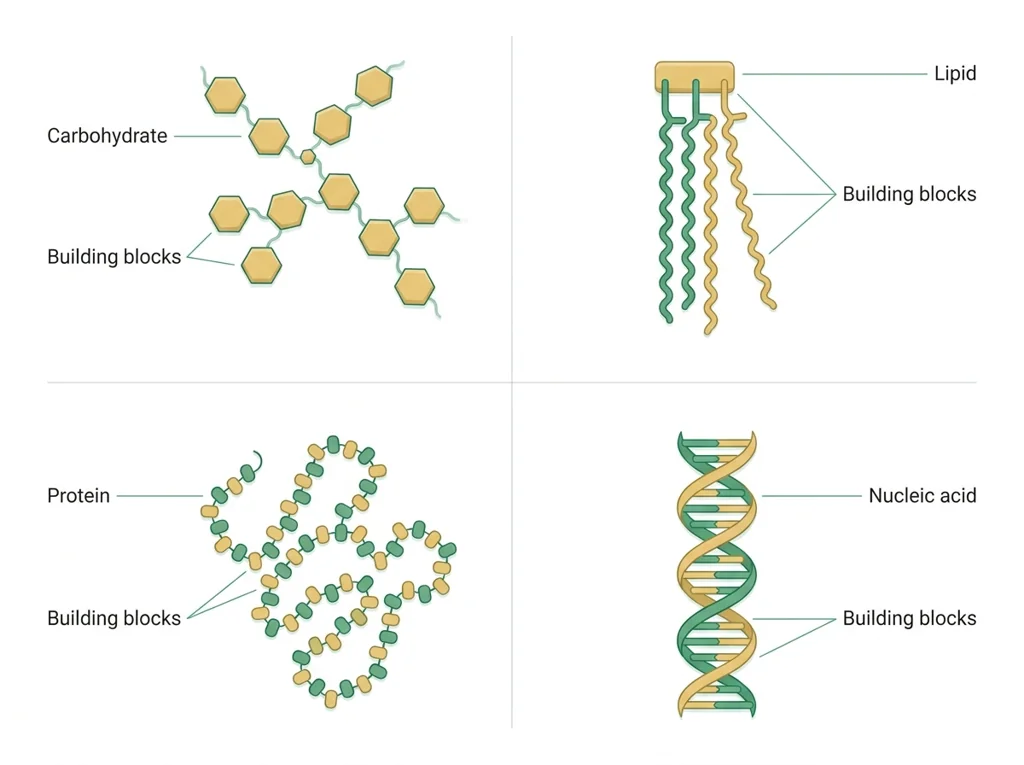
A large biological molecule built from smaller units, with the four main classes being carbohydrates, lipids, proteins, and nucleic acids.
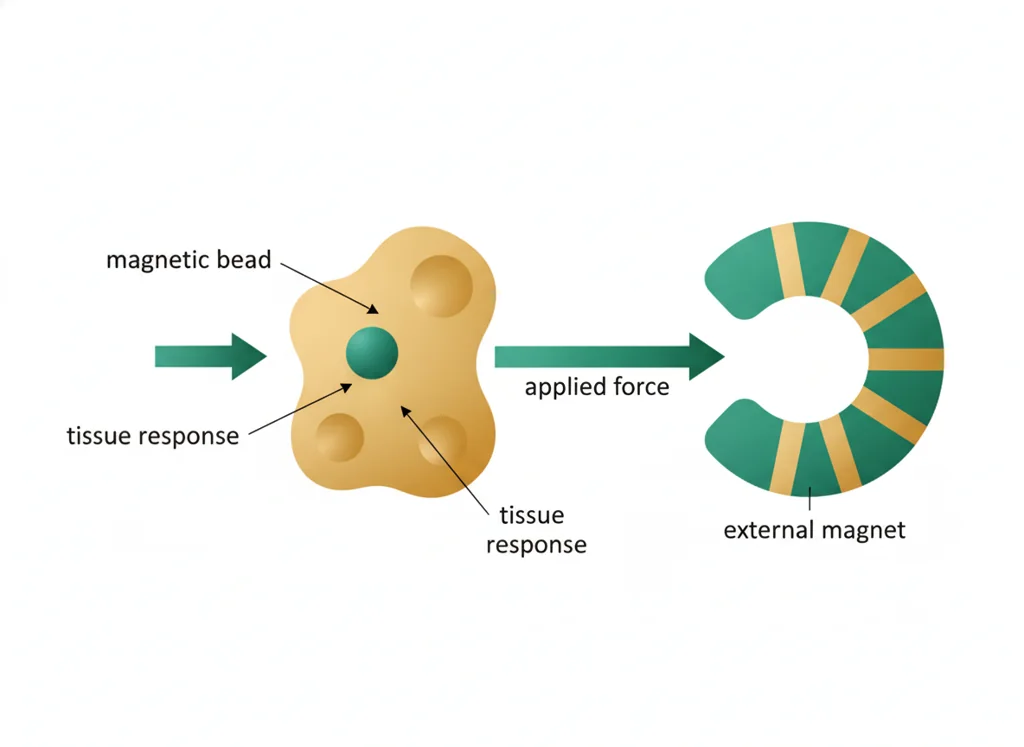
Using tiny magnetic beads and an outside magnet to push or pull on cells or tissue and measure how strongly they push back.
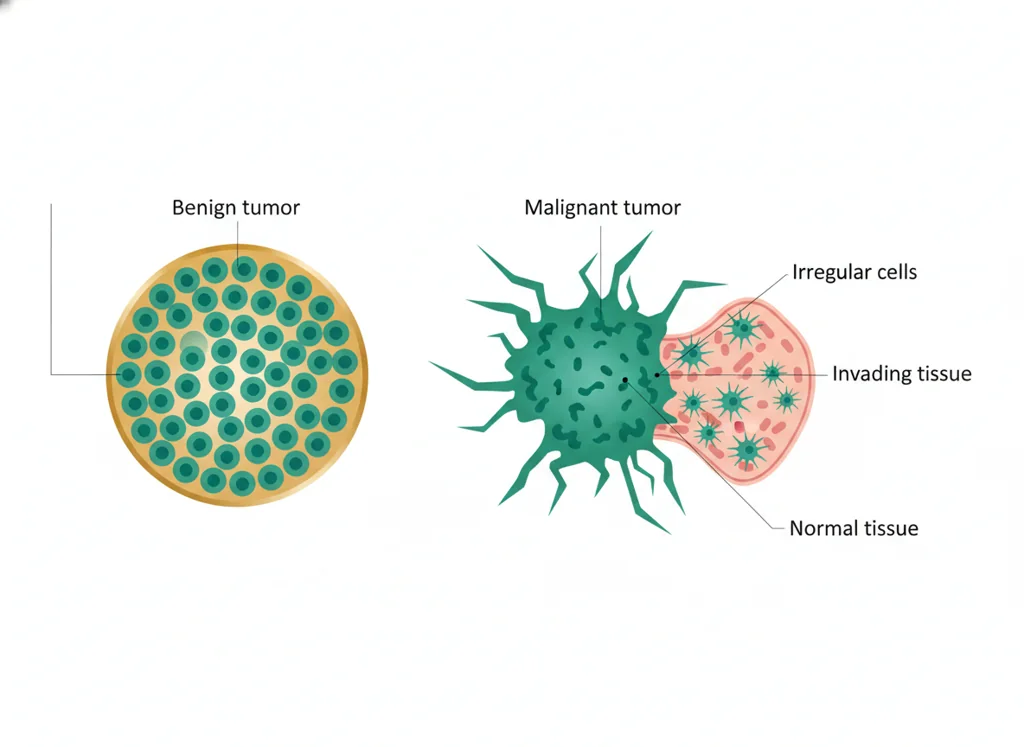
Describing a tumor that grows aggressively, invades nearby tissue, and can spread to distant parts of the body, making it cancerous and dangerous.
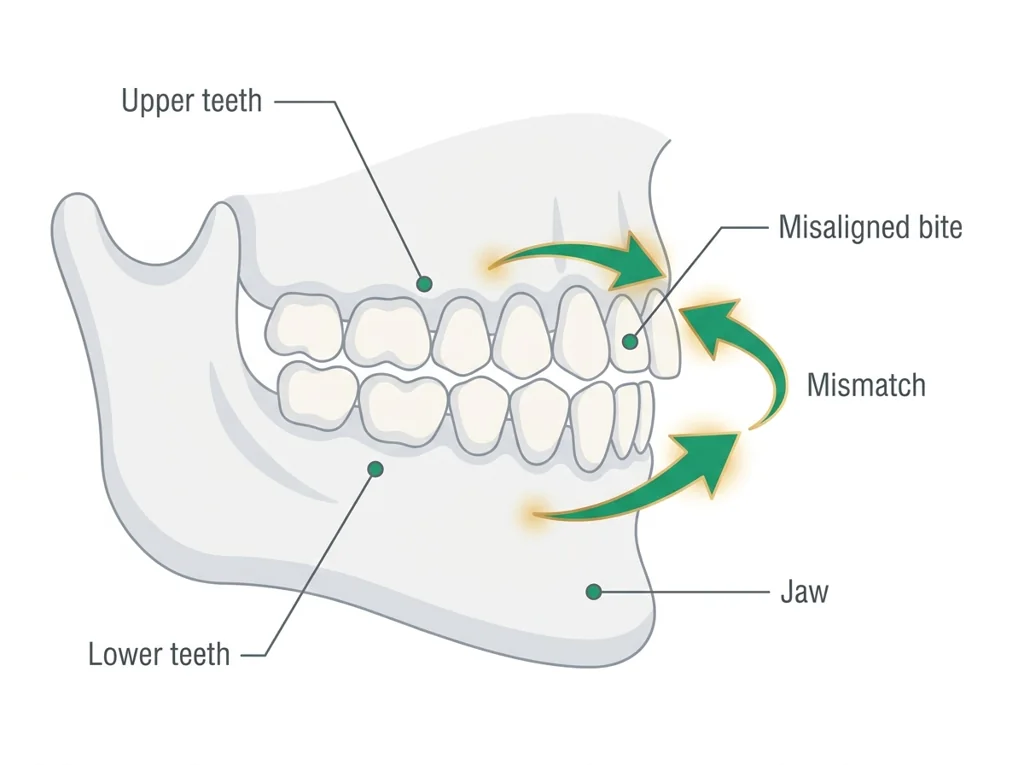
A misalignment of the upper and lower teeth so they do not meet properly when the jaws close.
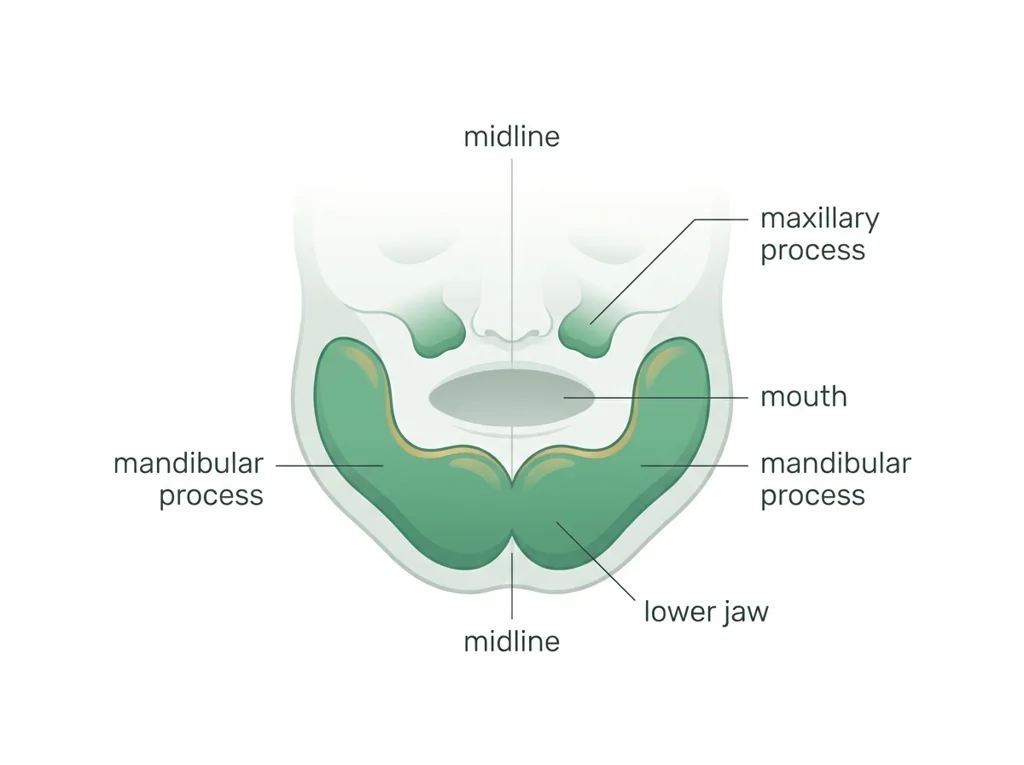
The paired early facial swellings below the mouth that grow toward each other to form the lower jaw and chin.
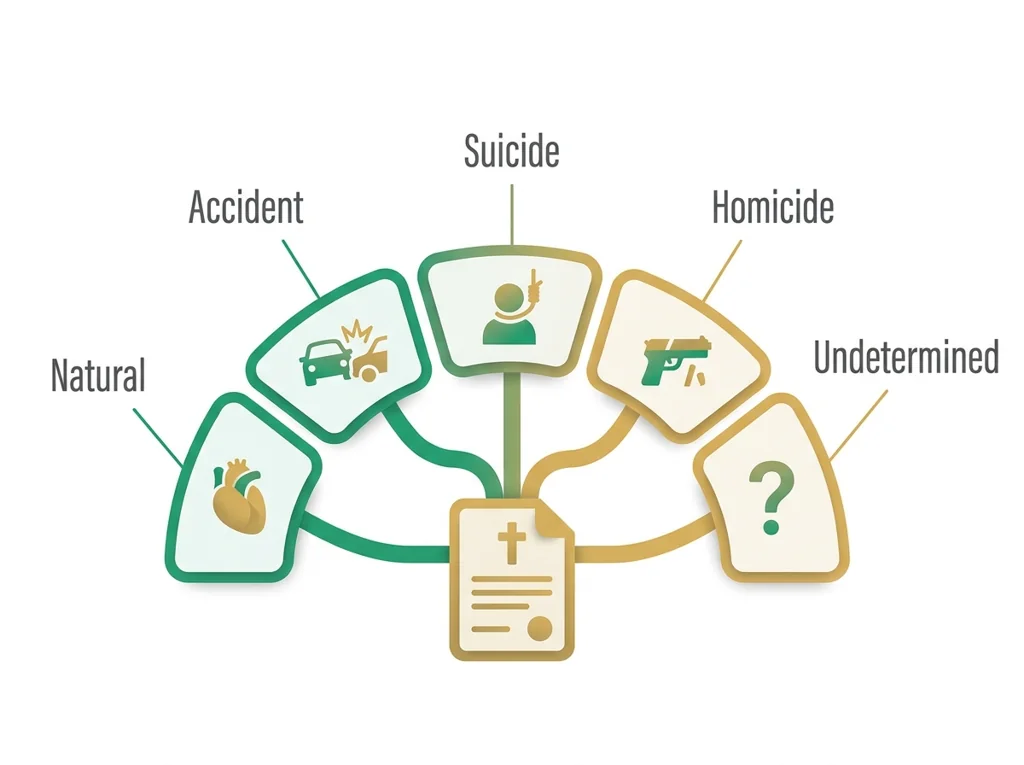
The classification of how a death came about, falling into categories such as natural, accident, suicide, homicide, or undetermined.
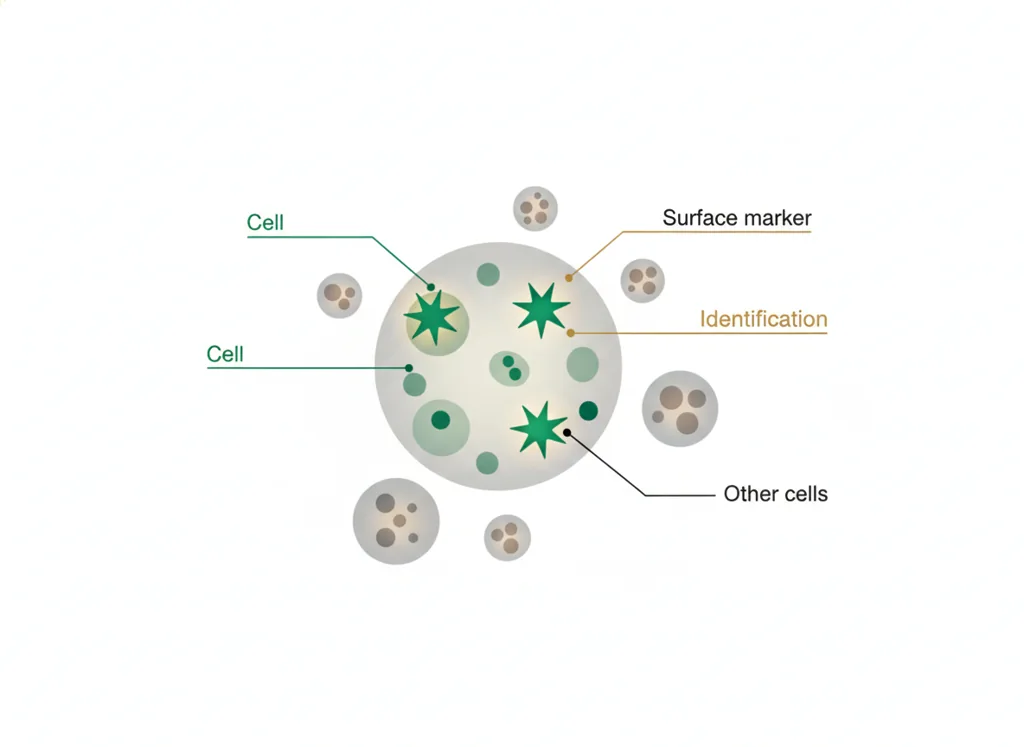
A measurable feature, molecule, or gene used to identify a cell, organism, or condition, like a flag that signals something specific.
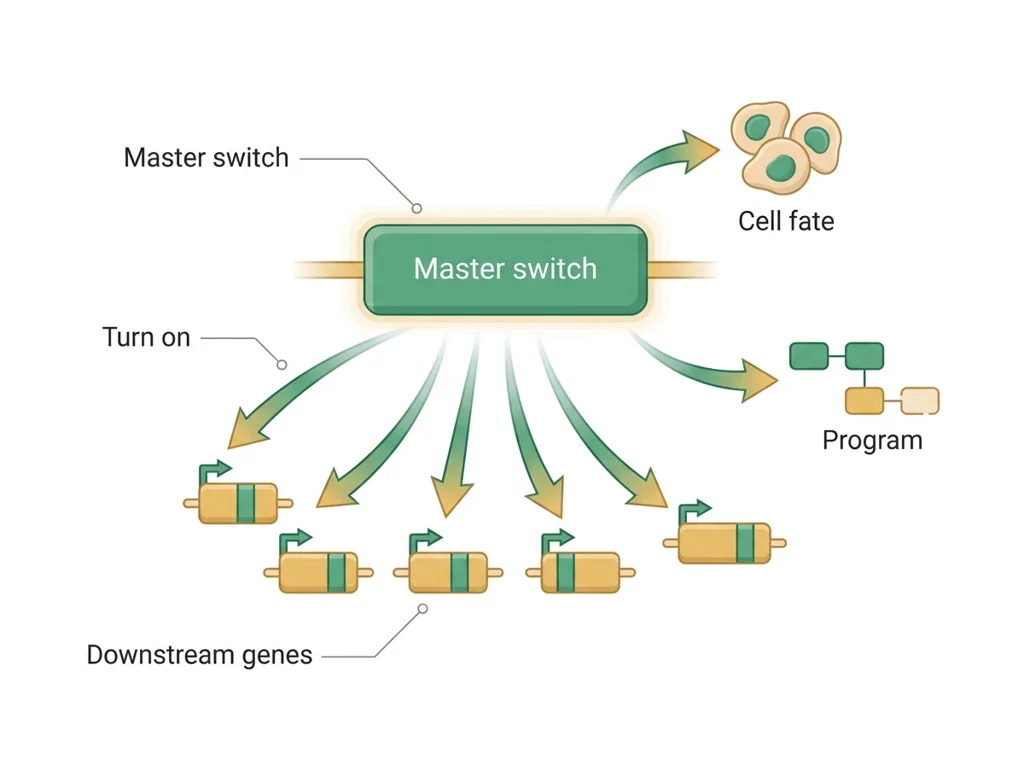
A single controlling gene whose activity turns a whole program of other genes on, steering a cell toward one fate.
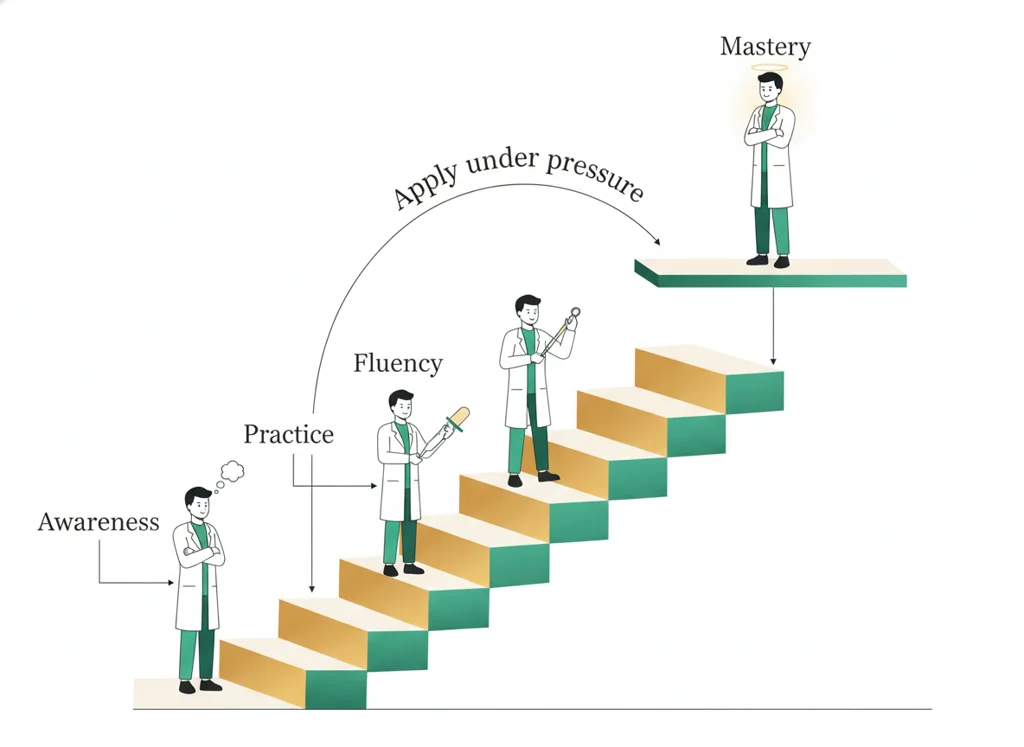
Knowing a skill or concept well enough to use it confidently under pressure, not just recognizing it on a slide.
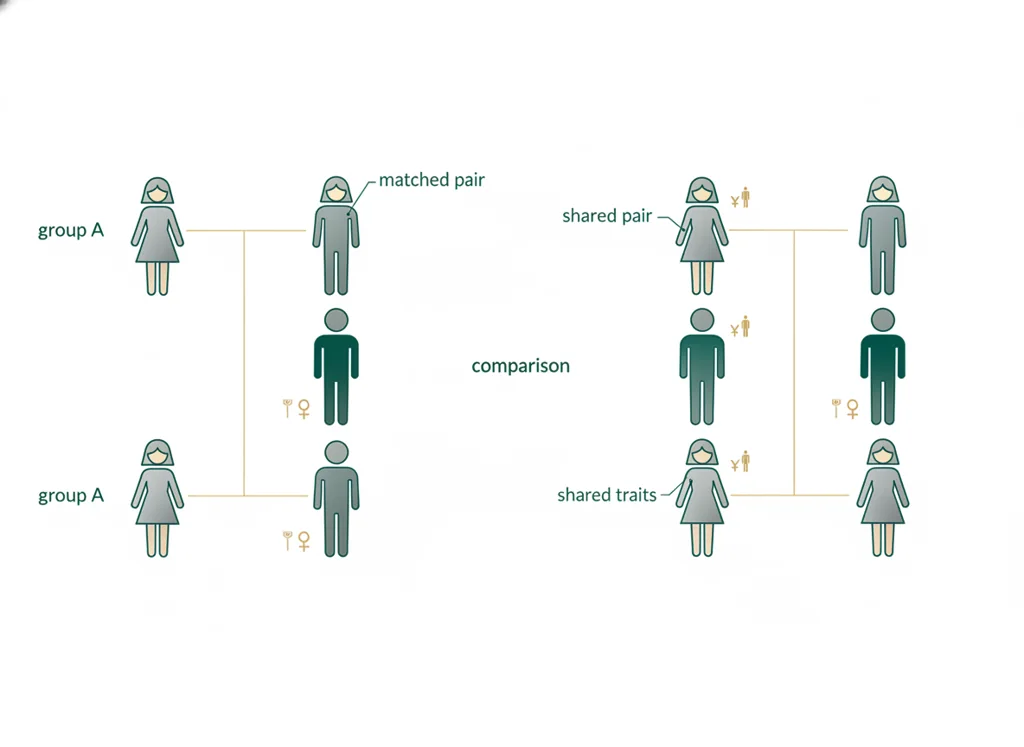
Pairing study participants with similar traits like age or sex across groups so those traits cannot bias the comparison.
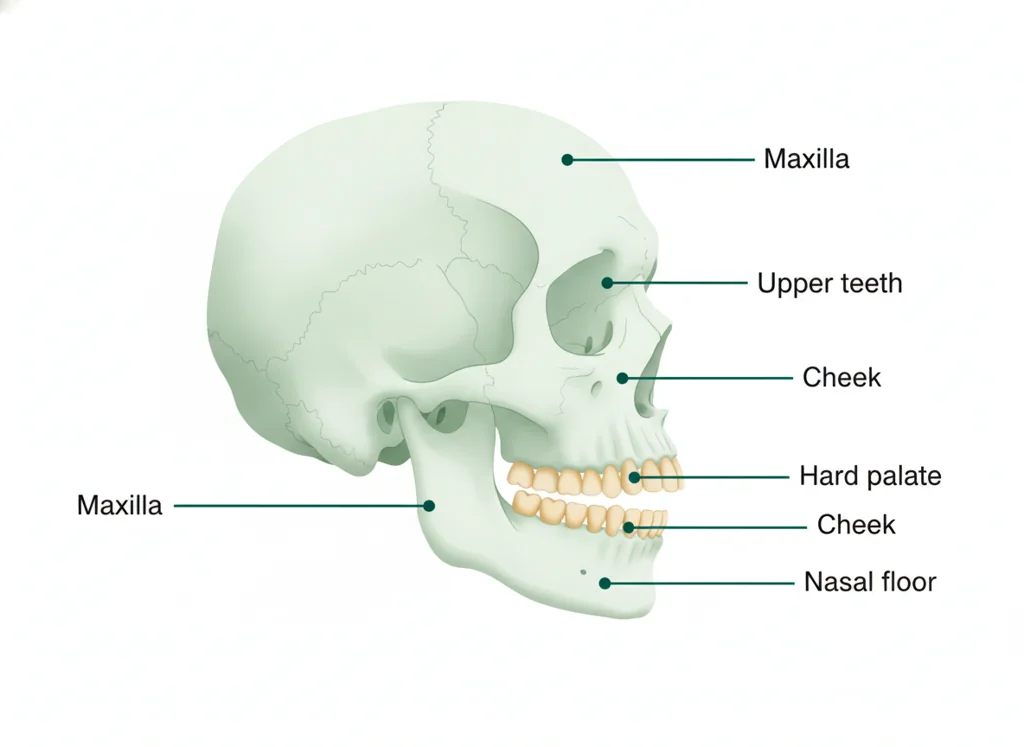
The paired upper jaw bone that forms the front of the hard palate, holds the upper teeth, and shapes the middle of the face.
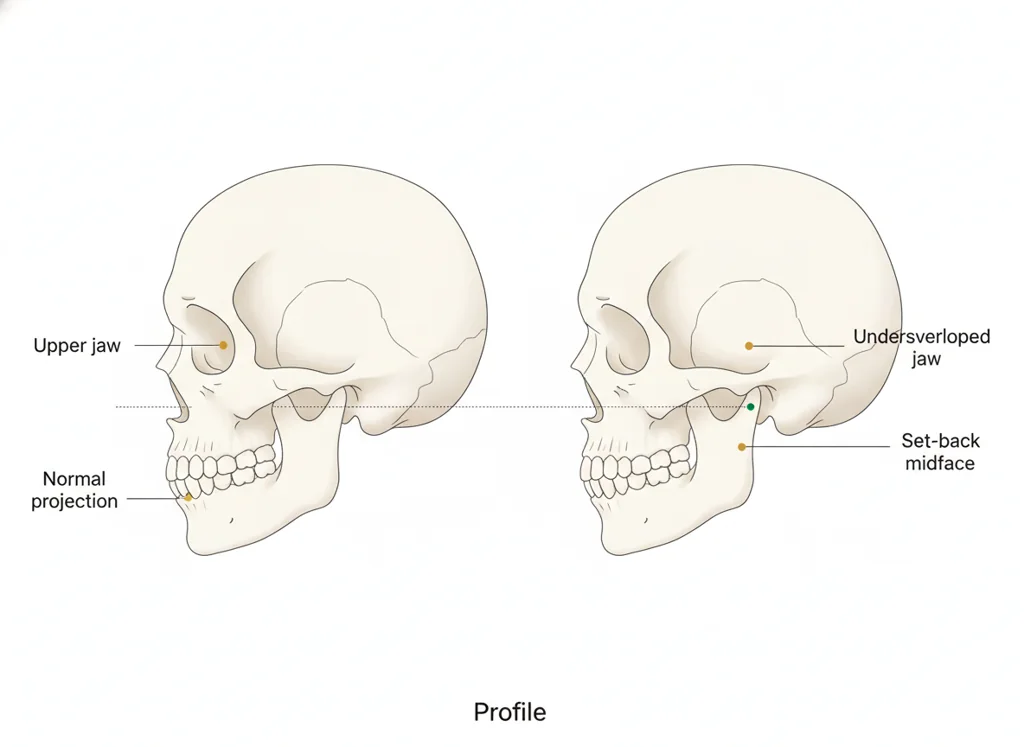
Underdevelopment of the upper jaw, leaving the midface small or set back, a frequent late issue after cleft repair.
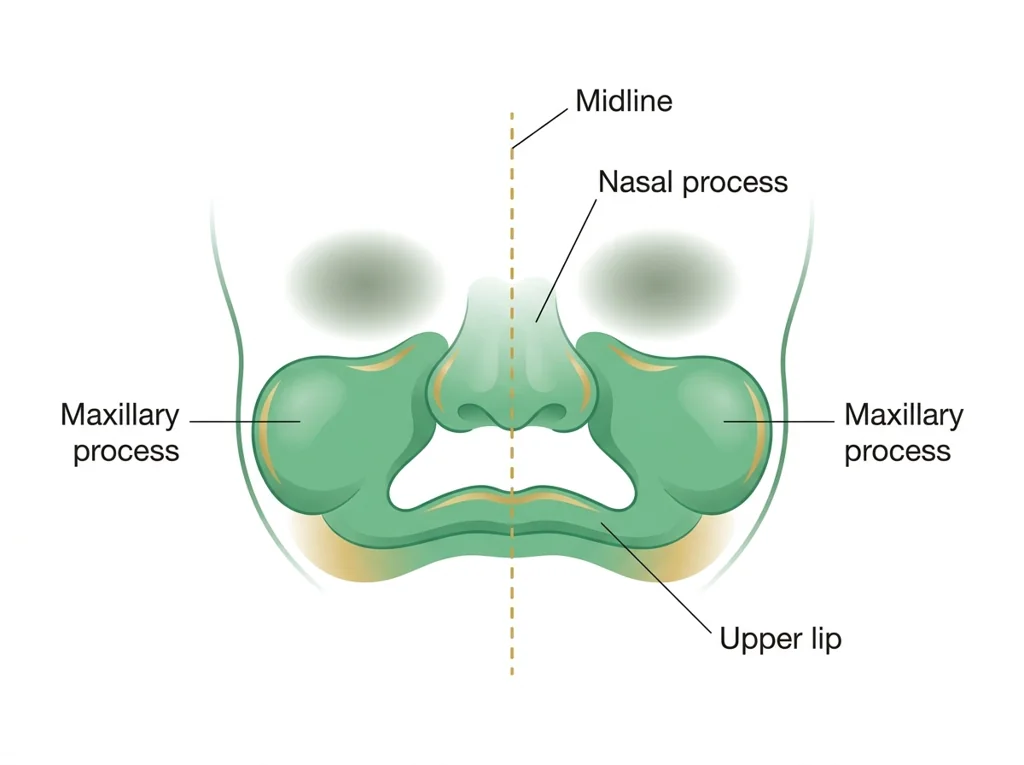
A paired bulge of embryo tissue that grows toward the midline to form the upper jaw, cheeks, and sides of the upper lip.
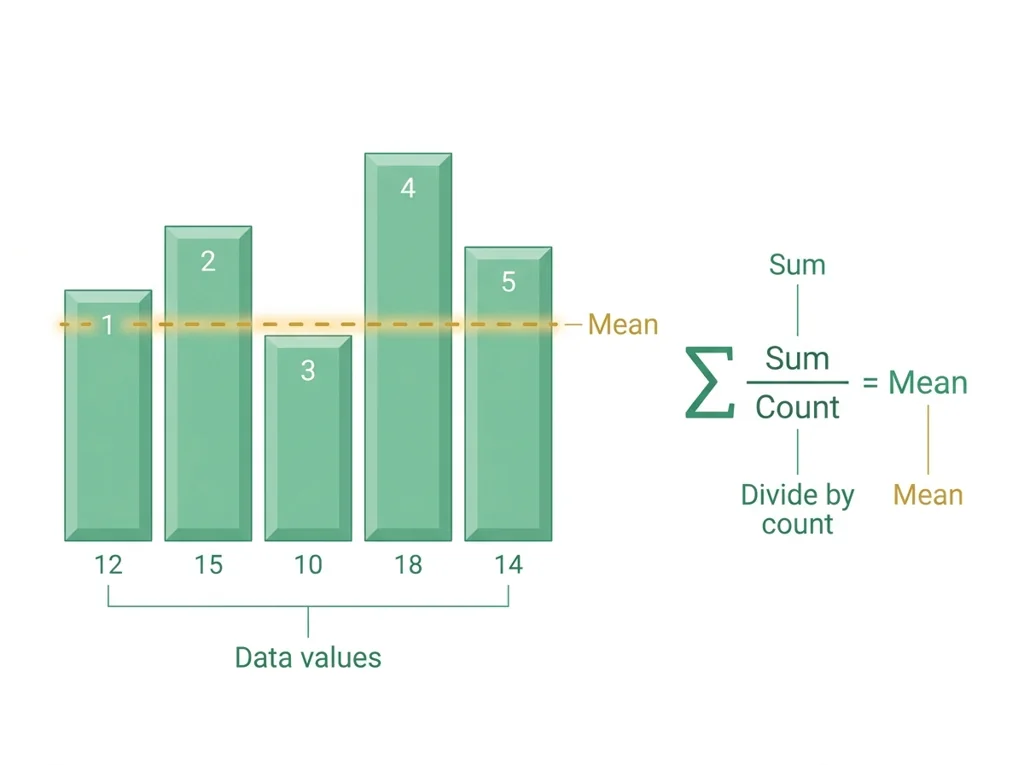
The average of a set of numbers, found by adding all the values together and dividing by how many values there are.
The branch of physics dealing with forces and motion, including how pushes, pulls, and loads act on bodies and structures.
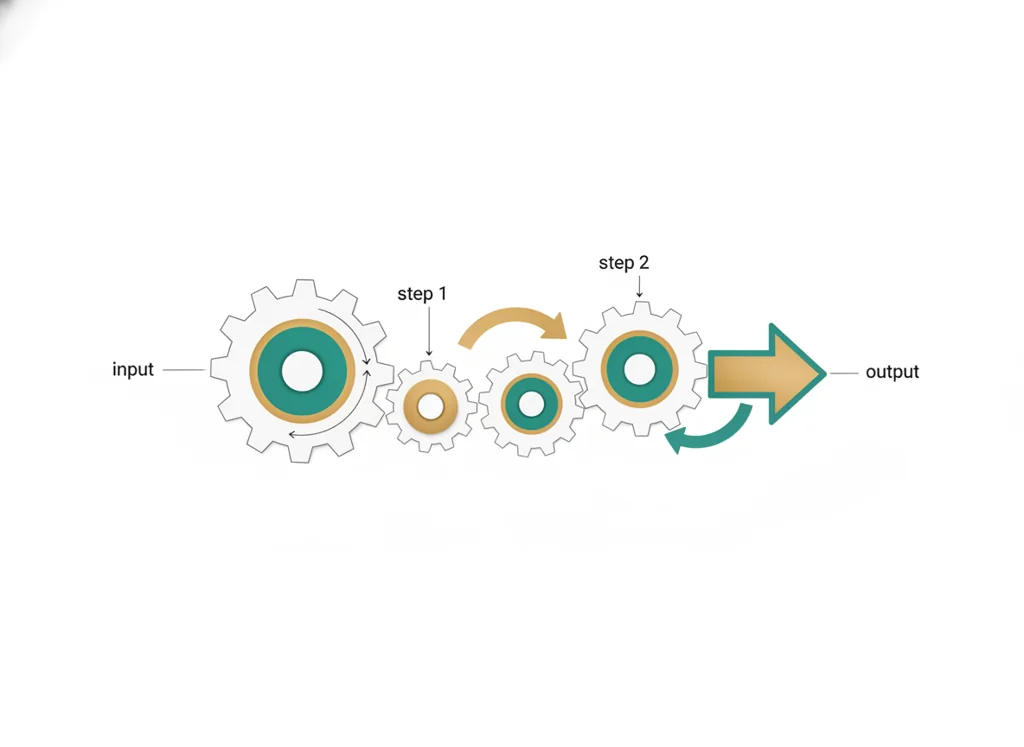
The step-by-step chain of physical and chemical events that explains how a process actually produces its result.
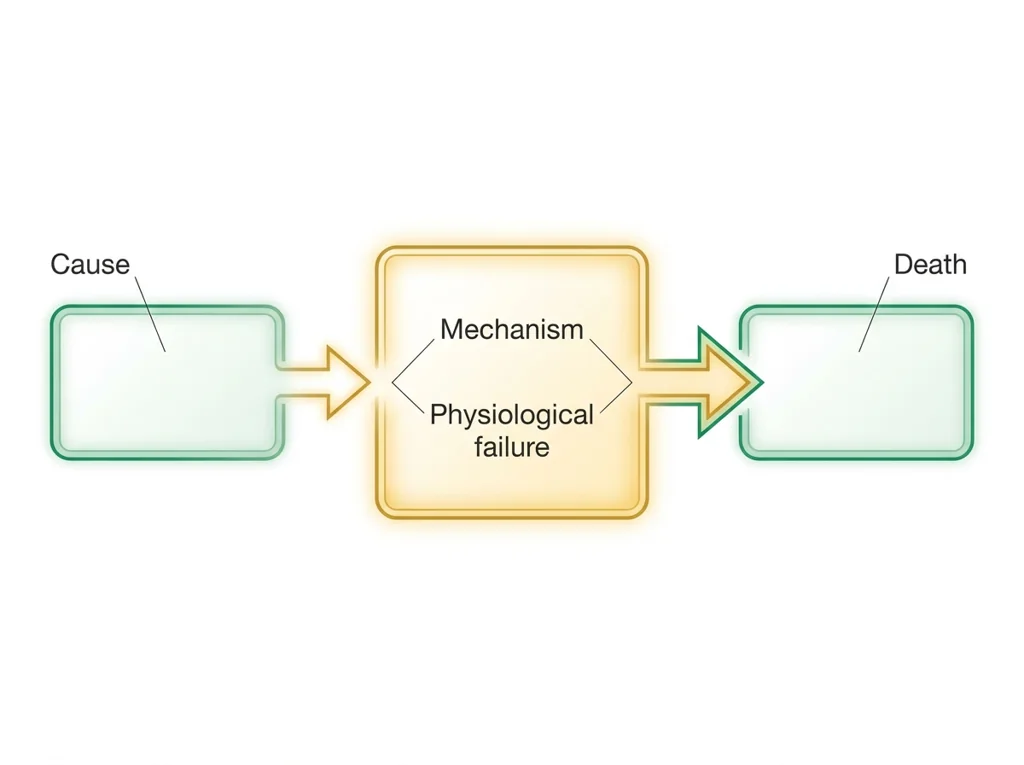
The specific physiological breakdown inside the body that directly ends life, such as a fatal heart rhythm or blood loss, separate from the underlying cause.
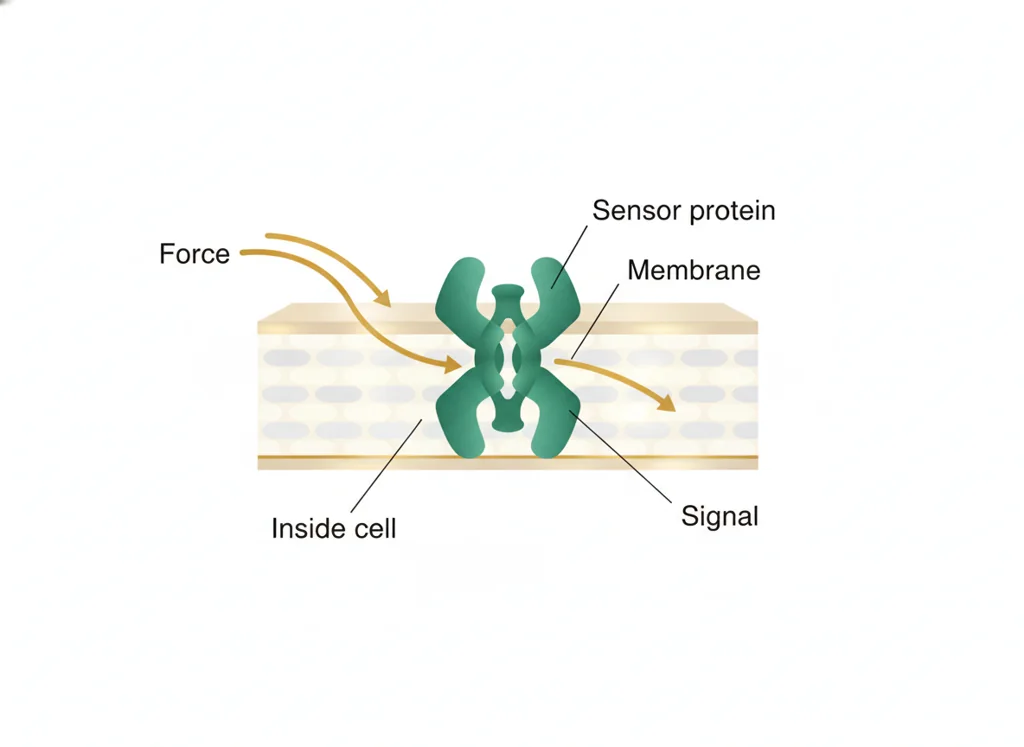
A cell part that senses physical force and passes the message along, acting like a tiny force gauge.
The process by which a cell senses physical forces, such as matrix stiffness, and converts them into chemical signals that change its behavior.
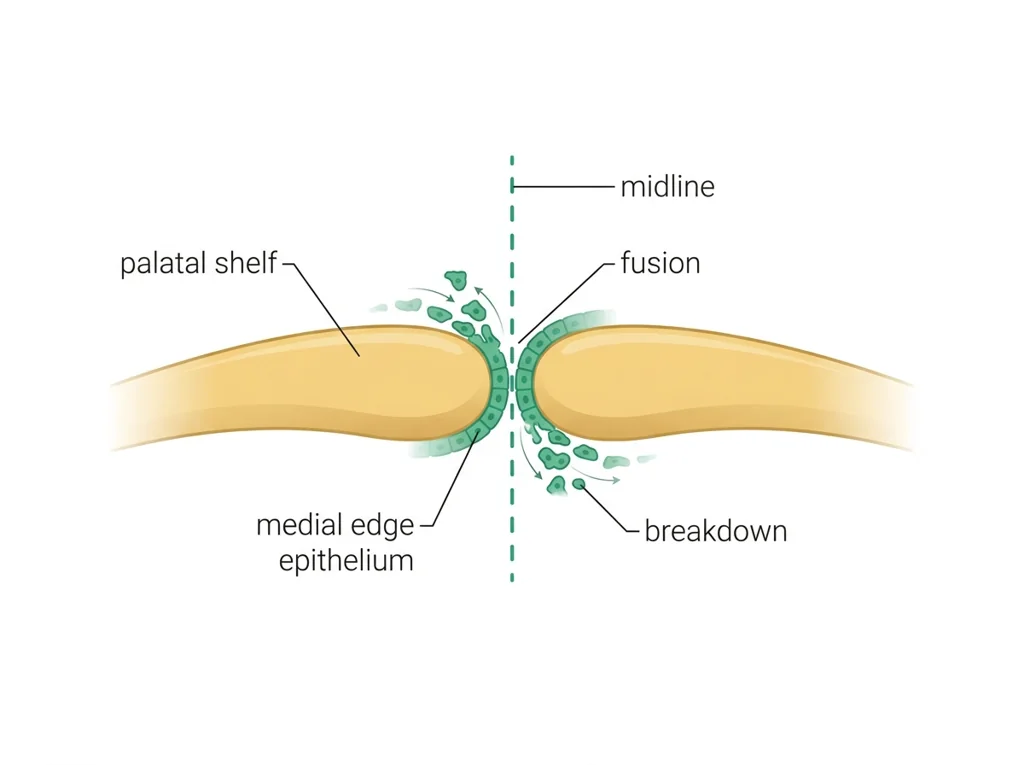
The cell layer on the inner edge of each palatal shelf, which must be removed for the shelves to fuse into a single palate.
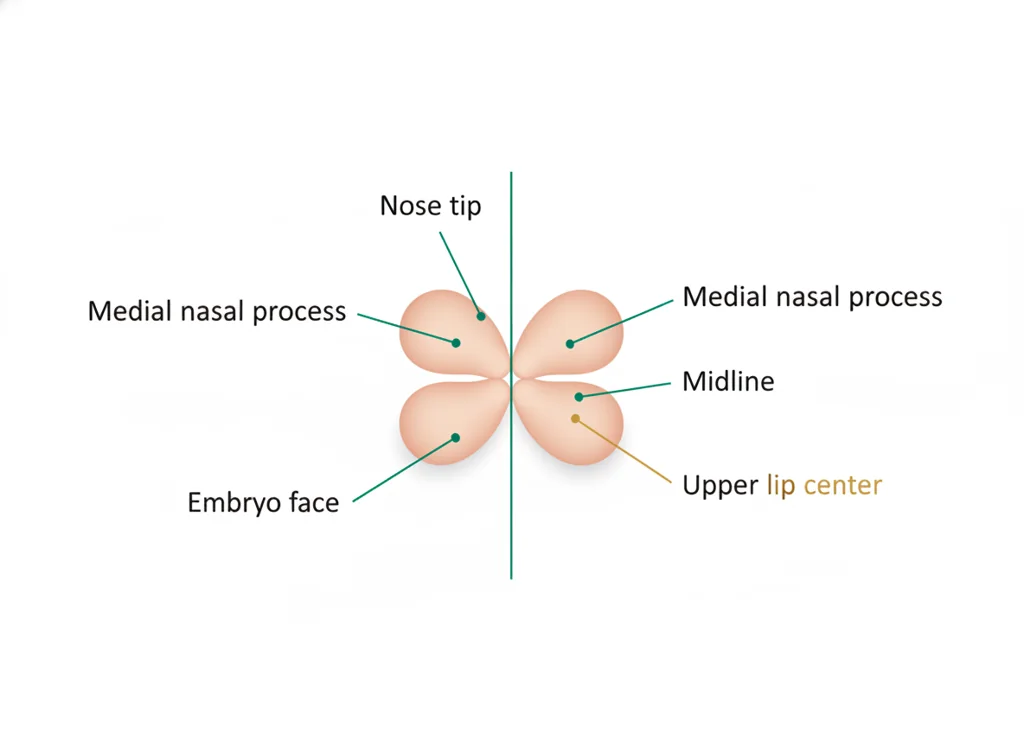
A pair of inner embryonic tissue bulges that merge to form the center of the upper lip, the philtrum, and the tip of the nose.
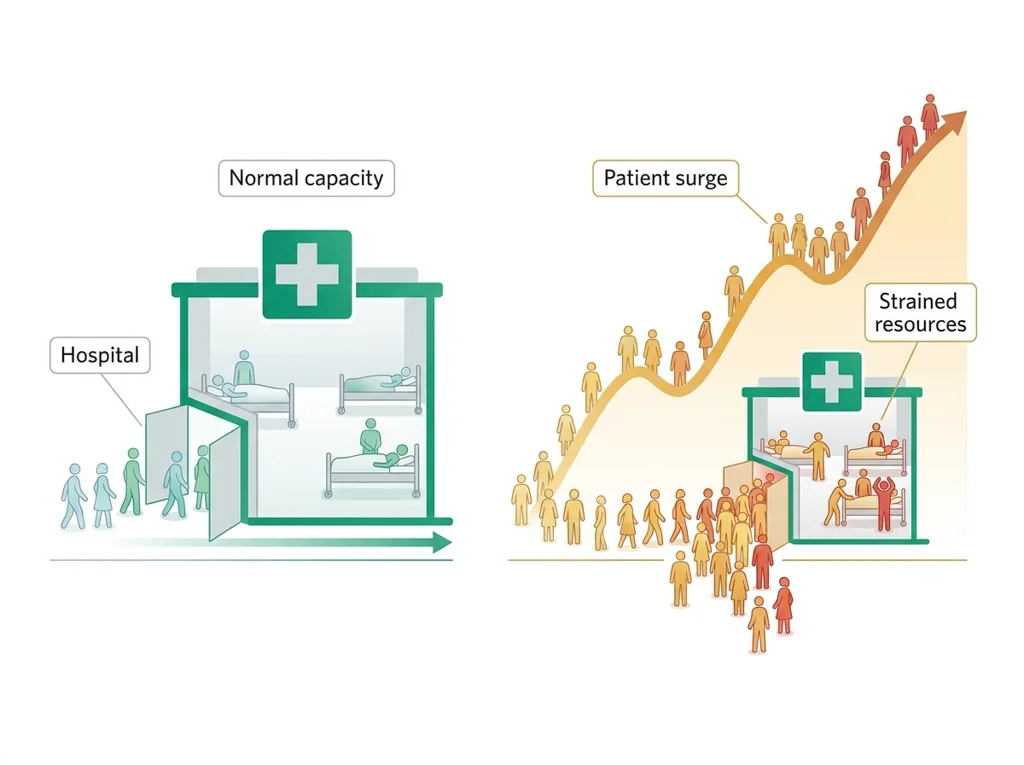
A sudden rise in patients that strains a healthcare system beyond normal capacity, as during a disaster, outbreak, or mass-casualty event.
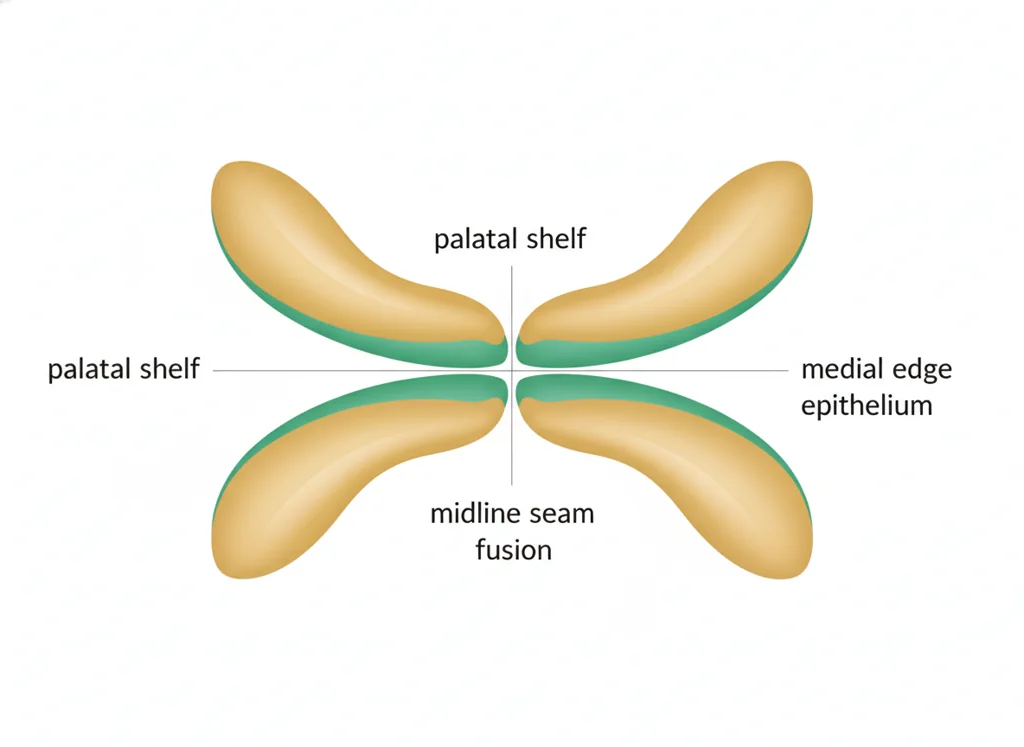
The medial edge epithelium, the cell layer along each palatal shelf edge that must disappear so the two shelves can fuse.
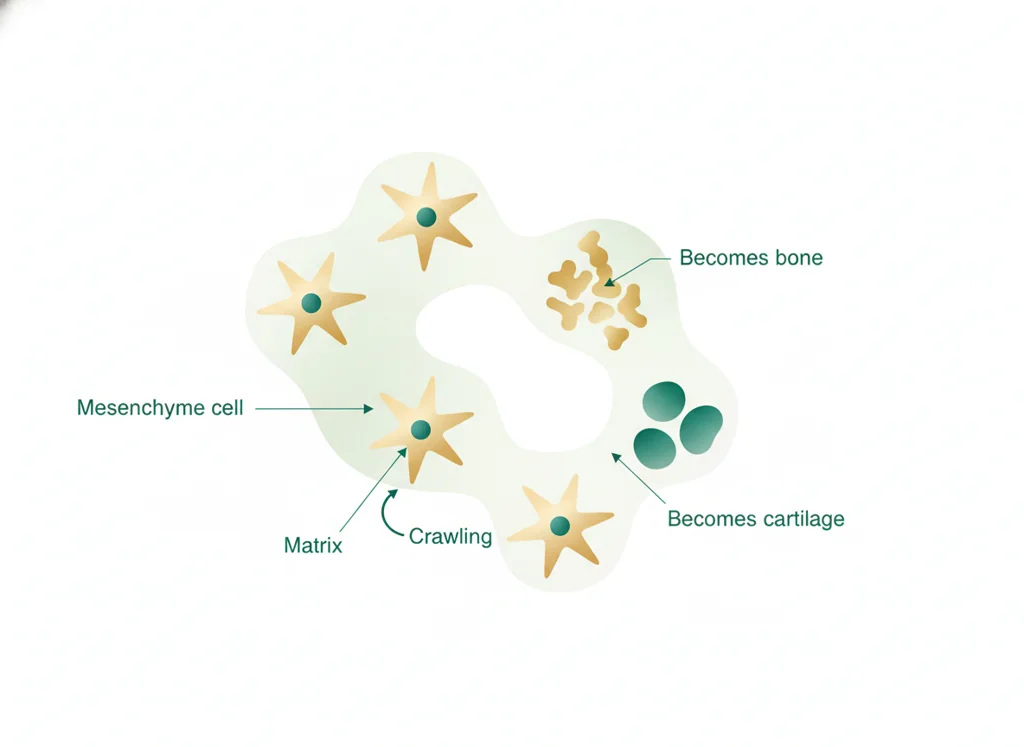
Loose, unsettled cells in a watery matrix that can crawl and later become bone, cartilage, or connective tissue.
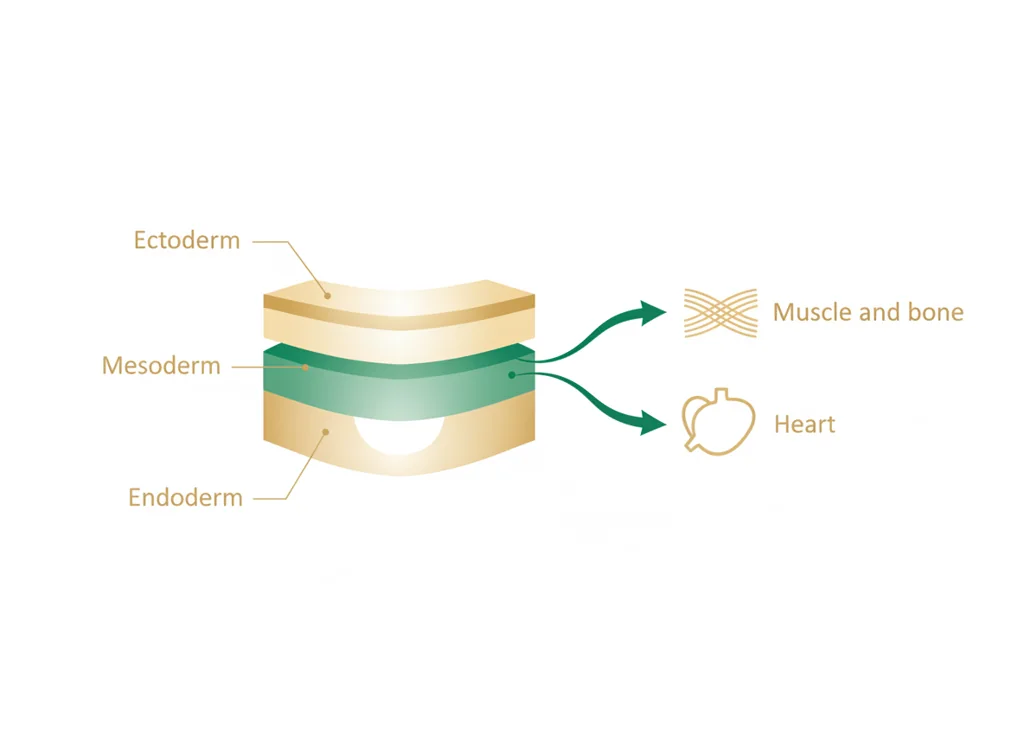
The middle layer of the early embryo, which gives rise to muscle, bone, blood, and the heart.
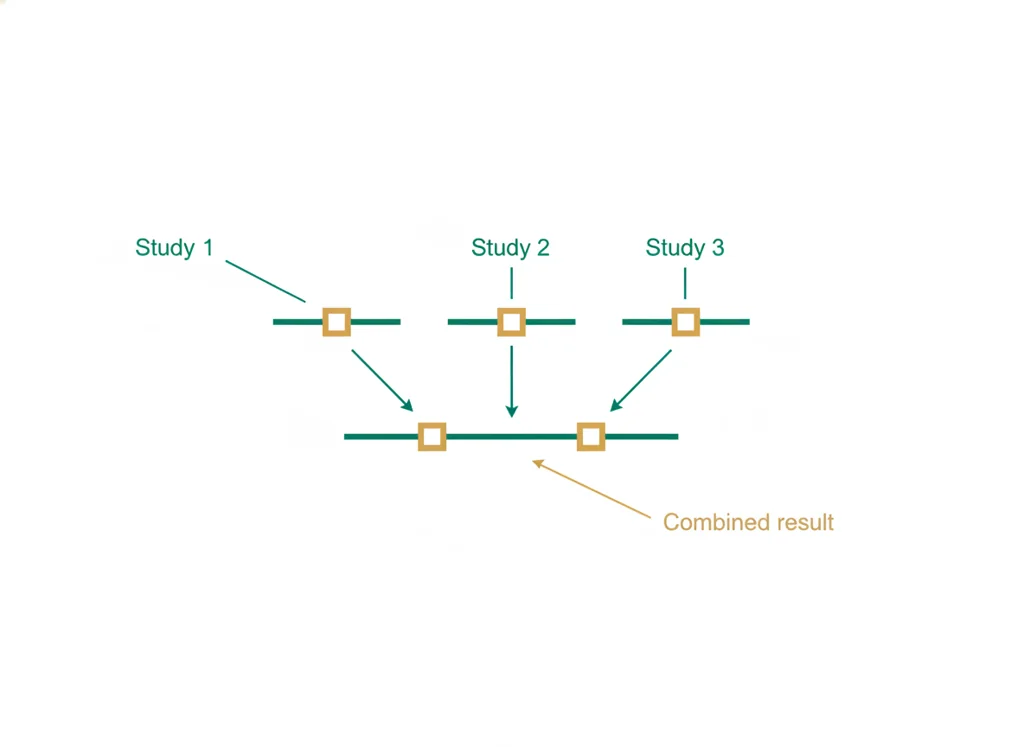
A study that statistically combines the results of many separate studies to reach a more reliable overall conclusion.
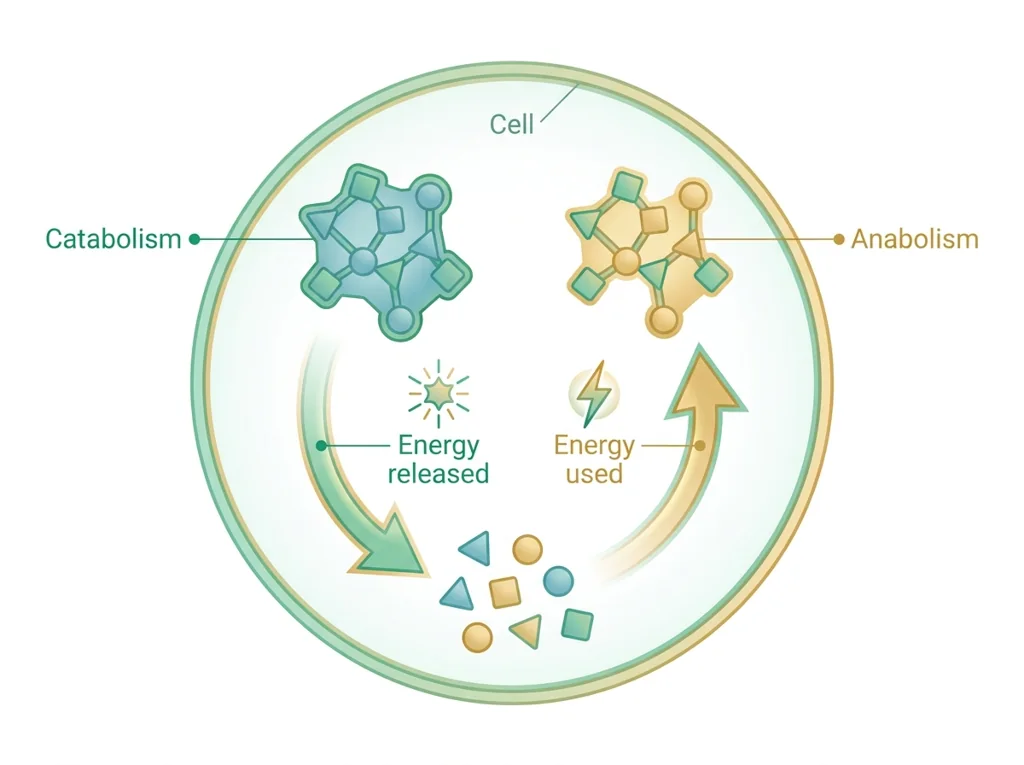
All the chemical reactions in the body that build up or break down molecules, releasing or storing the energy needed to stay alive.
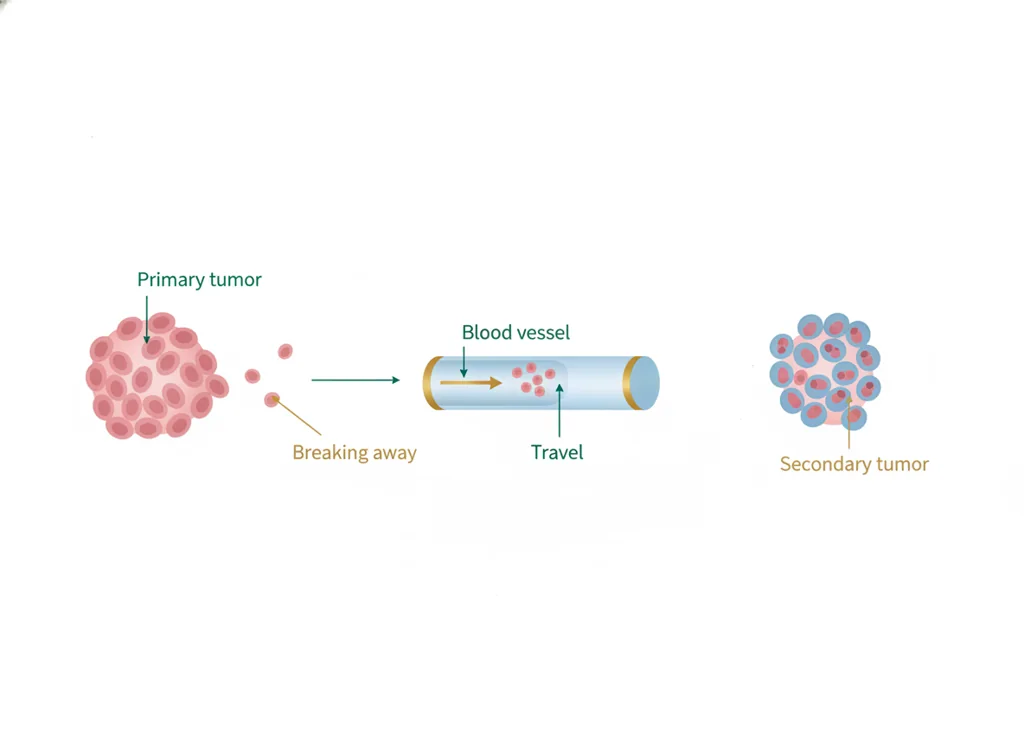
The spread of cancer cells from the original tumor through blood or lymph to form new tumors in distant parts of the body.
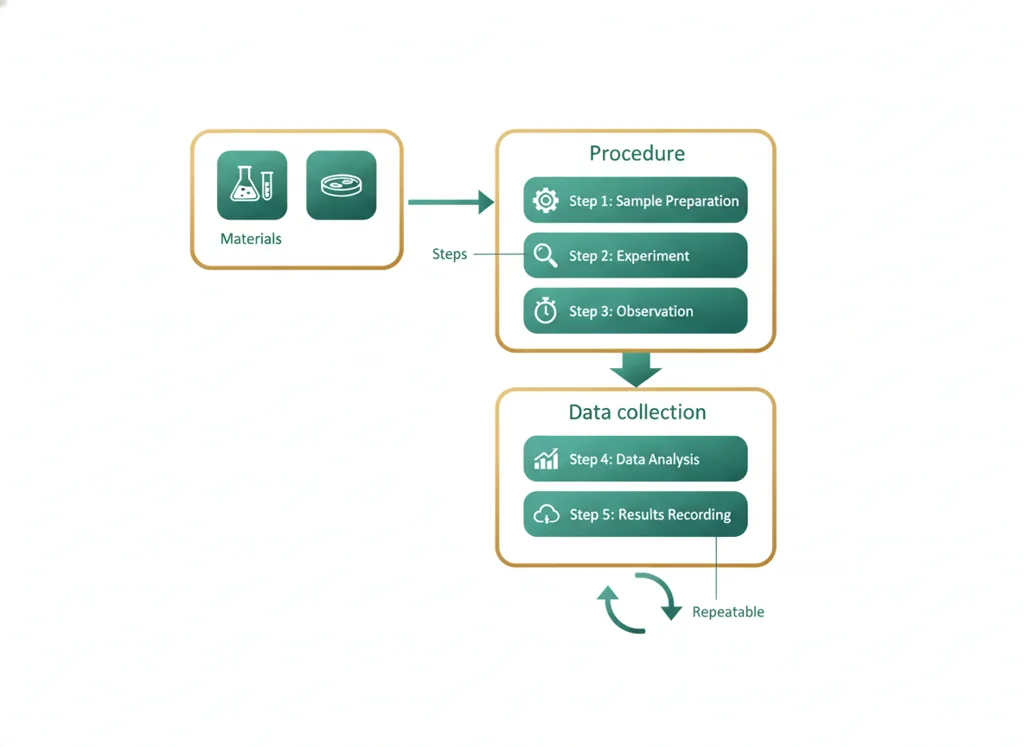
The detailed plan of methods, materials, and steps a study follows so the work is systematic and others can repeat it.
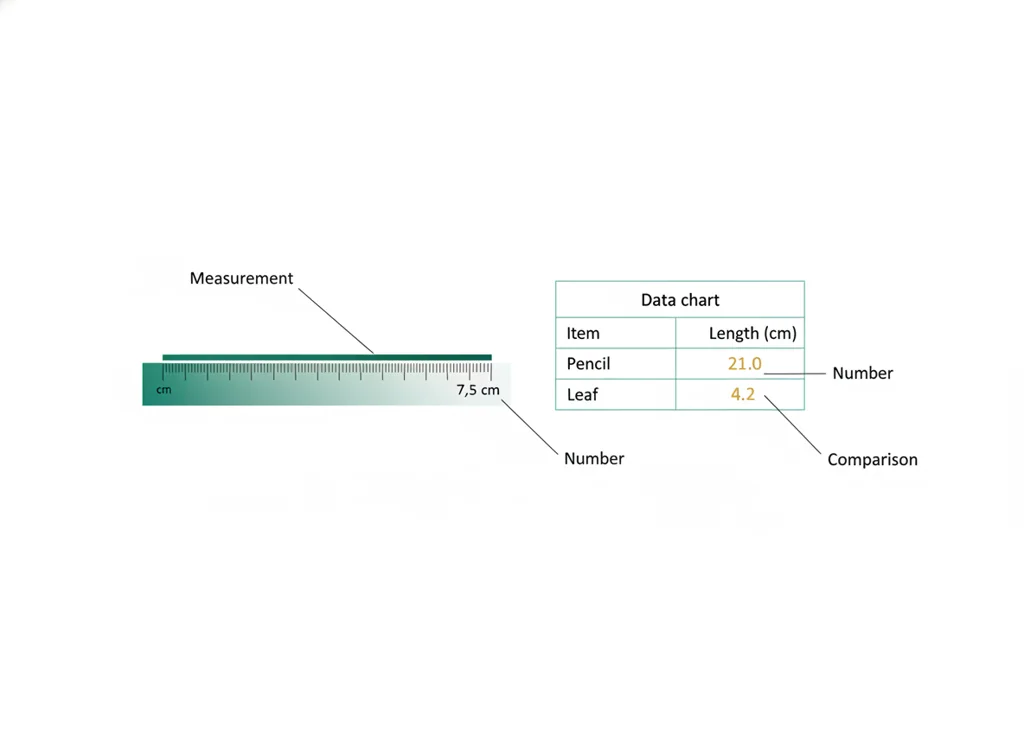
A standard measurement used to track or compare something, such as growth rate, concentration, or survival, giving data a clear number.
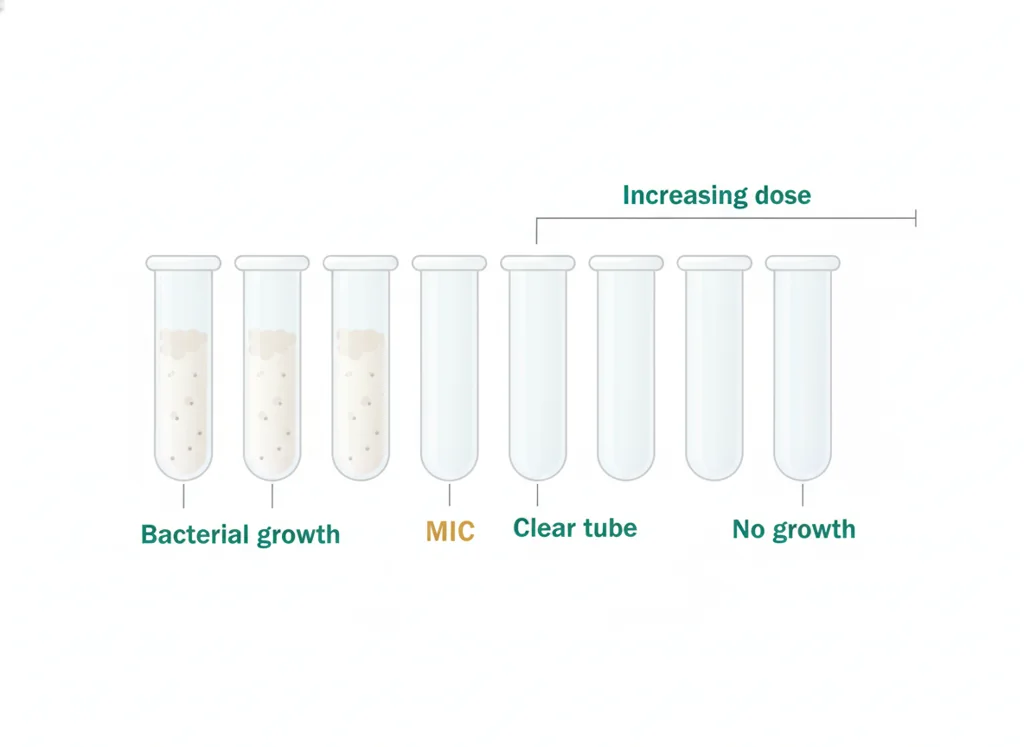
Minimum inhibitory concentration, the lowest concentration of an antibiotic that stops visible growth of a microbe, used to gauge how effective the drug is.
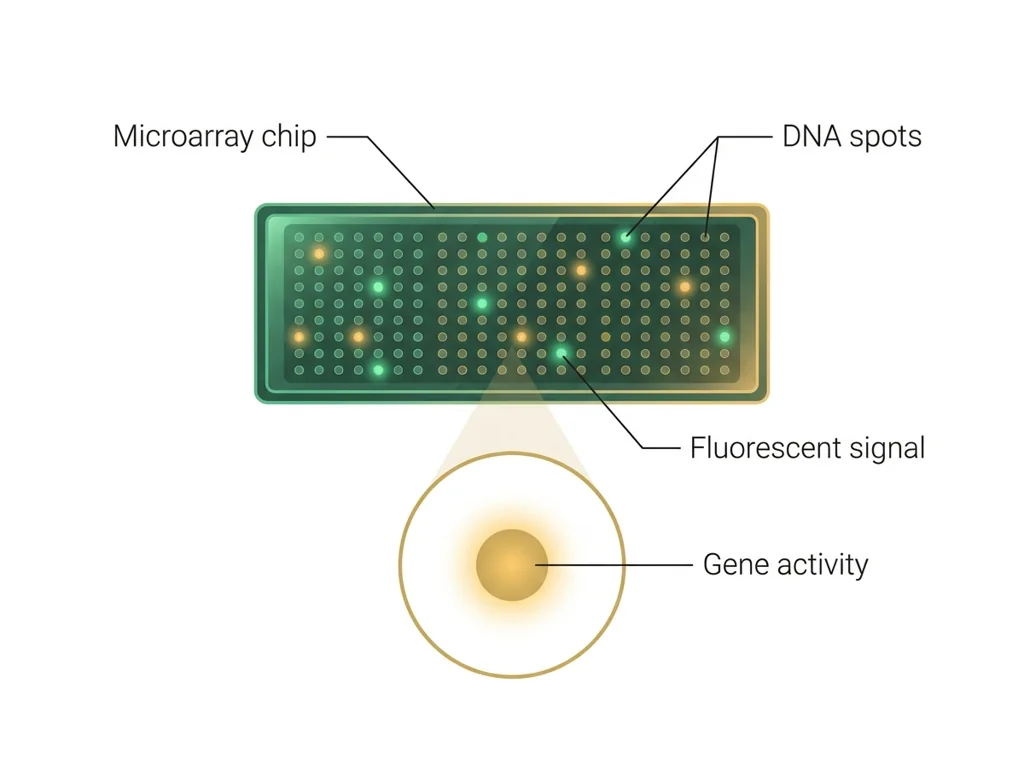
A chip holding thousands of tiny DNA spots that lets scientists measure the activity of many genes at once by detecting which spots light up.
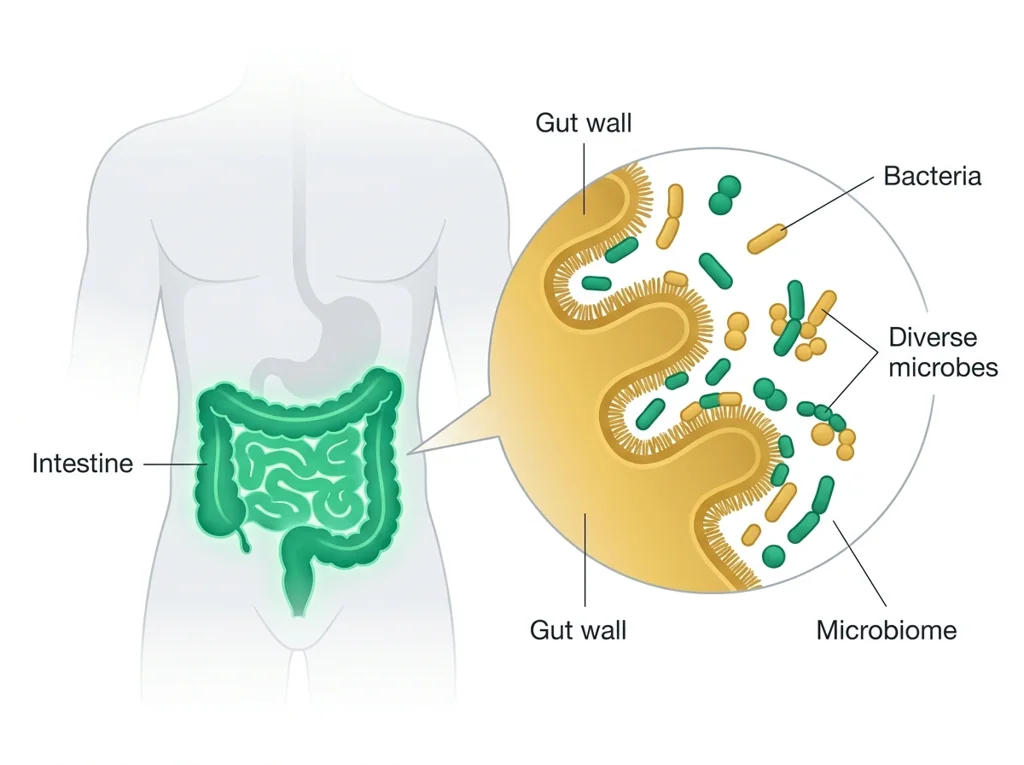
The whole community of bacteria, fungi, and other microbes living in or on the body, especially in the gut, that affects health and digestion.
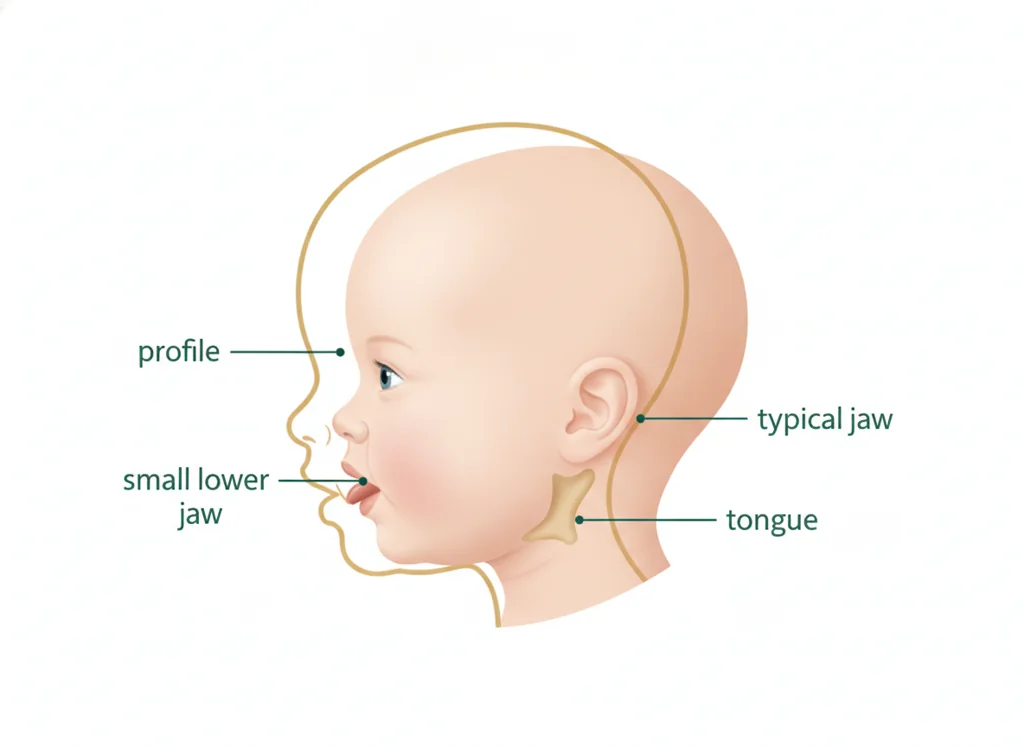
An unusually small lower jaw that can crowd the tongue backward and is sometimes linked with cleft palate and breathing trouble.
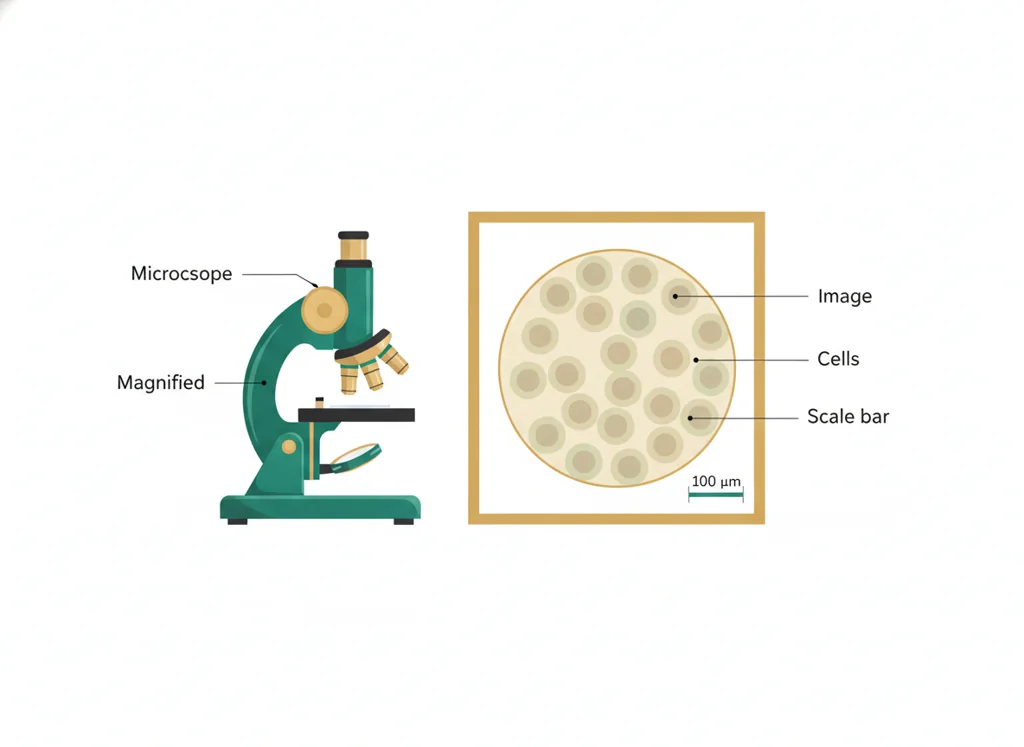
A photograph taken through a microscope to record what tiny structures like cells look like.

A precision tool that measures and transfers very small volumes of liquid, typically microliters, in a wet-lab setting.
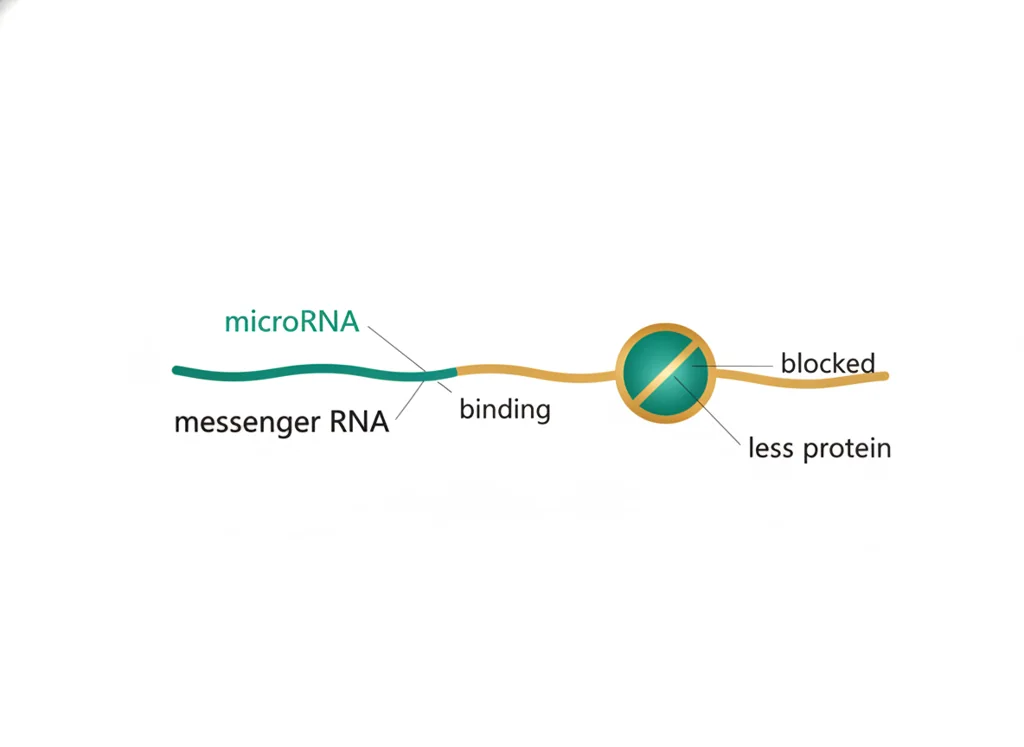
A tiny RNA molecule that fine-tunes gene activity by binding messenger RNA and blocking it from being made into protein.
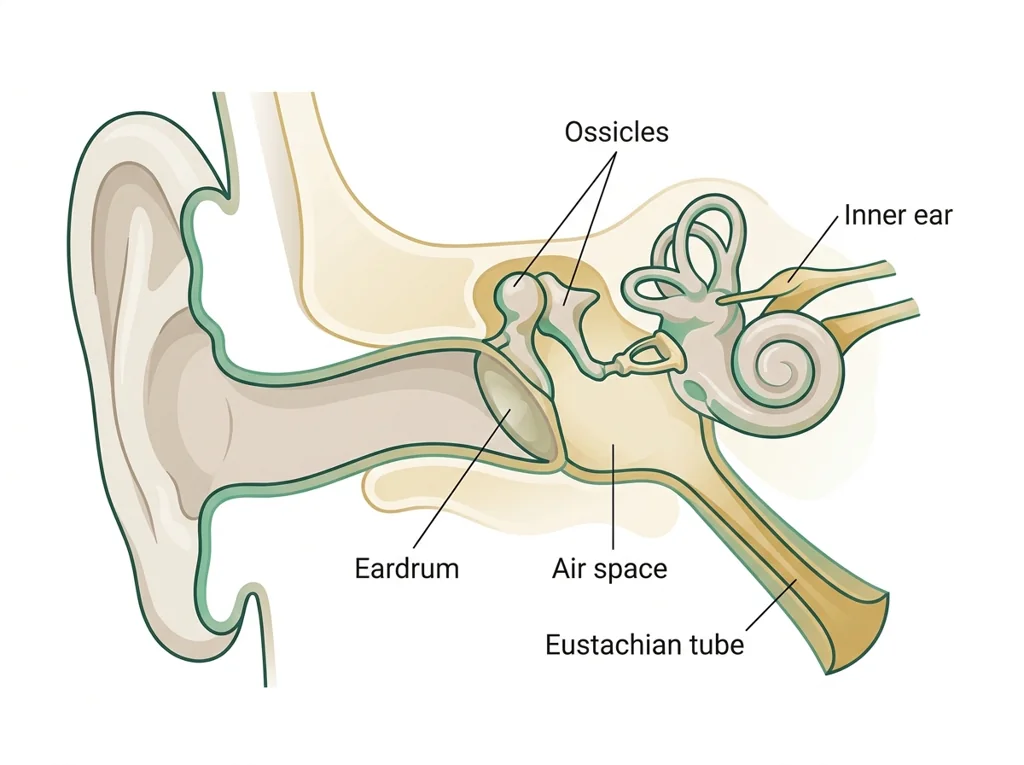
The air-filled space behind the eardrum holding three tiny bones that pass sound vibrations inward to the inner ear.
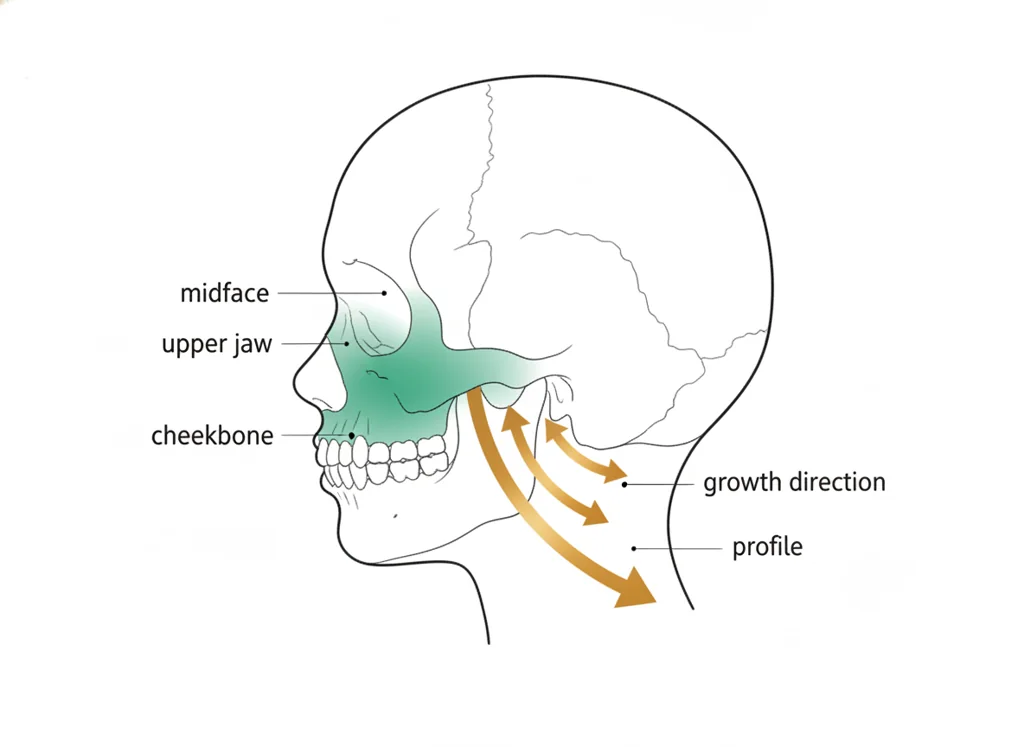
The forward and downward development of the central face, including the upper jaw and cheeks, which surgery and clefting can affect.
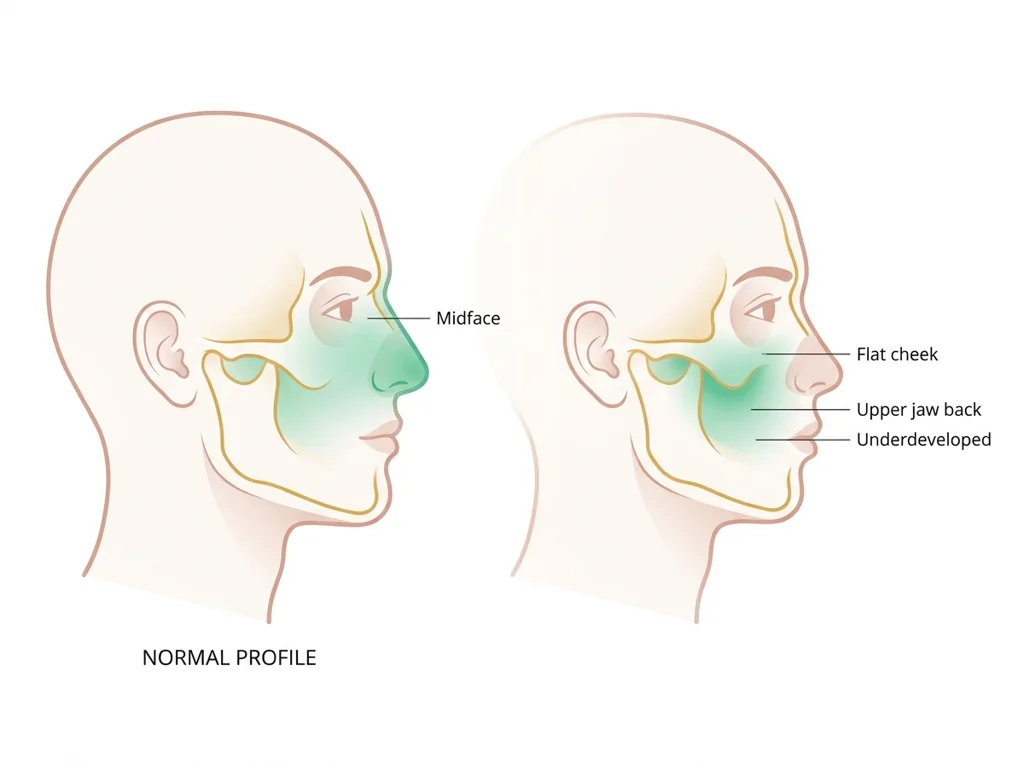
Underdevelopment of the middle of the face, so the cheeks and upper jaw look flat or set back, common after cleft repair.
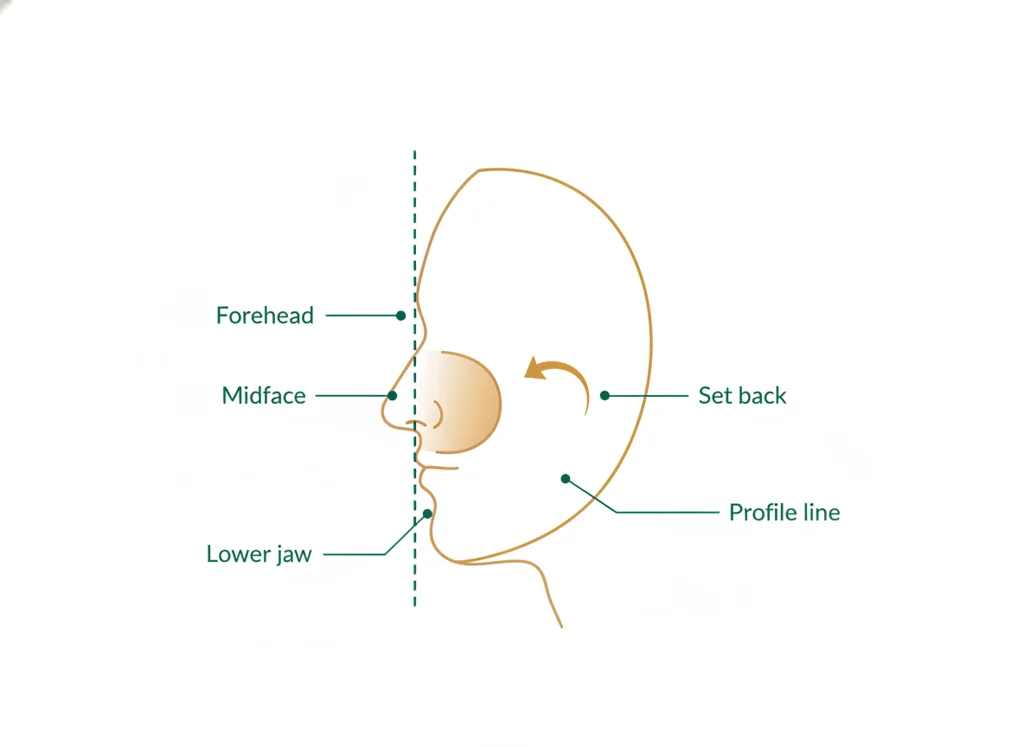
A backward position of the middle of the face relative to the forehead and lower jaw, often following cleft palate repair.
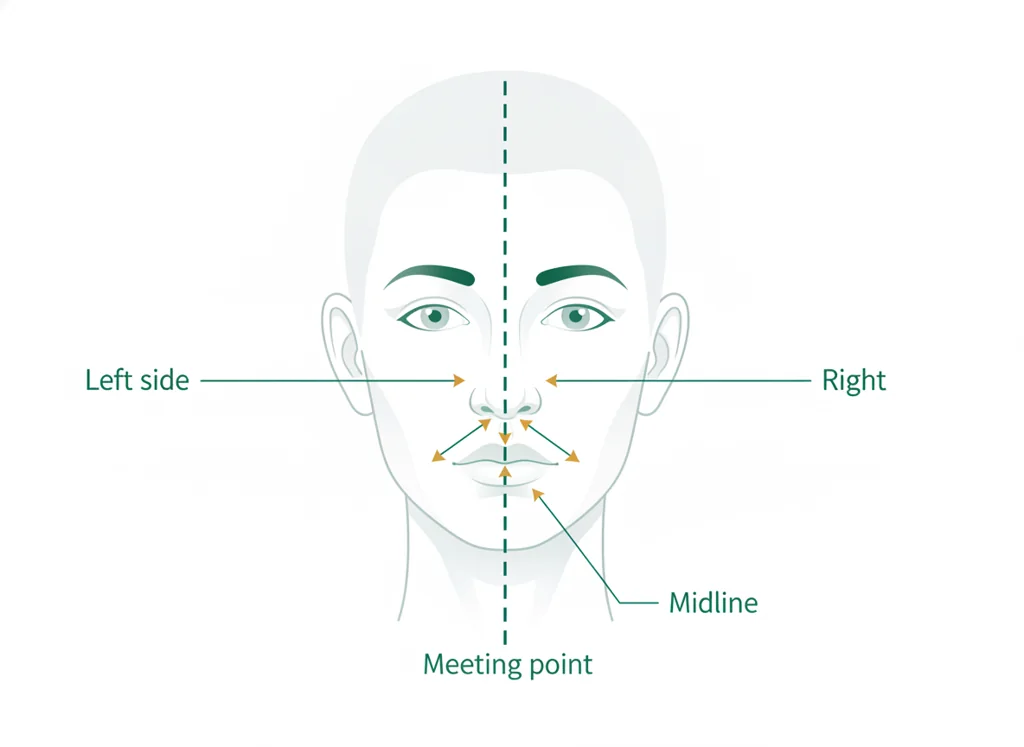
The imaginary center line of the body; many facial structures form by growing toward and meeting at it.
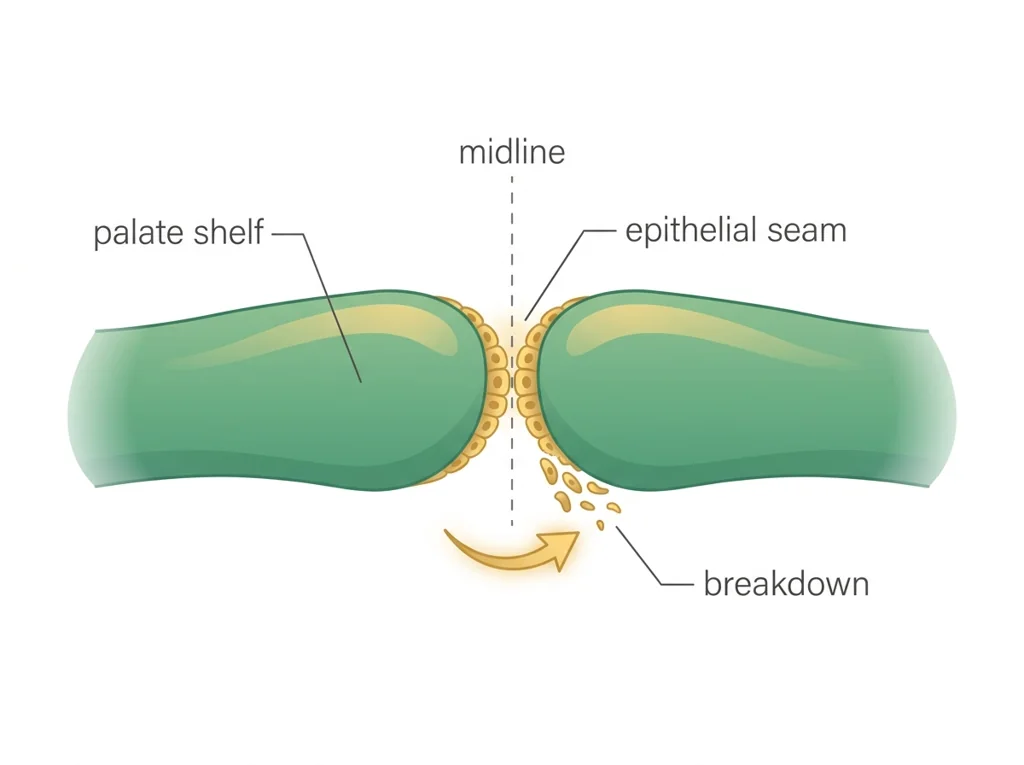
The thin line of surface cells formed when the two palate shelves meet, which must break down so the palate can fully fuse.
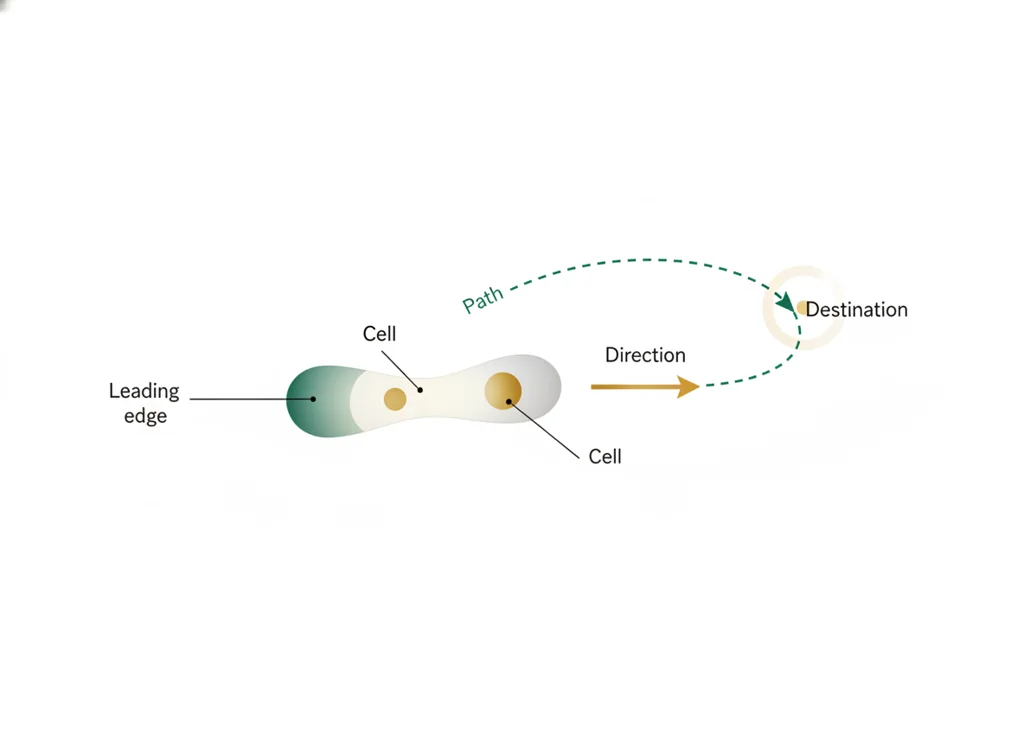
The active movement of cells from one location to another, essential during development, wound healing, and the spread of cancer.
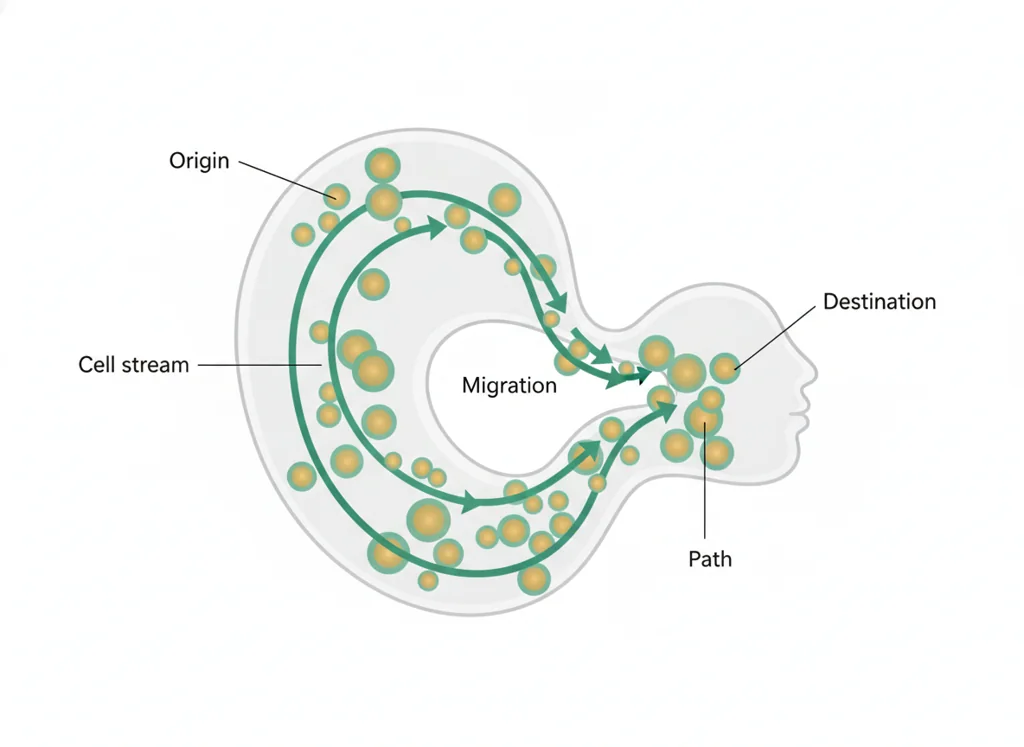
An organized flow of cells, such as neural crest cells, traveling together along a set path to where they will build a structure.
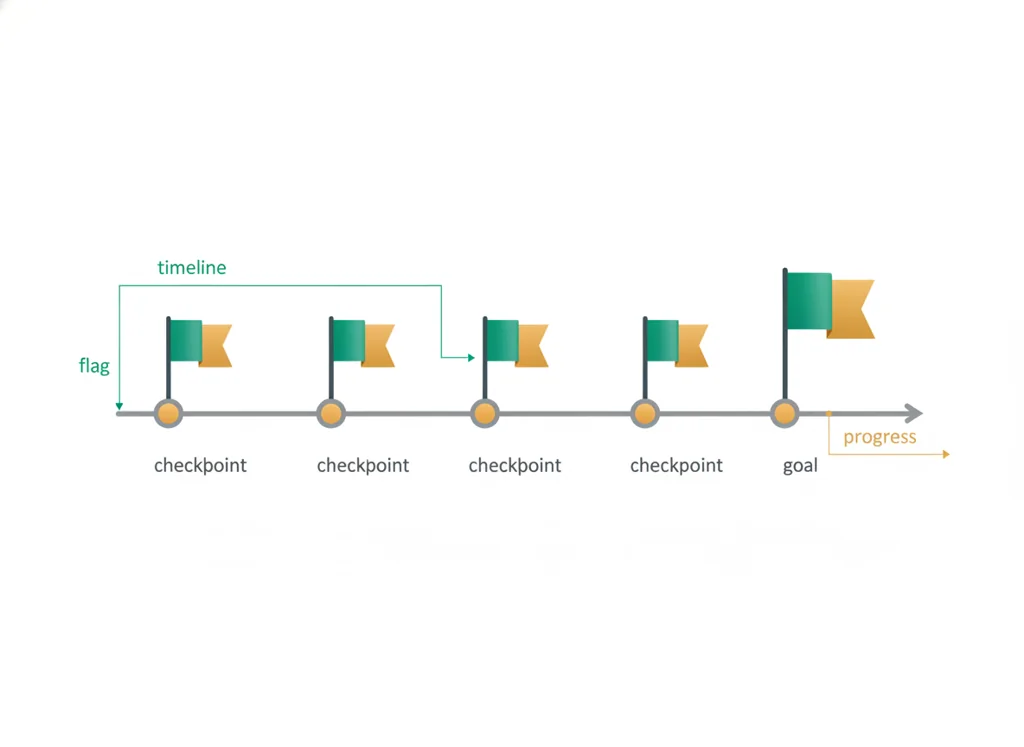
A key checkpoint or expected achievement reached by a set point, used to track a child's development or a project's progress.
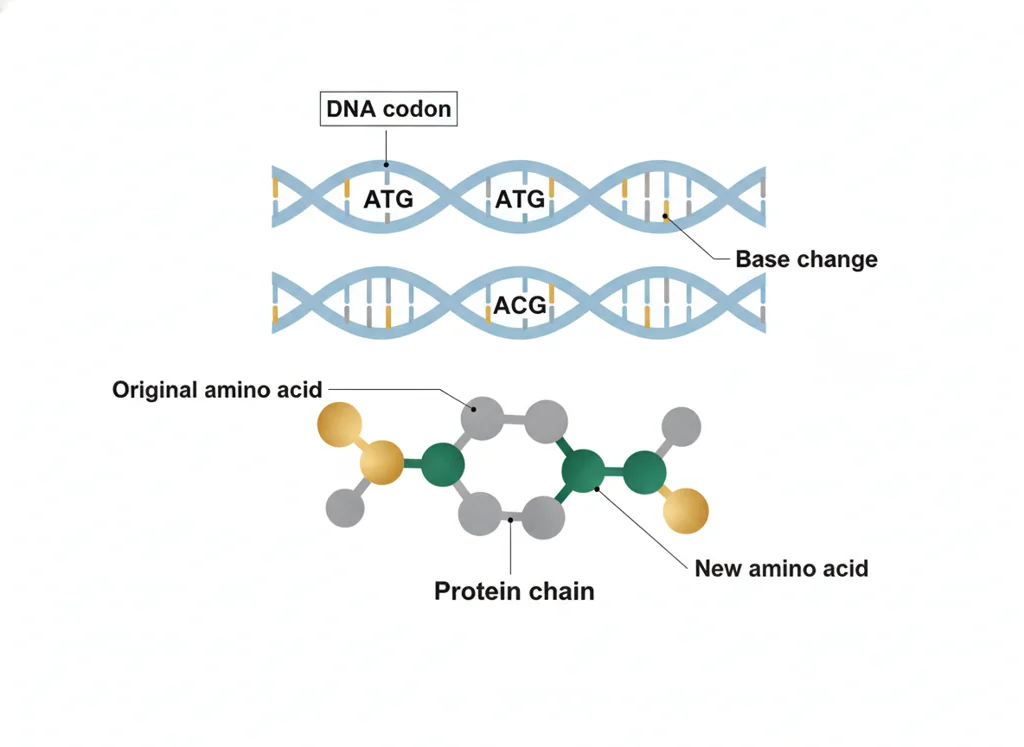
A DNA change that swaps one amino acid in a protein, leaving it full length but possibly altering how it works.
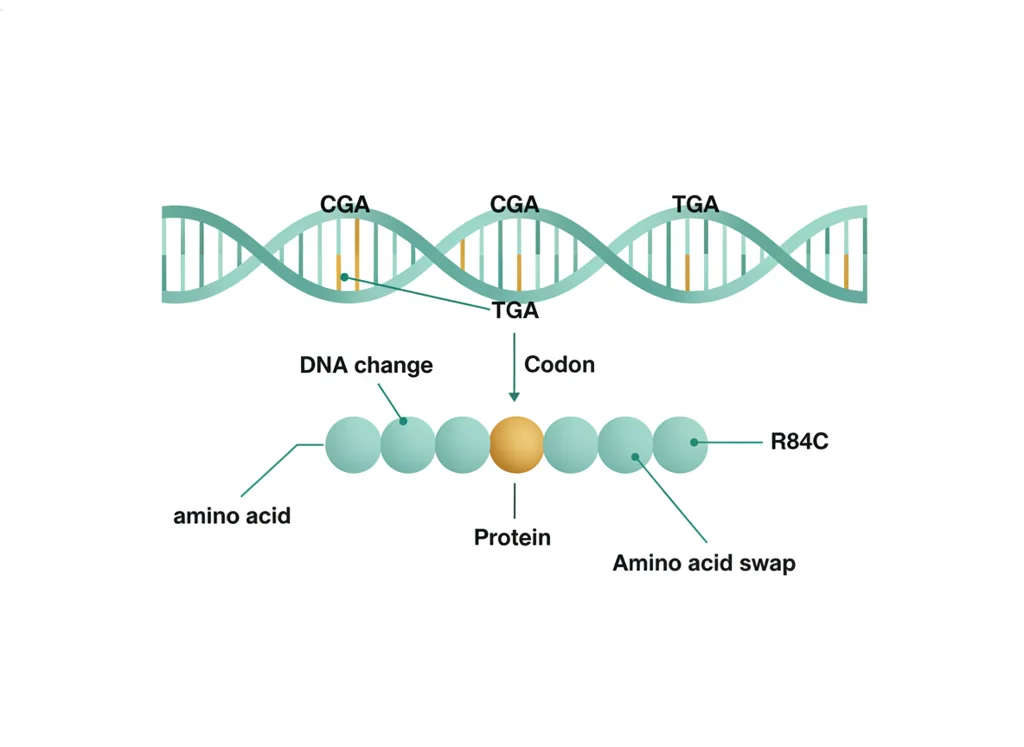
A DNA change that swaps one amino acid for another in the protein, such as the IRF6 R84C change.
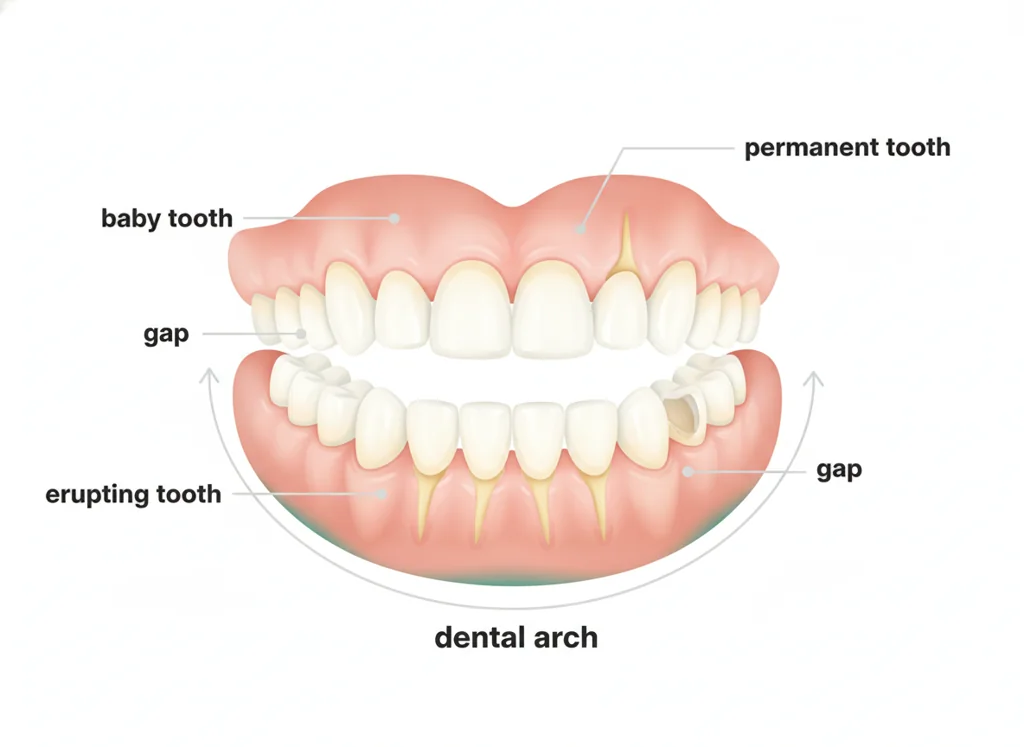
The childhood stage when baby teeth and permanent teeth are present in the mouth at the same time.
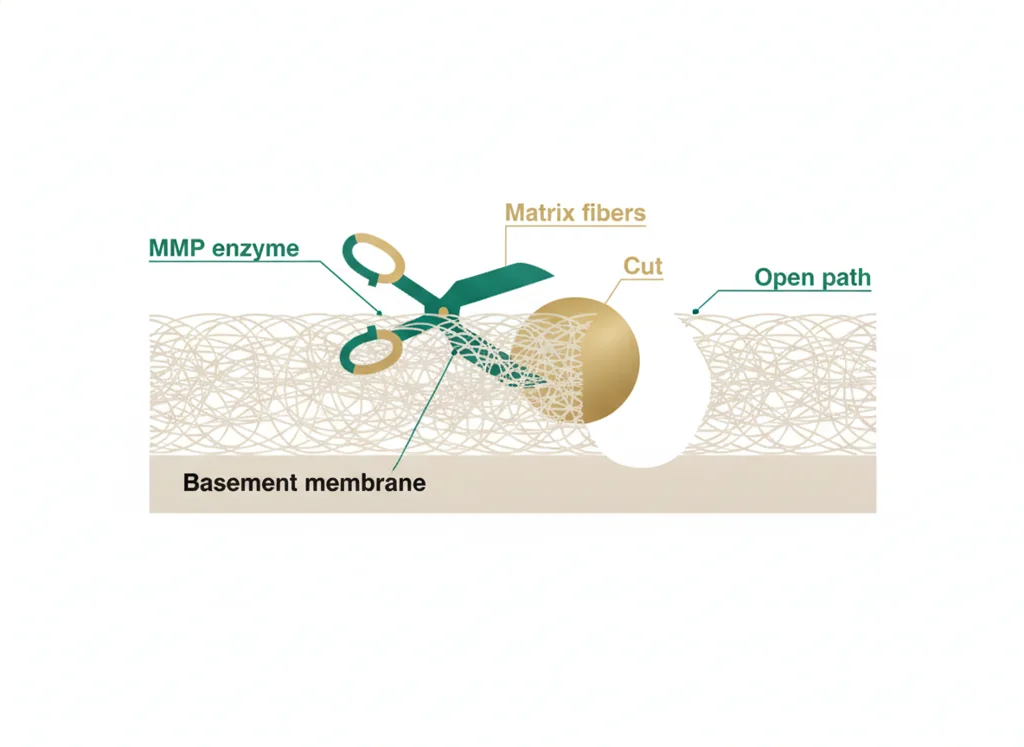
Enzymes that work like scissors, cutting the matrix and the basement membrane to open a path.
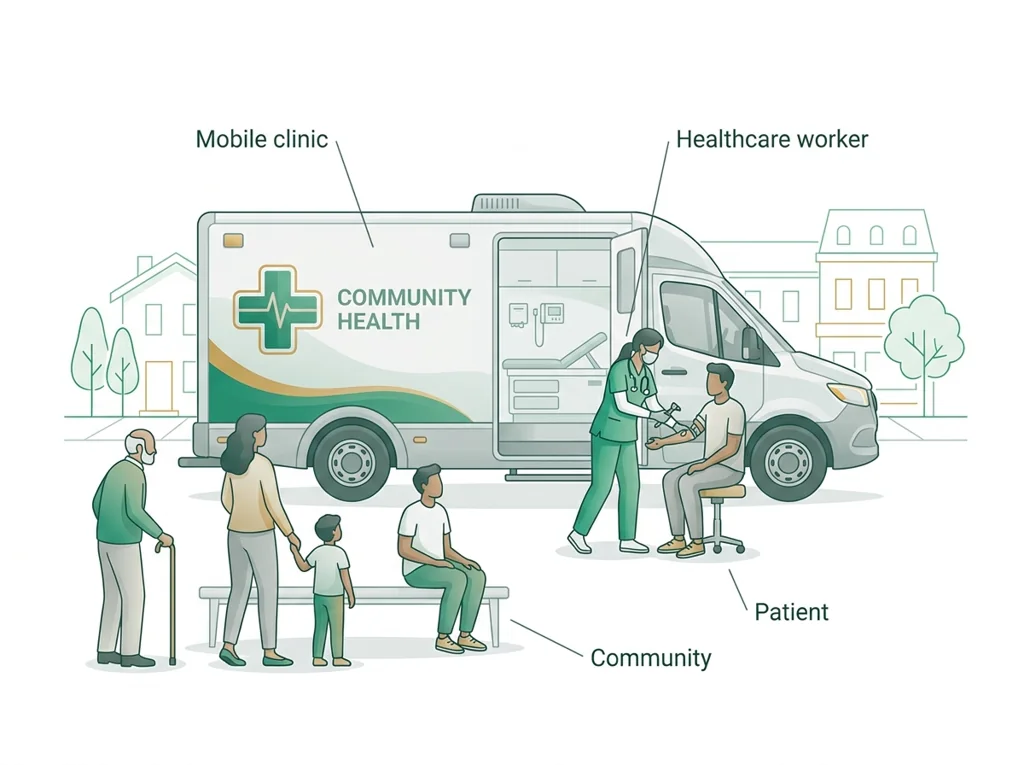
Healthcare delivered to people where they are, using vehicles or portable units to reach communities far from a fixed clinic or hospital.
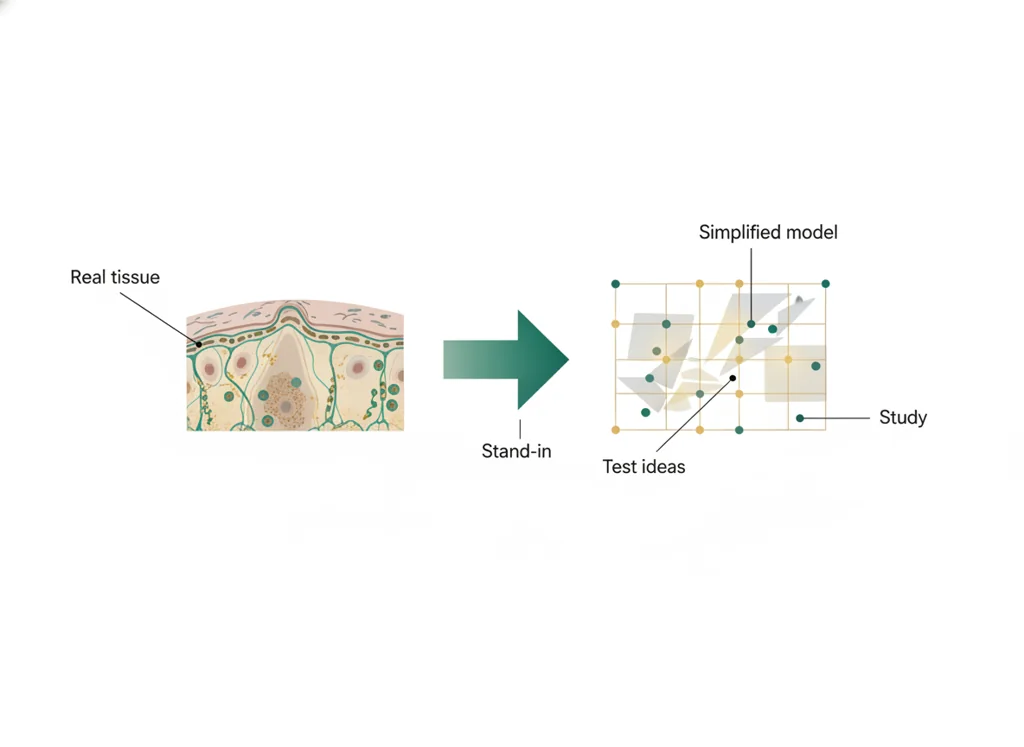
A simplified stand-in you can change and study, used in place of the real living tissue to test ideas.
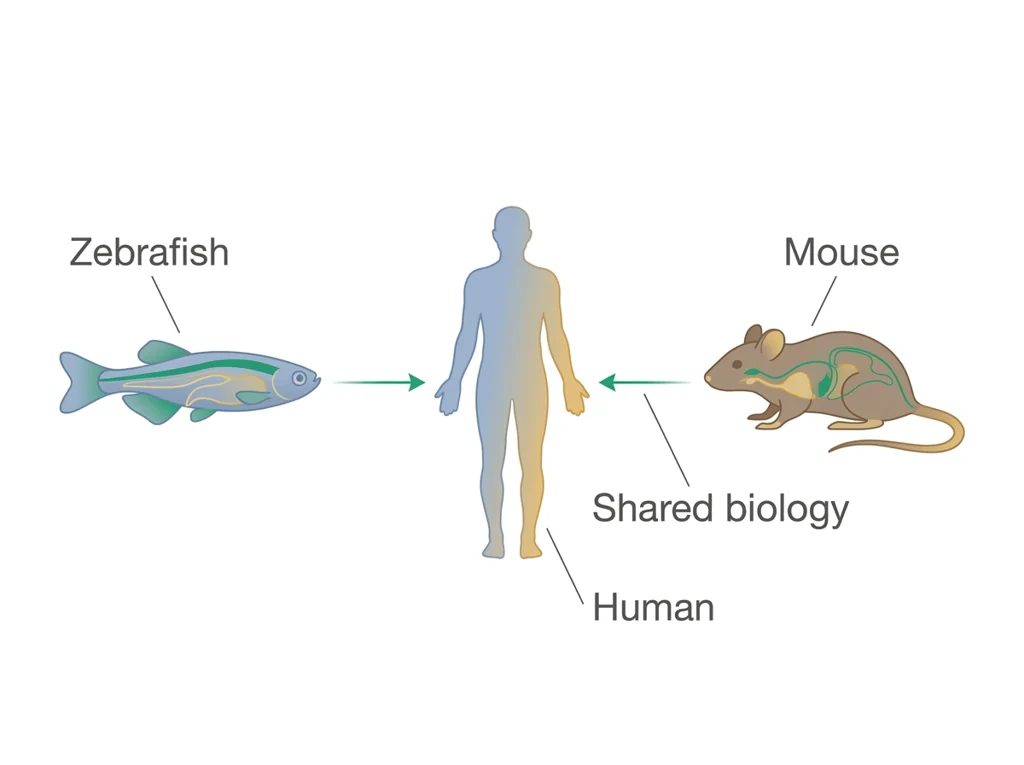
A species, such as zebrafish or mouse, studied because its biology is similar enough to ours to teach us about human development and disease.
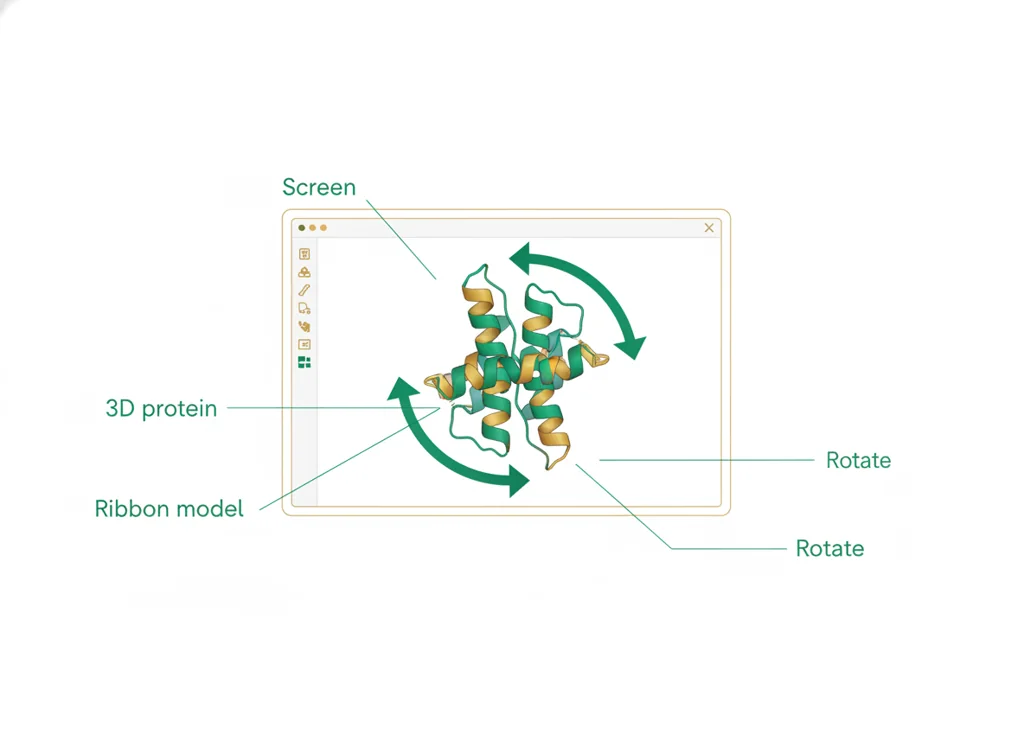
A free web tool that displays the three-dimensional shape of a protein or other molecule so you can rotate and explore it.
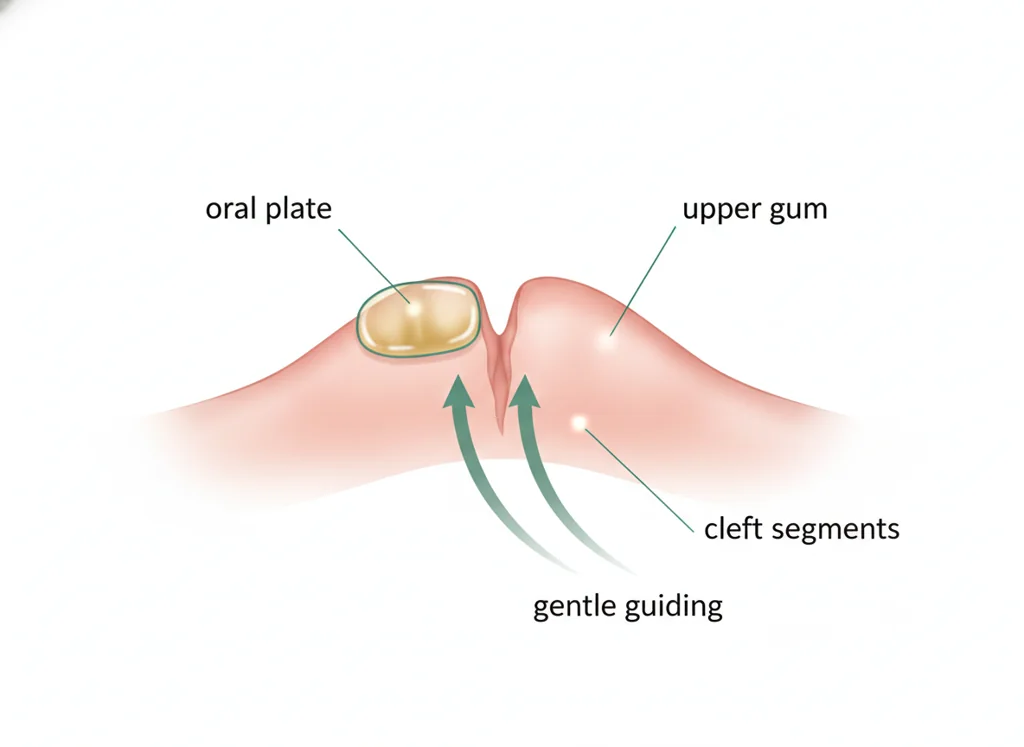
A custom plastic appliance fitted in an infant's mouth before surgery to gradually guide the cleft gum and lip into better position.
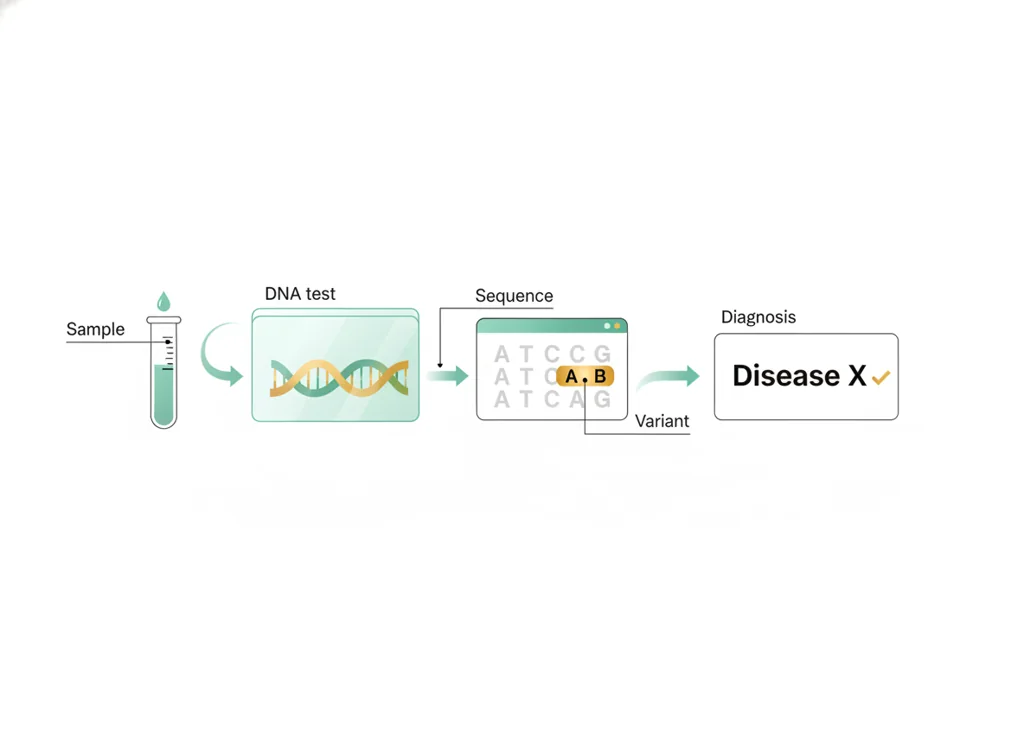
Identifying a disease by detecting specific DNA, RNA, or proteins in a sample, allowing precise diagnosis at the level of genes and molecules.
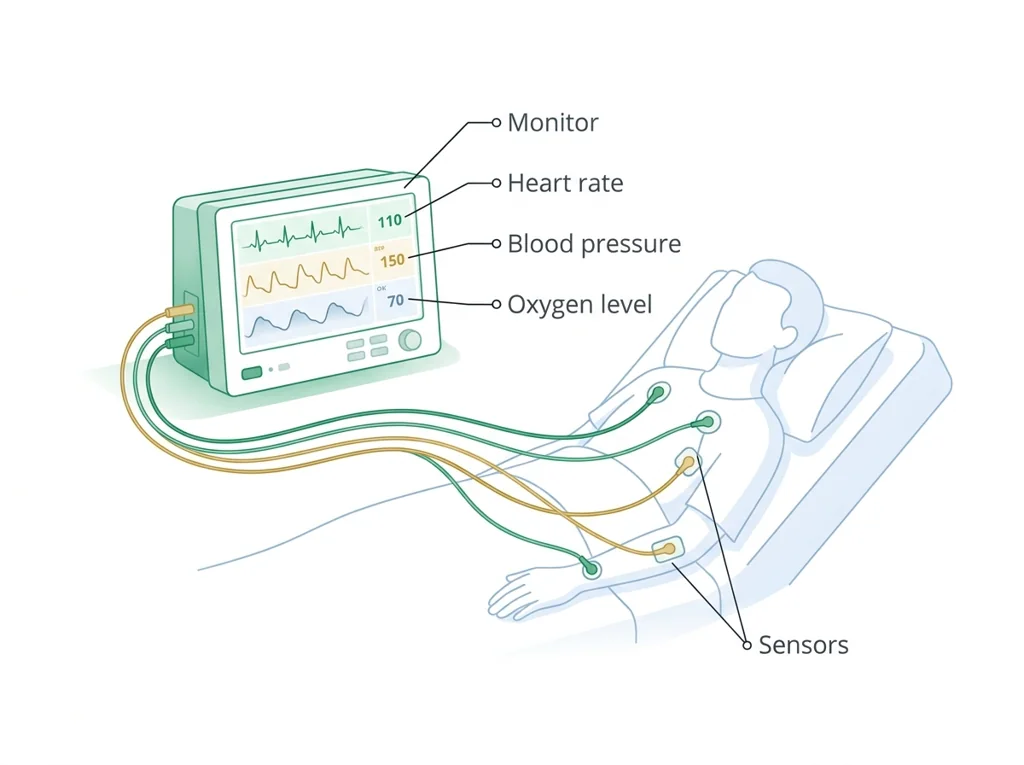
The ongoing measurement of a patient's vital signs or condition over time to track changes and catch problems early.
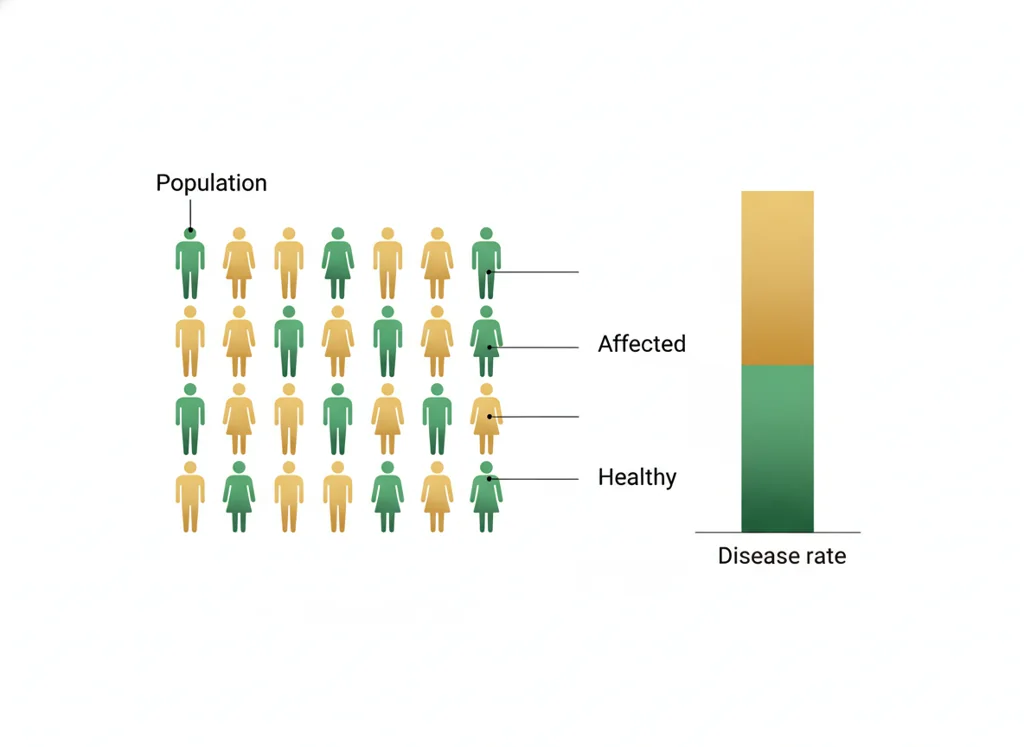
The presence or rate of disease and illness in a population, describing how often people are sick rather than how many die.
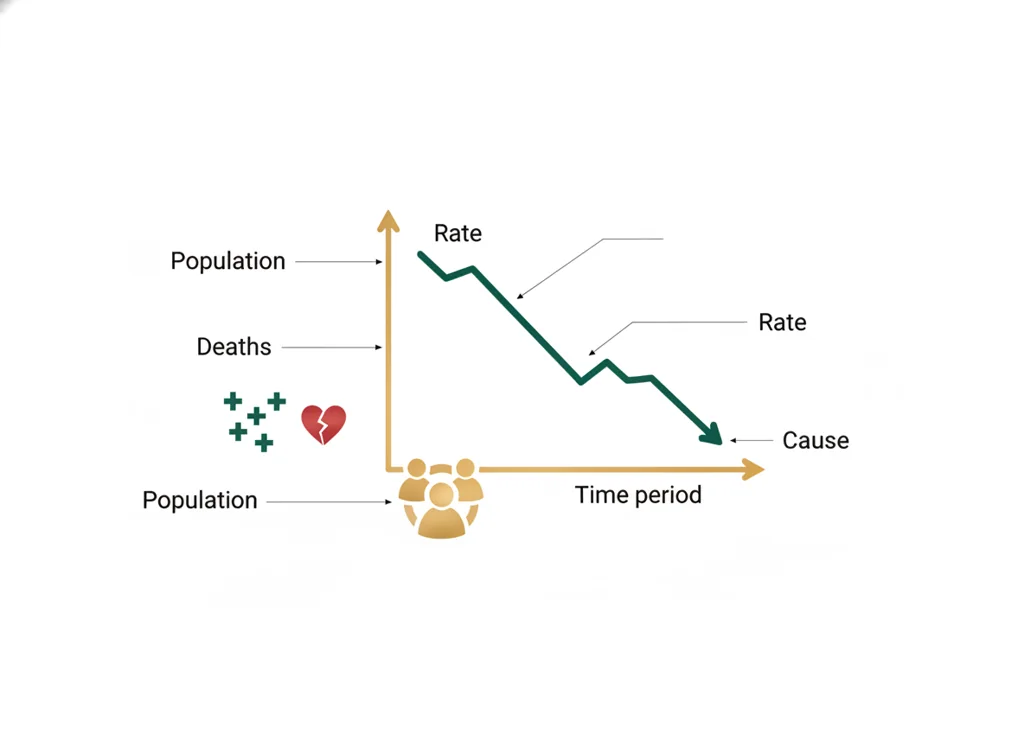
A measure of death within a population, often expressed as the number of deaths from a cause over a set period.
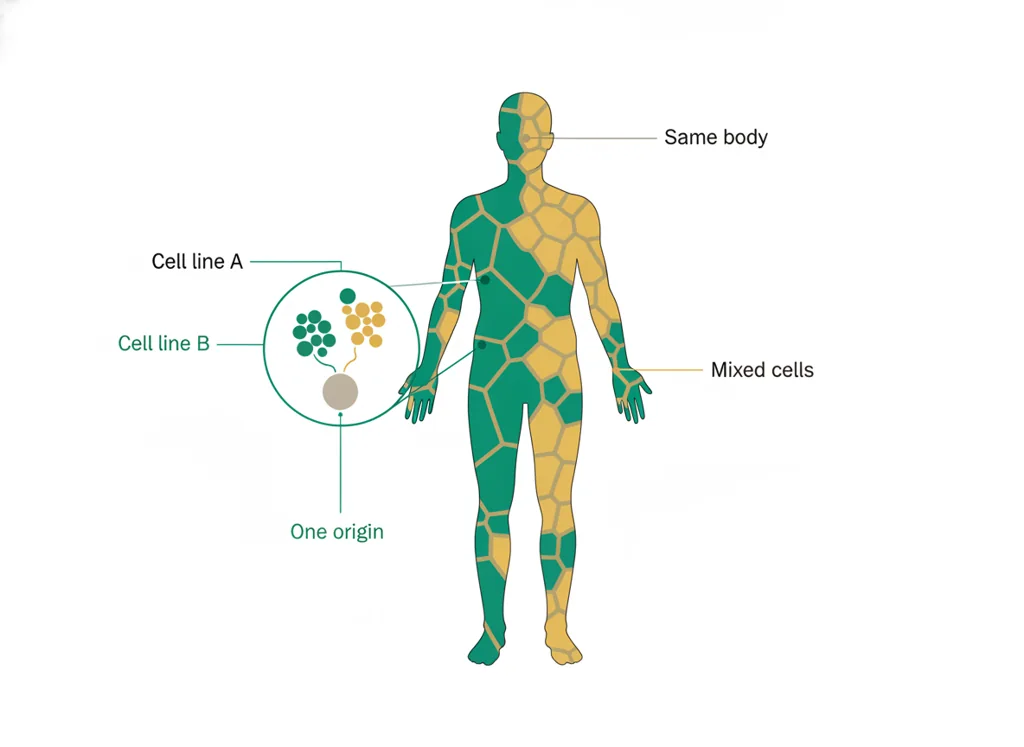
When a person's body contains two or more genetically different sets of cells that arose from a single fertilized egg.
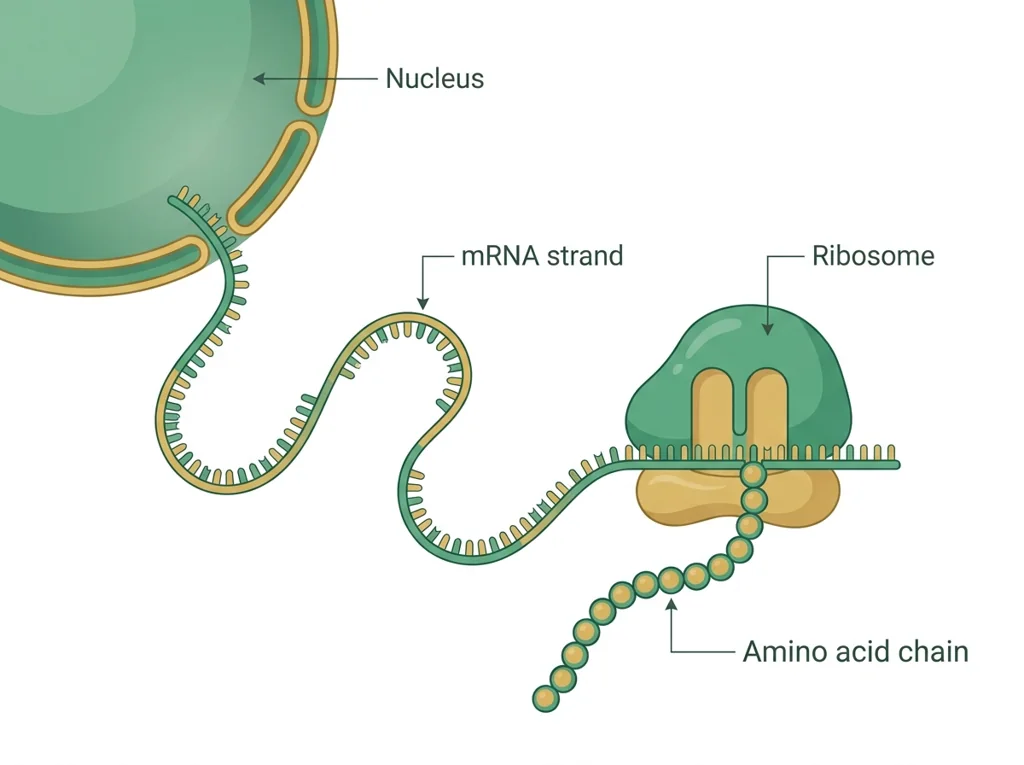
Messenger RNA, the single-stranded copy of a gene that carries instructions from the DNA in the nucleus to the ribosome to build a protein.
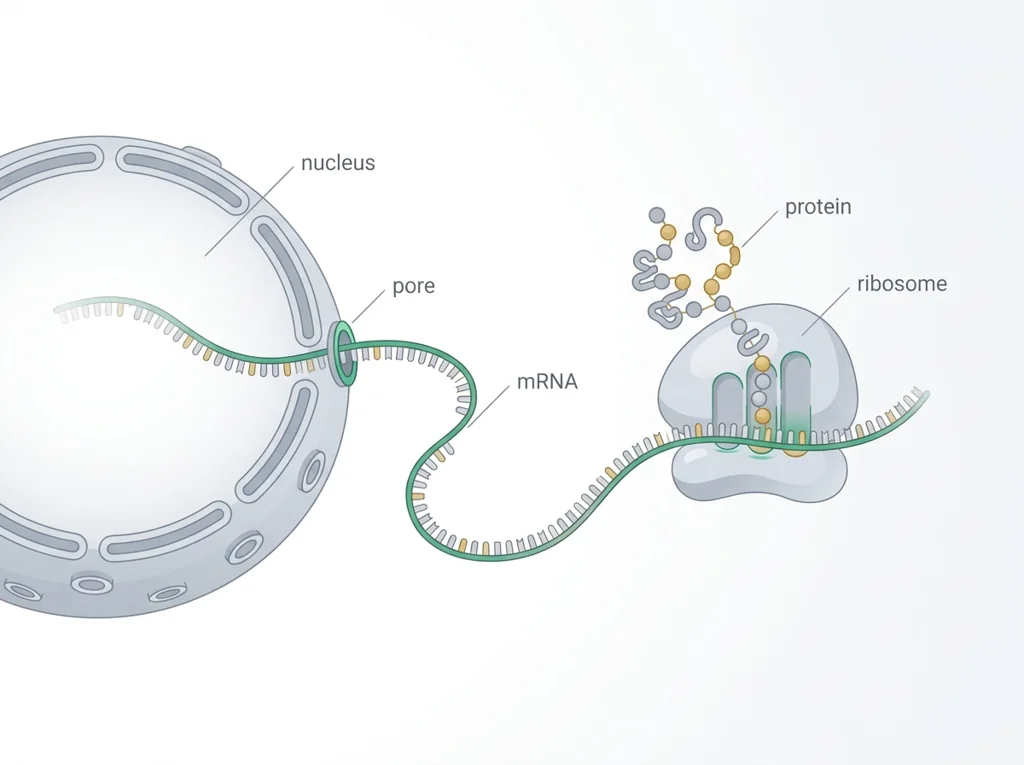
The working copy of a gene that carries its instructions out of the nucleus to the ribosome to be read into protein.
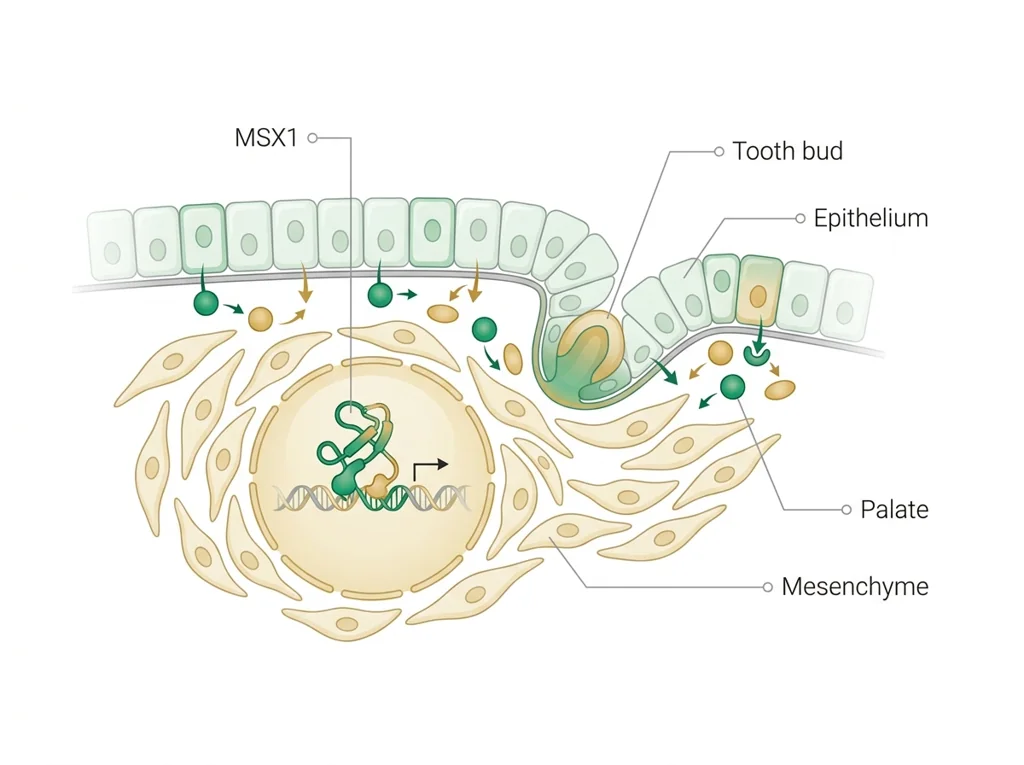
A transcription factor active in the signaling between tissue layers that shapes teeth and the palate; mutations can cause clefting.
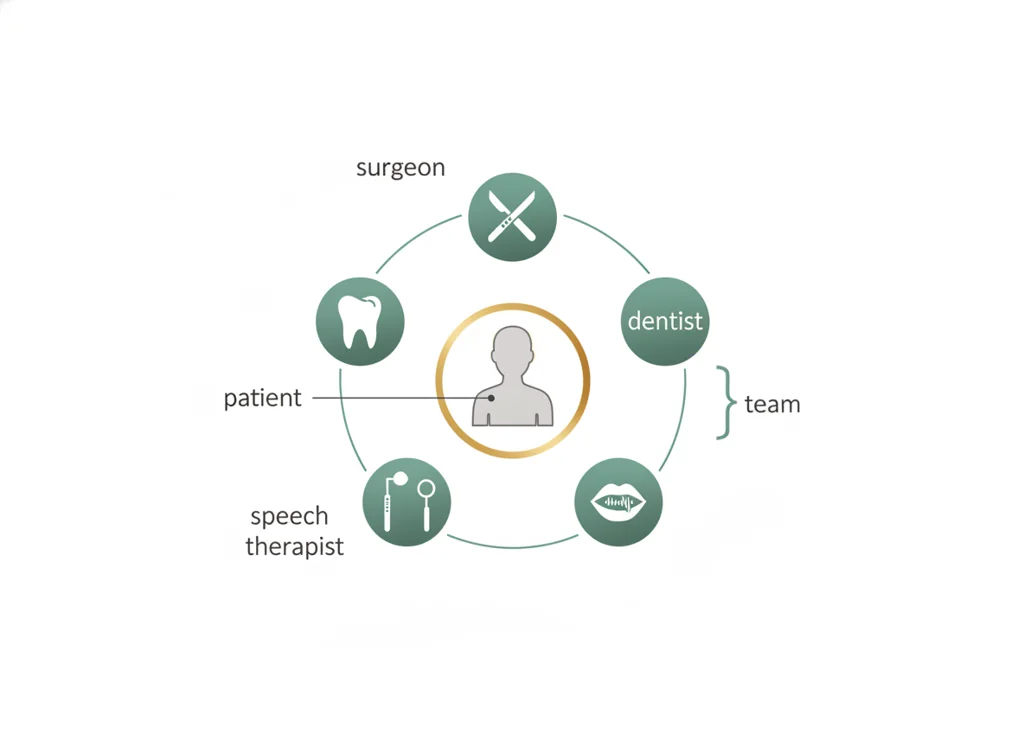
Care provided by a team of different specialists who coordinate their treatment plans for one patient.
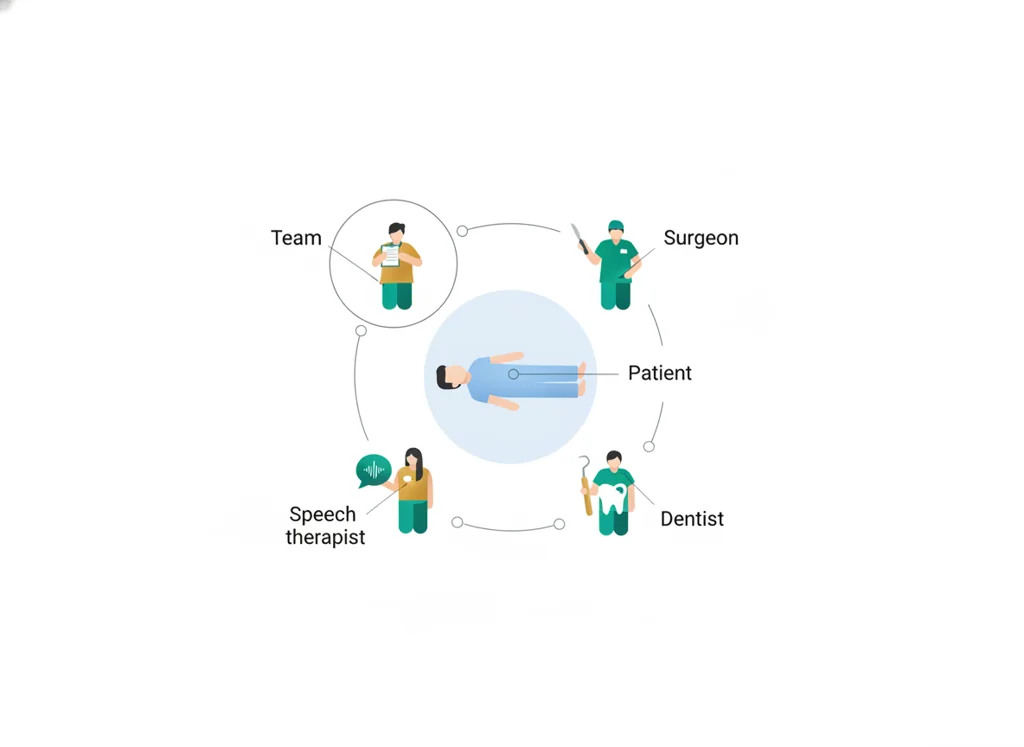
A group of specialists from different fields, such as surgery, dentistry, and speech, who plan and coordinate one patient's care together.
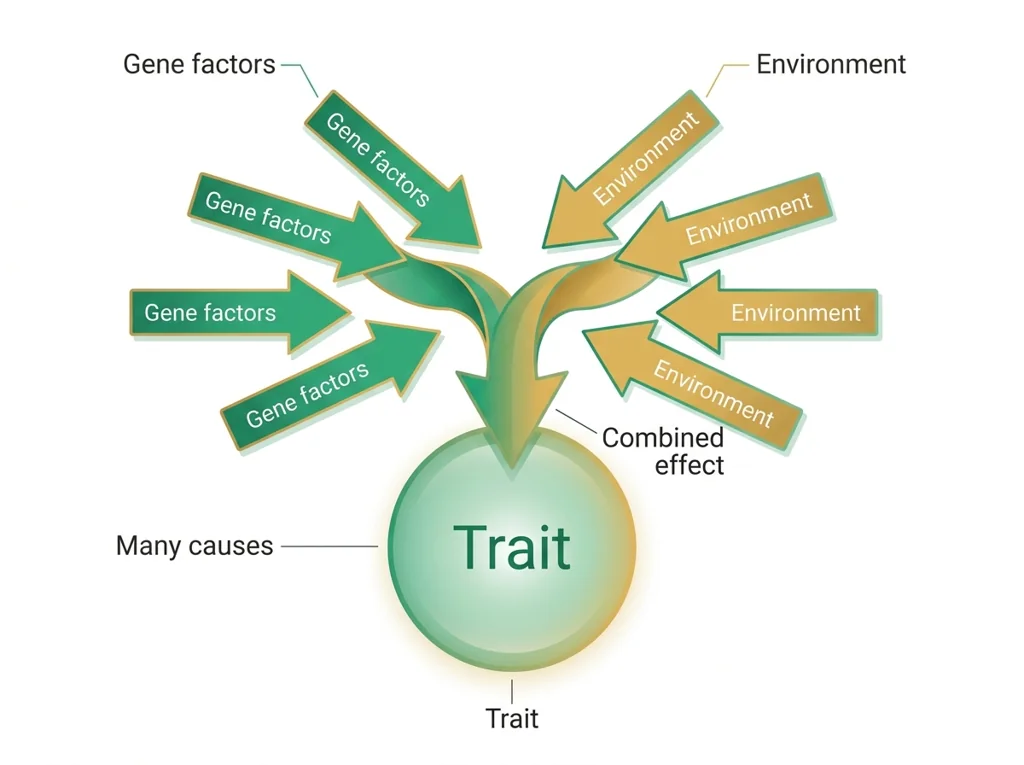
Caused by several genes acting together with environmental factors, not by a single gene alone.
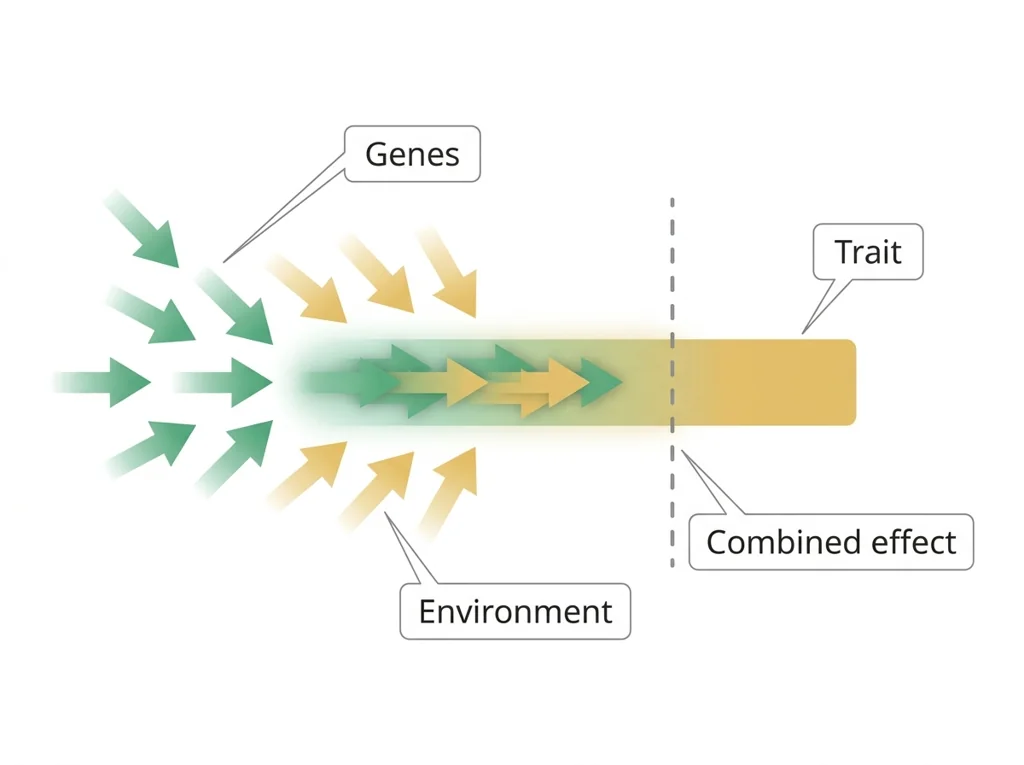
A trait caused by many small genetic and environmental factors adding up together, rather than by a single gene alone.
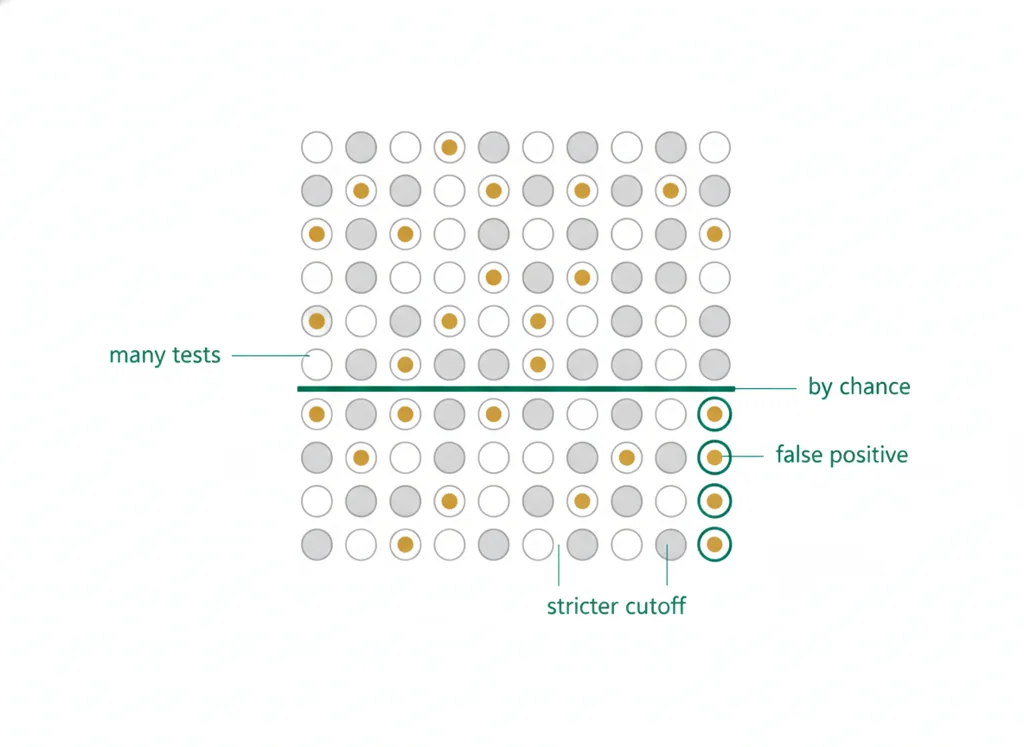
Running many statistical tests at once, which raises the chance of a false positive and requires a stricter cutoff to stay reliable.
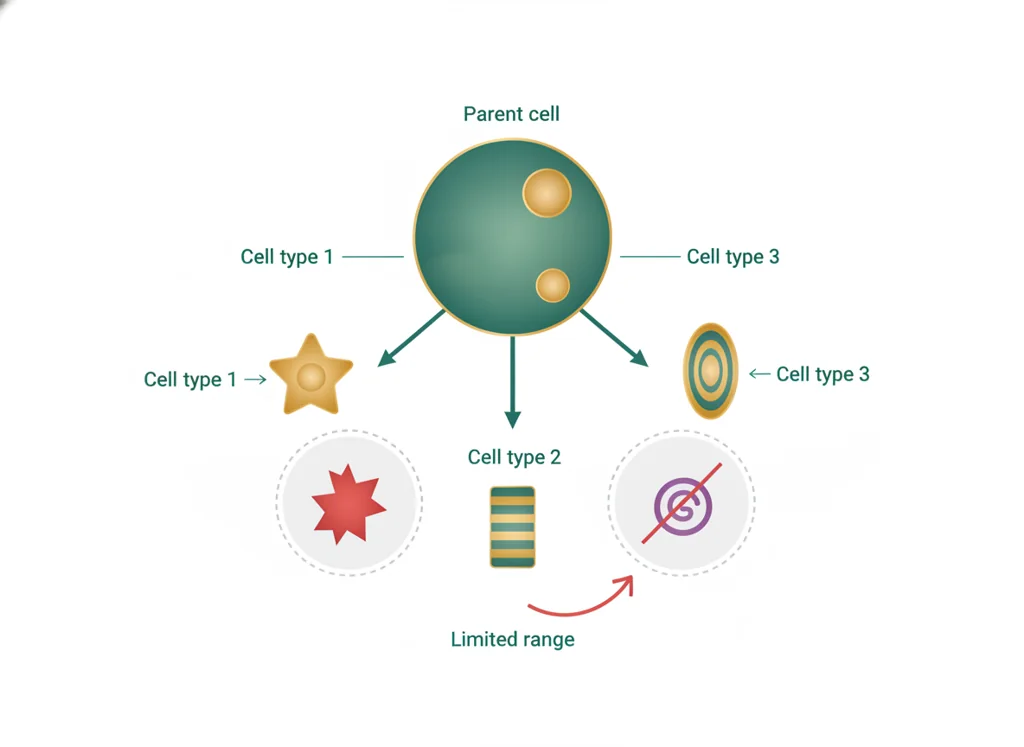
Able to become several different cell types, but not every type in the body.

A sarcomere, the repeating contractile unit of a muscle fiber, with actin and myosin filaments sliding past each other to shorten the cell.
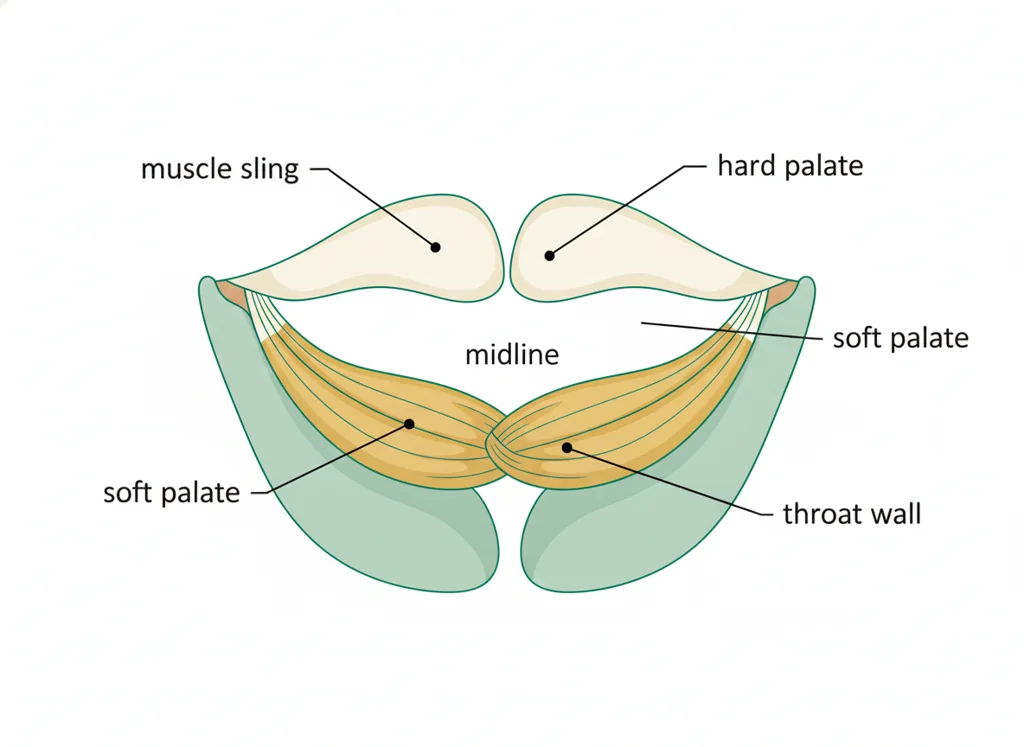
The hammock of soft palate muscles that meet in the midline so the palate can lift and seal the nose off during speech and swallowing.
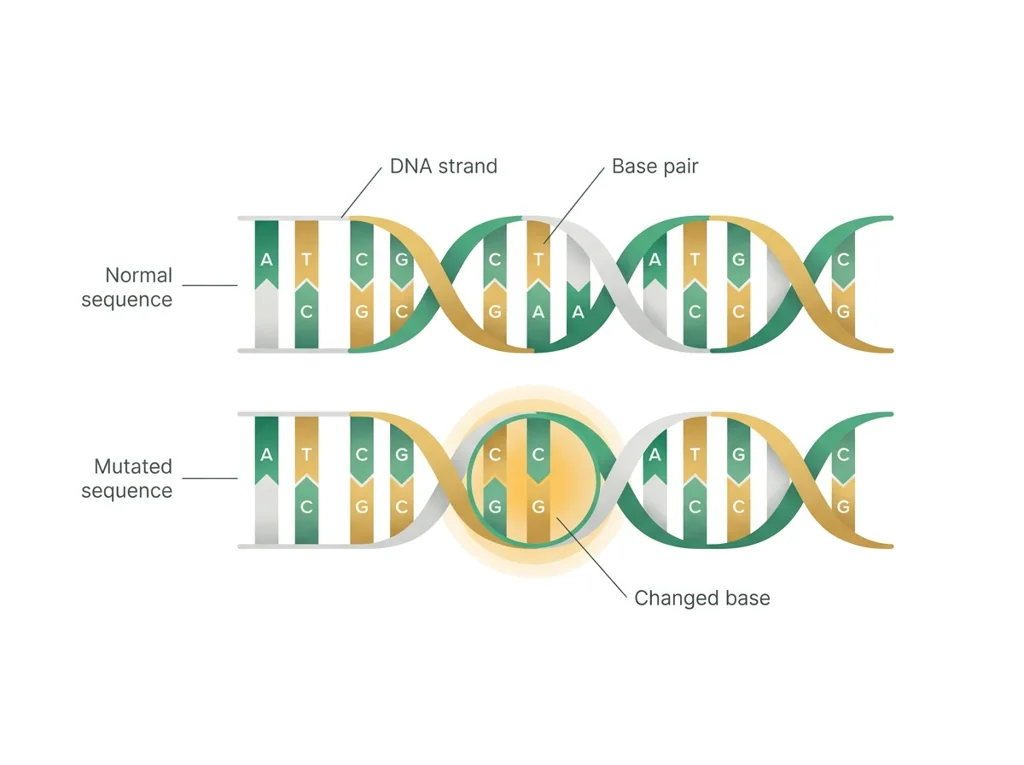
A change in the DNA sequence; some change a protein enough to cause disease, many do not.
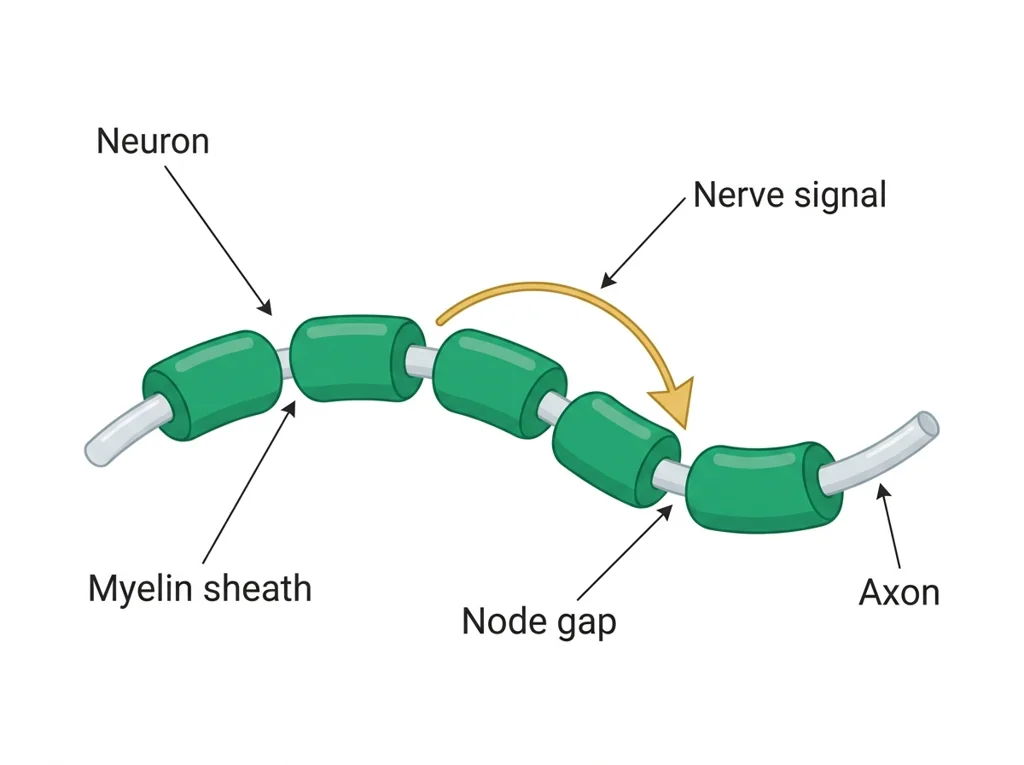
A fatty insulating layer wrapped around nerve fibers that speeds up the electrical signals traveling along them.
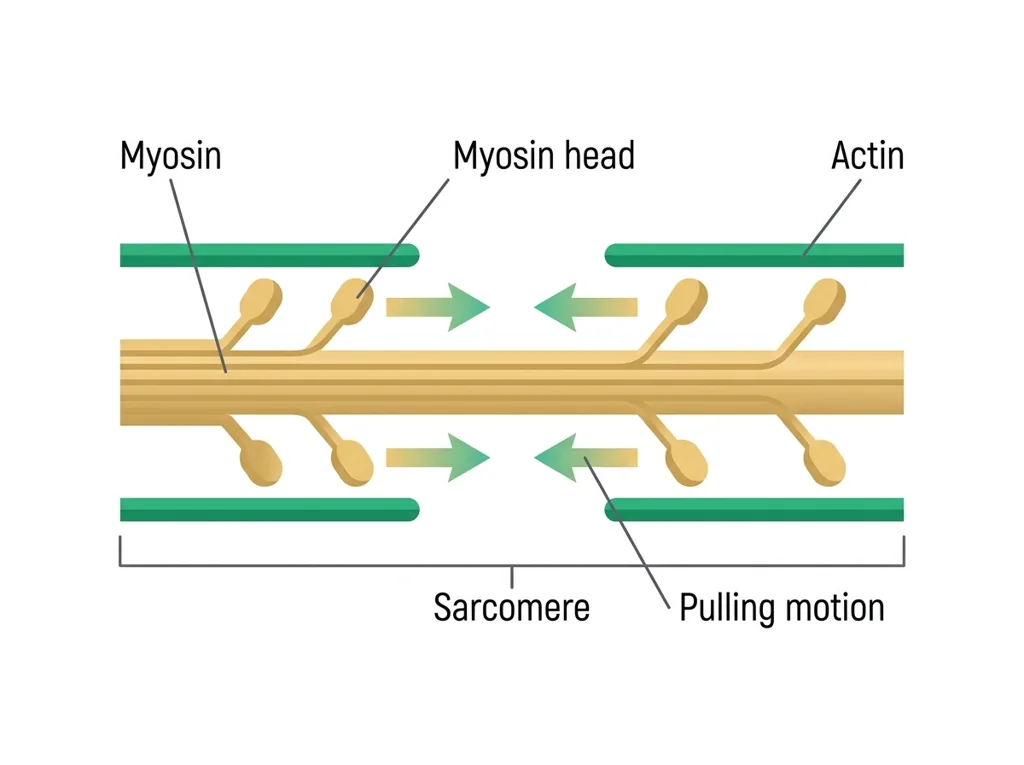
A motor protein in muscle whose heads grab and pull on actin filaments, producing the sliding motion that contracts the muscle.
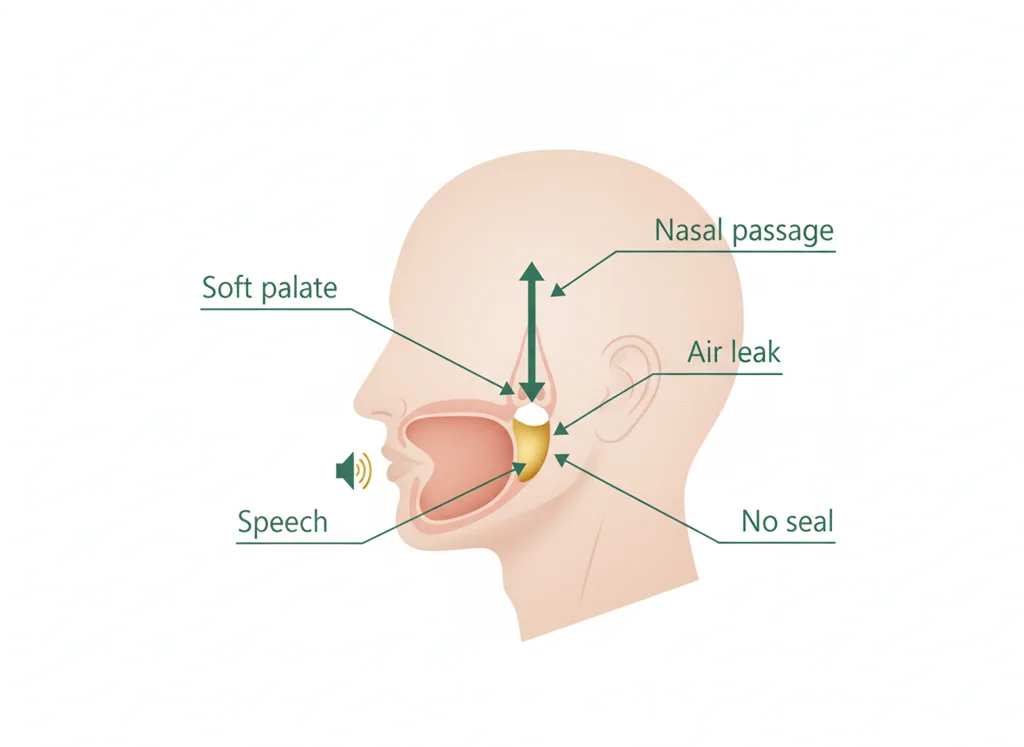
Air leaking out through the nose during speech when the soft palate cannot fully seal the mouth off from the nasal passage.
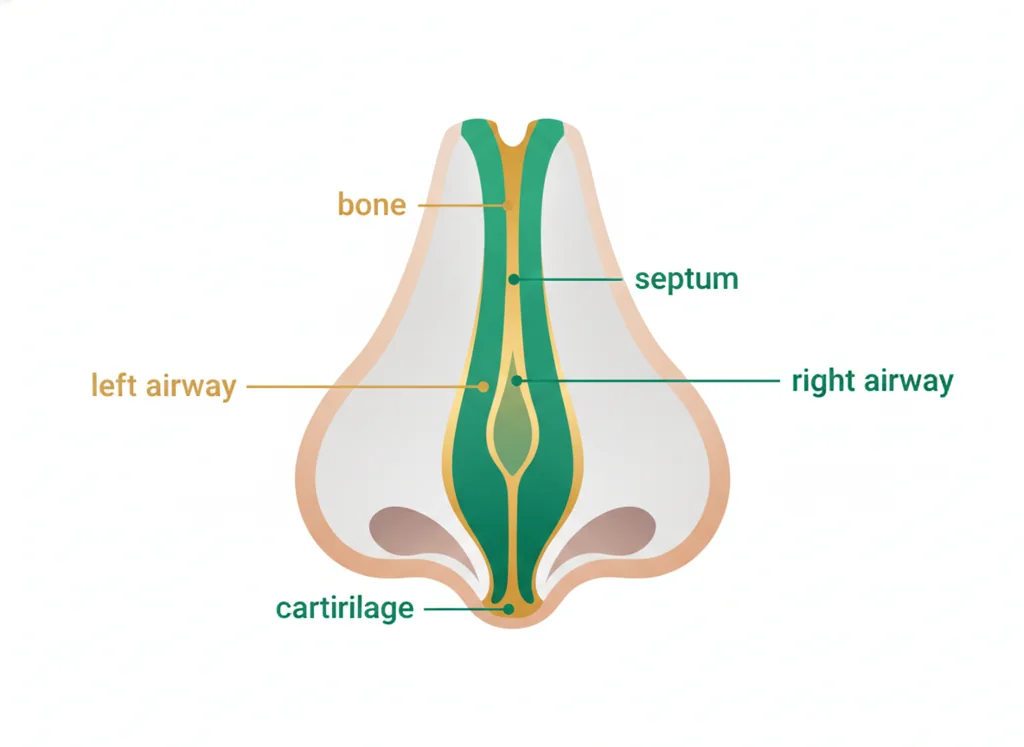
The wall of cartilage and bone running down the middle of the nose that separates it into left and right airways.
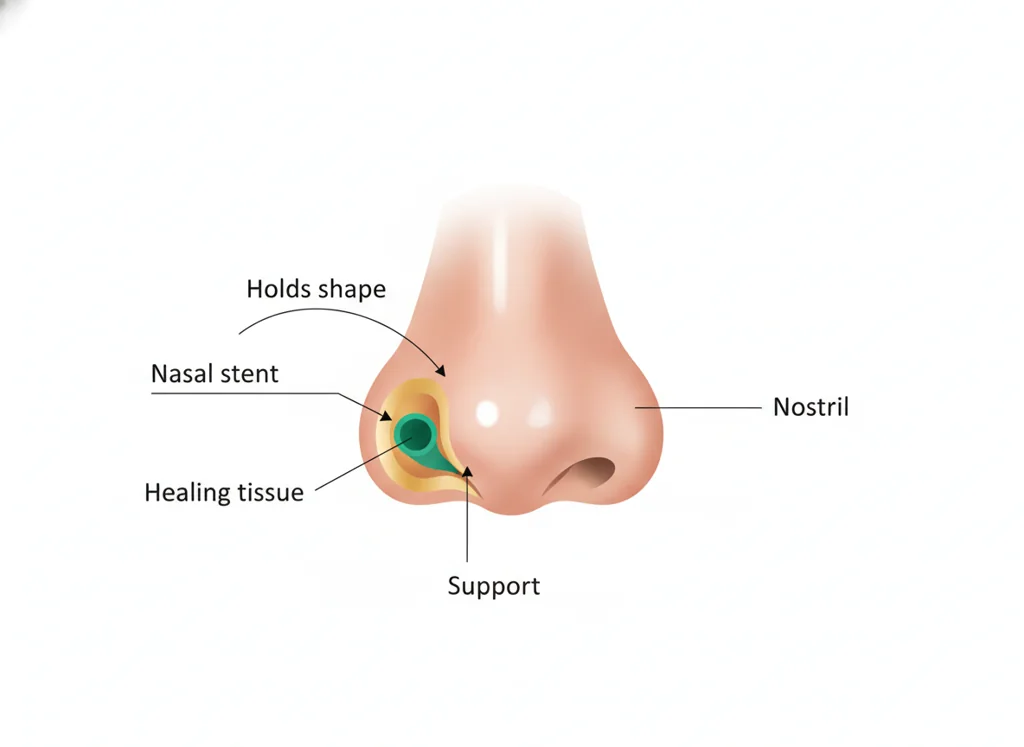
A small support placed in the nostril after cleft surgery to hold its shape open while the healing tissue settles.
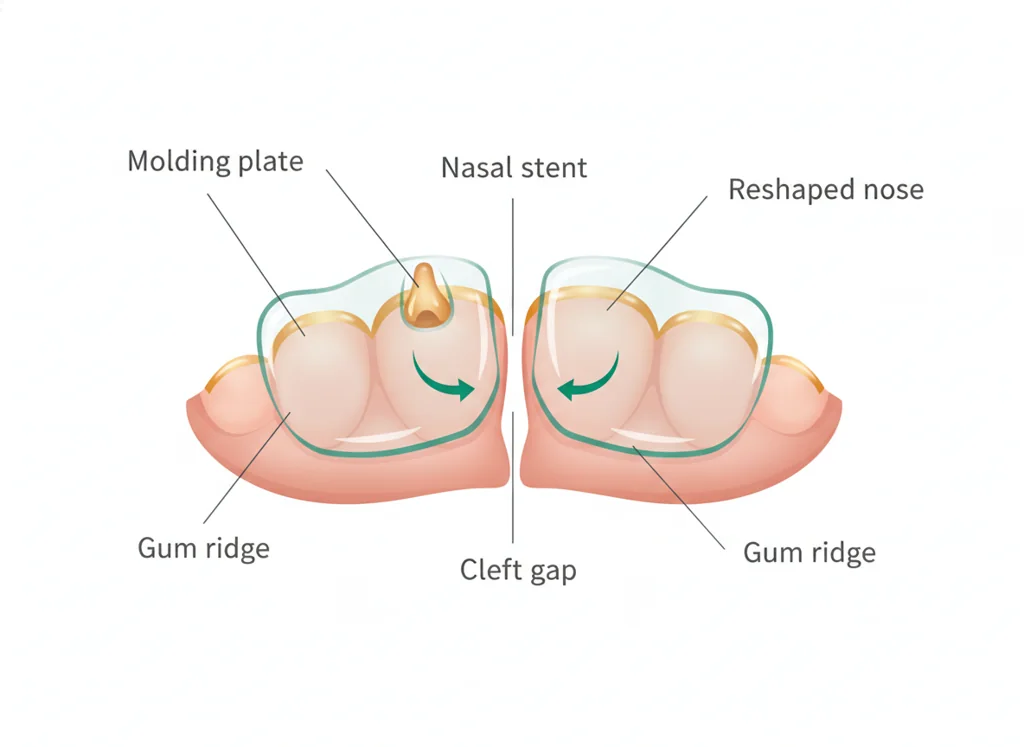
A custom plate worn before surgery that gradually reshapes a baby's gum and nose, narrowing the cleft to improve the repair.
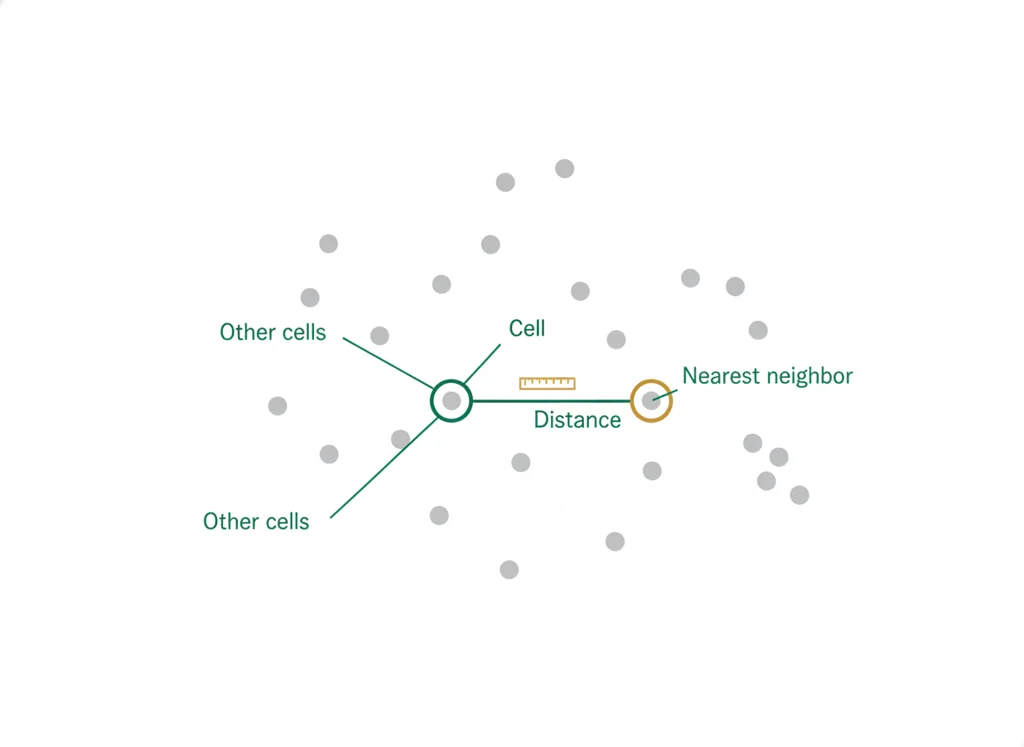
The distance from each cell to the closest other cell, used to measure how tightly packed cells are.
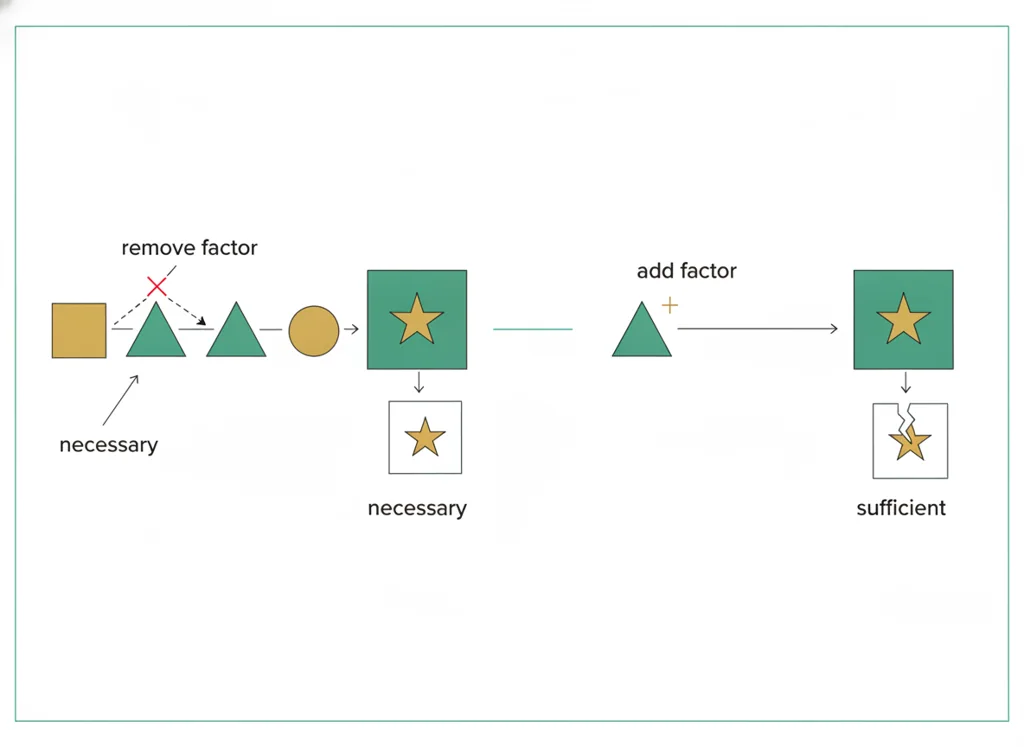
Two tests of a cause: necessary means the result fails without it, and sufficient means the factor alone can produce the result.
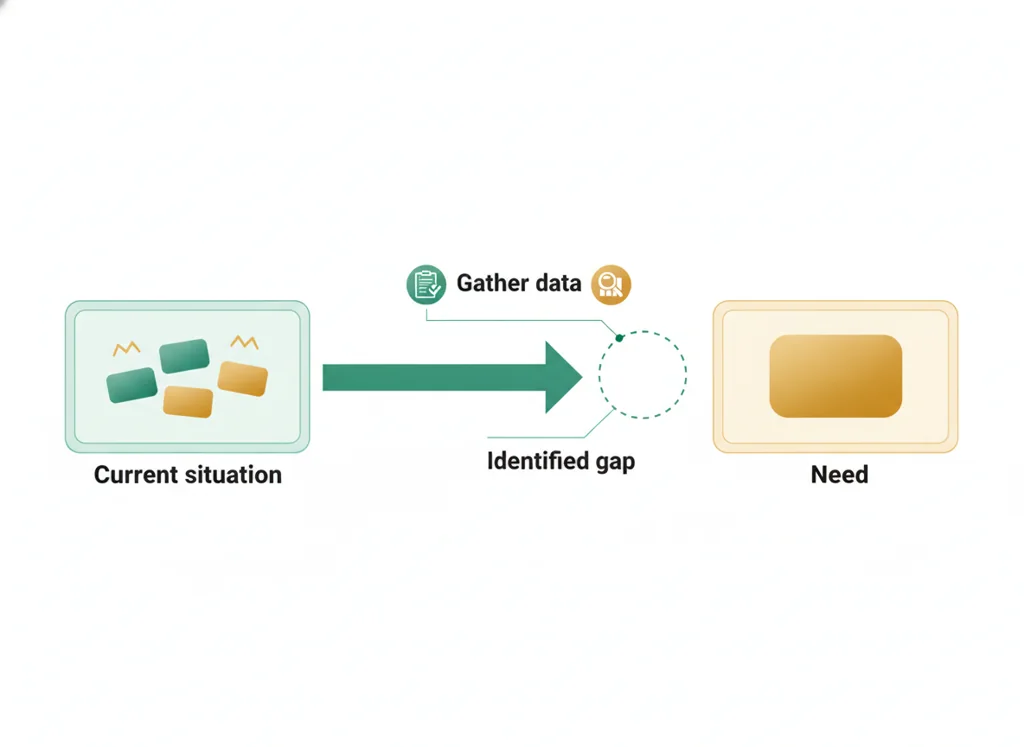
A structured study that gathers information about a group's problems and gaps to identify what a new solution or product should address.
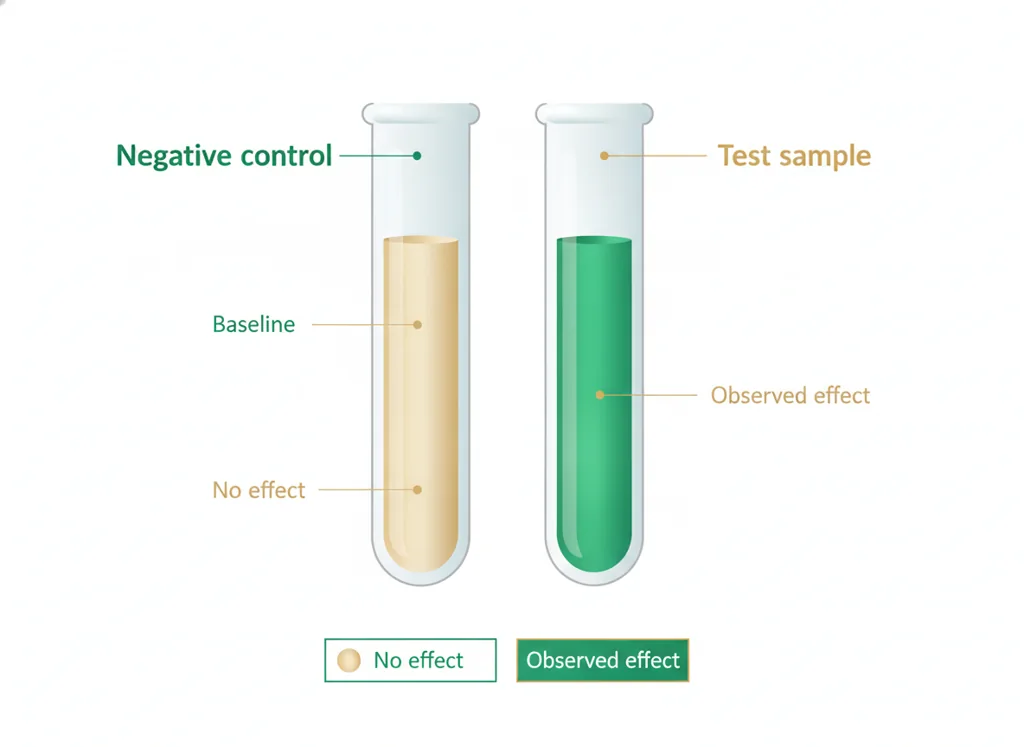
A sample in an experiment expected to show no effect, used as a baseline to confirm that any result in the test sample is real.
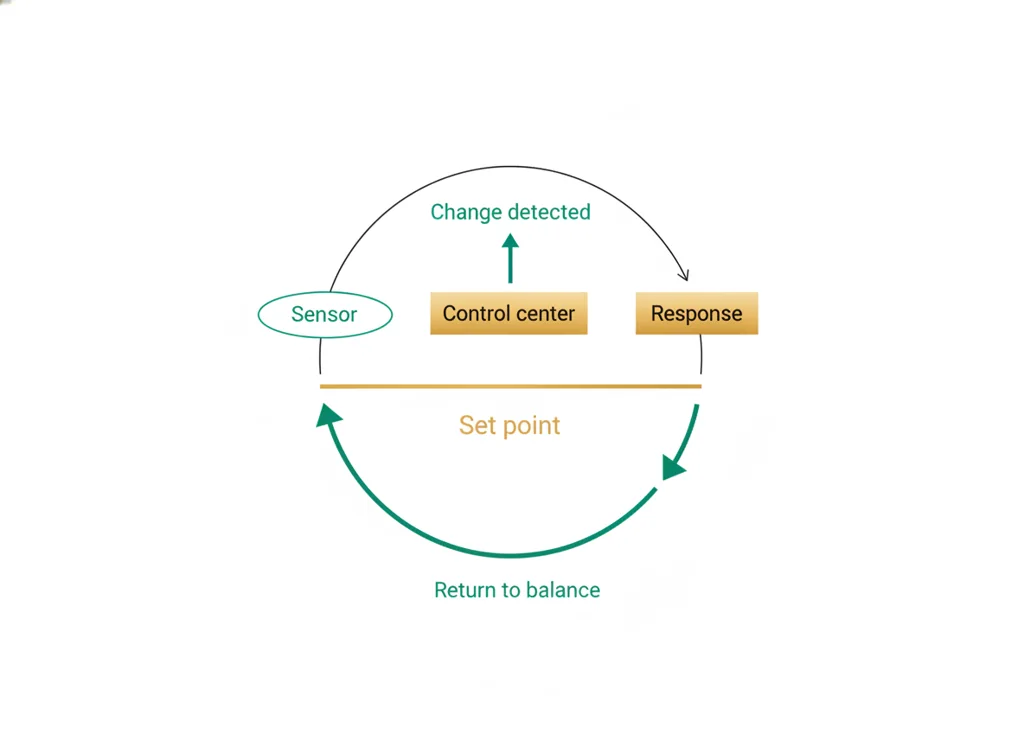
A control process that reverses a change, pushing a condition back toward its set point so the body stays balanced, like a thermostat.
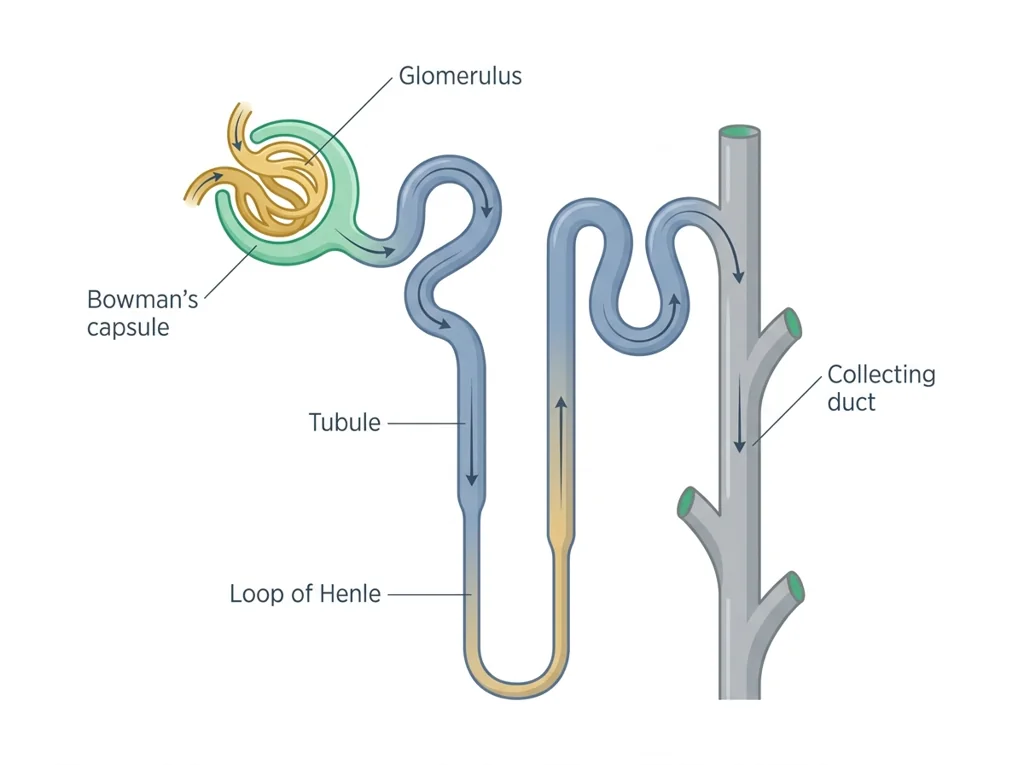
The kidney's microscopic filtering unit that cleans the blood, reabsorbs needed substances, and forms urine.
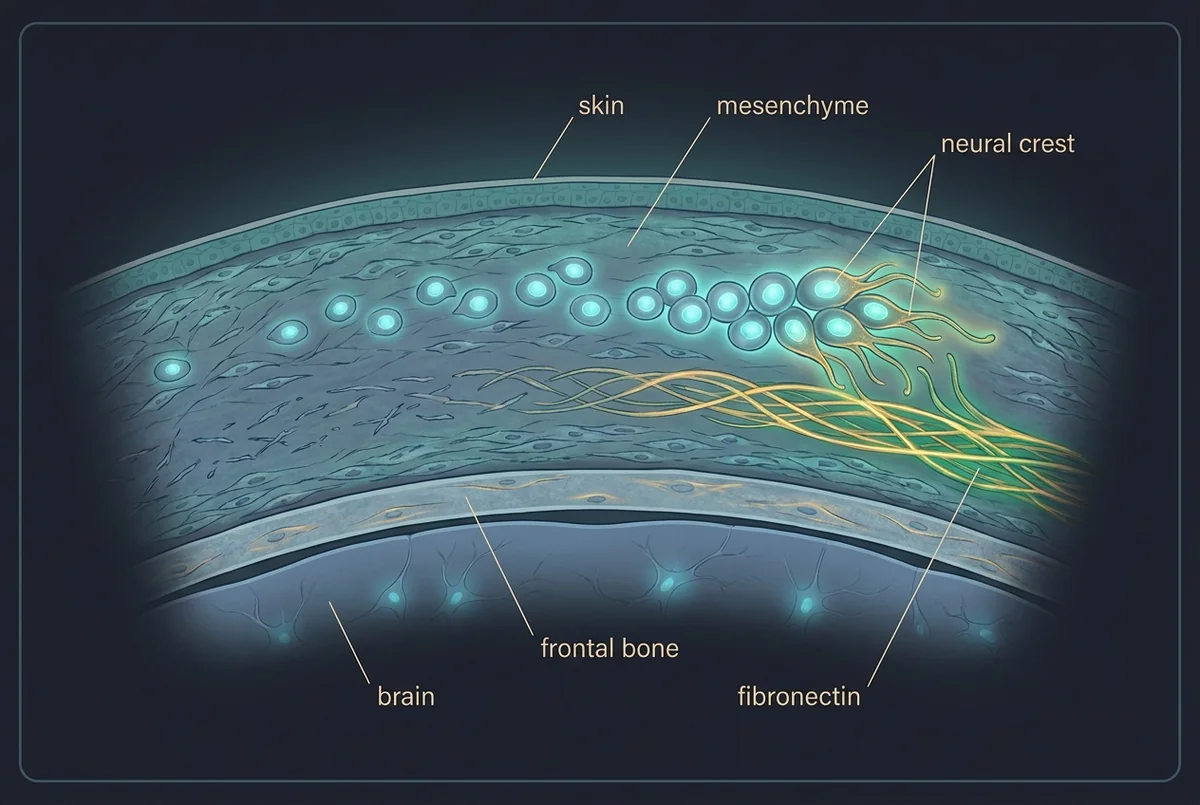
A temporary group of cells in the early embryo that migrate widely and form structures like nerves, pigment cells, and parts of the face.
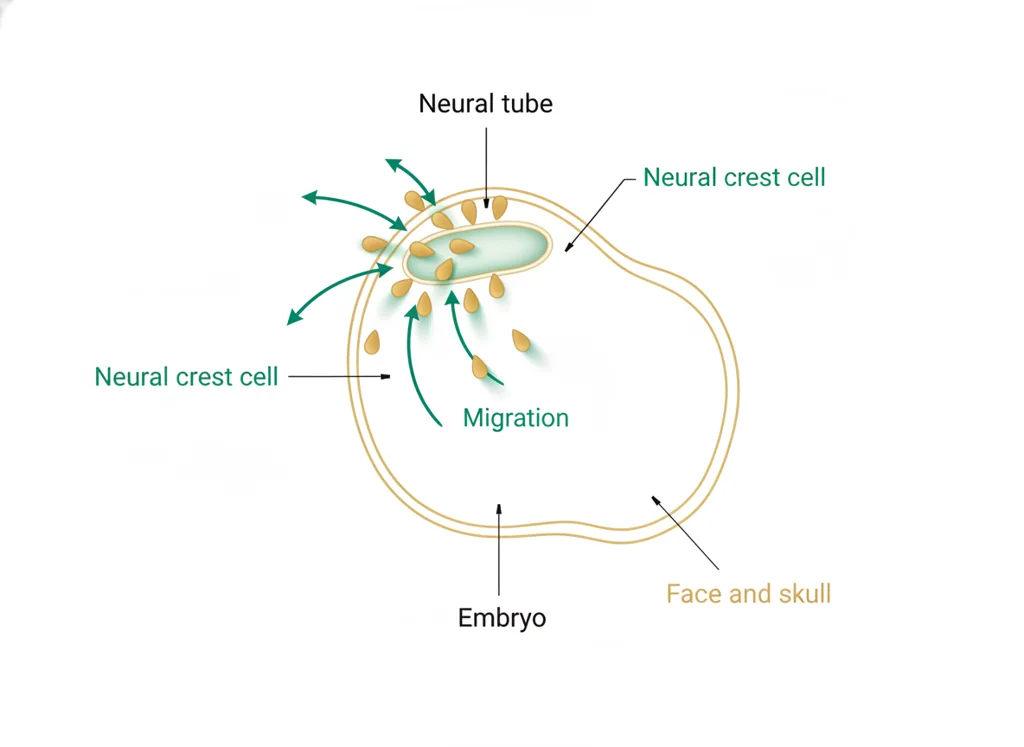
A migrating embryonic cell type that leaves the forming spinal cord and builds much of the face, skull, and many other tissues.
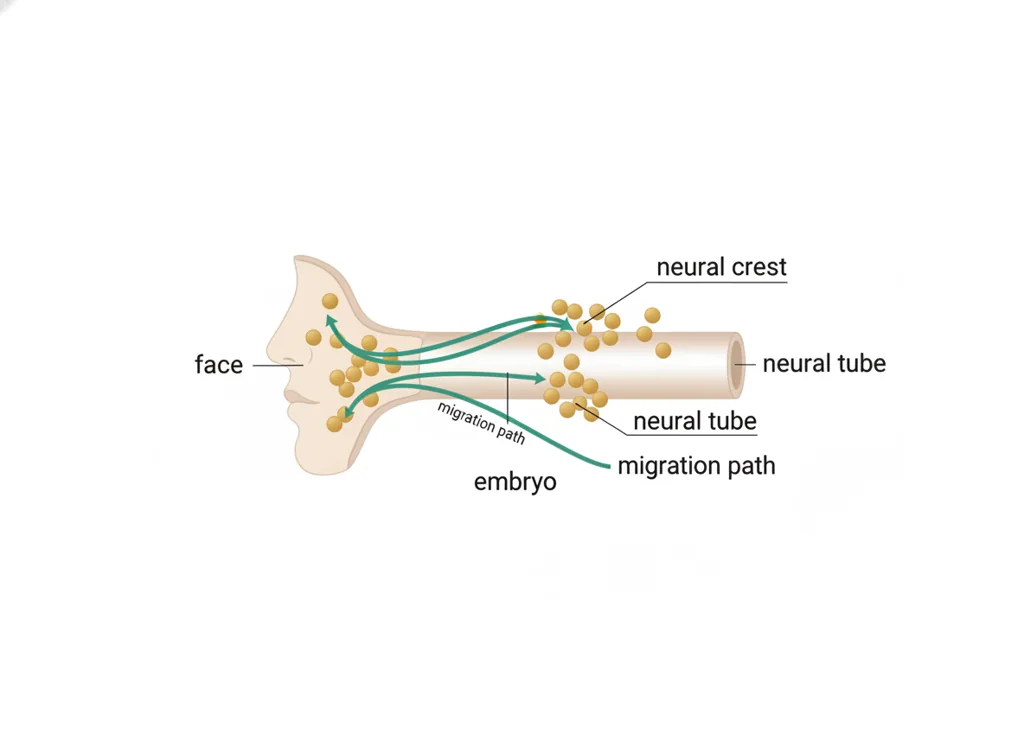
Migratory embryonic cells that travel from the edge of the neural tube to build much of the face, skull, and nerves.
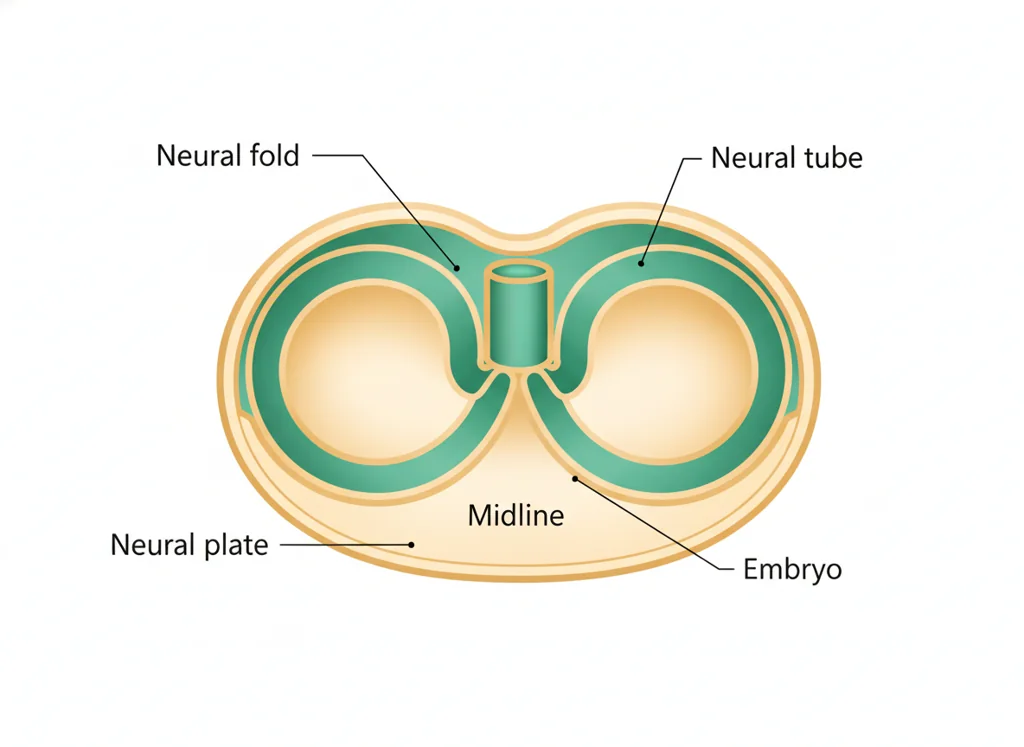
The two raised ridges of the early embryo that rise up and fuse along the midline to form the neural tube, source of the brain and spinal cord.
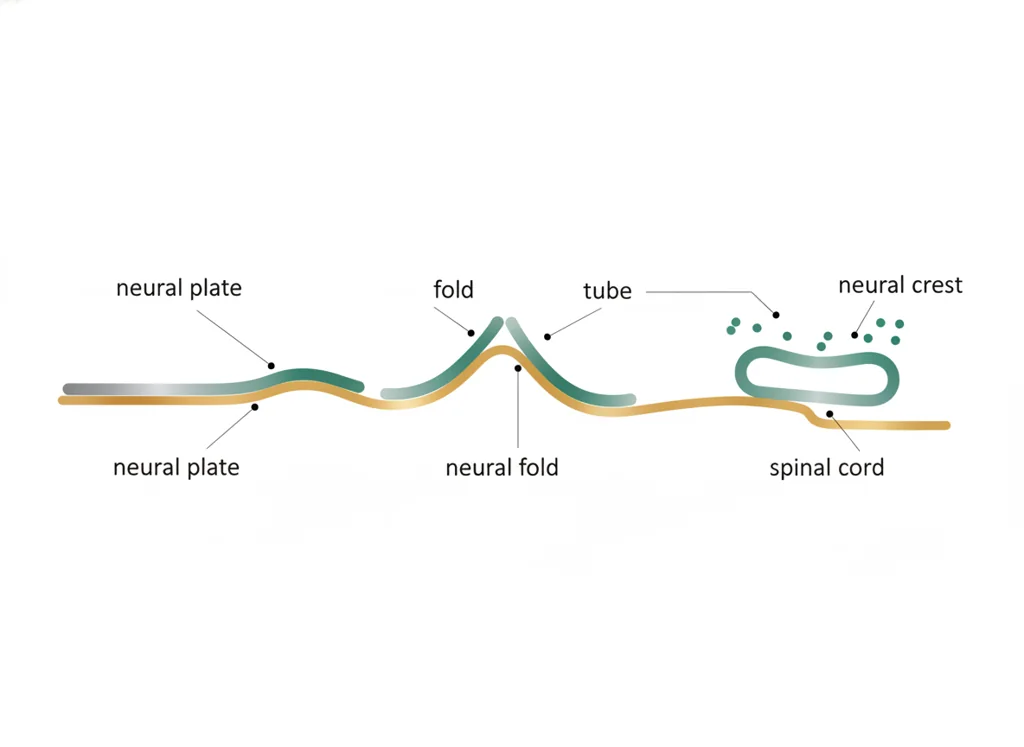
The early embryonic tube of cells that becomes the brain and spinal cord; the neural crest pinches off from its top edge.
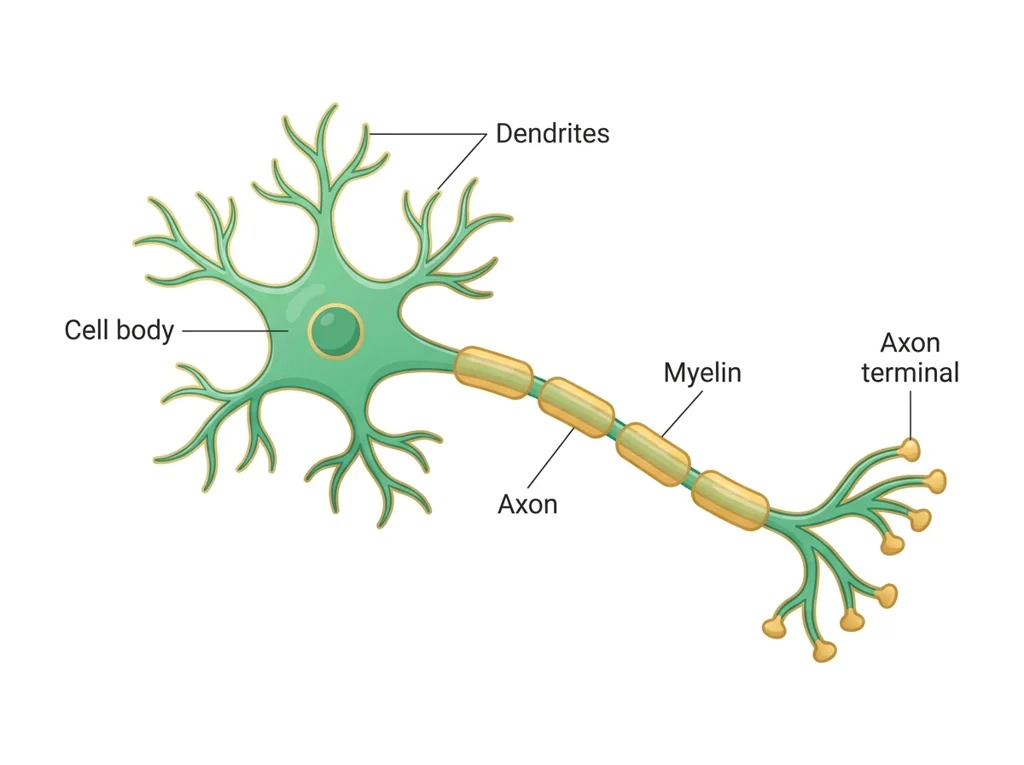
A nerve cell with branching dendrites that receive input and a long axon that sends an electrical signal to the next cell.
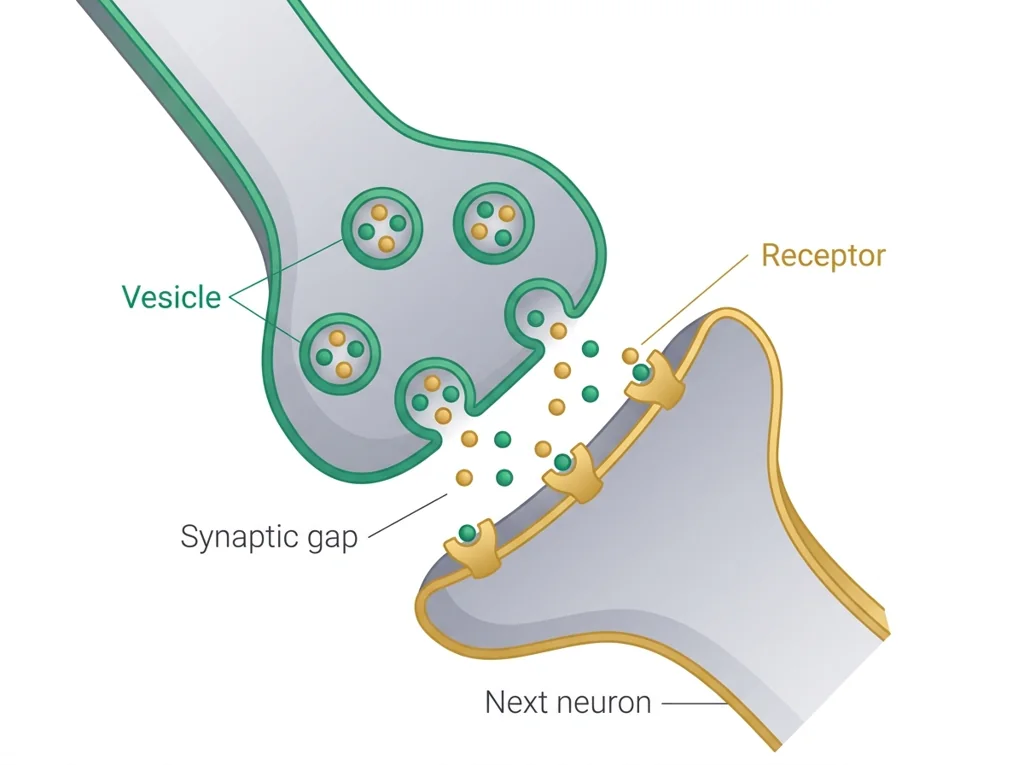
A chemical messenger released by a neuron that crosses the synapse to pass a signal to the next neuron, muscle, or gland.
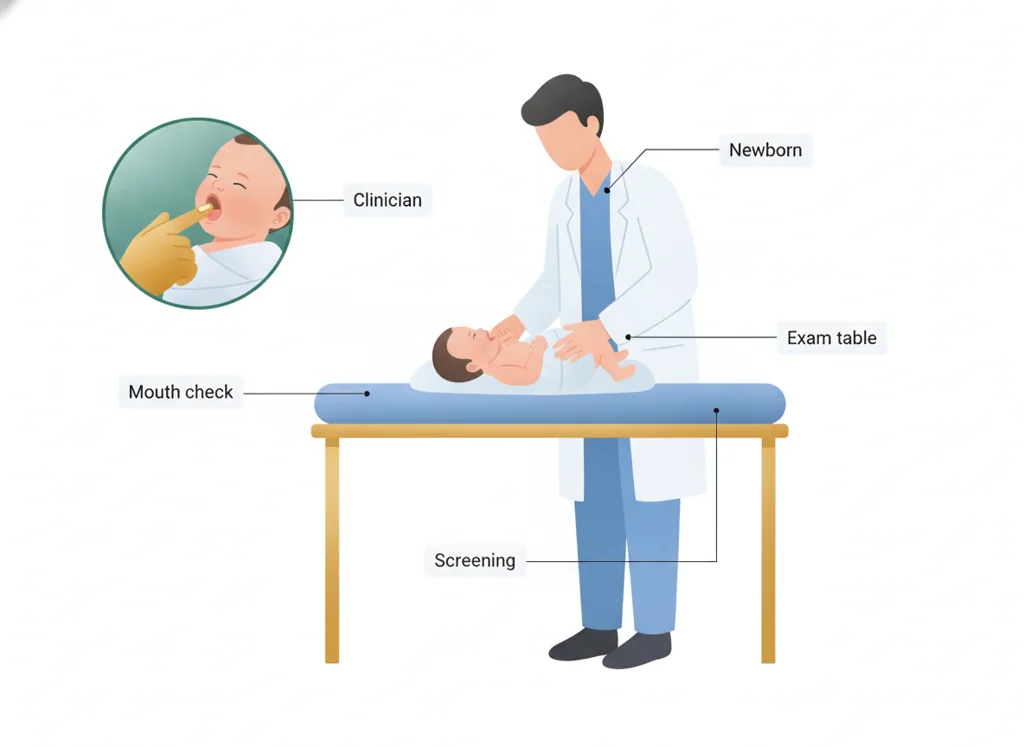
A head-to-toe check a doctor does on a baby soon after birth to spot problems, including looking and feeling inside the mouth for a cleft.
The specific action chosen to do next in an investigation, based on what the current evidence shows and what question remains to be answered.
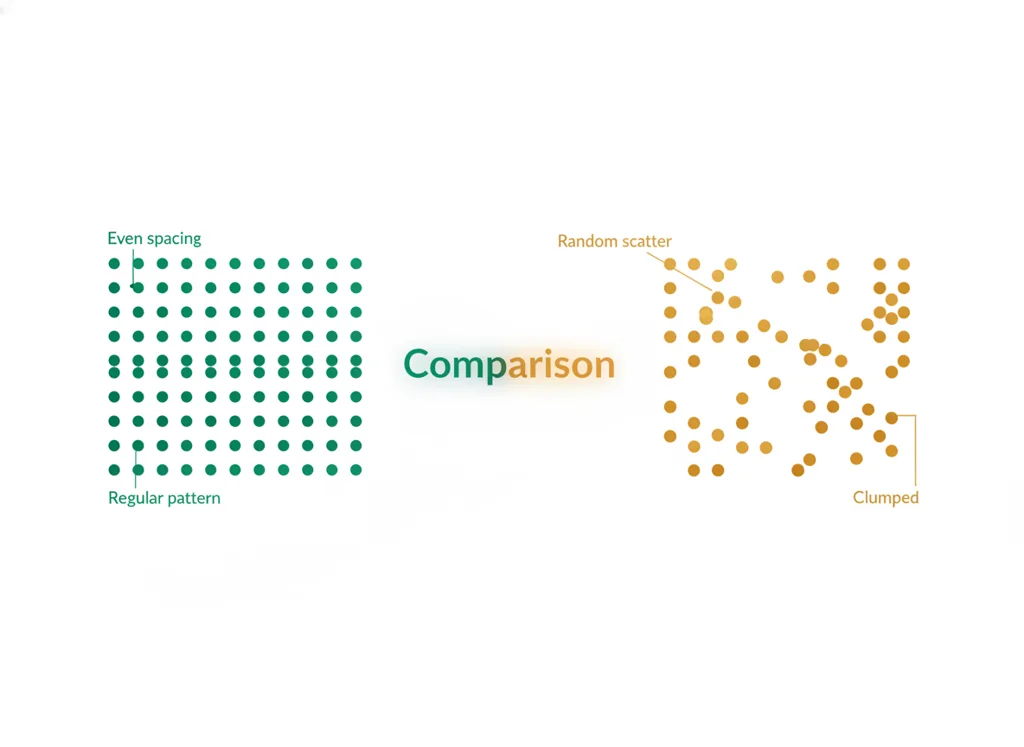
Sitting in a regular pattern with even gaps, rather than being scattered or clumped together by chance.
The bioethics principle of not causing harm. It asks you to weigh what a treatment could cost the patient against what it could gain them, and to hold back when the harm outweighs the help.
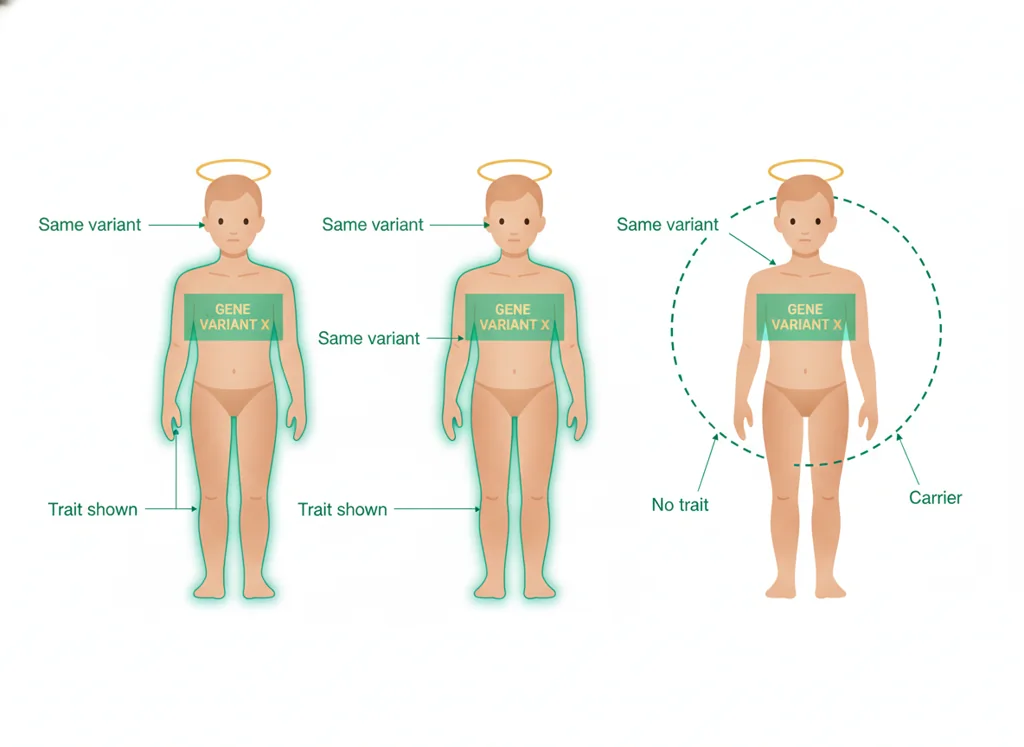
When a person carries a disease-linked variant but never shows the associated trait or condition.
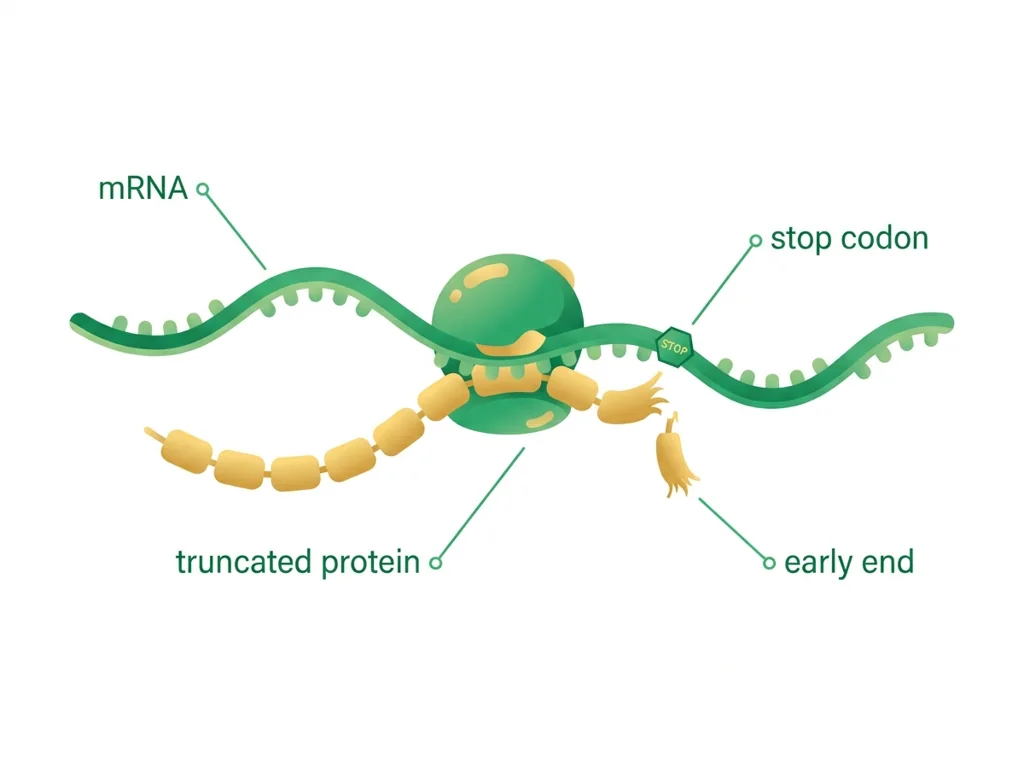
A DNA change that creates an early stop codon, halting translation so the protein is cut short and usually nonfunctional.
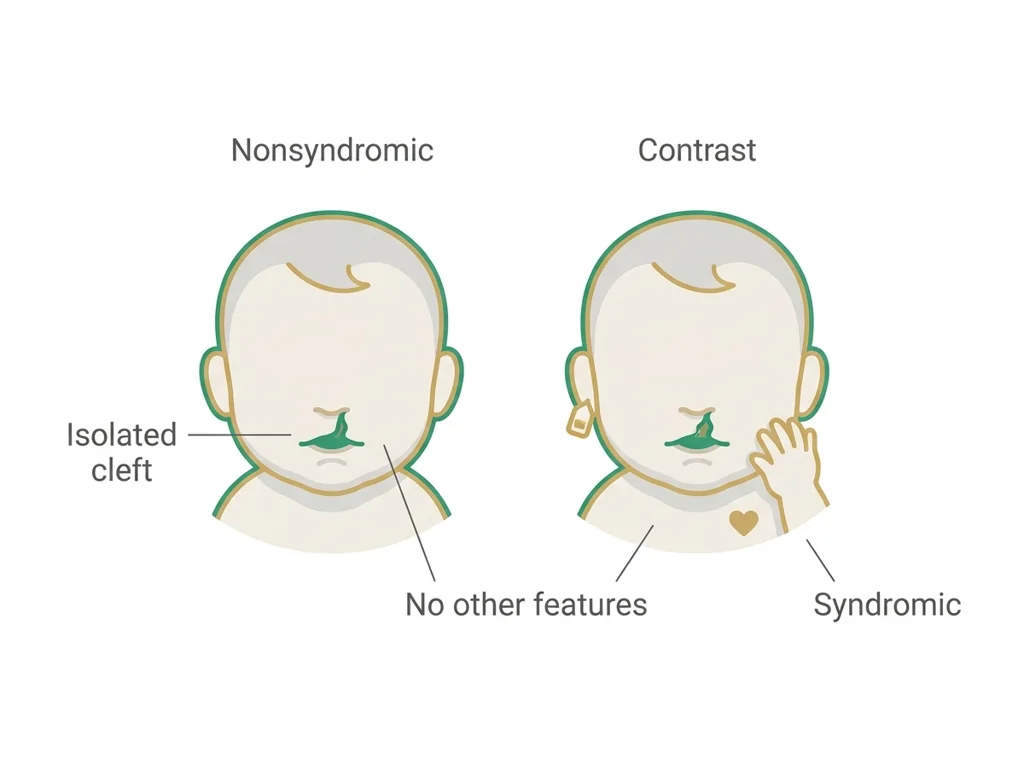
Describing a condition, such as a cleft, that occurs on its own without a set of other linked birth differences.
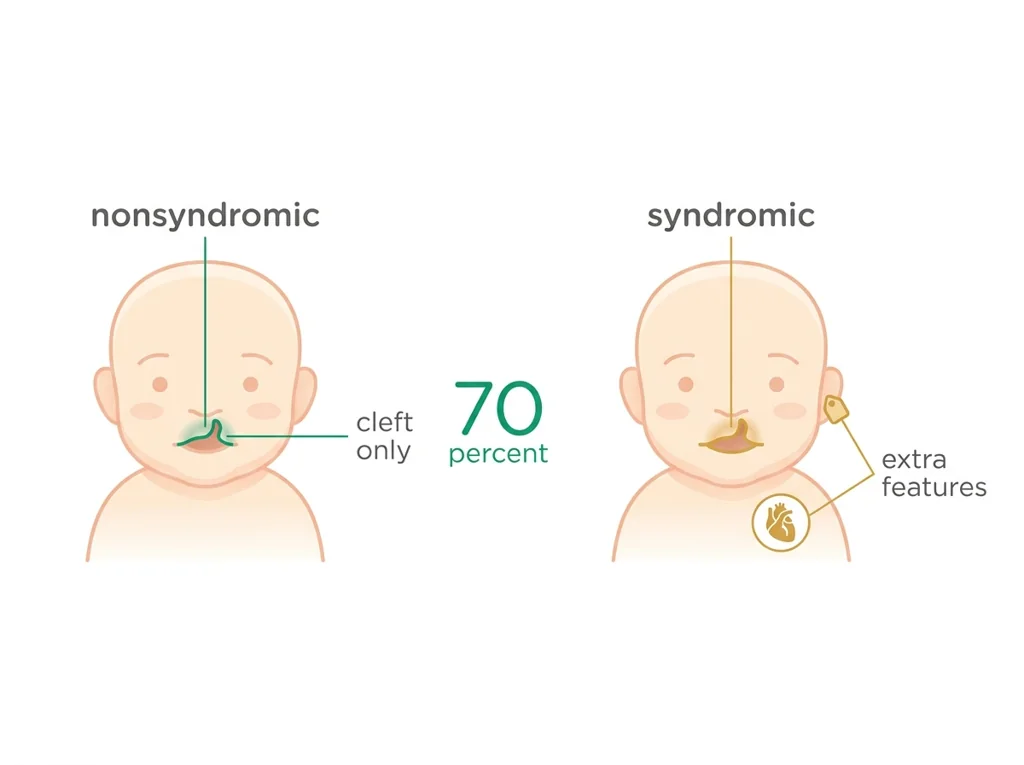
A cleft that occurs on its own without other birth differences, making up roughly 70 percent of all clefts.
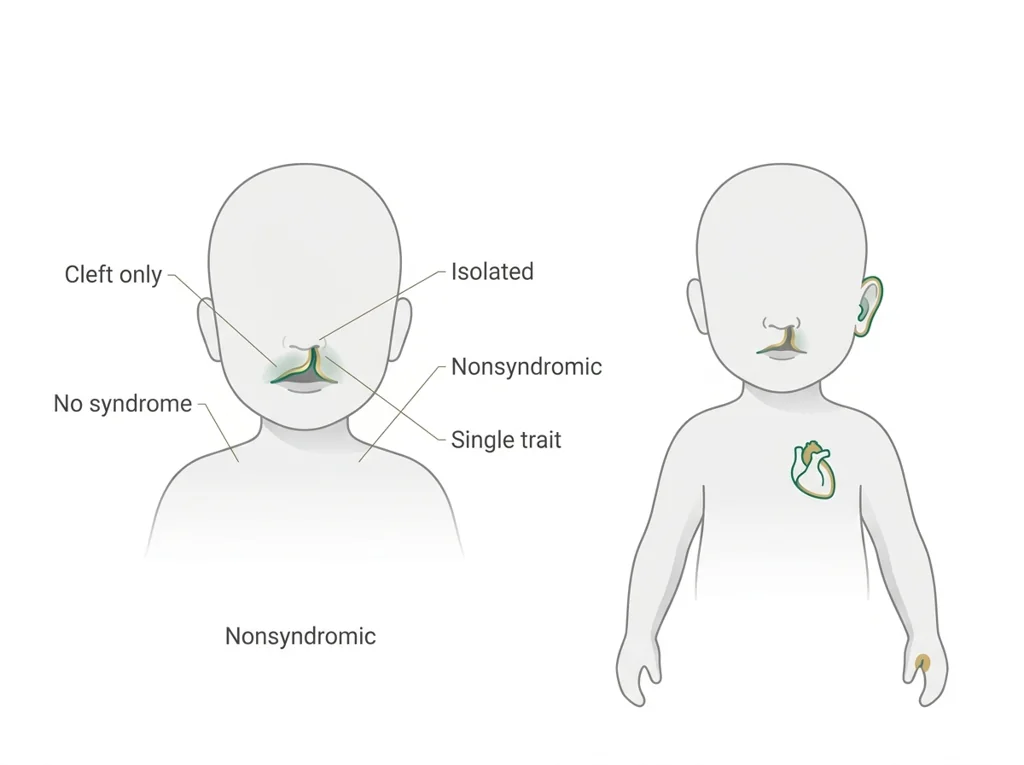
A cleft that occurs on its own, without other birth differences or a recognized syndrome accompanying it.
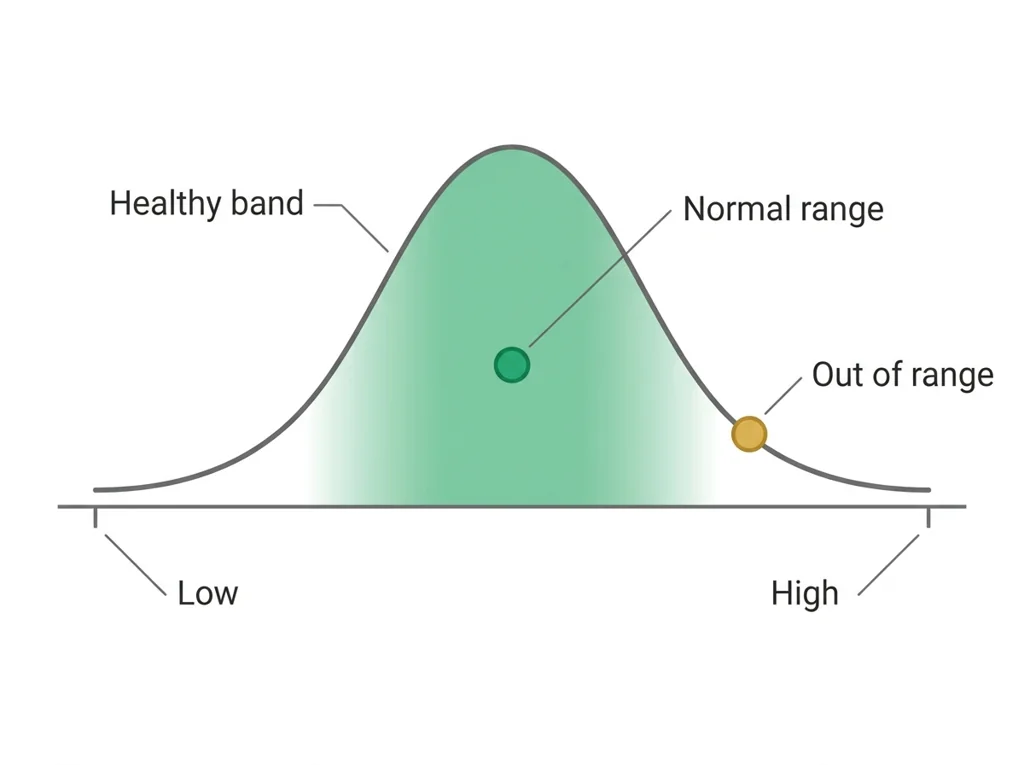
The span of values for a lab test or measurement seen in healthy people, used as a reference to flag results that may signal a problem.
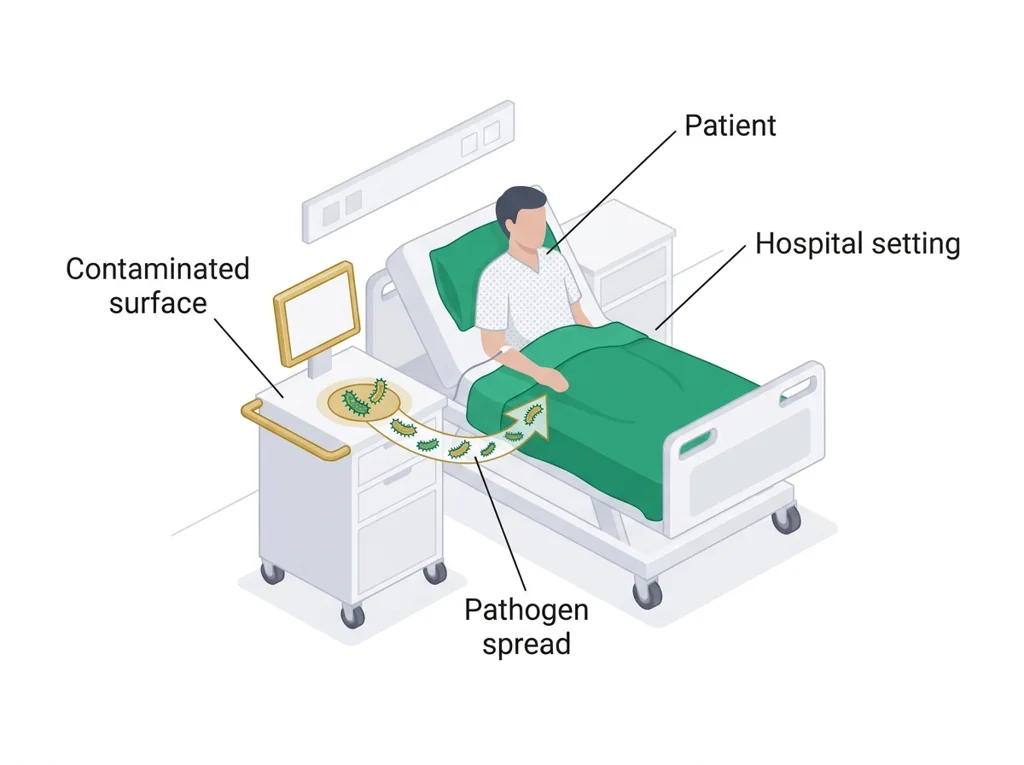
Describes an infection that a patient catches while in a hospital or healthcare setting rather than bringing it in from outside.
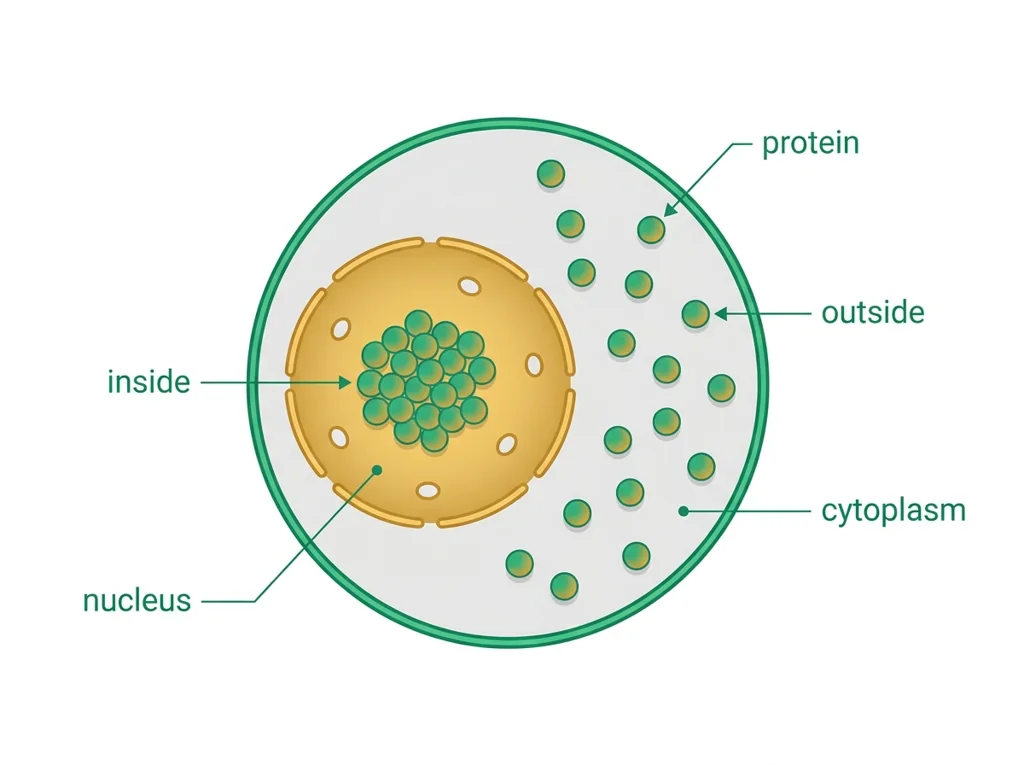
Whether a protein sits inside the nucleus, where the genes are, or stays outside it in the surrounding cytoplasm.
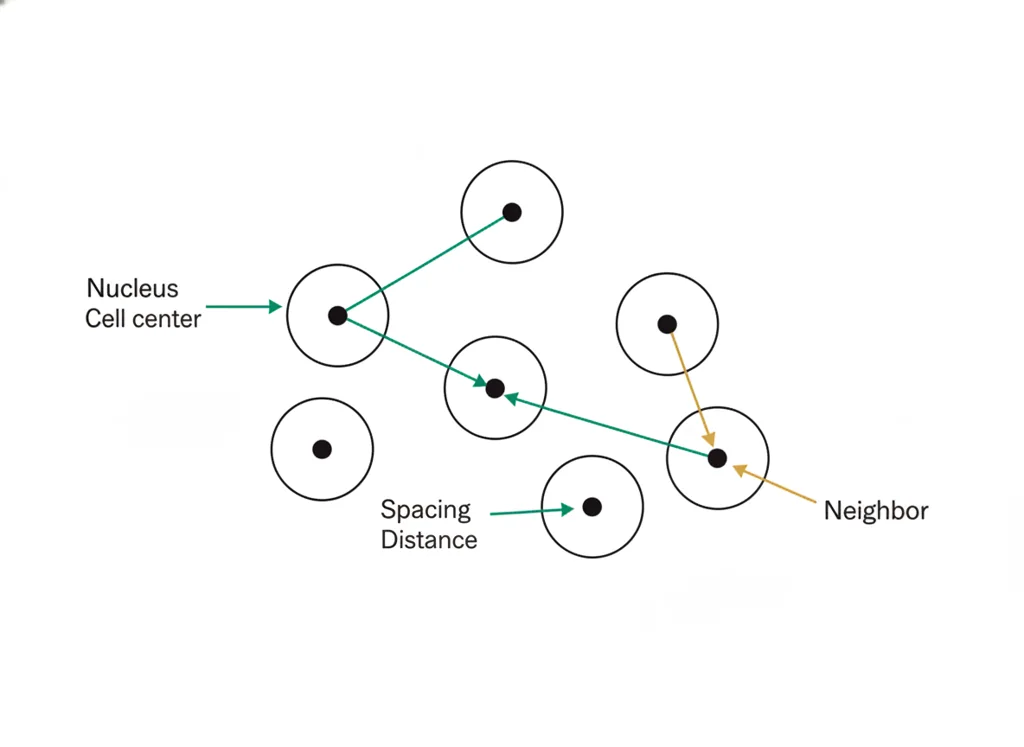
How far apart the cell centers (the dots) sit from each other.
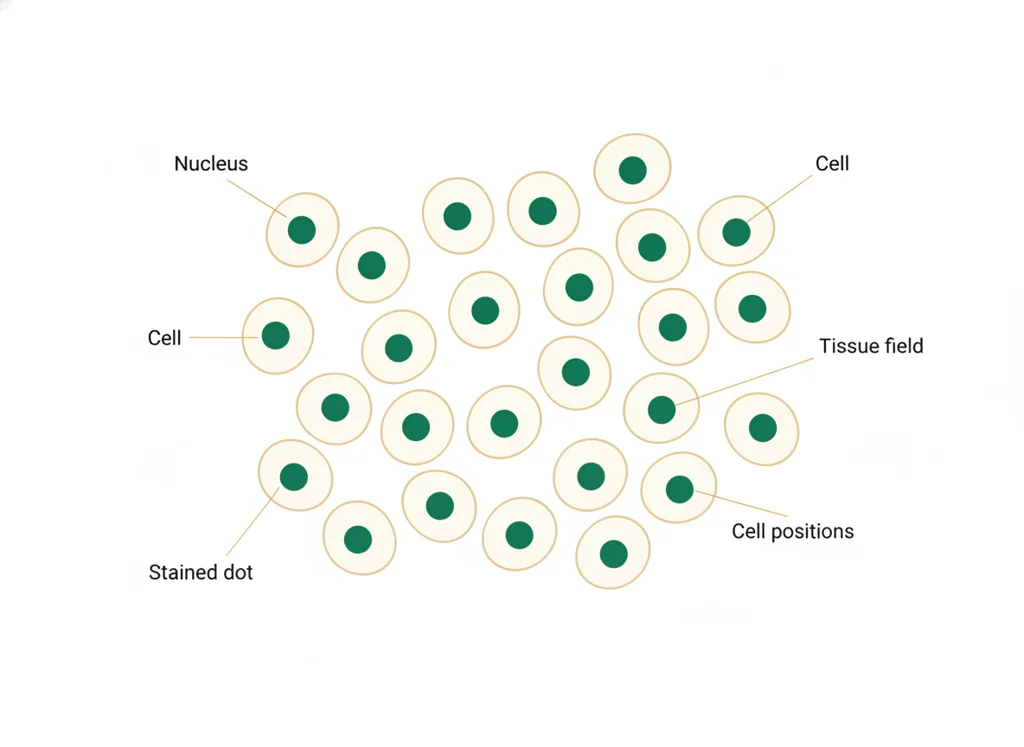
More than one nucleus, the control center of each cell, used here as dots that mark where individual cells are located.
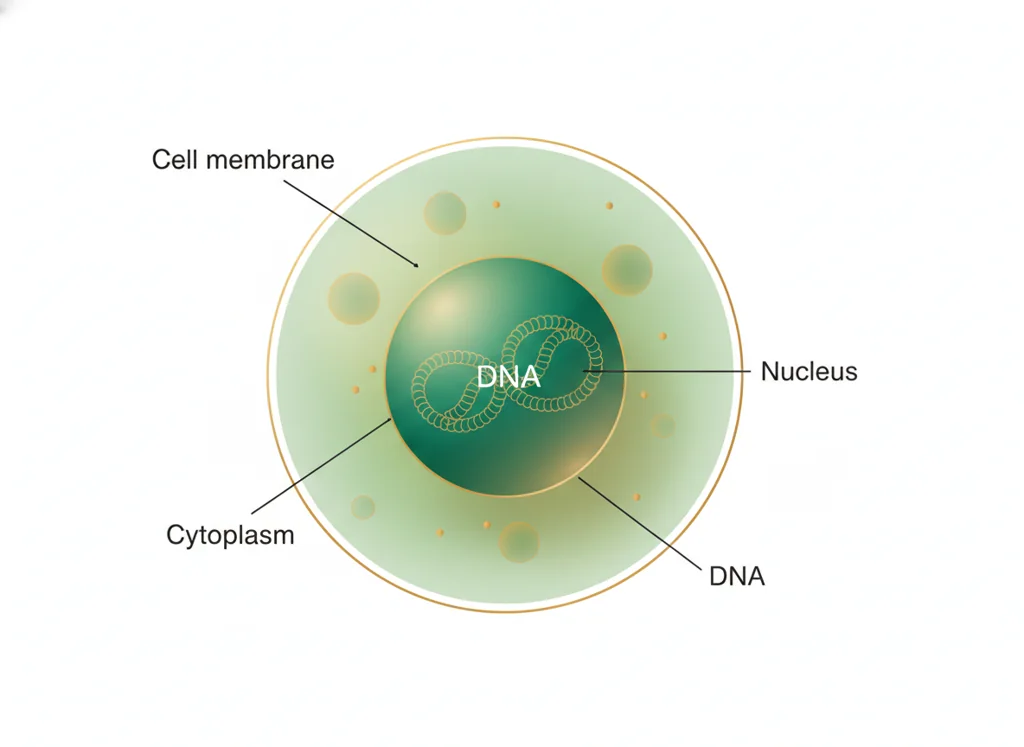
The control center near the middle of a cell that holds the DNA; here it serves as a dot marking each cell's location.
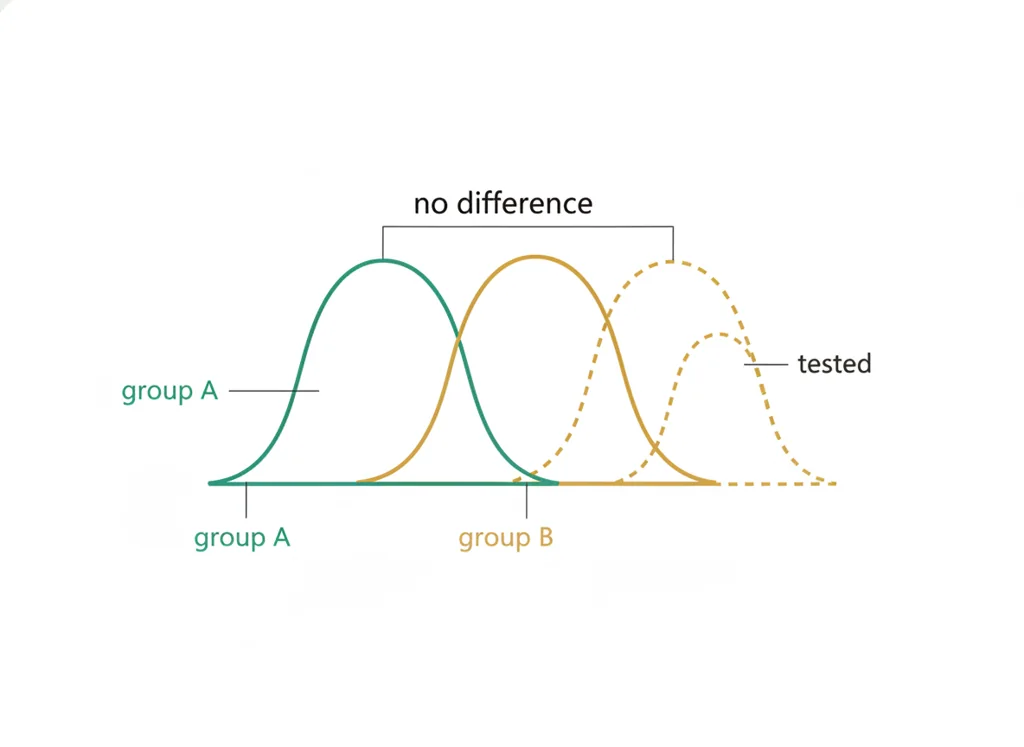
The default assumption that there is no real effect or difference, which a study tries to disprove with its data.
A finding that shows no meaningful effect or difference, which is still valuable evidence and worth reporting.
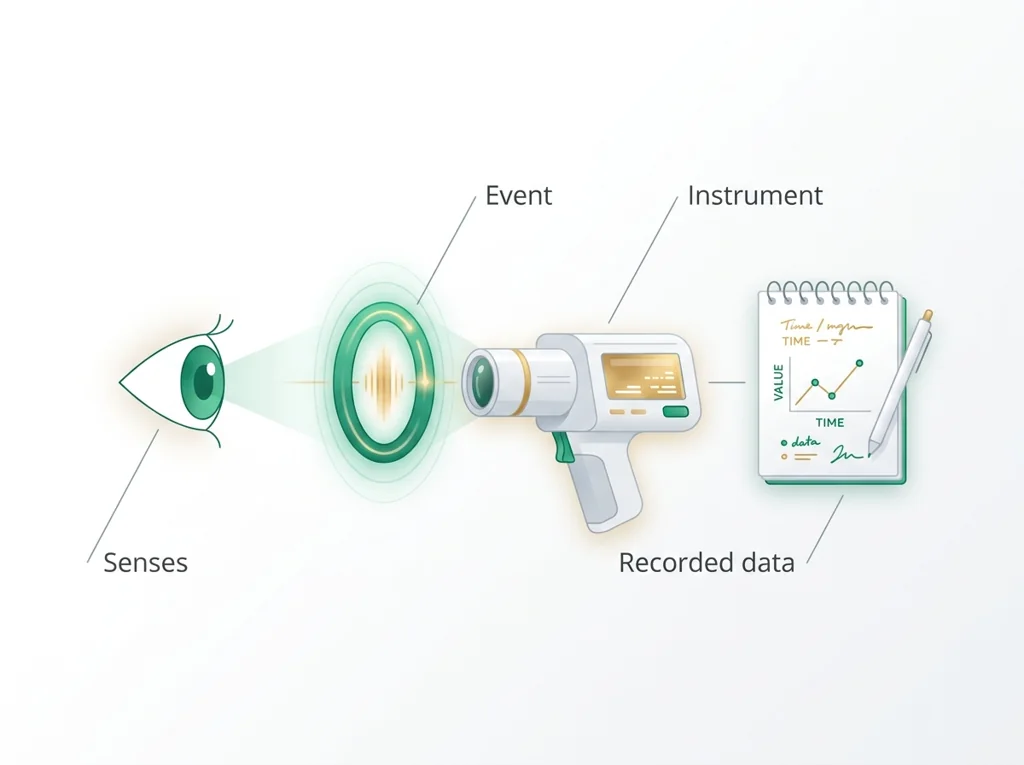
Information gathered directly through the senses or instruments, recording what actually happens without yet interpreting it.
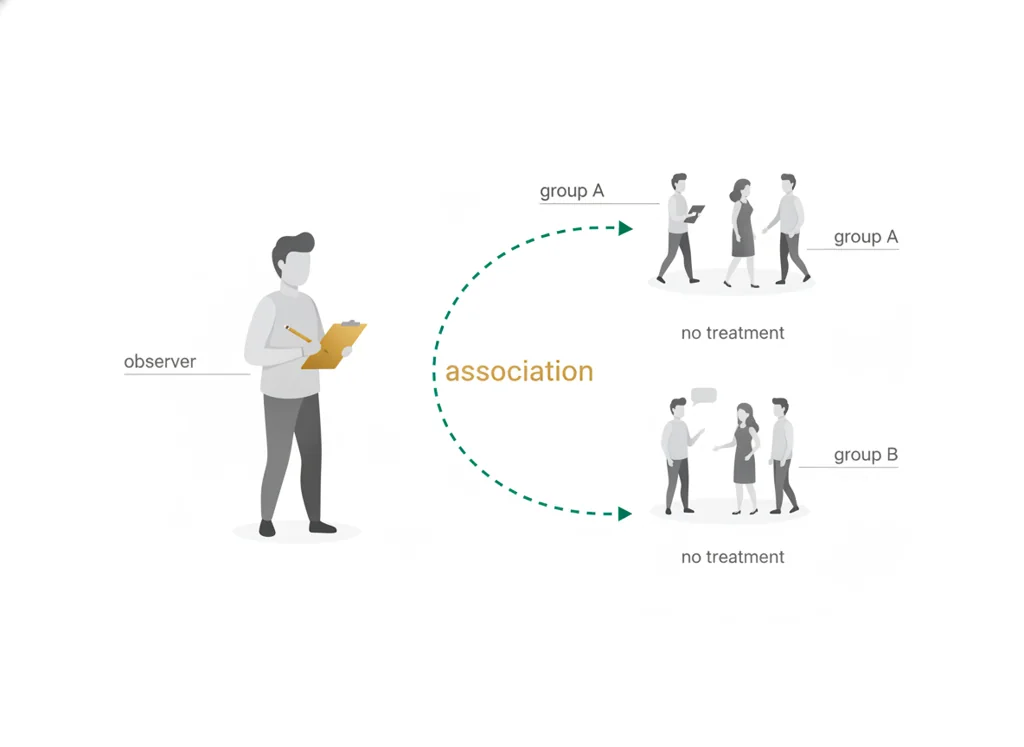
A study that watches and records what happens to groups without assigning any treatment, so it can show links but not prove cause.
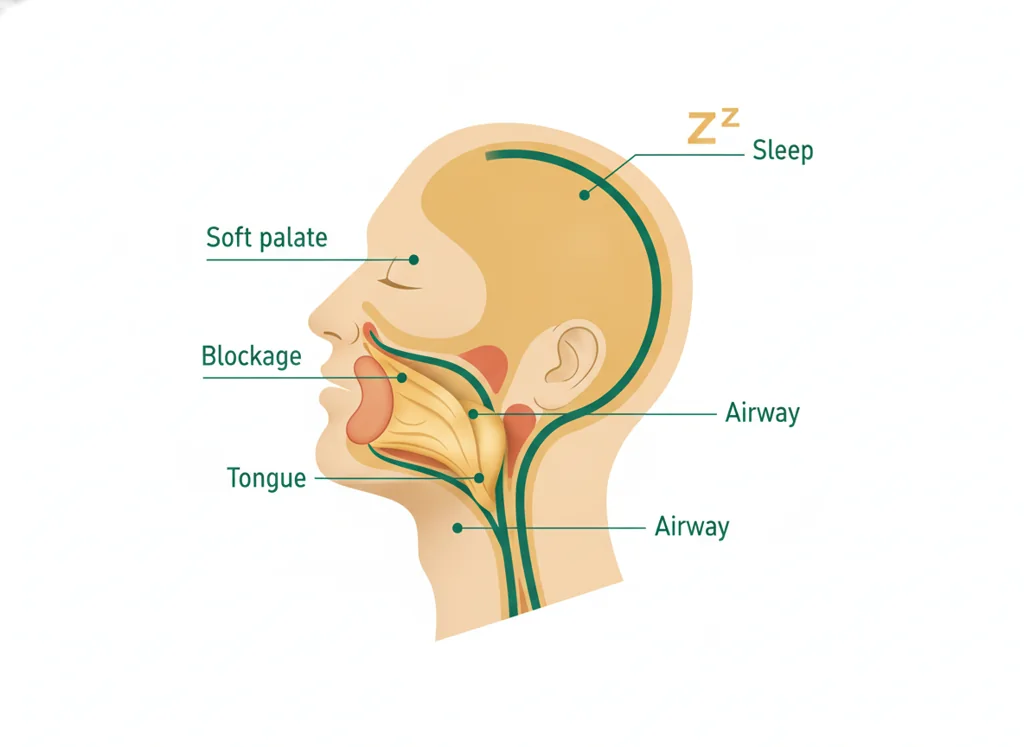
Repeated pauses in breathing during sleep caused when the airway at the back of the throat narrows or collapses.
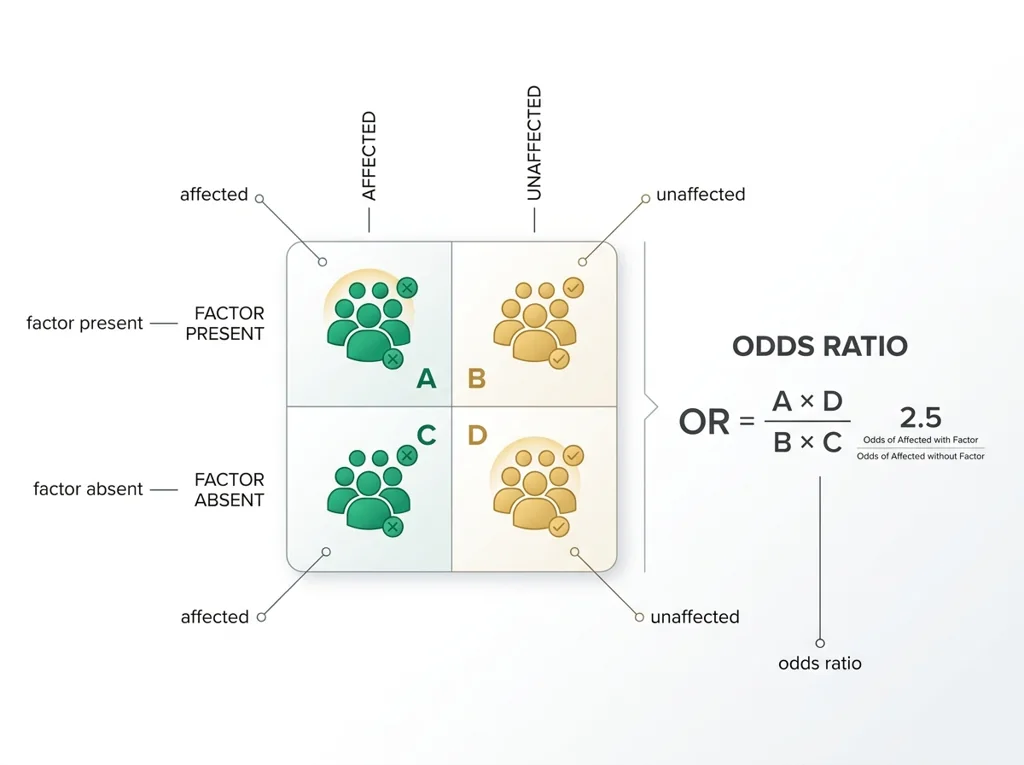
A number comparing the odds of having a factor in affected versus unaffected people; above 1 suggests the factor is associated.
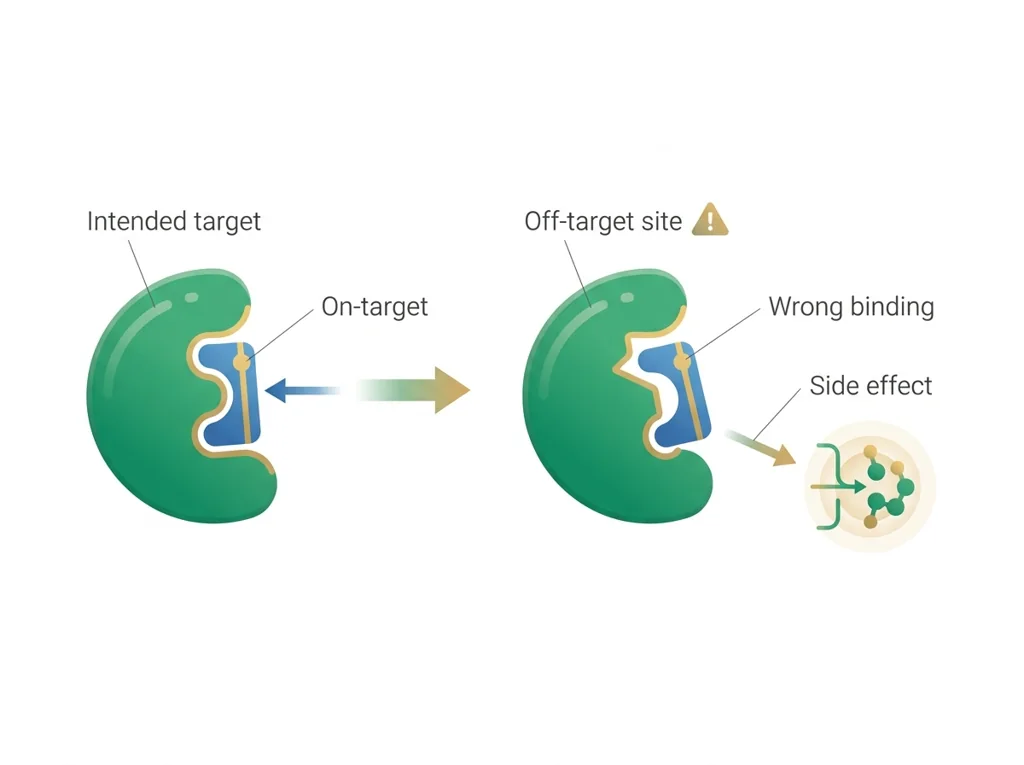
An unintended effect when a drug or gene-editing tool acts on something other than its intended target, which can cause side effects.
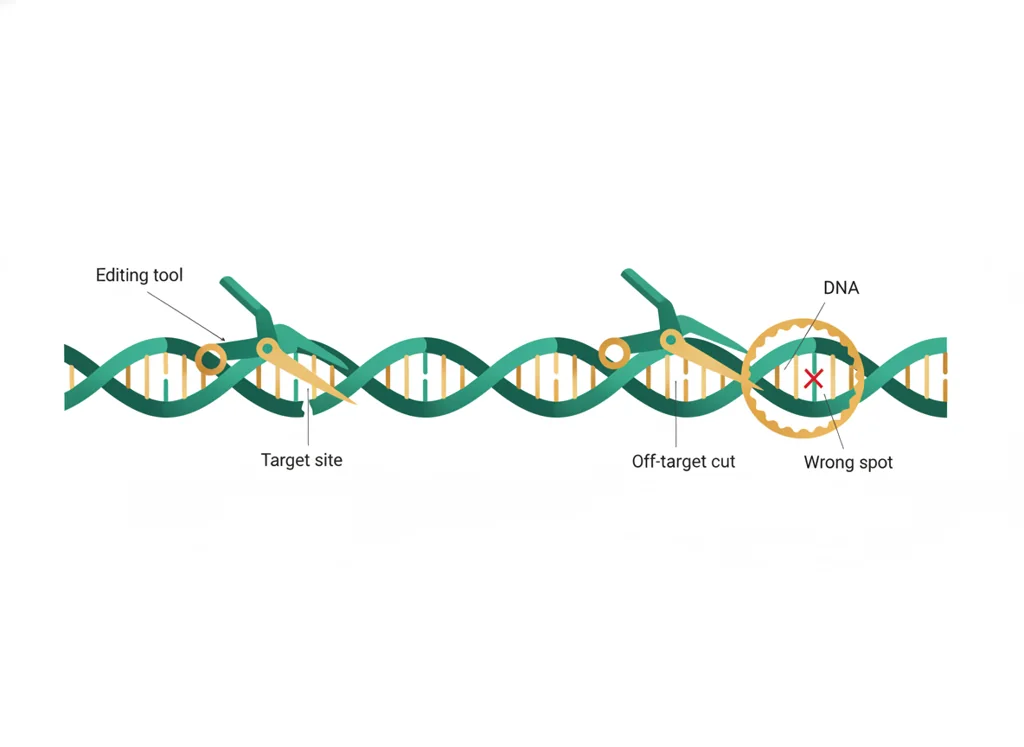
An unwanted DNA change made by a gene-editing tool at the wrong spot in the genome, away from its intended target.
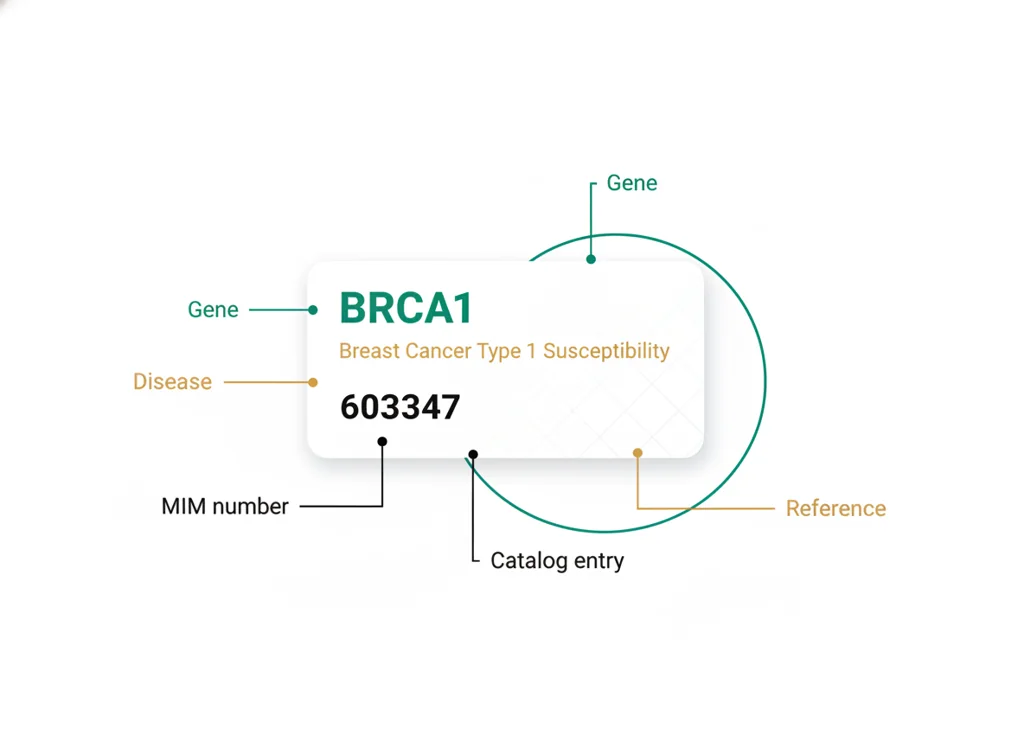
Online Mendelian Inheritance in Man, a catalog of human genes and the inherited diseases they cause, each with a stable reference number.
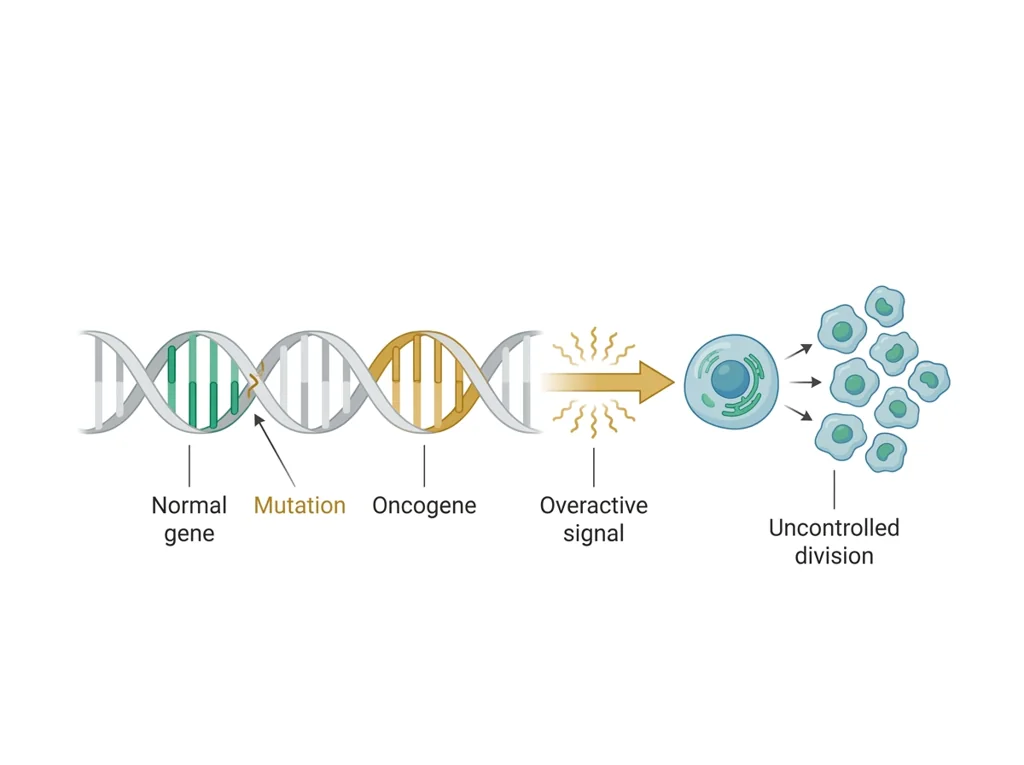
A mutated or overactive gene that drives uncontrolled cell growth and can turn a normal cell into a cancer cell.
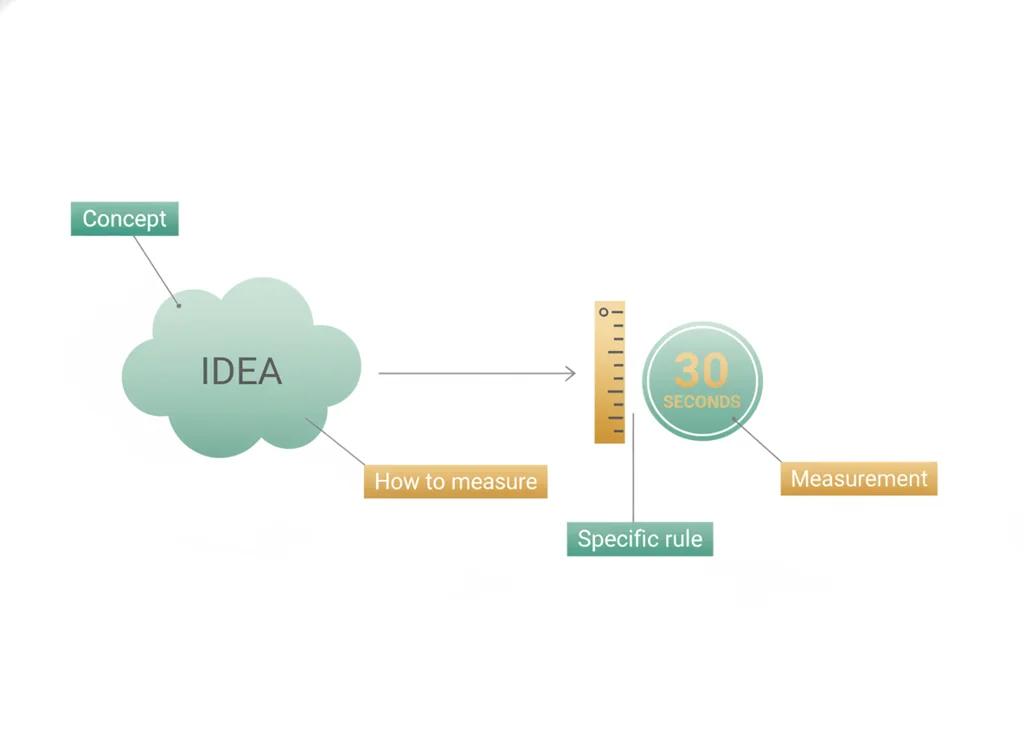
A precise statement of how a concept will be measured or observed in a study, so anyone can apply it the same way.
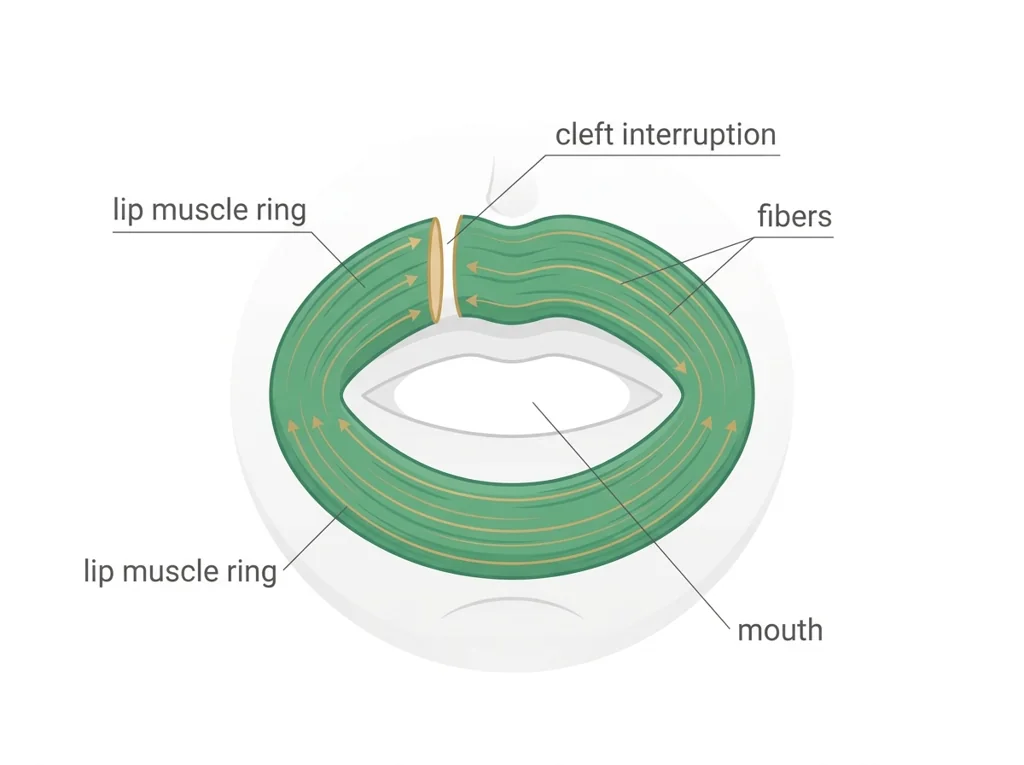
The ring of muscle encircling the mouth that closes and shapes the lips; its fibers are disrupted and repaired in cleft lip surgery.
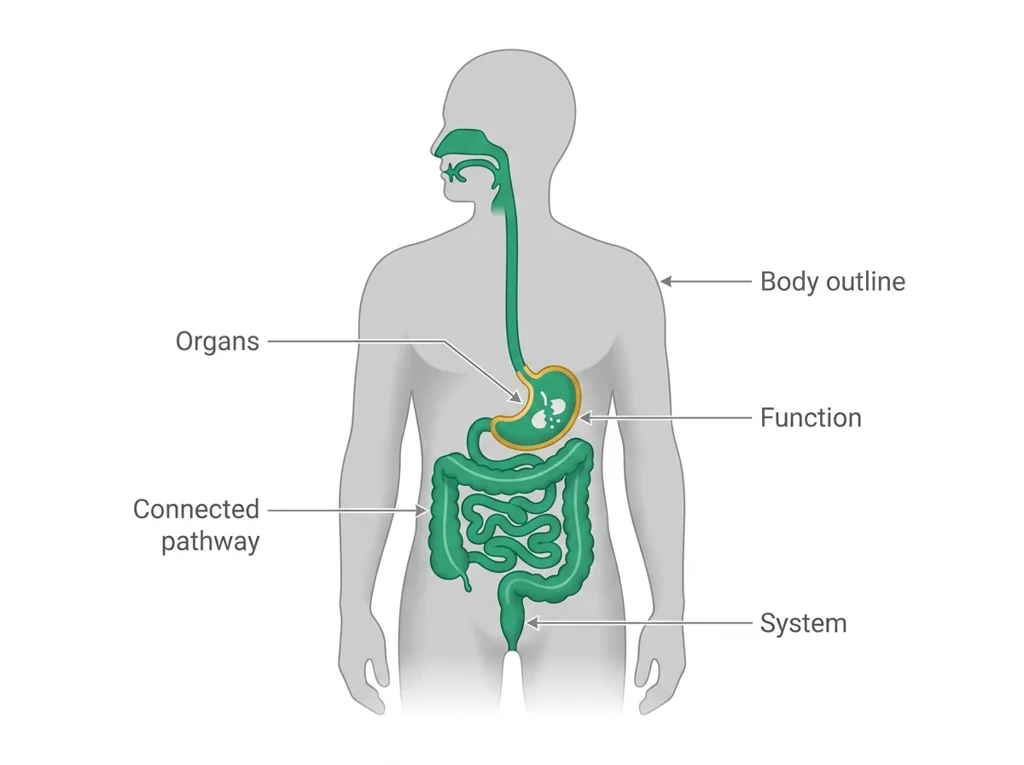
A group of organs that work together to carry out a major body function, such as the digestive or circulatory system.
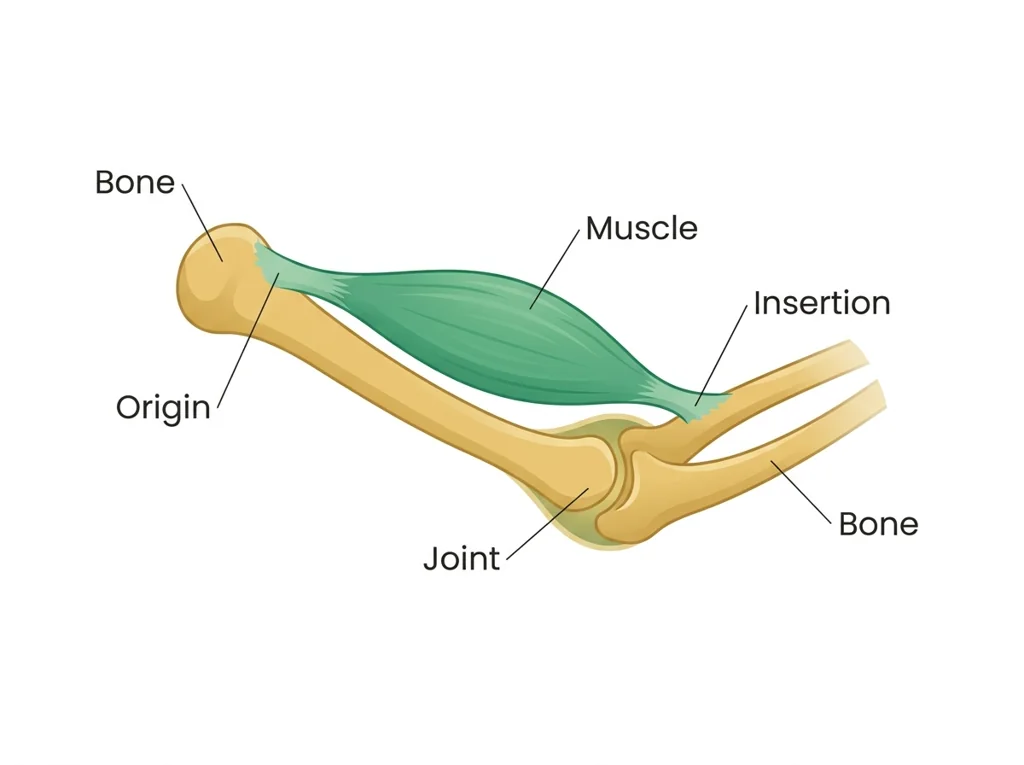
The fixed, anchoring attachment point of a muscle on a bone, which stays still while the muscle pulls on its other end.
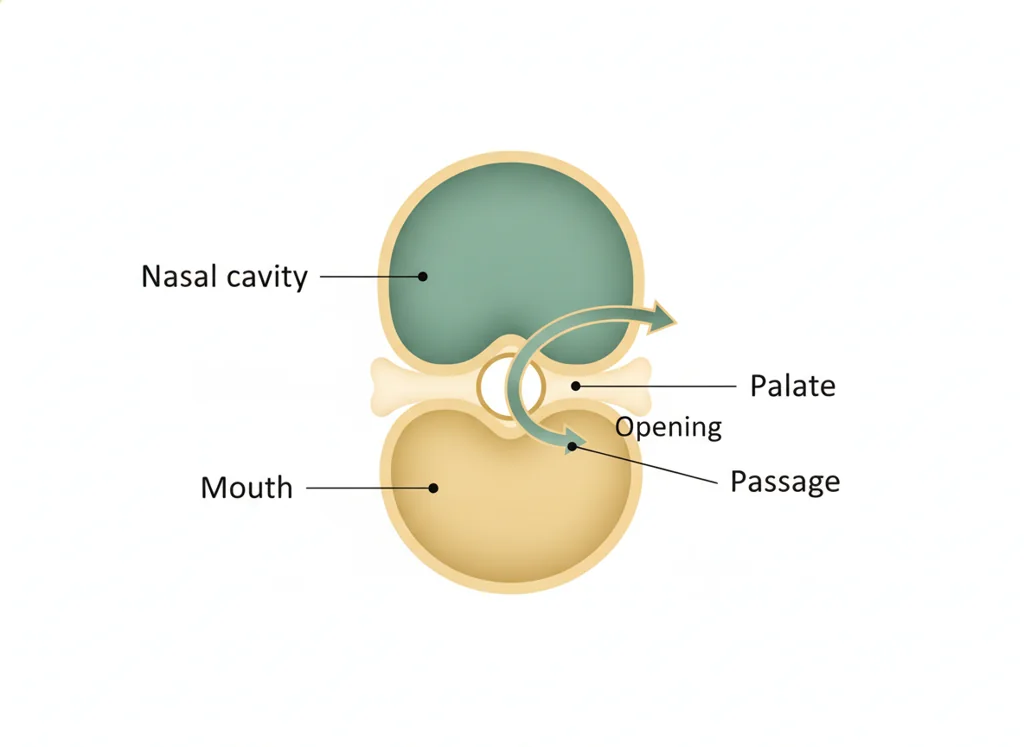
An abnormal opening that connects the mouth and nasal cavity, letting air, food, or liquid pass between them.
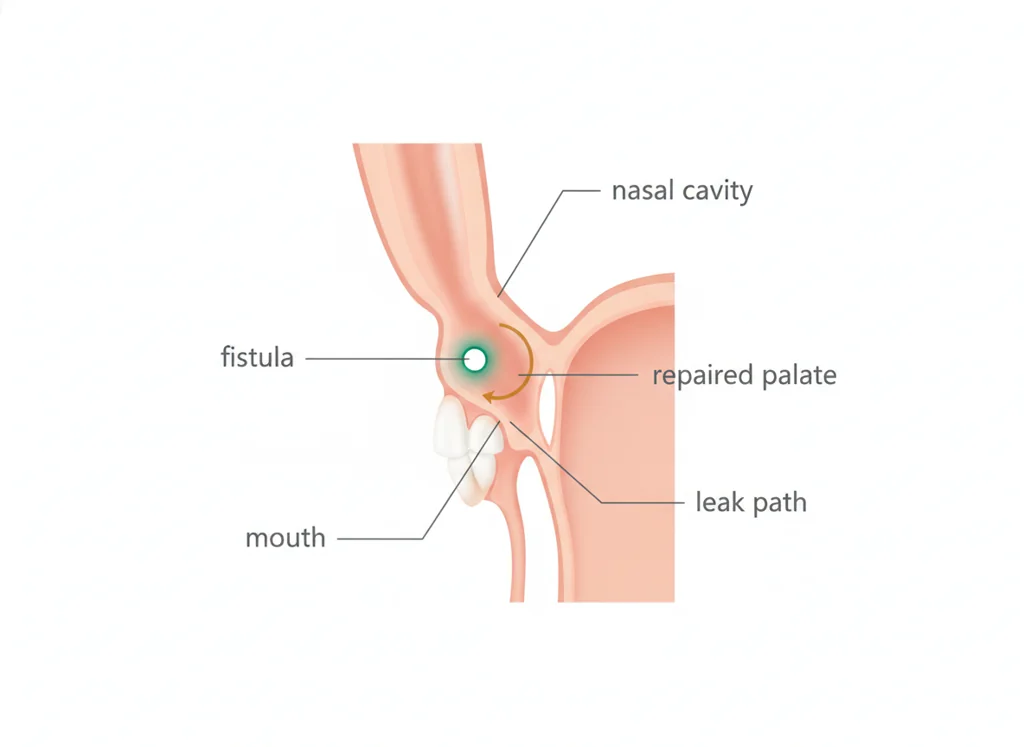
An abnormal opening left between the mouth and nose after cleft repair, which can let fluid or air leak through.
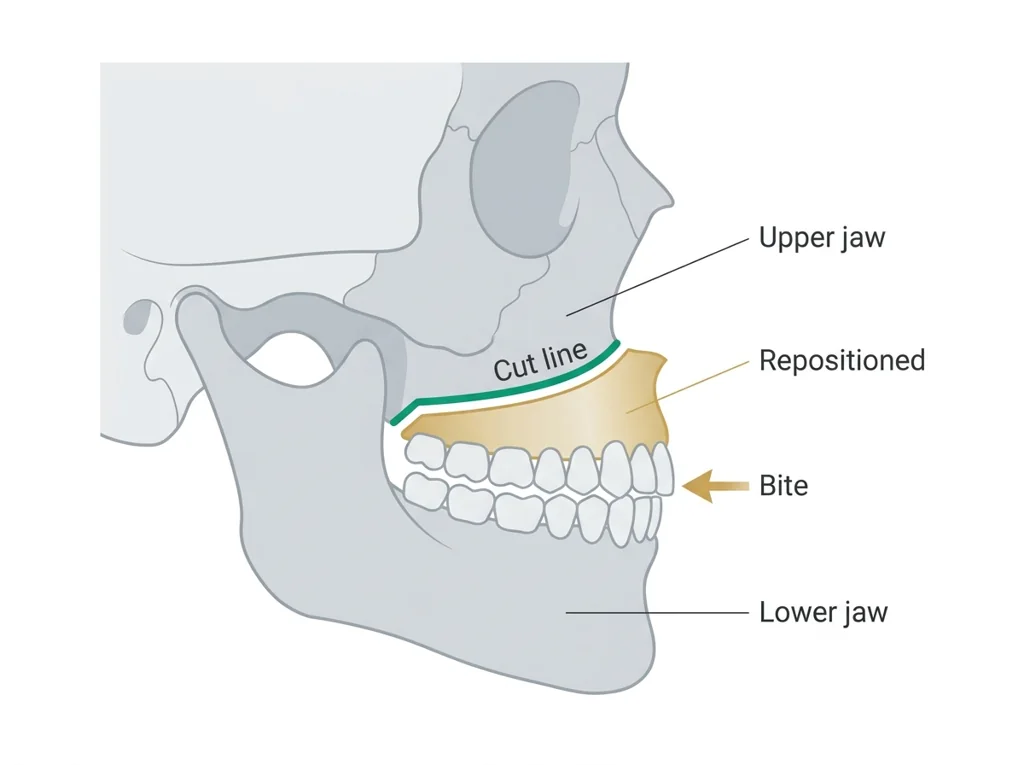
Surgery that repositions the upper or lower jaw bones to correct alignment of the bite and the face.
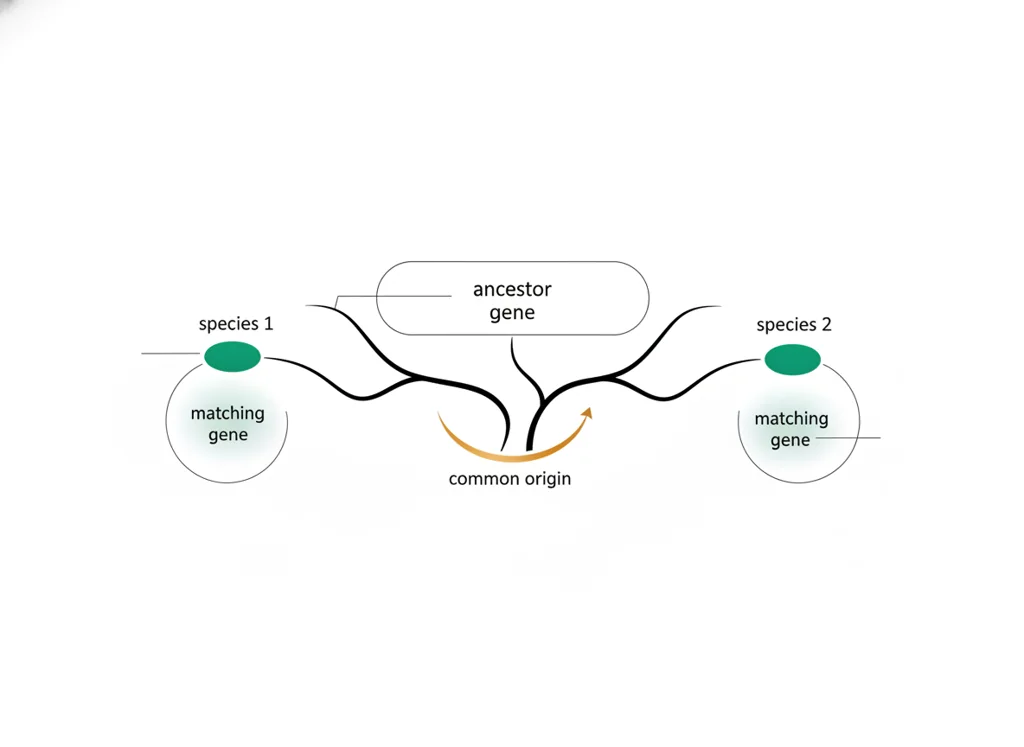
The matching version of a gene found in a different species, descended from the same gene in a common ancestor.
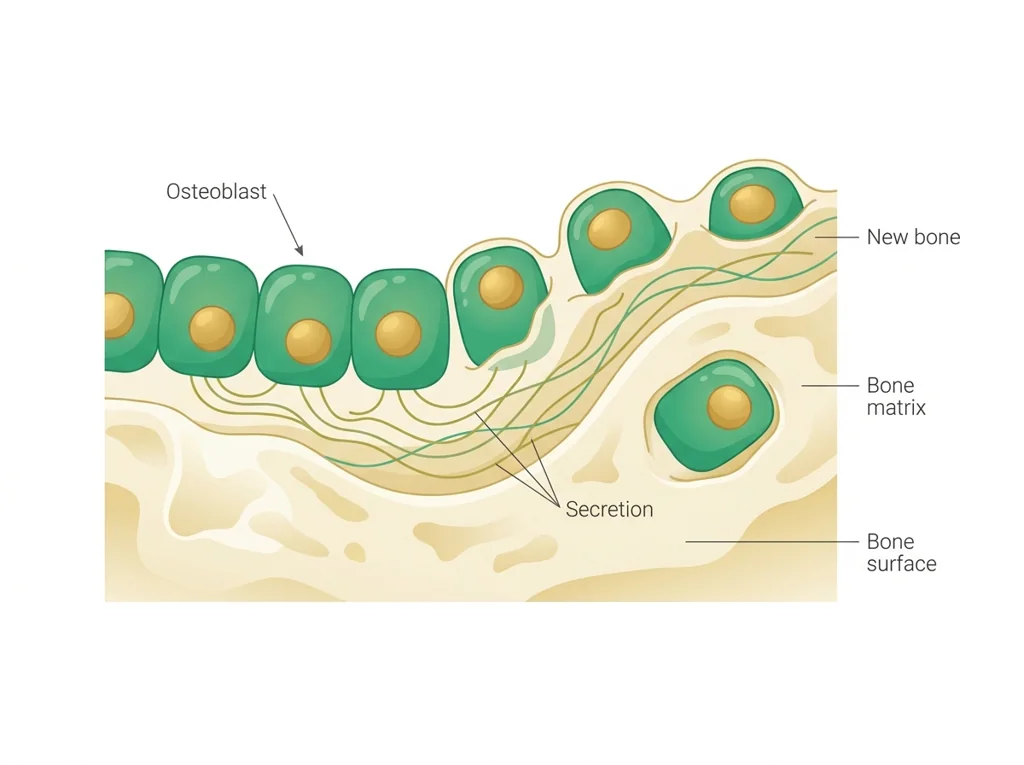
A bone-building cell that produces and lays down new bone matrix, helping bones grow, heal, and stay strong.
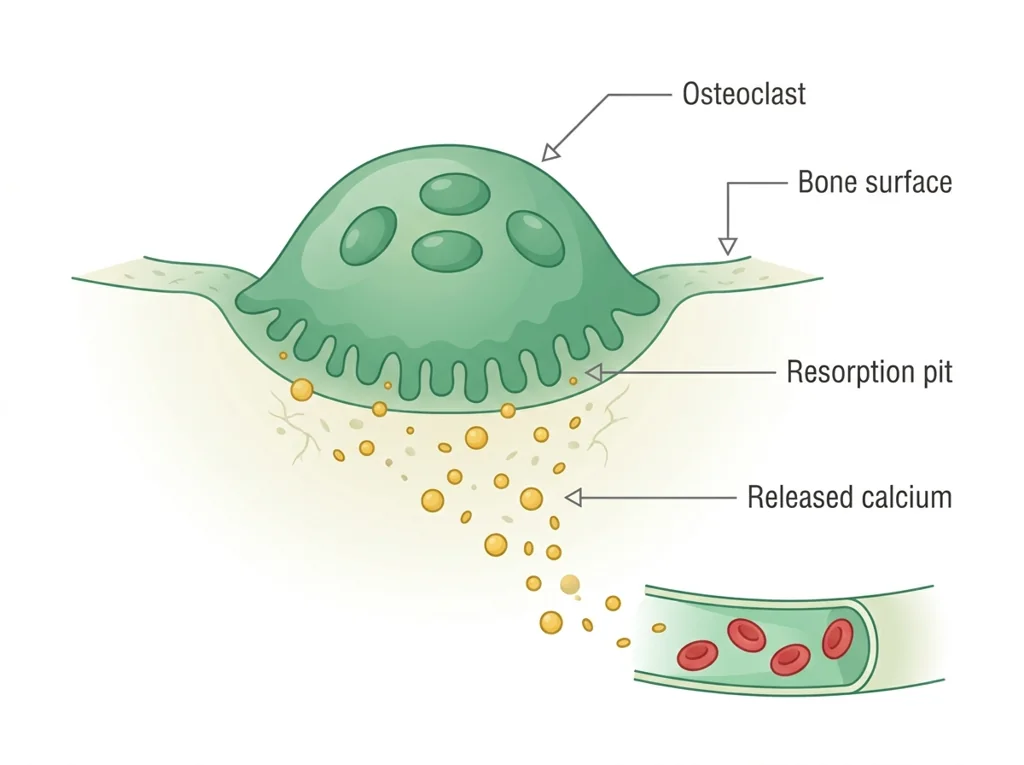
A large bone cell that breaks down and removes old bone tissue, helping the body remodel bone and release stored calcium.
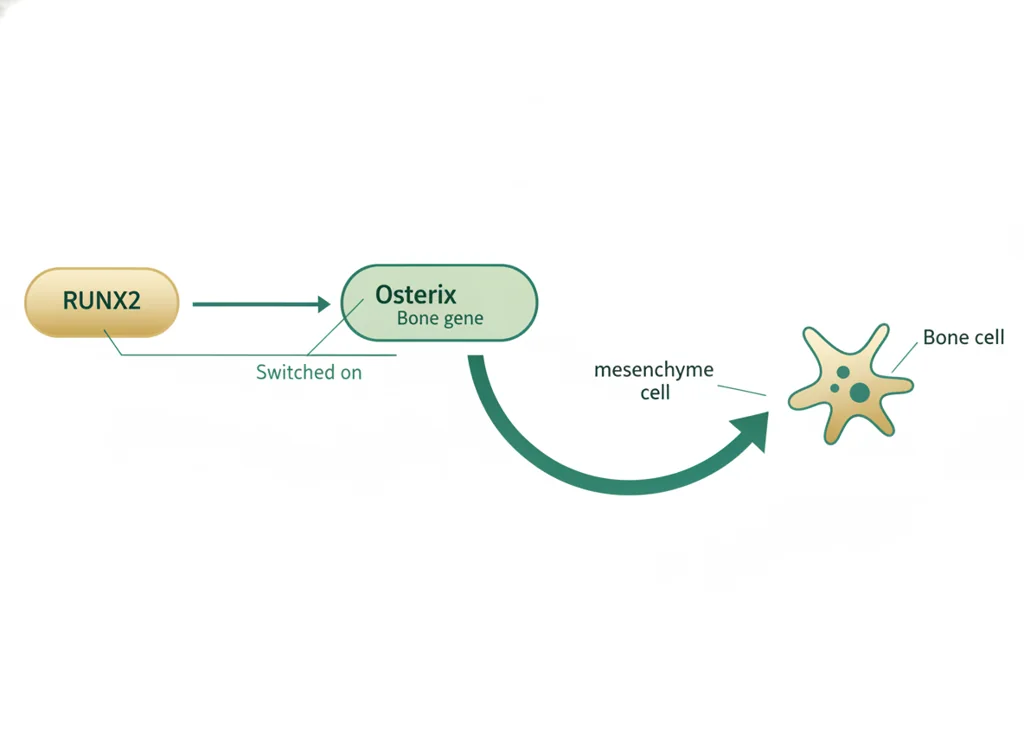
A bone gene that RUNX2 switches on next, carrying the bone-building program further.
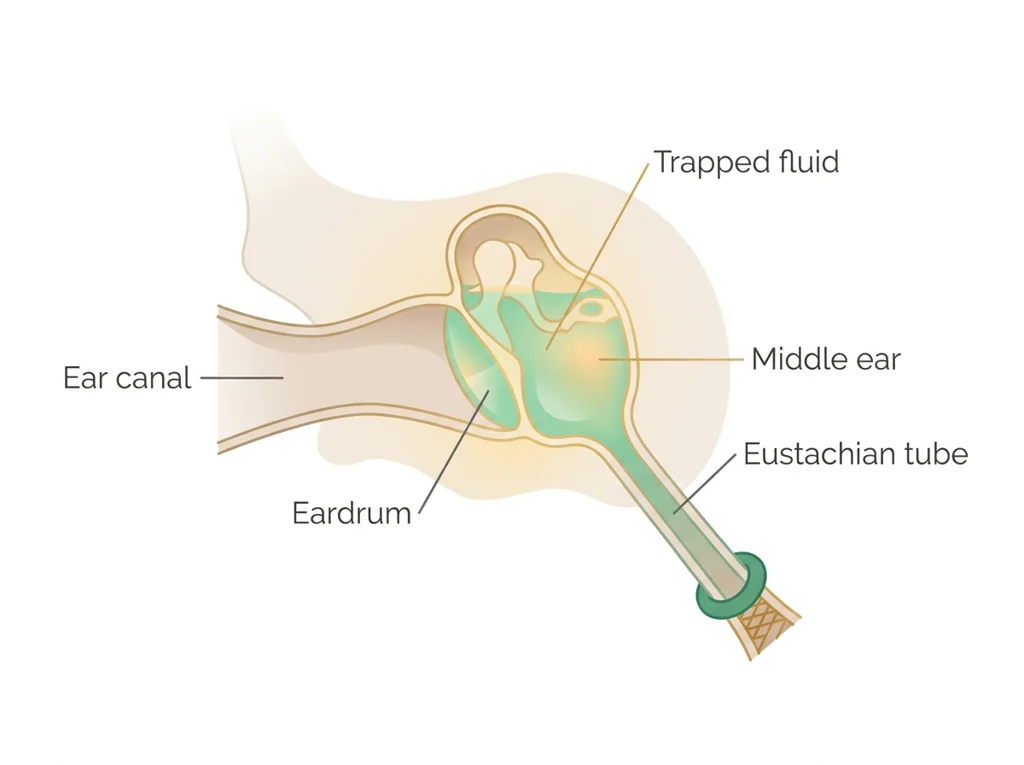
Fluid trapped behind the eardrum without active infection, common in cleft palate, which can muffle a child's hearing.
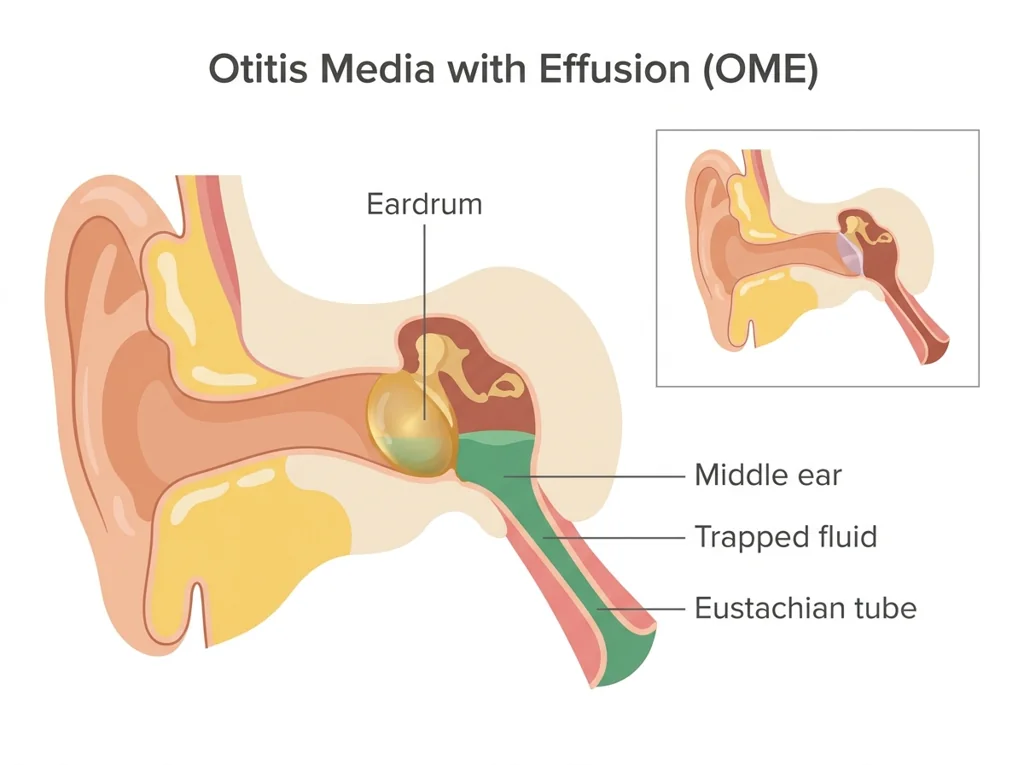
A buildup of fluid behind the eardrum without active infection, common in cleft palate and able to muffle hearing.
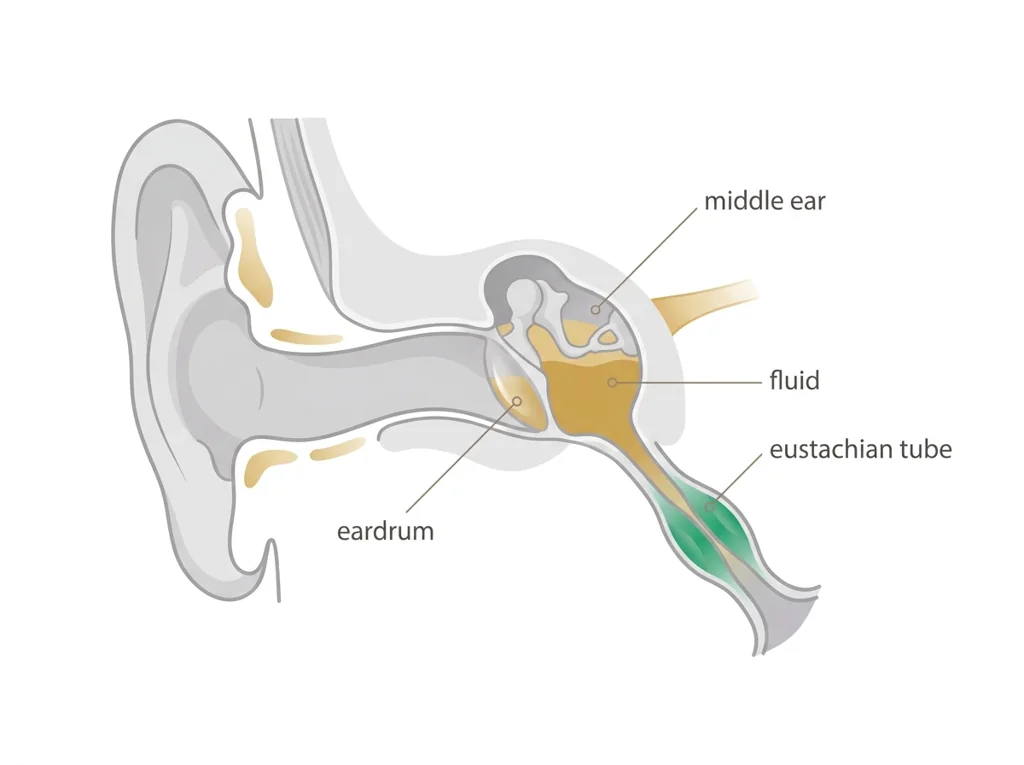
A middle-ear infection or fluid buildup, common in cleft palate because the muscles that open the ear tube do not work normally.
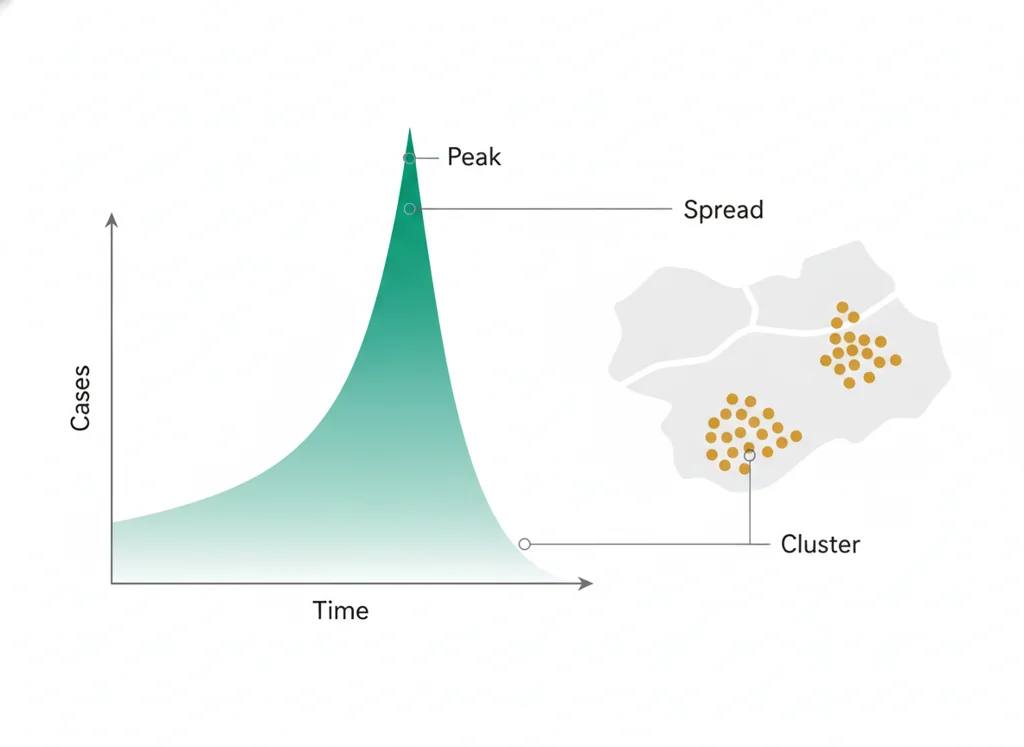
A sudden rise in cases of a disease above the normal level in a place or group, often spreading quickly and needing rapid public health response.
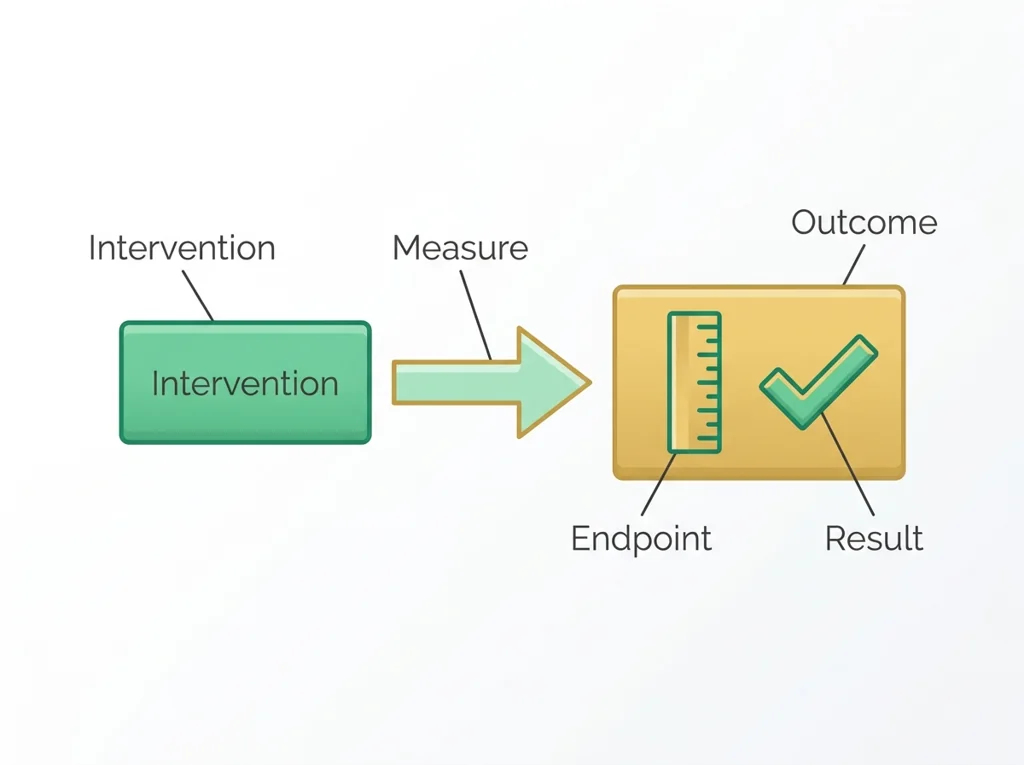
The measured result a study tracks to judge whether a treatment or condition makes a difference.
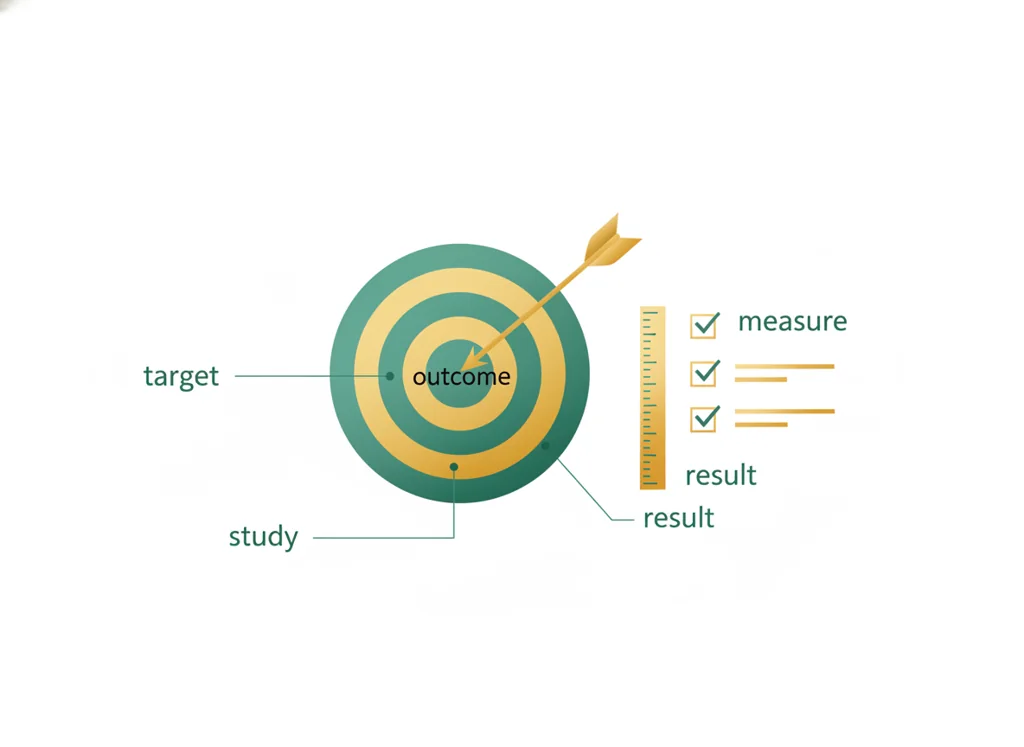
The specific, defined result a study tracks to judge whether a treatment worked, such as speech quality or healing rate.
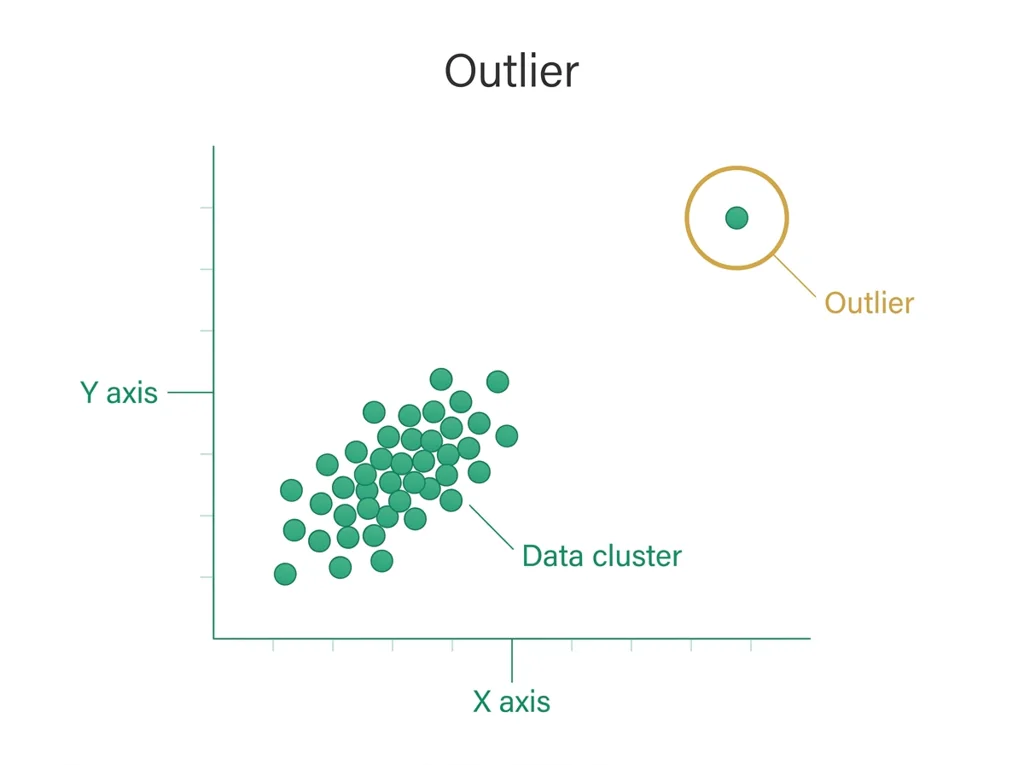
A data point that lies far away from the rest of the values in a set, which may signal an error or a genuinely unusual result.
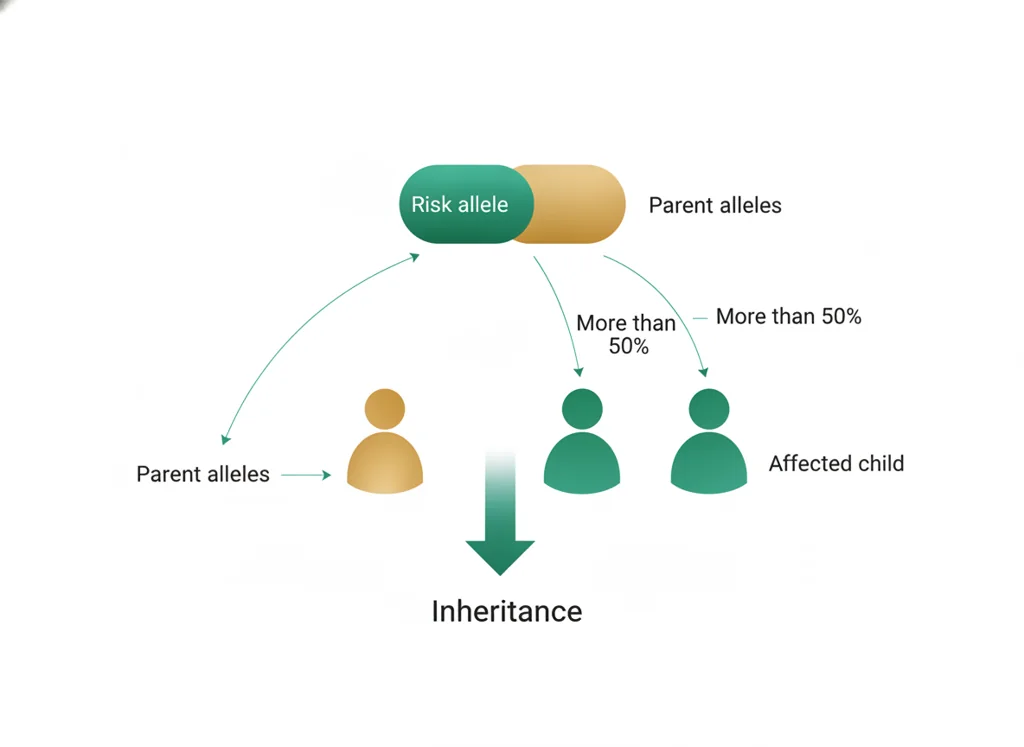
When a particular gene version is passed from parents to affected children more often than the fifty-fifty rate expected by chance.
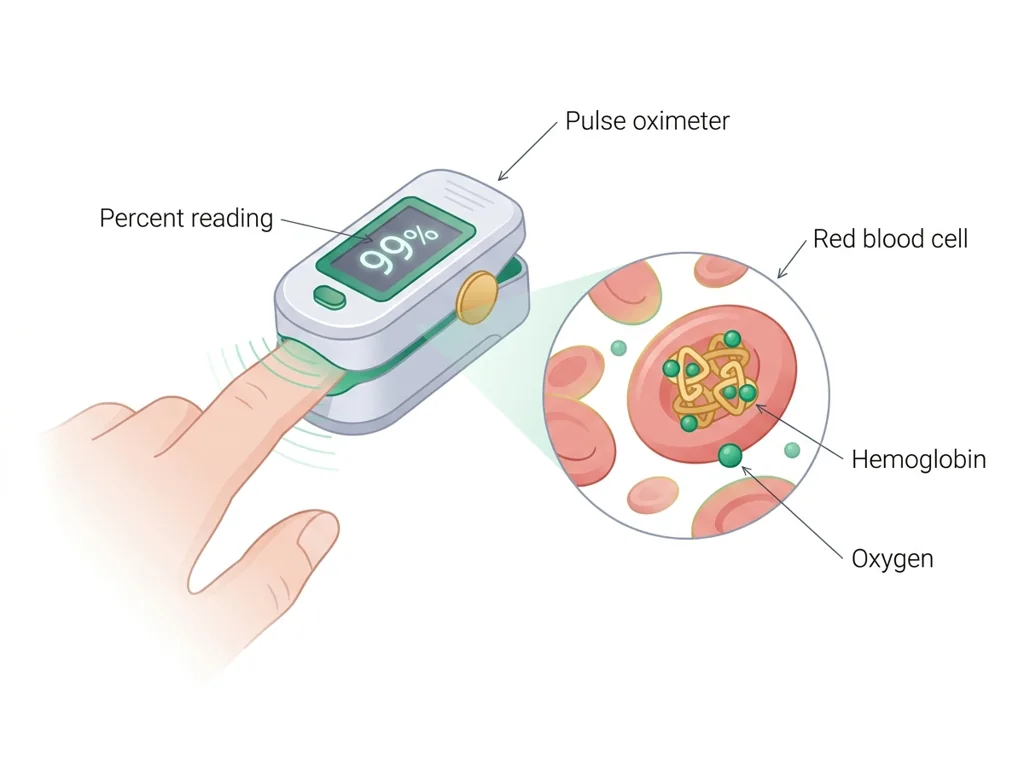
The percentage of hemoglobin in the blood that is carrying oxygen, normally about 95 to 100 percent in healthy people.
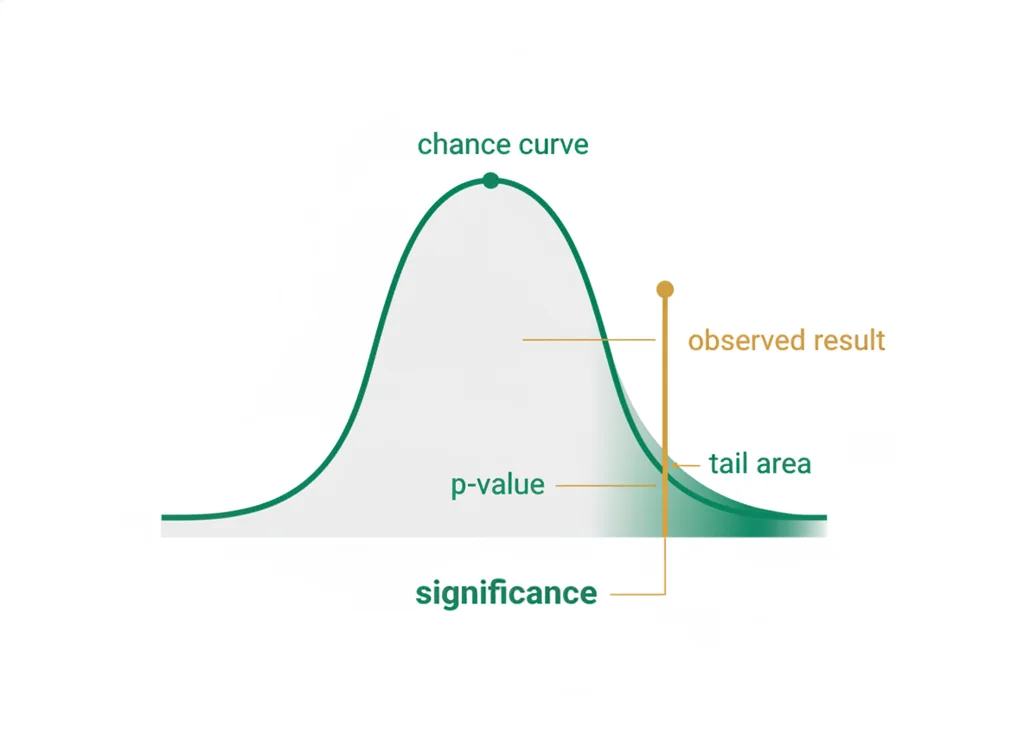
A number showing how likely a result could happen just by chance; a smaller p-value makes luck a less believable explanation.
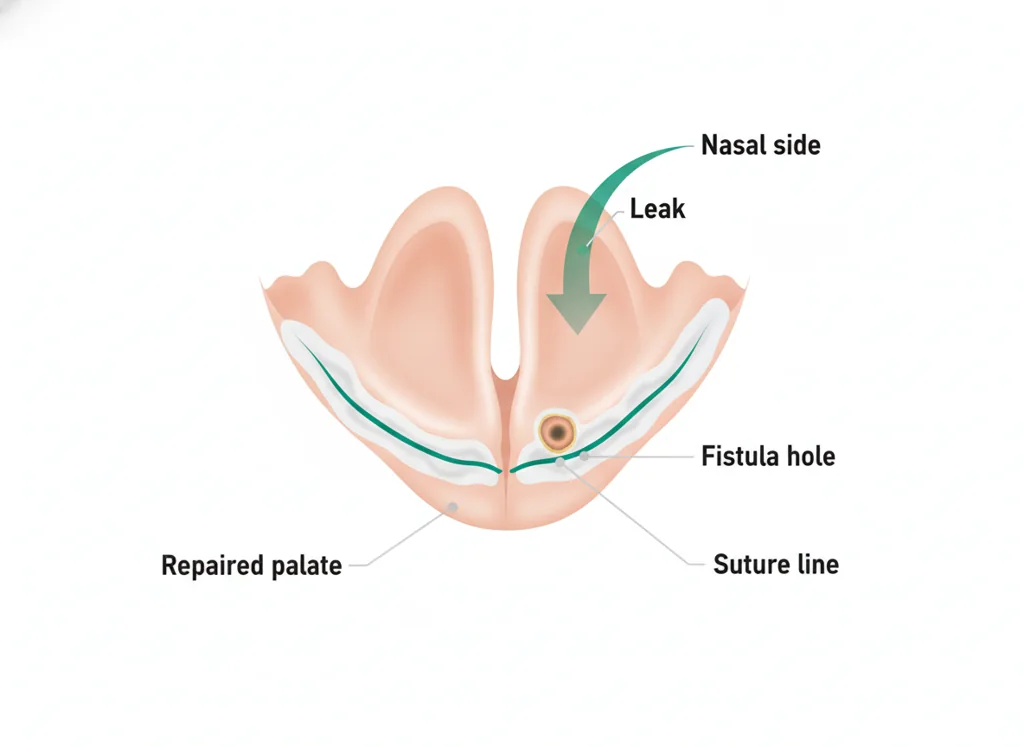
A small hole that reopens in the roof of the mouth after cleft palate repair, sometimes letting food or air leak into the nose.
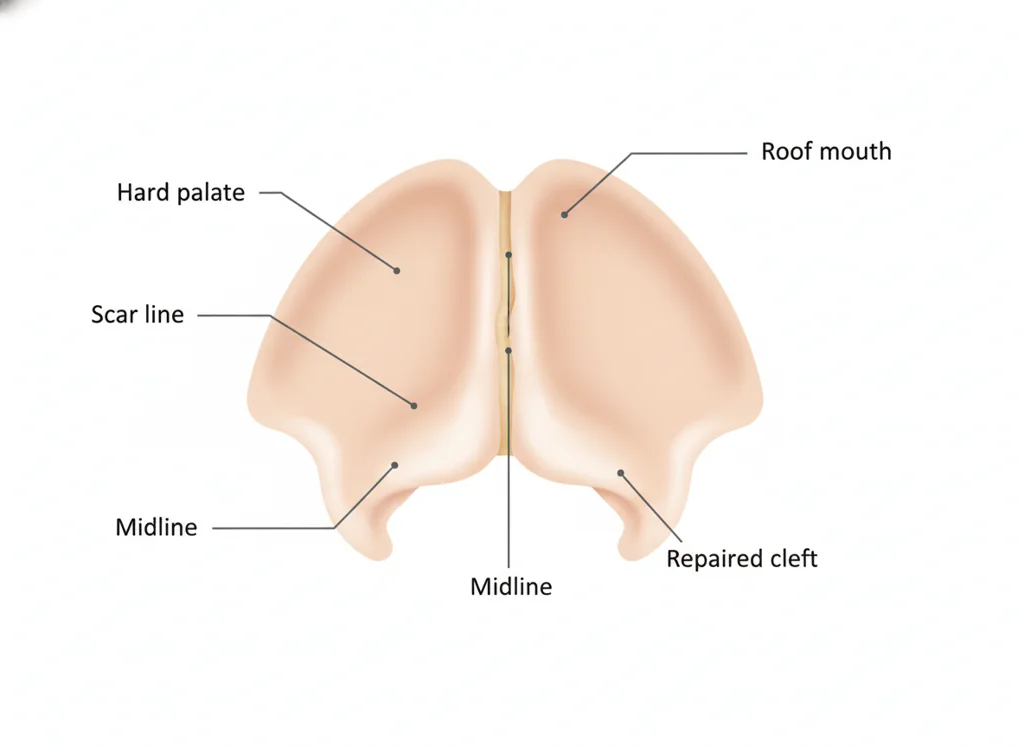
Scar tissue left on the roof of the mouth after cleft palate surgery, which can restrict upper-jaw growth over time.
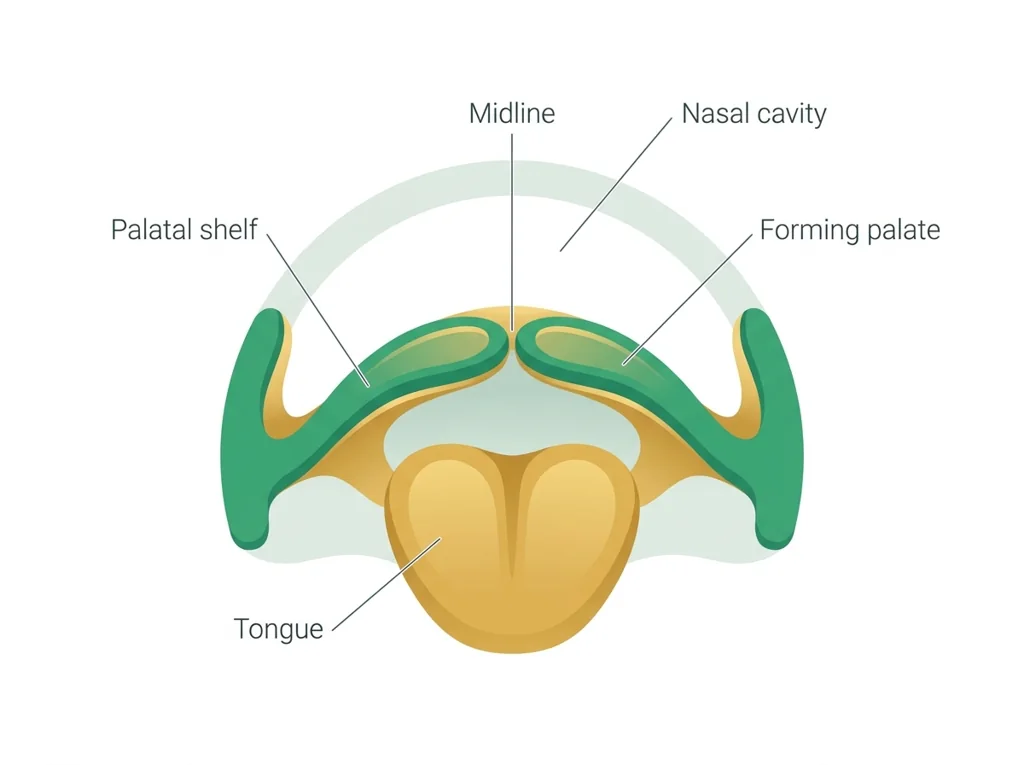
One of two tissue ledges in the embryo that swing up from beside the tongue to horizontal and meet at the midline to form the roof of the mouth.
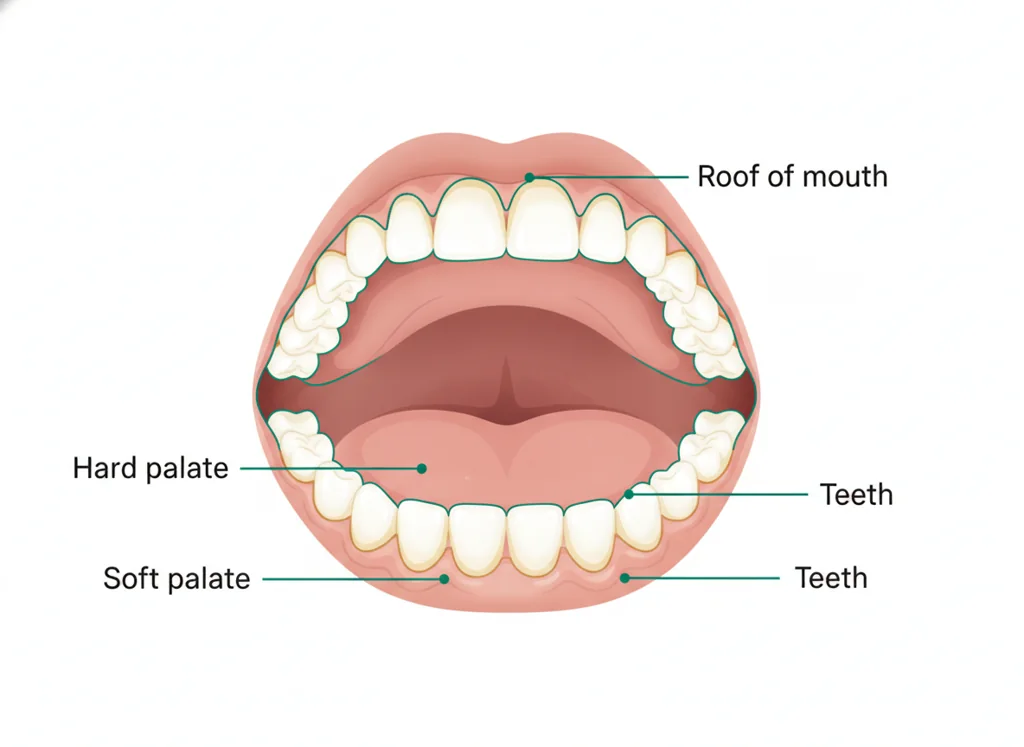
The roof of the mouth, made of a bony hard part in front and a muscular soft part in back that separates mouth from nose.
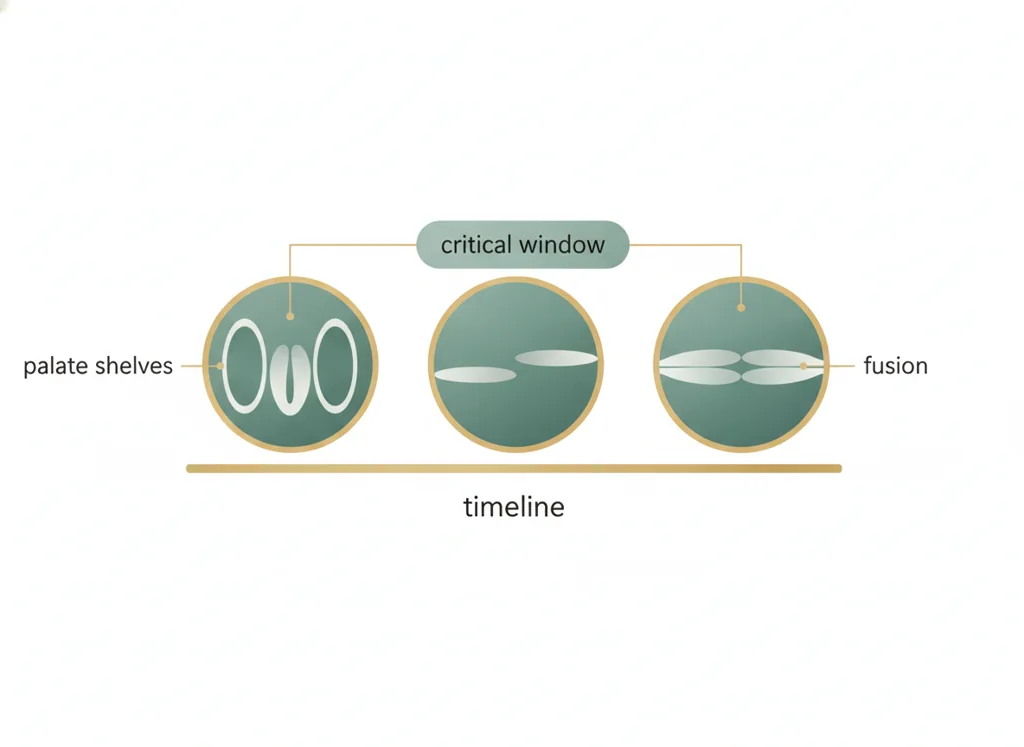
The limited stretch of embryo development when the palate shelves must rise and join; missing this window leaves a cleft palate.
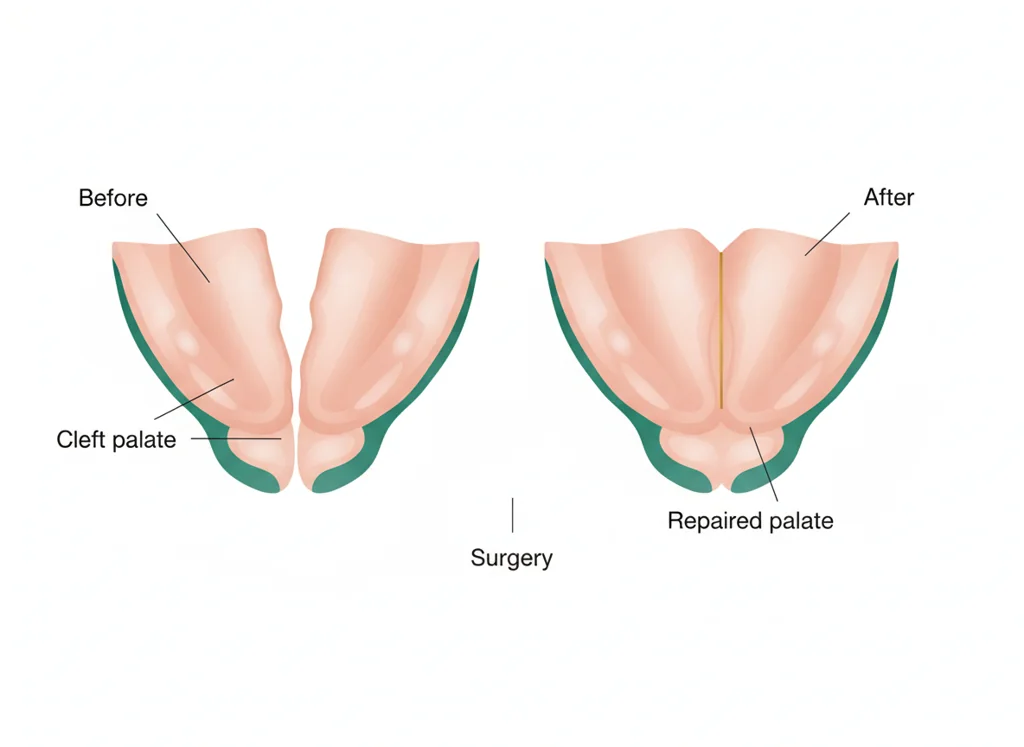
Surgery that closes a cleft in the roof of the mouth so the palate can separate the nose from the mouth and support speech.
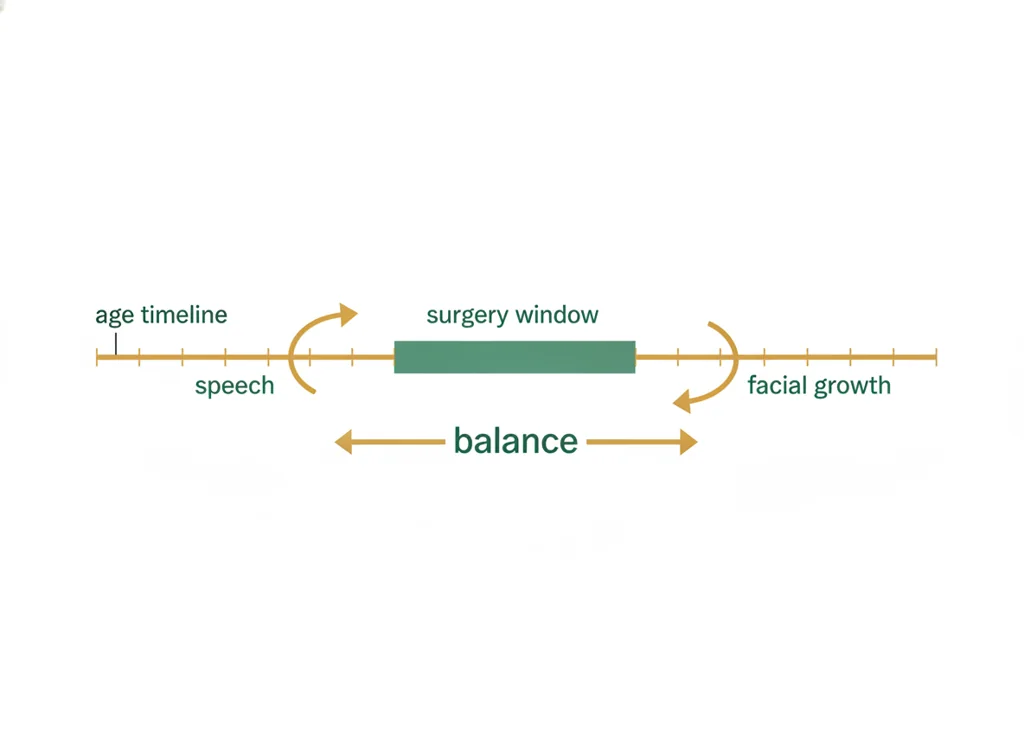
The choice of when to surgically repair a cleft palate, balancing better speech from earlier repair against possible effects on facial growth.
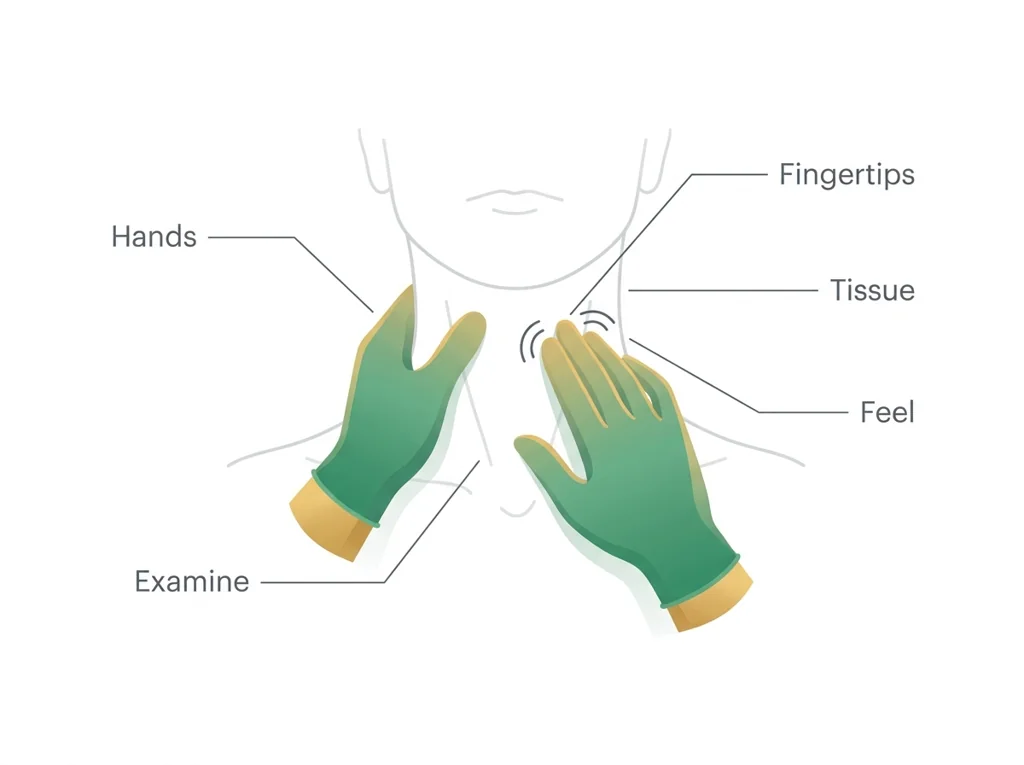
Examining the body by feeling it with the hands to check the size, firmness, or shape of structures under the surface.
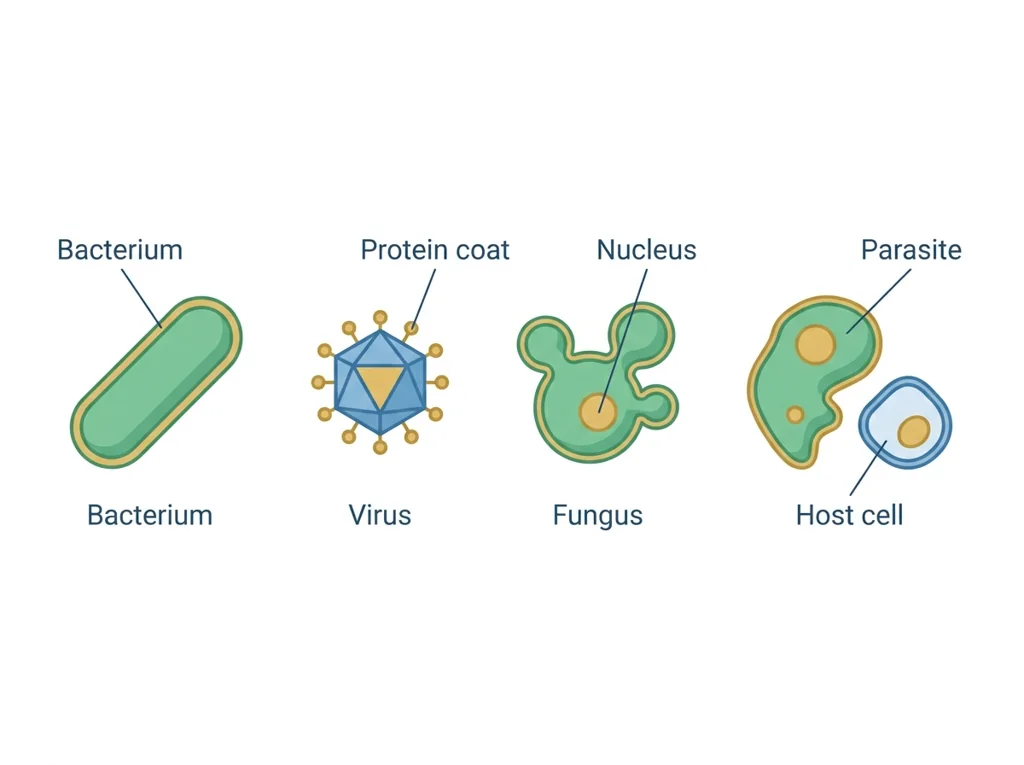
A microorganism such as a bacterium, virus, fungus, or parasite that can cause disease in its host.
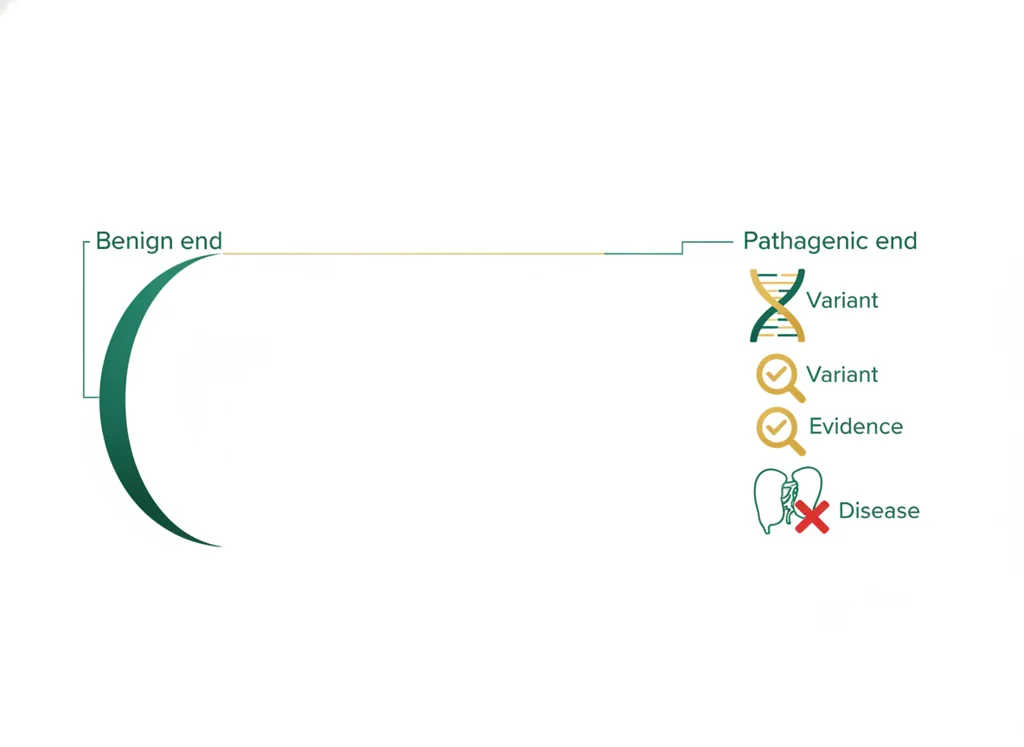
Capable of causing disease; for a gene variant, classified as disease-causing based on the weight of scientific evidence.
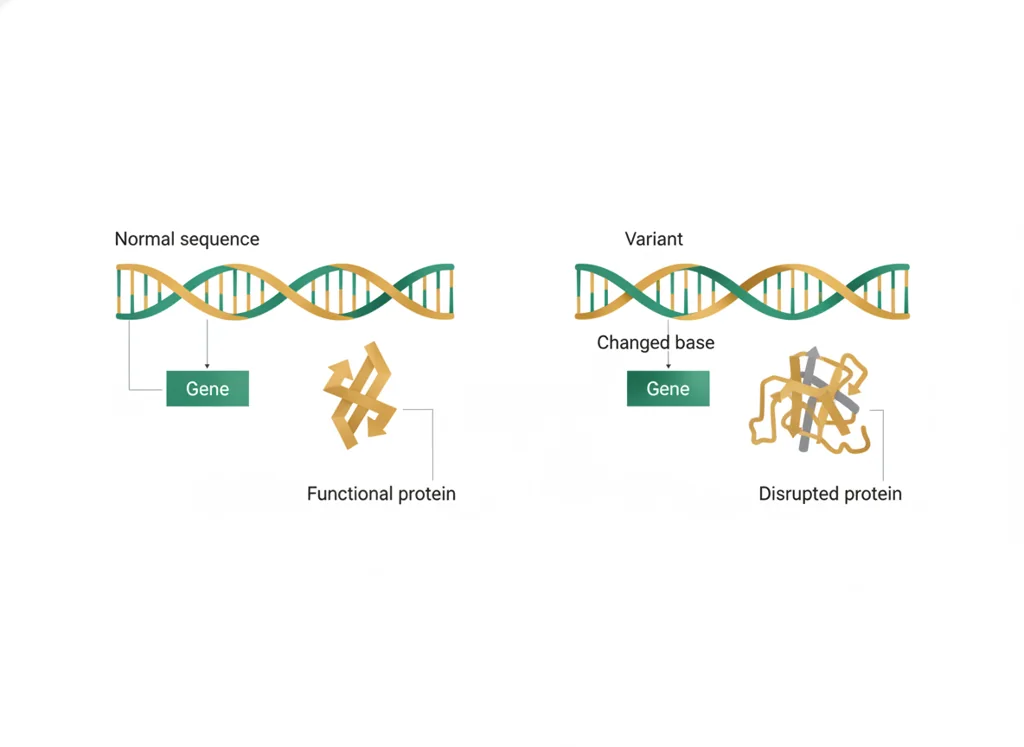
A genetic change classified as disease-causing because evidence shows it disrupts a gene's normal function (a ClinVar category).
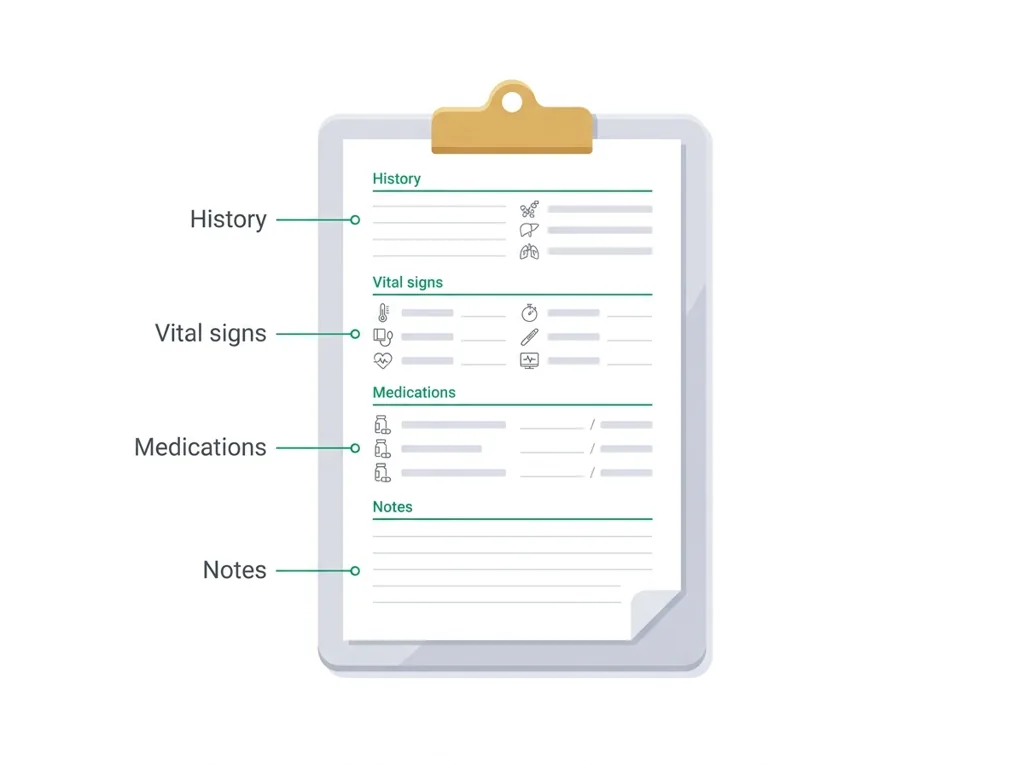
An organized record of a patient's medical history, test results, medications, and care, used by the healthcare team to make decisions.
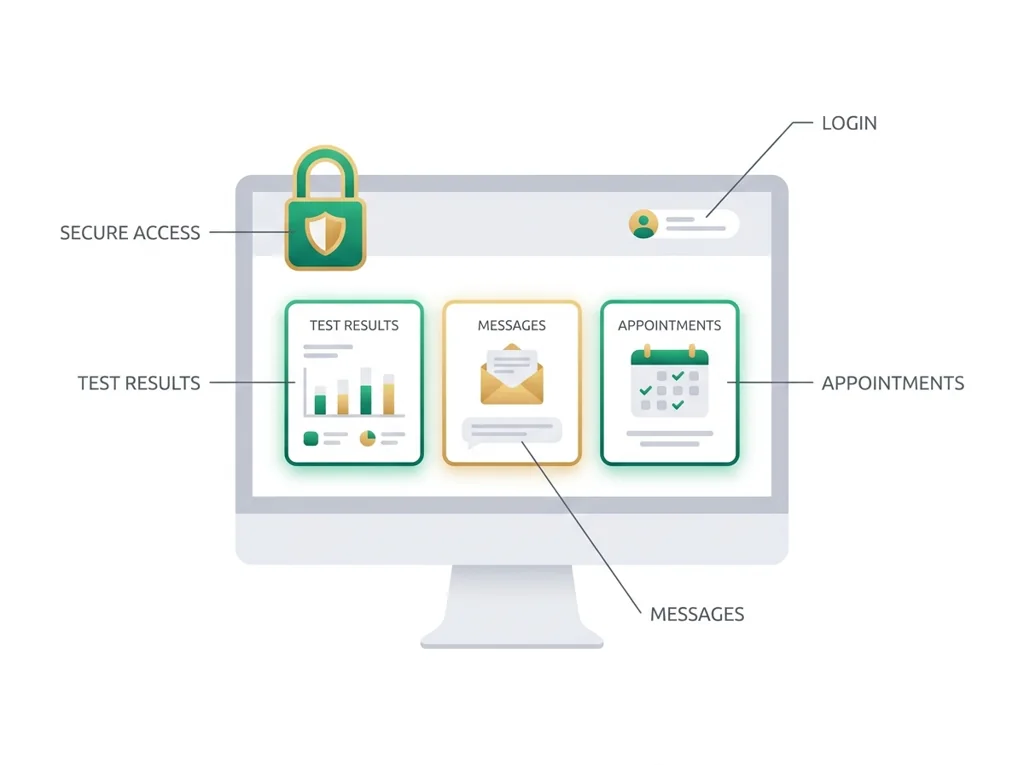
A secure online tool that lets patients view their health records, test results, and messages and manage appointments with their care team.
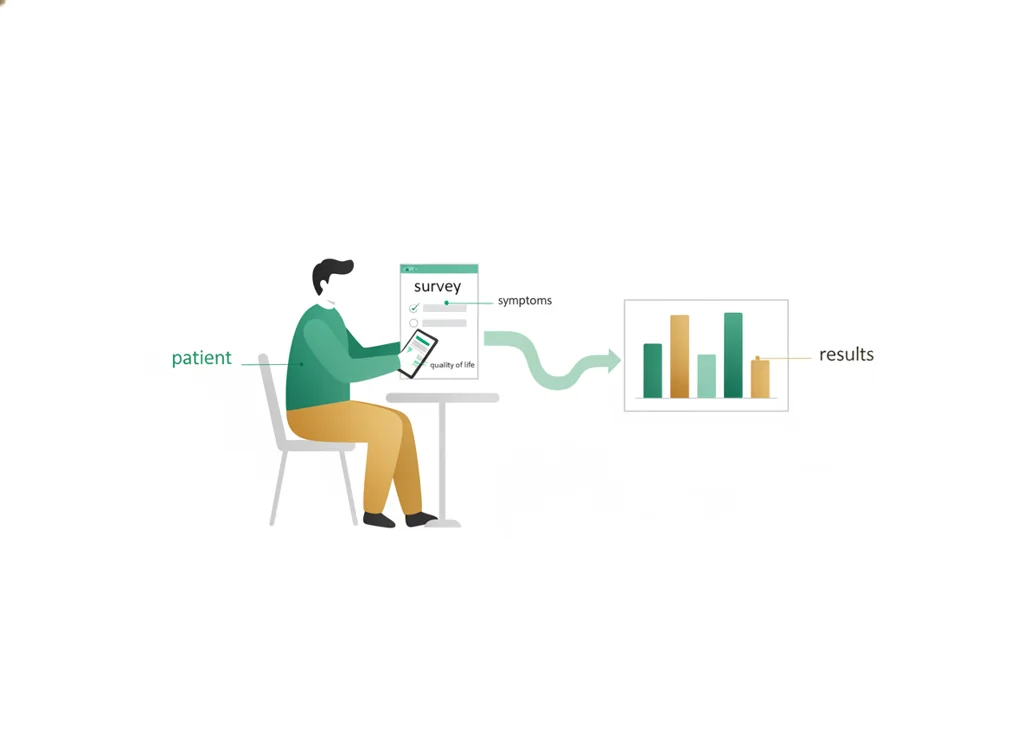
A result measured directly from what the patient says about their own health, symptoms, or quality of life.
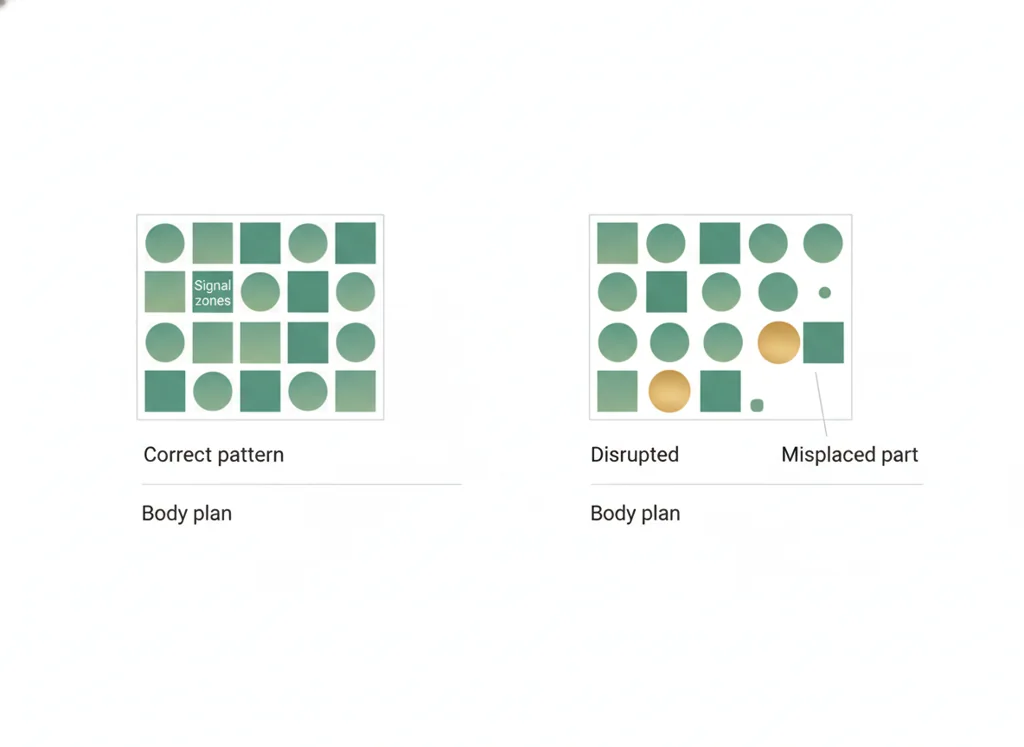
A mistake in the body plan set early in development, where signals place or shape parts wrongly so a structure forms in the wrong arrangement.
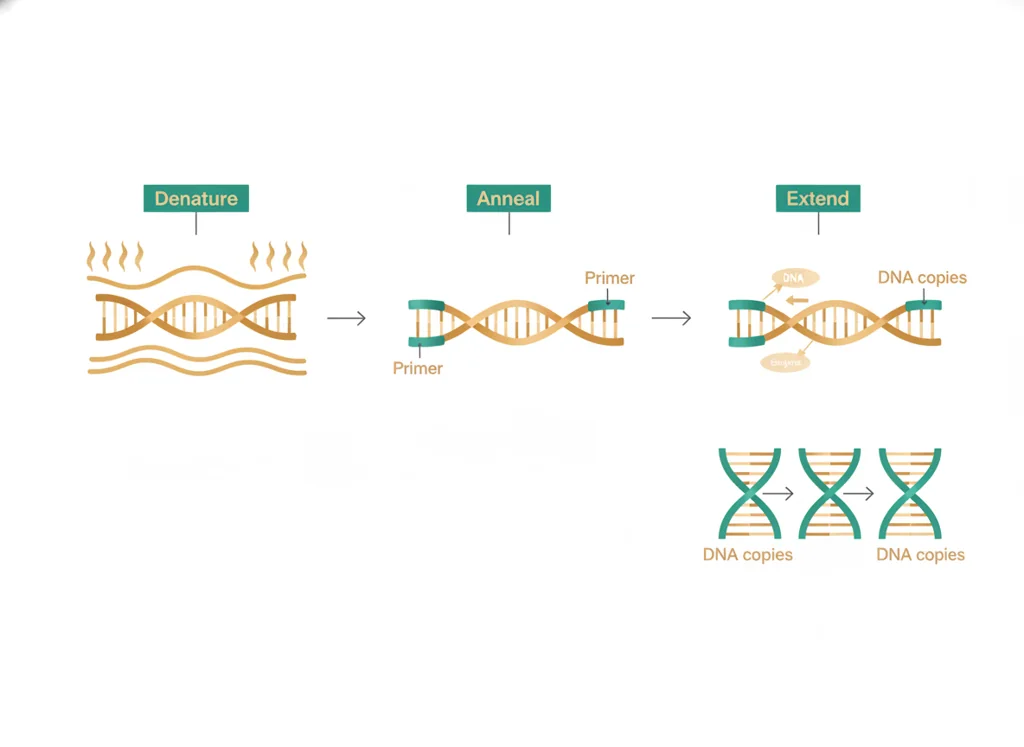
A lab technique that uses heat cycles and an enzyme to make millions of copies of a chosen stretch of DNA.

A short, single-stranded piece of DNA that anneals to a chosen site and gives DNA polymerase a 3' end to start copying from in PCR.
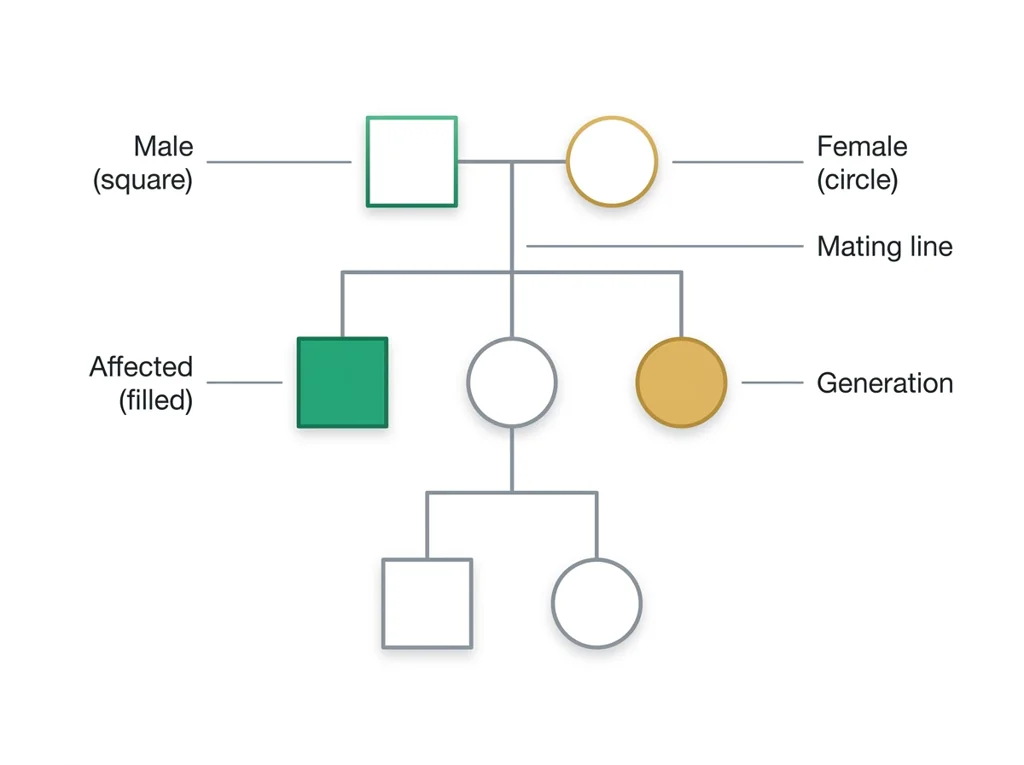
A family tree drawn with standard symbols (squares for males, circles for females, filled for affected) so any geneticist can read a family at a glance.
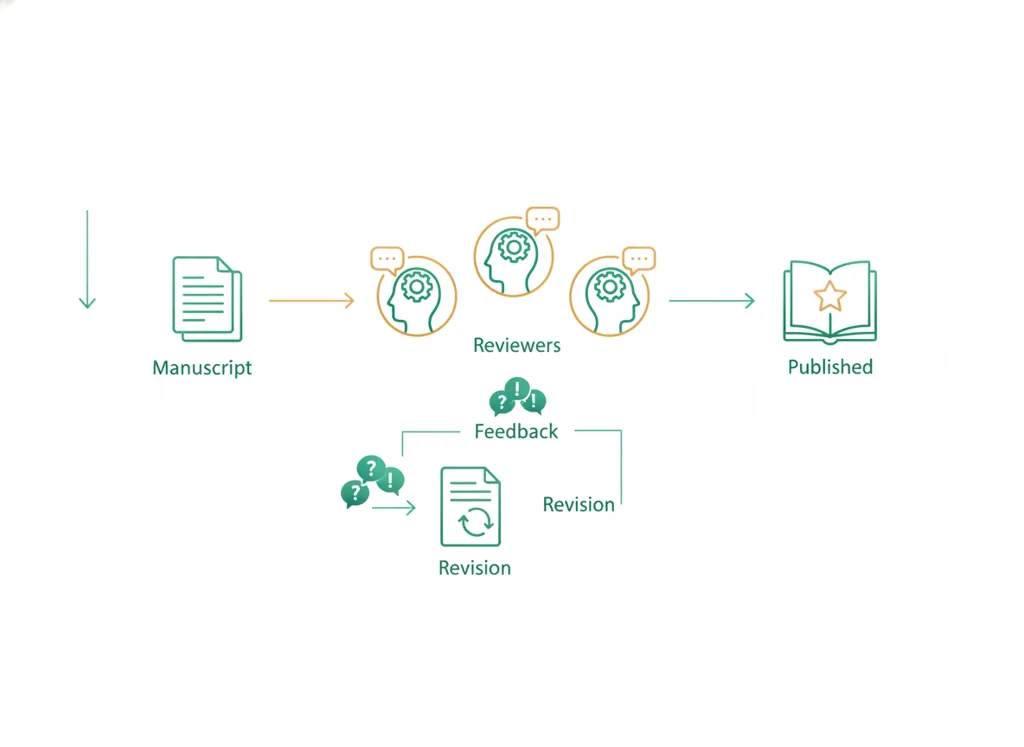
The process where independent experts evaluate a research study for quality and accuracy before it is published.
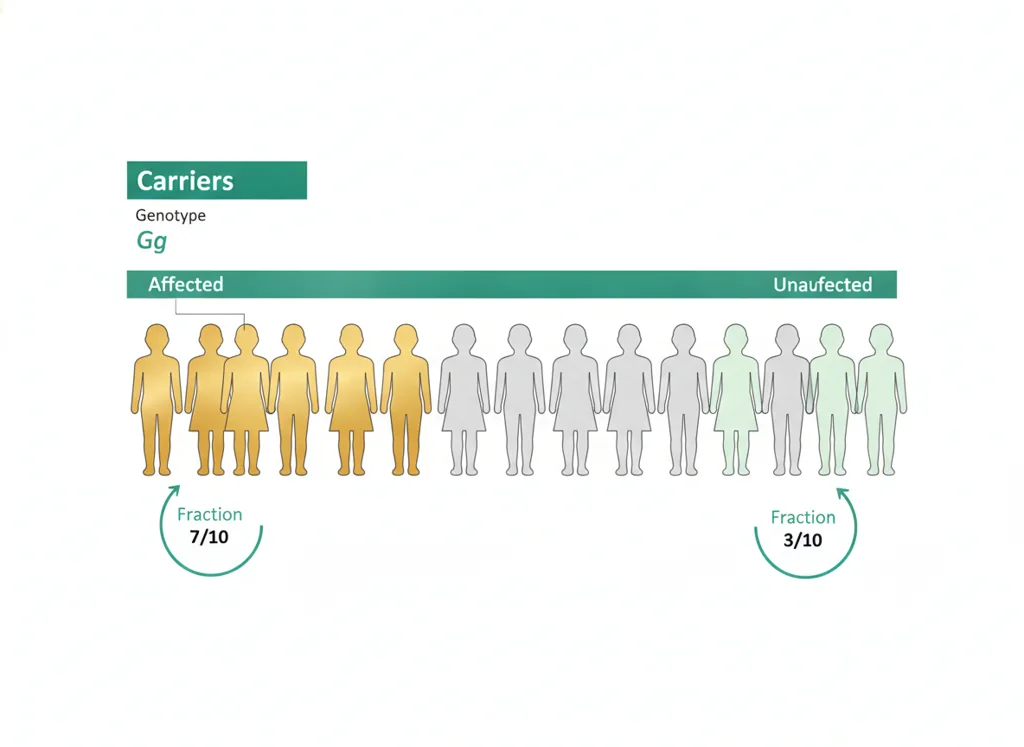
The fraction of people carrying a disease-linked genotype who actually show the trait.
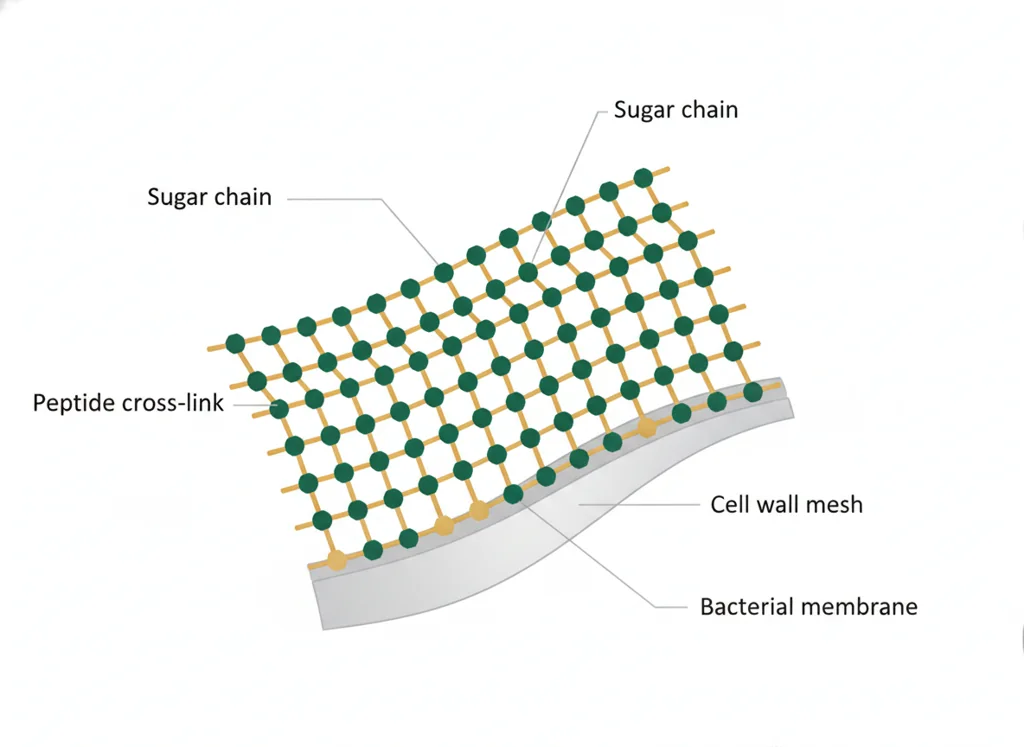
The mesh-like molecule of sugar chains linked by short peptides that forms the strong cell wall of bacteria and gives it shape.
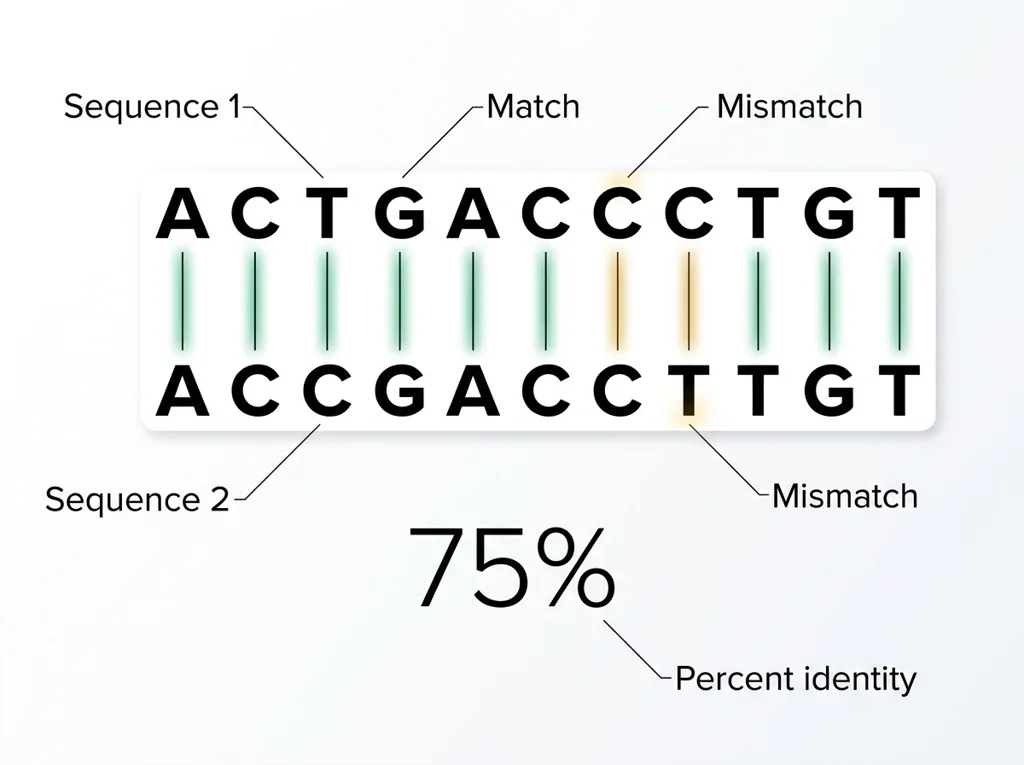
In a sequence comparison, the share of positions that exactly match between two DNA or protein sequences; a higher value means they are more alike.
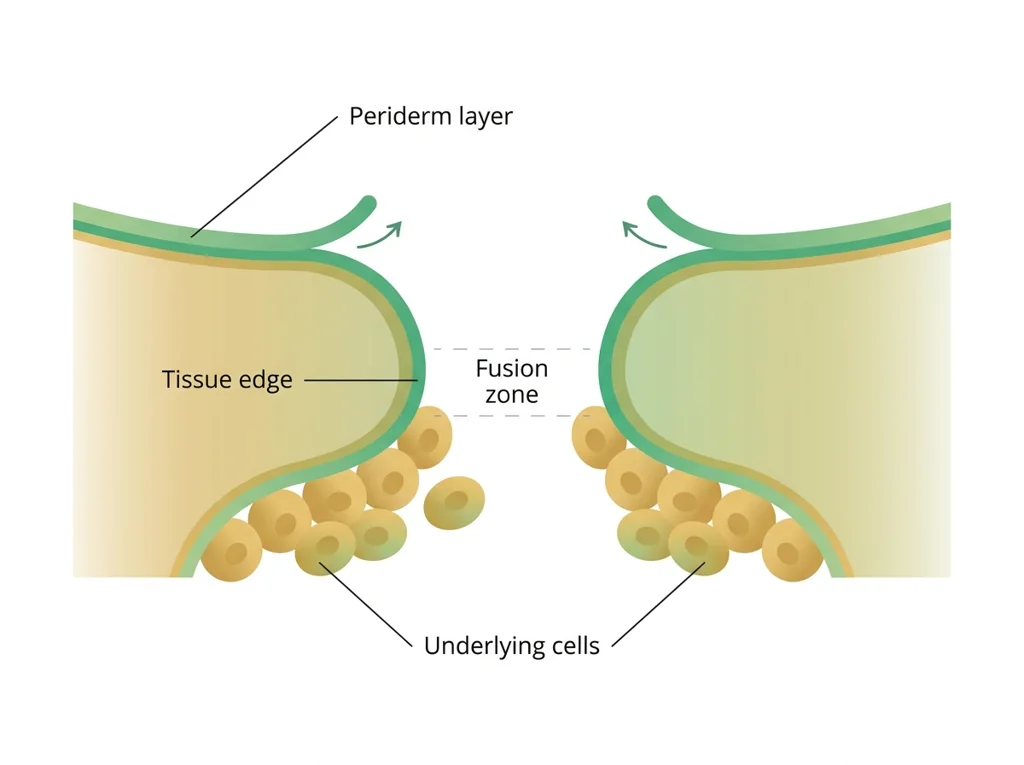
A thin temporary outer cell layer of the embryo; if it sticks where it should not, the growing edges cannot fuse.
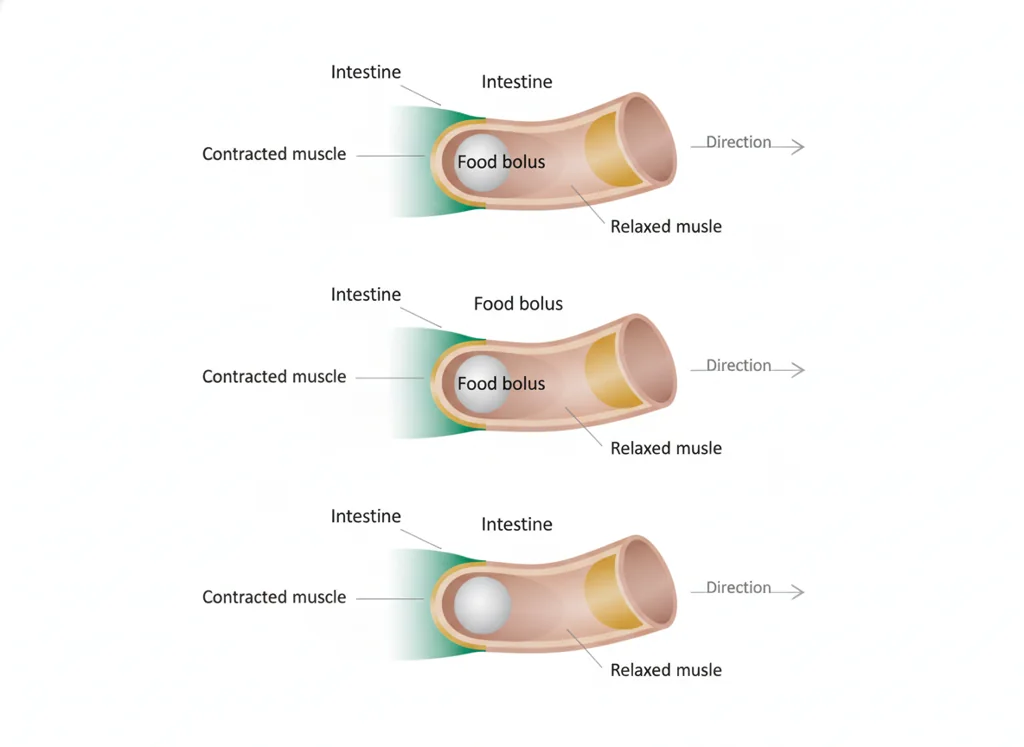
Wave-like muscle contractions that squeeze behind food or fluid to push it forward through the digestive tract.
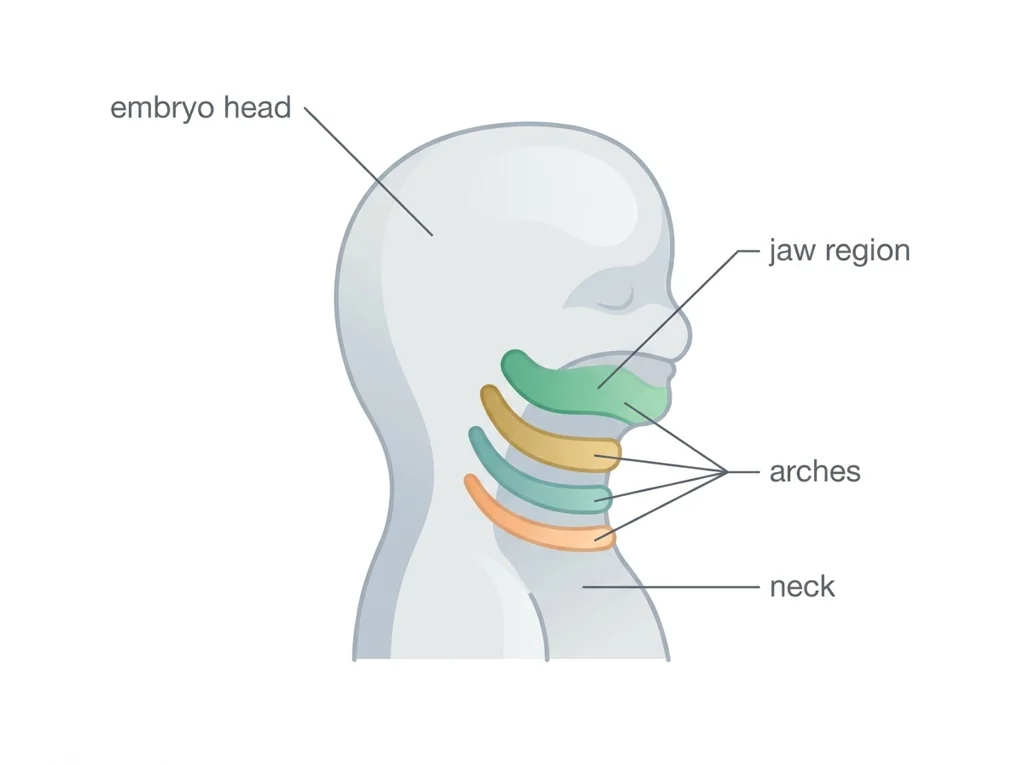
One of the ridged blocks of embryo tissue along the future neck that give rise to the jaw, face, and throat structures.
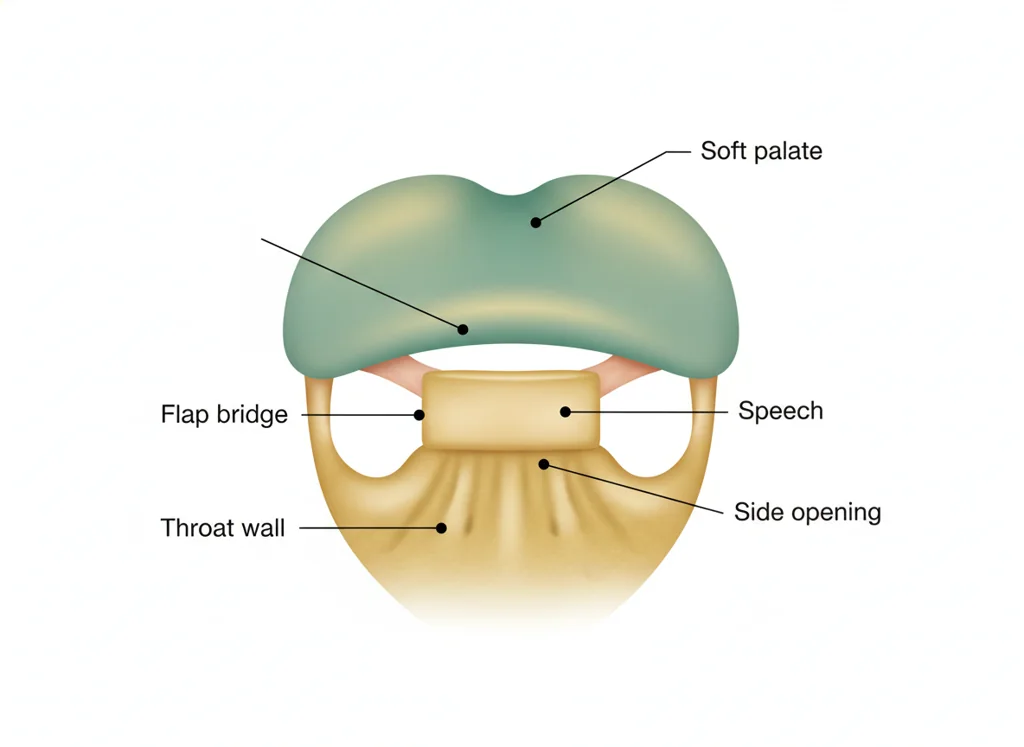
A surgery that builds a tissue bridge at the back of the throat to reduce air escaping through the nose during speech.
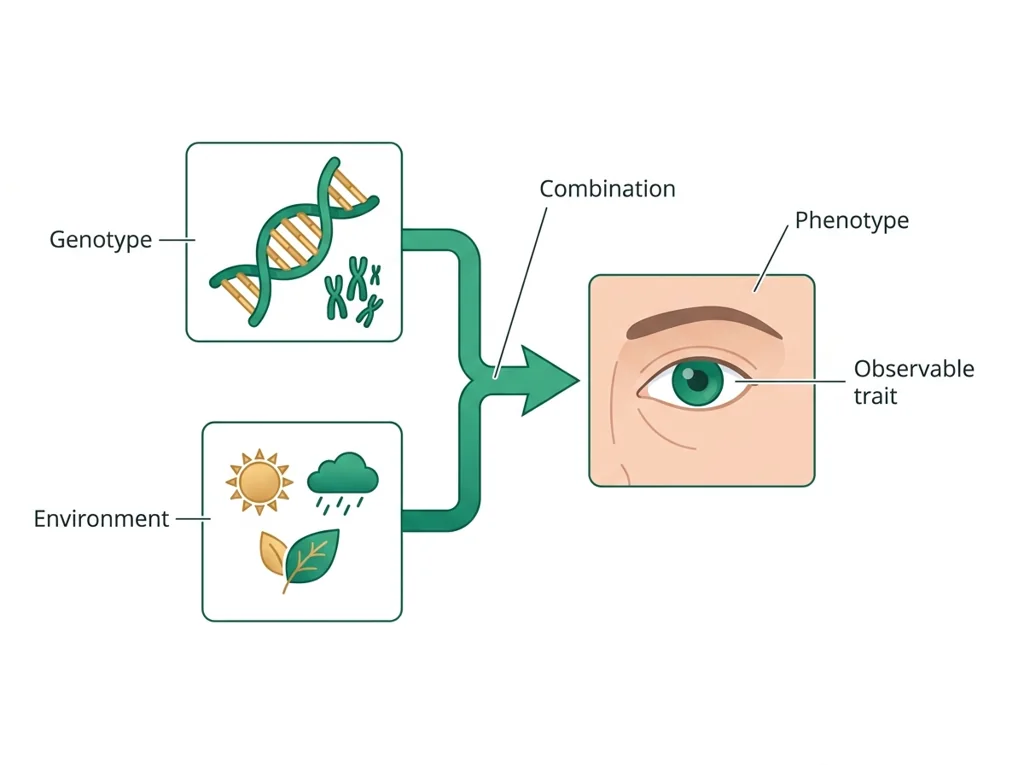
The observable traits of an organism, such as appearance or function, that result from its genotype combined with environmental influences.
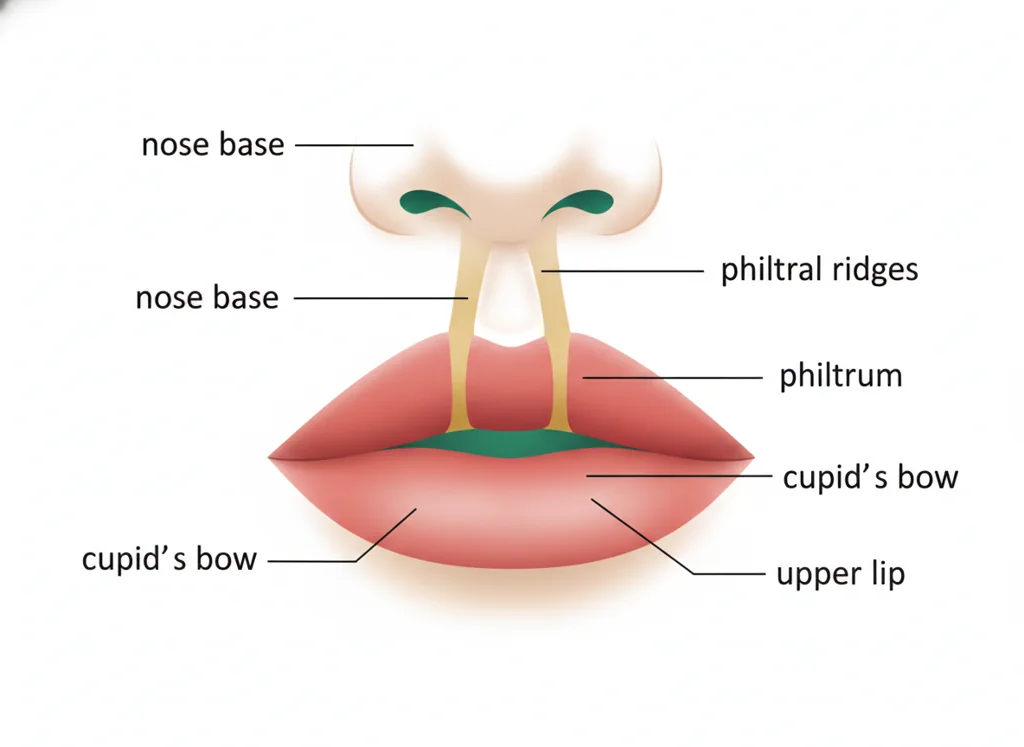
The vertical groove in the middle of the upper lip, bordered by two ridges, that forms where facial parts fuse during development.
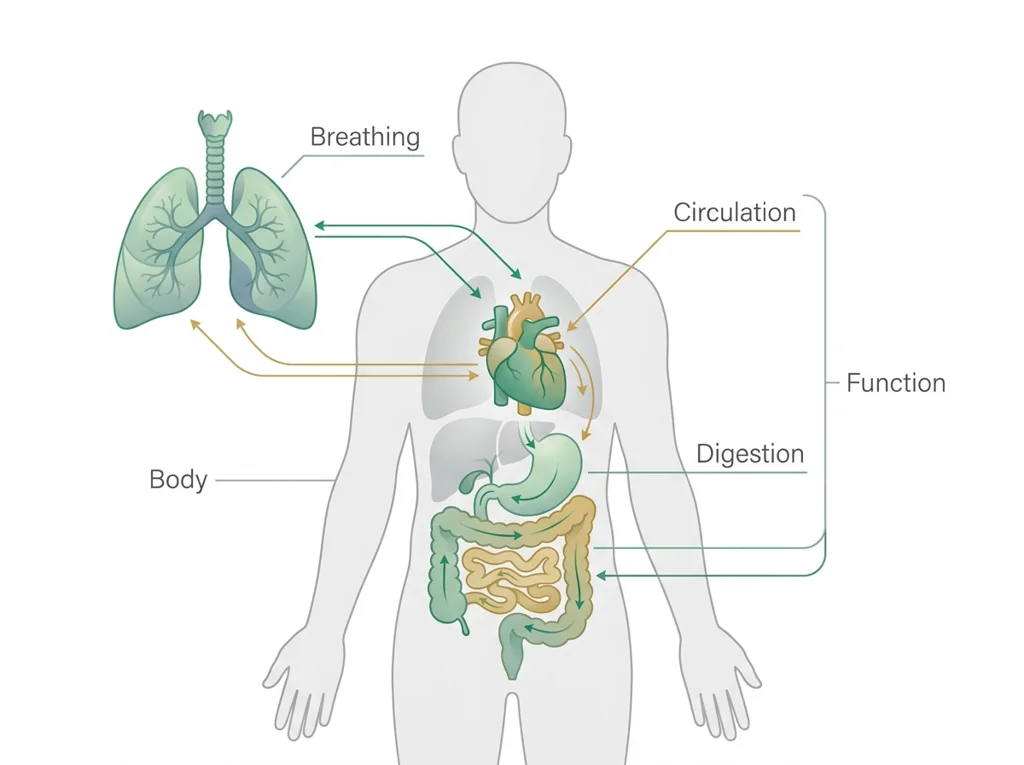
The study of how the body's parts function and work together to keep an organism alive and healthy.
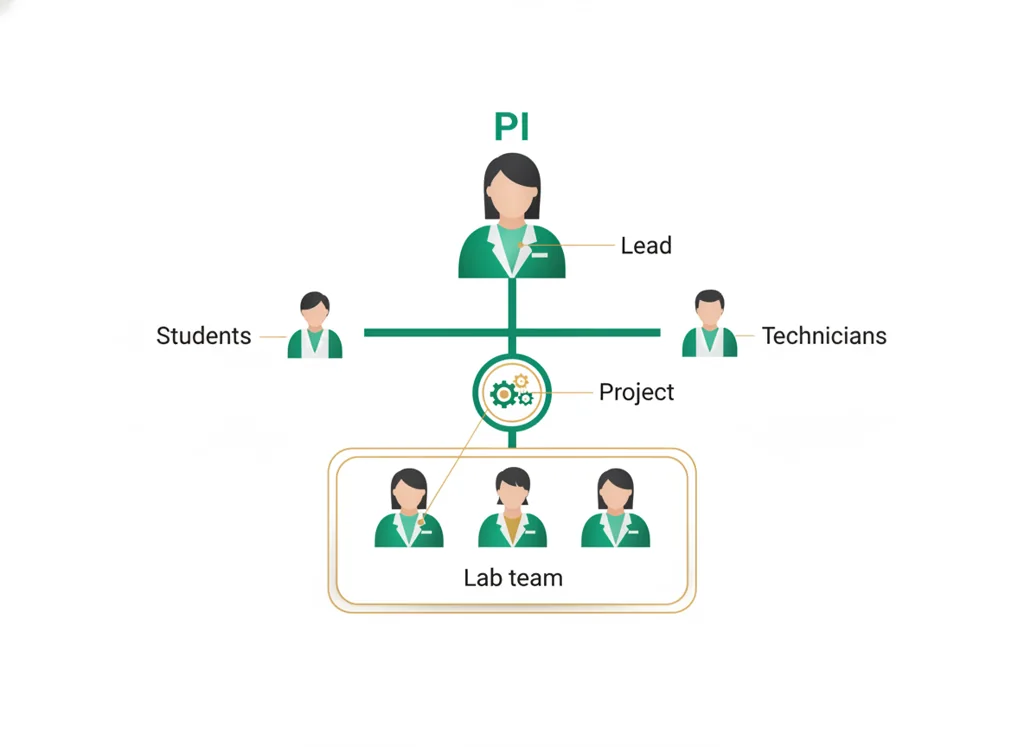
The principal investigator, the lead scientist who designs and runs a research project and is responsible for the lab.
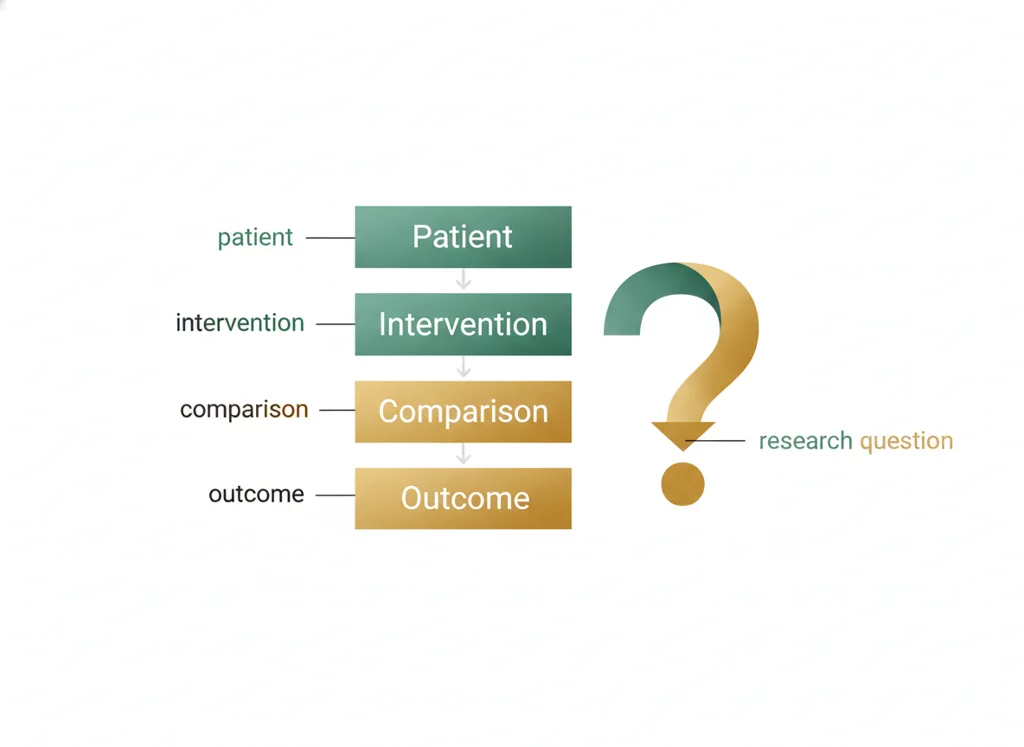
A framework for building a clear research question by naming the Patient, Intervention, Comparison, and Outcome.
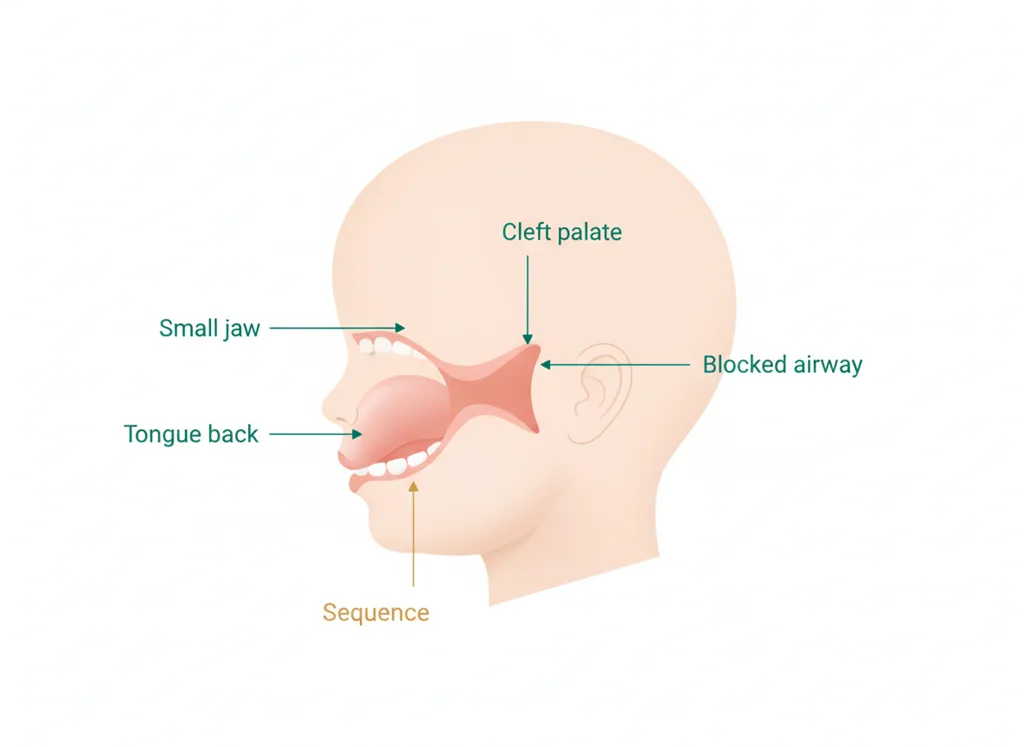
A chain of features starting with a small lower jaw, which pushes the tongue back and blocks the airway and often comes with a cleft palate.
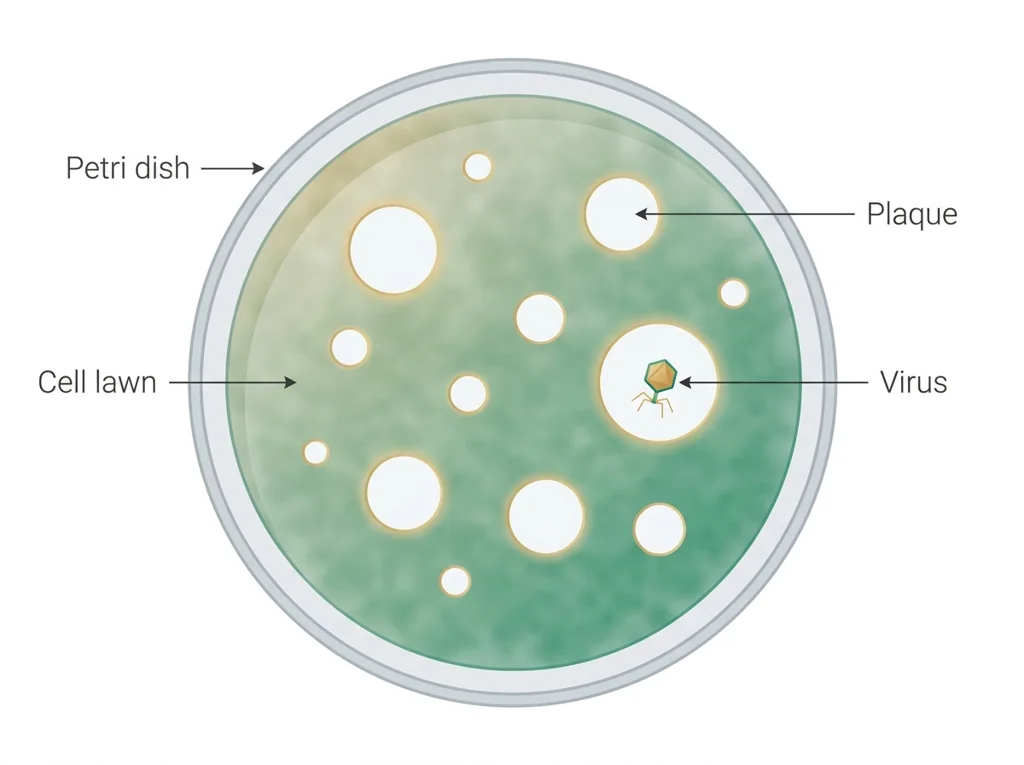
A lab method that counts infectious viruses by the clear spots they leave where they destroy cells in a layered dish.
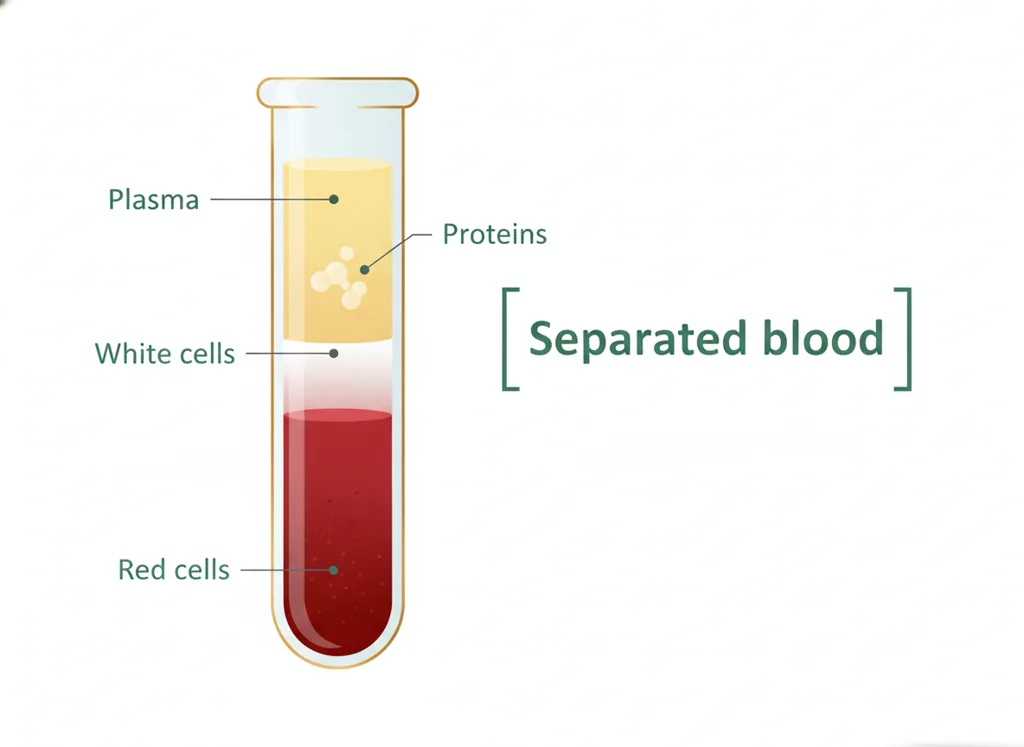
The pale yellow liquid part of blood that carries cells, proteins, nutrients, hormones, and wastes throughout the body.
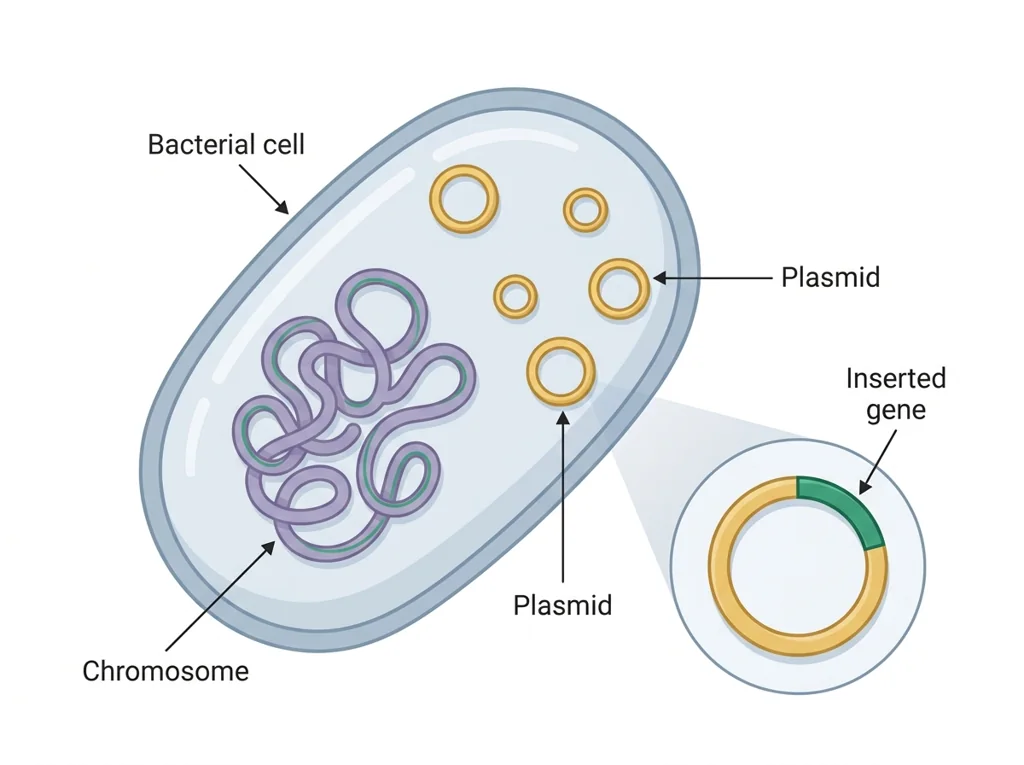
A small, circular piece of DNA that lives apart from a bacterium's main chromosome and is used in the lab to carry a chosen gene into a cell.

Counting the colonies on a plate and working backward through the dilution to estimate how many organisms were in the original sample.
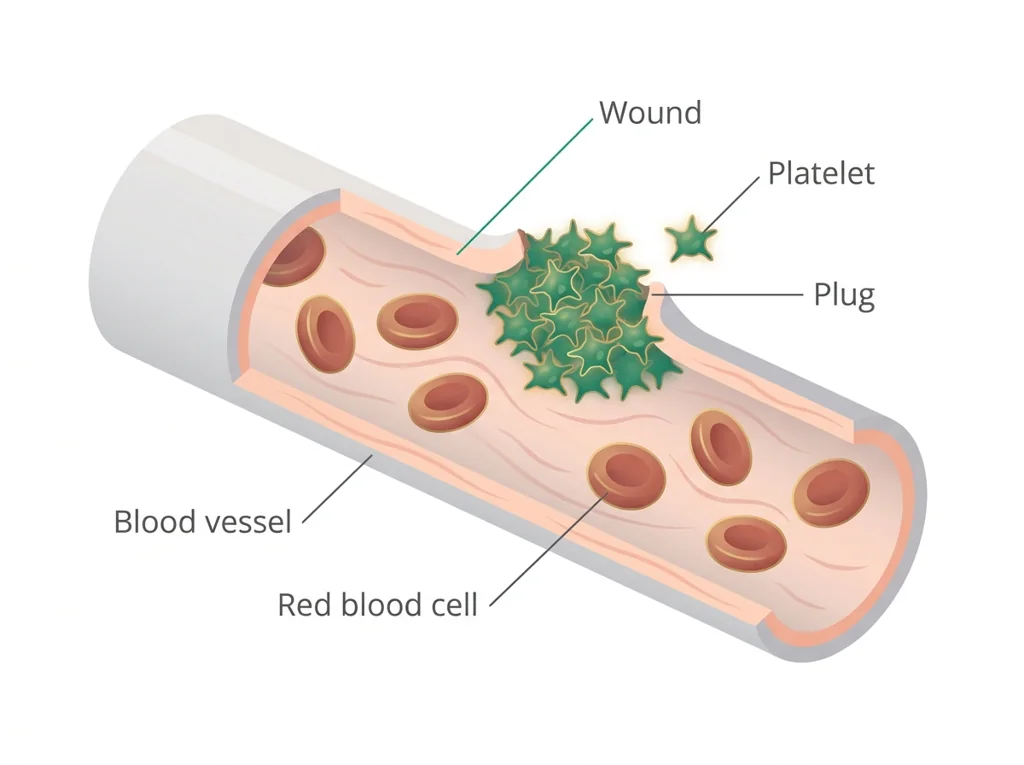
A tiny cell fragment in the blood that clumps together at a wound to form a plug and start a clot, helping stop bleeding.

The share of cells put onto a plate that actually grow into visible colonies. It is never 100 percent, so a plate count reads low.
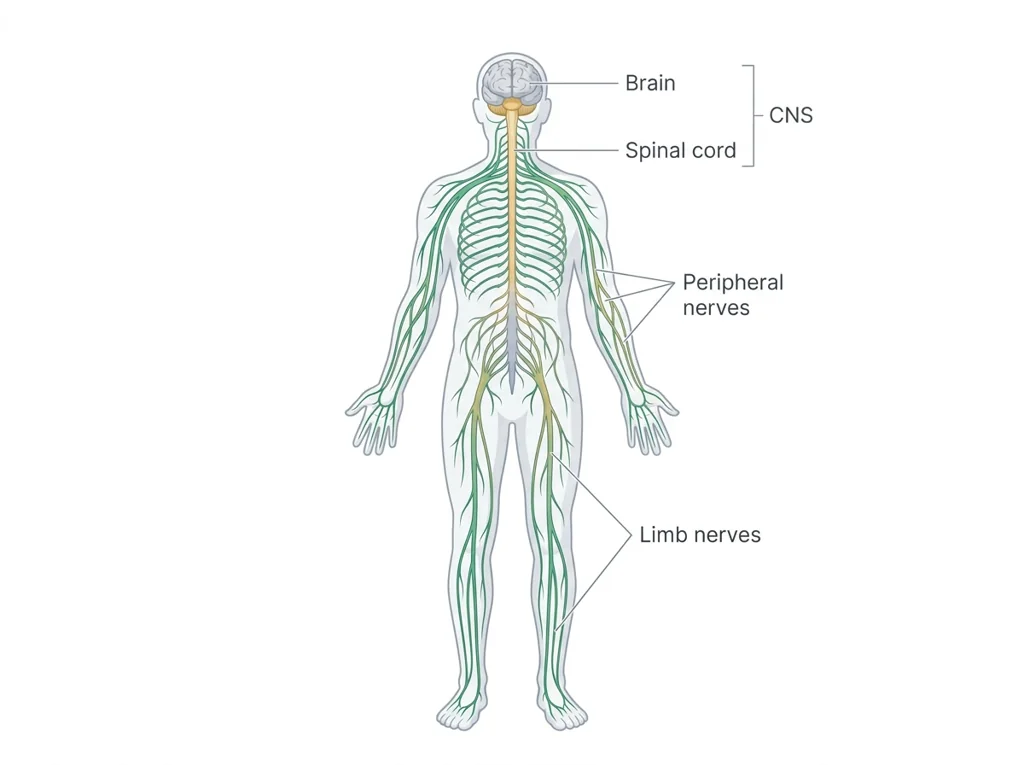
The peripheral nervous system: all the nerves outside the brain and spinal cord that carry signals between the body and the central nervous system.
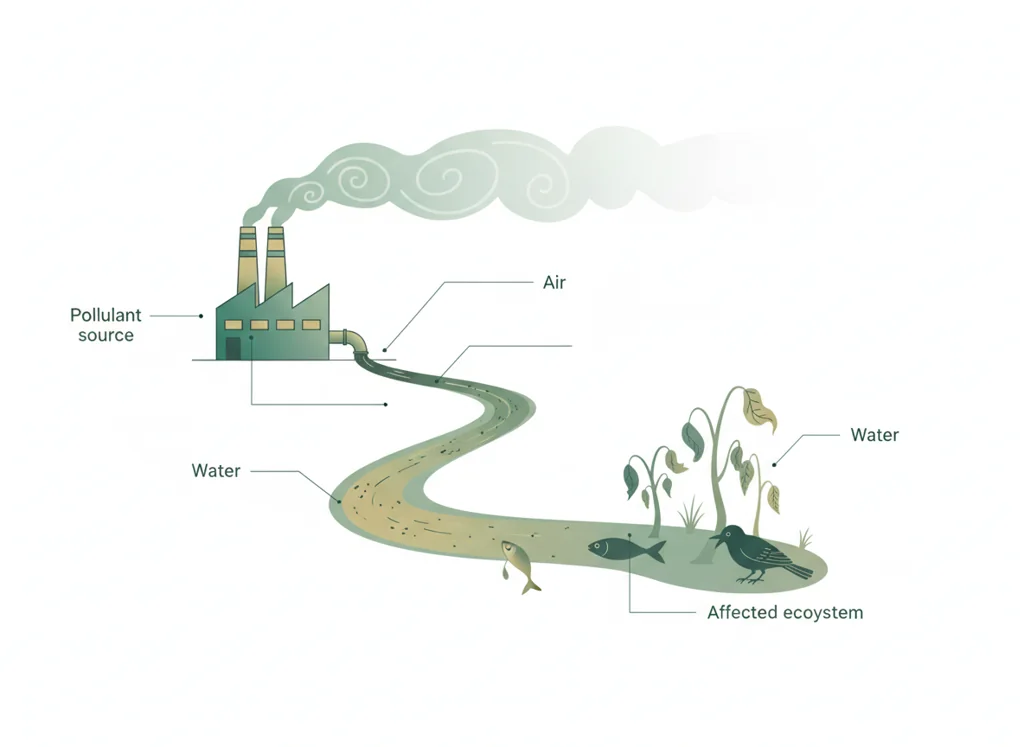
A harmful substance released into air, water, or soil that can damage ecosystems and human health.
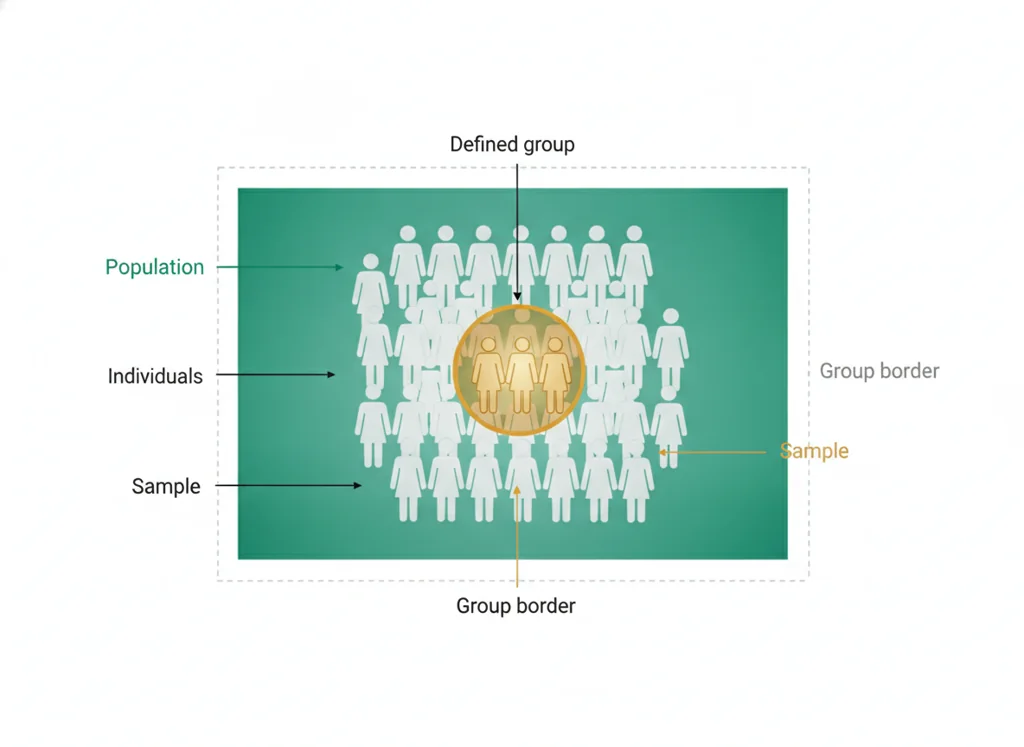
A defined group of individuals being studied or counted, such as all newborns in a region during one year.
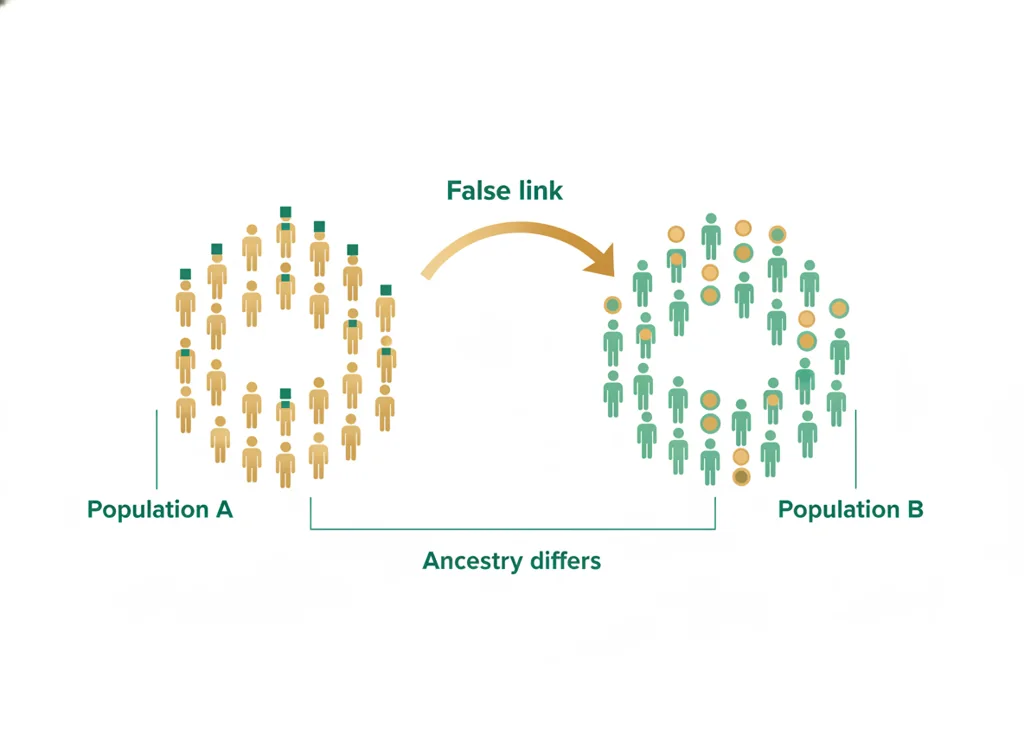
A bias in genetic studies that appears when groups differ in both ancestry and trait rates, falsely linking variants to the trait.
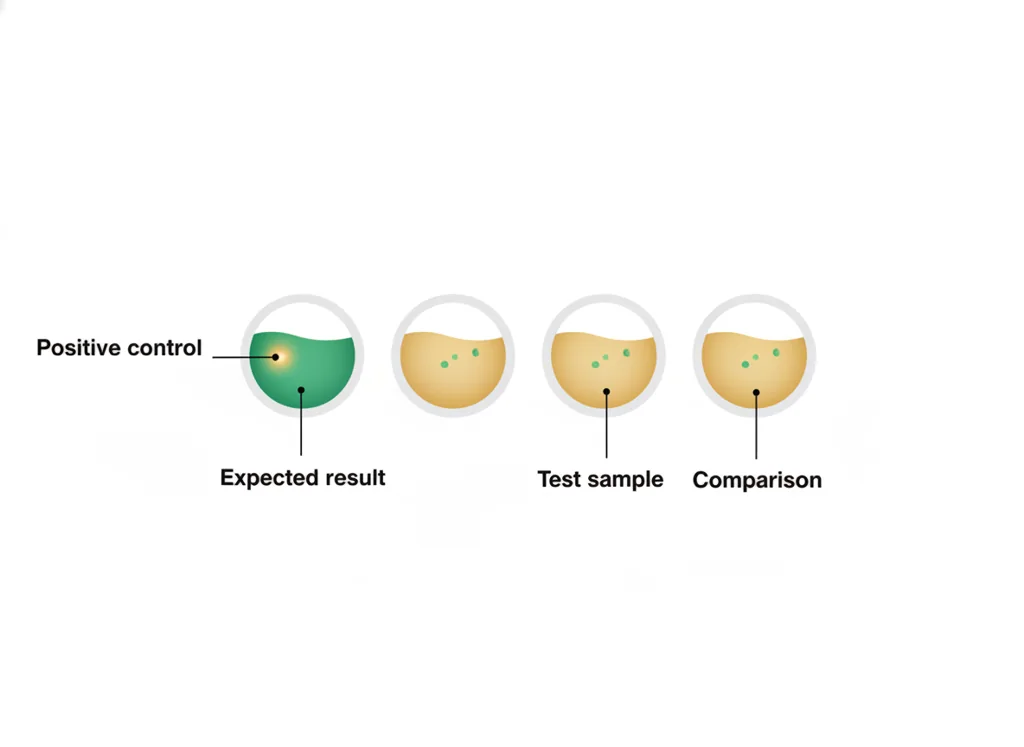
A sample known to produce a result, included in an experiment to confirm that the test is working correctly.
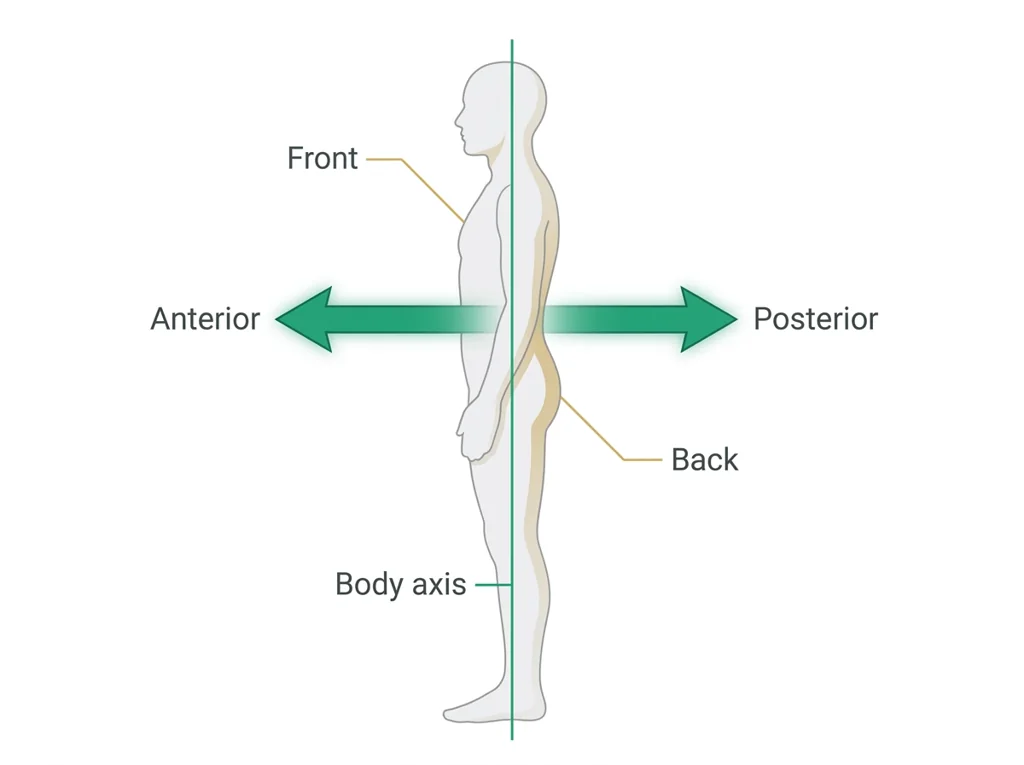
An anatomical direction meaning toward the back of the body or behind another structure.
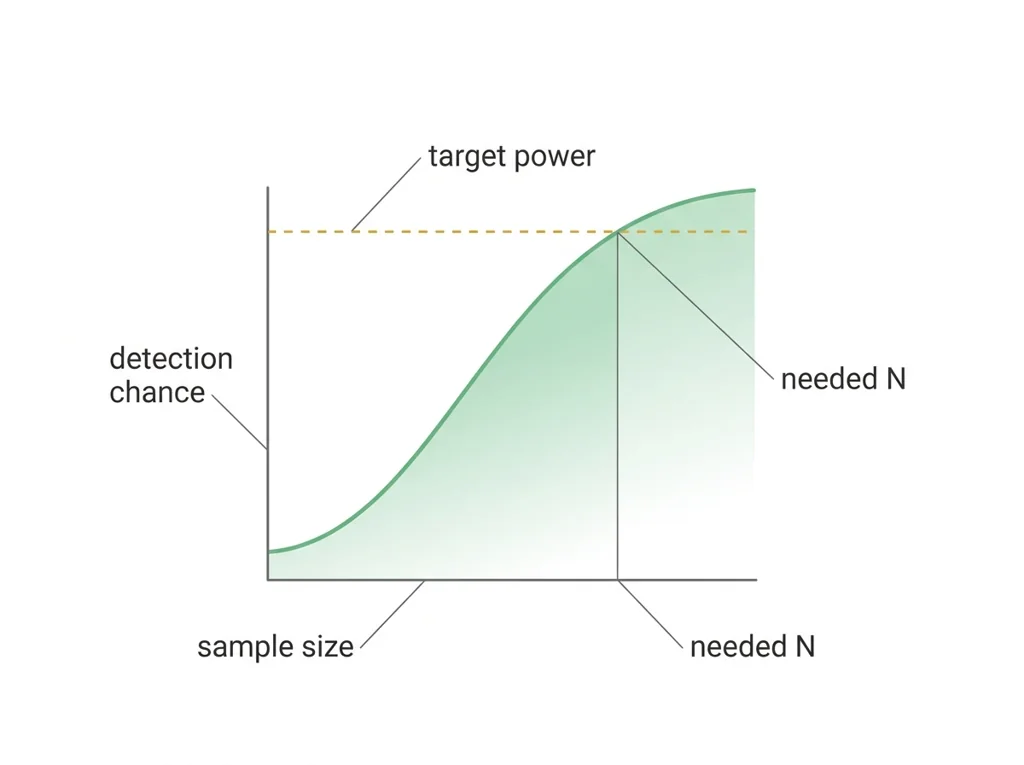
A planning step that estimates how many subjects a study needs to reliably detect a real effect if one exists.
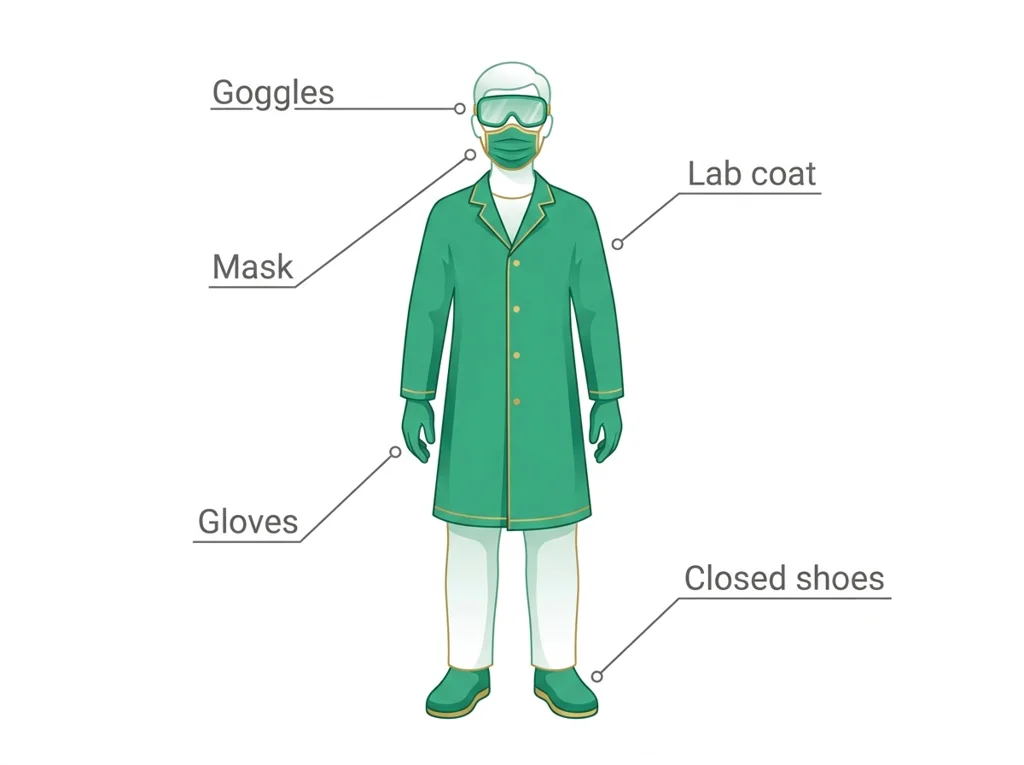
Personal protective equipment, the gear like gloves, goggles, lab coats, and masks worn to shield the body from chemical, biological, or physical hazards.
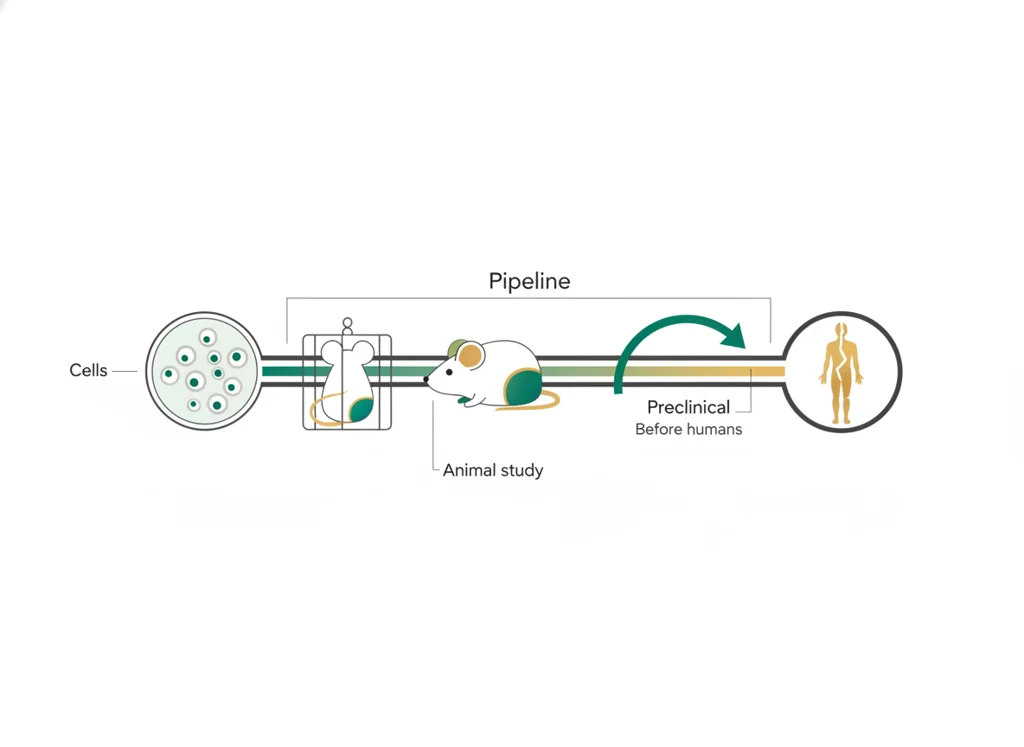
Research done in cells and animals to test safety and effect before a treatment is ever tried in people.
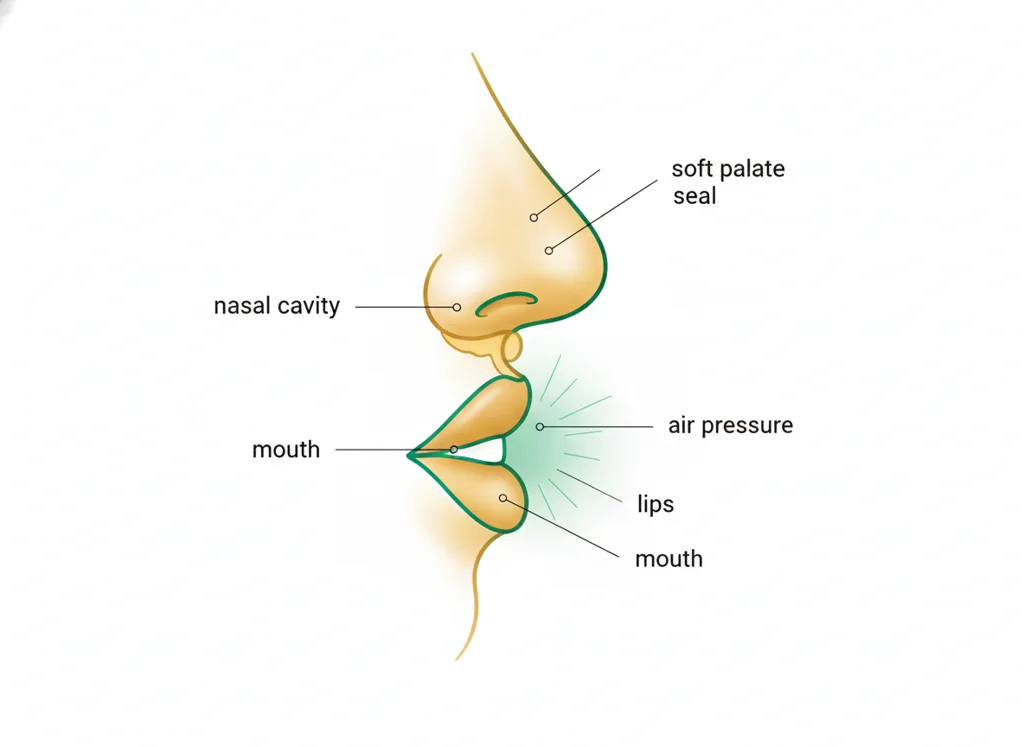
Speech sounds like p, b, t, and s that need built-up air pressure in the mouth, which a cleft or leaky palate makes hard to produce.
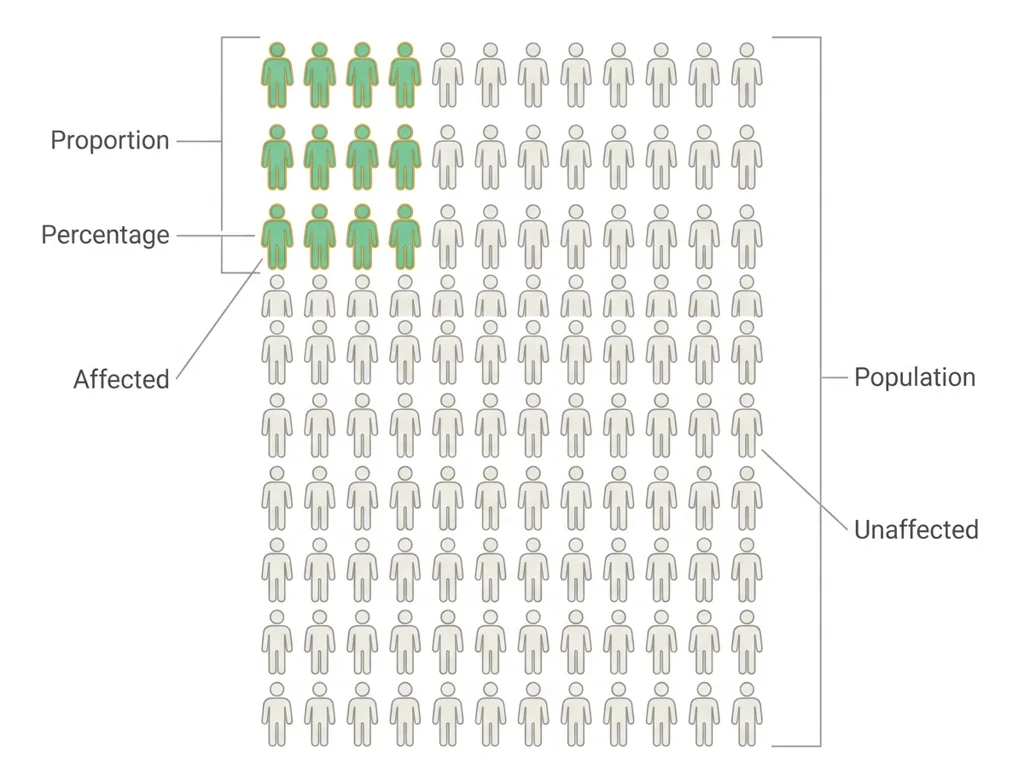
The share of a population that has a particular disease or condition at a given time, often shown as a percentage.
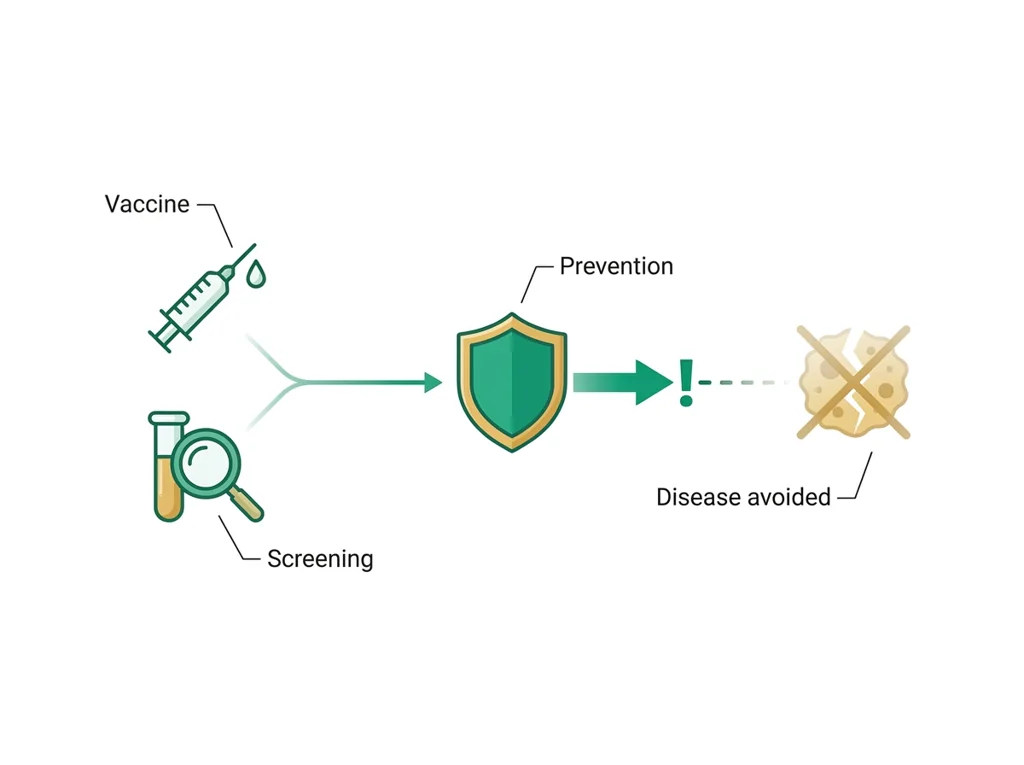
Actions taken to stop a disease or injury before it happens, such as vaccines, screenings, or healthy daily habits.
The first antibody added in a test that binds directly to the target molecule, marking it so it can be detected later.
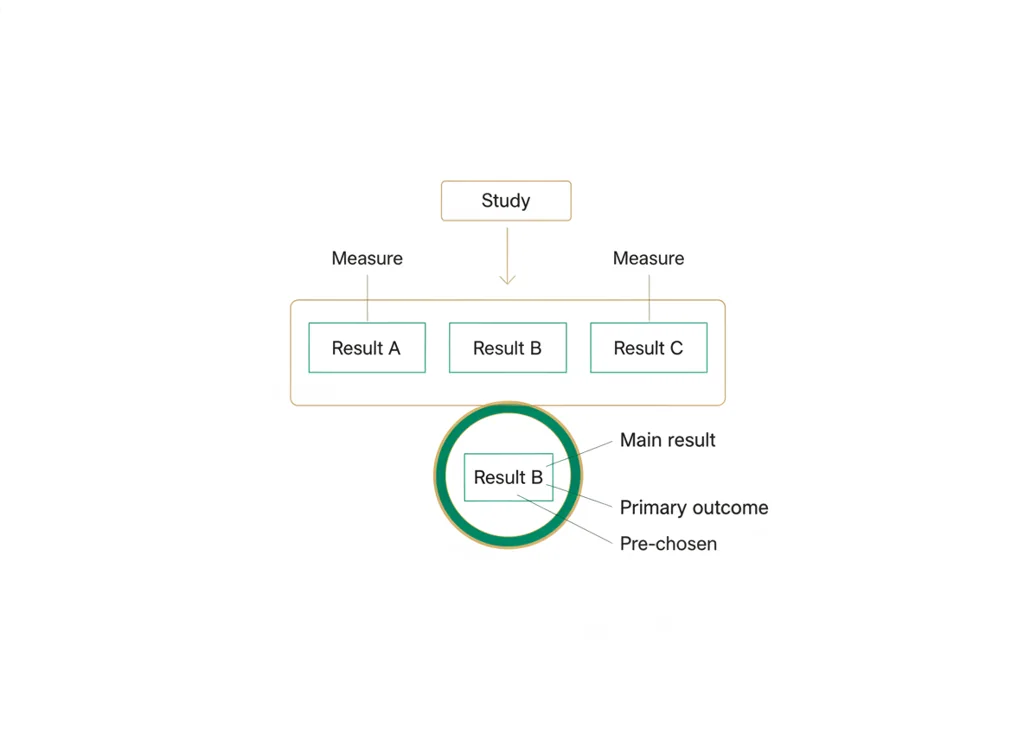
The single main result a study is designed to measure, chosen ahead of time to answer its central question.
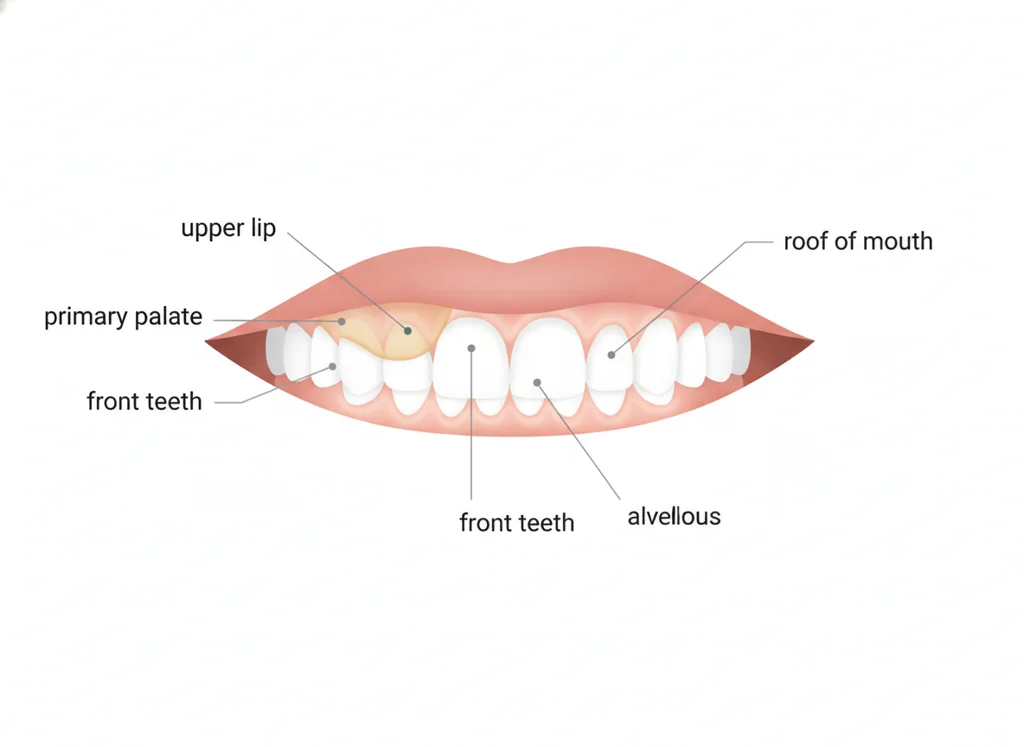
The front part of the roof of the mouth, including the lip and the bone holding the upper front teeth, formed early in development.
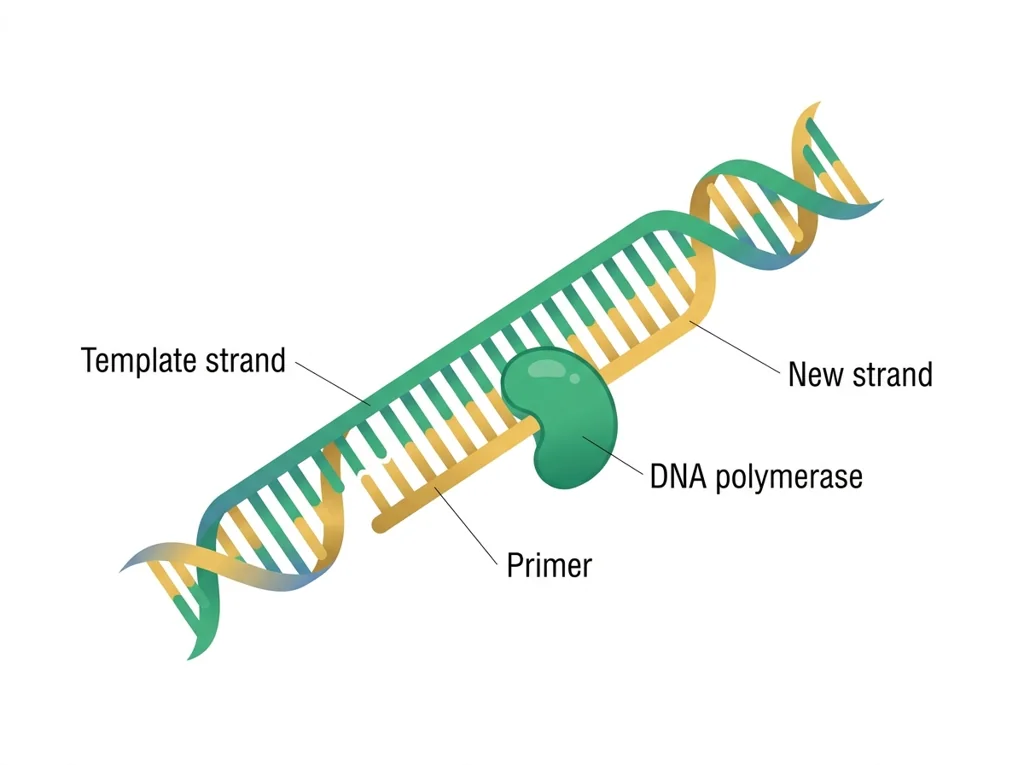
A short single strand of DNA that binds to a target sequence and gives DNA polymerase a starting point to build a new strand, as in PCR.
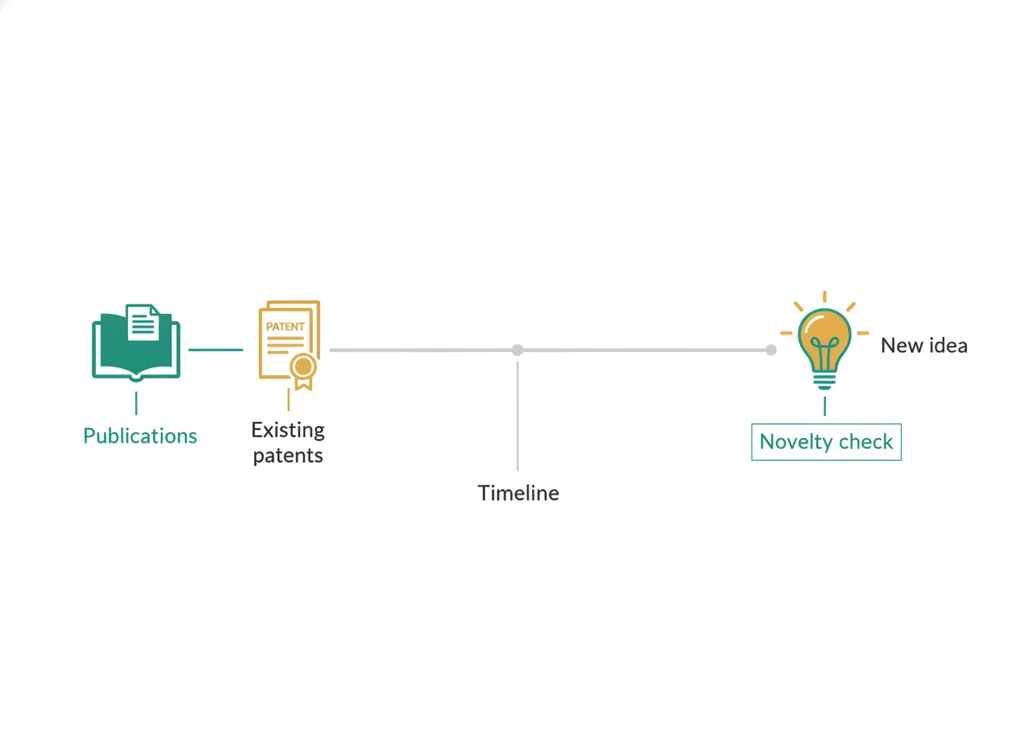
All the inventions, products, and publications that already exist before a new idea, used to judge whether that idea is truly novel and patentable.
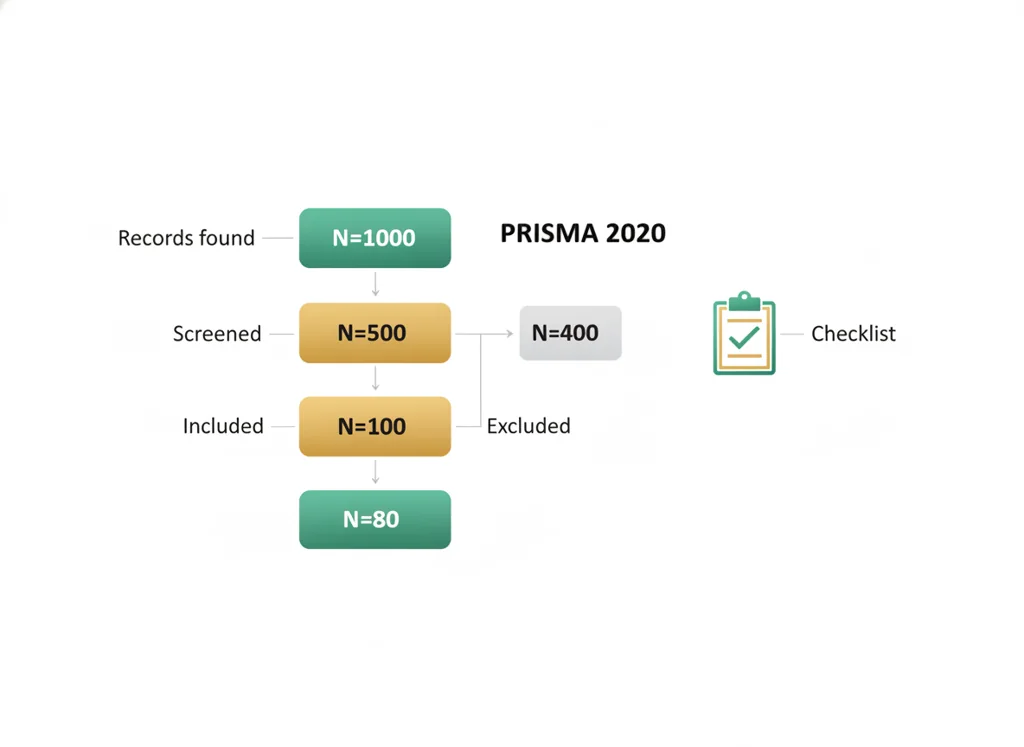
A widely used checklist and flow diagram that guides researchers to report systematic reviews clearly, completely, and transparently.
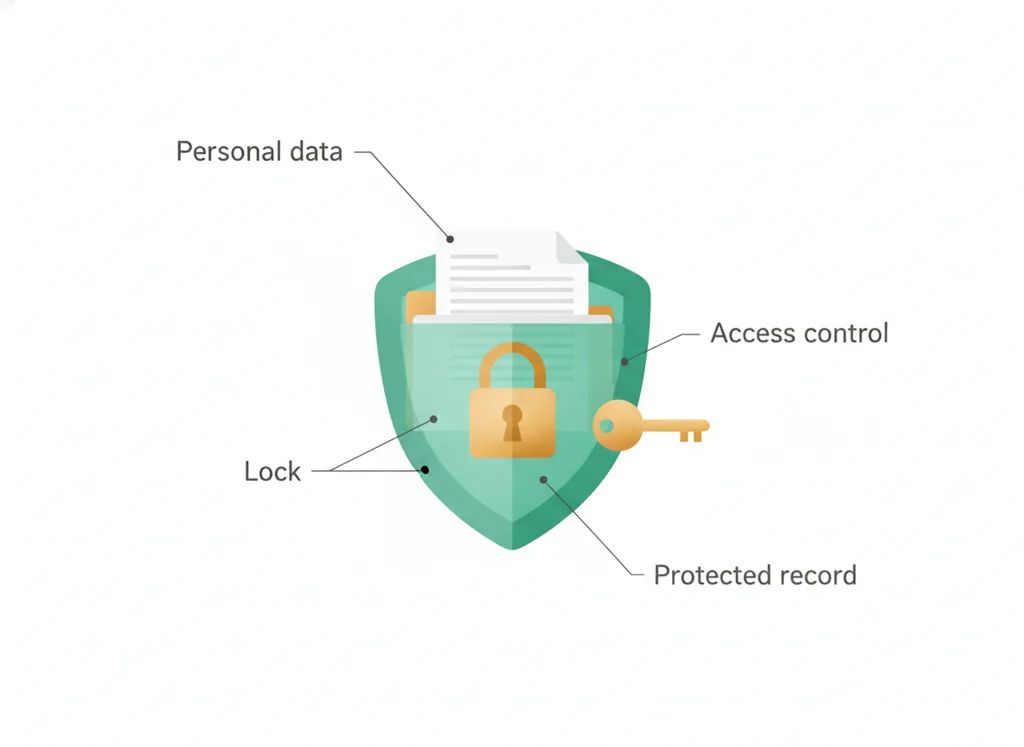
A person's right to control who can access their personal or health information and how that information is shared.
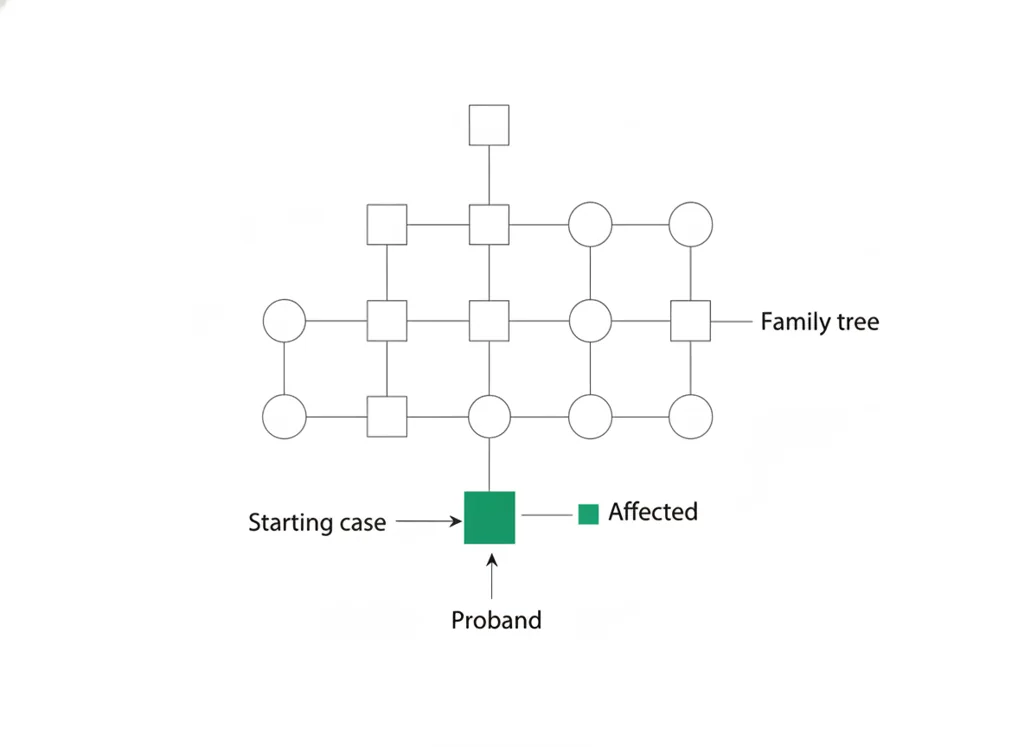
The first affected person whose case brings a family in for genetic study, marked with an arrow on the pedigree.
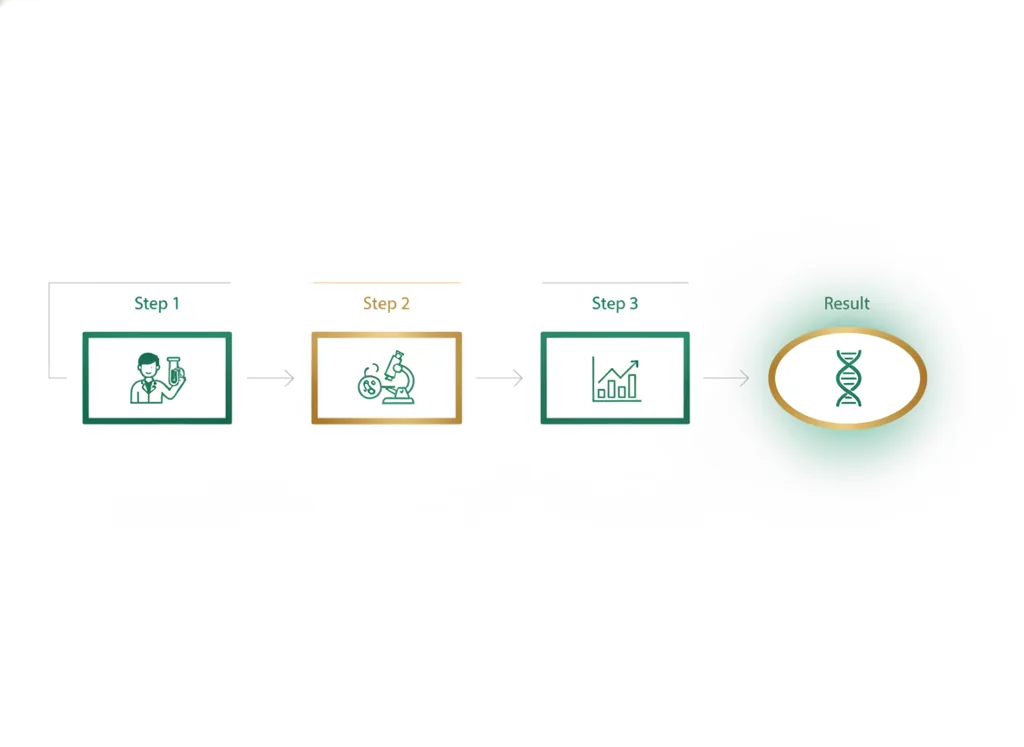
A clear, ordered set of steps followed exactly the same way each time to carry out a task safely and get reliable results.
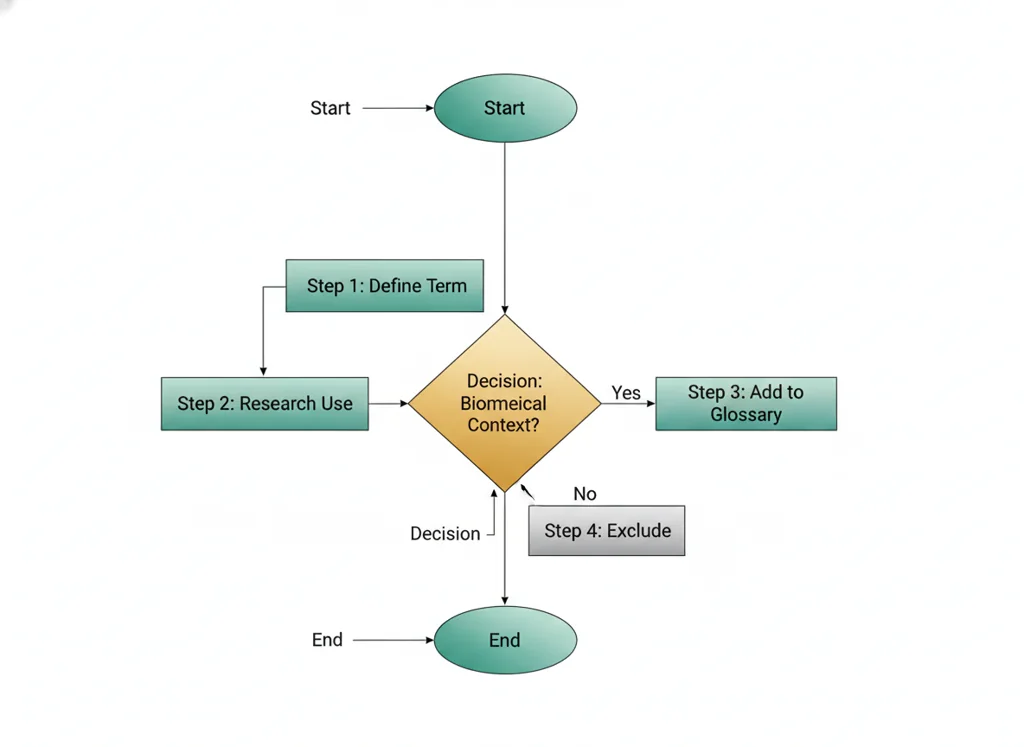
A step-by-step map of how a task or system moves from start to finish, showing the order of actions and decisions.
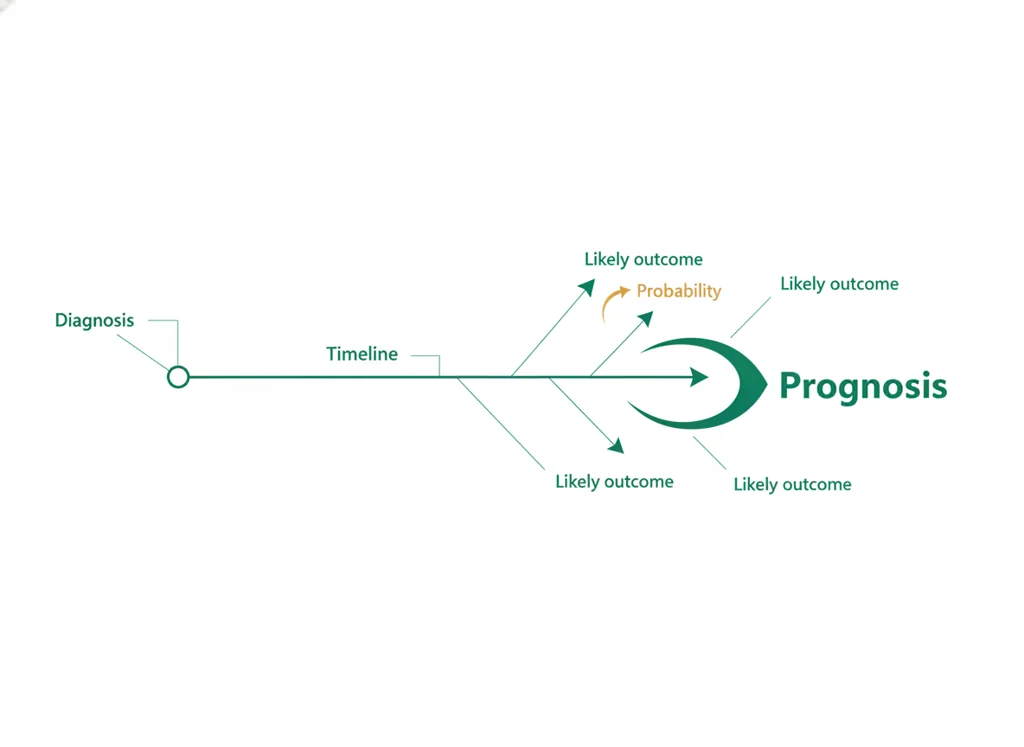
The likely course and outcome of a disease ahead: diagnosis says what the condition is, while prognosis says what it means for the patient.
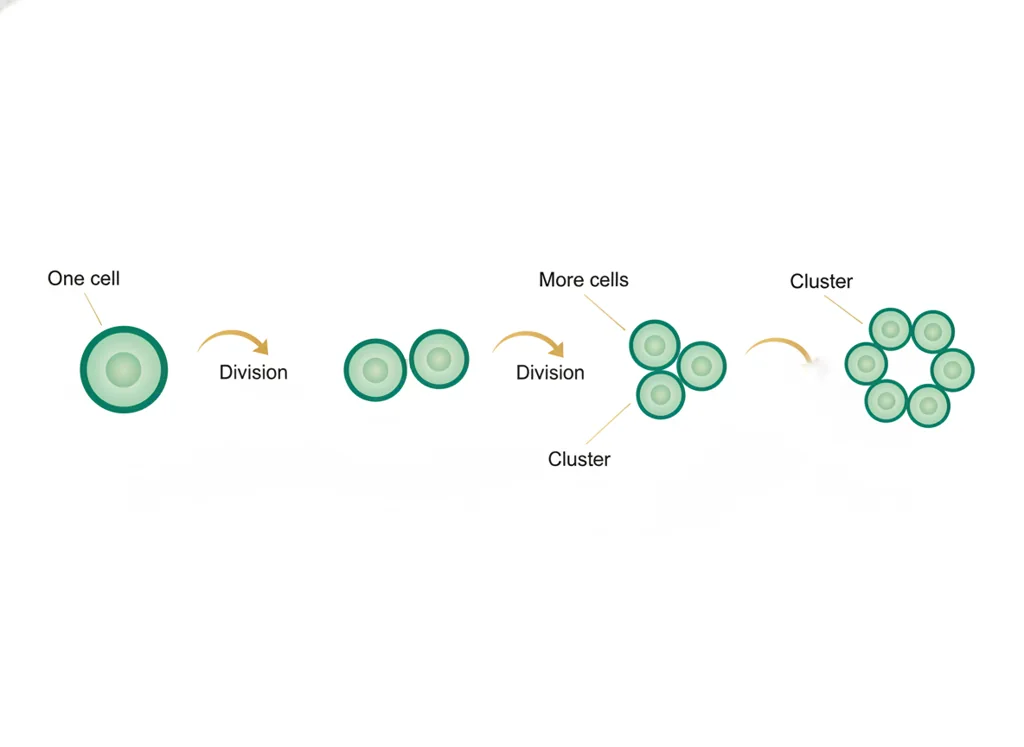
The rapid increase in cell number as cells repeatedly grow and divide, building or repairing tissue.
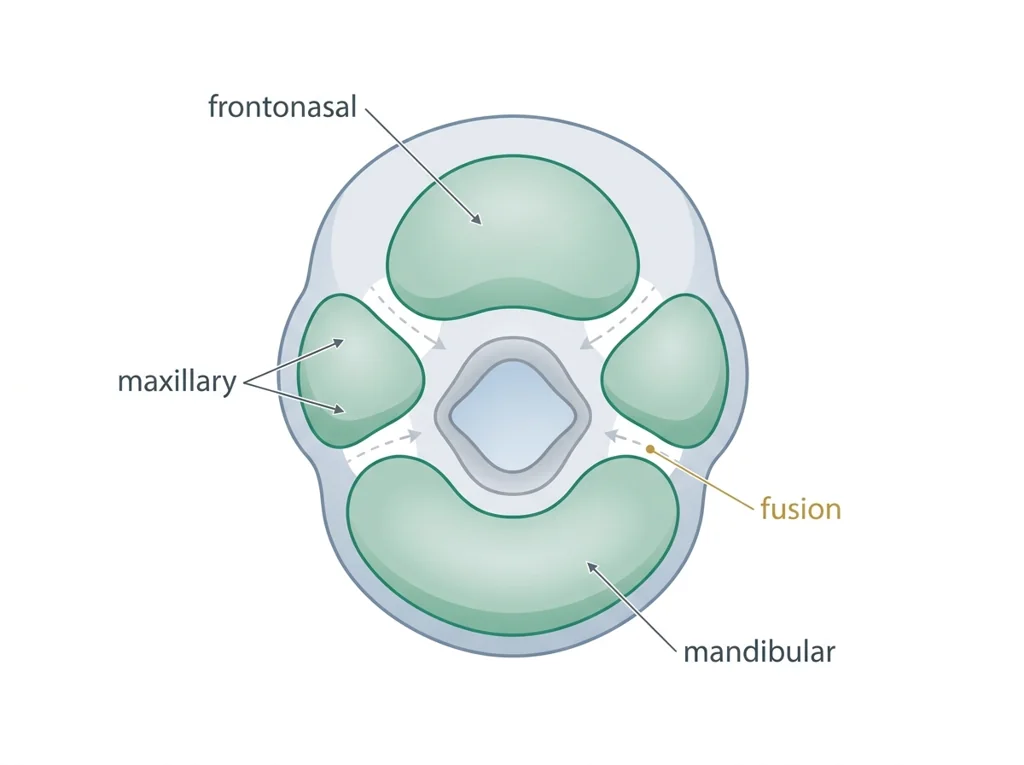
A swelling of embryo tissue on the developing face that grows and fuses with its neighbors to form the lips, nose, and cheeks.
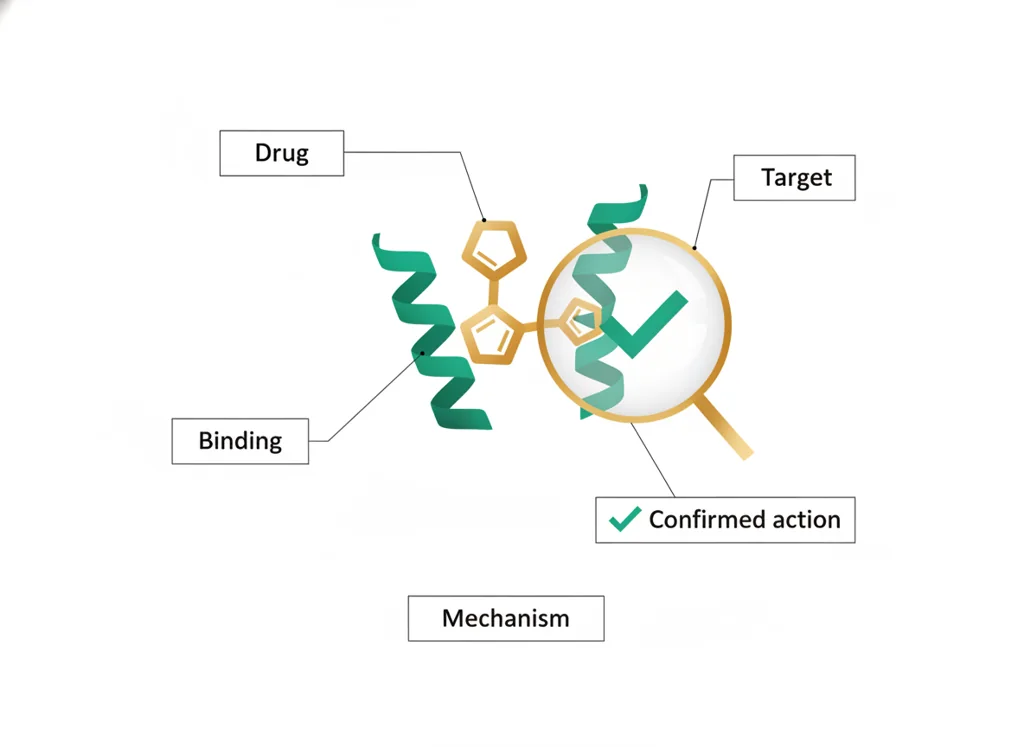
Evidence that a treatment actually acts on the biological target the way it was designed to, not just that it works.
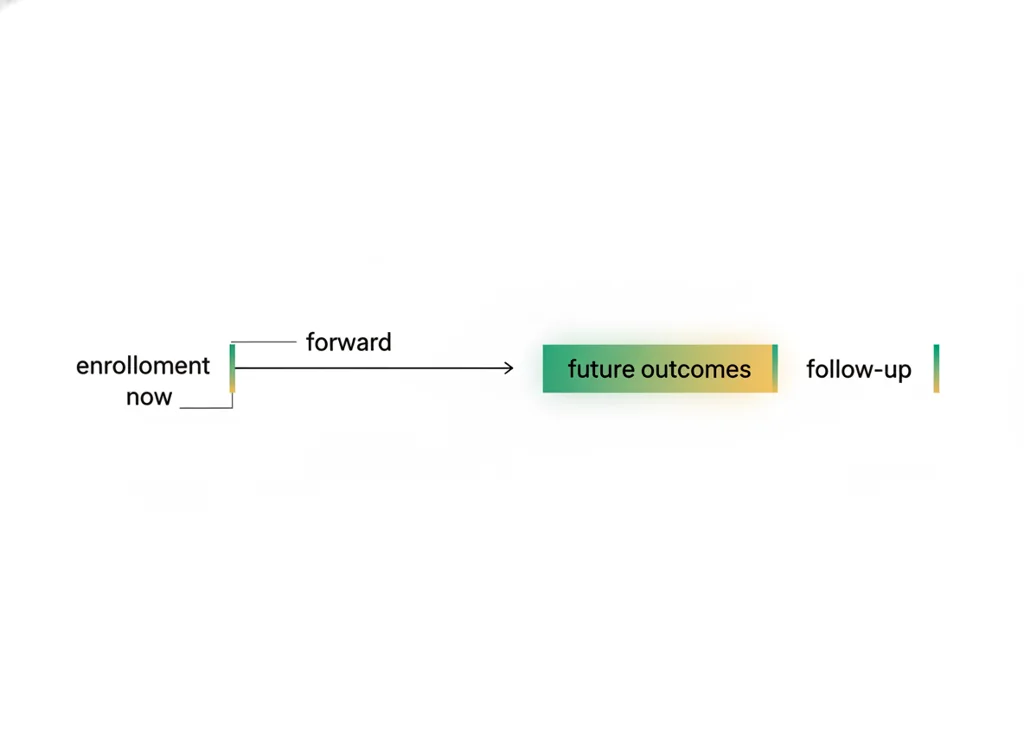
Describing a study that follows participants forward in time from the start, recording events as they happen rather than looking back.
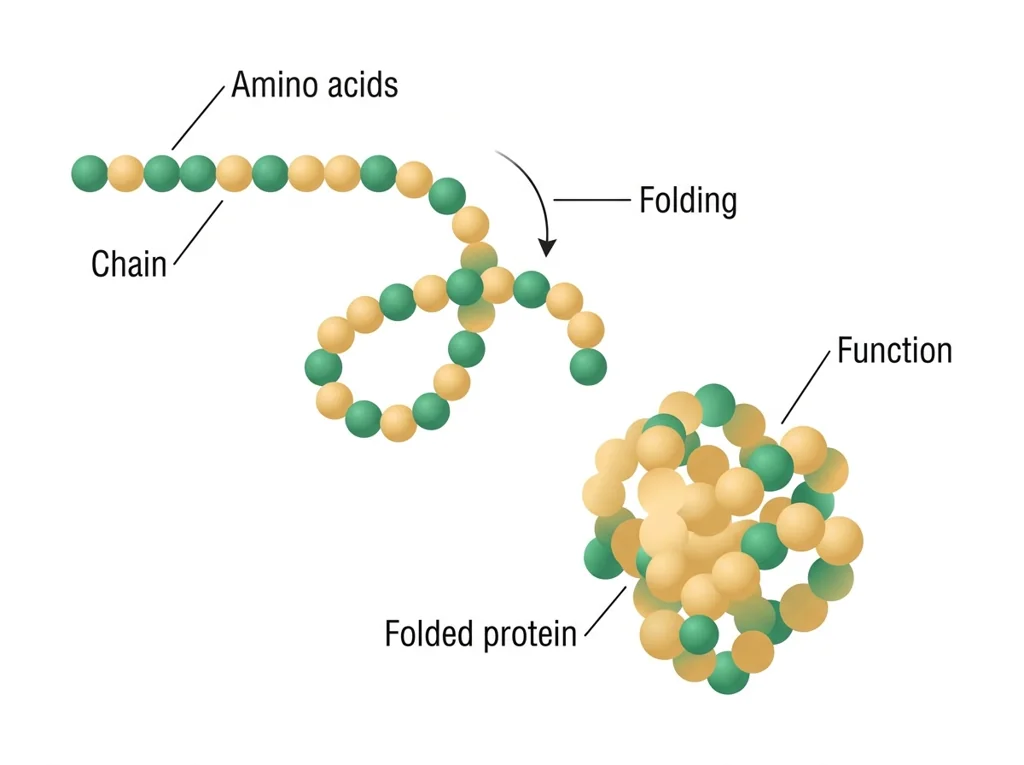
A folded chain of amino acids that a gene's instructions are used to build, serving as the cell's machines and structural building blocks.
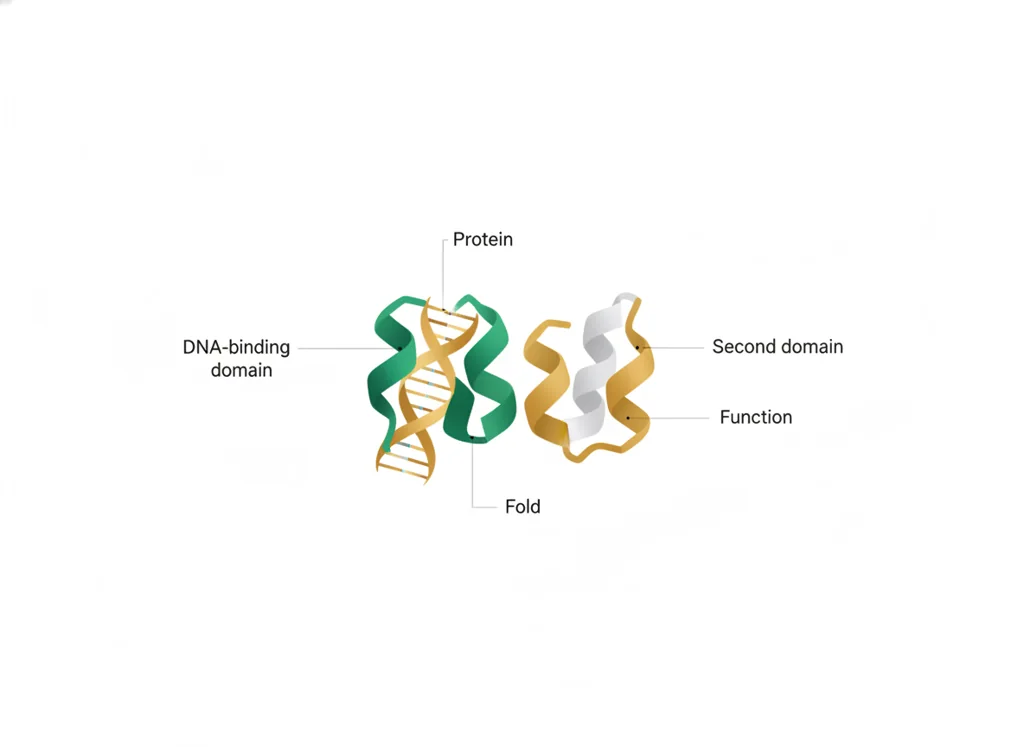
A distinct part of a protein that folds and works on its own, such as the DNA-binding domain of IRF6.
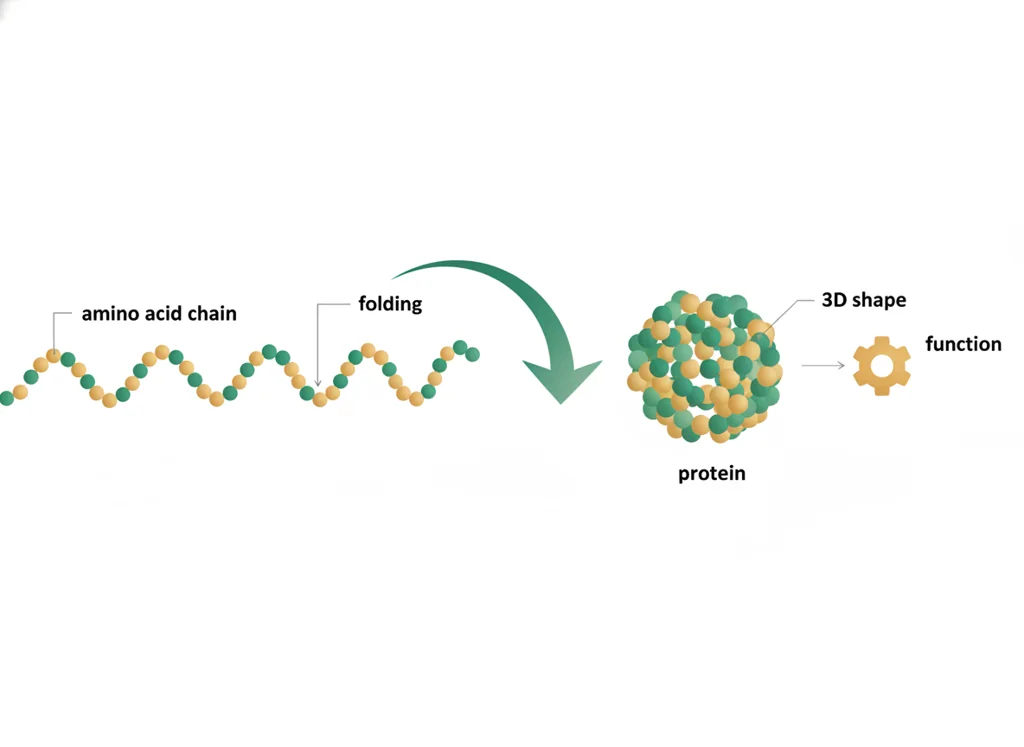
How a chain of amino acids settles into its specific three-dimensional shape, which determines what the protein can do.
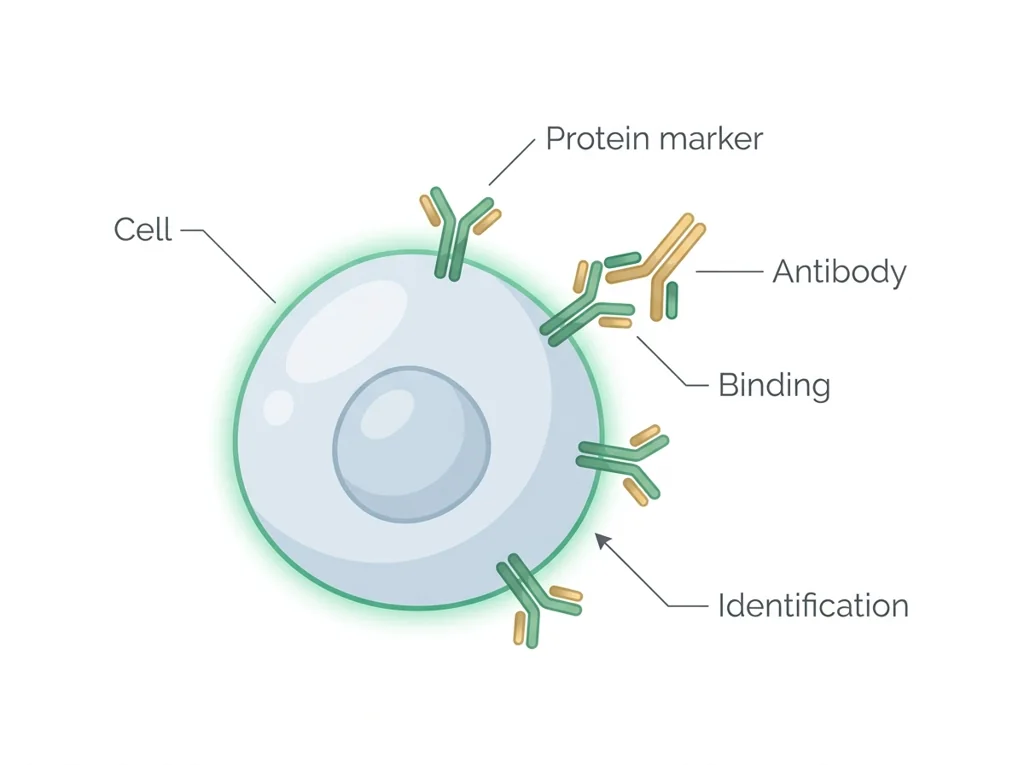
A specific protein whose presence signals a particular cell type, disease, or biological state, used to identify or track it.
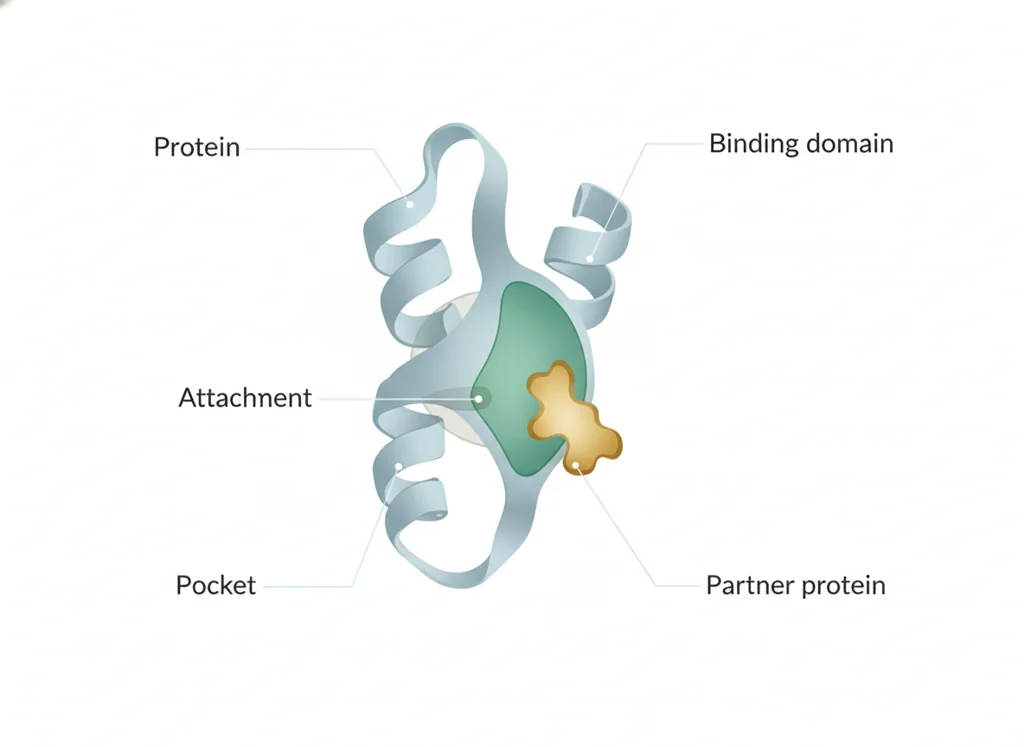
The part of a protein that attaches to other proteins to do its job.
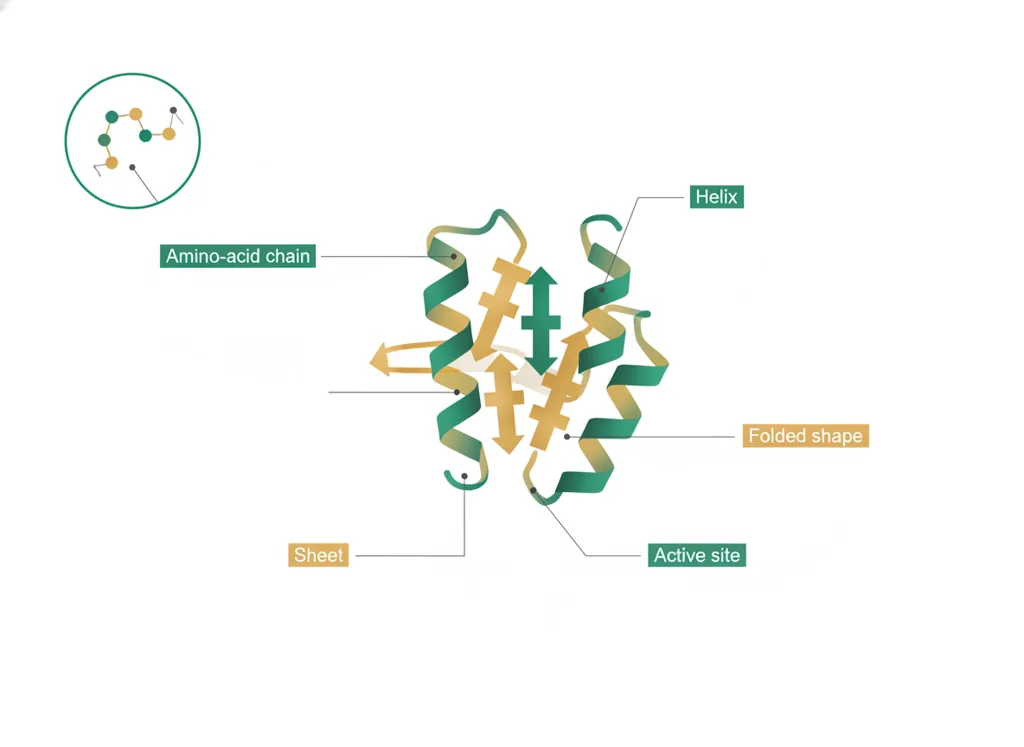
The folded three-dimensional shape a protein takes, which determines how it works and which a mutation can disrupt.
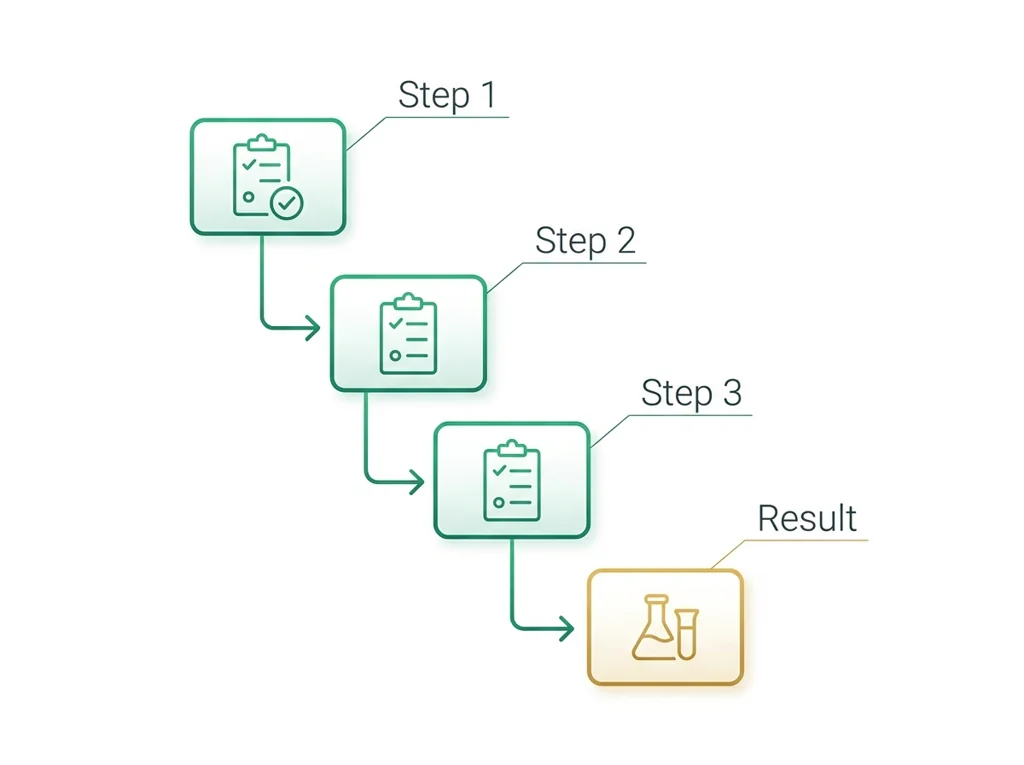
A detailed, step-by-step set of instructions for carrying out a procedure the same way every time so results can be trusted and repeated.
An early working model built in order to be tested, not to be sold. Its job is to answer one question about the design, so it is allowed to be rough everywhere that question does not reach.
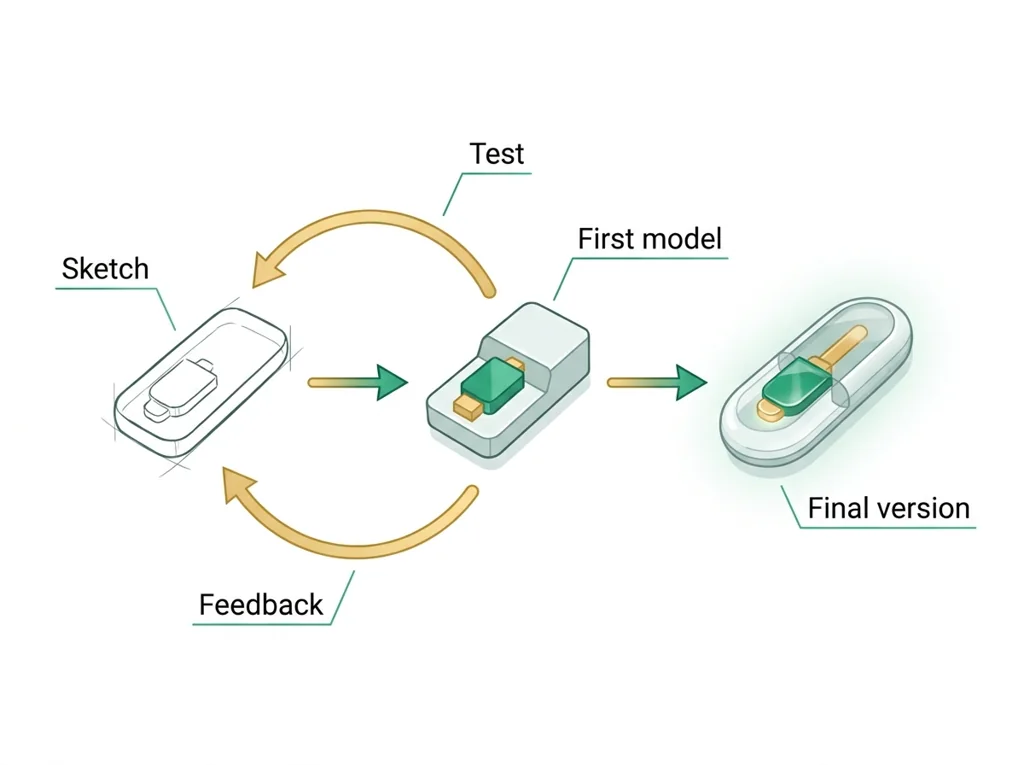
A circular design-thinking loop of build, test, and learn, repeated so each prototype gets closer to the right solution.
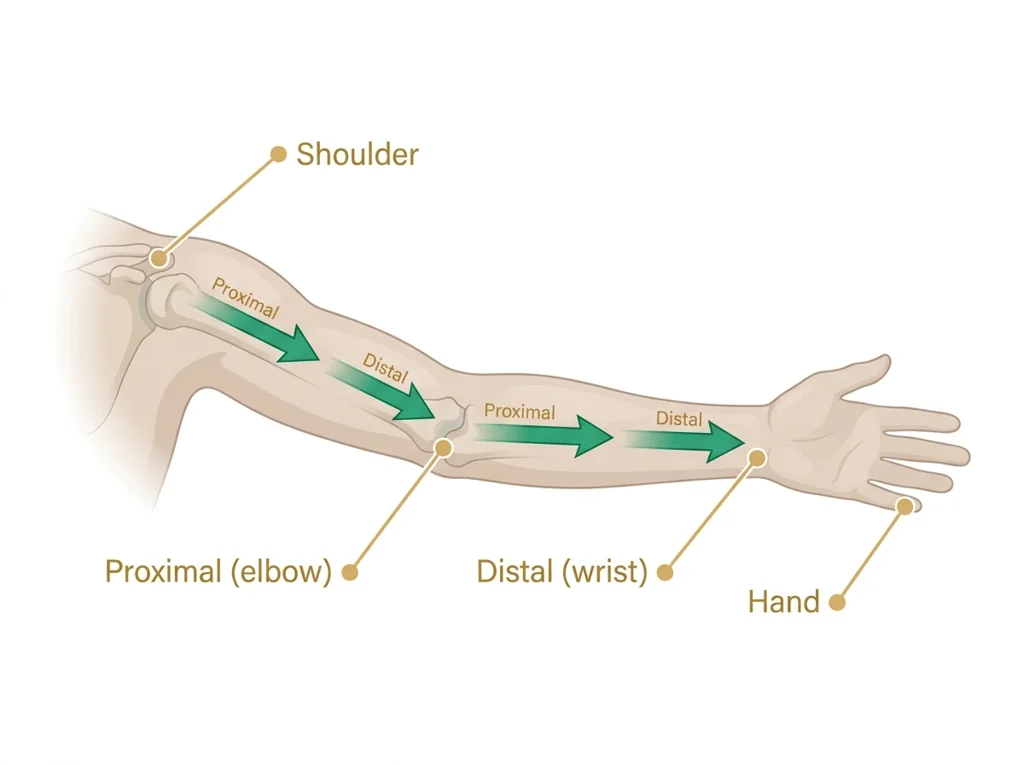
A direction term meaning closer to the point where a limb attaches to the body, such as the elbow being proximal to the wrist.
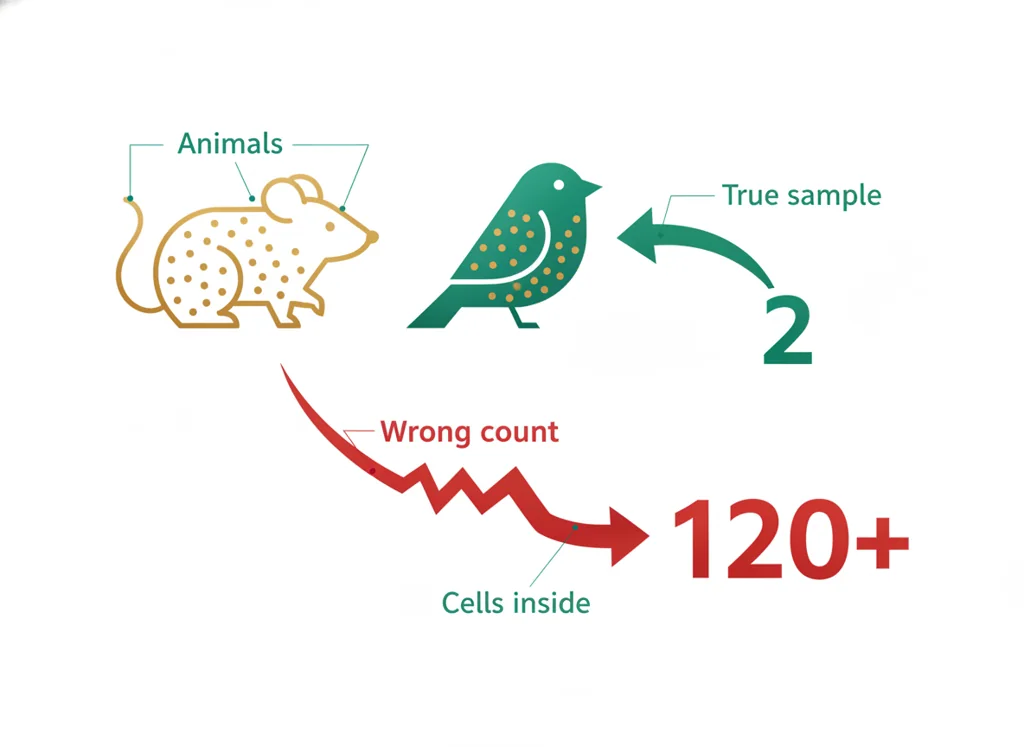
Counting many cells from a few animals as if each cell were its own experiment, which fakes a larger sample size.
Relating to how a condition affects a person's emotions, self-image, and relationships, alongside its physical effects.
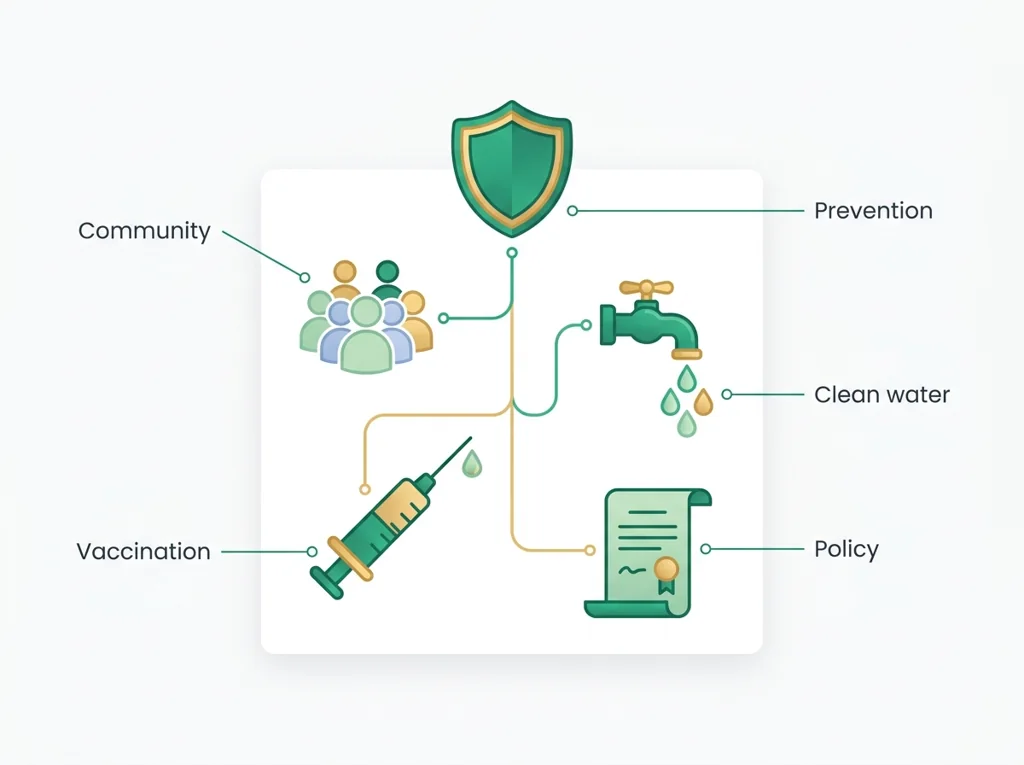
The science of protecting and improving the health of whole communities through prevention, education, and policies rather than treating one patient at a time.
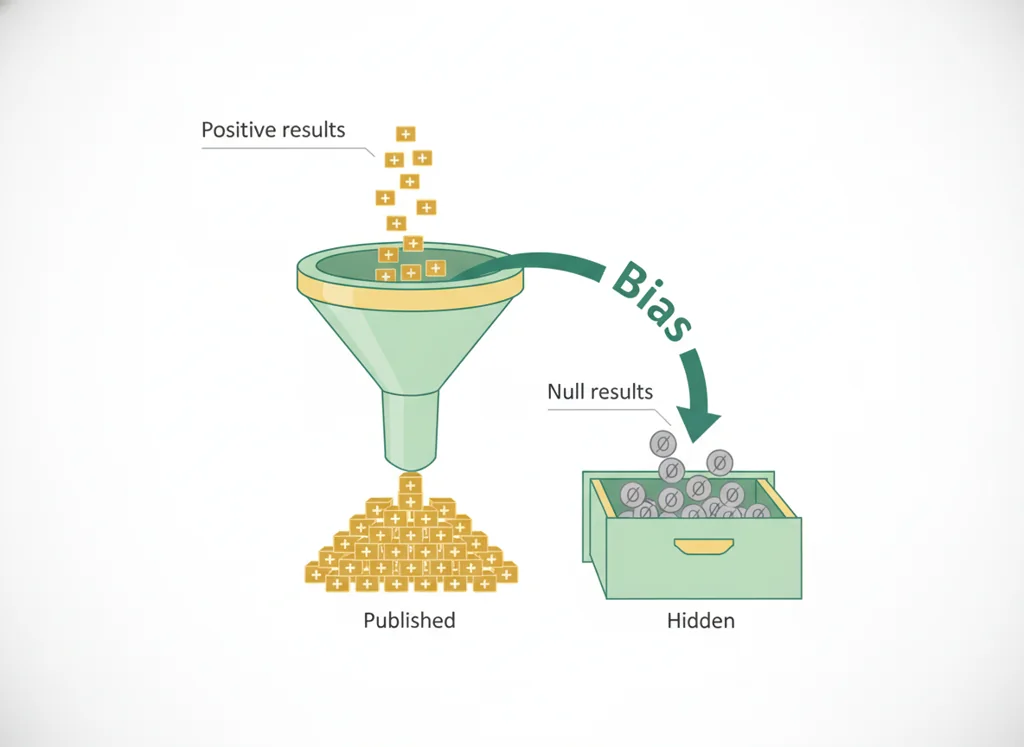
The tendency for studies with positive or exciting results to get published while studies with no effect stay hidden, skewing the evidence.
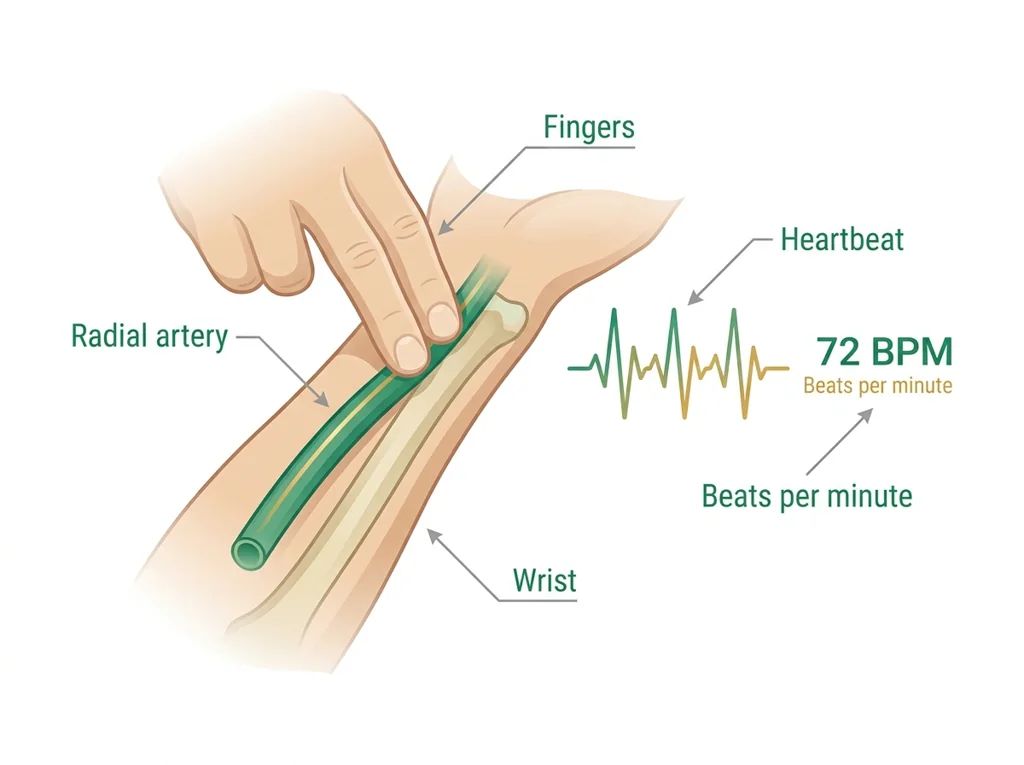
The rhythmic expansion of an artery you can feel as the heart pumps blood, used to measure how many times the heart beats per minute.

A culture grown from a single colony, so every cell in it descends from one original cell and the whole population is one type of organism.
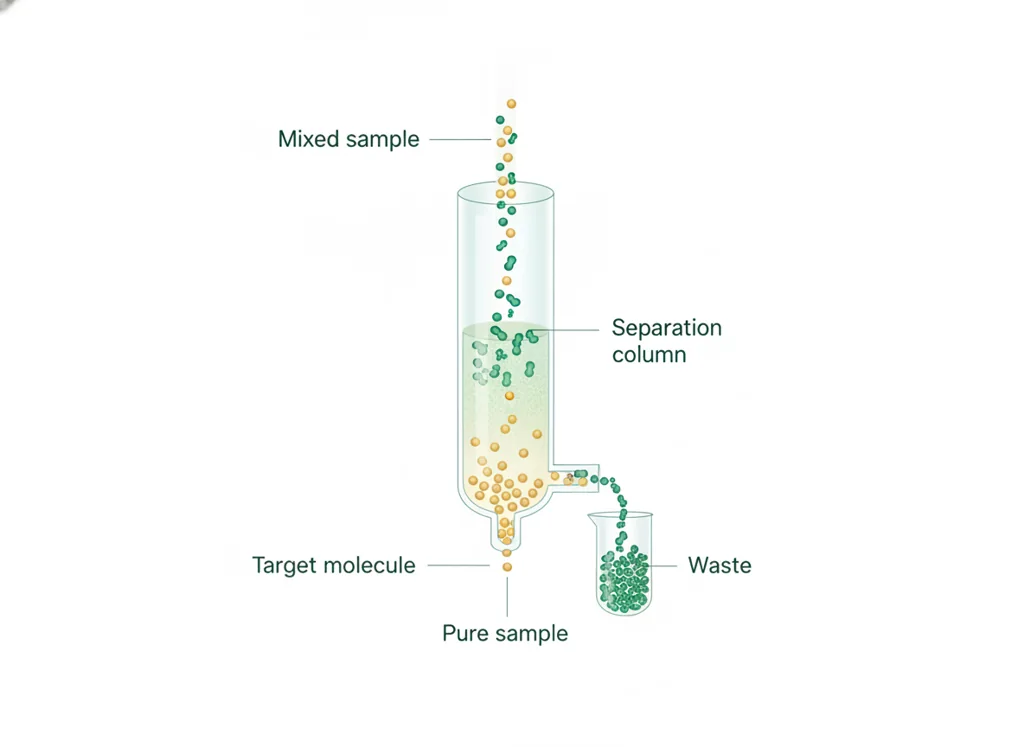
The process of separating a target molecule, such as a protein or DNA, away from everything else in a mixture to get a clean sample.
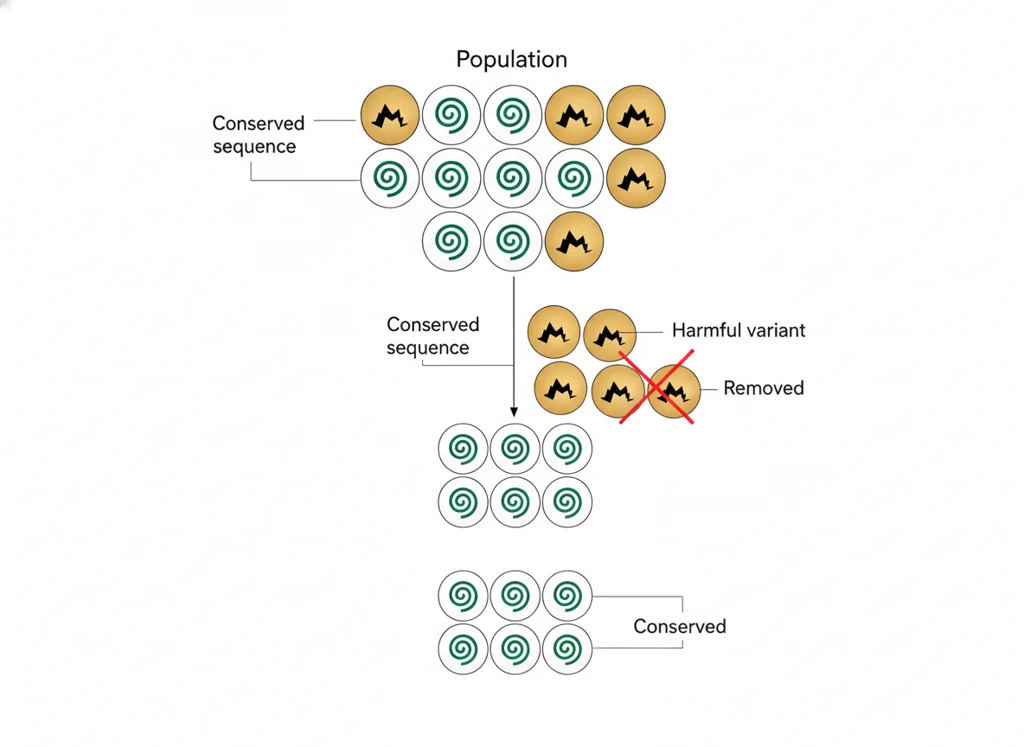
Natural selection that removes harmful mutations over time, which is why important DNA and protein sequences stay highly conserved across species.
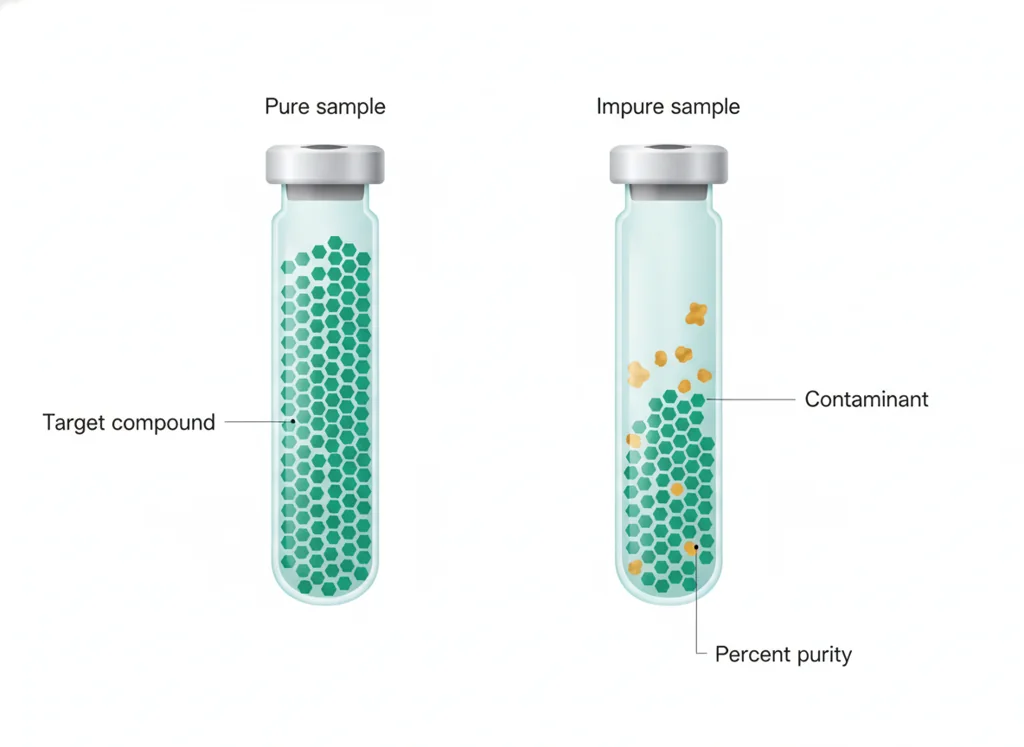
How free a sample is from contaminating substances, often given as the percentage of the sample that is the intended compound.
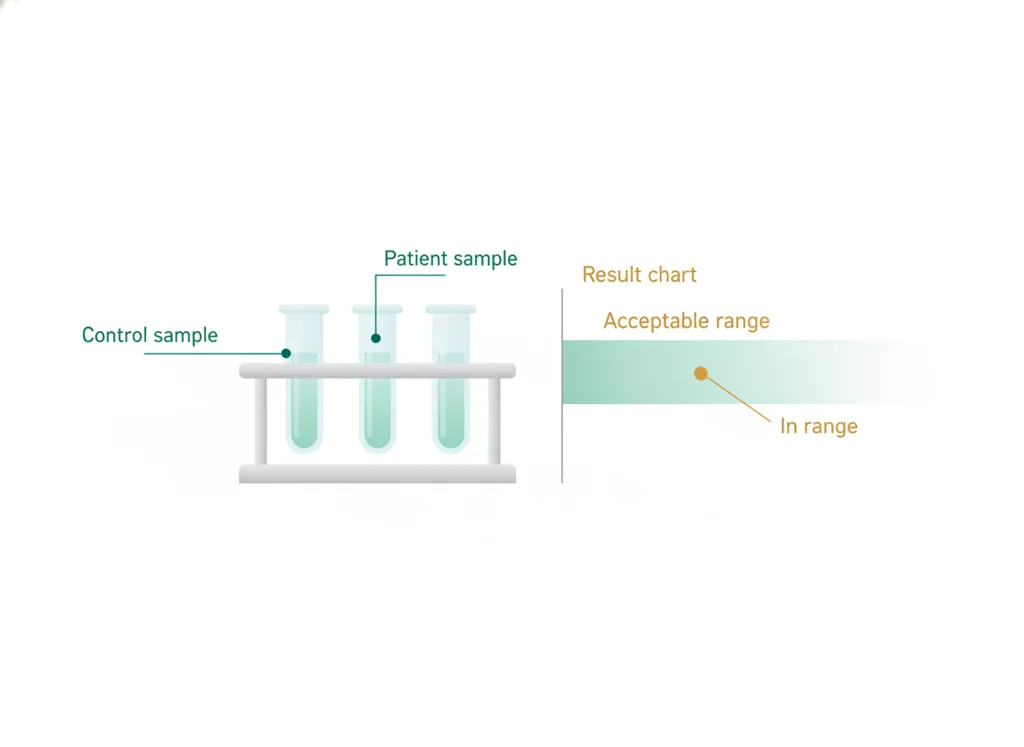
Quality control, the routine checks and known samples used in a lab to confirm tests and instruments are working correctly and giving reliable results.

A streaking pattern that divides the plate into four sections, flaming or turning the loop between each one, so each pass carries fewer cells than the last.
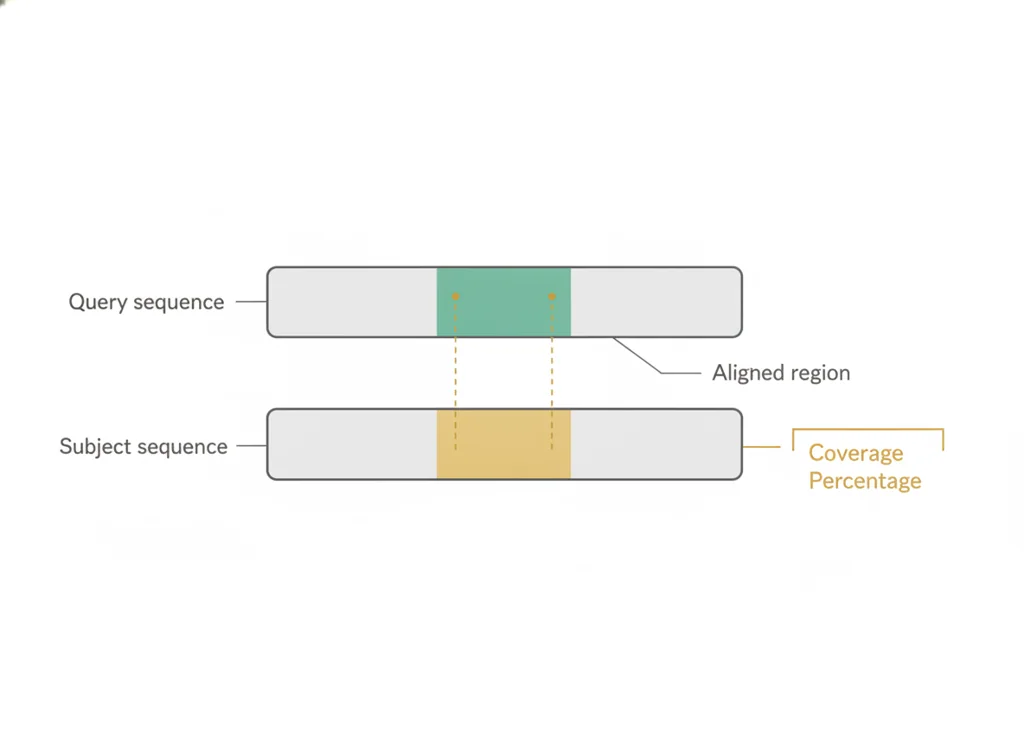
In a sequence search, the percentage of your input sequence that lines up with a database match, showing how much of it was compared.
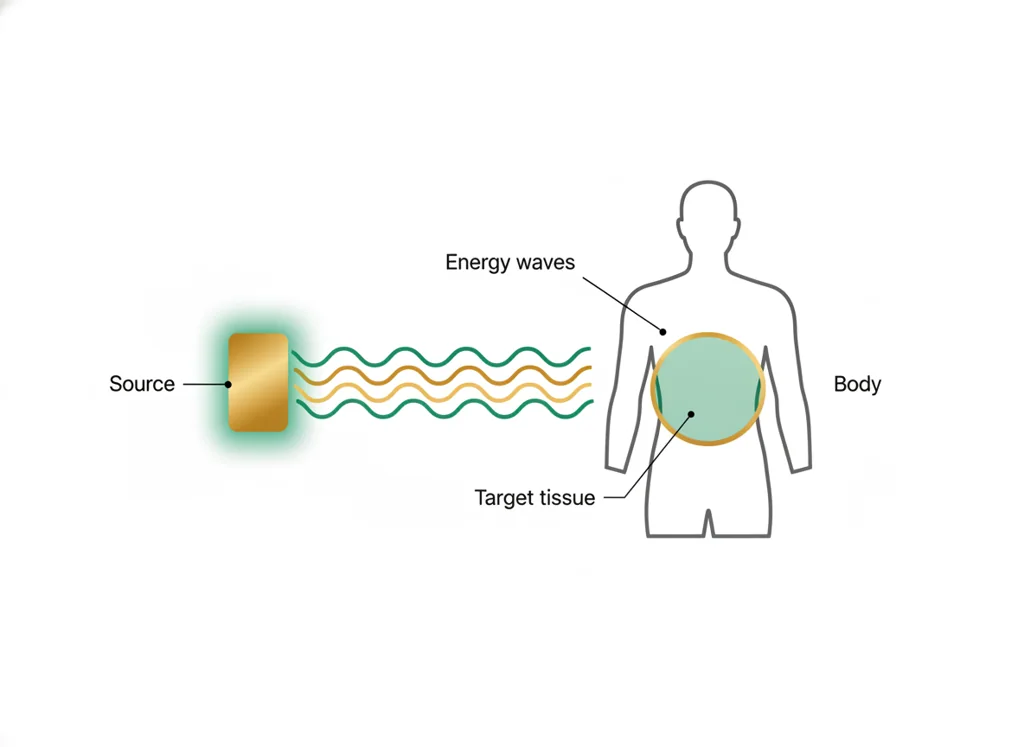
Energy that travels as waves or particles; in medicine it can image inside the body or destroy harmful cells like cancer.
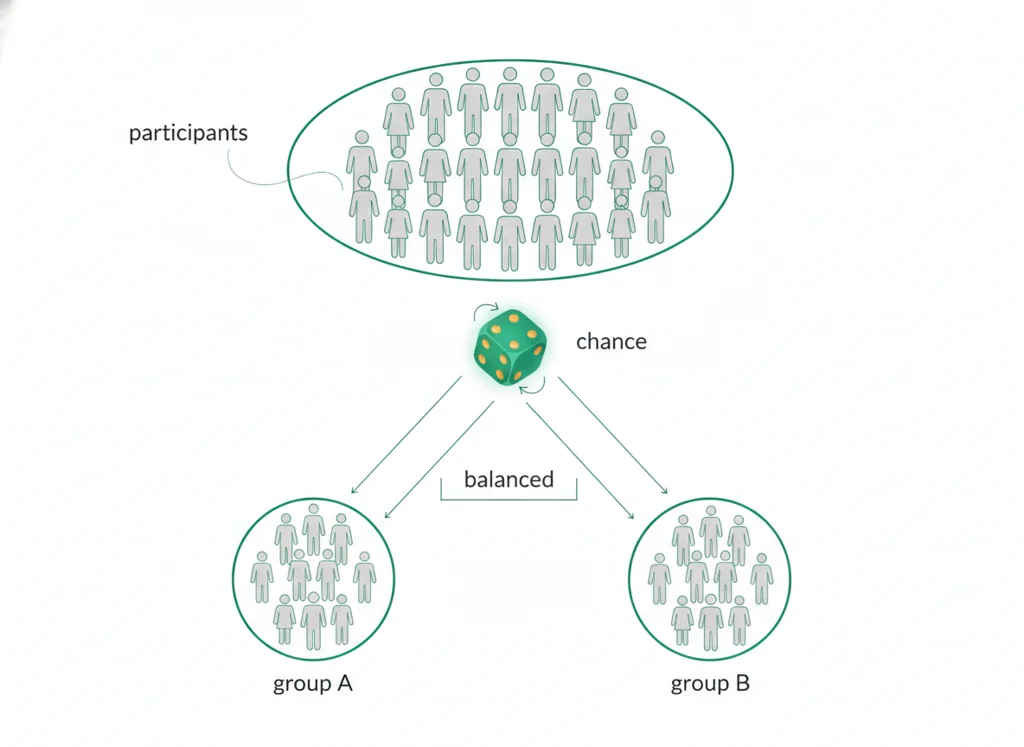
Assigning participants to study groups purely by chance, so the groups start out similar and the comparison stays fair.
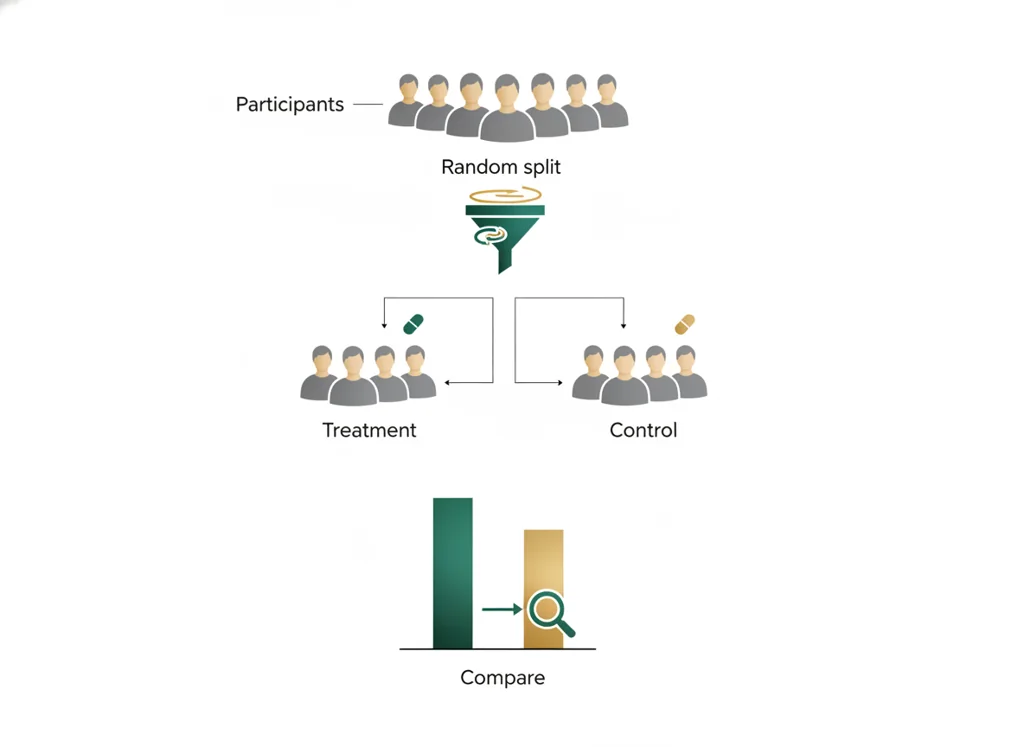
A study that randomly assigns participants to a treatment or a control group, the strongest design for showing a treatment truly works.
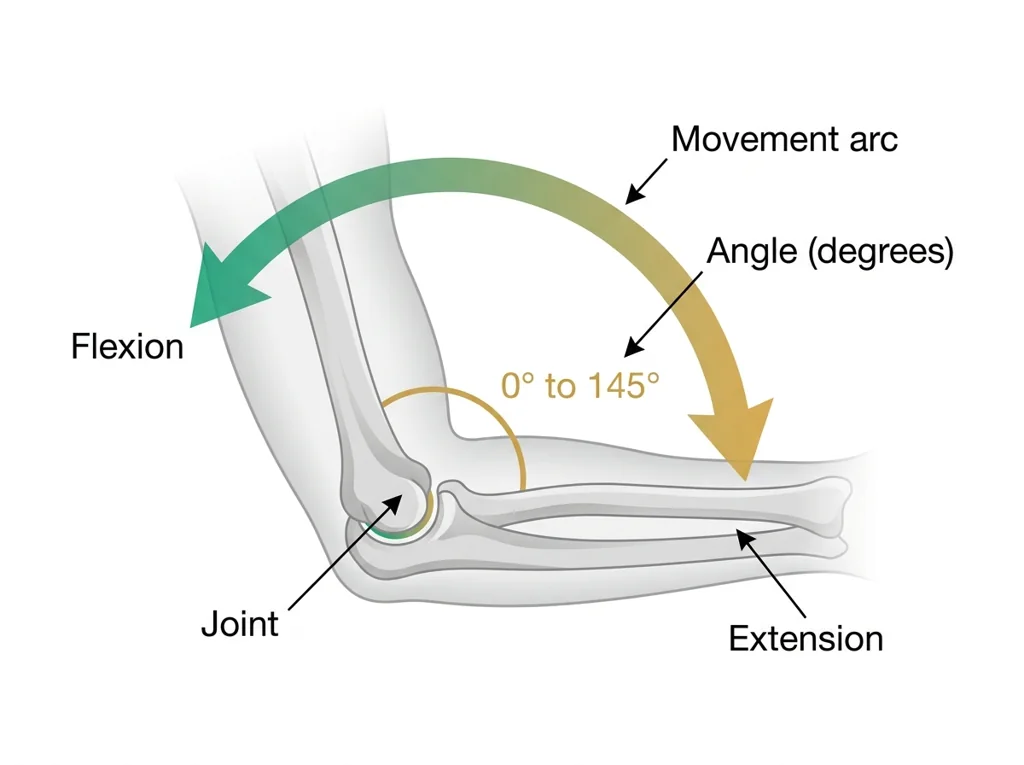
The full distance and direction a joint can move, measured in degrees from its fully bent to its fully straightened position.
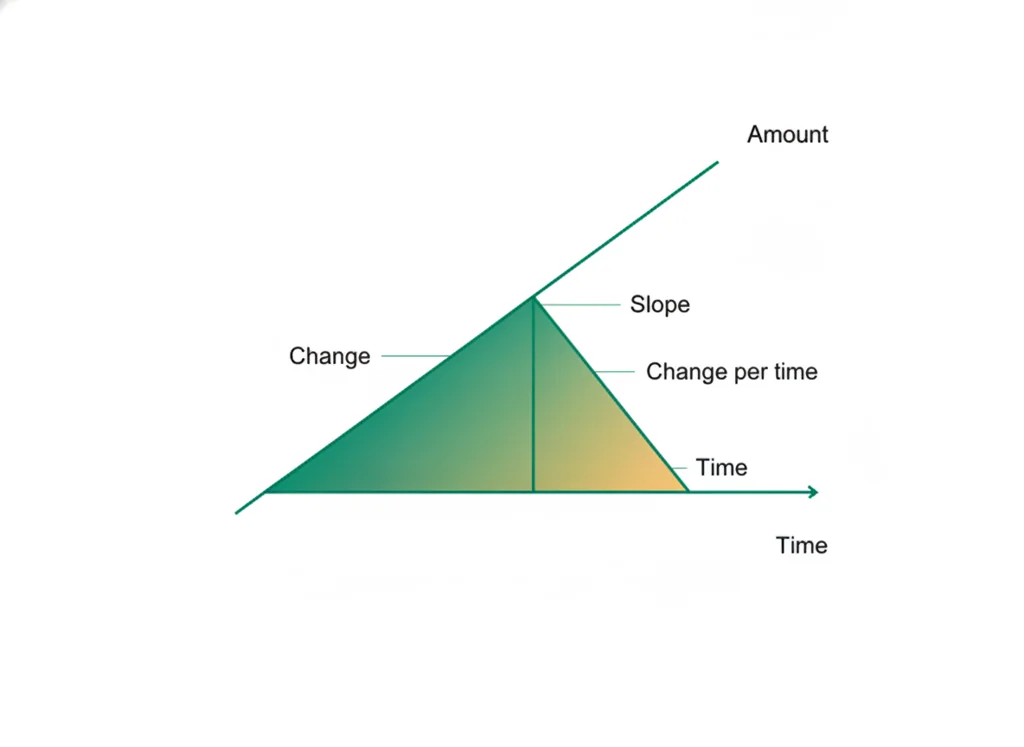
How much something changes per unit of time, such as how many bacteria grow each hour or how far a reaction proceeds each minute.
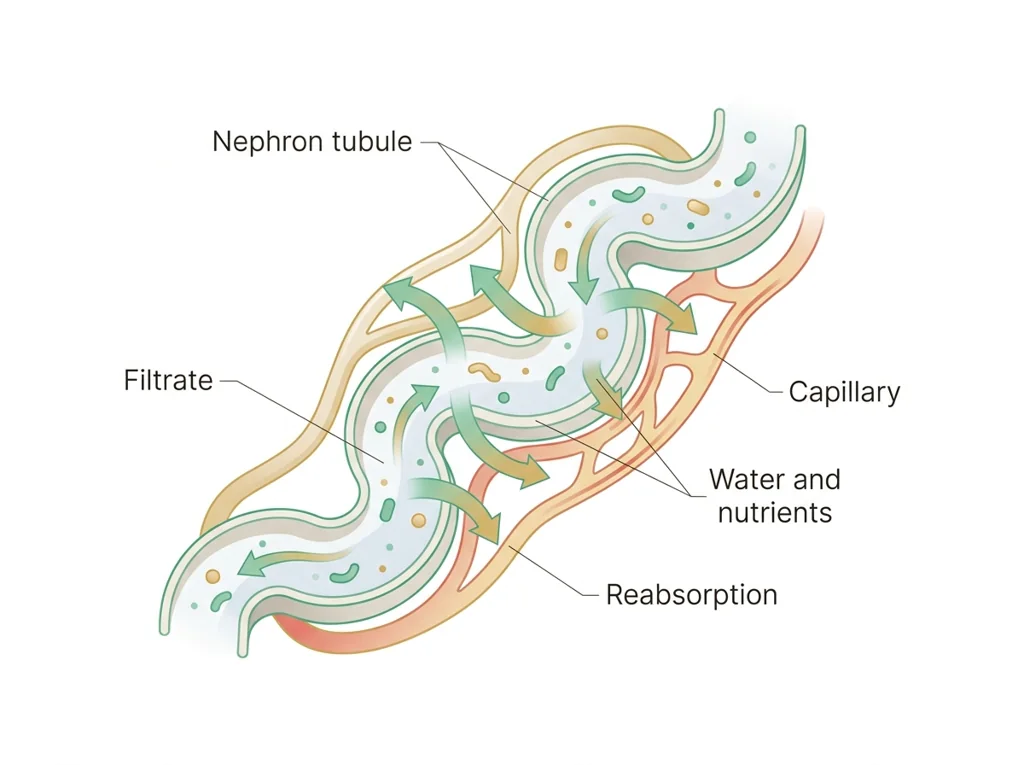
The process in the kidney where useful substances like water, glucose, and salts are pulled back from the filtrate into the blood instead of being lost as urine.
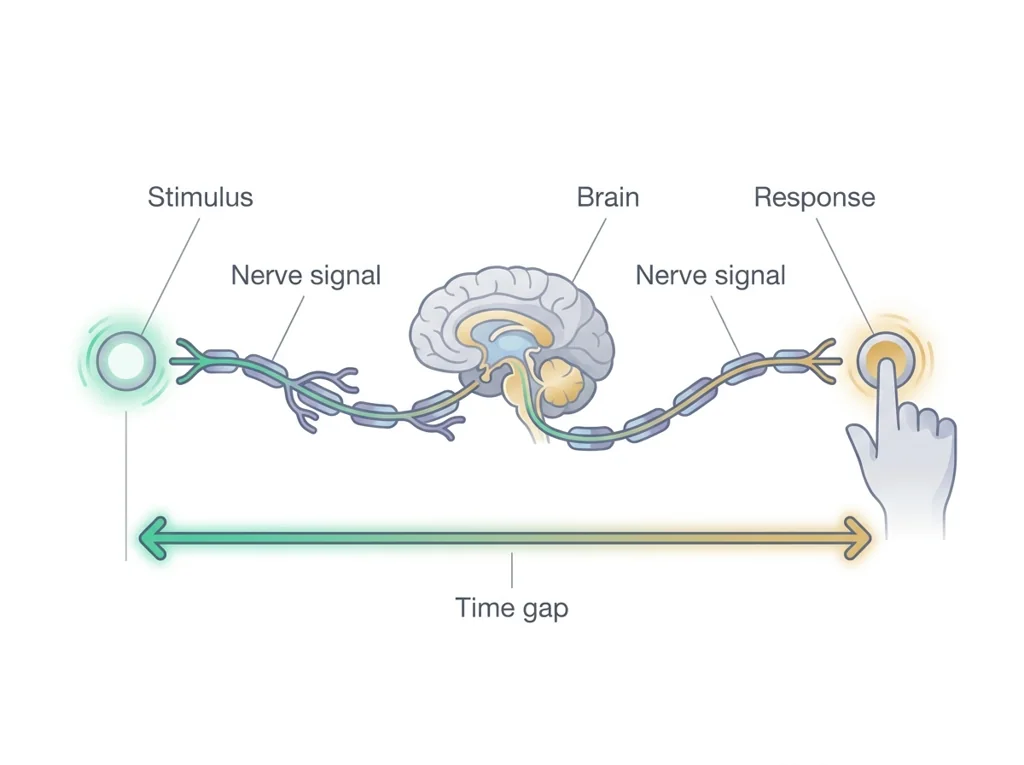
The short interval between when a stimulus appears and when a person responds to it, reflecting how fast the nervous system processes signals.
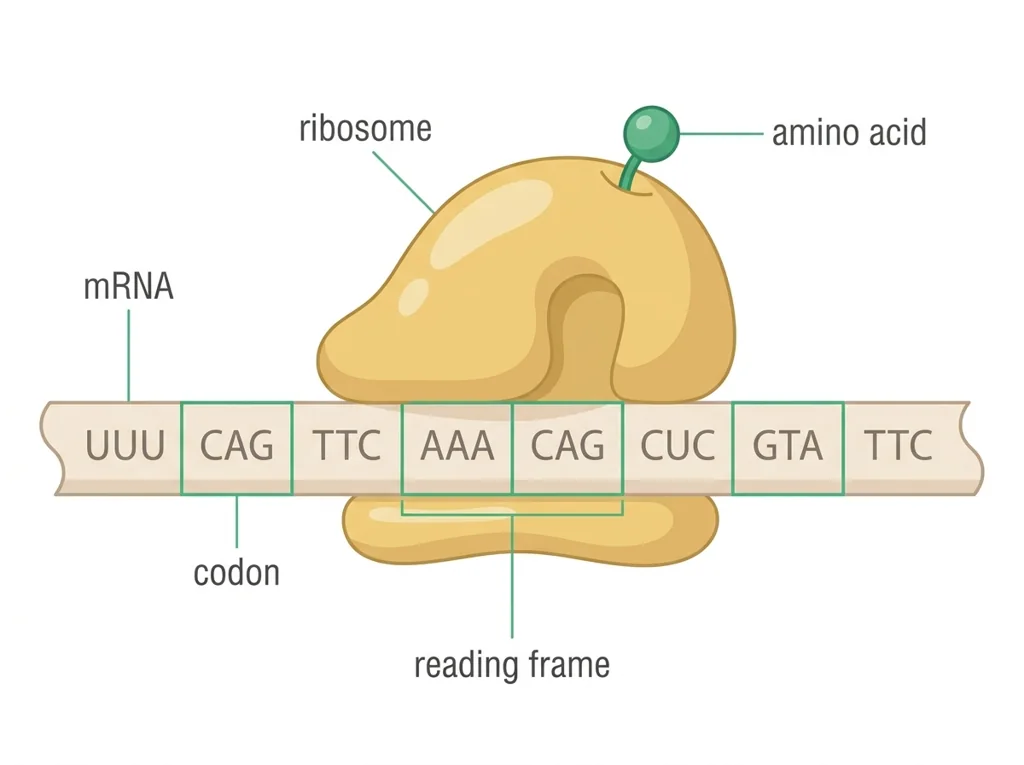
The set of three-letter codons the ribosome reads in order along messenger RNA; a frameshift mutation throws this grouping off.
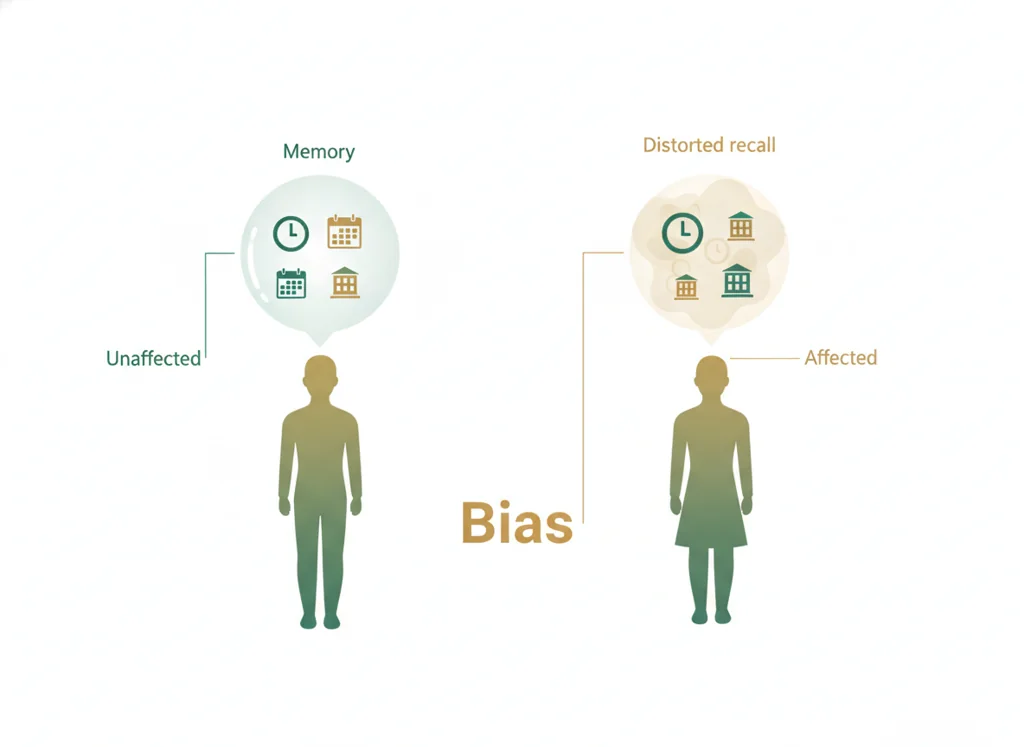
A study error where people with a condition remember past exposures differently than people without it, distorting the results.
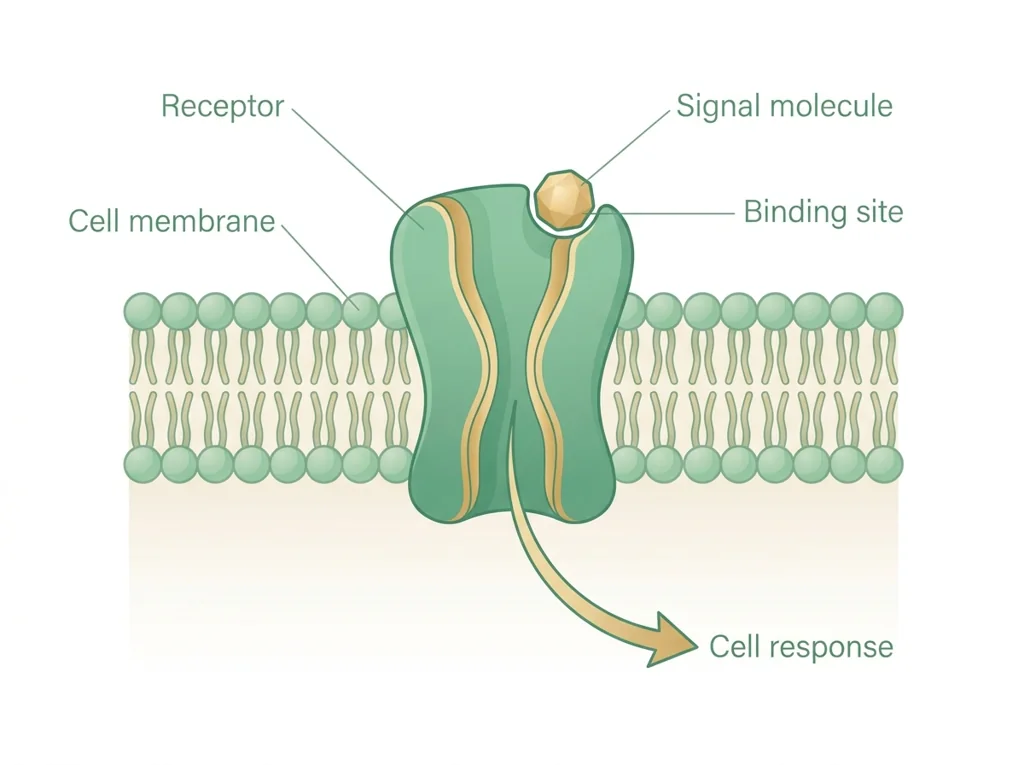
A protein, often on the cell surface, that binds a specific signal molecule and triggers a response inside the cell.

DNA made by joining genetic material from two sources so a chosen gene can be carried into a cell and put to work.
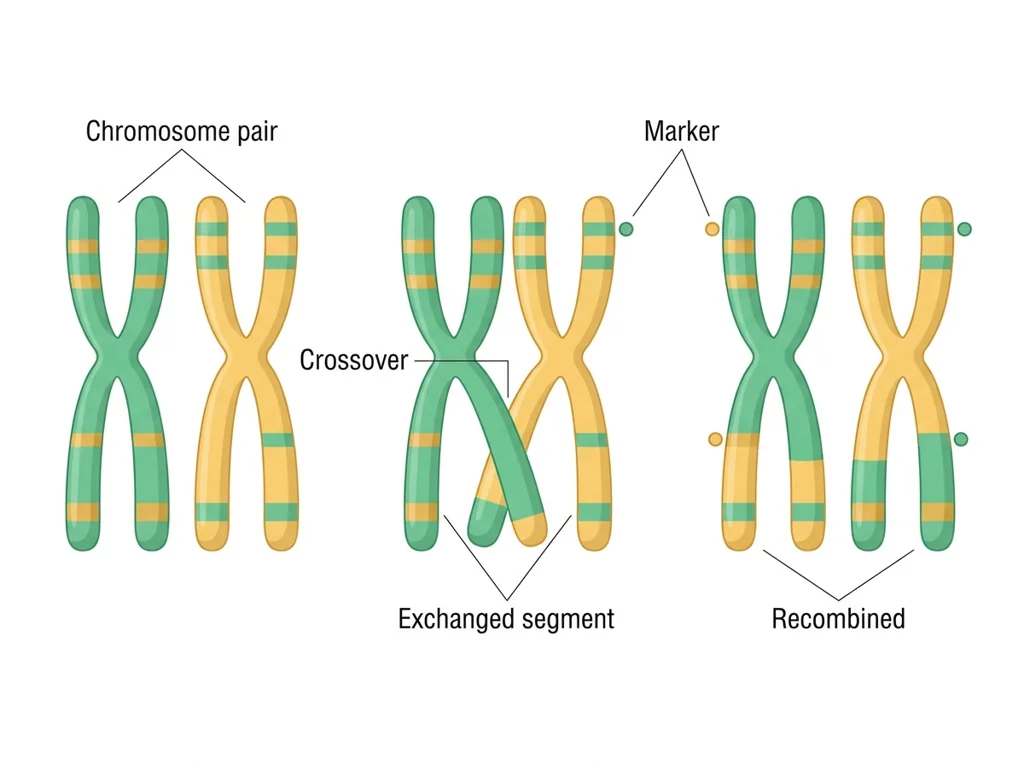
The shuffling of chromosome pieces during egg and sperm formation, which can occasionally separate a marker from a nearby gene.
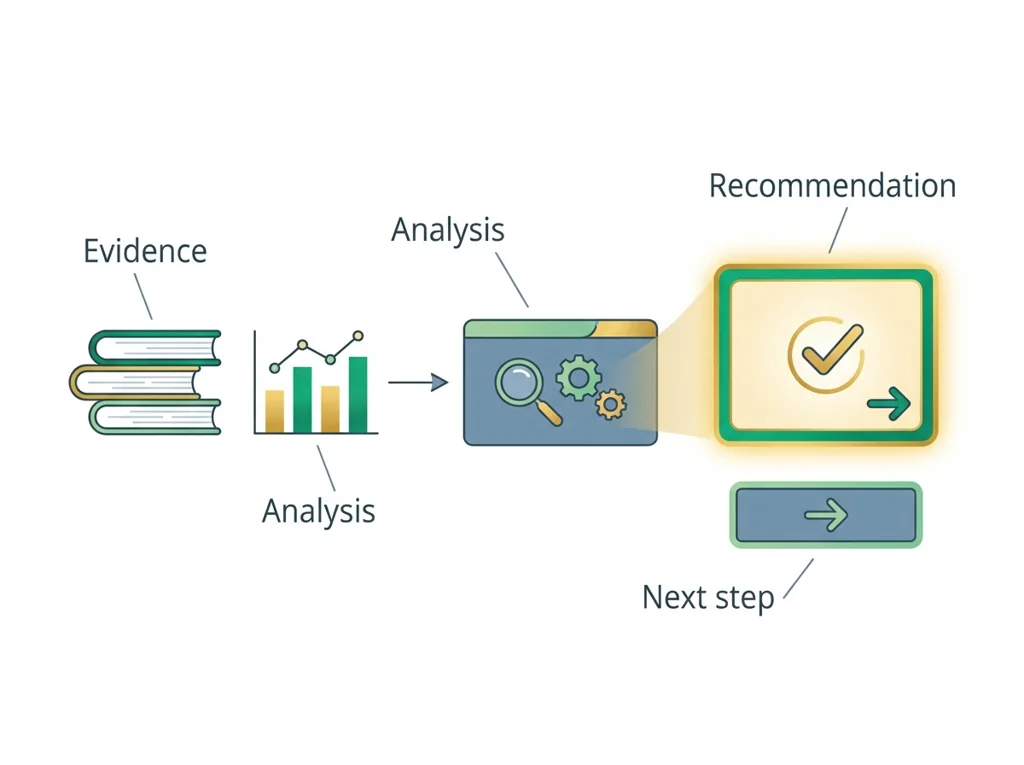
A clear, evidence-based suggestion for what action to take, drawn from analyzing data, results, or a patient's situation.
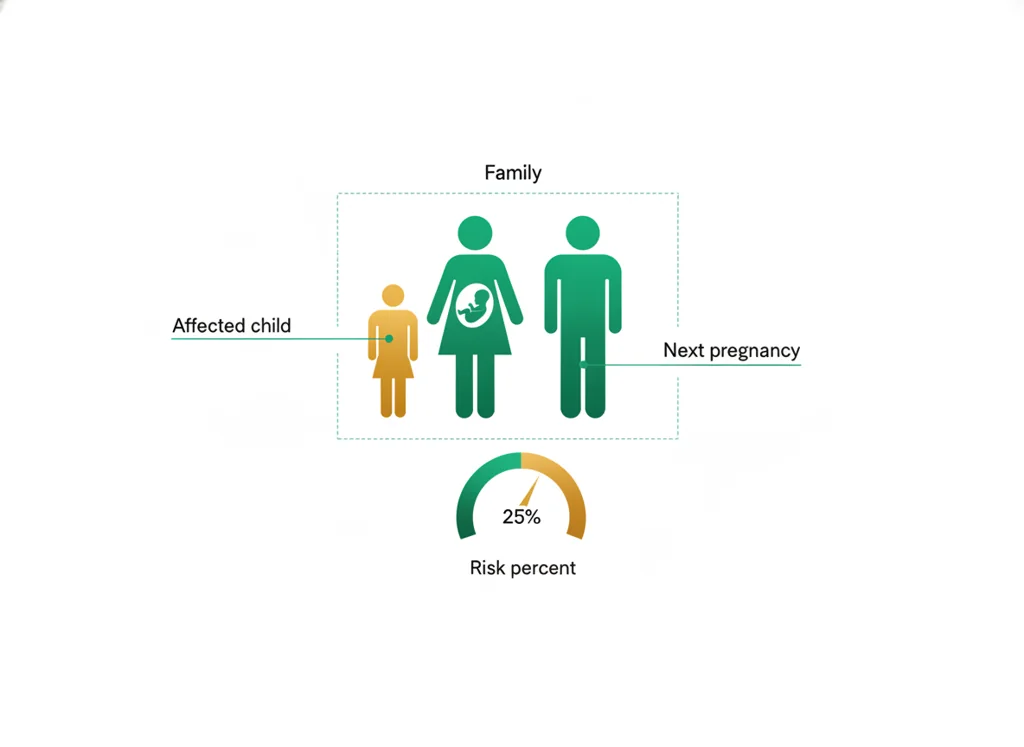
The chance that a future child in the same family will also be affected by a given condition.
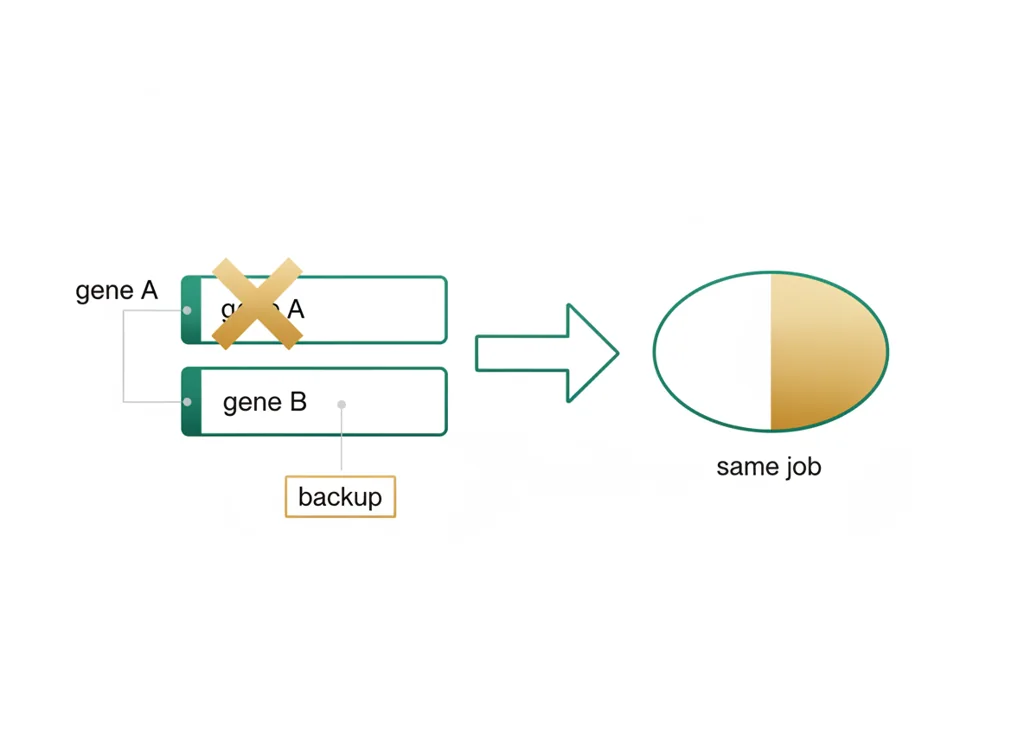
When more than one gene can perform the same job, so losing one is partly covered by another and the effect is softened.
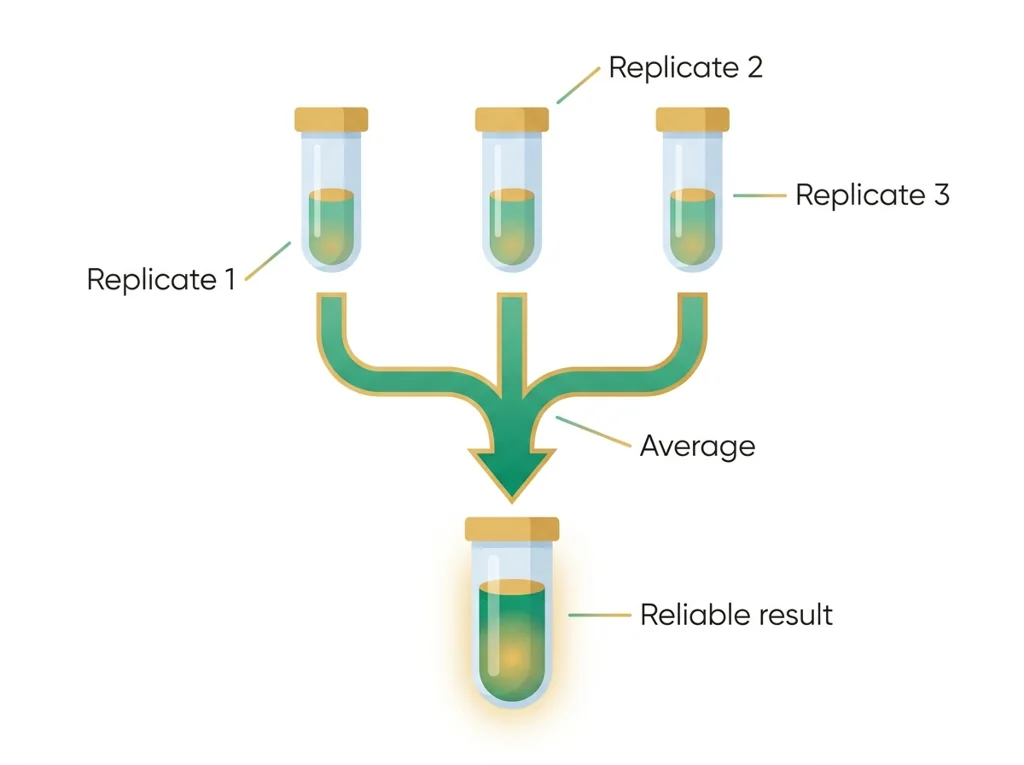
Repeating measurements or samples in an experiment so a single fluke does not drive the conclusion.
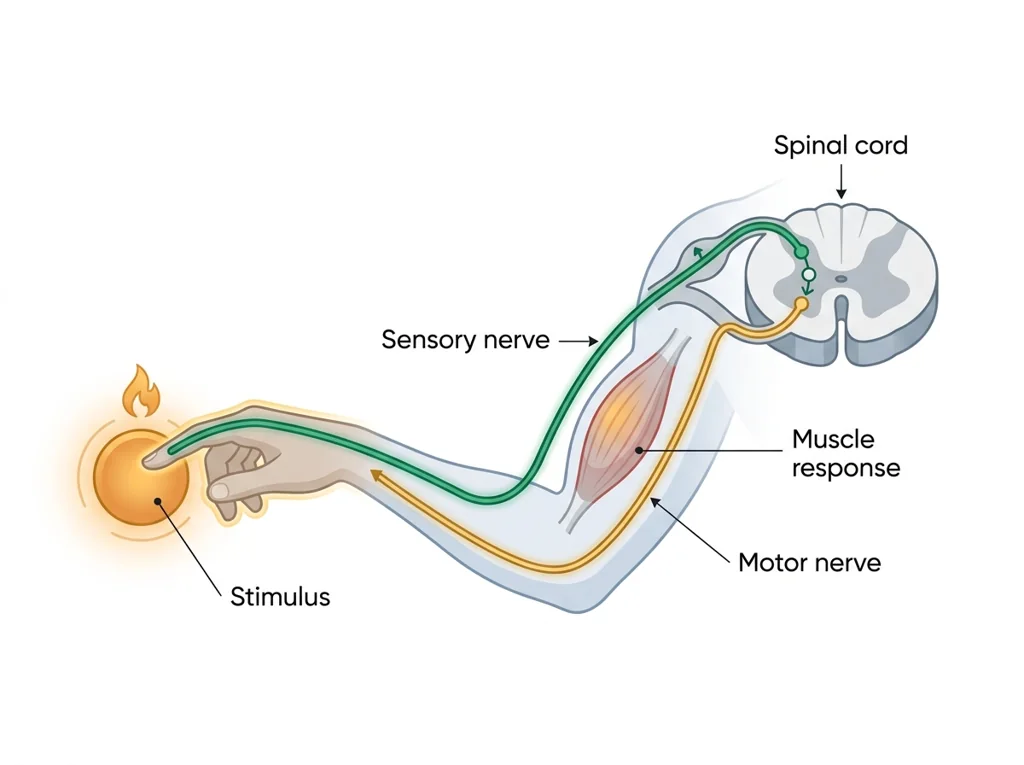
A fast, automatic response to a stimulus that travels through the spinal cord, protecting the body before the brain consciously decides to act.
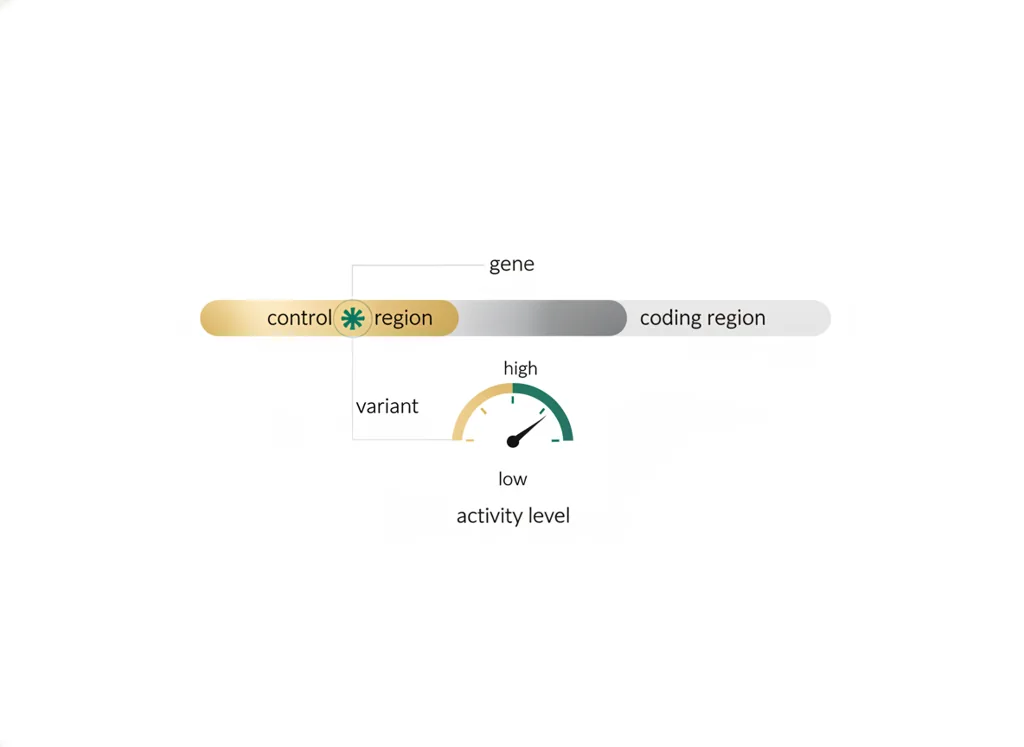
A DNA change outside a gene's coding region that alters when or how strongly the gene is switched on.
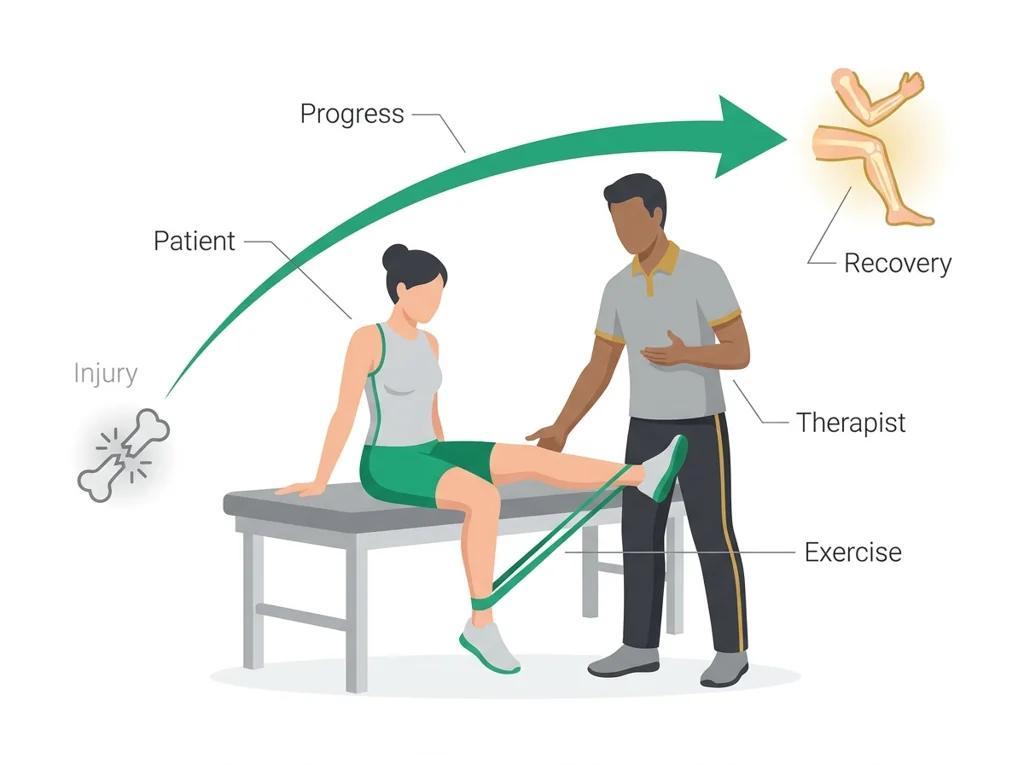
A program of therapy and exercise that helps a person recover strength, movement, or function after injury, illness, or surgery.
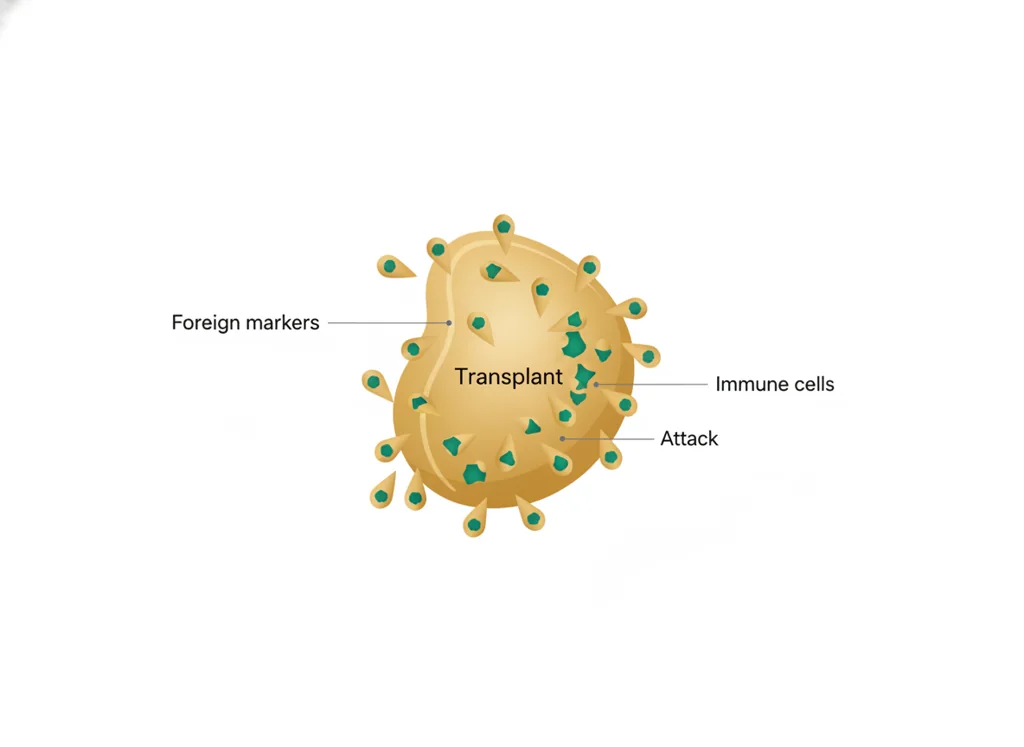
The immune system's attack on a transplanted organ or tissue that it recognizes as foreign rather than part of the body.
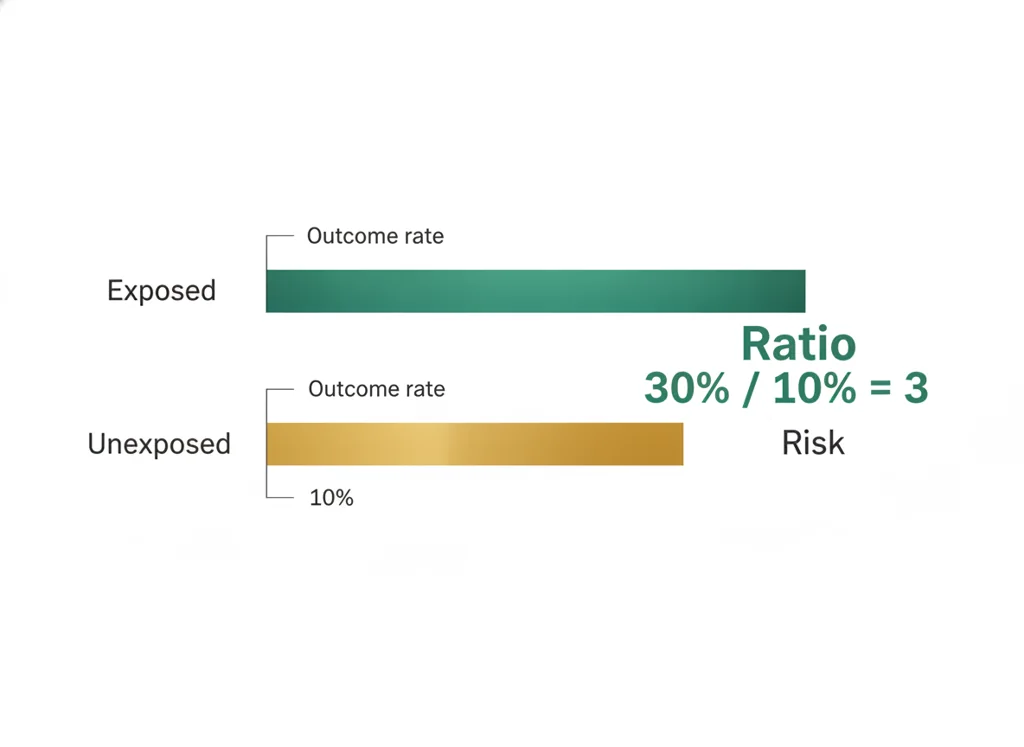
A number comparing how likely an outcome is in an exposed group versus an unexposed group, where one means no difference.
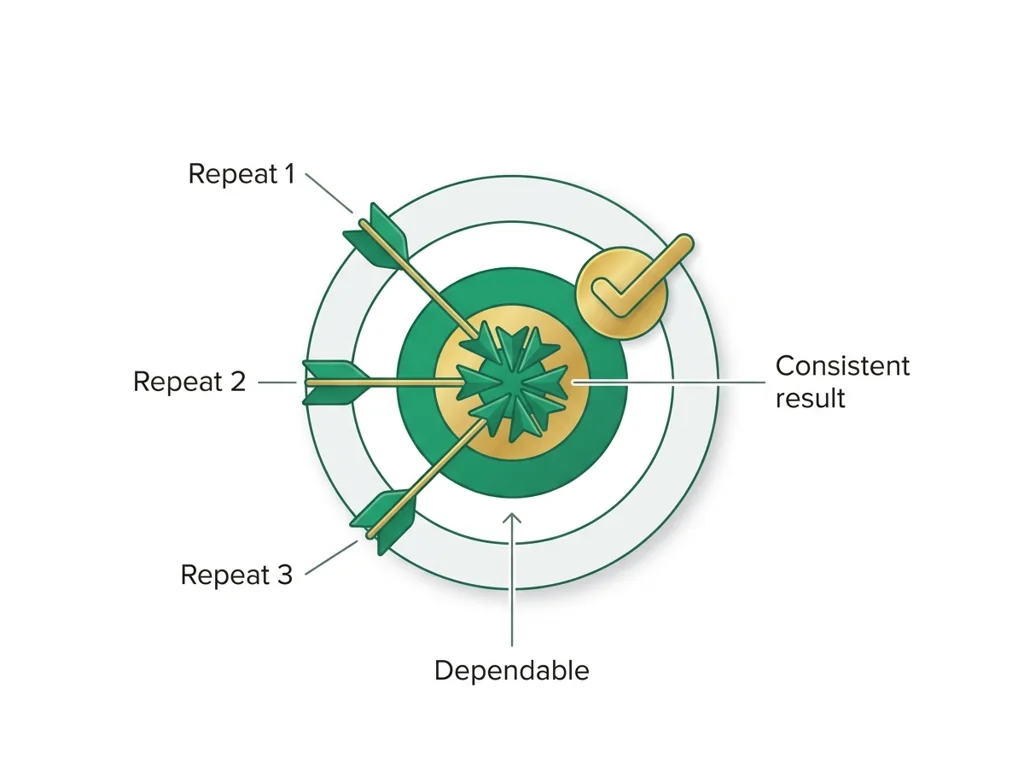
The degree to which a measurement, method, or person produces the same dependable result each time under the same conditions.
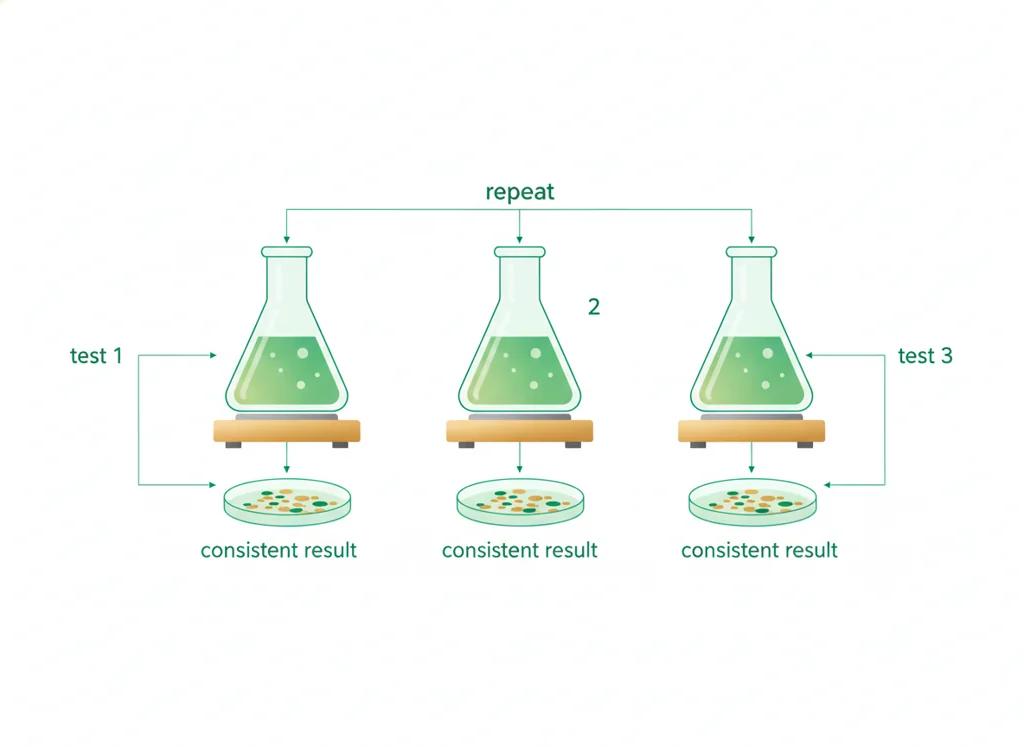
A separate, independent repeat of the same test, run so that one odd or random result cannot fool you.
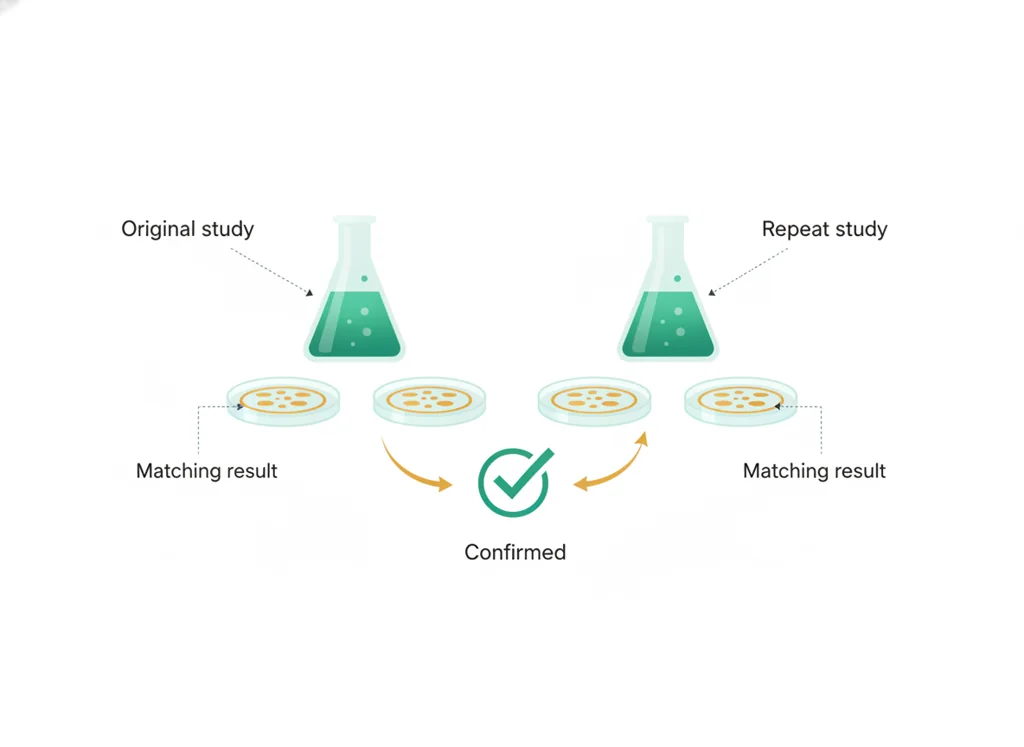
Repeating a study to see if the result holds; a key test of whether a finding is real.
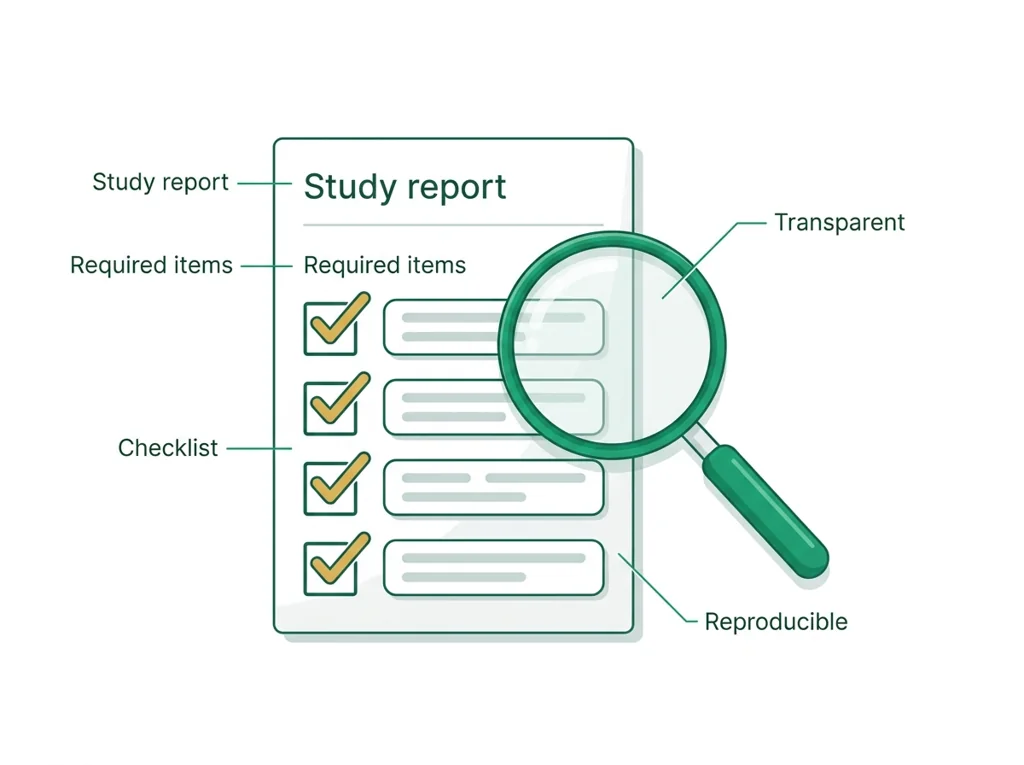
An agreed set of items a study must describe so readers can judge and reproduce the work, like the PRISMA checklist for reviews.
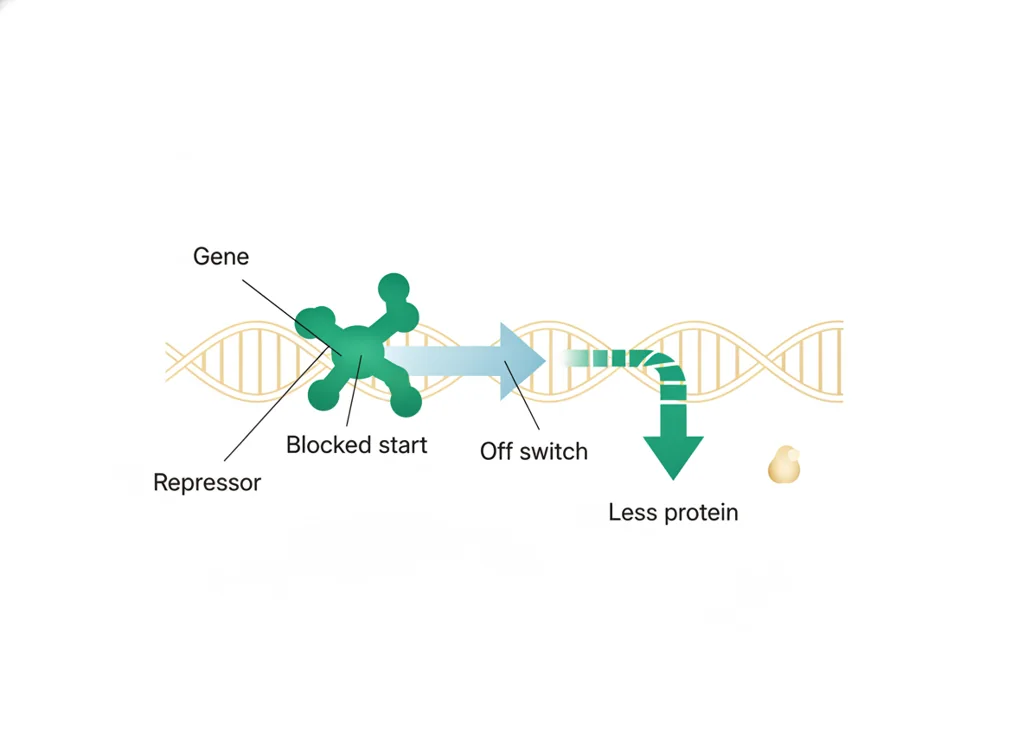
The turning down or shutting off of a gene's activity so that less of its protein is made.
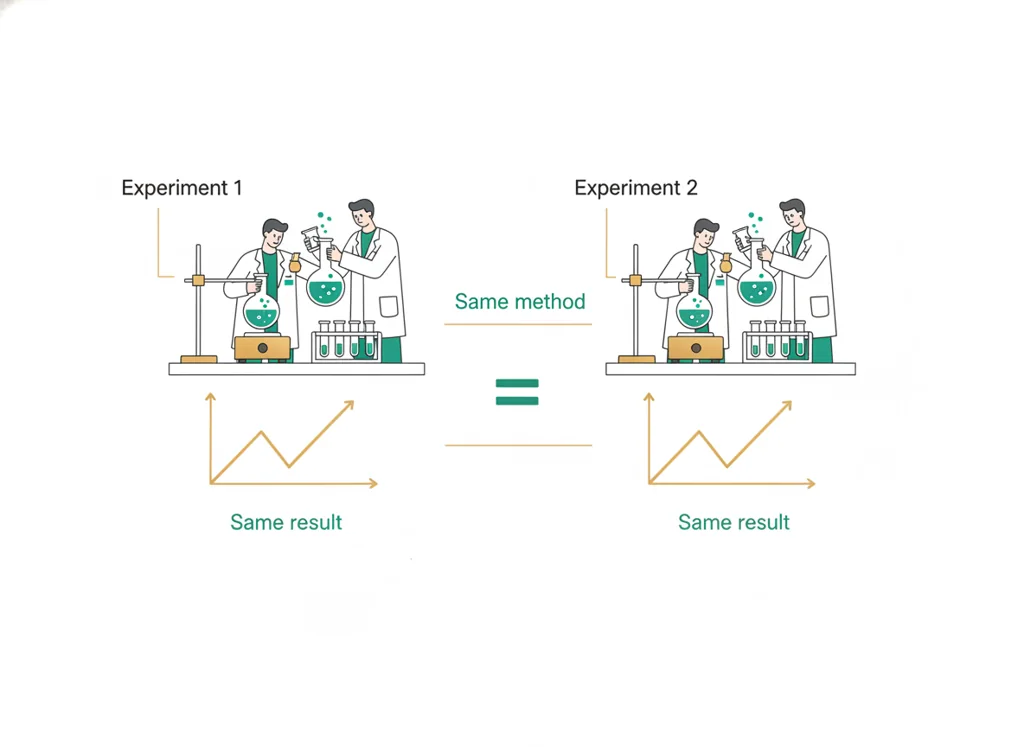
The ability to get the same results when an experiment is repeated using the same methods, which builds trust in findings.
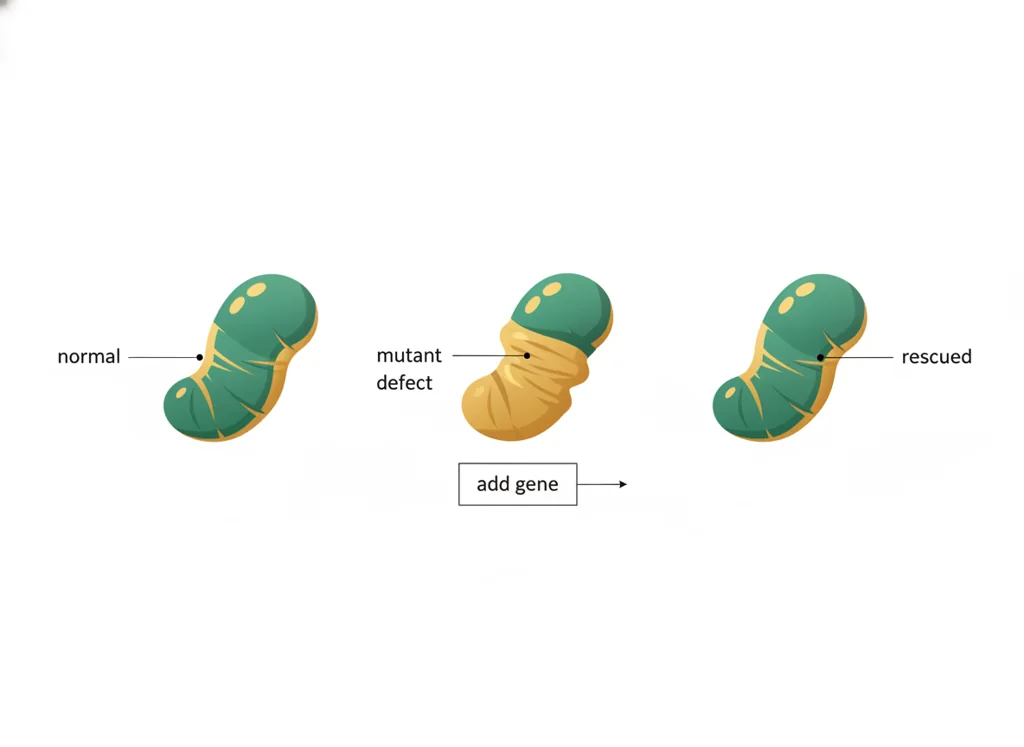
Adding a working gene back into a mutant to see if it restores the normal trait, which proves that gene was responsible.
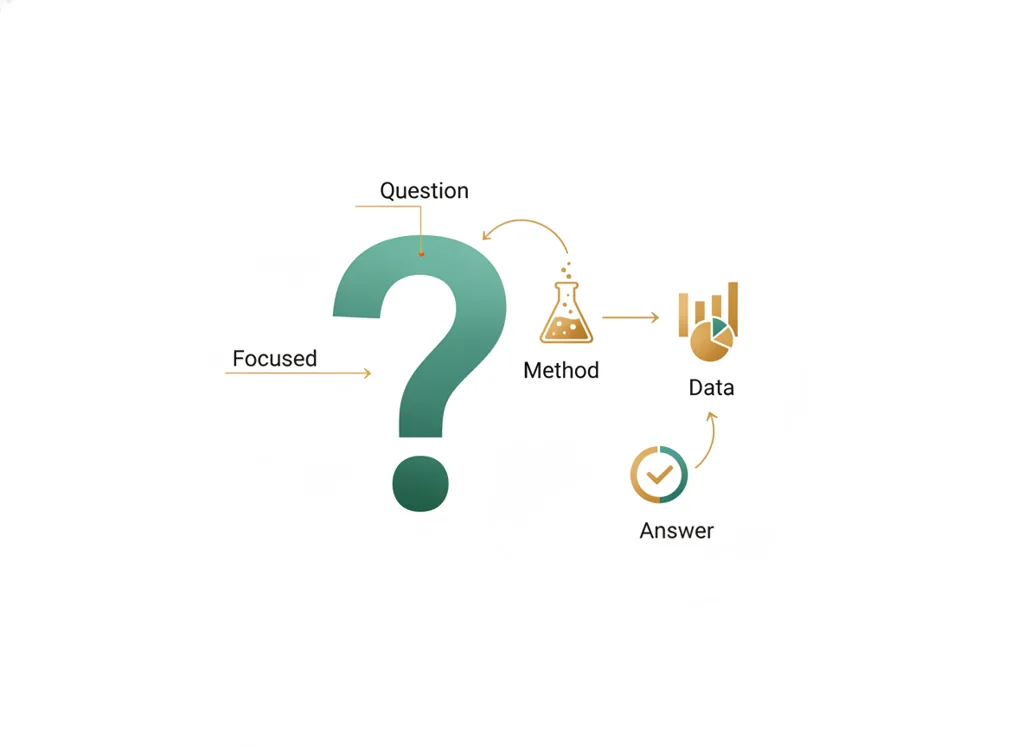
A focused, answerable question that frames a study and guides what data to collect.
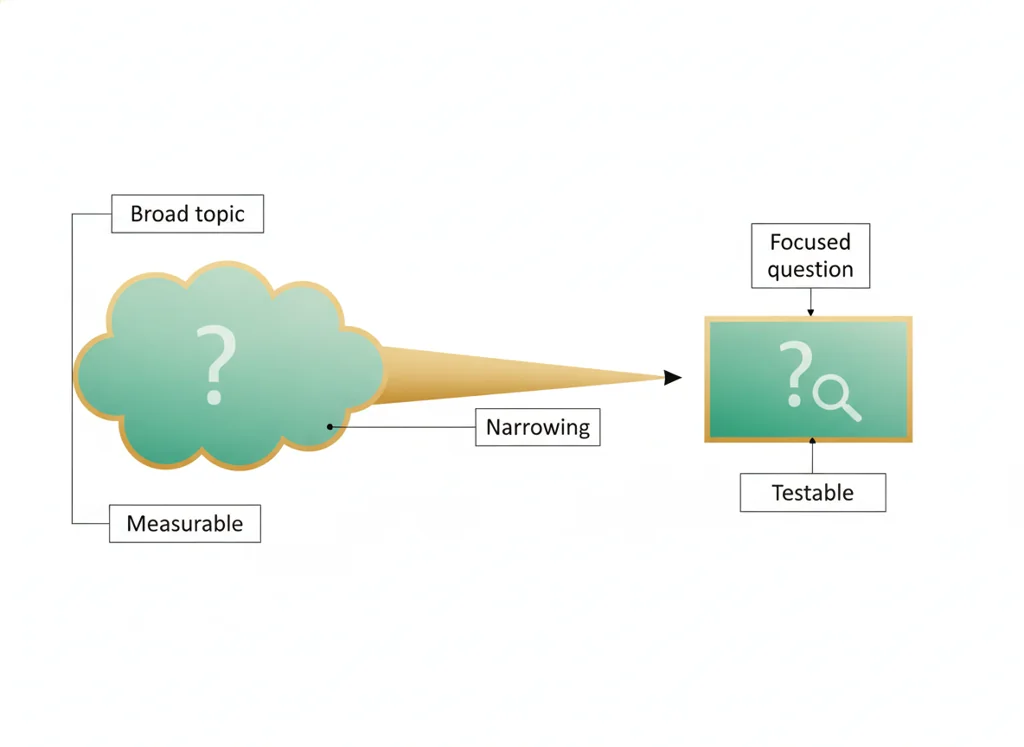
A question that is specific and measurable enough to answer with data through a feasible study.
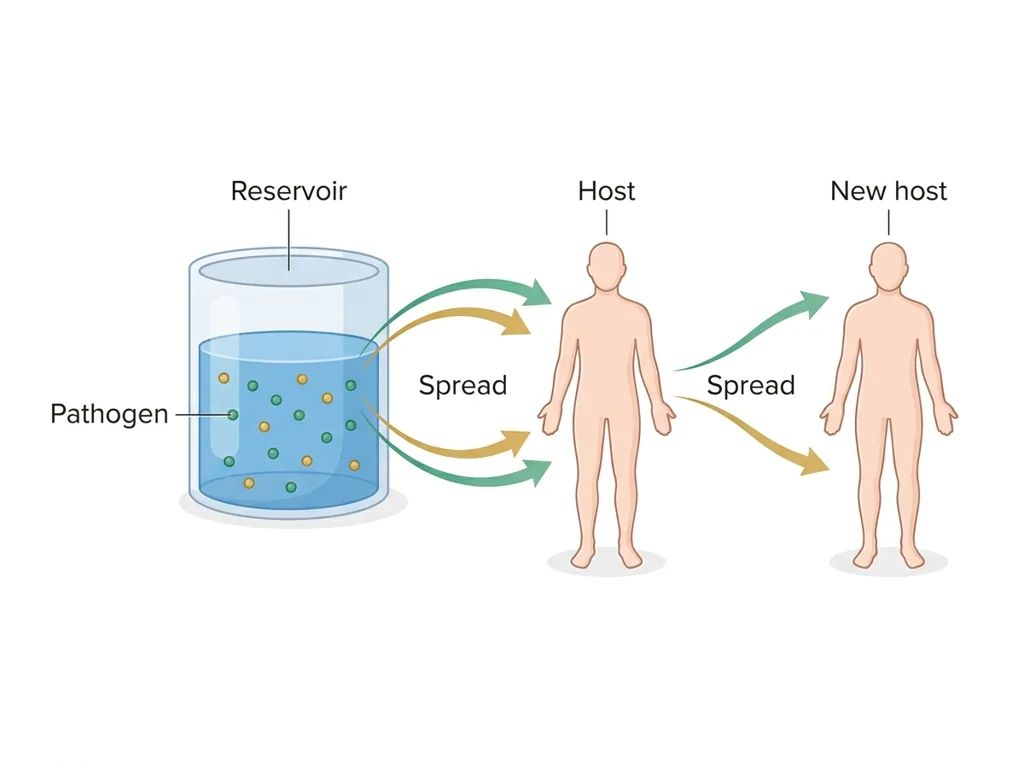
A living host or environment where a pathogen normally lives and multiplies, serving as the source from which infections spread.
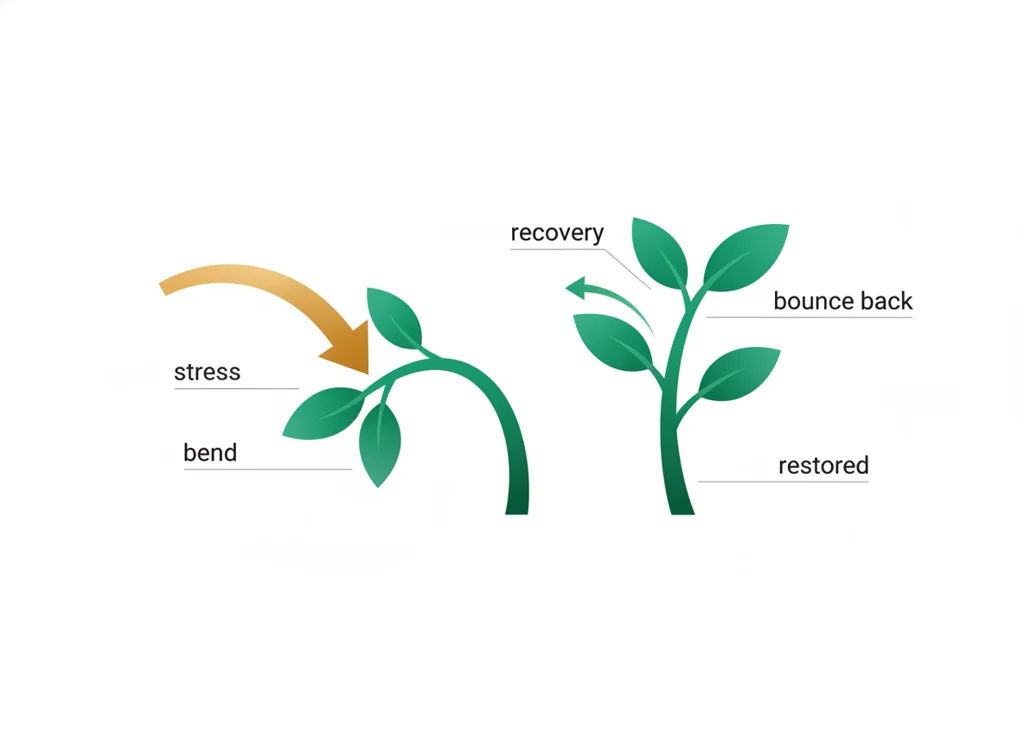
The ability to recover and keep functioning well after stress, hardship, or setbacks.
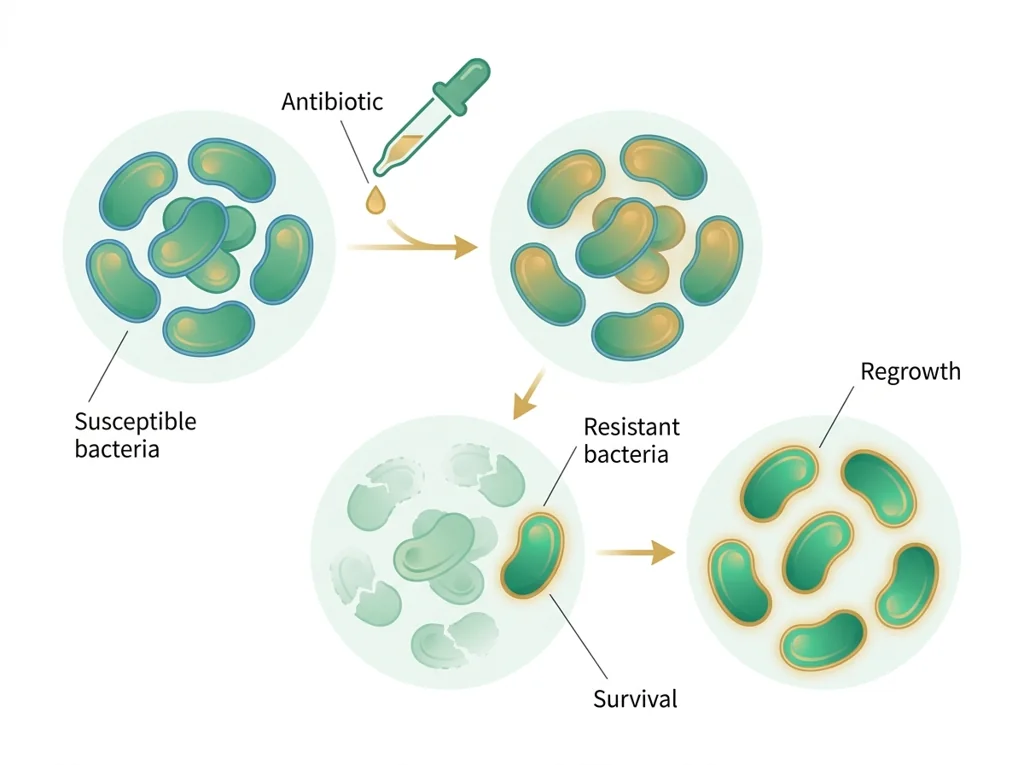
The ability of microbes to survive drugs that once killed them, often after genetic changes let them evade the medicine.
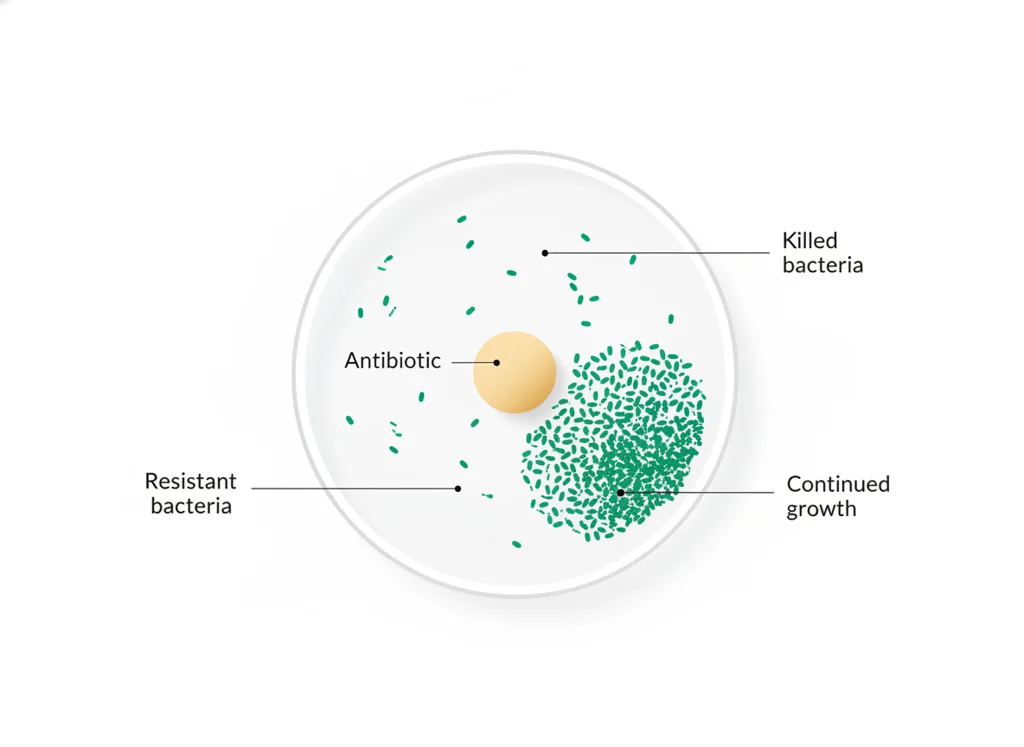
Able to survive a treatment meant to stop it, as when bacteria keep growing despite an antibiotic that would normally kill them.
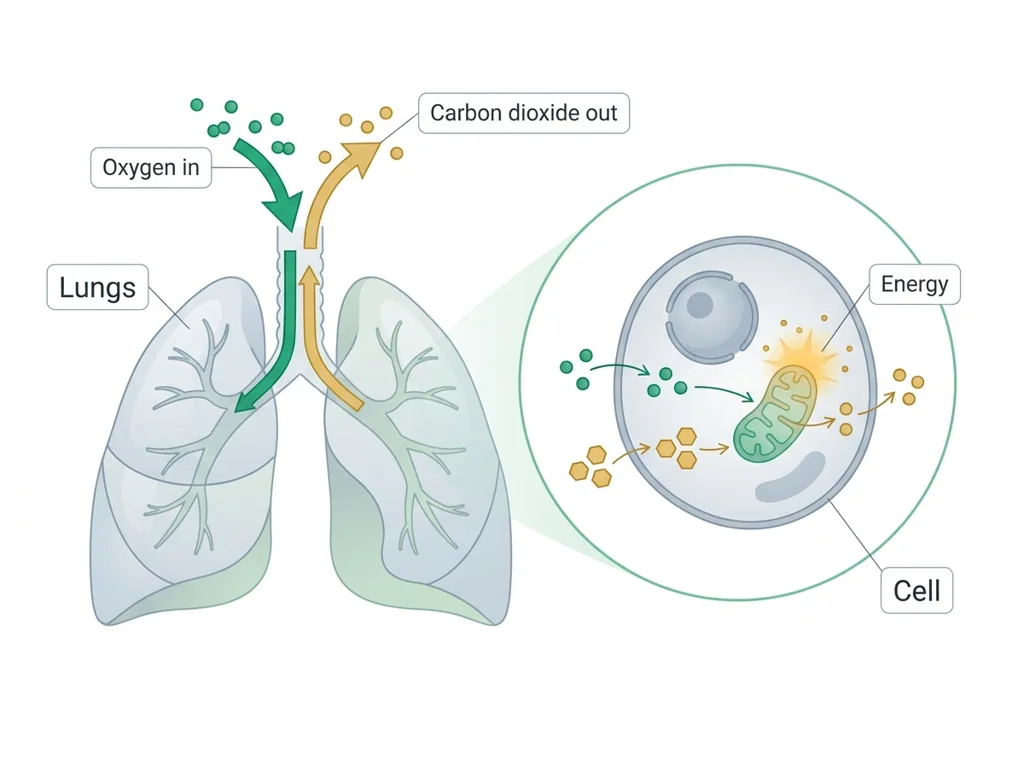
The exchange of oxygen and carbon dioxide between the body and air, and the cellular process that uses oxygen to release energy from nutrients.
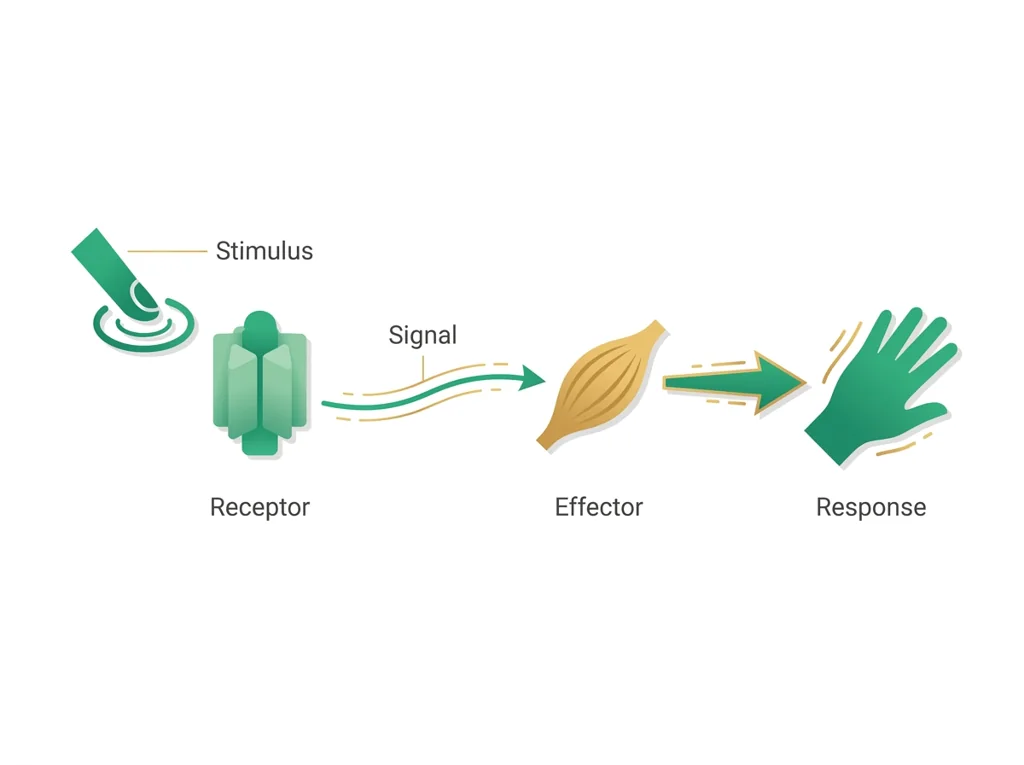
The body's reaction to a detected stimulus, carried out by muscles or glands to adjust to a change in the internal or external environment.

A bacterial enzyme that cuts DNA at a specific sequence, leaving clean or sticky ends used to splice genes together.
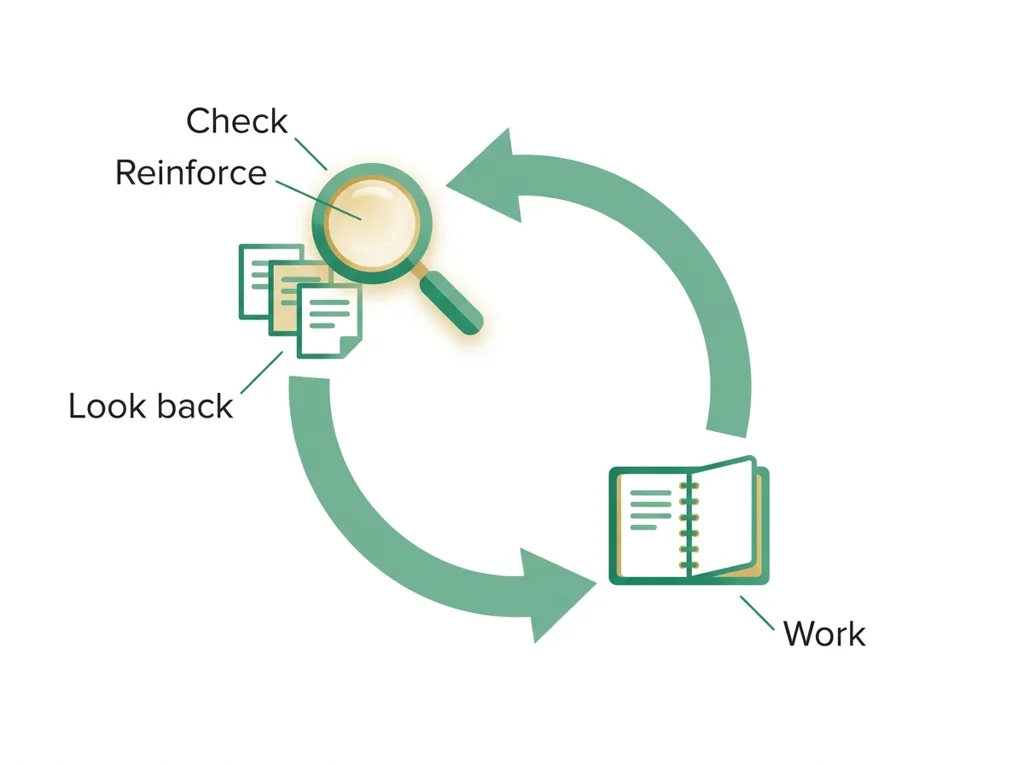
Going back over material or work to check it, reinforce understanding, and catch mistakes before moving forward.
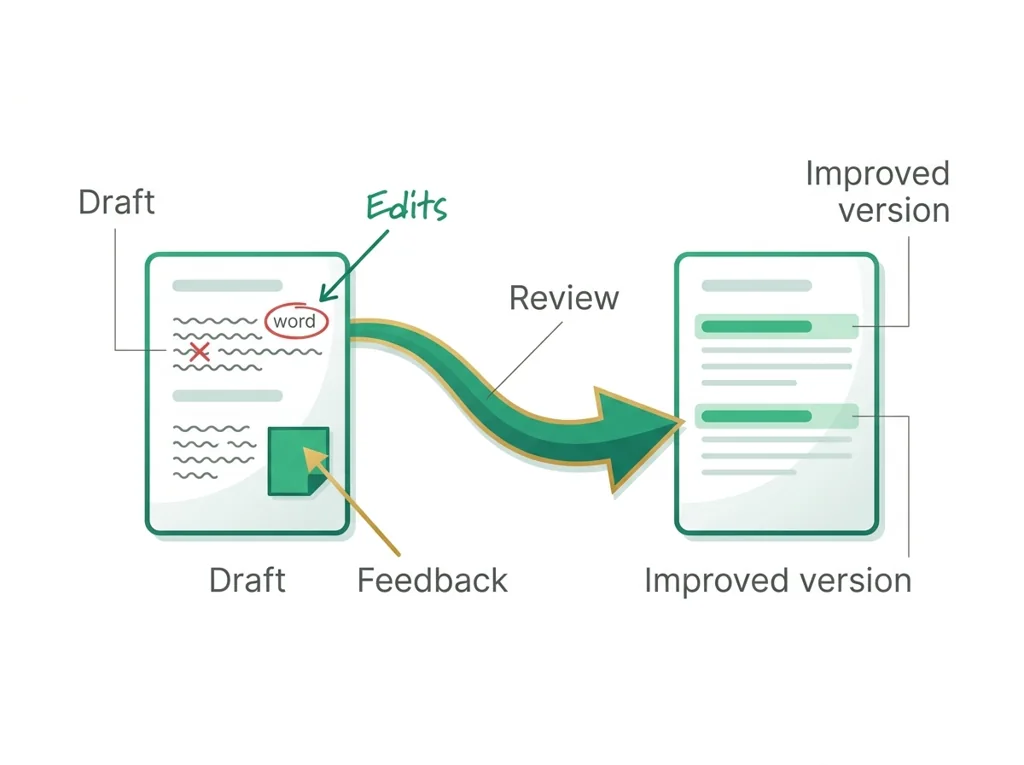
The act of reviewing and changing work to fix errors and improve it, based on feedback, new evidence, or test results.
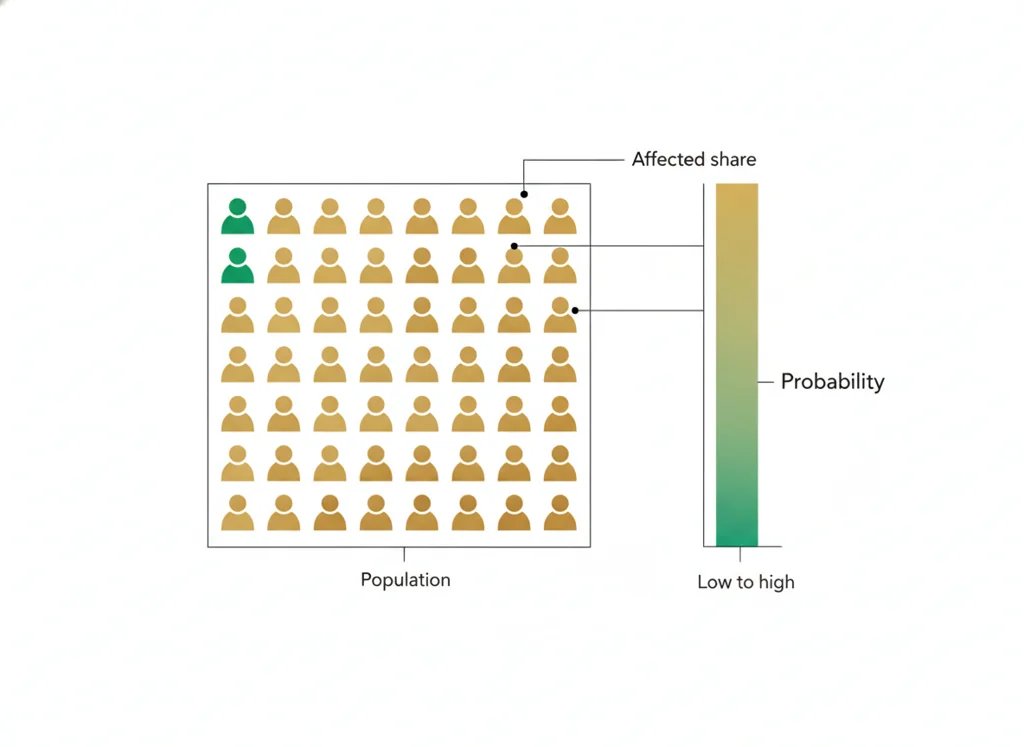
The chance that a harmful event, such as getting a disease, will happen within a given group or time period.
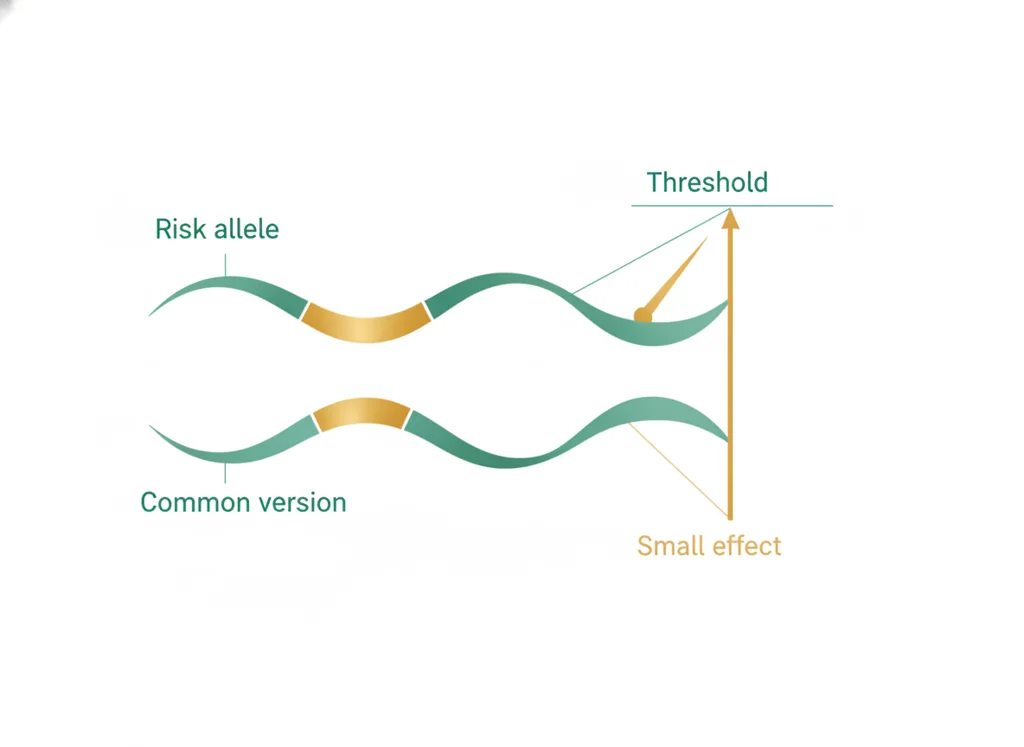
A common version of a gene that nudges the chance of a trait up a little, without causing the trait by itself.
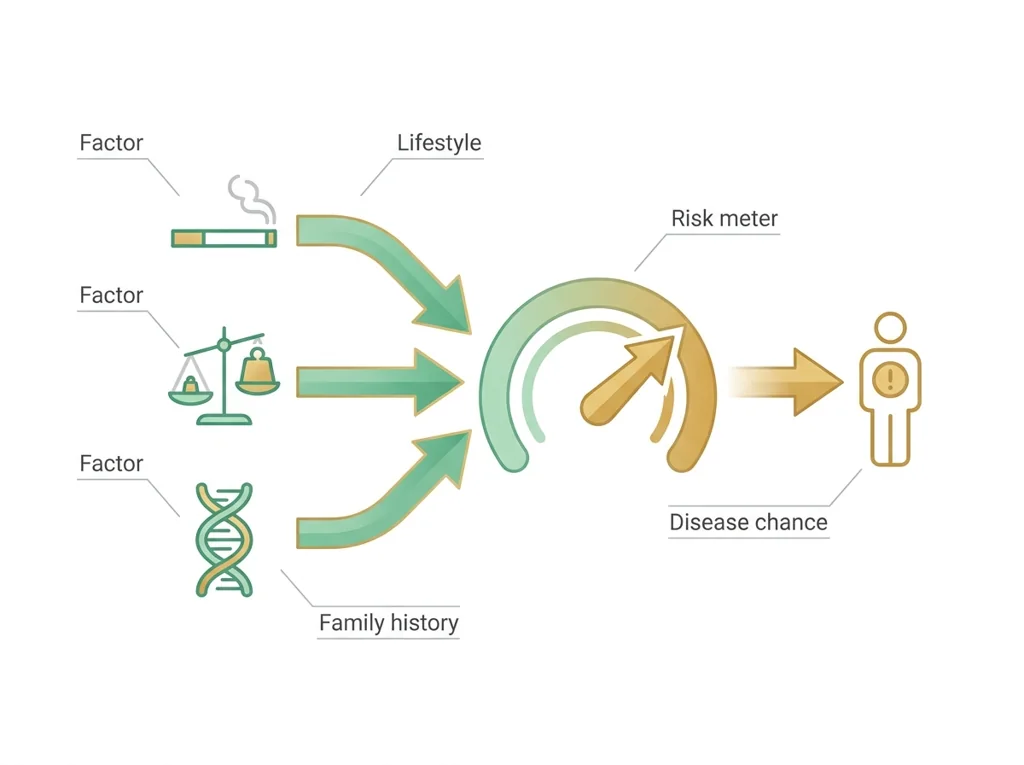
Anything that raises a person's chance of developing a disease, such as smoking, family history, or high blood pressure, without guaranteeing it.
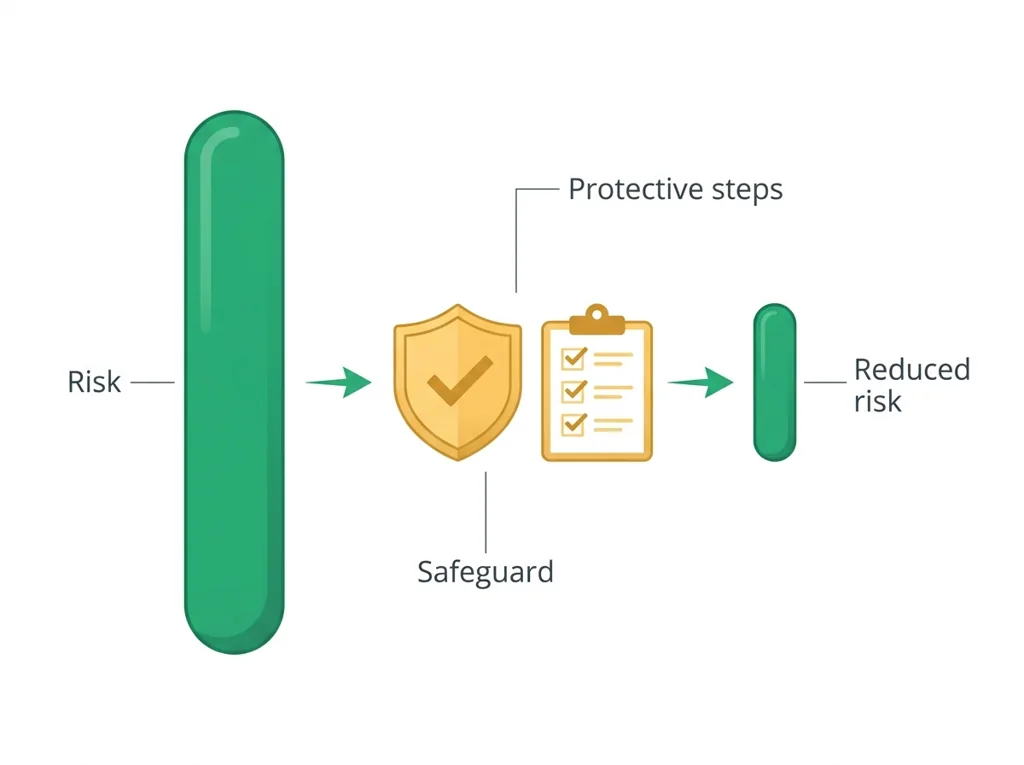
Planned actions taken to reduce the chance of harm or to lessen its impact if it does happen.
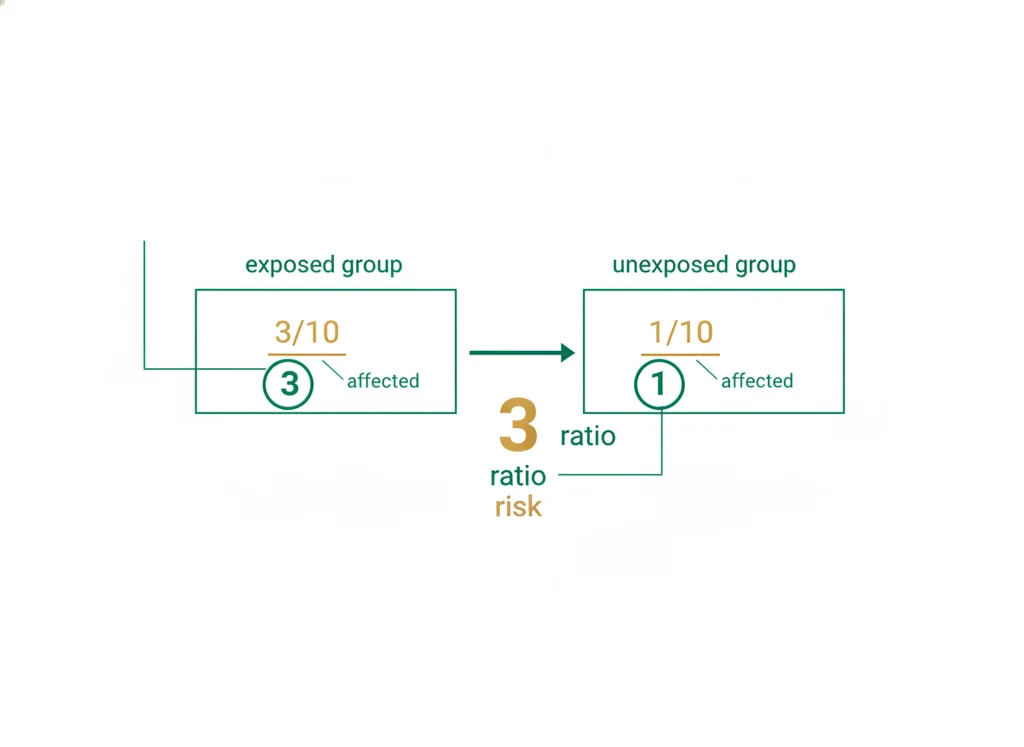
A number comparing the chance of an outcome in an exposed group versus an unexposed group; above 1 means higher risk with exposure.
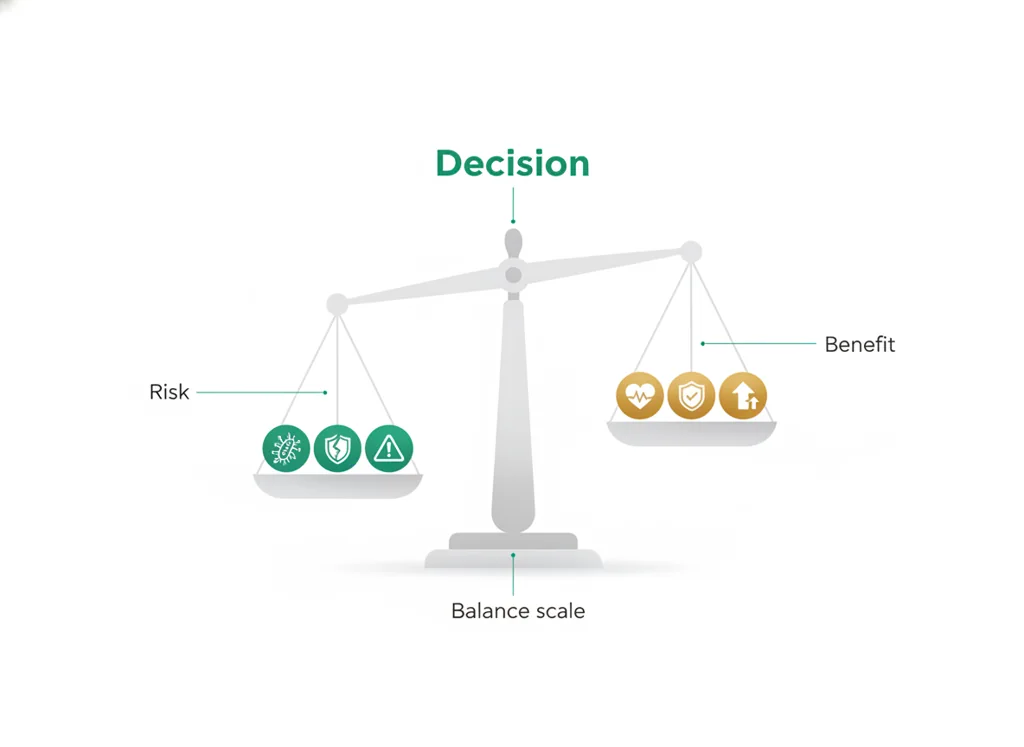
The weighing of a choice's possible harms against its possible gains to decide whether it is worth doing.
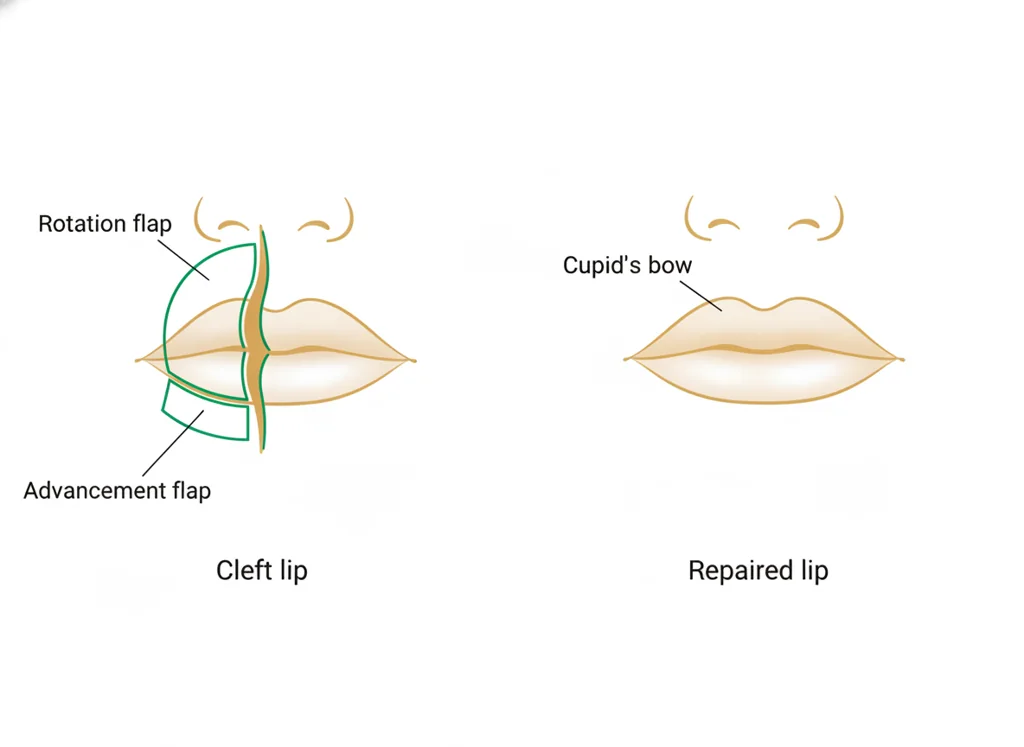
A cleft lip repair (the Millard technique) that rotates the lip down to level the Cupid's bow and advances a flap to fill the gap.
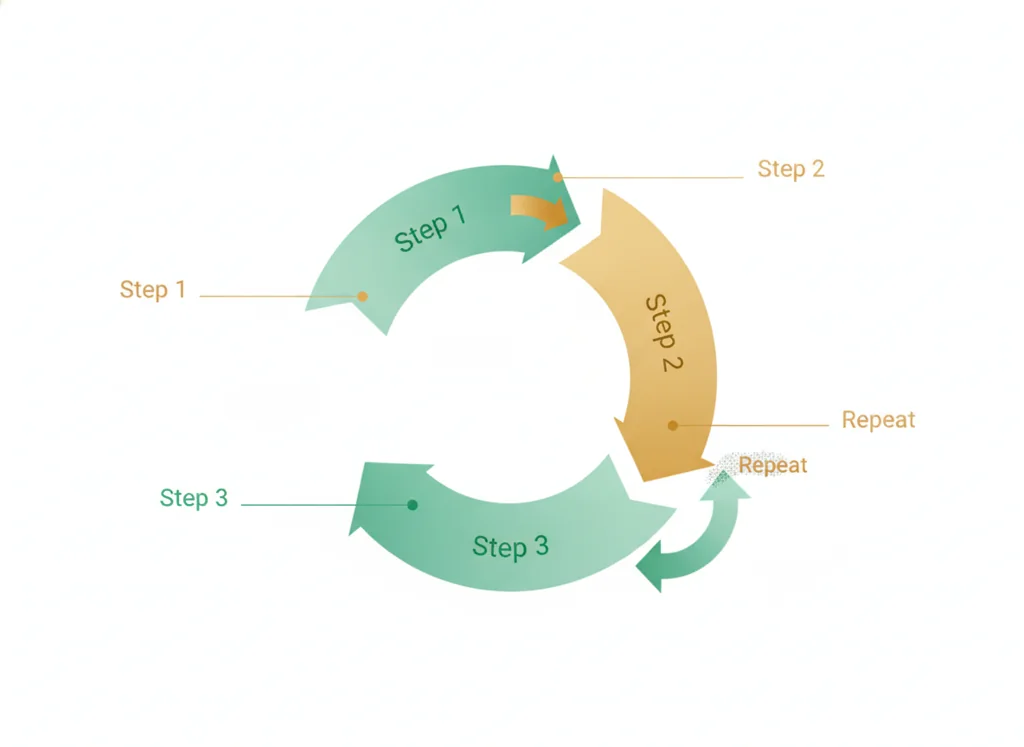
A consistent set of steps done in the same order each time, which builds good habits and makes work more reliable and efficient.
A classic guideline for timing cleft lip surgery: the infant should be about ten weeks old, ten pounds, and have hemoglobin near ten.
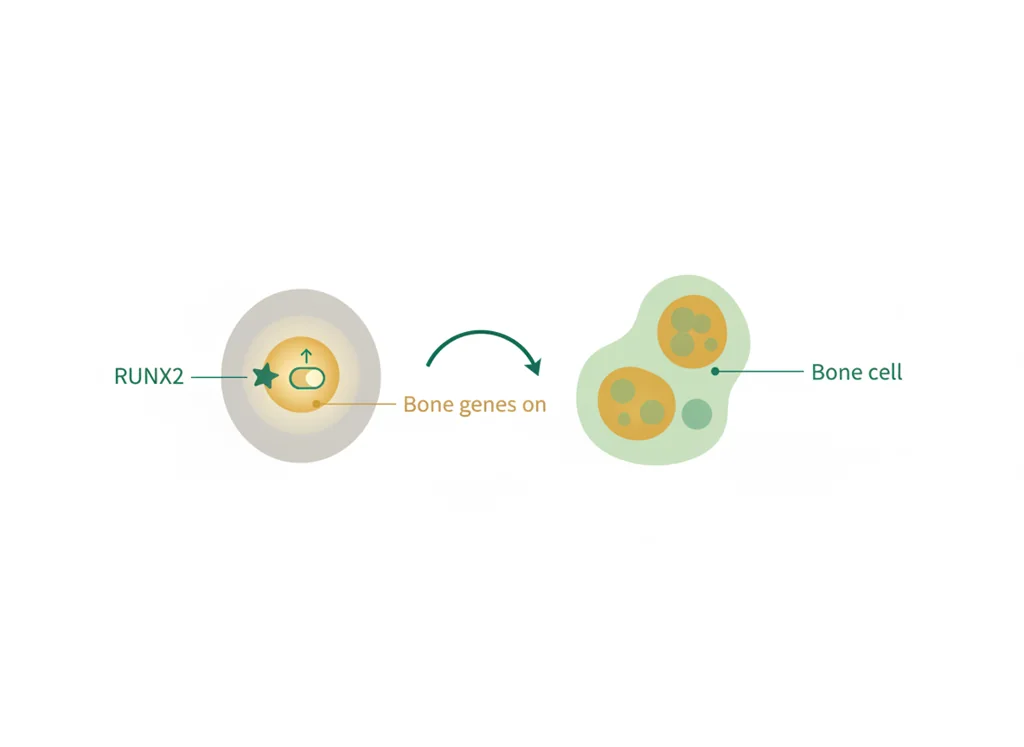
A master gene switch (transcription factor) that instructs a cell to begin developing into bone.
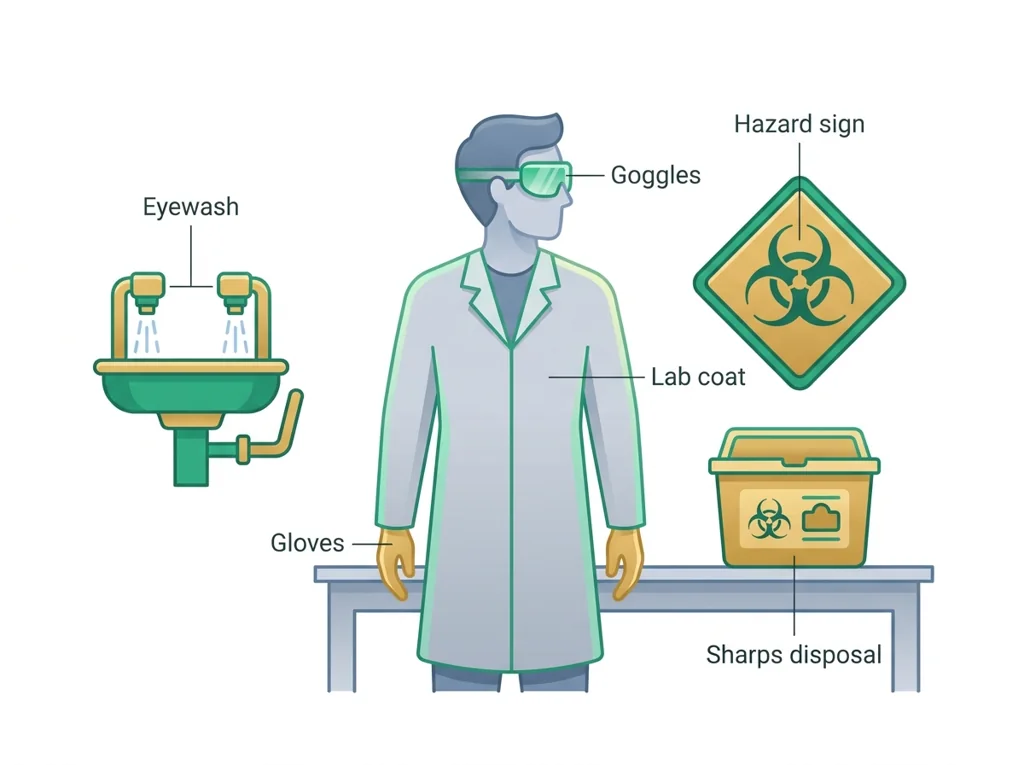
Practices and precautions that protect people from harm, such as wearing protective equipment and handling hazards correctly in a lab or clinic.
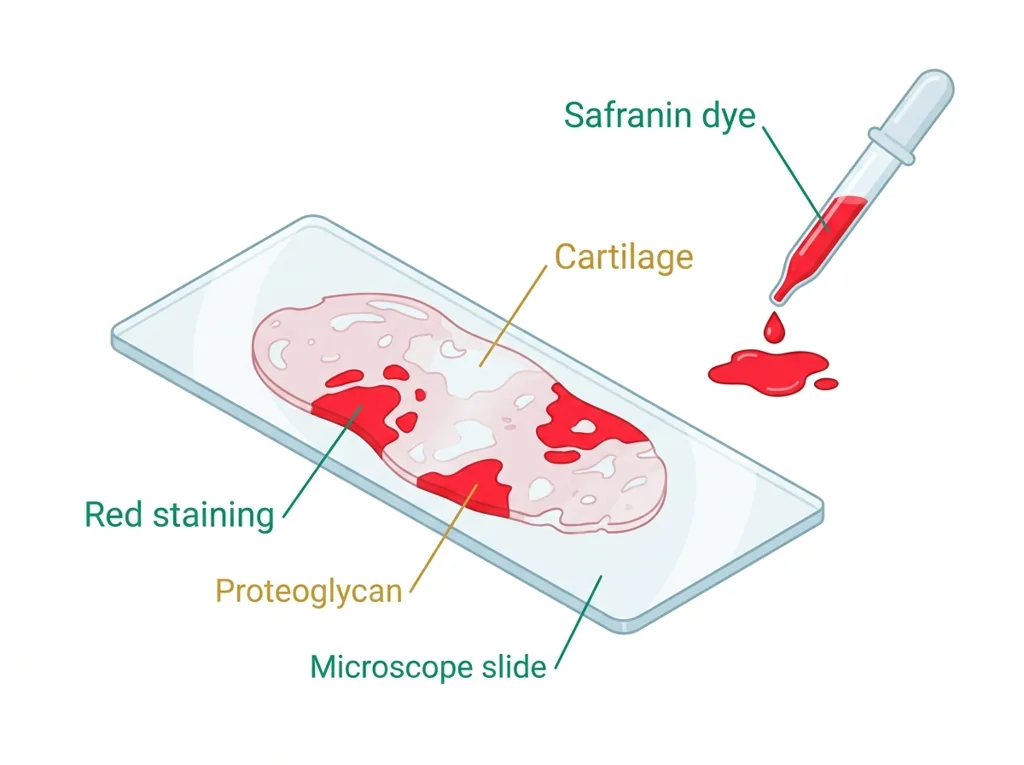
A red basic dye that binds the negatively charged molecules in cartilage, staining proteoglycans red so their amount can be seen under a microscope.
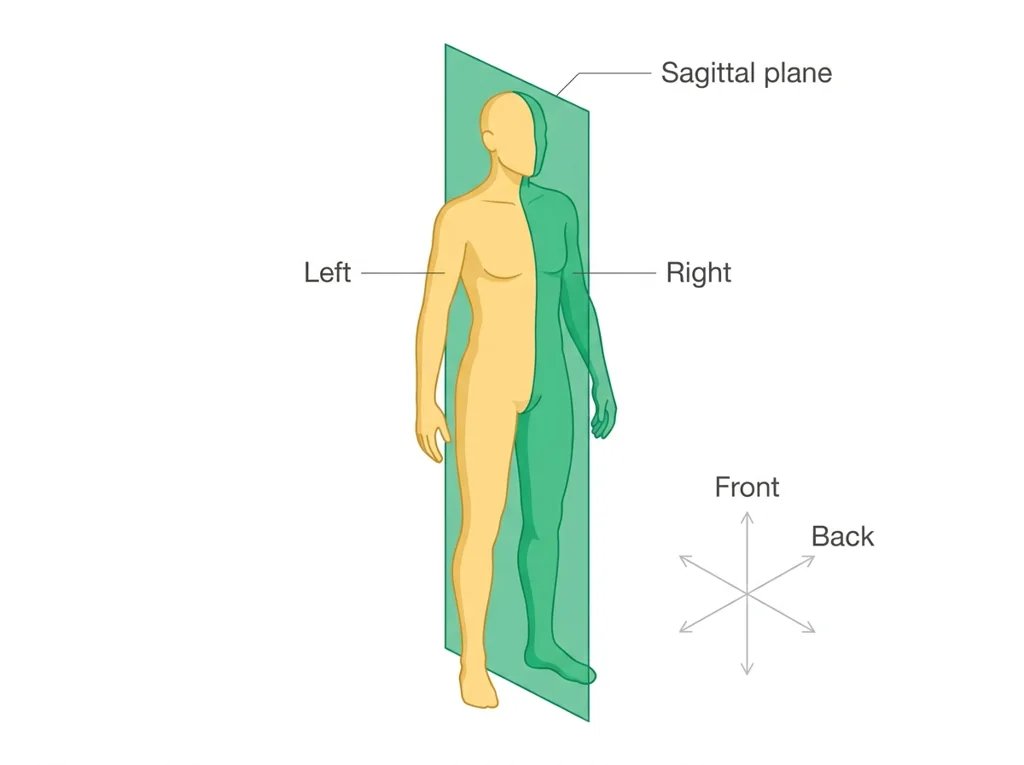
Describing an anatomical plane or cut that divides the body into left and right parts, running front to back.
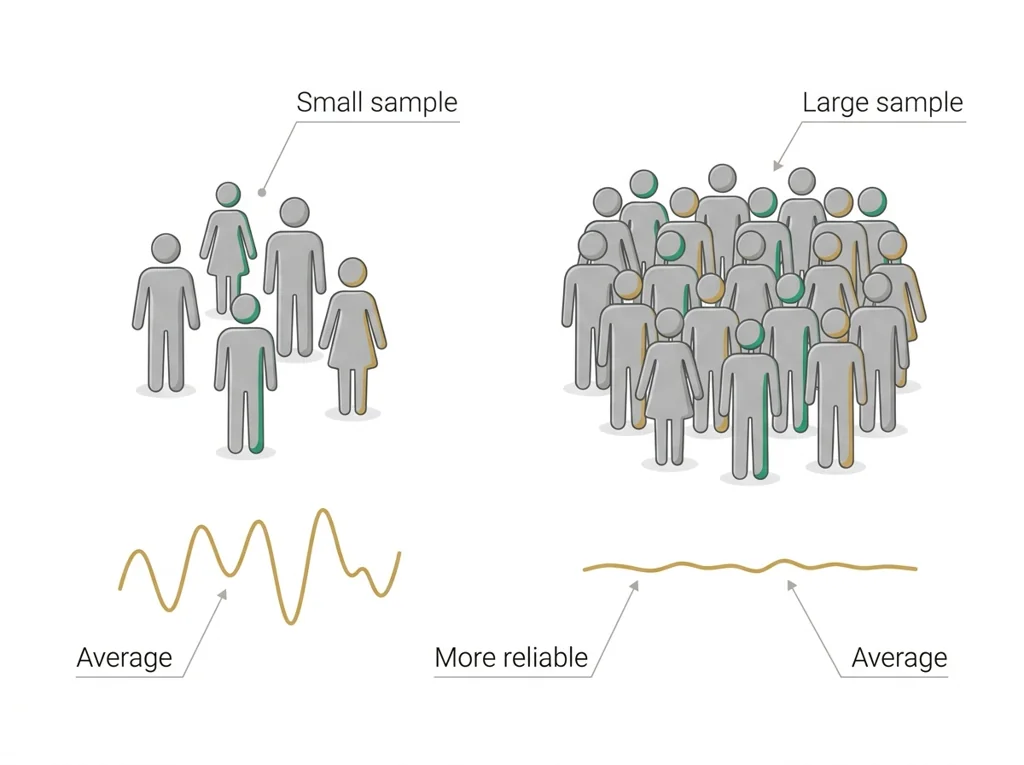
The number of subjects or observations in a study; larger samples give more reliable results and reduce the role of chance.
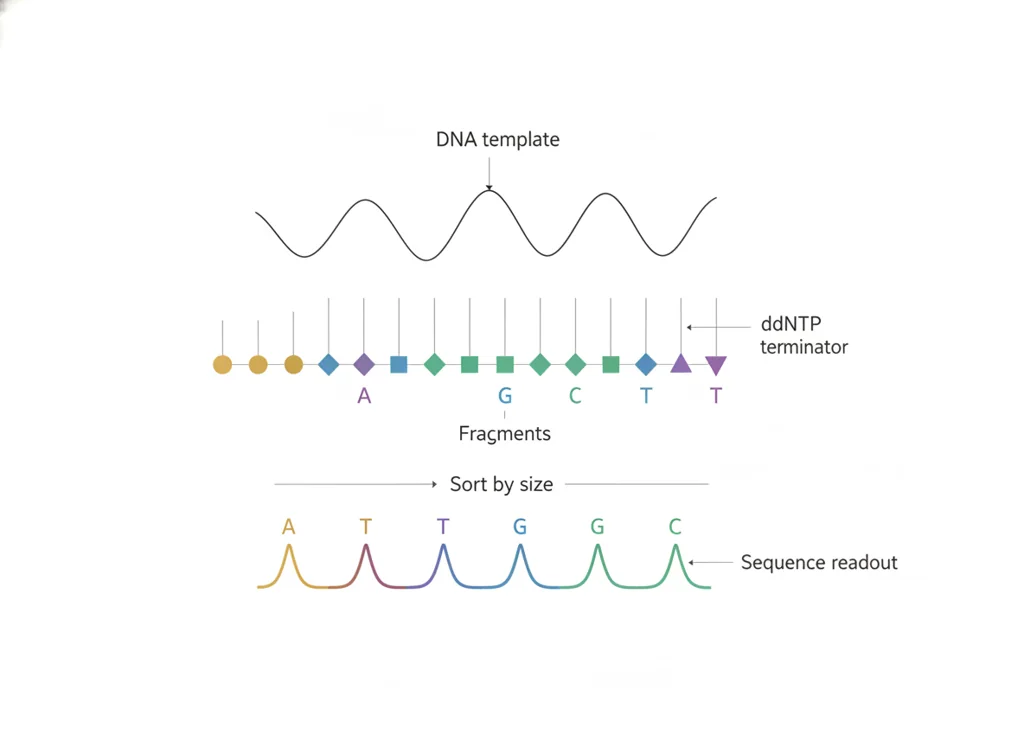
A DNA reading method that uses chain-terminating dideoxynucleotides to make fragments of every length, then sorts them by size to reveal the base order.
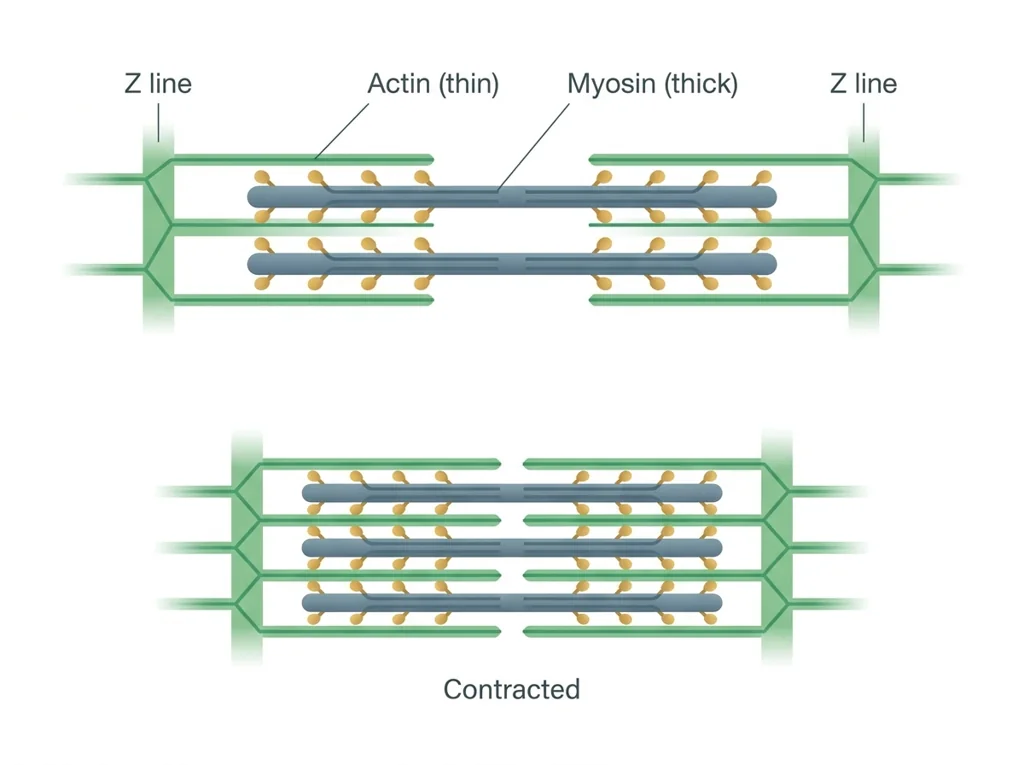
The basic contracting unit of a muscle fiber, made of overlapping actin and myosin filaments that slide past each other to shorten the muscle.
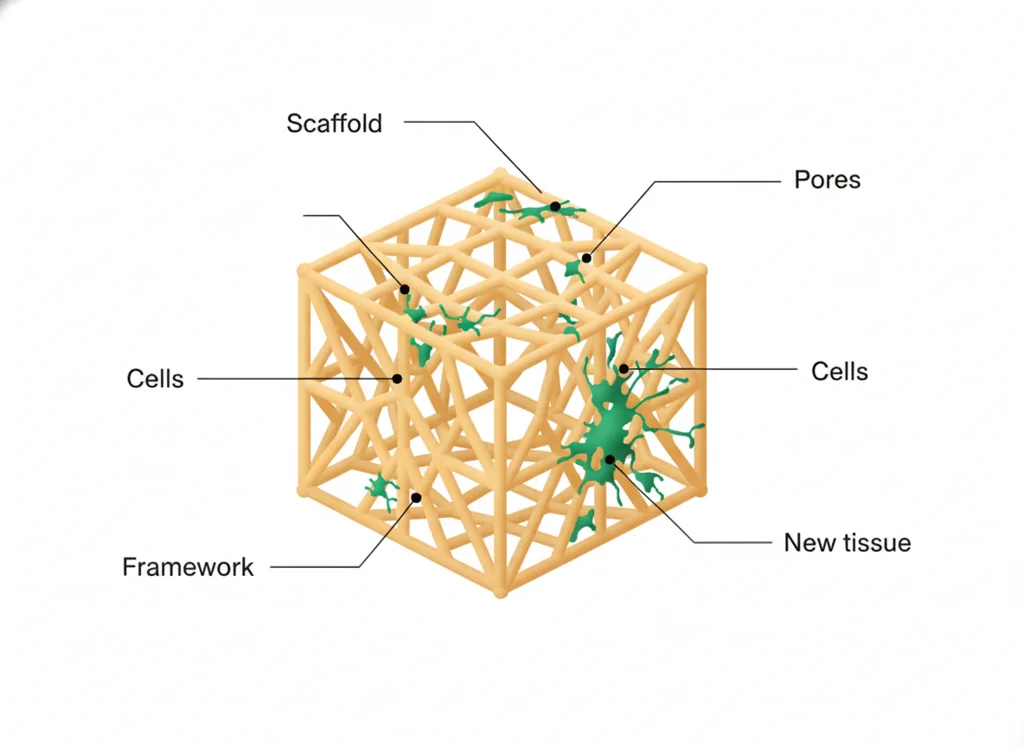
A supportive framework, such as an engineered structure in tissue repair or a base molecule in chemistry, that other parts build onto or grow within.
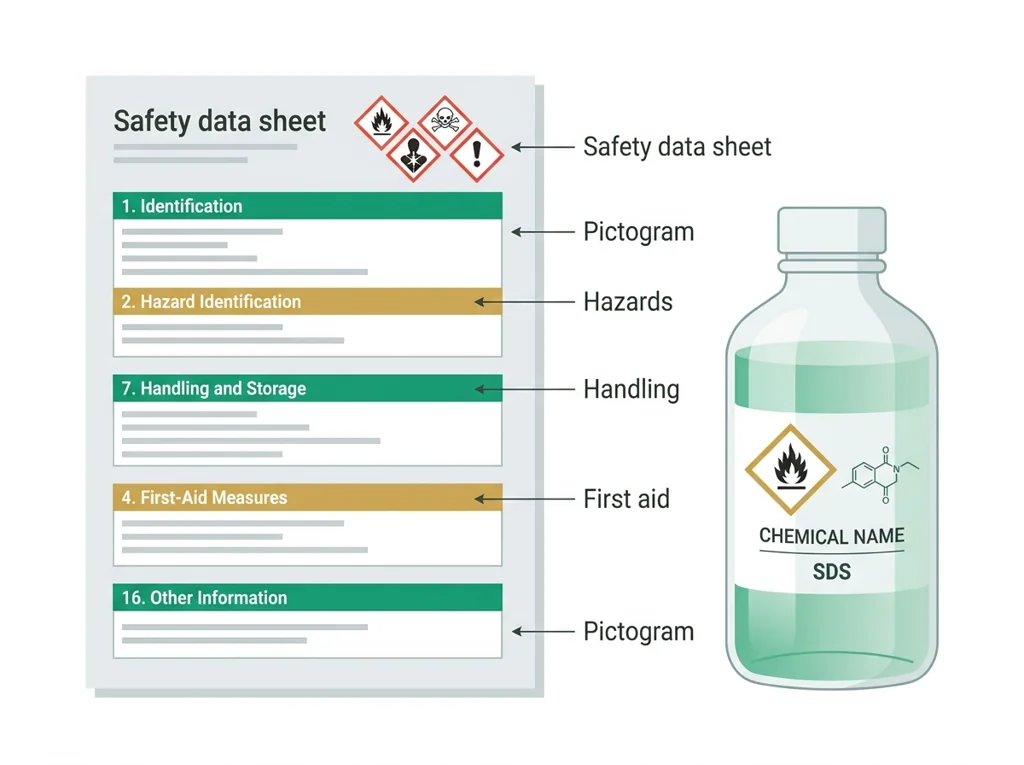
A safety data sheet: a standardized document listing a chemical's hazards, safe handling steps, and emergency measures for anyone using it.
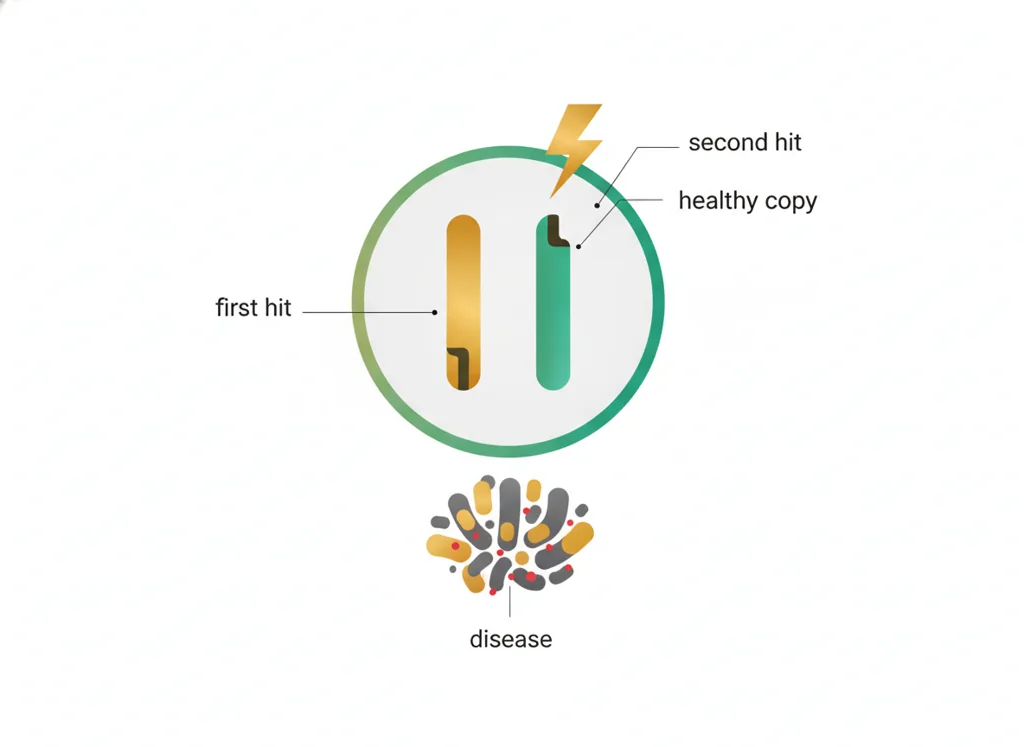
A second damaging change needed on top of an inherited one before a trait or disease appears, explaining why some carriers stay healthy.
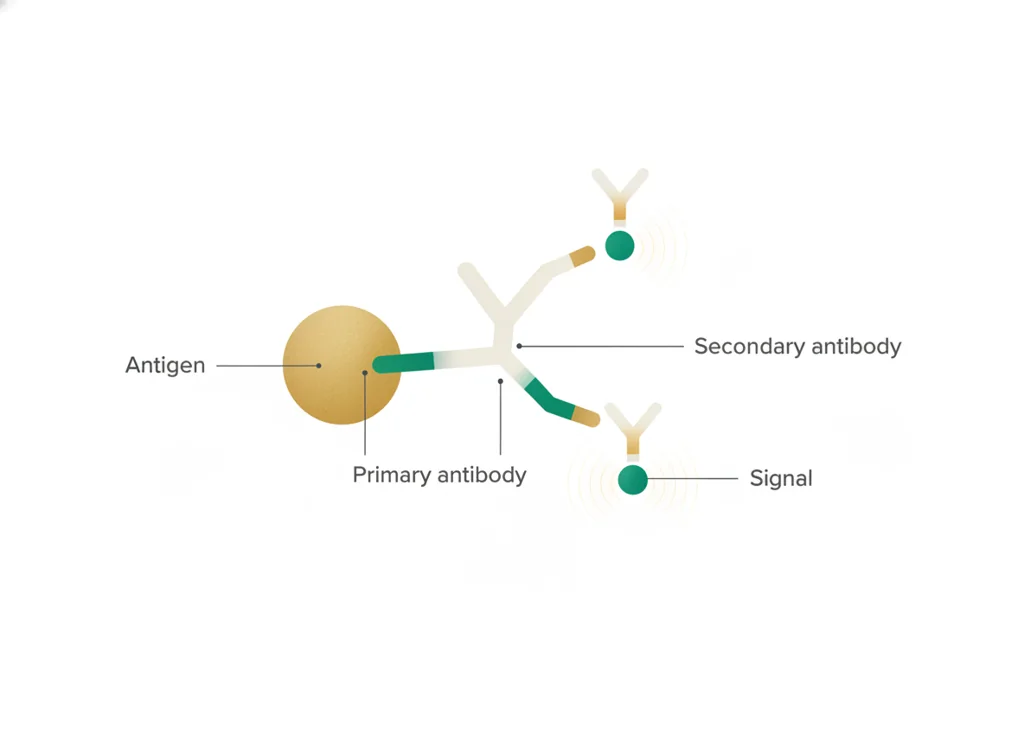
An antibody that binds to a primary antibody and carries a tag, such as a dye or enzyme, to make the target visible in a test.
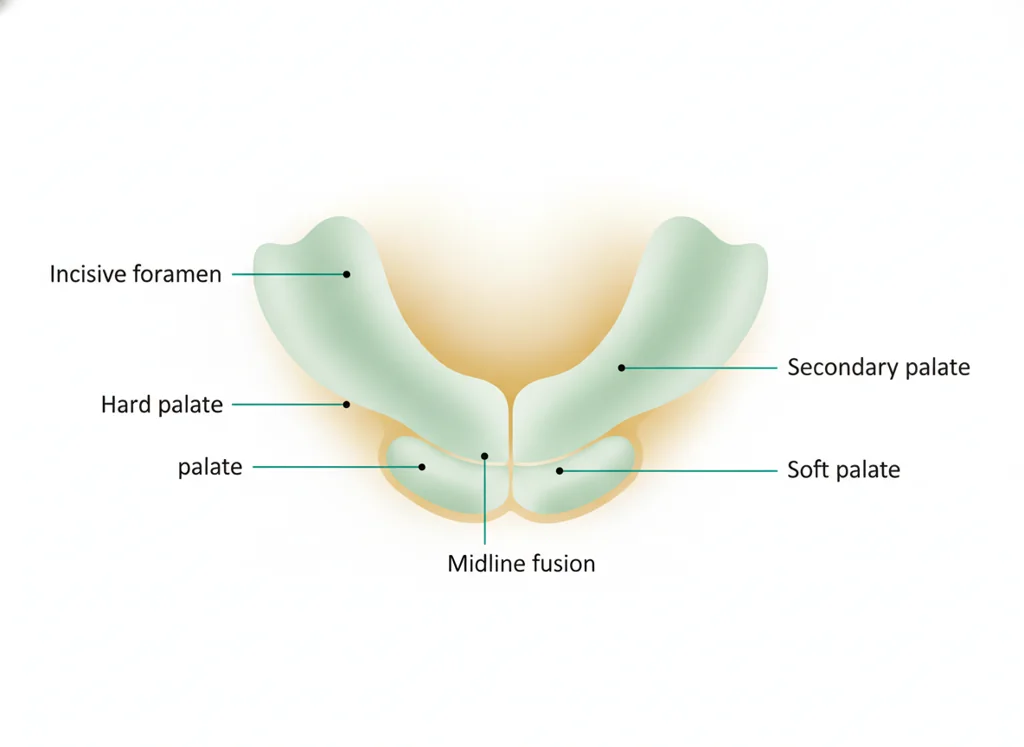
The part of the palate behind the incisive foramen, including the hard and soft palate, that forms when two shelves fuse in the midline.
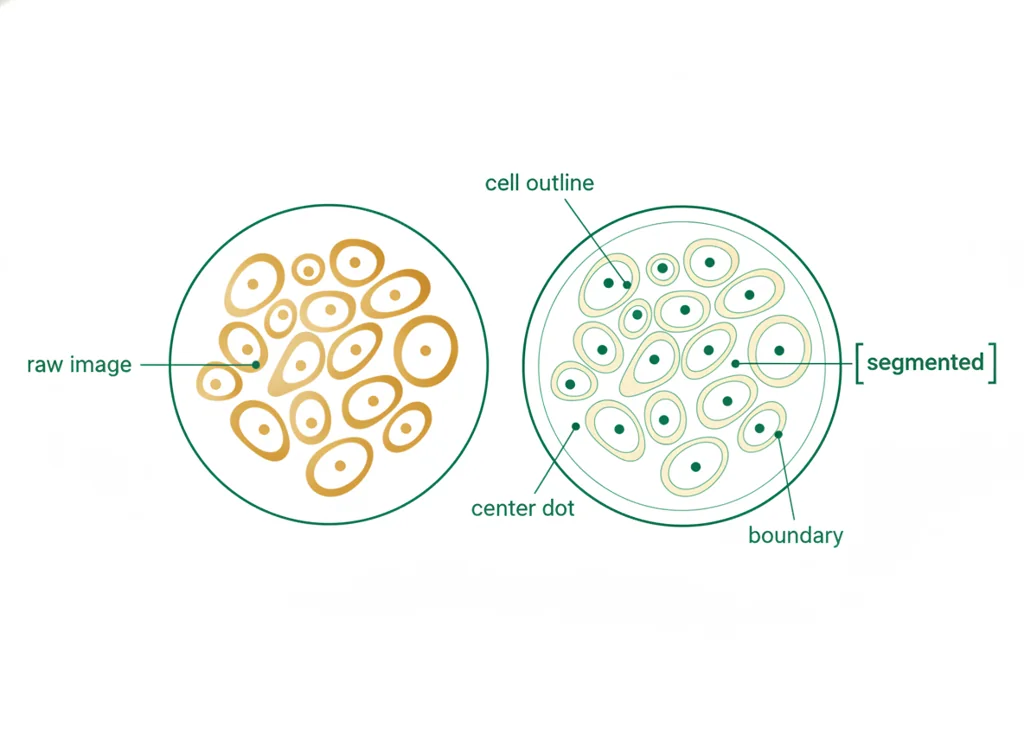
To have software outline each cell in an image and mark its boundary or center so the cells can be counted and measured.
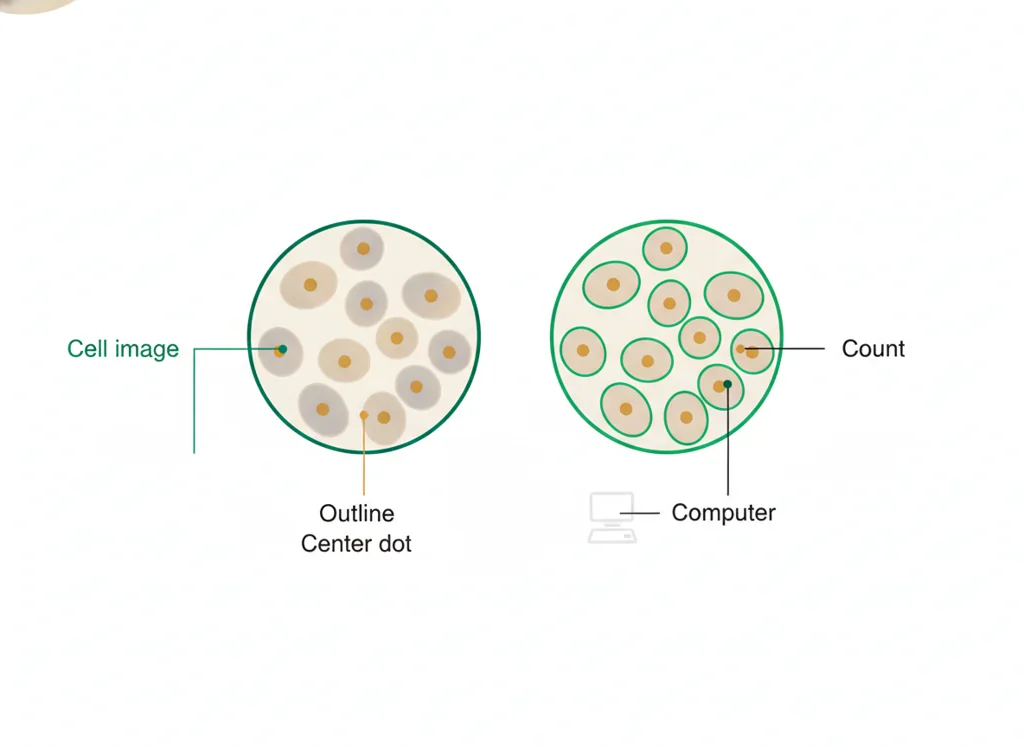
Having a computer find each cell in an image and outline or mark it so the cells can be counted and measured.
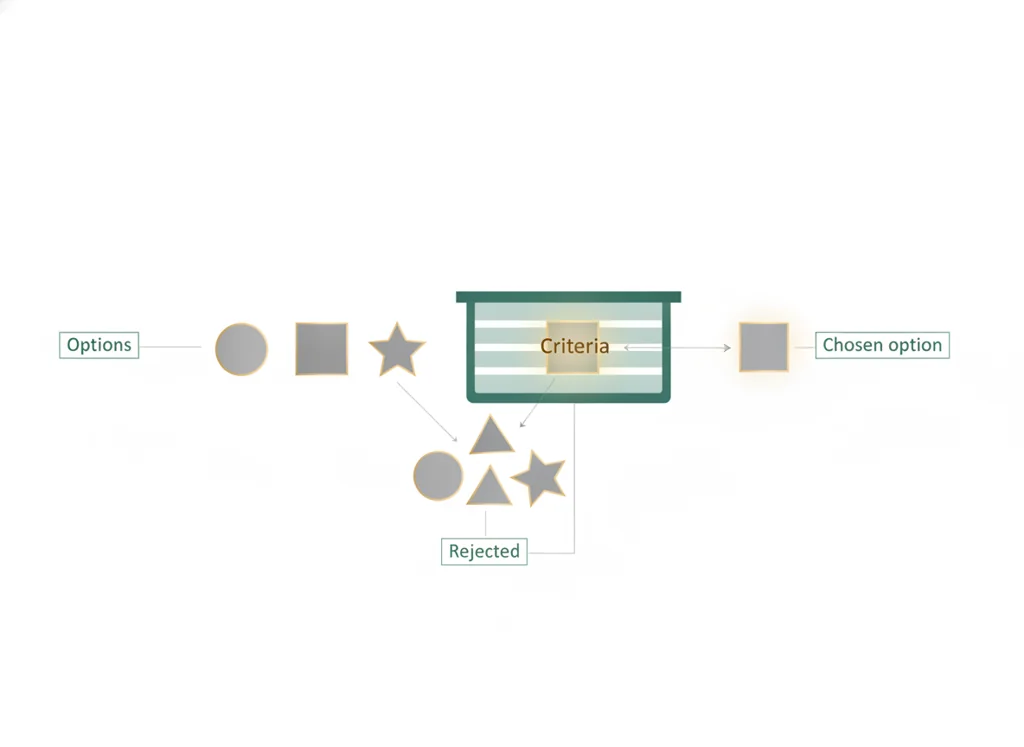
The process of choosing among options using set criteria, such as picking the best design solution or the strongest candidate.
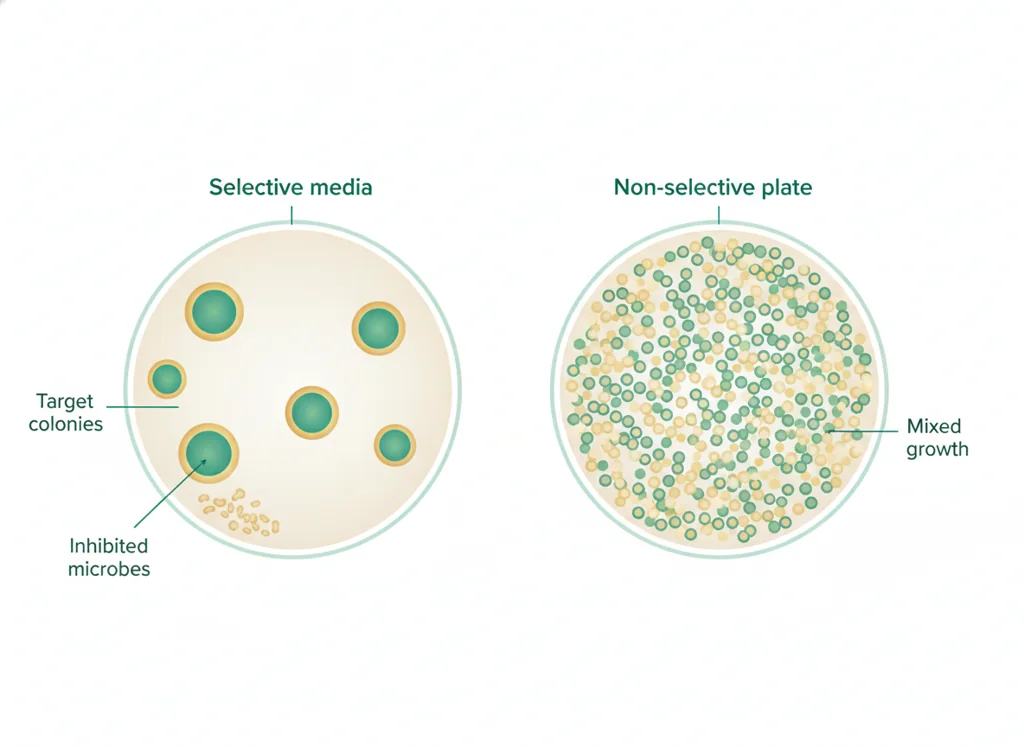
A growth medium containing ingredients that allow only certain microbes to grow while stopping others, used to isolate a target organism.
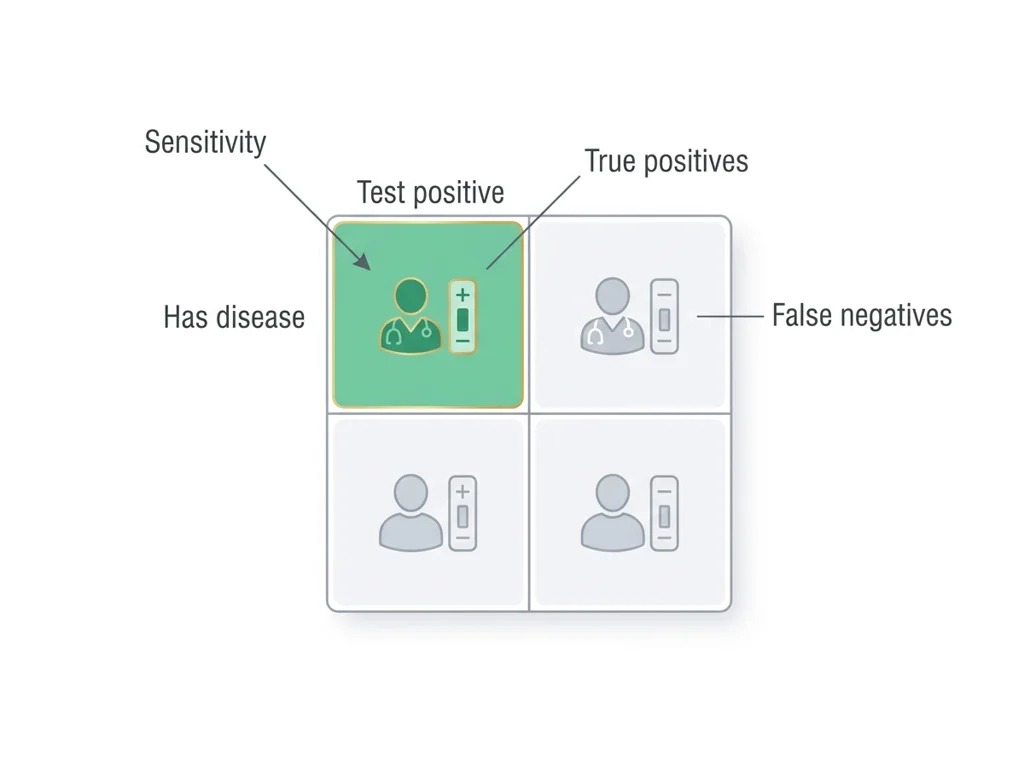
A test's ability to correctly identify people who truly have a disease, measured as the share of real cases that the test flags as positive.
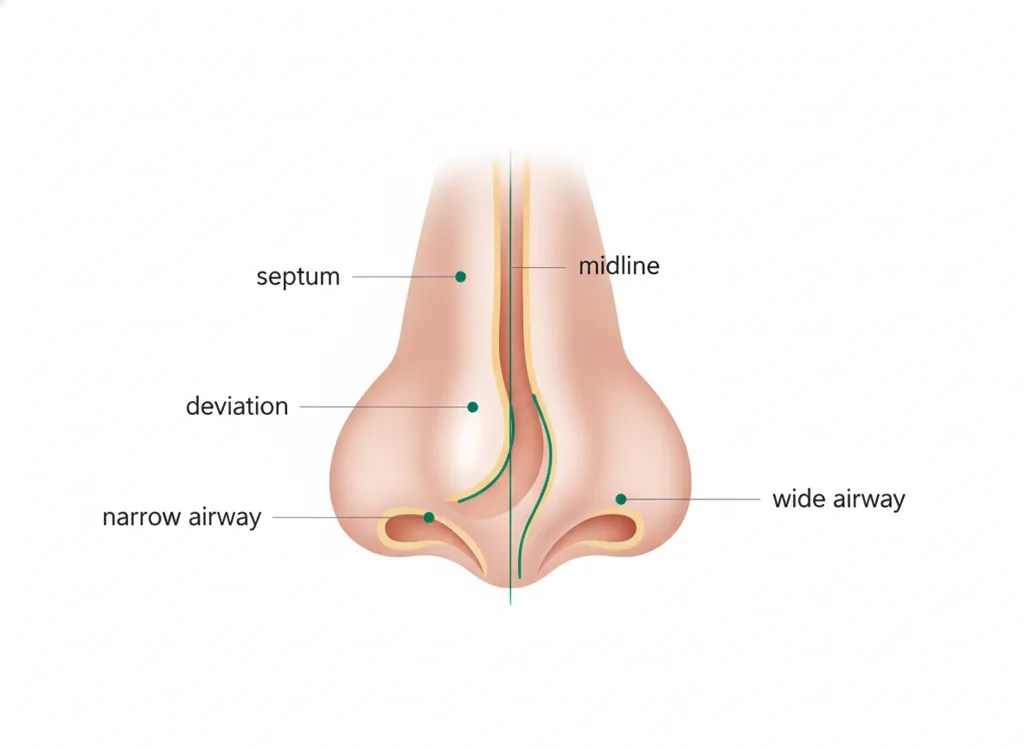
A bending or shift of the nasal septum away from the midline, which can narrow one airway and affect breathing.
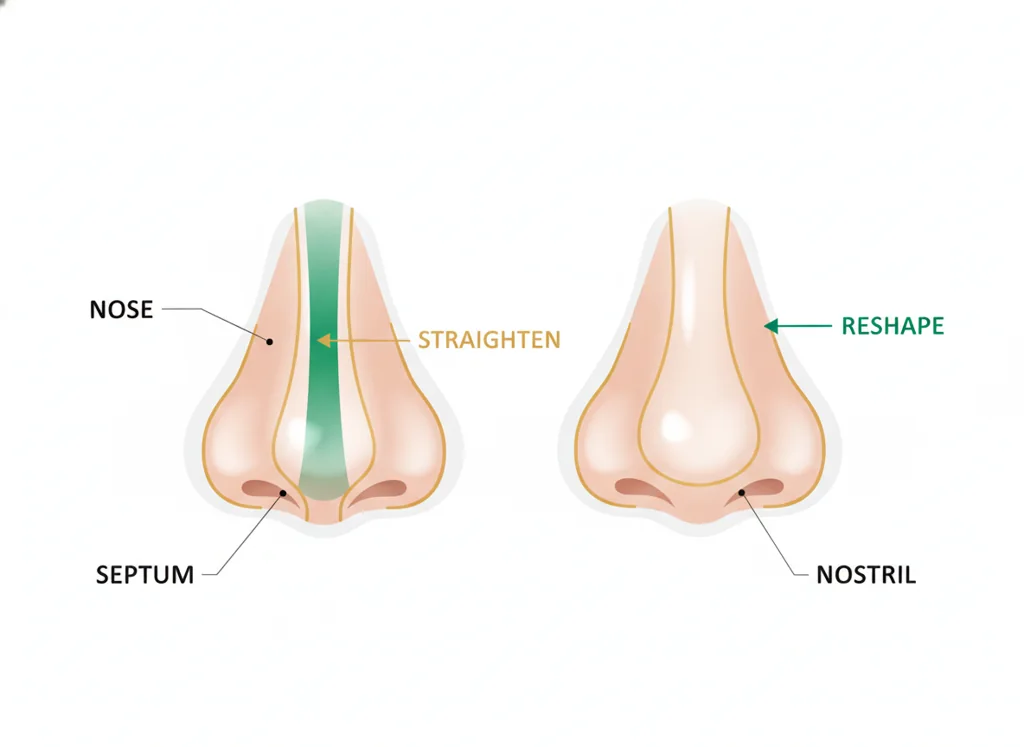
Surgery that reshapes the nose and straightens the inner wall (septum) between the nostrils to improve appearance and breathing.
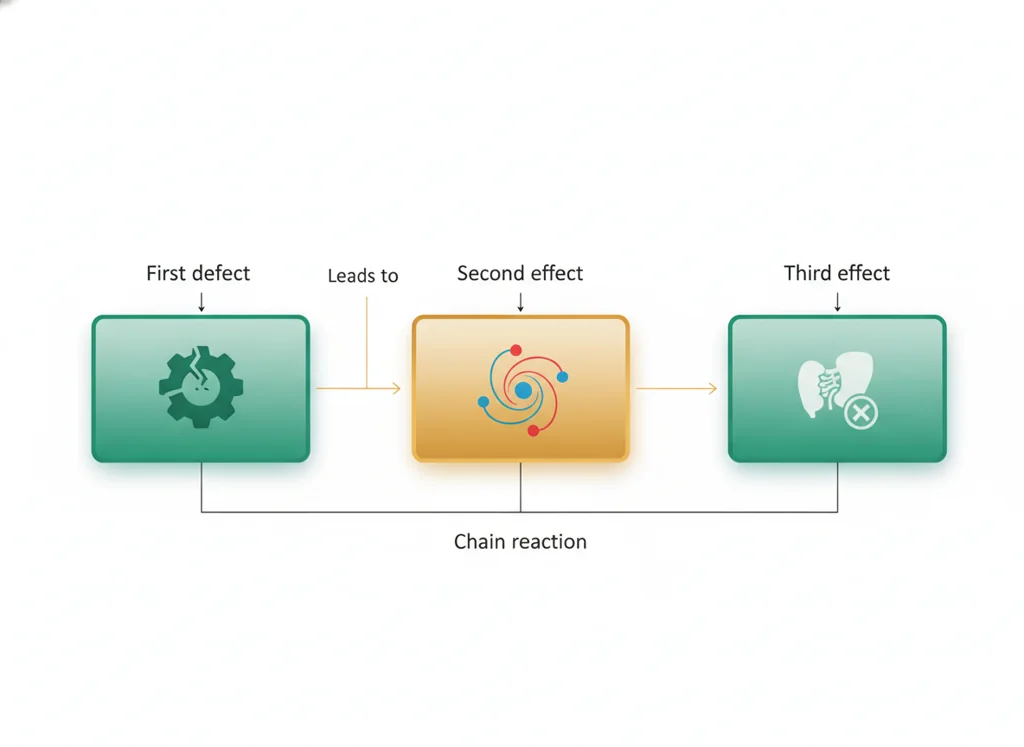
A pattern of birth defects in which one early problem sets off the others, as small jaw leads to tongue and palate problems in Pierre Robin.
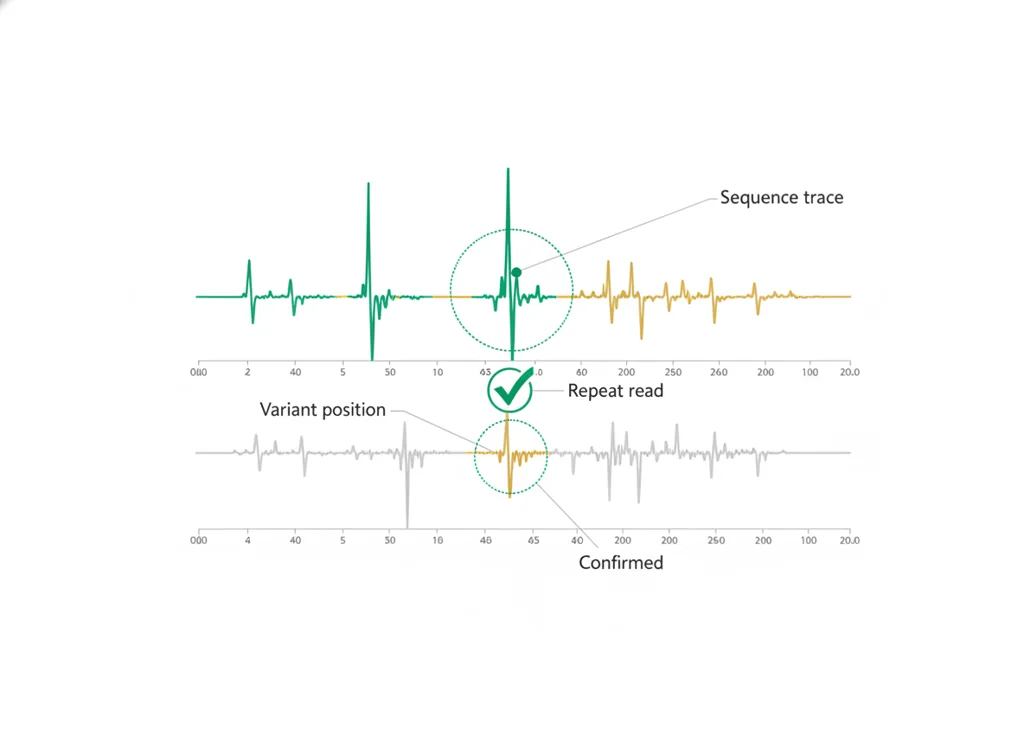
Reading a stretch of DNA again to confirm that a detected variant is real and not an error from the test.
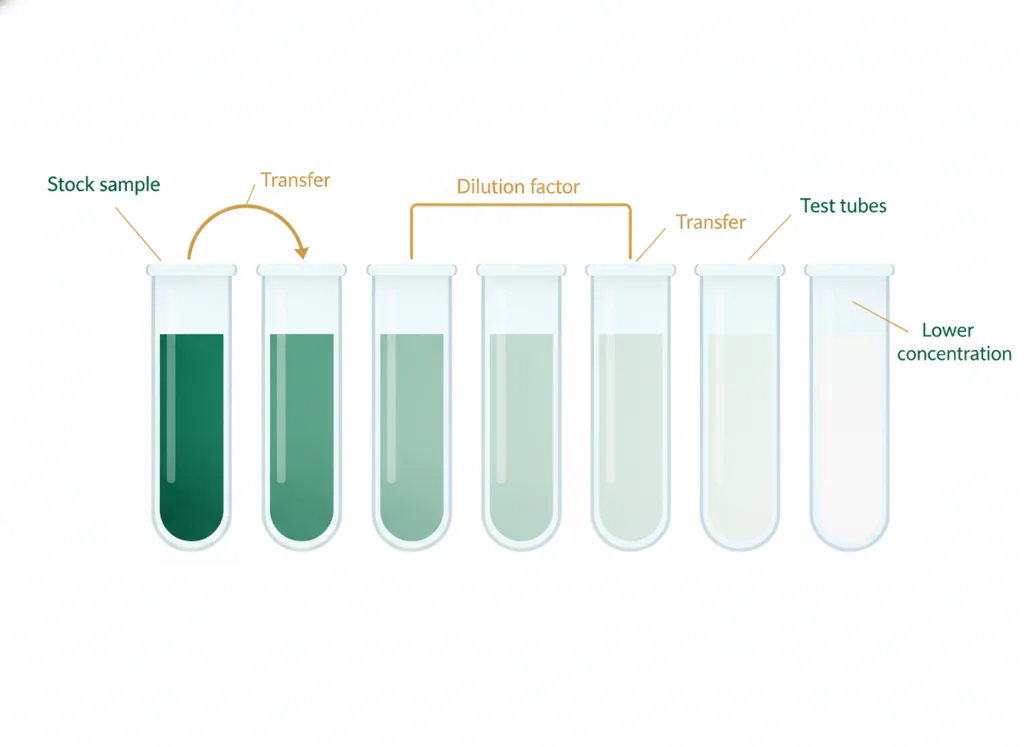
A stepwise process of repeatedly diluting a sample by the same factor to make a range of lower, known concentrations.
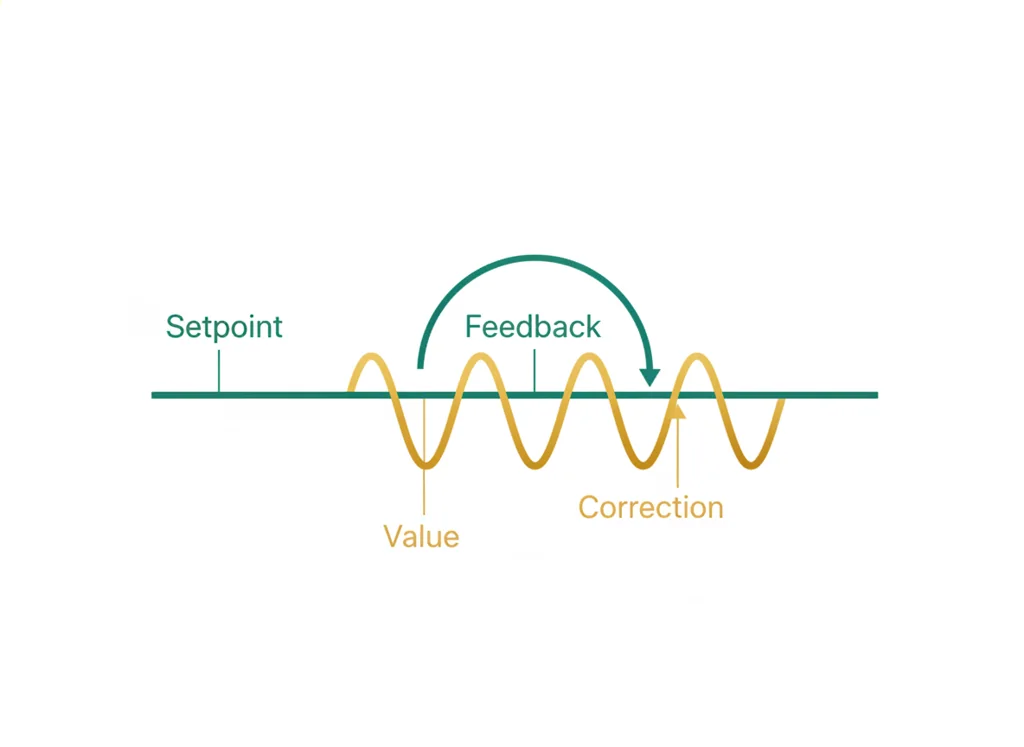
The target value a body system works to maintain, like normal temperature, that feedback loops defend against drifting too high or low.
A measurable biological difference between males and females in a trait, such as anatomy, physiology, or disease rate.
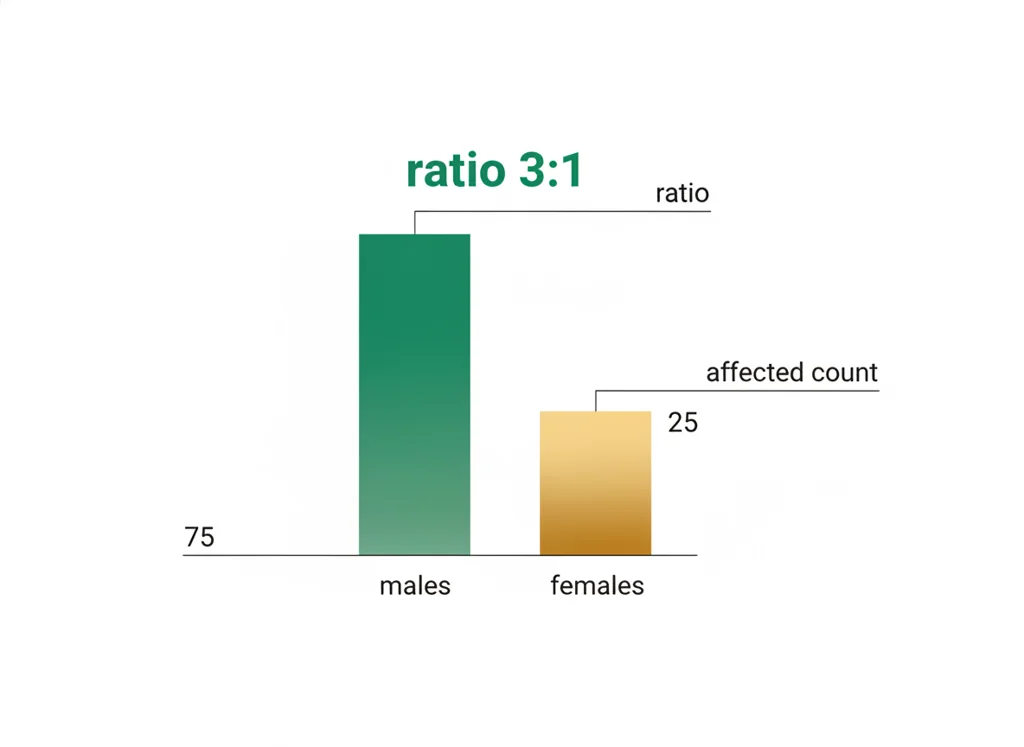
The proportion of affected males to females in a condition, a clue that can hint at sex-linked or hormone-related causes.
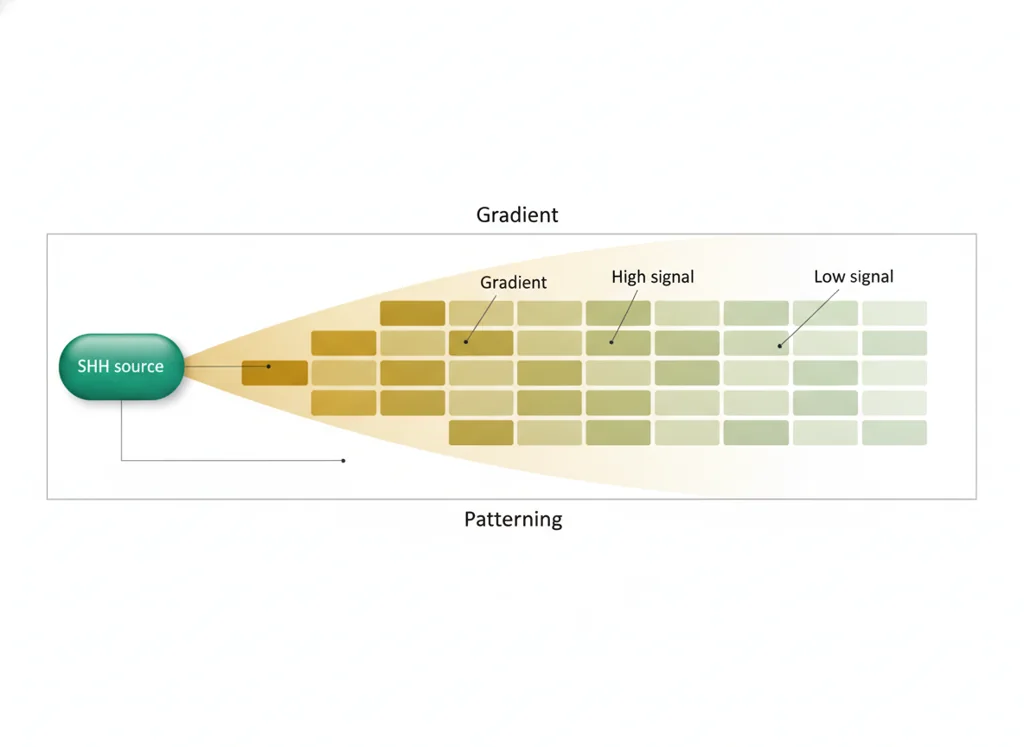
A signaling molecule that tells cells their position during development and helps pattern the face, limbs, and brain.
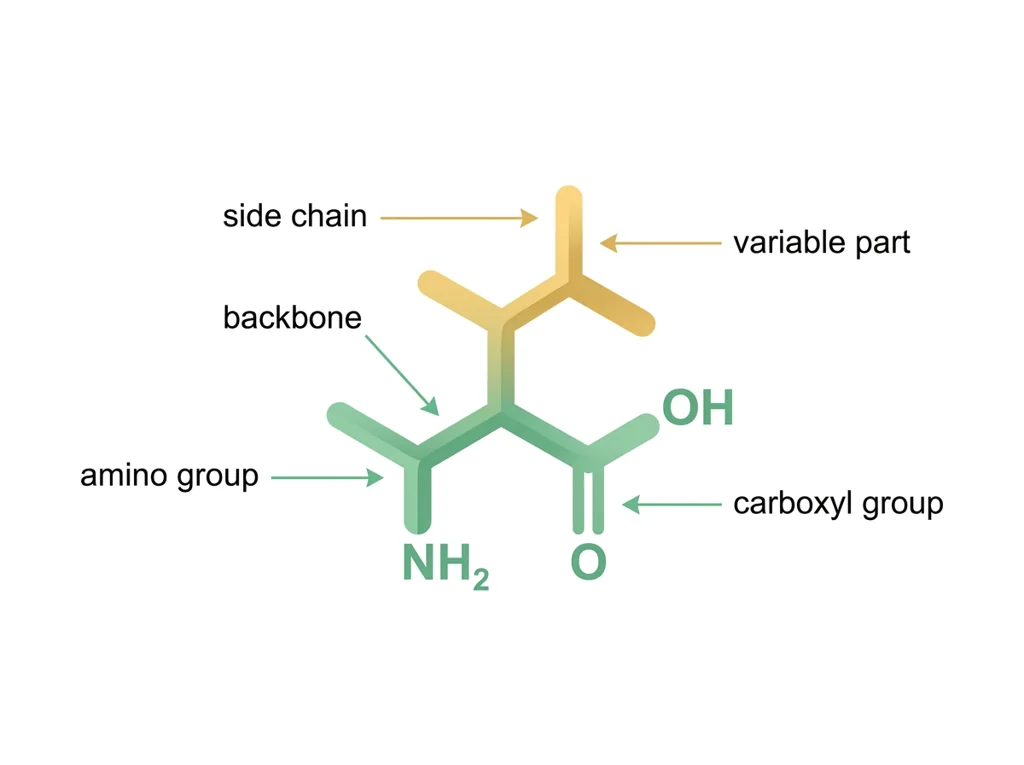
The variable part of an amino acid that gives it its chemistry, so changing it can alter how a protein folds or works.
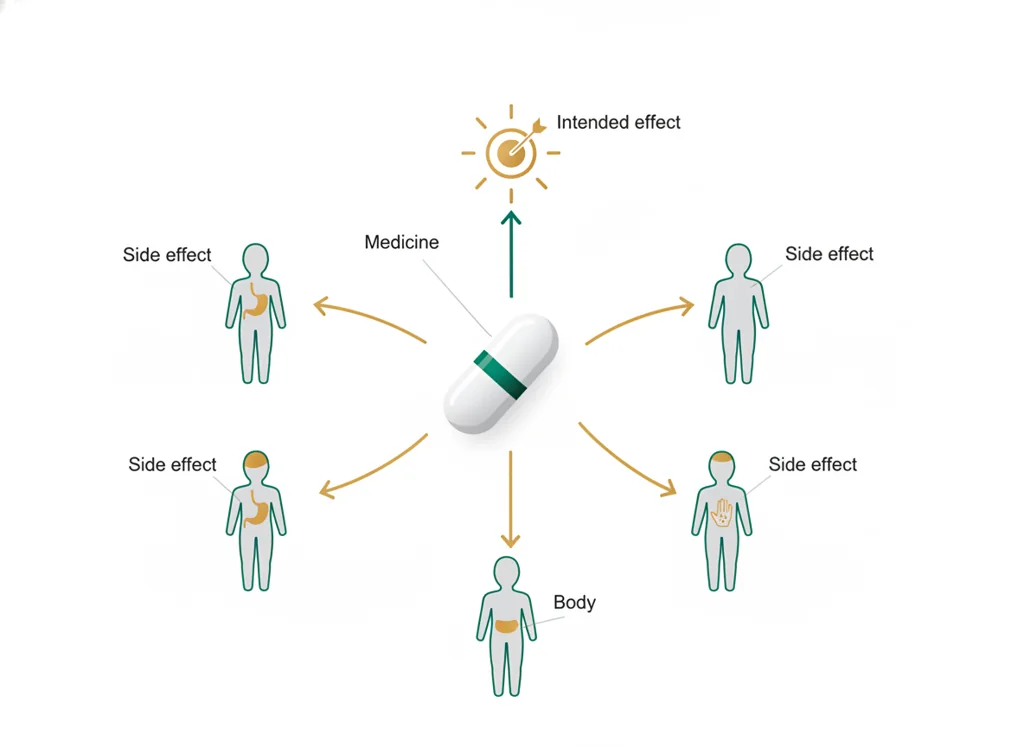
An unintended effect of a medicine or treatment that happens in addition to its intended benefit, ranging from mild to serious.
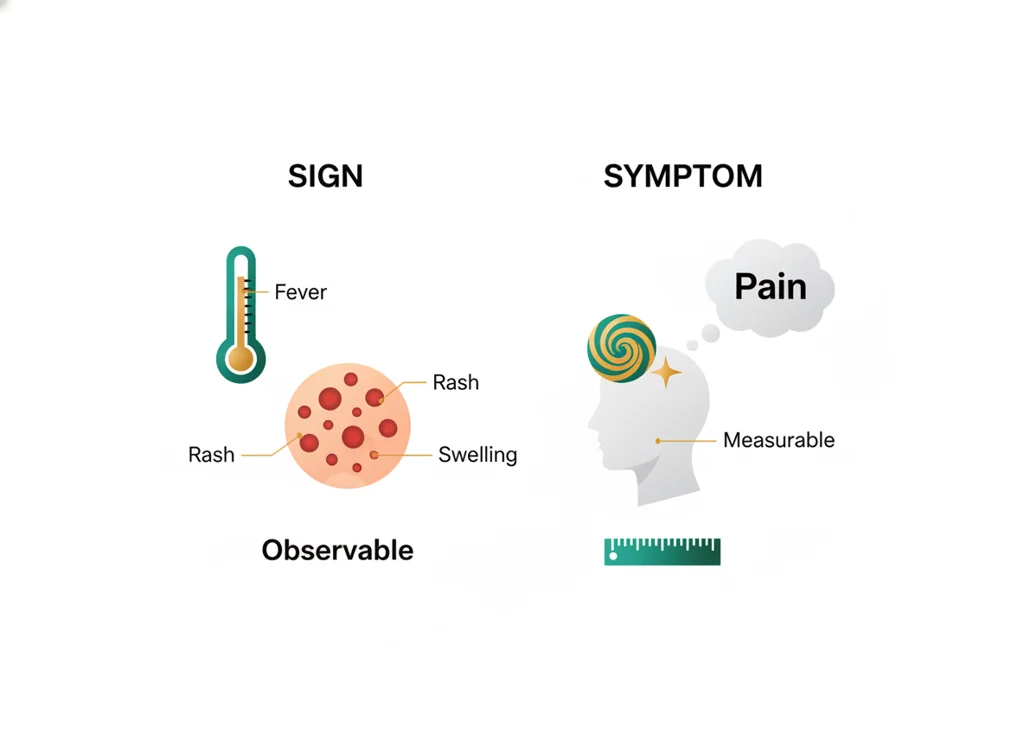
An objective indication of disease that someone else can observe or measure, such as a fever, rash, or swelling, unlike a symptom the patient feels.
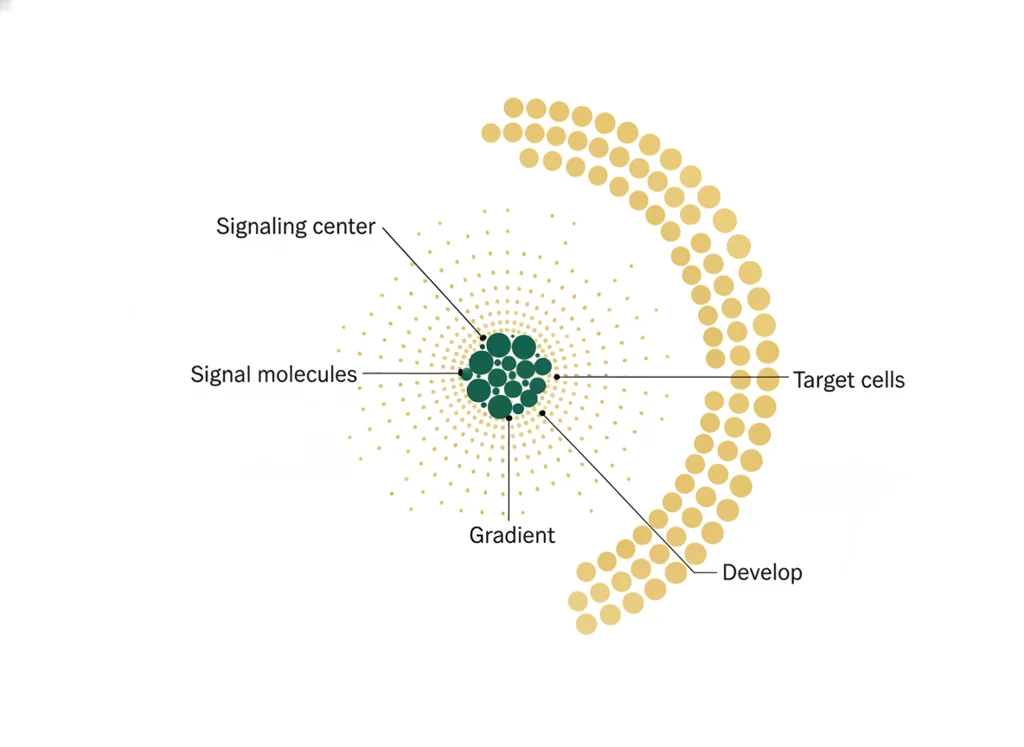
A small group of cells in a developing embryo that releases signals telling nearby cells how to grow and what to become.
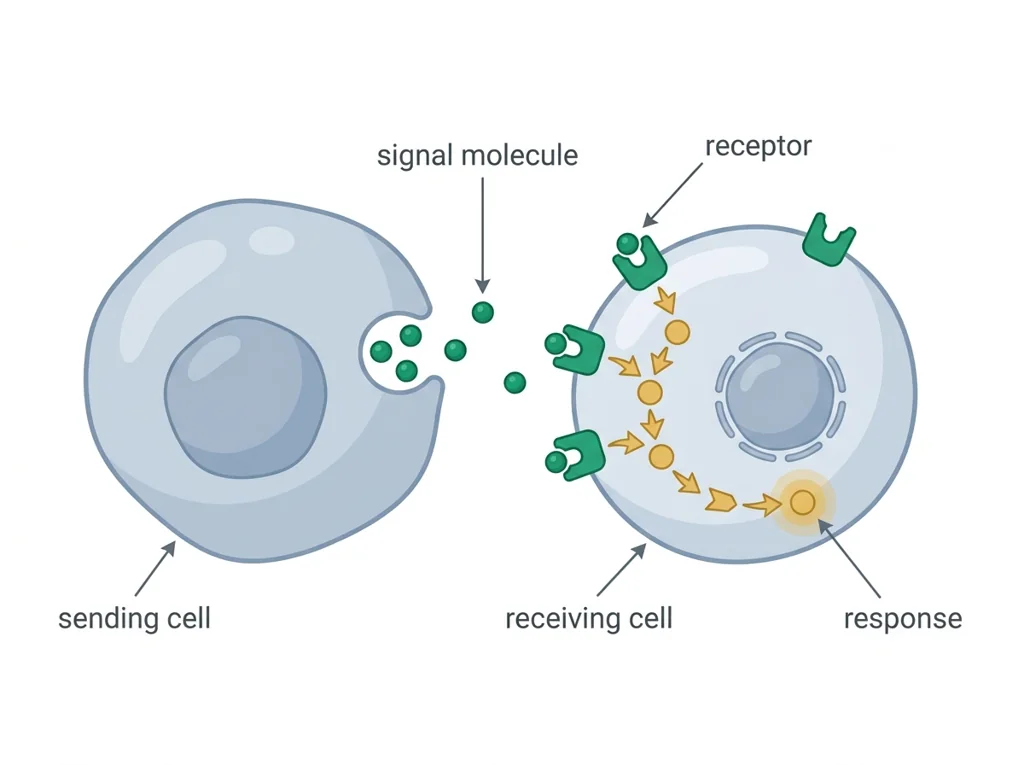
A chemical messenger released by one cell that travels to another cell and triggers a specific response.
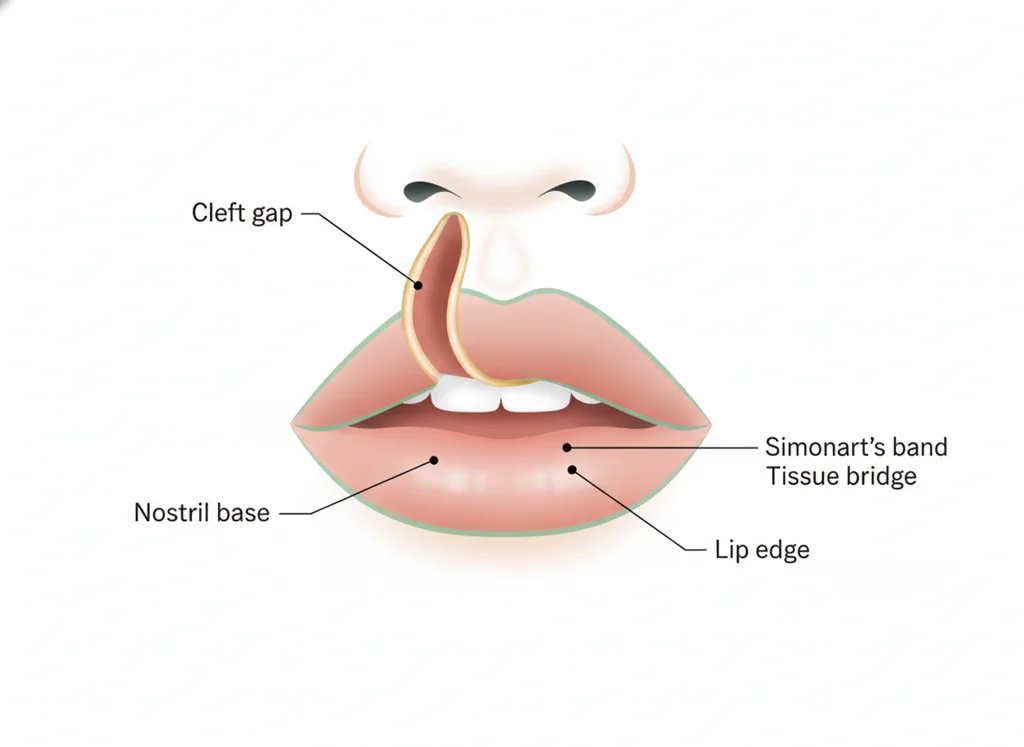
A thin bridge of soft tissue that spans across a cleft lip, partly connecting the two sides instead of leaving a complete gap.
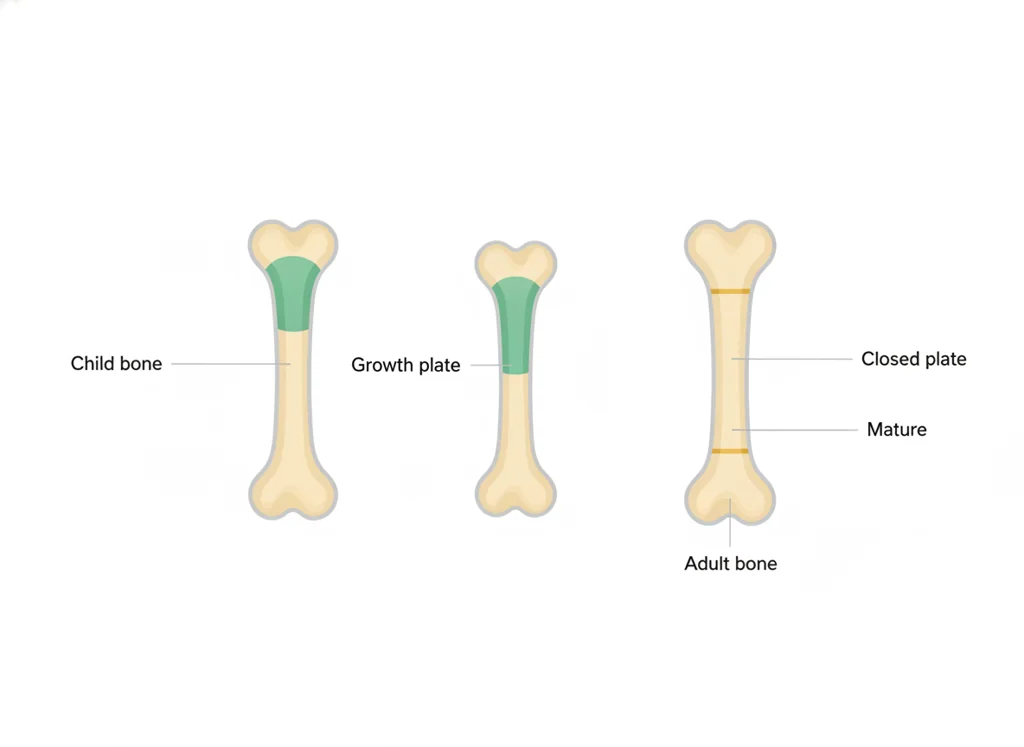
How fully the bones have grown and hardened, used to decide when jaw growth is finished enough for certain surgeries.
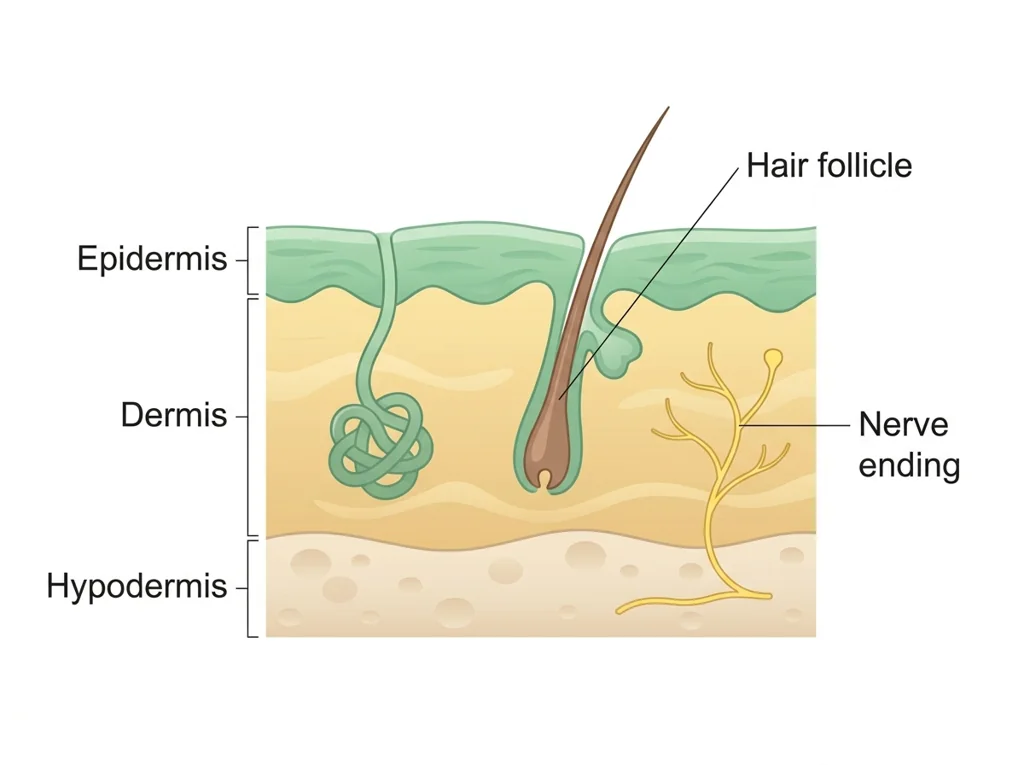
The body's largest organ, a layered barrier that protects internal tissues, regulates temperature, and senses touch, pressure, and pain.
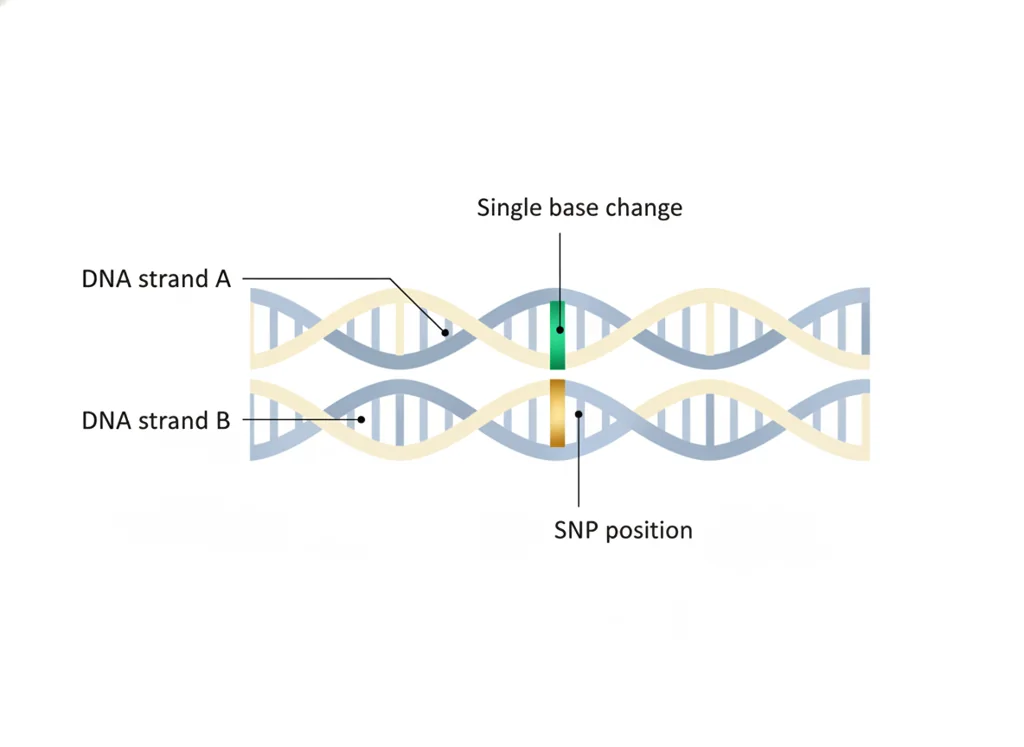
A single-nucleotide polymorphism, a one-letter difference in DNA at a specific spot that varies between people.
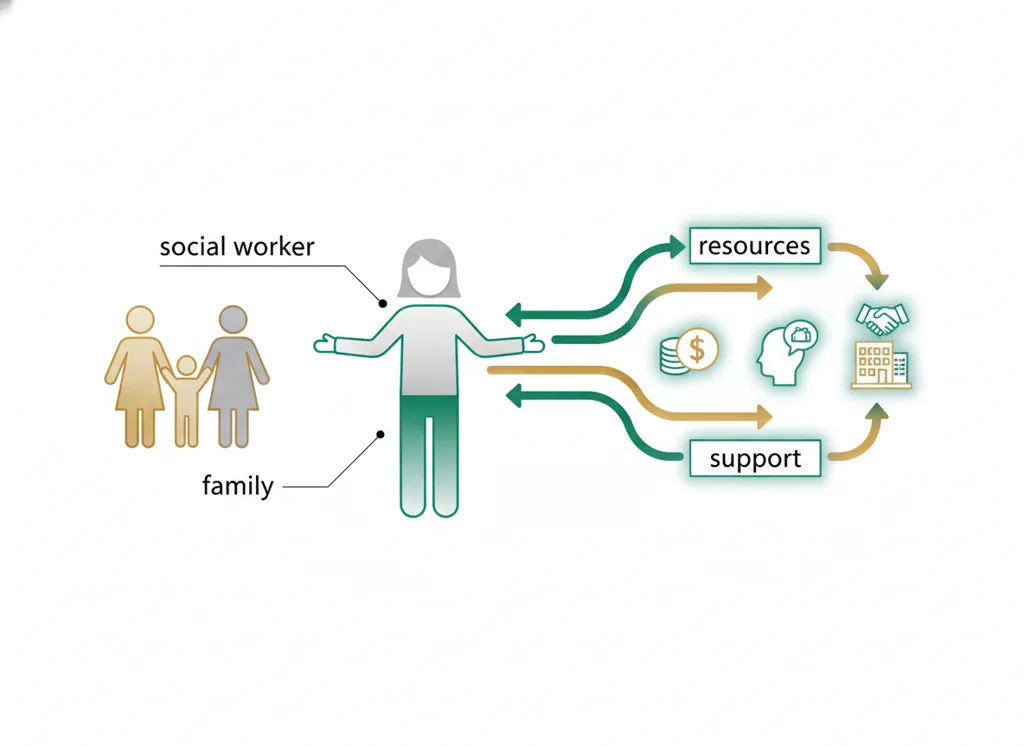
A care-team member who helps families navigate resources, costs, support services, and emotional needs around a child's condition.
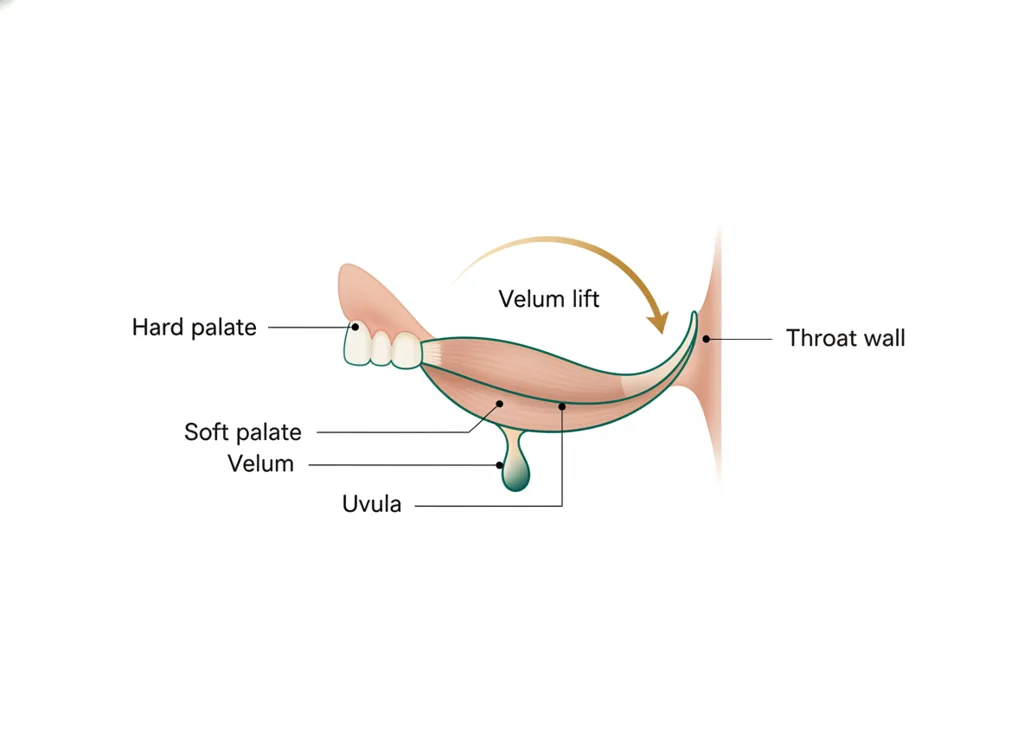
The flexible muscular back portion of the roof of the mouth that lifts to seal off the nose during speech and swallowing.
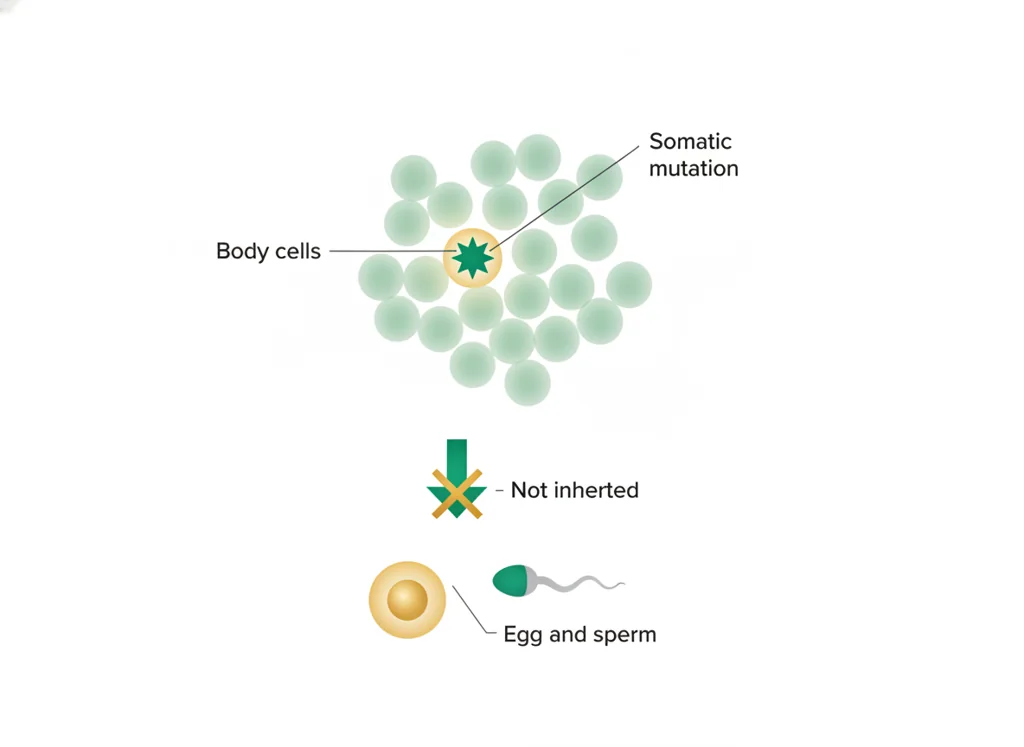
Relating to the ordinary body cells other than egg and sperm; changes in these cells affect only the individual and are not inherited.
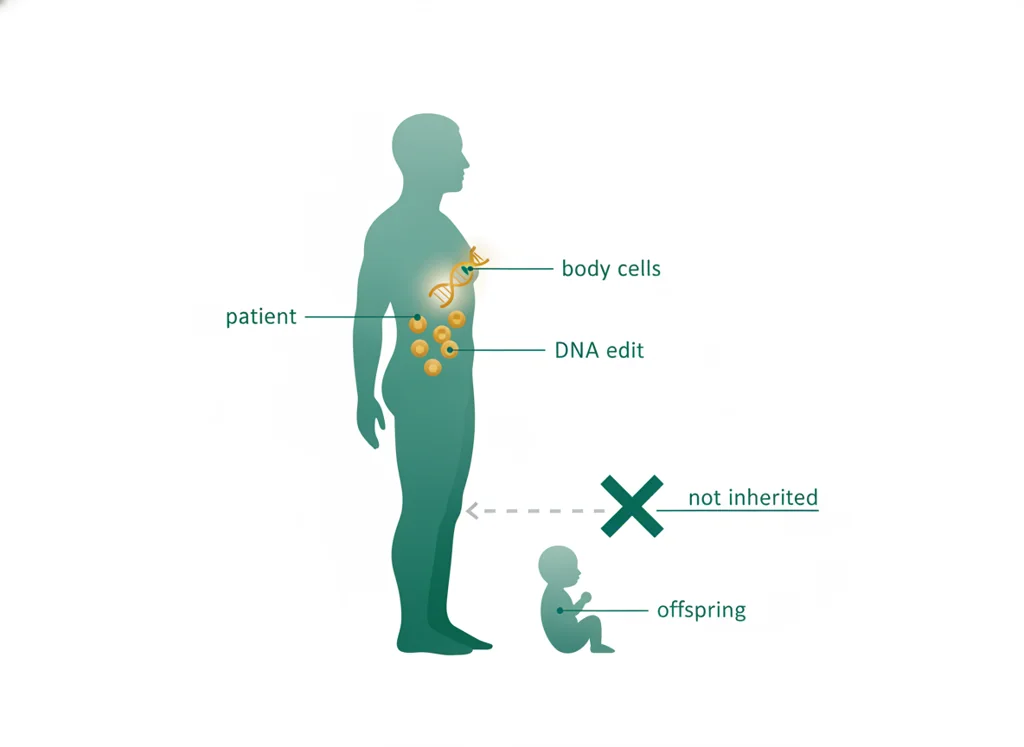
Editing the DNA of one patient's body cells to treat a condition, with the change not passed on to their children.
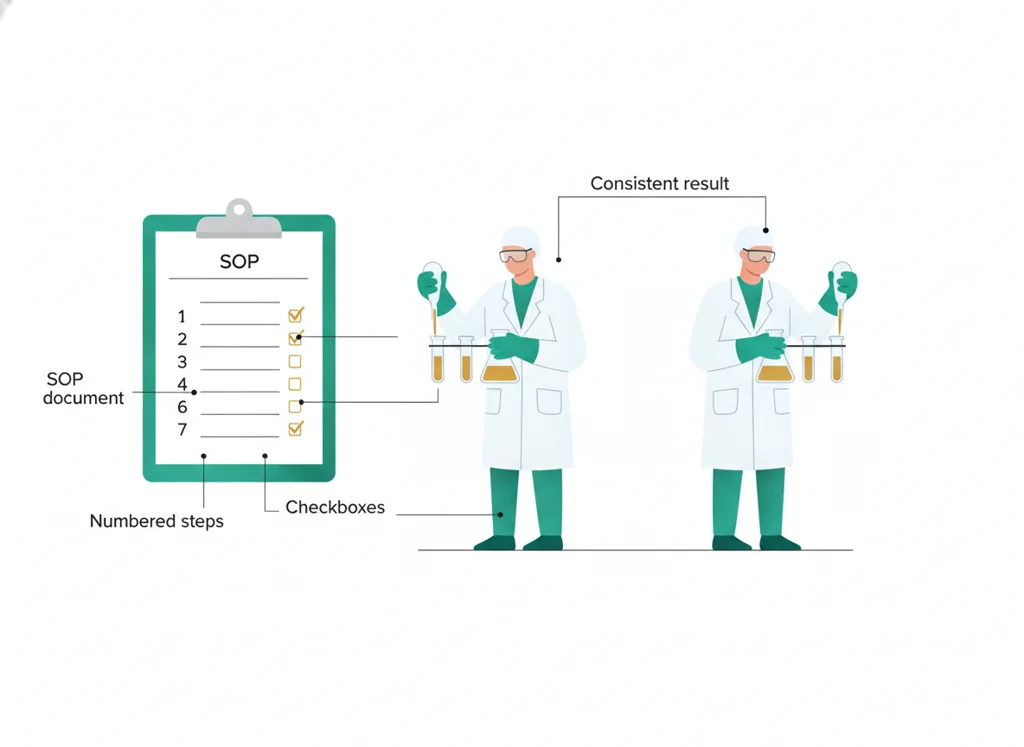
A standard operating procedure, the written step-by-step instructions that ensure a task is done the same correct way every time.
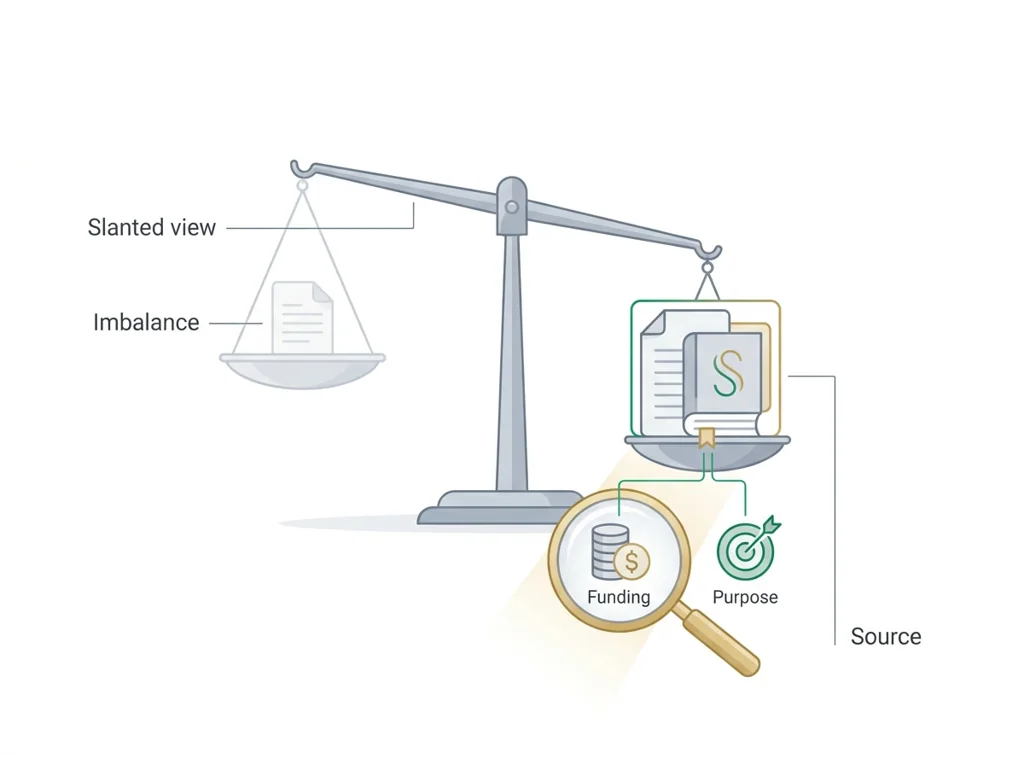
A slant in information that happens when a source favors one viewpoint, often due to its funding, purpose, or who created it.
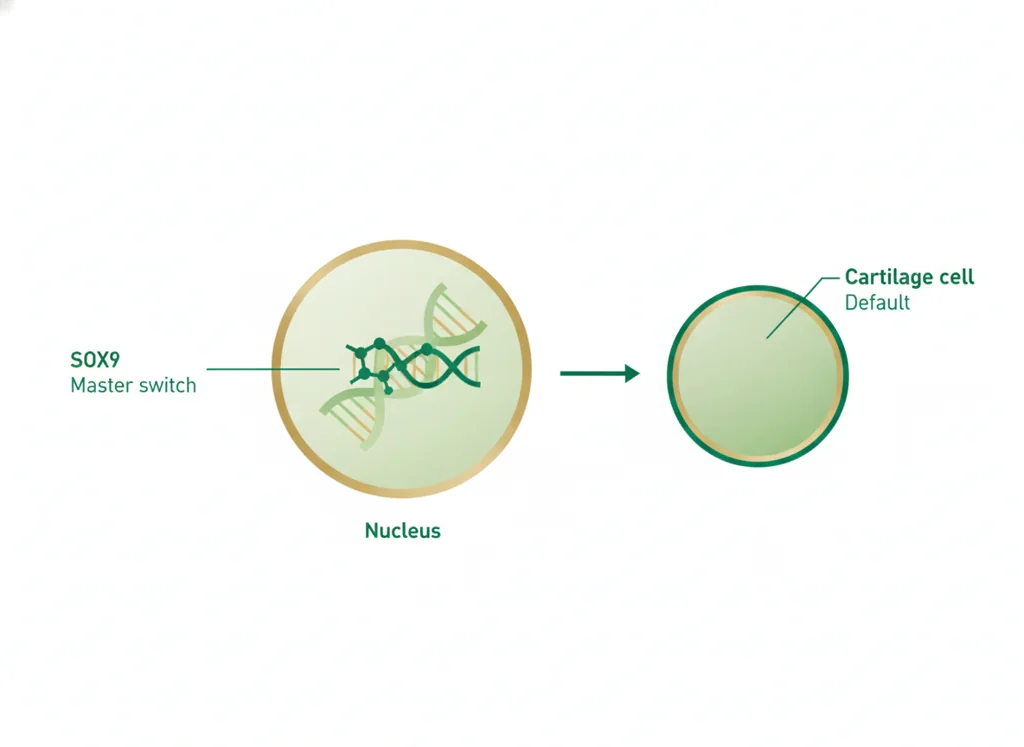
A master gene switch that drives cells to become cartilage, the default setting a cell falls back to without other signals.
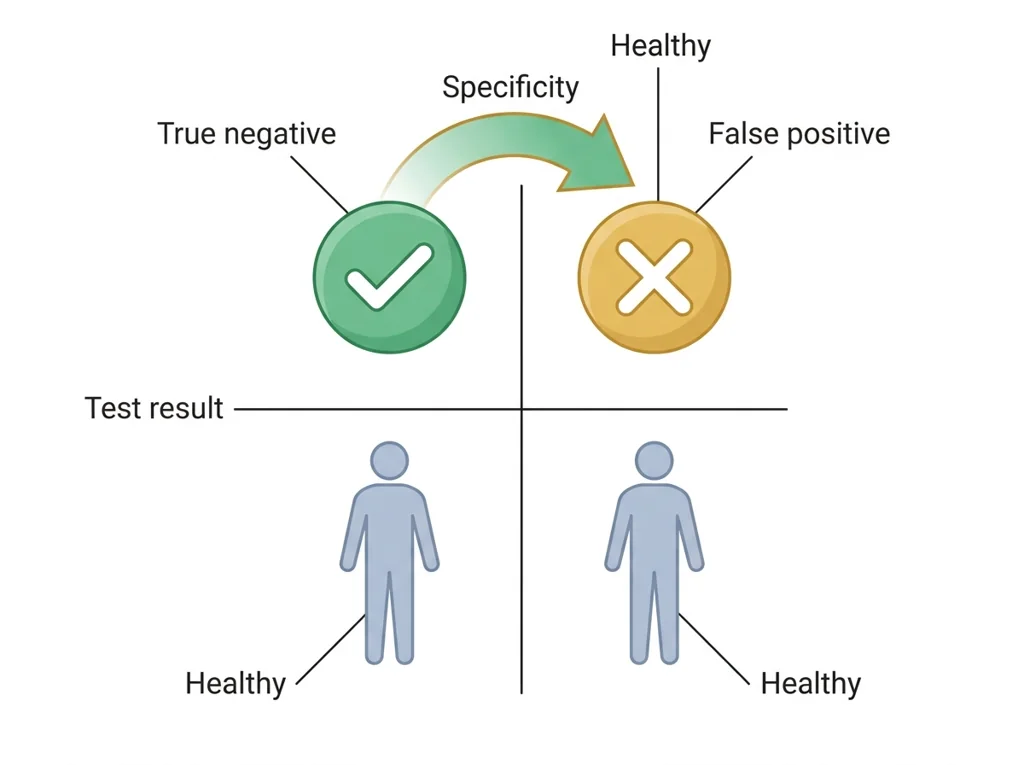
A test's ability to correctly identify people who do not have a condition, giving few false positives.
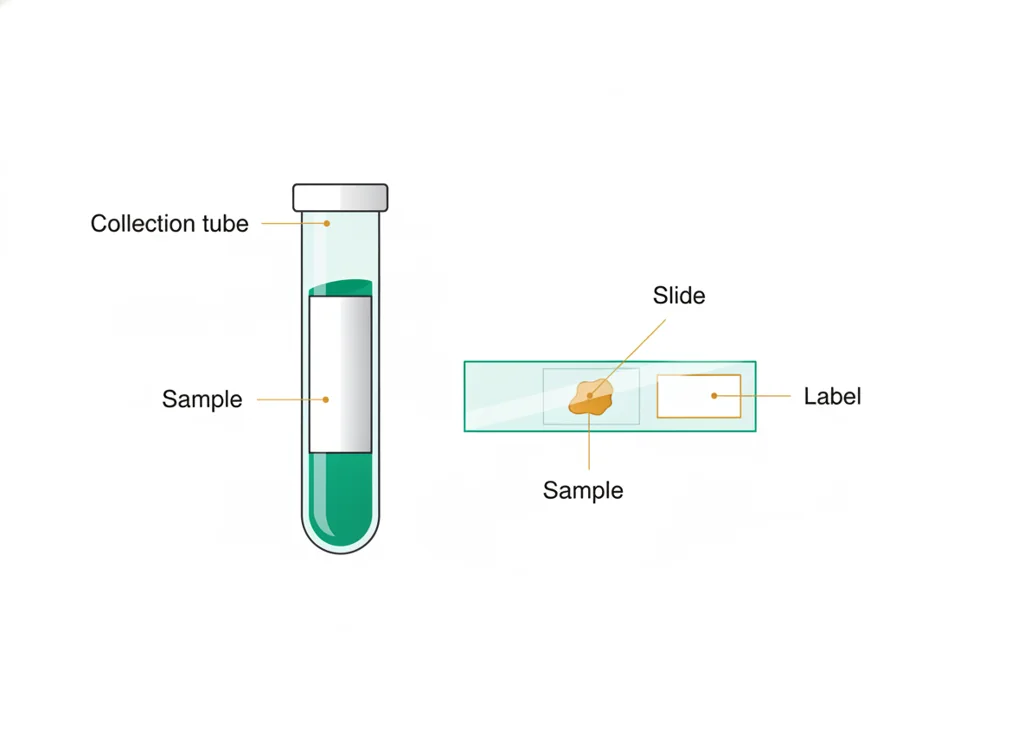
A sample of tissue, blood, or other material collected from a body or environment to be examined or tested.

An instrument that shines light through a sample and measures how much is absorbed at a chosen wavelength to estimate concentration.
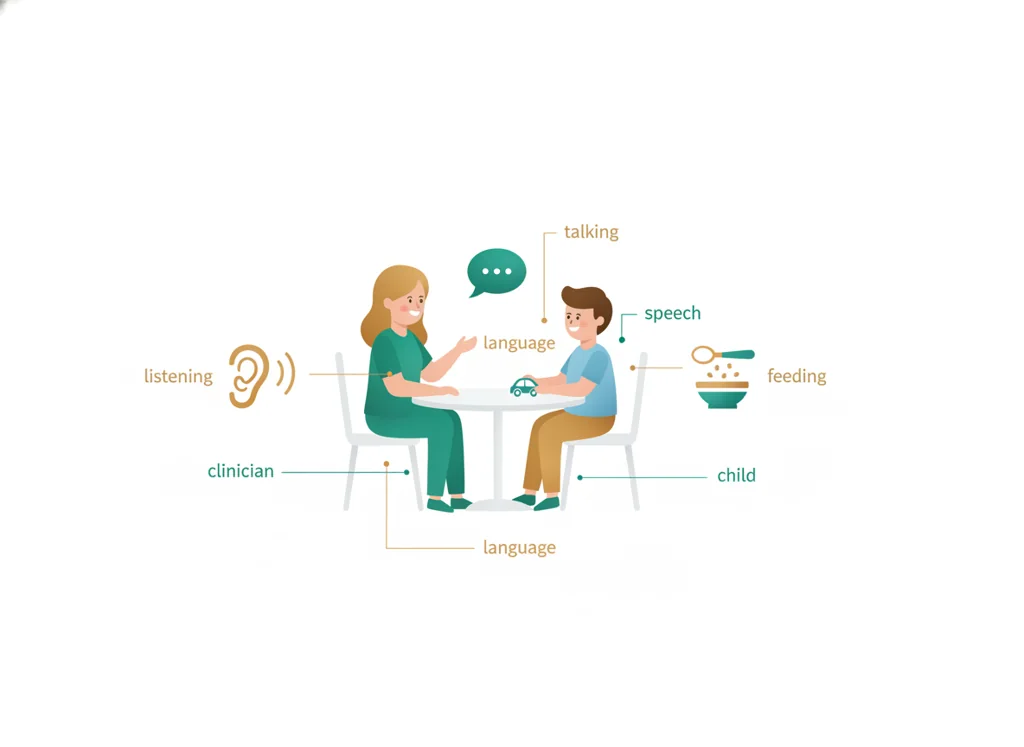
A specialist who evaluates and treats problems with speech, language, and feeding, key for children after cleft repair.
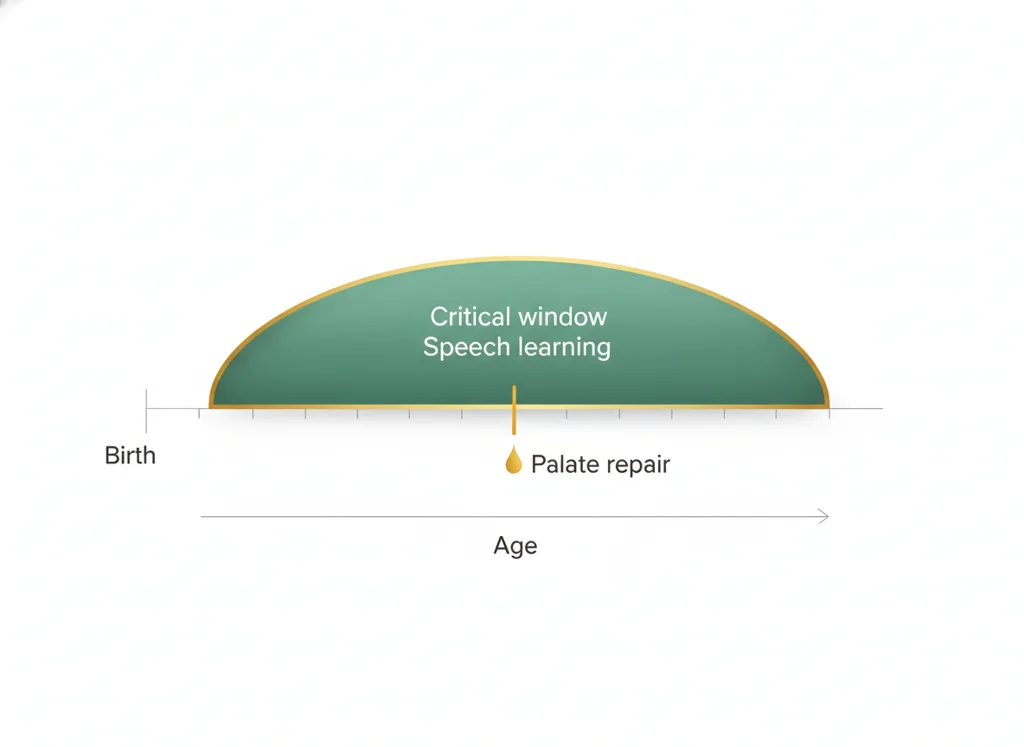
The early childhood period when the brain learns speech and language fastest, making timely cleft palate repair important for clear speech.
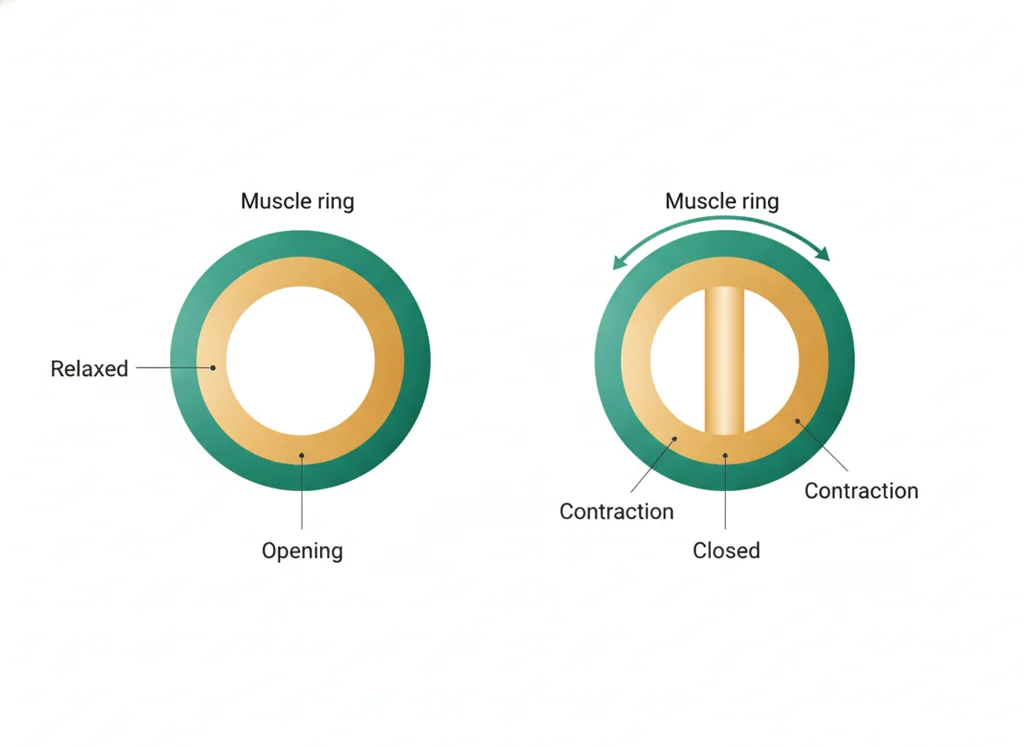
A ring of muscle that tightens to close an opening and relaxes to open it, such as the muscle ring that seals the throat during speech.
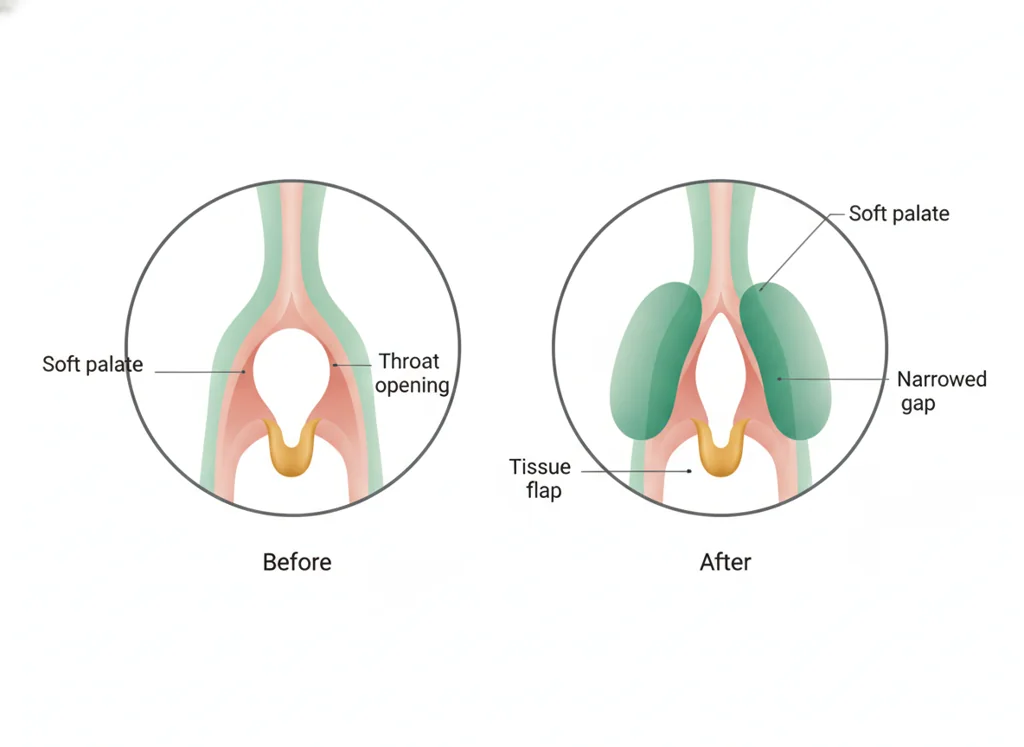
A surgery that narrows the opening between the throat and nose so the palate can close it during speech, reducing nasal air leak.
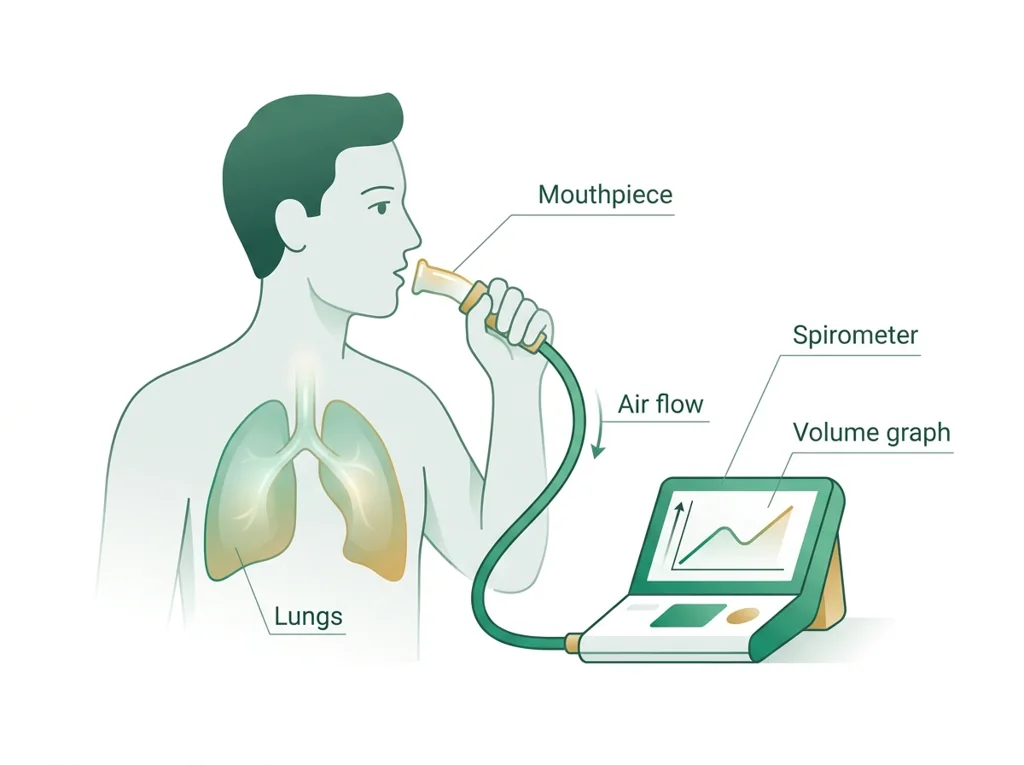
A breathing test that measures how much air a person can move in and out of the lungs and how fast, used to assess lung function.
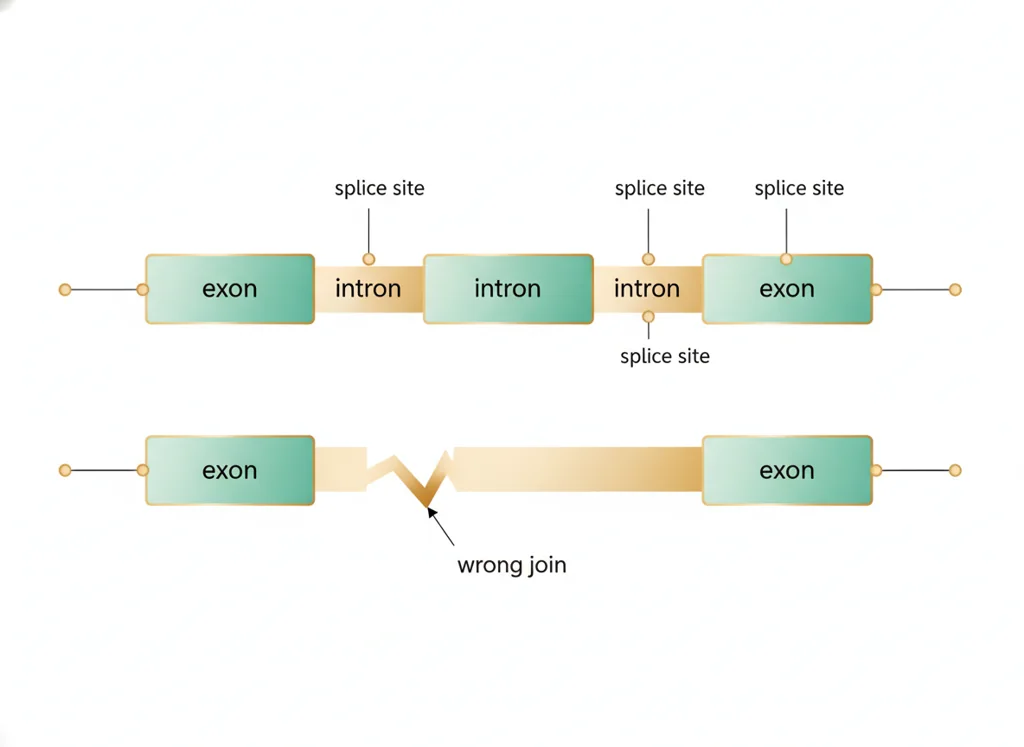
A change at an intron and exon boundary that disrupts mRNA splicing, so the wrong pieces are joined and the protein is altered.
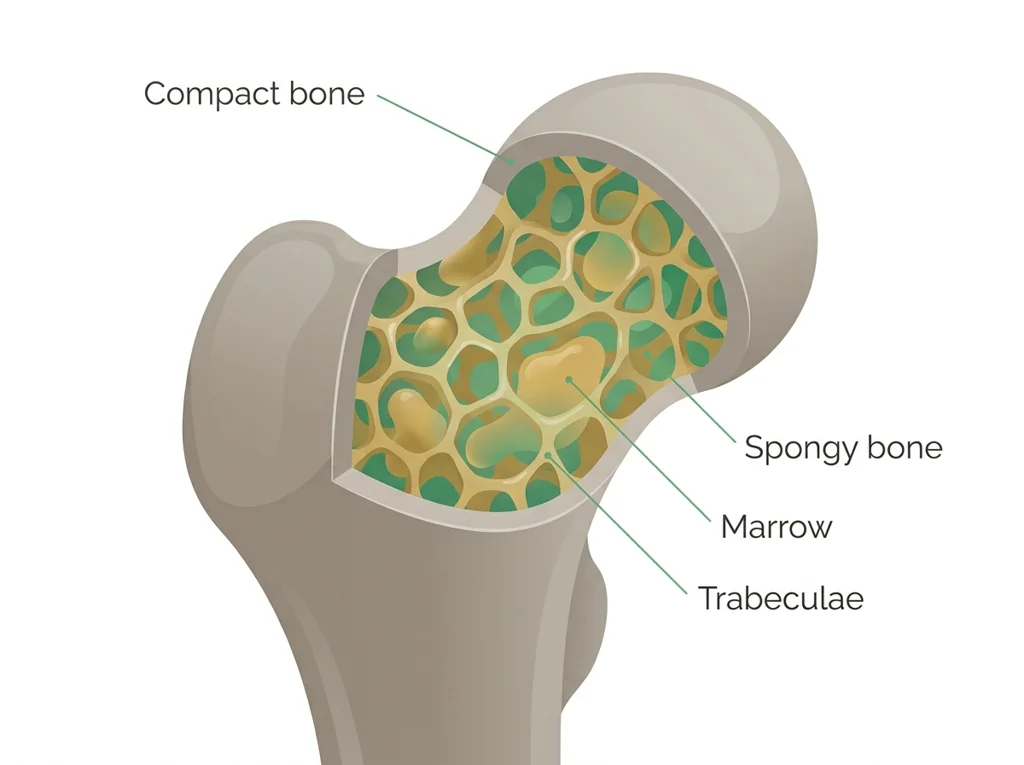
The lightweight inner bone tissue made of a lattice of bony struts called trabeculae, often filled with marrow and found at the ends of long bones.

A plating method where a measured volume of liquid sample is spread evenly over the whole agar surface, so colonies come up separated and countable.
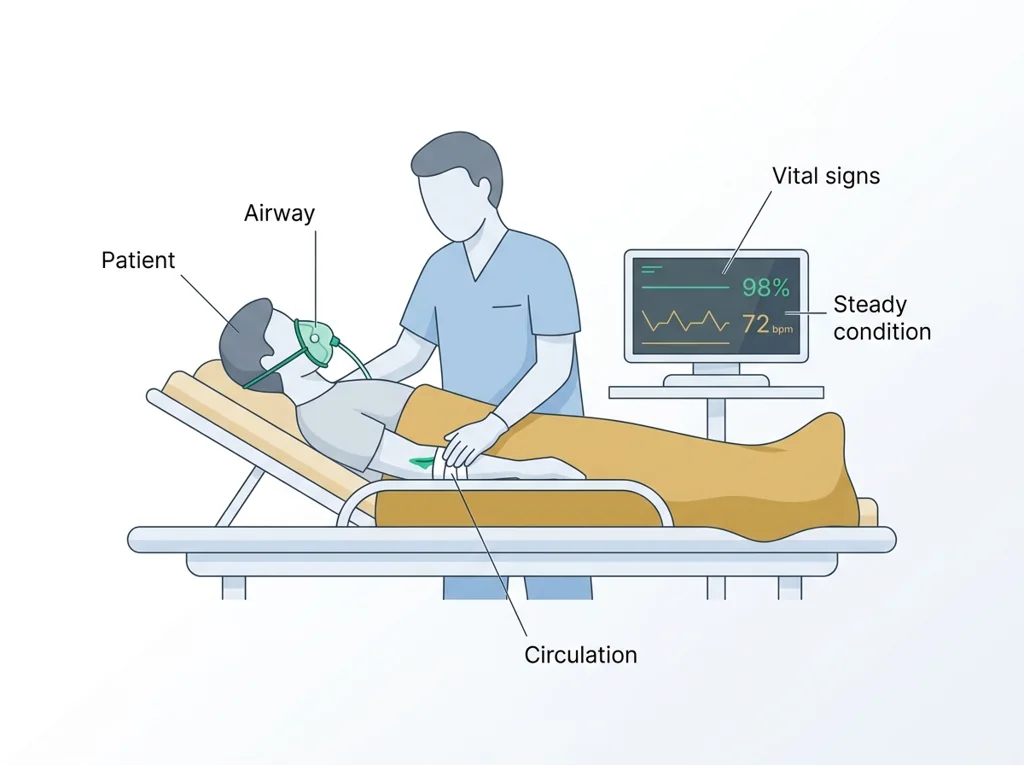
The emergency care that keeps a patient's vital functions steady, such as breathing and circulation, so their condition does not worsen before further treatment.
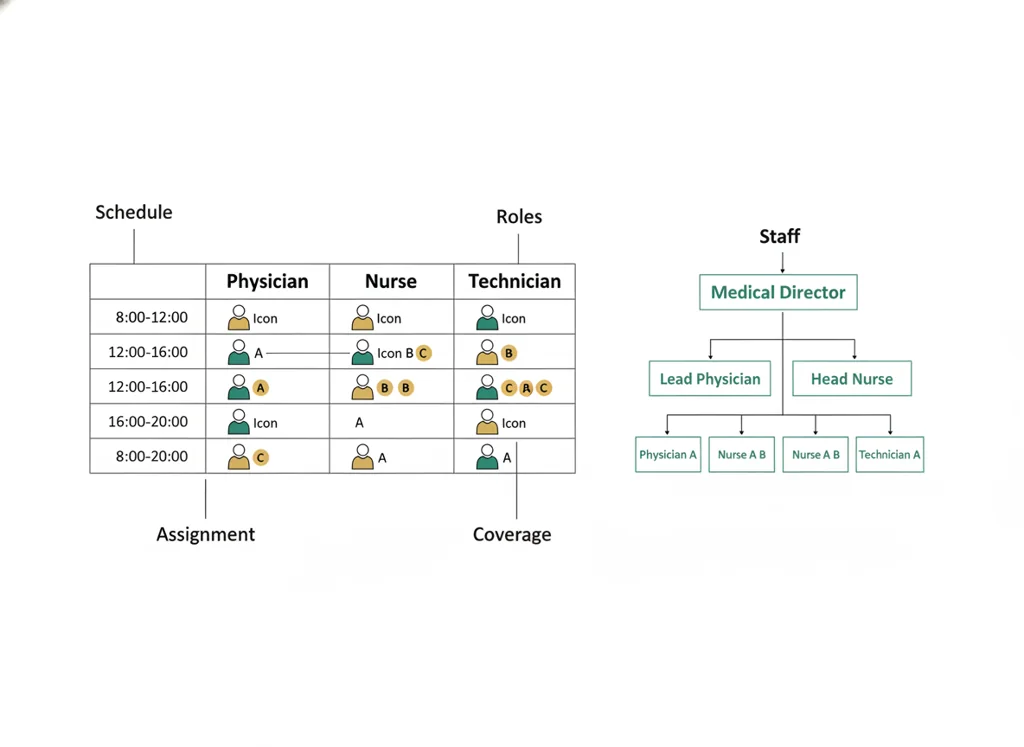
The process of determining how many workers with which skills are needed and assigning them to cover the work of an organization.
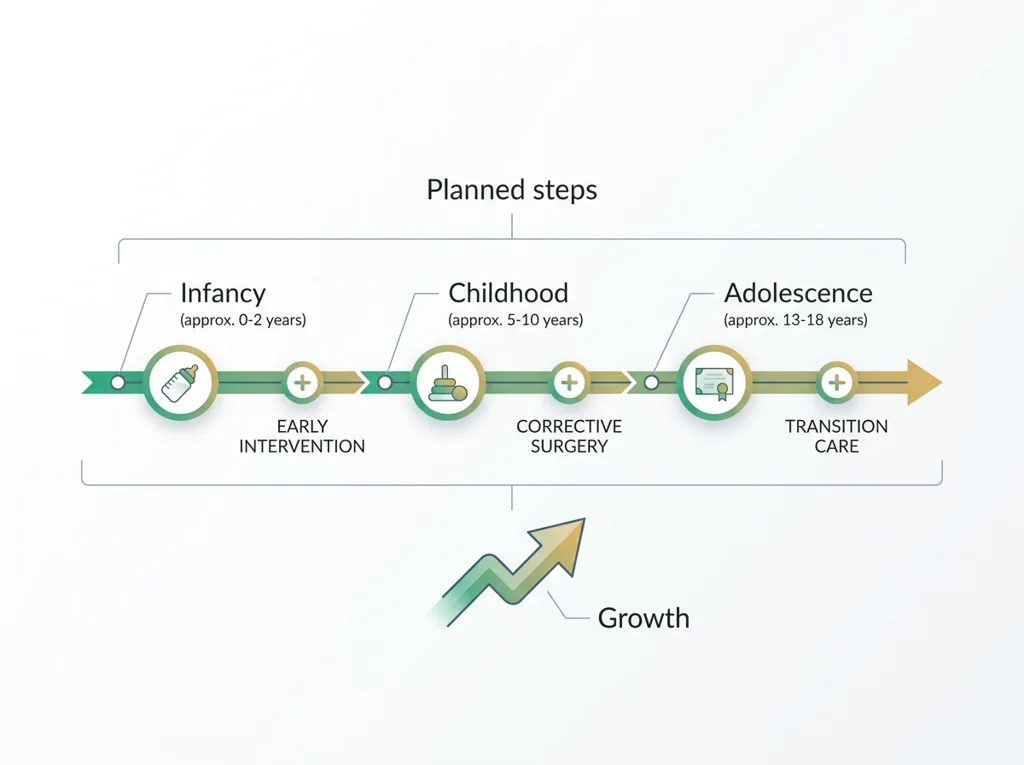
A treatment plan delivered in planned steps across years, matching each procedure to the right point in a child's growth.
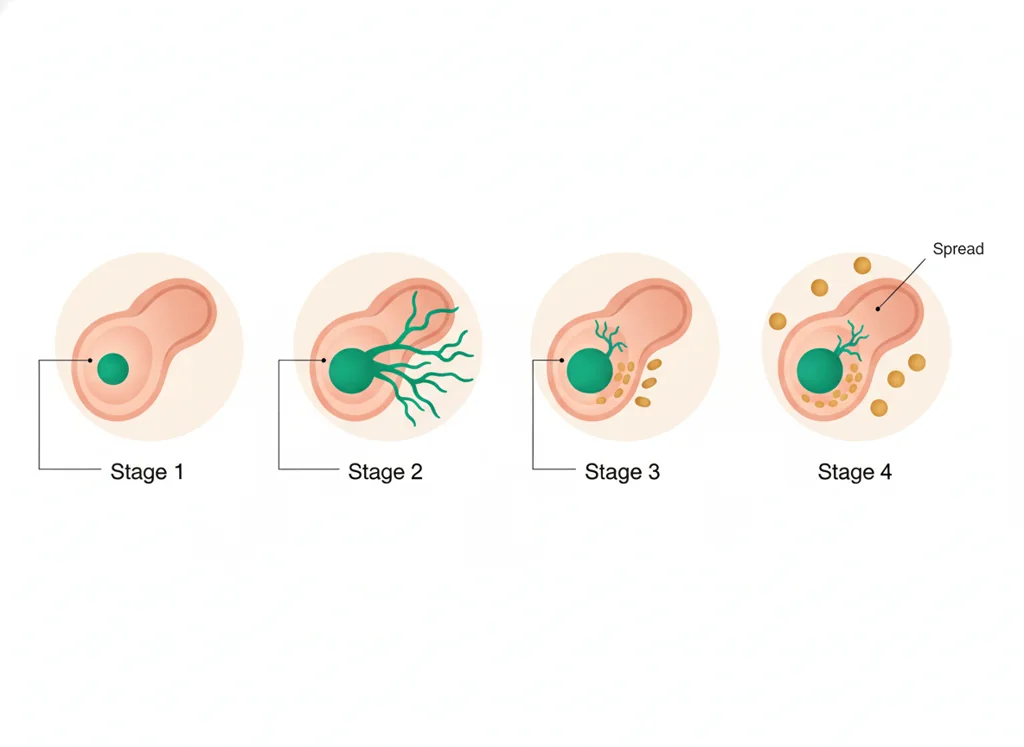
Classifying how far a cancer has grown and spread, which guides treatment choices and predicts likely outcomes.
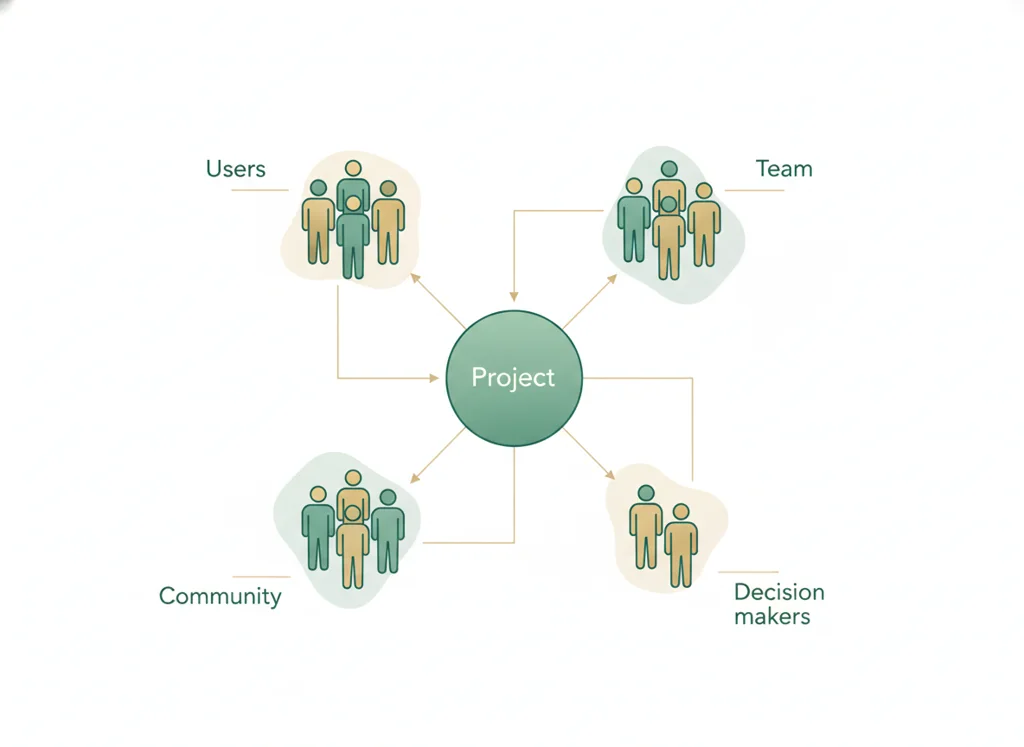
Any person or group affected by a project or decision, such as users, patients, families, or the team building a solution.
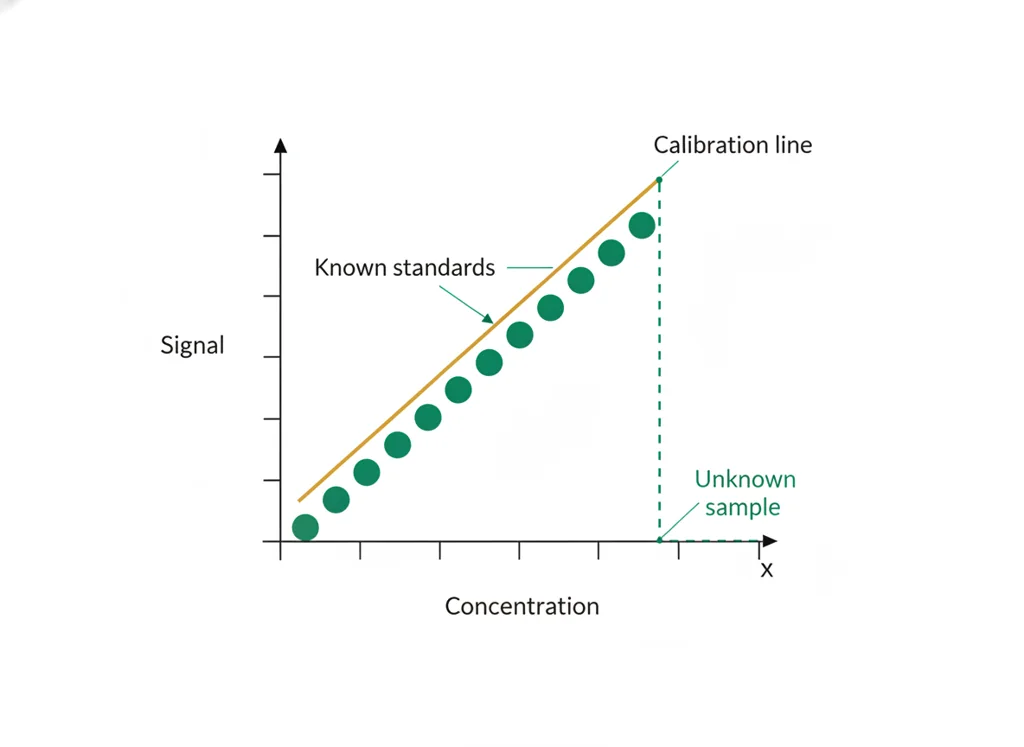
A graph made from samples of known concentration, used to read off the unknown concentration of a test sample from its measured signal.
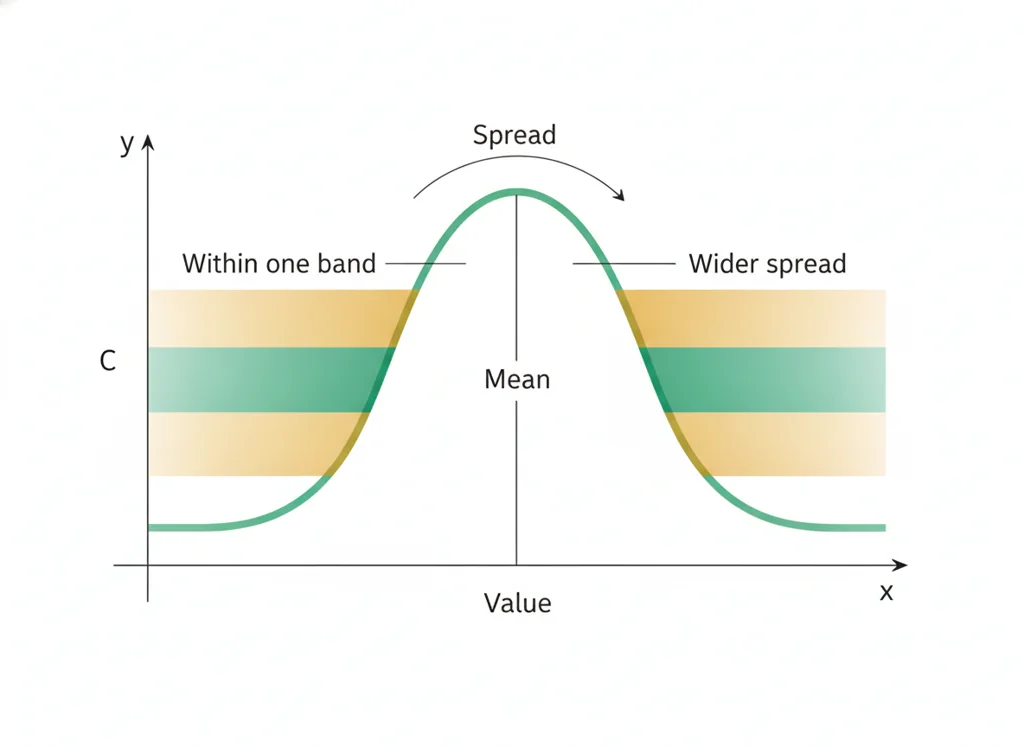
A number that measures how spread out data values are around the mean; a small value means values cluster tightly, a large value means they scatter.
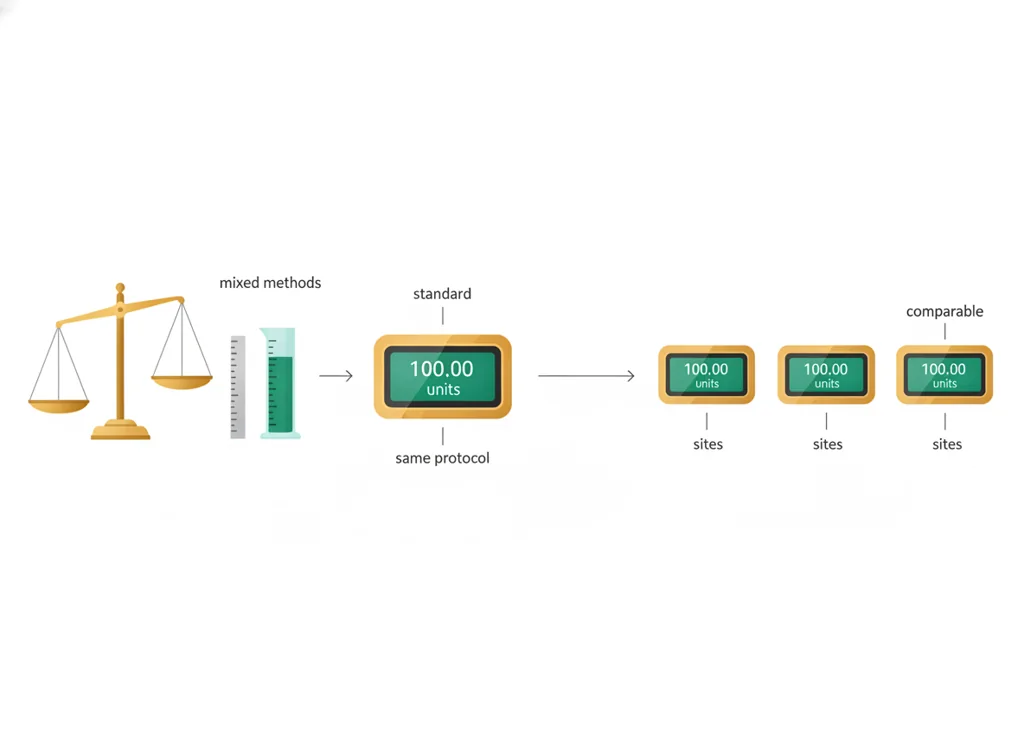
Making methods, measurements, or definitions the same across a study or site, so results can be fairly compared.
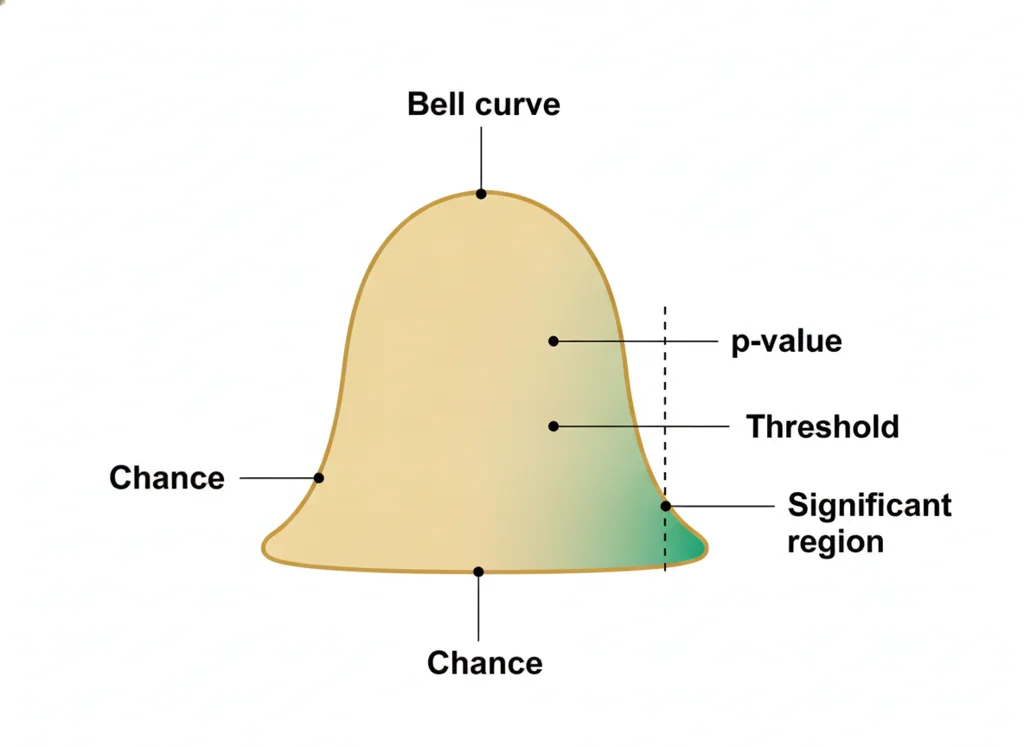
A result unlikely to be due to chance, often shown by a p-value below a set threshold such as 0.05.
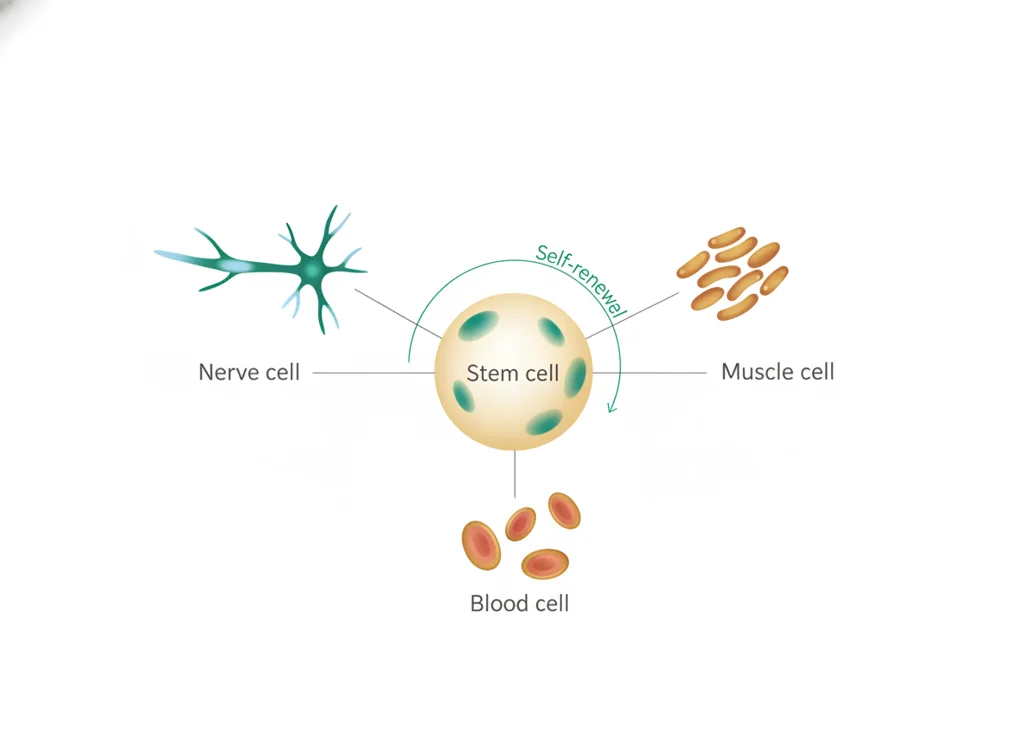
An unspecialized cell that can divide to renew itself and develop into different specialized cell types the body needs.
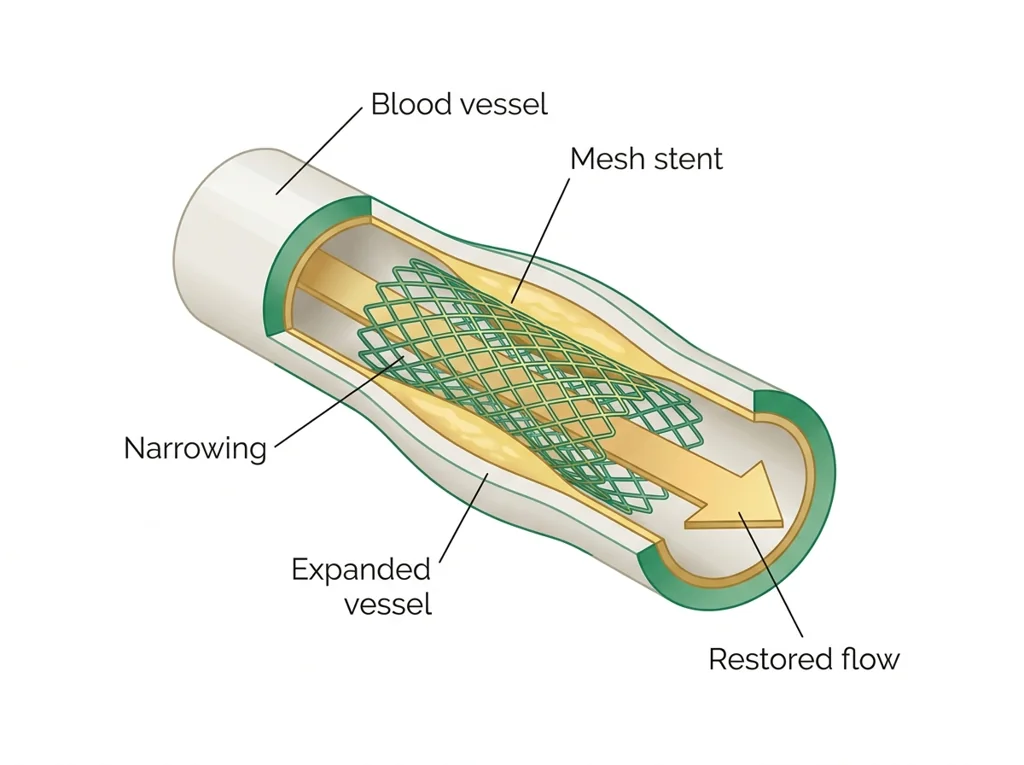
A small mesh tube placed inside a narrowed or blocked vessel or duct to hold it open and keep fluid flowing.

The working area kept free of living microbes during a procedure. Anything that touches it must be sterile, and anything that leaves it is no longer trusted.
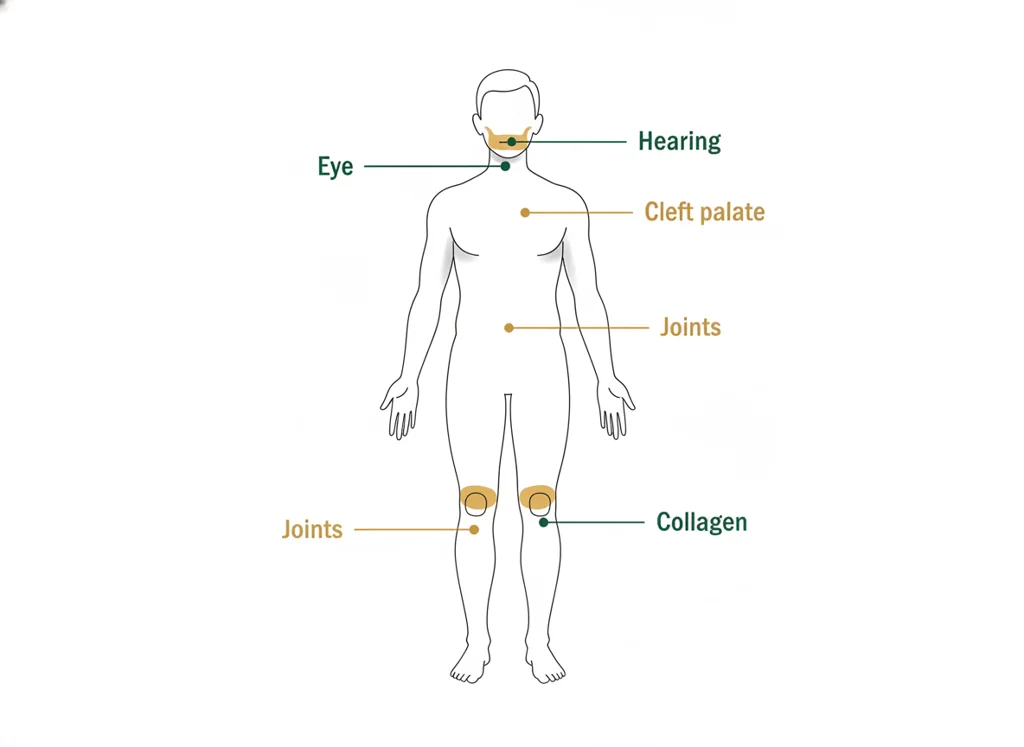
An inherited collagen disorder that often pairs cleft palate with severe nearsightedness, joint problems, and hearing loss.
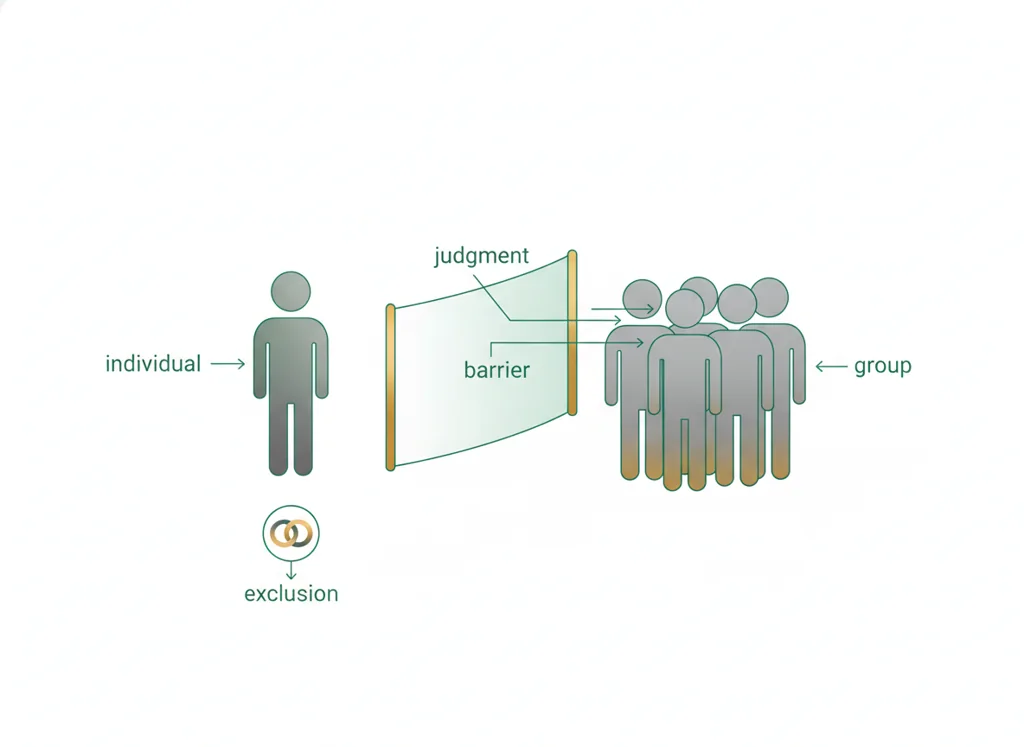
Unfair negative judgment or social shame directed at a person because of a visible difference or health condition.
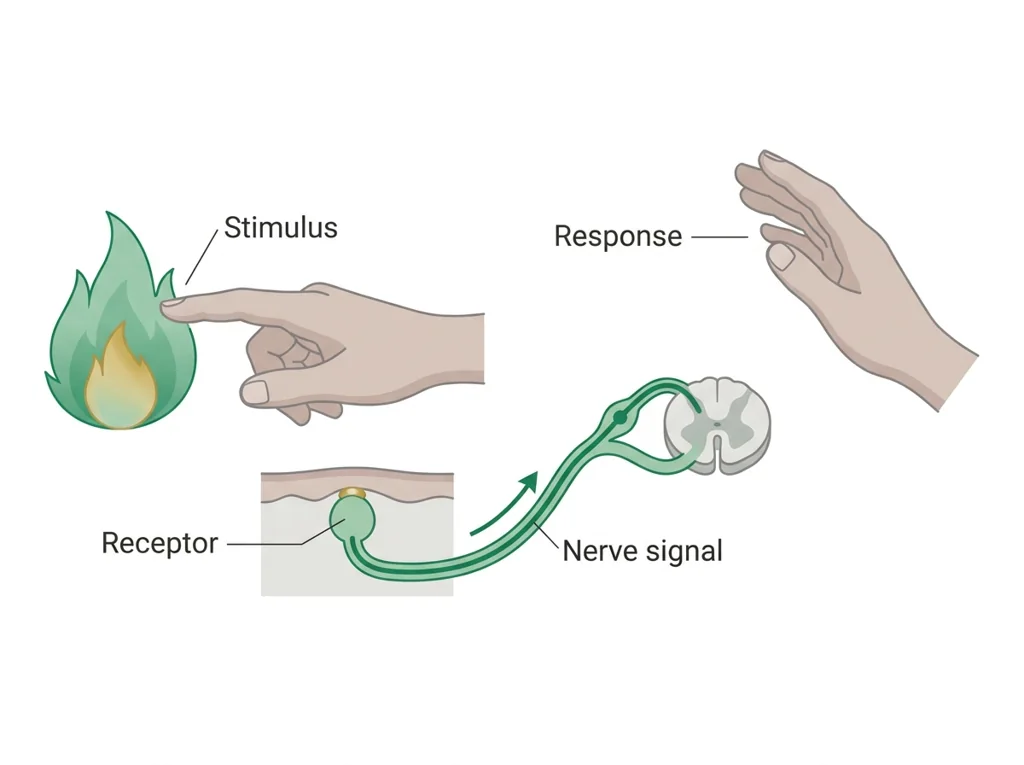
Any change in the environment, such as light, sound, or temperature, that a living thing can detect and respond to.
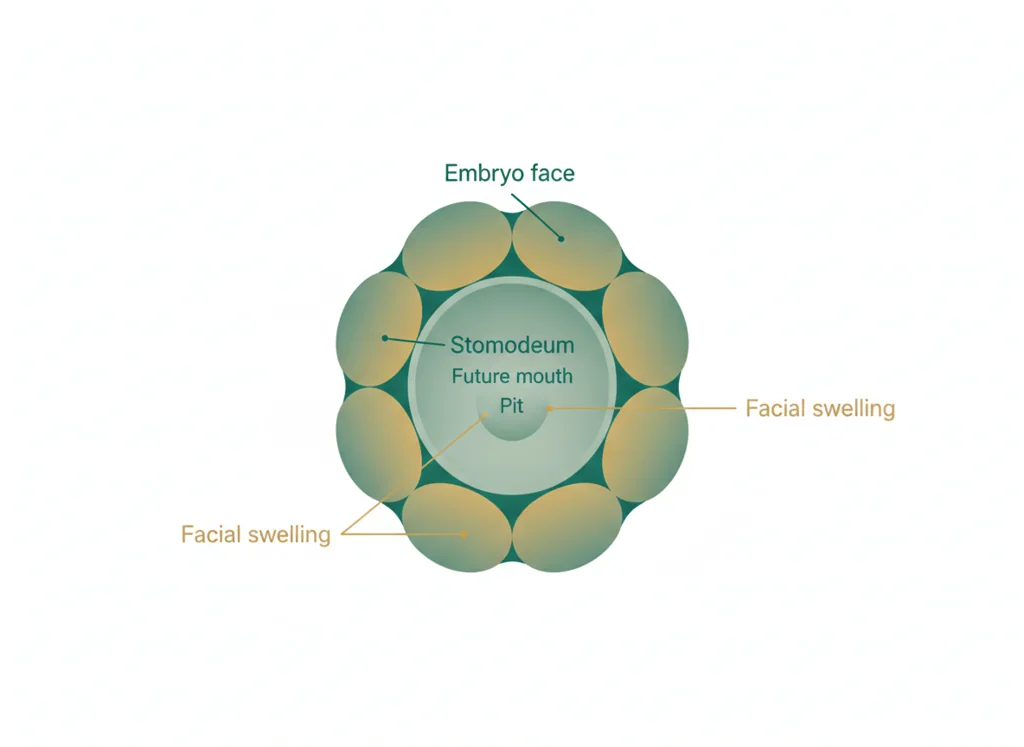
The shallow pit on the front of the early embryo that becomes the opening of the mouth as the face takes shape.
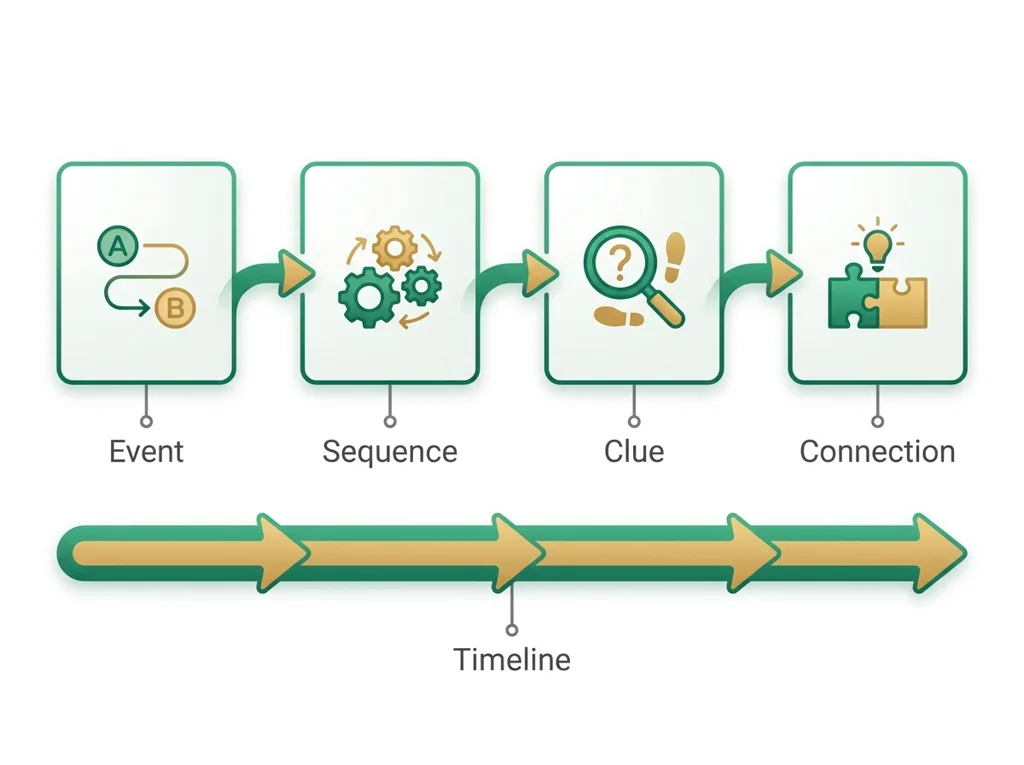
A visual layout that lays out the key events of a case or narrative in order, helping connect clues into a clear sequence.
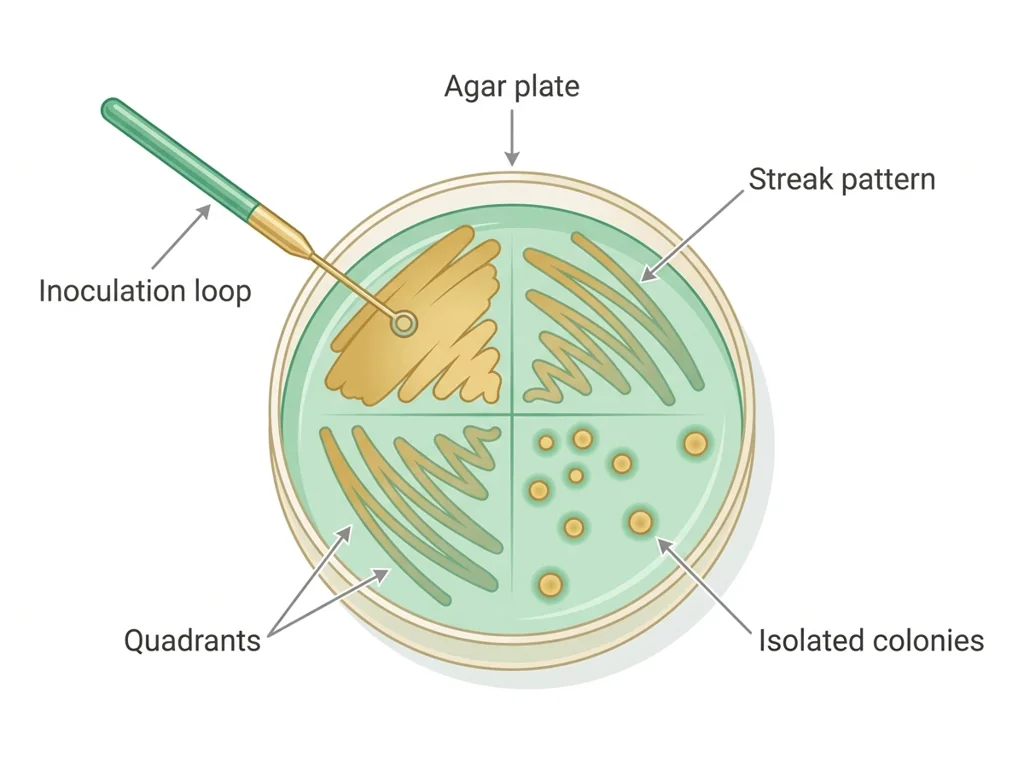
A method of spreading bacteria thinly across an agar plate in stages so that single cells grow into separate, isolated colonies.
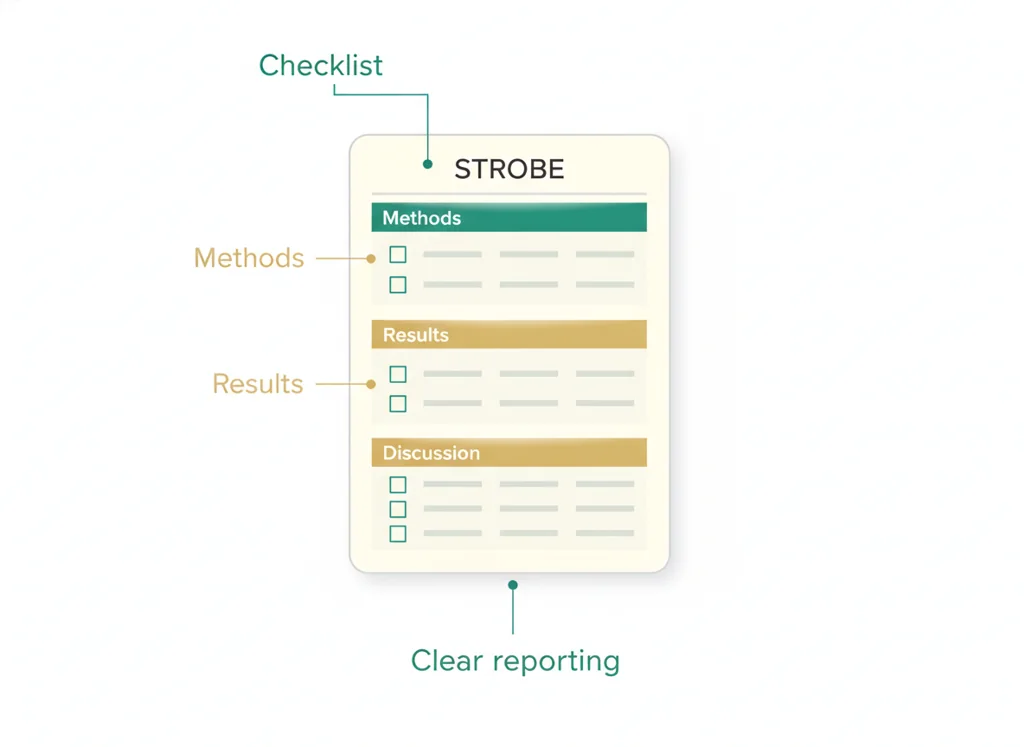
A standard checklist that guides researchers on how to clearly and fully report observational studies in medicine.
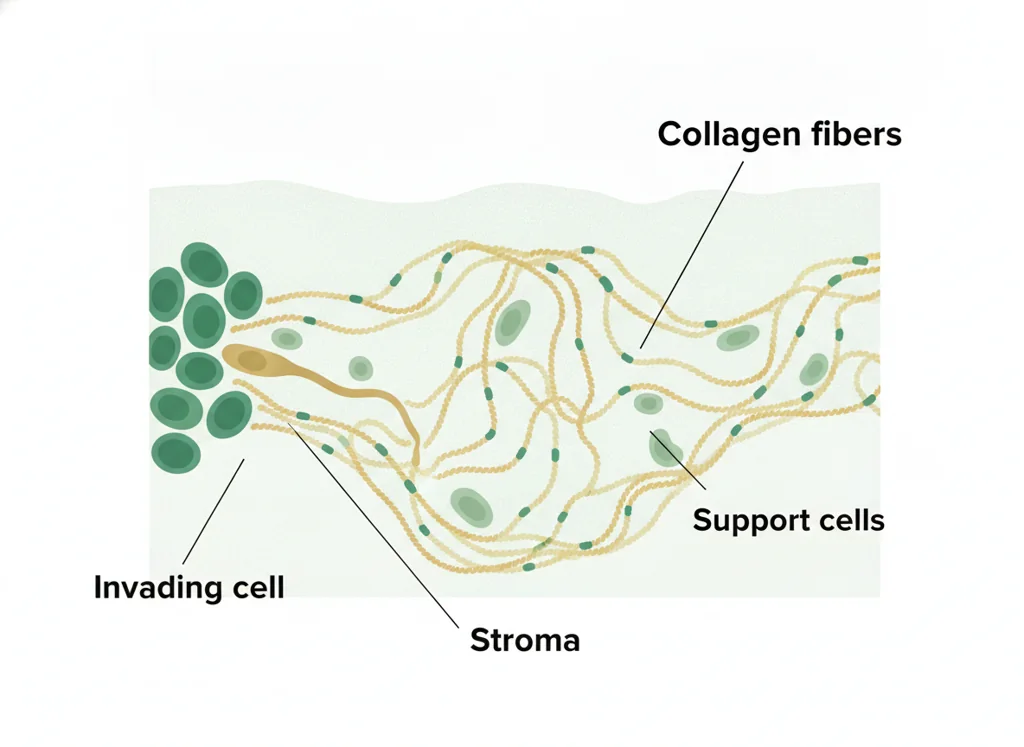
The supportive tissue and matrix that surrounds and holds cells in place, the framework an invading cell must push into.
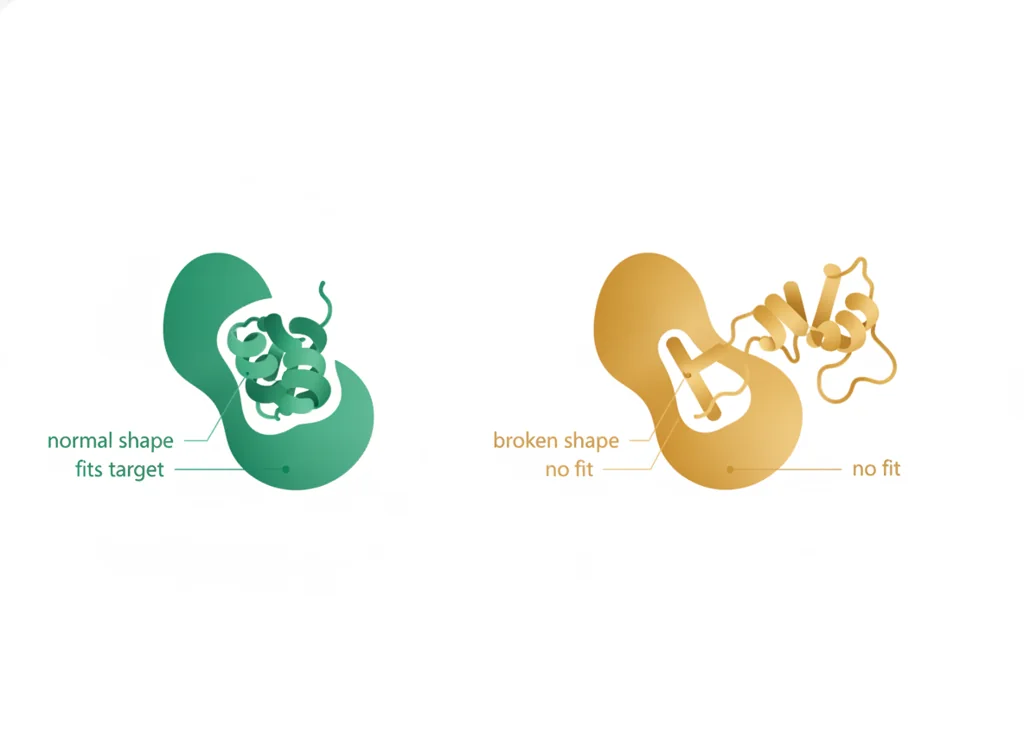
The principle that a molecule's three-dimensional shape determines what it can do, so breaking the shape breaks the job.
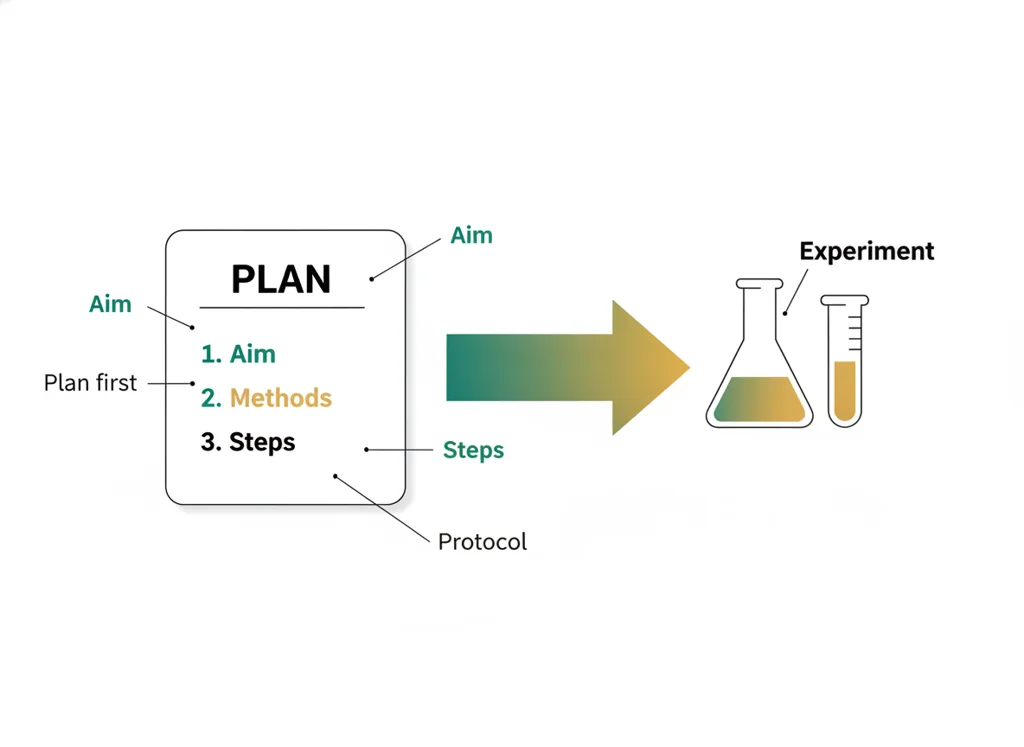
The detailed written plan for a study that sets the question, methods, and steps before any data are collected.

Moving some cells from an existing culture into fresh medium so growth continues before the food runs out or waste builds up.
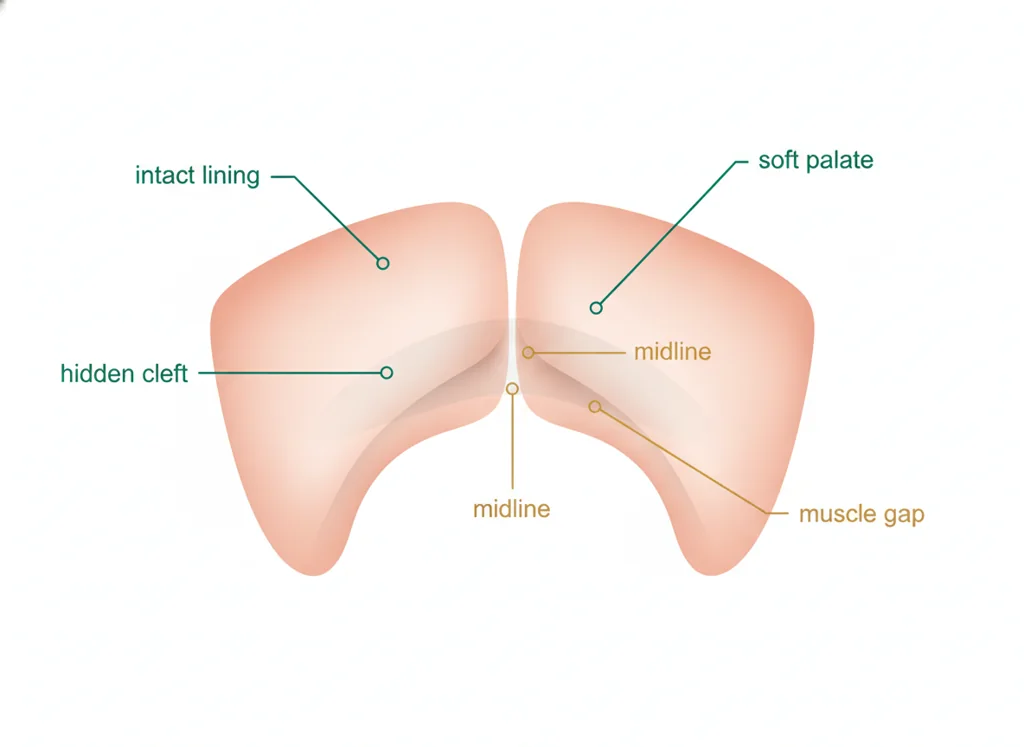
A hidden cleft where the palate muscles fail to join in the midline even though the overlying lining looks intact.
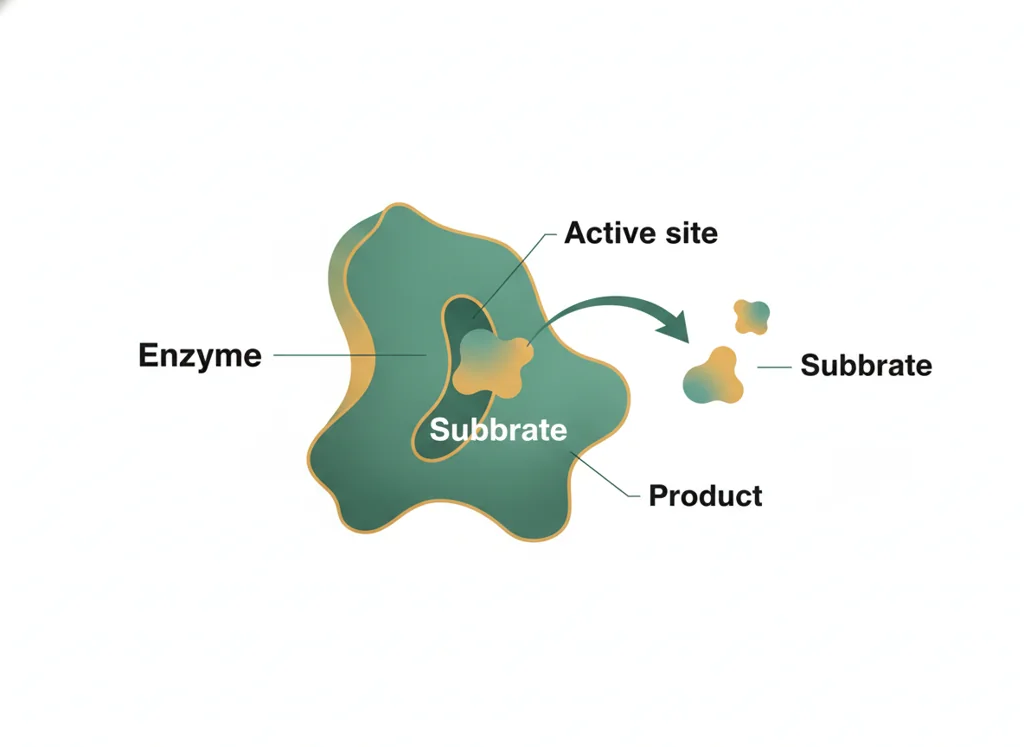
The specific molecule an enzyme acts on, fitting into the enzyme's active site so it can be changed into a product.
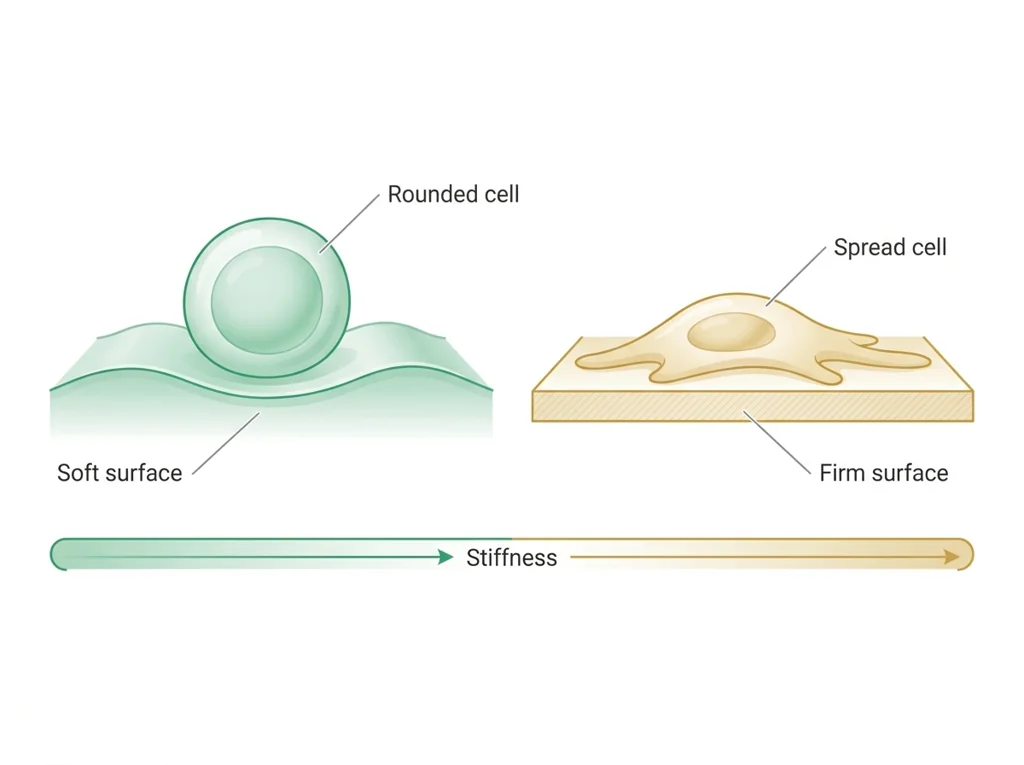
How hard or soft the surface beneath a cell is, ranging from soft like fat tissue up to firm like forming bone.
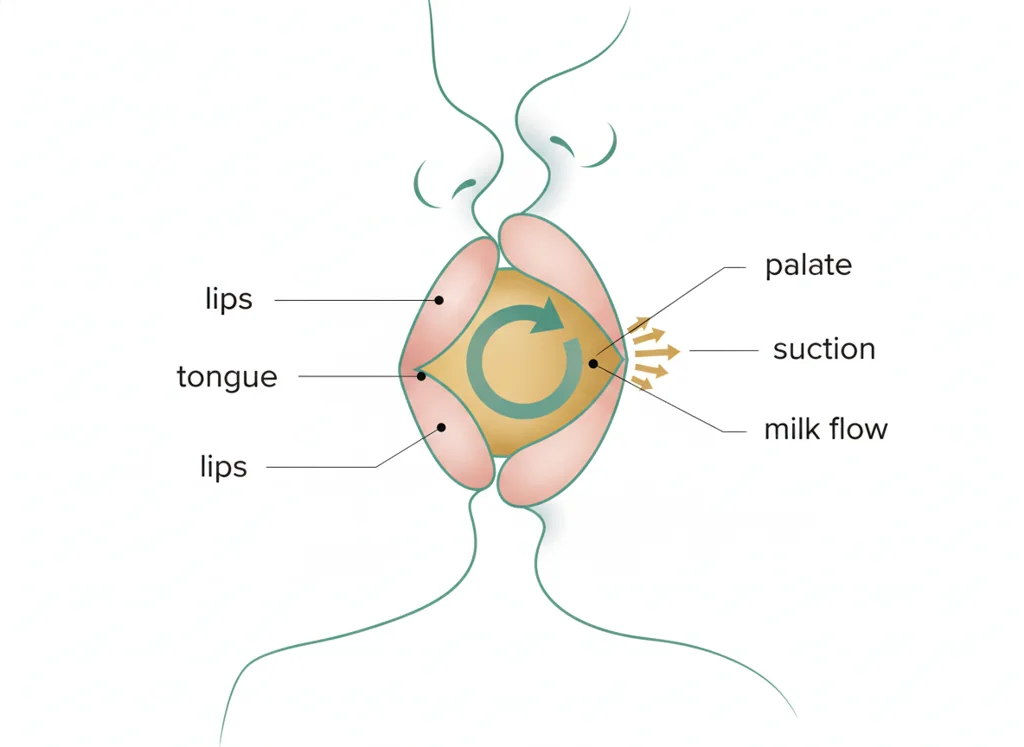
An infant's ability to create suction with the lips and palate to draw milk, which a cleft can disrupt.
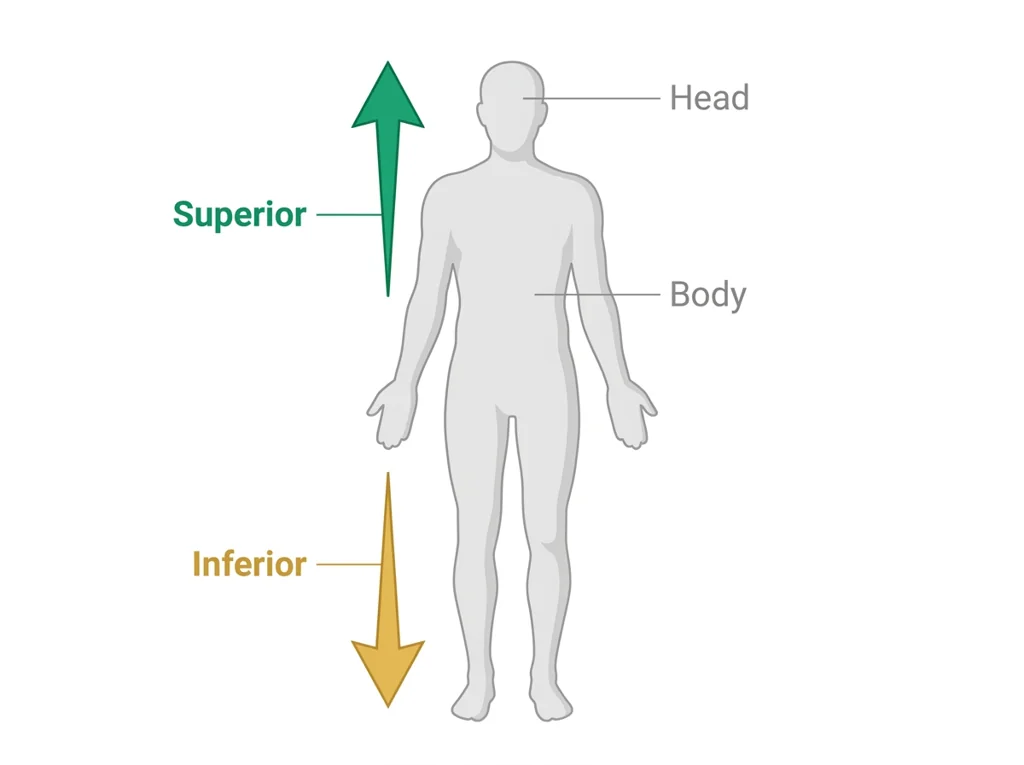
An anatomical direction meaning toward the head or upper part of the body, the opposite of inferior.
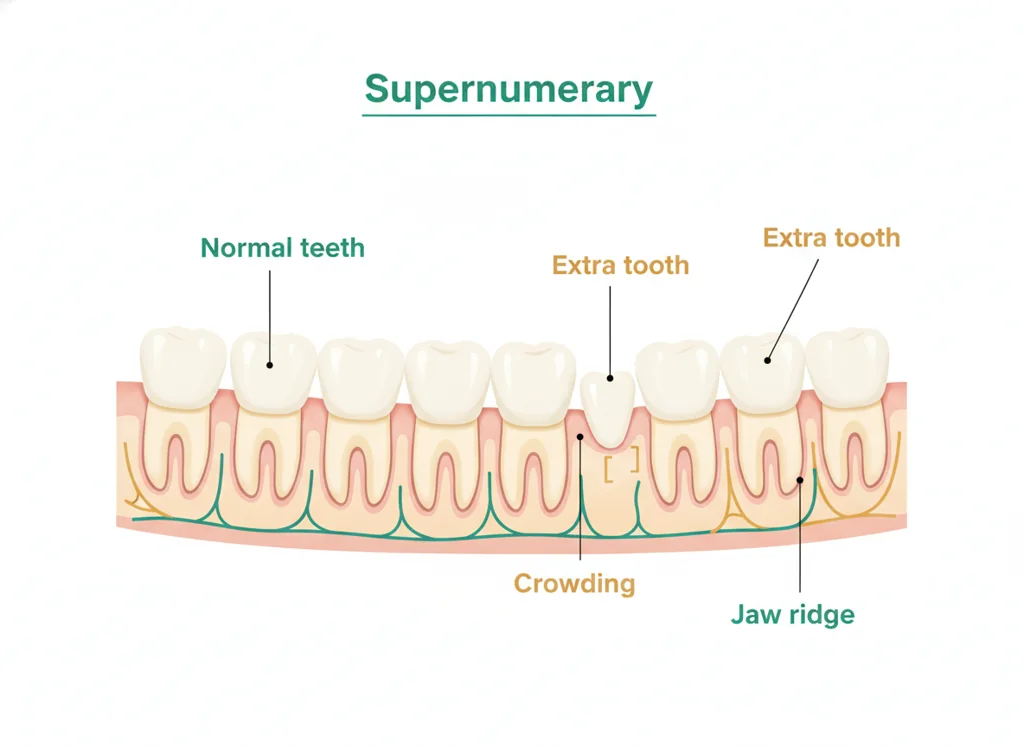
An extra tooth beyond the normal count, which can appear near a cleft and crowd or block the regular teeth.
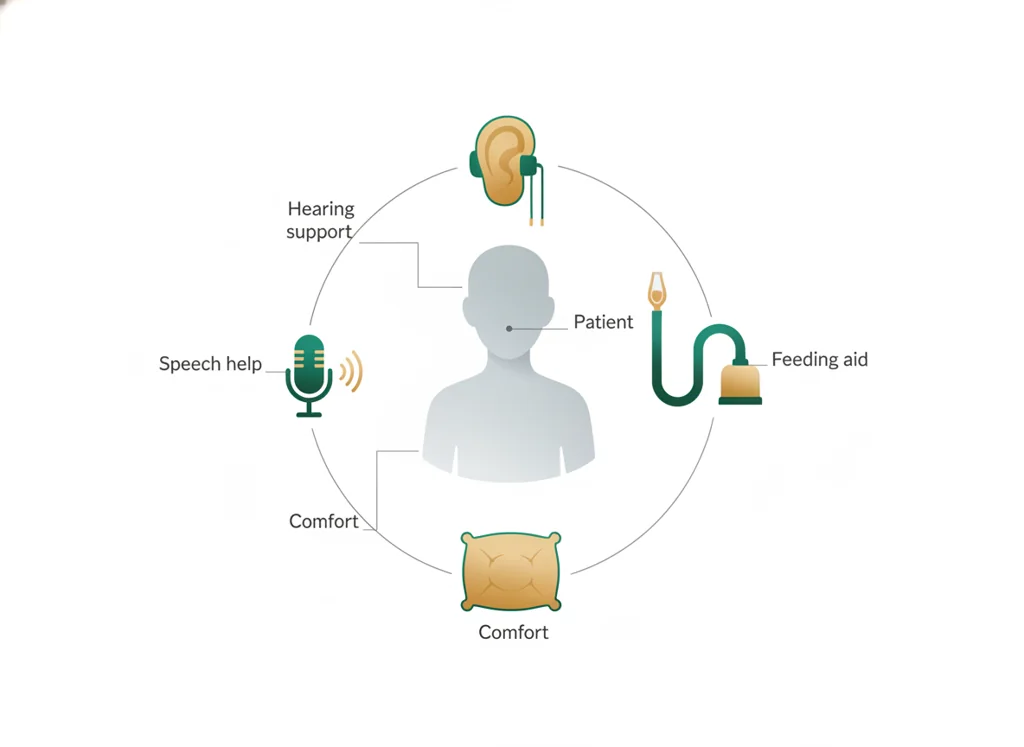
Care aimed at easing symptoms and helping daily function, such as feeding aids and hearing support, alongside the main treatment.
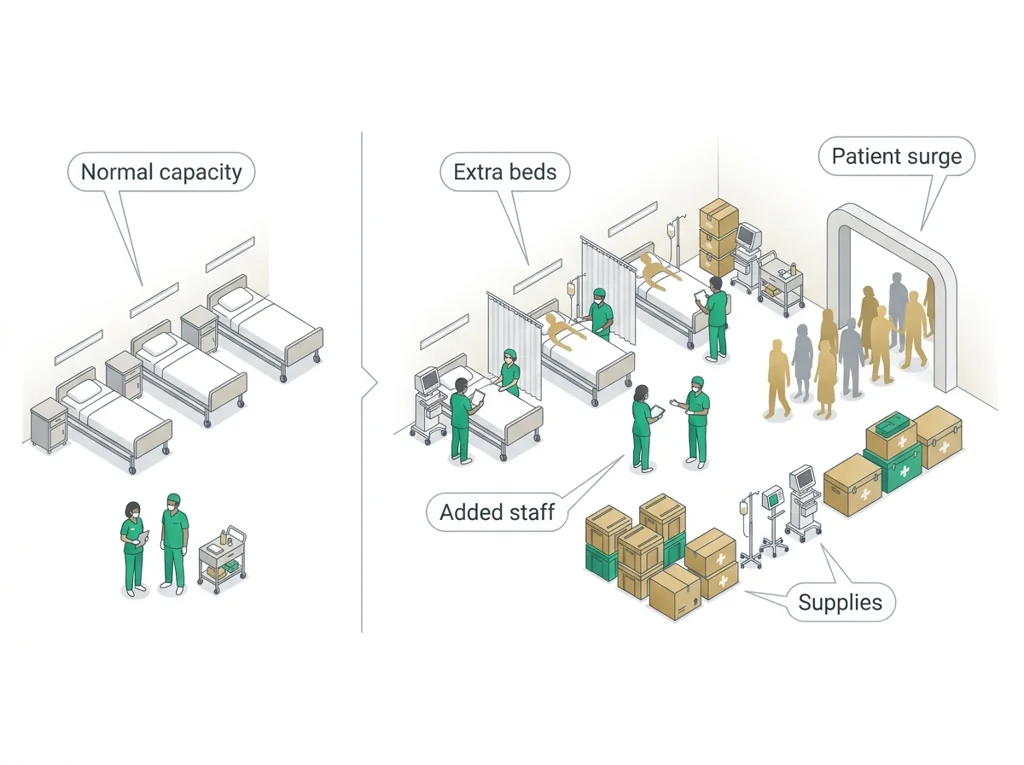
A health system's ability to rapidly expand staff, beds, and supplies to handle a sudden jump in patients during an emergency or outbreak.
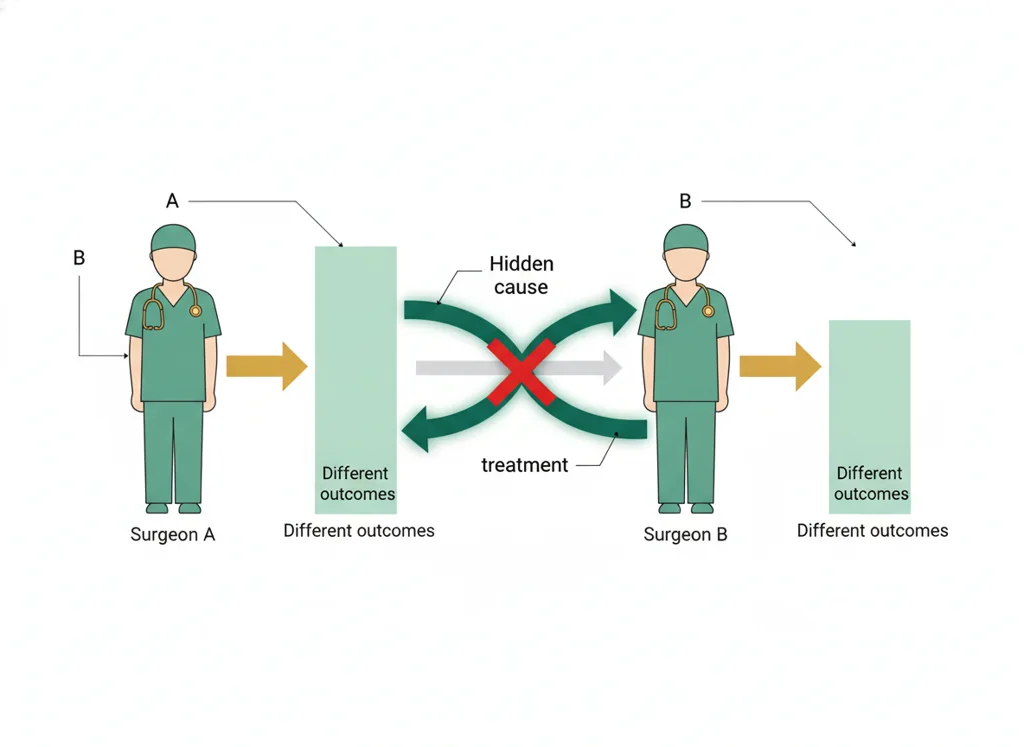
A study bias where differences in patient outcomes come from which surgeon operated rather than from the treatment being tested.
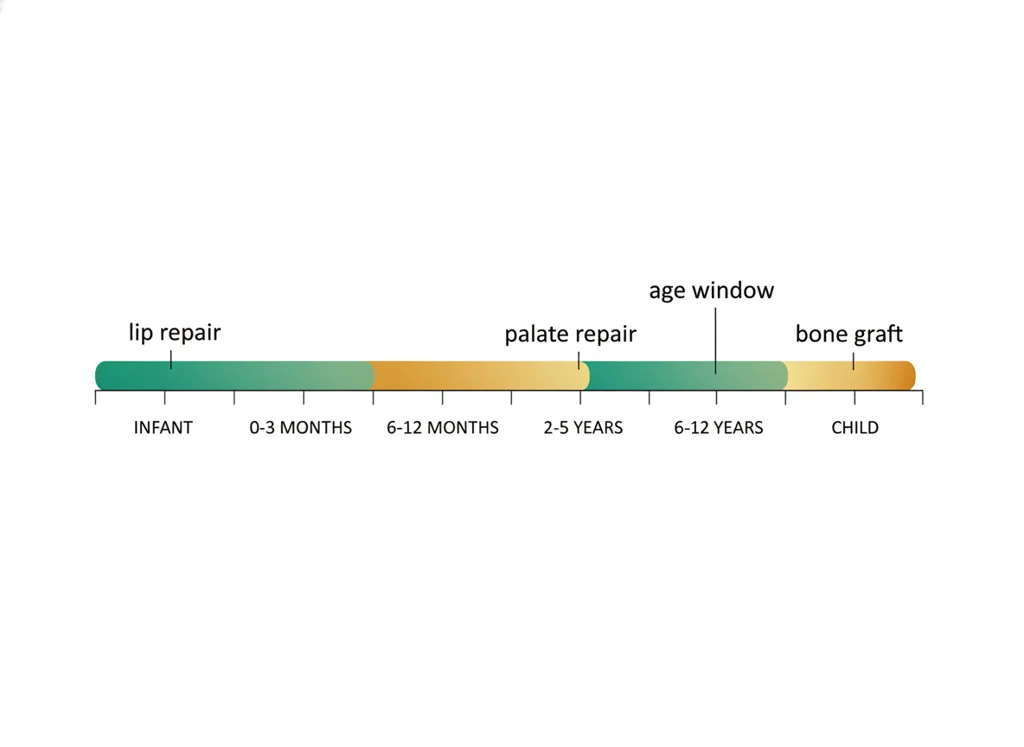
Choosing the best age to perform a repair, balancing growth, speech, and healing, such as lip repair in infancy and palate repair before speech.
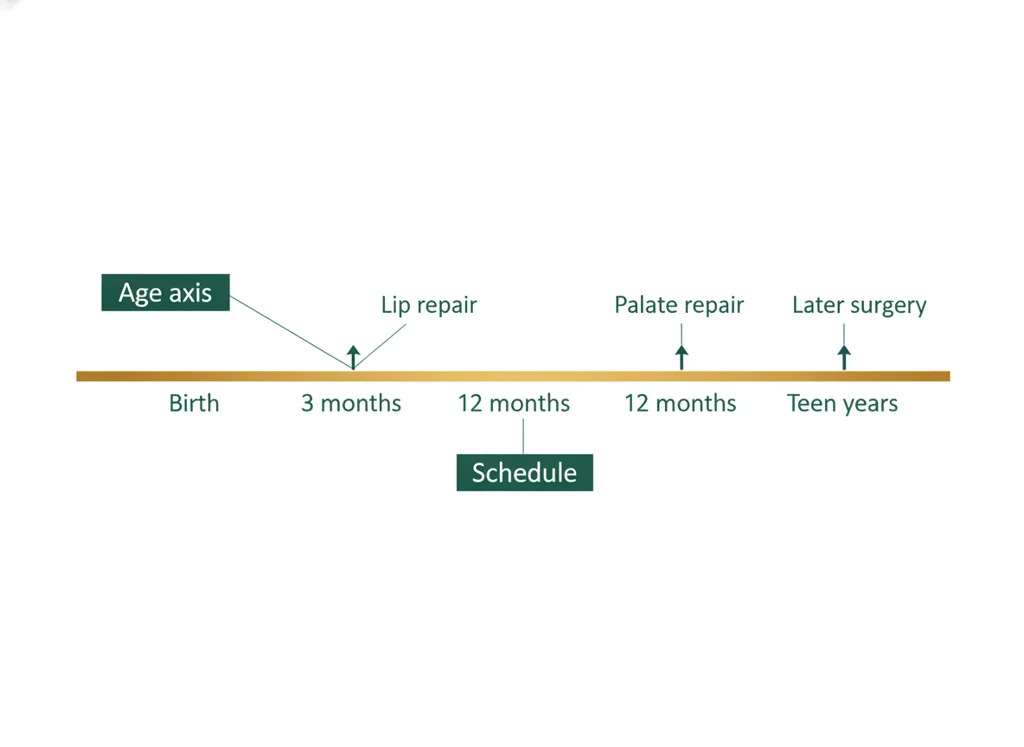
The schedule of when each operation in a treatment plan is performed, set to fit a patient's age and development.
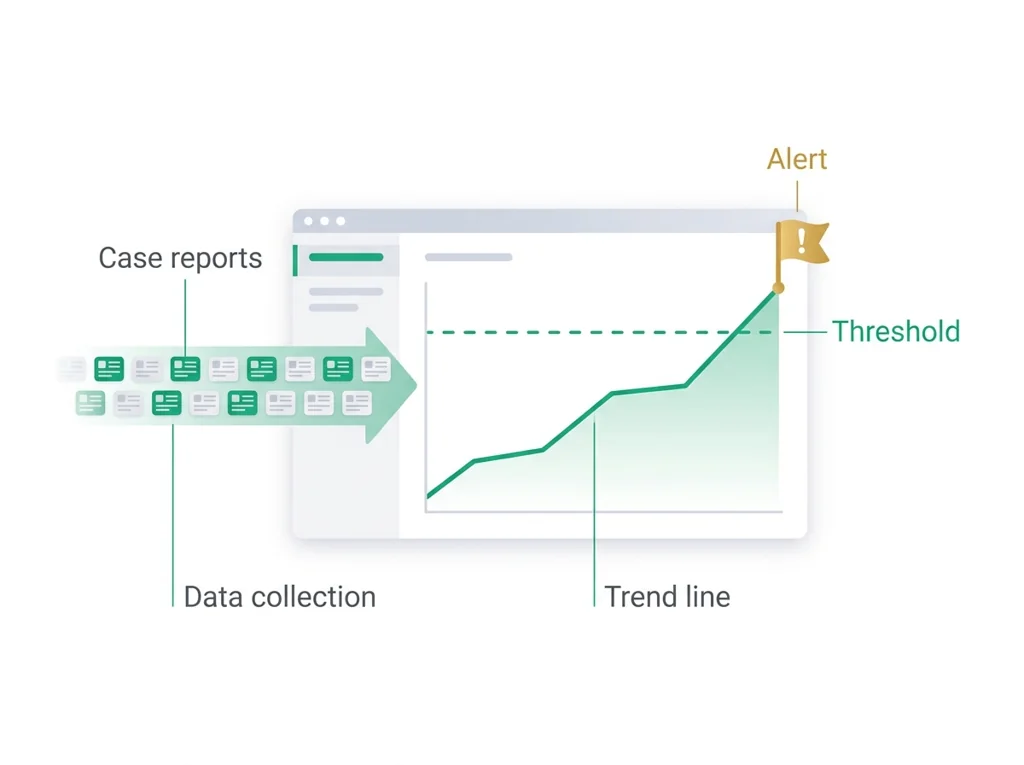
The ongoing, systematic collection and analysis of health data to detect disease early, track its trends, and trigger a timely public health response.
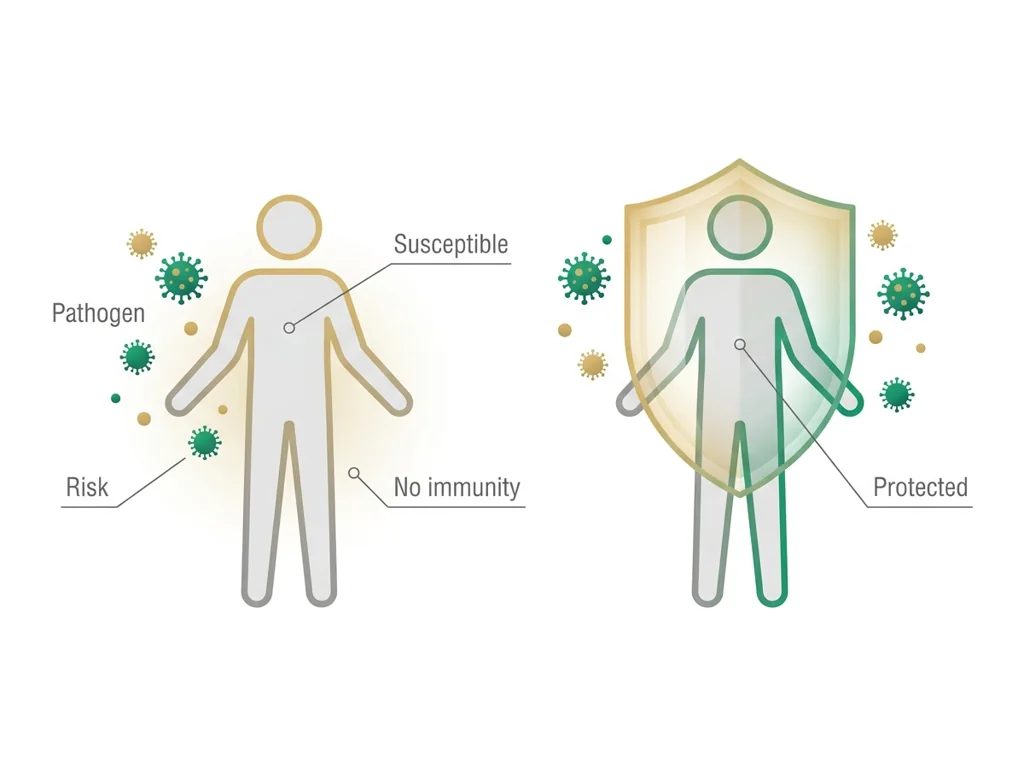
Being at higher risk of catching a disease or being harmed because the body lacks immunity or protection against it.
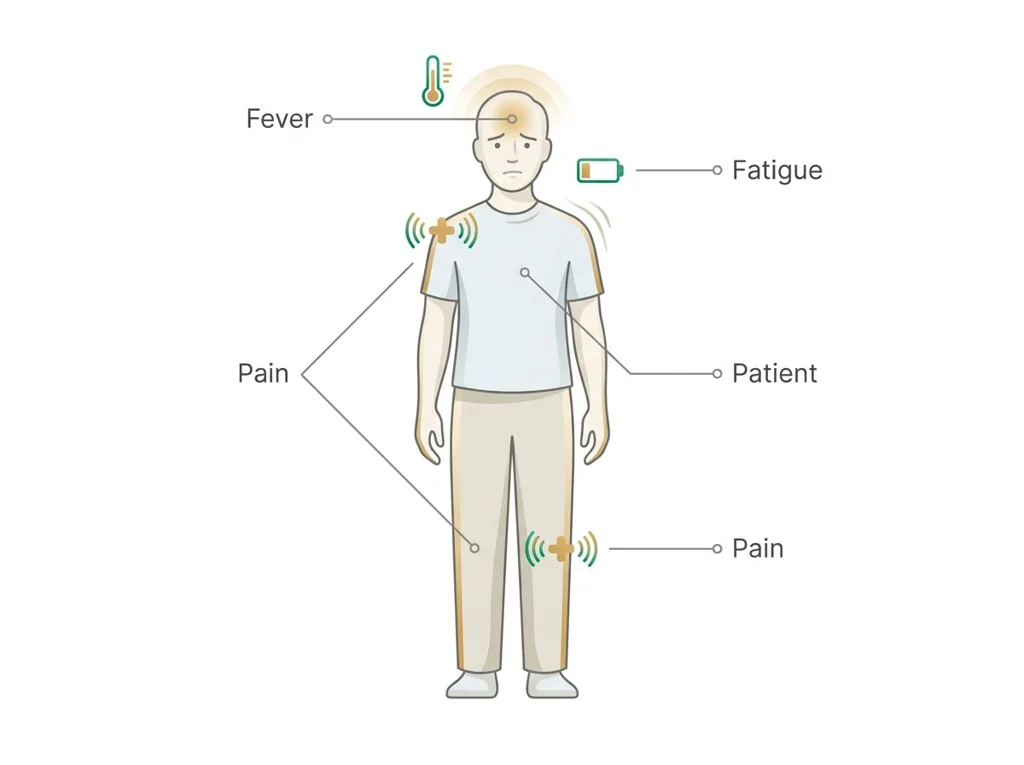
A subjective feeling of illness that a patient reports, such as pain or fatigue, which cannot be directly measured by an observer.
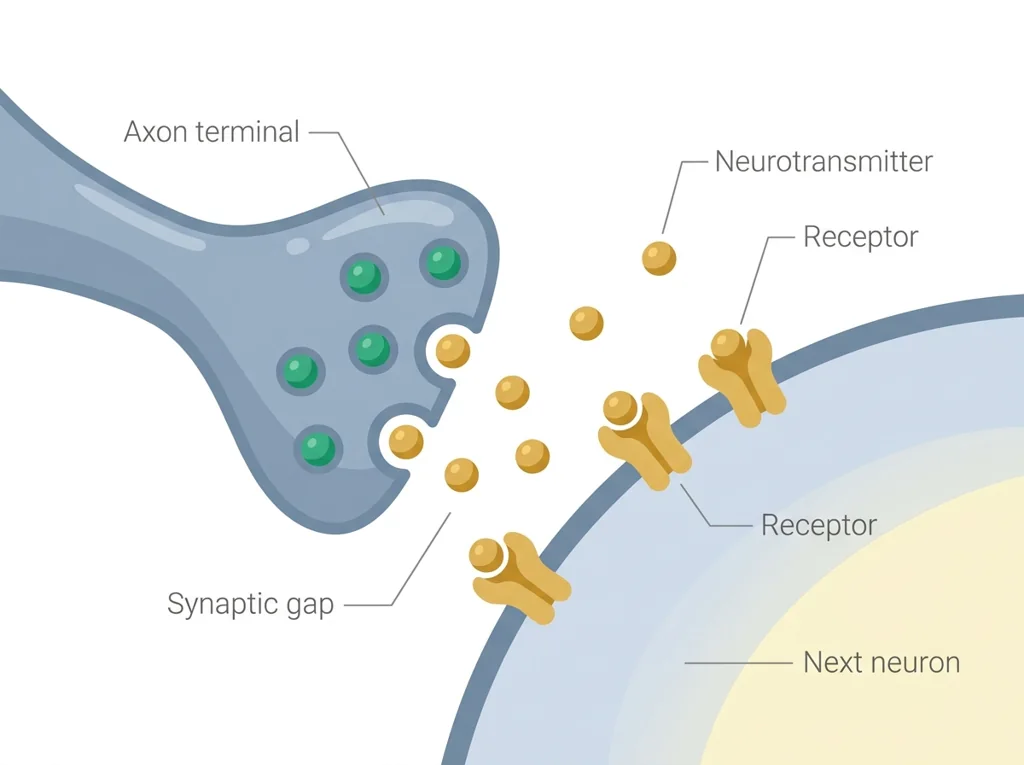
The junction where a neuron releases chemical messengers across a tiny gap to pass a signal to the next neuron, muscle, or gland.
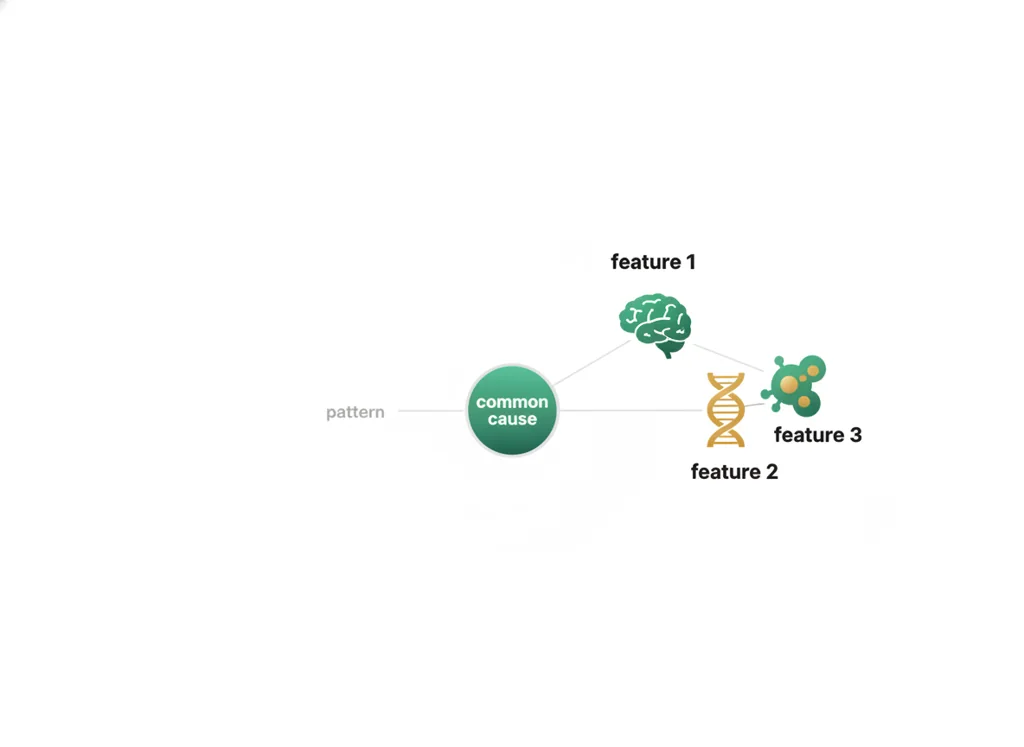
A set of features that consistently occur together and share a common underlying cause.
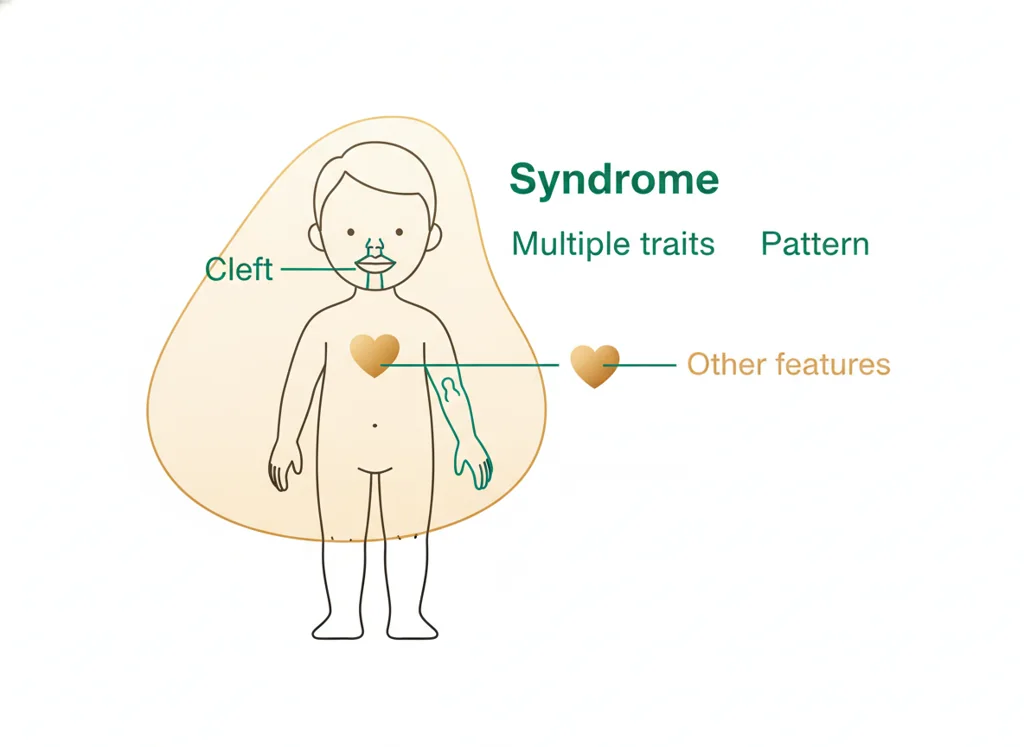
Describing a cleft that appears together with other birth differences as part of a recognized syndrome.
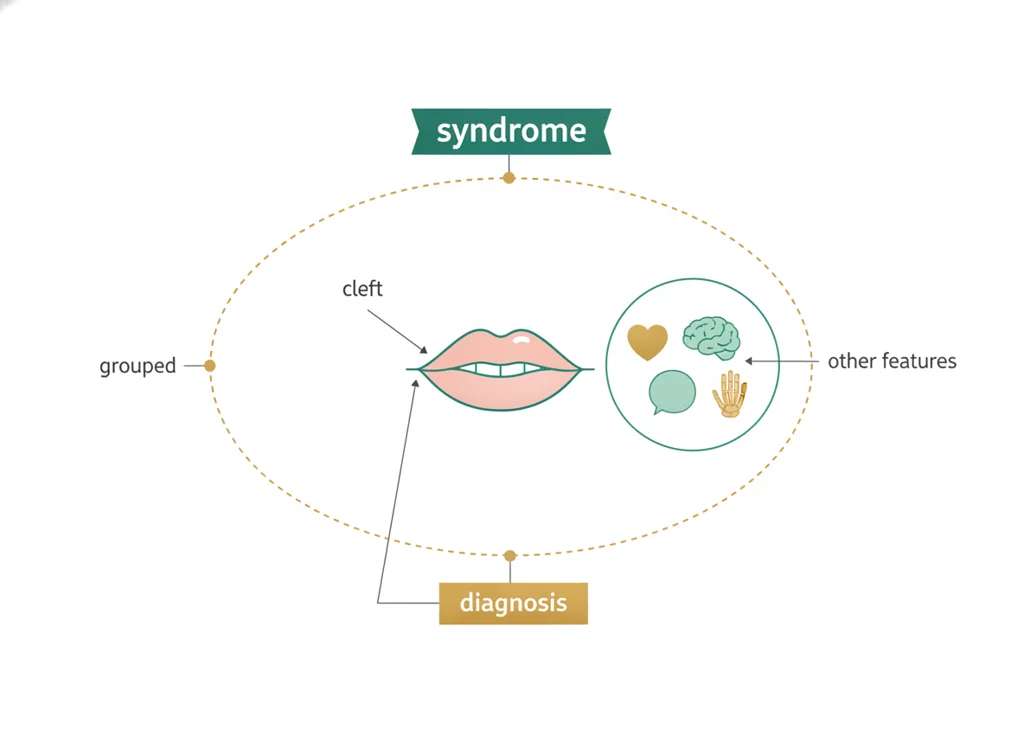
A cleft that comes packaged with other features as part of a named syndrome, accounting for roughly 30 percent of clefts.
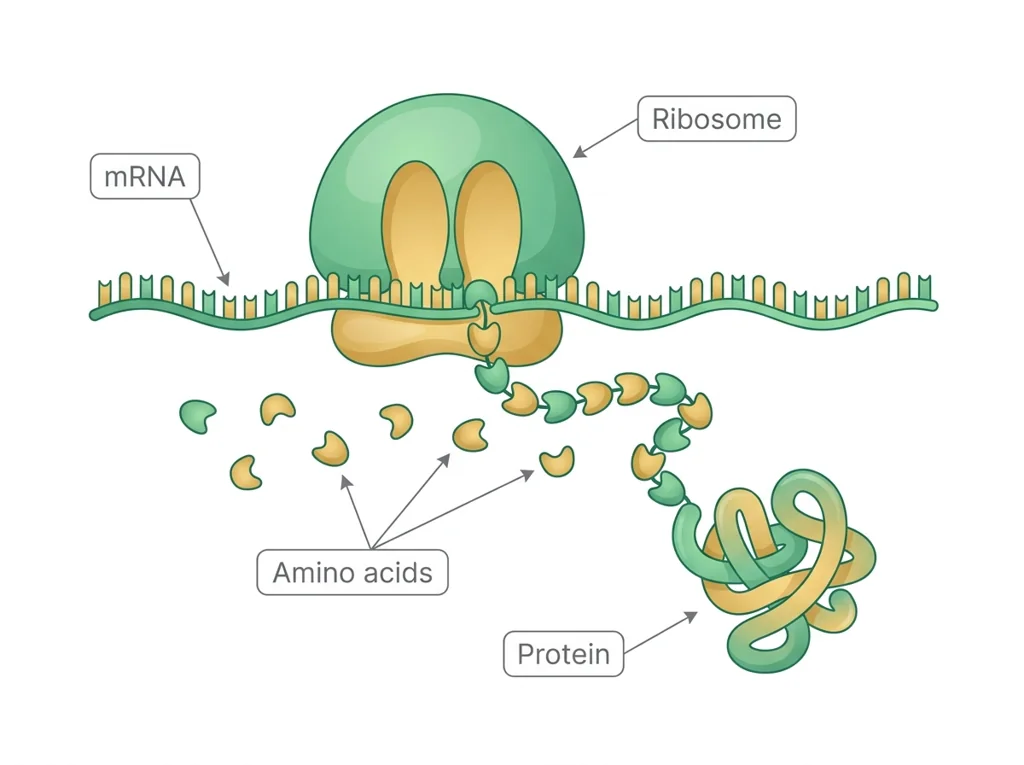
Building a molecule in the cell, as in protein synthesis (making a protein from mRNA).
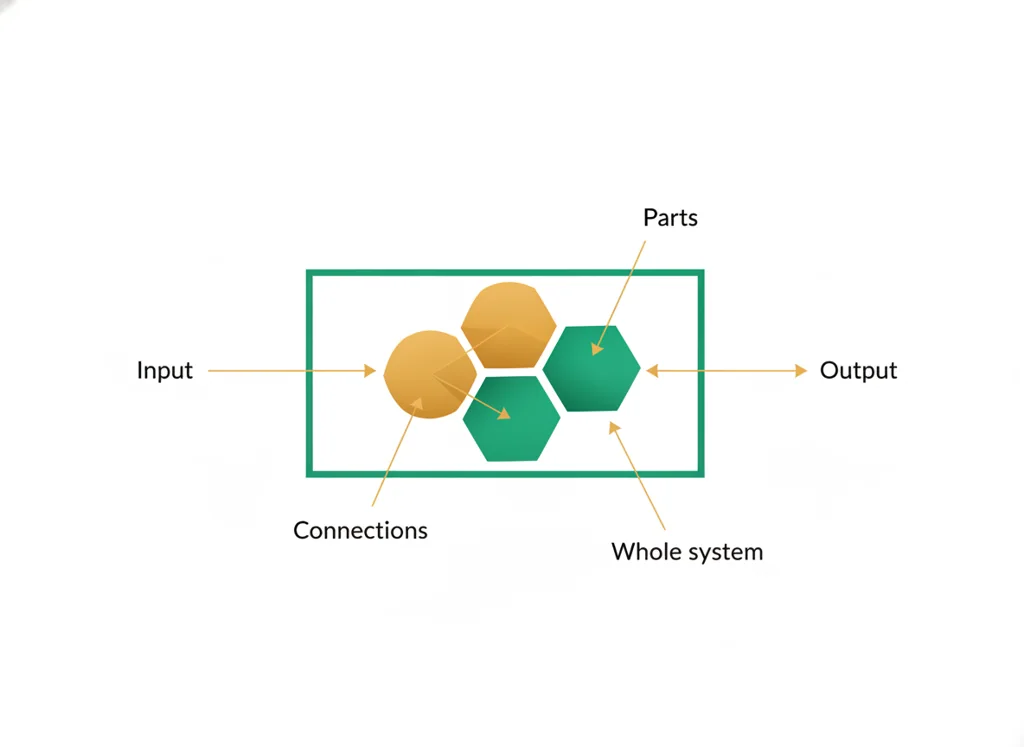
A set of parts that work together as a connected whole, where a change in one part can affect the others, such as an organ system or a designed device.
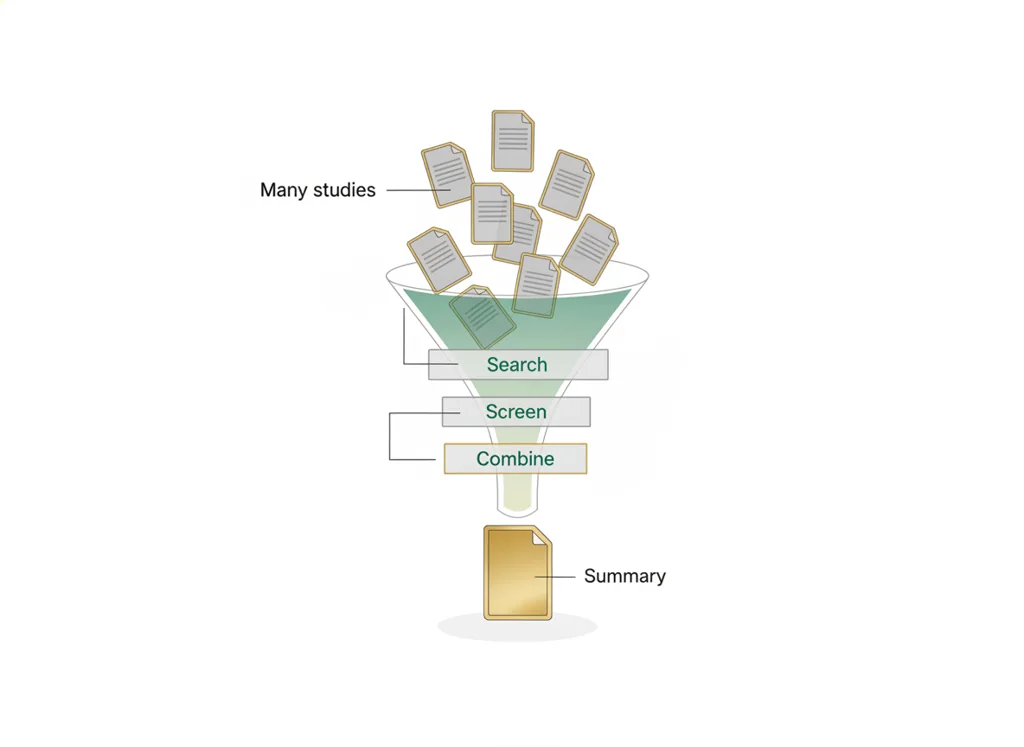
A study that follows a planned, transparent method to gather, judge, and combine all relevant research on one question.
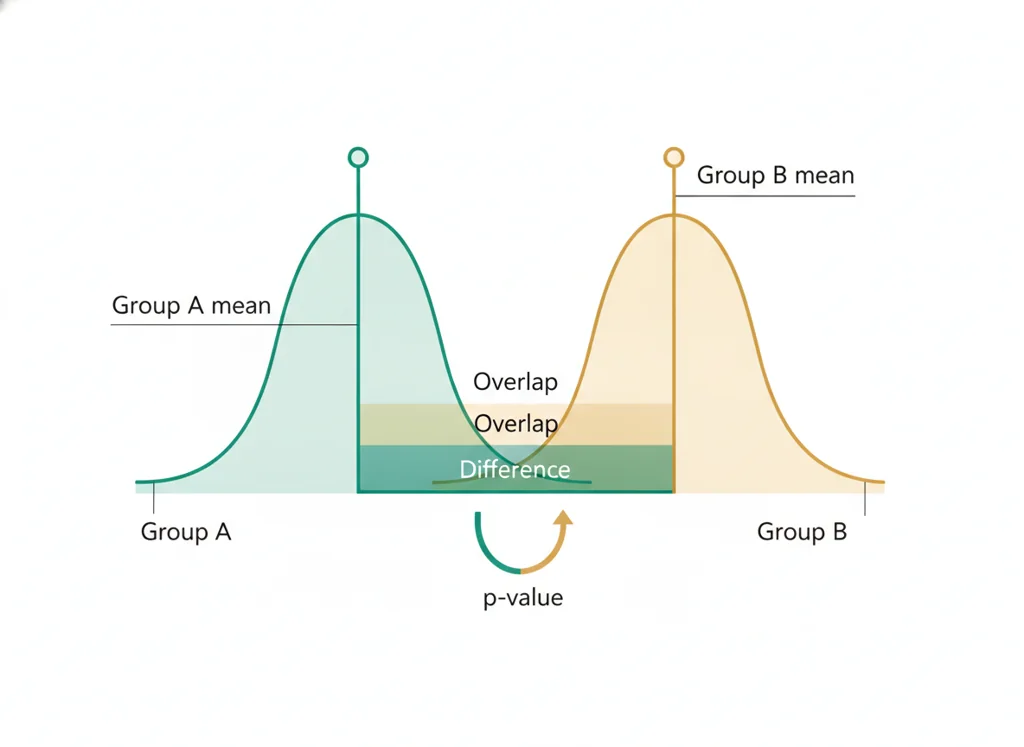
A statistical test that compares the average values of two groups to judge whether their difference is likely real or just due to chance.
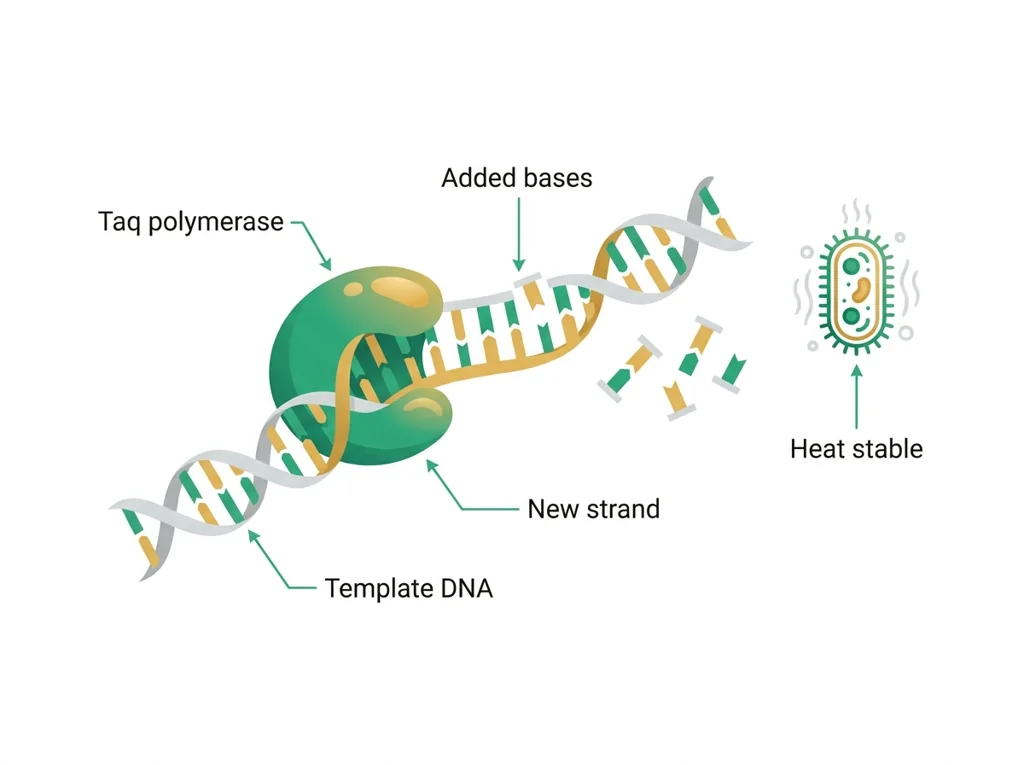
A heat-stable DNA-copying enzyme from a hot-spring bacterium that survives the high temperatures of PCR to build new DNA strands.
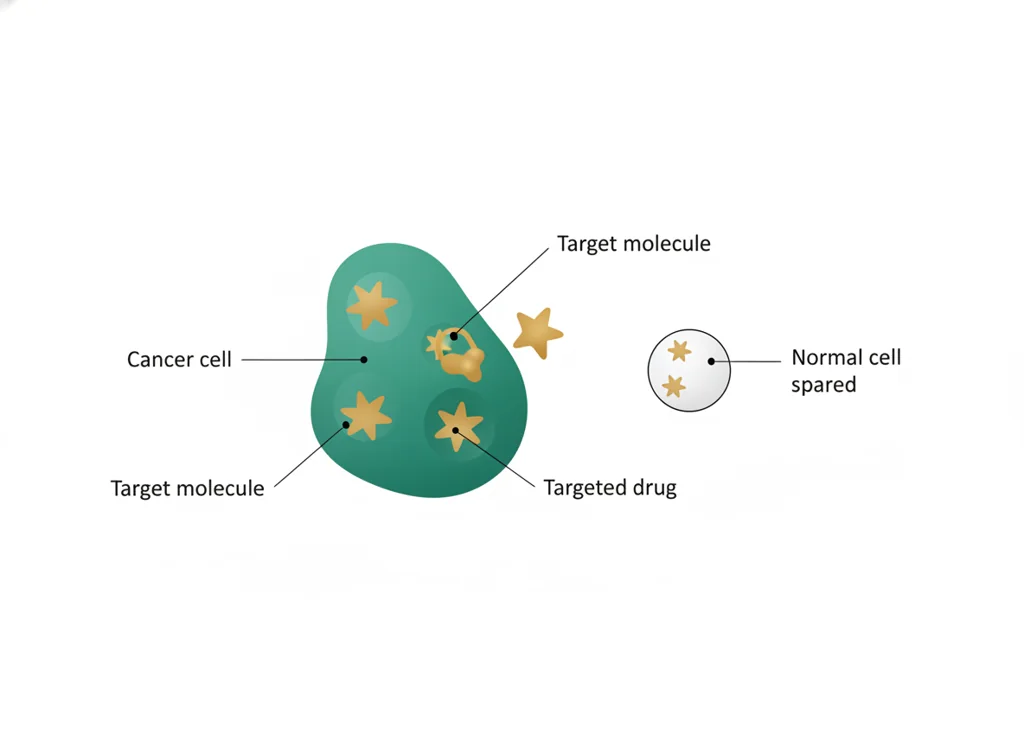
A cancer treatment that attacks specific molecules cancer cells rely on, harming those cells while sparing more healthy cells than older chemotherapy.
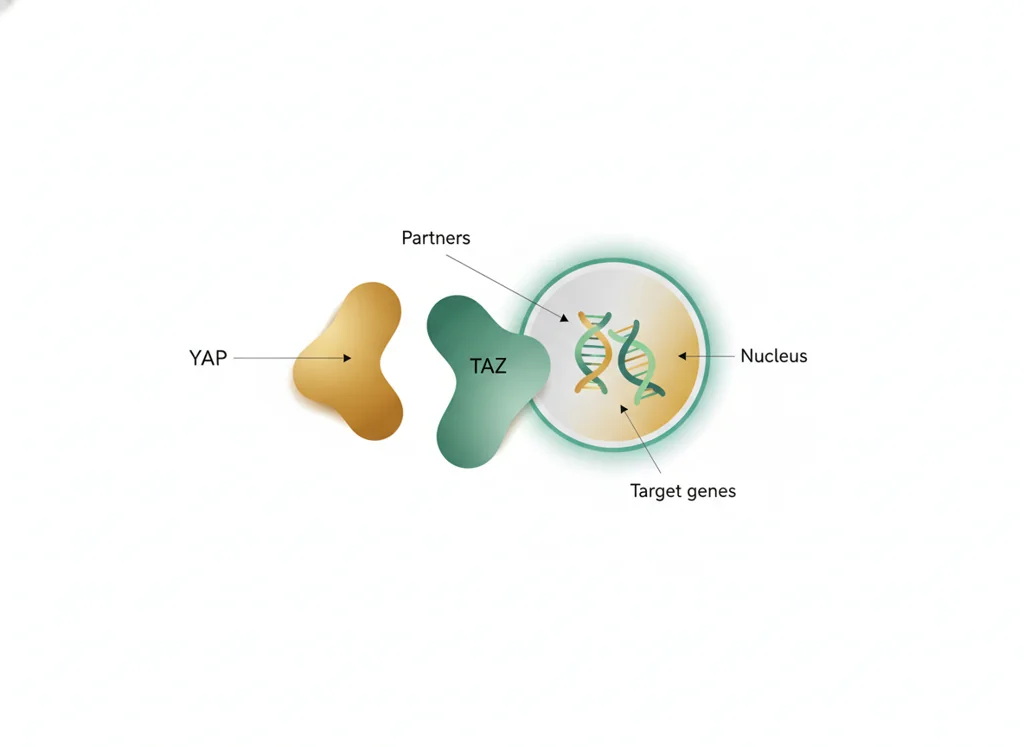
A partner protein to YAP that carries out the same signaling job, so the two are usually named together as YAP and TAZ.
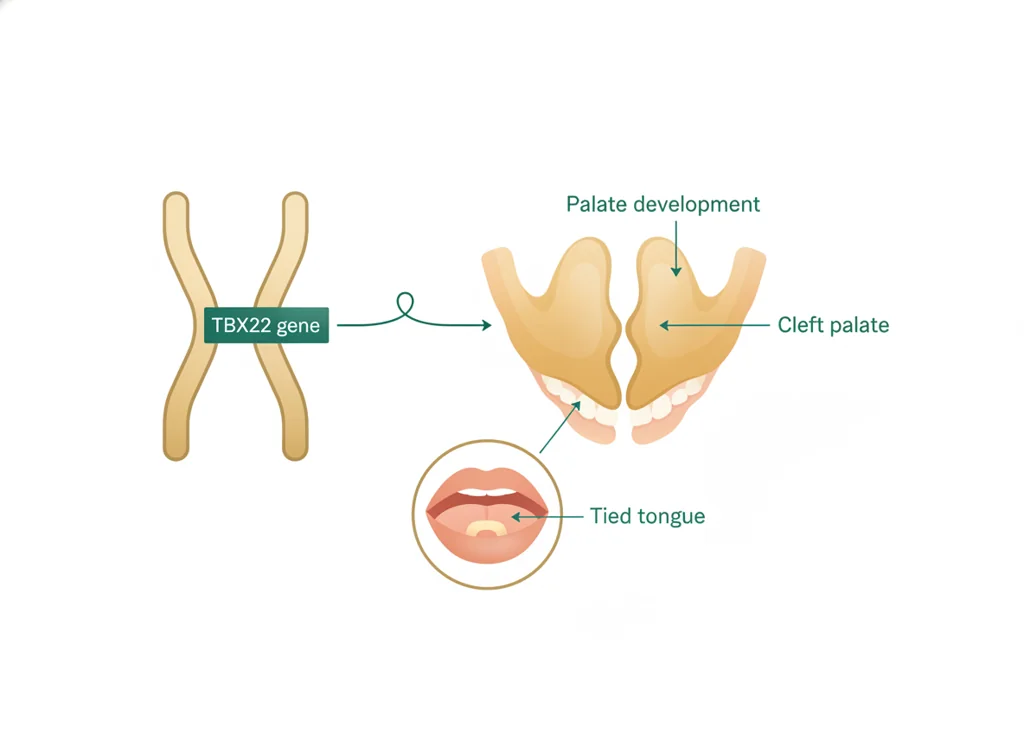
A transcription factor gene whose variants are linked to cleft palate, sometimes with a tied-down tongue (ankyloglossia).
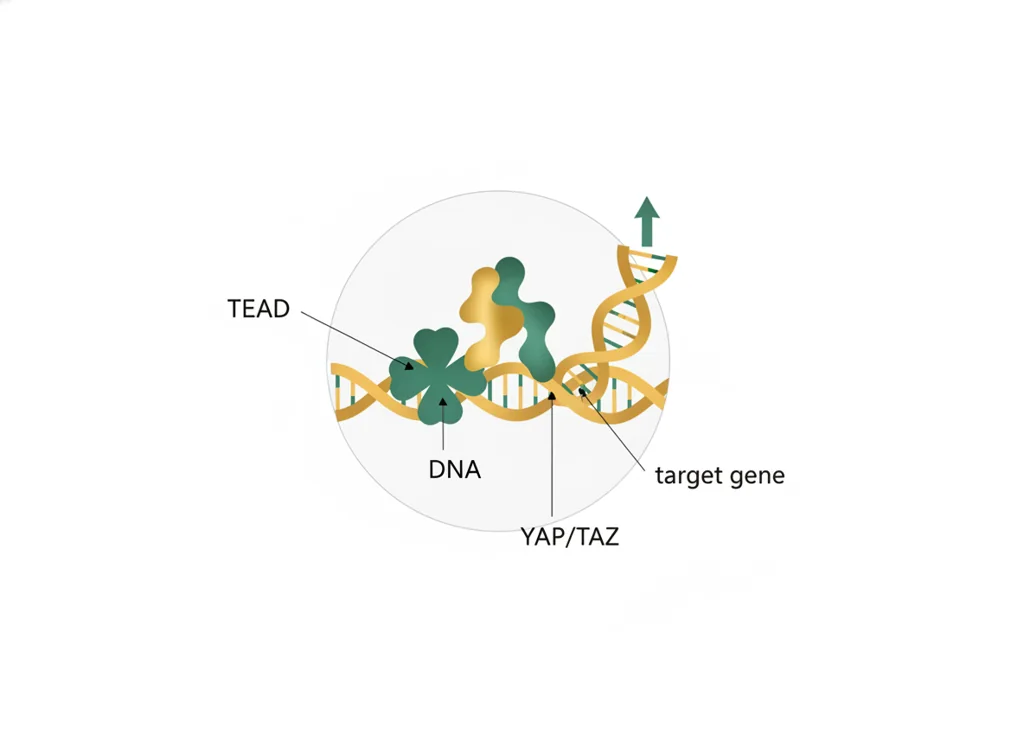
A DNA-gripping partner protein that YAP and TAZ team up with in the nucleus to switch their target genes on.
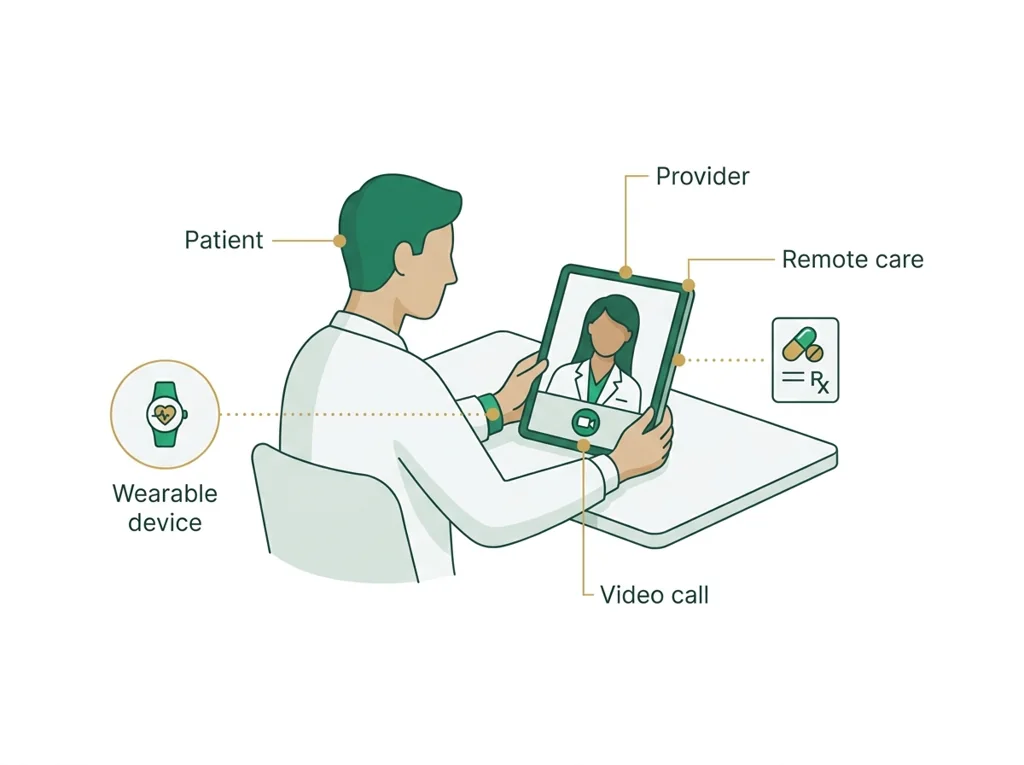
Delivering healthcare remotely using video calls, phone, or digital tools so patients and providers can connect without being in the same place.
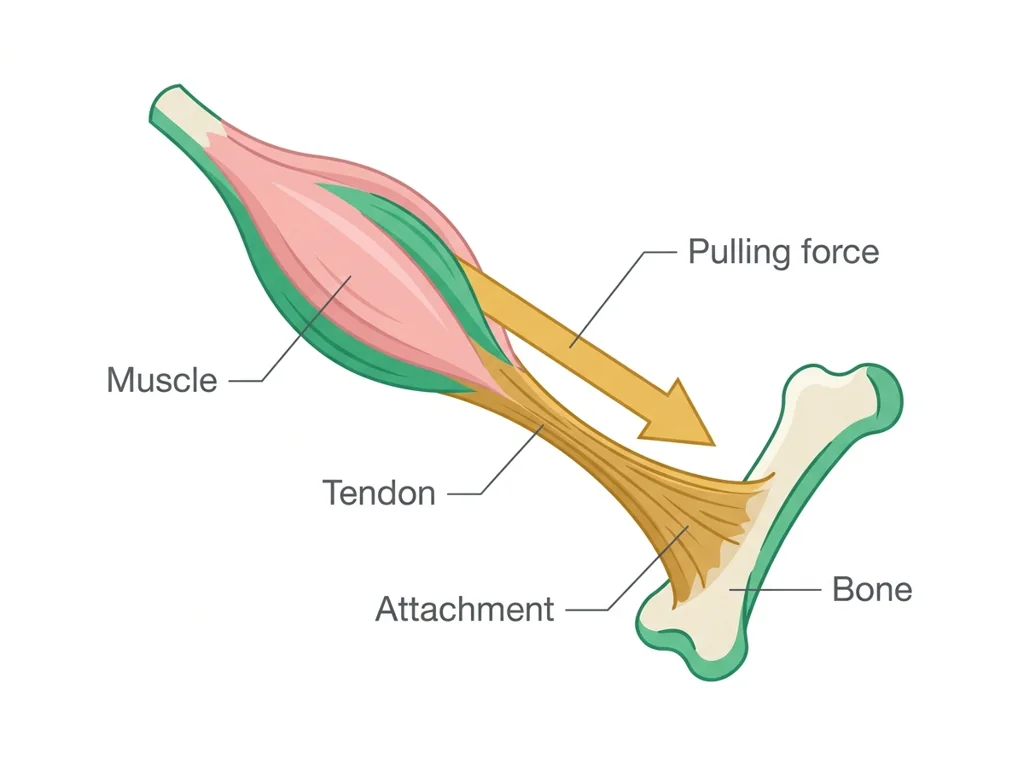
A tough band of connective tissue that anchors a muscle to a bone, transferring the muscle's pull so the bone can move.
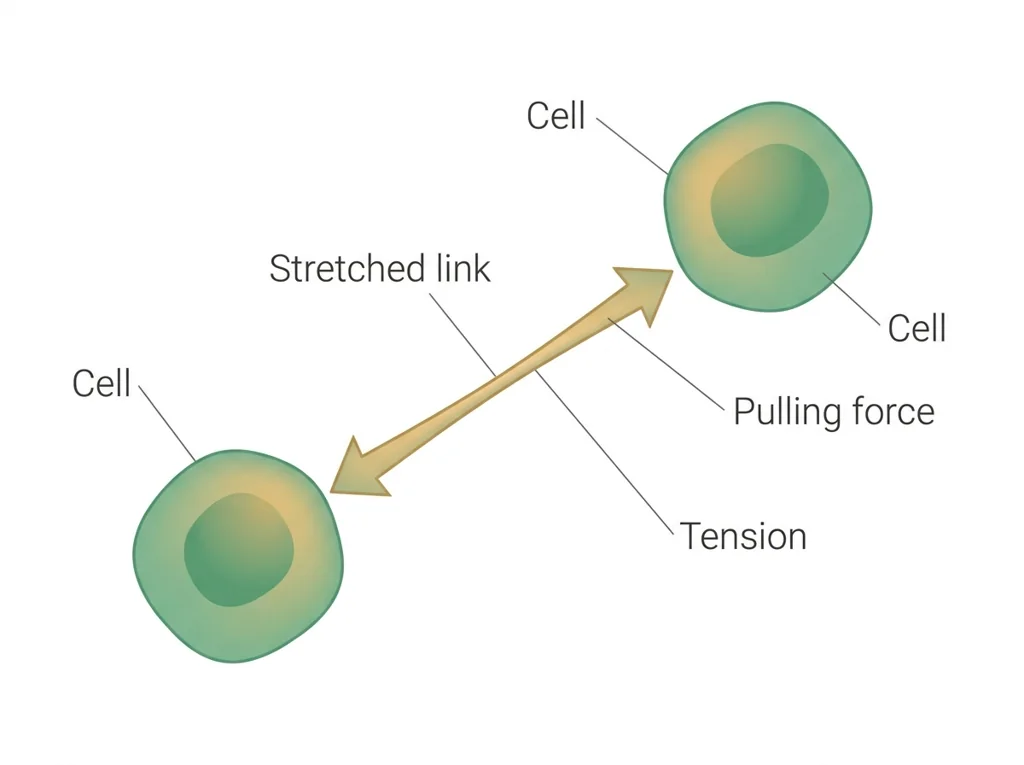
A pulling force between cells or molecules that you cannot see just by looking at where cells sit.
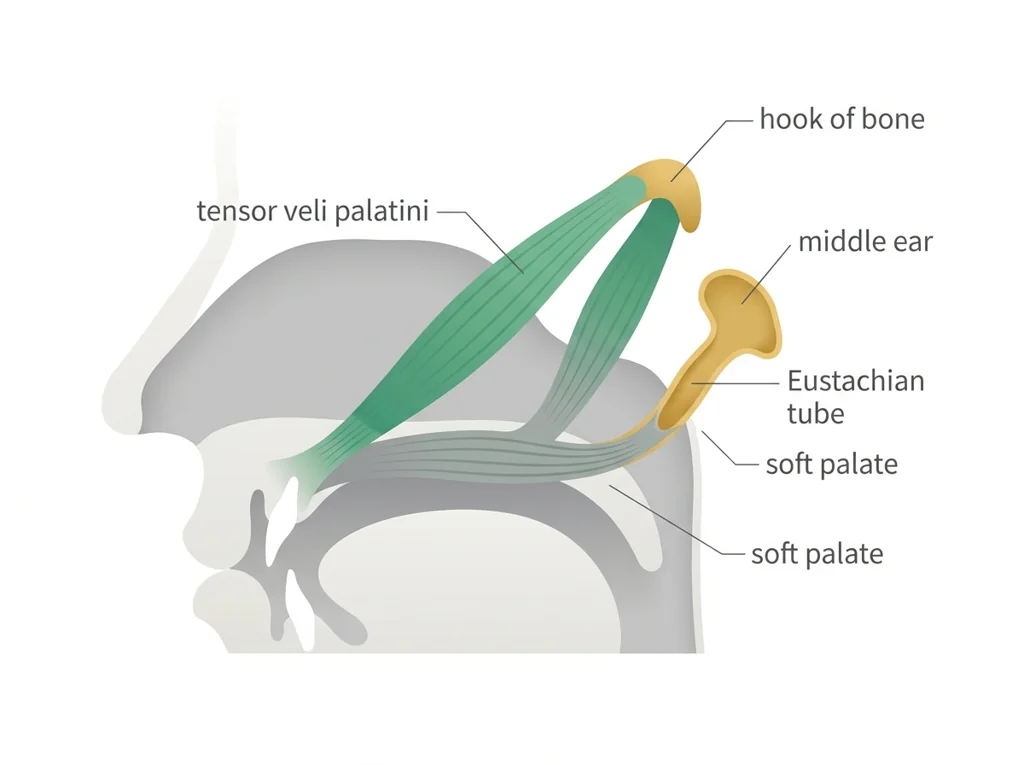
A soft palate muscle that tightens the palate and opens the Eustachian tube to drain and equalize pressure in the middle ear.
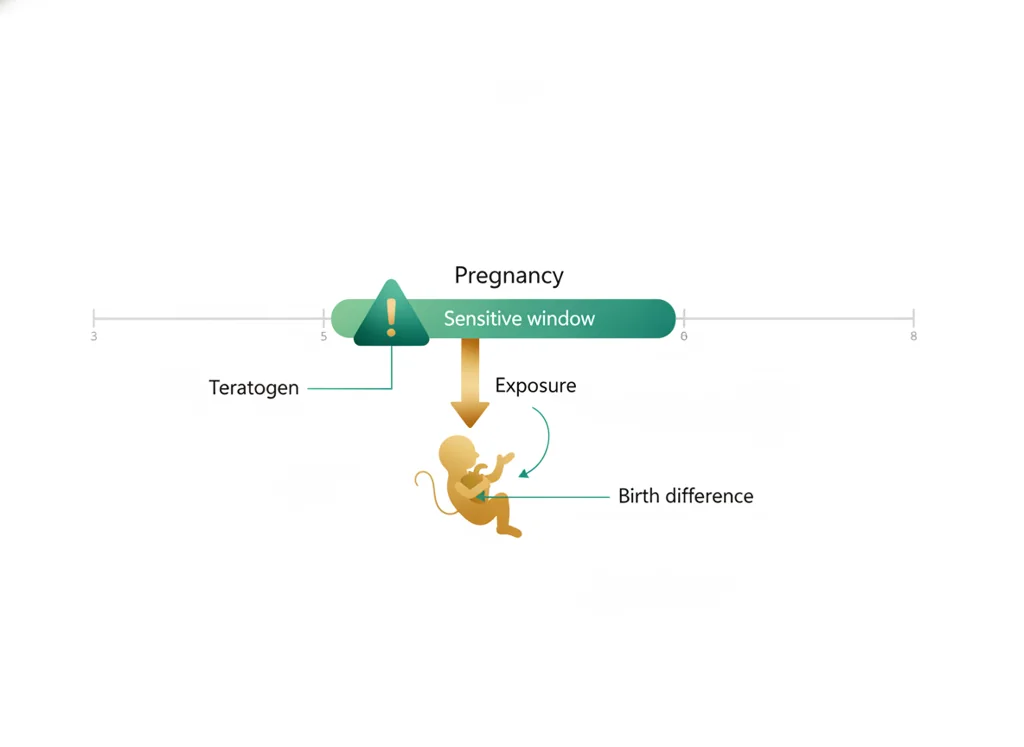
An agent such as a drug, chemical, or infection that can disrupt development and cause birth differences if exposure happens during pregnancy.
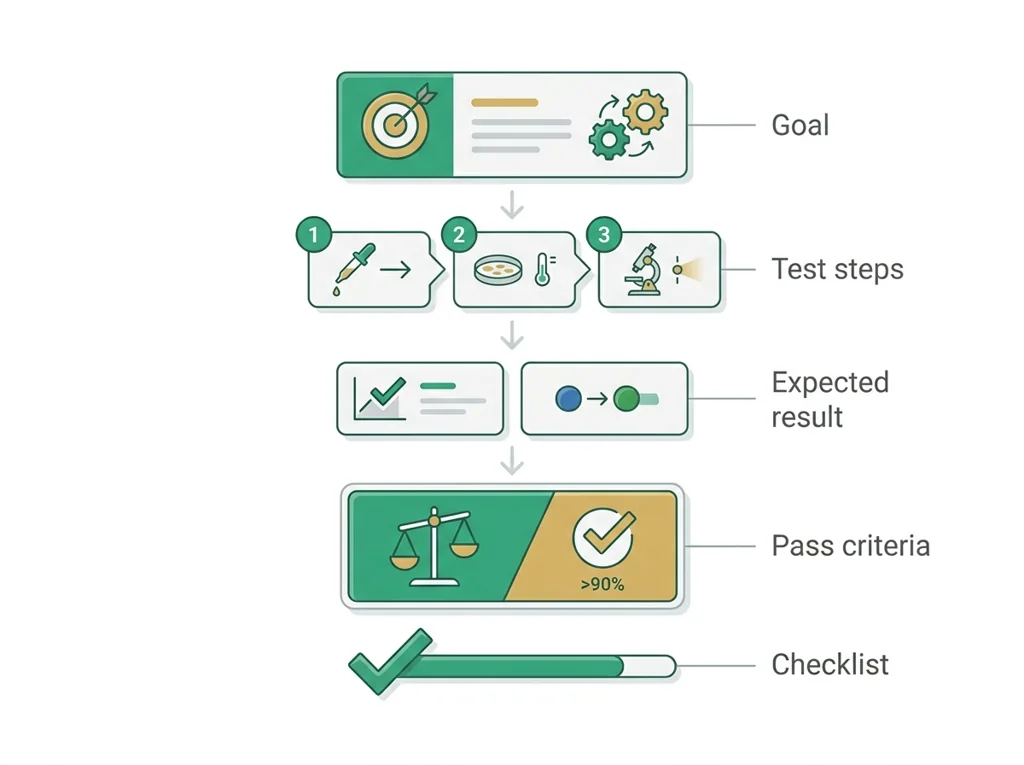
A written outline of what will be tested, how, and what counts as success, used to guide an experiment or product check.
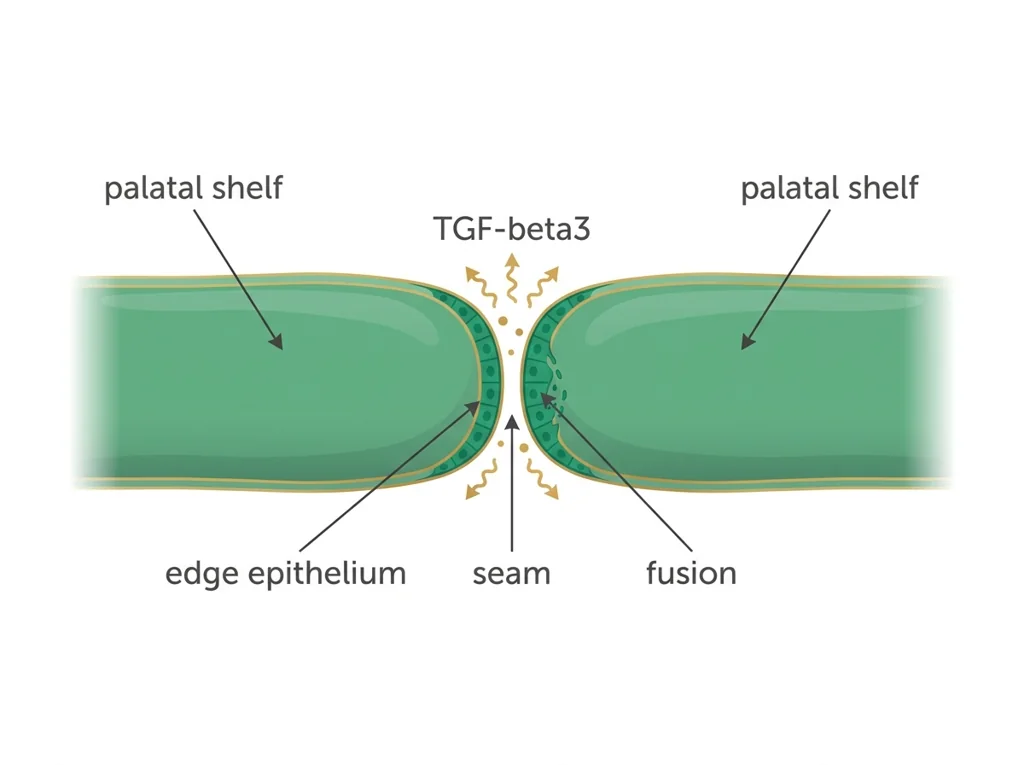
A signaling protein essential for palate fusion; it drives the edge cells between the two palatal shelves to disappear so they can join.
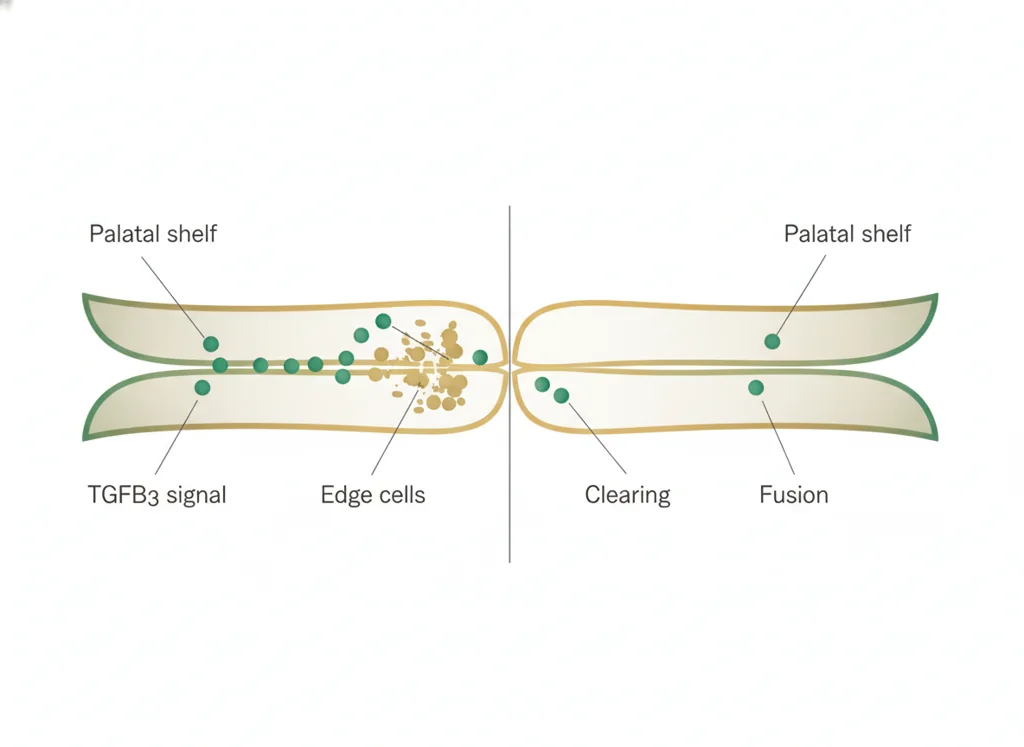
A signaling protein that tells the medial edge epithelium of the palatal shelves to clear so the shelves can fuse.
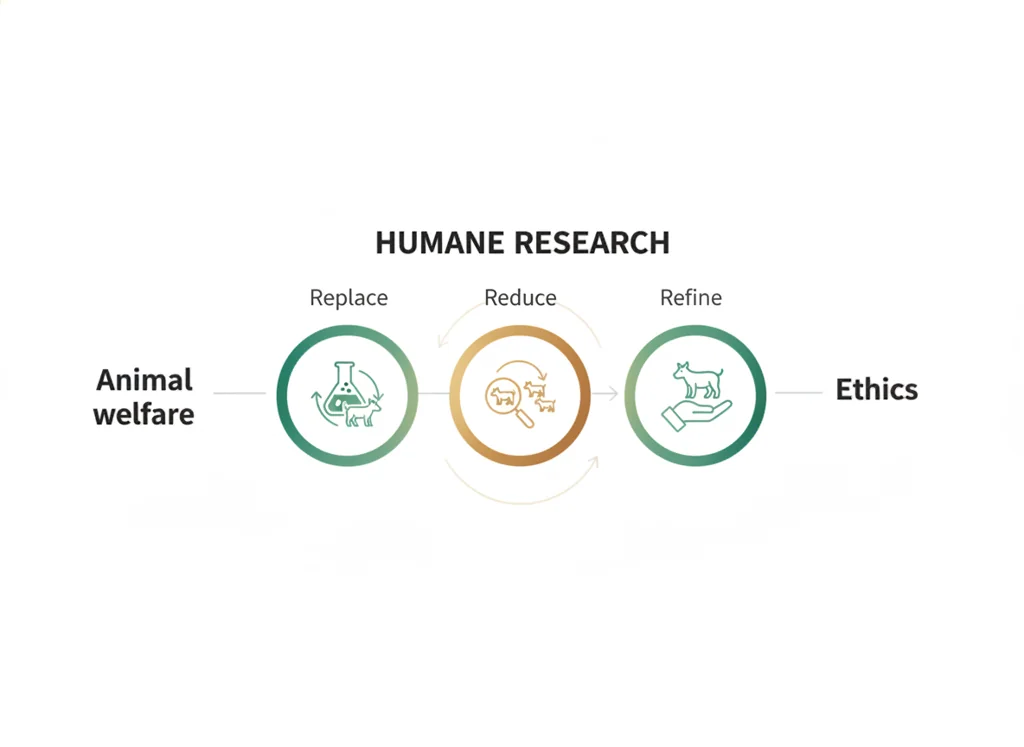
An ethics framework for animal research, replace, reduce, and refine, that minimizes animal use and suffering while keeping good science.
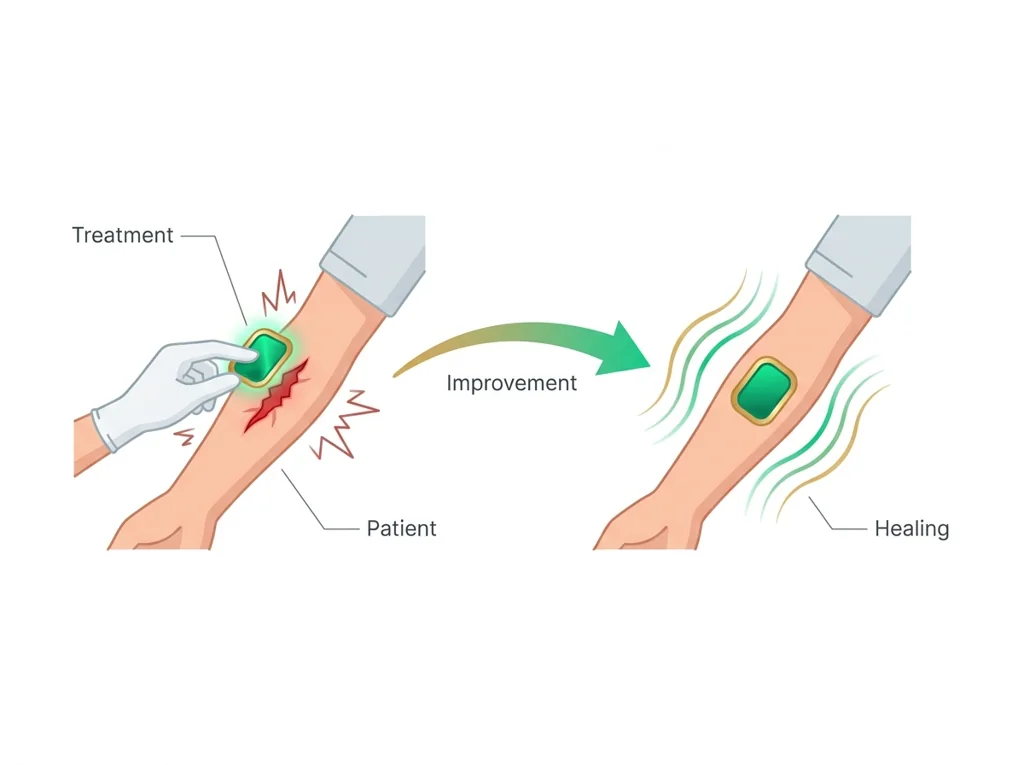
Relating to the treatment or healing of disease; a therapeutic agent is anything used to improve a patient's condition.
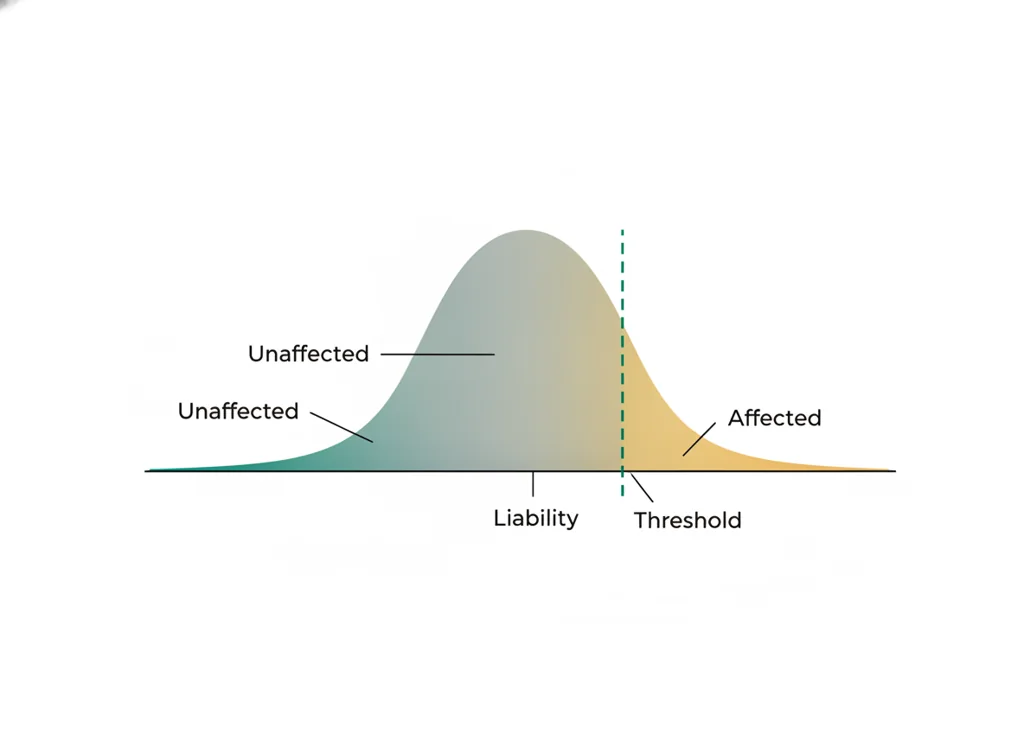
The idea that a trait appears only when a person's combined liability from genes and environment crosses a set line.
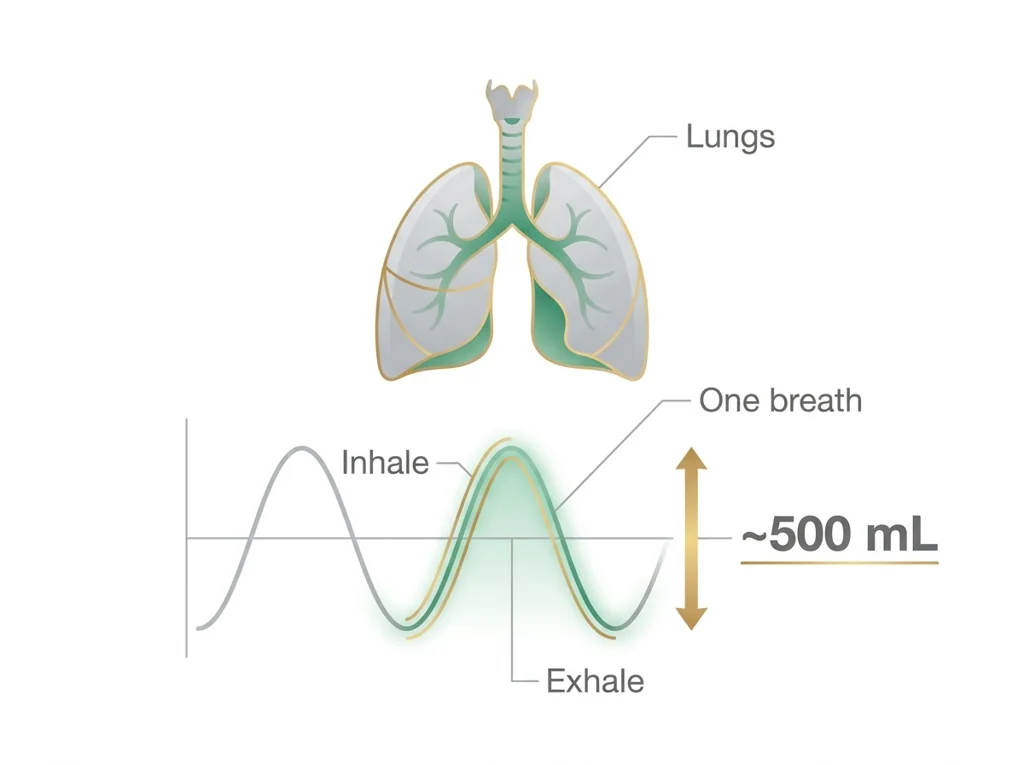
The amount of air moved in or out of the lungs in one normal breath at rest, about 500 milliliters in an average adult.
A diagram that lays out events in the order they happen along a time axis, helping show how a process or disease unfolds step by step.
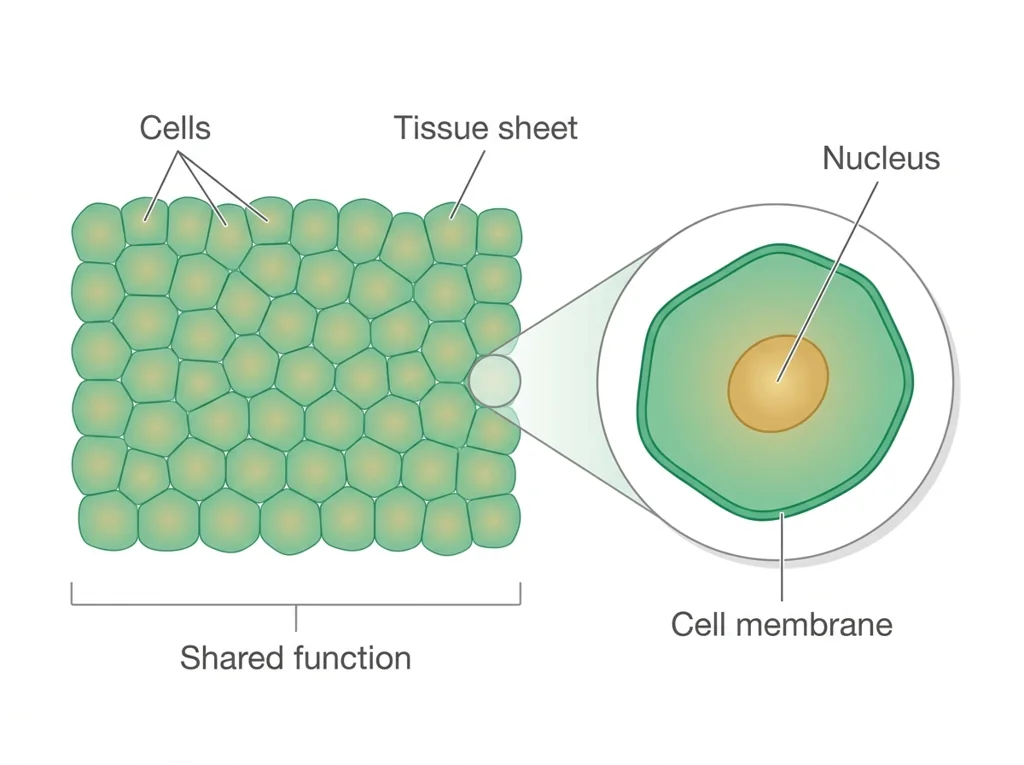
A group of similar cells working together to perform a shared function, such as muscle, nerve, or epithelial tissue.
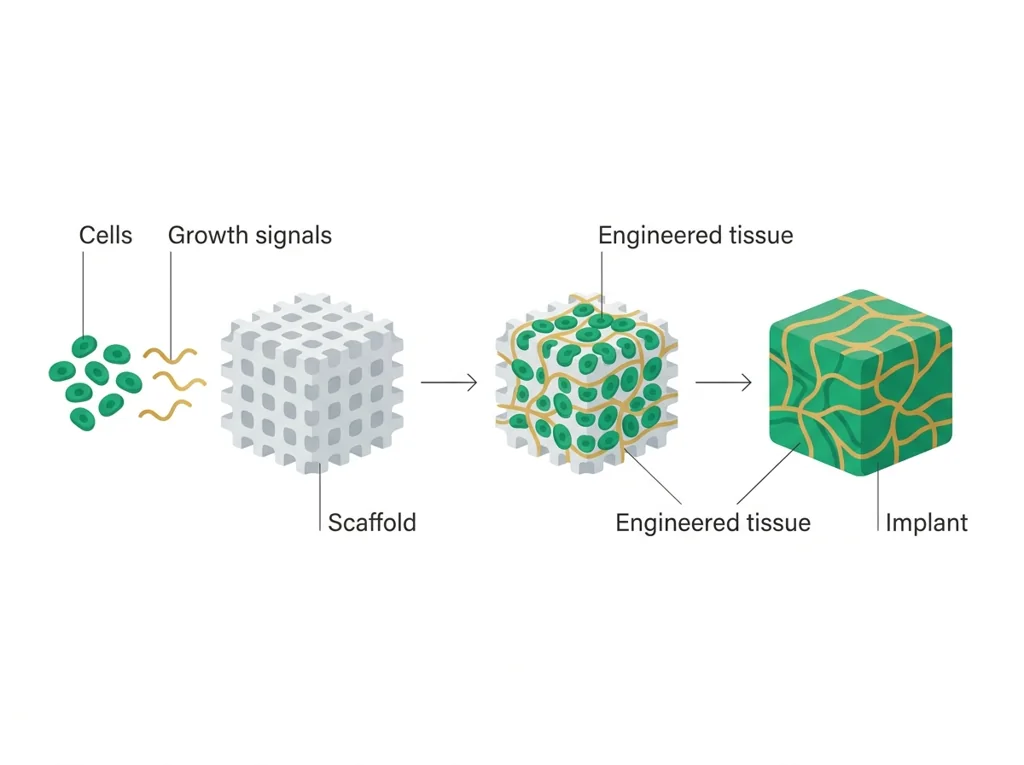
The field of building living tissue by combining cells, supporting scaffolds, and signals to repair or replace damaged body parts.
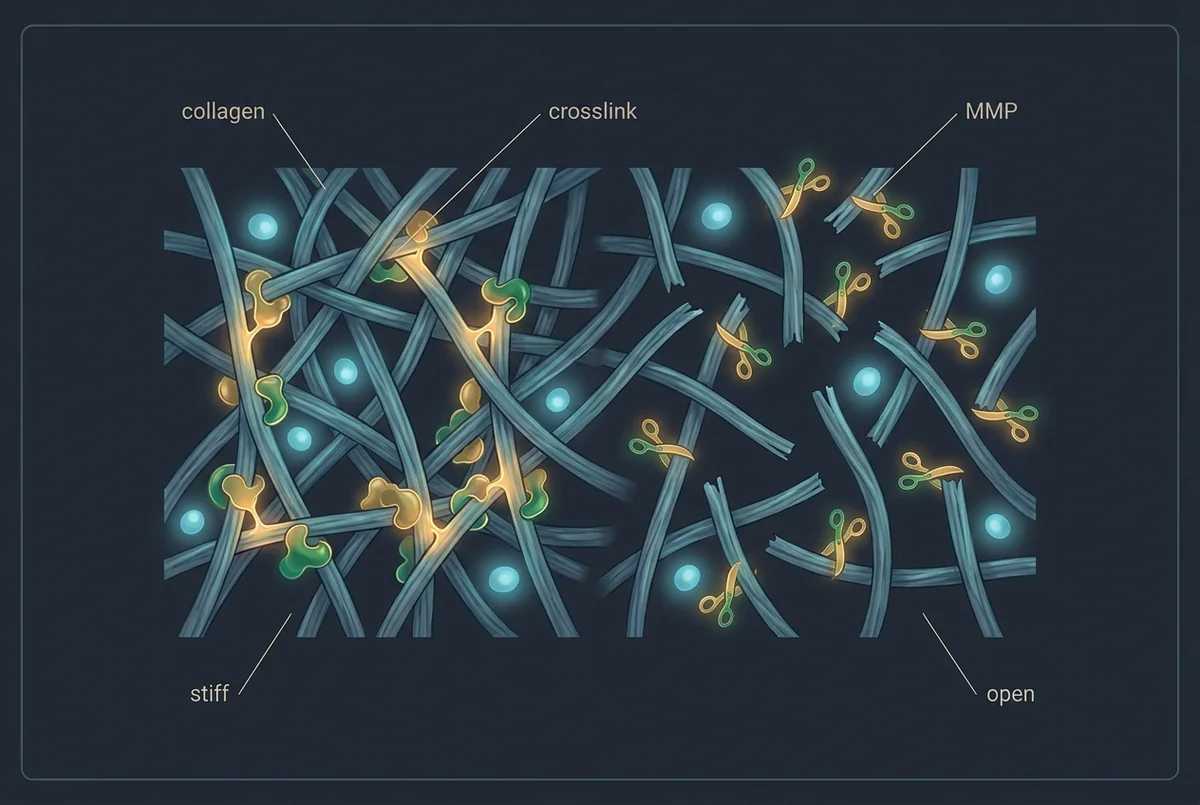
The ongoing breakdown and rebuilding of tissue and its surrounding matrix, which reshapes structure during healing, growth, or disease.
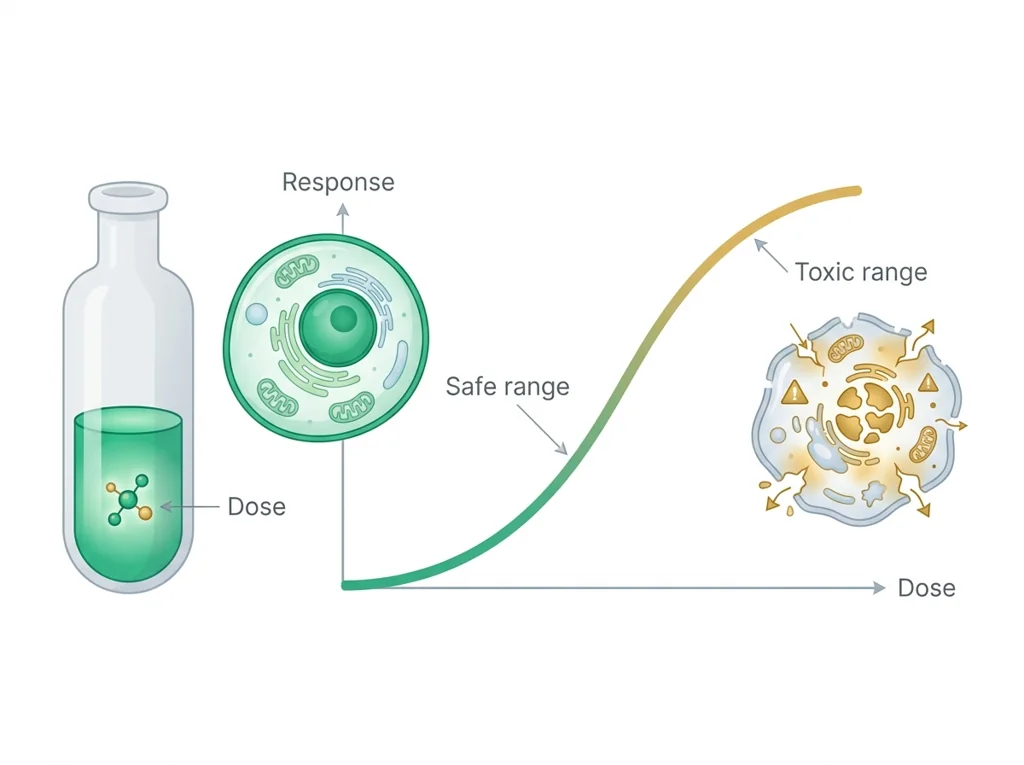
The science of how chemicals and other substances cause harm to living things, including the dose at which they become dangerous.
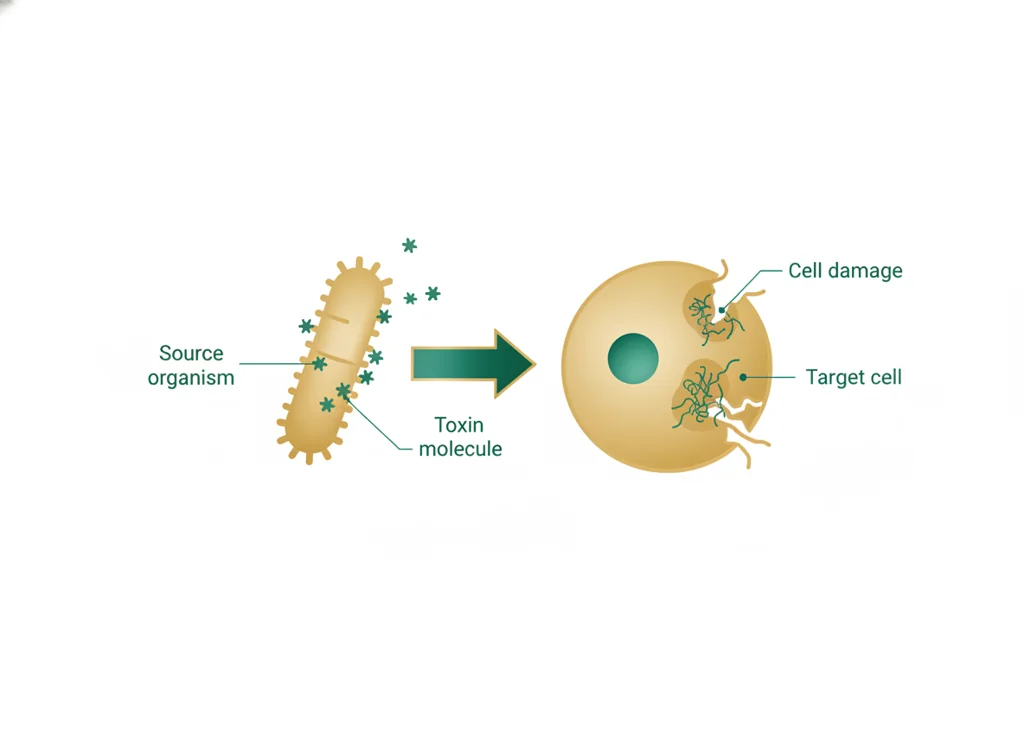
A poisonous substance produced by a living organism, such as bacteria, plants, or animals, that can damage cells or disrupt body functions.
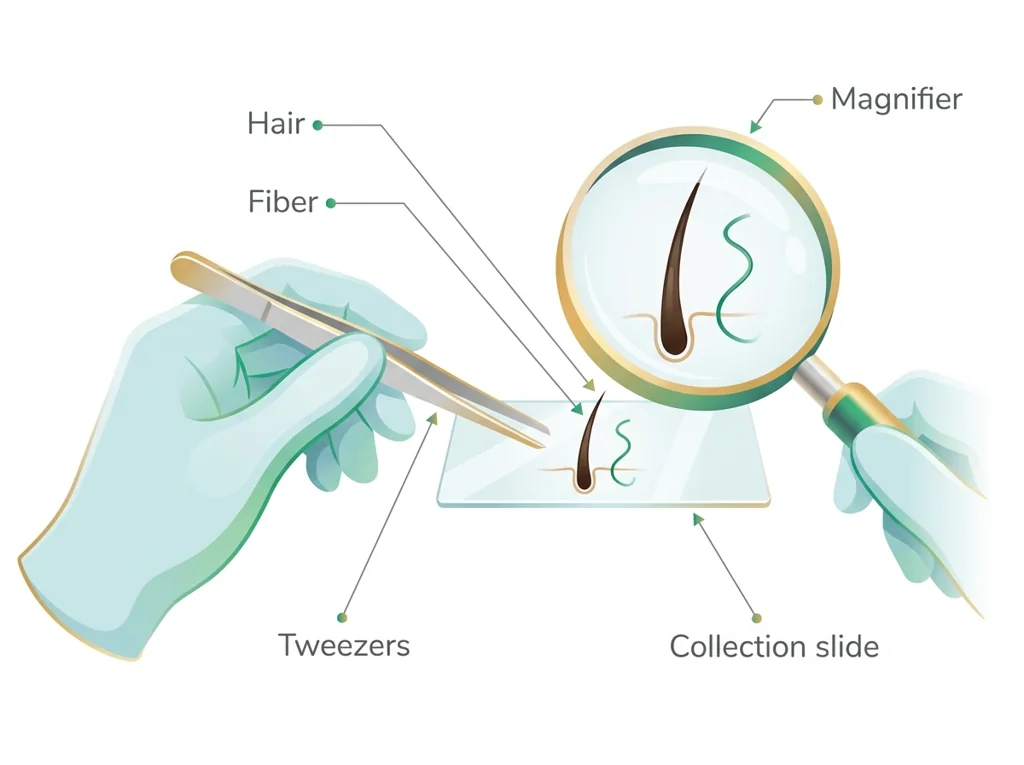
Tiny physical materials, such as hair, fibers, or soil, transferred during contact at a scene, used to link people, places, and objects in an investigation.
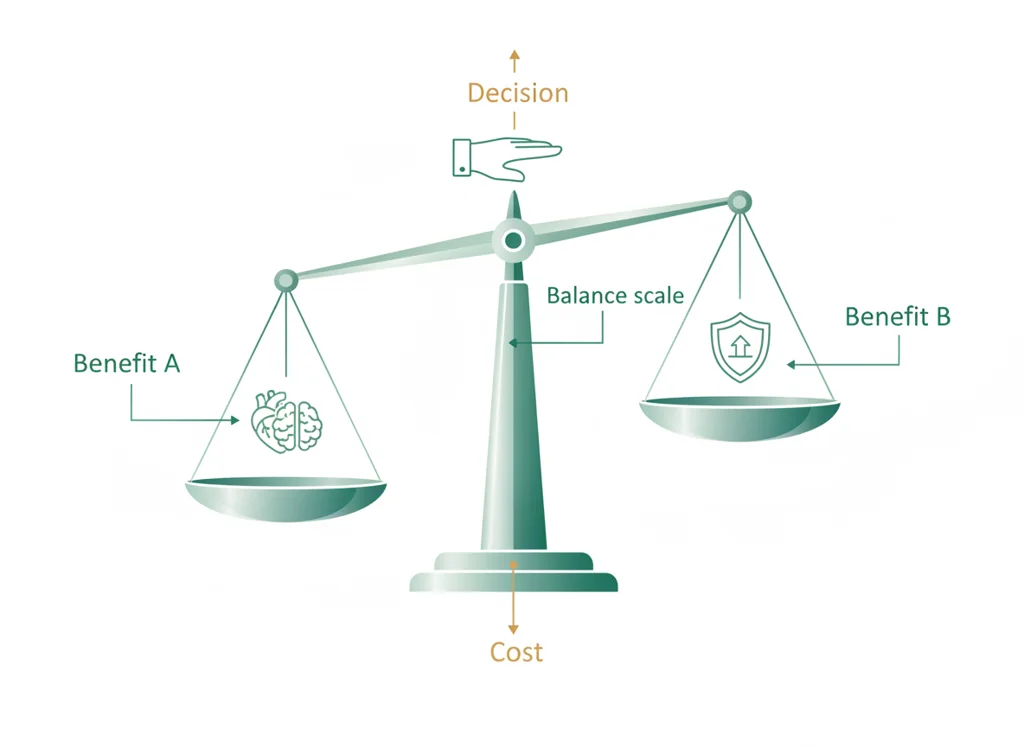
A choice where gaining one benefit means giving up another, requiring you to balance competing priorities.
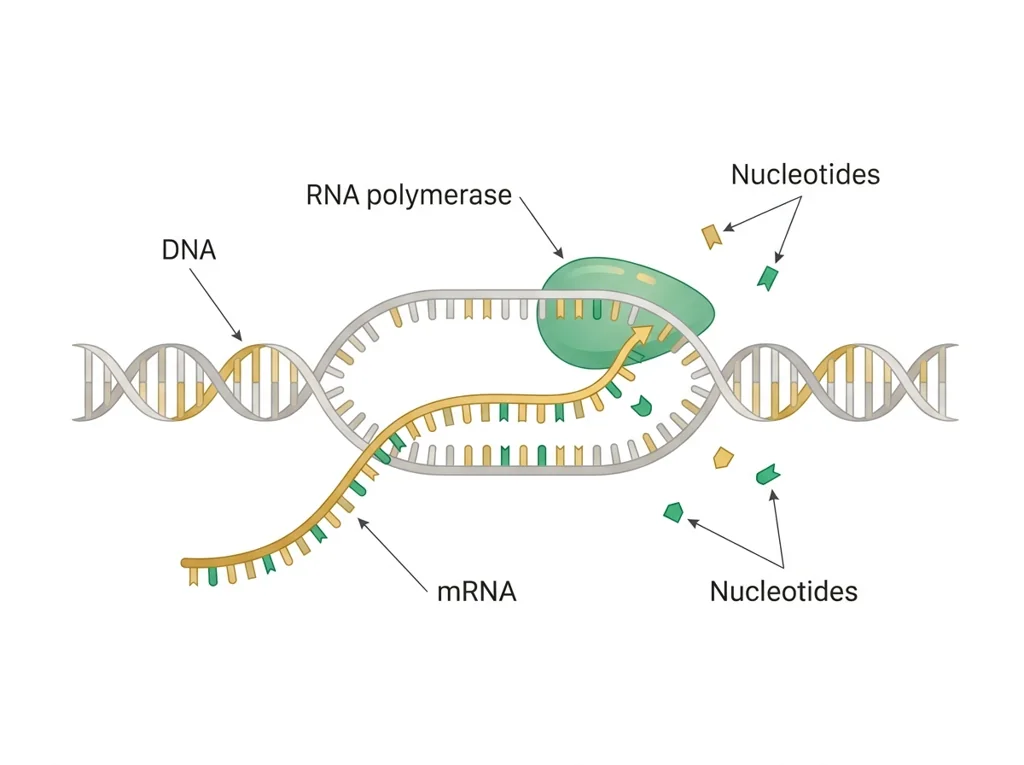
The first step of making a protein: copying a DNA gene into messenger RNA.
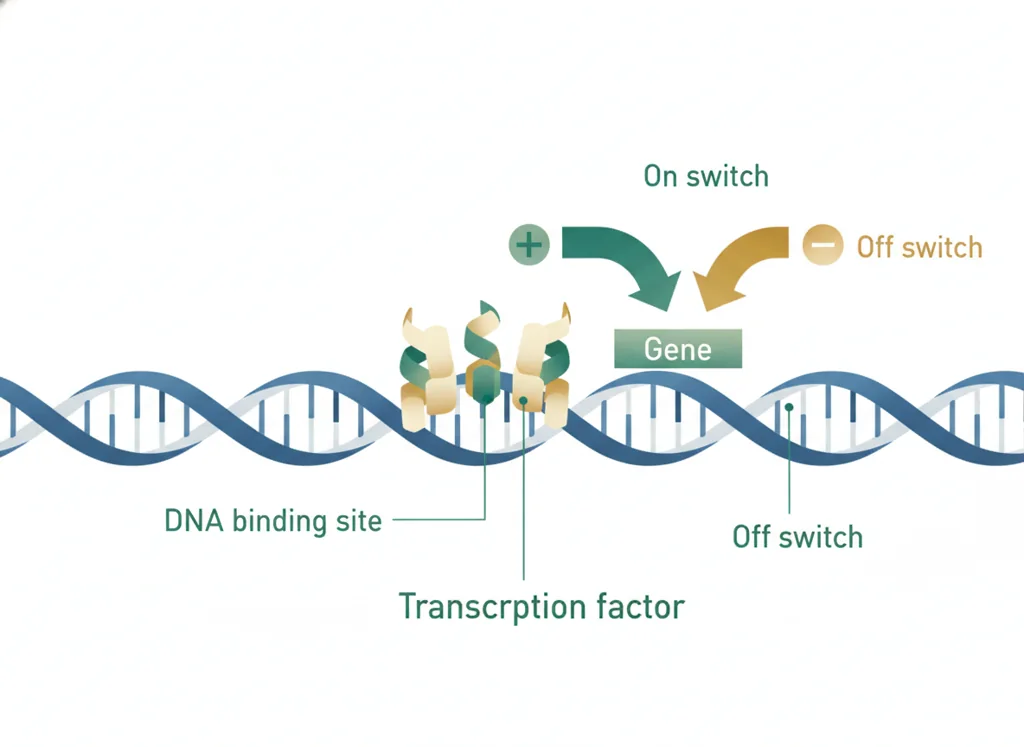
A protein that binds DNA and turns specific genes on or off, controlling what a cell becomes and does.
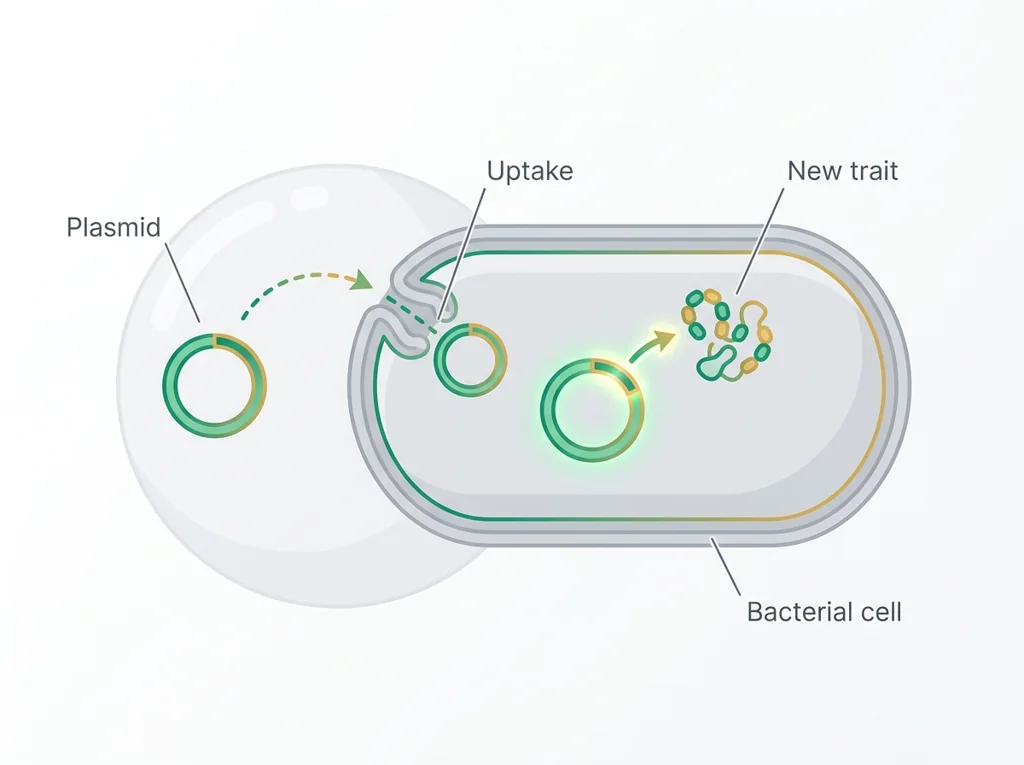
The process by which a bacterial cell takes up foreign DNA, such as a plasmid, from its surroundings and begins using those new genes.
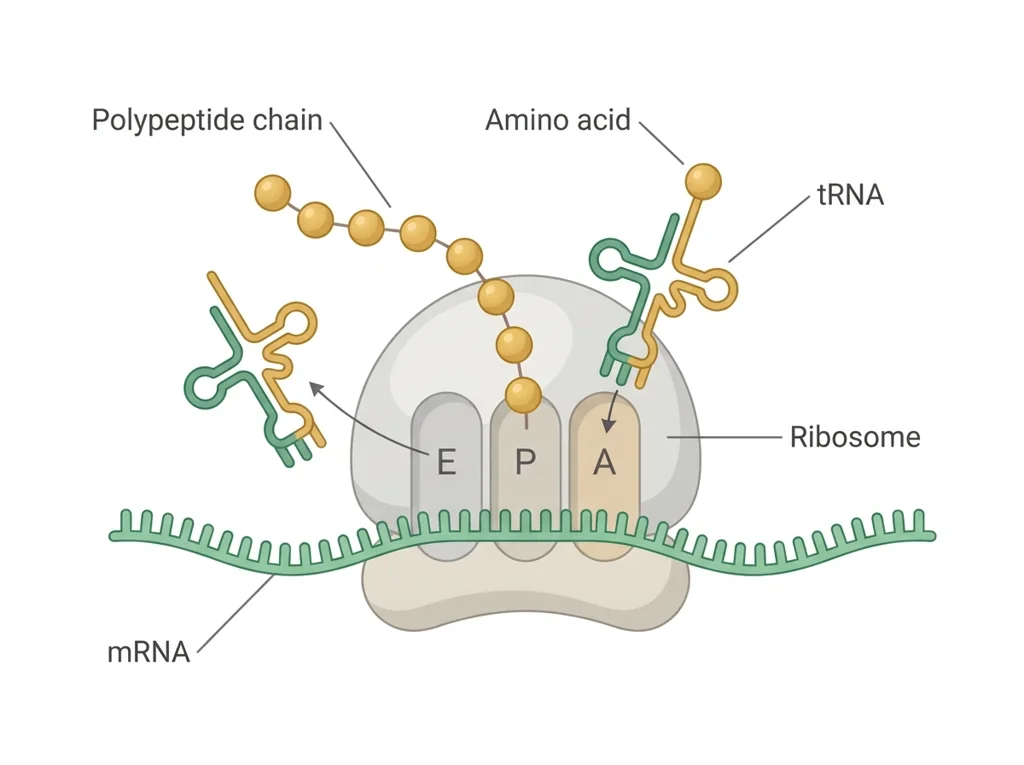
The second step of making a protein: the ribosome reads the mRNA and builds a chain of amino acids.
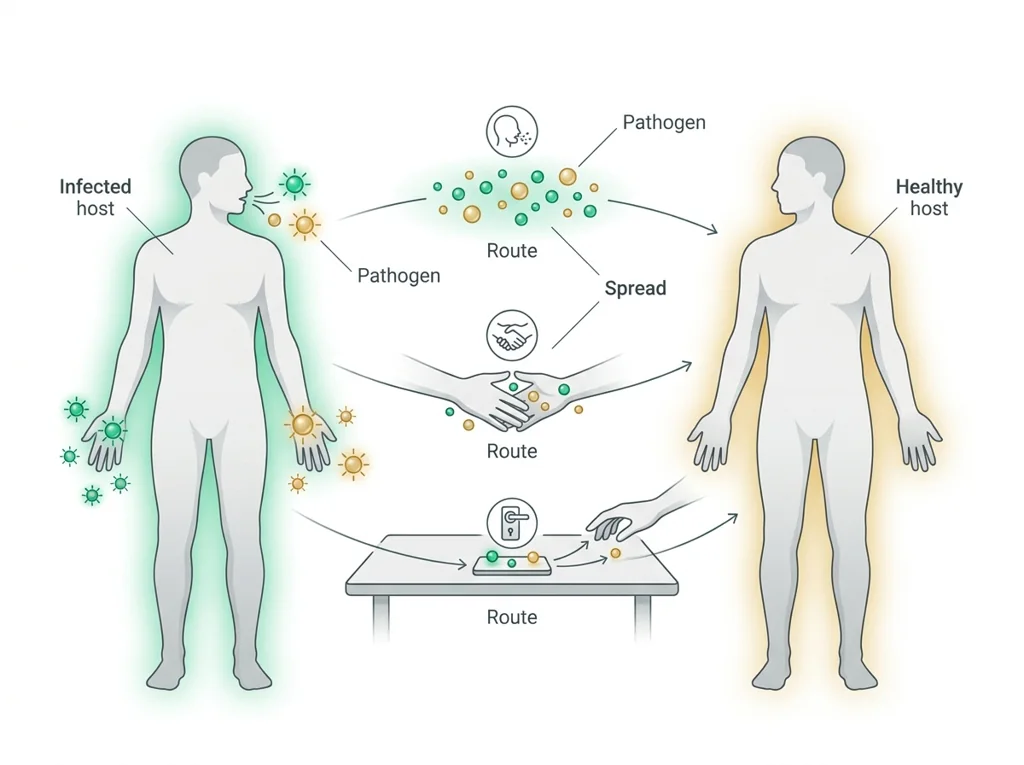
The passing of a disease-causing agent from one host to another, by routes such as contact, droplets, contaminated objects, or vectors.
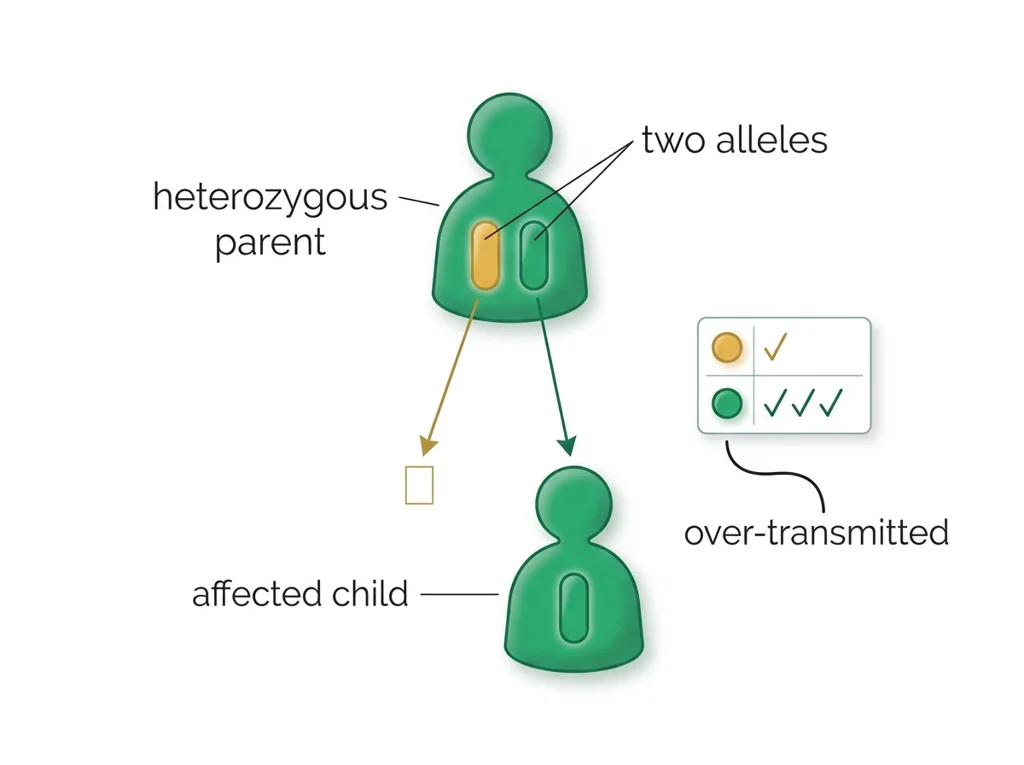
A family-based test that checks whether a gene variant is passed from heterozygous parents to affected children more often than chance.
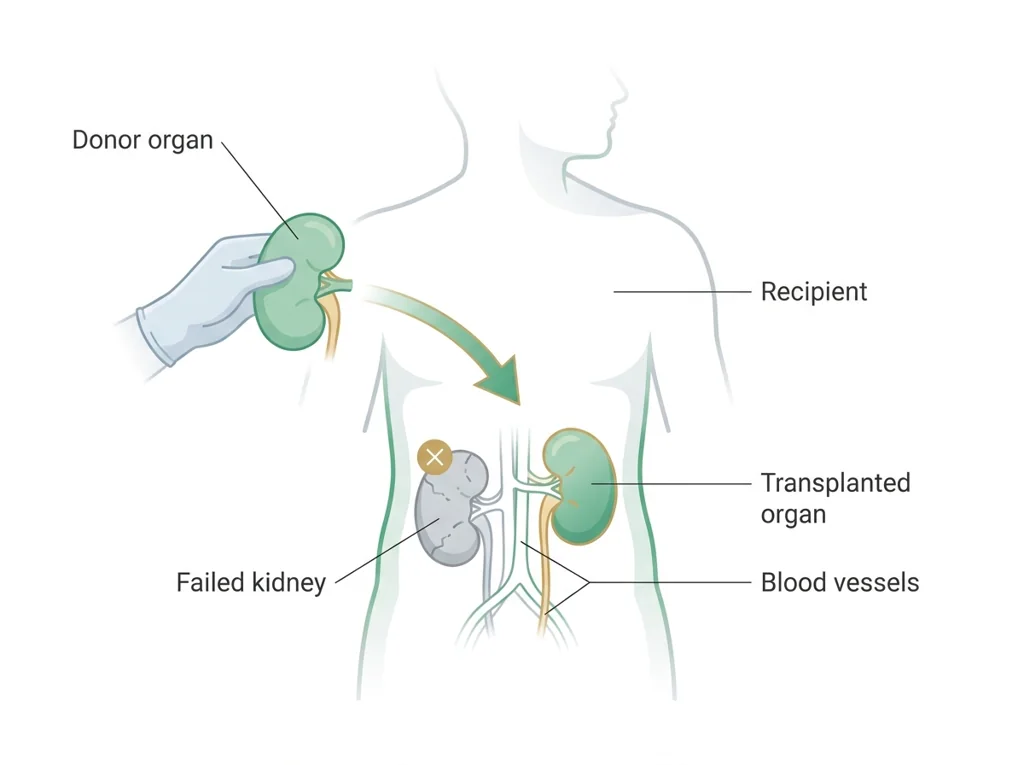
The transfer of a healthy organ, tissue, or cells from a donor into a patient to replace a part that has failed.
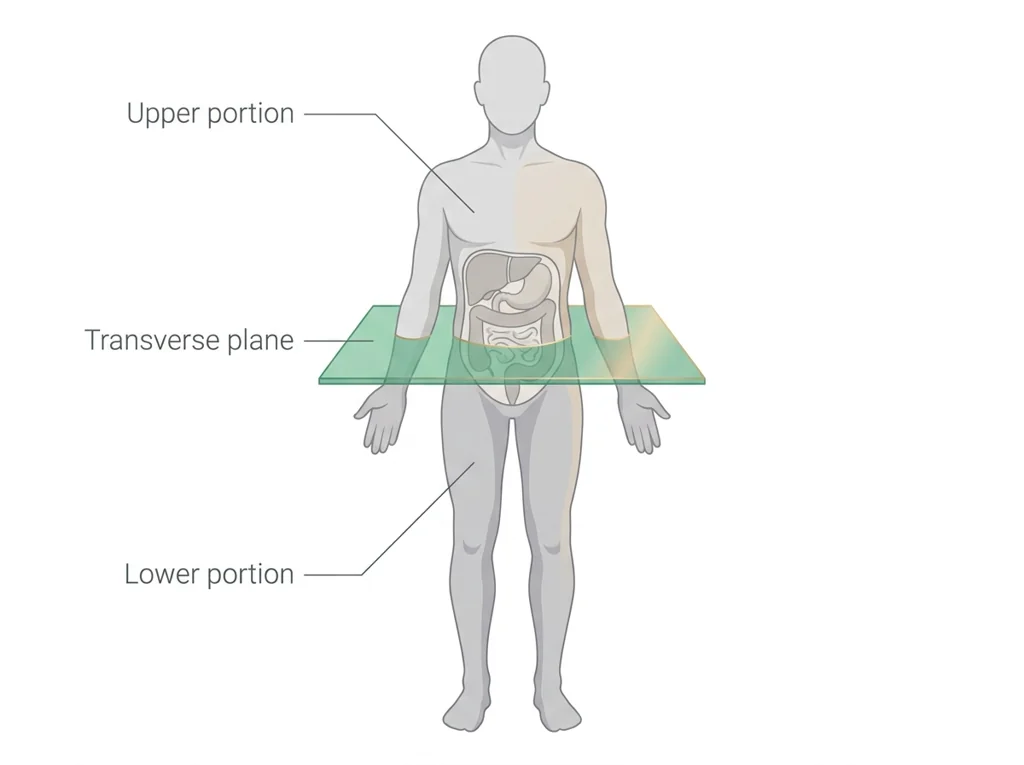
An anatomical plane that runs horizontally across the body, dividing it into upper and lower sections.
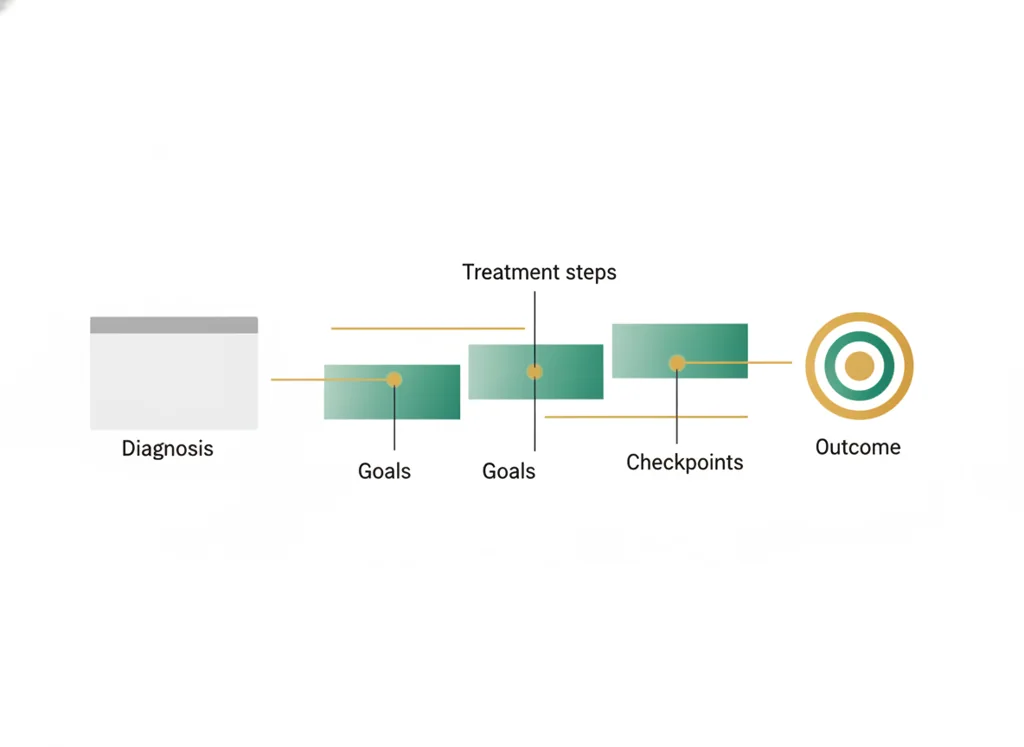
An organized roadmap of the steps, therapies, and goals a healthcare team will follow to manage or cure a patient's condition.
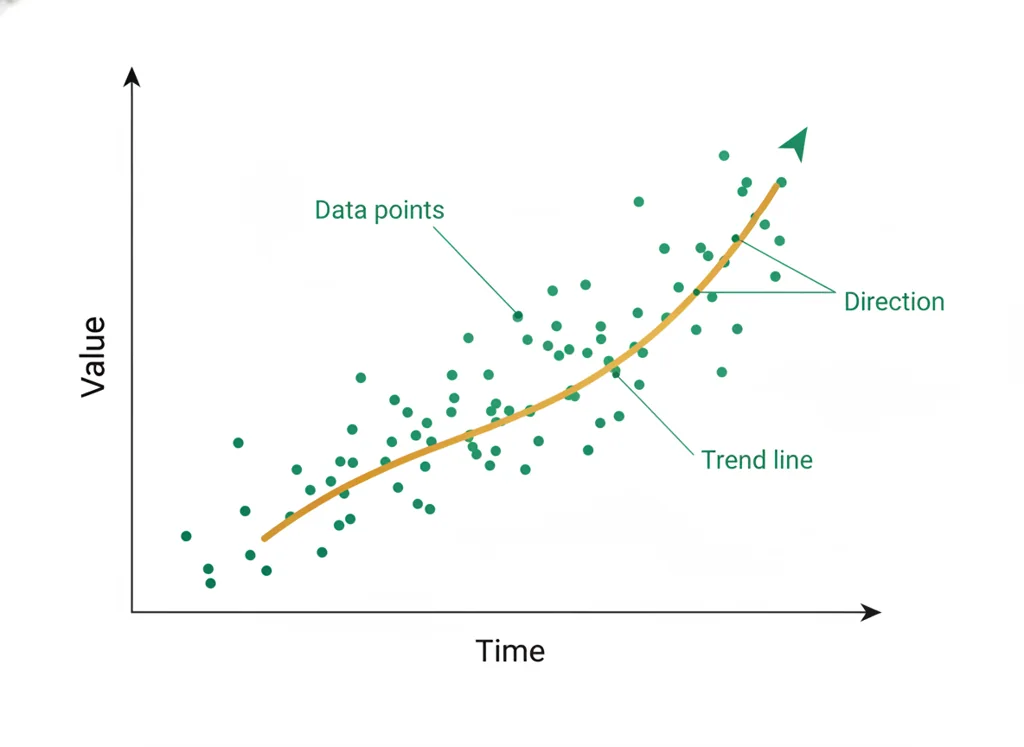
The general direction that data moves over time, such as rising, falling, or staying steady, seen across many points rather than a single value.
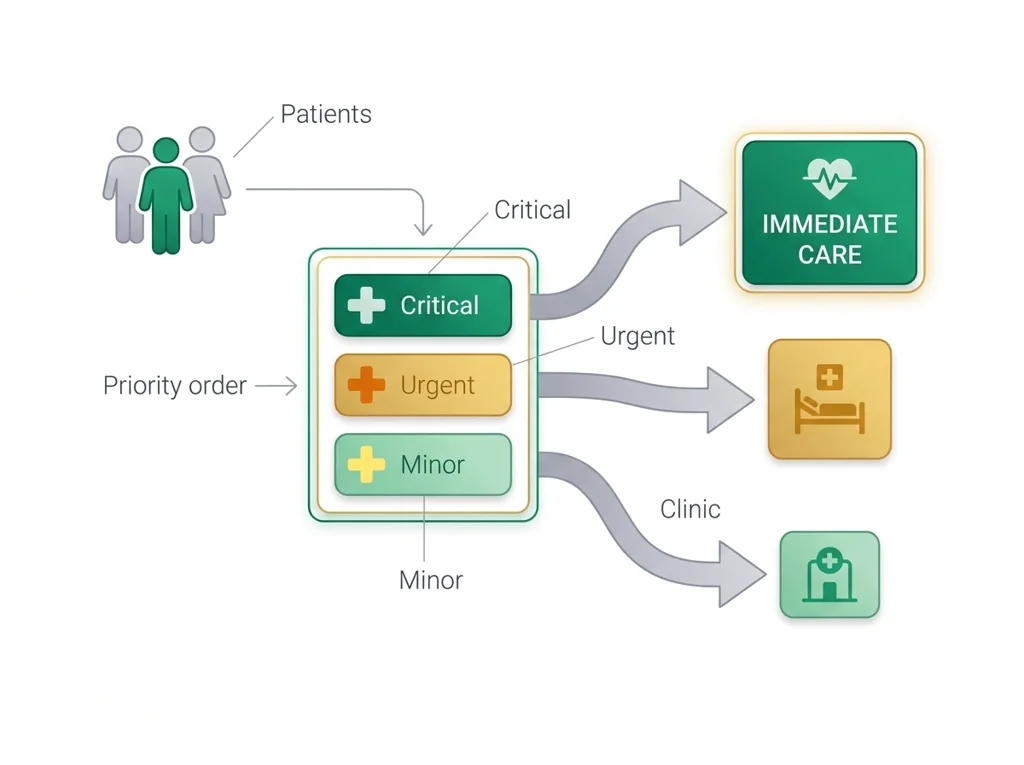
Sorting patients so that limited staff, time, and supplies do the most good. In everyday emergency care that usually means the most urgent first, but in a mass-casualty event it means treating those who benefit most, which is not always the most badly injured.
A single run of an experiment under set conditions; repeating trials reduces the influence of chance and strengthens conclusions.
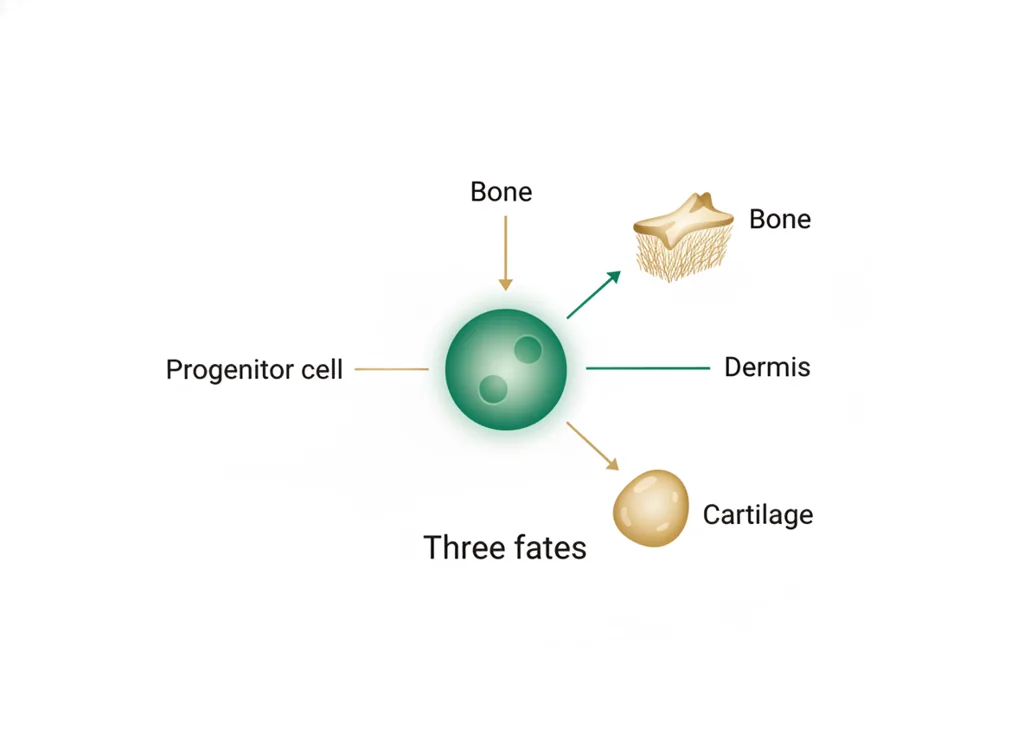
A narrower case of multipotent: able to become one of three cell types, here bone, dermis, or cartilage.
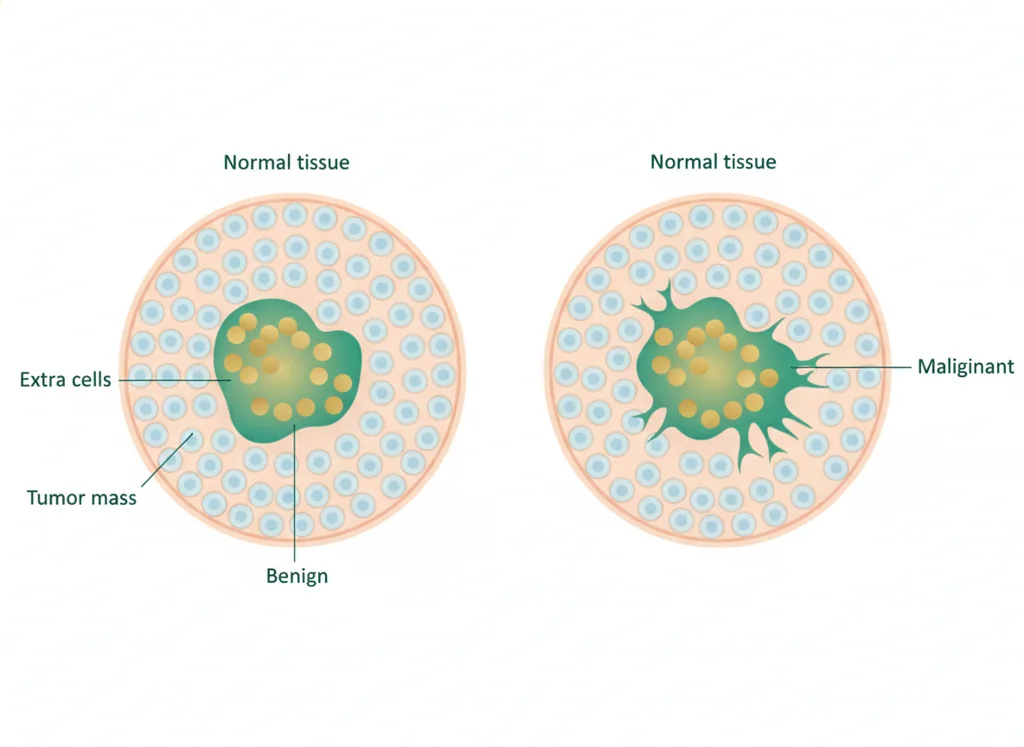
An abnormal mass of tissue formed when cells grow and divide more than they should, which may be benign or malignant.
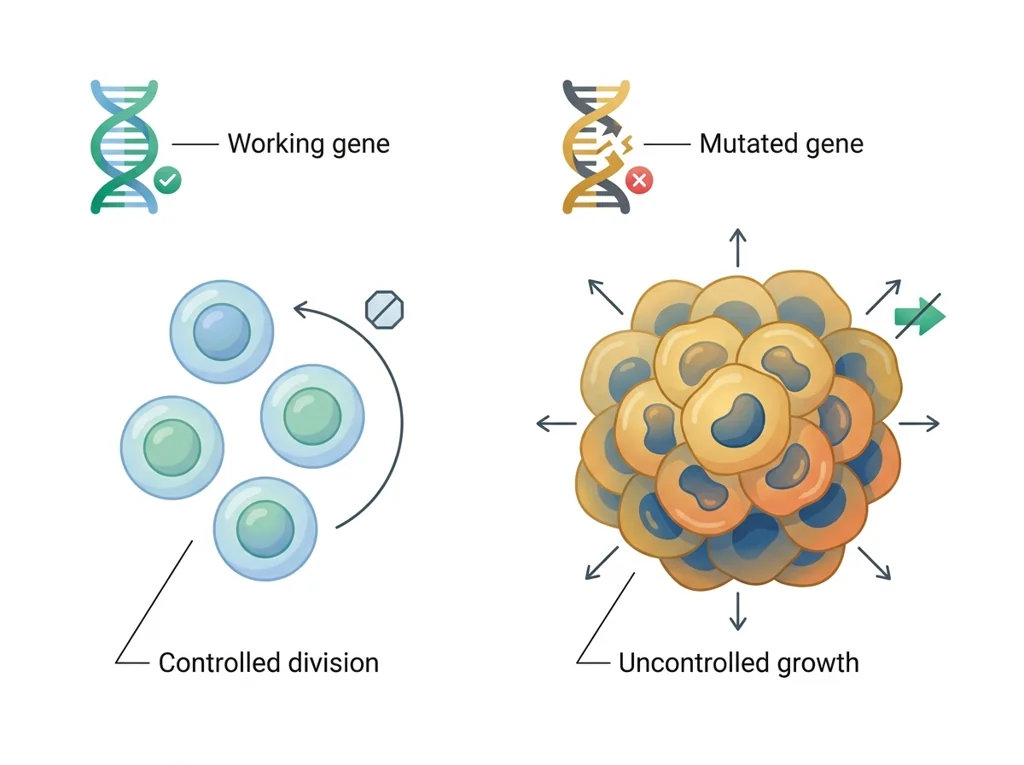
A gene whose protein normally slows cell division or triggers cell death, so losing it can let cells grow uncontrolled into cancer.

Cloudiness in a liquid culture caused by cells scattering light. More cloudiness means more cells, but it counts living and dead cells alike.
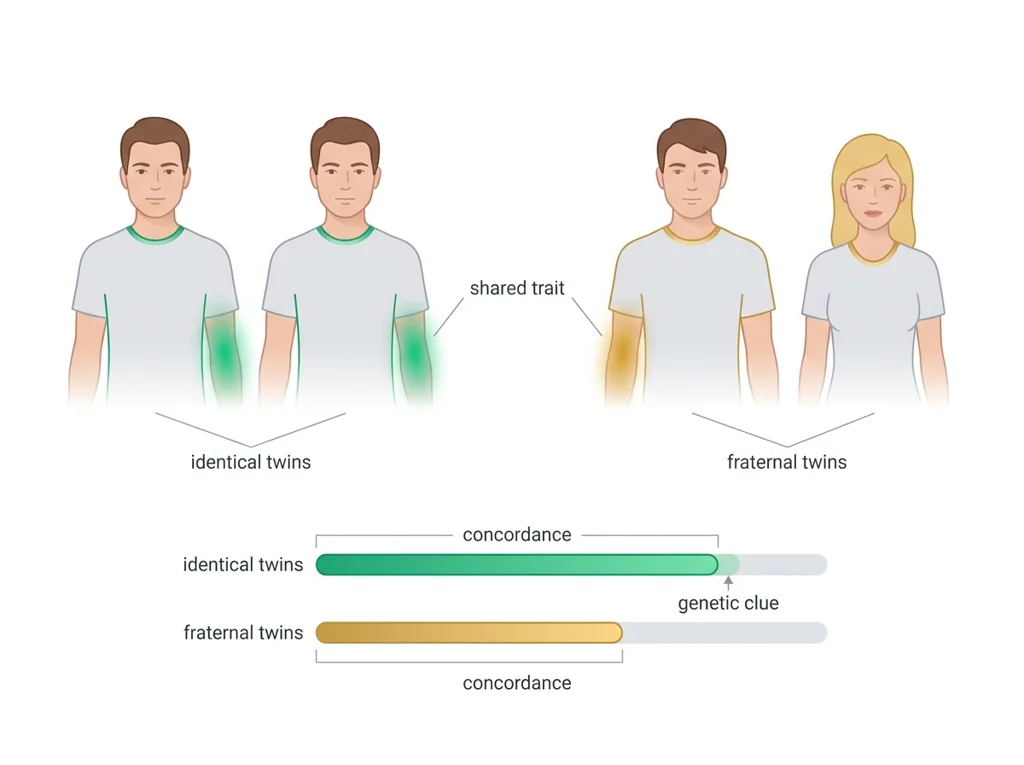
How often both members of a twin pair share a trait, used to compare identical and fraternal twins and gauge genetic influence.
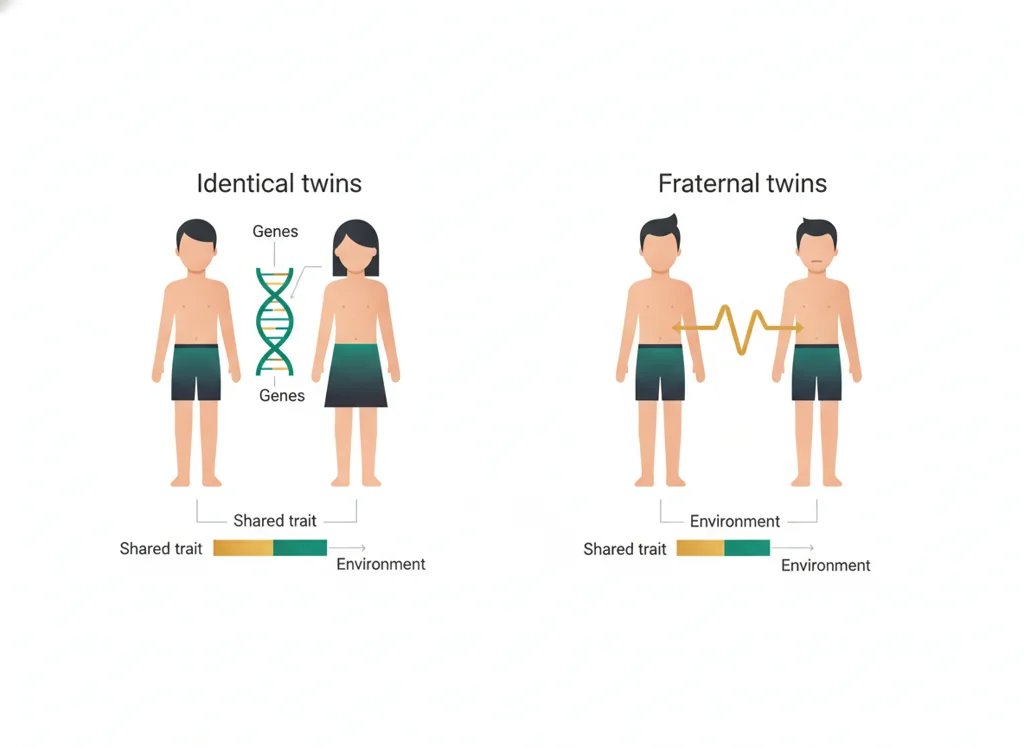
Research that compares identical and fraternal twins to estimate how much of a trait is due to genes versus environment.
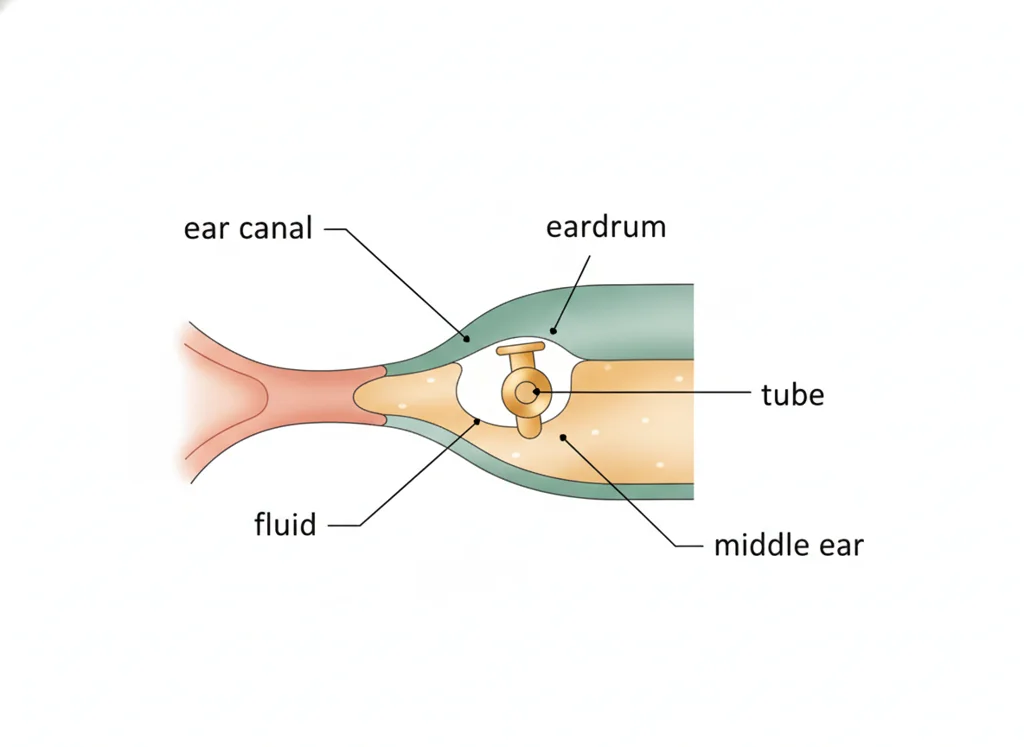
A tiny tube surgically placed in the eardrum to drain fluid and relieve repeated ear infections, common in children with clefts.
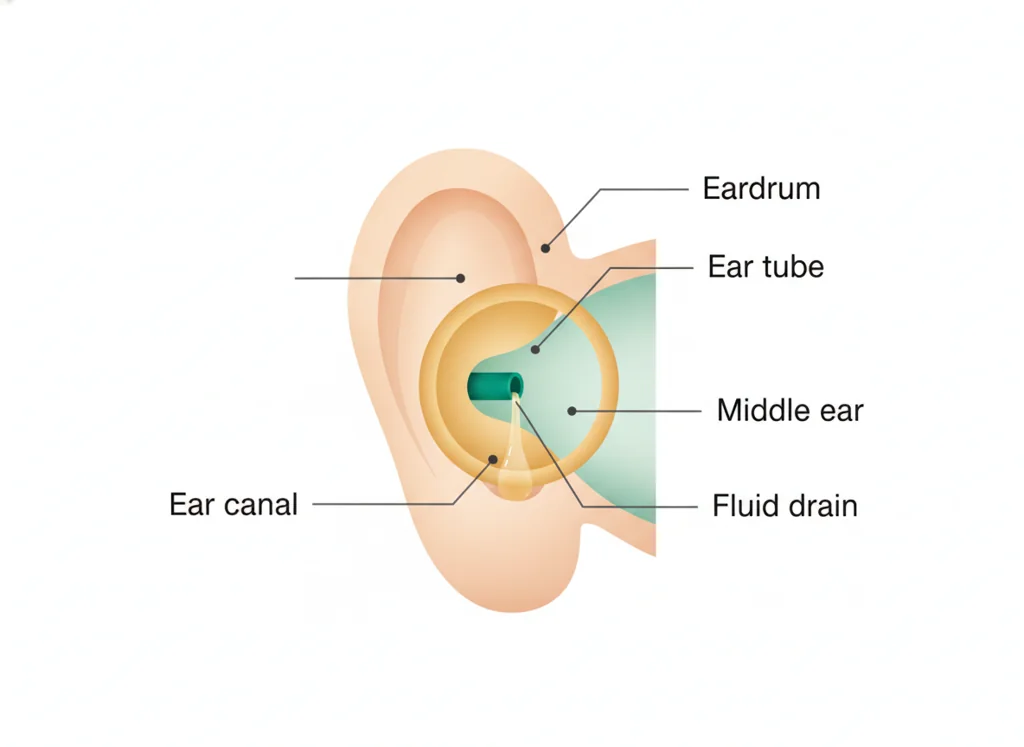
Tiny tubes a surgeon places through the eardrum to drain fluid and prevent ear infections, common in children with cleft palate.
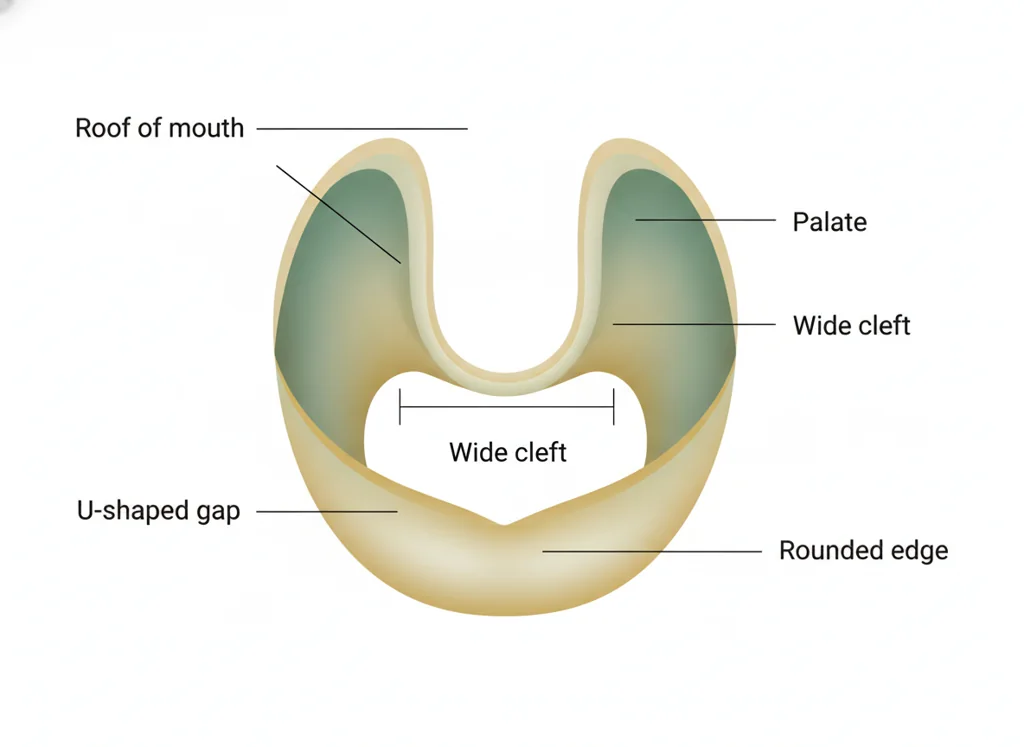
A wide, rounded cleft of the palate shaped like the letter U, characteristic of Pierre Robin sequence.
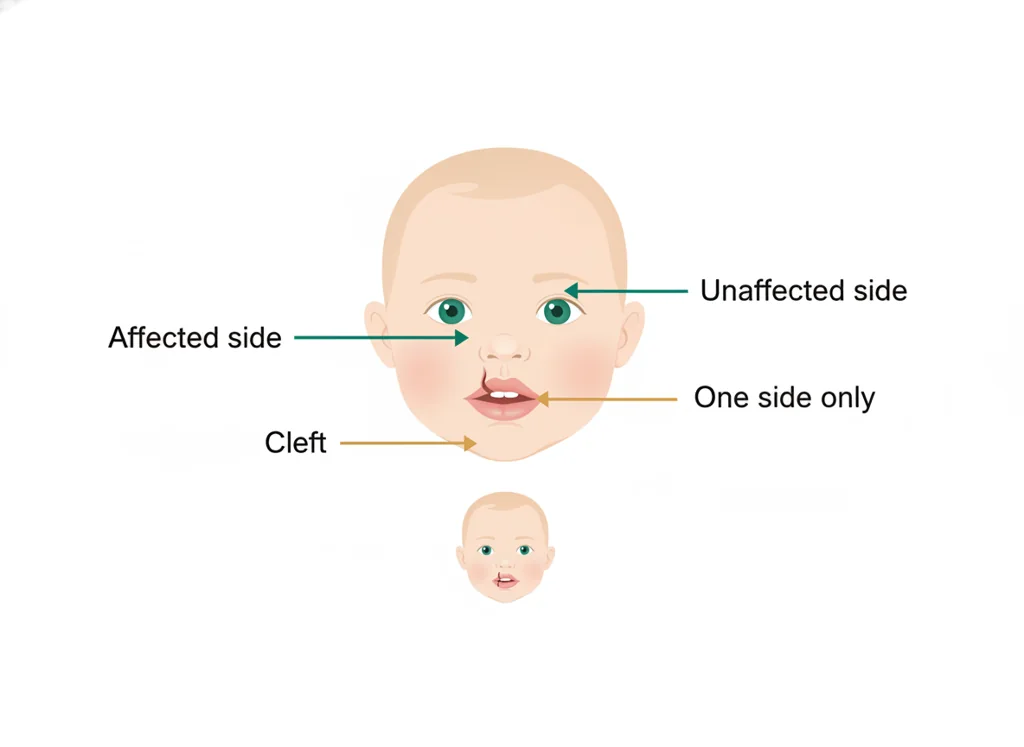
Affecting only one side of the body or face, as opposed to both sides.
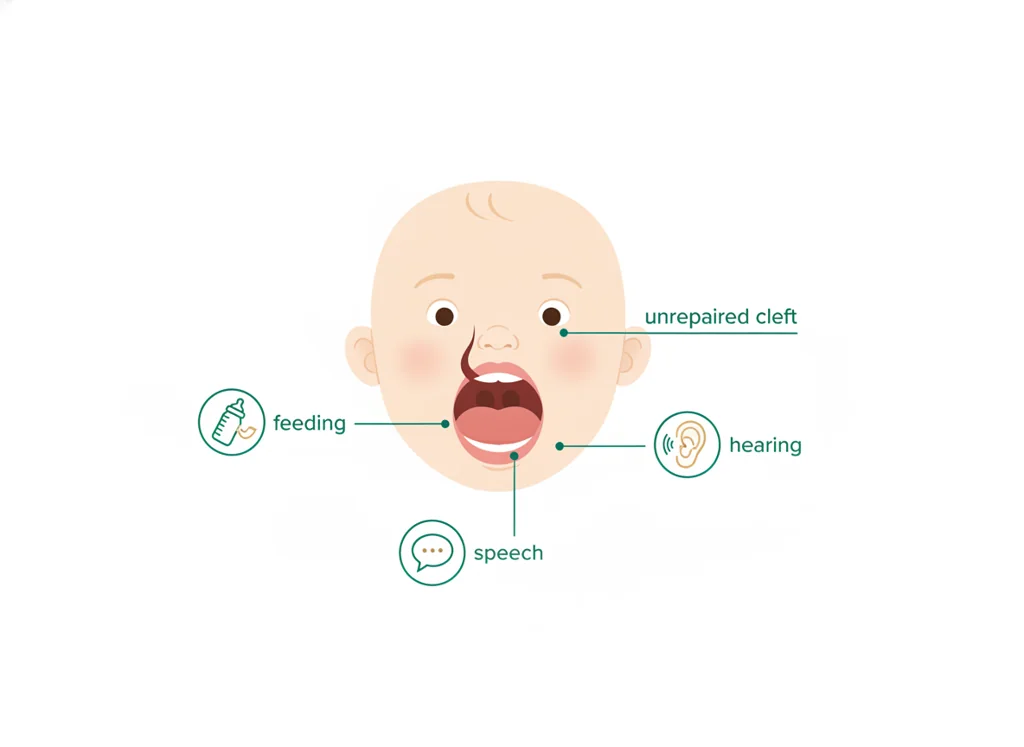
A cleft lip or palate that has not been surgically repaired, which can affect feeding, speech, hearing, and dental health over time.
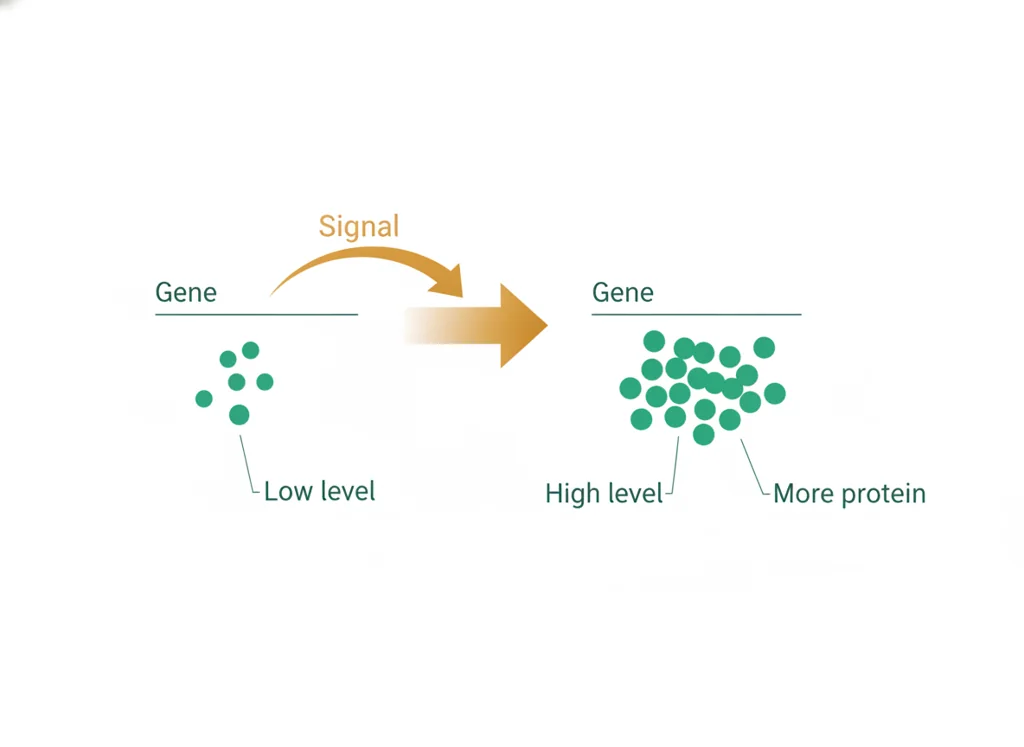
Describing a gene or protein that the cell is making in larger amounts than usual, often in response to a signal or change in conditions.
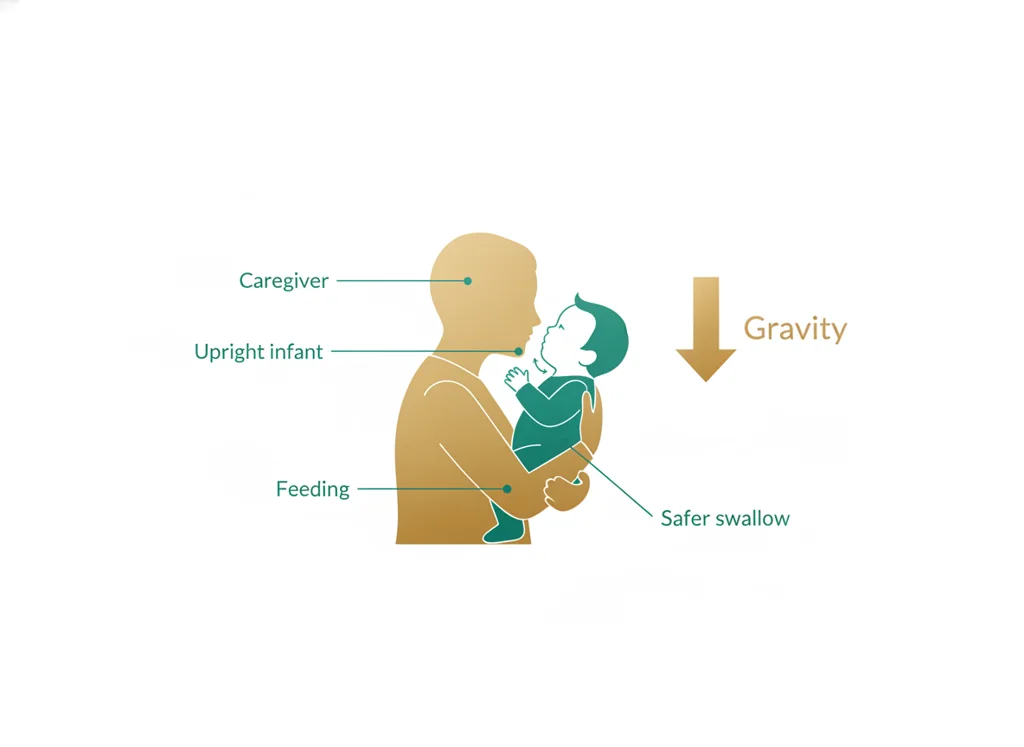
Holding a baby in a more vertical posture during feeding so gravity helps keep milk out of the nose and airway.
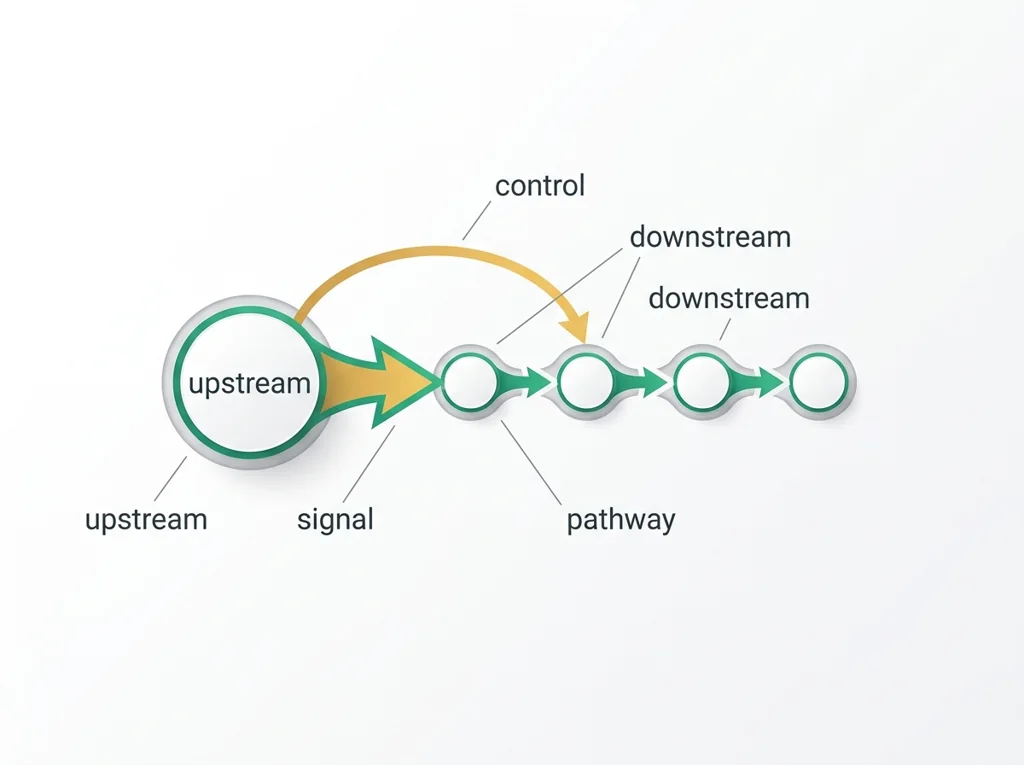
Genes or events that come earlier in a pathway and control what happens later, downstream.
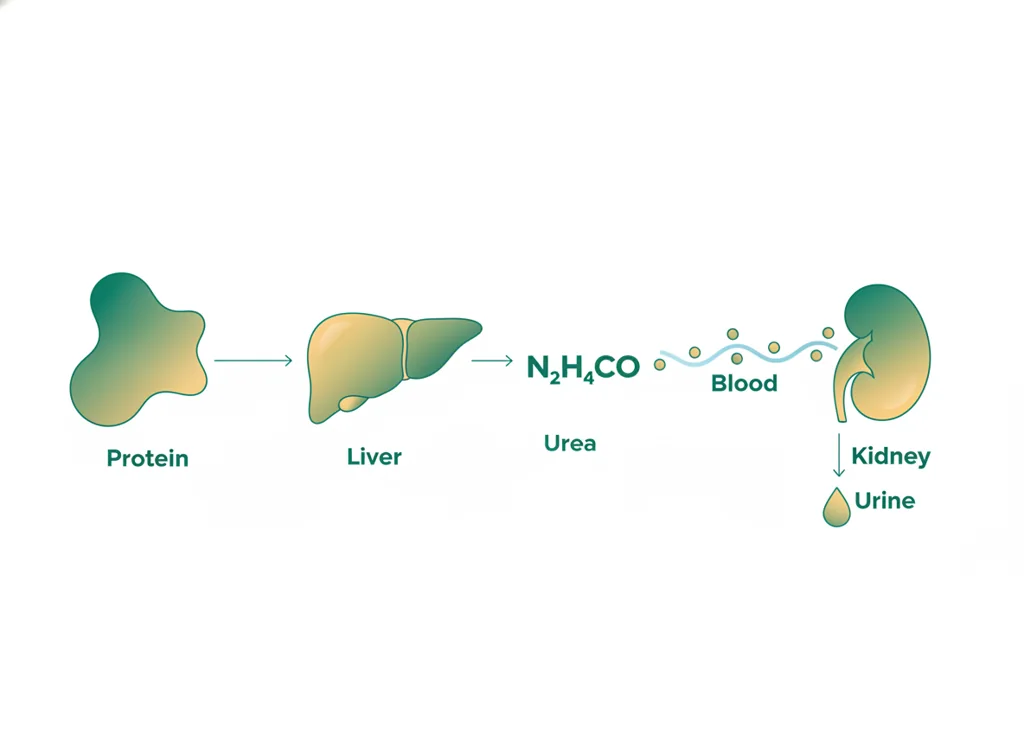
A nitrogen-containing waste molecule the liver makes from breaking down protein, which the kidneys filter out and remove in urine.
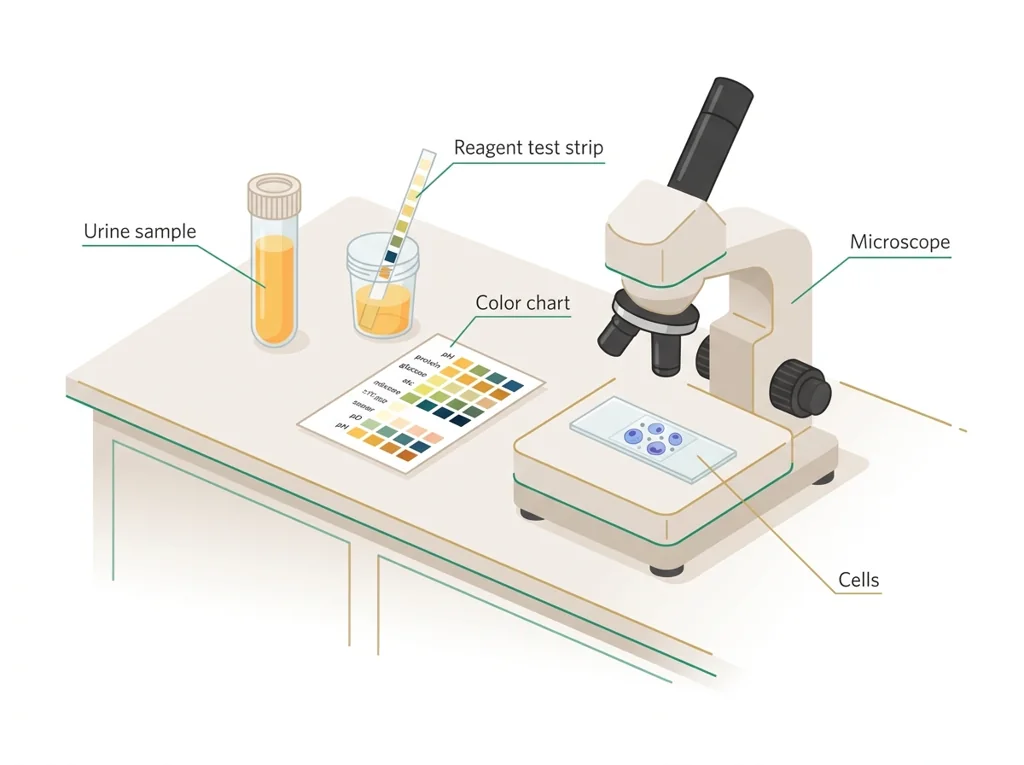
A set of lab tests on a urine sample that checks color, chemistry, and cells to screen for infection, kidney problems, or disease.
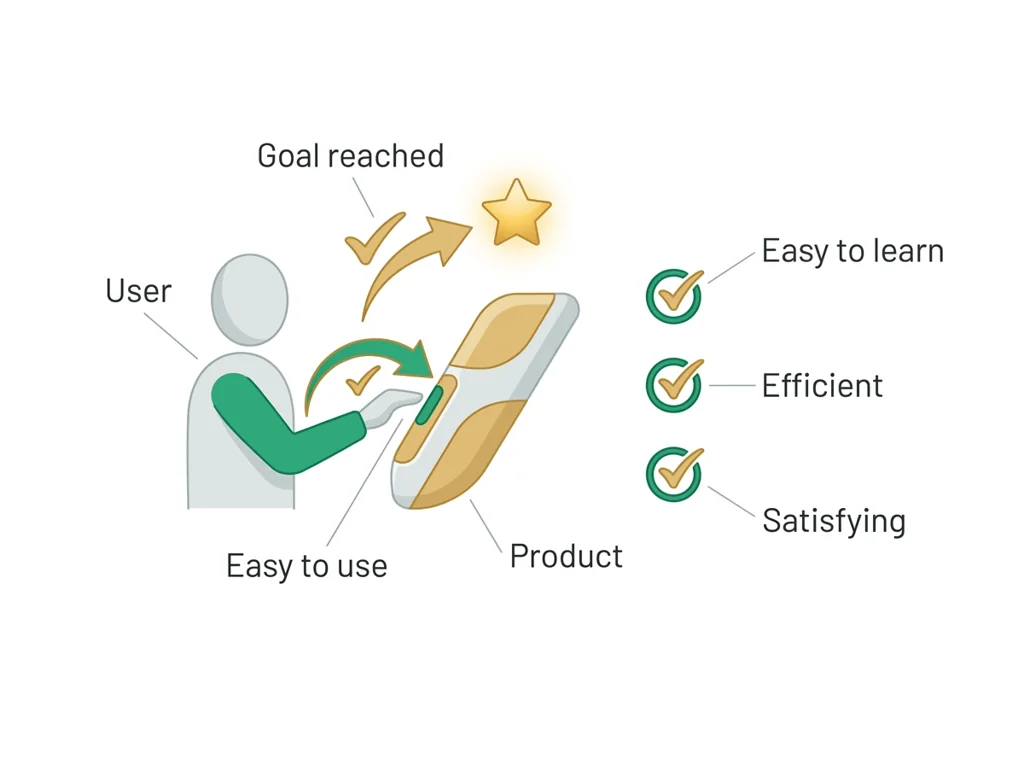
A five-step research workflow that recruits users, briefs them, watches them try a product, interviews them, and reports findings.
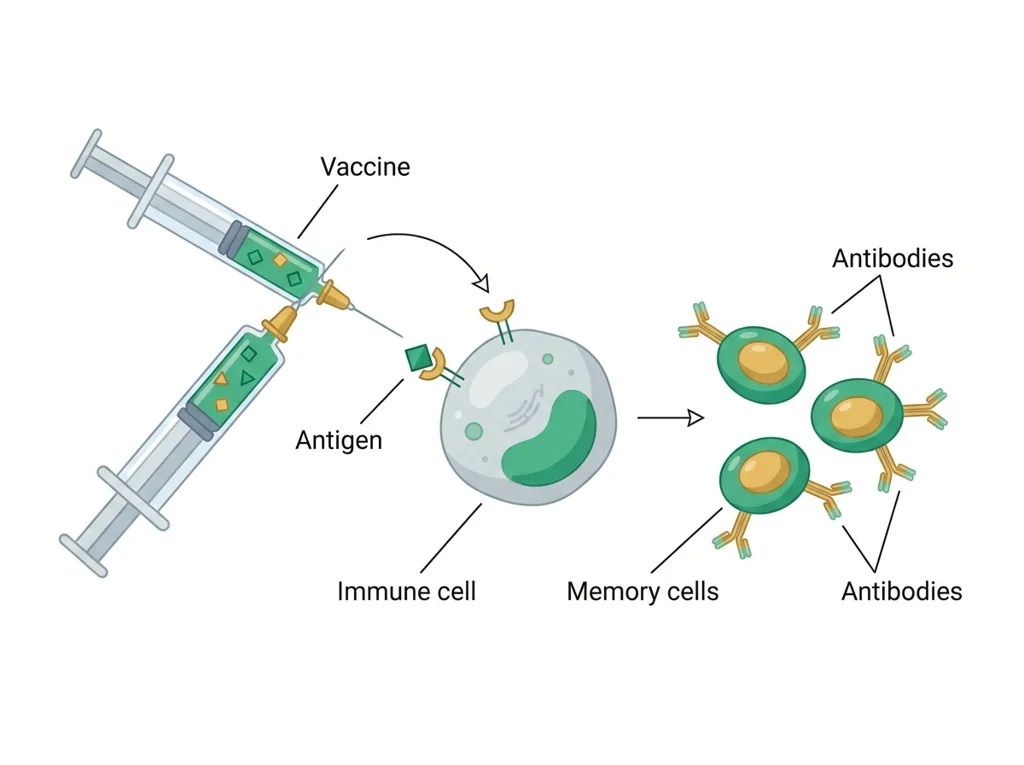
A preparation that delivers an antigen (or the instructions to make one) so the immune system learns to recognize the real pathogen later.
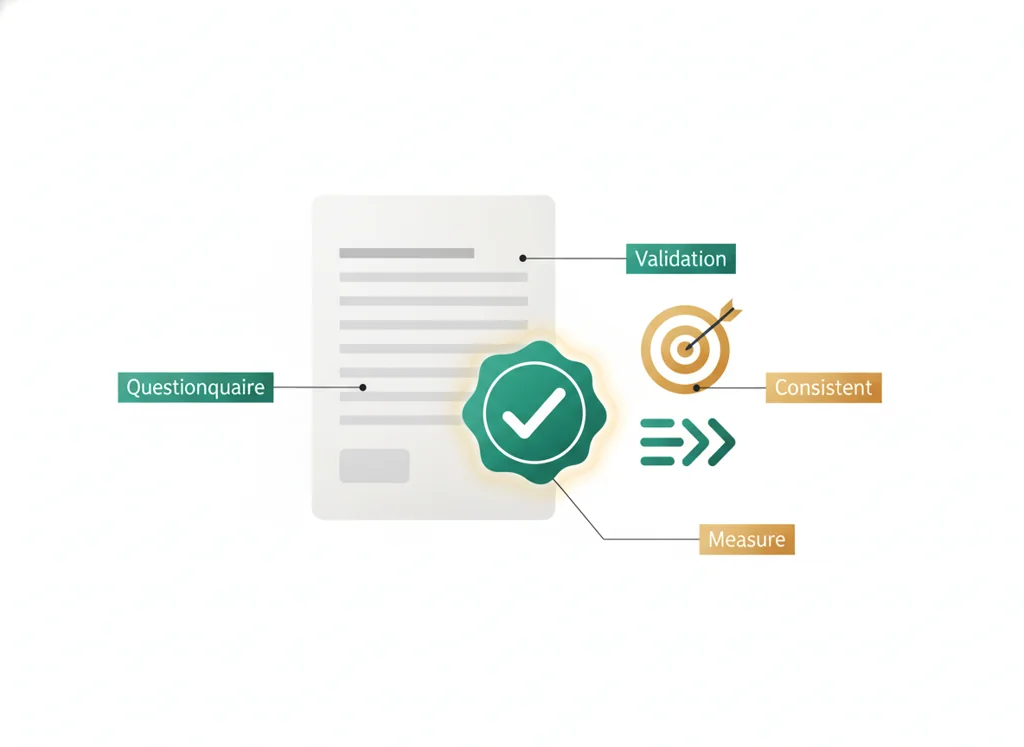
A survey or test that has been formally checked to make sure it measures what it claims to, consistently and accurately.
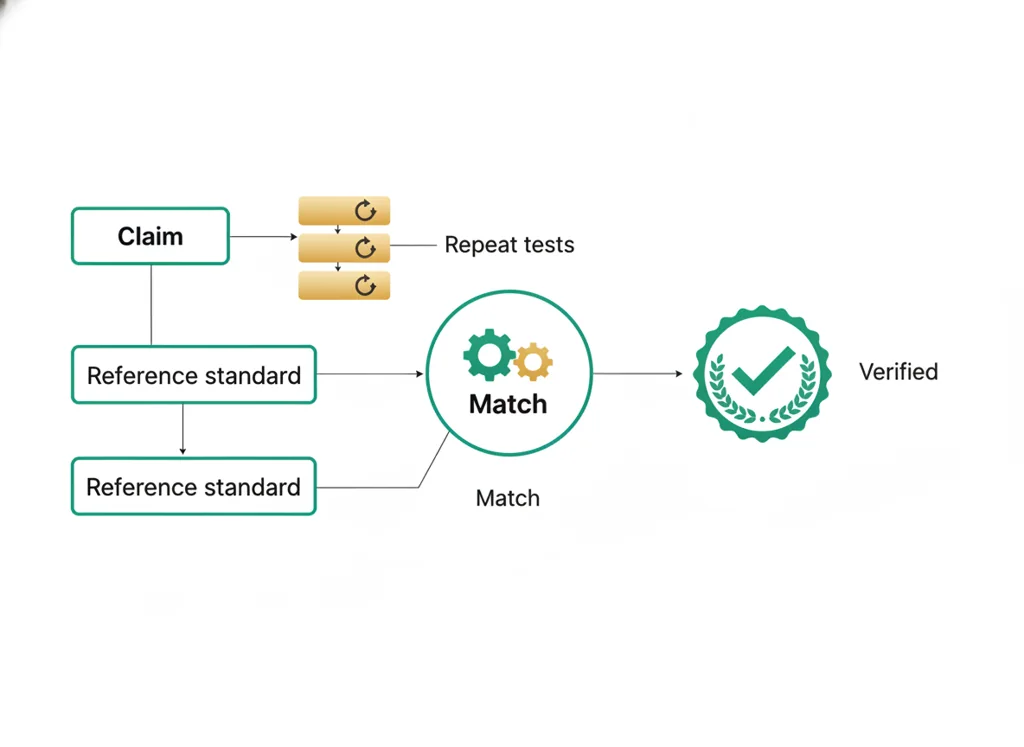
Confirming through testing and evidence that a method, device, or result actually does what it claims and gives accurate, repeatable outcomes.
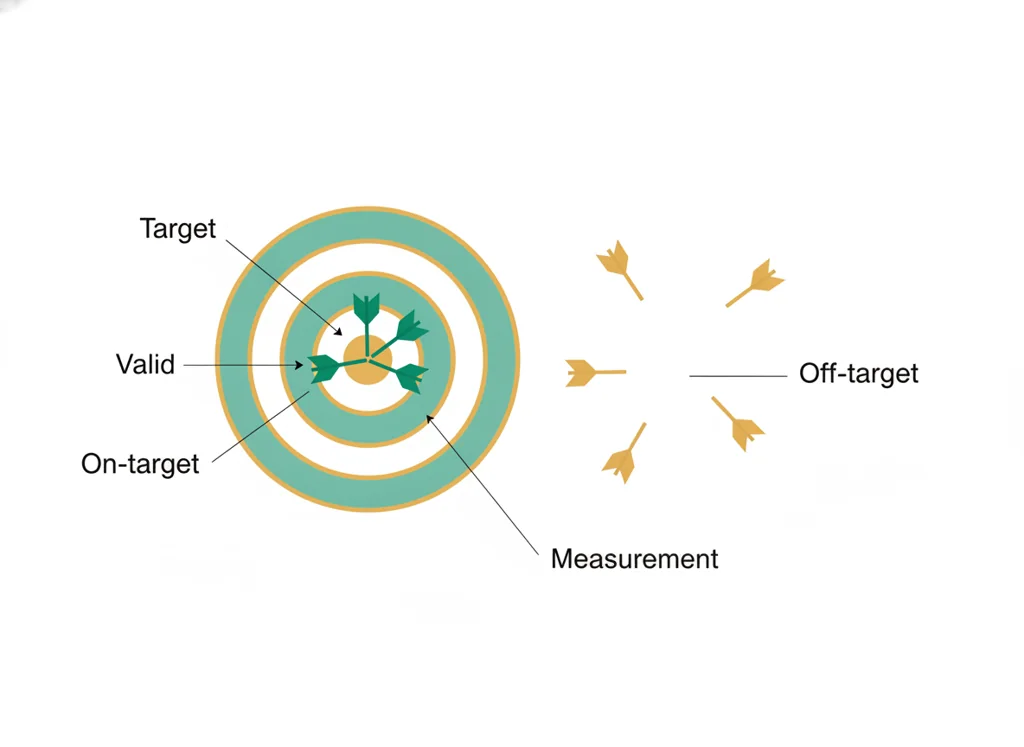
How well a test or study actually measures what it claims to, so the conclusions truly reflect reality.
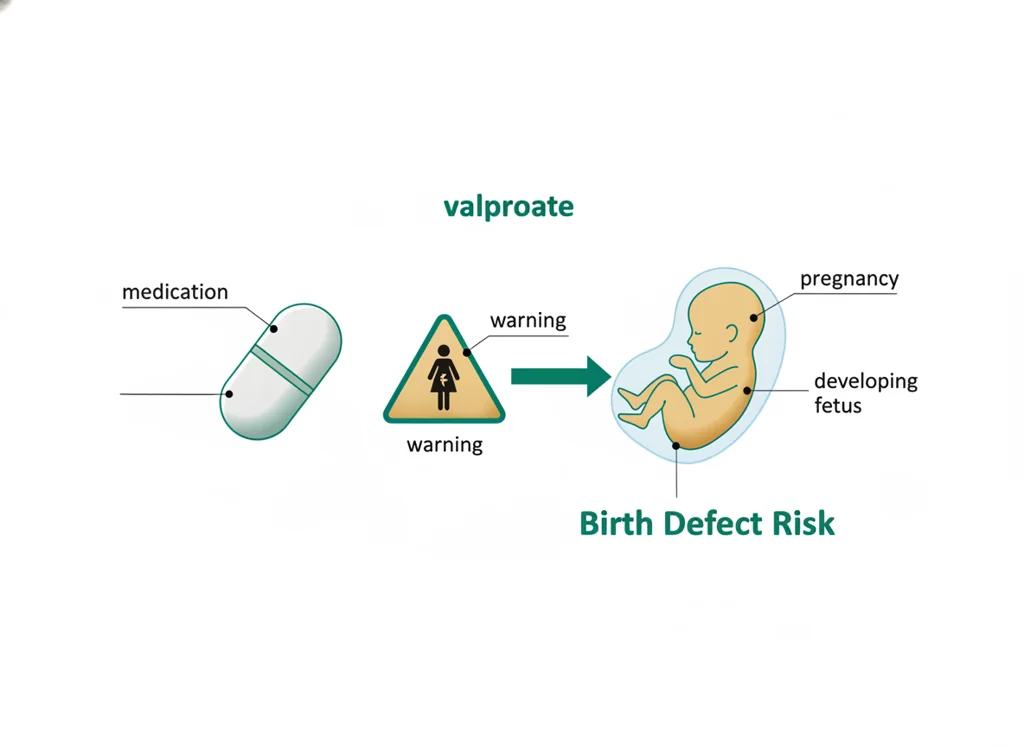
A medication used for seizures and mood that raises the risk of birth defects, including cleft palate, when taken during pregnancy.
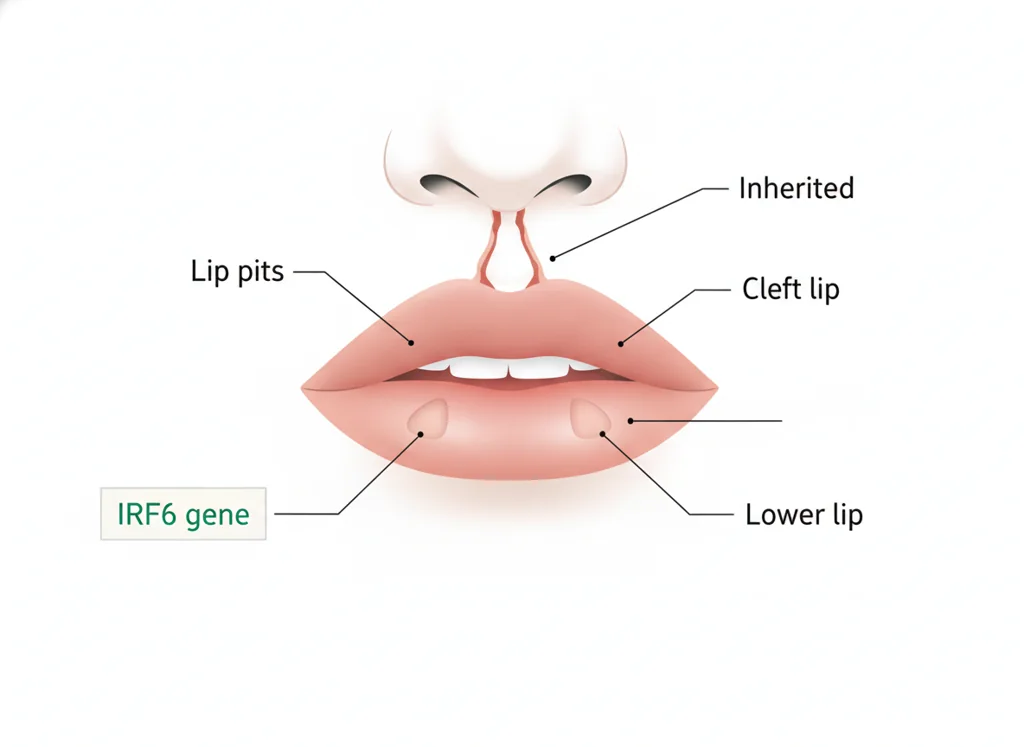
The most common syndromic, single-gene form of cleft lip and palate, usually caused by an IRF6 mutation and often marked by small lower-lip pits.
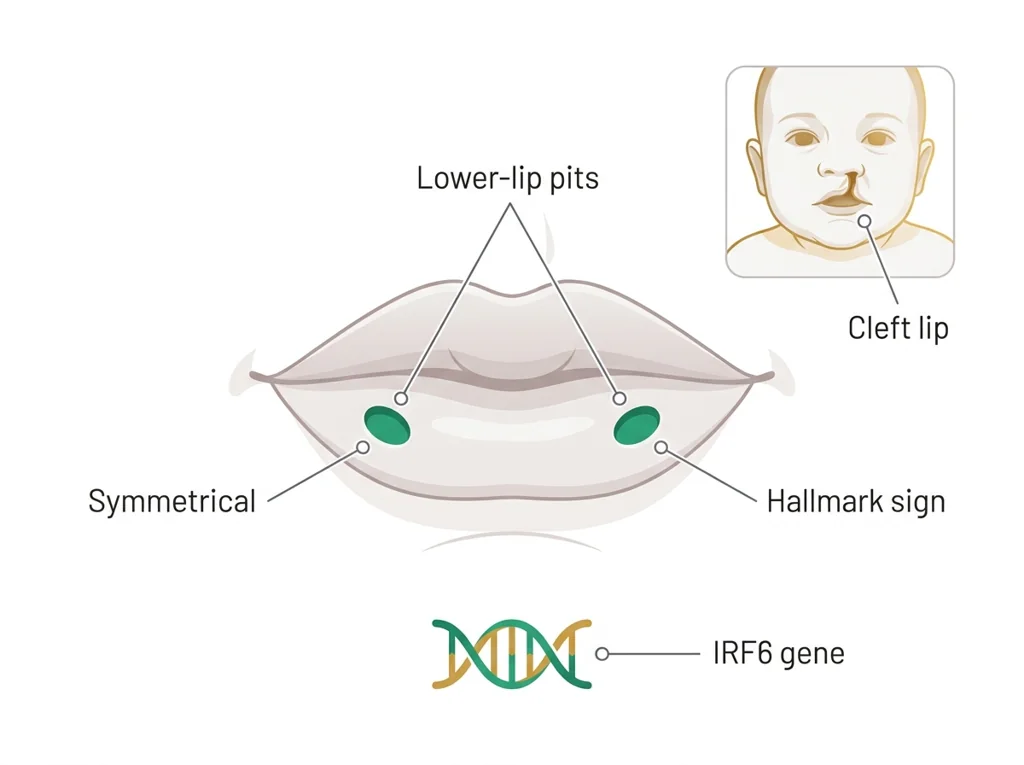
The most common single-gene cause of cleft lip and palate, usually from an IRF6 change, whose hallmark is small lower-lip pits.
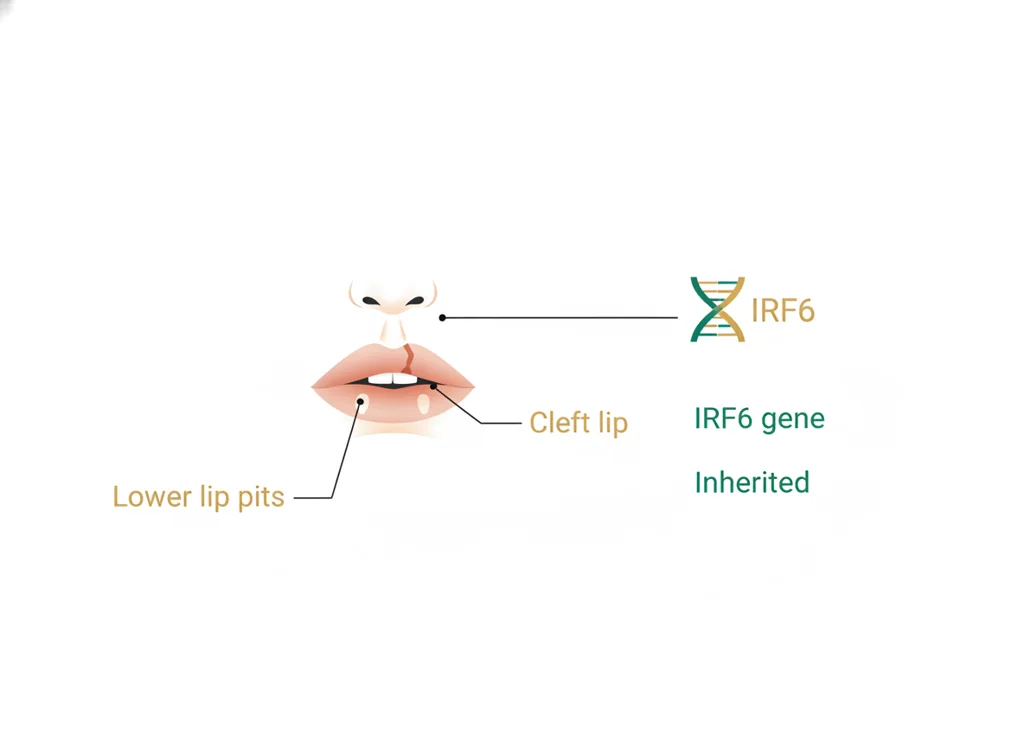
An inherited disorder, usually from IRF6 variants, marked by lower lip pits along with cleft lip and/or cleft palate.
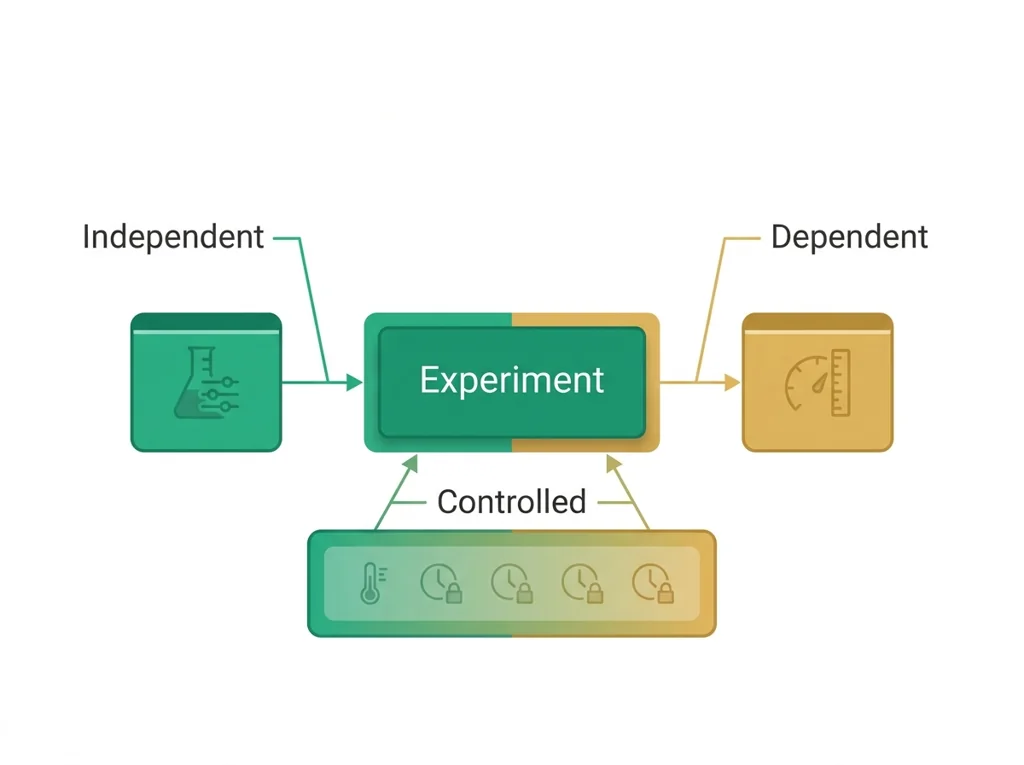
Any factor in an experiment that can change or be changed, including what you test, what you measure, and what you hold steady.
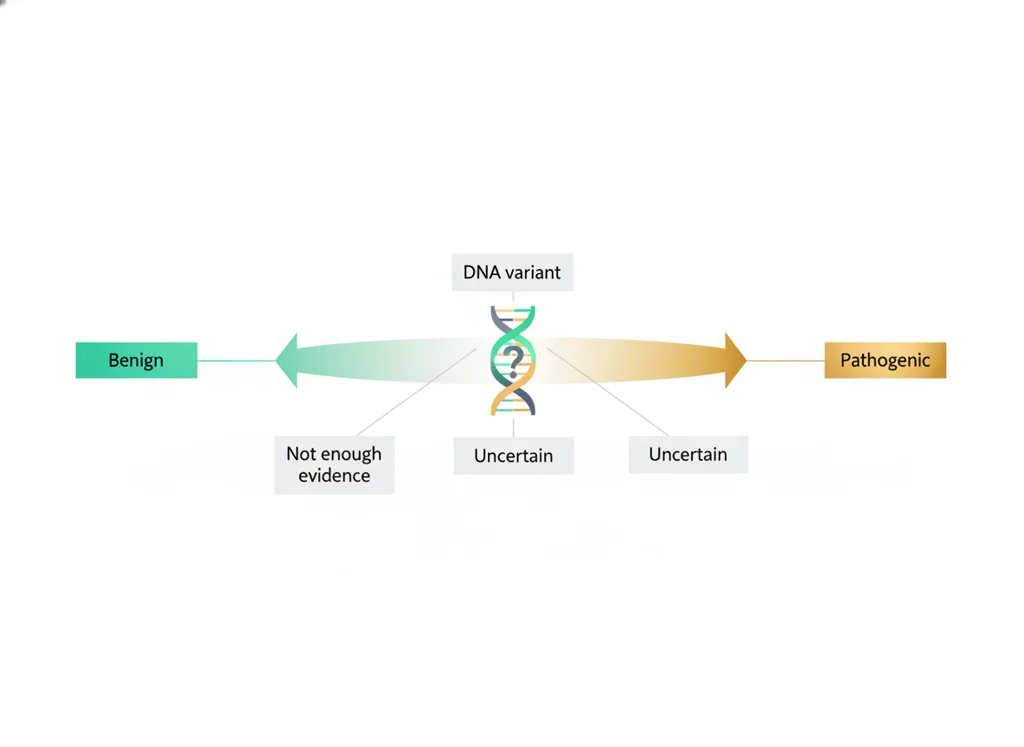
A genetic change with not enough evidence to say whether it causes disease, so it cannot yet be called harmless or harmful.
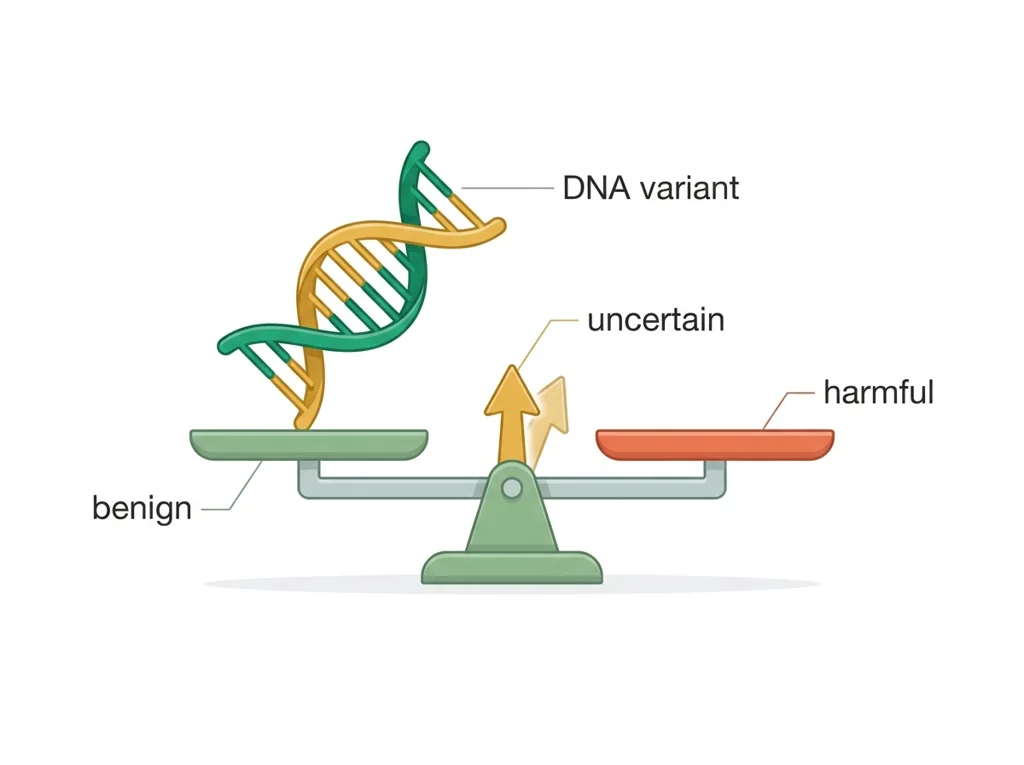
A genetic change whose effect on health is not yet known, leaving doctors unable to call it harmful or harmless.
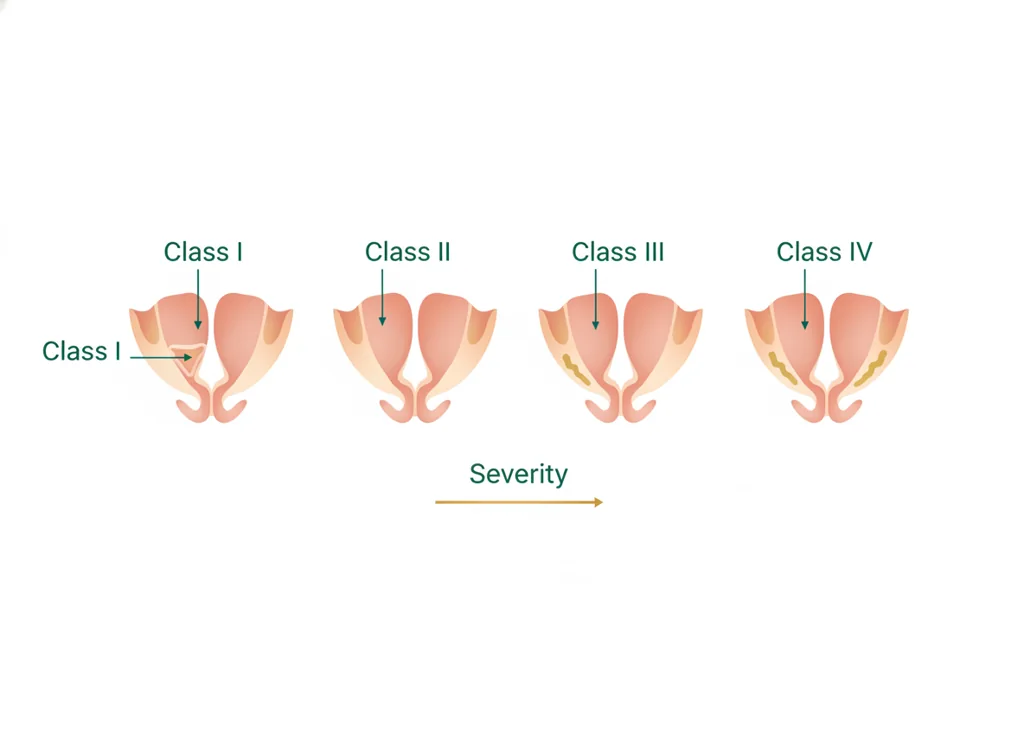
A four-category system that grades clefts from a soft-palate-only cleft up to a bilateral cleft of the lip and palate.
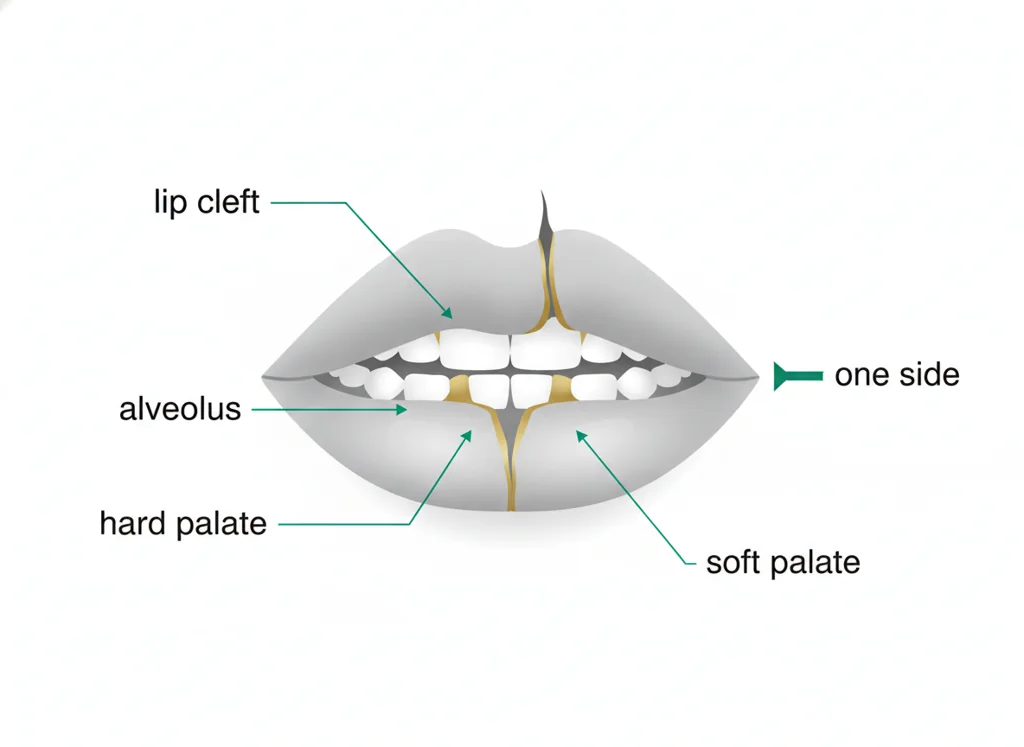
A cleft classification for a complete one-sided cleft running through the lip, gum, and both the hard and soft palate.
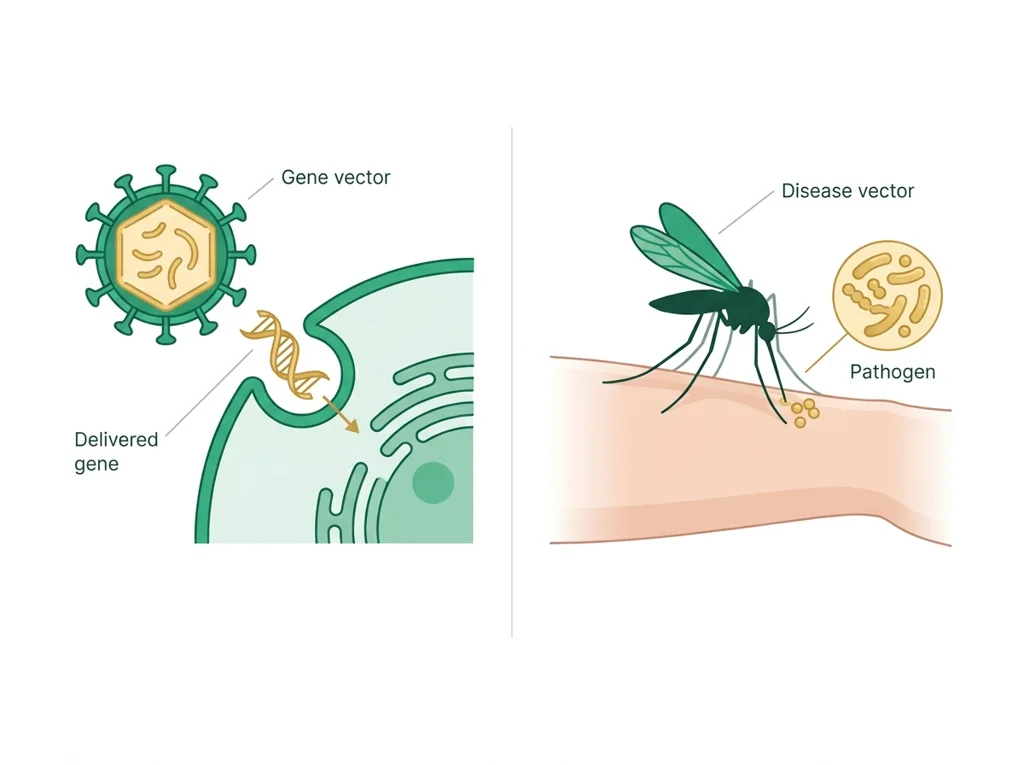
Two senses, set by the lesson. In infection control, a living carrier, usually an insect such as a mosquito or a tick, that moves a pathogen from one host to the next. In genetics, a plasmid or virus engineered to carry DNA into a cell.
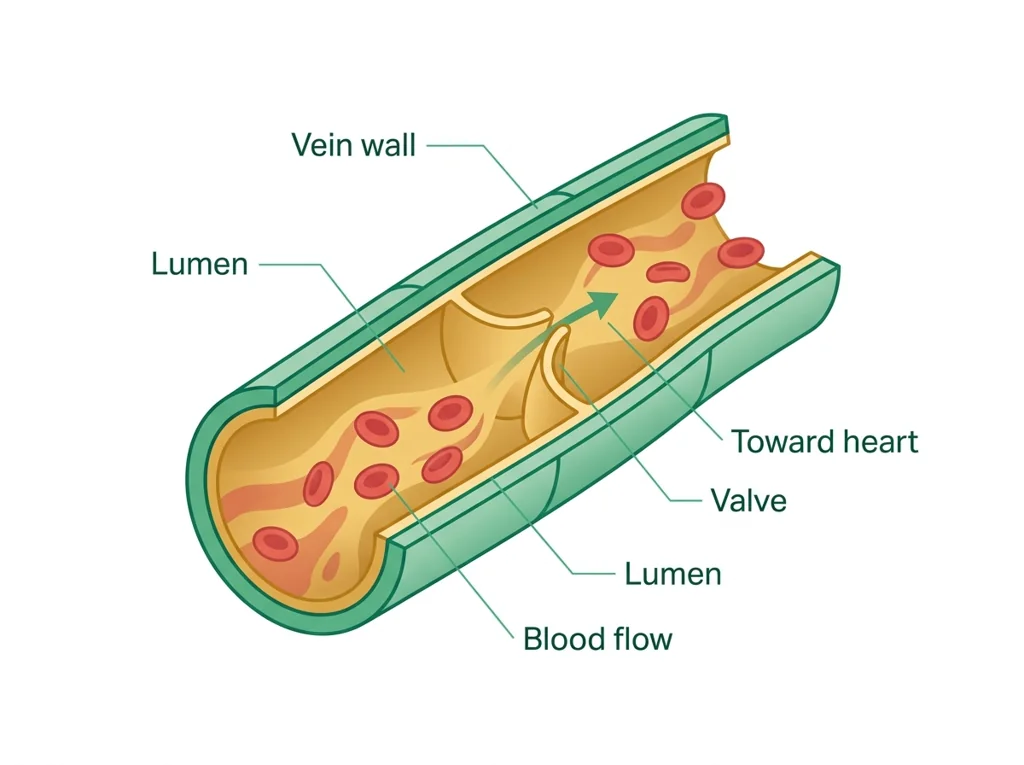
A blood vessel that carries blood back toward the heart, usually at lower pressure and equipped with valves that keep blood from flowing backward.
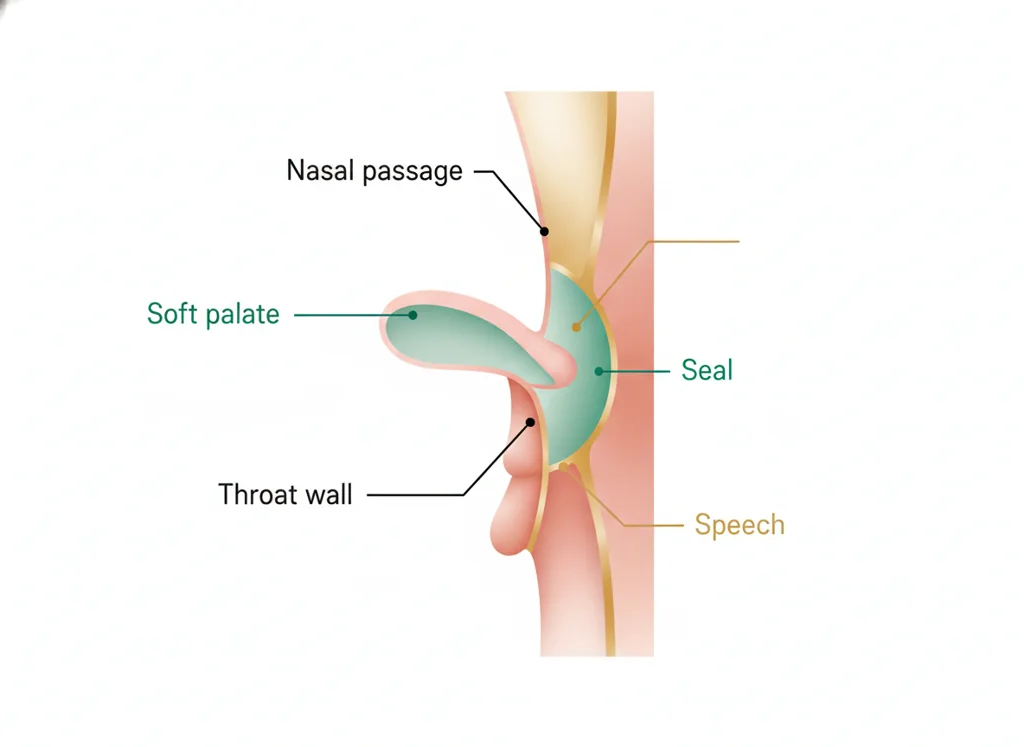
The sealing of the soft palate against the back of the throat that closes off the nose during speech and swallowing.
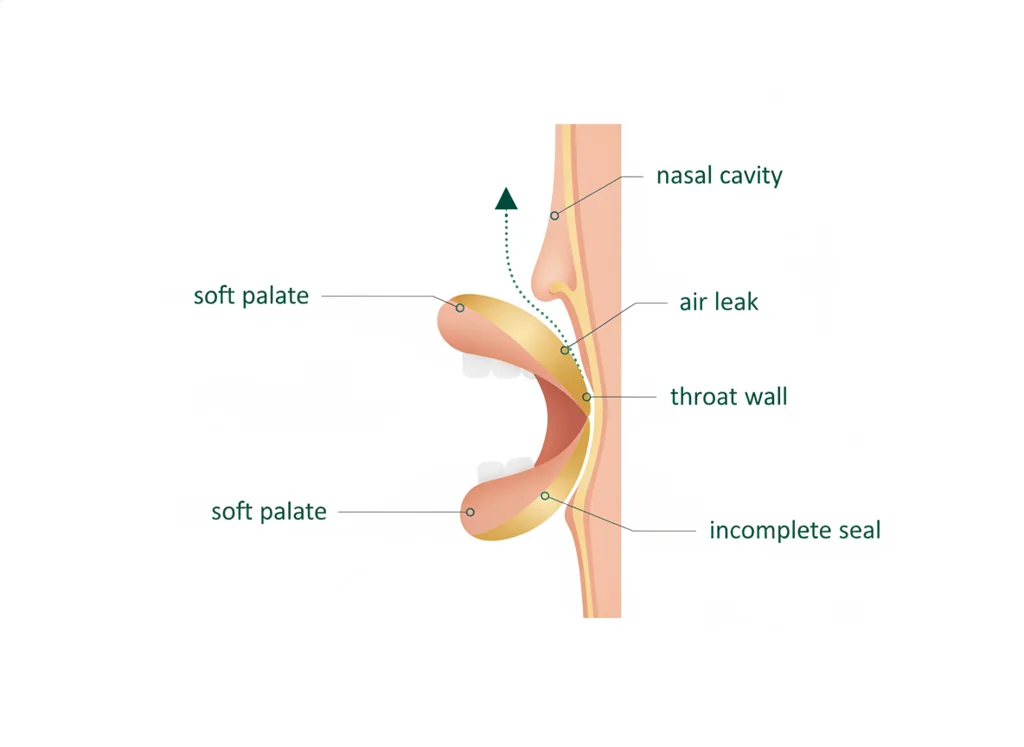
When the soft palate cannot fully seal off the nose during speech, letting air escape and making speech sound nasal.
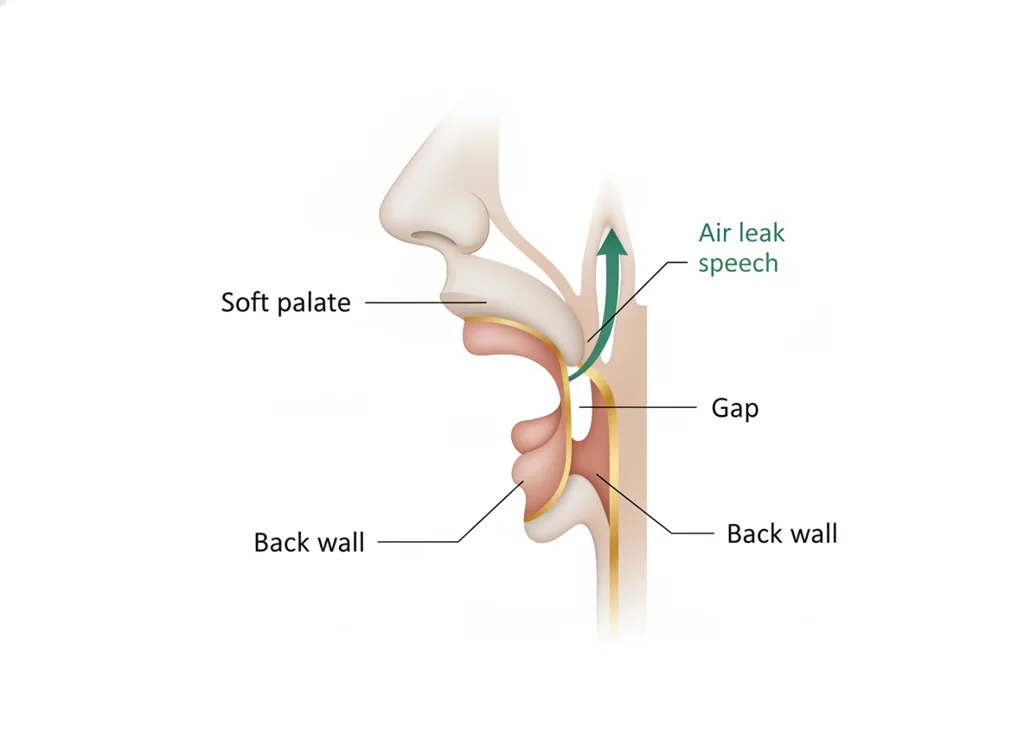
When the soft palate cannot fully close off the nose from the mouth during speech, letting air escape and making speech sound nasal.
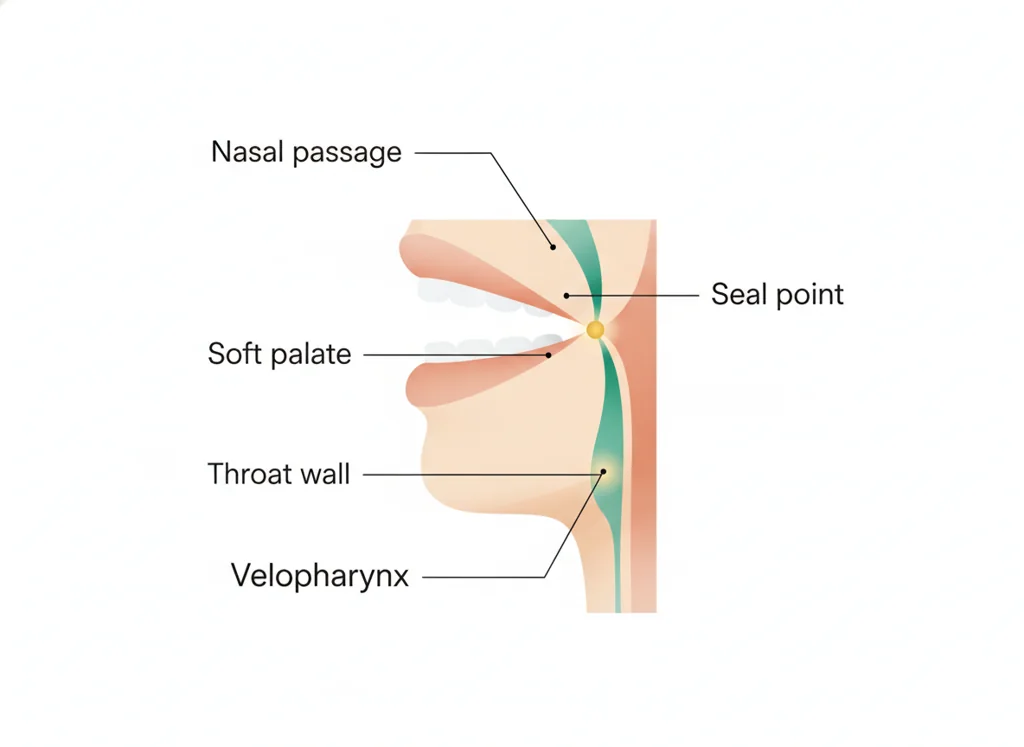
The space where the soft palate meets the back of the throat, which must seal off the nose during speech and swallowing.
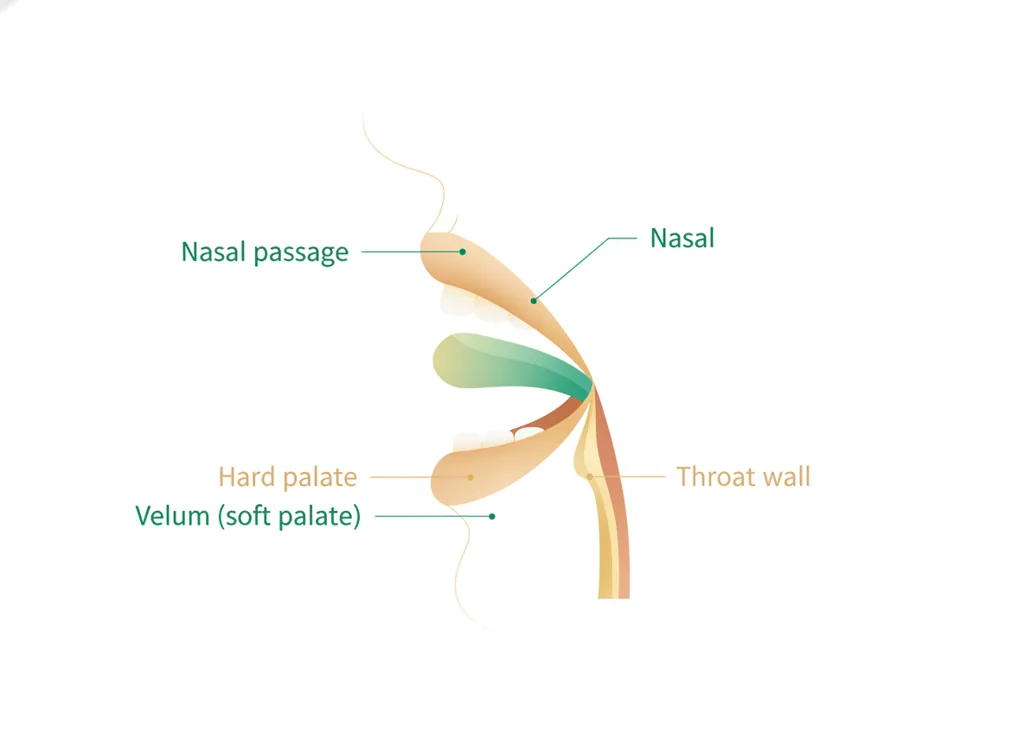
The soft palate, the muscular back part of the roof of the mouth that lifts to seal off the nose during speech and swallowing.
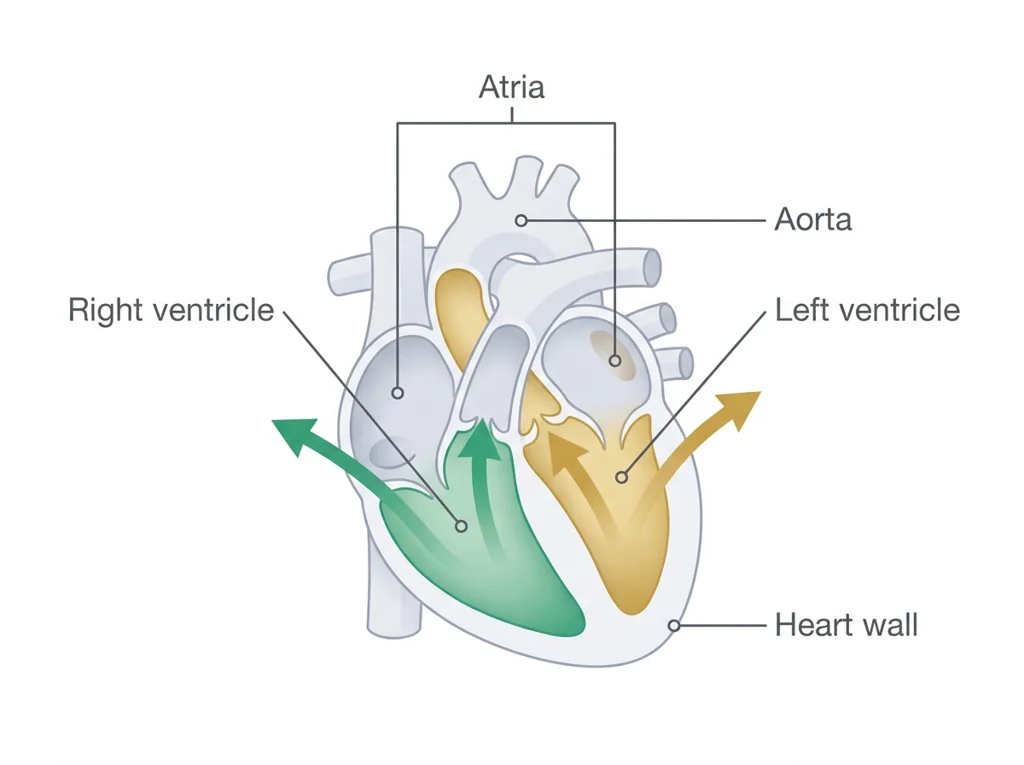
A lower pumping chamber of the heart that pushes blood out to the lungs or to the rest of the body with each beat.
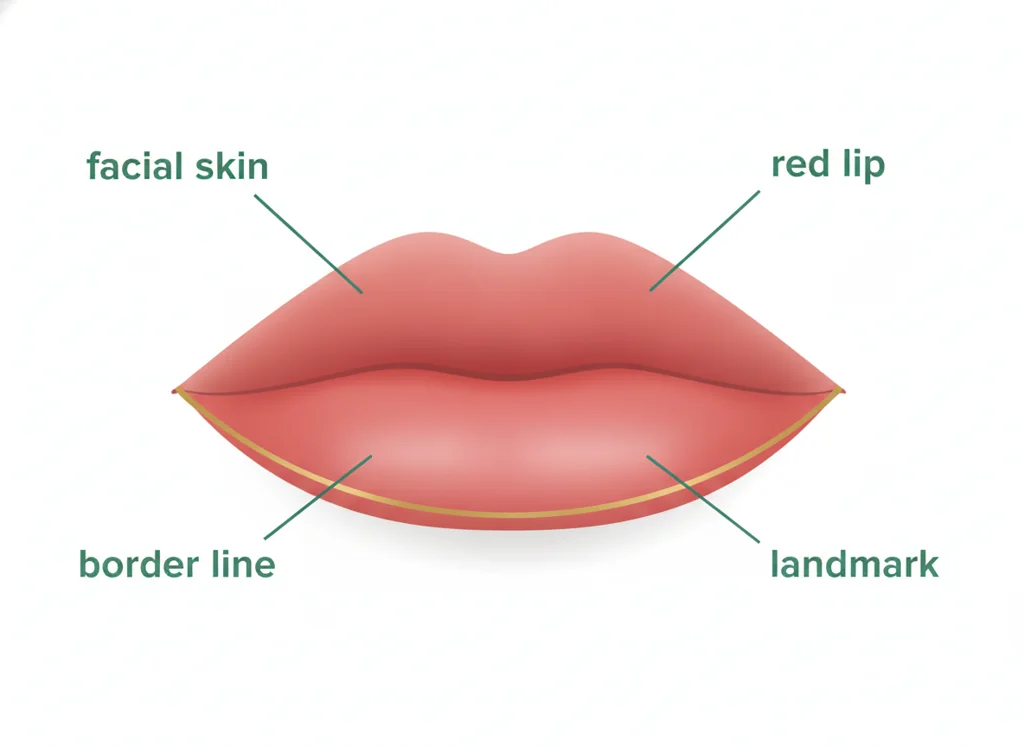
The sharp line where the colored part of the lip meets the surrounding facial skin, a key landmark that must align in cleft lip repair.
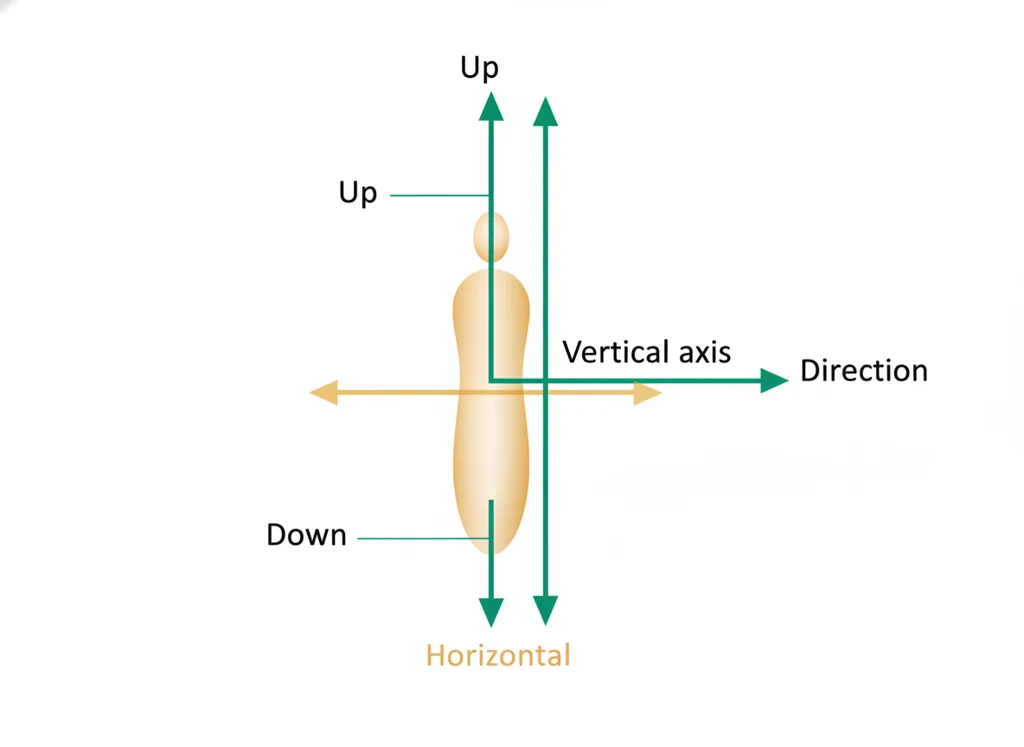
Running up and down, along the head-to-foot direction, as opposed to side to side or front to back.
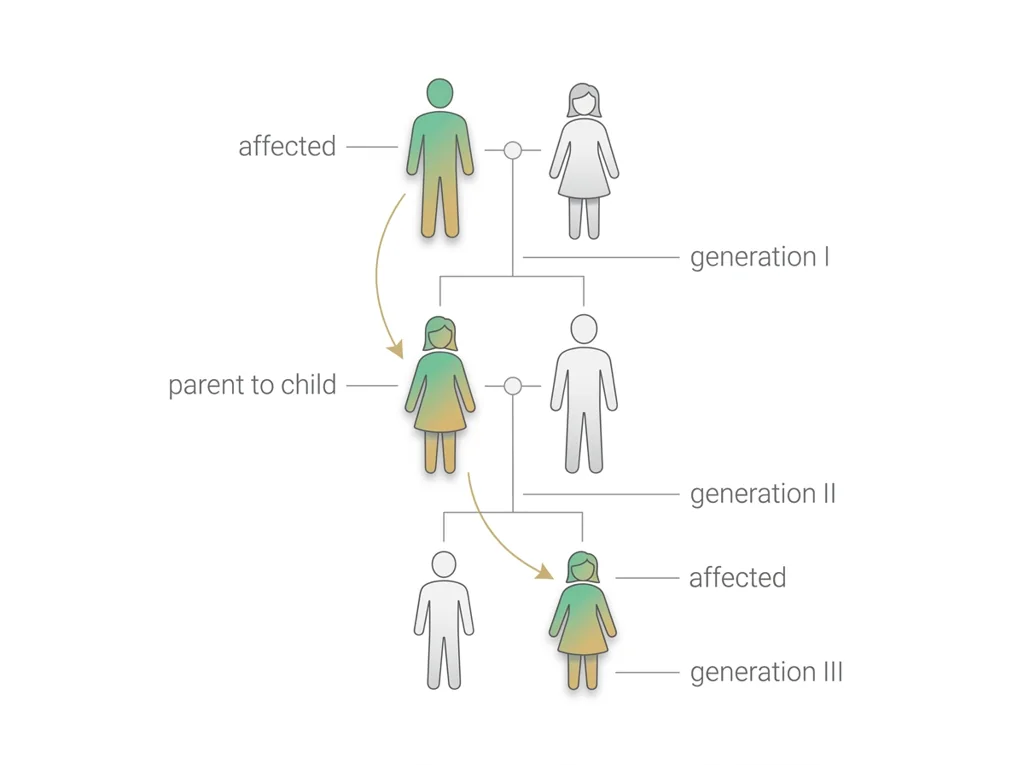
A trait appearing in nearly every generation, passed directly from parent to child, the signature pattern of a dominant inheritance.
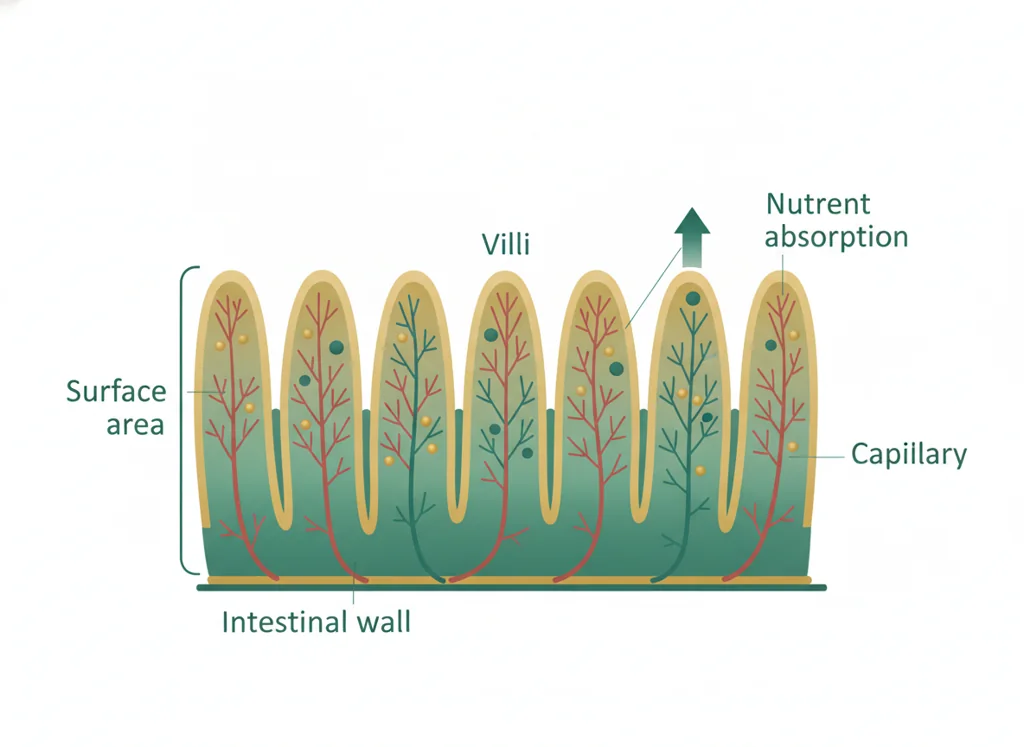
Tiny finger-like projections lining the small intestine that vastly increase surface area to absorb nutrients into the blood.
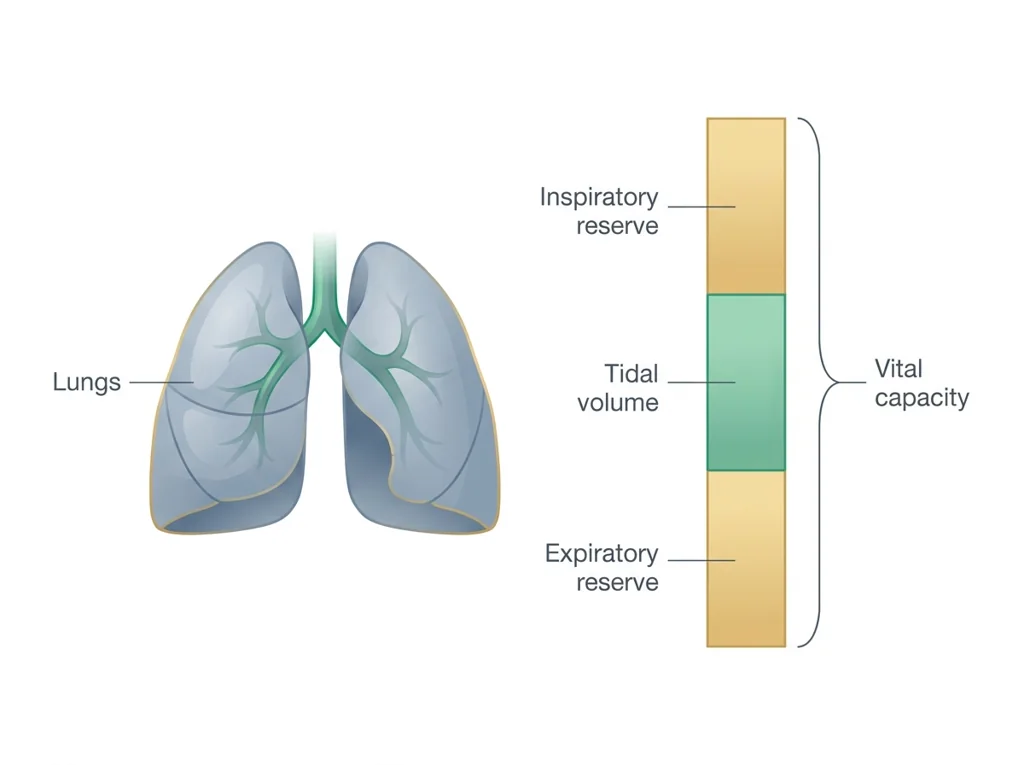
The largest amount of air a person can breathe out after taking the deepest possible breath in, measured to assess lung function.
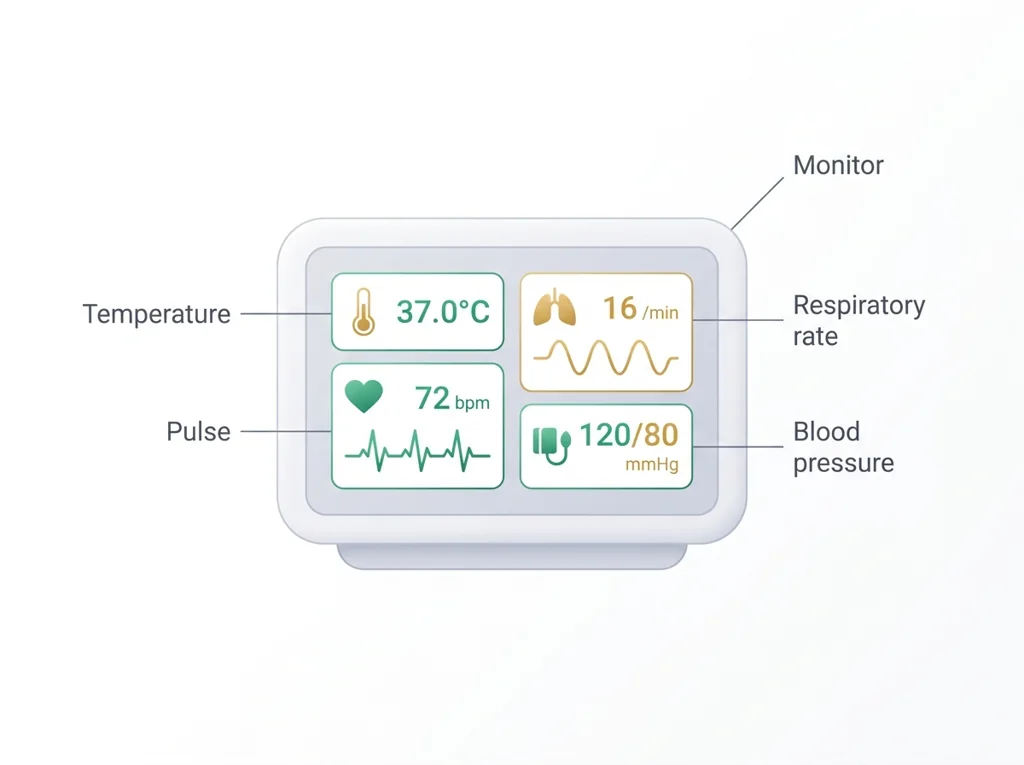
A basic measurement of body function, such as temperature, pulse, breathing rate, and blood pressure, used to assess a patient's health.
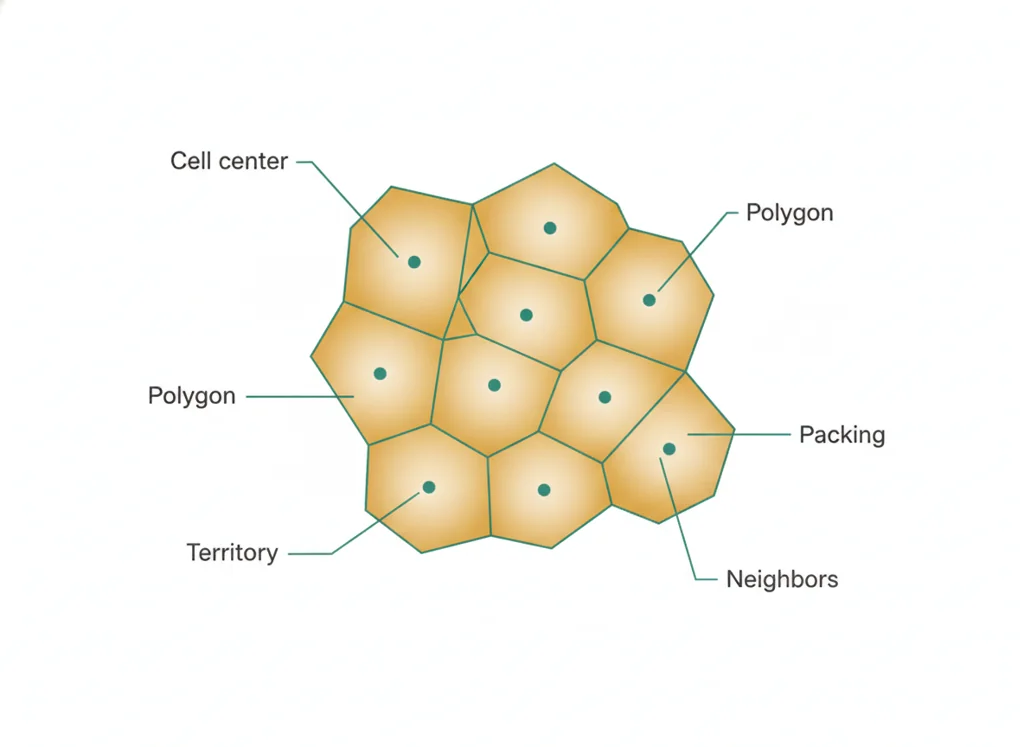
A way of drawing a territory around each cell so you can see how tightly packed or spread out the cells are.
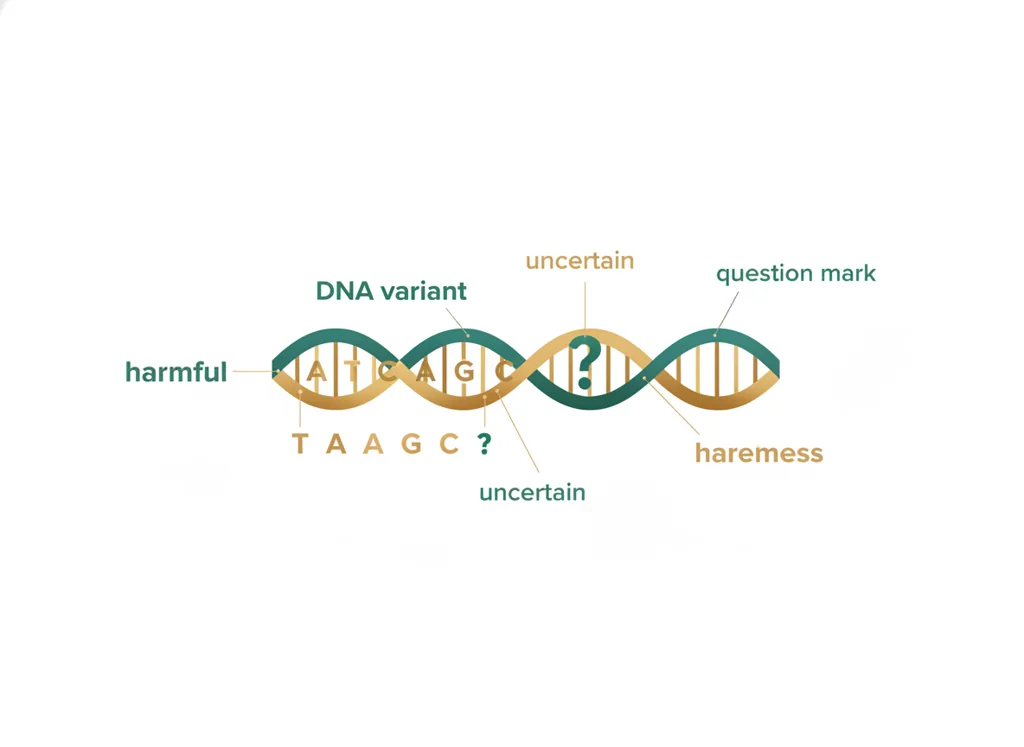
A variant of uncertain significance, a DNA change whose effect on health is not yet known to be harmful or harmless.
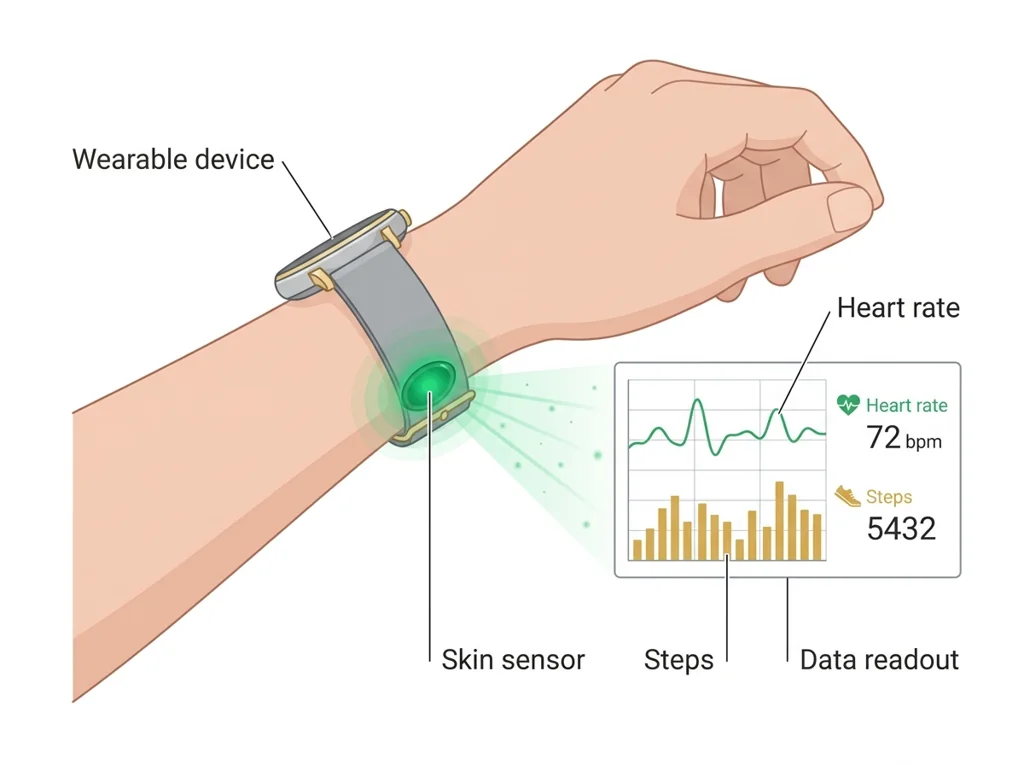
A small electronic device worn on the body that continuously senses and records health data such as heart rate, steps, or oxygen level.
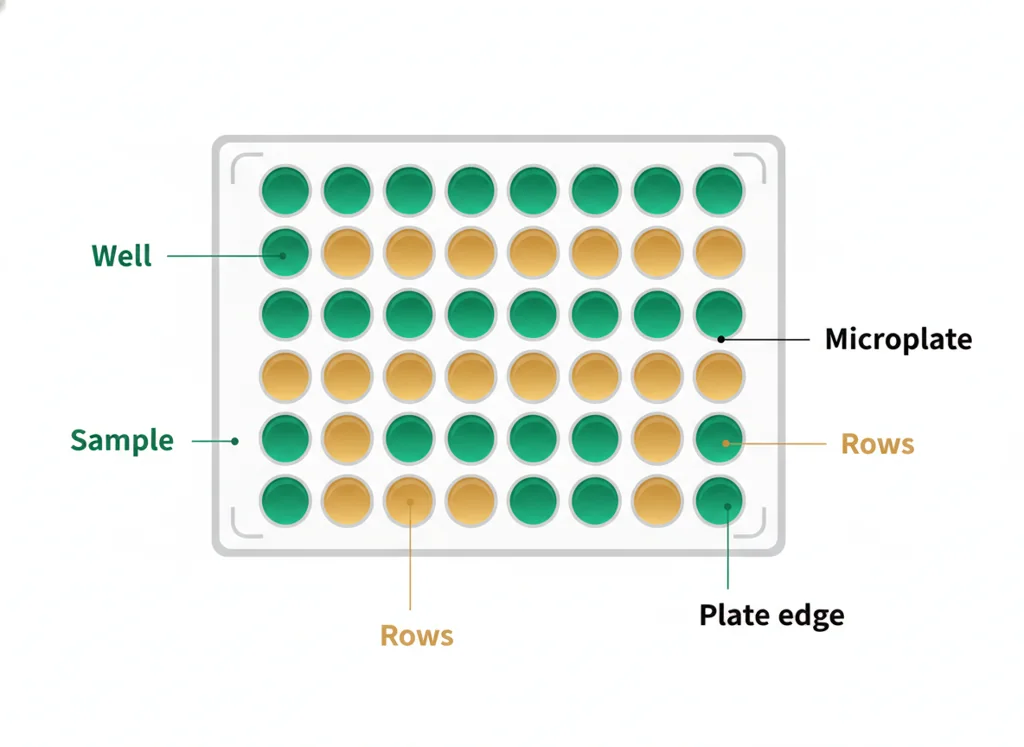
A small recessed cup in a lab plate or gel that holds a sample for testing, growing cells, or running a reaction.
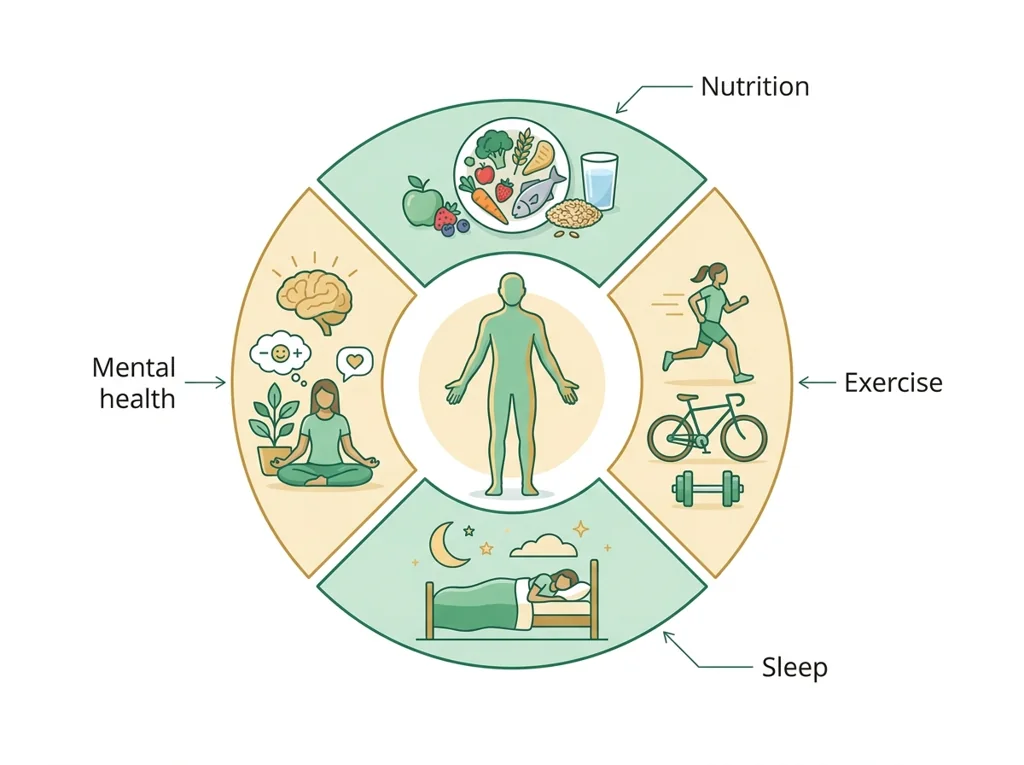
An active state of good health across body, mind, and habits, built through choices like nutrition, exercise, sleep, and stress care.
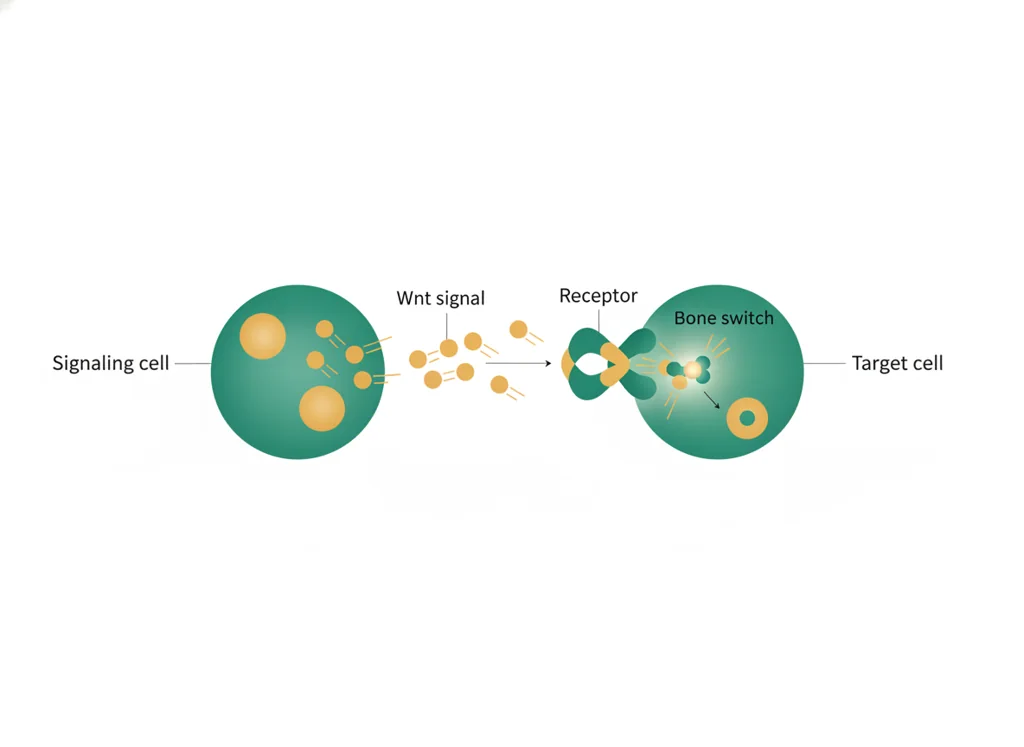
A signal one group of cells releases to change nearby cells; here it flips the switch toward bone.
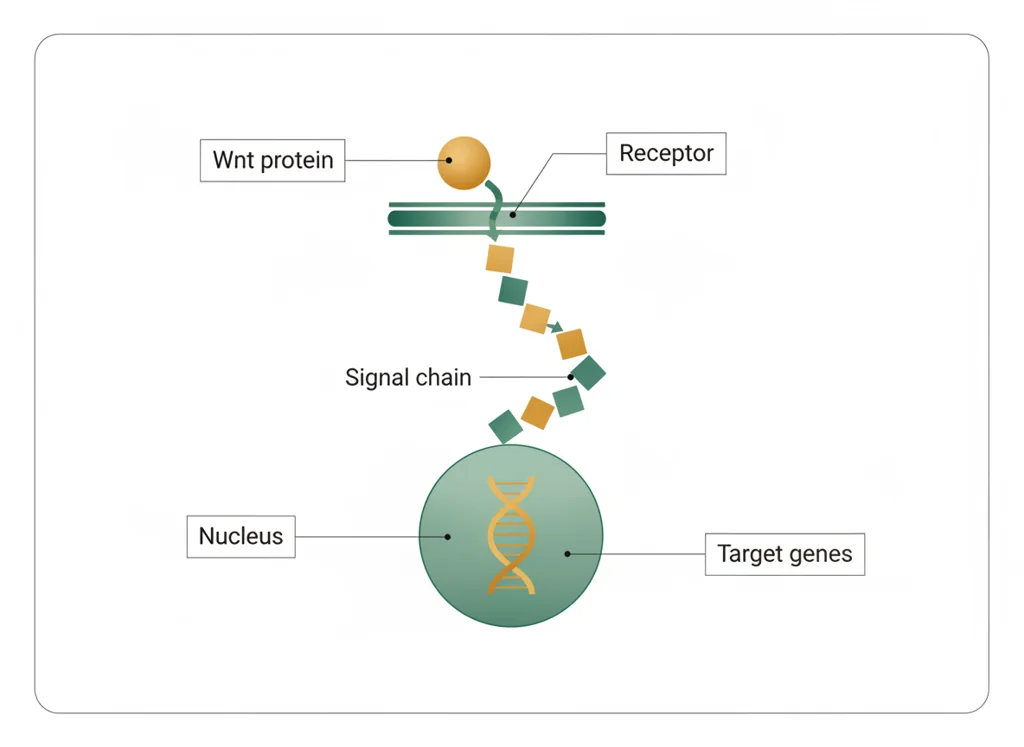
A cell communication pathway, driven by Wnt proteins, that guides how cells grow and pattern tissues during face and palate development.
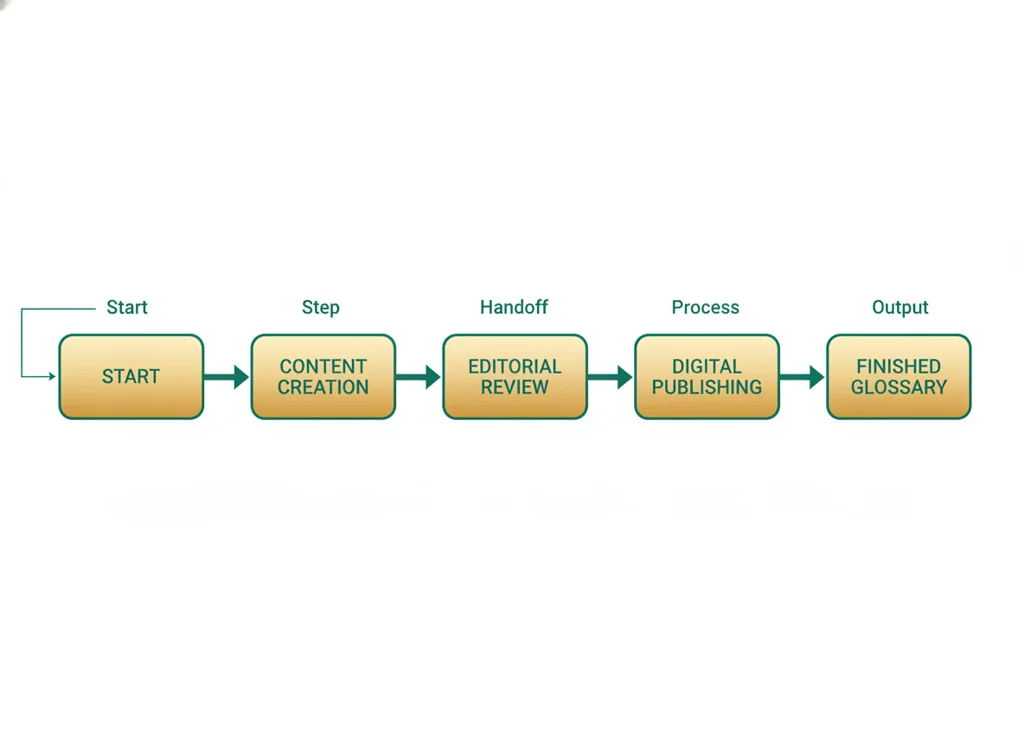
The ordered sequence of steps and handoffs used to carry a task from start to finish in a consistent, repeatable way.
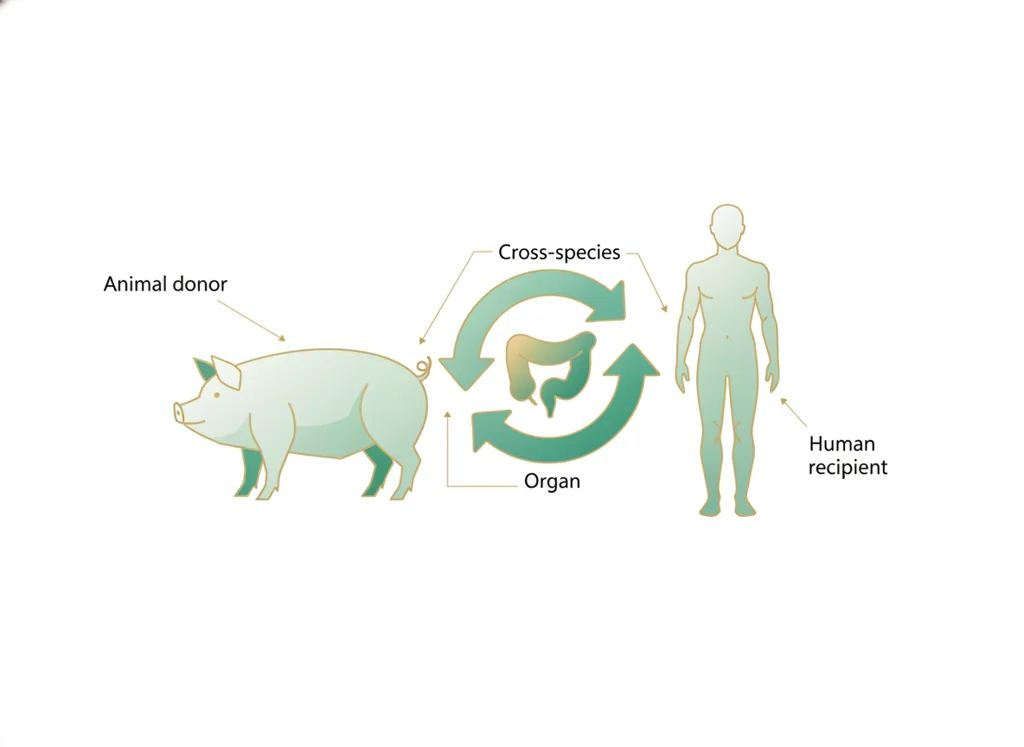
Transplanting living cells, tissues, or organs from one species into another, such as using a pig organ in a human patient.
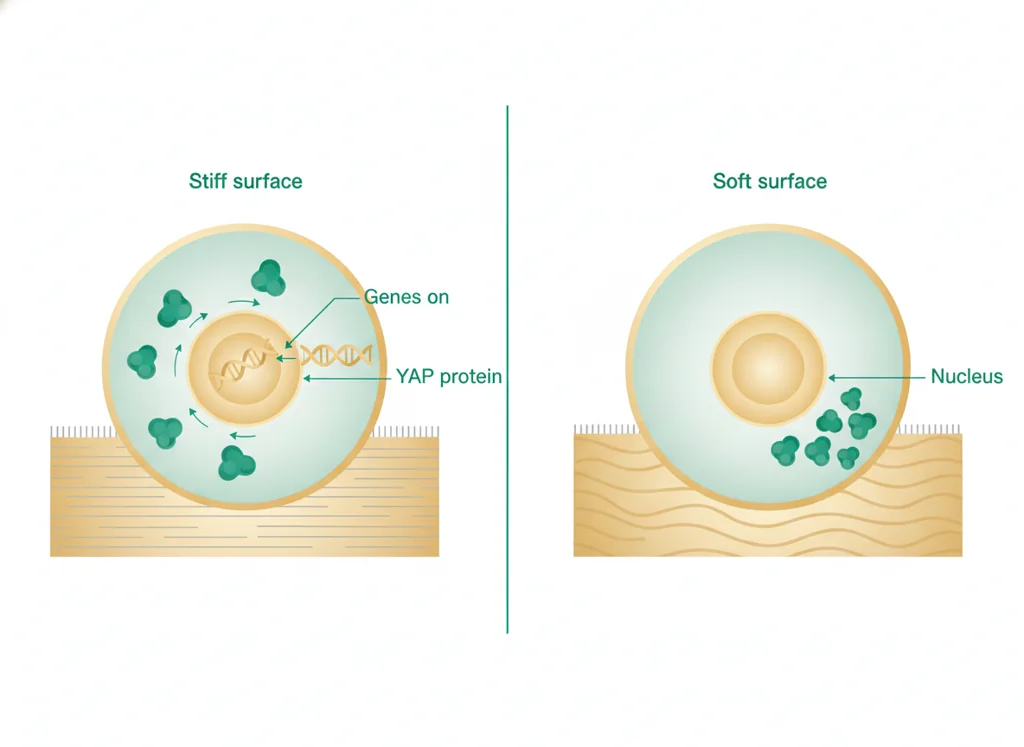
A protein that carries physical signals such as how stiff the surroundings are into the nucleus, where it helps switch certain genes on.
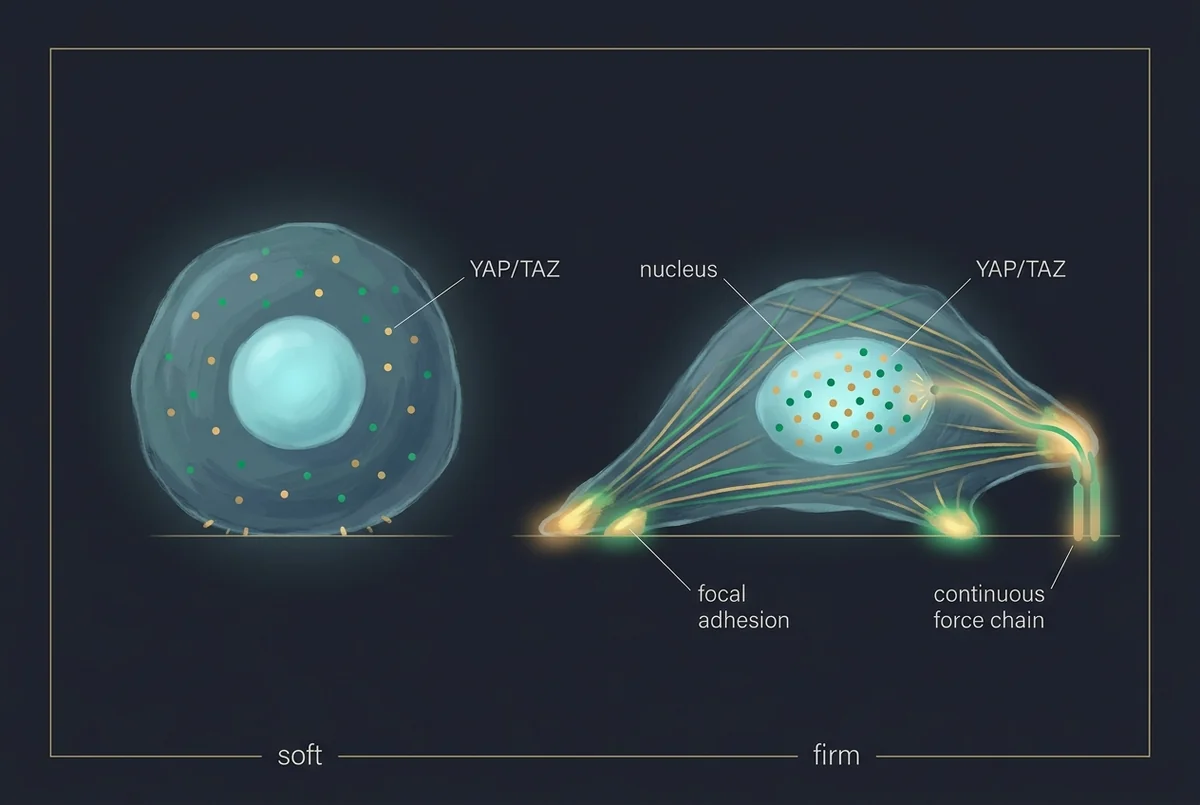
A pair of partner proteins that sense the stiffness and shape of a cell's surroundings and, when active, move into the nucleus to switch on growth genes.
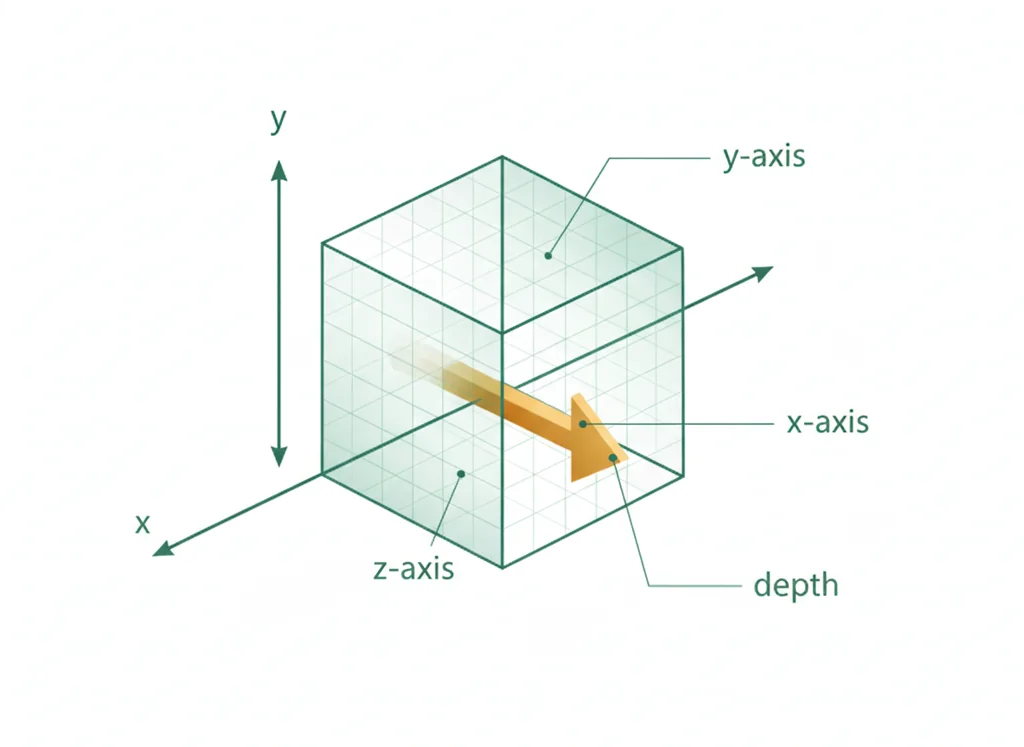
The depth direction in 3D space, toward and away from the viewer, which a flat two-dimensional photo cannot capture.

A clear ring on a bacterial lawn around an antibiotic disk where the drug has killed off or stopped the growth of the bacteria.
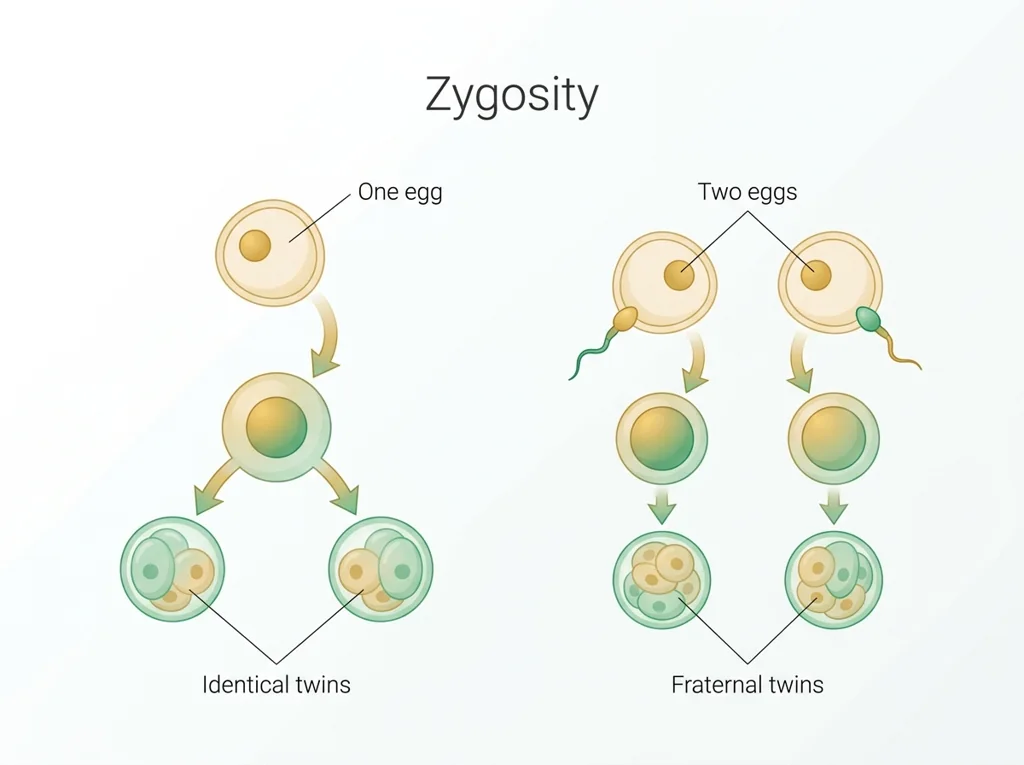
Whether twins came from one fertilized egg that split (identical) or from two separate fertilized eggs (fraternal).
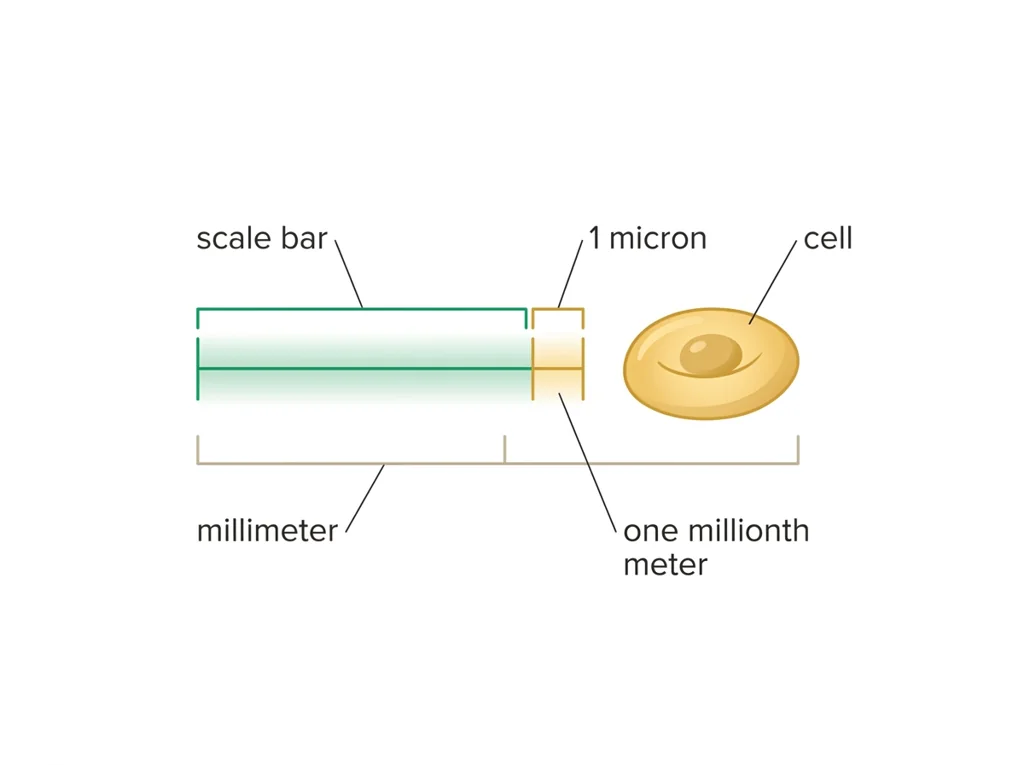
A tiny unit of length equal to one millionth of a meter, about the scale of a small part inside a cell.
The conditions in which people live, learn, work, and access care that shape their health beyond their biology.