
Genetic privacy debate
This page has four parts, in the order you use them. Part 1 is what you need to know. Part 2 says what to do, in plain English. Part 3 shows the work done once on a case that is not yours. Part 4 is your own work and where to turn it in.
Open your materials, follow the steps, then turn in your work.
Argue a CER position on who should be allowed to access a person's genetic test results.
Optional: listen or watch a unit review▸
Part 1 of 4 · Background and definitions▸
💡 Big idea: Genetic data reveals information about biological relatives who never consented, so who is allowed to read your is never only your own decision.
- • Genetic data is unique: it reveals information about biological relatives who never consented to testing.
- • GINA (Genetic Information Nondiscrimination Act) limits employer and health-insurer access but does not cover life or disability insurance.
- • A strong CER claim is falsifiable and supported by evidence that a skeptic would accept.
How contagious a disease is determines what share of a community must be immune, which is why the same coverage figure can be safe for one disease and dangerous for another.
Genetic data reveals information about biological relatives who never consented, so who is allowed to read your is never only your own decision.
Driving question: If you take a $99 spit-tube test and it flags a disease risk, can your life insurance company legally use that result against you, and does GINA actually stop them?
What you already know: How contagious a disease is determines what share of a community must be immune, which is why the same coverage figure can be safe for one disease and dangerous for another.
New idea: Genetic data reveals information about biological relatives who never consented, so who is allowed to read your is never only your own decision.
Visual or model: No figure is attached to this lesson. The readings, the worked example and E1 to E3 carry the evidence.
- Observe or measure the relevant feature in genetic privacy debate.
- Organize the observation with a stable evidence ID.
- Apply this rule: Use science to estimate consequences, then state the value judgment and tradeoff that determine the decision.
- Choose the option the evidence supports and state the limit of the conclusion.
Real biomedical example: If you take a $99 spit-tube test and it flags a disease risk, can your life insurance company legally use that result against you, and does GINA actually stop them?
What the evidence supports: E1 to E3 support the daily take-home when the response meets the stated success criteria.
What it cannot prove: The package does not support claims beyond this lesson's or any real patient diagnosis.
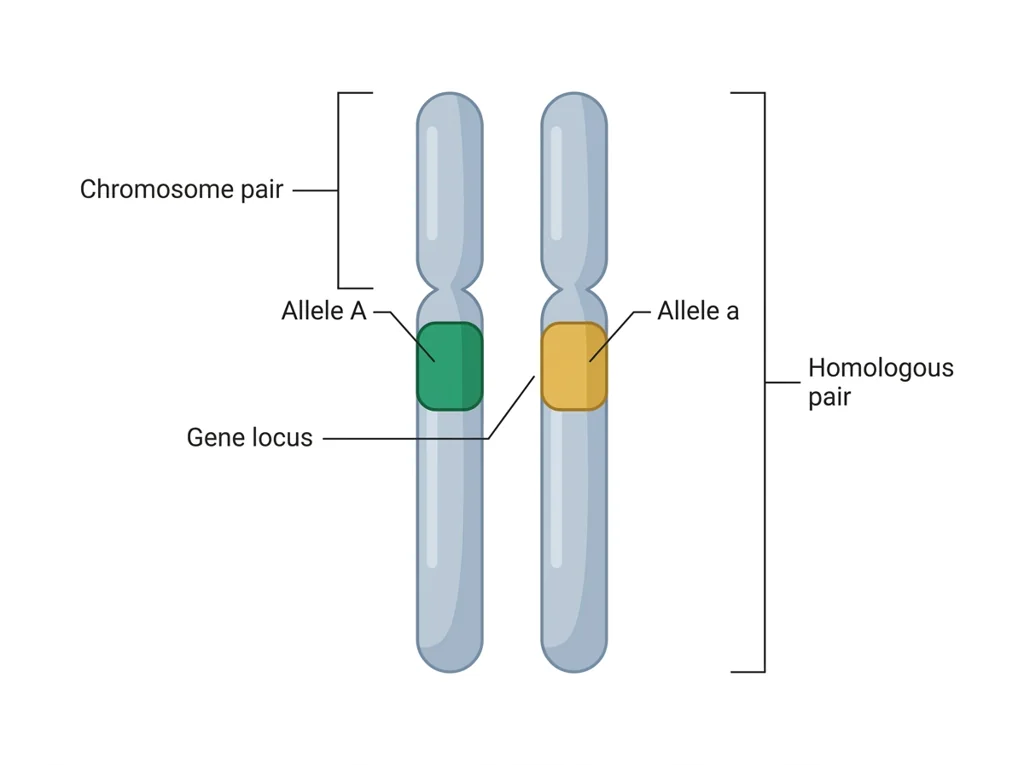
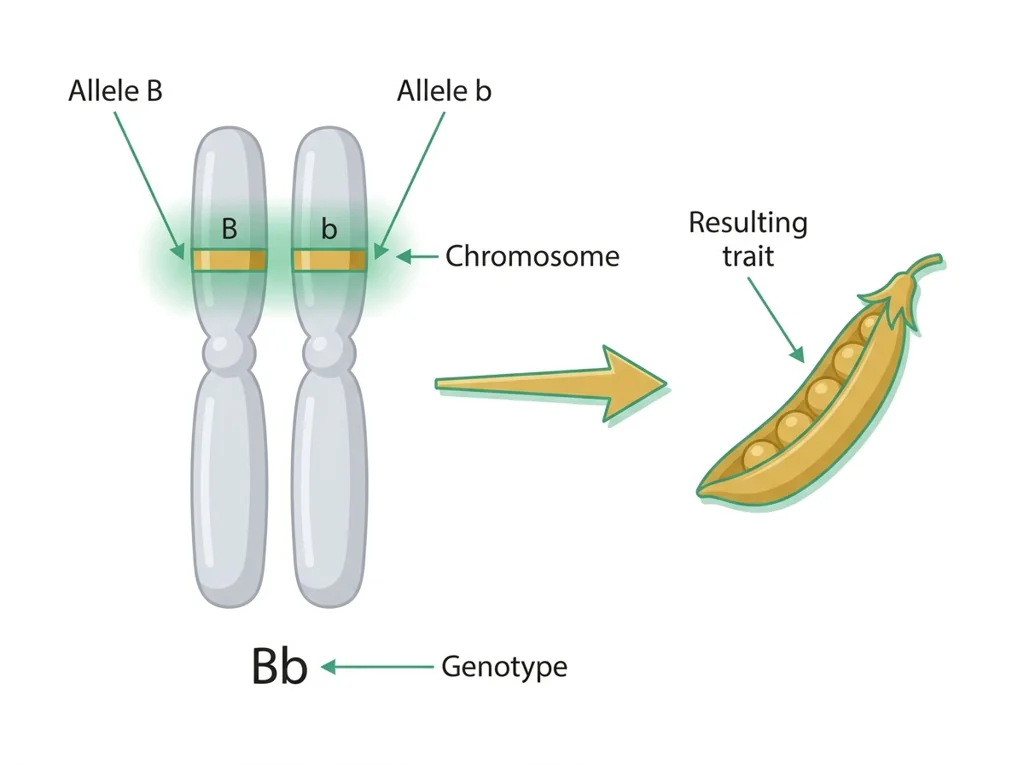
- • : One of the alternative versions of a gene found at the same spot on a , like the A, B, and O versions of the blood-group gene.
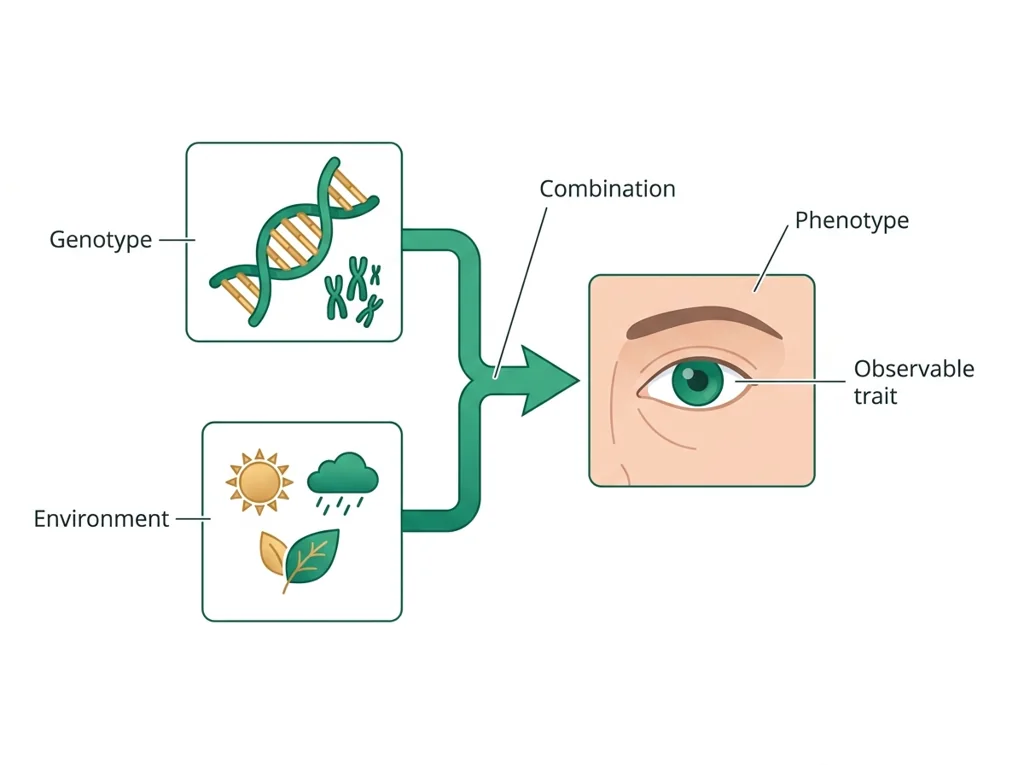
- • : The specific set of gene versions an individual carries, which works with the environment to shape observable traits.
- • phenotype: The observable traits of an organism, such as appearance or function, that result from its combined with environmental influences.
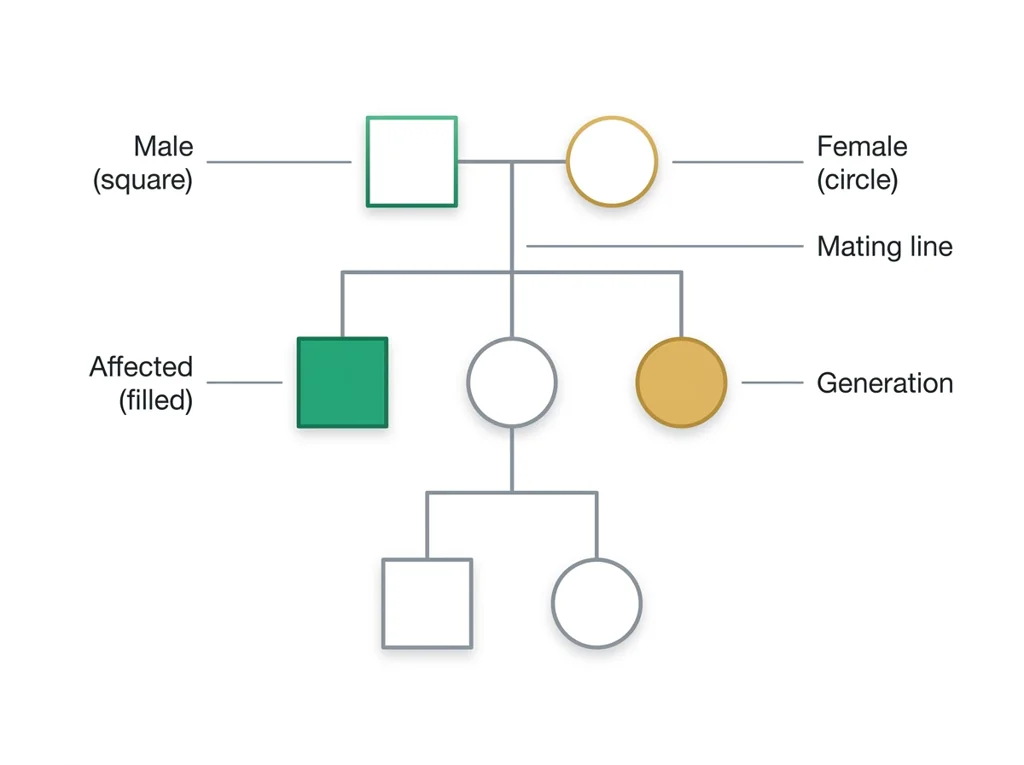
- • pedigree: A family tree drawn with standard symbols (squares for males, circles for females, filled for affected) so any geneticist can read a family at a glance.
- • : A single-nucleotide polymorphism, a one-letter difference in at a specific spot that varies between people.
- • : A person who carries one copy of a disease without showing symptoms but can pass it to their children.
- • : A guided conversation with a trained specialist who explains inherited disease risks, test options, and choices to help a family make informed decisions.
Use it now: Choose one decision option. Cite E1 and E3, then explain how the rule connects the evidence to your choice. This is thinking practice for the one turn-in named under Turn in, not a second submission.
Go further, optional: The source links below are optional enrichment. Every fact required for today's local evidence decision appears in this lesson package.
A defensible biomedical decision separates scientific evidence from value judgments, identifies who may benefit or be burdened, and states the uncertainty and tradeoffs that remain.
Limit: Scientific evidence can inform the options and likely consequences, but it cannot choose a single value-neutral answer.
Use science to estimate consequences, then state the value judgment and tradeoff that determine the decision.
Limit: A review-board model organizes reasoning but does not make one ethical principle automatically outweigh every other principle.
You can defend a position on genetic privacy with evidence.
Limit: E3 defines the classroom product or success criterion. It is not independent scientific evidence and cannot justify a clinical or causal claim.
Today's decision · Simulated classroom evidence scenario
Your role: medical interventions team member
Decision: Your team must decide what the evidence from genetic privacy debate supports before submitting the claim-evidence-reasoning response named on today's page.
- • Check which insurers GINA actually covers before claiming a spit tube result cannot cost someone a policy.
- • Argue that access rules must cover relatives too, since your genome carries information about people who never got tested.
- • Close the debate by citing GINA, because that law already makes genetic discrimination illegal in every kind of insurance.
Response: State one choice, cite at least two evidence IDs, explain the rule that connects them, and add one limitation. Use it inside the one turn-in named under Turn in; it is not a separate submission.
Claim ceiling: Today's evidence supports a classroom claim about genetic privacy debate. It cannot prove causation, diagnose a real patient, or justify action outside this room.
Reason for review: Your team must decide what the evidence from genetic privacy debate supports before submitting the claim-evidence-reasoning response named on today's page.
Context: Your genome is not private the way a diary is private, because it also carries information about relatives who never chose to be tested, so decisions about genetic data are always decisions about other people too.
- • T1: Read the genetic privacy case brief in myPLTW if it opens. If it does not, use this case summary: Client G-14, age 24, took a mail-order test. The report says G-14 carries a gene variant linked to a higher chance of a heart condition. G-14's employer asks to see the report, a life insurance company asks on its application whether G-14 has had any genetic testing, and G-14's sister, who shares about half of G-14's DNA, has not been tested and does not want to know. The question: who, if anyone, should be allowed to see G-14's result?
- • T2: Write two prepared questions about who should see genetic data: insurers, employers, or family.
- • T3: Draft a CER: a claim about genetic privacy, two pieces of evidence, and your reasoning.
- • T4: During the debate, capture one counterargument and decide whether it weakens your claim.
- • T5: Submit your CER and a short reflection as one PDF in Schoology.
- • E1: A defensible biomedical decision separates scientific evidence from value judgments, identifies who may benefit or be burdened, and states the uncertainty and tradeoffs that remain.
- • E2: Use science to estimate consequences, then state the value judgment and tradeoff that determine the decision.
- • E3: You can defend a position on genetic privacy with evidence.
Measurements: Use only the measurements, units, graph, or counts supplied in today's task. No additional patient measurement is implied.
Uncertainty: This is a composite classroom scenario. Missing history, measurements, or confirmation tests remain unknown and limit the conclusion.
Students often think because GINA exists, genetic discrimination is illegal in all situations, so there is nothing left to argue about. The trap: GINA only blocks health insurers and employers. Life, disability, and long-term-care insurers are all exempt, so a positive result really can cost you a policy. Treating the law as total protection makes your CER claim collapse the moment a skeptic names one of those gaps.
- CER:
- Claim, Evidence, Reasoning: make a claim, back it with evidence, explain your reasoning.
- SOP:
- Standard Operating Procedure, the exact steps to follow (especially in a lab).
- Tracker:
- Your PLTW progress log where you record completed evidence.
- myPLTW:
- The PLTW course site where you do the online activities. Find it in Clever with your Microsoft sign-in, right next to Schoology.
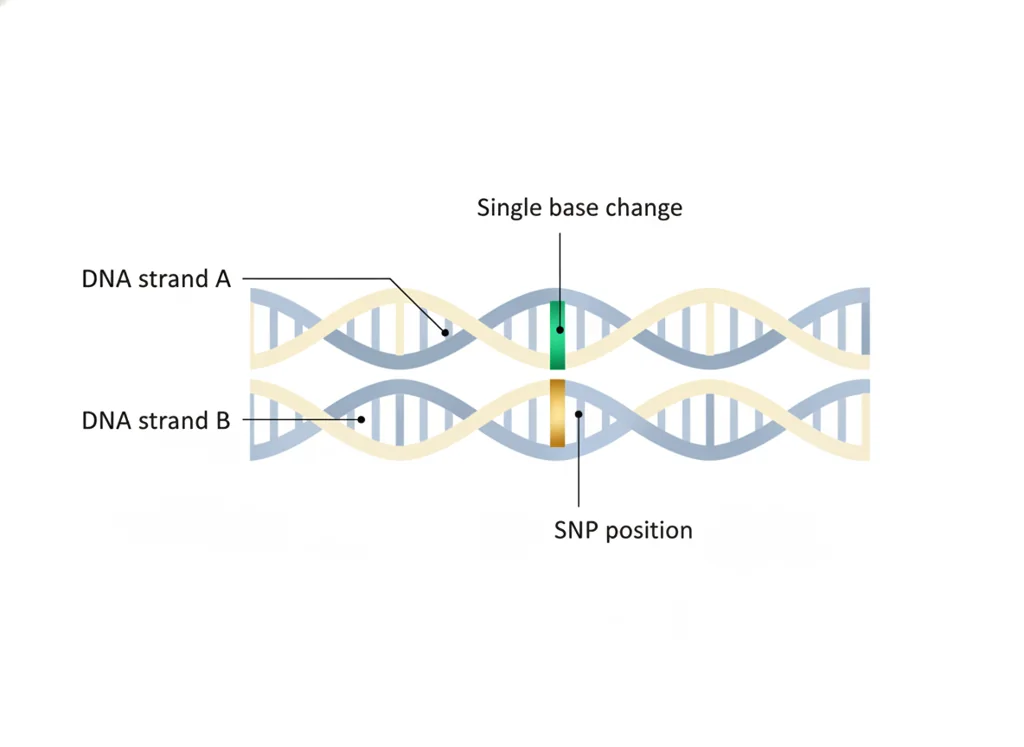
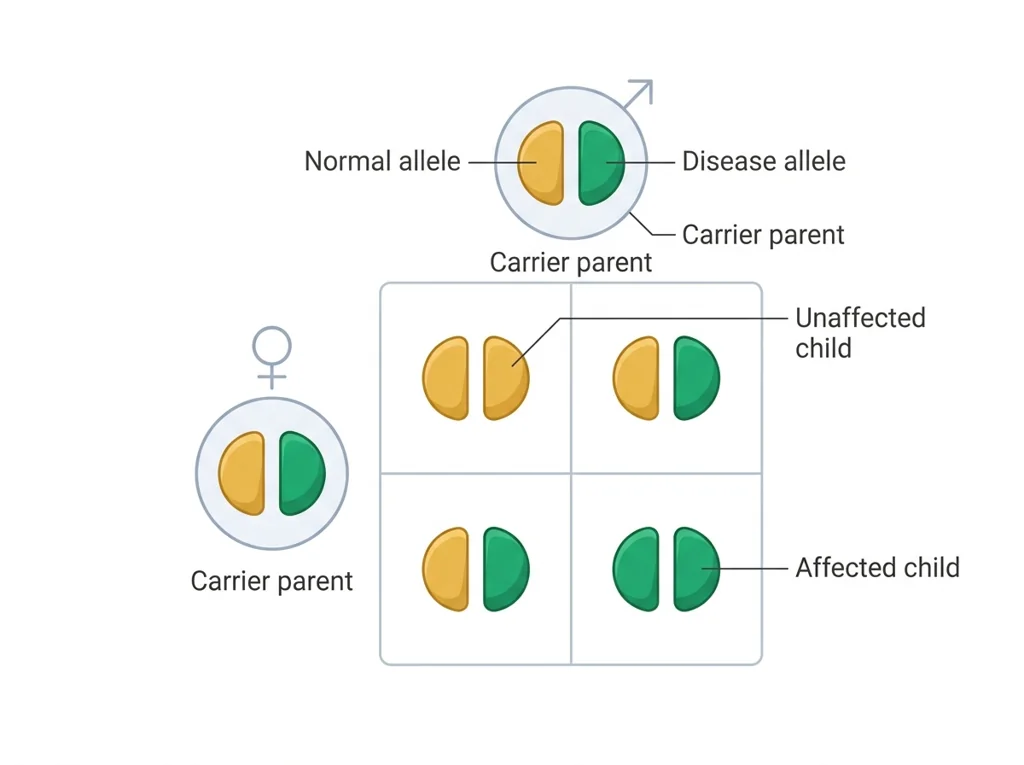
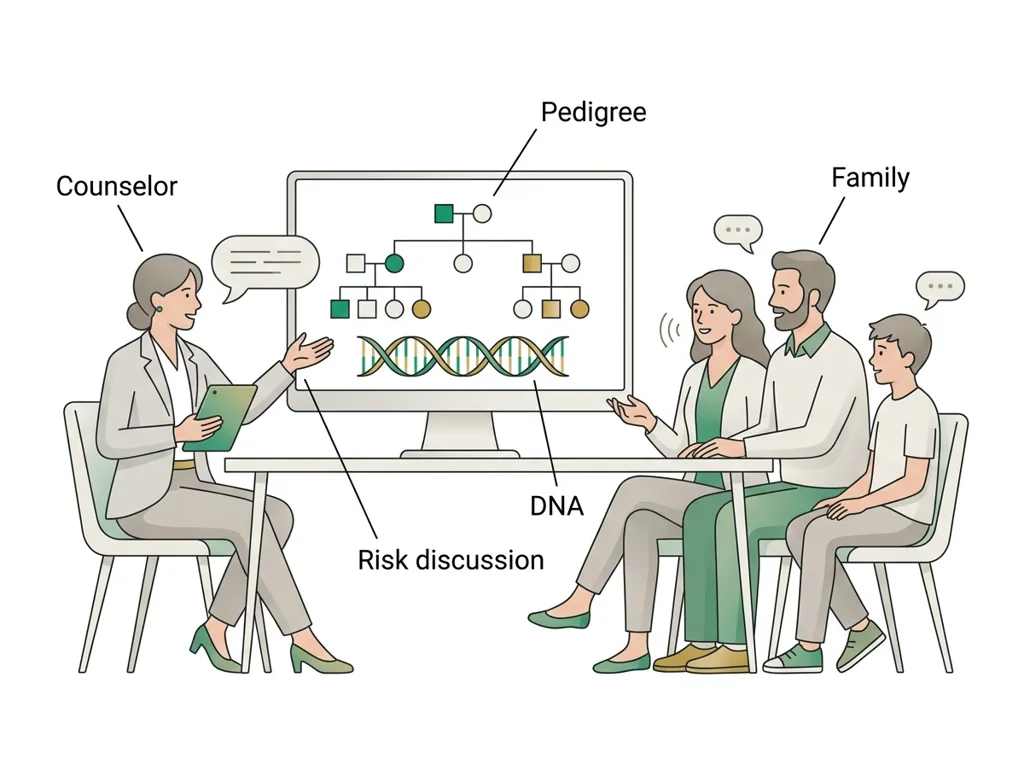
Tap the speaker to hear a term. Add two of these to your notebook glossary with a definition and an example in your own words.
Pick just 2 or 3 words from today and make them yours: write what each one means in your own words, name the context clue or evidence that helped, then give one example from what you actually did in Genetic privacy debate. Try your own words first; the glossary is there if you get stuck. This is voluntary and counts as extra credit, so keep it short.
Saved on this device. Show Mr. Mendoza or add these to your notebook glossary to claim the extra credit.
Part 2 of 4 · Directions in plain English▸
2.1 Open your materials
2.2 Start the work
Read the genetic privacy case brief in myPLTW if it opens. If it does not, use this case summary: Client G-14, age 24, took a mail-order DNA test. The report says G-14 carries a gene variant linked to a higher chance of a heart condition. G-14's employer asks to see the report, a life insurance company asks on its application whether G-14 has had any genetic testing, and G-14's sister, who shares about half of G-14's DNA, has not been tested and does not want to know. The question: who, if anyone, should be allowed to see G-14's result?
Show all 5 required steps
- Read the genetic privacy case brief in myPLTW if it opens. If it does not, use this case summary: Client G-14, age 24, took a mail-order DNA test. The report says G-14 carries a gene variant linked to a higher chance of a heart condition. G-14's employer asks to see the report, a life insurance company asks on its application whether G-14 has had any genetic testing, and G-14's sister, who shares about half of G-14's DNA, has not been tested and does not want to know. The question: who, if anyone, should be allowed to see G-14's result?
- Write two prepared questions about who should see genetic data: insurers, employers, or family.
- Draft a CER: a claim about genetic privacy, two pieces of evidence, and your reasoning.
- During the debate, capture one counterargument and decide whether it weakens your claim.
- Submit your CER and a short reflection as one PDF in Schoology.
Lost your place? If you have not written your two prepared questions yet, do that now (step 2). If you already have a claim and evidence drafted, jump to capturing one counterargument from the debate (step 4), then submit your CER in Schoology.
- 0-5Hook scenario and framing; review CER format
- 5-20Silent read of genetic privacy case brief; draft two debate questions
- 20-35CER draft: claim, two evidences, reasoning
- 35-65Structured debate: affirmative/negative rounds on genetic privacy
- 65-75Written reflection: name one counterargument and whether it changed your stance
- 75-80Submit CER and reflection in Schoology
- • Hook: Pose the scenario: your 23andMe result flags a risk gene. Your employer wants to see it. What now?
- • Why it matters: As genetic testing becomes cheaper, the privacy question moves from hypothetical to immediate.
- • Today's structure: case brief, CER prep, structured debate, written reflection.
- • Exit goal: CER and reflection submitted in Schoology before the bell.
PLTW connection and today's work
Open the genetic privacy debate activity in myPLTW for Lesson 2.1 Genetic Testing and Screening, Activity 2.1.1 Chronicles of a Genetic Counselor, and review the CER rubric.
Today's stopping point: Unit 1 tracker should be at 100%; this is your first Unit 2 benchmark.
PLTW activity titles identify the course connection. If your account will not open, use the posted materials for today and tell Mr. Mendoza. Do not mark an online activity complete unless you completed it.
Course connection
- Activity 2.1.1 Chronicles of a Genetic Counselor
Use the turn-in directions in Part 4 of this page. Do not create a second submission unless your teacher asks for one.
Show another explanation or a smaller first step
Need help? Choose a starting point
Part 3 of 4 · Worked example▸
This is a parallel case, not your own. Read it for the order of the work, then do your own in Part 4.
Claim: A state should be allowed to keep a newborn's leftover blood-spot sample for later research only if parents are told and given a clear chance to opt out, not by silent default.
Evidence 1: Every state screens newborns by pricking the heel and drying a few drops of blood on a card, and after testing there is usually blood left over. In several states these leftover cards have been stored for years and used in outside studies, and in some cases parents were never told this could happen.
Evidence 2: Courts and health agencies have already treated stored blood spots as sensitive. In Texas and Minnesota, lawsuits over samples that were kept and shared without clear parental permission led to millions of stored cards being destroyed and to new consent rules, which shows officials recognized that quiet retention crossed a line.
Reasoning: A blood spot is not just a leftover. It carries the child's full DNA, so it can reveal medical risks about the child and about relatives who were never tested. Because that information is so personal, the fair default is that families know what is being kept and can say no, while the state keeps the narrow right to run the original health screen that protects the baby. Telling parents and offering an opt out respects the family without shutting down research that everyone agrees is useful.
Reflection: One counterargument is that research works best when scientists can study large, complete sets of samples, and letting families opt out shrinks and skews that pool. I considered it, but I kept my claim, because trust matters more than sample size. If families learn that samples were taken quietly, they may distrust screening itself, and losing that trust would hurt public health more than a smaller research pool does.
This model shows the level of evidence and organization needed to complete: Parallel worked model of the CER format: a claim, two pieces of evidence, reasoning, and a reflection naming one counterargument, built on a different scenario (retention and research reuse of newborn blood-spot samples) so students can copy the structure without seeing an answer to today's genetic privacy prompt.
- Write one defensible claim.
- Choose specific evidence that supports the claim.
- Explain the scientific rule that connects the evidence to the claim.
Keep the structure. Replace the question, facts, measurements, and evidence. Then recheck units, vocabulary, and whether the conclusion goes beyond the evidence.
Also due today: Post your CER and reflection as one PDF to Schoology assignment Wk8 CER: Genetic privacy debate.
A review board sorts scientific evidence, stakeholder needs, possible benefits, possible burdens, and uncertainty before choosing a policy.
- Which statements are scientific evidence?
- Which statements express a value or priority?
- Who receives the benefit and who carries the burden?
Use science to estimate consequences, then state the value judgment and tradeoff that determine the decision.
A review-board model organizes reasoning but does not make one ethical principle automatically outweigh every other principle.
- • Evidence cards map to source-backed findings.
- • Stakeholder cards map to affected people and priorities.
- • The recommendation maps to an explicit tradeoff with a named uncertainty.
Part 4 of 4 · Your work▸
Check your work before submitting
- You'll be able to defend a position on genetic privacy with evidence.
- You'll be able to weigh a counterargument fairly.
4.1 Turn in your work
DueCheck the Schoology assignment for this day- Hand in
- One CER (claim, two evidences, reasoning) on genetic privacy access plus a short reflection naming one counterargument.
How to submit and name your file
Submit as one PDF in Schoology.
In Schoology, open your course and the assignment for this lesson. Attach your file, select Submit, and check that it appears in the submission.
PDF upload helpYou get two school days for every day you were absent, so this deadline moves with you.
- CompleteEvery required part of the artifact is present, nothing left blank.
- AccurateThe science and the data are correct and match the evidence.
- Scientific reasoningYou explain your claim with evidence and reasoning (CER), not just an answer.
- Professional communicationClear, organized, labeled, and written the way a clinician or scientist would.
- SubmittedGo to Schoology to turn this in. Submit one PDF. Schoology attaches your name to your upload; on the page itself, write your period and code. Name the file: FirstName LastName - Assignment Title - YYYY-MM-DD.pdf. If you cannot get in, see Mr. Mendoza. Do not skip the work.
How this lesson connects
Keep using what you learned last class: How contagious a disease is determines what share of a community must be immune, which is why the same coverage figure can be safe for one disease and dangerous for another. Today: Genetic data reveals information about biological relatives who never consented, so who is allowed to read your DNA is never only your own decision.
Practice: try a question, then check your answer▸
Claim ceiling for this check: Today's evidence supports a classroom claim about genetic privacy debate. It cannot prove causation, diagnose a real patient, or justify action outside this room.
A healthy 24-year-old tests positive as a carrier for a serious condition. Under current U.S. law, which of these can legally use that result to deny or price a policy: their health insurer, their employer, or a life insurance company?
Write an answer and pick a confidence to unlock the key.
Fast retrieval with instant answers, not the commit-then-reveal check above. Try each from memory first: write what you remember about the earlier units, then check yourself here.
Missed class or ready for more?▸
Optional practice for this unit's lab skills. Nothing in it is due today.
What today's skills lead to. These are real health-science careers this course builds toward. Tap one to see, on the US Department of Labor's O*NET site, what the job actually involves, what it pays, and how fast it is growing.
Missed the live debate? Read the case brief (in myPLTW if it opens, otherwise the case summary in step 1 on this page), then submit a written CER on genetic privacy plus your two questions and a reflection as one PDF to the Schoology assignment Wk8 CER: Genetic privacy debate.
Submit as one PDF in Schoology.
Class still runs. Complete today's work as this page describes (it is self-guided). Need the concept taught without a teacher? Use this authoritative explainer:
MedlinePlus: What is genetic testing?Sources: slides, readings, and resources▸
The deck carries the prior idea forward, lets you inspect an analogy, maps the rule to biology, and ends with the same evidence decision and exit ticket used on this page.
Play the cold open at the start of the unit to set the scene. Each recording is AI-generated and simulated (fictional callers, no real people or student data).
Classroom documents for this lesson are posted in Schoology. Open Clever, then Schoology, and find each one by the name shown on its card.
Use this after the required lesson work when you are ready for a harder application or a deeper connection.
Use this as the classroom resource for Genetic testing, PTC, pedigree, SNPs.
Use this if you were absent, got stuck, or need another pass before you submit the lesson artifact.
Sign in to Clever with your district Microsoft account to open Schoology or myPLTW. Follow today's posted steps. If myPLTW will not open, use the posted alternative and tell Mr. Mendoza. Turn in your completed work through the Schoology assignment.
This week
My Progress dashboard