
Bioethics debate: isolation vs autonomy
This page has four parts, in the order you use them. Part 1 is what you need to know. Part 2 says what to do, in plain English. Part 3 shows the work done once on a case that is not yours. Part 4 is your own work and where to turn it in.
Open your materials, follow the steps, then turn in your work.
Debate whether public health can require isolation during an outbreak, weighing community safety against personal freedom.
Part 1 of 4 · Background and definitions▸
💡 Big idea: A community can legally restrict movement during an outbreak because one person's contagion can cost many other people their health, so the freedom of the individual is weighed against the of the group.
- • separates people who are confirmed ill; quarantine separates those exposed but not yet symptomatic.
- • A CER argument has three parts: Claim (your position), Evidence (facts that support it), and Reasoning (why the evidence matters).
- • law grants governments limited authority to restrict movement when a communicable disease threatens others.
Students often think and quarantine are the same word for locking sick people away. The trap: They are two different tools: separates people who are confirmed ill, while quarantine separates people who were exposed but are not yet sick. Mixing them up is a trap because a quarantine decision restricts people who may never get sick at all, which is exactly why the freedom question is so much sharper for quarantine.
- CER:
- Claim, Evidence, Reasoning: make a claim, back it with evidence, explain your reasoning.
- SOP:
- Standard Operating Procedure, the exact steps to follow (especially in a lab).
- Tracker:
- Your PLTW progress log where you record completed evidence.
- myPLTW:
- The PLTW course site where you do the online activities. Find it in Clever with your Microsoft sign-in, right next to Schoology.
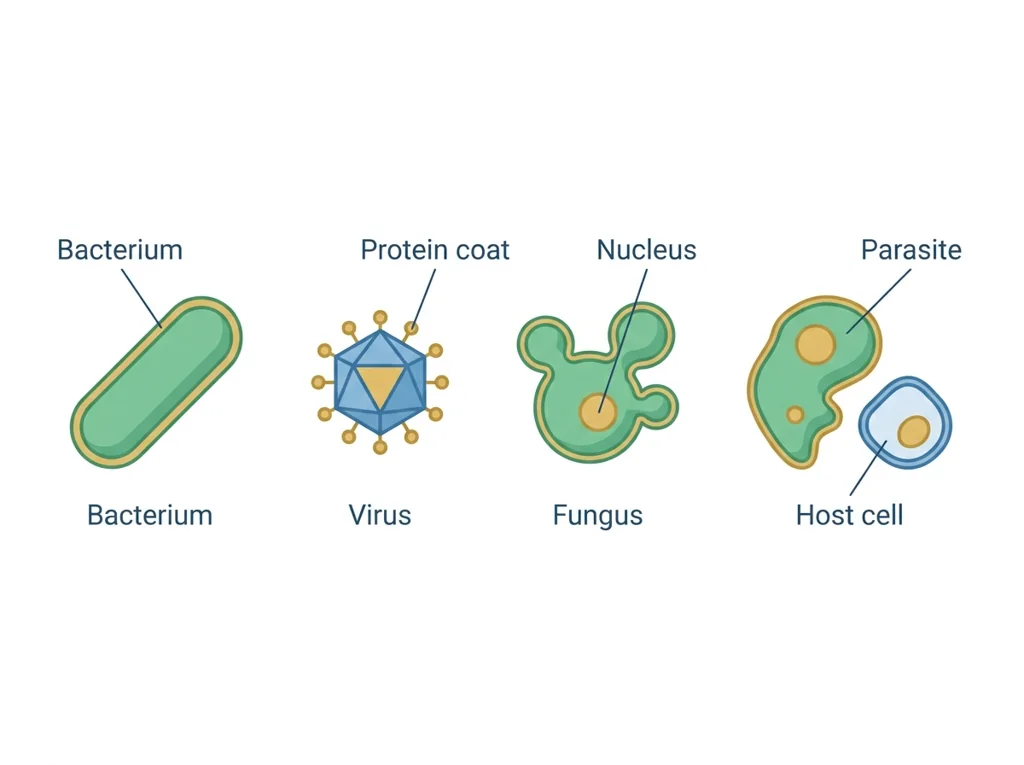
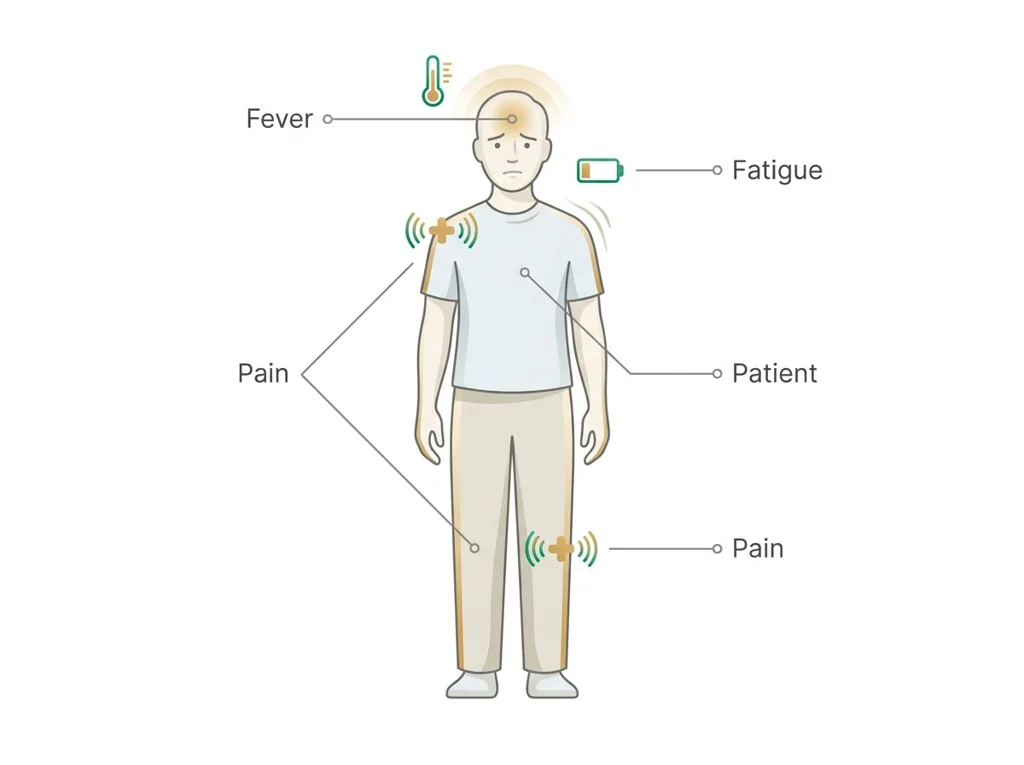
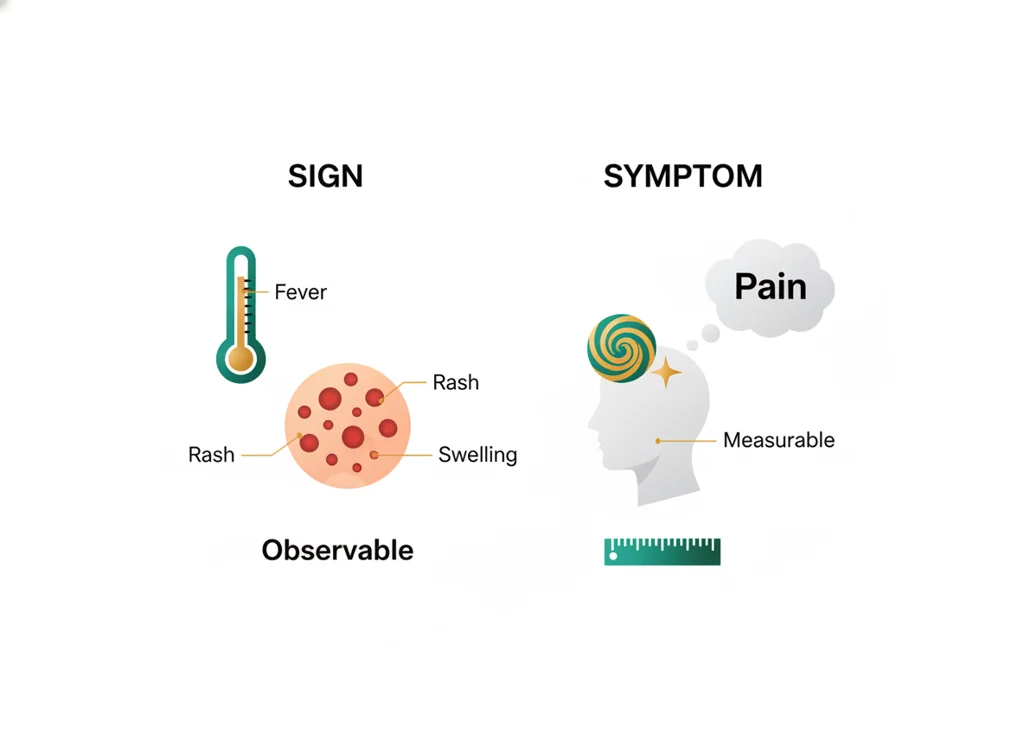
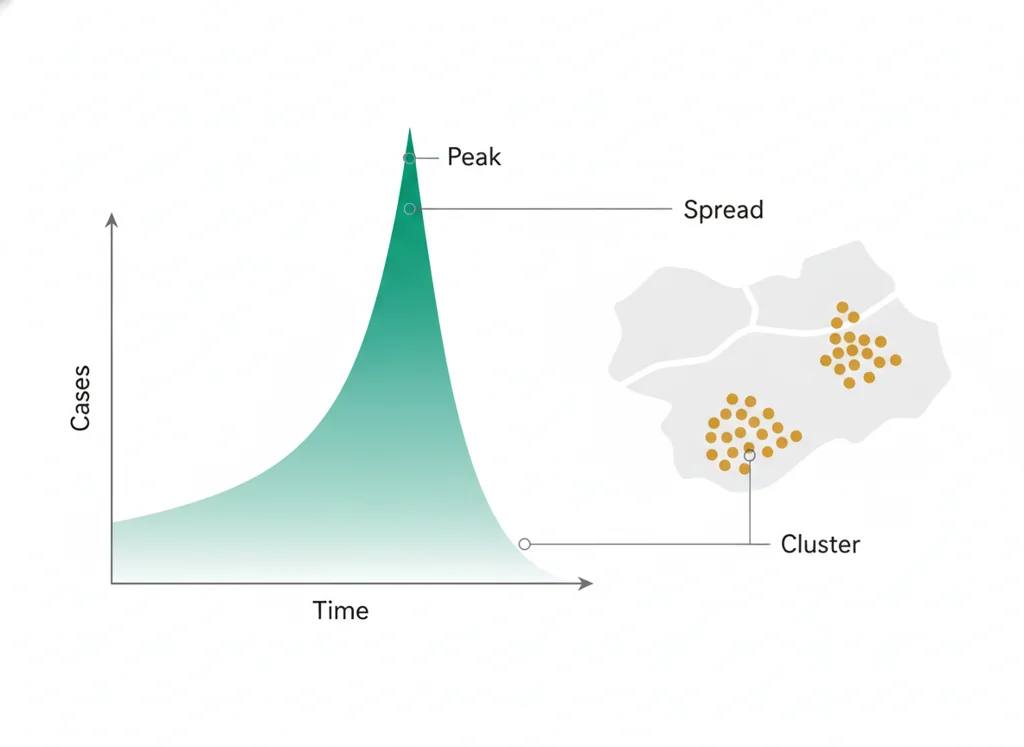
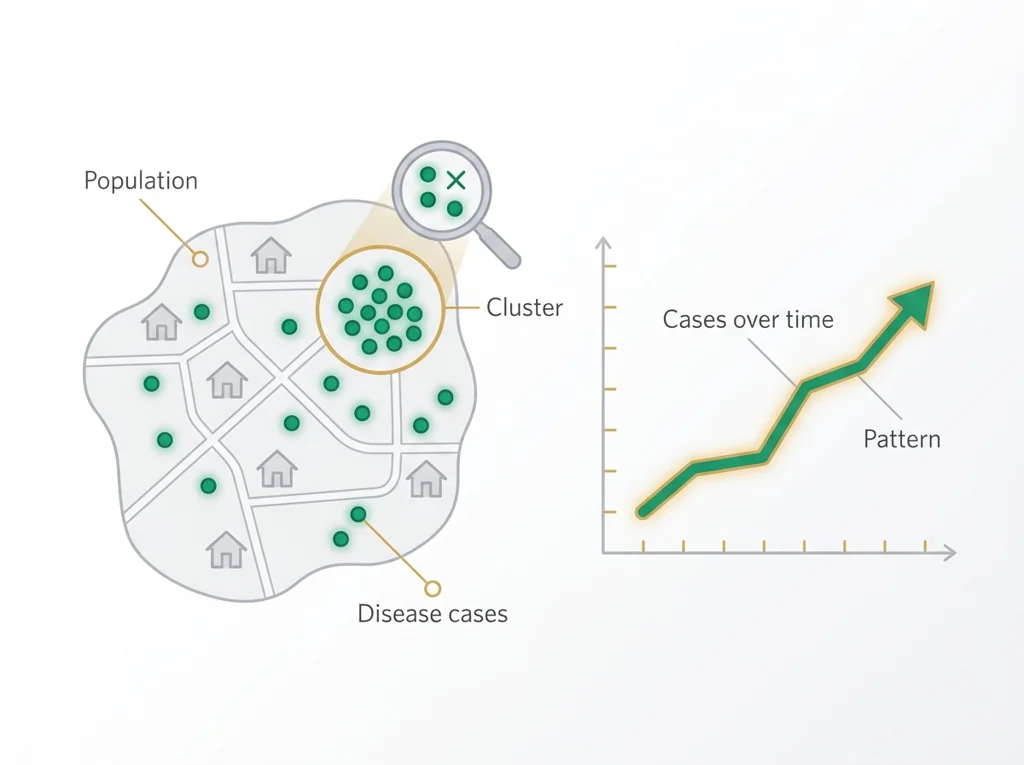
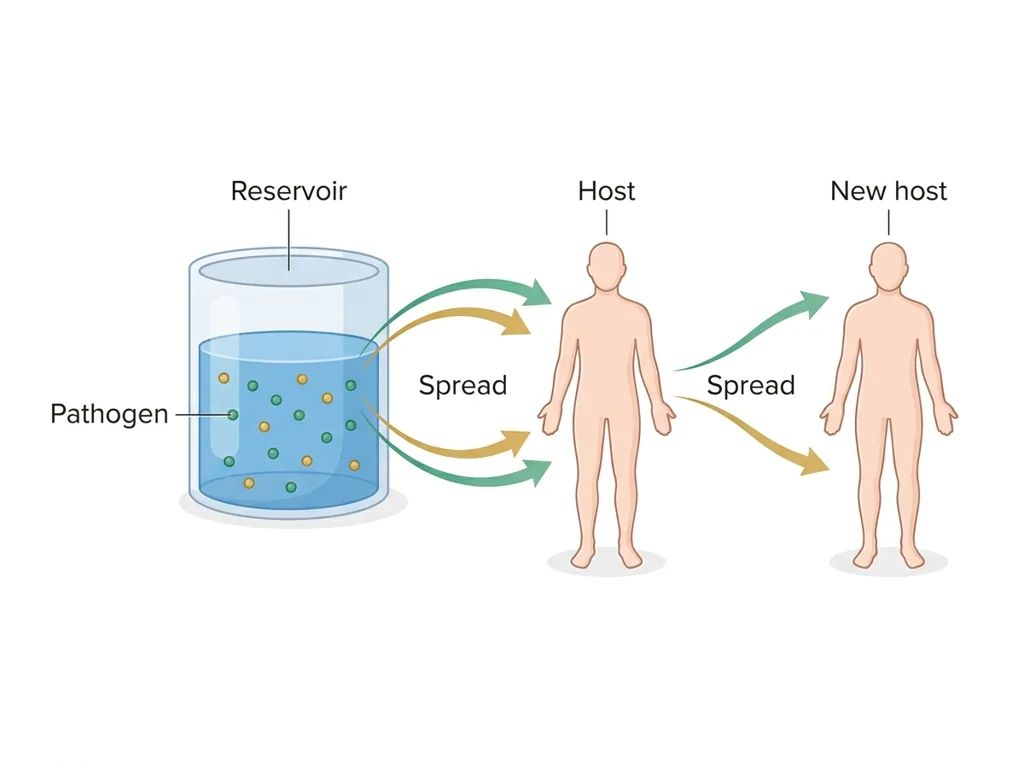
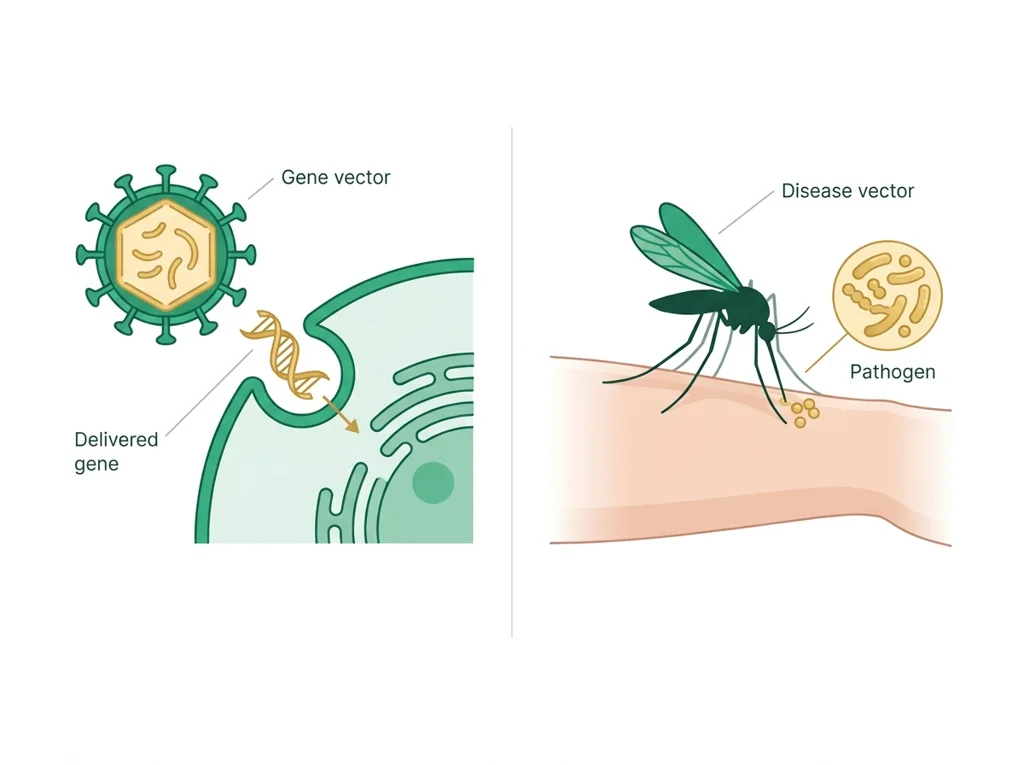
Tap the speaker to hear a term. Add two of these to your notebook glossary with a definition and an example in your own words.
Pick just 2 or 3 words from today and make them yours: write what each one means in your own words, name the context clue or evidence that helped, then give one example from what you actually did in Bioethics debate: isolation vs autonomy. Try your own words first; the glossary is there if you get stuck. This is voluntary and counts as extra credit, so keep it short.
Saved on this device. Show Mr. Mendoza or add these to your notebook glossary to claim the extra credit.
Part 2 of 4 · Directions in plain English▸
2.1 Open your materials
2.2 Start the work
Read the scenario: a contagious outbreak begins and officials consider mandatory isolation.
Show all 6 required steps
- Read the scenario: a contagious outbreak begins and officials consider mandatory isolation.
- Write your Claim: should isolation be required, voluntary, or never forced?
- Add one Reason and one piece of Evidence (think about how the disease spreads).
- Find a partner who disagrees and exchange your strongest reasons calmly.
- Add a Rebuttal sentence that answers your partner's best point.
- Post your finished CER to the discussion board and read two classmates' positions.
Lost your place? Find your Claim sentence from step 2 (isolation required, voluntary, or never forced). If you have a Claim with one Reason and one Evidence, jump to step 4 and go find a partner who disagrees.
- 0-10 minRead the scenario and define isolation vs quarantine in your notebook
- 10-25 minDraft your CER: write claim, one reason, one evidence sentence
- 25-45 minPartner exchange: find someone who disagrees; record their strongest counterpoint
- 45-60 minWrite your rebuttal sentence; revise claim or reasoning if the counterpoint exposed a gap
- 60-72 minPost your CER to the discussion board
- 72-80 minRead two classmates' CERs and leave a one-sentence response to each
- • During the 2020 pandemic, orders divided communities and courts; scientists and ethicists still disagree on where the line is.
- • Bioethics is not just opinion: it uses real data about and harm to reason toward a defensible position.
- • Today you practice the CER framework you will use all year to argue with evidence, not just feeling.
- • Exit goal: a posted CER with a claim, evidence, reasoning, and rebuttal that holds up to a classmate's challenge.
PLTW connection and today's work
Open Activity 1.1.2 Investigating an Outbreak in myPLTW, then review the CER rubric before you post.
Today's stopping point: Launch-safety week should be fully submitted; this is your first Unit 1 content benchmark.
PLTW activity titles identify the course connection. If your account will not open, use the posted materials for today and tell Mr. Mendoza. Do not mark an online activity complete unless you completed it.
Course connection
- Activity 1.1.2 Investigating an Outbreak
Use the turn-in directions in Part 4 of this page. Do not create a second submission unless your teacher asks for one.
Show another explanation or a smaller first step
Need help? Choose a starting point
Part 3 of 4 · Worked example▸
This is a parallel case, not your own. Read it for the order of the work, then do your own in Part 4.
Claim: States should be able to require drivers and passengers to wear seatbelts, using education and reminders first, but keeping the law in place because the safety gain is large and the burden is small.
Evidence: In a crash, an unbelted person keeps moving at the car's original speed until something stops them, often the windshield, dashboard, or another passenger. A seatbelt holds the body against the seat and spreads the stopping force across the strong bones of the chest and hips. Crash data collected after seatbelt laws passed show fewer deaths and serious injuries per crash. Unbelted occupants also raise costs that fall on others, because emergency care and long-term treatment are frequently paid through shared insurance and public funds.
Reasoning: A personal choice stays fully personal only when its effects stay with the person making it. A seatbelt decision does not stay fully personal, because an unbelted body can strike and injure other people in the car, and the medical costs are shared by the wider community. Requiring the belt is a narrow rule, since buckling takes seconds, costs nothing, and does not stop anyone from driving where they want. The law limits freedom only at the exact point where one choice creates real risk and cost for others.
Rebuttal: Some classmates argue that seatbelt use should be left entirely to the individual because a driver mainly risks their own body. That view protects personal choice but overlooks the passengers who can be hurt by an unbelted occupant and the shared costs of severe injuries. A required belt, paired with clear education about why it works, respects personal choice as much as possible while still preventing harm that reaches beyond the single driver.
This model shows the level of evidence and organization needed to complete: A written claim-evidence-reasoning argument on a parallel public-health policy (mandatory seatbelt laws), modeling the same claim, evidence, reasoning, and rebuttal structure without taking a position on the isolation question students must argue.
- Write one defensible claim.
- Choose specific evidence that supports the claim.
- Explain the scientific rule that connects the evidence to the claim.
Keep the structure. Replace the question, facts, measurements, and evidence. Then recheck units, vocabulary, and whether the conclusion goes beyond the evidence.
Also due today: Post to Schoology discussion and read two classmates' positions.
Part 4 of 4 · Your work▸
Check your work before submitting
- You will be able to argue a position on isolation using a CER structure.
- You will be able to weigh community safety against individual autonomy.
- You will be able to respond to an opposing argument with a rebuttal.
4.1 Turn in your work
DueCheck the Schoology assignment for this day- Hand in
- Written CER on mandatory isolation: claim, evidence, reasoning, and a rebuttal addressing one opposing point.
How to submit and name your file
Use the submission route shown on today's page.
In Schoology, open your course and the assignment for this lesson. Attach your file, select Submit, and check that it appears in the submission.
PDF upload helpYou get two school days for every day you were absent, so this deadline moves with you.
Find this lesson's Schoology assignments
These are existing assignments for your section. Follow the directions in the assignment you are working on; this list does not add new work. A PLTW Work row repeats on every day of its lesson; submit it once. Check Schoology for each deadline.
- Wk2 CER: Bioethics debate, isolation vs autonomy(today's turn-in)
Link will not open? Open Schoology, choose your course and section, and find the title shown above.
- CompleteEvery required part of the artifact is present, nothing left blank.
- AccurateThe science and the data are correct and match the evidence.
- Scientific reasoningYou explain your claim with evidence and reasoning (CER), not just an answer.
- Professional communicationClear, organized, labeled, and written the way a clinician or scientist would.
- SubmittedGo to Schoology to turn this in. Submit one PDF. Schoology attaches your name to your upload; on the page itself, write your period and code. Name the file: FirstName LastName - Assignment Title - YYYY-MM-DD.pdf. If you cannot get in, see Mr. Mendoza. Do not skip the work.
How this lesson connects
Study plan → illness clues → pathogen groups → tests of a possible cause. The graphing activity helps you choose what to practice; the patient case helps you reason from evidence.
Practice: try a question, then check your answer▸
Claim ceiling for this check: Today's evidence supports a classroom claim about today's lesson. It cannot prove causation, diagnose a real patient, or justify action outside this room.
An outbreak is spreading. Officials order everyone who ate at a specific restaurant last Tuesday to stay home for 10 days, even people who feel fine. Is that isolation or quarantine, and what makes it the harder call for personal freedom?
Write an answer and pick a confidence to unlock the key.
Fast retrieval with instant answers, not the commit-then-reveal check above. Try each from memory first: write what you remember about the earlier units, then check yourself here.
Missed class or ready for more?▸
Optional practice for this unit's lab skills. Nothing in it is due today.
What today's skills lead to. These are real health-science careers this course builds toward. Tap one to see, on the US Department of Labor's O*NET site, what the job actually involves, what it pays, and how fast it is growing.
If you are away, record a one-minute video or write a full CER post taking a side on mandatory , then reply to one classmate with a rebuttal.
Use the submission route shown on today's page.
Class still runs. Complete today's work as this page describes (it is self-guided). Need the concept taught without a teacher? Use this authoritative explainer:
CDC: Principles of Epidemiology (self-study)Sources: slides, readings, and resources▸
Classroom documents for this lesson are posted in Schoology. Open Clever, then Schoology, and find each one by the name shown on its card.
Use this if you were absent, got stuck, or need another pass before you submit the lesson artifact.
Use this if you were absent, got stuck, or need another pass before you submit the lesson artifact.
Use this after the required lesson work when you are ready for a harder application or a deeper connection.
Sign in to Clever with your district Microsoft account to open Schoology or myPLTW. Follow today's posted steps. If myPLTW will not open, use the posted alternative and tell Mr. Mendoza. Turn in your completed work through the Schoology assignment.
This week
My Progress dashboard