
Outbreak investigation, symptom clusters, pathogen categories, evidence maps. Monday debate: isolation vs. autonomy.
Your PLTW coursework: Medical Interventions ▸ Unit 1: How to Fight Infection ▸ Lesson 1.1 The Mystery Infection ▸ "Activity 1.1.2 Investigating an Outbreak"
What to do if absent- CER:
- Claim, Evidence, Reasoning: make a claim, back it with evidence, explain your reasoning.
- SOP:
- Standard Operating Procedure, the exact steps to follow (especially in a lab).
- Tracker:
- Your PLTW progress log where you record completed evidence.
- myPLTW:
- The PLTW course site where you do the online activities. Find it in Clever with your Microsoft sign-in, right next to Schoology.
Turn a messy set of patient symptoms into an organized outbreak investigation an epidemiologist could act on.
- 1List the cases. From the patient data your teacher provides, list each patient with their symptoms and onset date.
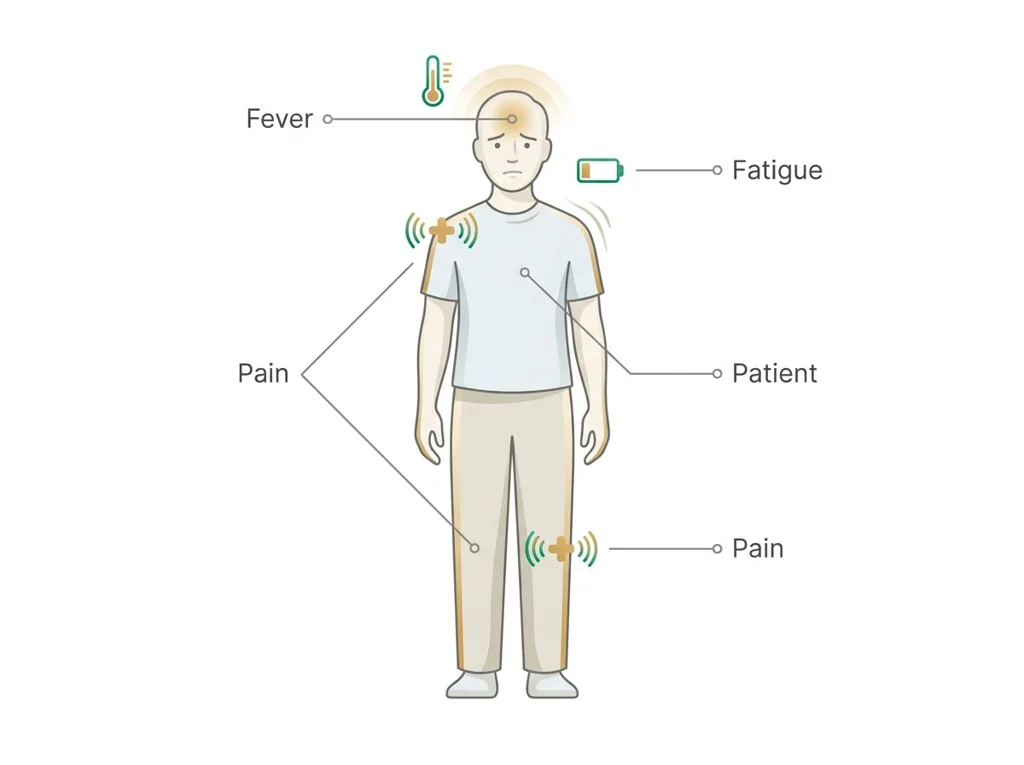
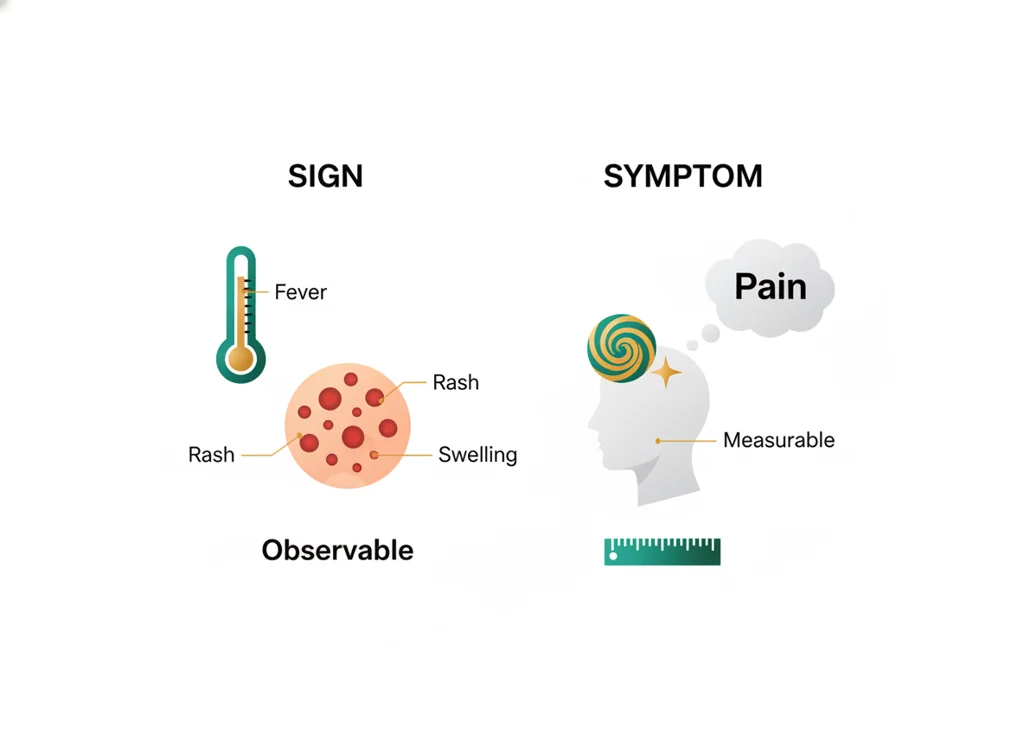
- 2Separate signs from symptoms. Sort each observation into a SIGN (measurable, e.g., fever 39°C) or a SYMPTOM (reported, e.g., 'feels tired').
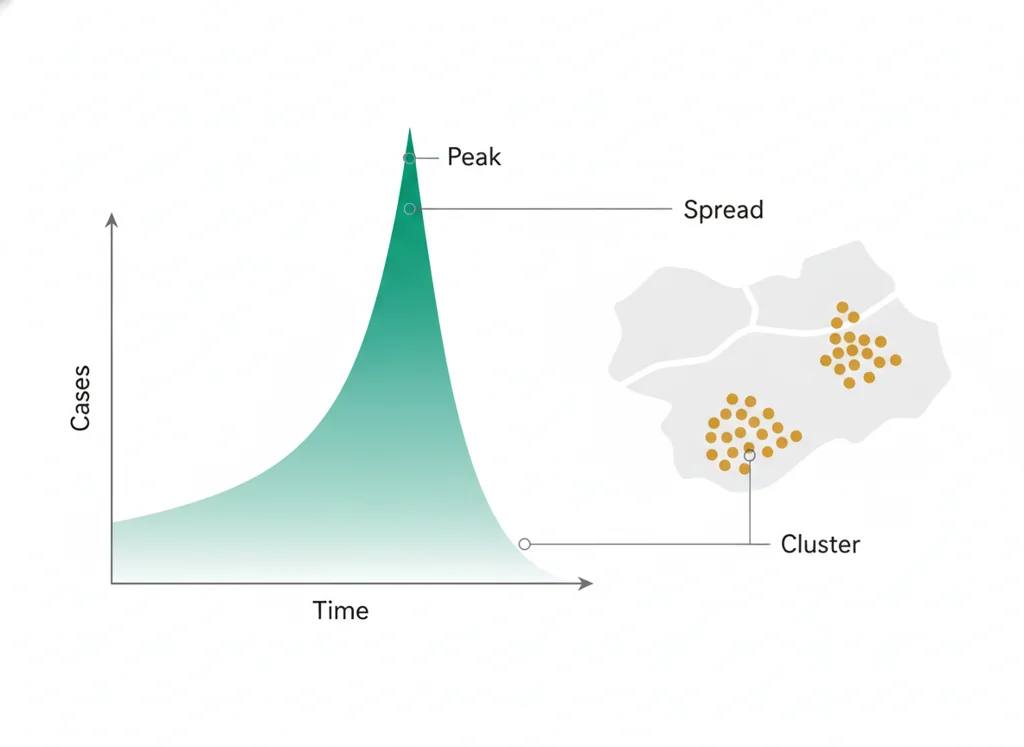
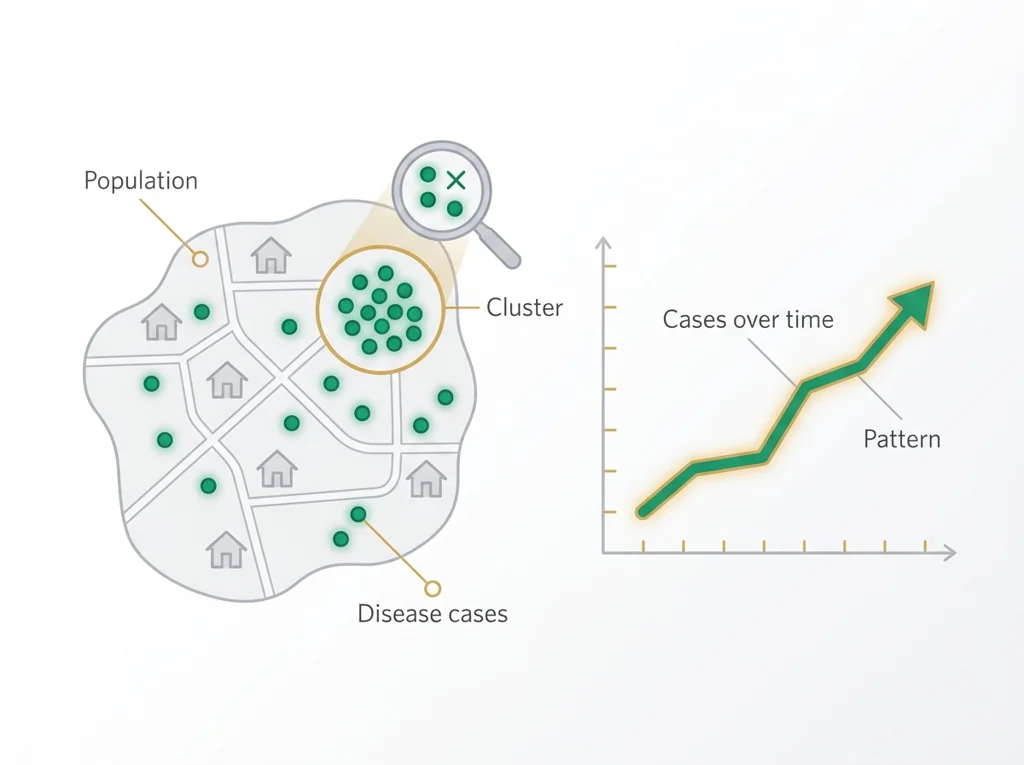
- 3Cluster. Group patients who share symptom patterns. Note anything they have in common (place, food, contact).
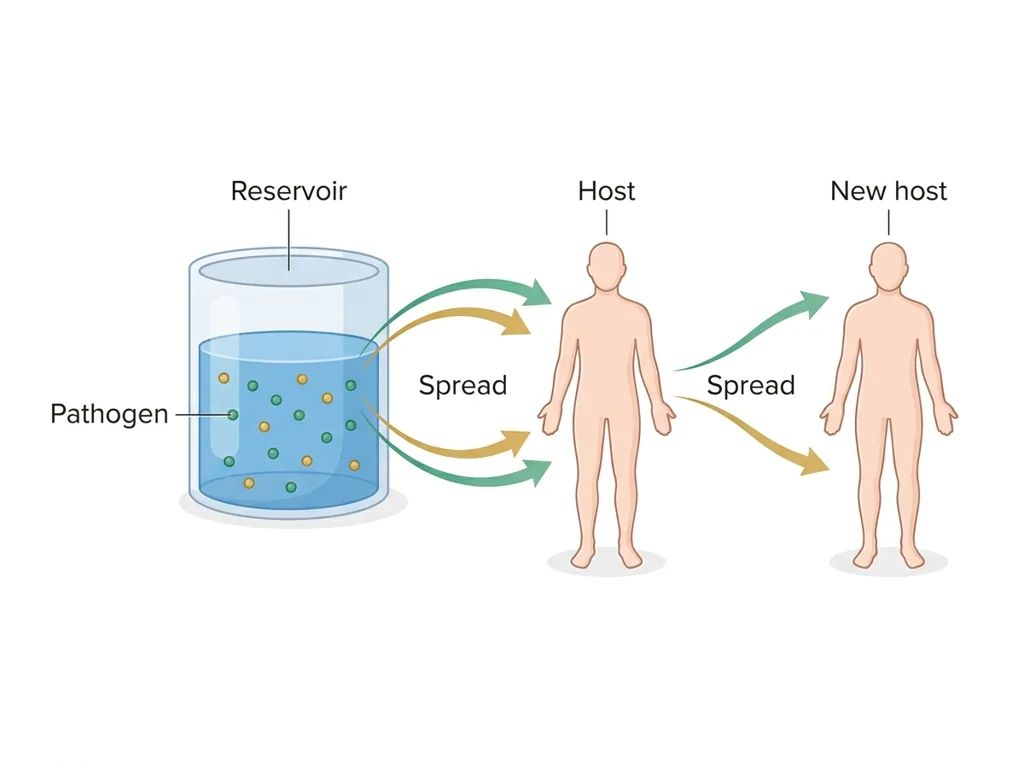
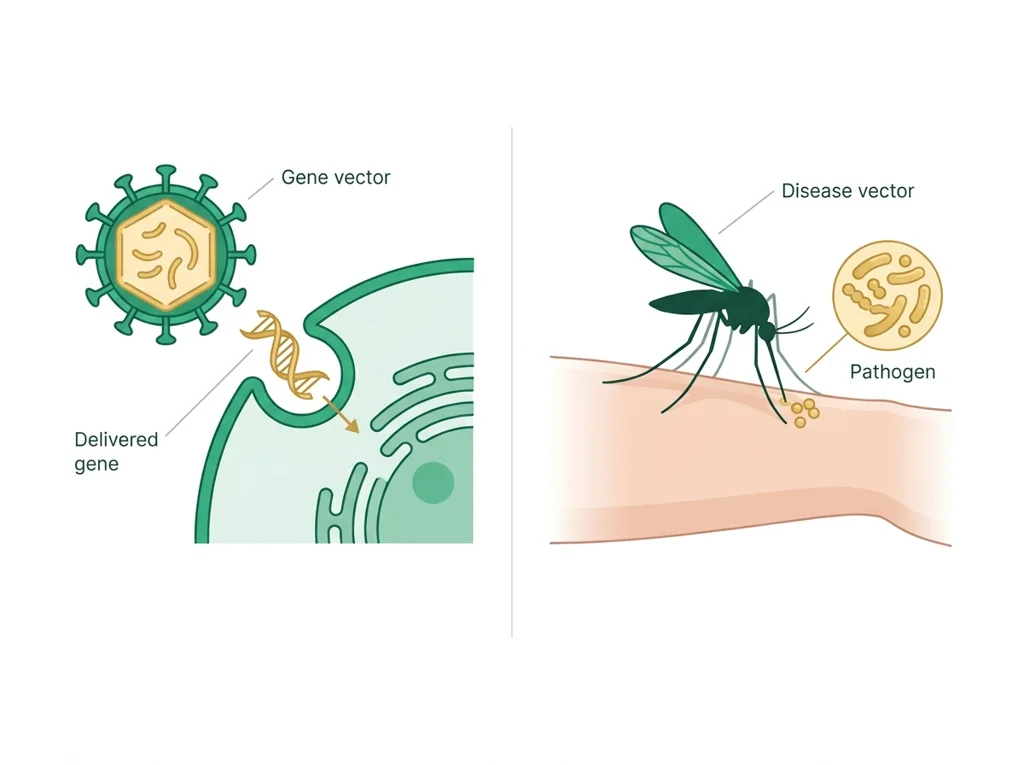
- 4Map relationships. Draw who-contacted-whom and mark likely a reservoir or vector if one appears.
- 5Hypothesize. Write a CER: claim (what kind of ), evidence (your clusters), reasoning (why the pattern fits).
- • Distinguish signs from symptoms in real patient data.
- • Build a relationship/line-list map from raw cases.
- • State a defensible first diagnosis hypothesis with evidence.
Open any day for its full lesson, the work due that day, and guided notes.
Day 1 case notes and labeled contact map
Research notes and updated contact map
Revised outbreak record, CER, and conclusions
Notebook entry: four bases with pairing rules, two-sentence sequencing summary, and one question for the lab.
Do this: Advance the PLTW Unit 1 infection case: build the outbreak map and record your initial diagnosis hypothesis as evidence.
- • The difference between a sign and a symptom.
- • How epidemiologists use line lists and relationship maps.
- • categories (bacteria, virus, fungus, parasite).
- • Organize raw case data into a usable map.
- • Write a CER that proposes a category from evidence.
📋 PLTW evidence to log: outbreak relationship map and CER diagnosis hypothesis for the Unit 1 infection case.
All PLTW activities are completed inside the PLTW course environment: this page only gives direction.
Use this chart to keep your place. Nothing on it is turned in through the portal.
| Day | Work | Turn in |
|---|---|---|
| Tuesday · Tue, Sep 8 | Investigating an outbreak: evidence and connections | Day 1 case notes and labeled contact map |
| Wednesday · Wed, Sep 9 | Investigating an outbreak: research possible explanations | Research notes and updated contact map |
| Thursday · Thu, Sep 10 | Investigating an outbreak: explain and revise | Revised outbreak record, CER, and conclusions |
| Friday · Fri, Sep 11 | DNA sequencing basics | Notebook entry: four DNA bases with pairing rules, two-sentence sequencing summary, and one question for the BLAST lab. |
- T: patient evidence log
- W: category notes
- Th: relationship map
- F: CER diagnosis hypothesis
Turn in: Outbreak investigation, symptom clusters, pathogen categories, evidence maps. Monday debate: isolation vs. autonomy. weekly work due Outbreak relationship map and CER diagnosis hypothesis.
Go to Schoology to turn this in.
Submit one PDF. Schoology attaches your name to your upload; on the page itself, write your period and code. Name the file: FirstName LastName - Assignment Title - YYYY-MM-DD.pdf.
Open Schoology PDF upload helpIf you cannot get in, see Mr. Mendoza. Do not skip the work.
1 panel from the illustrated semester.
Fiction. There is no such student. The lessons, labs and dates are the real planned course; the student, the classmates and the conversations are invented.
Most days, this class is your PLTW coursework: and PLTW is online and individual. So being out usually just means doing exactly what we did in class, from home.
Open Clever, then myPLTWSign in to Clever with your district Microsoft account to open Schoology or myPLTW. Follow today's posted steps. If myPLTW will not open, use the posted alternative and tell Mr. Mendoza. Turn in your completed work through the Schoology assignment.
You can't do those from home: do this instead: CDC-style from teacher data.
Class still runs. A substitute will post today's plan: complete the online activity above; it's built to be self-guided. Need the concept taught without a teacher? Use this authoritative explainer:
CDC: Principles of Epidemiology (self-study)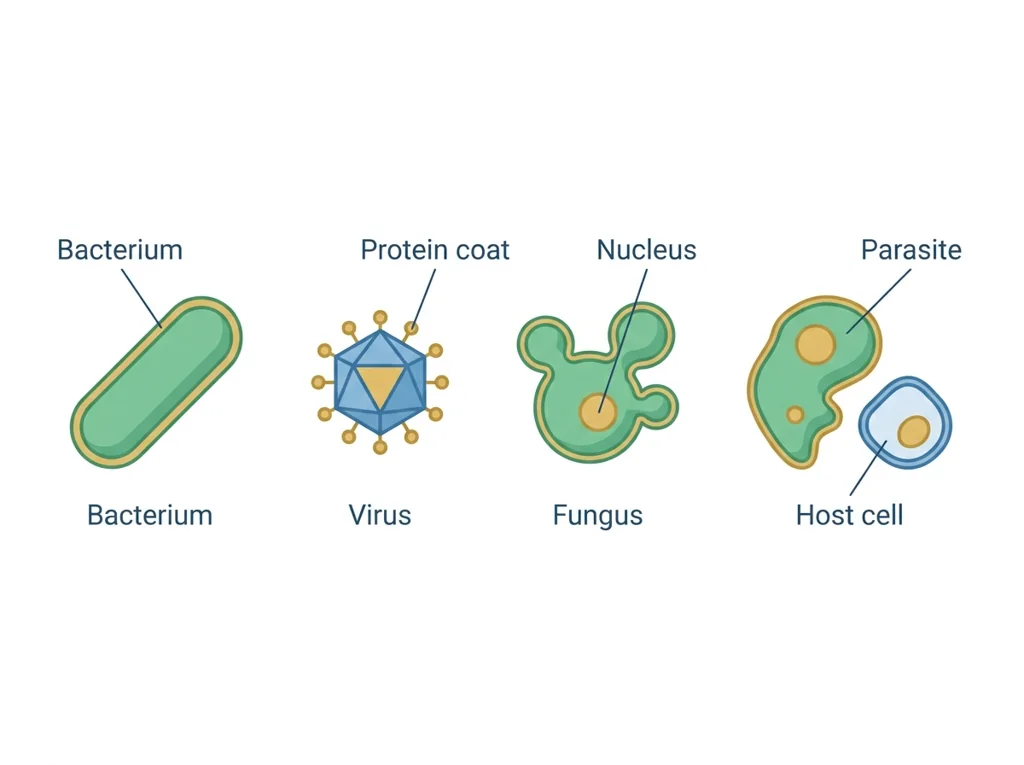
Classroom documents for this lesson are posted in Schoology. Open Clever, then Schoology, and find each one by the name shown on its card.
Use this if you were absent, got stuck, or need another pass before you submit the lesson artifact.
Use this if you were absent, got stuck, or need another pass before you submit the lesson artifact.
Use this after the required lesson work when you are ready for a harder application or a deeper connection.
Sign in to Clever with your district Microsoft account to open Schoology or myPLTW. Follow today's posted steps. If myPLTW will not open, use the posted alternative and tell Mr. Mendoza. Turn in your completed work through the Schoology assignment.