

Inheritance review, pedigree logic, SNPs, genetic counseling, and the MP1 data inflection.
Your PLTW coursework: Medical Interventions ▸ Unit 2: How to Screen What is In Your Genes ▸ Lesson 2.1 Genetic Testing and Screening ▸ "Activity 2.1.1 Chronicles of a Genetic Counselor"
What to do if absent- CER:
- Claim, Evidence, Reasoning: make a claim, back it with evidence, explain your reasoning.
- SOP:
- Standard Operating Procedure, the exact steps to follow (especially in a lab).
- Tracker:
- Your PLTW progress log where you record completed evidence.
- myPLTW:
- The PLTW course site where you do the online activities. Find it in Clever with your Microsoft sign-in, right next to Schoology.
Use pedigree symbols and evidence to predict whether a person is a and explain when a family would seek .
- 1Open the teacher dataset linked in the PLTW course shell and skim the first family before you write anything.
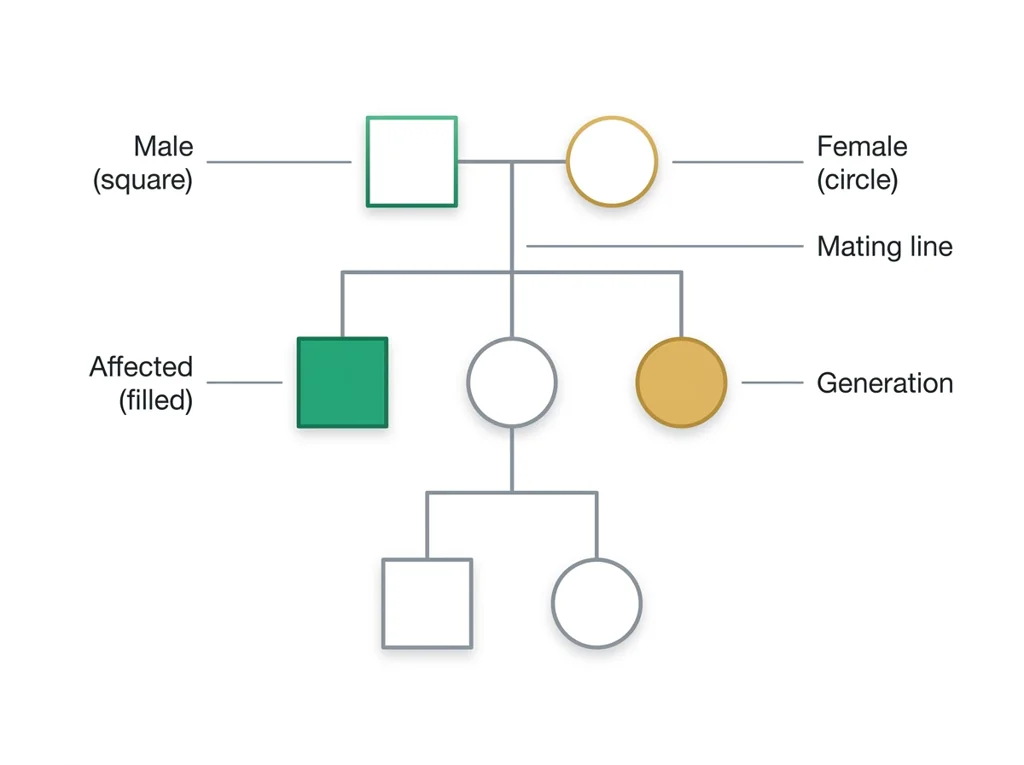
- 2Draw the three core pedigree symbols (square, circle, line) and label one affected, one unaffected, and one individual.
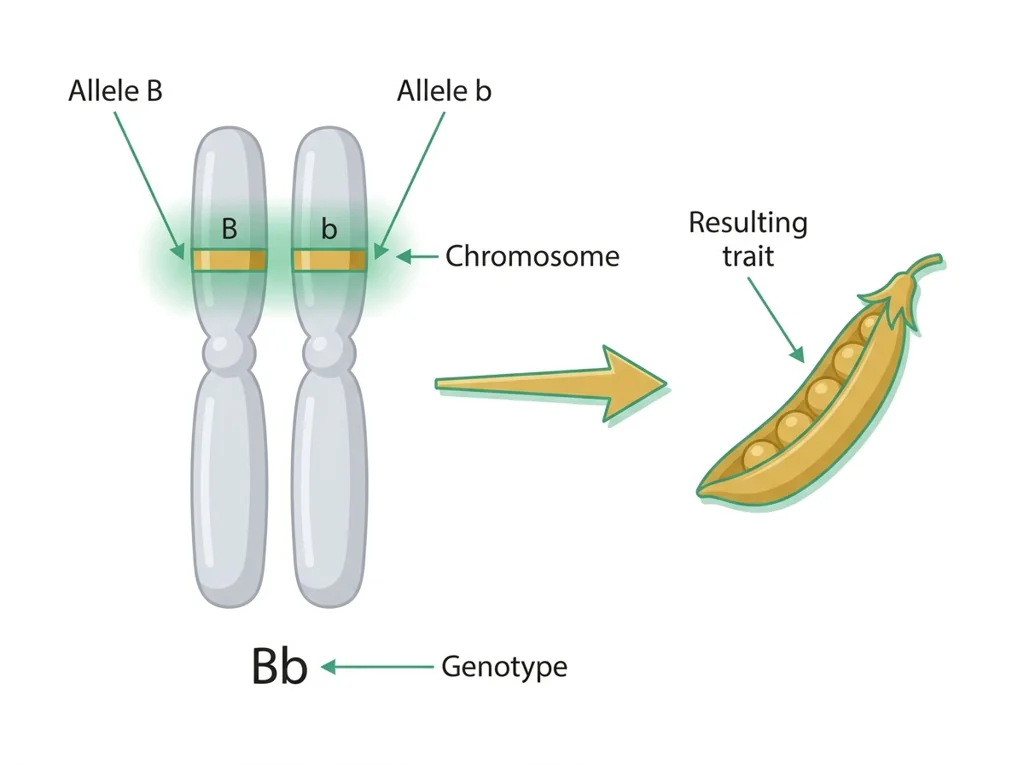
- 3For two people in the dataset, write their next to their phenotype and circle whether each is homozygous or heterozygous.
- 4Find one column in the dataset and decide, in one sentence, whether that tracks with the trait or not.
- 5Predict whether a labeled person is a and write a one-line reason using the words and pedigree.
- 6Draft one question you would ask a about privacy of these results, ready for the Monday debate.
- • You'll be able to read a pedigree and tell carriers from affected individuals.
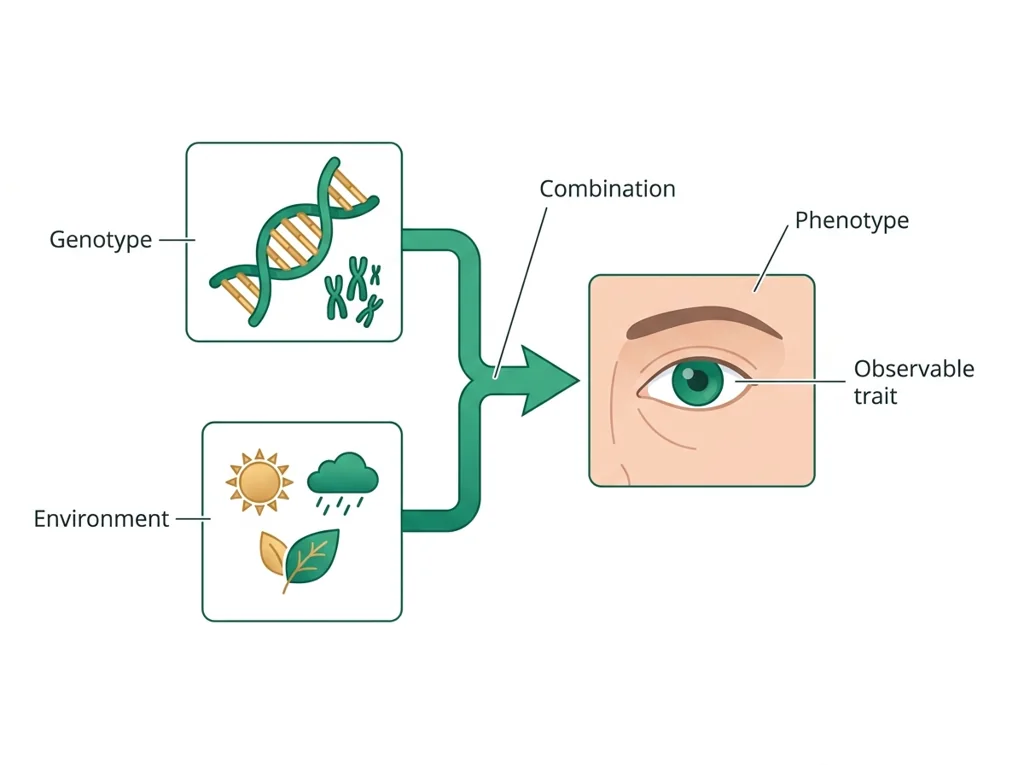
- • You'll be able to connect a to its phenotype using language.
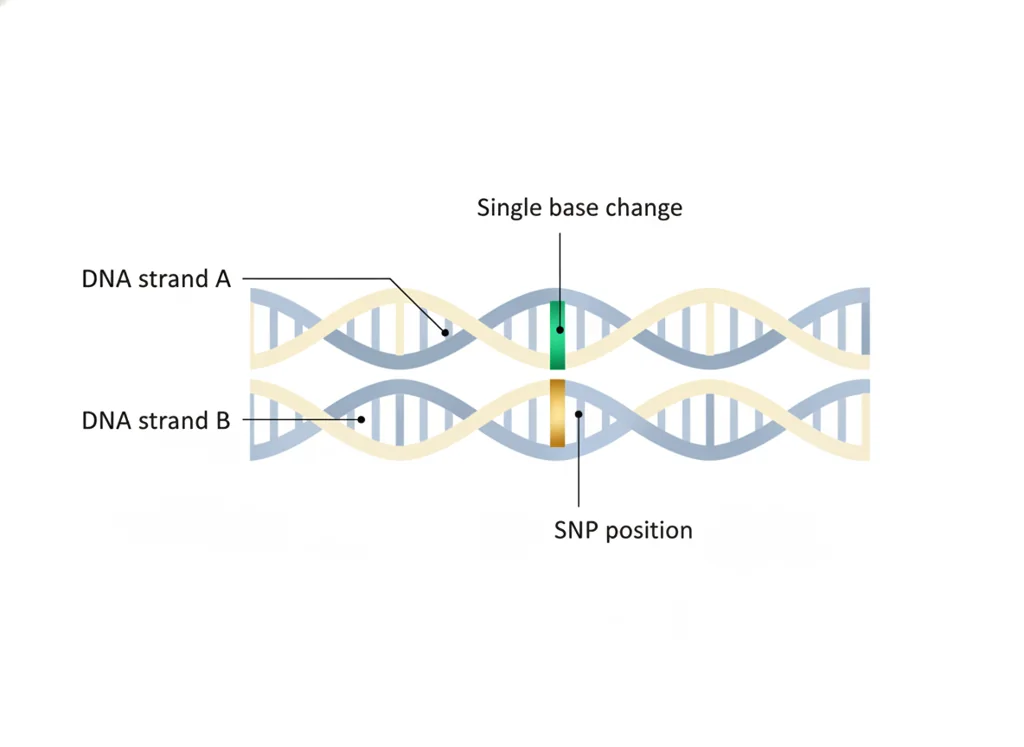
- • You'll be able to explain why a can hint at status without proving disease.
Open any day for its full lesson, the work due that day, and guided notes.
-to-phenotype table for three individuals (homozygous/heterozygous labeled) and a written prediction.
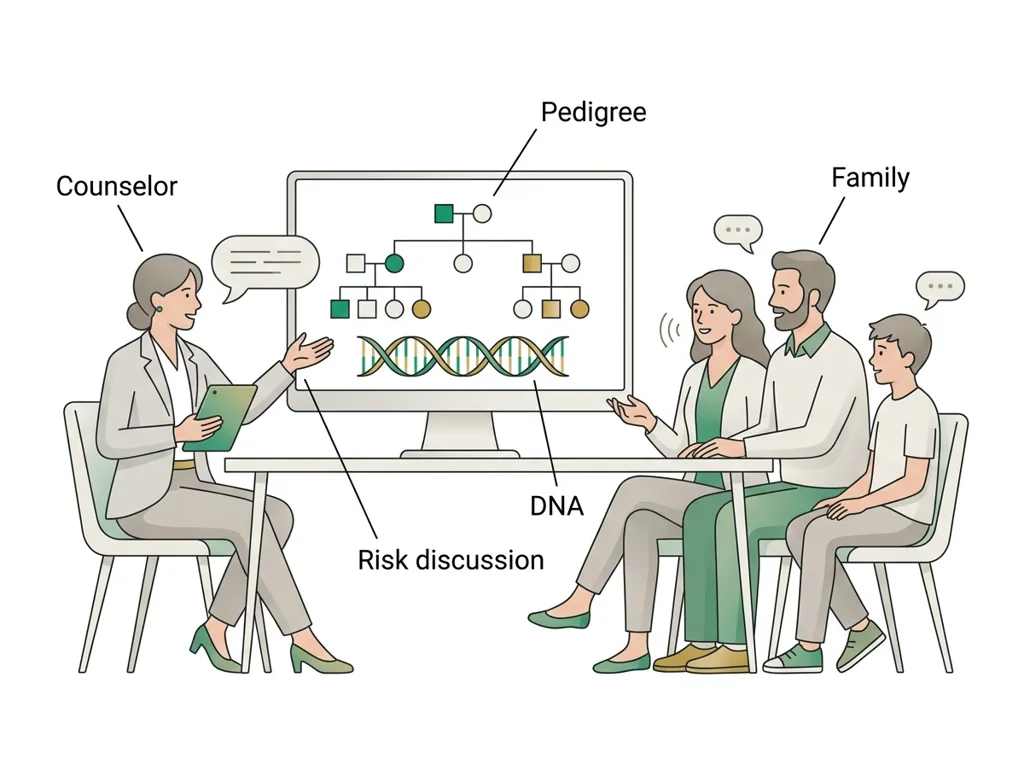
Counseling memo: finding in plain language, list of what the result does and does not mean, one , and a sentence on the role of .
One CER on direct patient access to raw genetic results plus a reflection naming one counterargument.
Your worksheet: the side you argued, your three strongest arguments, the opposing point you had to answer, and where you actually stand now.
Gel banding with distances, largest-to-smallest ranking, two size estimates against the ladder, an explanation of the size-migration relationship, and a three-line control check (valid, failed, or contaminated) for the practice gels.
- Today launches Unit 2: every disease story starts with someone's , and you are the detective reading the clues.
- Goal for today: turn a pedigree and a few SNPs into a smart, careful prediction about who might carry a trait.
- Monday is our bioethics debate. Genetic privacy is the question: who should be allowed to see your , and why?
- Remember, all graded work, including the dataset and your debate prep, lives in the PLTW course shell, not on paper.
Do this: Advance the Unit 2 genetic-testing benchmark by submitting your pedigree-plus- prediction on the class site.
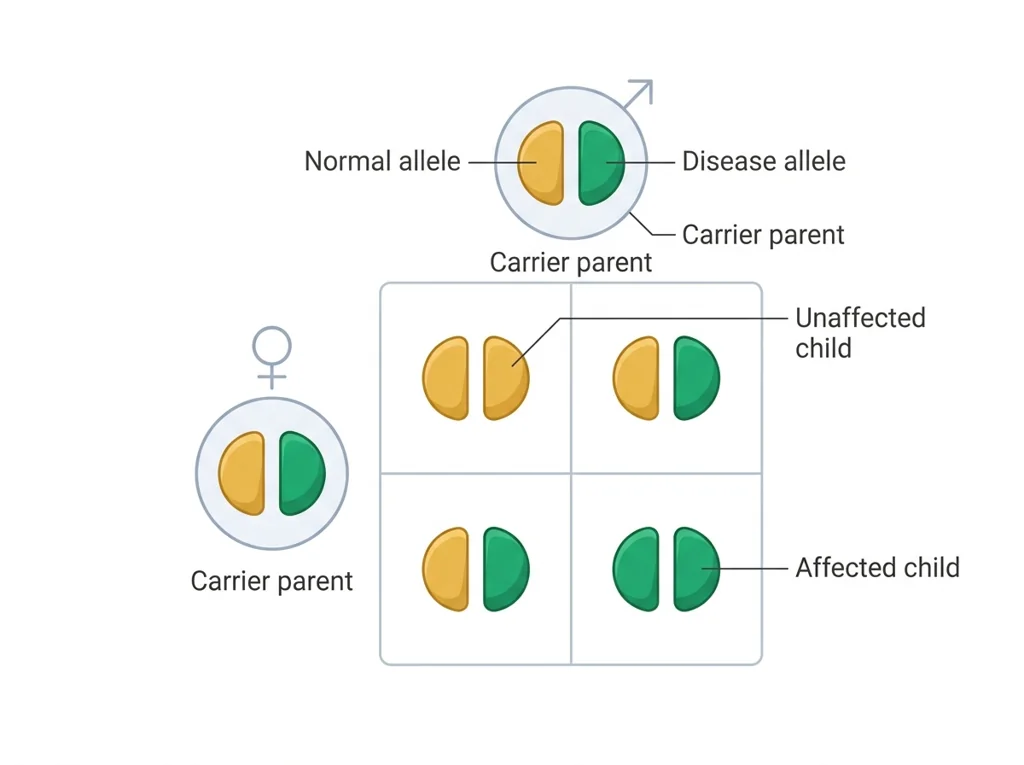
- • An is one version of a gene, and combines two alleles while phenotype is the visible result.
- • A is a single-letter difference that can serve as a marker linked to a trait.
- • helps families interpret and risk results before they make decisions.
- • Interpret standard pedigree symbols to identify carriers.
- • Match a to its phenotype using a simple dataset.
📋 Tracker evidence due this week: your completed pedigree-plus- prediction uploaded to the class site.
All PLTW activities are completed inside the PLTW course environment: this page only gives direction.
Use this chart to keep your place. Nothing on it is turned in through the portal.
| Day | Work | Turn in |
|---|---|---|
| Monday · Mon, Oct 19 | SNP and PTC case | Genotype-to-phenotype table for three individuals (homozygous/heterozygous labeled) and a written carrier prediction. |
| Tuesday · Tue, Oct 20 | Genetic counseling memo | Counseling memo: carrier finding in plain language, list of what the result does and does not mean, one next step, and a sentence on the role of genetic counseling. |
| Wednesday · Wed, Oct 21 | Access-to-results debate | One CER on direct patient access to raw genetic results plus a reflection naming one counterargument. |
| Thursday · Thu, Oct 22 | JCU bioethics 5: Is super hearing good for humanity? | Your worksheet: the side you argued, your three strongest arguments, the opposing point you had to answer, and where you actually stand now. |
| Friday · Fri, Oct 23 | Gel electrophoresis lab | Gel banding data table with migration distances, largest-to-smallest ranking, two size estimates against the ladder, an explanation of the size-migration relationship, and a three-line control check (valid, failed, or contaminated) for the practice gels. |
- M: genetic privacy debate
- T: pedigree notes
- W: dataset
- Th: counseling memo
- F: MP1 tracker audit
Turn in: Inheritance review, pedigree logic, SNPs, genetic counseling, and the MP1 data inflection. weekly work due Genetic counseling case memo and tracker audit.
Go to Schoology to turn this in.
Submit one PDF. Schoology attaches your name to your upload; on the page itself, write your period and code. Name the file: FirstName LastName - Assignment Title - YYYY-MM-DD.pdf.
Open Schoology PDF upload helpIf you cannot get in, see Mr. Mendoza. Do not skip the work.
4 panels from the illustrated semester.
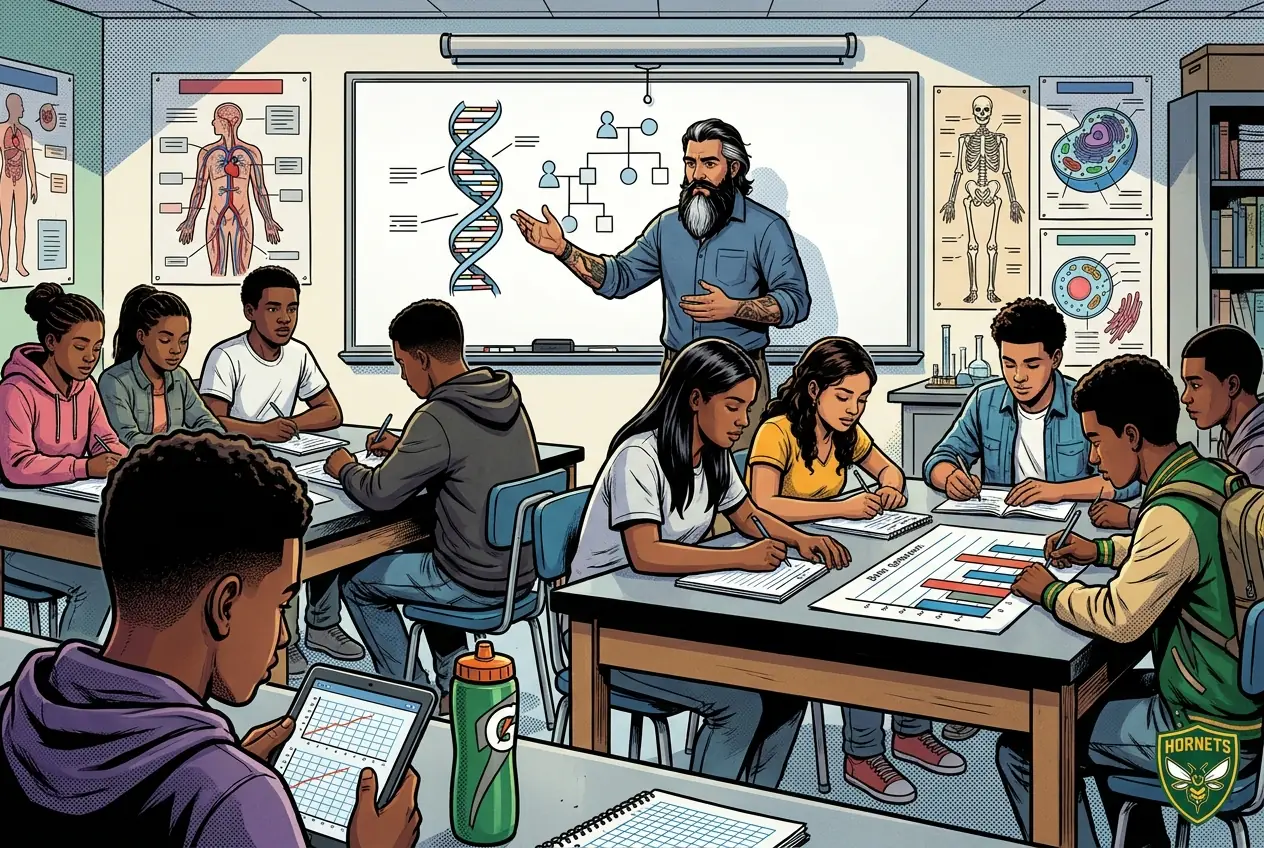

Fiction. There is no such student. The lessons, labs and dates are the real planned course; the student, the classmates and the conversations are invented.
Most days, this class is your PLTW coursework: and PLTW is online and individual. So being out usually just means doing exactly what we did in class, from home.
Open Clever, then myPLTWSign in to Clever with your district Microsoft account to open Schoology or myPLTW. Follow today's posted steps. If myPLTW will not open, use the posted alternative and tell Mr. Mendoza. Turn in your completed work through the Schoology assignment.
You can't do those from home: do this instead: Teacher dataset.
Class still runs. A substitute will post today's plan: complete the online activity above; it's built to be self-guided. Need the concept taught without a teacher? Use this authoritative explainer:
MedlinePlus: What is genetic testing?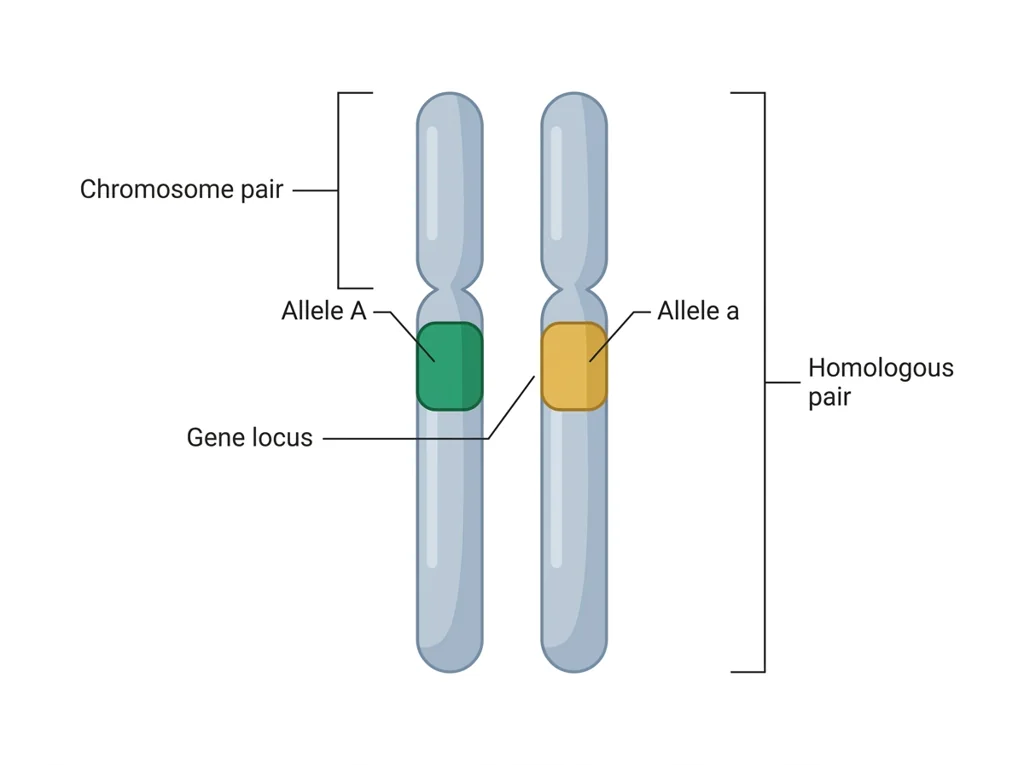
Classroom documents for this lesson are posted in Schoology. Open Clever, then Schoology, and find each one by the name shown on its card.
Use this after the required lesson work when you are ready for a harder application or a deeper connection.
Use this as the classroom resource for Genetic testing, PTC, pedigree, SNPs.
Use this if you were absent, got stuck, or need another pass before you submit the lesson artifact.
Sign in to Clever with your district Microsoft account to open Schoology or myPLTW. Follow today's posted steps. If myPLTW will not open, use the posted alternative and tell Mr. Mendoza. Turn in your completed work through the Schoology assignment.