
Your Weeks Work packet
The packet tells this week's story day by day, explains every term on labeled reference pages, and lists each task with its deadline. Open it before you start today's work. The mind map shows how the whole unit fits together, with the tested ideas in red. Your Unit 1 Take-Home Exam is handed out Thursday, October 1 and due Monday, October 5 at the start of class. It replaces the in-class Unit 1 Test printed in the packet, so ignore the packet's 40-minute and pencil instructions for the test.
Synthesize all evidence
This page has four parts, in the order you use them. Part 1 is what you need to know. Part 2 says what to do, in plain English. Part 3 shows the work done once on a case that is not yours. Part 4 is your own work and where to turn it in.
Open your materials, follow the steps, then turn in your work.
Compare the six evidence threads, assess their independence and limits, and draft a supported manner-and-cause claim in the Day 16 Daily Evidence Sheet.
Case background, evidence, and file details▸
How today connects to the case
Where: Respawn, an e-sports lounge with a smoothie counter. Who: Dana Okafor, 29, owner of the Respawn e-sports lounge, found behind the smoothie counter before opening by the morning shift lead. Dana had a severe peanut allergy that every employee knew about.
The scene in our room is the scene in the case: tape at the door, the outline and torso behind the counter, the lower body beneath a toppled supply shelf and a rubber floor mat. Responders left the scene as found, pending investigation.
Your job: By Day 18 your team names the manner and cause of death and backs each one with at least four exhibits across three different evidence types. Every claim stops where the evidence stops.
Today you will bring every thread to one table, close the last open questions with the records exhibits you already hold, resolve the logic tree, and draft your manner-and-cause claim.
Remember: Corroboration closes cases: independent evidence lines agreeing. One line persuades; three lines conclude.
- Project 1.2.6 Case Closed
This John Hay case practices skills connected to the PLTW activity above. Follow today's directions for the assigned work.
Missed class? Open today's worksheet and briefing. Use simulated data only if the worksheet or Mr. Mendoza provides it, and label it "Simulated data." If a required measurement or file is missing, ask Mr. Mendoza. Do not invent results.
Evidence released today
The Day 16 Case B pack and Daily Evidence Sheet release records E14, E9, and E15. Compare these records with the other evidence in the six-thread table; cite each record and state its limits.
Exhibit means one numbered piece of evidence. Thread means the team lane it belongs to (Scene, Trace, Serology and DNA, Toxicology, Medical Examiner, Records). Exhibits are handed out on paper in class on the day they are released, and the same files are attached to that day's Schoology assignment.
Notebook reminders
- Investigation Day 16 pack (paper in class; the PDF is above and on the Schoology assignment)
- Investigative Notebook: Logic tree: final pruning inked
- Investigative Notebook: Suspect matrix: resolution row
- Investigative Notebook: Day 16 Cornell page
Daily Evidence Sheet, Day 16: the worksheet linked at the top of this page, every Part complete.
Submit one PDF of your Daily Evidence Sheet to Wk6 D16 · The Tree Resolves (PLTW 1.2.6). Complete every Part; finish any remaining work at home and submit by 11:59 PM tonight.
Schoology assignment: Wk6 D16 · The Tree Resolves (PLTW 1.2.6)
What the evidence can and cannot prove
- Classroom evidence supports a classroom finding. It cannot convict a real person or diagnose a real patient.
- A hair consistent with a person proves a hair like theirs was present, not that the person was, and never when.
- A fingerprint proves touch, not when or why. A pattern class narrows a crowd; only minutiae can name one finger.
- A presumptive test says maybe. Only a confirmatory test says blood, and only DNA says whose.
- One value outside its reference range is a flag, not a verdict.
Make only the claims your evidence supports. Explain what you still cannot tell.
Optional: listen or watch a unit review▸
Part 1 of 4 · Background and definitions▸
💡 Big idea: A supported draft explains what each evidence thread contributes, checks whether the lines are independent, and states what remains uncertain.
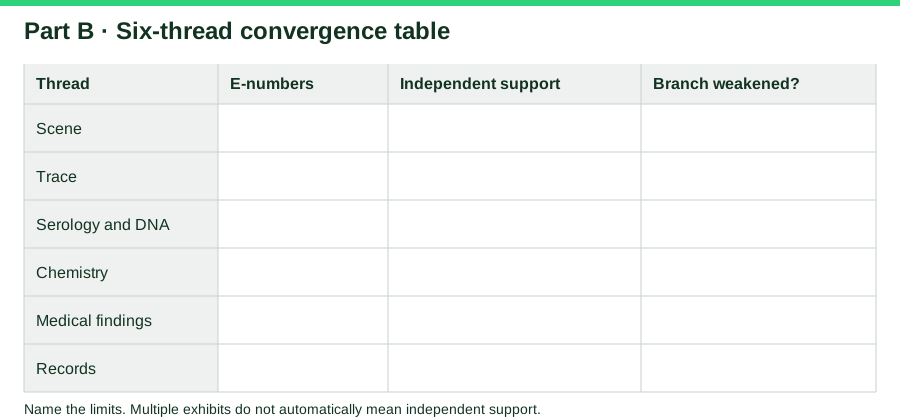
- • Part B has six threads: Scene, Trace, Serology and , Chemistry, Medical findings, and Records.
- • An exhibit number identifies a record. Several exhibits do not automatically provide several independent lines of evidence; check their methods, samples, and sources.
- • For this assignment, the draft cites at least four exhibits across at least three threads. Meeting that count does not by itself prove a conclusion.
- • Distinguish evidence that clears a person of interest from evidence that does not establish involvement. State the strongest limitation on the draft claim.
A pathologist diagnoses disease by comparing to a normal reference because appearance varies between people, so disease is recognized as deviation from normal rather than from any single slide.
A supported draft explains what each evidence thread contributes, checks whether the lines are independent, and states what remains uncertain.
Driving question: How do the six threads support or challenge your draft manner-and-cause claim, and what can they still not establish?
What you already know: A pathologist diagnoses disease by comparing to a normal reference because appearance varies between people, so disease is recognized as deviation from normal rather than from any single slide.
New idea: A supported draft explains what each evidence thread contributes, checks whether the lines are independent, and states what remains uncertain.
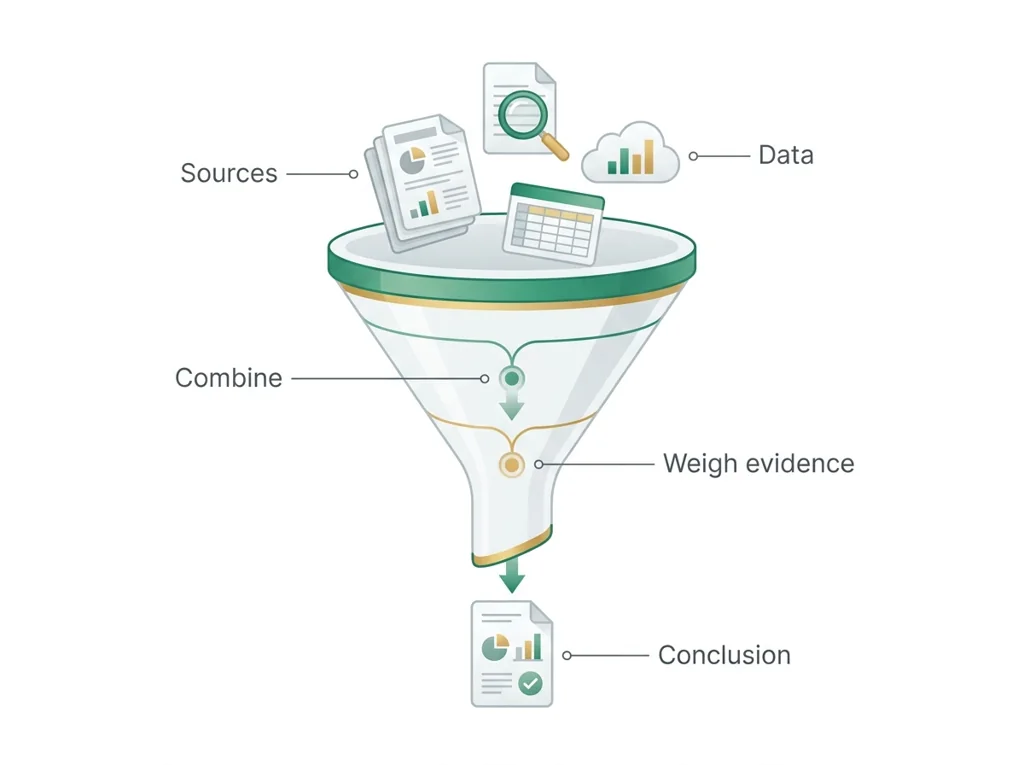
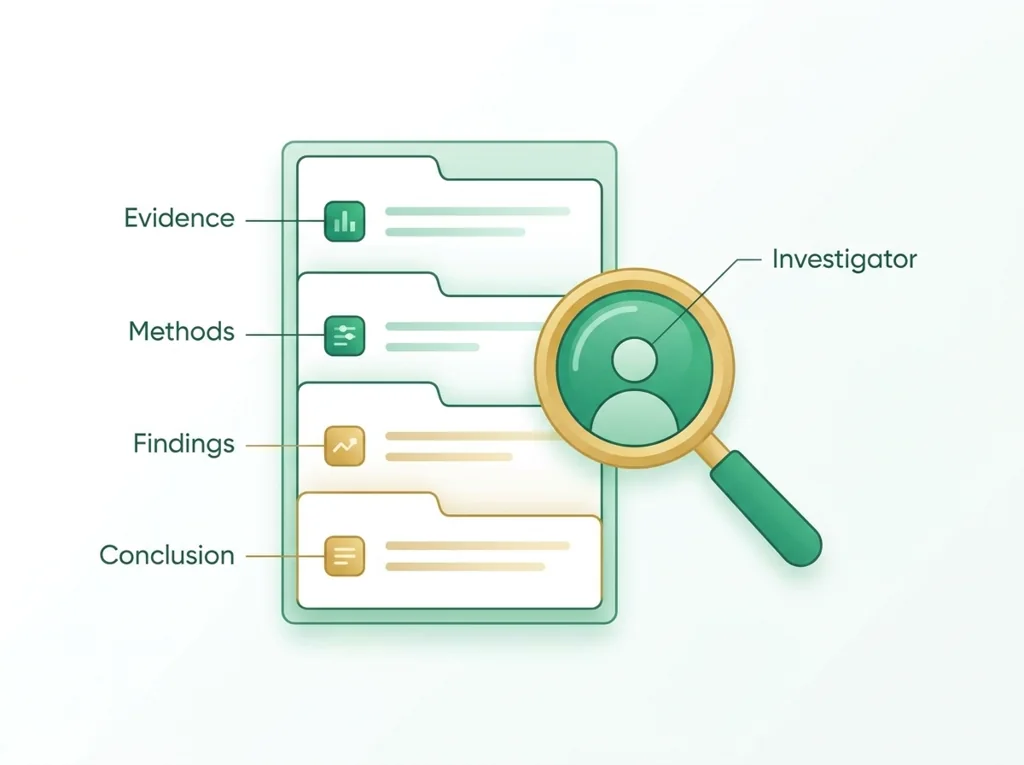
- Observe or measure the relevant feature in synthesize all evidence.
- Organize the observation with a stable evidence ID.
- Apply this rule: Keep observations separate from explanations, then collect the evidence that can distinguish the options.
- Choose the option the evidence supports and state the limit of the conclusion.
Real biomedical example: How do the six threads support or challenge your draft manner-and-cause claim, and what can they still not establish?
What the evidence supports: E1 to E3 and the figure support the daily take-home when the response meets the stated success criteria.
What it cannot prove: The package does not support claims beyond this lesson's or any real patient diagnosis.
- • : Combining findings from many separate sources into one organized conclusion, weighing how strong and consistent the evidence is overall.
- • : A formal written document presenting the evidence, methods, and conclusions of a scientific investigation, often used to support legal cases.
- • limitation: A weakness or boundary of a study, design, or method that restricts how far its results can be trusted or applied.
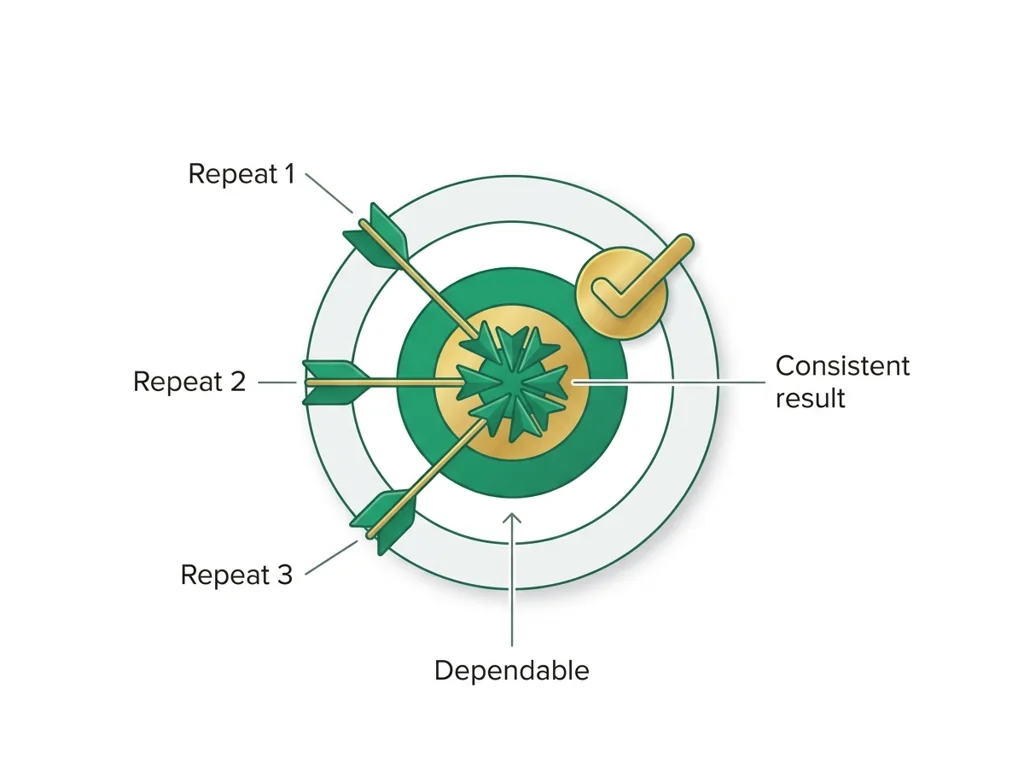
- • reliability: The degree to which a measurement, method, or person produces the same dependable result each time under the same conditions.
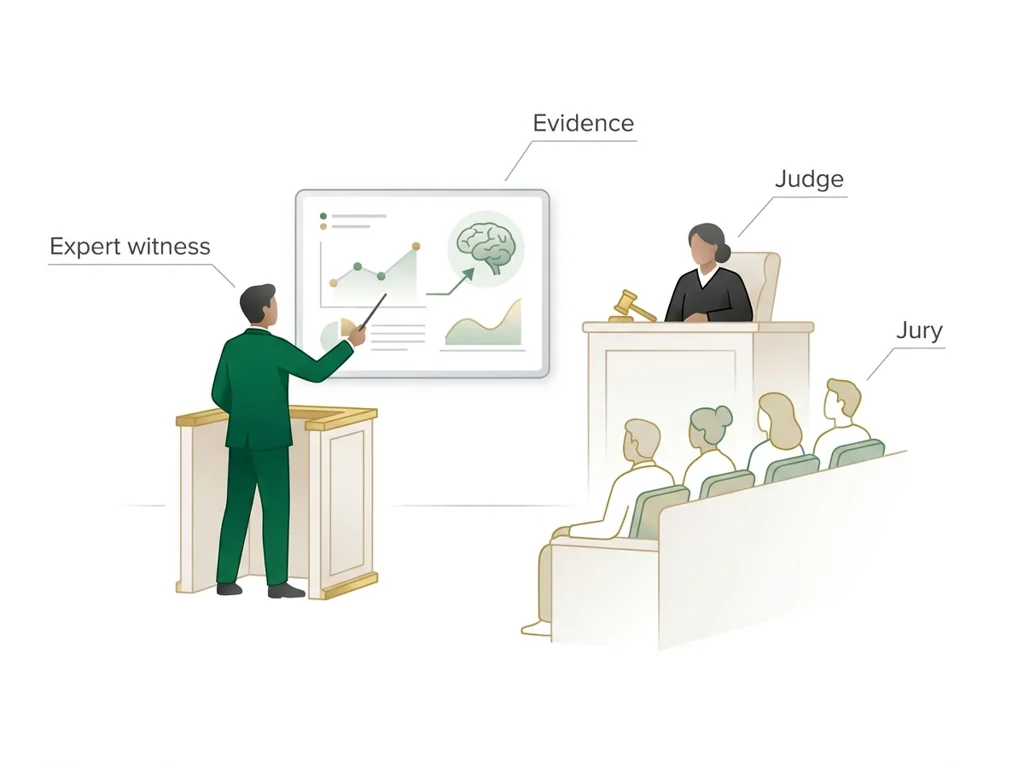
- • : Evidence given in court by a qualified specialist who explains technical findings, such as or results, to help the jury understand.
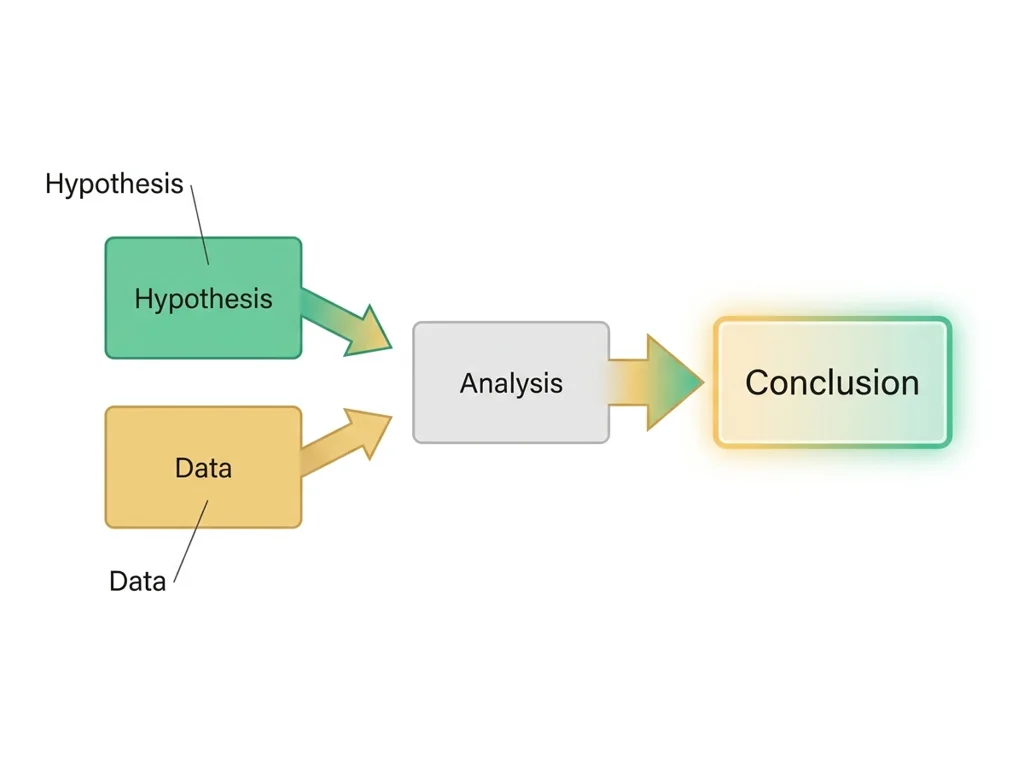
- • conclusion: The closing part of an investigation where you state whether the evidence supported your hypothesis and explain what the results mean.
Use it now: Choose one decision option. Cite E1 and E3, then explain how the rule connects the evidence to your choice. This is thinking practice for the one turn-in named under Turn in, not a second submission.
Go further, optional: The source links below are optional enrichment. Every fact required for today's local evidence decision appears in this lesson package.
Biomedical evidence supports a conclusion only to the level allowed by the measurement, comparison, controls, source quality, and uncertainty in the investigation.
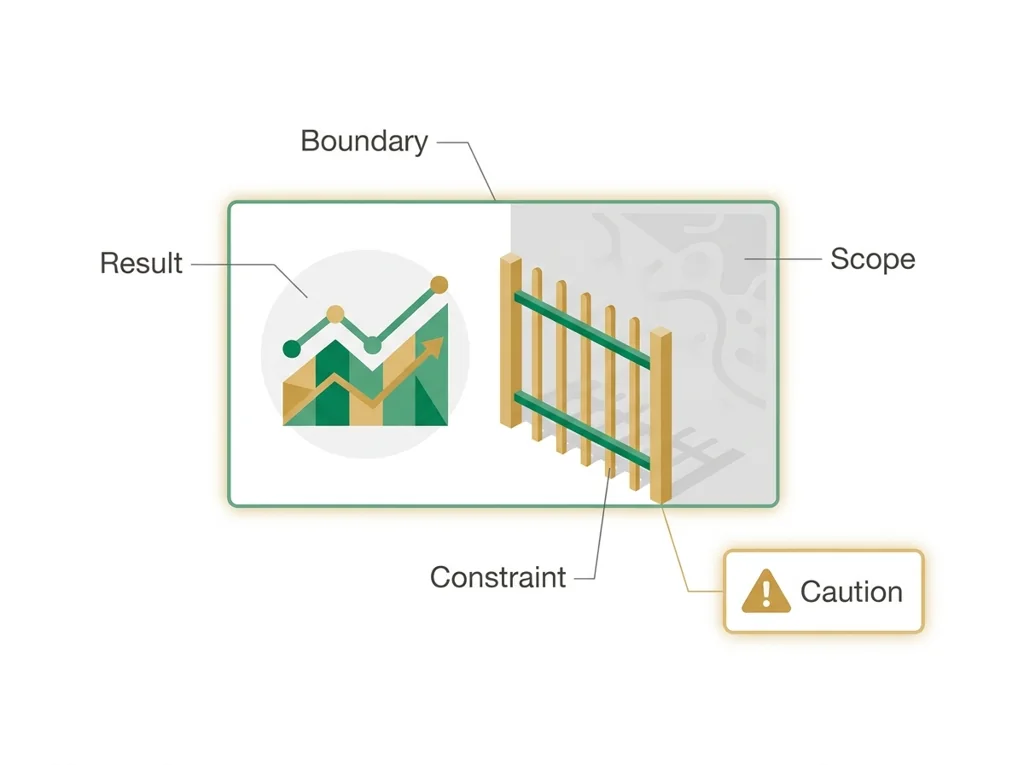
Limit: The classroom evidence supports the stated learning decision, not a real clinical diagnosis, causal conclusion, or treatment recommendation.
Keep observations separate from explanations, then collect the evidence that can distinguish the options.
Limit: Biomedical investigations use controlled procedures and validated measurements, not intuition alone.
You can complete all six rows of Part B with exhibit numbers, each thread's contribution, and any branch it weakens.
Limit: E3 defines the classroom product or success criterion. It is not independent scientific evidence and cannot justify a clinical or causal claim.
Today's decision · Simulated classroom evidence scenario
Your role: biomedical team member
Decision: Your team must decide what the evidence from synthesize all evidence supports before submitting the notebook record named on today's page.
- • Postpone the weighting until I check each stream's controls and custody record, because I cannot rank what I have not inspected.
- • Weight each stream by how it was collected, so the controlled lab test with an unbroken custody record carries the most.
- • Give the scene photos, lab tests, suspect story, and equal weight in my report, since all four are real evidence.
Response: State one choice, cite at least two evidence IDs, explain the rule that connects them, and add one limitation. Use it inside the one turn-in named under Turn in; it is not a separate submission.
Claim ceiling: Today's evidence supports a classroom claim about synthesize all evidence. It cannot prove causation, diagnose a real patient, or justify action outside this room.
Reason for review: Your team must decide what the evidence from synthesize all evidence supports before submitting the notebook record named on today's page.
Context: Evidence supports a claim only as far as its methods, sources, independence, and limitations allow.
- • T1: Get your Unit 1 Take-Home Exam, do the 5-minute first try on packet page 2 in pen with no notes, and have Mr. Mendoza initial it. Go over the packet with him and start it. Turn in the paper packet at the start of class on Monday, October 5.
- • T2: Day 16, Part A: read the briefing and check the records with your team.
- • T3: Part B: start the six-thread convergence table, cite exhibit numbers, and check independence with your team.
- • T4: Part C: begin your manner-and-cause draft; keep the claim within the evidence and name its strongest limit.
- • T5: Complete Part D, vocabulary in use, and Part E, self-check and exit. Check every Part of the Daily Evidence Sheet.
- • T6: Check what remains in Parts A to E. Take the sheet and case records home; finish every Part and submit one PDF by 11:59 PM.
- • E1: Biomedical evidence supports a conclusion only to the level allowed by the measurement, comparison, controls, source quality, and uncertainty in the investigation.
- • E2: Keep observations separate from explanations, then collect the evidence that can distinguish the options.
- • E3: You can complete all six rows of Part B with exhibit numbers, each thread's contribution, and any branch it weakens.
Measurements: No patient measurement is supplied unless it appears explicitly in E1-E3 or F1. Do not invent a value.
Figure finding: Blank six-thread convergence table with Scene, Trace, Serology and , Chemistry, Medical findings, and Records rows. Columns ask for E-numbers, independent support, and any branch weakened.
Uncertainty: This is a composite classroom scenario. Missing history, measurements, or confirmation tests remain unknown and limit the conclusion.
Students often think Four cited exhibits automatically prove a claim. The trap: The assignment count is a writing requirement. You must still examine the records' independence, reliability, conflicts, and limits before deciding what they support.
- CER:
- Claim, Evidence, Reasoning: make a claim, back it with evidence, explain your reasoning.
- SOP:
- Standard Operating Procedure, the exact steps to follow (especially in a lab).
- Tracker:
- Your PLTW progress log where you record completed evidence.
- myPLTW:
- The PLTW course site where you do the online activities. Find it in Clever with your Microsoft sign-in, right next to Schoology.
Tap the speaker to hear a term. Add two of these to your notebook glossary with a definition and an example in your own words.
Pick just 2 or 3 words from today and make them yours: write what each one means in your own words, name the context clue or evidence that helped, then give one example from what you actually did in Synthesize all evidence. Try your own words first; the glossary is there if you get stuck. This is voluntary and counts as extra credit, so keep it short.
Saved on this device. Show Mr. Mendoza or add these to your notebook glossary to claim the extra credit.
Part 2 of 4 · Directions in plain English▸
2.1 Open your materials
2.2 Start the work
Get your Unit 1 Take-Home Exam, do the 5-minute first try on packet page 2 in pen with no notes, and have Mr. Mendoza initial it. Go over the packet with him and start it. Turn in the paper packet at the start of class on Monday, October 5.
Show all 6 required steps
- Get your Unit 1 Take-Home Exam, do the 5-minute first try on packet page 2 in pen with no notes, and have Mr. Mendoza initial it. Go over the packet with him and start it. Turn in the paper packet at the start of class on Monday, October 5.
- Day 16, Part A: read the briefing and check the records with your team.
- Part B: start the six-thread convergence table, cite exhibit numbers, and check independence with your team.
- Part C: begin your manner-and-cause draft; keep the claim within the evidence and name its strongest limit.
- Complete Part D, vocabulary in use, and Part E, self-check and exit. Check every Part of the Daily Evidence Sheet.
- Check what remains in Parts A to E. Take the sheet and case records home; finish every Part and submit one PDF by 11:59 PM.
Lost your place? Find the next unanswered task in Parts A to E. For Part B, check the six table rows, the closing sentence for each person of interest, and your exhibit and thread count before writing Part C.
- 0-40 minUnit 1 Take-Home Exam: get your packet and do the 5-minute first try on packet page 2 (START HERE IN CLASS) in pen, with no notes, for Mr. Mendoza to initial. Then go over its four sections and the AI-use rules with him and start it. It is due Monday, October 5 at the start of class.
- 40-48 minDay 16, Part A: read the briefing and check the records with your team.
- 48-68 minPart B: start the six-thread convergence table, cite exhibit numbers, and check independence with your team.
- 68-77 minPart C: begin your manner-and-cause draft; keep the claim within the evidence and name its strongest limit.
- 77-80 minCheck what remains in Parts A to E. Take the sheet and case records home; finish every Part and submit one PDF by 11:59 PM.
- • Mr. Mendoza hands out the Unit 1 Take-Home Exam in the first 40 minutes. Start with the 5-minute first try on packet page 2, in pen, with no notes; he initials it before you leave. Next he walks through the packet with you. It is due Monday, October 5 at the start of class. After the exam launch, open the Day 16 Case B briefing and Daily Evidence Sheet.
- • Today's records release includes E14, E9, and E15. Compare them with the case records already available, without assuming that a timestamp or a thread label makes a record conclusive.
- • Work through Parts A to E: briefing questions, the six-thread convergence table and suspect-resolution work, the draft claim, vocabulary in use, and the self-check.
- • Begin the work with your team after the exam launch. Finish all Parts at home as needed and submit one PDF by 11:59 PM tonight. Keep the named notebook pages in your notebook.
PLTW connection and today's work
Use the Day 16 Case B pack and Daily Evidence Sheet for this John Hay original work connected by title to Project 1.2.6 Case Closed.
Today's stopping point: Start Parts A to C during the 40 minutes after the exam launch. Finish every Part and submit one PDF by 11:59 PM tonight.
Today uses John Hay teacher-created practice. It builds skills for the course, but does not count as completing an official myPLTW activity.
Course connection
- Project 1.2.6 Case Closed
Use the turn-in directions in Part 4 of this page. Do not create a second submission unless your teacher asks for one.
Show another explanation or a smaller first step
Need help? Choose a starting point
Part 3 of 4 · Worked example▸
This is a parallel case, not your own. Read it for the order of the work, then do your own in Part 4.
Use the practice example in your Day 16 Daily Evidence Sheet, pages 2 to 4, as a format guide. Keep its practice records separate from Case B.
For your own Part B, use all six rows: Scene, Trace, Serology and DNA, Chemistry, Medical findings, and Records. Cite E-numbers, explain what each thread supports on its own, and name any branch it weakens. Check the sources and limits before treating records as independent.
For Part C, write one paragraph naming the manner and cause only as the evidence supports them. Cite at least four exhibits across at least three threads, explain the pruning reasons, and state the strongest limitation. The count is the assignment requirement, not proof by itself. Complete Parts A, D, and E too.
This model shows the level of evidence and organization needed to complete: Complete the six-thread convergence table, suspect-resolution sentences, exhibit and thread count, and a supported draft claim, together with the briefing, vocabulary, and self-check tasks.
- Date and label the entry.
- Record the procedure, observation, or design decision clearly.
- End with what the evidence means and the next step.
Keep the structure. Replace the question, facts, measurements, and evidence. Then recheck units, vocabulary, and whether the conclusion goes beyond the evidence.
Also due today: Submit one PDF of your Daily Evidence Sheet to Wk6 D16 · The Tree Resolves (PLTW 1.2.6). Complete every Part; finish any remaining work at home and submit by 11:59 PM tonight.
A detective board holds observations, possible explanations, and one next question.
- Which notes are direct observations?
- Which notes are explanations?
- What new evidence would separate the explanations?
Keep observations separate from explanations, then collect the evidence that can distinguish the options.
Biomedical investigations use controlled procedures and validated measurements, not intuition alone.
- • Board notes map to the signs, results and measurements you recorded.
- • Possible explanations map to the competing biological causes.
- • The next question maps to the test or observation that would separate them.
Part 4 of 4 · Your work▸
Check your work before submitting
- I can complete all six rows of Part B with exhibit numbers, each thread's contribution, and any branch it weakens.
- I can assess independence, cite evidence for each person's closing sentence, and explain the strongest limitation on my draft.
- I can complete Parts A to E and submit the Daily Evidence Sheet as one PDF by 11:59 PM.
4.1 Turn in your work
DueCheck the Schoology assignment for this day- Hand in
- Daily Evidence Sheet, Day 16: the worksheet linked at the top of this page, every Part complete.
How to submit and name your file
Submit one PDF of your Daily Evidence Sheet to Wk6 D16 · The Tree Resolves (PLTW 1.2.6). Complete every Part; finish any remaining work at home and submit by 11:59 PM tonight.
In Schoology, open your course and the assignment for this lesson. Attach your file, select Submit, and check that it appears in the submission.
PDF upload helpYou get two school days for every day you were absent, so this deadline moves with you.
Find this lesson's Schoology assignments
These are existing assignments for your section. Follow the directions in the assignment you are working on; this list does not add new work. A PLTW Work row repeats on every day of its lesson; submit it once. Check Schoology for each deadline.
- Wk6 D16 · The Tree Resolves (PLTW 1.2.6)(today's case-day record)
Link will not open? Open Schoology, choose your course and section, and find the title shown above.
- CompleteEvery required part of the artifact is present, nothing left blank.
- AccurateThe science and the data are correct and match the evidence.
- Scientific reasoningYou explain your claim with evidence and reasoning (CER), not just an answer.
- Professional communicationClear, organized, labeled, and written the way a clinician or scientist would.
- SubmittedGo to Schoology to turn this in. Submit one PDF. Schoology attaches your name to your upload; on the page itself, write your period and code. Name the file: FirstName LastName - Assignment Title - YYYY-MM-DD.pdf. If you cannot get in, see Mr. Mendoza. Do not skip the work.
How this lesson connects
Keep using what you learned last class: A pathologist diagnoses disease by comparing tissue to a normal reference because appearance varies between people, so disease is recognized as deviation from normal rather than from any single slide. Today: A supported draft explains what each evidence thread contributes, checks whether the lines are independent, and states what remains uncertain.
Practice: try a question, then check your answer▸
Claim ceiling for this check: Today's evidence supports a classroom claim about synthesize all evidence. It cannot prove causation, diagnose a real patient, or justify action outside this room.
Two supporting exhibits come from the same thread. Does that automatically give you two independent threads?
Write an answer and pick a confidence to unlock the key.
Fast retrieval with instant answers, not the commit-then-reveal check above. Try each from memory first: write what you remember about the earlier units, then check yourself here.
Missed class or ready for more?▸
What today's skills lead to. These are real health-science careers this course builds toward. Tap one to see, on the US Department of Labor's O*NET site, what the job actually involves, what it pays, and how fast it is growing.
Today is individual work you can do from home: complete the same target above, then submit your Notebook check.
Go to Schoology to turn this in. Submit one PDF. Schoology attaches your name to your upload; on the page itself, write your period and code. Name the file: FirstName LastName - Assignment Title - YYYY-MM-DD.pdf. If you cannot get in, see Mr. Mendoza. Do not skip the work.
Class still runs. Complete today's work as this page describes (it is self-guided). Need the concept taught without a teacher? Use this authoritative explainer:
Khan Academy Biology LibrarySources: slides, readings, and resources▸
Your Unit 1 Take-Home Exam is handed out today. It is due Monday, October 5 at the start of class. Read the study guide first, then take the practice test and check your answers with the key at the end.
The preparation page has the ten-skill checklist, a table of every test we used, the glossary, flashcards, two self-checking practice quizzes and study conversations you can read.
The deck carries the prior idea forward, lets you inspect an analogy, maps the rule to biology, and ends with the same evidence decision and exit ticket used on this page.
Hand-picked readings and interactives for this lesson, from authoritative open organizations and PLTW's own public course outline.
This week
My Progress dashboard