
Analyze chronic trends
This page has four parts, in the order you use them. Part 1 is what you need to know. Part 2 says what to do, in plain English. Part 3 shows the work done once on a case that is not yours. Part 4 is your own work and where to turn it in.
Open your materials, follow the steps, then turn in your work.
Interpret bloodwork trends against normal ranges with a CER and evaluate data limits.
Check you have the right sheet: the top of it prints today's portal day, Analyze chronic trends. The PLTW activity itself is in myPLTW and is not posted here.
Optional: listen or watch a unit review▸
Part 1 of 4 · Background and definitions▸
💡 Big idea: A trend describes direction, speed, and position relative to the , so reading the trend rather than any single value tells you whether a chronic condition is improving or worsening, because one reading can be distorted by a meal, stress, or lab error.
- • A trend is described by its direction (increasing, decreasing, stable), rate of change (gradual vs. rapid), and relationship to the boundary.
- • A single high reading might reflect a bad day, a recent meal, or lab error; readings that stay above the across repeated draws point to a real problem worth a clinician's attention. A diagnosis of diabetes needs repeat testing by a clinician, not one month of practice data.
- • Two variables that commonly affect are diet and exercise in the 24 hours before the test. Fasting status mainly affects triglycerides and the calculated LDL; total and HDL change little.
Should terminally ill patients be offered medical aid in dying in order to decrease use?
A trend describes direction, speed, and position relative to the , so reading the trend rather than any single value tells you whether a chronic condition is improving or worsening, because one reading can be distorted by a meal, stress, or lab error.
Driving question: The practice patient's fasting glucose went from 98 to 127 mg/dL across eight visits in one month, and only the last reading reached the diabetes range. Is that a worsening trend, or could it be eight unlucky test days?
New idea: A trend describes direction, speed, and position relative to the , so reading the trend rather than any single value tells you whether a chronic condition is improving or worsening, because one reading can be distorted by a meal, stress, or lab error.
Visual or model: No figure is attached to this lesson. The readings, the worked example and E1 to E3 carry the evidence.
- Observe or measure the relevant feature in analyze chronic trends.
- Organize the observation with a stable evidence ID.
- Apply this rule: Define variables, controls, sampling, units, and the analysis plan before interpreting a result; analysis cannot repair biased or inconsistent measurement.
- Choose the option the evidence supports and state the limit of the conclusion.
Real biomedical example: The practice patient's fasting glucose went from 98 to 127 mg/dL across eight visits in one month, and only the last reading reached the diabetes range. Is that a worsening trend, or could it be eight unlucky test days?
What the evidence supports: E1 to E3 support the daily take-home when the response meets the stated success criteria.
What it cannot prove: The package does not support claims beyond this lesson's or any real patient diagnosis.
- • : The amount of sugar dissolved in the blood, the body's main fuel, normally about 70 to 99 mg/dL when fasting and tightly controlled by .
- • : A waxy, fat-like substance that the body uses to build cell membranes and make hormones, but too much in the blood can clog arteries.
- • : Anything that raises a person's chance of developing a disease, such as smoking, family history, or high , without guaranteeing it.
- • telehealth: Delivering healthcare remotely using video calls, phone, or digital tools so patients and providers can connect without being in the same place.
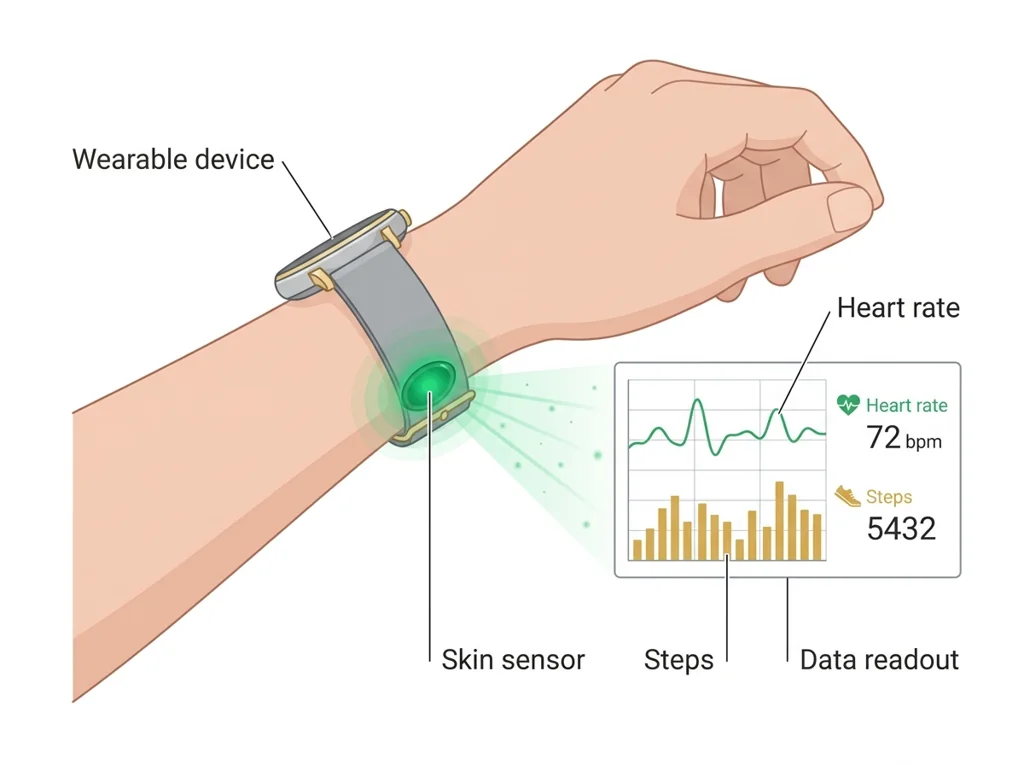
- • wearable: A small electronic device worn on the body that continuously senses and records health data such as heart rate, steps, or oxygen level.
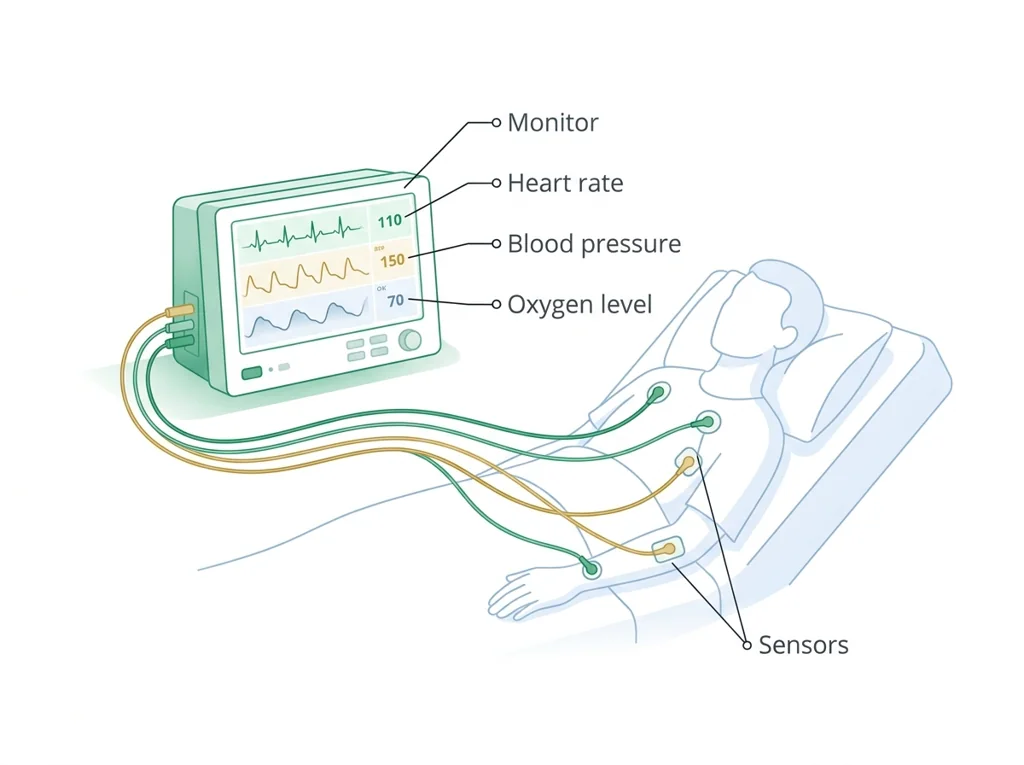
- • monitoring: The ongoing measurement of a patient's vital signs or condition over time to track changes and catch problems early.
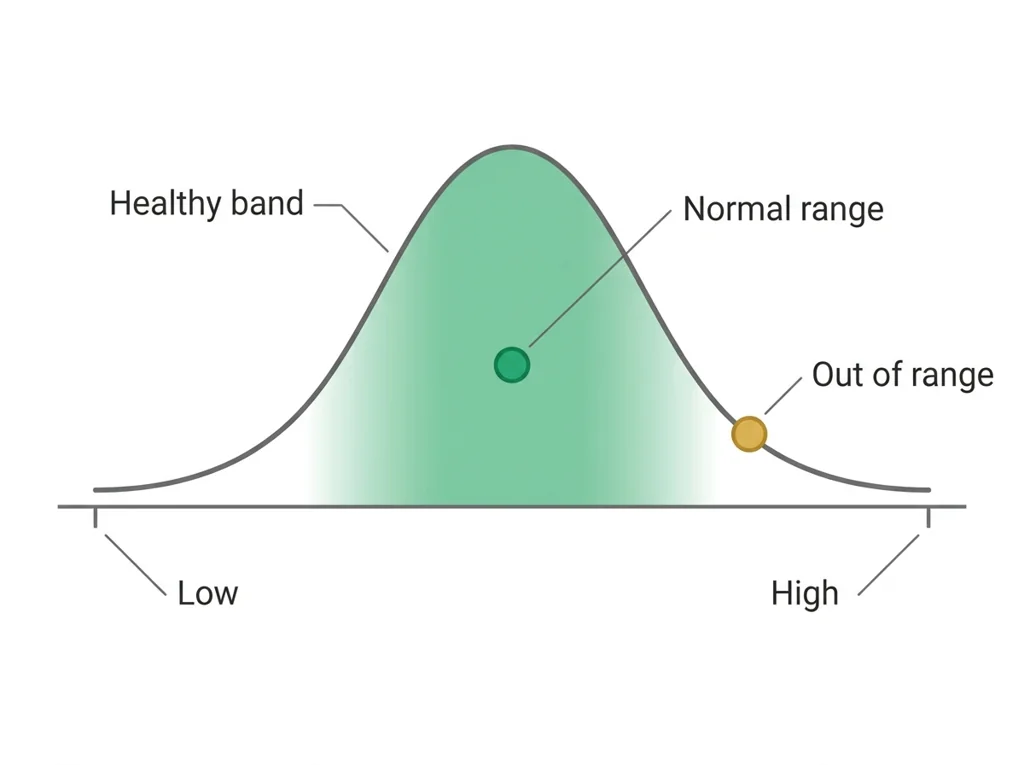
- • : The span of values for a lab test or measurement seen in healthy people, used as a reference to flag results that may signal a problem.
Use it now: Choose one decision option. Cite E1 and E3, then explain how the rule connects the evidence to your choice. This is thinking practice for the one turn-in named under Turn in, not a second submission.
Go further, optional: The source links below are optional enrichment. Every fact required for today's local evidence decision appears in this lesson package.
A planned study connects its question to defined variables, controls, sampling, measurement, and analysis so the resulting data can support a bounded and reproducible conclusion.
Limit: A statistical difference or trend does not automatically establish practical importance, causation, generalizability, or freedom from bias.
Define variables, controls, sampling, units, and the analysis plan before interpreting a result; analysis cannot repair biased or inconsistent measurement.
Limit: A well-organized classroom study can still be limited by , measurement quality, confounding, and the population represented.
You can interpret longitudinal trends against ranges.
Limit: E3 defines the classroom product or success criterion. It is not independent scientific evidence and cannot justify a clinical or causal claim.
Today's decision · Simulated classroom evidence scenario
Your role: biomedical team member
Decision: Your team must decide what the evidence from analyze chronic trends supports before submitting the claim-evidence-reasoning response named on today's page.
- • Call the glucose trend worsening, because the fasting values rose across the month and ended above the .
- • Point at the 127 alone as the diagnosis, since one reading in the diabetes range already proves diabetes.
- • Check whether all eight tests were taken under the same fasting conditions, since a meal or lab error shifts values.
Response: State one choice, cite at least two evidence IDs, explain the rule that connects them, and add one limitation. Use it inside the one turn-in named under Turn in; it is not a separate submission.
Claim ceiling: Today's evidence supports a classroom claim about analyze chronic trends. It cannot prove causation, diagnose a real patient, or justify action outside this room.
Reason for review: Your team must decide what the evidence from analyze chronic trends supports before submitting the claim-evidence-reasoning response named on today's page.
Context: A trend, described by its direction, speed, and position relative to the , turns a column of numbers into a clinical narrative about whether a patient is improving, worsening, or holding steady.
- • T1: Copy the ranges printed with the simulated practice patient record in Part 2 of this page to the top of your page, then describe the fasting glucose trend: direction, rate, and where it sits against the ranges.
- • T2: Write a CER for the medical file: is this patient's glucose trend improving or worsening?
- • T3: Explain how a single reading could mislead compared with the trend.
- • T4: Name two things that could explain the trend, and what evidence would tell them apart.
- • T5: Finish with two short lists, what the patient can change and what must be measured or reviewed first, and one limit of what this record supports.
- • E1: A planned study connects its question to defined variables, controls, sampling, measurement, and analysis so the resulting data can support a bounded and reproducible conclusion.
- • E2: Define variables, controls, sampling, units, and the analysis plan before interpreting a result; analysis cannot repair biased or inconsistent measurement.
- • E3: You can interpret longitudinal trends against ranges.
Measurements: Use only the measurements, units, graph, or counts supplied in today's task. No additional patient measurement is implied.
Uncertainty: This is a composite classroom scenario. Missing history, measurements, or confirmation tests remain unknown and limit the conclusion.
Direction: rising. Rate: (124 minus 100) / 3 steps = 8 mg/dL per quarter. Range: the first reading sits inside the band and the last three sit above it, so the line crossed the band between visit 1 and visit 2.
A marker reads 100, 108, 116 and 124 mg/dL at four quarterly visits, against a band of 70 to 99. Describe the trend by direction, rate and range.
Rate is per step, not per reading: four readings have three steps. A trend needs at least three points; two points make a line, not a trend.
Describe your marker's trend in those three words with its numbers, then say in one sentence why the single highest reading is not the story.
Students often think a single dramatic high or low reading is enough to diagnose or rule out a chronic condition. The trap: One reading reflects a single moment that a meal, stress, or lab error can distort, so only a trend of consistent readings over months signals a chronic condition; judging a patient on one number is how you both over-diagnose and miss real disease.
- CER:
- Claim, Evidence, Reasoning: make a claim, back it with evidence, explain your reasoning.
- SOP:
- Standard Operating Procedure, the exact steps to follow (especially in a lab).
- Tracker:
- Your PLTW progress log where you record completed evidence.
- myPLTW:
- The PLTW course site where you do the online activities. Find it in Clever with your Microsoft sign-in, right next to Schoology.
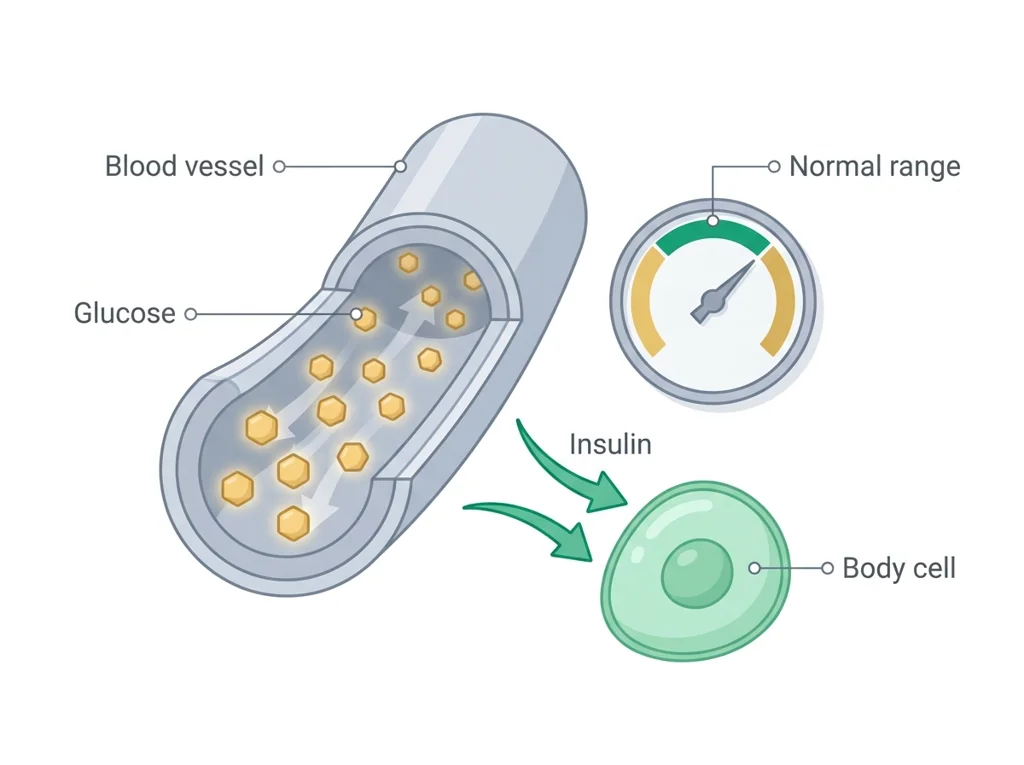
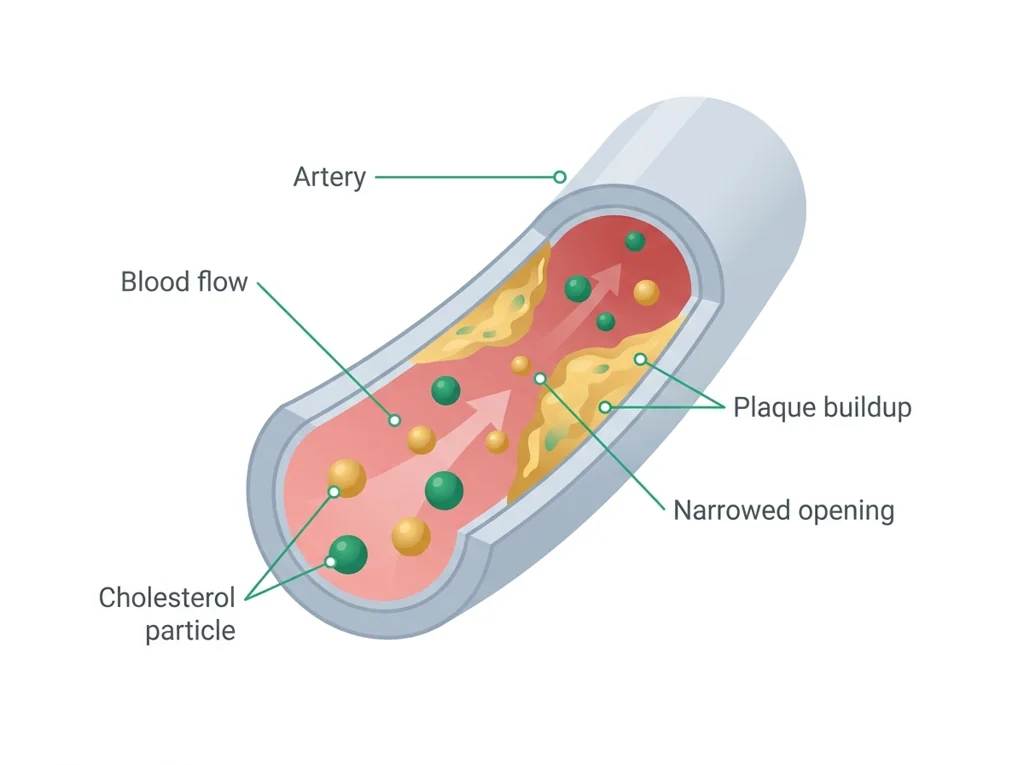
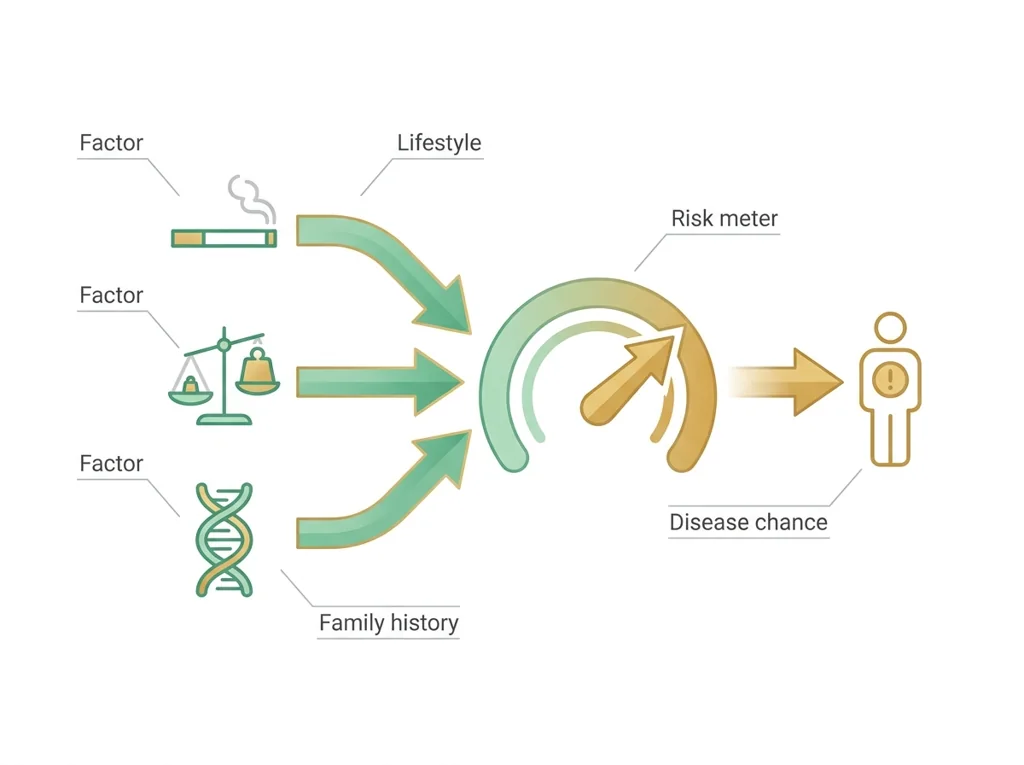
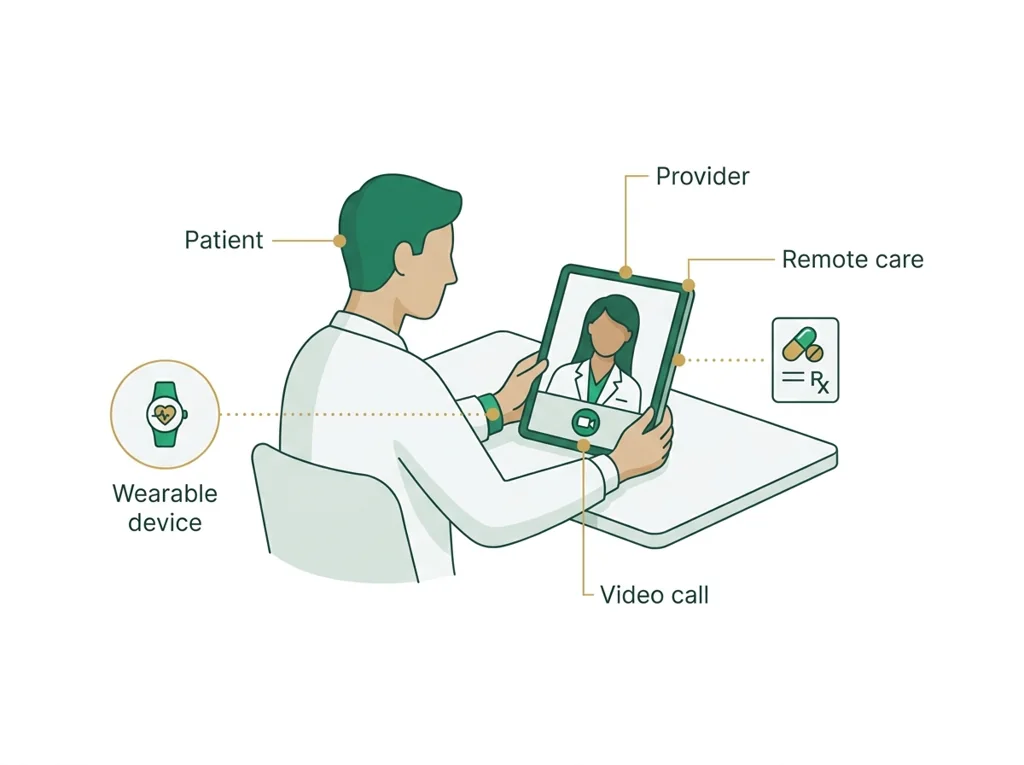
Tap the speaker to hear a term. Add two of these to your notebook glossary with a definition and an example in your own words.
Pick just 2 or 3 words from today and make them yours: write what each one means in your own words, name the context clue or evidence that helped, then give one example from what you actually did in Analyze chronic trends. Try your own words first; the glossary is there if you get stuck. This is voluntary and counts as extra credit, so keep it short.
Saved on this device. Show Mr. Mendoza or add these to your notebook glossary to claim the extra credit.
Part 2 of 4 · Directions in plain English▸
2.1 Open your materials
Simulated practice patient record (made-up practice data, not a real patient and not anyone in a class case)
Practice patient P-30, an adult woman. Eight fasting blood draws over 30 days. All values in mg/dL.
| Blood draw number | Date | Fasting blood sugar (glucose) | Total cholesterol | HDL (the "good" cholesterol) | LDL (the "bad" cholesterol) |
|---|---|---|---|---|---|
| 1 | Sep 1 | 98 | 214 | 46 | 138 |
| 2 | Sep 5 | 104 | 209 | 45 | 134 |
| 3 | Sep 9 | 101 | 218 | 47 | 141 |
| 4 | Sep 13 | 109 | 212 | 44 | 137 |
| 5 | Sep 17 | 114 | 216 | 46 | 140 |
| 6 | Sep 21 | 112 | 220 | 45 | 144 |
| 7 | Sep 25 | 119 | 215 | 44 | 139 |
| 8 | Sep 30 | 127 | 219 | 46 | 143 |
Adult reference ranges
- Fasting glucose: 70 to 99 normal; 100 to 125 prediabetes range; 126 or higher diabetes range, on repeat testing.
- Total cholesterol: under 200 desirable.
- HDL: 40 or higher for men, 50 or higher for women.
- LDL: under 100 optimal.
Target blood glucose ranges from the Telehealth day-1 sheet
| When | Person without diabetes | Person with diabetes |
|---|---|---|
| Before breakfast | below 100 | 70 to 130 |
| Before lunch, dinner or a snack | below 110 | 70 to 130 |
| Two hours after eating | below 140 | below 180 |
| Before bed | below 120 | 90 to 150 |
2.2 Start the work
Copy the ranges printed with the simulated practice patient record in Part 2 of this page to the top of your page, then describe the fasting glucose trend: direction, rate, and where it sits against the ranges.
Show all 5 required steps
- Copy the ranges printed with the simulated practice patient record in Part 2 of this page to the top of your page, then describe the fasting glucose trend: direction, rate, and where it sits against the ranges.
- Write a CER for the medical file: is this patient's glucose trend improving or worsening?
- Explain how a single reading could mislead compared with the trend.
- Name two things that could explain the trend, and what evidence would tell them apart.
- Finish with two short lists, what the patient can change and what must be measured or reviewed first, and one limit of what this record supports.
Lost your place? Picking back up? Confirm you copied the ranges and described the glucose trend (step 1), wrote your claim with dated values as evidence (step 2), explained how a single reading could mislead (step 3), and named two explanations for the trend (step 4). Then write the two lists and the limit (step 5).
- 0:00Return your time-series graphs; as a class, describe the trend for one marker using direction, rate, and range relationship
- 0:12Students describe the trend for their chosen marker in their own words in the notebook
- 0:22CER writing: claim (improving or worsening), evidence (specific trend description with data points), reasoning (why trend beats a single reading)
- 0:48Identify two variables that could affect the marker (e.g., diet, exercise, medication compliance)
- 1:02Write the two recommendation lists and the limit of what this record supports
- 1:10Pair-share CERs; preview the submission
- • You graphed the data on the bloodwork day. Today you read the story it tells. Is this patient's glucose going up, down, or staying the same? Are they responding to treatment, or is their condition worsening?
- • We are going to practice describing a trend: direction, rate, and relationship to the boundary. These are the three things a clinician says when they look at a patient's longitudinal data.
- • Then you will write a CER arguing whether this patient's chronic condition is improving or worsening. Your evidence is the graph. Your reasoning explains why the trend, not any single reading, is the real evidence.
- • We will end by discussing the limitation of wearable and self-reported data, which is increasingly common in chronic-disease monitoring but has its own accuracy problems.
PLTW connection and today's work
Activity 2.1.5 Telehealth in myPLTW holds the PLTW version of this work; the Telehealth day-2 sheet is the John Hay version and counts the same.
Today's stopping point: Your glucose graph from the bloodwork day helps. By the end of today your trend description and CER should both be done.
PLTW activity titles identify the course connection. If your account will not open, use the posted materials for today and tell Mr. Mendoza. Do not mark an online activity complete unless you completed it.
Use the turn-in directions in Part 4 of this page. Do not create a second submission unless your teacher asks for one.
Show another explanation or a smaller first step
Need help? Choose a starting point
Part 3 of 4 · Worked example▸
This is a parallel case, not your own. Read it for the order of the work, then do your own in Part 4.
Note: This is a worked model on a parallel case (blood pressure), not today's answer. Study the structure and depth, then build your own CER for the glucose question.
Claim: Patient B's blood pressure control is worsening across the six-month monitoring period.
Evidence: From the time-series graph, systolic blood pressure rose from 128 mmHg at Month 0 to 148 mmHg at Month 5, and the last four readings all sat above the 120 mmHg upper edge of the normal band. Diastolic pressure showed the same upward direction, climbing from 82 to 94 mmHg over the same window.
Reasoning: The trend matters more than any single point. One high reading could come from stress, caffeine, or a cuff that was sized wrong, but four consecutive rising values above the normal band describe a real upward direction, which signals a chronic blood-pressure regulation problem rather than one stressful visit. Two variables that affect a blood pressure reading are physical activity and sodium intake in the hours before the measurement. A limitation is that a single home cuff is not always calibrated to clinical standards, so a clinician would confirm the pattern with repeated in-office measurements, and possibly 24-hour monitoring, before diagnosing hypertension or changing treatment.
This model shows the level of evidence and organization needed to complete: A parallel claim-evidence-reasoning model on a different bloodwork trend (blood pressure), showing how to read a time-series against a normal range and why a trend outweighs one reading, without arguing the glucose case students must argue today.
- Write one defensible claim.
- Choose specific evidence that supports the claim.
- Explain the scientific rule that connects the evidence to the claim.
Keep the structure. Replace the question, facts, measurements, and evidence. Then recheck units, vocabulary, and whether the conclusion goes beyond the evidence.
Also due today: Submit your CER as one PDF to Schoology assignment for this lesson in Schoology by the end of class.
A research team lays out its question, variables, controls, sampling plan, measurement record, and analysis before deciding what the data support.
- Which variable is changed or compared?
- Which conditions and measurements must stay consistent?
- Which conclusion is inside the study's evidence boundary?
Define variables, controls, sampling, units, and the analysis plan before interpreting a result; analysis cannot repair biased or inconsistent measurement.
A well-organized classroom study can still be limited by , measurement quality, confounding, and the population represented.
- • Question and variable cards map to the study design.
- • Control and measurement cards map to fair, reproducible data collection.
- • The conclusion card maps to a bounded claim supported by the analysis.
Part 4 of 4 · Your work▸
Check your work before submitting
- I can interpret longitudinal trends against ranges.
- I can explain why trends beat single readings.
4.1 Turn in your work
DueCheck the Schoology assignment for this day- Hand in
- CER for the medical file on the practice patient record: whether the fasting glucose trend is improving or worsening, with at least three dated values read against the ranges, why the trend says more than any single reading, two possible explanations, two short recommendation lists, and one limit of what the record supports.
How to submit and name your file
Submit your CER as one PDF to the Schoology assignment for this lesson in Schoology by the end of class.
In Schoology, open your course and the assignment for this lesson. Attach your file, select Submit, and check that it appears in the submission.
PDF upload helpYou get two school days for every day you were absent, so this deadline moves with you.
Today's lesson is in Schoology
Each school day has one lesson page in Schoology that holds everything for the day: the goal, the story so far, every table and data value, the numbered steps, and what to turn in. Open it first and work from it. The other rows for this day, if any, are the score line for a paper quiz or test and the John Carroll debate item; they do not add work. Check Schoology for each deadline.
- Today's Lesson · Tue 10/20 · Wk9 · Charlie's results are in, then telehealth and insulin(today's lesson page: the goal, the data, the steps, and what to turn in are all on it)
Link will not open? Open Schoology, choose your course and section, and find the title shown above.
- CompleteEvery required part of the artifact is present, nothing left blank.
- AccurateThe science and the data are correct and match the evidence.
- Scientific reasoningYou explain your claim with evidence and reasoning (CER), not just an answer.
- Professional communicationClear, organized, labeled, and written the way a clinician or scientist would.
- SubmittedGo to Schoology to turn this in. Submit one PDF. Schoology attaches your name to your upload; on the page itself, write your period and code. Name the file: FirstName LastName - Assignment Title - YYYY-MM-DD.pdf. If you cannot get in, see Mr. Mendoza. Do not skip the work.
How this lesson connects
Keep using what you learned last class: Should terminally ill patients be offered medical aid in dying in order to decrease antibiotic use? Today: A trend describes direction, speed, and position relative to the normal range, so reading the trend rather than any single value tells you whether a chronic condition is improving or worsening, because one reading can be distorted by a meal, stress, or lab error.
Practice: try a question, then check your answer▸
Claim ceiling for this check: Today's evidence supports a classroom claim about analyze chronic trends. It cannot prove causation, diagnose a real patient, or justify action outside this room.
A patient's fasting glucose readings over six months are: 101, 108, 115, 122, 130, 138 mg/dL. Describe the trend and say what it suggests clinically.
Write an answer and pick a confidence to unlock the key.
Fast retrieval with instant answers, not the commit-then-reveal check above. Try each from memory first: write what you remember about the earlier units, then check yourself here.
Missed class or ready for more?▸
What today's skills lead to. These are real health-science careers this course builds toward. Tap one to see, on the US Department of Labor's O*NET site, what the job actually involves, what it pays, and how fast it is growing.
Today is individual work you can do from home: complete the same target above, then submit your CER.
Go to Schoology to turn this in. Submit one PDF. Schoology attaches your name to your upload; on the page itself, write your period and code. Name the file: FirstName LastName - Assignment Title - YYYY-MM-DD.pdf. If you cannot get in, see Mr. Mendoza. Do not skip the work.
Class still runs. Complete today's work as this page describes (it is self-guided). Need the concept taught without a teacher? Use this authoritative explainer:
MedlinePlus: Laboratory TestsSources: slides, readings, and resources▸
The deck carries the prior idea forward, lets you inspect an analogy, maps the rule to biology, and ends with the same evidence decision and exit ticket used on this page.
Hand-picked readings and interactives for this lesson, from authoritative open organizations and PLTW's own public course outline.
This week
My Progress dashboard