

Unit 2.1 Clinical Data: Routine bloodwork, chronic disease monitoring, telehealth, wearables, remote monitoring.
Your PLTW coursework: Principles of Biomedical Science ▸ Unit 2: Clinical Care ▸ Lesson 2.1 Talk to Your Doc ▸ "Activity 2.1.4 Routine Testing: In the Lab", "Activity 2.1.5 Telehealth"
What to do if absent- CER:
- Claim, Evidence, Reasoning: make a claim, back it with evidence, explain your reasoning.
- SOP:
- Standard Operating Procedure, the exact steps to follow (especially in a lab).
- Tracker:
- Your PLTW progress log where you record completed evidence.
- myPLTW:
- The PLTW course site where you do the online activities. Find it in Clever with your Microsoft sign-in, right next to Schoology.
Interpret routine bloodwork against normal ranges, identify risk factors, and explain how telehealth and wearables support remote monitoring of chronic disease.
- 1Open the Unit 2.1 Clinical Data task in your PLTW shell to confirm the graded interpretation.
- 2Read a simulated blood panel and locate and values.
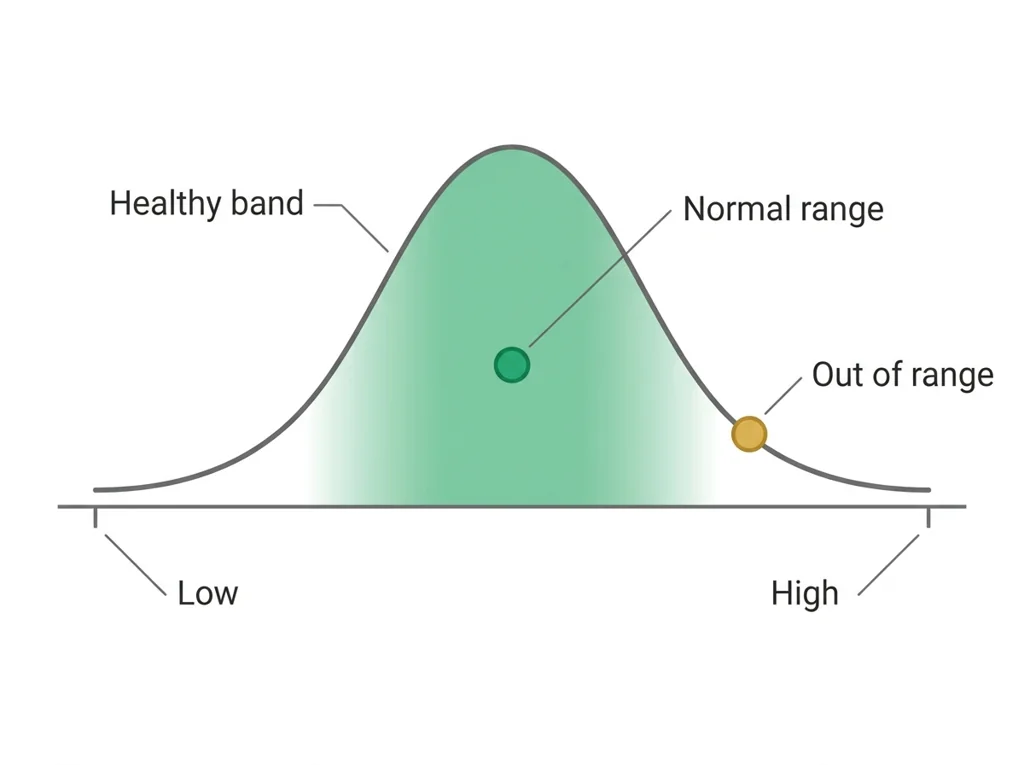
- 3Compare each result to its and flag any value that is high or low.
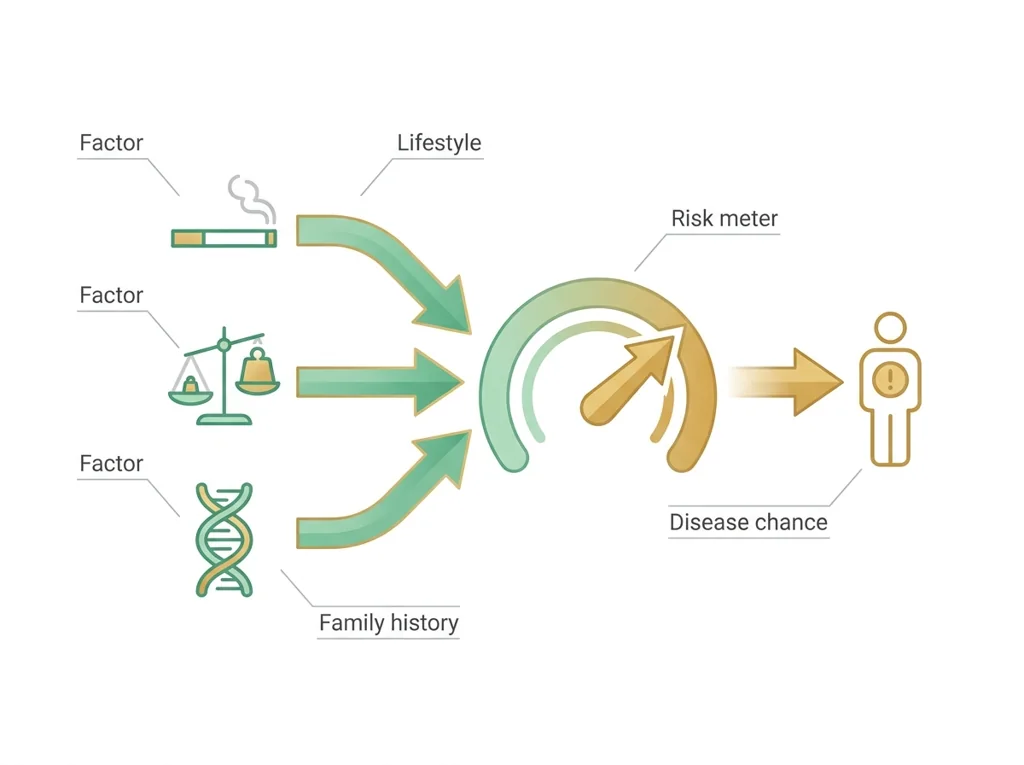
- 4List the risk factors a flagged result suggests for a chronic condition.
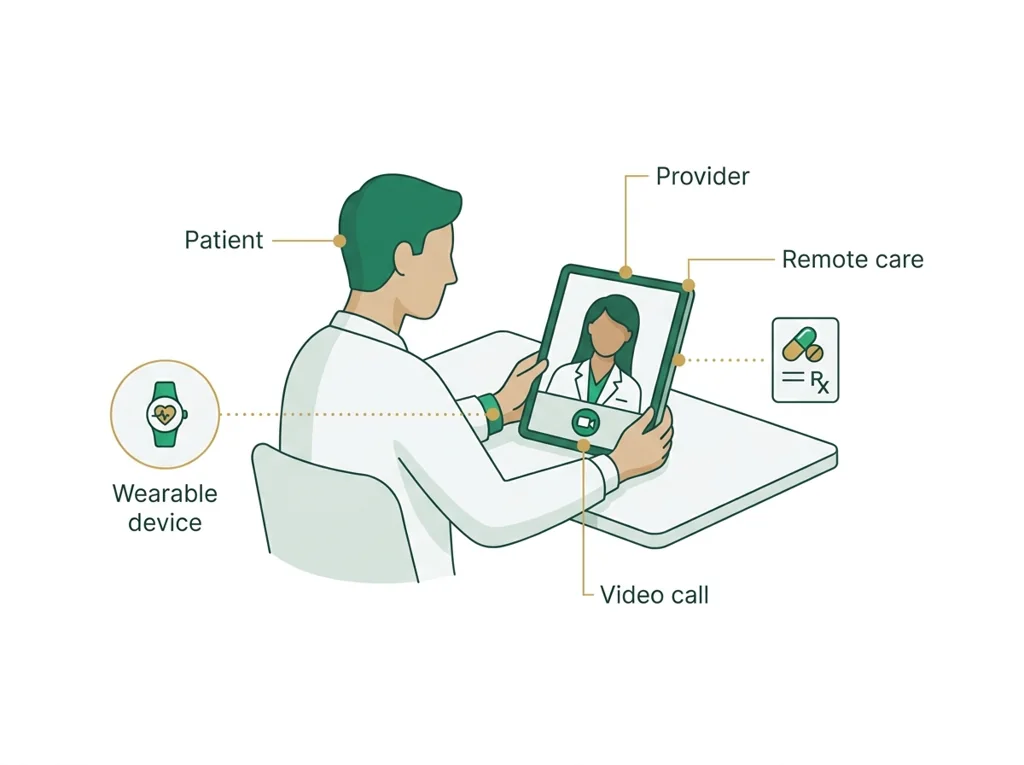
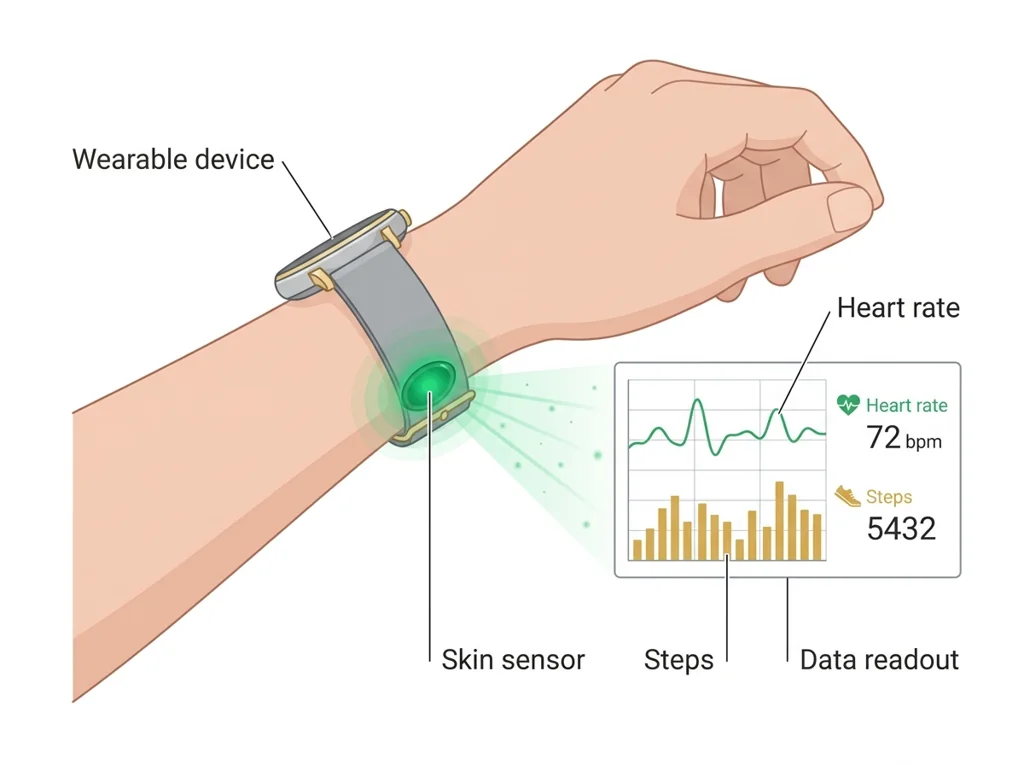
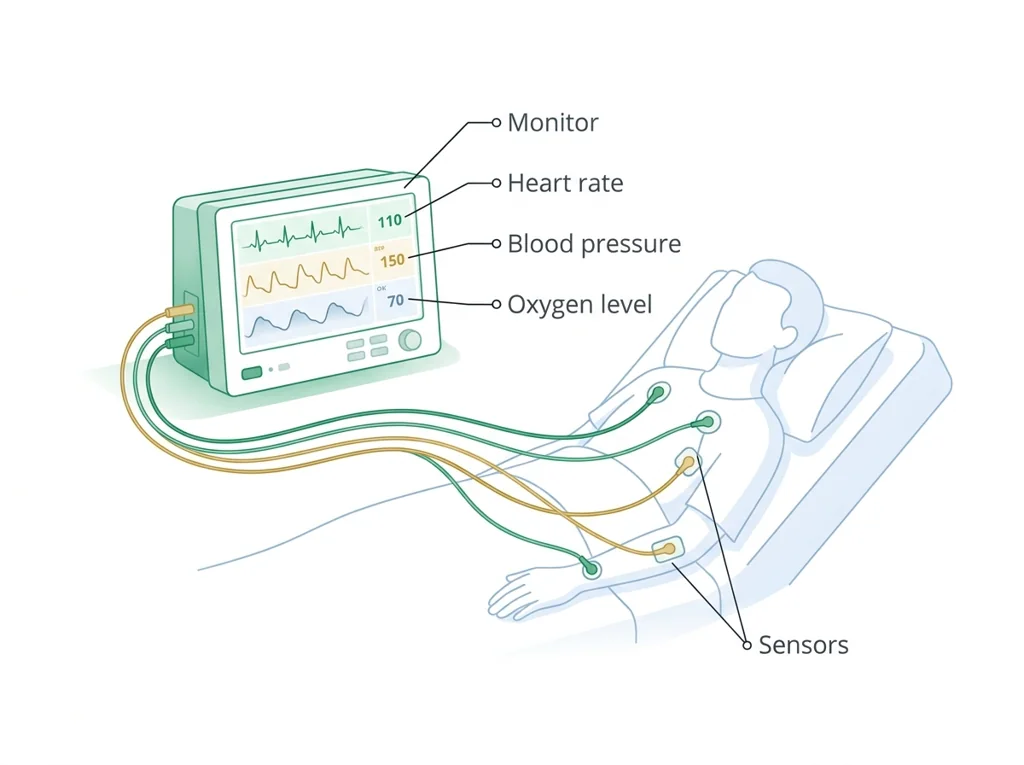
- 5Describe how a wearable or telehealth visit would monitor that patient over time.
- 6Write a short monitoring plan that names what data to track and how often.
- • You can compare bloodwork values to their normal ranges.
- • You can identify risk factors from flagged lab results.
- • You can describe a remote monitoring plan using telehealth or wearables.
Open any day for its full lesson, the work due that day, and guided notes.
One page from your Routine Testing day-1 sheet: the blood count table with all five rows, the three tables with the better direction of each in your own words, the metabolic panel substances each paired with the organ it reports on, and two closing sentences, the most useful thing you learned and one thing you are still unsure about.
One covering every value in the practice patient record (date, test, value, unit, reference range, and an inside-or-outside flag), a labeled line graph of fasting glucose with the 70 to 99 mg/dL band shaded and out-of-range points marked, your two microscope drawings with a written comparison, and one limitation of the record.
Your worksheet: the side you argued, your three strongest arguments, the opposing point you had to answer, and where you actually stand now.
CER for the medical file on the practice patient record: whether the fasting glucose trend is improving or worsening, with at least three dated values read against the ranges, why the trend says more than any single reading, two possible explanations, two short recommendation lists, and one limit of what the record supports.
- Numbers on a lab report only mean something when you compare them to a , so today you practice reading bloodwork like a clinician.
- Today's goal: interpret a blood panel and build a realistic plan to monitor a chronic condition from a distance.
- Monday's bioethics debate connects: when a wearable streams health data nonstop, who owns that data and who gets to see it?
- Your graded bloodwork interpretation and chronic- are submitted on the class site.
Do this: Advance the PLTW PBS Unit 2.1 Clinical Data benchmark by interpreting bloodwork and planning remote monitoring in the online shell.
- • Lab values such as and are read against a .
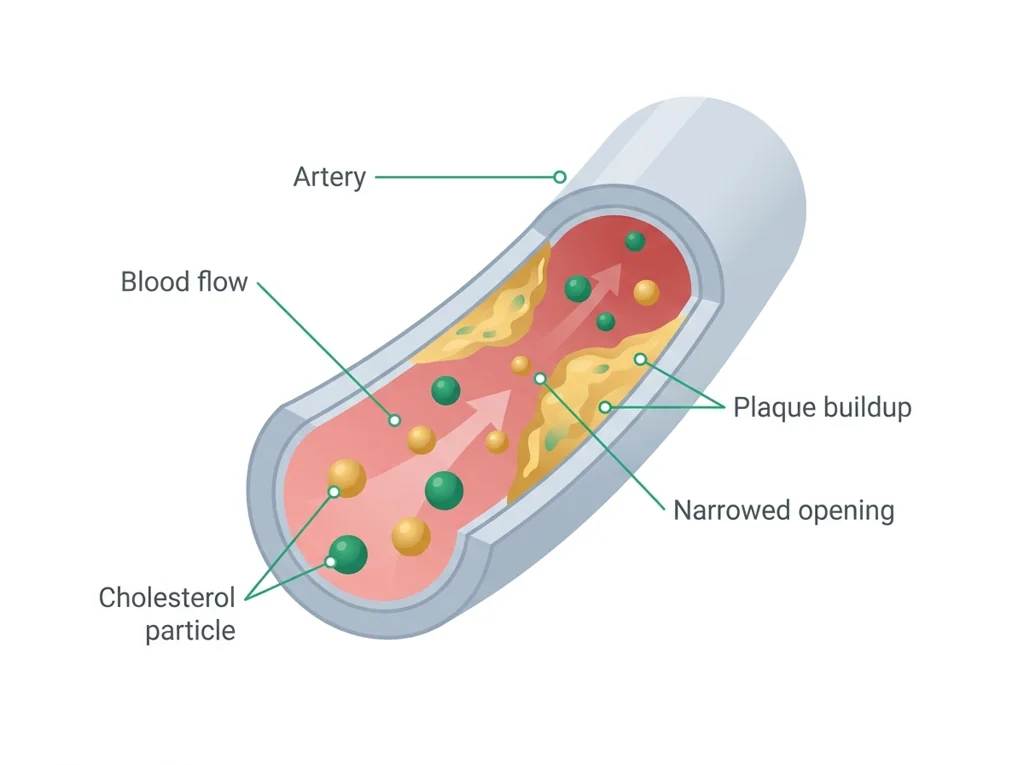
- • A raises the chance of developing a chronic disease.
- • Telehealth and wearables enable remote monitoring of patients over time.
- • Compare lab results to normal ranges and flag abnormal values.
- • Design a remote monitoring plan for a chronic condition.
📋 PLTW evidence due Friday: completed Unit 2.1 bloodwork interpretation and chronic-care monitoring plan.
All PLTW activities are completed inside the PLTW course environment: this page only gives direction.
Use this chart to keep your place. Nothing on it is turned in through the portal.
| Day | Work | Turn in |
|---|---|---|
| Monday · Mon, Oct 19 | Bloodwork and ranges | One page from your Routine Testing day-1 sheet: the blood count table with all five rows, the three cholesterol tables with the better direction of each in your own words, the metabolic panel substances each paired with the organ it reports on, and two closing sentences, the most useful thing you learned and one thing you are still unsure about. |
| Tuesday · Tue, Oct 20 | Simulated bloodwork data | One data table covering every value in the practice patient record (date, test, value, unit, reference range, and an inside-or-outside flag), a labeled line graph of fasting glucose with the 70 to 99 mg/dL band shaded and out-of-range points marked, your two microscope drawings with a written comparison, and one limitation of the record. |
| Wednesday · Wed, Oct 21 | Evidence for | |
| Thursday · Thu, Oct 22 | JCU bioethics 5: Is super hearing good for humanity? | Your worksheet: the side you argued, your three strongest arguments, the opposing point you had to answer, and where you actually stand now. |
| Friday · Fri, Oct 23 | Analyze chronic trends | CER for the medical file on the practice patient record: whether the fasting glucose trend is improving or worsening, with at least three dated values read against the ranges, why the trend says more than any single reading, two possible explanations, two short recommendation lists, and one limit of what the record supports. |
- M: Philosophy for Kids / John Carroll bioethical debate
- T: teacher background notes + PLTW launch task
- Th: analysis / CER or design revision
- F: submit tracker + weekly evidence
Turn in: Unit 2.1 Clinical Data: Routine bloodwork, chronic disease monitoring, telehealth, wearables, remote monitoring. weekly work due Bloodwork interpretation and chronic-care plan.
Go to Schoology to turn this in.
Submit one PDF. Schoology attaches your name to your upload; on the page itself, write your period and code. Name the file: FirstName LastName - Assignment Title - YYYY-MM-DD.pdf.
Open Schoology PDF upload helpIf you cannot get in, see Mr. Mendoza. Do not skip the work.
3 panels from the illustrated semester.
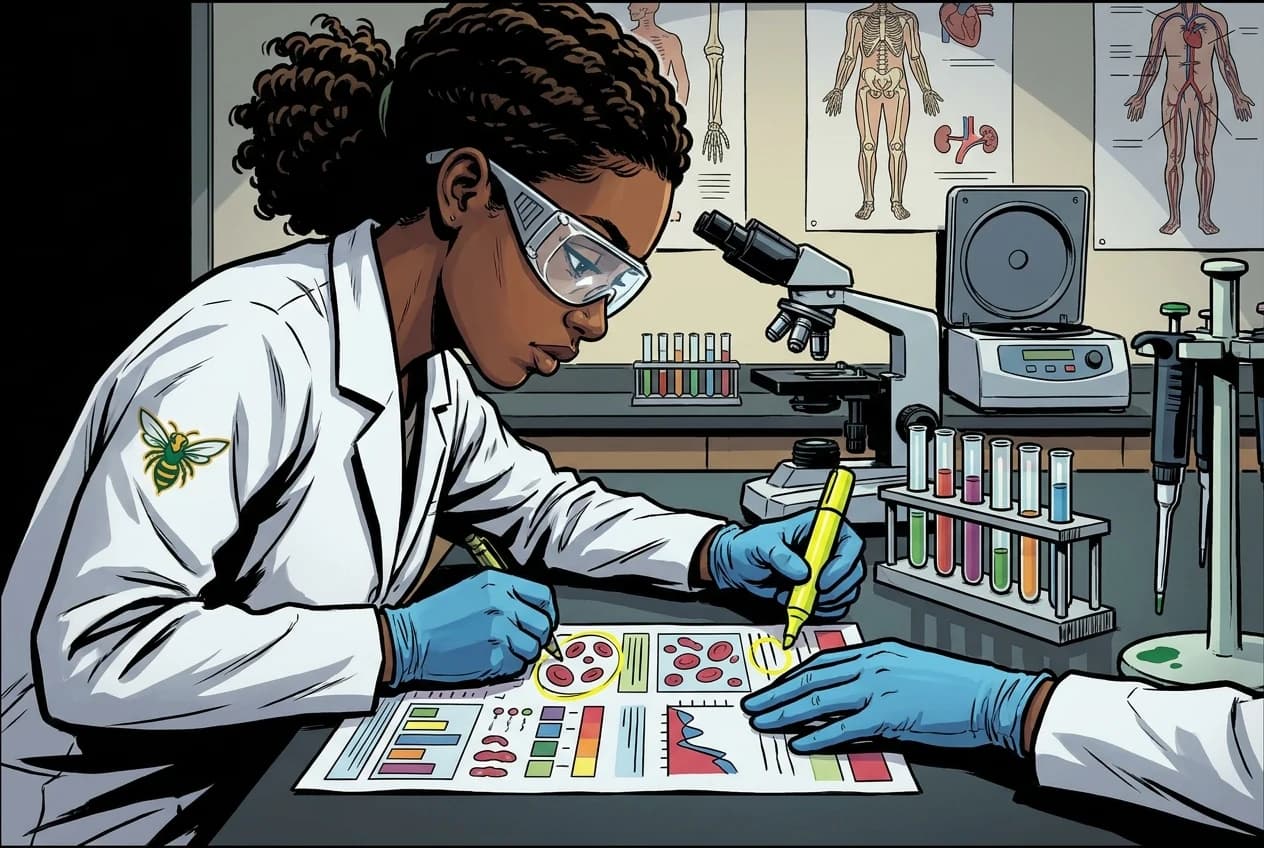
Fiction. There is no such student. The lessons, labs and dates are the real planned course; the student, the classmates and the conversations are invented.
This explainer accompanies the PLTW lab protocol: watch it before lab.
Most days, this class is your PLTW coursework: and PLTW is online and individual. So being out usually just means doing exactly what we did in class, from home.
Open Clever, then myPLTWSign in to Clever with your district Microsoft account to open Schoology or myPLTW. Follow today's posted steps. If myPLTW will not open, use the posted alternative and tell Mr. Mendoza. Turn in your completed work through the Schoology assignment.
You can't do those from home: do this instead: Teacher-posted data/model packet, same objective. Supplemental: Khan: diabetes/; CDC chronic disease pages.
Class still runs. A substitute will post today's plan: complete the online activity above; it's built to be self-guided. Need the concept taught without a teacher? Use this authoritative explainer:
MedlinePlus: Laboratory Tests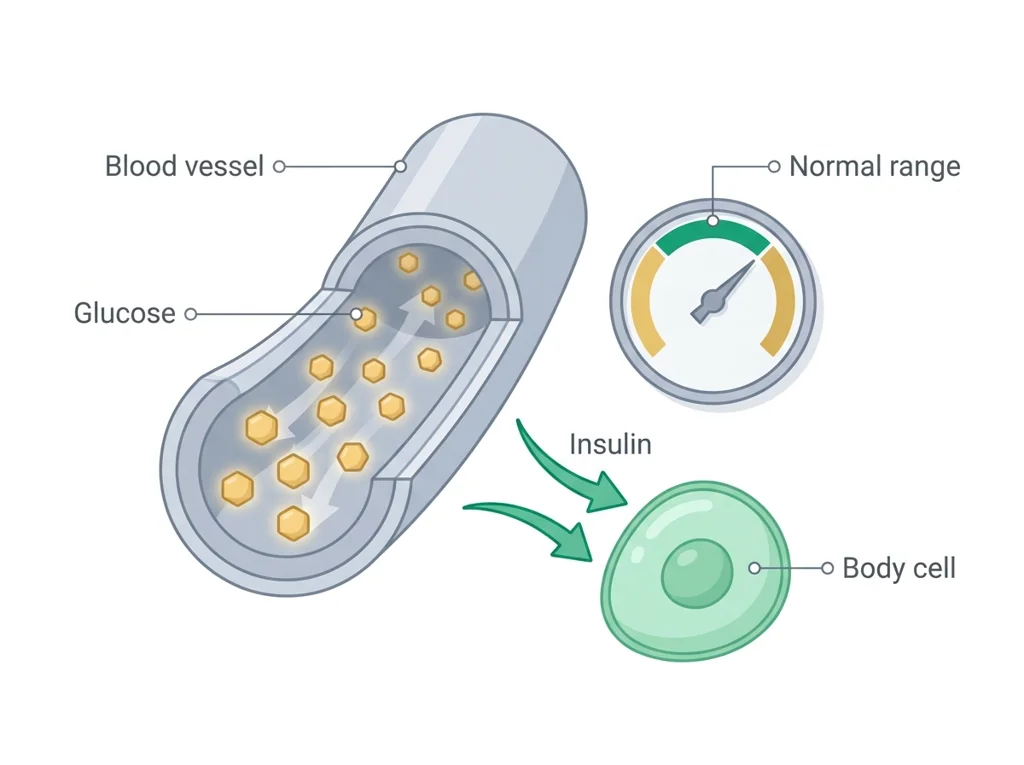
Hand-picked readings and interactives for this lesson, from authoritative open organizations and PLTW's own public course outline.