
Ethics of genetic data
This page has four parts, in the order you use them. Part 1 is what you need to know. Part 2 says what to do, in plain English. Part 3 shows the work done once on a case that is not yours. Part 4 is your own work and where to turn it in.
Open your materials, follow the steps, then turn in your work.
Debate whether genetic test results should be shared with relatives, and defend your view.
Optional: listen or watch a unit review▸
Part 1 of 4 · Background and definitions▸
💡 Big idea: A genetic result is partly shared with relatives, so deciding who may see it is an ethical problem that ordinary private lab tests never create.
- • GINA (Genetic Information Nondiscrimination Act) prohibits discrimination in health insurance and employment based on genetic information, but does not require disclosure to relatives.
- • A patient's information may have medical relevance for first-degree relatives (parents, siblings, children), creating a tension between individual privacy and family benefit.
- • Genetic counselors are healthcare professionals who help individuals and families understand and navigate the implications of genetic test results.
A trend describes direction, speed, and position relative to the , so reading the trend rather than any single value tells you whether a chronic condition is improving or worsening, because one reading can be distorted by a meal, stress, or lab error.
A genetic result is partly shared with relatives, so deciding who may see it is an ethical problem that ordinary private lab tests never create.
Driving question: If your test reveals a serious inherited risk, do your parents, siblings, and children have a right to be told, even if you say no?
What you already know: A trend describes direction, speed, and position relative to the , so reading the trend rather than any single value tells you whether a chronic condition is improving or worsening, because one reading can be distorted by a meal, stress, or lab error.
New idea: A genetic result is partly shared with relatives, so deciding who may see it is an ethical problem that ordinary private lab tests never create.
Visual or model: No figure is attached to this lesson. The readings, the worked example and E1 to E3 carry the evidence.
- Observe or measure the relevant feature in ethics of genetic data.
- Organize the observation with a stable evidence ID.
- Apply this rule: Use science to estimate consequences, then state the value judgment and tradeoff that determine the decision.
- Choose the option the evidence supports and state the limit of the conclusion.
Real biomedical example: If your test reveals a serious inherited risk, do your parents, siblings, and children have a right to be told, even if you say no?
What the evidence supports: E1 to E3 support the daily take-home when the response meets the stated success criteria.
What it cannot prove: The package does not support claims beyond this lesson's or any real patient diagnosis.
- • : The molecule that stores genetic instructions in a twisted double helix, with paired bases that spell out the code for building an organism.
- • : A tightly coiled package of wrapped around proteins that carries genes; humans normally have 46 of them, arranged in 23 pairs.
- • gene: A stretch of that codes for a product (usually a ) and carries an instruction for the cell.
- • : One of the alternative versions of a gene found at the same spot on a , like the A, B, and O versions of the blood-group gene.
- • : A folded chain of amino acids that a gene's instructions are used to build, serving as the cell's machines and structural building blocks.
- • : The first step of making a : copying a gene into messenger RNA.
- • : The second step of making a : the ribosome reads the mRNA and builds a chain of amino acids.
- • : A change in the ; some change a enough to cause disease, many do not.
Use it now: Choose one decision option. Cite E1 and E3, then explain how the rule connects the evidence to your choice. This is thinking practice for the one turn-in named under Turn in, not a second submission.
Go further, optional: The source links below are optional enrichment. Every fact required for today's local evidence decision appears in this lesson package.
A defensible biomedical decision separates scientific evidence from value judgments, identifies who may benefit or be burdened, and states the uncertainty and tradeoffs that remain.
Limit: Scientific evidence can inform the options and likely consequences, but it cannot choose a single value-neutral answer.
Use science to estimate consequences, then state the value judgment and tradeoff that determine the decision.
Limit: A review-board model organizes reasoning but does not make one ethical principle automatically outweigh every other principle.
You can weigh genetic privacy against relatives' interests.
Limit: E3 defines the classroom product or success criterion. It is not independent scientific evidence and cannot justify a clinical or causal claim.
Today's decision · Simulated classroom evidence scenario
Your role: biomedical team member
Decision: Your team must decide what the evidence from ethics of genetic data supports before submitting the claim-evidence-reasoning response named on today's page.
- • Treat the result as private like a blood sugar reading, because a medical record belongs to the patient it names.
- • Hold your position until you learn what a relative could actually do with the result, since a warning with no action changes the weight.
- • Build your case on the half of your sequence each first-degree relative shares, since that is what makes this unlike any other lab result.
Response: State one choice, cite at least two evidence IDs, explain the rule that connects them, and add one limitation. Use it inside the one turn-in named under Turn in; it is not a separate submission.
Claim ceiling: Today's evidence supports a classroom claim about ethics of genetic data. It cannot prove causation, diagnose a real patient, or justify action outside this room.
Reason for review: Your team must decide what the evidence from ethics of genetic data supports before submitting the claim-evidence-reasoning response named on today's page.
Context: A genetic result is never only about one person, so the ethics of who sees it are different from the ethics of any other lab test.
- • T1: Read the prompt: If your reveals a risk, do relatives have a right to know?
- • T2: List one argument for disclosure and one for individual privacy.
- • T3: Choose a side and connect it to shared genetic information.
- • T4: Argue your claim in your group with one reason and one example.
- • T5: Write your CER and submit it as one PDF to the Schoology assignment for this lesson in Schoology.
- • E1: A defensible biomedical decision separates scientific evidence from value judgments, identifies who may benefit or be burdened, and states the uncertainty and tradeoffs that remain.
- • E2: Use science to estimate consequences, then state the value judgment and tradeoff that determine the decision.
- • E3: You can weigh genetic privacy against relatives' interests.
Measurements: Use only the measurements, units, graph, or counts supplied in today's task. No additional patient measurement is implied.
Uncertainty: This is a composite classroom scenario. Missing history, measurements, or confirmation tests remain unknown and limit the conclusion.
Students often think your medical records are 100 percent private, so a genetic result is yours alone to keep or share. The trap: treating like a blood-sugar reading. Your sequence is half-shared with each parent, sibling, and child, so a result about you is a partial result about them, which is exactly why the privacy question is so hard.
- CER:
- Claim, Evidence, Reasoning: make a claim, back it with evidence, explain your reasoning.
- SOP:
- Standard Operating Procedure, the exact steps to follow (especially in a lab).
- Tracker:
- Your PLTW progress log where you record completed evidence.
- myPLTW:
- The PLTW course site where you do the online activities. Find it in Clever with your Microsoft sign-in, right next to Schoology.
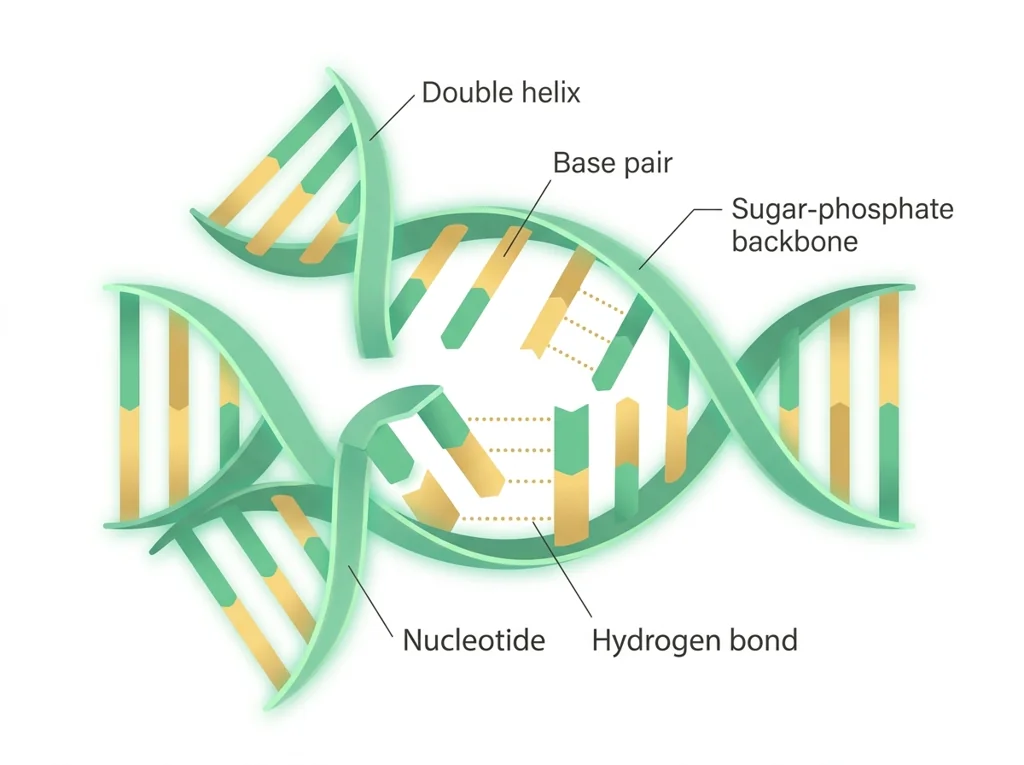
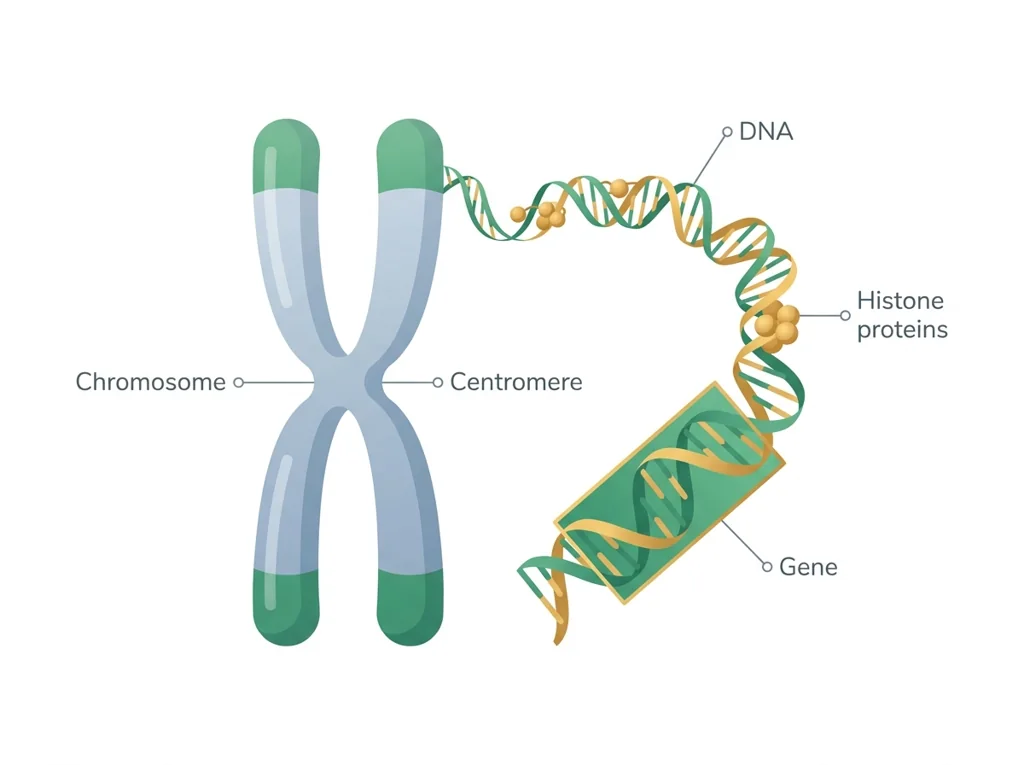
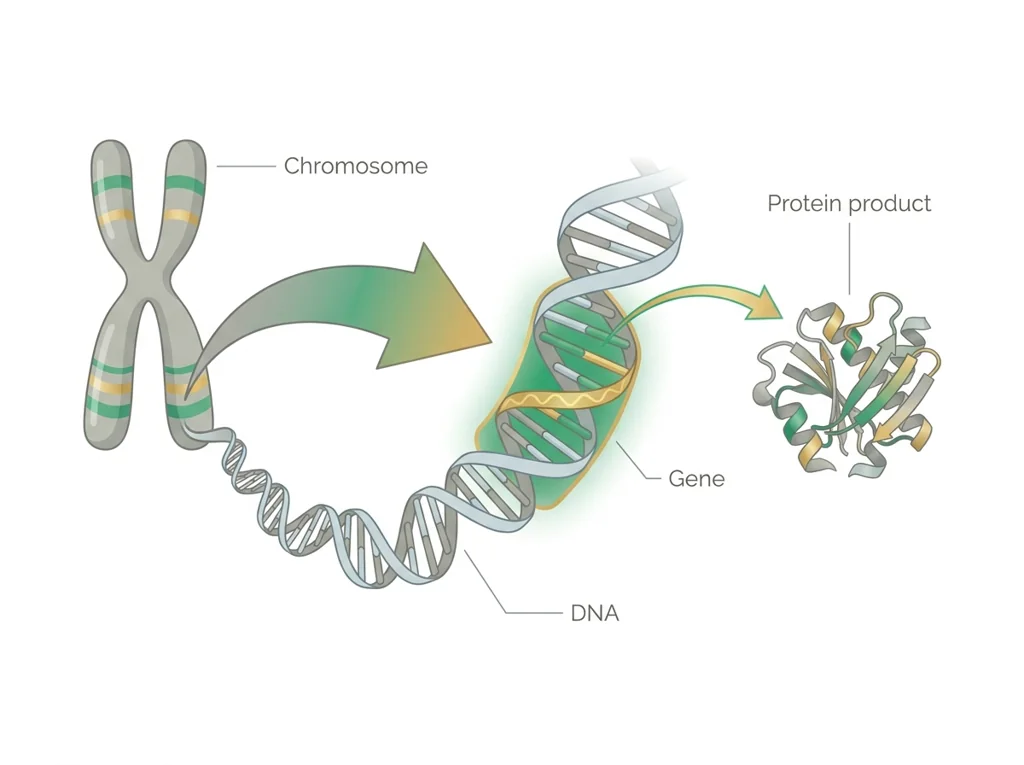
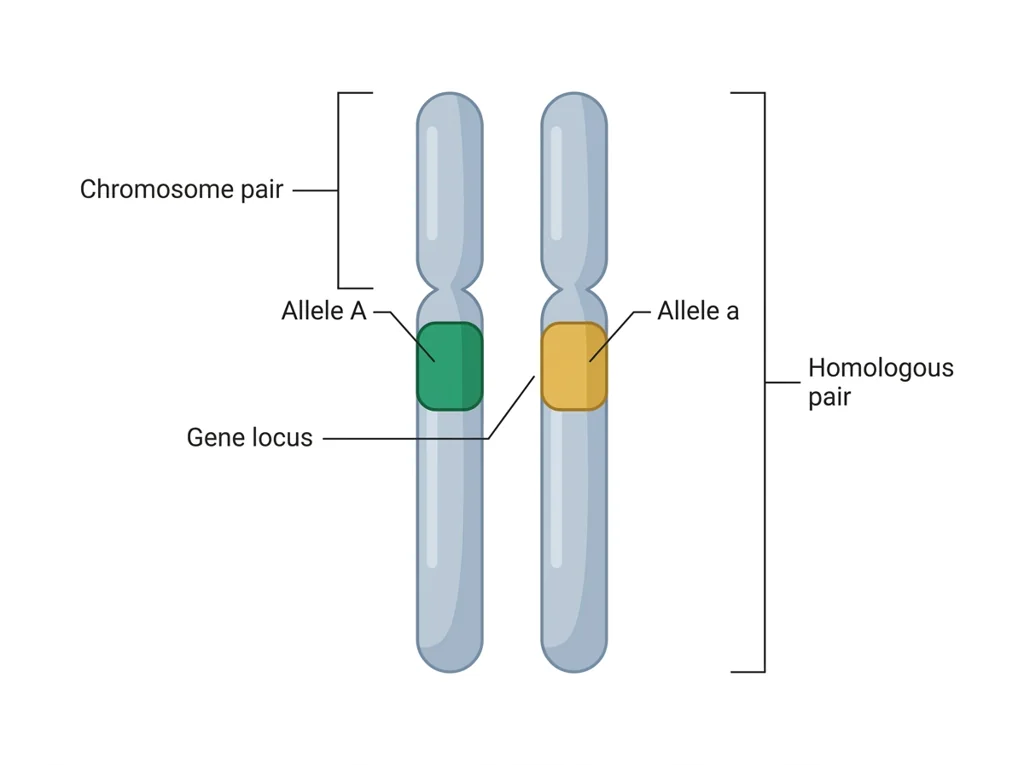
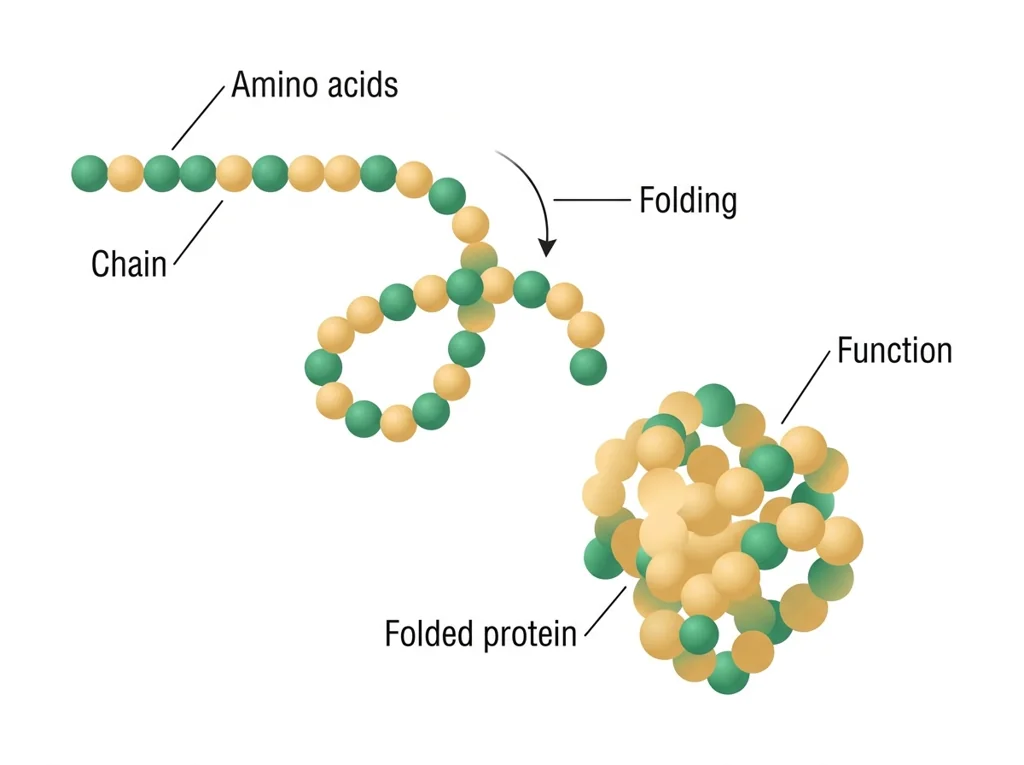
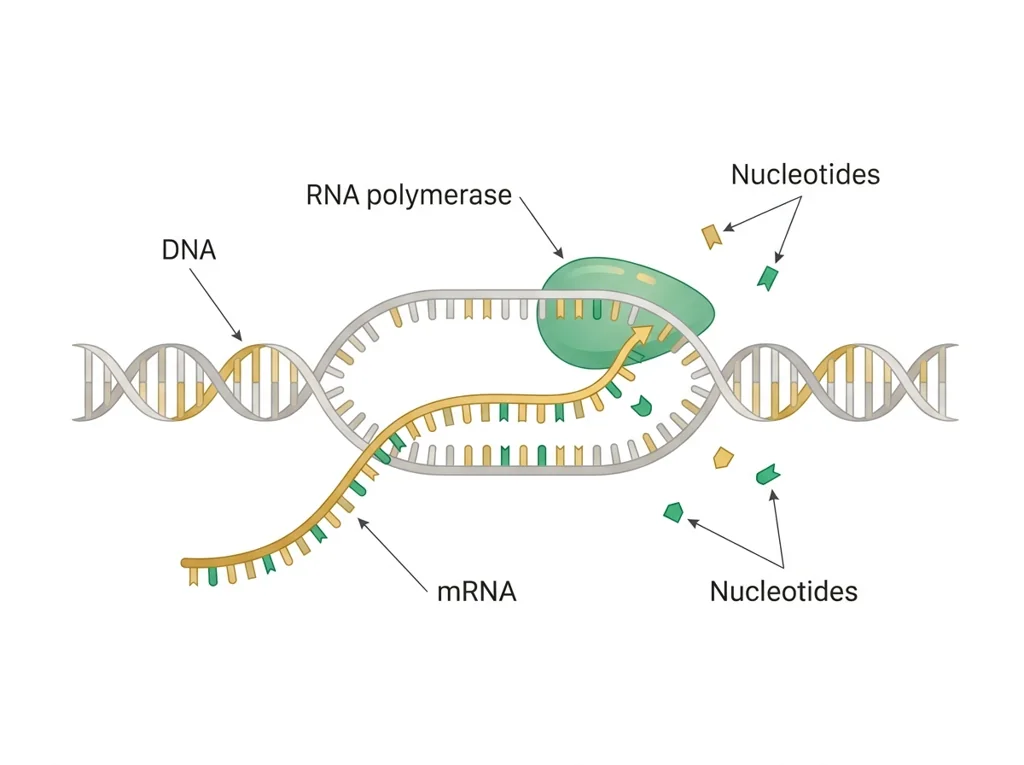
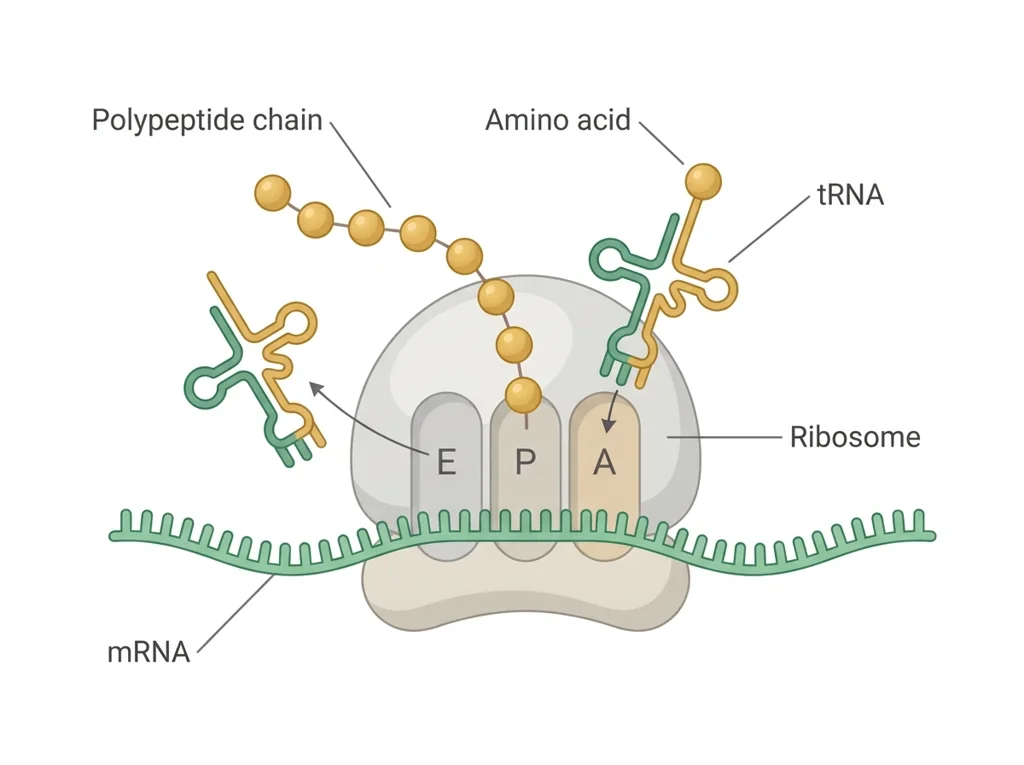
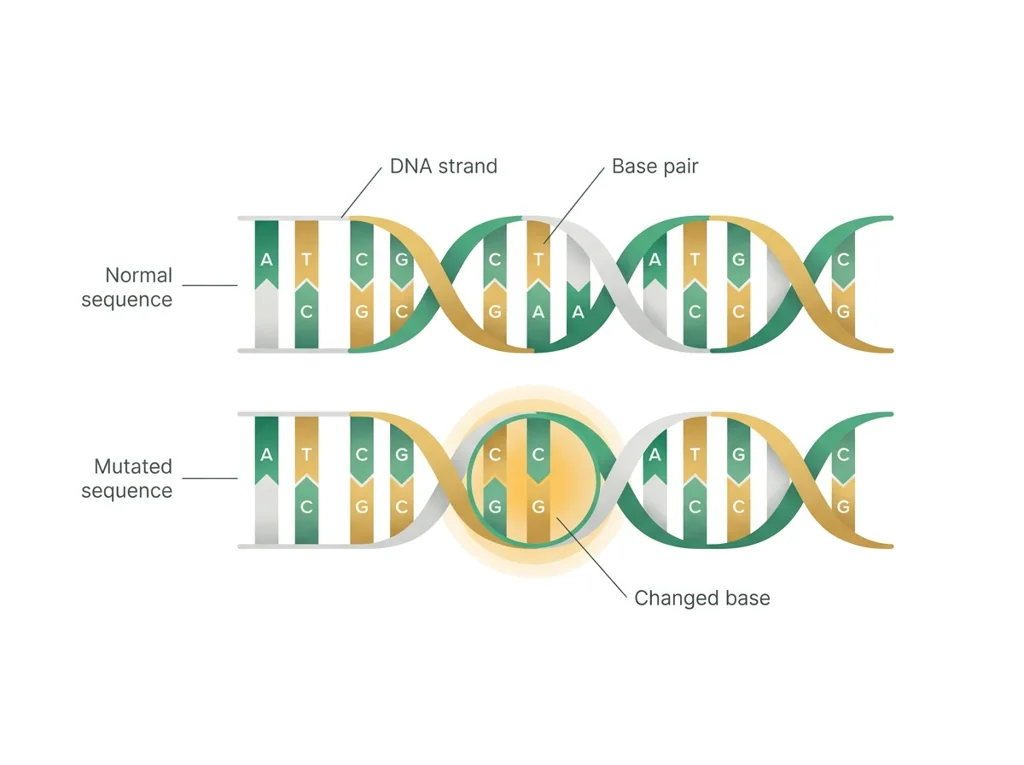
Tap the speaker to hear a term. Add two of these to your notebook glossary with a definition and an example in your own words.
Pick just 2 or 3 words from today and make them yours: write what each one means in your own words, name the context clue or evidence that helped, then give one example from what you actually did in Ethics of genetic data. Try your own words first; the glossary is there if you get stuck. This is voluntary and counts as extra credit, so keep it short.
Saved on this device. Show Mr. Mendoza or add these to your notebook glossary to claim the extra credit.
Part 2 of 4 · Directions in plain English▸
2.1 Open your materials
2.2 Start the work
Read the prompt: If your DNA reveals a risk, do relatives have a right to know?
Show all 5 required steps
- Read the prompt: If your DNA reveals a risk, do relatives have a right to know?
- List one argument for disclosure and one for individual privacy.
- Choose a side and connect it to shared genetic information.
- Argue your claim in your group with one reason and one example.
- Write your CER and submit it as one PDF to the Schoology assignment for this lesson in Schoology.
Lost your place? You should have (1) a for-disclosure argument and a for-privacy argument listed, and (2) a chosen side tied to shared DNA. Do those two, then write and submit your CER claim, reasoning, and one example.
- 0:00Hook: brief description of a real case where a patient refused to share a hereditary result with their family
- 0:10Introduce GINA; contrast genetic privacy with the concept of shared genetic heritage
- 0:20Read the ethics prompt; list one argument for disclosure and one for individual privacy
- 0:32Small-group debate: connect position to the nature of shared genetic information
- 0:54Individual CER writing: position, evidence, reasoning
- 1:10Share two CERs; preview the -to- lesson that follows
- • A genetic test is different from any other medical test in one crucial way: your is shared with your biological family. If a test reveals you carry a BRCA gene variant linked to breast , your sister may carry it too.
- • The question today is: does your sister have a right to know? And does your doctor have an obligation to tell her?
- • Legally, in most places, the answer is no. Your genetic information belongs to you. But ethically, the question is genuinely contested. Relatives who could take preventive action and are not told might argue later that they deserved to know.
- • Pick a side and defend it. Next class we move from ethics to mechanism: how does actually make a , and what happens when it goes wrong?
PLTW connection and today's work
Today's debate is a John Hay original, so there is no myPLTW work to mark complete today. Its course connection is Activity 2.2.2 A Protein Problem, which you start next class; if myPLTW opens, read the Lesson 2.2 Decoding a Diagnosis overview and the opening of Activity 2.2.2.
Today's stopping point: You finished the clinical-data work. Today starts Lesson 2.2 Decoding a Diagnosis (DNA and protein focus). The overview reading should be done by the end of today.
Today uses John Hay teacher-created practice. It builds skills for the course, but does not count as completing an official myPLTW activity.
Course connection
- Activity 2.2.2 A Protein Problem
Use the turn-in directions in Part 4 of this page. Do not create a second submission unless your teacher asks for one.
Show another explanation or a smaller first step
Need help? Choose a starting point
Part 3 of 4 · Worked example▸
This is a parallel case, not your own. Read it for the order of the work, then do your own in Part 4.
Parallel scenario (a model, not today's answer): A person tests positive for a serious sexually transmitted infection such as HIV. Should their past partners be told, even if the patient would prefer that no one is contacted?
Claim: A patient who tests positive for a serious sexually transmitted infection should be strongly encouraged to allow past partners to be notified, and public health should offer confidential partner notification, but the patient should not be publicly named without their consent.
Evidence: Infection information is partly relational, because a positive result also points to a risk that specific past partners may already be infected and not know it. Many U.S. states run confidential partner notification programs in which a health worker contacts partners without revealing the patient's name. Laws protect people who test positive from certain kinds of discrimination, but those protections do not, by themselves, require a patient to personally tell every partner.
Reasoning: Because the risk is shared, past partners could benefit medically from learning they should be tested and, if needed, treated early, which supports notification. At the same time, the result is sensitive personal health information, so privacy and autonomy support letting the patient control how their own name is used. The balanced position uses confidential partner notification, which lets partners learn their risk while shielding the patient's identity, so both the health benefit to others and the patient's privacy are respected rather than one being sacrificed for the other.
This model shows the level of evidence and organization needed to complete: A short written argument, modeled on a parallel scenario, that takes a side on whether a patient who tests positive for a serious infectious disease should have past partners notified, with reasoning that weighs relational health information against patient privacy. It models the Claim, Evidence, Reasoning format and depth without answering today's genetic-data prompt.
- Write one defensible claim.
- Choose specific evidence that supports the claim.
- Explain the scientific rule that connects the evidence to the claim.
Keep the structure. Replace the question, facts, measurements, and evidence. Then recheck units, vocabulary, and whether the conclusion goes beyond the evidence.
Also due today: Submit your CER as one PDF to Schoology assignment for this lesson in Schoology before leaving.
A review board sorts scientific evidence, stakeholder needs, possible benefits, possible burdens, and uncertainty before choosing a policy.
- Which statements are scientific evidence?
- Which statements express a value or priority?
- Who receives the benefit and who carries the burden?
Use science to estimate consequences, then state the value judgment and tradeoff that determine the decision.
A review-board model organizes reasoning but does not make one ethical principle automatically outweigh every other principle.
- • Evidence cards map to source-backed findings.
- • Stakeholder cards map to affected people and priorities.
- • The recommendation maps to an explicit tradeoff with a named uncertainty.
Part 4 of 4 · Your work▸
Check your work before submitting
- I can weigh genetic privacy against relatives' interests.
- I can defend a position with reasoning.
4.1 Turn in your work
DueCheck the Schoology assignment for this day- Hand in
- Written CER (3-5 sentences) arguing whether genetic test results should be shared with relatives, with a reference to the shared nature of genetic information in the reasoning.
How to submit and name your file
Submit your CER as one PDF to the Schoology assignment for this lesson in Schoology before leaving.
In Schoology, open your course and the assignment for this lesson. Attach your file, select Submit, and check that it appears in the submission.
PDF upload helpYou get two school days for every day you were absent, so this deadline moves with you.
Today's lesson is in Schoology
Each school day has one lesson page in Schoology that holds everything for the day: the goal, the story so far, every table and data value, the numbered steps, and what to turn in. Open it first and work from it. The other rows for this day, if any, are the score line for a paper quiz or test and the John Carroll debate item; they do not add work. Check Schoology for each deadline.
- Today's Lesson · Wed 10/21 · Wk9 · Type 1 diabetes and the feedback loop, then Cass's glucose data(today's lesson page: the goal, the data, the steps, and what to turn in are all on it)
Link will not open? Open Schoology, choose your course and section, and find the title shown above.
- CompleteEvery required part of the artifact is present, nothing left blank.
- AccurateThe science and the data are correct and match the evidence.
- Scientific reasoningYou explain your claim with evidence and reasoning (CER), not just an answer.
- Professional communicationClear, organized, labeled, and written the way a clinician or scientist would.
- SubmittedGo to Schoology to turn this in. Submit one PDF. Schoology attaches your name to your upload; on the page itself, write your period and code. Name the file: FirstName LastName - Assignment Title - YYYY-MM-DD.pdf. If you cannot get in, see Mr. Mendoza. Do not skip the work.
How this lesson connects
Keep using what you learned last class: A trend describes direction, speed, and position relative to the normal range, so reading the trend rather than any single value tells you whether a chronic condition is improving or worsening, because one reading can be distorted by a meal, stress, or lab error. Today: A genetic result is partly shared with relatives, so deciding who may see it is an ethical problem that ordinary private lab tests never create.
Practice: try a question, then check your answer▸
Claim ceiling for this check: Today's evidence supports a classroom claim about ethics of genetic data. It cannot prove causation, diagnose a real patient, or justify action outside this room.
Investigator B-21's practice patient has a genetic test that shows a variant tied to a preventable heart condition. The patient's brother refuses to hear anything about her results. Name one reason this situation is ethically harder than a normal private lab test.
Write an answer and pick a confidence to unlock the key.
Fast retrieval with instant answers, not the commit-then-reveal check above. Try each from memory first: write what you remember about the earlier units, then check yourself here.
Missed class or ready for more?▸
What today's skills lead to. These are real health-science careers this course builds toward. Tap one to see, on the US Department of Labor's O*NET site, what the job actually involves, what it pays, and how fast it is growing.
Read the genetic-data ethics prompt and the case notes on this page, then write a CER on whether results should be shared with relatives and submit it as one PDF to the Schoology assignment for this lesson.
John Carroll Philosophy for ChildrenSubmit your CER as one PDF to the Schoology assignment for this lesson in Schoology before leaving.
Class still runs. Complete today's work as this page describes (it is self-guided). Need the concept taught without a teacher? Use this authoritative explainer:
Learn.Genetics (University of Utah): DNA to proteinSources: slides, readings, and resources▸
The deck carries the prior idea forward, lets you inspect an analogy, maps the rule to biology, and ends with the same evidence decision and exit ticket used on this page.
Hand-picked readings and interactives for this lesson, from authoritative open organizations and PLTW's own public course outline.
This week
My Progress dashboard