
Concentration, serial dilution, standard curves, antigen–antibody binding, direct vs. indirect ELISA.
Your PLTW coursework: Medical Interventions ▸ Unit 1: How to Fight Infection ▸ Lesson 1.1 The Mystery Infection ▸ "Activity 1.1.5 ELISA"
What to do if absent- CER:
- Claim, Evidence, Reasoning: make a claim, back it with evidence, explain your reasoning.
- SOP:
- Standard Operating Procedure, the exact steps to follow (especially in a lab).
- Tracker:
- Your PLTW progress log where you record completed evidence.
- myPLTW:
- The PLTW course site where you do the online activities. Find it in Clever with your Microsoft sign-in, right next to Schoology.
Build a table and explain how - binding lets an report concentration through color.
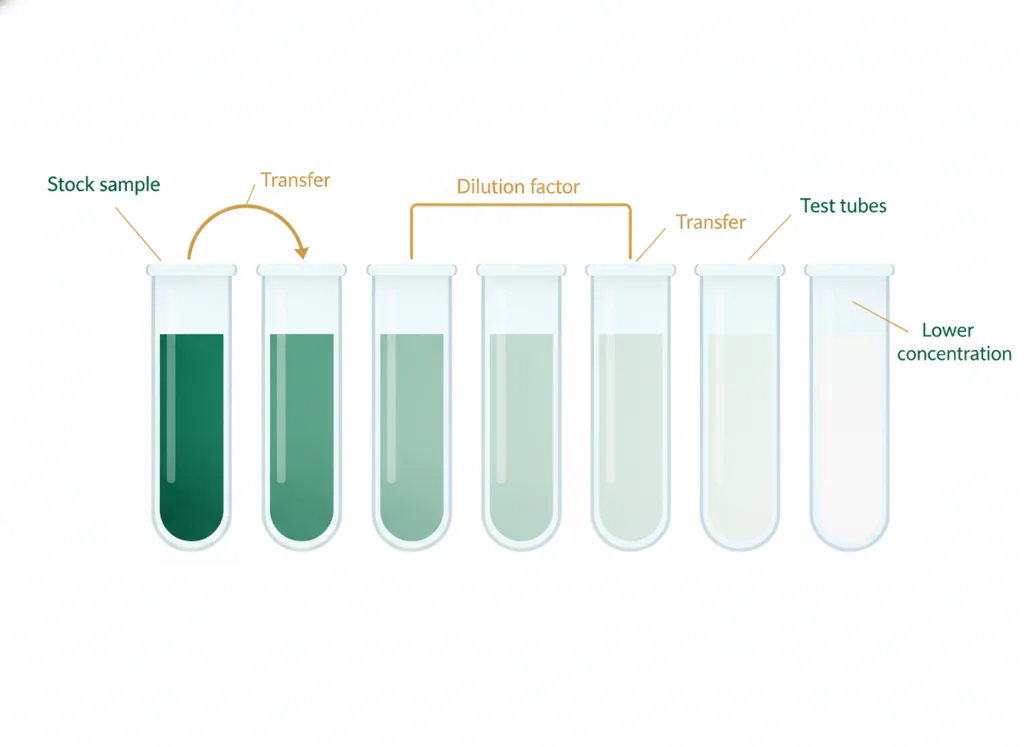
- 1Read the pre-lab and write down the starting concentration and the you will use.
- 2Fill in a table, calculating each step from the one before it.
- 3Label your tubes or wells clearly so each dilution is easy to find later.
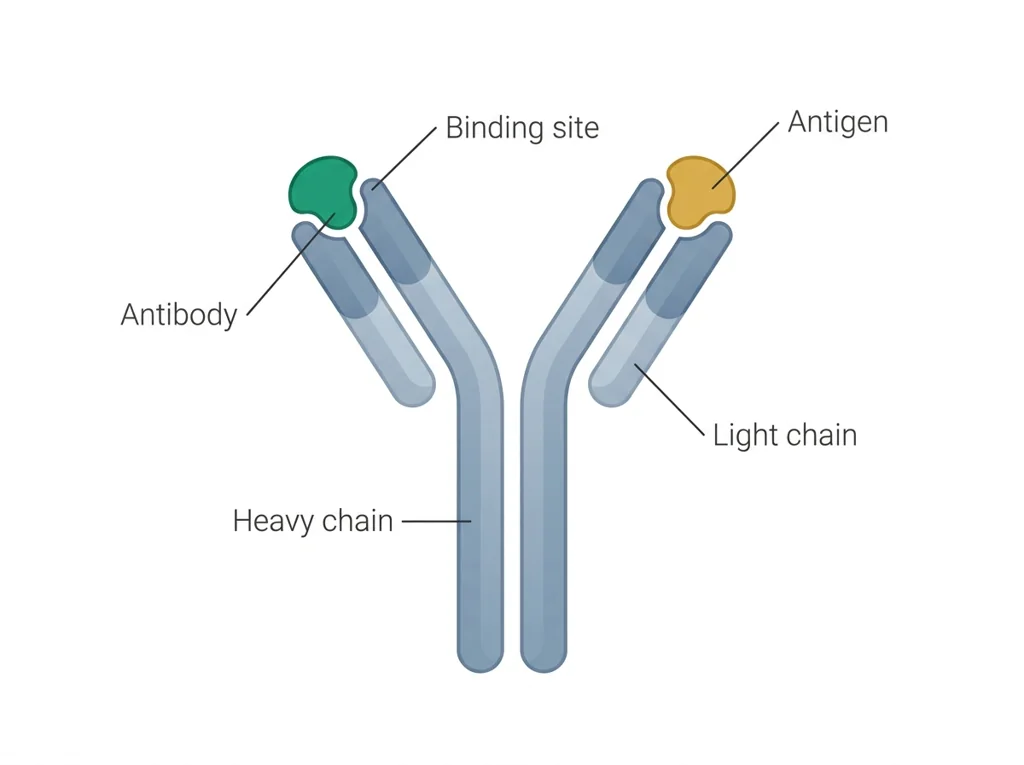
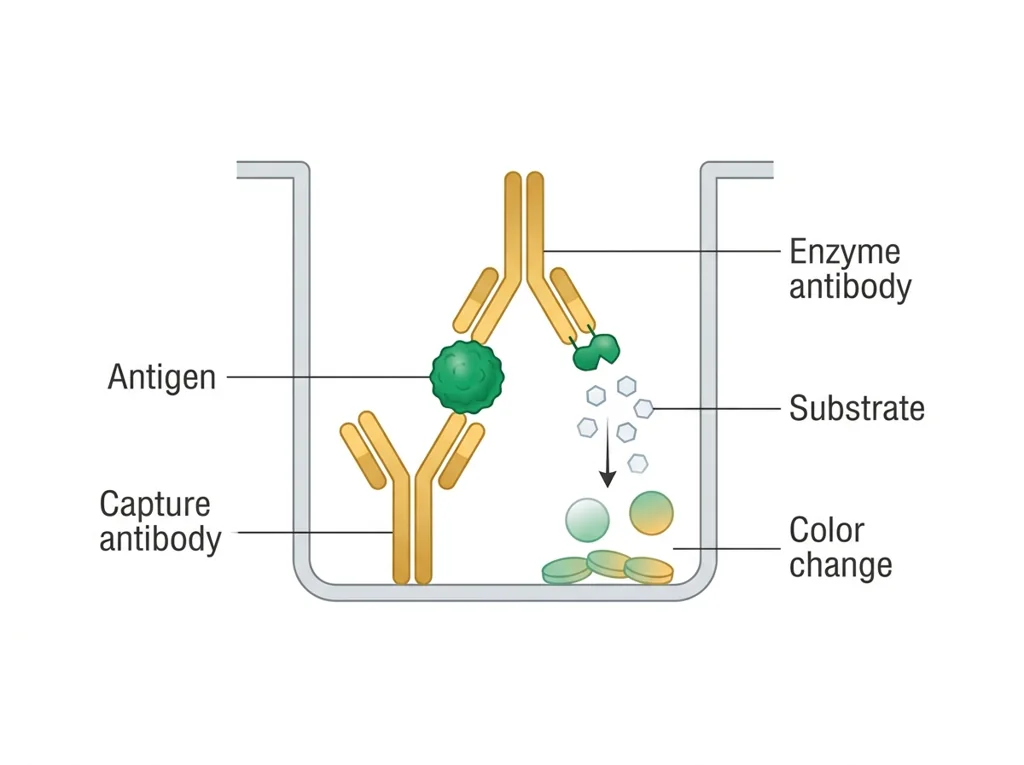
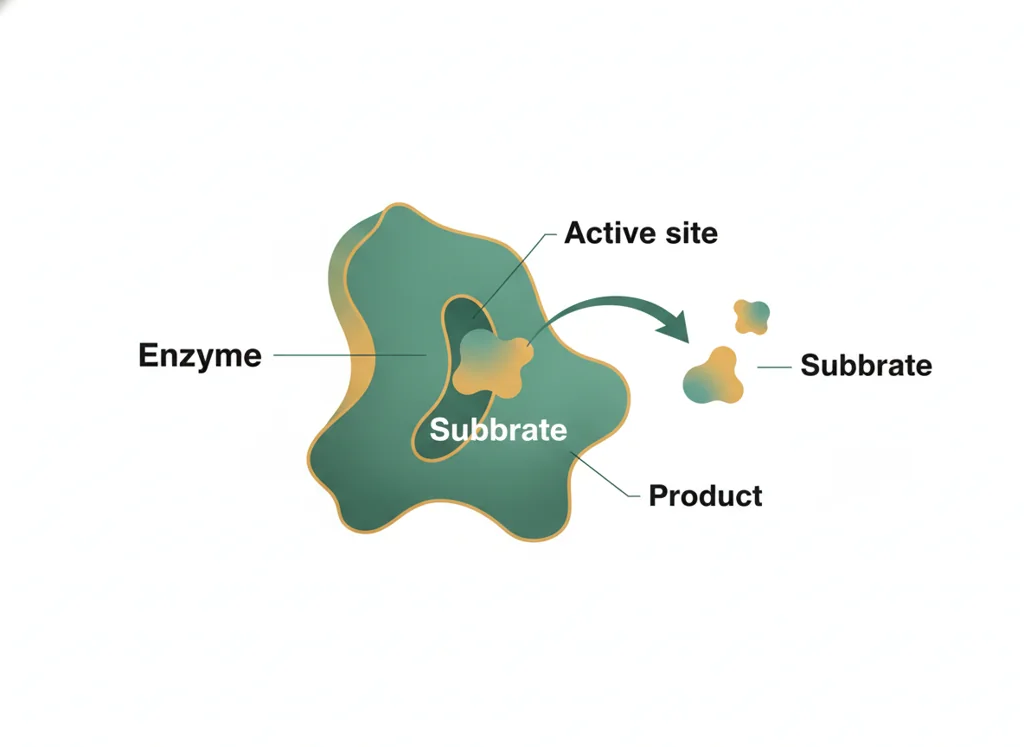
- 4Sketch a direct and an indirect ELISA, labeling , , and .
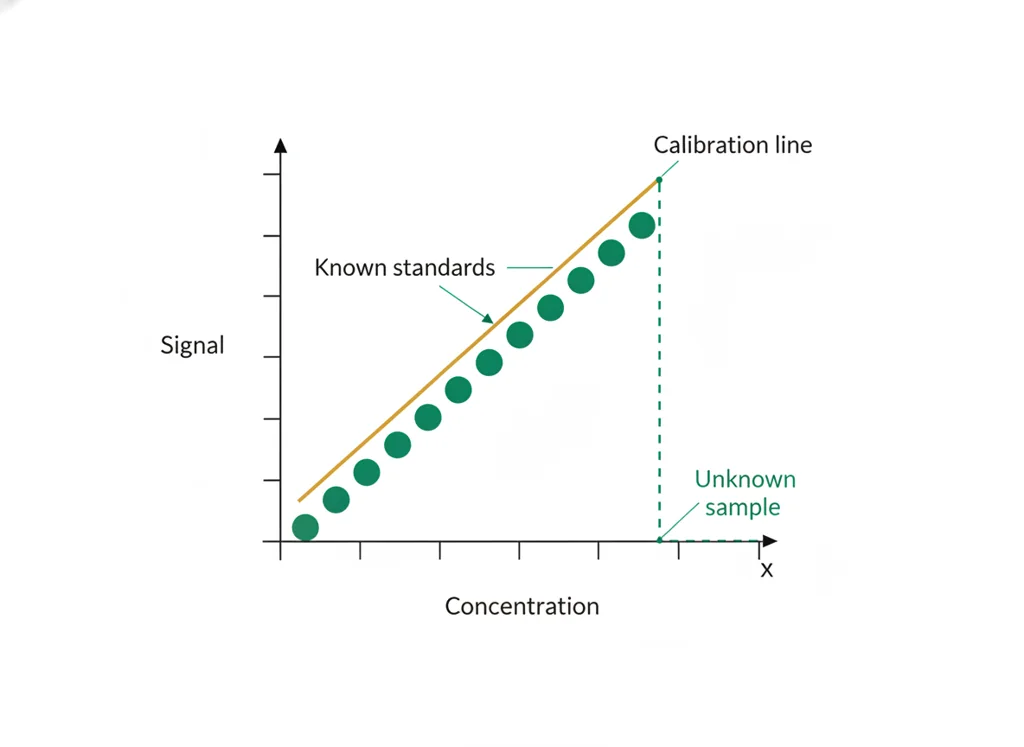
- 5Predict where a would show high versus low and mark it on a graph.
- 6Check your dilution math with a partner before you set anything up.
- • You will be able to build and label a correct series.
- • You will be able to diagram - binding in an .
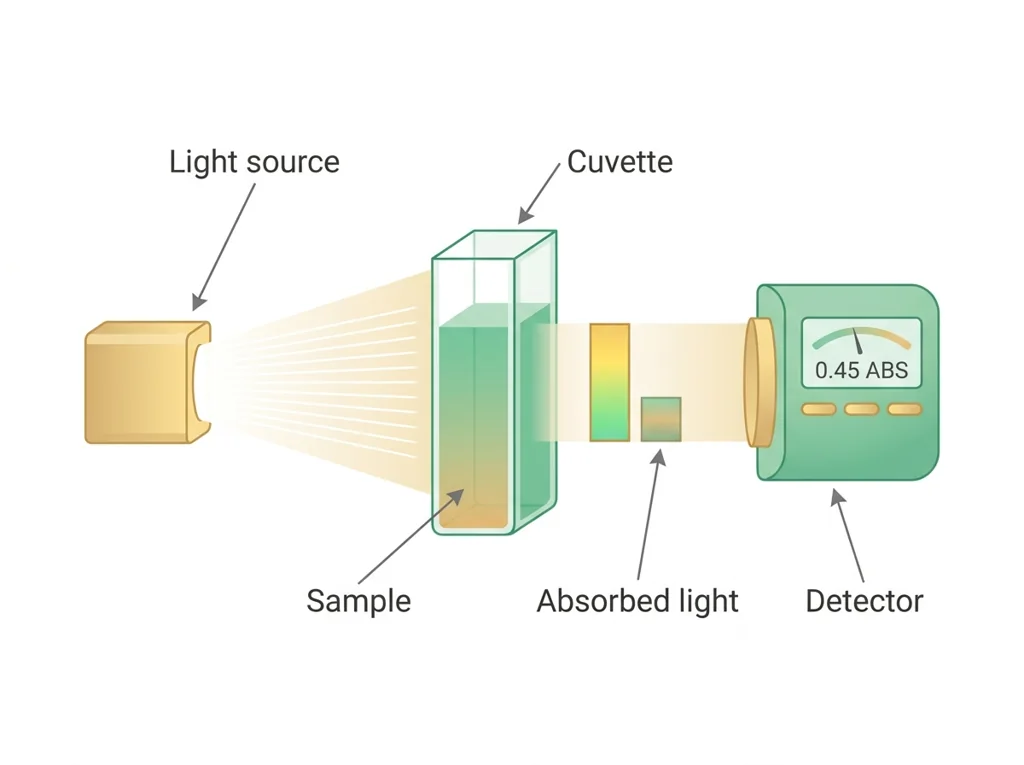
- • You will be able to explain how a links to concentration.
Open any day for its full lesson, the work due that day, and guided notes.
Dilution and model report
False-results CER record
One record with six tasks, T1 to T6: two control predictions, a six-well , the step order with one wash sentence, a control check, a flagged-strip check and one limit sentence
One claim, evidence, reasoning response built from your debate worksheet: the side you argued, your three strongest arguments, the opposing point you answered, and where you stand now
Sensitivity and specificity
- Hook: a pregnancy test, an HIV screen, and a COVID test all share one trick you will set up today.
- Today's goal: prepare clean serial dilutions and map out how an turns binding into a readable signal.
- Tie-in to Monday's debate on testing access: accurate dilutions are part of why a test can be trusted.
- Reminder: your dilution table and pre-lab questions are graded in the PLTW course shell.
Do this: Advance the PLTW Unit 1 diagnostic-testing benchmark in the online course shell with your dilution and pre-lab.
- • Antibodies bind specific antigens, which is the basis of an .
- • A relates measured to a known concentration.
- • Calculate a series from a starting concentration.
- • Distinguish a direct from an indirect ELISA.
📋 PLTW tracker evidence due this week: completed table and pre-lab diagram with labeled binding.
All PLTW activities are completed inside the PLTW course environment: this page only gives direction.
Use this chart to keep your place. Nothing on it is turned in through the portal.
| Day | Work | Turn in |
|---|---|---|
| Monday · Mon, Sep 21 | Dilution and ELISA model submission | Dilution and ELISA model report |
| Tuesday · Tue, Sep 22 | Bioethics debate: false results | False-results CER record |
| Wednesday · Wed, Sep 23 | Wet ELISA lab | One record with six tasks, T1 to T6: two control predictions, a six-well data table, the step order with one wash sentence, a control check, a flagged-strip check and one limit sentence |
| Thursday · Thu, Sep 24 | JCU bioethics 1: Should ELISA testing be mandatory? | One claim, evidence, reasoning response built from your debate worksheet: the side you argued, your three strongest arguments, the opposing point you answered, and where you stand now |
| Friday · Fri, Sep 25 | Specificity vs sensitivity | Sensitivity and specificity data table |
- M: bioethics debate
- T: practice
- W:
- Th: model
- F: pre-lab quiz
Turn in: Concentration, serial dilution, standard curves, antigen–antibody binding, direct vs. indirect ELISA. weekly work due ELISA pre-lab quiz and dilution table.
Go to Schoology to turn this in.
Submit one PDF. Schoology attaches your name to your upload; on the page itself, write your period and code. Name the file: FirstName LastName - Assignment Title - YYYY-MM-DD.pdf.
Open Schoology PDF upload helpIf you cannot get in, see Mr. Mendoza. Do not skip the work.
4 panels from the illustrated semester.


Fiction. There is no such student. The lessons, labs and dates are the real planned course; the student, the classmates and the conversations are invented.
This explainer accompanies the PLTW lab protocol: watch it before lab.
Most days, this class is your PLTW coursework: and PLTW is online and individual. So being out usually just means doing exactly what we did in class, from home.
Open Clever, then myPLTWSign in to Clever with your district Microsoft account to open Schoology or myPLTW. Follow today's posted steps. If myPLTW will not open, use the posted alternative and tell Mr. Mendoza. Turn in your completed work through the Schoology assignment.
You can't do those from home: do this instead: HHMI Immunology Virtual Lab notes.
Class still runs. A substitute will post today's plan: complete the online activity above; it's built to be self-guided. Need the concept taught without a teacher? Use this authoritative explainer:
HHMI BioInteractive (preview; use fallback if blocked)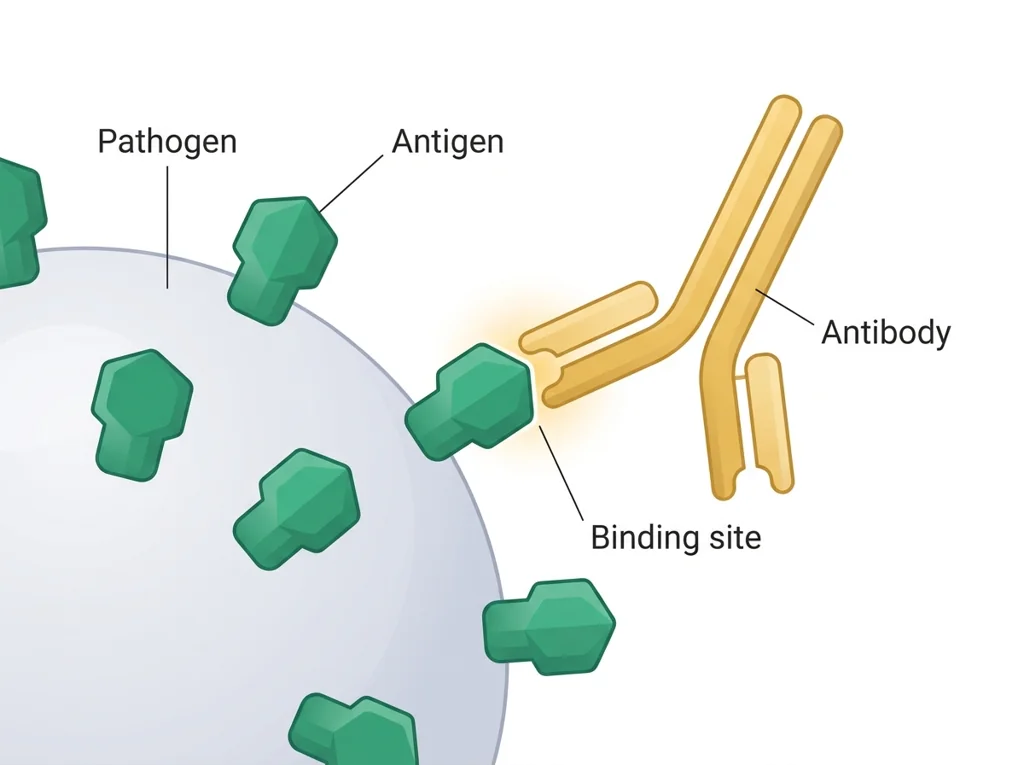
Classroom documents for this lesson are posted in Schoology. Open Clever, then Schoology, and find each one by the name shown on its card.
Use this if you were absent, got stuck, or need another pass before you submit the lesson artifact.
Open this when the class reaches this activity and use it to complete the required lesson artifact.
Use this if you were absent, got stuck, or need another pass before you submit the lesson artifact.
Sign in to Clever with your district Microsoft account to open Schoology or myPLTW. Follow today's posted steps. If myPLTW will not open, use the posted alternative and tell Mr. Mendoza. Turn in your completed work through the Schoology assignment.