
Reading qualitative vs. quantitative color results; false positive/negative risk; control logic.
Your PLTW coursework: Medical Interventions ▸ Unit 1: How to Fight Infection ▸ Lesson 1.1 The Mystery Infection ▸ "Activity 1.1.5 ELISA", "Activity 1.1.6 Final Diagnosis"
What to do if absent- CER:
- Claim, Evidence, Reasoning: make a claim, back it with evidence, explain your reasoning.
- SOP:
- Standard Operating Procedure, the exact steps to follow (especially in a lab).
- Tracker:
- Your PLTW progress log where you record completed evidence.
- myPLTW:
- The PLTW course site where you do the online activities. Find it in Clever with your Microsoft sign-in, right next to Schoology.
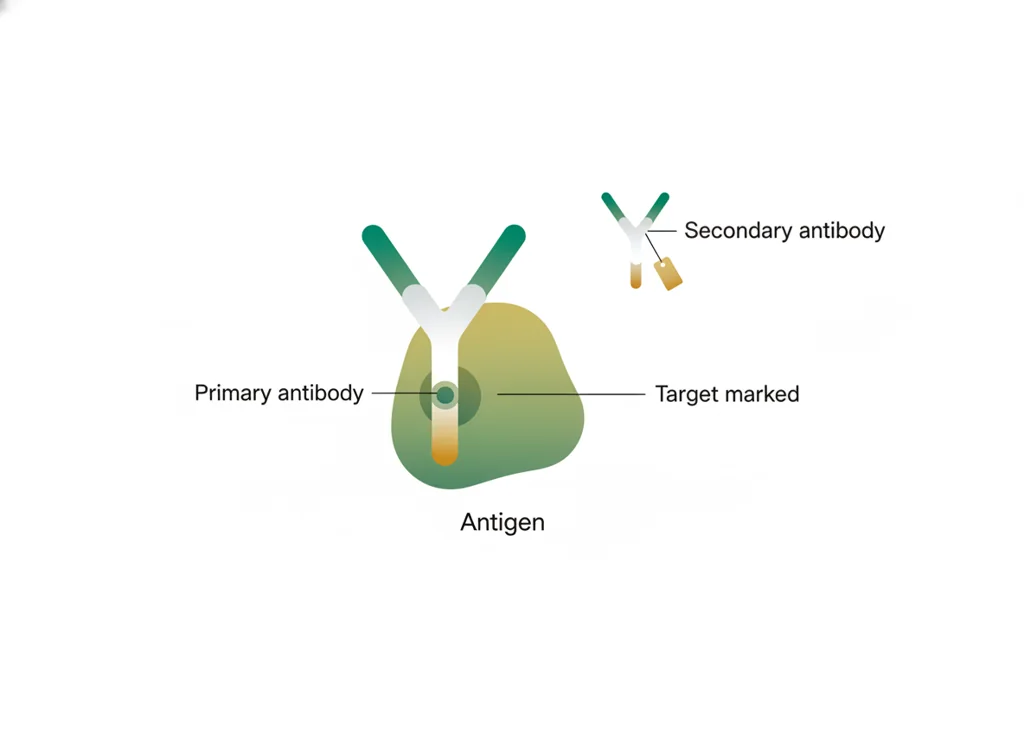
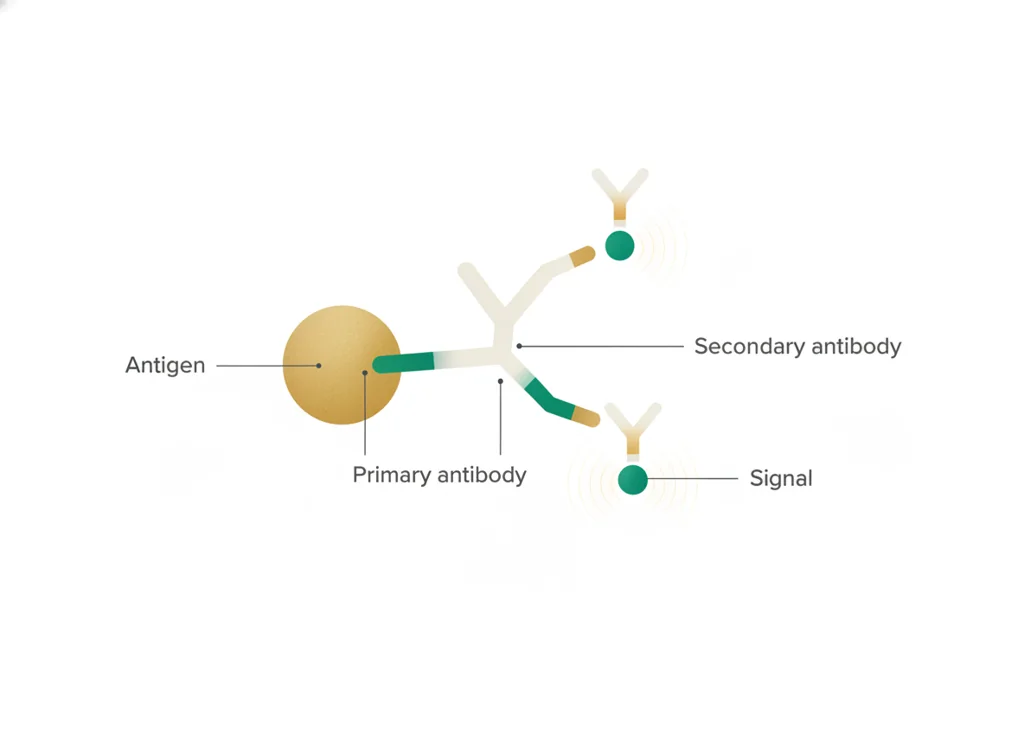
Run an , read qualitative and quantitative color results, and use positive and negative controls to judge validity.
- 1Set up your plate with your samples plus a and a well.
- 2Add , then , washing between steps as the protocol directs.
- 3Add and watch for color change, timing it the same for every well.
- 4Record each well as positive or negative (qualitative) and note color intensity (quantitative).
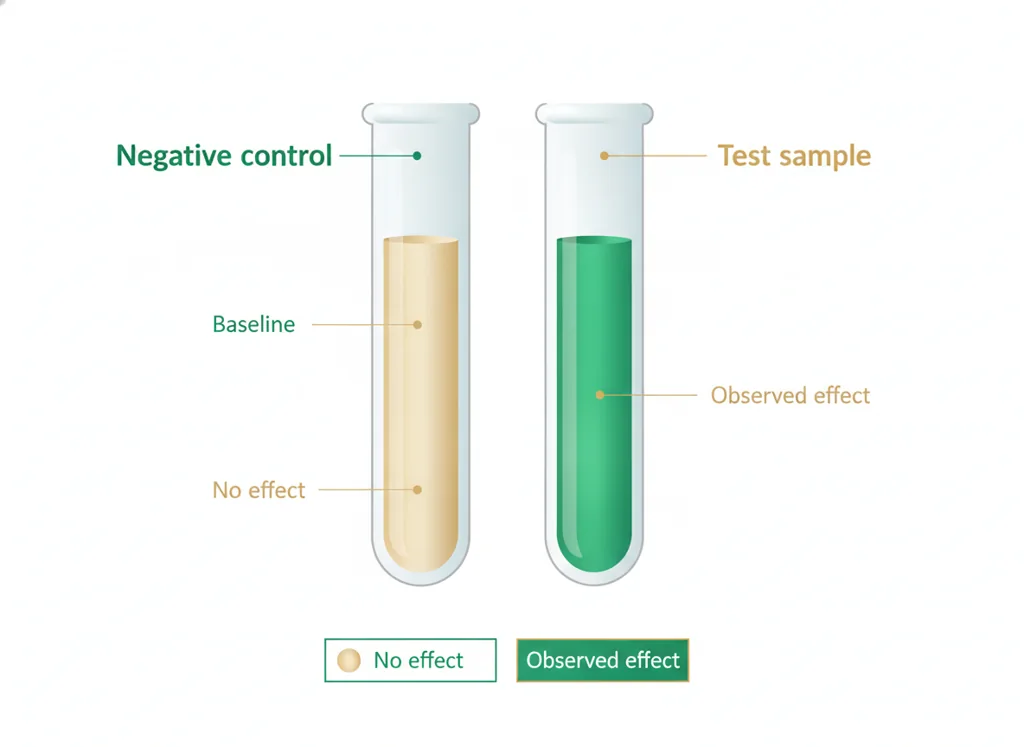
- 5Check that your turned color and your stayed clear before trusting results.
- 6Flag any well that could be a or and explain why.
- • You will be able to run an and read its color results.
- • You will be able to use controls to decide whether a run is valid.
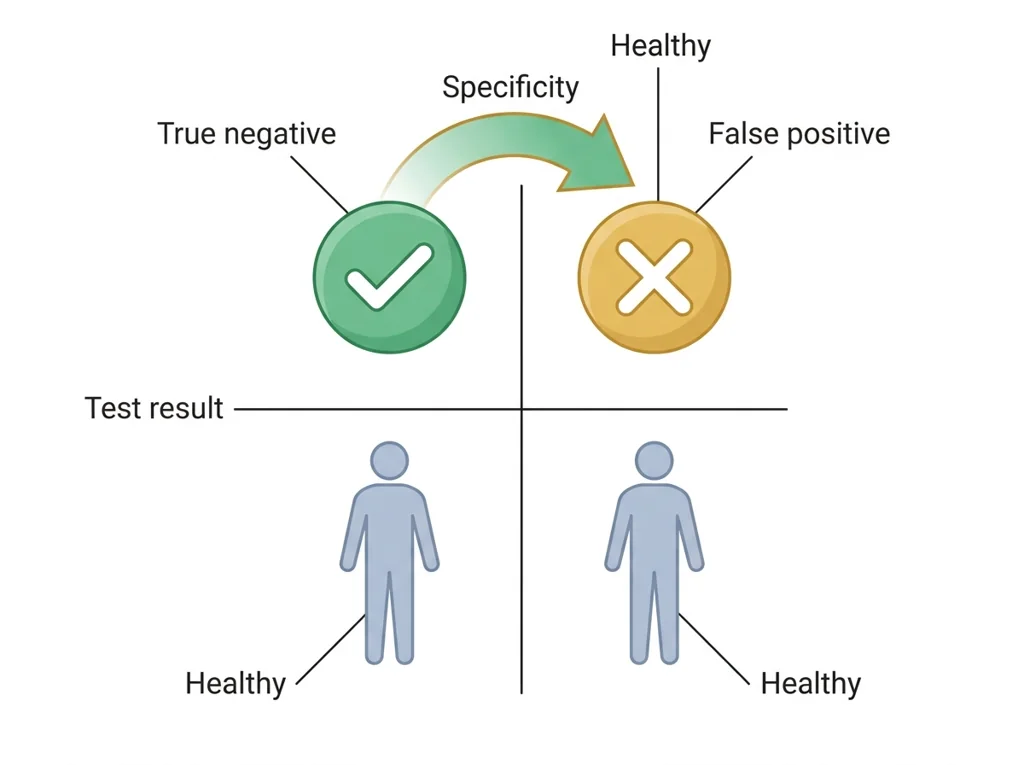
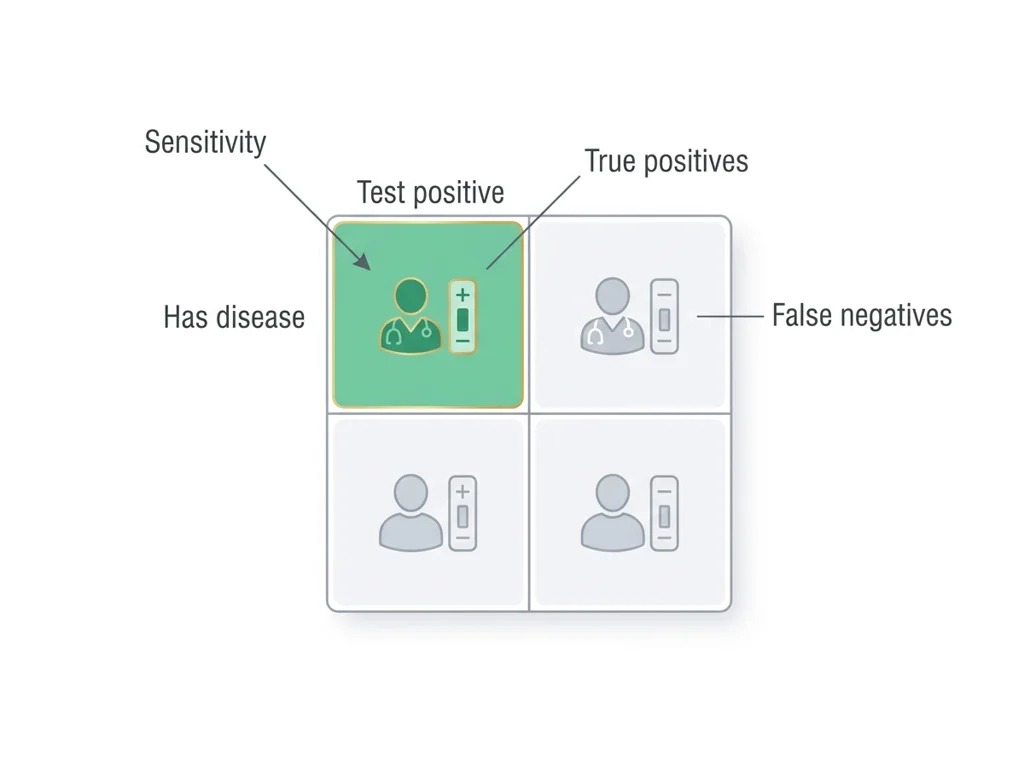
- • You will be able to explain and risk.
Open any day for its full lesson, the work due that day, and guided notes.
Full lab report: plate photo, , claim with control validation, reasoning paragraph, sensitivity/specificity discussion, and limitation sentence.
Written CER on stewardship: specific rule, evidence about resistance and patient need, reasoning, and rebuttal.
Today, the setup record: plate map, plate labels with your period and code, and a prediction for each disk. On Thursday, October 1, the finished : name, (mm), and the zones ranked by size (not a drug ranking); plus one sentence on what a larger zone means for the same drug and its .
Your worksheet: the side you argued, your three strongest arguments, the opposing point you had to answer, and where you actually stand now. Last page: your finished disk-diffusion , with each in millimeters and the zones ranked by size.
Numbered procedure, routes list, explanation of why plates are kept closed, rules for cultures and waste, and contamination prediction sketch.
- Hook: a single mislabeled or contaminated well can flip a patient's diagnosis, so controls matter.
- Today's goal: run the , read color, and let your controls tell you whether to trust the data.
- Connect to Monday's debate on test reliability: sensitivity and specificity are exactly today's stakes.
- Reminder: your color- and control analysis are graded in the PLTW course shell.
Do this: Advance the PLTW Unit 1 diagnostic-lab benchmark in the online course shell with your results and control check.
- • A should produce signal and a should not.
- • Sensitivity and specificity describe how well a test catches true cases and avoids false alarms.
- • Read results both qualitatively and quantitatively.
- • Use control wells to validate or reject a test run.
📋 PLTW tracker evidence due this week: color- with a written control validity check.
All PLTW activities are completed inside the PLTW course environment: this page only gives direction.
Use this chart to keep your place. Nothing on it is turned in through the portal.
| Day | Work | Turn in |
|---|---|---|
| Monday · Mon, Sep 28 | ELISA lab report submission | Full ELISA lab report: plate photo, data table, claim with control validation, reasoning paragraph, sensitivity/specificity discussion, and limitation sentence. |
| Tuesday · Tue, Sep 29 | Bioethics debate: antibiotic stewardship | Written CER on antibiotic stewardship: specific rule, evidence about resistance and patient need, reasoning, and rebuttal. |
| Wednesday · Wed, Sep 30 | Disk diffusion and MIC lab | Today, the setup record: plate map, plate labels with your period and code, and a prediction for each disk. On Thursday, October 1, the finished data table: antibiotic name, zone of inhibition (mm), and the zones ranked by size (not a drug ranking); plus one sentence on what a larger zone means for the same drug and its MIC. |
| Thursday · Thu, Oct 1 | JCU bioethics 2: Should we ban antibiotic use in livestock? | Your worksheet: the side you argued, your three strongest arguments, the opposing point you had to answer, and where you actually stand now. Last page: your finished disk-diffusion data table, with each zone of inhibition in millimeters and the zones ranked by size. |
| Friday · Fri, Oct 2 | Aseptic technique | Numbered aseptic technique procedure, contamination routes list, explanation of why plates are kept closed, safety rules for cultures and waste, and contamination prediction sketch. |
- M: debate + plate map
- T: lab setup
- W: data
- Th: analysis
- F: lab report submit
Turn in: Reading qualitative vs. quantitative color results; false positive/negative risk; control logic. weekly work due ELISA lab report with controls, diagnosis, limitations.
Go to Schoology to turn this in.
Submit one PDF. Schoology attaches your name to your upload; on the page itself, write your period and code. Name the file: FirstName LastName - Assignment Title - YYYY-MM-DD.pdf.
Open Schoology PDF upload helpIf you cannot get in, see Mr. Mendoza. Do not skip the work.
4 panels from the illustrated semester.
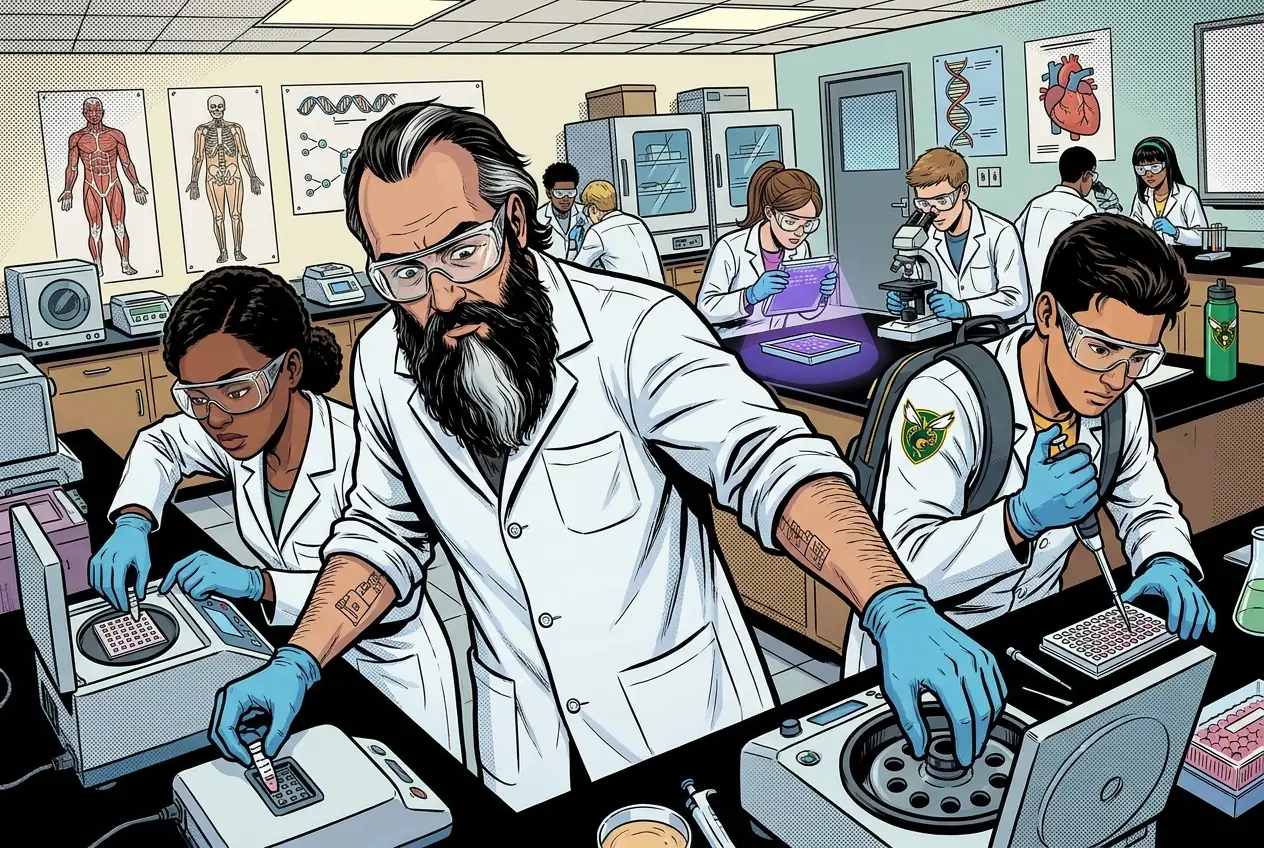
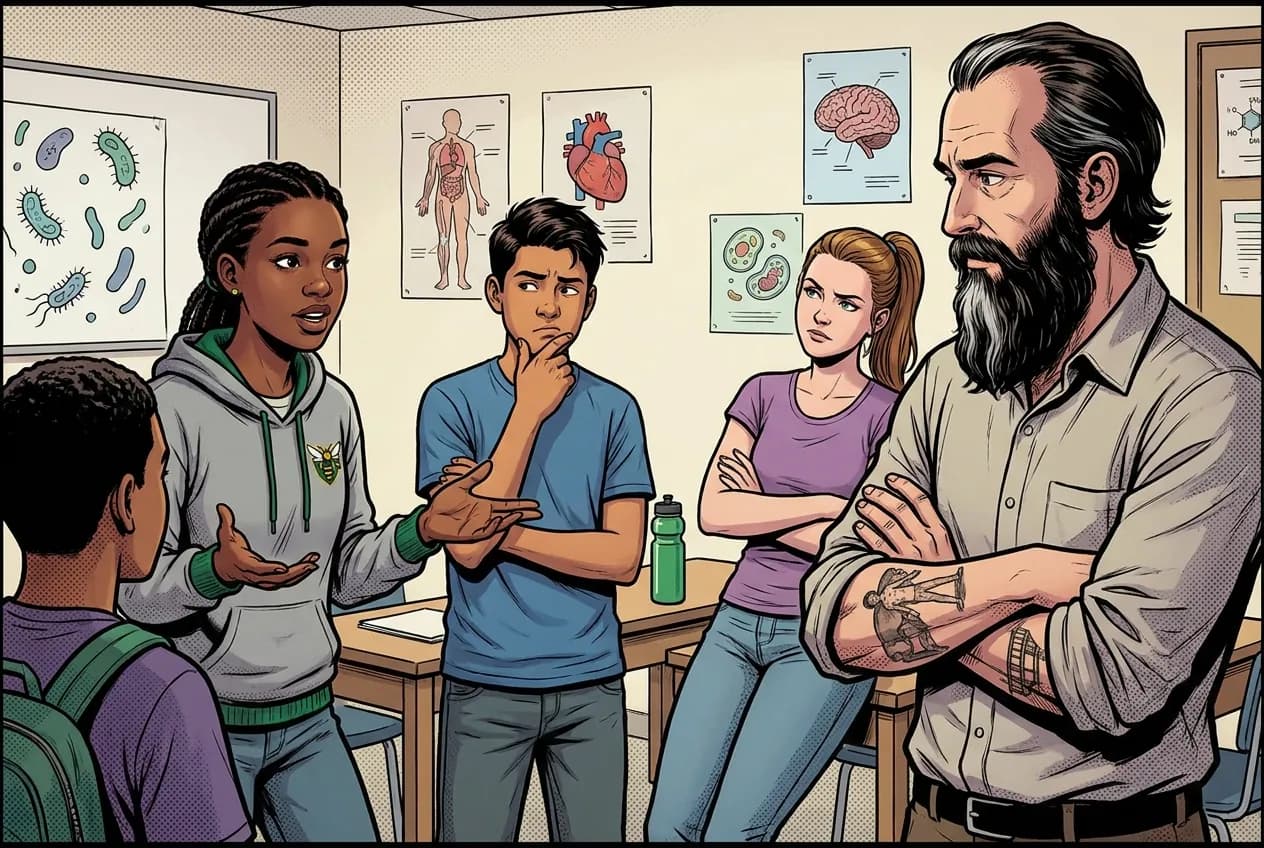

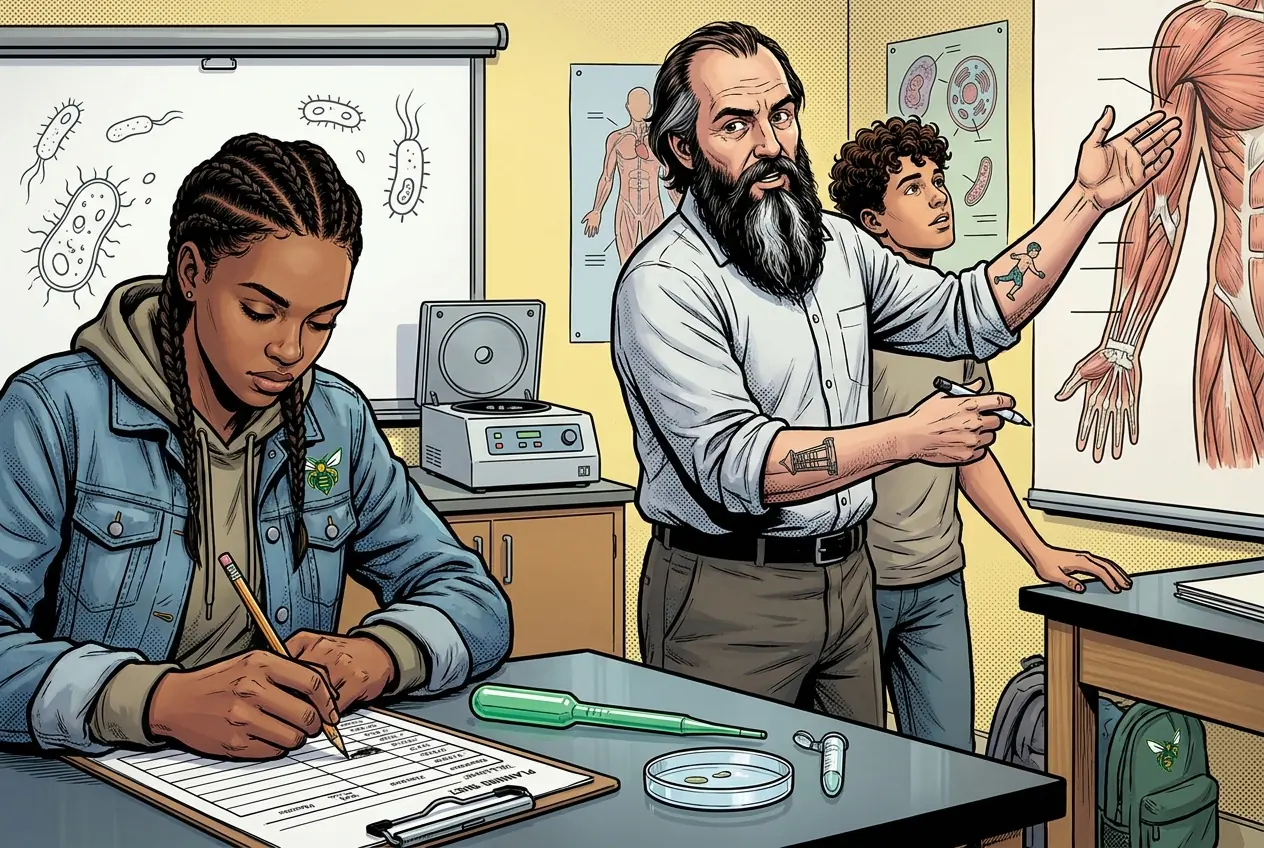
Fiction. There is no such student. The lessons, labs and dates are the real planned course; the student, the classmates and the conversations are invented.
This explainer accompanies the PLTW lab protocol: watch it before lab.
Most days, this class is your PLTW coursework: and PLTW is online and individual. So being out usually just means doing exactly what we did in class, from home.
Open Clever, then myPLTWSign in to Clever with your district Microsoft account to open Schoology or myPLTW. Follow today's posted steps. If myPLTW will not open, use the posted alternative and tell Mr. Mendoza. Turn in your completed work through the Schoology assignment.
You can't do those from home: do this instead: Virtual plus teacher color-data analysis.
Class still runs. A substitute will post today's plan: complete the online activity above; it's built to be self-guided. Need the concept taught without a teacher? Use this authoritative explainer:
HHMI BioInteractive (preview; use fallback if blocked)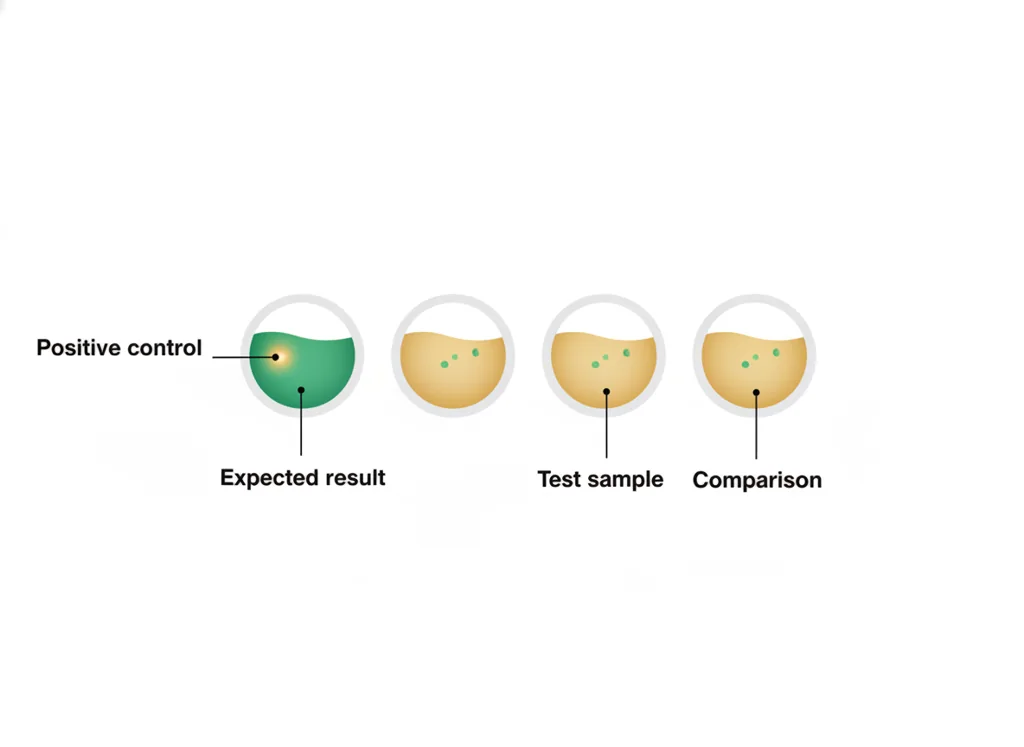
Classroom documents for this lesson are posted in Schoology. Open Clever, then Schoology, and find each one by the name shown on its card.
Open this when the class reaches this activity and use it to complete the required lesson artifact.
Use this if you were absent, got stuck, or need another pass before you submit the lesson artifact.
Open this when the class reaches this activity and use it to complete the required lesson artifact.
Sign in to Clever with your district Microsoft account to open Schoology or myPLTW. Follow today's posted steps. If myPLTW will not open, use the posted alternative and tell Mr. Mendoza. Turn in your completed work through the Schoology assignment.