
Aseptic technique, culturing, selection, resistance genes, and data reliability.
Your PLTW coursework: Medical Interventions ▸ Unit 1: How to Fight Infection ▸ Lesson 1.2 Antibiotic Treatment ▸ "Project 1.2.3 Attack of the Superbugs", "Activity 1.2.4 When Antibiotics Fail"
What to do if absent- CER:
- Claim, Evidence, Reasoning: make a claim, back it with evidence, explain your reasoning.
- SOP:
- Standard Operating Procedure, the exact steps to follow (especially in a lab).
- Tracker:
- Your PLTW progress log where you record completed evidence.
- myPLTW:
- The PLTW course site where you do the online activities. Find it in Clever with your Microsoft sign-in, right next to Schoology.
Use to bacteria and analyze a superbug to evaluate how resistance is selected.
- 1Review steps and identify two ways could ruin your plate.
- 2Streak or inoculate your (or run the simulation) using clean, moves.
- 3Label your plate with date, sample, and your initials before .
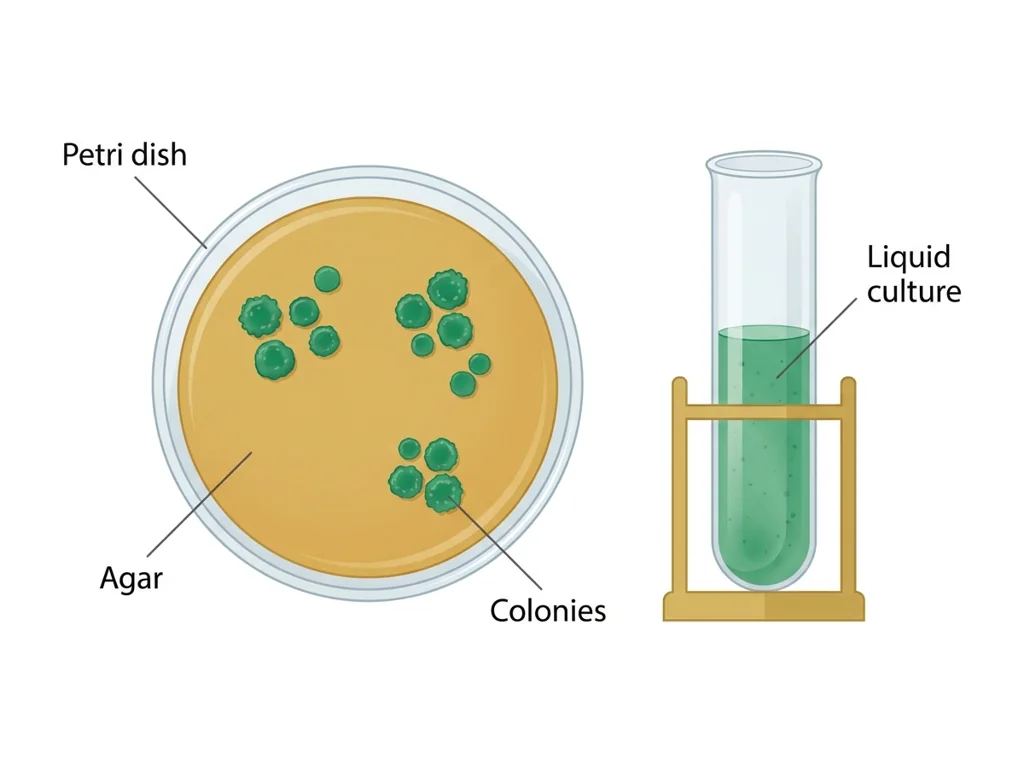
- 4Open the superbug and find which colonies survived after exposure.
- 5Identify evidence of or in the dataset.
- 6Write one sentence judging whether the data are reliable and what could improve them.
- • You will be able to apply when culturing bacteria.
- • You will be able to read a resistance dataset for evidence of selection.
- • You will be able to evaluate the reliability of data.
Open any day for its full lesson, the work due that day, and guided notes.
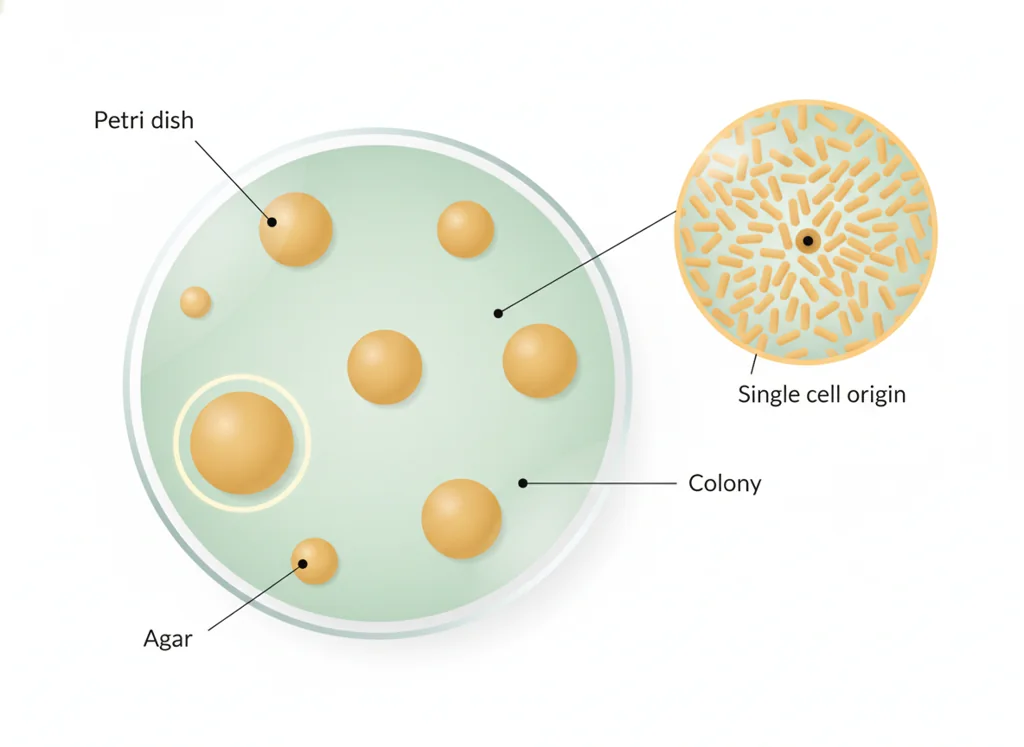
Today, the setup record: streak-pattern sketch, plate label with your period and code, and your predictions. On Tuesday, October 6, the finished (colony count, size estimate, color, shape, edge type for target colonies; separate tally for colonies) goes inside that day's notebook PDF.
Your finished (count, size, color, shape, edge, and a separate tally), then the notebook entry: HGT mechanism definitions, conjugation diagram with labeled parts, multi-resistance explanation, colony-data application scenario, and linking sentence connecting culturing to resistance to stewardship.
One CER (claim, two evidences, reasoning) on cochlear implant ethics plus a three-sentence reflection.
Labeled with both ears plotted, the speech banana marked, the pure-tone average for each ear, and a one-sentence severity classification with its evidence.
- Hook: a single careless touch can contaminate a plate, just like one careless habit can breed a superbug.
- Today's goal: bacteria cleanly and read a superbug table for how resistance gets selected.
- Tie-in to Monday's stewardship debate: selection pressure is why overusing antibiotics backfires.
- Reminder: your checklist and data analysis are graded in the PLTW course shell.
Do this: Advance the PLTW Unit 1 culturing-and-resistance benchmark in the online course shell with your superbug data analysis.
- • keeps cultures free of contaminating organisms.
- • Selection pressure lets resistant colonies outgrow susceptible ones.
- • bacteria using .
- • Identify and in a resistance dataset.
📋 PLTW tracker evidence due this week: checklist and a superbug data reliability analysis.
All PLTW activities are completed inside the PLTW course environment: this page only gives direction.
Use this chart to keep your place. Nothing on it is turned in through the portal.
| Day | Work | Turn in |
|---|---|---|
| Monday · Mon, Oct 5 | Culturing and colony data lab | Today, the setup record: streak-pattern sketch, plate label with your period and code, and your predictions. On Tuesday, October 6, the finished colony data table (colony count, size estimate, color, shape, edge type for target colonies; separate tally for contamination colonies) goes inside that day's notebook PDF. |
| Tuesday · Tue, Oct 6 | Mutation, HGT, and superbugs | Your finished colony data table (count, size, color, shape, edge, and a separate contamination tally), then the notebook entry: HGT mechanism definitions, conjugation diagram with labeled parts, multi-resistance explanation, colony-data application scenario, and linking sentence connecting culturing to resistance to stewardship. |
| Wednesday · Wed, Oct 7 | Cochlear implant debate | One CER (claim, two evidences, reasoning) on cochlear implant ethics plus a three-sentence reflection. |
| Thursday · Thu, Oct 8 | Audiogram interpretation | Labeled audiogram with both ears plotted, the speech banana marked, the pure-tone average for each ear, and a one-sentence severity classification with its evidence. |
- M: debate + checklist
- T: plan
- W: data / image analysis
- Th: superbug claim
Turn in: Aseptic technique, culturing, selection, resistance genes, and data reliability. weekly work due Superbug lab data table or image-analysis packet.
Go to Schoology to turn this in.
Submit one PDF. Schoology attaches your name to your upload; on the page itself, write your period and code. Name the file: FirstName LastName - Assignment Title - YYYY-MM-DD.pdf.
Open Schoology PDF upload helpIf you cannot get in, see Mr. Mendoza. Do not skip the work.
4 panels from the illustrated semester.
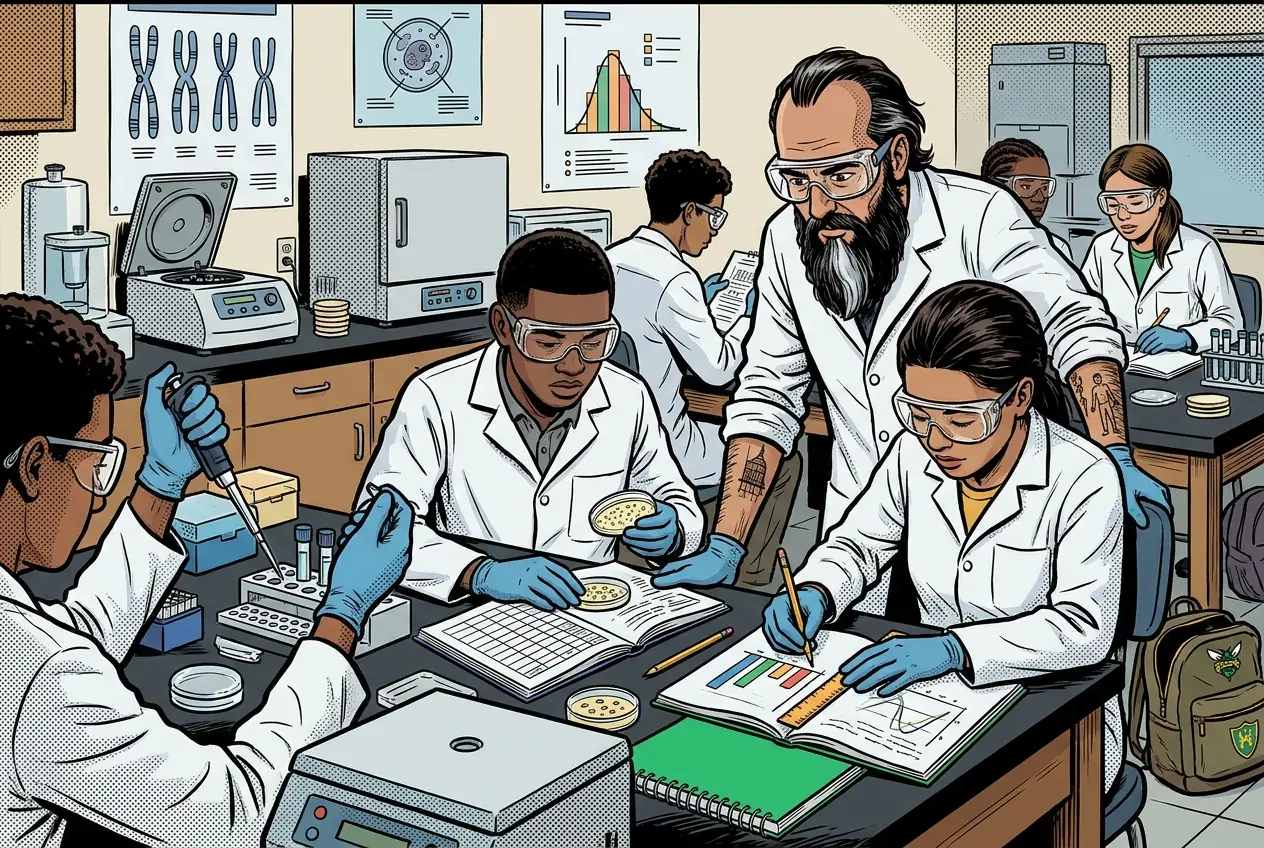
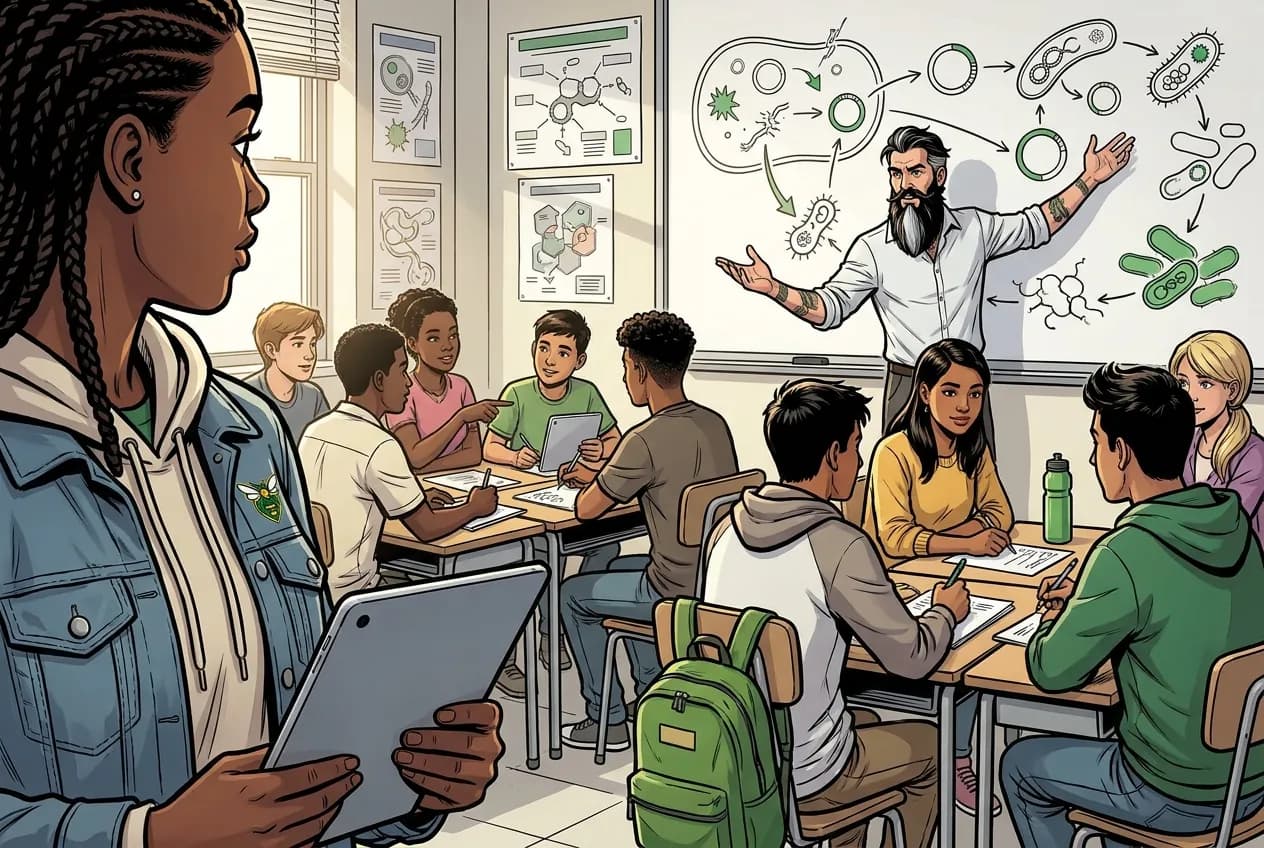
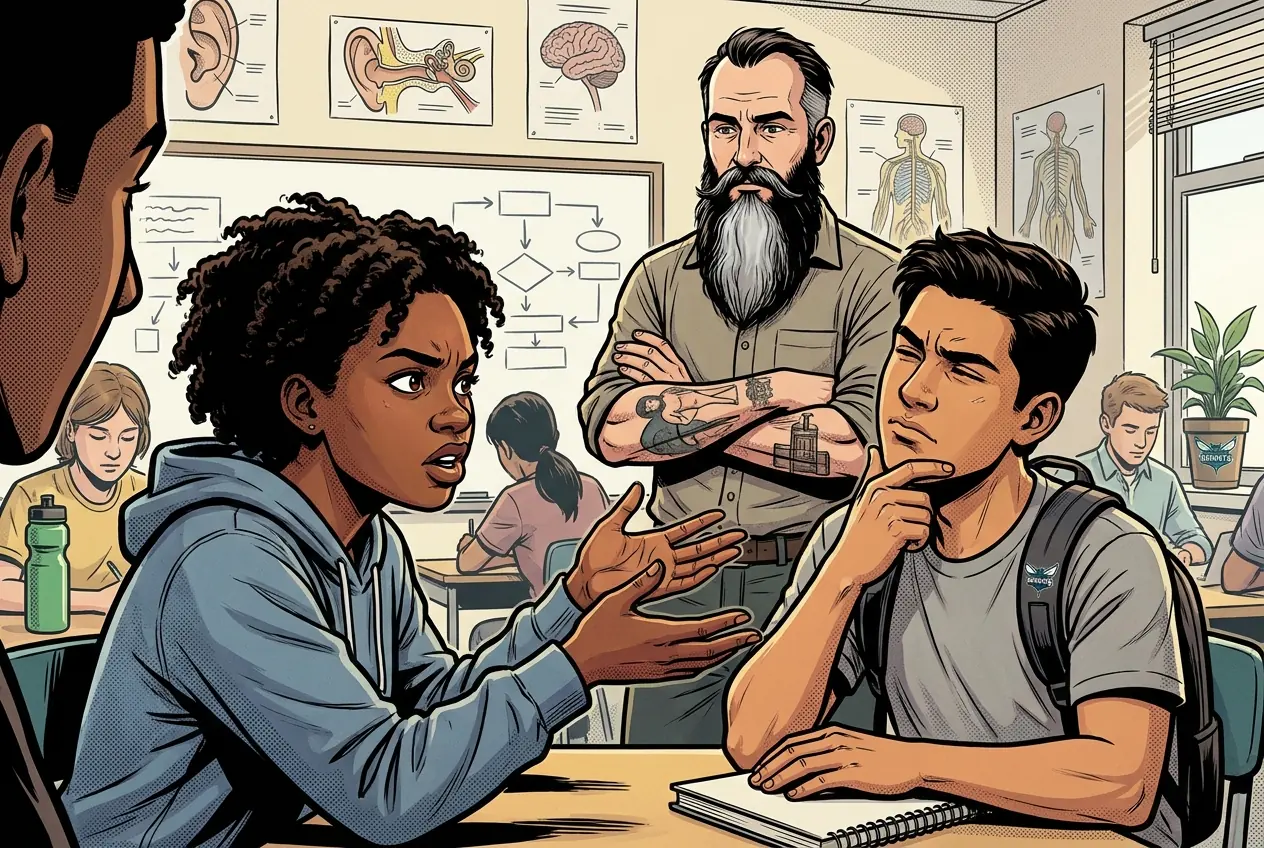
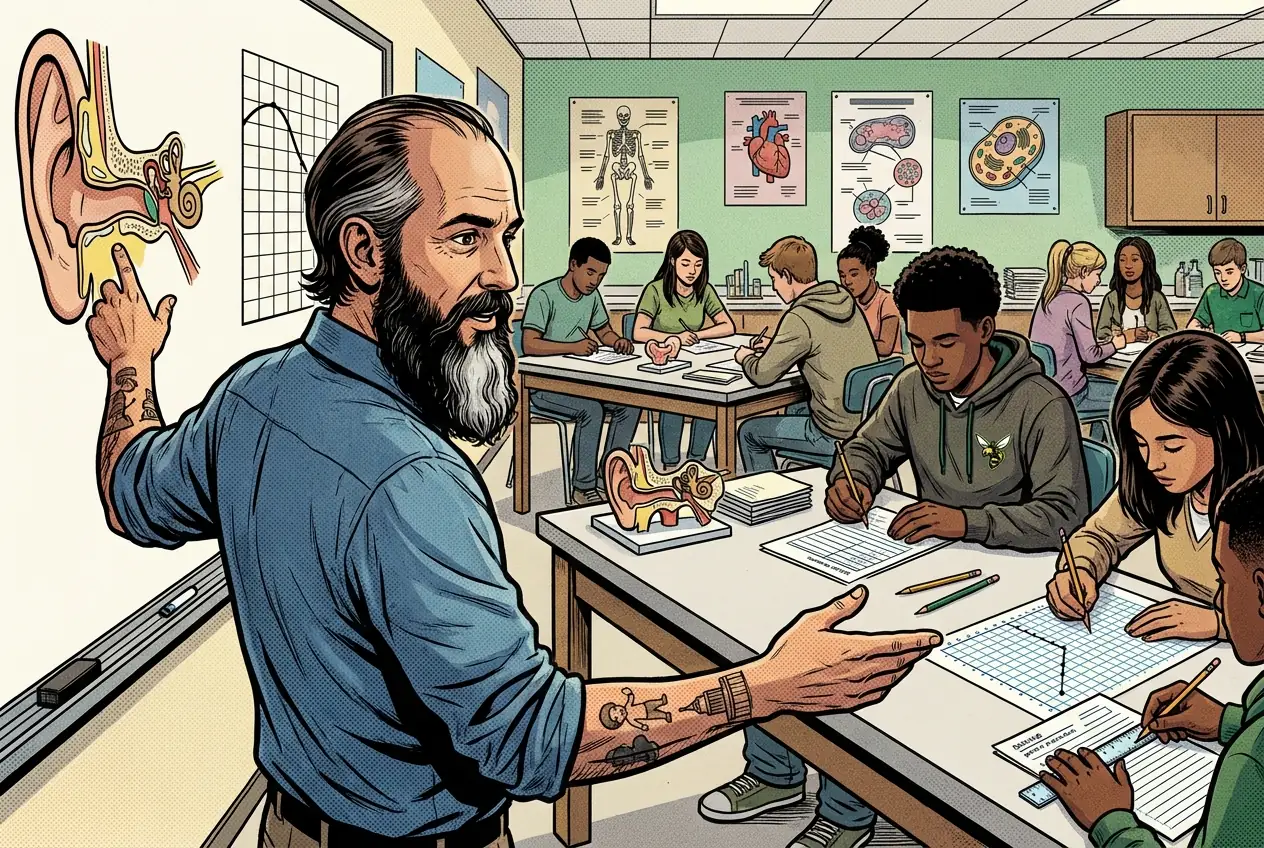
Fiction. There is no such student. The lessons, labs and dates are the real planned course; the student, the classmates and the conversations are invented.
This explainer accompanies the PLTW lab protocol: watch it before lab.
Most days, this class is your PLTW coursework: and PLTW is online and individual. So being out usually just means doing exactly what we did in class, from home.
Open Clever, then myPLTWSign in to Clever with your district Microsoft account to open Schoology or myPLTW. Follow today's posted steps. If myPLTW will not open, use the posted alternative and tell Mr. Mendoza. Turn in your completed work through the Schoology assignment.
You can't do those from home: do this instead: Virtual resistance case dataset.
Class still runs. A substitute will post today's plan: complete the online activity above; it's built to be self-guided. Need the concept taught without a teacher? Use this authoritative explainer:
CDC Antibiotic Resistance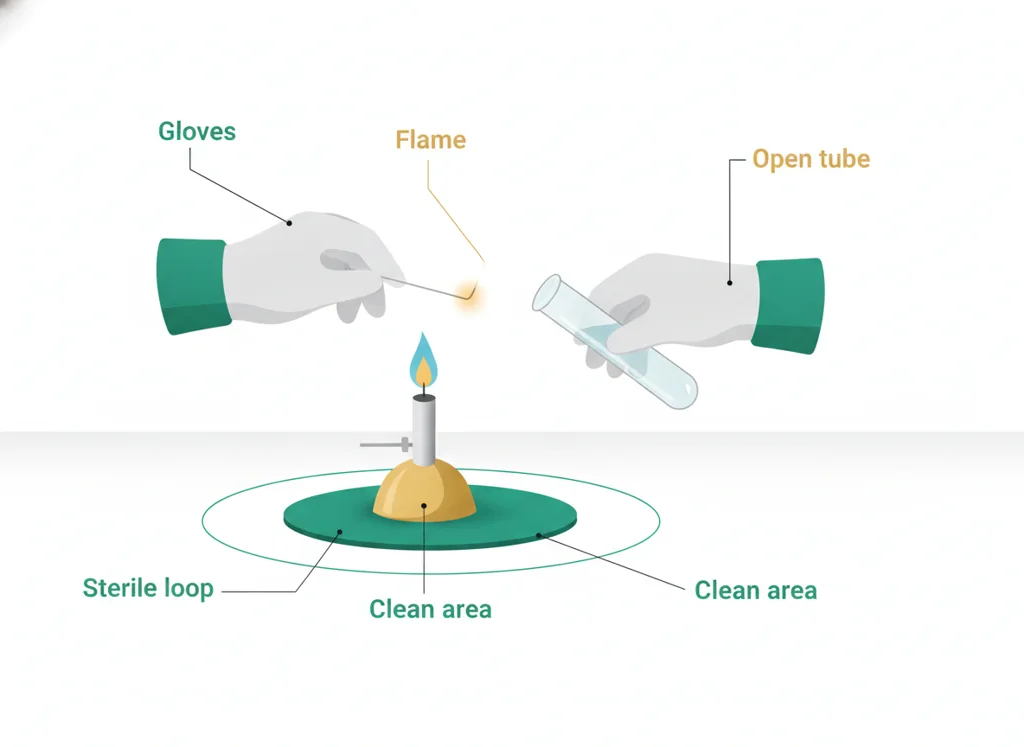
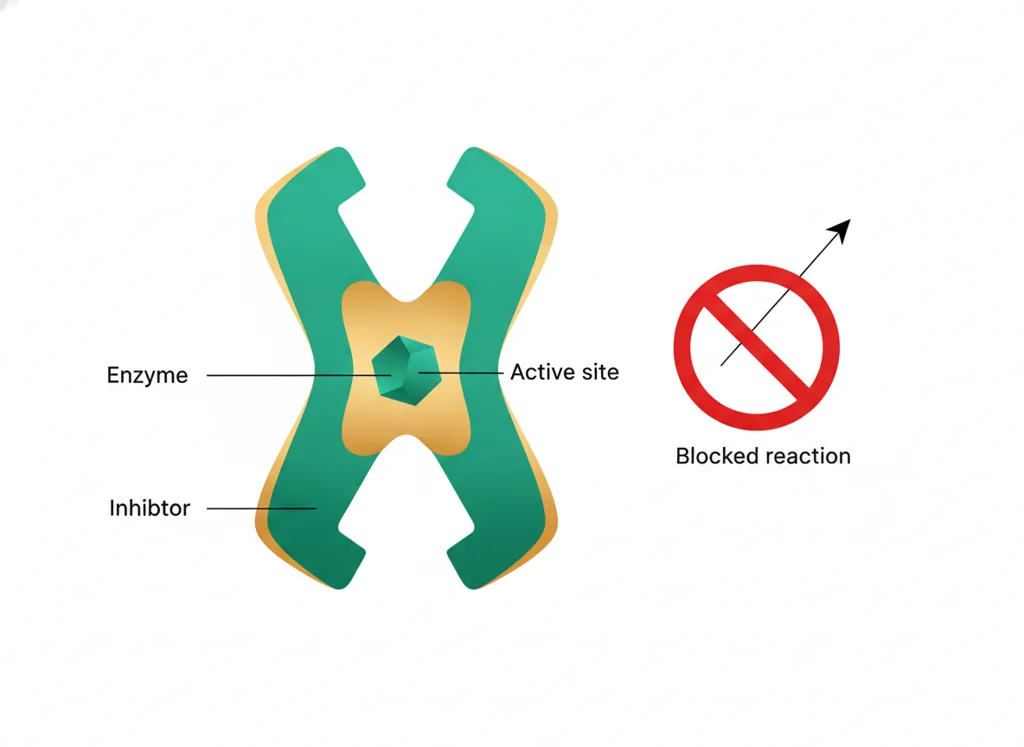
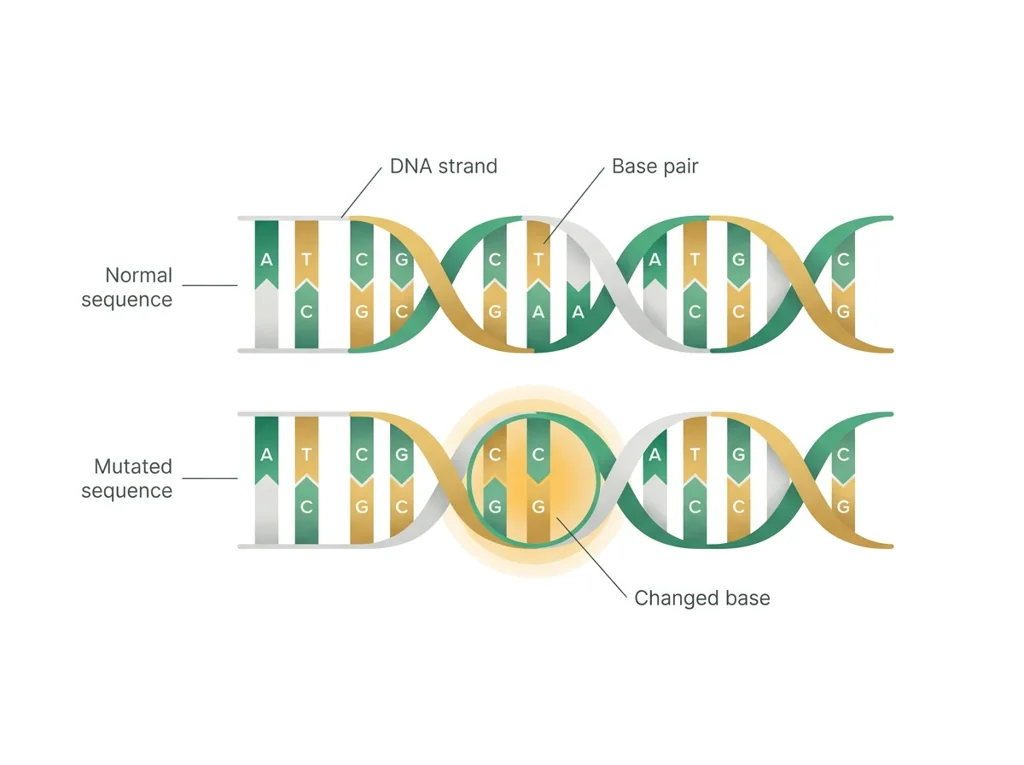
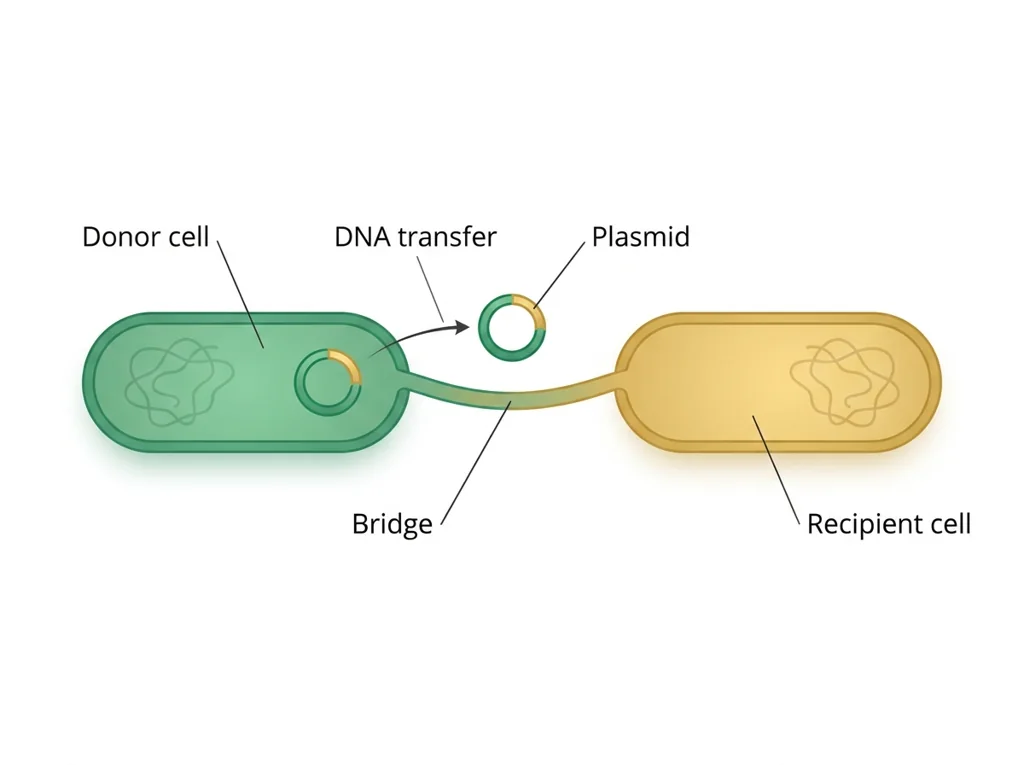
Classroom documents for this lesson are posted in Schoology. Open Clever, then Schoology, and find each one by the name shown on its card.
Use this if you were absent, got stuck, or need another pass before you submit the lesson artifact.
Open this when the class reaches this activity and use it to complete the required lesson artifact.
Sign in to Clever with your district Microsoft account to open Schoology or myPLTW. Follow today's posted steps. If myPLTW will not open, use the posted alternative and tell Mr. Mendoza. Turn in your completed work through the Schoology assignment.