

Unit 3.2 Emergency Response: Patient assessment, stabilization, triage, bleeding control, drug delivery/metabolism, communication.
Your PLTW coursework: Principles of Biomedical Science ▸ Unit 3: Outbreaks and Emergencies ▸ Lesson 3.2 Emergency Response ▸ "Activity 3.2.1 Survey and Assess", "Activity 3.2.4 Crisis Communication"
What to do if absent- CER:
- Claim, Evidence, Reasoning: make a claim, back it with evidence, explain your reasoning.
- SOP:
- Standard Operating Procedure, the exact steps to follow (especially in a lab).
- Tracker:
- Your PLTW progress log where you record completed evidence.
- myPLTW:
- The PLTW course site where you do the online activities. Find it in Clever with your Microsoft sign-in, right next to Schoology.
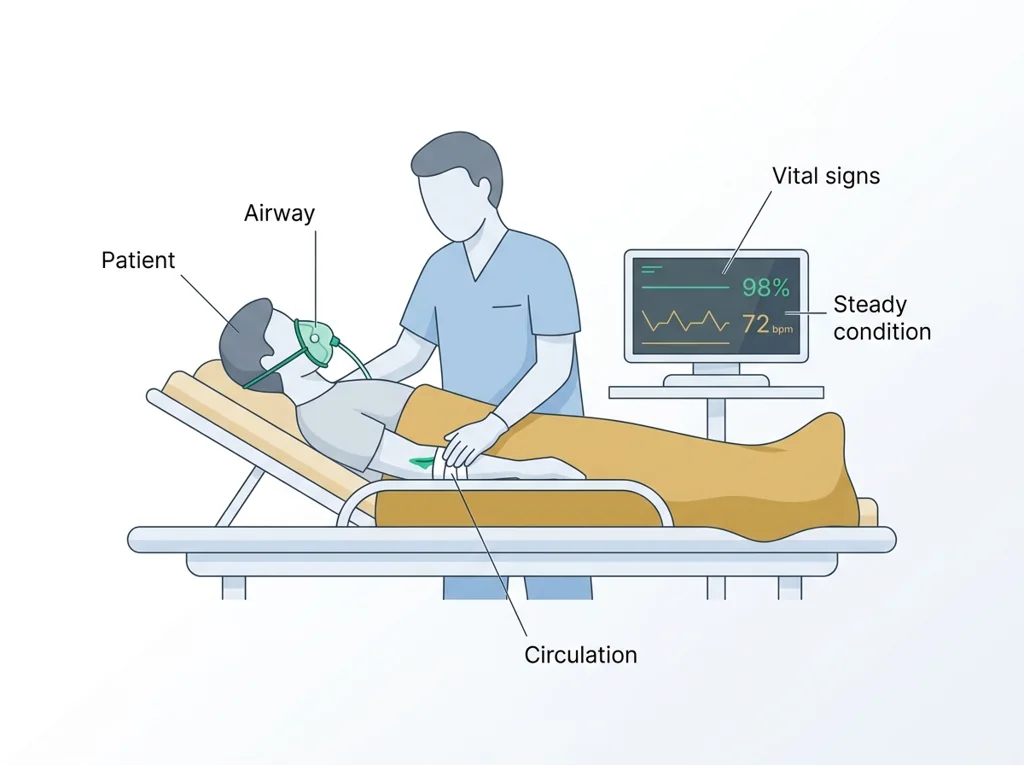
Assess a simulated patient, apply , control , and explain how a drug dose moves through , following a response protocol.
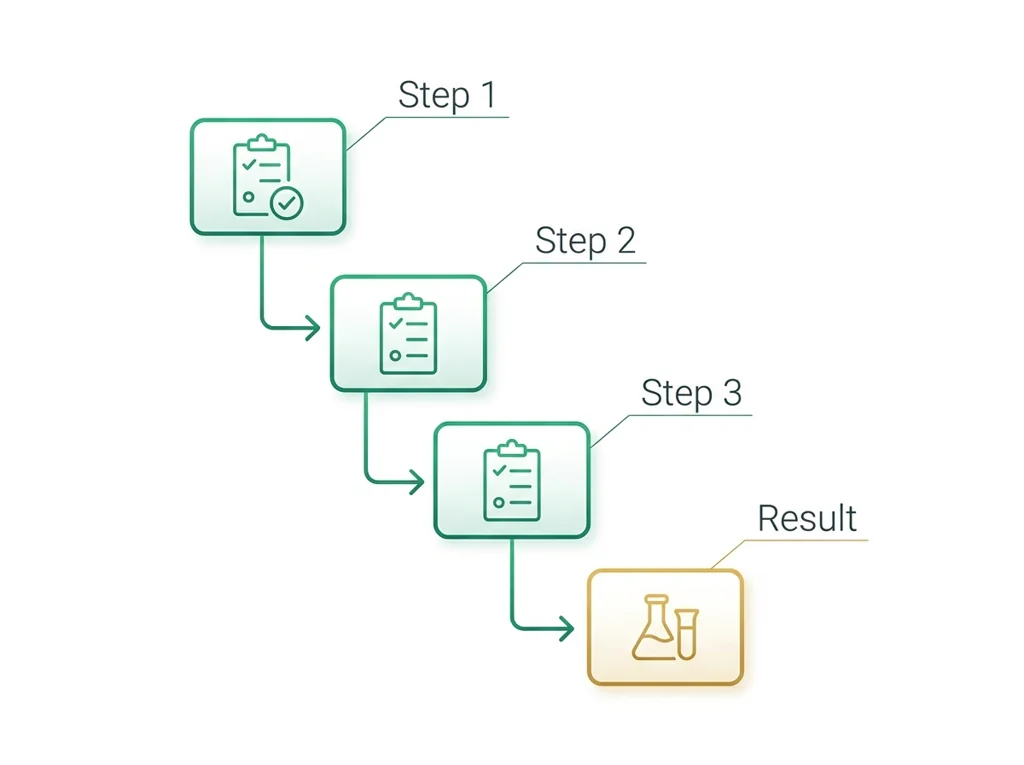
- 1Define , , and , then give one example of each in an emergency.
- 2Run the patient assessment for your simulated case and record the key findings.
- 3Assign a level and justify it using the protocol's priority rules.
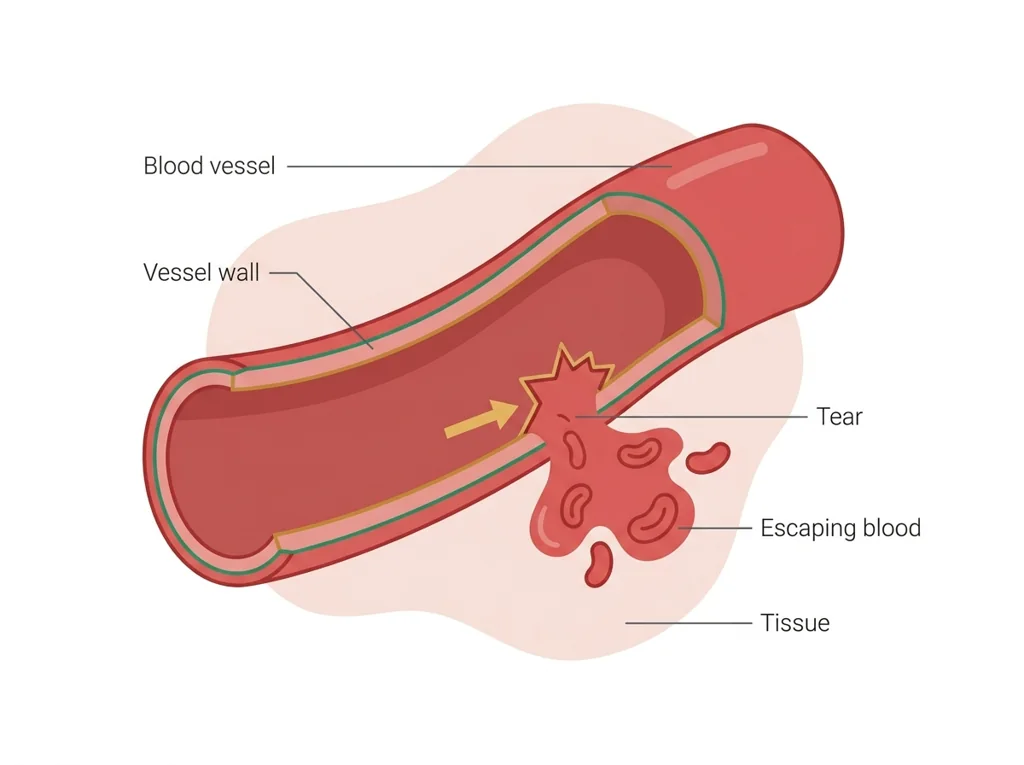
- 4Describe the steps you would take to control bleeding and stabilize the patient.
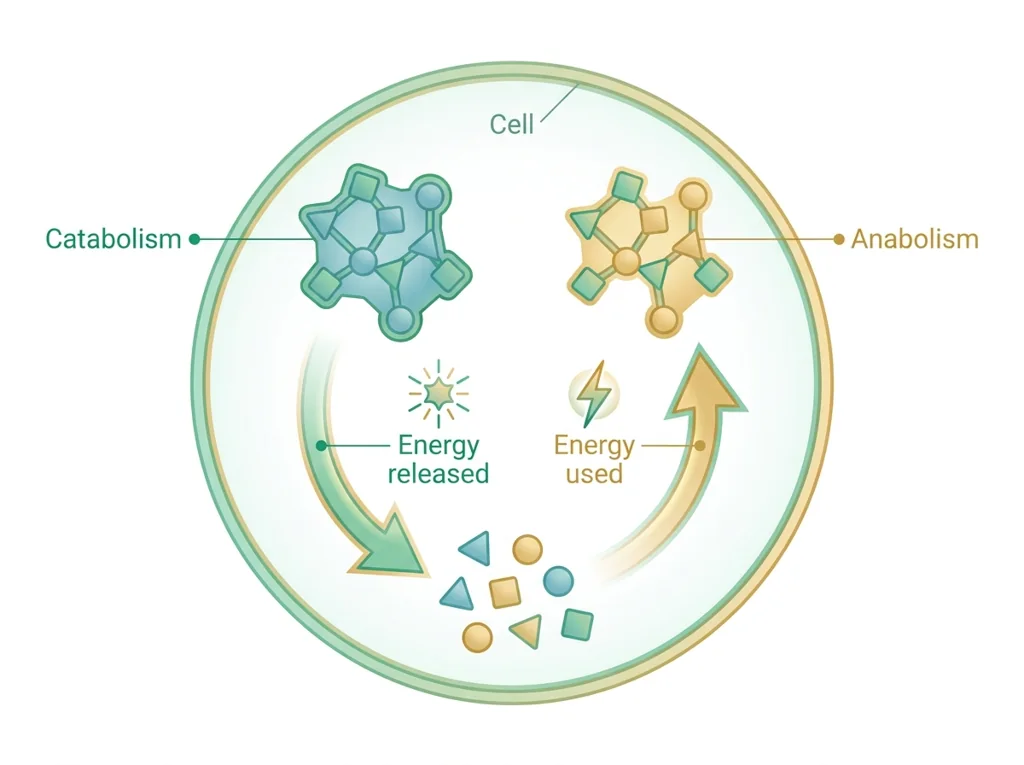
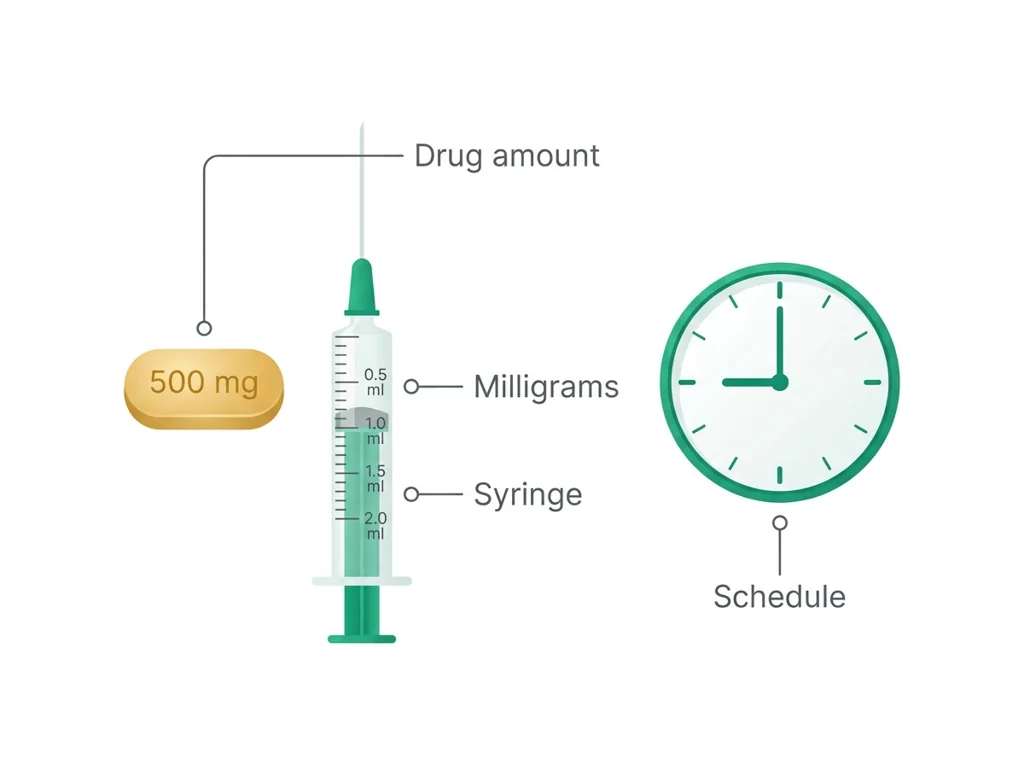
- 5Trace how a given drug dose is delivered and then changed by in the body.
- 6Write a short handoff that communicates the patient's status to the next responder.
- • You will be able to assess a patient and assign a level using a protocol.
- • You will be able to describe and bleeding-control steps in order.
- • You will be able to explain how dose and affect a drug's effect.
Open any day for its full lesson, the work due that day, and guided notes.
CER evaluating the simulation order, citing decision-log evidence, connecting decisions to outcomes, recommending one protocol improvement, and stating simulation limitations.
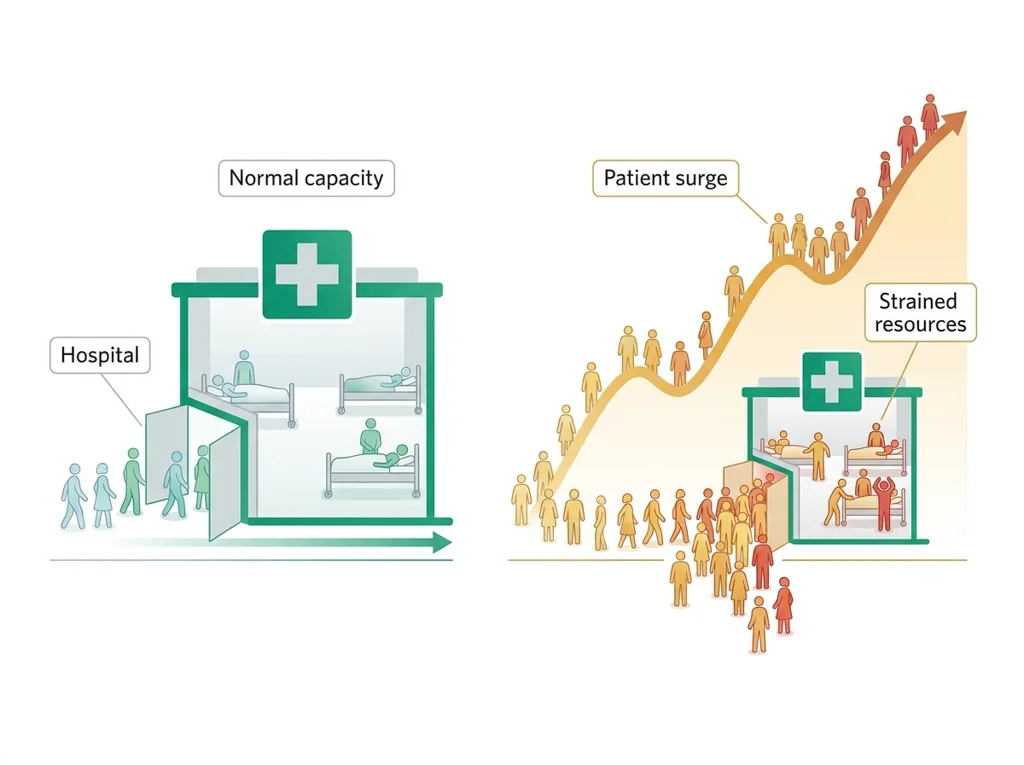
One sentence recording the strongest opposing argument heard during the surge resource debate.
Annotated notes listing three usability principles with health-app examples, a sketch connecting user needs to a feature list, and one trust-building communication strategy.
Team deliverable: two user personas, a prioritized feature list, a low-fidelity wireframe of two screens, and a written usability check plan with one stated limitation.
- Hook: in an emergency, seconds and a clear protocol decide who gets help first and who is stabilized.
- Today's goal: move calmly through assessment, , and the way a response team does.
- Monday bioethics debate ties in: is it fair that sends the most-injured patient to the back of the line?
- Reminder: your graded decision and handoff communication are submitted on the class site.
Do this: Advance your PLTW PBS emergency-response benchmark by completing the and simulation report in the online course shell.
- • sorts patients by urgency so limited resources reach the right people first.
- • keeps a patient alive and steady until definitive care is available.
- • Dose and together determine how strongly and how long a drug acts.
- • Assign a level using a written protocol.
- • Communicate a clear patient handoff to the next responder.
📋 PLTW evidence due: the completed decision and simulation report in the course shell.
All PLTW activities are completed inside the PLTW course environment: this page only gives direction.
Use this chart to keep your place. Nothing on it is turned in through the portal.
| Day | Work | Turn in |
|---|---|---|
| Monday · Mon, Dec 7 | Response analysis CER | CER evaluating the simulation triage order, citing decision-log evidence, connecting decisions to outcomes, recommending one protocol improvement, and stating simulation limitations. |
| Tuesday · Tue, Dec 8 | Surge resource debate | One sentence recording the strongest opposing argument heard during the surge resource debate. |
| Wednesday · Wed, Dec 9 | Evidence for | |
| Thursday · Thu, Dec 10 | Surge and usability notes | Annotated notes listing three usability principles with health-app examples, a sketch connecting user needs to a feature list, and one trust-building communication strategy. |
| Friday · Fri, Dec 11 | Public-health design project | Team deliverable: two user personas, a prioritized feature list, a low-fidelity wireframe of two screens, and a written usability check plan with one stated limitation. |
- M: Philosophy for Kids / John Carroll bioethical debate
- T: teacher background notes + PLTW launch task
- Th: analysis / CER or design revision
- F: submit tracker + weekly evidence
Turn in: Unit 3.2 Emergency Response: Patient assessment, stabilization, triage, bleeding control, drug delivery/metabolism, communication. weekly work due Triage/stabilization protocol.
Go to Schoology to turn this in.
Submit one PDF. Schoology attaches your name to your upload; on the page itself, write your period and code. Name the file: FirstName LastName - Assignment Title - YYYY-MM-DD.pdf.
Open Schoology PDF upload helpIf you cannot get in, see Mr. Mendoza. Do not skip the work.
4 panels from the illustrated semester.

Fiction. There is no such student. The lessons, labs and dates are the real planned course; the student, the classmates and the conversations are invented.
Most days, this class is your PLTW coursework: and PLTW is online and individual. So being out usually just means doing exactly what we did in class, from home.
Open Clever, then myPLTWSign in to Clever with your district Microsoft account to open Schoology or myPLTW. Follow today's posted steps. If myPLTW will not open, use the posted alternative and tell Mr. Mendoza. Turn in your completed work through the Schoology assignment.
You can't do those from home: do this instead: Teacher-posted data/model packet, same objective. Supplemental: Khan: pharmacology basics if teacher-selected; FEMA/CDC emergency preparedness references.
Class still runs. A substitute will post today's plan: complete the online activity above; it's built to be self-guided. Need the concept taught without a teacher? Use this authoritative explainer:
Ready.gov: know what to do in an emergency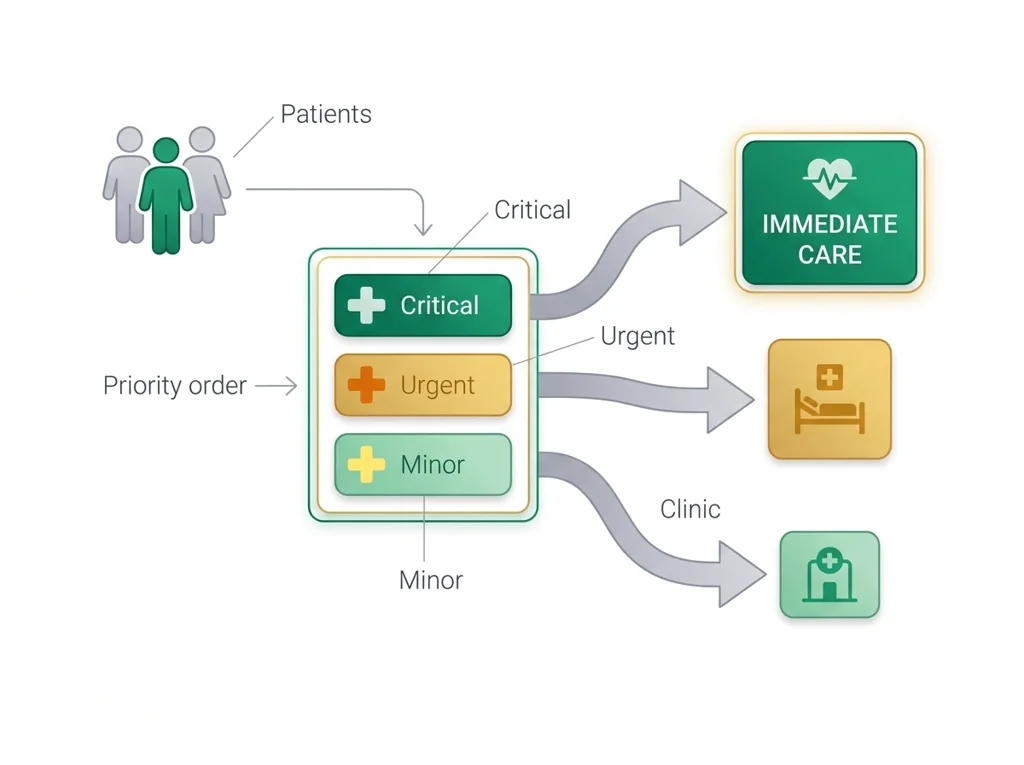
Hand-picked readings and interactives for this lesson, from authoritative open organizations and PLTW's own public course outline.