

Unit 3.1 Outbreak Evidence: Line lists, maps, epidemic curves, infectious-agent identification lab or simulation.
Your PLTW coursework: Principles of Biomedical Science ▸ Unit 3: Outbreaks and Emergencies ▸ Lesson 3.1 Nosocomial Nightmare ▸ "Activity 3.1.5 Isolation", "Activity 3.1.6 Gram Staining"
What to do if absent- CER:
- Claim, Evidence, Reasoning: make a claim, back it with evidence, explain your reasoning.
- SOP:
- Standard Operating Procedure, the exact steps to follow (especially in a lab).
- Tracker:
- Your PLTW progress log where you record completed evidence.
- myPLTW:
- The PLTW course site where you do the online activities. Find it in Clever with your Microsoft sign-in, right next to Schoology.
Week overview - Outbreak Evidence: line lists, epidemic curves, and identifying the agent
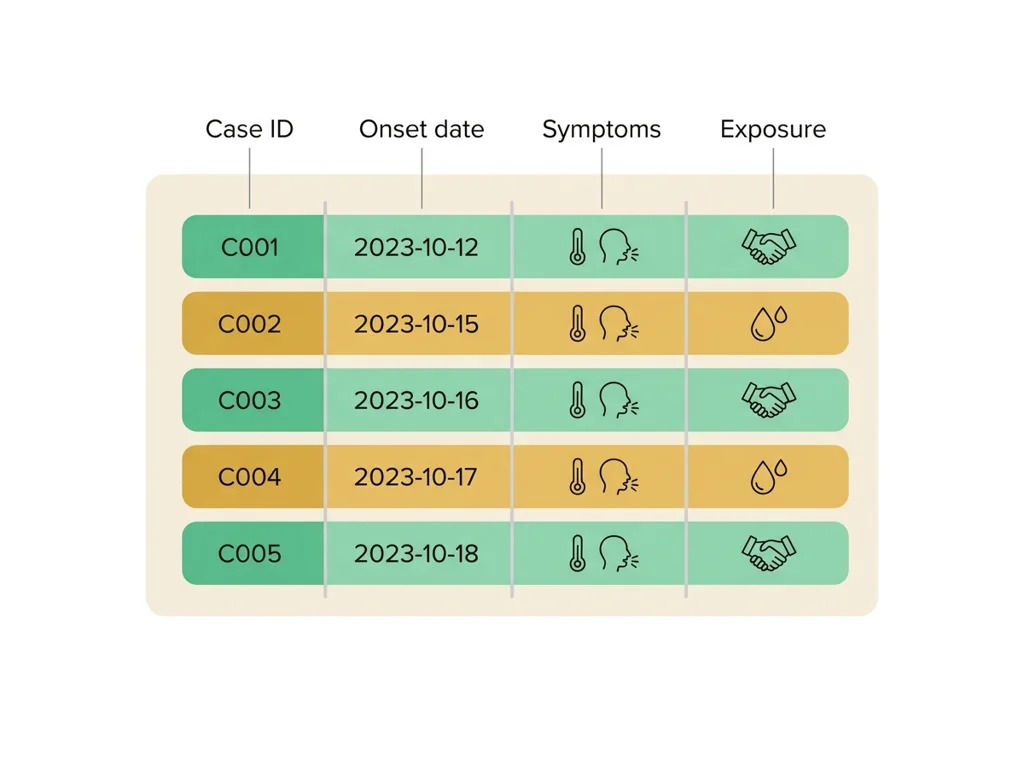
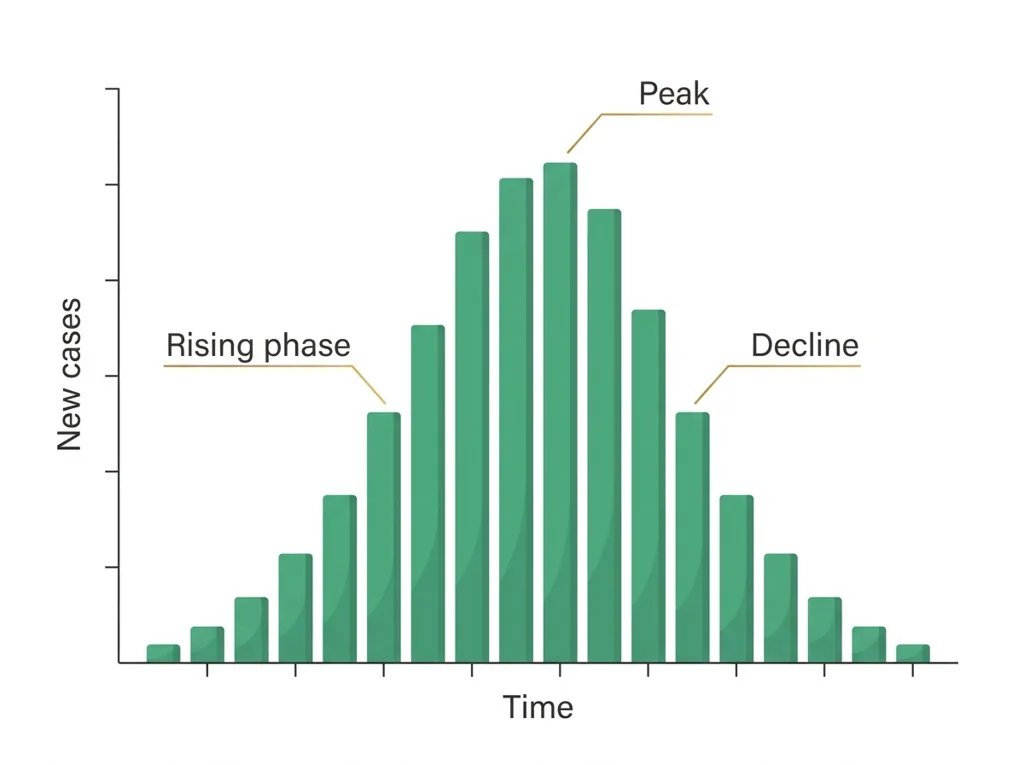
Build an from a and use case data and a lab simulation to identify the of an outbreak.
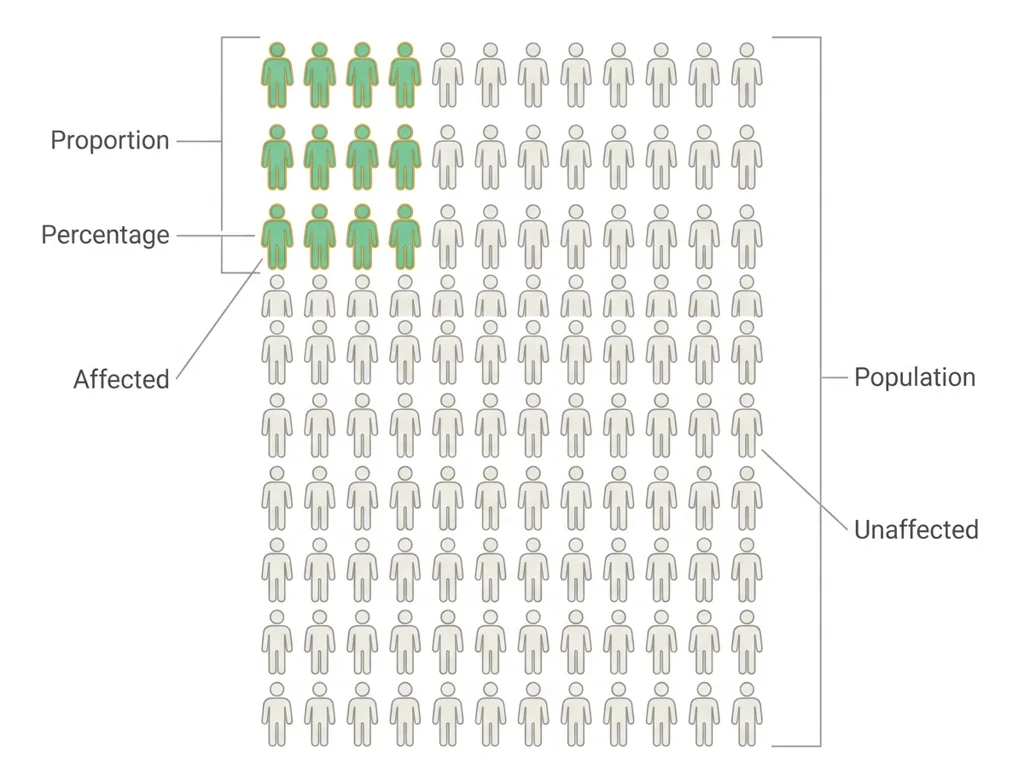
- 1Read the and define incidence, prevalence, and period from the data.
- 2Sort the cases by date of onset and tally how many fell ill each day.
- 3Plot the daily case counts to build an and describe its shape.
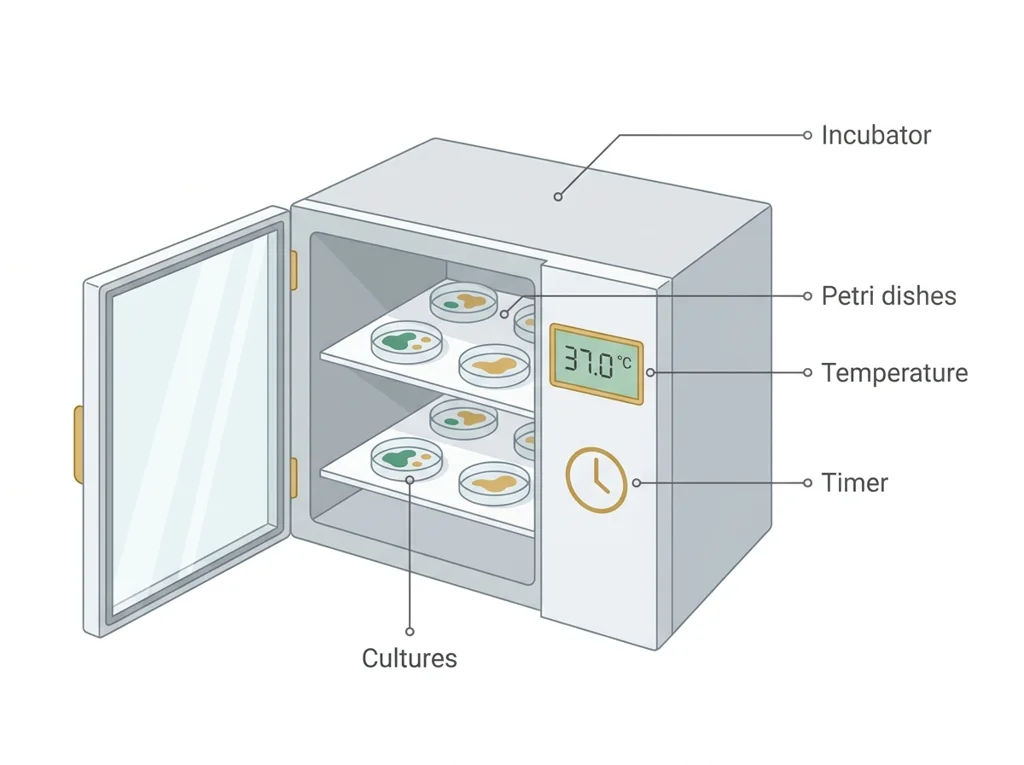
- 4Run the agent-identification simulation or lab and record your test results carefully.
- 5Match the pattern and lab results to a single most-likely .
- 6Write one sentence naming the agent and the strongest evidence that points to it.
- • You will be able to read a and build an from it.
- • You will be able to use and lab evidence to identify a .
- • You will be able to record and properly during an identification lab.
Open any day for its full lesson, the work due that day, and guided notes.
CER naming the likely outbreak source and infectious agent, citing , spot map, and agent-ID evidence, including both an incidence value and an attack rate, and stating assumptions and limitations.
One sentence identifying the strongest opposing argument encountered in the debate.
Your worksheet: the side you argued, your three strongest arguments, the opposing point you had to answer, and where you actually stand now.
Team decision log with all patient tags, steps applied, timing notes, and one simulation limitation per team member.
- Hook: an outbreak is a mystery hidden in a spreadsheet, and epidemiologists are the detectives who crack it.
- Today's goal: turn a raw into an and name the agent behind the cases.
- Monday bioethics debate ties in: how much patient data may health officials share to stop an outbreak?
- Reminder: your graded and agent-identification report are submitted on the class site.
Do this: Advance your PLTW PBS epidemiology benchmark by completing the outbreak data analysis and agent-identification report in the online course shell.
- • A records each case so patterns in an outbreak can be analyzed.
- • An plots cases over time and hints at the source and spread.
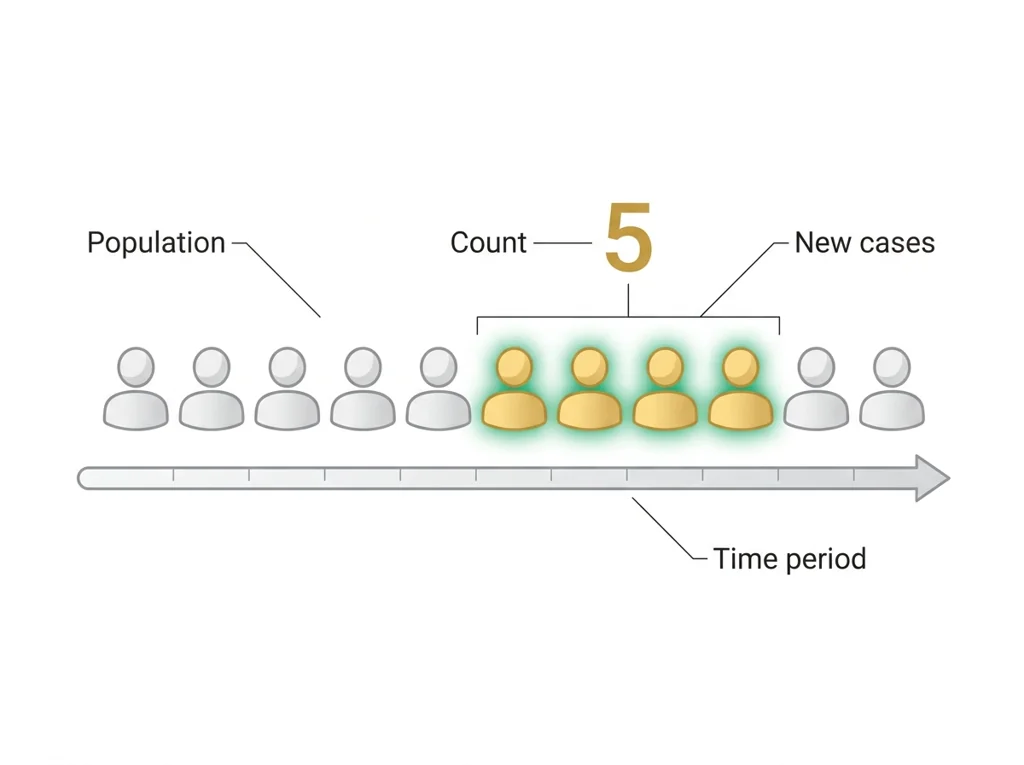
- • Incidence and prevalence describe new and total cases in a population.
- • Build an from raw case data.
- • Use and lab evidence to identify a .
📋 PLTW evidence due: the completed and agent-identification lab report in the course shell.
All PLTW activities are completed inside the PLTW course environment: this page only gives direction.
Use this chart to keep your place. Nothing on it is turned in through the portal.
| Day | Work | Turn in |
|---|---|---|
| Monday · Mon, Nov 30 | Source and agent CER | CER naming the likely outbreak source and infectious agent, citing epidemic curve, spot map, and agent-ID evidence, including both an incidence value and an attack rate, and stating assumptions and limitations. |
| Tuesday · Tue, Dec 1 | Evidence for | |
| Wednesday · Wed, Dec 2 | Triage ethics debate | One sentence identifying the strongest opposing triage argument encountered in the debate. |
| Thursday · Thu, Dec 3 | JCU bioethics 11: Genetic Defect Prevention and the Vargo request | Your worksheet: the side you argued, your three strongest arguments, the opposing point you had to answer, and where you actually stand now. |
| Friday · Fri, Dec 4 | Emergency-response simulation | Team decision log with all patient triage tags, stabilization steps applied, timing notes, and one simulation limitation per team member. |
- M: Philosophy for Kids / John Carroll bioethical debate
- W: lab / data or model work
- Th: analysis / CER or design revision
- F: submit tracker + weekly evidence
Turn in: Unit 3.1 Outbreak Evidence: Line lists, maps, epidemic curves, infectious-agent identification lab or simulation. weekly work due Outbreak line list, map, and curve.
Go to Schoology to turn this in.
Submit one PDF. Schoology attaches your name to your upload; on the page itself, write your period and code. Name the file: FirstName LastName - Assignment Title - YYYY-MM-DD.pdf.
Open Schoology PDF upload helpIf you cannot get in, see Mr. Mendoza. Do not skip the work.
3 panels from the illustrated semester.
Fiction. There is no such student. The lessons, labs and dates are the real planned course; the student, the classmates and the conversations are invented.
This explainer accompanies the PLTW lab protocol: watch it before lab.
Most days, this class is your PLTW coursework: and PLTW is online and individual. So being out usually just means doing exactly what we did in class, from home.
Open Clever, then myPLTWSign in to Clever with your district Microsoft account to open Schoology or myPLTW. Follow today's posted steps. If myPLTW will not open, use the posted alternative and tell Mr. Mendoza. Turn in your completed work through the Schoology assignment.
You can't do those from home: do this instead: Teacher-posted data/model packet, same objective. Supplemental: CDC: epidemiology basics; HHMI bacterial identification virtual lab if used.
Class still runs. A substitute will post today's plan: complete the online activity above; it's built to be self-guided. Need the concept taught without a teacher? Use this authoritative explainer:
CDC: principles of epidemiology and outbreak investigation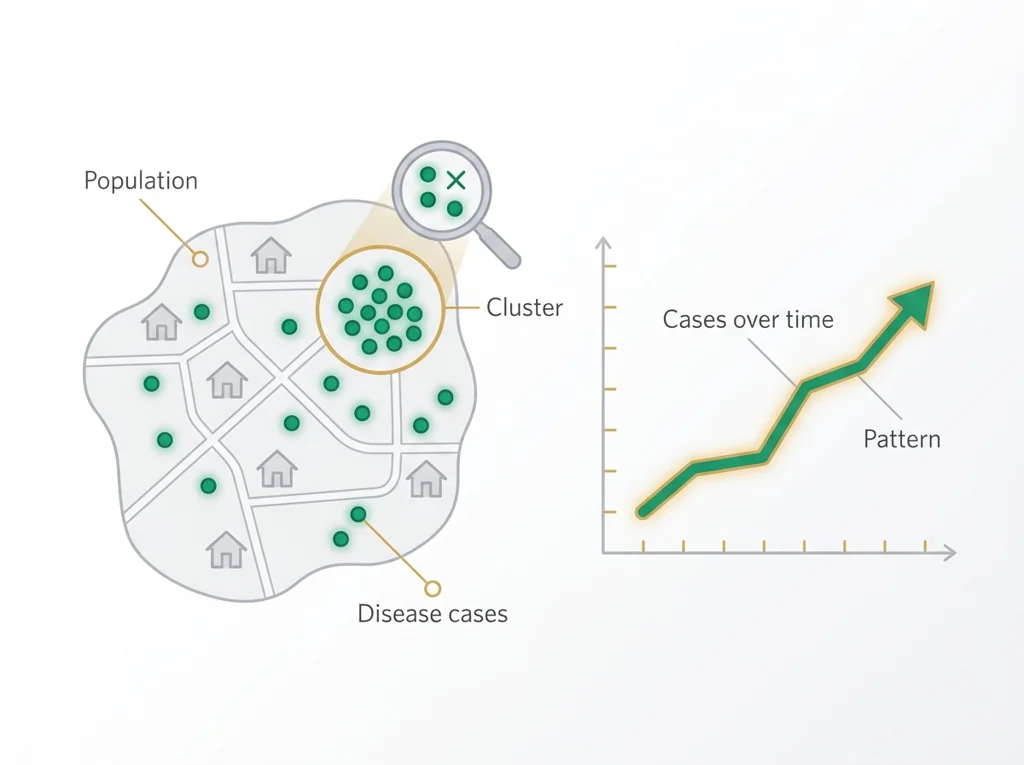
Hand-picked readings and interactives for this lesson, from authoritative open organizations and PLTW's own public course outline.