

Unit 3.1 Gas Exchange: lung volumes and spirometry, respiratory data analysis, then Body Guards opens with innate and adaptive immunity.
Your PLTW coursework: Human Body Systems ▸ Unit 3: Adventure Awaits ▸ Lesson 3.1 Cardiopulmonary Connection ▸ "Activity 3.1.4 We Be-lung Together", "Activity 3.1.6 A Little TLC"
What to do if absent- CER:
- Claim, Evidence, Reasoning: make a claim, back it with evidence, explain your reasoning.
- SOP:
- Standard Operating Procedure, the exact steps to follow (especially in a lab).
- Tracker:
- Your PLTW progress log where you record completed evidence.
- myPLTW:
- The PLTW course site where you do the online activities. Find it in Clever with your Microsoft sign-in, right next to Schoology.
Use data to measure lung volumes and decide whether a client is medically cleared for a high-altitude expedition.
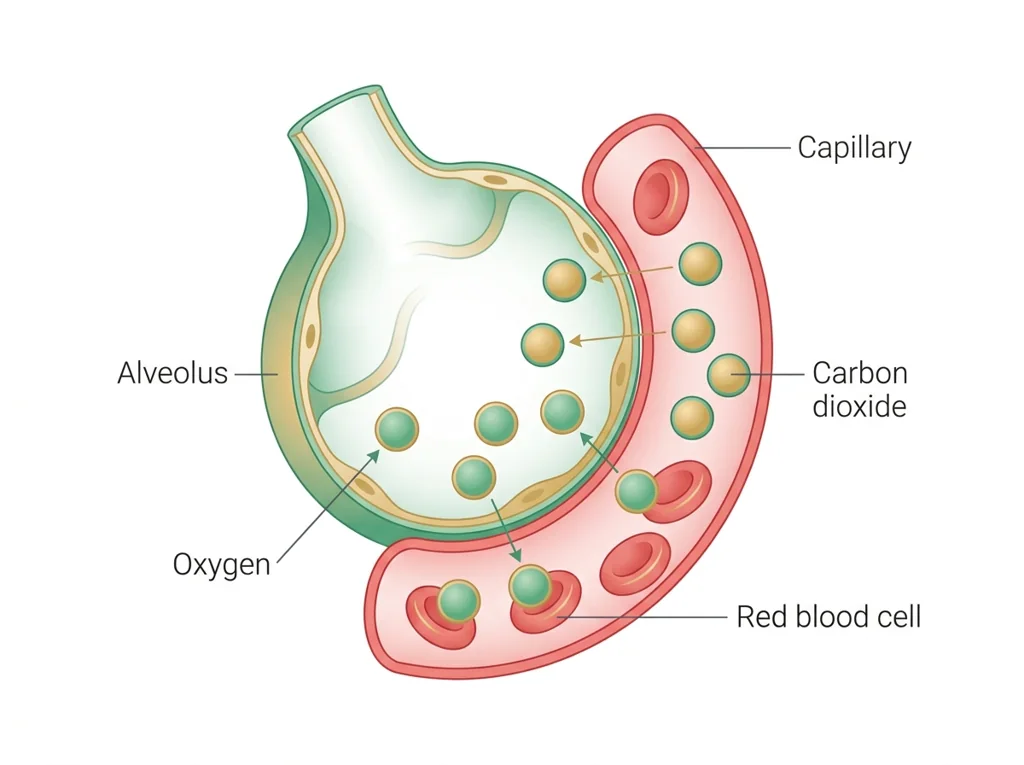
- 1Label the alveoli and airways on a respiratory diagram and describe where happens.
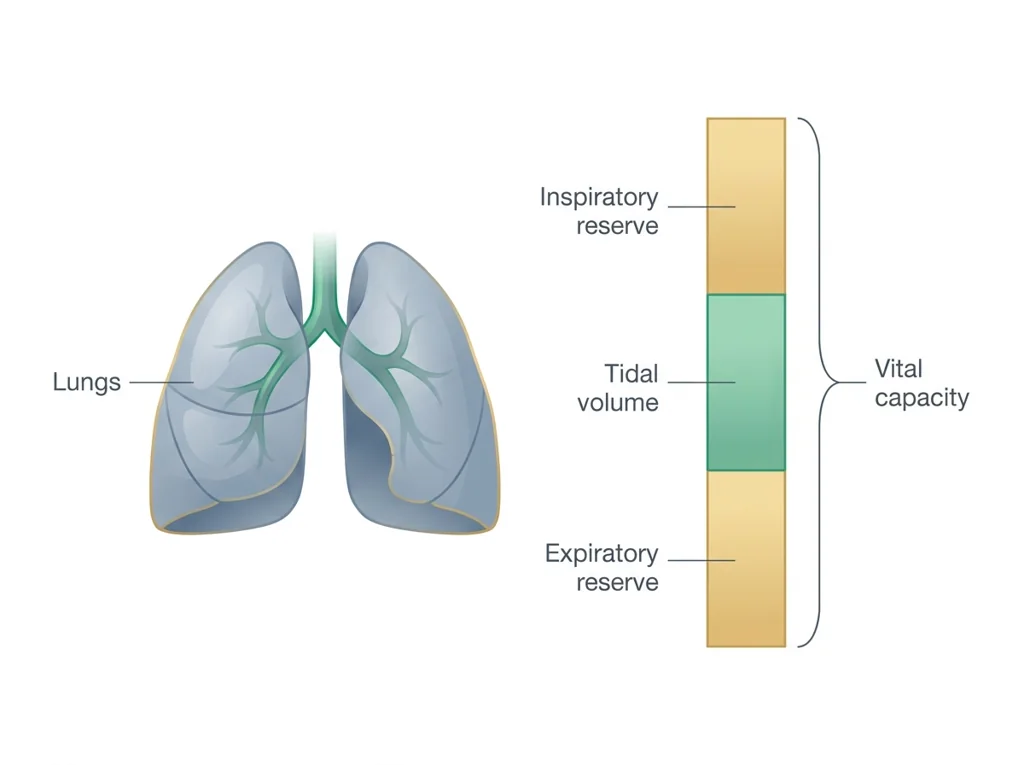
- 2Define , , and in your notebook.
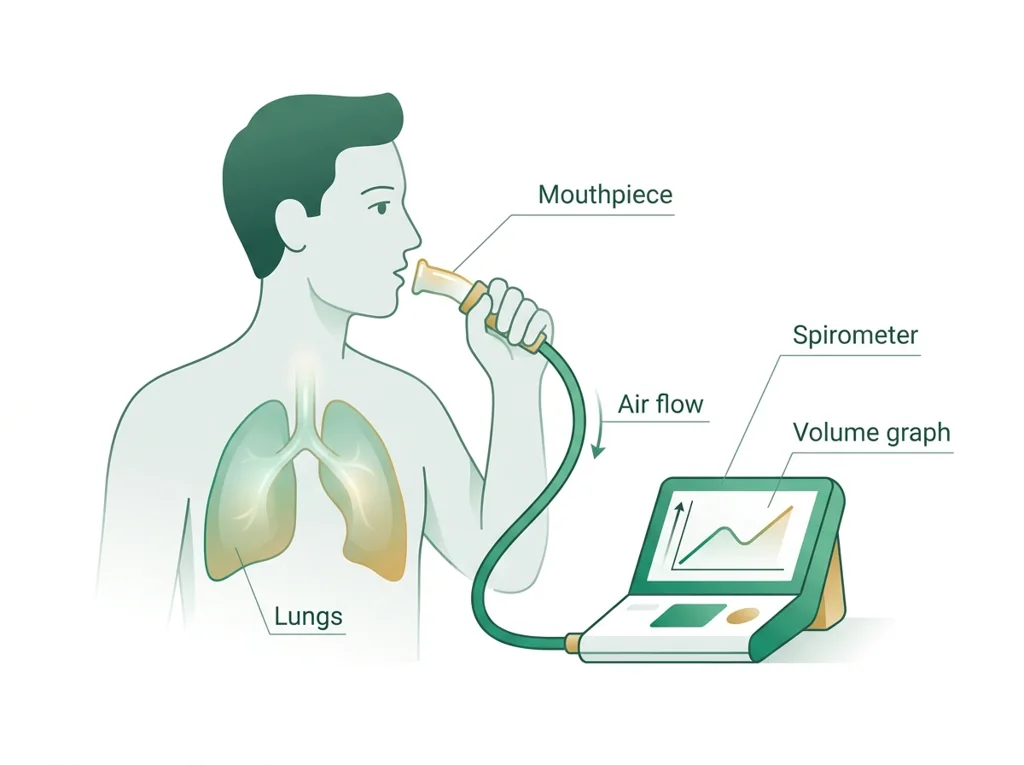
- 3Measure your and using the spirometer or simulation.
- 4Record your readings in a and compare them to a typical reference range.
- 5Interpret a client scenario by comparing their values to the clearance threshold.
- 6Write a short claim-evidence-reasoning statement on whether the client is cleared.
- • You will be able to explain where and how occurs in the lungs.
- • You will be able to measure and with a spirometer.
- • You will be able to use data to justify a clearance decision.
Open any day for its full lesson, the work due that day, and guided notes.
Four lung-volume calculations, model prediction and two check answers
Lung-volume comparison paragraph with the corrected calculation table
Lymphatic system body diagram with key nodes and vessels labeled, plus written definitions of , , and lymphocyte in your own words.
- Hook: before anyone climbs to thin air, a clinician checks their lungs, and today you run that test with a spirometer.
- Today's goal: measure lung volumes and use the data to clear or hold an expedition client.
- This week's Monday bioethics debate: should a client be allowed on a risky expedition against medical advice?
- Reminder: your graded CER and clearance decision live in the PLTW course shell, not on loose paper.
Do this: Advance the PLTW benchmark by completing the online evidence on respiratory and lung volumes in the course shell.
- • occurs across the thin walls of the alveoli.
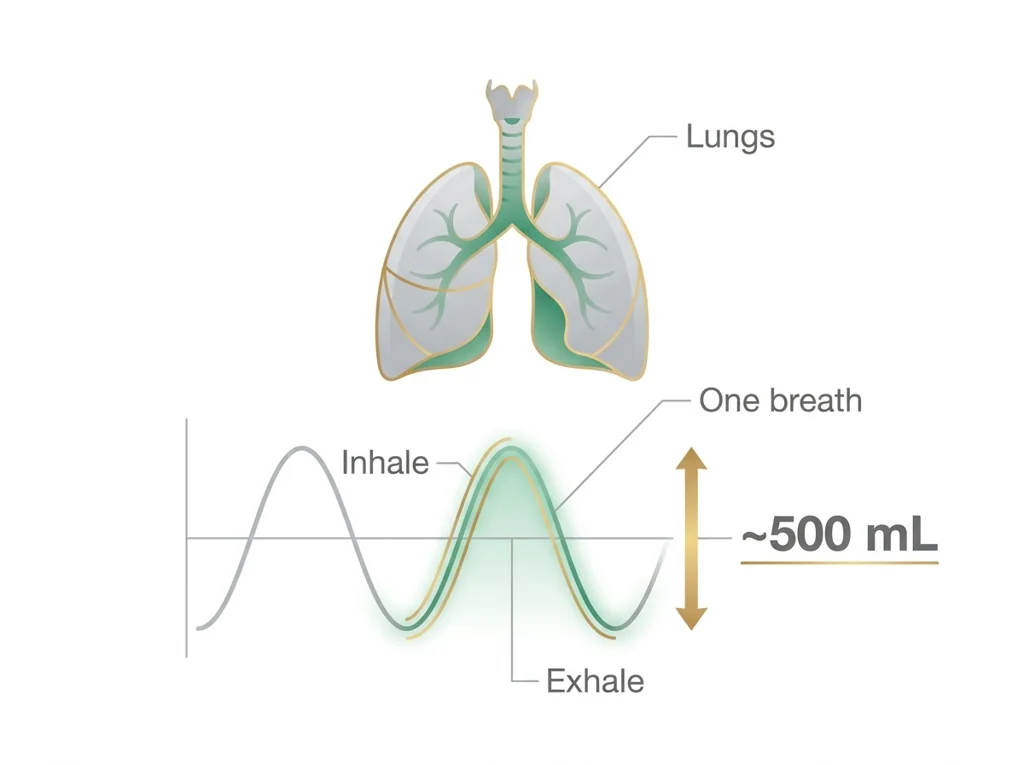
- • and are measurable lung volumes that reflect respiratory function.
- • data can be compared to reference ranges to evaluate clearance.
- • Measure and using .
- • Use data to support a clearance claim with evidence and reasoning.
📋 PLTW evidence due: CER using and to justify an expedition clearance decision, submitted on the class site.
All PLTW activities are completed inside the PLTW course environment: this page only gives direction.
Use this chart to keep your place. Nothing on it is turned in through the portal.
| Day | Work | Turn in |
|---|---|---|
| Monday · Mon, Apr 26 | Evidence for | |
| Tuesday · Tue, Apr 27 | Lung volumes: calculate the model totals | Four lung-volume calculations, model prediction and two check answers |
| Wednesday · Wed, Apr 28 | Lung volumes: explain the model comparison | Lung-volume comparison paragraph with the corrected calculation table |
| Thursday · Thu, Apr 29 | Wk15 Vocabulary: Innate and adaptive immunity | Lymphatic system body diagram with key nodes and vessels labeled, plus written definitions of antigen, antibody, and lymphocyte in your own words. |
| Friday · Fri, Apr 30 | Evidence for |
- T: teacher background notes + PLTW launch task
- W: lab / data or model work
- Th: analysis / CER or design revision
Turn in: Unit 3.1 Gas Exchange: lung volumes and spirometry, respiratory data analysis, then Body Guards opens with innate and adaptive immunity. weekly work due Spirometry/client clearance CER.
Go to Schoology to turn this in.
Submit one PDF. Schoology attaches your name to your upload; on the page itself, write your period and code. Name the file: FirstName LastName - Assignment Title - YYYY-MM-DD.pdf.
Open Schoology PDF upload helpIf you cannot get in, see Mr. Mendoza. Do not skip the work.
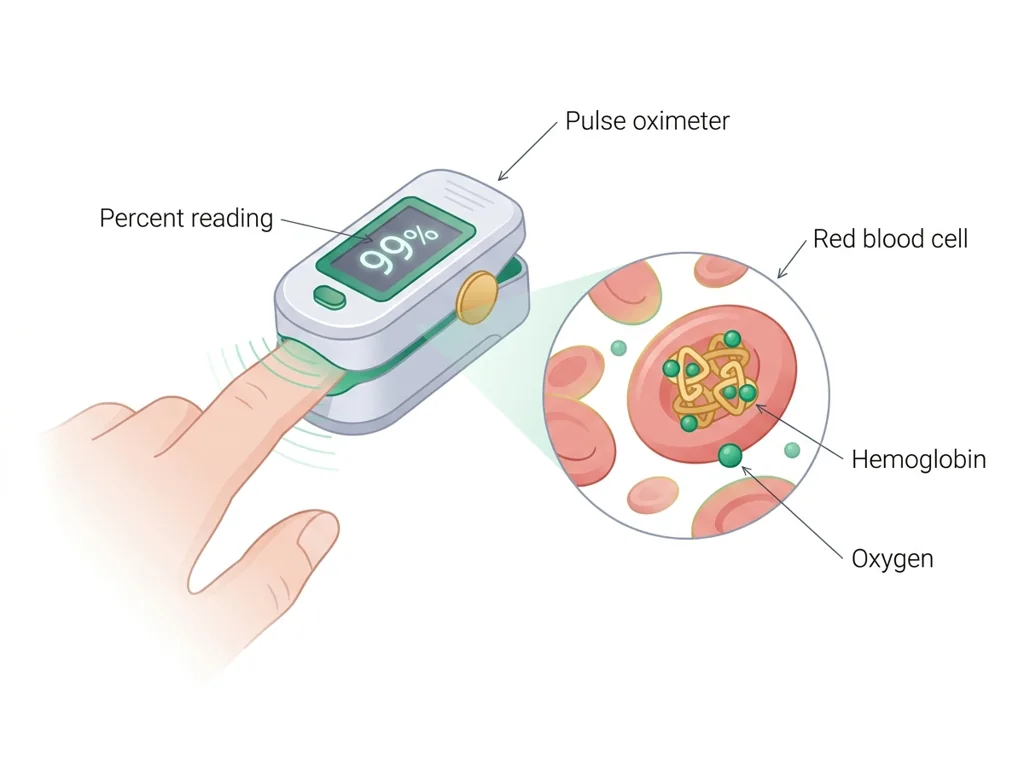
This explainer accompanies the PLTW lab protocol: watch it before lab.
Most days, this class is your PLTW coursework: and PLTW is online and individual. So being out usually just means doing exactly what we did in class, from home.
Open Clever, then myPLTWSign in to Clever with your district Microsoft account to open Schoology or myPLTW. Follow today's posted steps. If myPLTW will not open, use the posted alternative and tell Mr. Mendoza. Turn in your completed work through the Schoology assignment.
You can't do those from home: do this instead: Teacher-posted data/model packet, same objective. Supplemental: Khan: respiratory system.
Class still runs. A substitute will post today's plan: complete the online activity above; it's built to be self-guided. Need the concept taught without a teacher? Use this authoritative explainer:
MedlinePlus: Pulmonary function tests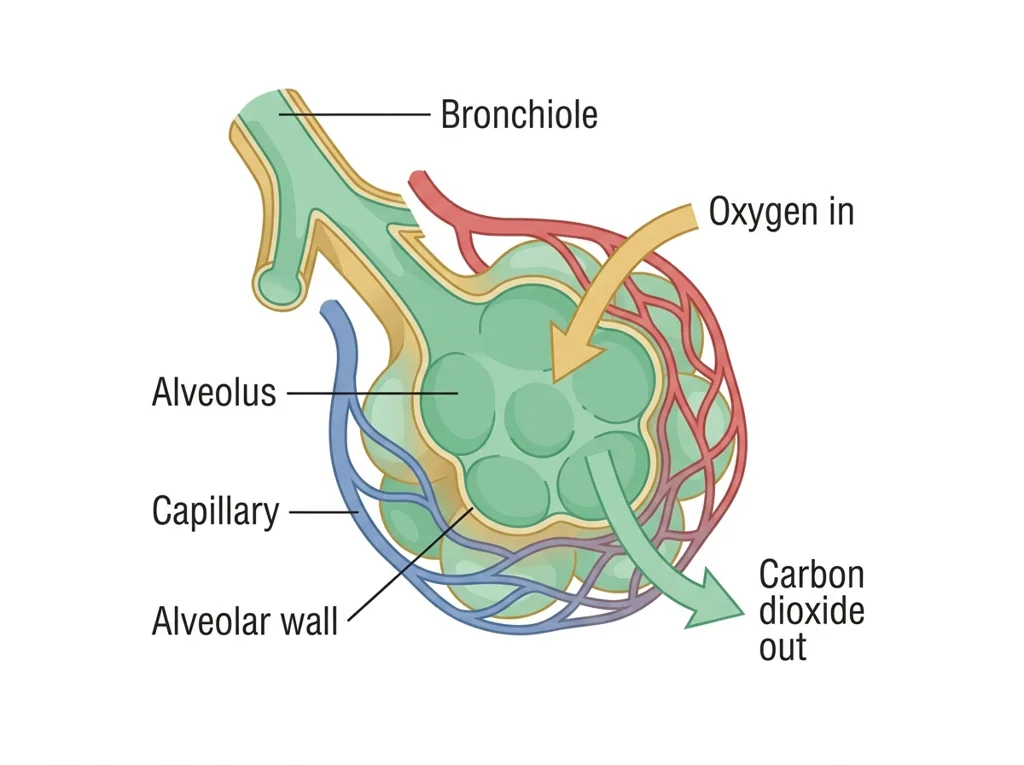
Hand-picked readings, videos, and interactives for this lesson, all free and from authoritative open organizations (NIH, CDC, OpenStax, Khan Academy, PhET, HHMI, and more).