
Unit 3.2 Body Guards: immune system modeling, the vaccine data CER, then pathogen transmission and the plaque assay with the eye dissection.
Your PLTW coursework: Human Body Systems ▸ Unit 3: Adventure Awaits ▸ Lesson 3.2 Body Guards ▸ "Activity 3.2.1 Powers of Protection", "Activity 3.2.2 Immune Defense"
What to do if absent- CER:
- Claim, Evidence, Reasoning: make a claim, back it with evidence, explain your reasoning.
- SOP:
- Standard Operating Procedure, the exact steps to follow (especially in a lab).
- Tracker:
- Your PLTW progress log where you record completed evidence.
- myPLTW:
- The PLTW course site where you do the online activities. Find it in Clever with your Microsoft sign-in, right next to Schoology.
Model how the and adaptive immune systems respond to a , including the - match and the role of vaccines.
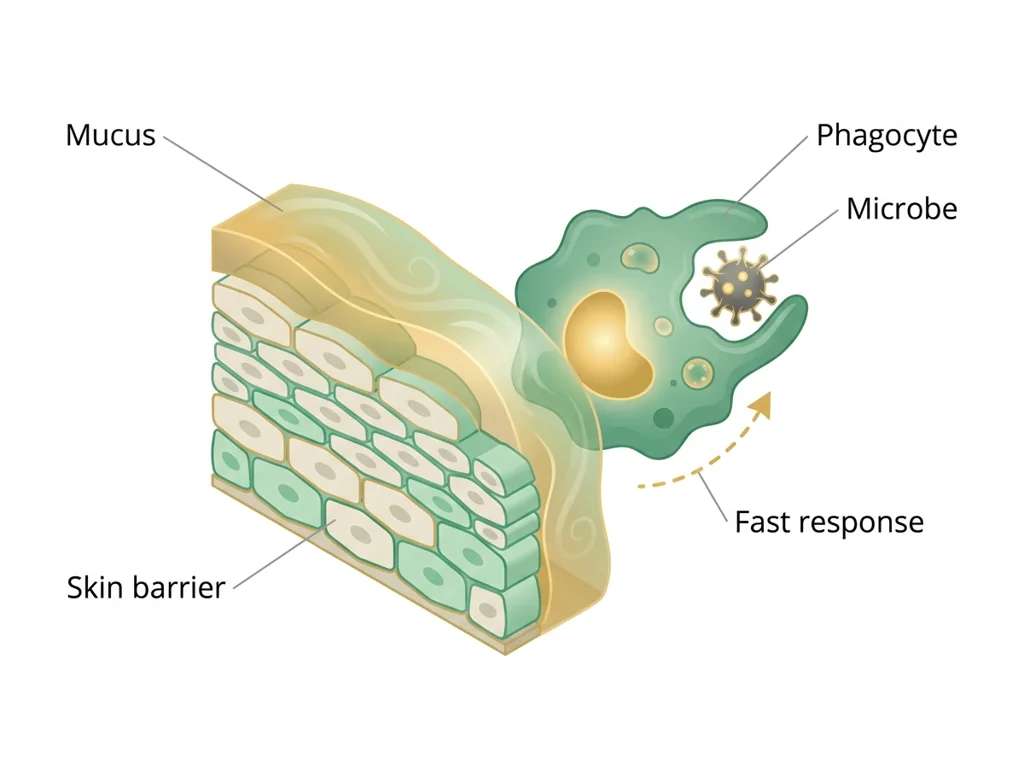
- 1List the body's outer defenses, starting with the skin, and explain how each blocks pathogens.
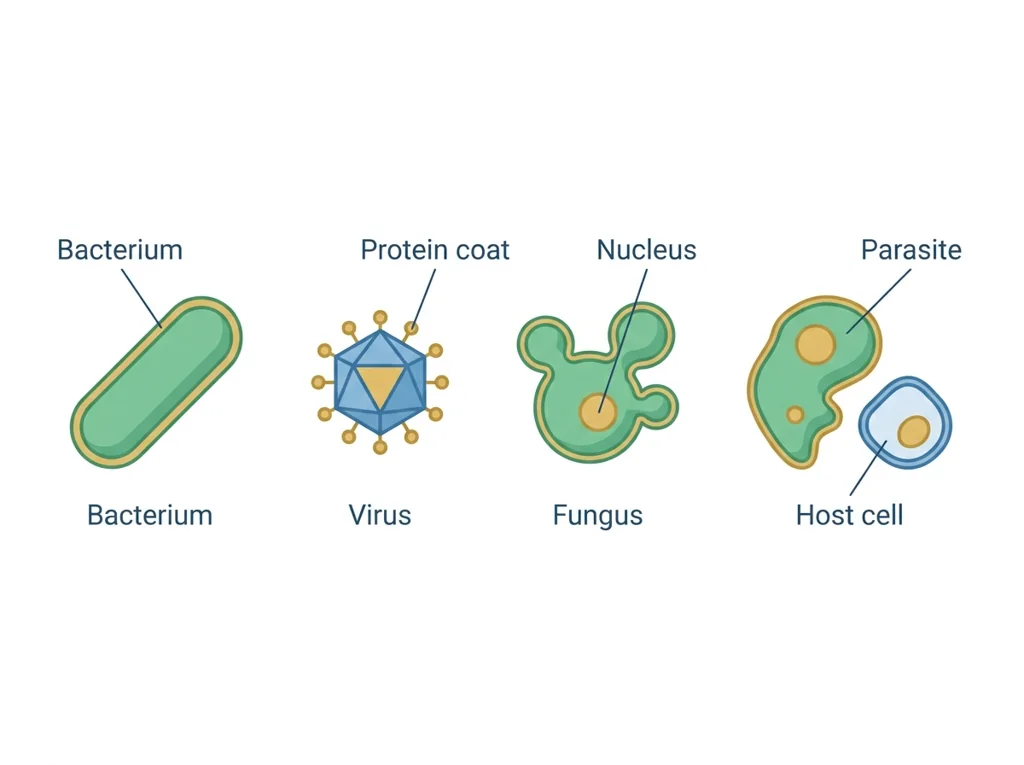
- 2Define , , , , and adaptive in your notebook.
- 3Build a model showing a entering the body and triggering the response first.
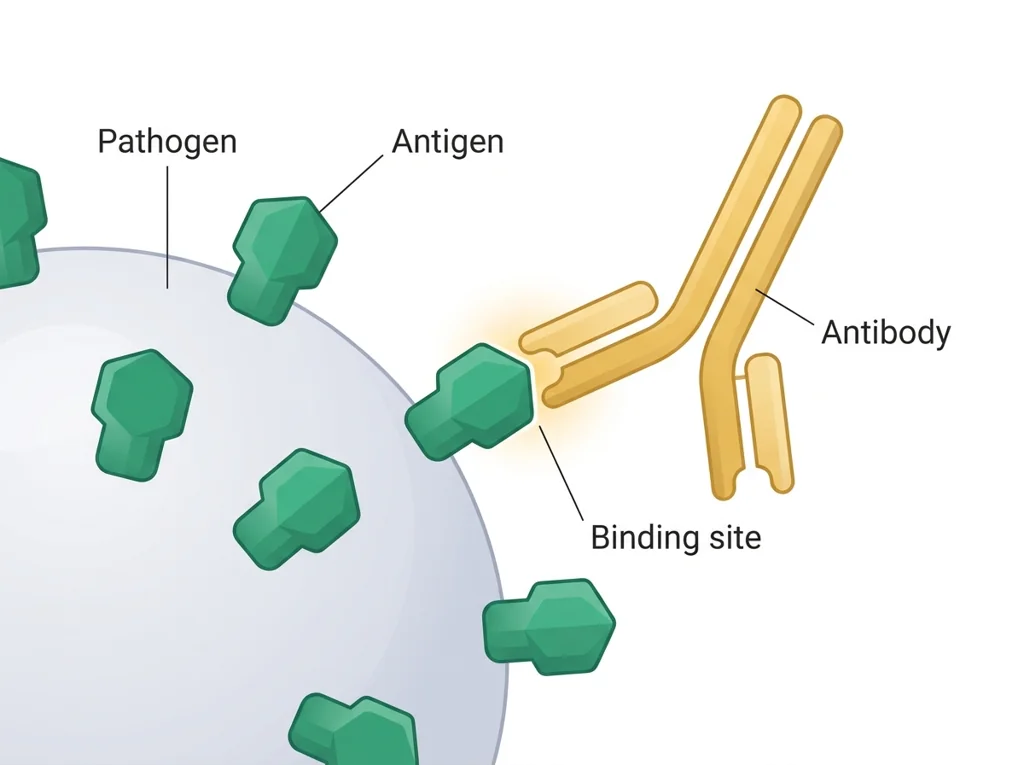
- 4Add the adaptive response and show how an matches a specific .
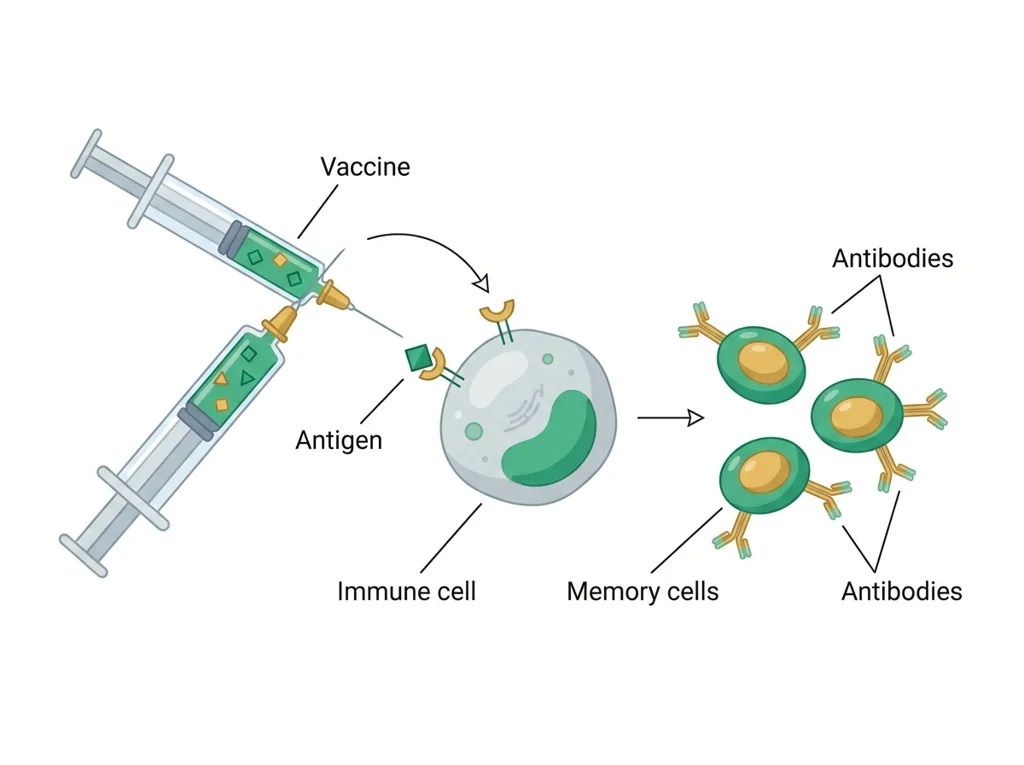
- 5Use your model to explain how a prepares the immune system in advance.
- 6Summarize the difference between the and adaptive responses in two sentences.
- • You will be able to describe how skin and the lymphatic system defend the body.
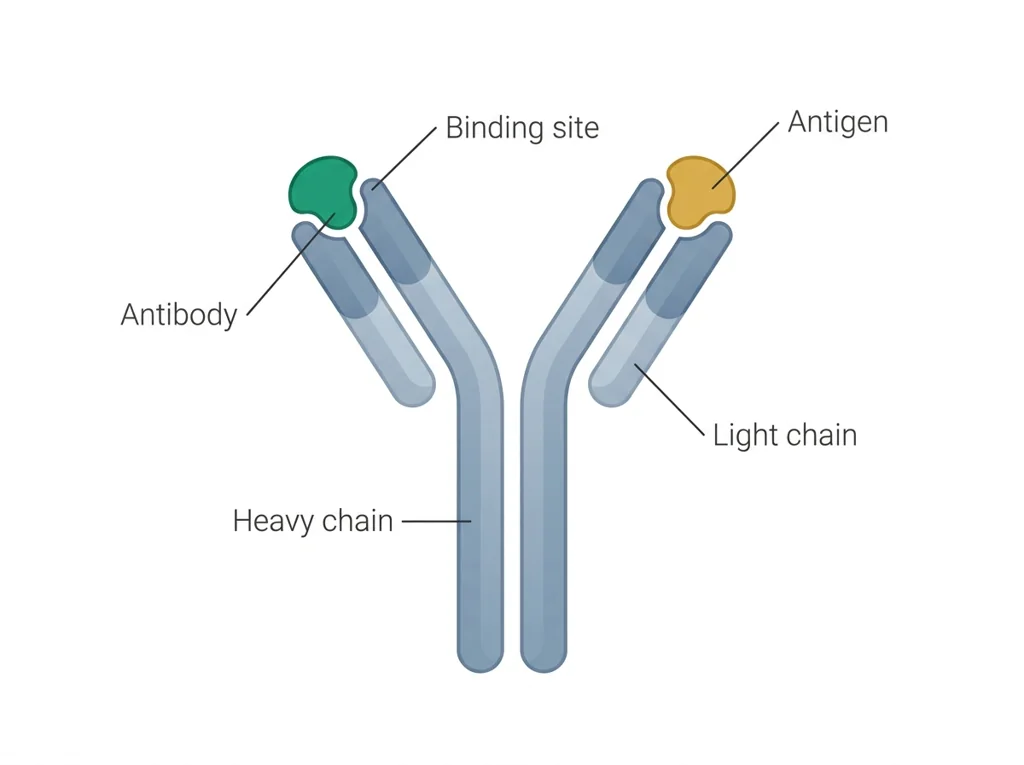
- • You will be able to model the - match in an .
- • You will be able to explain how a builds .
Open any day for its full lesson, the work due that day, and guided notes.
Comparison diagram of primary vs. secondary with labeled levels and timescales, plus model notes describing how matched antibodies neutralize the .
Written CER analyzing a graph: claim about how vaccines build immunity, two specific data-point evidence entries, reasoning connecting memory B cells to protection, and one limitation.
One notebook record: six case rows with a supported possibility, route, prevention choice and a mismatched choice with reasons; a three-item packing reflection on the same page or continued pages.
Plaque-count with percent reduction calculated per condition, plus a labeled eye-structure diagram noting one structure vulnerable to viral infection.
- Hook: every second your body fends off invaders you never notice, and today you build the model that shows how.
- Today's goal: model the from skin barrier to match and explain how vaccines fit in.
- This week's Monday bioethics debate: should vaccination be required to protect a whole community?
- Reminder: your graded immune defense model lives in the PLTW course shell, not on loose paper.
Do this: Advance the PLTW Body Guards benchmark by completing the online evidence on the immune and lymphatic systems in the course shell.
- • Skin and the lymphatic system are part of the body's layered defenses.
- • The response is fast and general; the adaptive response is specific and remembered.
- • Antibodies bind specific antigens, and vaccines prime this response in advance.
- • Model the and adaptive immune responses to a .
- • Explain how a produces .
📋 PLTW evidence due: immune defense model showing the - match and the role of vaccines, submitted on the class site.
All PLTW activities are completed inside the PLTW course environment: this page only gives direction.
Use this chart to keep your place. Nothing on it is turned in through the portal.
| Day | Work | Turn in |
|---|---|---|
| Monday · Mon, May 3 | Wk16 Lab report: Immune system modeling | Comparison diagram of primary vs. secondary immune response with labeled antibody levels and timescales, plus model notes describing how matched antibodies neutralize the pathogen. |
| Tuesday · Tue, May 4 | Wk16 CER: Vaccine data CER analysis | Written CER analyzing a vaccine antibody graph: claim about how vaccines build immunity, two specific data-point evidence entries, reasoning connecting memory B cells to protection, and one limitation. |
| Wednesday · Wed, May 5 | Pathogen transmission: paper case reasoning | One notebook record: six case rows with a supported possibility, route, prevention choice and a mismatched choice with reasons; a three-item packing reflection on the same page or continued pages. |
| Thursday · Thu, May 6 | Evidence for | |
| Friday · Fri, May 7 | Printed plaque records and eye reference | Plaque-count data table with percent reduction calculated per antiviral condition, plus a labeled eye-structure diagram noting one structure vulnerable to viral infection. |
- M: Philosophy for Kids / John Carroll bioethical debate
- T: teacher background notes + PLTW launch task
- W: lab / data or model work
- F: submit tracker + weekly evidence
Turn in: Unit 3.2 Body Guards: immune system modeling, the vaccine data CER, then pathogen transmission and the plaque assay with the eye dissection. weekly work due Immune defense model.
Go to Schoology to turn this in.
Submit one PDF. Schoology attaches your name to your upload; on the page itself, write your period and code. Name the file: FirstName LastName - Assignment Title - YYYY-MM-DD.pdf.
Open Schoology PDF upload helpIf you cannot get in, see Mr. Mendoza. Do not skip the work.
This explainer accompanies the PLTW lab protocol: watch it before lab.
Most days, this class is your PLTW coursework: and PLTW is online and individual. So being out usually just means doing exactly what we did in class, from home.
Open Clever, then myPLTWSign in to Clever with your district Microsoft account to open Schoology or myPLTW. Follow today's posted steps. If myPLTW will not open, use the posted alternative and tell Mr. Mendoza. Turn in your completed work through the Schoology assignment.
You can't do those from home: do this instead: Teacher-posted data/model packet, same objective. Supplemental: Khan: immune system.
Class still runs. A substitute will post today's plan: complete the online activity above; it's built to be self-guided. Need the concept taught without a teacher? Use this authoritative explainer:
MedlinePlus: Immune System and Disorders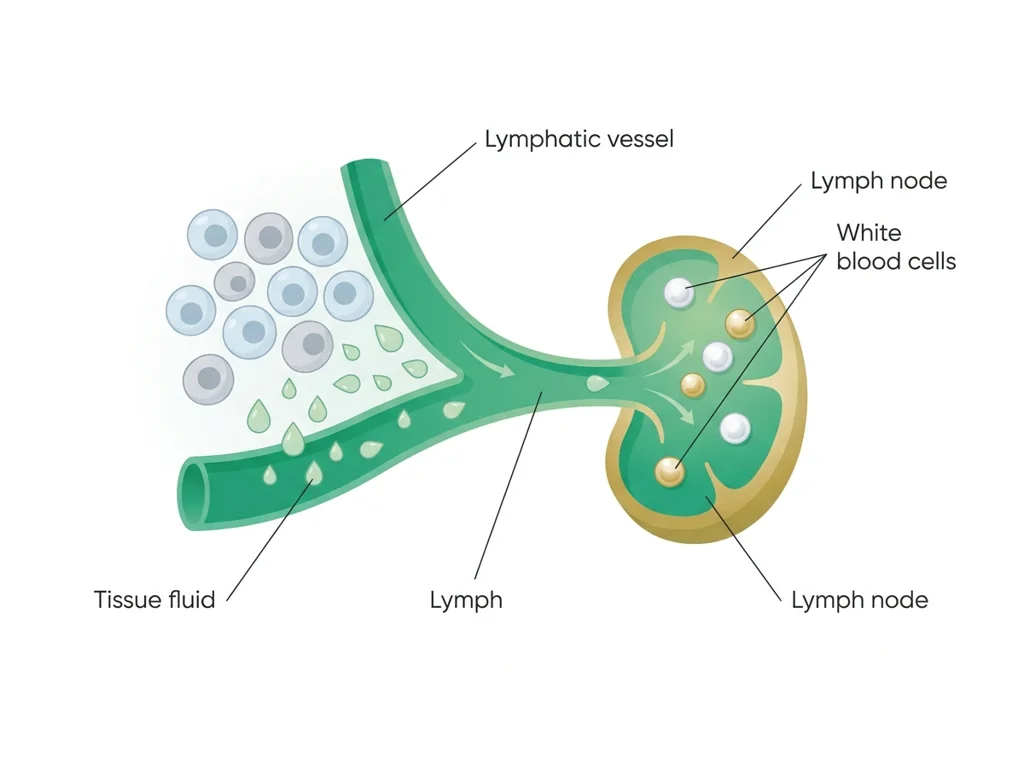
Hand-picked readings, videos, and interactives for this lesson, all free and from authoritative open organizations (NIH, CDC, OpenStax, Khan Academy, PhET, HHMI, and more).