
Unit 1.1 Beginning With Bones: tissue types, the body-organization model, your patient anatomy map, then the bone-donation debate opens Project 1.1.6.
Your PLTW coursework: Human Body Systems ▸ Unit 1: Road to Rehabilitation ▸ Lesson 1.1 Beginning With Bones ▸ "Activity 1.1.1 Meet the Patients", "Activity 1.1.2 Language of Anatomy", "Activity 1.1.3 Held Together by a Thread"
What to do if absent- CER:
- Claim, Evidence, Reasoning: make a claim, back it with evidence, explain your reasoning.
- SOP:
- Standard Operating Procedure, the exact steps to follow (especially in a lab).
- Tracker:
- Your PLTW progress log where you record completed evidence.
- myPLTW:
- The PLTW course site where you do the online activities. Find it in Clever with your Microsoft sign-in, right next to Schoology.
Use regional and directional terms, body planes, and cavities to map a patient's , and connect types to how the body is organized.
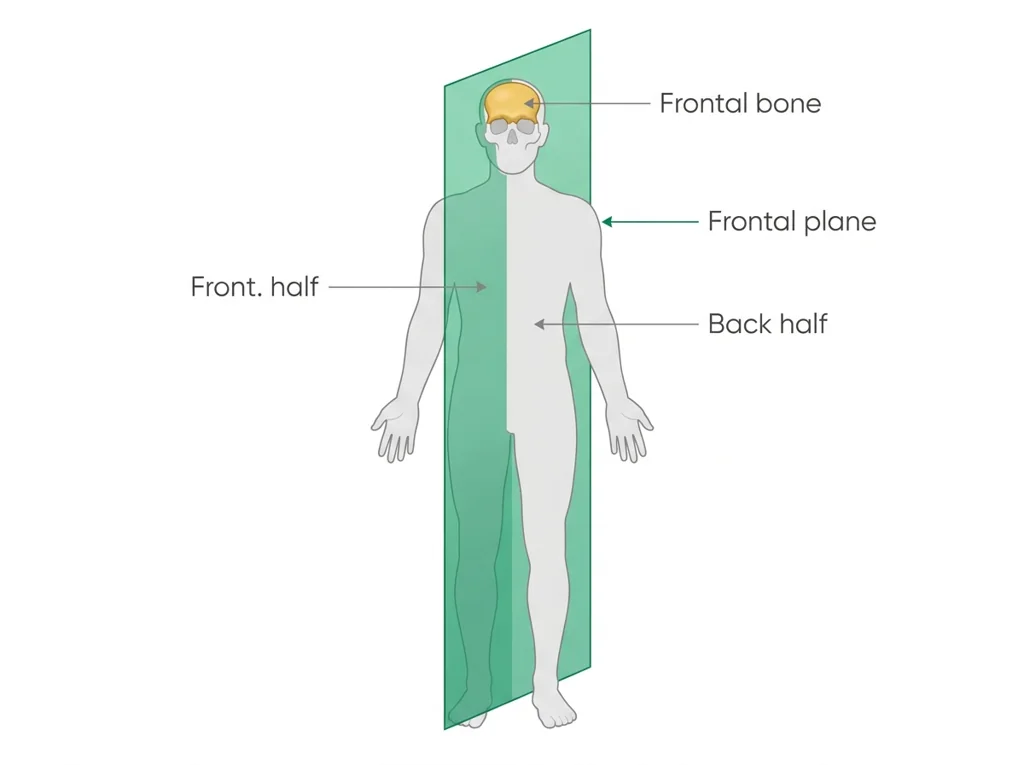
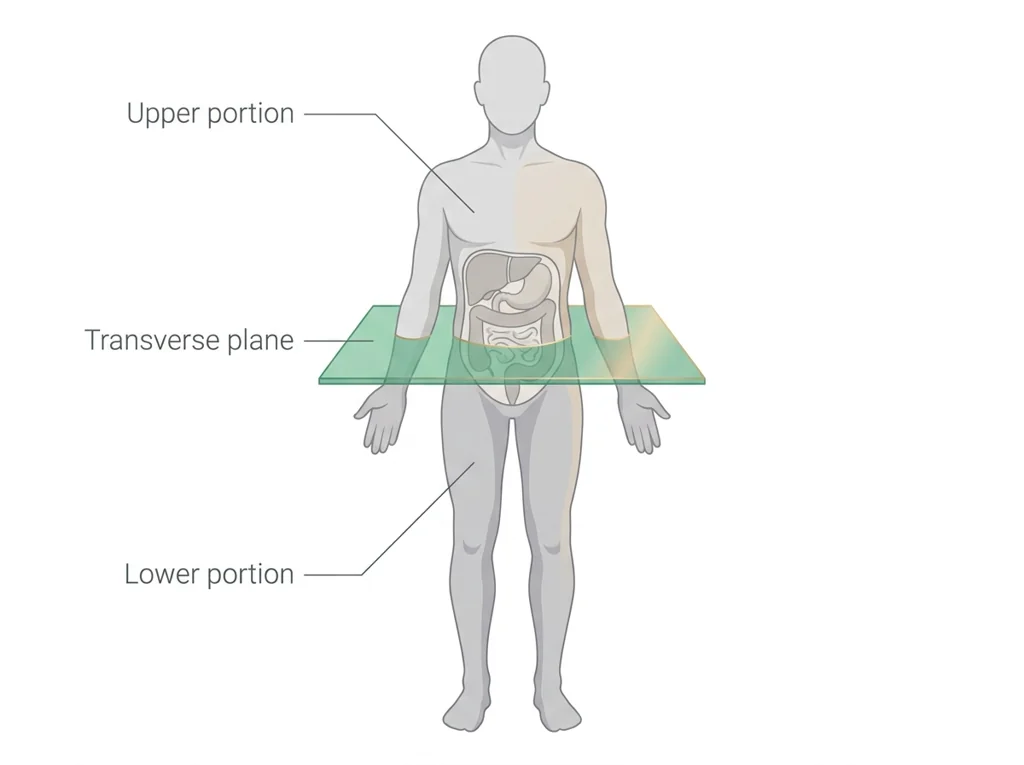
- 1Sketch a body outline and draw the , , and planes, labeling each one.
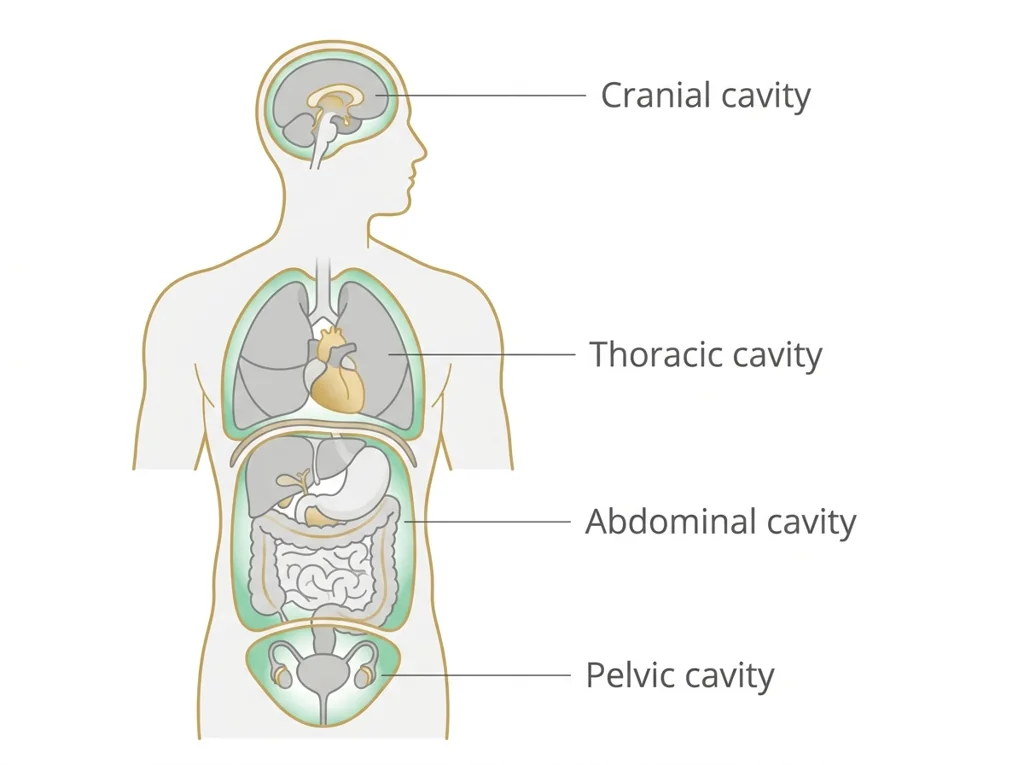
- 2Mark the major body cavities on your sketch and note one organ found in each.
- 3Add at least four regional terms to your sketch and write what part of the body each one names.
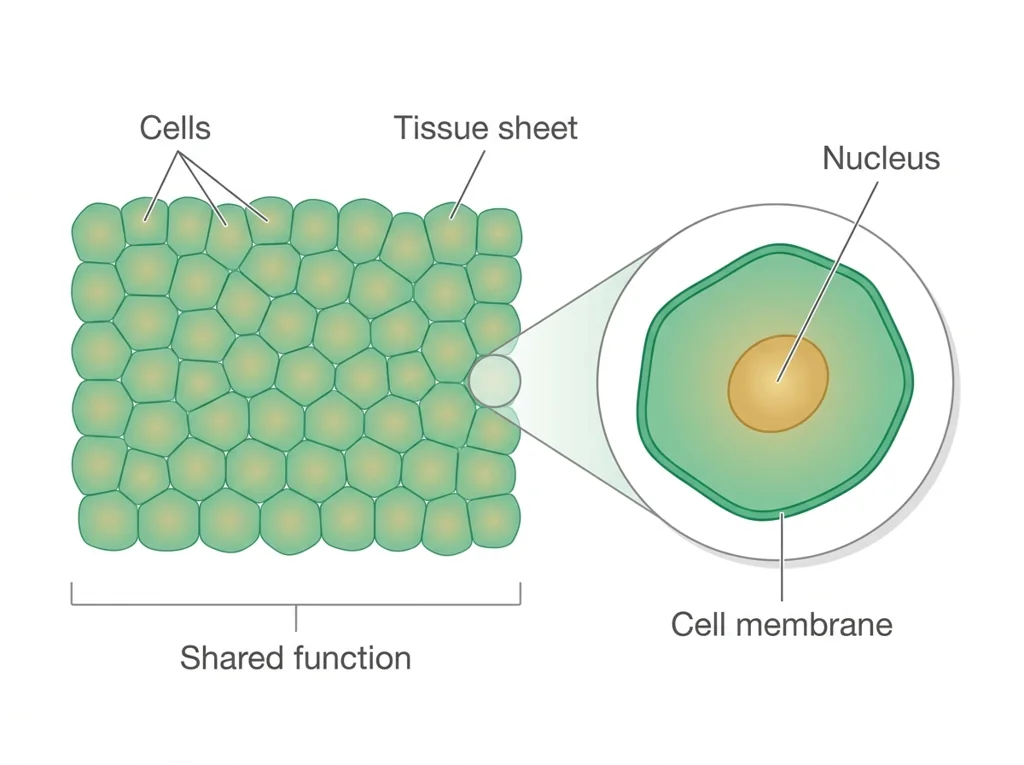
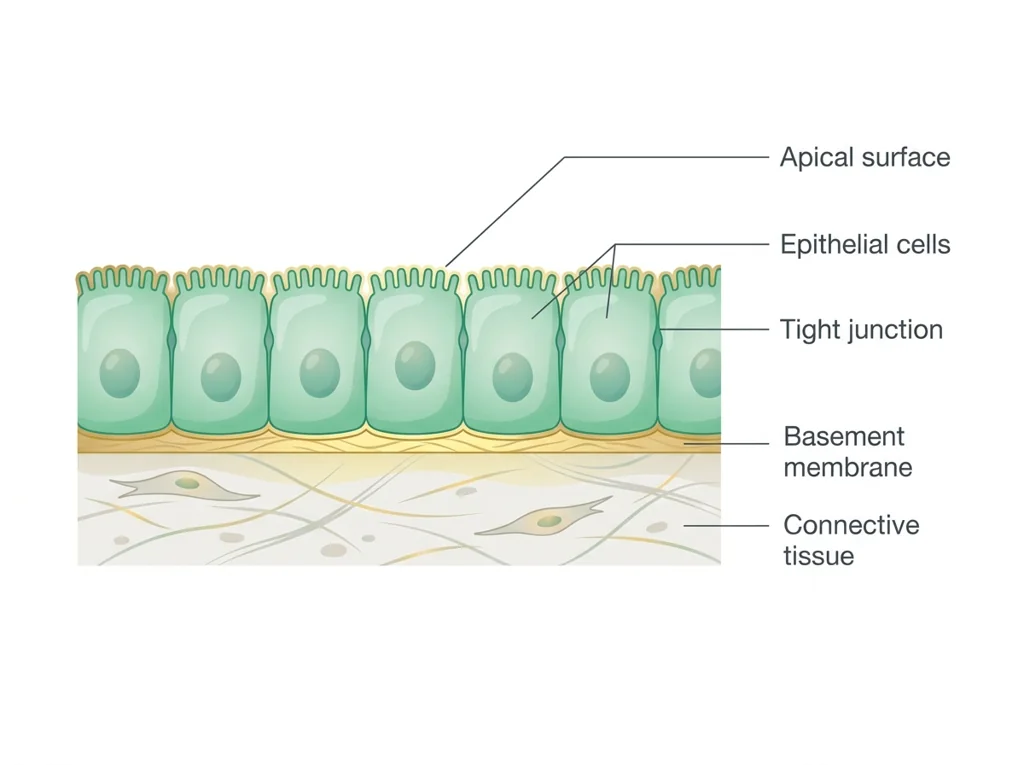
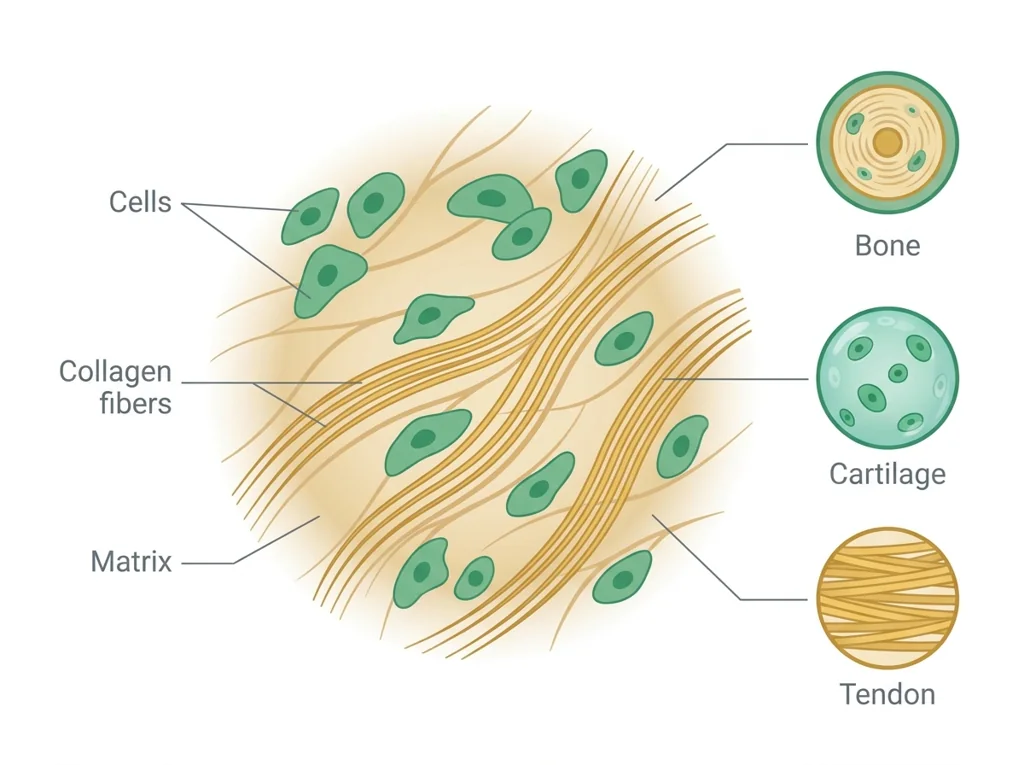
- 4Make a quick four-box chart for types and write one job of , , and the role of .
- 5Read the short patient scenario and circle every directional or regional term you find.
- 6Write two sentences locating the patient's injury using a plane, a , and a directional term.
- • You will be able to name and draw the , , and planes.
- • You will be able to identify major body cavities and a structure inside each.
- • You will be able to describe a patient's injury location using regional and directional terms.
Open any day for its full lesson, the work due that day, and guided notes.
Five completed organizer panels and one stomach organization line
Location map and claim, evidence, reasoning, and limit paragraph
One-paragraph CER defending a specific allocation principle for scarce bone-graft material.
- Hook: a physical therapist cannot help a patient until they can describe exactly where the problem is.
- Today's goal: turn planes, cavities, and types into a clear map of a real patient.
- Monday bioethics tie-in: how much patient information should a rehab team share to plan care, and where is the line on privacy?
- Reminder: your graded patient map is submitted on the class site.
Do this: Advance the PLTW HBS online benchmark through Unit 1.1 Beginning with Bones.
- • Body planes divide the body into , , and views.
- • Tissues are groups of similar cells, including , , and .
- • Locate a structure using regional and directional terms.
- • Match a type to a basic body function.
📋 PLTW evidence due this week: your completed patient map labeling planes, cavities, and tissues.
All PLTW activities are completed inside the PLTW course environment: this page only gives direction.
Use this chart to keep your place. Nothing on it is turned in through the portal.
| Day | Work | Turn in |
|---|---|---|
| Monday · Mon, Feb 8 | Evidence for | |
| Tuesday · Tue, Feb 9 | Five tissue slides: record and sort each one | Five completed tissue organizer panels and one stomach organization line |
| Wednesday · Wed, Feb 10 | Describe a location. Keep the claim within the evidence. | Location map and claim, evidence, reasoning, and limit paragraph |
| Thursday · Thu, Feb 11 | Wk4 CER: Bioethics: bone donation and 3D parts | One-paragraph CER defending a specific allocation principle for scarce bone-graft material. |
- T: teacher background notes + PLTW launch task
- W: lab / data or model work
- Th: analysis / CER or design revision
Turn in: Unit 1.1 Beginning With Bones: tissue types, the body-organization model, your patient anatomy map, then the bone-donation debate opens Project 1.1.6. weekly work due Planes-and-cavities diagram and your patient anatomy map.
Go to Schoology to turn this in.
Submit one PDF. Schoology attaches your name to your upload; on the page itself, write your period and code. Name the file: FirstName LastName - Assignment Title - YYYY-MM-DD.pdf.
Open Schoology PDF upload helpIf you cannot get in, see Mr. Mendoza. Do not skip the work.
Most days, this class is your PLTW coursework: and PLTW is online and individual. So being out usually just means doing exactly what we did in class, from home.
Open Clever, then myPLTWSign in to Clever with your district Microsoft account to open Schoology or myPLTW. Follow today's posted steps. If myPLTW will not open, use the posted alternative and tell Mr. Mendoza. Turn in your completed work through the Schoology assignment.
You can't do those from home: do this instead: Teacher-posted data/model packet, same objective. Supplemental: Khan: body structure and .
Class still runs. A substitute will post today's plan: complete the online activity above; it's built to be self-guided. Need the concept taught without a teacher? Use this authoritative explainer:
Khan Academy: Introduction to the Human Body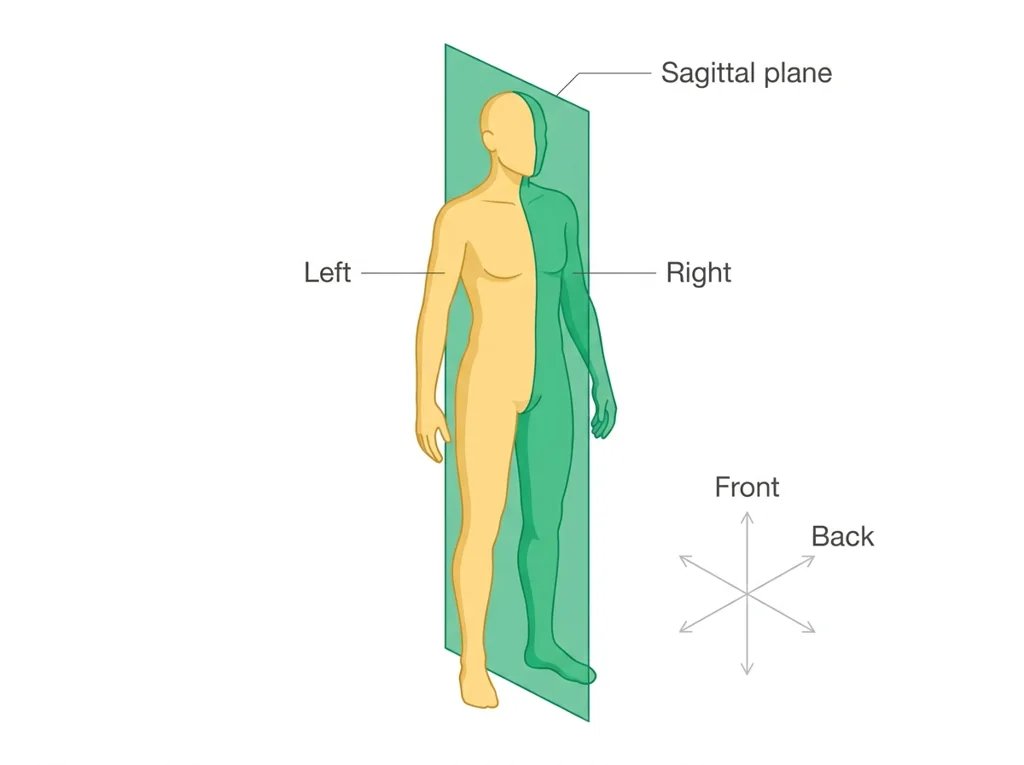
Hand-picked readings, videos, and interactives for this lesson, all free and from authoritative open organizations (NIH, CDC, OpenStax, Khan Academy, PhET, HHMI, and more).