
Course Launch into Unit 1.1 Beginning With Bones: the body-donation debate, anatomy vs physiology, the lab notebook practical, directional terms, then imaging bioethics and body planes and cavities.
Your PLTW coursework: Human Body Systems ▸ Unit 1: Road to Rehabilitation ▸ Lesson 1.1 Beginning With Bones ▸ "Activity 1.1.1 Meet the Patients", "Activity 1.1.2 Language of Anatomy"
What to do if absent- CER:
- Claim, Evidence, Reasoning: make a claim, back it with evidence, explain your reasoning.
- SOP:
- Standard Operating Procedure, the exact steps to follow (especially in a lab).
- Tracker:
- Your PLTW progress log where you record completed evidence.
- myPLTW:
- The PLTW course site where you do the online activities. Find it in Clever with your Microsoft sign-in, right next to Schoology.
Week overview - Course Launch: PLTW access, the lab notebook, and the language of anatomy
Set up your PLTW access and lab notebook, practice safe lab habits with and an SDS, and start using directional terms to describe the body precisely.
- 1Log in to your PLTW HBS course shell and confirm you can open the Course Launch benchmark and the BioDigital and Maniken routines.
- 2Set up the first page of your lab notebook with your name, the course, the date, and a measurement units key (cm, kg, seconds).
- 3List the you see in the room and match each item to the body part it protects.
- 4Open the SDS for an assigned chemical and find the handling, storage, and first-aid sections, then record one storage rule in your notebook.
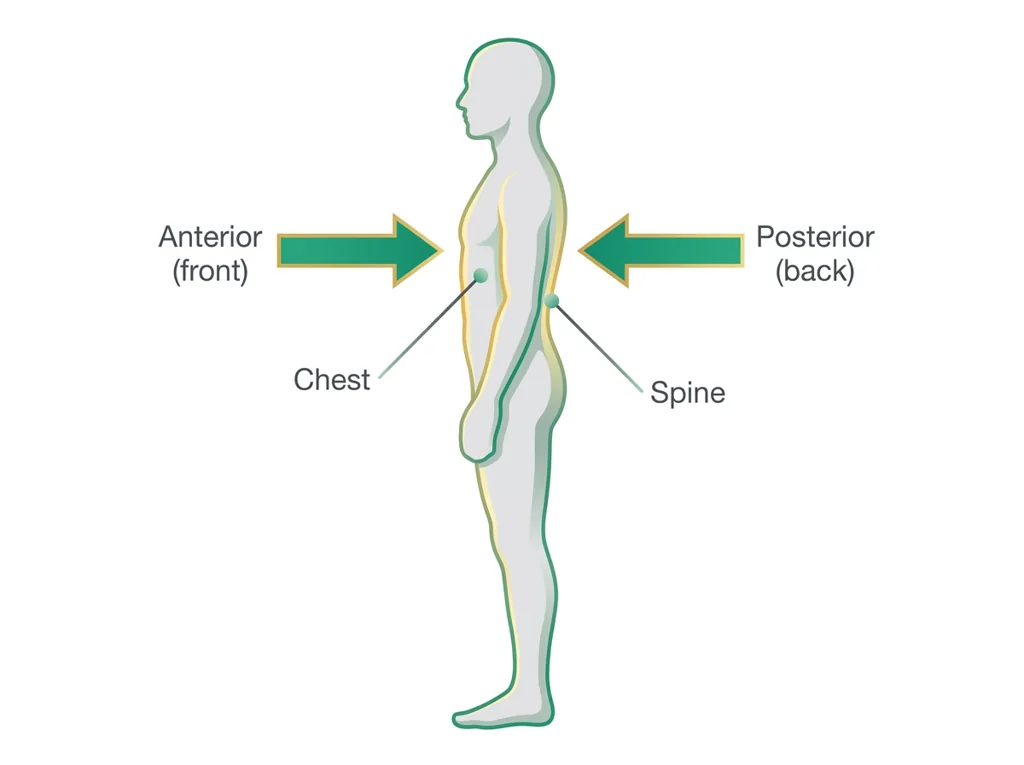
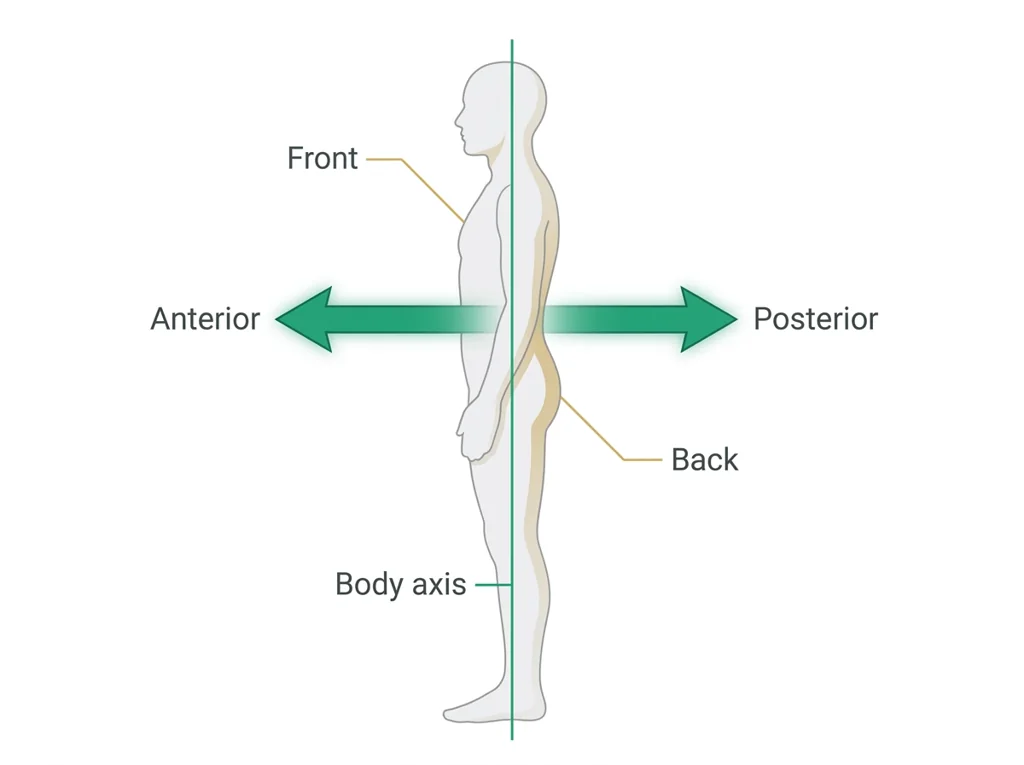
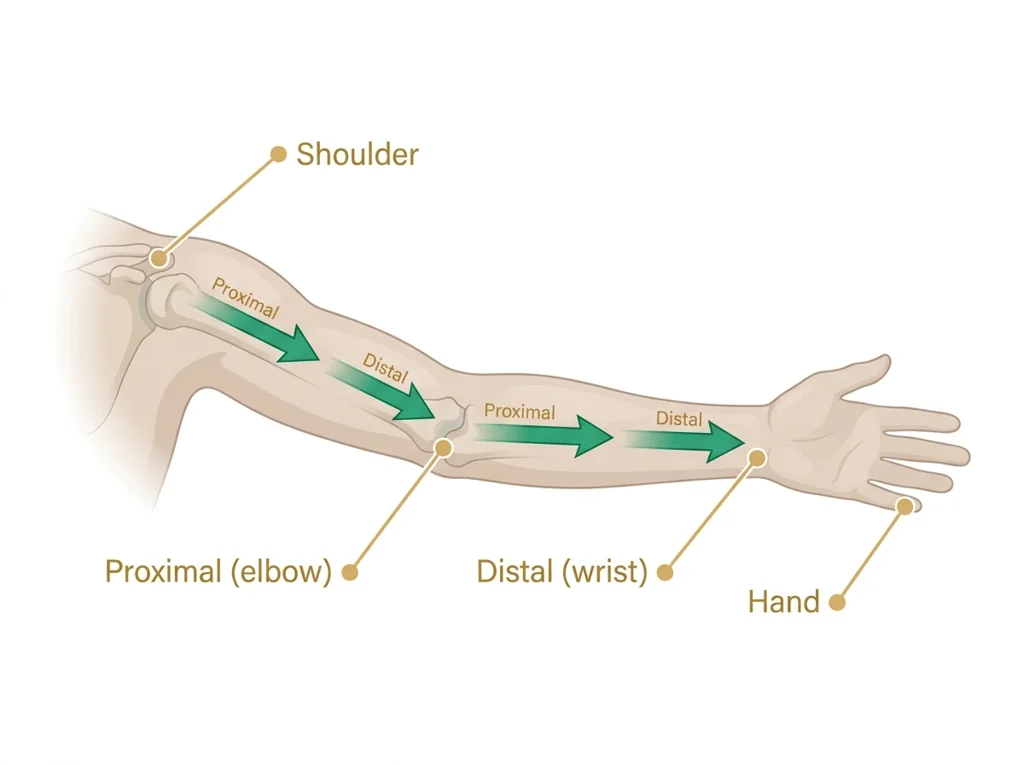
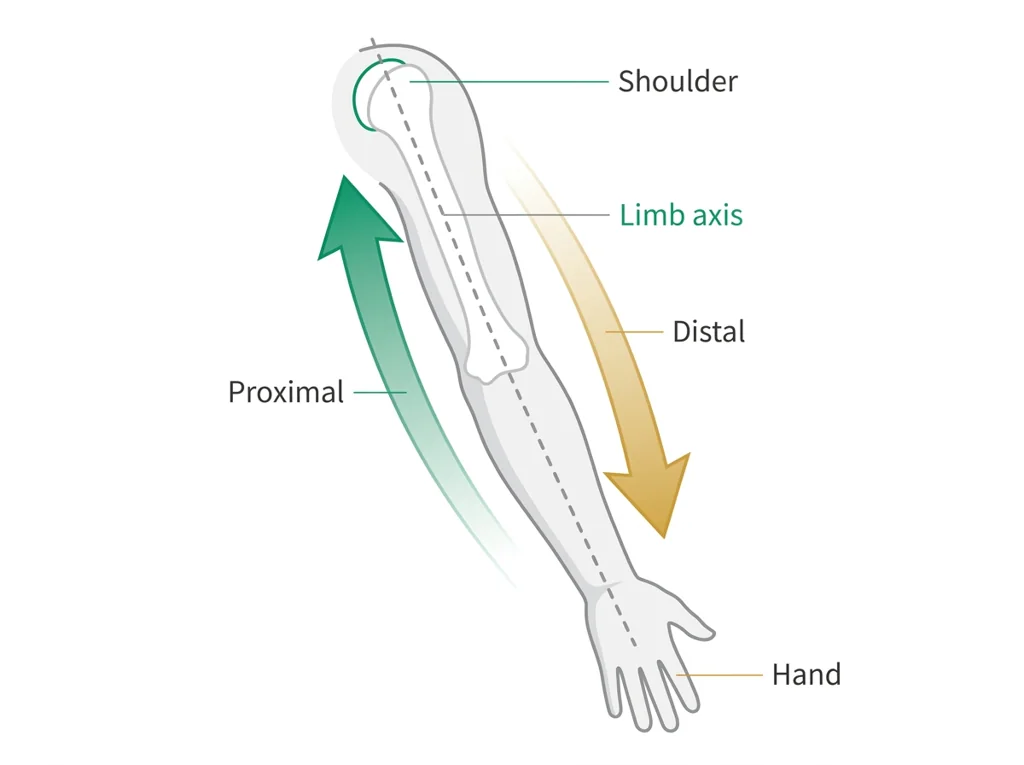
- 5Practice language by labeling a partner sketch with , , , , , and .
- 6Write one sentence defining in your own words and give one everyday example.
- • You will be able to access your PLTW course shell and set up a dated, traceable lab notebook entry.
- • You will be able to locate , handling, and storage information on an SDS.
- • You will be able to use , , , , , and to describe body locations.
Open any day for its full lesson, the work due that day, and guided notes.
Completed SDS checklist (Sections 2, 4, 8) plus a photo of your initialized, dated notebook page.
Body outline with five structures labeled using correct paired directional terms, plus three sentences each using at least two terms.
One-paragraph CER on whether patient imaging data should be shared for teaching without renewed consent.
Labeled body-planes and body-cavities diagram with at least one organ placed in each major .
- Hook: every clinic and lab runs on shared habits and a shared language, so today we build both before we touch any model.
- Today's goal: get into PLTW, set up your notebook, and prove you can read an SDS and speak basic .
- Monday bioethics tie-in: who is responsible for in a shared lab, the individual or the whole team?
- Reminder: your graded notebook setup and check live in the PLTW course shell, not on loose paper.
Do this: Open your PLTW HBS course shell and advance the online benchmark through Course Launch.
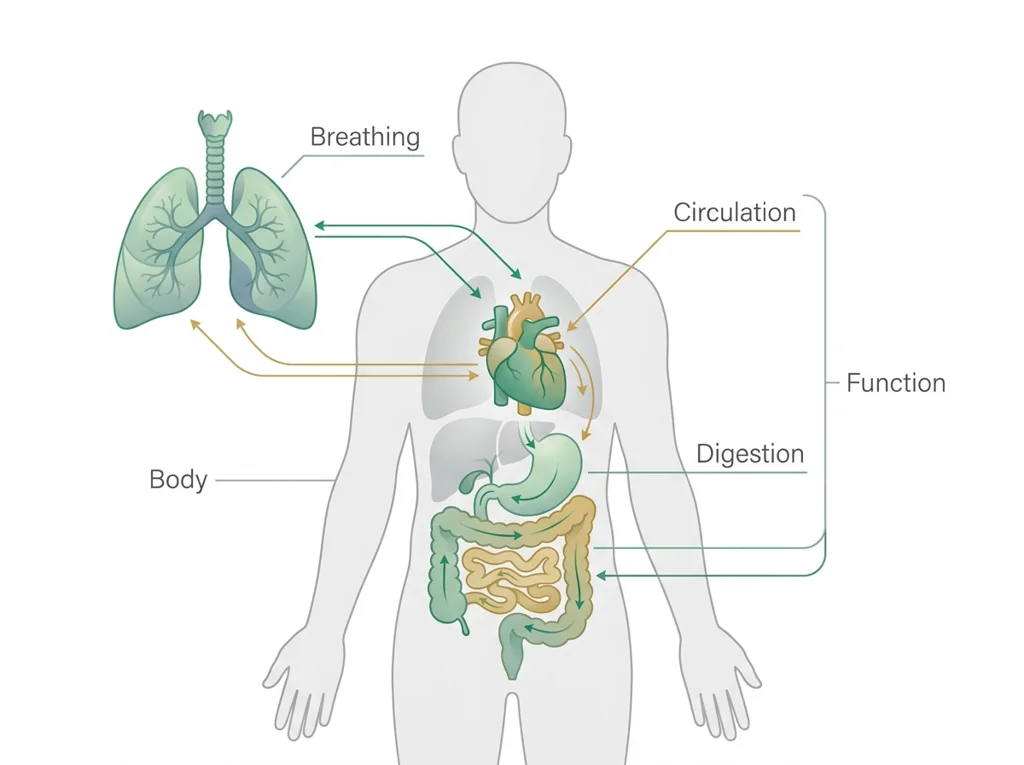
- • is the study of structure and physiology is the study of function.
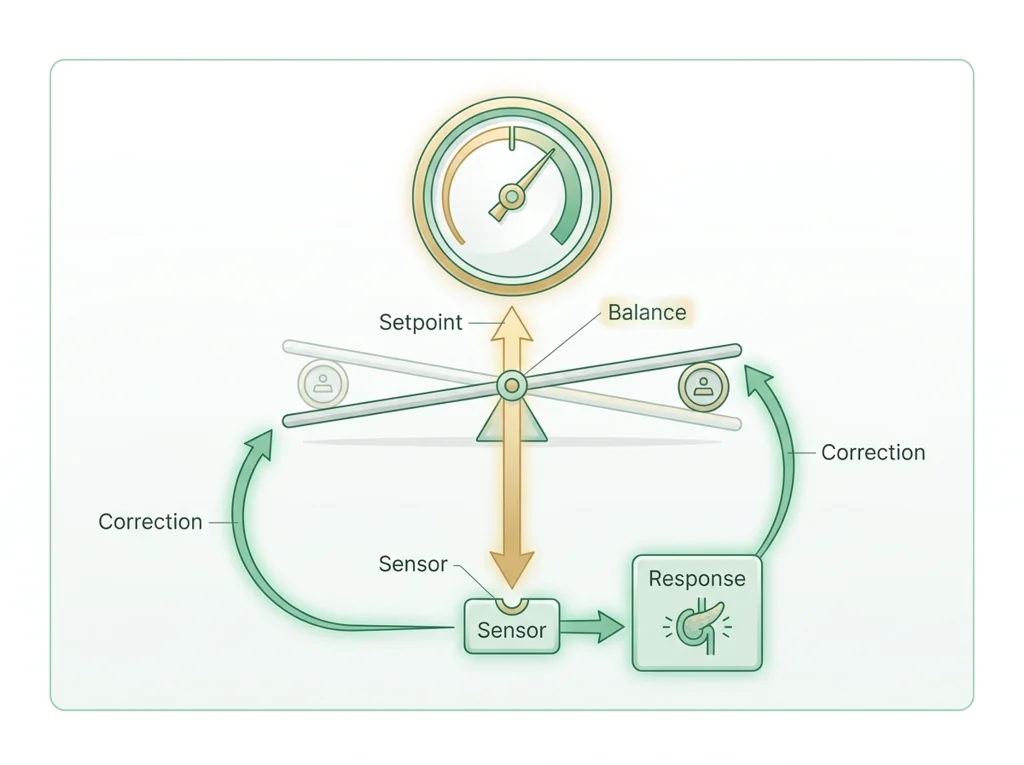
- • is the body keeping internal conditions stable.
- • An SDS lists handling, storage, first-aid, and disposal information for a chemical.
- • Set up a dated, traceable lab notebook entry with a units key.
- • Use directional terms to describe where a structure is located.
📋 PLTW evidence due this week: completed Course Launch benchmark plus your and practical and baseline vocabulary check.
All PLTW activities are completed inside the PLTW course environment: this page only gives direction.
Use this chart to keep your place. Nothing on it is turned in through the portal.
| Day | Work | Turn in |
|---|---|---|
| Monday · Mon, Feb 1 | Wk3 Pre-lab: Lab notebook and safety practical | Completed SDS checklist (Sections 2, 4, 8) plus a photo of your initialized, dated notebook page. |
| Tuesday · Tue, Feb 2 | Evidence for | |
| Wednesday · Wed, Feb 3 | Anatomical directional terms | Body outline with five structures labeled using correct paired directional terms, plus three sentences each using at least two terms. |
| Thursday · Thu, Feb 4 | Wk3 CER: Bioethics: imaging and privacy | One-paragraph CER on whether patient imaging data should be shared for teaching without renewed consent. |
| Friday · Fri, Feb 5 | Body planes and cavities | Labeled body-planes and body-cavities diagram with at least one organ placed in each major cavity. |
- M: Philosophy for Kids / John Carroll bioethical debate
- W: lab / data or model work
- Th: analysis / CER or design revision
- F: submit tracker + weekly evidence
Turn in: Course Launch into Unit 1.1 Beginning With Bones: the body-donation debate, anatomy vs physiology, the lab notebook practical, directional terms, then imaging bioethics and body planes and cavities. weekly work due Safety contract, myPLTW login proof, opening CER, and your directional-terms check.
Go to Schoology to turn this in.
Submit one PDF. Schoology attaches your name to your upload; on the page itself, write your period and code. Name the file: FirstName LastName - Assignment Title - YYYY-MM-DD.pdf.
Open Schoology PDF upload helpIf you cannot get in, see Mr. Mendoza. Do not skip the work.
2 panels from the illustrated semester.
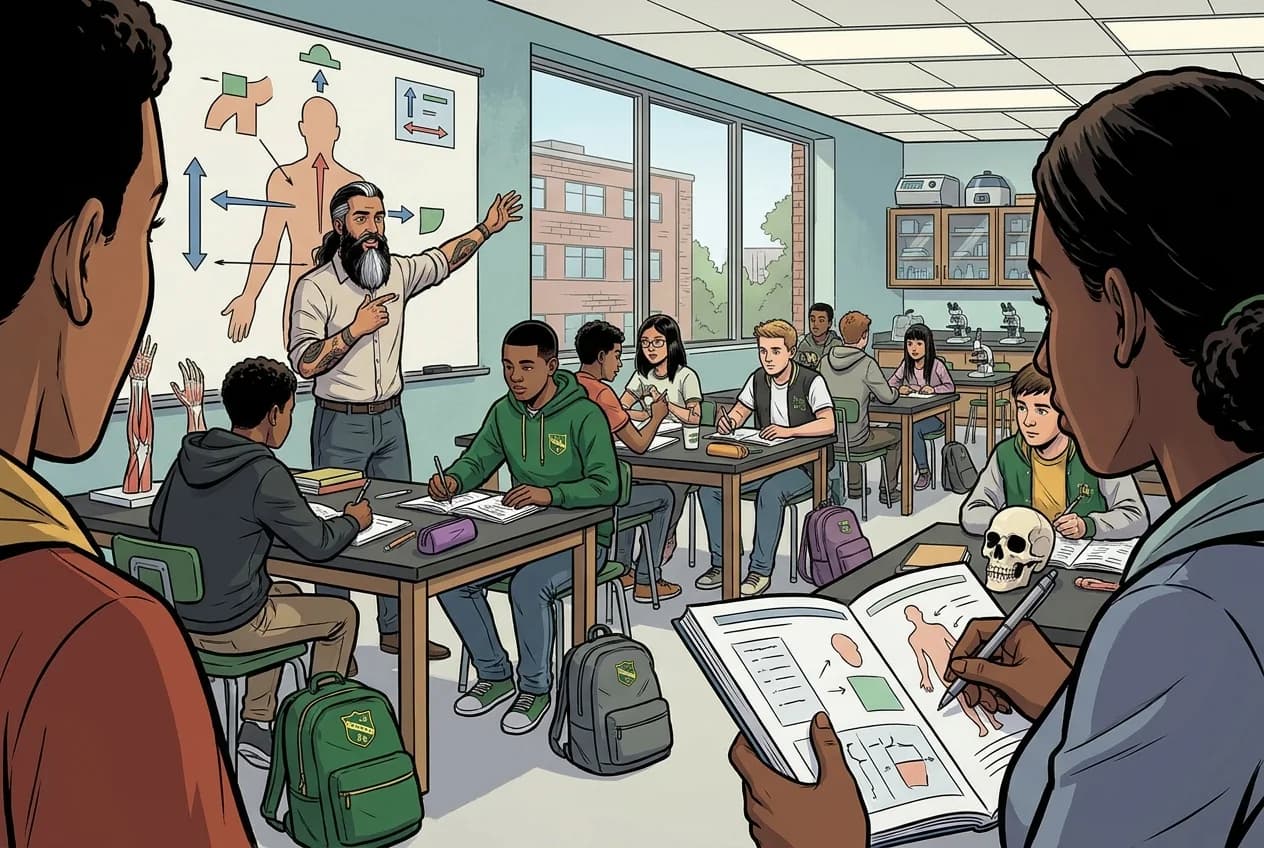
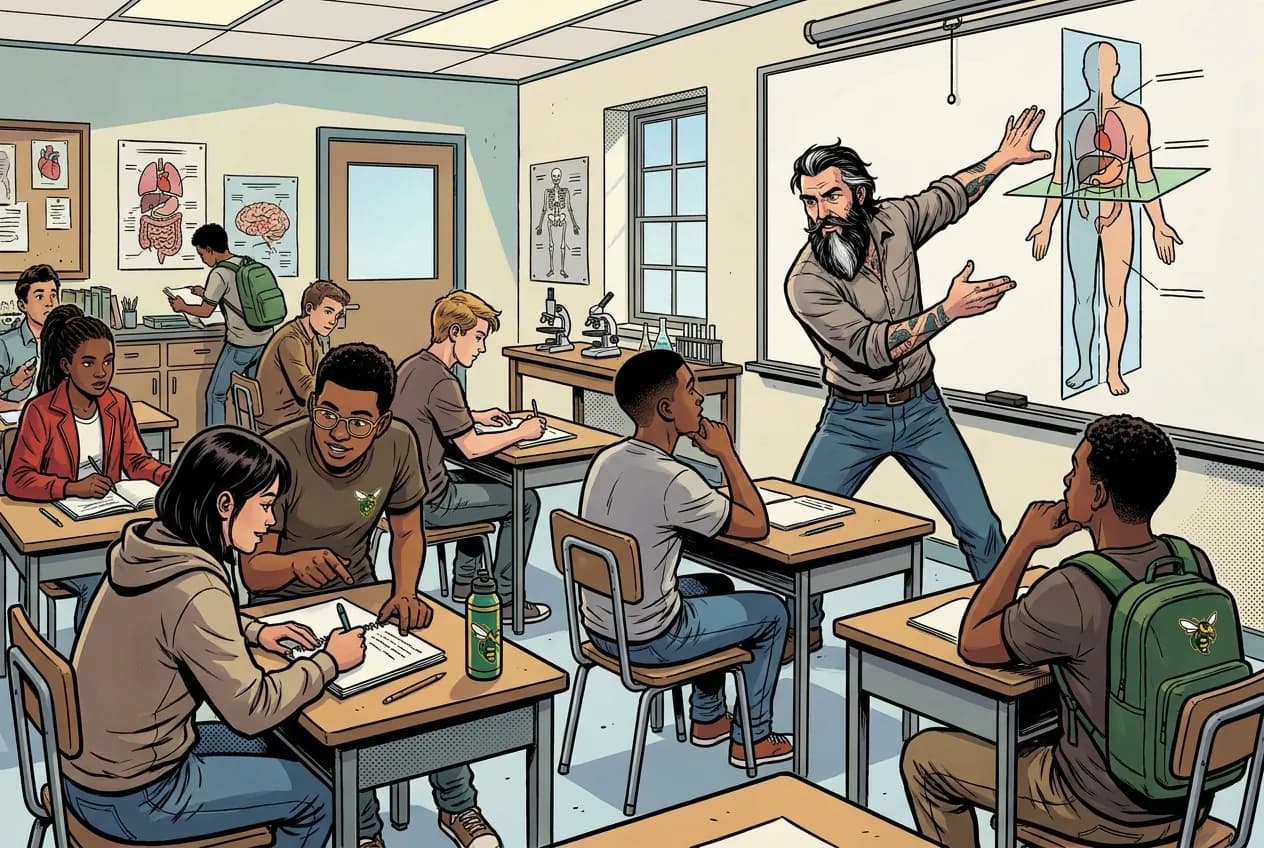
Fiction. There is no such student. The lessons, labs and dates are the real planned course; the student, the classmates and the conversations are invented.
This explainer accompanies the PLTW lab protocol: watch it before lab.
Most days, this class is your PLTW coursework: and PLTW is online and individual. So being out usually just means doing exactly what we did in class, from home.
Open Clever, then myPLTWSign in to Clever with your district Microsoft account to open Schoology or myPLTW. Follow today's posted steps. If myPLTW will not open, use the posted alternative and tell Mr. Mendoza. Turn in your completed work through the Schoology assignment.
You can't do those from home: do this instead: Teacher-posted data/model packet, same objective. Supplemental: Khan: and physiology intro; NSTA position.
Class still runs. A substitute will post today's plan: complete the online activity above; it's built to be self-guided. Need the concept taught without a teacher? Use this authoritative explainer:
CDC Laboratory Safety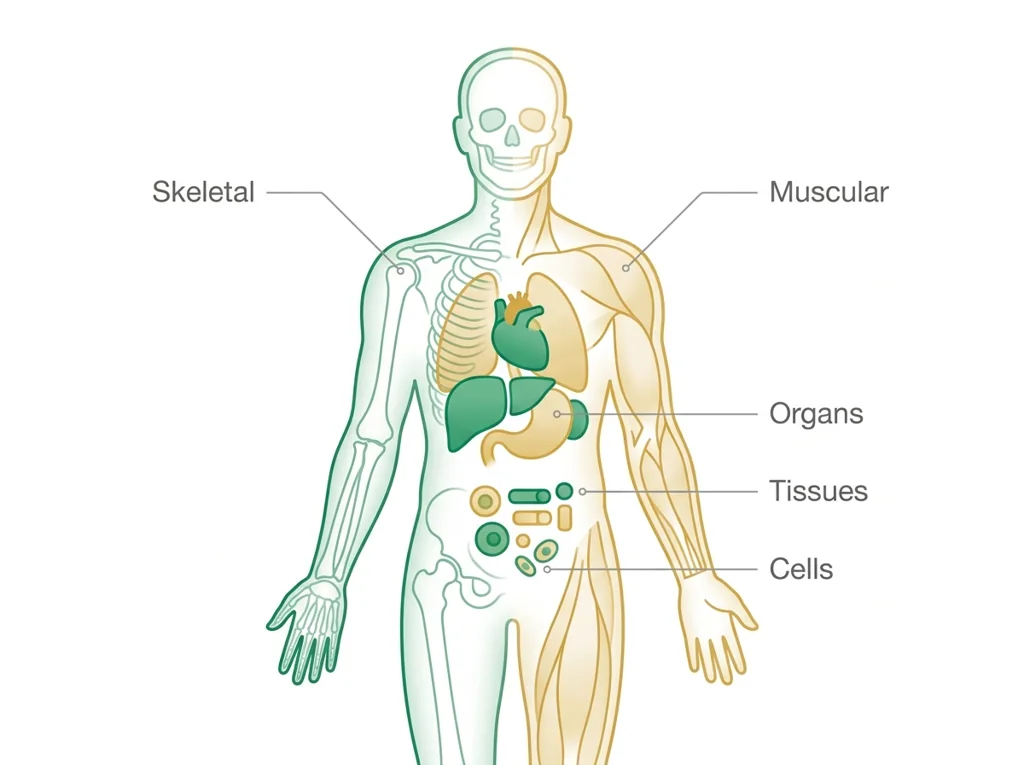
Hand-picked readings, videos, and interactives for this lesson, all free and from authoritative open organizations (NIH, CDC, OpenStax, Khan Academy, PhET, HHMI, and more).
Classroom documents for this lesson are posted in Schoology. Open Clever, then Schoology, and find each one by the name shown on its card.
Use this as the classroom resource for HBS launch and body systems overview.
Sign in to Clever with your district Microsoft account to open Schoology or myPLTW. Follow today's posted steps. If myPLTW will not open, use the posted alternative and tell Mr. Mendoza. Turn in your completed work through the Schoology assignment.