
Unit 1.1 Project Break a Leg: fracture analysis, bone structure and repair technologies, then Muscles and Motion opens with the performance-enhancement debate.
Your PLTW coursework: Human Body Systems ▸ Unit 1: Road to Rehabilitation ▸ Lesson 1.1 Beginning With Bones ▸ "Project 1.1.6 Break a Leg"
What to do if absent- CER:
- Claim, Evidence, Reasoning: make a claim, back it with evidence, explain your reasoning.
- SOP:
- Standard Operating Procedure, the exact steps to follow (especially in a lab).
- Tracker:
- Your PLTW progress log where you record completed evidence.
- myPLTW:
- The PLTW course site where you do the online activities. Find it in Clever with your Microsoft sign-in, right next to Schoology.
Examine bone structure and function, explain how fractures heal through bone remodeling, and connect repair technologies to real patient cases.
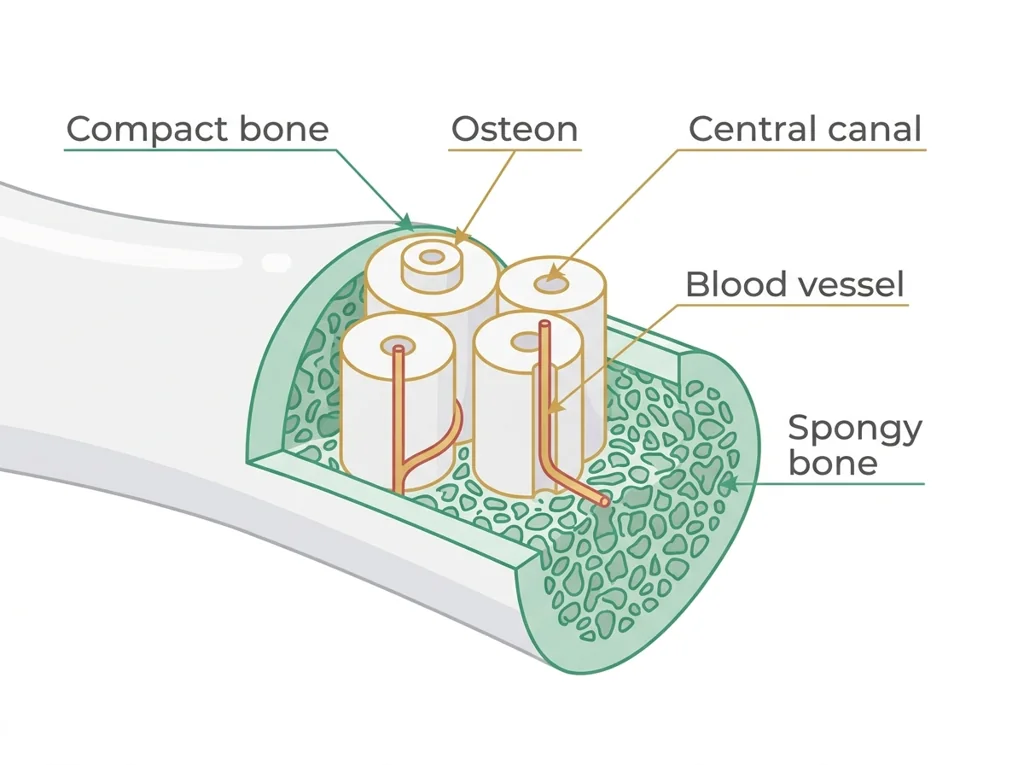
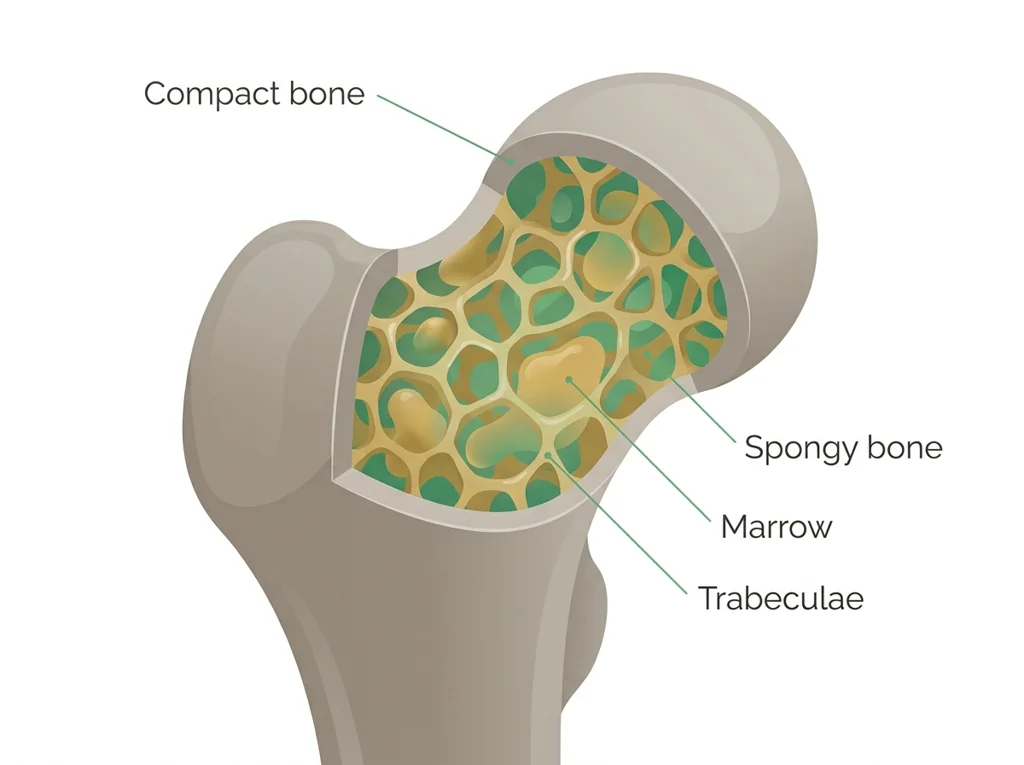
- 1Examine a bone model or image and label , , and a .
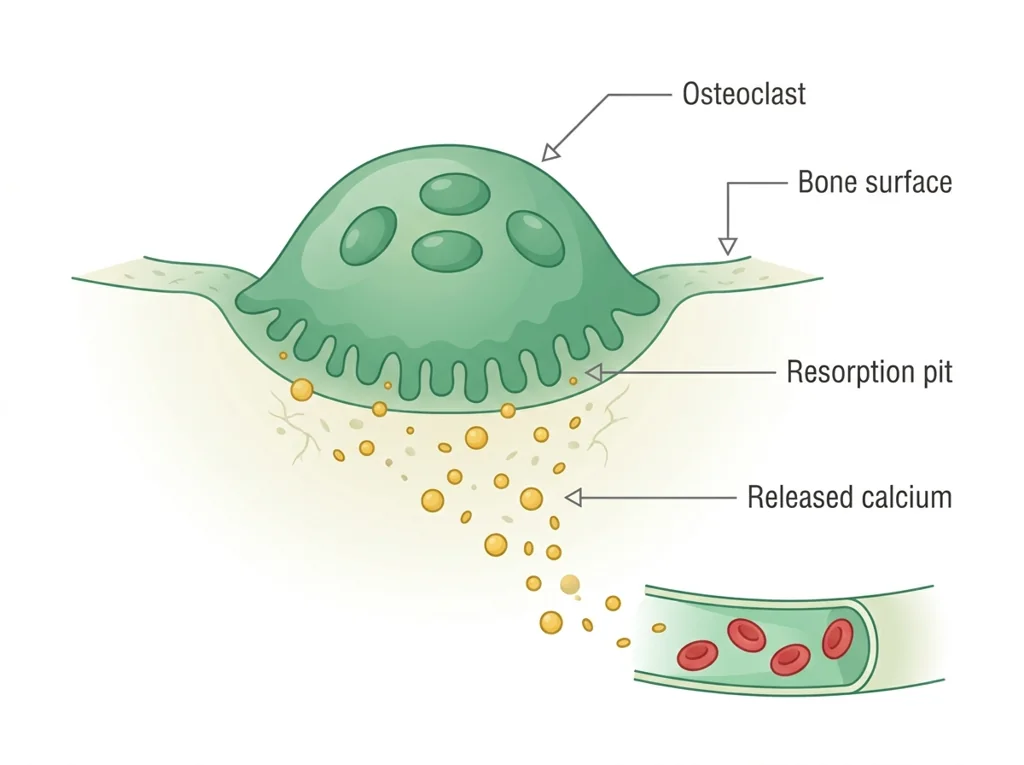
- 2Write one job of osteoblasts and one job of osteoclasts in your notebook.
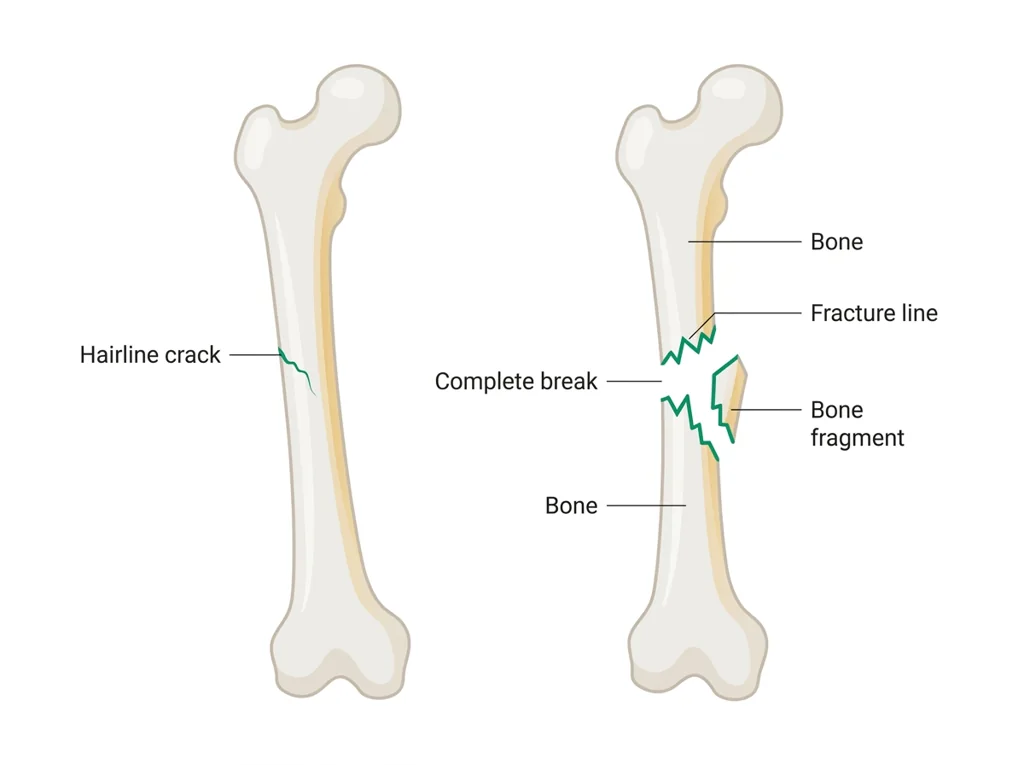
- 3Sort a set of images or descriptions by how severe the break is.
- 4Sketch the stages of healing and label where new bone is being built.
- 5Connect one repair technology, such as a cast, plate, or pin, to the type of it helps.
- 6Write a two-sentence claim about why bone is a living, changing and back it with evidence from the lab.
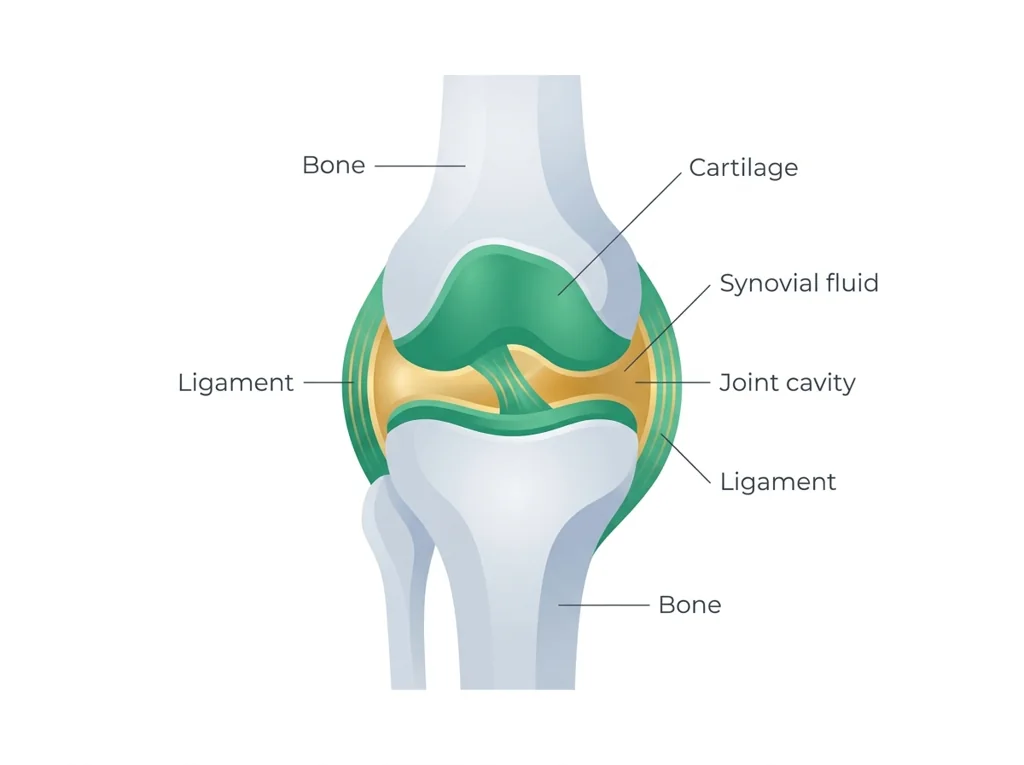
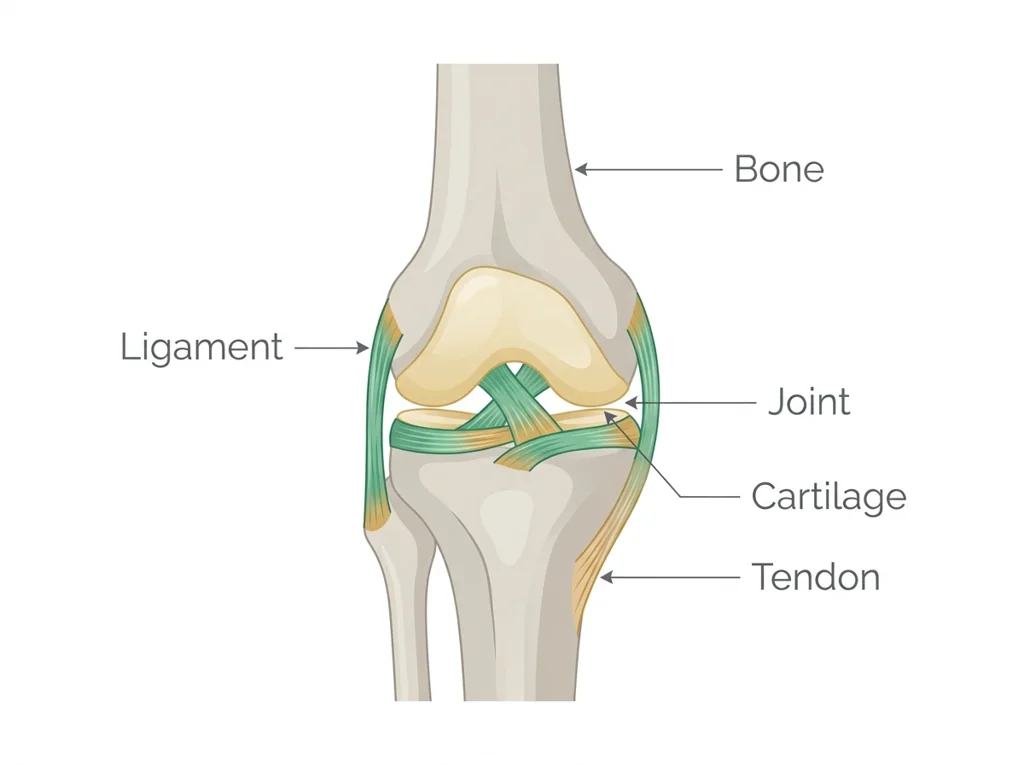
- • You will be able to identify , , joints, and ligaments on a model.
- • You will be able to explain how osteoblasts and osteoclasts remodel bone.
- • You will be able to match a type to an appropriate repair technology.
Open any day for its full lesson, the work due that day, and guided notes.
One dated notebook entry with R1 table, R2 cell-role table, R3 labeled sketch, R4 repair-limit response and R5 check.
classification table: each image labeled with fracture type, nearest type, and predicted healing speed with justification.
Repair-stage timeline diagram (four stages with active cells labeled) plus a CER arguing when a specific repair technology is the best choice.
One-paragraph CER taking a position on whether performance-enhancing drugs should be permitted in competitive sport.
- Hook: bone is not dead scaffolding, it is living that tears down and rebuilds itself every day.
- Today's goal: read a like a clinician and explain how the body and technology heal it together.
- Monday bioethics tie-in: should a young athlete return to play before a is fully healed if they really want to?
- Reminder: your graded analysis is submitted on the class site.
Do this: Advance the PLTW HBS online benchmark through Unit 1.1 Bones.
- • Osteoblasts build new bone and osteoclasts break bone down during remodeling.
- • Bones contain compact and spongy regions and connect at joints held by ligaments.
- • Classify a by its severity.
- • Match a to an appropriate repair technology.
📋 PLTW evidence due this week: your bone and analysis with a fracture-to-repair recommendation.
All PLTW activities are completed inside the PLTW course environment: this page only gives direction.
Use this chart to keep your place. Nothing on it is turned in through the portal.
| Day | Work | Turn in |
|---|---|---|
| Tuesday · Tue, Feb 16 | Looking Inside Bone: structure, cells and repair readiness | One dated notebook entry with R1 tissue table, R2 cell-role table, R3 labeled sketch, R4 repair-limit response and R5 check. |
| Wednesday · Wed, Feb 17 | Fracture analysis lab | Fracture classification table: each image labeled with fracture type, nearest joint type, and predicted healing speed with justification. |
| Thursday · Thu, Feb 18 | Bone repair and repair tech | Repair-stage timeline diagram (four stages with active cells labeled) plus a CER arguing when a specific repair technology is the best choice. |
| Friday · Fri, Feb 19 | Wk5 CER: Bioethics: performance enhancement | One-paragraph CER taking a position on whether performance-enhancing drugs should be permitted in competitive sport. |
- First class day: bioethical debate (Monday is a closure)
- T: teacher background notes + PLTW launch task
- W: lab / data or model work
- Th: analysis / CER or design revision
- F: submit tracker + weekly evidence
Turn in: Unit 1.1 Project Break a Leg: fracture analysis, bone structure and repair technologies, then Muscles and Motion opens with the performance-enhancement debate. weekly work due Bone/fracture analysis.
Go to Schoology to turn this in.
Submit one PDF. Schoology attaches your name to your upload; on the page itself, write your period and code. Name the file: FirstName LastName - Assignment Title - YYYY-MM-DD.pdf.
Open Schoology PDF upload helpIf you cannot get in, see Mr. Mendoza. Do not skip the work.
2 panels from the illustrated semester.
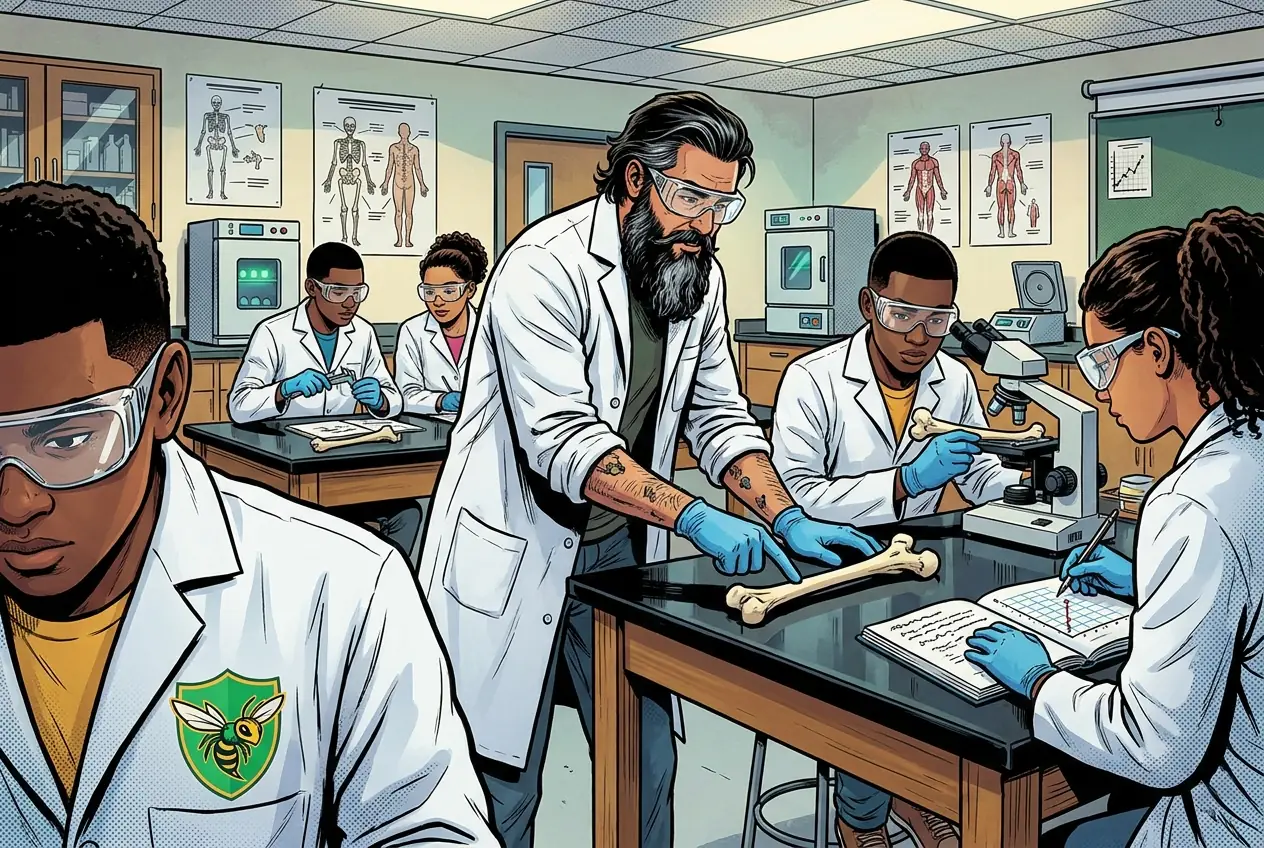
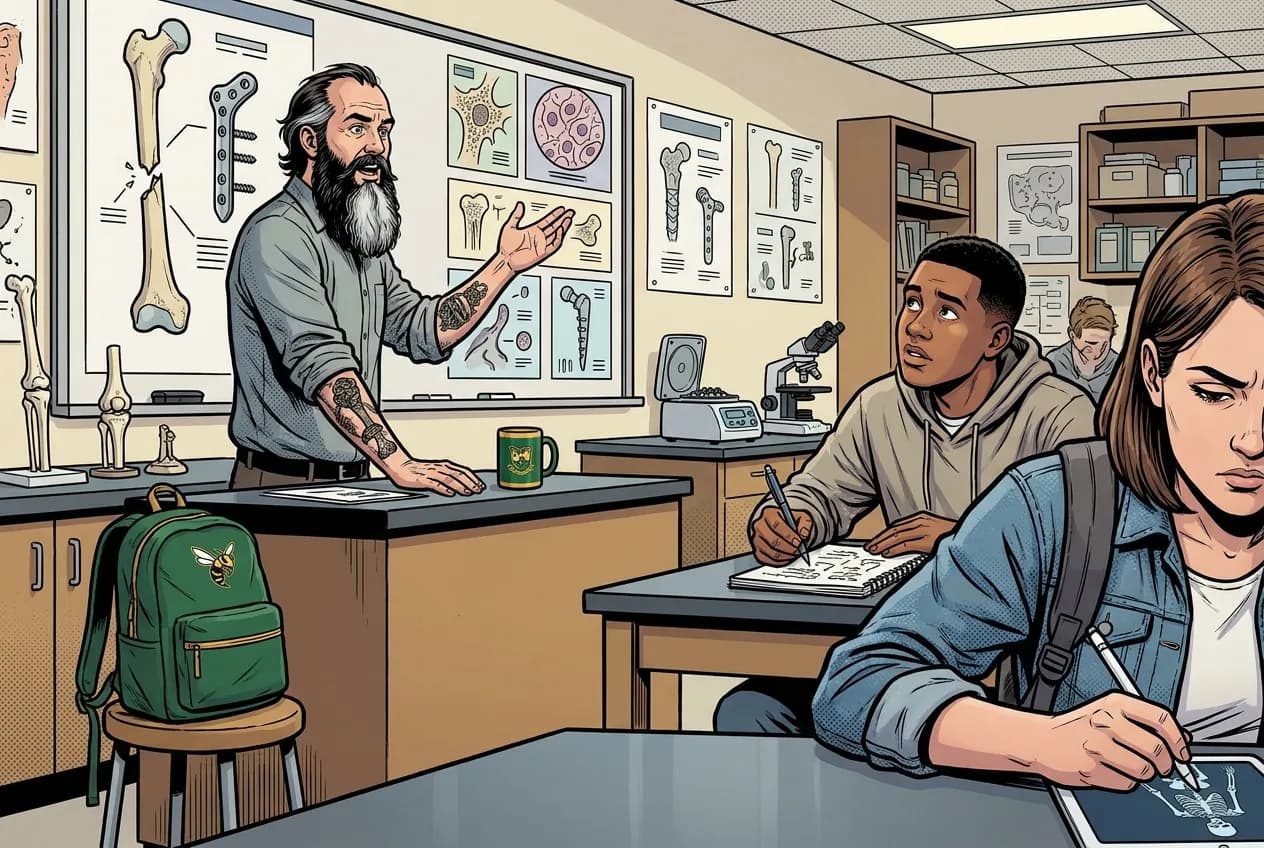
Fiction. There is no such student. The lessons, labs and dates are the real planned course; the student, the classmates and the conversations are invented.
This explainer accompanies the PLTW lab protocol: watch it before lab.
Most days, this class is your PLTW coursework: and PLTW is online and individual. So being out usually just means doing exactly what we did in class, from home.
Open Clever, then myPLTWSign in to Clever with your district Microsoft account to open Schoology or myPLTW. Follow today's posted steps. If myPLTW will not open, use the posted alternative and tell Mr. Mendoza. Turn in your completed work through the Schoology assignment.
You can't do those from home: do this instead: Teacher-posted data/model packet, same objective. Supplemental: Khan: skeletal system.
Class still runs. A substitute will post today's plan: complete the online activity above; it's built to be self-guided. Need the concept taught without a teacher? Use this authoritative explainer:
MedlinePlus: Bone Diseases and Fractures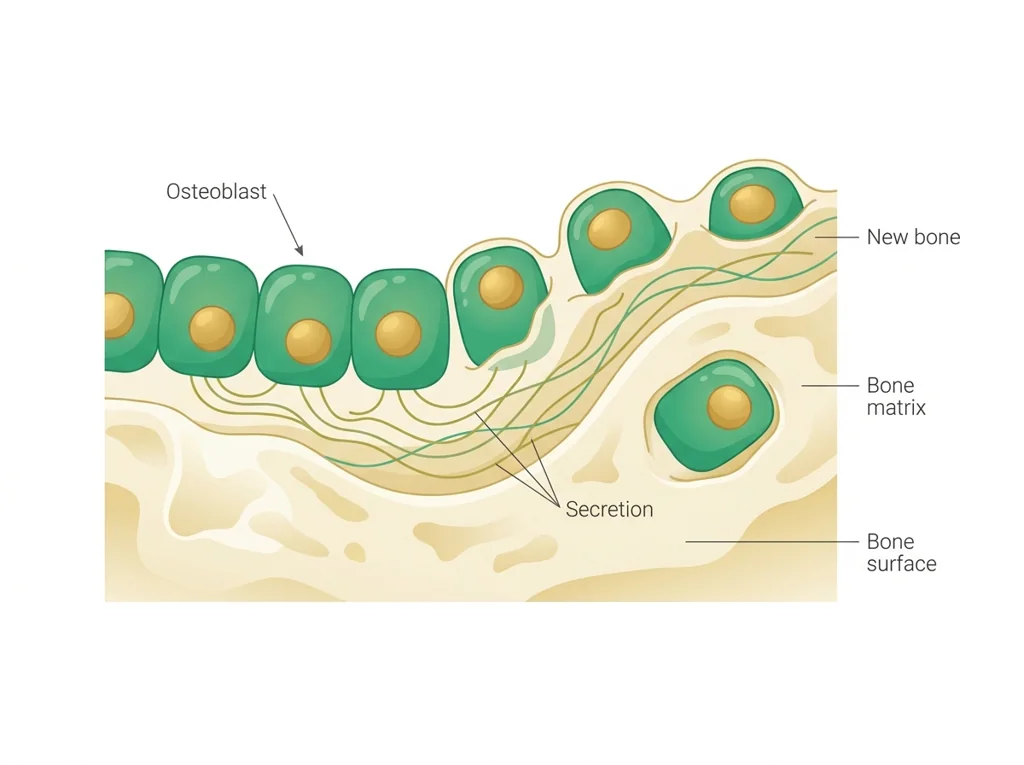
Hand-picked readings, videos, and interactives for this lesson, all free and from authoritative open organizations (NIH, CDC, OpenStax, Khan Academy, PhET, HHMI, and more).