

Unit 2.2 Everything Endocrine: endocrine glands, hormones, feedback loops, the blood sugar and insulin model, the glucose CER, then Challenge Accepted opens with experimental design.
Your PLTW coursework: Human Body Systems ▸ Unit 2: Research Ready ▸ Lesson 2.2 Everything Endocrine ▸ "Activity 2.2.1 The Endocrine System"
What to do if absent- CER:
- Claim, Evidence, Reasoning: make a claim, back it with evidence, explain your reasoning.
- SOP:
- Standard Operating Procedure, the exact steps to follow (especially in a lab).
- Tracker:
- Your PLTW progress log where you record completed evidence.
- myPLTW:
- The PLTW course site where you do the online activities. Find it in Clever with your Microsoft sign-in, right next to Schoology.
Week overview - Everything Endocrine: hormones, feedback loops, and the blood-sugar model
Build a working model of a loop and use it to explain how and keep in a healthy range.
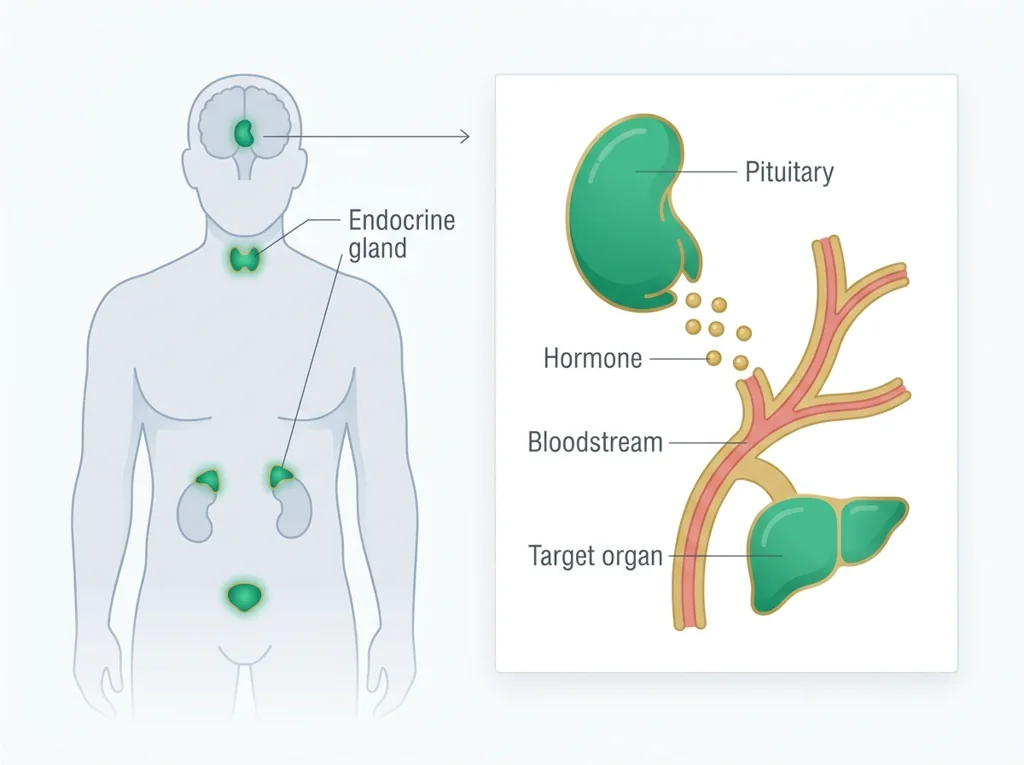
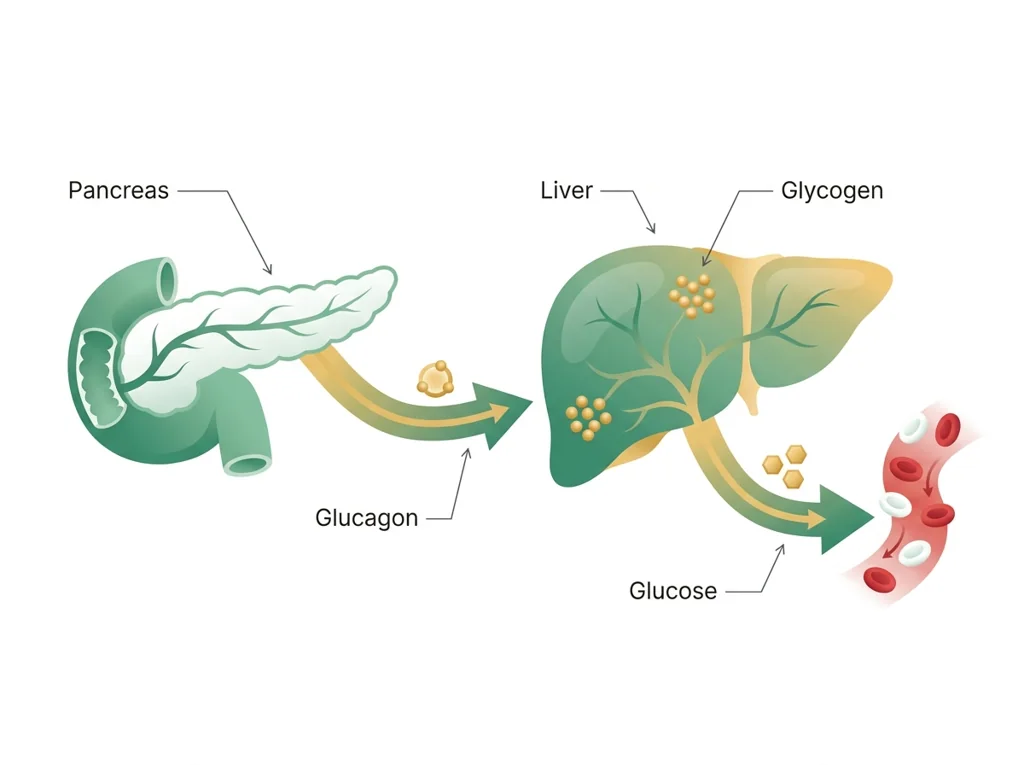
- 1List the major endocrine glands you can find on a body diagram and note one each releases.
- 2Define , , , and in your own words in your notebook.
- 3Set up the blood-sugar model with cards or tokens to represent glucose, , and .
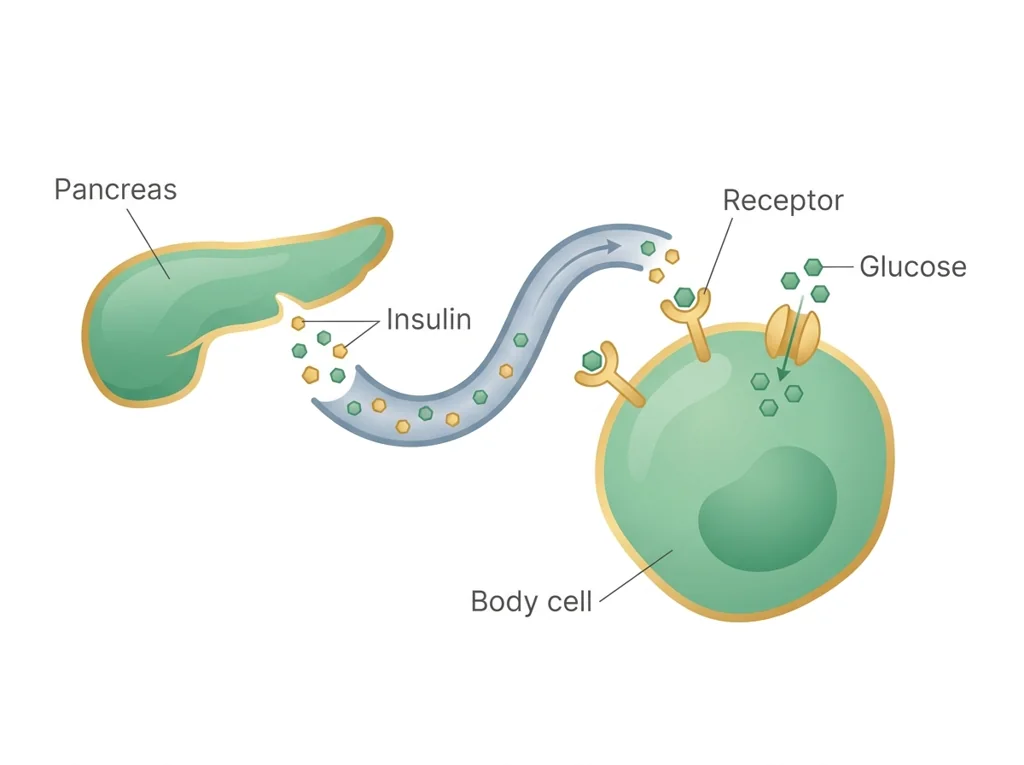
- 4Run the model after a meal: show how rising glucose triggers and lowers it back toward set point.
- 5Run the model during fasting: show how falling glucose triggers and raises it back toward set point.
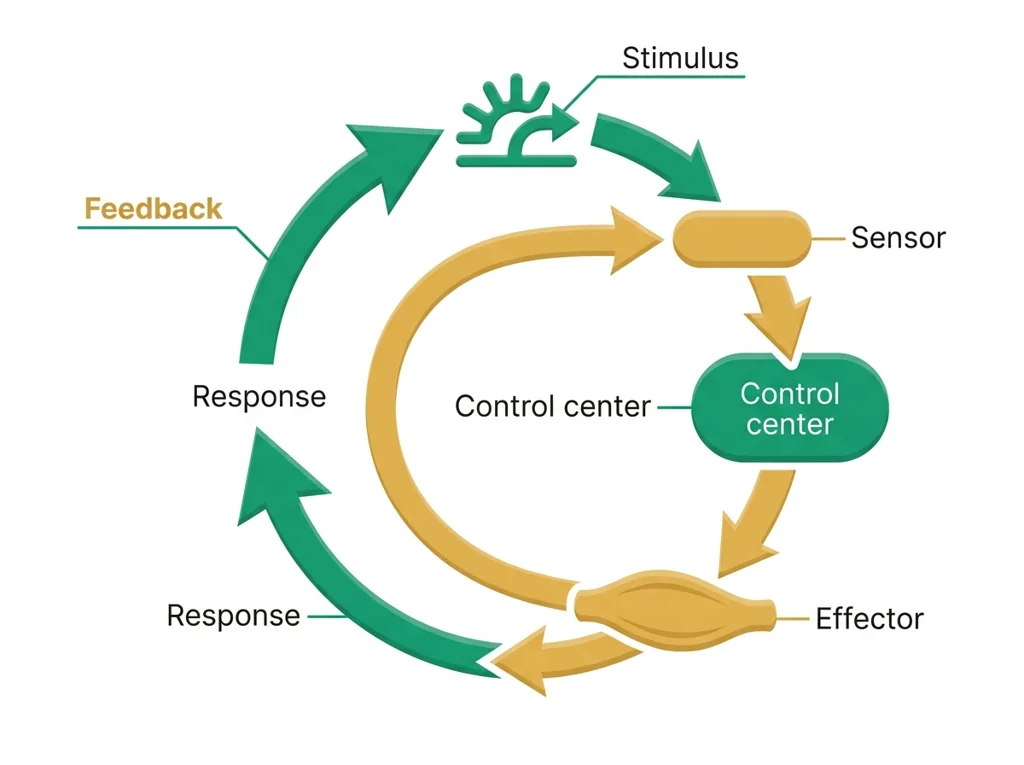
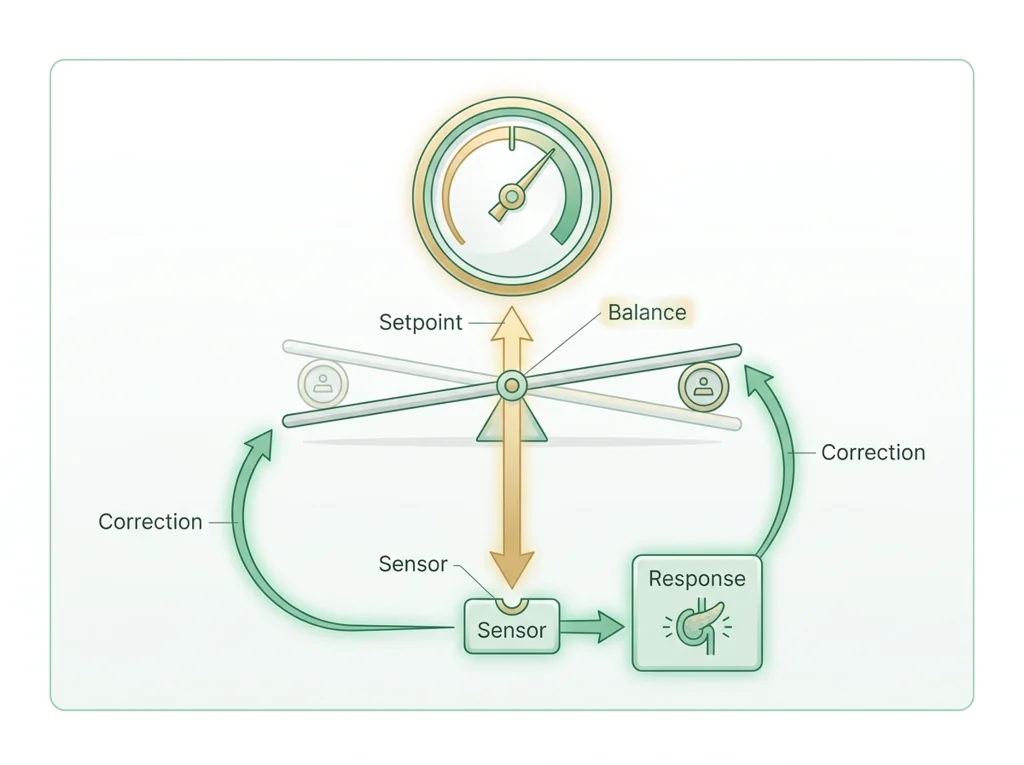
- 6Sketch the full loop and label the , sensor, response, and return to .
- • You will be able to match key hormones to the endocrine glands that release them.
- • You will be able to trace a loop from back to set point.
- • You will be able to explain how and balance .
Open any day for its full lesson, the work due that day, and guided notes.
One-sentence written position on minor -therapy consent, citing one medical fact and naming one genuine tradeoff.
Annotated body diagram labeling at least four endocrine glands with their primary hormones, plus definitions of , target cell, and .
diagram showing and responses for both a meal and a fasting scenario, with labeled negative-feedback arrows.
- Hook: your body runs a silent chemical thermostat every minute, and today you build the model that shows how it works.
- Today's goal: prove you can trace a loop and explain the and balance with your model.
- This week's Monday bioethics debate: who should pay for when the price keeps people from staying healthy?
- Reminder: your graded feedback-loop organizer and model evidence live in the PLTW course shell, not on loose paper.
Do this: Advance the PLTW Everything Endocrine benchmark by completing the online evidence on glands, hormones, and feedback regulation in the course shell.
- • Endocrine glands release hormones that travel through the blood to target tissues.
- • A loop returns a variable like toward a set point.
- • lowers and raises it, working as a balanced pair.
- • Model a loop using , sensor, response, and set point.
- • Explain how and maintain glucose .
📋 PLTW evidence due: completed feedback-loop organizer modeling blood-glucose regulation with and , submitted on the class site.
All PLTW activities are completed inside the PLTW course environment: this page only gives direction.
Use this chart to keep your place. Nothing on it is turned in through the portal.
| Day | Work | Turn in |
|---|---|---|
| Monday · Mon, Mar 22 | Wk10 Exit ticket: Hormone therapy bioethics debate | One-sentence written position on minor hormone-therapy consent, citing one medical fact and naming one genuine tradeoff. |
| Tuesday · Tue, Mar 23 | Wk10 Vocabulary: Endocrine glands and signaling | Annotated body diagram labeling at least four endocrine glands with their primary hormones, plus definitions of hormone, target cell, and receptor. |
| Wednesday · Wed, Mar 24 | Wk10 Lab notebook: Negative feedback model build | Feedback loop diagram showing insulin and glucagon responses for both a meal and a fasting scenario, with labeled negative-feedback arrows. |
| Thursday · Thu, Mar 25 | Evidence for |
- M: Philosophy for Kids / John Carroll bioethical debate
- T: teacher background notes + PLTW launch task
- W: lab / data or model work
Turn in: Unit 2.2 Everything Endocrine: endocrine glands, hormones, feedback loops, the blood sugar and insulin model, the glucose CER, then Challenge Accepted opens with experimental design. weekly work due Feedback-loop organizer.
Go to Schoology to turn this in.
Submit one PDF. Schoology attaches your name to your upload; on the page itself, write your period and code. Name the file: FirstName LastName - Assignment Title - YYYY-MM-DD.pdf.
Open Schoology PDF upload helpIf you cannot get in, see Mr. Mendoza. Do not skip the work.
This explainer accompanies the PLTW lab protocol: watch it before lab.
Most days, this class is your PLTW coursework: and PLTW is online and individual. So being out usually just means doing exactly what we did in class, from home.
Open Clever, then myPLTWSign in to Clever with your district Microsoft account to open Schoology or myPLTW. Follow today's posted steps. If myPLTW will not open, use the posted alternative and tell Mr. Mendoza. Turn in your completed work through the Schoology assignment.
You can't do those from home: do this instead: Teacher-posted data/model packet, same objective. Supplemental: Khan: endocrine system; diabetes/blood sugar.
Class still runs. A substitute will post today's plan: complete the online activity above; it's built to be self-guided. Need the concept taught without a teacher? Use this authoritative explainer:
MedlinePlus: Endocrine Diseases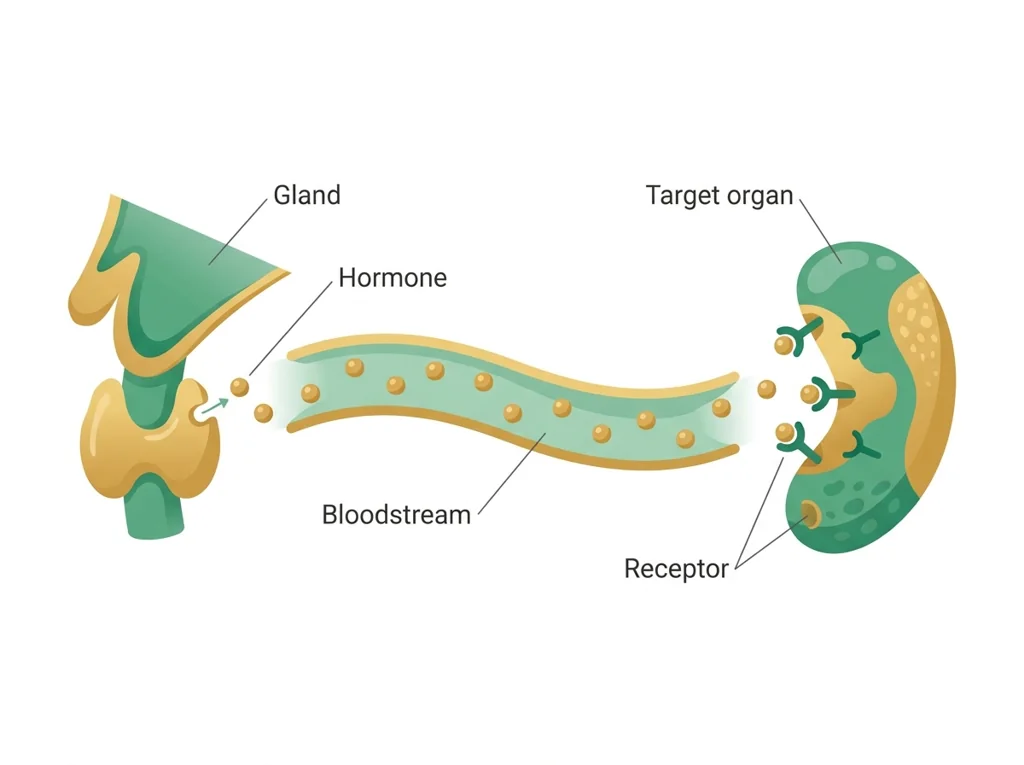
Hand-picked readings, videos, and interactives for this lesson, all free and from authoritative open organizations (NIH, CDC, OpenStax, Khan Academy, PhET, HHMI, and more).