

Unit 2.1 Reflexes: reflex and reaction time with the sensors, drug impacts on neuron signaling.
Your PLTW coursework: Human Body Systems ▸ Unit 2: Research Ready ▸ Lesson 2.1 Getting Nervous ▸ "Activity 2.1.4 The Secret to Signals", "Activity 2.1.5 Neuropharmacology (optional)", "Activity 2.1.6 Ready, Set, React!", "Activity 2.1.7 Here Comes the Hammer"
What to do if absent- CER:
- Claim, Evidence, Reasoning: make a claim, back it with evidence, explain your reasoning.
- SOP:
- Standard Operating Procedure, the exact steps to follow (especially in a lab).
- Tracker:
- Your PLTW progress log where you record completed evidence.
- myPLTW:
- The PLTW course site where you do the online activities. Find it in Clever with your Microsoft sign-in, right next to Schoology.
Measure reflexes and , explain how drugs and affect signaling, and use your data in a patient diagnosis challenge.
- 1Run a reaction-time test with a partner and record several trials.
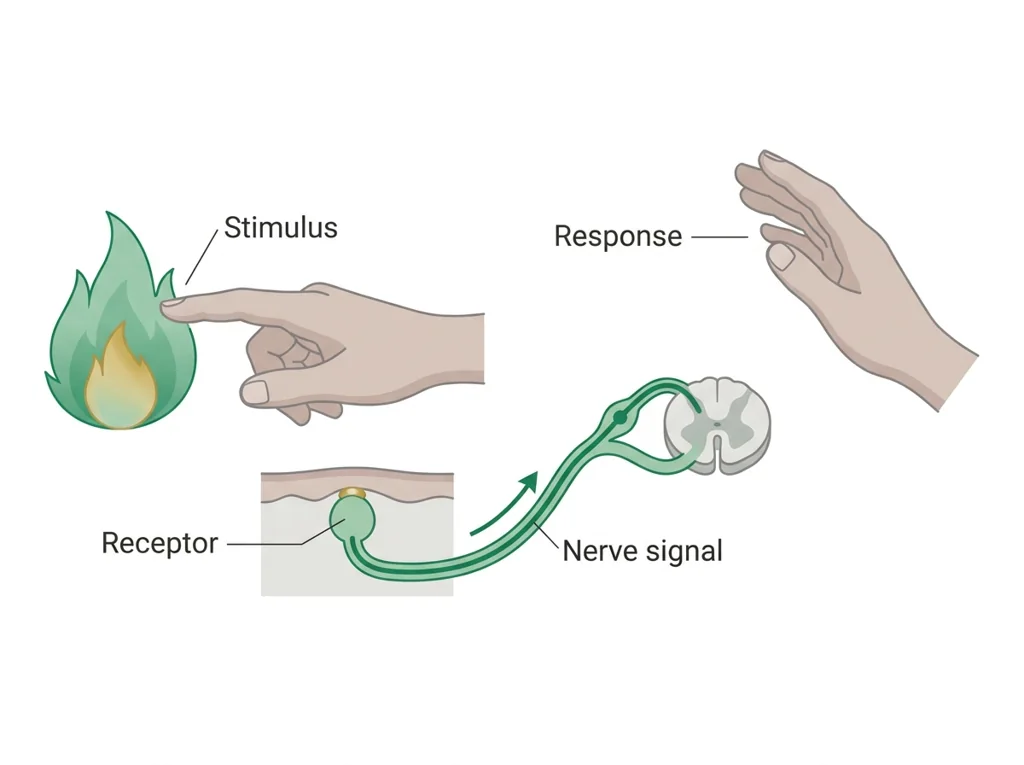
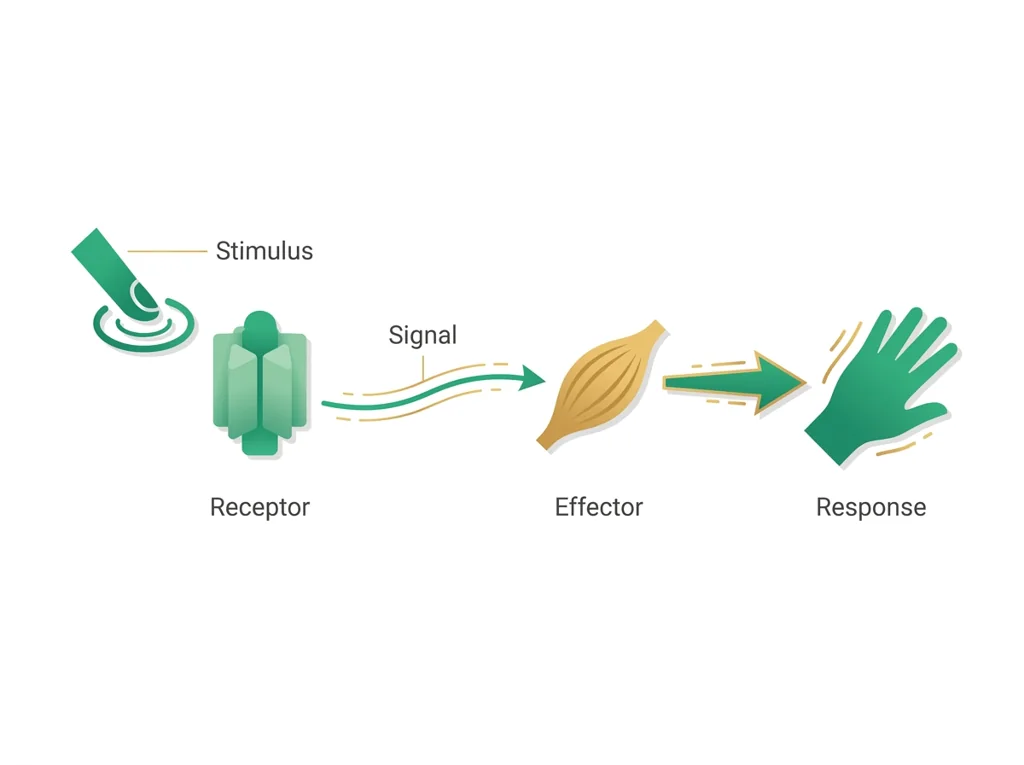
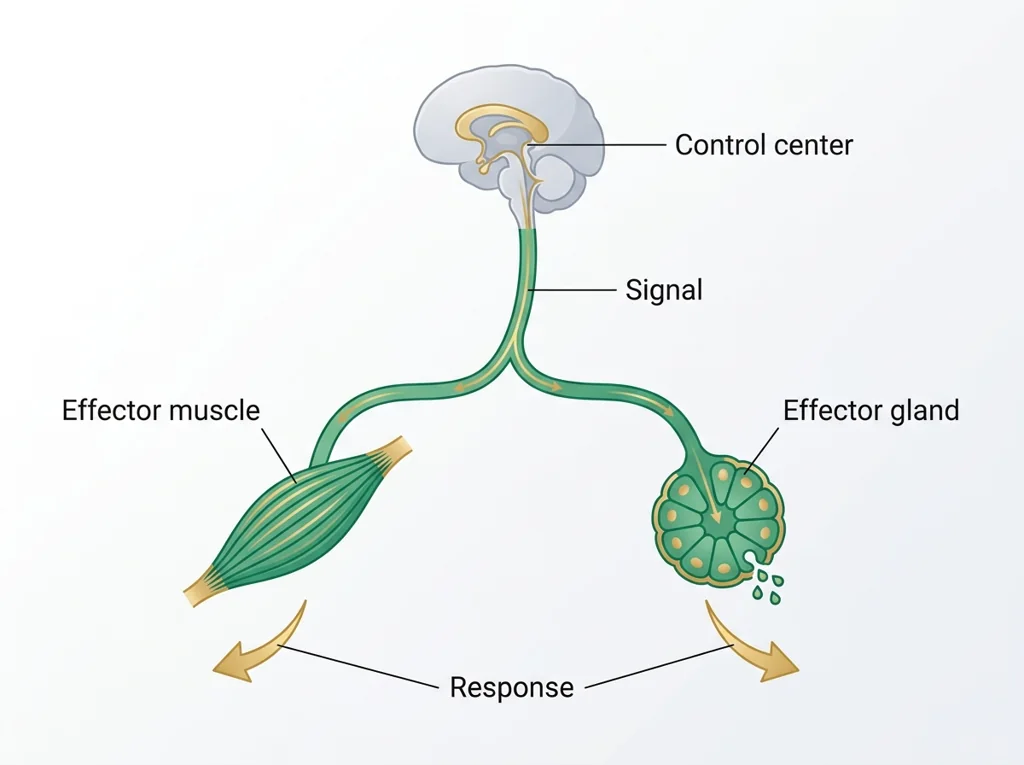
- 2Trace a simple arc from to to to response.
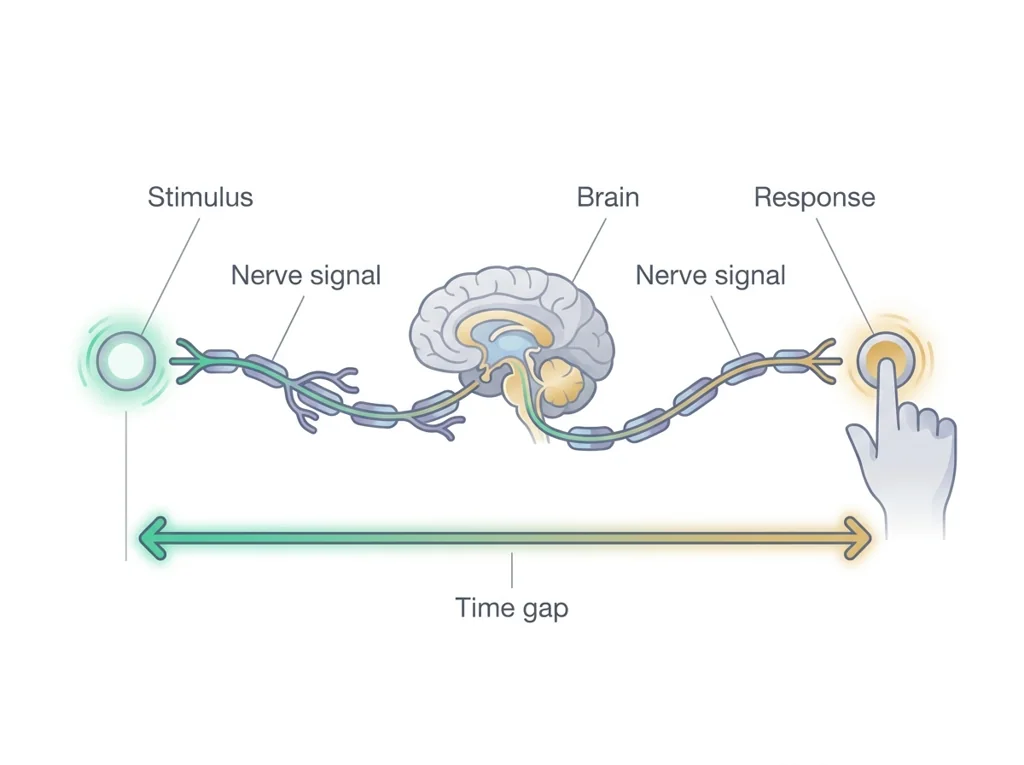
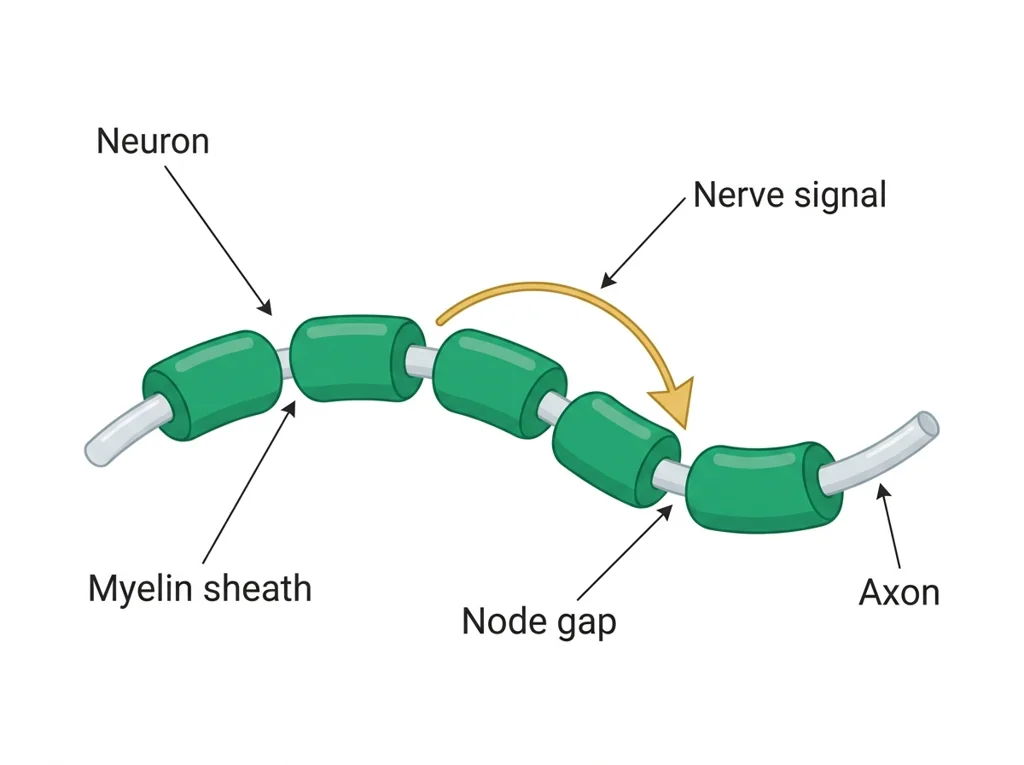
- 3Explain in one sentence how speeds a signal along an axon.
- 4Predict how a drug that slows signaling would change your reaction-time data.
- 5Compare your and reaction-time results to a partner and note any differences.
- 6Use your data and the patient clues to write a short, evidence-based diagnosis.
- • You will be able to measure reflexes and and record clean data.
- • You will be able to trace a arc from to response.
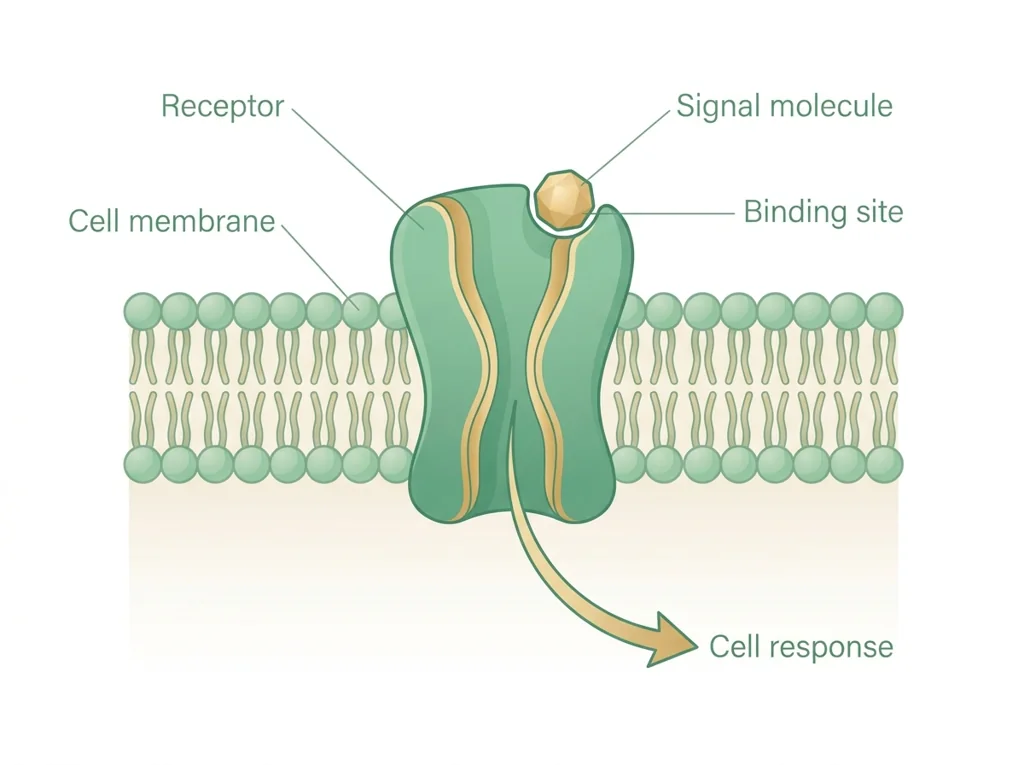
- • You will be able to explain how a drug or changes signaling.
Open any day for its full lesson, the work due that day, and guided notes.
One-paragraph CER taking a position on whether drivers impaired by legal medications should face the same rules as drivers impaired by alcohol.
Reaction-time with baseline and distraction conditions, all trials with units, condition averages computed, and any outliers flagged with notes.
Bar graph of baseline vs distraction average (labeled, with units) plus a CER explaining how a depressant or stimulant would alter the pattern via synaptic mechanism.
- Hook: your knee-jerk is faster than your conscious thought, because it never has to ask your brain for permission.
- Today's goal: measure reflexes and and use that data to reason like a diagnostician.
- Monday bioethics tie-in: should there be limits on substances that change , like caffeine or medication, before driving or testing?
- Reminder: your graded and reaction data analysis is submitted on the class site.
Do this: Advance the PLTW HBS online benchmark through Unit 2.1 Reflexes.
- • A arc runs from to to to response.
- • speeds signal travel, and some drugs slow or change signaling.
- • Measure reflexes and and record reliable data.
- • Use reaction data and clues to support a patient diagnosis.
📋 PLTW evidence due this week: your and reaction-time data analysis supporting a patient diagnosis.
All PLTW activities are completed inside the PLTW course environment: this page only gives direction.
Use this chart to keep your place. Nothing on it is turned in through the portal.
| Day | Work | Turn in |
|---|---|---|
| Monday · Mon, Mar 15 | Evidence for | |
| Tuesday · Tue, Mar 16 | Wk9 CER: Bioethics: drugs and driving | One-paragraph CER taking a position on whether drivers impaired by legal medications should face the same rules as drivers impaired by alcohol. |
| Wednesday · Wed, Mar 17 | Reaction-time table: supplied-data analysis | Reaction-time data table with baseline and distraction conditions, all trials with units, condition averages computed, and any outliers flagged with notes. |
| Thursday · Thu, Mar 18 | Wk9 CER: Drug effects on signaling | Bar graph of baseline vs distraction average reaction time (labeled, with units) plus a CER explaining how a depressant or stimulant would alter the pattern via synaptic mechanism. |
| Friday · Fri, Mar 19 | Evidence for |
- T: teacher background notes + PLTW launch task
- W: lab / data or model work
- Th: analysis / CER or design revision
Turn in: Unit 2.1 Reflexes: reflex and reaction time with the sensors, drug impacts on neuron signaling. weekly work due Reflex/reaction data analysis.
Go to Schoology to turn this in.
Submit one PDF. Schoology attaches your name to your upload; on the page itself, write your period and code. Name the file: FirstName LastName - Assignment Title - YYYY-MM-DD.pdf.
Open Schoology PDF upload helpIf you cannot get in, see Mr. Mendoza. Do not skip the work.
This explainer accompanies the PLTW lab protocol: watch it before lab.
Most days, this class is your PLTW coursework: and PLTW is online and individual. So being out usually just means doing exactly what we did in class, from home.
Open Clever, then myPLTWSign in to Clever with your district Microsoft account to open Schoology or myPLTW. Follow today's posted steps. If myPLTW will not open, use the posted alternative and tell Mr. Mendoza. Turn in your completed work through the Schoology assignment.
You can't do those from home: do this instead: Teacher-posted data/model packet, same objective. Supplemental: Khan: neurons and synapses.
Class still runs. A substitute will post today's plan: complete the online activity above; it's built to be self-guided. Need the concept taught without a teacher? Use this authoritative explainer:
Khan Academy: Neurons and Synapses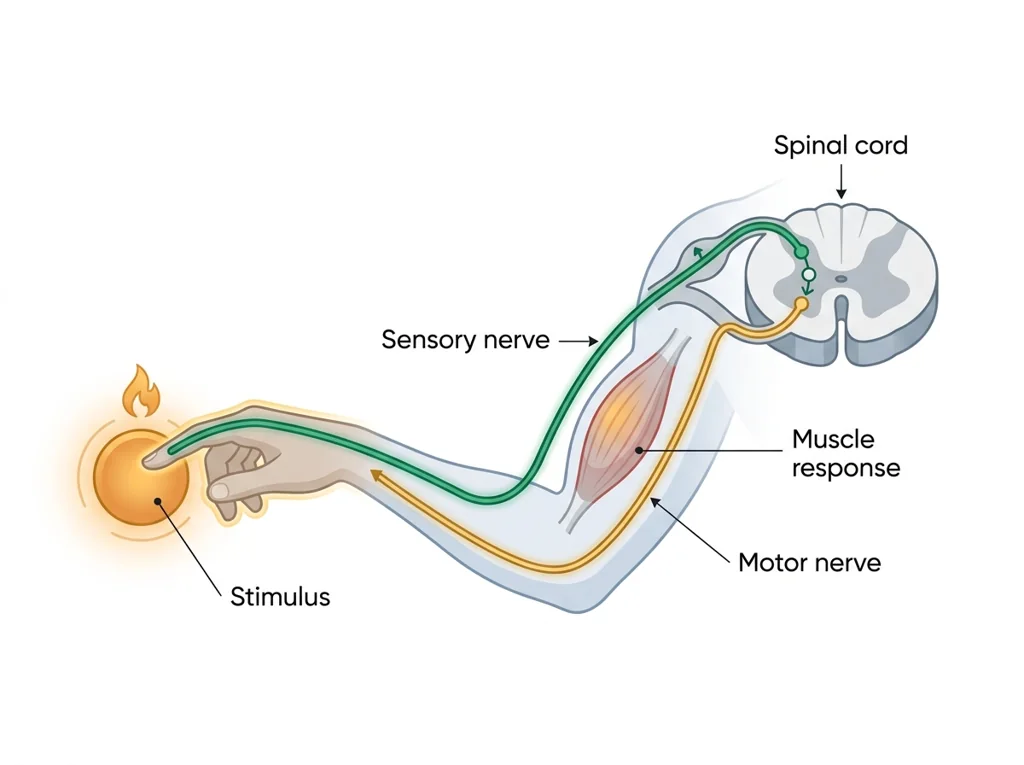
Hand-picked readings, videos, and interactives for this lesson, all free and from authoritative open organizations (NIH, CDC, OpenStax, Khan Academy, PhET, HHMI, and more).