
Unit 2.1 Getting Nervous: neurons and the synapse, brain anatomy, the sheep brain dissection or virtual alternative, CNS and PNS.
Your PLTW coursework: Human Body Systems ▸ Unit 2: Research Ready ▸ Lesson 2.1 Getting Nervous ▸ "Activity 2.1.1 Mind Matters", "Activity 2.1.2 Mapping Brain Function", "Activity 2.1.3 The Neuron", "Activity 2.1.4 The Secret to Signals"
What to do if absent- CER:
- Claim, Evidence, Reasoning: make a claim, back it with evidence, explain your reasoning.
- SOP:
- Standard Operating Procedure, the exact steps to follow (especially in a lab).
- Tracker:
- Your PLTW progress log where you record completed evidence.
- myPLTW:
- The PLTW course site where you do the online activities. Find it in Clever with your Microsoft sign-in, right next to Schoology.
Explore nervous system structure and brain , and explain how neurons send signals across synapses using neurotransmitters.
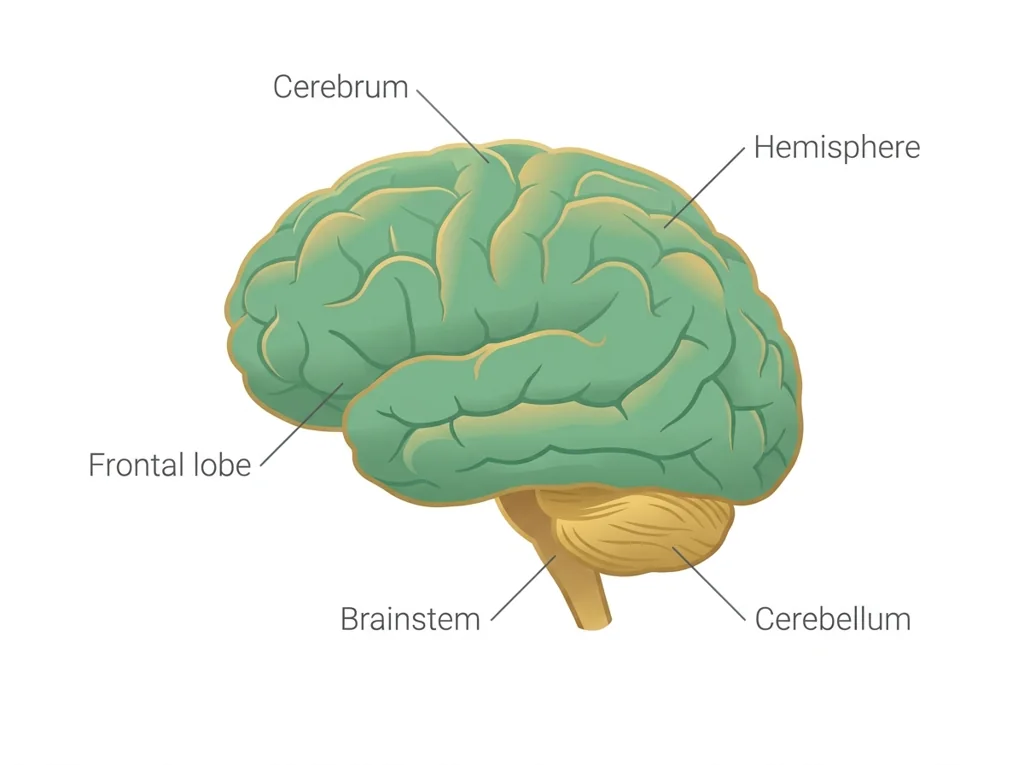
- 1Identify the and other major on a model, , or virtual brain.
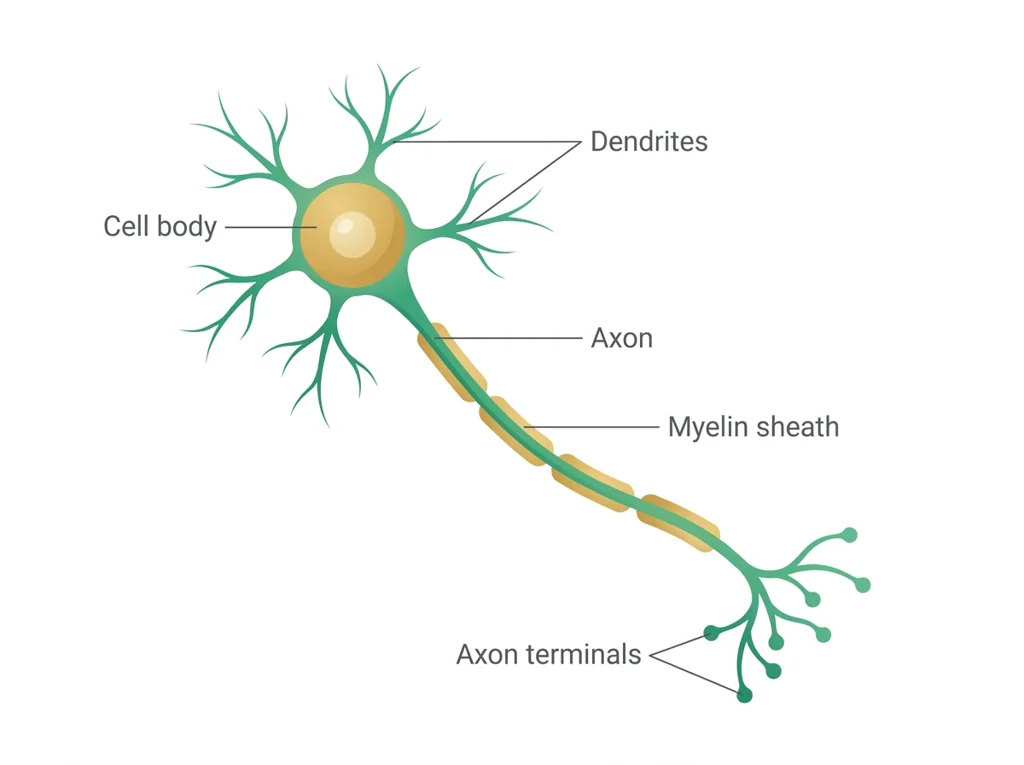
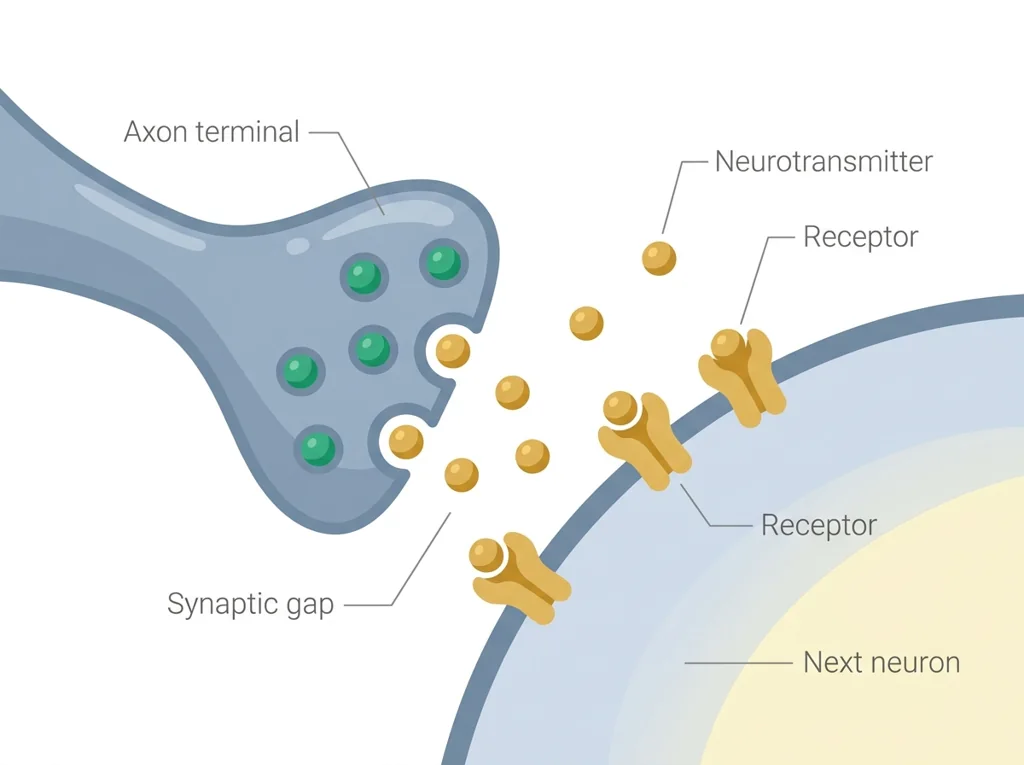
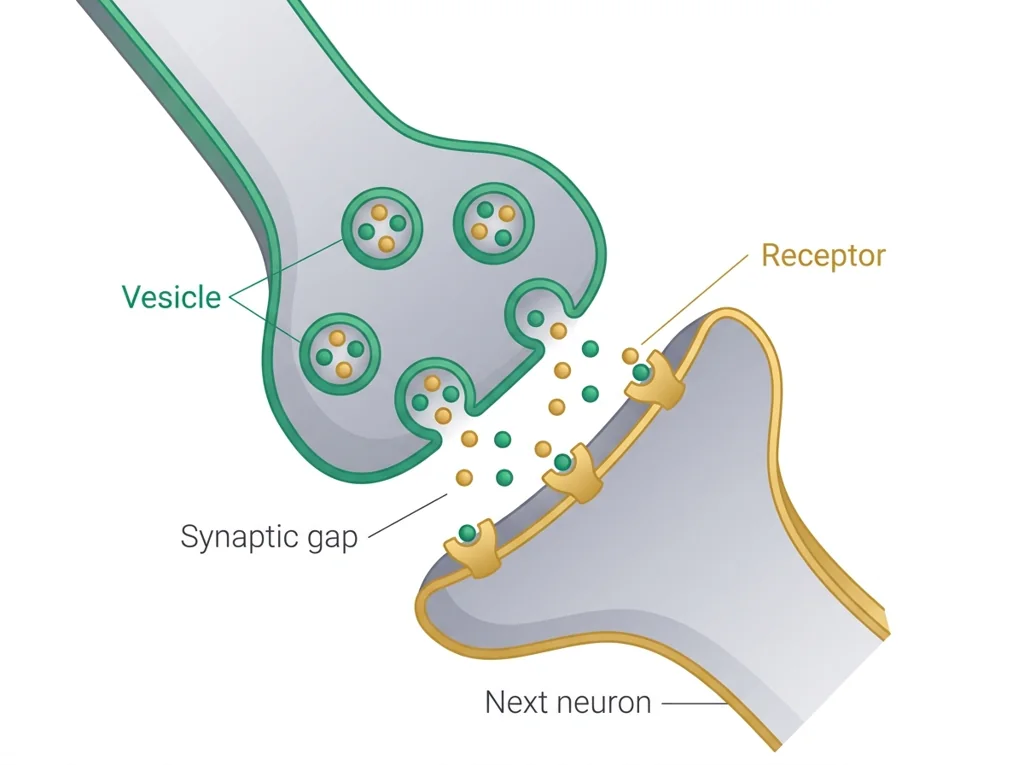
- 2Label the , axon, and on a diagram.
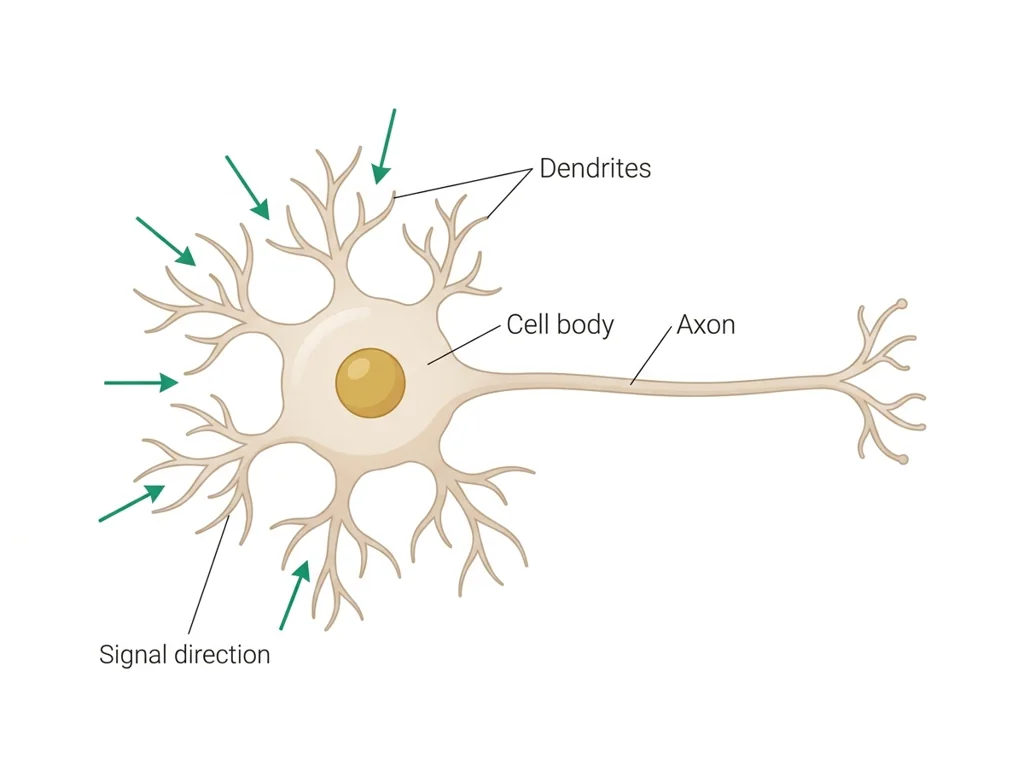
- 3Trace the path of a signal from one to the next and mark where neurotransmitters cross.
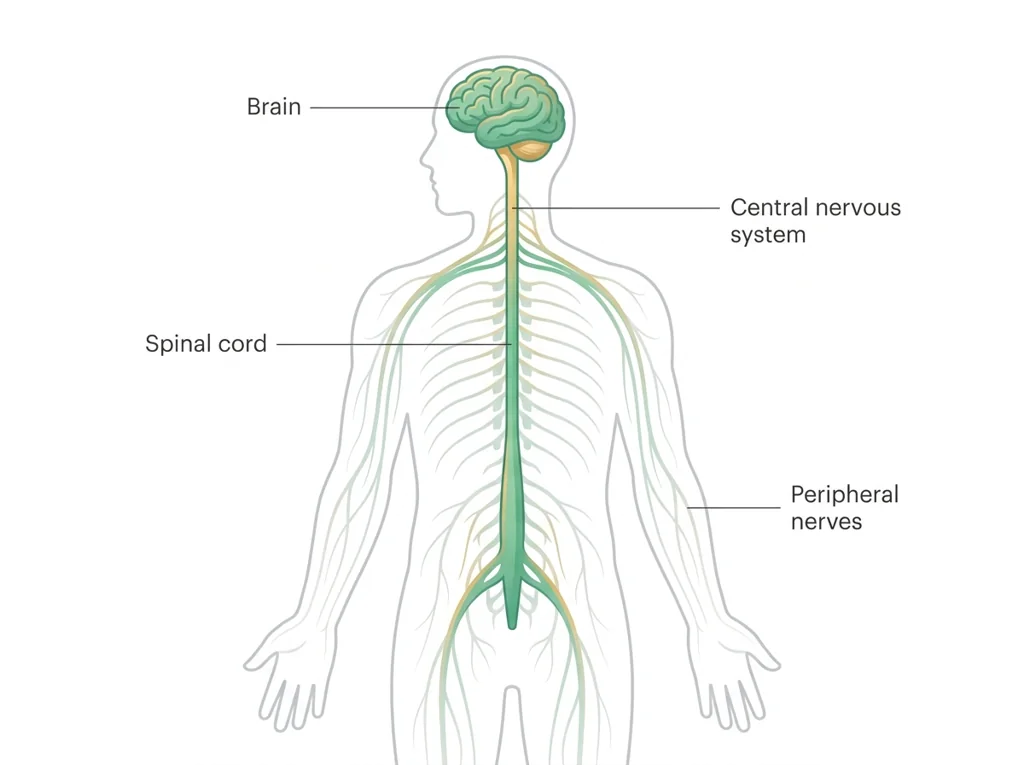
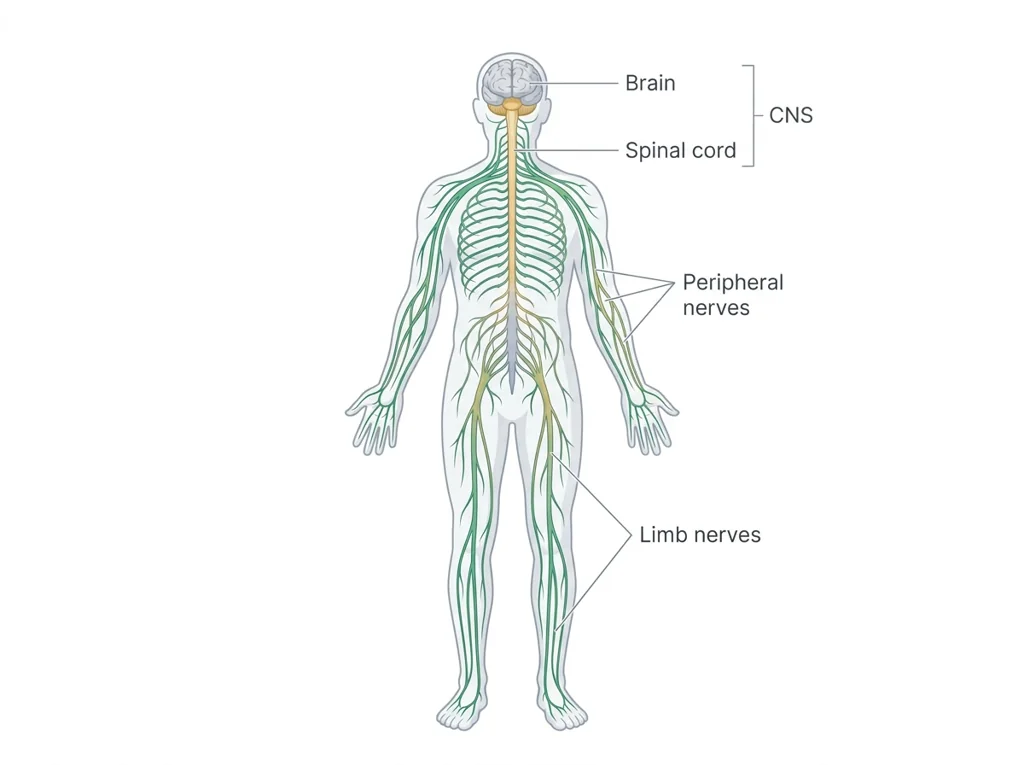
- 4Sort a list of body functions into central nervous system and peripheral nervous system control.
- 5Connect one brain region to a function a patient might lose if it were injured.
- 6Write two sentences explaining how a passes a message to its neighbor.
- • You will be able to identify major including the .
- • You will be able to label a and describe how a signal crosses a .
- • You will be able to distinguish central from peripheral nervous system roles.
Open any day for its full lesson, the work due that day, and guided notes.
Labeled diagram (all five parts with signal-direction arrow) and a two-sentence explanation of synaptic .
One-paragraph CER taking a position on whether brain-scan data should be used by courts or schools to predict future behavior.
Labeled brain-region map identifying , cerebellum, and brainstem with one function each, plus gray and white matter boundary marked on an internal view.
/ sorting table (five body actions classified with justification) plus three brain-region-to-function matches referenced from the Thursday, March 11 map.
- Hook: the brain you are studying today is the most complex object we know of in the universe.
- Today's goal: see how structure and function connect in the brain and trace a signal to neuron.
- Monday bioethics tie-in: should neuroscience be used to predict behavior, and who should have access to brain data?
- Reminder: your graded brain check is submitted on the class site.
Do this: Advance the PLTW HBS online benchmark through Unit 2.1 Getting Nervous.
- • Neurons carry signals using dendrites, an axon, and synapses.
- • Neurotransmitters carry a signal across the between neurons.
- • The central nervous system and peripheral nervous system have different roles.
- • Identify major including the .
- • Explain how a signal travels across a .
📋 PLTW evidence due this week: your brain check connecting regions to signaling.
All PLTW activities are completed inside the PLTW course environment: this page only gives direction.
Use this chart to keep your place. Nothing on it is turned in through the portal.
| Day | Work | Turn in |
|---|---|---|
| Monday · Mon, Mar 8 | Wk8 Lab notebook: Neuron parts and the synapse | Labeled neuron diagram (all five parts with signal-direction arrow) and a two-sentence explanation of synaptic transmission. |
| Tuesday · Tue, Mar 9 | Wk8 CER: Bioethics: brain data and consent | One-paragraph CER taking a position on whether brain-scan data should be used by courts or schools to predict future behavior. |
| Wednesday · Wed, Mar 10 | Evidence for | |
| Thursday · Thu, Mar 11 | Brain-region map: reference preparation | Labeled brain-region map identifying cerebrum, cerebellum, and brainstem with one function each, plus gray and white matter boundary marked on an internal view. |
| Friday · Fri, Mar 12 | Wk8 Lab notebook: CNS, PNS, and brain regions | CNS/PNS sorting table (five body actions classified with justification) plus three brain-region-to-function matches referenced from the Thursday, March 11 map. |
- M: Philosophy for Kids / John Carroll bioethical debate
- T: teacher background notes + PLTW launch task
- Th: analysis / CER or design revision
- F: submit tracker + weekly evidence
Turn in: Unit 2.1 Getting Nervous: neurons and the synapse, brain anatomy, the sheep brain dissection or virtual alternative, CNS and PNS. weekly work due Brain structure-function check.
Go to Schoology to turn this in.
Submit one PDF. Schoology attaches your name to your upload; on the page itself, write your period and code. Name the file: FirstName LastName - Assignment Title - YYYY-MM-DD.pdf.
Open Schoology PDF upload helpIf you cannot get in, see Mr. Mendoza. Do not skip the work.
This explainer accompanies the PLTW lab protocol: watch it before lab.
Most days, this class is your PLTW coursework: and PLTW is online and individual. So being out usually just means doing exactly what we did in class, from home.
Open Clever, then myPLTWSign in to Clever with your district Microsoft account to open Schoology or myPLTW. Follow today's posted steps. If myPLTW will not open, use the posted alternative and tell Mr. Mendoza. Turn in your completed work through the Schoology assignment.
You can't do those from home: do this instead: Teacher-posted data/model packet, same objective. Supplemental: Khan: nervous system; BioDigital if available.
Class still runs. A substitute will post today's plan: complete the online activity above; it's built to be self-guided. Need the concept taught without a teacher? Use this authoritative explainer:
Khan Academy: Nervous System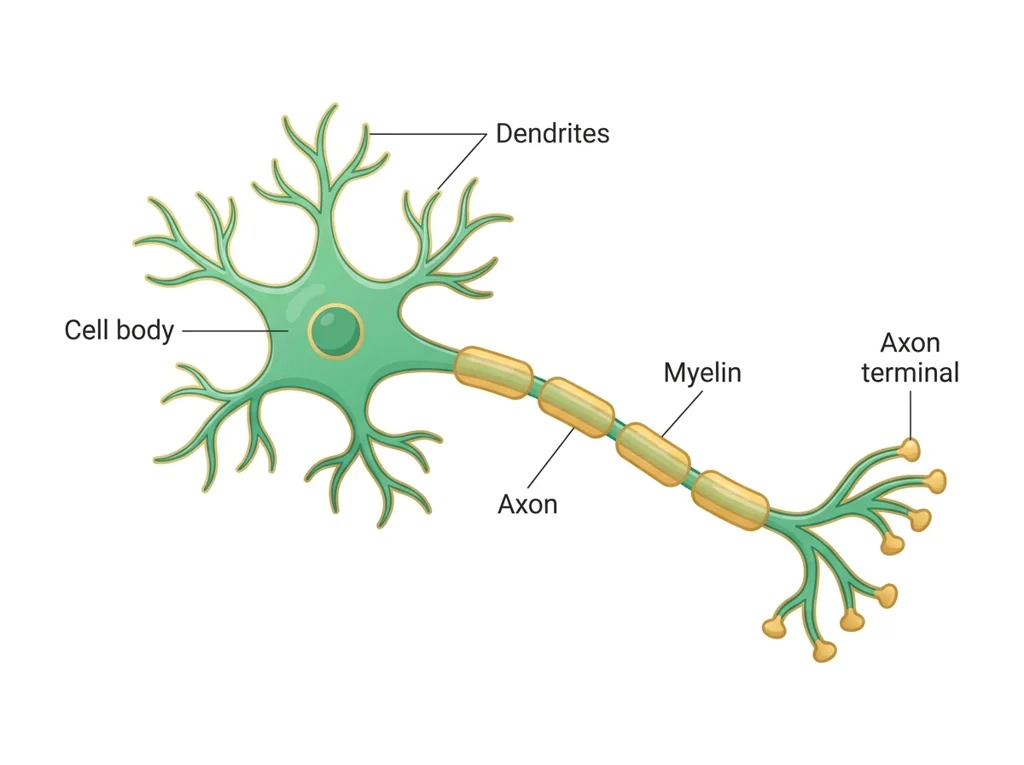
Hand-picked readings, videos, and interactives for this lesson, all free and from authoritative open organizations (NIH, CDC, OpenStax, Khan Academy, PhET, HHMI, and more).