
The comic
What We Hope The Year Will Be Like
Medical Interventions · 107 panels · the same year, drawn
Or read the whole semester in one scroll
107 panels · about 57 screens · it starts below
Week 1
AUGUST 24 TO 28
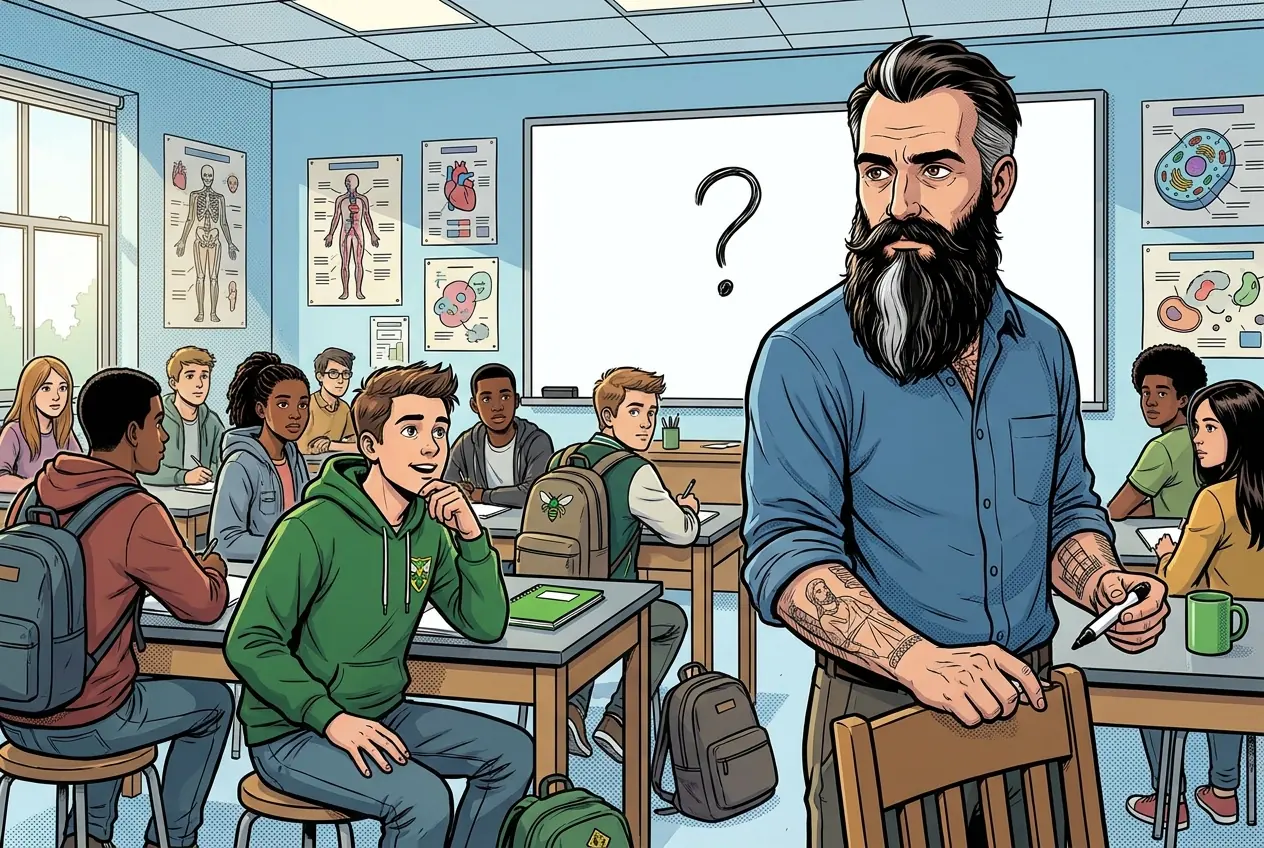
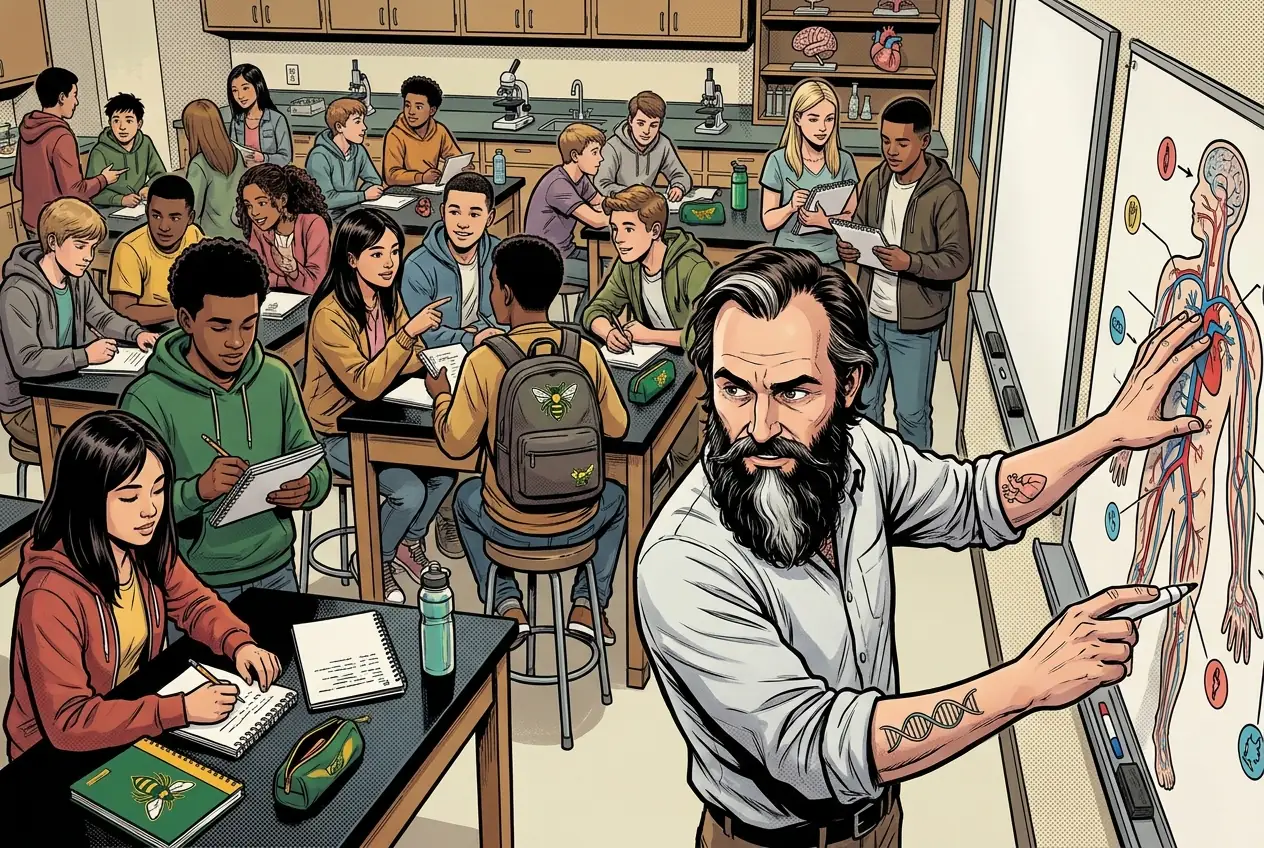
First day. No syllabus read out loud. He put a question on the board, let us list what we would need to know to answer it, then told us the list was the course. Twenty one weeks of somebody being sick and us having to work out what it is.
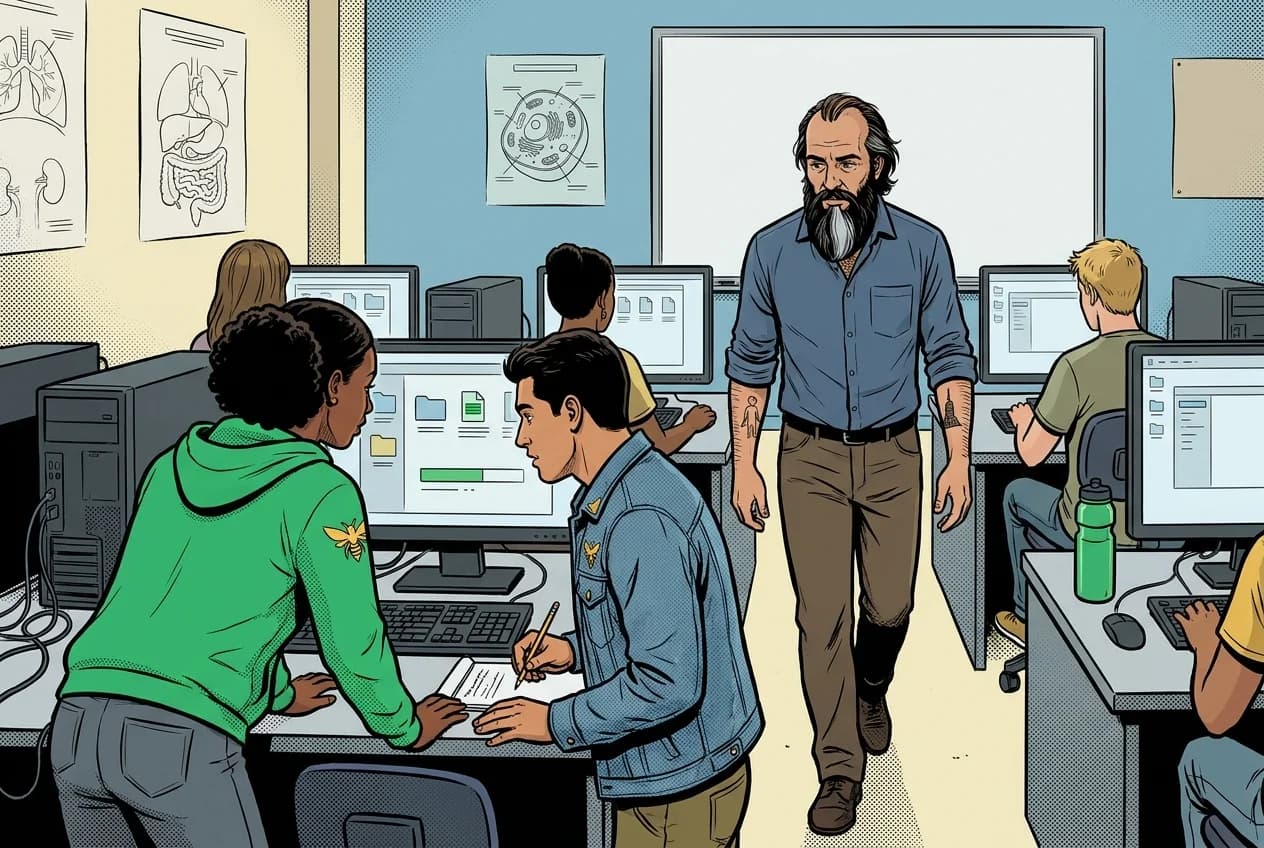
Website day. Where the lesson lives, where the glossary is, and which folder every kind of work goes to. The practice section is open from day two, which I did not expect.
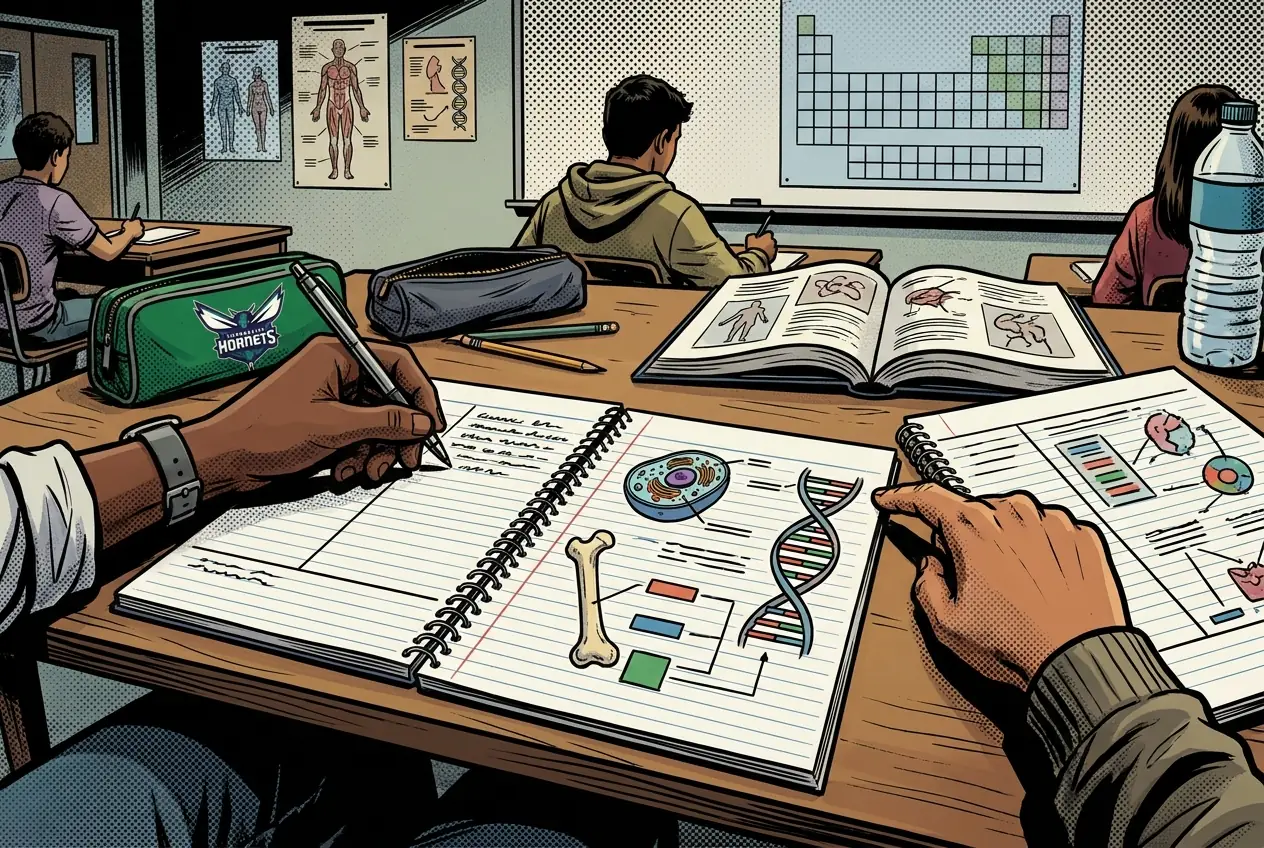
Record, Reduce, Review, Reflect, Recite, Revise. He made us Reduce notes we had just taken, and it showed how much I had written down and could not say back.
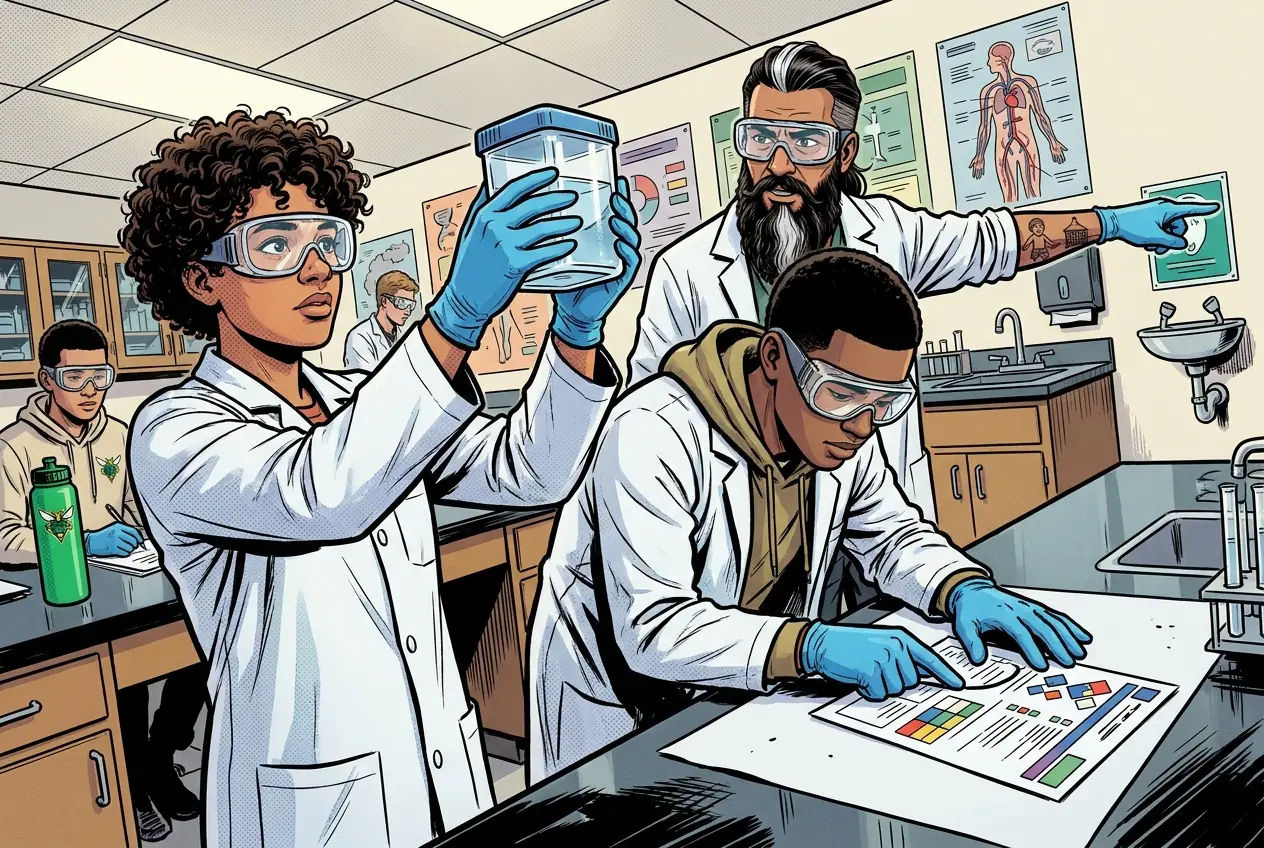
Safety, and not as a formality. Protective equipment, then finding the hazard and first aid sections on a real chemical before anyone touched anything.
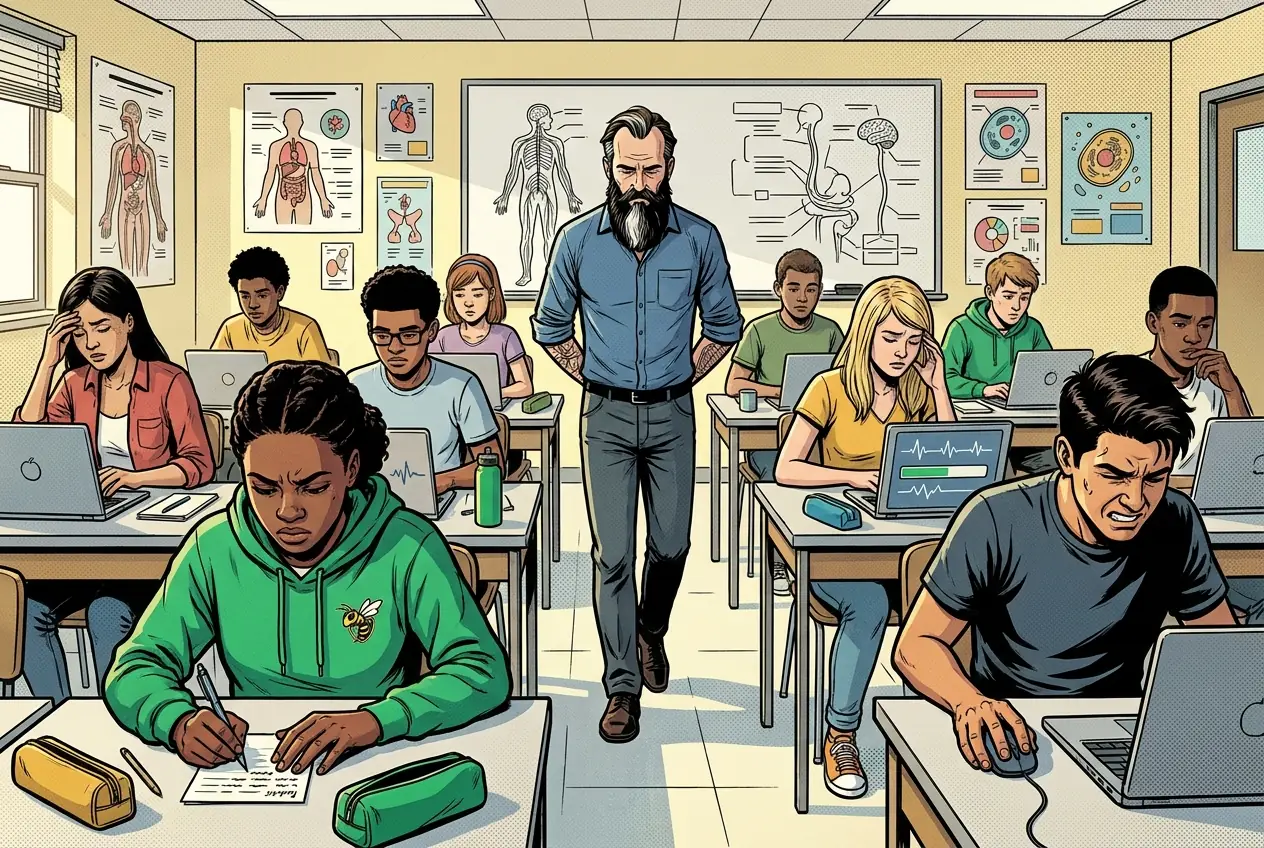
The WebXam pretest in week one, cold. Mine was low. Everyone's was. Then we each wrote one habit down, and mine is fifteen minutes a night.
Week 2
AUGUST 31 TO SEPTEMBER 1
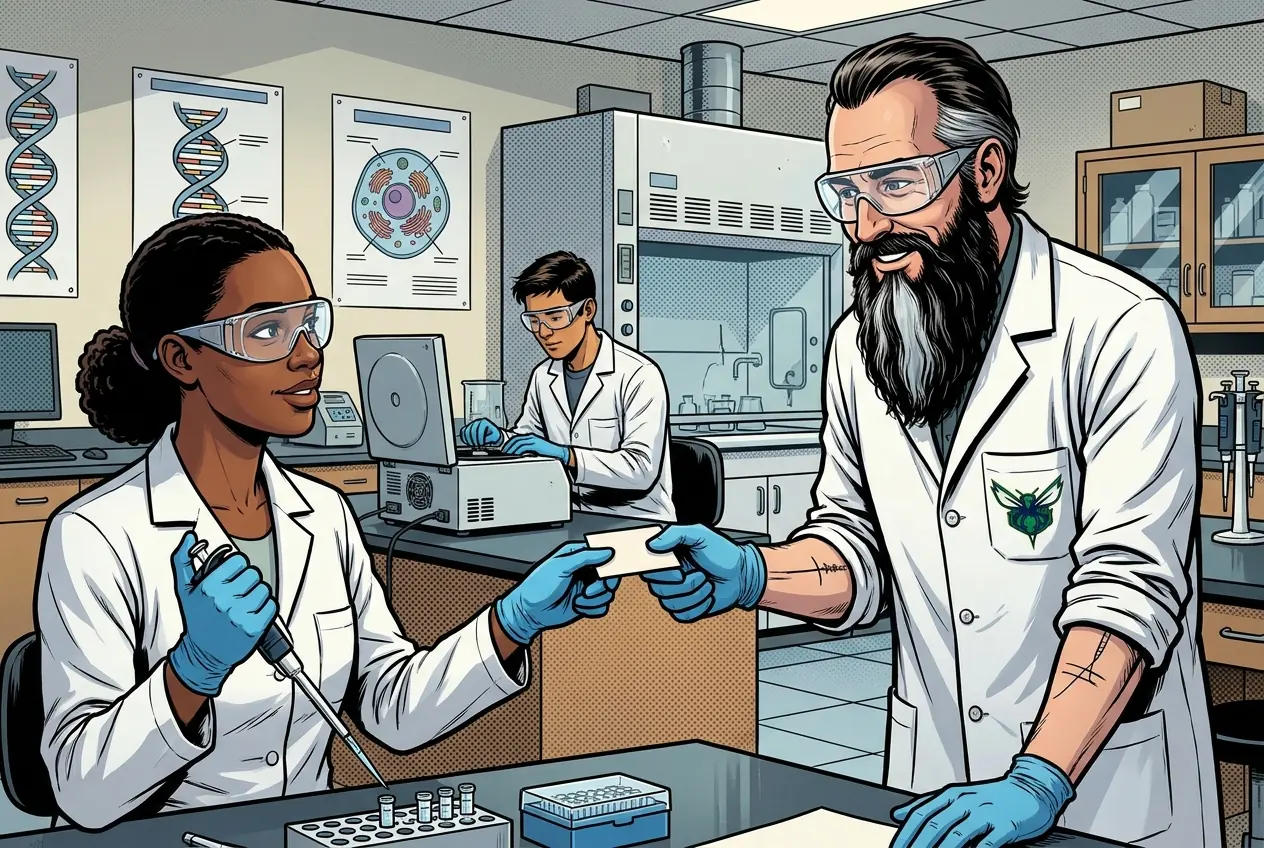
Straight into safety. Personal protective equipment, then the Safety Data Sheet, and we had to find the hazard and first aid sections on a real chemical before we were allowed near anything.
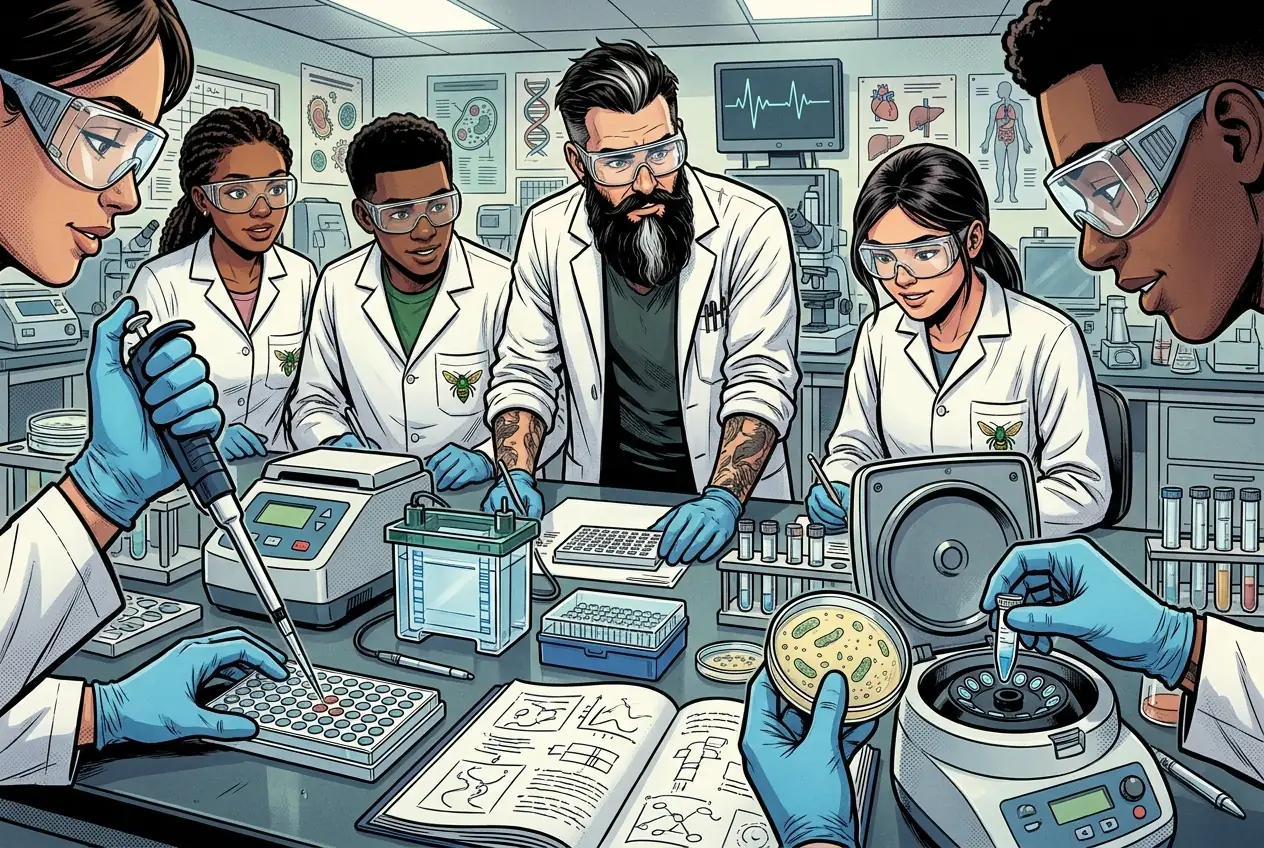
Notebook setup and the portfolio system. Everything I make this year lands in one place with a date and a label, or it does not count.
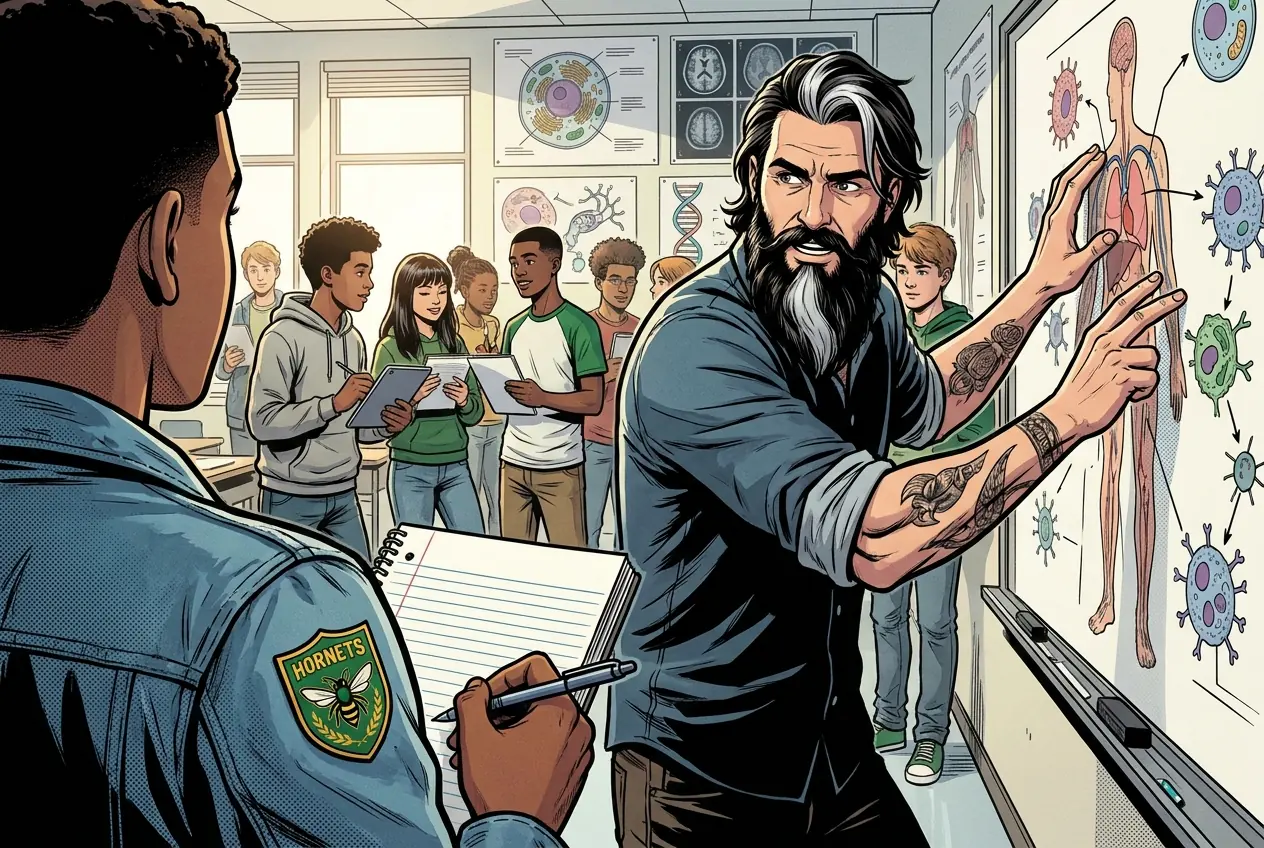
We listed every kind of medical intervention we could think of, then sorted them: prevent, diagnose, treat, replace. That four- way split is the shape of the whole course.
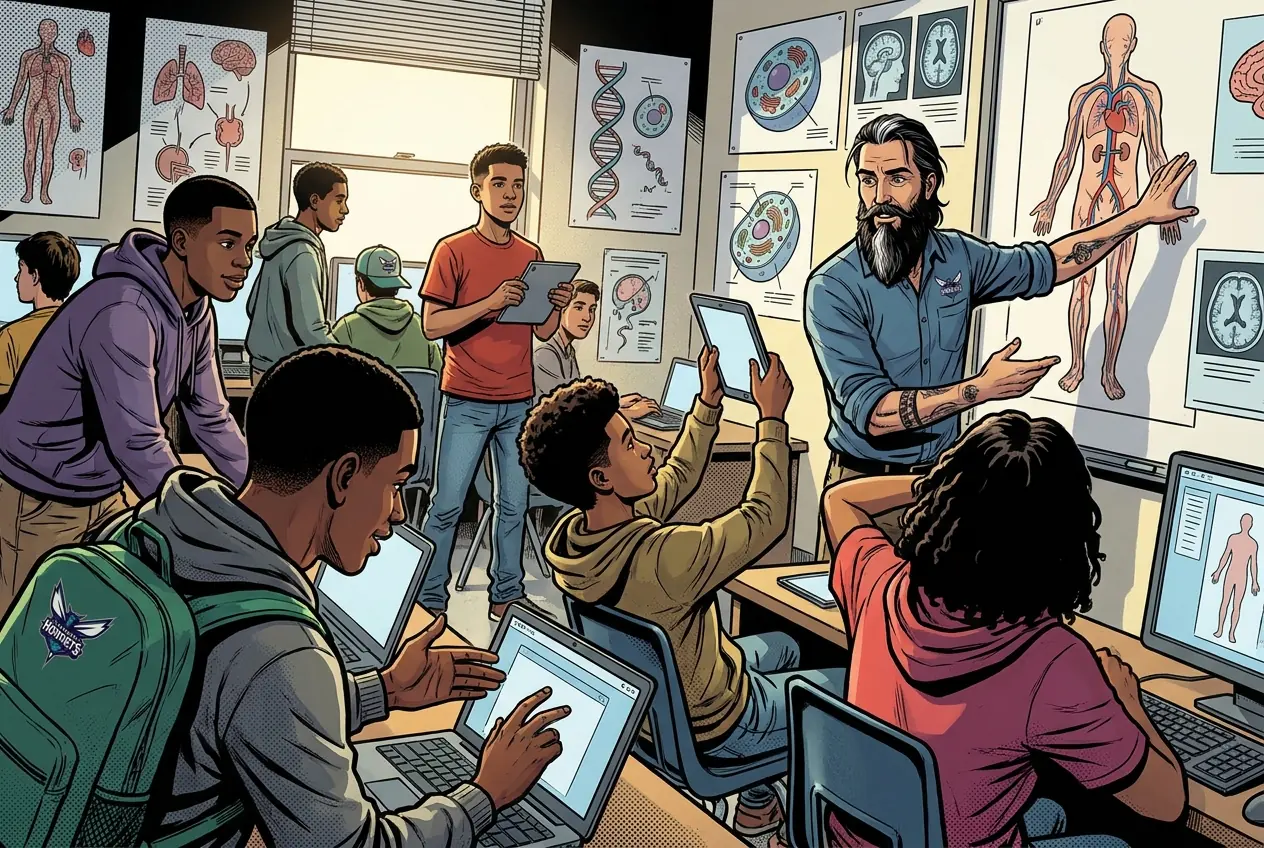
First portfolio submission plus a WebXam pretest, cold, in week one. I did badly and so did everybody, which was the point. It is a baseline, not a grade.
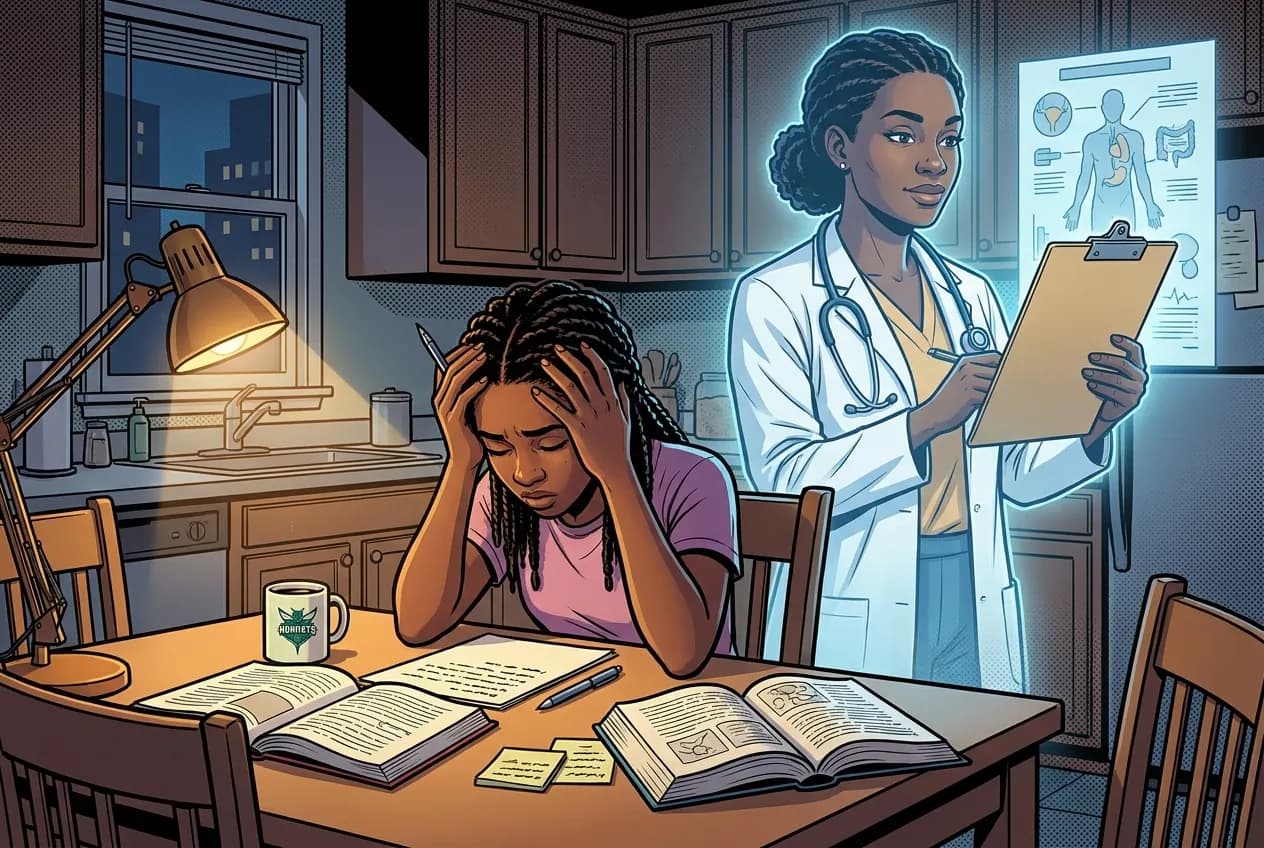
I want to go into medicine. I am not sure which part yet, and I have stopped apologizing for that.
Week 3
SEPTEMBER 2 TO 9
Isolation against autonomy. Public health can compel, and the argument is about when that is justified rather than whether it is ever allowed.
A sign is what someone else can observe. A symptom is what only the patient can report. Fever is a sign, nausea is a symptom.
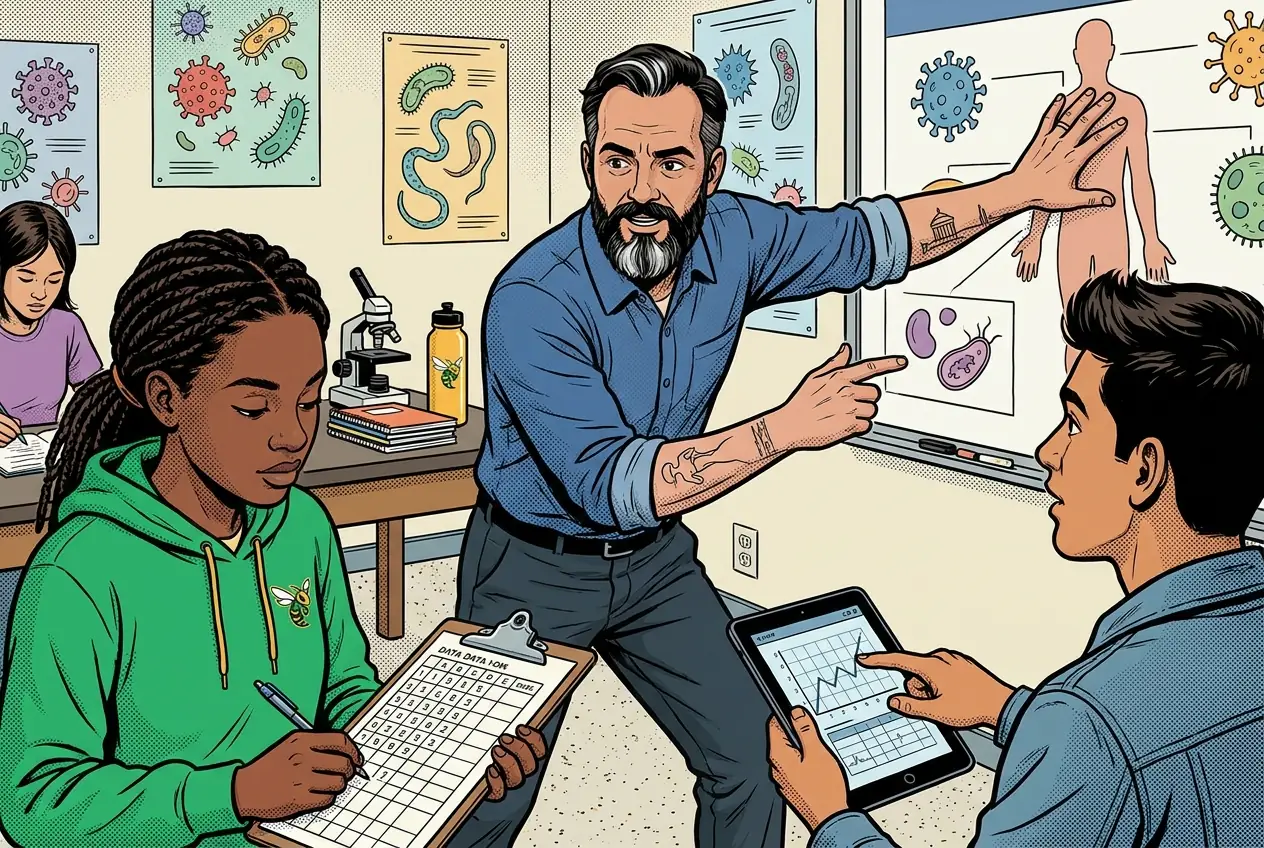
Bacteria, viruses, fungi, parasites, and what actually separates them. The practical difference is that an antibiotic works on one of those four and does nothing to the rest.
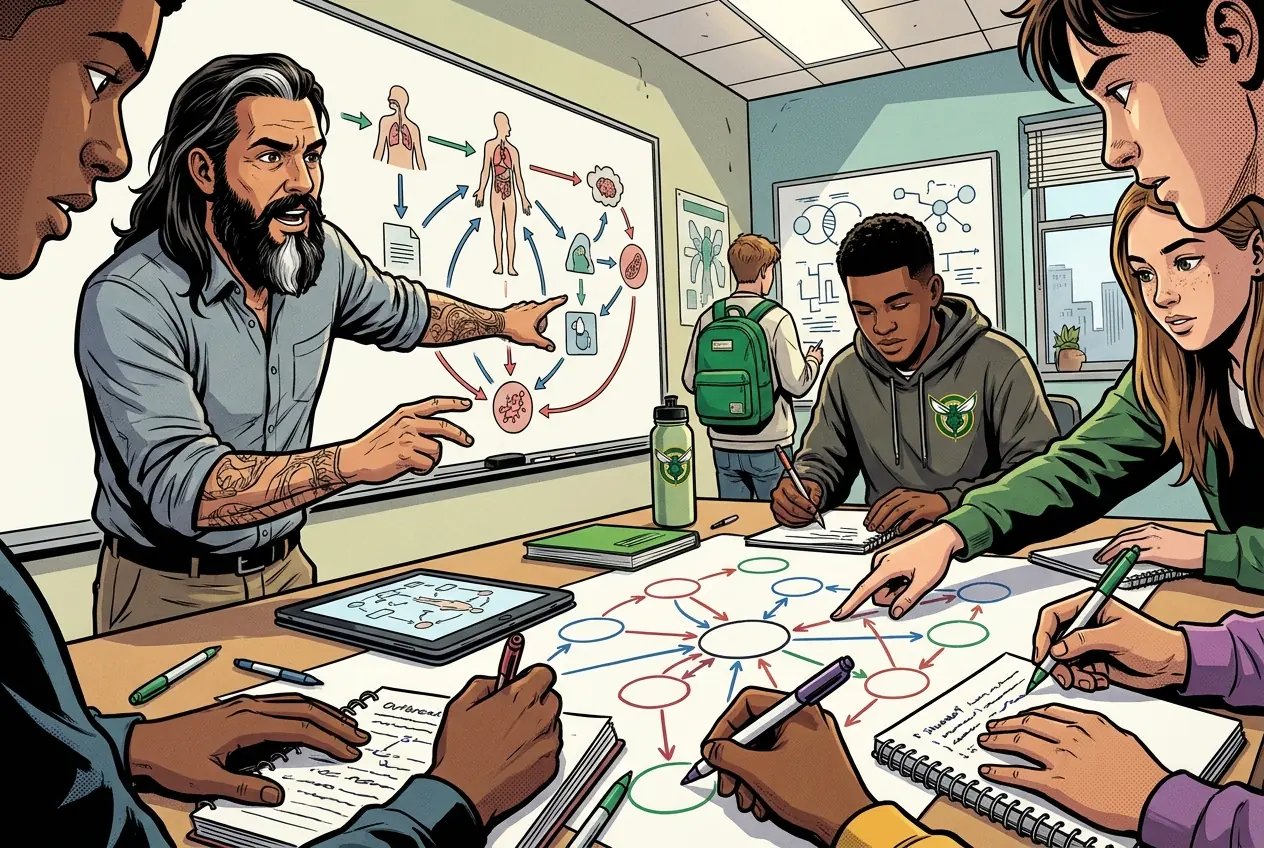
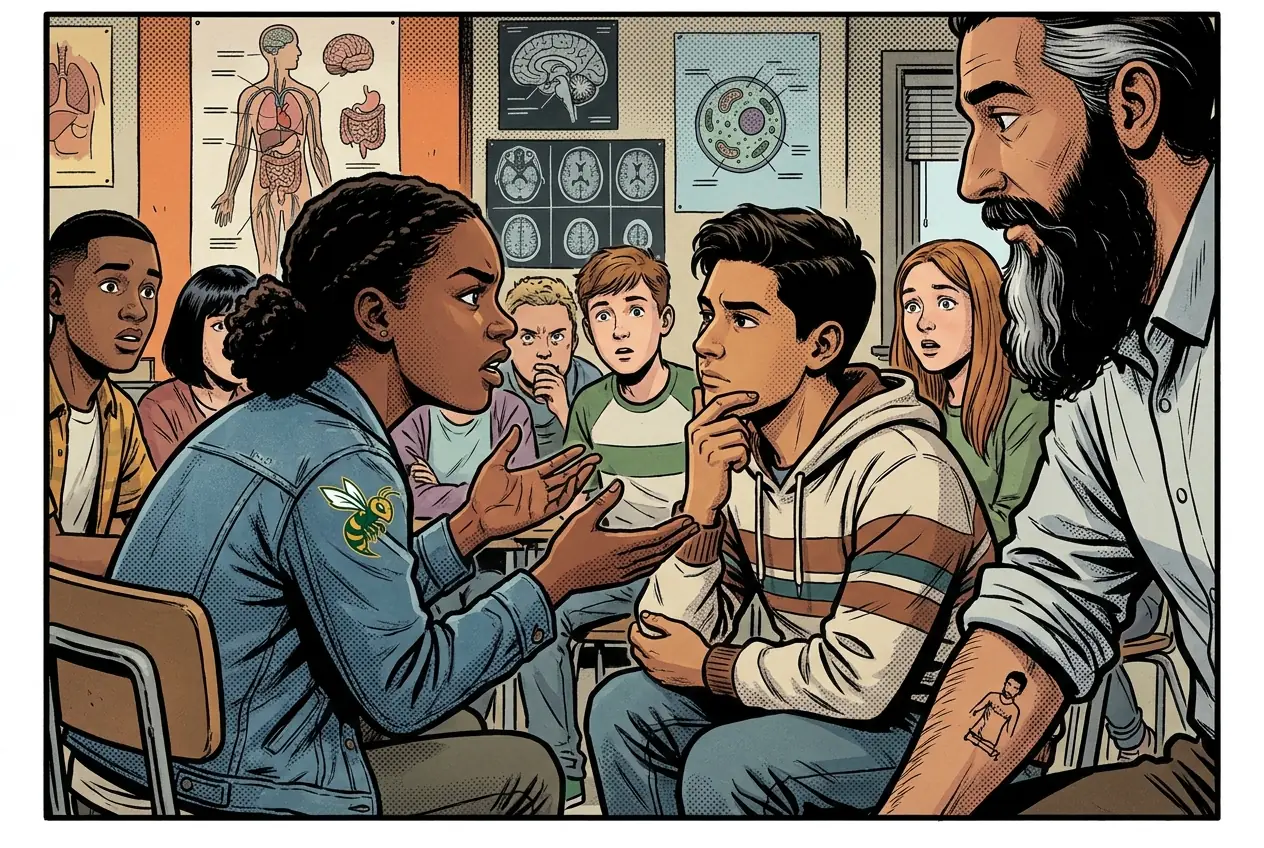
Mapping who contacted whom, when. Our first map was a spaghetti mess until someone suggested ordering it by date instead of by person. Same data, completely different picture, and a cluster appeared.
CLASSMATE
Order it by date instead of by person. It is the same data.
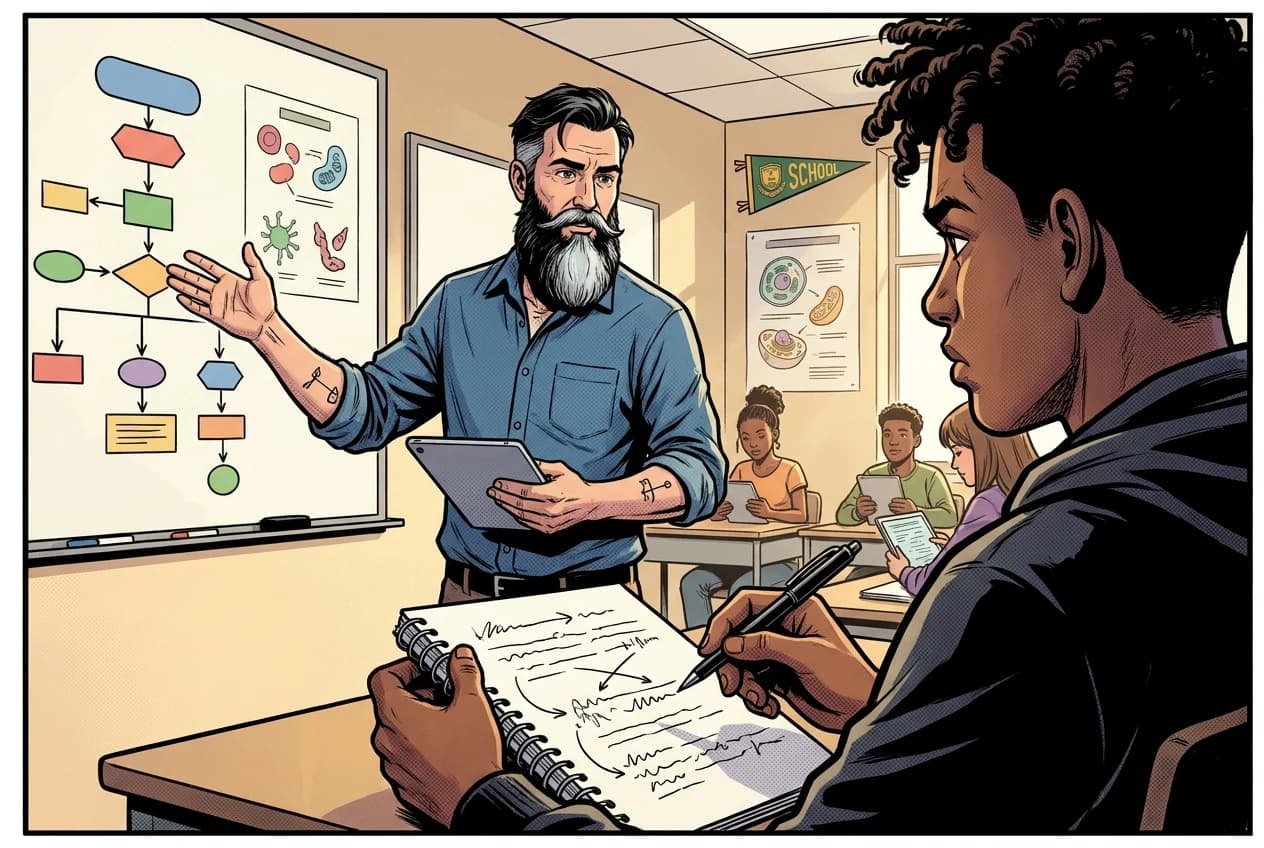
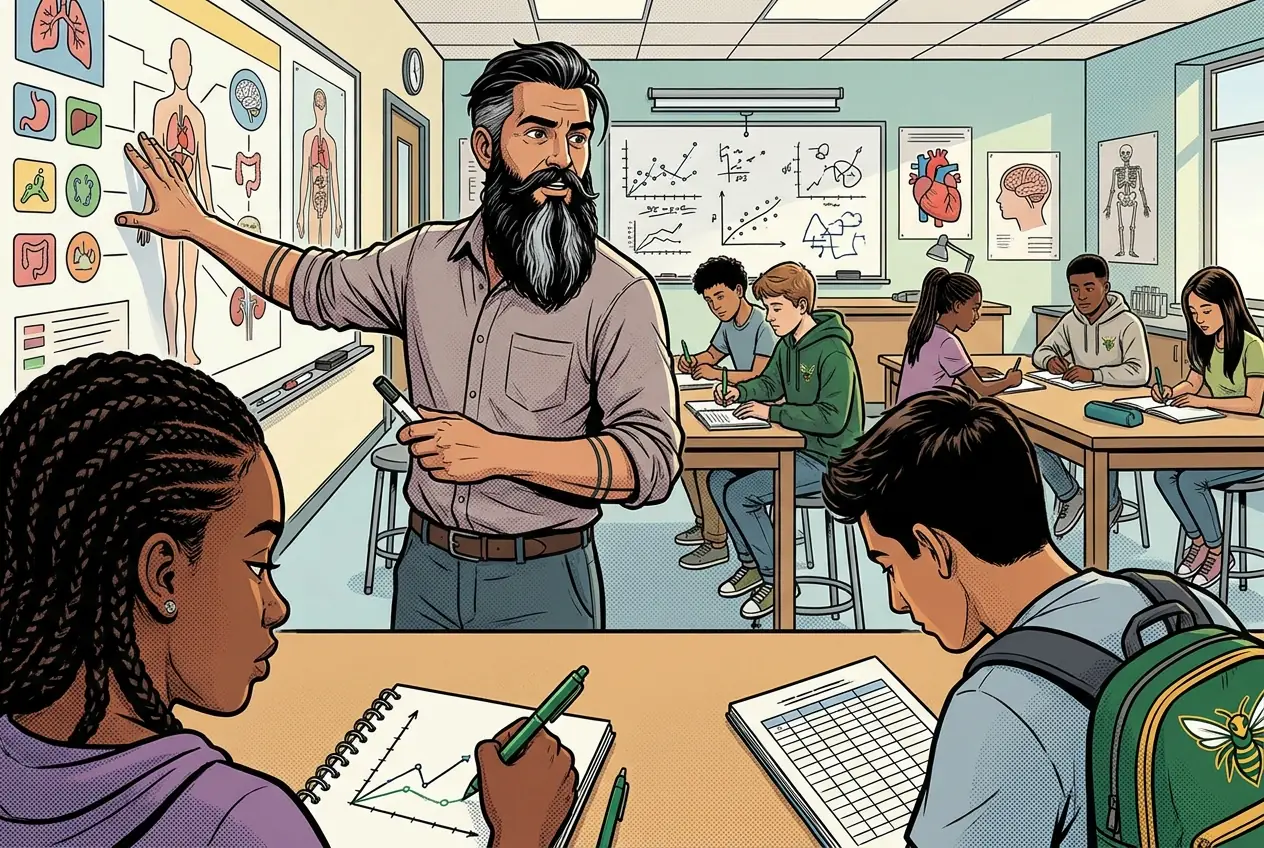
First real CER of the year. Claim, evidence, reasoning. Mine had a reasoning sentence that just restated the claim in new words, which he says is the most common mistake and I have now made it.
Week 4
SEPTEMBER 10 TO 14
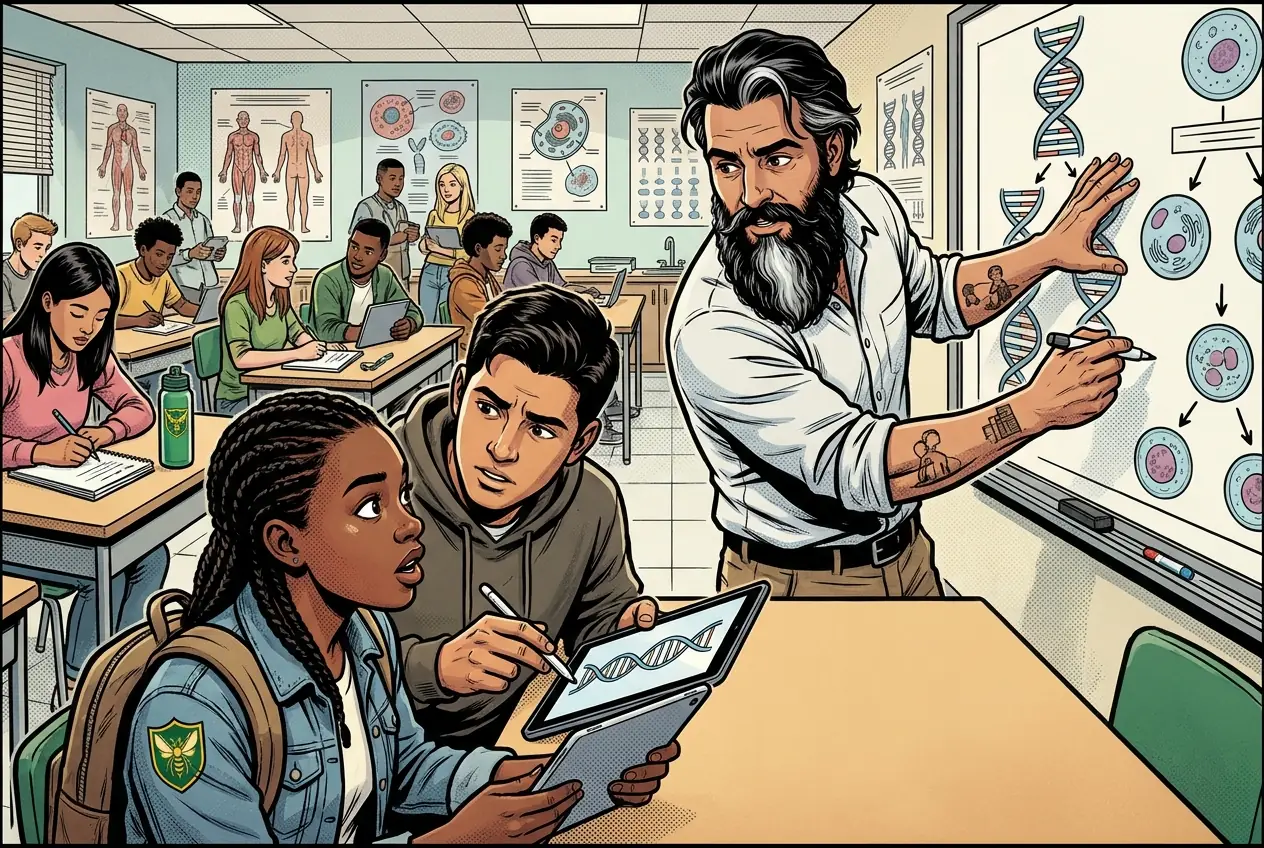
How sequencing actually produces a readable order of bases, and why that string is enough to identify an organism.
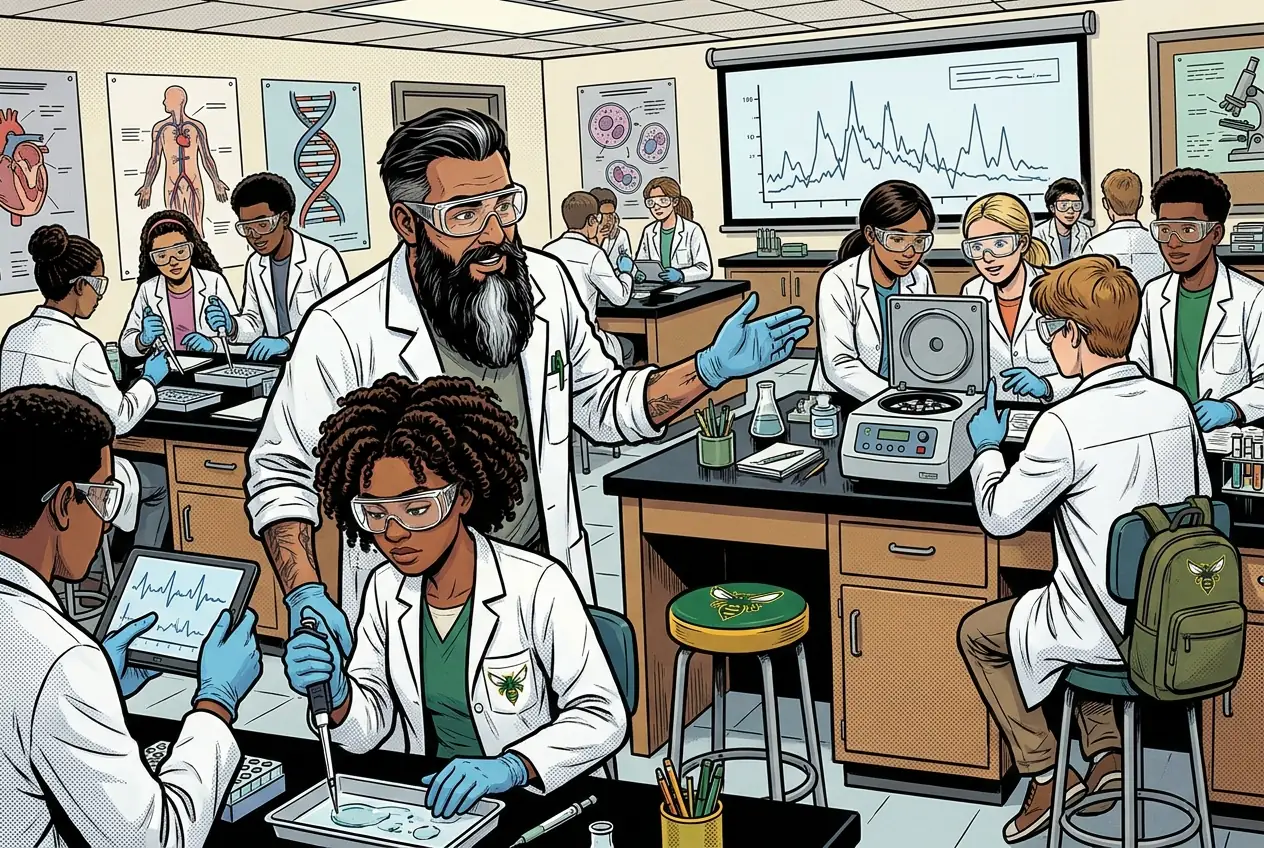
The whole class in the computer lab running BLAST, which compares an unknown sequence against a global database and ranks what it matches.
ME
A confident top hit that covers a tenth of your sequence means nothing. I would have been fooled yesterday.
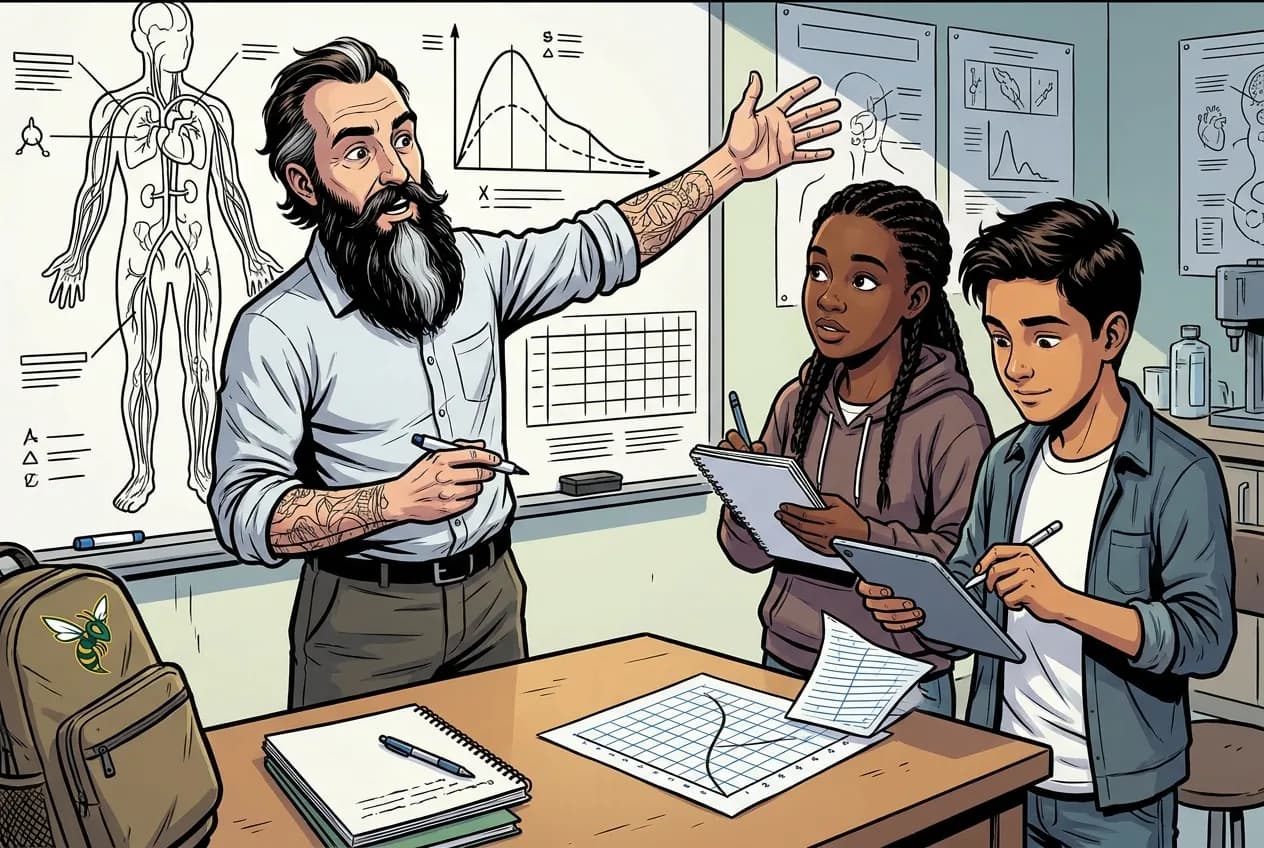
The part that separates a real match from a coincidence. A low E-value means the match is unlikely to be chance, and query coverage tells you how much of your sequence actually lined up.
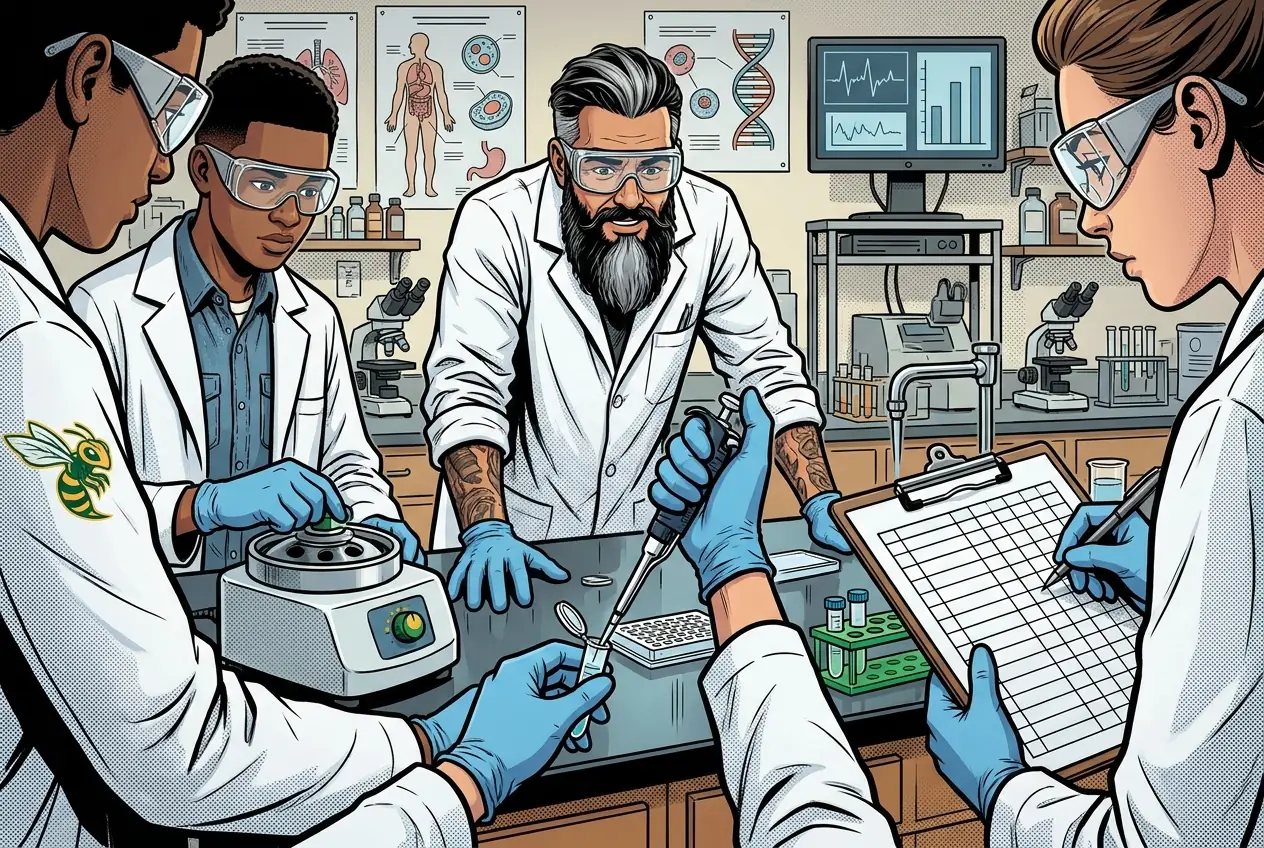
Full report: sequence, BLAST result, E-value, coverage, and a statement of what the identification does not prove.
Week 5
SEPTEMBER 15 TO 18
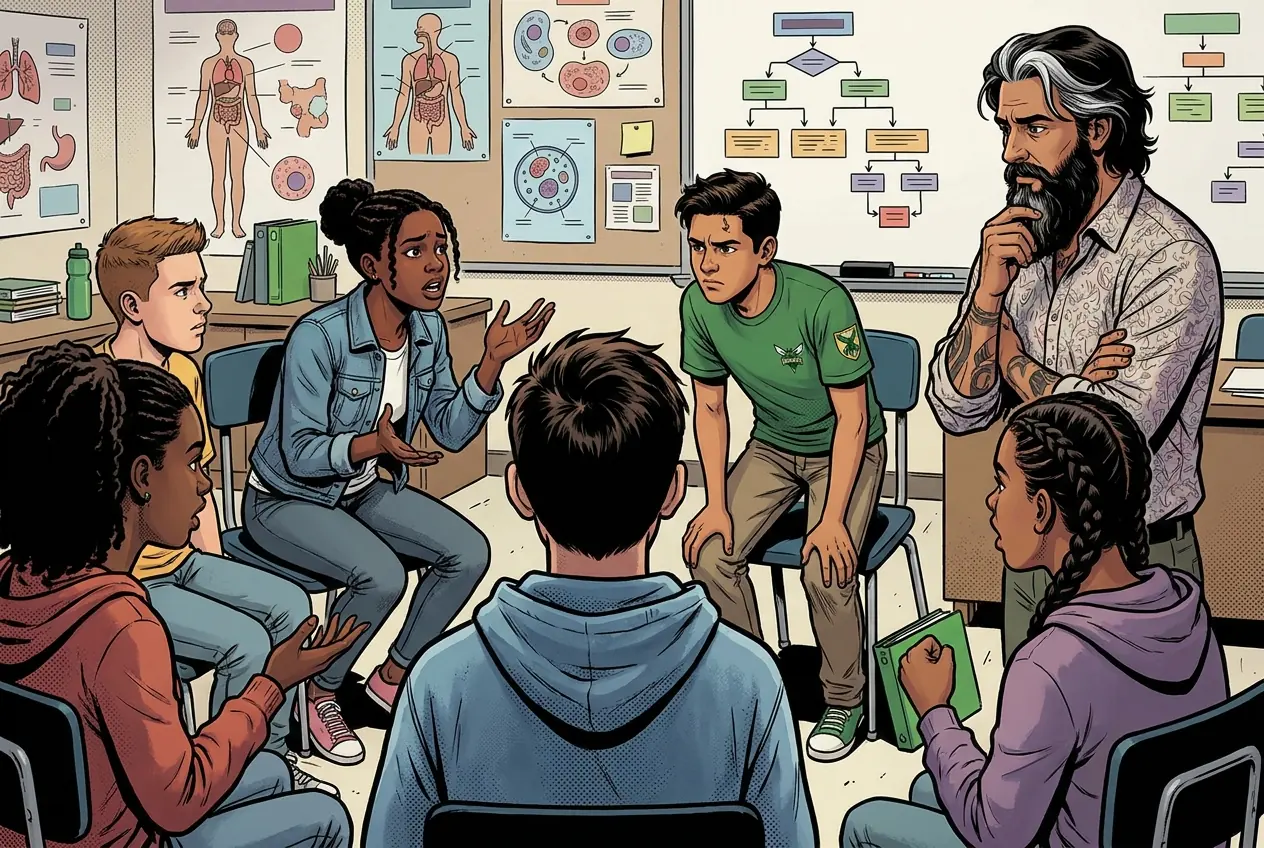
Who gets the test. There are never enough, so the question is which rule for choosing you could defend to the person you turned away.
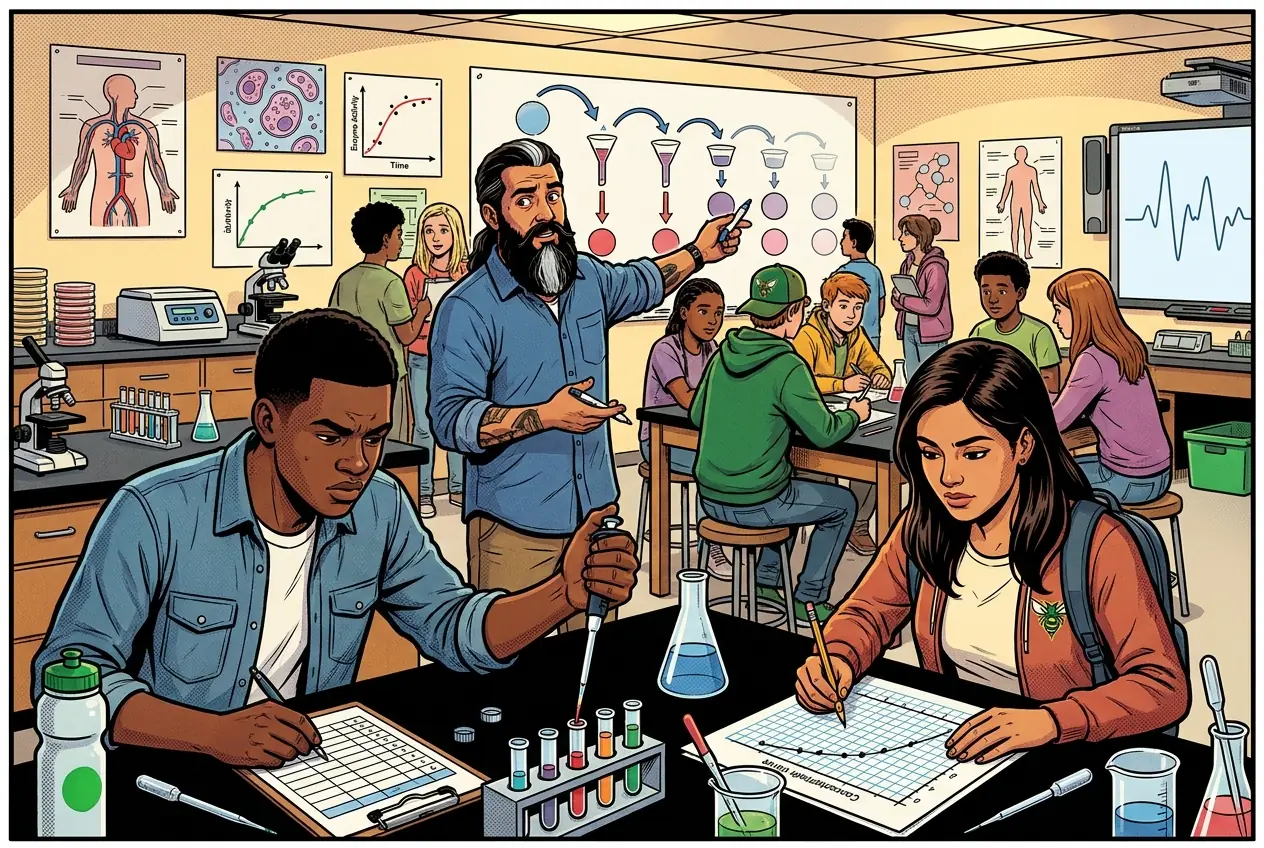
Serial dilution: each step is the same fixed reduction, so ten of them get you very small very fast. It is the only practical way to get to the concentrations these assays need.
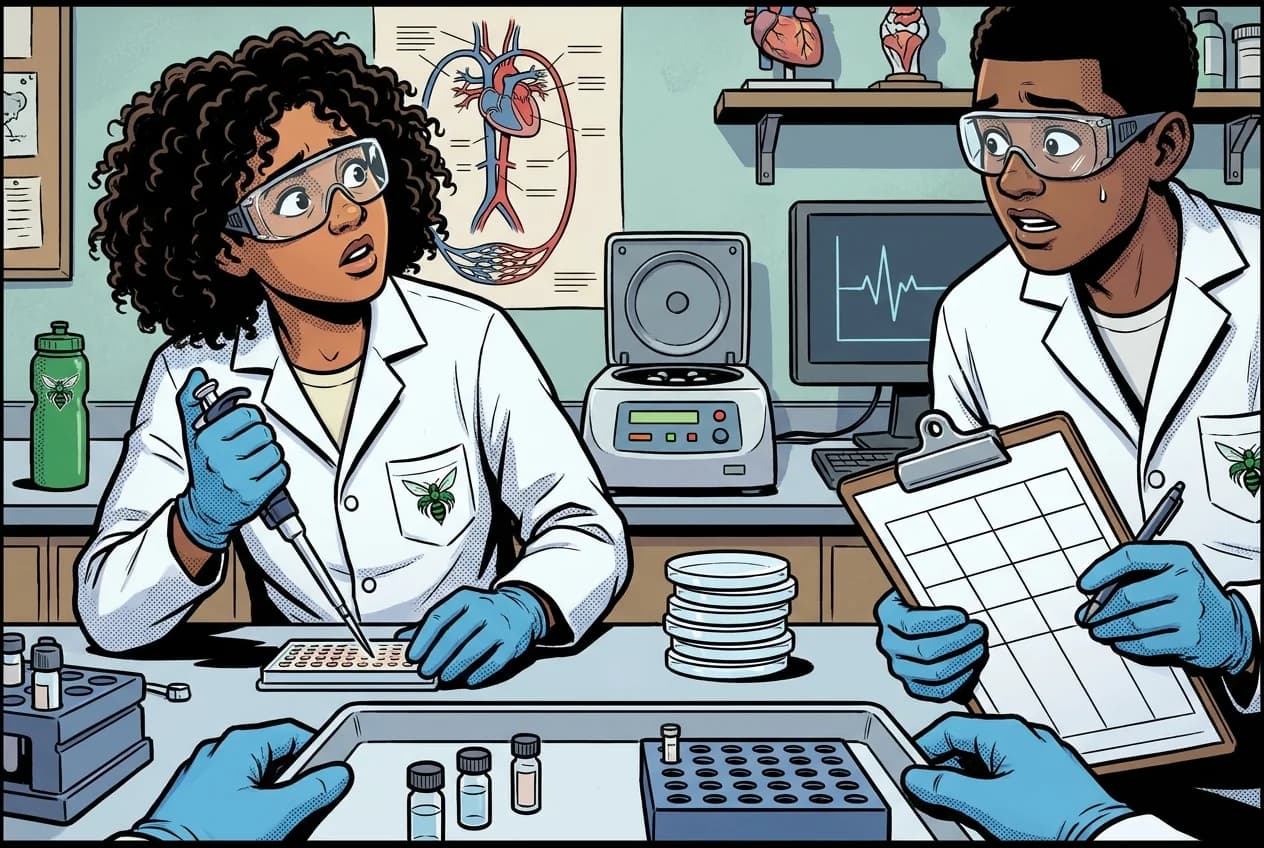
The standard curve is the thing that makes a colour mean a number. Known concentrations, measured responses, a line through them, and then you read your unknown off the line.
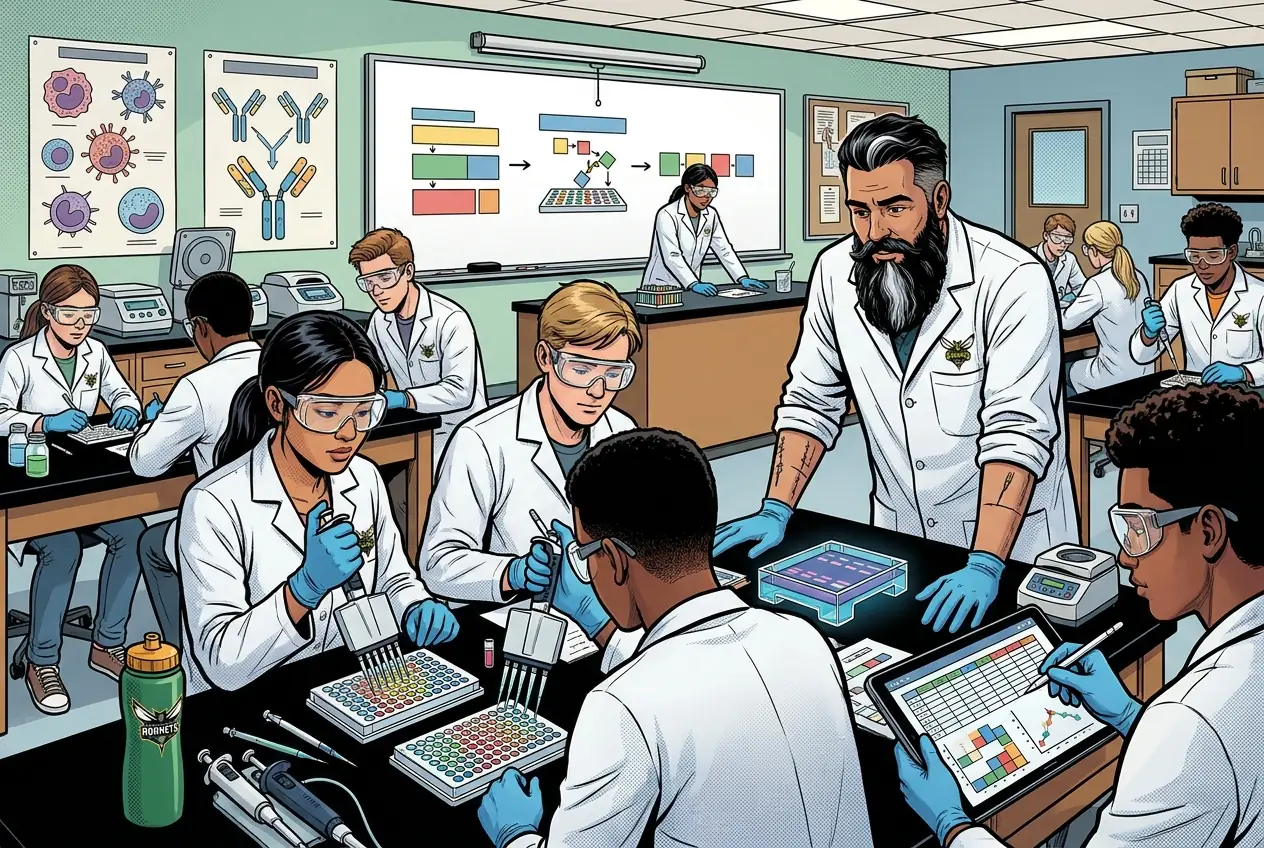
The sandwich: capture antibody, antigen, detection antibody, then something that produces colour. Specificity comes from the antibody only binding its target.
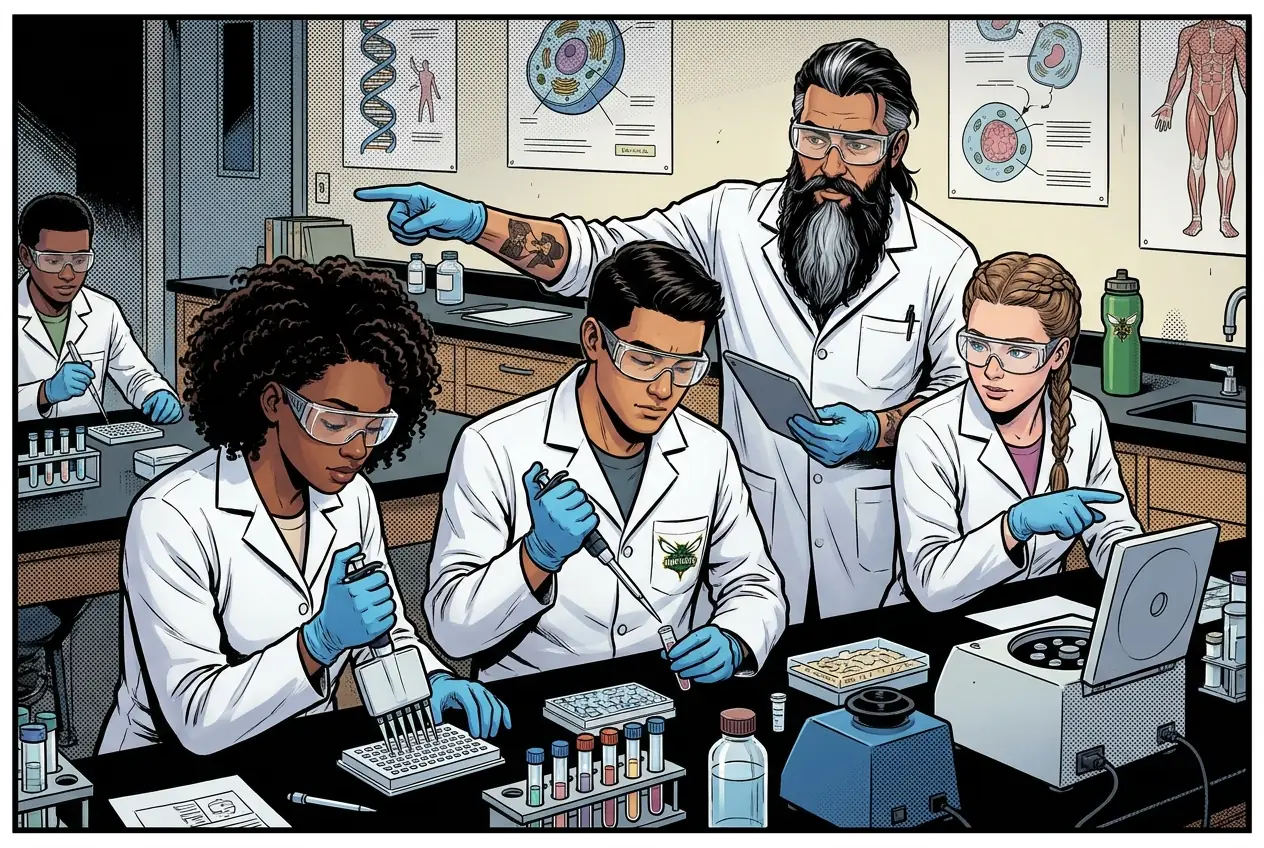
Dilution calculations, standard curve, model diagram.
Week 6
SEPTEMBER 21 TO 24
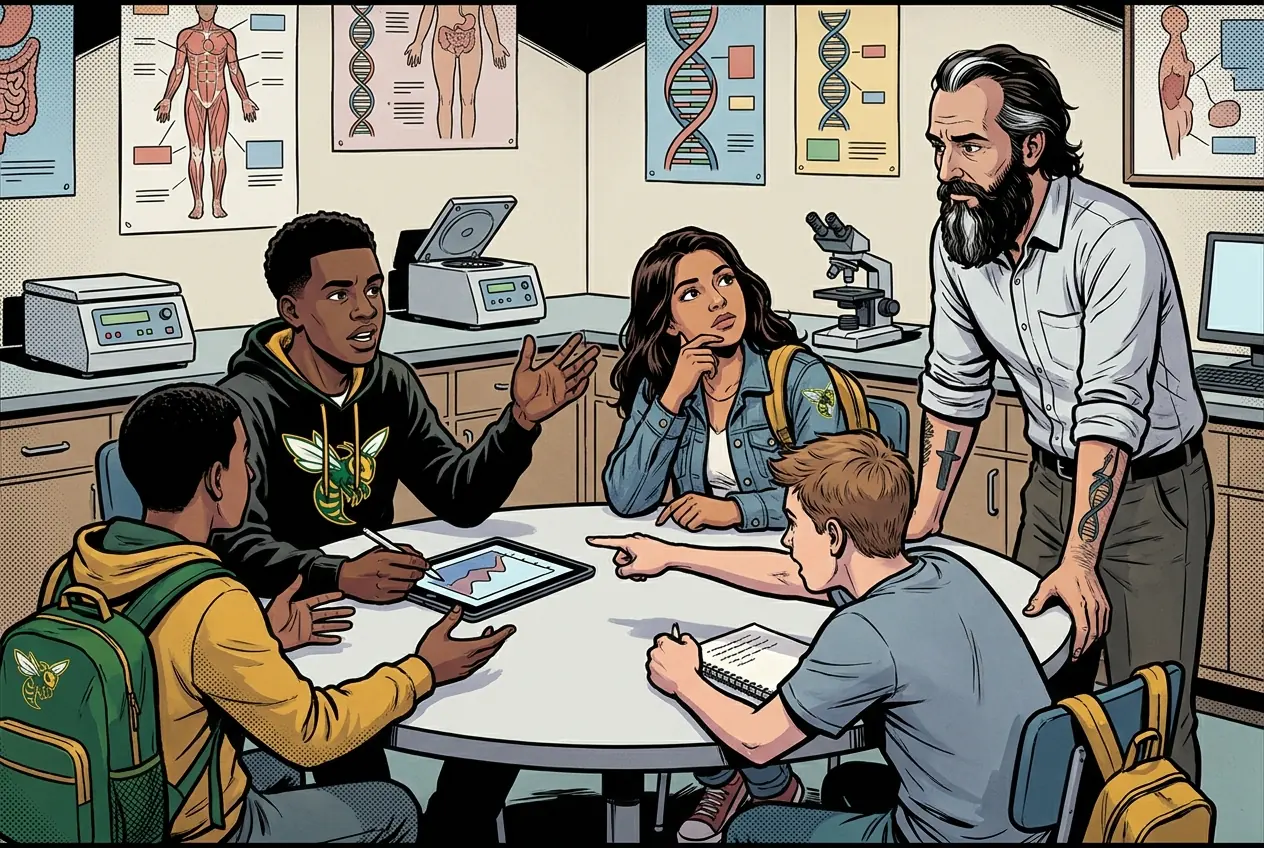
False results. A false negative sends someone home contagious. A false positive treats someone who is well. You cannot eliminate both.
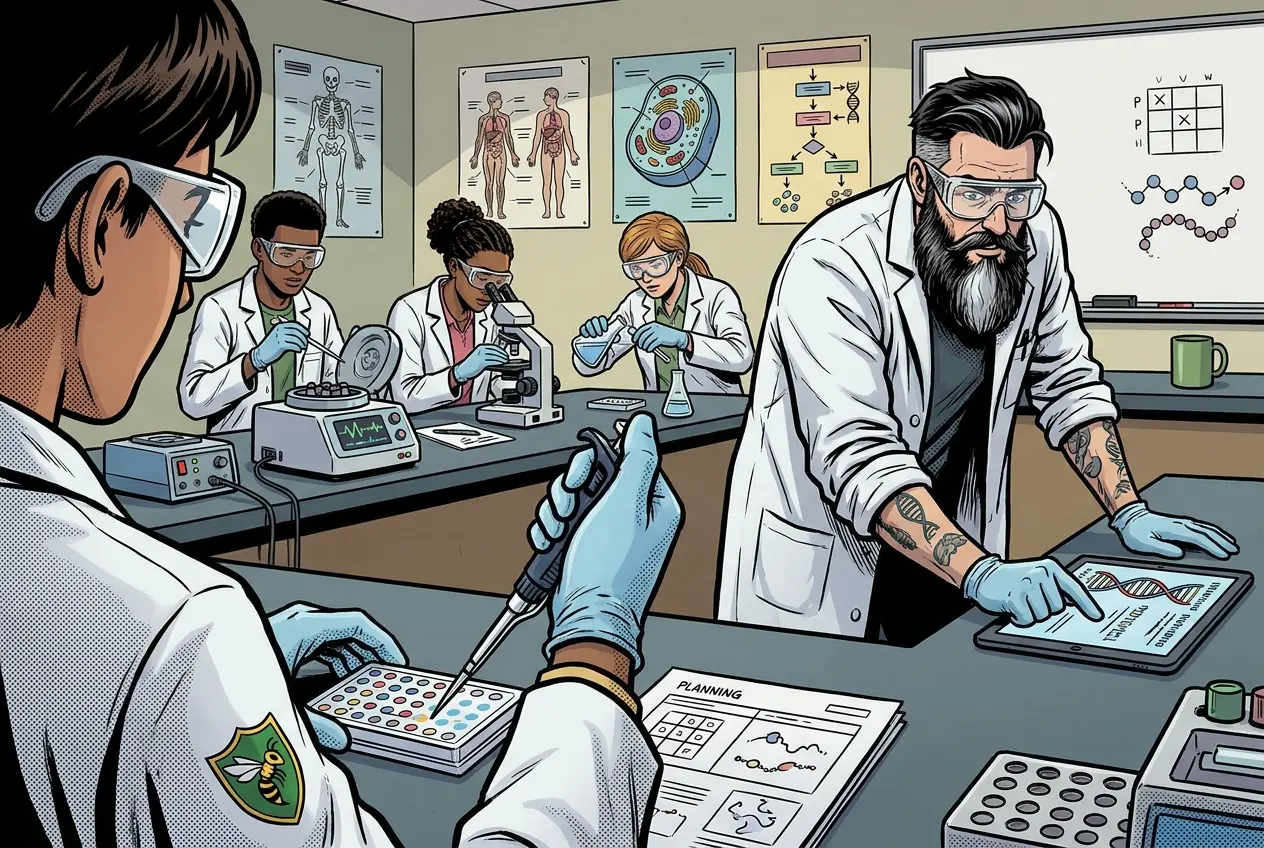
Positive control, negative control, blank. If the negative control comes up positive, every result on that plate is meaningless.
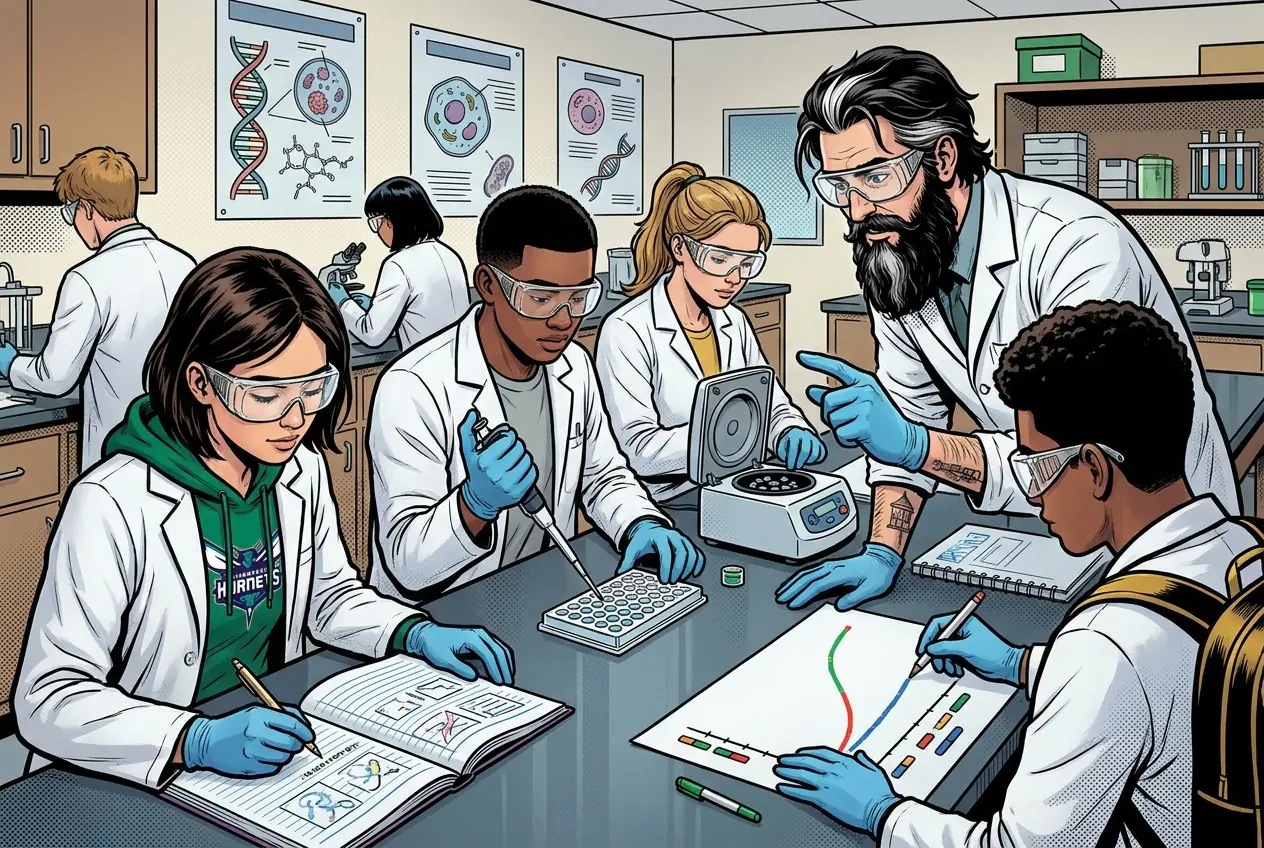
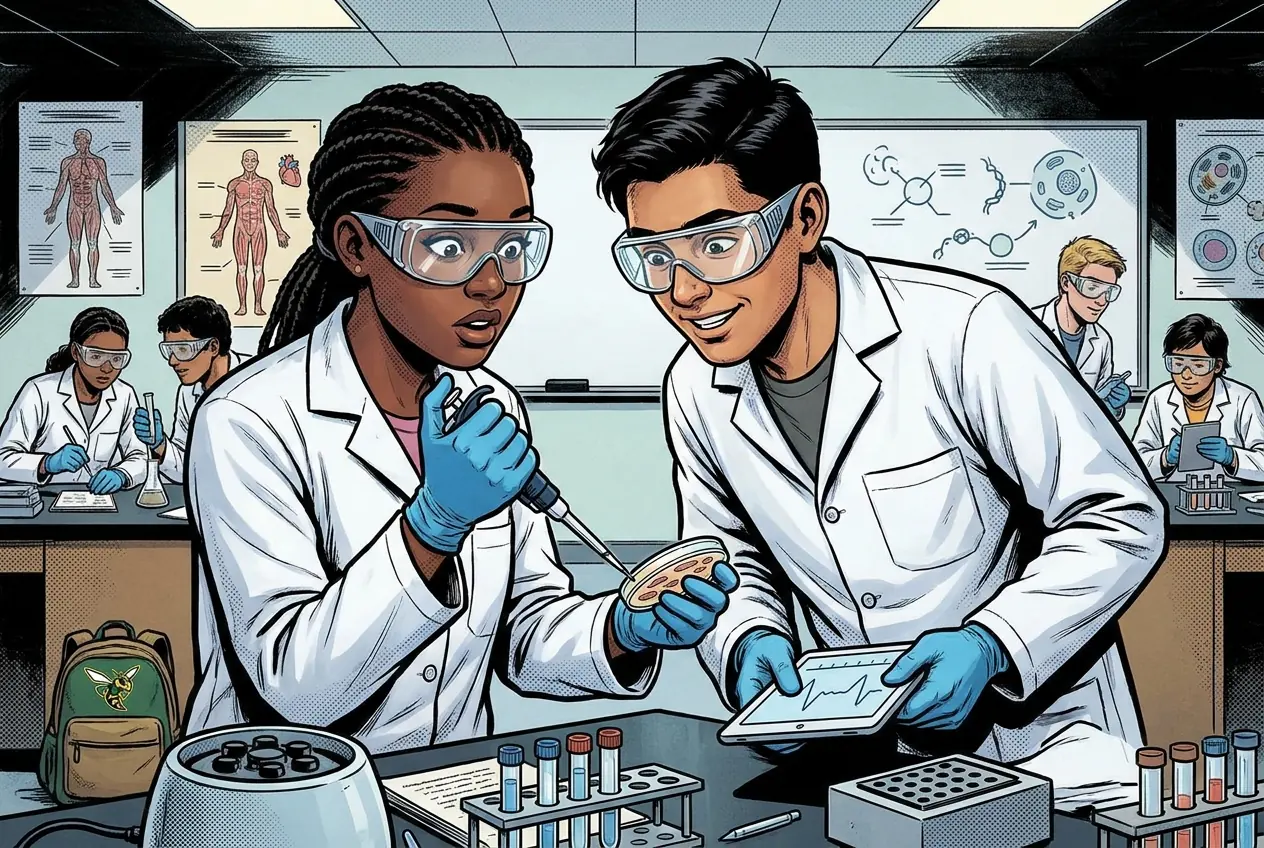
Actual plate, actual pipettes, actual colour change. My hands were not steady and my volumes were not consistent for the first row, which you can see in the data.
MR. MENDOZA
Good. You caught it. The dangerous version is the group that never ran a control.
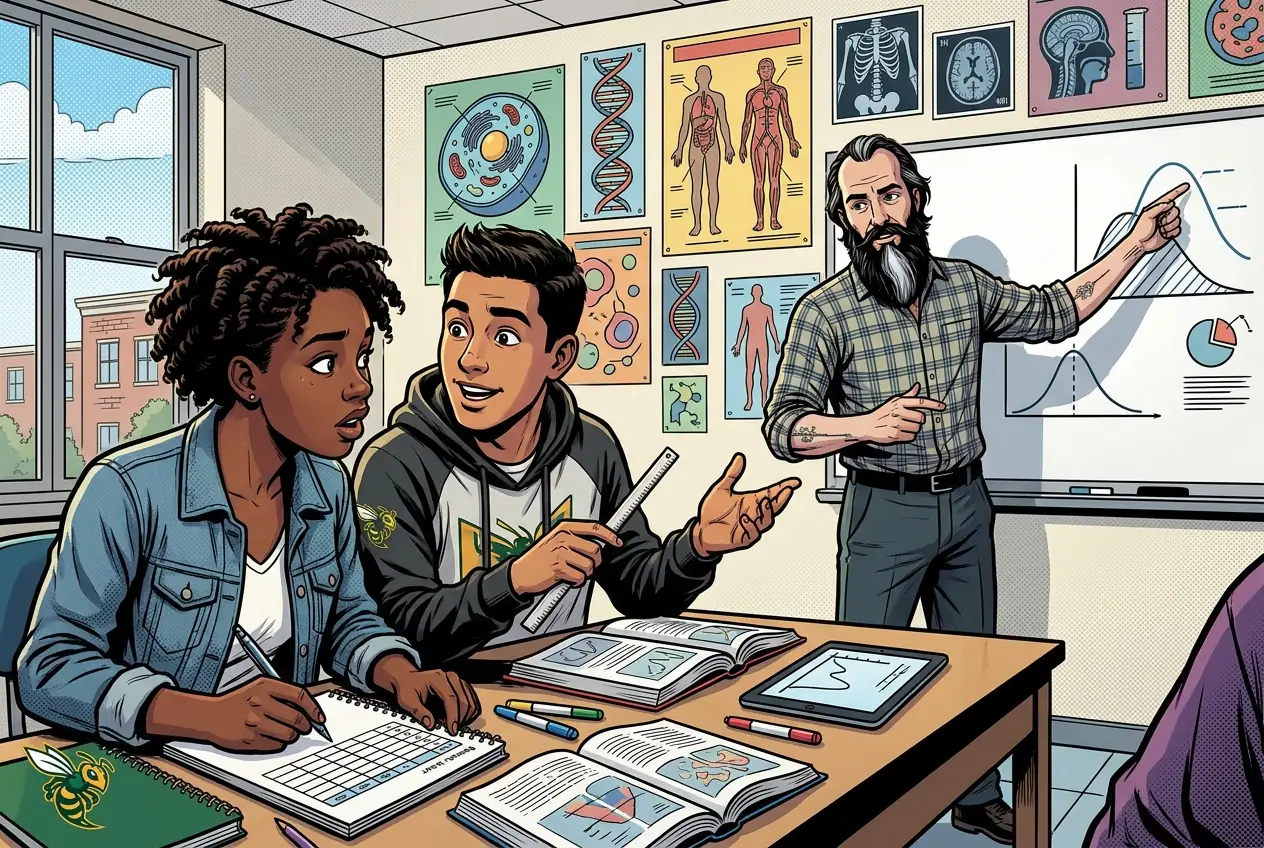
Sensitivity is the share of people who have it that the test catches. Specificity is the share of people who do not have it that the test correctly clears.
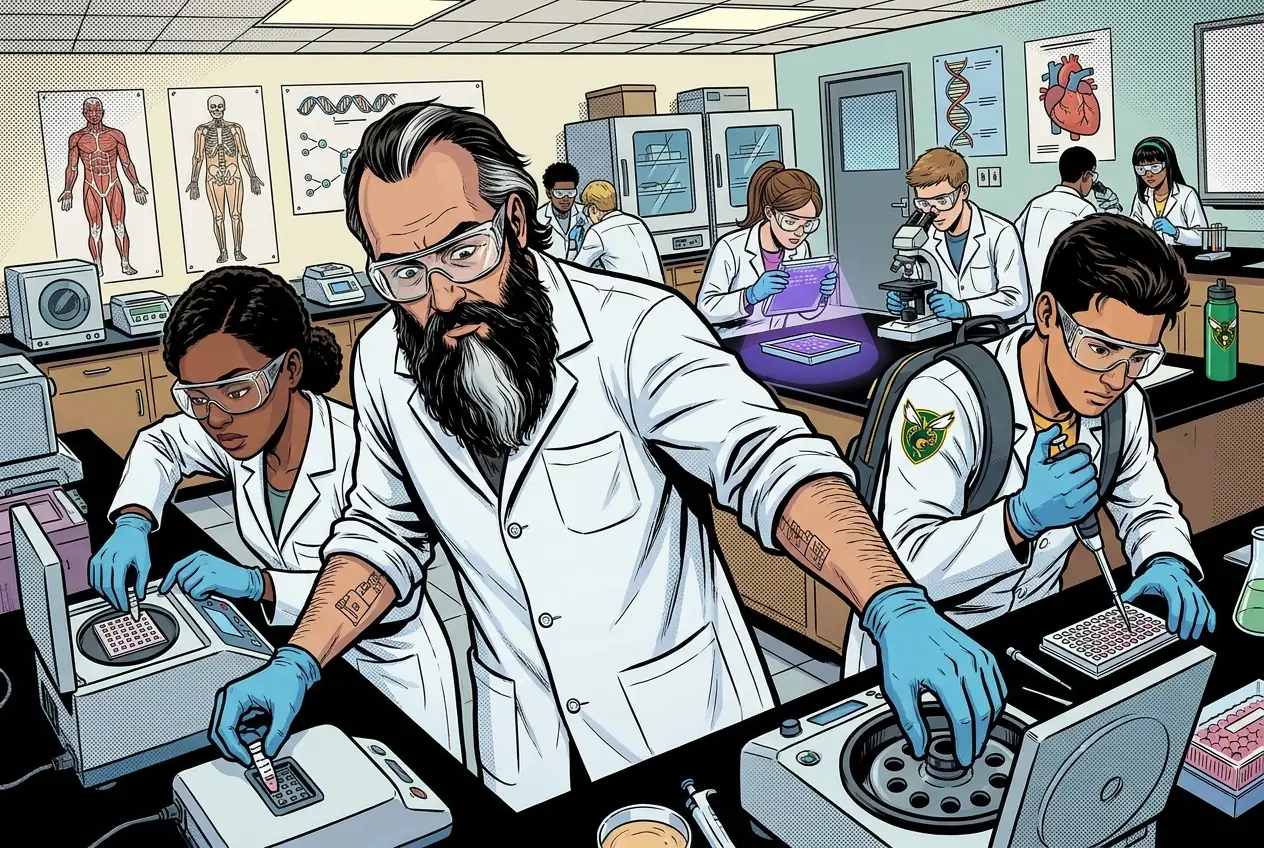
Plate layout, raw absorbance, standard curve, unknowns, and a limitations paragraph about my unsteady first row.
Week 7
SEPTEMBER 25 TO 29
Antibiotic stewardship. The prescription that helps this patient a little is the one that costs the next patient a lot.
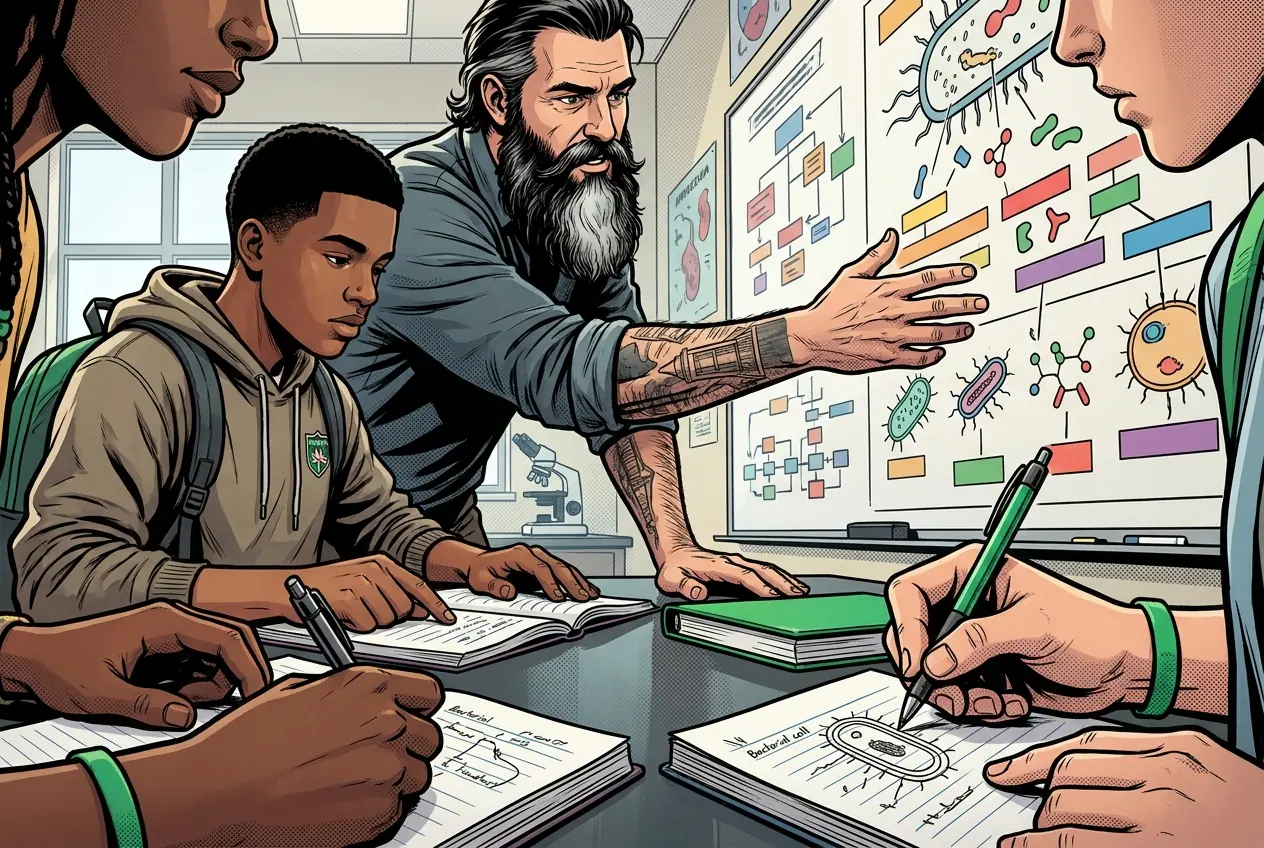
Cell wall, protein synthesis, DNA replication, membrane. Four things to break, and each class of antibiotic breaks one.
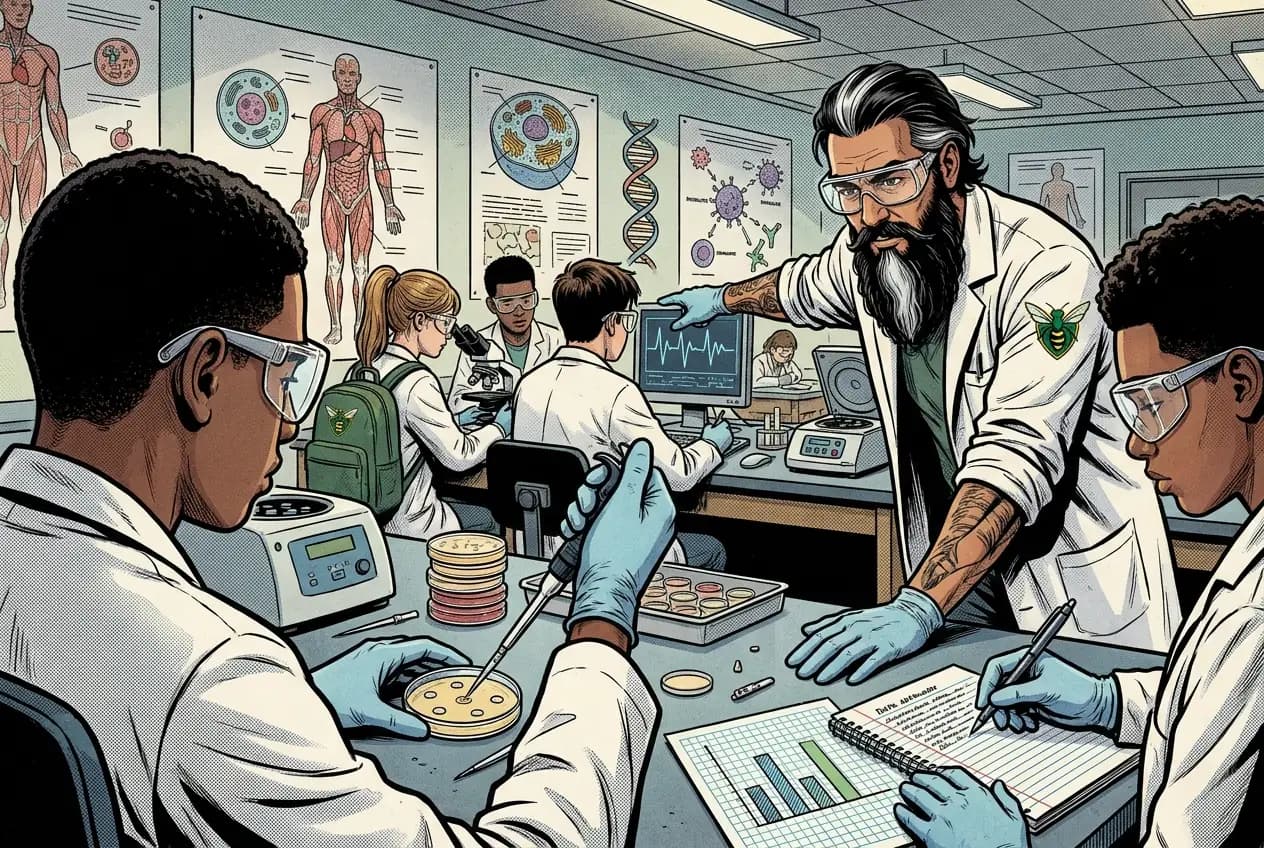
Disks of antibiotic on a lawn of bacteria, and you measure the clear zone where nothing grew. For any one antibiotic a bigger zone means this organism is more susceptible to it.
ME
We measured the same plate and got different numbers. Agree on a rule, then remeasure everything.
How resistance arises and spreads. It is not that individual bacteria learn, it is that the ones that already survive get to reproduce.
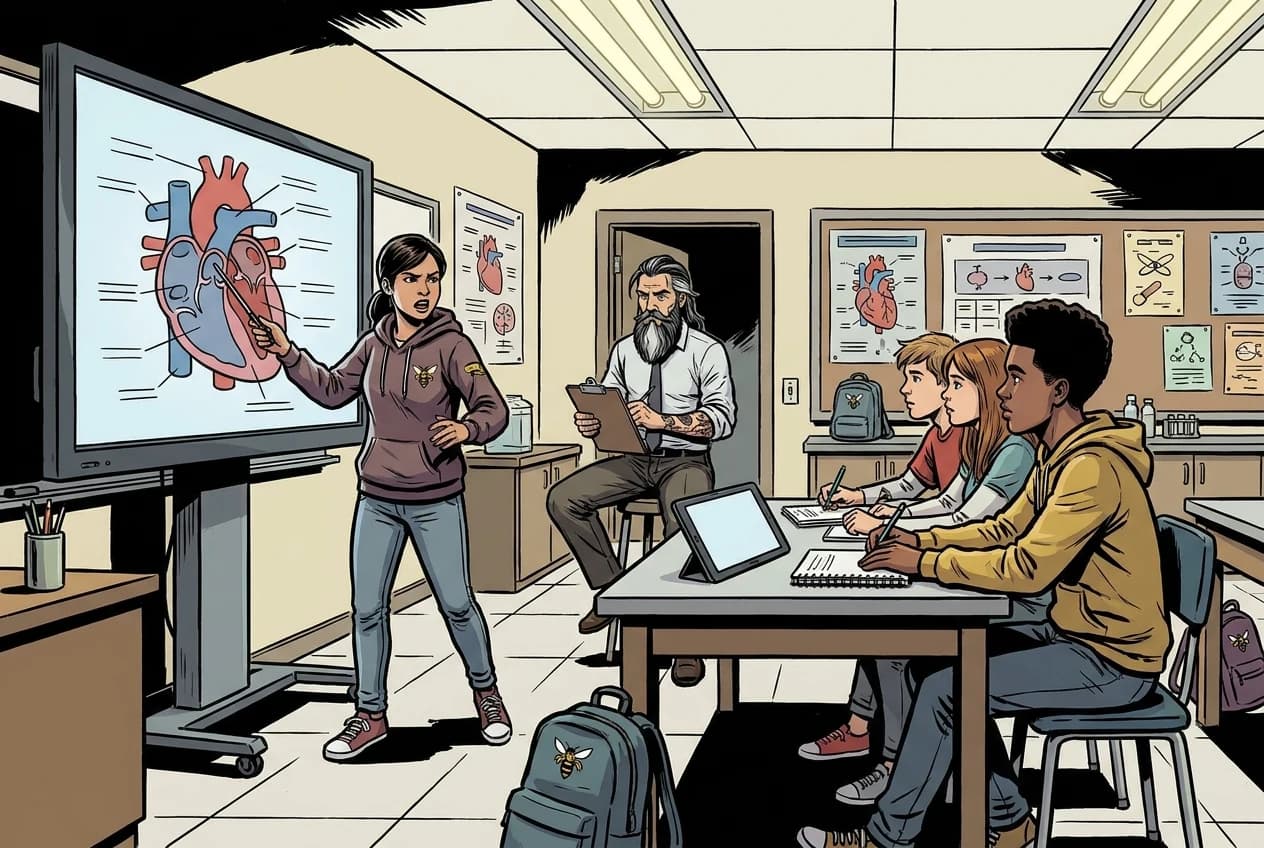
Zone measurements, comparison, a claim about which agent was most effective, and the measurement disagreement written into the limitations.
HOSA is choosing competitive events. I am looking at medical terminology because the vocabulary overlaps with what this class already makes me learn, and doing two things with one effort is the only way I get.
Week 8
SEPTEMBER 30 TO OCTOBER 2
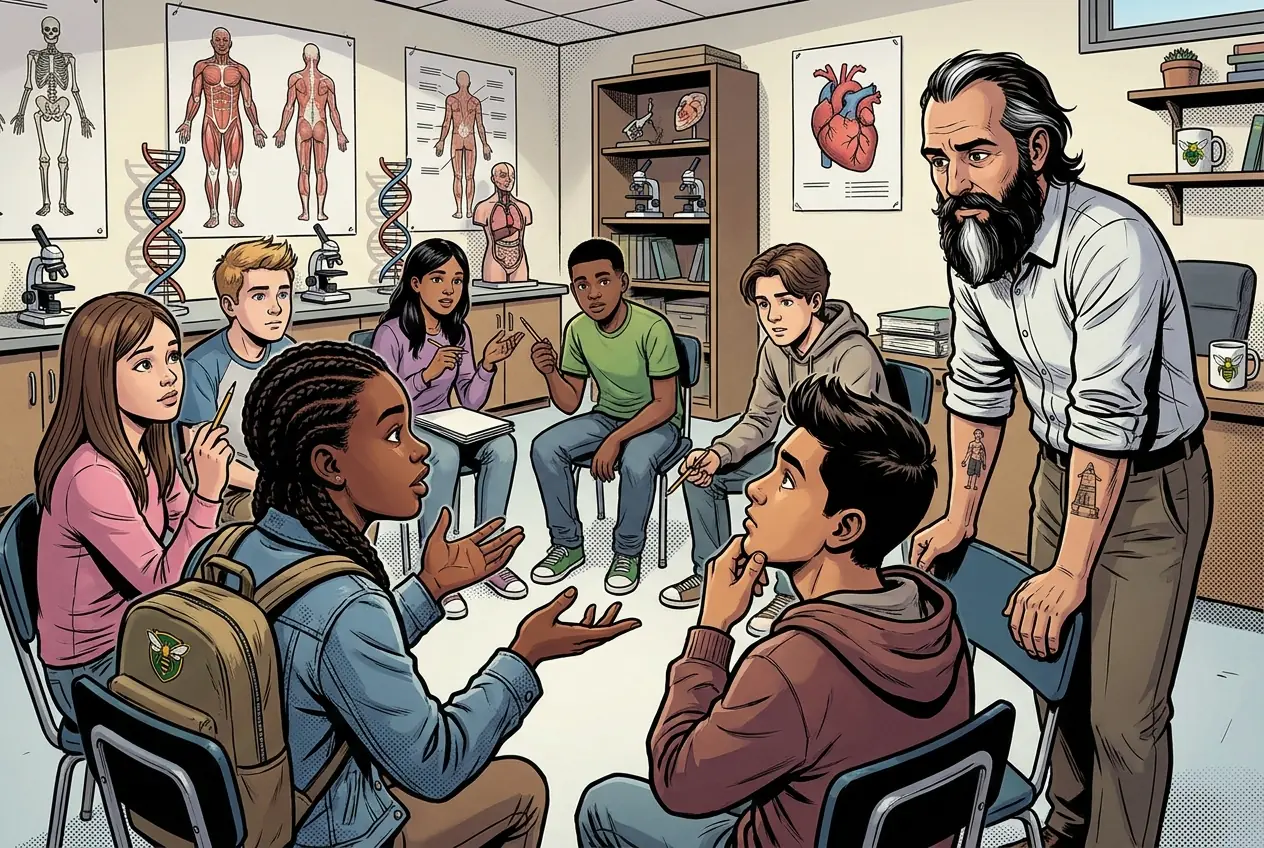
Research against risk. Every trial asks somebody to take a chance for people who do not exist yet.
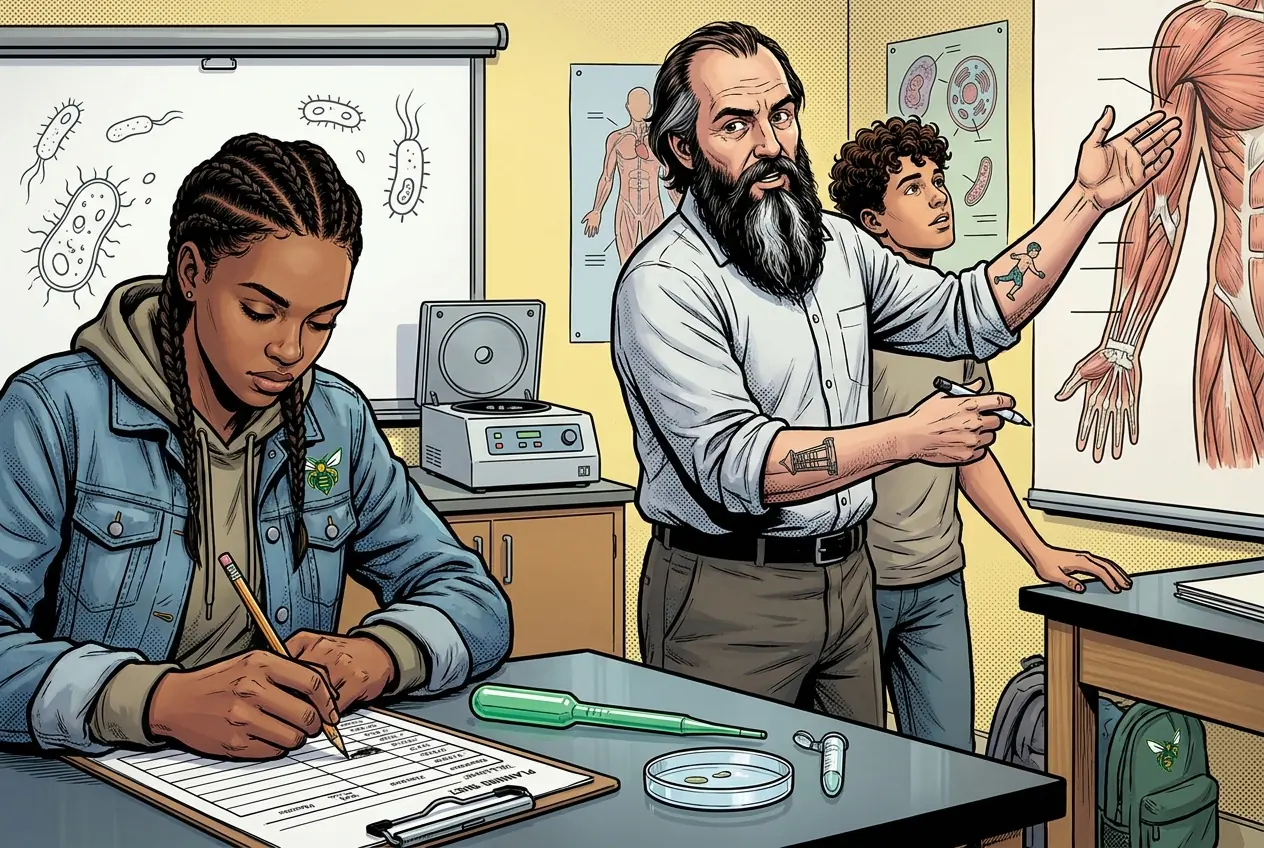
Everything is contaminated unless you actively prevented it. Flame the loop, do not put the lid down, work near the flame, move deliberately.
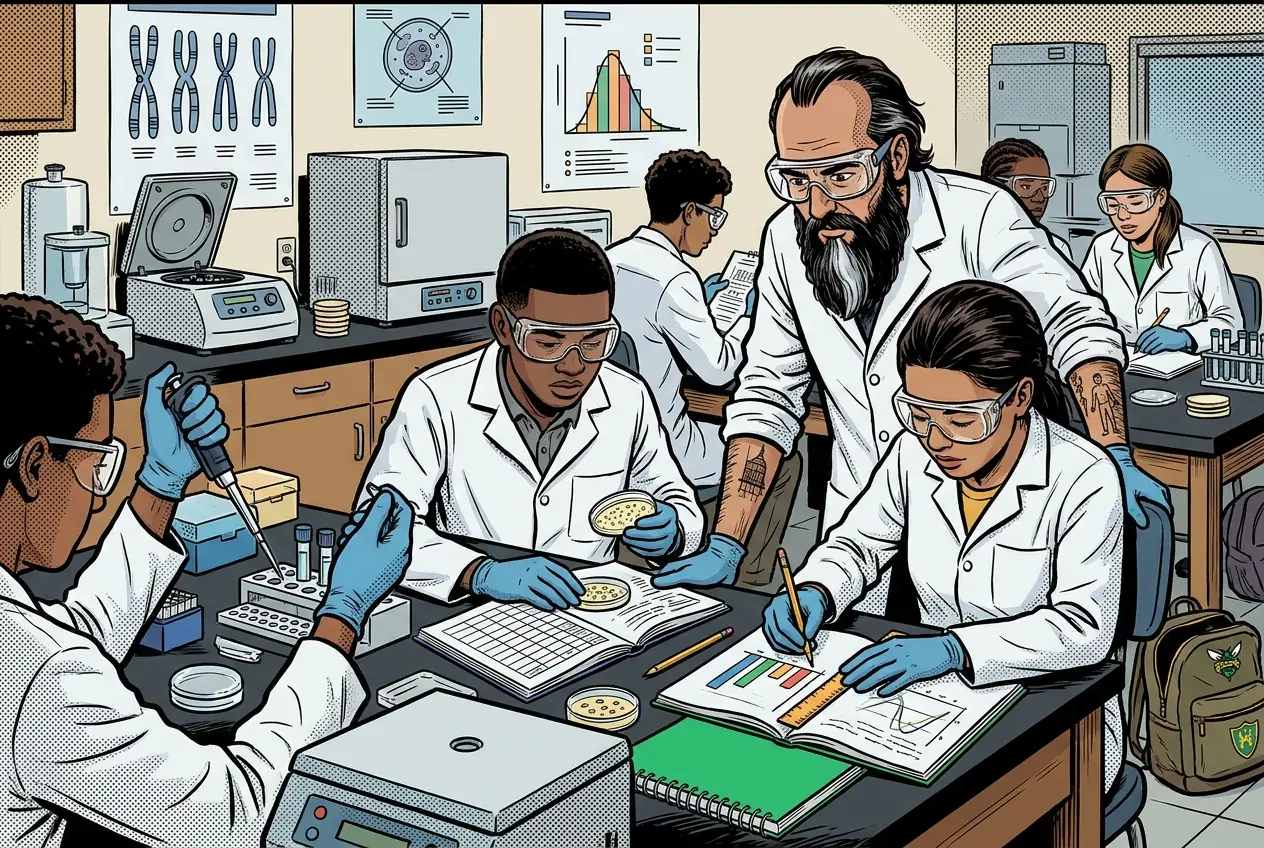
Streak plates and colony counts. My plate had contamination in one quadrant, which is my own technique showing up as data.
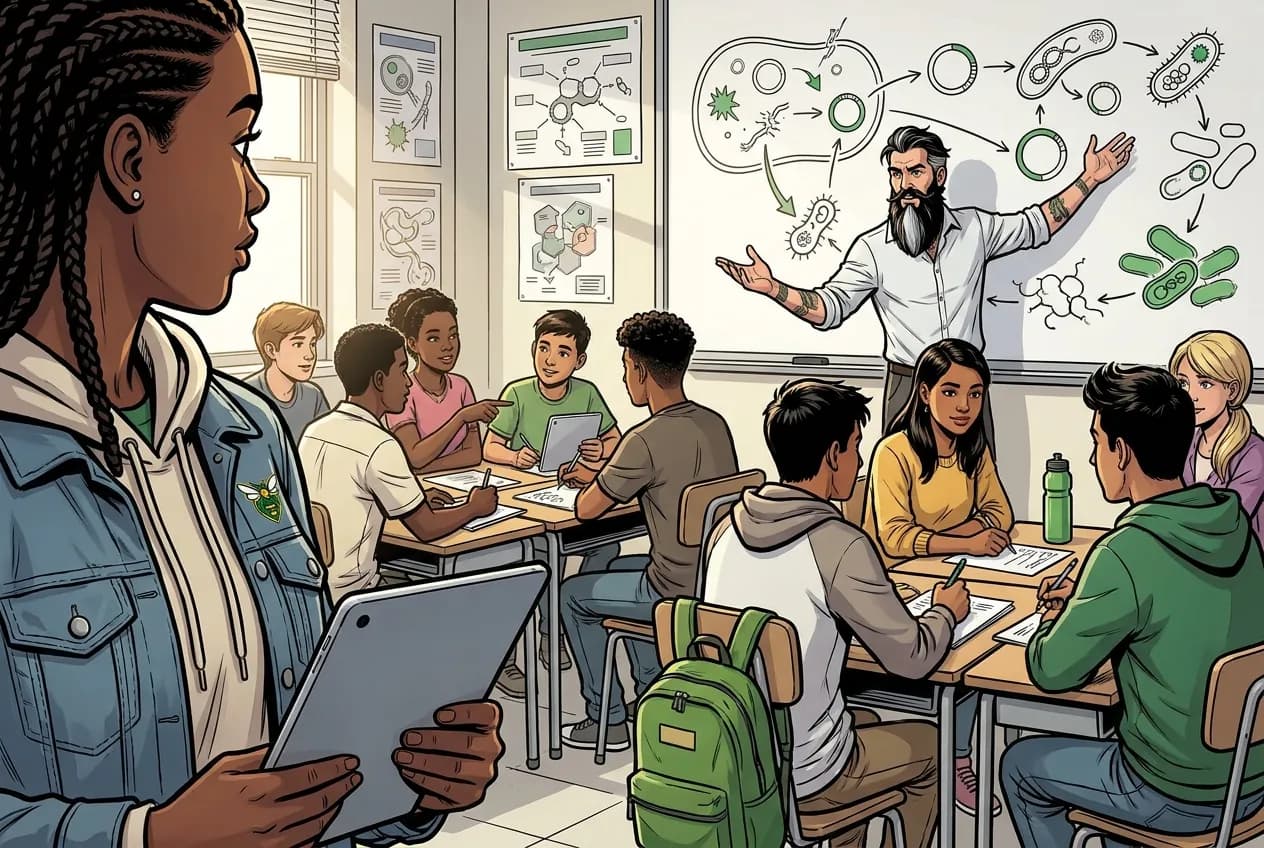
Bacteria do not only inherit resistance from a parent, they can hand genes sideways to unrelated bacteria. Horizontal gene transfer.
Week 9
OCTOBER 5 TO 8

Whether a cochlear implant should be described as a fix. Some Deaf people do not consider deafness a problem needing solving, and framing the implant as a cure carries a claim about their lives.
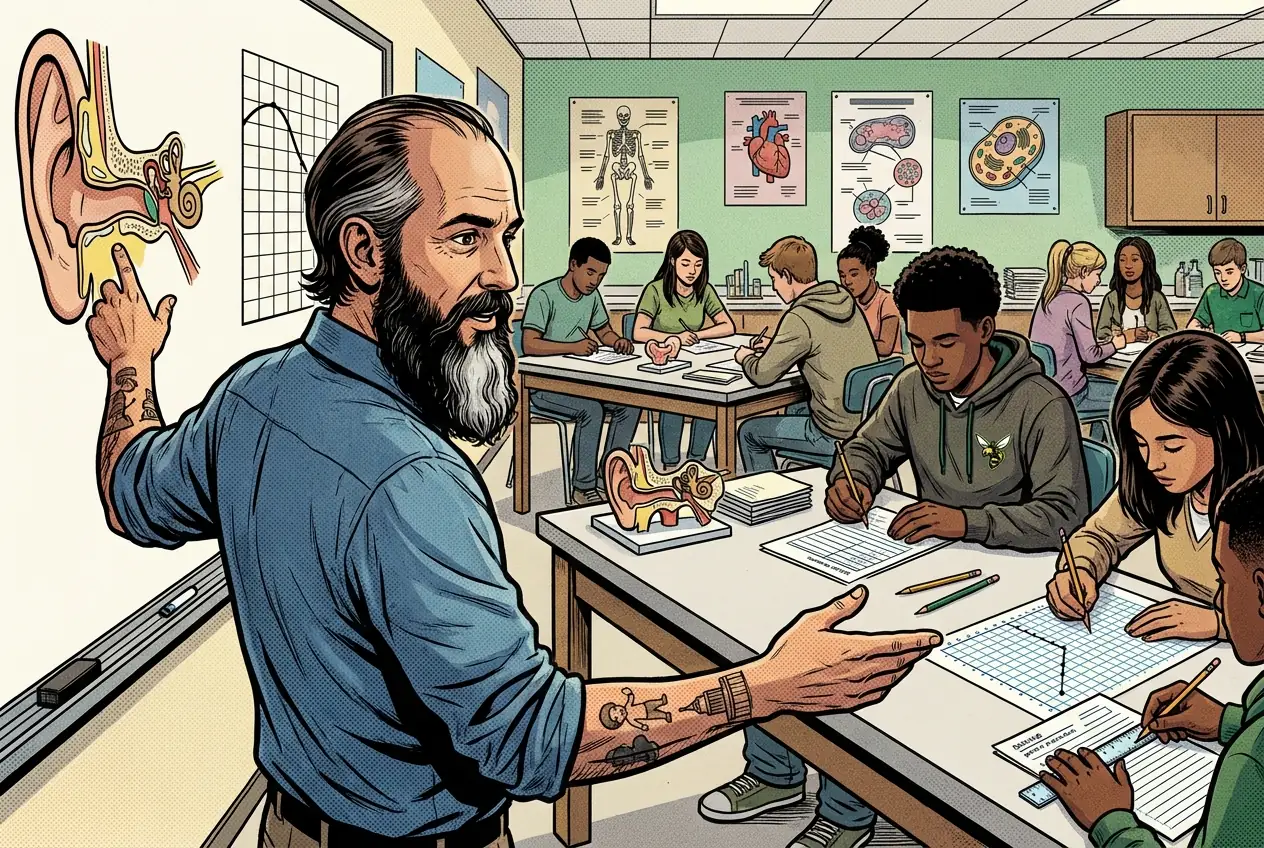
Reading an audiogram: frequency across, loudness down, and the shape of the curve tells you what kind of loss it is.
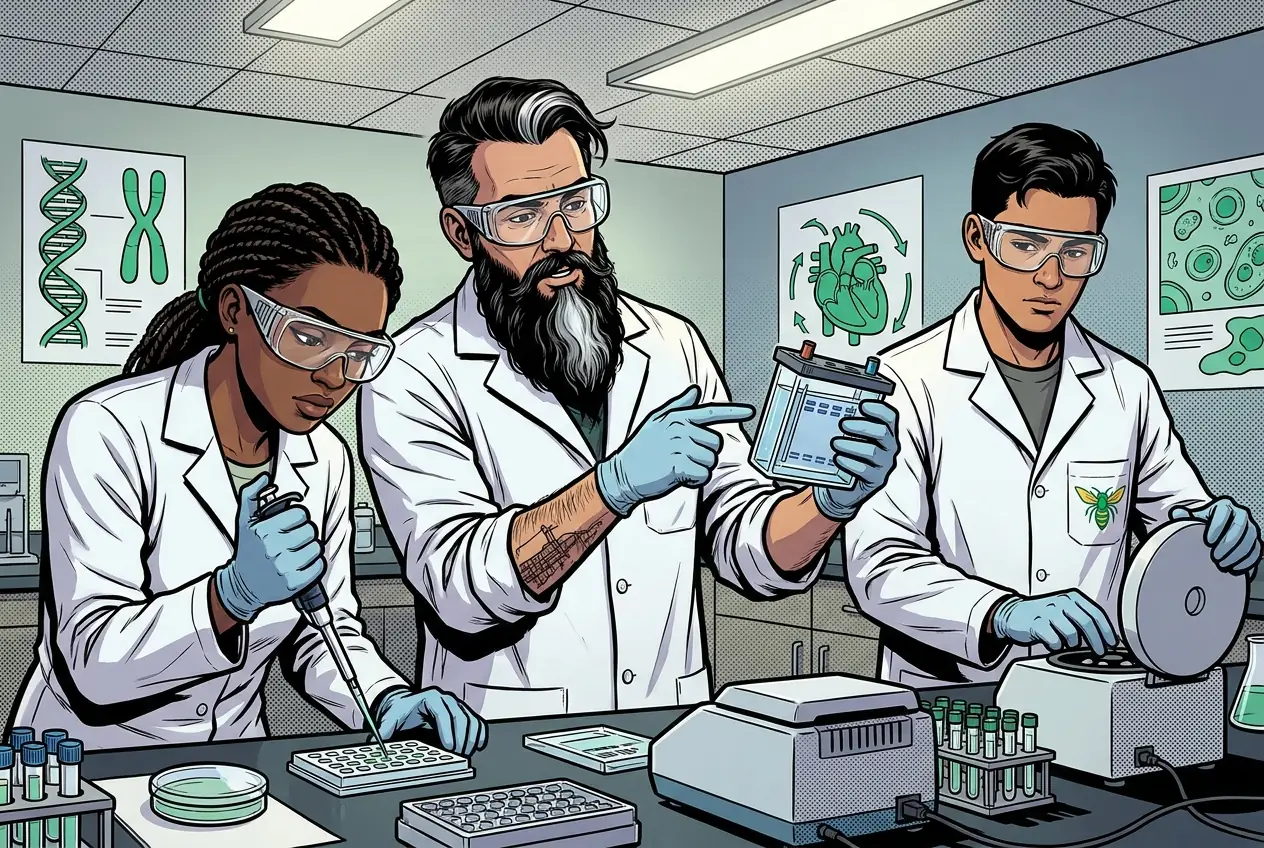
Modeling how a disease moves through a population and what changes when a fraction is immune.
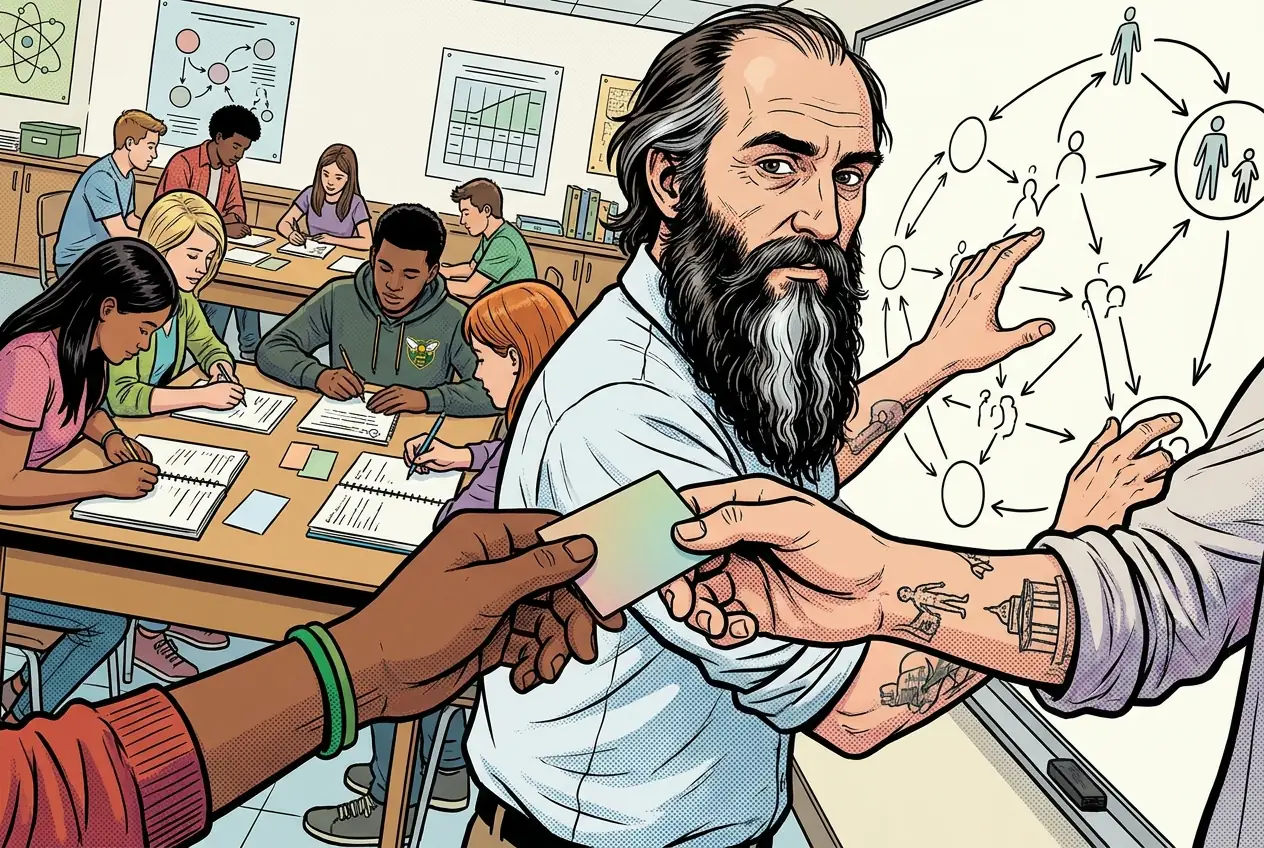
The threshold depends on how contagious the disease is. More contagious means a higher fraction needed, and for the most contagious diseases the number is uncomfortably close to everyone.
ME
The model stopped spreading before everyone was vaccinated. The unvaccinated are protected by the vaccinated.
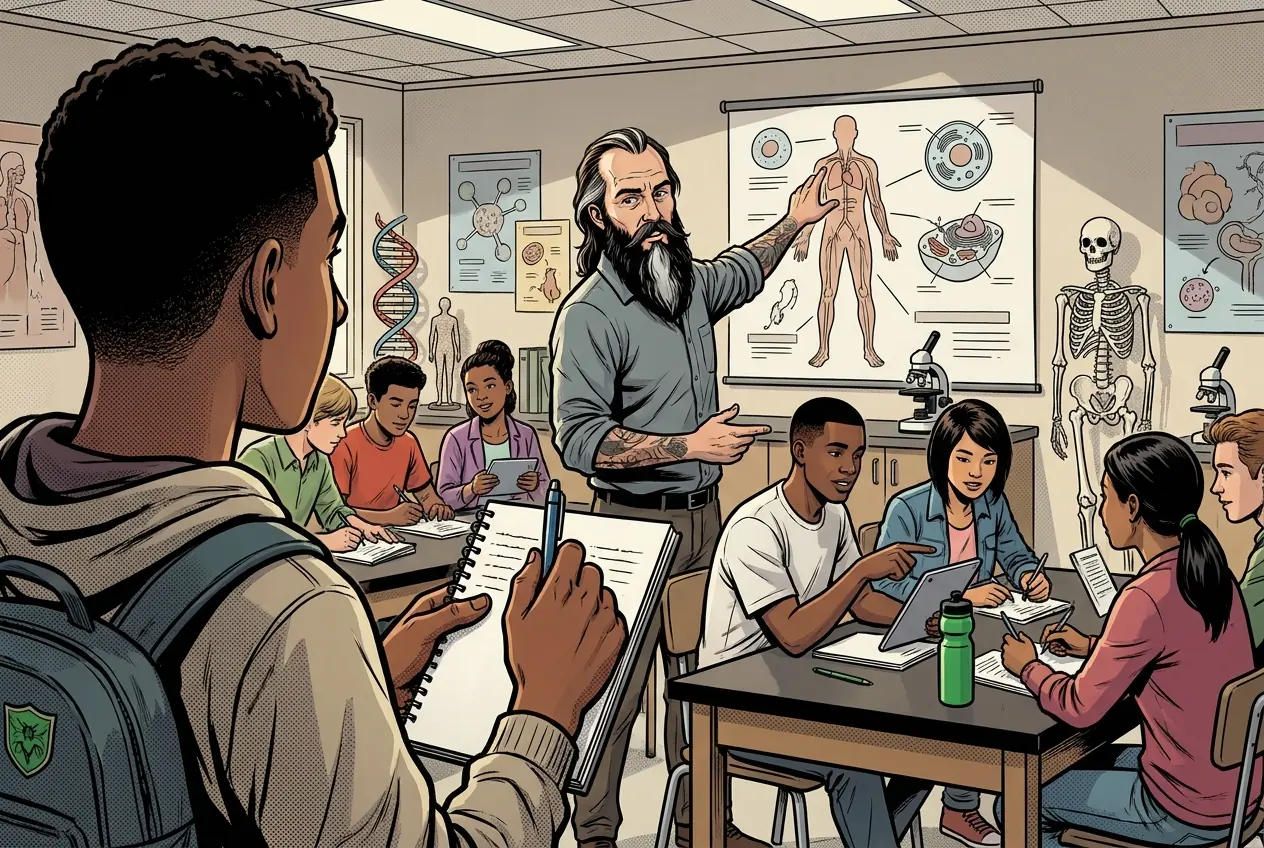
Portfolio audit against the rubric. Two items were missing labels. Two minutes to fix once found.
Week 10
OCTOBER 12 TO 15
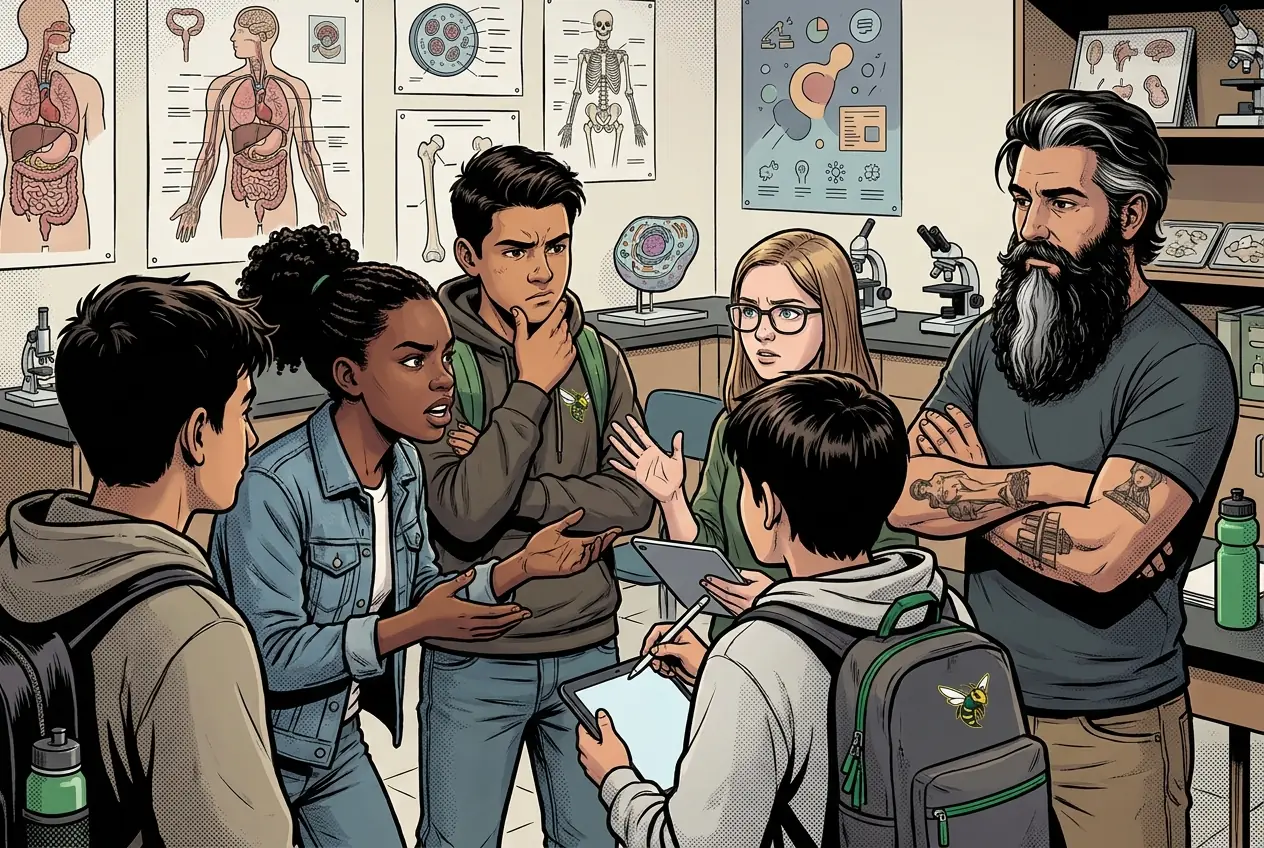
If your genome shows a risk, do your relatives have a right to know? A result about you is partly a result about them.
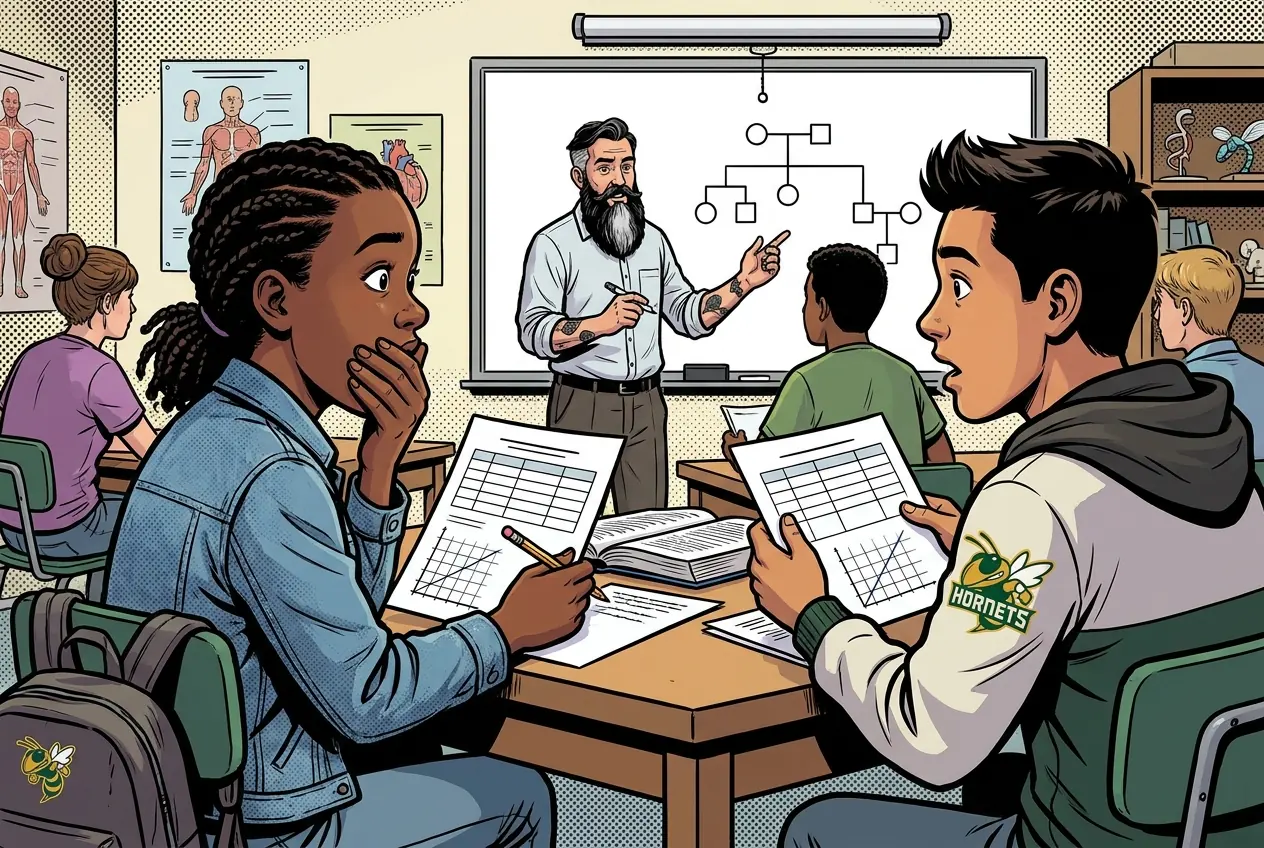
Reading a family tree for inheritance pattern. Dominant, recessive, sex-linked, each with a signature shape once you know what to look for.
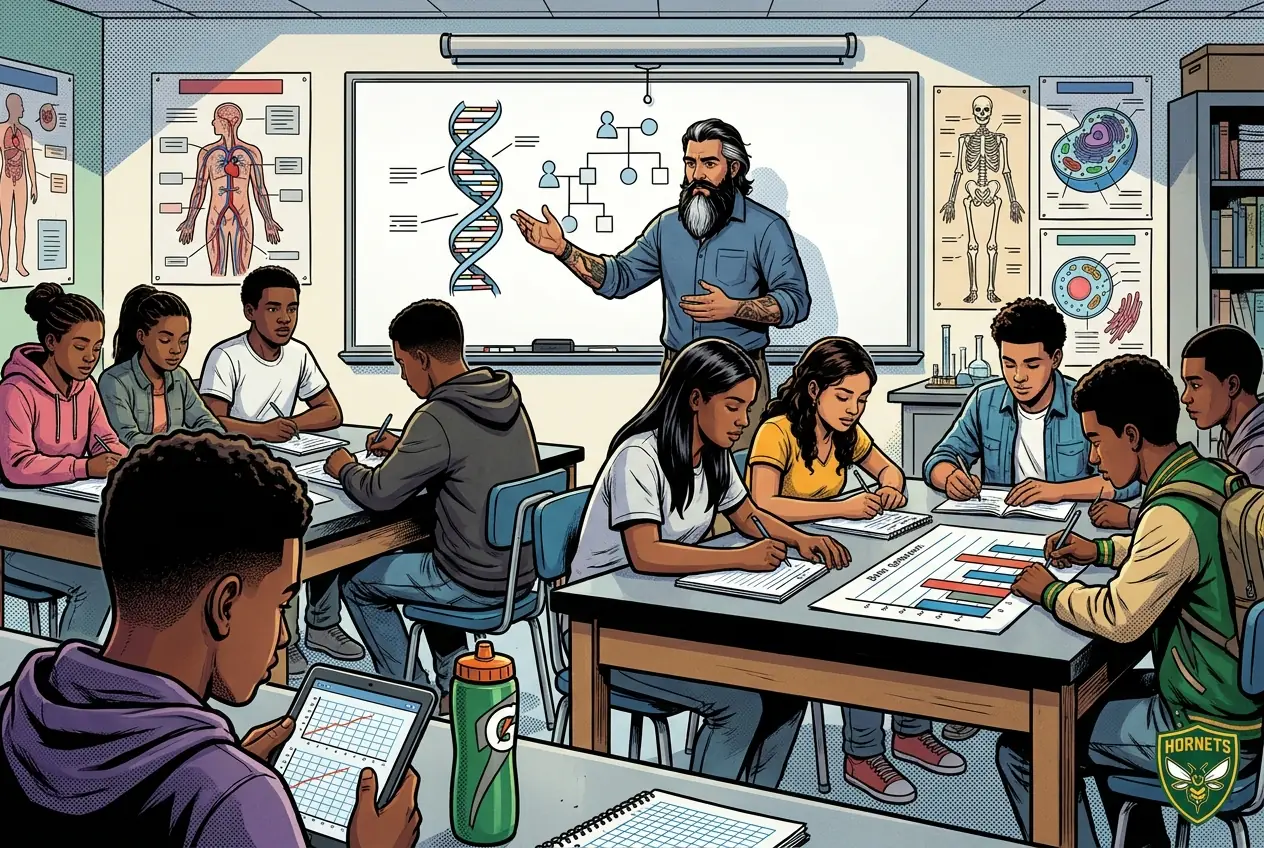
A small DNA difference changing a real trait, using the PTC tasting case. Most of whether you taste it comes down to three linked base positions in one gene, TAS2R38, inherited together as a set.
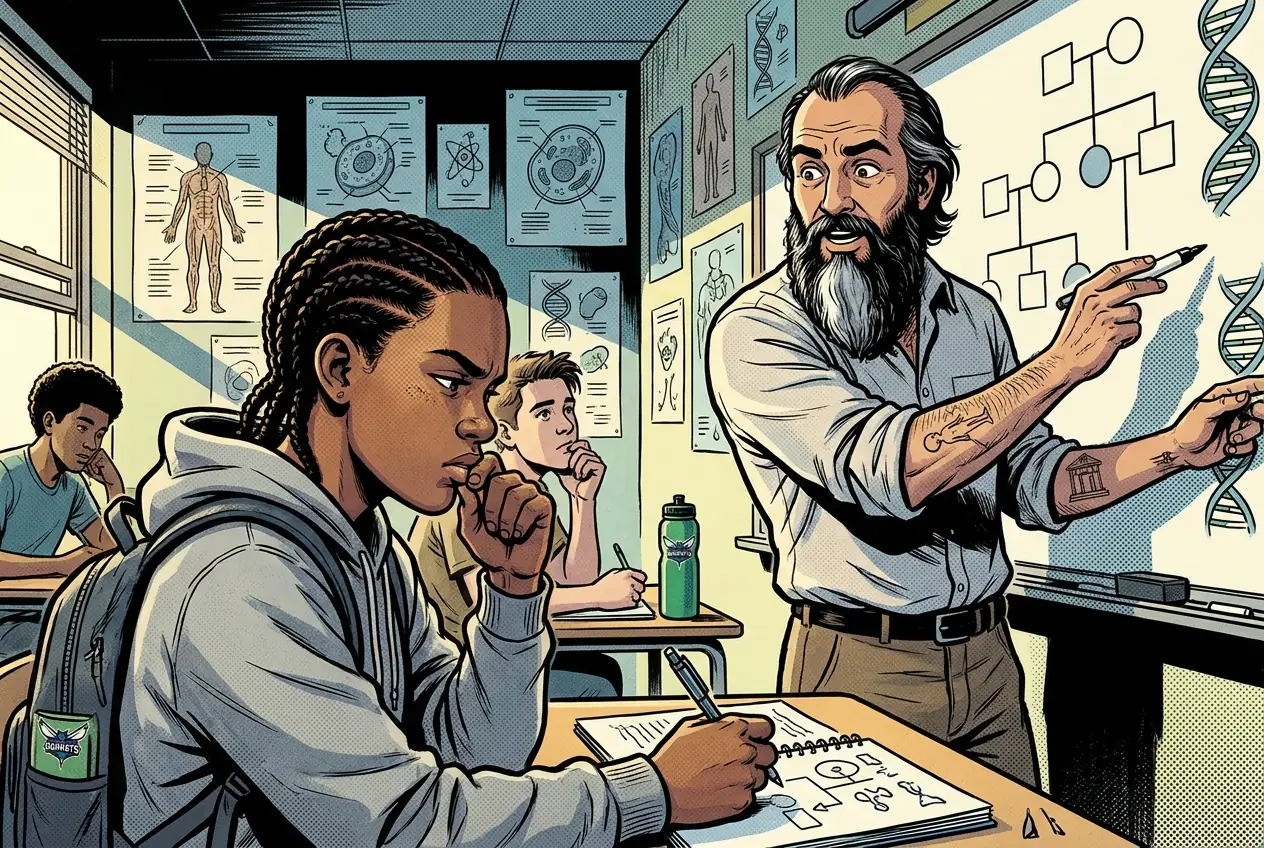
Writing to a family, not to a teacher. Accurate, and readable by someone frightened.
PARTNER
Written as a percentage it reads like a verdict. Say it as families out of a hundred.
Marking period audit. Everything checked against the rubric with a confidence rating I had to be honest about.
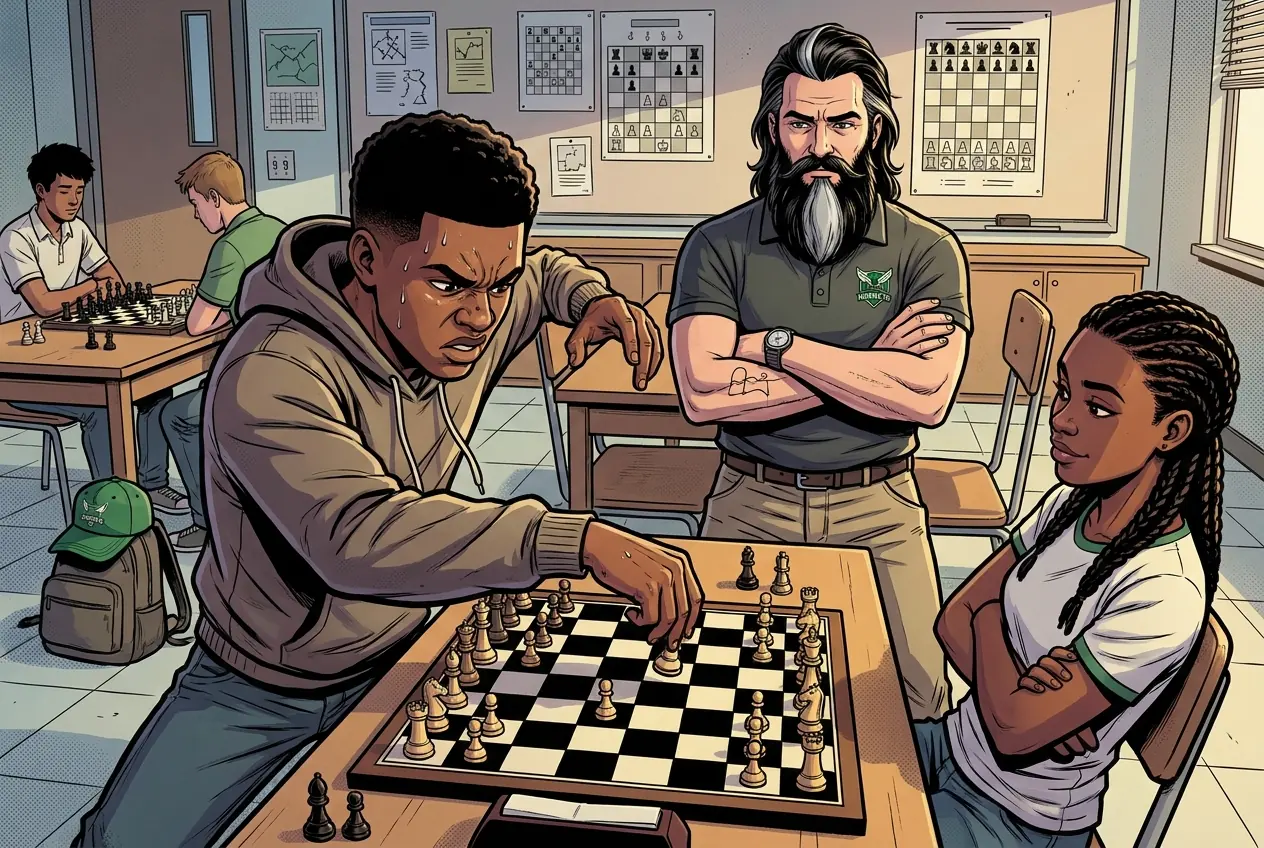
Chess. I keep losing and I am losing slower. Someone pointed out that I plan my own moves and never look at what my opponent is building.
Week 11
OCTOBER 16 TO 20
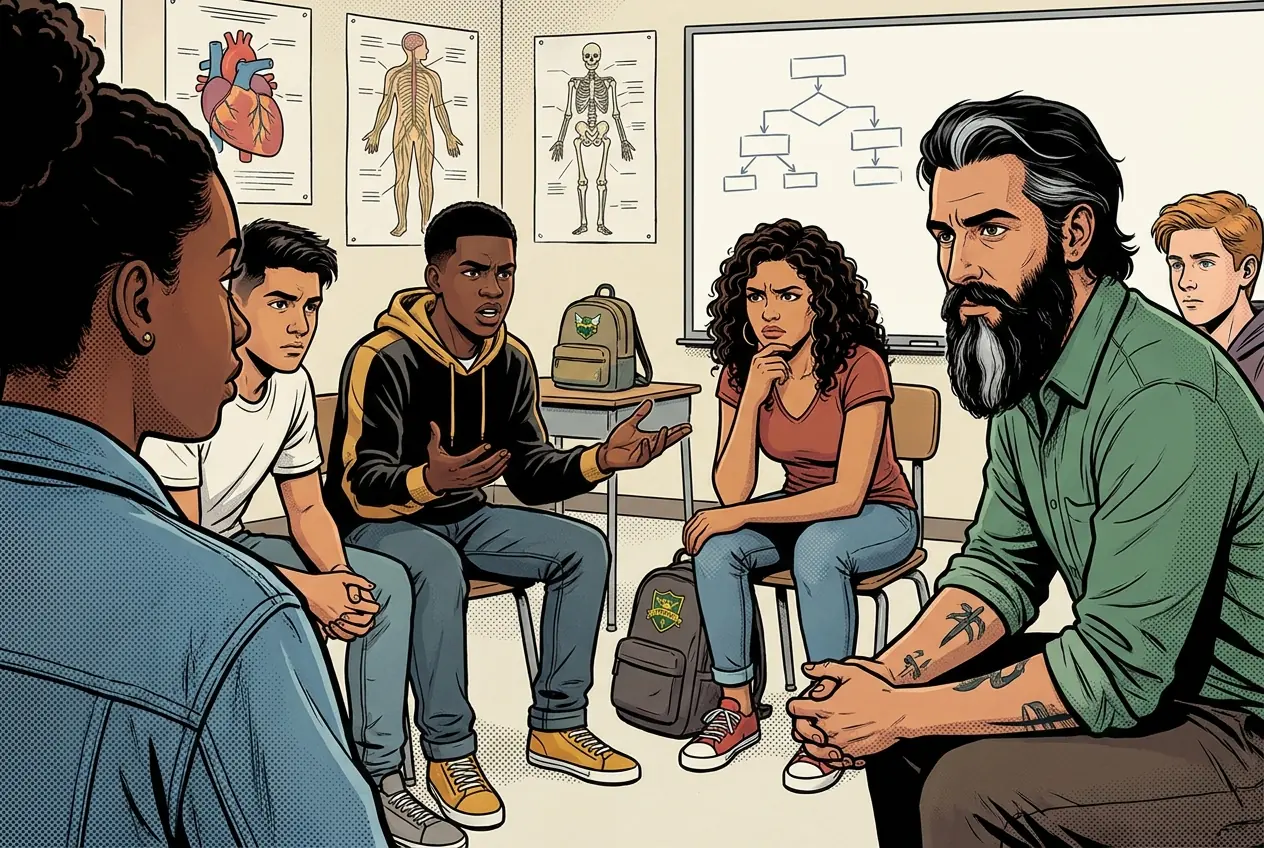
Should patients get raw genetic results directly, without a clinician interpreting first? Access against the risk of misreading something frightening.
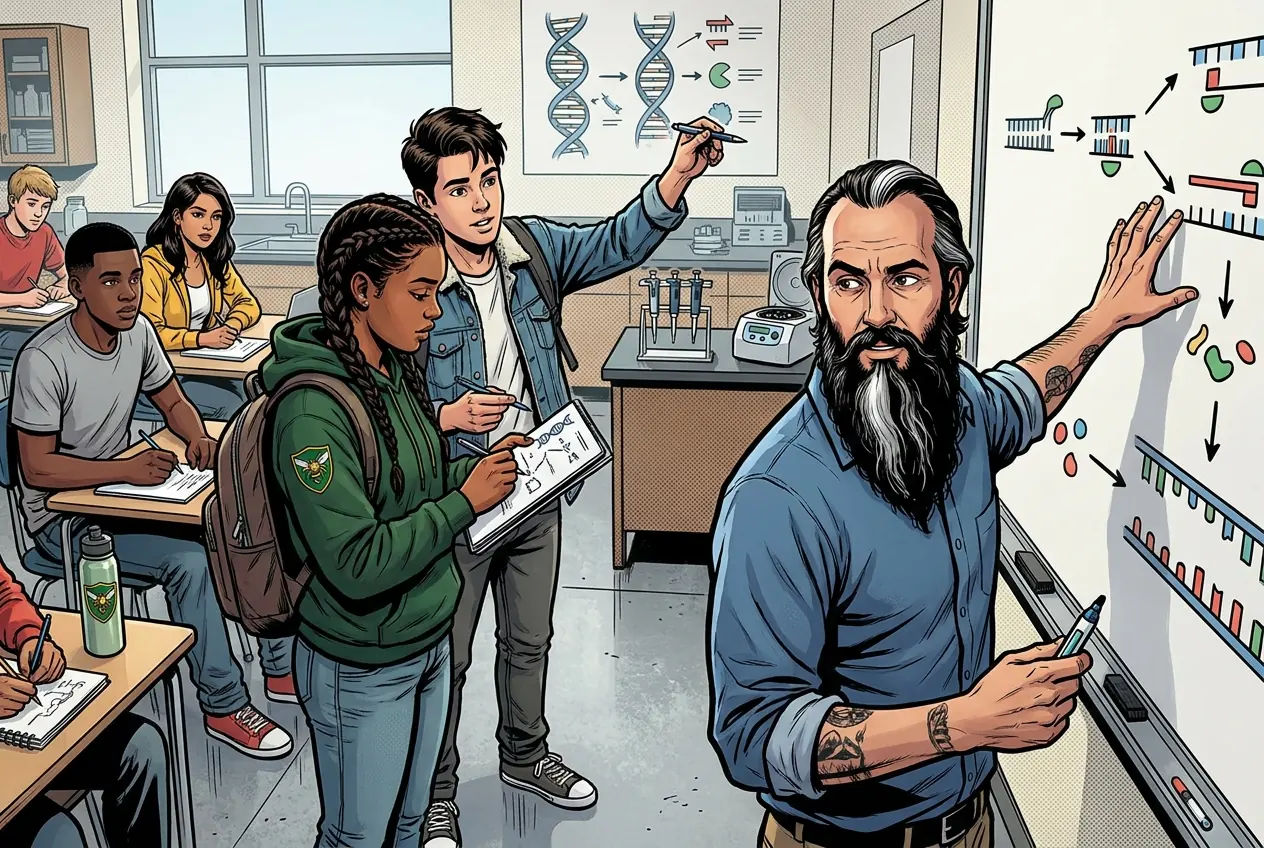
Amplifying a tiny amount of DNA into enough to work with, and how the primers decide which region gets copied.
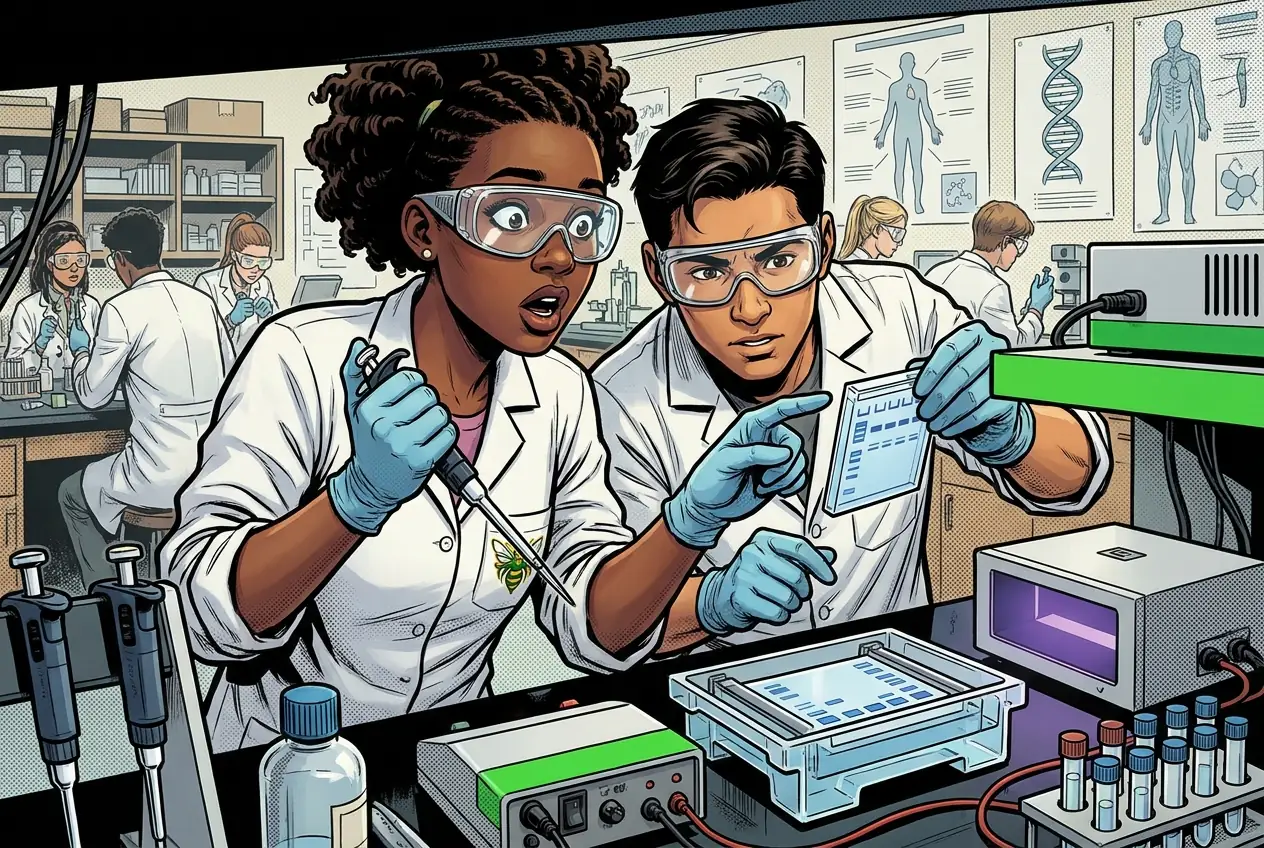
Running a gel. DNA is negatively charged so it moves toward the positive end, and smaller fragments travel further through the gel.
ME
I punctured the bottom of the well. That sample is gone and you get one try.
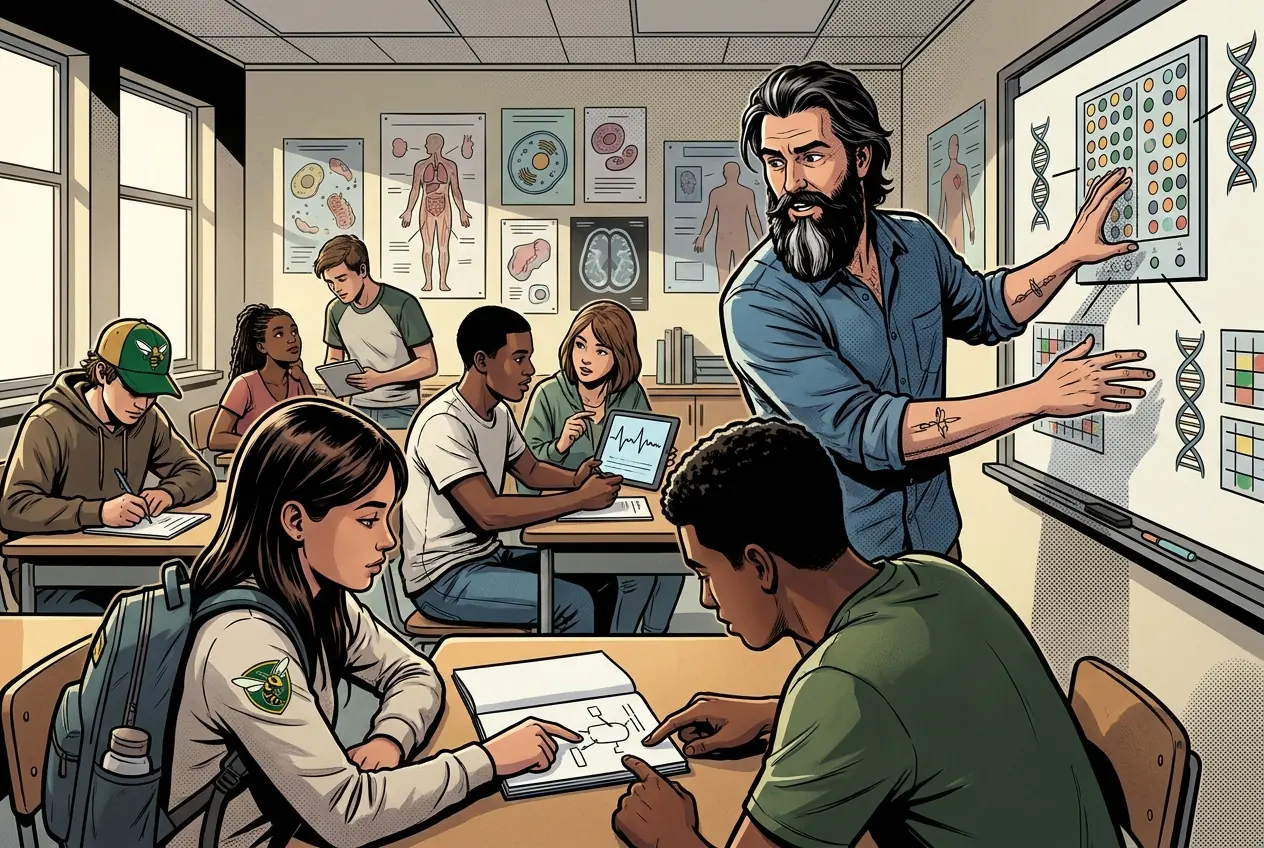
Thousands of expression measurements at once instead of one gene at a time. The scale is the point and also the problem, because with that many measurements some will look significant by chance.
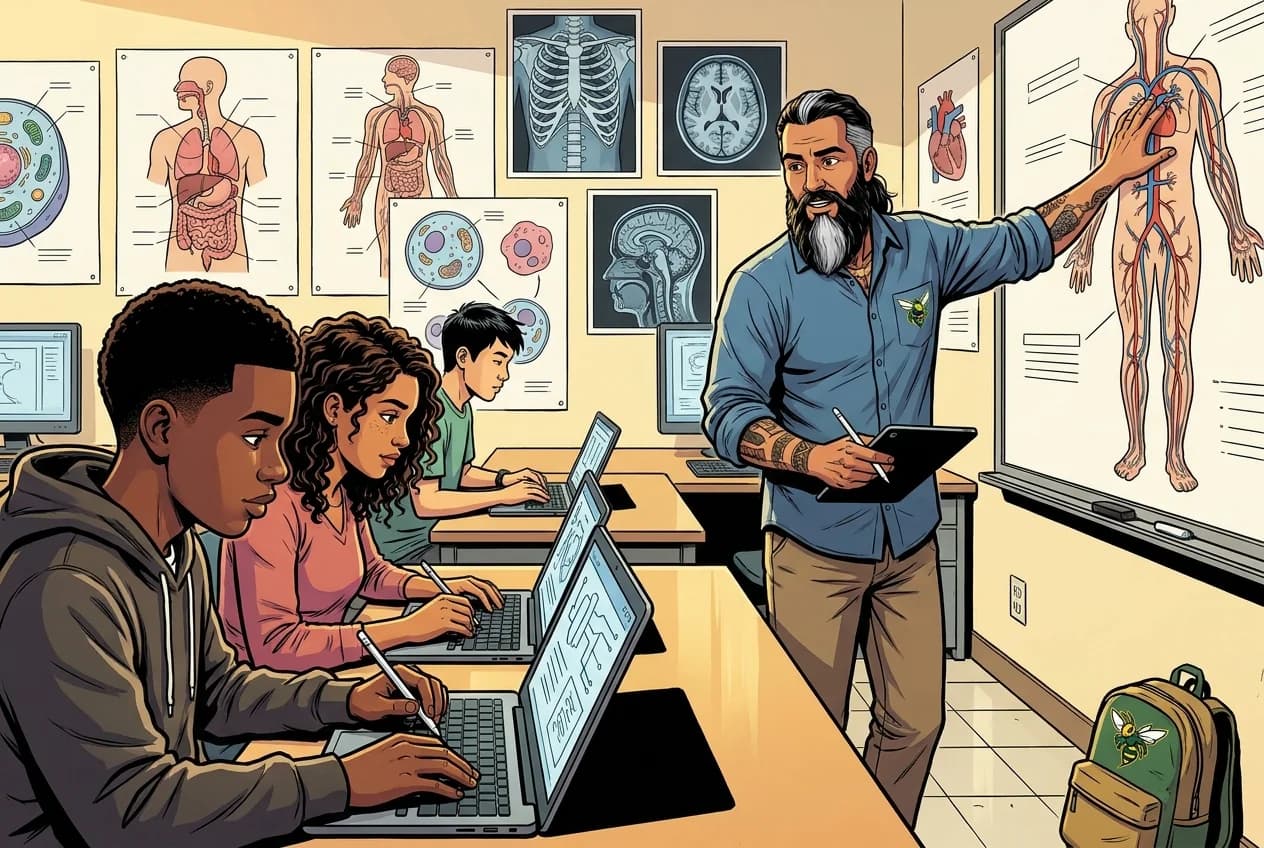
Quiz on the methods so far. This is where the fifteen minutes a night either paid off or did not. For me it mostly did.
Week 12
OCTOBER 21 TO 23
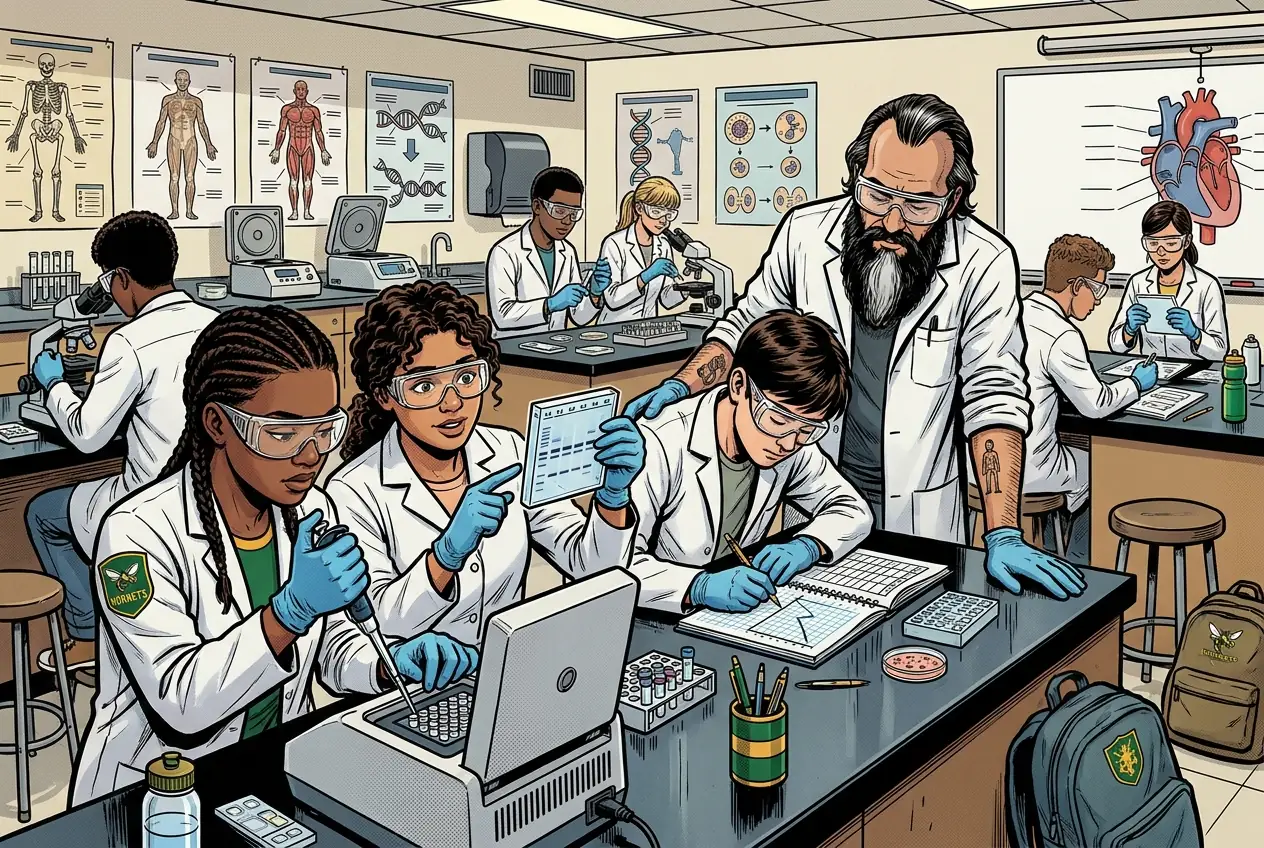
Straight into the lab after two days off, working real expression data. Which genes are turned up, which are turned down, compared against a control.
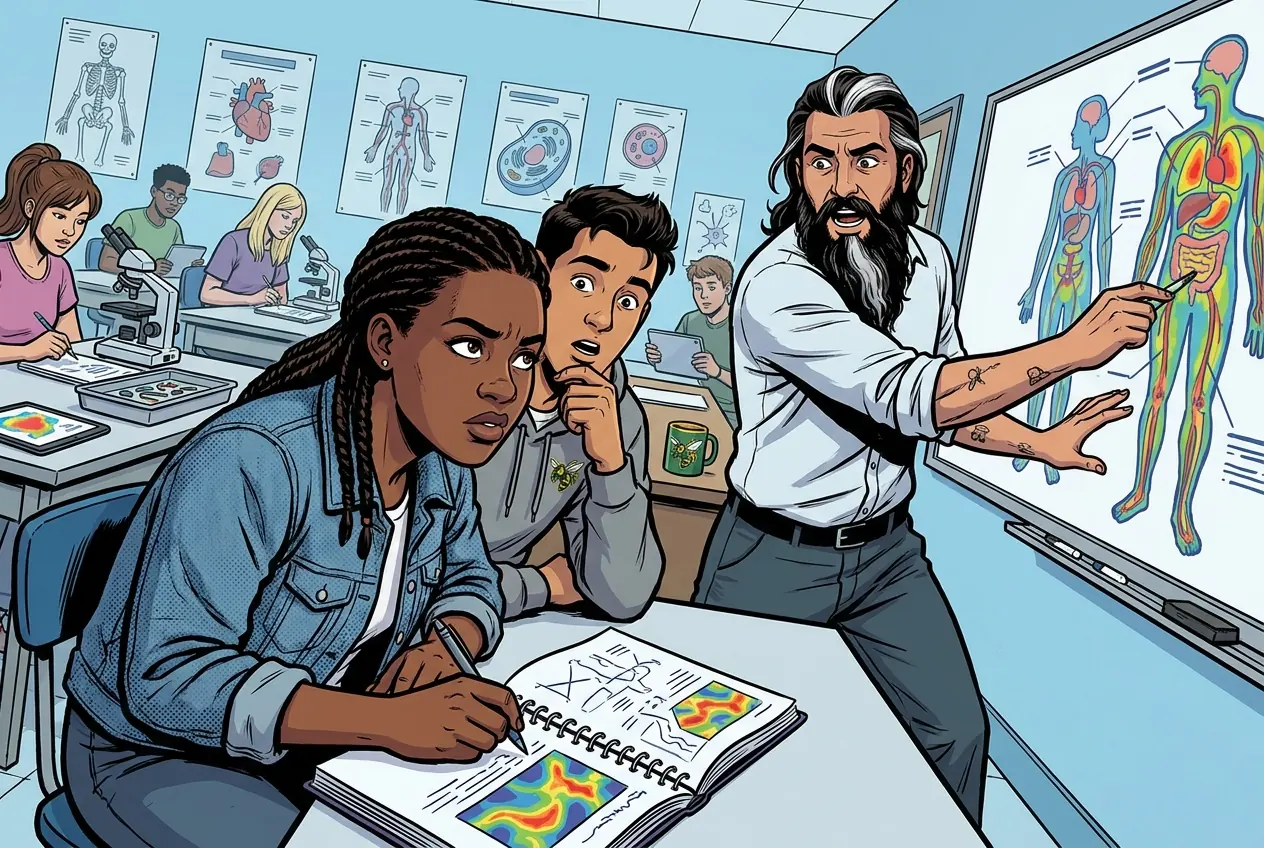
Reading a heat map, where colour is intensity and the pattern is the finding. Red up, green down, clustered so similar things sit together.
MR. MENDOZA
Three genes is not a pattern. It is a coincidence with good graphic design.
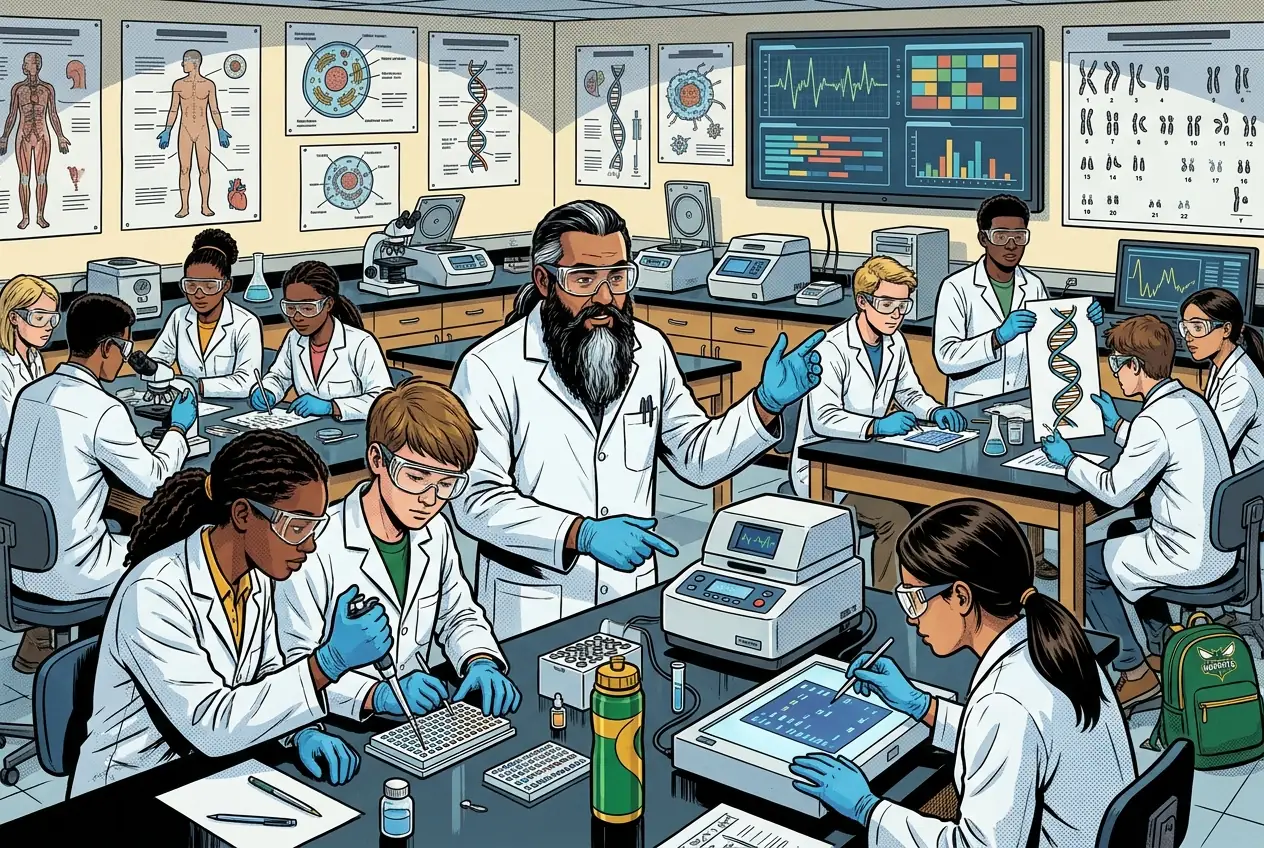
Expression table, heat map, claim, and a limitations line about multiple comparisons.
Week 13
OCTOBER 26 TO 29
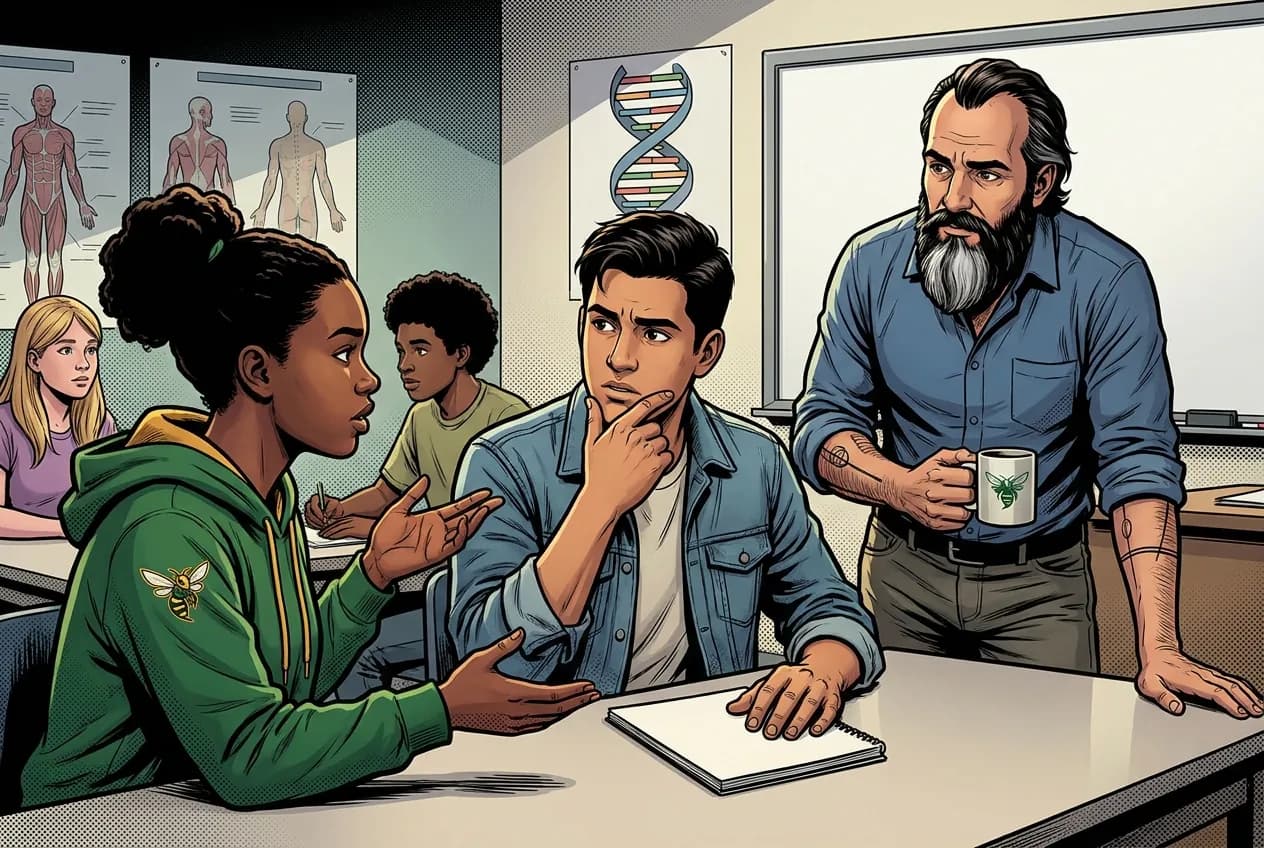
Editing a somatic cell affects one person. Editing the germline affects everyone descended from them, none of whom can consent.
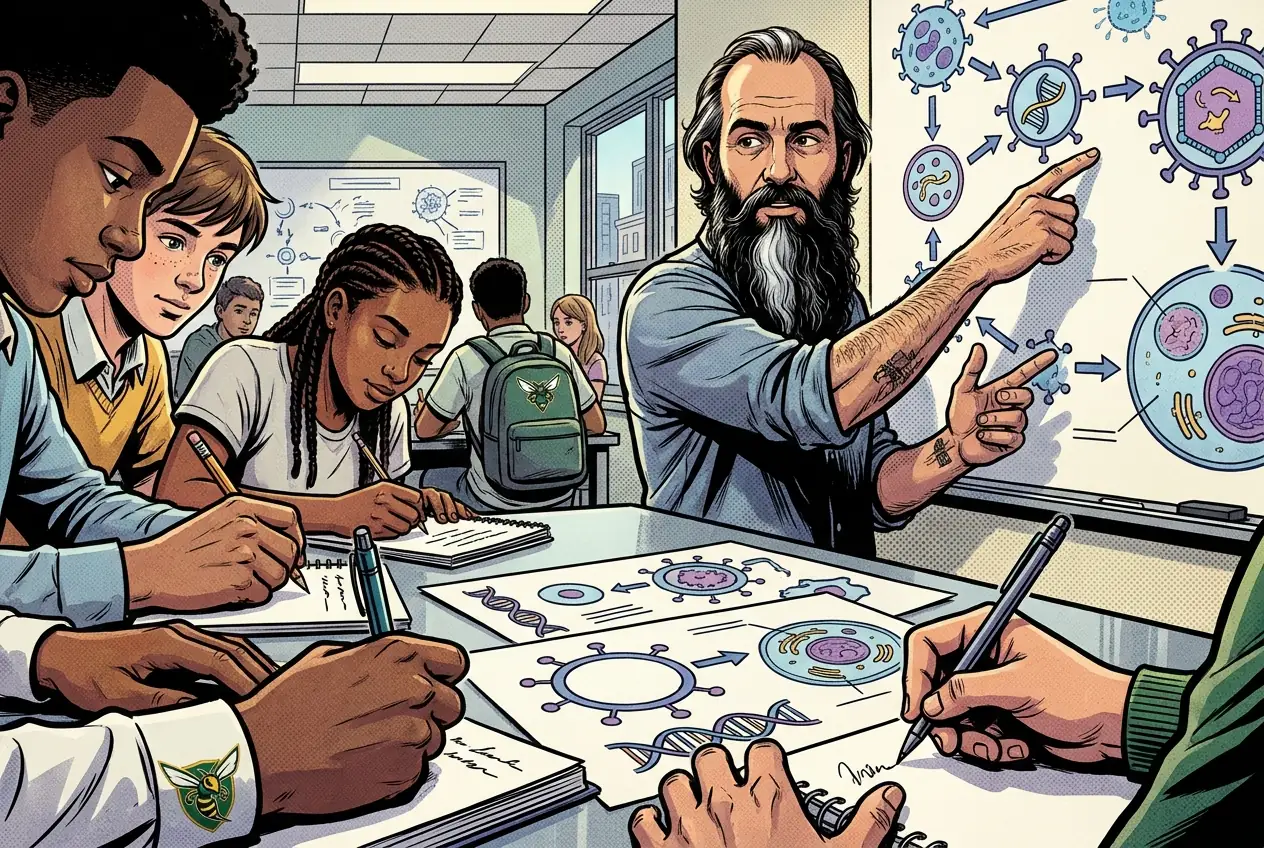
Using a virus to deliver a working gene, since delivery is what viruses are already excellent at.
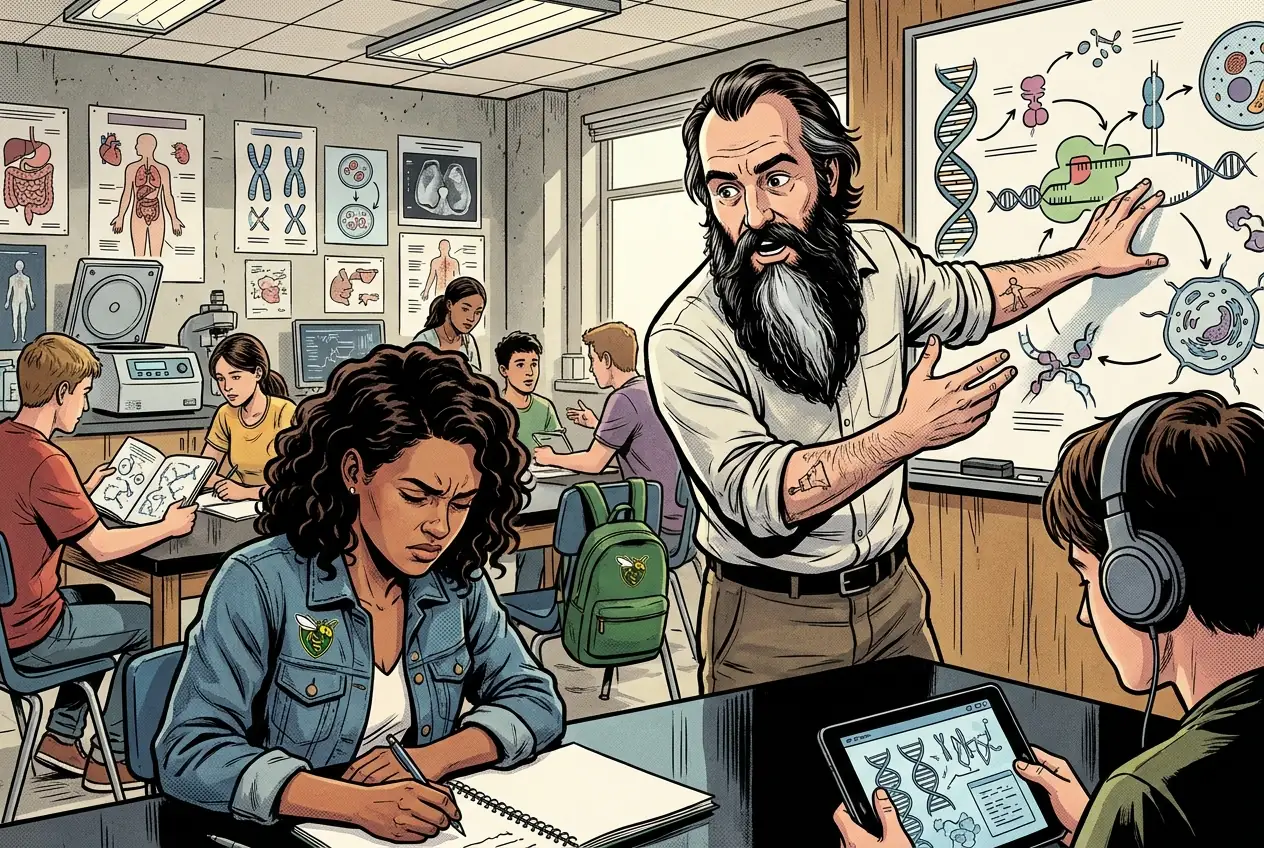
How CRISPR targets a specific sequence, then screening embryos, which is a different thing from editing and gets confused with it constantly.
MR. MENDOZA
Somatic affects one person. Germline affects everyone descended from them, and none of them can consent.
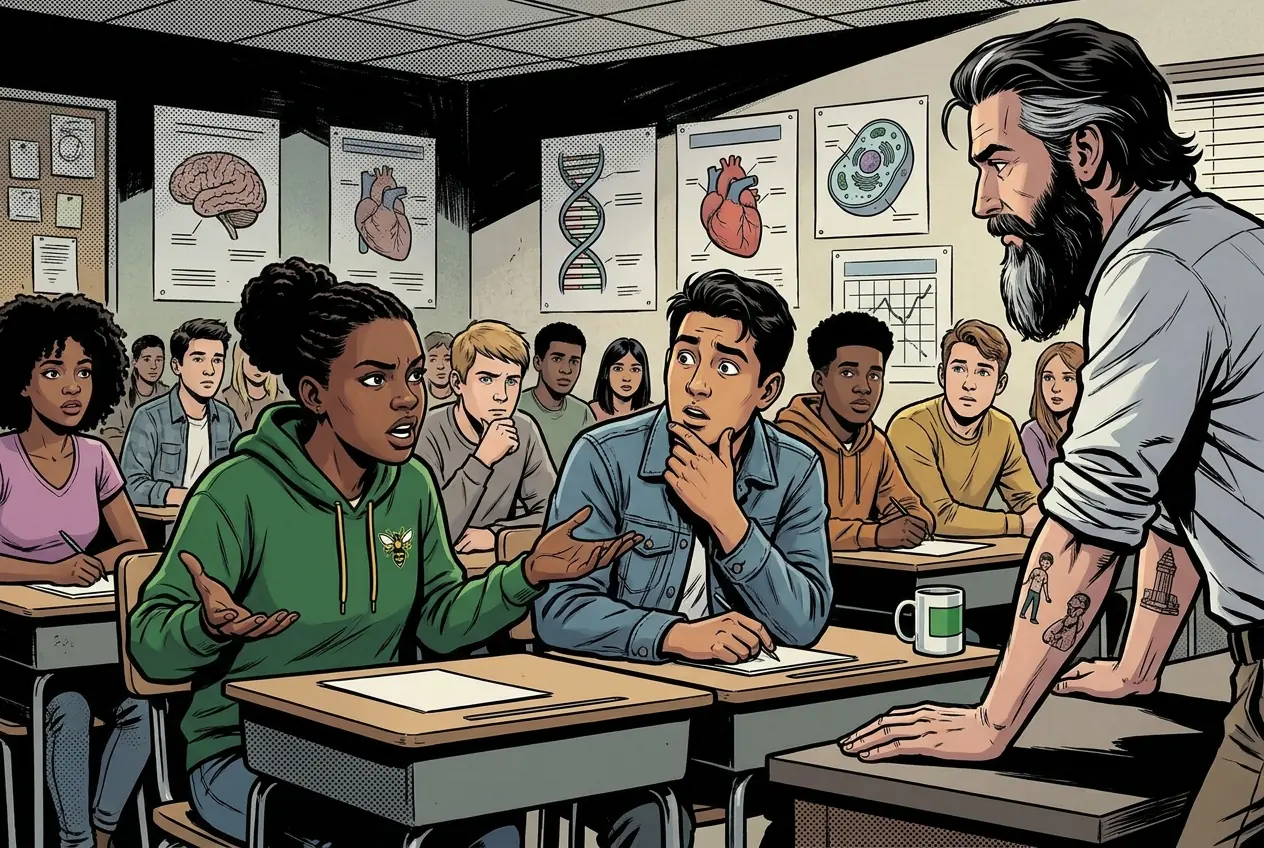
A full CER on where the line sits. Mine argued somatic yes, germline not yet, and had to define not yet in a way that was not just avoidance.
Week 14
OCTOBER 30 TO NOVEMBER 5
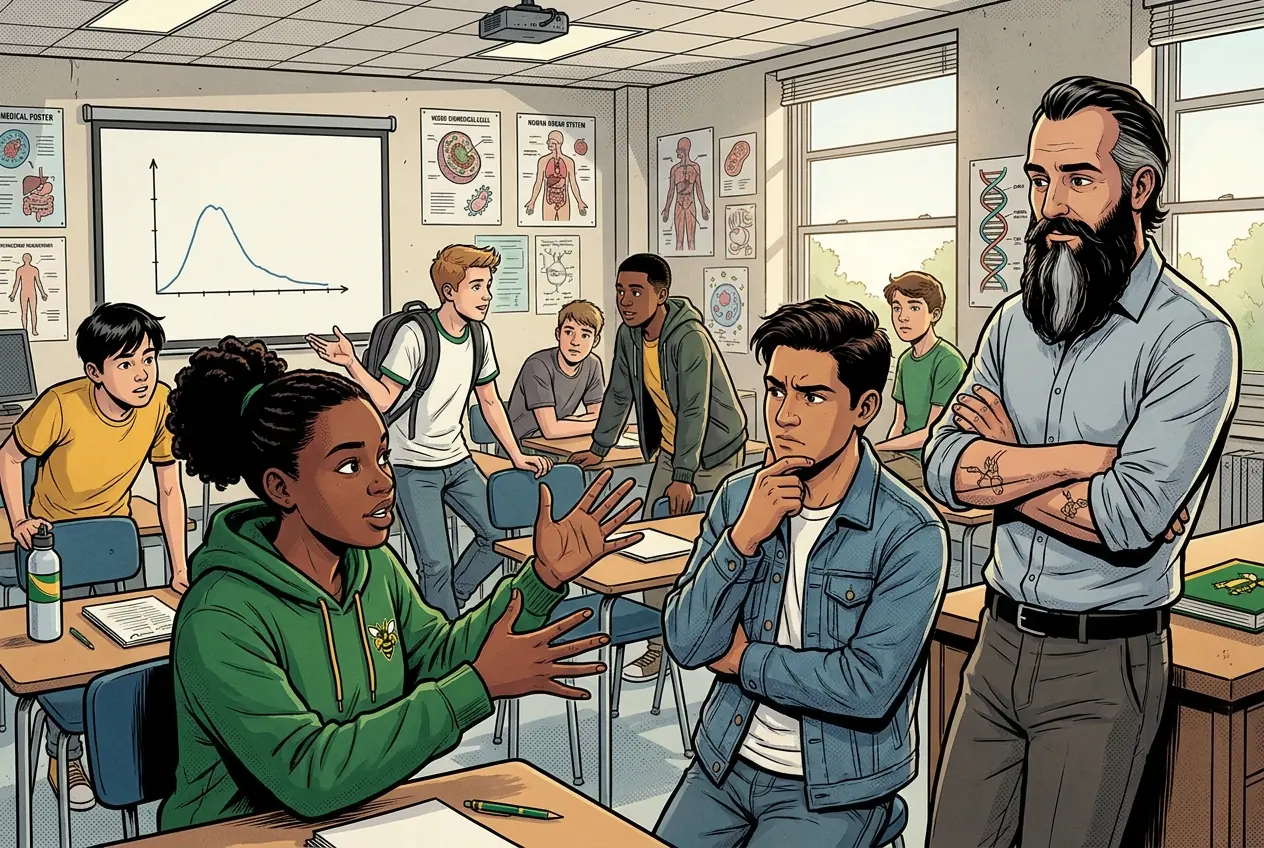
Who gets offered screening, and what happens when the test exists but access does not. A test nobody can reach is not a benefit, it is a statistic about a benefit.
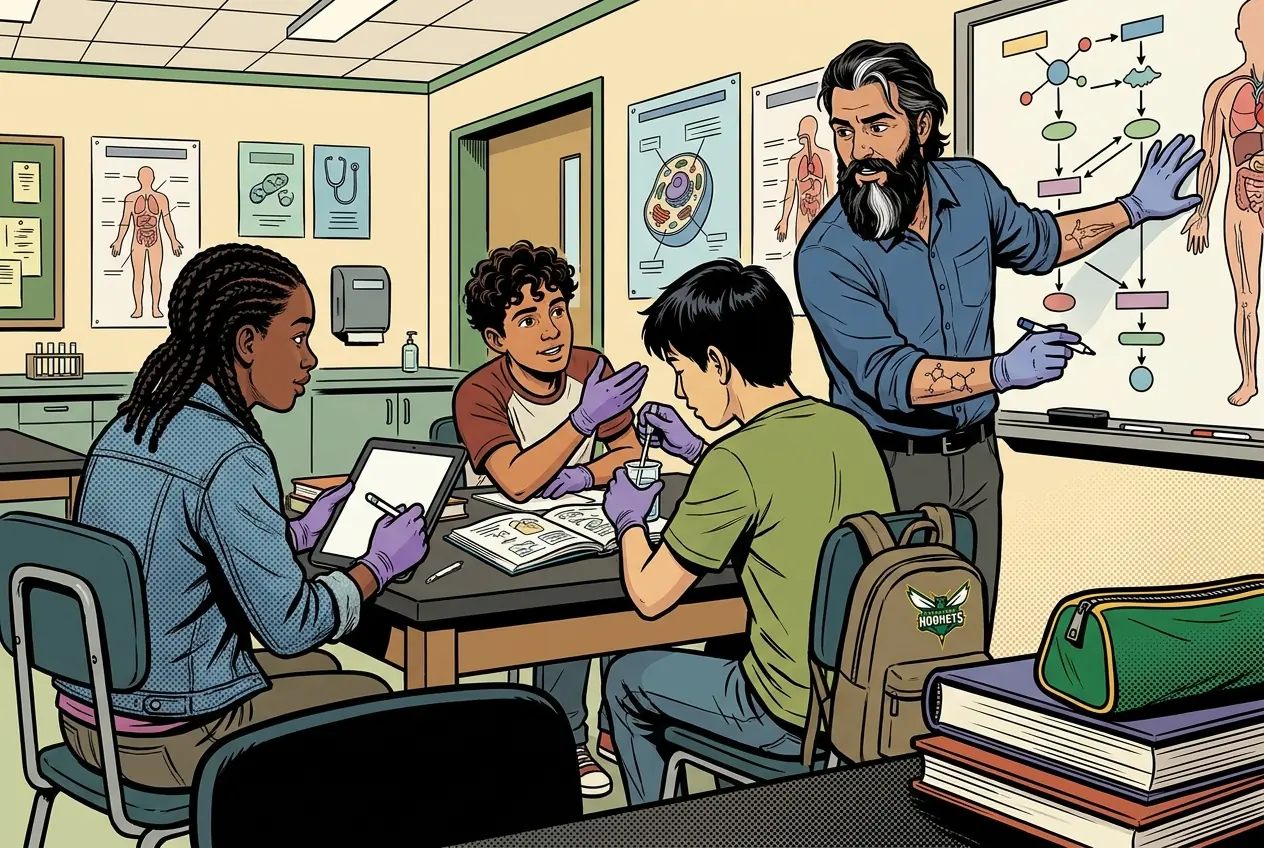
Building one case from the molecular level up to the person. Sequence, expression, test result, diagnosis, intervention.
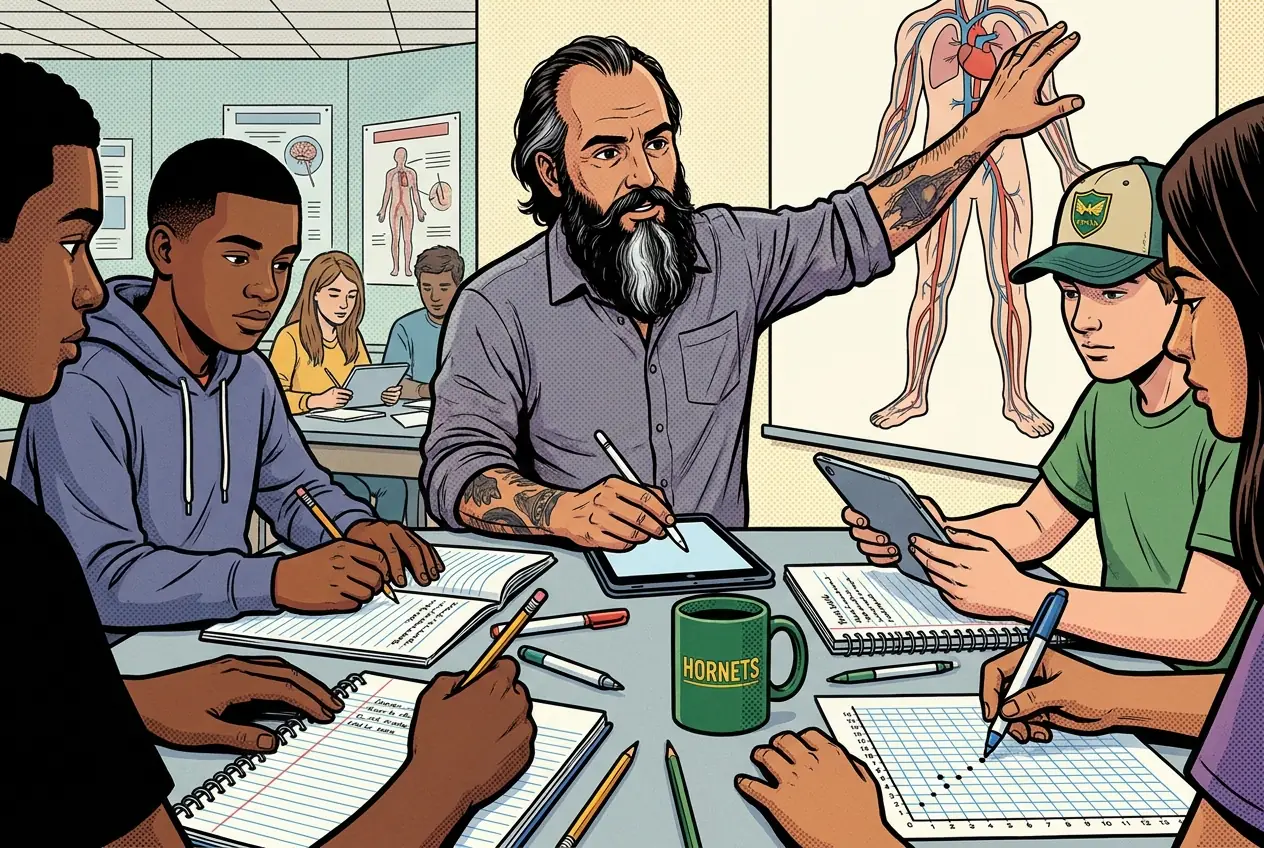
Sorting our evidence by how much it can carry, and marking which results could be false and what that would do to the conclusion.
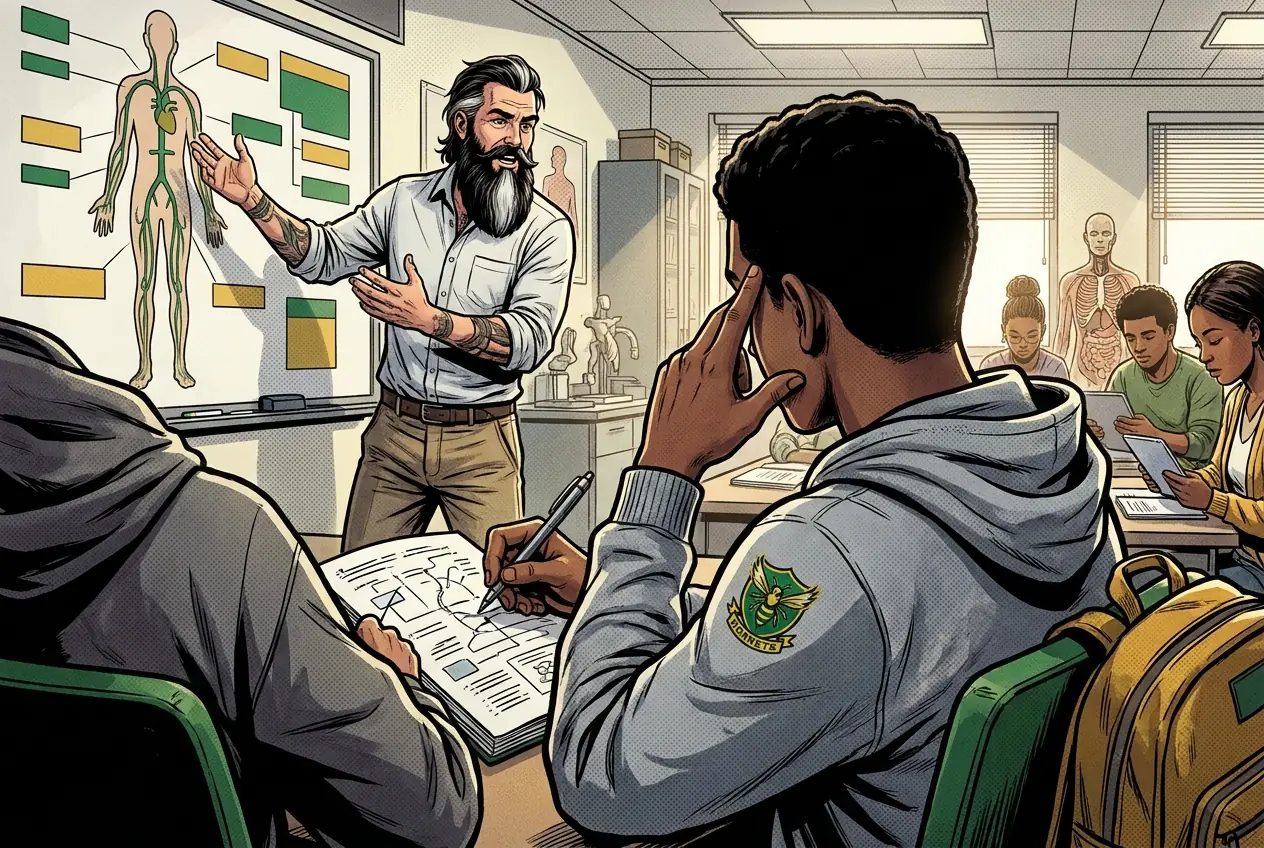
Recommending an actual intervention, defended with evidence from multiple units, with the uncertainty stated.
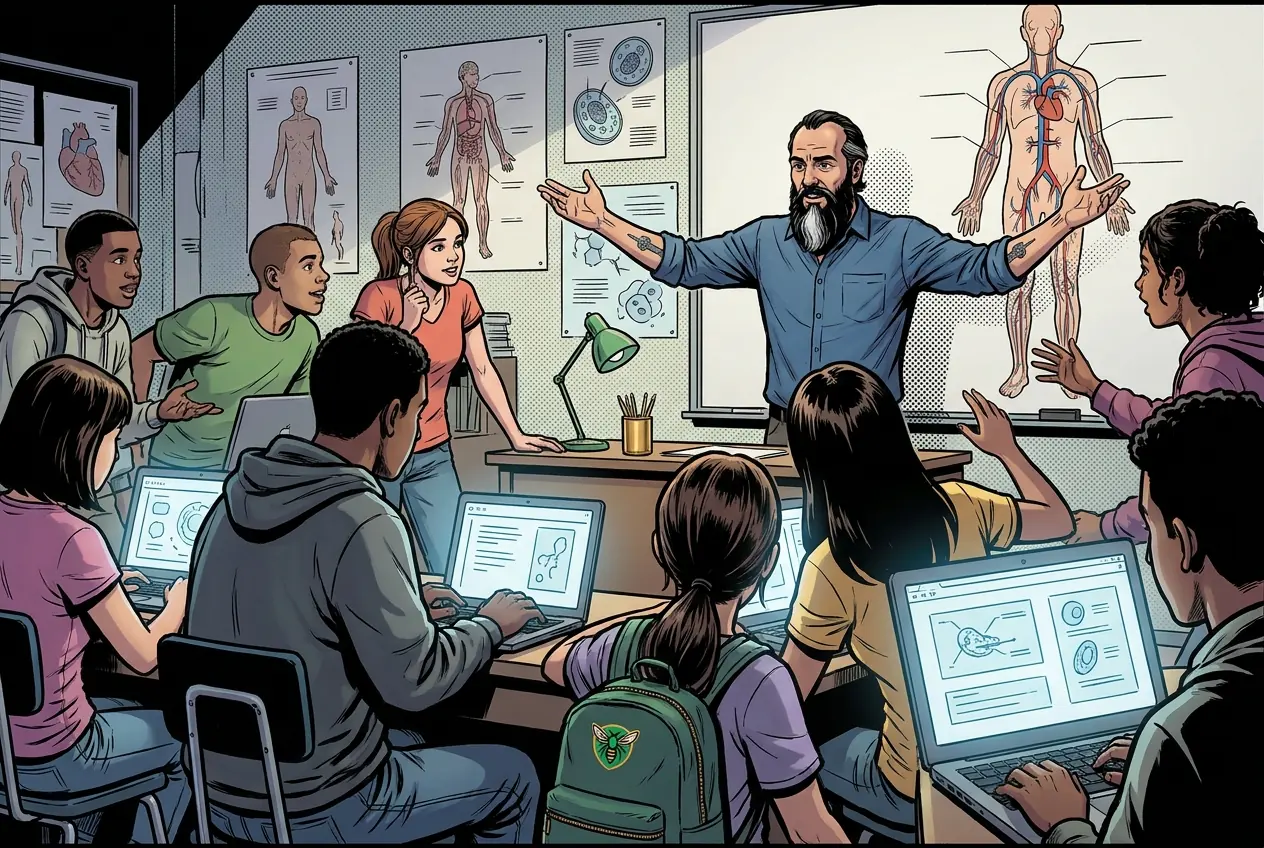
The unit assessment. Nothing on it was a surprise, which is the whole argument for the nightly review.
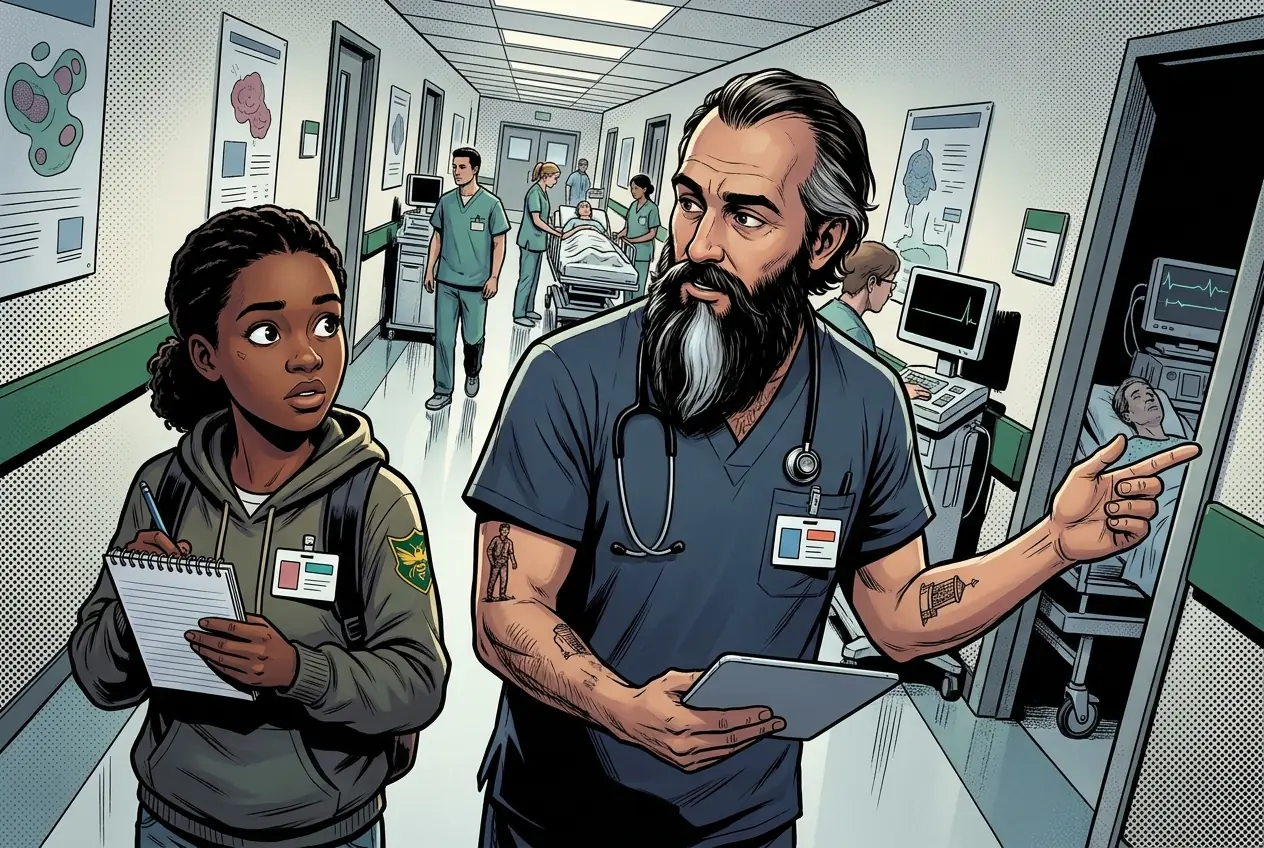
My Clinic onboarding cleared. Background check, modules, health requirements, all signed off, twelve weeks after I started.
ME
Twelve weeks. First thing school has produced that exists outside of school.
Week 15
NOVEMBER 6 TO 9
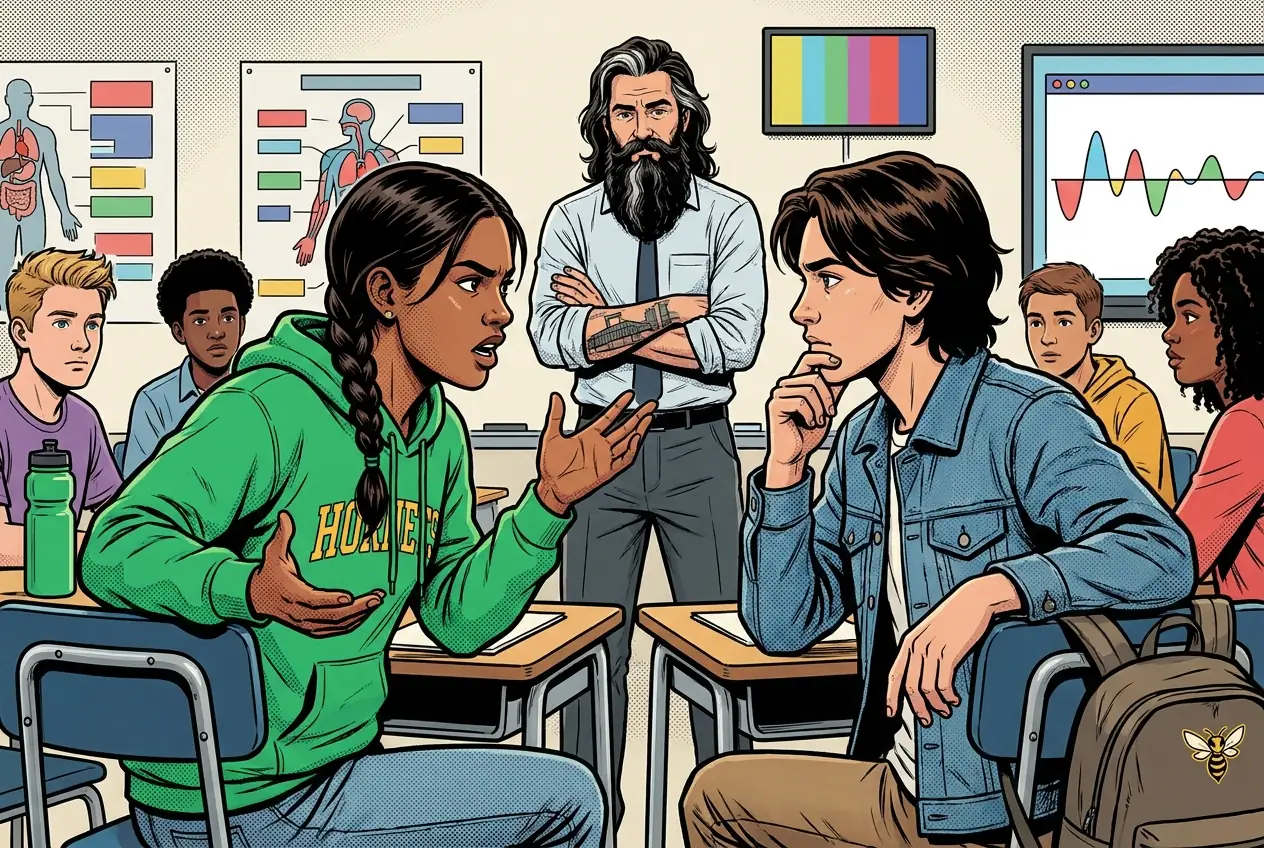
Screening finds cancers early. It also finds cancers that would never have caused harm, and those people get treated anyway.
ME
I had assumed finding more was strictly better. Overdiagnosis was not a thing I knew about.
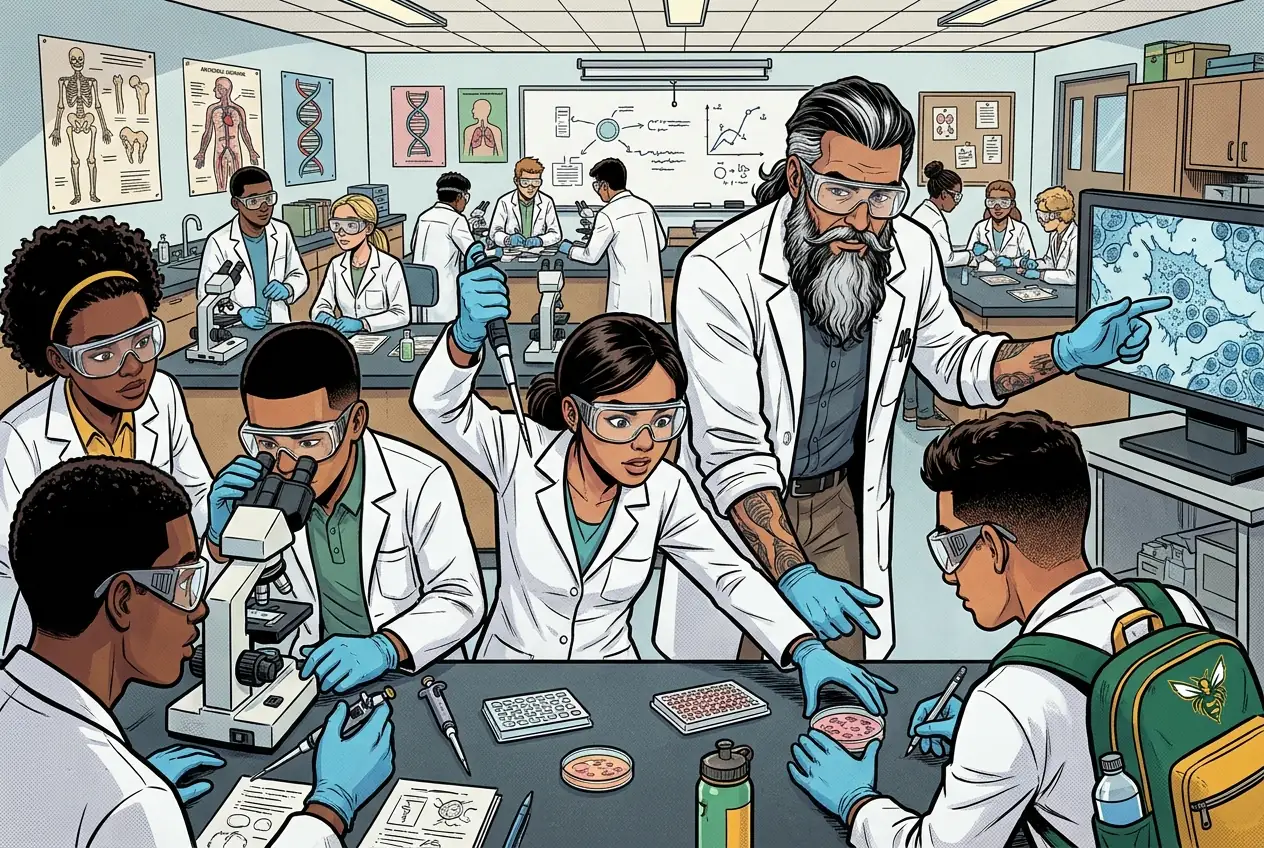
Establishing what normal tissue looks like before looking at anything abnormal. You cannot recognize disordered until you know ordered.
Week 16
NOVEMBER 10 TO 17
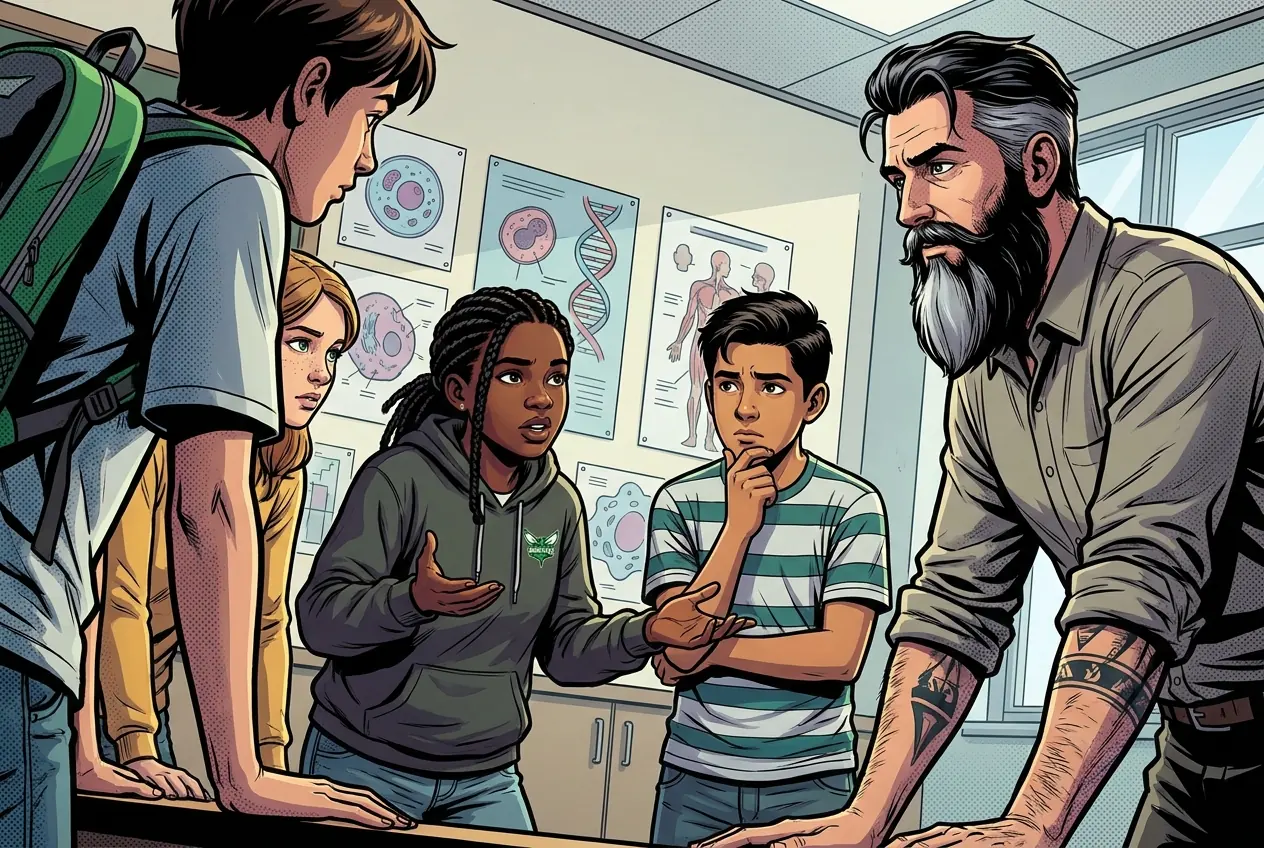
Should a dying patient get an unproven drug? Compassionate access against the fact that if everyone gets it outside the trial, the trial never finishes and nobody learns whether it works.
ME
Both sides of this are trying to save lives. That is what makes it cruel.
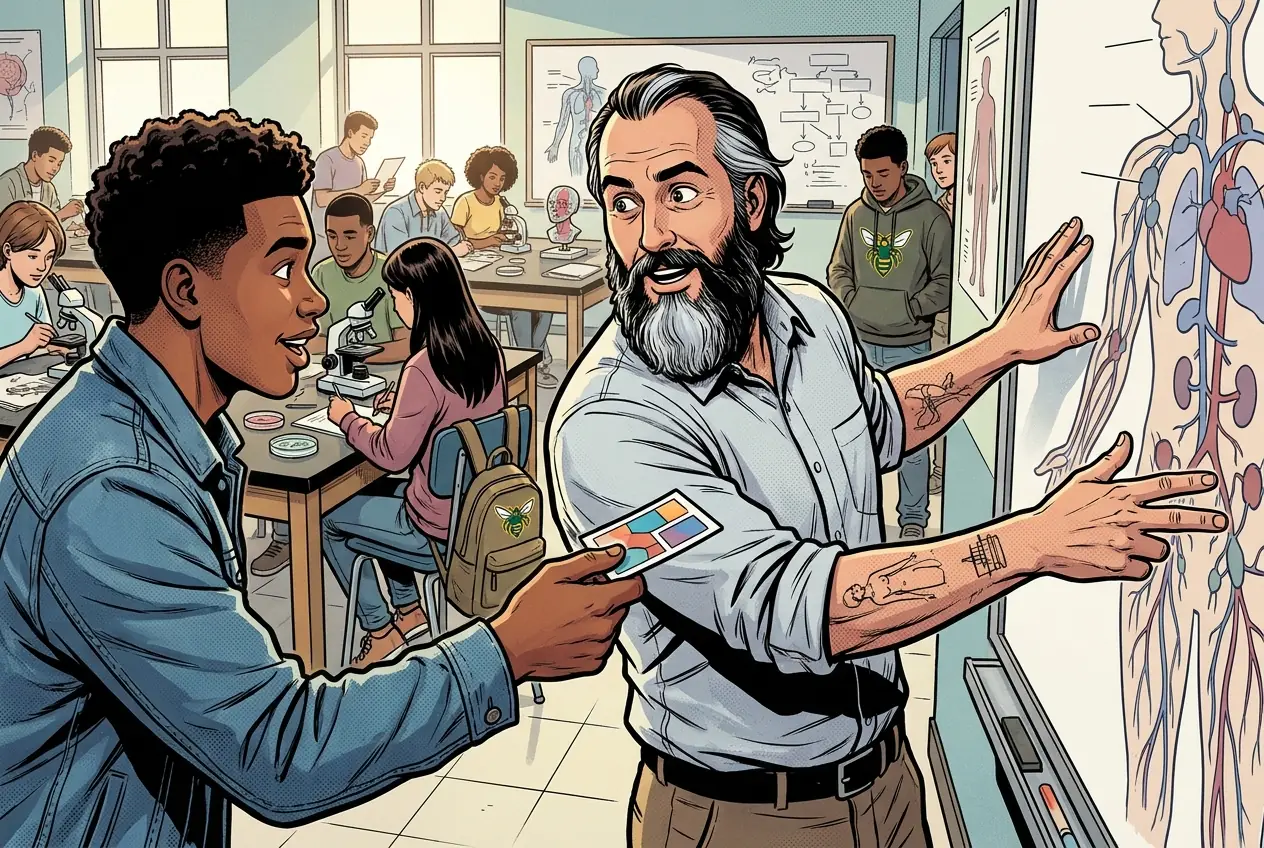
Staging is not how bad it looks, it is a defined system: size, nodes, spread. Everyone means the same thing by stage two, which is the entire point.
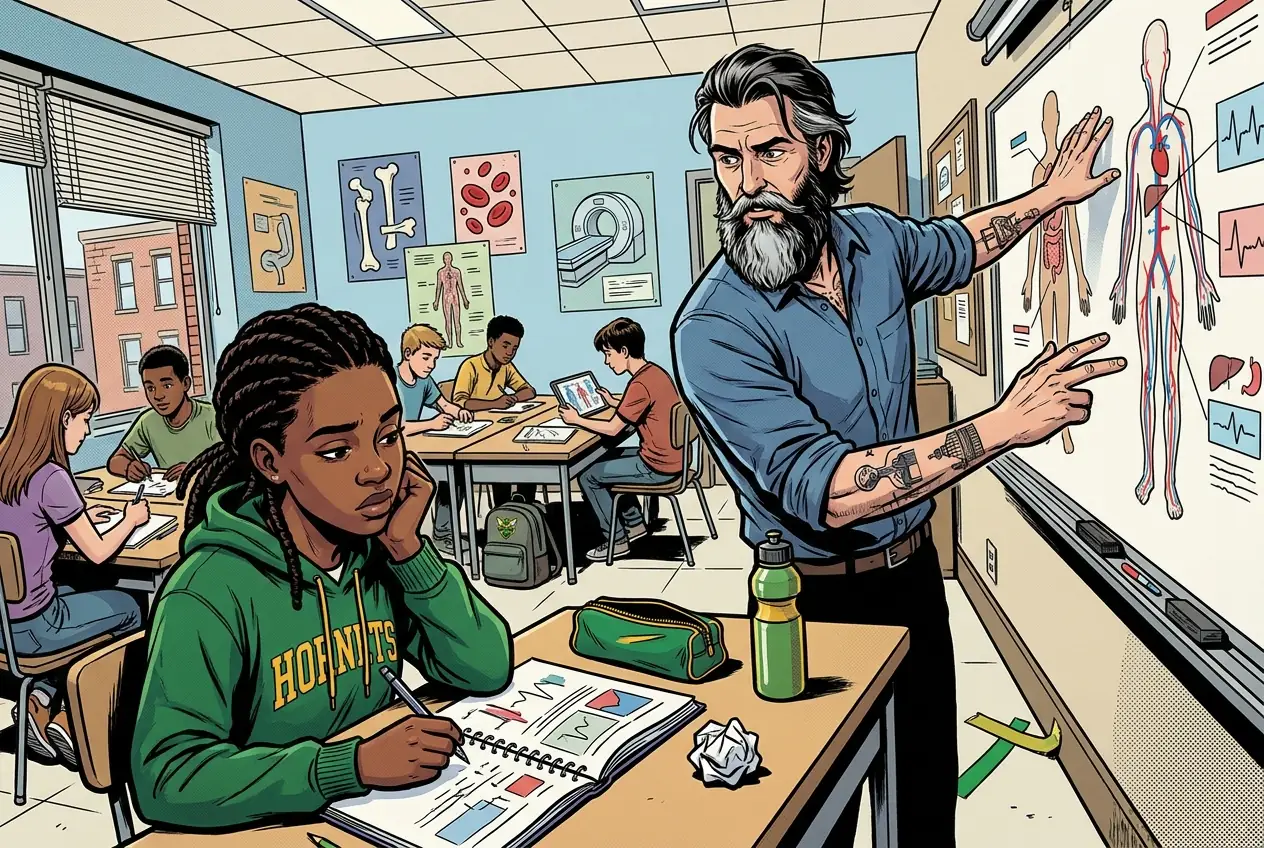
Chemotherapy travels everywhere and leans on cancer cells dividing more often than most normal cells, which is why its side effects land on the other fast-dividing tissues: gut lining, marrow, hair.
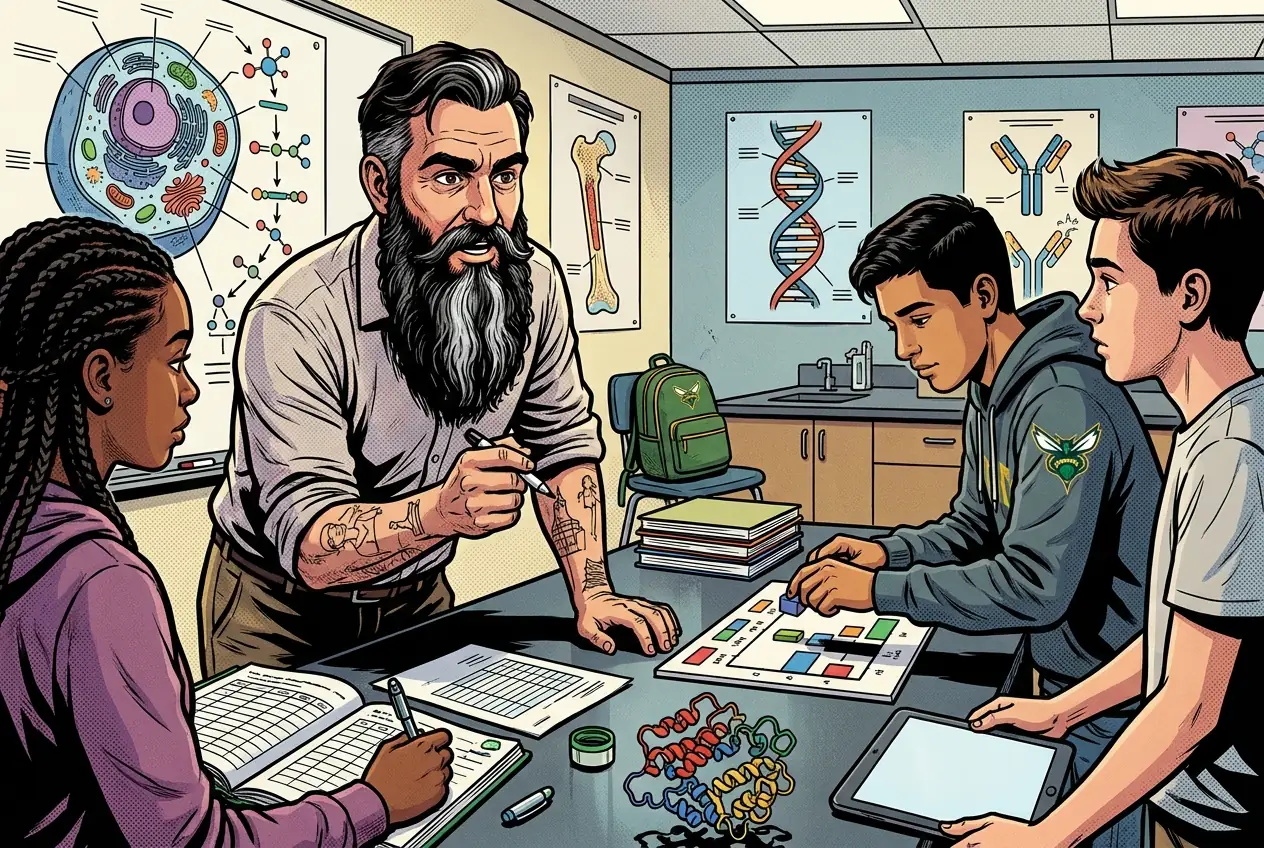
Drugs aimed at something specific to the tumour rather than at division in general. Fewer side effects, but only if the tumour actually has the target, which is why you test first.
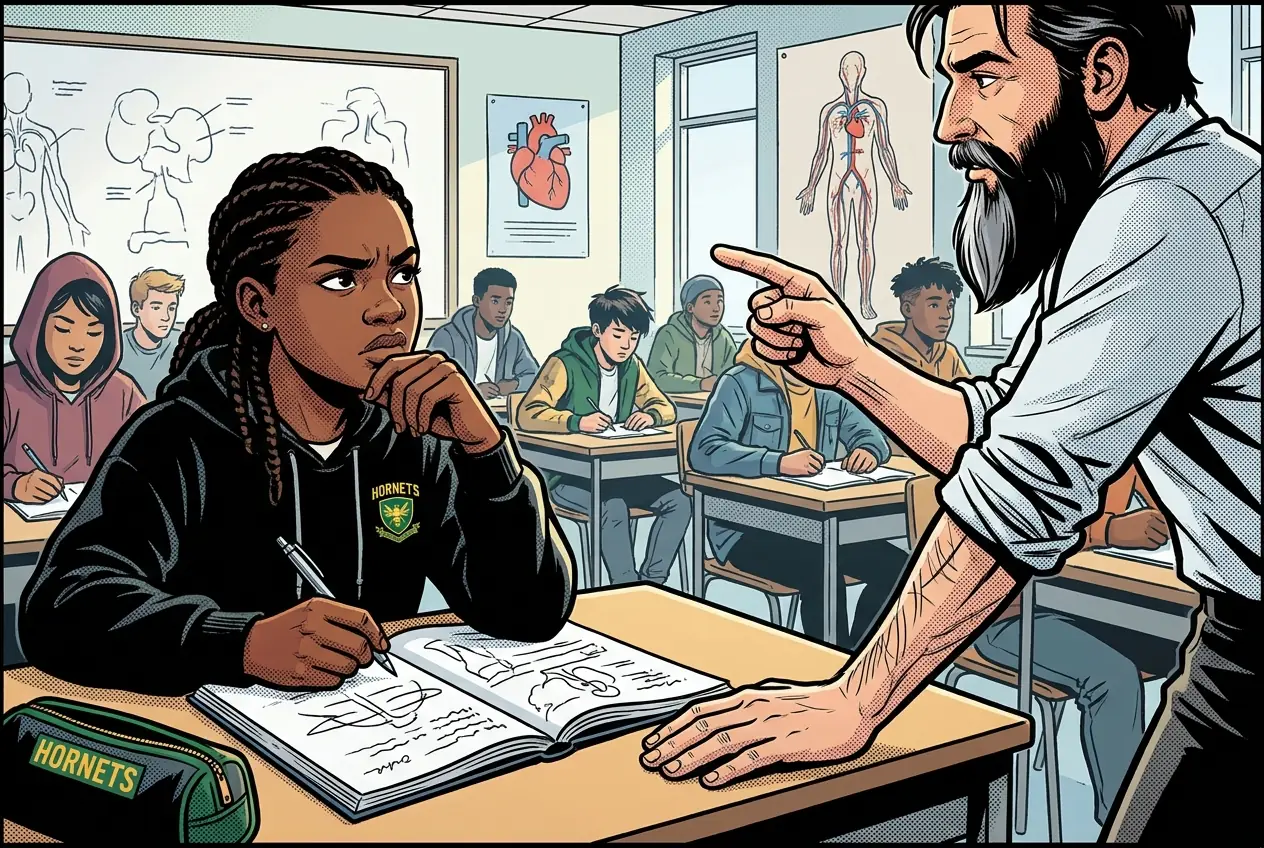
A recommendation for a specific patient, with the staging, the molecular result, and the uncertainty.
Week 17
NOVEMBER 18 TO 20
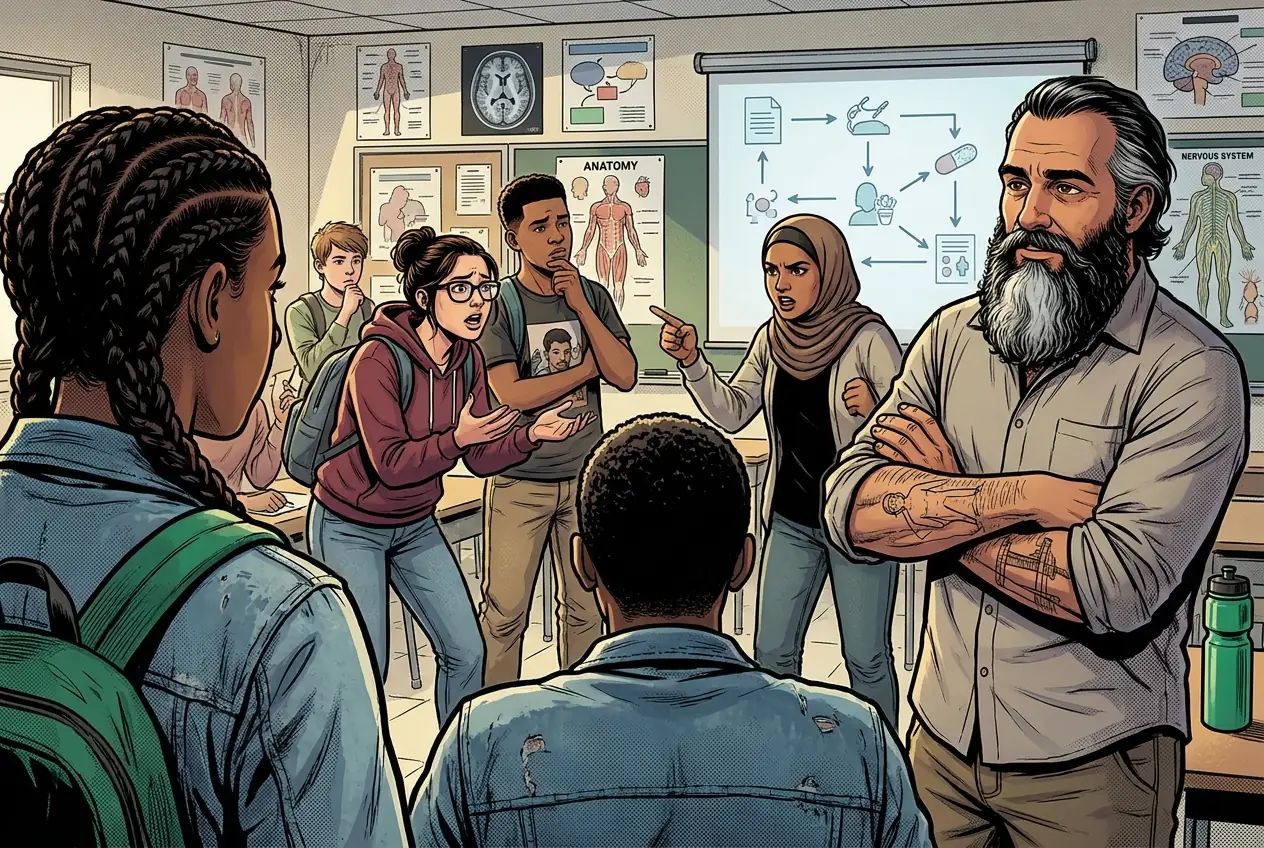
Who gets the organ. Sickest first, best match, longest waiting, most likely to survive.
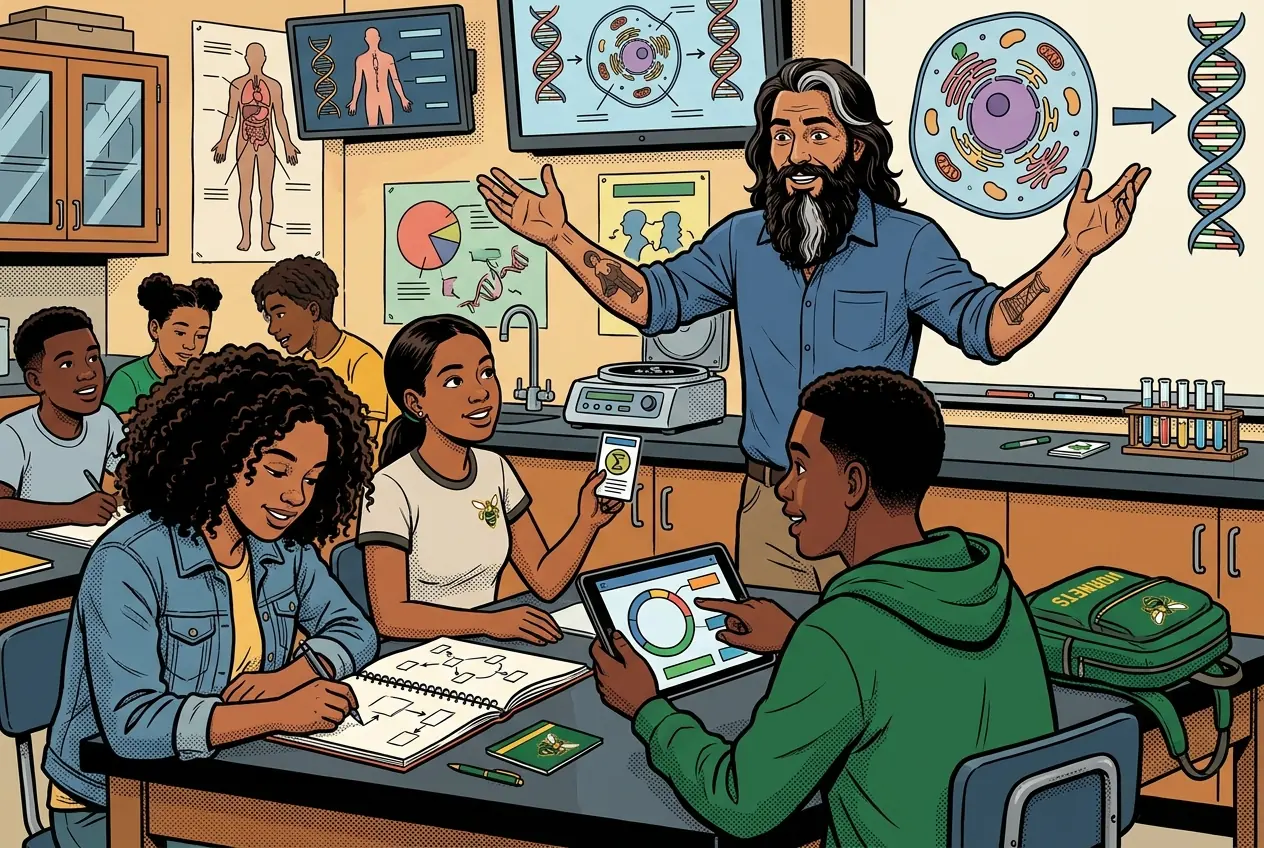
Putting a human gene into bacteria and having them manufacture the protein. That is where insulin comes from now.
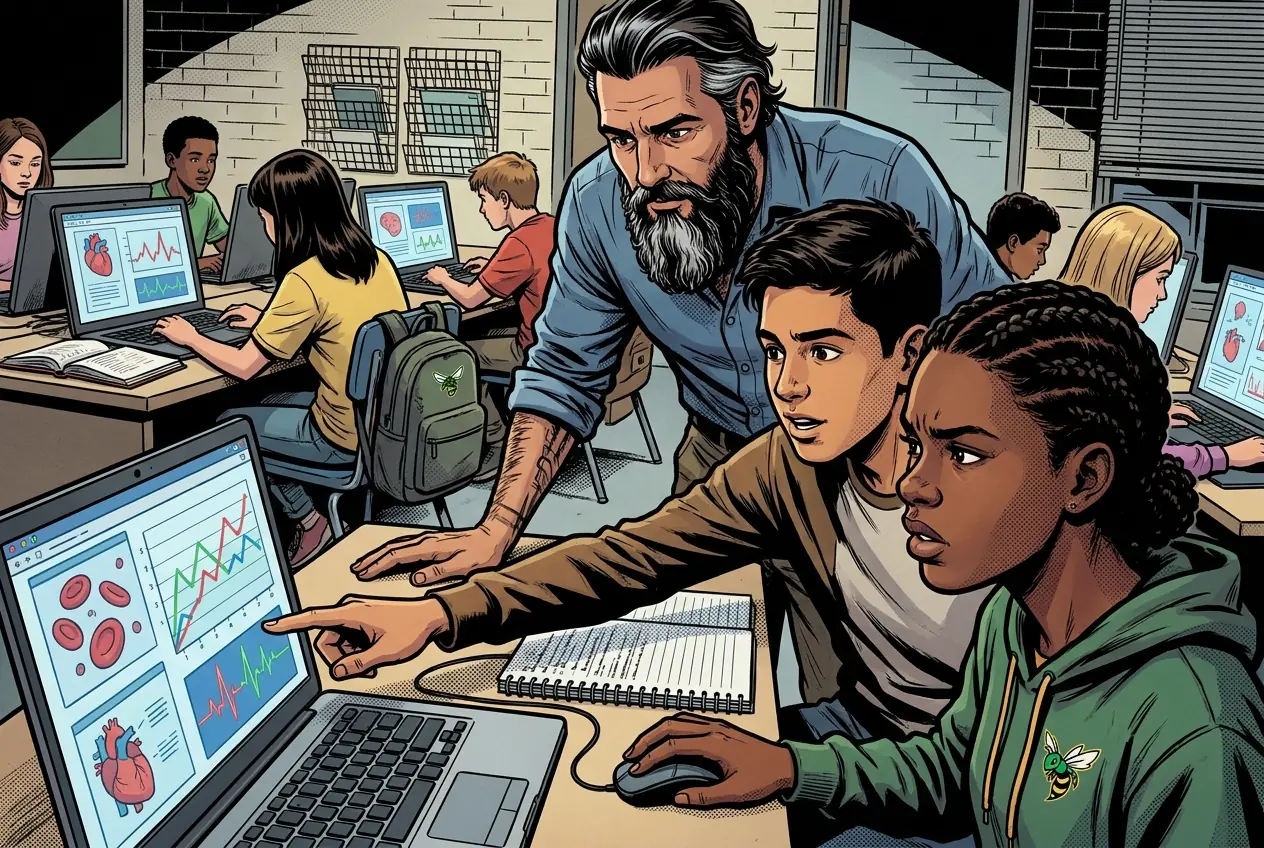
Rotating stations, each with a protocol to follow exactly and data to record. Following someone else's protocol precisely is its own skill.
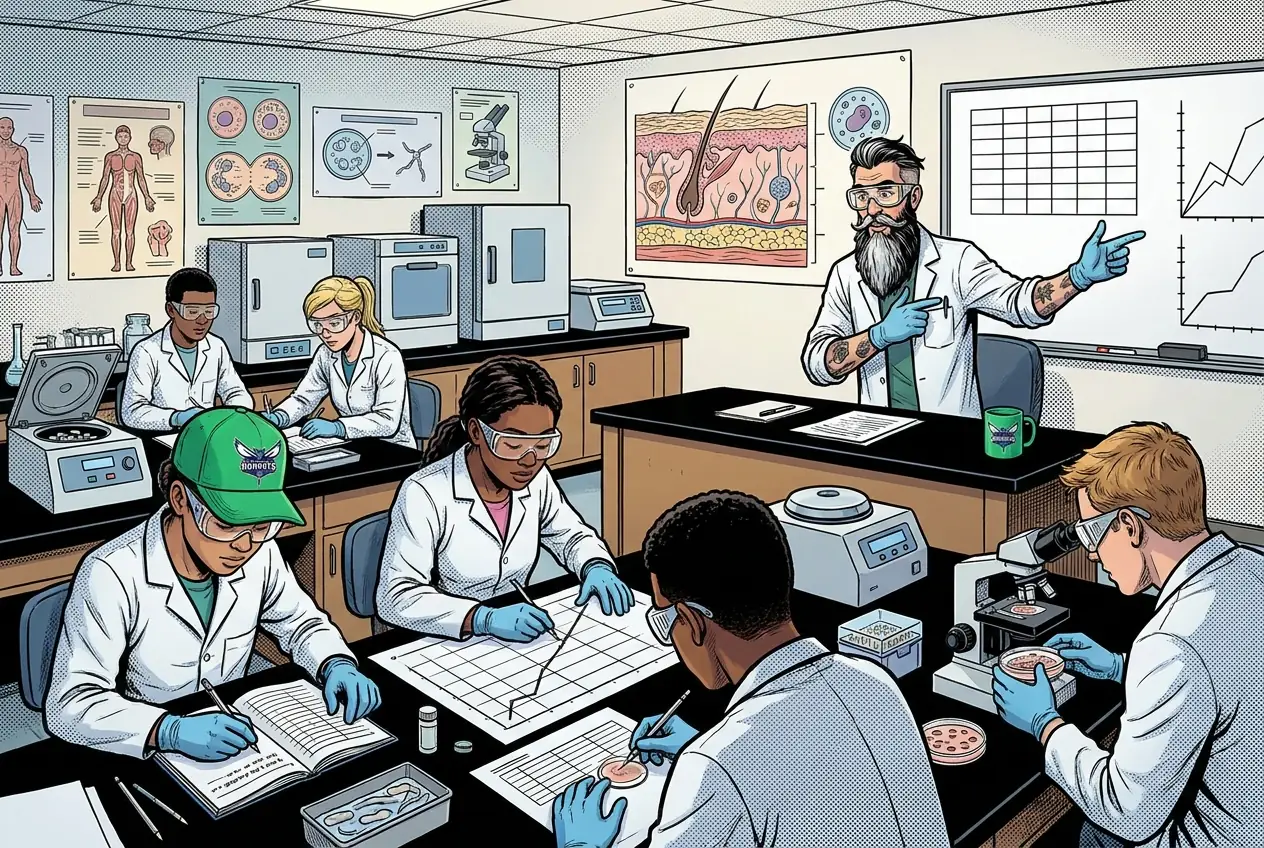
Growing tissue rather than transplanting it. Scaffold, cells, signals, and the vascular problem that limits how thick anything can be.
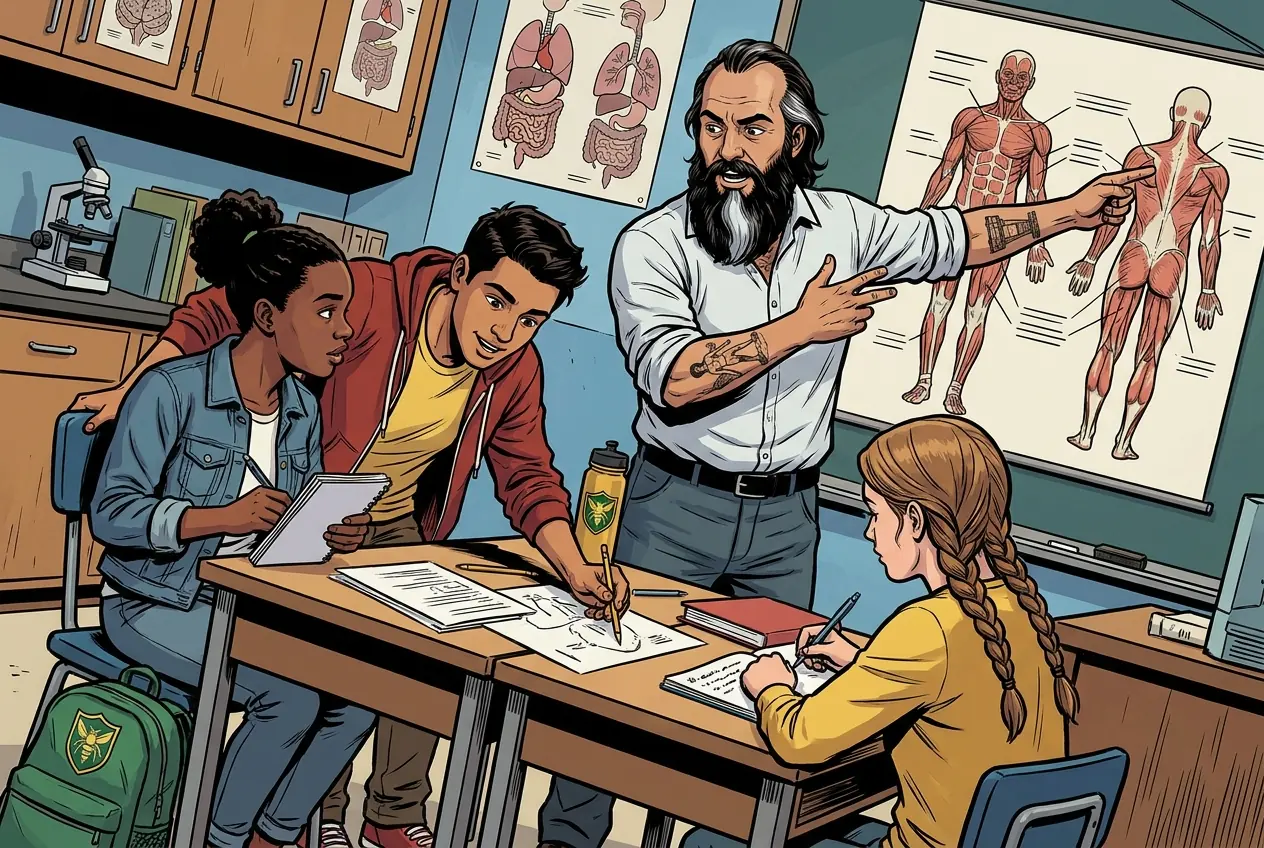
Portfolio audit before the break.
Week 18
NOVEMBER 23 TO 30
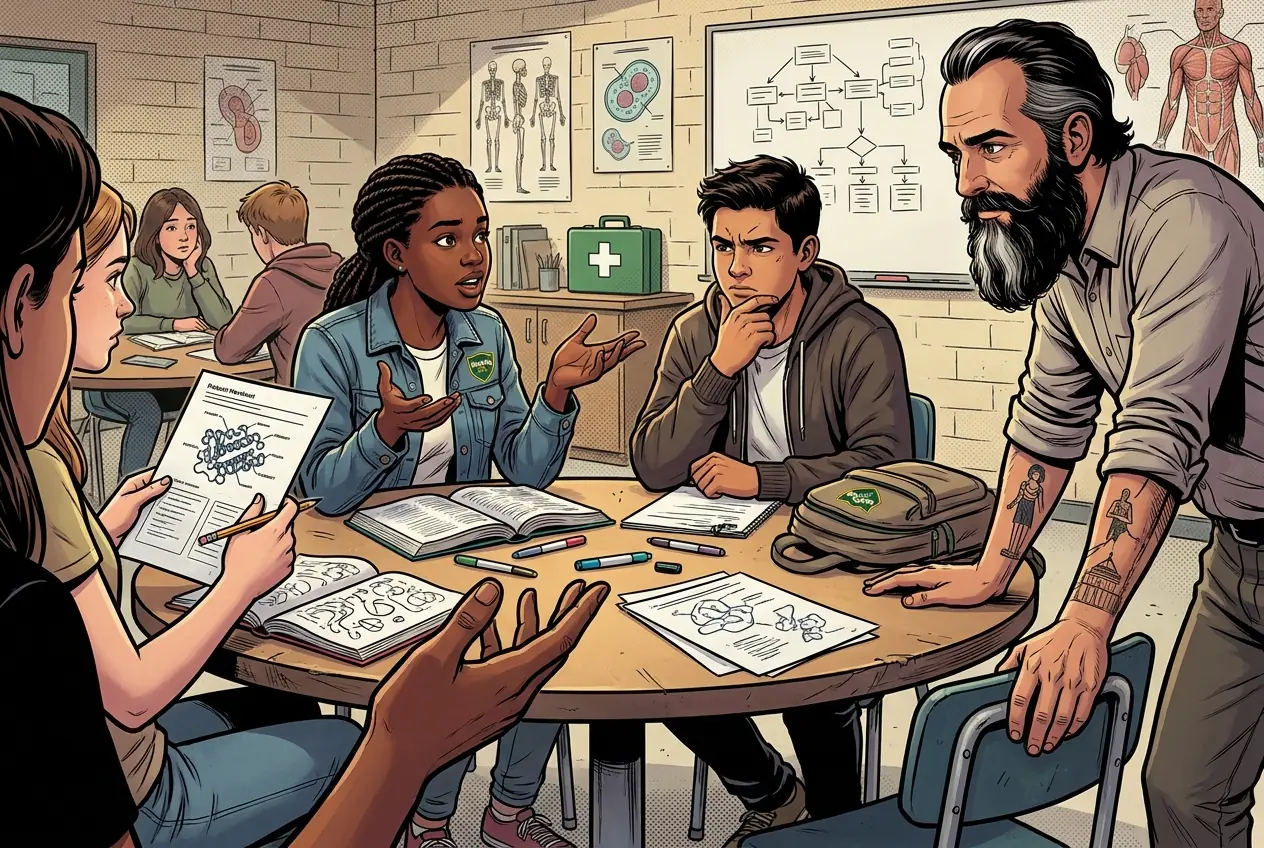
Who owns an engineered protein, and what a patent on a therapy does to its price.
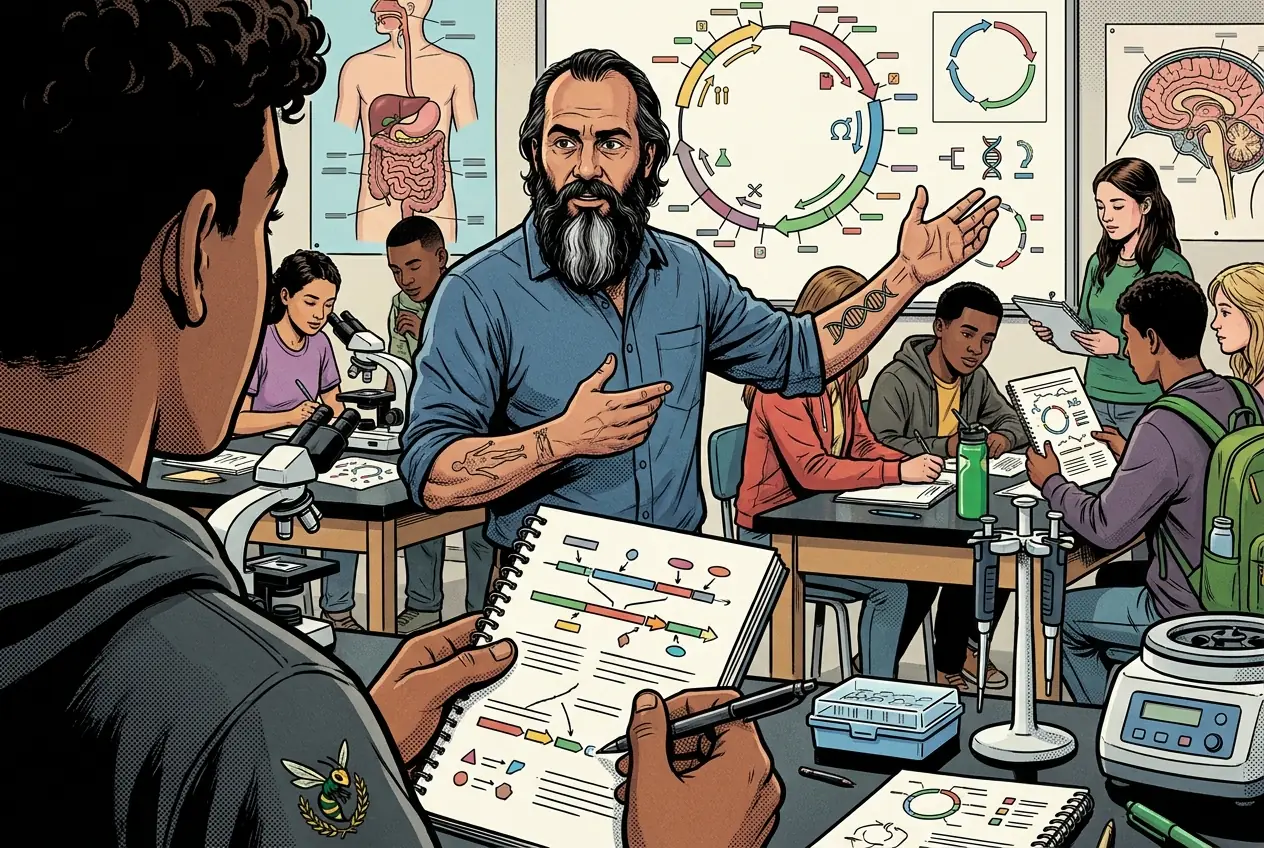
Plasmids as the vehicle, restriction enzymes as the scissors, ligase as the glue. Each enzyme cuts one specific sequence, which is what makes the cut predictable.
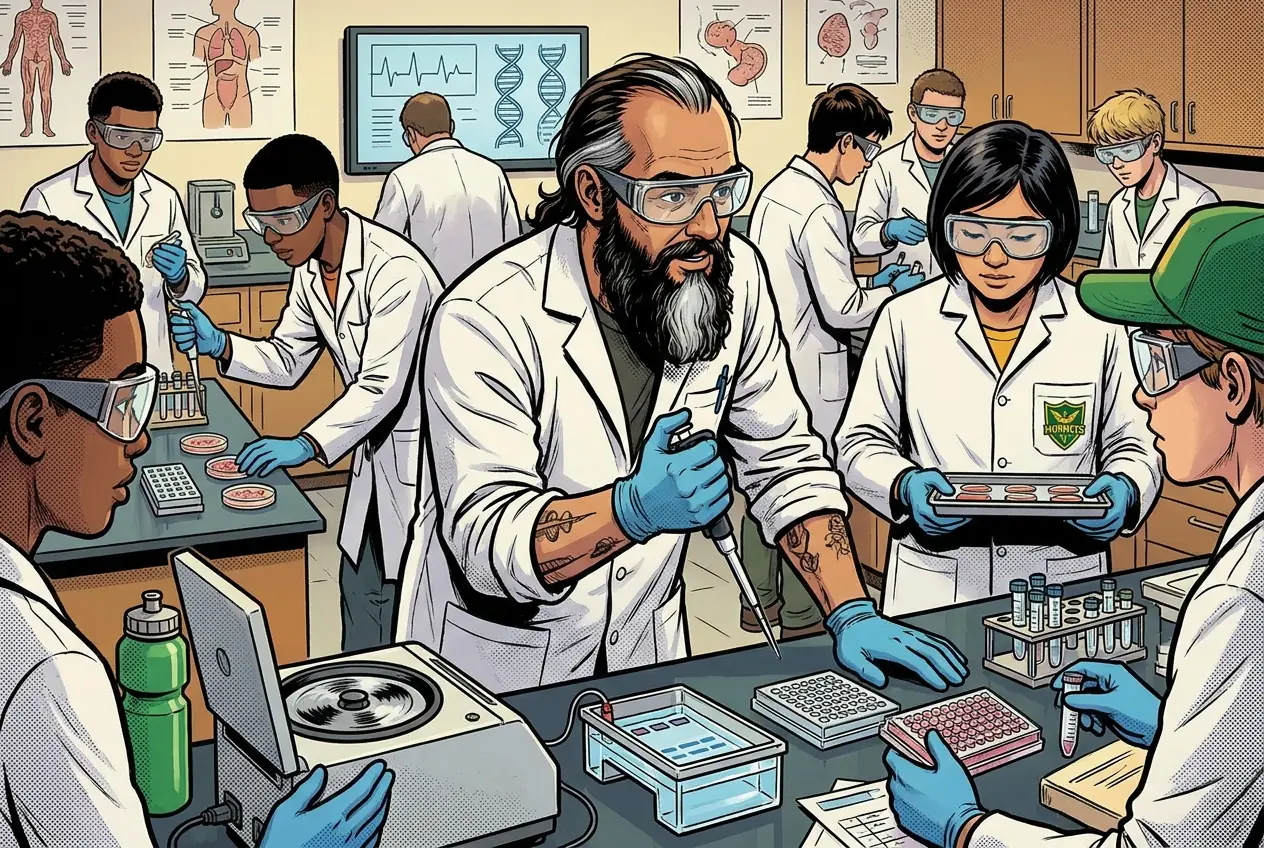
The whole workflow end to end: cut, insert, transform, select, express, purify. Every step has a way to fail and a way to check.
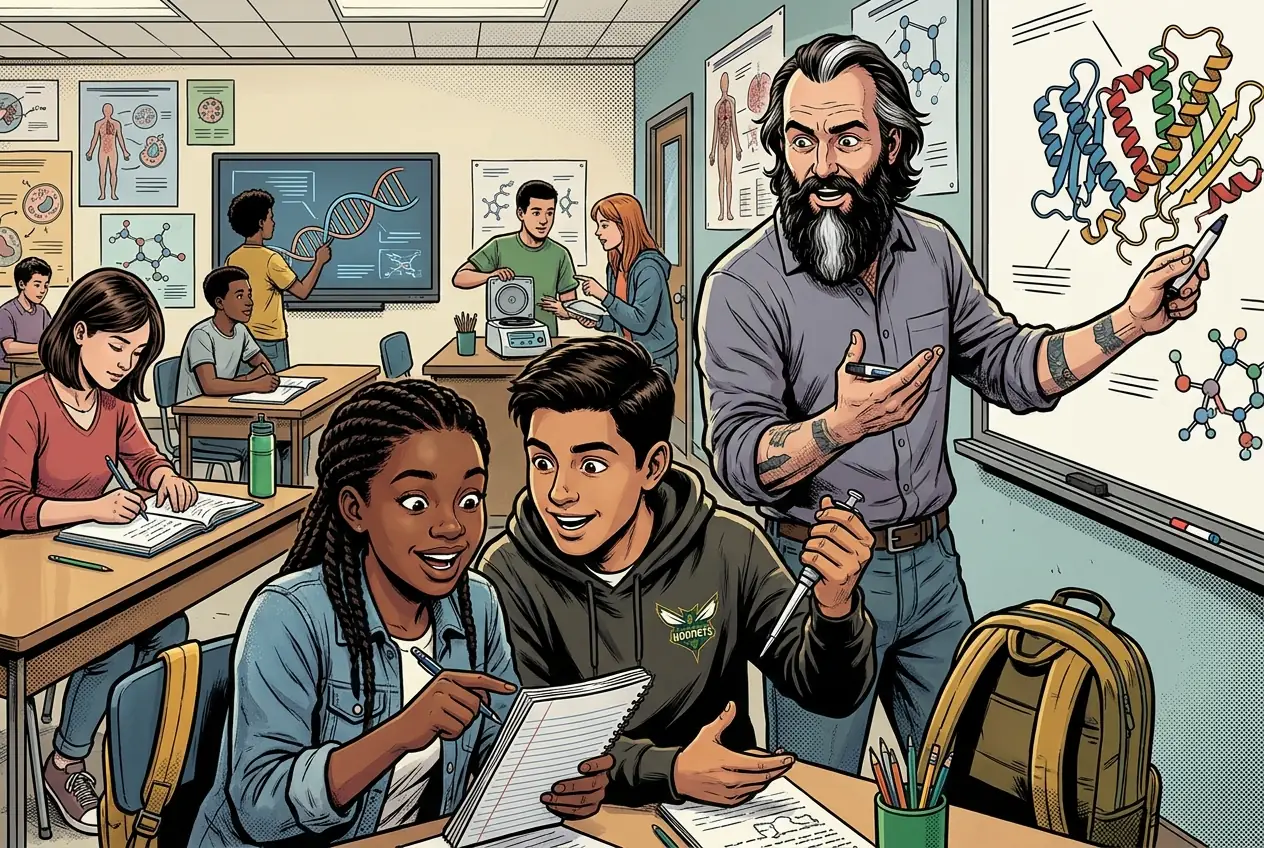
Getting bacteria to actually make the protein, and confirming they did. Present is not the same as correctly folded and functional.
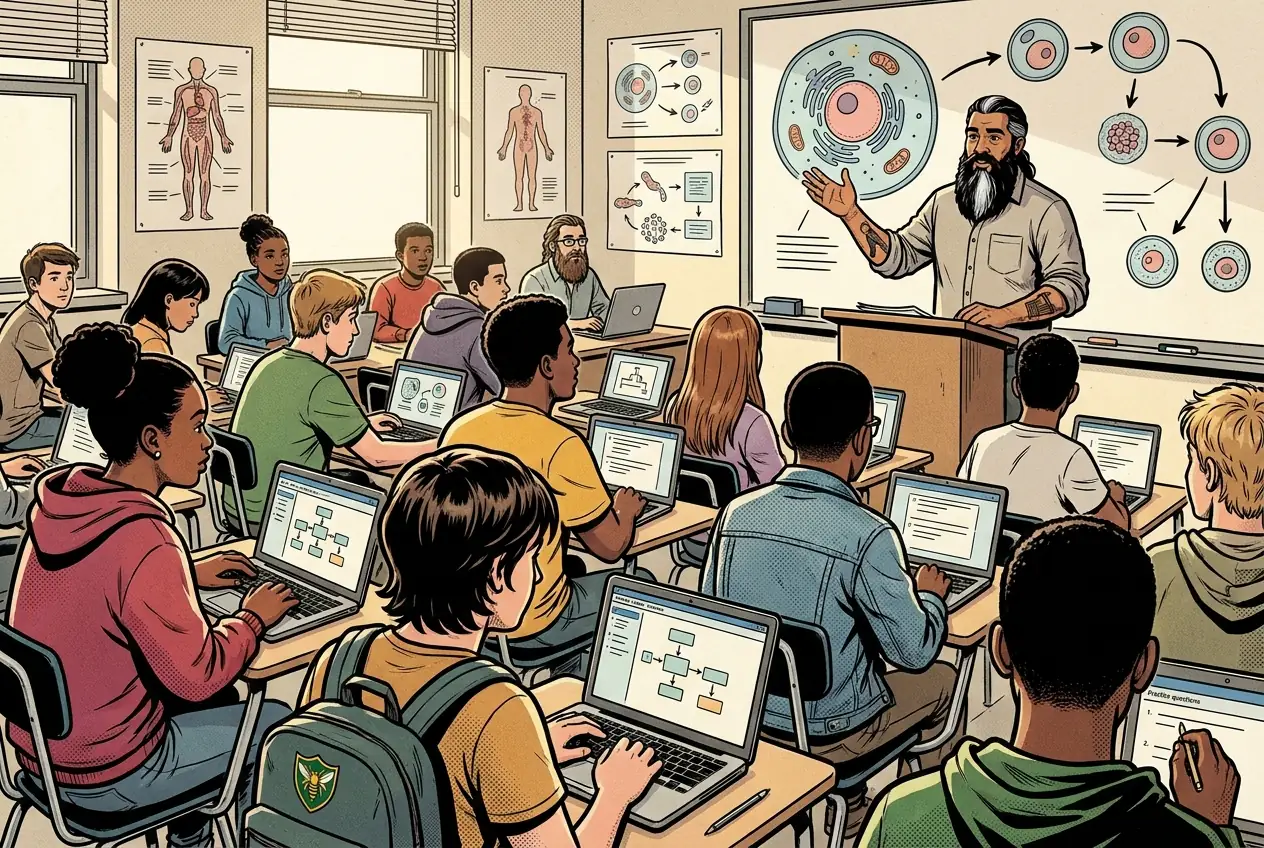
Quiz, then straight on with the workflow still fresh.
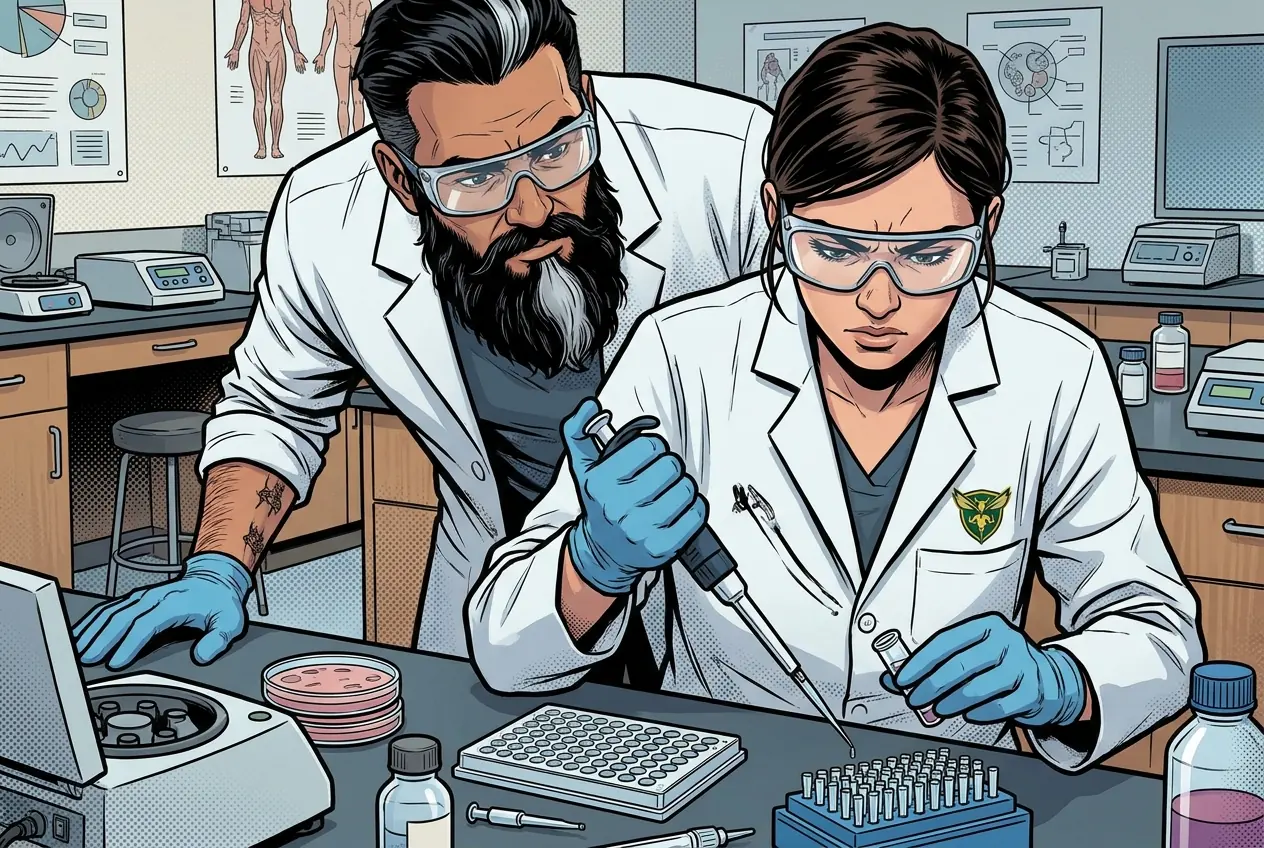
The optional research extra credit. A university lab hosted a few of us and a graduate researcher walked us through her project.
RESEARCHER
I did not settle on research until my third year of college.
Week 19
DECEMBER 1 TO 4
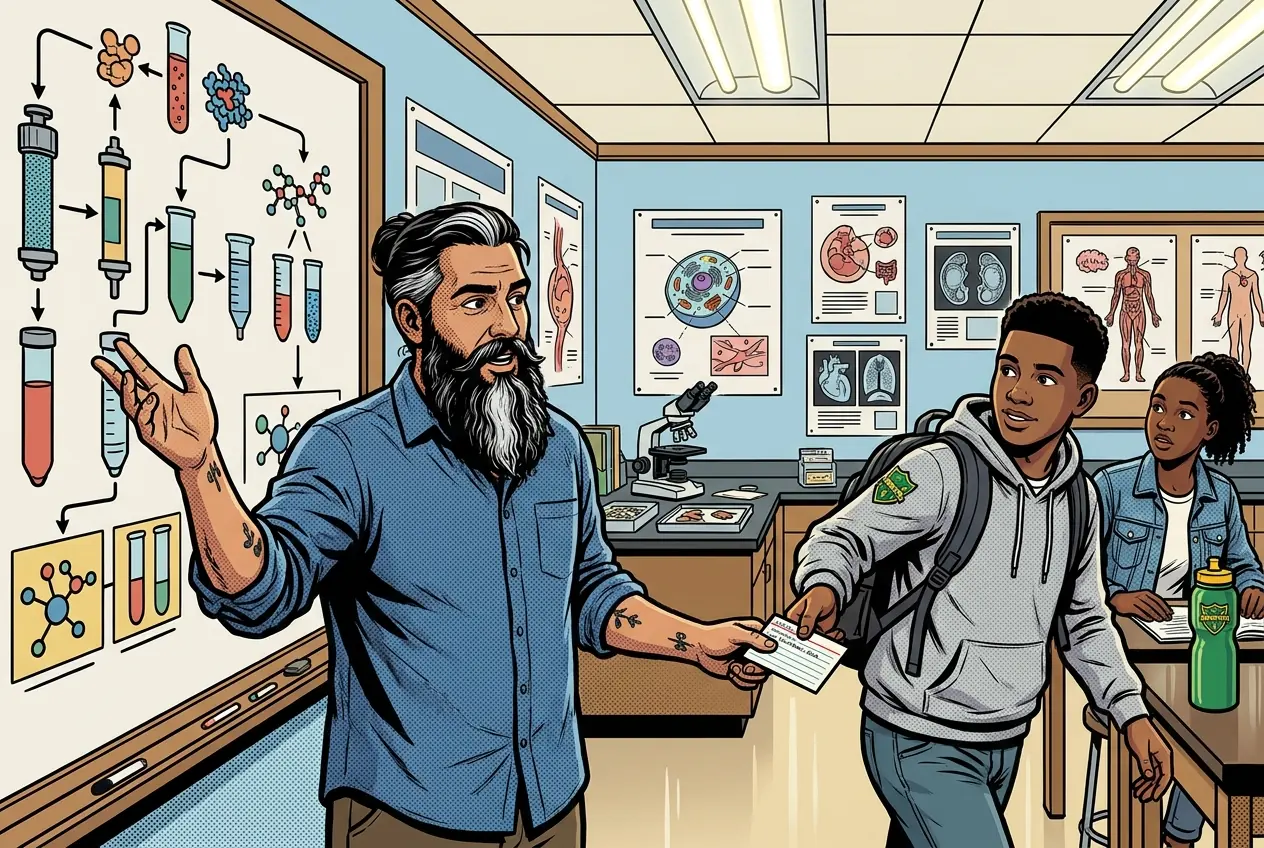
The problem is separating one protein from thousands of others in the same tube, using whatever makes yours different: size, charge, or what it sticks to.
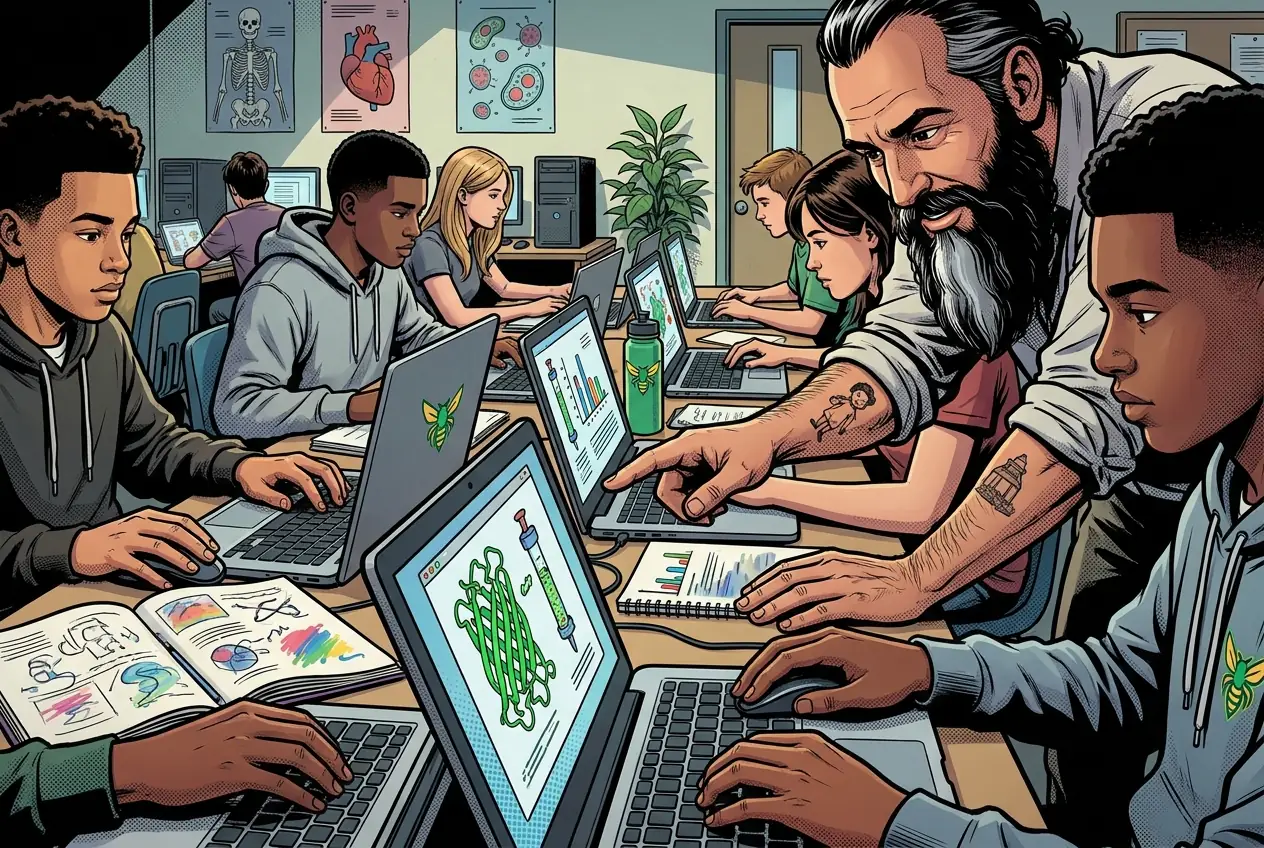
Green fluorescent protein, which is the perfect teaching molecule because you can literally see where it is. Purification stops being abstract when the fraction you want glows.
ME
You can see the fraction you want. It glows.
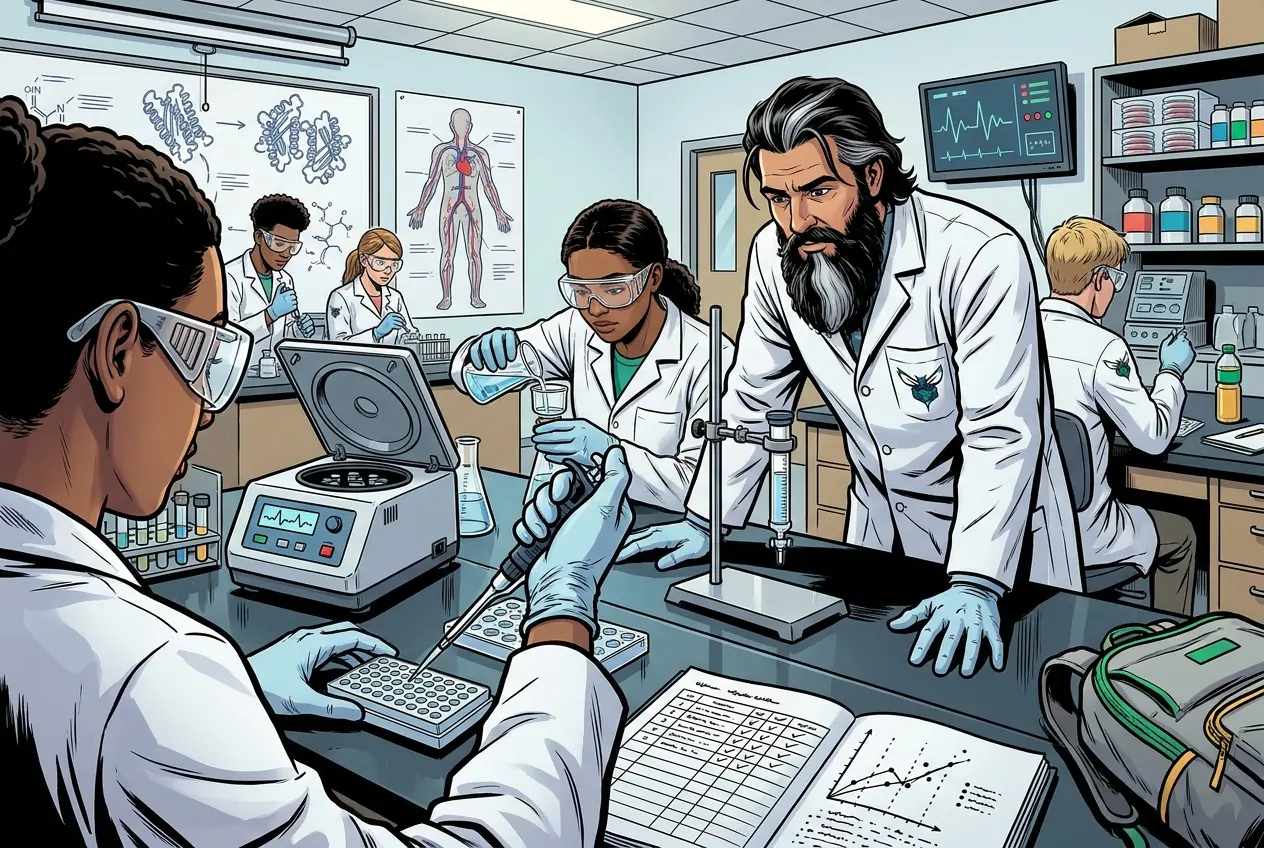
Running the column and collecting fractions. Watching the glow move down the column and come out in a specific set of tubes is the most satisfying thing this course has done.
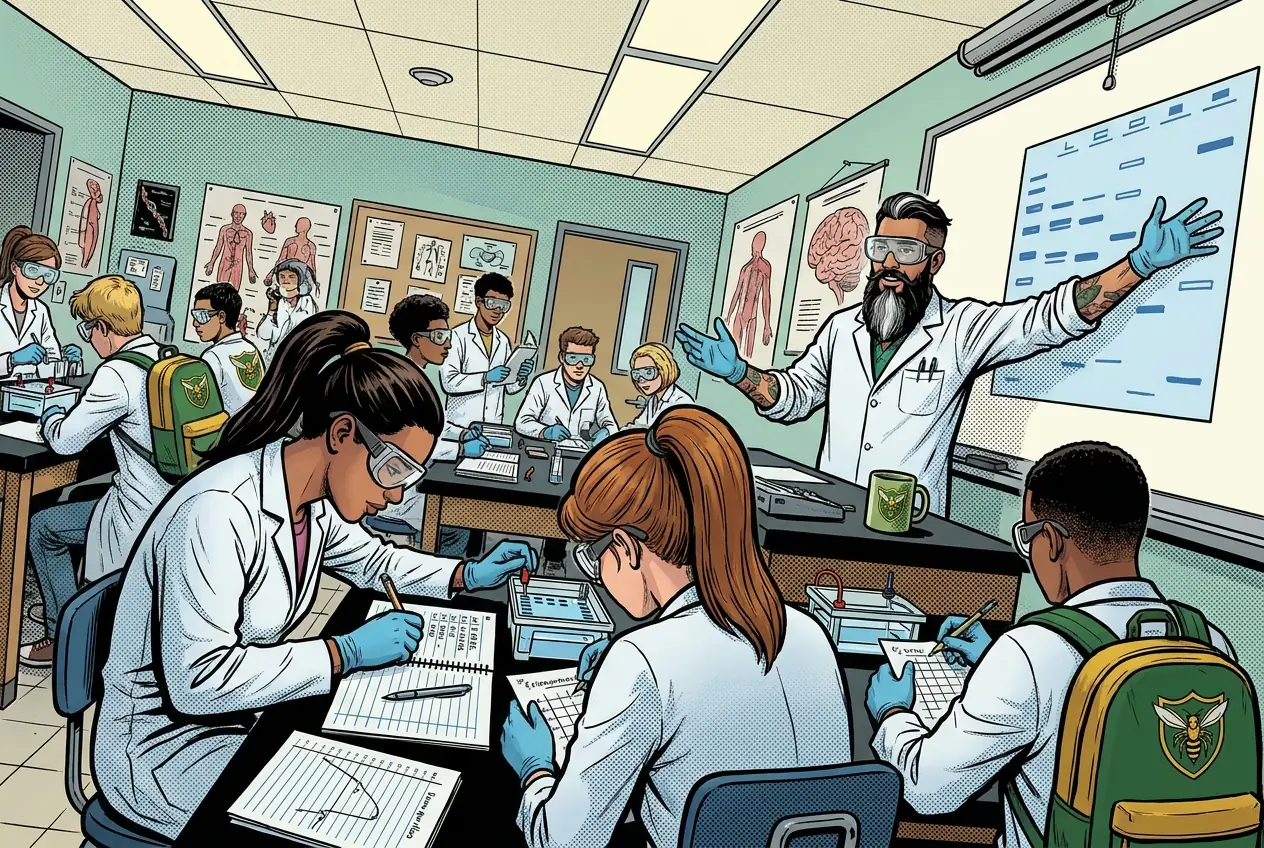
Running the fractions on a gel to see what is actually in each one. Purity is visible as the other bands disappearing.
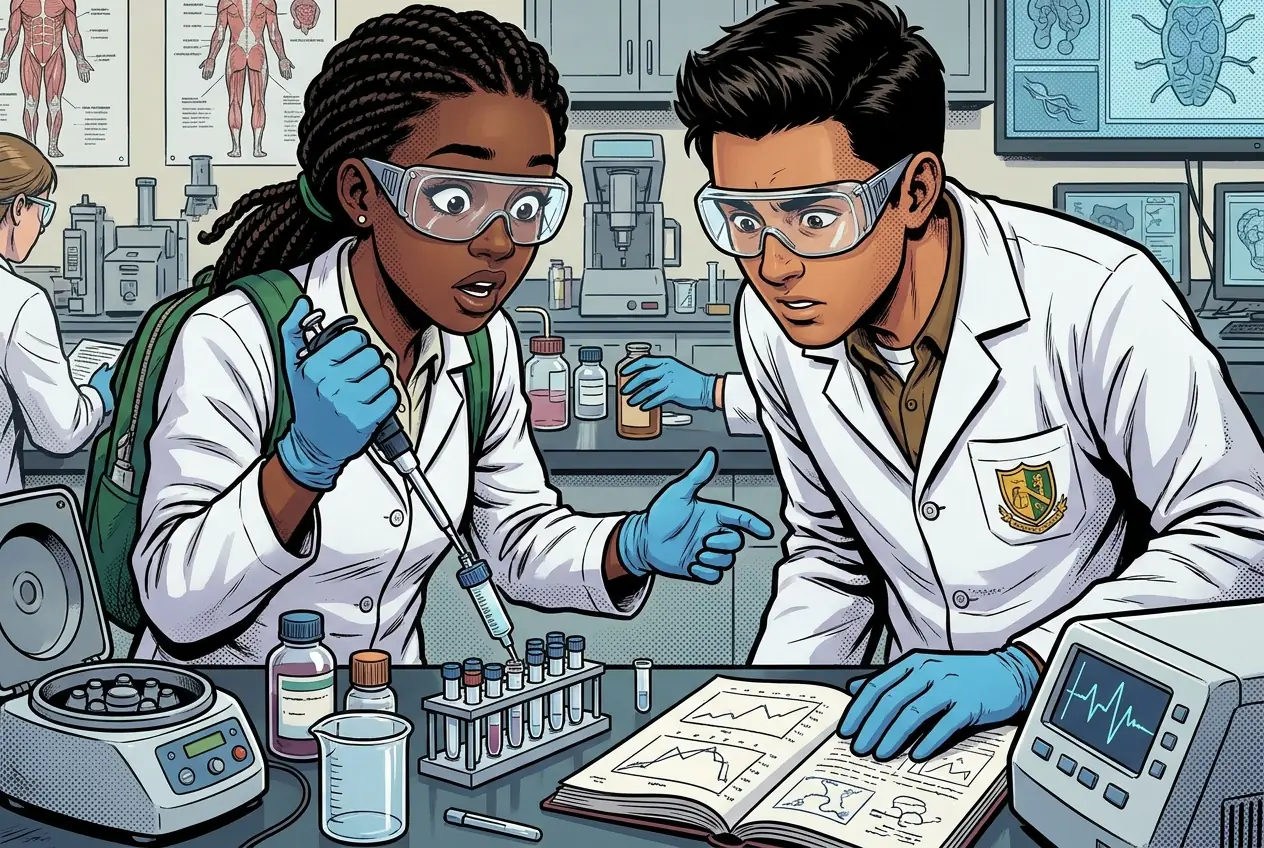
Fractions, gel image, yield calculation, and the late-collection error written into the limitations.
Week 20
DECEMBER 7 TO 10
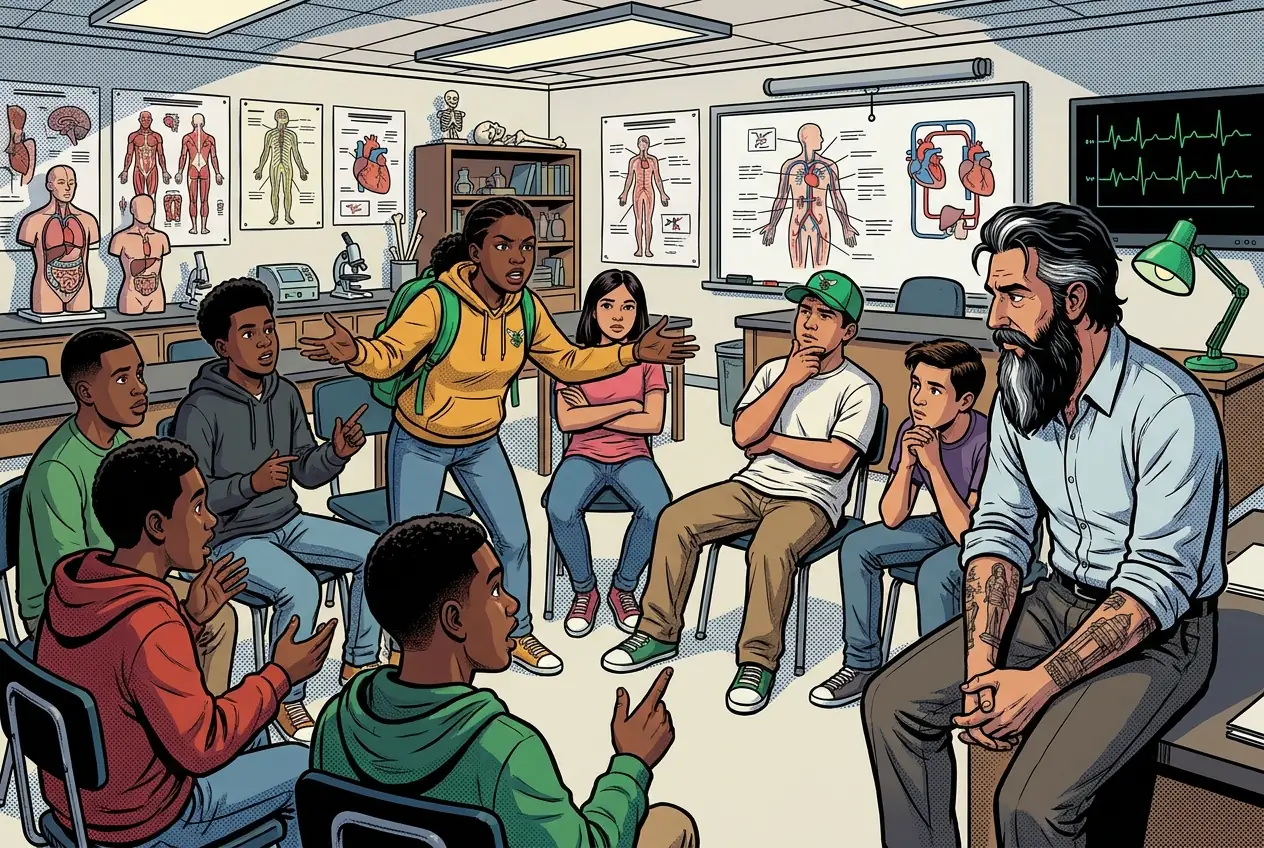
The allocation question again, now with the actual matching criteria in front of us instead of in the abstract.
MR. MENDOZA
Somebody on these cards does not get one. That is the exercise.
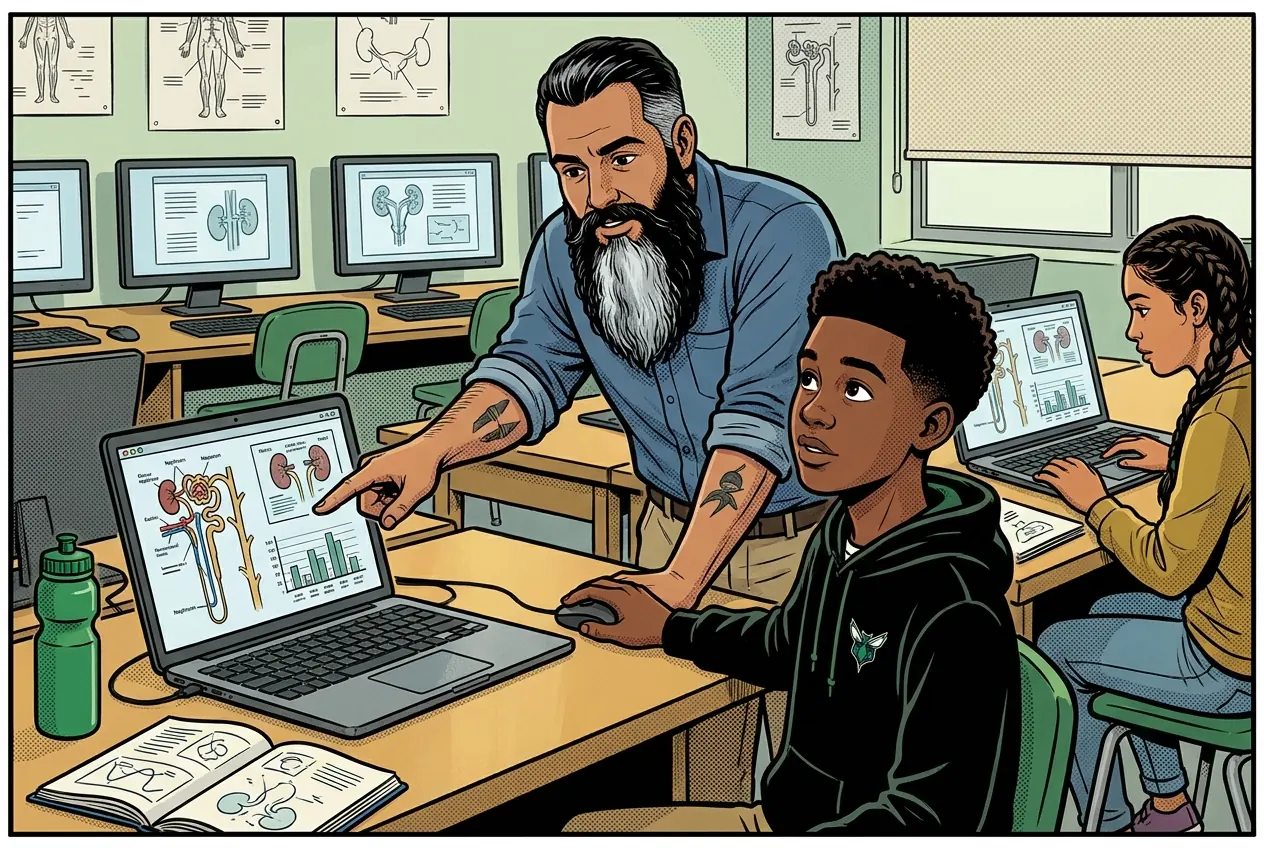
The nephron in order: filtration, reabsorption, secretion. The kidney filters nearly everything out and deliberately takes most of it back, which is how it keeps such precise control.
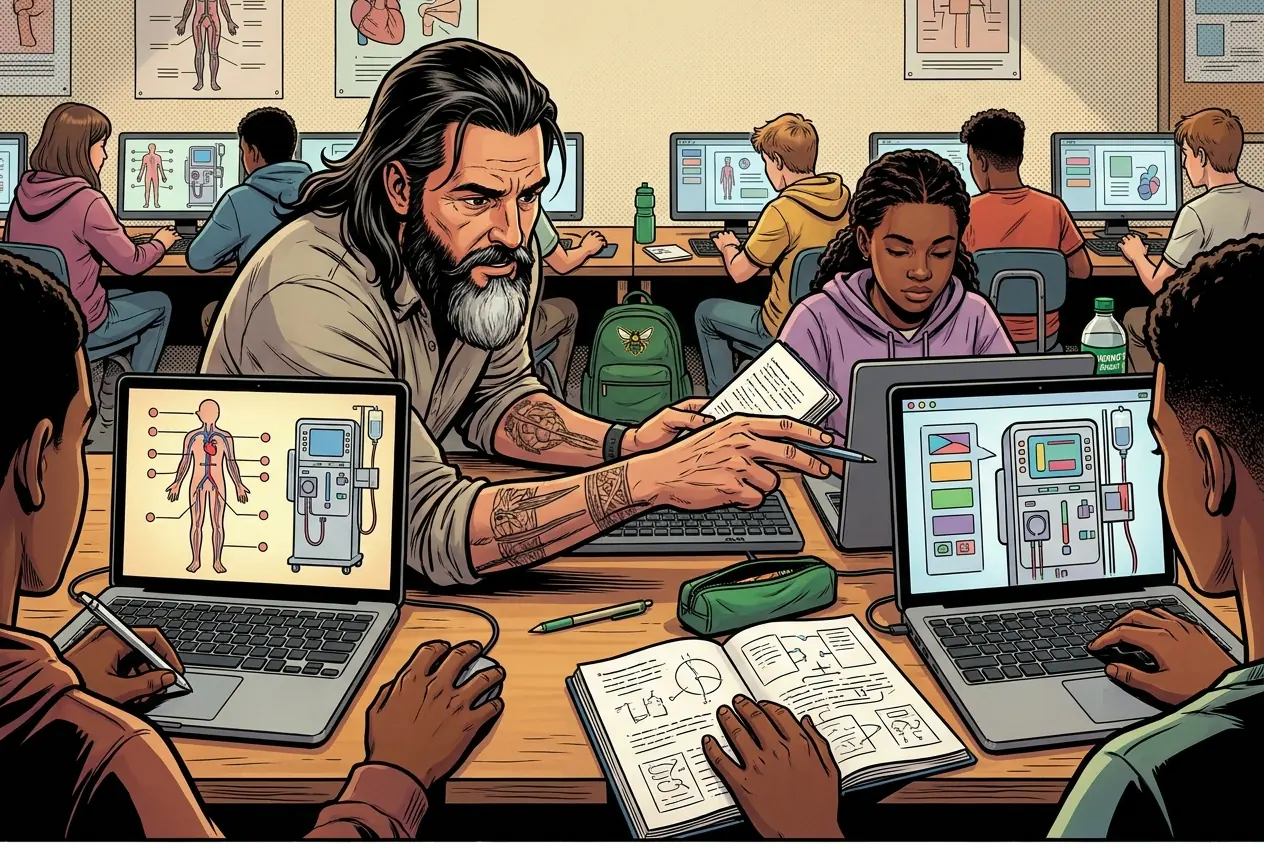
Dialysis as an external substitute for filtration, then a matching simulation where you allocate organs under the real constraints.
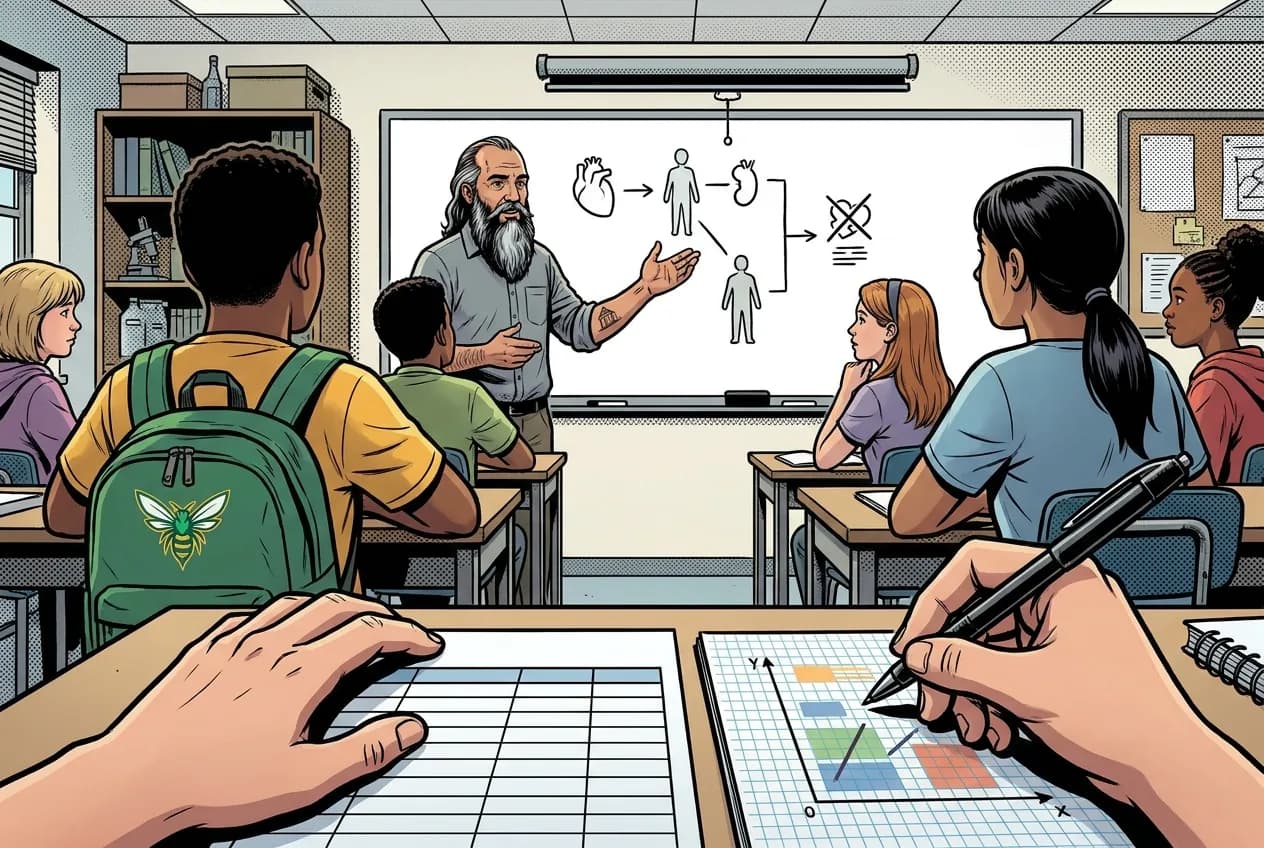
Blood type, tissue type, and why the immune system attacks a transplant that is helping the person it belongs to. Immunosuppression is a permanent trade.
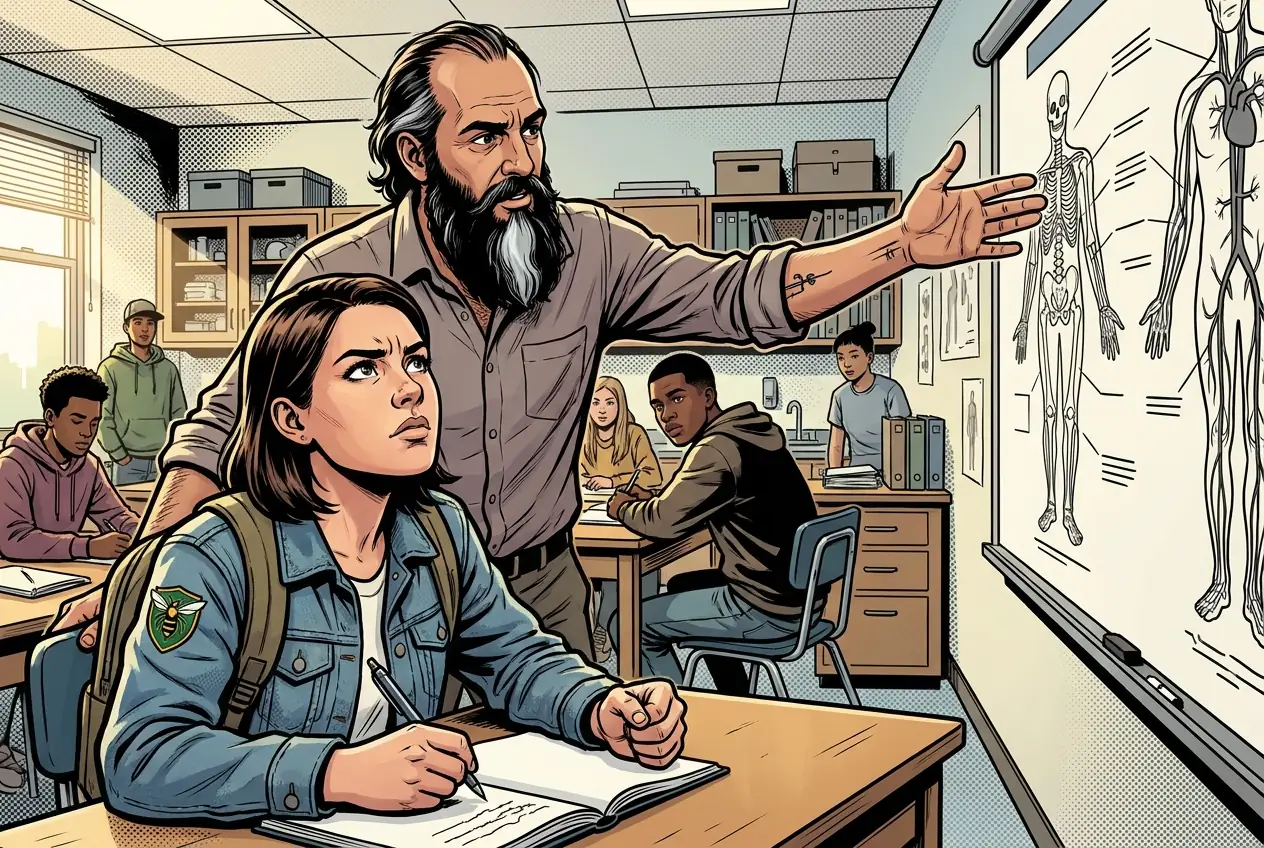
A CER defending an allocation decision from the simulation, using the compatibility data.
Week 21
DECEMBER 11 TO 16
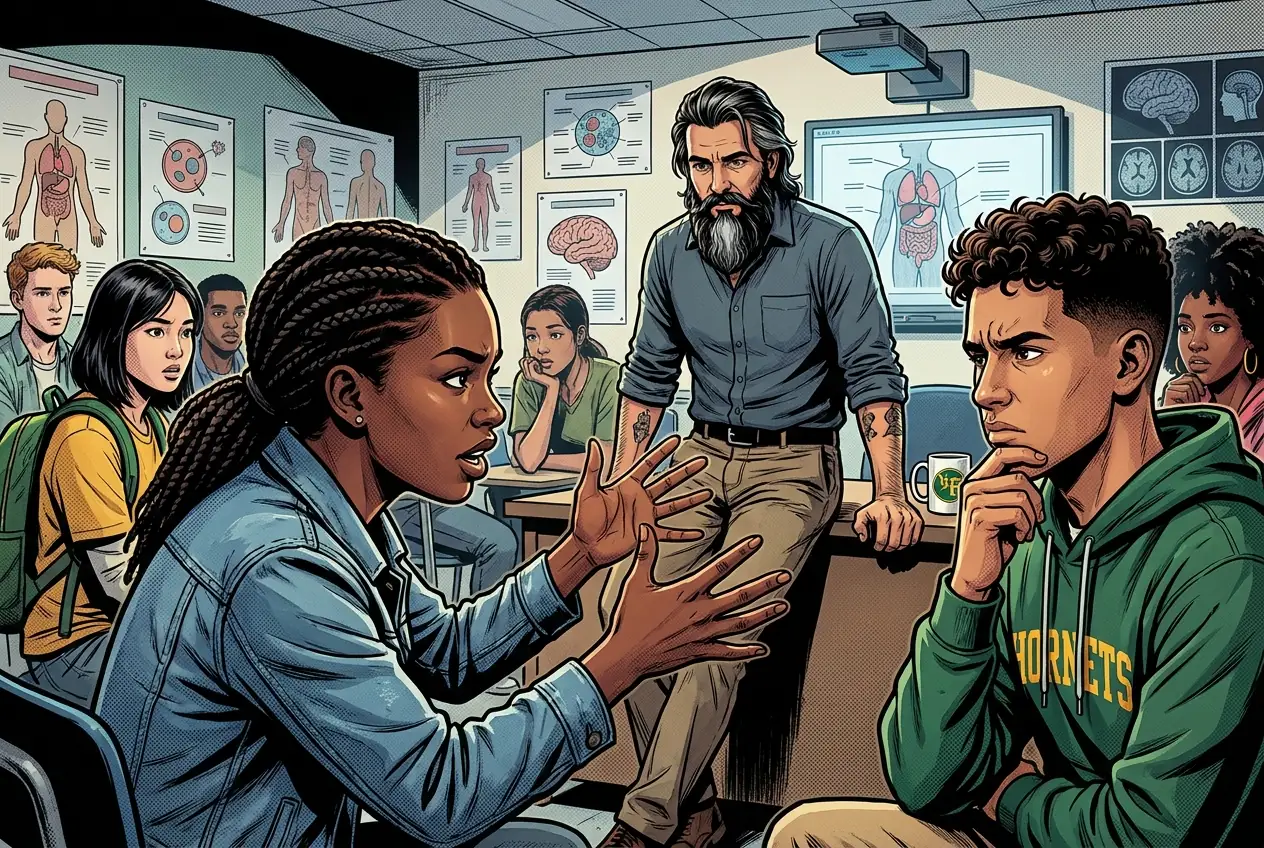
How much testing before a new technology reaches patients. Speed against safety, and the people harmed by delay are invisible in a way the people harmed by a bad device are not.
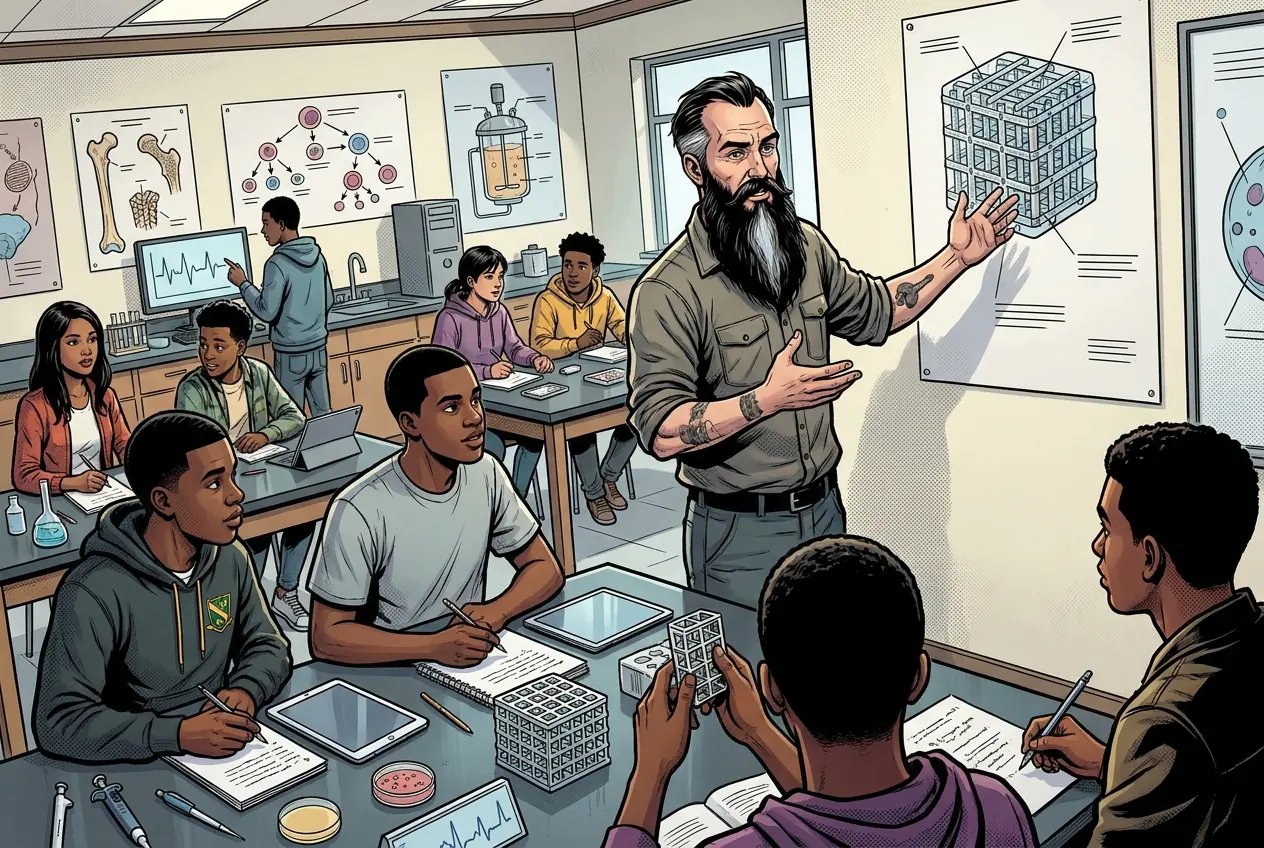
Scaffold for shape, cells to populate it, signals to tell them what to become. Then the different stem cell types and what each can and cannot do.
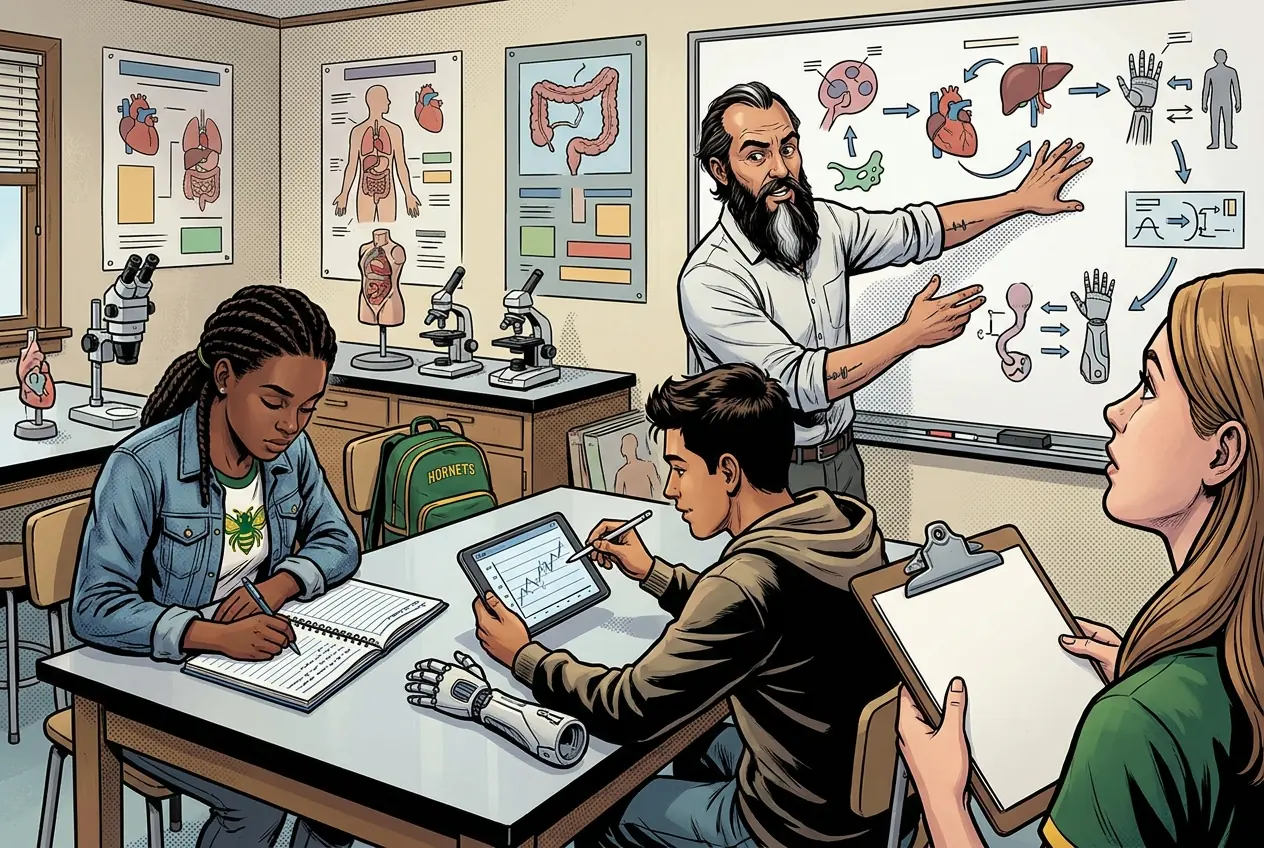
Animal organs and mechanical replacement as two different answers to the same shortage, with different failure modes and different ethics.
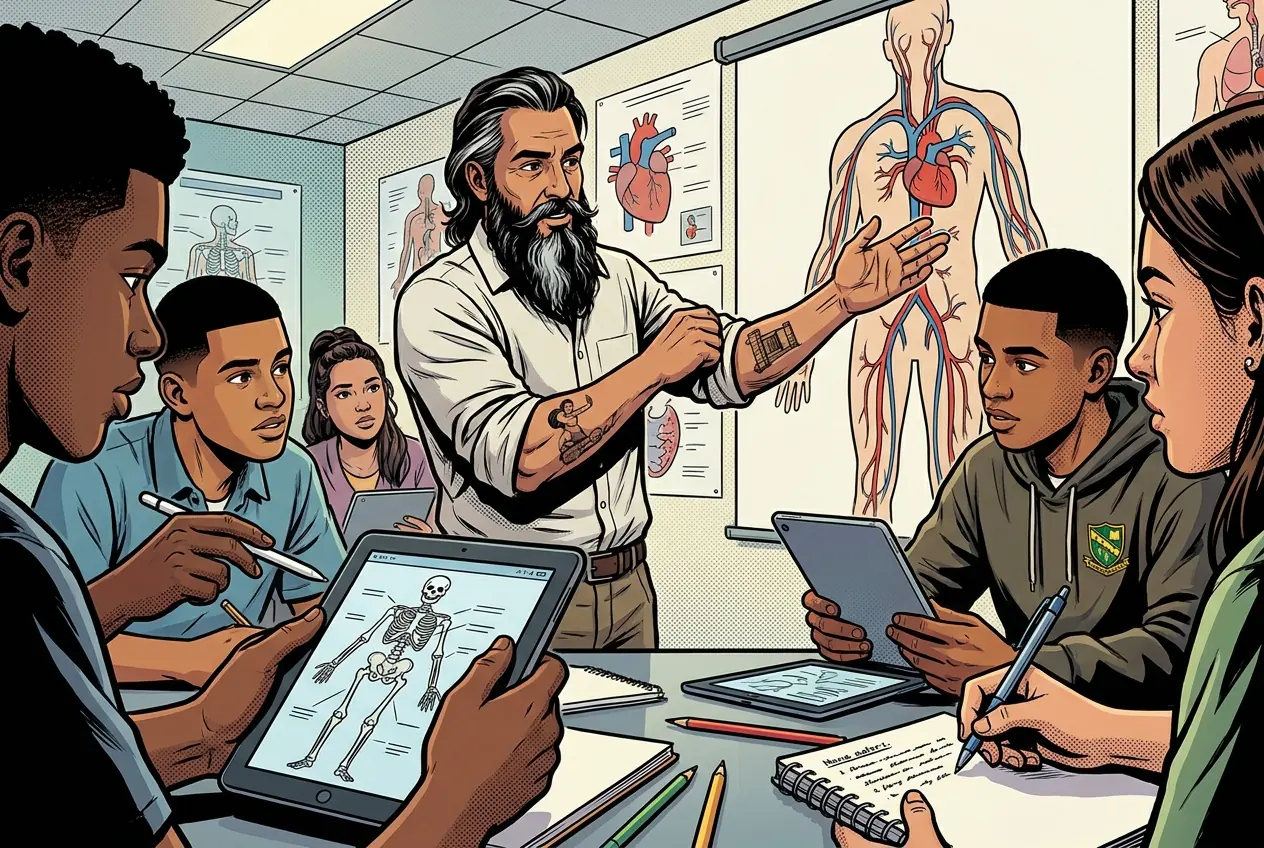
Analyzing a real device against what the patient actually needs rather than what is technically impressive.
A written critique naming one strength, one weakness, and one thing that would have to be true for it to work.
Week 22
DECEMBER 17 TO 18
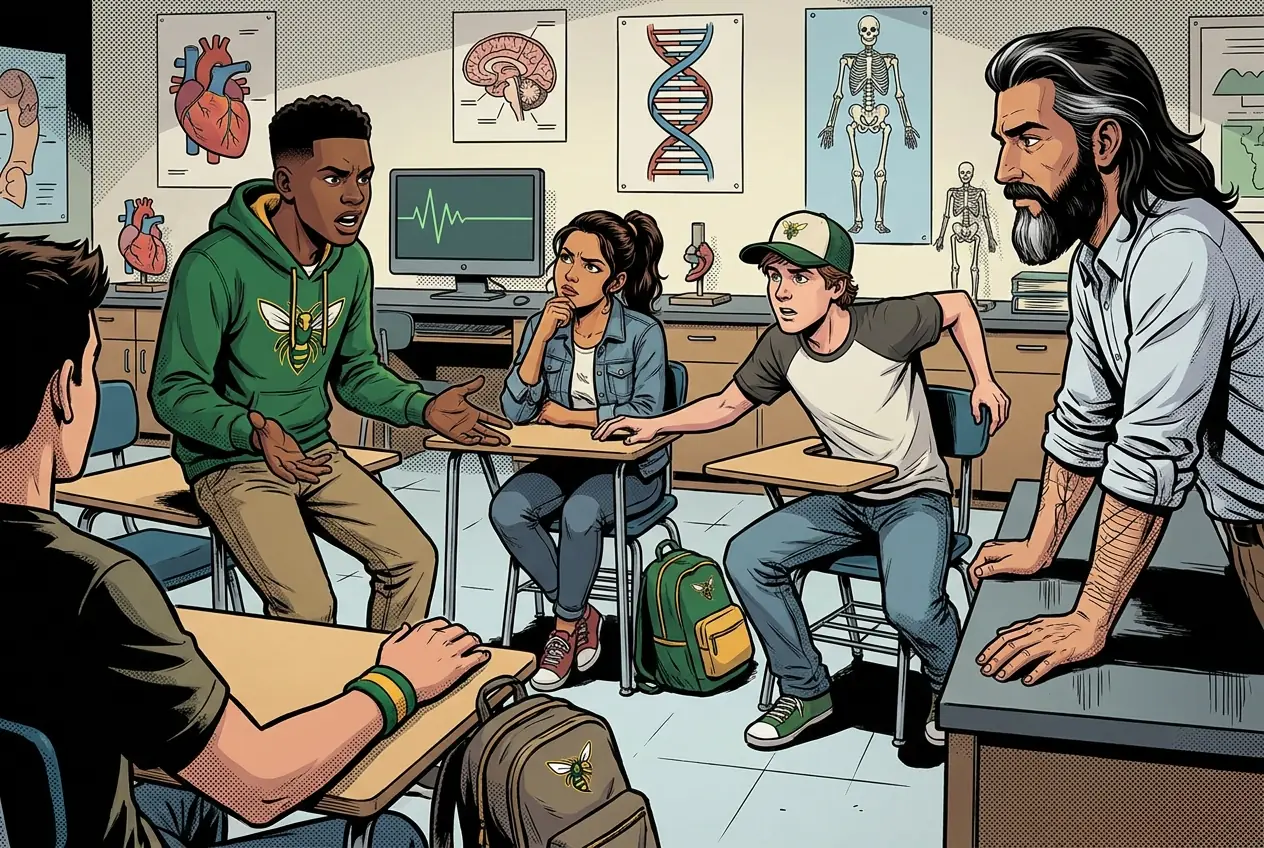
The last one. We were asked to name one position we had changed across the whole course.
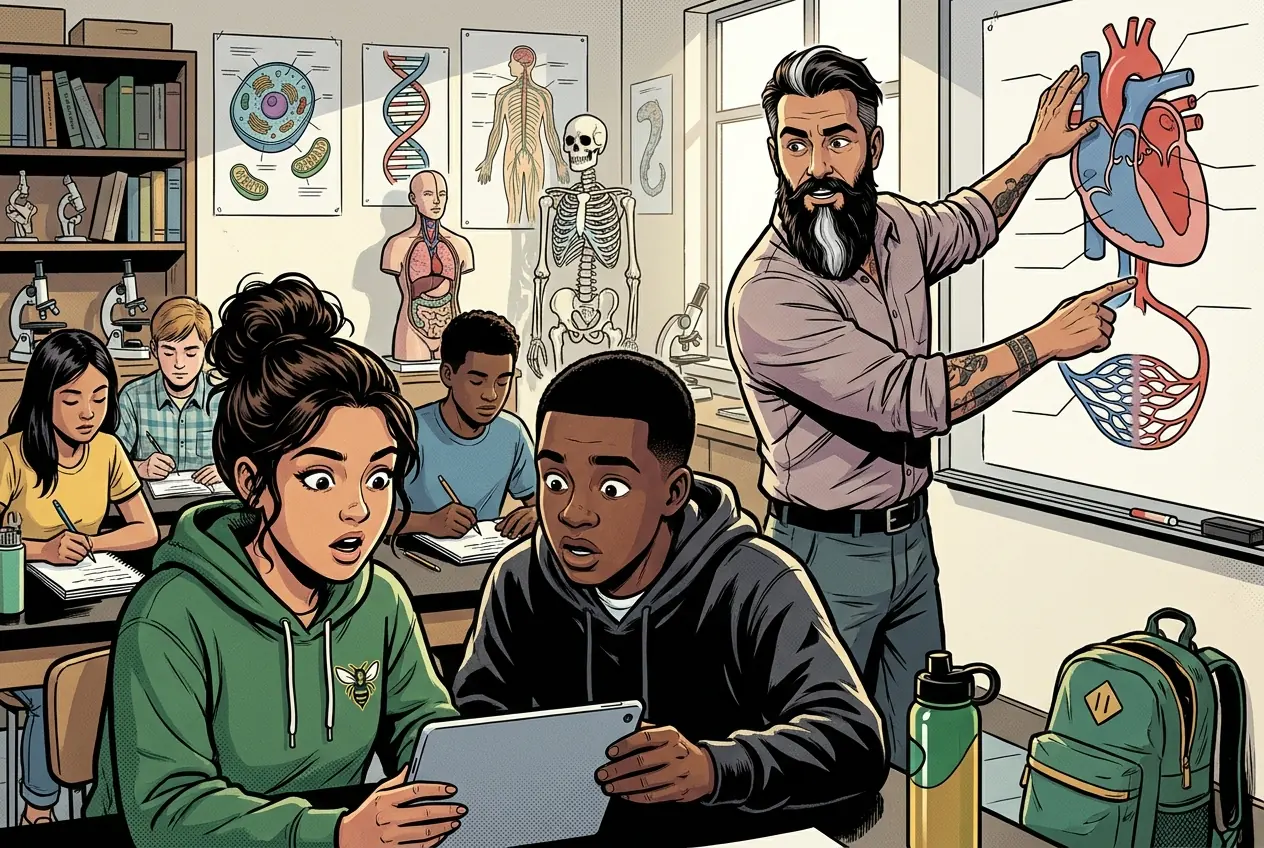
One case carried from molecule to patient to intervention, using evidence from every unit.
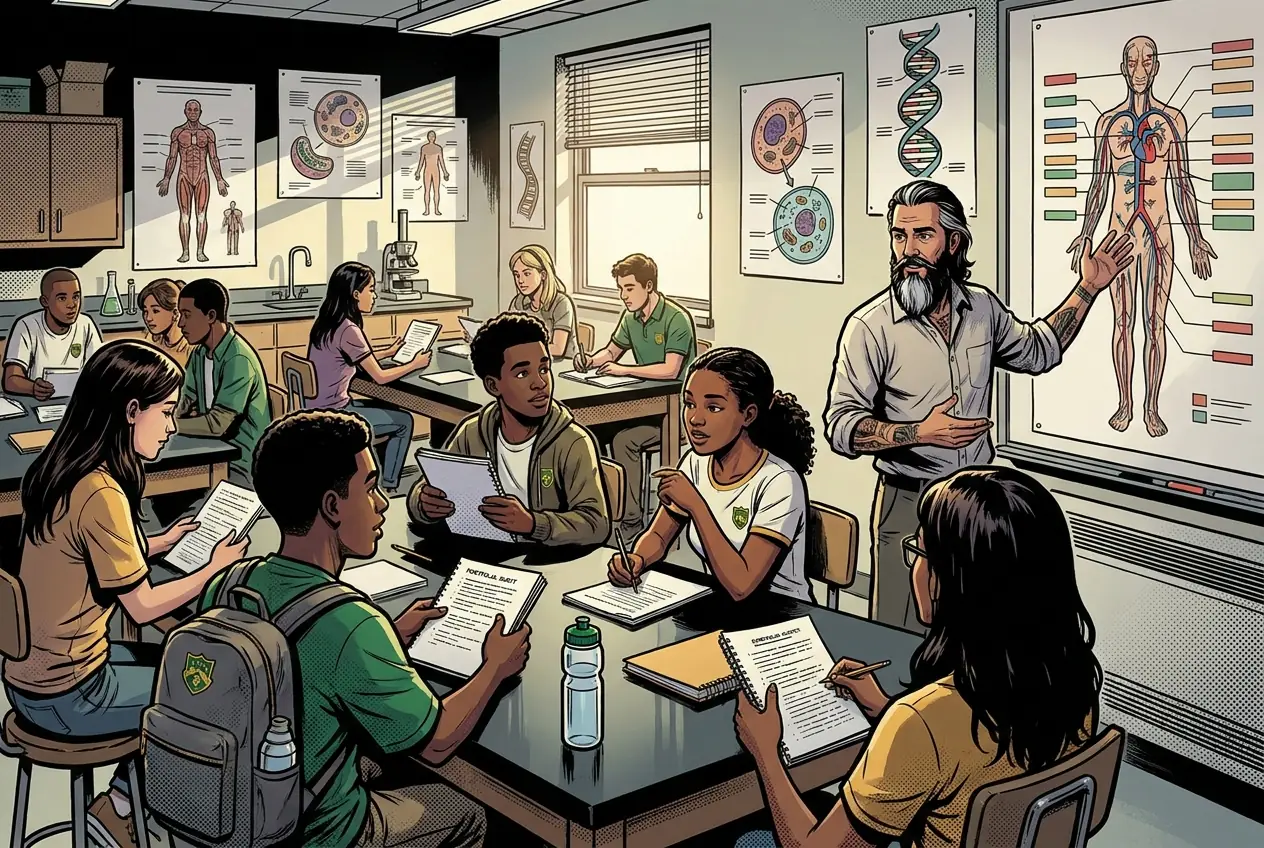
Every artifact checked against the rubric. Mine was mostly complete and the gaps were all labels and dates rather than missing work, which is its own lesson.
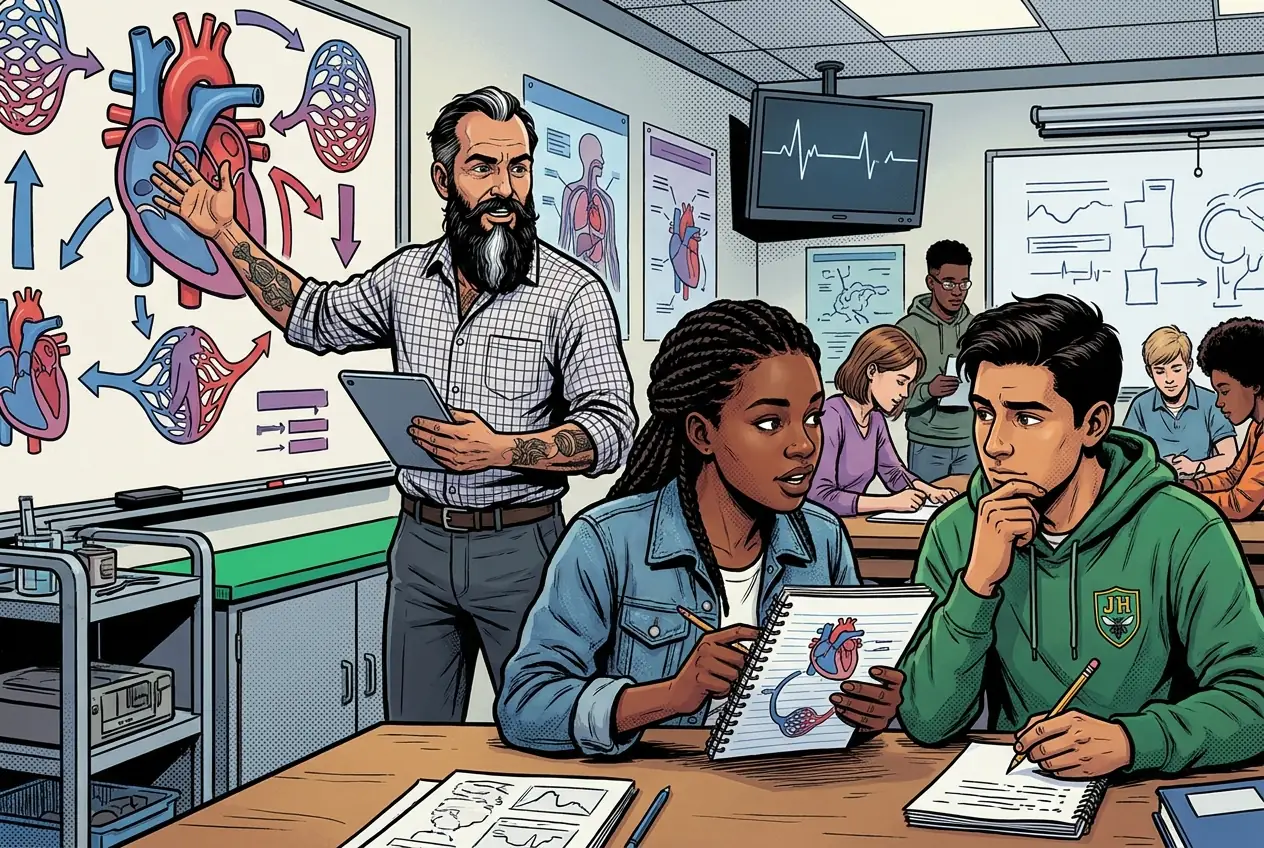
Fixing what the audit found. Two hours of small corrections that would have been ten minutes if I had done them at the time.
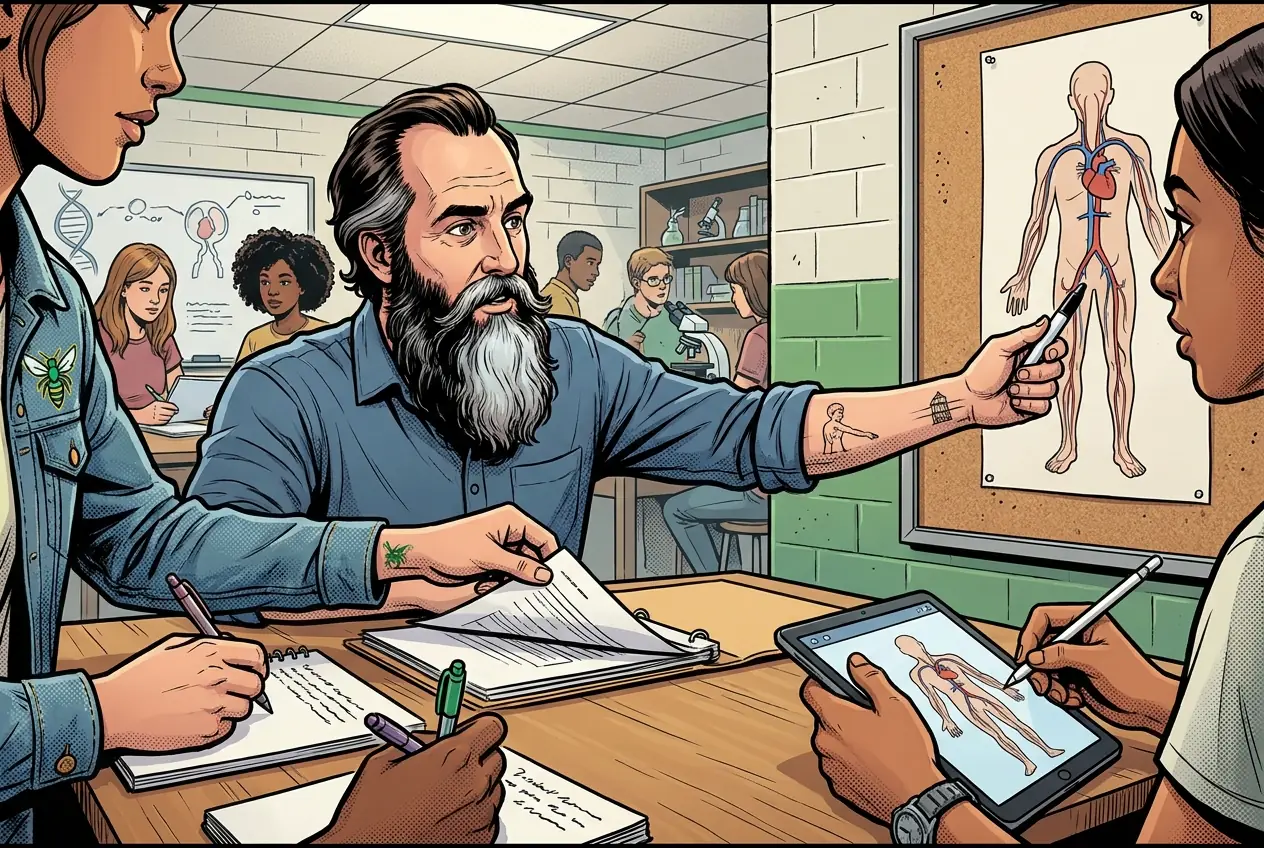
Submitted. Seventeen weeks, four units, one portfolio.
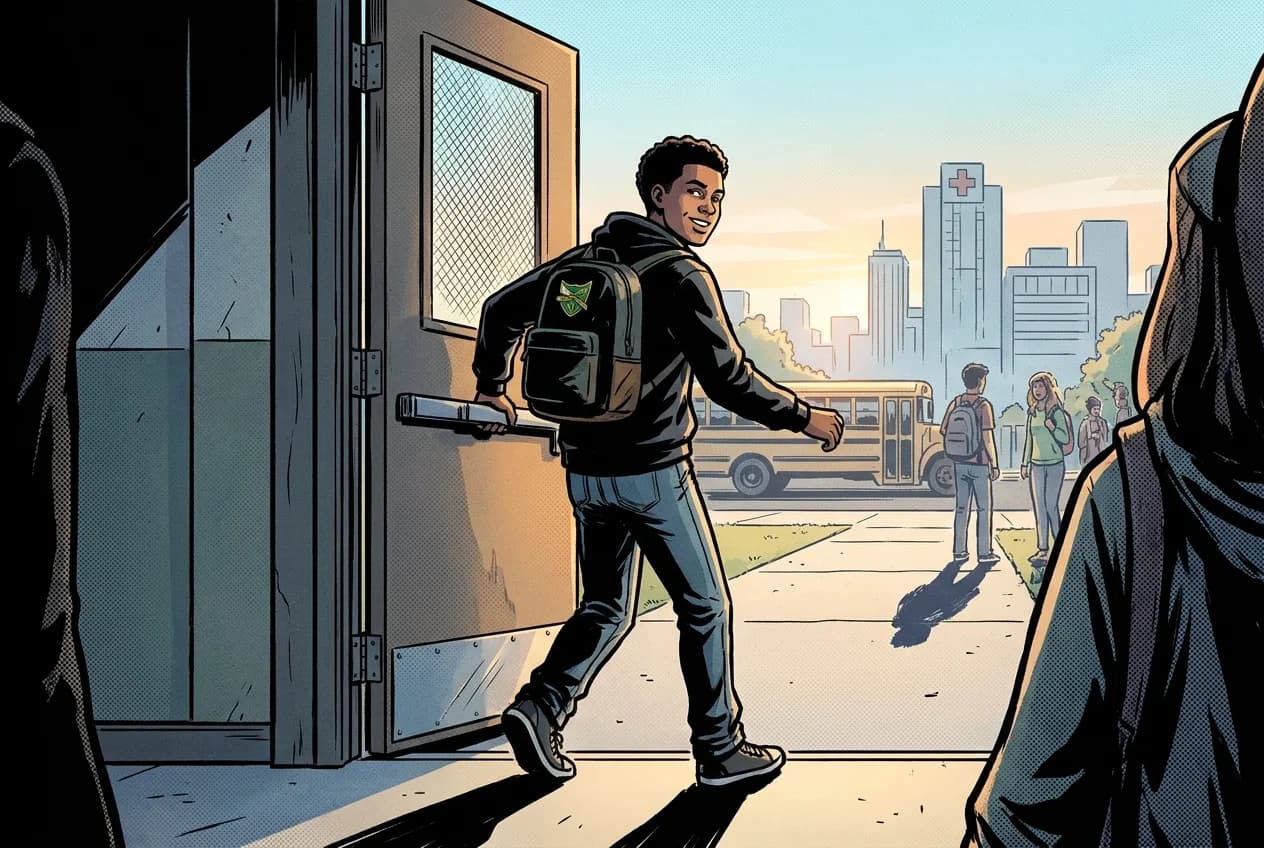
The optional research extra credit. A university lab hosted a few of us and a graduate researcher walked us through her project.
Fiction. No real student, family, grade, or conversation appears here. The lessons, labs and dates are the real planned course.