Unit 3.2 Body Guards closes into the Unit 4 Patient Perspectives survey: the antiviral CER, renal and digestive labs, PKD genetics, and the patient exhibit.
Your PLTW coursework: Human Body Systems ▸ Unit 3: Adventure Awaits ▸ Lesson 3.2 Body Guards ▸ "Activity 3.2.1 Powers of Protection", "Activity 3.2.3 Going Un-Viral", "Project 3.2.4 More than Meets the Eye"
What to do if absent- CER:
- Claim, Evidence, Reasoning: make a claim, back it with evidence, explain your reasoning.
- SOP:
- Standard Operating Procedure, the exact steps to follow (especially in a lab).
- Tracker:
- Your PLTW progress log where you record completed evidence.
- myPLTW:
- The PLTW course site where you do the online activities. Find it in Clever with your Microsoft sign-in, right next to Schoology.
Week overview - Body Guards in the field: plaque assay, eye dissection, and expedition risk
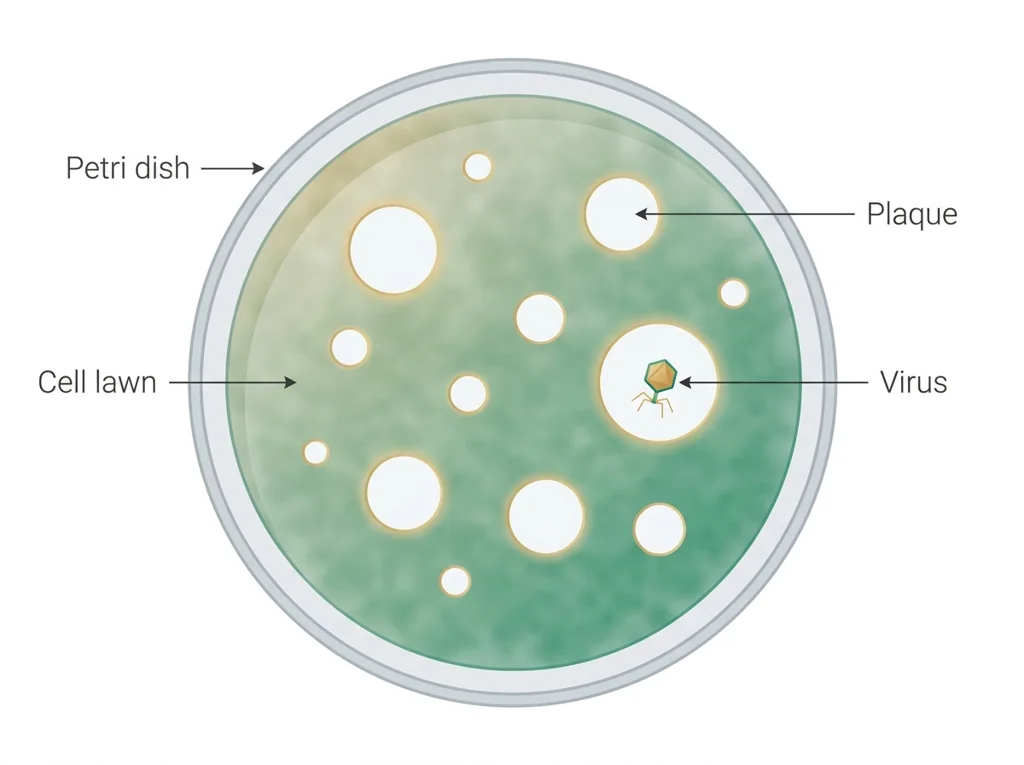
Use an or simulation and an eye dissection to connect biology to the risks of extreme environments.
- 1Review the and rules for the or simulation and the eye dissection.
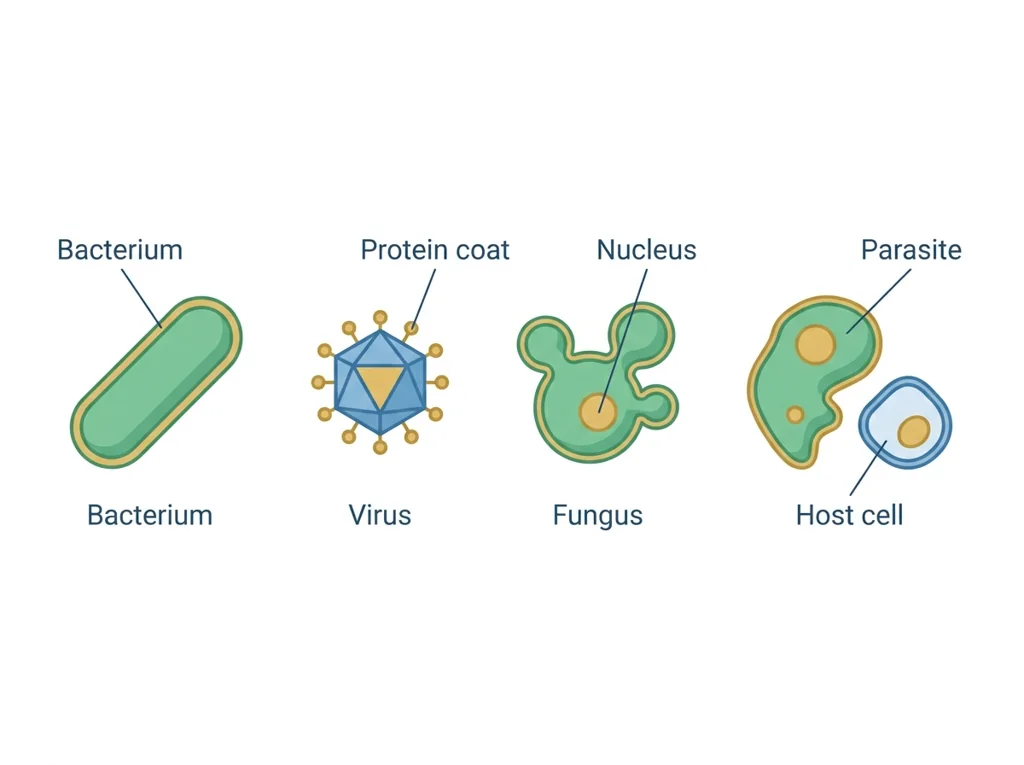
- 2Define , , and in your notebook.
- 3Set up the or simulation and record how an changes the number of plaques.
- 4Dissect or examine an eye model and identify the structures most at risk in extreme environments.
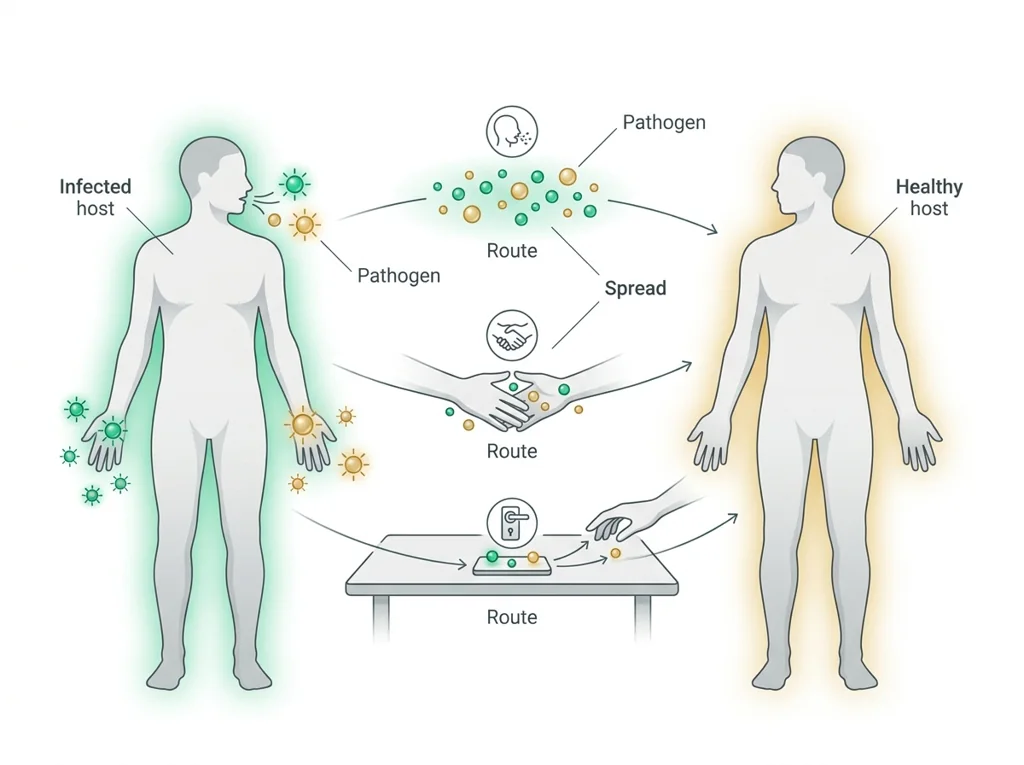
- 5Connect one expedition risk, such as altitude or contaminated water, to a prevention step.
- 6Draft one section of an adventure medicine guide that pairs a risk with a mitigation.
- • You will be able to explain what a measures about activity.
- • You will be able to identify key eye structures and their vulnerability.
- • You will be able to pair an expedition risk with a mitigation step.
Open any day for its full lesson, the work due that day, and guided notes.
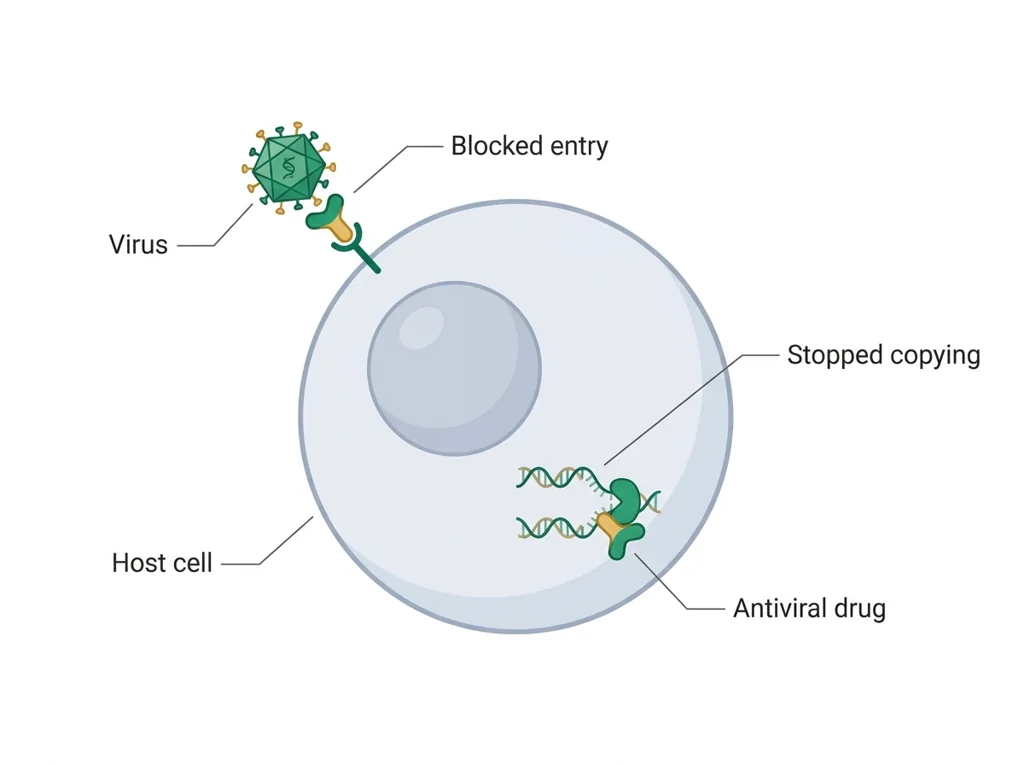
Written CER analyzing plaque- data: claim naming the most effective , two specific plaque-count evidence entries with percent reduction, reasoning linking lower count to viral , and one limitation of the assay.
Ordered diagram with steps labeled, plus definitions of , , and a diagram of action in digestion.
Combined recording dipstick results, -digestion rate observations, and gel- band interpretation for PKD markers.
Draft patient-exhibit outline: one-sentence patient narrative, three panel drafts (, , PKD genetics) each connecting lab data to patient experience in CER format, and assigned member responsibilities.
- Hook: expedition medics plan for pathogens and injuries far from any hospital, and today you do the same kind of risk work.
- Today's goal: read a , examine eye , and pair real expedition risks with mitigations.
- This week's Monday bioethics debate: how much risk should a guide let a client accept in the wilderness?
- Reminder: your graded adventure medicine guide lives in the PLTW course shell, not on loose paper.
Do this: Advance Lesson 3.2 Body Guards: complete the online evidence for Activity 3.2.3 Going Un-Viral and Project 3.2.4 More than Meets the Eye in the course shell.
- • A measures how an reduces the number of viral plaques.
- • Eye structures are vulnerable to specific hazards in extreme environments.
- • pairs each expedition hazard with a prevention or response step.
- • Interpret results to judge activity.
- • Pair an expedition risk with an appropriate mitigation.
📋 PLTW evidence due: adventure medicine guide section pairing an expedition risk with a mitigation and citing results, submitted on the class site.
All PLTW activities are completed inside the PLTW course environment: this page only gives direction.
Use this chart to keep your place. Nothing on it is turned in through the portal.
| Day | Work | Turn in |
|---|---|---|
| Monday · Mon, May 10 | Antiviral count comparison: paper CER | Written CER analyzing plaque-assay data: claim naming the most effective antiviral, two specific plaque-count evidence entries with percent reduction, reasoning linking lower count to viral inhibition, and one limitation of the assay. |
| Tuesday · Tue, May 11 | Nephron and digestion: directions and evidence | Ordered nephron filtration diagram with steps labeled, plus definitions of urinalysis, gel electrophoresis, and a diagram of enzyme action in digestion. |
| Wednesday · Wed, May 12 | Evidence for | |
| Thursday · Thu, May 13 | Renal and digestive records: compare without overclaiming | Combined data table recording urinalysis dipstick results, enzyme-digestion rate observations, and gel-electrophoresis band interpretation for PKD markers. |
| Friday · Fri, May 14 | Patient exhibit draft: evidence and limits | Draft patient-exhibit outline: one-sentence patient narrative, three panel drafts (urinalysis, enzyme, PKD genetics) each connecting lab data to patient experience in CER format, and assigned member responsibilities. |
- M: Philosophy for Kids / John Carroll bioethical debate
- T: teacher background notes + PLTW launch task
- Th: analysis / CER or design revision
- F: submit tracker + weekly evidence
Turn in: Unit 3.2 Body Guards closes into the Unit 4 Patient Perspectives survey: the antiviral CER, renal and digestive labs, PKD genetics, and the patient exhibit. weekly work due Antiviral CER and your patient-exhibit element.
Go to Schoology to turn this in.
Submit one PDF. Schoology attaches your name to your upload; on the page itself, write your period and code. Name the file: FirstName LastName - Assignment Title - YYYY-MM-DD.pdf.
Open Schoology PDF upload helpIf you cannot get in, see Mr. Mendoza. Do not skip the work.
This explainer accompanies the PLTW lab protocol: watch it before lab.
Most days, this class is your PLTW coursework: and PLTW is online and individual. So being out usually just means doing exactly what we did in class, from home.
Open Clever, then myPLTWSign in to Clever with your district Microsoft account to open Schoology or myPLTW. Follow today's posted steps. If myPLTW will not open, use the posted alternative and tell Mr. Mendoza. Turn in your completed work through the Schoology assignment.
You can't do those from home: do this instead: Teacher-posted data/model packet, same objective. Supplemental: CDC travel health; Khan infection/immune review.
Class still runs. A substitute will post today's plan: complete the online activity above; it's built to be self-guided. Need the concept taught without a teacher? Use this authoritative explainer:
CDC: Travelers' Health