

Recombinant DNA, restriction enzymes, ligation, transformation, controls.
Your PLTW coursework: Biomedical Innovation ▸ Problem 6: Molecular Biology in Action ▸ "Activity 6.1.1 Restriction Enzyme Challenge"
What to do if absent- CER:
- Claim, Evidence, Reasoning: make a claim, back it with evidence, explain your reasoning.
- SOP:
- Standard Operating Procedure, the exact steps to follow (especially in a lab).
- Tracker:
- Your PLTW progress log where you record completed evidence.
- myPLTW:
- The PLTW course site where you do the online activities. Find it in Clever with your Microsoft sign-in, right next to Schoology.
Map the recombinant from cut through ligation and , and set up the practices that make it possible.
- 1In your notebook, list the recombinant steps in order: cut, join, insert, grow.
- 2Define , , , and in your own words.
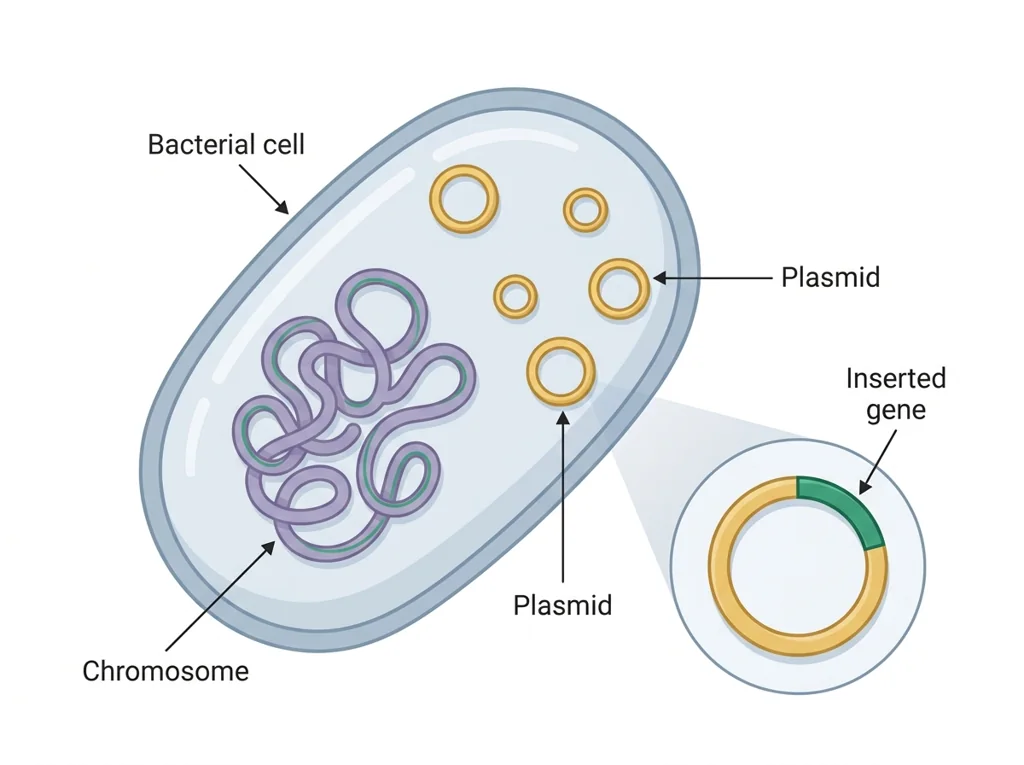
- 3Draw a and mark where a would cut to open it.
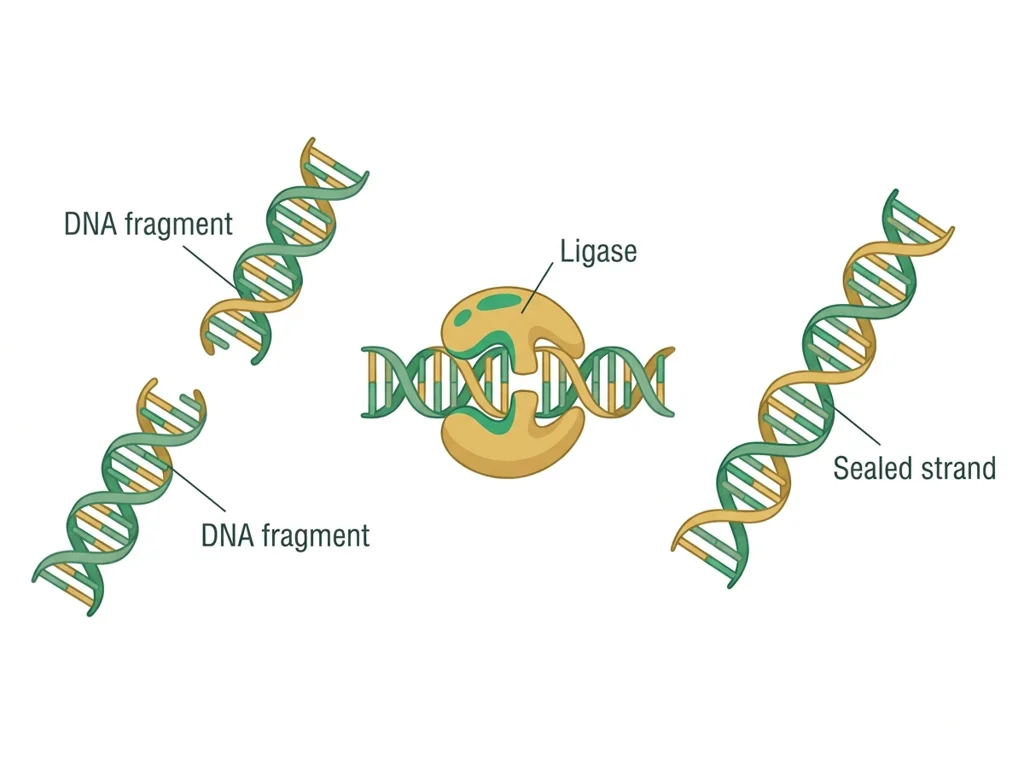
- 4Show how joins a gene of interest into the opened .
- 5Run the virtual cloning and record each step you complete.
- 6List two practices required when working with engineered organisms.
- • You will be able to sequence the recombinant steps.
- • You will be able to explain the role of restriction enzymes and .
- • You will be able to state practices for cloning work.
Open any day for its full lesson, the work due that day, and guided notes.
Recombinant outline with four ordered steps, named or reagent for each, specificity explanation, and positive/ identification with rationale.
One sentence explaining why -resistance selection markers are a specific biosafety concern, plus three lab rules you would require.
One record with actual kit condition labels, setup dates and May 7 -count fields marked pending; gel image and lane records when supplied. If unavailable, submit the explicitly invented C1/G1 practice record and identify the missing actual evidence.
One plate-observation and gel-analysis record: actual pGLO condition labels, count or uncountable-growth description, fluorescence and status; then ladder distances, a , sample-size estimates and a conclusion about pattern consistency with an identity limit. Keep any invented fallback separately labeled within that same record.
- Hook: scientists can cut a gene from one organism and paste it into another, and today you learn how that is done safely.
- Today's goal: walk the full cloning and the rules that surround it.
- Monday bioethics debate fits: should there be limits on engineering organisms for human use?
- Reminder: your graded cloning is submitted on the class site.
Do this: Advance your PLTW molecular biology problem by completing the recombinant and plan in the online course shell.
- • Restriction enzymes cut at specific sequences and joins fragments.
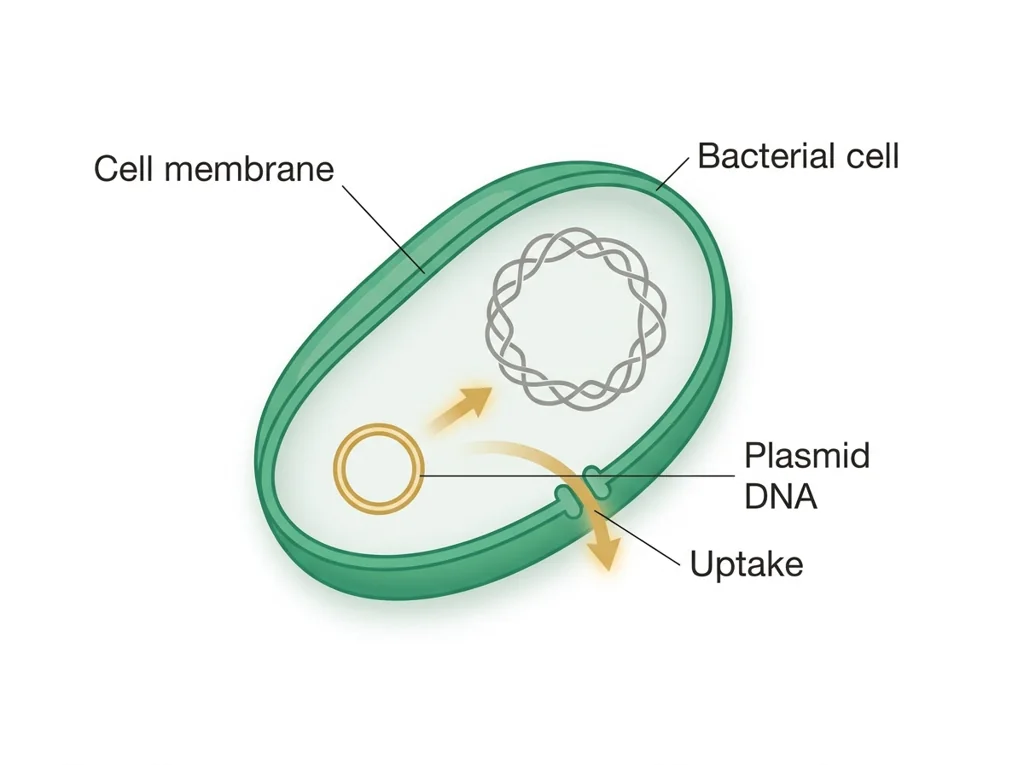
- • A carries a gene of interest into a competent host cell.
- • Sequence the steps of a recombinant .
- • State the practices for working with engineered organisms.
📋 PLTW evidence due: a completed recombinant diagram and a cloning plan in the course shell.
All PLTW activities are completed inside the PLTW course environment: this page only gives direction.
Use this chart to keep your place. Nothing on it is turned in through the portal.
| Day | Work | Turn in |
|---|---|---|
| Monday · Mon, May 3 | Workflow concepts: tools, processes and limits | Recombinant DNA workflow outline with four ordered steps, named enzyme or reagent for each, restriction enzyme specificity explanation, and positive/negative control identification with safety rationale. |
| Tuesday · Tue, May 4 | Evidence for | |
| Wednesday · Wed, May 5 | Biotechnology oversight: weigh the evidence | One sentence explaining why antibiotic-resistance selection markers are a specific biosafety concern, plus three lab rules you would require. |
| Thursday · Thu, May 6 | pGLO setup and DNA-band records | One record with actual kit condition labels, setup dates and May 7 colony-count fields marked pending; gel image and lane records when supplied. If unavailable, submit the explicitly invented C1/G1 practice record and identify the missing actual evidence. |
| Friday · Fri, May 7 | pGLO plate observations and gel analysis | One plate-observation and gel-analysis record: actual pGLO condition labels, count or uncountable-growth description, fluorescence and status; then ladder distances, a standard curve, sample-size estimates and a conclusion about pattern consistency with an identity limit. Keep any invented fallback separately labeled within that same record. |
- M: engineered organism debate
- W: controls
- Th: gel expectations
- F: quiz
Turn in: Recombinant DNA, restriction enzymes, ligation, transformation, controls. weekly work due Molecular workflow plan.
Go to Schoology to turn this in.
Submit one PDF. Schoology attaches your name to your upload; on the page itself, write your period and code. Name the file: FirstName LastName - Assignment Title - YYYY-MM-DD.pdf.
Open Schoology PDF upload helpIf you cannot get in, see Mr. Mendoza. Do not skip the work.
This explainer accompanies the PLTW lab protocol: watch it before lab.
Most days, this class is your PLTW coursework: and PLTW is online and individual. So being out usually just means doing exactly what we did in class, from home.
Open Clever, then myPLTWSign in to Clever with your district Microsoft account to open Schoology or myPLTW. Follow today's posted steps. If myPLTW will not open, use the posted alternative and tell Mr. Mendoza. Turn in your completed work through the Schoology assignment.
You can't do those from home: do this instead: Virtual cloning .
Class still runs. A substitute will post today's plan: complete the online activity above; it's built to be self-guided. Need the concept taught without a teacher? Use this authoritative explainer:
Learn.Genetics (University of Utah): cloning and recombinant DNA
Classroom documents for this lesson are posted in Schoology. Open Clever, then Schoology, and find each one by the name shown on its card.
Open this when the class reaches this activity and use it to complete the required lesson artifact.
Open this when the class reaches this activity and use it to complete the required lesson artifact.
Use this if you were absent, got stuck, or need another pass before you submit the lesson artifact.
Sign in to Clever with your district Microsoft account to open Schoology or myPLTW. Follow today's posted steps. If myPLTW will not open, use the posted alternative and tell Mr. Mendoza. Turn in your completed work through the Schoology assignment.