

Audience, privacy, usability, evidence-based recommendations, revision.
Your PLTW coursework: Biomedical Innovation ▸ Problem 5: Combating a Public Health Issue ▸ "Activity 5.1.2 Public Health in the News"
What to do if absent- CER:
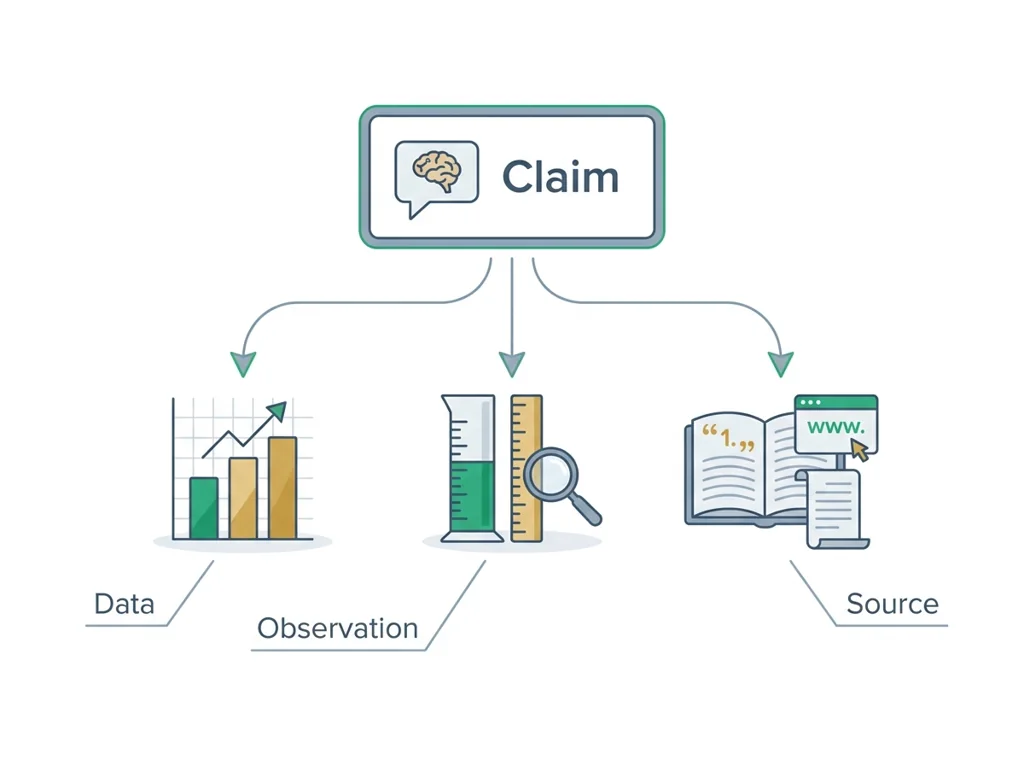
- Claim, Evidence, Reasoning: make a claim, back it with evidence, explain your reasoning.
- SOP:
- Standard Operating Procedure, the exact steps to follow (especially in a lab).
- Tracker:
- Your PLTW progress log where you record completed evidence.
- myPLTW:
- The PLTW course site where you do the online activities. Find it in Clever with your Microsoft sign-in, right next to Schoology.
Week overview - Communicating Public Health: audience, privacy, and evidence-based products
Design a public-health product that fits its audience, protects privacy, and turns evidence into clear, usable recommendations.
- 1Name the specific audience for your public-health product in your notebook.
- 2List two things this audience already knows and one thing they need to learn.
- 3Sketch a slide or paper wireframe showing where the main message goes.
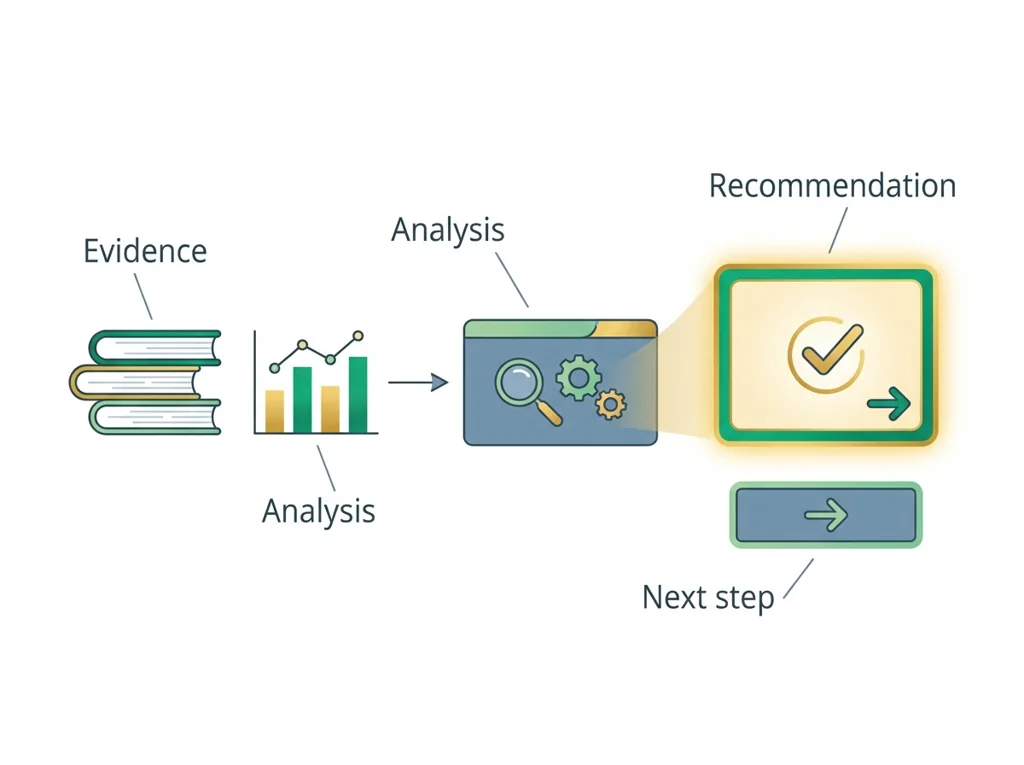
- 4Write one evidence-based recommendation, citing the data that supports it.
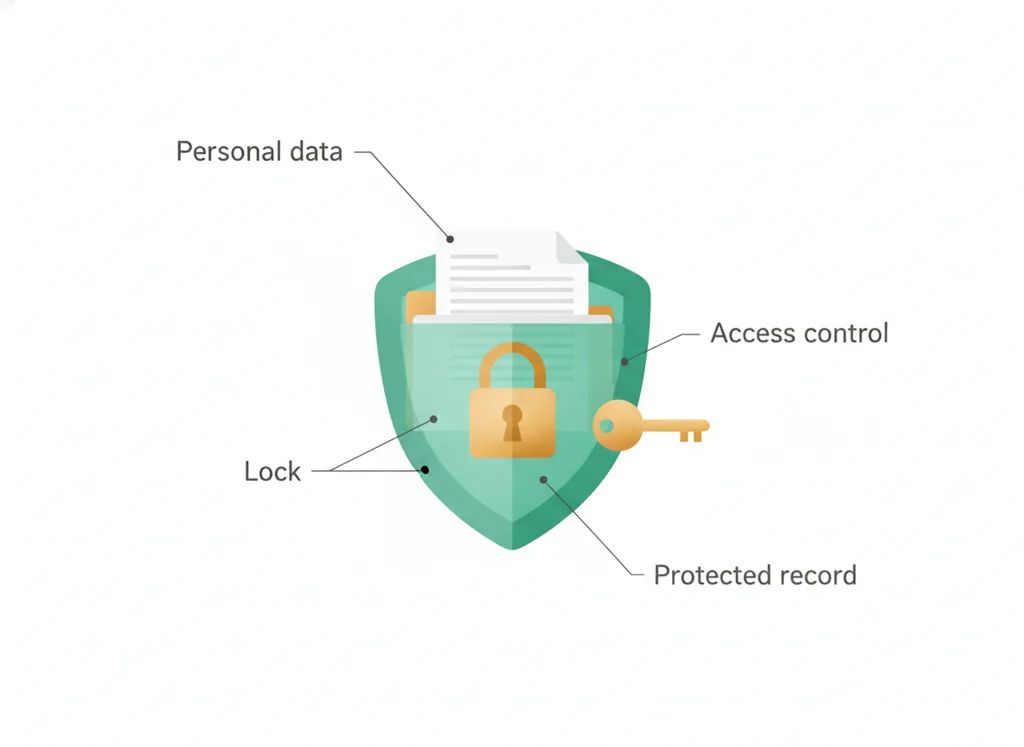
- 5Mark any place your product collects personal data and note how you would protect privacy.
- 6Trade wireframes with a partner and revise one usability problem they spot.
- • You will be able to tailor a product to a defined audience.
- • You will be able to turn evidence into a clear recommendation.
- • You will be able to protect privacy and improve usability through revision.
Open any day for its full lesson, the work due that day, and guided notes.
message draft with named target audience, one-sentence evidence-backed core message, specific call to action, reading-level note, and evidence citation.
Privacy audit listing collected data, identifiable items flagged for de-identification, access rules, and a 3-5 sentence privacy statement.
Finalized communication product combining the evidence-based message with citation, privacy statement, revised wireframe, and confirmed audience fit.
One sentence stating whether engineered-organism benefit justifies biosafety risk, with a specific reason grounded in containment or patient benefit.
- Hook: the best public-health message in the world fails if the audience cannot understand or trust it.
- Today's goal: shape your evidence into a product a real audience could actually use.
- Monday bioethics debate connects: how do you warn people of a risk without causing panic?
- Reminder: your graded product wireframe and revision are submitted on the class site.
Do this: Advance your PLTW problem by drafting and revising your communication product in the online course shell.
- • A product must match the audience's knowledge, language, and needs.
- • Evidence-based recommendations cite the data that supports them.
- • Tailor a public-health product to a specific audience.
- • Revise a product to improve usability and protect privacy.
📋 PLTW evidence due: an audience-targeted product wireframe with an evidence-based recommendation and a usability revision in the course shell.
All PLTW activities are completed inside the PLTW course environment: this page only gives direction.
Use this chart to keep your place. Nothing on it is turned in through the portal.
| Day | Work | Turn in |
|---|---|---|
| Monday · Mon, Apr 26 | Message draft | Public health message draft with named target audience, one-sentence evidence-backed core message, specific call to action, reading-level note, and evidence citation. |
| Tuesday · Tue, Apr 27 | Privacy check | Privacy audit listing collected data, identifiable items flagged for de-identification, access rules, and a 3-5 sentence privacy statement. |
| Wednesday · Wed, Apr 28 | Evidence for | |
| Thursday · Thu, Apr 29 | Product submit | Finalized public health communication product combining the evidence-based message with citation, privacy statement, revised wireframe, and confirmed audience fit. |
| Friday · Fri, Apr 30 | Engineered organism debate | One sentence stating whether engineered-organism benefit justifies biosafety risk, with a specific reason grounded in containment or patient benefit. |
- M: communication ethics debate
- T: message draft
- Th: revision
- F: product submit
Turn in: Audience, privacy, usability, evidence-based recommendations, revision. weekly work due Public health product.
Go to Schoology to turn this in.
Submit one PDF. Schoology attaches your name to your upload; on the page itself, write your period and code. Name the file: FirstName LastName - Assignment Title - YYYY-MM-DD.pdf.
Open Schoology PDF upload helpIf you cannot get in, see Mr. Mendoza. Do not skip the work.
4 panels from the illustrated semester.



Fiction. There is no such student. The lessons, labs and dates are the real planned course; the student, the classmates and the conversations are invented.
Most days, this class is your PLTW coursework: and PLTW is online and individual. So being out usually just means doing exactly what we did in class, from home.
Open Clever, then myPLTWSign in to Clever with your district Microsoft account to open Schoology or myPLTW. Follow today's posted steps. If myPLTW will not open, use the posted alternative and tell Mr. Mendoza. Turn in your completed work through the Schoology assignment.
You can't do those from home: do this instead: Slide/paper wireframe.
Class still runs. A substitute will post today's plan: complete the online activity above; it's built to be self-guided. Need the concept taught without a teacher? Use this authoritative explainer:
CDC Health Communication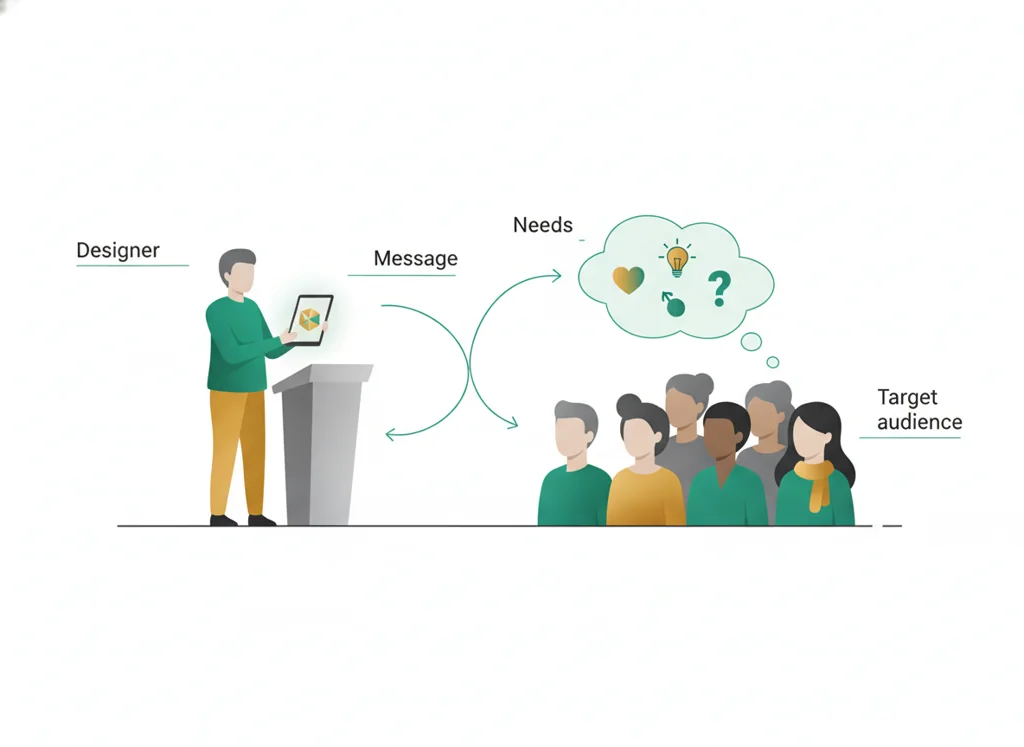
Classroom documents for this lesson are posted in Schoology. Open Clever, then Schoology, and find each one by the name shown on its card.
Open this when the class reaches this activity and use it to complete the required lesson artifact.
Open this when the class reaches this activity and use it to complete the required lesson artifact.
Use this after the required lesson work when you are ready for a harder application or a deeper connection.
Sign in to Clever with your district Microsoft account to open Schoology or myPLTW. Follow today's posted steps. If myPLTW will not open, use the posted alternative and tell Mr. Mendoza. Turn in your completed work through the Schoology assignment.