
The comic
What We Hope The Year Will Be Like
Biomedical Innovations · 83 panels · the same year, drawn
Or read the whole semester in one scroll
83 panels · about 44 screens · it starts below
Week 1
JANUARY 19 TO 26
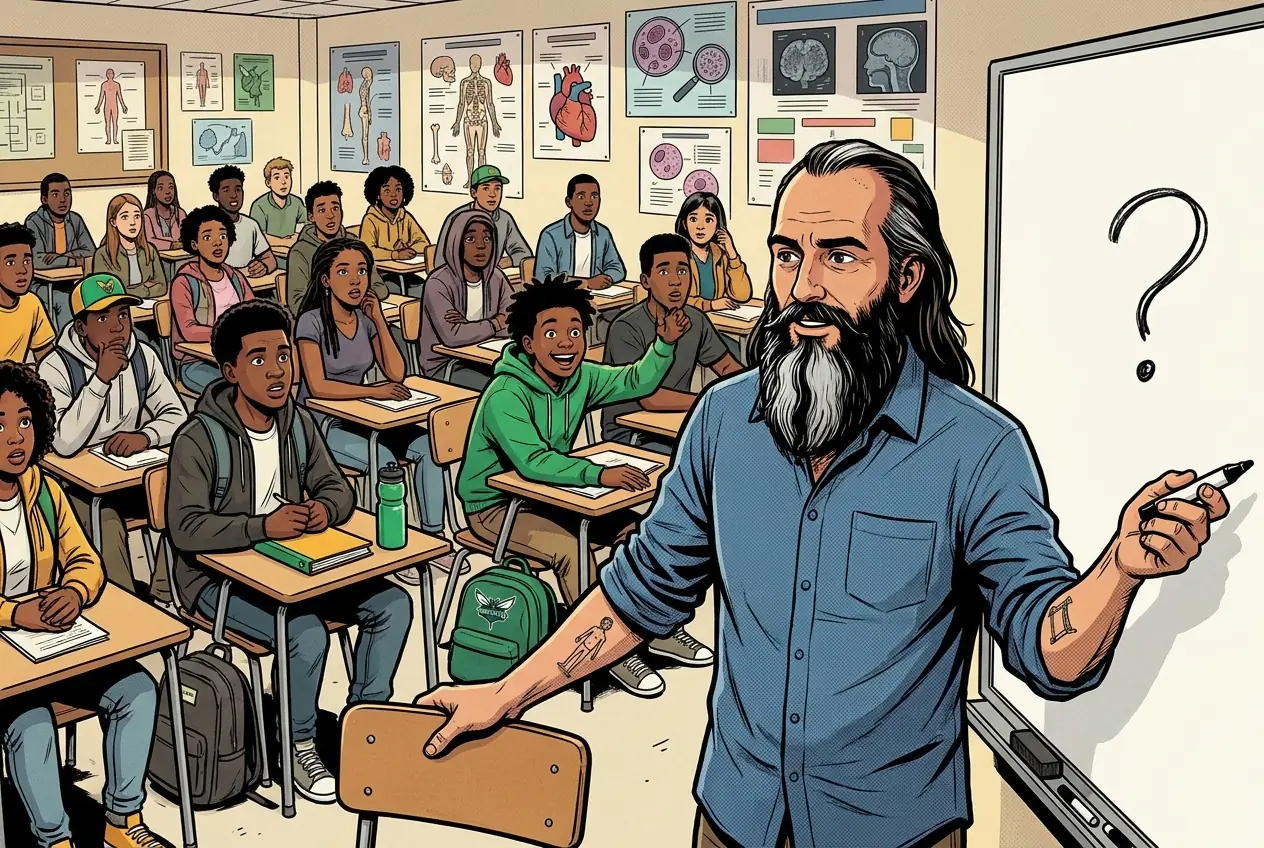
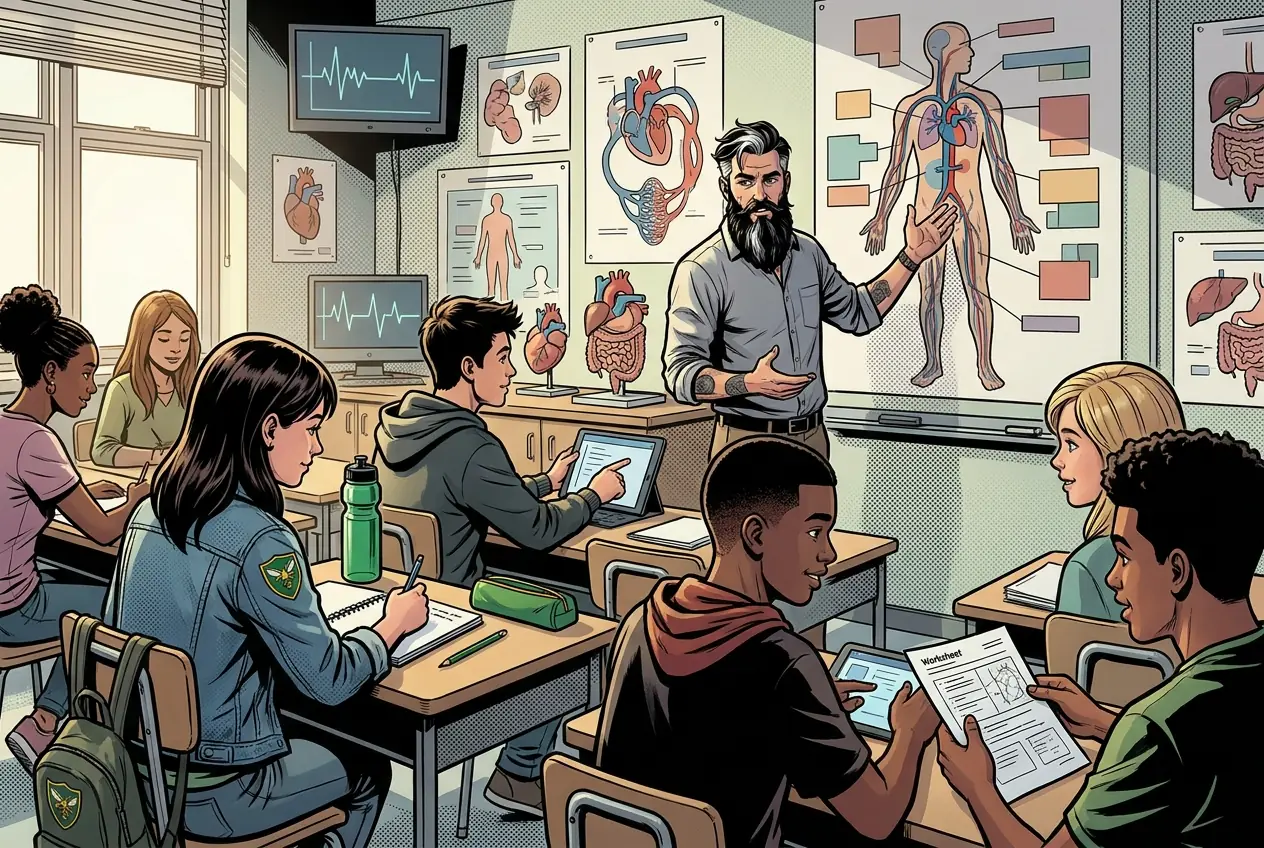
First day. No syllabus read out loud. He put a question on the board, let us list what we would need to know to answer it, then told us the list was the course. Eighteen weeks of open problems with no answer key, which he said out loud on day one.
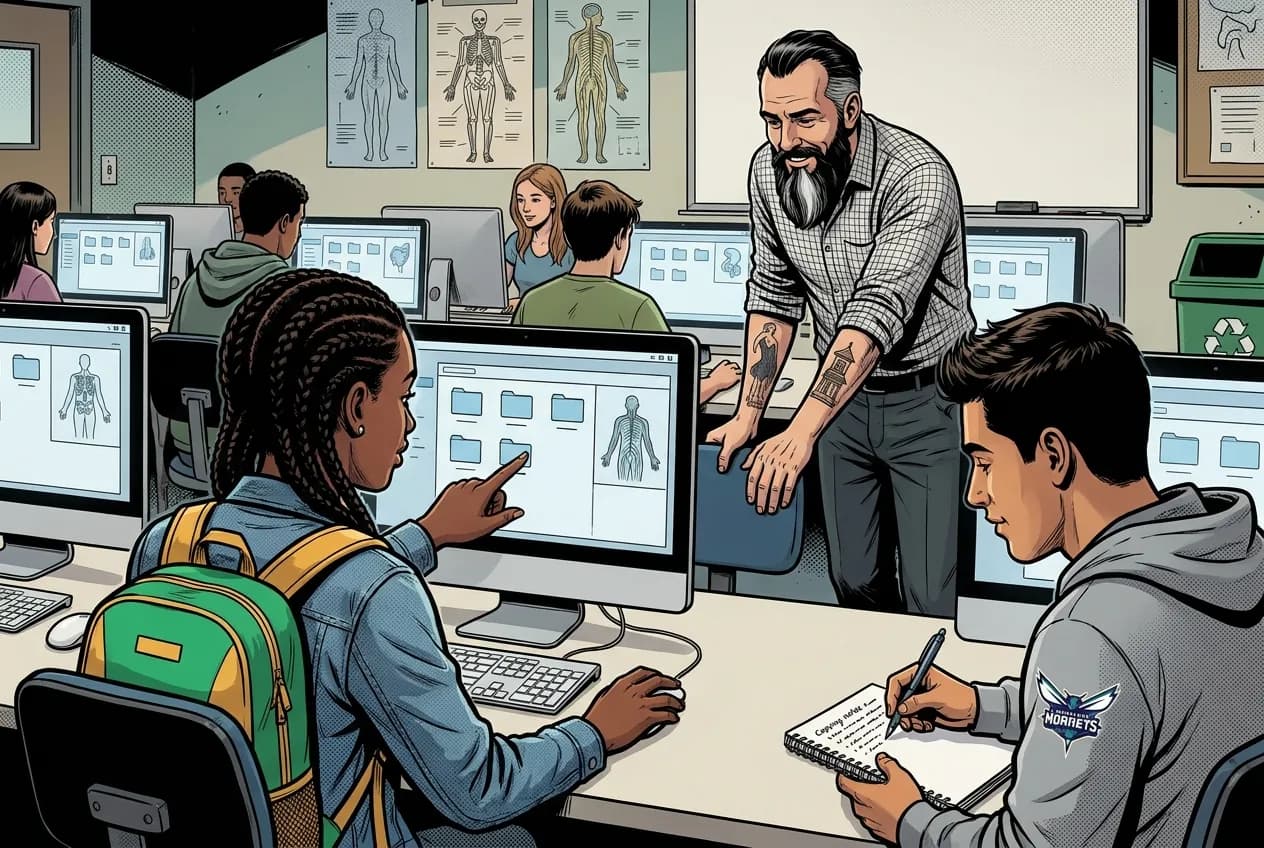
Website day. Where the lesson lives, where the glossary is, and which folder every kind of work goes to. The practice section is open from day two, which I did not expect.
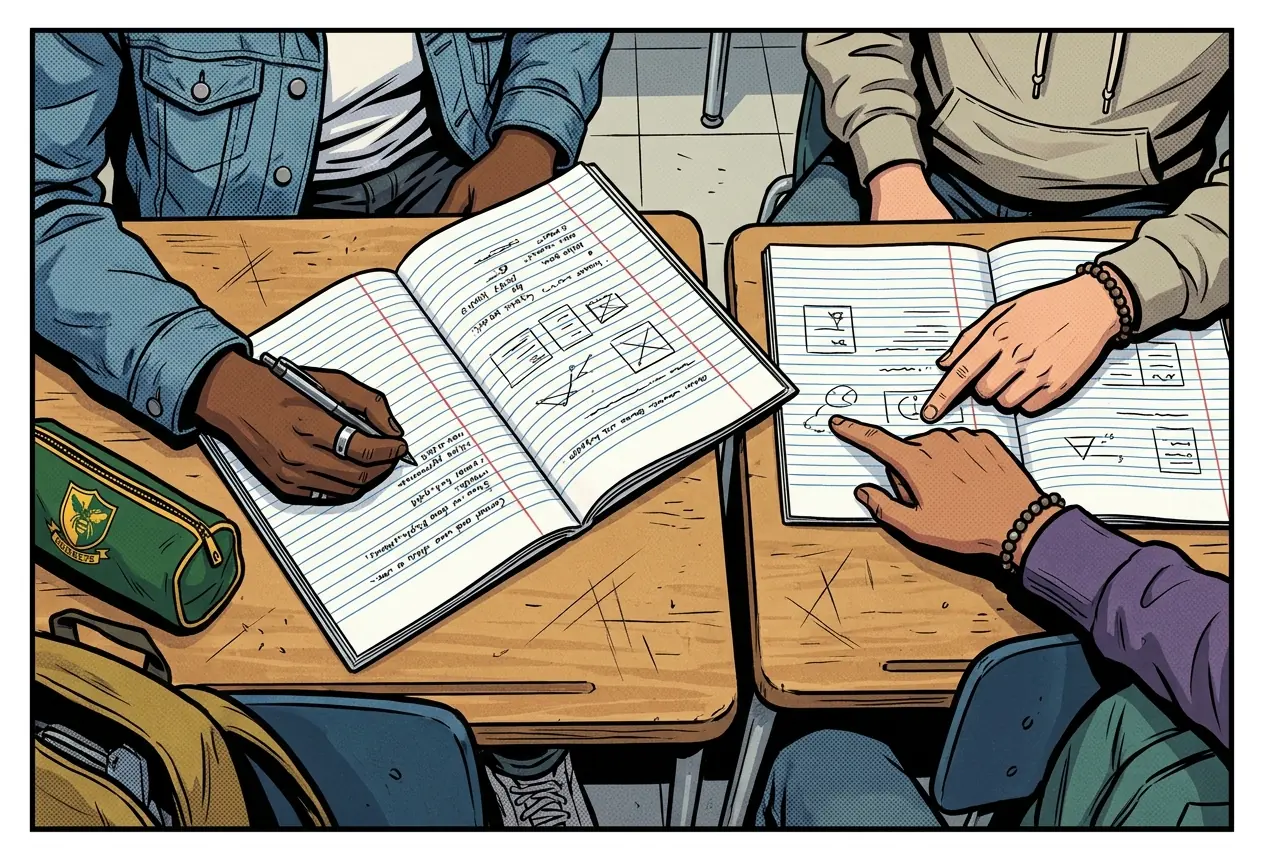
Record, Reduce, Review, Reflect, Recite, Revise. He made us Reduce notes we had just taken, and it showed how much I had written down and could not say back.
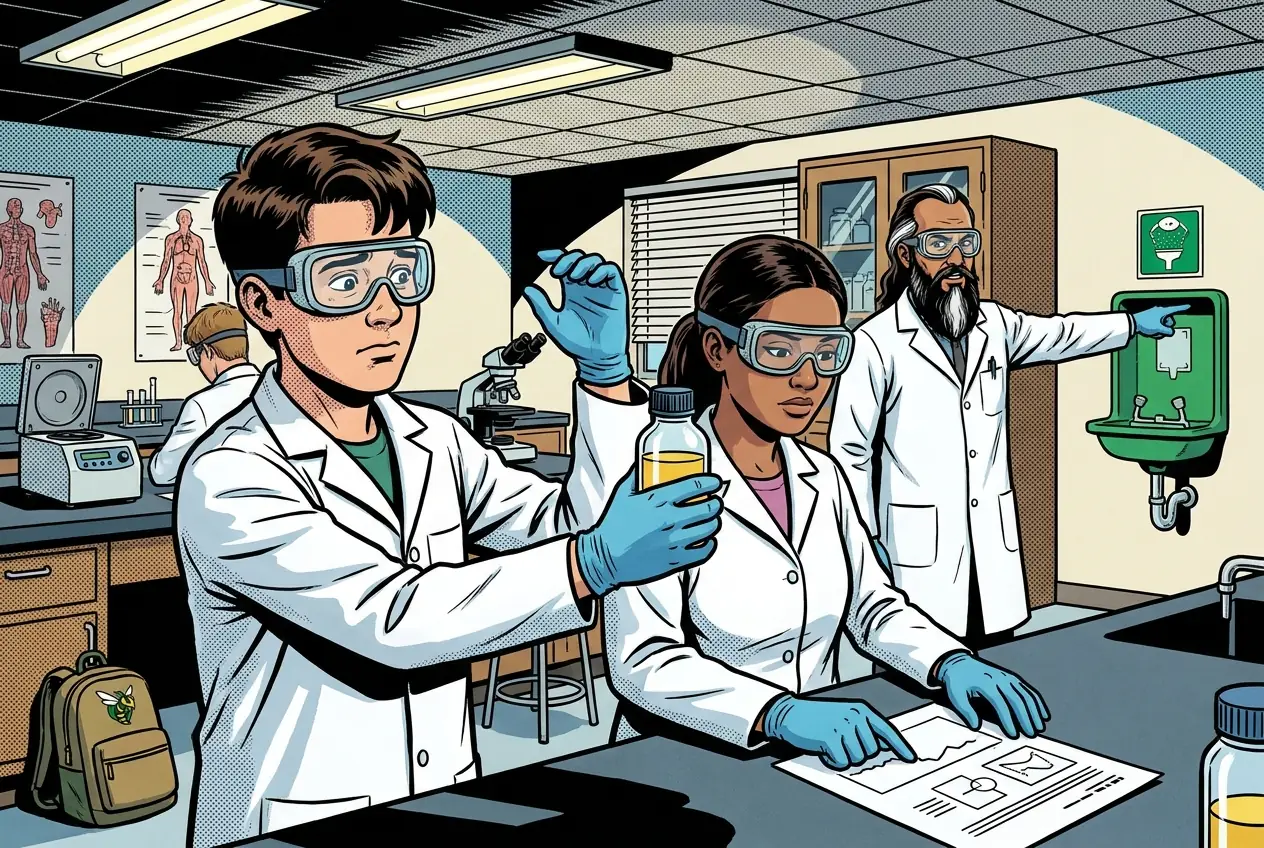
Safety, and not as a formality. Protective equipment, then finding the hazard and first aid sections on a real chemical before anyone touched anything.
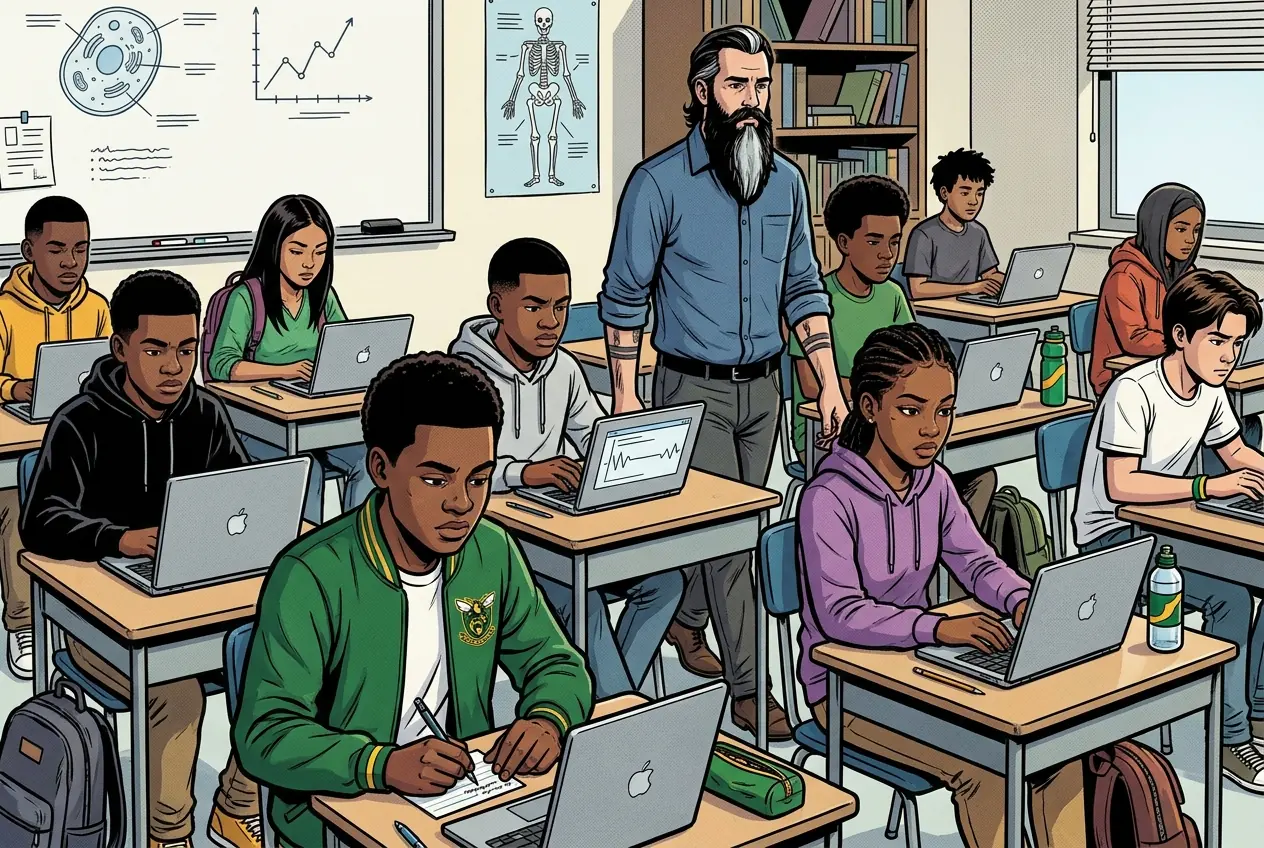
The WebXam pretest in week one, cold. Mine was low. Everyone's was. Then we each wrote one habit down, and mine is fifteen minutes a night.
Week 2
JANUARY 27 TO FEBRUARY 2
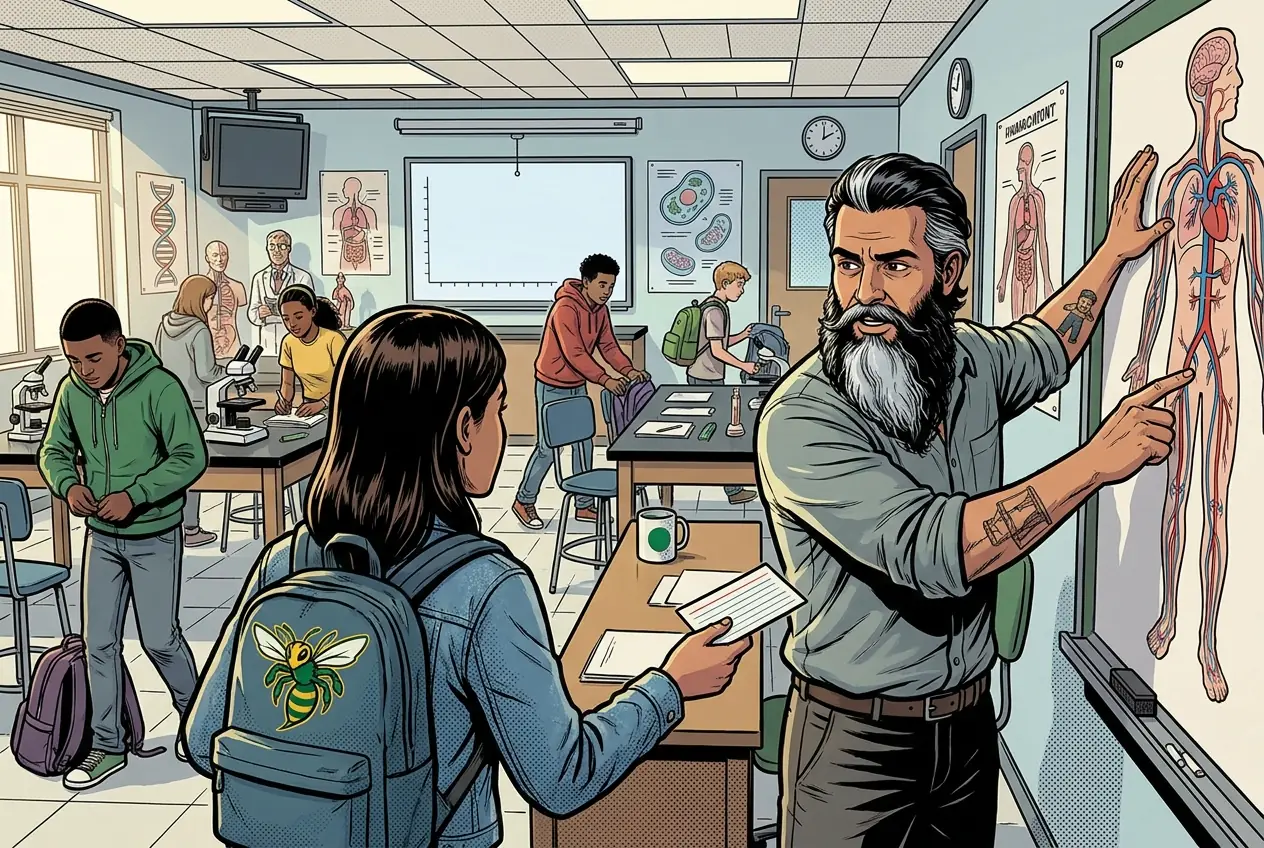
He opened by saying this course has no answer key, which got a laugh and turned out to be literal. In the other three classes the lab has a right result.
MR. MENDOZA
This course has no answer key. You define the problem and the only test is whether the thing works.
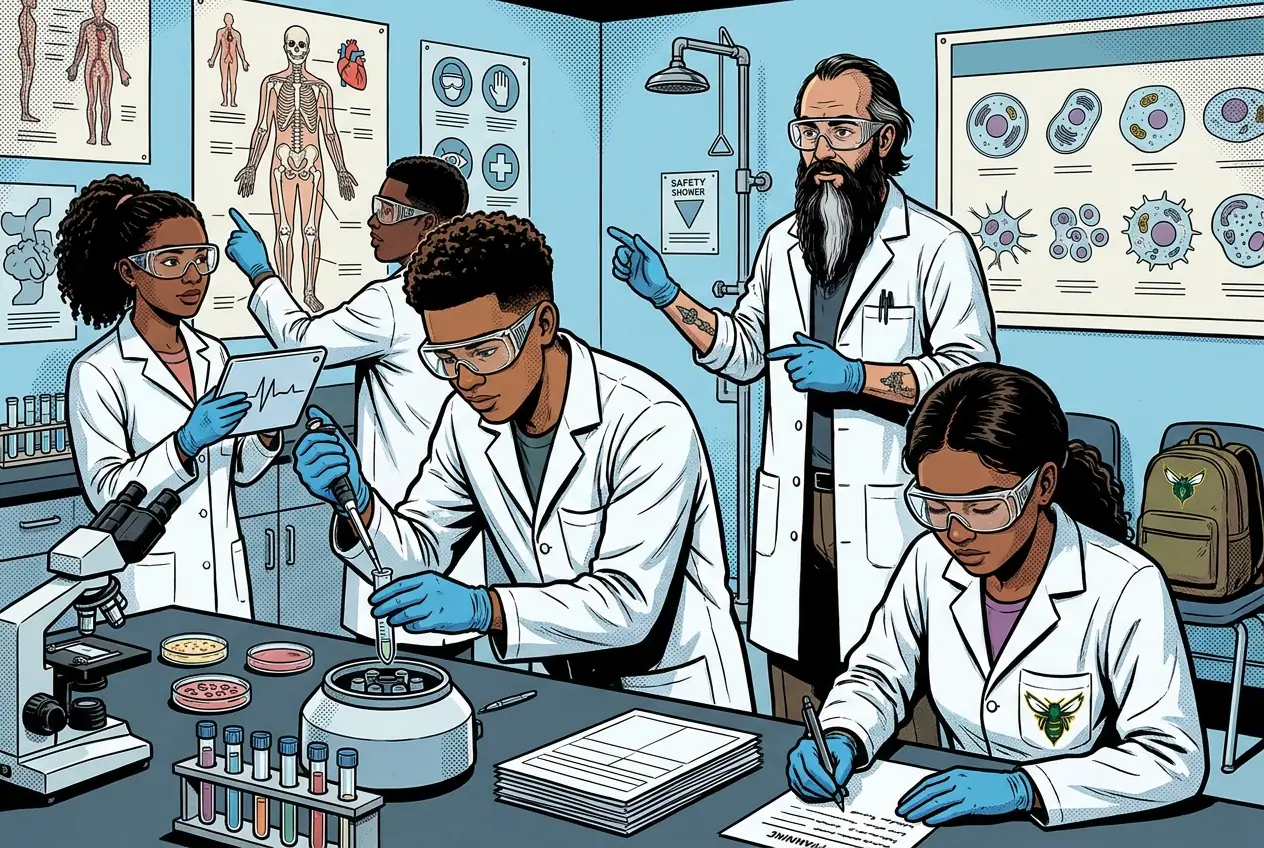
Safety again, because we will be in the lab and also using tools. PPE, the Safety Data Sheet, hazard and first aid sections.
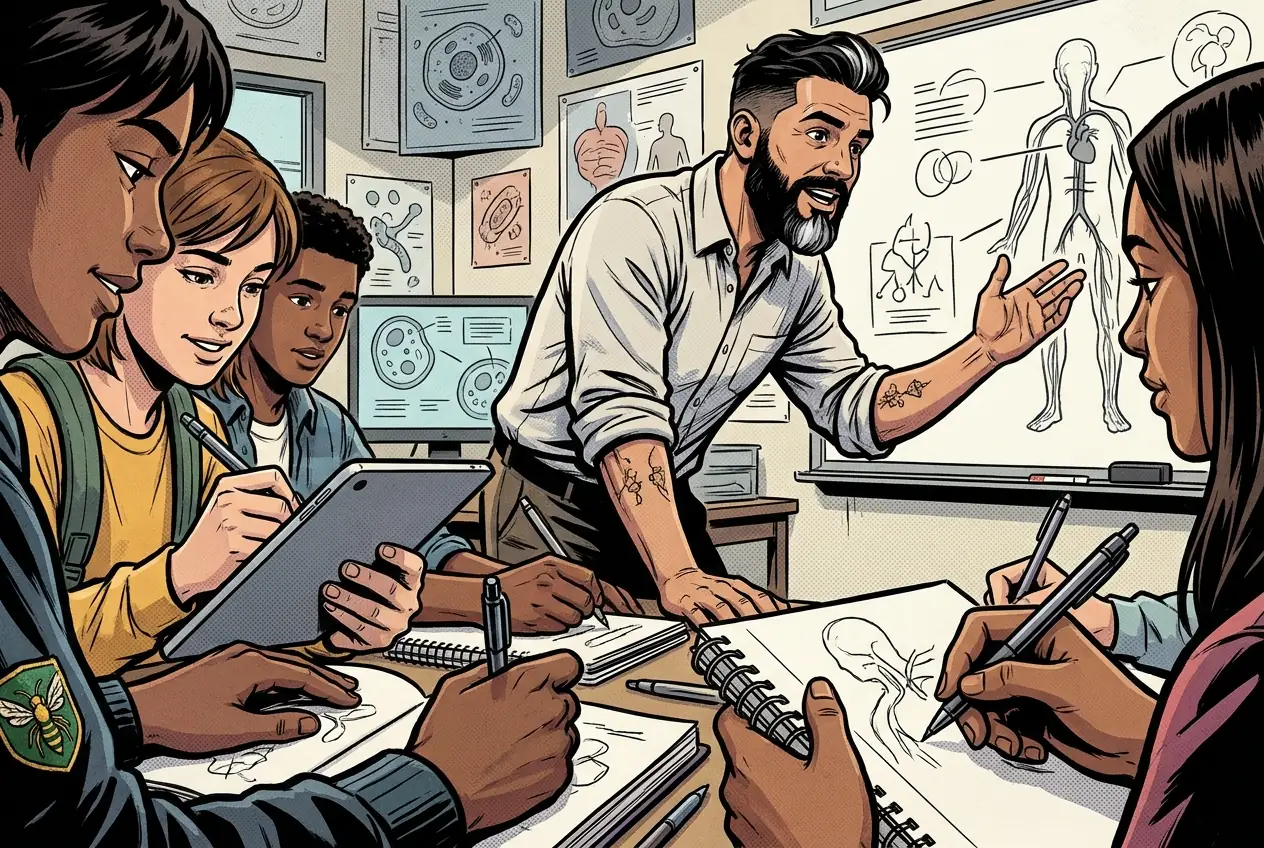
A design notebook is different from a lab notebook. It keeps the dead ends.
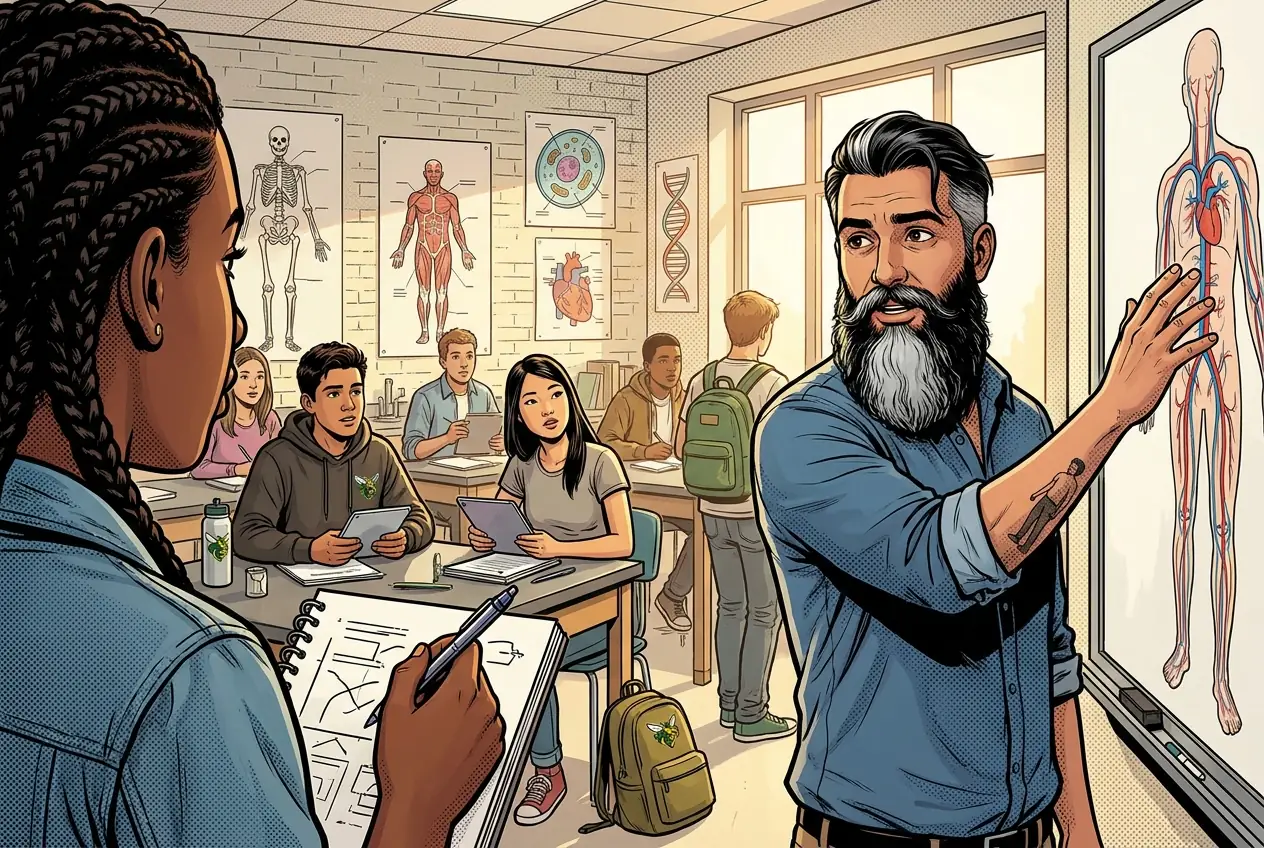
First real entry. We had to observe something in the world and write down a problem we noticed, without proposing a solution yet.
ME
I wrote three problems and all three were solutions wearing a problem costume.
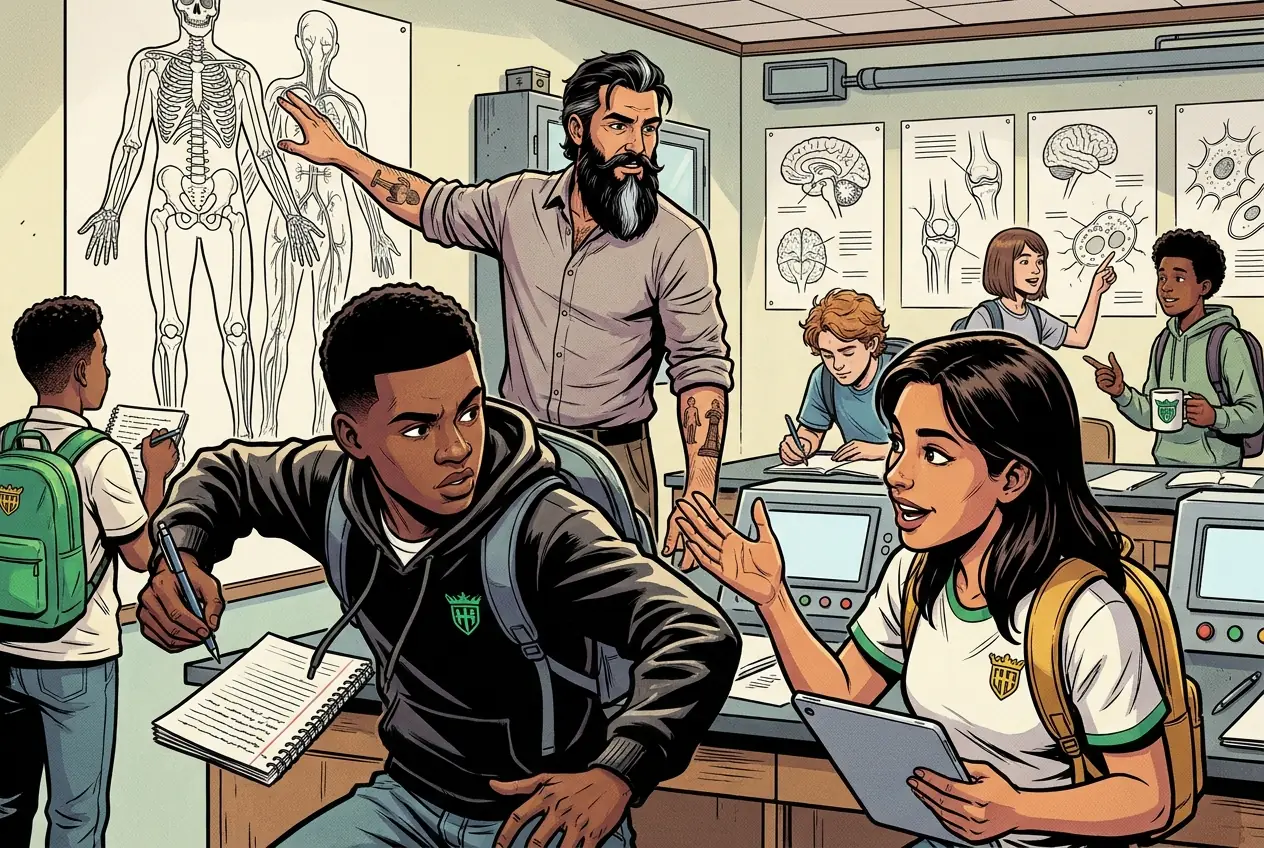
Notebook, safety, first entry.
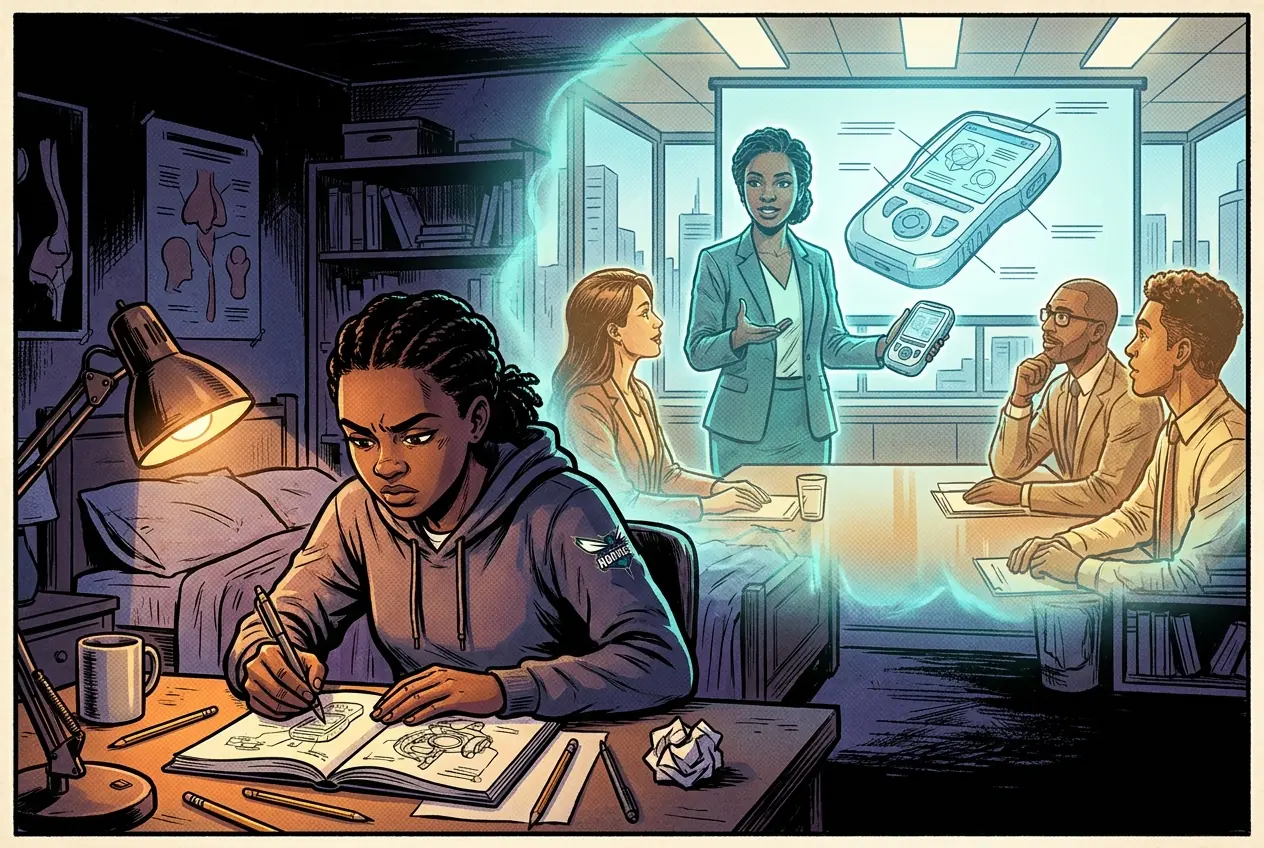
I want to build things that go in hospitals. Not be the doctor, be the person who designed the thing the doctor is using and made it not terrible.
Week 3
FEBRUARY 3 TO 9
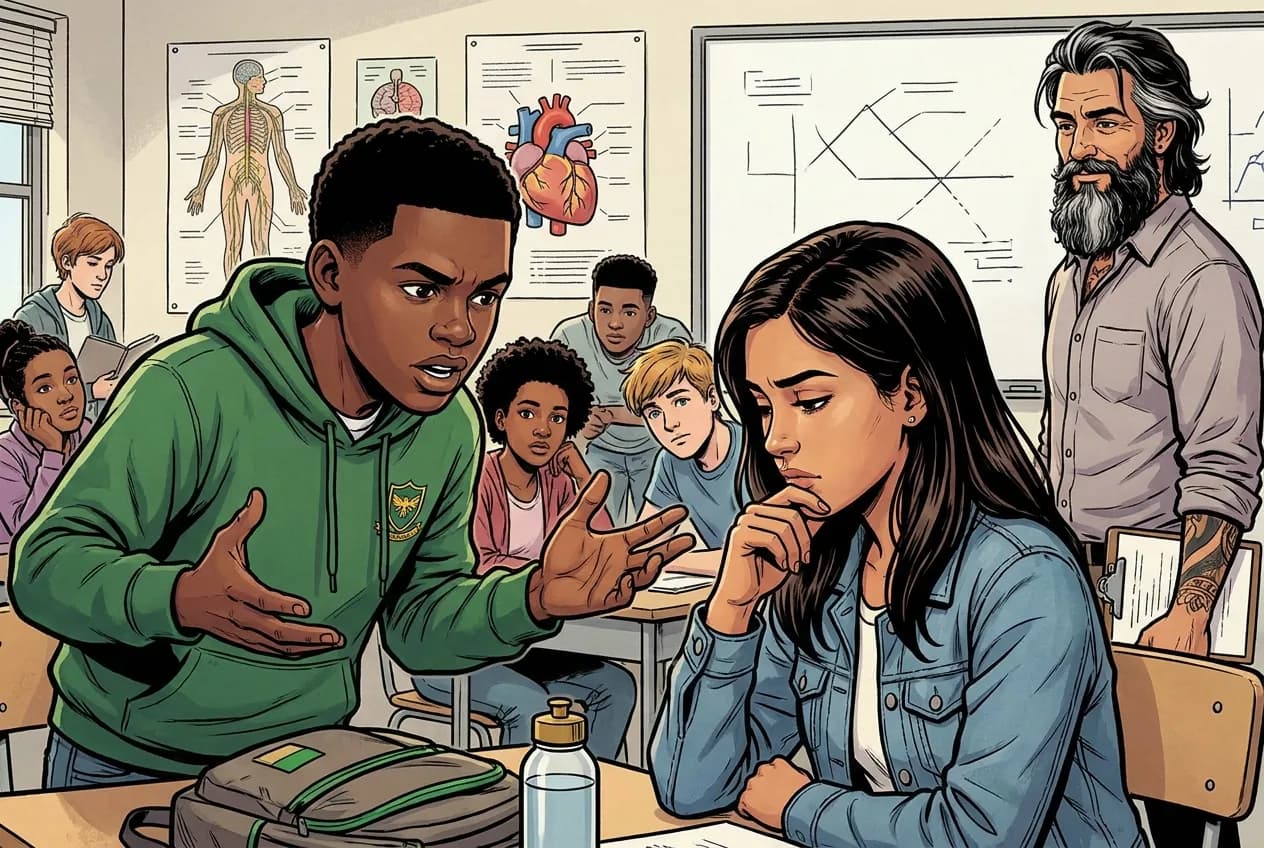
Should an emergency room be designed for average speed or for the sickest patient? Optimizing throughput means the median person waits less and the rare complicated one waits much longer.
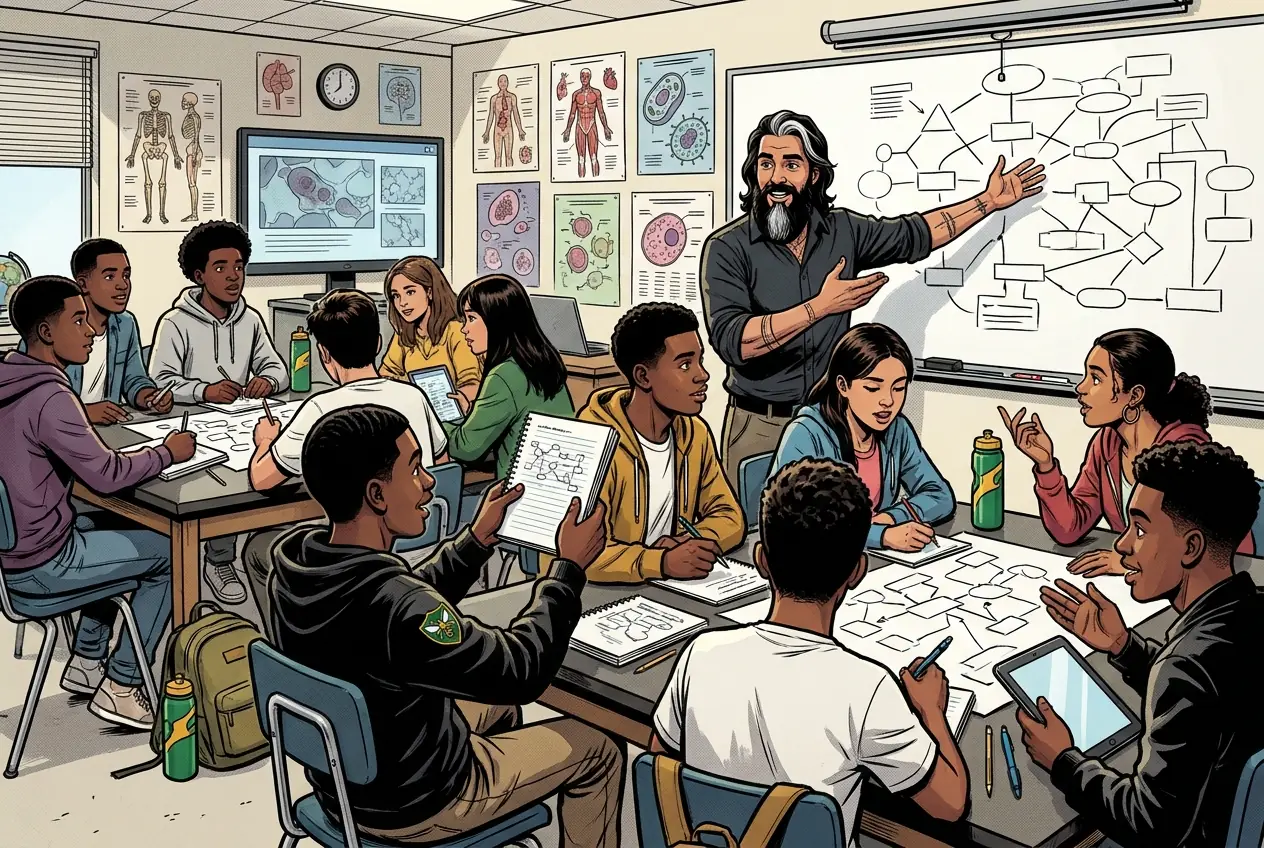
Everyone affected by the ER, not just patients. Nurses, triage, registration, cleaning staff, families in the waiting room, the ambulance crew who cannot leave until they hand off.
TEAMMATE
Nobody thought about the ambulance crew. They cannot leave until they hand off.
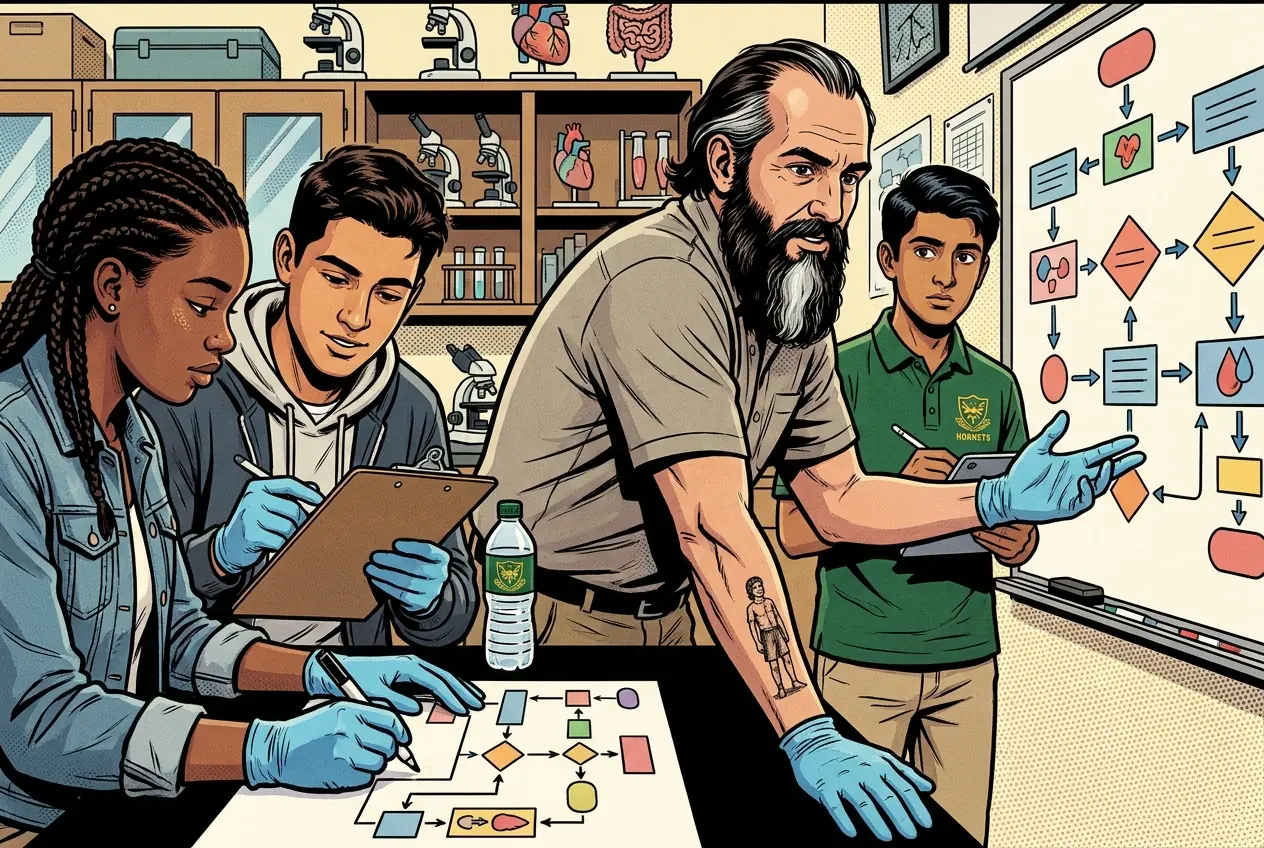
Mapping the actual path a patient takes, step by step, with the waits marked. The waits are where the design problem lives.
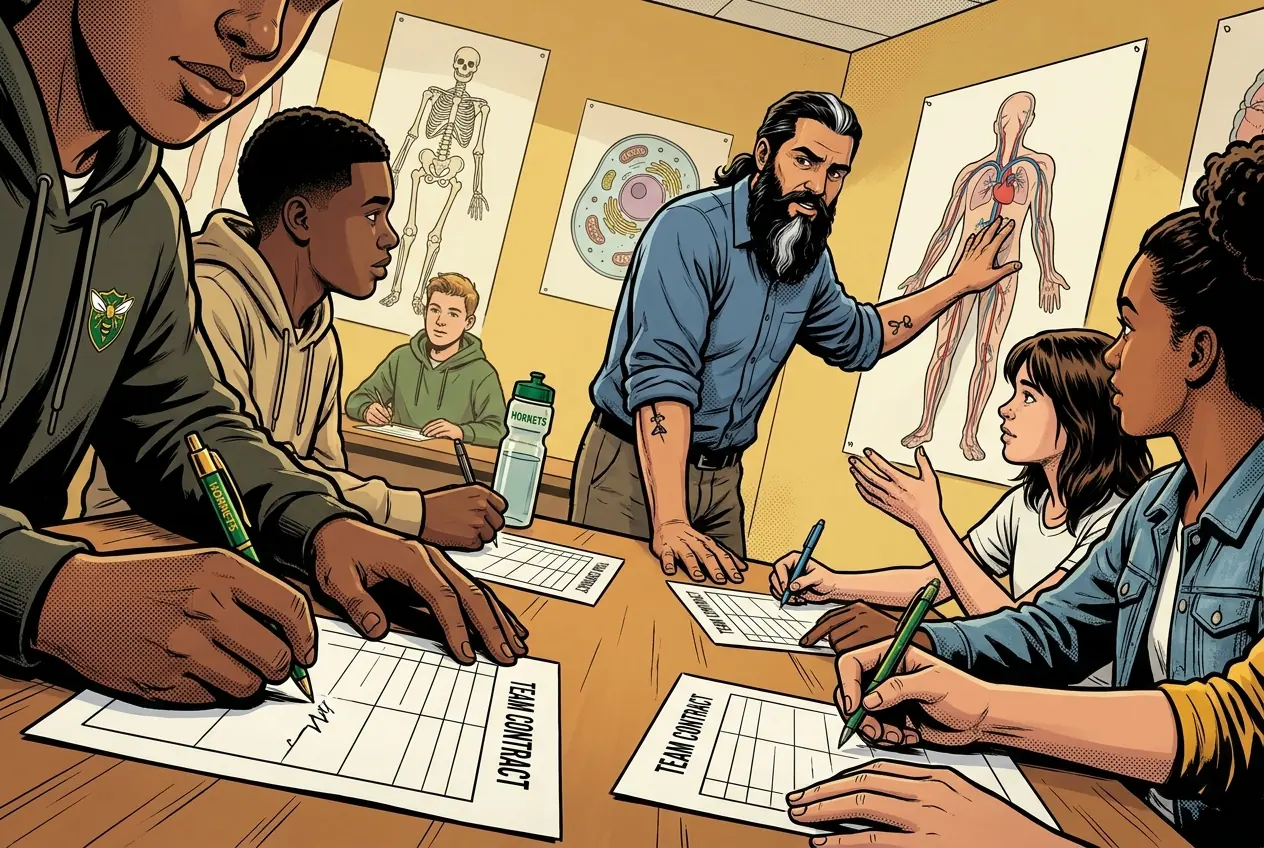
We wrote and signed an actual team contract: who does what, how we decide when we disagree, and what happens if somebody does not deliver.
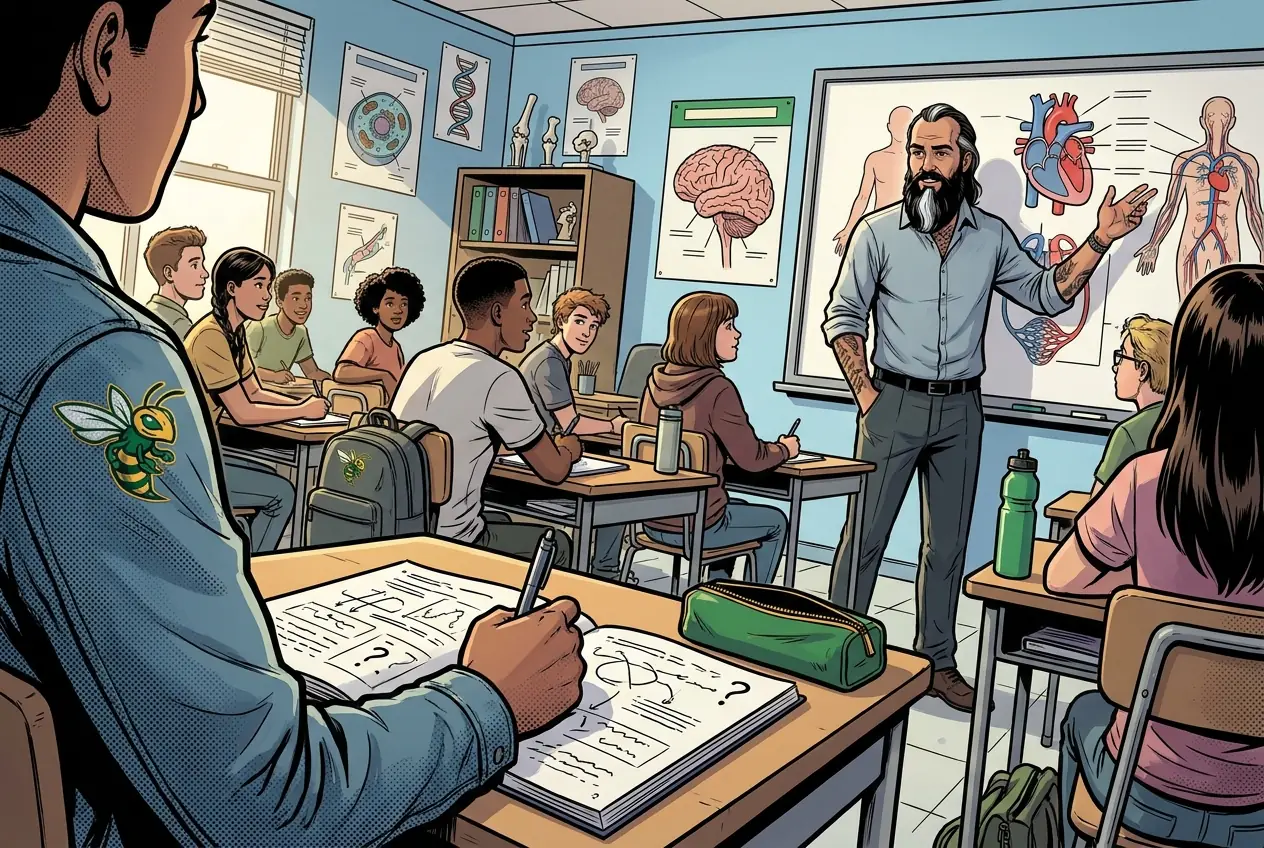
A brief naming one specific inefficiency with evidence from our flow map. Not the ER is slow. This step, this wait, this many minutes.
Week 4
FEBRUARY 10 TO 16

Turning our inefficiency into a researchable question. Ours started as why is the ER slow and ended as how does information handoff at triage affect time to first assessment, which is a question you can actually go.
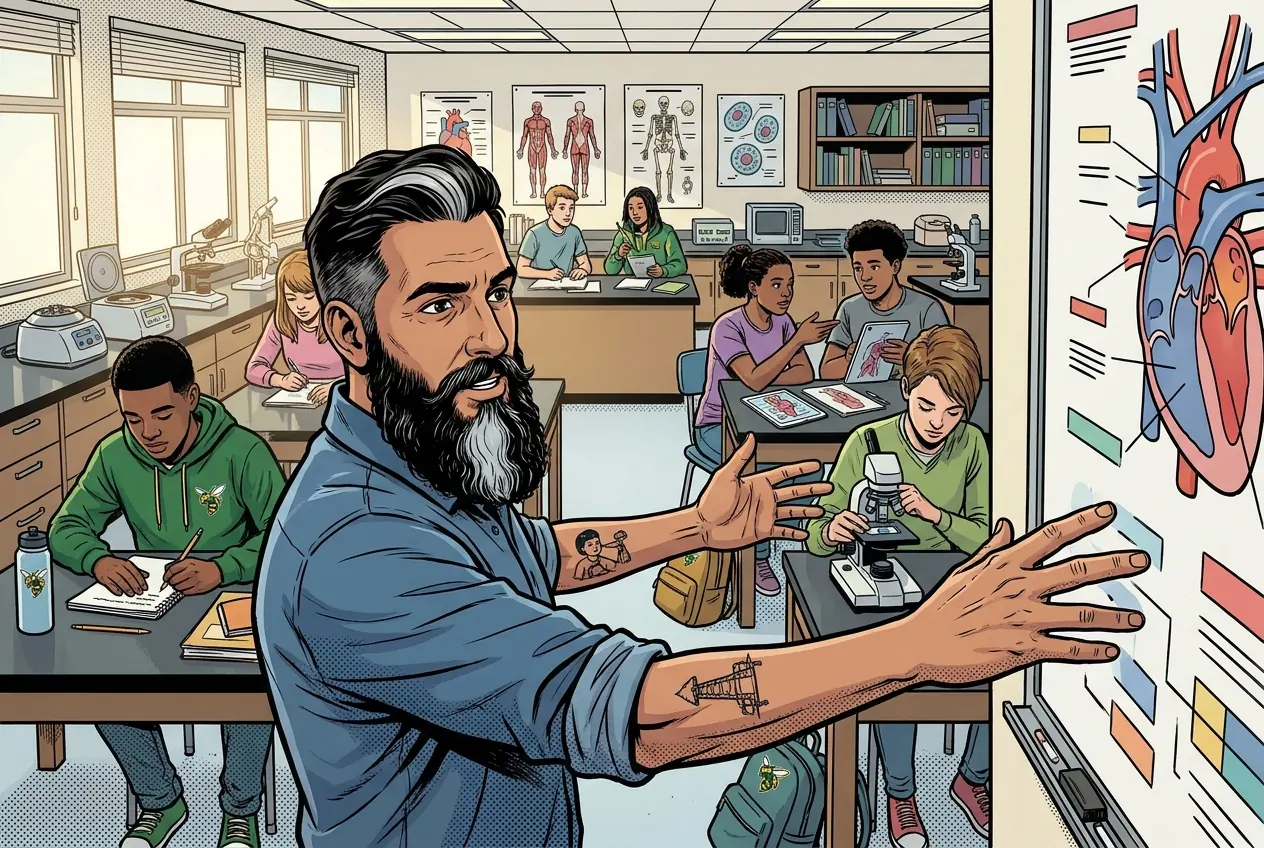
Criteria for a credible source, applied to five things we found. Two of ours failed, including one that looked completely professional and turned out to be a company selling the solution it recommended.
ME
It looked completely professional. It was a company selling the solution it recommended.
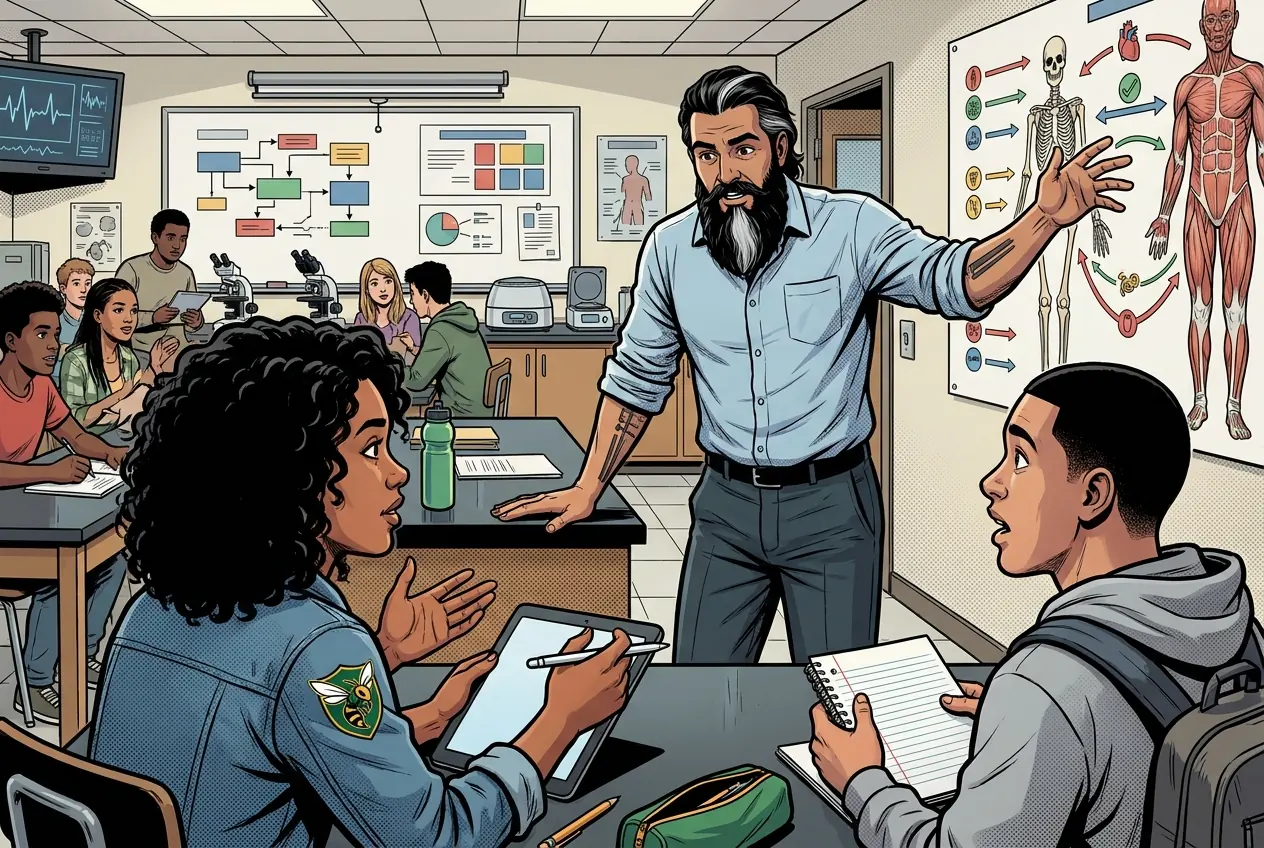
Annotating properly: what the source claims, what evidence it gives, and what it does not cover. Then citing so somebody else can find it.
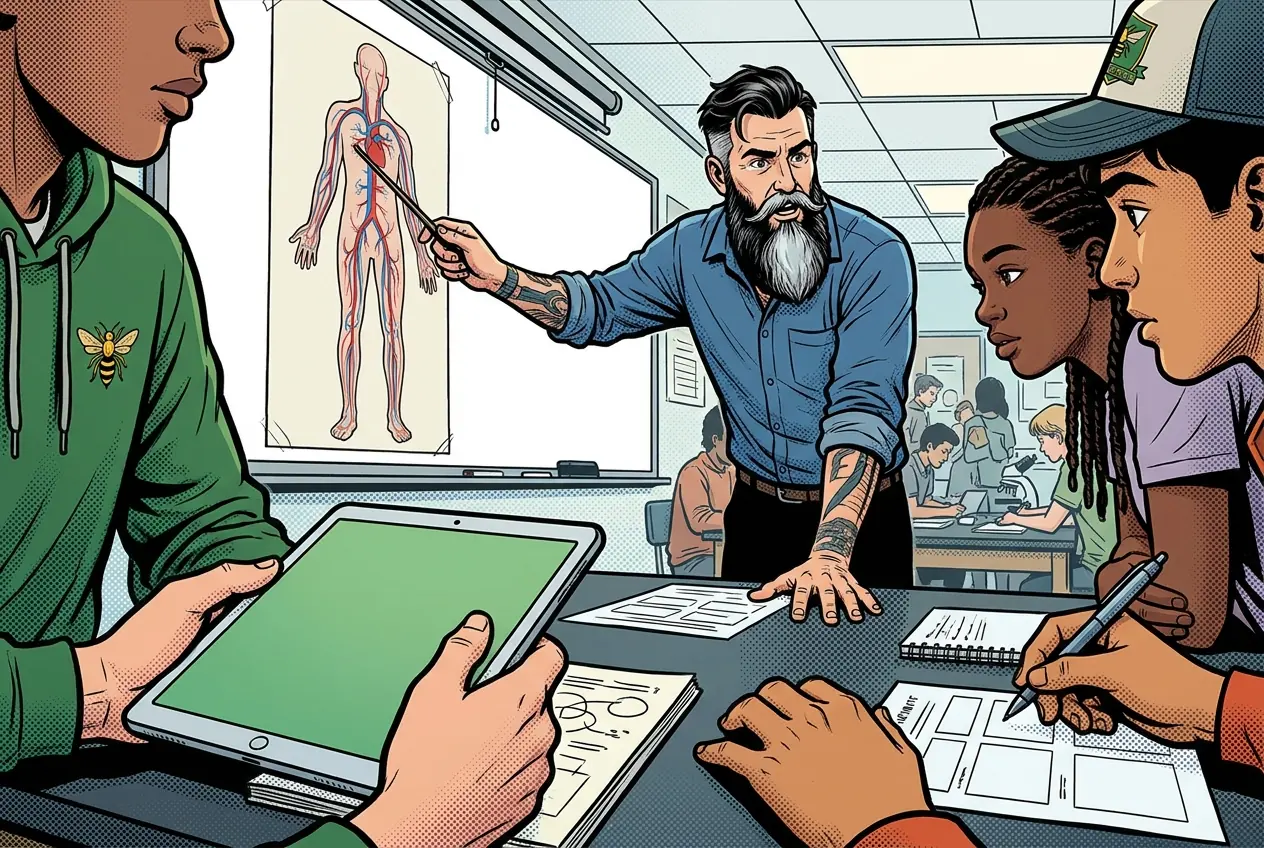
Annotated sources with citations and a summary of what we still do not know.
Week 5
FEBRUARY 17 TO 22
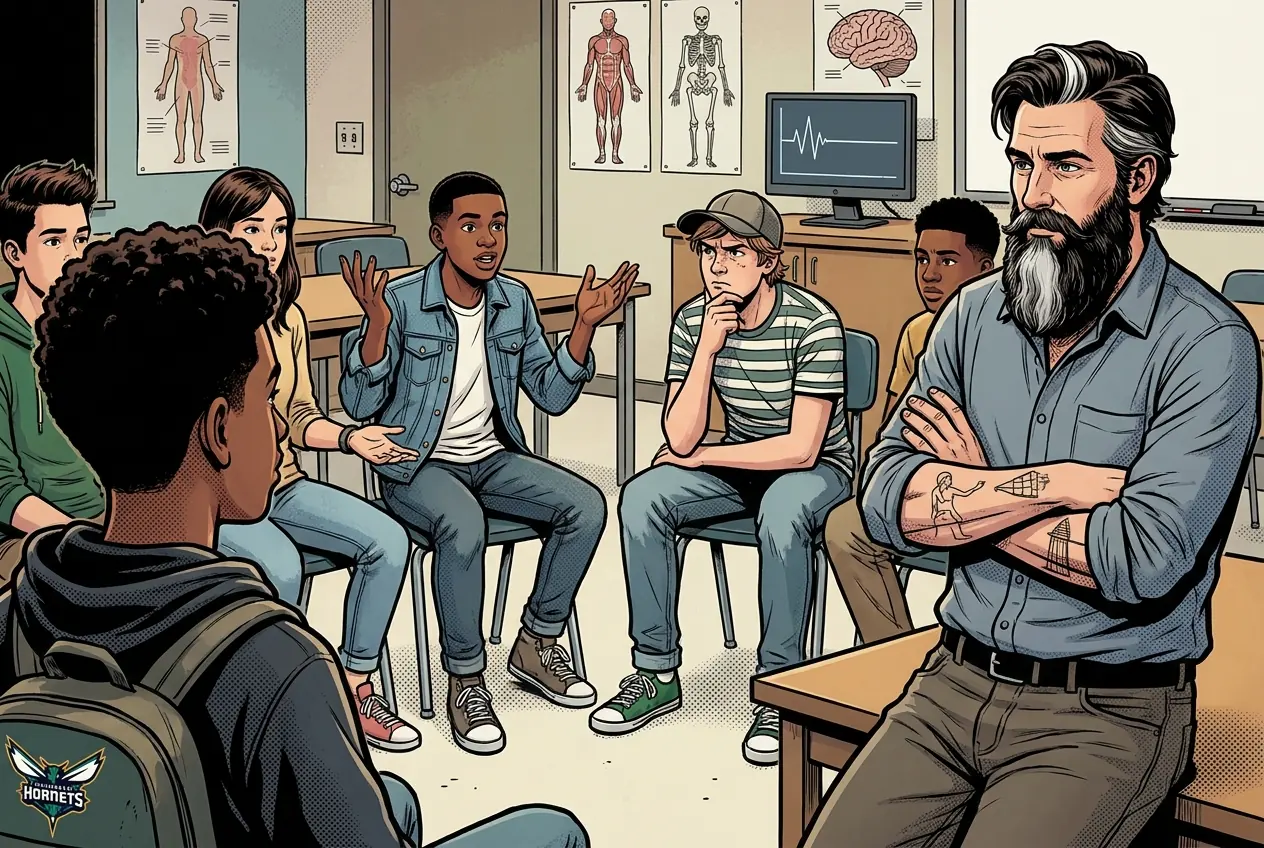
Whether a design that helps most patients but disadvantages a specific group is acceptable if the overall numbers improve.
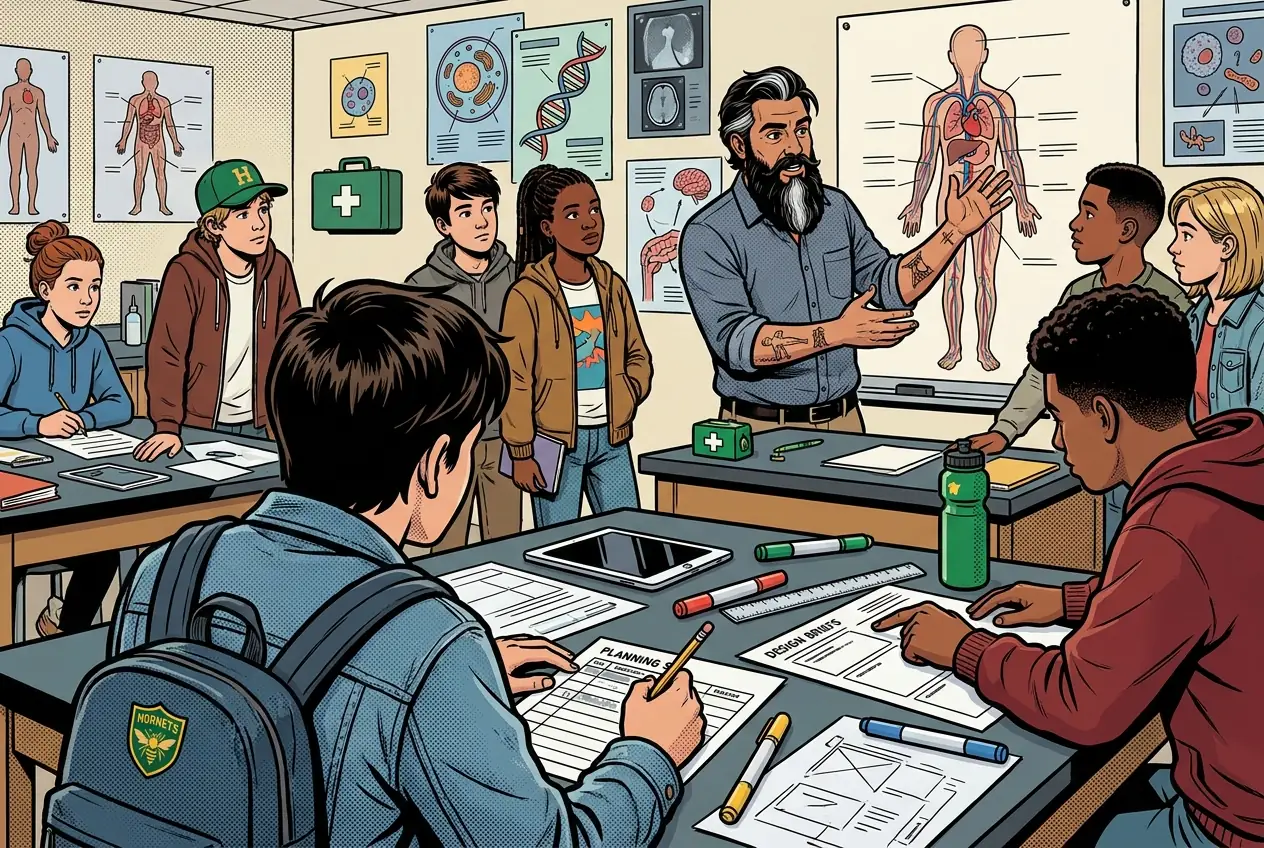
The brief: problem, users, criteria, constraints. Constraints are the ones people skip and they are what make a design real. Budget, space, staffing, and the fact that you cannot rebuild a hospital.
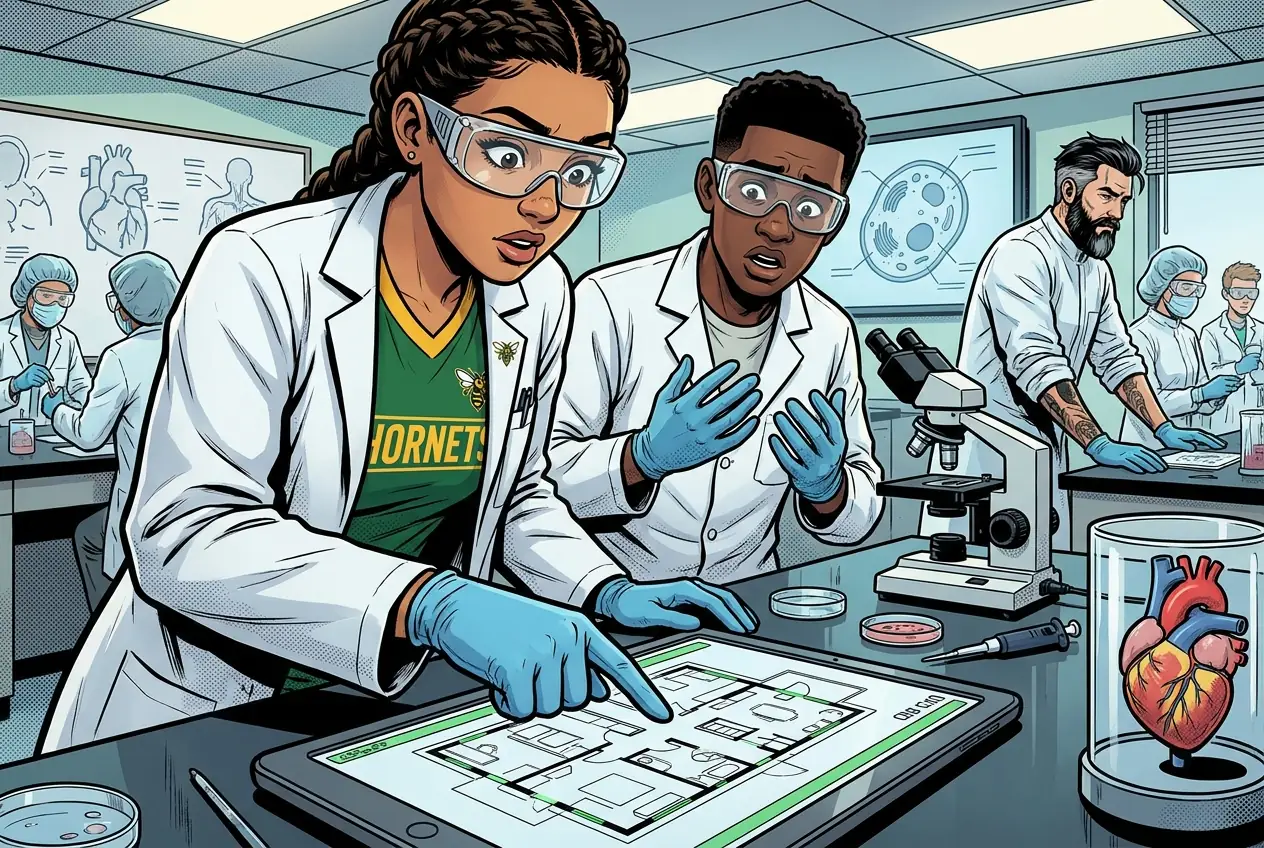
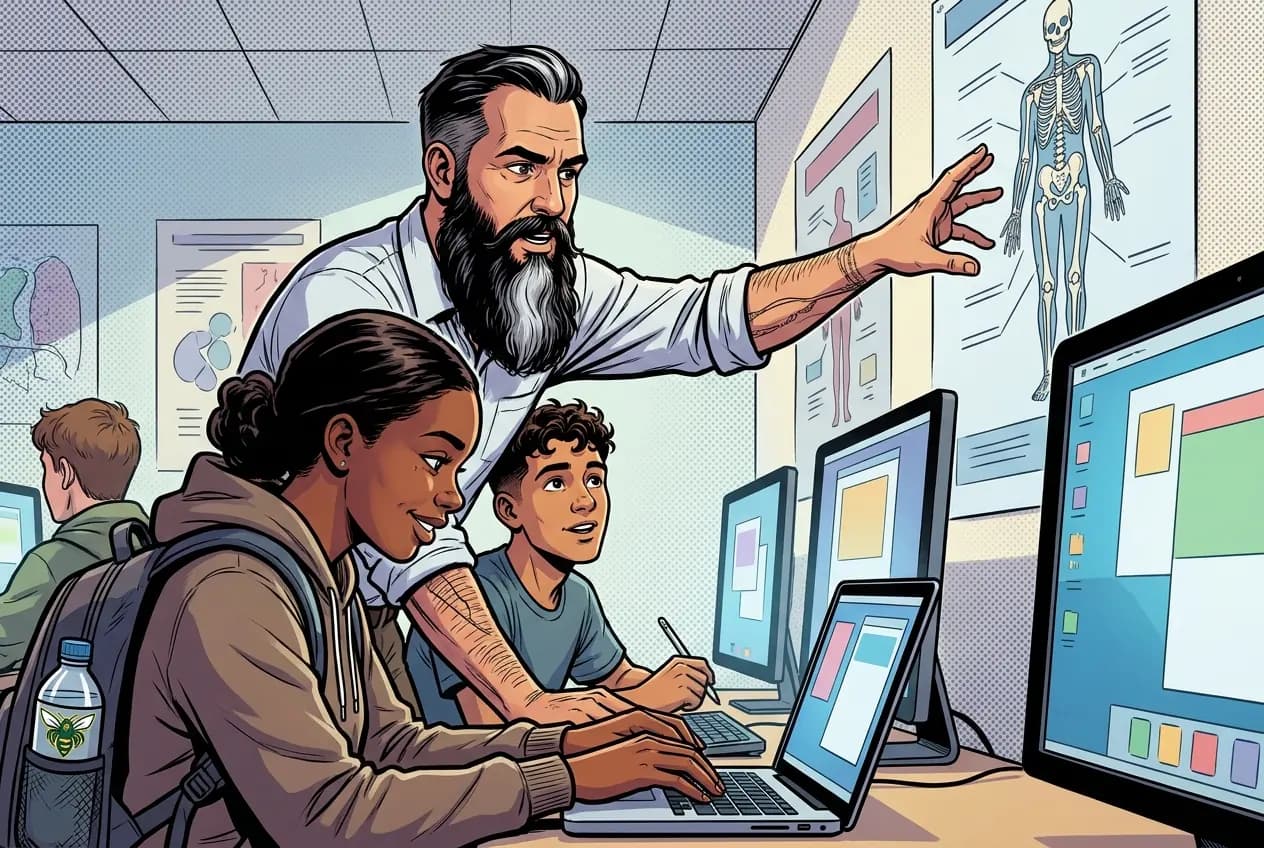
First time in CAD. Drawing a floor plan to scale, which immediately kills ideas that worked fine as sketches. Our redesigned triage area did not physically fit.
ME
It does not fit. Scale is a brutal critic and you cannot argue with a wall.

The new patient flow through our redesign, next to the old one, so the improvement is visible rather than claimed.
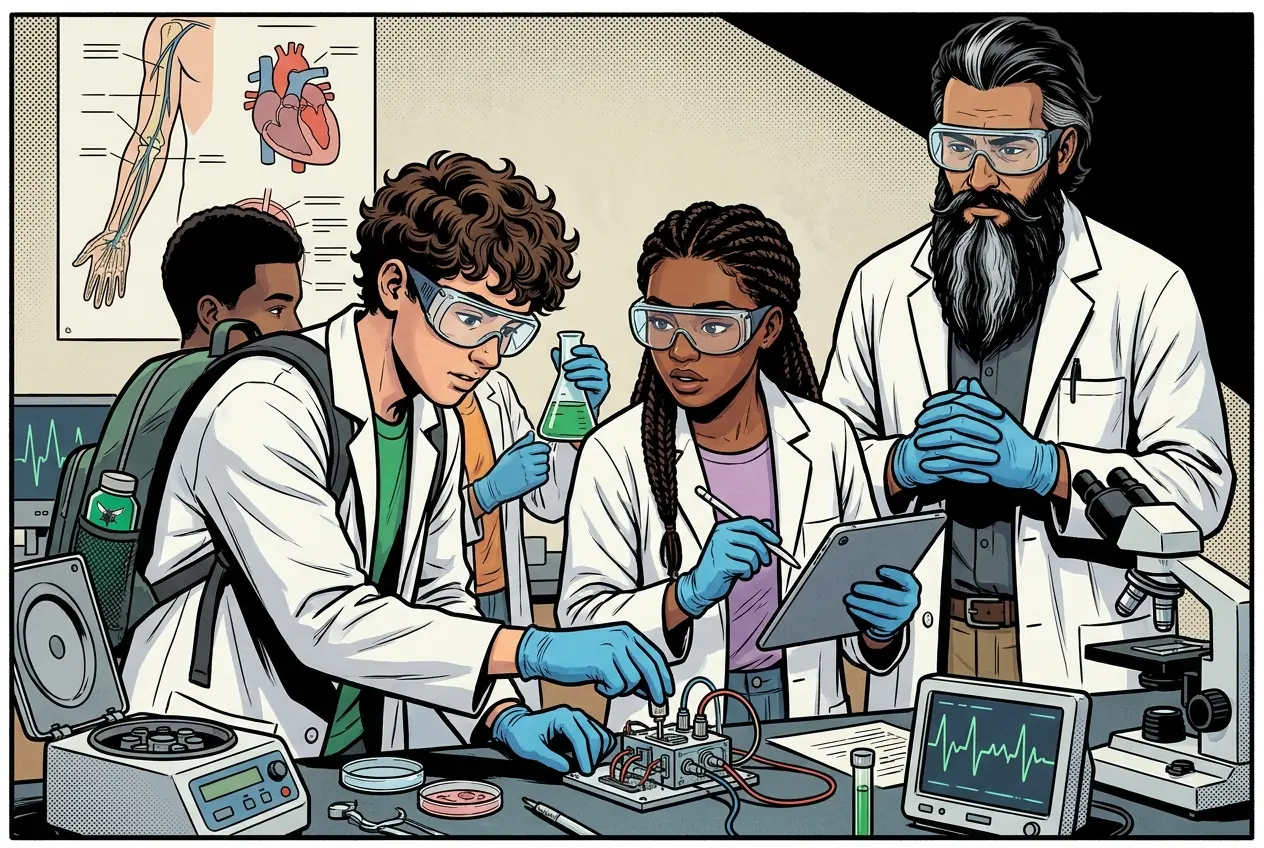
Documenting every change and why. The log is the deliverable, not just the final plan, because the reasoning is what gets assessed.
Week 6
FEBRUARY 24 TO MARCH 2
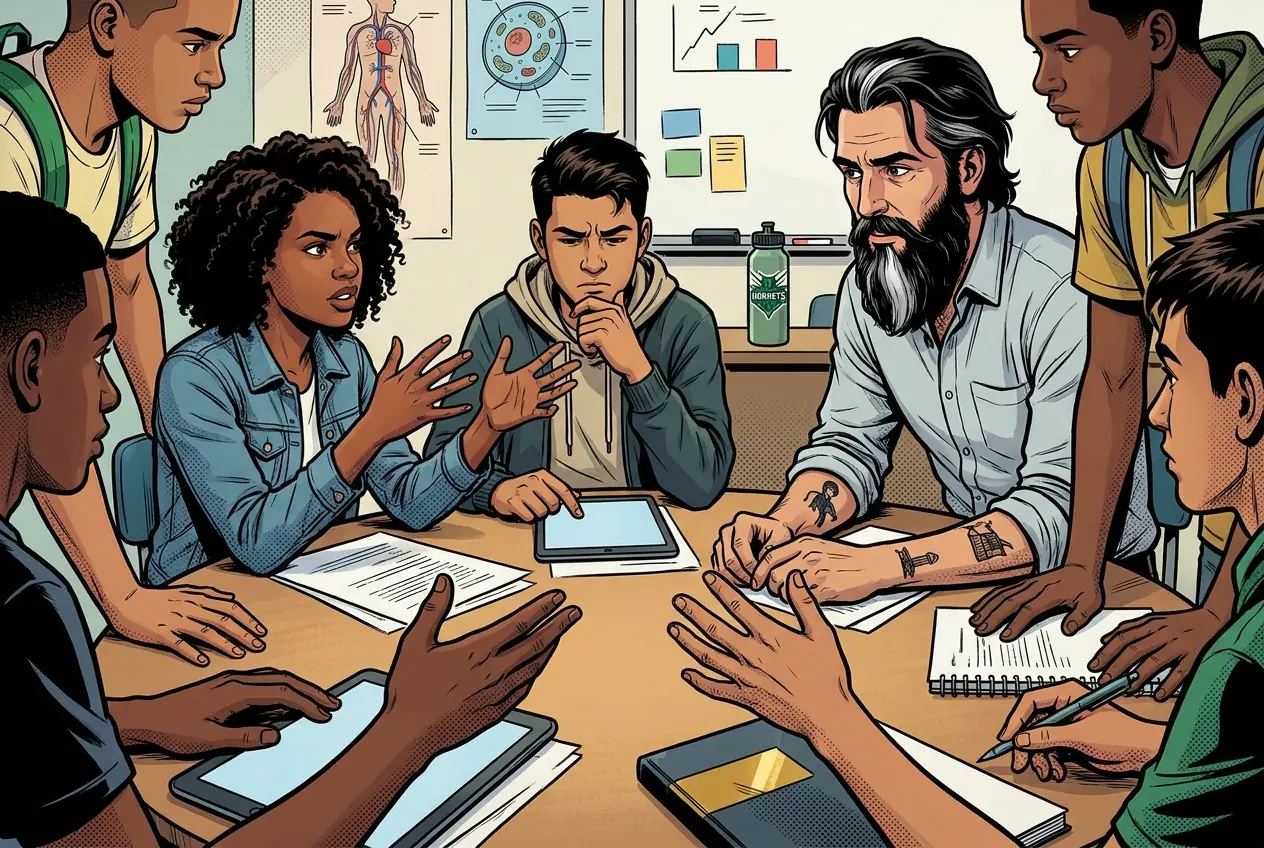
How much testing before a new device reaches patients. Speed against safety, and the people harmed by delay are invisible in a way the people harmed by a bad device are not.
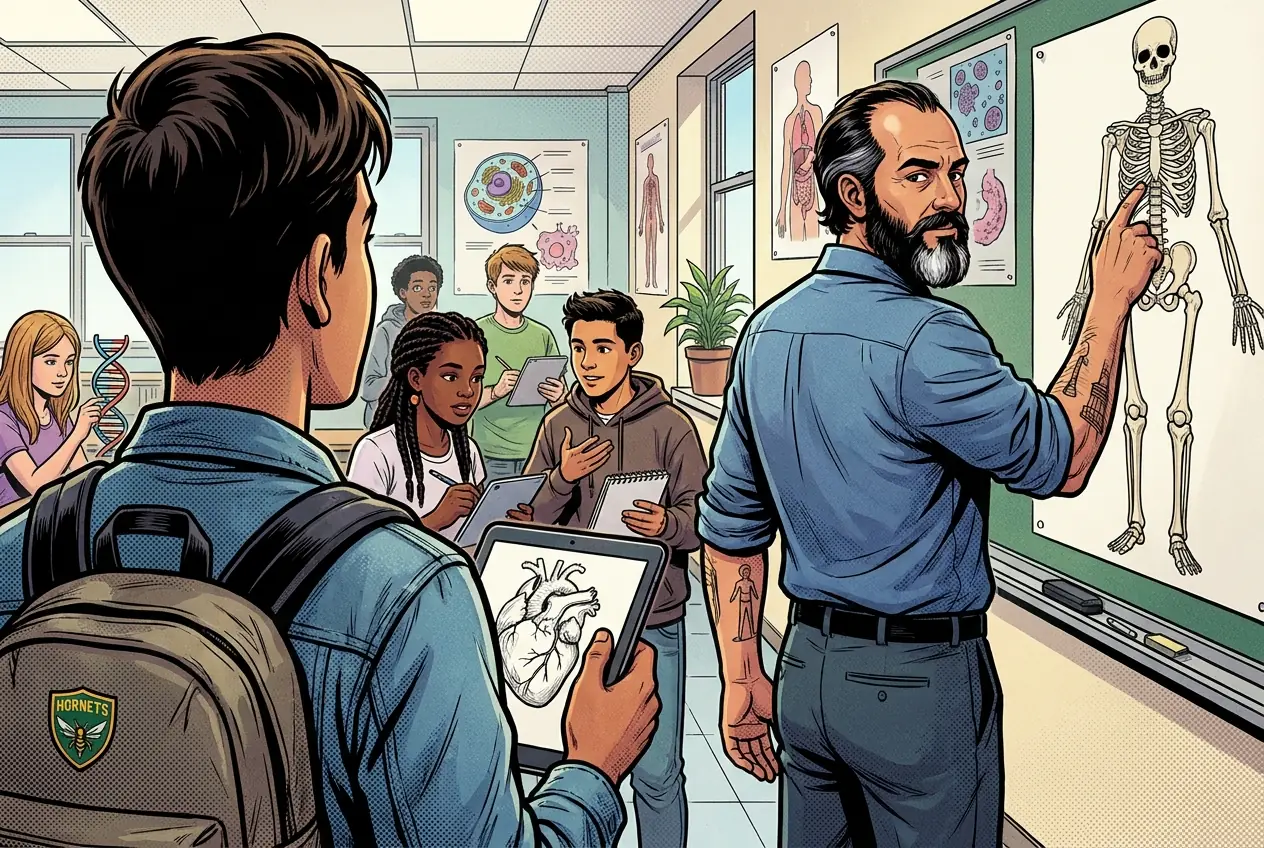
Preparing to defend the design. He told us the audience is not there to be impressed, they are there to find the weak point, and our job is to have already found it.
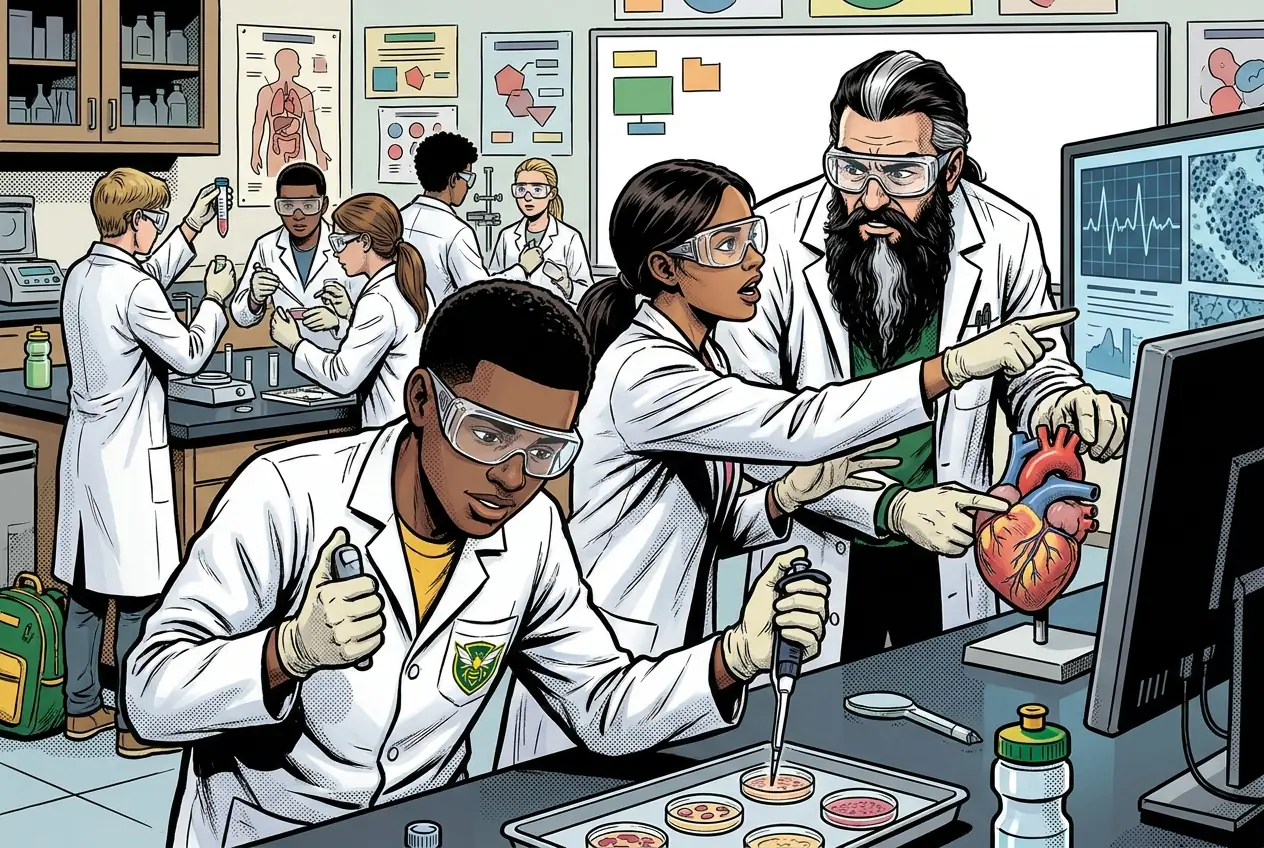
We presented. The question that got us was whether our redesign made the ambulance handoff worse, and it does, slightly. We had not measured it because it was not our focus.
AUDIENCE
Does your redesign make the ambulance handoff worse?
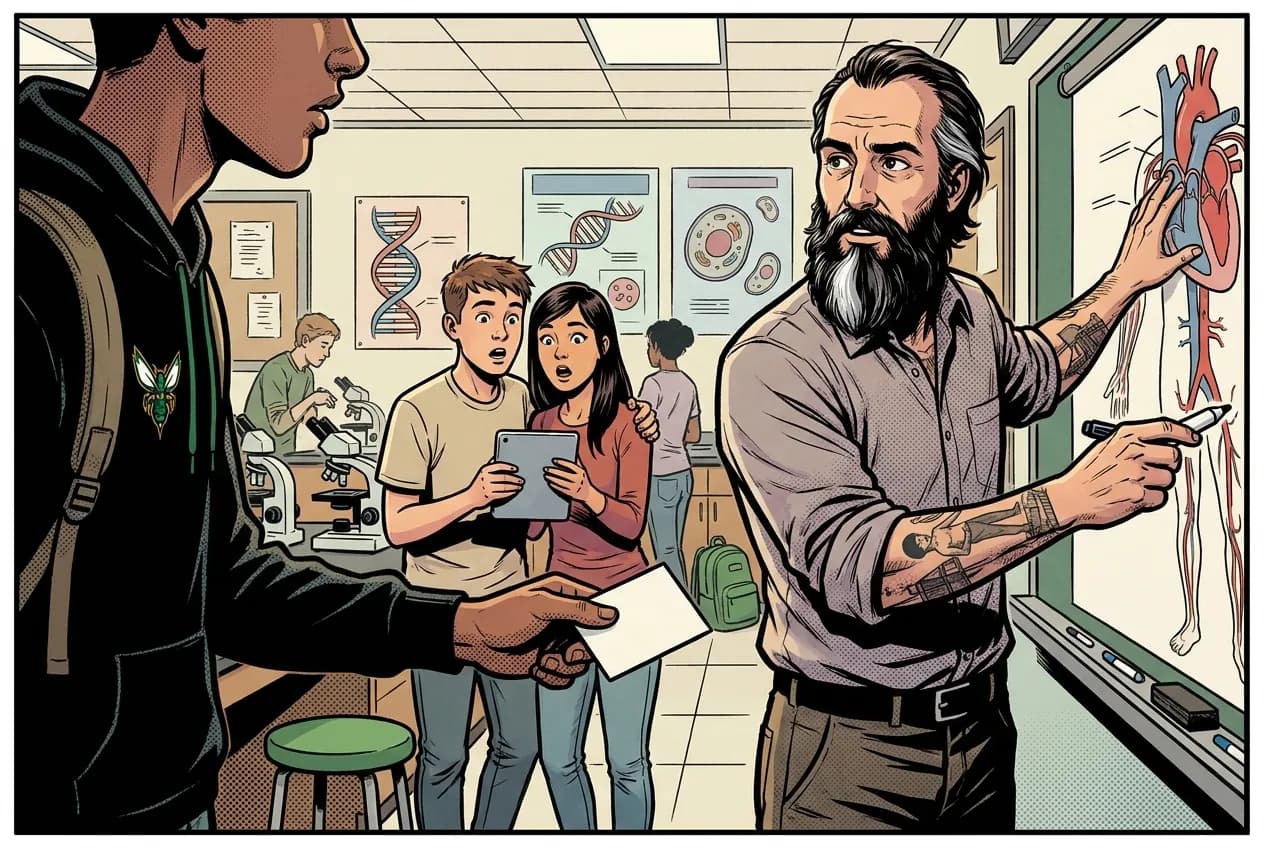
New problem. Human physiology, and what you can actually measure on a person in a classroom: heart rate, reaction time, grip strength, breathing rate.
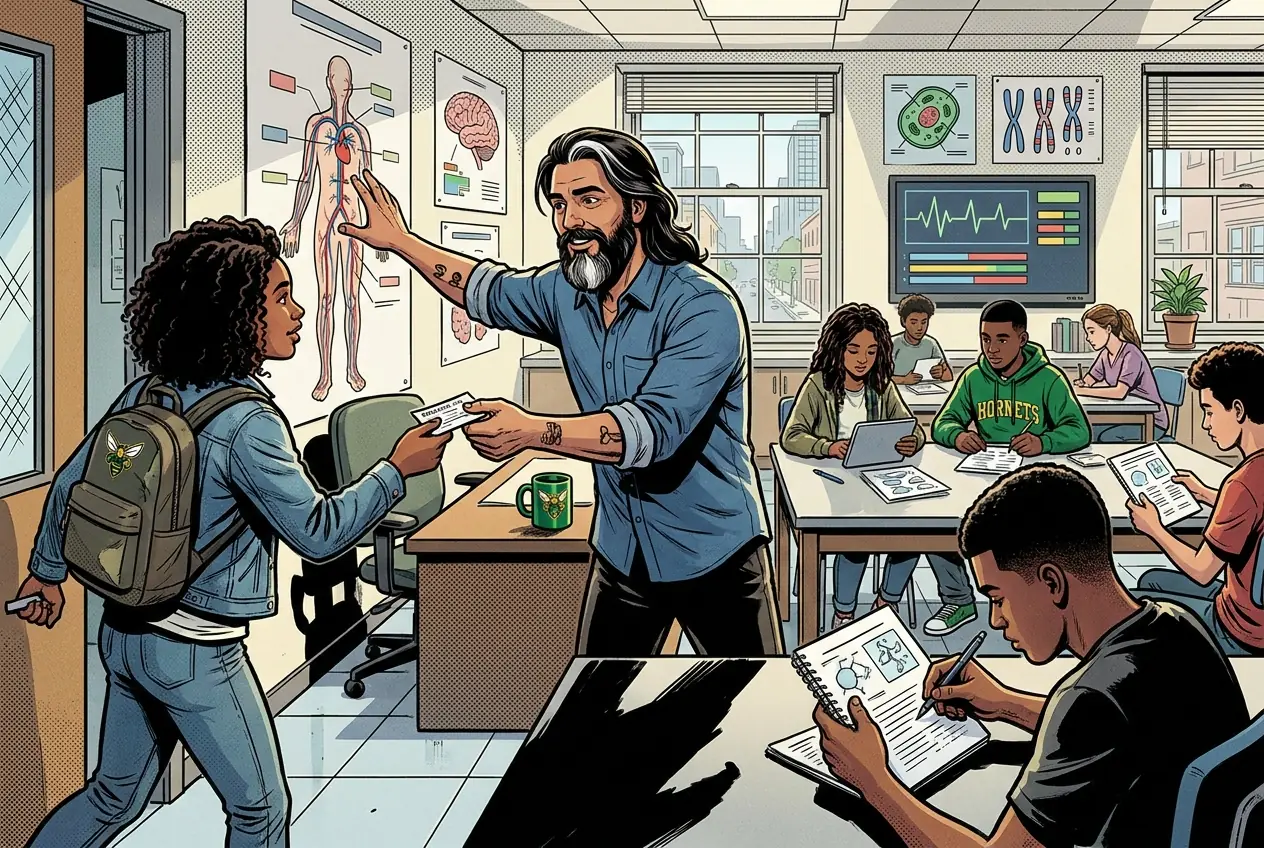
A testable question with variables defined. Mine was too broad twice before it was answerable.

HOSA competitive events. I am looking at one on medical innovation, which is close enough to this class that the preparation counts twice.
Week 7
MARCH 3 TO 8
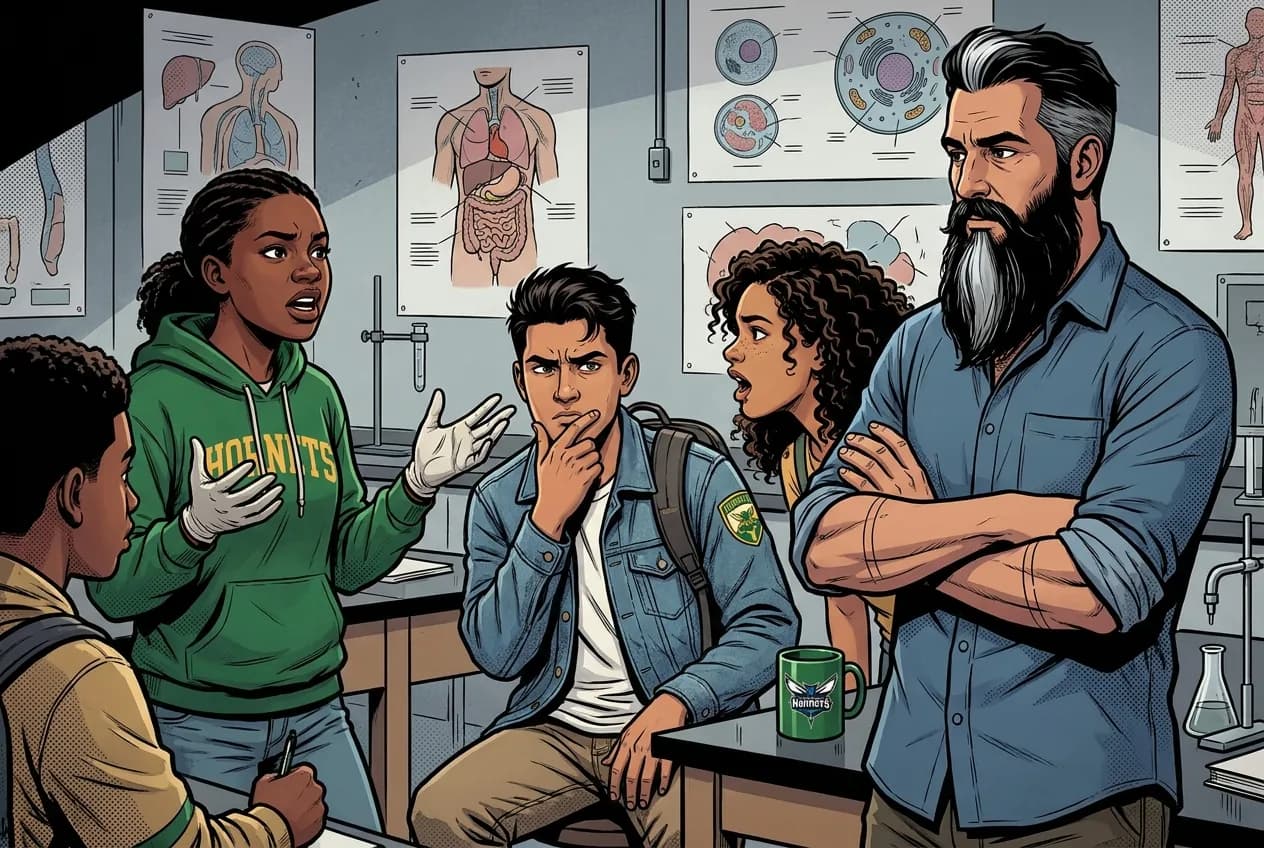
Measuring classmates and then analyzing the results. Consent, and what happens to the data after.
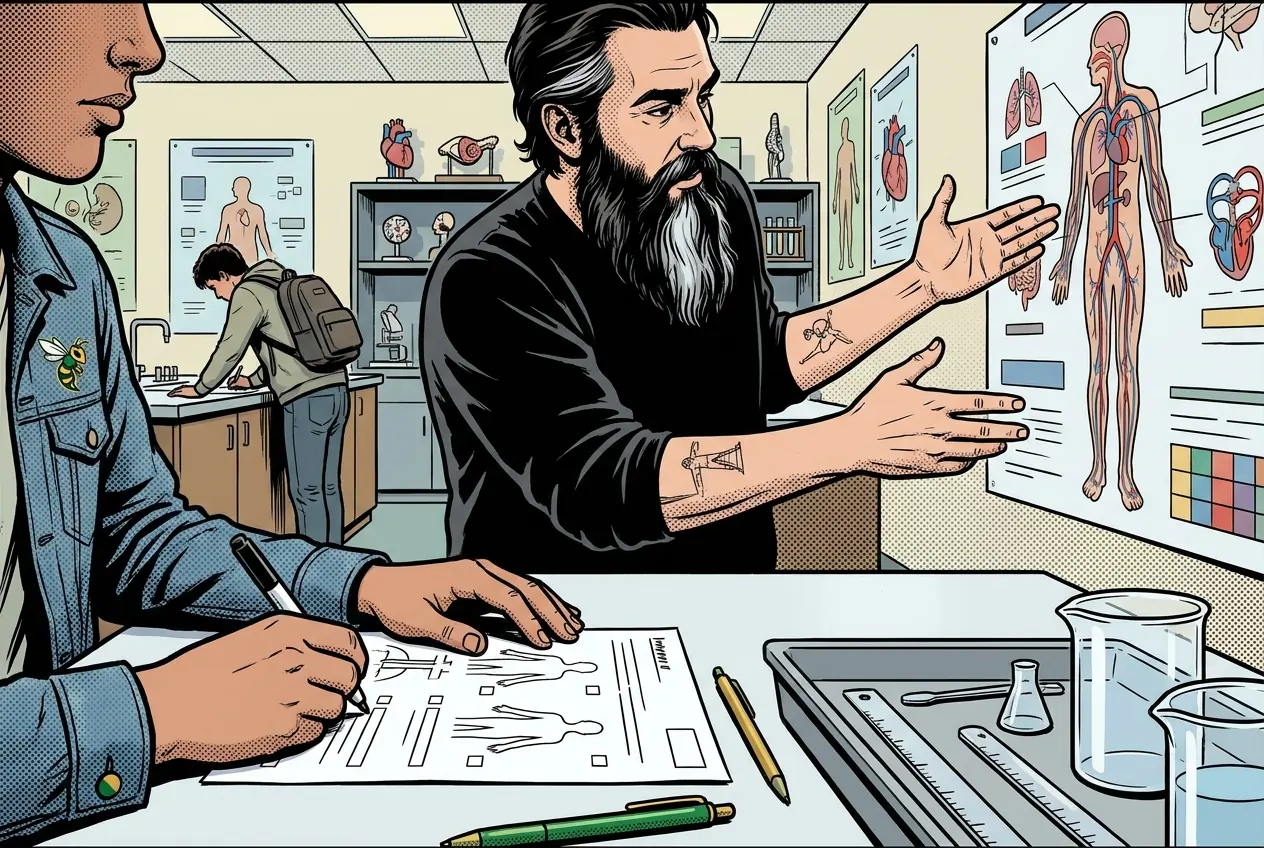
If you control the variable it is experimental. If you only watch, it is observational and you cannot claim cause.
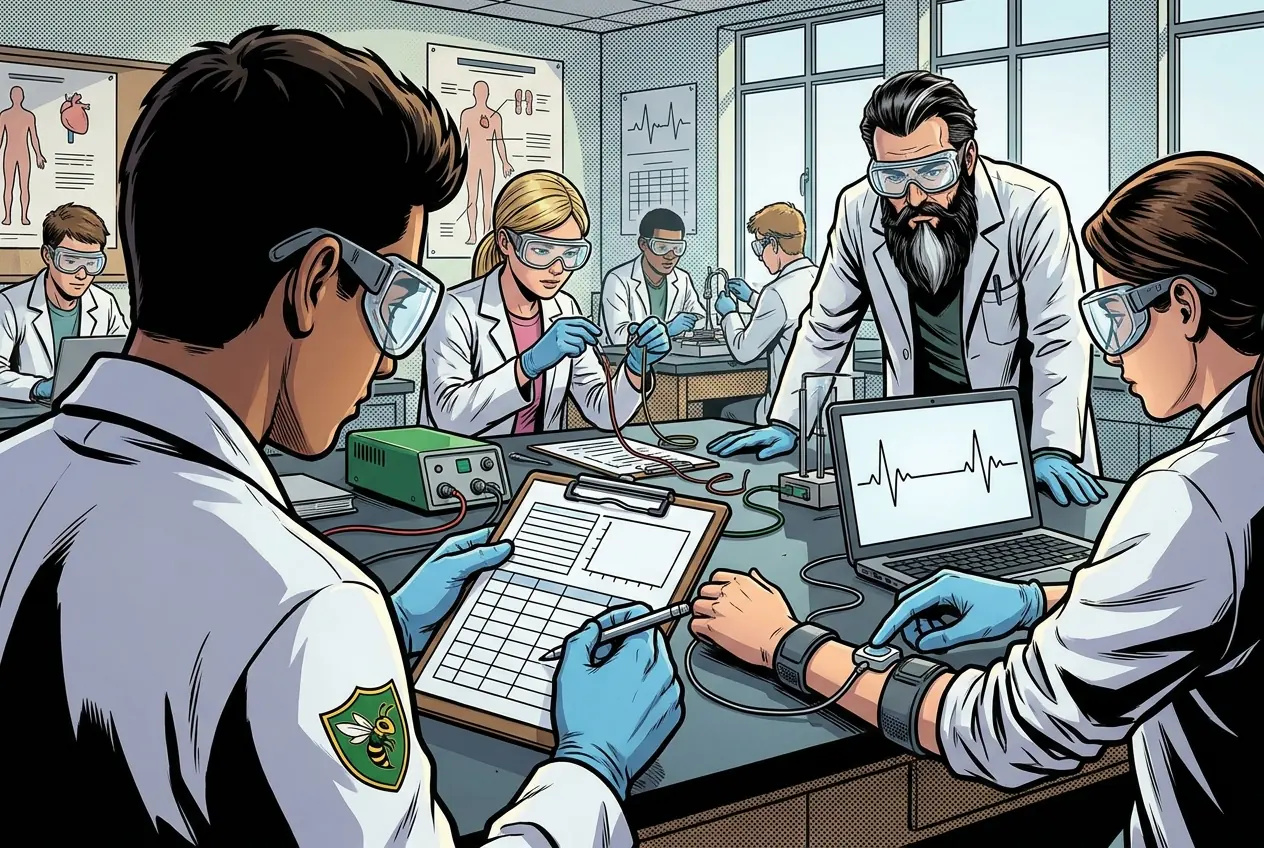
Sensors on people, multiple trials, units on everything. Our first trials were inconsistent because we were not standardizing rest between them.

Statistics with a purpose. Mean and standard deviation, then a t-test to ask whether two groups actually differ or whether the difference is noise.
ME
It looked convincing in the bar chart and it did not survive the t-test.
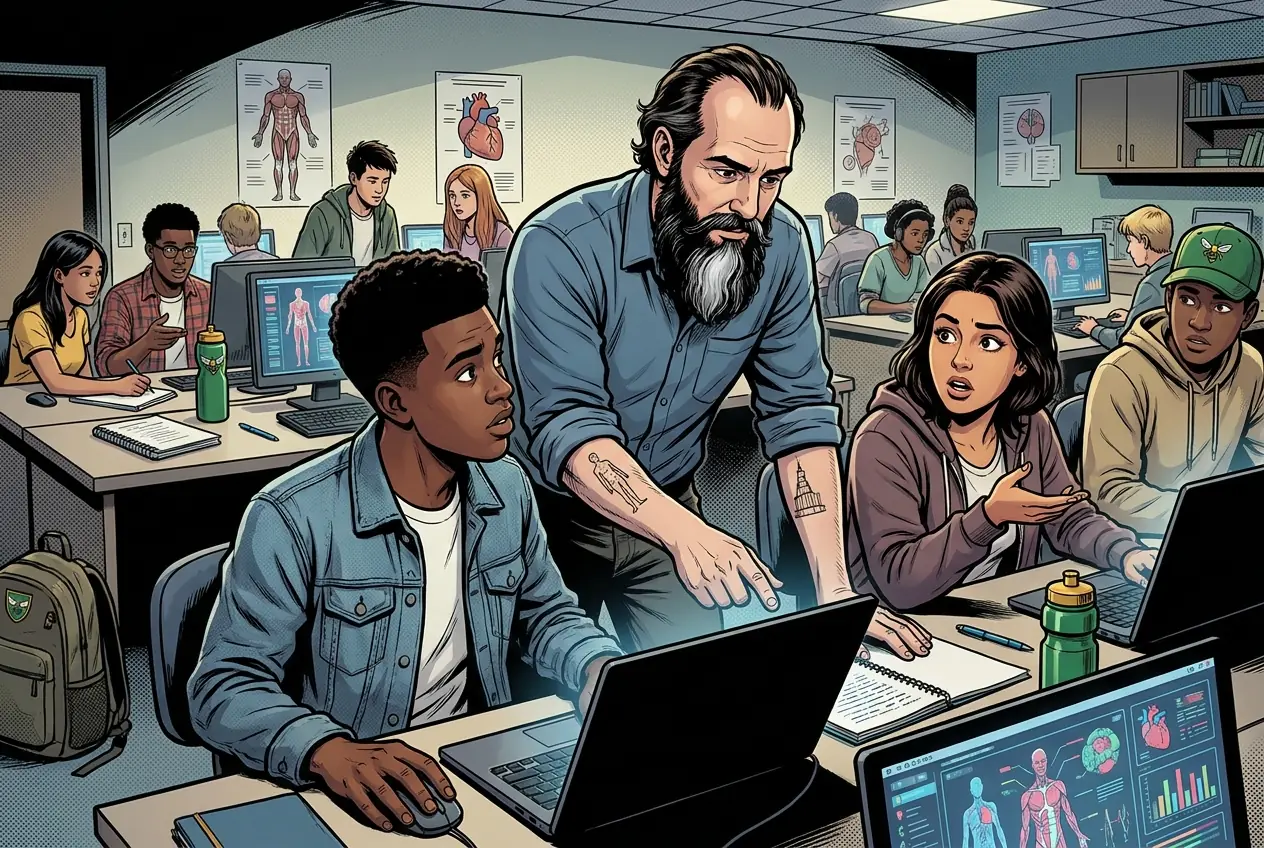
Raw data, statistics, and an honest statement that our result was not significant.
Week 8
MARCH 10 TO 16
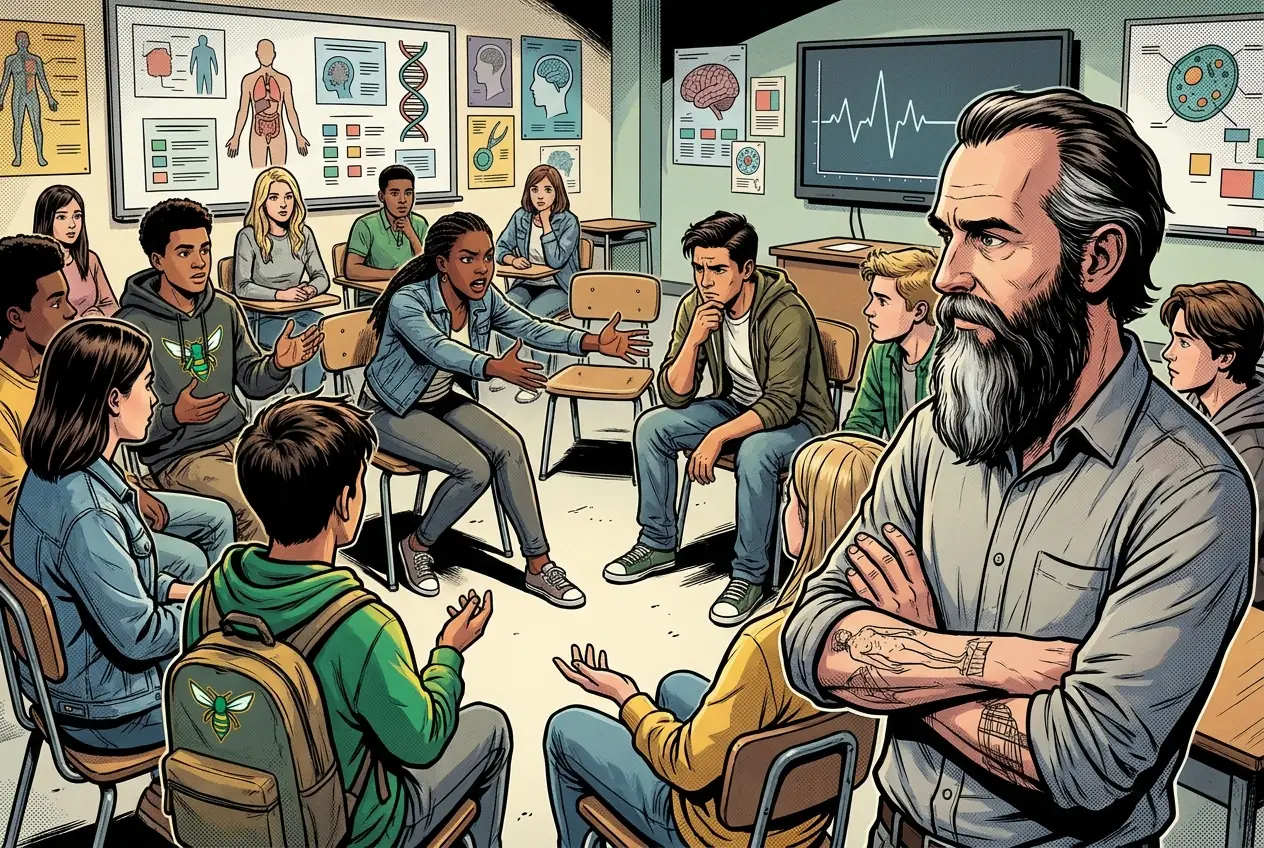
Fingerprints and face data are different from a password because you cannot change them after a breach.
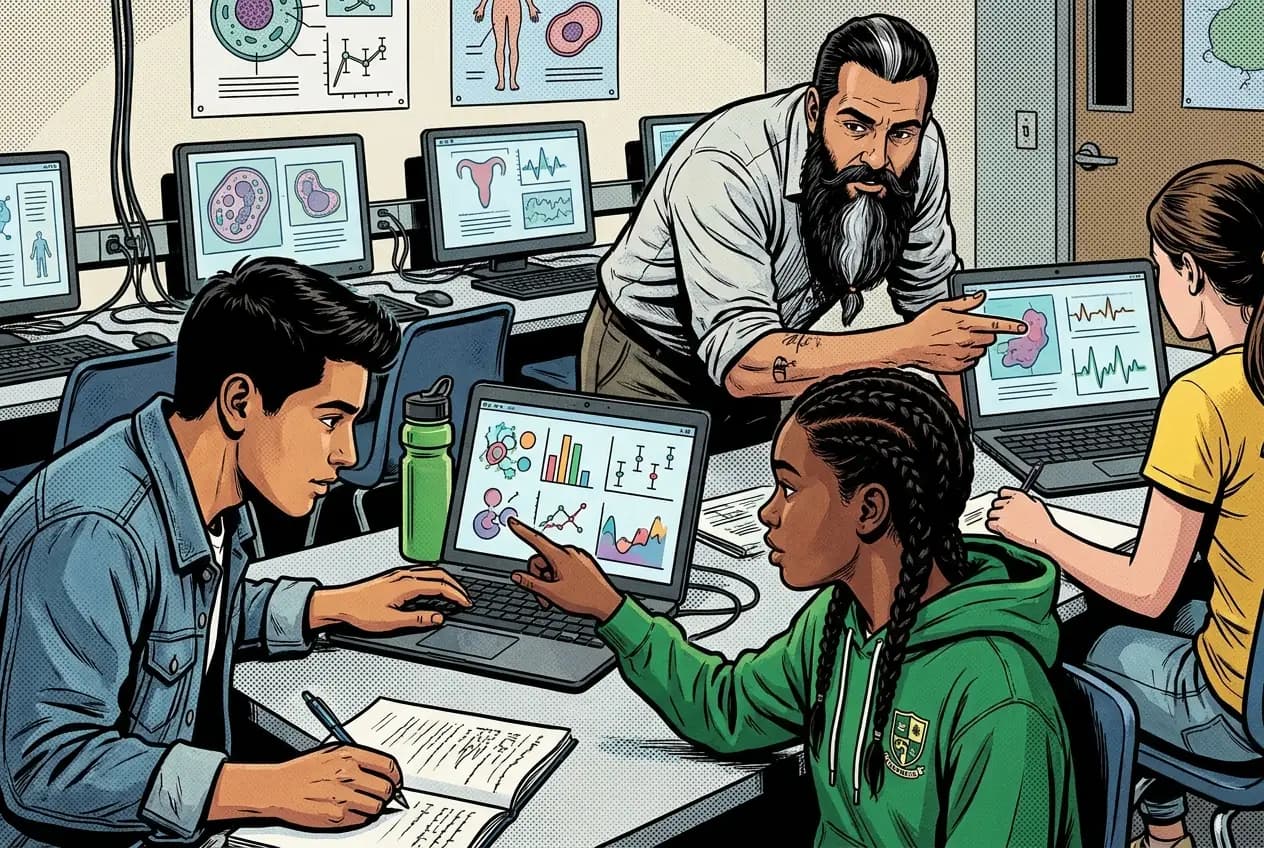
How the same honest data becomes a different claim depending on axis range, bar versus line, and what you leave out.

Reanalyzing our week six data properly, with the axis honest and the non-significant result reported as non-significant.
MR. MENDOZA
Nobody lied. Same data, two pictures, opposite claims.
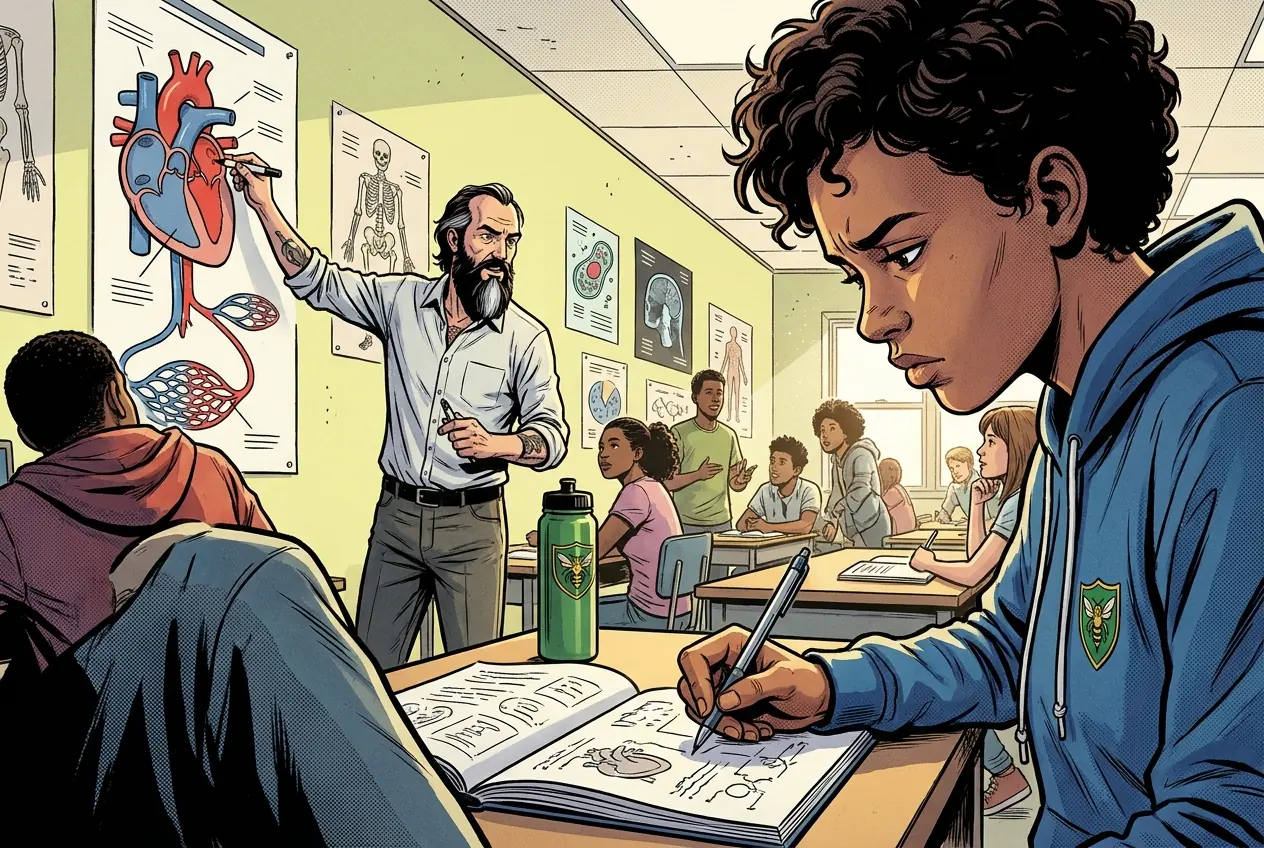
Claim, evidence, reasoning, limitations. My claim had to be that we found no significant difference, which is a real finding and does not feel like one.
Week 9
MARCH 17 TO 19
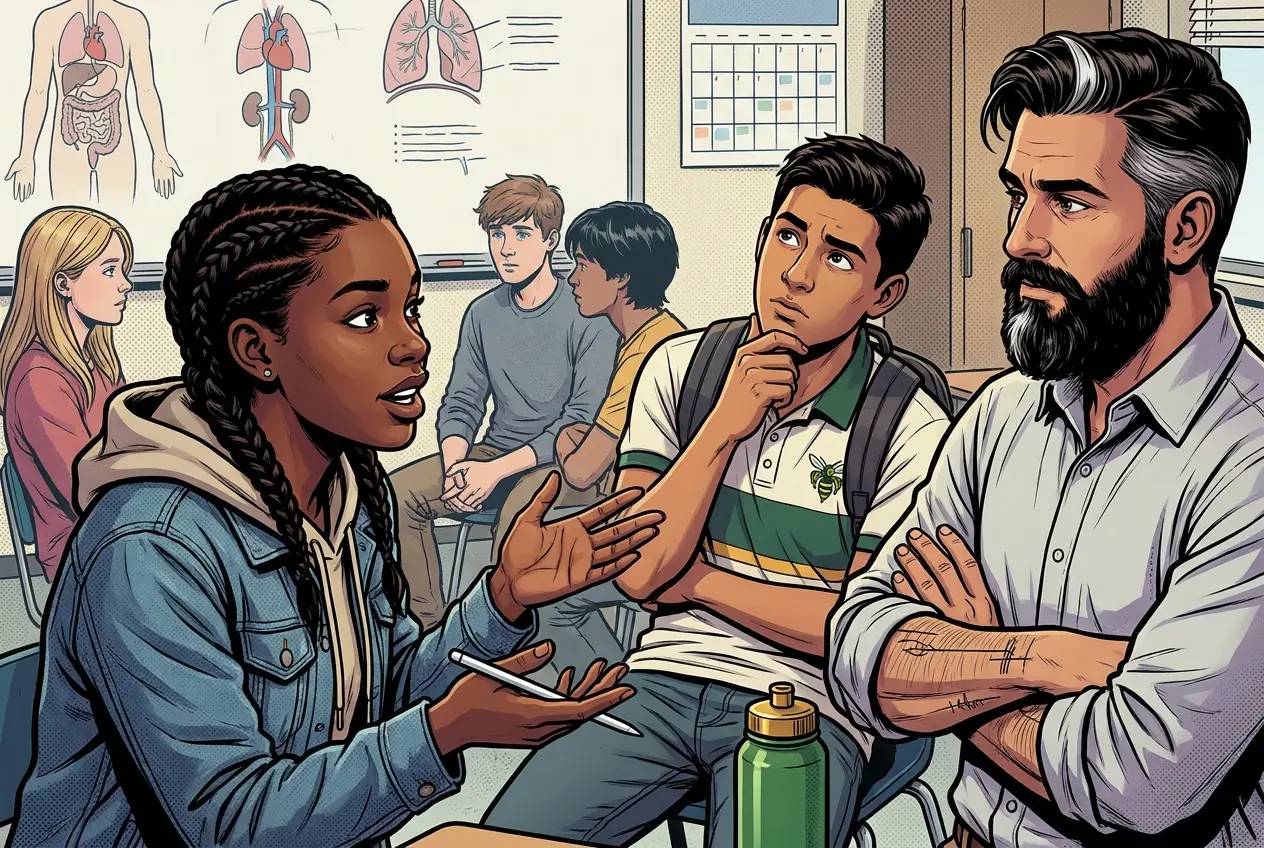
Whether incremental improvement or radical redesign does more good. Incremental helps sooner and reaches fewer people. Radical might help enormously or might never ship.
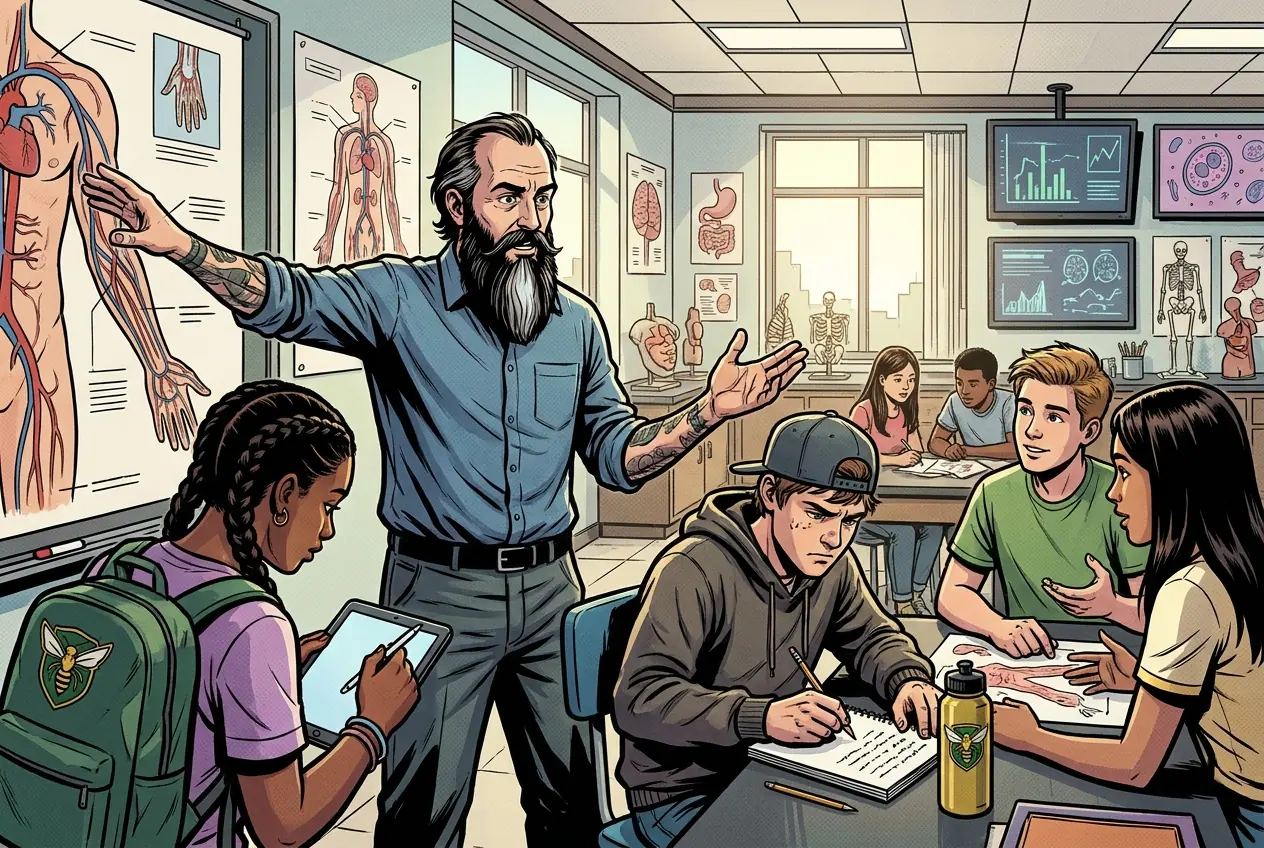
Defining our own problem, properly, with evidence that it is real and affects specific people.
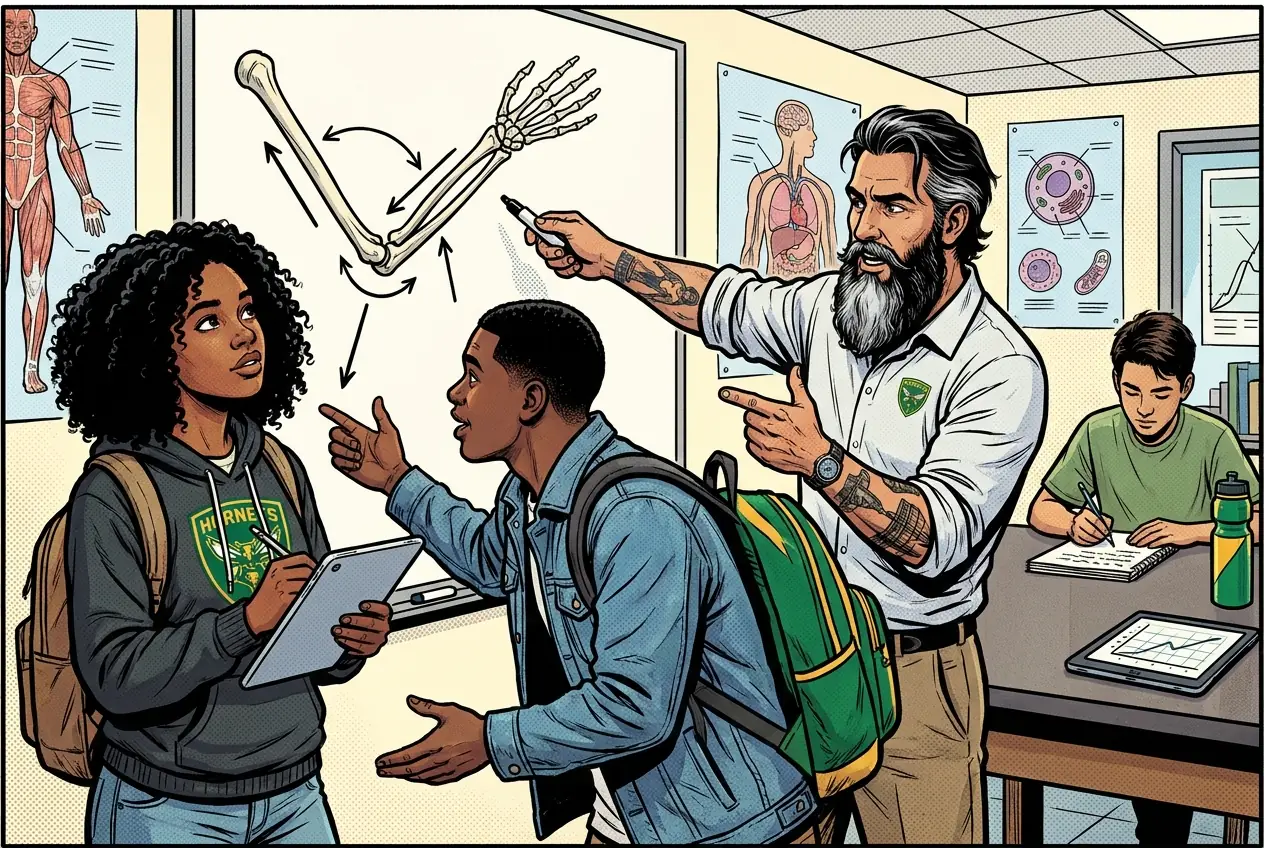
Criteria are what success looks like, constraints are what you cannot change. Mine include that it still has to be childproof, which is the entire difficulty.
ME
Easy for weak hands and hard for curious ones are nearly opposite requirements.
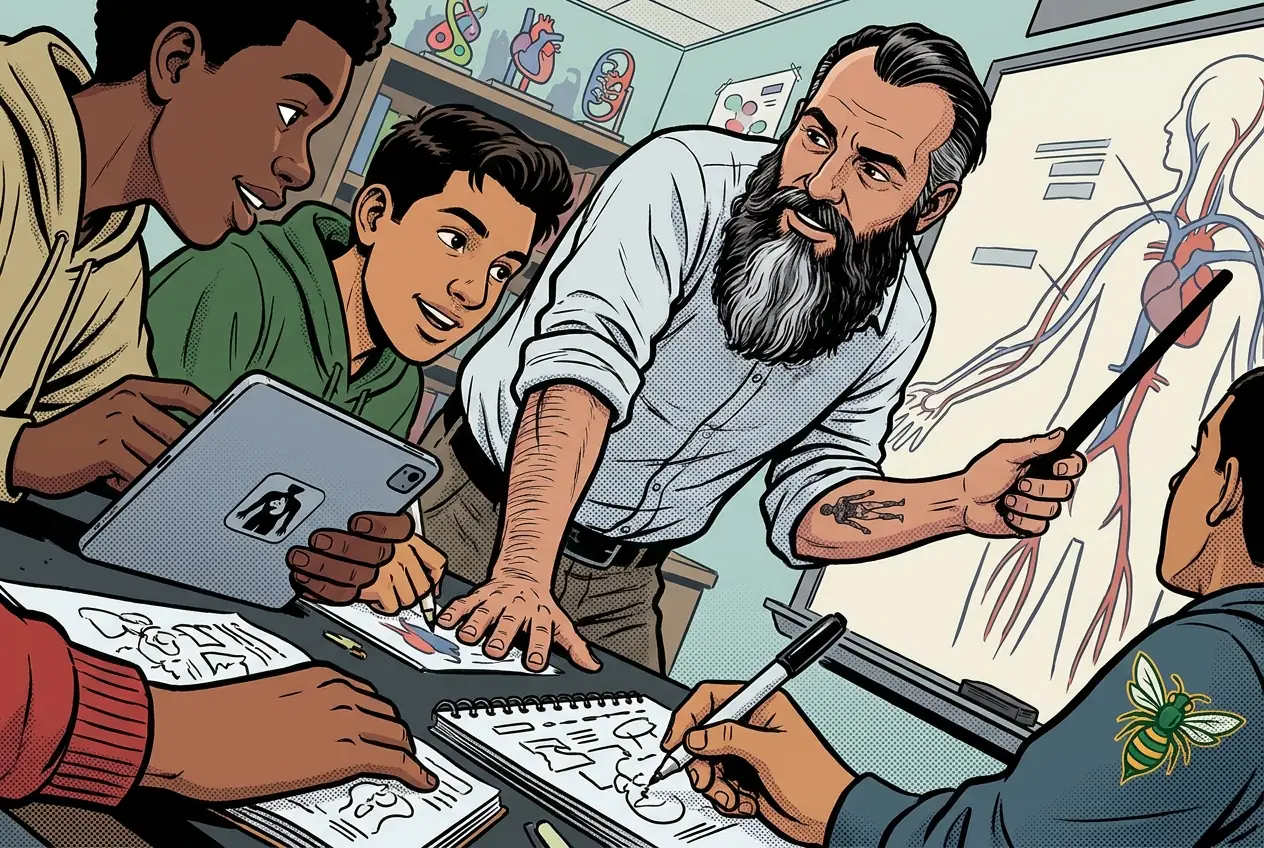
Fast sketching, many ideas, then killing most. Every idea traded one requirement against another and the log has to say which trade I made and why.
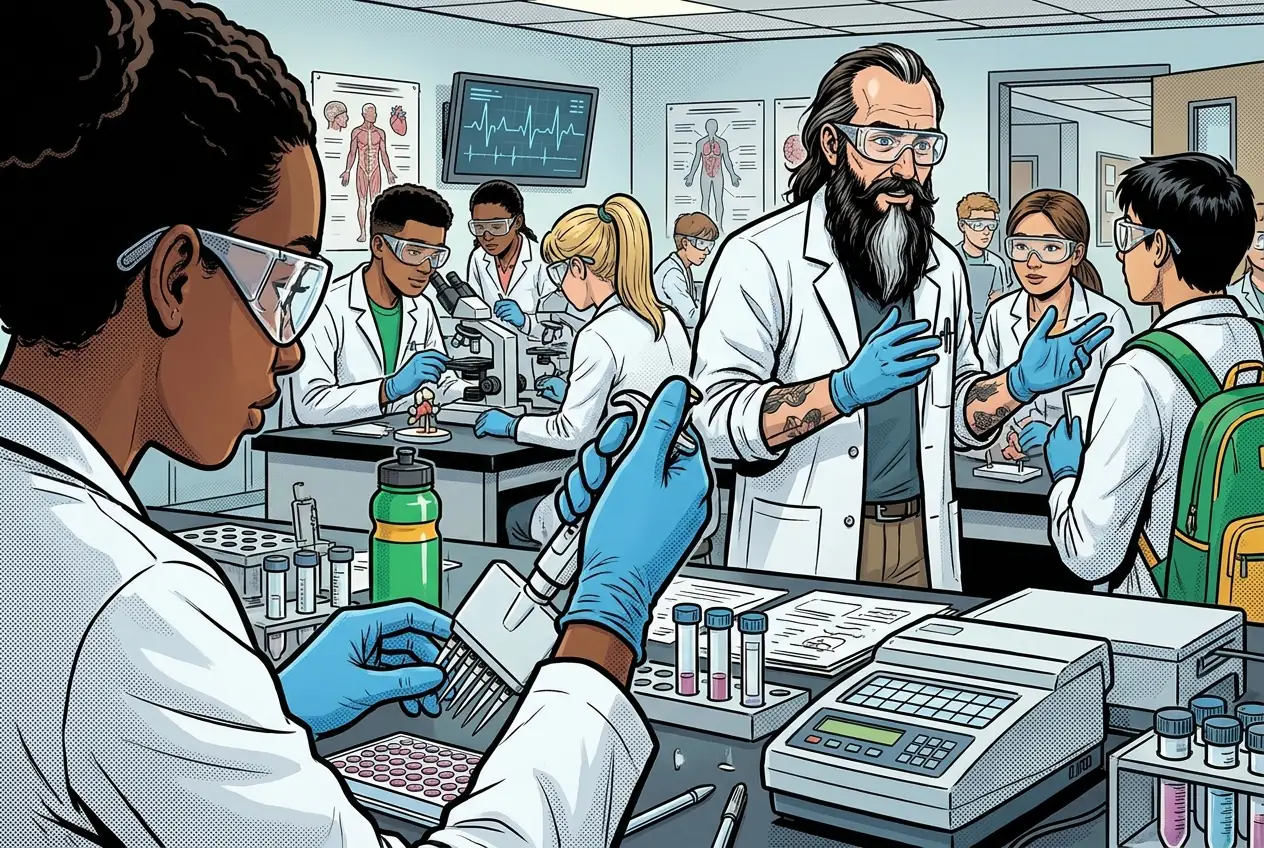
Problem, evidence, users, criteria, constraints, three concepts, one recommendation.
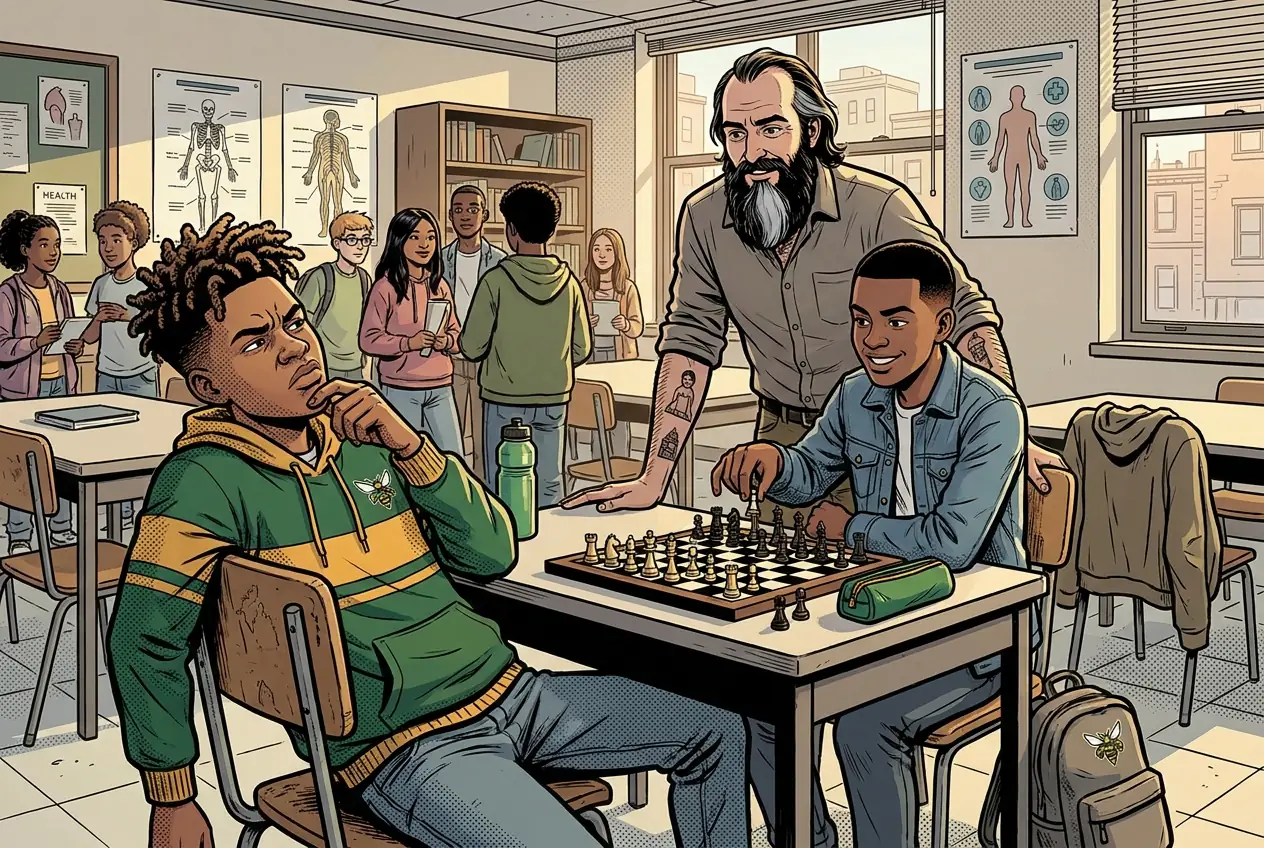
Chess. I am losing less badly. Someone pointed out I commit to a plan early and will not abandon it even when the board changes.
CLASSMATE
You commit early and you will not abandon a plan even when the board changes.
Week 10
MARCH 22 TO APRIL 5

Using a company's own research to justify their product, and whether disclosure is enough to fix the conflict.

Finding what already exists. Four products already address my problem and two are quite good, which was deflating for an hour and then useful.
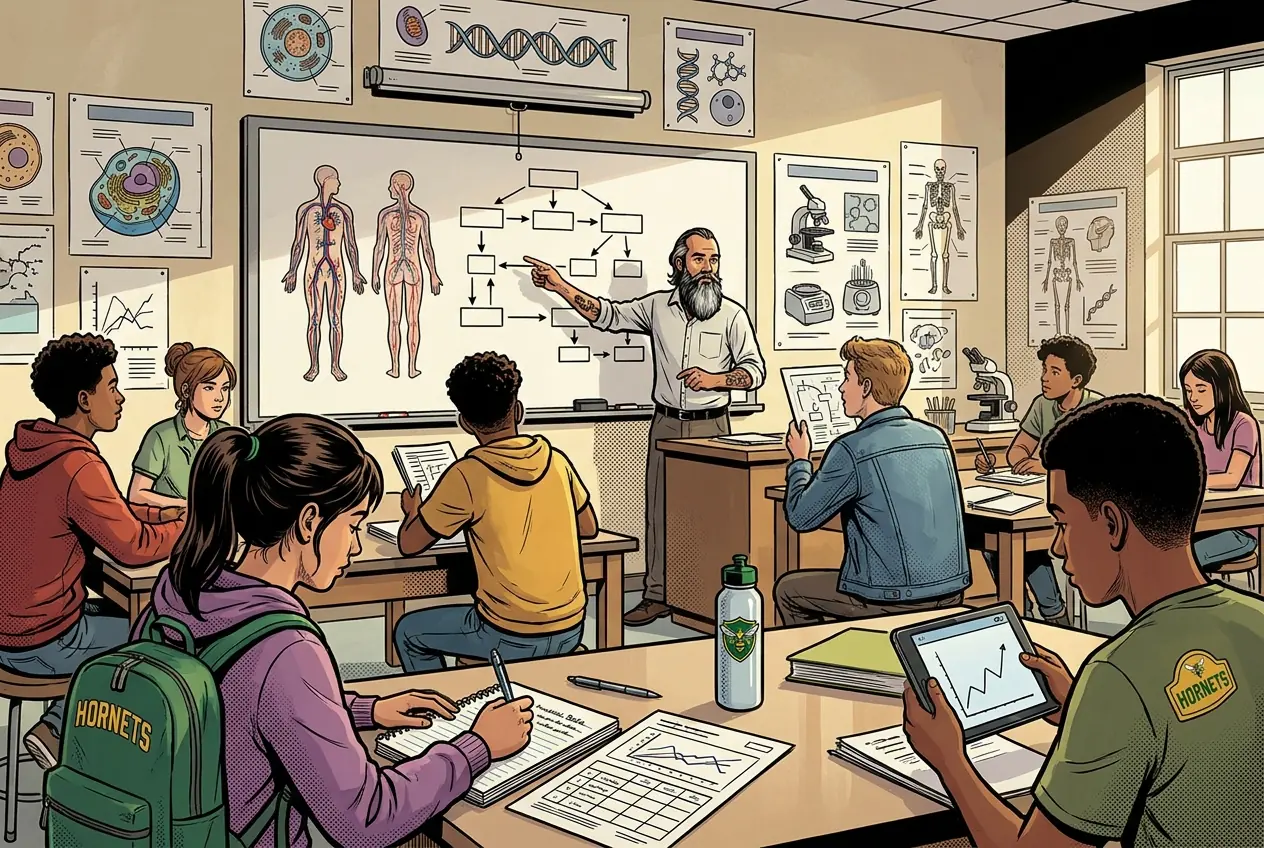
Scoring concepts against weighted criteria. The weighting is the argument, because whichever criterion you weight heaviest decides the winner before you score anything.

How would we know if it worked? Actual measurable criteria and who we would test with. Mine has to include people with limited grip strength, because testing on my own hands proves nothing.
ME
My matrix picked the concept I already liked. Then I fixed the weights.
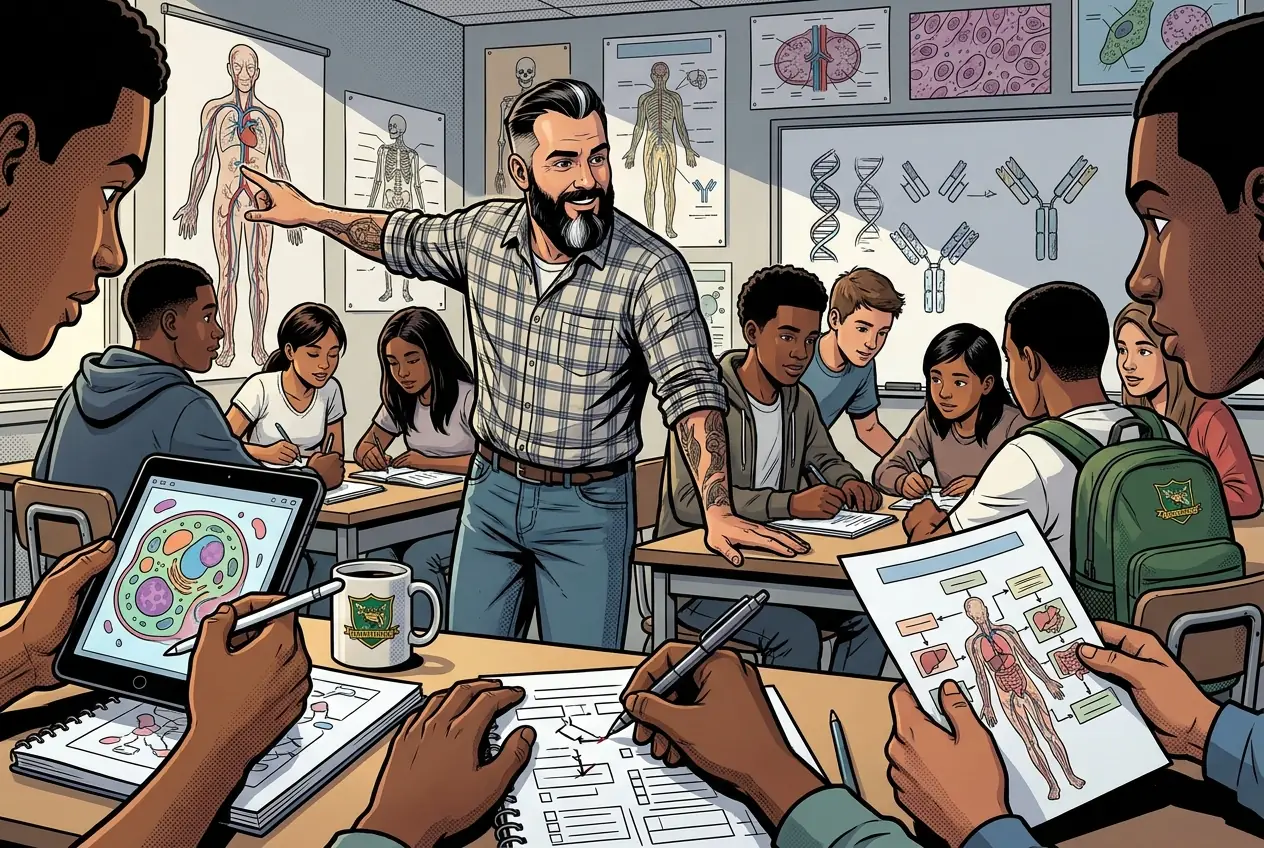
Marking period audit with an honest confidence rating.
Week 11
APRIL 7 TO 12
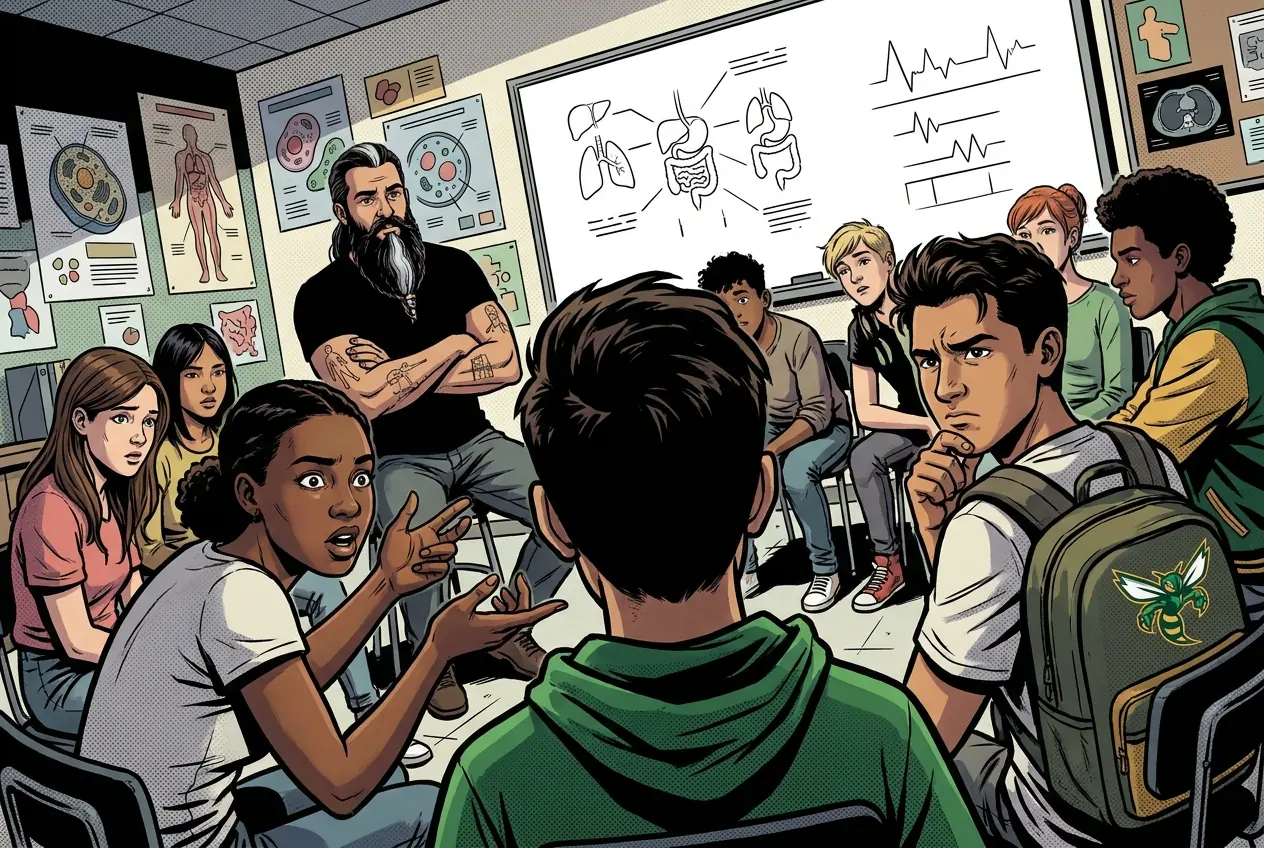
Why exposure is not evenly distributed, and whether that is an accident of geography or the result of decisions.
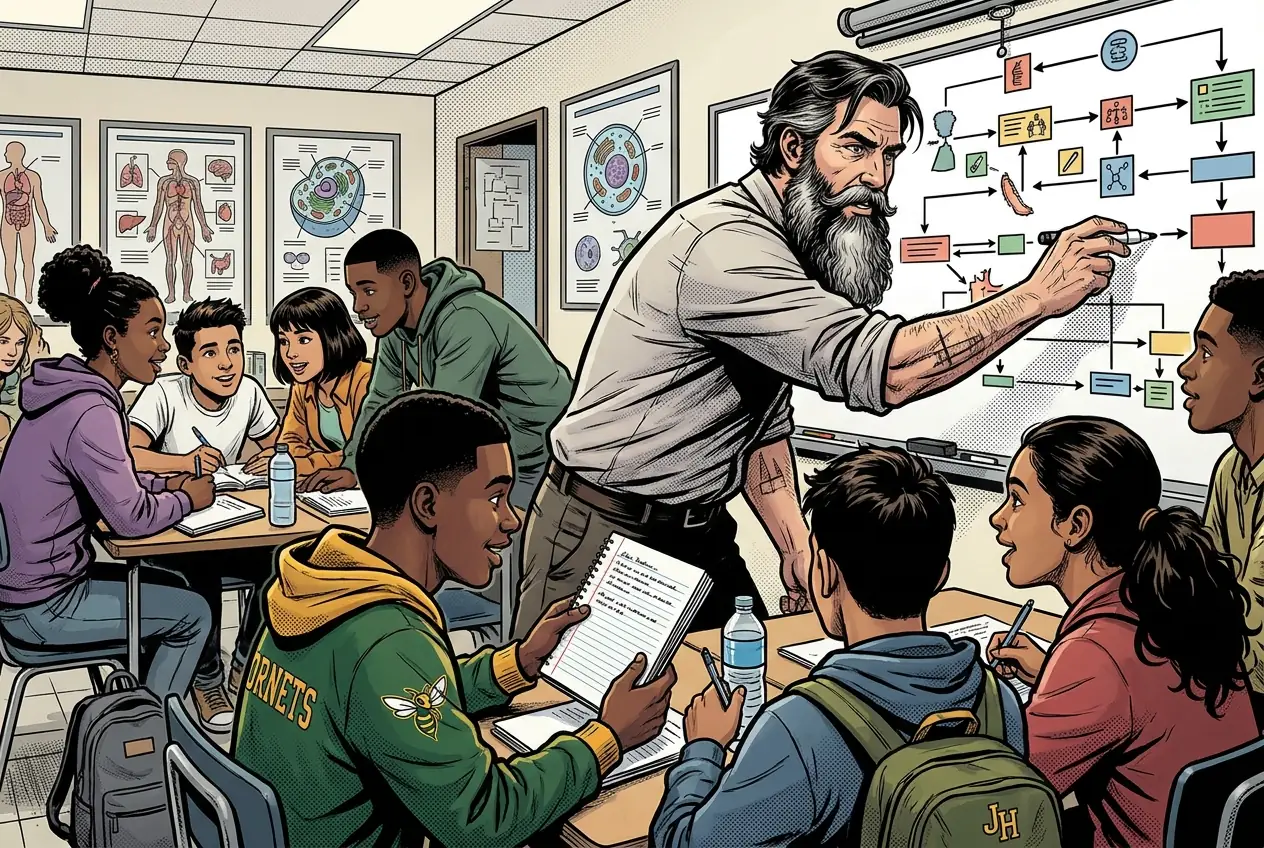
Source, pathway, receptor. You can break the chain at any of the three, and which one you choose is a policy decision disguised as a technical one.

Real environmental data, multiple sites, comparing against a standard. Some sites exceeded it.
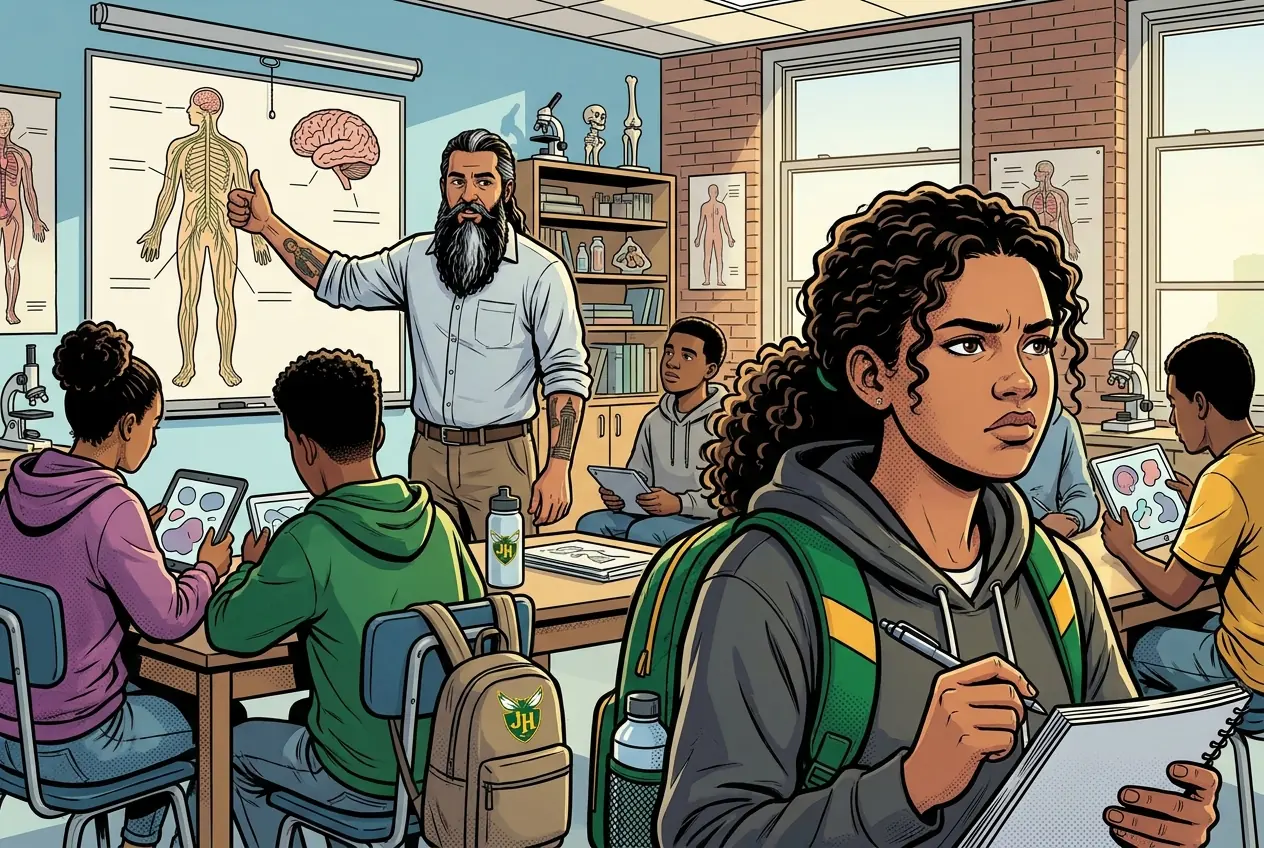
What would actually reduce exposure, ranked by where in the pathway it acts and what it costs.
ME
Telling people to stay indoors breaks the chain at the receptor and leaves the source running.

Map, data, mitigation ranking.
Week 12
APRIL 13 TO 16

Straight into building the graph that carries our environmental claim. Axis honest, units labeled, standard marked as a reference line.

One paragraph, claim to evidence to reasoning, with the limitation that our sampling was opportunistic rather than random.
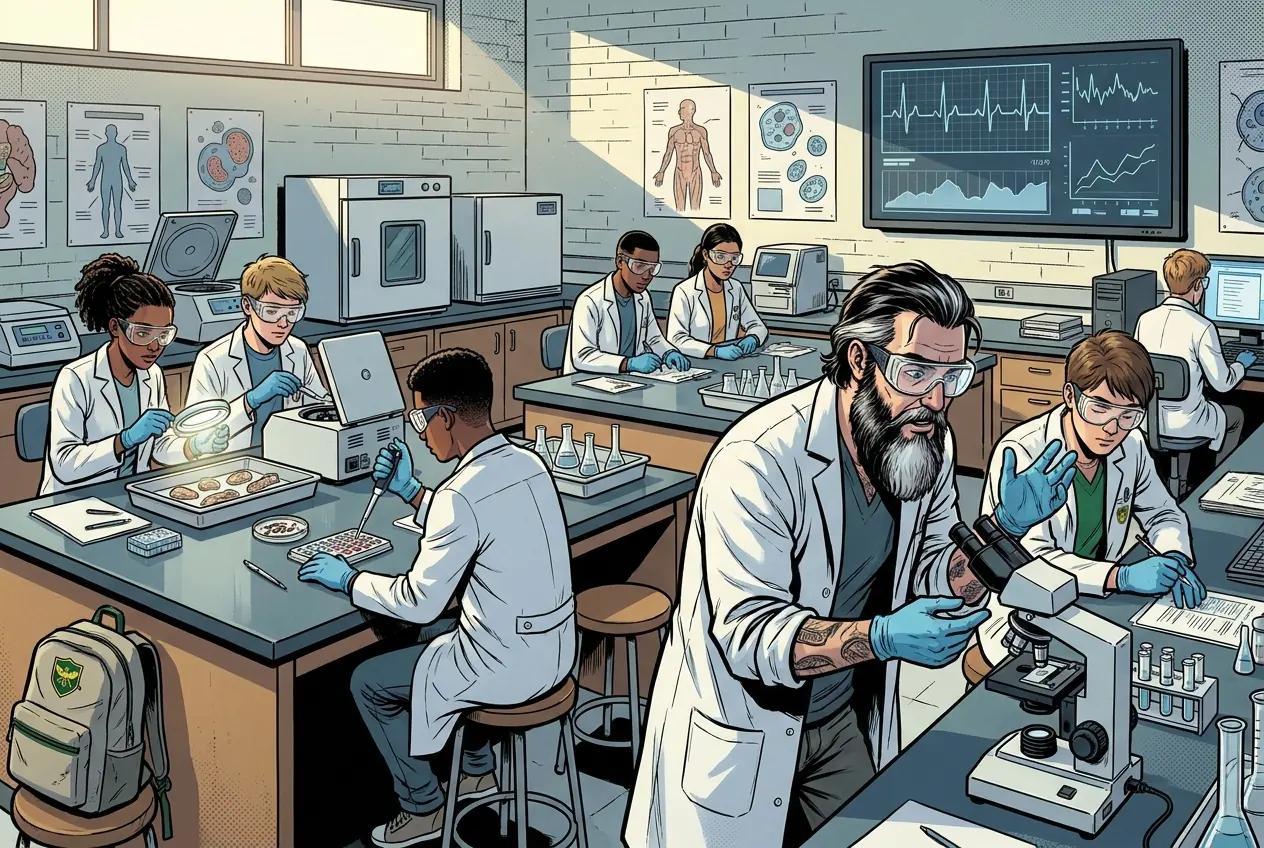
Graph and paragraph.
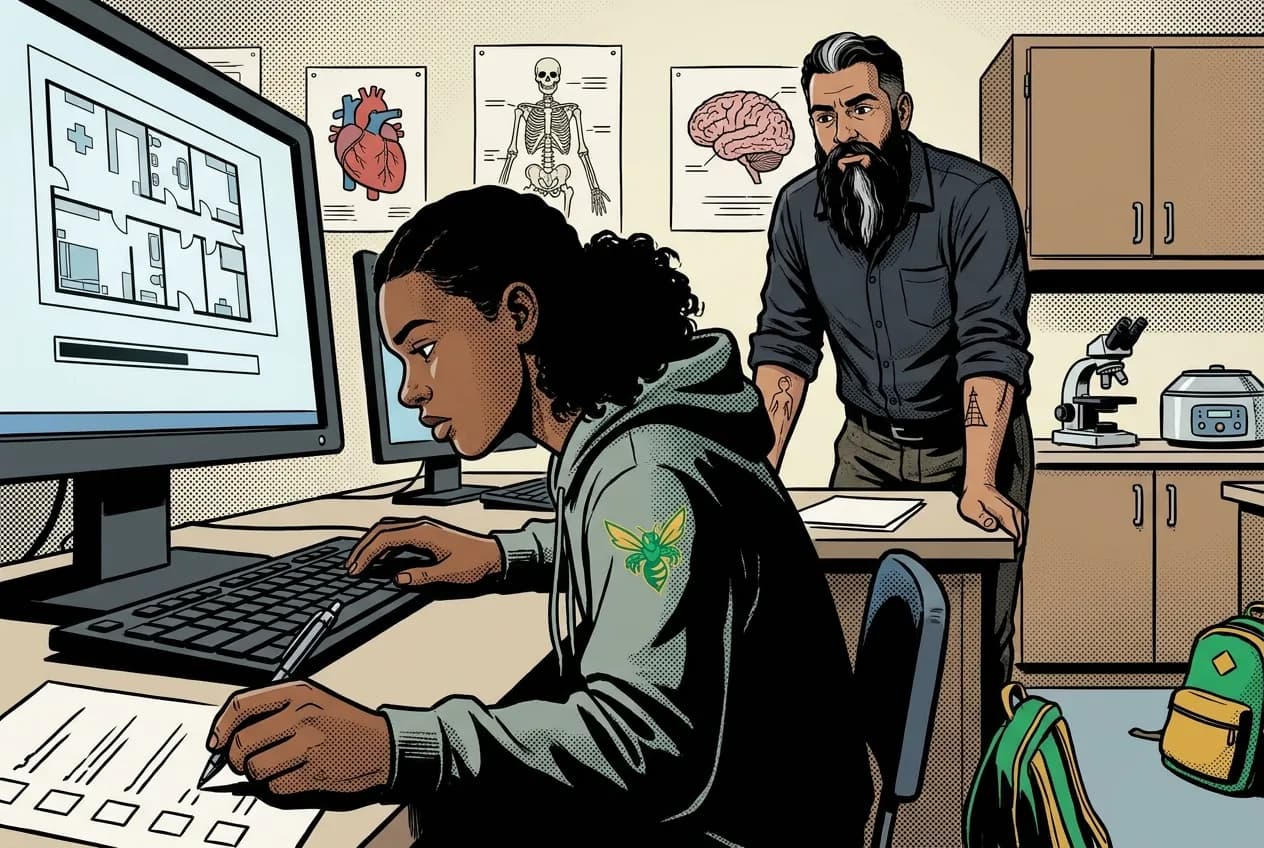
Clinic onboarding cleared. Twelve weeks from when I started.
Week 13
APRIL 19 TO 22
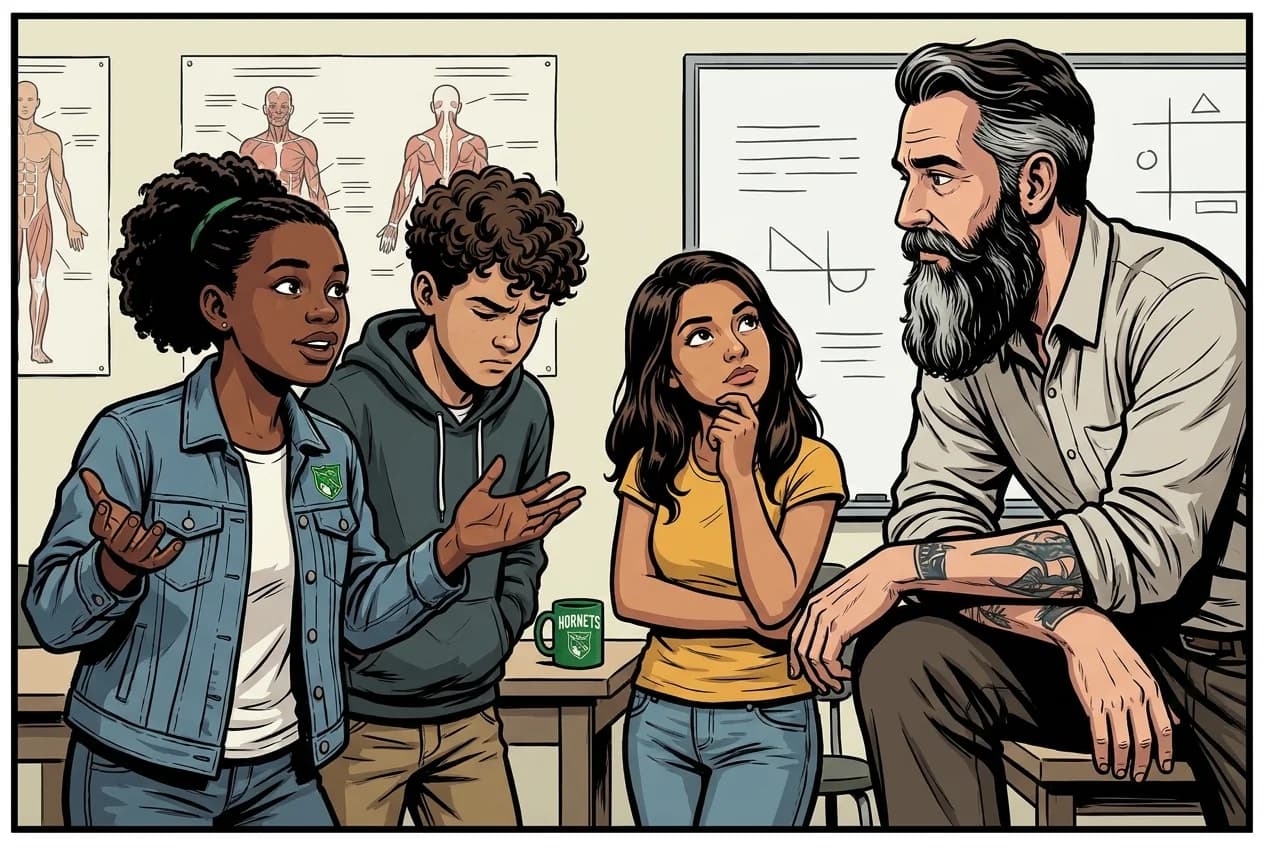
When a public health measure restricts individual choice for collective benefit, and who decides the threshold.
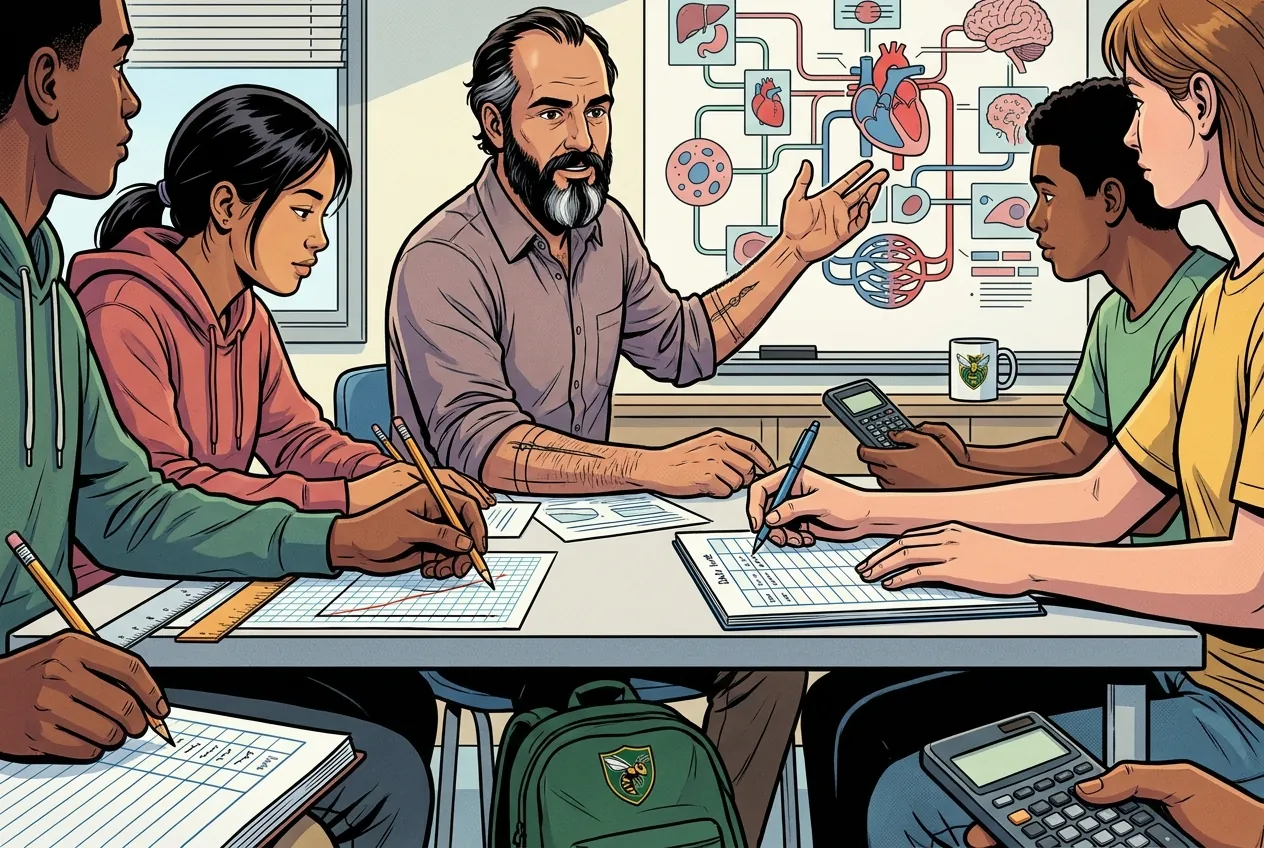
Building a line list: one row per case, columns for the variables that might matter. The structure is what makes the pattern findable.
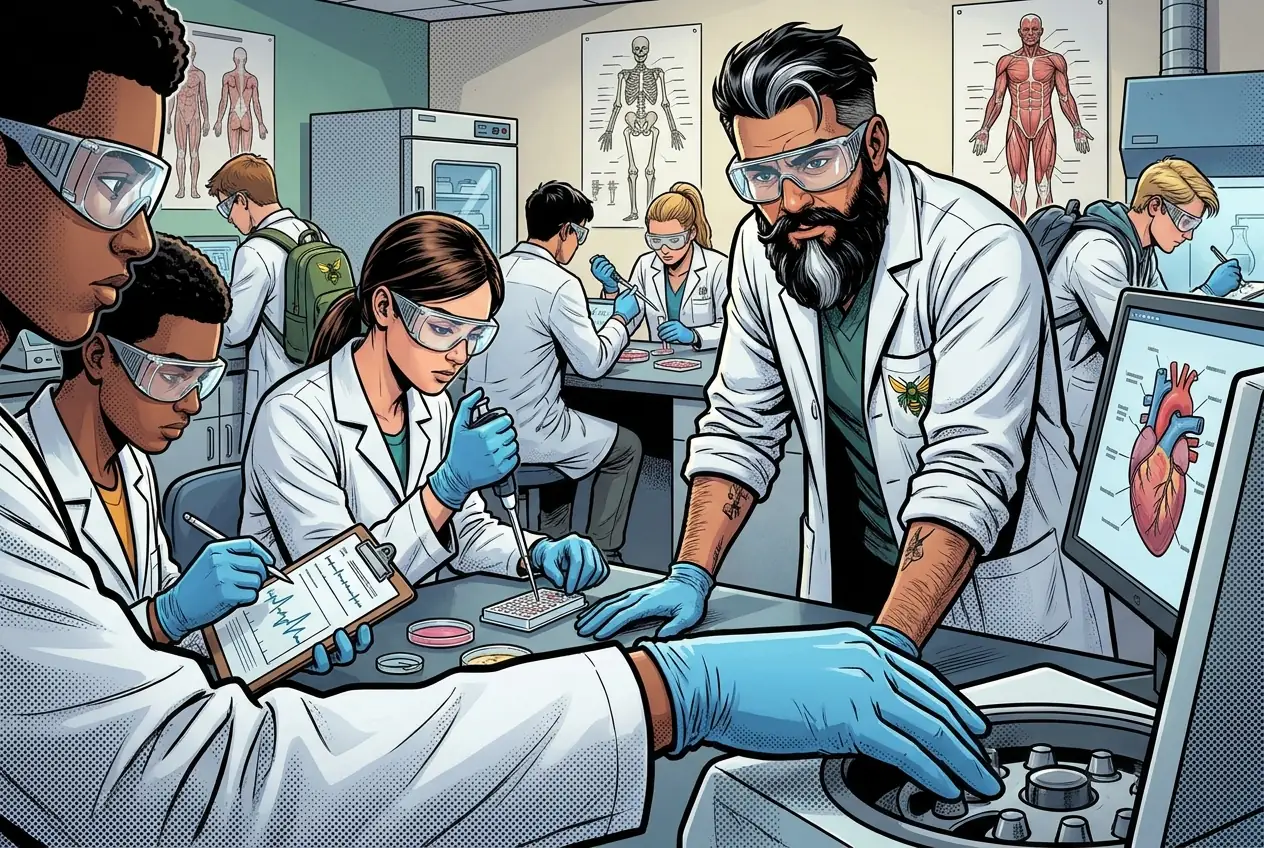
Modeling what changes if you intervene at different points, and how much you would have to do to matter.
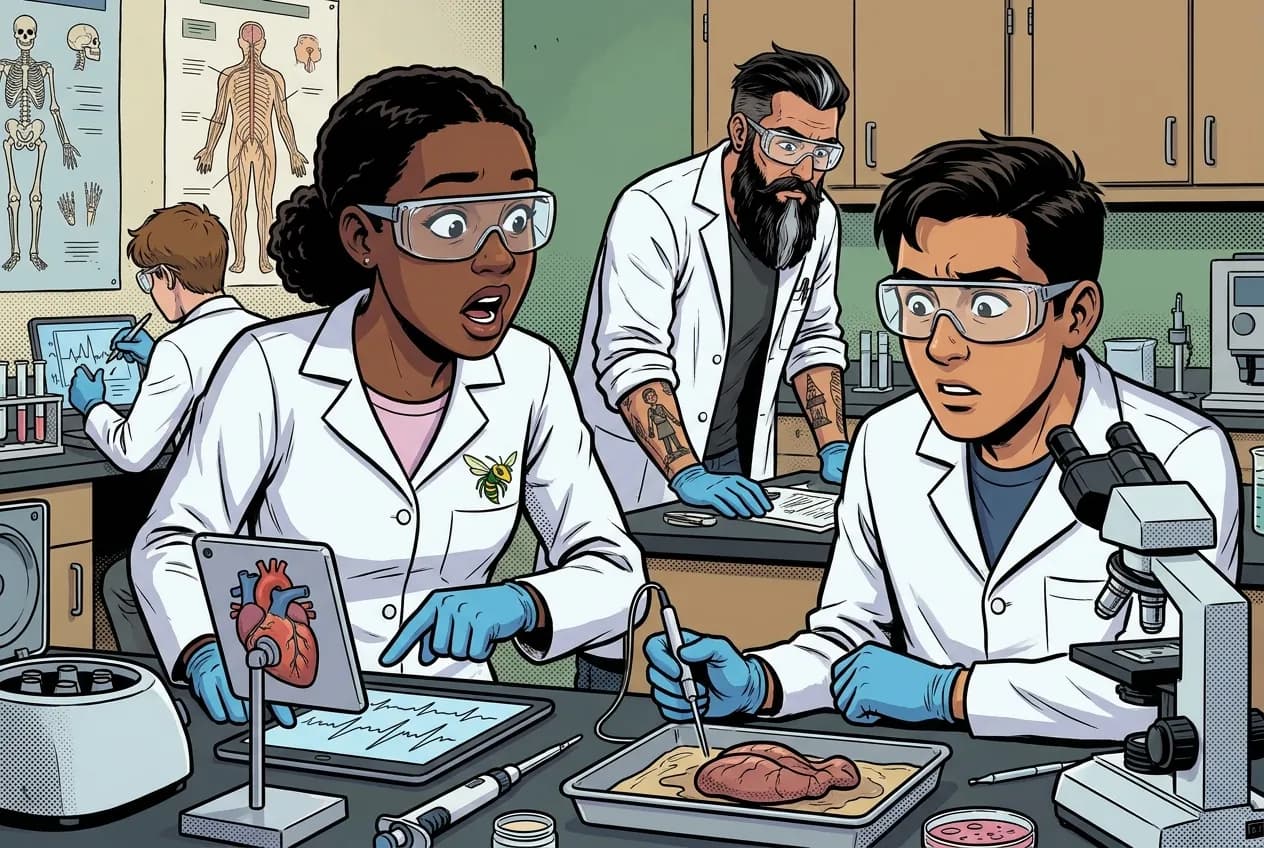
A specific plan with a target, a mechanism, and a measure of success.
Week 14
APRIL 23 TO 29
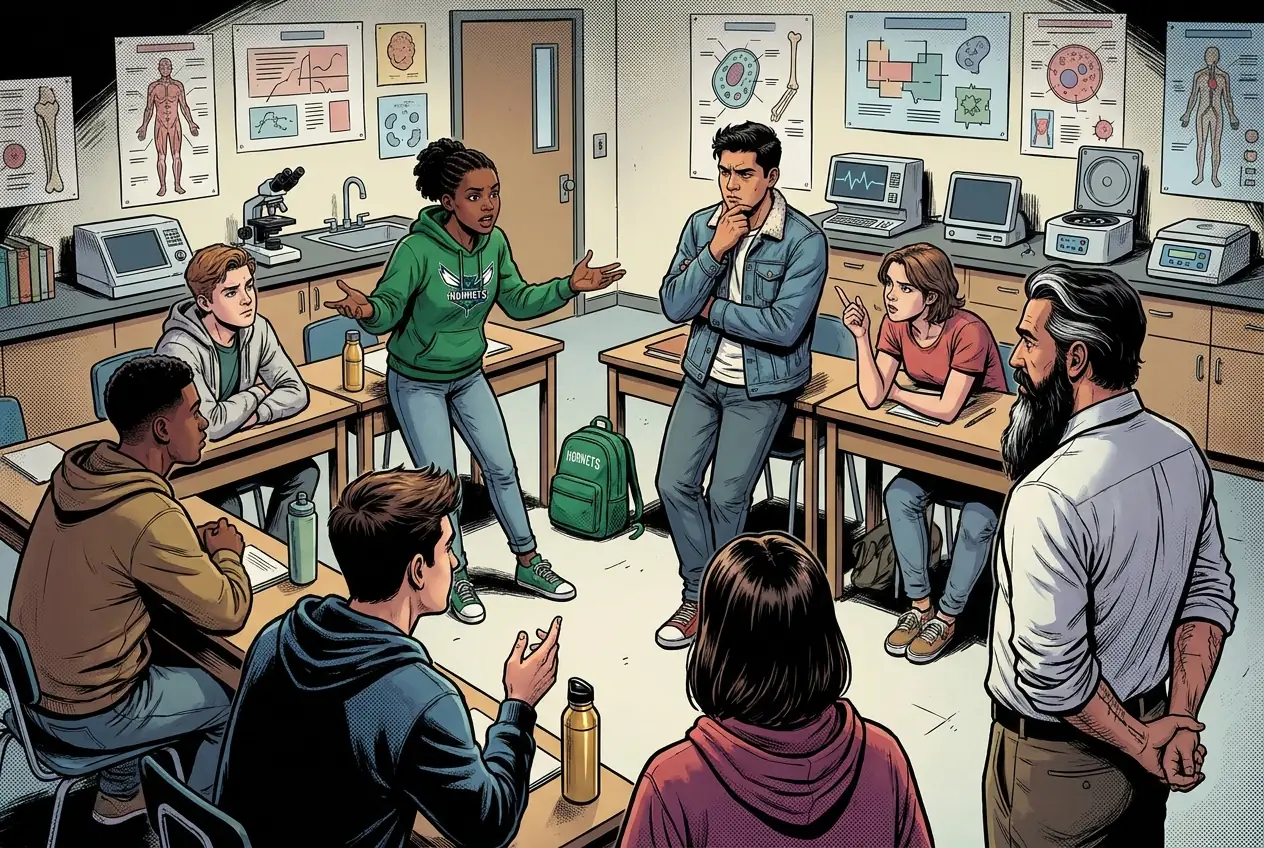
How much uncertainty to include in a public health message. Too much and nobody acts, too little and you have overstated what you know.
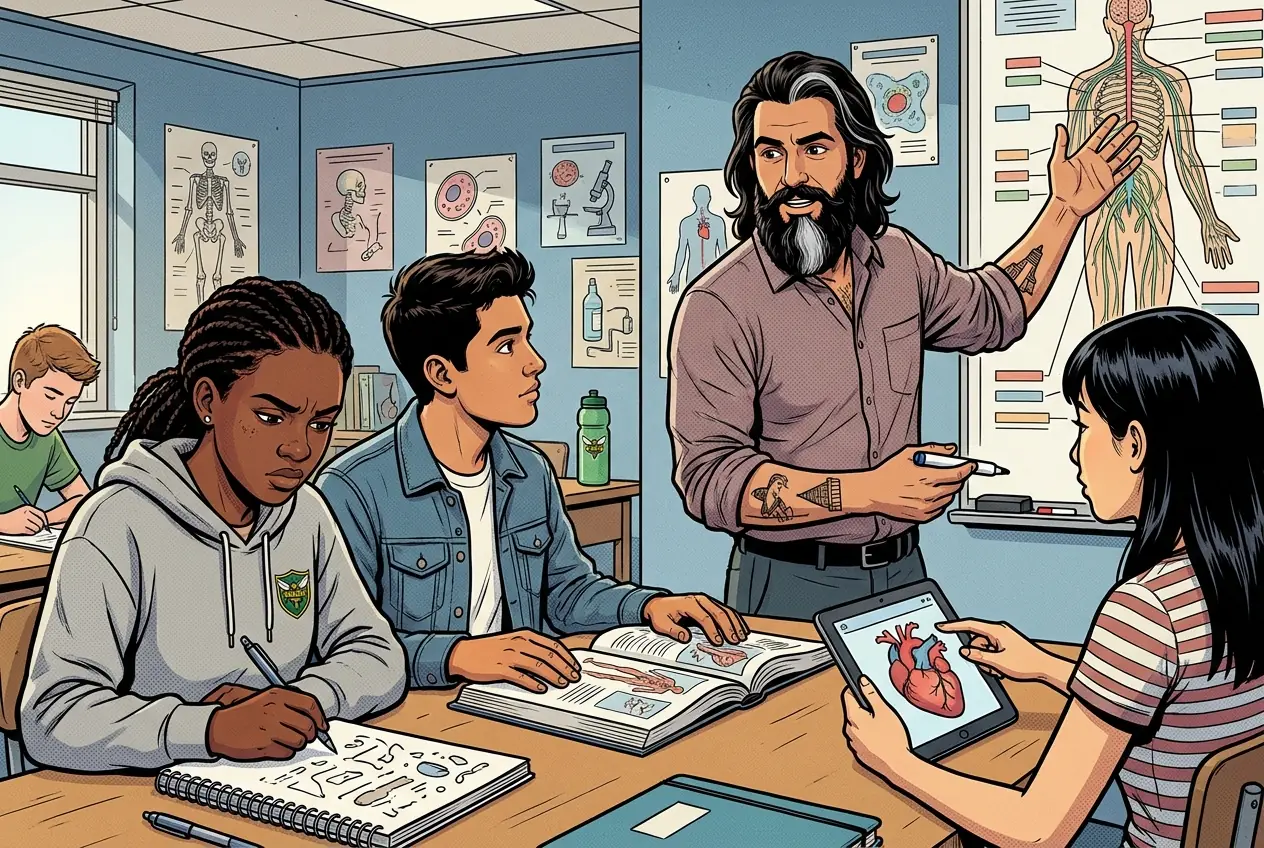
Writing for people who are not in this class. Short, accurate, actionable.
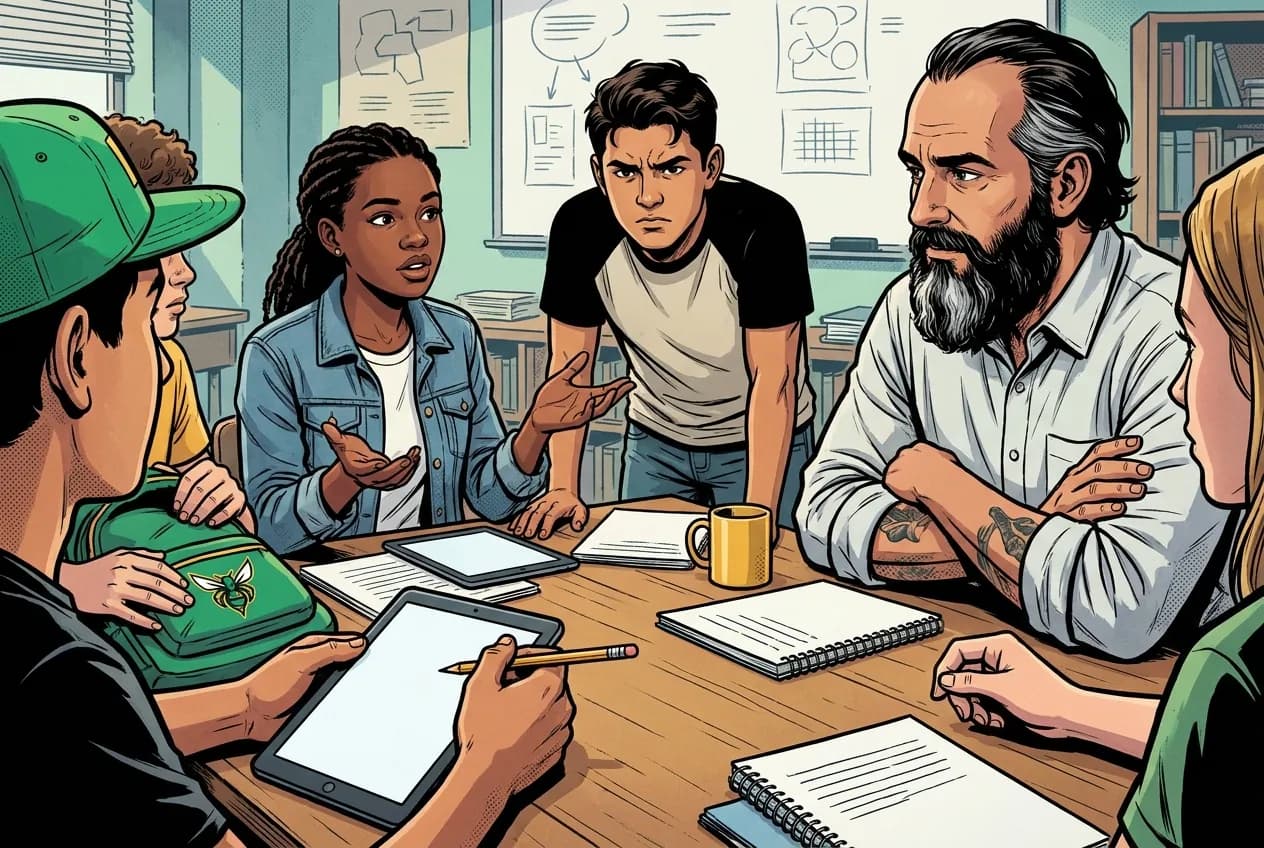
Auditing our own product for what it collects and whether it needs to. The answer for two fields was no, and we had included them because they seemed useful.
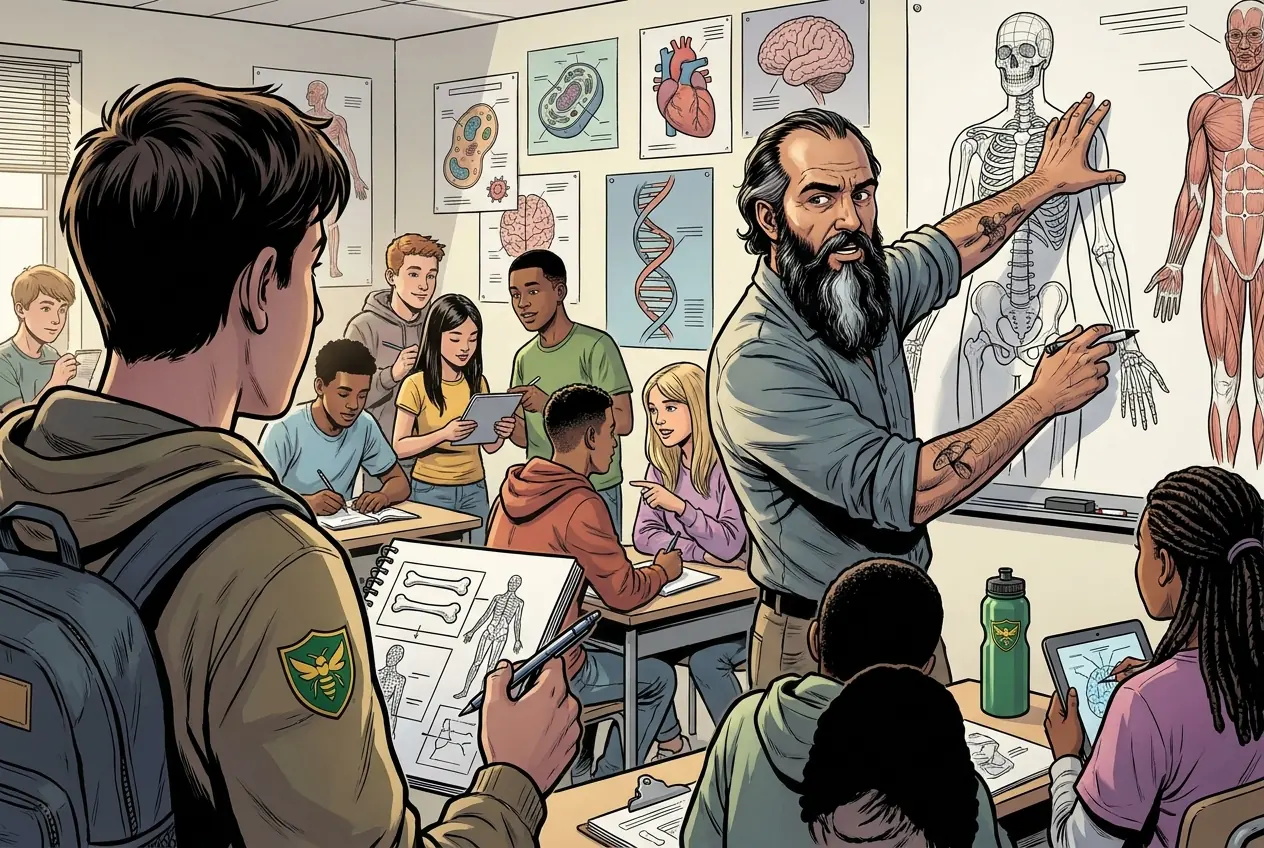
Sketching screens. Our personas were basically us until a teammate pointed out that neither of us is an older person on a slow connection, and half our features served nobody but ourselves.
TEAMMATE
Neither of us is an older person on a slow connection. Half these features serve nobody but us.

Message, wireframes, privacy audit, personas.
Week 15
APRIL 30 TO MAY 3
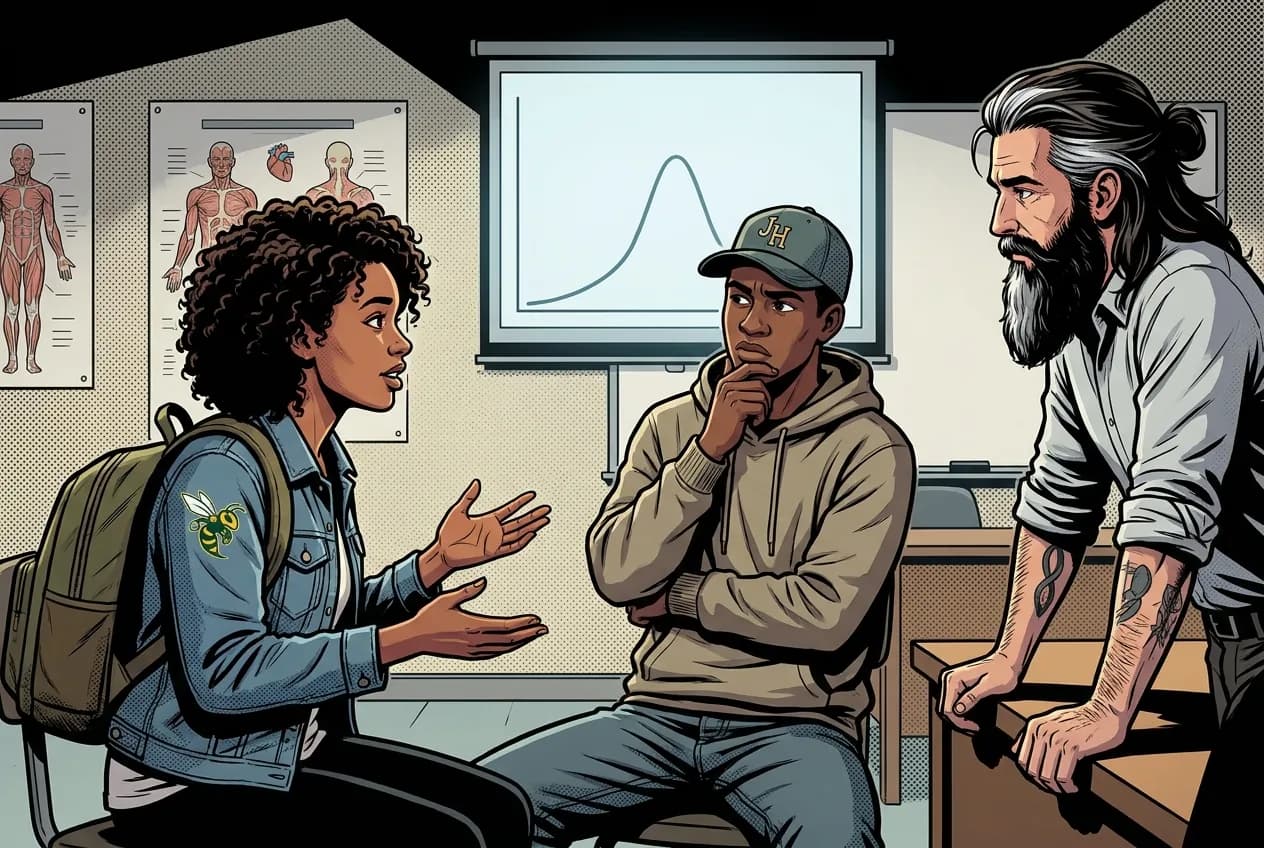
Releasing an engineered organism, even a beneficial one, and the fact that you cannot recall it afterward.
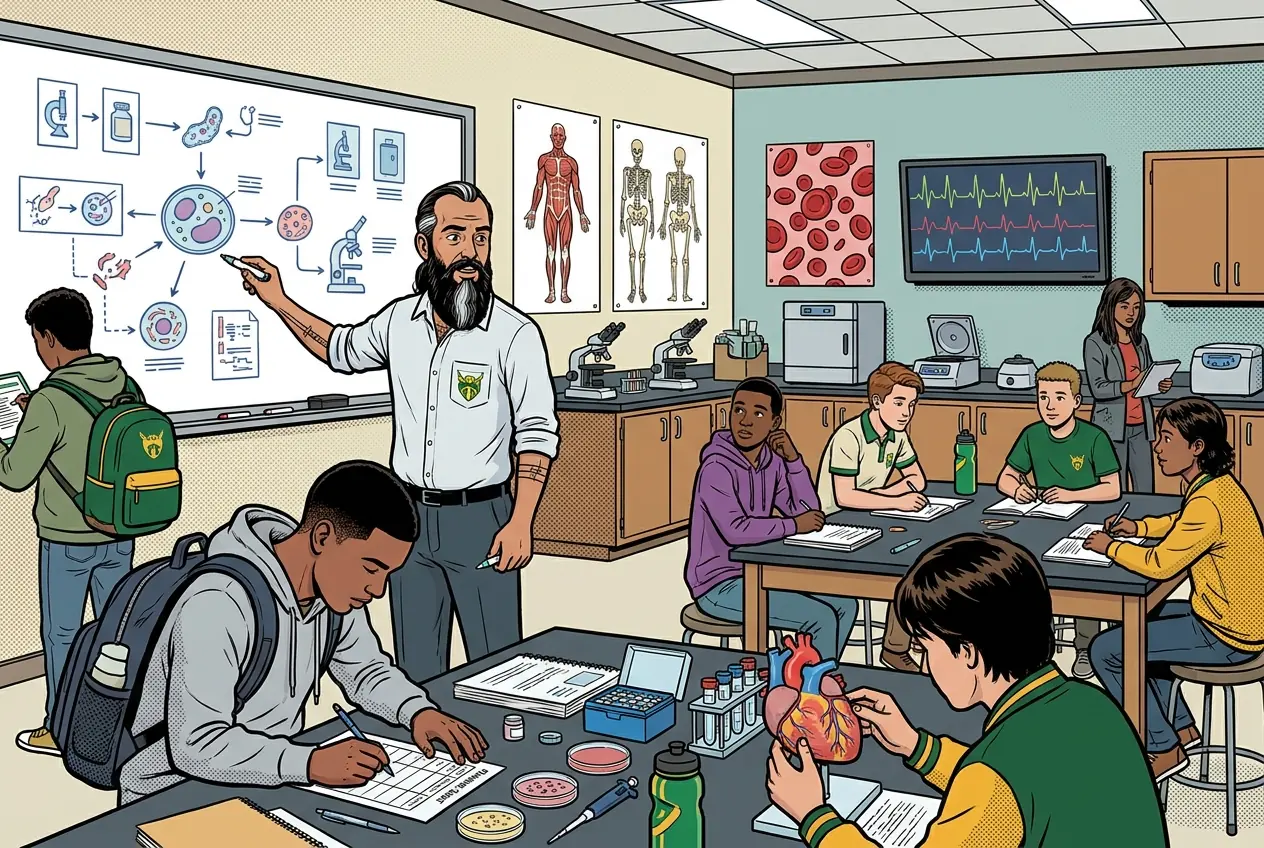
The molecular workflow and where controls sit in it. Positive, negative, and what each one rules out.
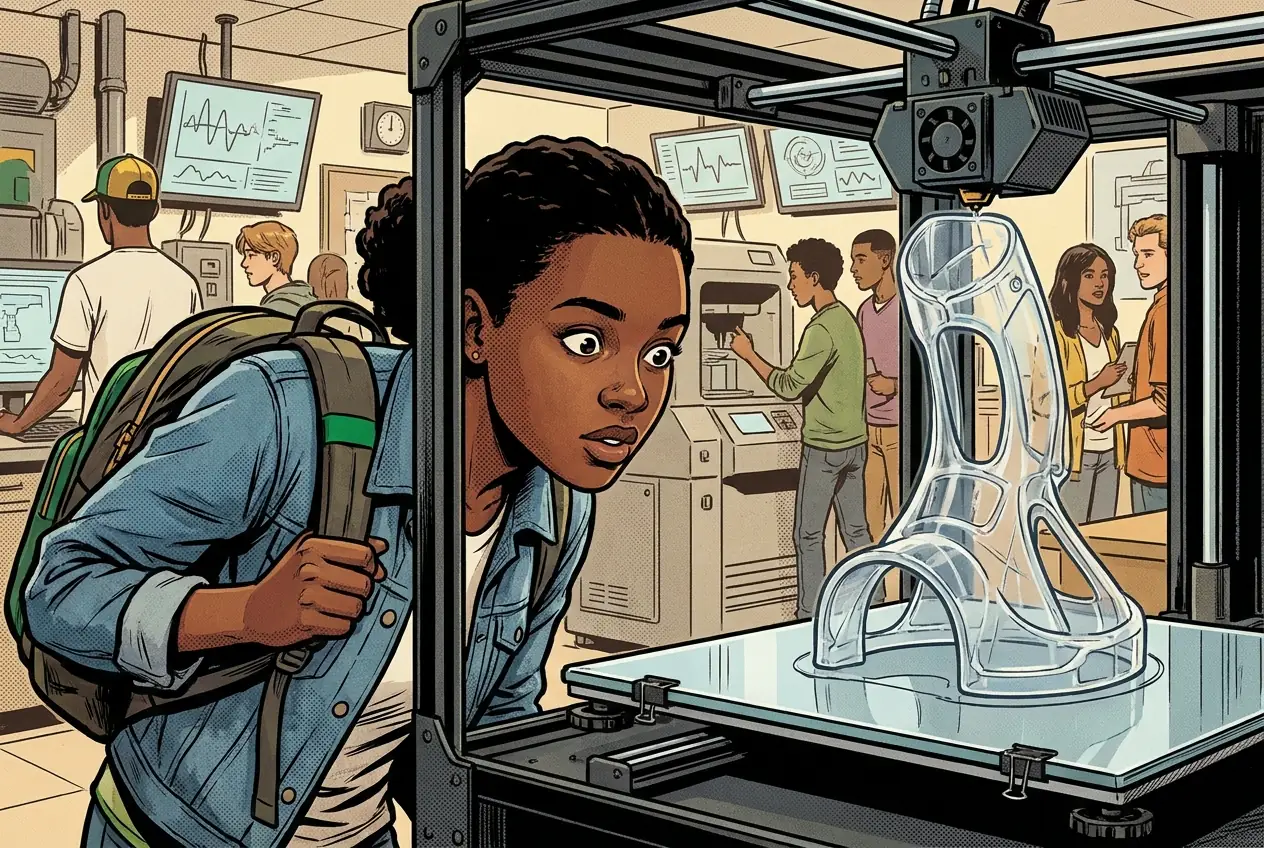
The optional research extra credit. A university lab hosted a few of us and I spent most of the morning in the engineering side watching a 3D printer build a small device.
RESEARCHER
The best designers I work with spend more time with users than with CAD.
Week 16
MAY 5 TO 10
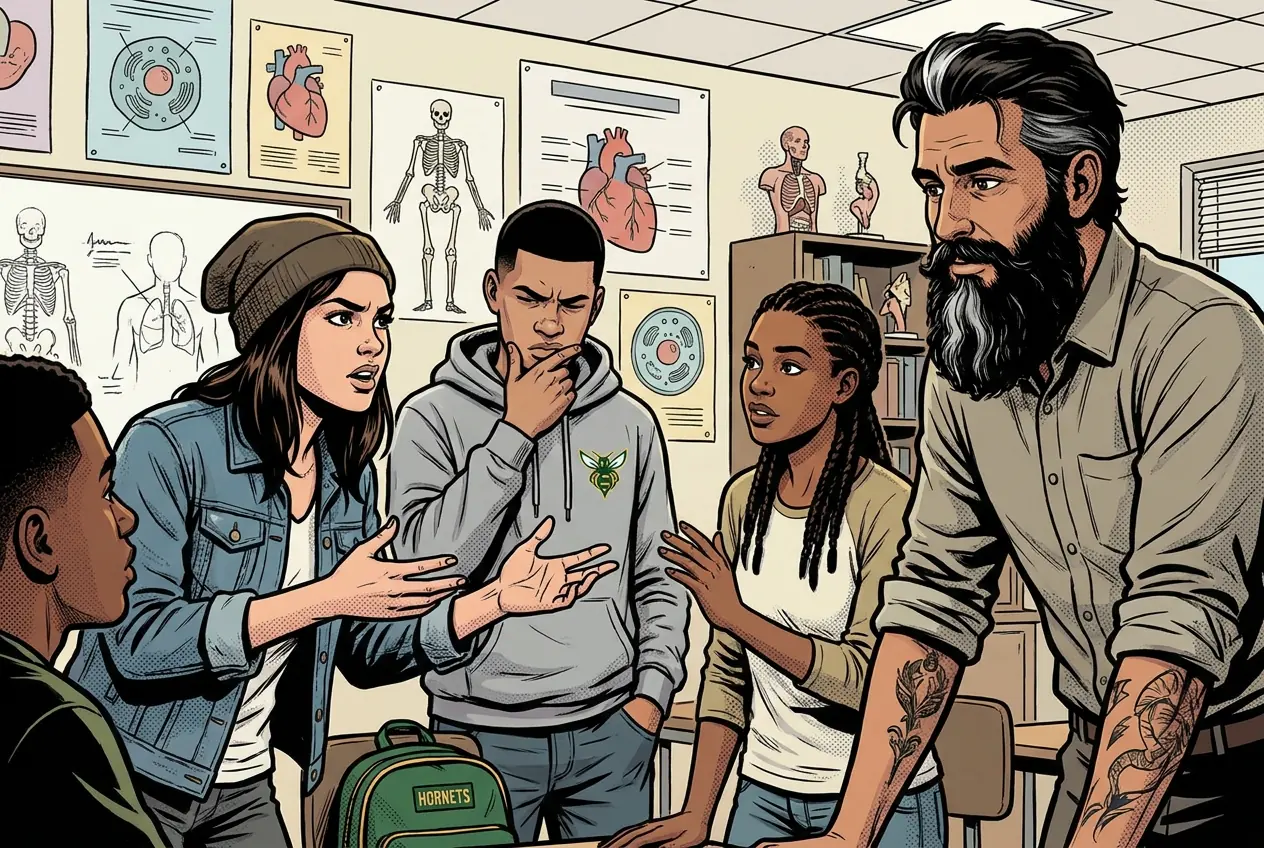
Containment levels and who is responsible when something leaves a lab. The answer is usually a system rather than a person, which is comforting and also how nobody ends up accountable.

Getting bacteria to take up a plasmid, and why only a small fraction do. The selection step is what finds the ones that worked.
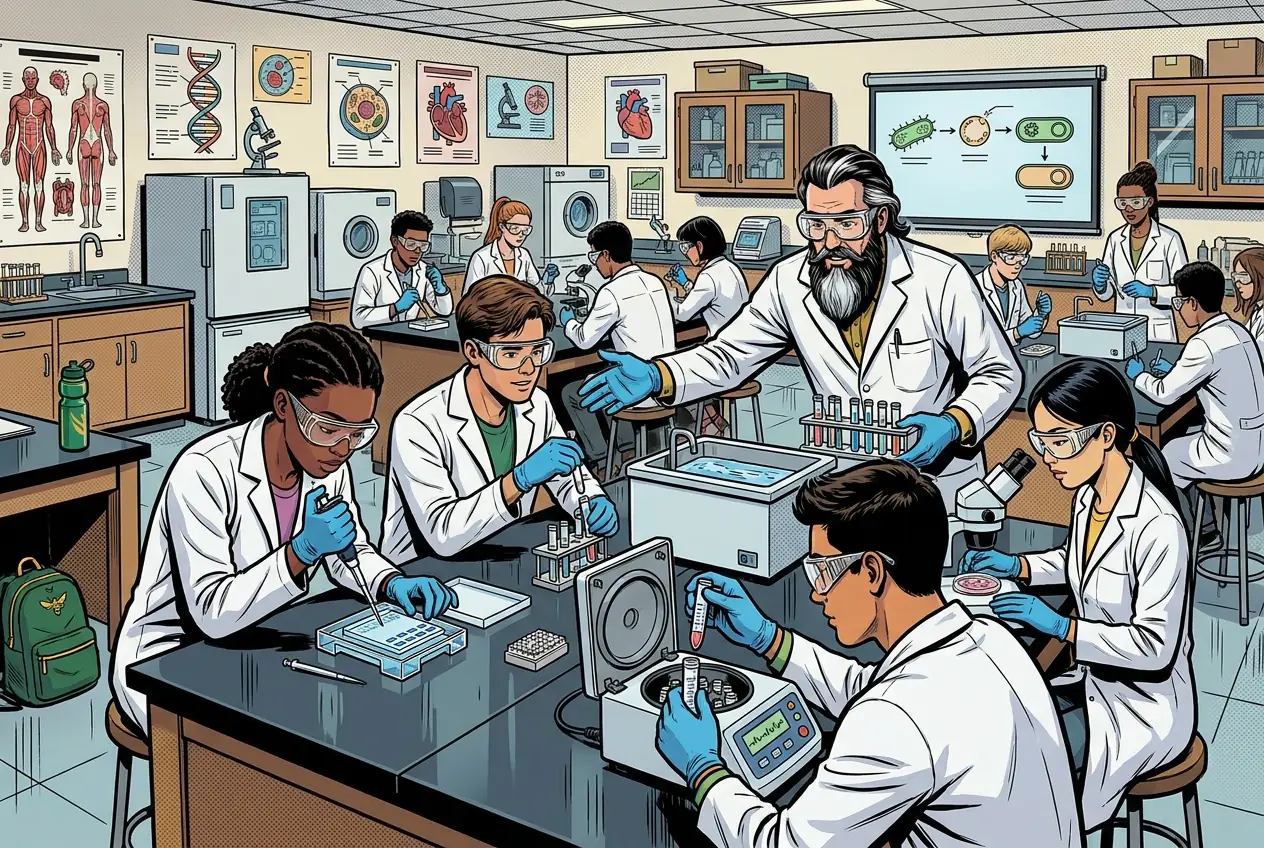
The wet lab. Transformation, then a gel to confirm it. My plate had colonies where the control said there should be none, which means contamination somewhere in my technique.
ME
Four courses in and my aseptic technique is still the weakest thing I do.

Mapping the bands against the ladder to work out fragment sizes. My gel was readable despite the plate problem, which is a small mercy.

Protocol, plate results, gel image, and the contamination written into the limitations rather than quietly omitted.
Week 17
MAY 11 TO 14
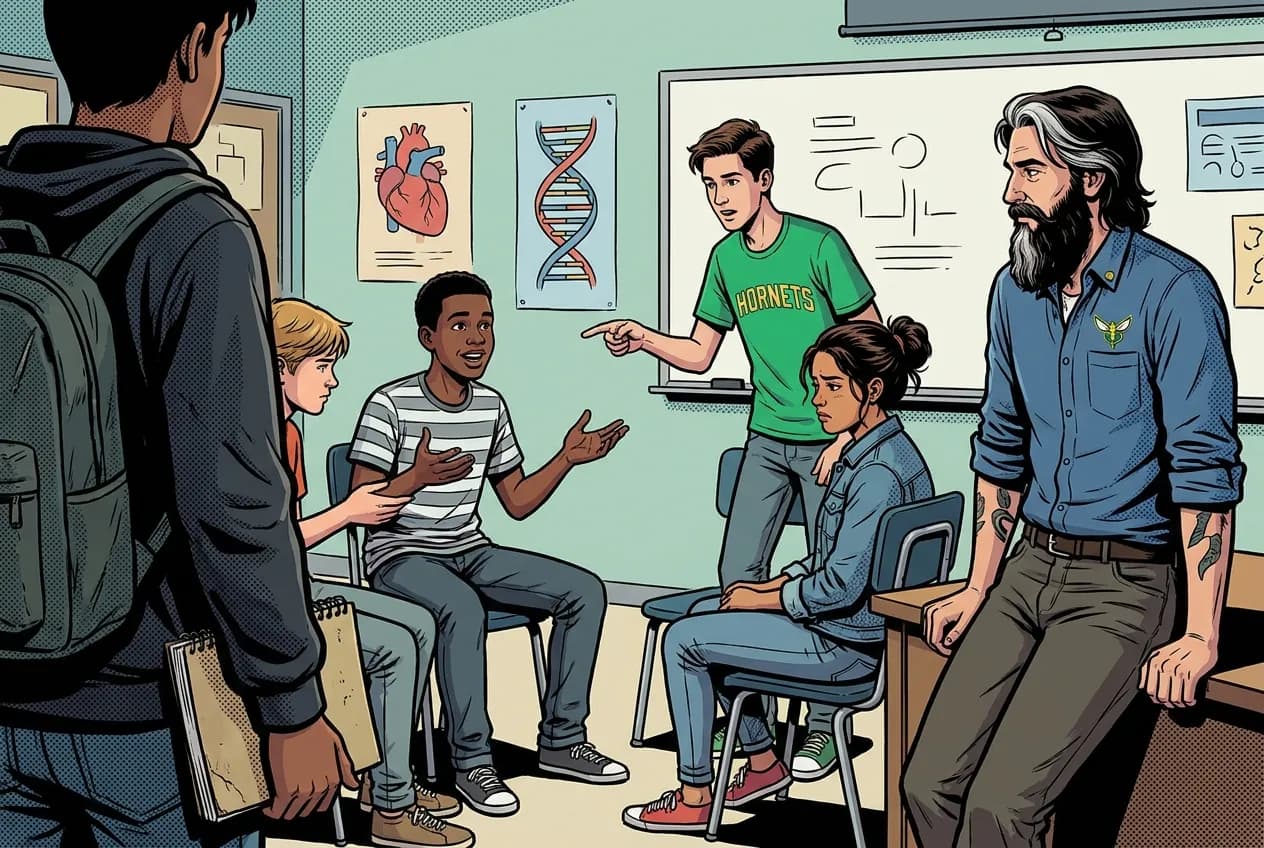
The last Monday. Research ethics, and we were asked to name one position we had changed across the whole year.
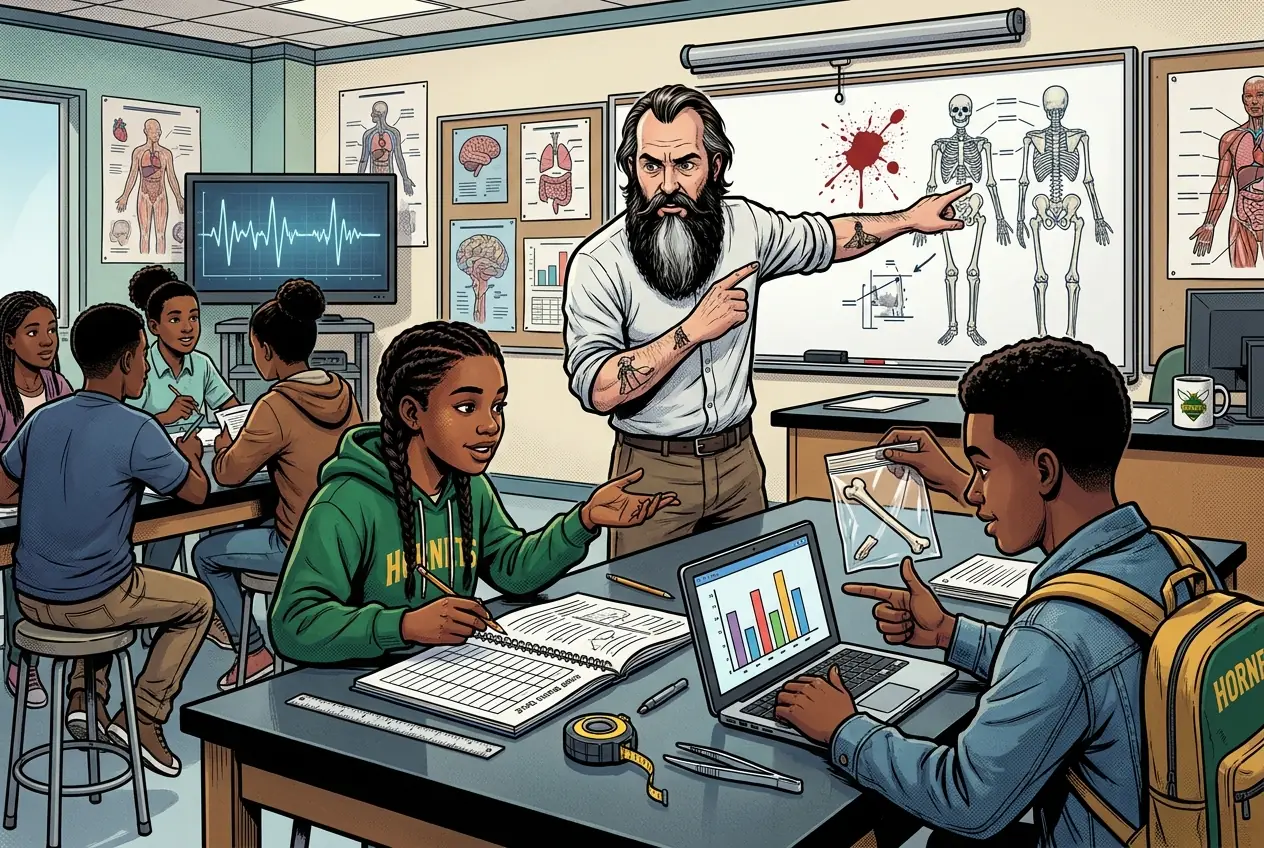
Organizing evidence so somebody else could audit the chain of reasoning. Same discipline as the design log, applied to a different problem.
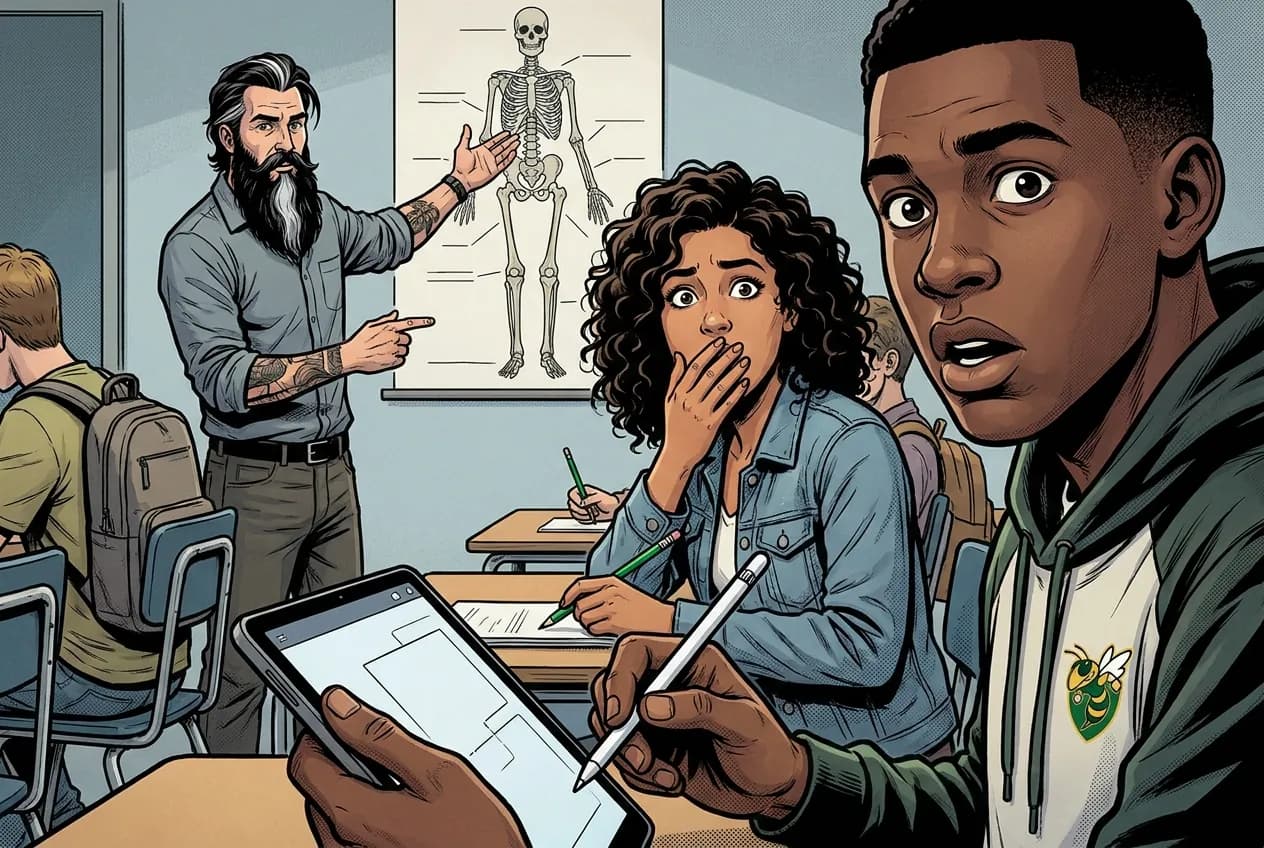
Defining the final project question, which after seventeen weeks I can now do in one period instead of three.
Everything against the rubric. Mine was mostly complete and the gaps were labels and dates, not missing work, which is its own lesson about doing it properly at the time.
Submitted. Seventeen weeks, four design problems, one portfolio.
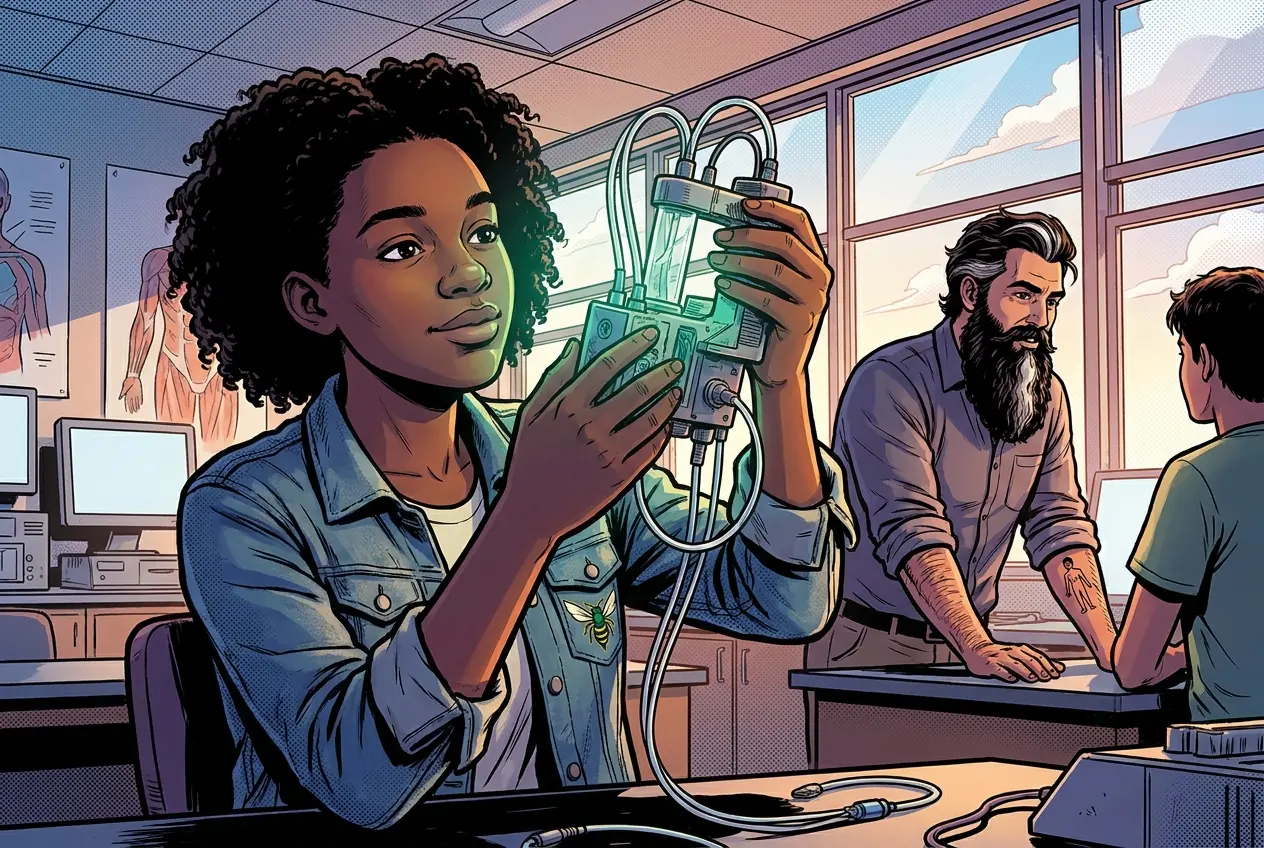
The optional research extra credit. A university lab hosted a few of us and I spent most of the morning in the engineering side watching a 3D printer build a small device.
Fiction. No real student, family, grade, or conversation appears here. The lessons, labs and dates are the real planned course.