
Unit 1.1 Investigating the Scene: Forensic scene documentation, evidence log, crime-scene sketch, trace evidence, biometric data.
Your PLTW coursework: Principles of Biomedical Science ▸ Unit 1: Medical Investigation ▸ Lesson 1.1 Investigating the Scene ▸ "Activity 1.1.1 A Sketchy Scene", "Activity 1.1.3 The Traces We Leave Behind"
What to do if absent- CER:
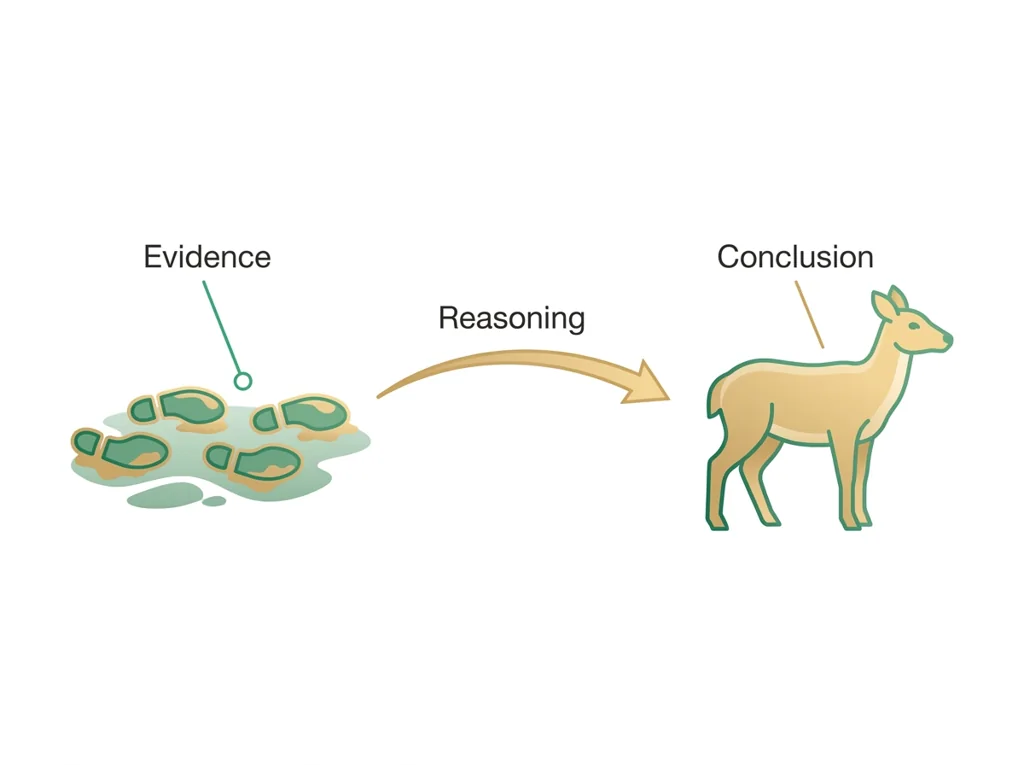
- Claim, Evidence, Reasoning: make a claim, back it with evidence, explain your reasoning.
- SOP:
- Standard Operating Procedure, the exact steps to follow (especially in a lab).
- Tracker:
- Your PLTW progress log where you record completed evidence.
- myPLTW:
- The PLTW course site where you do the online activities. Find it in Clever with your Microsoft sign-in, right next to Schoology.
Document a mock scene with a sketch and an evidence log, examine under the microscope, and tell the difference between an observation and an inference while protecting the .
- 1Open the Unit 1.1 task in your PLTW shell so you know what scene evidence is graded.
- 2Sketch the assigned scene to scale and label fixed reference points before touching anything.
- 3Record each piece of evidence in an evidence log with a number, description, and location.
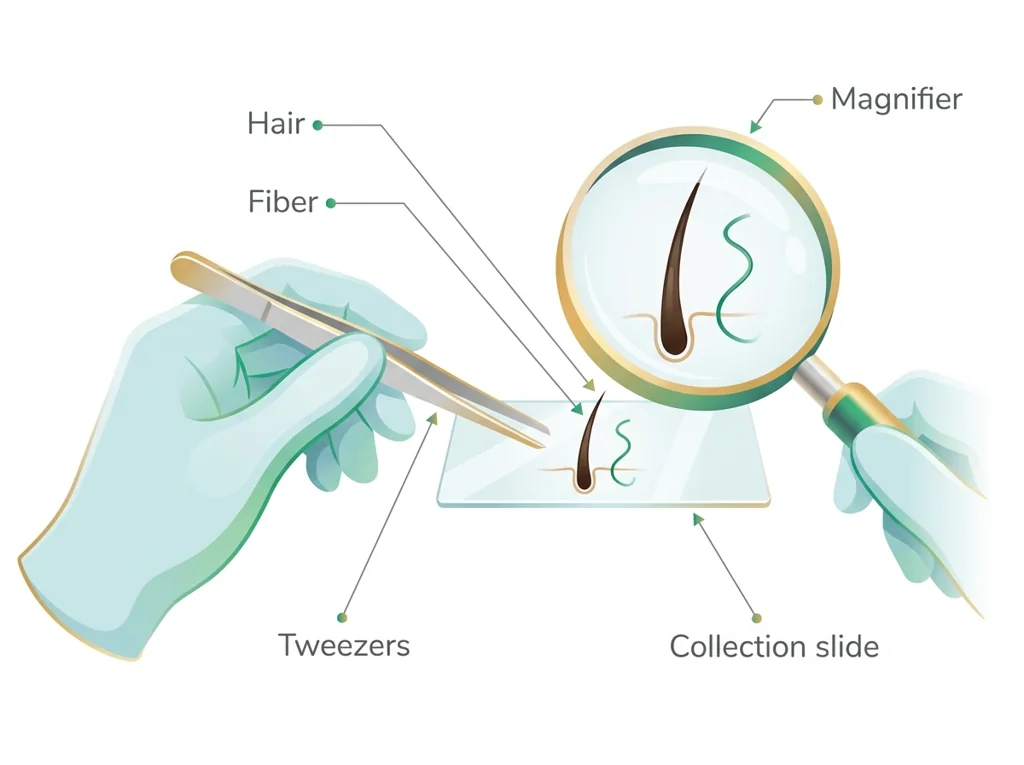
- 4Mount a sample (hair or fiber) and observe it under low and high power on the microscope.
- 5For three observations you record, write a matching inference and explain how they differ.
- 6Sign and date your evidence log to model and note your .
- • You can produce a labeled scene sketch and a complete evidence log.
- • You can distinguish an observation from an inference in writing.
- • You can explain why and a protect evidence.
Open any day for its full lesson, the work due that day, and guided notes.
One individual D06 Daily Evidence Sheet, Parts A–E, with all required intake rows in the same sheet or PDF.
One individual D07 trace comparison sheet, Parts A–E.
Presumptive test report
- A scene only tells the truth if you document it before you disturb it, so today you slow down and record like a professional.
- Today's goal: build a clean evidence log and use the microscope to turn into reliable data.
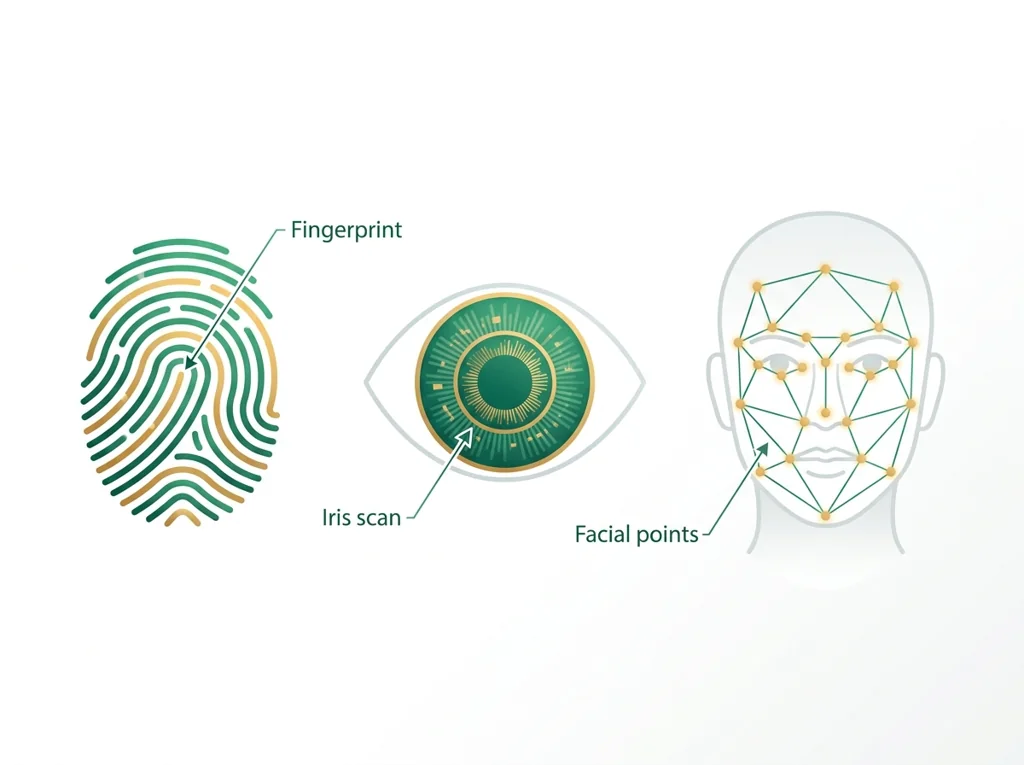
- Monday's bioethics debate frames the unit: when does collecting biometric data at a scene cross the line into invading privacy?
- Your graded scene sketch and evidence log are submitted on the class site.
Do this: Advance the PLTW PBS Unit 1.1 benchmark by documenting a scene and logging in the online course shell.
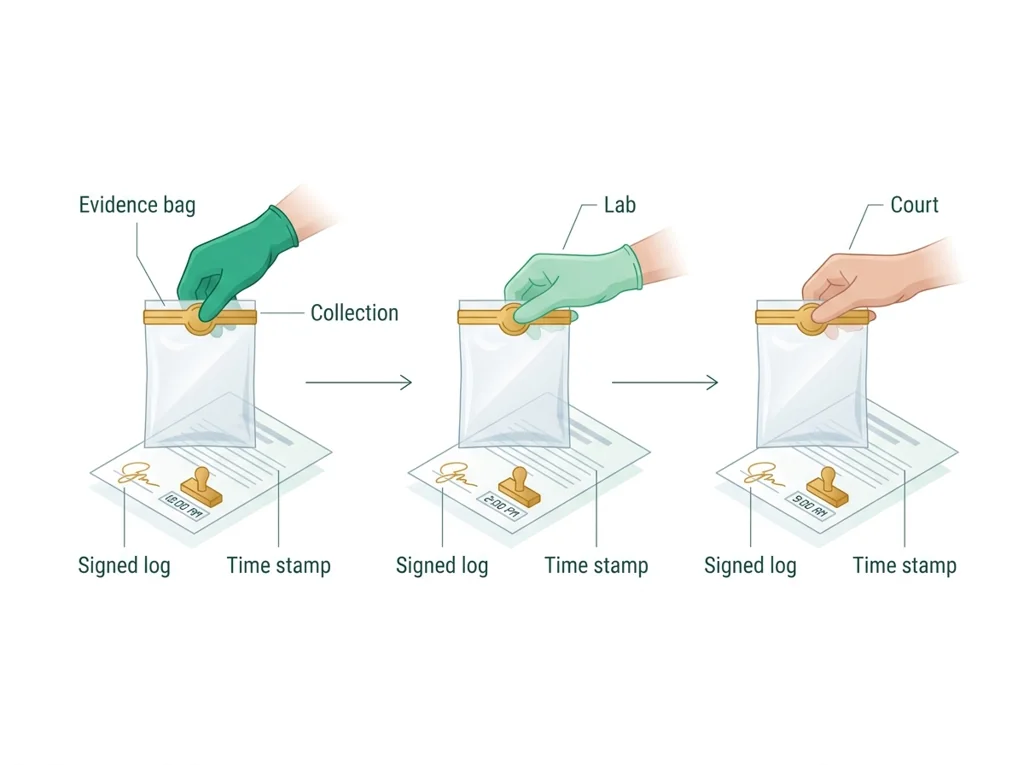
- • is the documented record of who handled evidence and when.
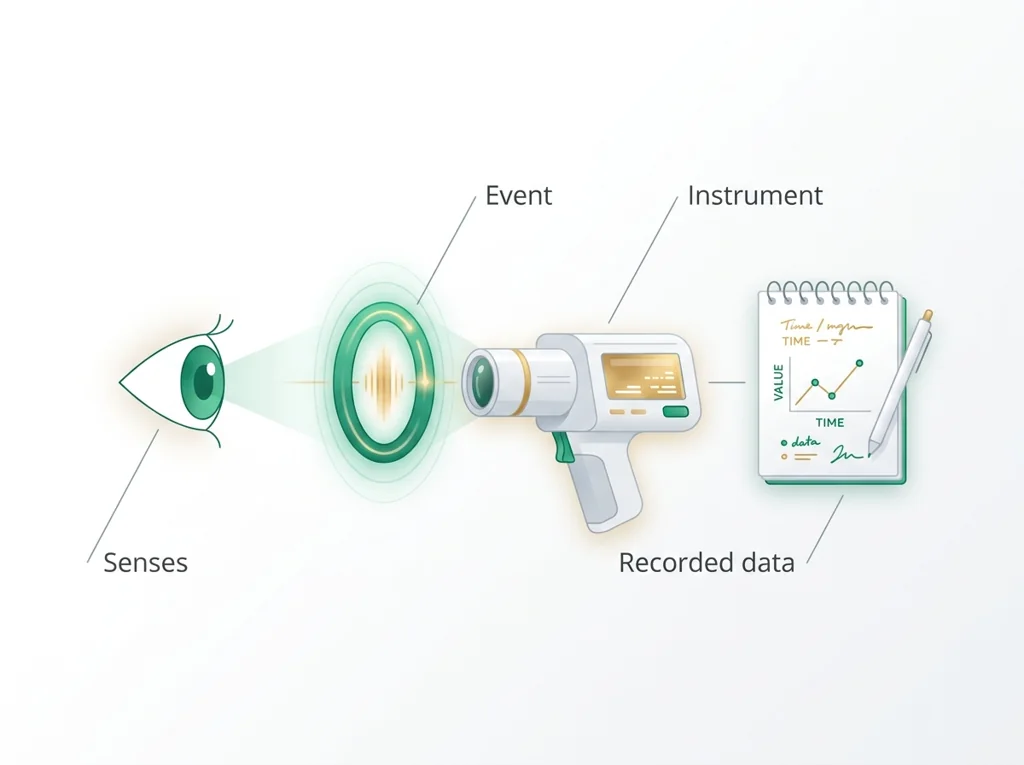
- • An observation is what you sense directly, while an inference is a conclusion drawn from it.
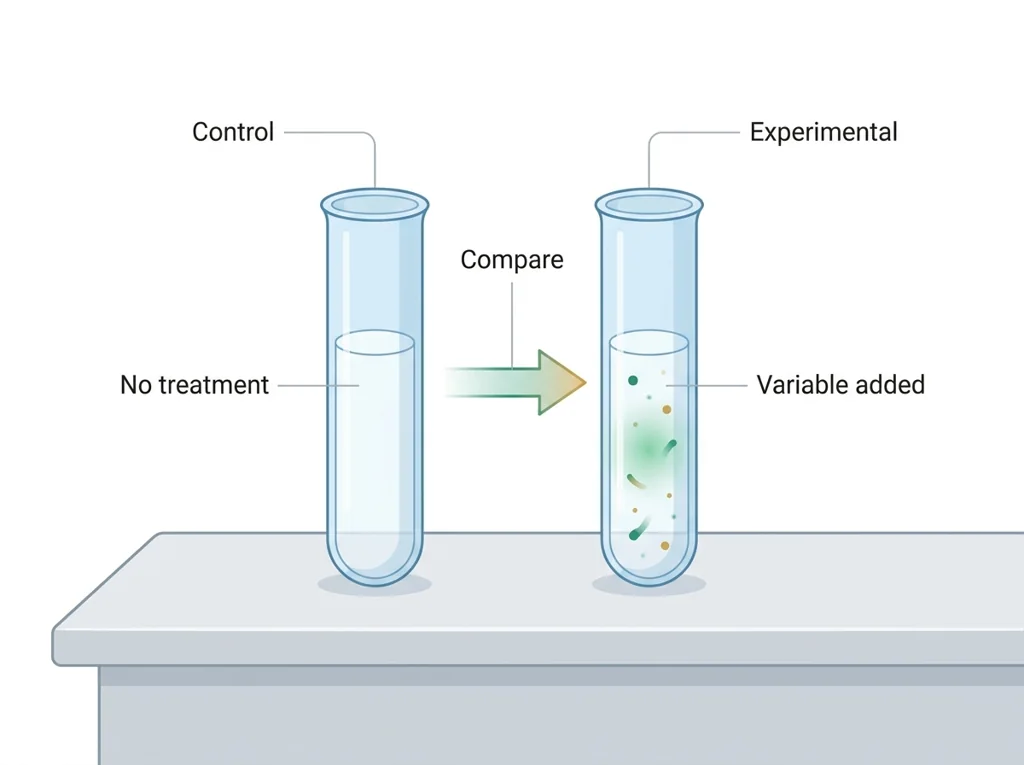
- • A gives a known comparison for .
- • Create a scaled scene sketch and a numbered evidence log.
- • Operate a compound microscope to examine .
📋 PLTW evidence due Friday: completed Unit 1.1 scene sketch and evidence log with chain-of-custody documentation.
All PLTW activities are completed inside the PLTW course environment: this page only gives direction.
Use this chart to keep your place. Nothing on it is turned in through the portal.
| Day | Work | Turn in |
|---|---|---|
| Monday · Mon, Sep 14 | Scene documentation lab | One individual D06 Daily Evidence Sheet, Parts A–E, with all required intake rows in the same sheet or PDF. |
| Tuesday · Tue, Sep 15 | Analyze trace evidence | One individual D07 trace comparison sheet, Parts A–E. |
| Wednesday · Wed, Sep 16 | Evidence for | |
| Thursday · Thu, Sep 17 | Ethics of testing | Presumptive test report |
| Friday · Fri, Sep 18 | Biomolecule and tox data | Serology worksheet |
- M: Philosophy for Kids / John Carroll bioethical debate
- T: teacher background notes + PLTW launch task
- Th: analysis / CER or design revision
- F: submit tracker + weekly evidence
Turn in: Unit 1.1 Investigating the Scene: Forensic scene documentation, evidence log, crime-scene sketch, trace evidence, biometric data. weekly work due Scene sketch/evidence log.
Go to Schoology to turn this in.
Submit one PDF. Schoology attaches your name to your upload; on the page itself, write your period and code. Name the file: FirstName LastName - Assignment Title - YYYY-MM-DD.pdf.
Open Schoology PDF upload helpIf you cannot get in, see Mr. Mendoza. Do not skip the work.
4 panels from the illustrated semester.
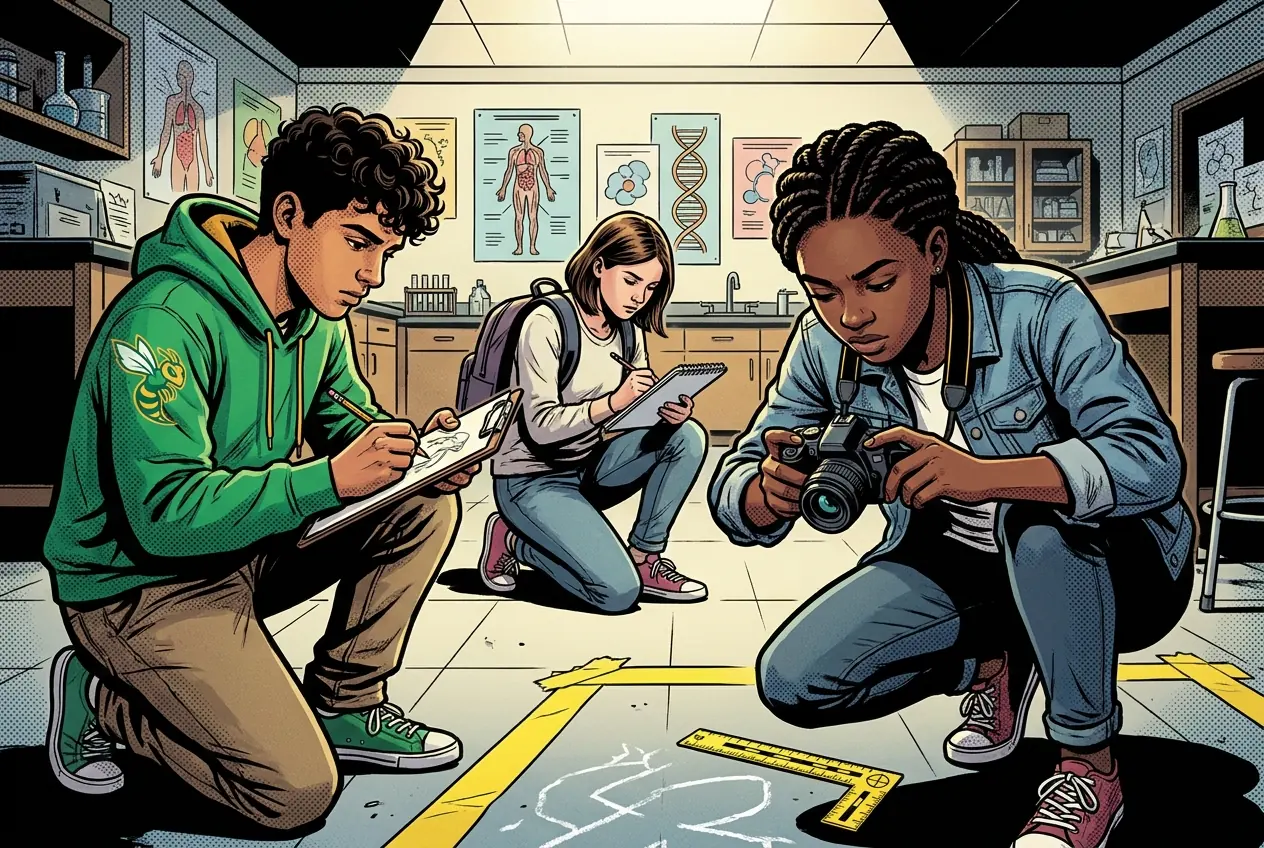
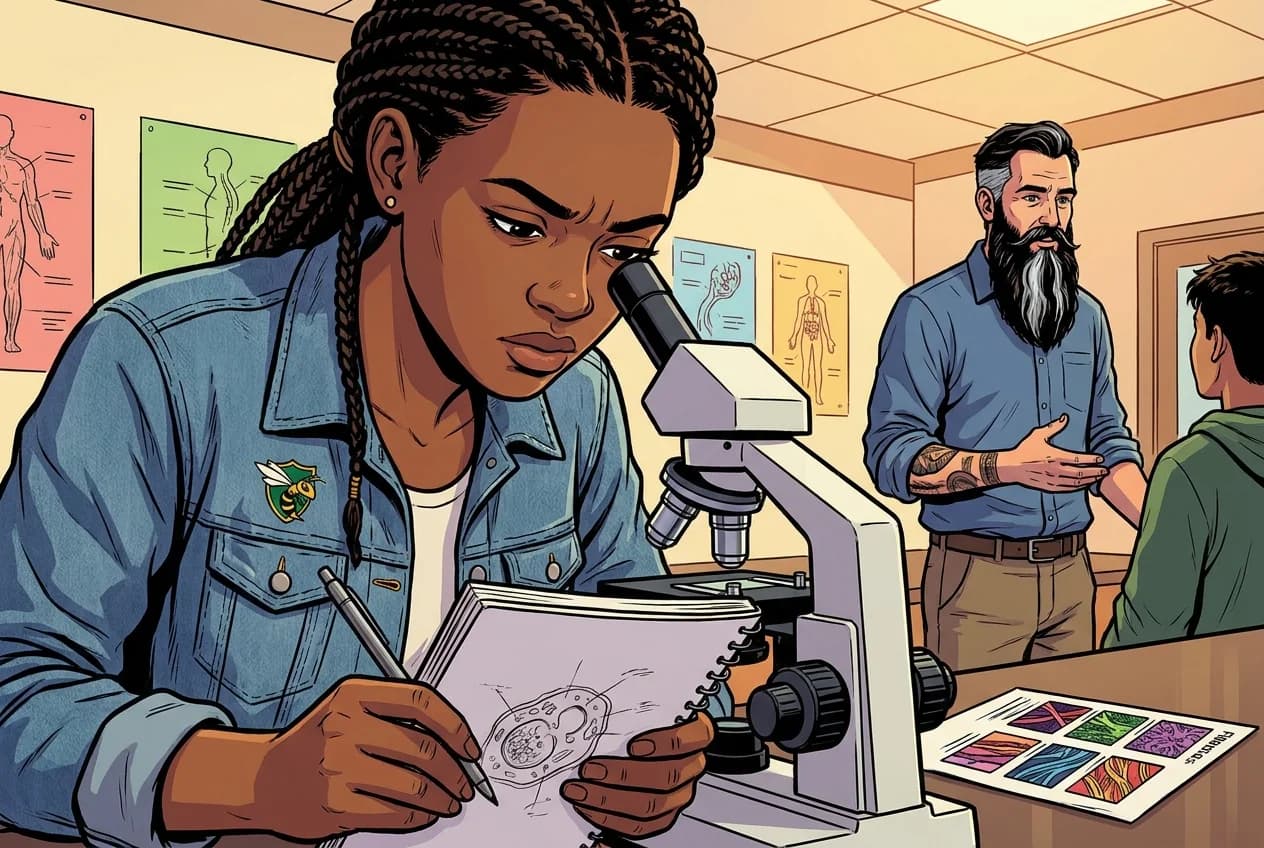
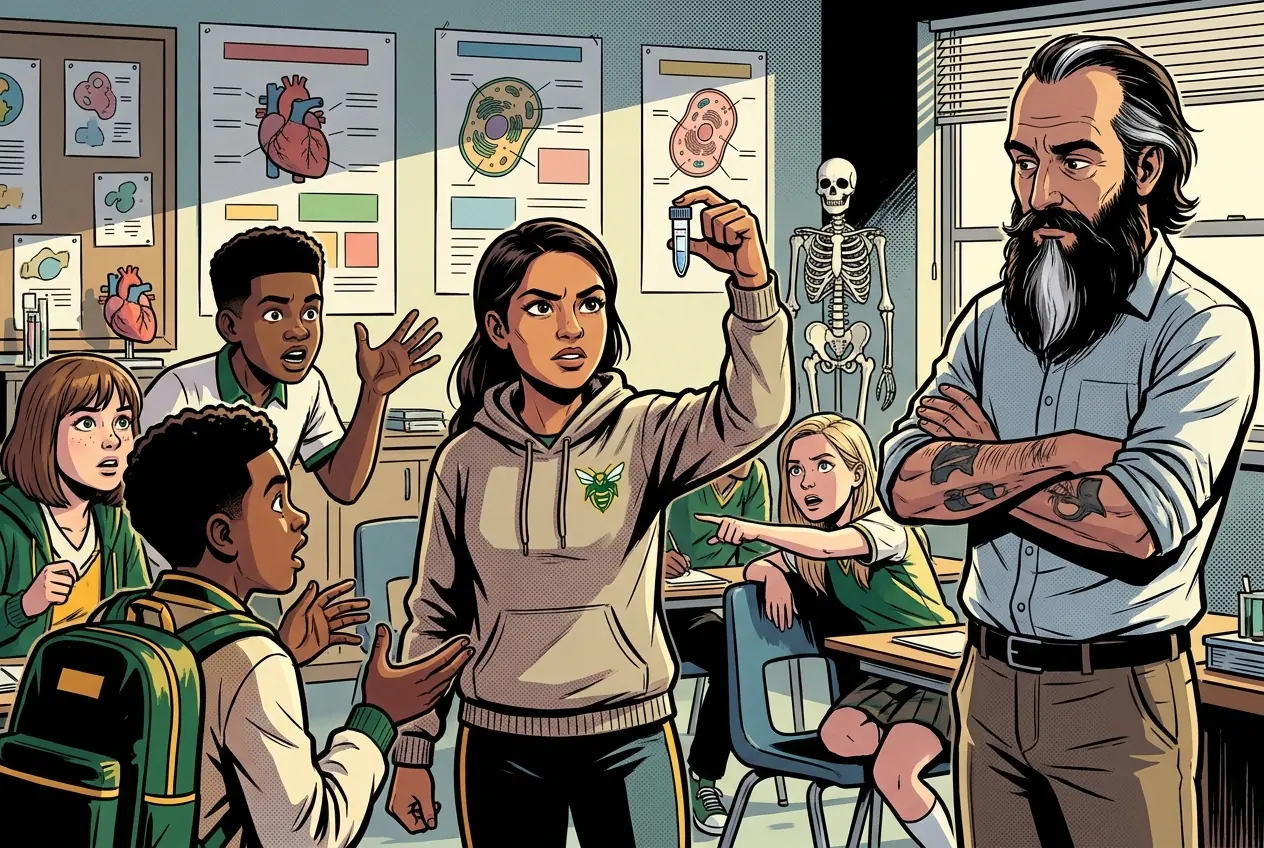
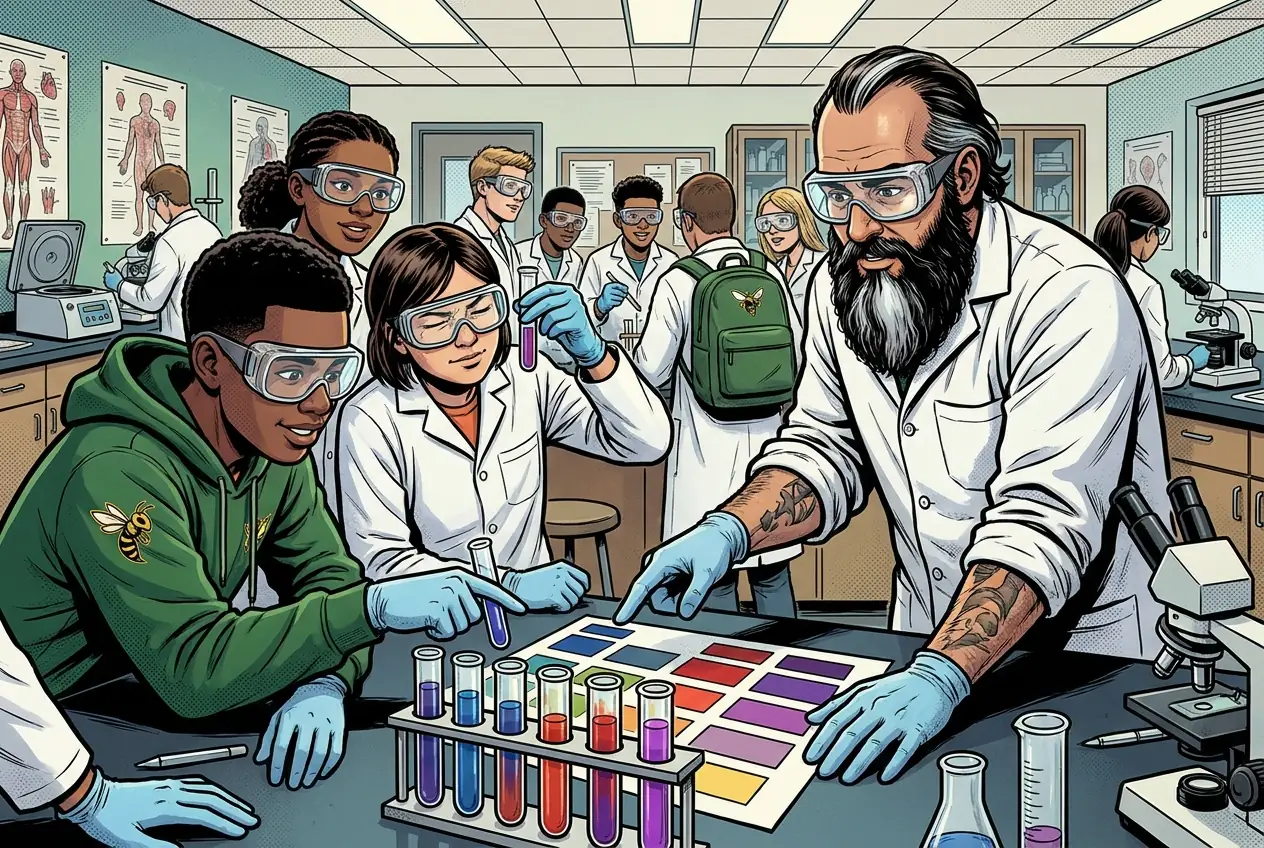
Fiction. There is no such student. The lessons, labs and dates are the real planned course; the student, the classmates and the conversations are invented.
This explainer accompanies the PLTW lab protocol: watch it before lab.
Most days, this class is your PLTW coursework: and PLTW is online and individual. So being out usually just means doing exactly what we did in class, from home.
Open Clever, then myPLTWSign in to Clever with your district Microsoft account to open Schoology or myPLTW. Follow today's posted steps. If myPLTW will not open, use the posted alternative and tell Mr. Mendoza. Turn in your completed work through the Schoology assignment.
You can't do those from home: do this instead: Teacher-posted data/model packet, same objective. Supplemental: Khan: scientific method; HHMI/forensics teacher-approved evidence clips if used.
Class still runs. A substitute will post today's plan: complete the online activity above; it's built to be self-guided. Need the concept taught without a teacher? Use this authoritative explainer:
Khan Academy: using the microscope (Cell biology)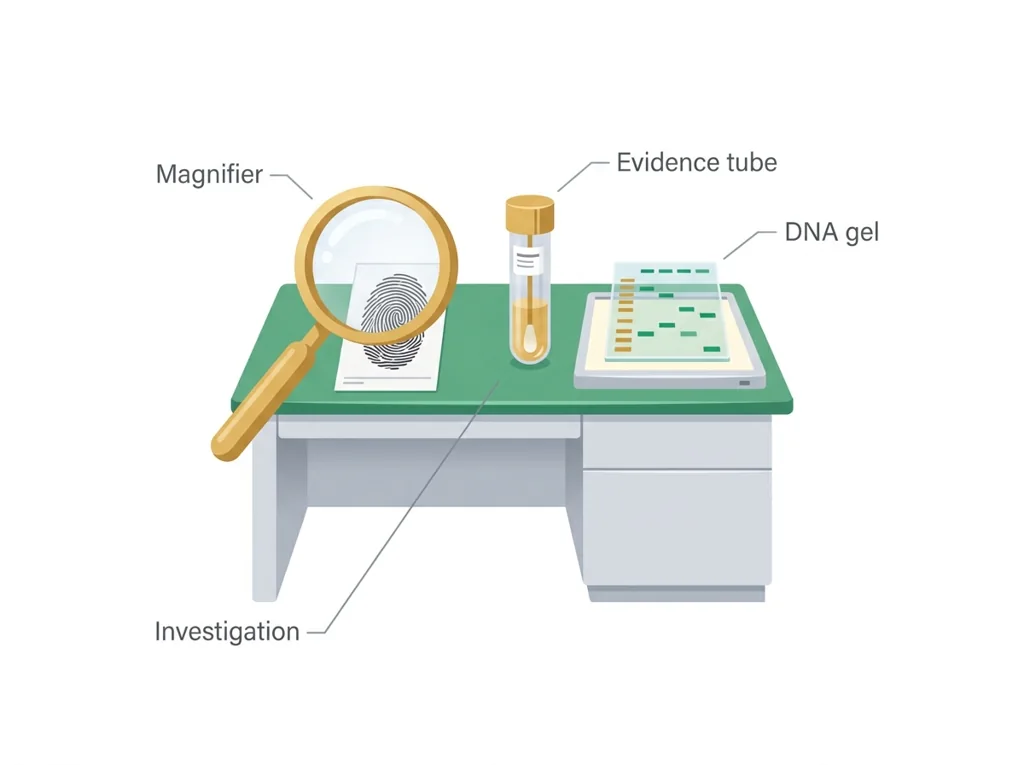
Hand-picked readings and interactives for this lesson, from authoritative open organizations and PLTW's own public course outline.