
Unit Course Launch: PLTW access, lab notebook, PPE/SDS, evidence handling, variables, controls, graphing, descriptive statistics.
Your PLTW coursework: Principles of Biomedical Science ▸ Unit 1: Medical Investigation ▸ Lesson 1.1 Investigating the Scene ▸ "Activity 1.1.1 A Sketchy Scene"
What to do if absent- CER:
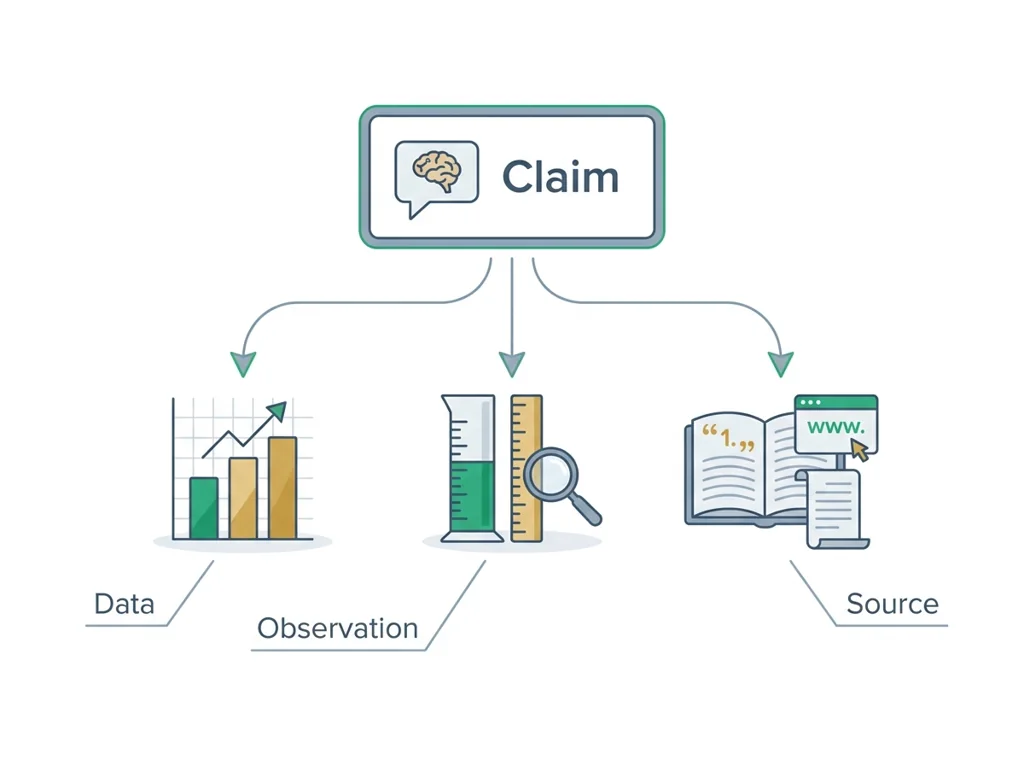
- Claim, Evidence, Reasoning: make a claim, back it with evidence, explain your reasoning.
- SOP:
- Standard Operating Procedure, the exact steps to follow (especially in a lab).
- Tracker:
- Your PLTW progress log where you record completed evidence.
- myPLTW:
- The PLTW course site where you do the online activities. Find it in Clever with your Microsoft sign-in, right next to Schoology.
Set up your PLTW lab notebook, suit up in the correct , read a Data Sheet, and define a variable versus a control so every experiment you run this year starts on solid ground.
- 1Log in to your PLTW course shell and confirm you can open the Course Launch task that holds your graded evidence.
- 2Set up page one of your lab notebook with your name, the course, and today's date so every future entry is traceable.
- 3List the in the room and match each item to the hazard it protects you from.
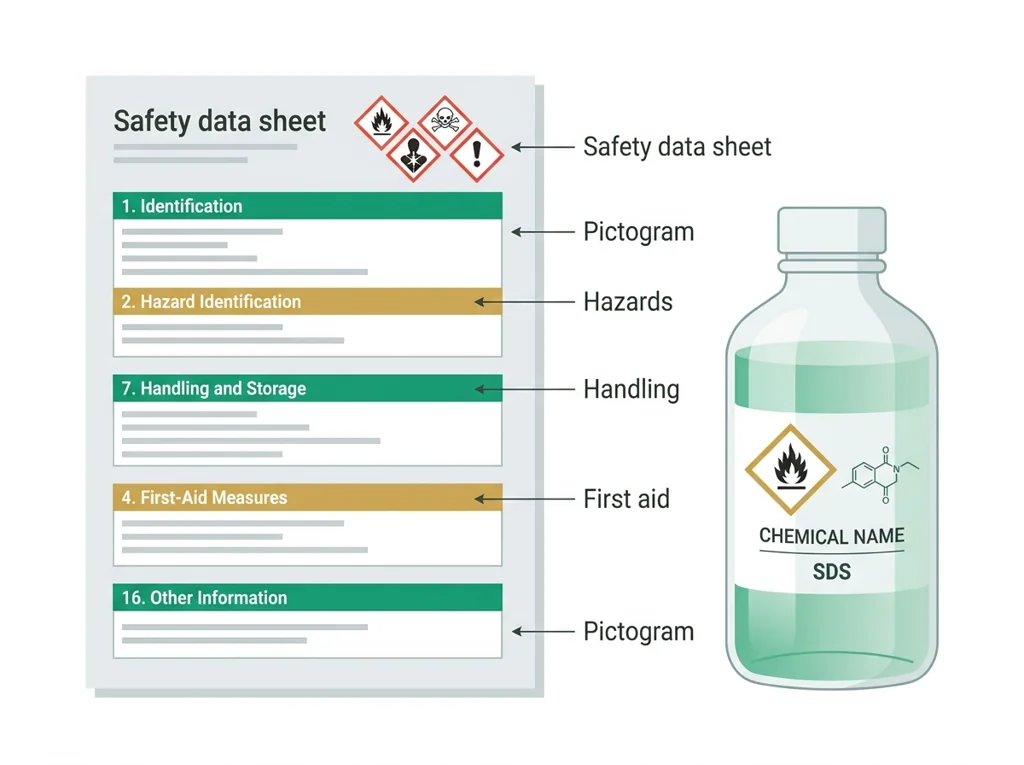
- 4Open the SDS for an assigned substance and find the handling, storage, and disposal sections.
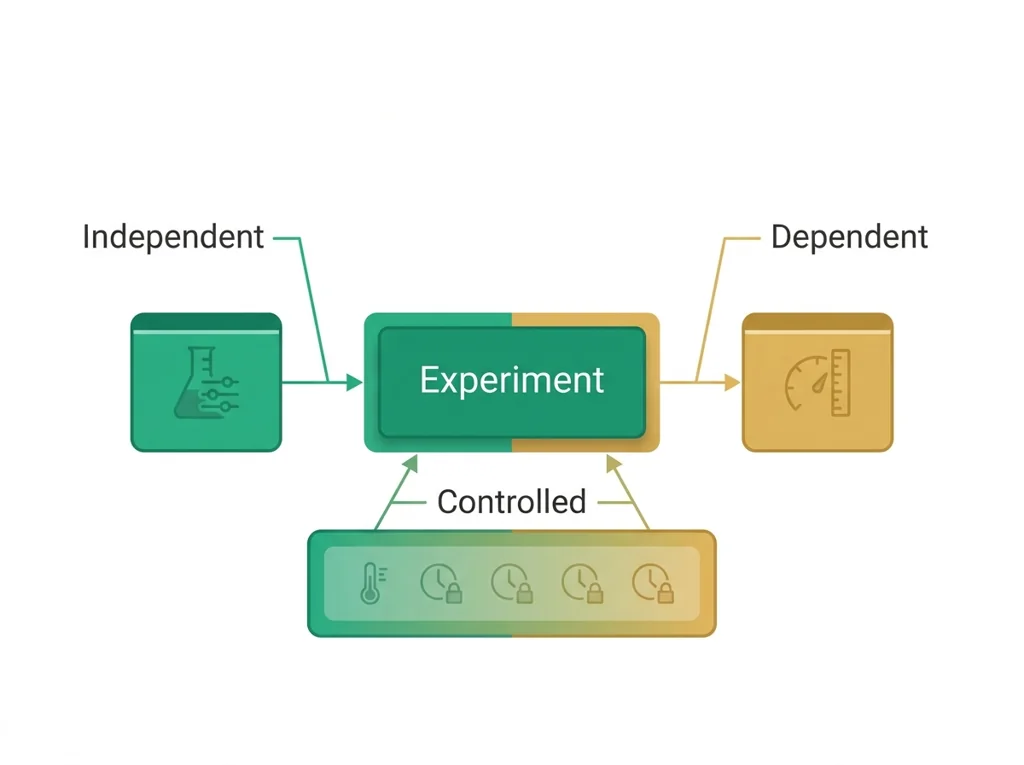
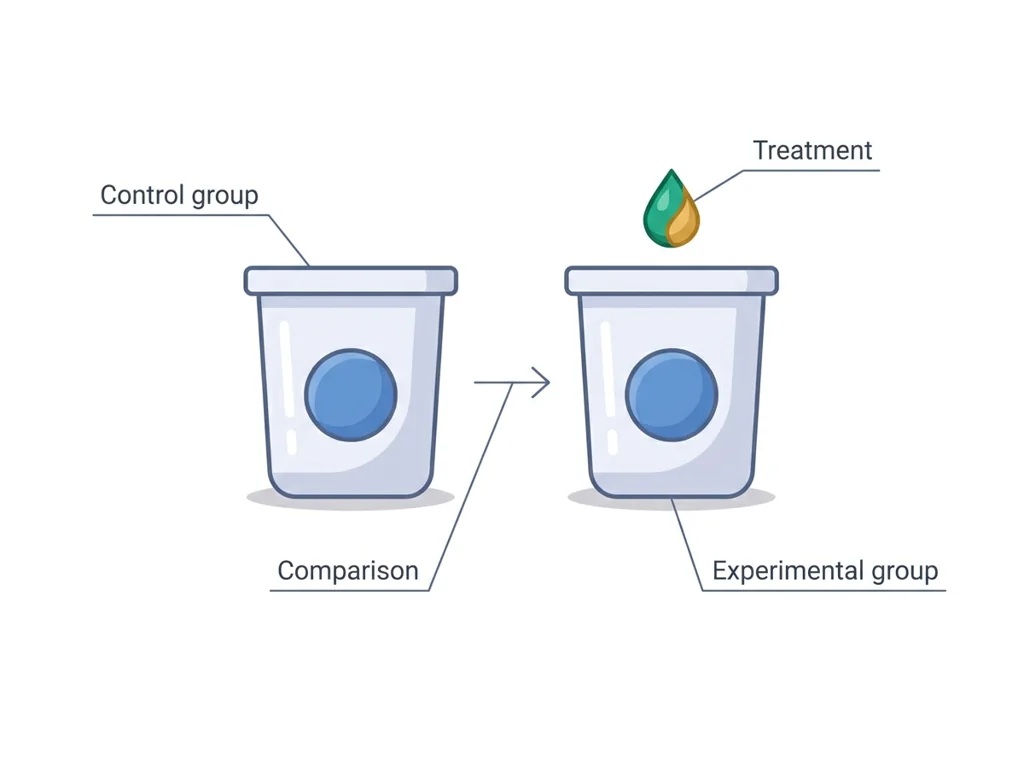
- 5Write your own definition of variable, control, and evidence, then label the variable and control in a sample experiment.
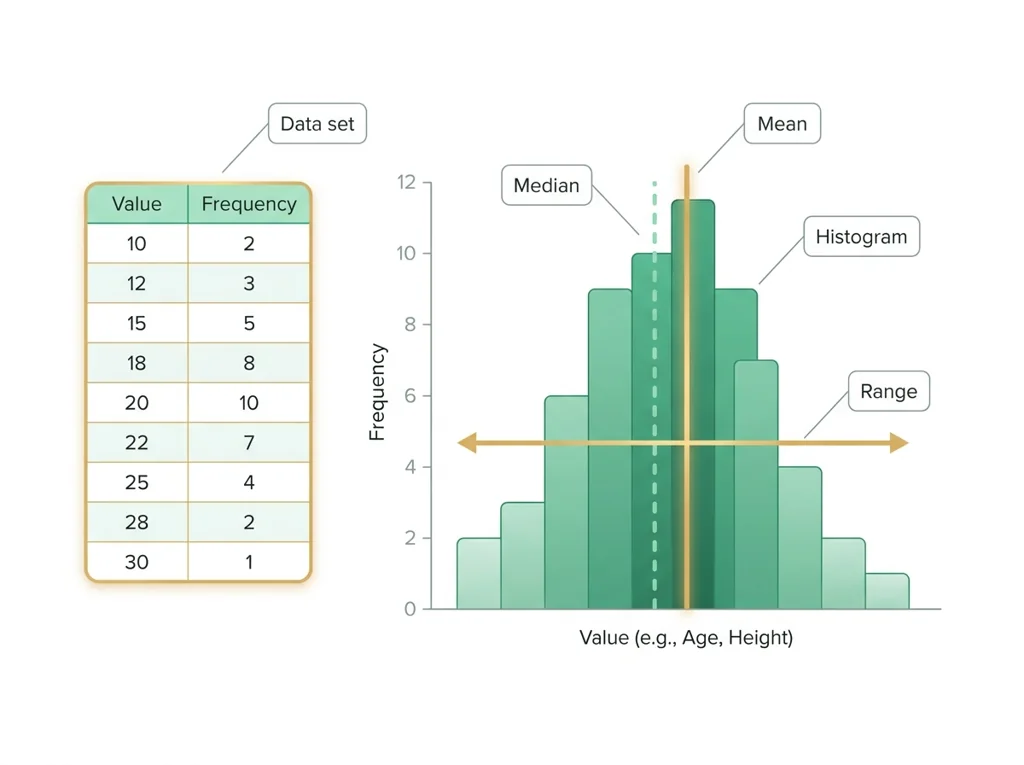
- 6Plot a small sample data set on a graph and calculate its mean and range as a first look at .
- • You can set up a dated, traceable lab notebook entry.
- • You can locate handling, storage, and disposal information on an SDS.
- • You can identify the variable and control in an experiment and find the mean of a data set.
Open any day for its full lesson, the work due that day, and guided notes.
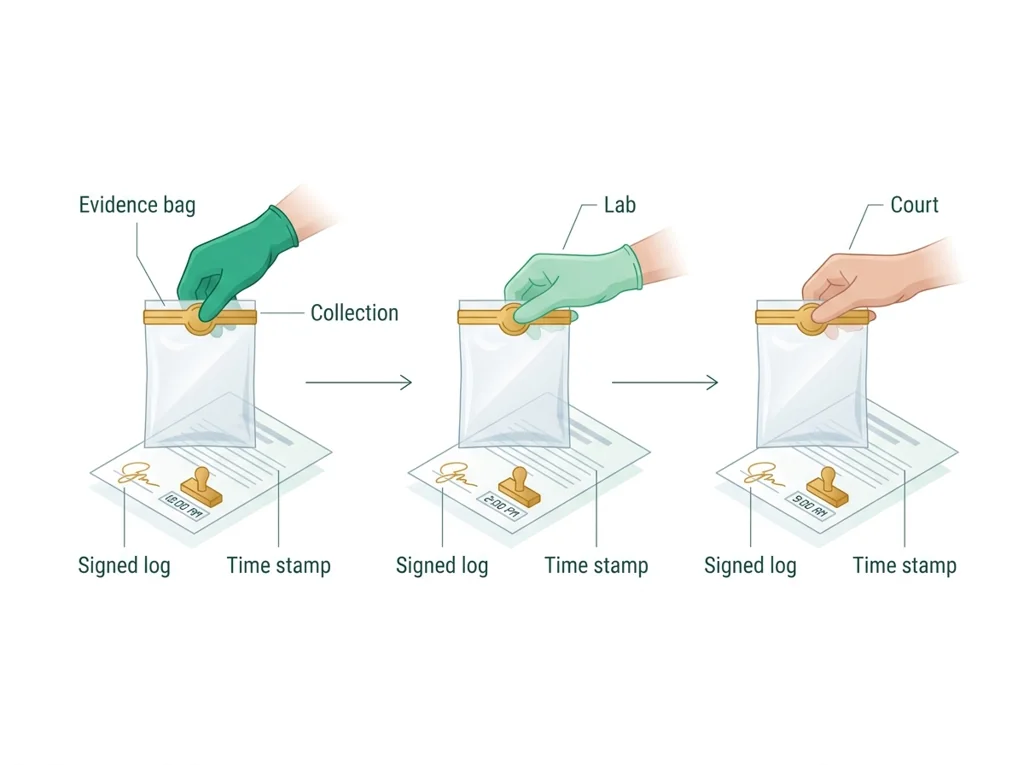
Custody record review and transfer entry
Daily Evidence Sheet, Parts A to E: an initial observations log of ten entries labeled O or I, first timeline entries with a source column, and one open question for the scene walk with its Part C explanation.
One completed D05 packet: evidence sheet, PLAN-1 sketch and four measurements, five photo-log rows and five judgments.
- Welcome to Principles of Biomedical Science, where every unit is a real case and you are the investigator who collects the evidence.
- Today's goal: prove you can work safely and keep clean records, because in biomedical science sloppy data and unsafe handling both ruin a case.
- Monday's Philosophy for Kids bioethics debate opens our year: who is responsible when a lab cuts corners on , and how much risk is acceptable for a discovery?
- Your graded notebook setup, SDS task, and statistics check live in the PLTW course shell, not on loose paper.
Do this: Complete the PLTW PBS Course Launch benchmark by setting up your lab notebook and finishing the online and evidence-handling tasks.
- • An SDS lists safe handling, storage, and disposal information for a substance.
- • A controlled experiment changes one variable while a control stays constant for comparison.
- • like mean and range summarize a set of measurements.
- • Choose the correct for a given lab task.
- • Set up a traceable lab notebook entry with date and purpose.
📋 PLTW evidence due Friday: completed Course Launch benchmark with lab notebook setup and the SDS task.
All PLTW activities are completed inside the PLTW course environment: this page only gives direction.
Use this chart to keep your place. Nothing on it is turned in through the portal.
| Day | Work | Turn in |
|---|---|---|
| Tuesday · Tue, Sep 8 | Chain of custody: track the evidence | Custody record review and transfer entry |
| Wednesday · Wed, Sep 9 | Evidence for | |
| Thursday · Thu, Sep 10 | The Case Opens | Daily Evidence Sheet, Parts A to E: an initial observations log of ten entries labeled O or I, first timeline entries with a source column, and one open question for the scene walk with its Part C explanation. |
| Friday · Fri, Sep 11 | Walk the Scene | One completed D05 packet: evidence sheet, PLAN-1 sketch and four measurements, five photo-log rows and five judgments. |
- T: teacher background notes + PLTW launch task
- Th: analysis / CER or design revision
- F: submit tracker + weekly evidence
Turn in: Unit Course Launch: PLTW access, lab notebook, PPE/SDS, evidence handling, variables, controls, graphing, descriptive statistics. weekly work due Safety/SOP practical; baseline WebXam micro-check.
Go to Schoology to turn this in.
Submit one PDF. Schoology attaches your name to your upload; on the page itself, write your period and code. Name the file: FirstName LastName - Assignment Title - YYYY-MM-DD.pdf.
Open Schoology PDF upload helpIf you cannot get in, see Mr. Mendoza. Do not skip the work.
1 panel from the illustrated semester.
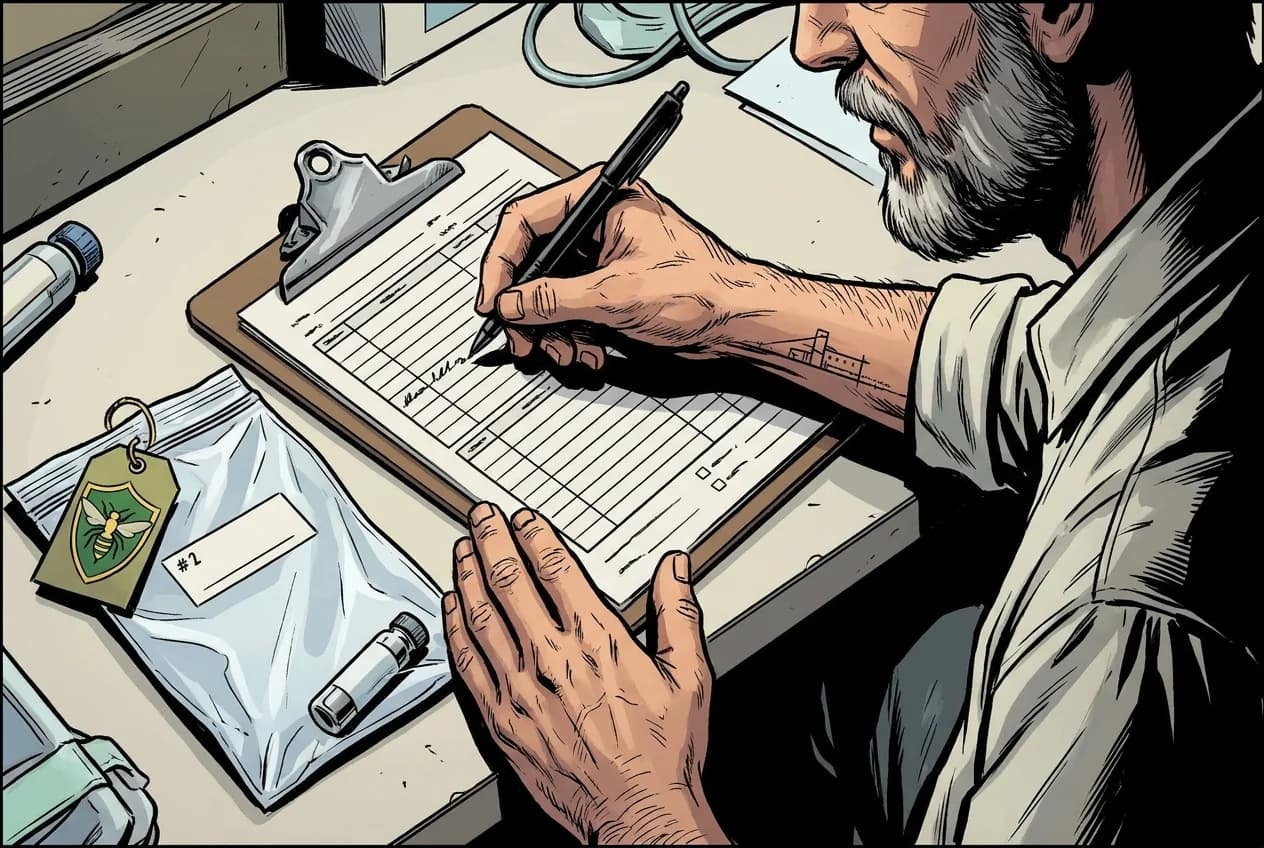
Fiction. There is no such student. The lessons, labs and dates are the real planned course; the student, the classmates and the conversations are invented.
This explainer accompanies the PLTW lab protocol: watch it before lab.
Most days, this class is your PLTW coursework: and PLTW is online and individual. So being out usually just means doing exactly what we did in class, from home.
Open Clever, then myPLTWSign in to Clever with your district Microsoft account to open Schoology or myPLTW. Follow today's posted steps. If myPLTW will not open, use the posted alternative and tell Mr. Mendoza. Turn in your completed work through the Schoology assignment.
You can't do those from home: do this instead: Teacher-posted data/model packet, same objective. Supplemental: Khan: experimental design/statistics basics; NSTA position.
Class still runs. A substitute will post today's plan: complete the online activity above; it's built to be self-guided. Need the concept taught without a teacher? Use this authoritative explainer:
OSHA Hazard Communication Standard (SDS format)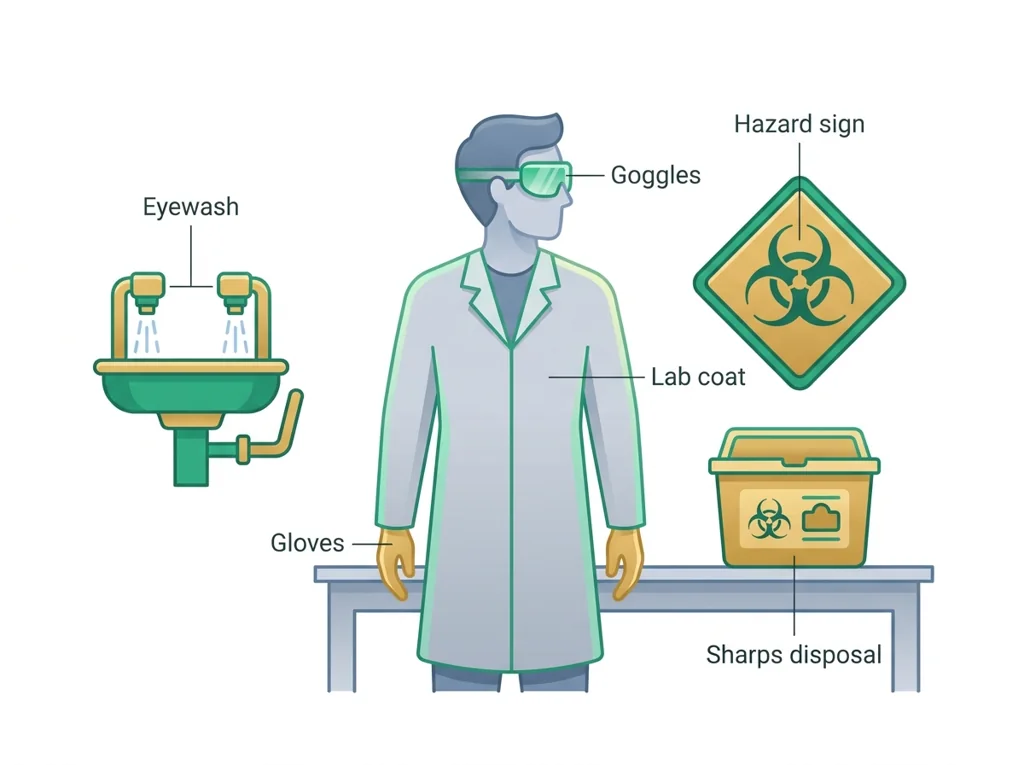
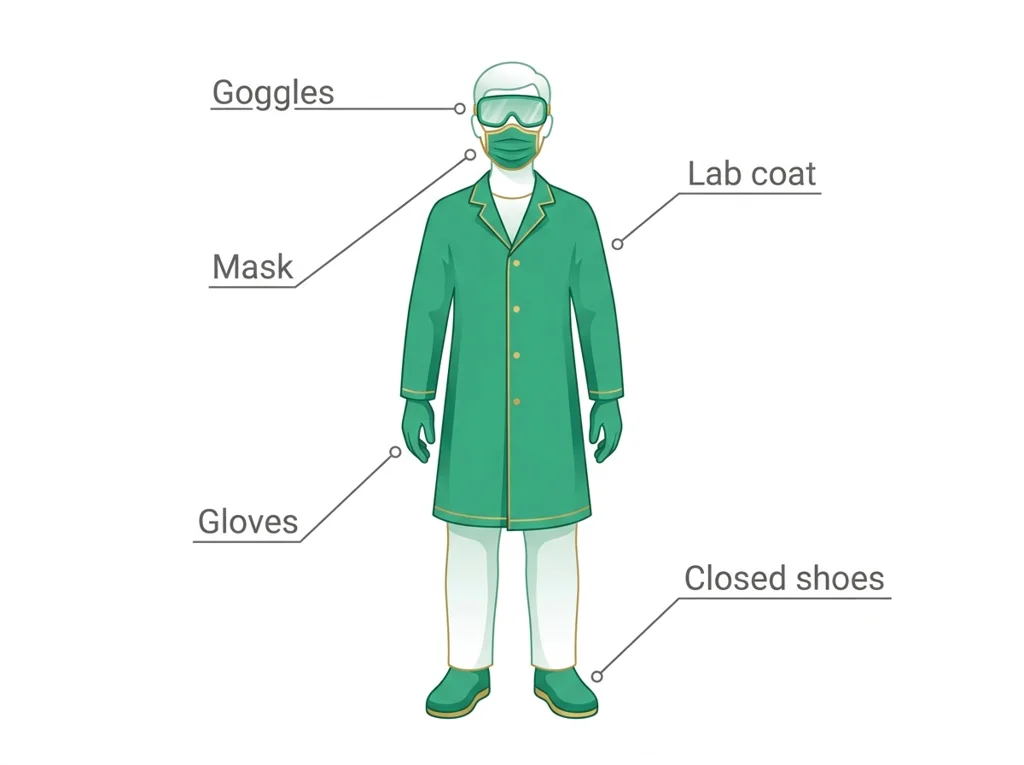
Hand-picked readings and interactives for this lesson, from authoritative open organizations and PLTW's own public course outline.