
PBS/PBT · PBS6782 · Case B (RESPAWN) · September 14, 2026
MODEL-1: read one intake record
Separate supplied classroom practice. This is not Case A or Case B, and it is not another assignment.
Start: Read the practice row and correction, then return to your own case. Due: September 14, 11:59 PM.
Part 3 of 4 · Worked example
MODEL-1: a separate practice record
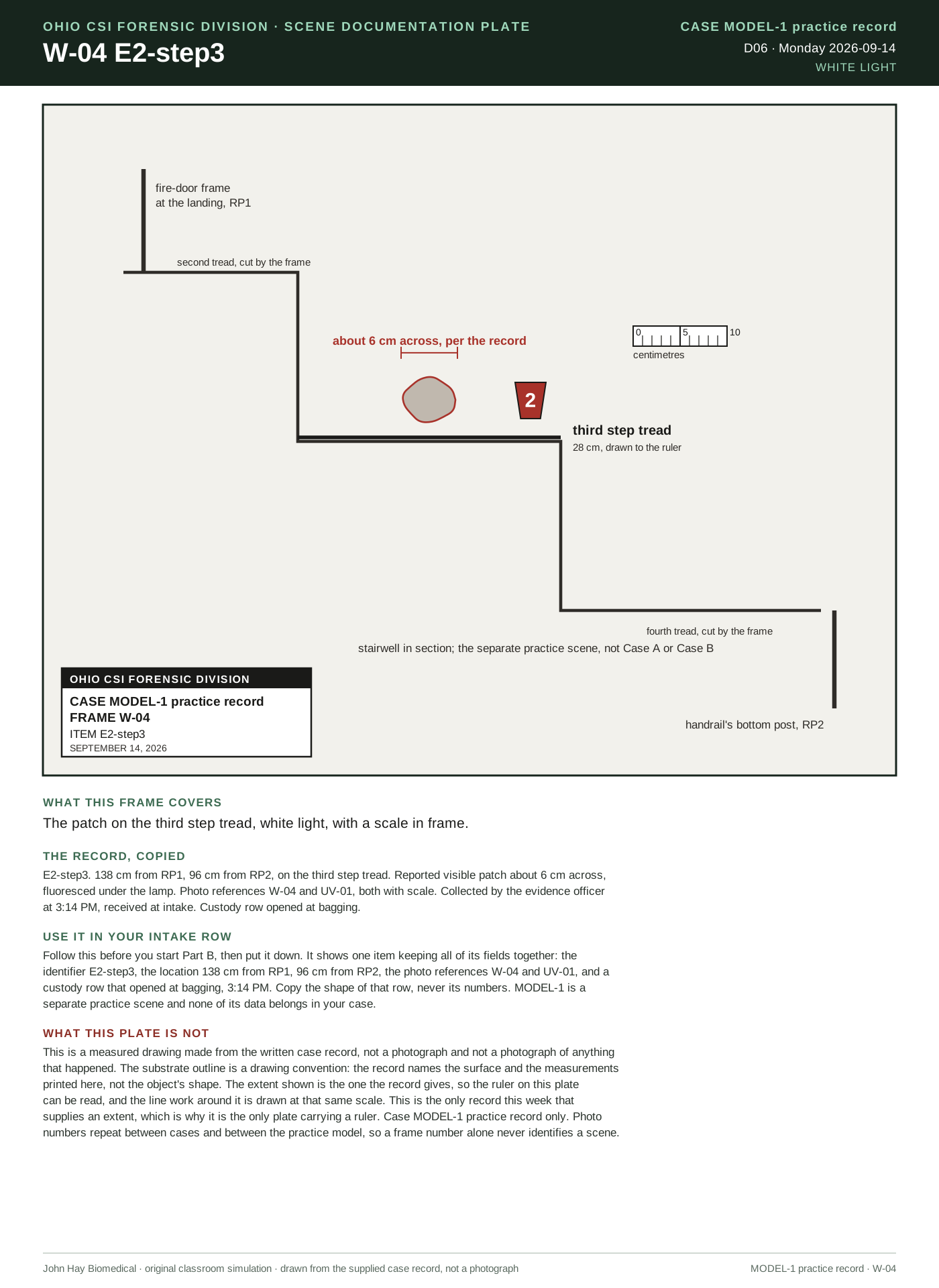
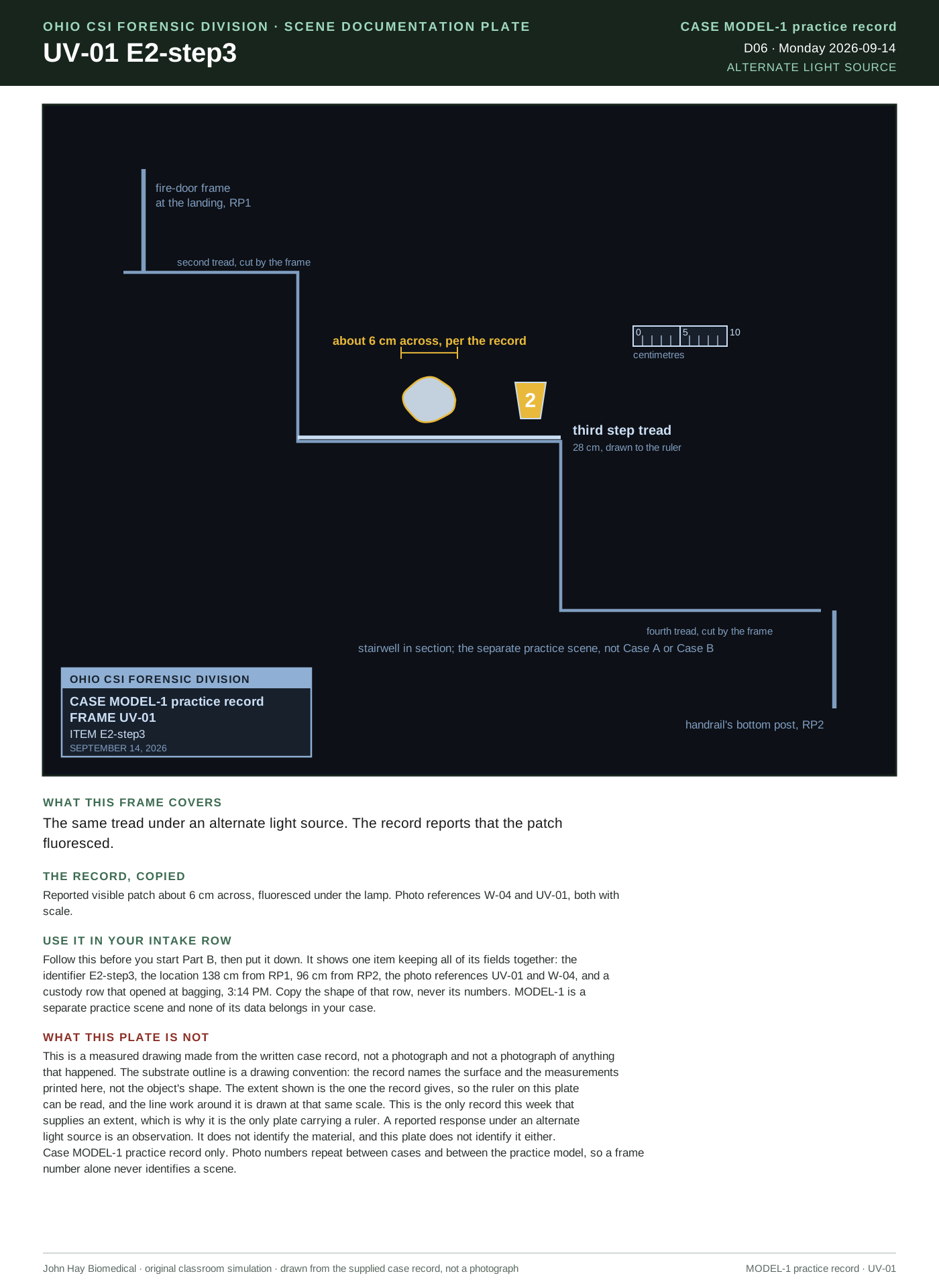
These supplied values belong to a stairwell practice scene, not Case A or B. A patch about 6 cm across on the third step tread reportedly fluoresced under the lamp. No material identification is supplied.
- Identifier
- MODEL-1, E2-step3
- Reference points
- RP1: fire-door frame at the landing. RP2: handrail's bottom post.
- Location
- 138 cm from RP1, 96 cm from RP2, on the third step tread
- Photo references
- W-04 and UV-01, both with scale. Earlier white-light references: W-01, W-02, W-03. The record does not say what those three show and supplies no frame for them, so none was drawn.
- Handling
- evidence officer; 3:14 PM; received by intake.
- Status
- custody row opened at bagging
A four-sentence practice correction
The MODEL-1 record reports fluorescence on the third step. That light response does not identify the material. The intake entry should preserve the reported location and photo references without changing the item description to blood. An identification claim would need a method appropriate for the material and its actual result, which this practice record does not supply.
Use the shape to understand Part C. Write your own response from your case record. Do not copy MODEL-1 numbers into it.
Start with the supplied source. Keep the identifier, location, photo references and handling status together. State limits or missing information. Finish the single Parts A–E intake sheet.
Connection to PLTW
Related PLTW reference: Principles of Biomedical Science, Activity 1.1.1 A Sketchy Scene. This John Hay record exercise practices connected documentation skills. It does not by itself complete the official activity.
Complete the assigned D06 sheet here. Record official PLTW completion only when the teacher assigns and verifies the actual activity requirements.
Open your section's official PLTW class hubTurn in one sheet
Hand in the paper sheet or submit one PDF of the same completed sheet to your section's Schoology assignment by September 14 at 11:59 PM. Include continuation rows in that same submission. Submit once.
No separate microscopy drawing, new scene photograph, scale sketch, group document, extra CER or exit ticket is required. Notebook work stays in the notebook.
Case B: submit to the D06 assignmentKeep your intake sheet for Tuesday's trace-comparison work. It records the source and limits of the information you will use.
Sources and optional background
Everything needed is supplied in the reading, model and own-case records. These links are optional background, not hidden answer locations.
- S1. FTCoE/NIJ, Landscape Study of Alternate Light Sources, 2018
- S2. Cassidy and colleagues, NIJ research record, 2017
- S3. NIJ, Locating Evidence, archived training
- S4. NIJ, Screening Tests, archived training
- S5. NIST OSAC Lexicon, Control
Today's records cannot identify a substance, person, cause of death or responsible suspect. They describe reported observations and handling. A copied photo reference does not mean you viewed its photograph; the evidence folder supplies a measured plate drawn from that frame's record, and a plate identifies nothing either.