
Hear it. Describe it. Explain it.
Today's Lesson · Mon 10/12 · Wk8 · Vital signs: what they measure, then measure your own at five stations
Open today's complete lesson in Schoology (opens in a new tab)Follow that lesson for today's required work and what to turn in. Use the downloads below when its steps ask you to analyze sounds.
Download the named heart, lung and blood-pressure sounds, then use the illustrated guide to connect what you hear to its source in the body and what a physician would investigate. These 25 synthesized teaching simulations have not been clinically validated. They support comparison practice and cannot establish a diagnosis.
For vital-signs practice: begin with the complete staged blood-pressure measurement and the Korotkoff phase examples. Follow the listening guide alongside the sound; the complete example plays once.
Listen at a comfortable volume with headphones if available. Replay the same example before comparing it. Describe timing, pitch and sound quality before interpreting it. If the classroom stethoscope gives a faint or unclear sound, record "not clearly heard" and use the simulation for the assigned comparison. Do not invent an observation.
Open all 25 named MP3s: preview or download
Lung sounds
Normal vesicular breath sounds (simulated)
LUNG_01_Normal_Vesicular_SIMULATED.mp3
Normal bronchovesicular breath sounds (simulated)
LUNG_02_Normal_Bronchovesicular_SIMULATED.mp3
Normal bronchial and tracheal breath sounds (simulated)
LUNG_03_Normal_Bronchial_Tracheal_SIMULATED.mp3
Expiratory wheeze (simulated)
LUNG_04_Expiratory_Wheeze_SIMULATED.mp3
Biphasic wheeze (simulated)
LUNG_05_Biphasic_Wheeze_SIMULATED.mp3
Fine late inspiratory crackles (simulated)
LUNG_06_Fine_Late_Inspiratory_Crackles_SIMULATED.mp3
Coarse inspiratory crackles (simulated)
LUNG_07_Coarse_Inspiratory_Crackles_SIMULATED.mp3
Rhonchi (simulated)
LUNG_08_Rhonchi_SIMULATED.mp3
Inspiratory stridor (simulated)
LUNG_09_Inspiratory_Stridor_SIMULATED.mp3
Pleural friction rub (simulated)
LUNG_10_Pleural_Friction_Rub_SIMULATED.mp3
Normal versus reduced air entry comparison (simulated)
LUNG_11_Normal_vs_Reduced_Air_Entry_COMPARISON_SIMULATED.mp3
Heart sounds
Normal S1 and S2 at 75 beats per minute (simulated)
HEART_01_Normal_S1_S2_75bpm_SIMULATED.mp3
Physiological respiratory split of S2 (simulated)
HEART_02_Physiological_Respiratory_Split_S2_SIMULATED.mp3
Additional S3 heart sound (simulated)
HEART_03_Additional_S3_SIMULATED.mp3
Additional S4 heart sound (simulated)
HEART_04_Additional_S4_SIMULATED.mp3
Systolic ejection crescendo-decrescendo murmur (simulated)
HEART_05_Systolic_Ejection_Crescendo_Decrescendo_SIMULATED.mp3
Holosystolic murmur (simulated)
HEART_06_Holosystolic_Murmur_SIMULATED.mp3
Early diastolic decrescendo murmur (simulated)
HEART_07_Early_Diastolic_Decrescendo_Murmur_SIMULATED.mp3
Mid-diastolic low rumble (simulated)
HEART_08_Mid_Diastolic_Low_Rumble_SIMULATED.mp3
Pericardial friction rub (simulated)
HEART_09_Pericardial_Friction_Rub_SIMULATED.mp3
Blood-pressure sounds
Korotkoff phase 1: first repetitive taps, systolic onset (simulated)
BP_01_Korotkoff_Phase_1_First_Repetitive_Taps_Systolic_Onset_SIMULATED.mp3
Korotkoff phase 2: swishing (simulated)
BP_02_Korotkoff_Phase_2_Swishing_SIMULATED.mp3
Korotkoff phase 3: clearer taps (simulated)
BP_03_Korotkoff_Phase_3_Clearer_Taps_SIMULATED.mp3
Korotkoff phase 4: muffling (simulated)
BP_04_Korotkoff_Phase_4_Muffling_SIMULATED.mp3
Complete staged blood-pressure measurement, 120/80 mm Hg, plays once (simulated)
BP_05_Complete_120_80_Staged_Measurement_NONLOOP_SIMULATED.mp3
Earlier portal reference material (before the class was repaced)
Use the Schoology lesson above for today's required work; this older reference follows an earlier schedule.
Ethics of privacy
This page has four parts, in the order you use them. Part 1 is what you need to know. Part 2 says what to do, in plain English. Part 3 shows the work done once on a case that is not yours. Part 4 is your own work and where to turn it in.
Open your materials, follow the steps, then turn in your work.
Debate when patient privacy should yield to public-health needs, and defend your view.
Check you have the right sheet: the top of it prints today's portal day, Ethics of privacy. The PLTW activity itself is in myPLTW and is not posted here.
Optional: listen or watch a unit review▸
Part 1 of 4 · Background and definitions▸
💡 Big idea: protects individual medical privacy by default, and it permits disclosures required by law, such as mandatory reporting of certain diseases, so that a silent outbreak cannot endanger the whole community.
- • (Health Insurance Portability and Accountability Act) requires covered entities to protect individually identifiable health information and limits disclosure without patient authorization.
- • permits disclosures required by law, such as mandatory reporting: communicable diseases go to public-health authorities, and gunshot wounds go to law enforcement.
- • Patient trust is foundational to clinical communication: if patients fear disclosure, they may withhold information that is critical to their own care.
A CER report turns an evidence board into a written argument that others can challenge, because naming and handling the conflicting evidence, rather than hiding it, is what makes the conclusion credible.
protects individual medical privacy by default, and it permits disclosures required by law, such as mandatory reporting of certain diseases, so that a silent outbreak cannot endanger the whole community.
Driving question: A doctor in Cleveland tests a patient who has active tuberculosis. Ohio law says the doctor must report it to the health department, even without the patient's consent. Was that the right call, or a betrayal of trust?
What you already know: A CER report turns an evidence board into a written argument that others can challenge, because naming and handling the conflicting evidence, rather than hiding it, is what makes the conclusion credible.
New idea: protects individual medical privacy by default, and it permits disclosures required by law, such as mandatory reporting of certain diseases, so that a silent outbreak cannot endanger the whole community.
Visual or model: No figure is attached to this lesson. The readings, the worked example and E1 to E3 carry the evidence.
- Observe or measure the relevant feature in ethics of privacy.
- Organize the observation with a stable evidence ID.
- Apply this rule: Use science to estimate consequences, then state the value judgment and tradeoff that determine the decision.
- Choose the option the evidence supports and state the limit of the conclusion.
Real biomedical example: A doctor in Cleveland tests a patient who has active tuberculosis. Ohio law says the doctor must report it to the health department, even without the patient's consent. Was that the right call, or a betrayal of trust?
What the evidence supports: E1 to E3 support the daily take-home when the response meets the stated success criteria.
What it cannot prove: The package does not support claims beyond this lesson's or any real patient diagnosis.
- • : The main symptom or reason, stated in the patient's own words, that brings a person to seek medical care.
- • symptom: A subjective feeling of illness that a patient reports, such as pain or fatigue, which cannot be directly measured by an observer.
- • : A basic measurement of body function, such as temperature, , breathing rate, and , used to assess a patient's health.
- • : The rhythmic expansion of an you can feel as the heart pumps blood, used to measure how many times the heart beats per minute.
- • : The force of blood pushing against walls, written as systolic over diastolic, with a normal adult reading below 120 over 80 mmHg.
- • : The exchange of oxygen and carbon dioxide between the body and air, and the cellular process that uses oxygen to release energy from nutrients.
- • : A U.S. law that protects the privacy and security of patients' health information and limits who may see or share it.
- • : The body's ongoing process of keeping internal conditions like temperature, blood sugar, and pH steady despite changes in the outside environment.
Use it now: Choose one decision option. Cite E1 and E3, then explain how the rule connects the evidence to your choice. This is thinking practice for the one turn-in named under Turn in, not a second submission.
Go further, optional: The source links below are optional enrichment. Every fact required for today's local evidence decision appears in this lesson package.
A defensible biomedical decision separates scientific evidence from value judgments, identifies who may benefit or be burdened, and states the uncertainty and tradeoffs that remain.
Limit: Scientific evidence can inform the options and likely consequences, but it cannot choose a single value-neutral answer.
Use science to estimate consequences, then state the value judgment and tradeoff that determine the decision.
Limit: A review-board model organizes reasoning but does not make one ethical principle automatically outweigh every other principle.
You can weigh privacy against public-health interests.
Limit: E3 defines the classroom product or success criterion. It is not independent scientific evidence and cannot justify a clinical or causal claim.
Today's decision · Simulated classroom evidence scenario
Your role: biomedical investigator
Decision: Your team must decide what the evidence from ethics of privacy supports before submitting the claim-evidence-reasoning response named on today's page.
- • The doctor was right to report; permits disclosures required by law, such as mandatory tuberculosis reporting, to stop an outbreak.
- • Reporting broke the law, because means no doctor shares your health information with anyone without your permission.
- • Wait until we know how many people this patient could infect, since that sets the community benefit.
Response: State one choice, cite at least two evidence IDs, explain the rule that connects them, and add one limitation. Use it inside the one turn-in named under Turn in; it is not a separate submission.
Claim ceiling: Today's evidence supports a classroom claim about ethics of privacy. It cannot prove causation, diagnose a real patient, or justify action outside this room.
Reason for review: Your team must decide what the evidence from ethics of privacy supports before submitting the claim-evidence-reasoning response named on today's page.
Context: Medical privacy is a legal right, but public-health law carves out narrow exceptions where protecting the community outweighs one person's confidentiality.
- • T1: Read the prompt: Should a doctor ever share patient information without consent?
- • T2: List one case for strict privacy and one for disclosure.
- • T3: Choose a side and connect it to trust in the doctor-patient relationship.
- • T4: Argue your claim in your group with one reason and one example.
- • T5: Write your CER and submit it as one PDF to the Schoology assignment for this lesson in Schoology.
- • E1: A defensible biomedical decision separates scientific evidence from value judgments, identifies who may benefit or be burdened, and states the uncertainty and tradeoffs that remain.
- • E2: Use science to estimate consequences, then state the value judgment and tradeoff that determine the decision.
- • E3: You can weigh privacy against public-health interests.
Measurements: Use only the measurements, units, graph, or counts supplied in today's task. No additional patient measurement is implied.
Uncertainty: This is a composite classroom scenario. Missing history, measurements, or confirmation tests remain unknown and limit the conclusion.
Students often think means a doctor can never share your health information with anyone without your permission. The trap: has built-in exceptions. HIPAA permits disclosures required by law, such as mandatory reporting of communicable diseases and gunshot wounds, because letting an outbreak spread silently would harm far more people than the one whose privacy is disclosed.
- CER:
- Claim, Evidence, Reasoning: make a claim, back it with evidence, explain your reasoning.
- SOP:
- Standard Operating Procedure, the exact steps to follow (especially in a lab).
- Tracker:
- Your PLTW progress log where you record completed evidence.
- myPLTW:
- The PLTW course site where you do the online activities. Find it in Clever with your Microsoft sign-in, right next to Schoology.
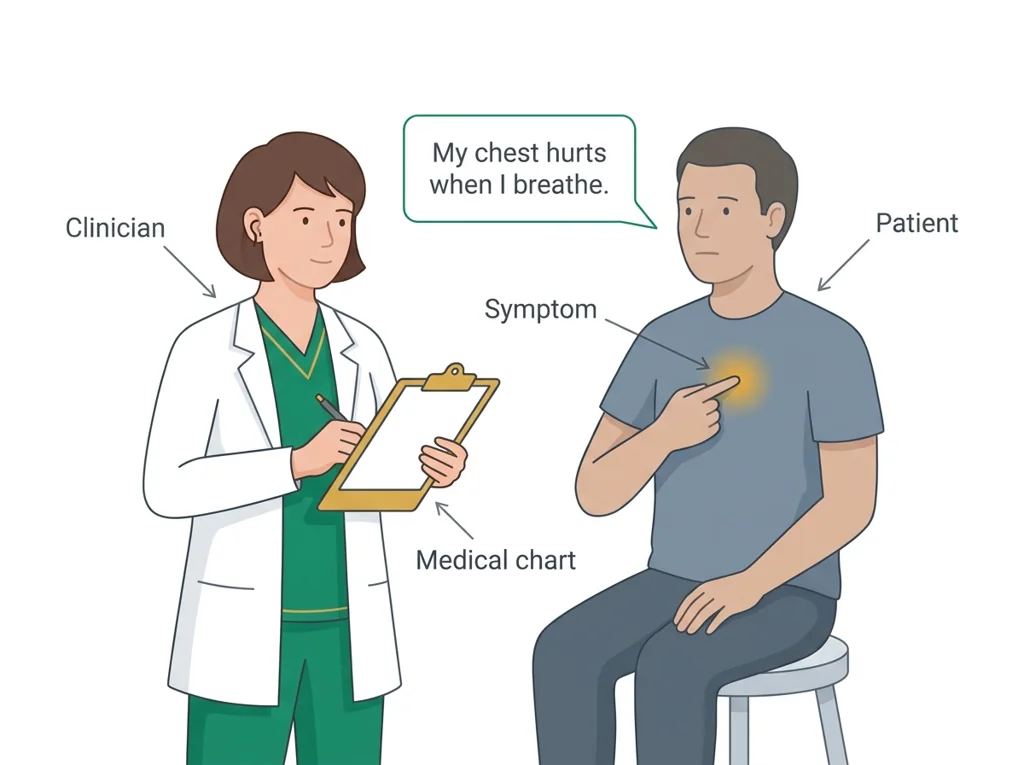
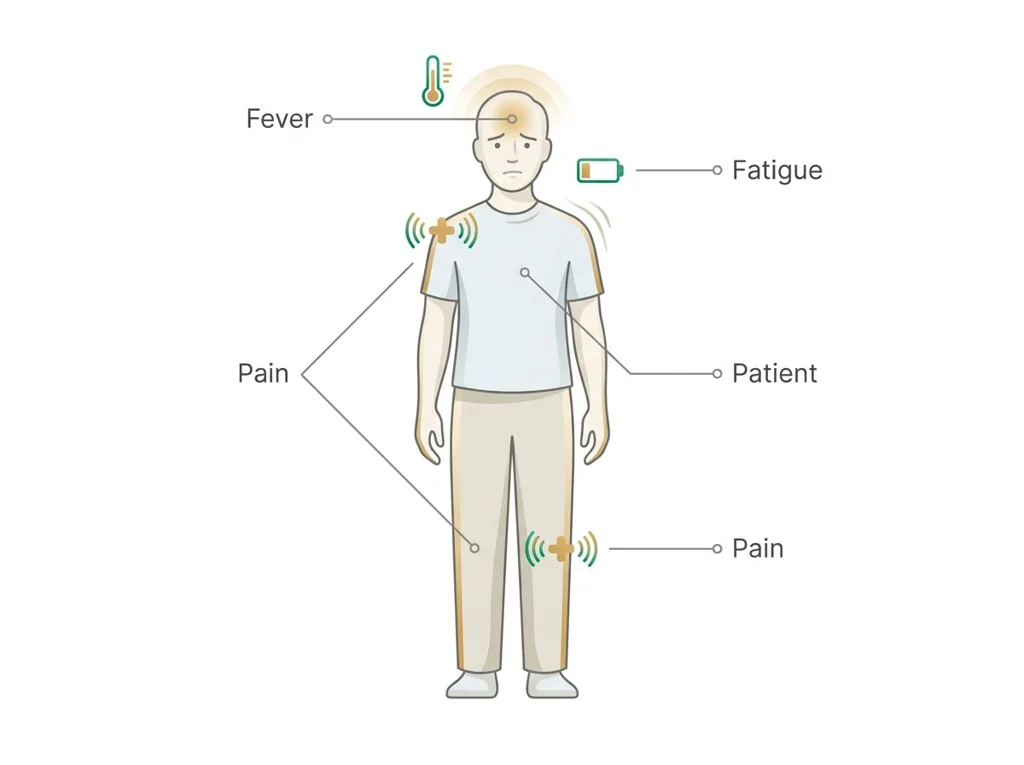
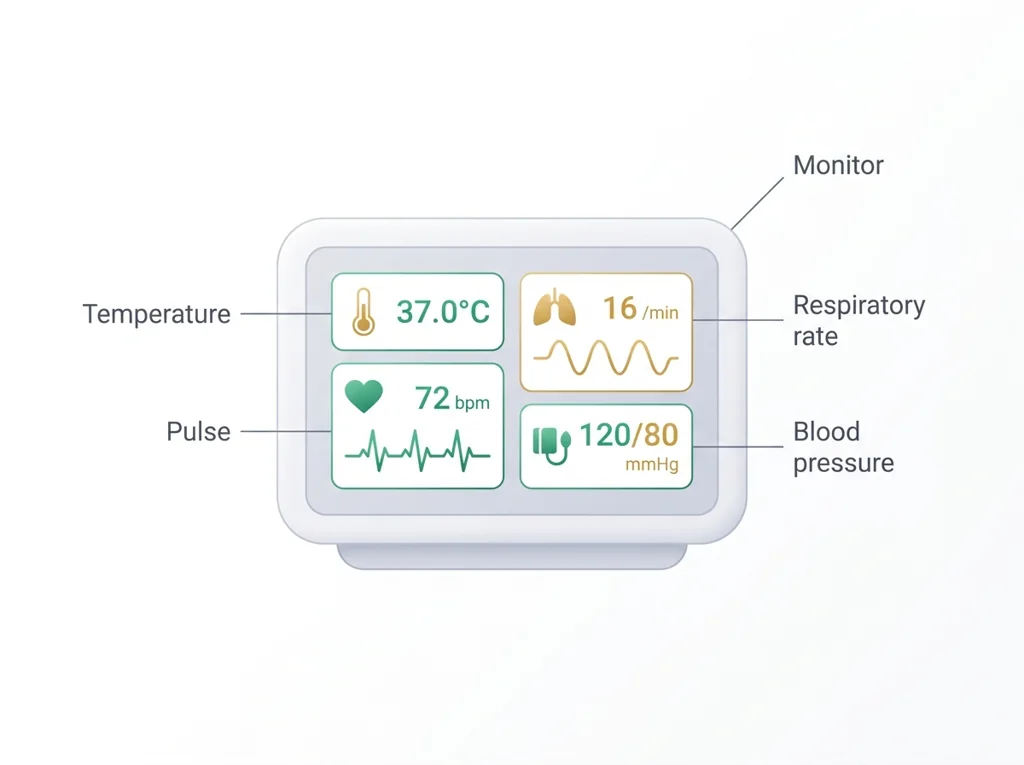
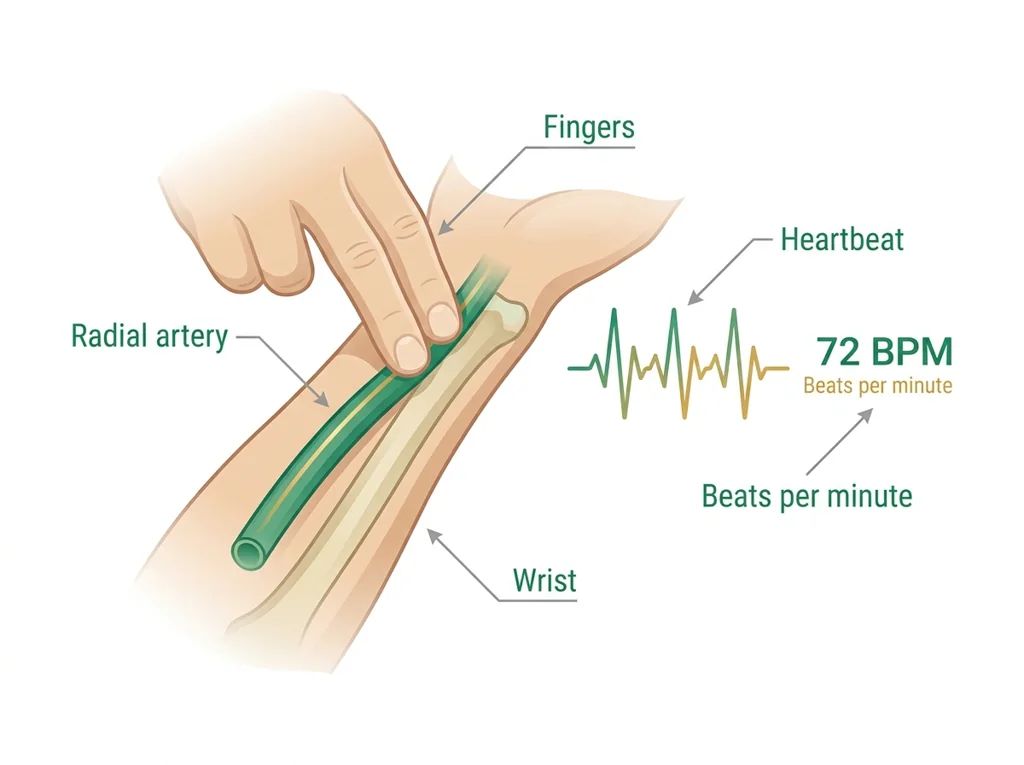
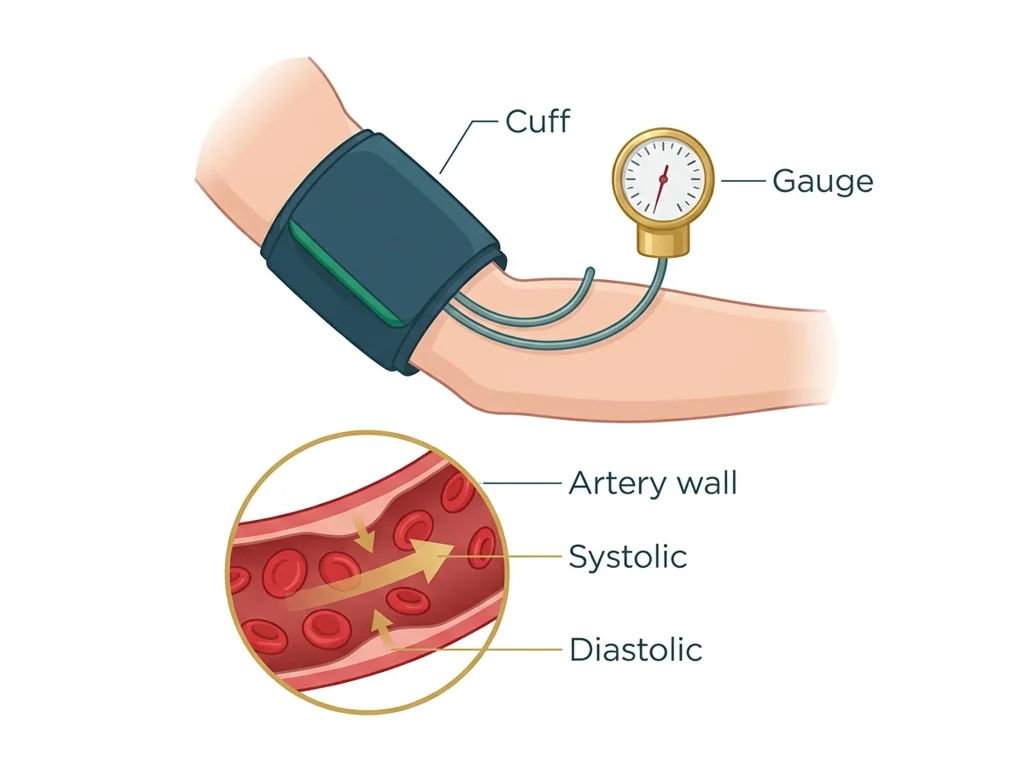
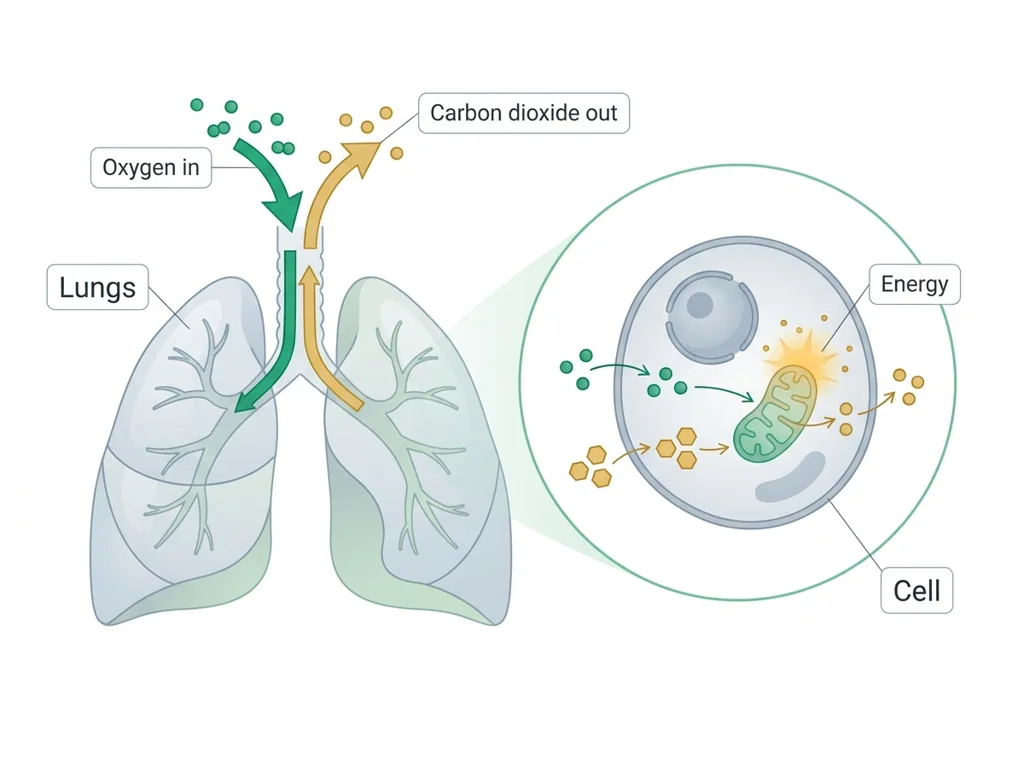
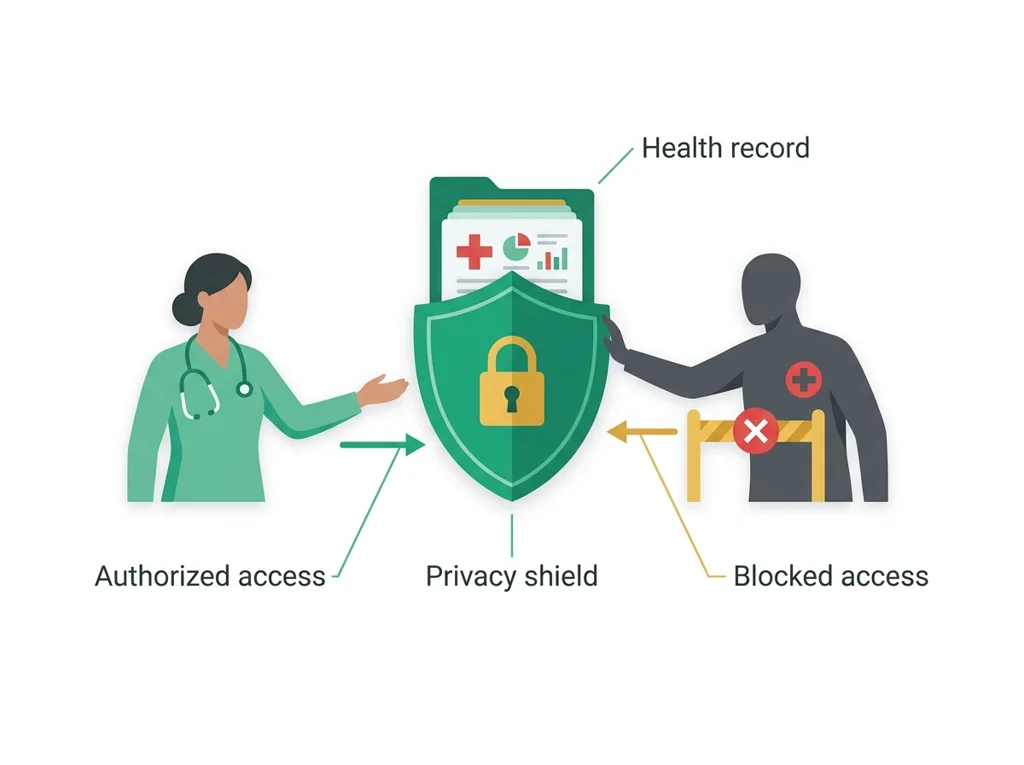
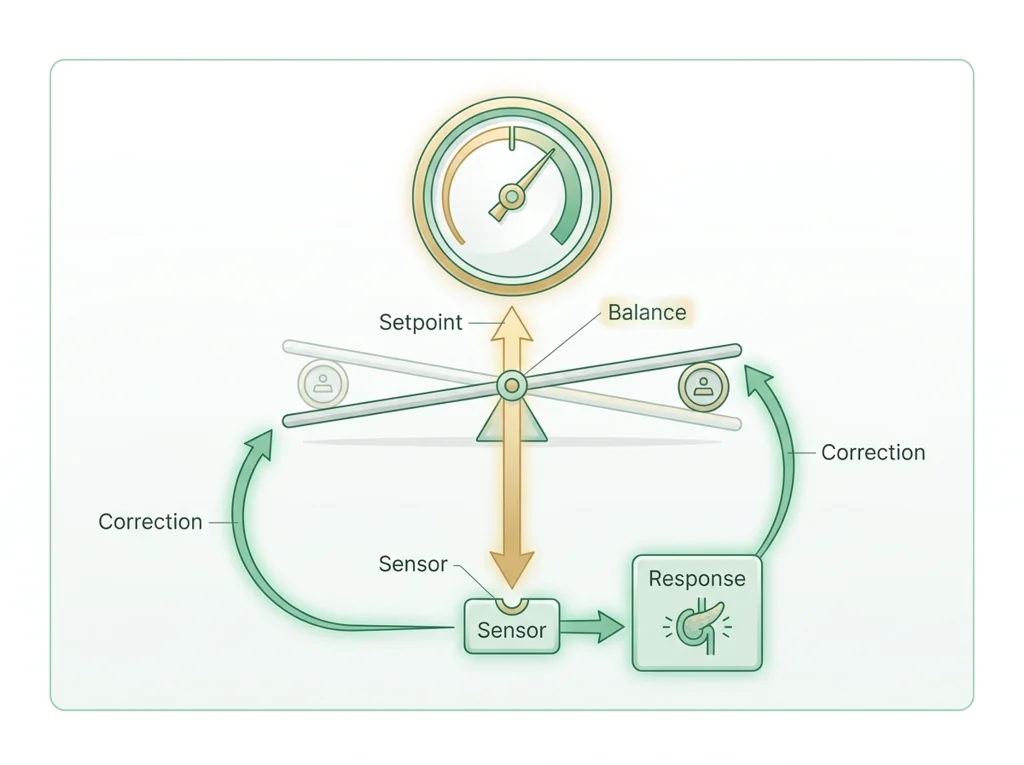
Tap the speaker to hear a term. Add two of these to your notebook glossary with a definition and an example in your own words.
Pick just 2 or 3 words from today and make them yours: write what each one means in your own words, name the context clue or evidence that helped, then give one example from what you actually did in Ethics of privacy. Try your own words first; the glossary is there if you get stuck. This is voluntary and counts as extra credit, so keep it short.
Saved on this device. Show Mr. Mendoza or add these to your notebook glossary to claim the extra credit.
Part 2 of 4 · Directions in plain English▸
2.1 Open your materials
2.2 Start the work
Read the prompt: Should a doctor ever share patient information without consent?
Show all 5 required steps
- Read the prompt: Should a doctor ever share patient information without consent?
- List one case for strict privacy and one for disclosure.
- Choose a side and connect it to trust in the doctor-patient relationship.
- Argue your claim in your group with one reason and one example.
- Write your CER and submit it as one PDF to the Schoology assignment for this lesson in Schoology.
Lost your place? You should have one case for strict privacy and one case for disclosure written down (step 2). If you have those, pick your side and connect it to doctor-patient trust (step 3), then write your CER (step 5).
- 0:00Hook: describe a real scenario where a doctor faced mandatory reporting vs. patient confidentiality
- 0:08Brief overview of : what it covers, what it does not, and when exceptions apply
- 0:20Read the ethics prompt; list one case for strict privacy and one for justified disclosure
- 0:32Small-group debate: connect position to trust in the doctor-patient relationship
- 0:54Individual CER writing: position, evidence, reasoning
- 1:10Share two CERs; preview the vital-signs content next class
- • Imagine you are a doctor and your patient tells you they have a highly contagious disease but refuses to tell their family. Do you break confidentiality? What if dozens of people are at risk?
- • says you generally cannot share patient information without consent. It also permits disclosures that other laws require, and public-health law sometimes requires one. Health professionals work along that line every day.
- • The trust question is real: if patients fear their information will be shared, they may withhold information their doctor needs for safe treatment.
- • Pick a side today. Next class we move from the ethics to the actual measurement tools: vital signs and how we document them.
PLTW connection and today's work
In myPLTW, open Lesson 2.1 Talk to Your Doc and go to Activity 2.1.6 Patient Privacy. Read the whole activity before you pick a side in today's debate.
Today's stopping point: You finished Unit 1. Today starts Unit 2 Clinical Care with Activity 2.1.6 Patient Privacy in Lesson 2.1 Talk to Your Doc. Finish the activity and submit your CER by the end of today.
PLTW activity titles identify the course connection. If your account will not open, use the posted materials for today and tell Mr. Mendoza. Do not mark an online activity complete unless you completed it.
Use the turn-in directions in Part 4 of this page. Do not create a second submission unless your teacher asks for one.
Show another explanation or a smaller first step
Need help? Choose a starting point
Part 3 of 4 · Worked example▸
This is a parallel case, not your own. Read it for the order of the work, then do your own in Part 4.
Claim: A therapist's duty to keep a patient's words confidential should yield only in the narrow situation the law already defines, when a patient makes a serious, specific threat against an identifiable person.
Evidence: Therapy records are normally protected, and patients are told their sessions are private. In many states, however, the duty-to-warn rule requires a mental-health provider who hears a credible, specific threat of violence against a named or identifiable victim to take reasonable steps to protect that person, such as warning the target or notifying police.
Reasoning: This exception is limited on purpose. It applies to a concrete threat against a particular person, not to vague statements or ordinary private feelings, so confidentiality stays the default in almost every session. Keeping the exception narrow protects the trust therapy depends on, because if patients believed anything they said could be reported, they might hide the very thoughts a therapist needs to hear in order to help them. A tightly drawn duty to warn lets the provider prevent a specific, foreseeable harm while still honoring privacy everywhere else.
This model shows the level of evidence and organization needed to complete: A claim-evidence-reasoning paragraph on a parallel confidentiality scenario, modeling how to argue when a therapist's duty of confidentiality should yield to protect a specifically threatened third party, referencing the duty-to-warn doctrine and patient trust.
- Write one defensible claim.
- Choose specific evidence that supports the claim.
- Explain the scientific rule that connects the evidence to the claim.
Keep the structure. Replace the question, facts, measurements, and evidence. Then recheck units, vocabulary, and whether the conclusion goes beyond the evidence.
Also due today: Submit this CER as one PDF to Schoology assignment for this lesson in Schoology. The student sheet's three-scenario CER and infographic need the seven scenarios in myPLTW; if it will not open, this CER is the turn-in.
A review board sorts scientific evidence, stakeholder needs, possible benefits, possible burdens, and uncertainty before choosing a policy.
- Which statements are scientific evidence?
- Which statements express a value or priority?
- Who receives the benefit and who carries the burden?
Use science to estimate consequences, then state the value judgment and tradeoff that determine the decision.
A review-board model organizes reasoning but does not make one ethical principle automatically outweigh every other principle.
- • Evidence cards map to source-backed findings.
- • Stakeholder cards map to affected people and priorities.
- • The recommendation maps to an explicit tradeoff with a named uncertainty.
Part 4 of 4 · Your work▸
Check your work before submitting
- I can weigh privacy against public-health interests.
- I can defend a position with reasoning.
4.1 Turn in your work
DueCheck the Schoology assignment for this day- Hand in
- Written CER (3-5 sentences) arguing when patient privacy should yield to public-health needs, with a reference to HIPAA or mandatory reporting and a trust-based reasoning sentence.
How to submit and name your file
Submit this CER as one PDF to the Schoology assignment for this lesson in Schoology. The student sheet's three-scenario CER and infographic need the seven scenarios in myPLTW; if it will not open, this CER is the turn-in.
In Schoology, open your course and the assignment for this lesson. Attach your file, select Submit, and check that it appears in the submission.
PDF upload helpYou get two school days for every day you were absent, so this deadline moves with you.
Today's lesson is in Schoology
Each school day has one lesson page in Schoology that holds everything for the day: the goal, the story so far, every table and data value, the numbered steps, and what to turn in. Open it first and work from it. The other rows for this day, if any, are the score line for a paper quiz or test and the John Carroll debate item; they do not add work. Check Schoology for each deadline.
- Today's Lesson · Mon 10/12 · Wk8 · Vital signs: what they measure, then measure your own at five stations(today's lesson page: the goal, the data, the steps, and what to turn in are all on it)
Link will not open? Open Schoology, choose your course and section, and find the title shown above.
- CompleteEvery required part of the artifact is present, nothing left blank.
- AccurateThe science and the data are correct and match the evidence.
- Scientific reasoningYou explain your claim with evidence and reasoning (CER), not just an answer.
- Professional communicationClear, organized, labeled, and written the way a clinician or scientist would.
- SubmittedGo to Schoology to turn this in. Submit one PDF. Schoology attaches your name to your upload; on the page itself, write your period and code. Name the file: FirstName LastName - Assignment Title - YYYY-MM-DD.pdf. If you cannot get in, see Mr. Mendoza. Do not skip the work.
How this lesson connects
Keep using what you learned last class: A forensic CER report turns an evidence board into a written argument that others can challenge, because naming and handling the conflicting evidence, rather than hiding it, is what makes the conclusion credible. Today: HIPAA protects individual medical privacy by default, and it permits disclosures required by law, such as mandatory reporting of certain diseases, so that a silent outbreak cannot endanger the whole community.
Practice: try a question, then check your answer▸
Claim ceiling for this check: Today's evidence supports a classroom claim about ethics of privacy. It cannot prove causation, diagnose a real patient, or justify action outside this room.
A patient tests positive for a highly contagious disease and begs the doctor not to tell anyone. Under U.S. law, can the doctor report it to public-health authorities without consent? Explain why.
Write an answer and pick a confidence to unlock the key.
Fast retrieval with instant answers, not the commit-then-reveal check above. Try each from memory first: write what you remember about the earlier units, then check yourself here.
Missed class or ready for more?▸
Optional practice for this unit's lab skills. Nothing in it is due today.
What today's skills lead to. These are real health-science careers this course builds toward. Tap one to see, on the US Department of Labor's O*NET site, what the job actually involves, what it pays, and how fast it is growing.
Read the privacy-ethics prompt and the case notes on this page, then submit a written CER on when patient privacy should yield to public-health needs.
HHS: your rights under HIPAASubmit this CER as one PDF to the Schoology assignment for this lesson in Schoology. The student sheet's three-scenario CER and infographic need the seven scenarios in myPLTW; if it will not open, this CER is the turn-in.
Class still runs. Complete today's work as this page describes (it is self-guided). Need the concept taught without a teacher? Use this authoritative explainer:
MedlinePlus: Vital SignsSources: slides, readings, and resources▸
The deck carries the prior idea forward, lets you inspect an analogy, maps the rule to biology, and ends with the same evidence decision and exit ticket used on this page.
Play the cold open at the start of the unit to set the scene. Each recording is AI-generated and simulated (fictional callers, no real people or student data).
Hand-picked readings and interactives for this lesson, from authoritative open organizations and PLTW's own public course outline.
This week
My Progress dashboard