
Gene therapy, viral vectors, somatic vs. germline editing, CRISPR basics, reproductive screening.
Your PLTW coursework: Medical Interventions ▸ Unit 2: How to Screen What is In Your Genes ▸ Lesson 2.2 Our Genetic Future ▸ "Activity 2.2.1 Gene Therapy"
What to do if absent- CER:
- Claim, Evidence, Reasoning: make a claim, back it with evidence, explain your reasoning.
- SOP:
- Standard Operating Procedure, the exact steps to follow (especially in a lab).
- Tracker:
- Your PLTW progress log where you record completed evidence.
- myPLTW:
- The PLTW course site where you do the online activities. Find it in Clever with your Microsoft sign-in, right next to Schoology.
Use a article to build a claim-evidence-reasoning argument about whether or should be allowed for a given case.
- 1Open the article in the PLTW course shell and annotate where it explains vectors and Cas9.
- 2In your notes, define versus in one sentence each.
- 3Circle one place in the article that mentions effects and note why that worries scientists.
- 4Write a claim stating whether the case should use or .
- 5Add two pieces of evidence from the article that support your claim, including .
- 6Finish your CER with reasoning that connects the evidence to your claim in two sentences.
- • You'll be able to tell from .
- • You'll be able to explain what a viral vector and do.
- • You'll be able to write a CER argument grounded in an article.
Open any day for its full lesson, the work due that day, and guided notes.
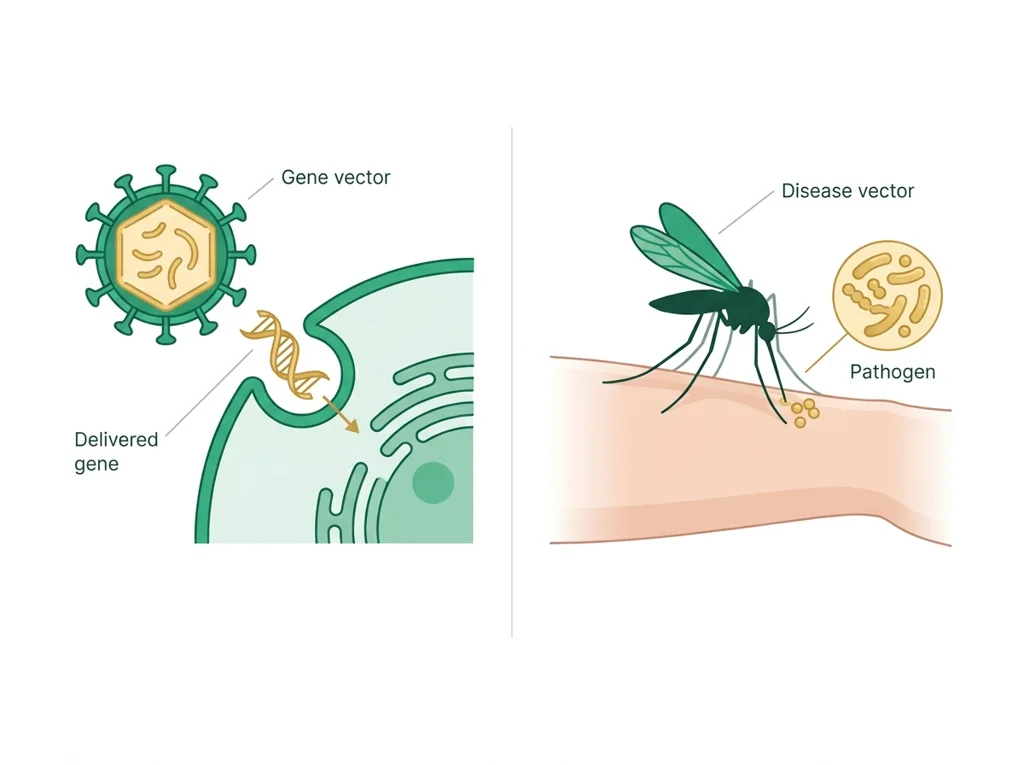
Viral vector delivery diagram with labeled components, vs. distinction, two-vector comparison row, and one sentence on vector-cell targeting.
Your worksheet: the side you argued, your three strongest arguments, the opposing point you had to answer, and where you actually stand now.
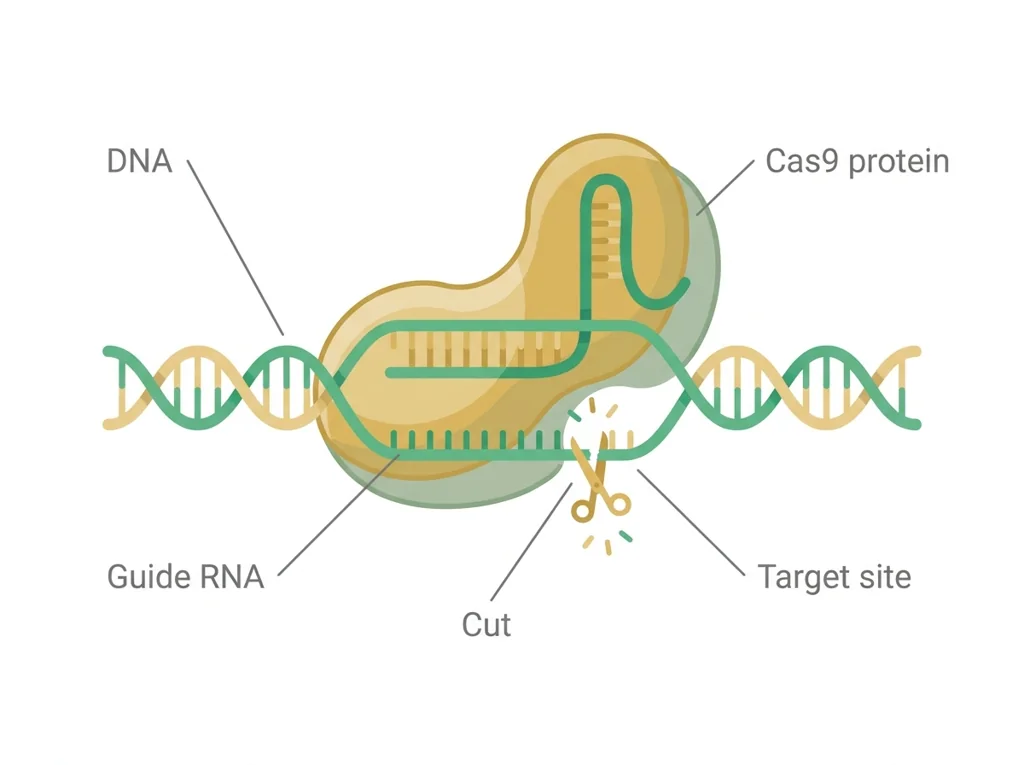
Annotated article (guide RNA, Cas9 cut, repair step marked; defined) plus a CER on using CRISPR in the reproductive screening case.
- Today matters because is moving from science fiction to clinics, and you get to weigh in.
- Goal for today: read a article closely and turn it into a clear claim-evidence-reasoning argument.
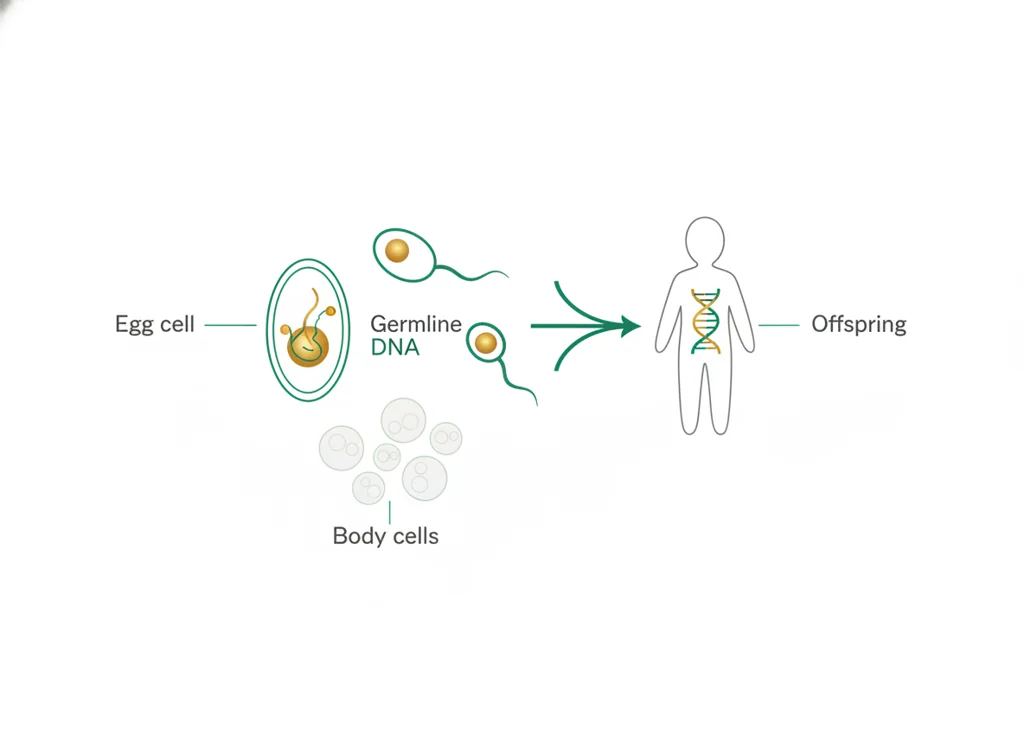
- Monday's debate is : should we make changes that pass to a person's children and beyond?
- Your annotations and CER are graded from what you turn in, so submit them on the class site.
Do this: Advance the Unit 2 gene-therapy benchmark by submitting your -article CER on the class site.
- • delivers corrected genes, often using a viral vector.
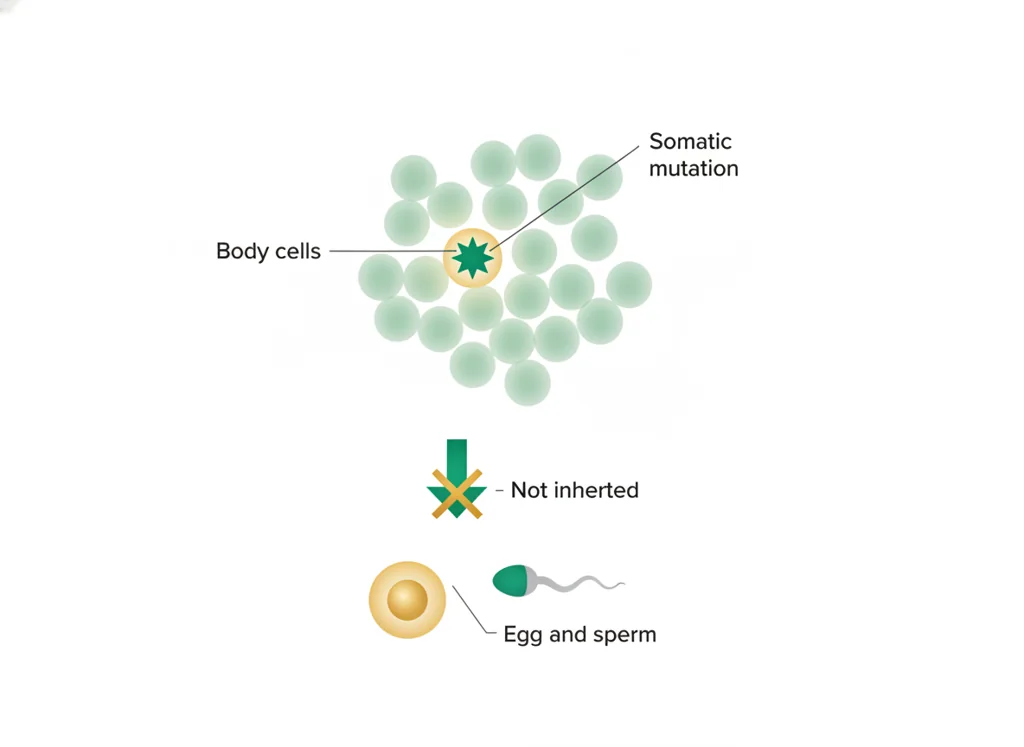
- • edits affect one patient while edits pass to descendants.
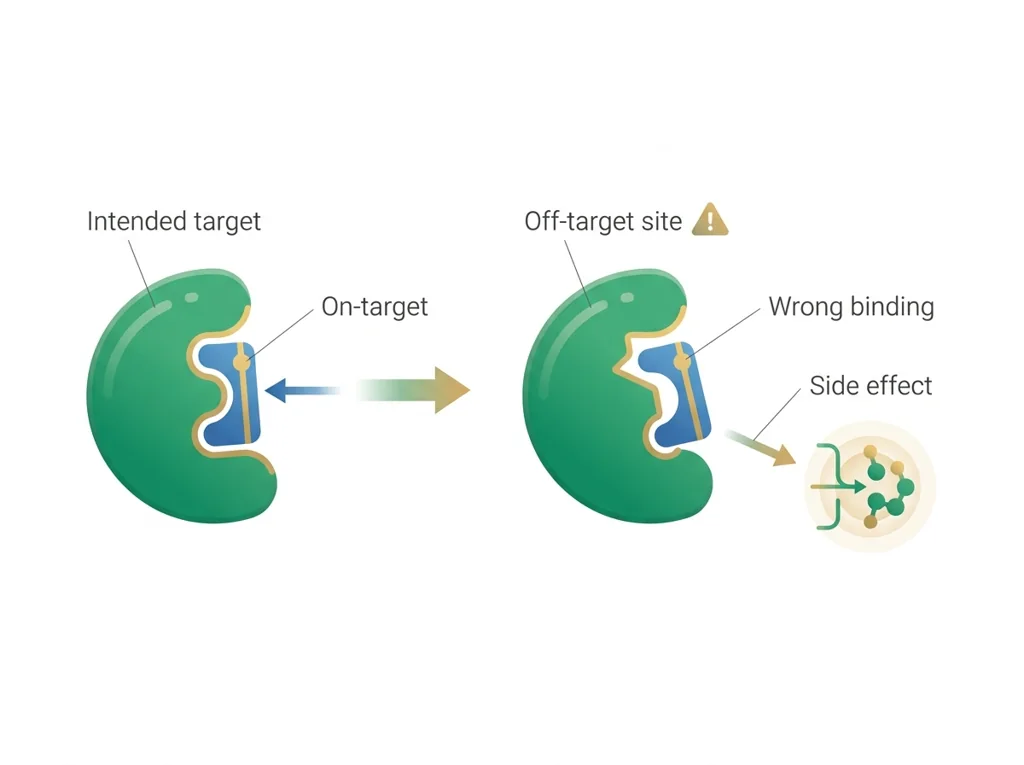
- • can cut at a target, but effects are a real risk.
- • Distinguish from .
- • Build a CER argument from an article with evidence and reasoning.
📋 Tracker evidence due this week: your annotated article and completed CER argument uploaded to the class site.
All PLTW activities are completed inside the PLTW course environment: this page only gives direction.
Use this chart to keep your place. Nothing on it is turned in through the portal.
| Day | Work | Turn in |
|---|---|---|
| Wednesday · Wed, Nov 4 | Viral vector chart | Viral vector delivery diagram with labeled components, somatic vs. germline distinction, two-vector comparison row, and one sentence on vector-cell targeting. |
| Thursday · Thu, Nov 5 | JCU bioethics 7: Two videos: controlling genetics, and what gives life meaning | Your worksheet: the side you argued, your three strongest arguments, the opposing point you had to answer, and where you actually stand now. |
| Friday · Fri, Nov 6 | CRISPR and reproductive screening | Annotated CRISPR article (guide RNA, Cas9 cut, repair step marked; off-target defined) plus a CER on using CRISPR in the reproductive screening case. |
- Th: reproductive screening case
- F: ethics CER
Turn in: Gene therapy, viral vectors, somatic vs. germline editing, CRISPR basics, reproductive screening. weekly work due Gene therapy ethics CER.
Go to Schoology to turn this in.
Submit one PDF. Schoology attaches your name to your upload; on the page itself, write your period and code. Name the file: FirstName LastName - Assignment Title - YYYY-MM-DD.pdf.
Open Schoology PDF upload helpIf you cannot get in, see Mr. Mendoza. Do not skip the work.
2 panels from the illustrated semester.
Fiction. There is no such student. The lessons, labs and dates are the real planned course; the student, the classmates and the conversations are invented.
Most days, this class is your PLTW coursework: and PLTW is online and individual. So being out usually just means doing exactly what we did in class, from home.
Open Clever, then myPLTWSign in to Clever with your district Microsoft account to open Schoology or myPLTW. Follow today's posted steps. If myPLTW will not open, use the posted alternative and tell Mr. Mendoza. Turn in your completed work through the Schoology assignment.
You can't do those from home: do this instead: article annotation and CER.
Class still runs. A substitute will post today's plan: complete the online activity above; it's built to be self-guided. Need the concept taught without a teacher? Use this authoritative explainer:
MedlinePlus: What is gene therapy?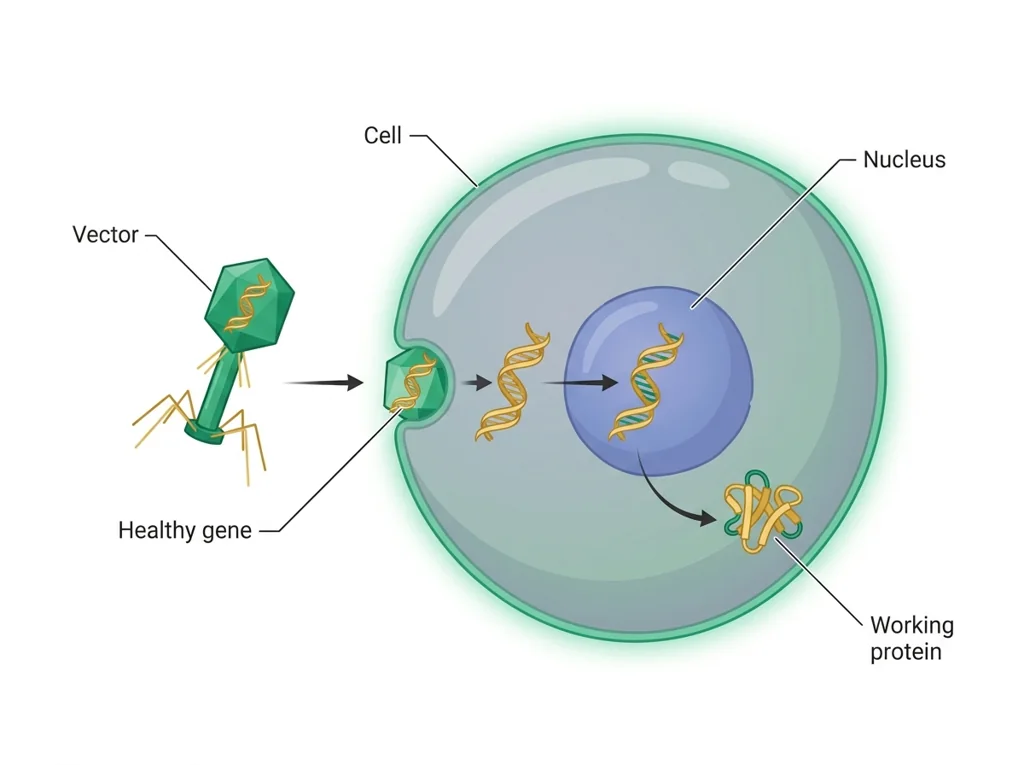
Classroom documents for this lesson are posted in Schoology. Open Clever, then Schoology, and find each one by the name shown on its card.
Use this if you were absent, got stuck, or need another pass before you submit the lesson artifact.
Open this when the class reaches this activity and use it to complete the required lesson artifact.
Use this after the required lesson work when you are ready for a harder application or a deeper connection.
Sign in to Clever with your district Microsoft account to open Schoology or myPLTW. Follow today's posted steps. If myPLTW will not open, use the posted alternative and tell Mr. Mendoza. Turn in your completed work through the Schoology assignment.