

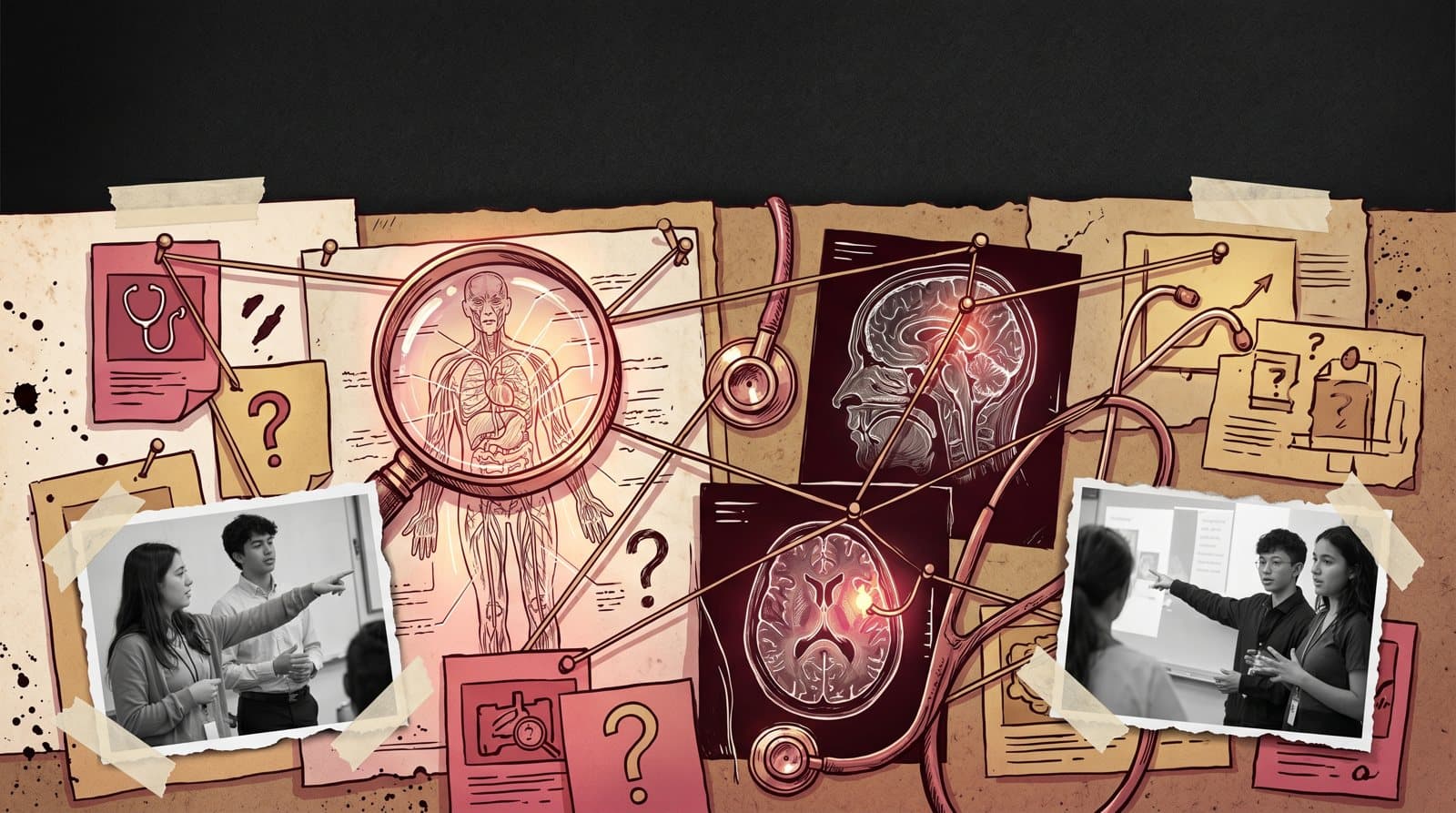
Diagnose the mystery case.
Six Monday sessions each spring with Cleveland Clinic physicians. Five real diagnostic mysteries. Your team narrows the list, rules out the rivals, and presents.
Mondays 2:30 to 4:00 · spring cohort · Cleveland Clinic onboarding required
Take a caseTake a patient's story, read the vitals, build a differential, and defend it to a physician. Five cases, six Mondays, one final presentation.
Reps at clinical reasoning with actual Cleveland Clinic physicians, and differential-diagnosis skill that feeds straight into HOSA competitive events.
Two things: finish Cleveland Clinic onboarding before the spring cohort starts, and apply when the bulletin announcement goes up. Seats are limited, so watch for it. No experience needed. The mentors teach the reasoning.
What a case night looks like
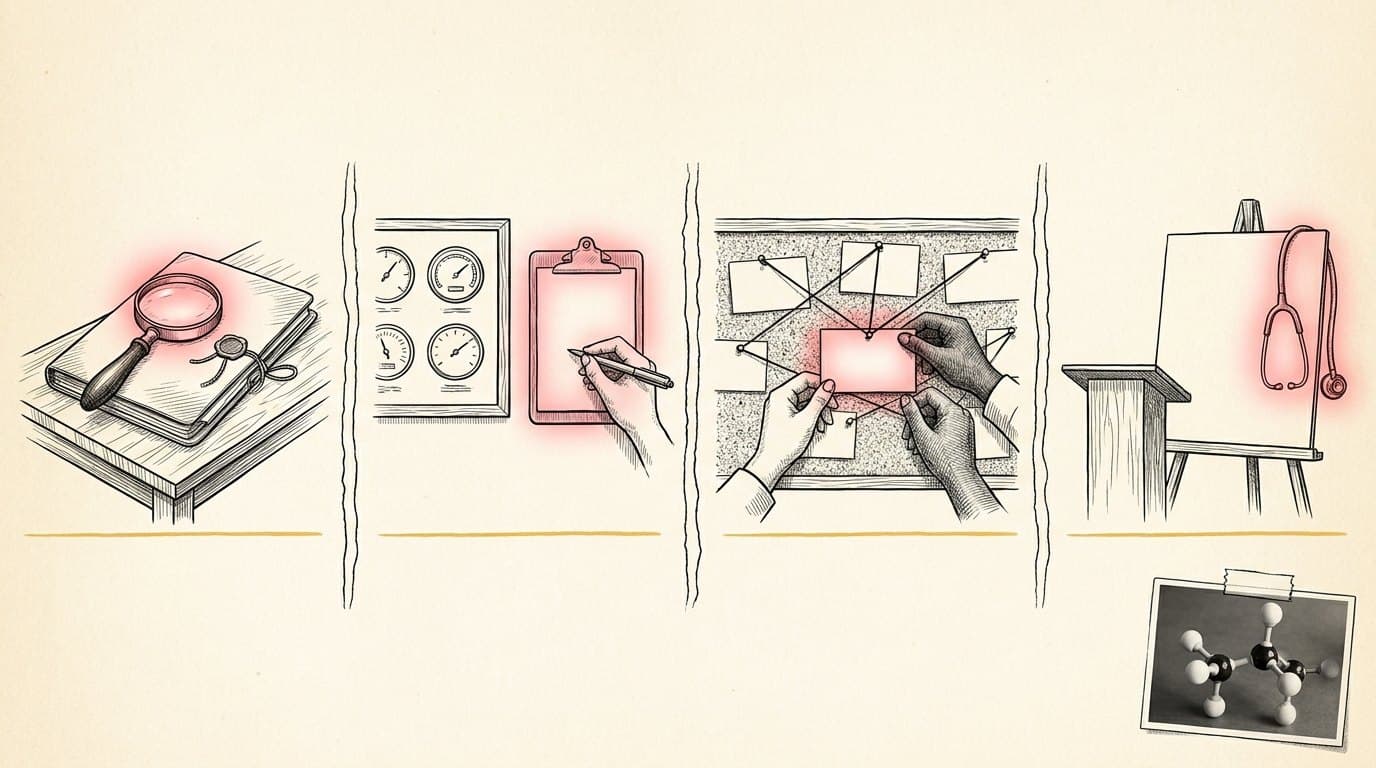
- 01Meet your mentor
A Monday at 2:30, a physician mentor, and a case nobody has cracked yet.
- 02Read the story
Onset, symptoms, timeline, vitals. Most diagnoses hide in the history.
- 03Rule out
Use the evidence to cross rivals off the list. You never guess a diagnosis; you eliminate its rivals.
- 04Defend it
Six Mondays in, your team presents its differential and shows the work that got you there.
Your first case will stall. That is what the second Monday is for, and by then you are asking the question that narrows the list.
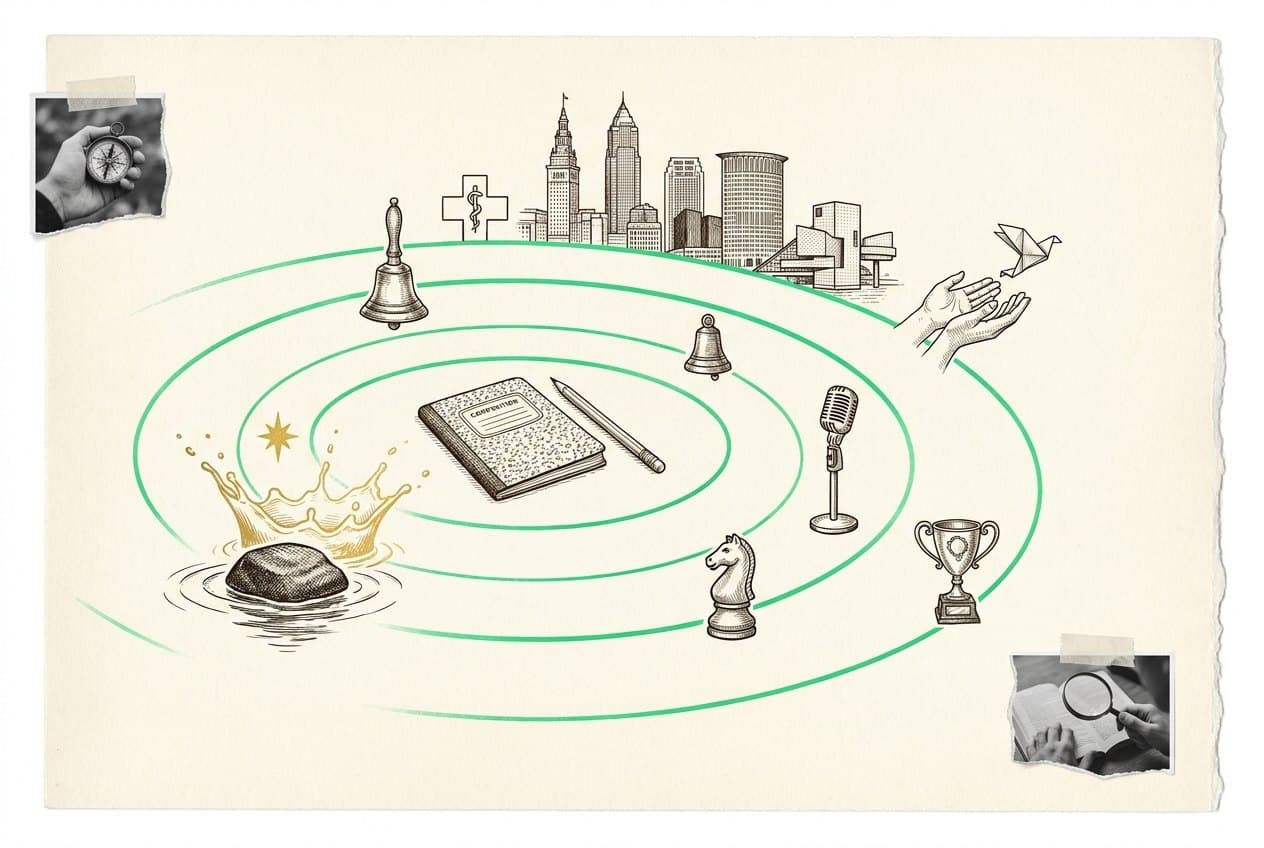
You
You practice the exact discipline medicine runs on: narrow honestly, rule out with evidence, never guess. Members often say the first case they cracked was the first time school felt like the job.
John Hay
John Hay teams present their differentials to Cleveland Clinic physicians and archive the work for next year's cohort. The reasoning built here feeds straight into the school's HOSA events.
Patients
Every case is built the way real ones are. Real cases get narrowed the same way, by ruling out instead of guessing. That is the discipline this club drills.
Careers
Where this points
The skills you practice here are the same ones these jobs run on. Every card carries pay and outlook read straight from O*NET, the US Department of Labor's occupation site, the schools that train for it, and an honest read on what AI is likely to change.
- Physician Assistant
- Diagnostic Radiologist
- Medical Laboratory Scientist
- Genetic Counselor
Next meeting
No confirmed date posted yet.
Check this card again after the group calendar is updated. Current schedule note: Second semester, Case sessions begin. Not taking signups yet..
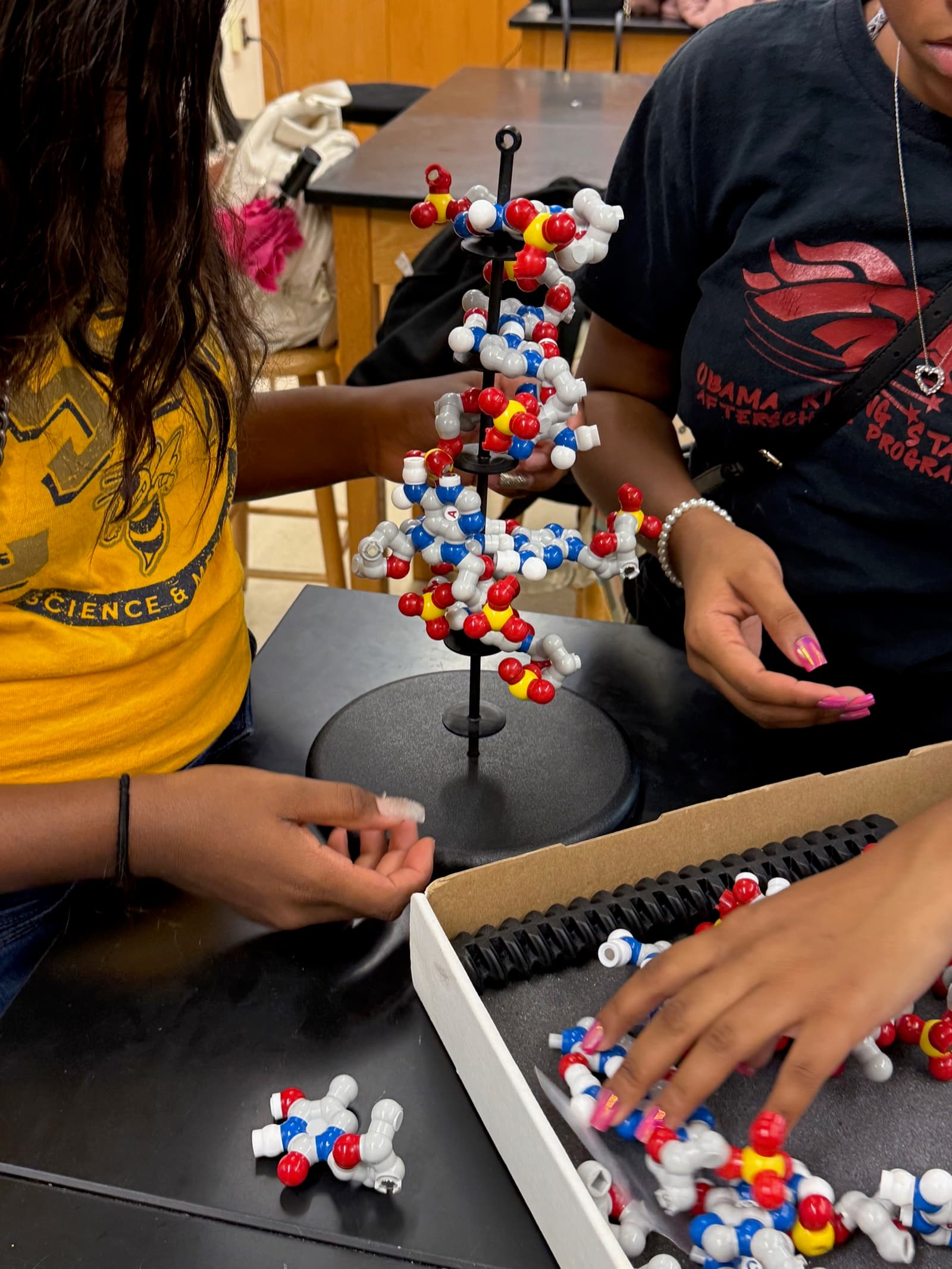
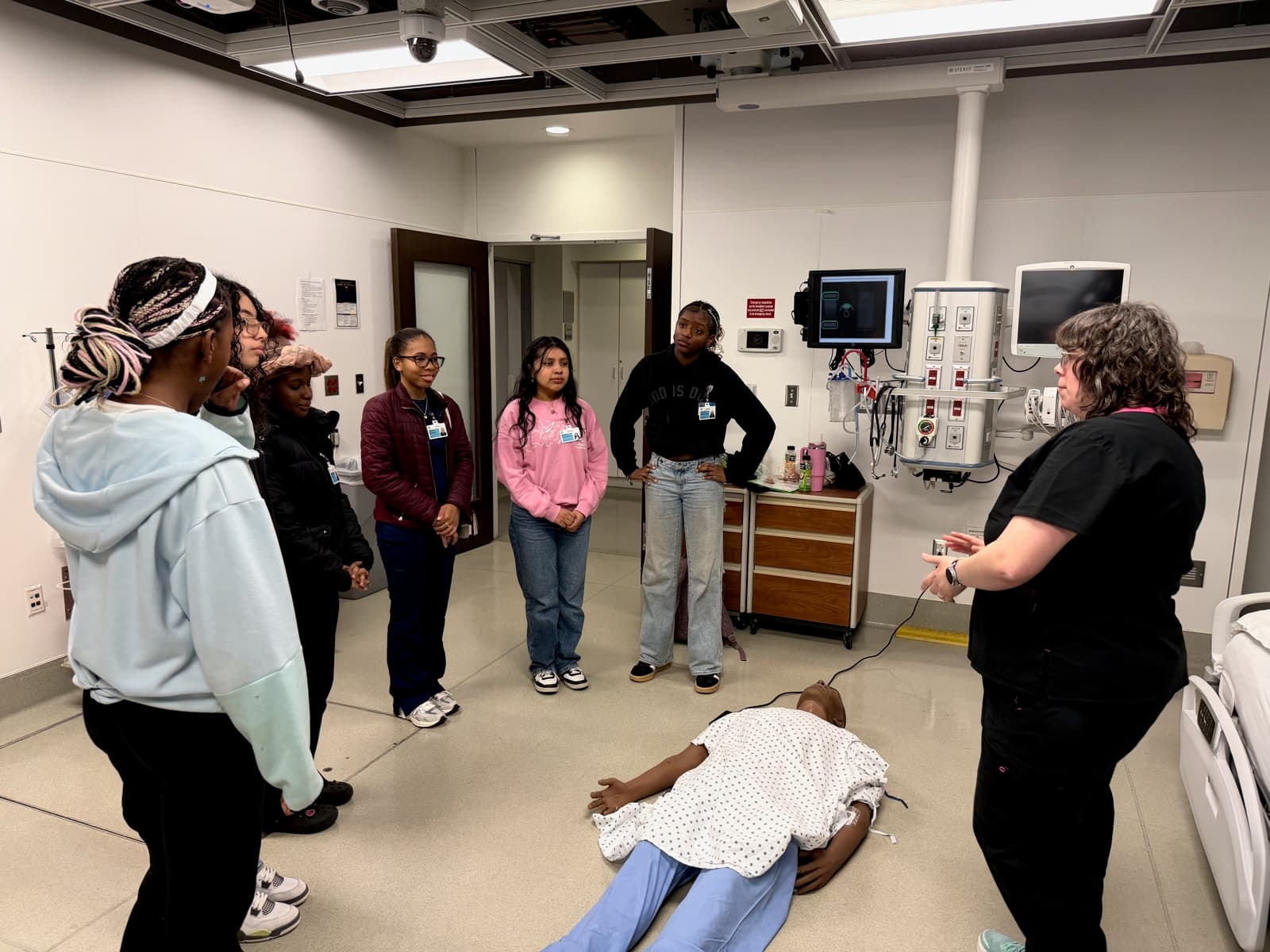
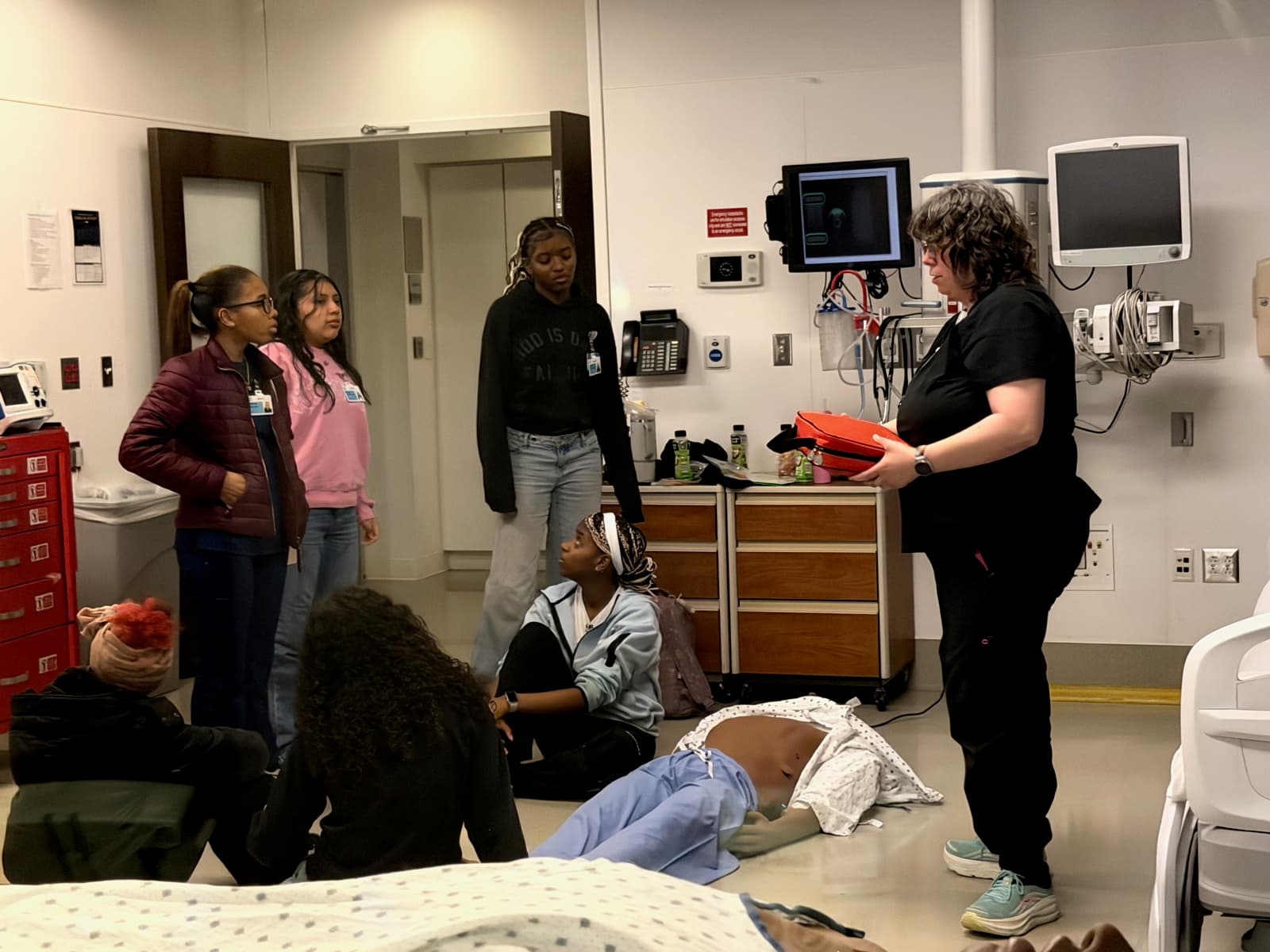
Inside Dilemmas in Differential Diagnosis
Explore & practice
Dilemmas in Differential Diagnosis calendar
When we meet
Year at a glance
Community boards
- • Celebrate specifically. Shoutouts name the win, not just the person.
- • Ask anything. No question is too basic, and families are welcome.
- • Protect privacy. First names and last initials only. Never post a phone number, address, grade, or health detail.
No bulletin posts yet.
Turn in: Your bulletin post, discussion topic, or reply
Go to Schoology to turn this in.
Submit one PDF. Schoology attaches your name to your upload; on the page itself, write your period and code. Name the file: FirstName LastName - Assignment Title - YYYY-MM-DD.pdf.
Open Schoology PDF upload helpIf you cannot get in, see Mr. Mendoza. Do not skip the work.
Vetted resources
Vote-the-diagnosis interactive cases; a great club activity.
NEJM pages may limit access. If gated, use the teacher-selected case excerpt or another open clinical case.
Merck Manual: Clinical Decision-MakingHow clinicians build a differential.
MedlinePlus (NIH)Reliable symptom and condition reference.
Cleveland Clinic Health LibraryPlain-language disease and symptom library.
Merck Manuals: ConsumerStudent-friendly version of the reference.
Questions families ask
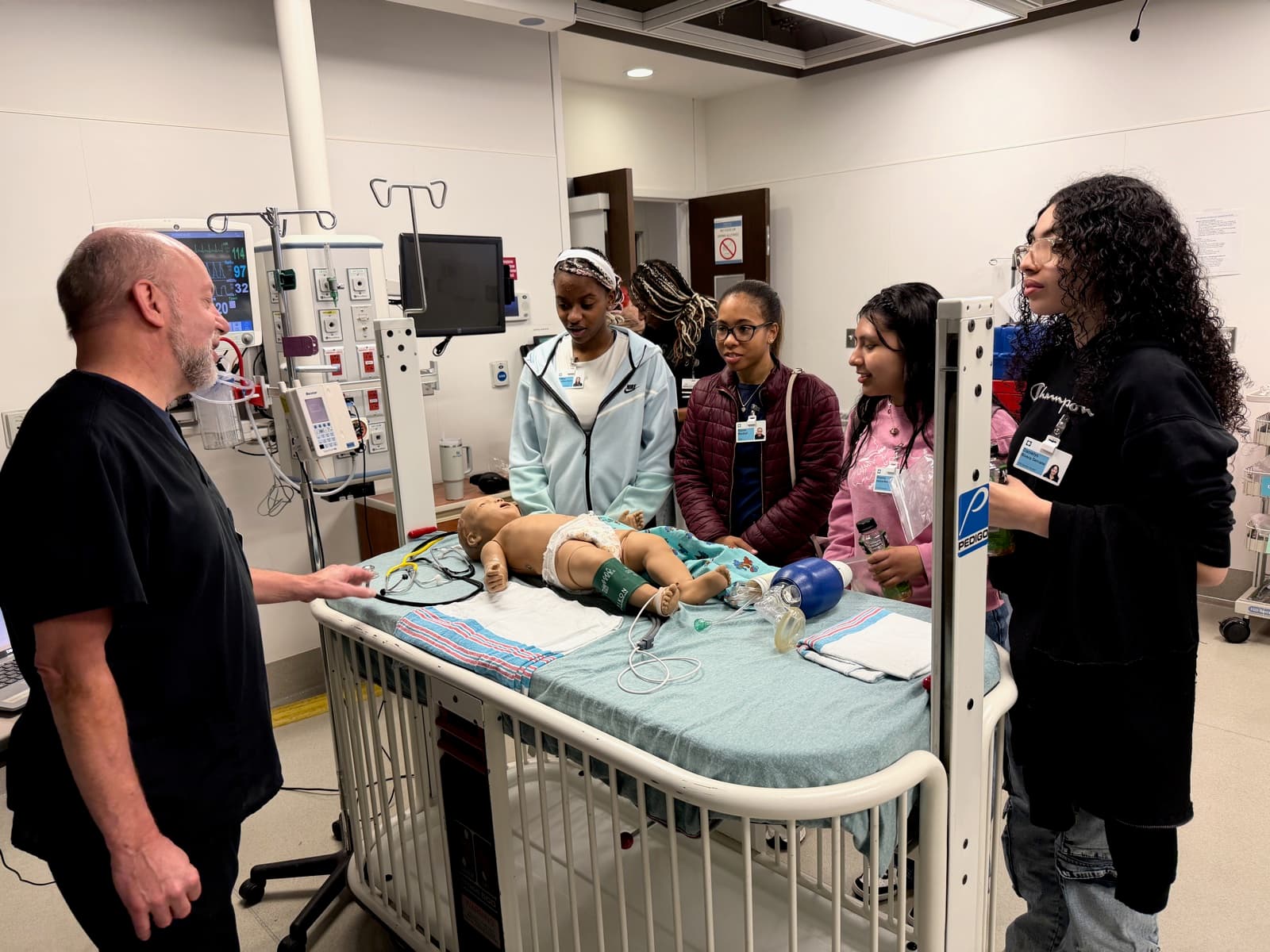
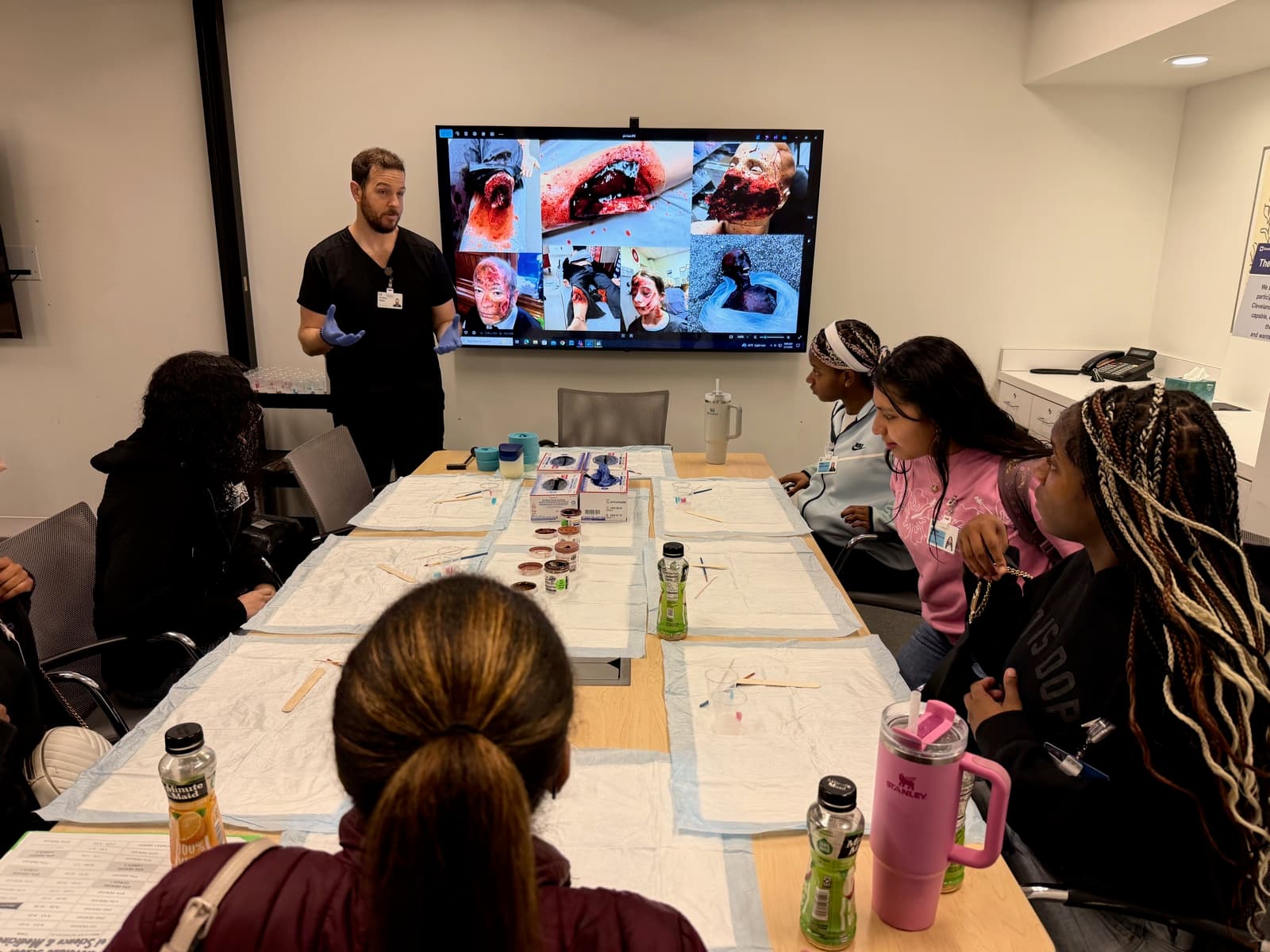
No. Our Dilemmas in Differential Diagnosis work includes a visit to the Cleveland Clinic simulation center. Any wounds you see are special-effects moulage, built by a medical-simulation artist the same way movie makeup is made. Nothing is a real injury and there is no real blood. Learning to assess realistic-looking simulated cases is exactly how clinicians train.
Six Monday sessions (2:30 to 4:00) each spring where physician mentors walk teams through five real diagnostic mystery cases. Teams present their differential diagnoses at the final session.
About 25 per cycle, so apply when the bulletin announcement goes up. Completed Cleveland Clinic onboarding is required to participate.
It is clinical reasoning practice with actual Cleveland Clinic physicians, and strong differential-diagnosis work feeds directly into HOSA competitive events.
Finish onboarding, watch the bulletin, and apply.
Mondays 2:30 to 4:00 · spring cohort · Cleveland Clinic onboarding required
Turn in: Dilemmas in Differential Diagnosis submission
Go to Schoology to turn this in.
Submit one PDF. Schoology attaches your name to your upload; on the page itself, write your period and code. Name the file: FirstName LastName - Assignment Title - YYYY-MM-DD.pdf.
Open Schoology PDF upload helpIf you cannot get in, see Mr. Mendoza. Do not skip the work.