Rough draft.This research track is under review with Dr. Atit's lab. Content and sequence may still change.
The Baby Mateo Case
Disease domainShared clinical backbone (the cleft team)Lesson 16 of 20Your seat: Psychologist / social worker (cleft team)

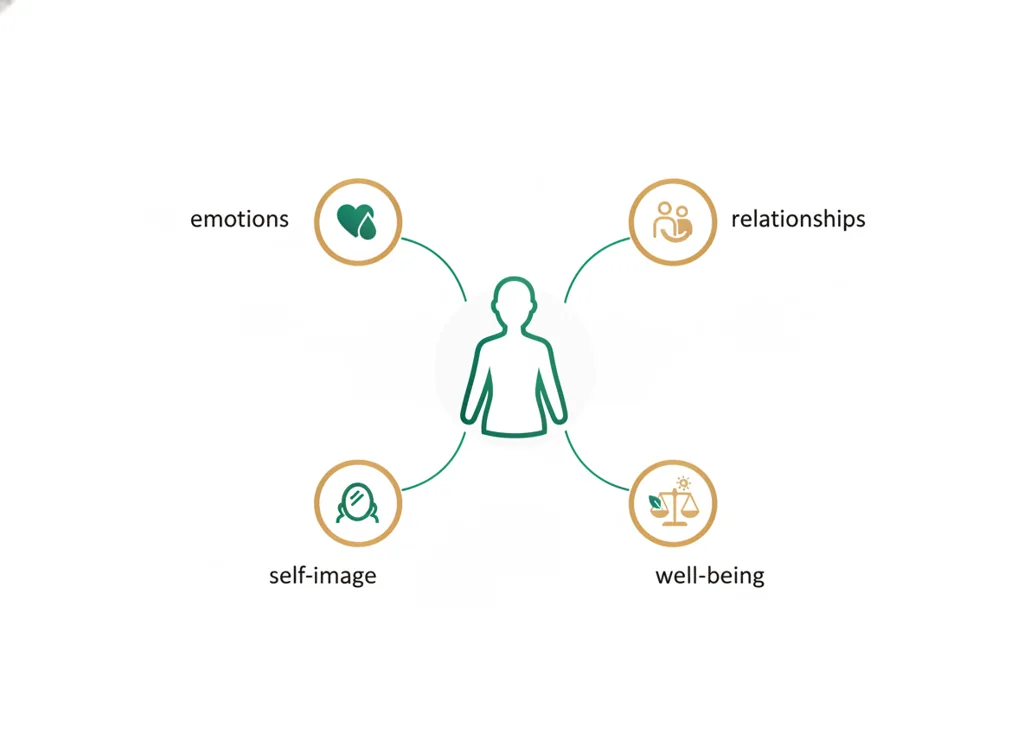
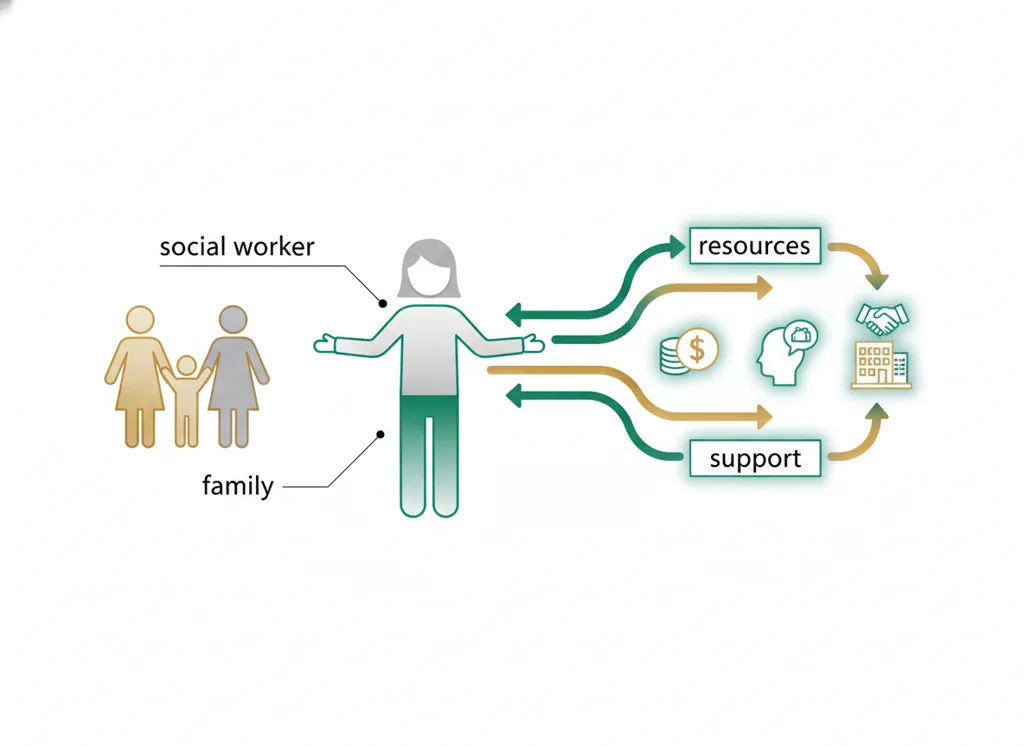
Supporting Mateo and His Family Beyond the Body

Discovery question

What does Mateo's family need beyond surgery and medicine, and how can the team meet those needs?

💡 Psychosocial support is a real part of care, not an extra, and these needs are described honestly and qualitatively where the library has no numbers.

The plan

Prerequisite check

Before this page, you should know
  • To suck, a baby needs a lip seal and an intact roof of the mouth to build pressure; Mateo's weakens both, so he can take in too few calories and fall behind on weight ().
  • Most infants feed successfully once the team provides specialized cleft bottles and nipples and proper positioning, with no surgery required for feeding.
Today's new idea is only
Psychosocial support is a real part of care, not an extra, and these needs are described honestly and qualitatively where the library has no numbers.
Learn first

What you will learn

Goal: Students will identify the main psychosocial needs of a child with a and their family across childhood and name realistic team supports for each, while recognizing where the evidence is strong and where it is still thin.

Know by the end
  • The reviews state plainly that facial difference and speech problems can cause social handicap, stigma, and psychological distress, and that psychosocial support is part of team care.
  • CL/P is framed as a lifelong health issue, not a one-time repair, with population-level associations with mental-health problems.
  • Psychosocial needs are time-stamped to developmental stages: the week of birth (shock, guilt), toddler years (stigma at the park), starting school (self-image, teasing), and across all years (family stress, cost, burnout).
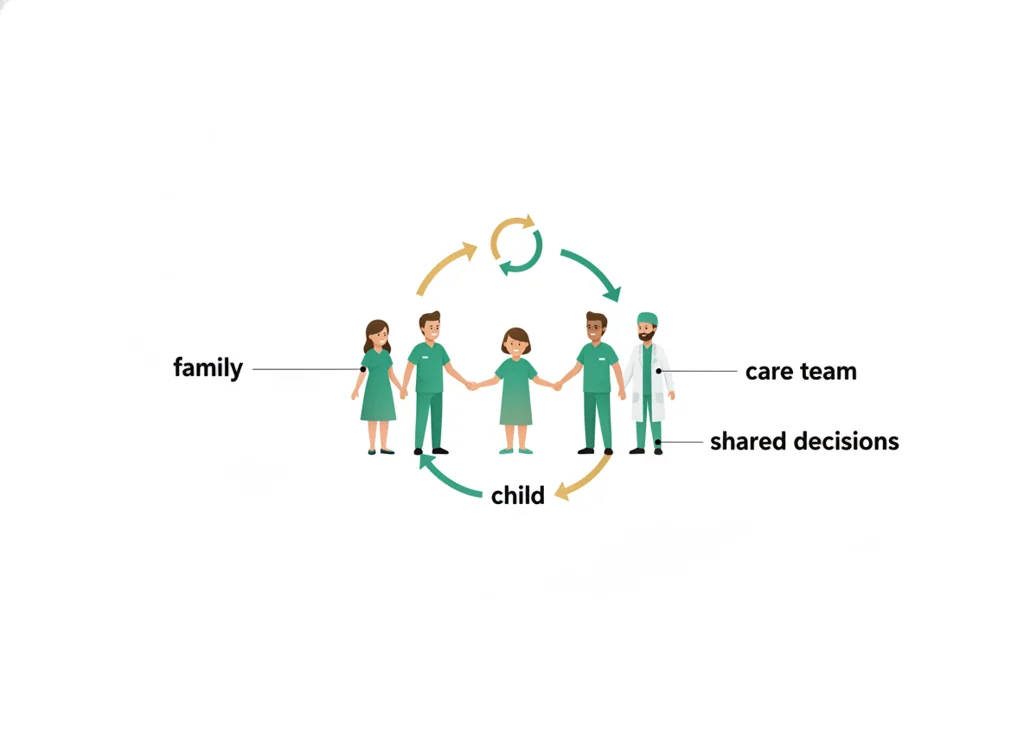
  • The team responds with : a , counseling and peer or parent support groups, school liaison, and building resilience; the library gives no prevalence or effect-size numbers for these, so they are a stated gap.
Learn first

Model: What the reviews say about the non-physical burden, and four moments in a family's life

Two clinical reviews list outcomes that are not anatomical at all. Facial difference and speech problems can cause social handicap, stigma, and psychological distress, and psychosocial support is part of team care. The landmark review notes population-level associations of clefting with mental-health problems and frames CL/P as a lifelong health issue, not a one-time repair. Notice what these statements do and do not give us: they establish that the burden is real and that support belongs on the team, but they do not give a clean number for how many children develop anxiety, or by how much support helps.

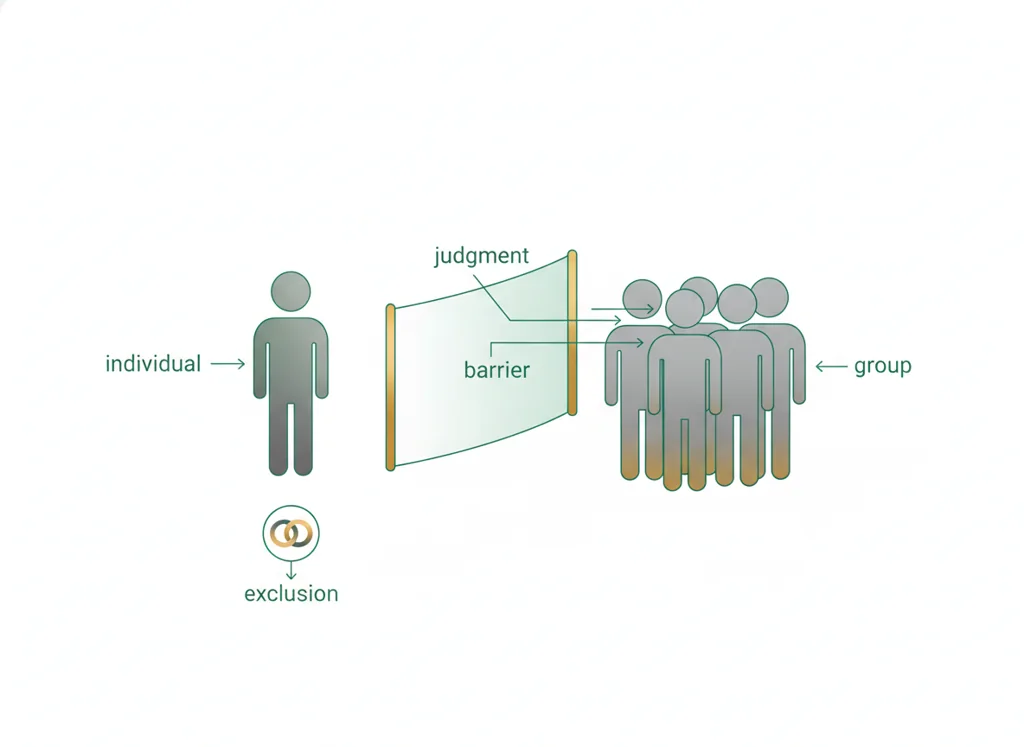
Real psychosocial needs show up at specific moments. The week of birth: parents grieve the expected baby and learn a hard new word, , amid shock, guilt ('did I cause this?'), and information overload. Toddler years: other parents at the park stare or ask blunt questions, bringing stigma and . Starting school: Mateo notices his scar and speech sound different from classmates, raising self-image, teasing, and belonging. Across all years: many appointments, missed work, travel, and cost bring family stress and burnout. These worries arrive on a developmental calendar, just like the surgeries do.

Read this in pieces, one chunk at a time
Do the work

Explore (work the model before reading on)

  1. List the four moments in the model. For each, write the short worry underneath.
  2. Copy the exact idea the reviews use to say that support belongs on the team.
  3. The surgeon's calendar lists operations by age, and these worries also arrive at certain ages. Pick two of the four moments and explain why that worry shows up at that particular age and not earlier.
  4. The reviews say the burden is real but give almost no exact numbers. Why might it be harder to measure 'stigma' or 'family stress' than to measure something like Mateo's weight or hearing?
  5. The guilt a parent feels in the first week ('did I cause this?') is common. Predict one thing the team could say, grounded in how clefts happen, that would honestly reduce misplaced guilt.
  6. In one sentence, what pattern did your team find about when psychosocial needs appear and why they belong on the team?
The plan

Guided notes

1

Naming the need

Model start: care is not only surgical; the mind, feelings, family, and social world are clinical needs too.
  • Needs that involve a child's mind, feelings, family, and social world are called ______ needs (psychological plus social).
  • The reviews are explicit that addressing them is part of ______ care, not an optional extra.
2

The recurring shapes of the burden

  • ______ is negative judgment from others because of a visible facial difference or different-sounding speech.
  • Family stress comes from a long, costly, multi-appointment plan, part of why CL/P is described as a ______ condition, not a single repair.
3

The team's response and an honest limit

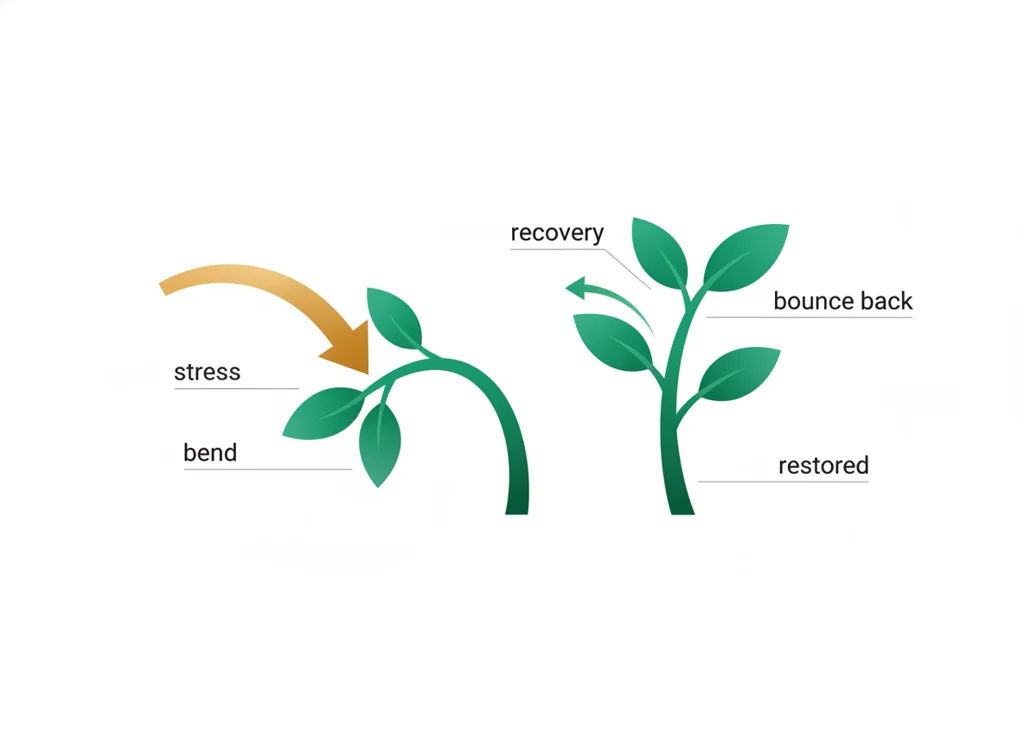
  • supports the whole family: a , counseling, peer or parent groups, school liaison, and building ______ (the ability to adapt and cope).
  • The library has no exact prevalence numbers for -related anxiety or the effect of support, so these needs are presented ______ (qualitatively), not with invented percentages.
Explore

Reading the Research

What to read
Why this source matters
This is the published evidence behind today's idea: Psychosocial support is a real part of care, not an extra, and these needs are described honestly and qualitatively where the library has no numbers.
Words to unlock first
psychosocialstigmaresiliencefamily-centered caresocial worker
Reading moves
  1. Skim the title and abstract first to get the gist.
  2. Circle the one sentence that states the main claim.
  3. Box the evidence the authors give for that claim.
  4. Mark one sentence that confuses you, and move on.
Stop point
You do not need the methods or statistics yet. If a sentence is about lab technique or math you have not learned, mark it and skip it.
Your output
Write one claim-evidence sentence: what this source claims, and the one piece of evidence that backs it up.
Where this fits
Tested on (Ohio WebXam)
Genetics of Disease · 072130
PLTW lesson
MI · Disease domain · Medical Interventions (MI), patient-centered care and social determinants
WebXam domain
Bio-Molecular Technology
Evidence to produce
Mateo's parents, in the first week, say through tears: 'We keep wondering if we did something wrong.' As the team psychologist, write a warm three-to-four-sentence response that (1) names their feeling without dismissing it, (2) gently corrects the misplaced guilt using what the team knows about how clefts happen, and (3) offers one concrete support you can set up today. Do not invent statistics.
Lab / skill
Clinical backbone (cleft team) · Clinical backbone (cleft team)
Words

Vocabulary (the same words your classes use)

The plan

Track your progress today

Check these off as you work through the lesson, then submit. This tells Mr. Mendoza how you're doing so he can help the class. It does not replace turning in your producible.

Use the code Mr. Mendoza gave you, not your name. Saved on this device.

Check off as you finish
  • Read the Model and answered the Explore questions.
  • Filled in the guided notes in my own words.
  • Defined the new vocabulary with an example.
  • Built the producible: Mateo's parents, in the first week, say through tears: 'We keep wondering if we did something wrong.' As the team psychologist, write a warm three-to-four-sentence response that (1) names their feeling without dismissing it, (2) gently corrects the misplaced guilt using what the team knows about how clefts happen, and (3) offers one concrete support you can set up today. Do not invent statistics.
  • Wrote my Claim, Evidence, and Reasoning exit ticket.
Pick your period and code first.
Check yourself

Exit ticket (Claim, Evidence, Reasoning)

  • Claim: Psychosocial support is a ____ (real / optional) part of Mateo's care.
  • Evidence: The reviews say facial difference and speech can cause ____ and distress, that support is part of ____ care, and that CL/P is a ____ condition.
  • Reasoning: A team that only repaired the would be missing part of Mateo's health, and we describe these needs qualitatively rather than with invented numbers because ____.
How this is graded (rubric)
For: Mateo's parents, in the first week, say through tears: 'We keep wondering if we did something wrong.' As the team psychologist, write a warm three-to-four-sentence response that (1) names their feeling without dismissing it, (2) gently corrects the misplaced guilt using what the team knows about how clefts happen, and (3) offers one concrete support you can set up today. Do not invent statistics.
CriterionProficientDevelopingBeginning
CompleteEvery required part of the artifact is present and filled in.Most parts are present, but one is missing or left blank.Several parts are missing.
AccurateThe science and data are correct and match the evidence.Mostly correct, with a small factual slip.Key science or data is wrong.
Scientific reasoning (CER)States a claim, backs it with specific evidence, and explains the reasoning.Has a claim and evidence, but the reasoning is thin or missing.Gives an answer with no evidence or reasoning.
Professional communicationClear, organized, and labeled the way a clinician or scientist would write it.Readable but disorganized or missing labels.Hard to follow.
SubmittedTurned in the right way (Schoology for routine work) and confirmed.Turned in, but in the wrong place or unconfirmed.Not turned in.
How the model answer scores against this rubric
  • CompleteProficient: Nothing is left blank: the model fills every part of "Mateo's parents, in the first week, say through tears: 'We keep wondering if we did something wrong.' As the team psychologist, write a warm three-to-four-sentence response that (1) names their feeling without dismissing it, (2) gently corrects the misplaced guilt using what the team knows about how clefts happen, and (3) offers one concrete support you can set up today. Do not invent statistics.".
  • AccurateProficient: Every number and claim matches the case evidence.
  • Scientific reasoning (CER)Proficient: It names a claim, cites the specific evidence, and explains the reasoning, not just the answer.
  • Professional communicationProficient: It is organized and labeled like a real chart note.
  • SubmittedProficient: It would be turned in on Schoology and confirmed.
Explore

Where this leads: careers

Pediatric psychologist Medical social worker Patient navigator

What's next: We answered what Mateo's family needs beyond the body. But we have assumed his team will provide all of this. Does every child like Mateo actually get the same care, whether they are born in a big city, a rural town, or a low-income country?