
Supporting Mateo and His Family Beyond the Body
This reading contains every idea and every piece of evidence needed for today's decision. The research links at the end are optional.
Why this matters
Long-term health includes how a child feels, learns, communicates, and connects with other people.
The question you are trying to answer
Which supports are easy to see?
Begin with the idea you already earned
Growth decisions come from trends across time, not one measurement on one day.
Study the analogy before the biology
- Which supports are easy to see?
- What happens if hidden supports weaken?
- How would you inspect support before a crisis?
Turn the analogy into three rules
Limit: People are not structures. The analogy only shows that hidden support affects visible well-being.
Map those rules onto the biology
Psychosocial health includes emotions, relationships, school participation, identity, and family stress.
A cleft does not determine how a person will feel. Teams ask, listen, screen, and respond to the individual rather than assuming.
Support may include social work, psychology, peer connection, school planning, and practical help with the burden of care.
Read Mateo's labeled case evidence
Mateo's family reports stress from repeated appointments and worry about other people's reactions.
Family burden is part of the current health picture.
Mateo participates in class but avoids speaking during a new peer group activity.
A context-specific concern deserves a private, nonjudgmental check-in.
No crisis signs are reported, and Mateo identifies one trusted adult and one supportive friend.
The plan can build on existing strengths while monitoring needs.
Make the concrete decision
You are the team social worker before a school transition.
The family asks whether support is necessary if Mateo is medically stable.
- Offer a private check-in, family resources, and a school support plan based on Mateo's preferences
- Wait for a crisis
- Assume every child with a cleft feels the same
Choose the support plan and separate the evidence from assumptions about how Mateo feels.
Claim ceiling: You may identify needs reported in the case. You may not assign feelings, diagnoses, or stigma experiences that Mateo did not report.
Write the 10-year takeaway
Psychosocial care belongs in the treatment plan because health includes confidence, relationships, school, and family well-being.
- Why should the team ask rather than assume?
- Which strengths in the case can the plan build on?
Glossary in plain English
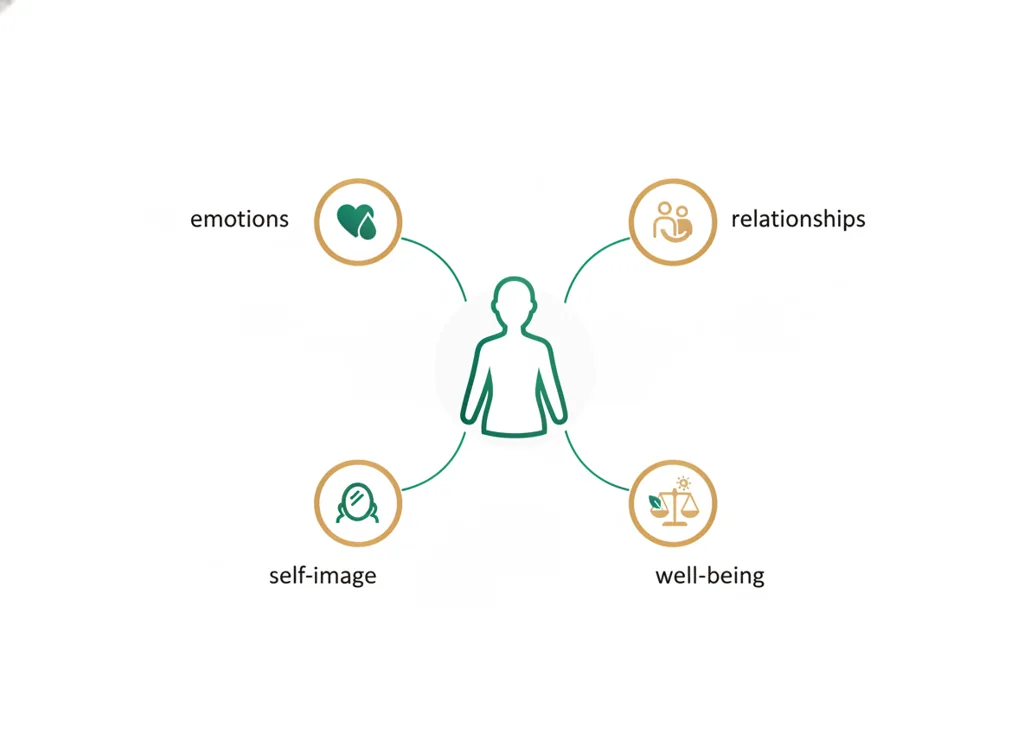
Relating to how a condition affects a person's emotions, self-image, and relationships, alongside its physical effects.
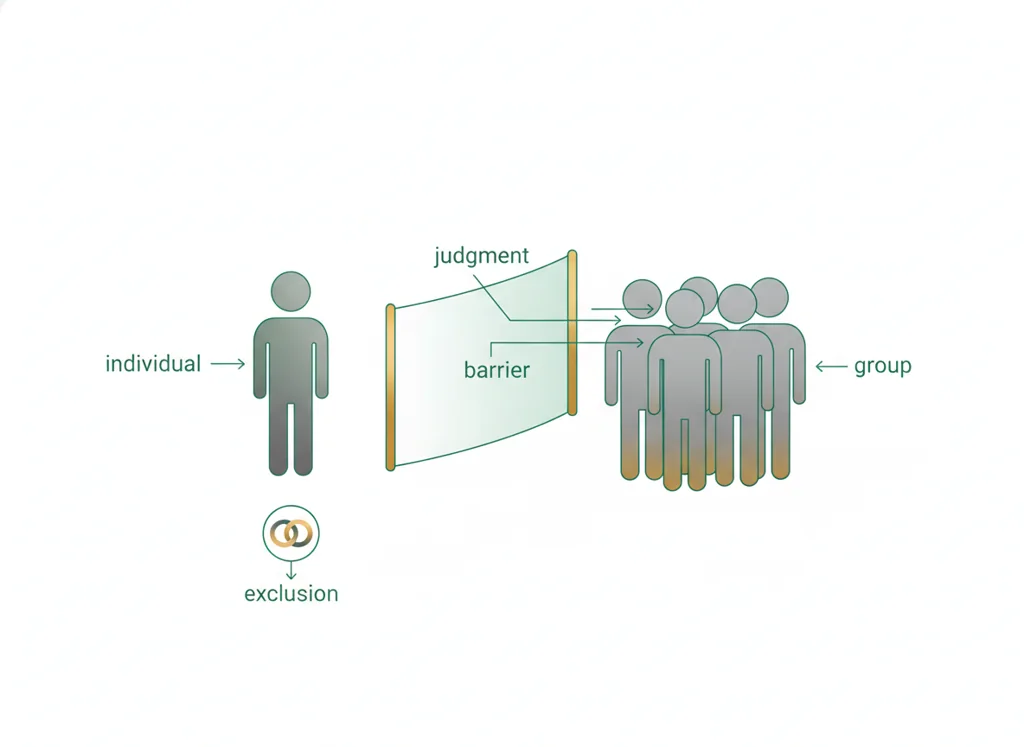
Unfair negative judgment or social shame directed at a person because of a visible difference or health condition.
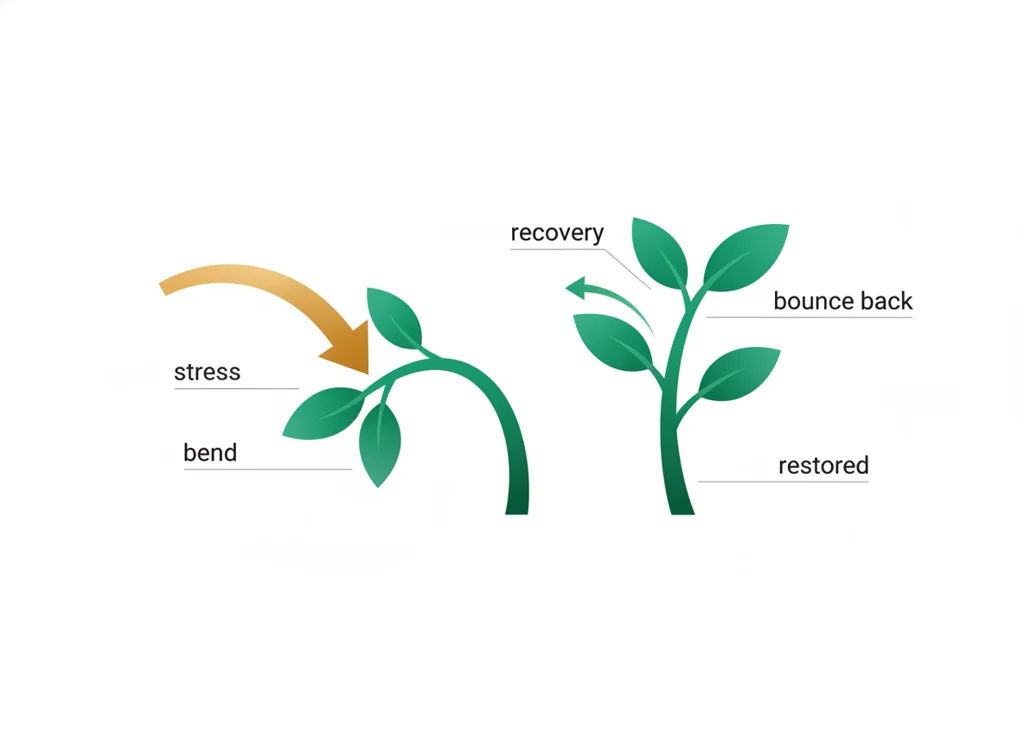
The ability to recover and keep functioning well after stress, hardship, or setbacks.
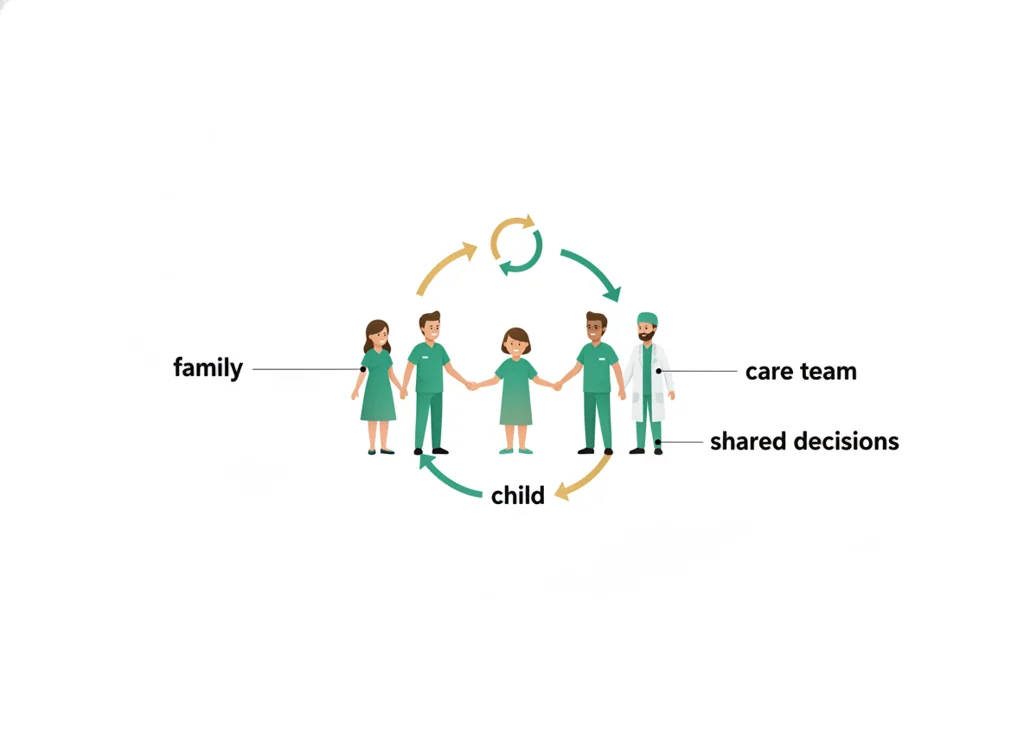
A care approach that treats the family as partners in decisions, respecting their values, needs, and role alongside the medical team.
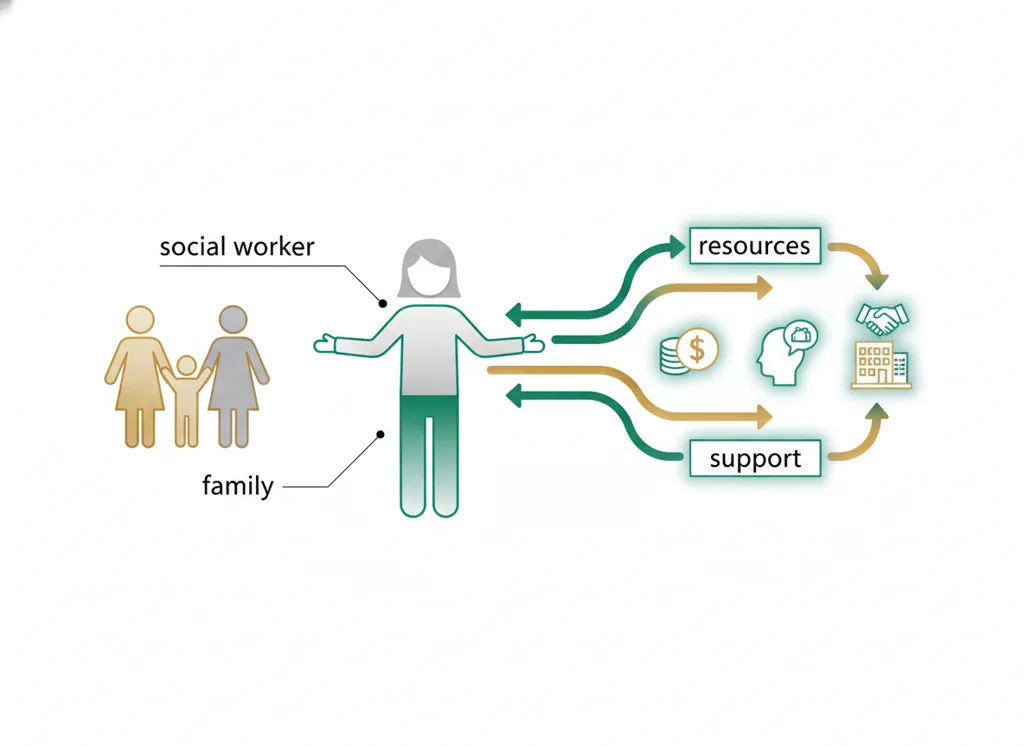
A care-team member who helps families navigate resources, costs, support services, and emotional needs around a child's condition.
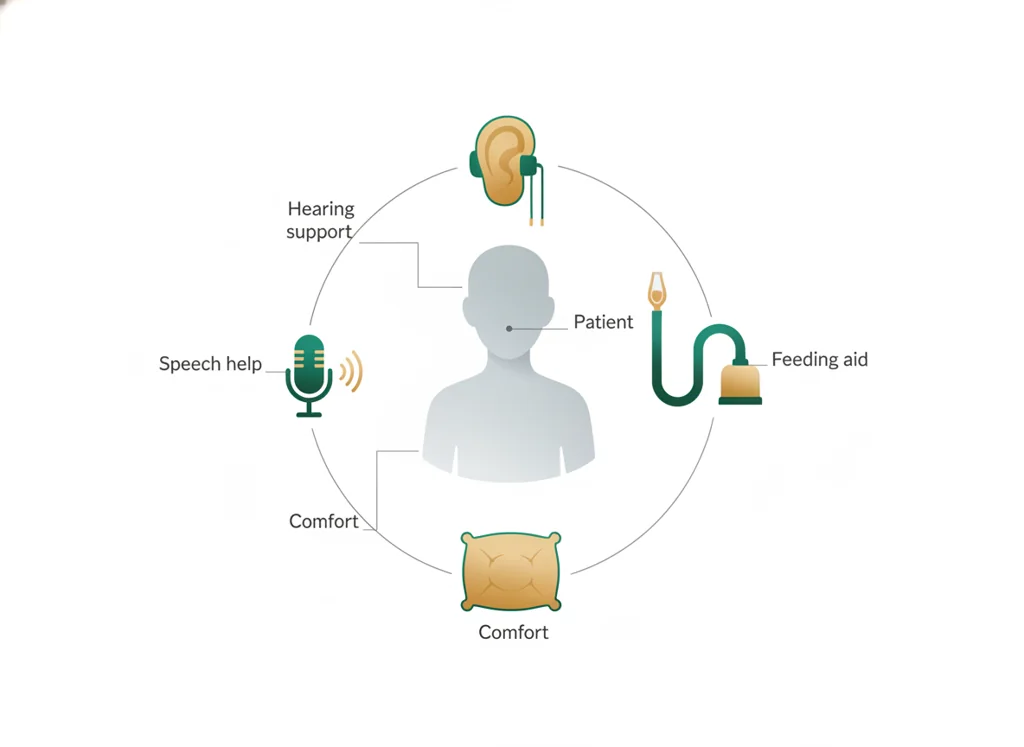
Care aimed at easing symptoms and helping daily function, such as feeding aids and hearing support, alongside the main treatment.
Research citation trail (advanced)
You do not need these papers or database records to finish the lesson. They document where the plain-language explainer's claims come from and are intended for teachers or advanced readers.