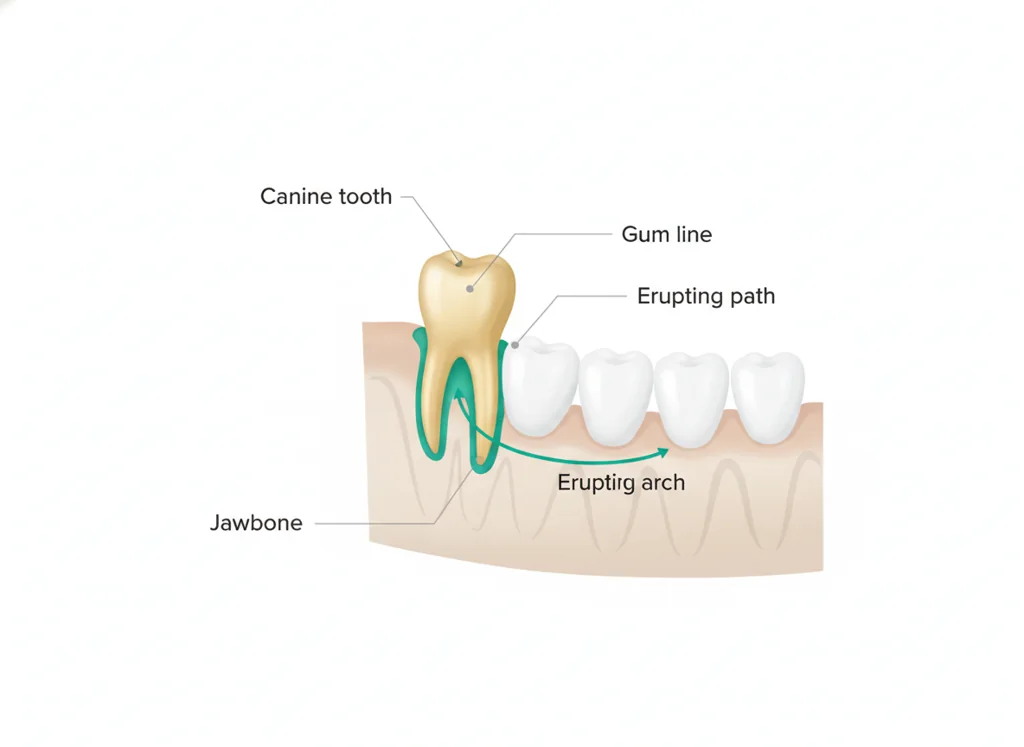
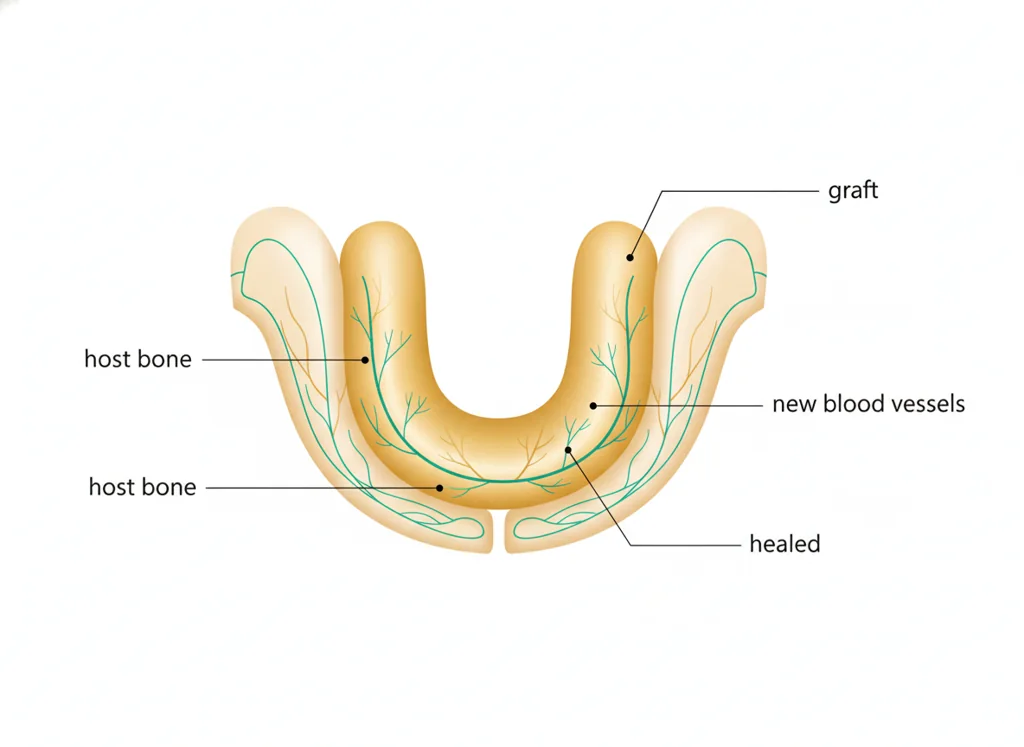
Clue 1: Orient yourself
Why must the bridge exist before the roots arrive?
Use the labels and the picture's left-to-right, near-to-far, or before-and-after order. Name only what you can point to.
Why it matters: Structure affects feeding, breathing, hearing, speech, teeth, and surgical planning. Care teams need to connect the exact structure to the function a child is using every day. Today you practice the professional reasoning behind that work: Alveolar graft timing follows dental development, usually before the adjacent permanent canine erupts, so living bone can support tooth movement.
Using graft outcome data to justify timing the bone graft to tooth eruption
Having a gene is not the same as using it.


A soil bridge fills a gap before roots reach that area. Timing matters because roots need a stable path when they begin growing across.
Do not jump to the biology yet. Treat the picture as a small system. Track its parts, follow one change at a time, and keep more than one explanation open until the picture supplies a way to separate them.
Why must the bridge exist before the roots arrive?
Use the labels and the picture's left-to-right, near-to-far, or before-and-after order. Name only what you can point to.
What evidence shows the plant is ready?
Follow one object, stage, or path. Point to the first place where the situation changes instead of jumping to the ending.
Why is a calendar age only an estimate?
List more than one explanation that still fits. Name the extra observation that would help you separate those possibilities.

Work from the visible evidence. A useful answer names the part of the picture that supports it and leaves unknown causes open.
Use the everyday picture to answer today's question in plain words: Why must the team wait for the right tooth stage to fill the bone gap?
You can complete today's required check without opening the technical details below.
Where the analogy stops: Bone graft incorporation and tooth eruption are biological processes more complex than roots crossing soil.
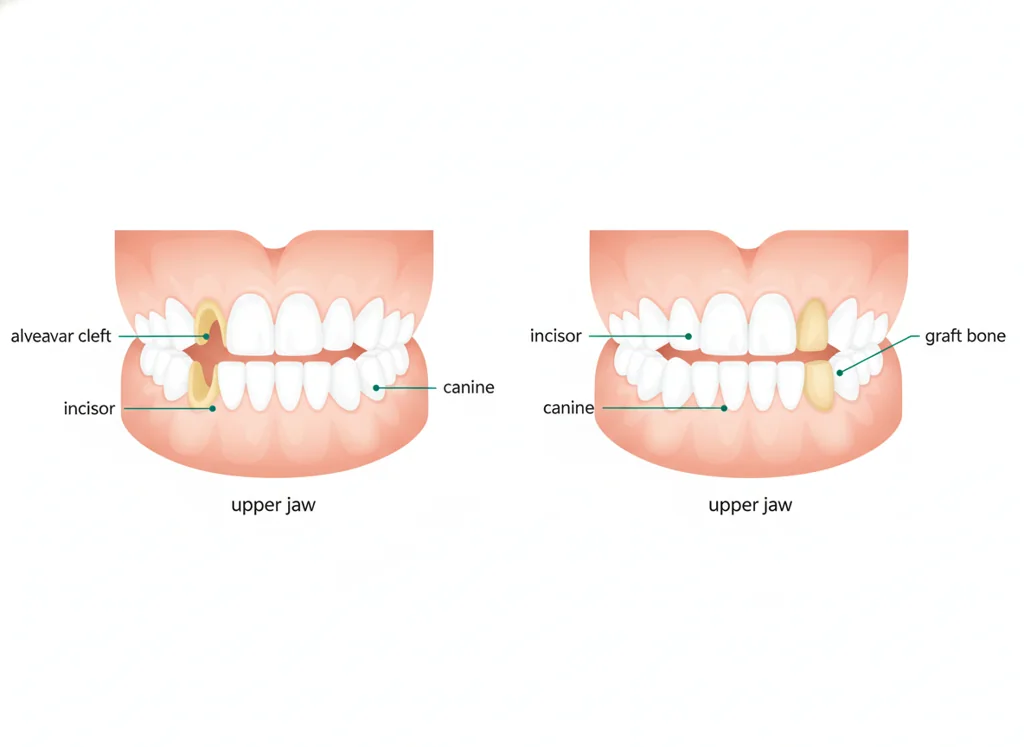
An alveolar cleft interrupts bone where teeth develop, so tooth position, shape, number, and eruption must be followed over time.
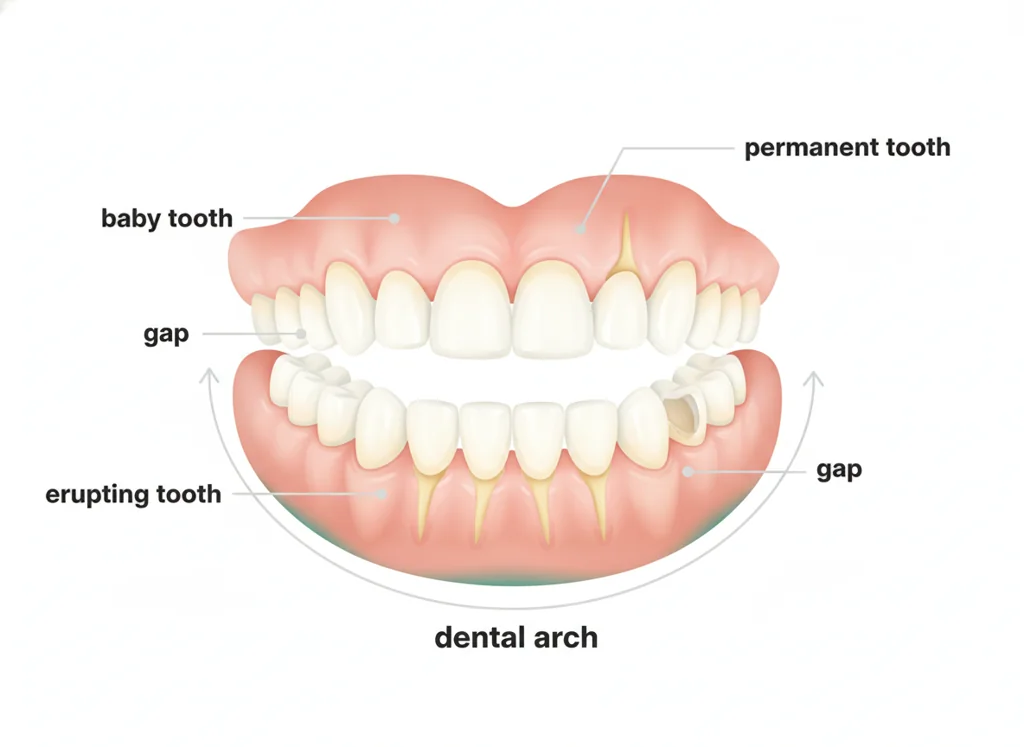
Alveolar graft timing follows dental development, usually before the adjacent permanent canine erupts, so living bone can support tooth movement.
Educational illustration, not a clinical photograph, scan, or surgical plan. Use the labeled evidence cards and claim ceiling.
Mateo is eight, has completed pre-graft expansion, has good oral hygiene, and the adjacent canine is unerupted with developing root.
Choose the planning decision and cite dental stage plus preparation evidence.
Everything required for today is above. Open these only if you want the explainer, source trail, or download files.
The everyday model and Tier 1 check are the complete required path for this lesson.
Use these checks to keep your place. They are not turned in through the portal.
Turn in: Anatomical lesson 14: Filling the Bony Gap in the Gum Ridge
Go to Schoology to turn this in.
Submit one PDF. Schoology attaches your name to your upload; on the page itself, write your period and code. Name the file: FirstName LastName - Assignment Title - YYYY-MM-DD.pdf.
Open Schoology PDF upload helpIf you cannot get in, see Mr. Mendoza. Do not skip the work.
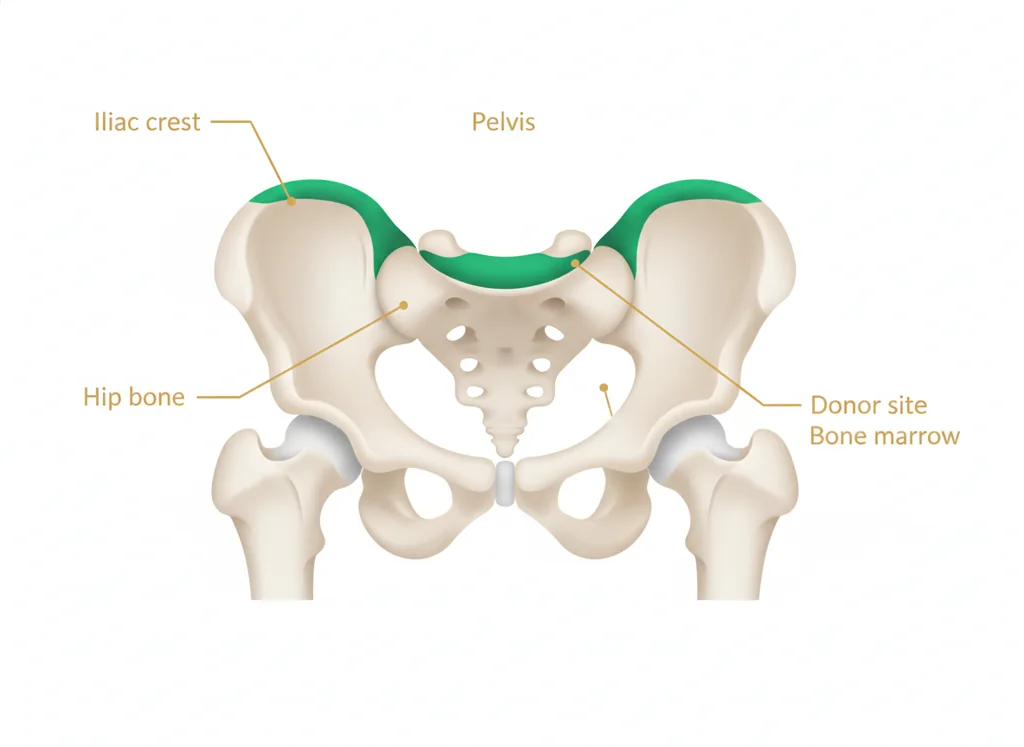
Goal: Explain why, when, and how an alveolar bone graft fills the in the gum ridge, and use real outcome data to defend grafting before age 9.
Everything you need for today is on this page. These links are optional.
Everything required for today's decision is already in the case file and plain-language explainer. The links below are original papers and database records for teachers and advanced readers, not assigned student reading.
| Criterion | Proficient | Developing | Beginning |
|---|---|---|---|
| Complete | Every required part of the artifact is present and filled in. | Most parts are present, but one is missing or left blank. | Several parts are missing. |
| Accurate | The science and data are correct and match the evidence. | Mostly correct, with a small factual slip. | Key science or data is wrong. |
| Scientific reasoning (CER) | States a claim, backs it with specific evidence, and explains the reasoning. | Has a claim and evidence, but the reasoning is thin or missing. | Gives an answer with no evidence or reasoning. |
| Professional communication | Clear, organized, and labeled the way a clinician or scientist would write it. | Readable but disorganized or missing labels. | Hard to follow. |
| Submitted | Turned in through the route named under Submit here and confirmed. | Turned in, but in the wrong place or unconfirmed. | Not turned in. |
What's next: We rebuilt the bone of Mateo's gum ridge and gave his canine a home. But the graft reminded us of something bigger: its timing did not change whether he might need later jaw surgery, because the whole upper jaw it sits on has been growing poorly all along. How does a repaired change facial growth, and what does that do to his bite? We chase that next time.