
Filling the Bony Gap in the Gum Ridge
This reading contains every idea and every piece of evidence needed for today's decision. The research links at the end are optional.
Why this matters
Cleft care can include 6 to 7 kinds of procedures, and the bone step must fit the child's changing teeth.
The question you are trying to answer
Why must the team wait for the right tooth stage to fill the bone gap?
Begin with the idea you already earned
An alveolar cleft interrupts bone where teeth develop, so tooth position, shape, number, and eruption must be followed over time.
Study the analogy before the biology
- Why must the bridge exist before the roots arrive?
- What evidence shows the plant is ready?
- Why is a calendar age only an estimate?
Turn the analogy into three rules
Limit: Bone graft incorporation and tooth eruption are biological processes more complex than roots crossing soil.
Map those rules onto the biology
An alveolar bone graft places living bone into the cleft in the gum ridge. The goal is bony continuity and support for nearby teeth.
Timing is based mainly on dental development. Teams often graft before the permanent canine next to the cleft erupts.
Orthodontic preparation, oral hygiene, imaging, surgical assessment, and family readiness all matter. Age gives a rough range, not the final decision.
Read Mateo's labeled case evidence
Mateo's alveolar cleft remains open after primary lip and palate repair.
The upper jaw segments need bony continuity if teeth will move through the site.
His adjacent canine has not erupted and its root is developing on the supplied image.
The dental stage supports pre-eruption planning.
ACPA states that graft timing should be based on dental development with orthodontist input, commonly before permanent teeth in the cleft region erupt.
A fixed age cutoff is less accurate than tooth stage.
Make the concrete decision
You are the orthodontist-surgeon conference lead.
Mateo is eight, has completed pre-graft expansion, has good oral hygiene, and the adjacent canine is unerupted with developing root.
- Advance to team evaluation for secondary alveolar bone grafting now.
- Wait until after the canine fully erupts because age alone controls timing.
- Graft without orthodontic or dental coordination.
Choose the planning decision and cite dental stage plus preparation evidence.
Claim ceiling: You may choose the educational planning window. You may not schedule or select a donor site for a real patient.
Write the 10-year takeaway
Alveolar graft timing follows dental development, usually before the adjacent permanent canine erupts, so living bone can support tooth movement.
- Which developmental event usually guides graft timing?
- Why must orthodontics and surgery coordinate?
Glossary in plain English
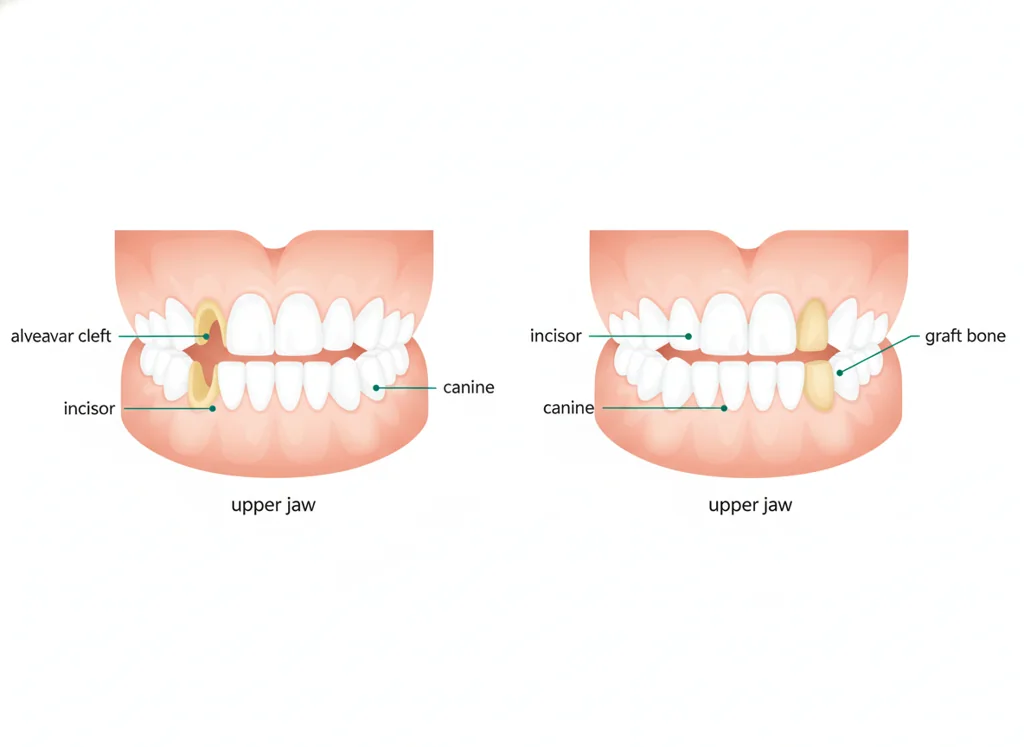
A surgery that fills the bony gap in the upper gum of a cleft patient with transplanted bone, usually before the adult canine teeth erupt.
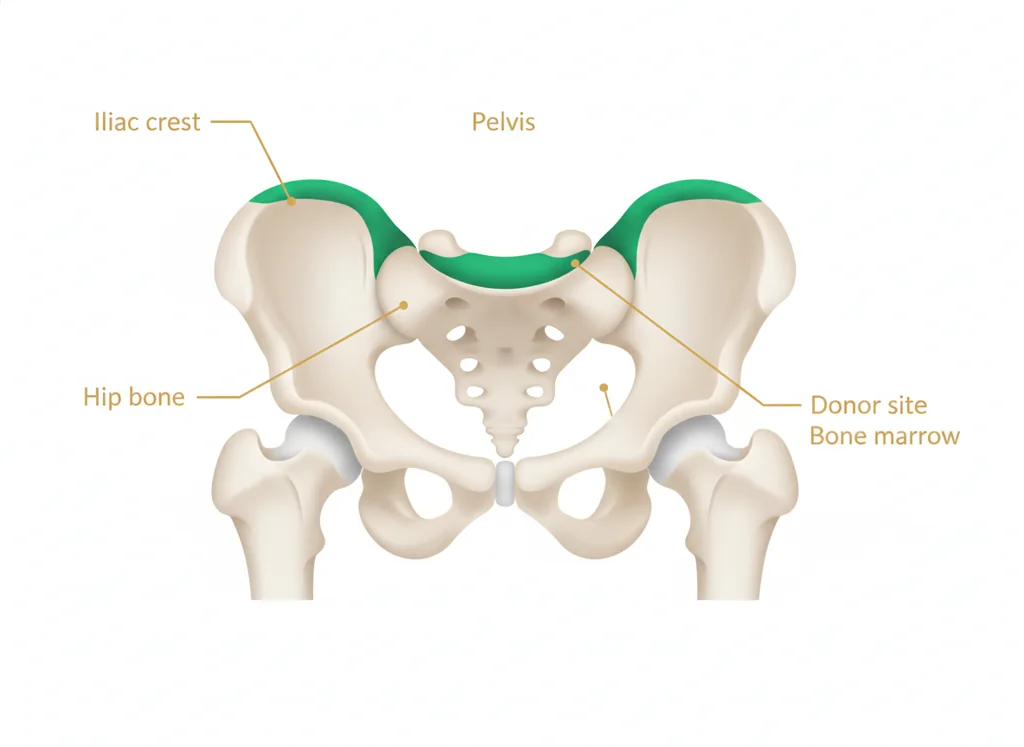
The curved upper rim of the hip bone, a common spot for surgeons to harvest bone for grafts such as alveolar repair.
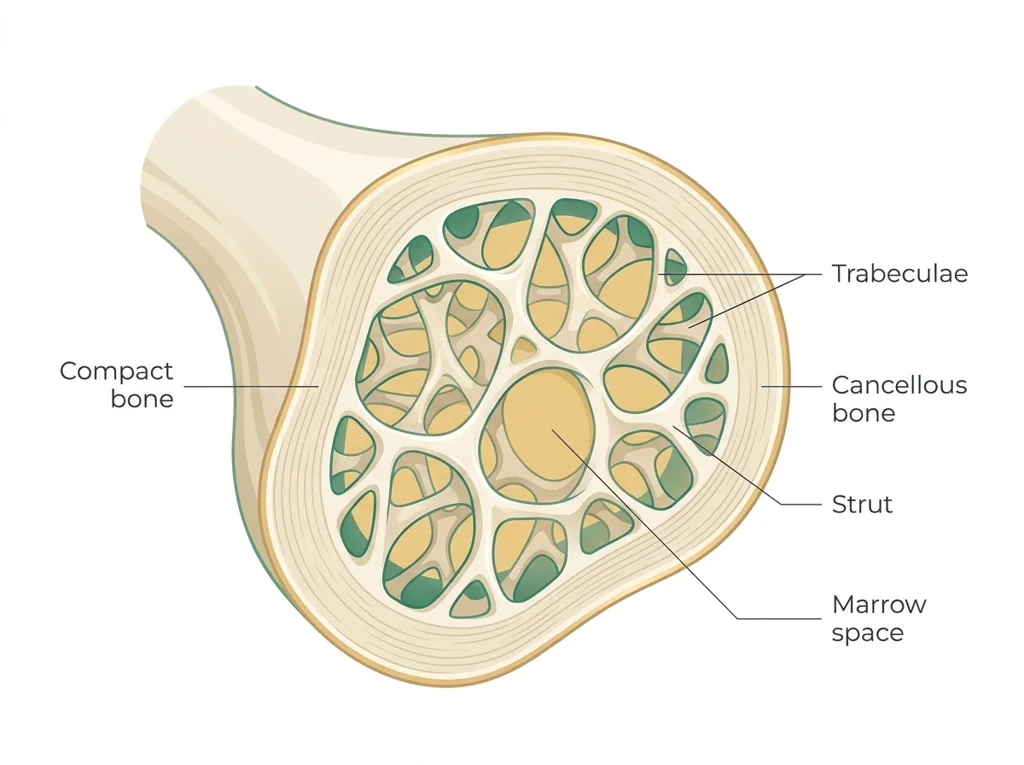
The light, spongy inner bone made of a honeycomb mesh of struts that holds marrow and gives strength without heavy weight.
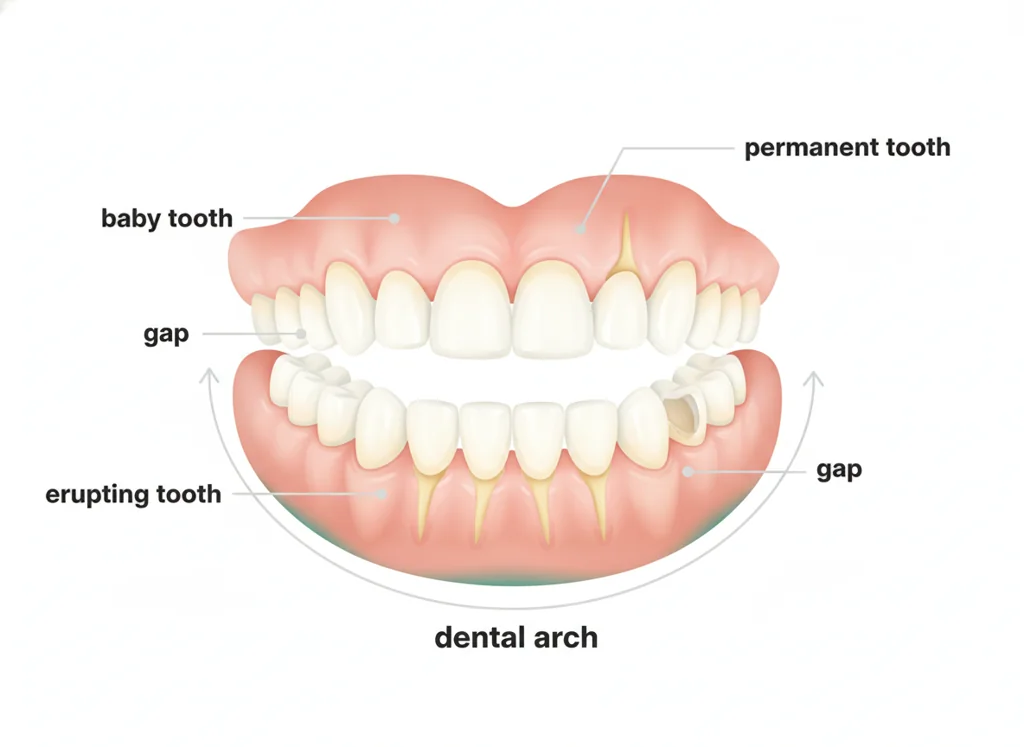
The childhood stage when baby teeth and permanent teeth are present in the mouth at the same time.
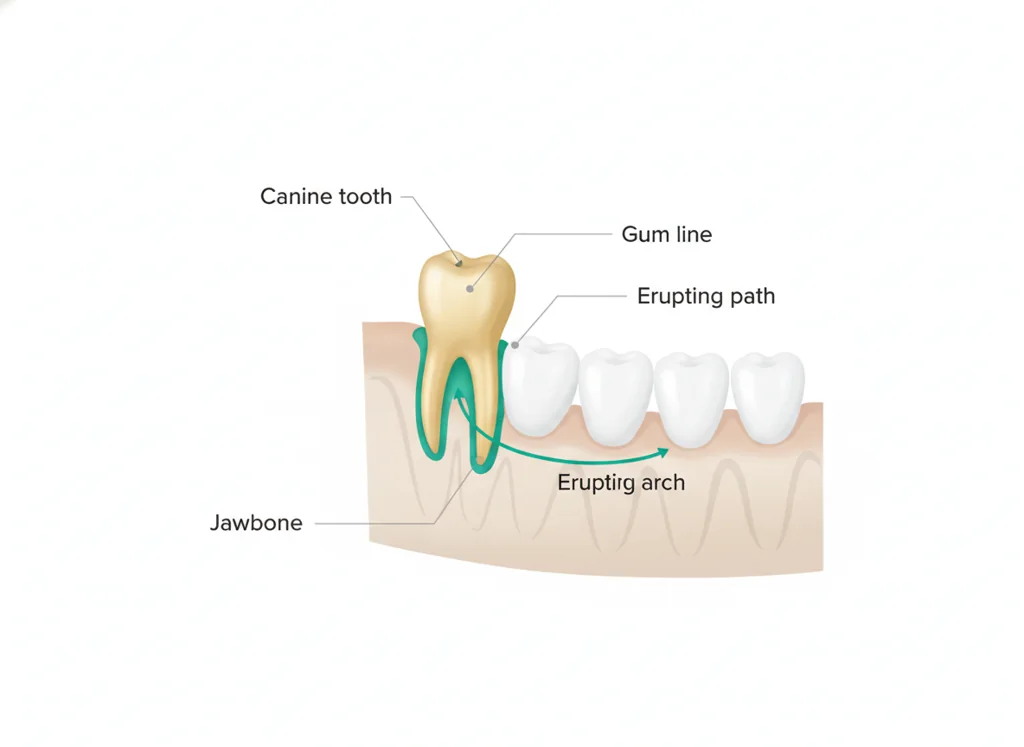
The moment a permanent canine tooth breaks through the gum into the mouth, a milestone surgeons time bone grafts around in cleft care.
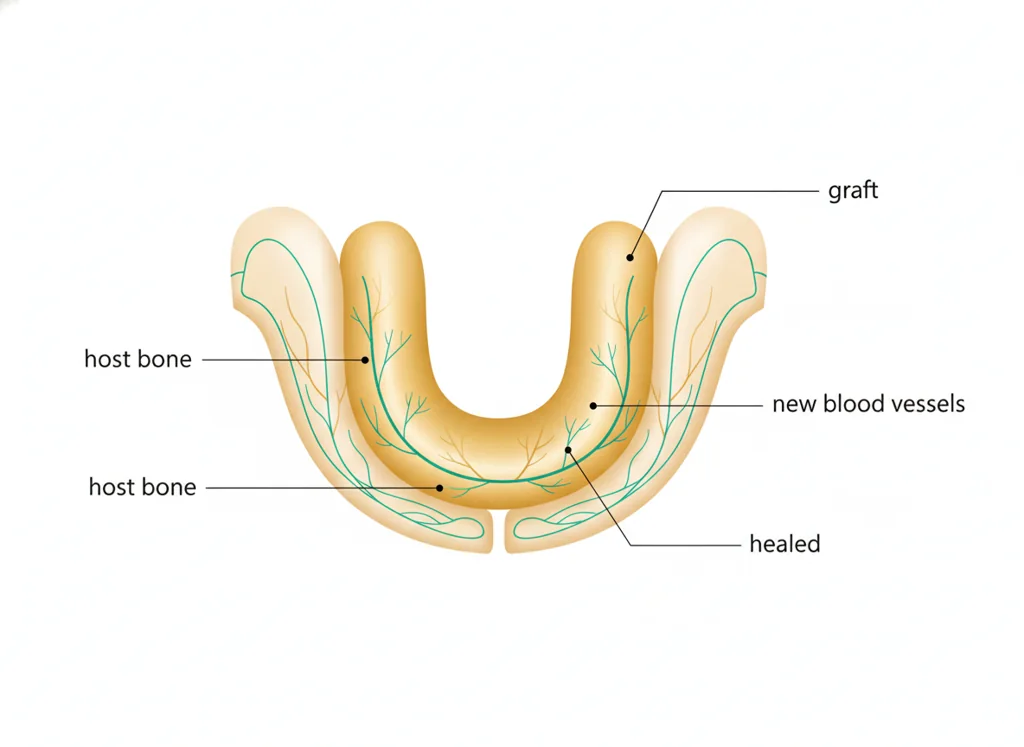
When transplanted tissue, such as a bone graft into a cleft, takes hold, gets blood supply, and heals into the surrounding tissue.
Research citation trail (advanced)
You do not need these papers or database records to finish the lesson. They document where the plain-language explainer's claims come from and are intended for teachers or advanced readers.
- American Cleft Palate Craniofacial Association. 2024 Parameters of Care.
- Kimia et al. 2022, Predictors of Alveolar Bone Graft Outcome by 3D Cone-Beam CT (Plast Reconstr Surg)
- Fahradyan et al. 2019, Optimal Timing of Secondary Alveolar Bone Grafting: A Review (J Oral Maxillofac Surg)
- Powell et al. 2022, Does Early Secondary ABG Influence Need for Maxillary Advancement (Cleft Palate Craniofac J)