
Bioethics of evidence
This page has four parts, in the order you use them. Part 1 is what you need to know. Part 2 says what to do, in plain English. Part 3 shows the work done once on a case that is not yours. Part 4 is your own work and where to turn it in.
Open your materials, follow the steps, then turn in your work.
Debate whether forensic and biomedical evidence should ever be trusted blindly, and defend a claim with reasons.
Case background, evidence, and file details▸
How today connects to the case
Where: Statik Sound, a neighborhood recording studio. Who: Marcus Bell, 34, owner and producer of Statik Sound, found on the studio floor behind the mixing console on a Monday morning by his business partner.
The scene in our room is the scene in the case: tape at the door, the outline and torso behind the console, the lower body beneath a fallen speaker cabinet and an acoustic moving blanket. Responders left the scene as found, pending investigation.
Your job: By Day 18 your team names the manner and cause of death and backs each one with at least four exhibits across three different evidence types. Every claim stops where the evidence stops.
Today you will join an investigation unit, learn the one rule this whole case runs on, and prove you can tell an observation from an inference from an opinion.
Remember: Evidence earns conclusions. Nothing else does.
- Activity 1.1.1 A Sketchy Scene
This John Hay case practices skills connected to the PLTW activity above. Follow today's directions for the assigned work.
Missed class? Open today's worksheet and briefing. Use simulated data only if the worksheet or Mr. Mendoza provides it, and label it "Simulated data." If a required measurement or file is missing, ask Mr. Mendoza. Do not invent results.
Evidence released today
The investigation begins on Day 4. Before then, practice the safety and evidence skills you will need.
Exhibit means one numbered piece of evidence. Thread means the team lane it belongs to (Scene, Trace, Serology and DNA, Toxicology, Medical Examiner, Records). Exhibits are handed out on paper in class on the day they are released, and the same files are attached to that day's Schoology assignment.
Notebook reminders
- Investigation Day 1 pack (paper in class; the PDF is above and on the Schoology assignment)
- Investigative Notebook: Team roster and charter page
- Investigative Notebook: Ethics and custody pledge
- Investigative Notebook: Day 1 Cornell page
Written CER (3-5 sentences) arguing one side of the trust-the-evidence debate with a claim, one piece of evidence, and one reasoning sentence.
Post your CER to the discussion board or hand in the written copy before you leave.
Schoology assignment: Wk2 D01 · The Rules of Evidence (PLTW 1.1.1)
What the evidence can and cannot prove
- Classroom evidence supports a classroom finding. It cannot convict a real person or diagnose a real patient.
- A hair consistent with a person proves a hair like theirs was present, not that the person was, and never when.
- A fingerprint proves touch, not when or why. A pattern class narrows a crowd; only minutiae can name one finger.
- A presumptive test says maybe. Only a confirmatory test says blood, and only DNA says whose.
- One value outside its reference range is a flag, not a verdict.
Make only the claims your evidence supports. Explain what you still cannot tell.
Optional: listen or watch a unit review▸
Thinking practice for this week▸
What counts as evidence, and where to find it
What makes evidence strong, and where do you find evidence you can trust?
Evidence is the data and observations you use to back up a claim. In science that means measurements, experimental results, images, and records, not “my friend said” or “I saw it once.”
Strong evidence is relevant (it actually bears on the claim), sufficient (there is enough of it), and reliable (it was collected carefully and others could repeat it). One data point is rarely enough; a pattern across many is far stronger.
Where you find it matters. Prefer primary sources and reputable ones: peer-reviewed studies, government and health agencies (CDC, NIH, NHGRI), and your own lab data. When you find a source online, do not trust it on looks. Check who is behind it and what better sources say.
- • Relevant: it directly supports (or tests) the claim.
- • Sufficient: there is enough of it, not a single lucky data point.
- • Reliable: collected carefully, and others could reproduce it.
- • Sourced: you can say where it came from and why that source is trustworthy.
- • Stop. Investigate the source: who made this and why?
- • Find better coverage: what do other reputable sources say?
- • Trace claims and quotes back to the original.
Find two pieces of evidence for a claim in this unit, one from your lab/class data and one from a reputable source. Note why each source can be trusted.
Part 1 of 4 · Background and definitions▸
💡 Big idea: Scientific evidence is only as reliable as the method and person behind it.
- • A claim must be supported by evidence and reasoning to be credible.
- • Measurement error, bias, and human judgment all affect whether evidence can be trusted.
- • CER (Claim-Evidence-Reasoning) is the framework scientists use to defend conclusions.
We earn lab privileges by proving we are safe, and we get credit by submitting clear evidence of our work.
Scientific evidence is only as reliable as the method and person behind it.
Driving question: A lab result once put an innocent person in prison, then turned out to be wrong. Whose fault is that: the machine, the analyst, or the system that trusted it without asking?
What you already know: We earn lab privileges by proving we are safe, and we get credit by submitting clear evidence of our work.
New idea: Scientific evidence is only as reliable as the method and person behind it.
Visual or model: No figure is attached to this lesson. The readings, the worked example and E1 to E3 carry the evidence.
- Observe or measure the relevant feature in bioethics of evidence.
- Organize the observation with a stable evidence ID.
- Apply this rule: Use science to estimate consequences, then state the value judgment and tradeoff that determine the decision.
- Choose the option the evidence supports and state the limit of the conclusion.
Real biomedical example: A lab result once put an innocent person in prison, then turned out to be wrong. Whose fault is that: the machine, the analyst, or the system that trusted it without asking?
What the evidence supports: E1 to E3 support the daily take-home when the response meets the stated success criteria.
What it cannot prove: The package does not support claims beyond this lesson's or any real patient diagnosis.
- • : Practices and precautions that protect people from harm, such as wearing protective equipment and handling hazards correctly in a lab or clinic.
- • : Personal protective equipment, the gear like gloves, goggles, lab coats, and masks worn to shield the body from chemical, biological, or physical hazards.
- • SDS: A data sheet: a standardized document listing a chemical's hazards, safe handling steps, and emergency measures for anyone using it.
- • variable: Any factor in an experiment that can change or be changed, including what you test, what you measure, and what you hold steady.
- • control: The comparison condition that isolates the effect of the variable being tested by keeping everything else the same.
- • evidence: The facts, data, and cases that carry your claim. Opinions are free; evidence costs homework.
- • : The documented record of who handled a piece of evidence, when, and where, proving it was never lost, swapped, or tampered with.
- • : Numbers and graphs, such as the mean, median, and range, that summarize and describe a set of data without drawing wider conclusions.
Use it now: Choose one decision option. Cite E1 and E3, then explain how the rule connects the evidence to your choice. This is thinking practice for the one turn-in named under Turn in, not a second submission.
Go further, optional: The source links below are optional enrichment. Every fact required for today's local evidence decision appears in this lesson package.
A defensible biomedical decision separates scientific evidence from value judgments, identifies who may benefit or be burdened, and states the uncertainty and tradeoffs that remain.
Limit: Scientific evidence can inform the options and likely consequences, but it cannot choose a single value-neutral answer.
Use science to estimate consequences, then state the value judgment and tradeoff that determine the decision.
Limit: A review-board model organizes reasoning but does not make one ethical principle automatically outweigh every other principle.
You can state a claim and back it with a reason.
Limit: E3 defines the classroom product or success criterion. It is not independent scientific evidence and cannot justify a clinical or causal claim.
Today's decision · Simulated classroom evidence scenario
Your role: biomedical investigator
Decision: Your team must decide what the evidence from bioethics of evidence supports before submitting the claim-evidence-reasoning response named on today's page.
- • Withhold my verdict until I know how the test was run and who checked it, since the result alone hides that.
- • Judge the lab result by the method and the person behind it, and state my reason along with my claim.
- • Trust the lab result on its own, because a machine measures without opinion and gives an answer no person can bias.
Response: State one choice, cite at least two evidence IDs, explain the rule that connects them, and add one limitation. Use it inside the one turn-in named under Turn in; it is not a separate submission.
Claim ceiling: Today's evidence supports a classroom claim about bioethics of evidence. It cannot prove causation, diagnose a real patient, or justify action outside this room.
Reason for review: Your team must decide what the evidence from bioethics of evidence supports before submitting the claim-evidence-reasoning response named on today's page.
Context: Evidence is only as reliable as the method and the person behind it, so a credible claim always shows its reasoning, not just its result.
- • T1: Read the Philosophy-for-Kids prompt: Can a lab result be wrong, and who is responsible when it is?
- • T2: List two reasons a measurement could mislead an investigator or doctor.
- • T3: Pick a side: evidence is objective truth vs. evidence is only as good as its method.
- • T4: Argue your position aloud in your small group using one reason and one example.
- • T5: Post a short written CER: claim, one piece of evidence, one sentence of reasoning.
- • E1: A defensible biomedical decision separates scientific evidence from value judgments, identifies who may benefit or be burdened, and states the uncertainty and tradeoffs that remain.
- • E2: Use science to estimate consequences, then state the value judgment and tradeoff that determine the decision.
- • E3: You can state a claim and back it with a reason.
Measurements: Use only the measurements, units, graph, or counts supplied in today's task. No additional patient measurement is implied.
Uncertainty: This is a composite classroom scenario. Missing history, measurements, or confirmation tests remain unknown and limit the conclusion.
Students often think if it came from a machine or a lab, it must be objective and correct. The trap: measurement error, bias, and human judgment all shape a result, so it came from the lab is not the same as it is right
- CER:
- Claim, Evidence, Reasoning: make a claim, back it with evidence, explain your reasoning.
- SOP:
- Standard Operating Procedure, the exact steps to follow (especially in a lab).
- Tracker:
- Your PLTW progress log where you record completed evidence.
- myPLTW:
- The PLTW course site where you do the online activities. Find it in Clever with your Microsoft sign-in, right next to Schoology.
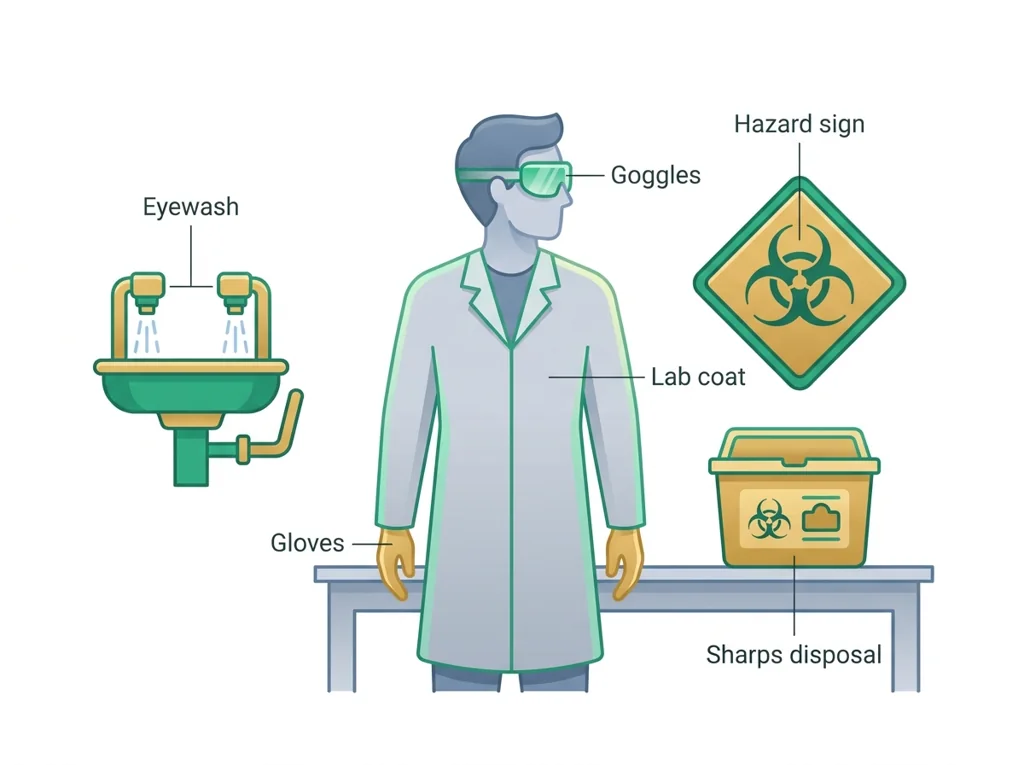
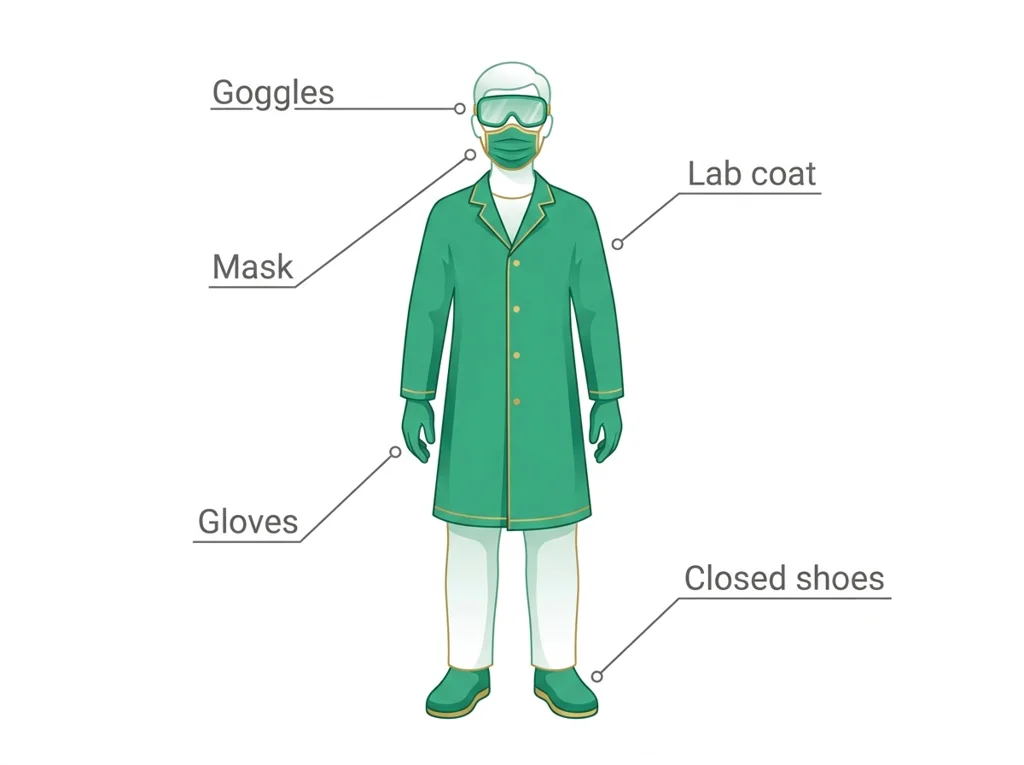
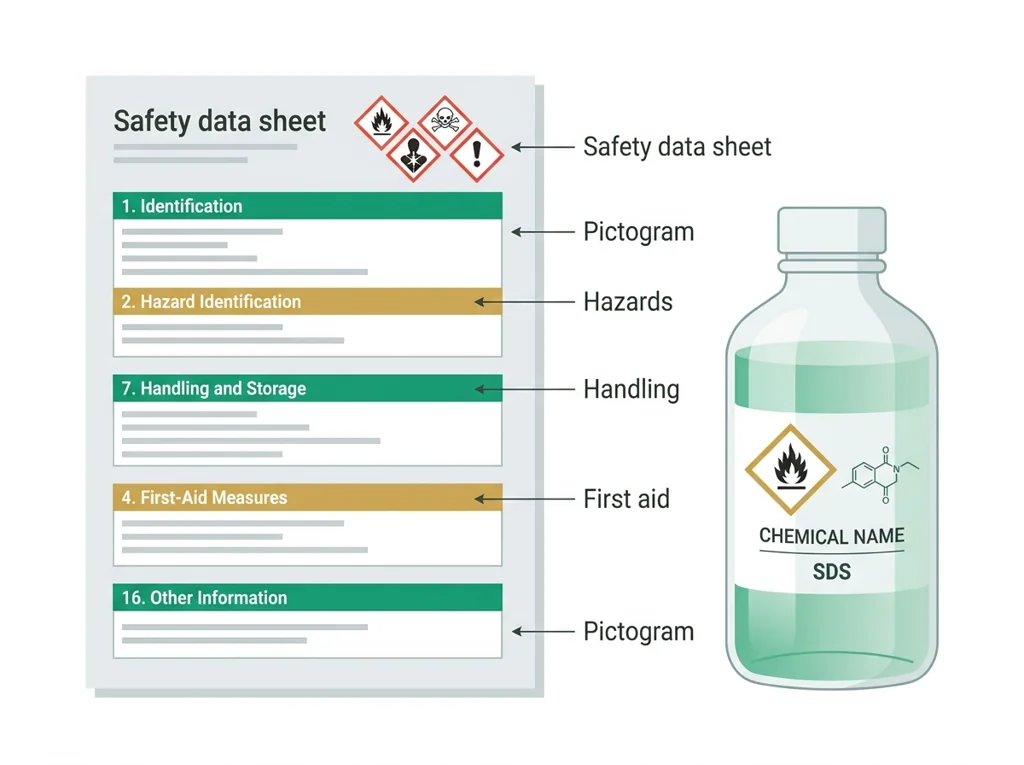
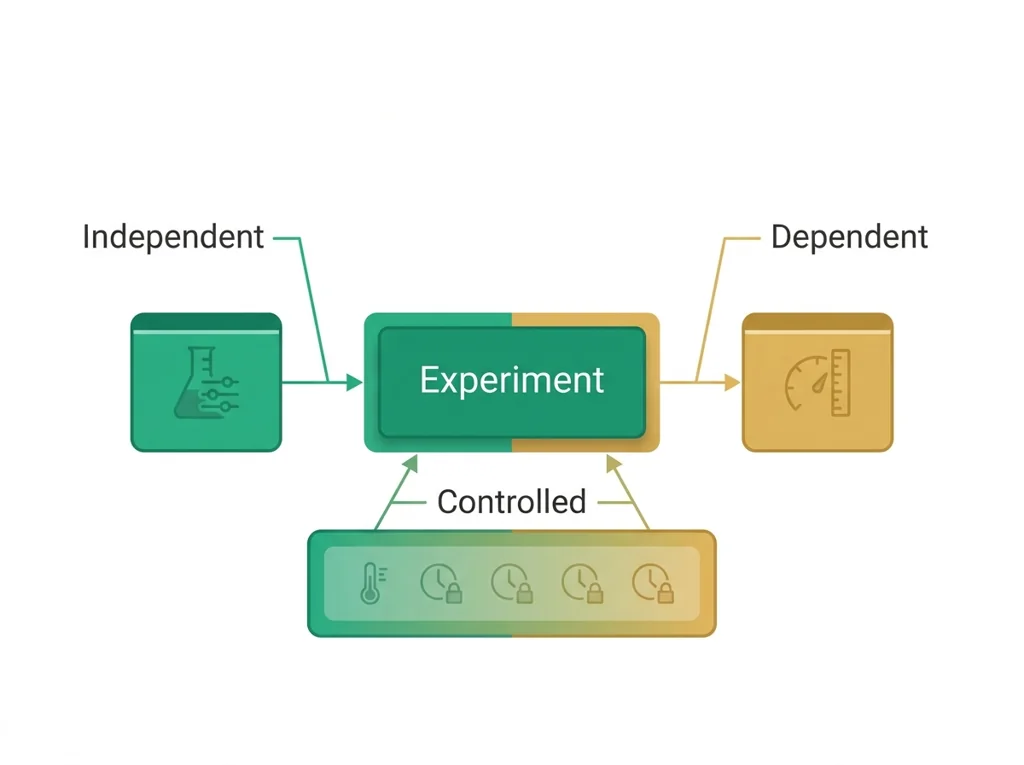
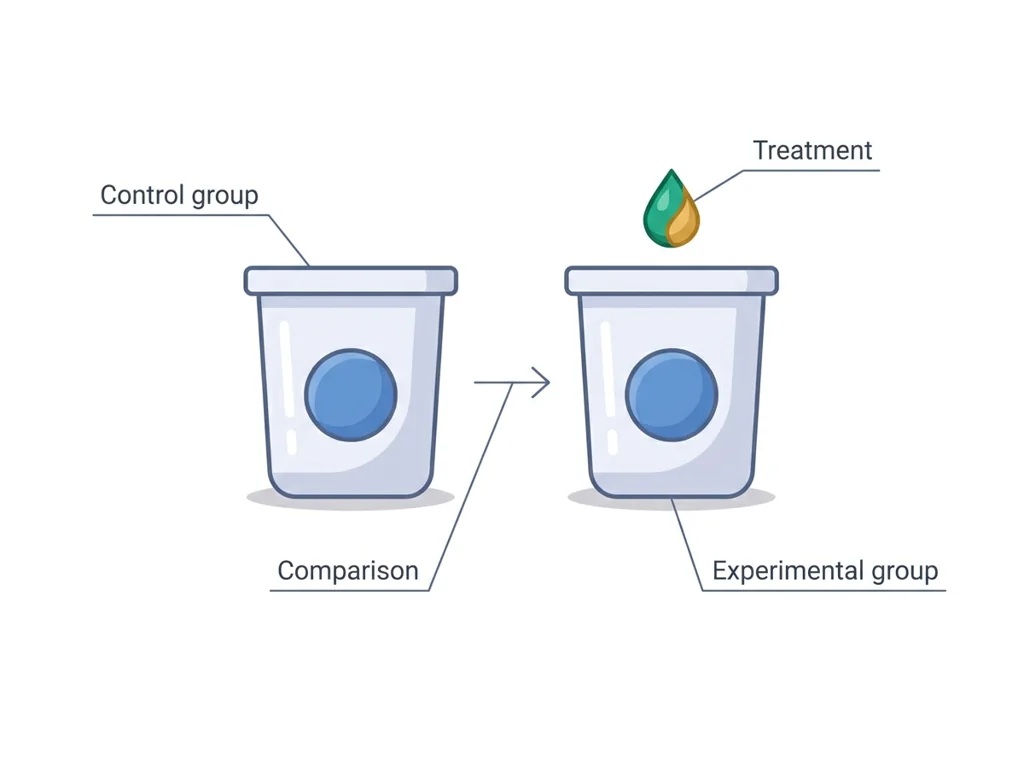
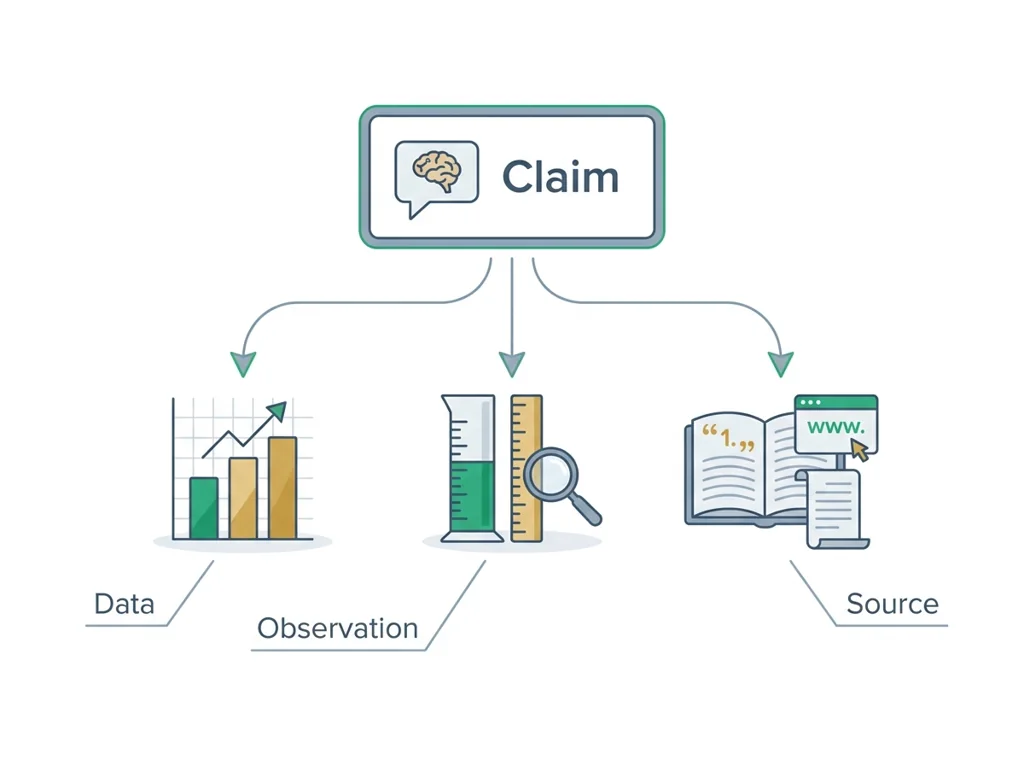
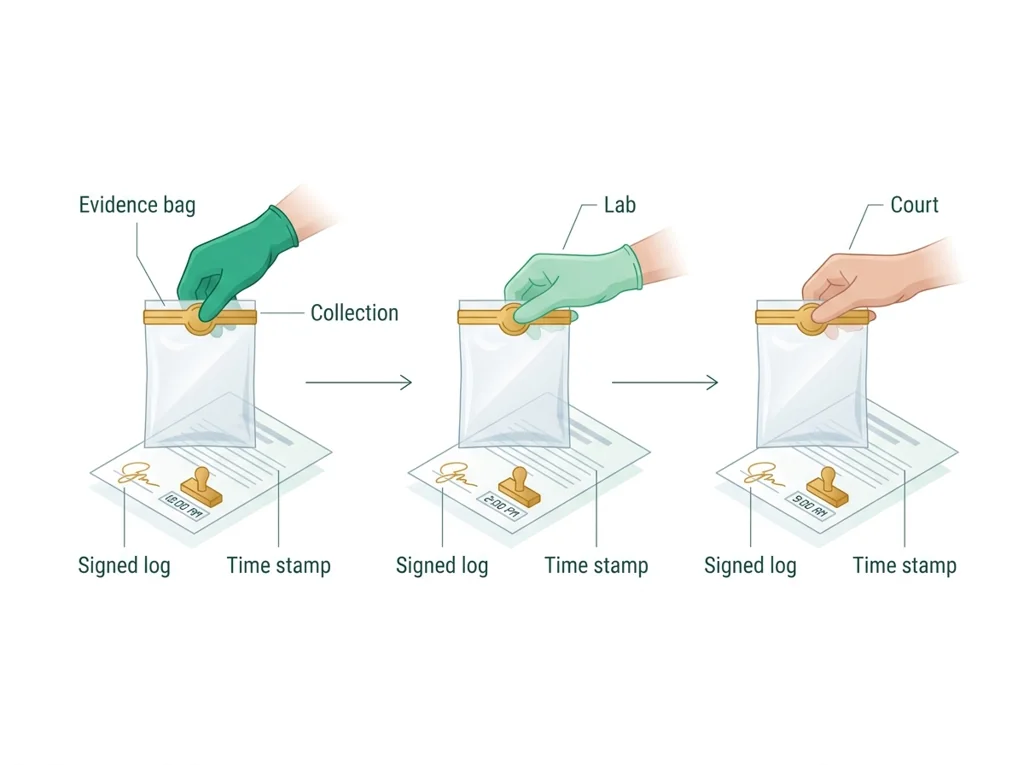
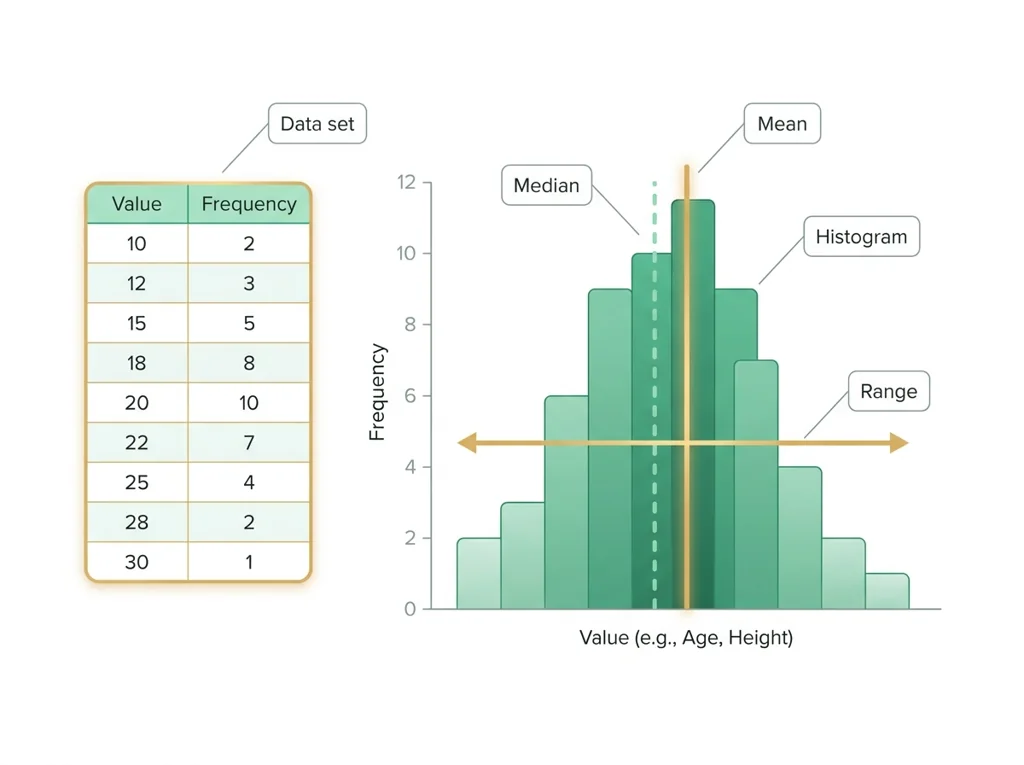
Tap the speaker to hear a term. Add two of these to your notebook glossary with a definition and an example in your own words.
Pick just 2 or 3 words from today and make them yours: write what each one means in your own words, name the context clue or evidence that helped, then give one example from what you actually did in Bioethics of evidence. Try your own words first; the glossary is there if you get stuck. This is voluntary and counts as extra credit, so keep it short.
Saved on this device. Show Mr. Mendoza or add these to your notebook glossary to claim the extra credit.
Part 2 of 4 · Directions in plain English▸
2.1 Open your materials
2.2 Start the work
Read the Philosophy-for-Kids prompt: Can a lab result be wrong, and who is responsible when it is?
Show all 5 required steps
- Read the Philosophy-for-Kids prompt: Can a lab result be wrong, and who is responsible when it is?
- List two reasons a measurement could mislead an investigator or doctor.
- Pick a side: evidence is objective truth vs. evidence is only as good as its method.
- Argue your position aloud in your small group using one reason and one example.
- Post a short written CER: claim, one piece of evidence, one sentence of reasoning.
Lost your place? If you lost your place, reread the prompt and your last sentence, then finish your CER: state your claim, cite your evidence, and explain your reasoning.
- 0:00Hook: show a headline where lab evidence was later overturned; brief discussion
- 0:08Introduce CER framework (claim, evidence, reasoning) with a class example
- 0:18Read the Philosophy-for-Kids prompt silently, annotate, list two reasons evidence could mislead
- 0:28Small-group debate: pick a side and argue with one reason and one example
- 0:50Individual writing: draft CER on the trust-the-evidence question
- 1:10Share out two or three CERs; teacher models strong vs. weak reasoning; wrap-up
- • Welcome to Principles of Biomedical Science. This course asks one big question all year: how do we know what we know about the body, disease, and death?
- • Today we start with philosophy, because before we touch a single piece of equipment, we need to ask: can evidence lie? Can a lab result be wrong?
- • Think about a courtroom. Someone goes to prison because evidence said so. But what if the sample was contaminated? What if the analyst made a mistake?
- • Your job today is to pick a side and defend it. By the end of class you will have written your first CER, which is the writing structure we will use all year.
PLTW connection and today's work
Log in to myPLTW and open the Principles of Biomedical Science course. Navigate to the course launch unit and read the introductory overview so you know what to expect from Unit 1.
Today's stopping point: Orientation week is behind you and this is your first PLTW content day. By the end of today you should have logged in, read the overview, and written your first CER.
PLTW activity titles identify the course connection. If your account will not open, use the posted materials for today and tell Mr. Mendoza. Do not mark an online activity complete unless you completed it.
Use the turn-in directions in Part 4 of this page. Do not create a second submission unless your teacher asks for one.
Show another explanation or a smaller first step
Need help? Choose a starting point
Part 3 of 4 · Worked example▸
This is a parallel case, not your own. Read it for the order of the work, then do your own in Part 4.
Parallel case for modeling only: Should a doctor rely on the heart-rate reading from a patient's fitness watch to decide on treatment?
Claim: A fitness watch reading should not be used to make a medical decision on its own, because a consumer device is only as reliable as the conditions it was measured under.
Evidence: Wrist-worn optical heart-rate sensors are known to lose accuracy during vigorous exercise, on darker skin tones, and when the band is loose, sometimes reporting a rate that is off by twenty beats per minute or more compared with a clinical electrocardiogram.
Reasoning: A number on a bright screen feels precise, but the watch estimates heart rate indirectly by shining light through the skin, and that estimate depends on fit, motion, and skin. A clinician who treats the reading as a verified fact skips the question of how it was produced. The device is a starting point, not a diagnosis, so a responsible decision confirms the reading with a validated clinical measurement before acting on it. That is why medical devices are cleared through testing that consumer wearables are not, and why the person reading the number, not just the number, carries responsibility for how it is used.
This model shows the level of evidence and organization needed to complete: A short written claim-evidence-reasoning paragraph on a parallel bioethics-of-evidence case (a consumer fitness tracker's heart-rate reading), modeling the exact CER format and depth students will use for today's own debate without answering today's prompt.
- Write one defensible claim.
- Choose specific evidence that supports the claim.
- Explain the scientific rule that connects the evidence to the claim.
Keep the structure. Replace the question, facts, measurements, and evidence. Then recheck units, vocabulary, and whether the conclusion goes beyond the evidence.
Also due today: Post your CER to Schoology discussion or hand in the written copy before you leave.
A review board sorts scientific evidence, stakeholder needs, possible benefits, possible burdens, and uncertainty before choosing a policy.
- Which statements are scientific evidence?
- Which statements express a value or priority?
- Who receives the benefit and who carries the burden?
Use science to estimate consequences, then state the value judgment and tradeoff that determine the decision.
A review-board model organizes reasoning but does not make one ethical principle automatically outweigh every other principle.
- • Evidence cards map to source-backed findings.
- • Stakeholder cards map to affected people and priorities.
- • The recommendation maps to an explicit tradeoff with a named uncertainty.
Part 4 of 4 · Your work▸
Check your work before submitting
- I can state a claim and back it with a reason.
- I can explain why a method affects whether evidence is trustworthy.
4.1 Turn in your work
DueCheck the Schoology assignment for this day- Hand in
- Written CER (3-5 sentences) arguing one side of the trust-the-evidence debate with a claim, one piece of evidence, and one reasoning sentence.
How to submit and name your file
Post your CER to the discussion board or hand in the written copy before you leave.
In Schoology, open your course and the assignment for this lesson. Attach your file, select Submit, and check that it appears in the submission.
PDF upload helpYou get two school days for every day you were absent, so this deadline moves with you.
Find this lesson's Schoology assignments
These are existing assignments for your section. Follow the directions in the assignment you are working on; this list does not add new work. A PLTW Work row repeats on every day of its lesson; submit it once. Check Schoology for each deadline.
- Wk2 D01 · The Rules of Evidence (PLTW 1.1.1)(today's case-day record)
Link will not open? Open Schoology, choose your course and section, and find the title shown above.
- CompleteEvery required part of the artifact is present, nothing left blank.
- AccurateThe science and the data are correct and match the evidence.
- Scientific reasoningYou explain your claim with evidence and reasoning (CER), not just an answer.
- Professional communicationClear, organized, labeled, and written the way a clinician or scientist would.
- SubmittedGo to Schoology to turn this in. Submit one PDF. Schoology attaches your name to your upload; on the page itself, write your period and code. Name the file: FirstName LastName - Assignment Title - YYYY-MM-DD.pdf. If you cannot get in, see Mr. Mendoza. Do not skip the work.
How this lesson connects
Keep using what you learned last class: We earn lab privileges by proving we are safe, and we get credit by submitting clear evidence of our work. Today: Scientific evidence is only as reliable as the method and person behind it.
Practice: try a question, then check your answer▸
Claim ceiling for this check: Today's evidence supports a classroom claim about bioethics of evidence. It cannot prove causation, diagnose a real patient, or justify action outside this room.
A DNA test says a suspect matches. Name one reason the result could still be wrong, and who would be responsible for catching it.
Write an answer and pick a confidence to unlock the key.
Fast retrieval with instant answers, not the commit-then-reveal check above. Try each from memory first: write what you remember about the earlier units, then check yourself here.
Missed class or ready for more?▸
Optional practice for this unit's lab skills. Nothing in it is due today.
What today's skills lead to. These are real health-science careers this course builds toward. Tap one to see, on the US Department of Labor's O*NET site, what the job actually involves, what it pays, and how fast it is growing.
Read the ethics prompt and the case notes on this page, then post your written CER (claim-evidence-reasoning) to the discussion board taking one side of the trust-the-evidence debate.
John Carroll Philosophy for ChildrenPost your CER to the discussion board or hand in the written copy before you leave.
Class still runs. Complete today's work as this page describes (it is self-guided). Need the concept taught without a teacher? Use this authoritative explainer:
OSHA Hazard Communication Standard (SDS format)Sources: slides, readings, and resources▸
The deck carries the prior idea forward, lets you inspect an analogy, maps the rule to biology, and ends with the same evidence decision and exit ticket used on this page.
Play the cold open at the start of the unit to set the scene. Each recording is AI-generated and simulated (fictional callers, no real people or student data).
Hand-picked readings and interactives for this lesson, from authoritative open organizations and PLTW's own public course outline.
This week
My Progress dashboard