
Unit 2.3 Challenge Accepted opens: model organisms, C. elegans, experimental design, and the research-ethics debate.
Your PLTW coursework: Human Body Systems ▸ Unit 2: Research Ready ▸ Lesson 2.3 Challenge Accepted ▸ "Problem 2.3.1 Toxic Relationships"
What to do if absent- CER:
- Claim, Evidence, Reasoning: make a claim, back it with evidence, explain your reasoning.
- SOP:
- Standard Operating Procedure, the exact steps to follow (especially in a lab).
- Tracker:
- Your PLTW progress log where you record completed evidence.
- myPLTW:
- The PLTW course site where you do the online activities. Find it in Clever with your Microsoft sign-in, right next to Schoology.
Plan an investigation using a , identifying your variables, control, and , and ground it in a piece of scientific literature.
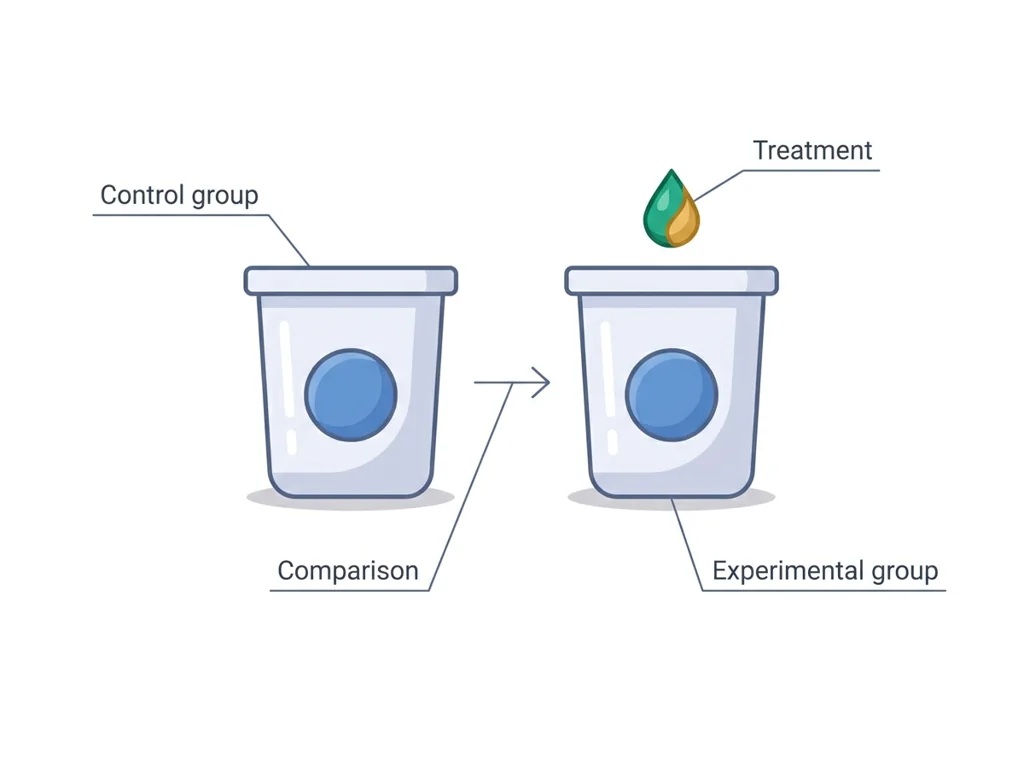
- 1Define , , variable, control, and in your notebook.
- 2Read a short, teacher-provided summary about C. elegans and note why it is useful for studying neurotransmitters and hormones.
- 3Find one claim in a provided literature excerpt and write down how the authors tested it.
- 4Draft a your team could investigate with a .
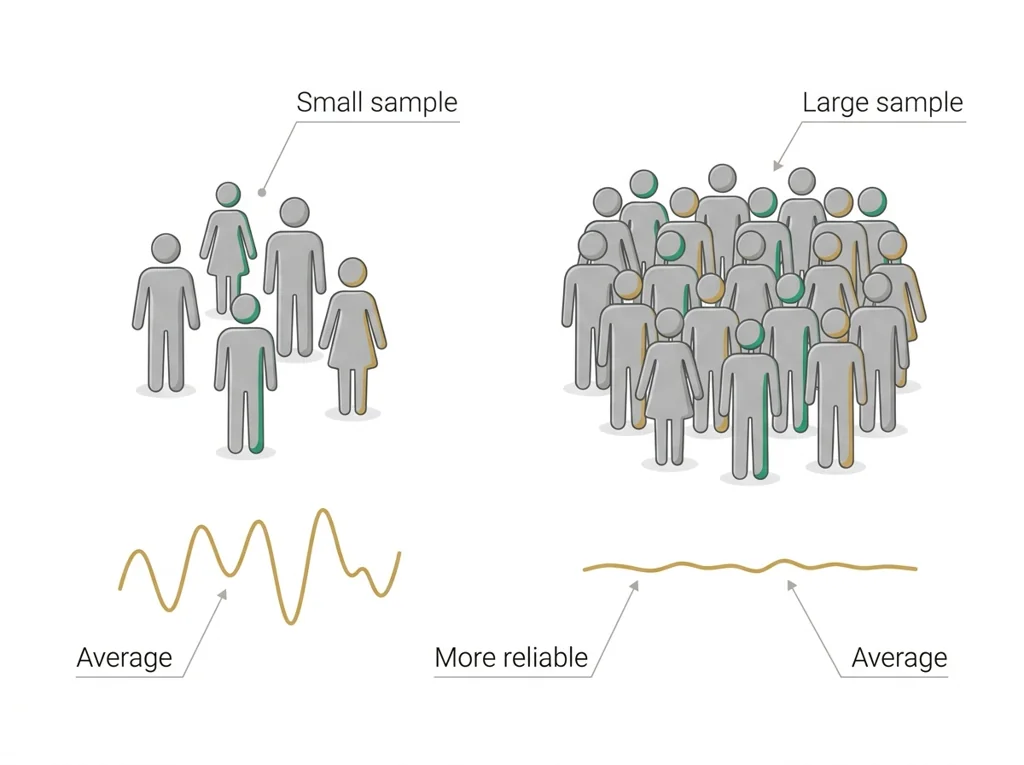
- 5Identify your , , , and a reasonable .
- 6Outline your research poster sections so your plan is ready to communicate.
- • You will be able to explain why scientists use model organisms like C. elegans.
- • You will be able to identify the variable, control, and in a study plan.
- • You will be able to connect your to a source in the literature.
Open any day for its full lesson, the work due that day, and guided notes.
Literature comparison summary: one credible source cited, one strength and one weakness of the team design identified, one concrete revision documented.
Written position on heavy-metal exposure responsibility, citing one factual reason and naming one genuine tradeoff in regulation.
Completed with results for all treatment concentrations and the control, consistent units, and notes on any unexpected observations.
Written CER with a dose-response claim, two specific data-point evidence entries, reasoning linking dose to worm response, and at least two limitations of the investigation.
- Hook: a one-millimeter worm has helped win Nobel Prizes, and this week you plan research the same way real labs do.
- Today's goal: turn a curiosity into a testable plan with a clear variable, control, and .
- This week's Monday bioethics debate: when is it acceptable to use living organisms in research?
- Reminder: your graded research plan and poster outline live in the PLTW course shell, not on loose paper.
Do this: Advance the PLTW Research Model benchmark by completing the online evidence on model organisms and research design in the course shell.
- • Model organisms like C. elegans let scientists study processes that are shared across animals.
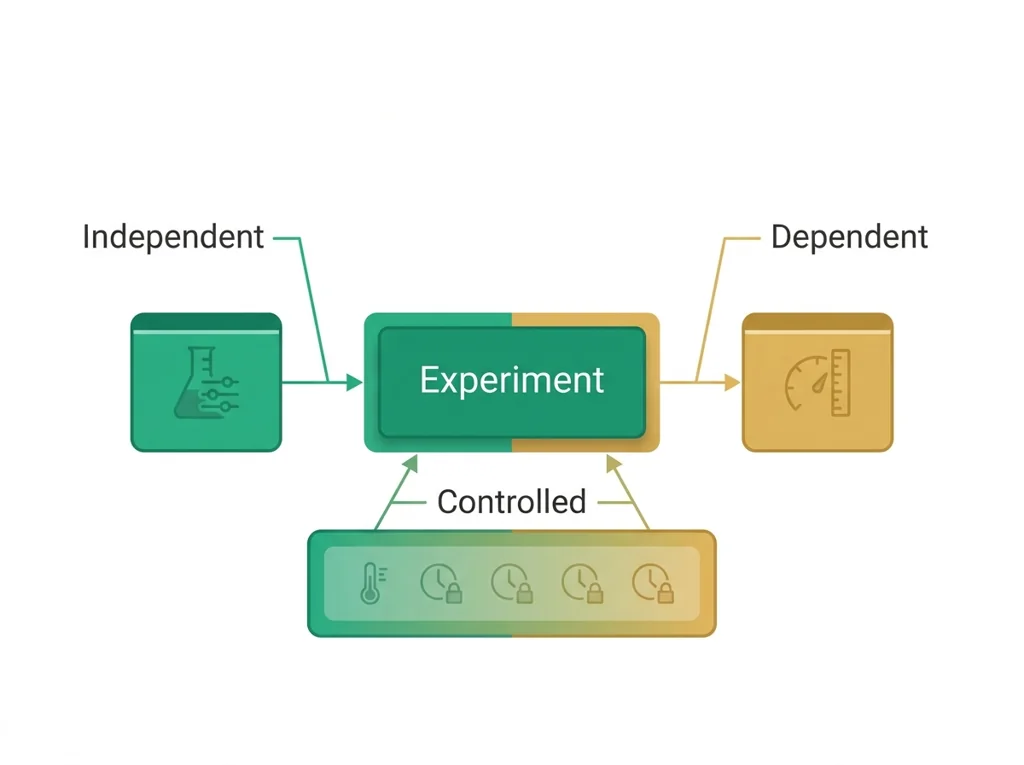
- • A controlled investigation isolates one variable while holding others constant.
- • Scientific literature is the record researchers build on and cite.
- • Identify the , control, and in a study plan.
- • Use a source from the literature to justify a .
📋 PLTW evidence due: model-organism research plan naming variable, control, and with a poster outline, submitted on the class site.
All PLTW activities are completed inside the PLTW course environment: this page only gives direction.
Use this chart to keep your place. Nothing on it is turned in through the portal.
| Day | Work | Turn in |
|---|---|---|
| Monday · Mon, Apr 12 | Wk13 Lab notebook: Literature and design analysis | Literature comparison summary: one credible source cited, one strength and one weakness of the team design identified, one concrete revision documented. |
| Tuesday · Tue, Apr 13 | Wk13 Exit ticket: Heavy-metal exposure debate | Written position on heavy-metal exposure responsibility, citing one factual reason and naming one genuine tradeoff in regulation. |
| Wednesday · Wed, Apr 14 | Evidence for | |
| Thursday · Thu, Apr 15 | Investigation records: paper-data table | Completed data table with results for all treatment concentrations and the control, consistent units, and notes on any unexpected observations. |
| Friday · Fri, Apr 16 | Illustrative investigation: graph and CER | Written CER with a dose-response claim, two specific data-point evidence entries, reasoning linking dose to worm response, and at least two limitations of the investigation. |
- M: Philosophy for Kids / John Carroll bioethical debate
- T: teacher background notes + PLTW launch task
- Th: analysis / CER or design revision
- F: submit tracker + weekly evidence
Turn in: Unit 2.3 Challenge Accepted opens: model organisms, C. elegans, experimental design, and the research-ethics debate. weekly work due Model organism research plan.
Go to Schoology to turn this in.
Submit one PDF. Schoology attaches your name to your upload; on the page itself, write your period and code. Name the file: FirstName LastName - Assignment Title - YYYY-MM-DD.pdf.
Open Schoology PDF upload helpIf you cannot get in, see Mr. Mendoza. Do not skip the work.
Most days, this class is your PLTW coursework: and PLTW is online and individual. So being out usually just means doing exactly what we did in class, from home.
Open Clever, then myPLTWSign in to Clever with your district Microsoft account to open Schoology or myPLTW. Follow today's posted steps. If myPLTW will not open, use the posted alternative and tell Mr. Mendoza. Turn in your completed work through the Schoology assignment.
You can't do those from home: do this instead: Teacher-posted data/model packet, same objective. Supplemental: Khan: experimental design; NIH background.
Class still runs. A substitute will post today's plan: complete the online activity above; it's built to be self-guided. Need the concept taught without a teacher? Use this authoritative explainer:
Khan Academy: The science of biology (experimental design)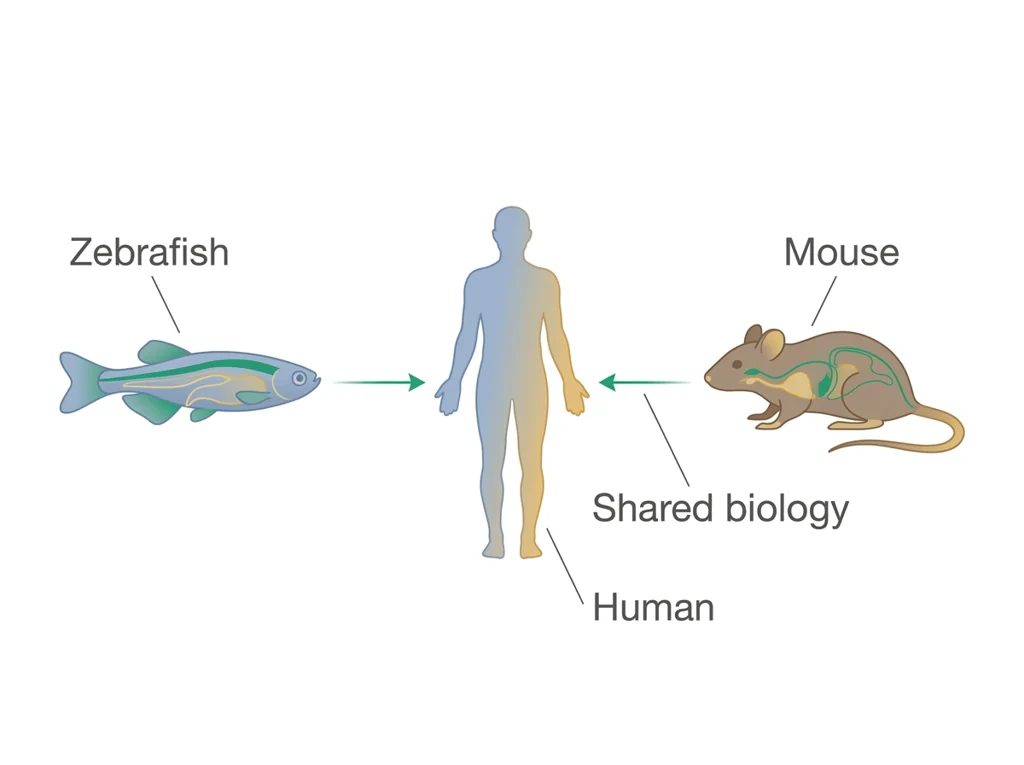

Hand-picked readings, videos, and interactives for this lesson, all free and from authoritative open organizations (NIH, CDC, OpenStax, Khan Academy, PhET, HHMI, and more).