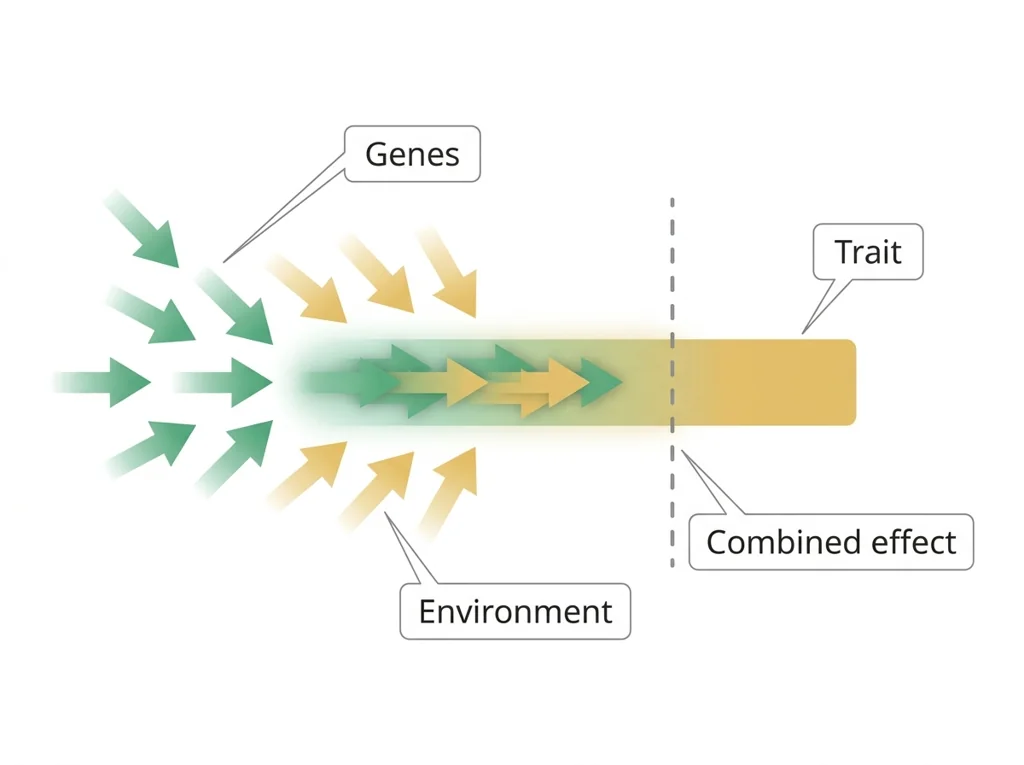
Clue 1: Orient yourself
Which items are direct case facts?
Use the labels and the picture's left-to-right, near-to-far, or before-and-after order. Name only what you can point to.
Why it matters: Genetic results can change family counseling and research decisions. They must be interpreted without turning risk into destiny or an uncertain variant into a diagnosis. Today you practice the professional reasoning behind that work: Mateo's strongest genetic story is multifactorial and evidence-bounded: IRF6 explains a pathway, not a proven individual cause.
Synthesizing a multi-step genetic workup into one supported claim
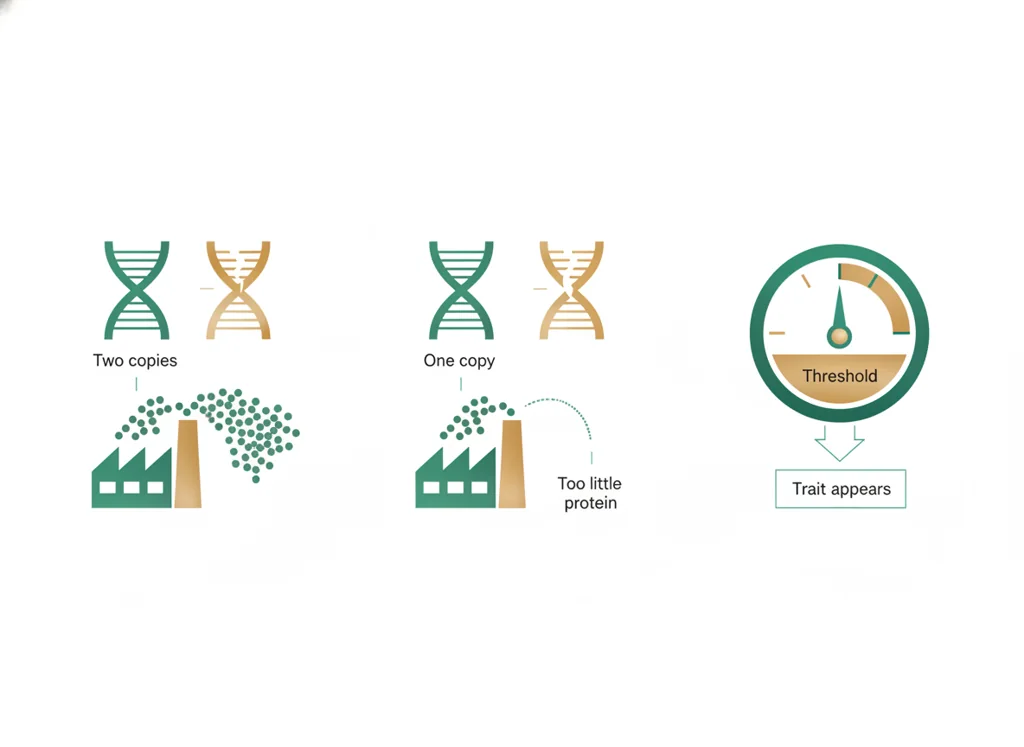
One result can have many causes; the outcome alone never tells you which.


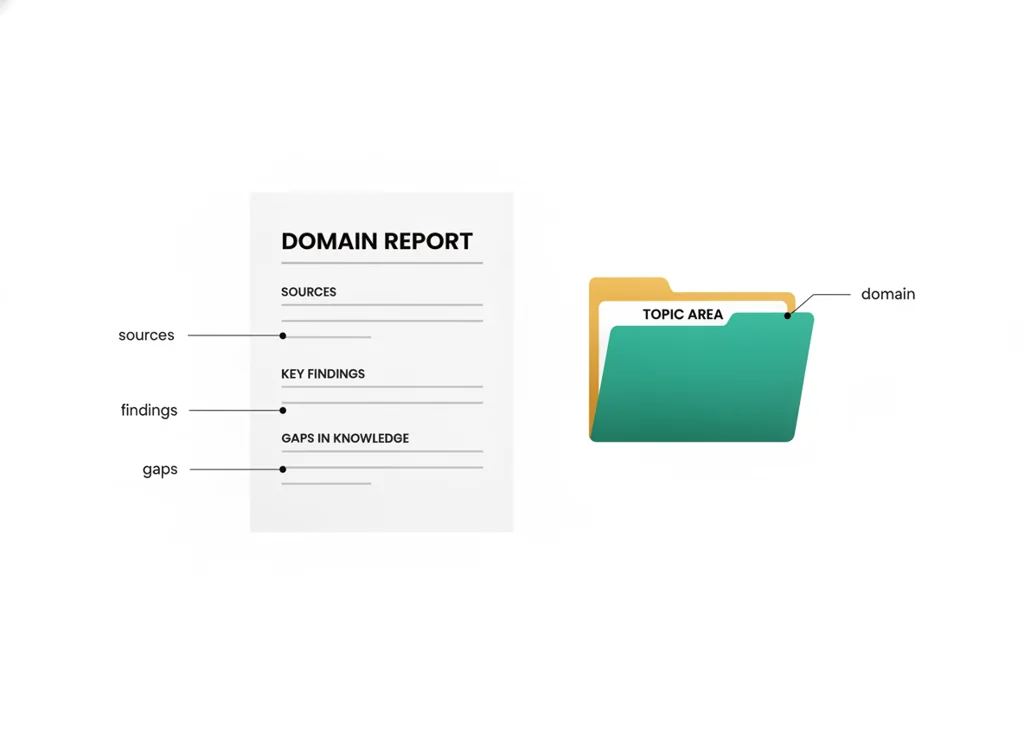
A courtroom file labels direct records, expert interpretations, and questions that remain open. A strong conclusion uses the first two without pretending the third group is settled.
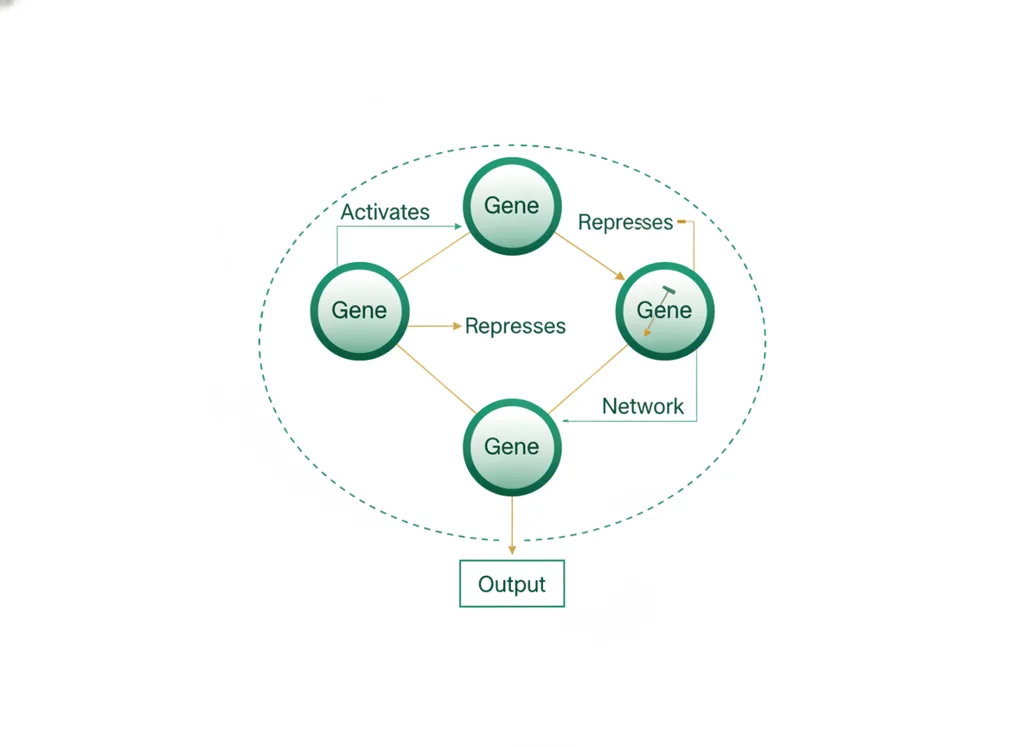
Do not jump to the biology yet. Treat the picture as a small system. Track its parts, follow one change at a time, and keep more than one explanation open until the picture supplies a way to separate them.
Which items are direct case facts?
Use the labels and the picture's left-to-right, near-to-far, or before-and-after order. Name only what you can point to.
Which items come from research models?
Follow one object, stage, or path. Point to the first place where the situation changes instead of jumping to the ending.
Which claim remains unresolved without a lab result?
List more than one explanation that still fits. Name the extra observation that would help you separate those possibilities.

Work from the visible evidence. A useful answer names the part of the picture that supports it and leaves unknown causes open.
Use the everyday picture to answer today's question in plain words: Which items are direct case facts?
You can complete today's required check without opening the technical details below.
Where the analogy stops: A medical case conference is collaborative care, not an adversarial trial.
An ethical decision weighs benefit, harm, autonomy, heritability, access, and alternatives before technical possibility.
Mateo's strongest genetic story is multifactorial and evidence-bounded: IRF6 explains a pathway, not a proven individual cause.
Educational illustration, not a clinical photograph or diagnostic result. Use the labeled evidence cards and claim ceiling.
The team must approve one conclusion that will be shared with every other domain.
Choose the conclusion and cite case evidence plus the molecular limit.
Everything required for today is above. Open these only if you want the explainer, source trail, or download files.
The everyday model and Tier 1 check are the complete required path for this lesson.
Use these checks to keep your place. They are not turned in through the portal.
Turn in: Genetics lesson 20: What Is Mateo's Complete Genetic Story?
Go to Schoology to turn this in.
Submit one PDF. Schoology attaches your name to your upload; on the page itself, write your period and code. Name the file: FirstName LastName - Assignment Title - YYYY-MM-DD.pdf.
Open Schoology PDF upload helpIf you cannot get in, see Mr. Mendoza. Do not skip the work.
Goal: Assemble the full genetic workup into a structured that connects clue, gene, variant, , network, proof, population, risk, treatment, and ethics into one coherent argument.
Everything you need for today is on this page. These links are optional.
Everything required for today's decision is already in the case file and plain-language explainer. The links below are original papers and database records for teachers and advanced readers, not assigned student reading.
| Criterion | Proficient | Developing | Beginning |
|---|---|---|---|
| Complete | Every required part of the artifact is present and filled in. | Most parts are present, but one is missing or left blank. | Several parts are missing. |
| Accurate | The science and data are correct and match the evidence. | Mostly correct, with a small factual slip. | Key science or data is wrong. |
| Scientific reasoning (CER) | States a claim, backs it with specific evidence, and explains the reasoning. | Has a claim and evidence, but the reasoning is thin or missing. | Gives an answer with no evidence or reasoning. |
| Professional communication | Clear, organized, and labeled the way a clinician or scientist would write it. | Readable but disorganized or missing labels. | Hard to follow. |
| Submitted | Turned in through the route named under Submit here and confirmed. | Turned in, but in the wrong place or unconfirmed. | Not turned in. |
What's next: The genetics team has now assembled Mateo's complete molecular story, from first clue to ethics. But genetics cannot finish his care alone. We hand the story across to the developmental, anatomical, clinical, and experimental-design teams, so each domain can do its part on how this gene shapes the , the face, the surgery, and the .