
Studying a Cause You Cannot Assign
This reading contains every idea and every piece of evidence needed for today's decision. The research links at the end are optional.
Why this matters
Rare outcomes often require looking backward, but the shortcut comes with clear limits.
The question you are trying to answer
Which group is selected because the event happened?
Begin with the idea you already earned
The strongest design is the one that fits the question and controls its main threats.
Study the analogy before the biology
- Which group is selected because the event happened?
- Where does the search move in time?
- Which clue could be remembered differently by the two groups?
Turn the analogy into three rules
Limit: Unlike a detective story, an association may have several explanations and may never identify one culprit.
Map those rules onto the biology
A case-control study begins with people who have an outcome and comparable people who do not. Researchers then compare earlier exposures.
The odds ratio compares exposure odds in the two groups. A confidence interval shows the range of values reasonably compatible with the data and model.
Selection, recall, and confounding can change an odds ratio. An association is evidence to investigate, not proof of cause.
Read Mateo's labeled case evidence
The table has 30 exposed and 70 unexposed cases, plus 15 exposed and 85 unexposed controls.
The odds ratio is about 2.4.
The reported 95 percent confidence interval is 0.9 to 3.4.
The interval includes 1.0, so the data remain compatible with no odds difference.
Parents of affected infants may recall an exposure differently while searching for an explanation.
Recall bias could inflate or reduce the observed association.
Make the concrete decision
You are the epidemiologist reviewing a suspected prenatal exposure.
The team must decide whether the supplied result proves that the exposure caused clefts.
- Report an uncertain association and plan better exposure measurement plus confounder control.
- Declare the exposure proven causal because the odds ratio is above 1.
- Declare no possible effect because the interval crosses 1.
Choose the interpretation and cite the odds ratio, interval, and one bias risk.
Claim ceiling: You may report the observed association and uncertainty. You may not claim individual blame or causation.
Write the 10-year takeaway
Case-control studies efficiently study rare outcomes, but their odds ratios remain vulnerable to selection, recall, and confounding.
- Why is this design efficient for a rare outcome?
- What does an interval that includes 1.0 mean here?
Glossary in plain English
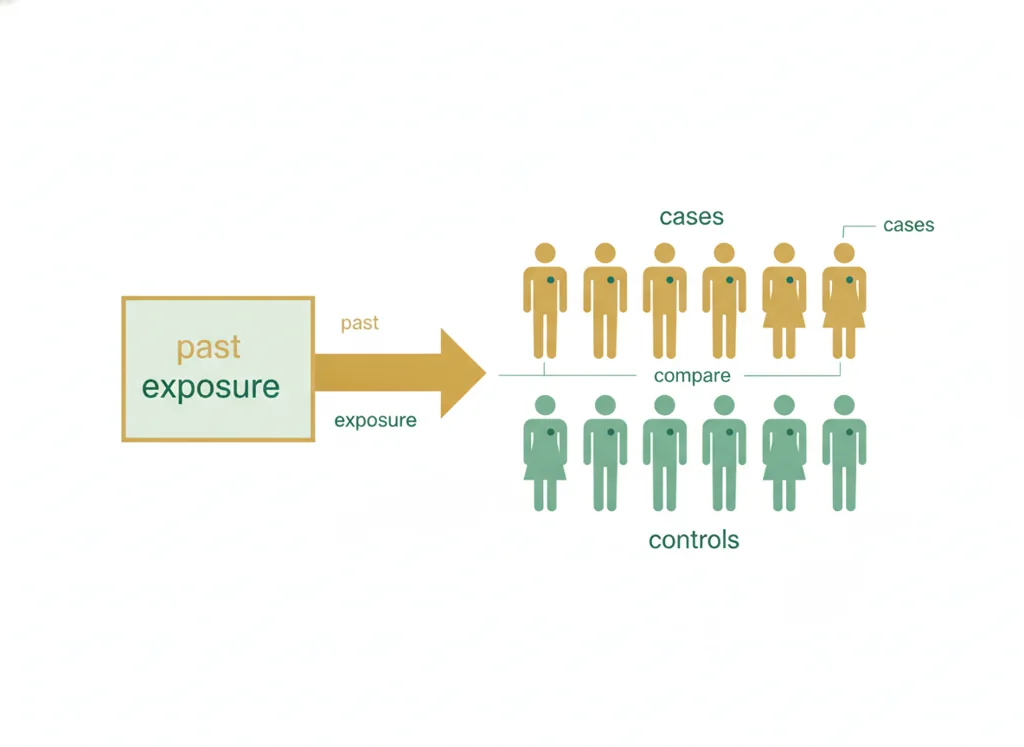
A study that starts with people who have a condition (cases) and people who do not (controls), then looks back to compare past exposures.
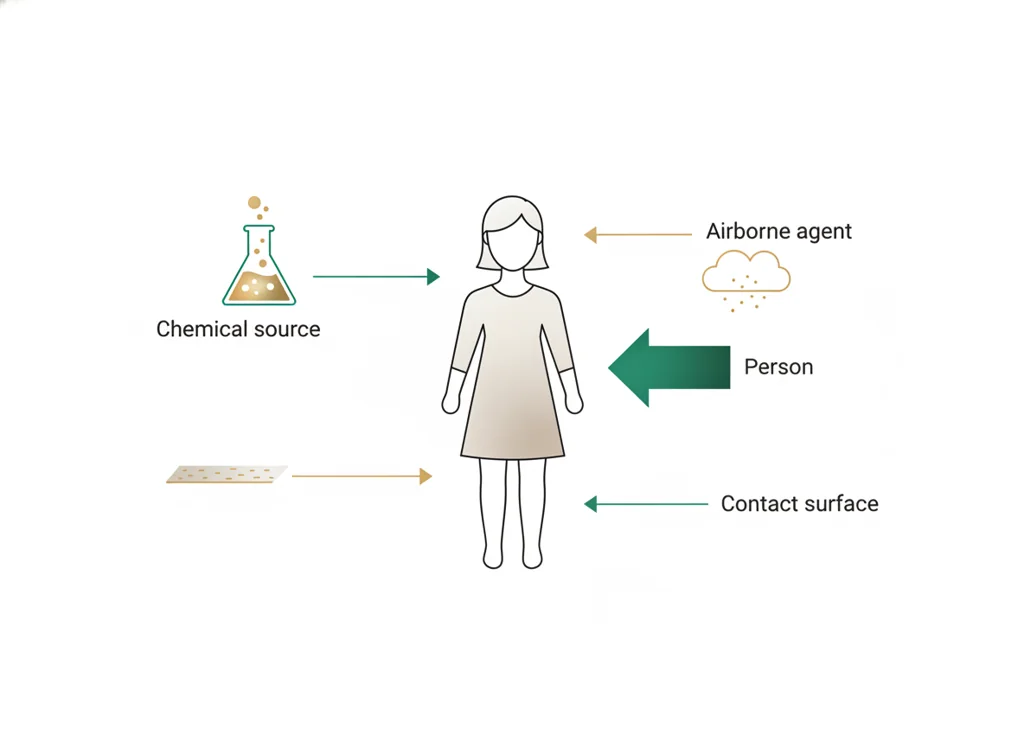
Contact with a substance, agent, or condition that could affect health, such as a chemical, pathogen, or environmental factor.
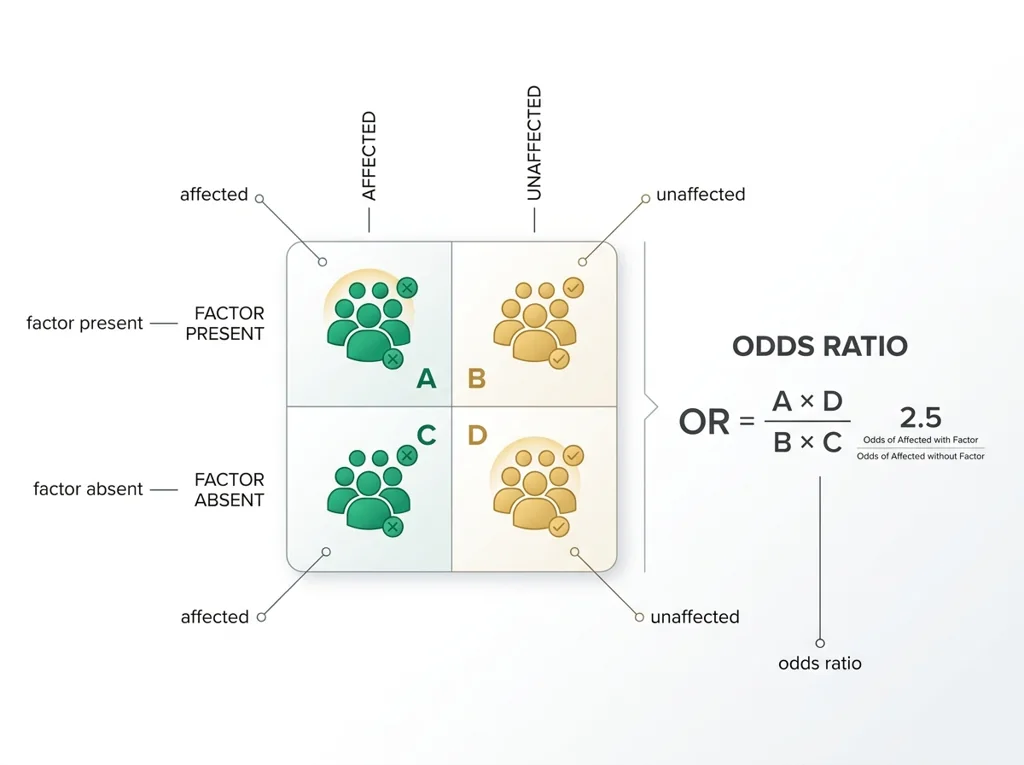
A number comparing the odds of having a factor in affected versus unaffected people; above 1 suggests the factor is associated.
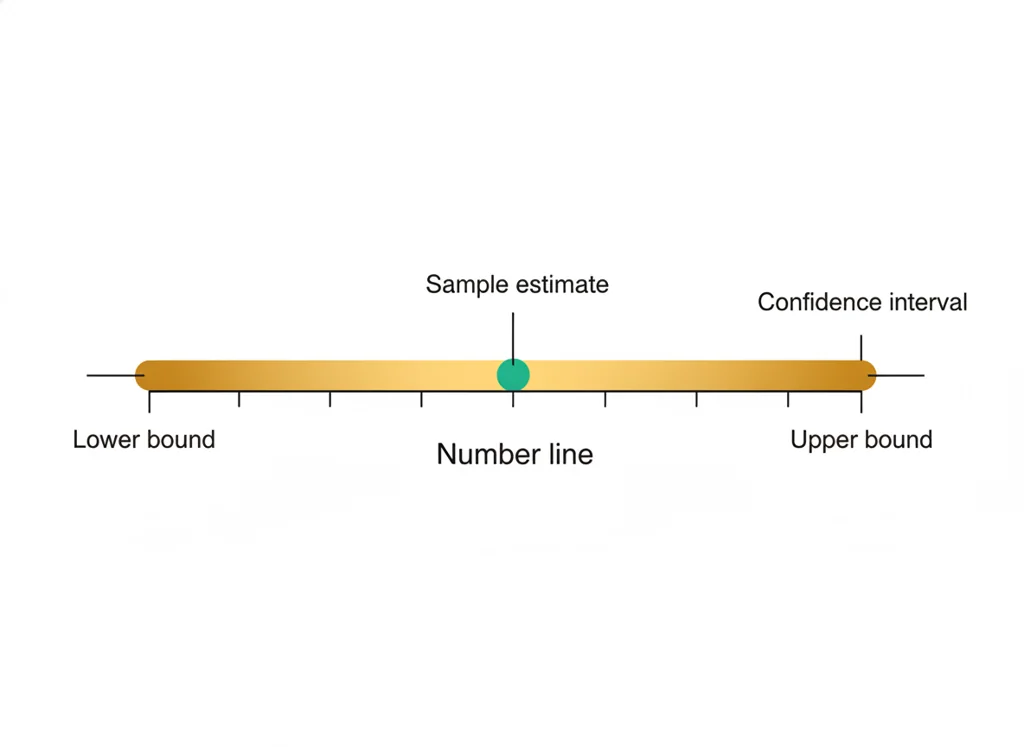
A range of values, built from sample data, that would capture the true value about 95 times out of 100 if the study were repeated.
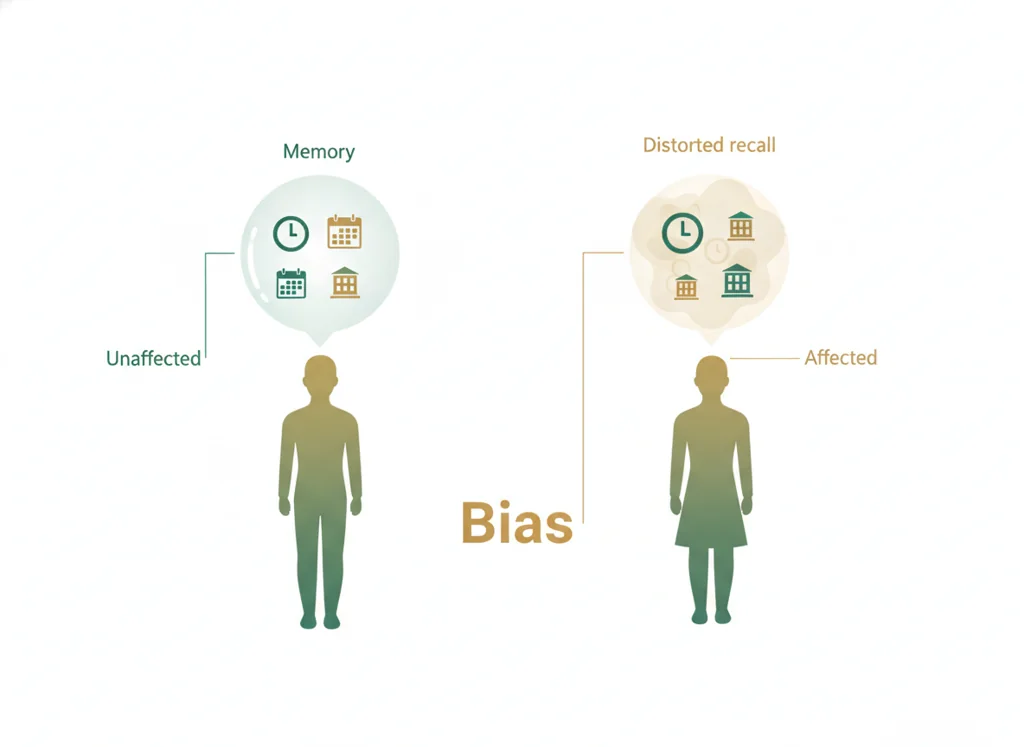
A study error where people with a condition remember past exposures differently than people without it, distorting the results.
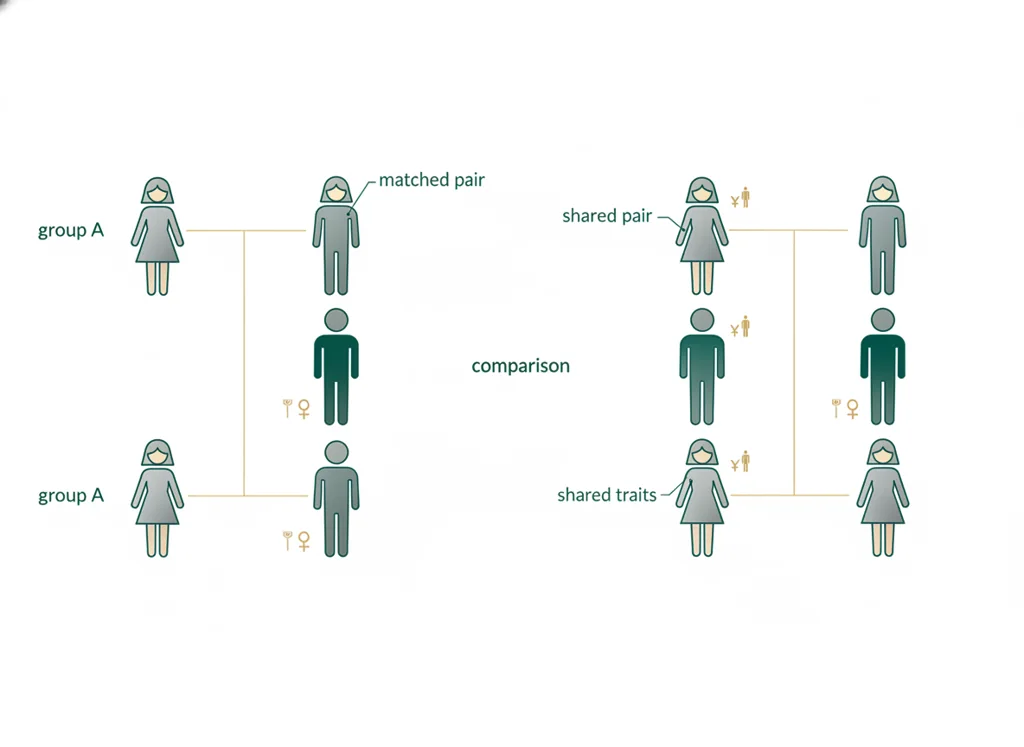
Pairing study participants with similar traits like age or sex across groups so those traits cannot bias the comparison.
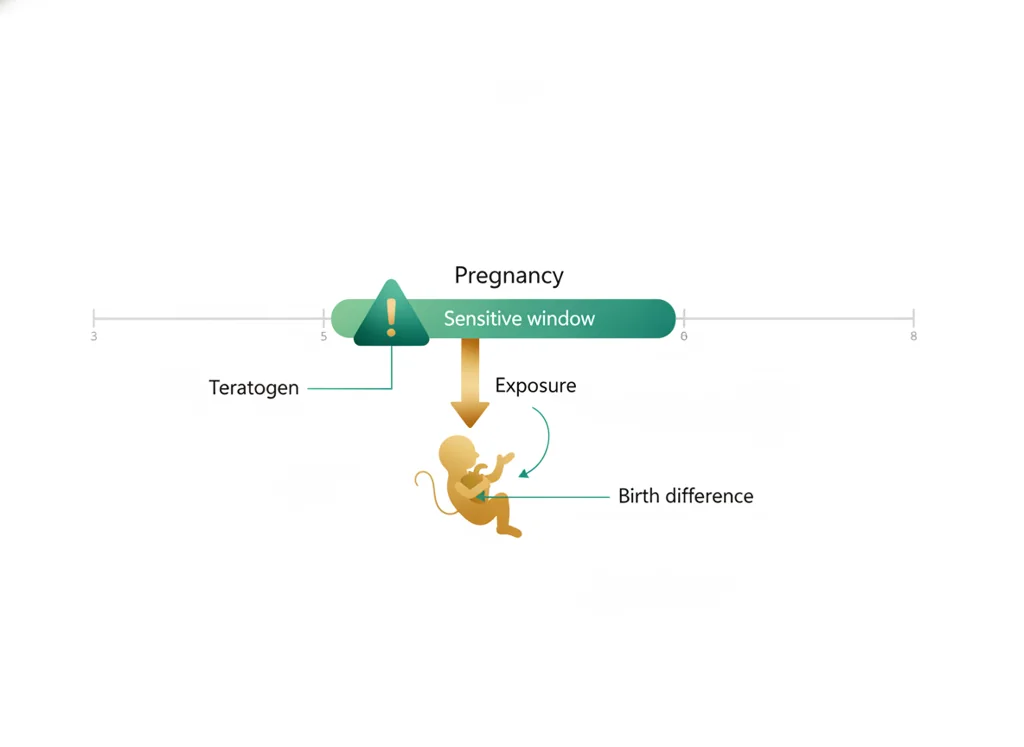
An agent such as a drug, chemical, or infection that can disrupt development and cause birth differences if exposure happens during pregnancy.
Research citation trail (advanced)
You do not need these papers or database records to finish the lesson. They document where the plain-language explainer's claims come from and are intended for teachers or advanced readers.