
Why We Trust Some Studies More Than Others
This reading contains every idea and every piece of evidence needed for today's decision. The research links at the end are optional.
Why this matters
Students need a design map, not a memorized pyramid that ignores the question being asked.
The question you are trying to answer
Which tool measures length?
Begin with the idea you already earned
A falsifiable hypothesis links a defined change to a defined outcome and states what would count against it.
Study the analogy before the biology
- Which tool measures length?
- Which tool reveals a hidden structure?
- Why would ranking every tool from weak to strong be misleading?
Turn the analogy into three rules
Limit: Study designs involve people, biology, time, and uncertainty, not just tools with one fixed use.
Map those rules onto the biology
Randomized trials are strong for fair comparisons of assignable treatments. They are not the right design for diagnosis, prognosis, rare harms, or many mechanism questions.
Observational studies are needed when researchers cannot or should not assign an exposure. Laboratory studies can test how a gene or cell process works.
Every design has threats. Good planning names the largest threat and adds a safeguard that fits it.
Read Mateo's labeled case evidence
Repair timing is an assignable clinical choice when both options are acceptable.
A randomized trial can compare the treatment options under equipoise.
A suspected harmful pregnancy exposure cannot be assigned.
An observational design is required for that cause question.
A gene mechanism requires perturbation and molecular or tissue outcomes.
A bench experiment answers a different question than a treatment trial.
Make the concrete decision
You are chairing the design-selection meeting.
A teammate declares that an RCT is always the best design for every cleft question.
- Match each design to the treatment, harm, prognosis, or mechanism question.
- Use an RCT even when it assigns suspected harm.
- Use a case report for every question because it is fastest.
Choose the design rule and match the three supplied questions to appropriate designs.
Claim ceiling: You may select a design family. You may not call any design free of bias or automatically decisive.
Write the 10-year takeaway
The strongest design is the one that fits the question and controls its main threats.
- Why can a suspected harmful exposure not be randomized?
- Which design family can test a gene mechanism directly?
Glossary in plain English
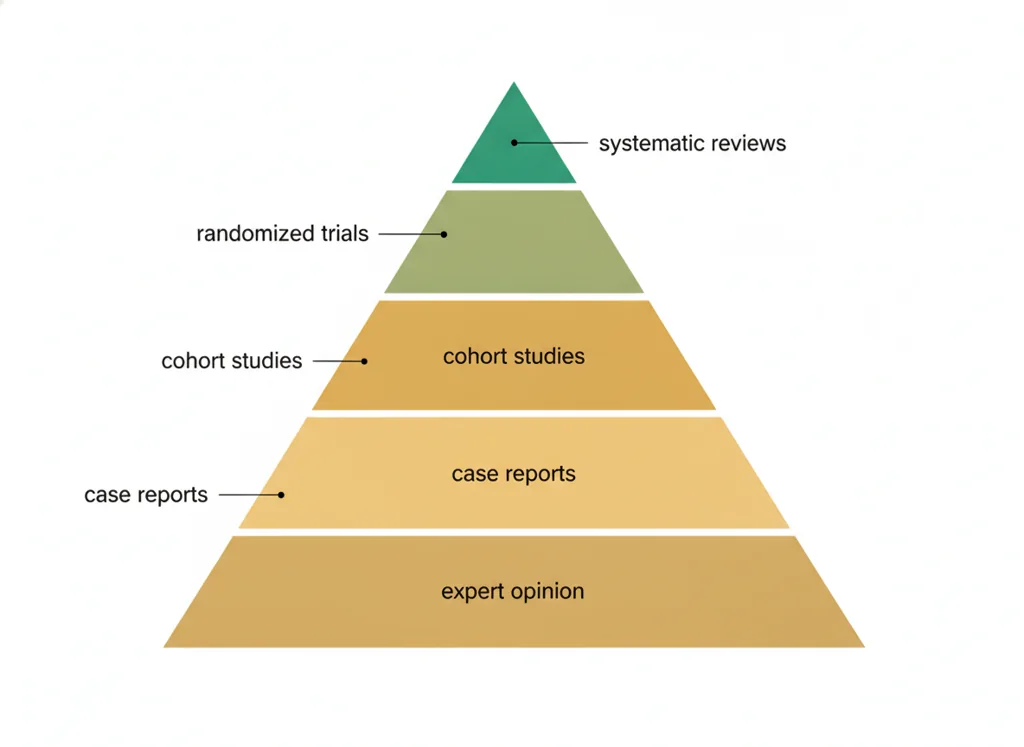
A ranking of research designs by how trustworthy their evidence is, placing systematic reviews and trials above observational studies and expert opinion.
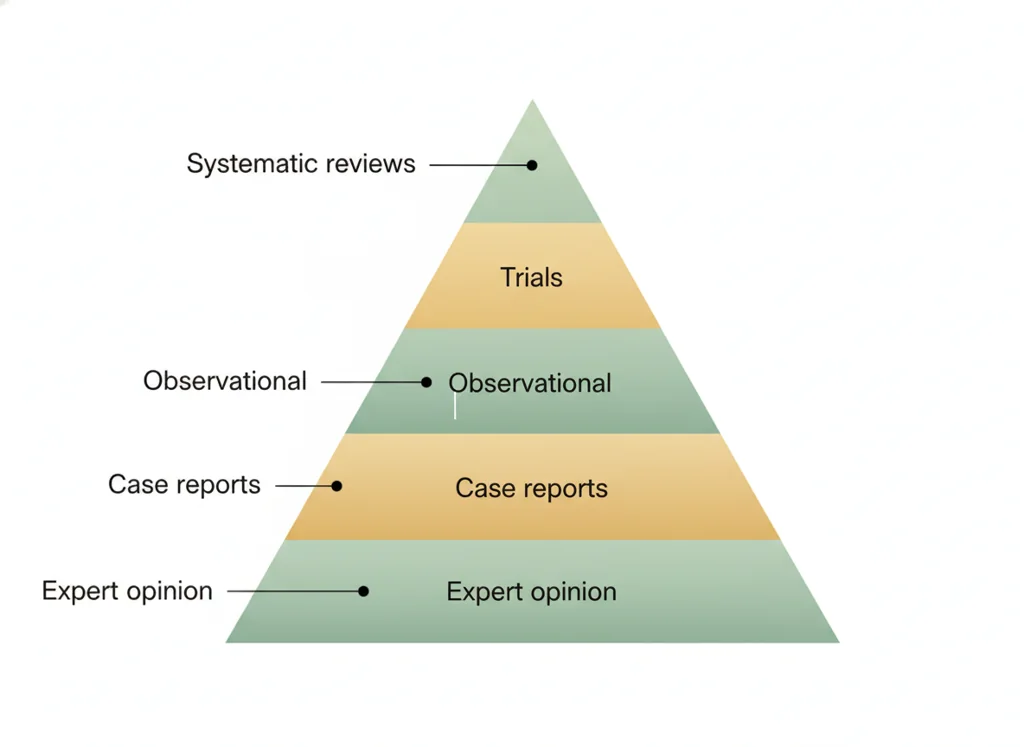
A ranking of how trustworthy a study's findings are, with reviews of many strong trials at the top and single expert opinions near the bottom.
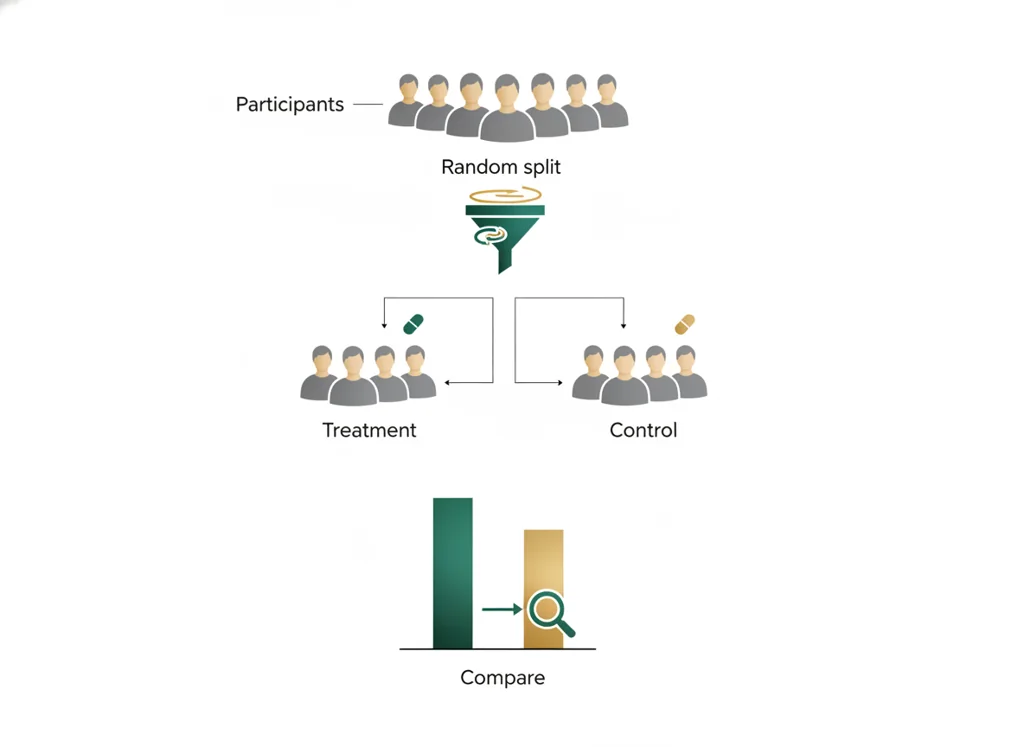
A study that randomly assigns participants to a treatment or a control group, the strongest design for showing a treatment truly works.
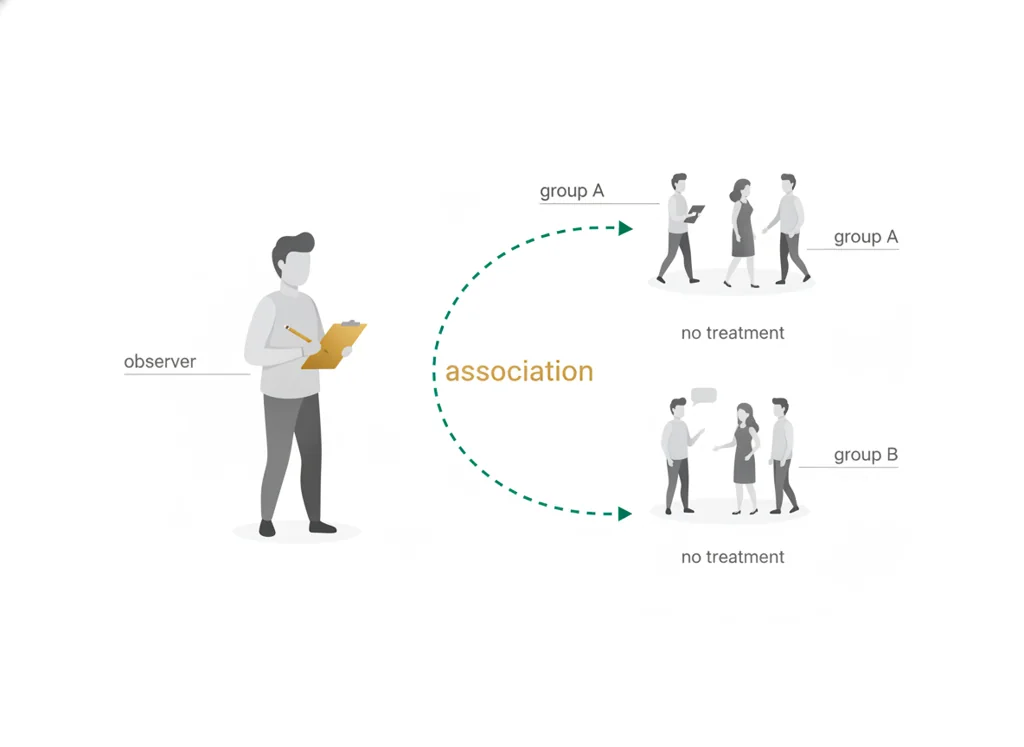
A study that watches and records what happens to groups without assigning any treatment, so it can show links but not prove cause.
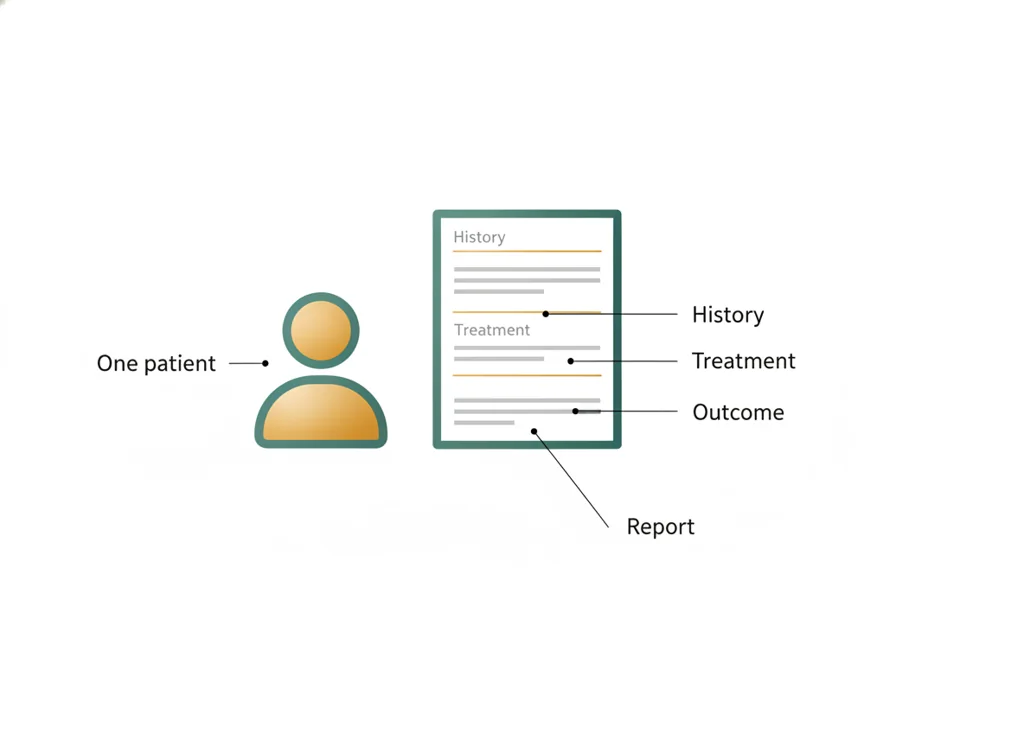
A detailed written account of one patient's diagnosis, treatment, and outcome, useful for sharing rare or unusual findings.
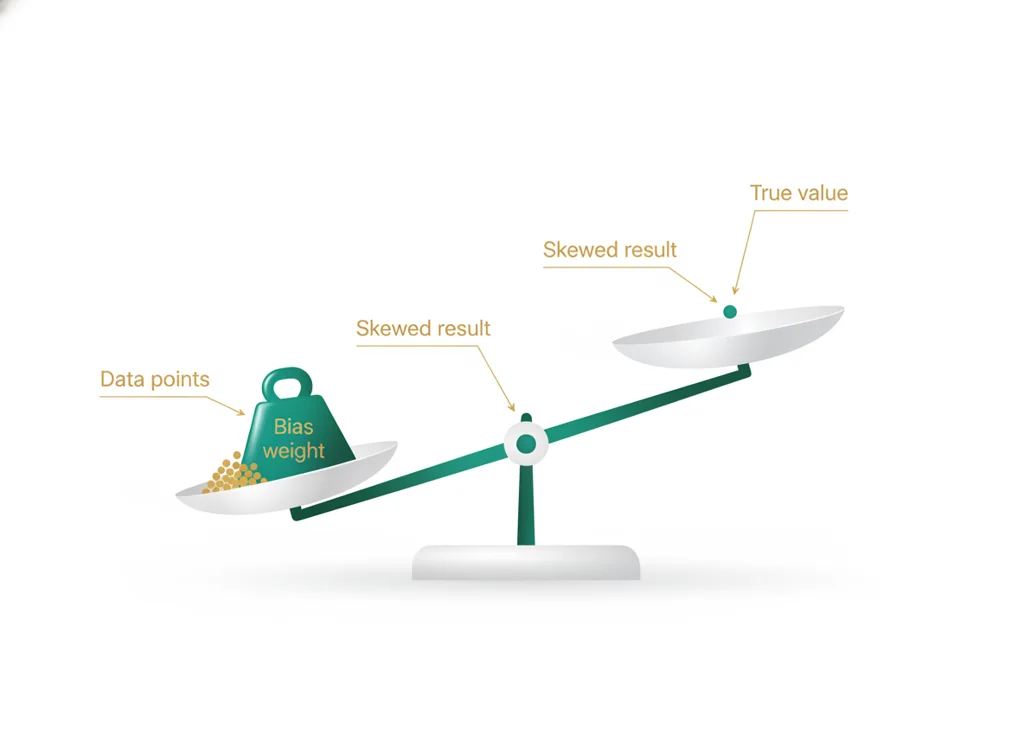
A systematic error in how data is collected or interpreted that tilts results in one direction, making conclusions less accurate or unfair.
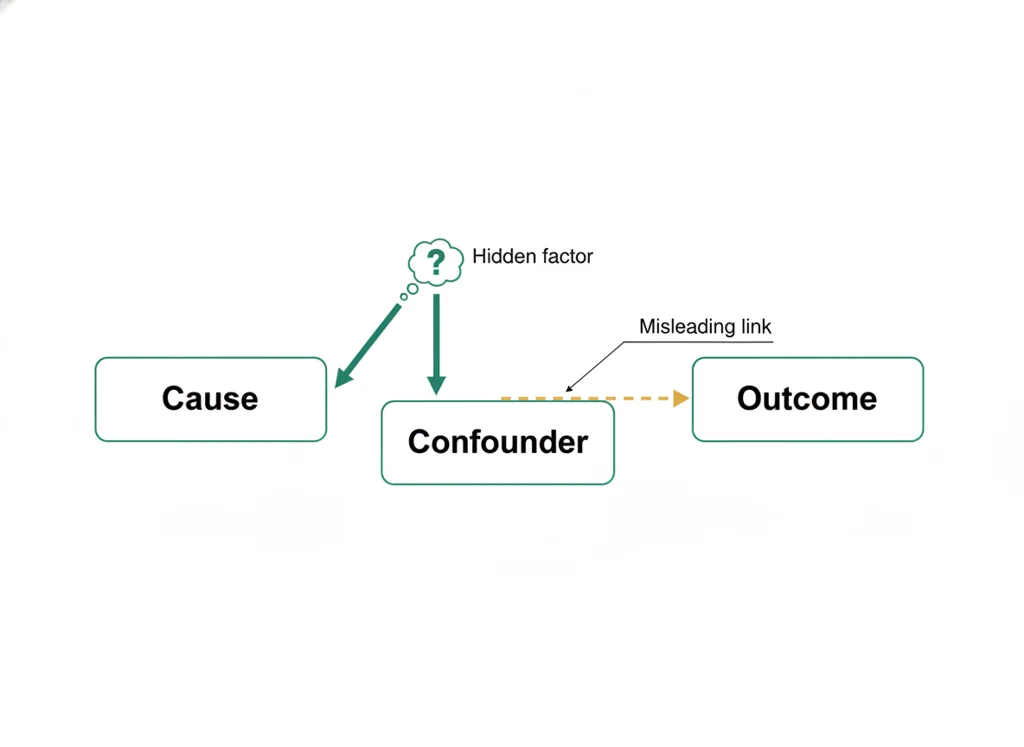
When a hidden third factor influences both the suspected cause and the outcome, making a link look real when it may be misleading.
Research citation trail (advanced)
You do not need these papers or database records to finish the lesson. They document where the plain-language explainer's claims come from and are intended for teachers or advanced readers.
- NEJM. Timing of Primary Surgery for Cleft Palate (TOPS), 2023.
- Gamble C, et al. 2023. Timing of Primary Surgery for Cleft Palate (TOPS trial). N Engl J Med. [PMID:37646677]
- Sabbagh HJ, et al. 2023. COVID-19 risk factors and orofacial clefts, five Arab countries: case-control study. BMC Oral Health. [PMID:37118740]
- Page MJ, et al. 2021. The PRISMA 2020 statement. BMJ. [PMID:33782057]