
What New Question About Mateo Would You Investigate, and How?
This reading contains every idea and every piece of evidence needed for today's decision. The research links at the end are optional.
Why this matters
The final lesson asks students to build one coherent study, not recite disconnected method terms.
The question you are trying to answer
Which card determines the design?
Begin with the idea you already earned
Transparent reporting lets others appraise and reproduce methods, but it cannot repair a weak design.
Study the analogy before the biology
- Which card determines the design?
- Where could one broken connection invalidate the plan?
- Which boundary stops the claim from outrunning evidence?
Turn the analogy into three rules
Limit: Research plans must adapt to real participants, sites, data, and oversight after review begins.
Map those rules onto the biology
A protocol connects one focused question to a design that can answer it. Eligibility, variables, sample, outcomes, safeguards, and analysis are chosen before results.
This capstone uses a supplied coded dataset. Students do not recruit people, search for missing facts, or invent measurements. Ethics and privacy still shape the work.
The final claim must match the design. An observational cohort can estimate an adjusted association and uncertainty, but it cannot guarantee cause.
Read Mateo's labeled case evidence
The question asks whether a structured speech follow-up program is associated with improved age-8 communication after palate repair.
The outcome and population are specific, but the program is not randomly assigned.
The supplied synthetic CSV contains 24 coded records with program group, center, baseline score, age-8 score, and missing-data flags.
Students can complete the design without outside recruitment or invented measurements.
The analysis compares adjusted estimates, reports intervals and missingness, protects coded data, and follows STROBE.
The strongest result is an adjusted association, not proof of cause.
Make the concrete decision
You are the principal investigator at the protocol defense.
The board must select one complete plan from three proposals using only the supplied case file and dataset.
- Approve the aligned coded-records cohort with its observational claim ceiling.
- Approve a plan that recruits unnamed children and invents measurements.
- Call the program causal because the adjusted p-value is small.
Choose the defensible protocol and justify question, design, variables, sample, analysis, ethics, reporting, and claim ceiling.
Claim ceiling: You may defend an adjusted observational association using the supplied dataset. You may not claim causation or require outside data.
Write the 10-year takeaway
A defensible study plan aligns question, design, variables, sampling, analysis, ethics, reporting, and a claim ceiling.
- Why can students finish this study inside the lesson package?
- What is the strongest supported claim?
Glossary in plain English
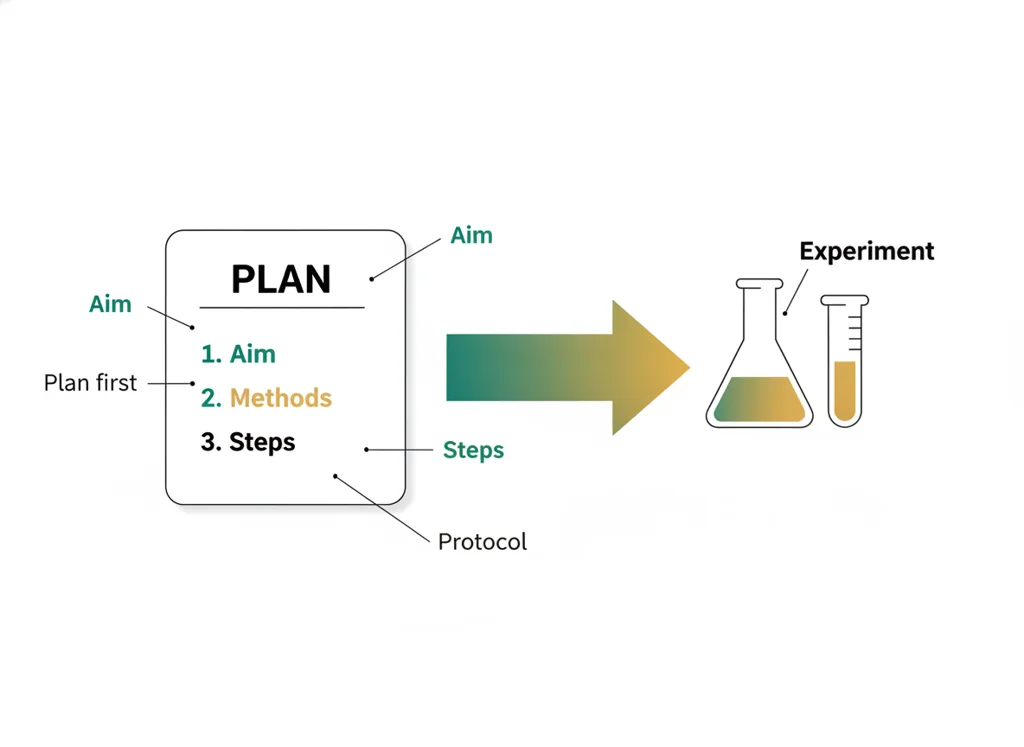
The detailed written plan for a study that sets the question, methods, and steps before any data are collected.
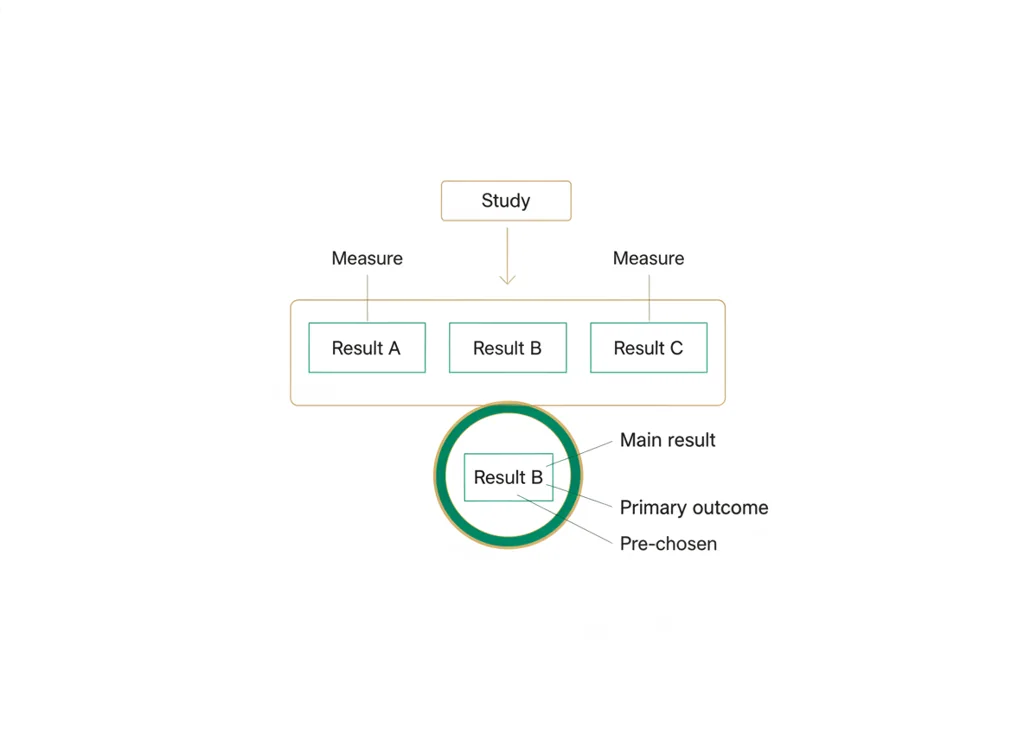
The single main result a study is designed to measure, chosen ahead of time to answer its central question.
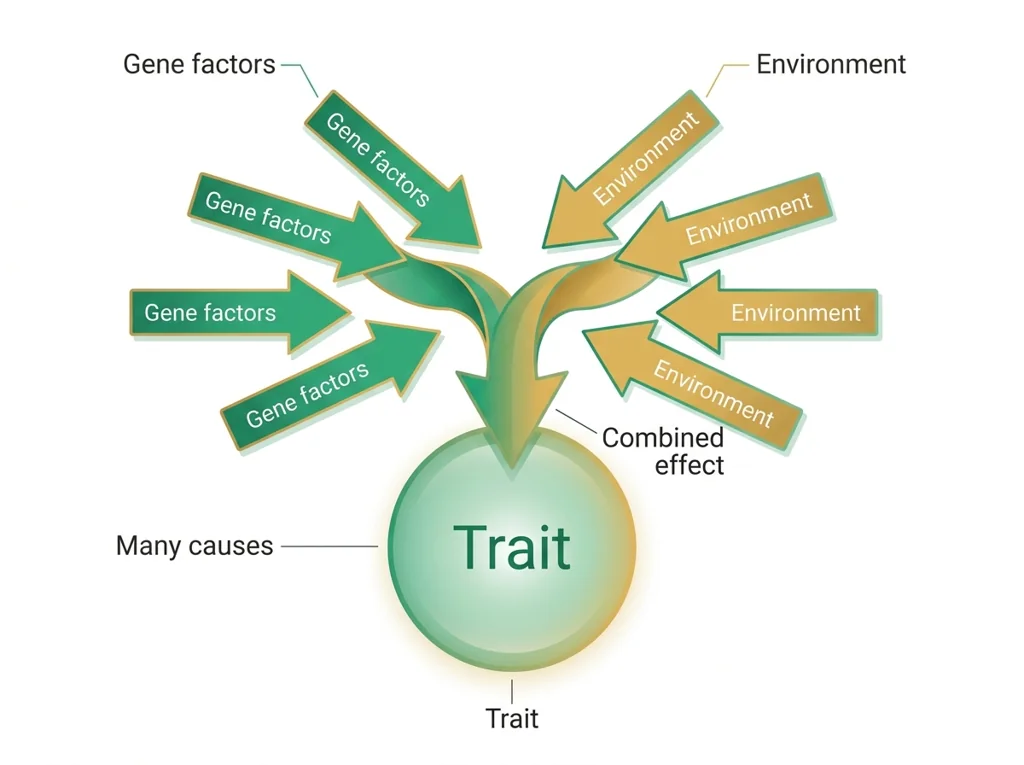
Caused by several genes acting together with environmental factors, not by a single gene alone.
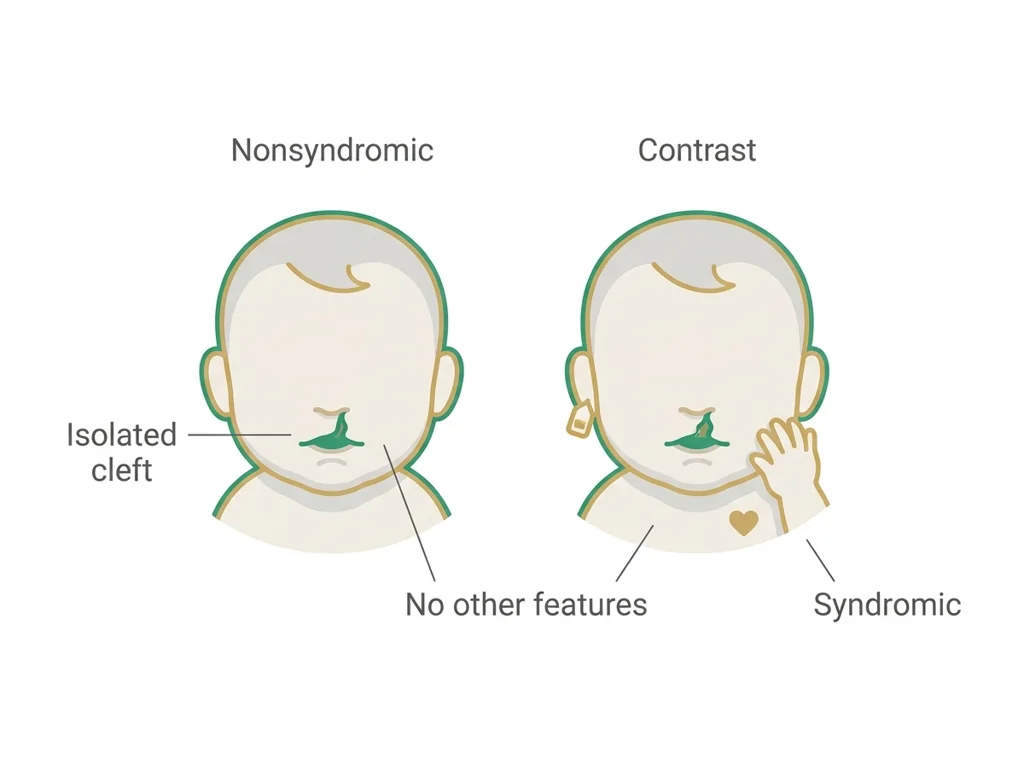
Describing a condition, such as a cleft, that occurs on its own without a set of other linked birth differences.
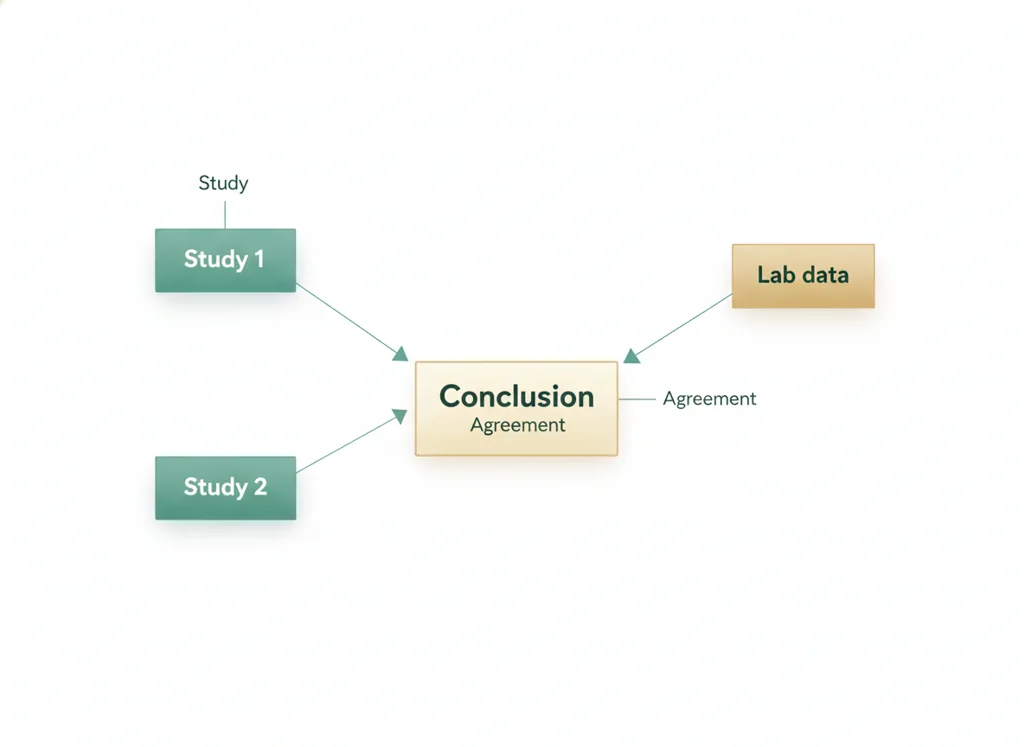
Support for a conclusion that comes from several independent methods or studies pointing to the same answer, which makes it more trustworthy.
Research citation trail (advanced)
You do not need these papers or database records to finish the lesson. They document where the plain-language explainer's claims come from and are intended for teachers or advanced readers.
- STROBE. Reporting guidance for observational studies.
- Gamble et al. 2023, TOPS trial (the checklist backbone and the isolated-cleft eligibility, NEJM)
- Park et al. 2007, IRF6 and nonsyndromic CL/P, case-parent trios (Genet Med)
- Grosen et al. 2011, Risk of oral clefts in twins, heritability and discordance (Epidemiology)
- Page et al. 2021, PRISMA 2020 (reporting backbone, BMJ)