
What Caused Mateo's Cleft?
This reading contains every idea and every piece of evidence needed for today's decision. The research links at the end are optional.
Why this matters
For most children born with a cleft, there is no one cause, so families need an honest explanation that does not turn risk into blame.
The question you are trying to answer
Why do most kids with a cleft have no single thing to blame?
Begin with the idea you already earned
Epidemiology describes patterns in groups; it does not identify the cause of one child's cleft.
Study the analogy before the biology
- Does one drop fill the cup?
- Could different combinations reach the same line?
- Can you identify one guilty drop after the cup overflows?
Turn the analogy into three rules
Limit: Biologic risk is not a literal liquid sum. The model simplifies interacting influences into a threshold idea.
Map those rules onto the biology
Multifactorial means that many small influences work together. Some come from DNA and some come from the environment around development.
Each influence changes probability. It does not guarantee that a cleft will or will not form.
In Mateo's case, the evidence supports a many-factor model, not a single proven cause.
Read Mateo's labeled case evidence
Mateo has no clear syndrome pattern or single-gene family pattern.
A simple one-gene explanation is not supported by the case.
Research finds many genetic regions associated with common nonsyndromic clefts.
Multiple small genetic influences can contribute.
Smoking and some other pregnancy exposures are associated with higher risk, but no exposure in Mateo's case proves causation.
Environmental factors change risk without assigning blame for an individual case.
Make the concrete decision
You are answering Mateo's parents when they ask, 'What did we do to cause this?'
Your answer must be accurate, clear, and free of blame.
- Explain multifactorial risk and that no single cause can be identified in this case
- Name one exposure as the cause
- Say genes always determine the outcome
Choose the explanation and use all three evidence IDs to set the limits of the claim.
Claim ceiling: You may explain multifactorial risk. You may not claim a specific exposure or variant caused Mateo's cleft.
Write the 10-year takeaway
Most isolated clefts reflect many small genetic and environmental influences crossing a developmental threshold.
- Why can two families reach the same outcome through different combinations?
- What is the difference between a risk factor and a cause?
Glossary in plain English
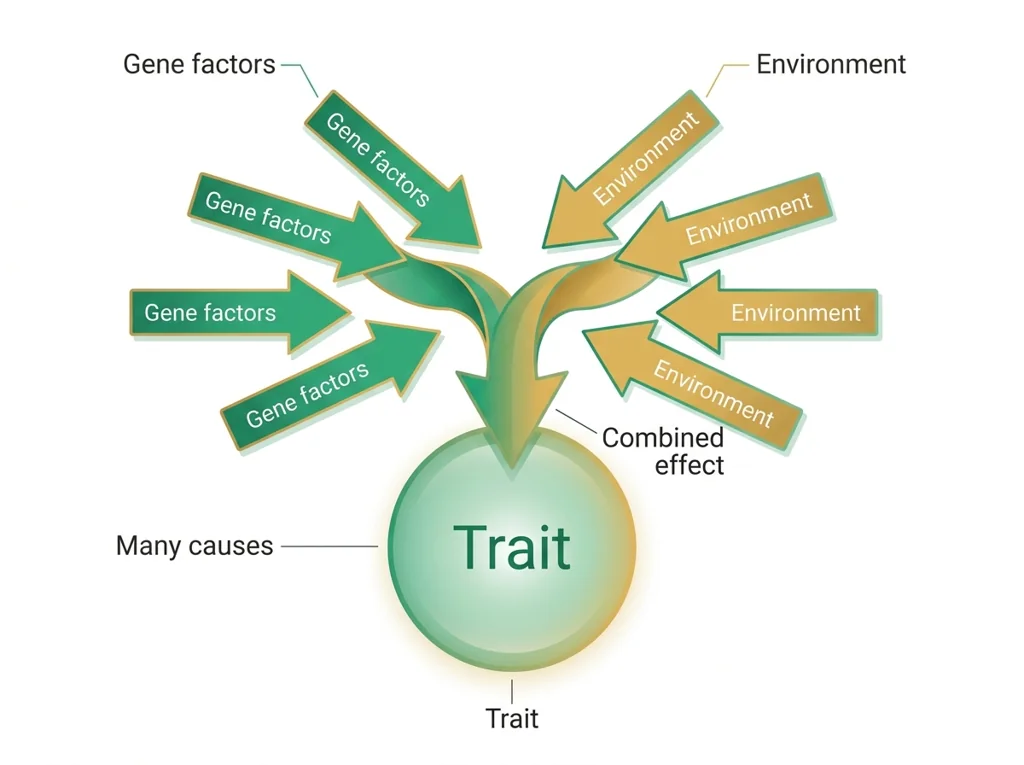
Caused by several genes acting together with environmental factors, not by a single gene alone.
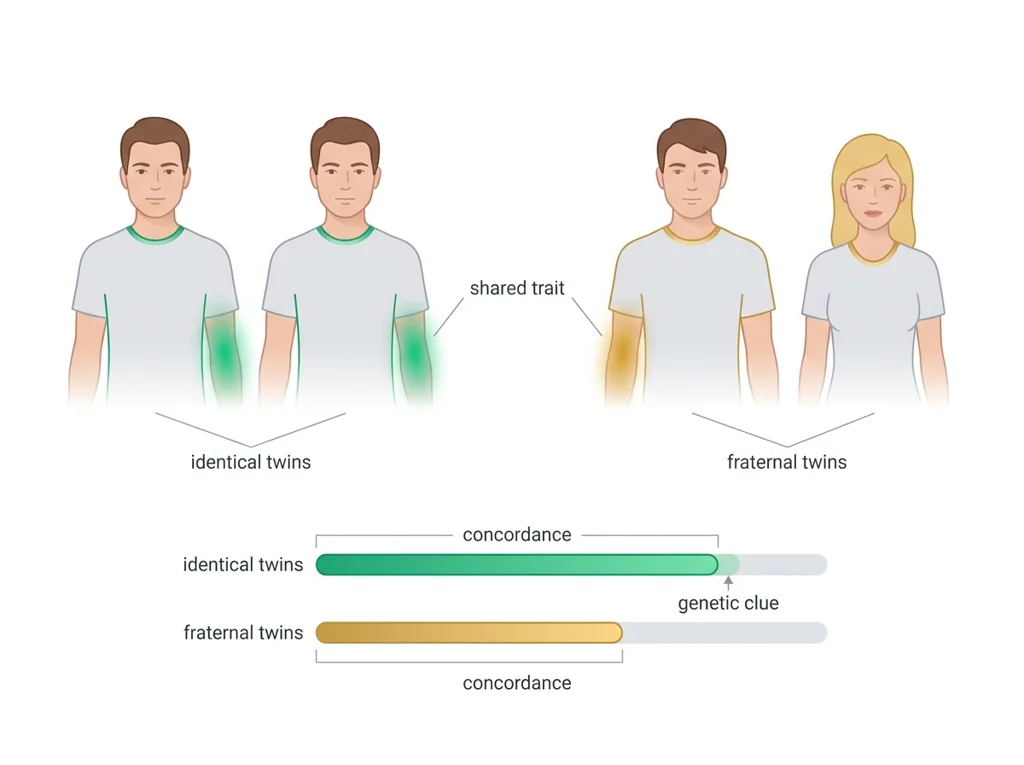
How often both members of a twin pair share a trait, used to compare identical and fraternal twins and gauge genetic influence.
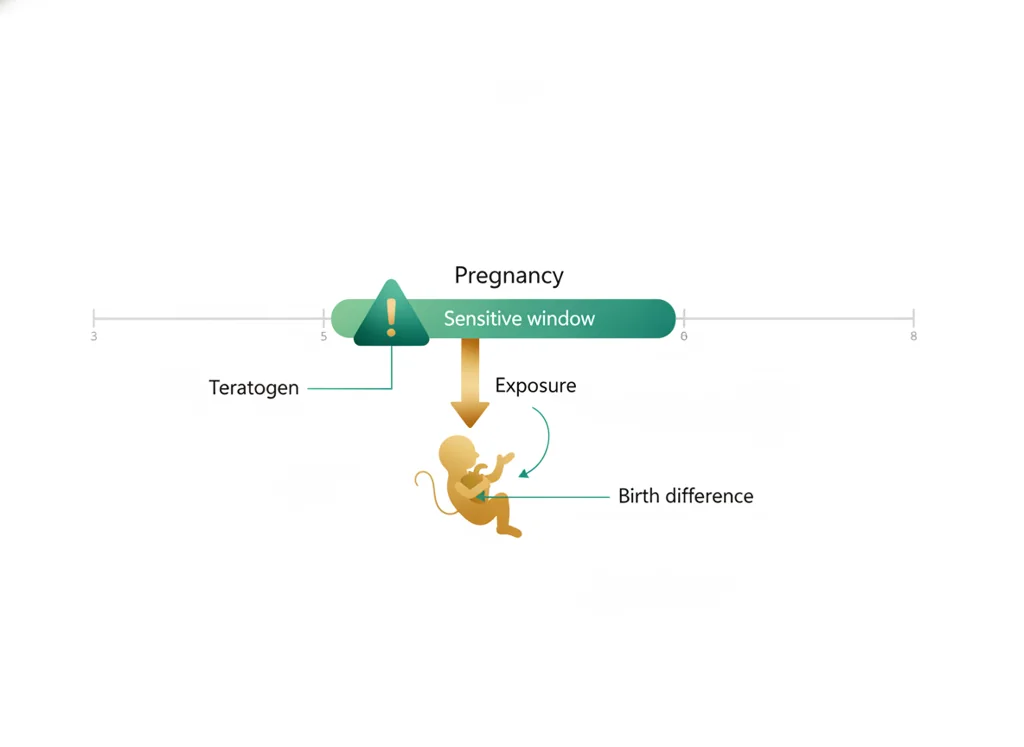
An agent such as a drug, chemical, or infection that can disrupt development and cause birth differences if exposure happens during pregnancy.
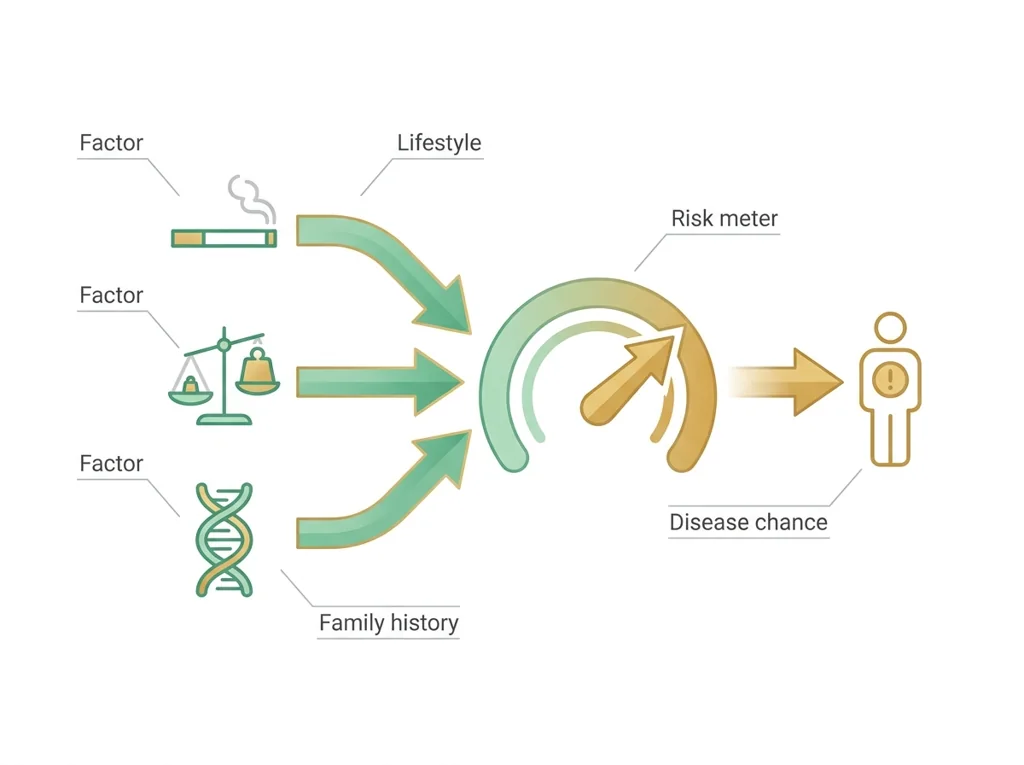
Anything that raises a person's chance of developing a disease, such as smoking, family history, or high blood pressure, without guaranteeing it.
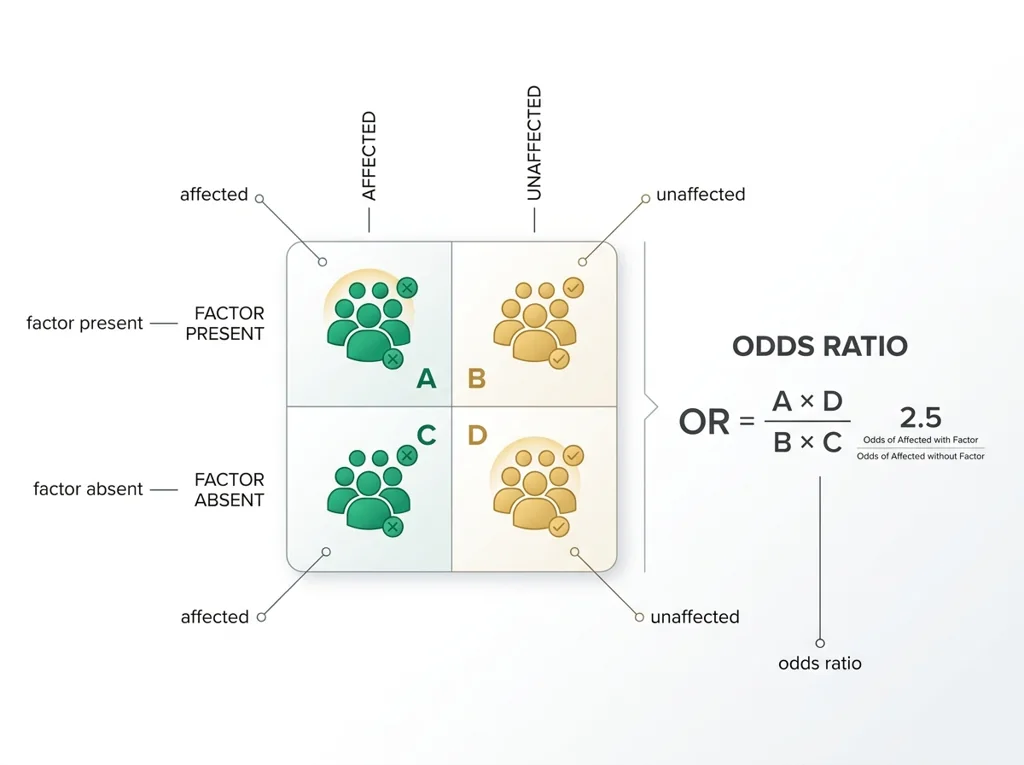
A number comparing the odds of having a factor in affected versus unaffected people; above 1 suggests the factor is associated.
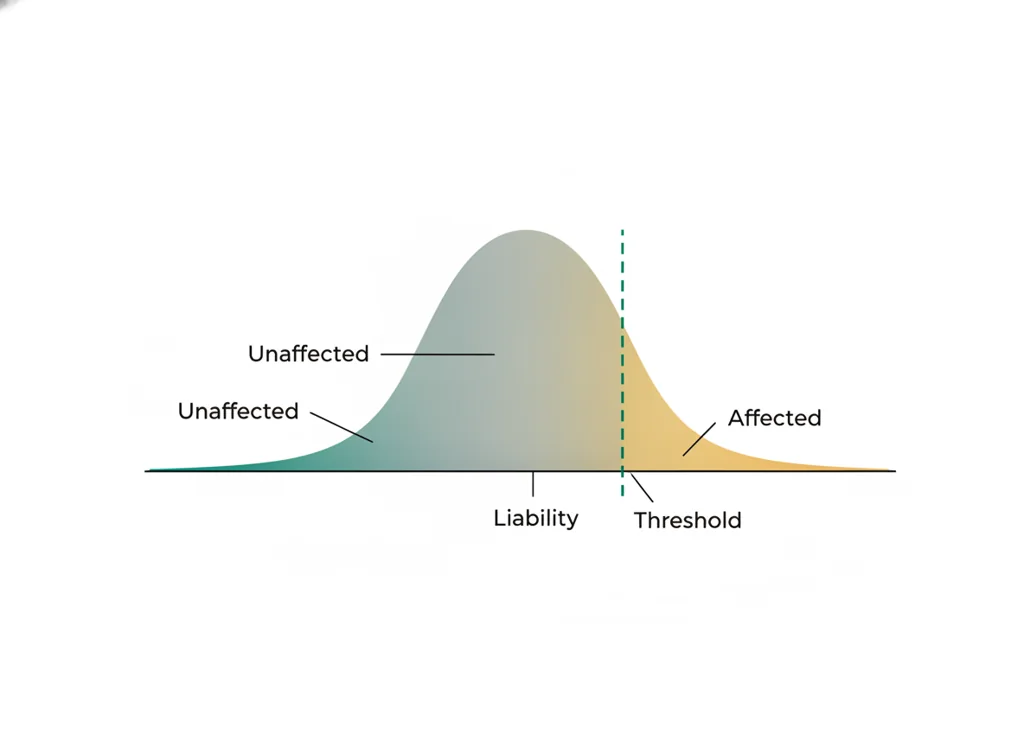
The idea that a trait appears only when a person's combined liability from genes and environment crosses a set line.
Research citation trail (advanced)
You do not need these papers or database records to finish the lesson. They document where the plain-language explainer's claims come from and are intended for teachers or advanced readers.
- American Cleft Palate Craniofacial Association. 2024 Parameters of Care.
- Dixon MJ, et al. 2011. Cleft lip and palate: genetic and environmental influences. Nat Rev Genet. [PMID:21331089]
- Vyas T, et al. 2020. Cleft of lip and palate: A review. J Family Med Prim Care. [PMID:32984097]
- Garland MA, et al. 2020. Environmental mechanisms of orofacial clefts. Birth Defects Res. [PMID:33125192]