
How a Team Delivers Care Without Gaps
This reading contains every idea and every piece of evidence needed for today's decision. The research links at the end are optional.
Why this matters
The quality of individual specialists cannot prevent gaps if their plans never connect.
The question you are trying to answer
What happens if each section uses a different score?
Begin with the idea you already earned
A repaired cleft still needs surveillance because speech, hearing, teeth, airway, and growth can change later.
Study the analogy before the biology
- What happens if each section uses a different score?
- Does the conductor replace the specialists?
- How does the group know who enters next?
Turn the analogy into three rules
Limit: Care is a partnership with the patient and family, not a performance controlled by one person. The analogy models coordination.
Map those rules onto the biology
Interdisciplinary care means specialists plan together around one child and family, not just work in parallel.
A coordinator tracks the shared plan, helps with handoffs, and makes sure results reach the people who need them.
The record should show the next action, who owns it, when it is due, and what evidence will be shared.
Read Mateo's labeled case evidence
Mateo has three follow-up actions due in different clinics within six months.
Uncoordinated scheduling creates a risk that one action will be missed.
The speech finding affects surgical planning, and hearing status affects speech interpretation.
The specialists' decisions depend on each other's evidence.
The family asks for one contact person and one written plan.
Coordination must be visible and usable to the family.
Make the concrete decision
You are the cleft team coordinator closing the conference.
Before the meeting ends, every next action needs an owner, date window, and handoff.
- Publish one shared action list with named owners and a family contact
- Let each clinic contact the family separately
- Record only the surgery plan
Choose the coordination plan and show where each evidence item changes the plan.
Claim ceiling: You may assign ownership and sequence. You may not make a specialist's clinical decision without that specialist and the family.
Write the 10-year takeaway
A cleft team works when specialists share one plan, one record, and clear ownership across time.
- Why is a list of specialists not yet a coordinated team?
- What four items belong in every handoff?
Glossary in plain English
A lesson term defined by the surrounding model and case evidence.
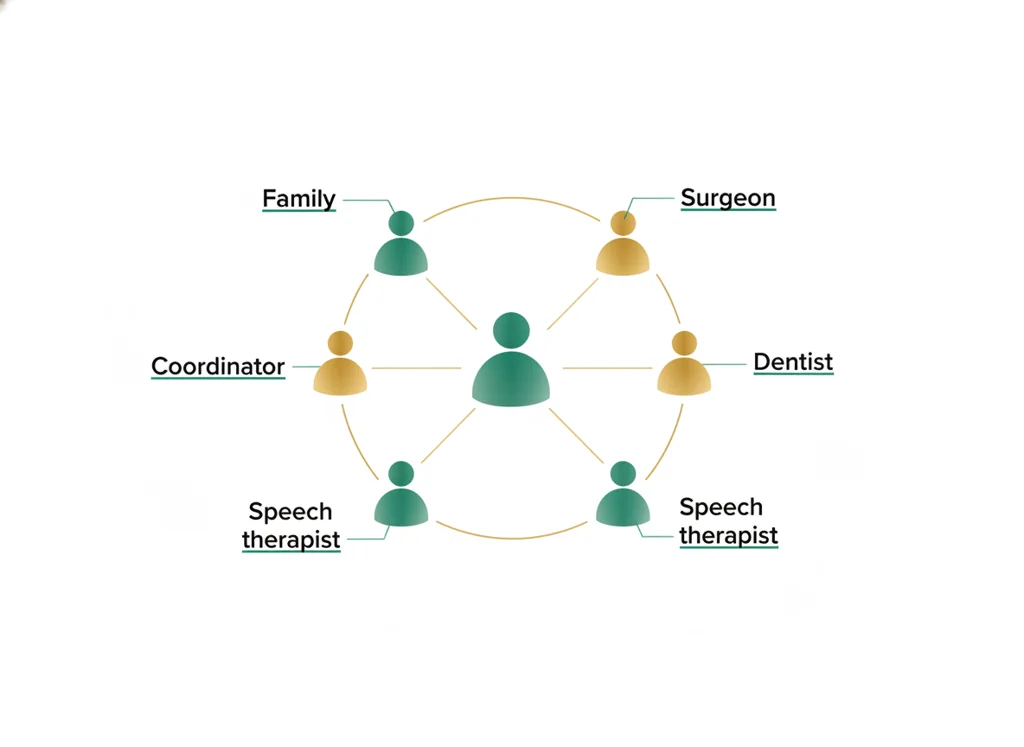
A team member who organizes a patient's many appointments and specialists, keeping multidisciplinary cleft care running smoothly.
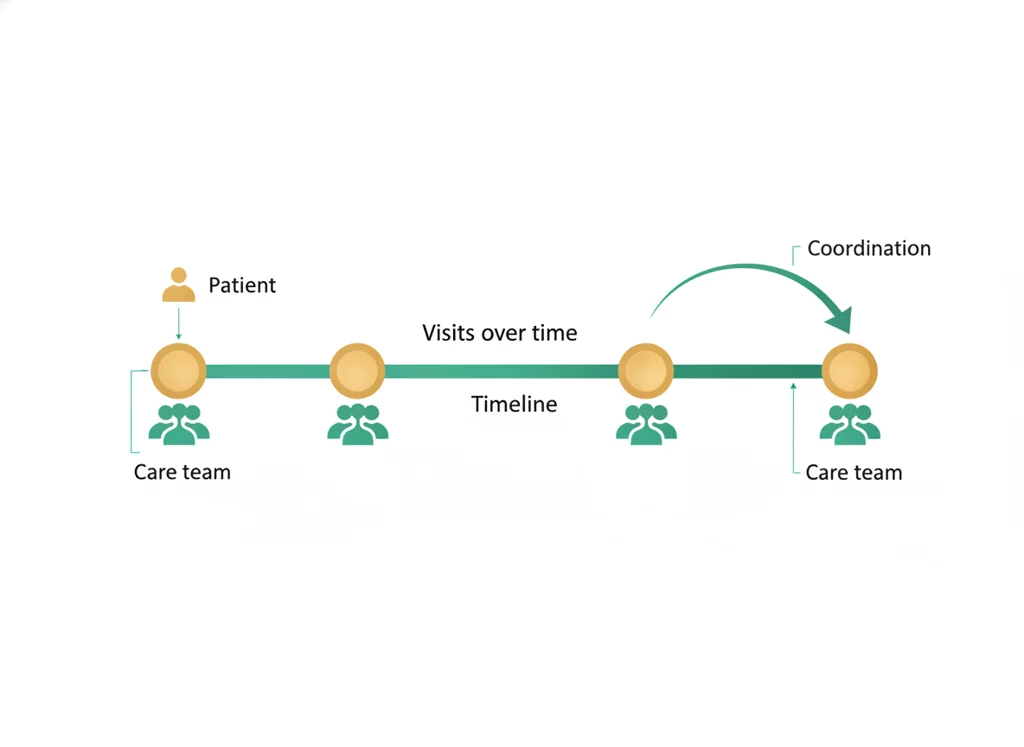
Keeping a patient connected to the same coordinated care team over time, so treatment stays consistent across many visits and years.
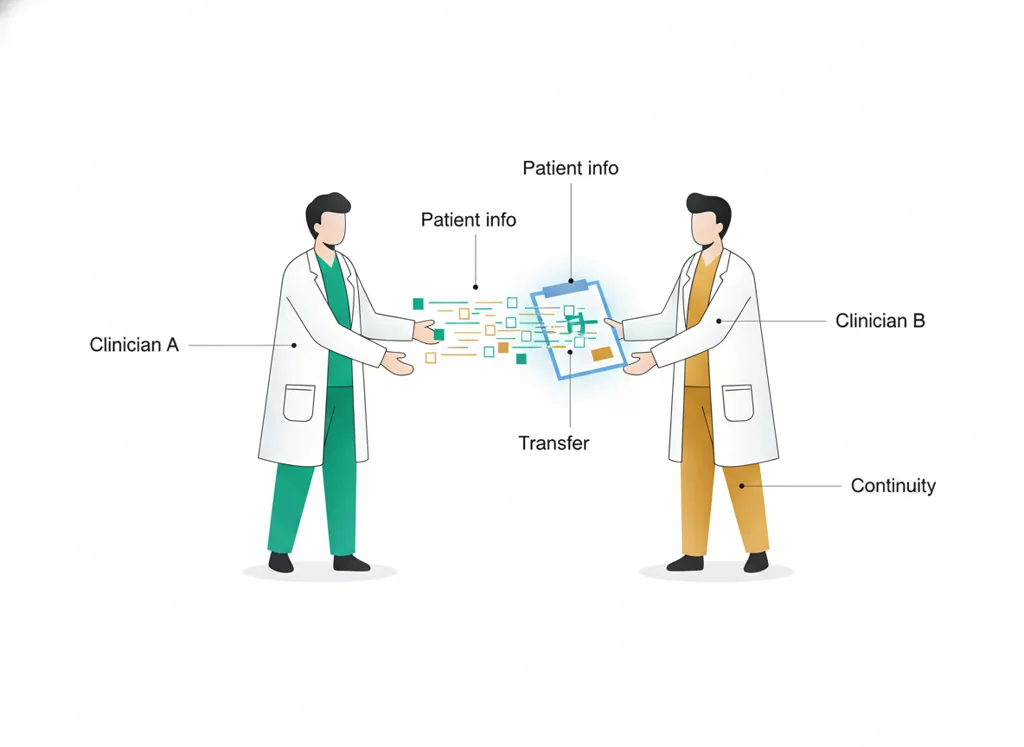
The careful transfer of a patient's care and information from one clinician or team to the next so nothing important is missed.
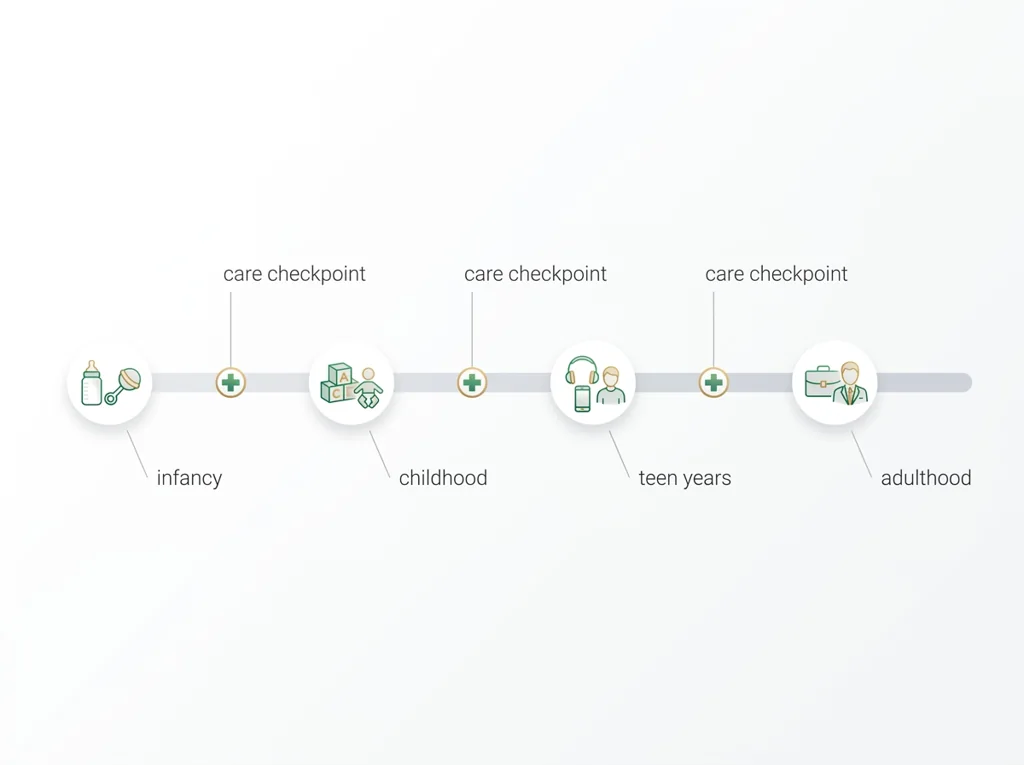
Ongoing medical care that follows a patient over many years through changing needs, rather than a single one-time treatment.
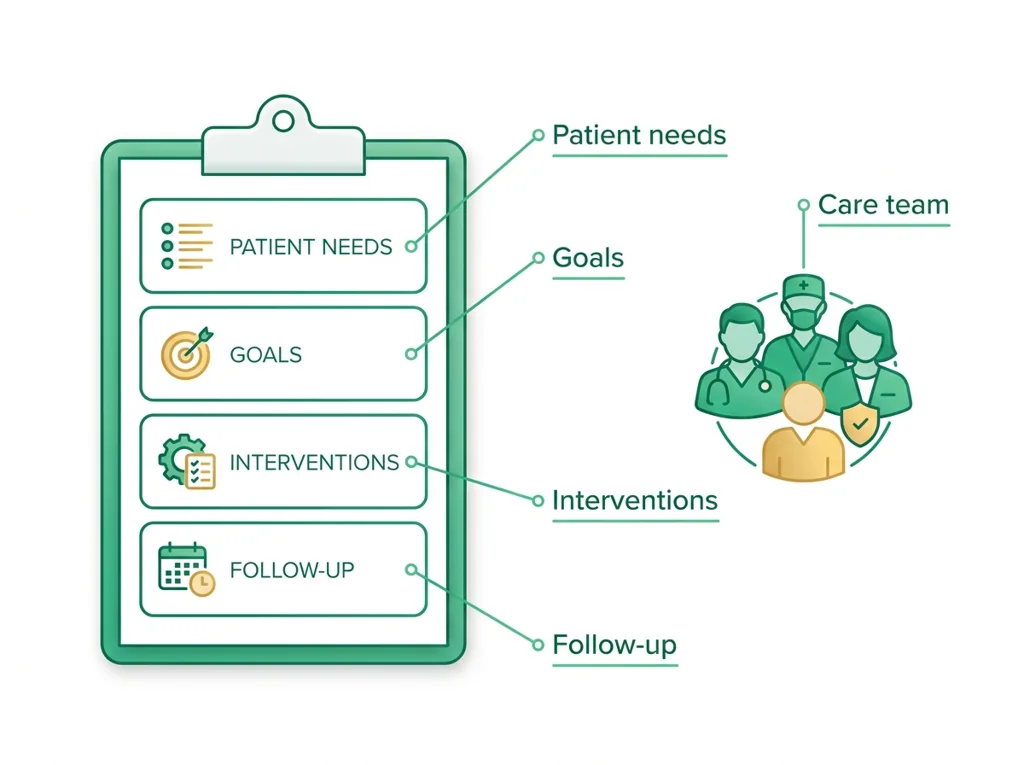
A written, organized strategy describing a patient's health needs, goals, and the specific treatments and steps the care team will follow.
Research citation trail (advanced)
You do not need these papers or database records to finish the lesson. They document where the plain-language explainer's claims come from and are intended for teachers or advanced readers.
- American Cleft Palate Craniofacial Association. 2024 Parameters of Care.
- Vyas T, et al. 2020. Cleft of lip and palate: A review. J Family Med Prim Care. [PMID:32984097]
- James JN, et al. 2014. Management of cleft lip and palate and orthognathic considerations. Oral Maxillofac Surg Clin North Am. [PMID:25438882]
- Wilkes C, et al. 2023. Prenatal diagnosis of cleft lip and/or palate: counseling parents. Prenat Diagn. [PMID:37552068]