
A Repaired Cleft Is Not a Cured Cleft
This reading contains every idea and every piece of evidence needed for today's decision. The research links at the end are optional.
Why this matters
Early detection gives the team more choices and prevents small changes from becoming larger barriers.
The question you are trying to answer
Why is one detector not enough for the whole building?
Begin with the idea you already earned
Equal treatment is not always equitable care; the plan must remove the barriers that block access to the same health goal.
Study the analogy before the biology
- Why is one detector not enough for the whole building?
- Which signal belongs to which room?
- What happens if nobody checks the batteries?
Turn the analogy into three rules
Limit: Complications are not fires. The analogy models targeted surveillance and ownership.
Map those rules onto the biology
Repair closes structures, but growth and function continue to change. New concerns can appear in speech, hearing, teeth, jaw growth, sleep, or the surgical site.
Surveillance means checking the right function at planned times and when a new sign appears.
Each concern has a best detection method and a specialist who owns the follow-up.
Read Mateo's labeled case evidence
Mateo has new nasal air escape during fast speech.
Speech and velopharyngeal function need reassessment.
Hearing is stable, and middle-ear fluid is not present today.
Hearing surveillance continues, but it is not the immediate problem.
The dental team notes a narrowing upper arch during growth.
Orthodontic monitoring needs a separate plan.
Make the concrete decision
You are leading the annual cleft team review.
You must route each finding to the right specialist and decide what happens first.
- Prioritize speech evaluation, continue hearing surveillance, and schedule orthodontic review
- Send every finding to the surgeon
- Declare care complete because the cleft was repaired
Build the routing plan and cite one evidence ID for each action.
Claim ceiling: You may identify the next evaluation. You may not diagnose the cause of a new problem before the specialist assessment.
Write the 10-year takeaway
A repaired cleft still needs surveillance because speech, hearing, teeth, airway, and growth can change later.
- Why is surveillance not the same as expecting a complication?
- Which specialist owns each of today's findings?
Glossary in plain English
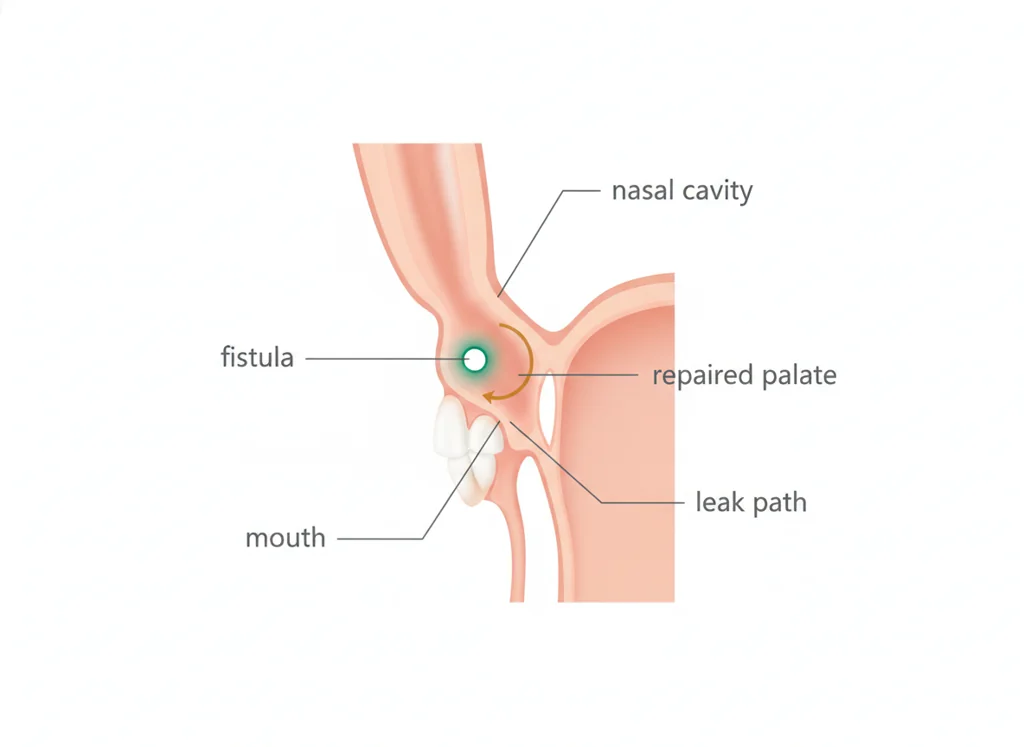
An abnormal opening left between the mouth and nose after cleft repair, which can let fluid or air leak through.
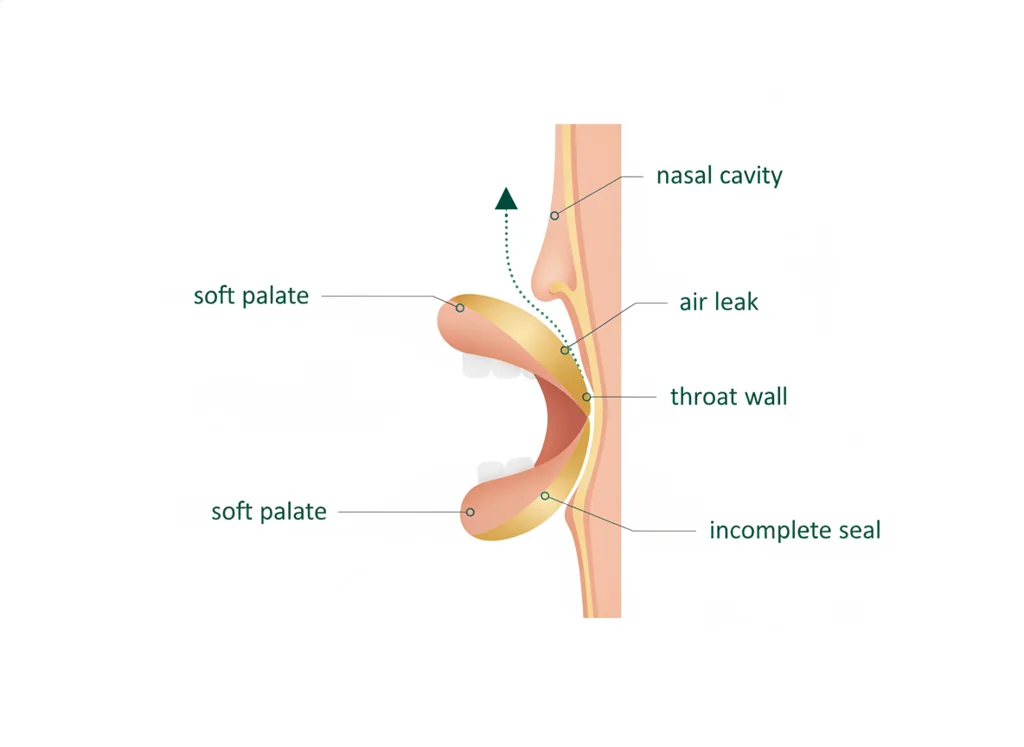
When the soft palate cannot fully seal off the nose during speech, letting air escape and making speech sound nasal.
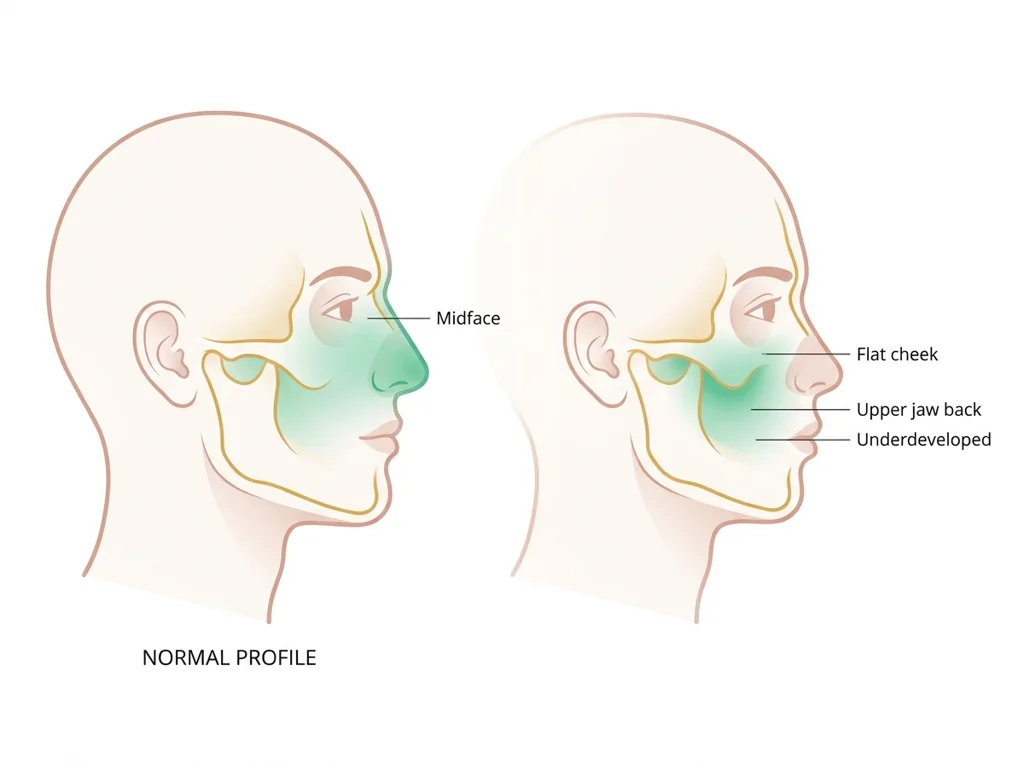
Underdevelopment of the middle of the face, so the cheeks and upper jaw look flat or set back, common after cleft repair.
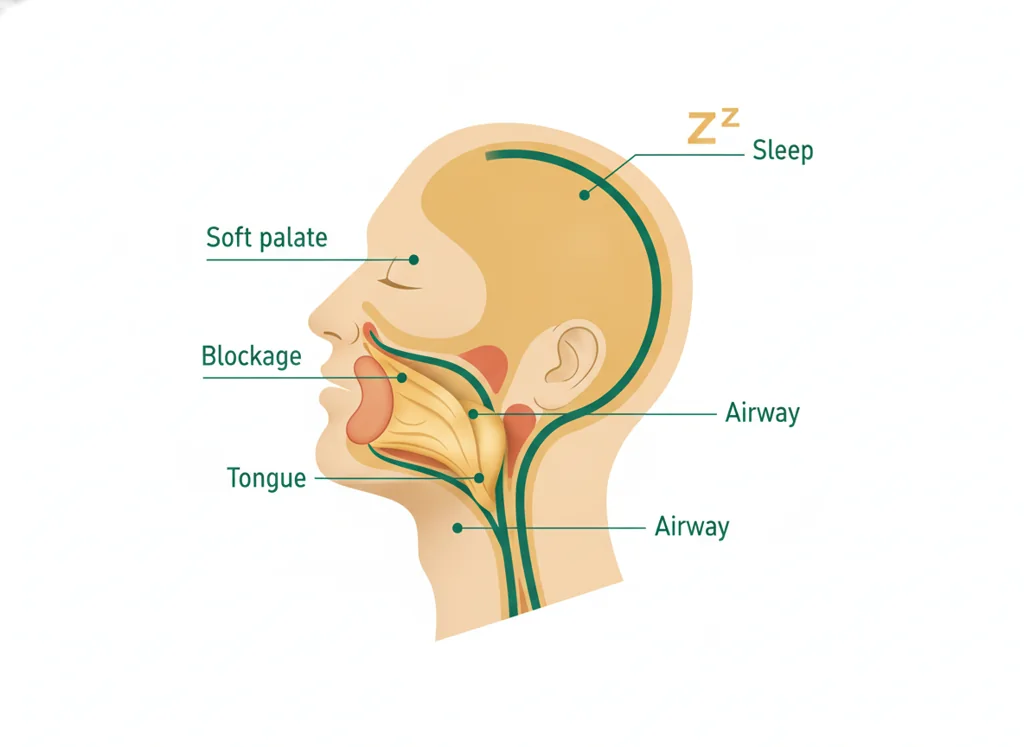
Repeated pauses in breathing during sleep caused when the airway at the back of the throat narrows or collapses.
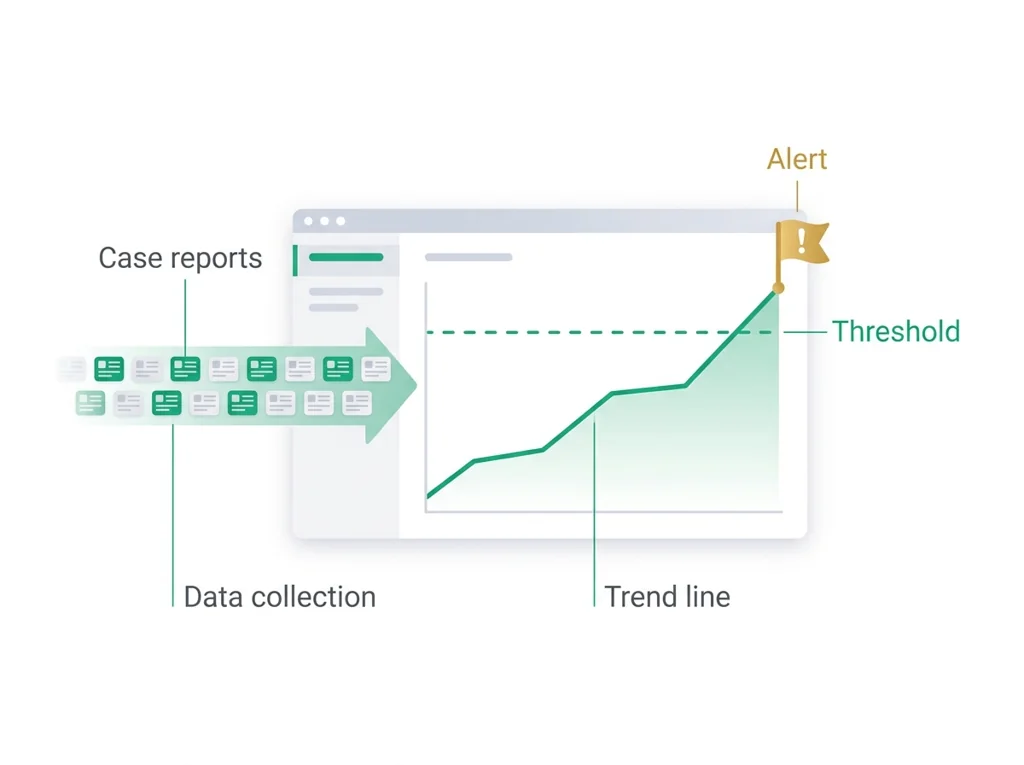
The ongoing, systematic collection and analysis of health data to detect disease early, track its trends, and trigger a timely public health response.
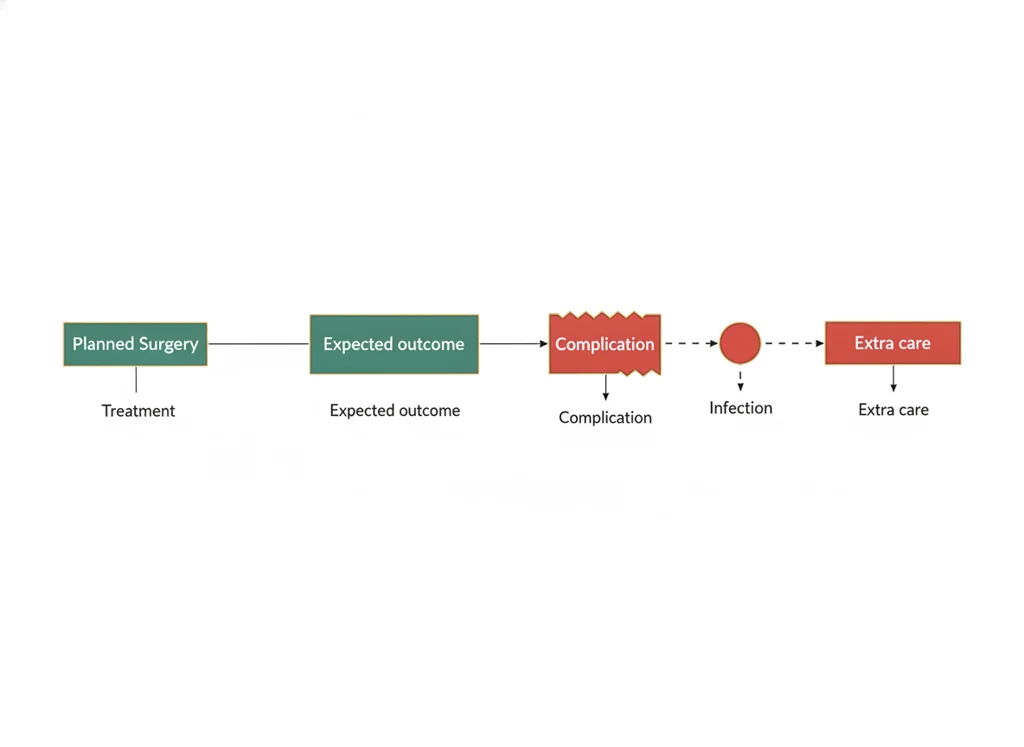
An unwanted problem that develops during or after treatment, such as infection or a wound that breaks open after surgery.
Research citation trail (advanced)
You do not need these papers or database records to finish the lesson. They document where the plain-language explainer's claims come from and are intended for teachers or advanced readers.
- American Cleft Palate Craniofacial Association. 2024 Parameters of Care.
- Vyas T, et al. 2020. Cleft of lip and palate: A review. J Family Med Prim Care. [PMID:32984097]
- Dean KM, Leeper LK. 2020. Management of submucous cleft palate. Curr Opin Otolaryngol Head Neck Surg. [PMID:33105231]
- James JN, et al. 2014. Management of cleft lip and palate and orthognathic considerations. Oral Maxillofac Surg Clin North Am. [PMID:25438882]