
Is Mateo Growing Well?
This reading contains every idea and every piece of evidence needed for today's decision. The research links at the end are optional.
Why this matters
Feeding trouble can make it hard for a baby to create suction, so growth trends help the team see whether support is working.
The question you are trying to answer
How can a team tell whether a baby is growing well when one day's weight is only a snapshot?
Begin with the idea you already earned
Dental and orthodontic care is staged because teeth, bone, and facial growth change on different schedules.
Study the analogy before the biology
- What can the sequence show that one frame cannot?
- Which direction is the trend moving?
- When would a single low point be less concerning?
Turn the analogy into three rules
Limit: Growth is not a movie with identical frames. The analogy models the value of repeated observations.
Map those rules onto the biology
Growth charts place repeated measurements on the same scale. The line's direction often matters more than one point.
Clinicians track weight, length or height, head growth, and developmental milestones together.
Cleft care can affect feeding and facial growth, so the team keeps checking across childhood rather than declaring the issue finished.
Read Mateo's labeled case evidence
Mateo's weight dropped during the first feeding week but rose steadily after the assisted-feeding plan began.
The intervention appears to improve intake.
Length and head circumference continue along their prior percentile bands.
Overall physical growth remains proportionate.
Motor, language, and social milestones are appropriate for the visit.
Developmental progress supports continued monitoring rather than an emergency conclusion.
Make the concrete decision
You are the pediatrician reviewing the longitudinal record.
You must decide whether to admit Mateo for urgent growth failure or continue the current plan with close follow-up.
- Continue the effective feeding plan with scheduled growth and development checks
- Base the decision only on the first low weight
- Ignore all future growth because the latest weight improved
Choose the plan and describe the trend across all three evidence IDs.
Claim ceiling: You may judge the current trend. You may not promise that later growth or facial development will stay normal.
Write the 10-year takeaway
Growth decisions come from trends across time, not one measurement on one day.
- Why is Mateo's first low weight not enough for today's decision?
- What additional trends help show whole-child development?
Glossary in plain English
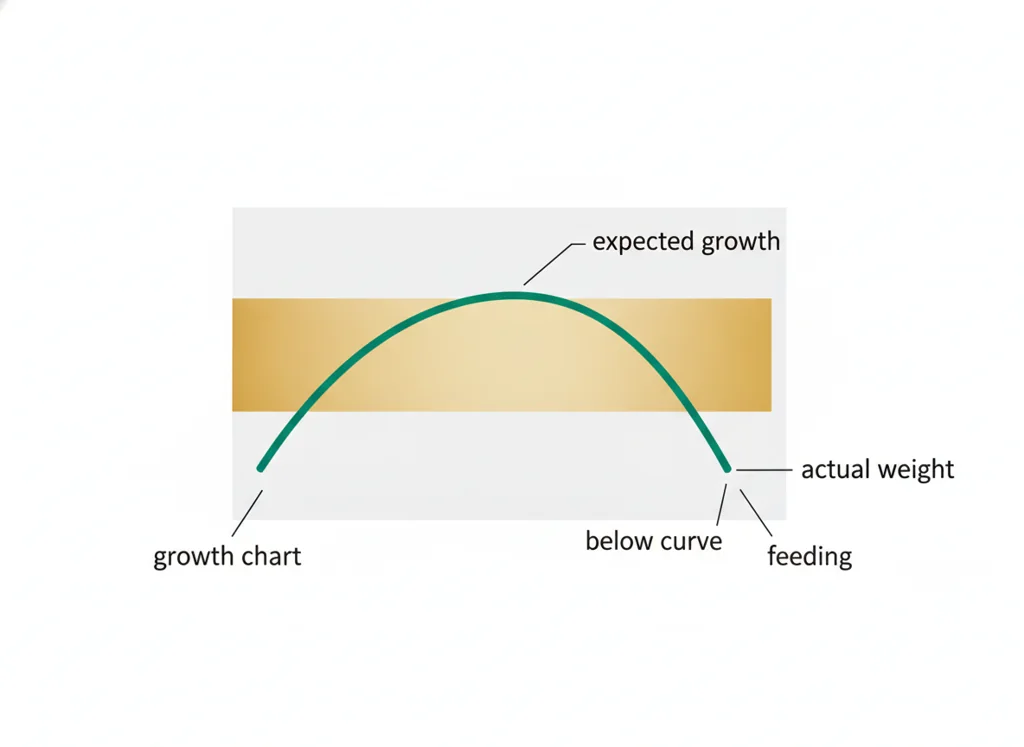
Poor weight gain and growth in an infant or child, often because feeding is difficult or nutrition is not absorbed well.
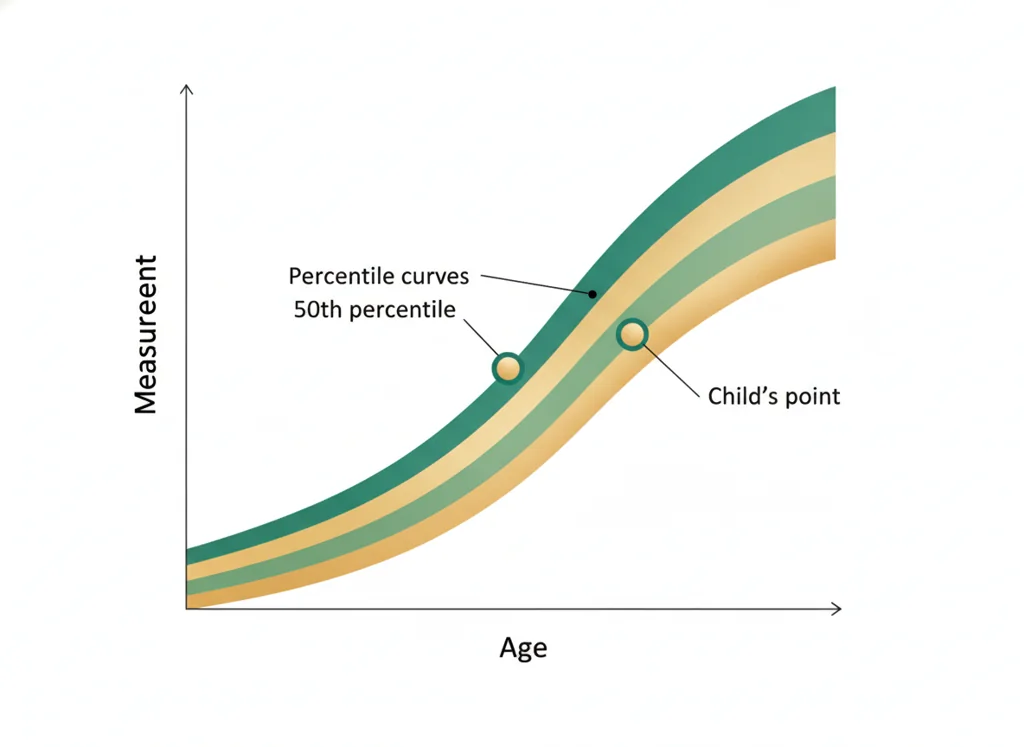
A standard chart that compares a child's height, weight, or head size to other children of the same age and sex using percentiles.
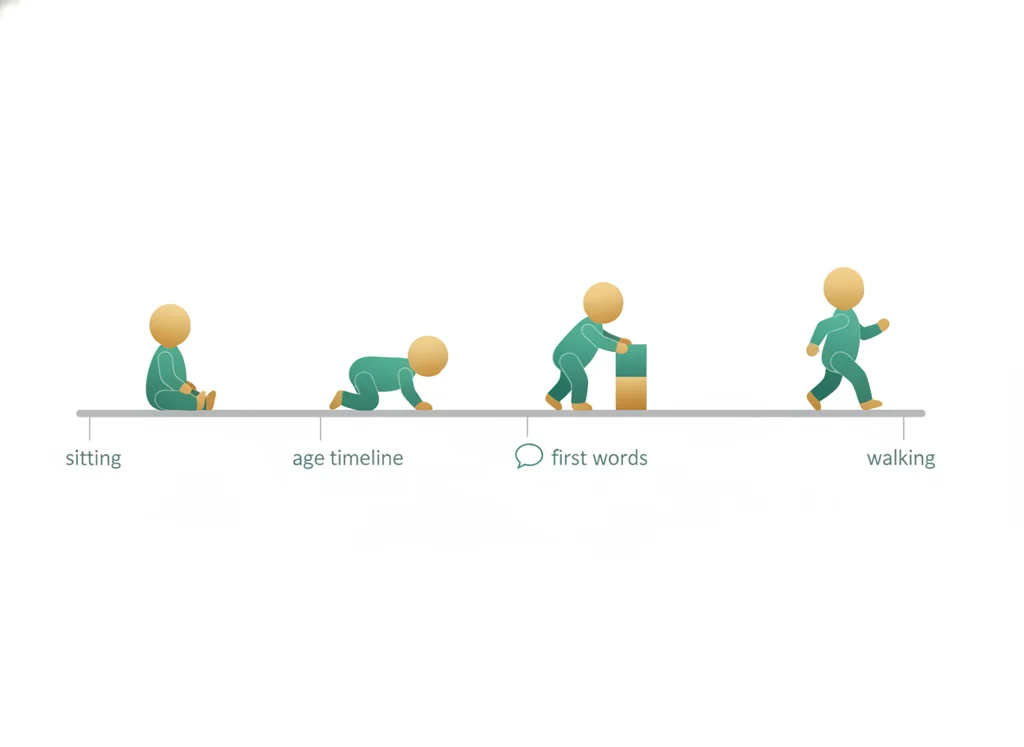
A skill most children reach by a certain age, such as sitting, speaking words, or walking, used to track healthy growth.
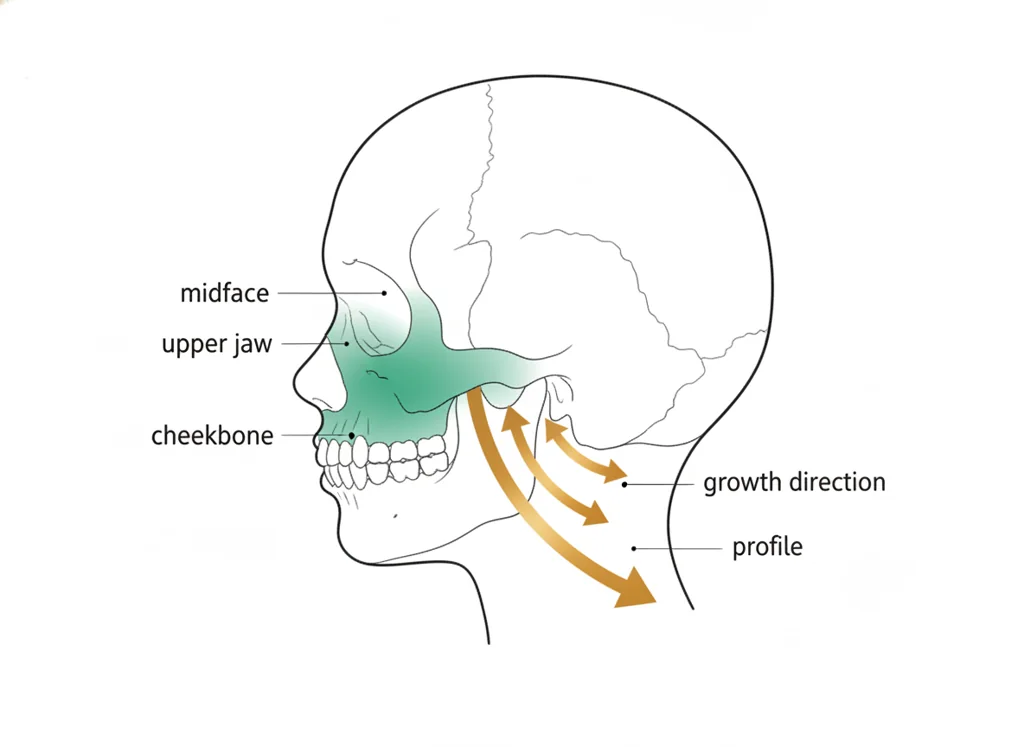
The forward and downward development of the central face, including the upper jaw and cheeks, which surgery and clefting can affect.
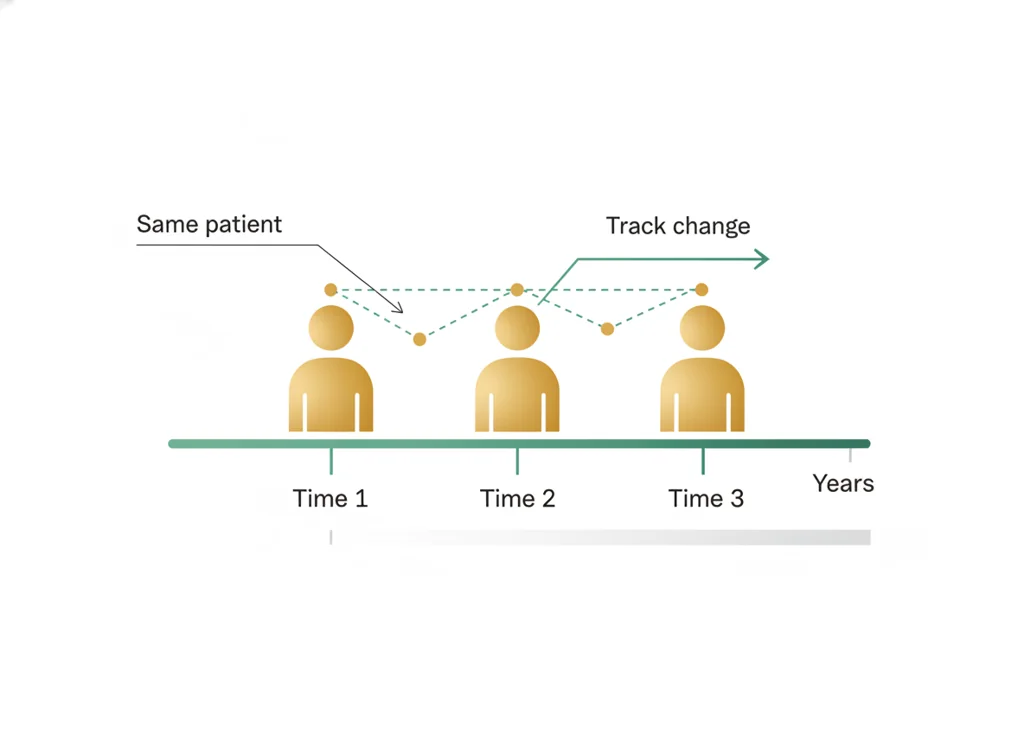
Following the same patients with repeated check-ups over months or years to track how their condition or treatment changes over time.
Research citation trail (advanced)
You do not need these papers or database records to finish the lesson. They document where the plain-language explainer's claims come from and are intended for teachers or advanced readers.
- American Cleft Palate Craniofacial Association. 2024 Parameters of Care.
- Vyas T, et al. 2020. Cleft of lip and palate: A review. J Family Med Prim Care. [PMID:32984097]
- James JN, et al. 2014. Management of cleft lip and palate and orthognathic considerations. Oral Maxillofac Surg Clin North Am. [PMID:25438882]
- Dixon MJ, et al. 2011. Cleft lip and palate: genetic and environmental influences. Nat Rev Genet. [PMID:21331089]