
Caring for Mateo's Teeth and Bite
This reading contains every idea and every piece of evidence needed for today's decision. The research links at the end are optional.
Why this matters
Cleft care can continue to about age 18 because teeth, bone, and the bite keep changing.
The question you are trying to answer
Why does a child need years of tooth and bite care after the first surgery?
Begin with the idea you already earned
Cleft-related middle-ear fluid can reduce hearing, so repeated hearing checks protect speech development.
Study the analogy before the biology
- Which step must happen before lanes can be aligned?
- What would fail if final paving came first?
- Which conditions would make the schedule change?
Turn the analogy into three rules
Limit: Teeth and bone are living tissues, not asphalt. The analogy models sequence and dependency.
Map those rules onto the biology
The alveolar ridge is the part of the jaw that holds the teeth. A cleft through this ridge can affect tooth number, shape, and position.
Dental care begins early with prevention. Bone grafting and orthodontics happen later, when tooth development and growth create the right window.
The dentist, orthodontist, and surgeon share the sequence so one step prepares for the next.
Read Mateo's labeled case evidence
Mateo's cleft passes through the left tooth-bearing alveolar ridge.
Teeth and supporting bone near the cleft are at risk for predictable differences.
One lateral incisor is missing and nearby teeth are rotated.
The dental pattern matches the location of the cleft.
The permanent canine has not yet reached the usual graft-planning stage.
The team must monitor growth and eruption before choosing the next procedure.
Make the concrete decision
You are the orthodontist at today's team conference.
The family asks whether all tooth and bone work should happen immediately.
- Use preventive dental care now and coordinate later graft and orthodontic timing with eruption
- Complete every procedure now
- Ignore the missing tooth until adulthood
Choose the staged plan and identify what happens now versus what waits for a developmental marker.
Claim ceiling: You may outline the sequence. You may not set a surgery date without current imaging and eruption assessment.
Write the 10-year takeaway
Dental and orthodontic care is staged because teeth, bone, and facial growth change on different schedules.
- Why are tooth differences predictable near the cleft?
- Which developmental marker helps time later care?
Glossary in plain English
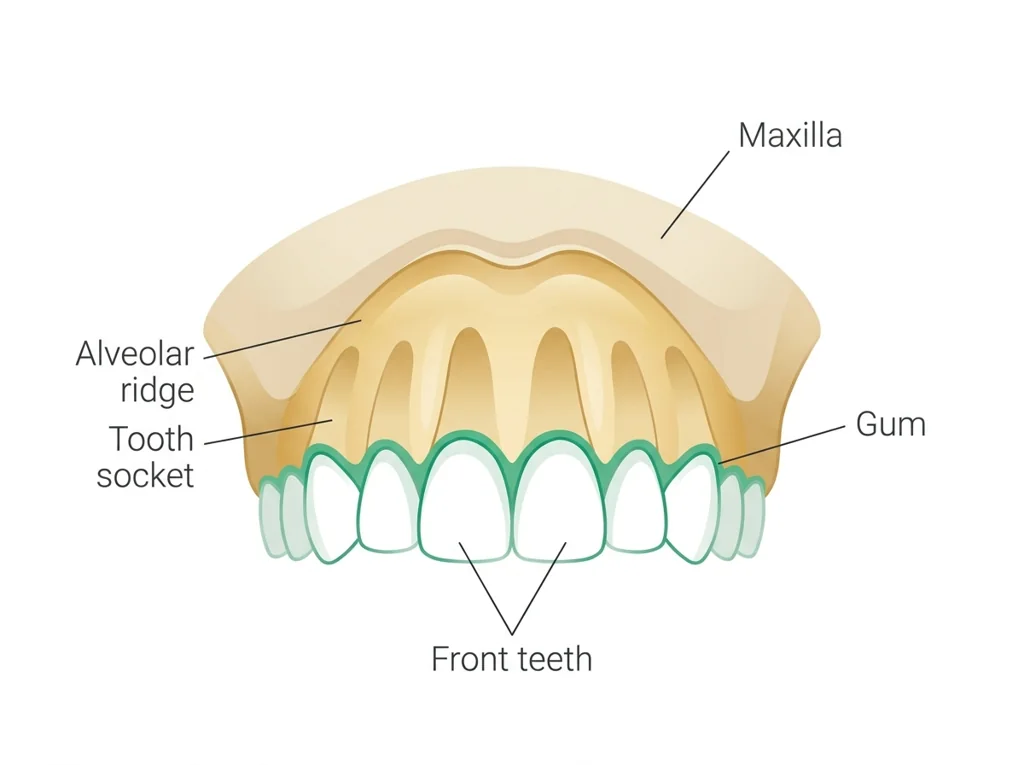
The bony ridge of the upper or lower jaw that holds the tooth sockets; a cleft can break this ridge near the front teeth.
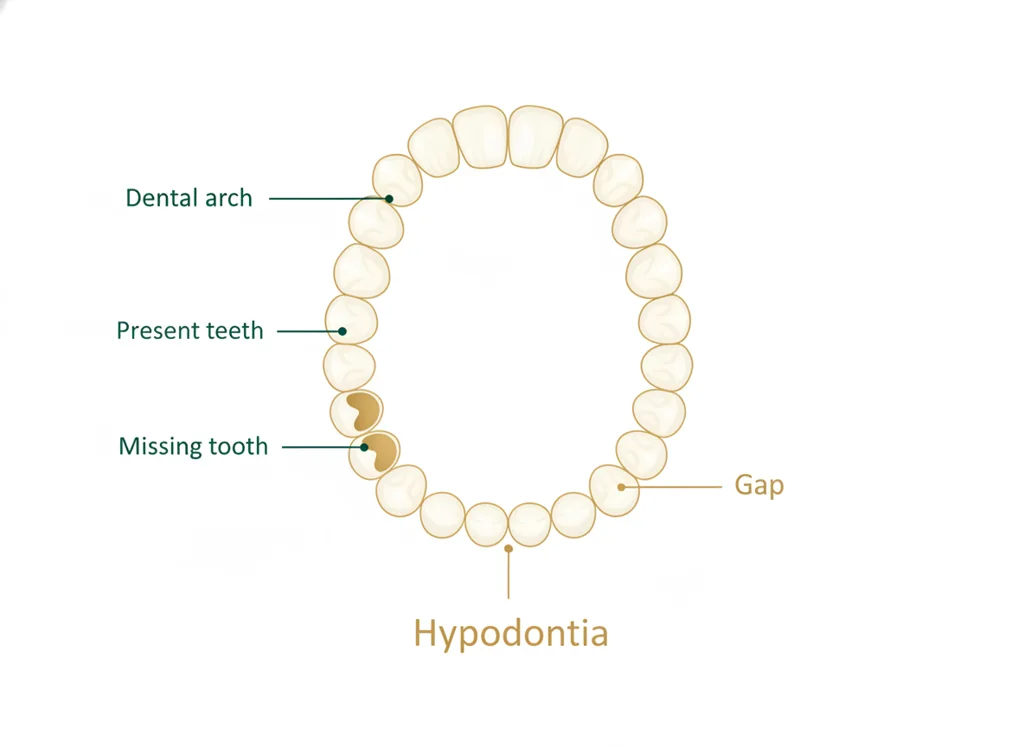
A developmental condition in which one or a few teeth never form, leaving permanent gaps in the dental arch.
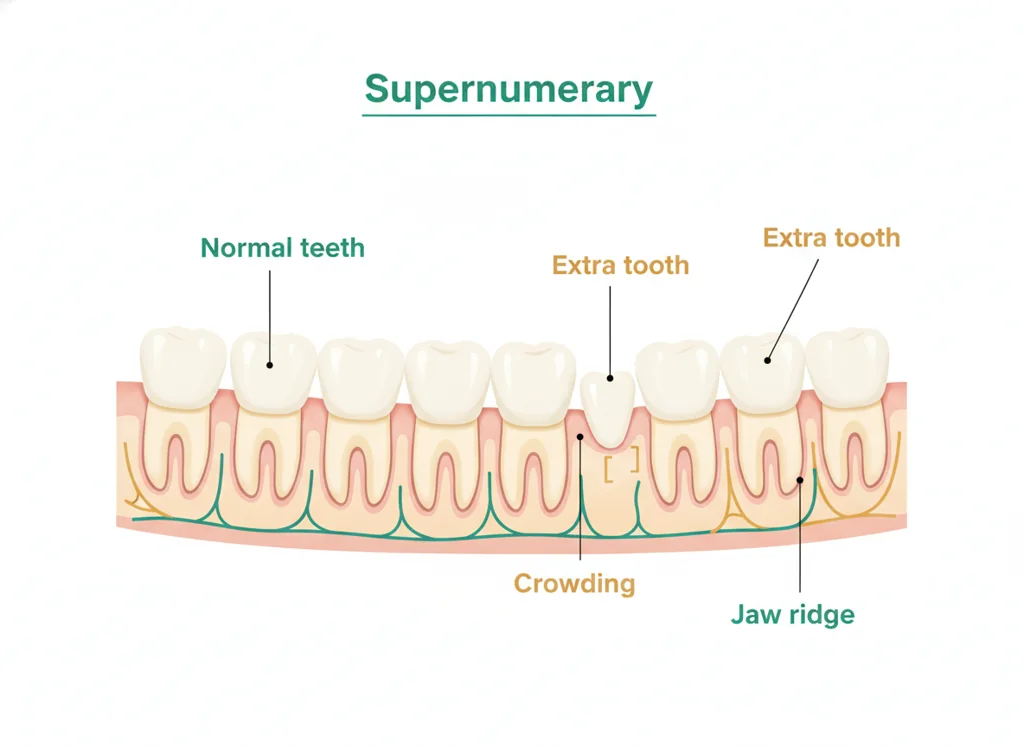
An extra tooth beyond the normal count, which can appear near a cleft and crowd or block the regular teeth.
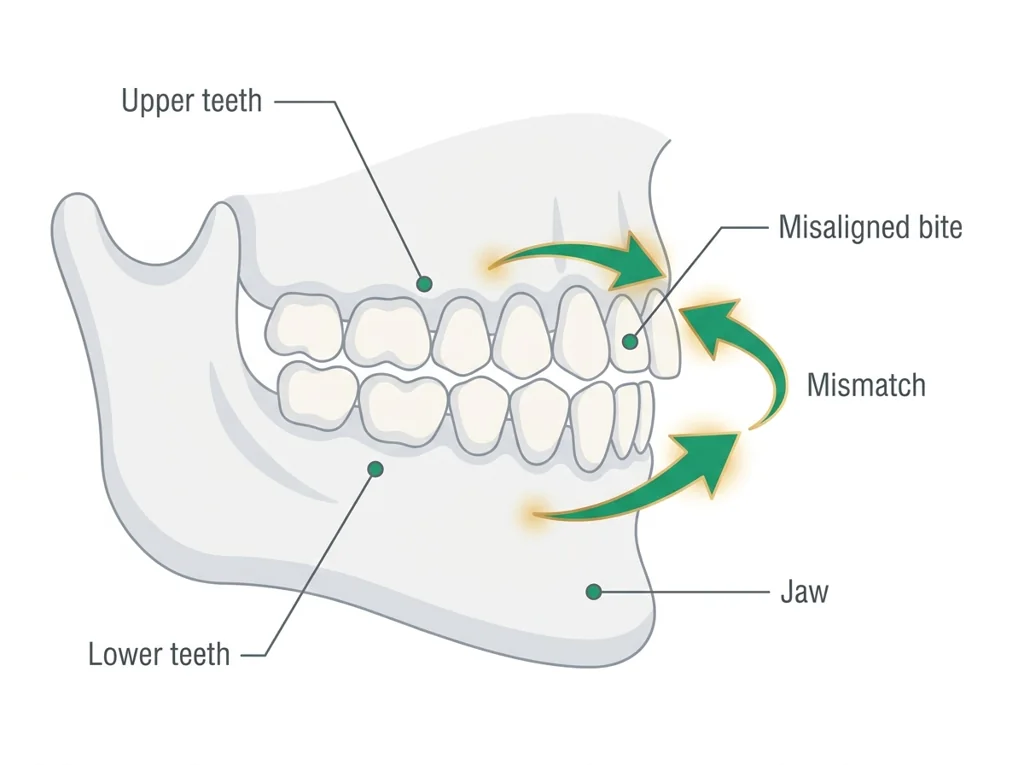
A misalignment of the upper and lower teeth so they do not meet properly when the jaws close.
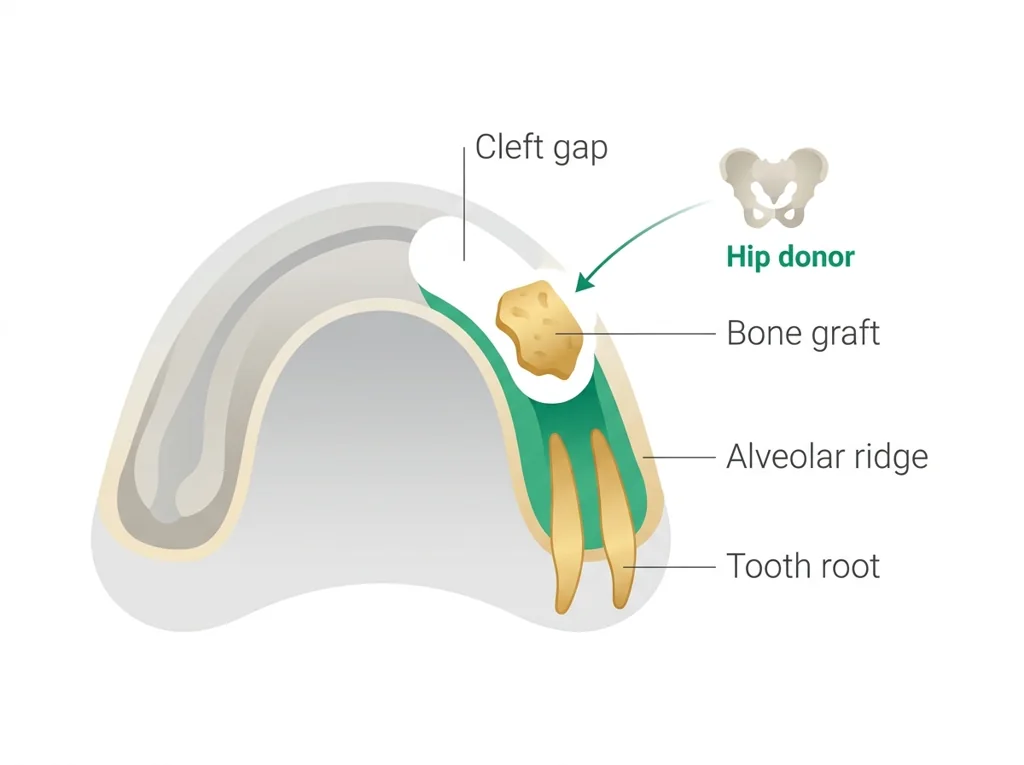
A surgery that fills the bony gap in the upper gum of a cleft patient with bone, usually taken from the hip, so adult teeth can grow in.
Research citation trail (advanced)
You do not need these papers or database records to finish the lesson. They document where the plain-language explainer's claims come from and are intended for teachers or advanced readers.
- American Cleft Palate Craniofacial Association. 2024 Parameters of Care.
- Vyas T, et al. 2020. Cleft of lip and palate: A review. J Family Med Prim Care. [PMID:32984097]
- James JN, et al. 2014. Management of cleft lip and palate and orthognathic considerations. Oral Maxillofac Surg Clin North Am. [PMID:25438882]