
072130 Molecular Lab Review
An optional review that pulls the highest-weight exam lab skills together for extra practice. Solo or group, for extra credit.
You already learn these molecular lab skills in class. This is an optional review, not new material: it consolidates the topics the 072130 exam weights most heavily (reading a gel, , and culturing with proper controls) so you get extra reps before the test. Your ethics debates stay exactly as they are; this just gives you more exam practice if you want it. Each mission shows a worked example first.
This opens after the -ID unit. It is a review, not new material: you learn all of this in class. It pulls the highest-weight 072130 topics together for extra practice, and it is due by the WebXam review window. Your ethics debates stay exactly as they are.
Plan about 20 to 40 minutes each (it is review). That is about 1.5 to 2 hours total, at your own pace before the exam. There is no daily deadline; chip away at it.
You may do this solo or in a small group. If you choose a group, submit ONE shared product per mission, plus a one-line note from each person saying what they did. The science bar is the same either way; the group rubric just adds a teamwork score. Pick the path that fits your schedule.
Mission 1: Reading a Gel (Electrophoresis)
sorts by size, and a size ladder lets you measure an unknown fragment.
Goal: Use a to estimate fragment sizes on a gel and draw a conclusion from the banding pattern.
- is negatively charged, so it moves toward the positive electrode.
- Smaller fragments move faster and travel farther through the gel; larger fragments stay near the wells.
- A is a set of known sizes you compare your bands to.
- You estimate an unknown band's size by lining it up between the ladder bands.
- Review one explainer below.
- Read the sample gel: estimate the unknown band's size using the ladder.
- Write a one-sentence conclusion (for example, whether two samples match).
- You can explain why smaller travels farther.
- You can estimate a fragment size from a ladder.
- You can interpret a match or no-match from a gel.
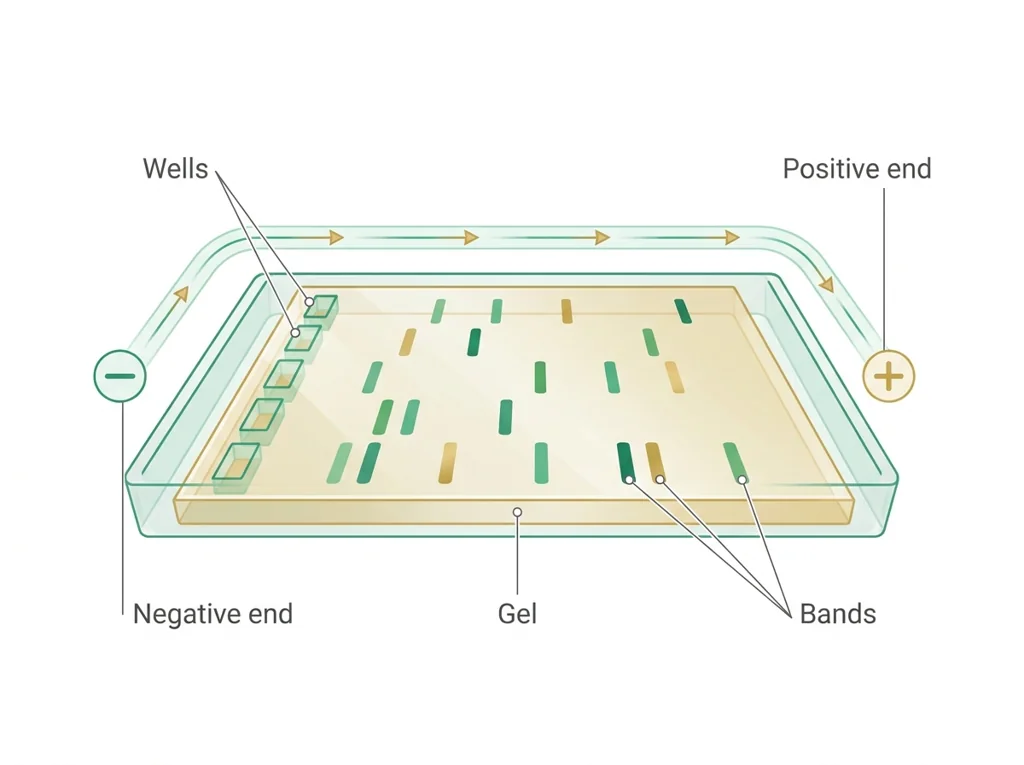
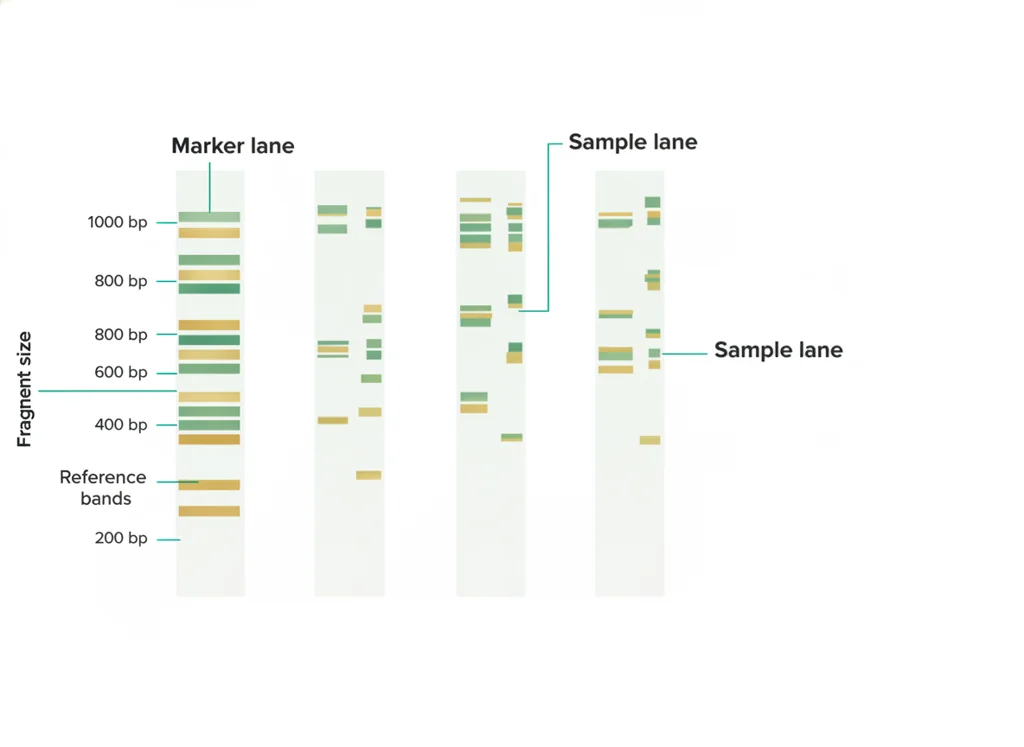
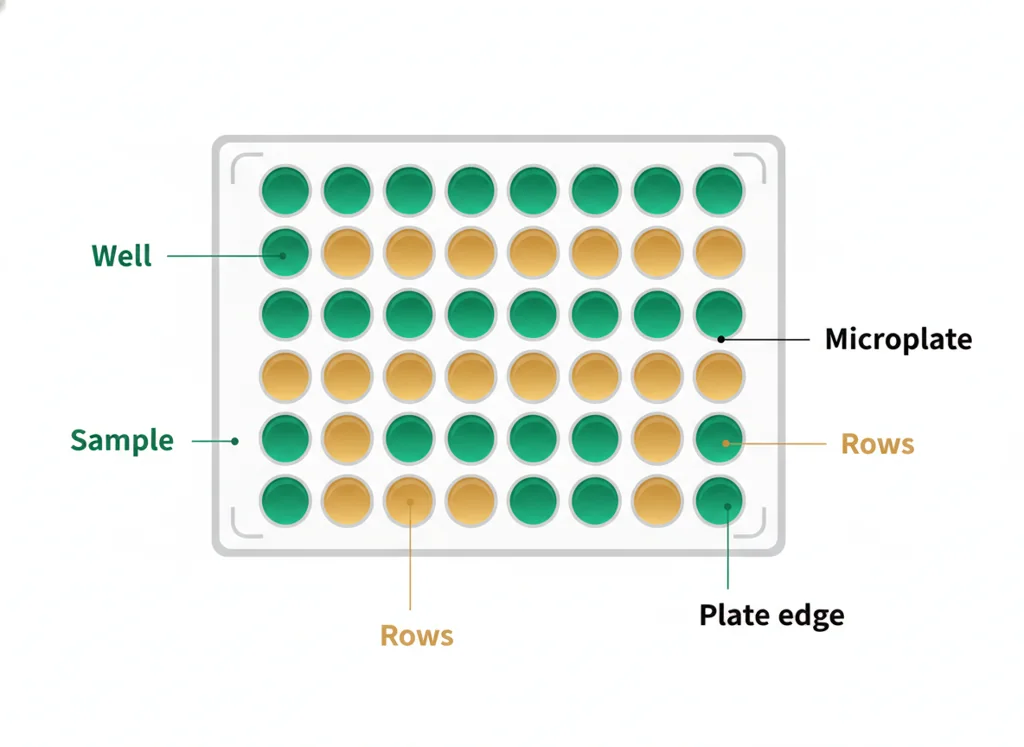
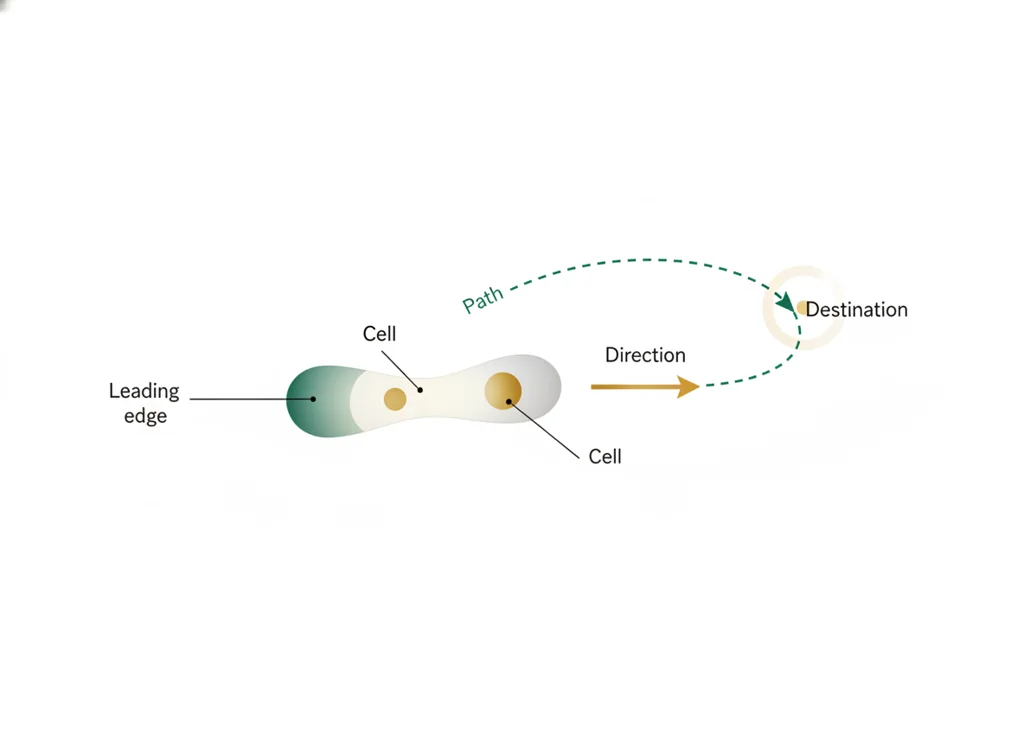
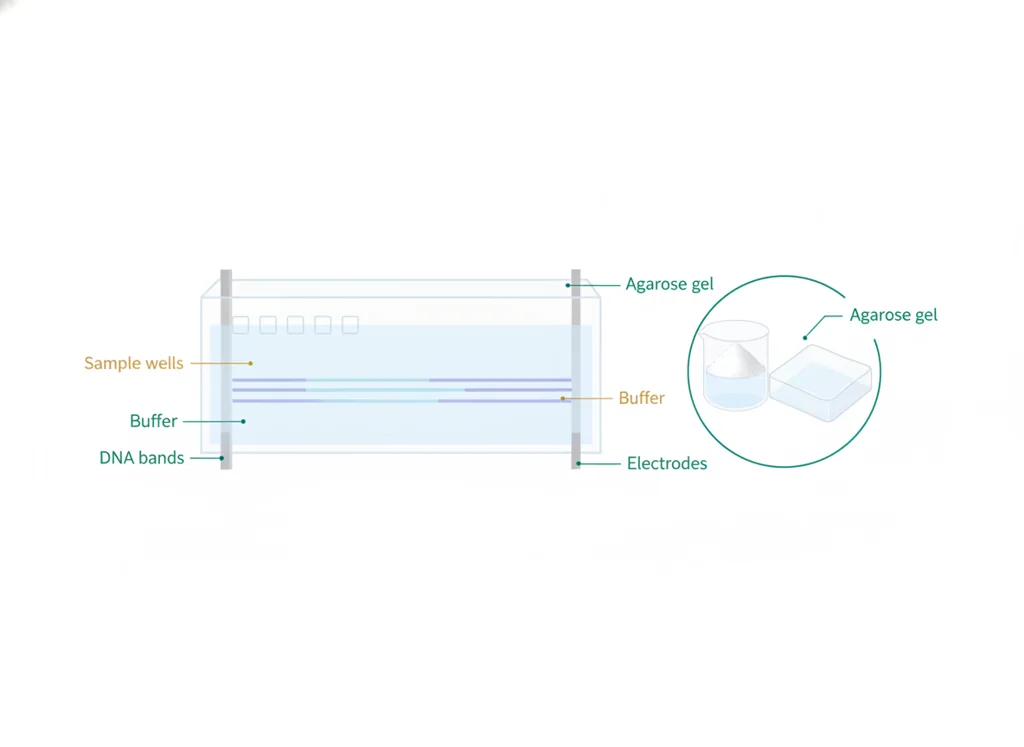
Use this model to check your own work. Match the structure and detail, but make the wording and any data your own.
The unknown band sits between the 500 bp and 750 bp ladder bands, a little closer to 500, so I estimate about 600 base pairs.
Conclusion: the unknown band runs to the same position as the suspect sample's band, so the two samples match in size at this fragment.
| Lane | Band position | Estimated size |
|---|---|---|
| Ladder | reference rungs | 250, 500, 750, 1000 bp |
| Unknown | between 500 and 750 | about 600 bp |
| Suspect | same as unknown | about 600 bp (match) |
This model shows the level of evidence and organization needed to complete: Completes the gel-interpretation review: an unknown fragment sized against the ladder with a conclusion.
- Name the variables and include units.
- Enter observations without changing the raw values.
- Check labels, calculations, and patterns before interpreting the data.
Keep the structure. Replace the question, facts, measurements, and evidence. Then recheck units, vocabulary, and whether the conclusion goes beyond the evidence.
Also due today: Submit your size estimate and your conclusion.
One exam-style question on this system. Try it before you reveal the answer, then read why each choice is right or wrong.
Tap an answer to see the full explanation. Nothing is recorded or graded.
It builds this reusable test skill: Interpreting DNA migration on a gel.
- Name the concept or data pattern being tested.
- Cross out choices that violate that rule or the evidence.
- Justify the best remaining choice before checking the answer.
Go to Schoology to turn this in. Submit one PDF. Schoology attaches your name to your upload; on the page itself, write your period and code. Name the file: FirstName LastName - Assignment Title - YYYY-MM-DD.pdf. If you cannot get in, see Mr. Mendoza. Do not skip the work.
Optional extra credit. Reading a gel is a high-frequency exam skill.
Mission 2: PCR (Copying DNA)
copies one target stretch of millions of times by cycling through three temperatures.
Goal: Explain the three steps and what each temperature does, and why primers and are needed.
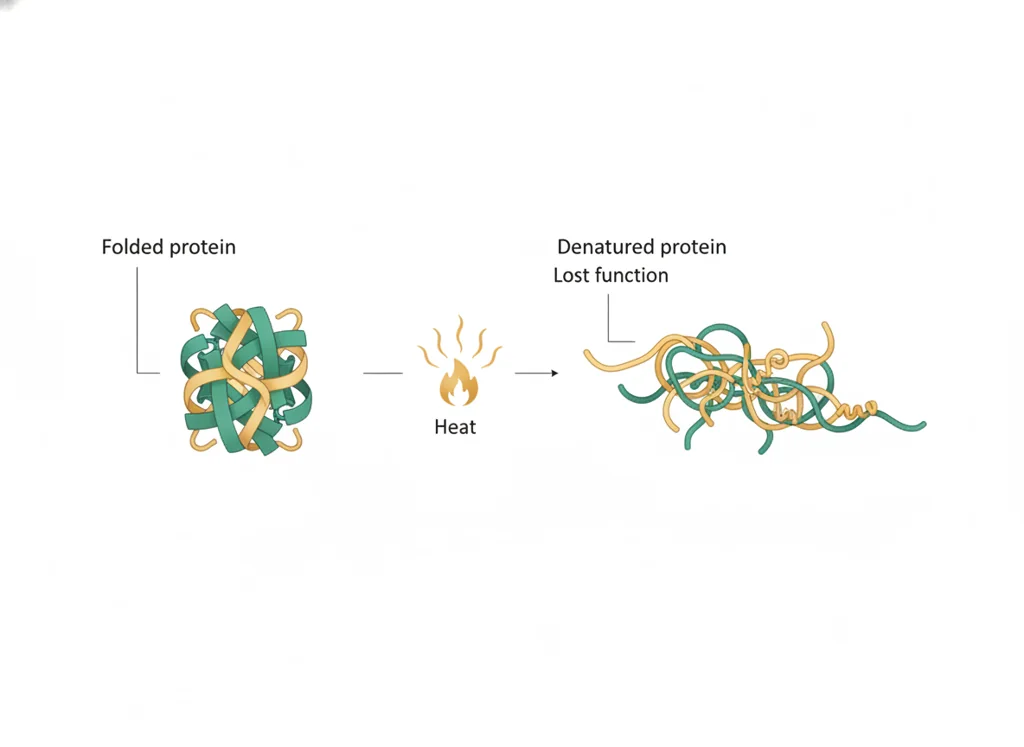
- (about 95 C) separates the double helix into two single strands.
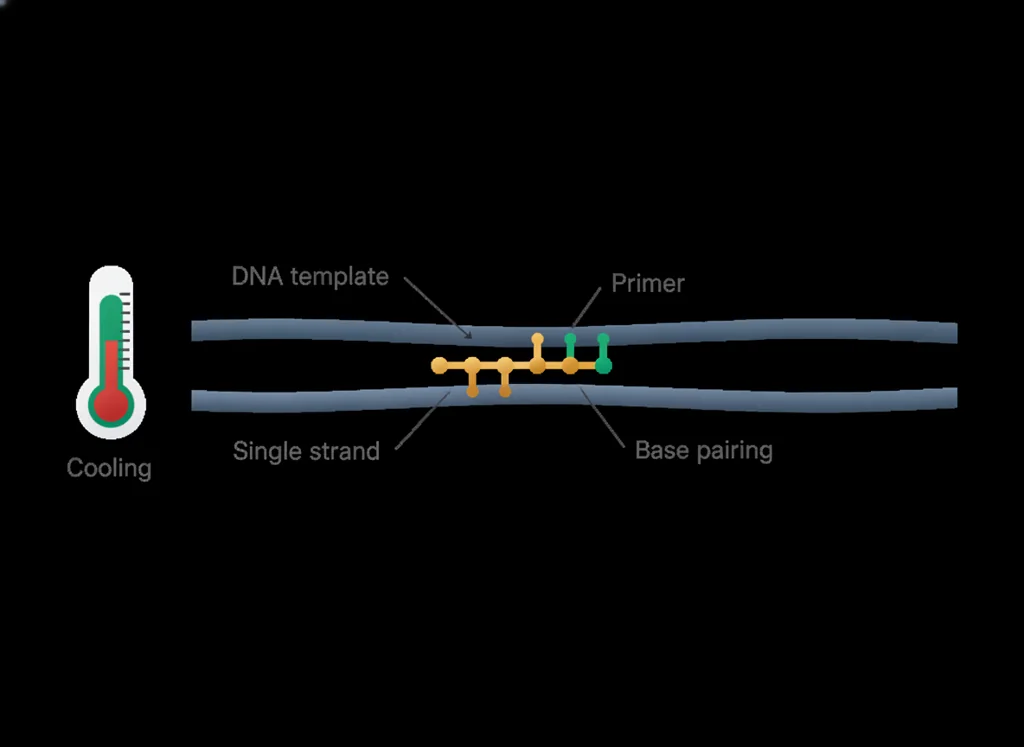
- (about 55 C) lets short primers bind to the edges of the target, marking where copying starts.
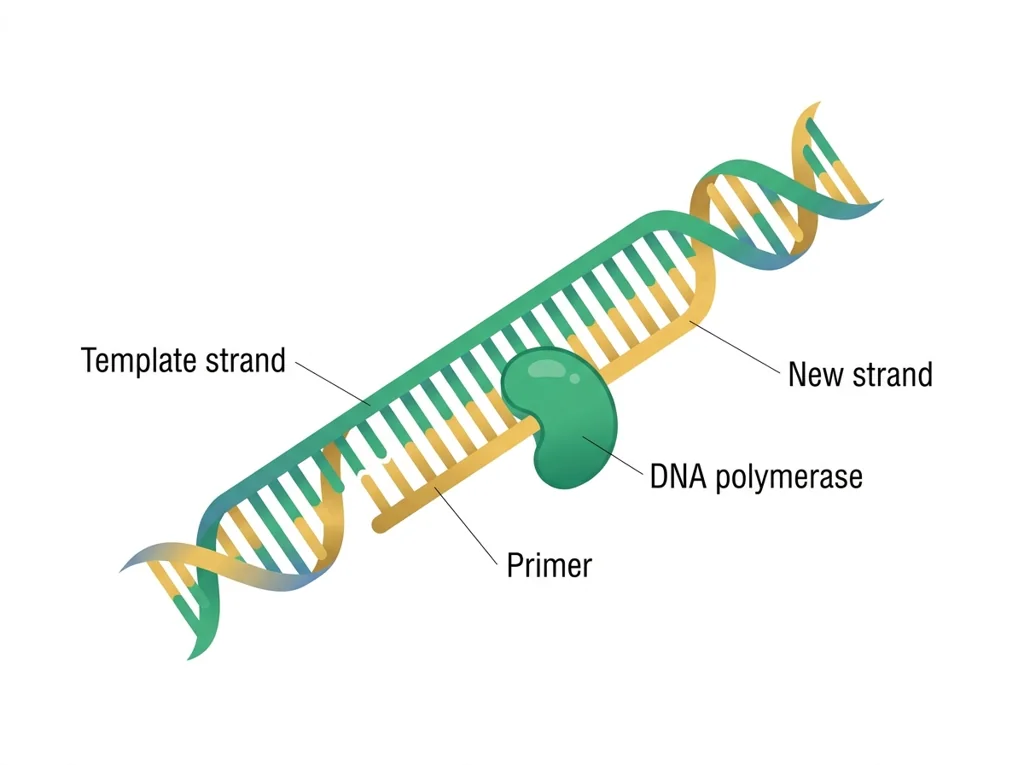
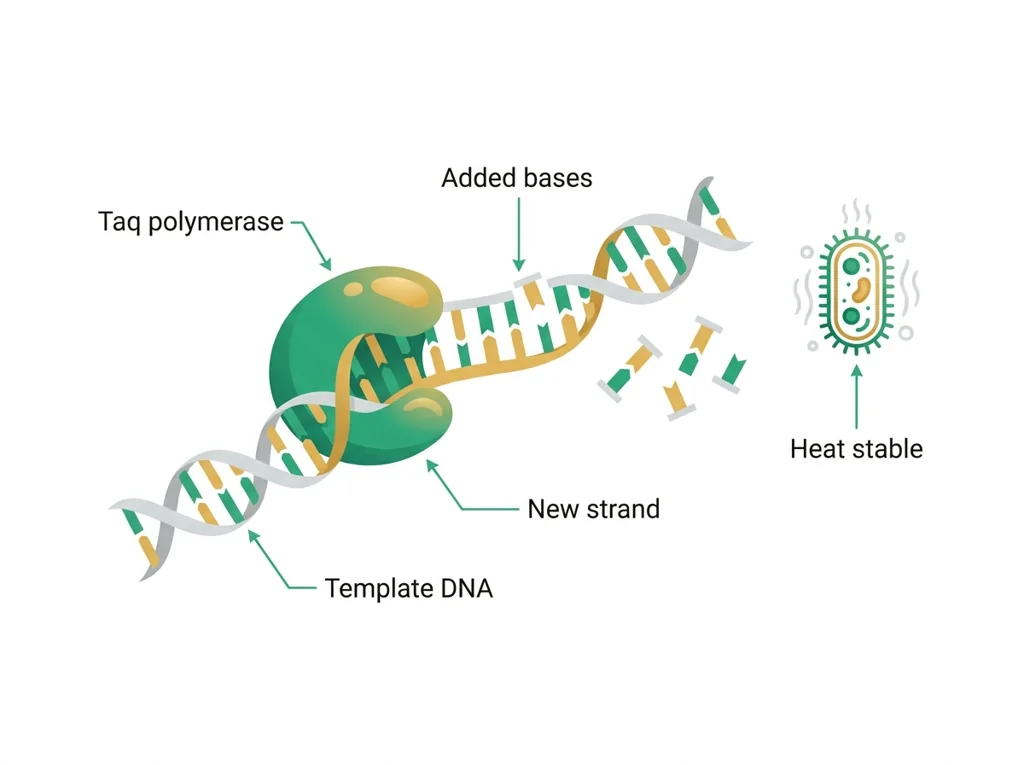
- Extension (about 72 C) is when builds new complementary strands.
- Each cycle roughly doubles the target, so after n cycles you have about 2 to the n copies.
- Review one explainer below.
- Label the three steps with their temperatures and what happens at each.
- Explain in one sentence why primers and a heat-stable polymerase (Taq) are required.
- You can name the three steps and their temperatures.
- You can explain the role of primers and Taq.
- You can explain why amplifies exponentially.
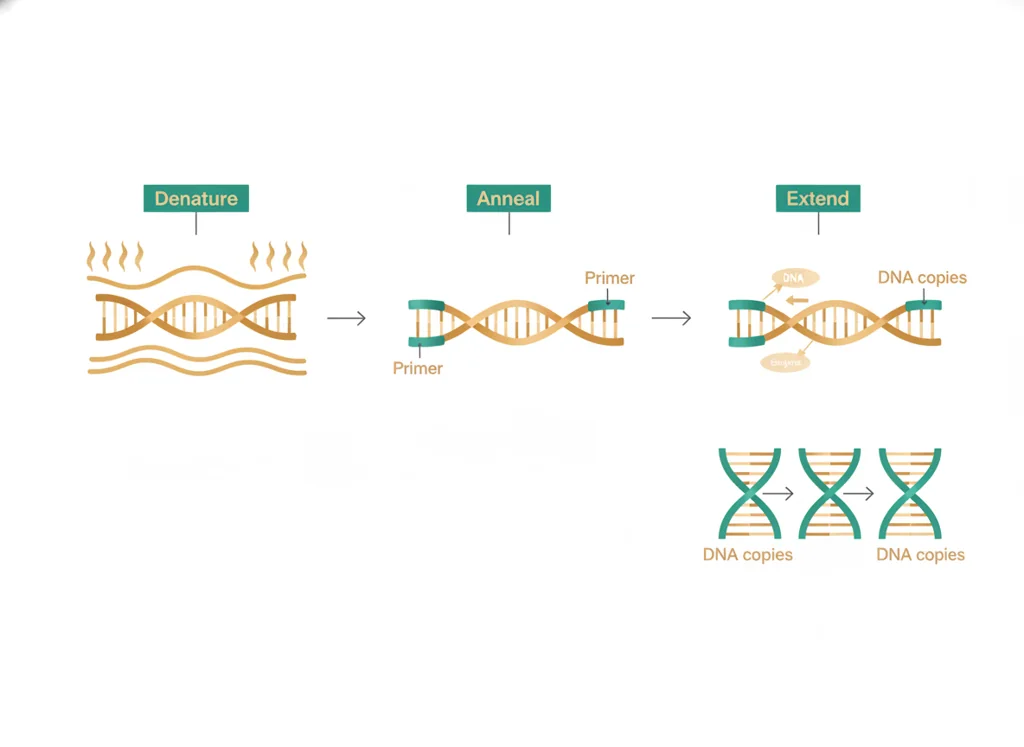
Use this model to check your own work. Match the structure and detail, but make the wording and any data your own.
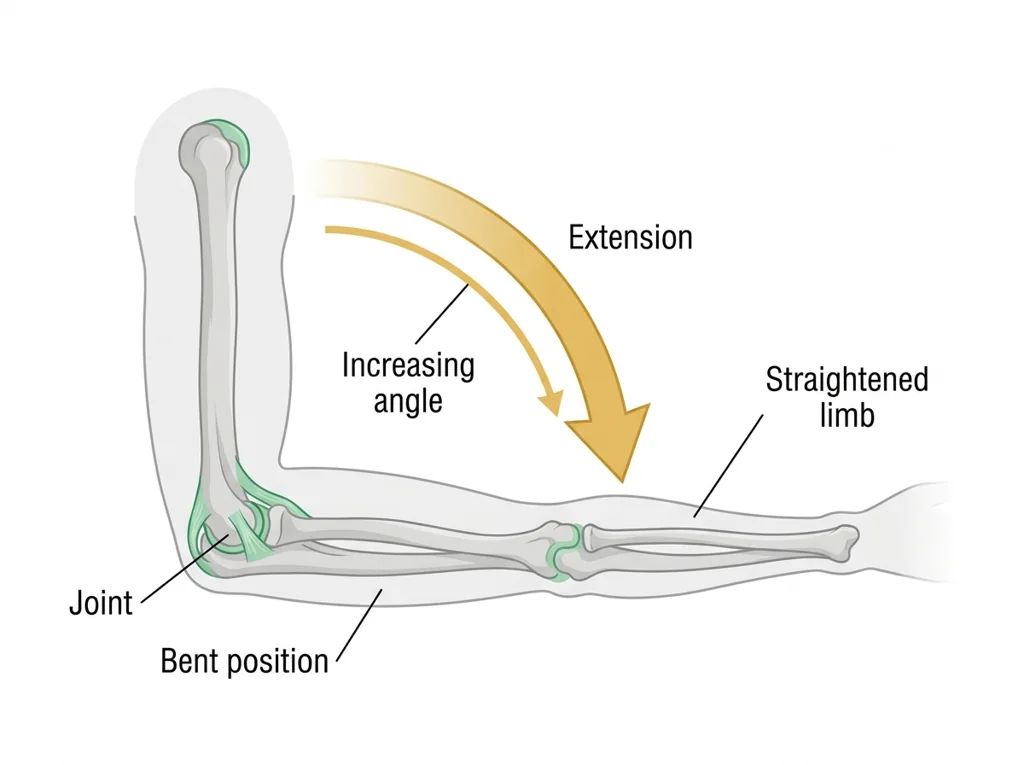
One PCR cycle has three steps:
After about 25 cycles, one target becomes roughly 2^25, which is over 33 million copies, enough to see on a gel.
Primers are needed to tell the polymerase exactly where to start on each strand, which is what makes PCR copy only the target. Taq polymerase is used because it survives the 95 C denaturation step that would destroy a normal enzyme.
| Step | Temperature | What happens |
|---|---|---|
| Denaturation | about 95 C | Strands separate |
| Annealing | about 55 C | Primers bind the target |
| Extension | about 72 C | Taq builds new strands |
This model shows the level of evidence and organization needed to complete: Completes the PCR review: the three-step cycle with temperatures and the role of primers and Taq.
- Date and label the entry.
- Record the procedure, observation, or design decision clearly.
- End with what the evidence means and the next step.
Keep the structure. Replace the question, facts, measurements, and evidence. Then recheck units, vocabulary, and whether the conclusion goes beyond the evidence.
Also due today: Submit your labeled cycle and your primers/Taq explanation.
One exam-style question on this system. Try it before you reveal the answer, then read why each choice is right or wrong.
Tap an answer to see the full explanation. Nothing is recorded or graded.
It builds this reusable test skill: Identifying the PCR step that separates DNA strands.
- Name the concept or data pattern being tested.
- Cross out choices that violate that rule or the evidence.
- Justify the best remaining choice before checking the answer.
Go to Schoology to turn this in. Submit one PDF. Schoology attaches your name to your upload; on the page itself, write your period and code. Name the file: FirstName LastName - Assignment Title - YYYY-MM-DD.pdf. If you cannot get in, see Mr. Mendoza. Do not skip the work.
Optional extra credit. PCR is one of the most tested techniques on 072130.
Mission 3: Culturing & Controls
Growing cultures correctly, with positive and negative controls, is what makes a lab result trustworthy.
Goal: Explain culturing and why positive and negative controls are needed to interpret a result.
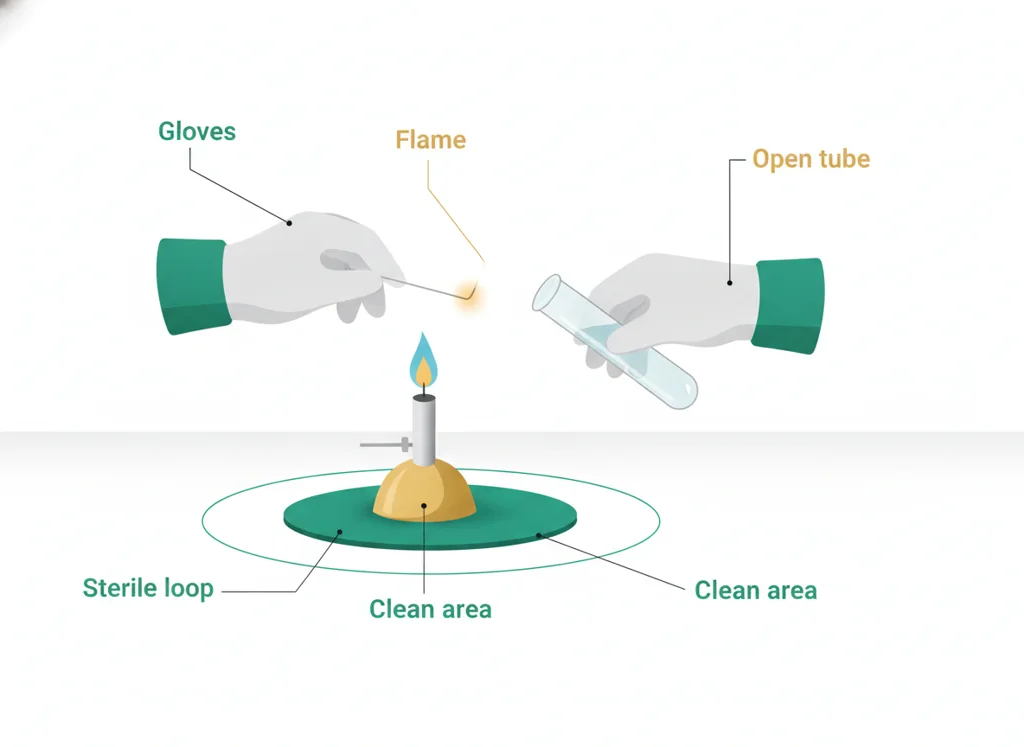
- keeps cultures pure so the thing growing is what you think it is.
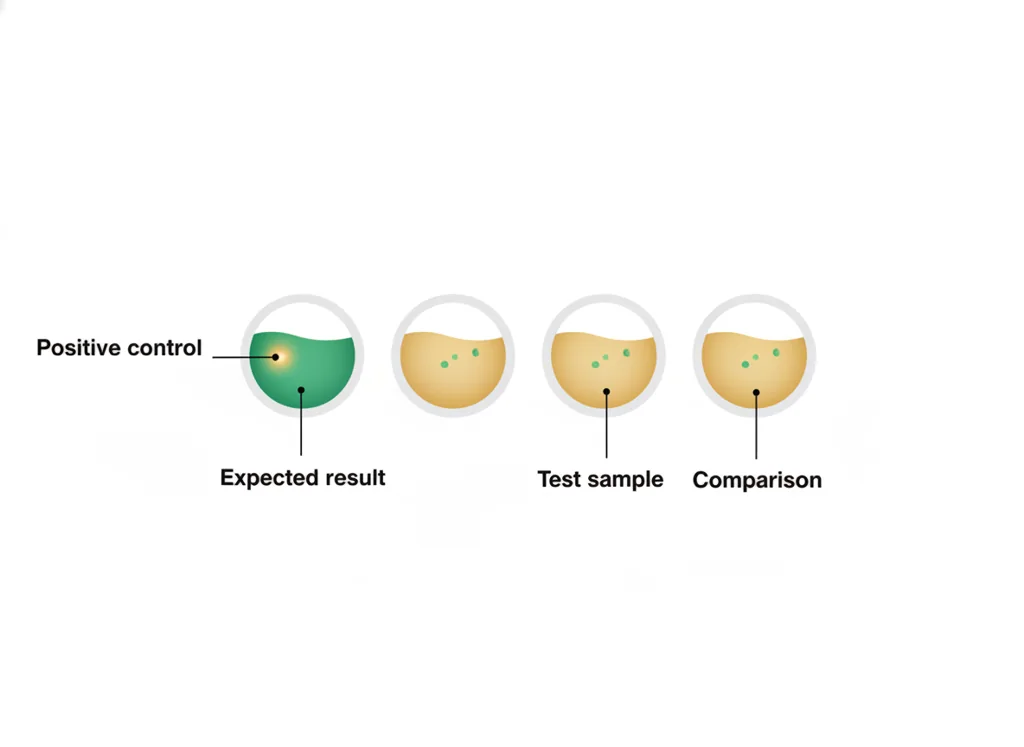
- A is a sample you know should give a positive result; it confirms the test works.
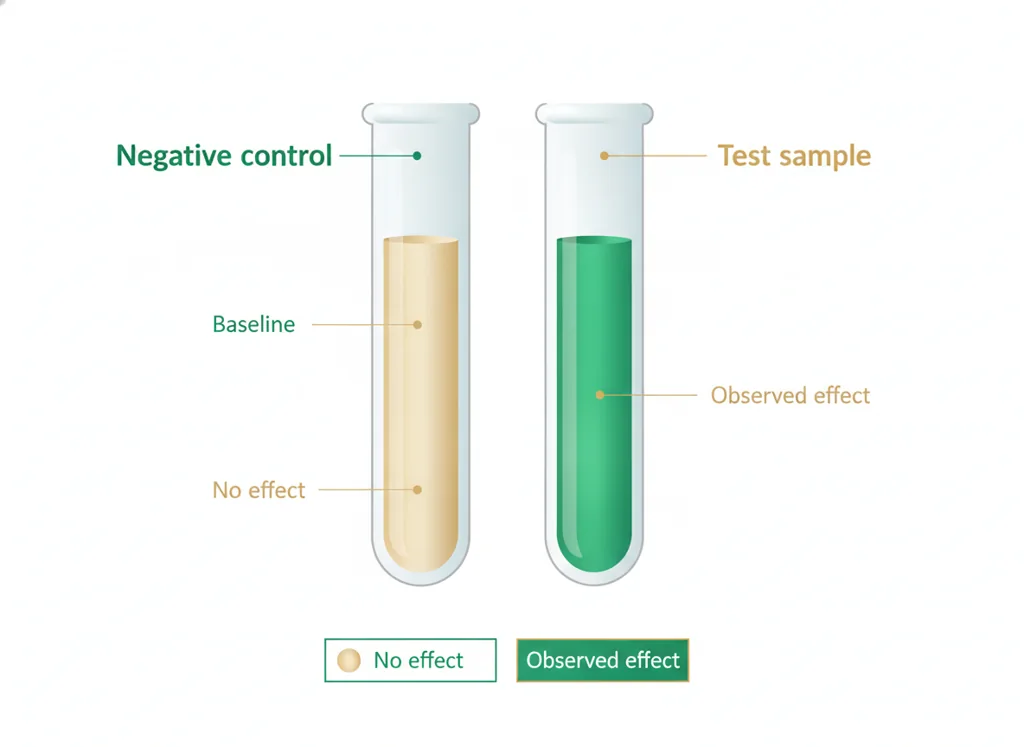
- A is a sample you know should stay negative (for example, sterile broth); it confirms nothing is contaminating the run.
- If the grows or reacts, the run is contaminated and the results cannot be trusted.
- Review one explainer below.
- Describe a positive and a you would set up for a simple growth test.
- Explain what it means if the shows growth.
- You can explain in one or two sentences.
- You can set up a positive and a .
- You can interpret a contaminated control.
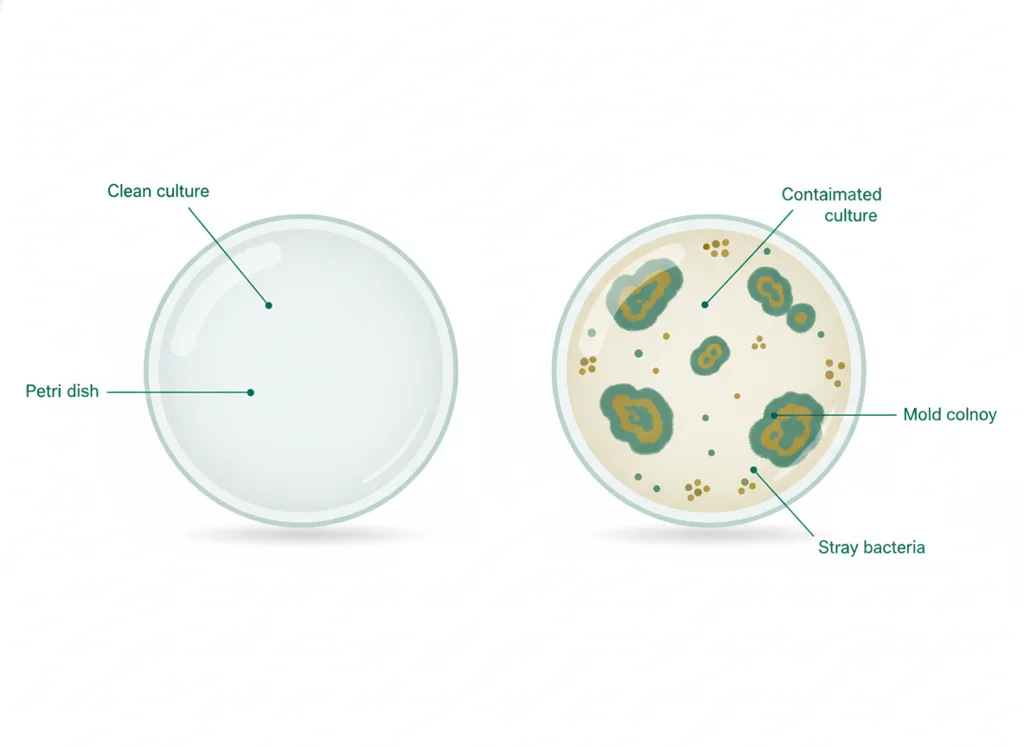
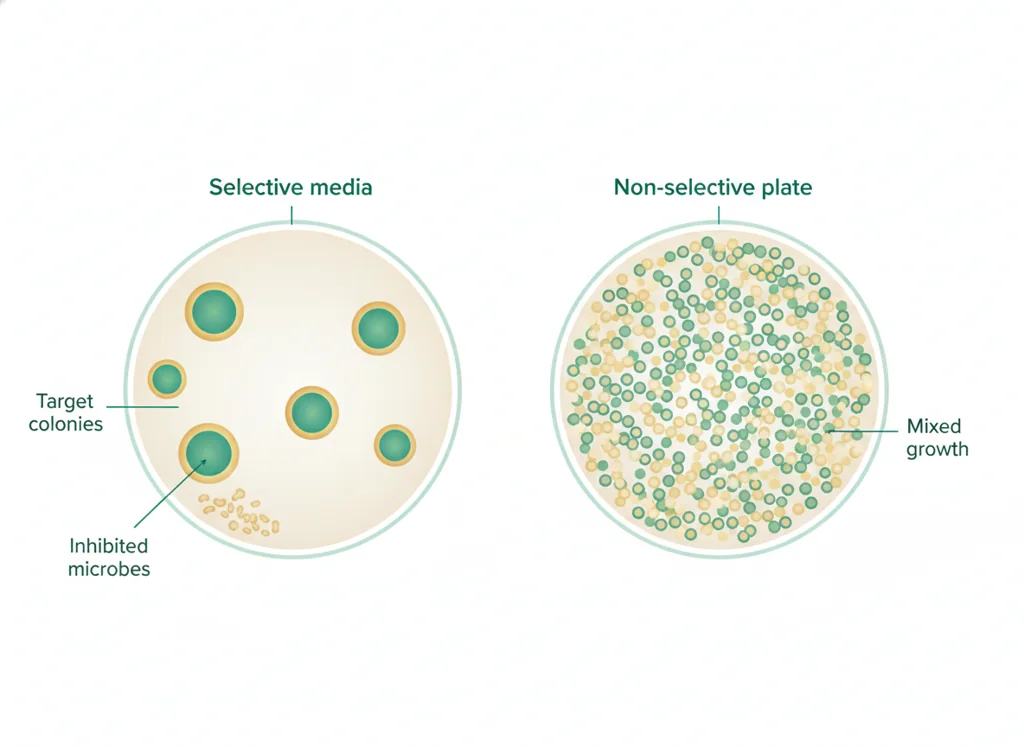
Use this model to check your own work. Match the structure and detail, but make the wording and any data your own.
Controls for a growth test:
- Positive control: a tube inoculated with known E. coli. It should grow; if it does not, the media or conditions are bad.
- Negative control: a tube of sterile broth with nothing added. It should stay clear.
If the negative control turns cloudy (grows), the broth or my technique was contaminated, so I cannot trust any of the test tubes from this run. I would discard the run, re-sterilize, and repeat with careful aseptic technique.
This model shows the level of evidence and organization needed to complete: Completes the controls review: a positive and negative control set up correctly and a contaminated-control interpretation.
- State the question and method.
- Present the observations and data with units.
- Explain the result, limitations, and next investigation.
Keep the structure. Replace the question, facts, measurements, and evidence. Then recheck units, vocabulary, and whether the conclusion goes beyond the evidence.
Also due today: Submit your control setup and your interpretation.
One exam-style question on this system. Try it before you reveal the answer, then read why each choice is right or wrong.
Tap an answer to see the full explanation. Nothing is recorded or graded.
It builds this reusable test skill: Interpreting a negative control.
- Name the concept or data pattern being tested.
- Cross out choices that violate that rule or the evidence.
- Justify the best remaining choice before checking the answer.
Go to Schoology to turn this in. Submit one PDF. Schoology attaches your name to your upload; on the page itself, write your period and code. Name the file: FirstName LastName - Assignment Title - YYYY-MM-DD.pdf. If you cannot get in, see Mr. Mendoza. Do not skip the work.
Optional extra credit. Controls and culturing are heavily weighted and easy points once you get them.
Pick the rubric that matches how you worked. The science bar is the same for both; the group rubric just adds a teamwork score. Each criterion is worth up to 4 points.
Each mission is scored out of 16 (four criteria, 4 points each). This is extra credit, so the goal is to show what you learned.
| Criterion | Exemplary (4) | Proficient (3) | Developing (2) | Beginning (1) |
|---|---|---|---|---|
| Science accuracy | All of the science is correct and precise, with no errors. | The science is correct, with at most one small slip. | Several ideas are partly correct, but there are some clear errors. | Major errors, or key ideas are missing. |
| Completeness | Every required part is present and thorough (diagram or table AND the write-up). | All parts are present; one is a little thin. | A required part is missing or very thin. | Most required parts are missing. |
| Structure (uses the example) | Clearly follows the worked example's structure and puts it in your own words. | Follows the structure of the worked example. | Loosely follows the structure. | Does not follow the structure. |
| Clarity and vocabulary | Clear and well organized; key terms are used correctly throughout. | Clear; key terms are mostly used correctly. | Some parts are unclear, or some vocabulary is misused. | Hard to follow; key vocabulary is missing or incorrect. |
Each mission is scored out of 20 (five criteria, 4 points each). Submit one shared product plus a one-line contribution note from each member.
| Criterion | Exemplary (4) | Proficient (3) | Developing (2) | Beginning (1) |
|---|---|---|---|---|
| Science accuracy | All of the science is correct and precise, with no errors. | The science is correct, with at most one small slip. | Several ideas are partly correct, but there are some clear errors. | Major errors, or key ideas are missing. |
| Completeness | Every required part is present and thorough (diagram or table AND the write-up). | All parts are present; one is a little thin. | A required part is missing or very thin. | Most required parts are missing. |
| Structure (uses the example) | Clearly follows the worked example's structure and puts it in your own words. | Follows the structure of the worked example. | Loosely follows the structure. | Does not follow the structure. |
| Clarity and vocabulary | Clear and well organized; key terms are used correctly throughout. | Clear; key terms are mostly used correctly. | Some parts are unclear, or some vocabulary is misused. | Hard to follow; key vocabulary is missing or incorrect. |
| Collaboration and shared contribution | Clear evidence every member contributed; roles are named and the product reads as one cohesive piece. | All members contributed and the product is cohesive. | Contribution was uneven, or the product feels stitched together from separate parts. | One person did most of the work, or the contribution notes are missing. |